Why We Teach Basic First Aid Through Comic Strips
A scraped knee, a minor burn or a sudden nosebleed can feel frightening to a child. In remote Himalayan communities, access to clinics may be limited, roads can be difficult, and adults may be managing several urgent responsibilities at once. Basic first aid education gives children practical steps they can remember before professional help arrives.
Comic strips make those steps visible, familiar and easier to practise. Through short stories, expressive characters and clear pictures, children can learn how to respond calmly, seek help and protect themselves and others. For Avalokiteśvara Trust, this approach connects literacy, creativity and health education in a format that suits young readers.
Pictures Make Essential Steps Easier to Remember
First aid instructions often contain unfamiliar words: sterilise, recovery position, pressure dressing or dehydration. A child who is still developing reading confidence may struggle to understand a long paragraph, even when the advice is important. A sequence of drawings can show the same information through action.
A comic character might fall while playing, with the next panels showing a friend calling an adult, washing hands, applying gentle pressure to a wound and staying nearby. The order matters. Children can see what happens first, what should happen next and which actions require adult assistance.
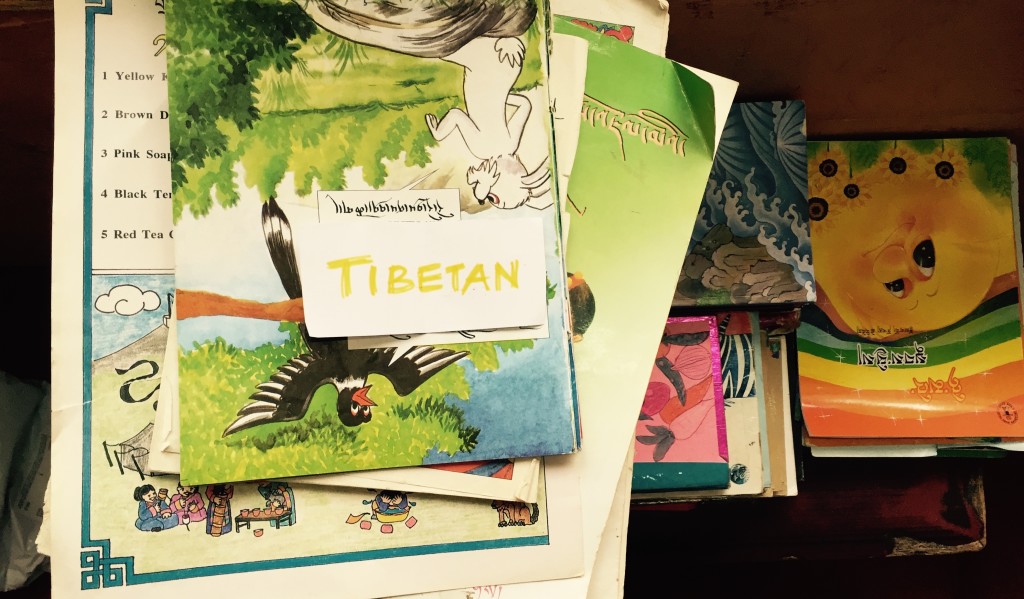
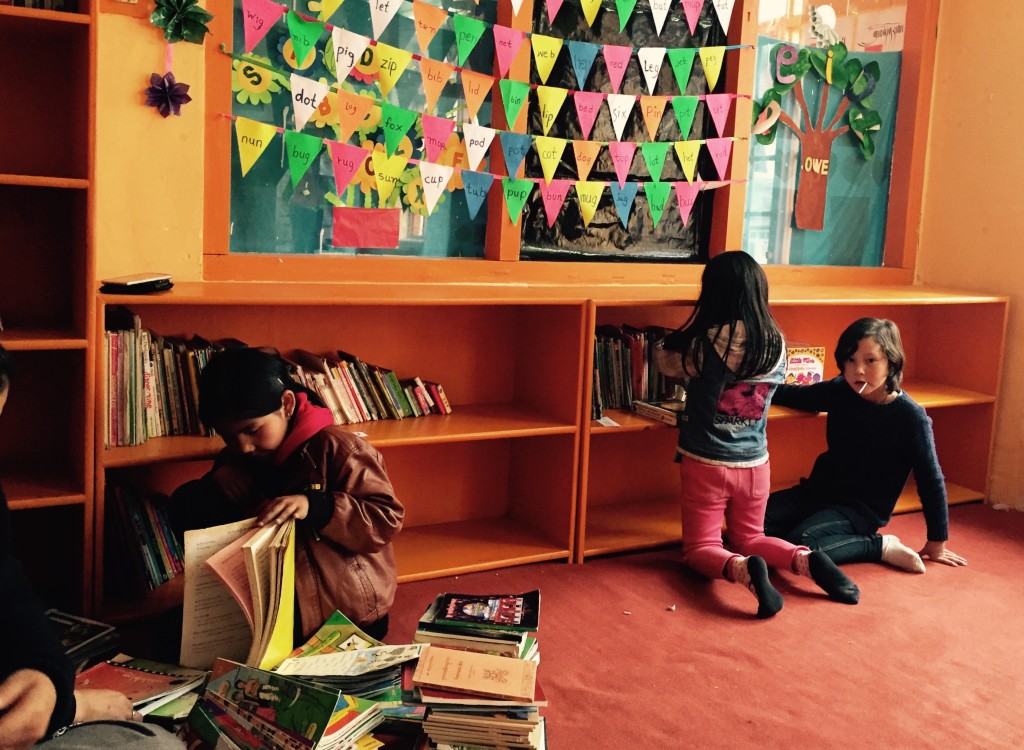
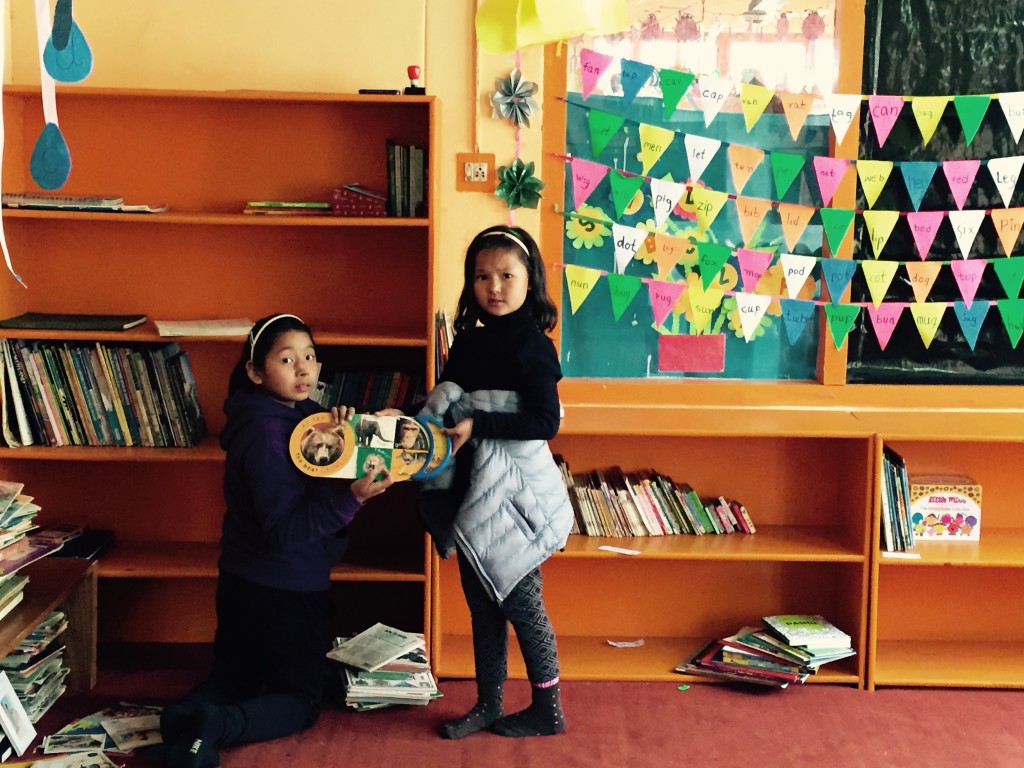
Visual storytelling also supports children who speak different languages at home. A short caption can be translated or read aloud, while gestures, facial expressions and objects carry part of the meaning. In Ladakh and other Himalayan communities, this flexibility helps reading rooms and learning sessions welcome children with different levels of literacy.
Stories Help Children Practise Calm Responses
Good first aid teaching is about judgement as much as technique. Children need to recognise when a situation is minor, when to find a trusted adult and when an emergency requires immediate help. Comics can model these decisions without making the lesson frightening.
A story may show a child discovering that a classmate has fainted. The character checks for an adult, keeps the area clear and avoids moving the person unnecessarily. Another panel can remind readers never to touch exposed electrical wires or give food and drink to someone who is unconscious. These details turn safety rules into memorable choices.
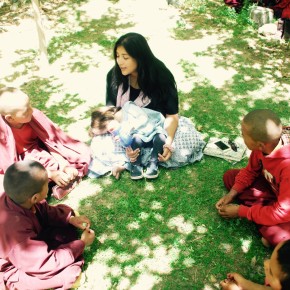
The format also creates space for discussion. Volunteers can pause after each frame and ask children what they notice, what could go wrong and how the characters might feel. Role-play can follow, with children practising how to speak clearly, find help and reassure an injured friend. The lesson becomes active rather than a one-way explanation.
A Practical Format For Himalayan Learning Spaces
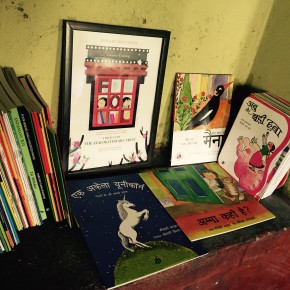
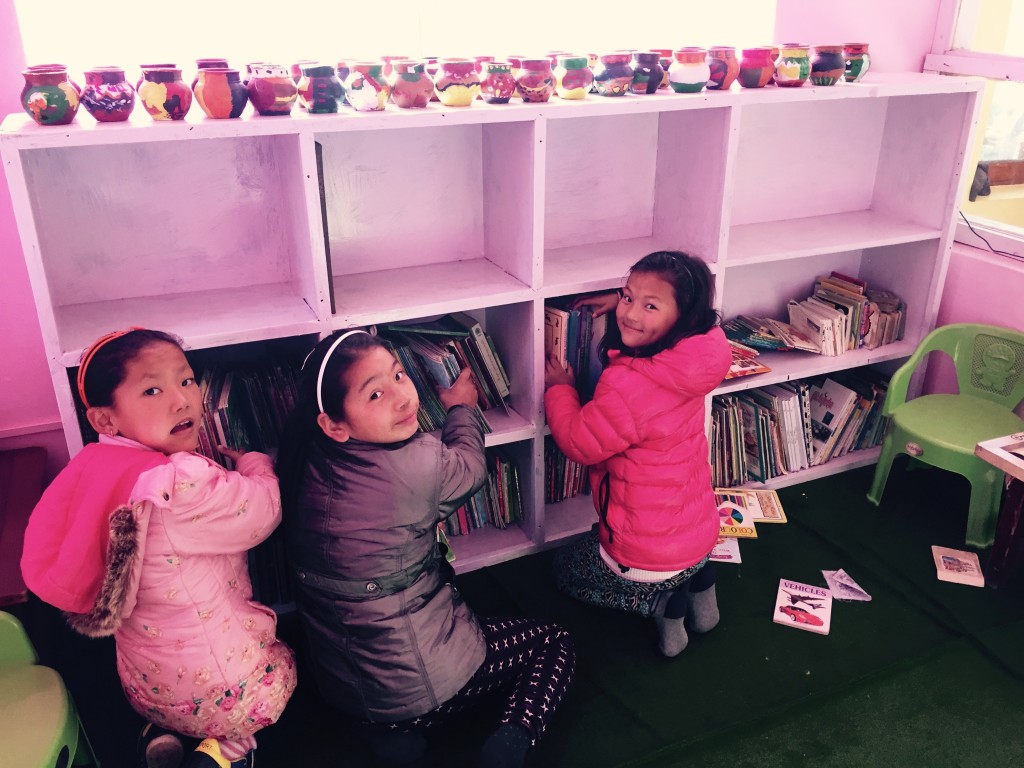
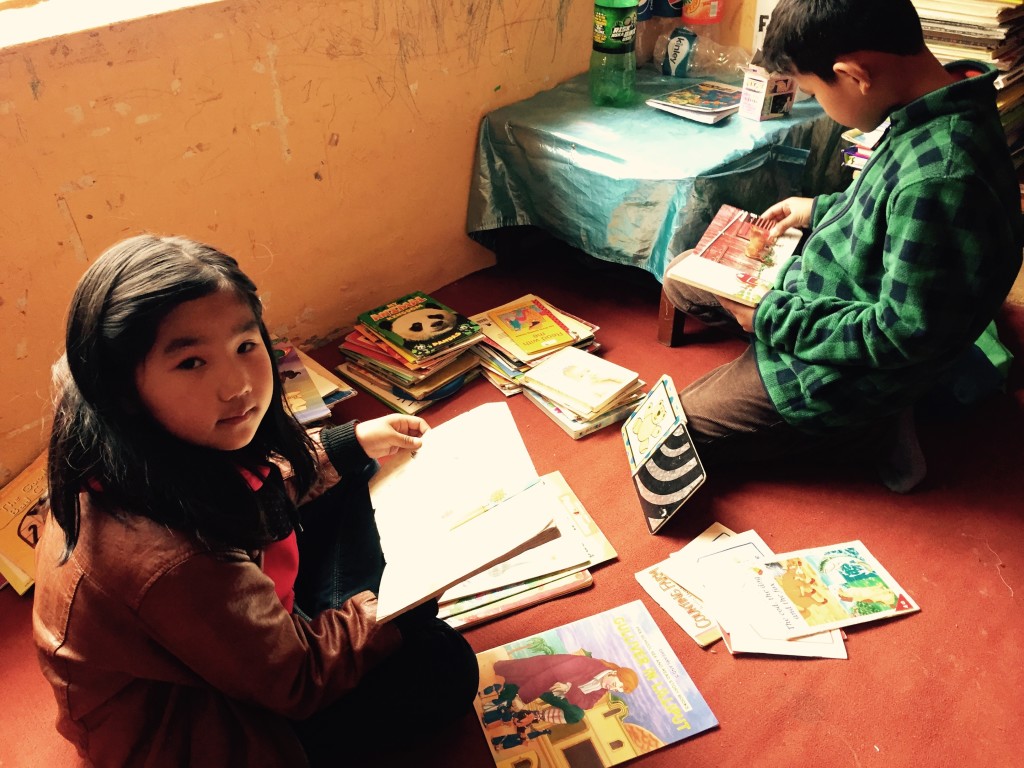
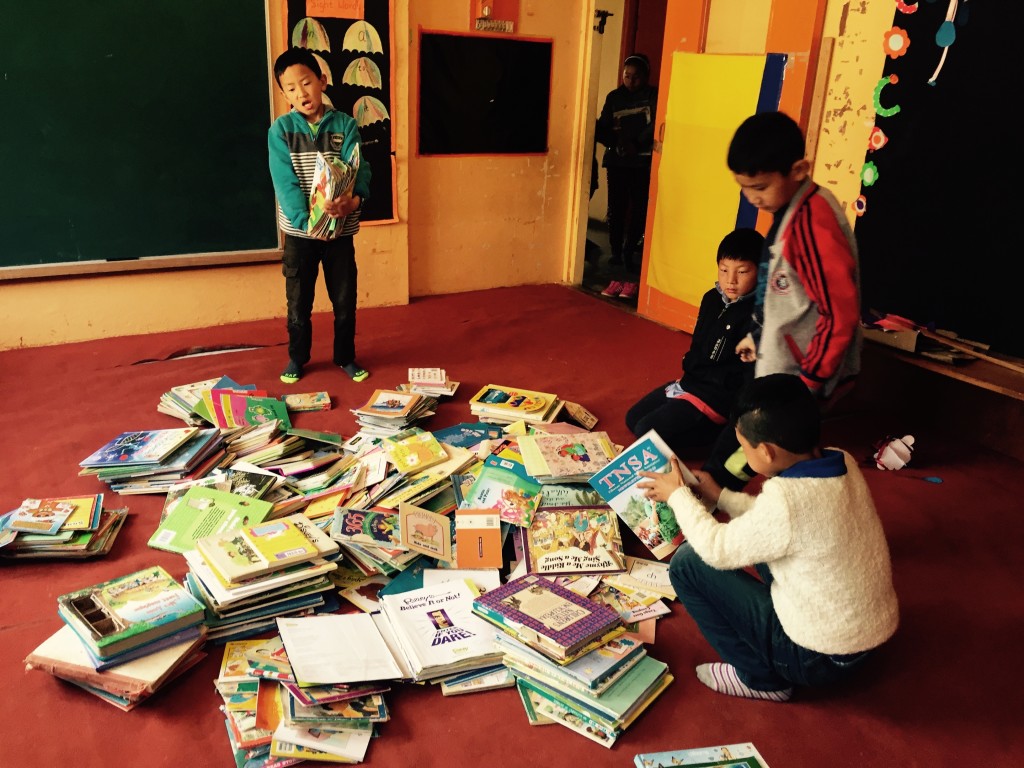
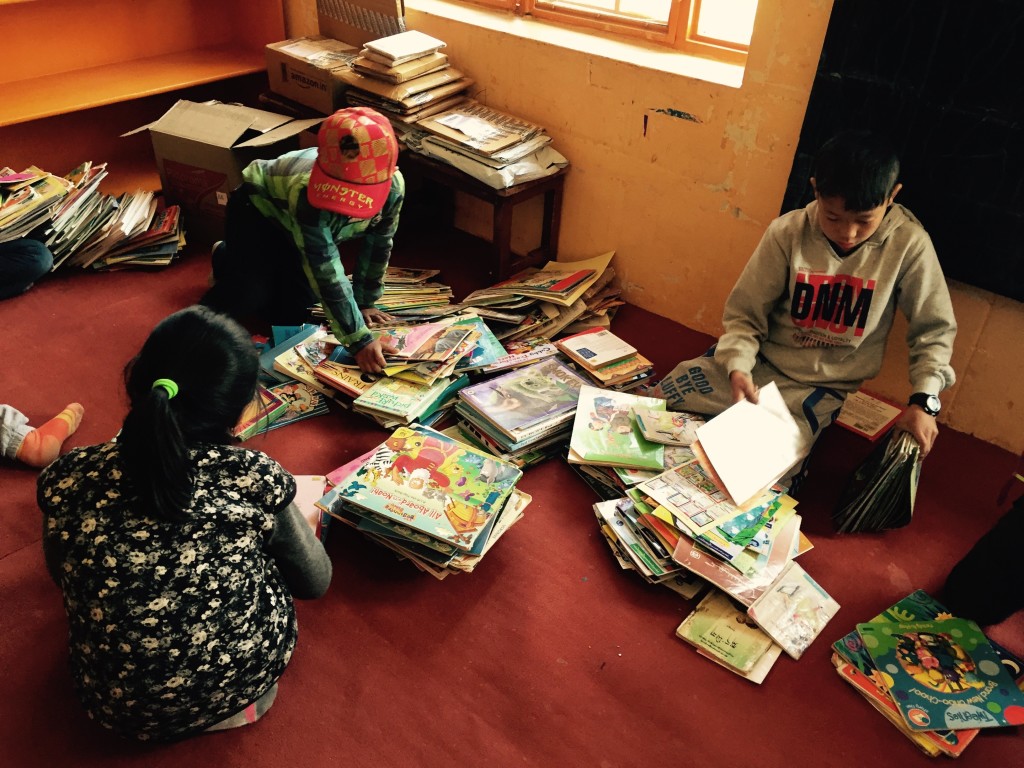
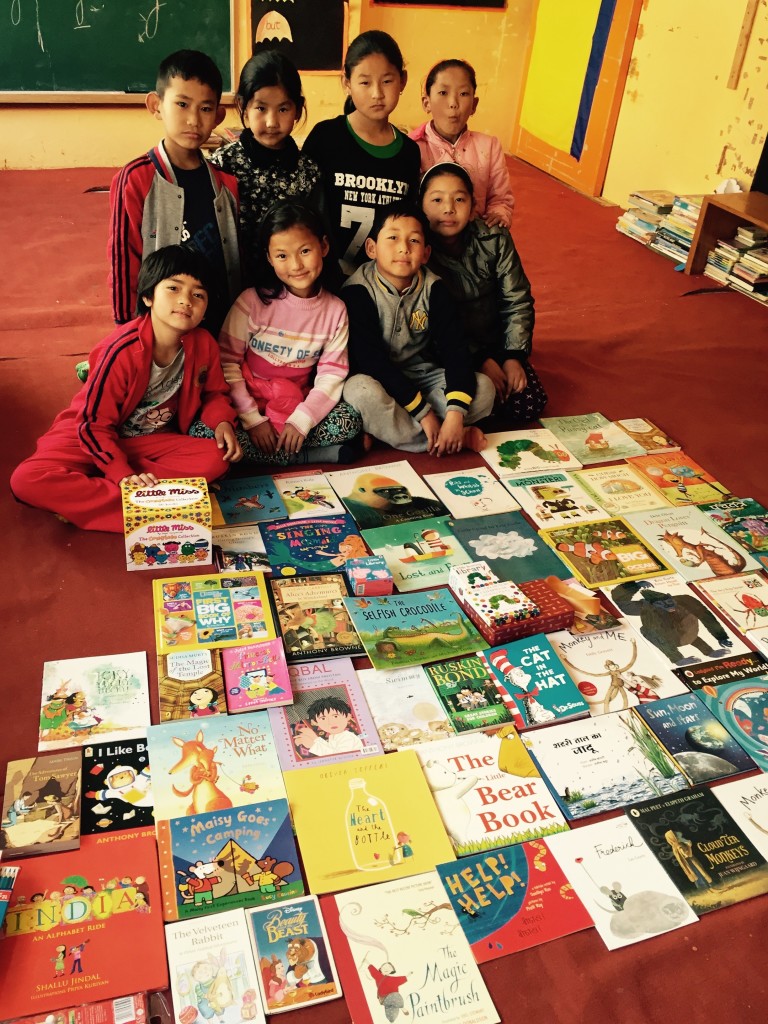
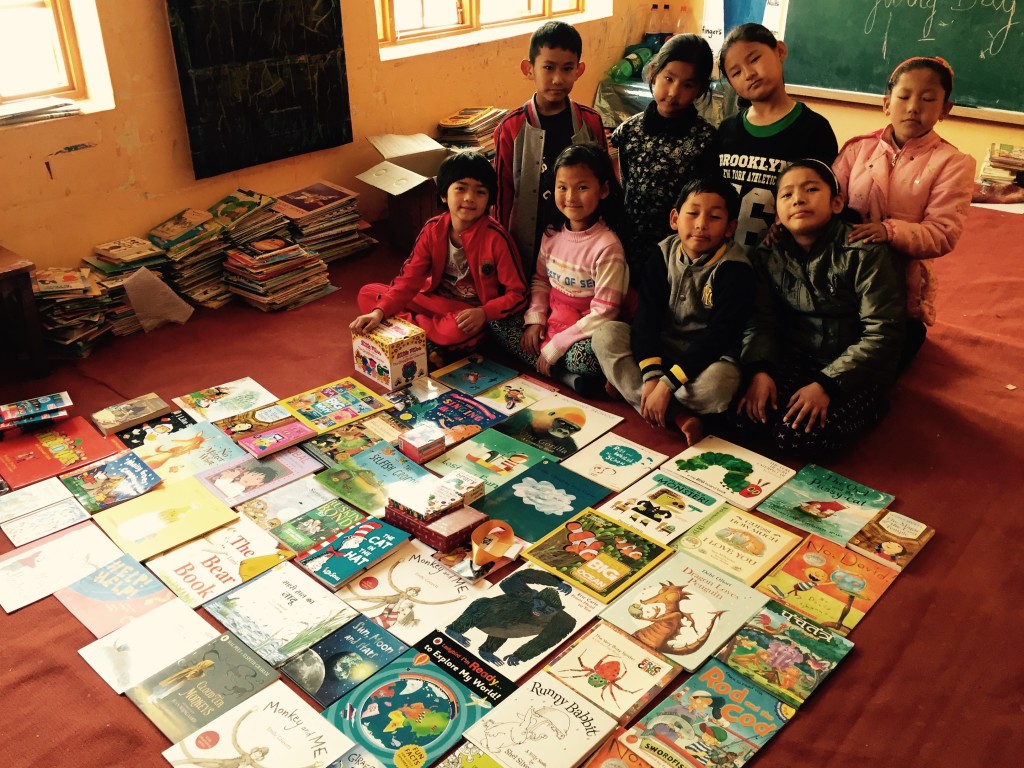
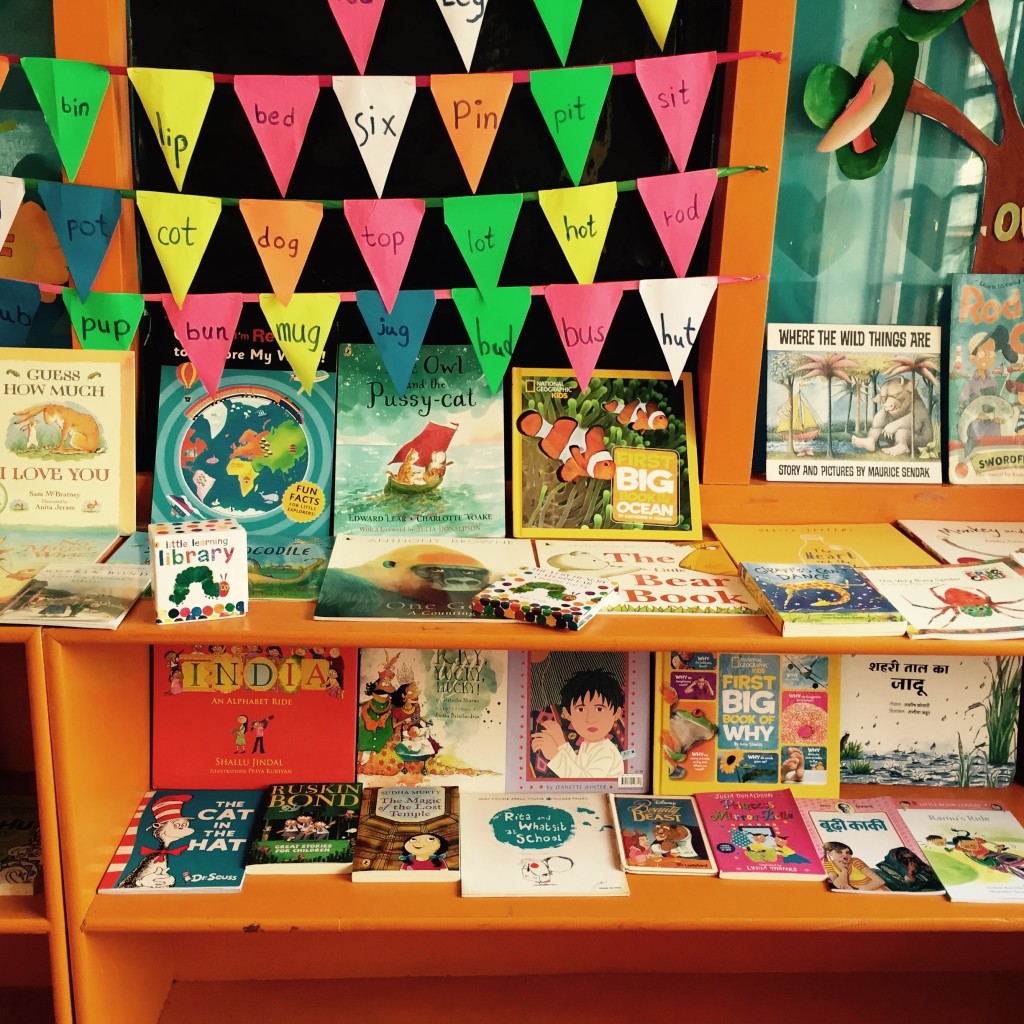
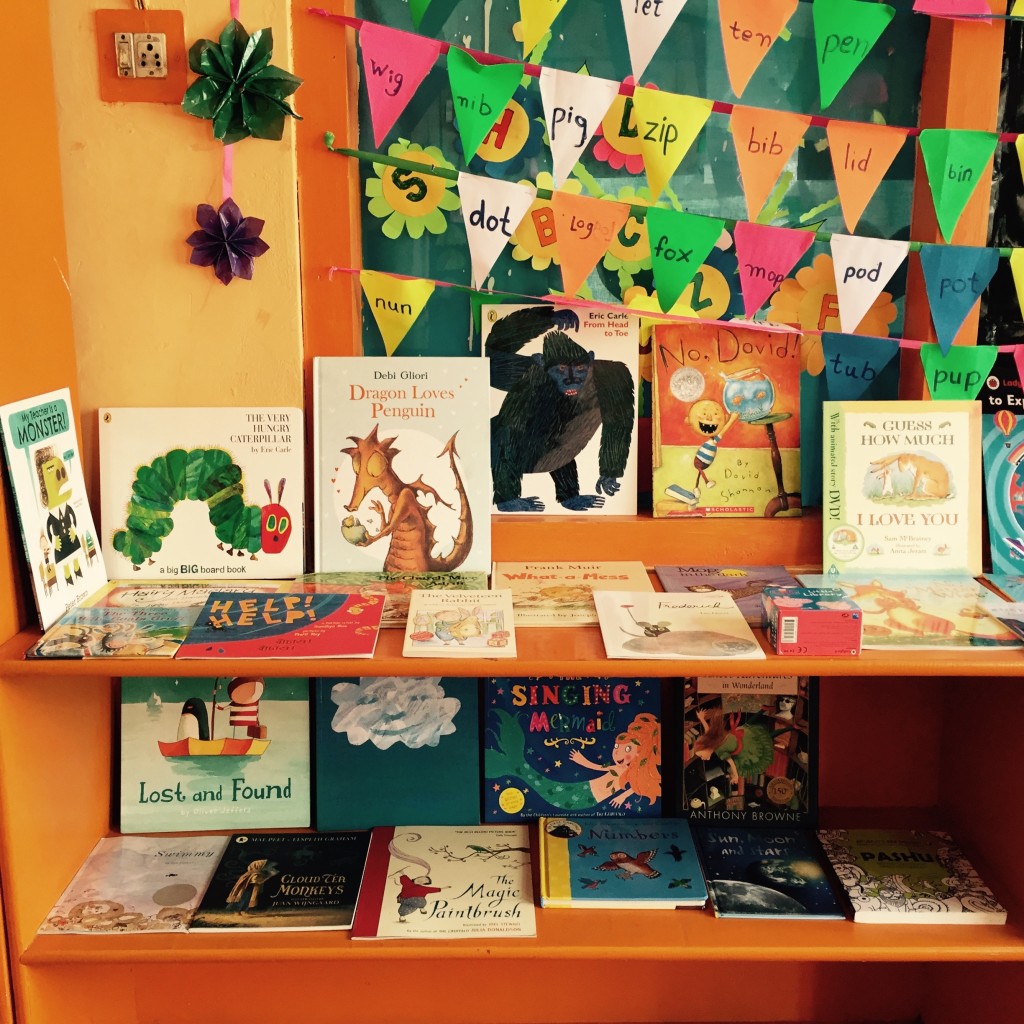
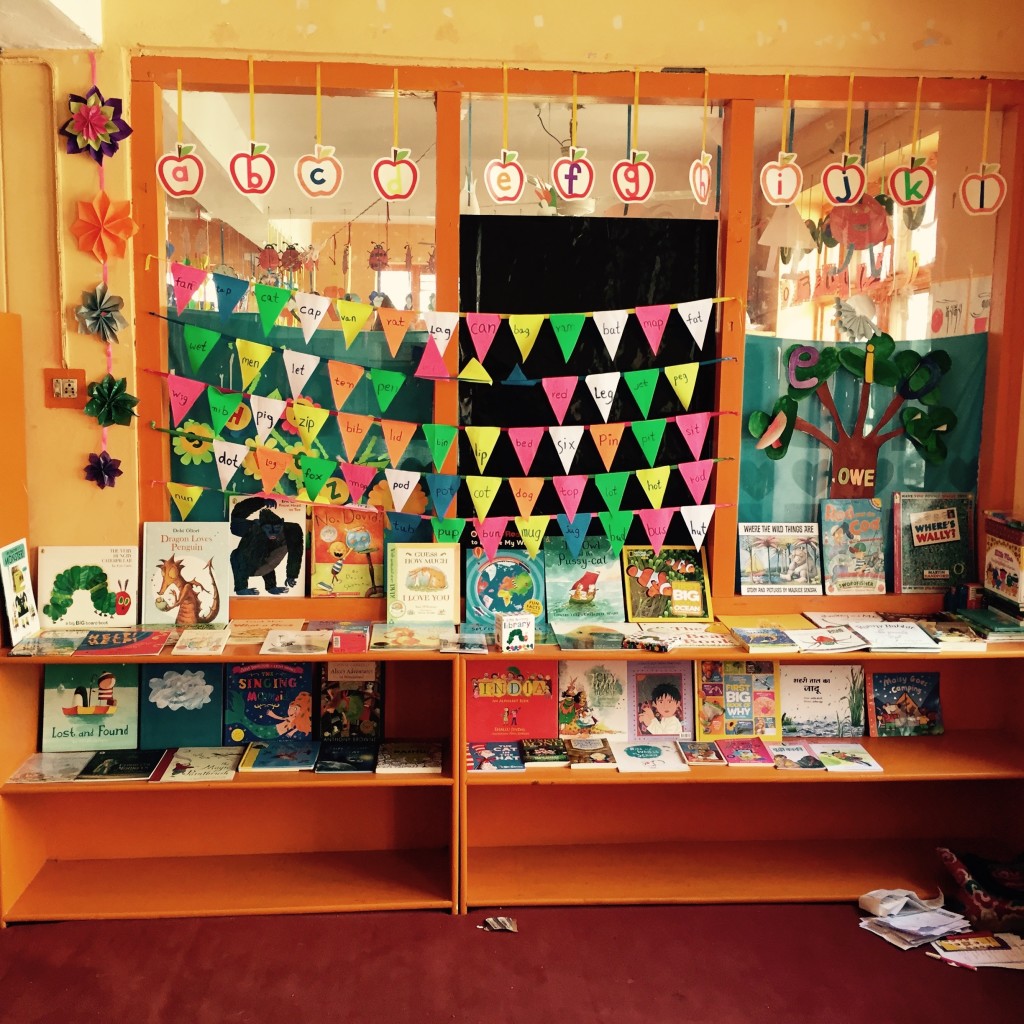
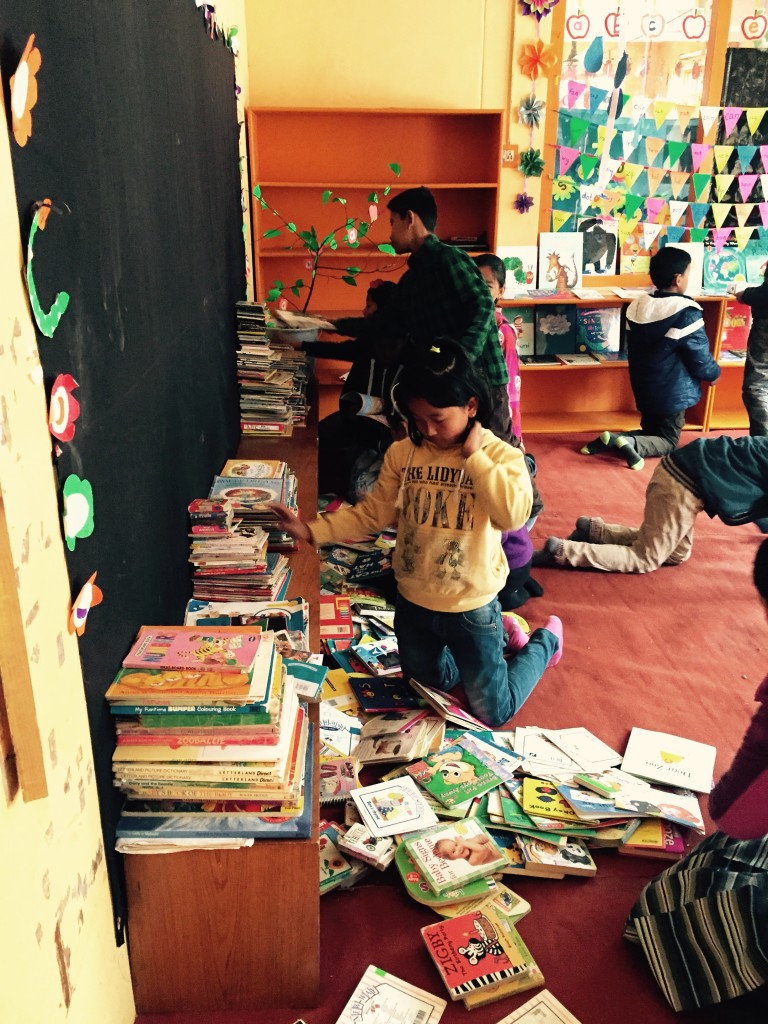
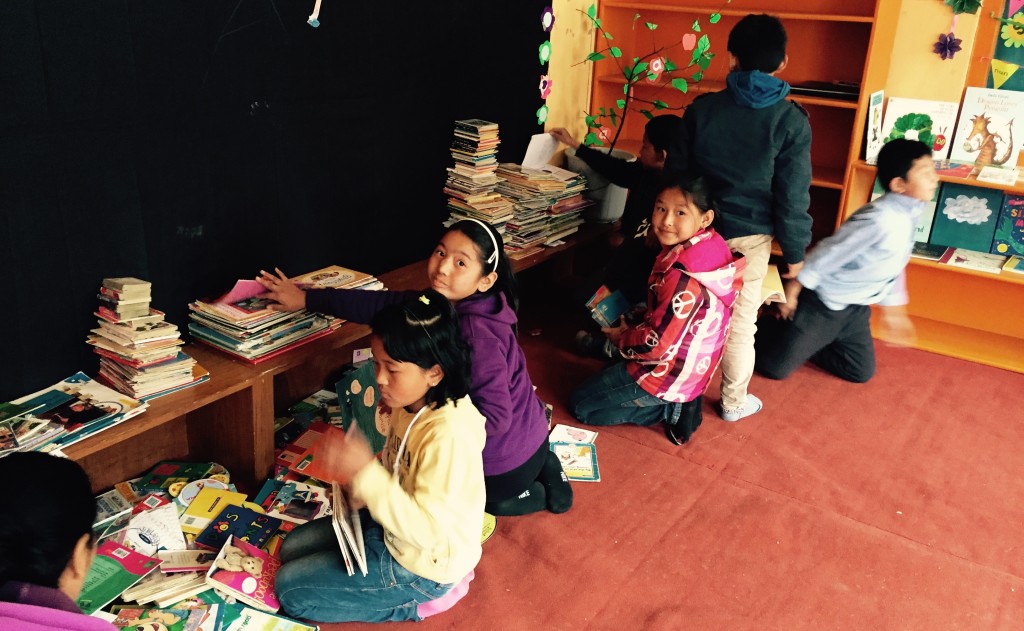
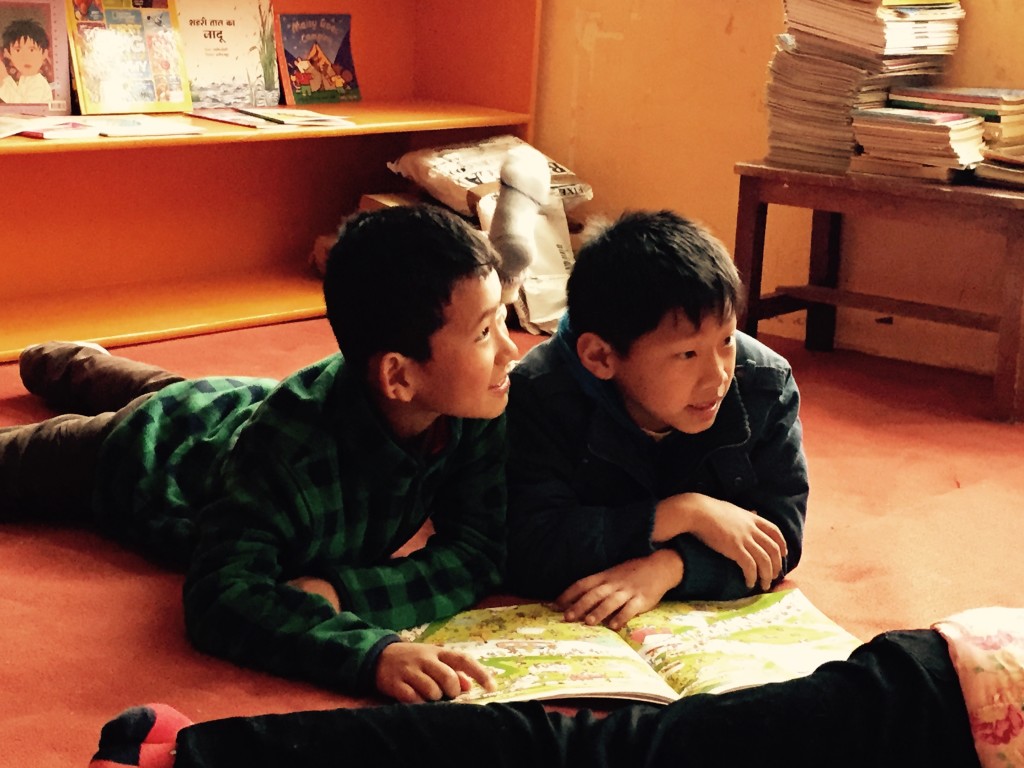
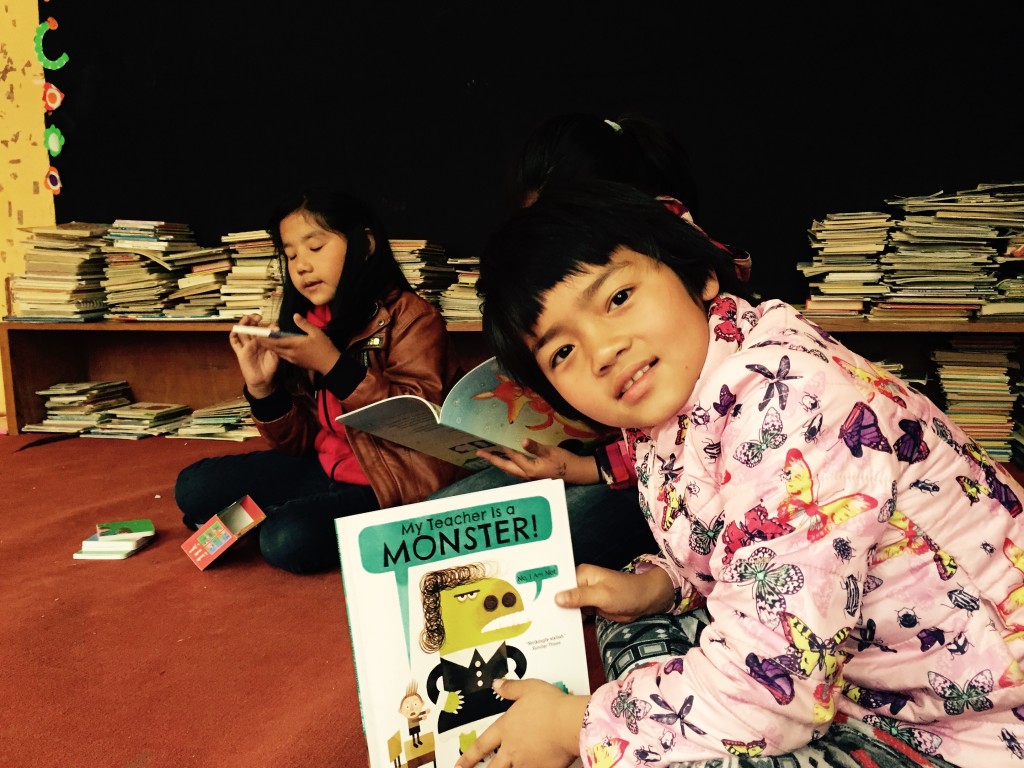
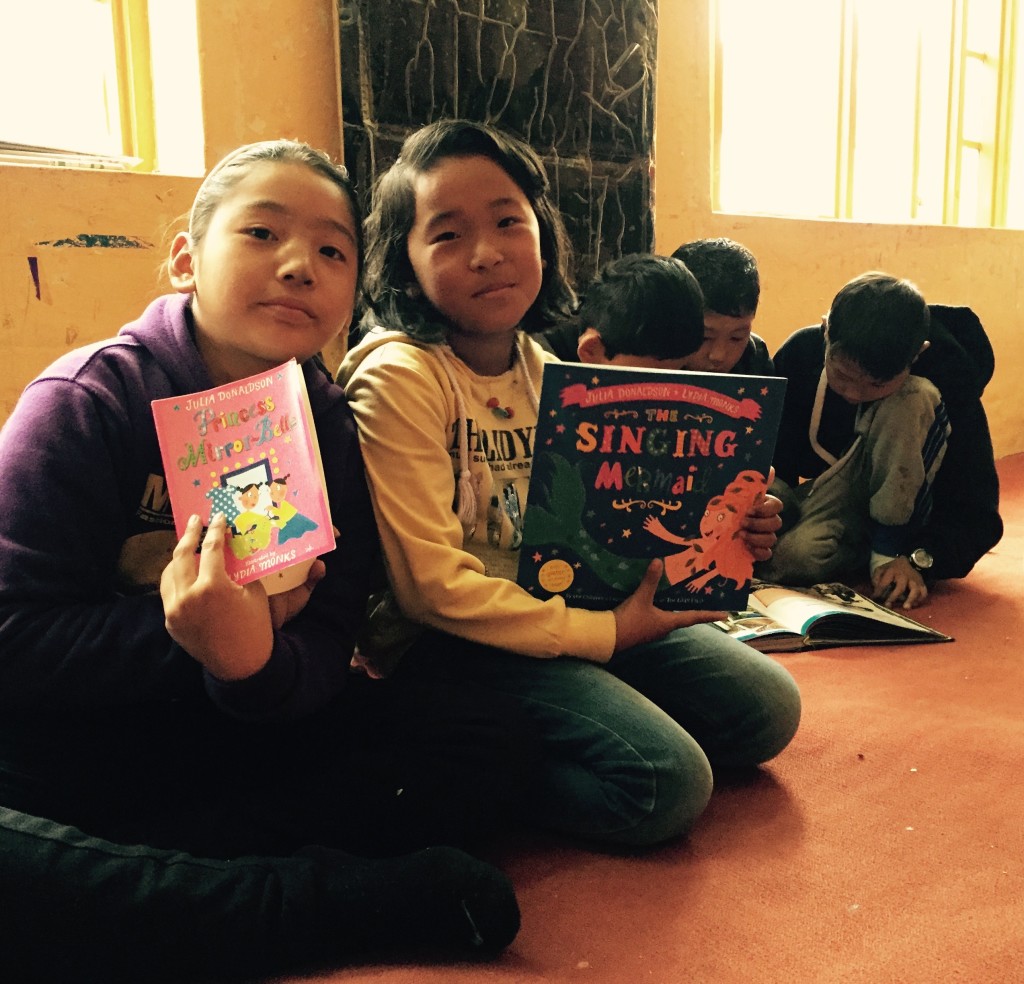
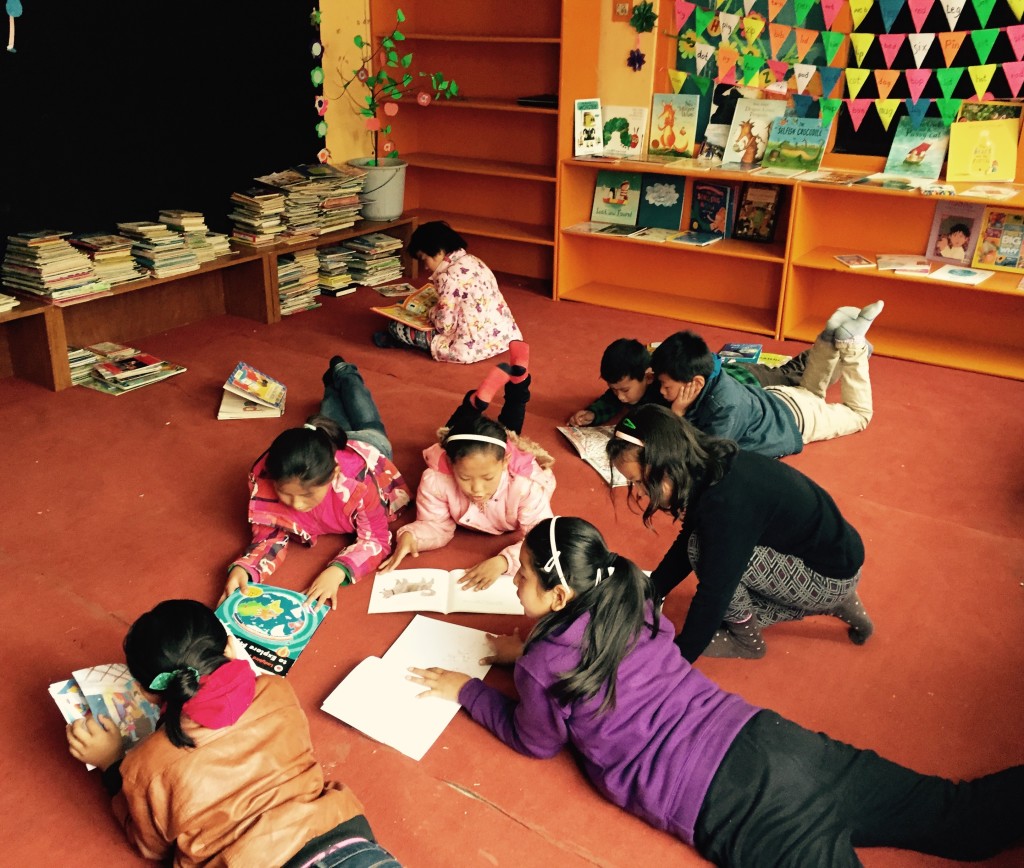
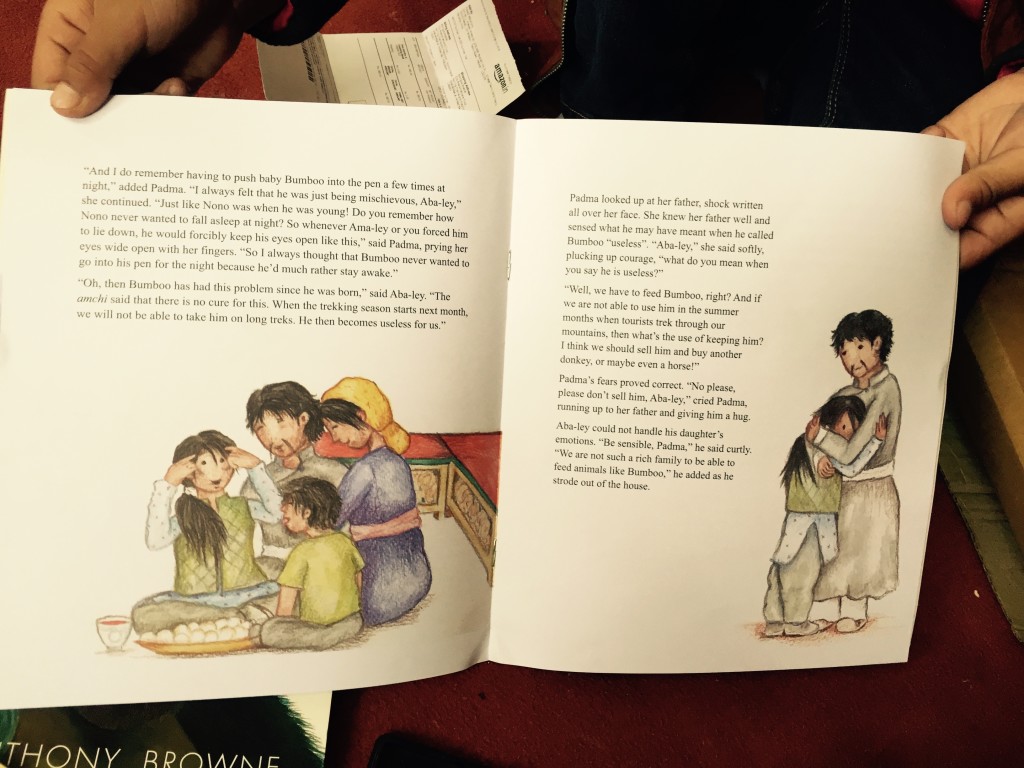
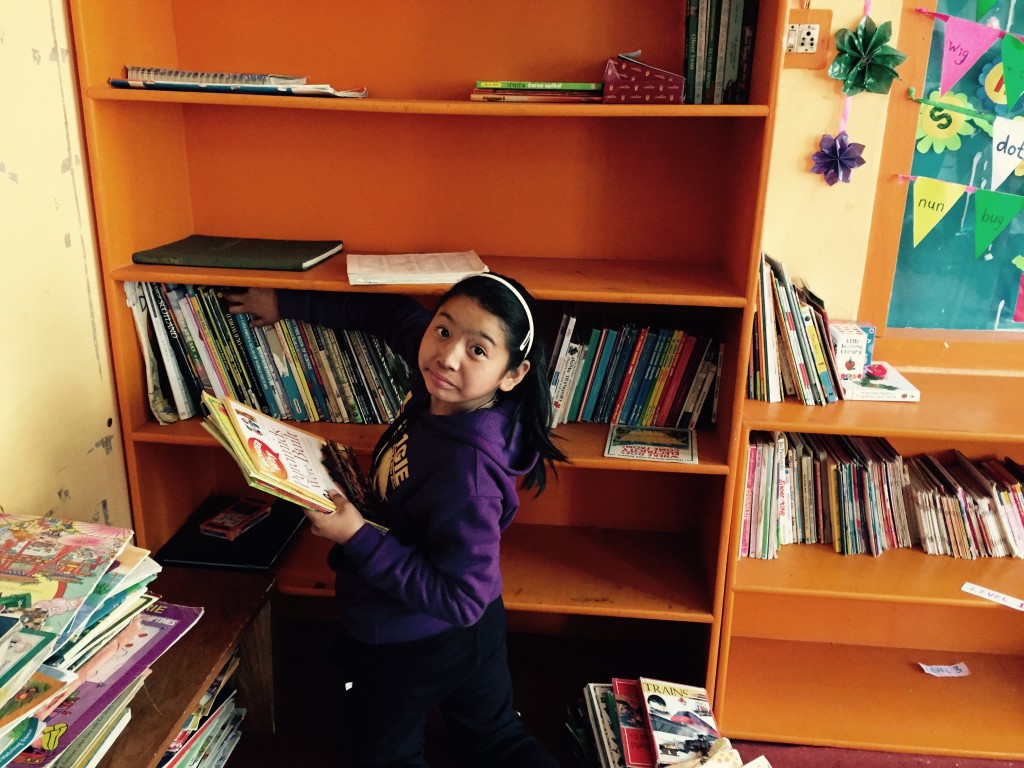
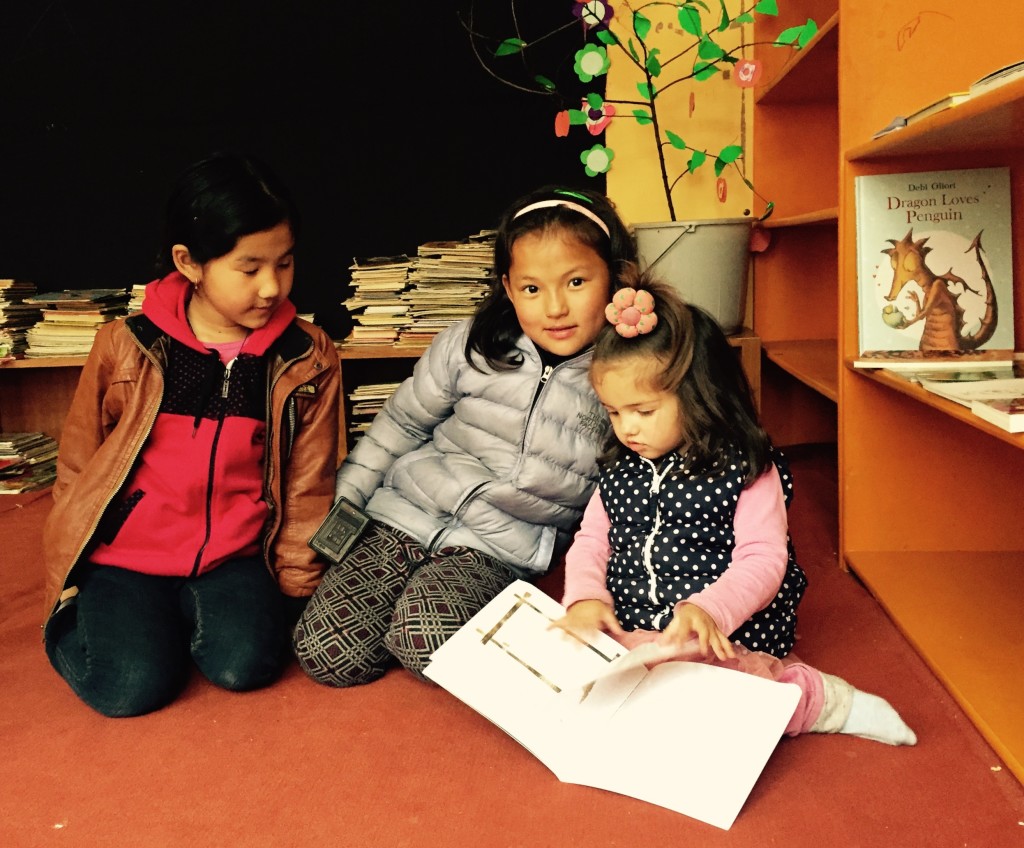
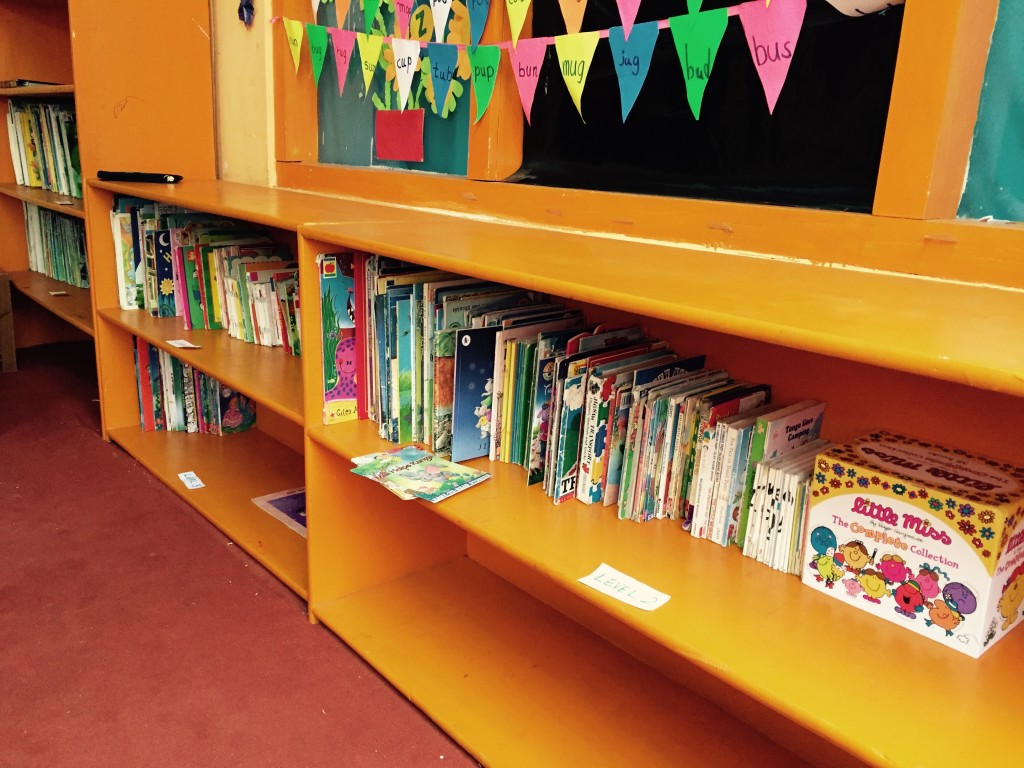
Comic strips are especially useful in villages where printed resources may be scarce. A small set of illustrated pages can be read by a group, displayed on a wall or shared between families. The same images can support a storytelling session, a drawing activity and a basic health workshop.
The design must respect local life. A comic should use familiar clothing, homes, paths, animals and school settings instead of copying examples from a distant textbook. It should also avoid showing dangerous behaviour as exciting or humorous. Clear facial expressions and simple dialogue help children understand both the action and the emotional response.
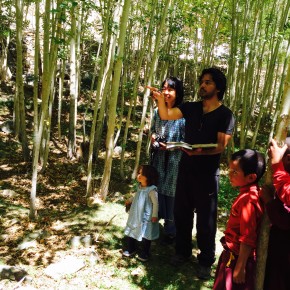
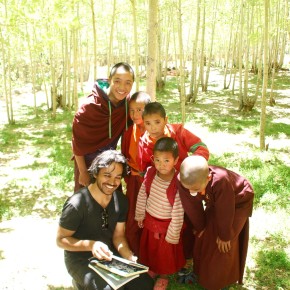
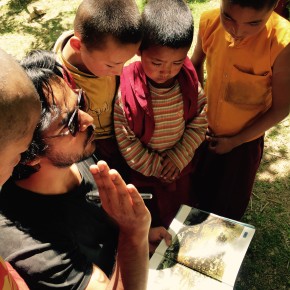
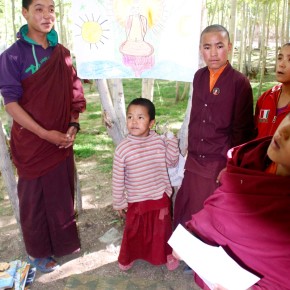
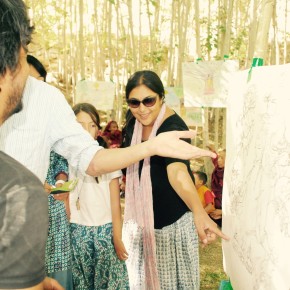
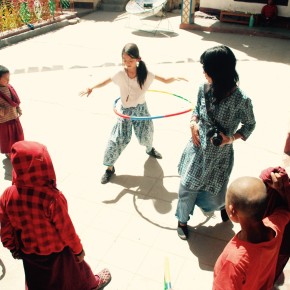
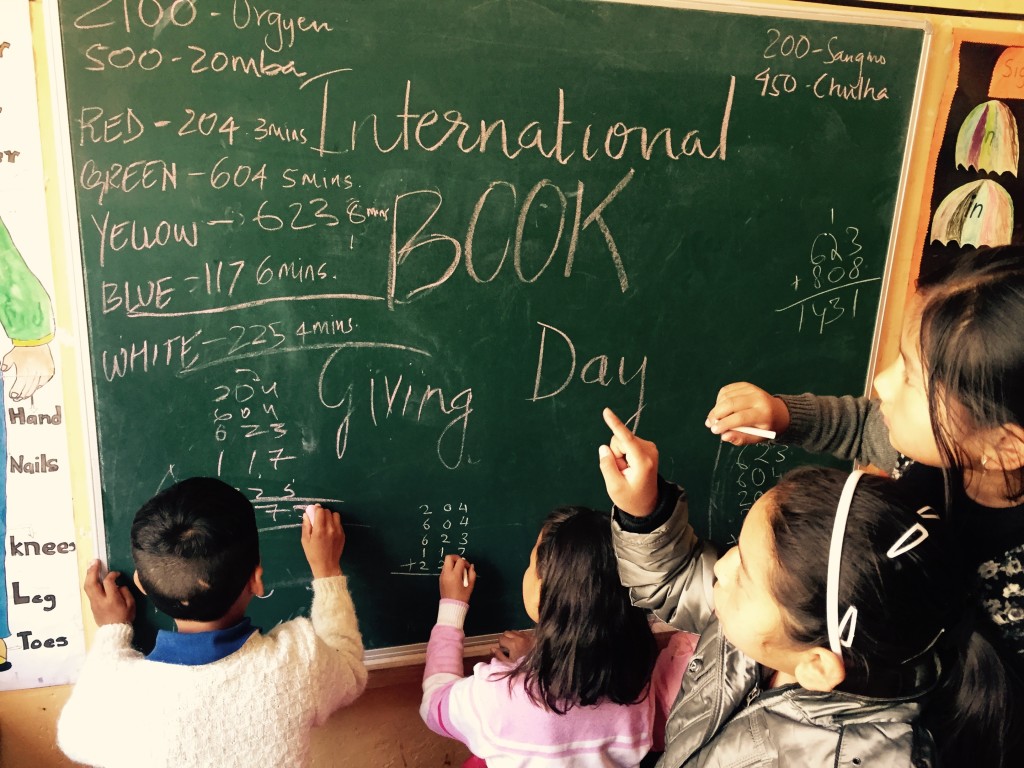
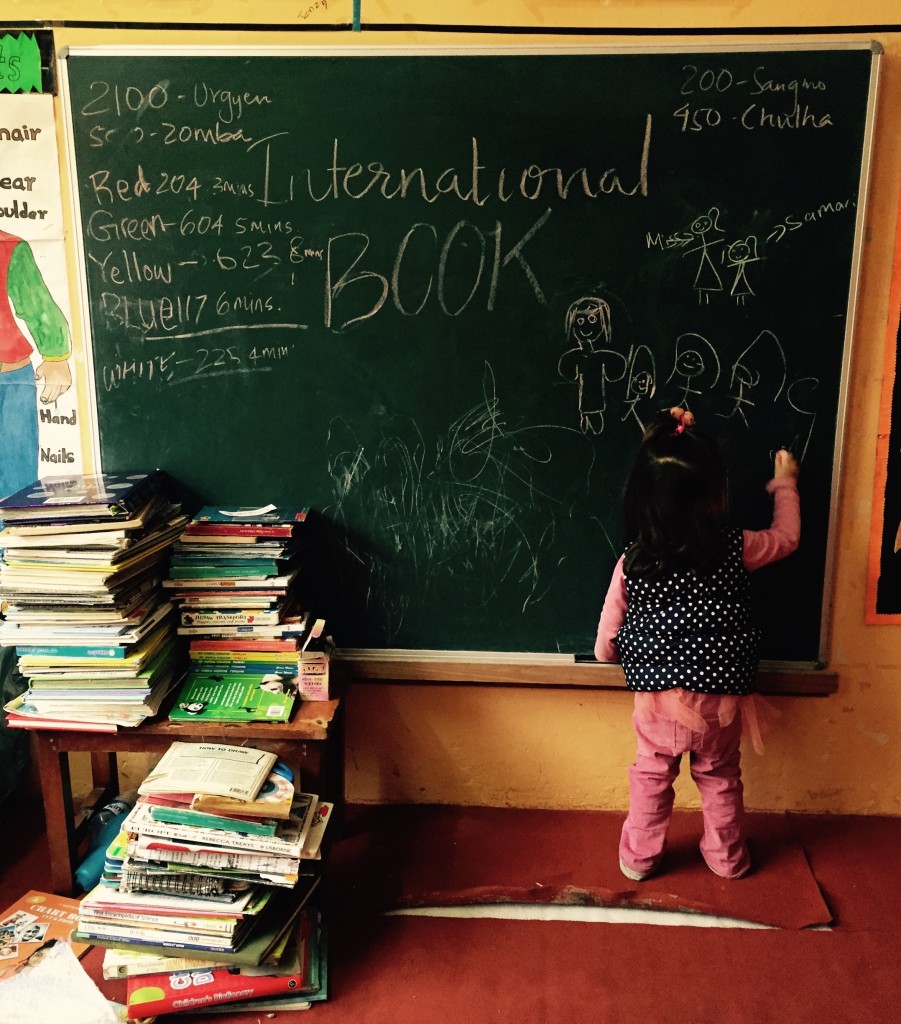
Creative education already forms an important part of community work. Children who take part in photography sessions, for example, learn to observe their surroundings and communicate through images, as seen in these photography activities. Comic-making extends that visual confidence into health and safety: children can draw a safe response, create a character or design a final panel that reminds others to ask for help.
Building Skills Through Shared Activities
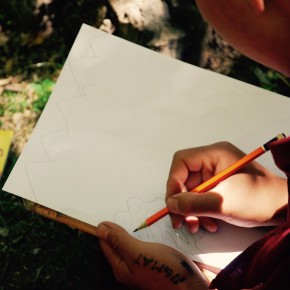
First aid comics work best when children help shape them. A volunteer can introduce a scenario, then invite the group to draw what happens before and after the incident. This encourages careful observation and gives facilitators a chance to correct unsafe ideas gently.
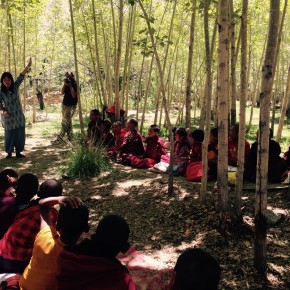
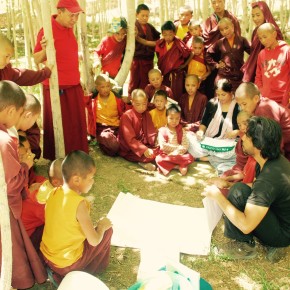
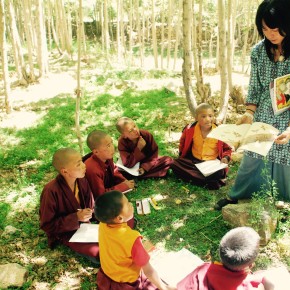
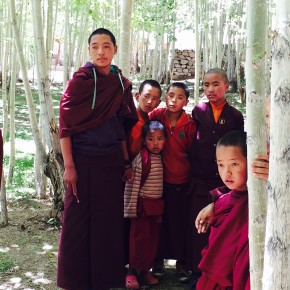
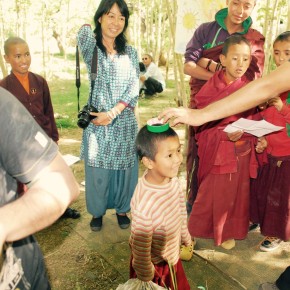
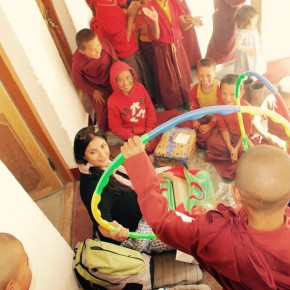
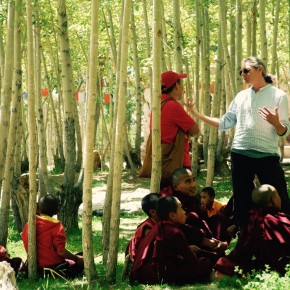
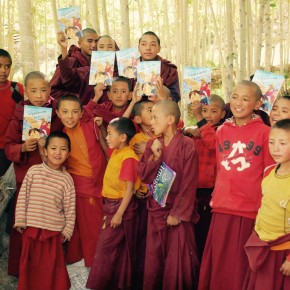
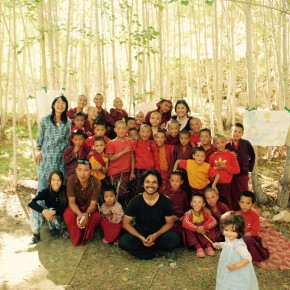
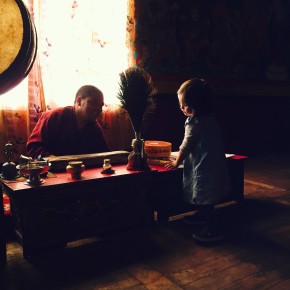
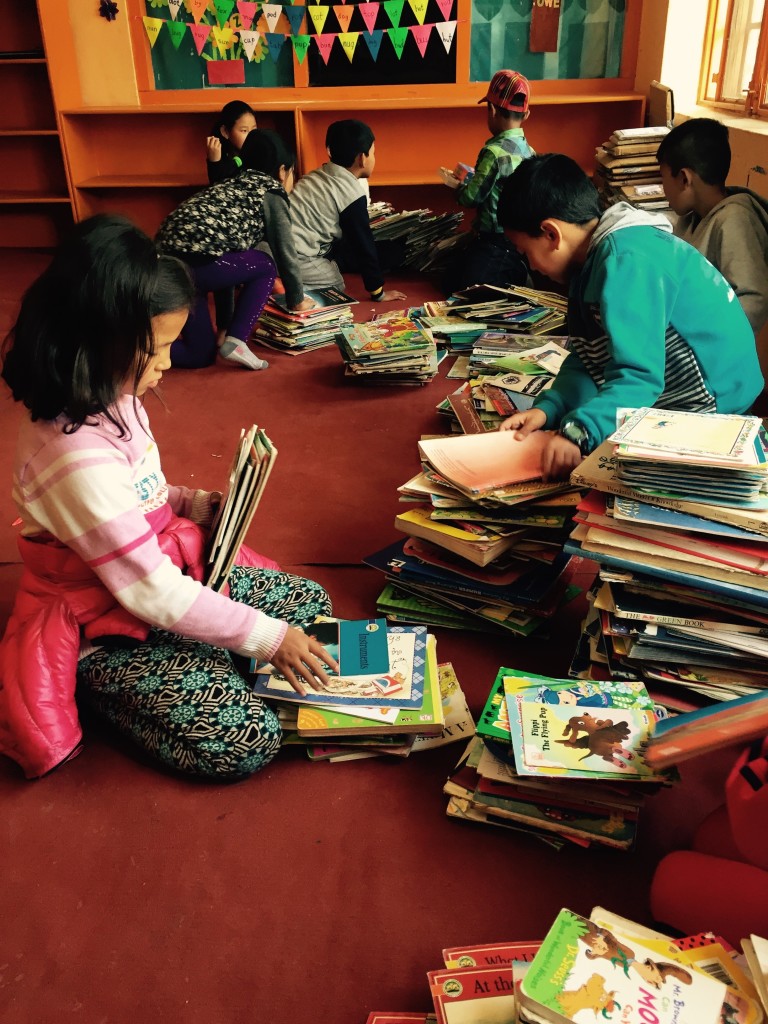
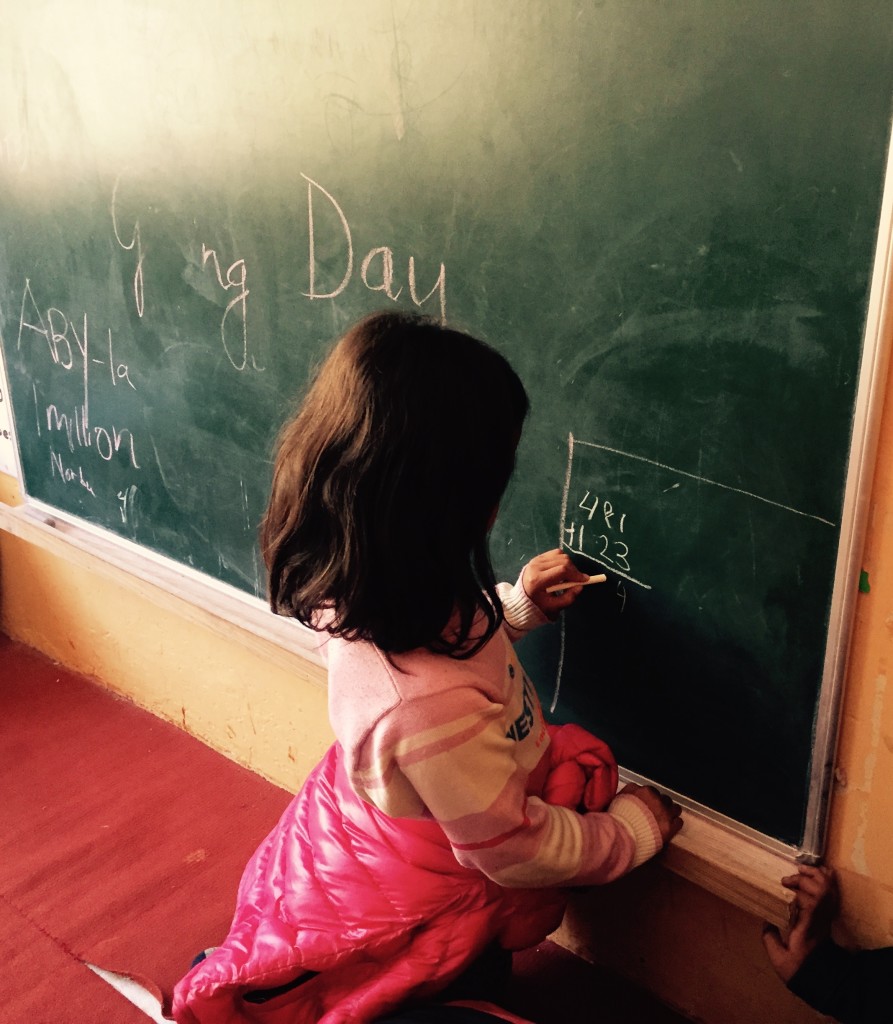
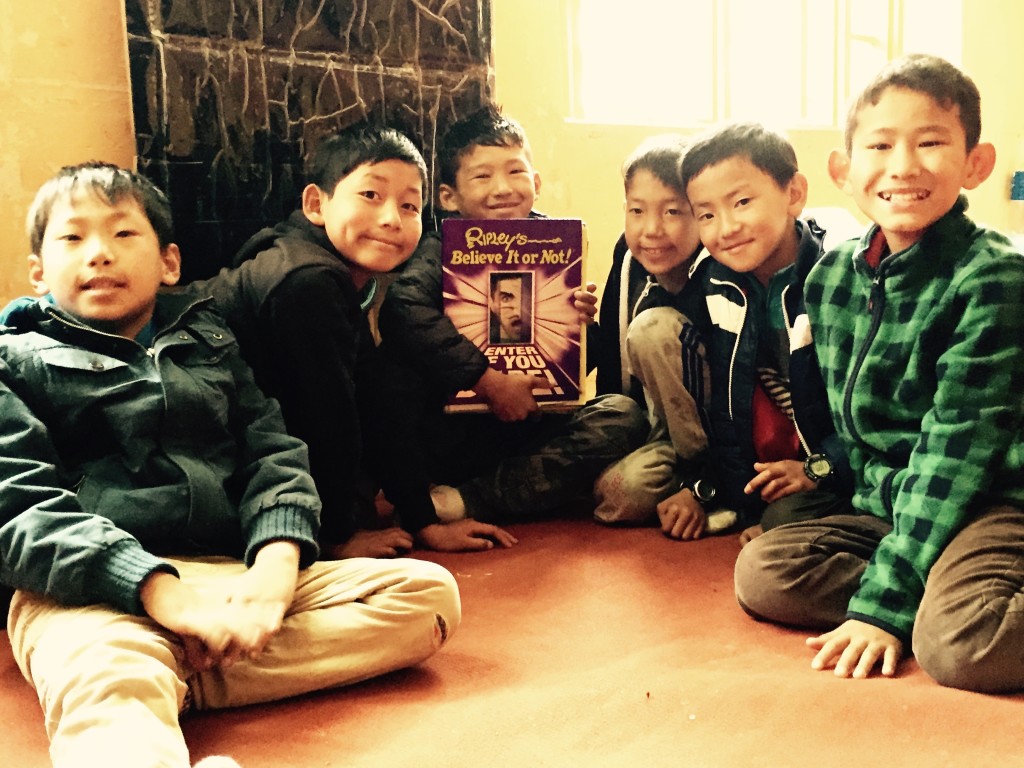
The activity can be adapted for different ages. Younger children might match pictures with actions, while older students can write dialogue, translate captions or explain why a particular response is safer. Young monks and school-aged children can collaborate, combining reading practice with empathy, communication and problem-solving.
What A Useful First Aid Comic Can Show
- Washing hands or using clean materials before helping with a small wound
- Finding a trusted adult and explaining what happened clearly
- Applying steady pressure to minor bleeding with clean cloth or gauze
- Cooling a minor burn with cool running water and avoiding creams or ice
- Staying away from serious hazards until trained help is available
The aim is never to make children responsible for emergencies beyond their ability. Every lesson should emphasise adult support, local medical services and the limits of basic first aid. The comic gives children a safe starting point, not a substitute for a health professional.
Where The Lessons Can Travel
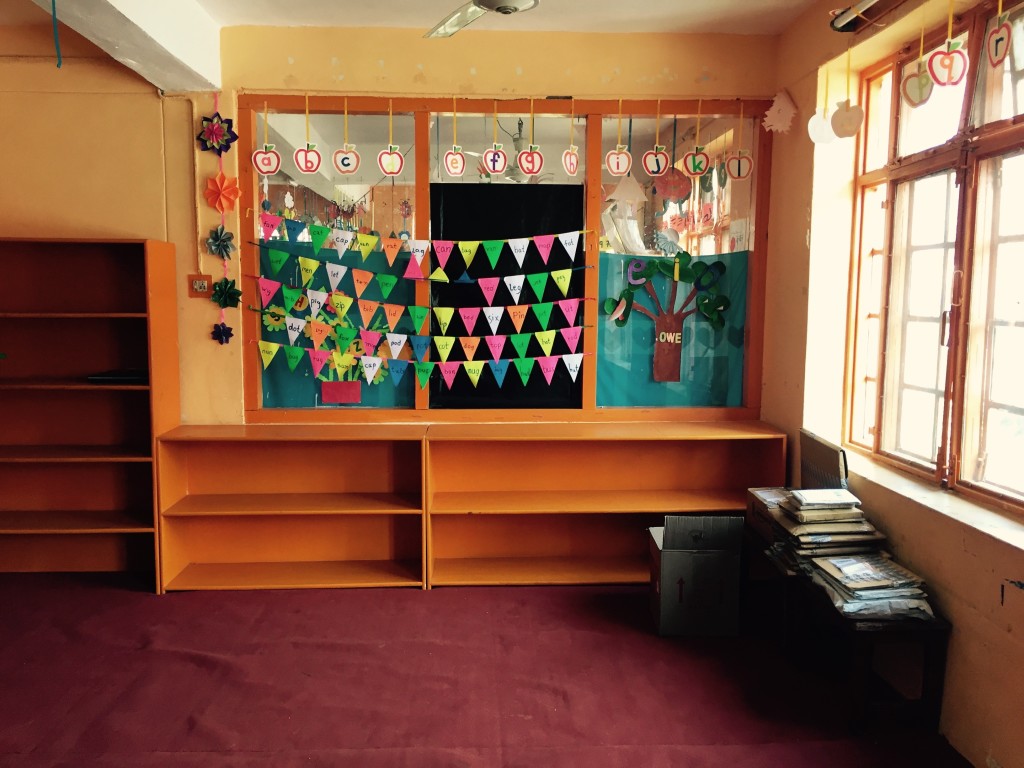
- Reading rooms and school libraries
- Youth groups, monasteries and community halls
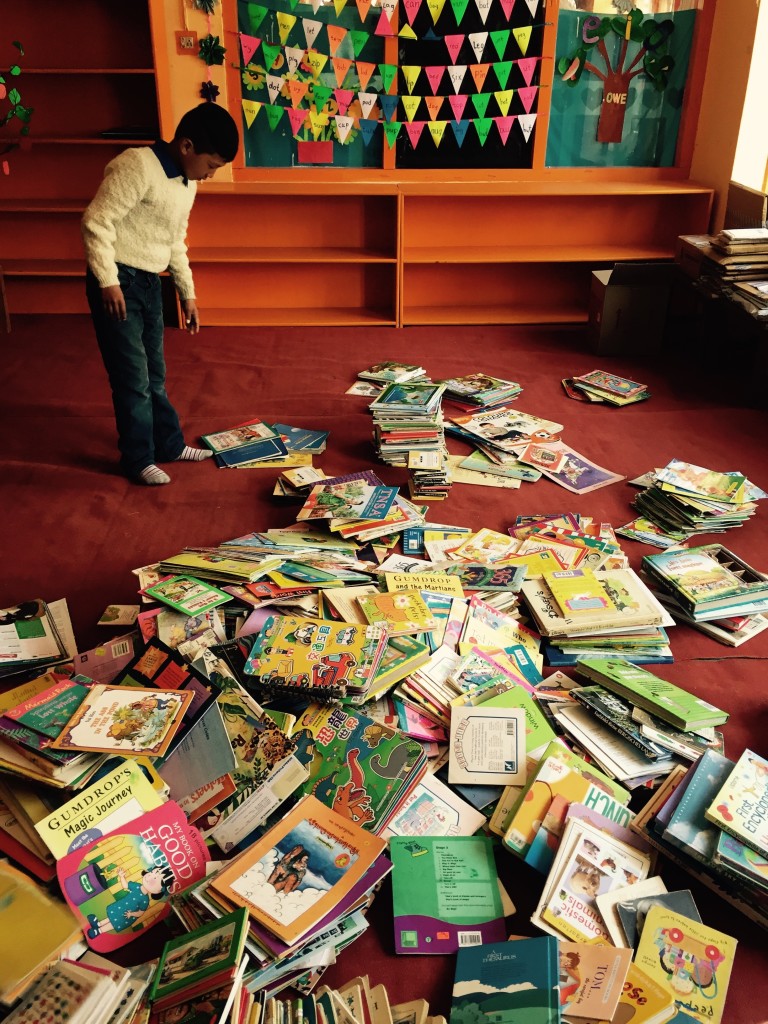
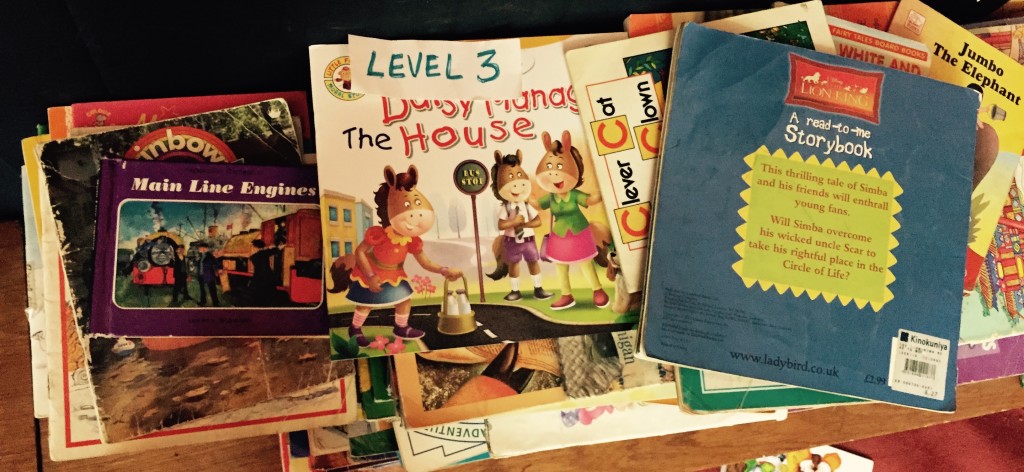
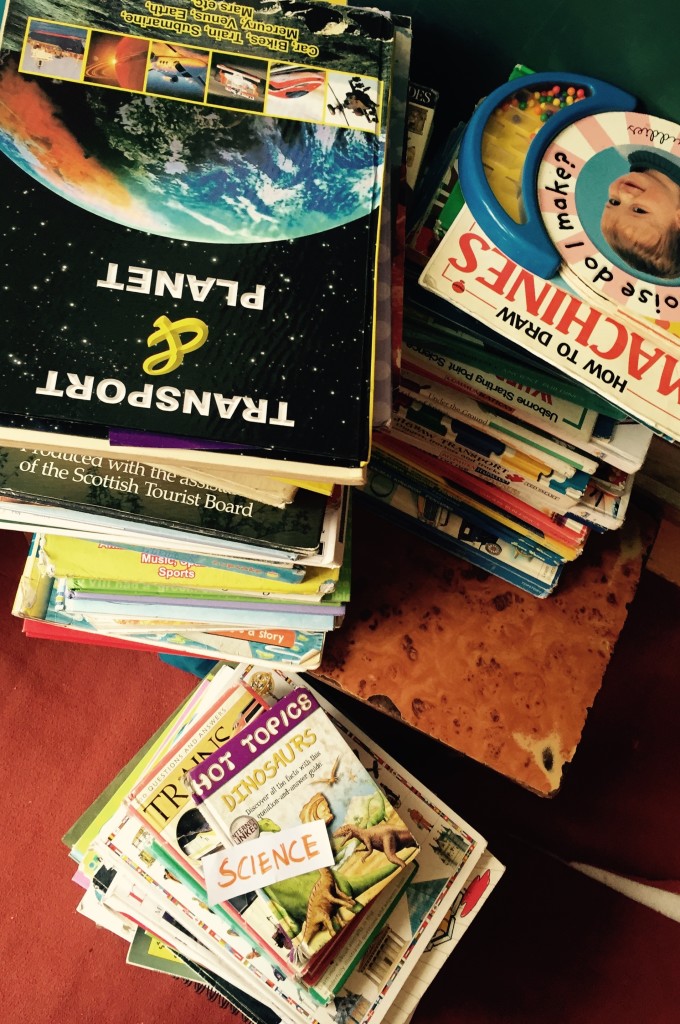
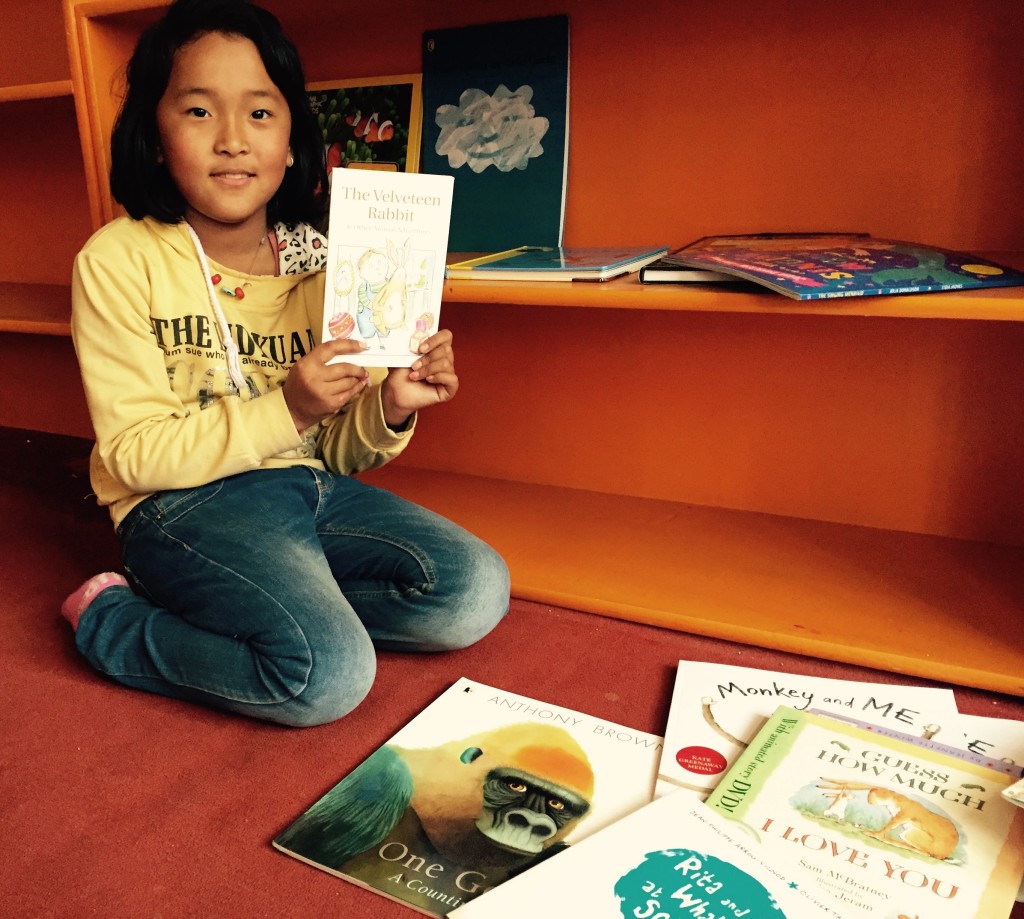
- Book drives that include health and safety materials
- Family learning sessions led by volunteers
- Art workshops that turn local experiences into new story panels
These settings help the message move beyond one class. A child may take the comic home, read it with a younger sibling or explain a picture to a grandparent. Repetition across familiar places makes the information more likely to be recalled when it matters.
Connecting Himalayan Learning With Australian Communities
The approach also has relevance for supporters and educators in Australia. A school in Melbourne, a library in Sydney or a community group in Perth may use picture-based health stories with children who are learning English, have different reading abilities or feel anxious about medical subjects. Local examples can include calling Triple Zero (000), finding a surf lifesaver at the beach or telling an adult about a fall during a bushwalk.
Australian customs and settings can be included without losing the wider purpose. A comic might show children preparing a first aid kit for a school excursion, helping at a weekend sports club or responding safely after a hot day. In rural areas, the story could discuss distance from medical care while reminding children to contact an adult and emergency services. These examples sit alongside Himalayan scenarios rather than replacing them.
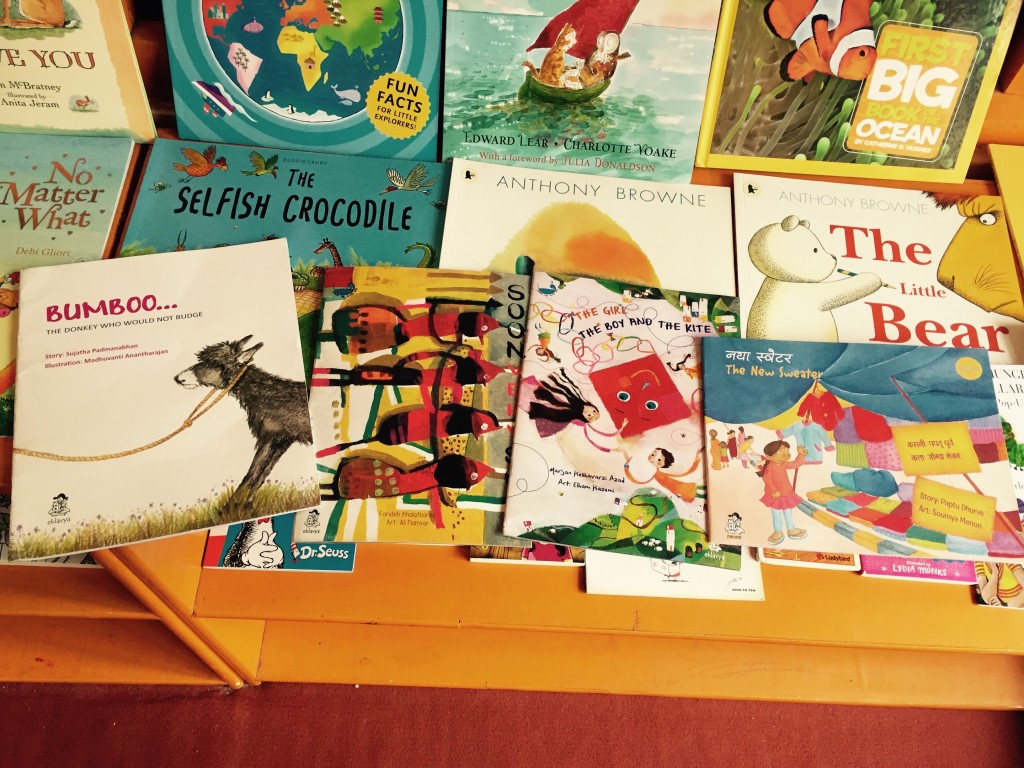
The Australian book market also offers useful pathways for community support. Independent bookshops, school book fairs, public libraries and local printers can help circulate affordable educational materials. Donated paper, translated editions and small print runs may allow a reading room or volunteer group to test a comic before producing more copies. The emphasis remains on access: a durable, readable resource is more valuable than an elaborate publication that cannot reach children.
| Learning approach |
Strength |
Limitation |
Best use |
| Illustrated comic strip |
Makes sequences and emotions visible |
Needs careful design and accurate captions |
Group reading and repeated practice |
| Spoken demonstration |
Allows questions and immediate correction |
Can be forgotten without a visual reminder |
Volunteer-led workshops |
| Written first aid guide |
Provides detailed reference information |
May be difficult for early readers |
Older students and adult caregivers |
| Role-play activity |
Builds confidence and communication |
Requires space and supervision |
Practising calls for help and safe decisions |
The comparison shows why comics belong within a broader programme. They can introduce an idea, while demonstrations provide accuracy and role-play builds confidence. Reading rooms can hold the printed story, volunteers can explain it, and children can revisit the pages whenever they need a reminder.
Teaching basic first aid through comic strips brings several forms of learning together. Children read, interpret pictures, discuss choices and practise kindness. In Ladakh, these lessons can support communities where resources are unevenly distributed; in Australia, they can enrich library, school and community education. What readers should remember is simple: clear pictures can help children act calmly, seek trusted help and protect one another when an accident occurs.