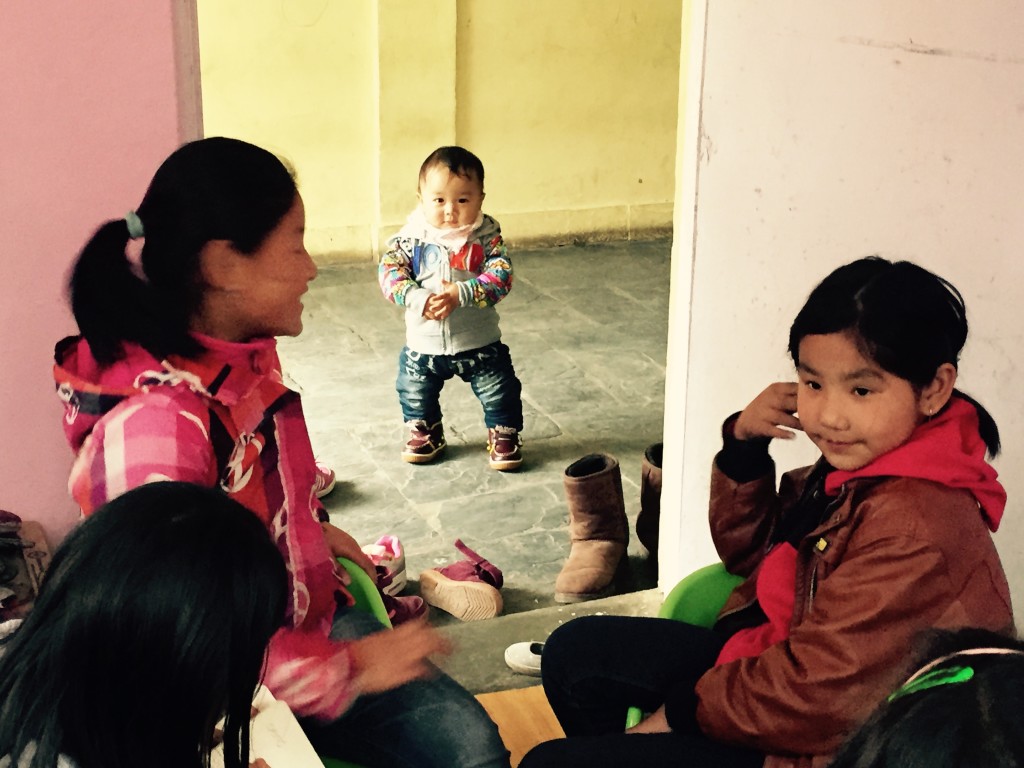
Teaching Photography Through Village Stories
In remote Himalayan villages, a camera can become far more than a piece of technology. It can help a child observe carefully, preserve family memories, and share the beauty of a landscape that is rarely represented in books or media. For children in Ladakh and nearby communities, photography offers a practical way to develop creativity alongside literacy and communication.
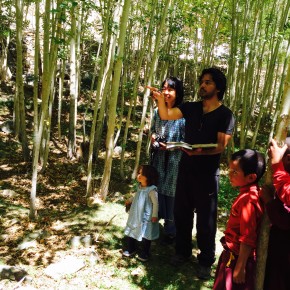
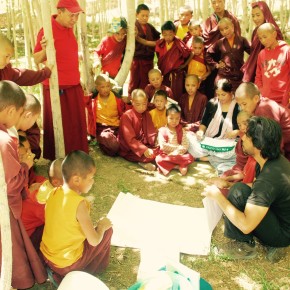
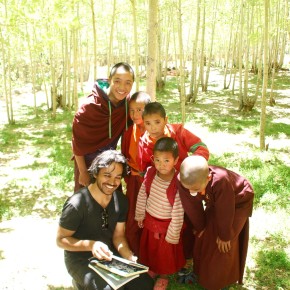
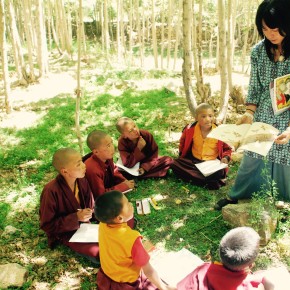
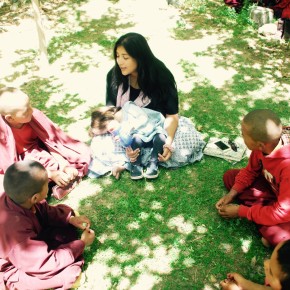
At Avalokiteśvara Trust, volunteers introduce photography through simple activities, patient guidance, and plenty of time outdoors. The sessions are designed for children with different ages, confidence levels, and access to equipment. A smartphone, a basic digital camera, or a shared tablet can all become tools for discovery.
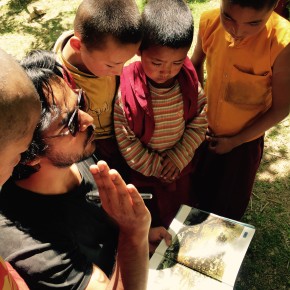
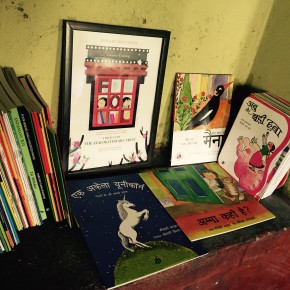
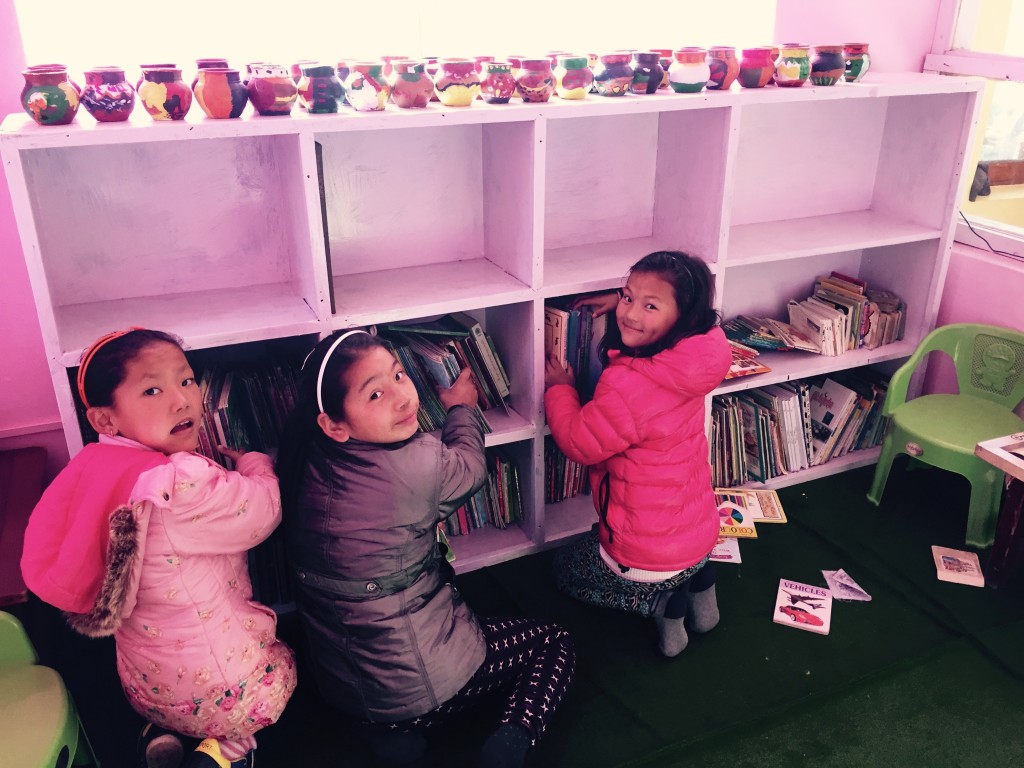
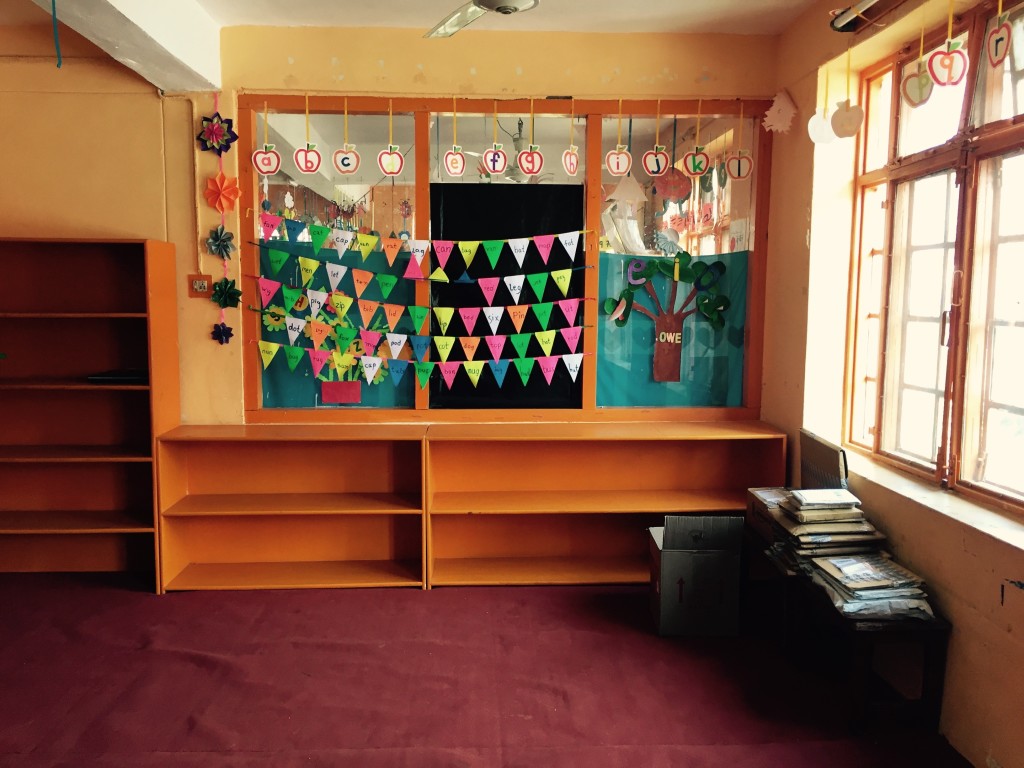
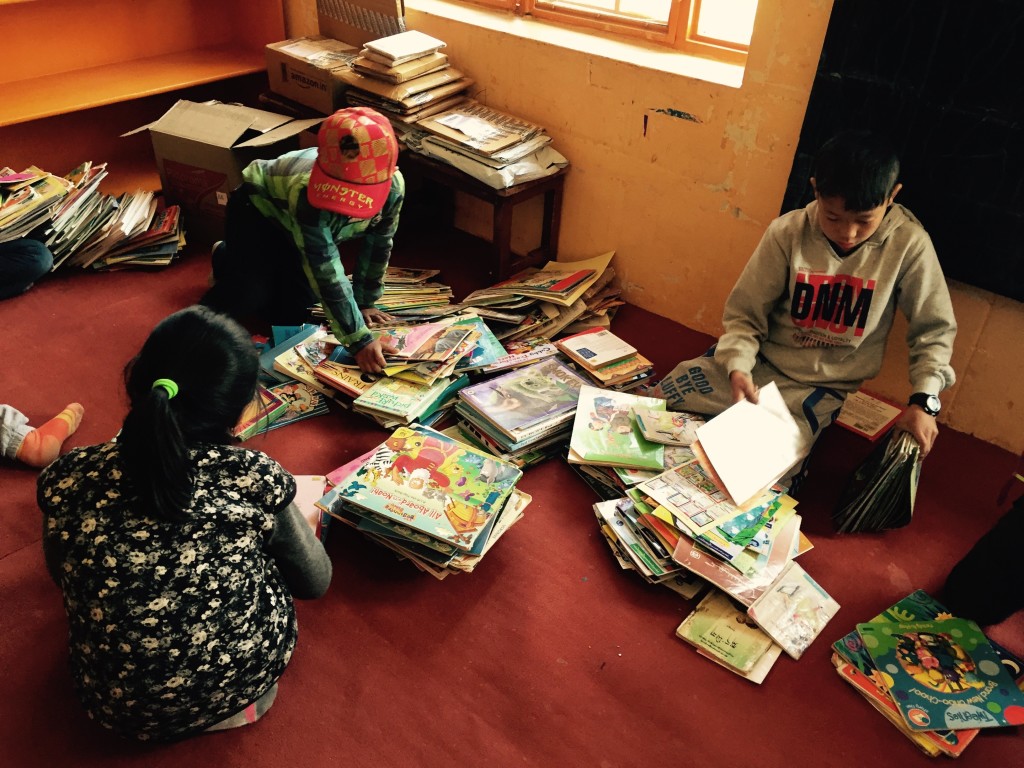
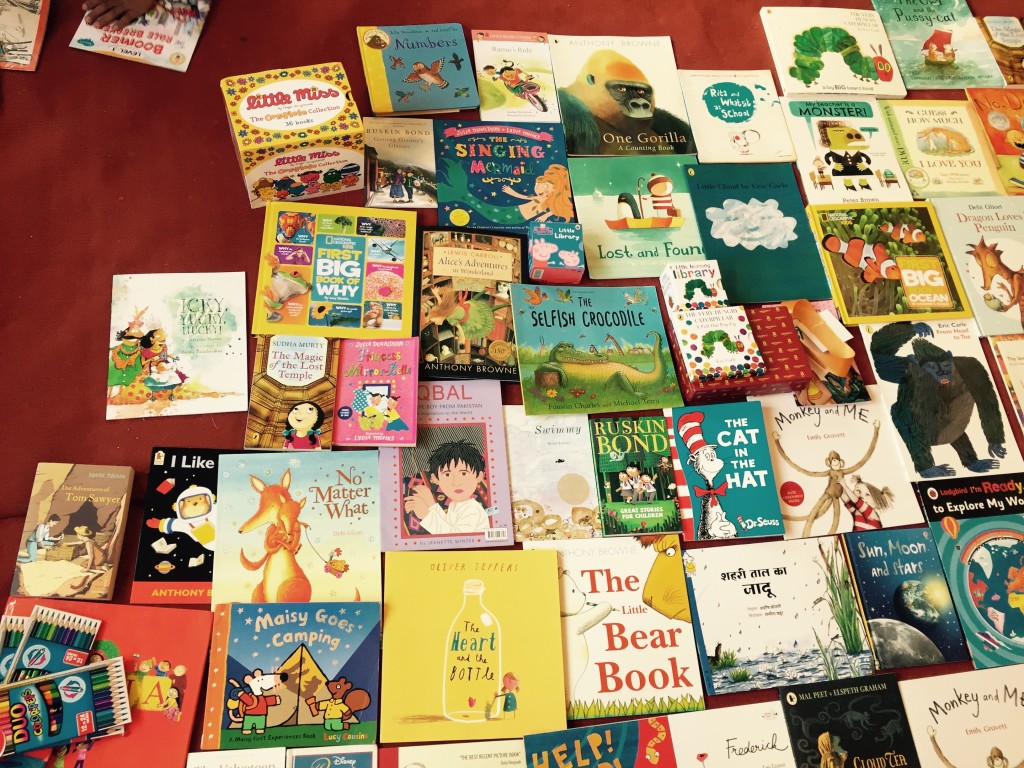
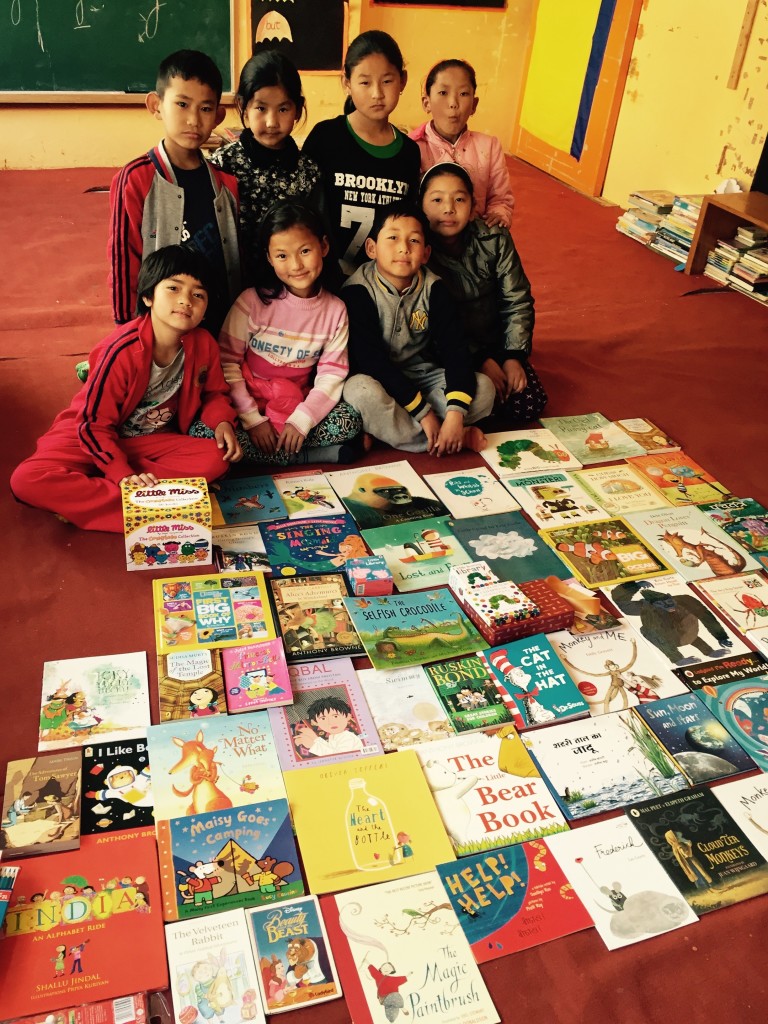
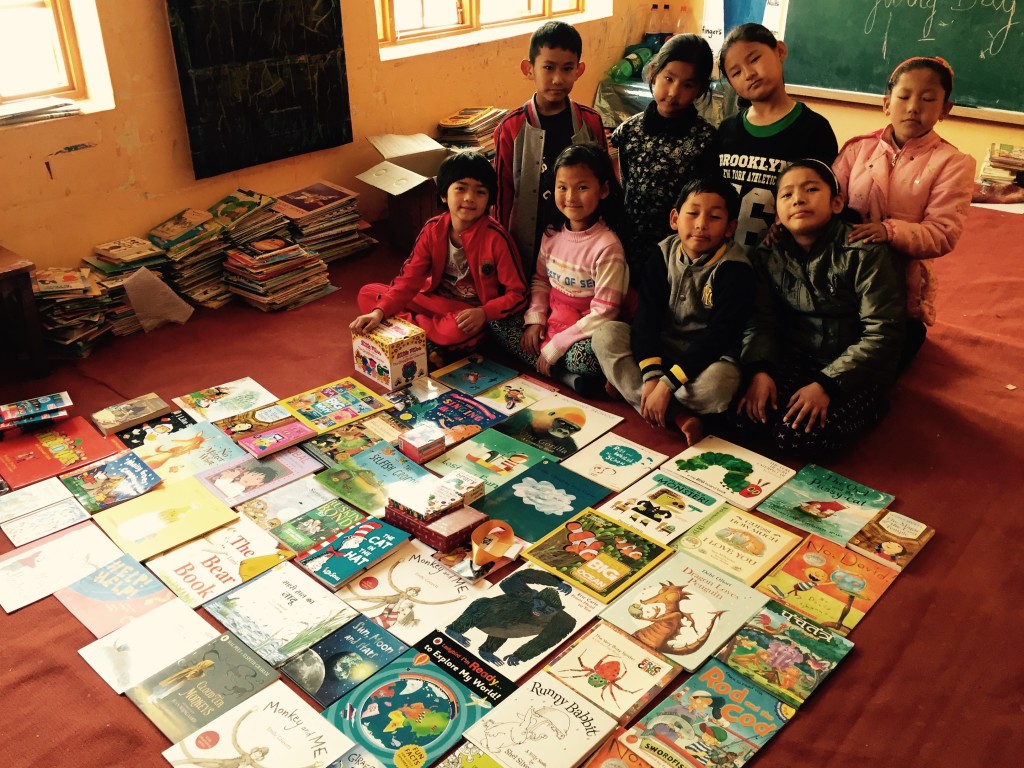
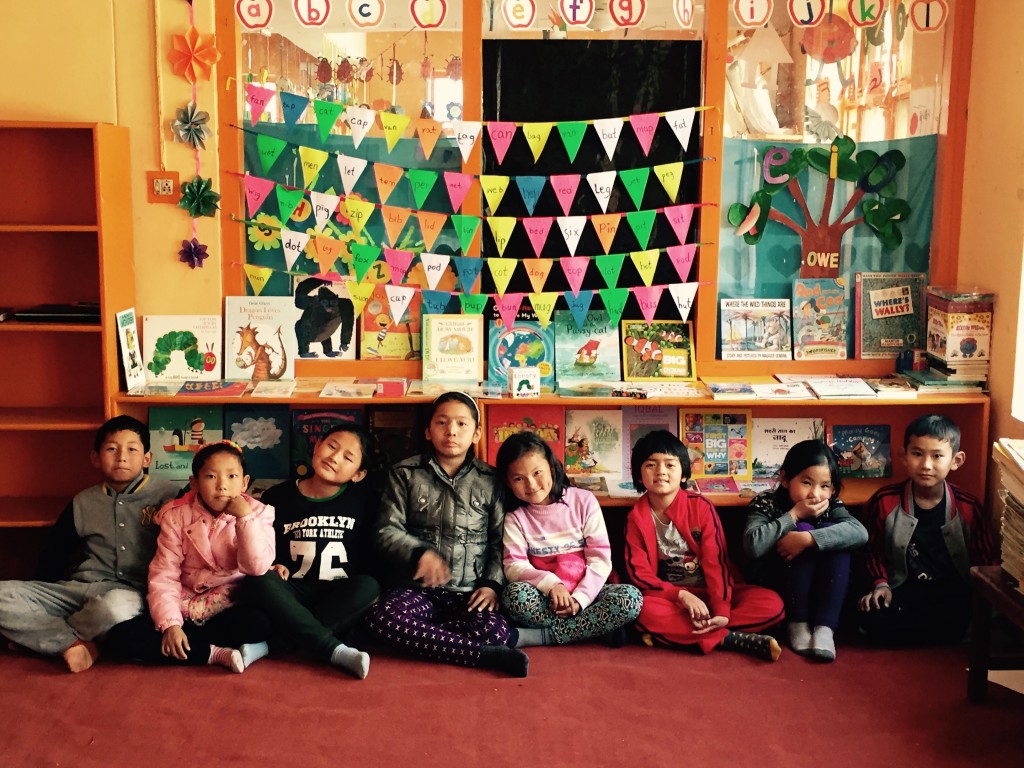
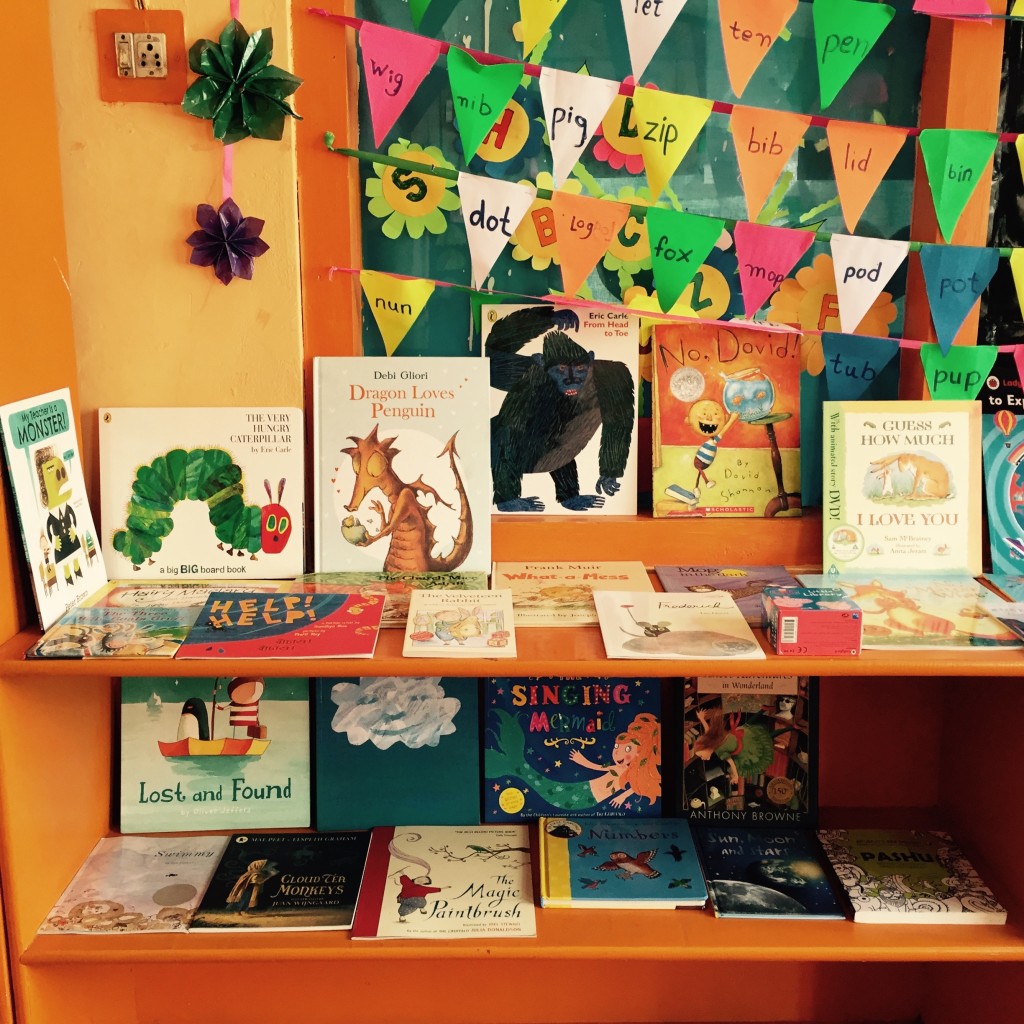
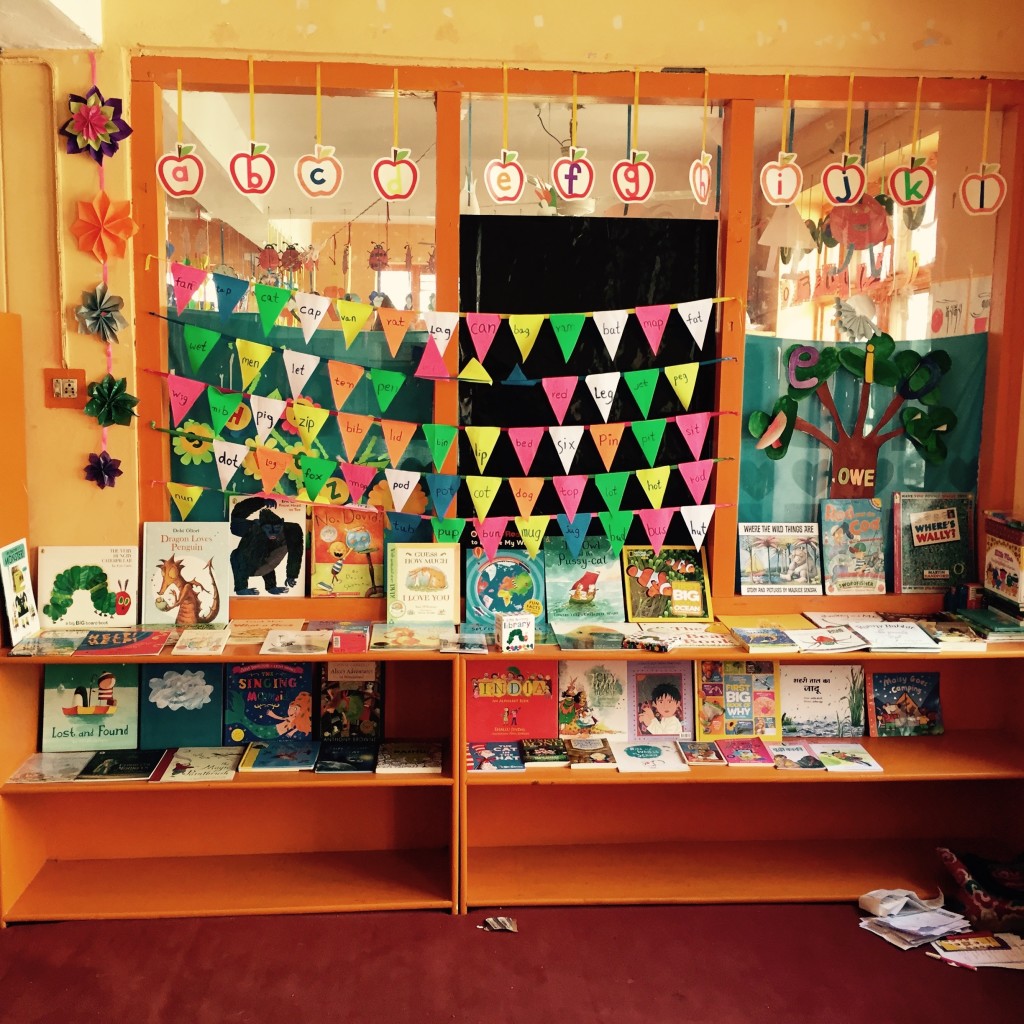
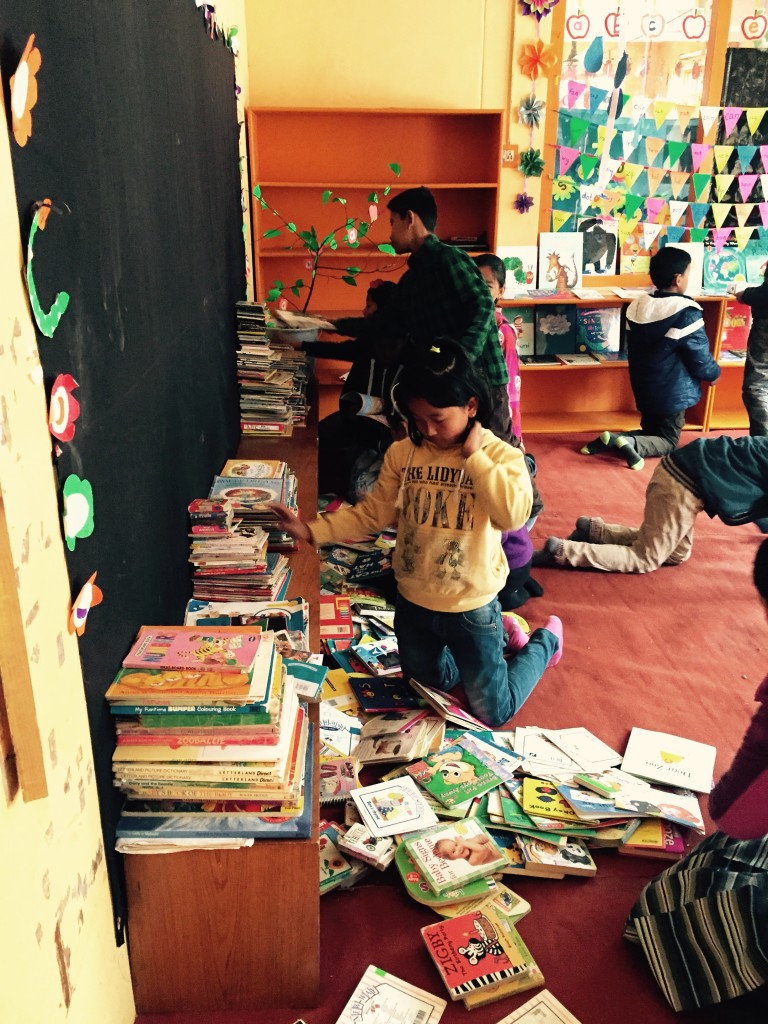
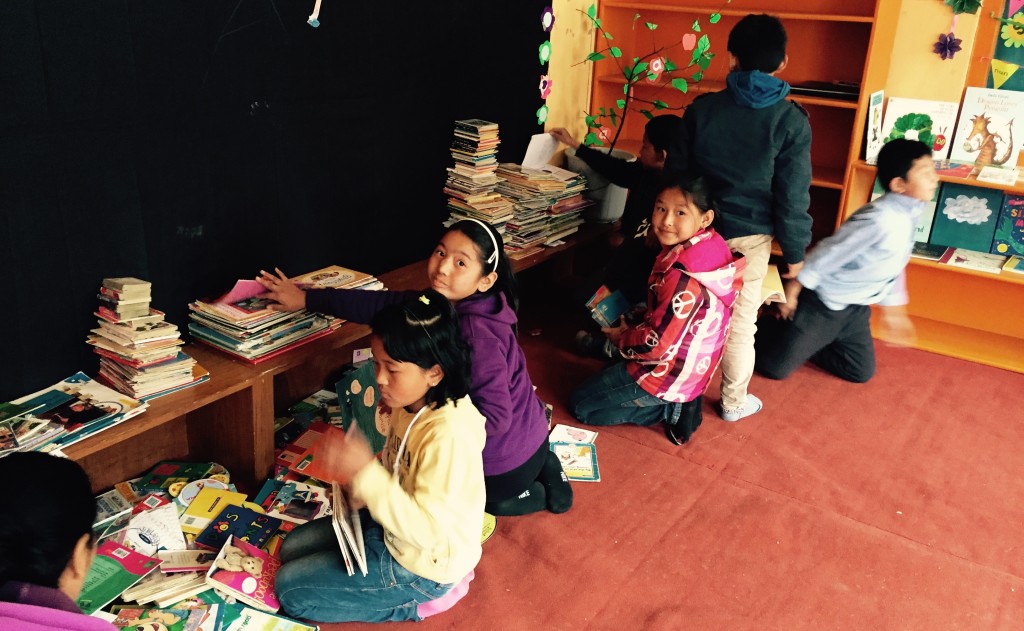
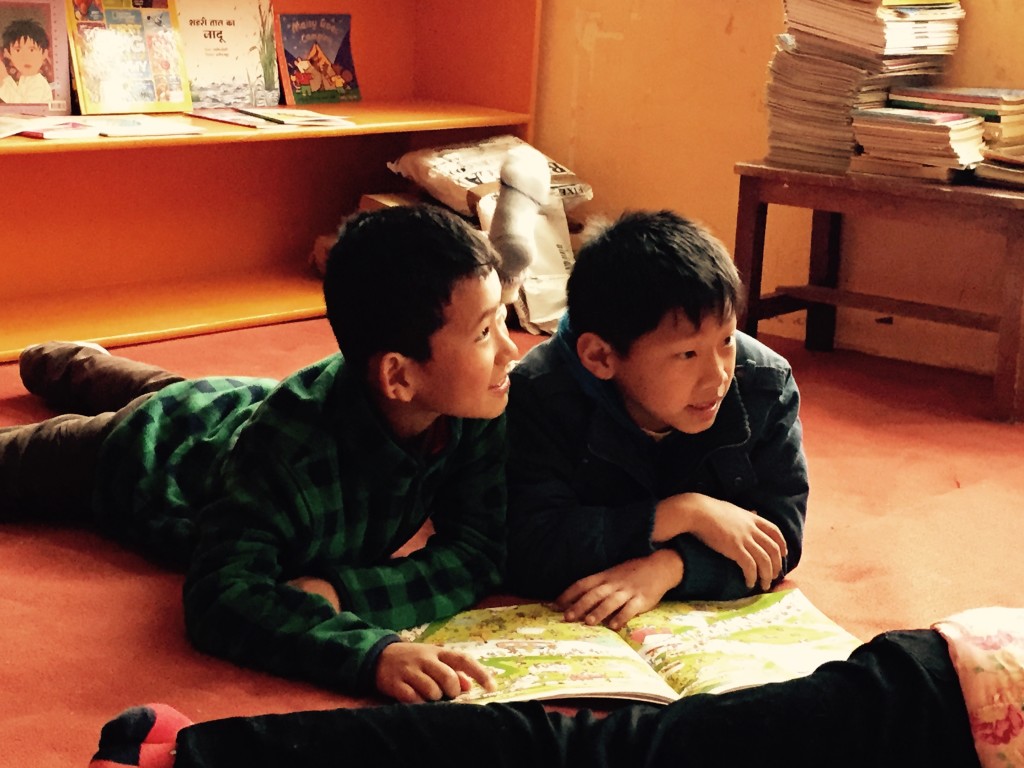
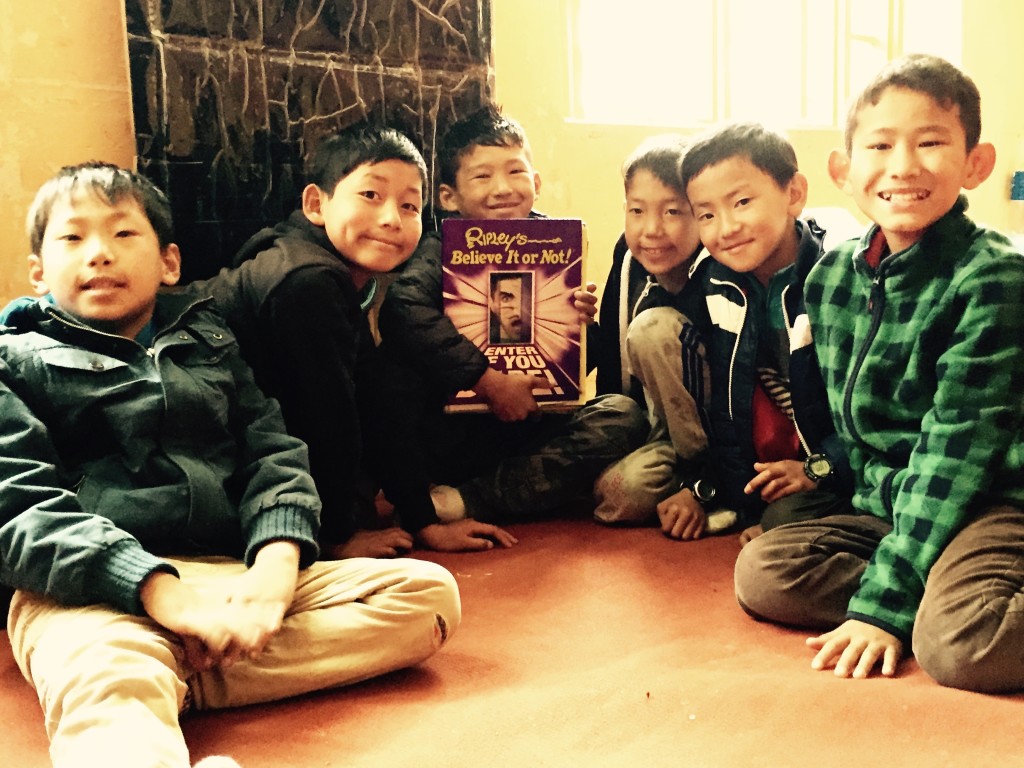
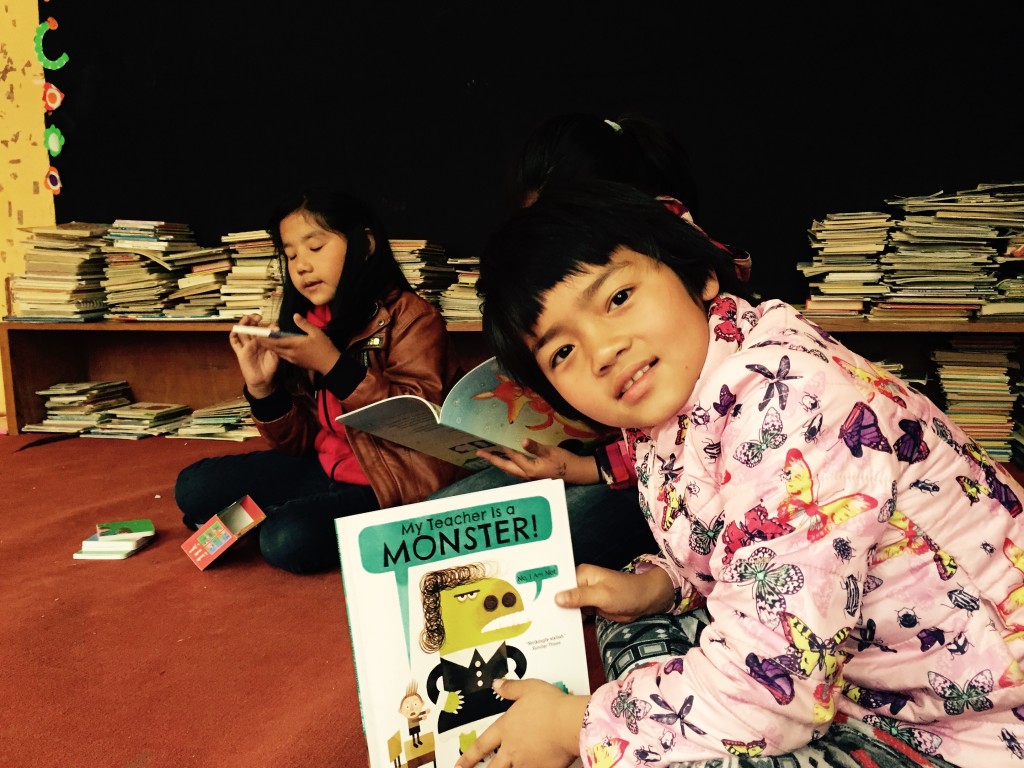
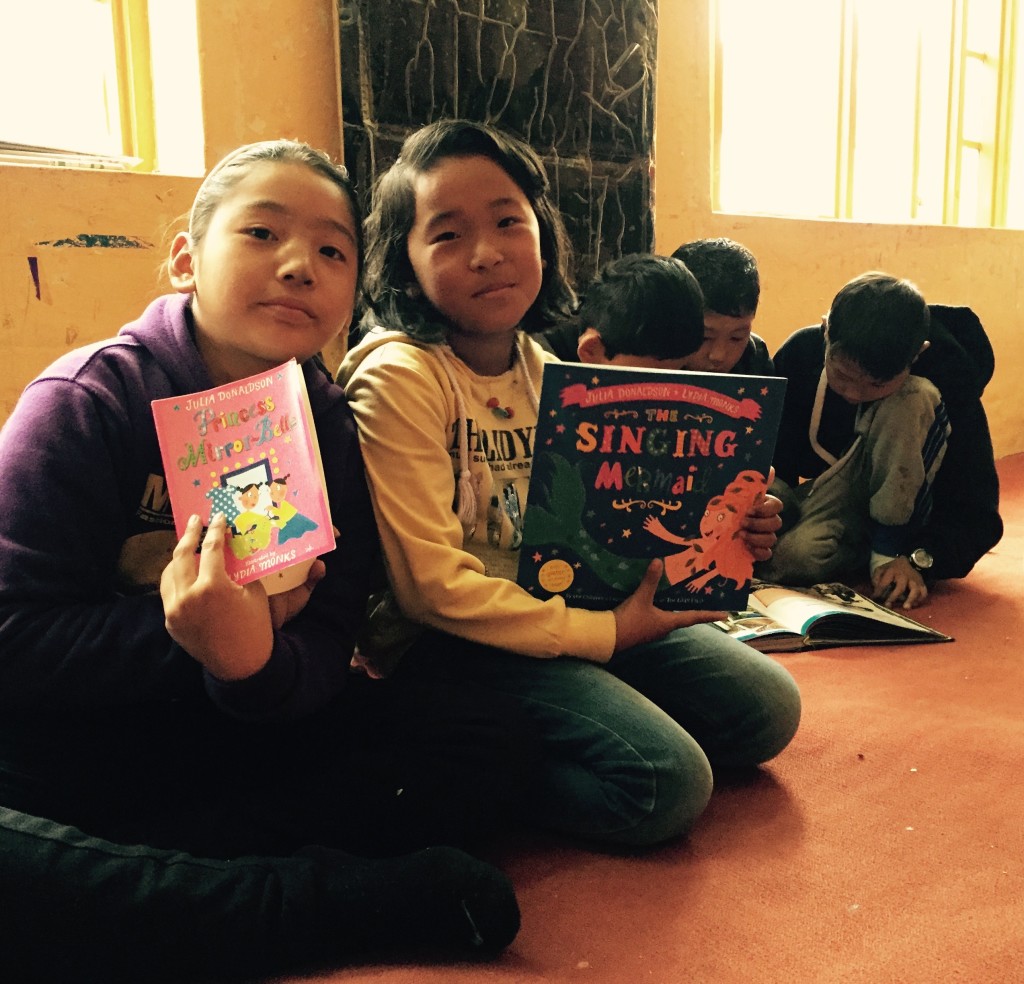
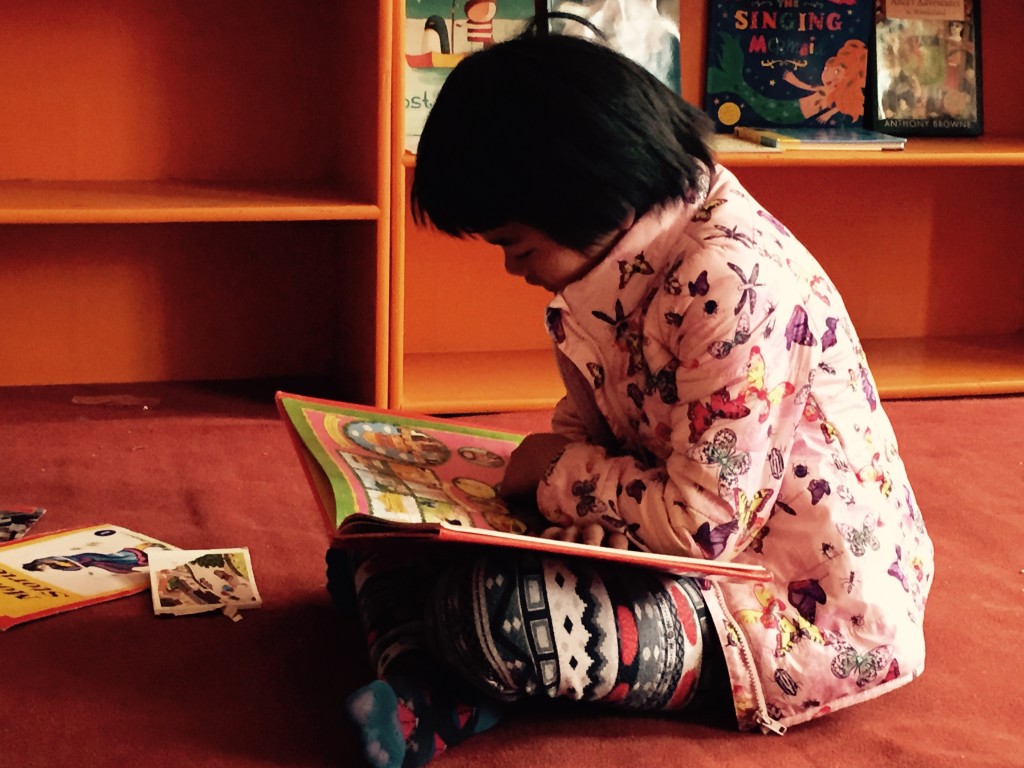
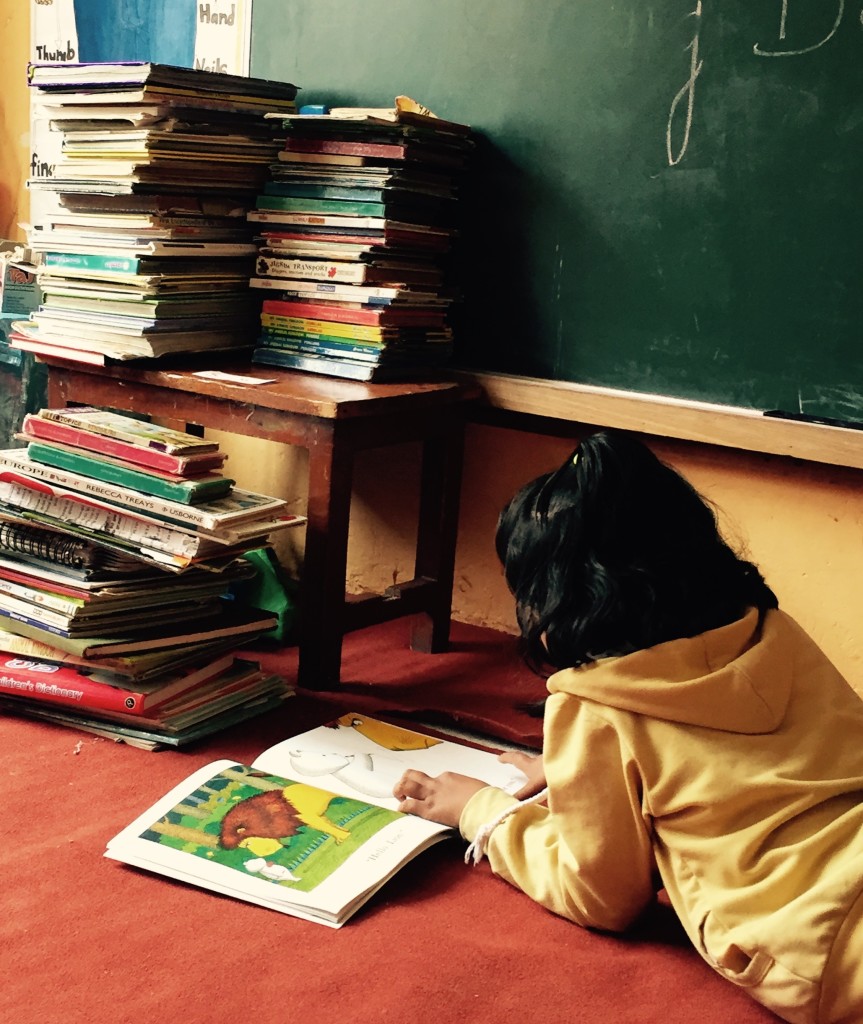
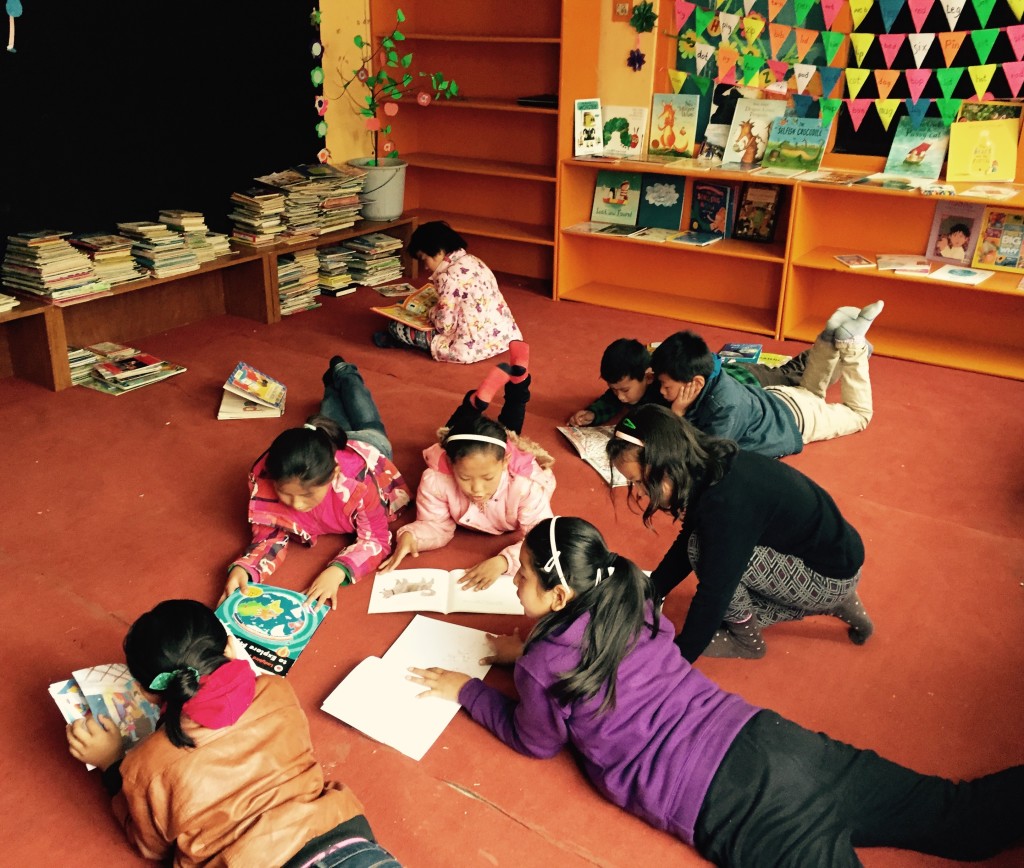
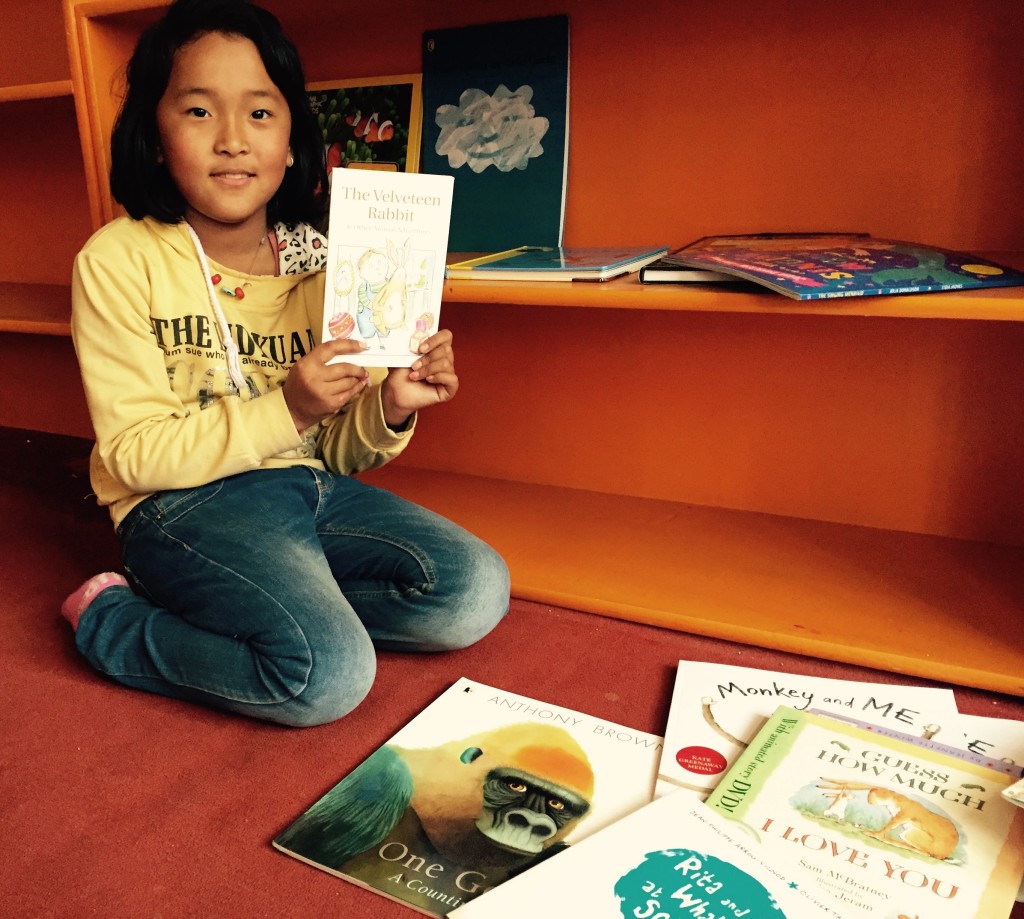
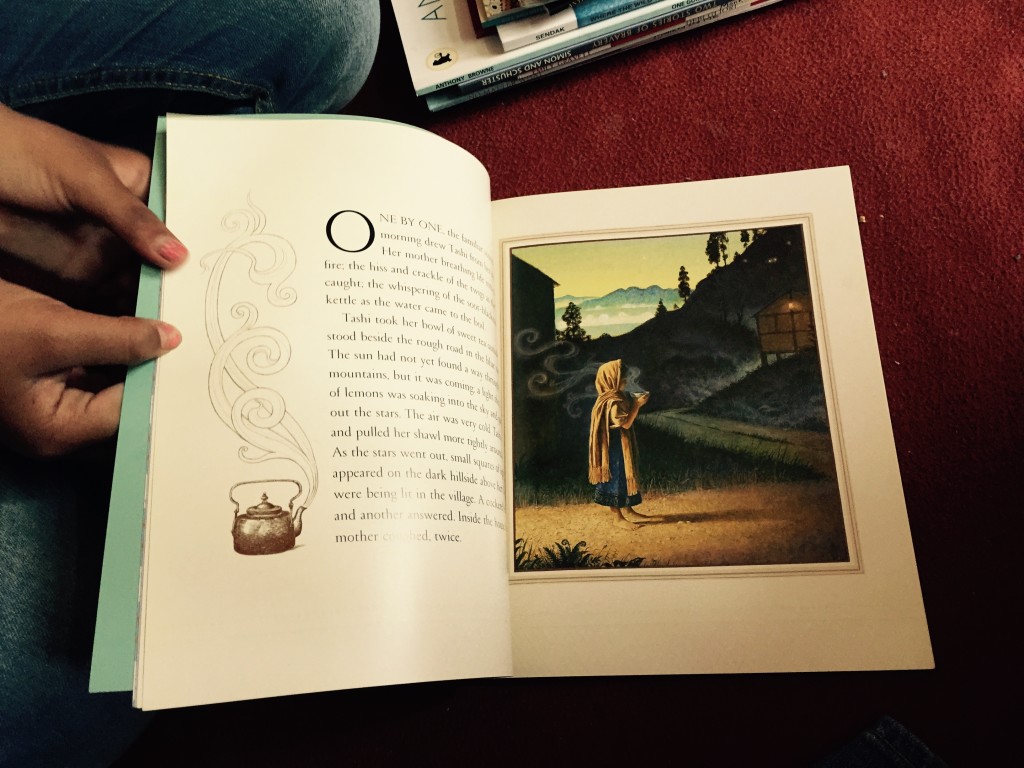
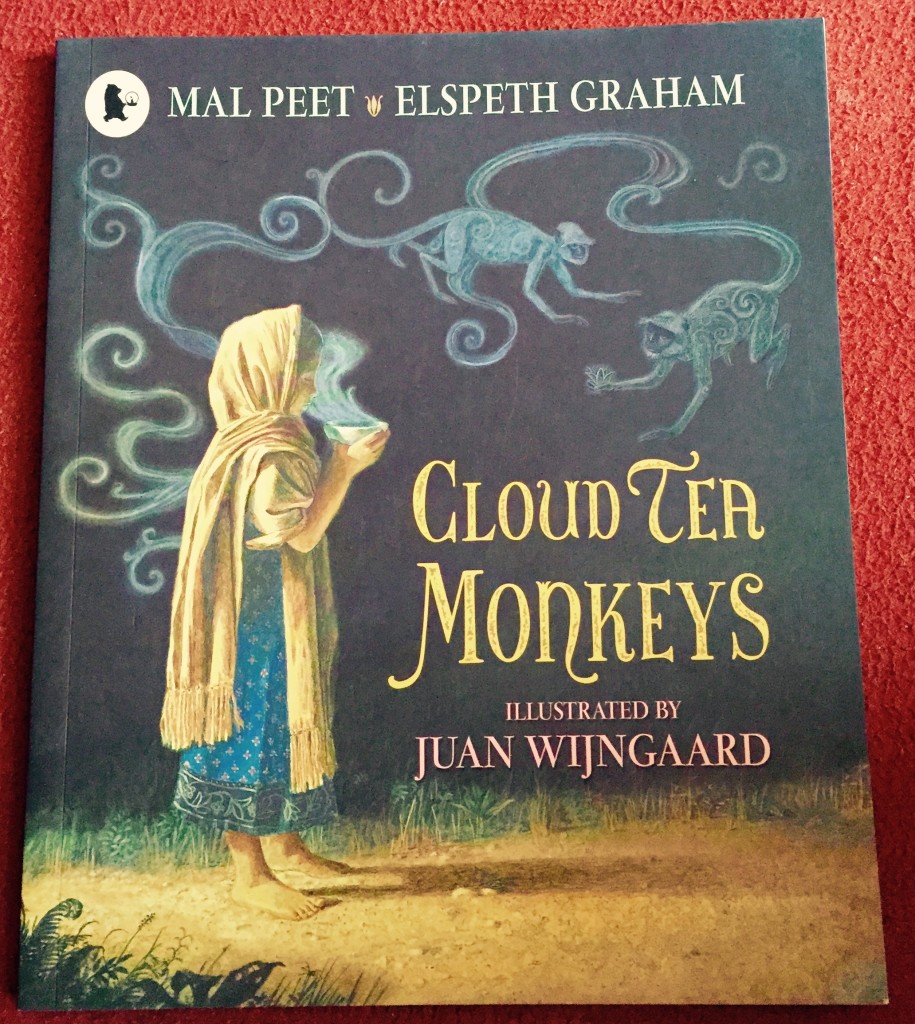
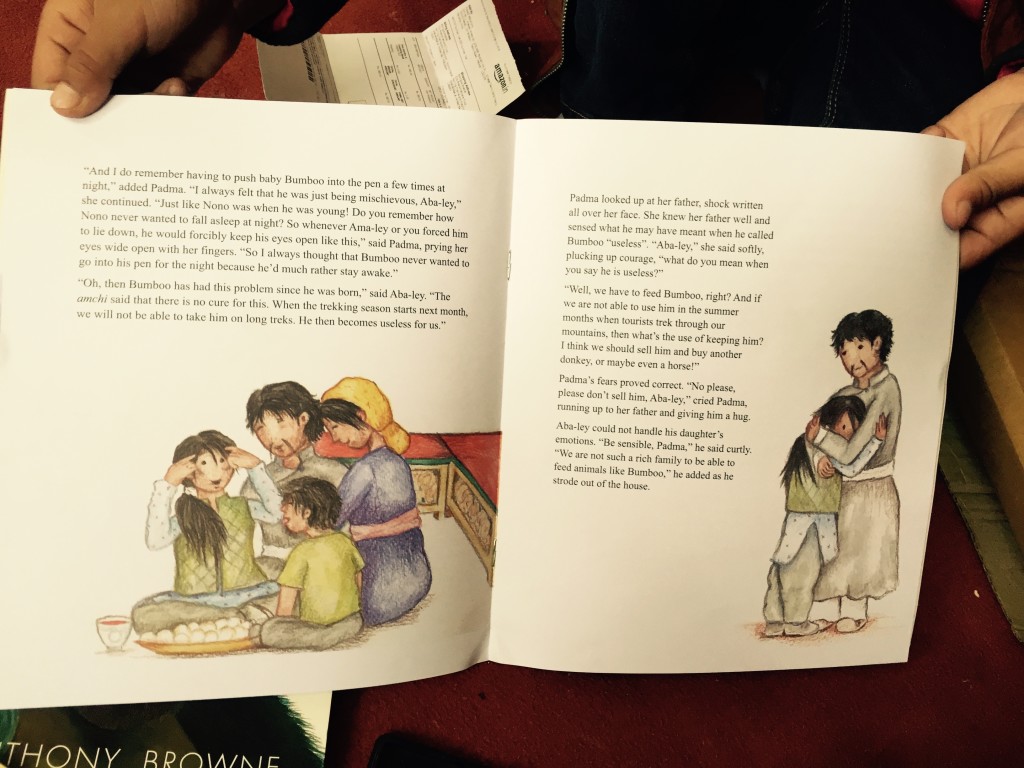
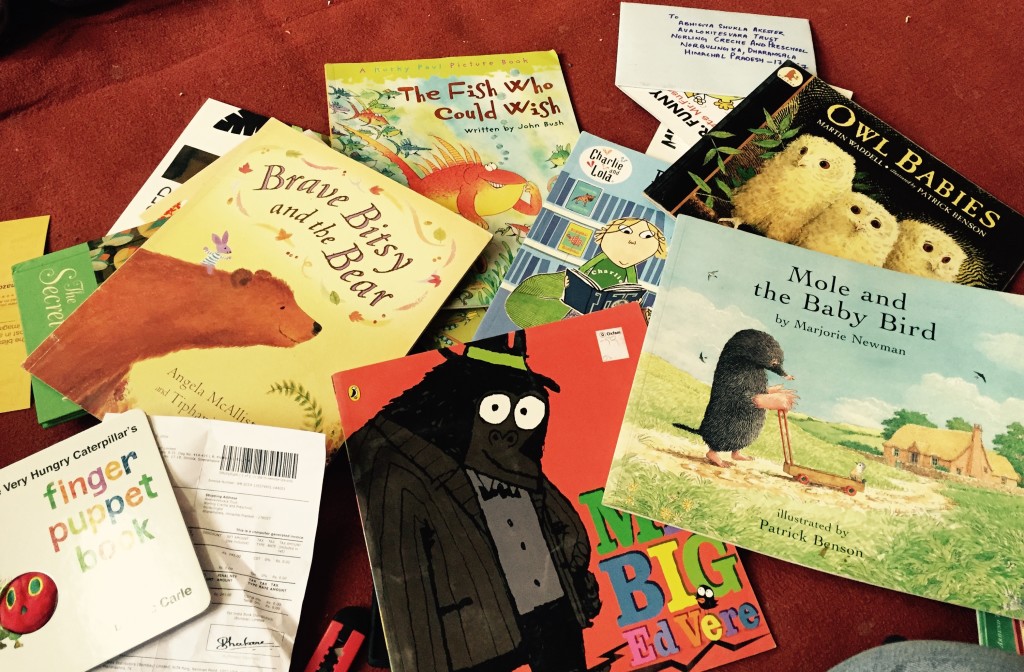
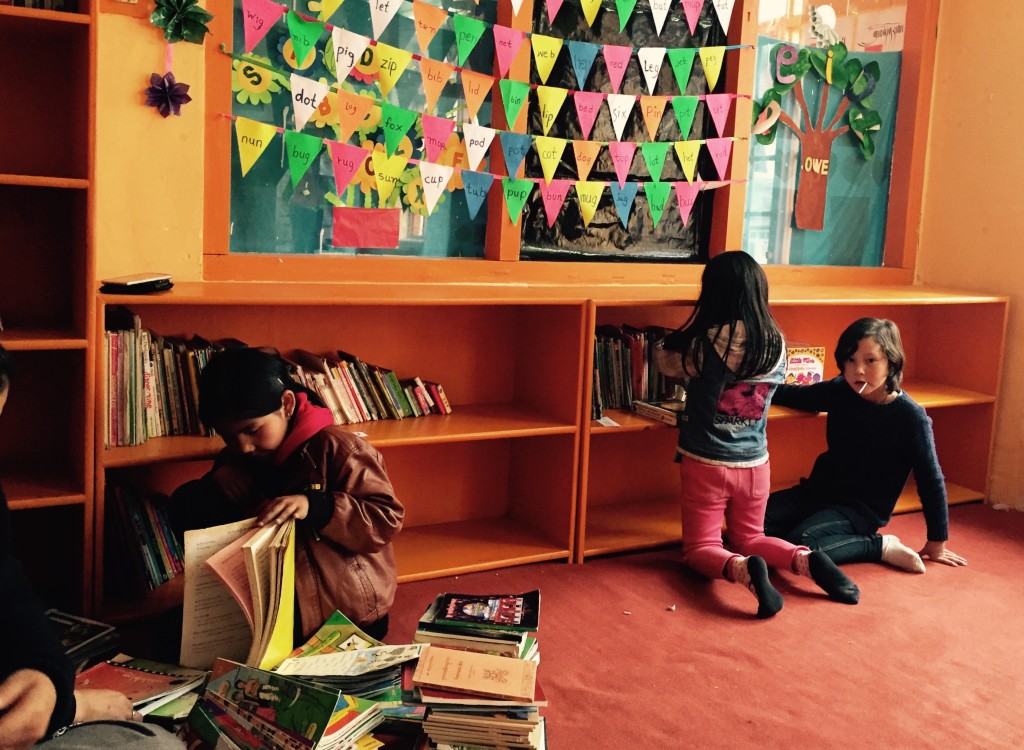
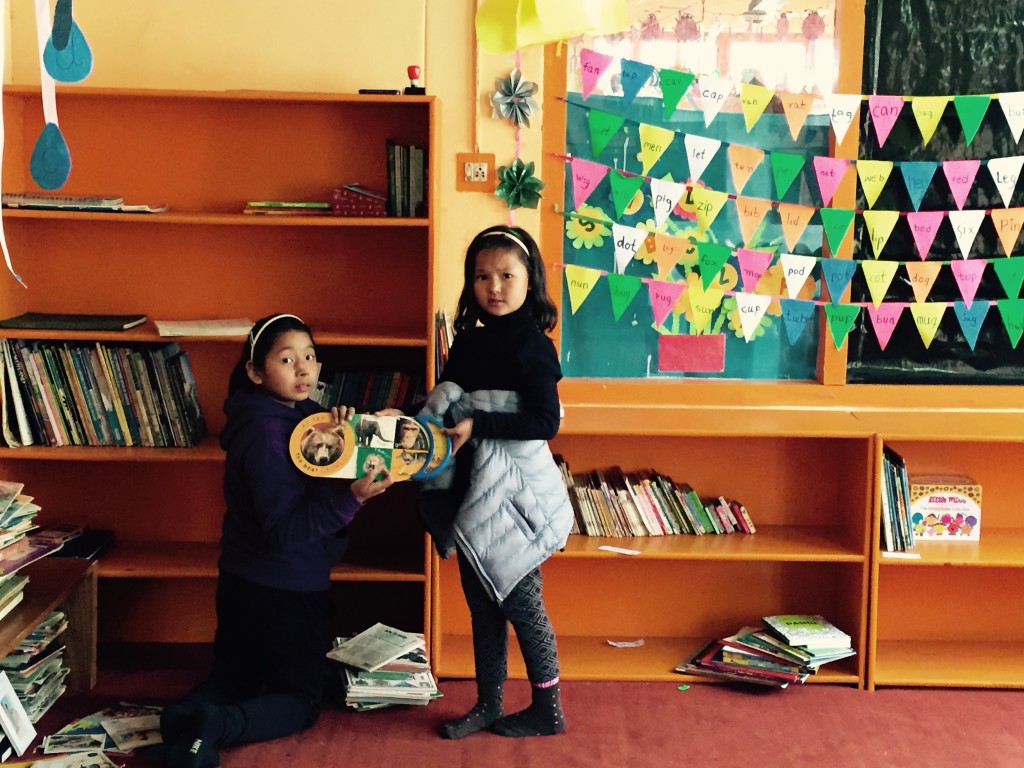
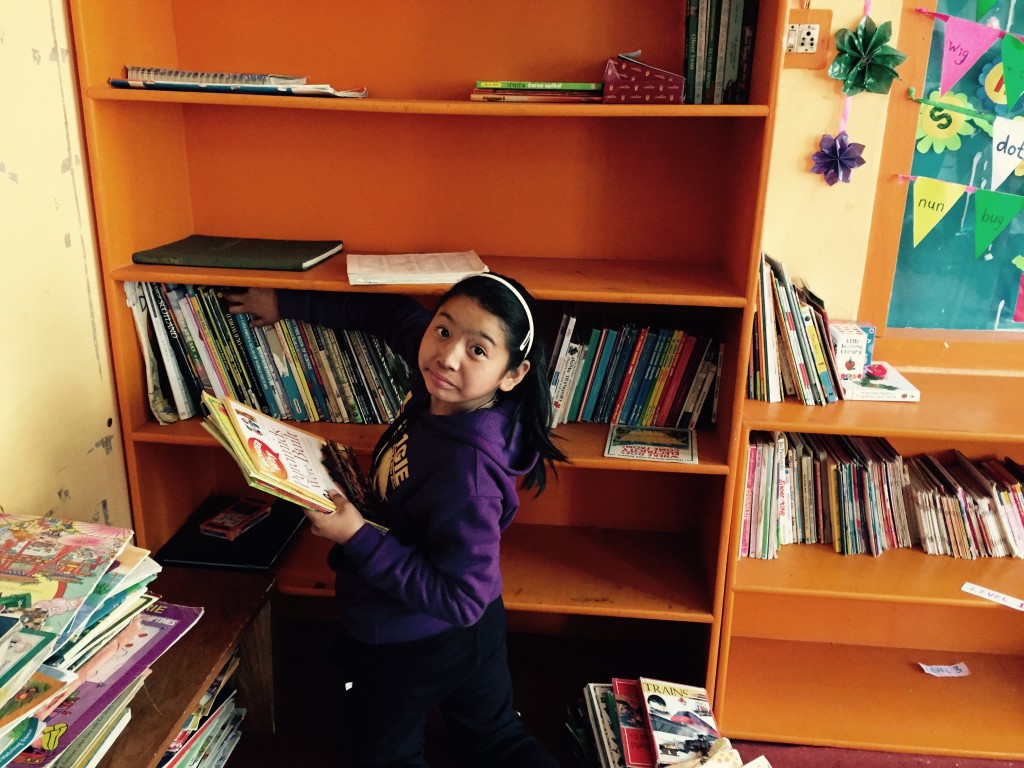
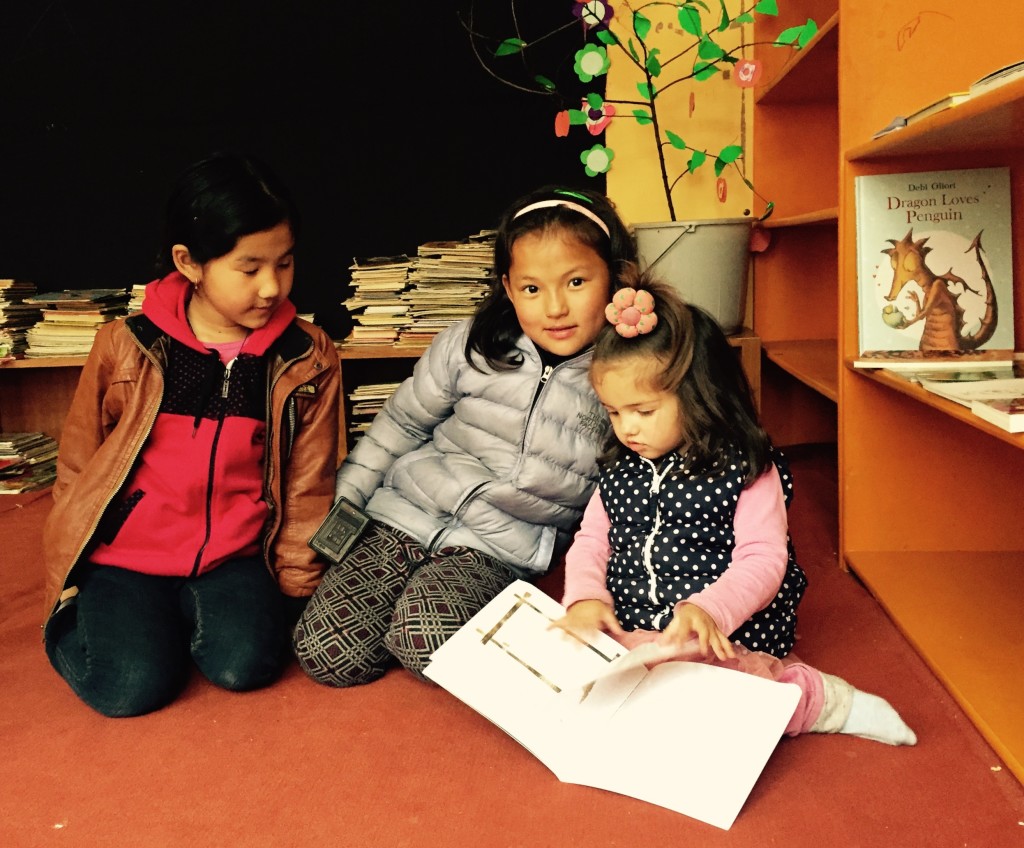
The work fits naturally with the Trust’s reading rooms, book drives, and arts programmes. Children learn to frame an image, describe what they see, and listen to the stories behind other people’s photographs. In the process, a photography workshop becomes a lesson in attention, empathy, and self-expression.
Why Cameras Belong In Village Learning
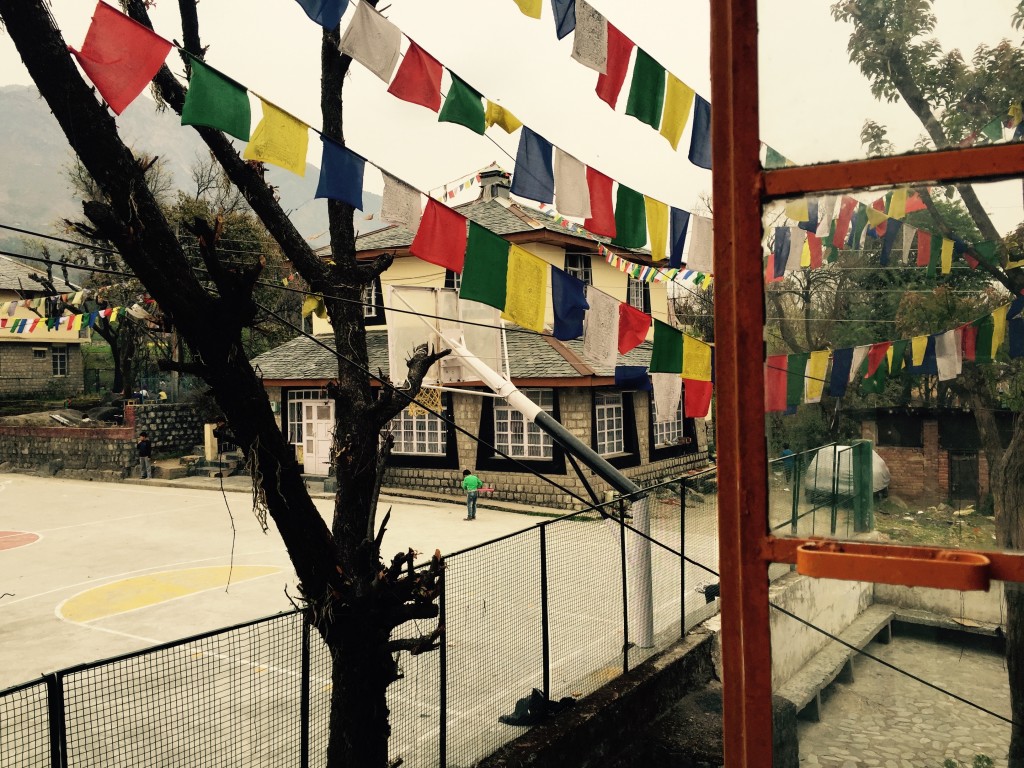
Many children in isolated communities have few opportunities to use creative technology. Photography gives them an accessible starting point because it connects learning with places they already know: a family courtyard, a mountain trail, a monastery, a market, or a stream running through the village. The familiar setting makes the first lesson less intimidating.
Volunteers begin with observation rather than technical language. They ask children to notice light on a wall, patterns in traditional clothing, the shape of clouds, or the expression on a friend’s face. These small exercises teach composition and visual awareness without making the activity feel like a formal class.
Photography also strengthens language skills. After taking a picture, children can give it a title, write a short caption, or tell a story about the moment. Younger participants may dictate their ideas while older children write them down. This combination of image and text supports reading comprehension, vocabulary, and confidence in speaking.
Building Skills With Simple Exercises
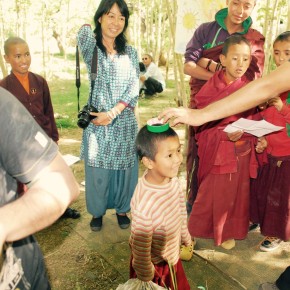
The first photography lessons usually focus on holding the camera safely, keeping the lens clear, and checking whether the subject is visible. Volunteers demonstrate one idea at a time, then allow children to practise in pairs. Sharing cameras encourages cooperation and prevents a lack of equipment from becoming a barrier.
Framing is introduced through playful challenges. Children might photograph three different textures, find a circular shape, or capture something that shows movement. These tasks encourage them to move slowly and make decisions before pressing the shutter. They learn that a strong photograph often comes from patience rather than expensive equipment.
As their confidence grows, volunteers explain light, distance, focus, and perspective. A child may photograph the same object from above, below, and at eye level, then compare the results. Reviewing images together helps participants understand why one composition feels balanced while another leaves out important details.
Seeing Home Through A New Lens
A photography project can help children value their own surroundings. Remote villages are often described by outsiders through dramatic landscapes or images of poverty, while everyday life receives less attention. When children choose what to photograph, they create a more personal and complete record of their community.
Volunteers encourage respectful documentary photography. Before taking someone’s portrait, children learn to ask permission and explain the purpose of the picture. They discuss privacy, kindness, and the responsibility that comes with sharing an image. These conversations are especially important when photographs may later appear in exhibitions, newsletters, or online stories.
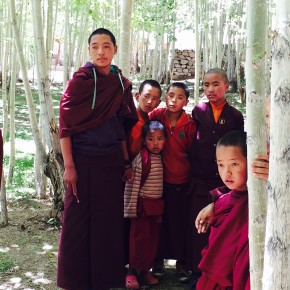
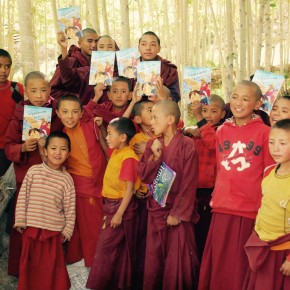
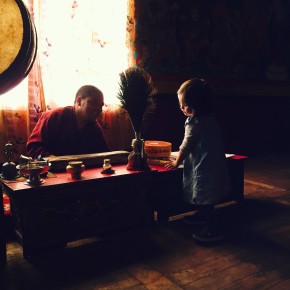
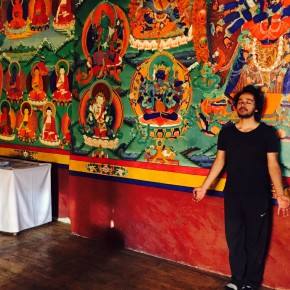
Themes can be adapted to local life. A group might document useful tools, seasonal work, local plants, favourite reading places, or the sounds and colours of a festival. Another group could create a visual diary of a day at school. Children who live near monasteries may photograph architectural details, while young monks can explore music, study, and quiet spaces through images.
From First Frame To Shared Exhibition
The learning continues after the photographs are taken. Volunteers organise small review sessions where children select images, explain their choices, and listen to constructive feedback. This process teaches editing: a child does not need to display every photograph to tell a meaningful story.
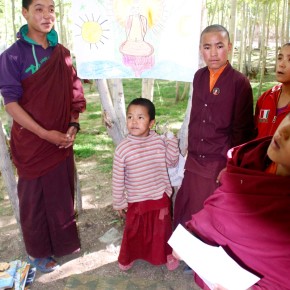
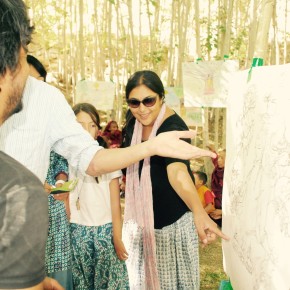
A simple exhibition can be held in a reading room, school, monastery, or community hall. Printed photographs are placed beside the children’s captions, drawings, or short reflections. Families and neighbours can then see their community through the eyes of its youngest members. The display creates pride and gives children a genuine audience for their creative work.
These group activities also build social skills. Children learn to wait for their turn, discuss different opinions, and celebrate another person’s perspective. A quiet participant may contribute through a carefully chosen image, while a confident speaker may discover the value of listening. The shared process matters as much as the final display.
Photography can sit alongside other forms of play and learning in the reading rooms. For example, board games support learning by encouraging planning, communication, and collaboration, while camera activities develop observation and storytelling. Together, these experiences make educational spaces lively and welcoming.
Equipment, Safety, And Local Mentors
Volunteers work with what is available. A small collection of durable cameras can serve many groups, and older phones may be suitable for basic image-making. Protective cases, charging arrangements, memory cards, and clear storage systems are practical details that keep the programme running. Children can also learn responsibility by signing equipment in and out.
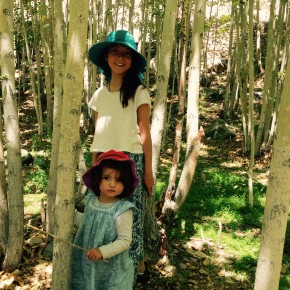
Safety remains central during outdoor photography walks. Children stay with an adult or assigned group, and routes are chosen with weather, altitude, traffic, animals, and uneven ground in mind. Volunteers avoid sending children into private spaces or environmentally sensitive areas. The purpose is to explore responsibly, not to chase dramatic images.
Local teachers, parents, and community members add valuable knowledge. They can explain cultural customs, identify plants or landmarks, and help volunteers understand which stories should be shared publicly. When local adults participate, the programme becomes rooted in the community rather than being a short-lived activity brought from outside.
| Learning area |
Example activity |
Skill children develop |
Suitable outcome |
| Observation |
Photograph five textures |
Attention to detail |
A visual texture collection |
| Storytelling |
Pair an image with a caption |
Vocabulary and sequencing |
A mini photo story |
| Community awareness |
Document a daily routine |
Respect and listening |
A village life display |
| Creativity |
Try different angles and light |
Experimentation |
A themed image series |
| Collaboration |
Make a group exhibition |
Communication and planning |
A shared reading-room gallery |
What Children Carry Forward
The most important result is not technical perfection. Children gain a habit of looking closely and asking thoughtful questions. They begin to notice changes in weather, details in architecture, expressions on faces, and the relationship between people and their environment.
The activity can also support future learning. A child interested in photography may explore journalism, design, filmmaking, conservation, or digital communication. Even without pursuing a creative career, the ability to observe, organise information, and present an idea clearly can be useful in school and community life.
Volunteers often learn as much as the children do. Local participants reveal places and traditions that visitors might overlook, while their questions encourage volunteers to teach with flexibility. The exchange is collaborative: adults bring guidance and resources, while children bring imagination, curiosity, and a distinct view of home.
Ways To Strengthen The Programme
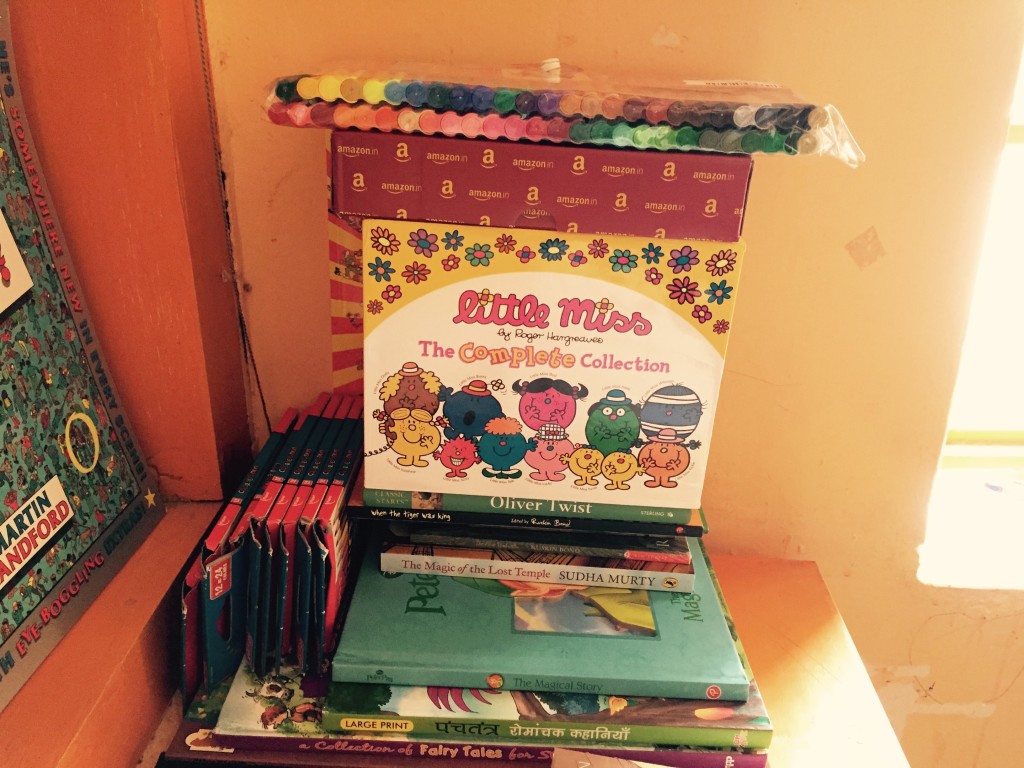
- Donate durable cameras, memory cards, protective cases, or printing supplies through the Trust’s education initiatives.
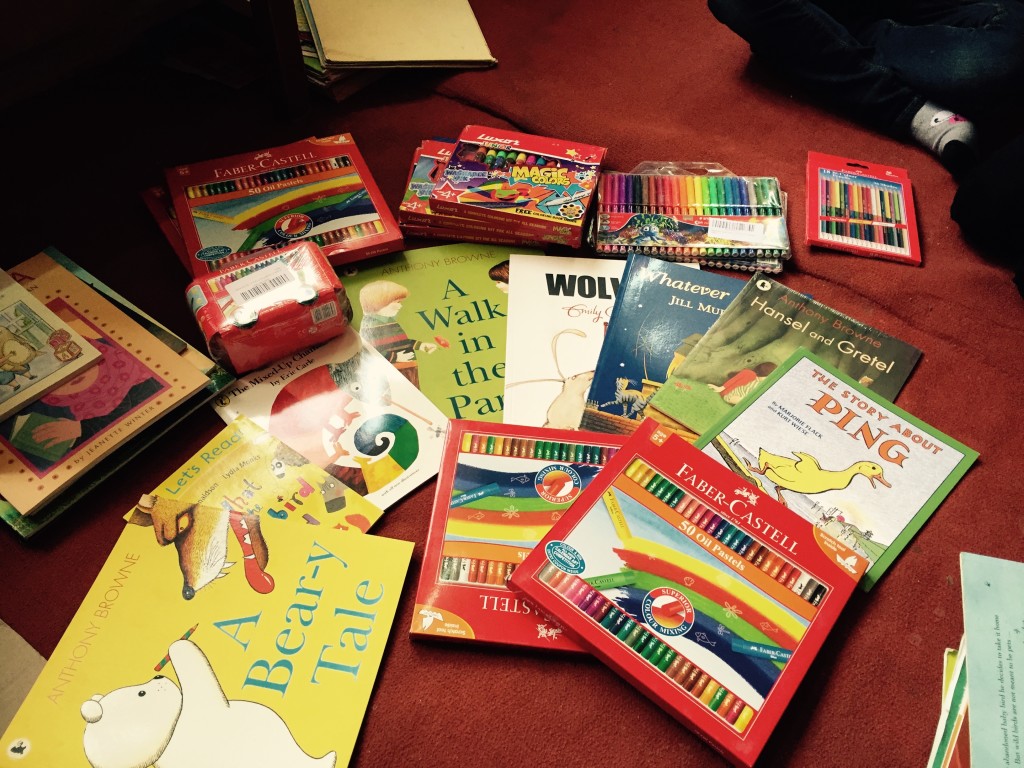
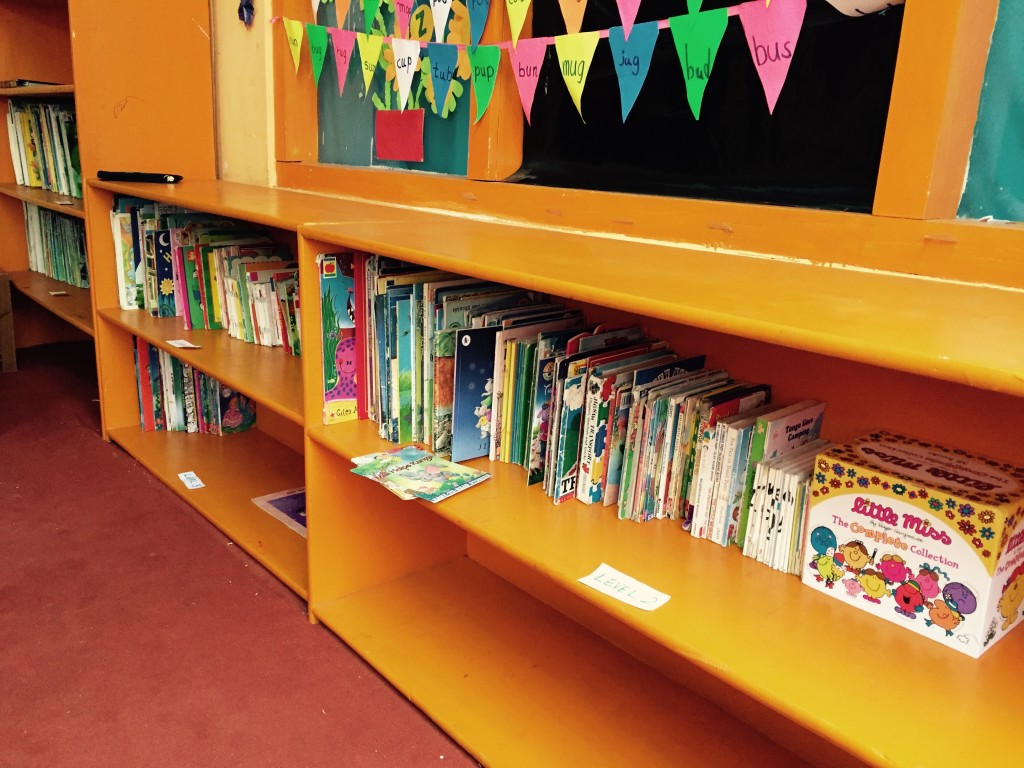
- Support reading rooms where photography, books, board games, art, and music can be explored together.
- Share children’s exhibitions respectfully, with permission and accurate descriptions of their communities.
- Encourage volunteers to teach consent, privacy, environmental care, and safe equipment handling in every workshop.
- Sponsor printing and display costs so children can see their work presented in schools, monasteries, and village gathering places.
A photograph made by a child in a Himalayan village can preserve a fleeting moment, open a conversation, or help a community tell its own story. By supporting Avalokiteśvara Trust, volunteers and donors help make creative learning available where resources are limited but curiosity is abundant. Visit the Trust’s programmes, share its work, or contribute resources that allow more children to learn, create, and be seen.