Why board games belong in our reading rooms
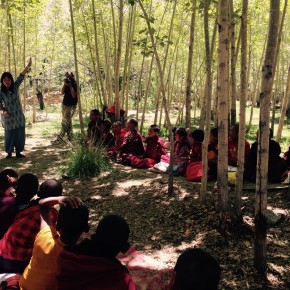
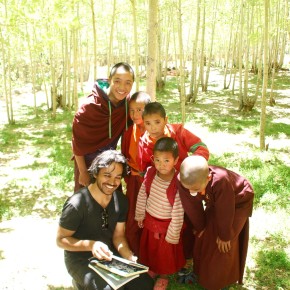
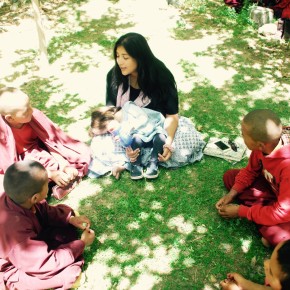
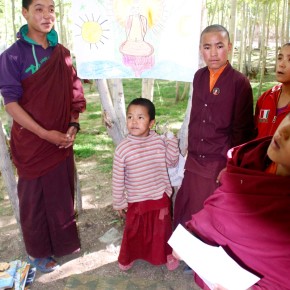
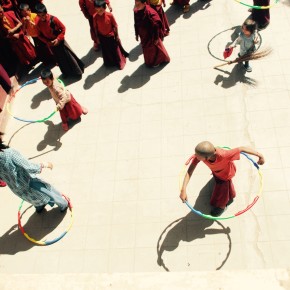
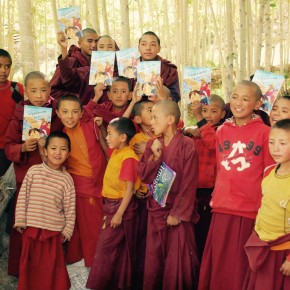
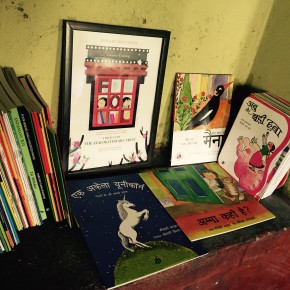
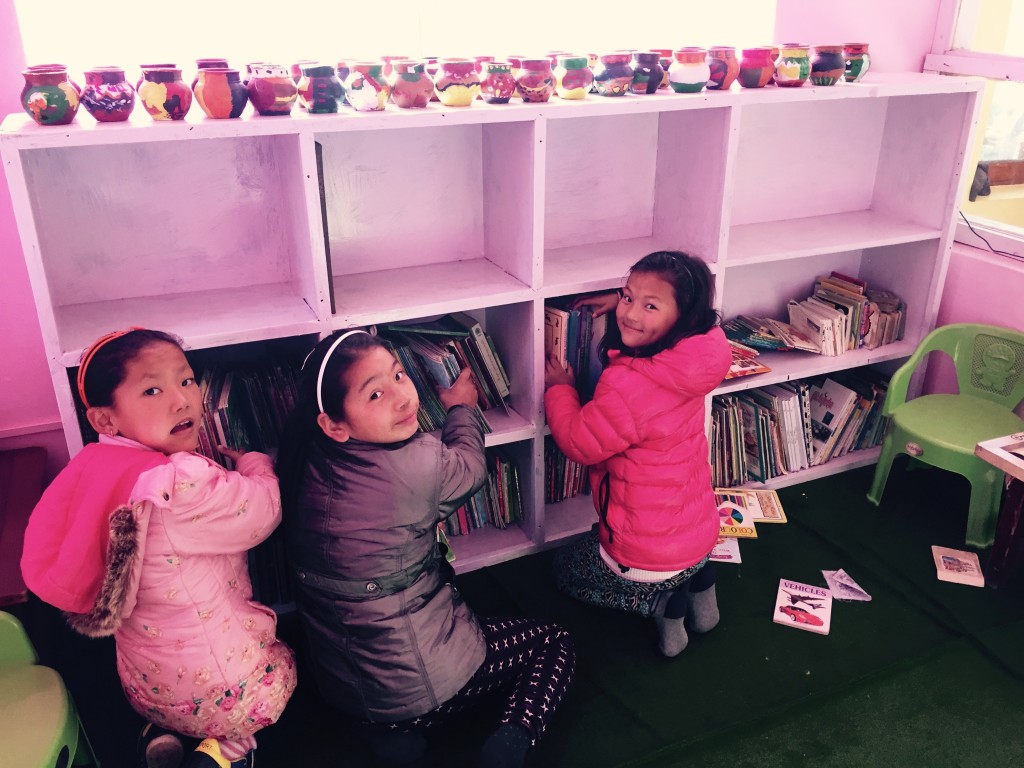
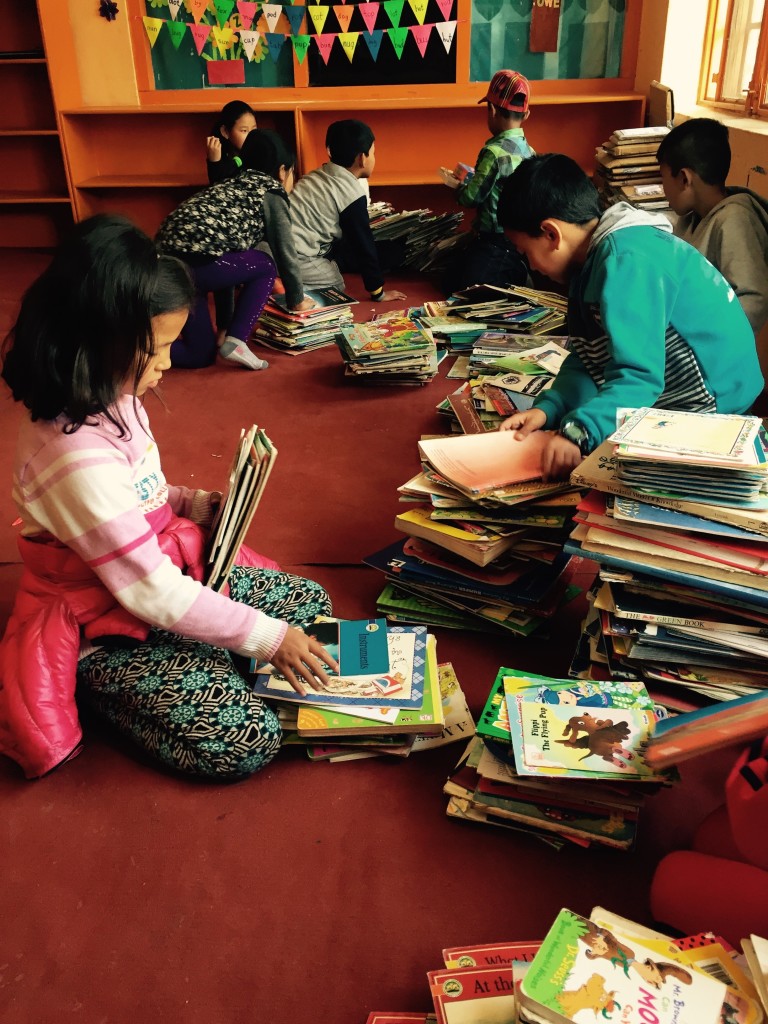
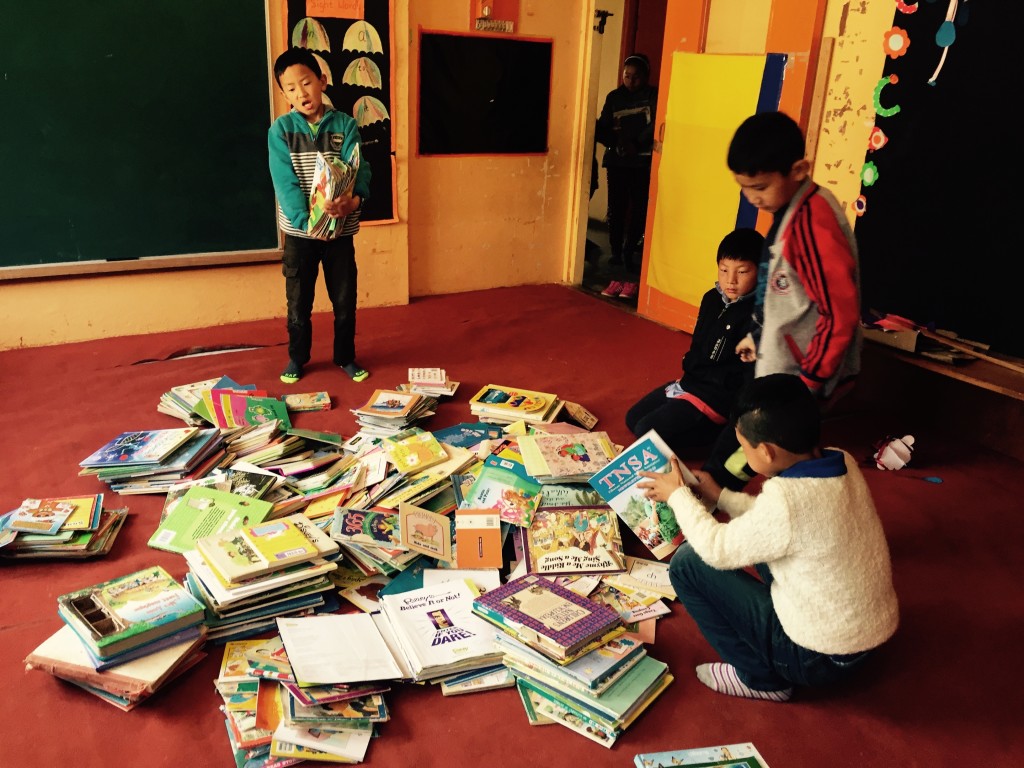
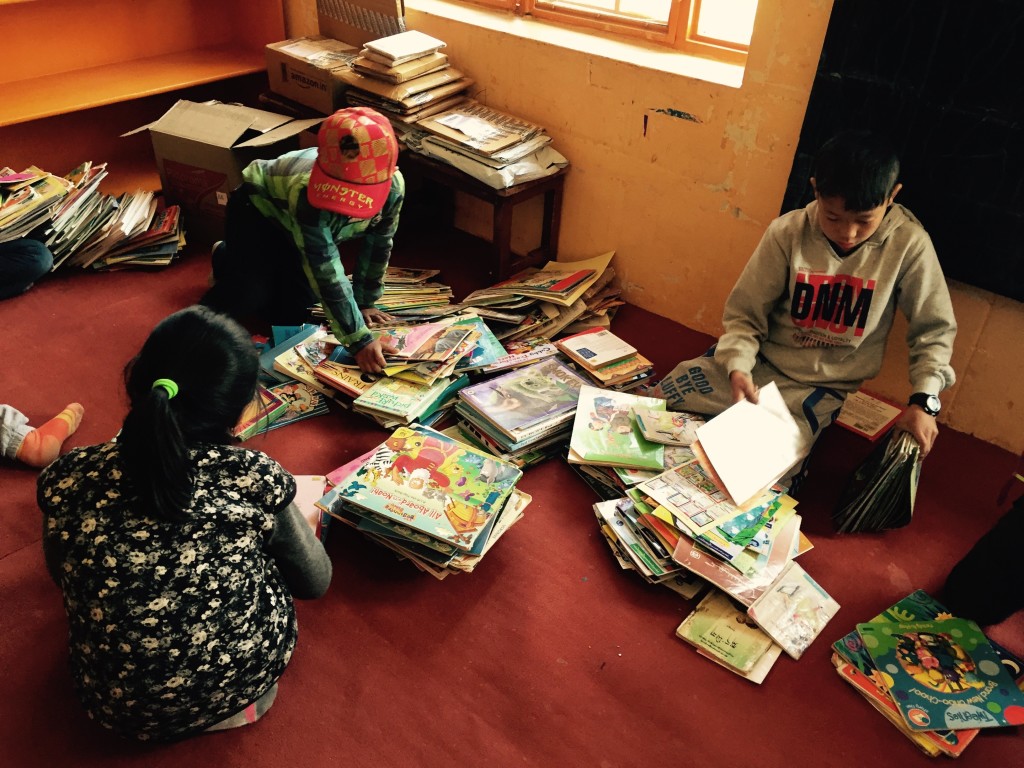
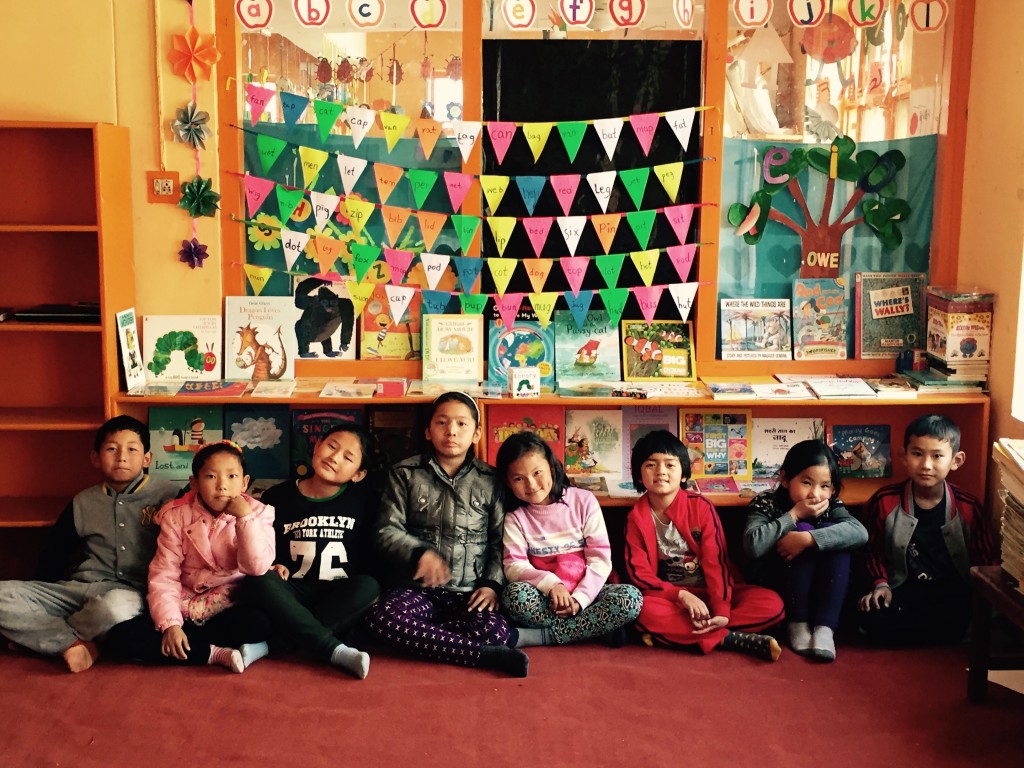
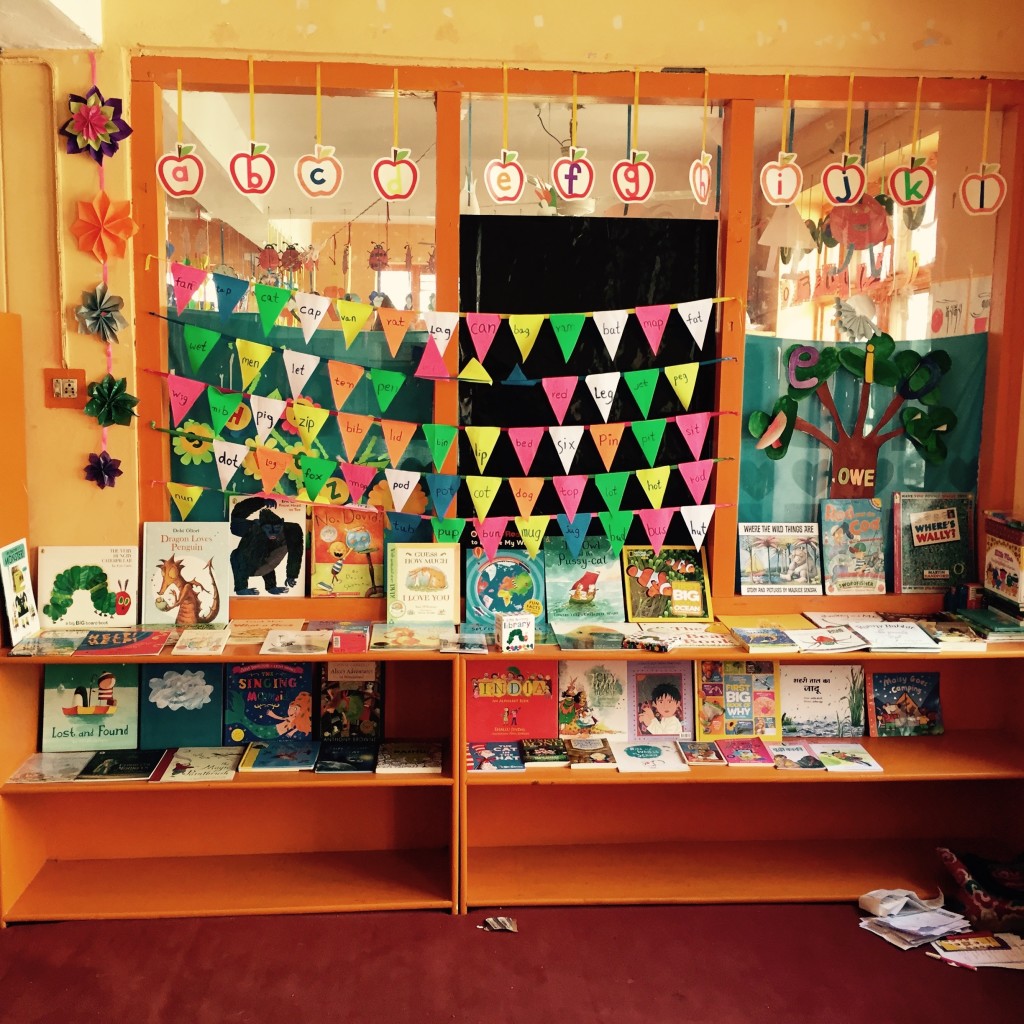
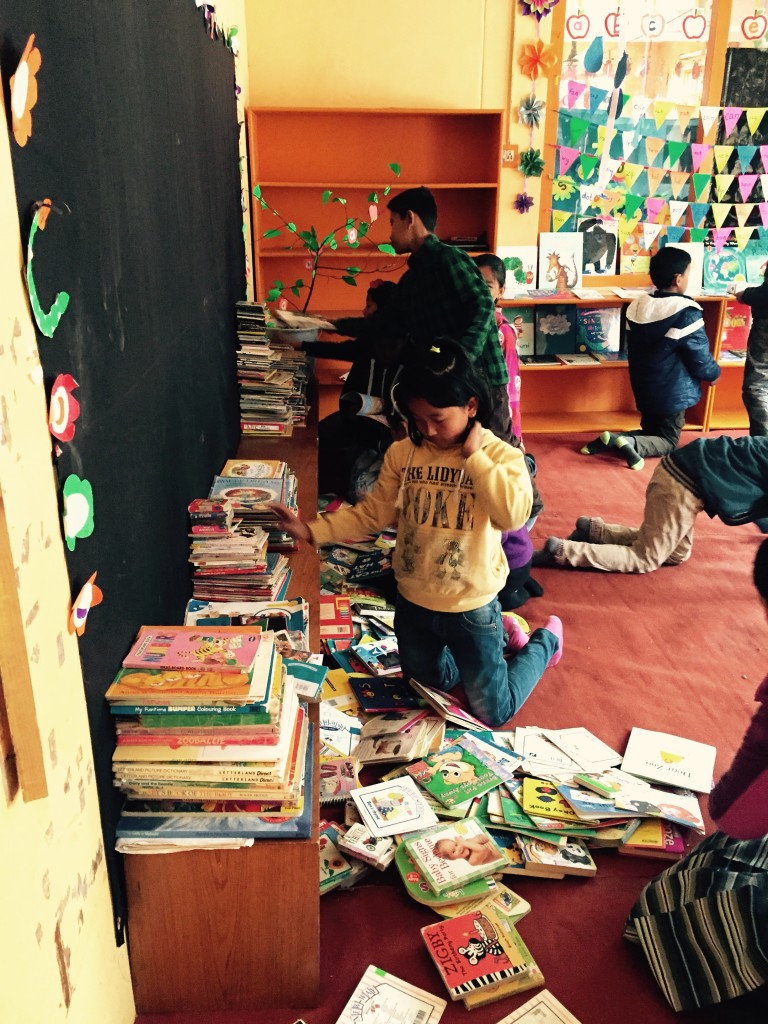
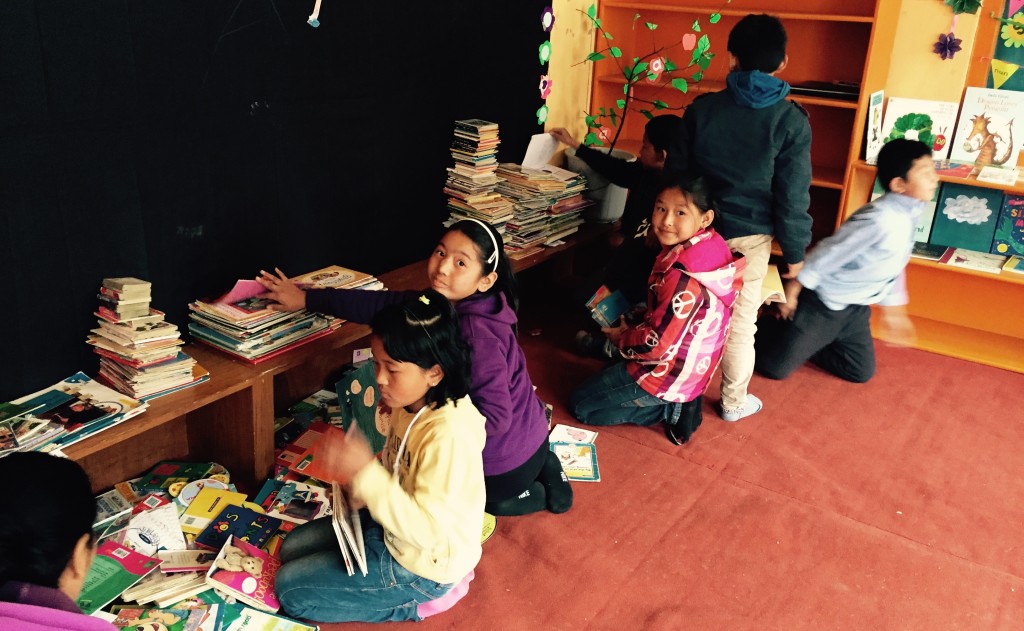
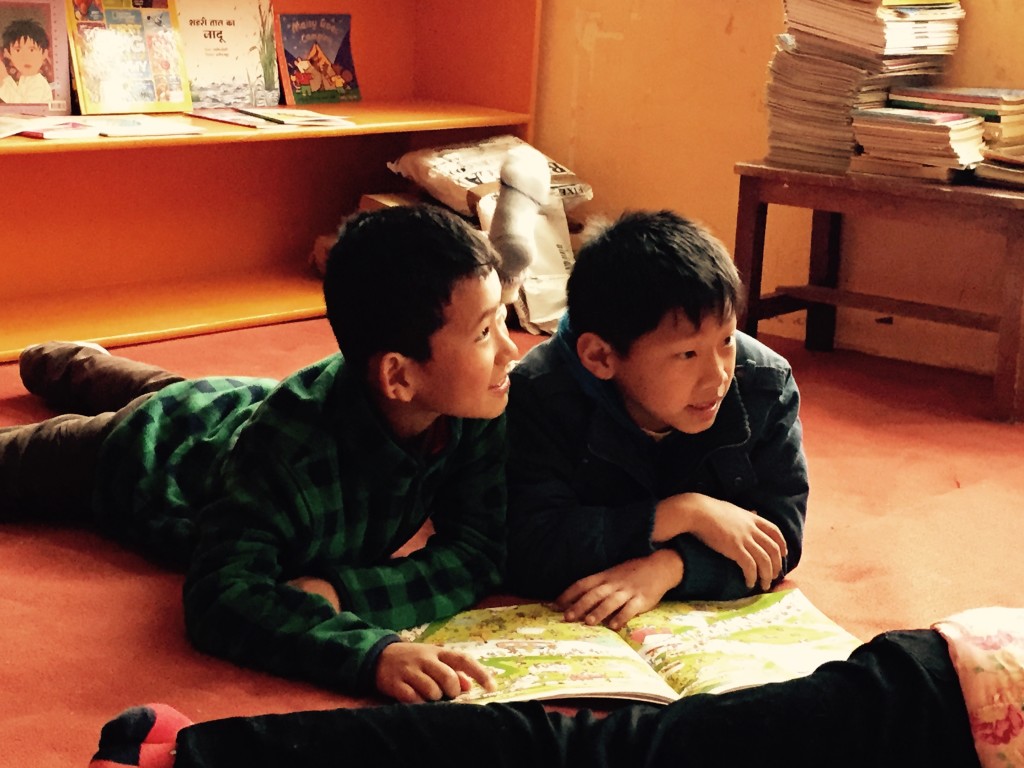
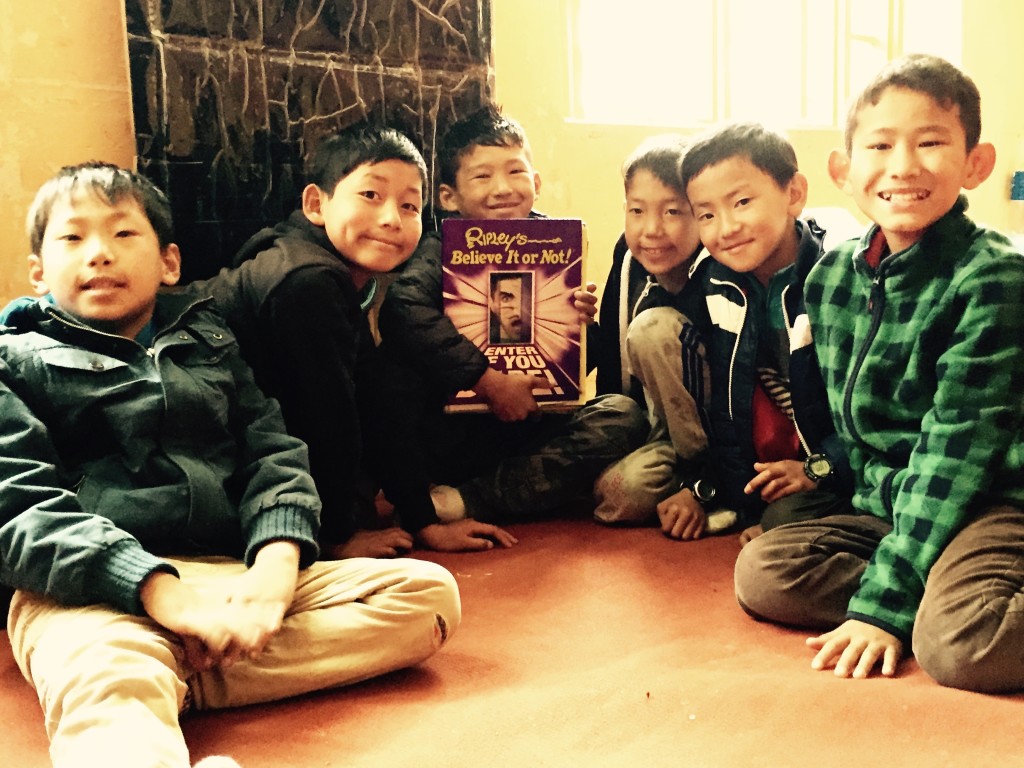
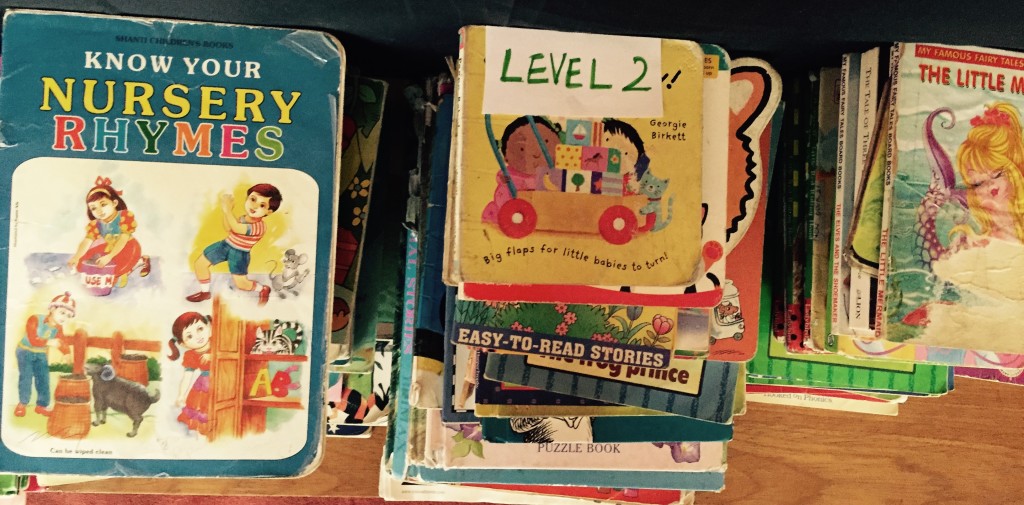
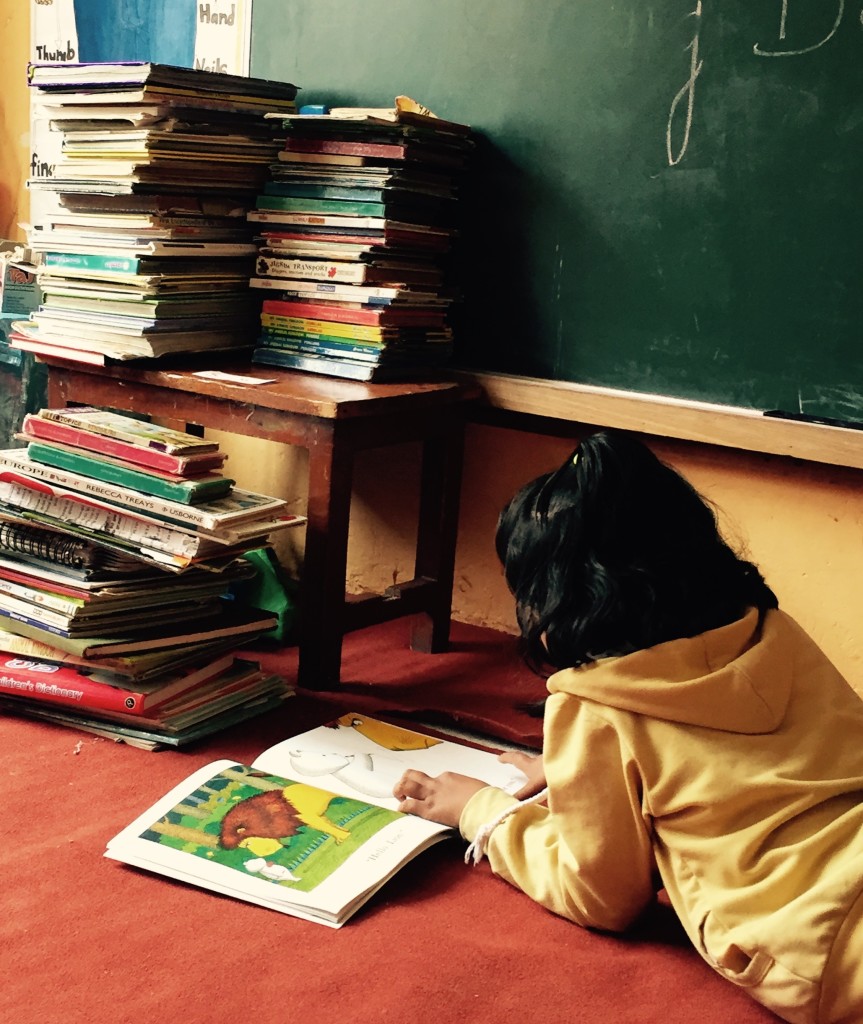
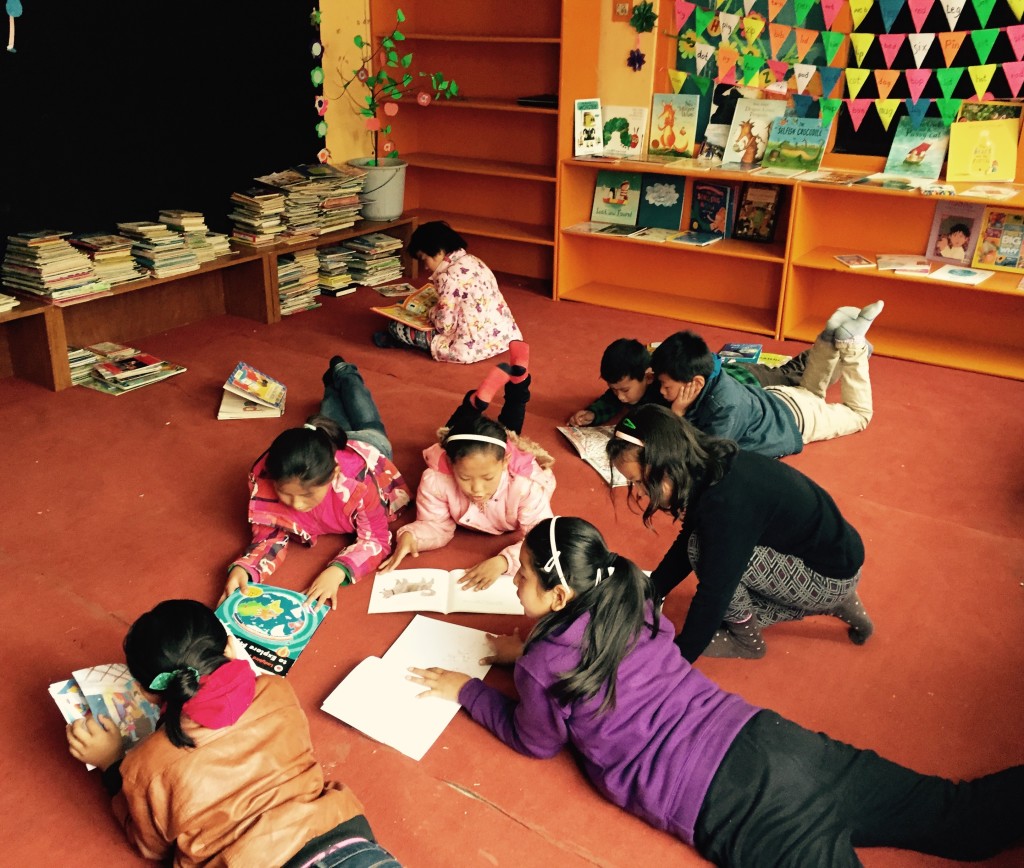
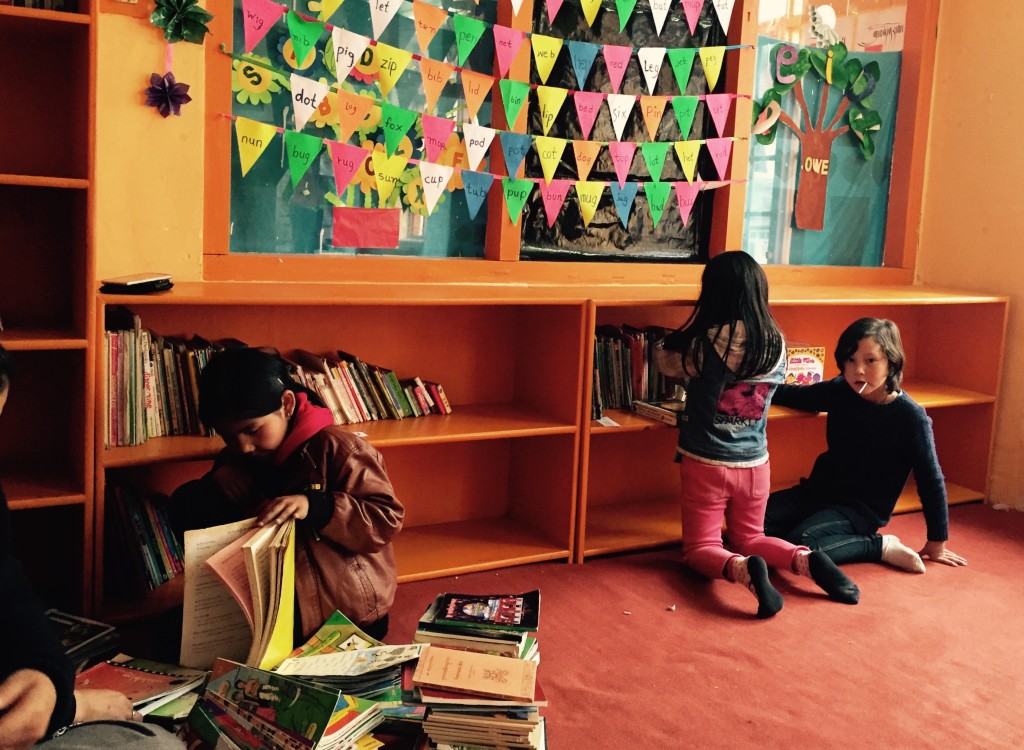
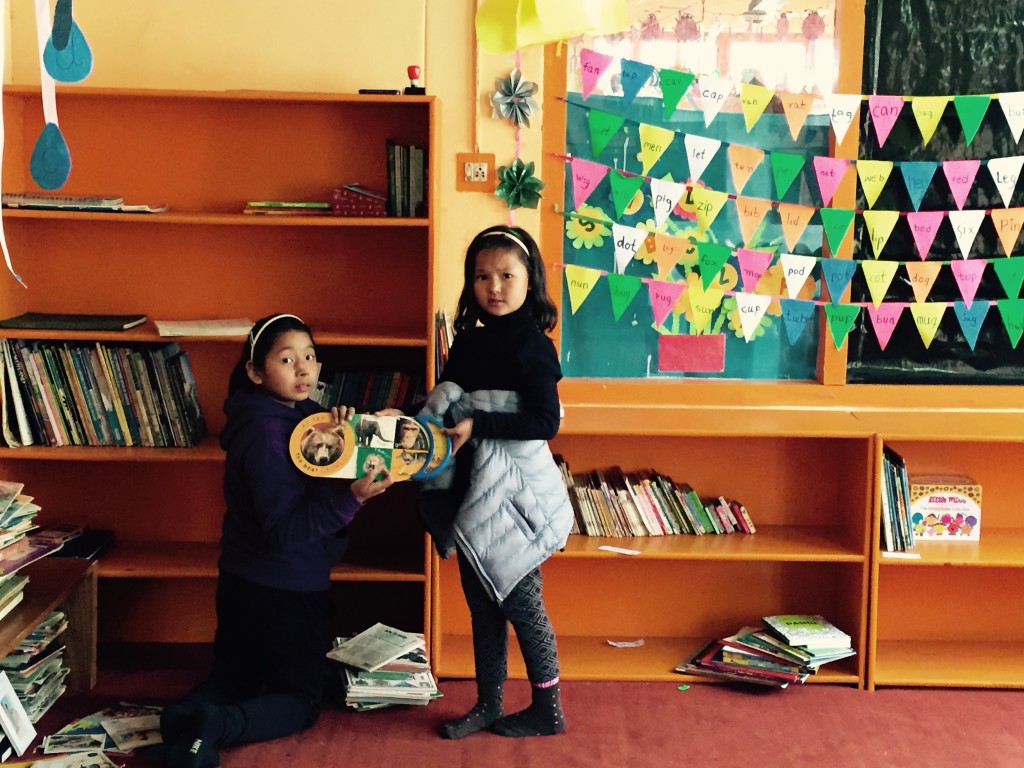
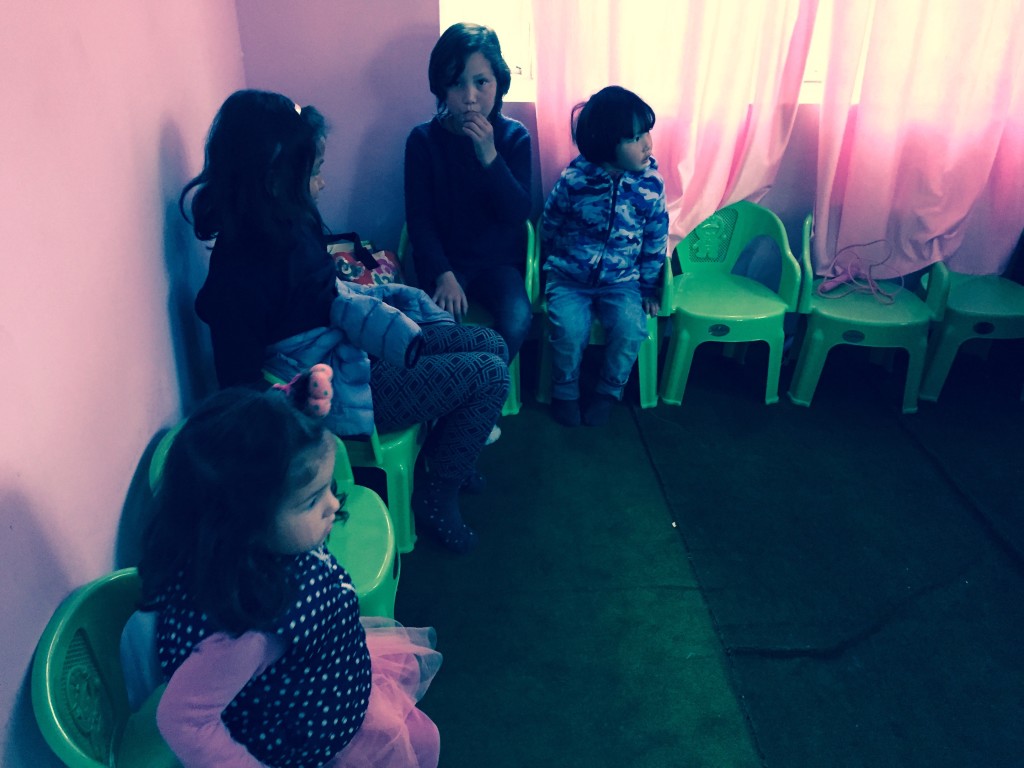
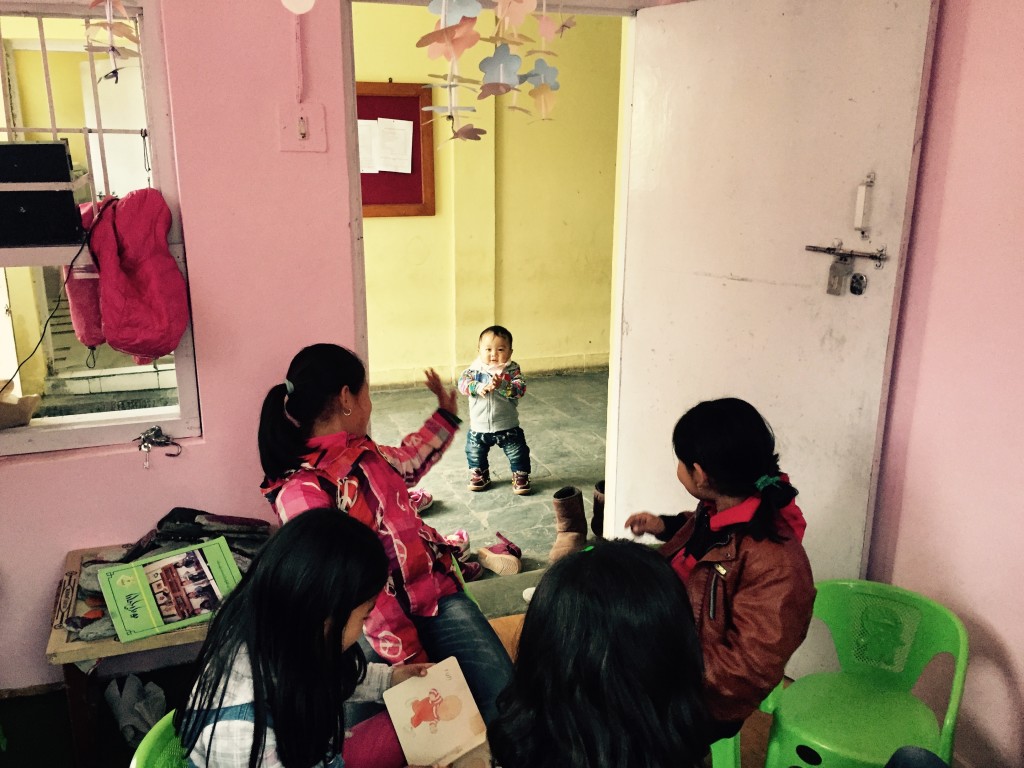
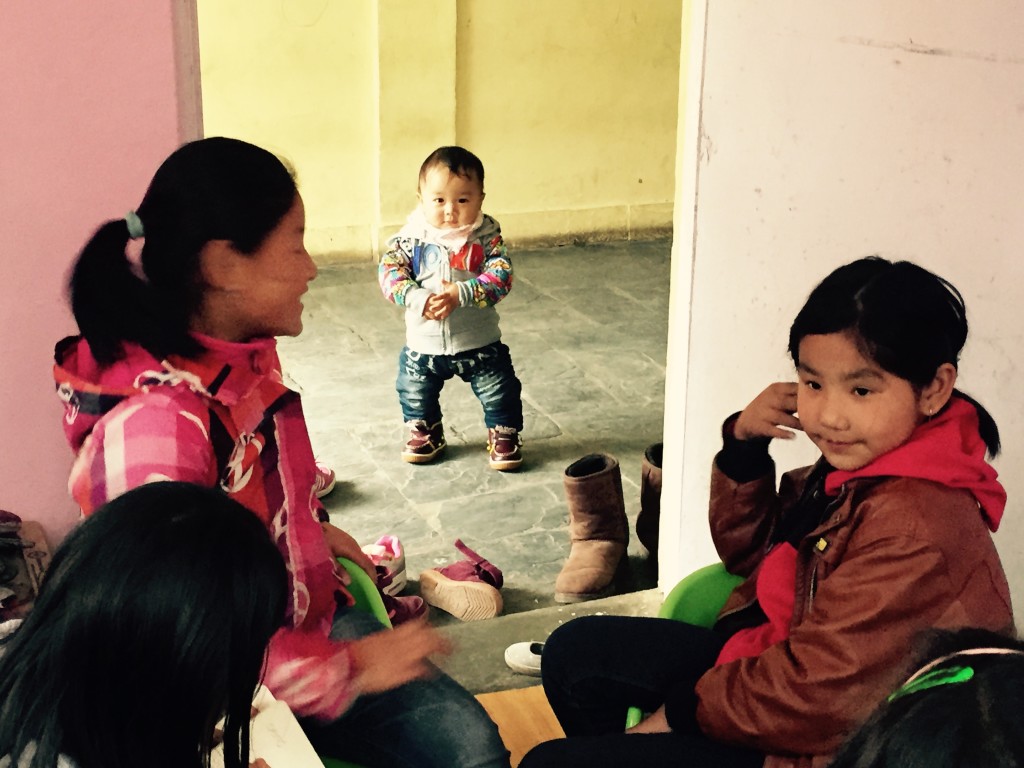
A reading room may begin with shelves, cushions, and a carefully chosen collection of books. In the Himalayan communities we serve, however, it grows into something richer when children can also gather around a game. Board games bring movement, conversation, planning, and laughter into a space designed for learning.
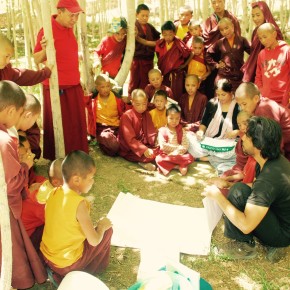
For children and young monks in Ladakh and nearby communities, access to books is important, but literacy develops through many kinds of experience. A child who explains a rule, reads a card, counts spaces, or negotiates a turn is using language and reasoning in a natural setting. The activity feels like play, yet it strengthens skills that support classroom learning and independent reading.
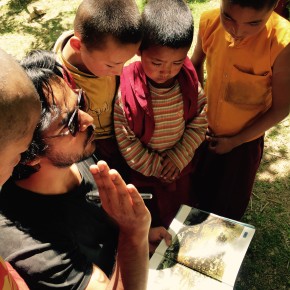
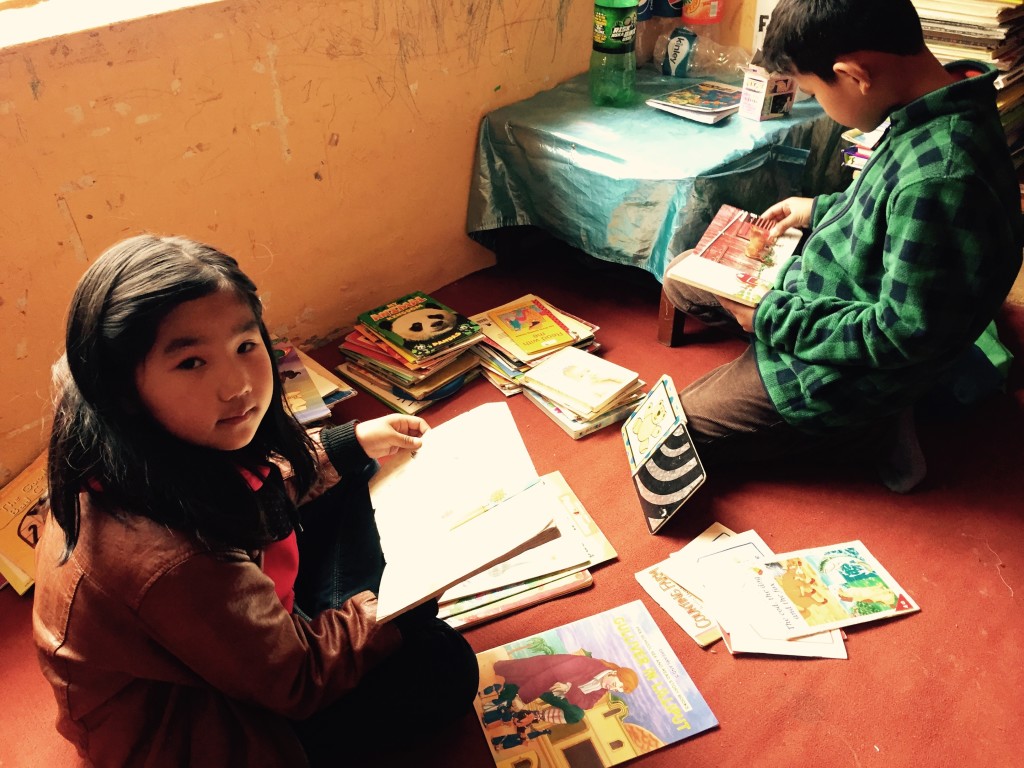
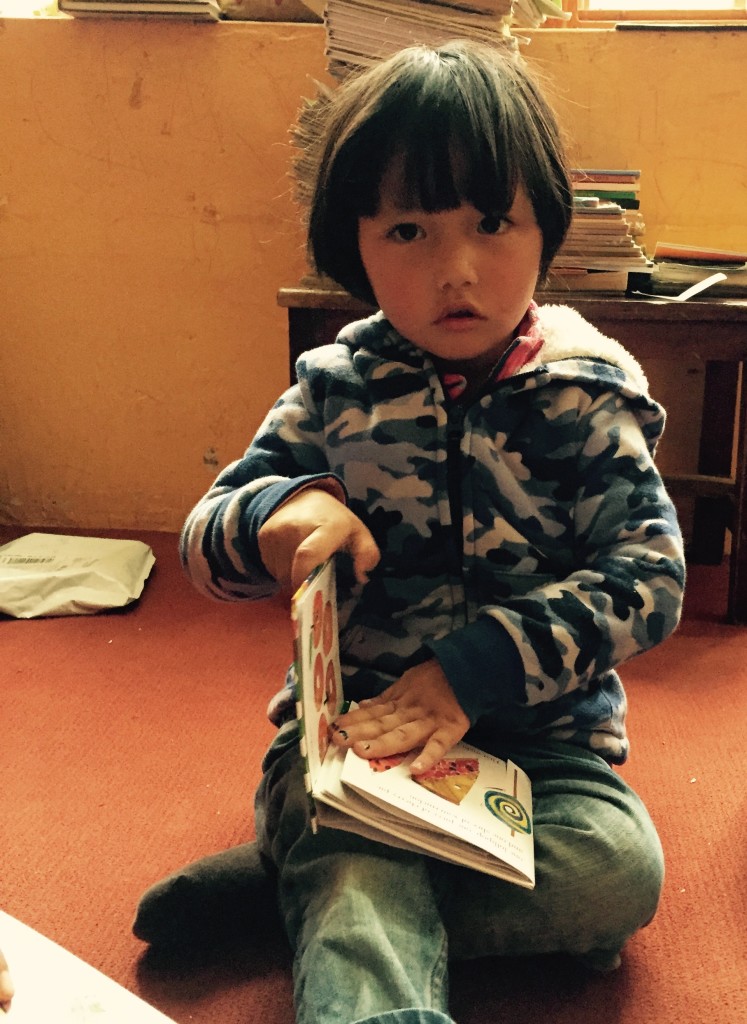
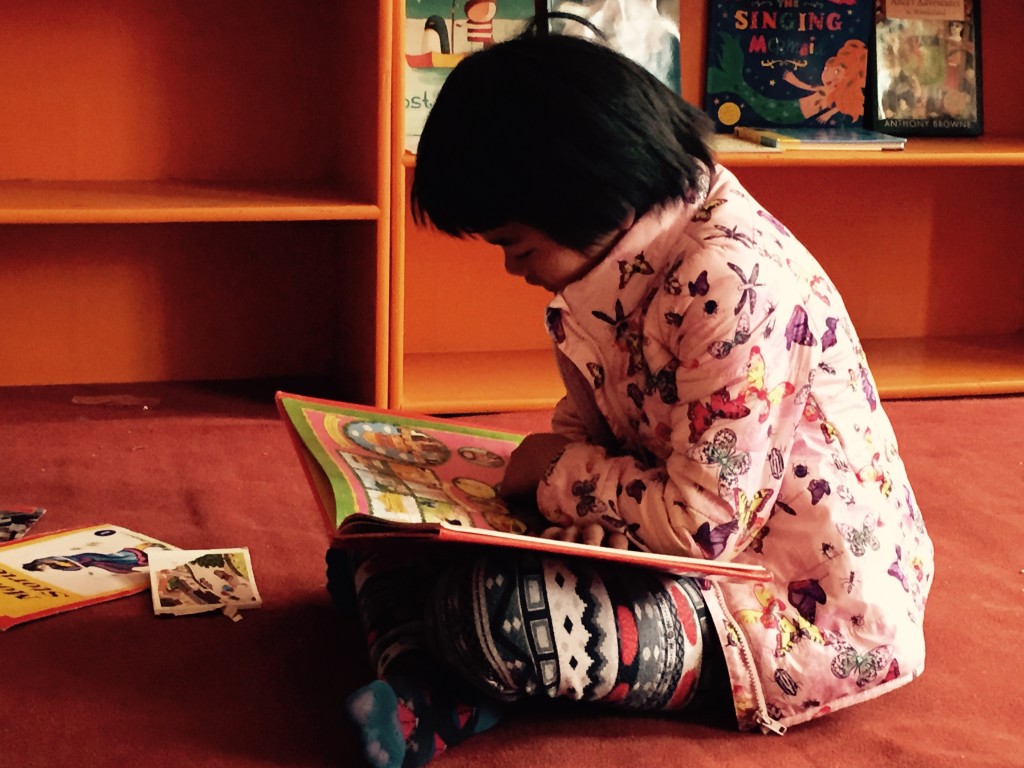
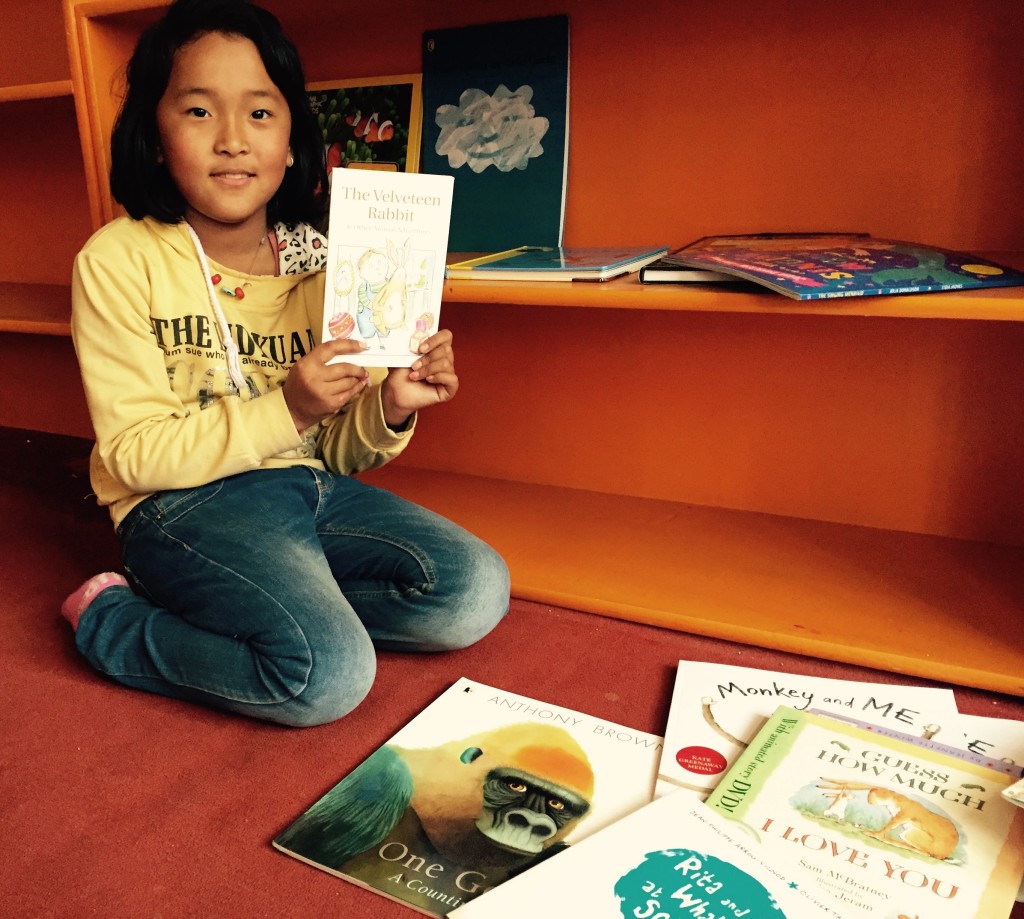
Games also help make a reading room welcoming to children with different interests and confidence levels. Some visitors arrive eager to choose a story, while others need time to feel comfortable among unfamiliar books. A shared activity offers an easy way to join the group, meet friends, and gradually discover the wider resources around them.
Play creates a bridge to books
Board games encourage children to handle words with a clear purpose. They may read instructions, recognize symbols, follow a story on a card, or ask another player to explain an unfamiliar term. These small moments build vocabulary and reading fluency without turning the reading room into another formal lesson.
Many games also invite children to create stories of their own. A picture-based game can lead to descriptions of animals, places, or characters. A map game can prompt discussion about geography and travel. When children connect printed words with an enjoyable experience, books become part of an active world rather than an obligation.
This is especially valuable for emerging readers. A child may be reluctant to read aloud from a book but willing to sound out a short instruction because the group is waiting to begin. That manageable step can grow into confidence with longer texts and more challenging material.
Shared rules build social confidence
A game gives children a structured reason to talk with one another. Players practice taking turns, listening carefully, explaining a choice, and accepting a result. These social skills matter in school, at home, and in community life, yet they can be difficult to teach through direct instruction alone.
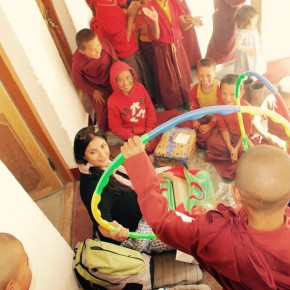
The reading room becomes a place where cooperation has a visible shape. Older children can help younger participants understand a rule, while a young monk may guide a group through a game he has learned well. Such exchanges encourage leadership without making the activity competitive for everyone.
Disagreements will sometimes occur, and that is part of the learning. With gentle support from volunteers, children can discuss what happened, return to the rules, and find a fair solution. They learn that a mistake or lost round does not end participation. The group can reset, try again, and continue together.
Games support many kinds of thinking
Different games develop different mental habits. Matching and memory activities strengthen attention. Strategy games require planning and flexible thinking. Word games support spelling and vocabulary. Counting and trading games introduce basic numeracy in a concrete, memorable form.
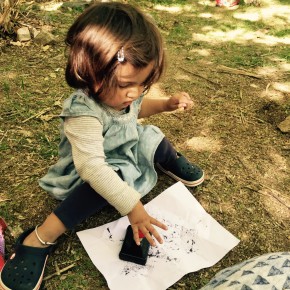
These benefits complement the educational, artistic, and musical activities offered through our programs. A child who enjoys rhythm may respond to a game with patterns, while another who loves drawing may prefer visual storytelling cards. Including a range of activities respects the fact that children learn through touch, movement, images, sound, and conversation.
The value is not measured by how quickly a child wins. We look for curiosity, persistence, and the ability to explain an idea. A player who changes strategy after an unexpected move is practicing problem-solving. A child who encourages a younger participant is developing empathy. Both outcomes belong in a healthy learning environment.
| Type of game |
Skills it can encourage |
Useful reading-room connection |
| Word and letter games |
Vocabulary, spelling, language confidence |
Helps children notice and use new words |
| Memory and matching games |
Focus, recall, visual recognition |
Supports attention during shared reading |
| Strategy games |
Planning, patience, decision-making |
Builds habits useful for longer texts and study |
| Counting and trading games |
Numeracy, comparison, sequencing |
Reinforces practical mathematical language |
| Story and picture games |
Imagination, speaking, narrative structure |
Encourages children to create and discuss stories |
The right games fit the local setting
A useful collection does not need to be expensive or large. We choose games that can withstand frequent use, work with small groups, and be understood through clear instructions or demonstration. Durable pieces and simple storage are practical considerations when resources must serve many children over time.
Cultural and linguistic relevance matters as well. Games should feel accessible rather than imported without context. Picture-based activities can include local landscapes, animals, and everyday situations. Word games need thoughtful adaptation when children speak several languages or are learning in a language different from the one used at home.
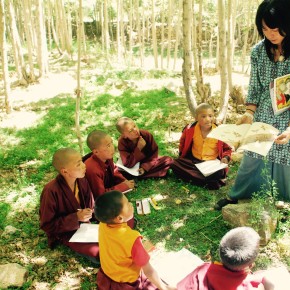
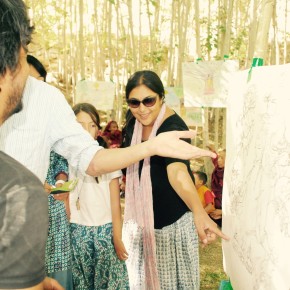
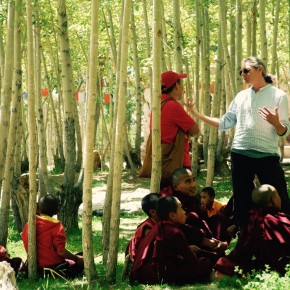
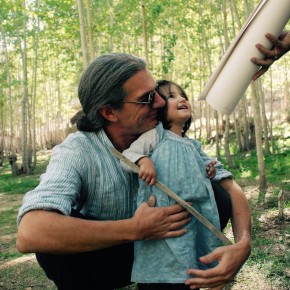
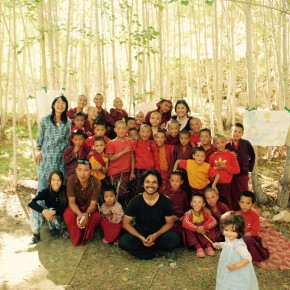
Volunteers play an important role in making each game useful. They can explain unfamiliar concepts, pair a confident reader with someone who needs support, and adjust the pace for different ages. A quiet child may benefit from a two-person game, while a larger group may enjoy a cooperative challenge with a shared goal.
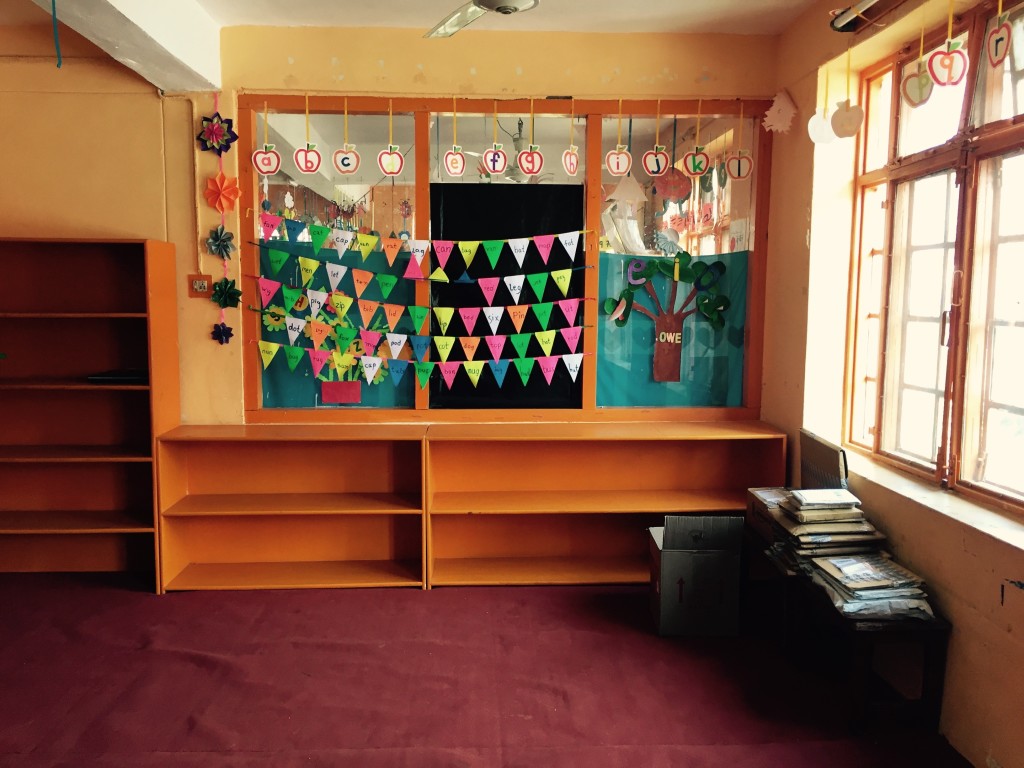
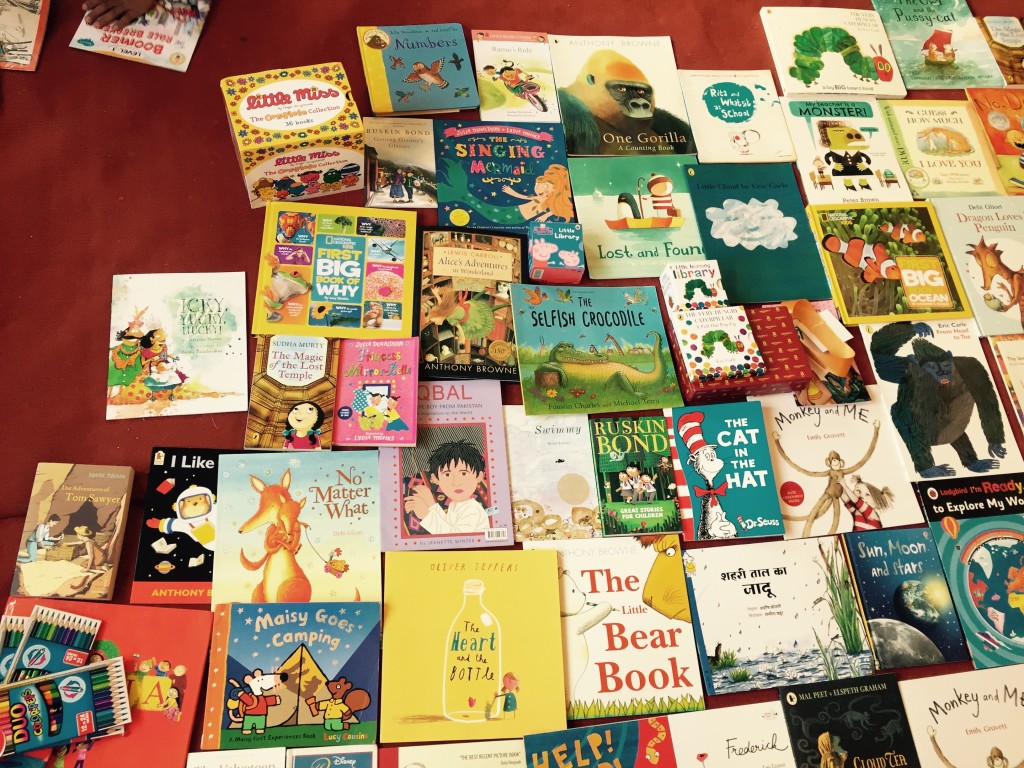
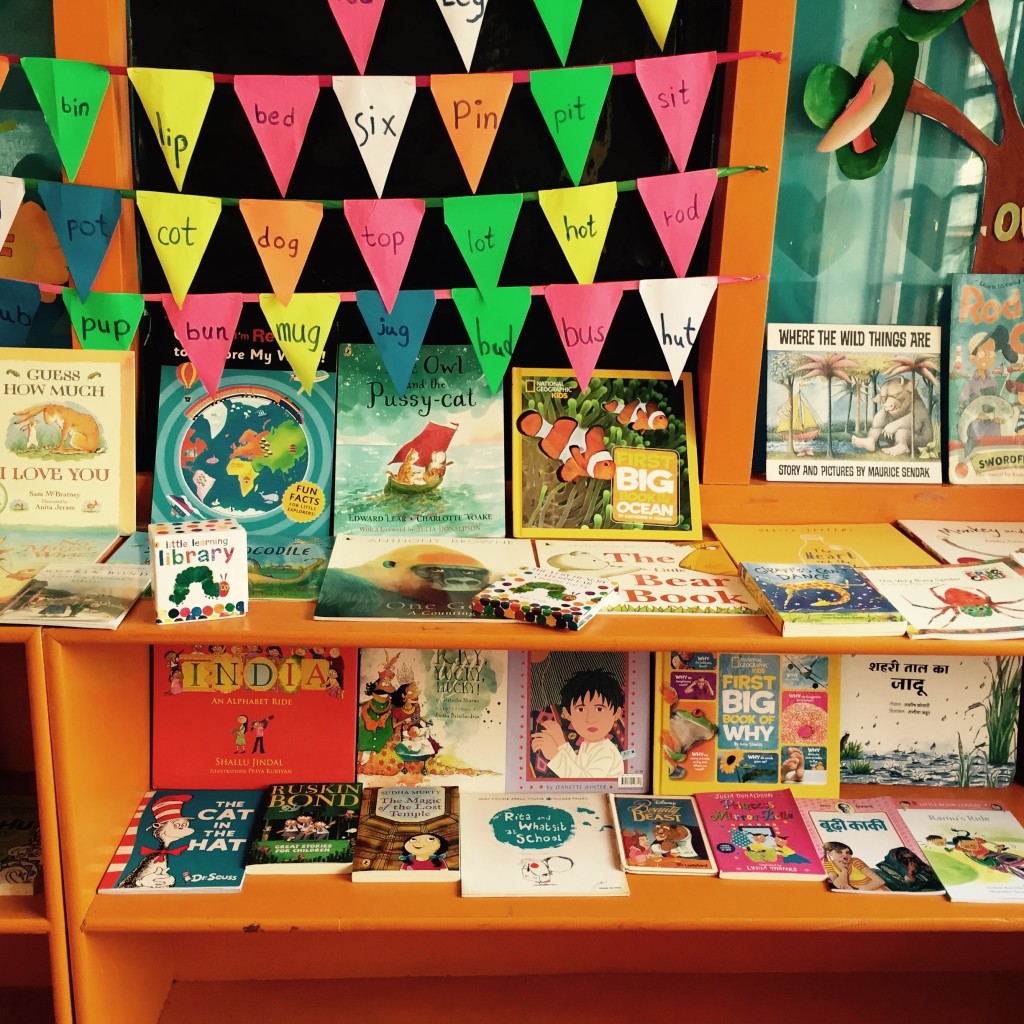
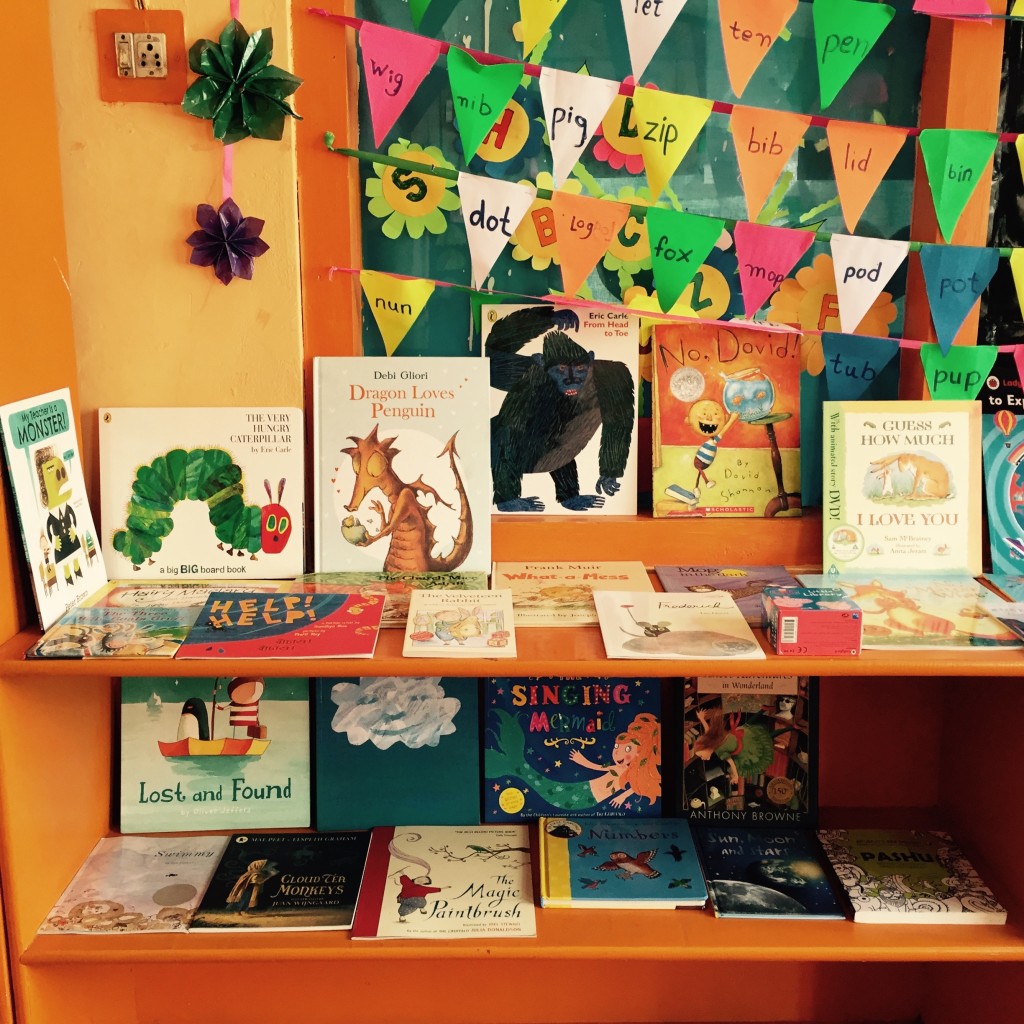
The growth of a reading room depends on this kind of thoughtful programming. Our story of how a modest collection became a welcoming community space, from a single shelf to a community hub, shows why varied activities help children see the room as their own.
Cooperative play makes inclusion possible
Not every child enjoys competition, and not every child has the same experience with games. Cooperative games offer an important alternative: participants work together against a shared challenge rather than trying to defeat one another. This can reduce anxiety and make it easier for new visitors to take part.
Adaptability is another part of inclusion. A volunteer might simplify rules, play with fewer pieces, read instructions aloud, or give a child extra time to decide. These adjustments preserve the purpose of the game while allowing children with different reading levels, attention spans, or physical abilities to participate.
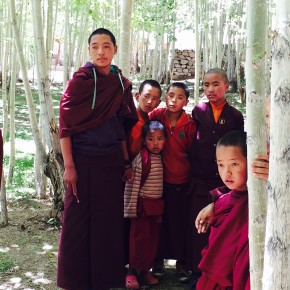
Quiet observation also counts. Some children first watch a round before joining, learning the rhythm of the activity from a safe distance. When they eventually sit down, they already understand the basic expectations. A patient atmosphere ensures that board games remain an invitation, never a demand.
A small collection can have a lasting effect
Board games are an affordable way to add depth to a reading room. A few well-selected activities can be used repeatedly, shared across age groups, and combined with books or creative projects. After a game about journeys, children might find stories about mountains and travel. After a word activity, they might look for the new terms in a book.
They also help sustain regular attendance. Children often return because they remember a particular game, a friendly conversation, or the satisfaction of mastering a new rule. Each return creates another opportunity to browse shelves, practice reading, complete artwork, or participate in music.
When donors and volunteers support games alongside books, they support a complete learning environment. The aim is not to replace reading, but to create more pathways toward it. A child who enters for play may leave with a story, a new friend, or the confidence to ask for help finding a book.
What makes a strong reading-room game
- Clear rules that volunteers can explain quickly
- Materials that are durable, portable, and easy to store
- Options for cooperation as well as friendly competition
- Language, images, and themes that children can understand and enjoy
- Opportunities to connect play with books, storytelling, art, or music
The most meaningful resources are those that invite children back and help them participate fully. In our reading rooms, books remain at the heart of the space, while games create additional routes into language, friendship, and discovery.
Support from donors and volunteers allows these welcoming spaces to grow across Himalayan communities. A contribution can help provide books, games, art materials, and trained guidance so that more children and young monks have a place to read, play, learn, and imagine together. Through the Avalokiteśvara Trust, you can help turn a shelf of resources into a living community of learning.