From a Single Shelf to a Community Hub: The Growth of Our Reading Room
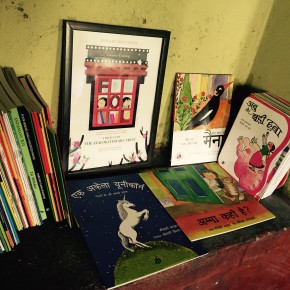
A reading room can begin with something remarkably small: one shelf of carefully chosen books, a few cushions, and the belief that children deserve a welcoming place to learn. In Himalayan communities, where access to varied reading material may be limited, that first shelf can open a much larger door to curiosity, confidence, and connection.
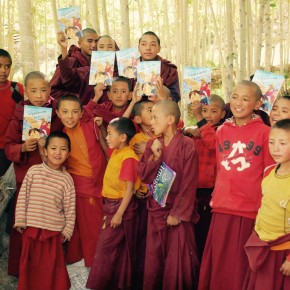
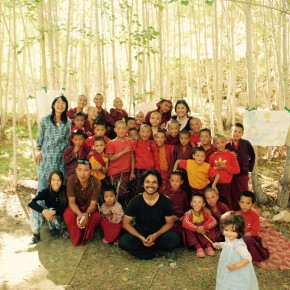
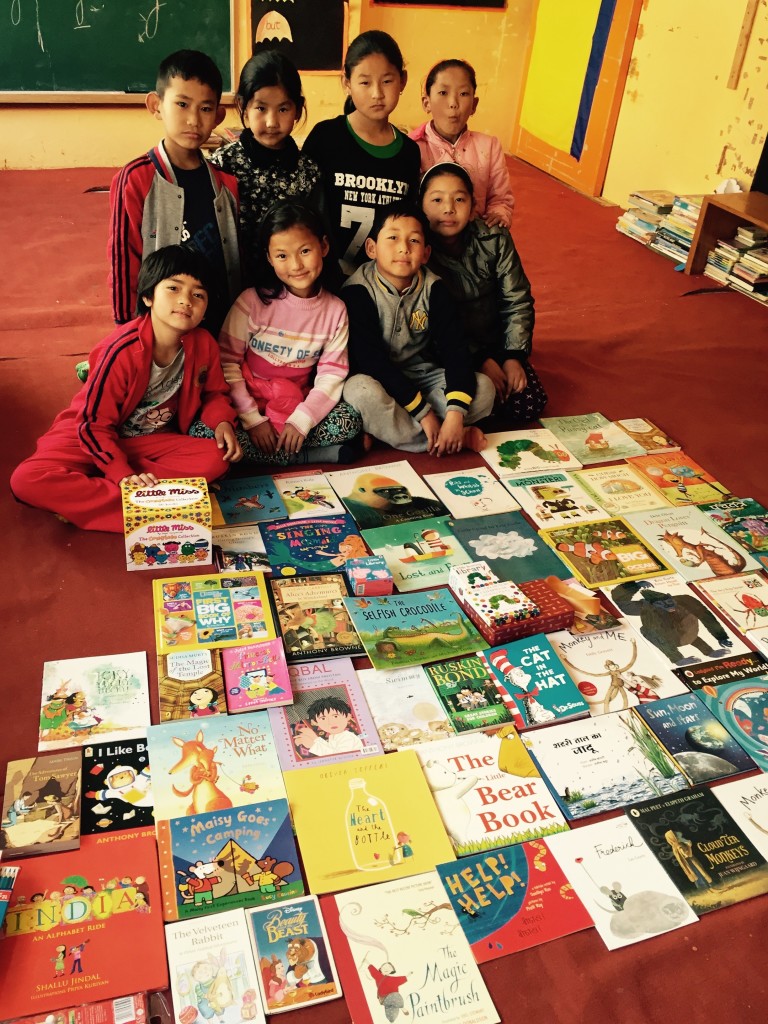
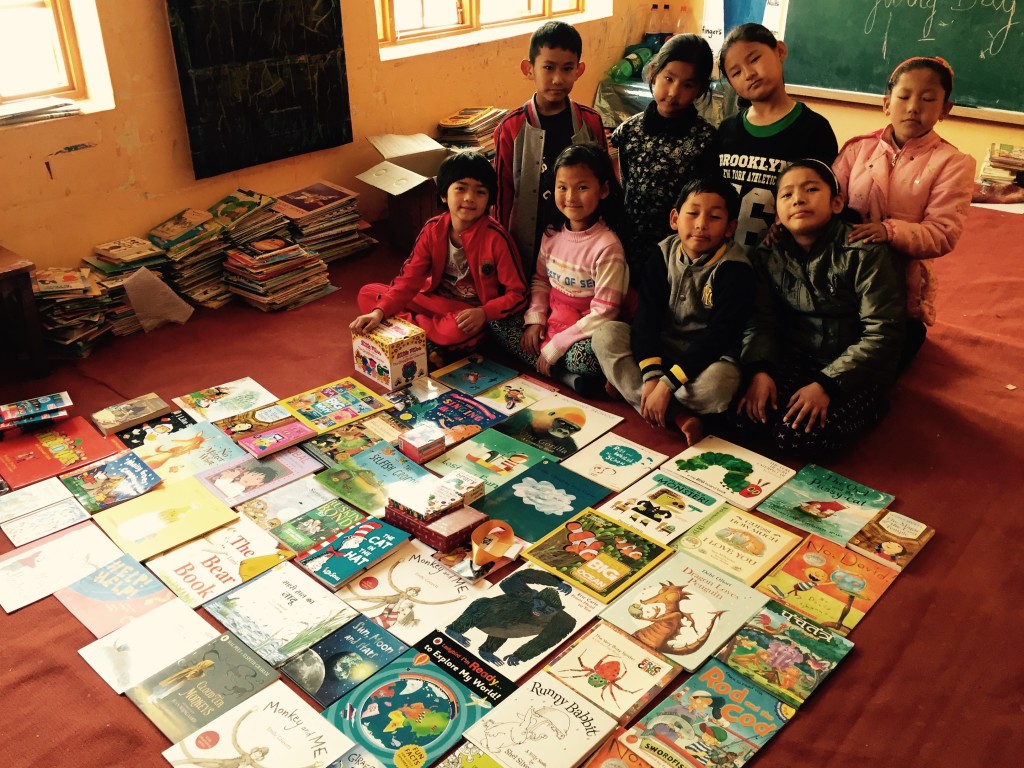
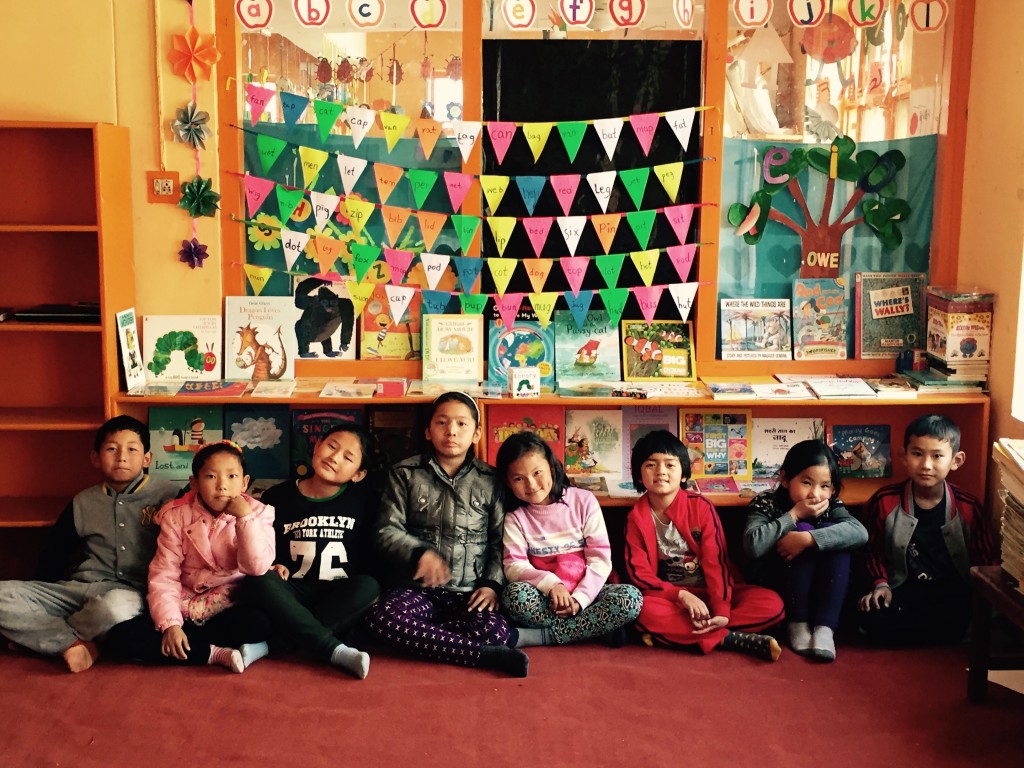
Our reading room has grown through the shared energy of children, young monks, families, volunteers, educators, and donors. What started as a simple collection of books has developed into a community hub where reading sits alongside art, music, conversation, and independent discovery.
This growth reflects the wider purpose of the Trust’s work: supporting children and young monks through literacy, creativity, and meaningful educational opportunities in Ladakh and neighboring Himalayan communities.
A Shelf That Made Room For Questions
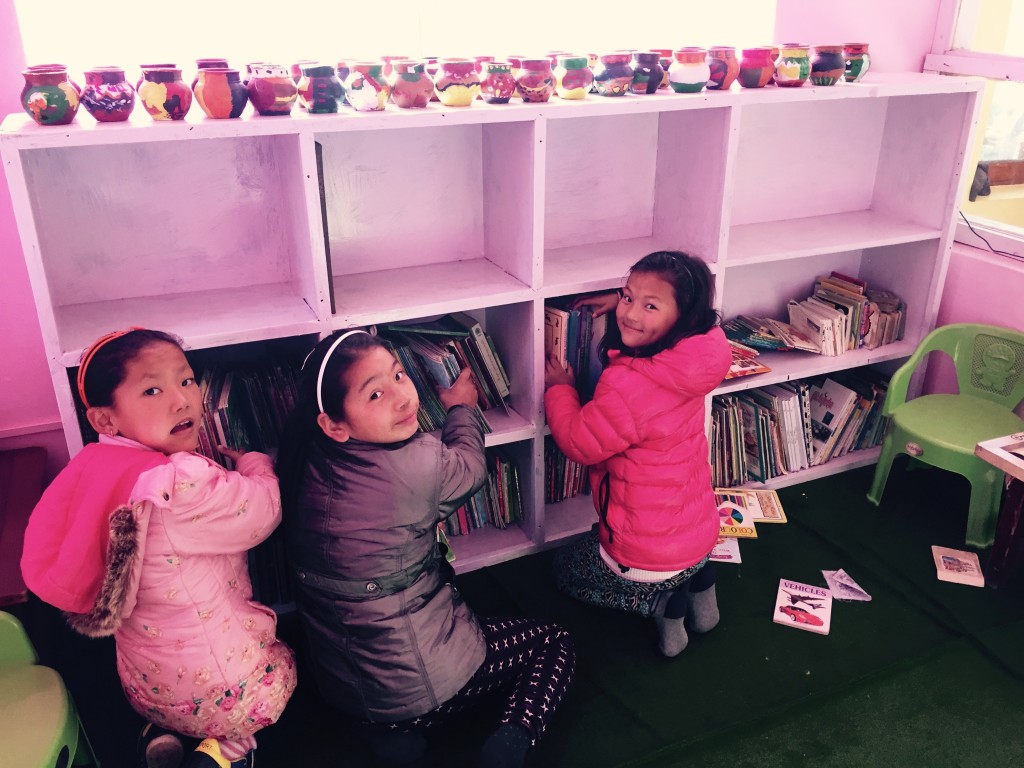
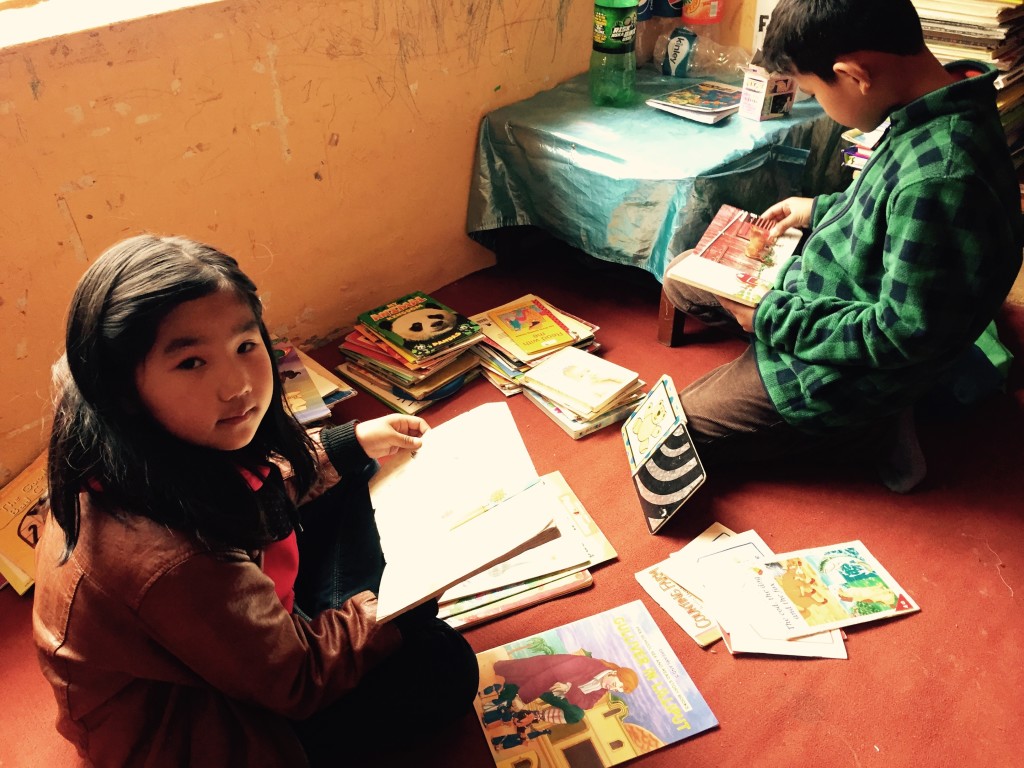
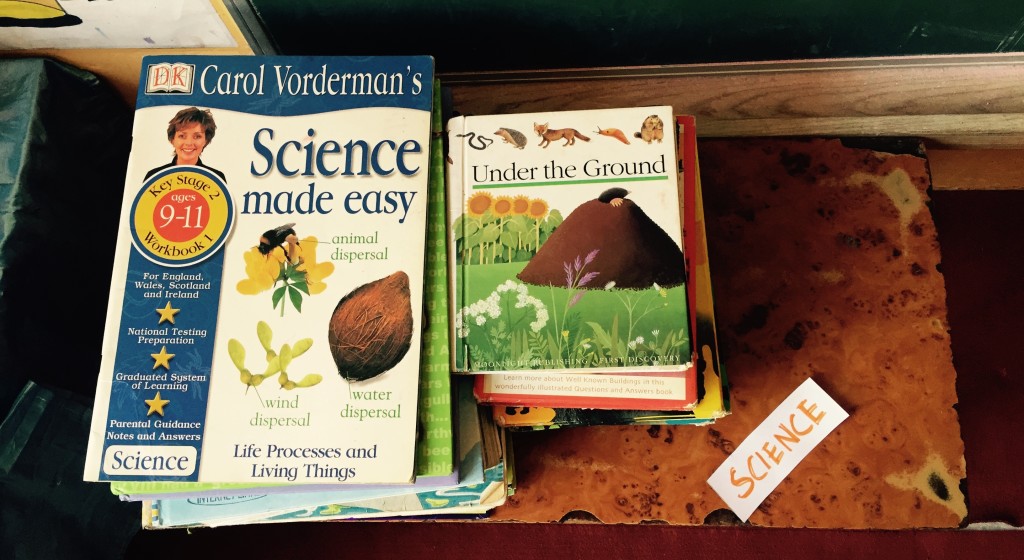
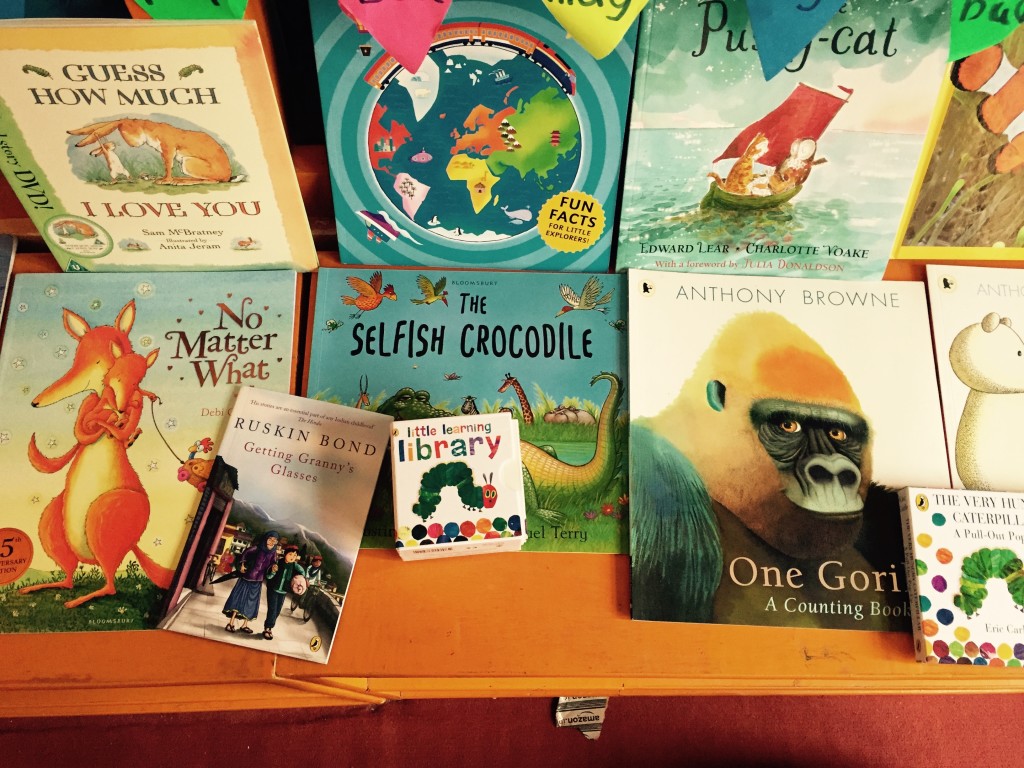
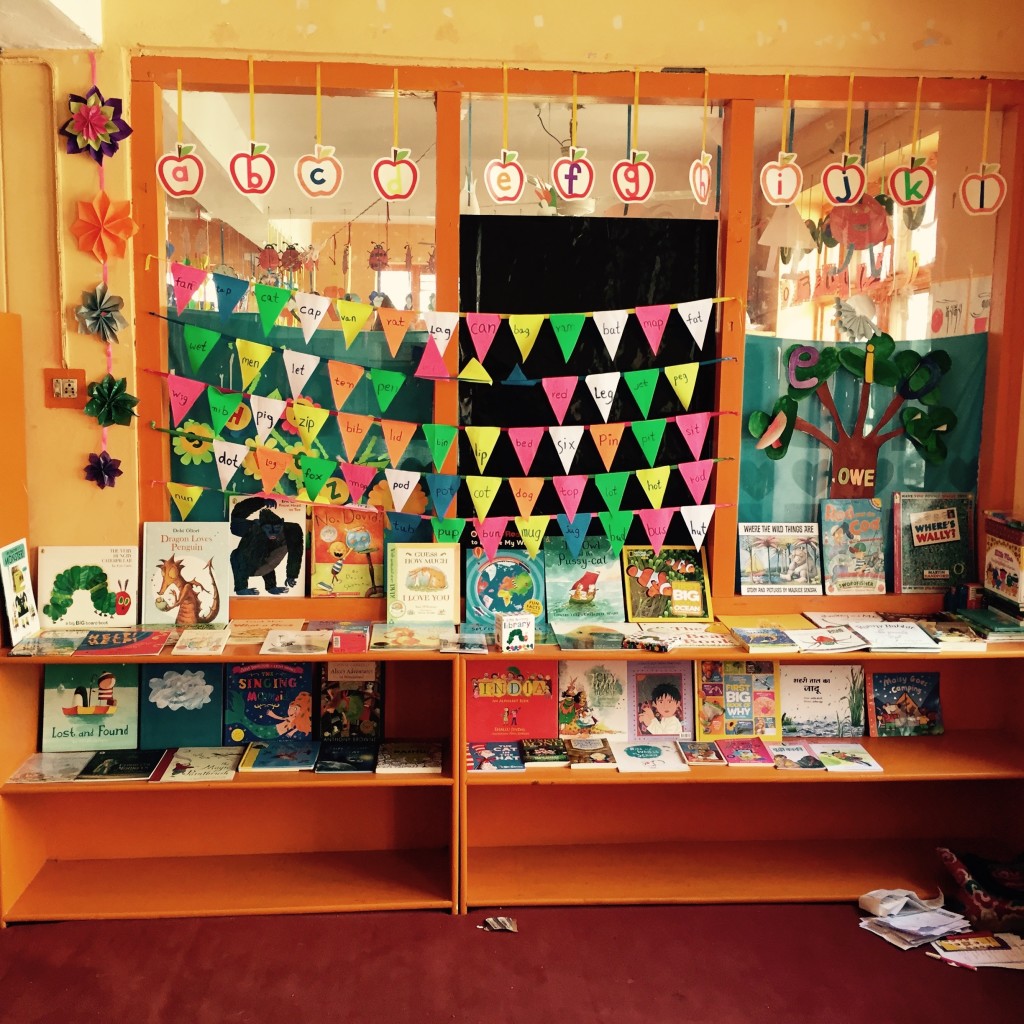
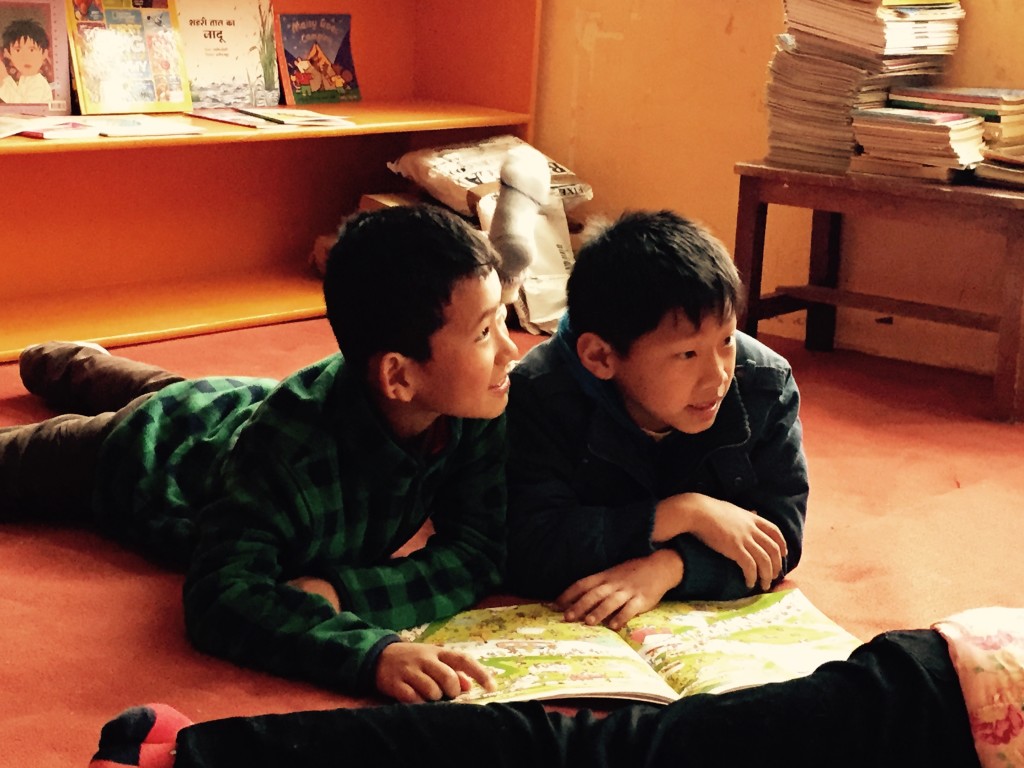
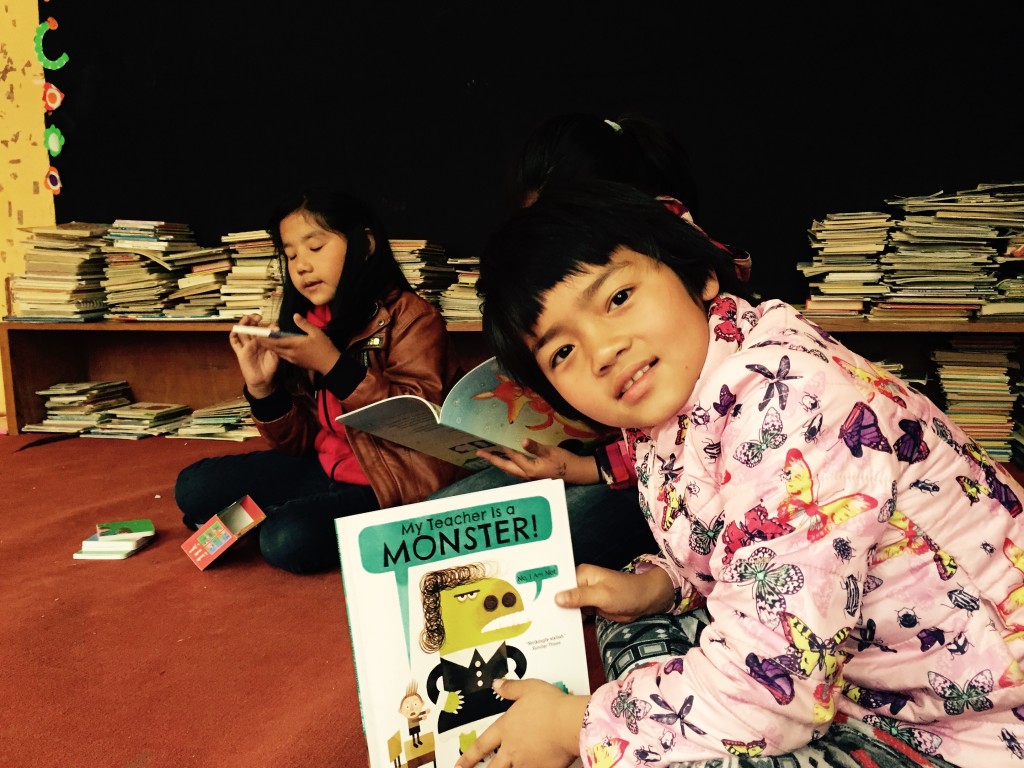
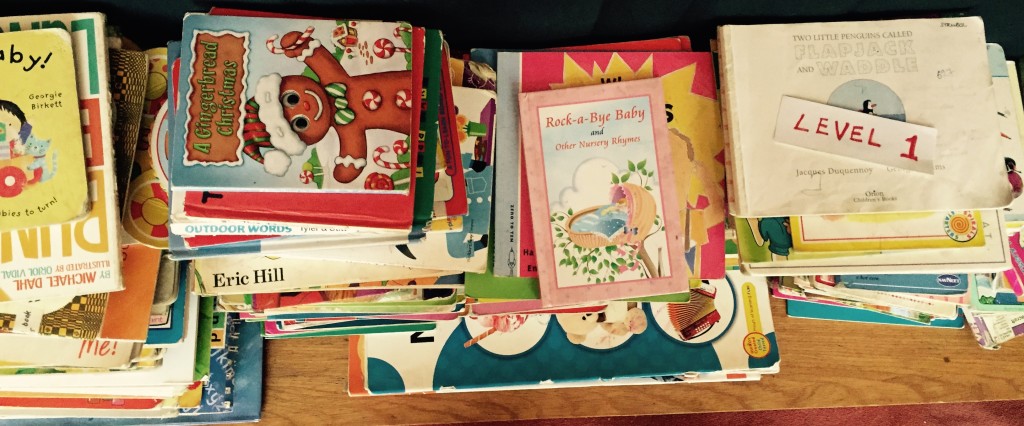
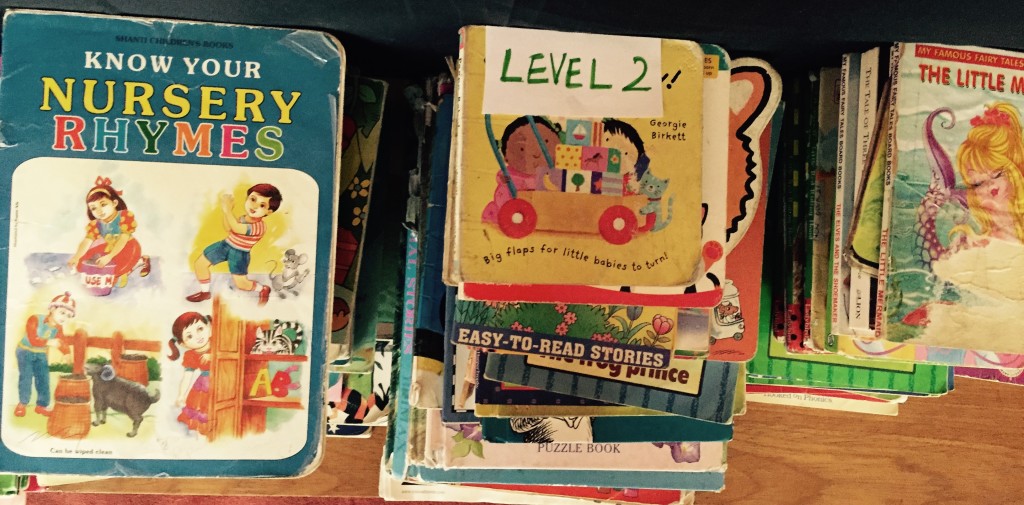
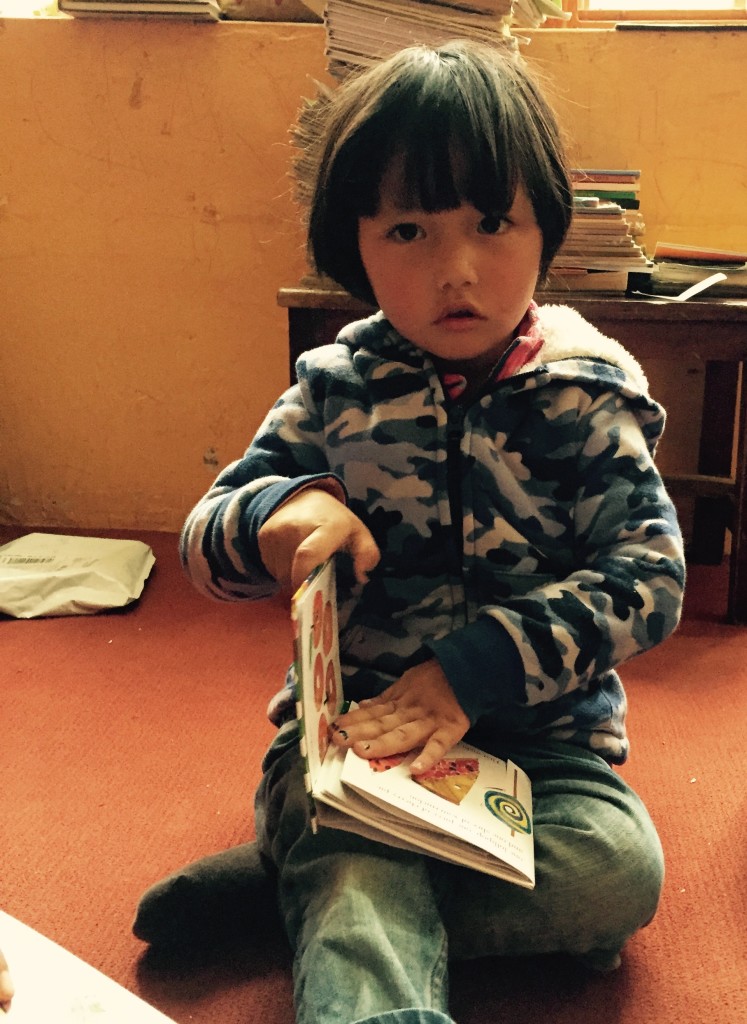
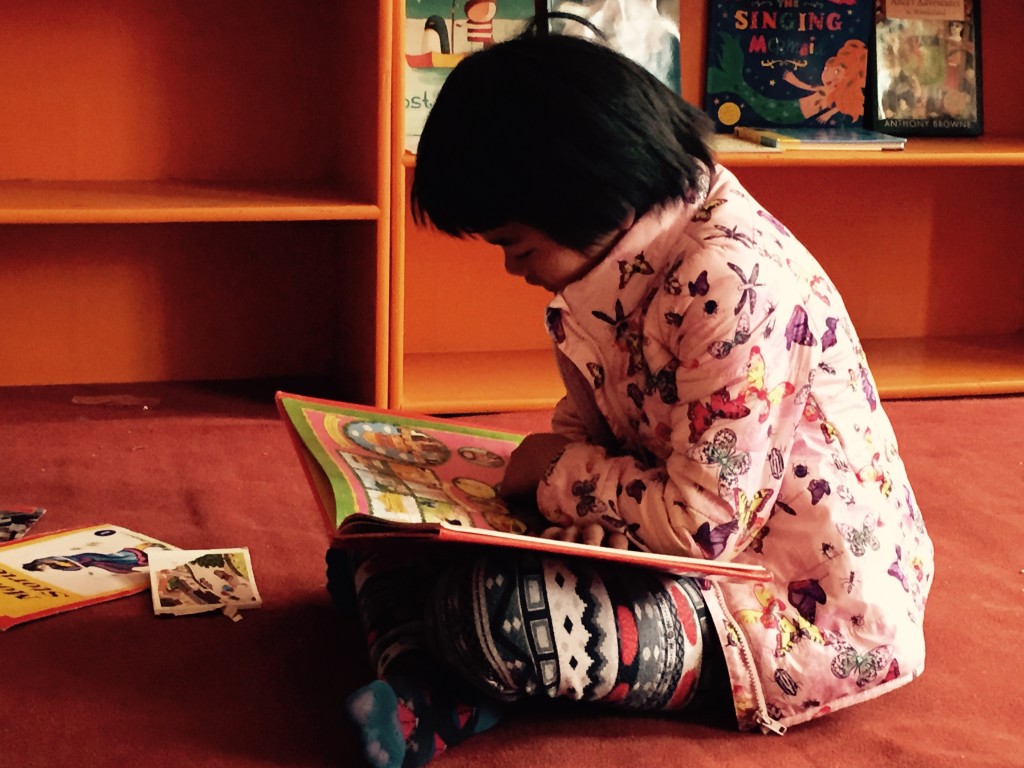
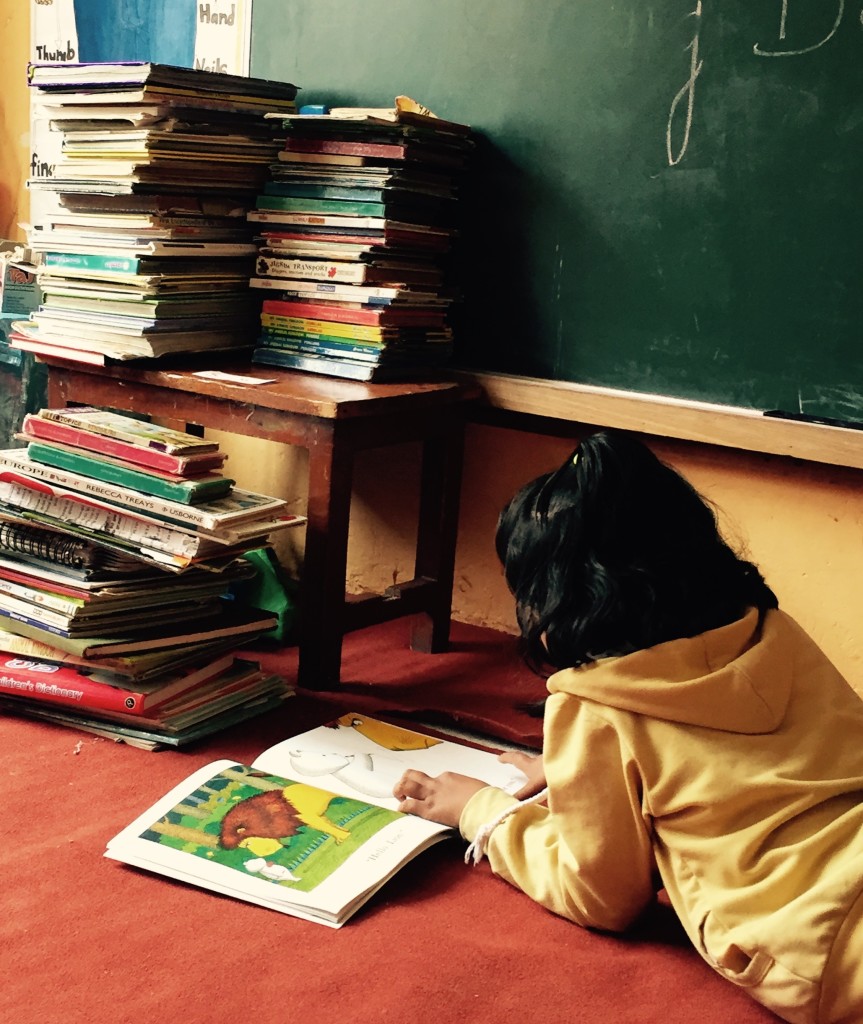
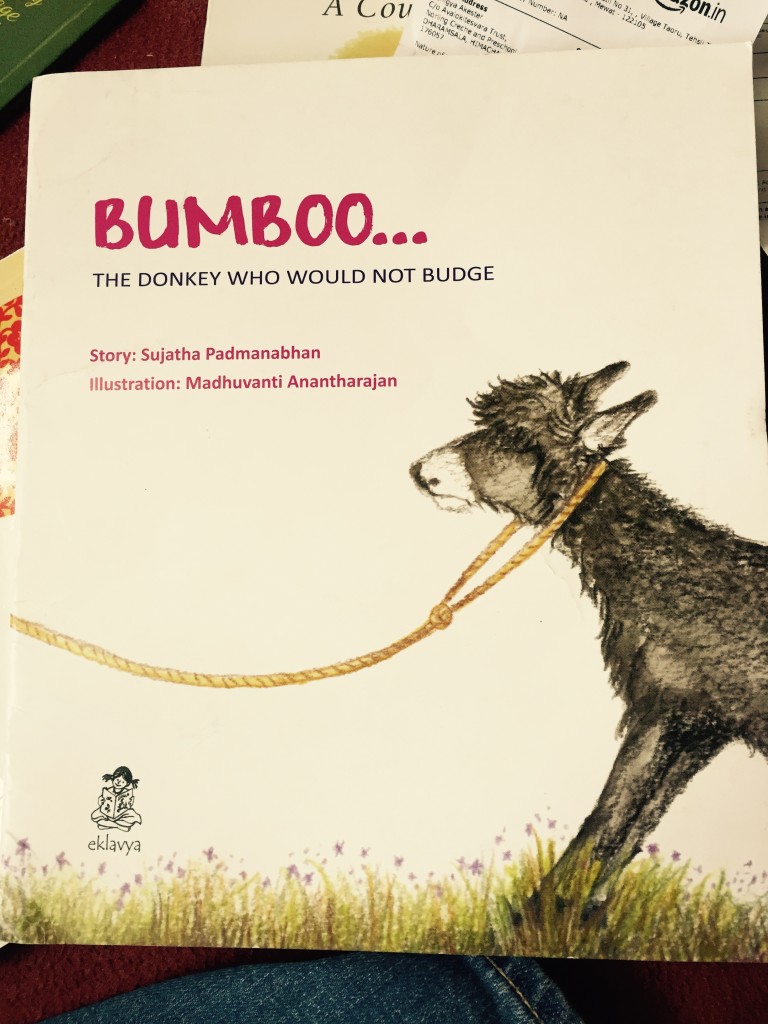
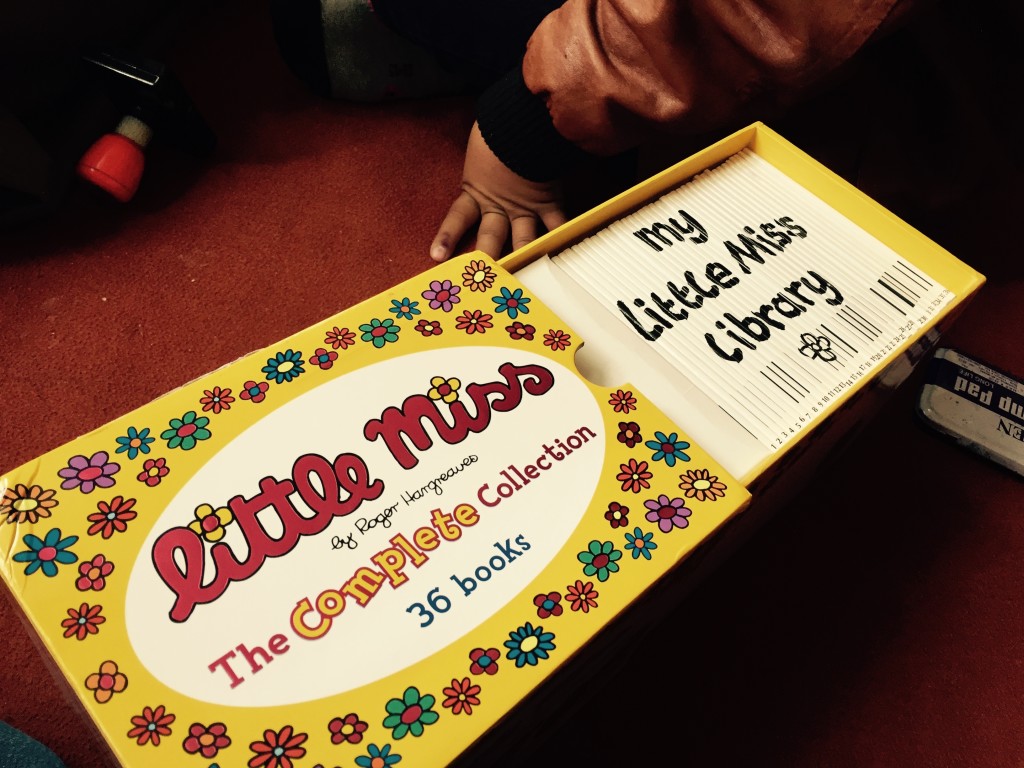
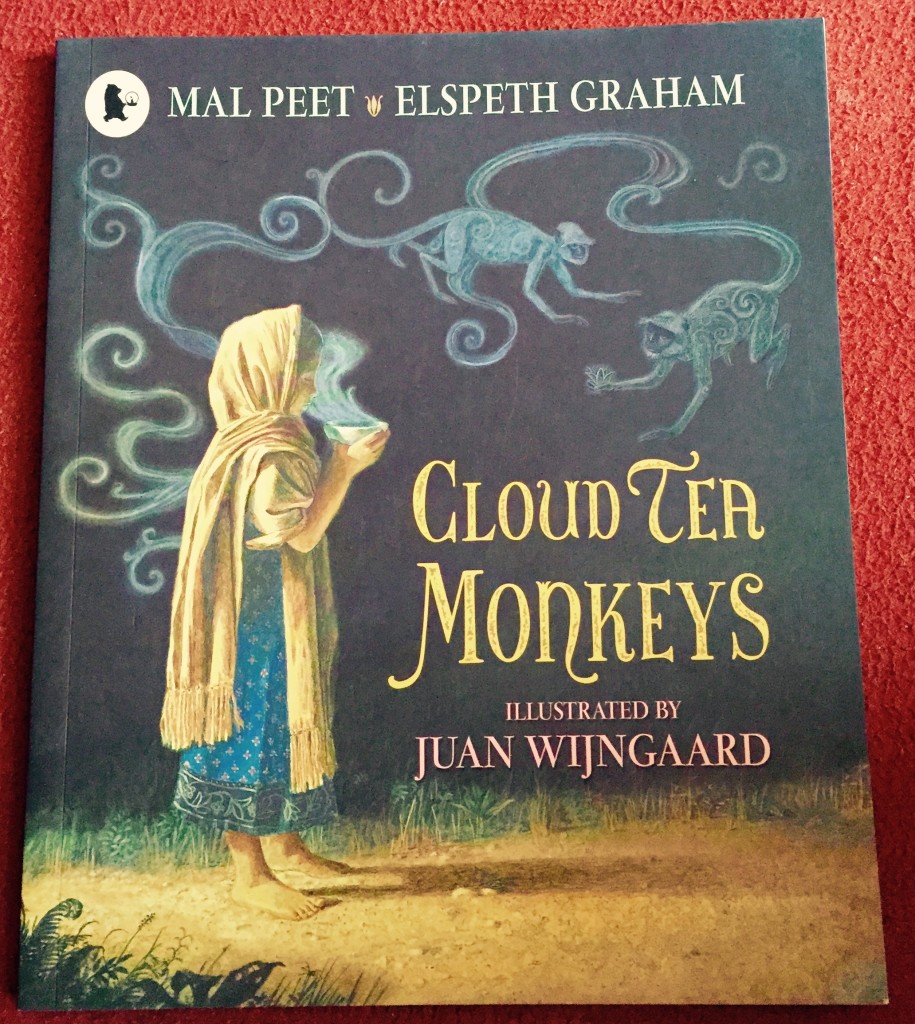
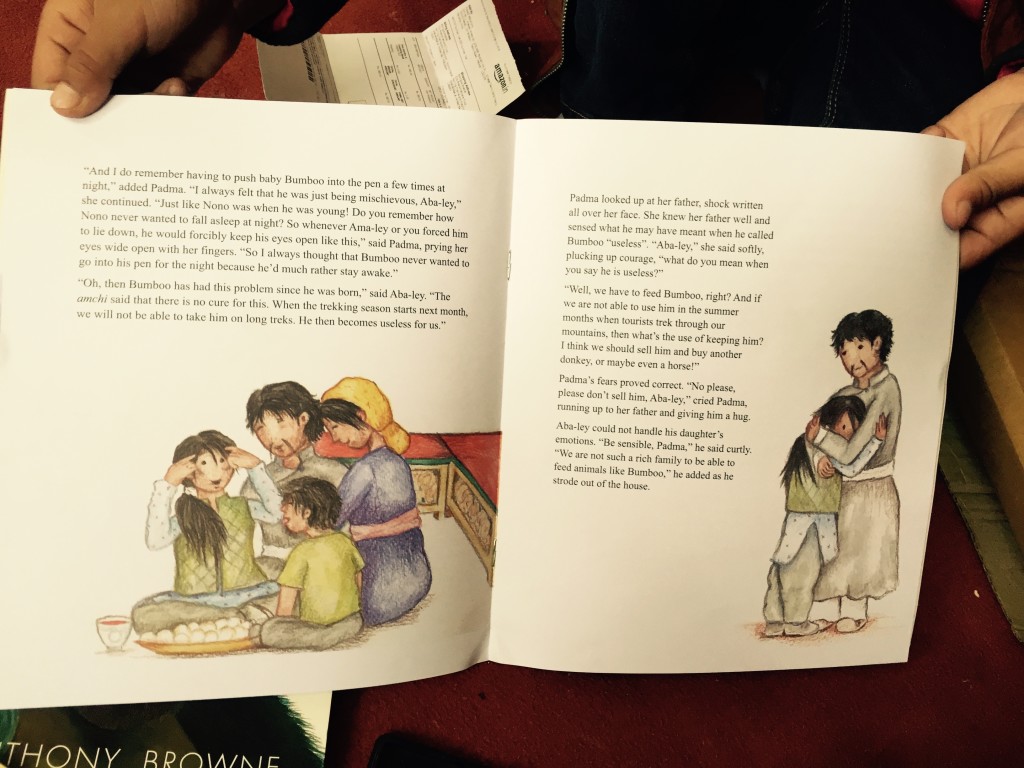
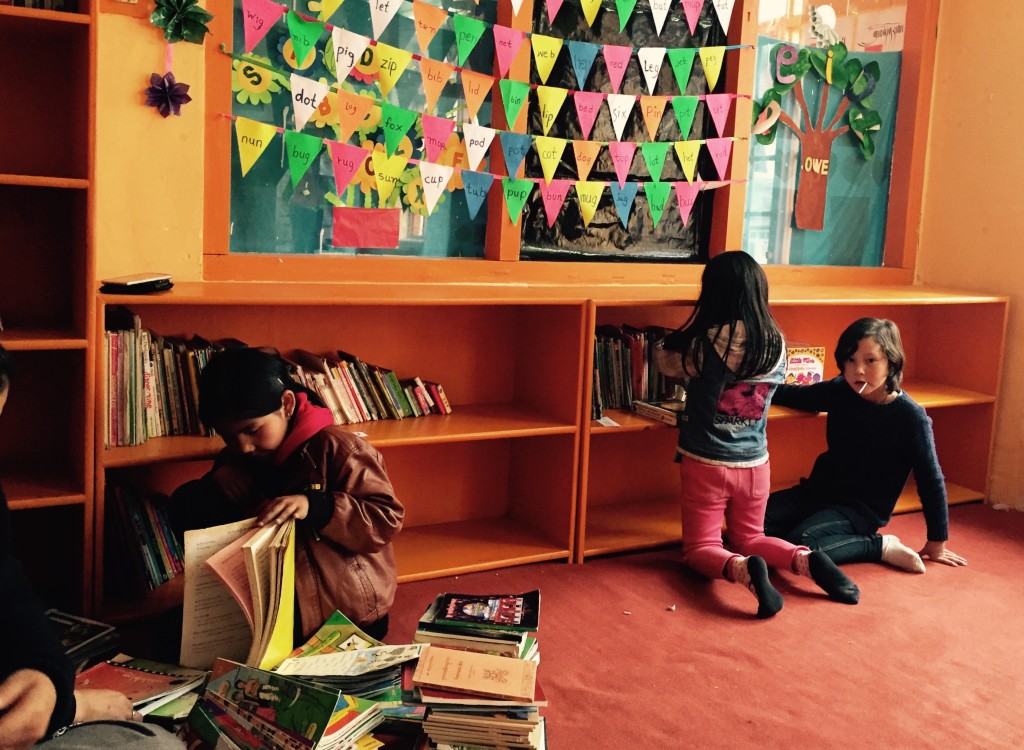
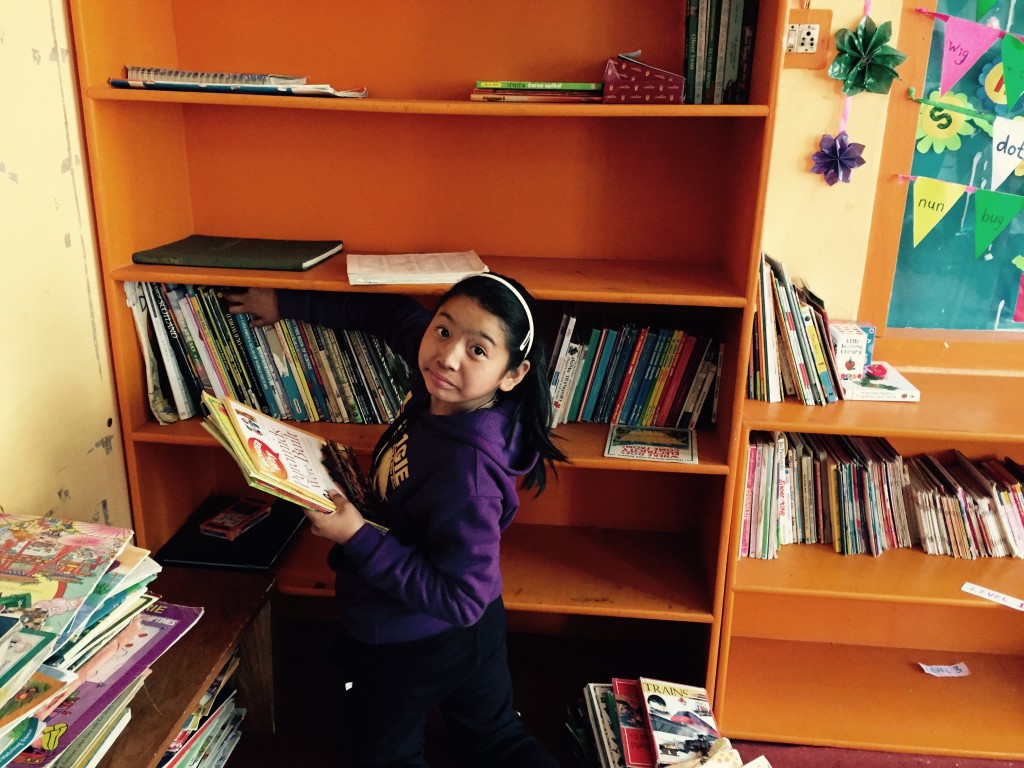
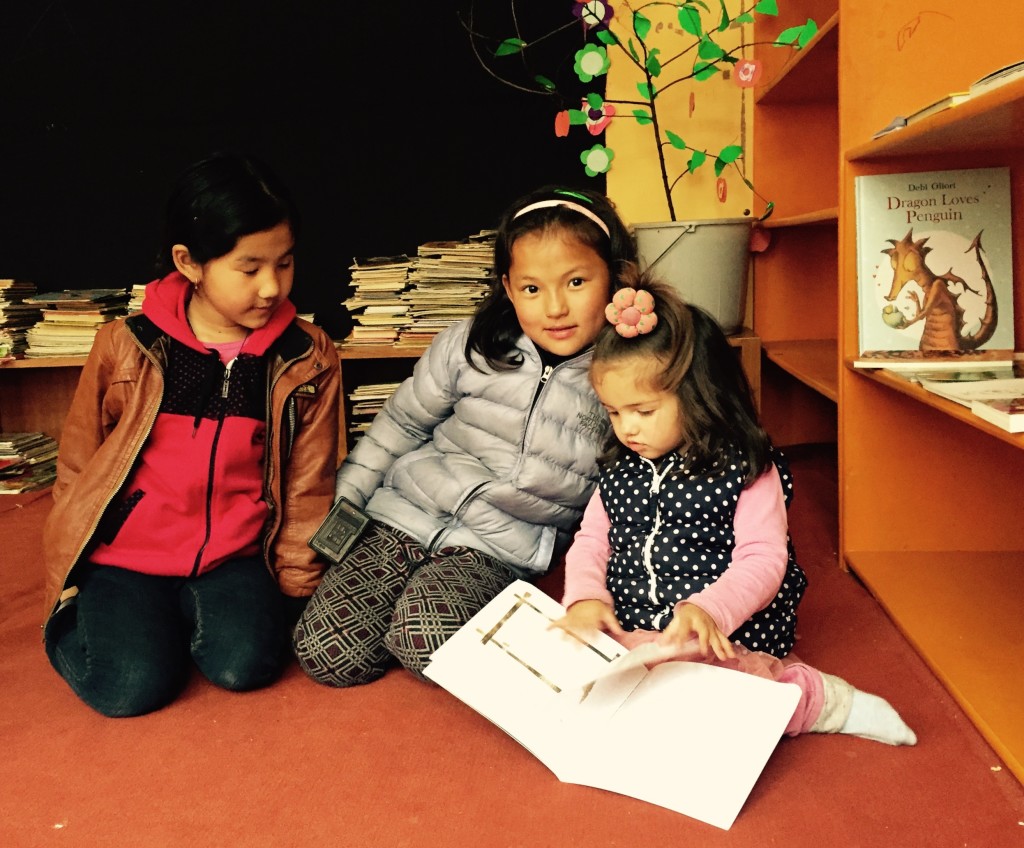
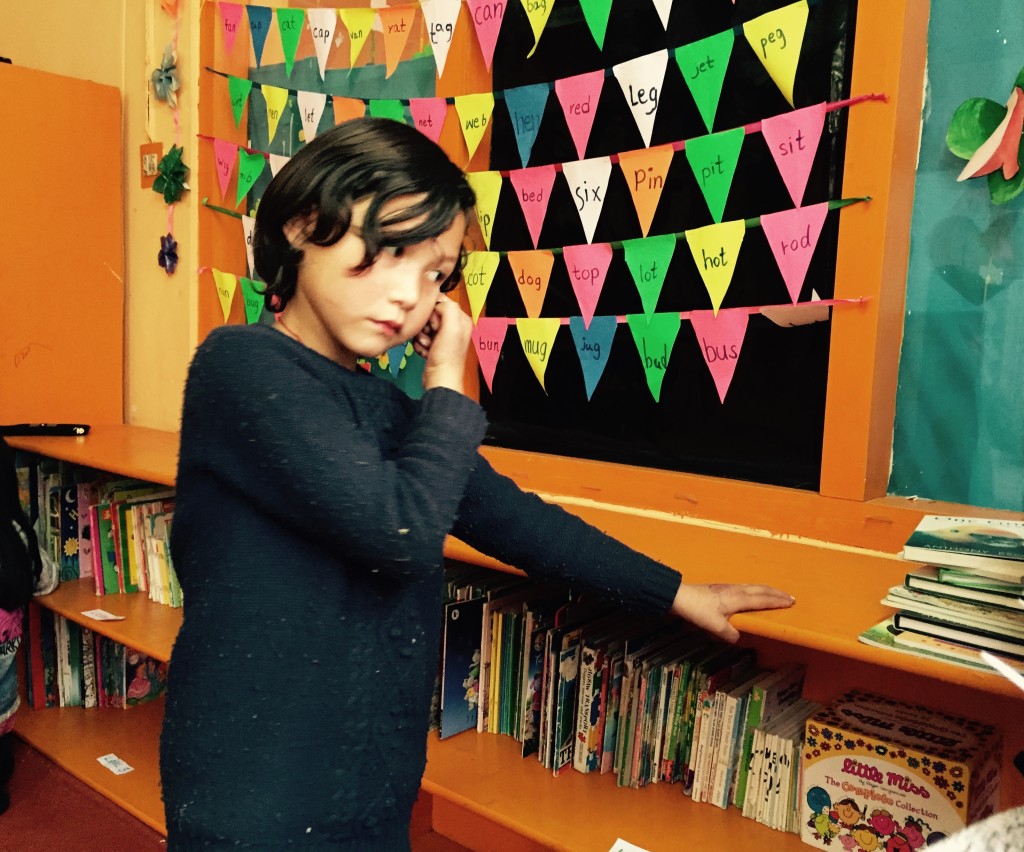
The first books changed the atmosphere of the room. A child who had come to browse could stay to look at pictures, sound out a new word, or listen while another reader shared a story. The shelf offered choice, and choice encouraged participation. Reading became something children could approach at their own pace rather than an activity reserved for formal lessons.
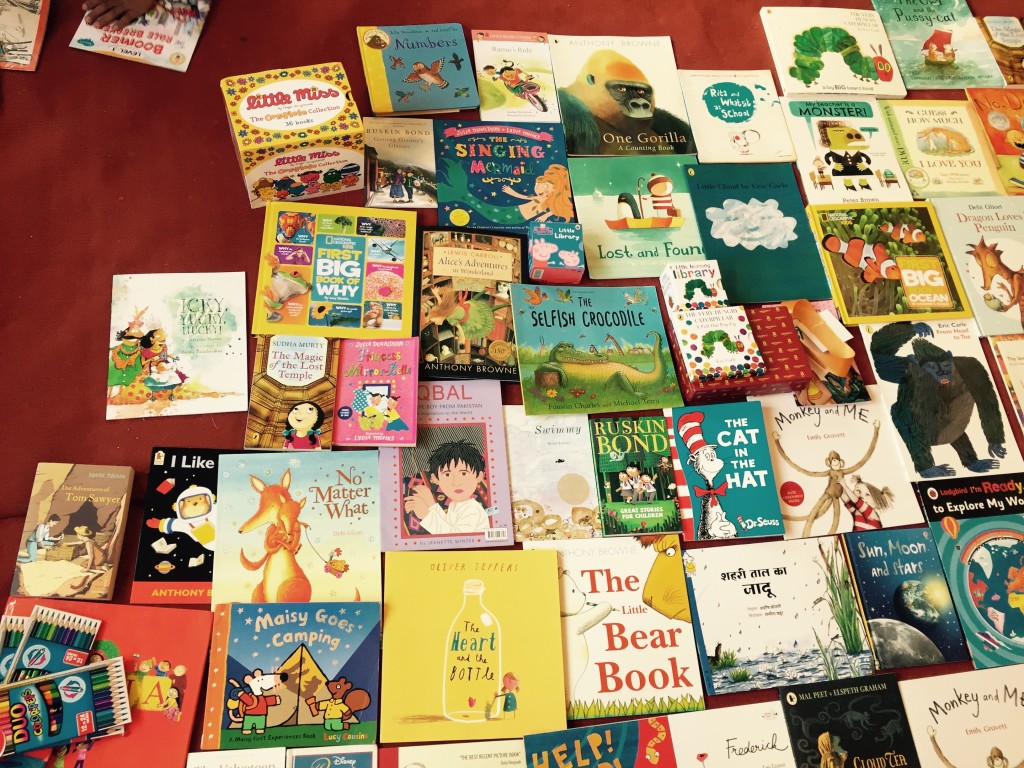
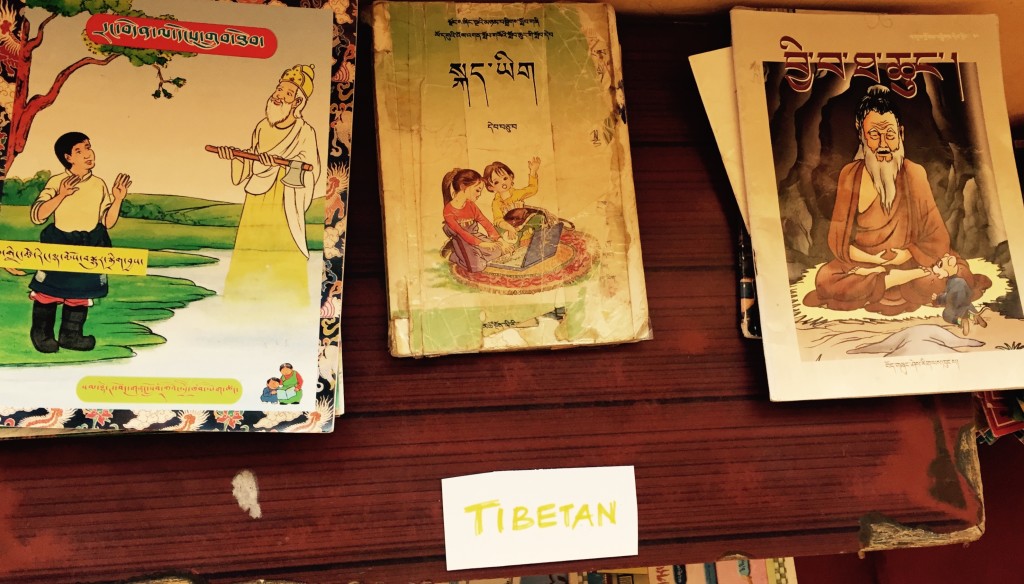
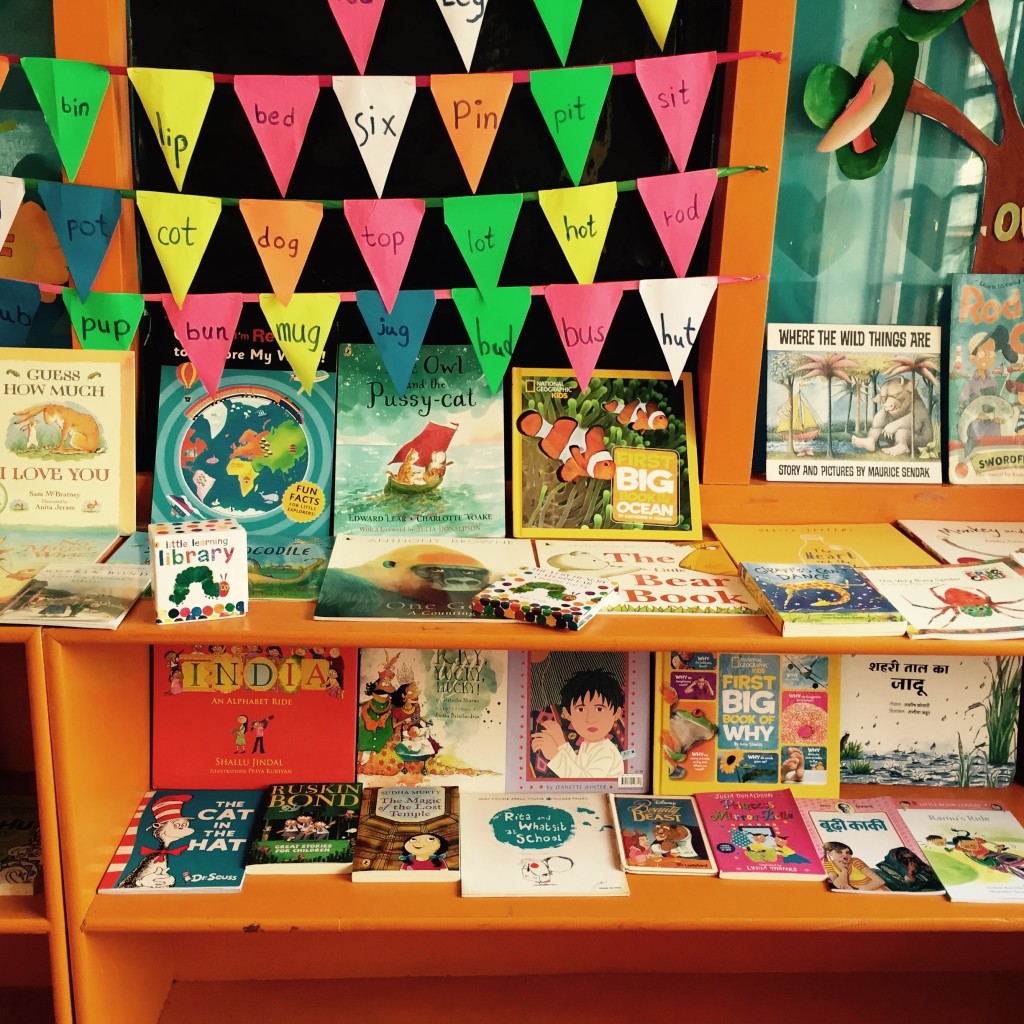
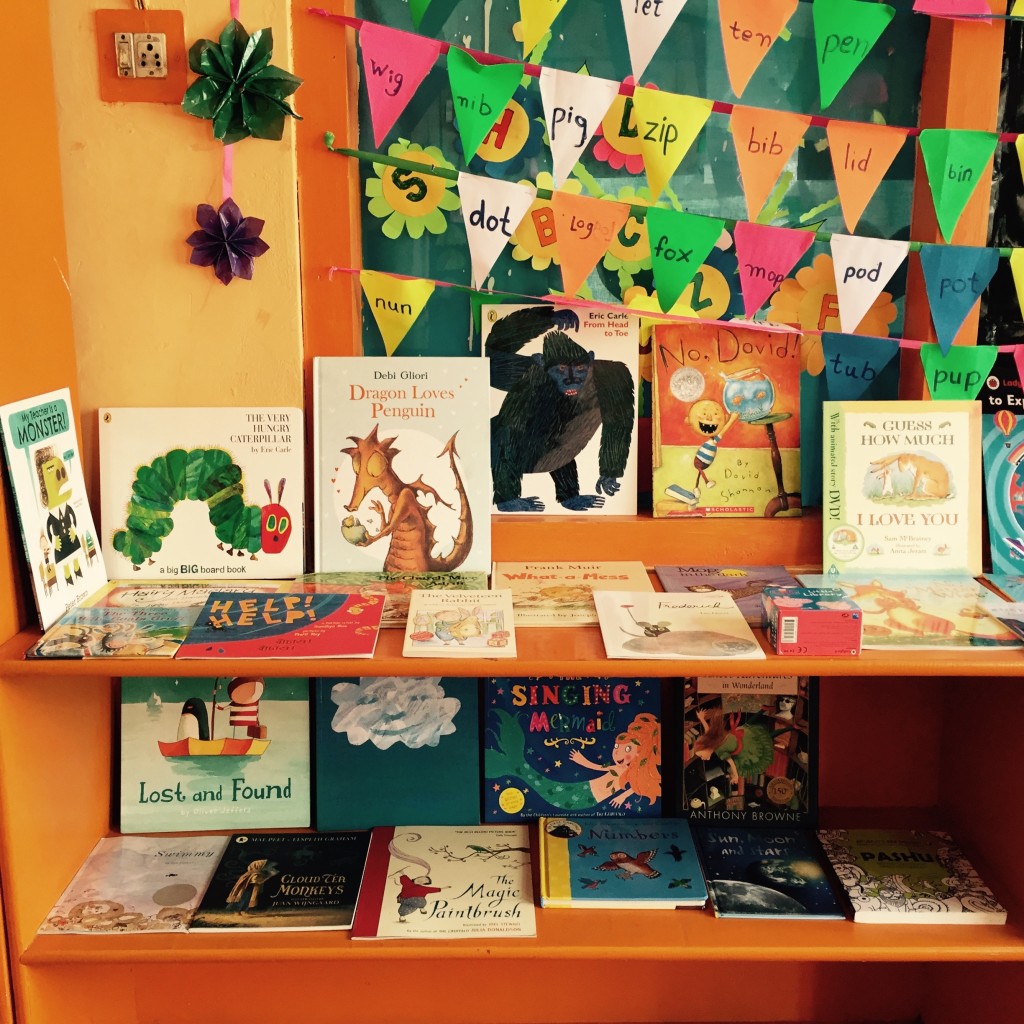
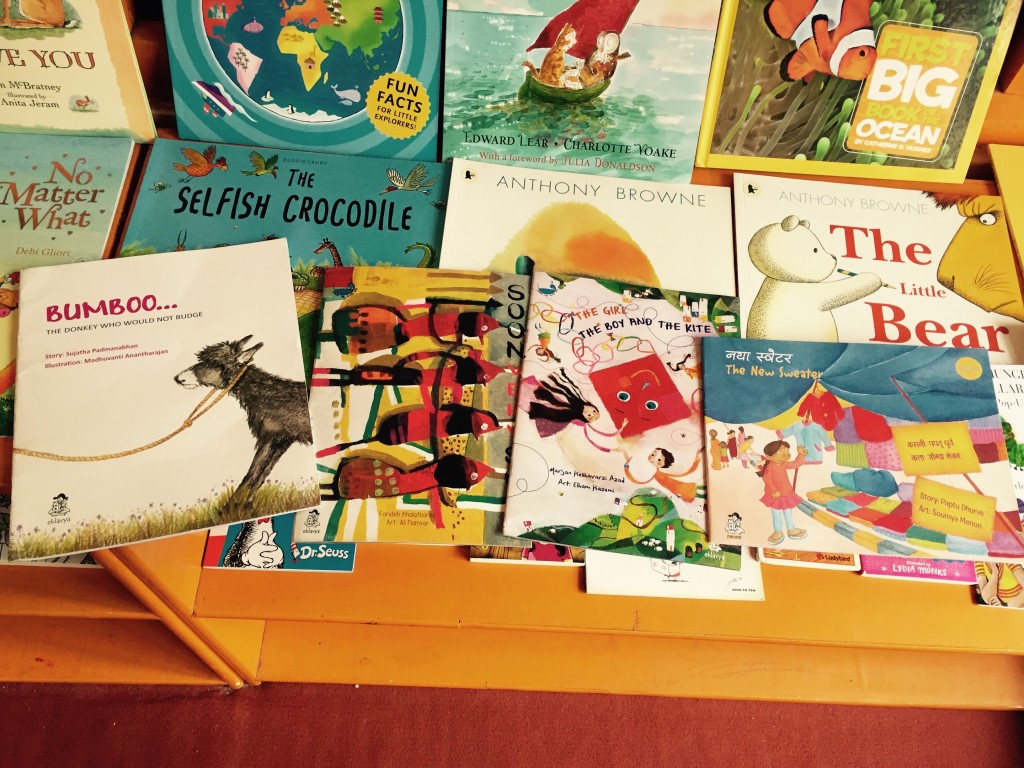
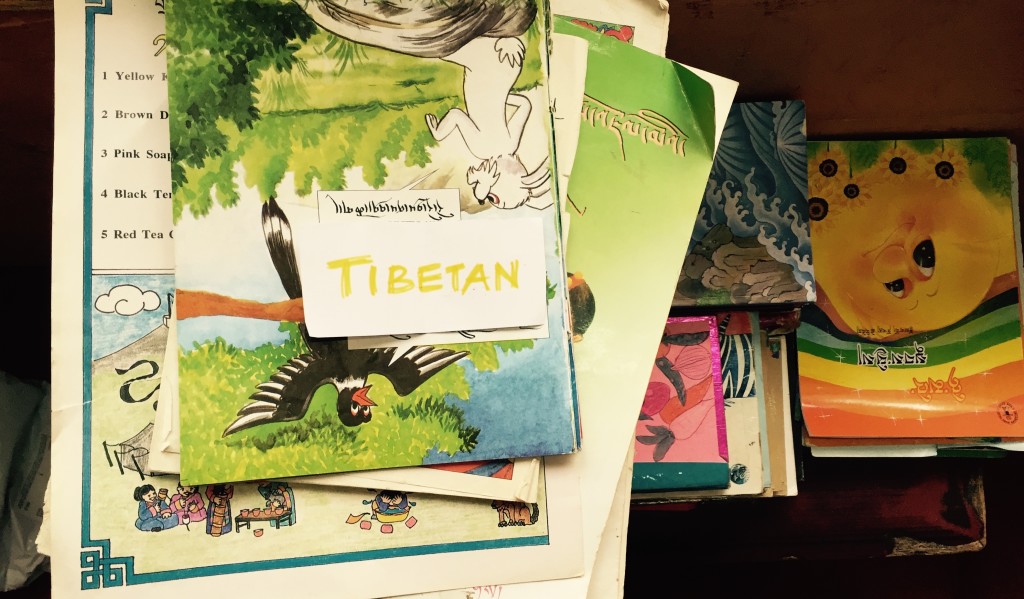
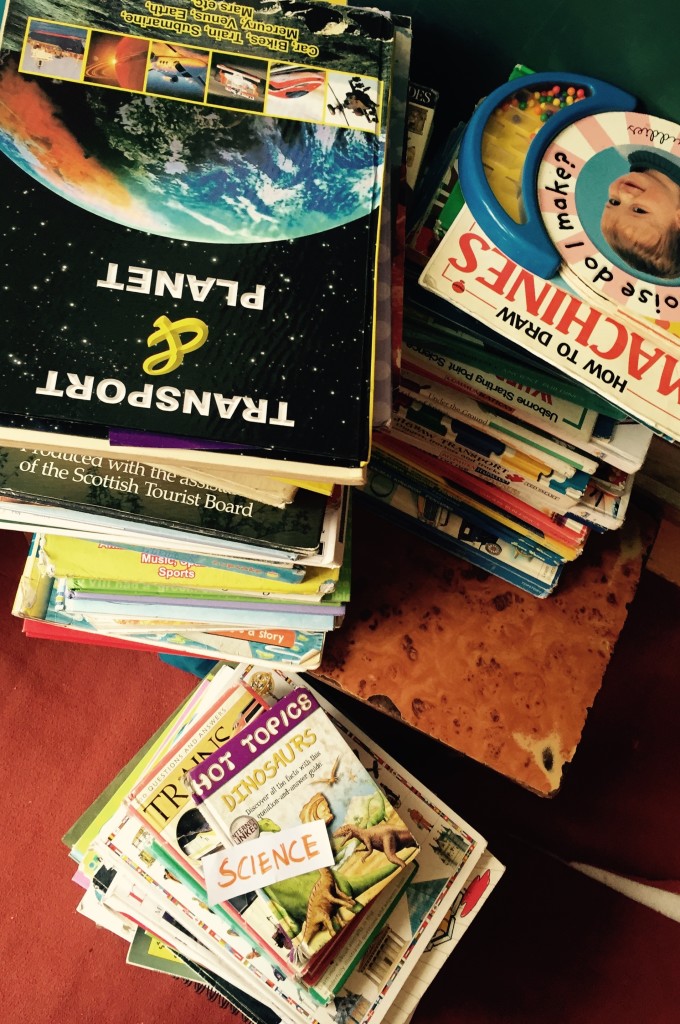
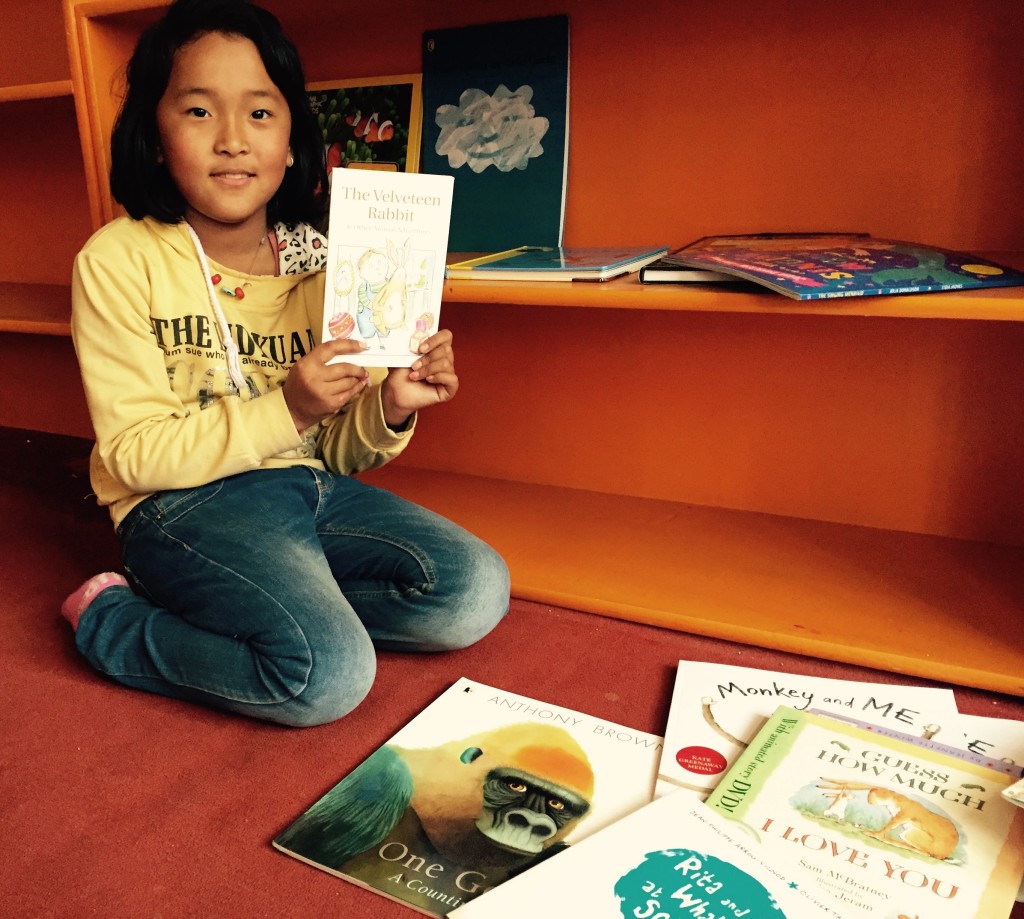
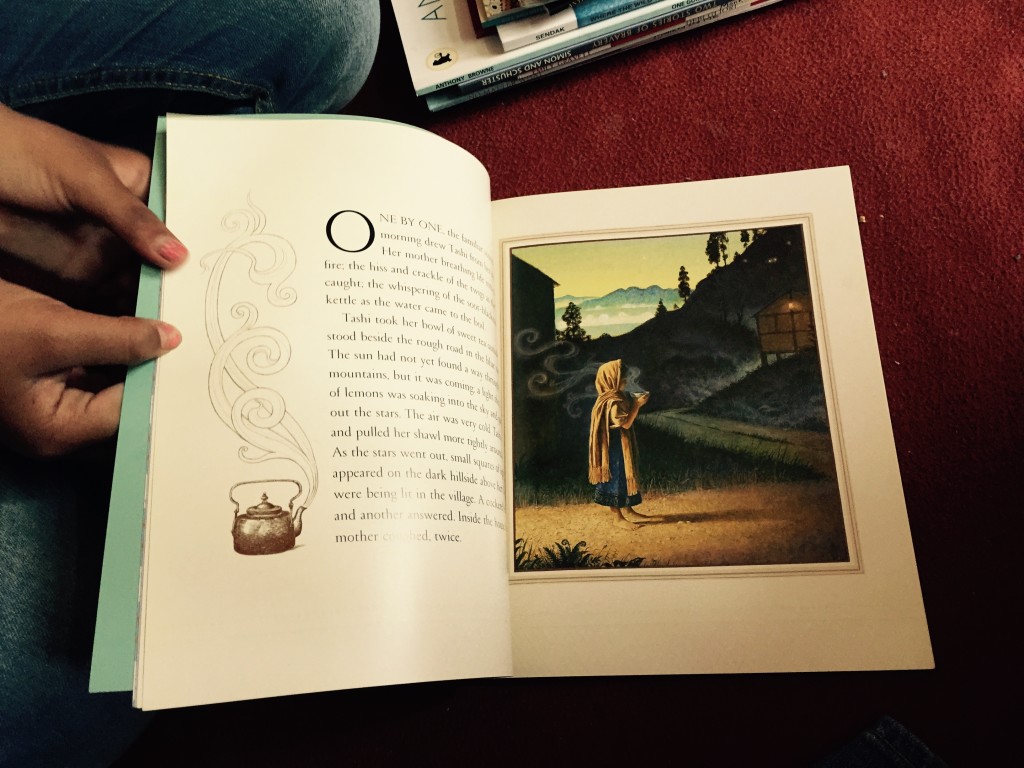
A small library also creates a visible promise. It tells children that their imagination matters and that learning can be enjoyable. Storybooks, reference materials, illustrated volumes, and age-appropriate fiction give young readers different ways to engage. Some follow a narrative, some study an image, and others discover a subject they have never encountered before.
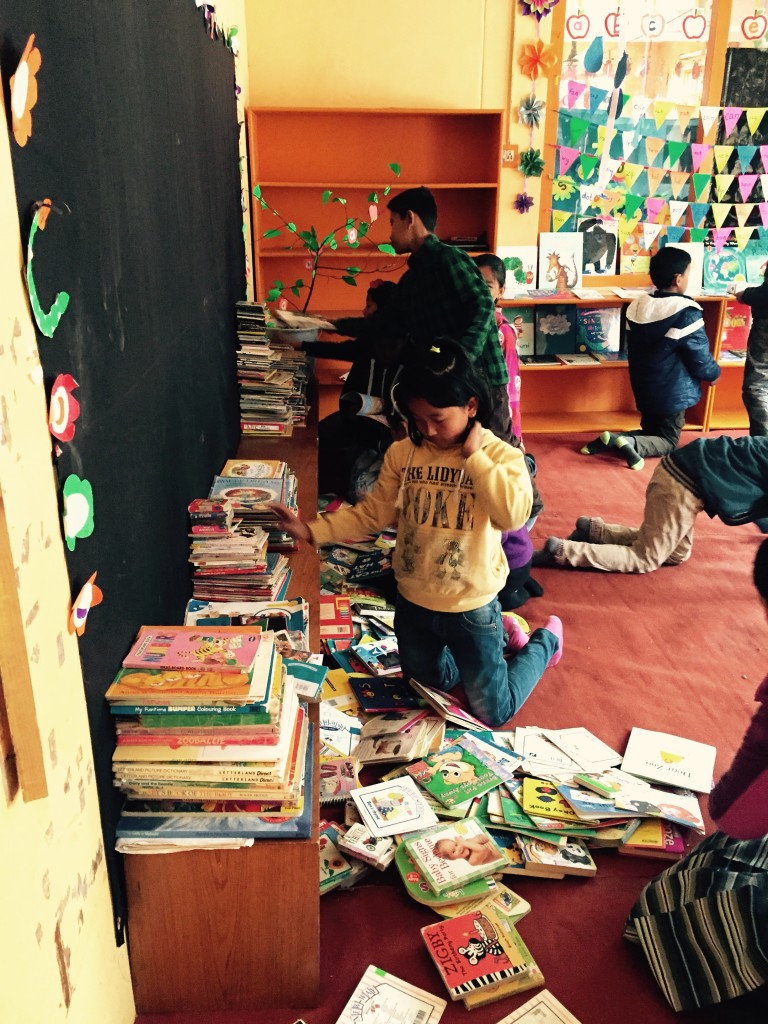
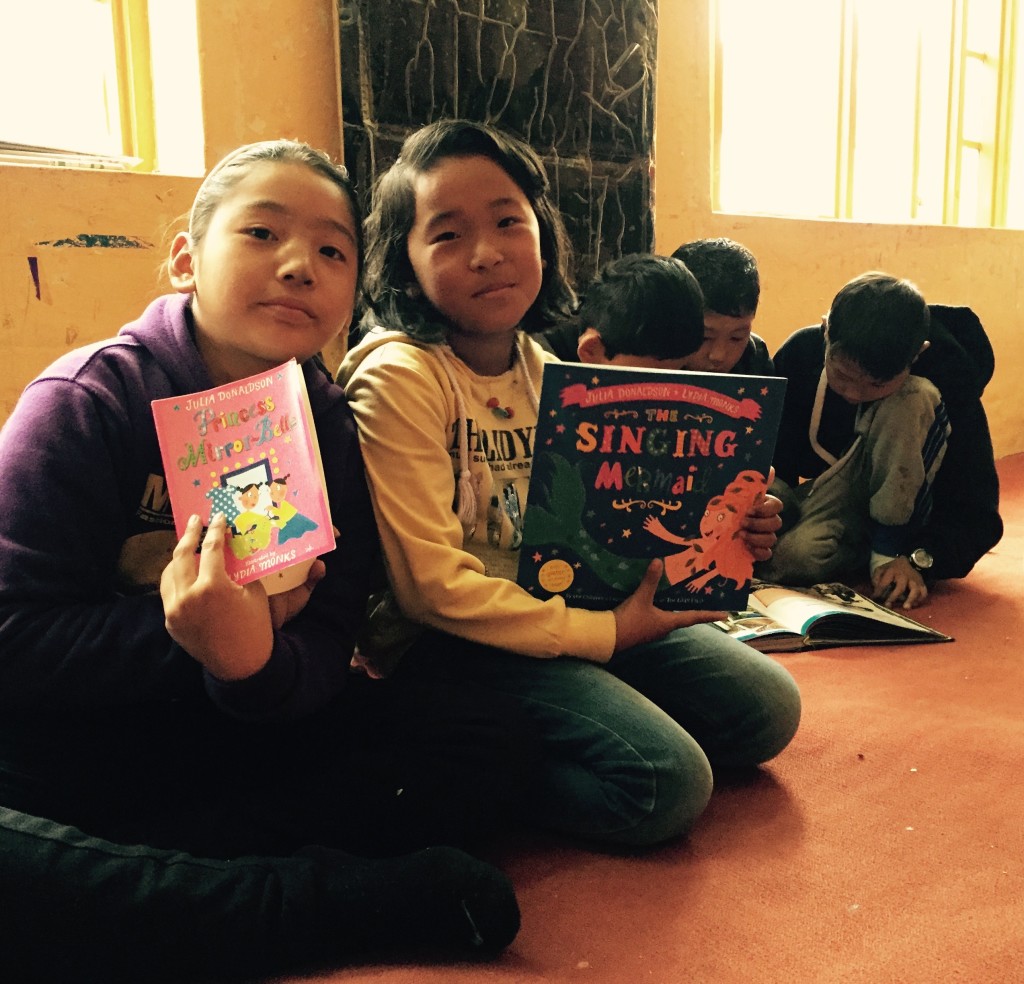
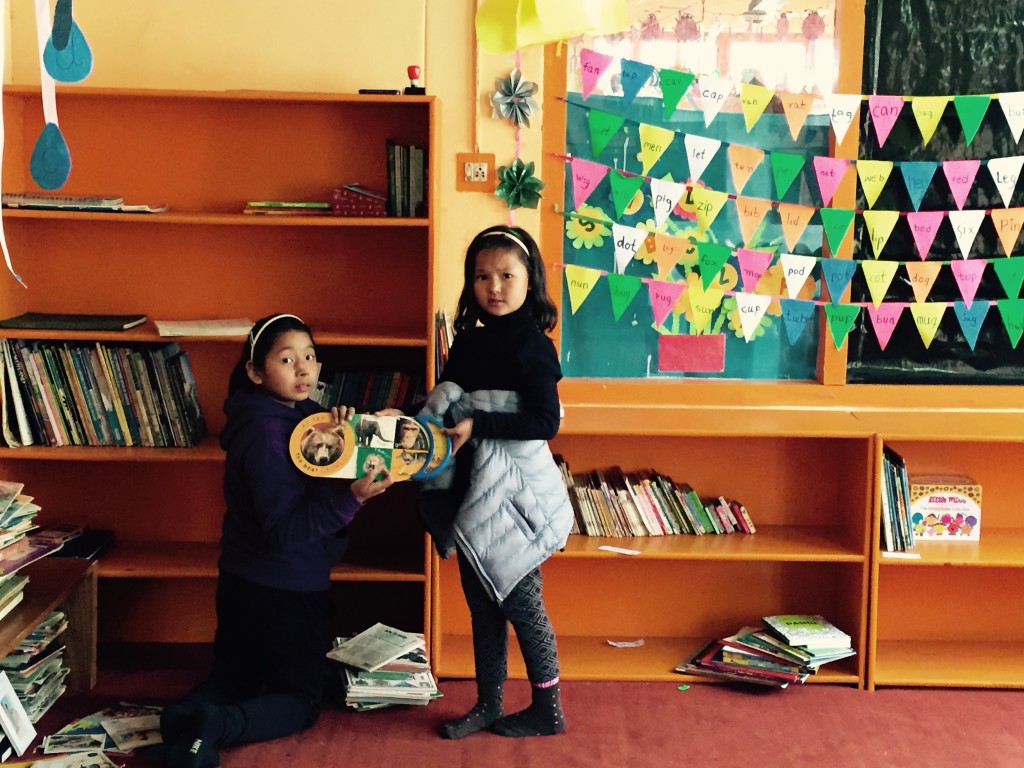
Over time, the shelf becomes a meeting point. Children recommend books to one another, return to favorite stories, and build the confidence to ask for something new. These everyday exchanges are the first signs that a collection is becoming a shared resource.
Listening Before Expanding
The growth of a reading room should follow the community it serves. Children’s ages, languages, interests, school experiences, and cultural surroundings all shape the kind of library that will be useful. Listening to young readers helps determine whether the next priority should be picture books, early readers, local stories, science materials, biographies, or creative activity books.
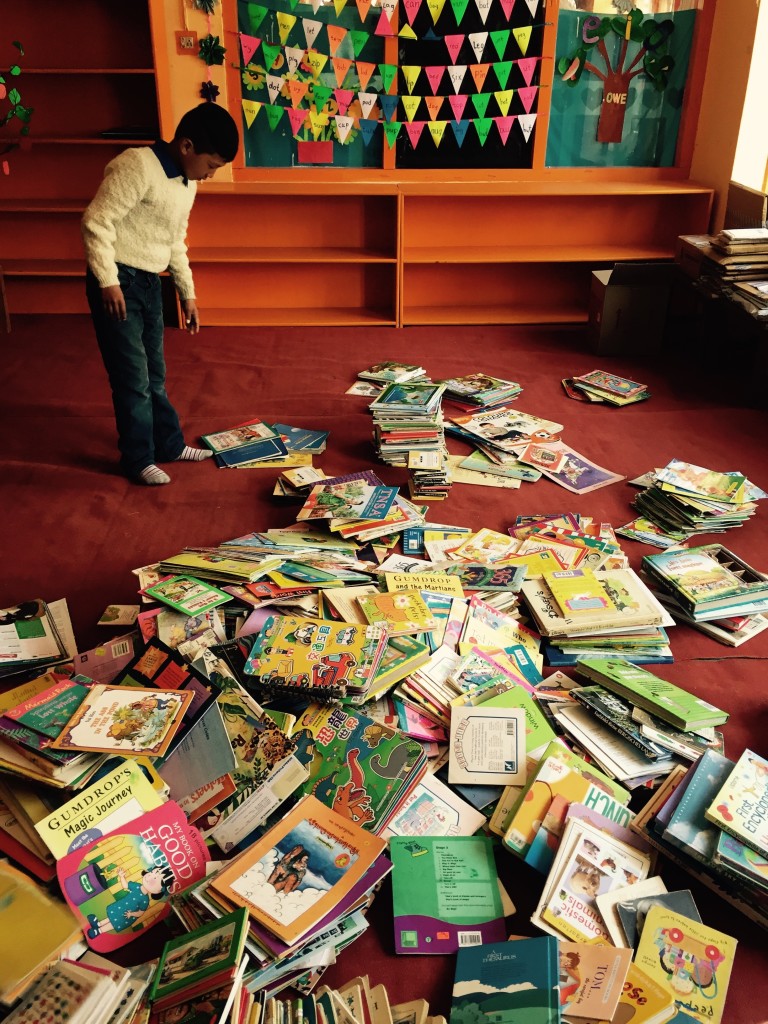
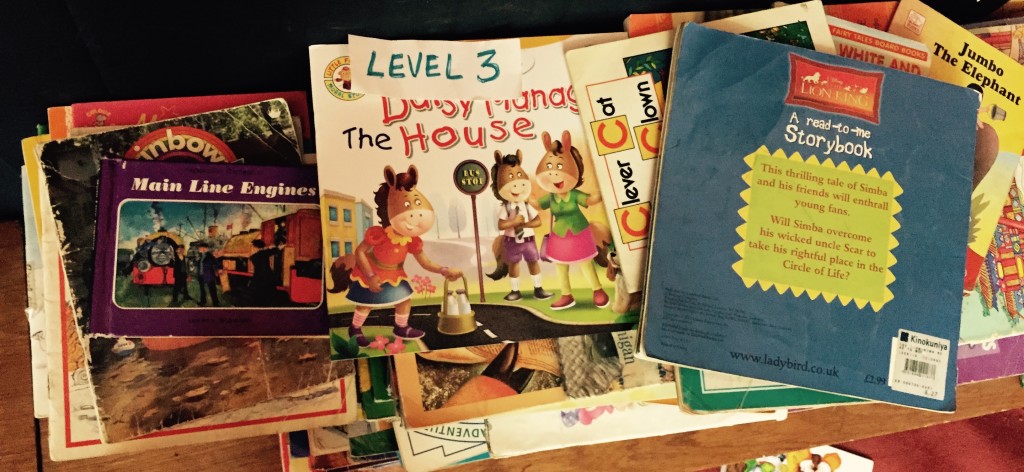
This approach makes book donations more thoughtful. A large quantity of unsuitable material can overwhelm a small space, while a carefully selected collection gives children a stronger connection with reading. Quality, relevance, durability, and variety matter as much as the number of books on the shelves.
Volunteers contribute by observing what captures attention and which resources remain untouched. Their notes and conversations help the reading room evolve without losing its original warmth. Each addition becomes part of a continuing dialogue with the children who use it.
Books Become Shared Infrastructure
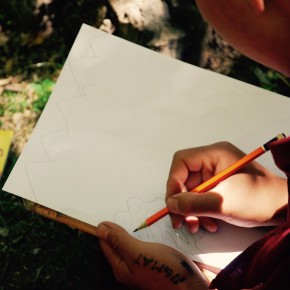
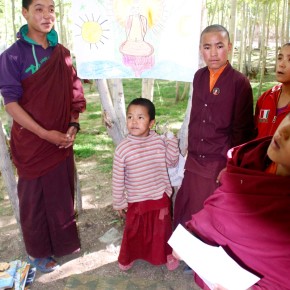
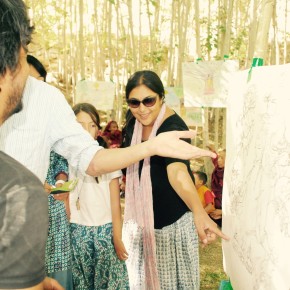
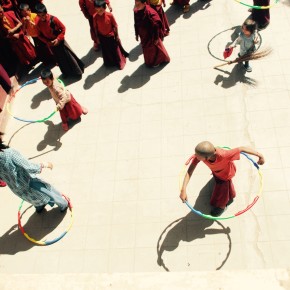
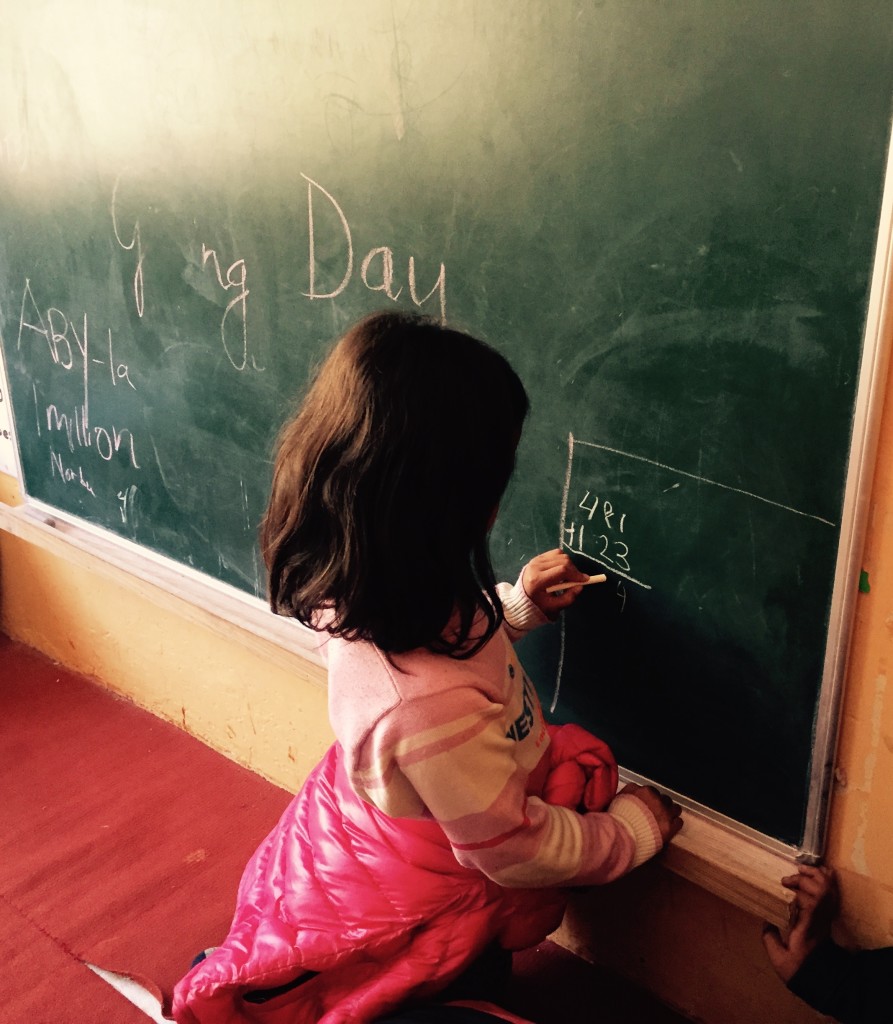
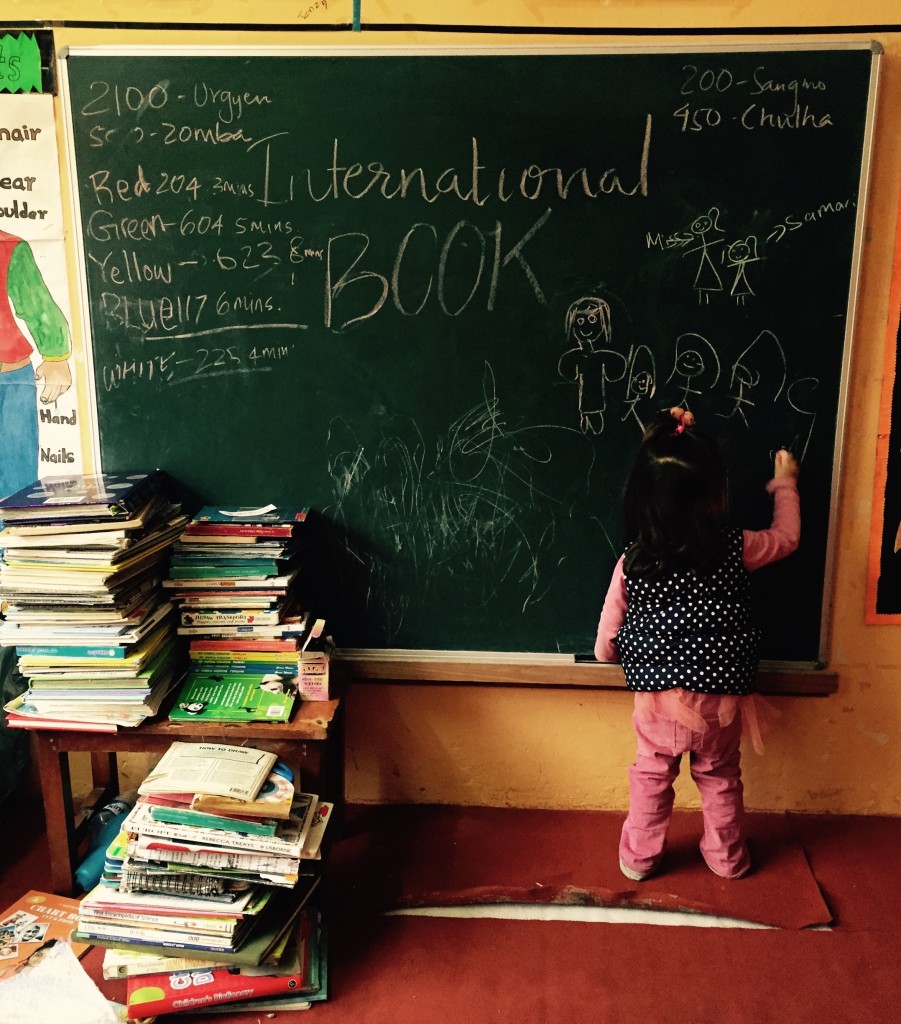
Once a collection expands, the reading room begins to support activities beyond quiet reading. A story can lead to a drawing session, a discussion about local landscapes, a music exercise, or a creative writing project. Books provide the starting point, while children’s responses determine where the activity goes next.
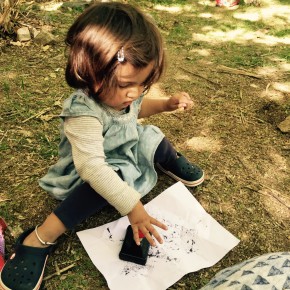
This makes the space valuable to different kinds of learners. A child who is hesitant to read aloud may feel comfortable expressing an idea through painting. Another may discover that a story inspires a song, a performance, or a question about history. Literacy grows through these connected experiences because words become linked with memory, movement, imagination, and relationships.
The reading room also offers continuity. Children can return after school, during community activities, or when visiting from nearby areas. Familiar shelves and welcoming adults create a stable environment where learning is supported over time.
| Stage of Growth |
What The Space Provides |
What Children Gain |
| A single shelf |
Carefully chosen books and a quiet corner |
Curiosity and personal choice |
| A developing collection |
Varied reading levels and subjects |
Confidence and wider interests |
| A shared reading room |
Story sessions, art, and discussion |
Communication and creative expression |
| A community hub |
Regular participation and collaborative activities |
Belonging, skills, and continued learning |
Designing A Living Learning Space
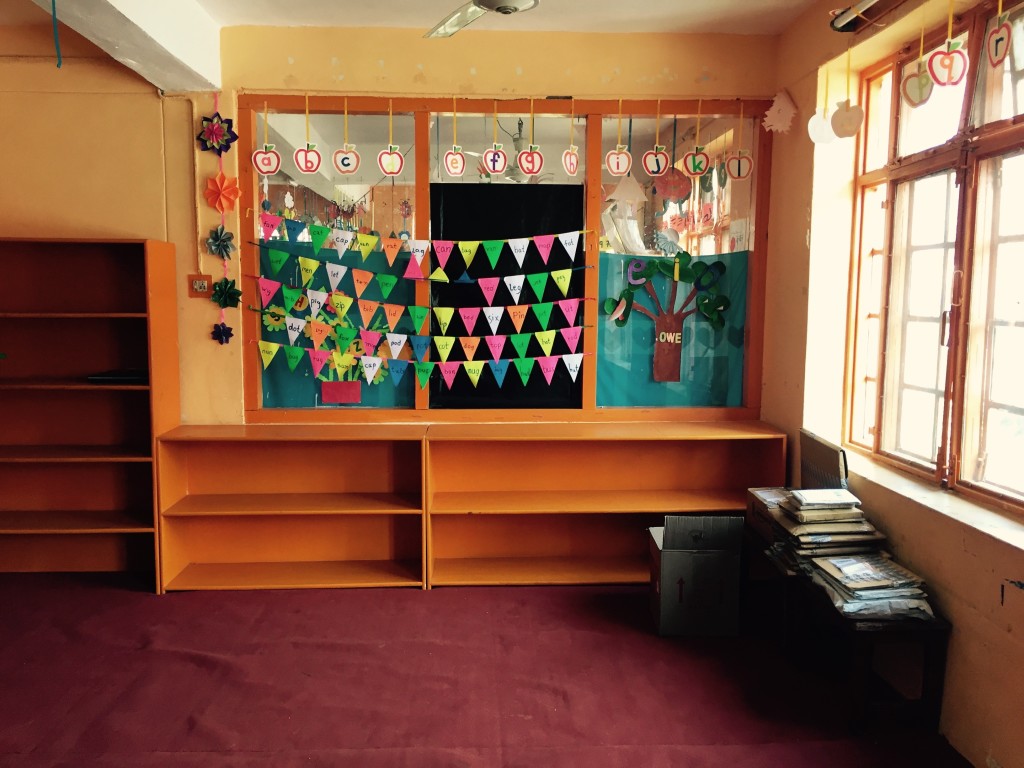
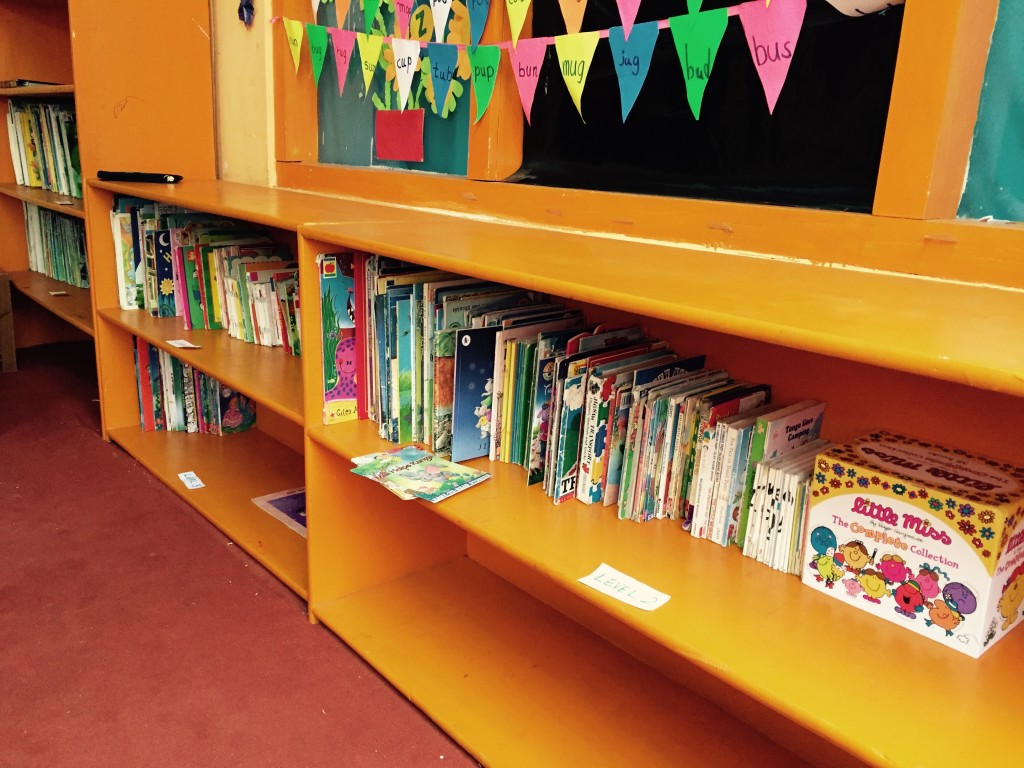
A successful reading room does not need to be large or elaborate. It needs to be accessible, organized, and inviting. Low shelves allow children to choose books independently. Comfortable seating encourages them to stay. Clear sections help readers find stories, information, poetry, or activity resources without feeling that the collection is difficult to navigate.
The arrangement of the room can influence behavior. A quiet corner supports concentration, while an open area makes group storytelling and music possible. Displaying a few featured books at children’s eye level can spark interest and give volunteers an easy starting point for conversation.
Care is part of the design as well. Simple routines for borrowing, returning, tidying, and handling books help children feel responsible for the collection. These habits turn the reading room into a place they help protect, rather than a facility that belongs only to adults.
Beyond Reading Alone
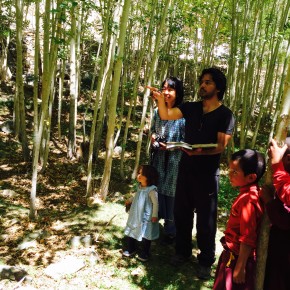
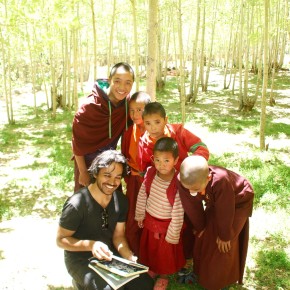
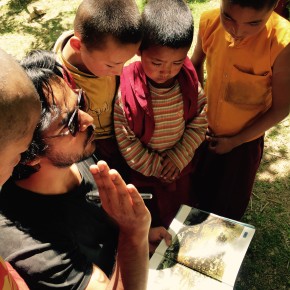
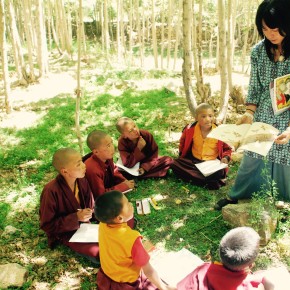
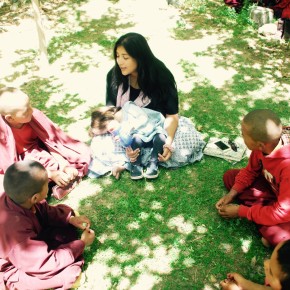
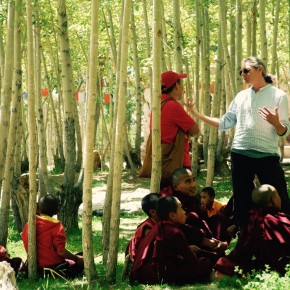
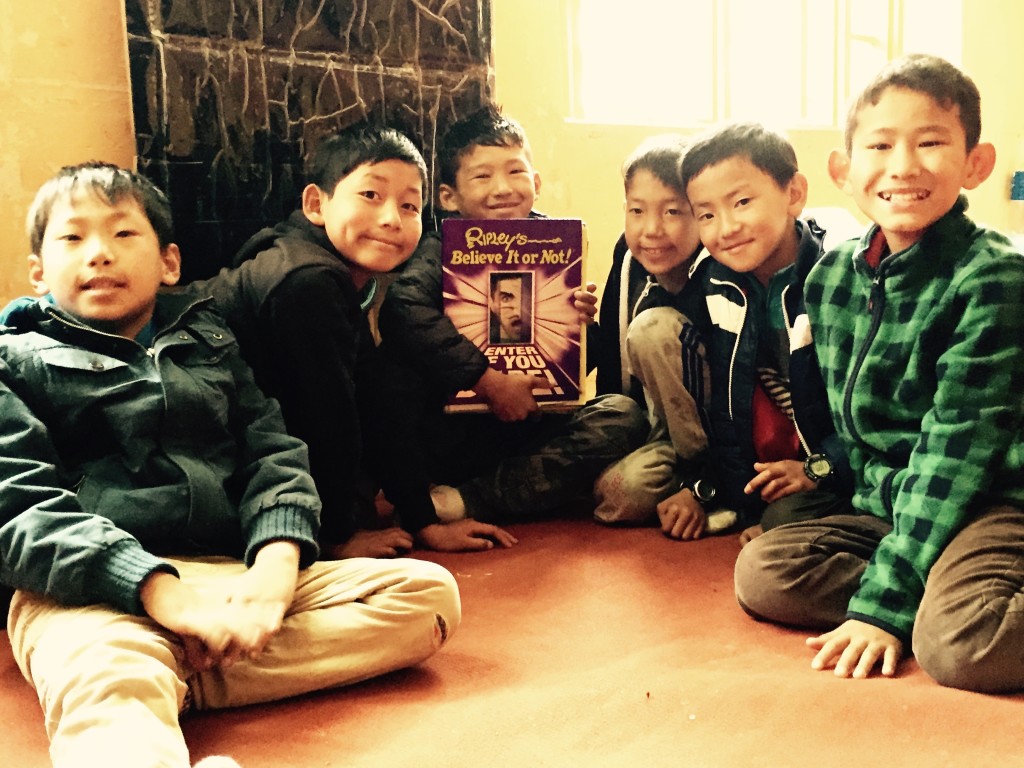
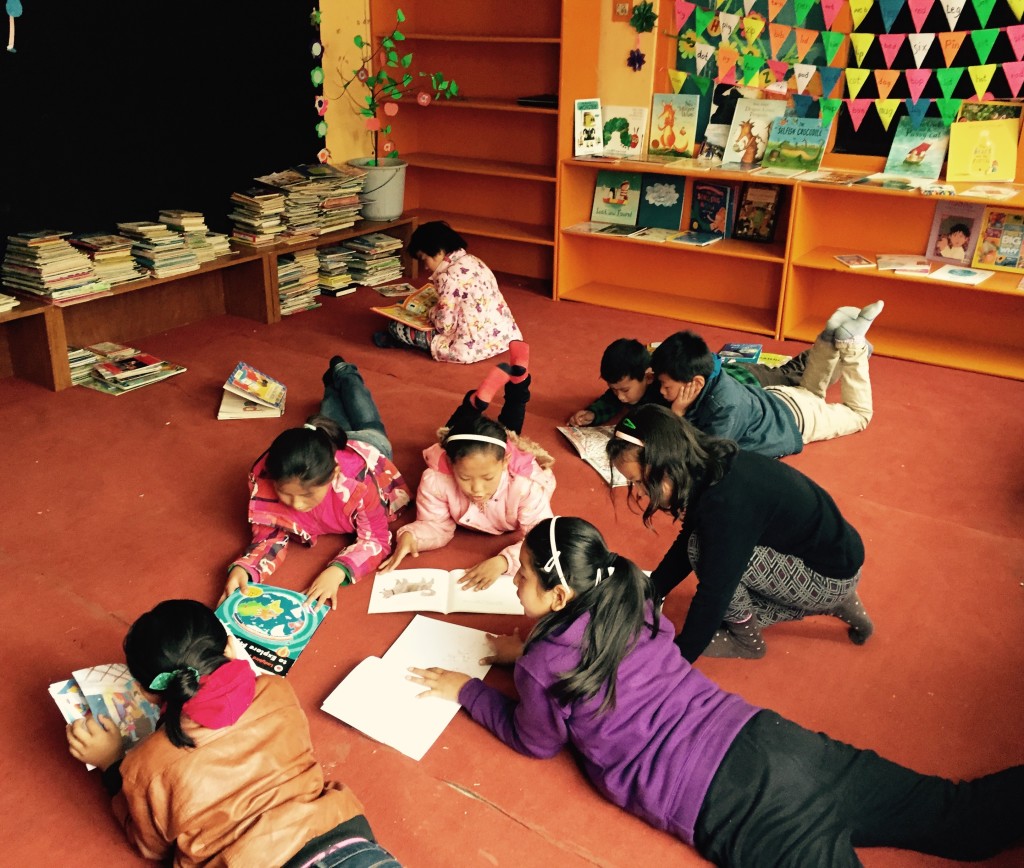
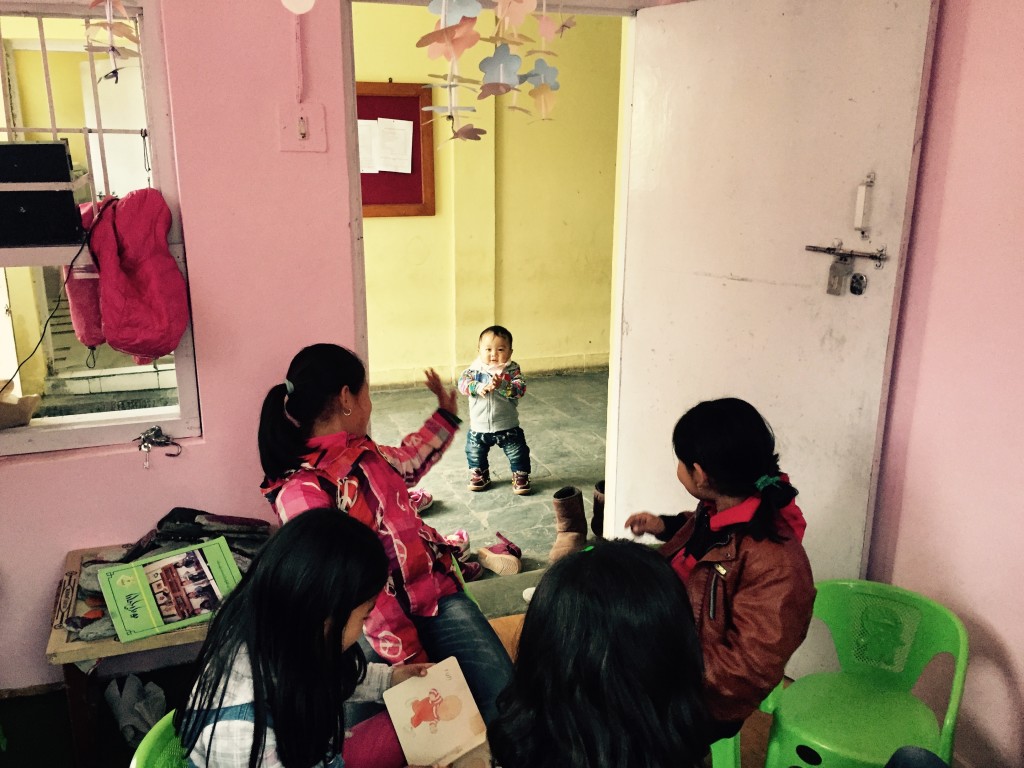
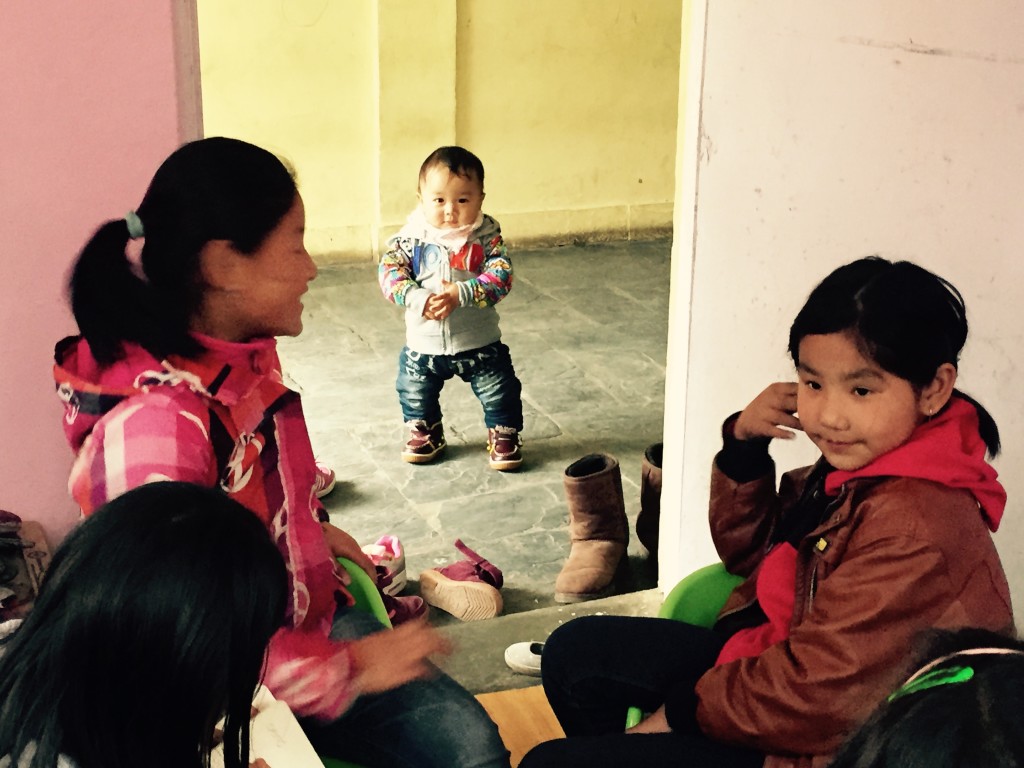
Reading is often imagined as a solitary activity, yet the strongest reading communities are social. A child may discover a book independently, then share a favorite illustration with a friend. A volunteer may read aloud to a group, allowing listeners to hear rhythm, expression, and unfamiliar vocabulary. A young monk may connect a story with lessons about compassion, discipline, or community life.
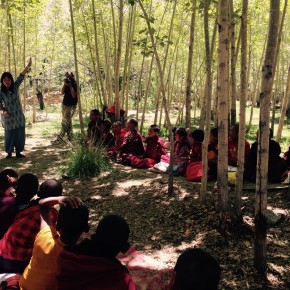
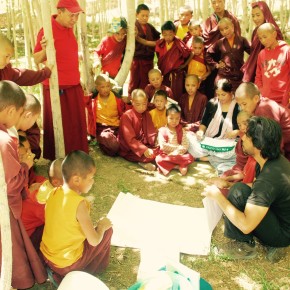
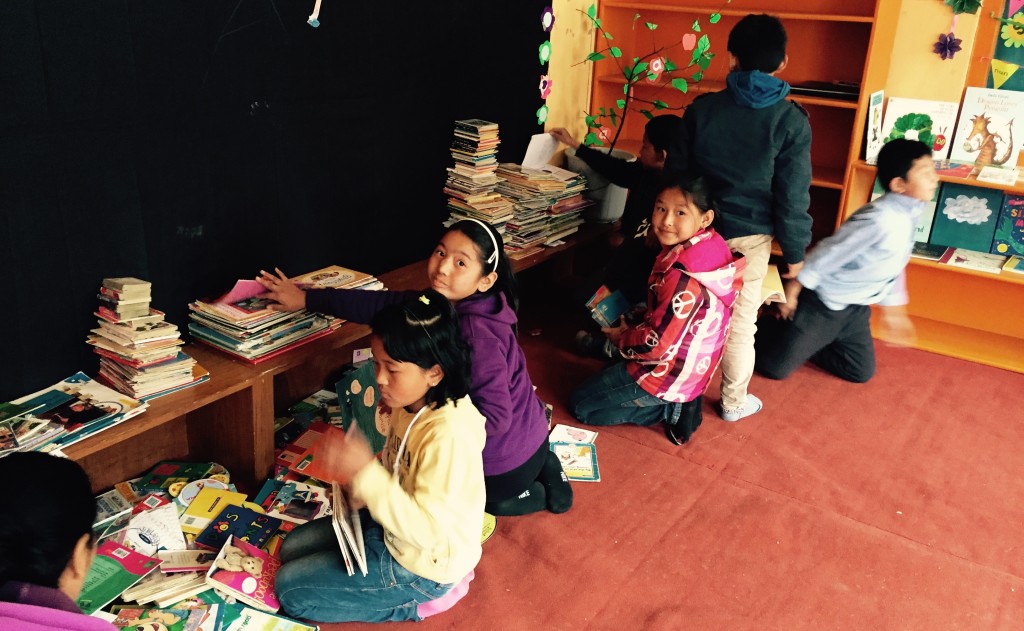
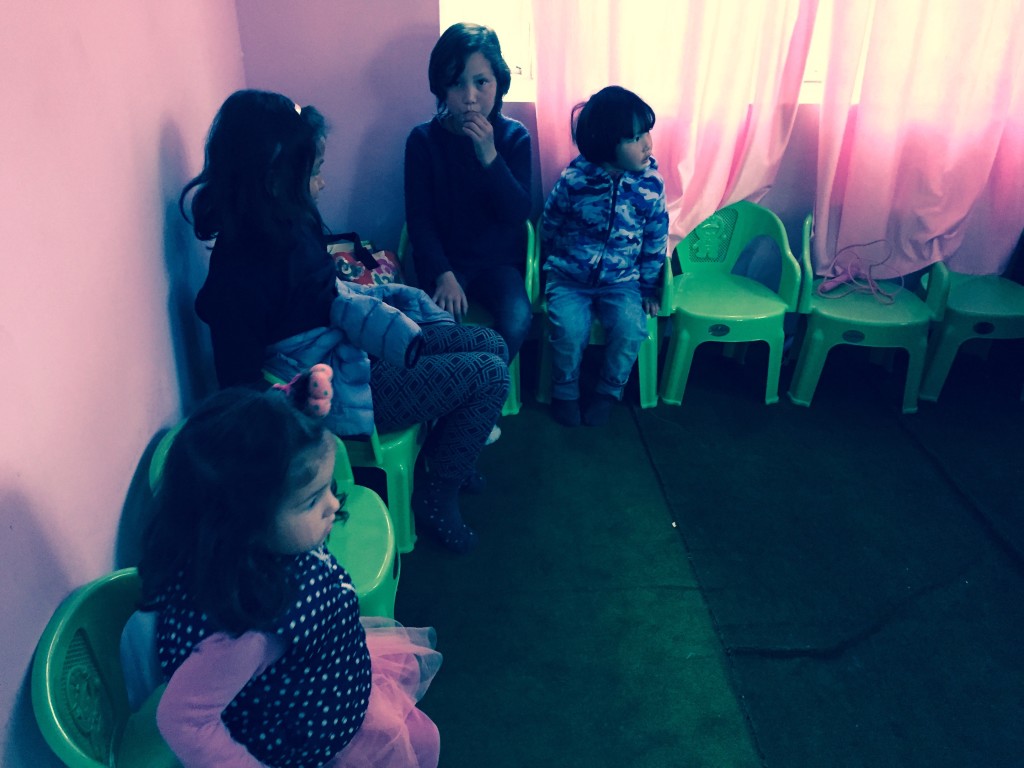
Group activities also make the space more inclusive. Children with different reading abilities can participate together when a session includes drawing, discussion, drama, or music. Those who are still building literacy can contribute ideas, while confident readers practice leadership by reading to others or helping younger children choose books.
The result is a broader understanding of education. Reading develops language, but it can also strengthen empathy, concentration, cultural awareness, and the ability to imagine another person’s experience. In a Himalayan community, the reading room can hold local traditions and wider perspectives side by side.
Growing Through Participation
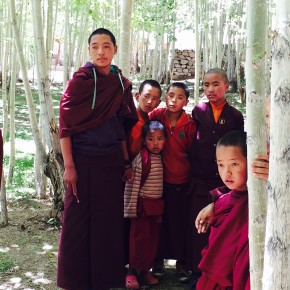
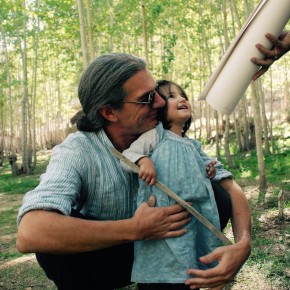
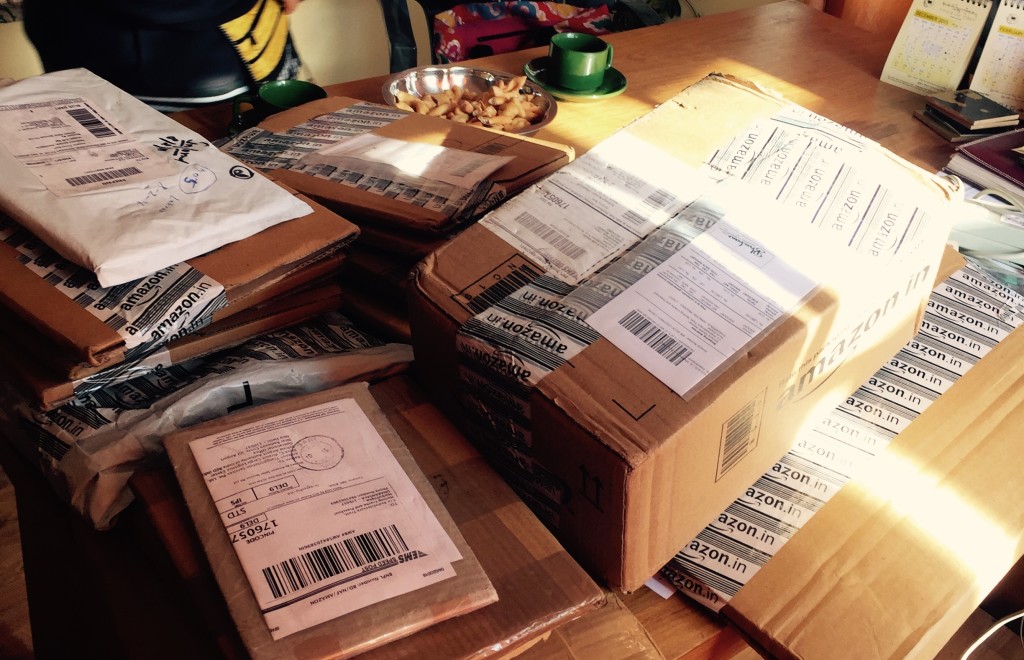
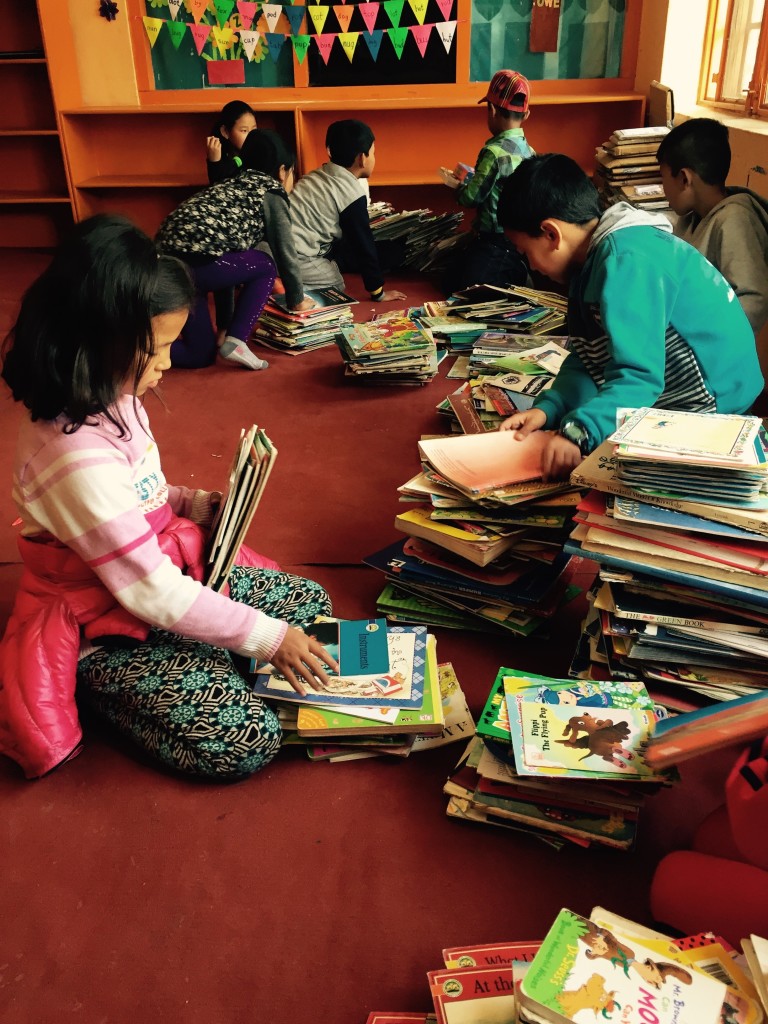
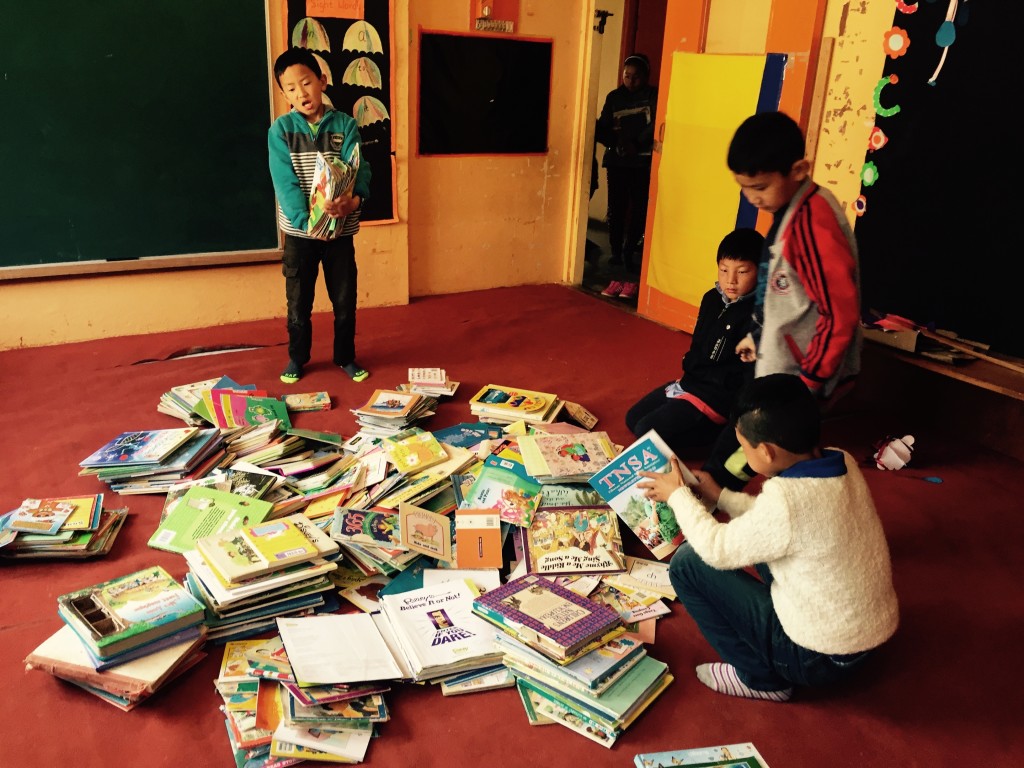
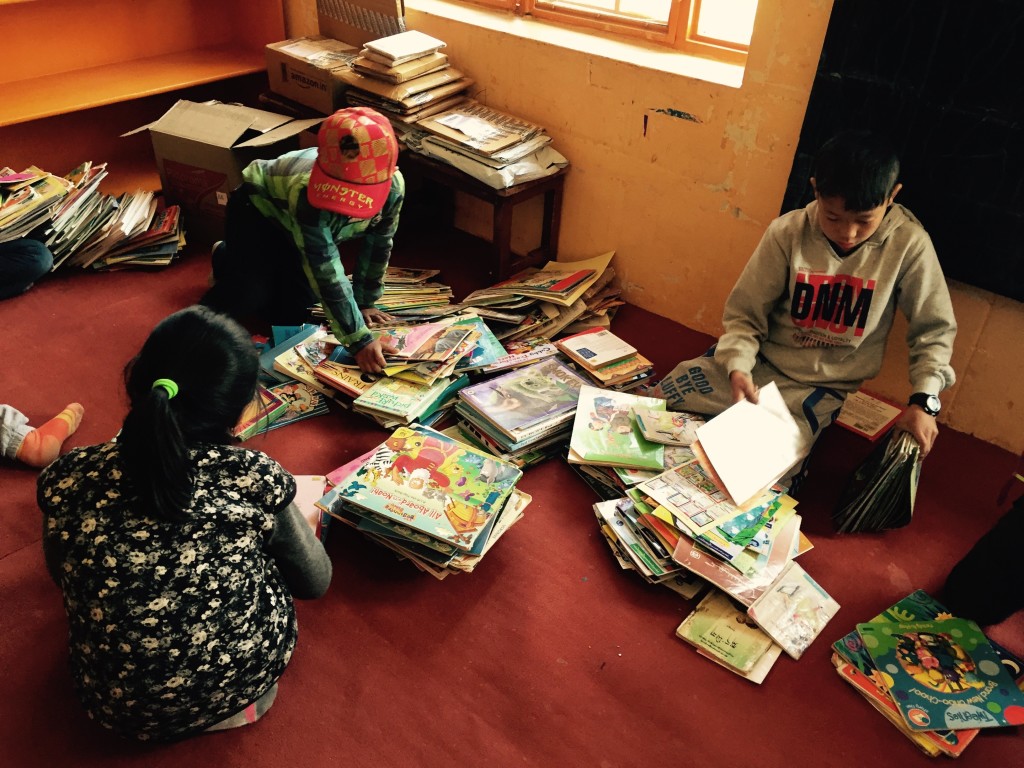
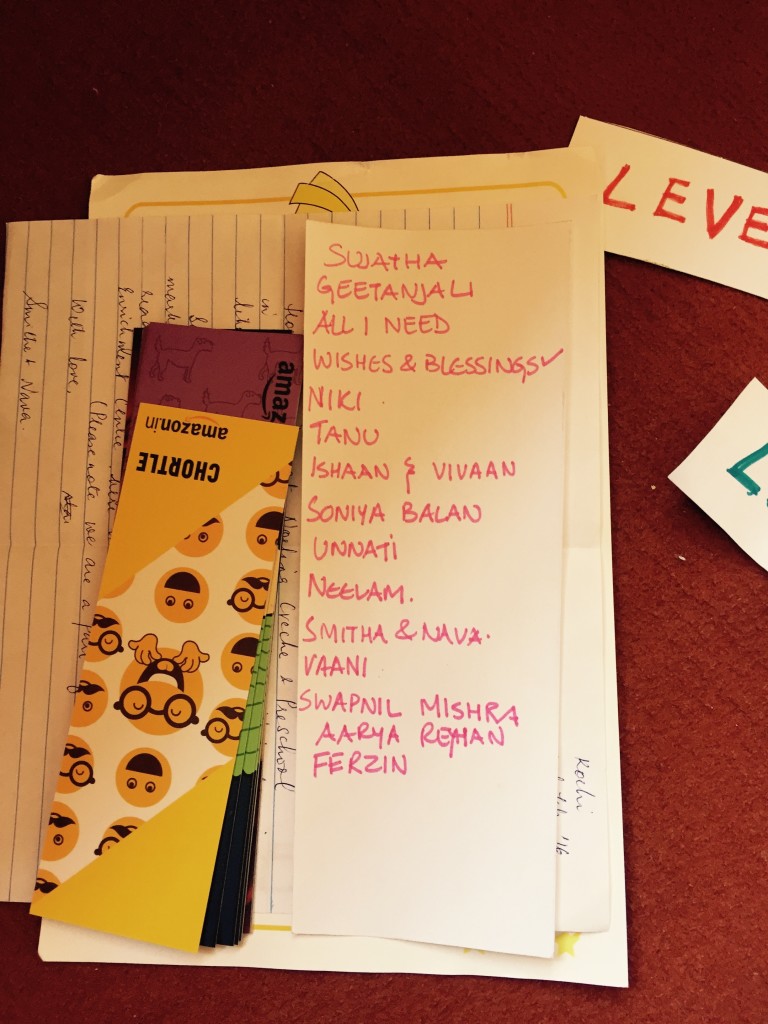
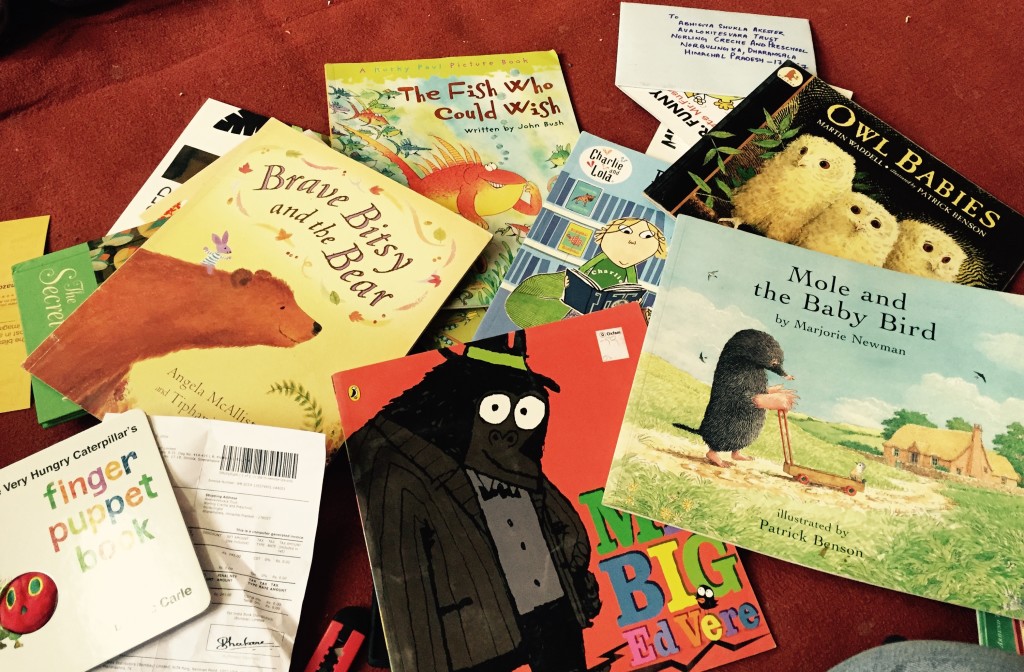
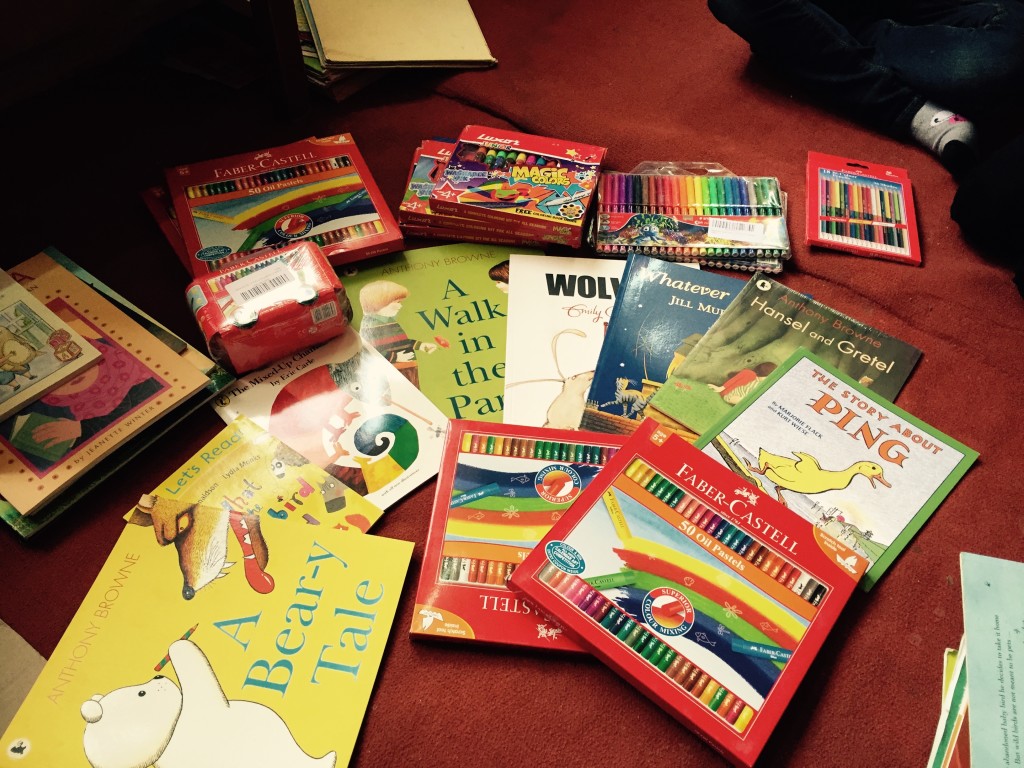
The community hub grows because people contribute in different ways. Donors make it possible to purchase and transport books. Volunteers sort collections, lead activities, document progress, and spend time with children. Families and local educators offer insight into what is useful. Young readers bring the energy that gives the room its purpose.
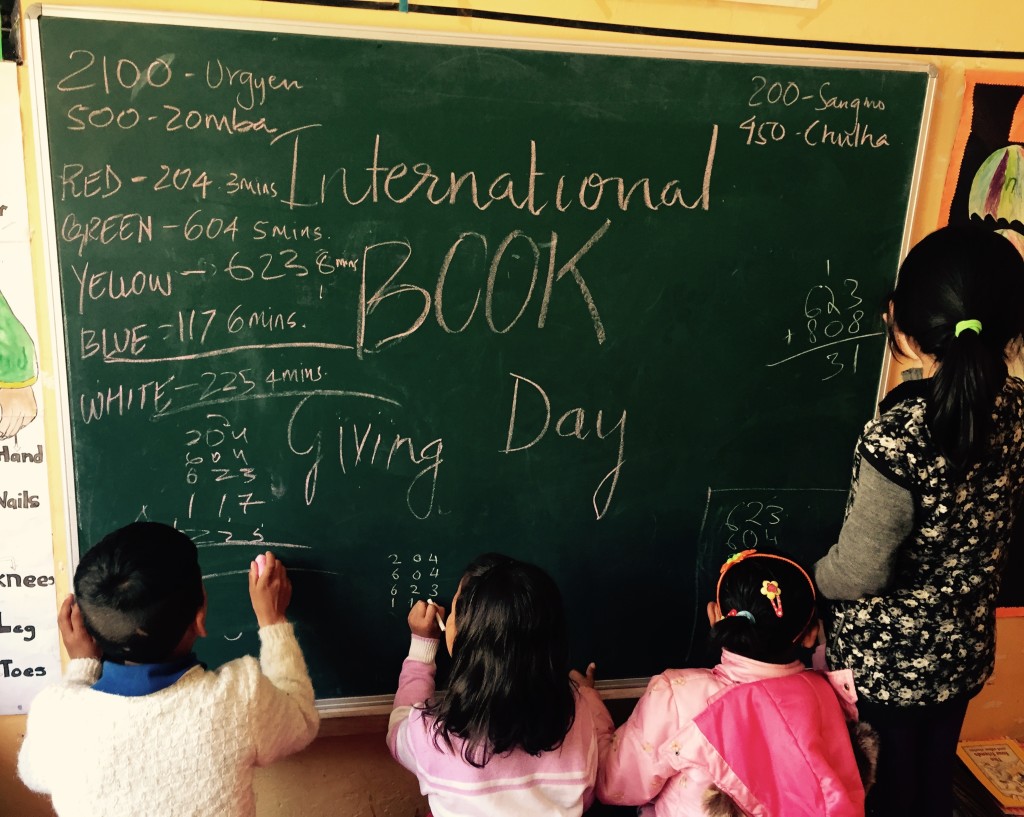
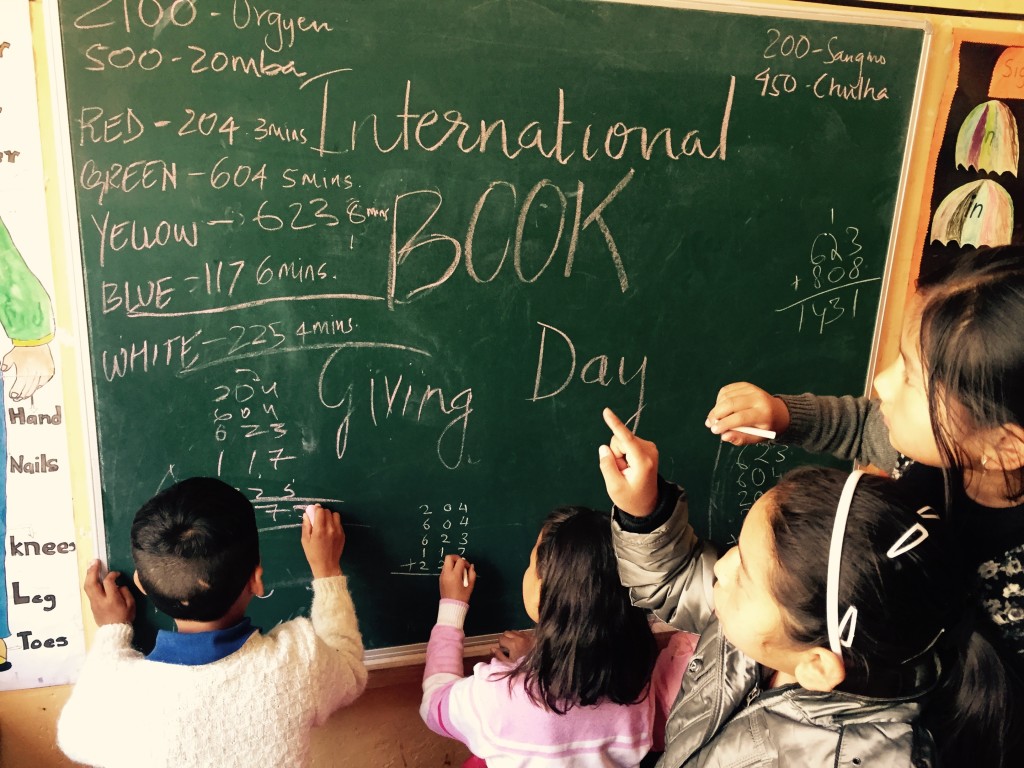
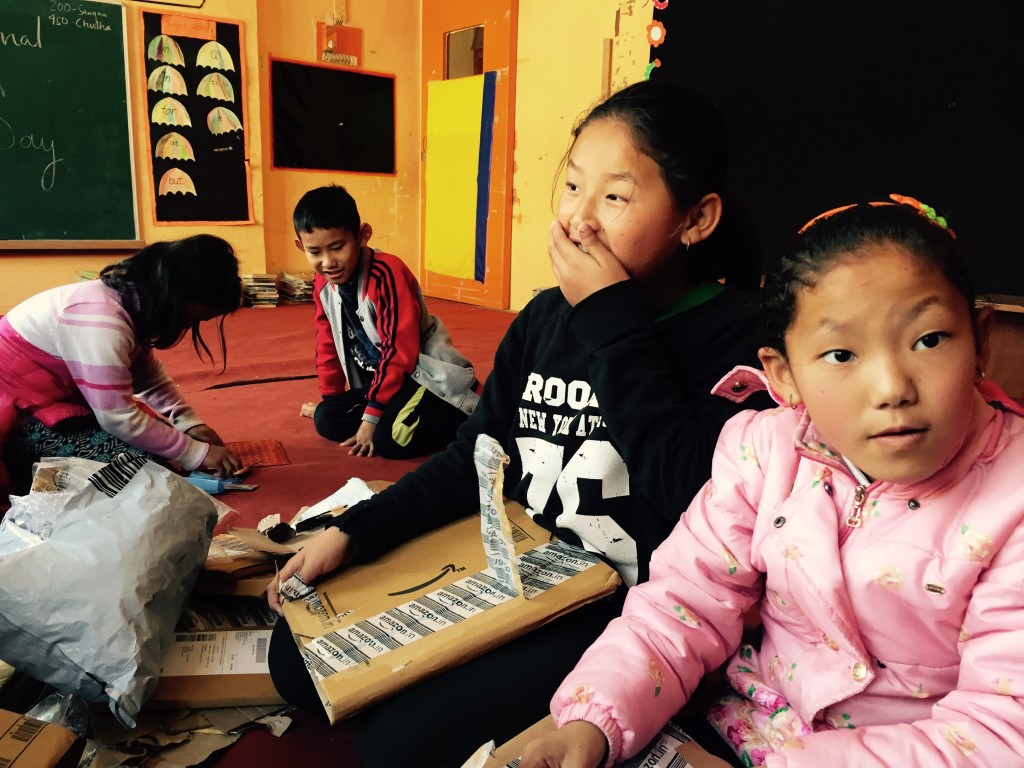
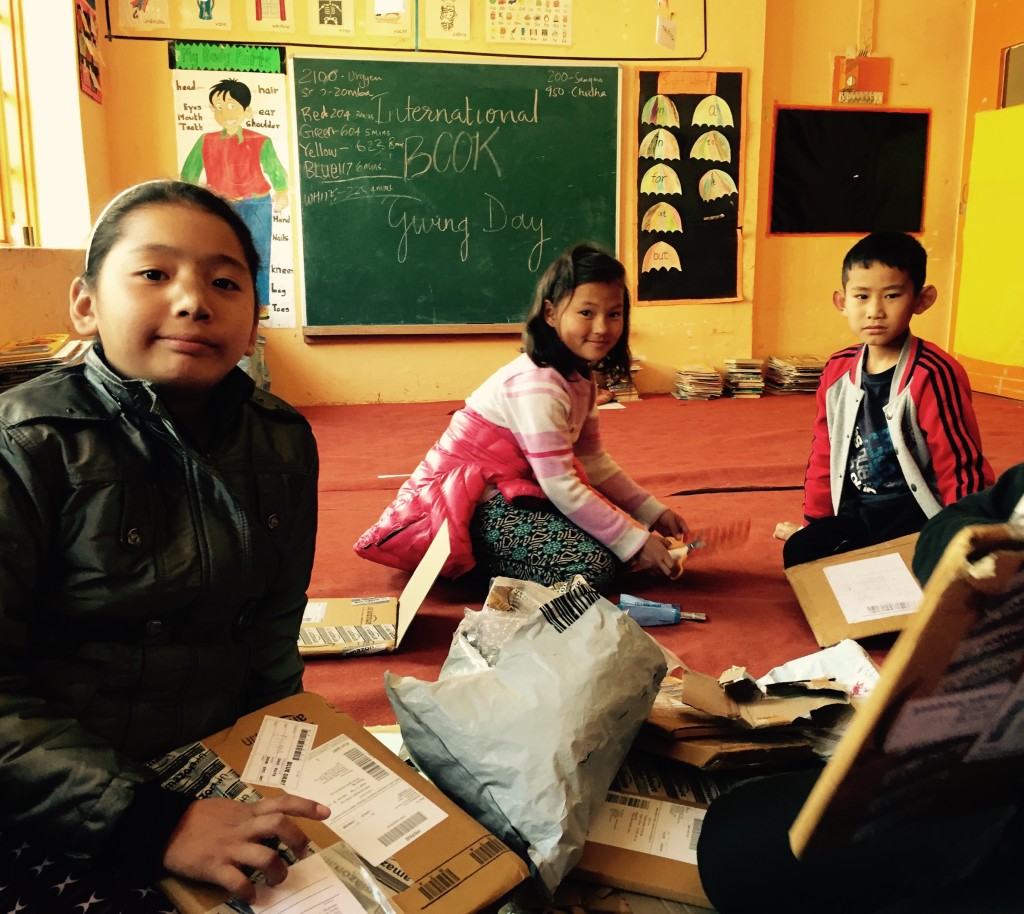
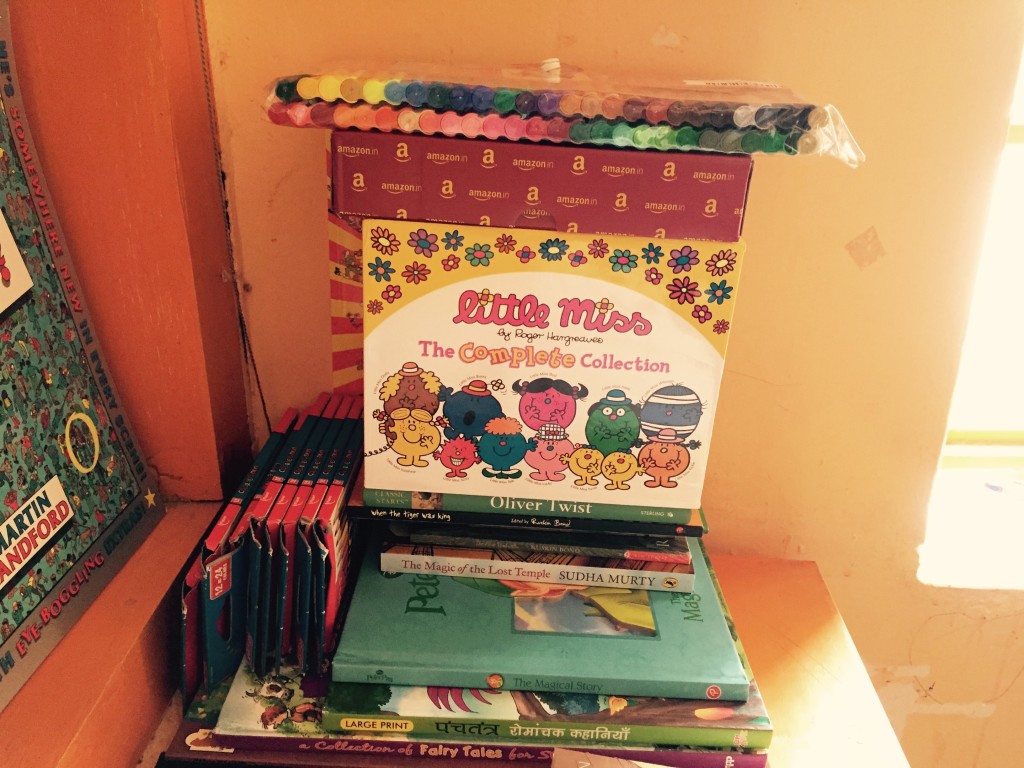
Book drives are especially meaningful when they are connected to a clear need. A focused campaign can gather books at suitable reading levels and in good condition, while also inviting supporters to learn about the children who will use them. The act of giving becomes more personal when each contribution is seen as part of a living educational environment.
Participation also extends to the children themselves. They can help organize shelves, create signs, recommend titles, and display their artwork. These responsibilities build ownership. The room becomes a reflection of the community rather than a collection imposed from outside.
Sustaining The Next Chapter
The future of the reading room depends on steady attention rather than a single burst of activity. New books need to be balanced with maintenance of existing resources. Programs should leave room for both structured learning and spontaneous discovery. Regular visits and consistent relationships help ensure that the space remains active throughout the year.
Supporters can contribute in practical, lasting ways:
- Donate new or gently used books suited to children and young monks in Himalayan communities.
- Sponsor reading, art, and music activities that bring books to life.
- Share information about book drives with schools, libraries, families, and community groups.
- Volunteer time for collection organization, storytelling, educational activities, or documentation.
- Provide flexible funding for shelves, seating, transportation, and other reading-room needs.
Every contribution strengthens the link between access and opportunity. A book reaches further when a child has a place to read it, an adult to encourage them, and friends with whom to share the experience.
The journey from a single shelf to a community hub is measured in more than books. It can be seen in a child choosing independently, a group listening closely, a drawing inspired by a story, or a young reader returning with a recommendation. These moments show how a welcoming space can support learning and belonging at the same time.
Help extend that journey by supporting literacy and creative education for children and young monks across the Himalayan region. Give books, time, or financial support so that more communities can develop reading rooms where curiosity has space to grow.