Why flowers bloom beside every reading room door
In a Himalayan village where the air is thin and the soil is stony, a small patch of marigolds outside a reading room can change how a child feels about walking through the door. That is the working belief behind every garden bed the Avalokiteśvara Trust tends beside its reading rooms in Ladakh and surrounding valleys. The flowers are not decoration added after the books arrive; they are part of the architecture of welcome, planted before the first child is invited inside.
Australian readers will recognise the same instinct. Whether it is the planters outside the State Library of Victoria in Melbourne or the courtyard beds at Readings in Carlton, hospitality in a learning space is rarely accidental. Visitors read the outside of a place before they ever meet the inside, and a doorway lined with living colour quietly answers the question a child has not yet learned to ask: do I belong here?
This piece looks at what those gardens do, what grows in them, and why a handful of petals can be a serious piece of educational infrastructure. The reasoning draws on cold-desert horticulture, on small acts of stewardship, and on the way a place that is cared for teaches the people inside it to care for what they find there.
The first welcome a child receives
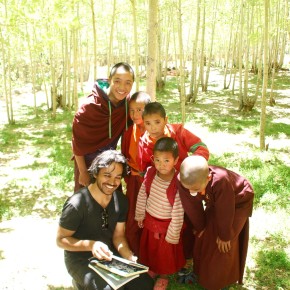
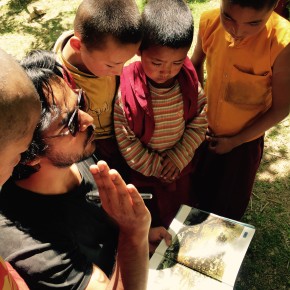
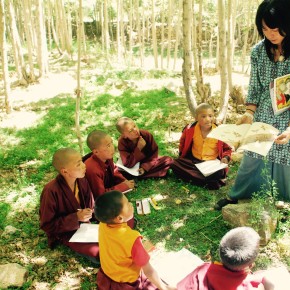
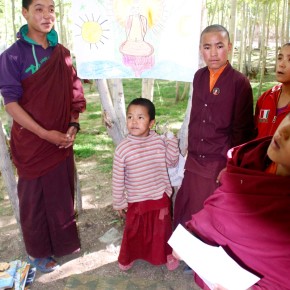
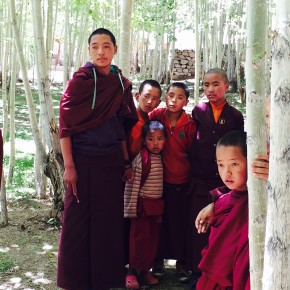
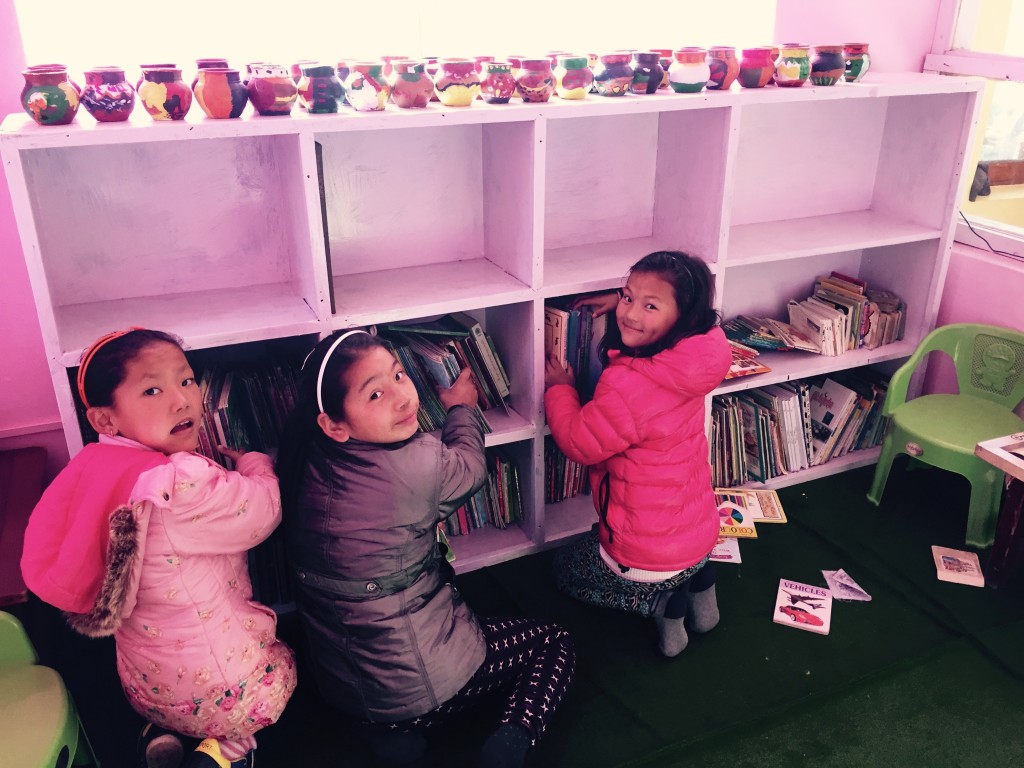
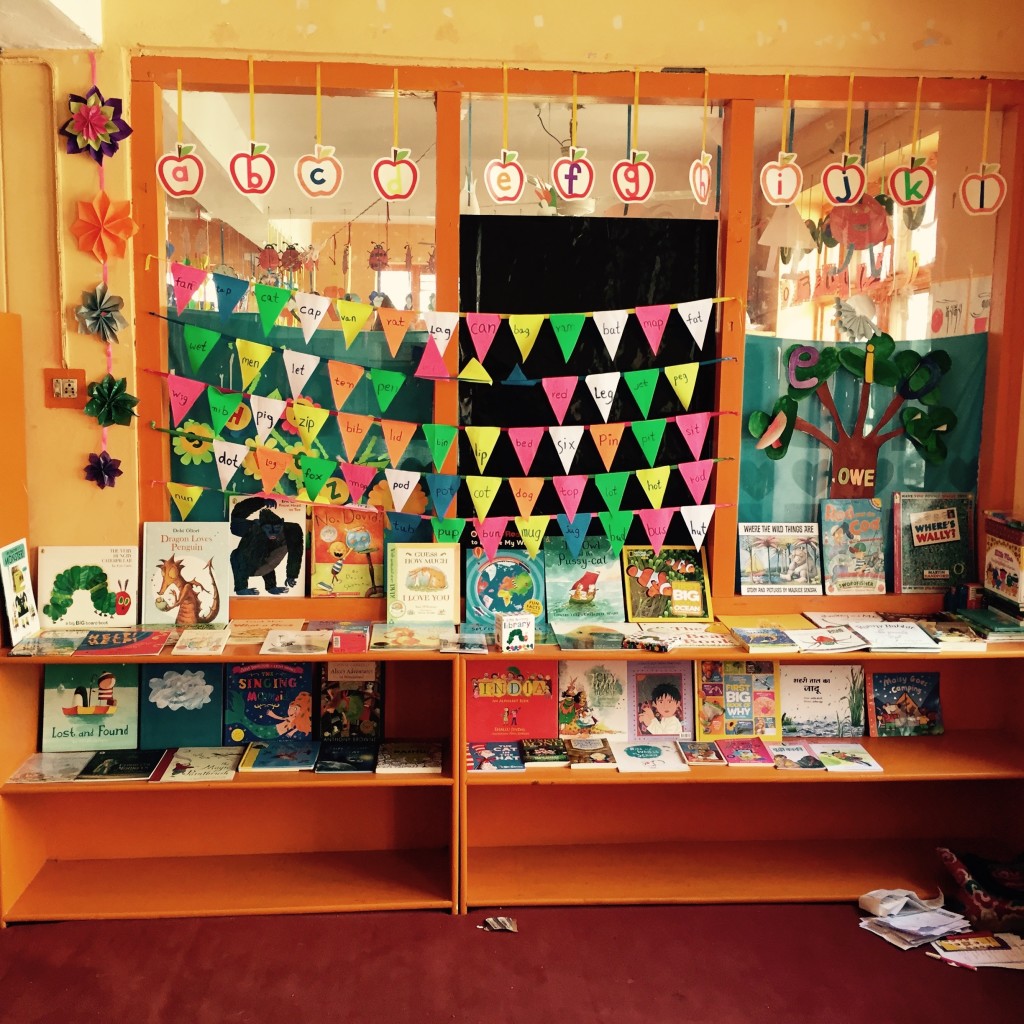
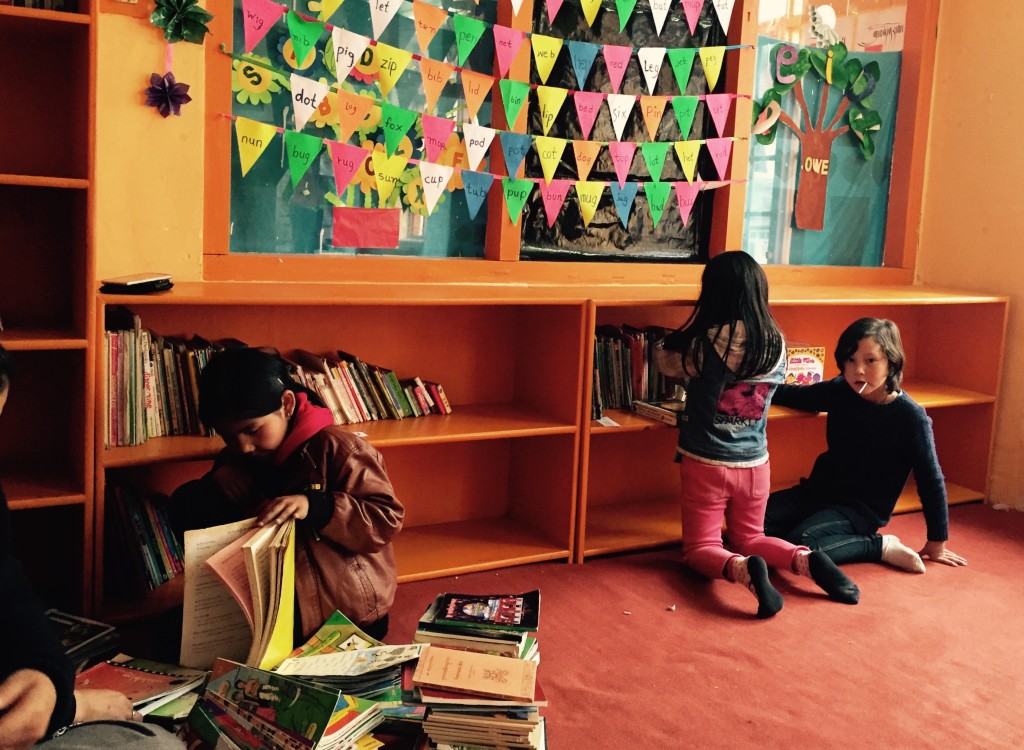
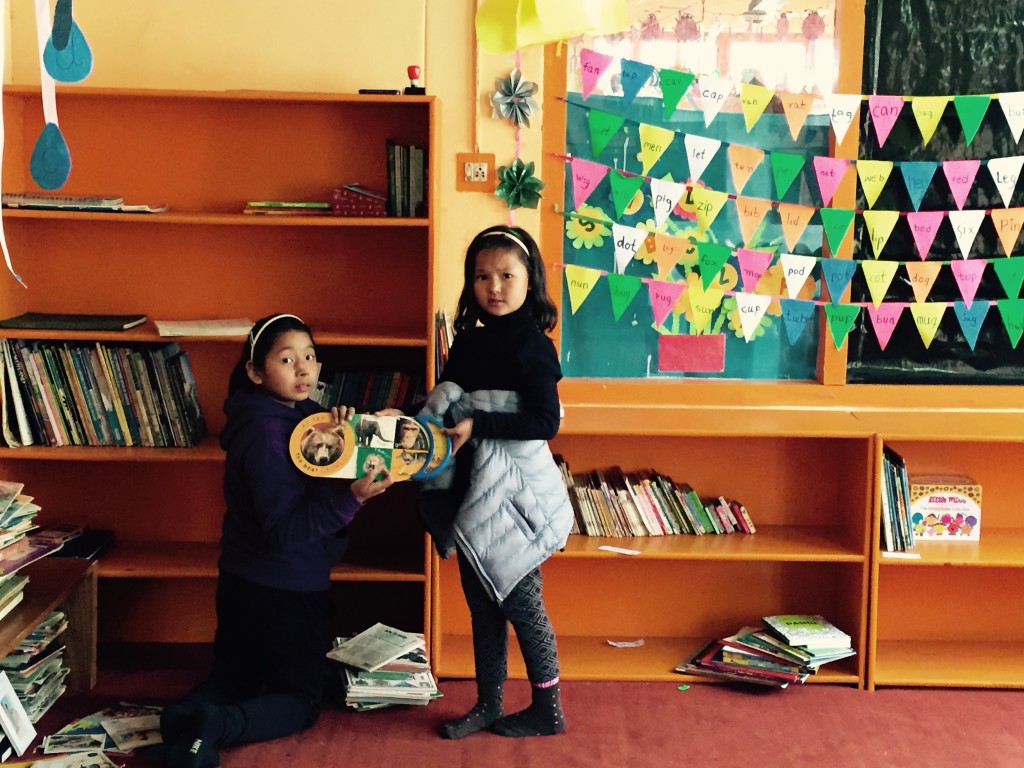
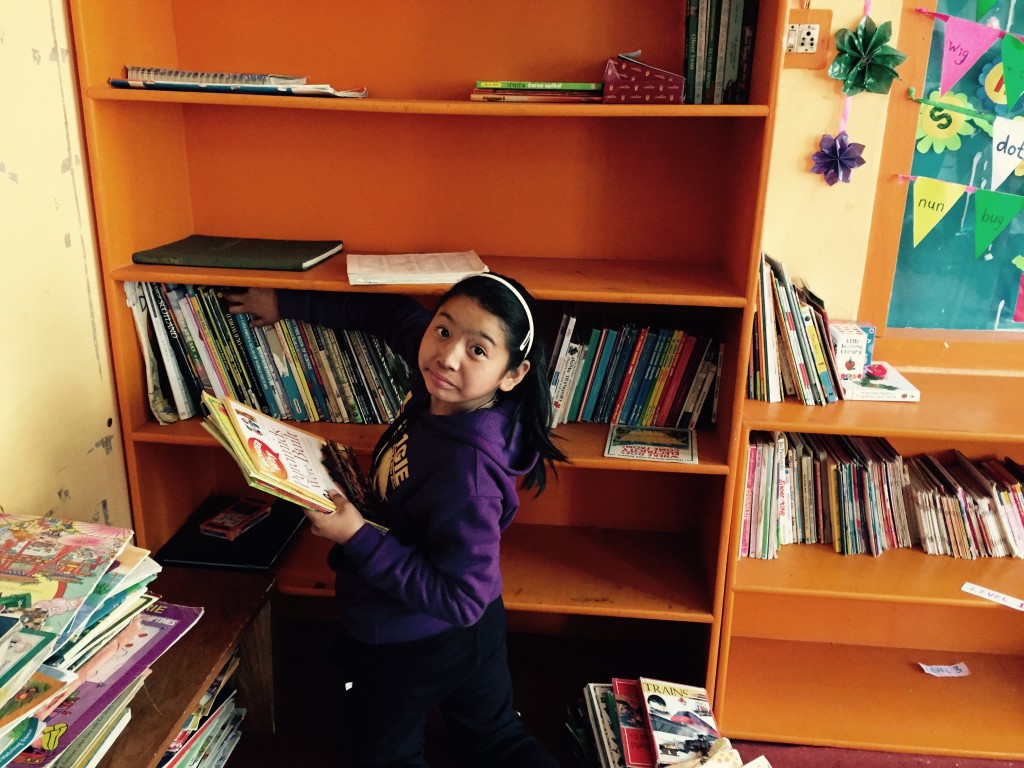
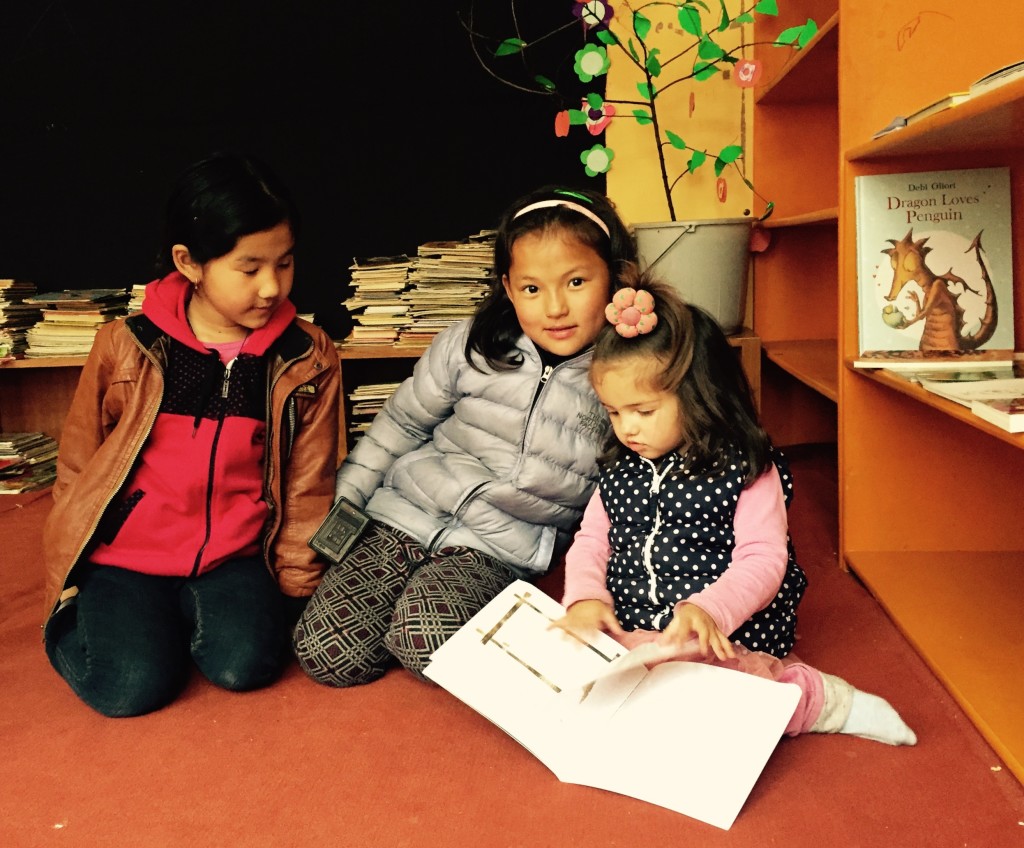
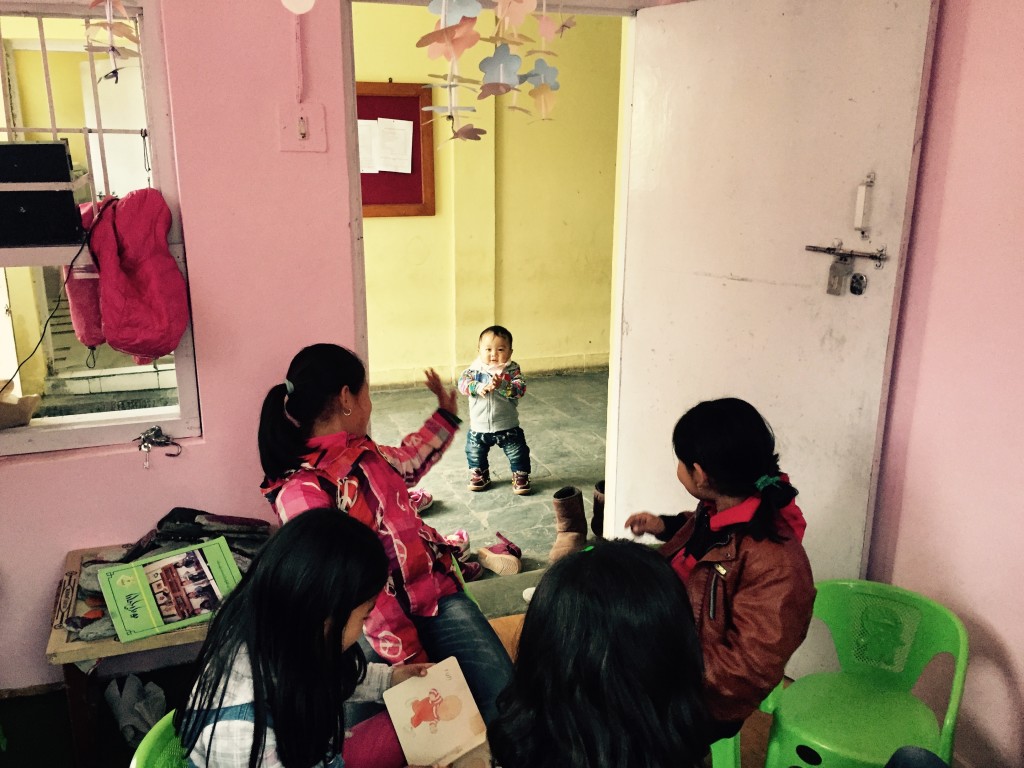
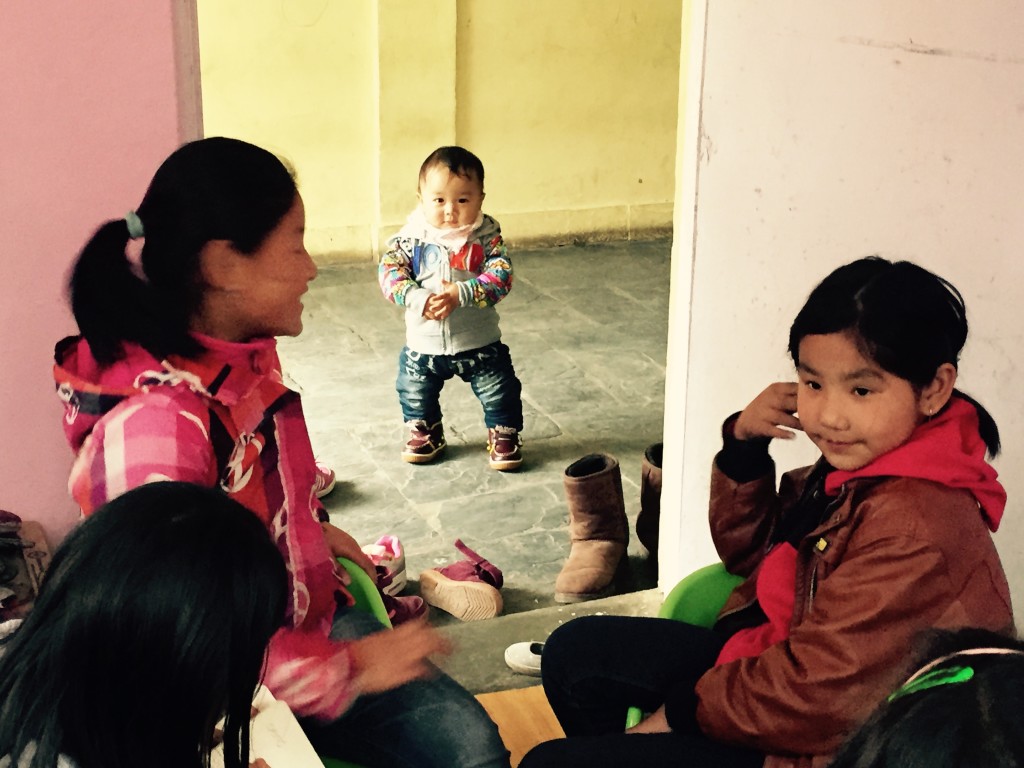
A reading room is, for many children in the villages we serve, the first indoor space they enter that is not a home, a classroom, or a monastery hall. It is a third kind of place: somewhere a book is the point of being there. That third-ness can feel strange, even slightly intimidating, especially to younger children who have spent most of their time outdoors. The threshold between the dirt path and the reading room floor is where hesitation happens.
A row of flowers narrows that hesitation. The eye lands on colour first, then on movement, then on the doorway. A child who has stopped to look at a bumblebee on a marigold has, without knowing it, already rehearsed the act of slowing down that reading requires. The garden becomes a kind of porch, even when the building has none.
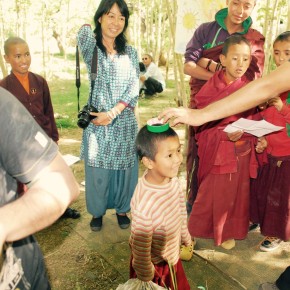
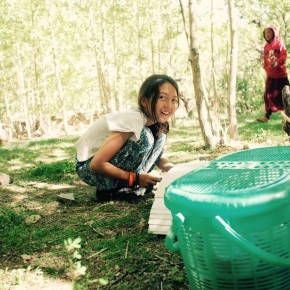
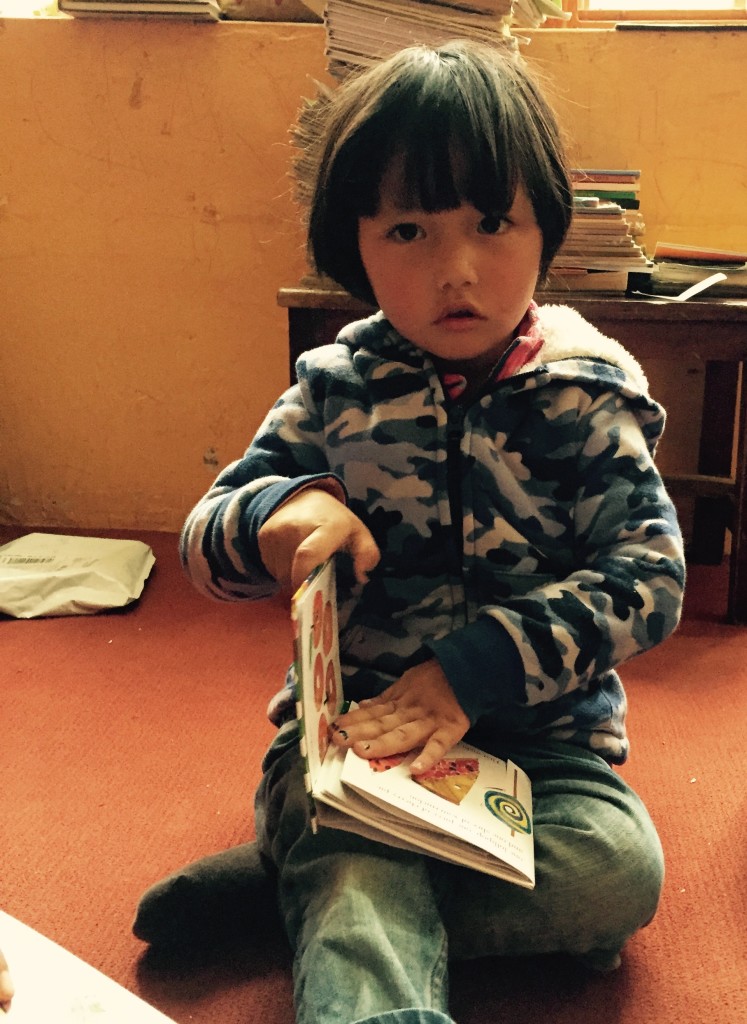
We have watched children who refused to enter on their first visit come back the next week and walk straight in past the same flowers. The garden gave them something to do with their hands and eyes before the more demanding work of choosing a book began. That small gift of time is one of the most consistent effects we have observed.
Comparing what different plantings offer a reading room
Different species bring different kinds of welcome. Some are showy and brief, others quiet and resilient, and the choice shapes how a space feels across the seasons. A short comparison helps frame what we are after when we plan a bed outside a new reading room.
| Plant type |
Visual signal |
Maintenance level |
Best for |
| Marigolds |
Bright, immediate warmth |
Low, annual reseeding |
New beds, quick impact in a single season |
| Petunias |
Soft, layered colour |
Moderate, regular deadheading |
Established beds in sheltered courtyards |
| Hardy geraniums |
Calm, repeating green |
Low once rooted |
Long-term framing of a doorway |
| Lavender (in lower valleys) |
Scent and slow movement |
Moderate, well-drained soil |
Warmer sites where fragrance can be felt indoors |
| Native wildflower mix |
Gentle, locally rooted feel |
Variable, requires patience |
Sites where children help collect seed |
The comparison above is a planning aid, not a rule. A reading room high on the Changthang plateau will struggle with lavender; a courtyard in a warmer valley near Leh will not. The species matter, but the underlying decision is the same: that something alive should greet every child who arrives.
We also weigh what the bed teaches. A child who watches marigolds come up quickly learns that effort has a quick return; a child who waits for a wildflower mix learns patience. Both lessons are valuable, and we try to choose the one a particular site needs. A reading room opening in a season of grief, for instance, might be better served by hardy geraniums that promise return, rather than by showy annuals that feel celebratory.
Choosing species for cold high-altitude gardens
In the high valleys where many of our reading rooms sit, the growing season is short and the nights stay cold well into late spring. We have learned, sometimes painfully, which species survive a frost and which surrender at the first dip below zero. The list that has worked best is unglamorous but dependable, and it leans heavily on hardy annuals and tough perennials that can self-seed between seasons.
Plants that have earned their place in our beds include:
- Marigolds, which tolerate cold nights better than most bedding flowers and reseed readily in disturbed soil
- Pansies, which bloom early and seem unbothered by light frost
- Snapdragons, which add height and a sense of formality at the entrance
- Hardy geraniums in sheltered corners, where their soft green frames the doorway year after year
- A scattering of cosmos late in the summer, when the air is finally warm enough to bring them on
Each of these is chosen with the children in mind. They are easy to water from buckets the children already carry, easy to recognise from a distance, and forgiving of small hands learning what a stem feels like. A garden that fails in its first season teaches a child that effort does not pay off, and we try not to build that lesson by accident.
How a garden of flowers changes reading behaviour
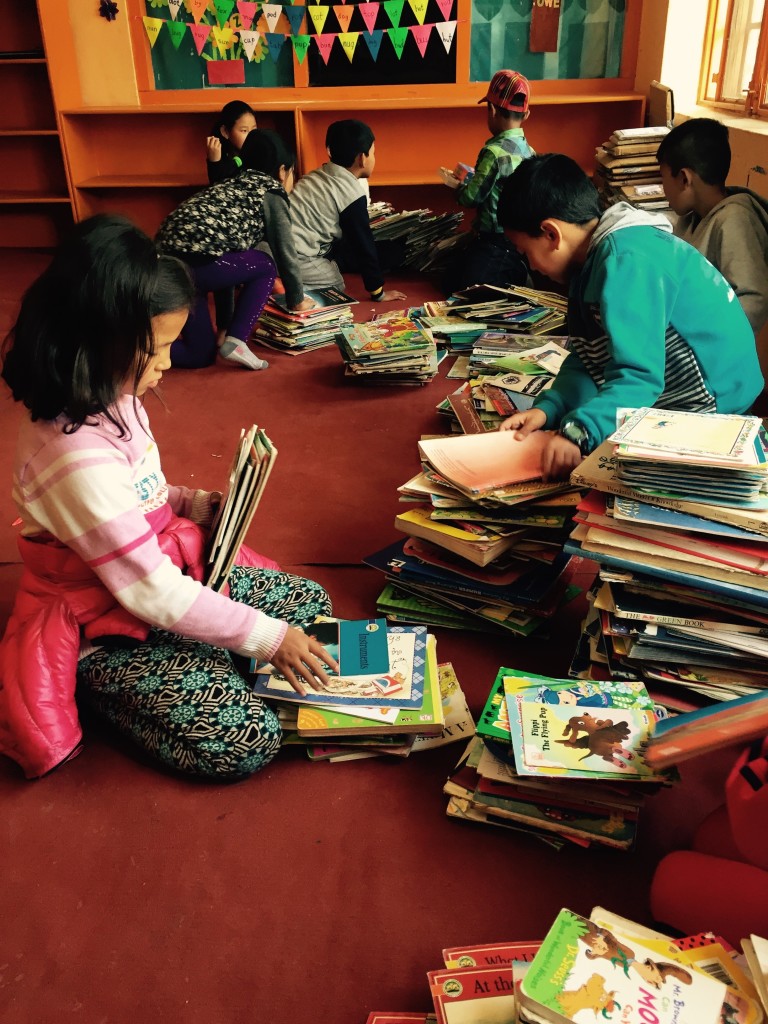
The link between a planted doorway and the reading that happens inside it is not metaphorical. Children linger longer at the threshold, ask more questions about the books, and return more often in the weeks after a bed has been planted and tended. We have seen enrolment in our reading programmes tick upward in villages where the outside of the room has been cared for, even when the inside has changed very little.
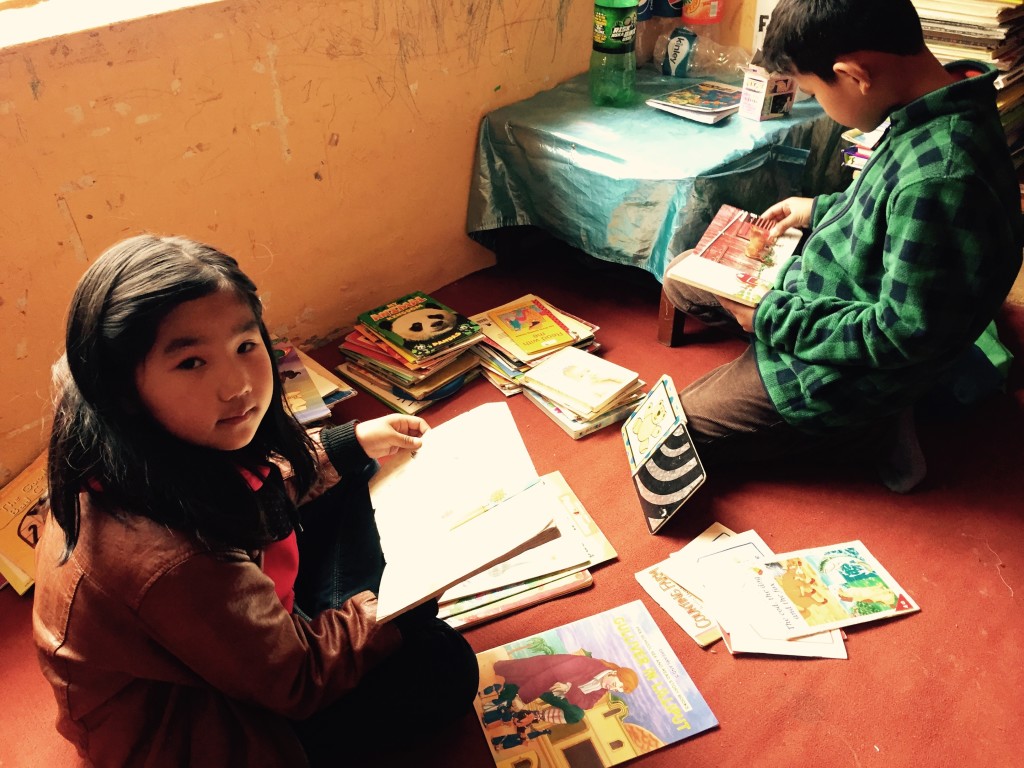
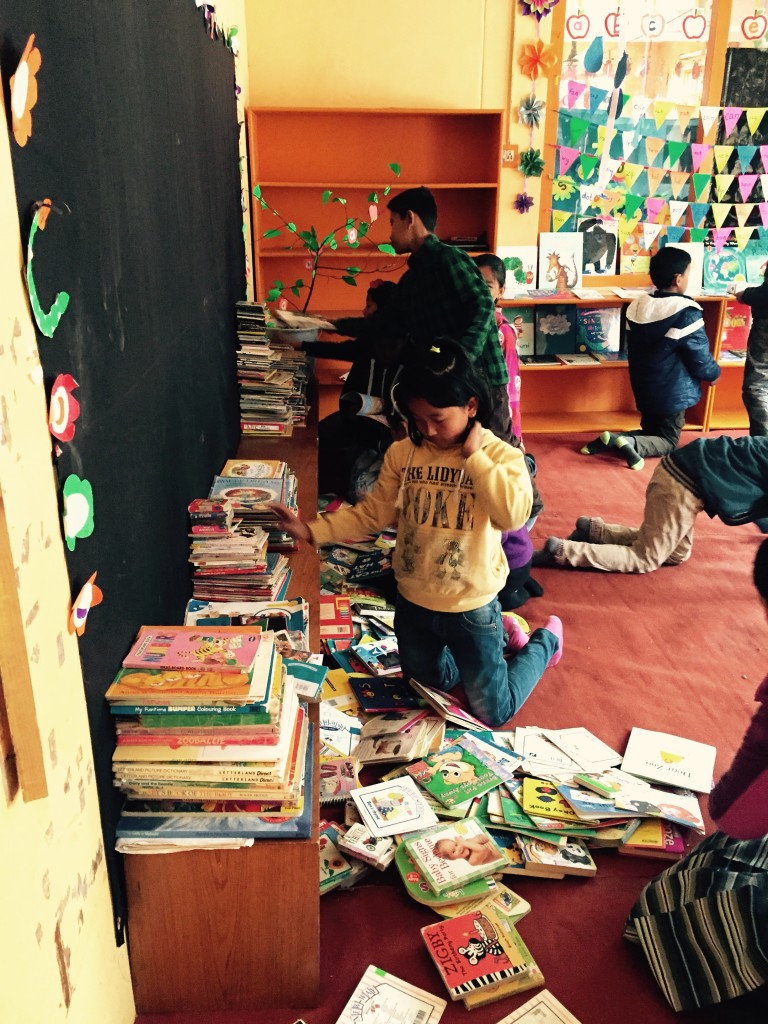
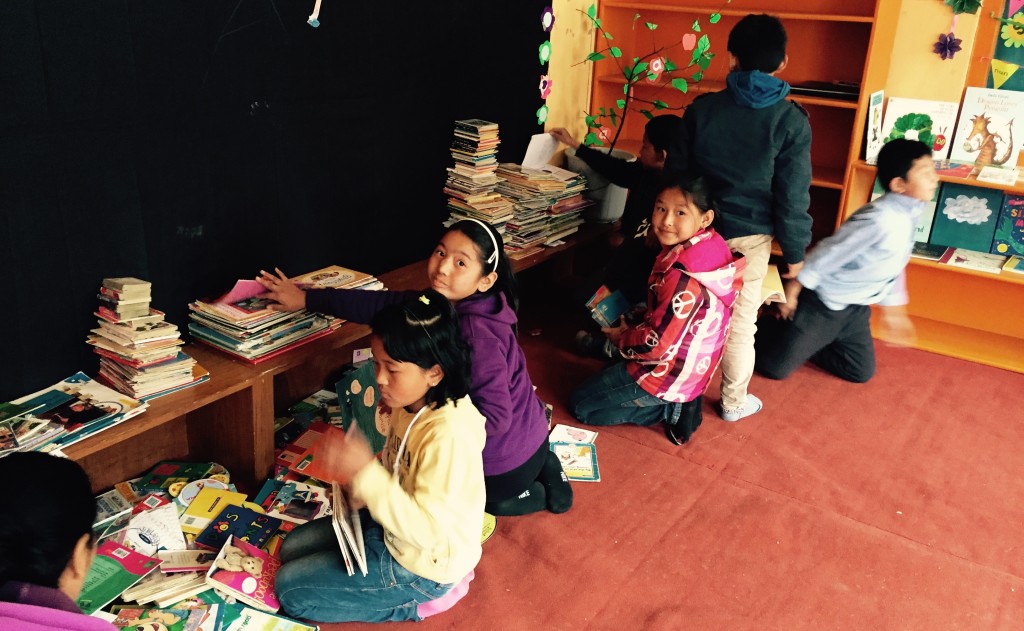
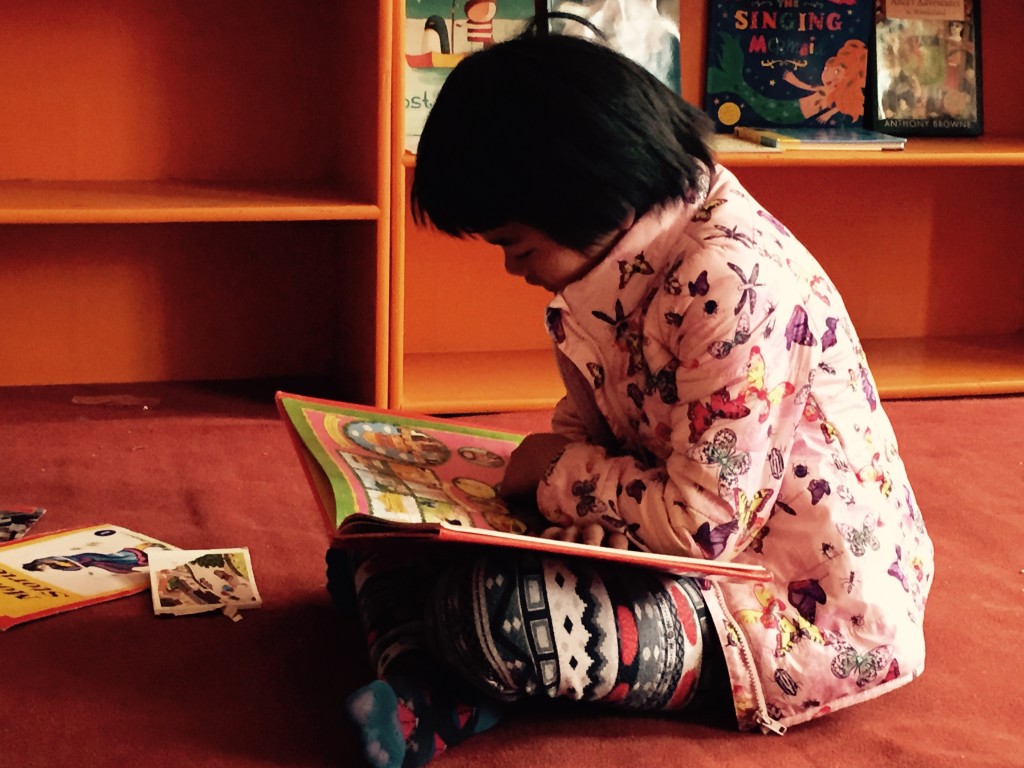
There is also a quieter effect on the books themselves. Children who have helped weed a bed treat the spines on the shelf with noticeably more care. The practice of looking after something small and living seems to travel, like a habit, from the garden to the room. We see fewer bent pages, fewer wet books left on the floor, and more children who instinctively put a chair back where it belongs.
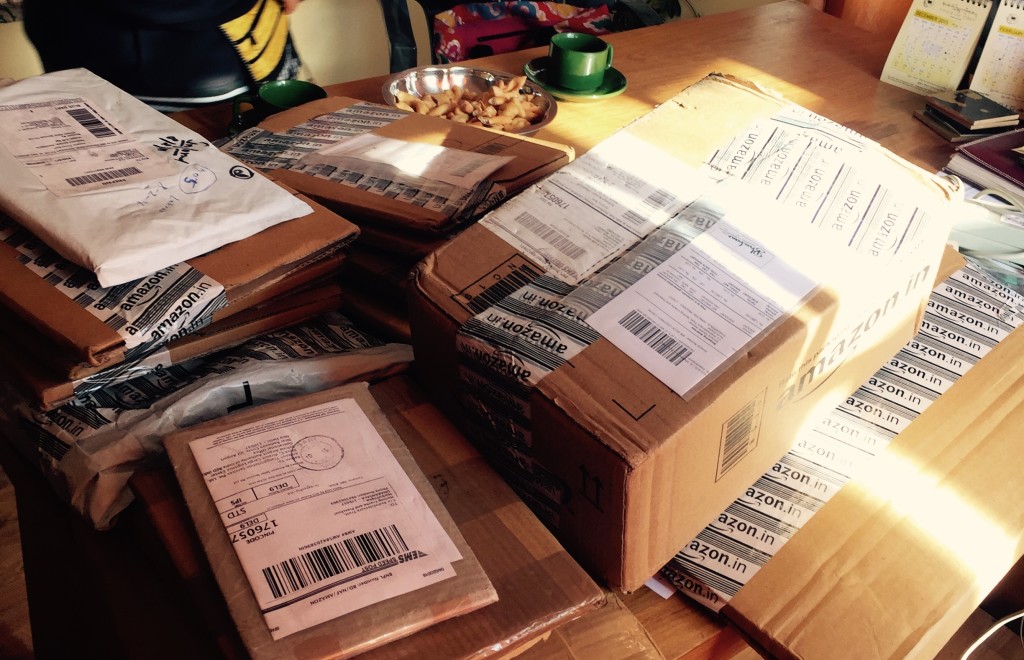
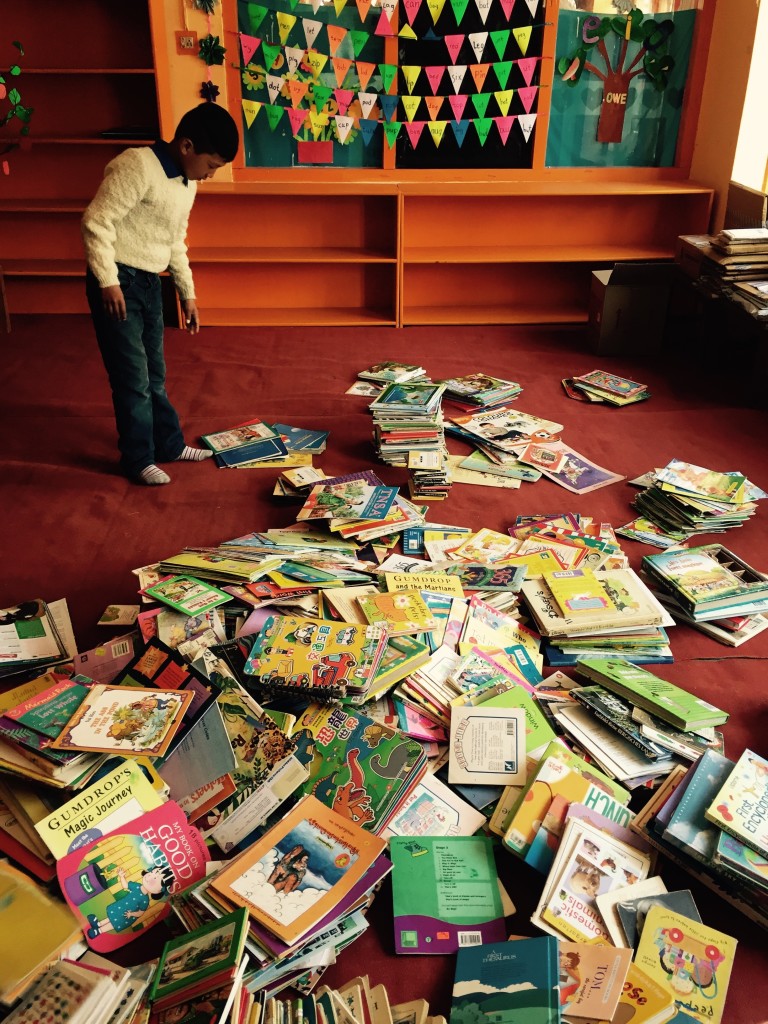
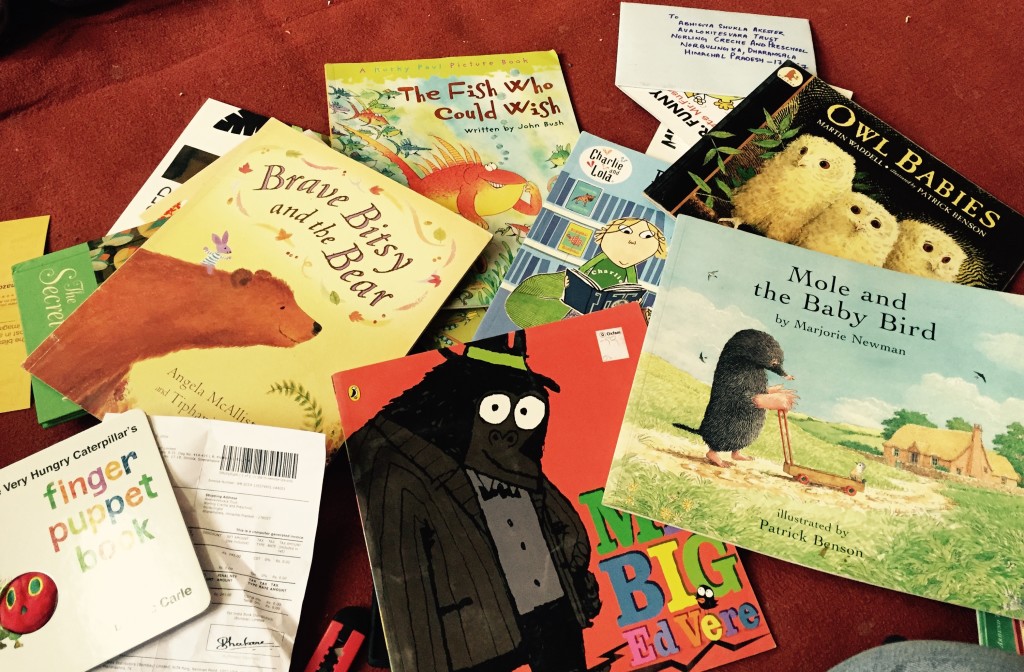
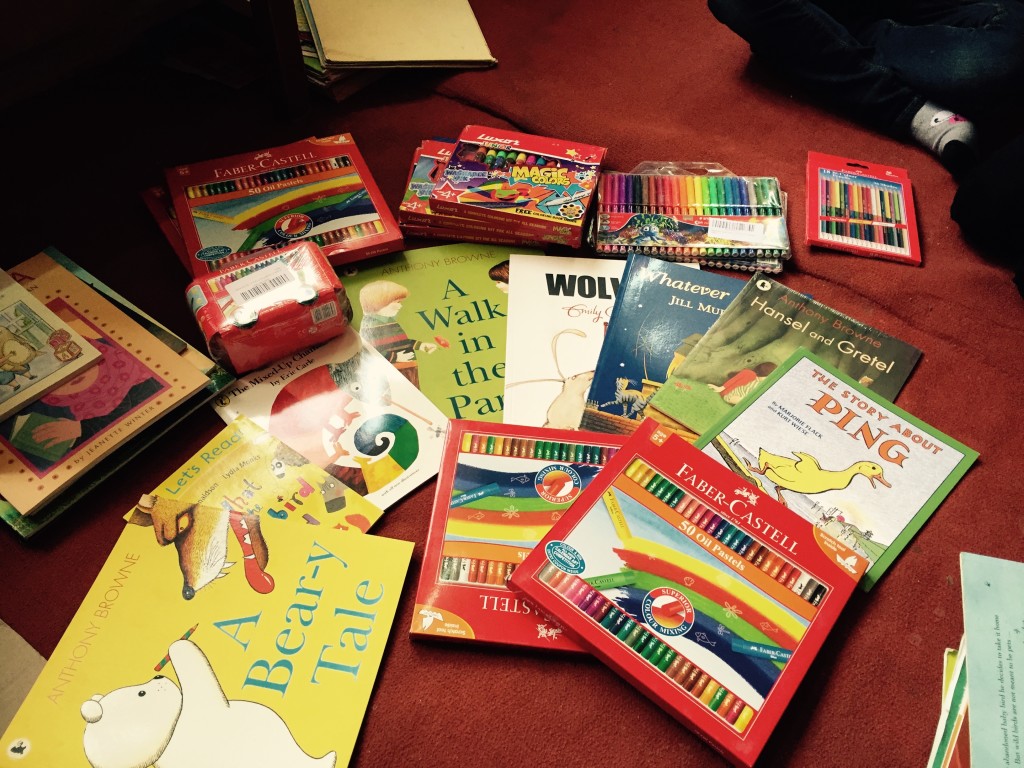
A short story illustrates the point. A retired schoolteacher in a town outside Sydney once sent us a package of donated encyclopedias after reading about our work. The story of an unexpected encyclopedia box arrived in a season when our shelves were thin, and it reminded us that generosity often travels through objects that have been loved somewhere else first. Gardens and donated books behave similarly: both are things that have been cared for, and that history of care is what a child picks up on when they walk through the door.
What Australian communities already know about a planted welcome
Australian towns have been quietly practising this idea for a long time. Community gardens in inner Brisbane, the bush-tucker plantings outside the Adelaide Hills library branches, and the drought-tolerant beds tended by volunteers in Perth all share a working assumption: a public learning space that looks cared for is treated as cared for. The instinct travels well between hemispheres.
A few Australian habits feel especially close to our own:
- School gardens at primary schools in regional Victoria, where children grow seedlings for the entrance path themselves
- Native grass and saltbush plantings at the entrance to the new Hobart waterfront library
- Volunteer planting days at urban reading hubs in Sydney's western suburbs
- The use of hardier grevillea and westringia along library frontages in Adelaide, where water is always a consideration
- The Bushcare networks that maintain pocket gardens next to community halls across Melbourne
Each of these is a local answer to the same question we ask in Ladakh: how do you make a place feel like it was left ready for a stranger? A garden of flowers is one of the simplest answers, and it scales from a courtyard of twenty square metres to a hectare of public ground.
A short guide for new reading room beds
When we plan a new bed beside a new reading room, we follow a small set of habits that have served us well. They are not rules, but they keep us honest about what we are doing and why.
We plant the bed at least a month before the reading room opens, so the flowers are settled when the first child arrives. We choose species the local children can recognise and name, so the garden becomes a vocabulary as well as a view. We place the tallest plants nearest the wall and the lowest nearest the path, so the doorway stays open. We keep a watering rota visible at the entrance, so children can take a turn and feel responsible. We replace tired annuals each season, treating that replacement as part of the welcome rather than as maintenance. The point of these habits is to remember that the bed is the first curriculum a child meets, and that curriculum deserves a plan.
A practical way to begin is to write to us about a single reading room you would like to see planted. We will share the local site conditions, the species list we are considering, and the season in which the bed will go in, so the project is tied to a specific row of flowers outside a specific door.