When A Box Of Encyclopedias Became A World Of Possibilities
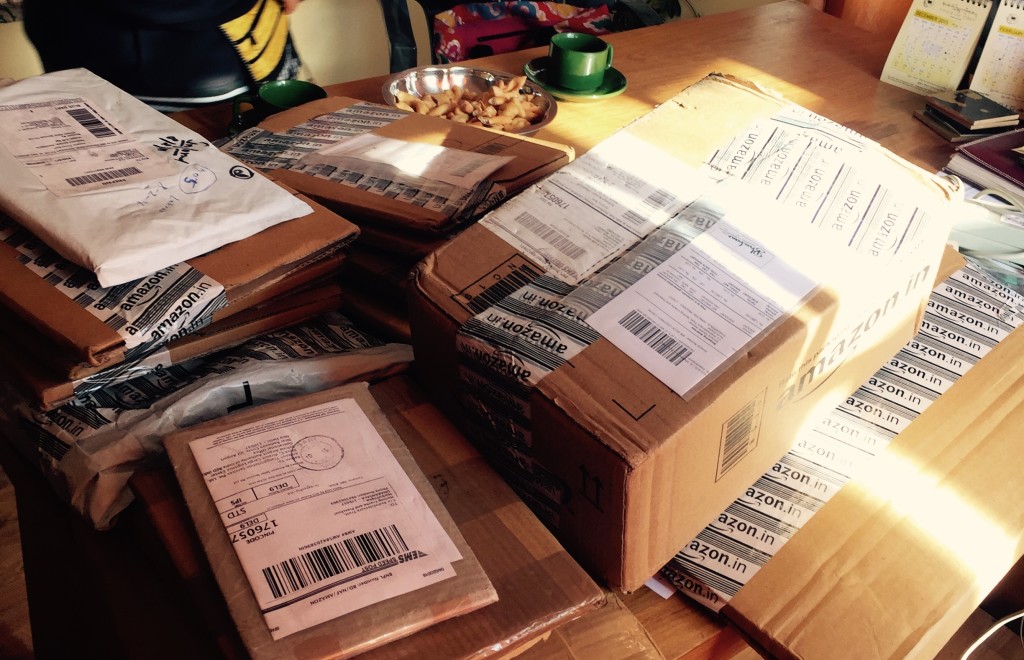
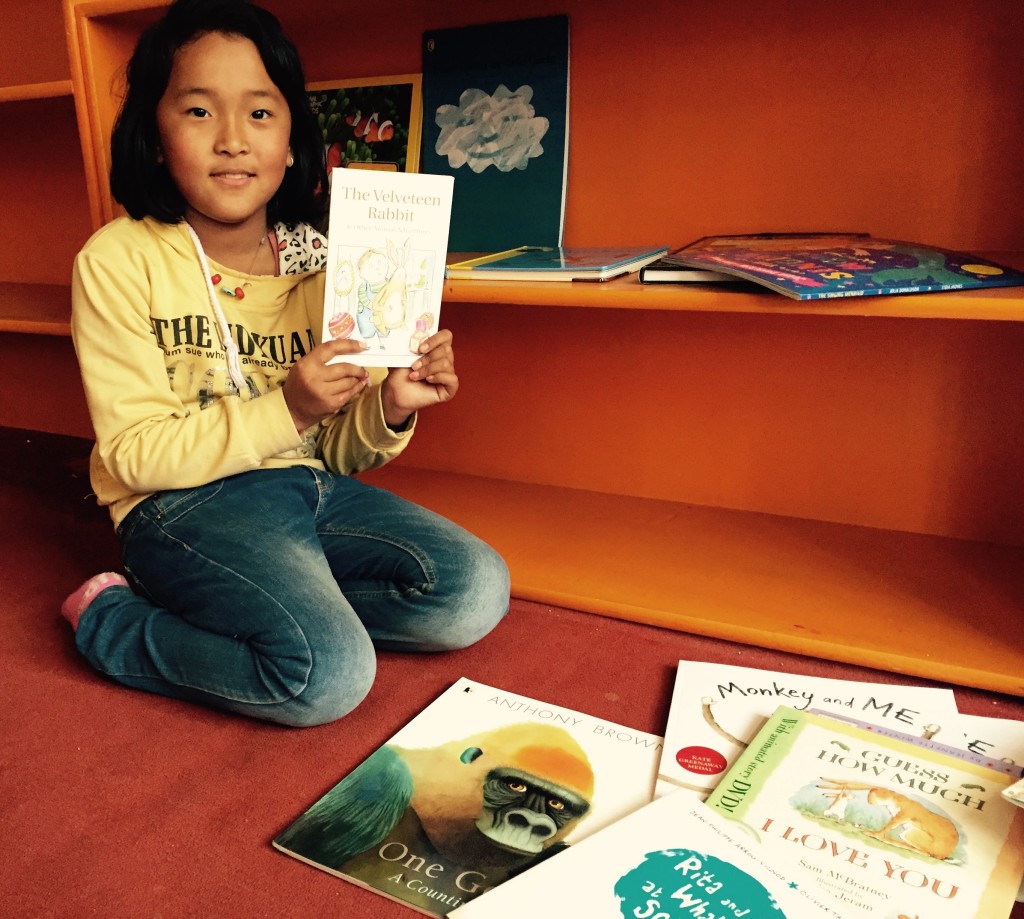
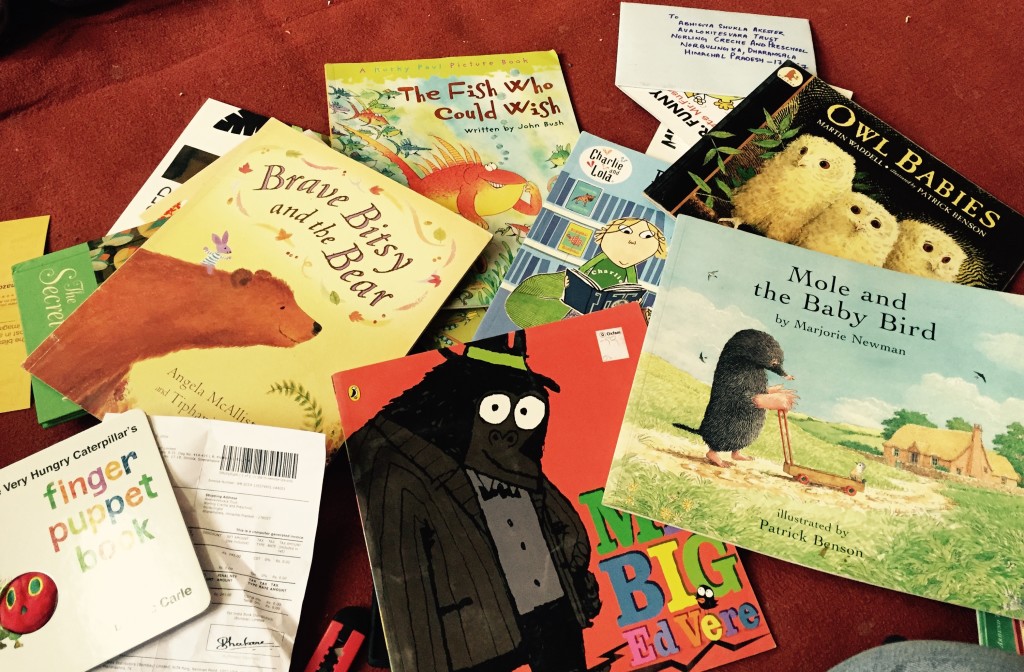
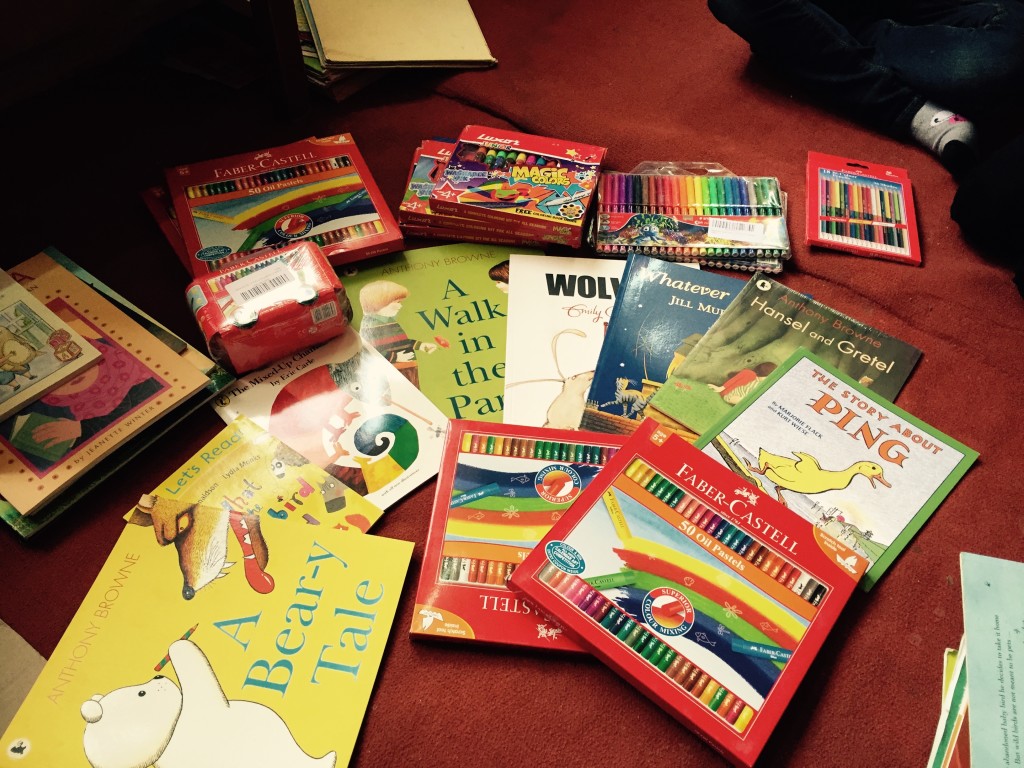
Some donations arrive with an obvious purpose. A bag of storybooks fills a reading shelf, art supplies brighten a workshop, and musical instruments invite children to make their first sounds. Other gifts need time before their value becomes clear. One of the most memorable examples began with a plain cardboard box delivered to our work in the Himalayan region.
The most unexpected donation we received was a box of encyclopedia volumes. They were not new, fashionable, or easy to carry across mountain roads. Yet when the books were opened, they offered children and young monks something precious: a doorway into subjects far beyond their immediate surroundings.
For a community building reading rooms and encouraging independent learning, the collection became much more than a set of reference books. It showed us how a thoughtful donation can influence curiosity, conversation, creative work, and the way young readers understand their place in the wider world.
An ordinary box with an extraordinary reach
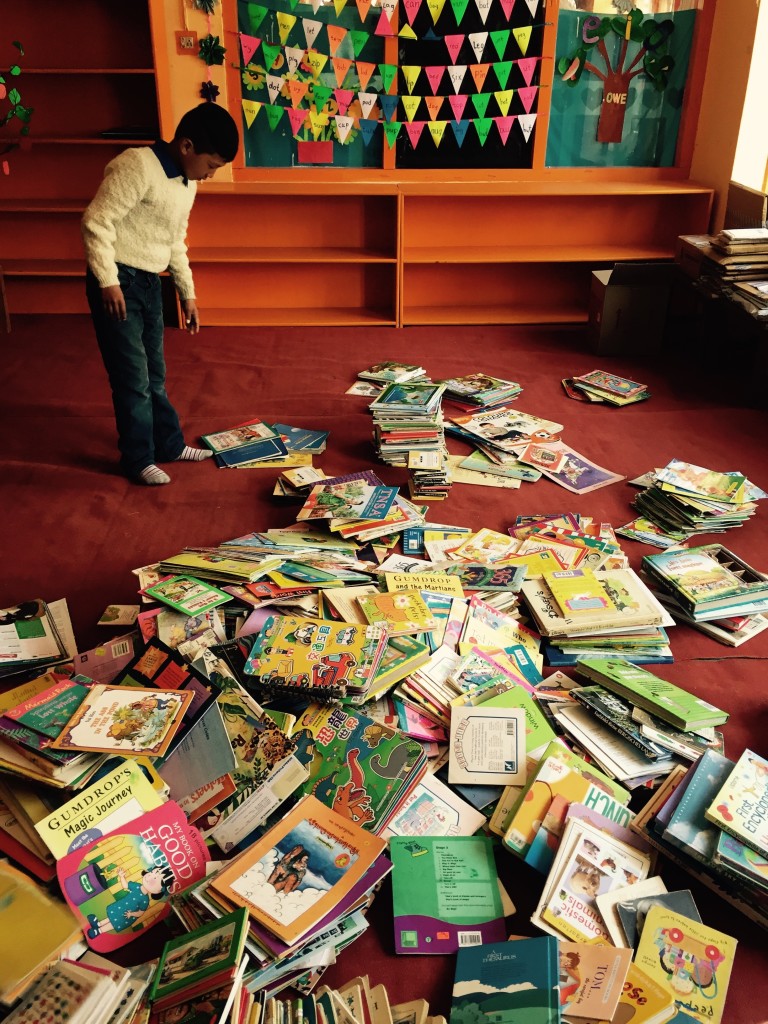
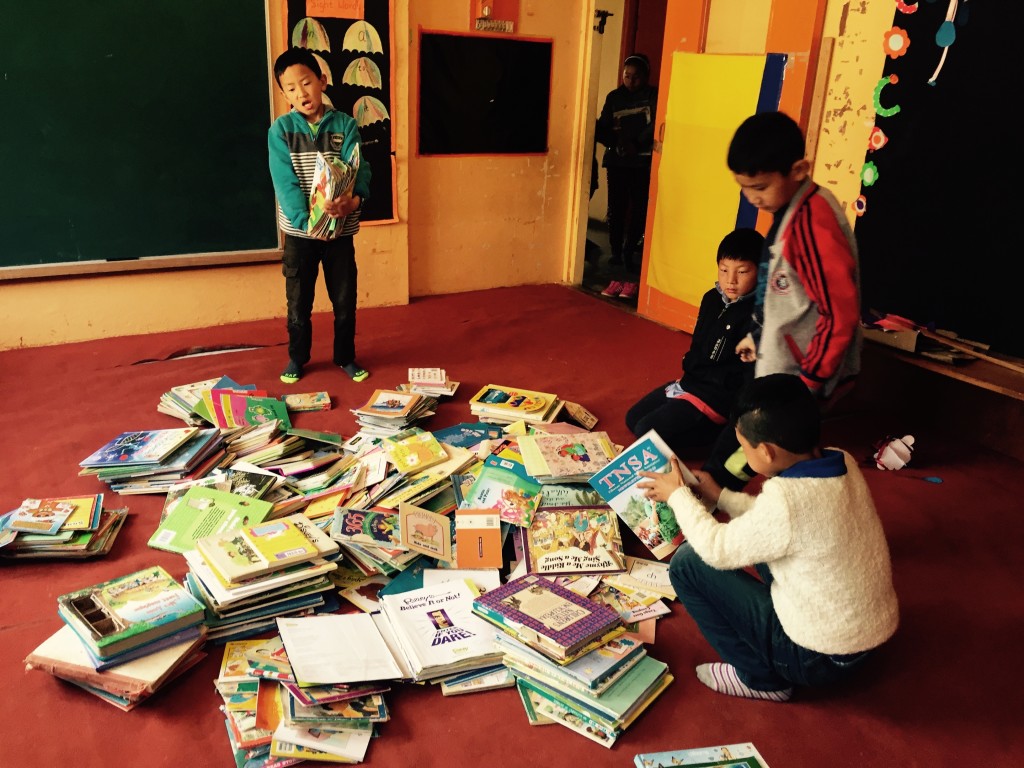
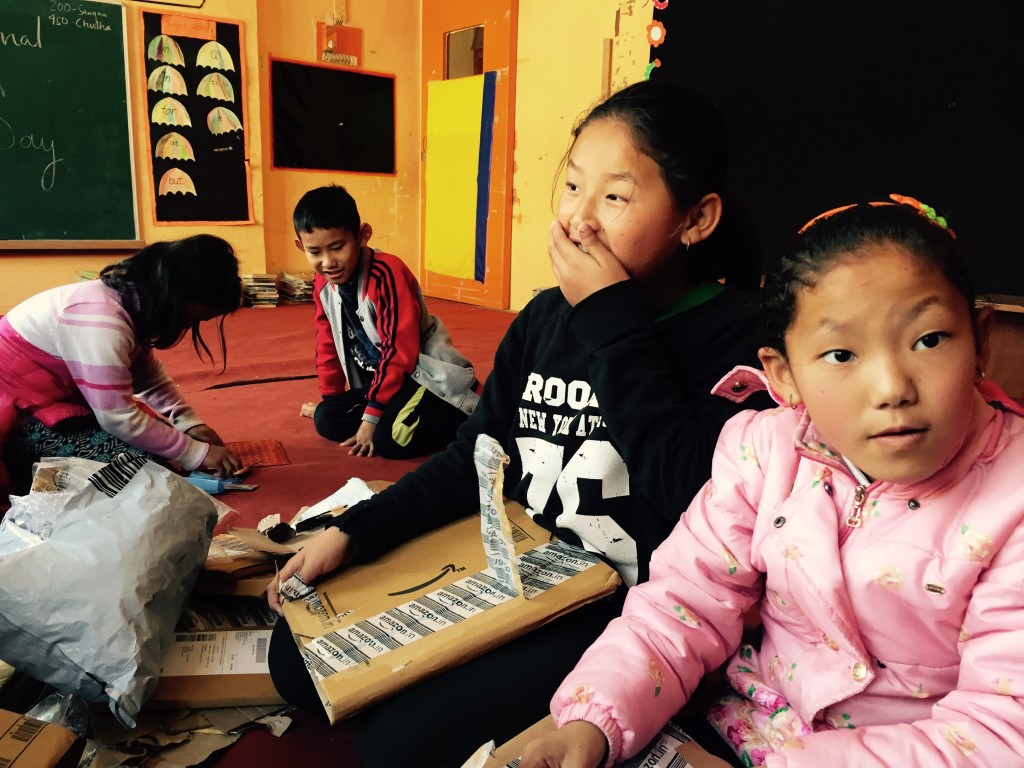
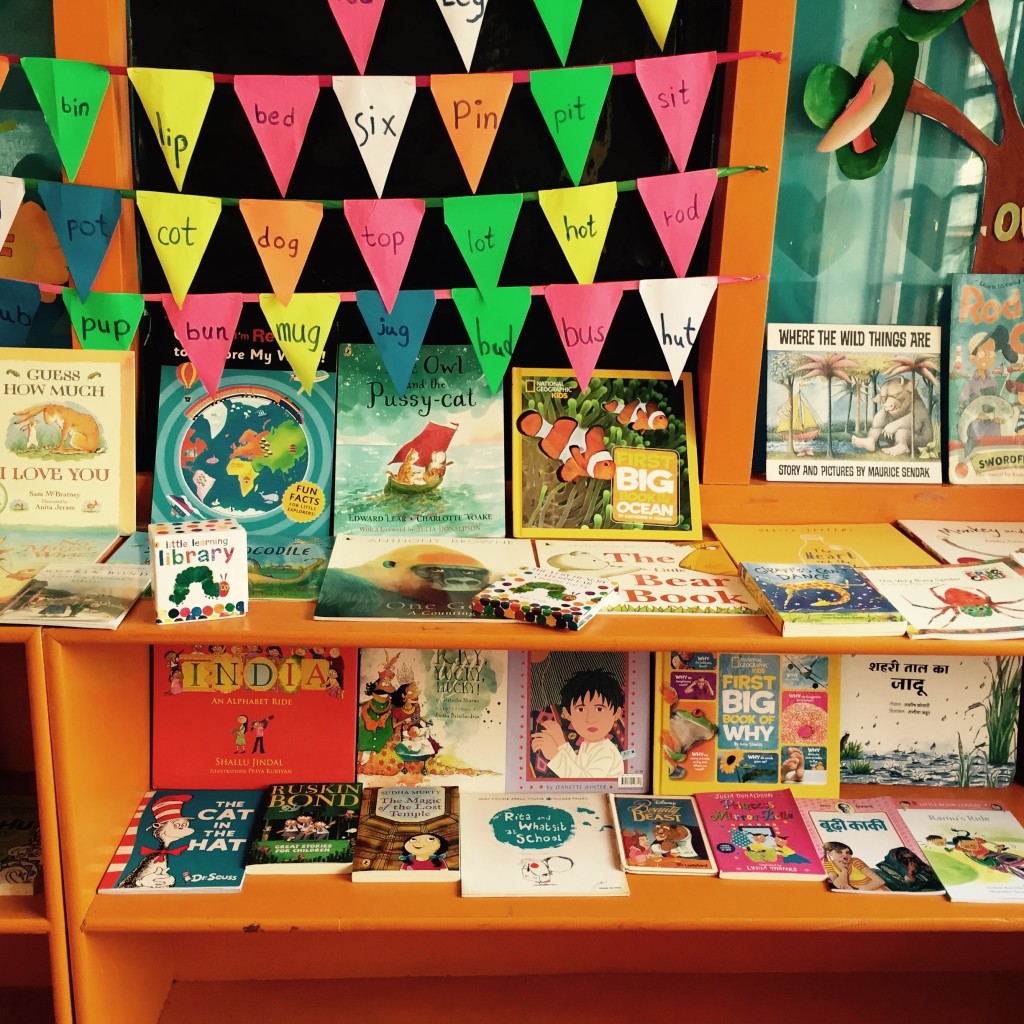
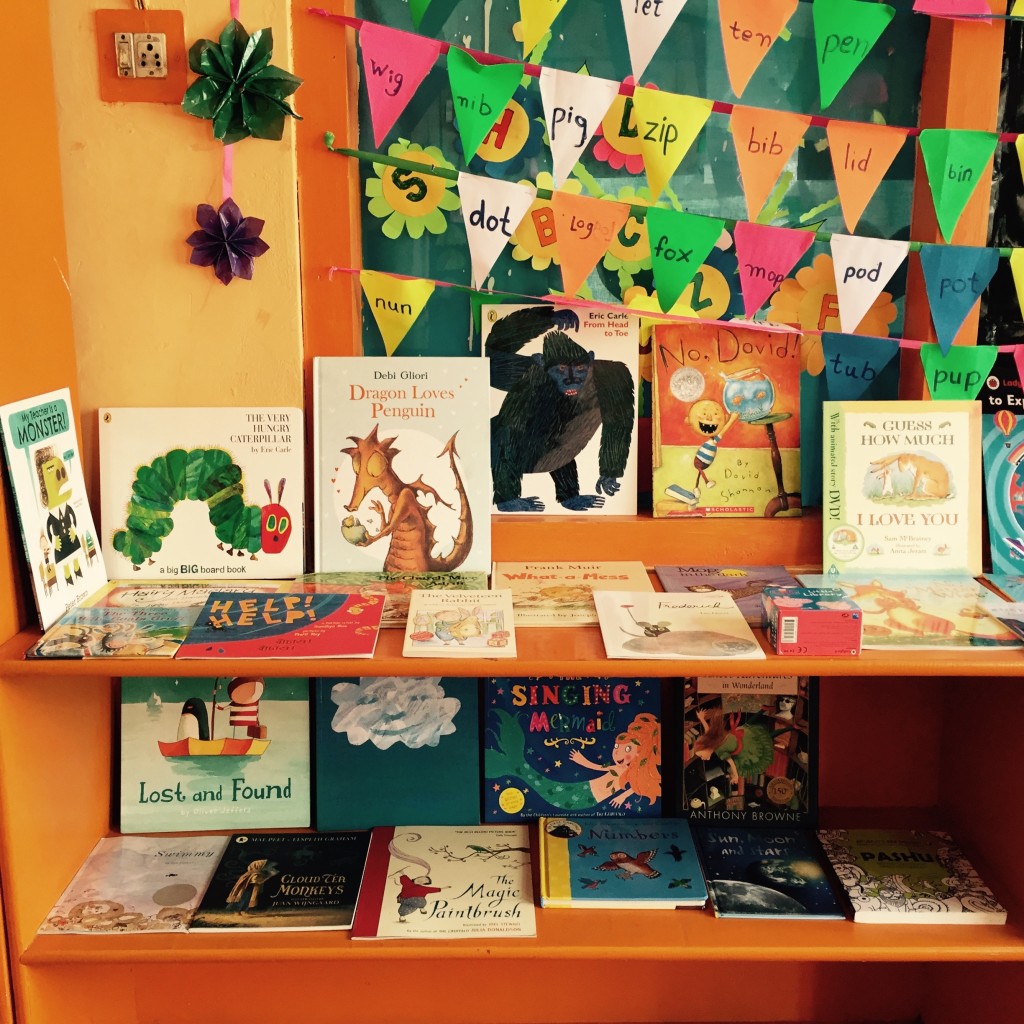
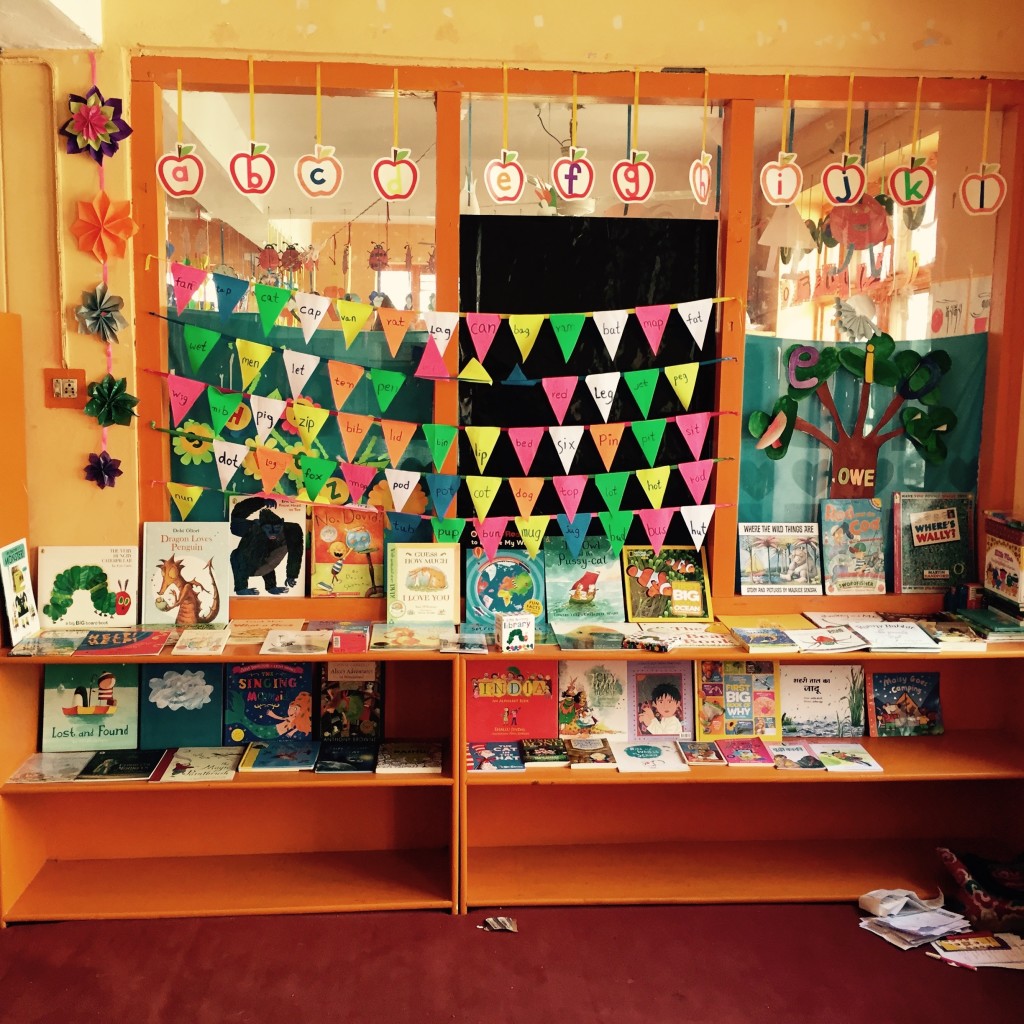
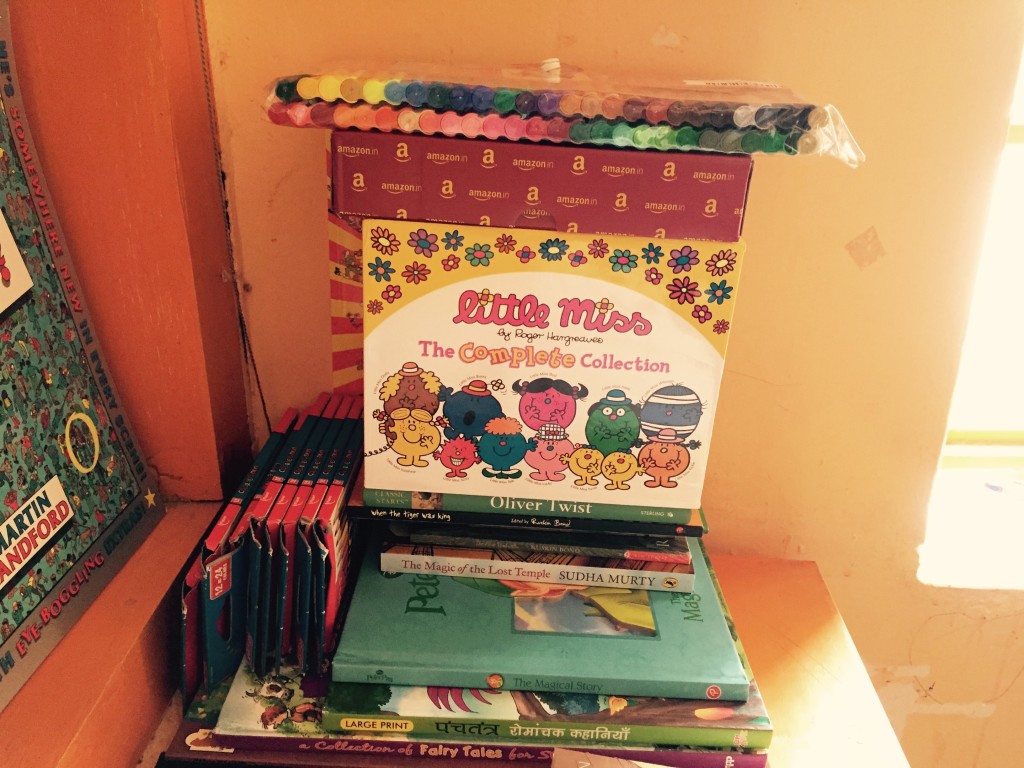
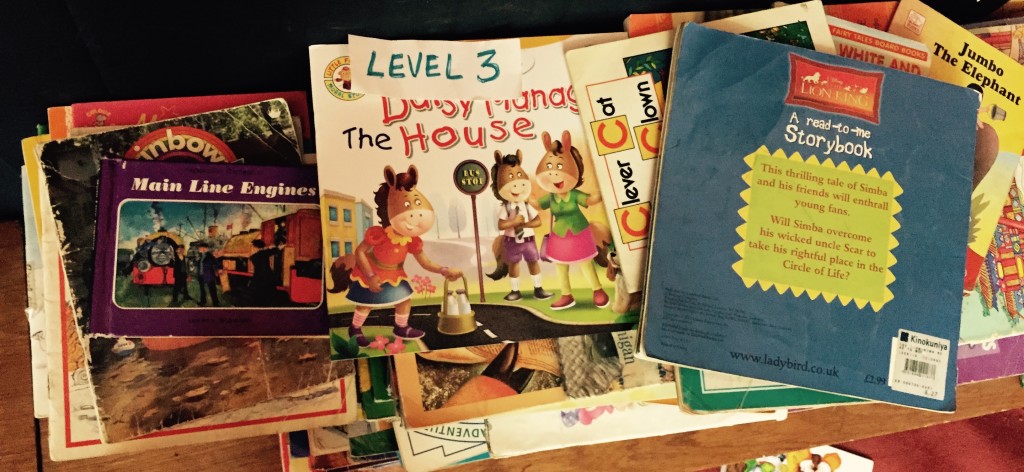
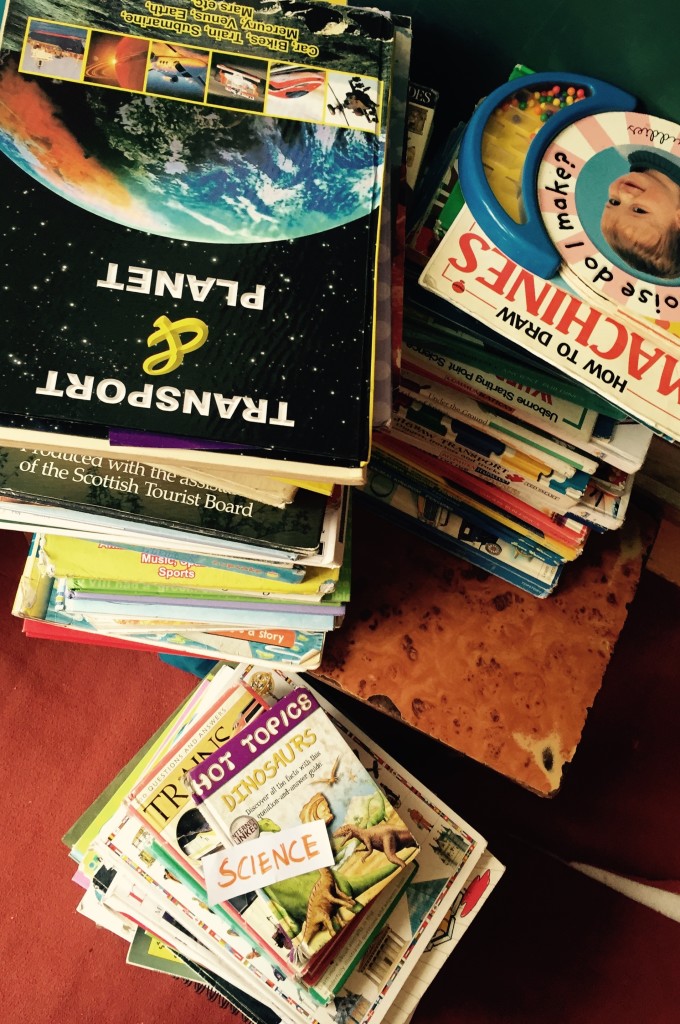
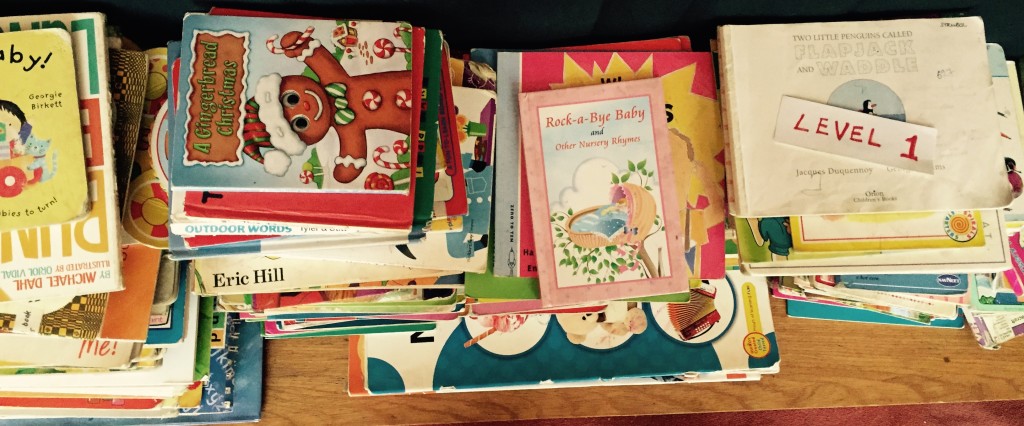
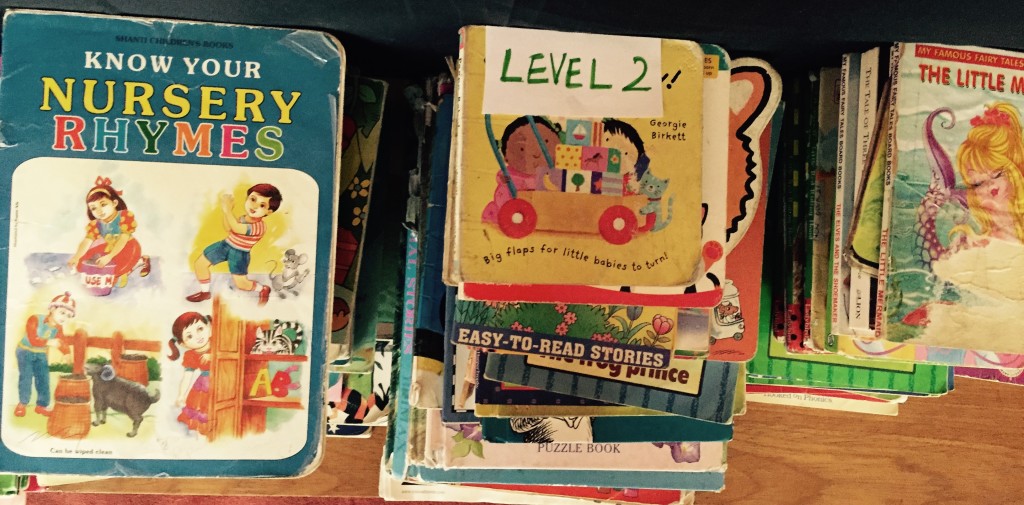
The package looked unremarkable when it arrived. Inside were carefully packed volumes covering animals, geography, science, history, inventions, art, and people from different cultures. Some books showed signs of use, which made them feel familiar rather than distant or untouchable.
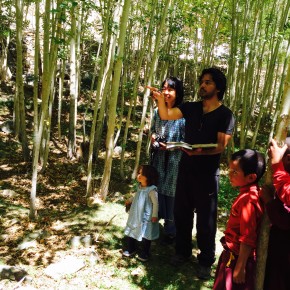
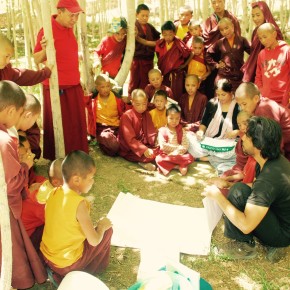
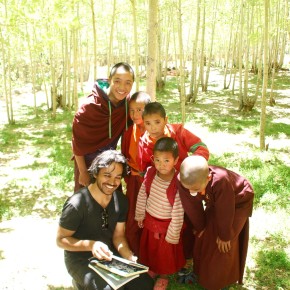
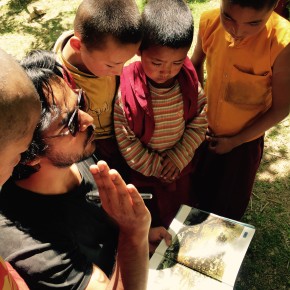
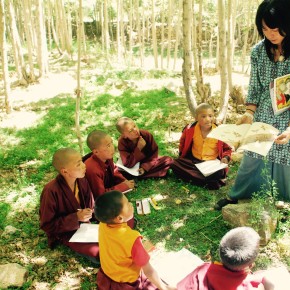
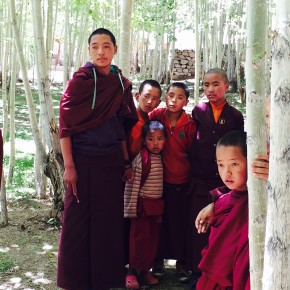
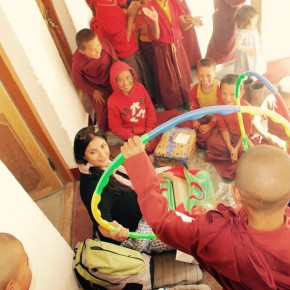
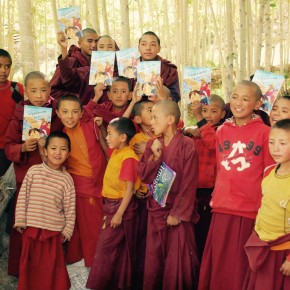
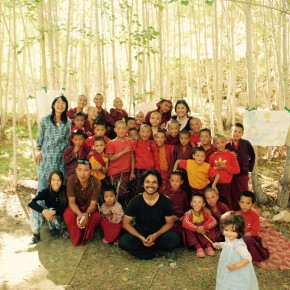
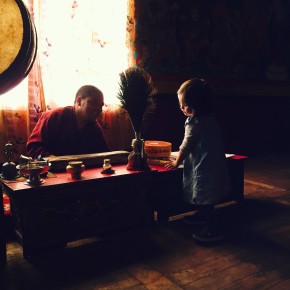
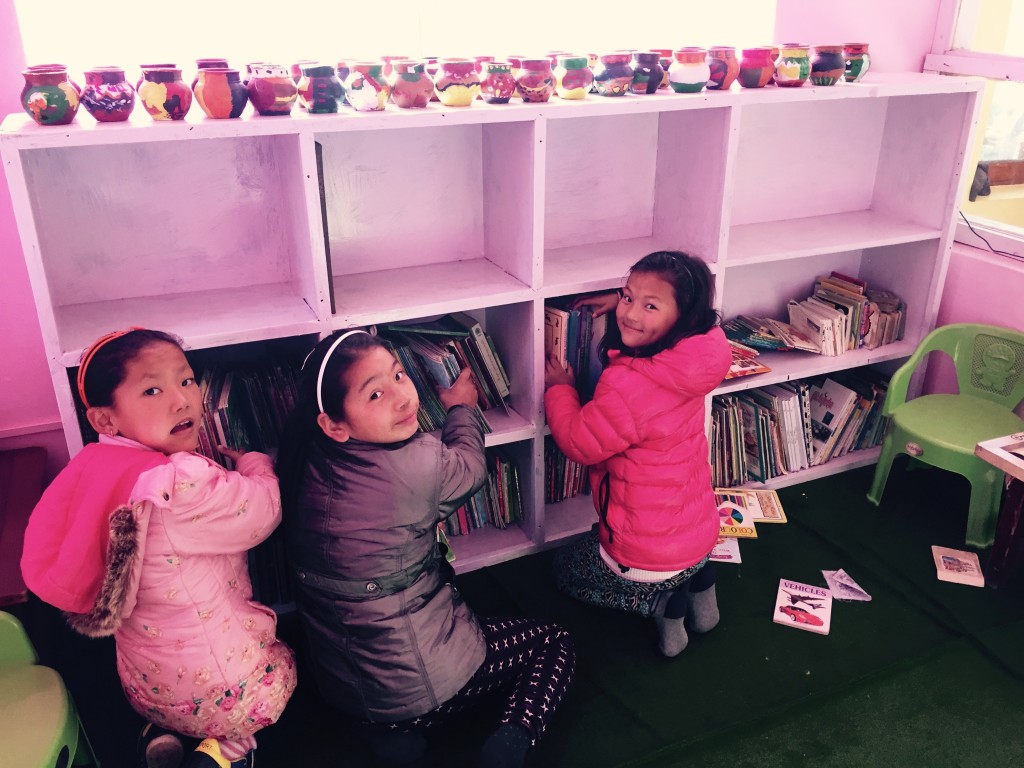
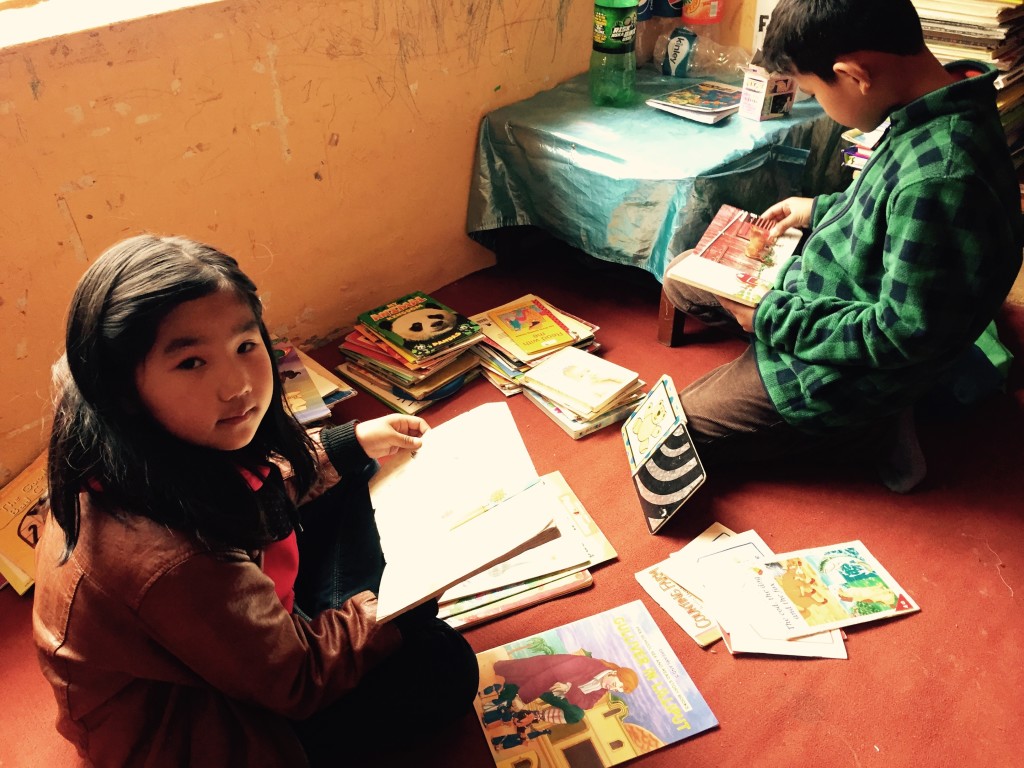
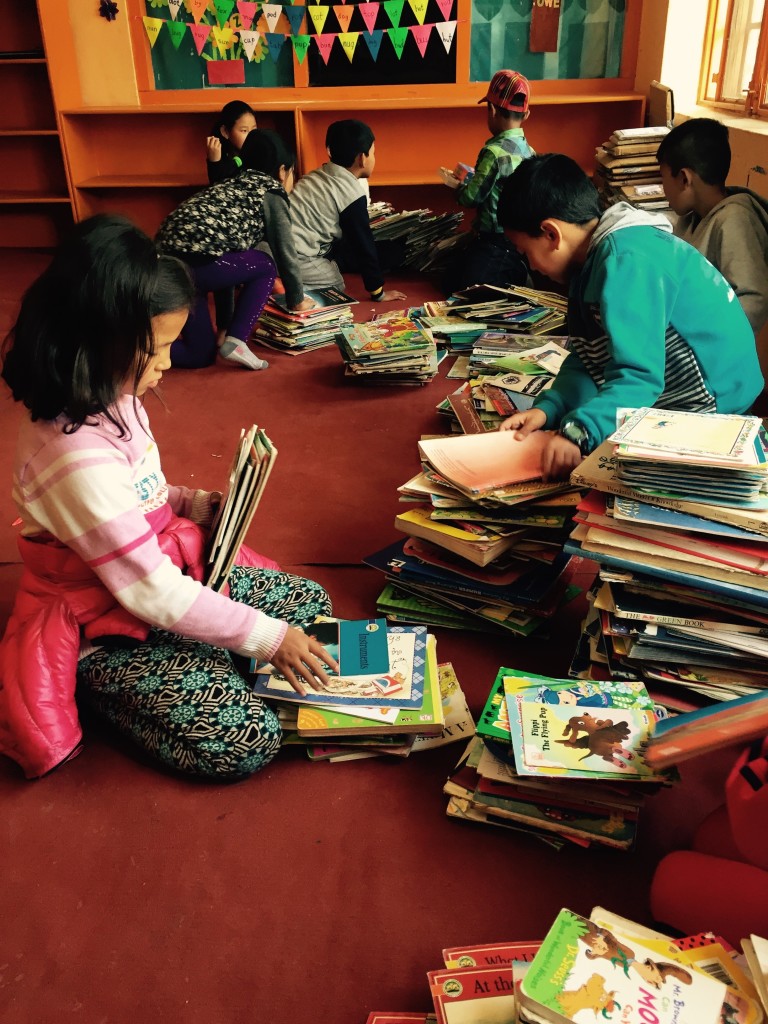
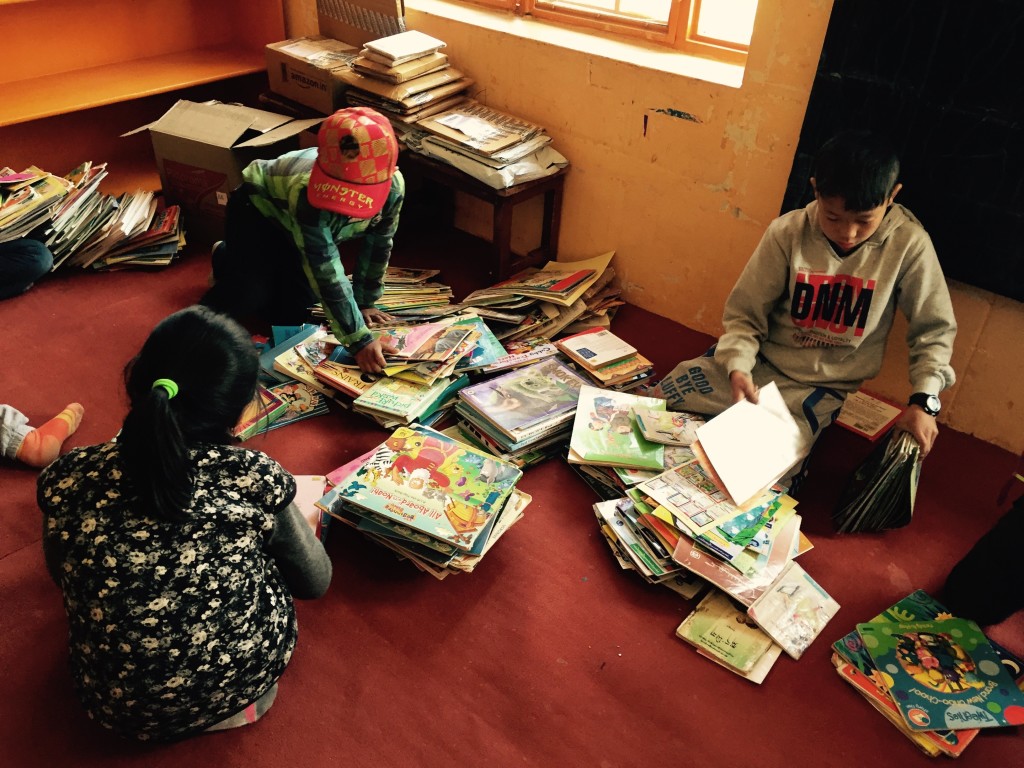
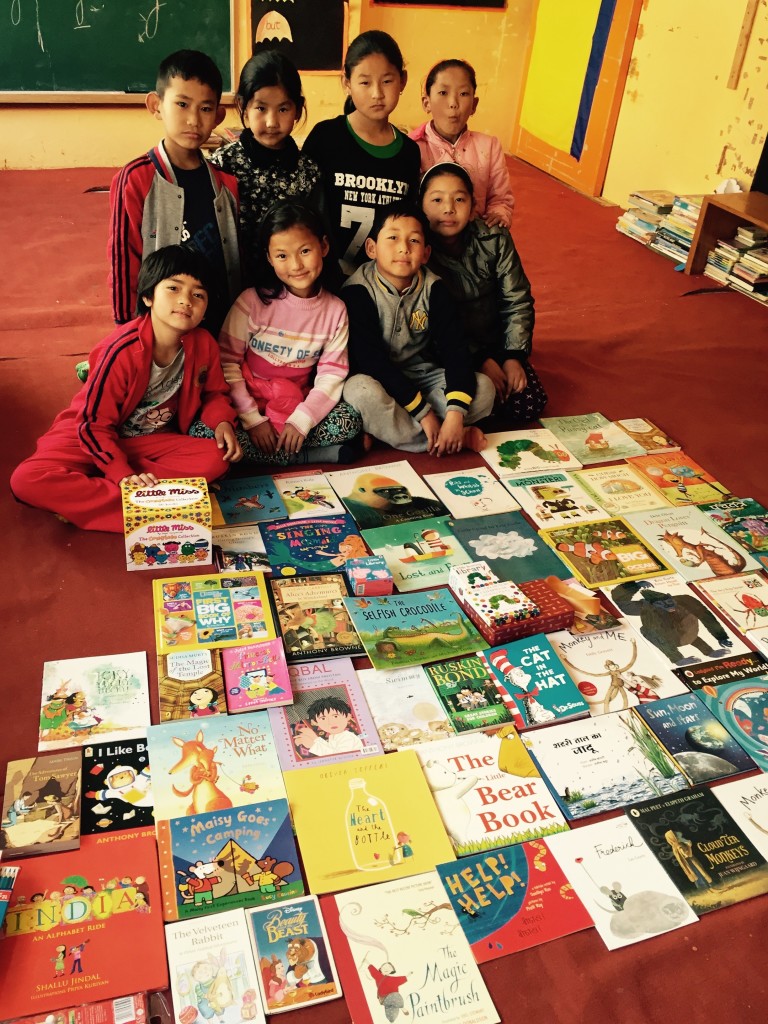
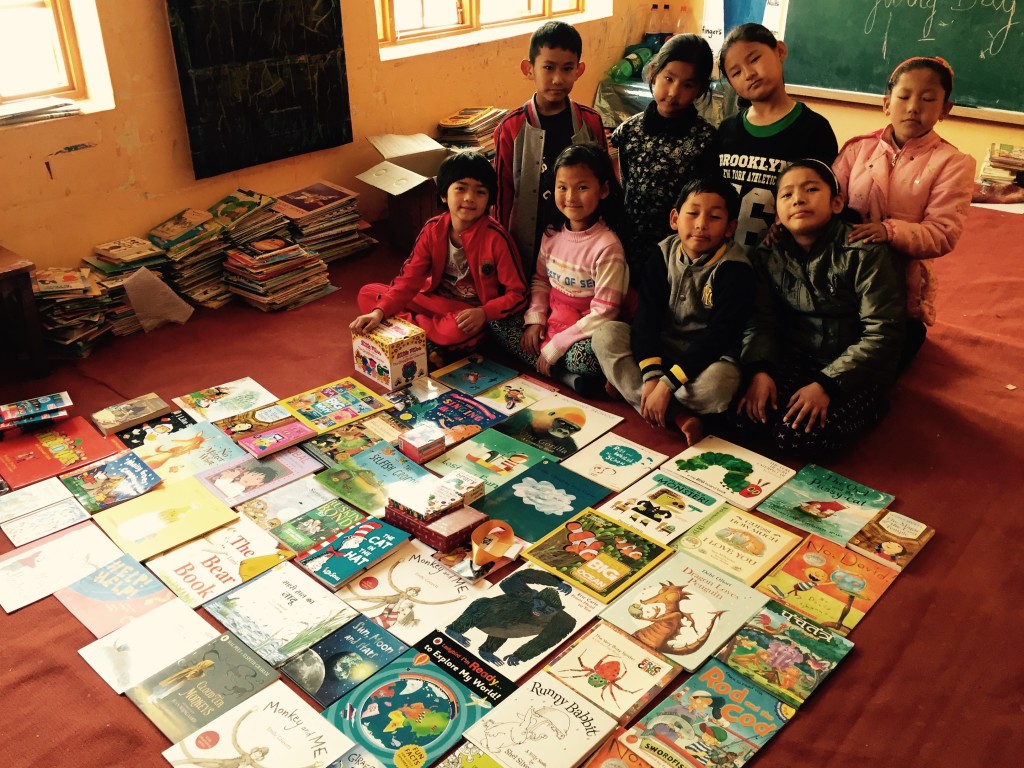
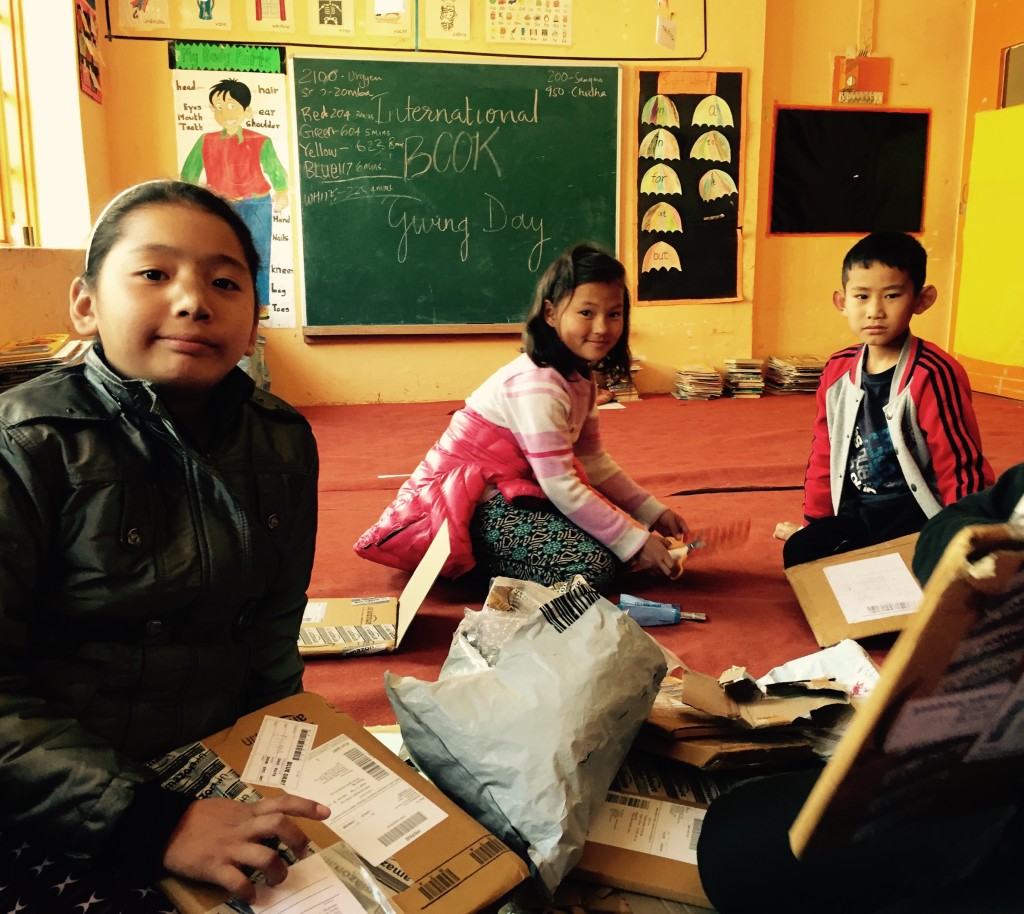
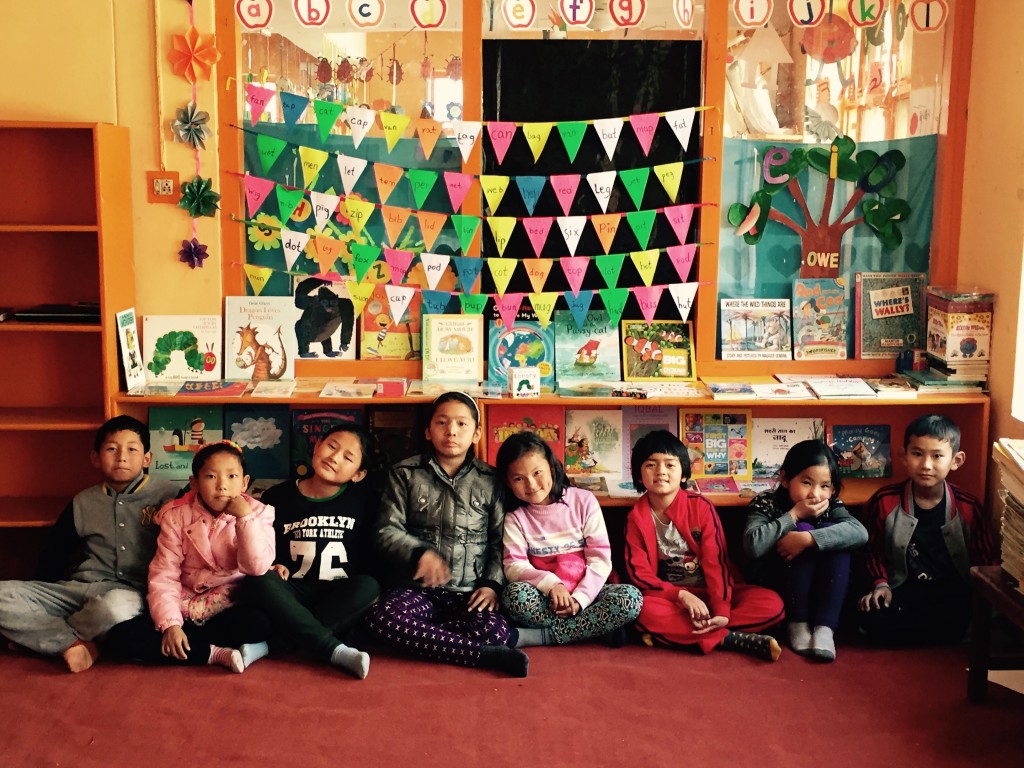
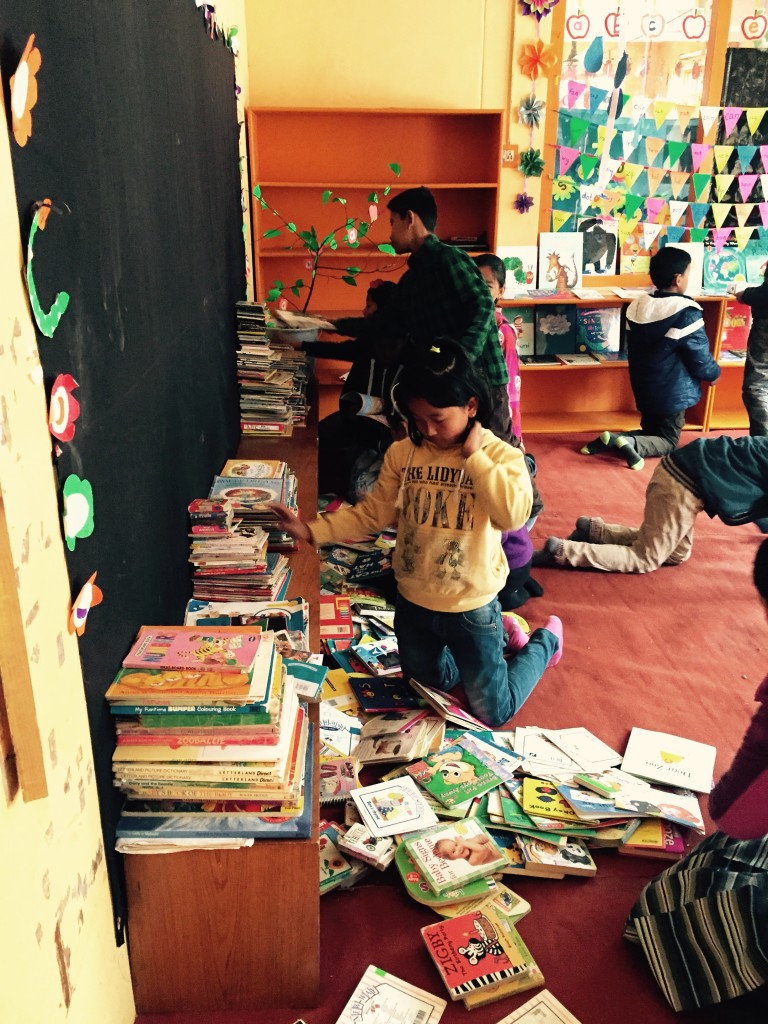
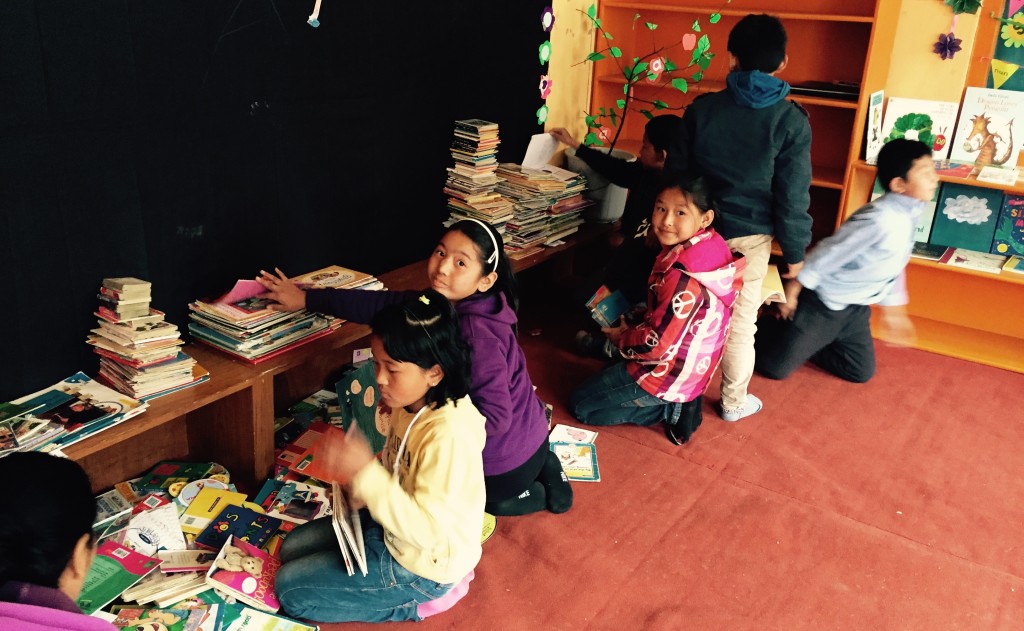
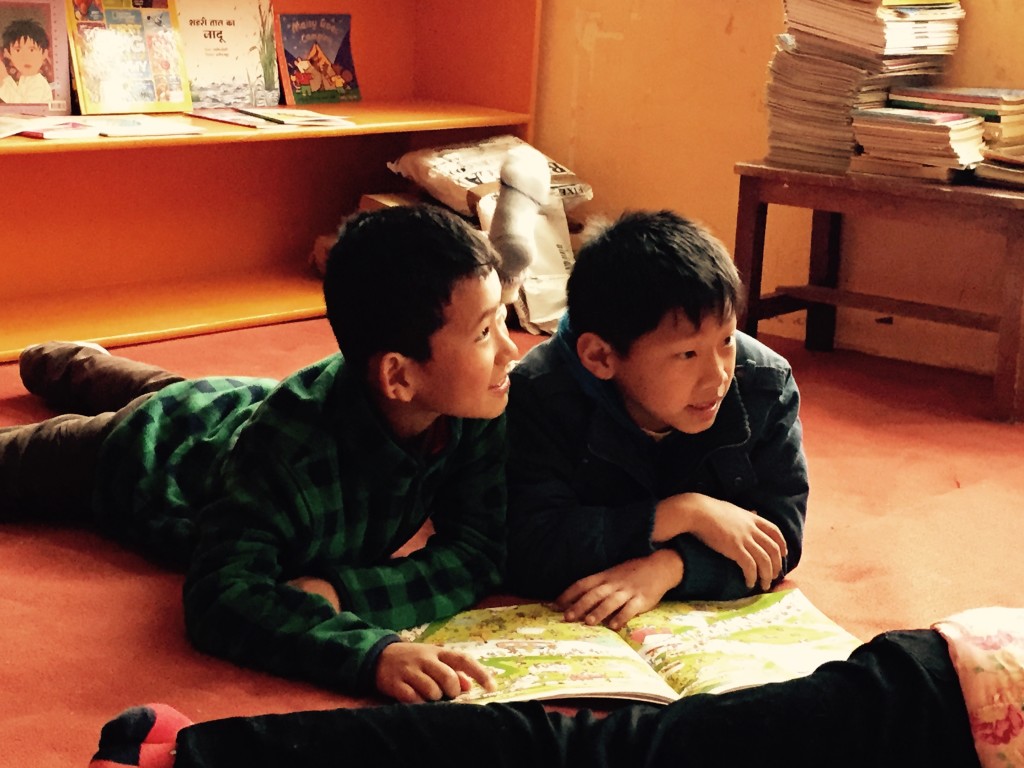
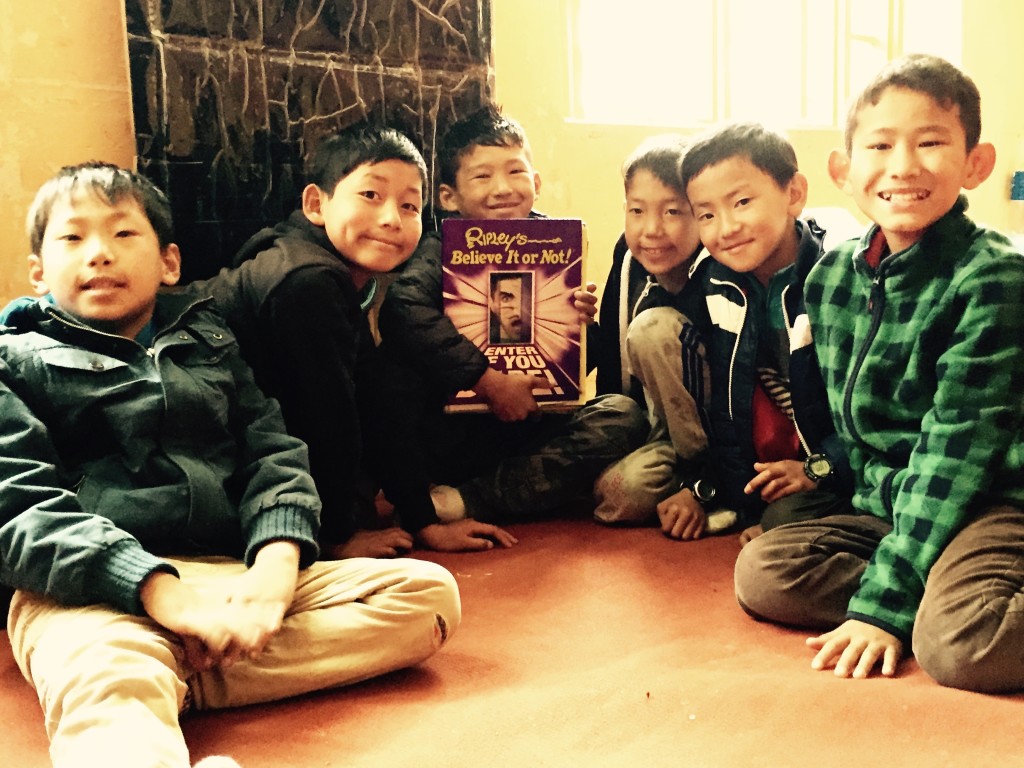
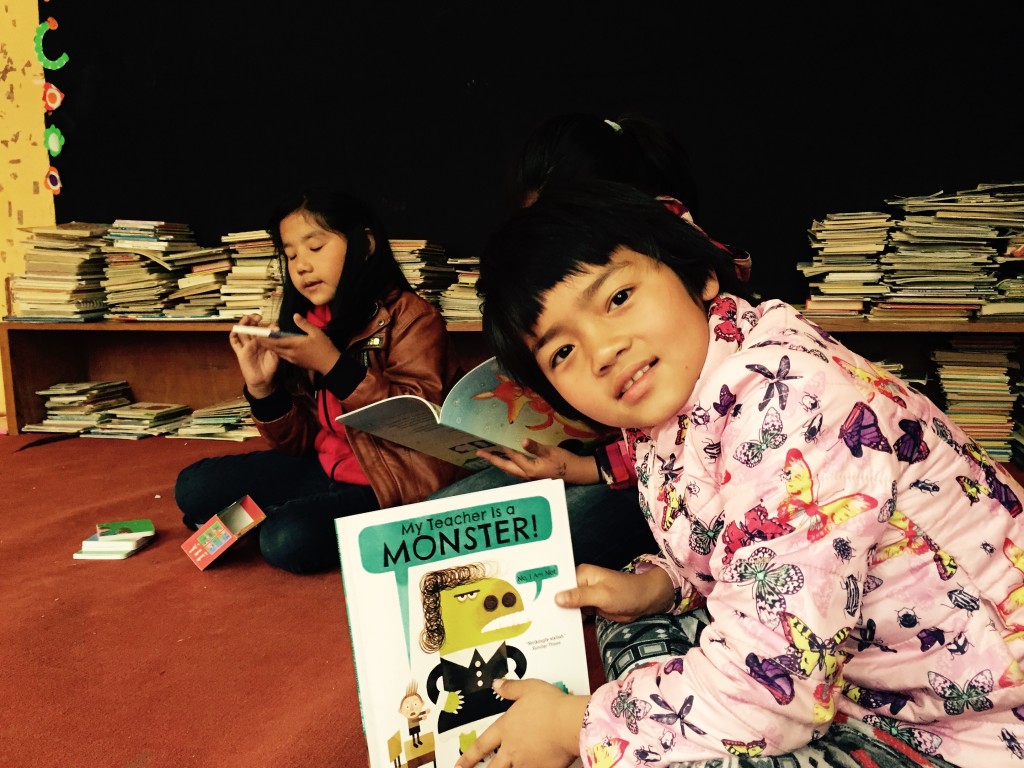
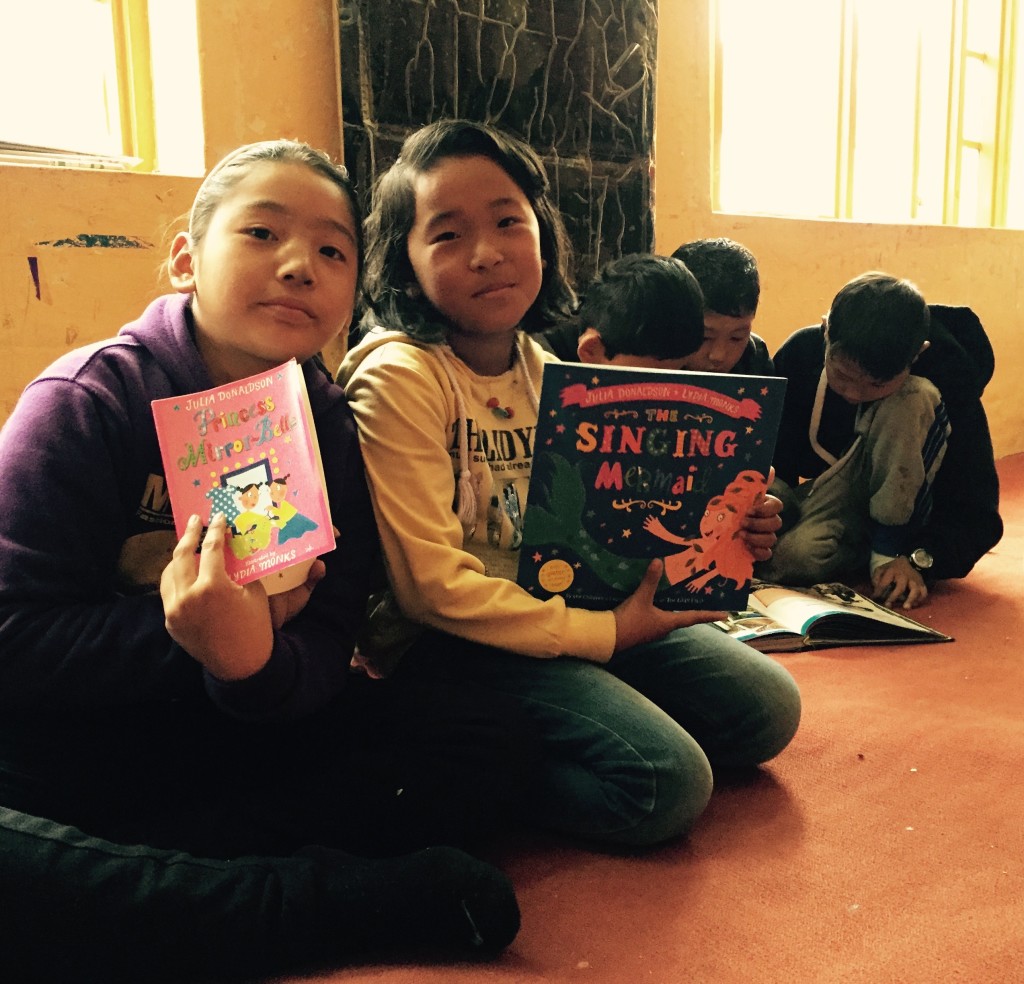
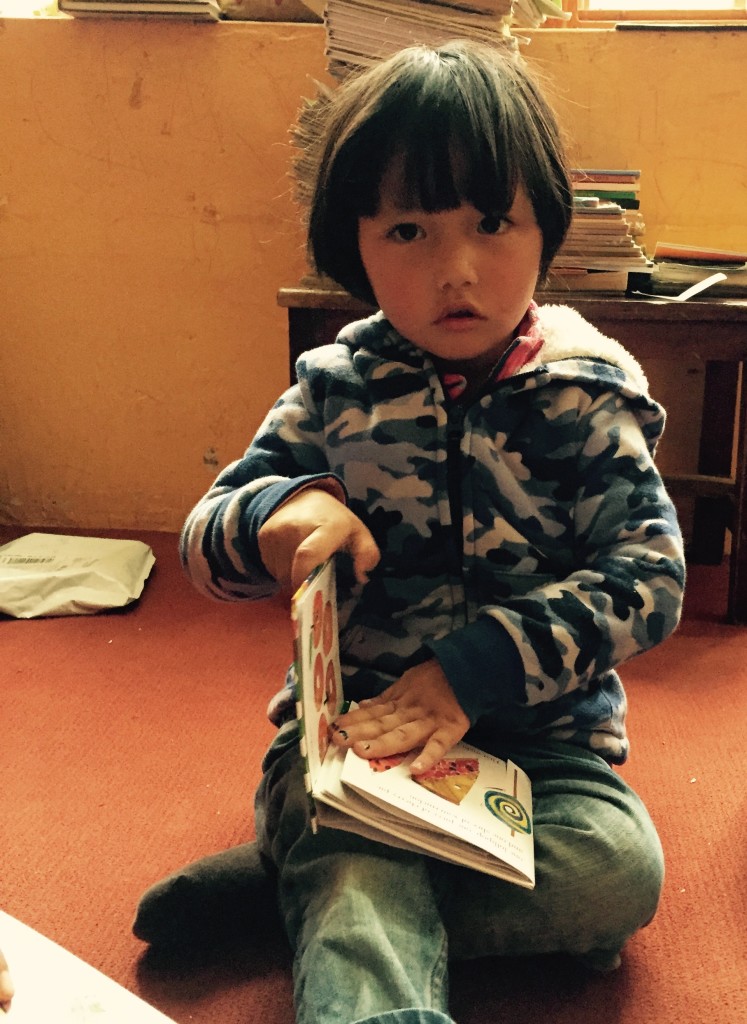
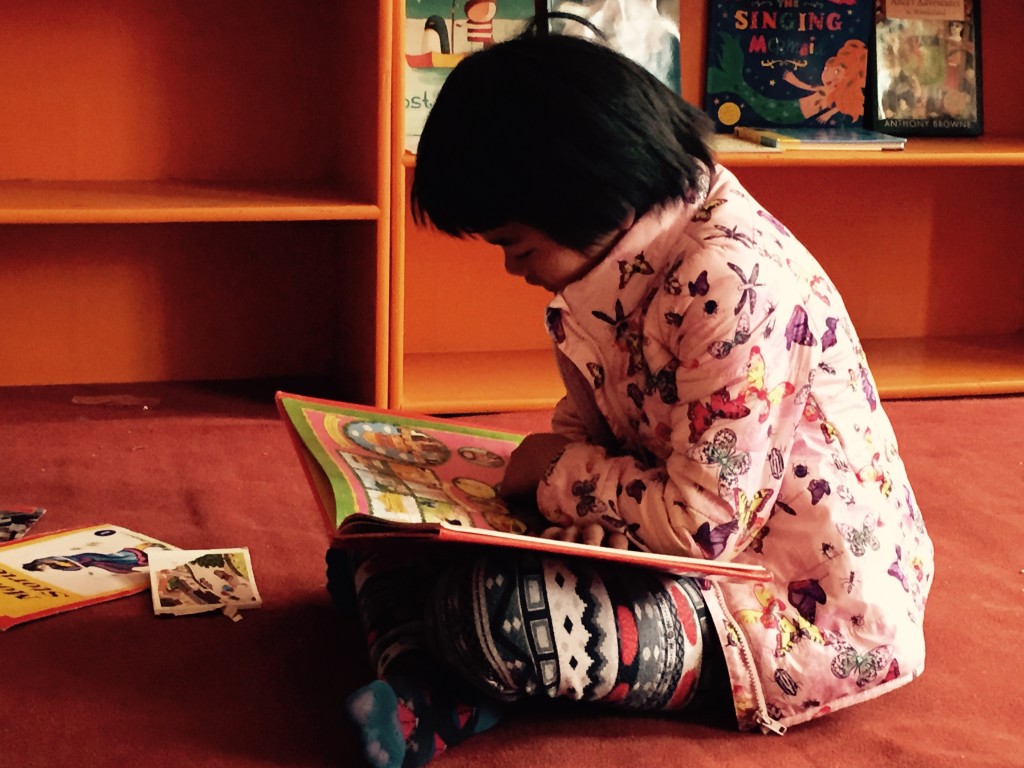
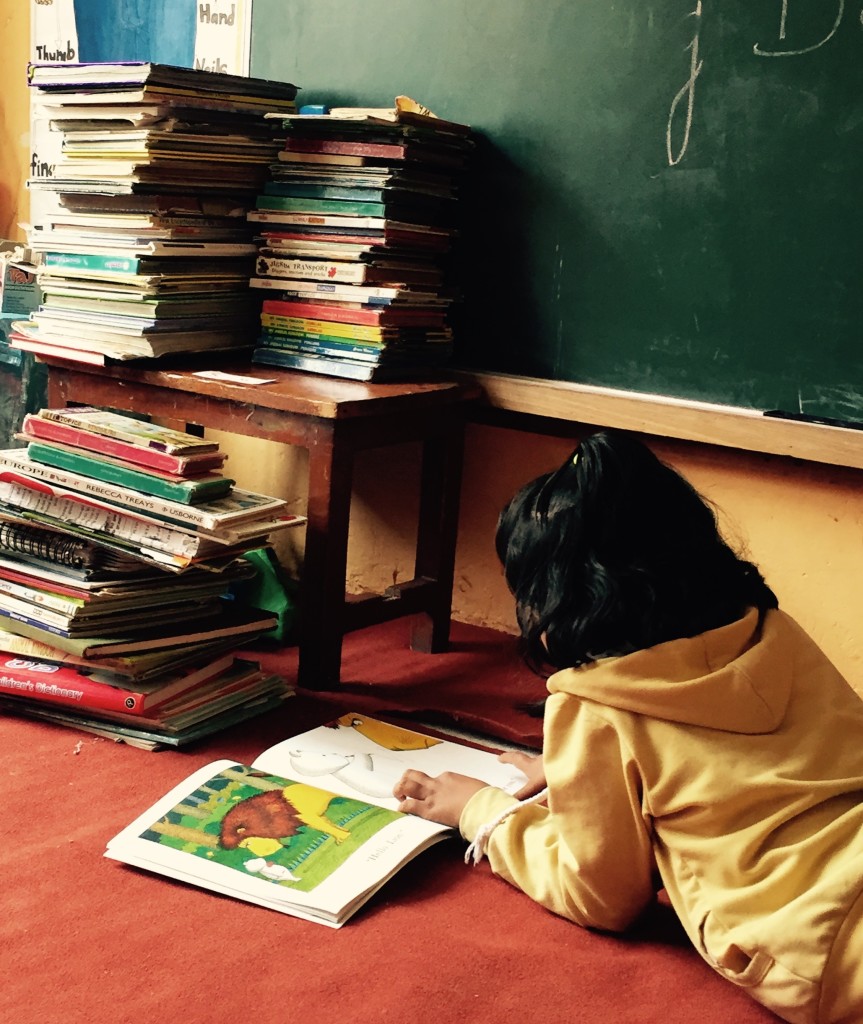
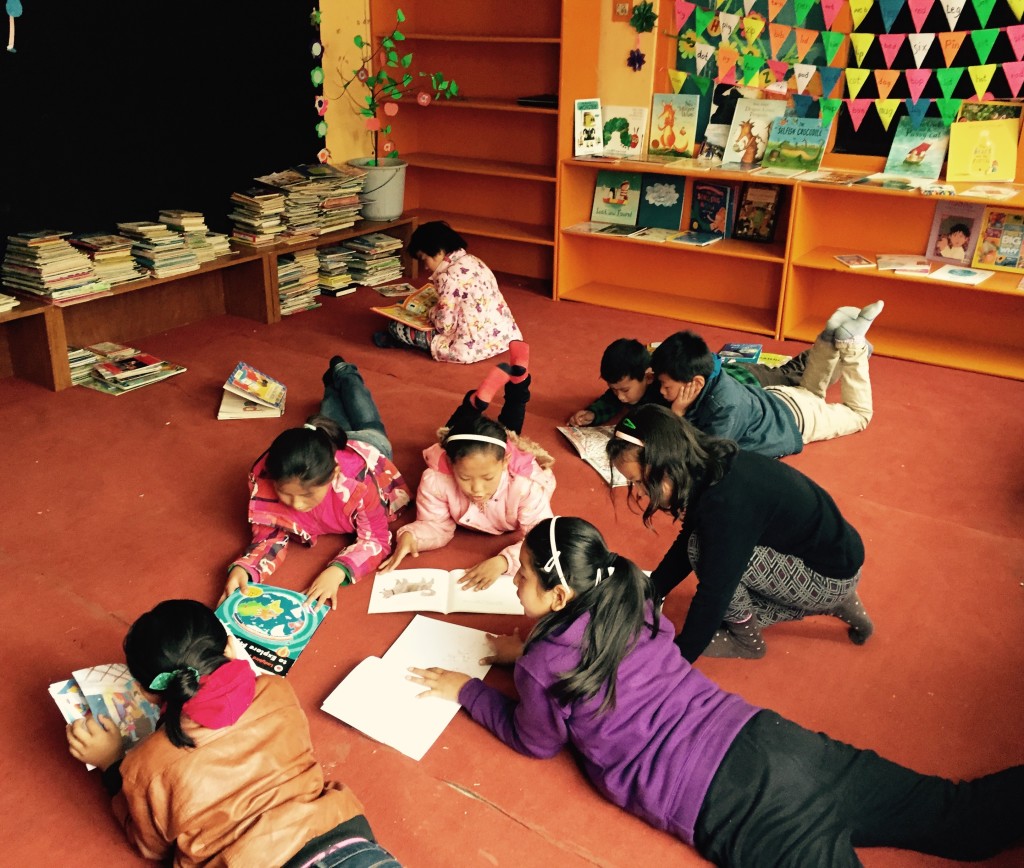
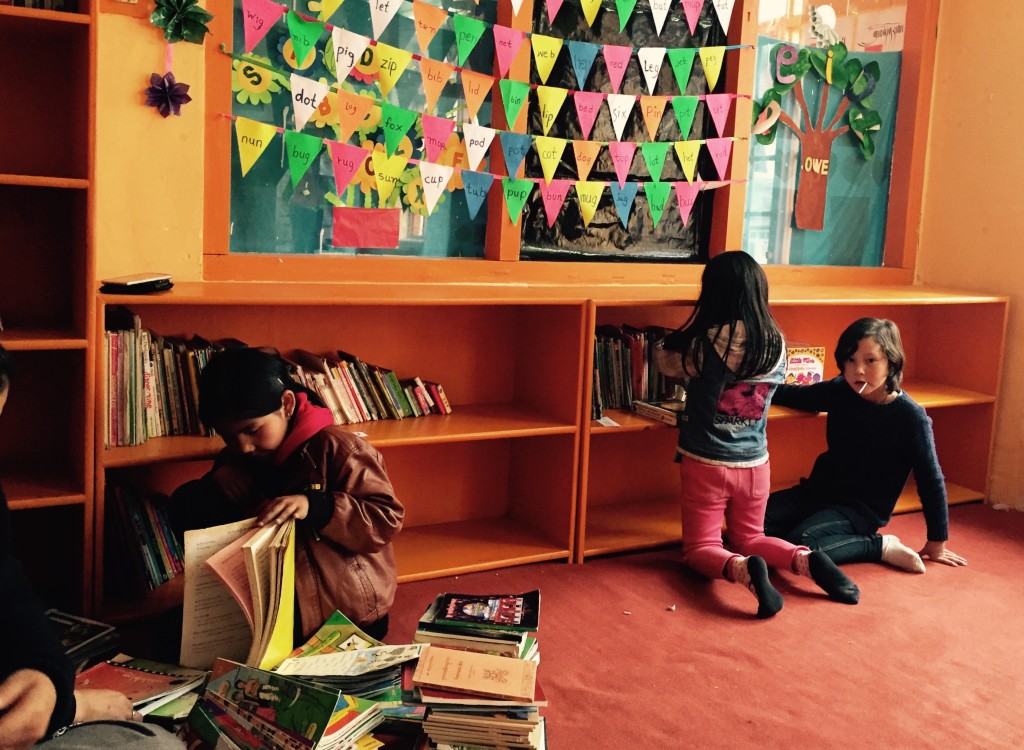
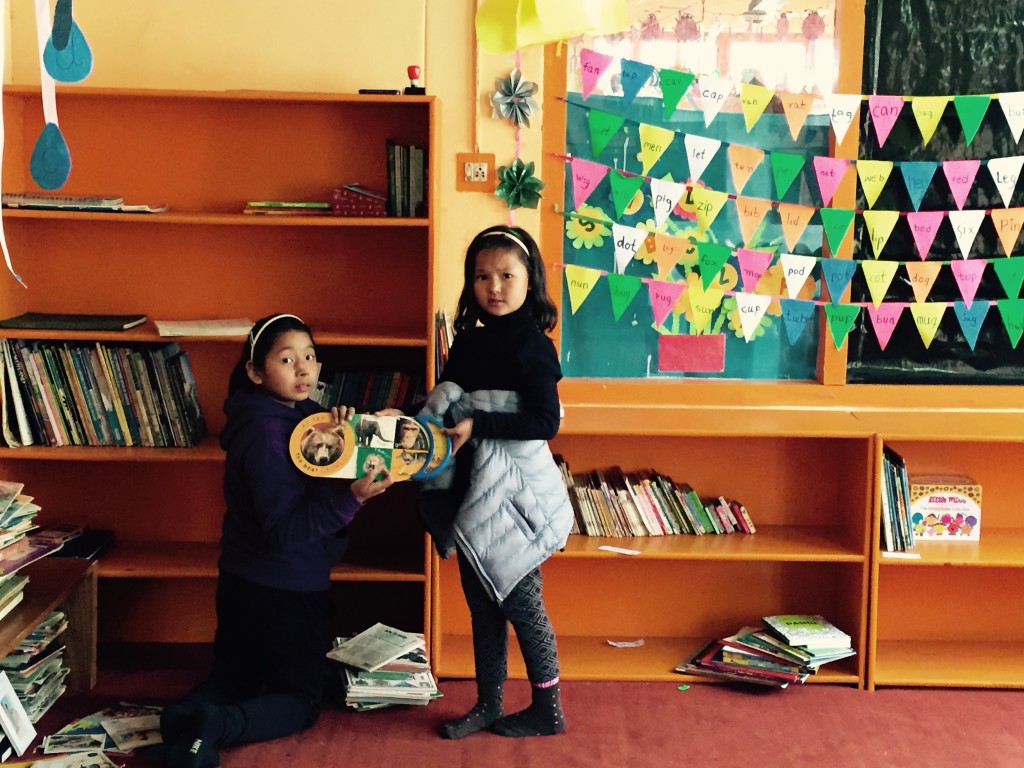
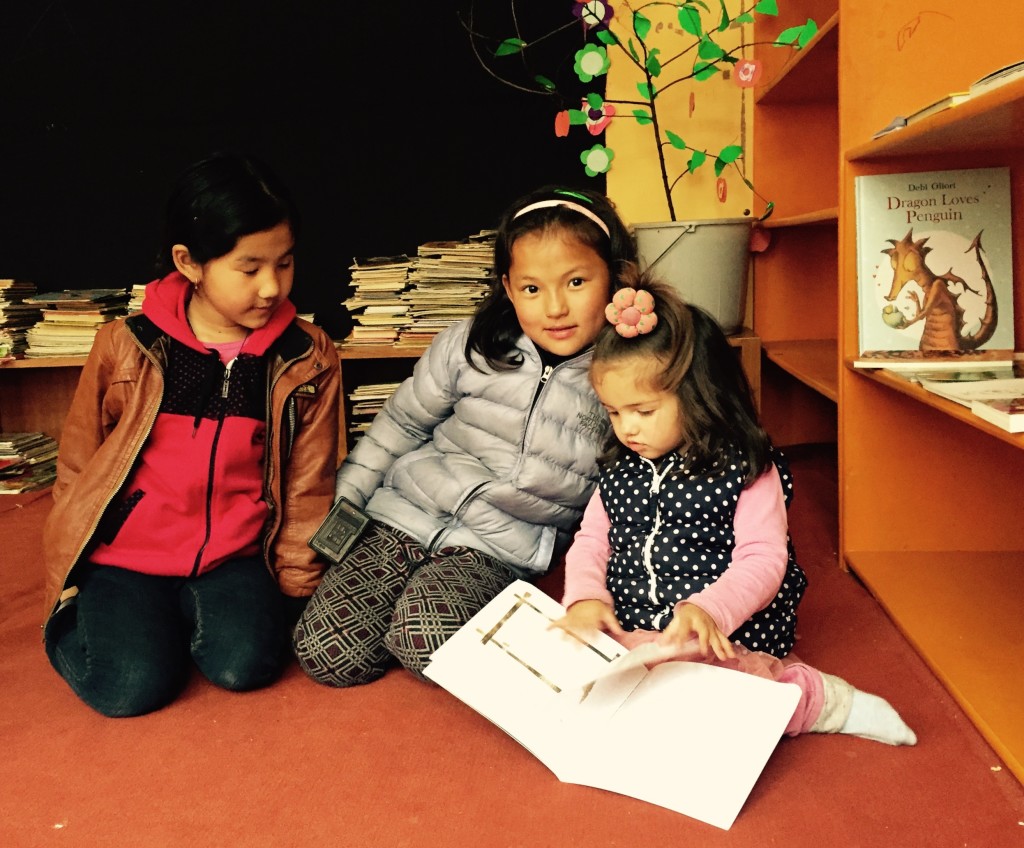
Children gathered around the pages before anyone had planned a lesson. One reader searched for Himalayan wildlife. Another found maps and traced routes across continents. A young monk compared photographs of buildings with monasteries and villages he knew. The books created a natural meeting point for different ages and reading abilities.
A children’s encyclopedia can serve many purposes at once. A confident reader may use it to investigate a question in detail, while a beginner can study pictures, captions, and short descriptions. That flexibility made the collection especially useful in shared learning spaces where several children may read together.
Why reference books matter in a reading room
Storybooks encourage imagination, while reference books help children build a framework for understanding. An encyclopedia explains connections between subjects: how rivers shape settlements, how plants adapt to their environments, or how music, language, and history influence one another. Each answer often leads to another question.
This is important in communities where access to a broad range of educational resources can be limited. A single school textbook may follow a fixed curriculum, but an encyclopedia invites browsing. Children can open it at random, follow an interest, and learn without waiting for an assignment.
The books also support language development. New vocabulary appears in context, accompanied by illustrations and factual explanations. Children can read together, pronounce unfamiliar words, and explain discoveries to friends. These small acts strengthen confidence and turn literacy into a social experience rather than a solitary task.
From pages to questions and creative work
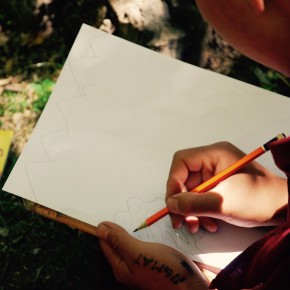
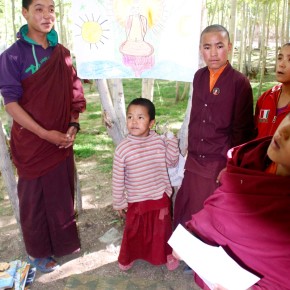
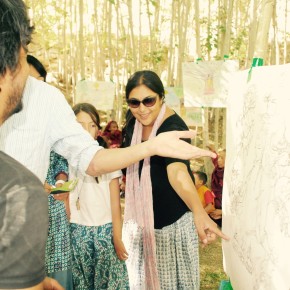
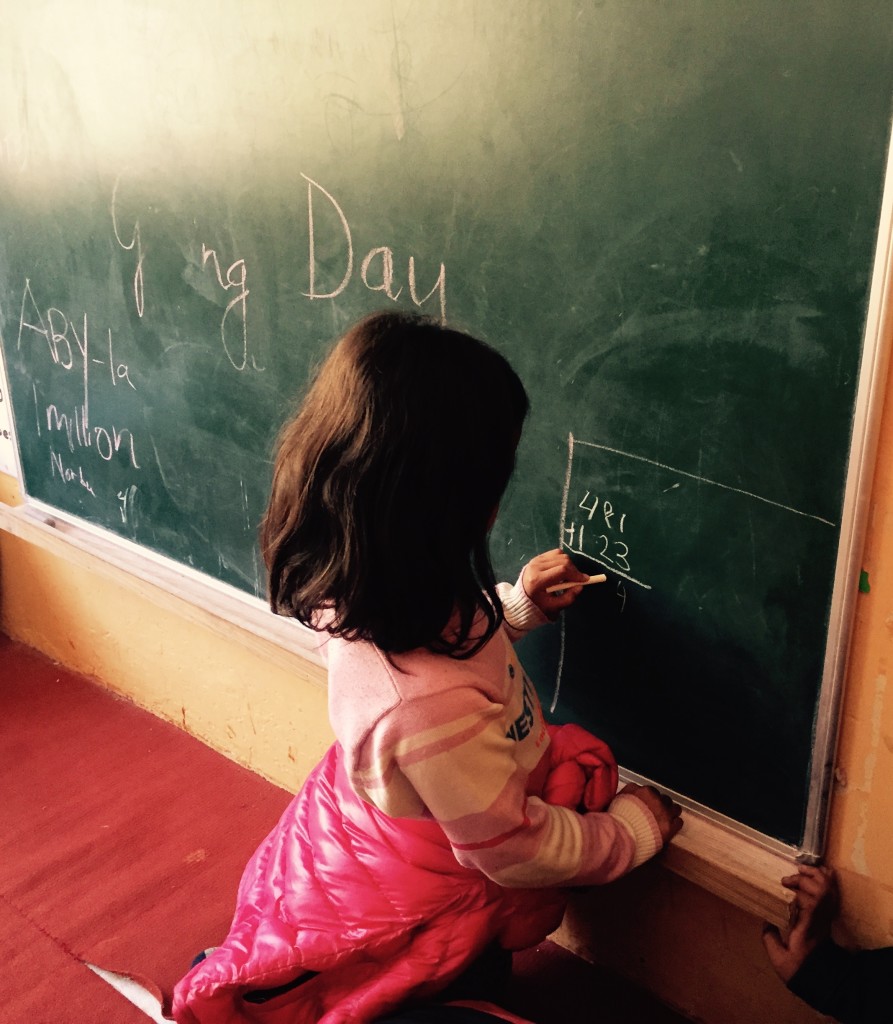
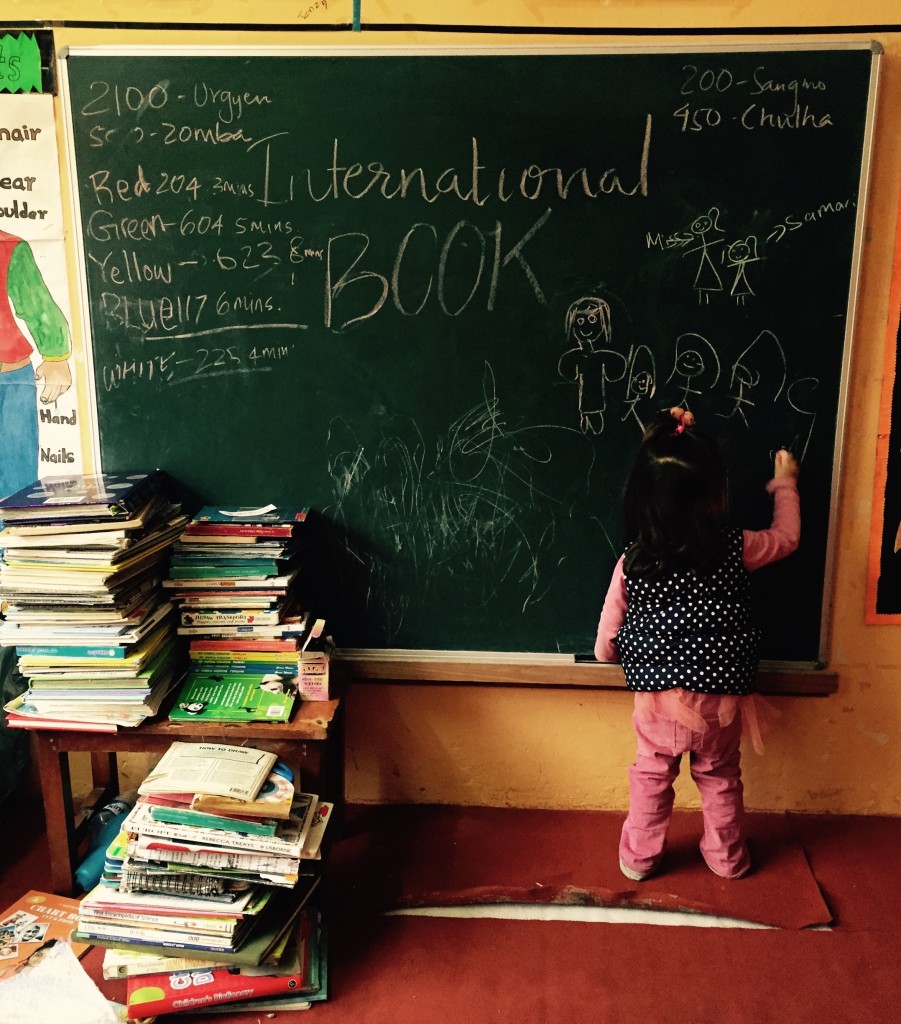
The encyclopedia collection quickly became a source of activities beyond quiet reading. After learning about mountain formation, children drew landscapes and labelled peaks, valleys, and glaciers. A section about birds inspired observation walks and illustrated lists of local species. Historical entries led to conversations about how communities preserve traditions.
Books can also help young people connect local knowledge with global information. A child may recognize a medicinal plant from home in an illustrated volume, then discuss how it is used by family members. A passage about traditional music may encourage a young musician to compare instruments, rhythms, and performance styles.
The value of the donation therefore extended beyond facts. It encouraged children to investigate, communicate, and create. In a learning environment shaped by reading, artistic activity, and music, reference material can become the starting point for an entire chain of discovery.
| Resource |
What it offers |
How children may use it |
| Storybooks |
Imagination, empathy, and narrative language |
Read aloud, act out scenes, and discuss characters |
| Encyclopedias |
Broad factual knowledge and new vocabulary |
Browse, research questions, and share discoveries |
| Picture books |
Visual literacy and accessible information |
Identify objects, describe scenes, and tell stories |
| Art materials |
Hands-on expression and observation |
Draw, paint, design maps, and illustrate learning |
| Music resources |
Rhythm, listening, and cultural connection |
Sing, practise instruments, and perform together |
A gift that supports many kinds of learners
Every child approaches a book differently. Some prefer long passages, while others begin with diagrams or photographs. Some enjoy reading independently, and others need a friend, volunteer, or teacher to help them interpret a page. The encyclopedia volumes allowed each reader to find a comfortable entry point.
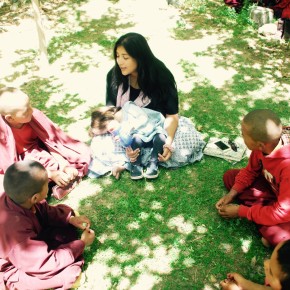
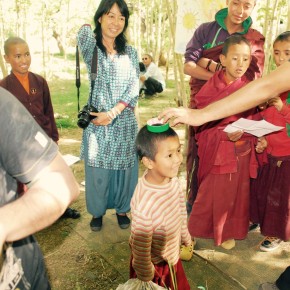
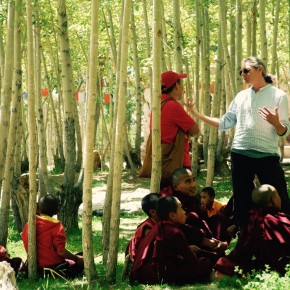
They were also useful for mixed-age groups. Older children could read headings and explain information to younger visitors. Young monks with stronger reading skills could help peers locate a topic or pronounce a difficult word. This kind of cooperation turns the reading room into a shared learning community.
Volunteers found that the books supported informal learning without requiring elaborate equipment. A short reading session could become a vocabulary game, a map activity, a drawing exercise, or a discussion about an animal. The resource remained valuable because it could adapt to the interests and abilities present on any given day.
What makes a donation truly useful
The story of the encyclopedia box reminds us that usefulness is shaped by context. A collection that might seem old-fashioned in one setting can be highly valuable in another, especially when children have limited access to varied books. Condition matters, but relevance, clarity, and the opportunity to share a resource matter too.
Books should be practical for the people who will use them. Clear illustrations, durable pages, understandable language, and subjects that invite exploration all increase their impact. A donation does not need to be expensive to be meaningful. It needs to reach readers and become part of an active learning environment.
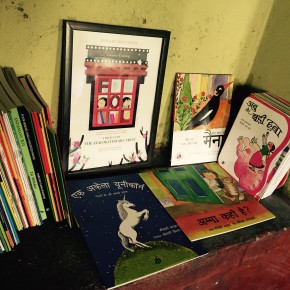
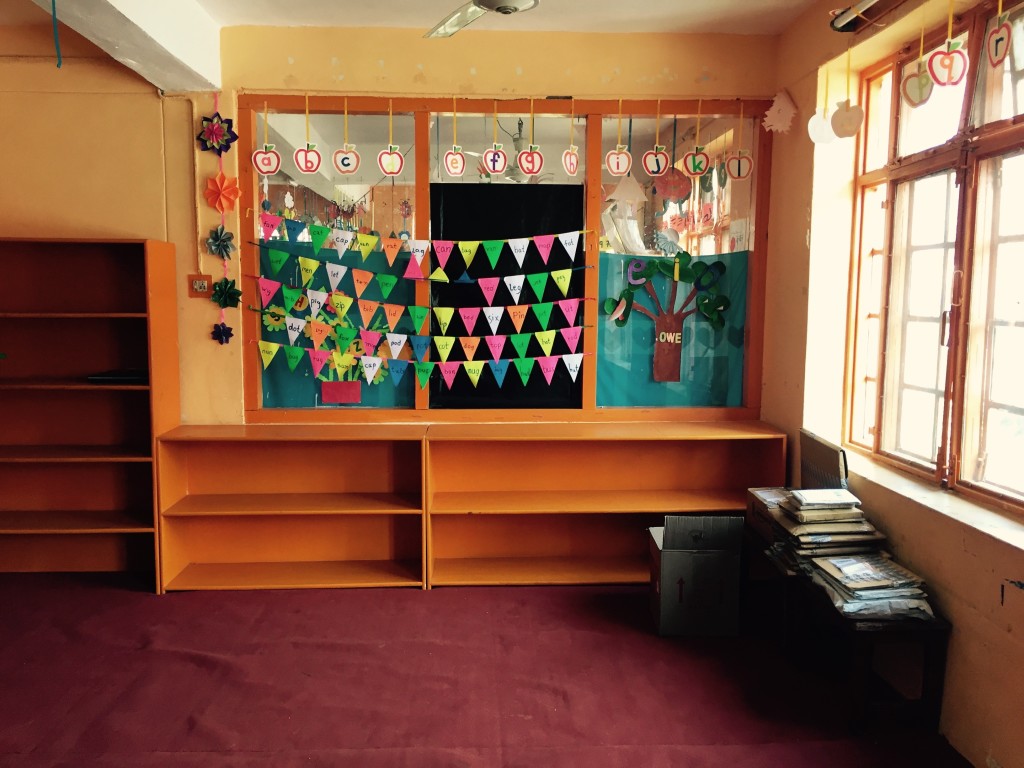
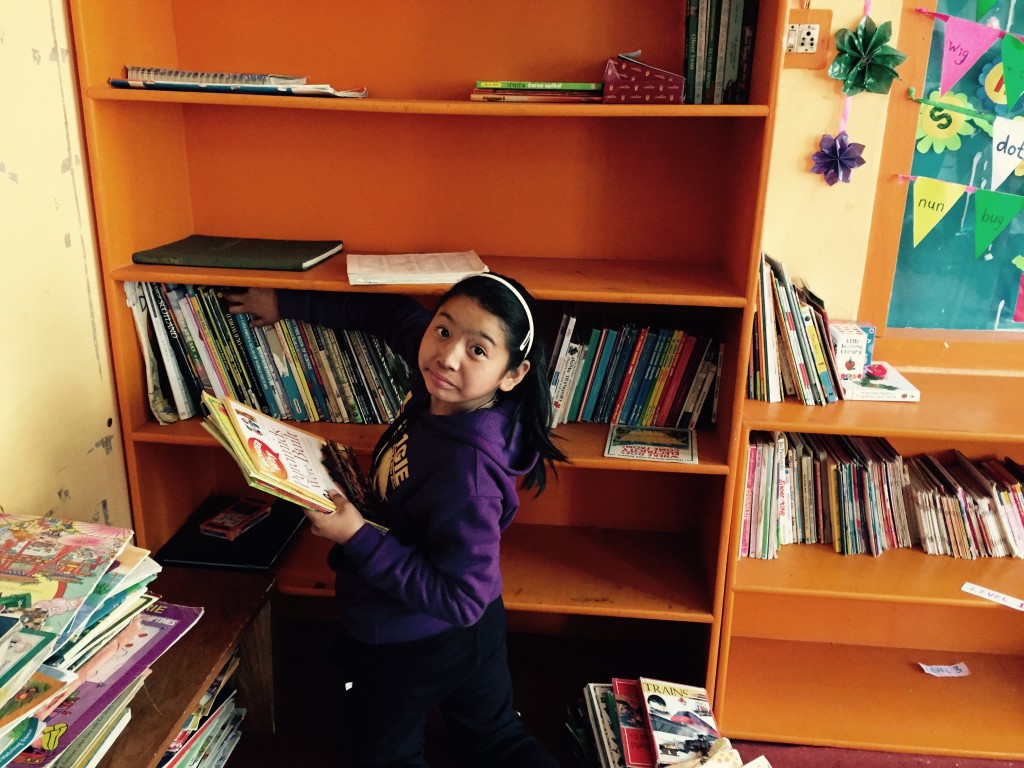
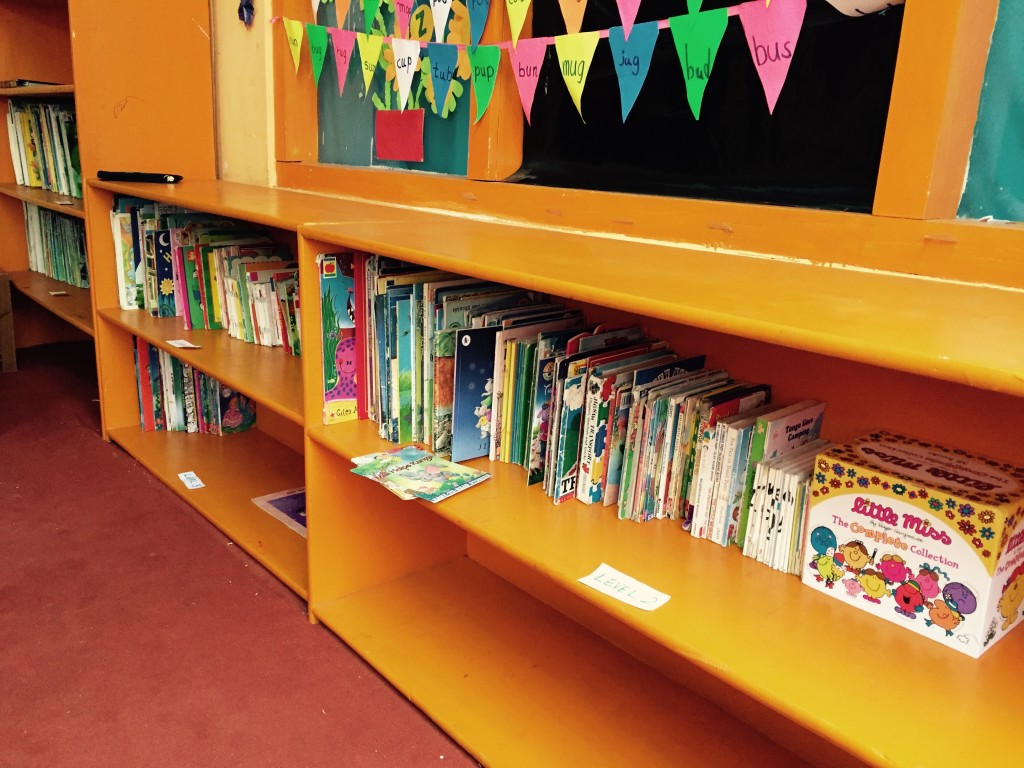
At Avalokiteśvara Trust, books are placed where children and young monks can handle them, discuss them, and return to them over time. A donation becomes stronger when it is connected with reading rooms, book drives, creative workshops, and caring adults who can help children turn information into understanding.
Helping the next discovery begin
Useful gifts for a Himalayan reading room can take many forms. Donors and supporters may contribute books, fund transport, sponsor educational activities, or help create welcoming spaces where children feel free to explore. The most helpful contributions are chosen with the needs of the local community in mind.
Consider supporting resources such as:
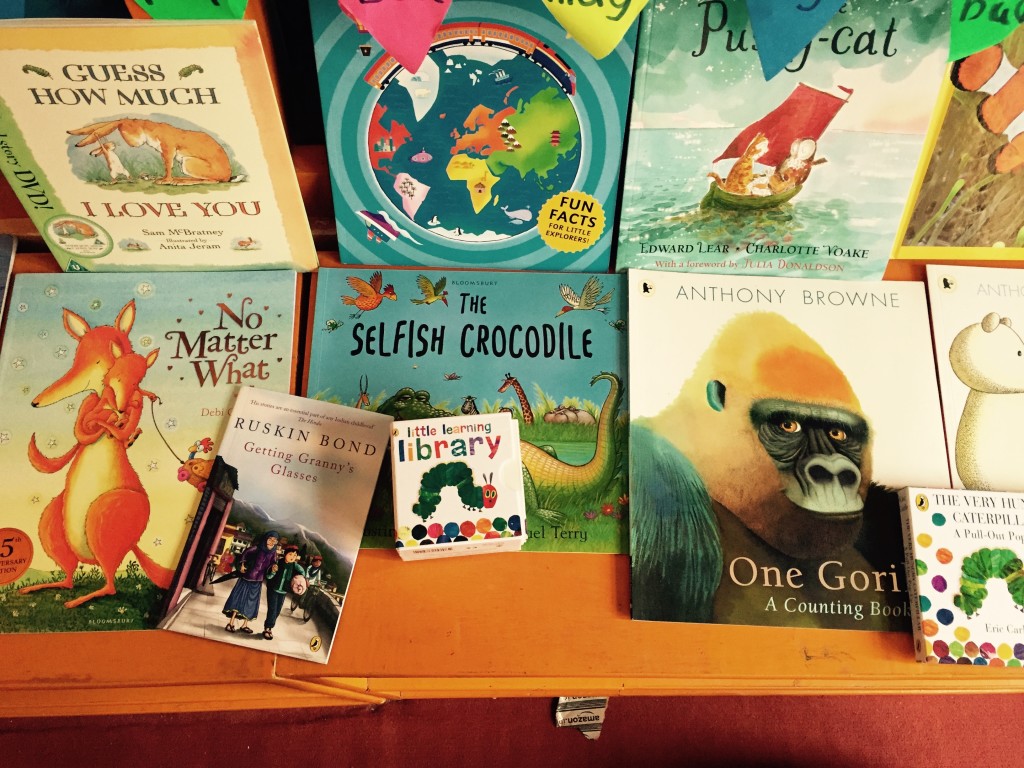
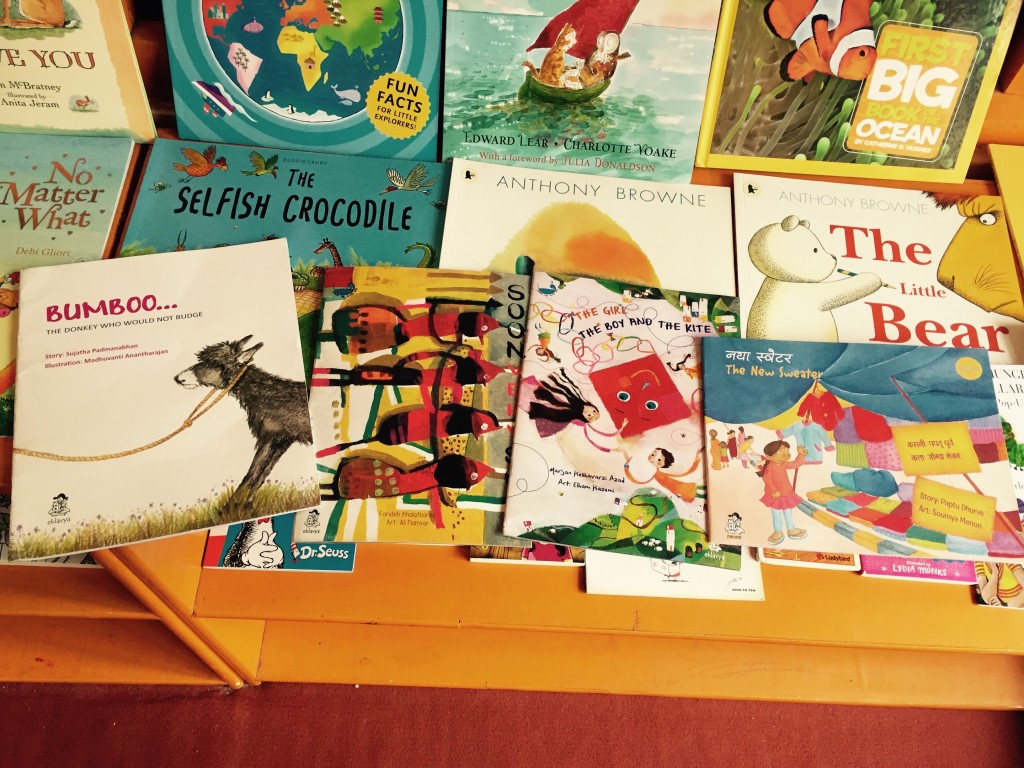
- Well-illustrated children’s books about science, nature, history, and culture
- Age-appropriate fiction that reflects a variety of places and experiences
- Dictionaries, atlases, reference books, and other durable learning materials
- Art and music supplies that allow children to respond creatively to what they read
- Financial support for reading rooms, book drives, volunteer work, and educational programmes
A box of encyclopedias can begin with one reader pointing to a photograph. From there, it may lead to a question, a drawing, a conversation, or a new ambition. That is the lasting power of thoughtful educational giving: a physical object becomes an invitation to imagine a larger world.
Support Avalokiteśvara Trust by helping place quality books and learning opportunities within reach of children and young monks in Ladakh and other Himalayan communities. Your donation can help fill a shelf, equip a reading room, or make a creative programme possible for young learners who are eager to discover what comes next.