When Music Gives Story Hours A Living Pulse
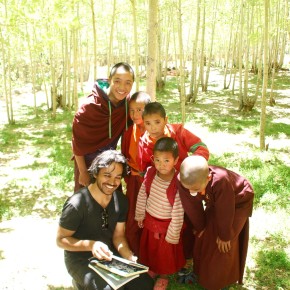
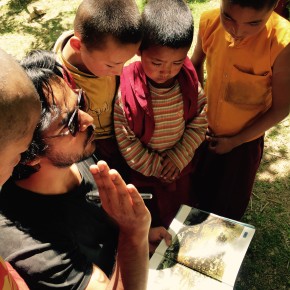
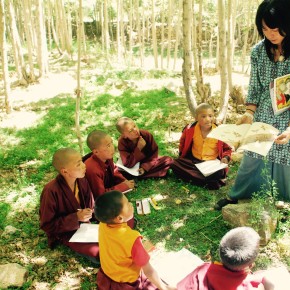
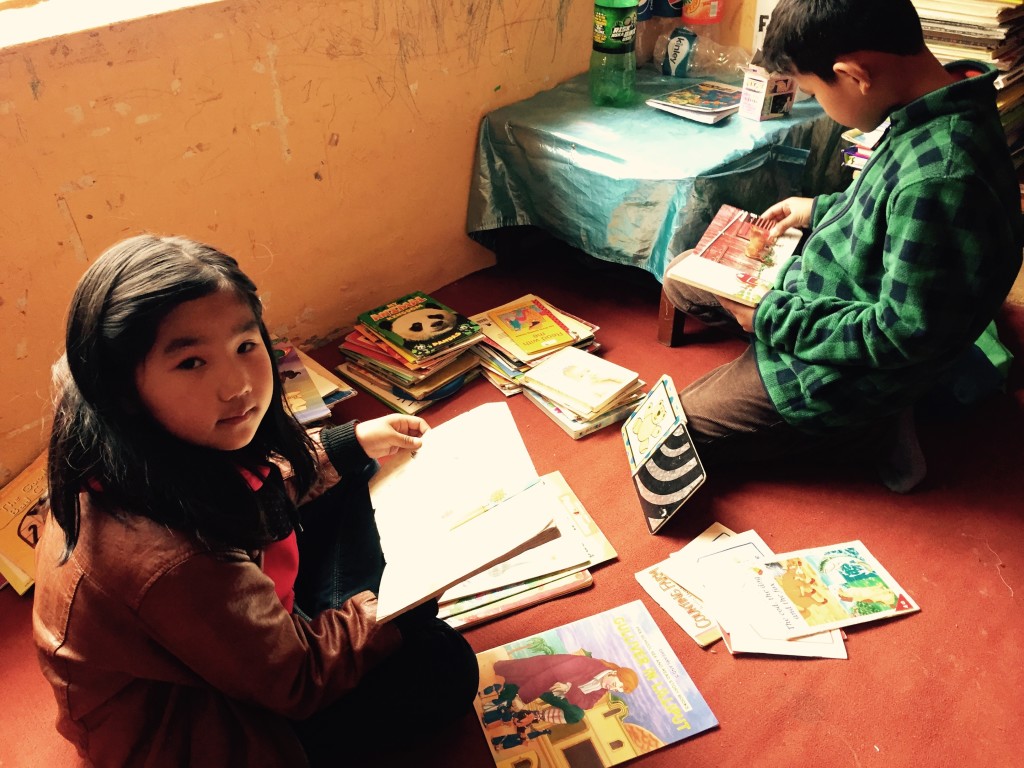
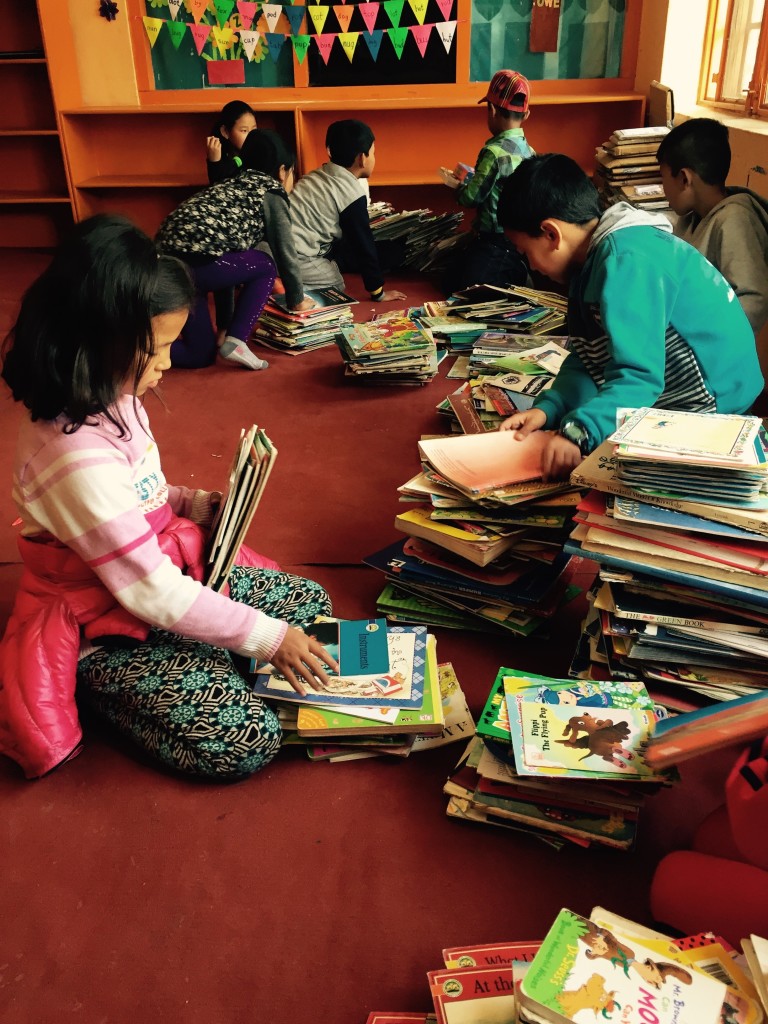
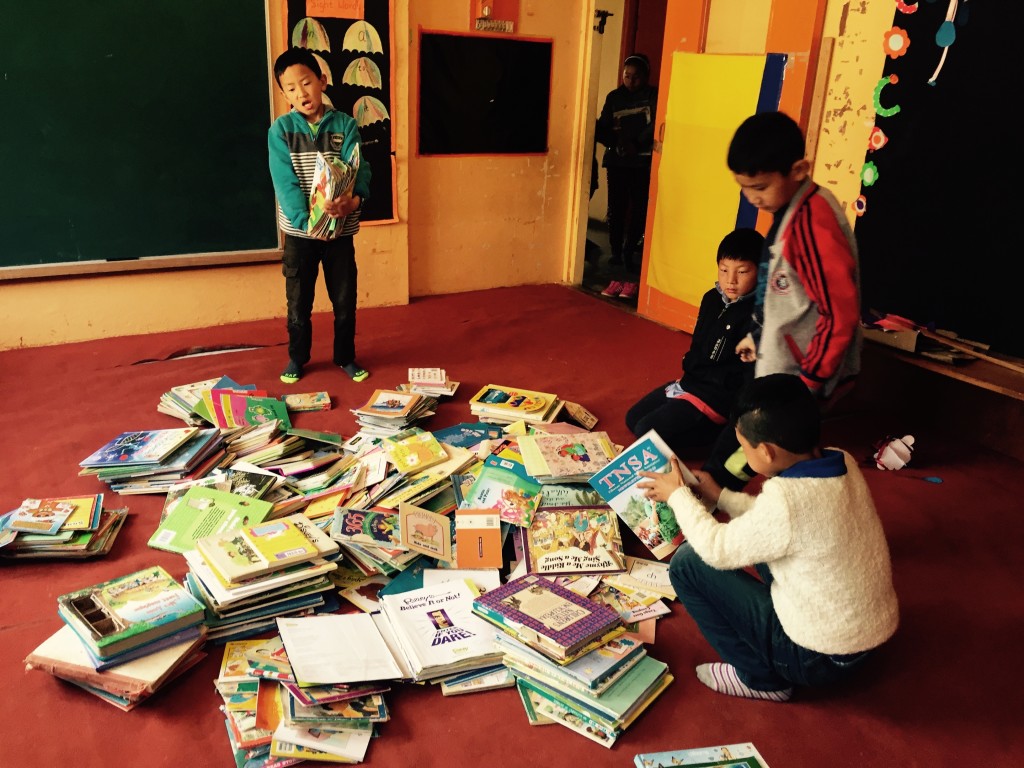
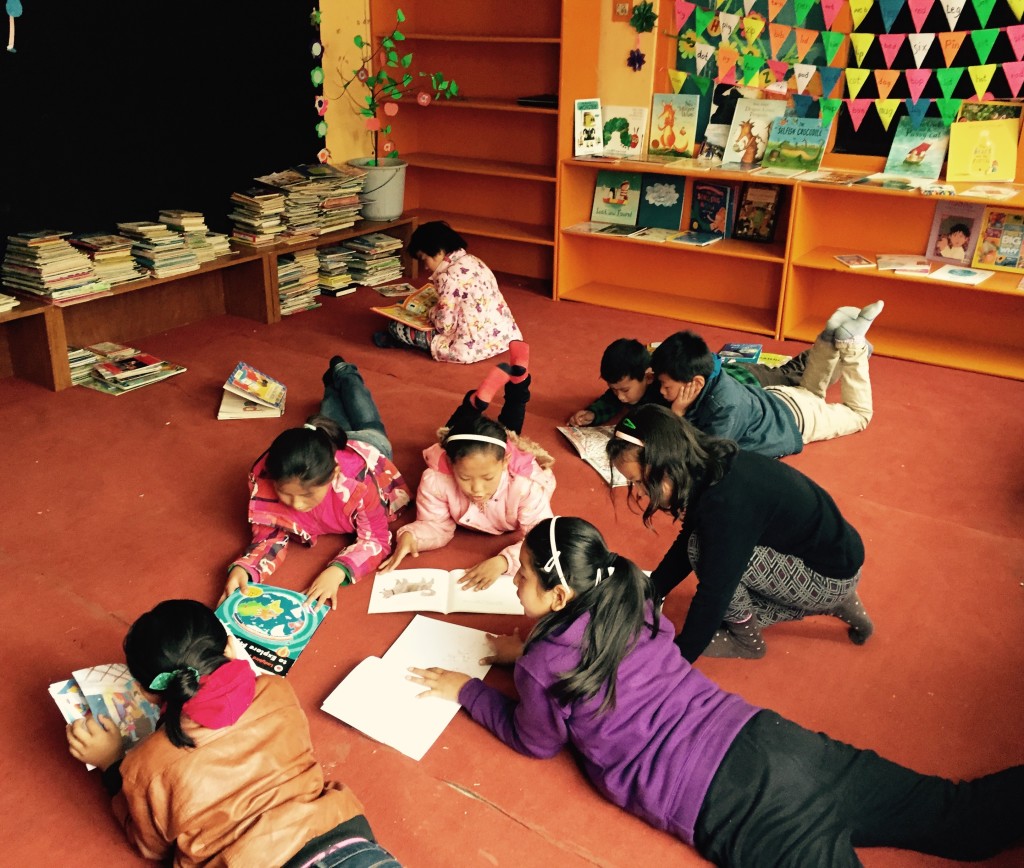
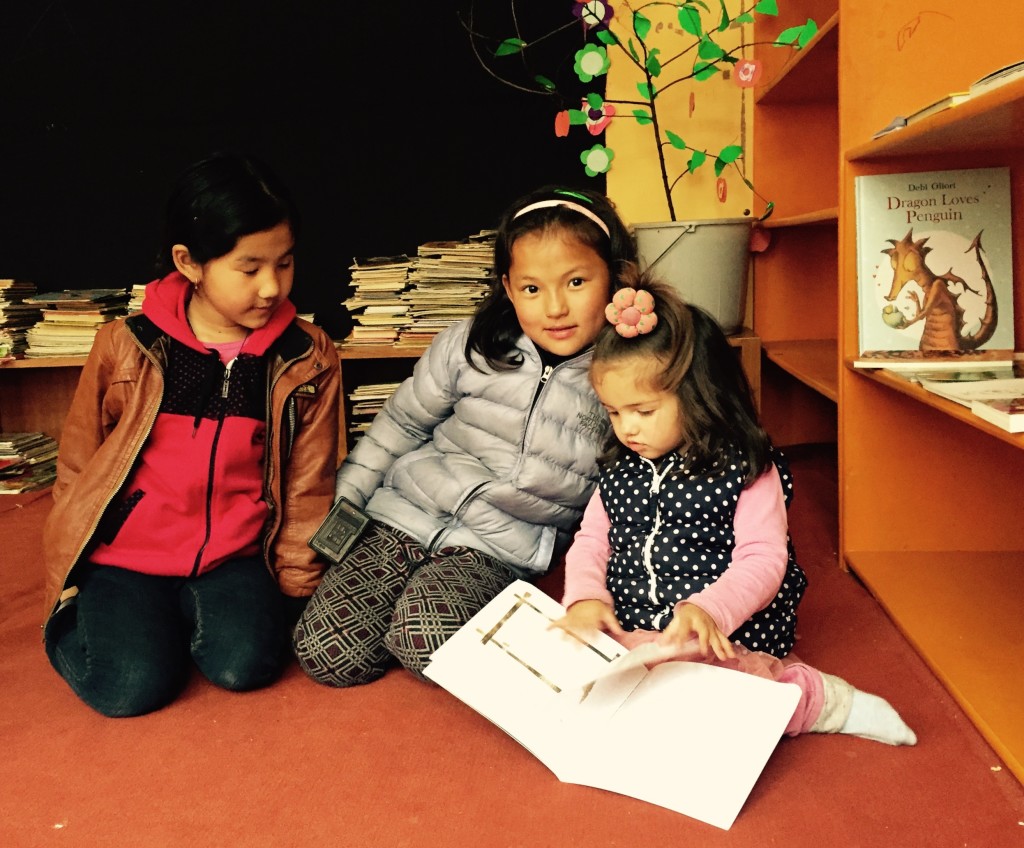
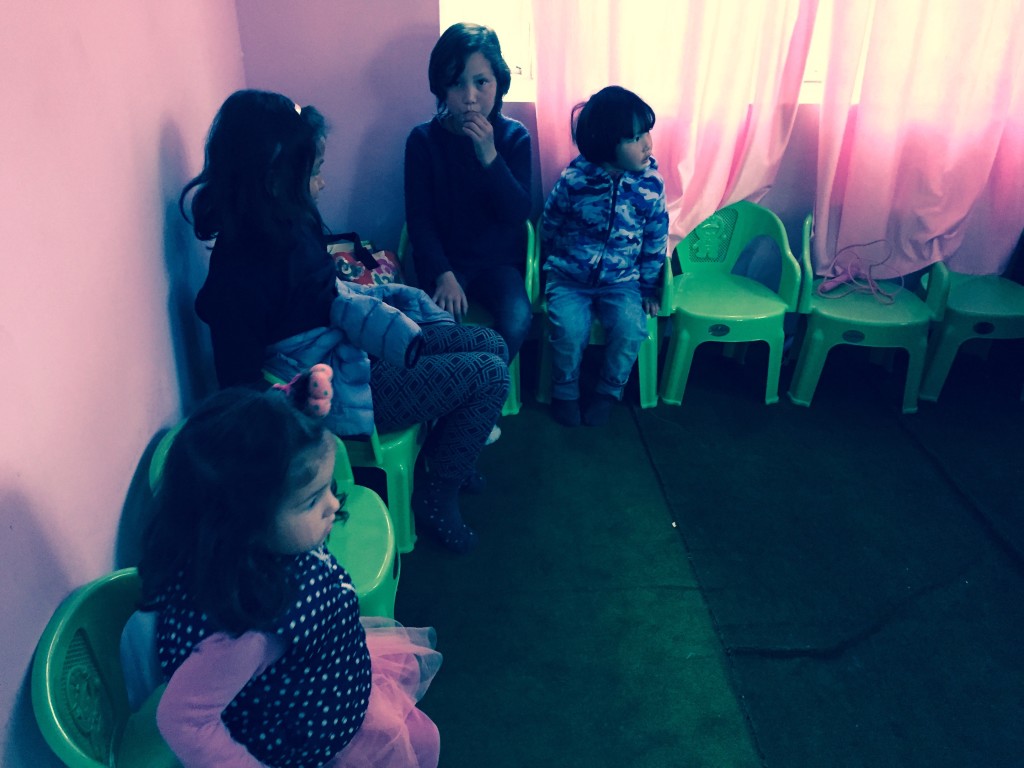
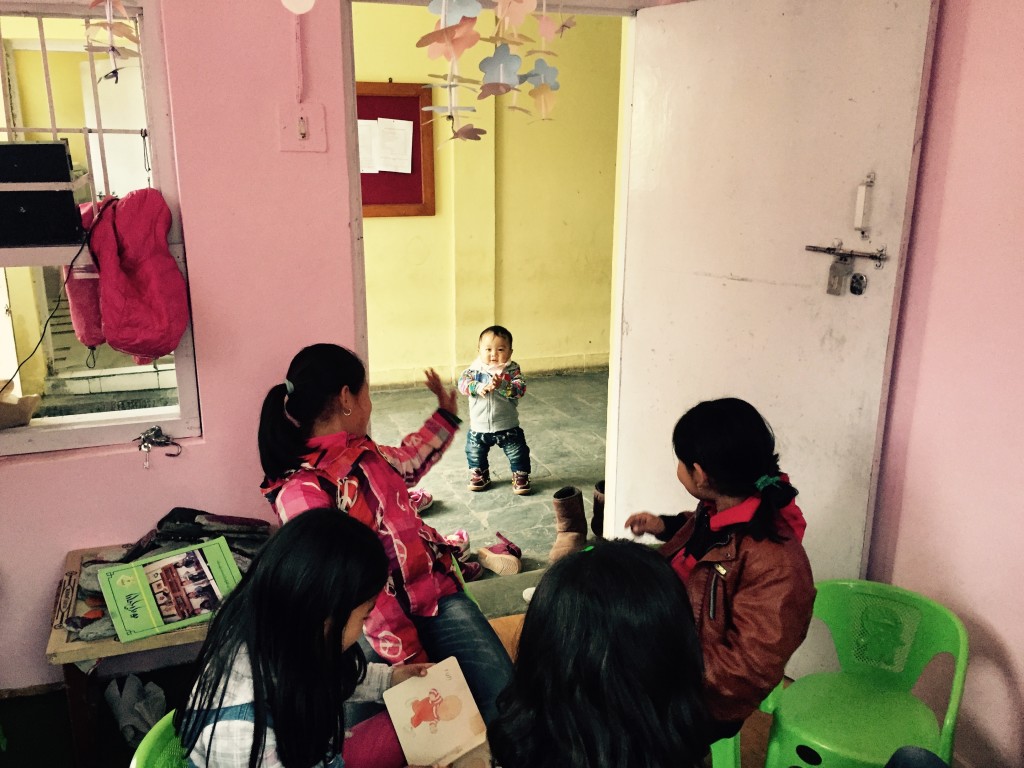
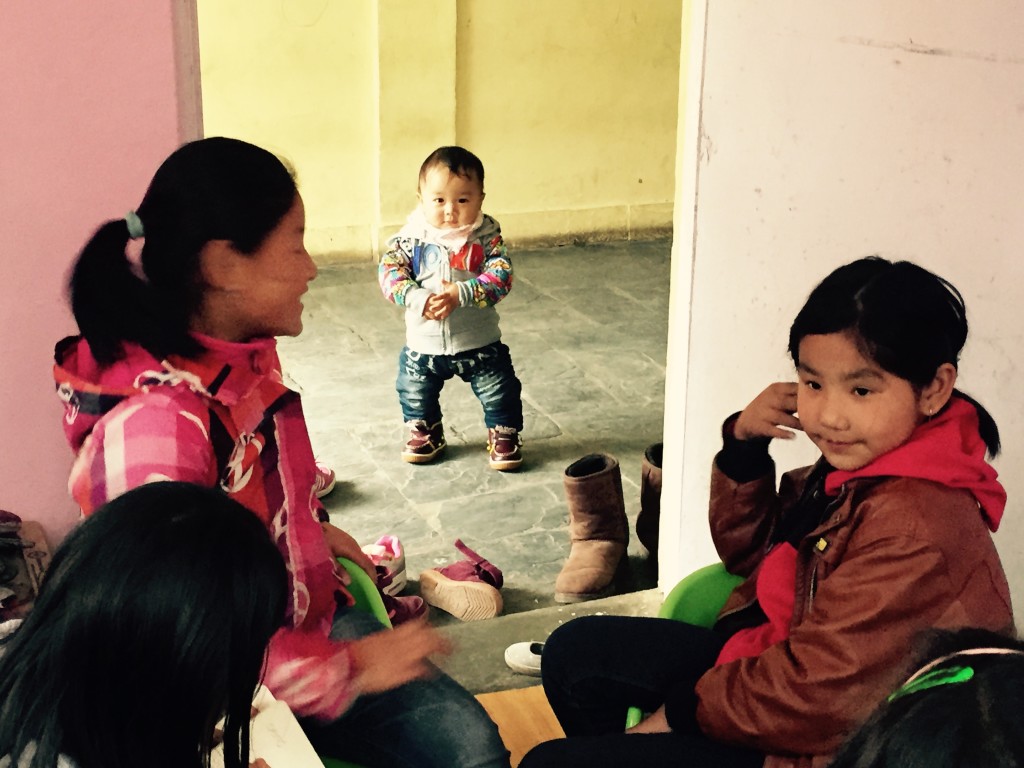
A story hour can begin with a book, yet it often becomes something larger: a shared space where children listen, imagine, move and respond together. In Himalayan communities, inviting local musicians into that space helps turn reading into a memorable social experience rather than a quiet activity limited to the printed page.
The music may be a gentle melody, a rhythmic pattern on a drum or a song familiar from village life. Its purpose is not to compete with the storyteller. It creates a bridge between the spoken word and the child’s own feelings, language, memory and sense of place.
For Australian supporters, this approach may feel familiar. Libraries in Melbourne, Sydney and regional towns regularly pair children’s books with craft, music or performance. The same principle guides story hours supported by Avalokiteśvara Trust: learning becomes more welcoming when children can participate with their voices, bodies and curiosity.
Story Hours Are More Than Reading
Reading aloud gives children access to vocabulary, characters and new ideas. Live music adds another layer of attention. A repeated rhythm can signal that a character is approaching, while a quiet instrumental passage can give children time to picture a mountain path, a snowy courtyard or a faraway animal.
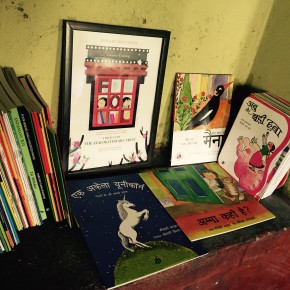
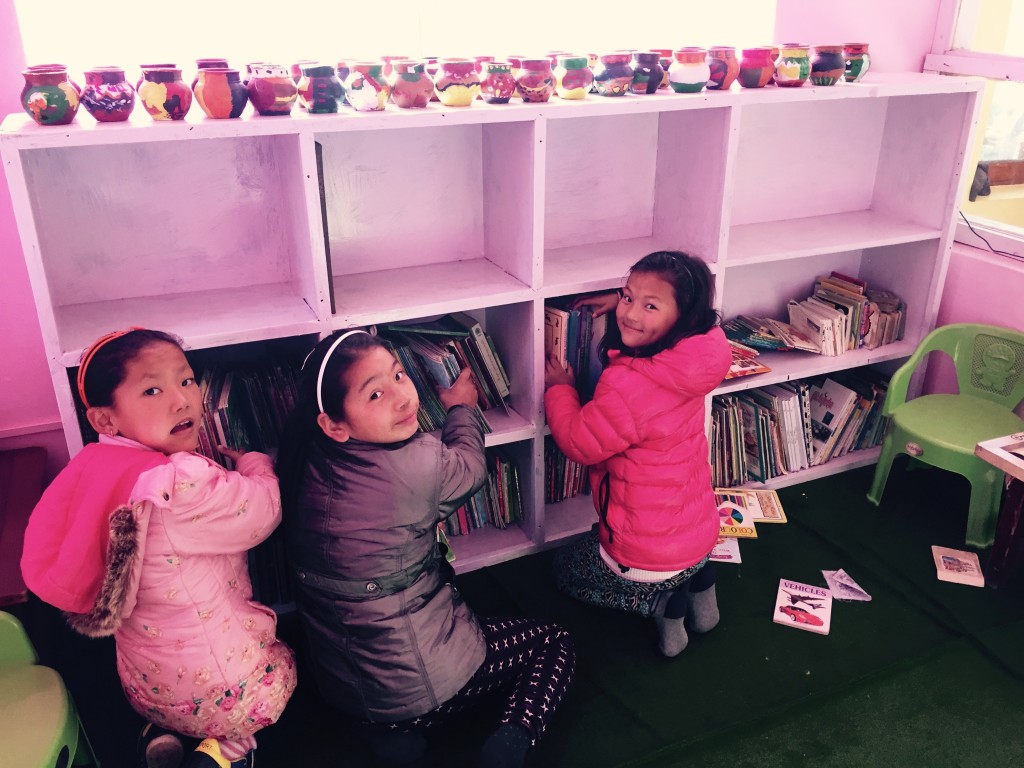
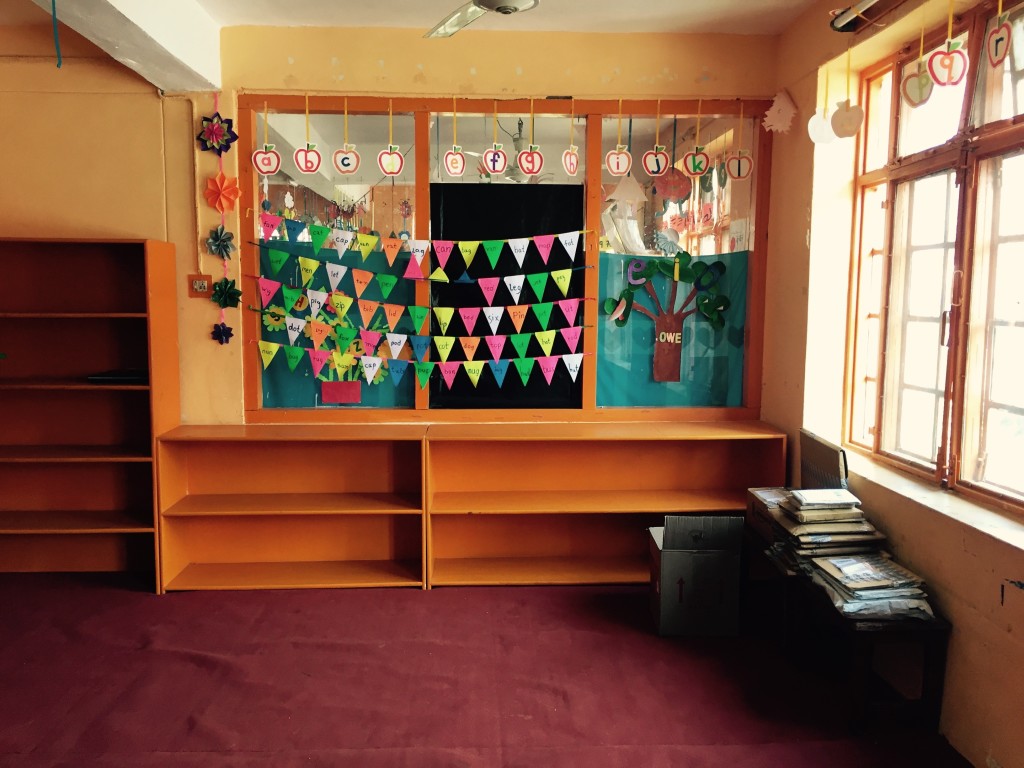
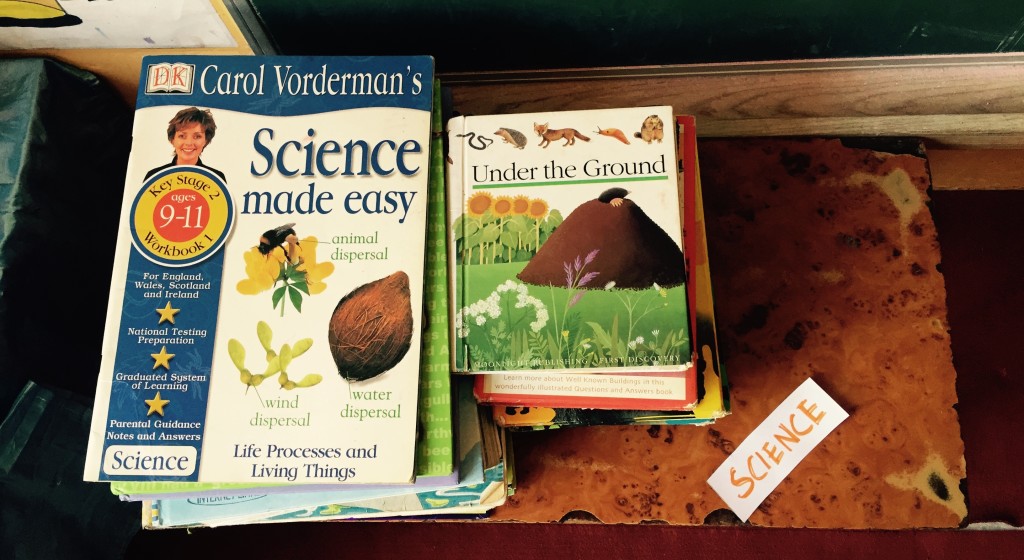
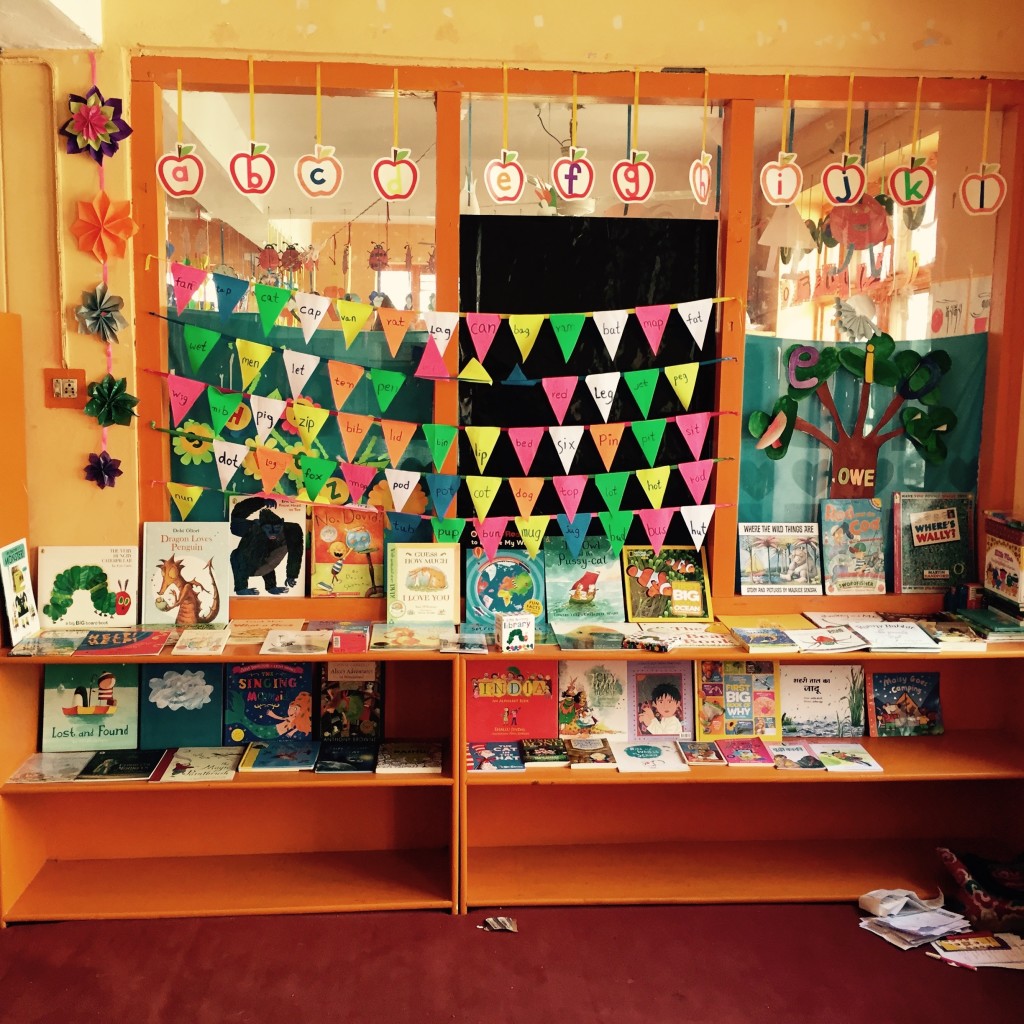
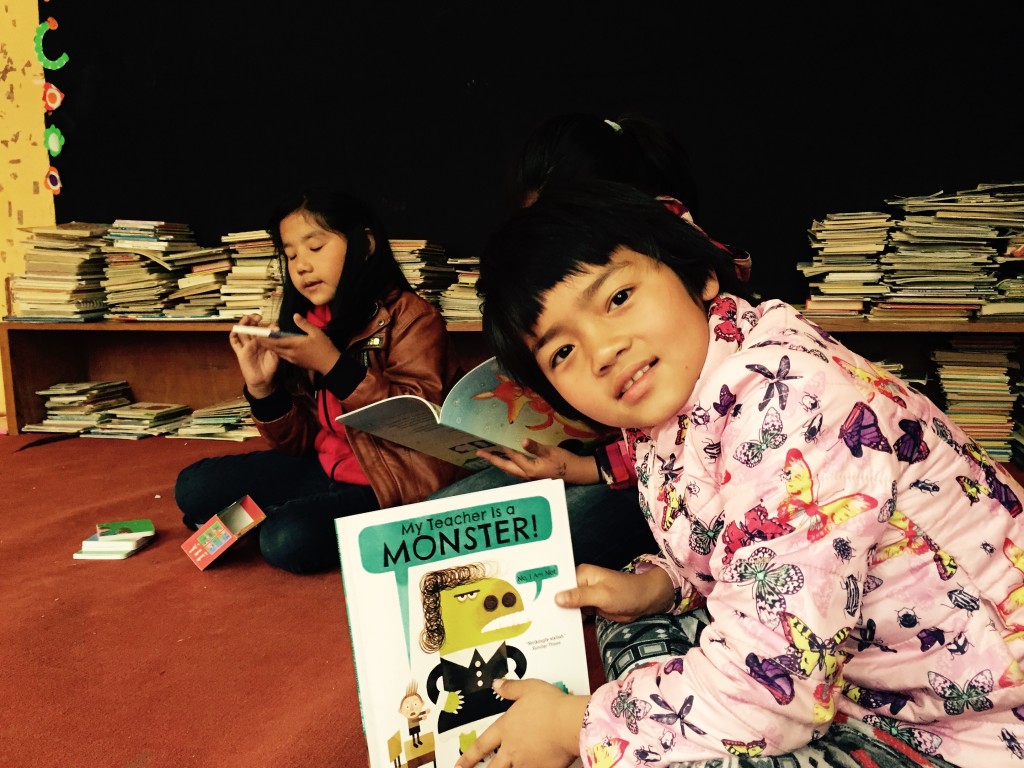
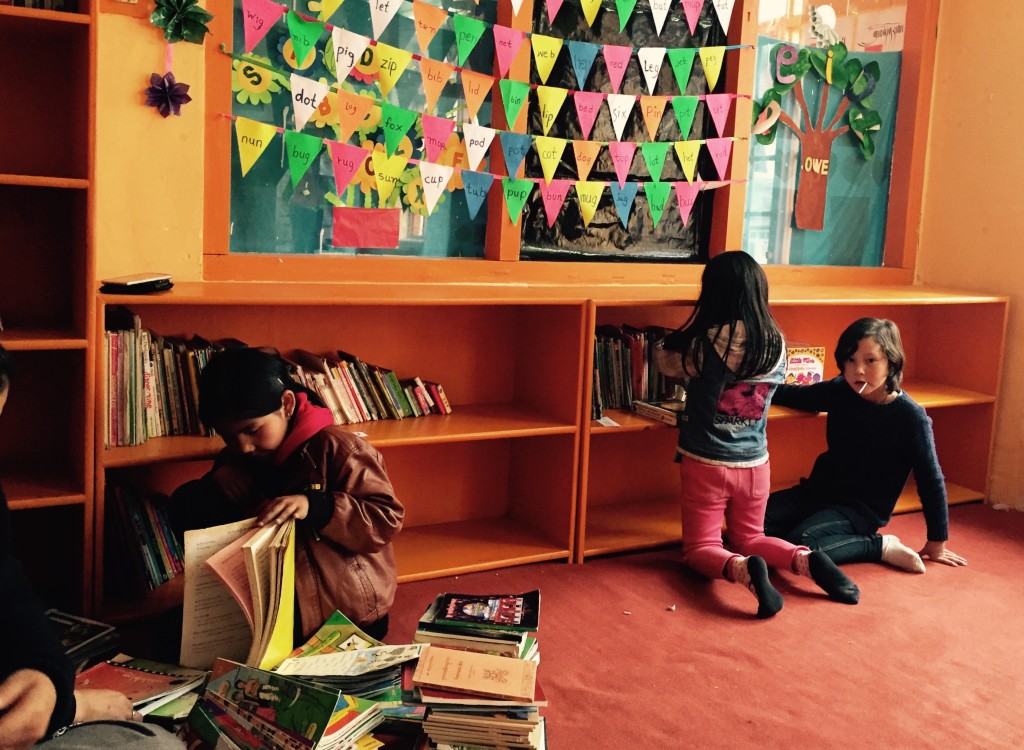
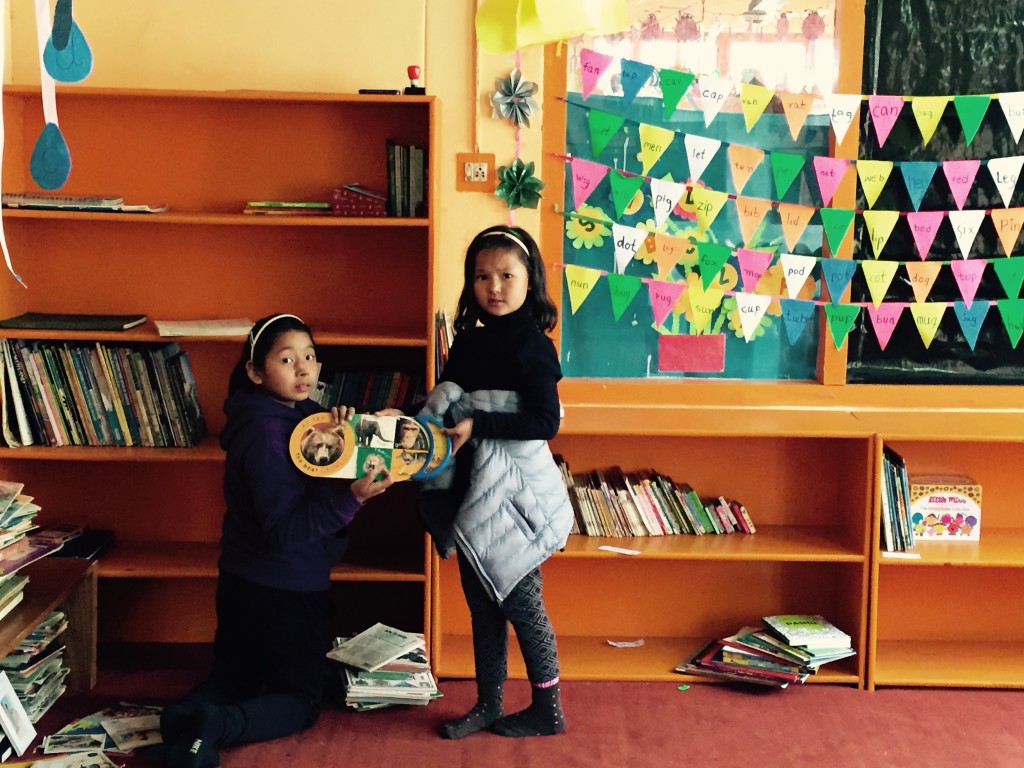
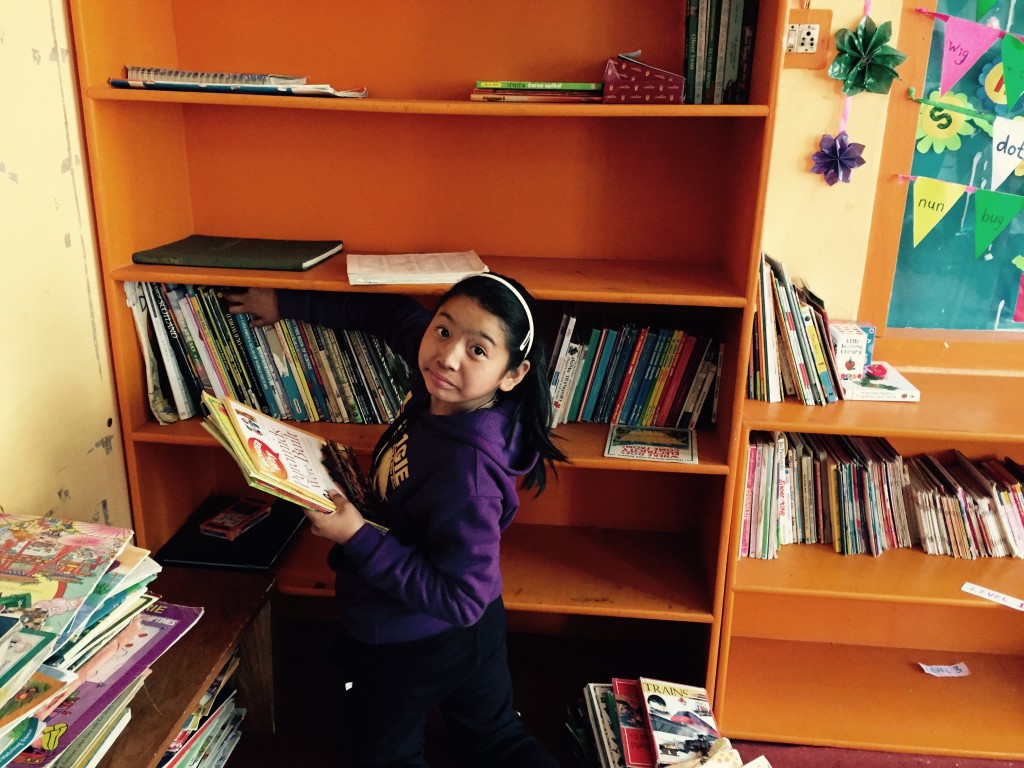
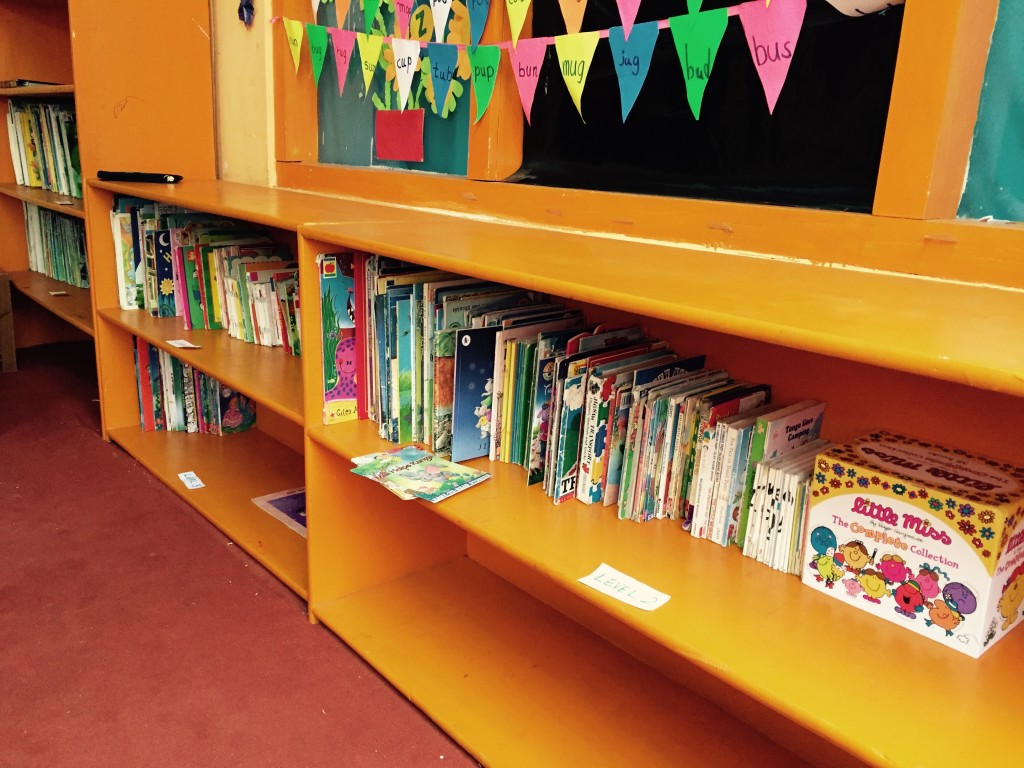
This is especially valuable where books and formal learning resources are scarce. A reading room may contain a carefully chosen collection, yet a musician can help children enter those books through sound. The experience requires few materials, making it practical for villages where transport, electricity or household income can affect access to educational activities.
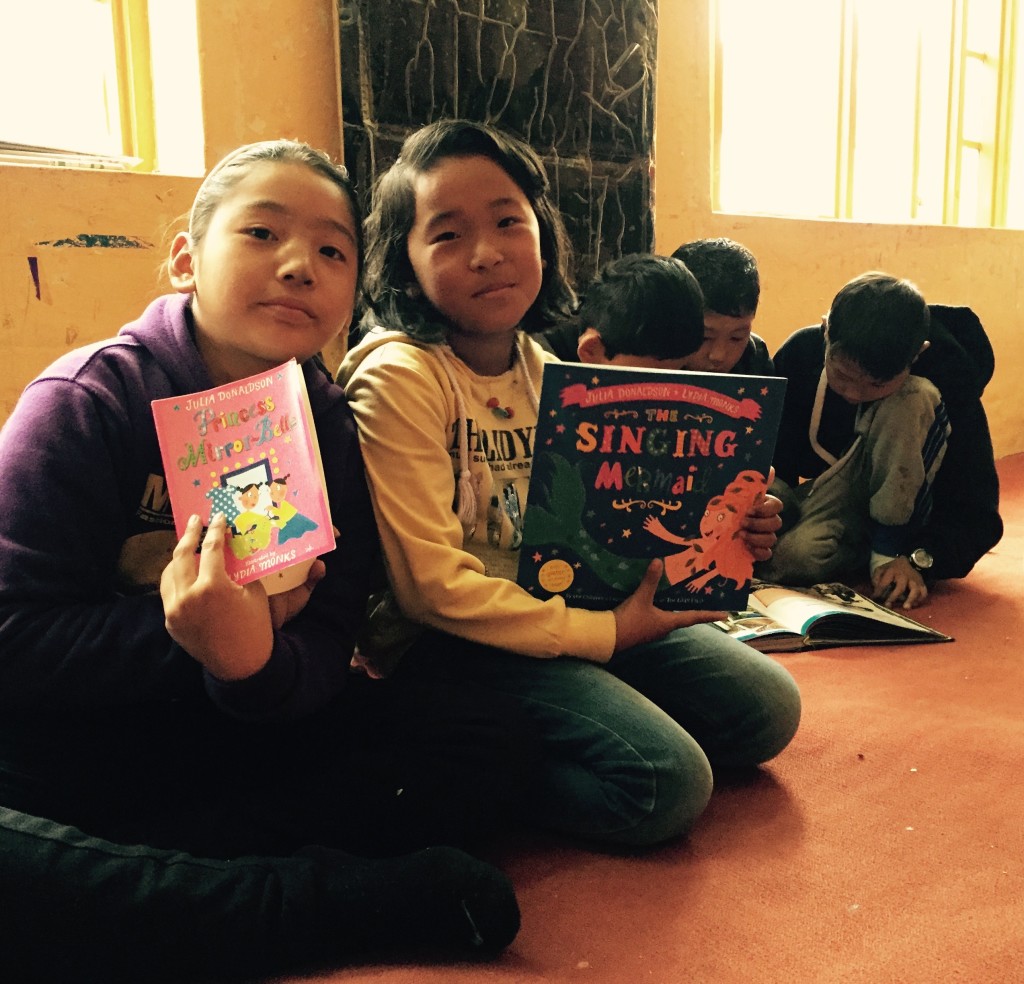
Musicians also help create a relaxed atmosphere for children who may feel shy about reading aloud. Before they speak, they can clap, hum, tap a beat or move with the rhythm. These small forms of participation build confidence without turning story hour into a test.
Music Makes Language Memorable
Children often remember language when it is connected to rhythm. A refrain can reinforce new words, while a song gives a phrase a structure that is easier to recall. This can support young readers who are learning in more than one language or moving between home, community and school languages.
A musician can respond to the shape of a story without translating every line. A rising melody may express excitement; a slower tempo can suggest care or sadness. These cues make meaning clearer for younger children and allow those with different reading levels to share the same session.
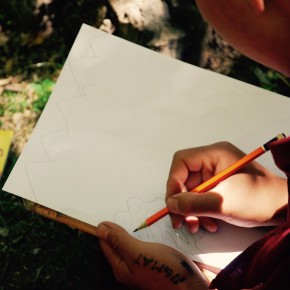
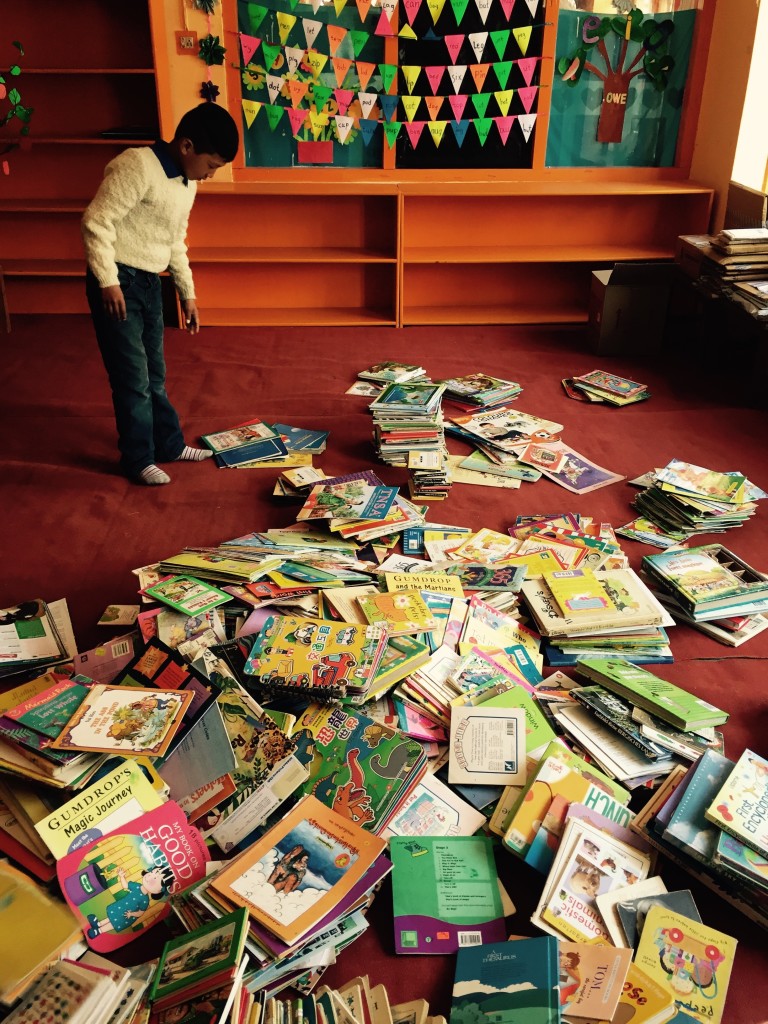
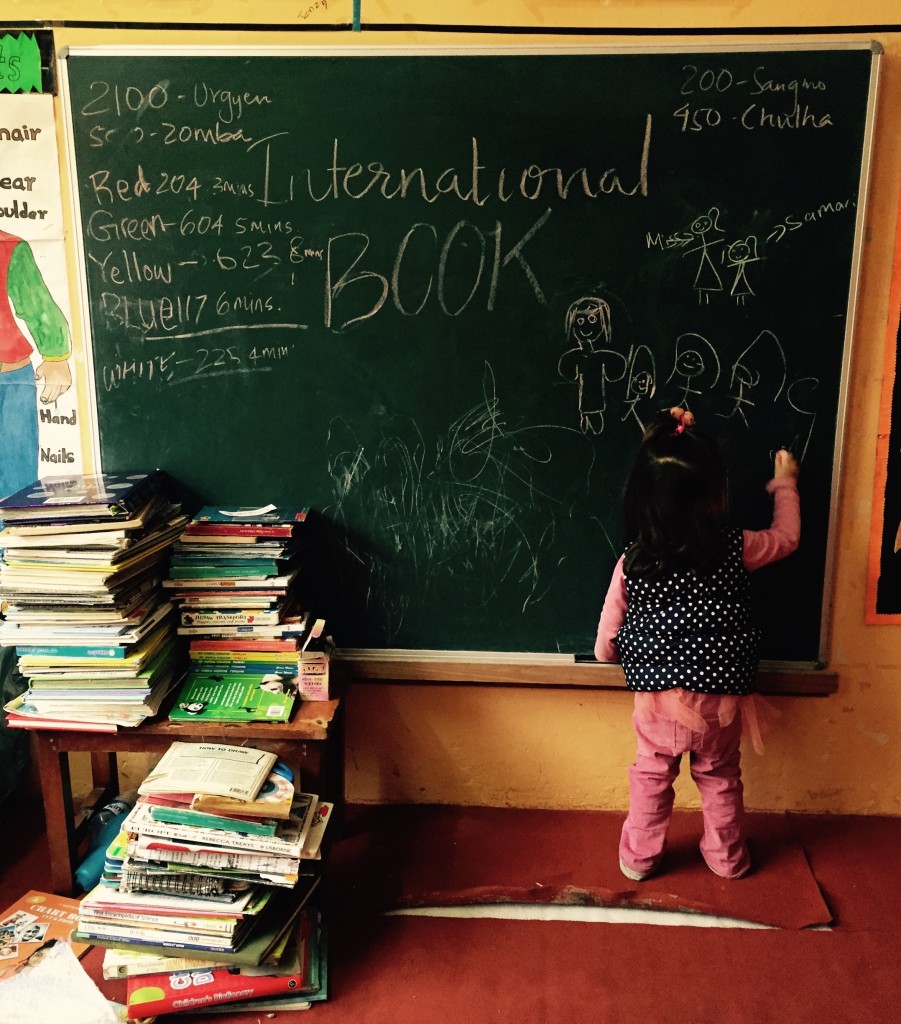
The approach also supports artistic learning. After hearing a tale accompanied by music, children might draw a scene, invent a sound for a character or create a short performance. A book drive then becomes more than the delivery of donated titles: it becomes part of a wider programme that encourages interpretation and creative expression.
Local Musicians Bring Cultural Exchange
Local performers carry knowledge that cannot be supplied by a generic recording. They understand the instruments, melodies and stories that belong to their community. Their presence tells children that their own cultural background has a rightful place beside books from other regions and countries.
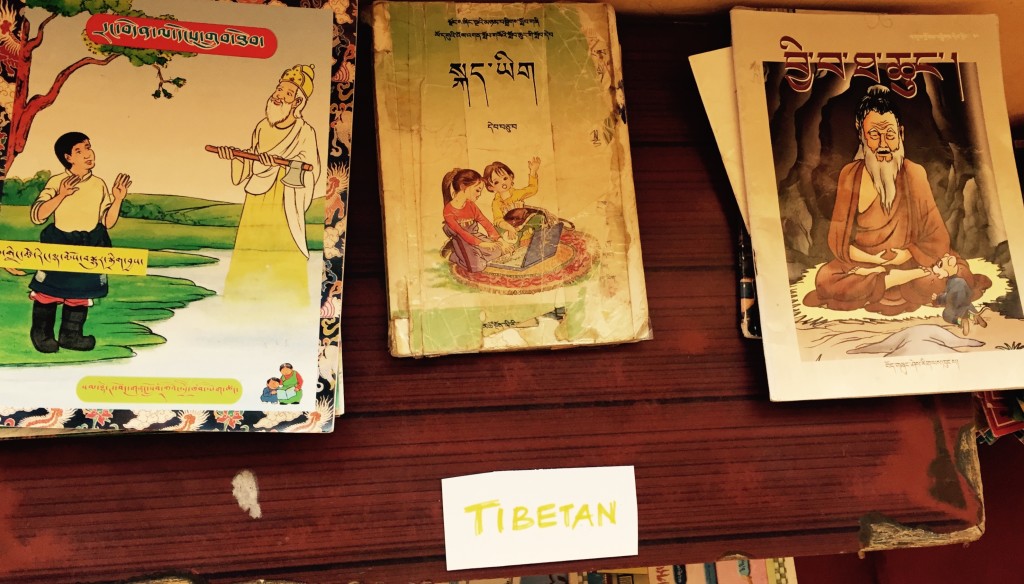
This matters when story collections include translated works or tales from distant places. Music can provide a local point of connection, helping children compare landscapes, family customs and celebrations without treating one culture as the standard. The result is a conversation between the page and the community.
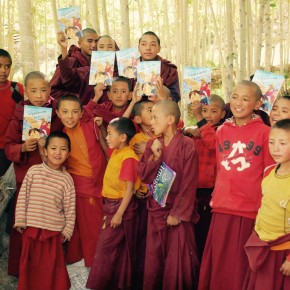
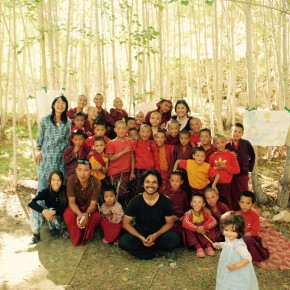
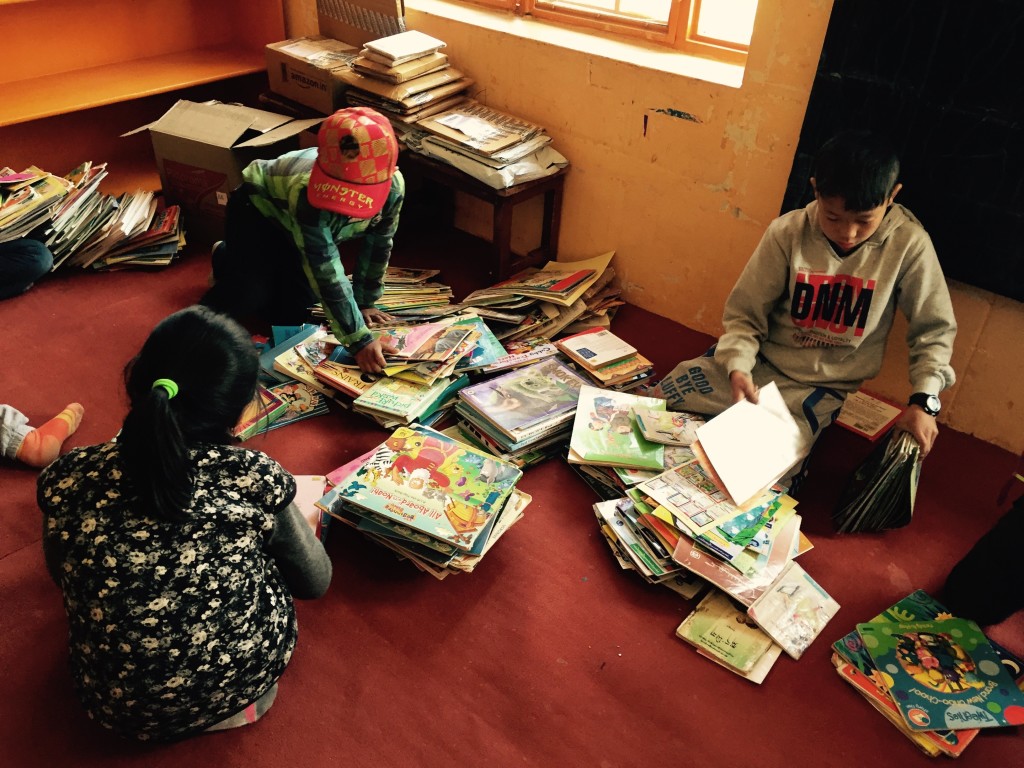
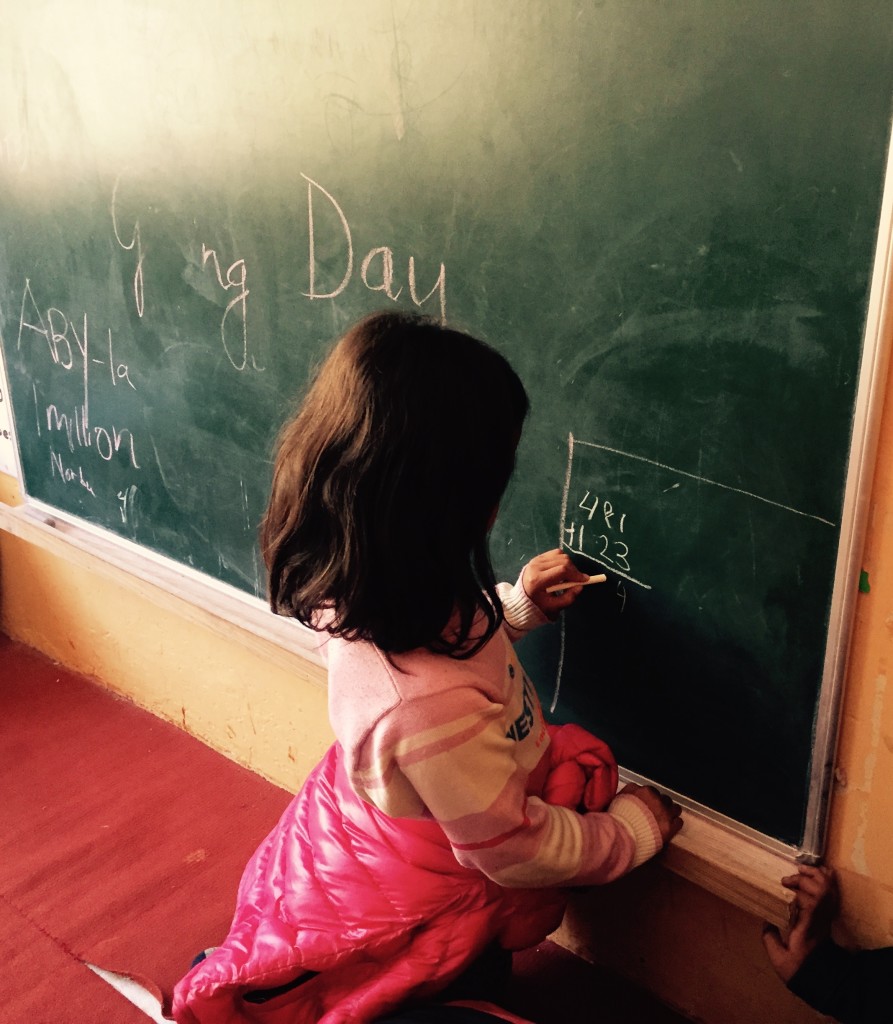
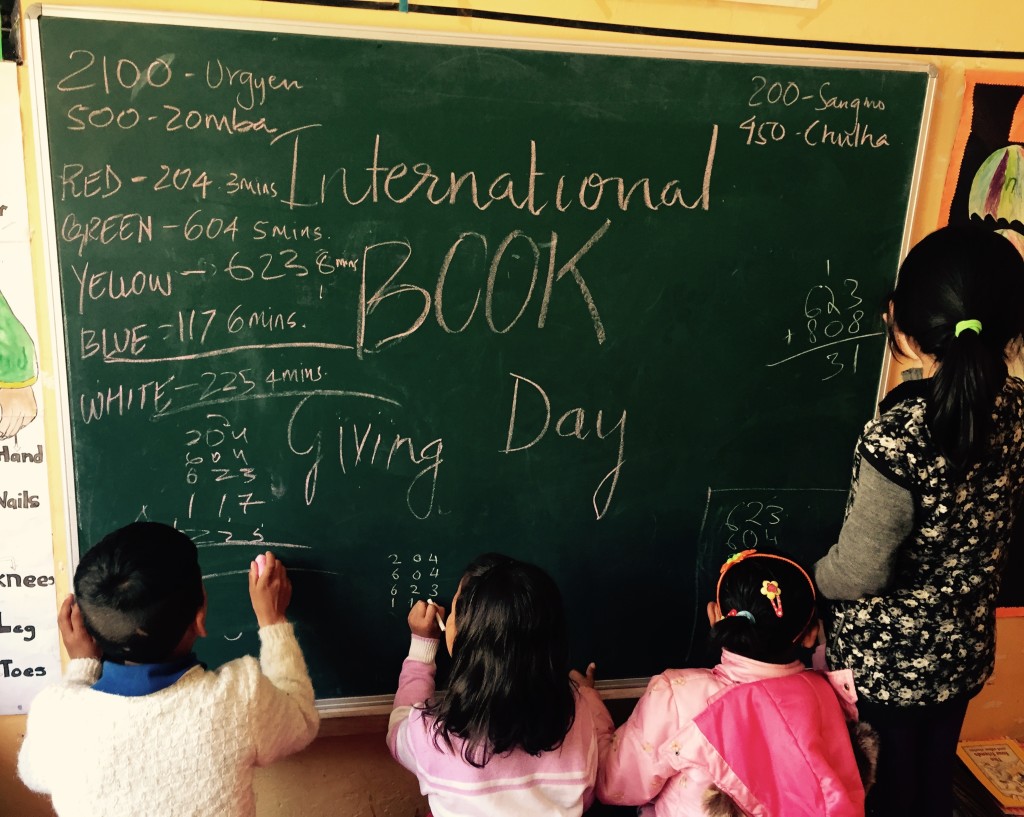
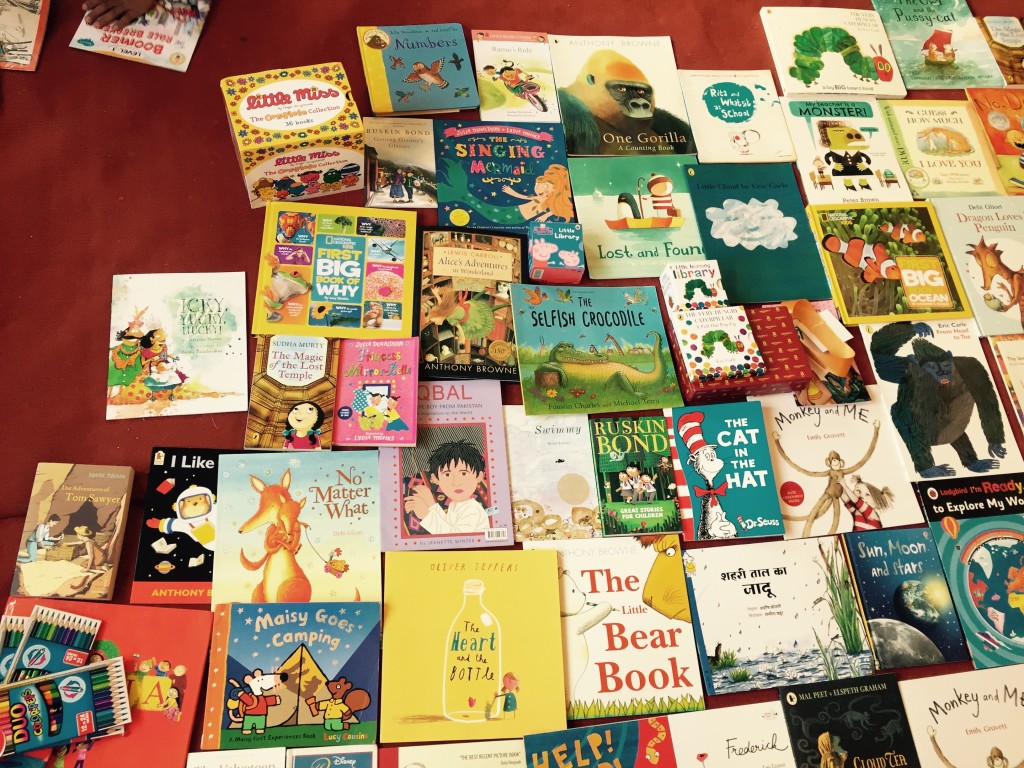
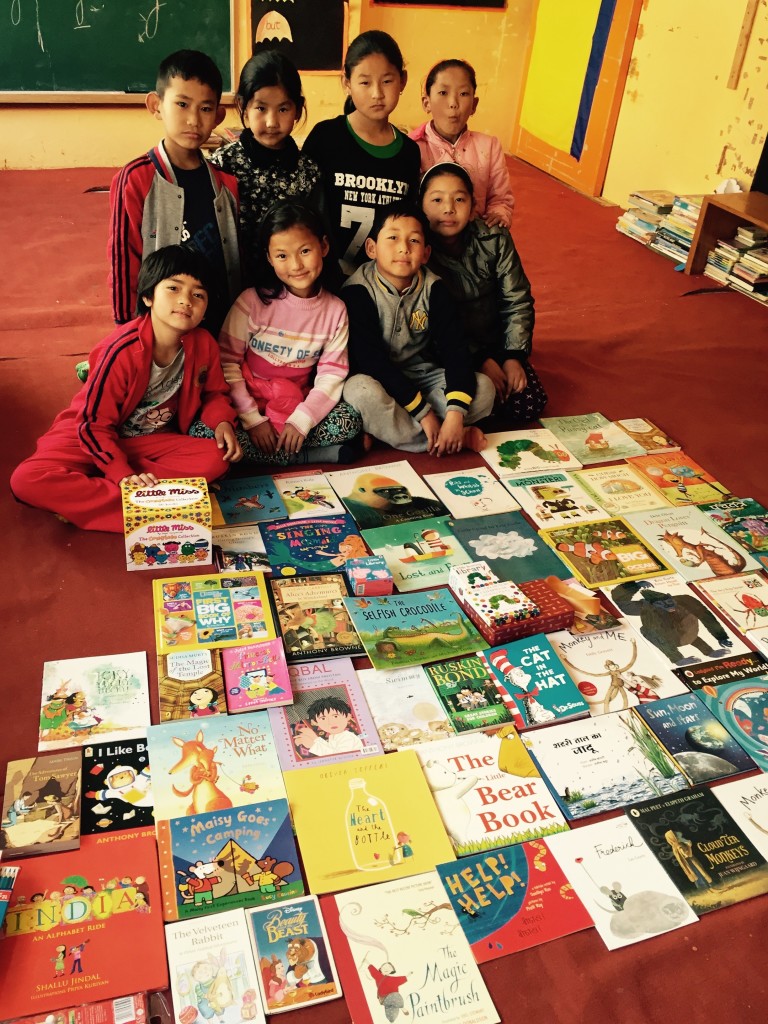
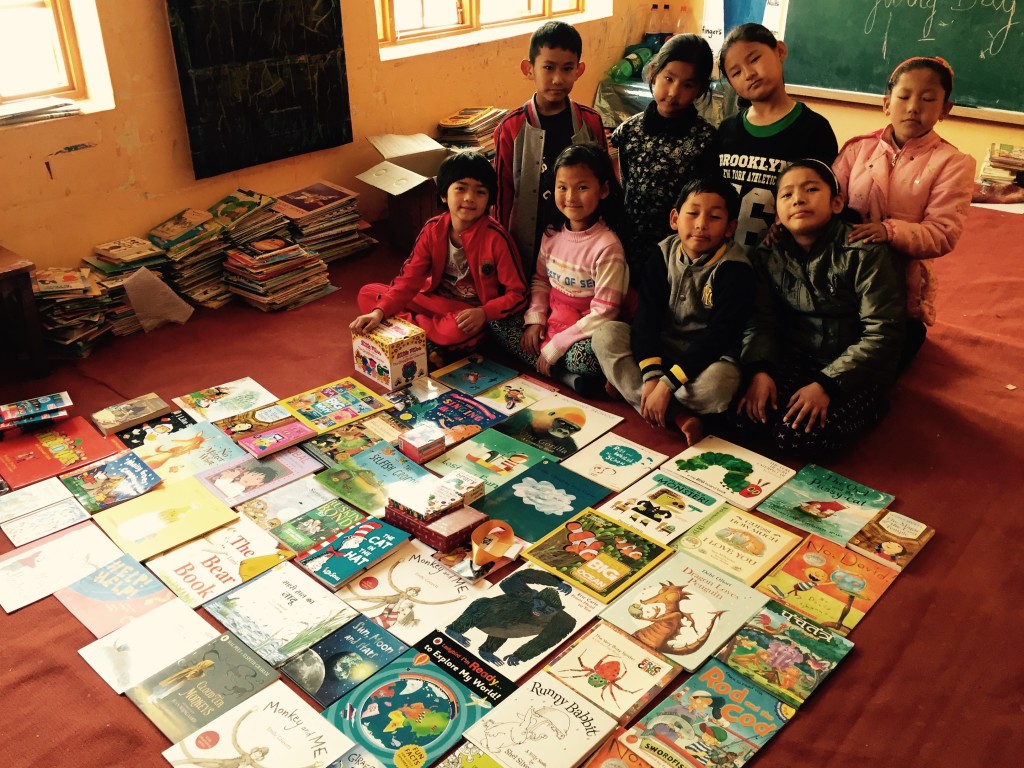
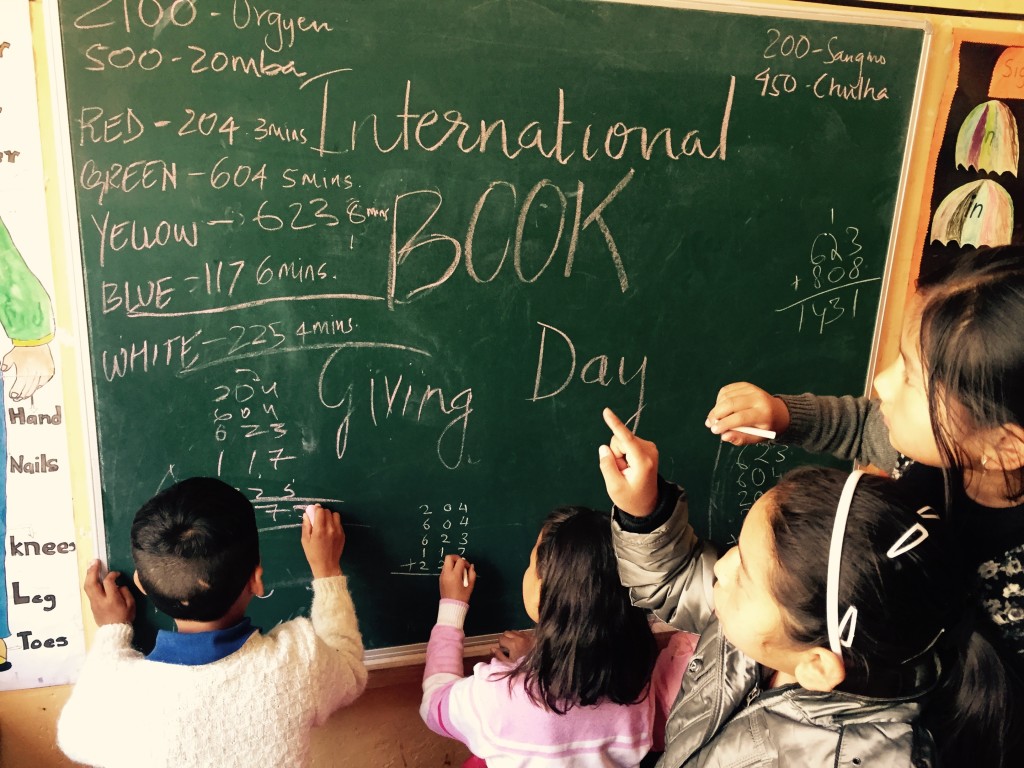
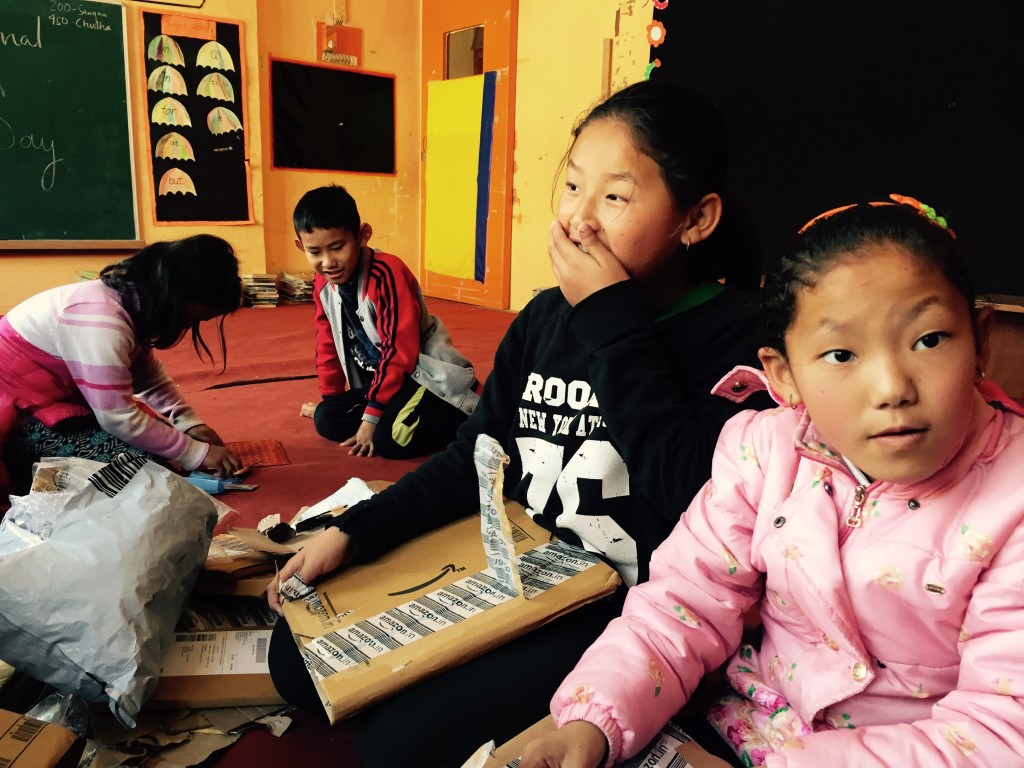
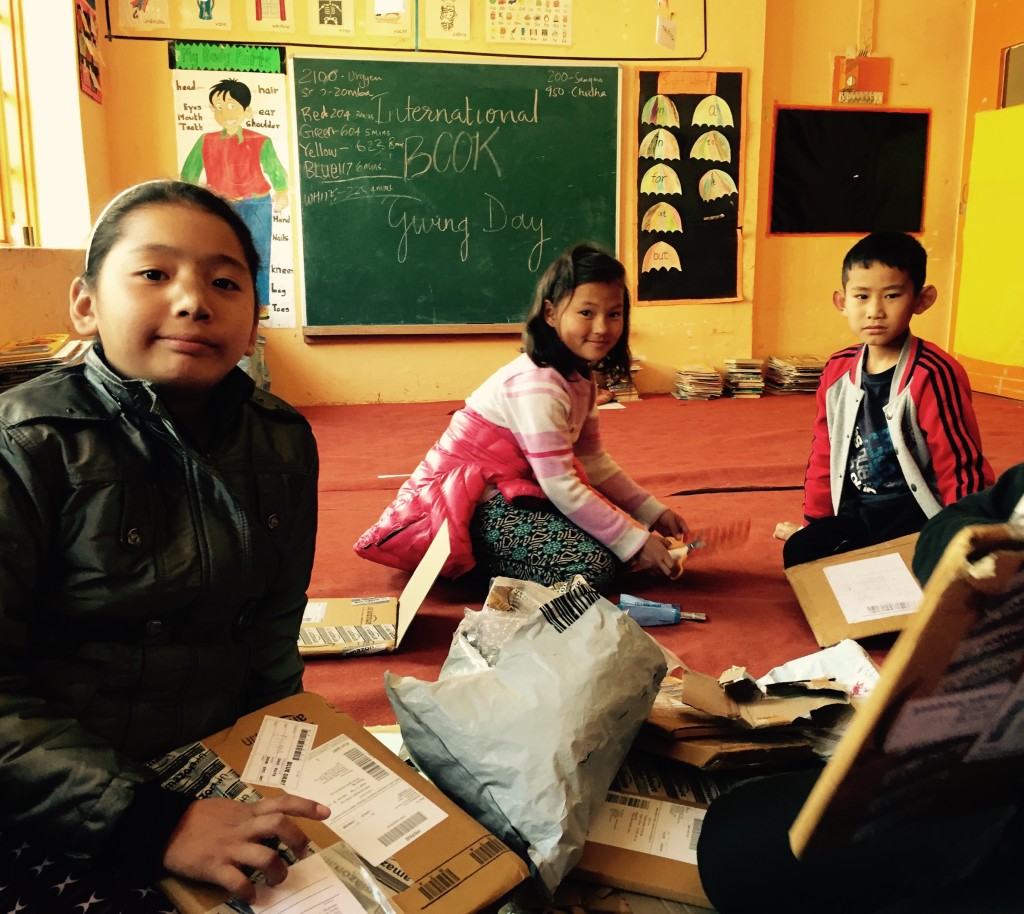
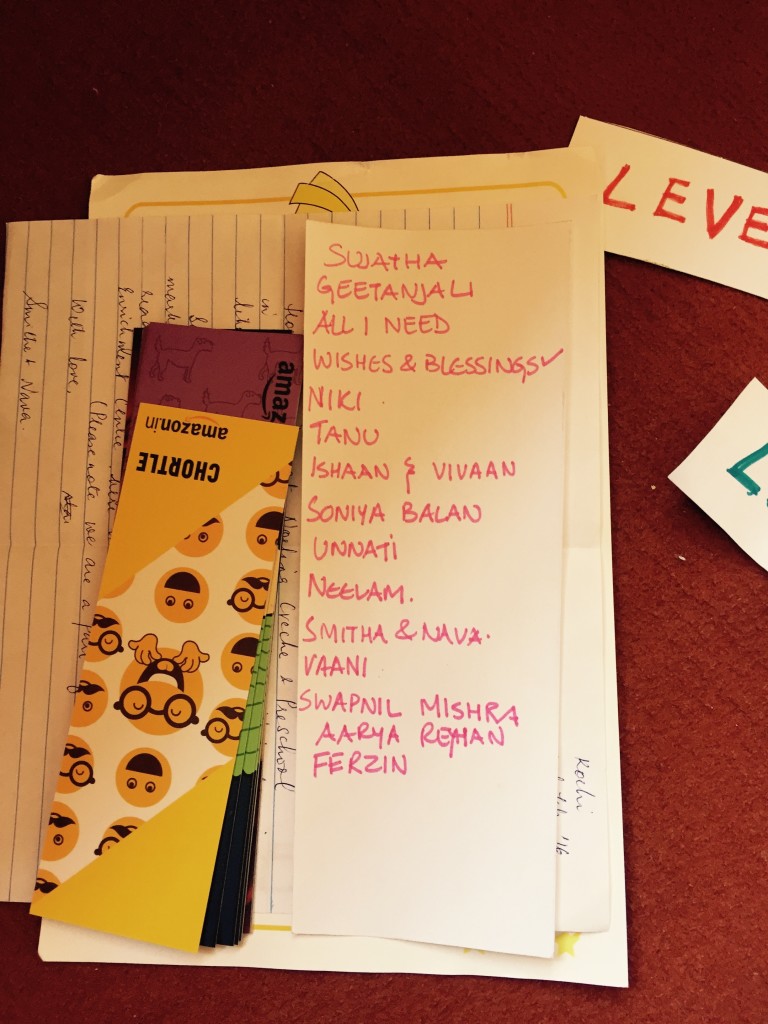
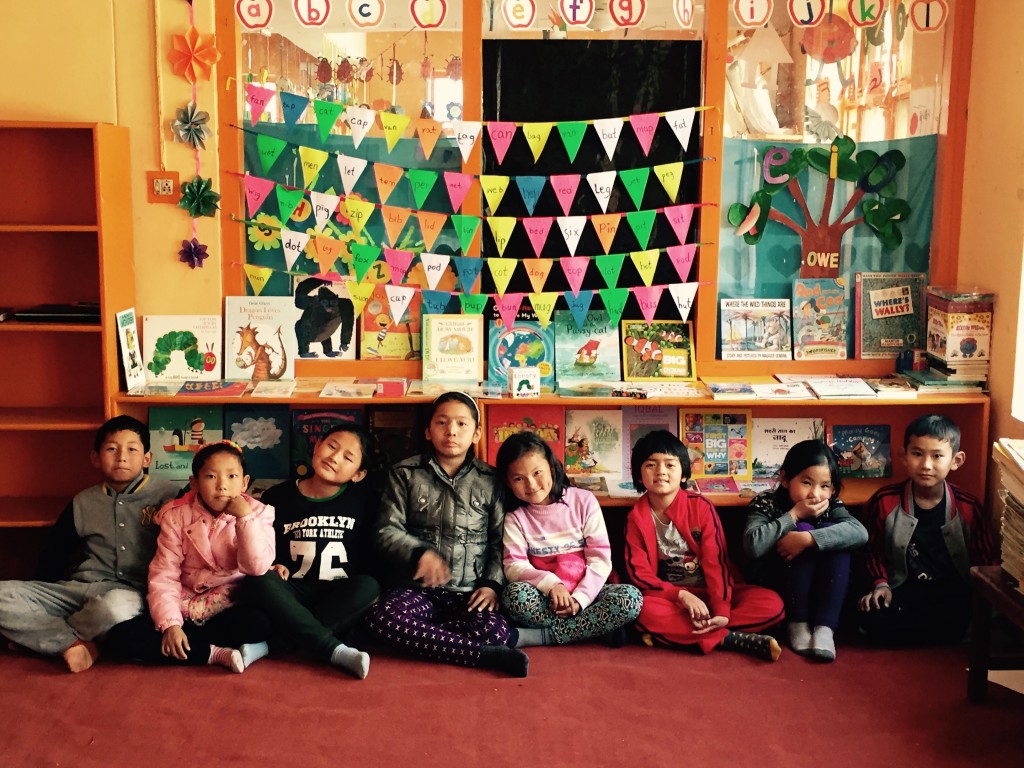
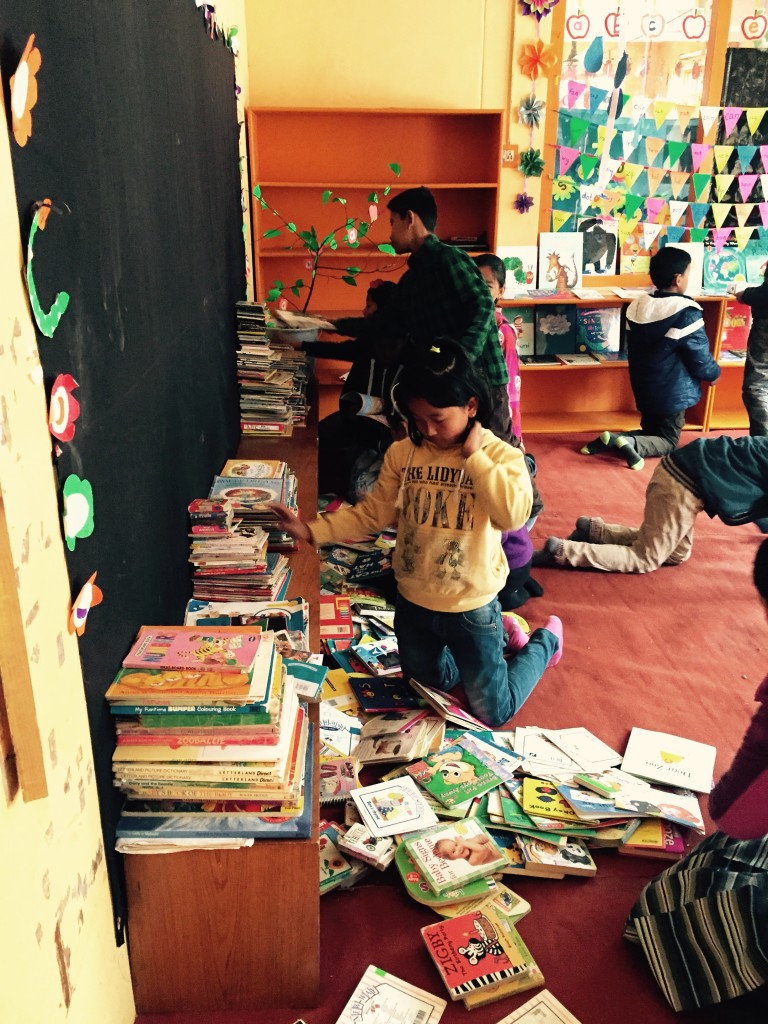
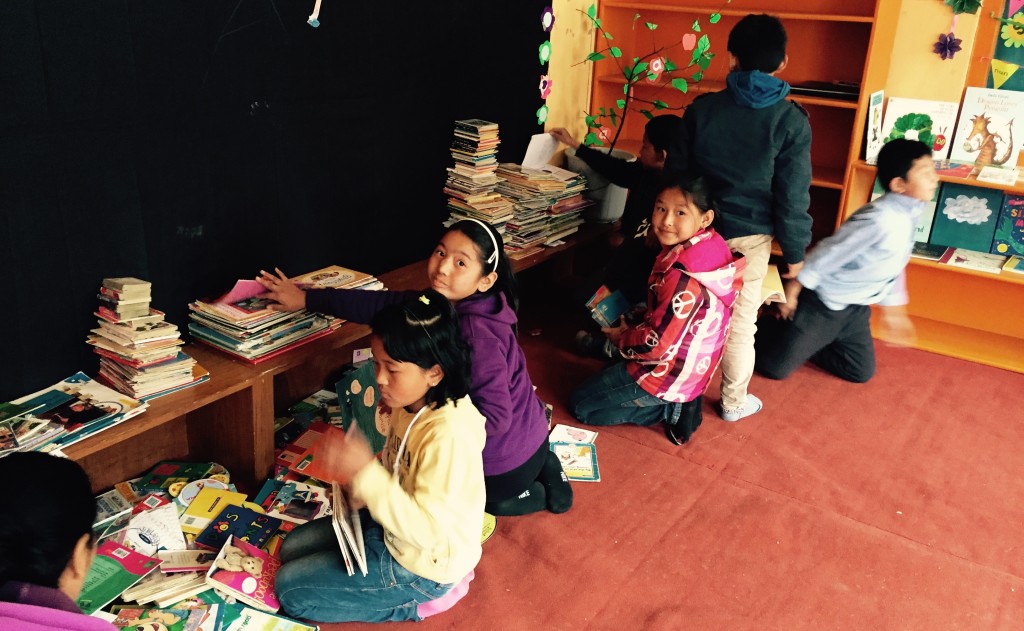
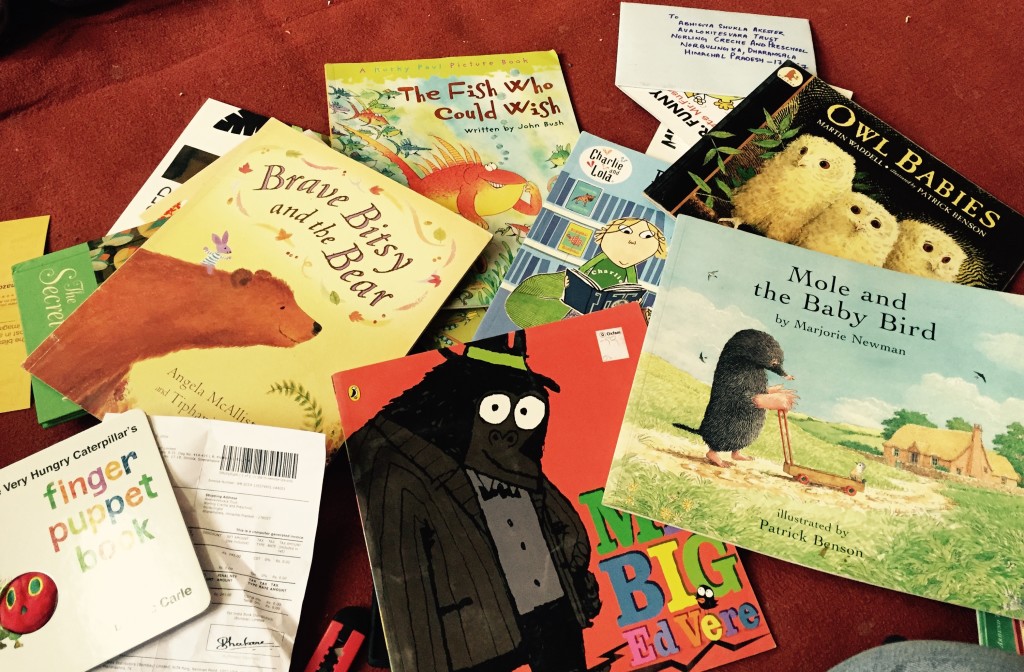
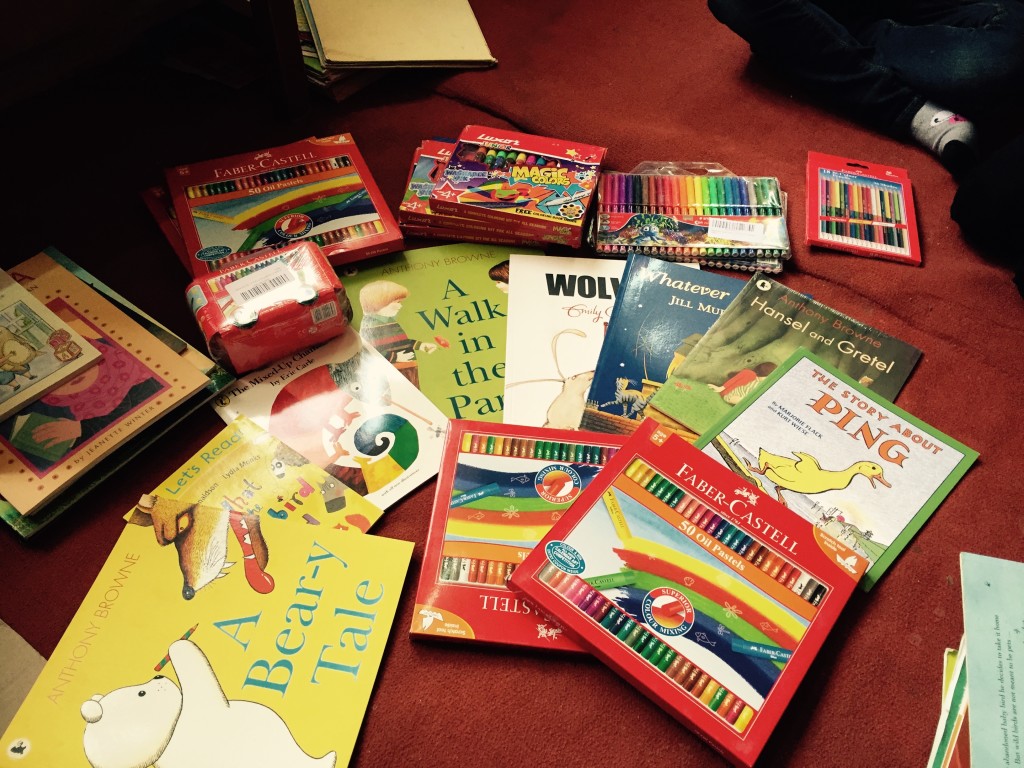
The Trust’s work around reading and celebration reflects this spirit. A report on World Book Day stories shows how books can become part of a village gathering, where children experience literature through collective activity rather than individual study alone.
The Benefits Children Can Feel
A well-planned musical story hour can support concentration, emotional awareness and social connection. Children practise waiting for a cue, listening to another person and responding at the right moment. These are useful habits for classrooms, friendships and group activities.
Music can also make room for different abilities. A child who finds reading difficult may still contribute through percussion or movement. Another who speaks little in a group may recognise a melody and join in. Participation is widened because success does not depend on fluent reading alone.
The benefits commonly seen in these sessions include:
- Stronger listening and recall through rhythm and repetition
- Greater confidence speaking, singing or performing with others
- A warmer connection between children, books and community adults
- Opportunities to explore local heritage through instruments and song
- Support for imagination, emotional expression and cooperative play
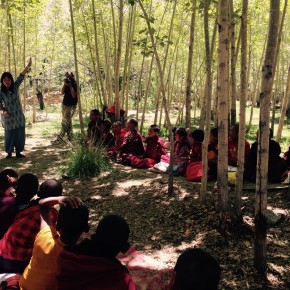
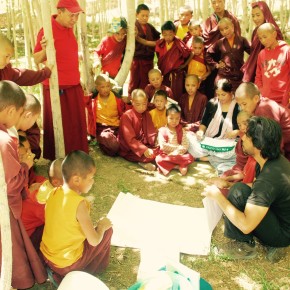
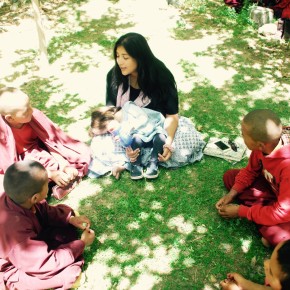
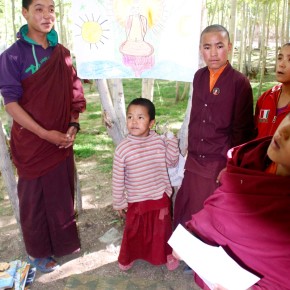
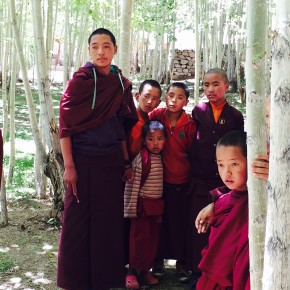
For children and young monks living in communities across the Himalayan region, this shared experience can be particularly meaningful. It brings learning into a social setting where age groups and responsibilities may otherwise keep people apart.
Thoughtful Programming Protects Attention
Music should serve the story’s emotional pace. A loud or constant performance can distract from the words, especially for very young children or those sensitive to sound. Musicians and storytellers need to agree on when music begins, when it fades and how children will be invited to respond.
Short musical cues are often more effective than a full concert. A two-minute opening song can settle the group, while brief instrumental moments can separate sections of a tale. Familiar patterns help children understand the structure of the session and reduce uncertainty.
Practical planning also matters. Organisers consider the size of the room, the number of children, the available instruments and the time of day. In Australia, a library programme may fit neatly into a Saturday morning or school-holiday schedule; in a Himalayan village, weather, travel distance and local events may shape the timing instead.
How Australian Supporters Can Participate
Australian families are accustomed to borrowing books from public libraries, attending weekend markets and planning activities around school terms. Those habits can inform support for reading rooms abroad. A local musician, school group or community library may offer ideas about how to make a book gathering active and welcoming.
There are also important legal and ethical responsibilities. Anyone travelling from Australia to volunteer directly with children must follow the relevant Working with Children Check requirements, along with the host community’s safeguarding procedures. Financial support should be directed through transparent charitable channels, with donors checking an organisation’s information and reporting practices. The Australian Charities and Not-for-profits Commission provides a useful public framework for understanding registered charities.
Music-related support can take several forms:
- Funding instruments, repairs, music books or transport for local performers
- Sponsoring a story-hour series linked to a new reading room
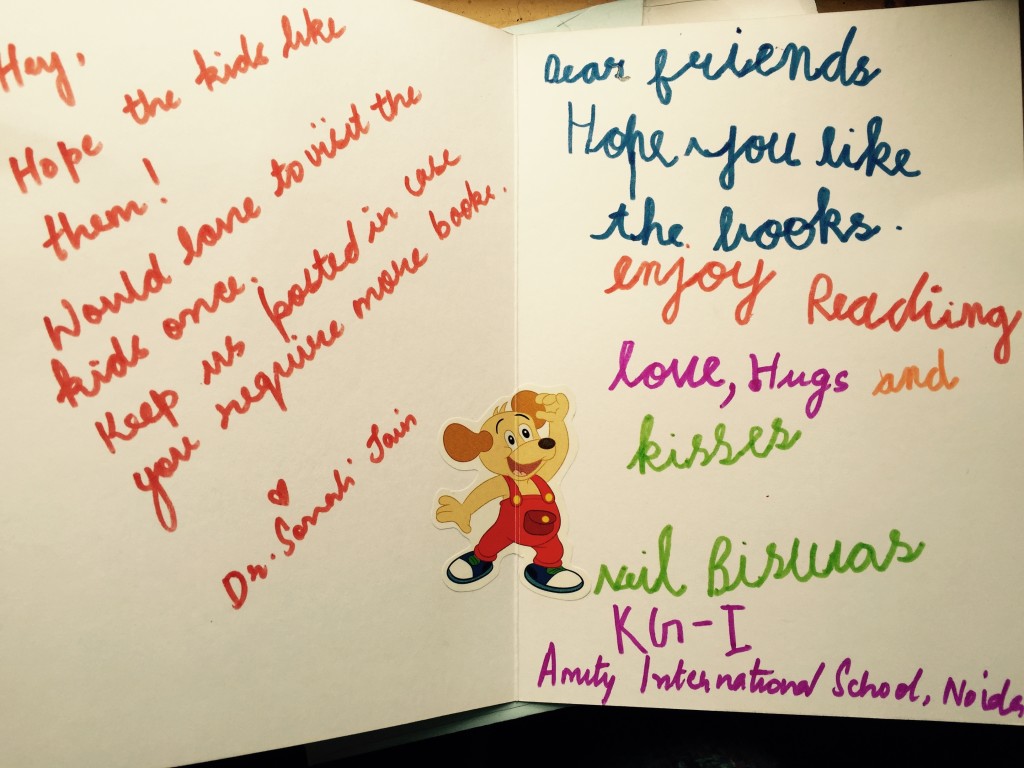
- Inviting Australian children to make recorded greetings or artwork
- Holding a community book event connected with a school or library
- Sharing stories about Himalayan literacy projects with local networks
The strongest partnerships respect local leadership. Australian supporters can contribute resources and encouragement while allowing musicians, educators and families in each community to decide what feels appropriate.
A Shared Rhythm Of Belonging
The value of live music during a story hour can be understood by comparing the roles each element plays:
| Element |
Contribution to the session |
What children may experience |
| Book |
Provides characters, language and ideas |
Curiosity and imagination |
| Storyteller |
Gives shape, voice and emotional direction |
Focus and understanding |
| Local musician |
Adds rhythm, cultural knowledge and atmosphere |
Participation and belonging |
| Reading room |
Offers a safe, consistent place to gather |
Familiarity and confidence |
| Follow-up activity |
Extends the story through art or performance |
Creative expression and recall |
This partnership between words and sound is powerful because it honours the whole child. Children learn through hearing, watching, moving, copying and making meaning with others. A melody can help a new word stay in memory; a local instrument can make a distant story feel close; a shared refrain can turn a group of listeners into a community.
For an Australian audience, the idea connects with the best traditions of libraries, school holiday programmes and community festivals. In Ladakh and other Himalayan communities, it takes on a particular importance where access to books may depend on donated collections, reading rooms and committed local relationships.
The lasting lesson is simple: when musicians join story hours, they help children hear that books belong to living communities, and that every child’s imagination deserves a welcoming rhythm.