Turning Pages Into Possibility in a Himalayan Village
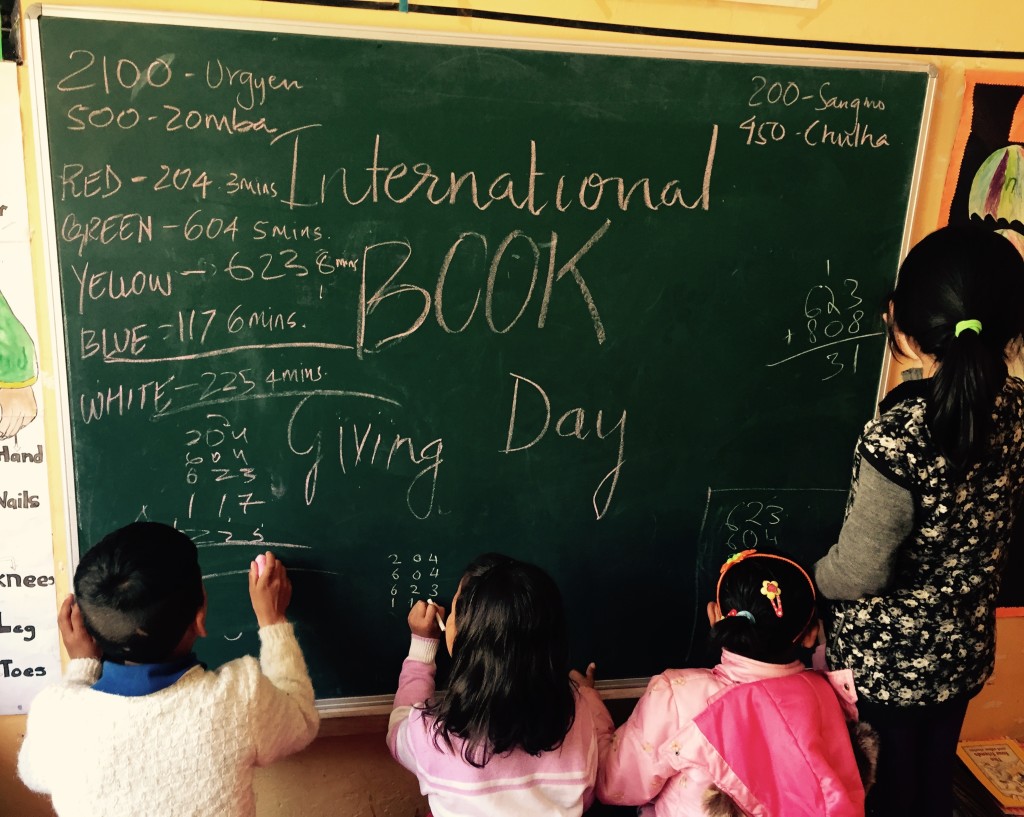
How We Celebrate World Book Day in a Himalayan Village begins with a simple idea: every child should have the chance to discover the pleasure and power of reading. In a remote Himalayan community, books can open windows far beyond mountain passes, offering stories, knowledge, imagination, and a sense of connection with the wider world.
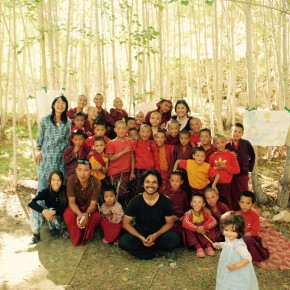
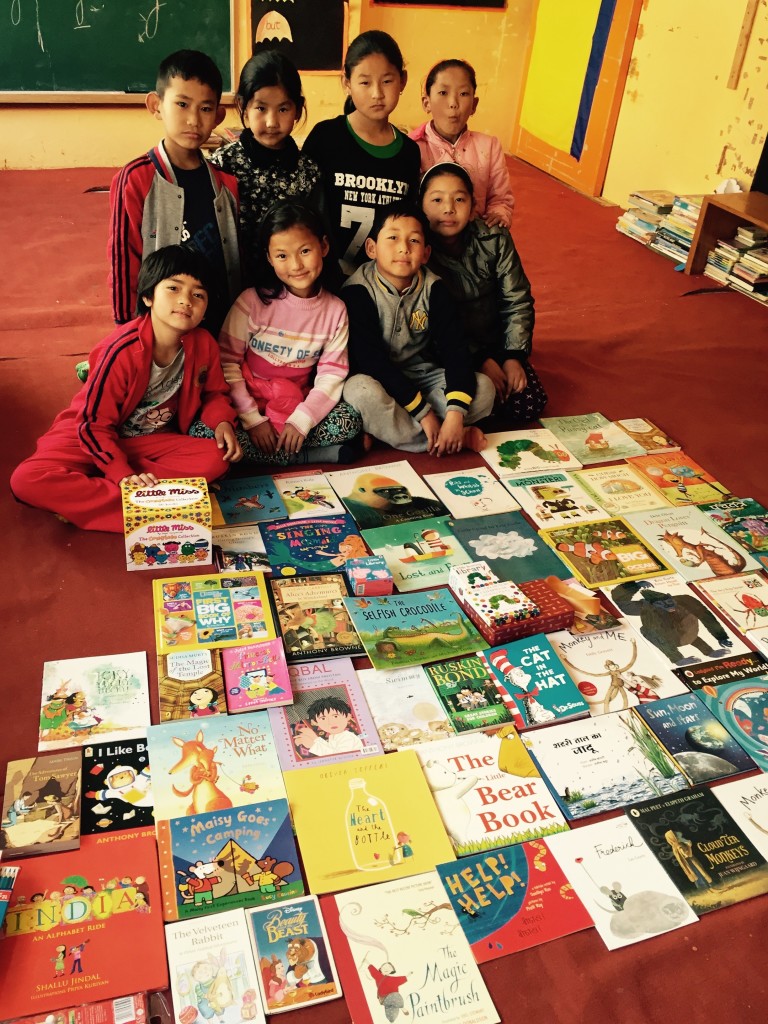
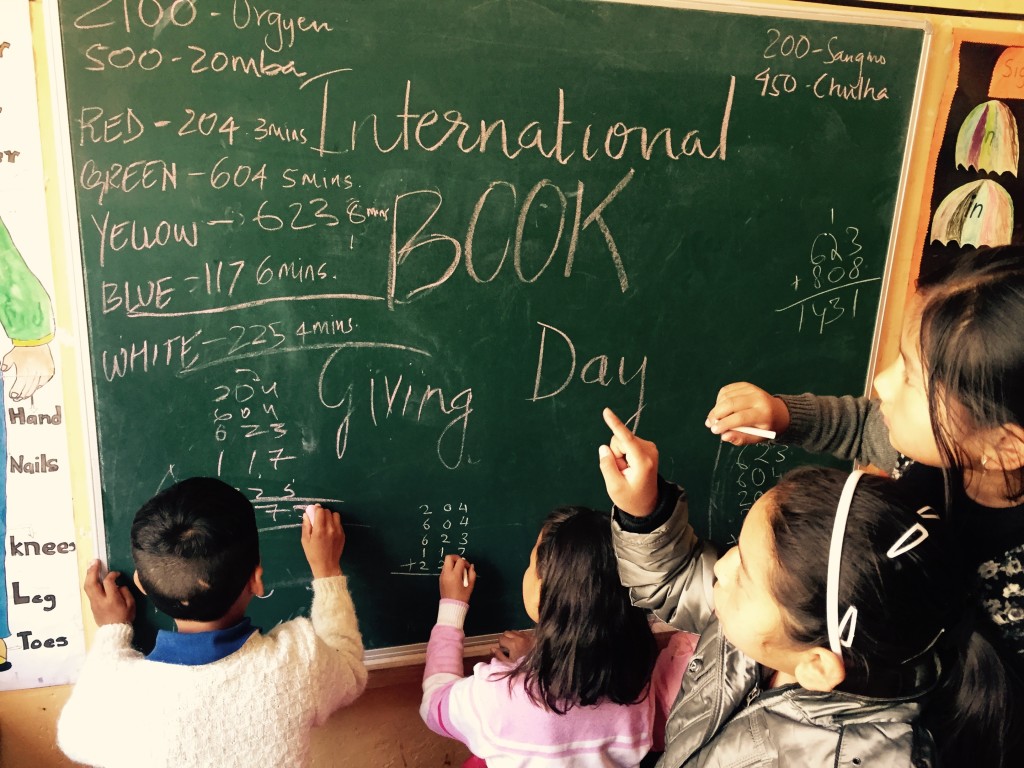
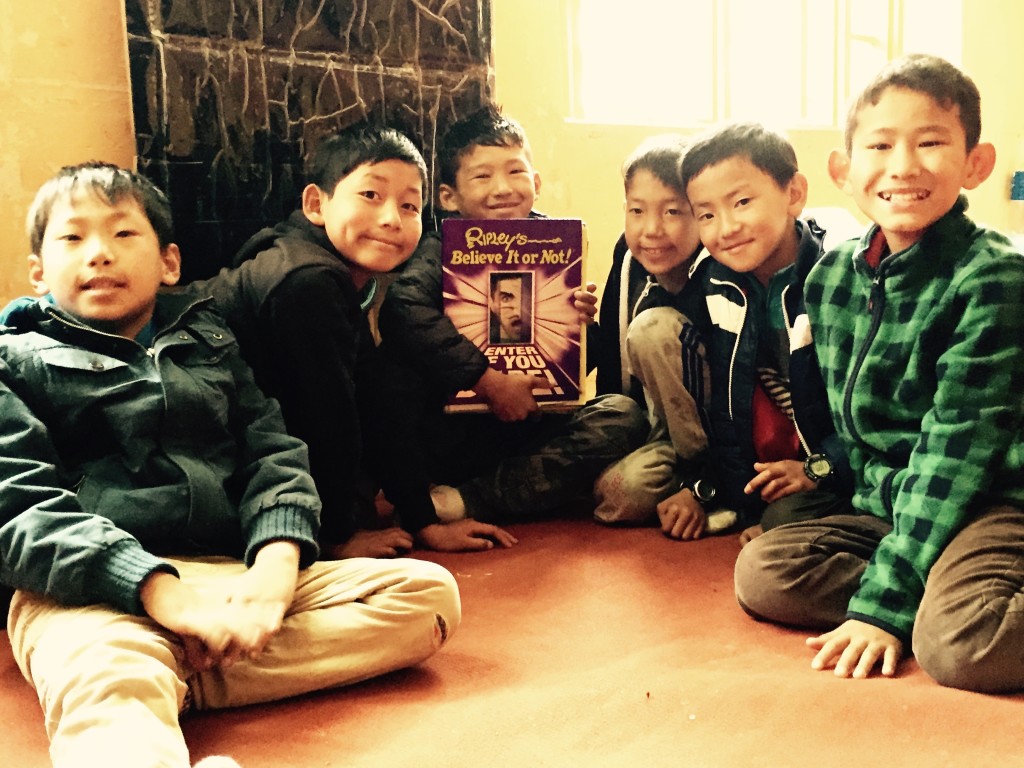
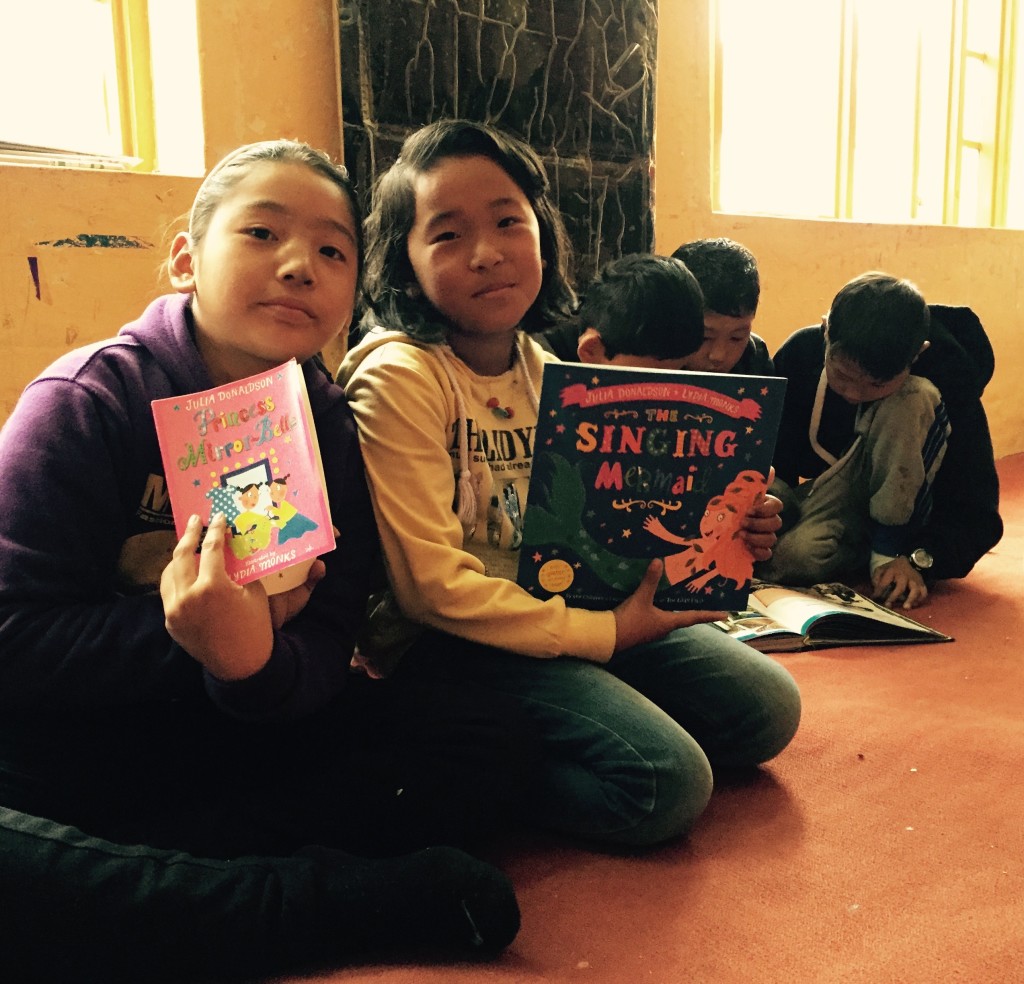
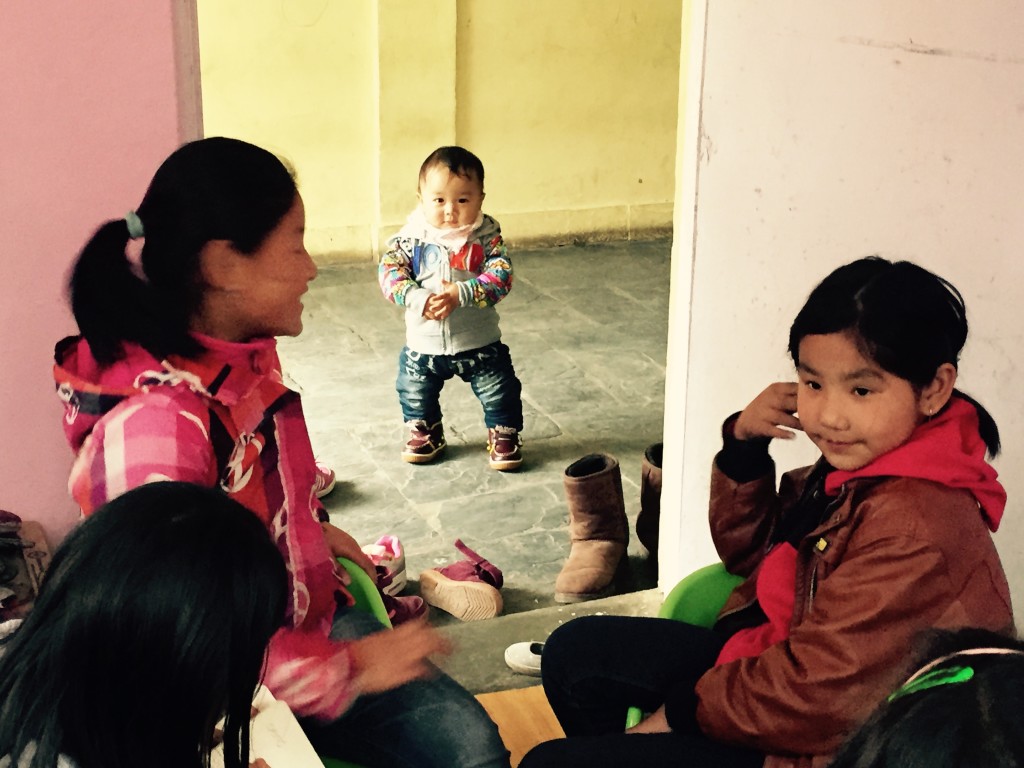
For the children and young monks we support, World Book Day is more than a date on the calendar. It is a joyful community gathering shaped around books, conversation, art, music, and shared learning. A reading room becomes a place of celebration, while a donated storybook becomes an invitation to explore.
The day also reminds us why literacy work matters in Ladakh and other Himalayan communities. Reliable access to books is often limited by distance, weather, cost, and a shortage of local resources. A book drive or a small library can therefore make a lasting difference in a child’s education.
Preparing The Village Reading Room
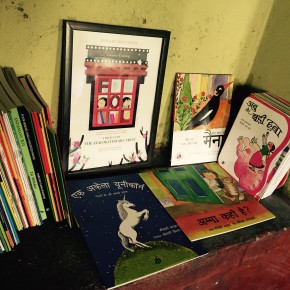
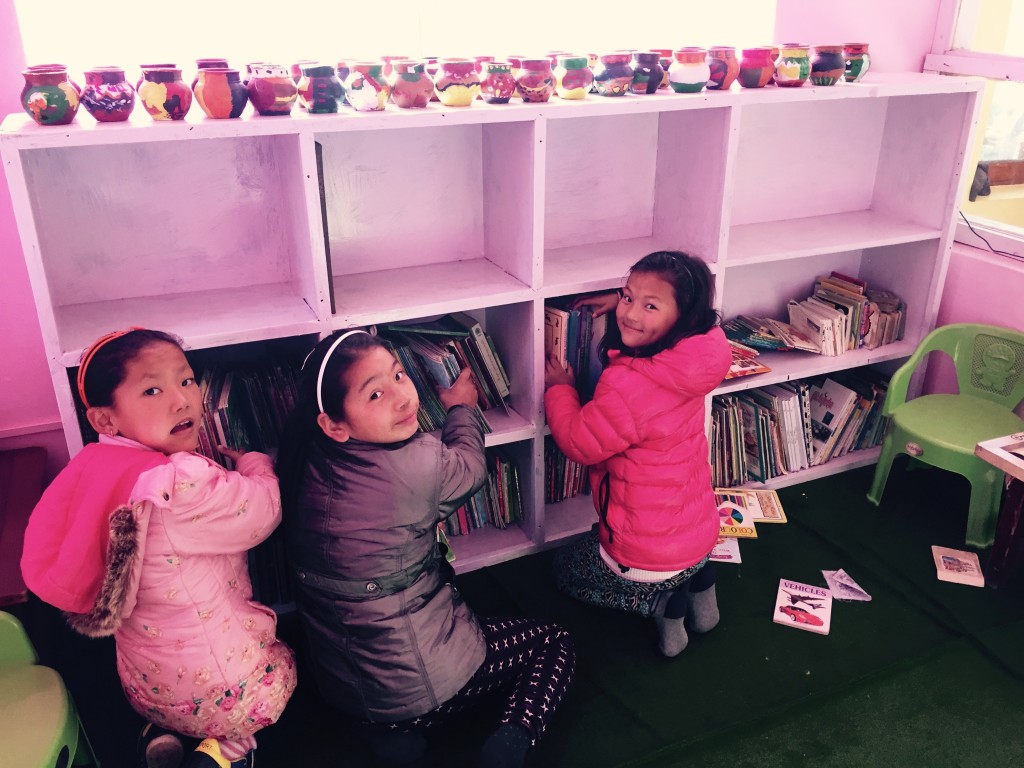
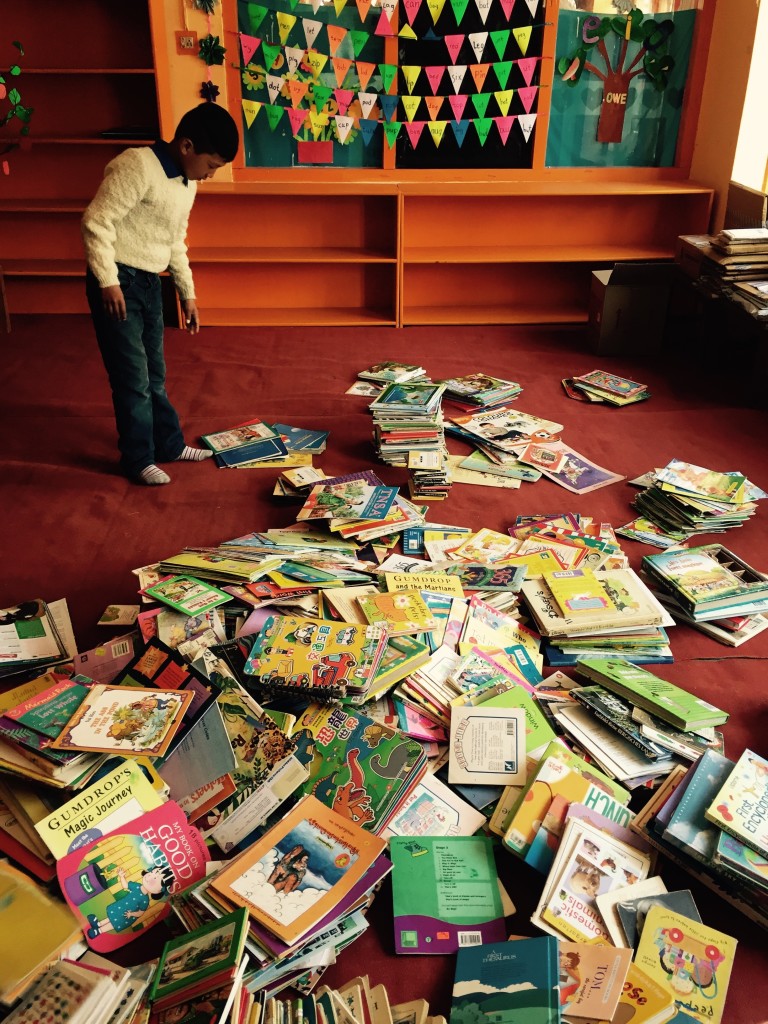
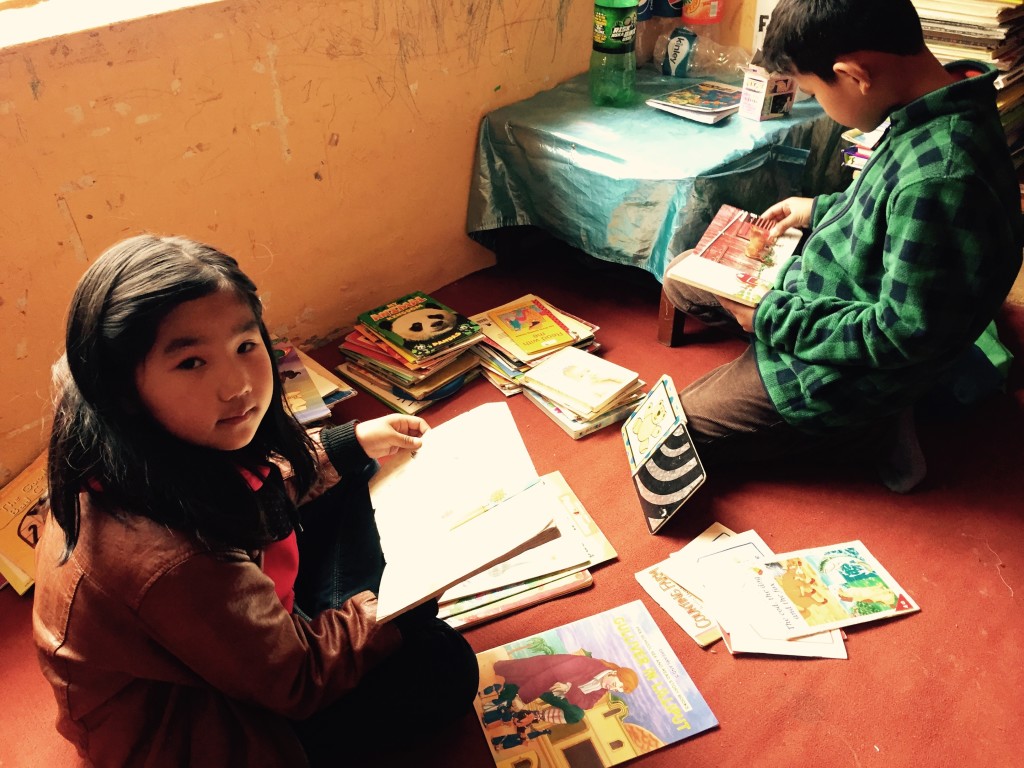
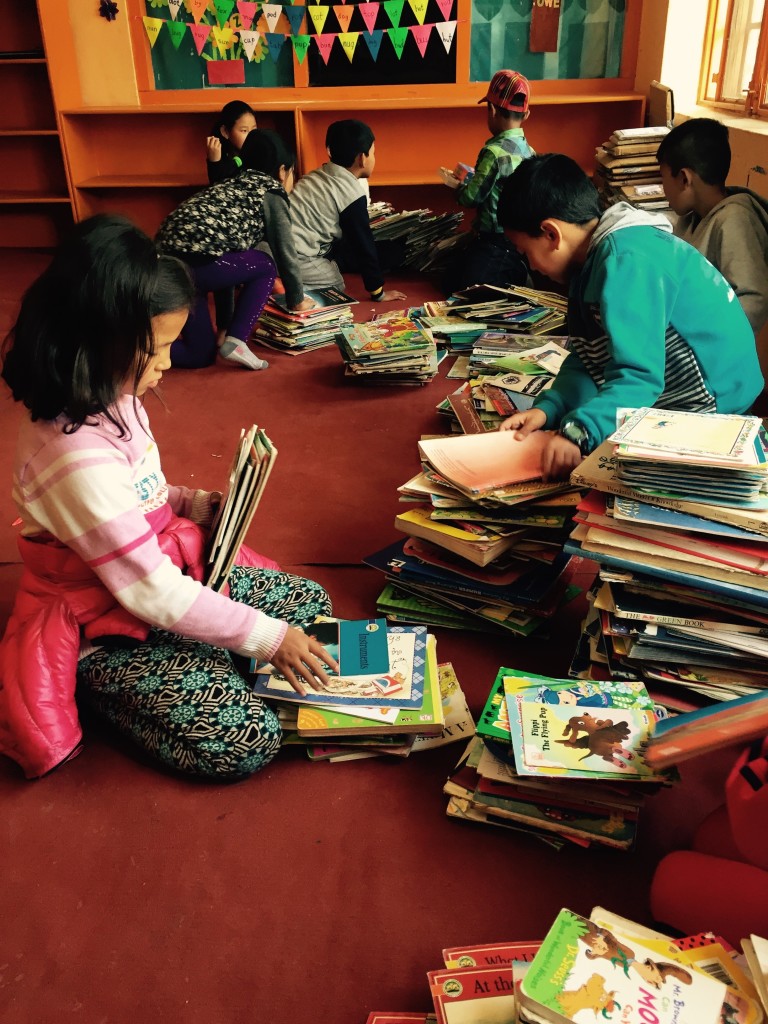
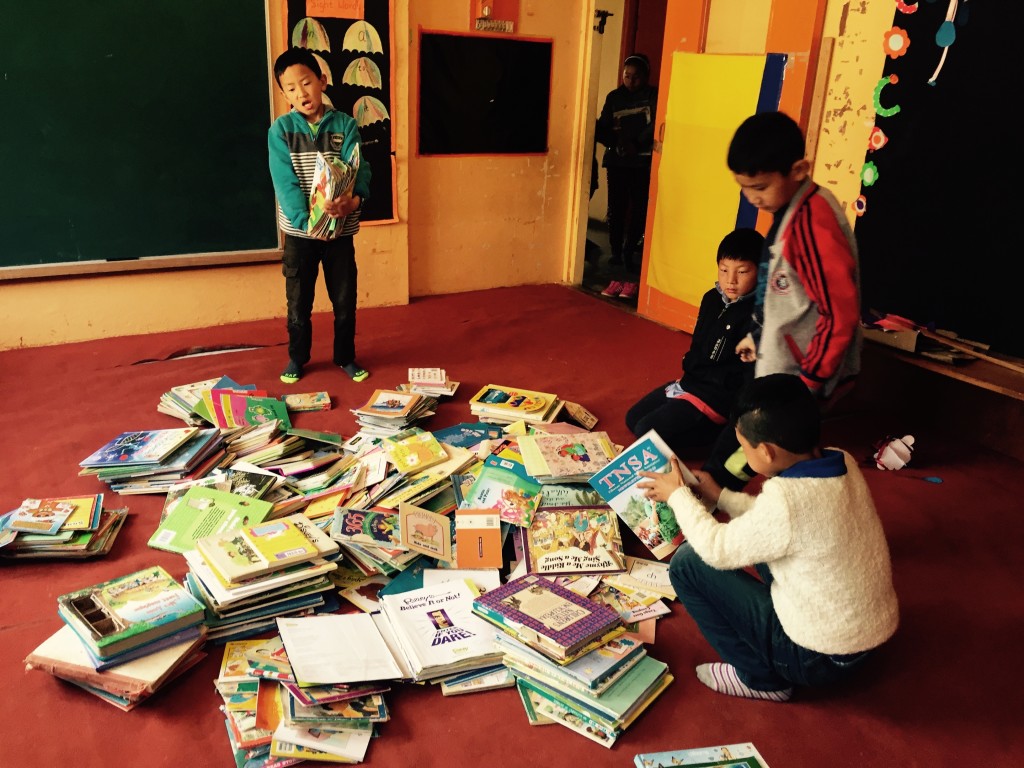
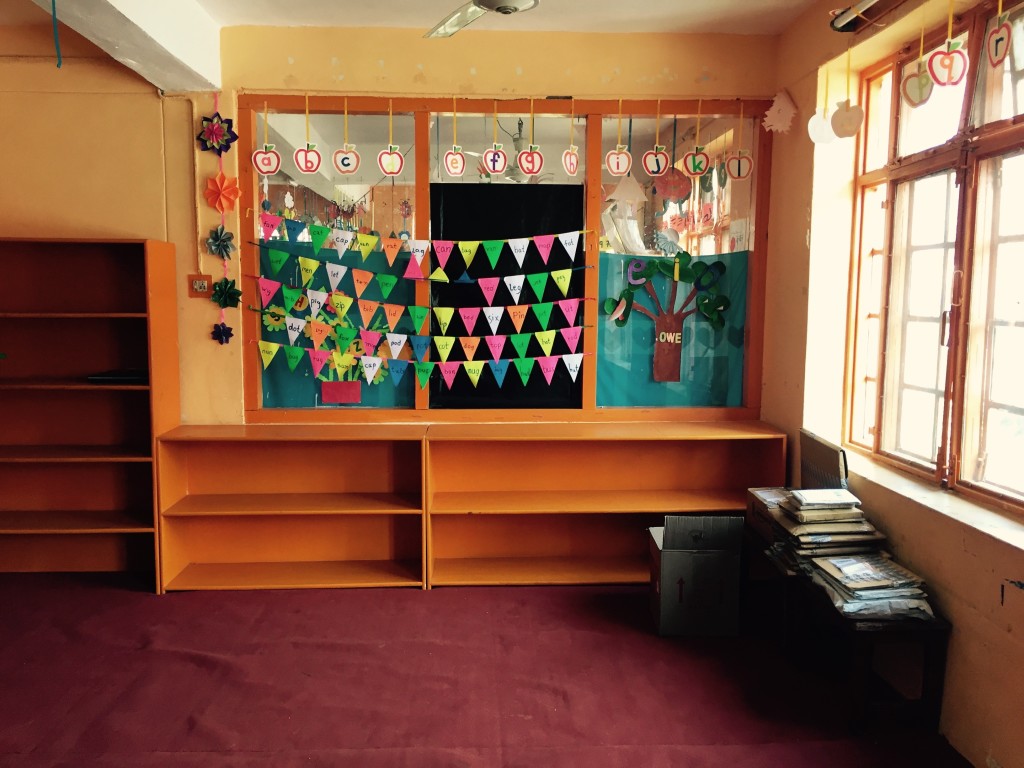
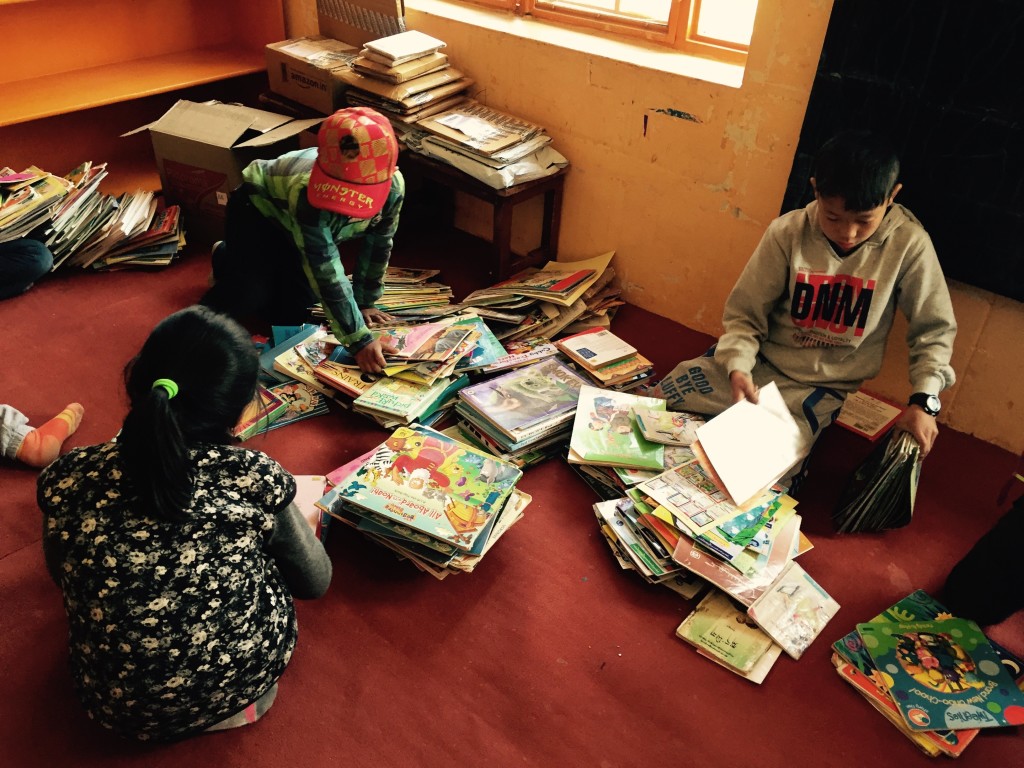
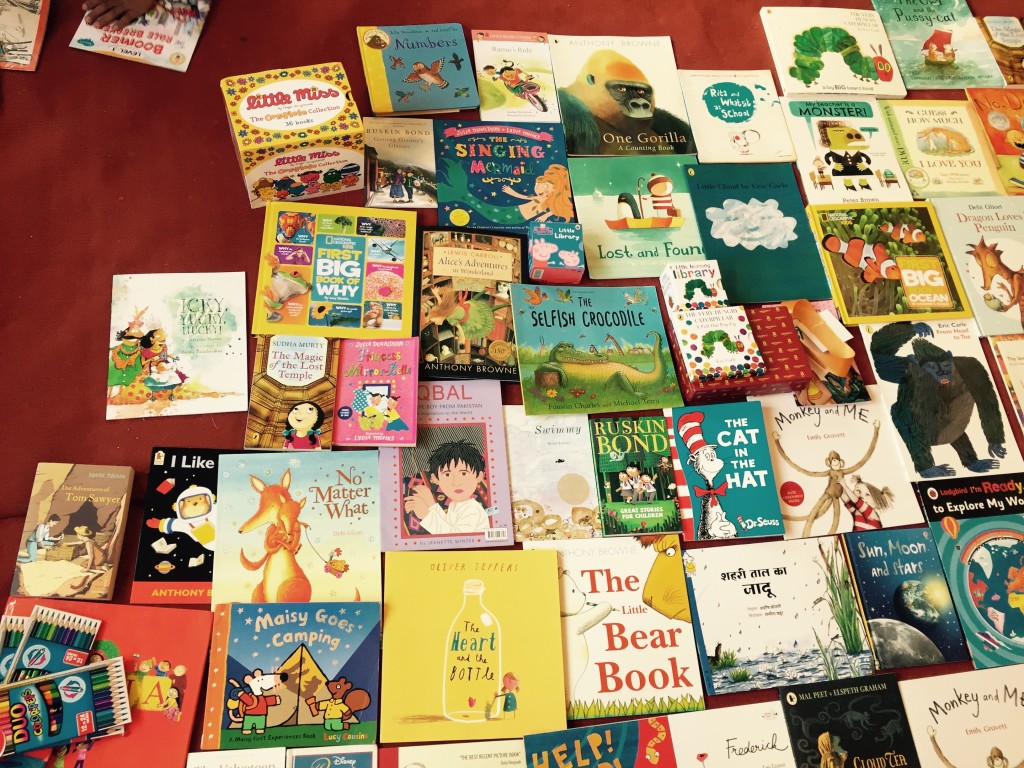
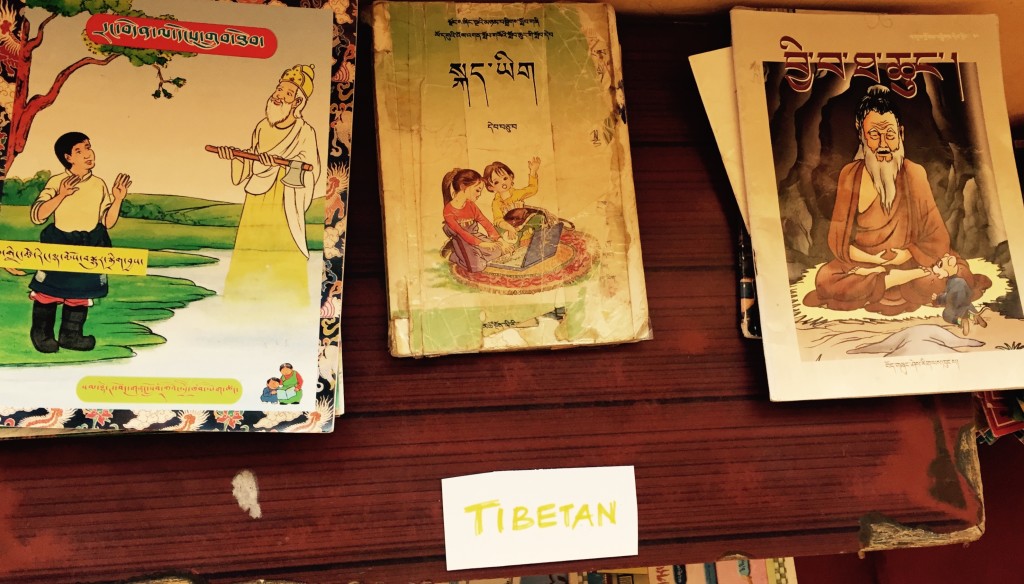
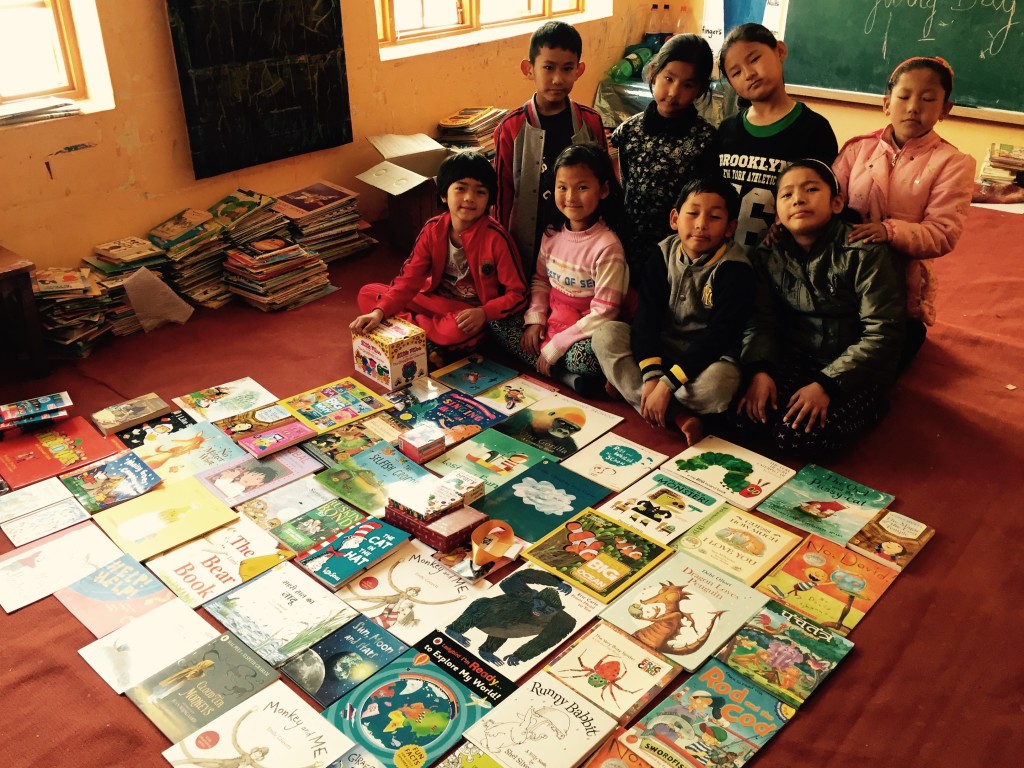
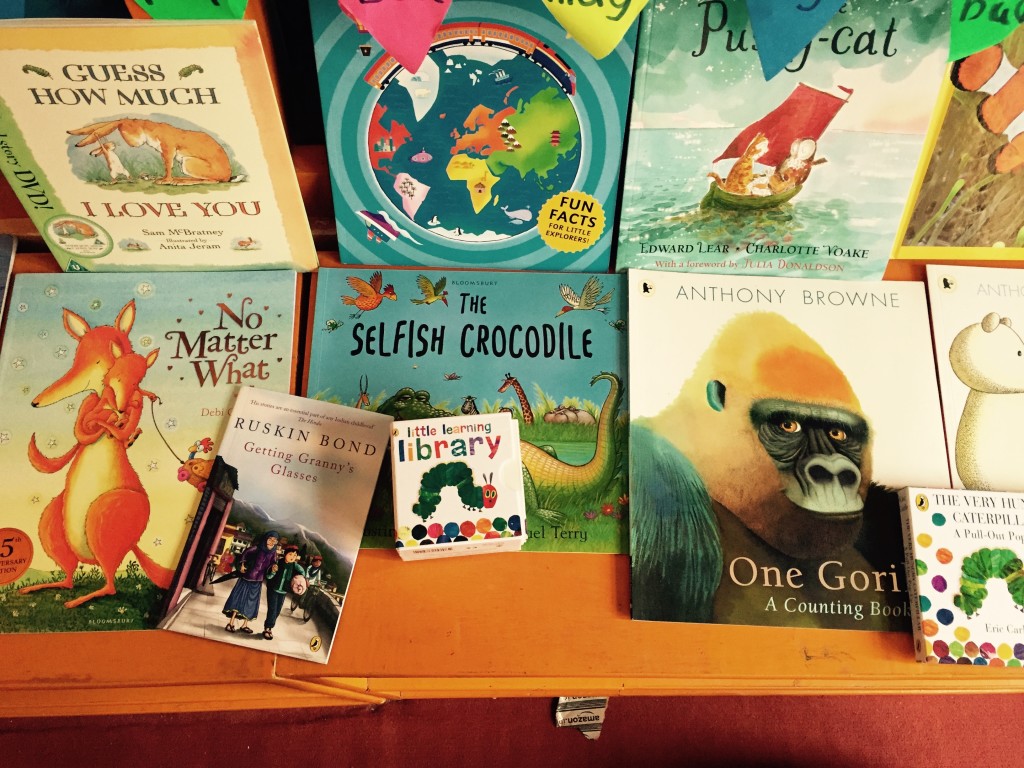
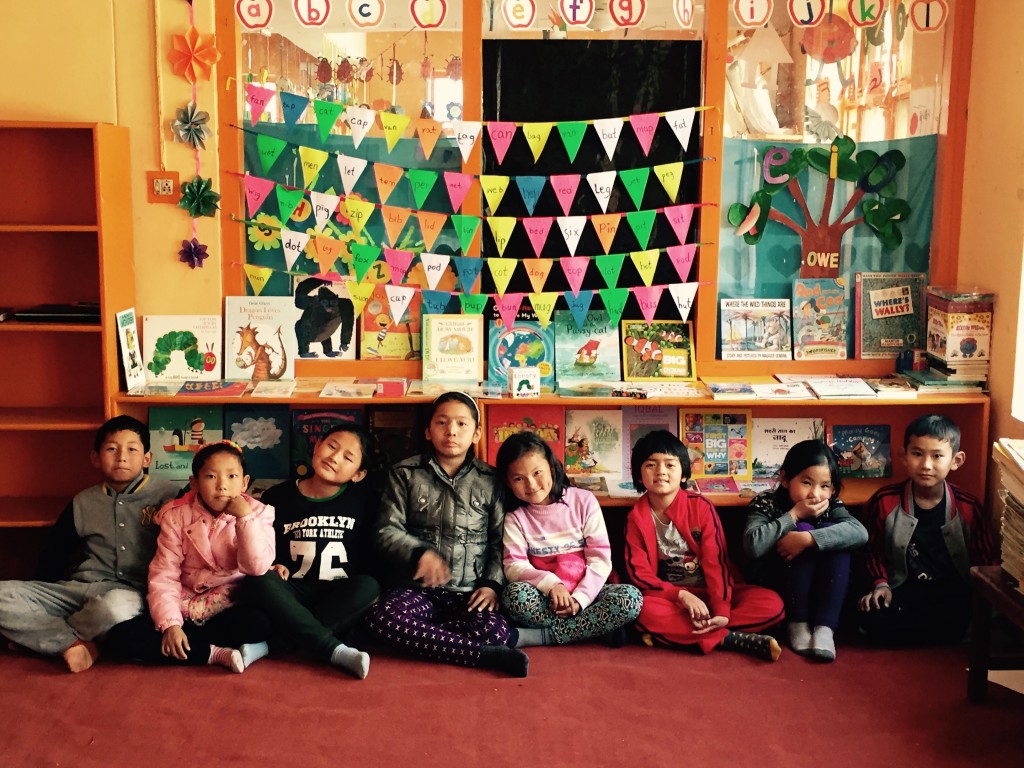
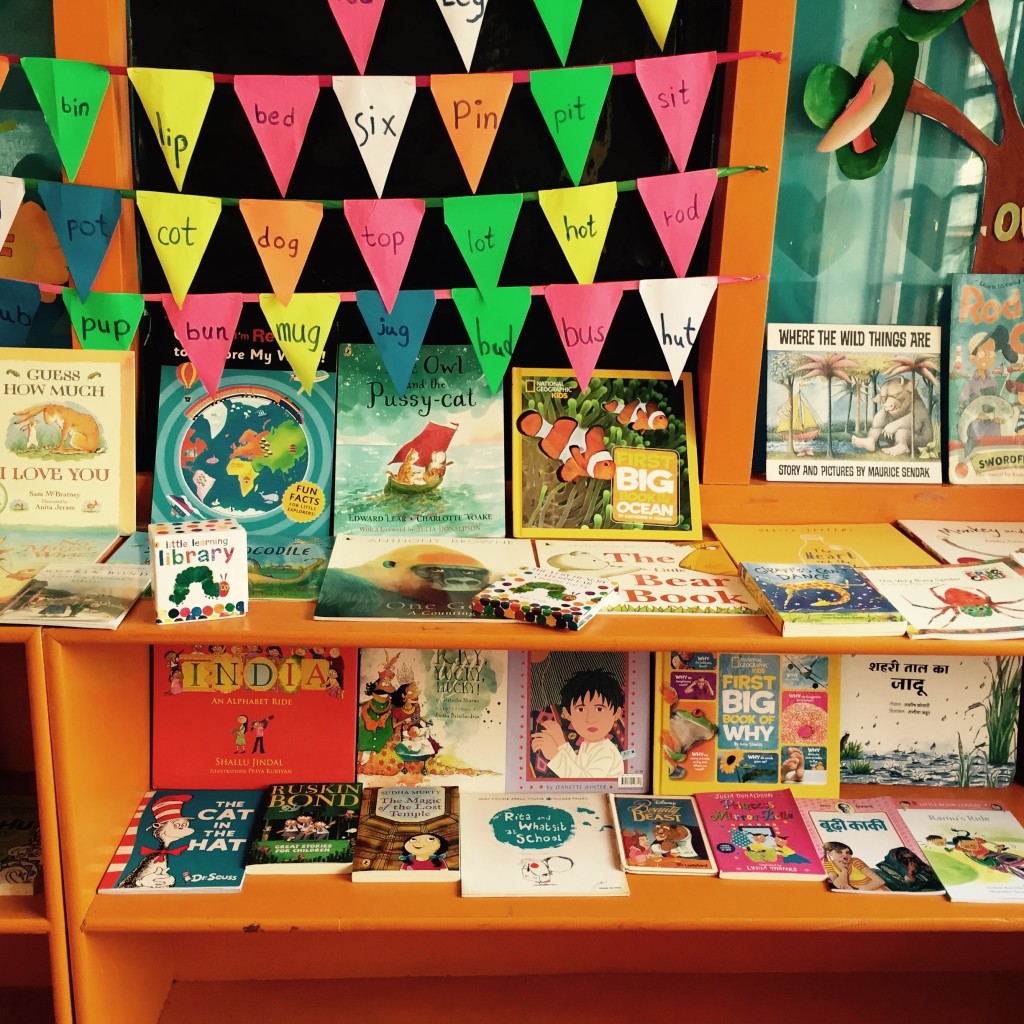
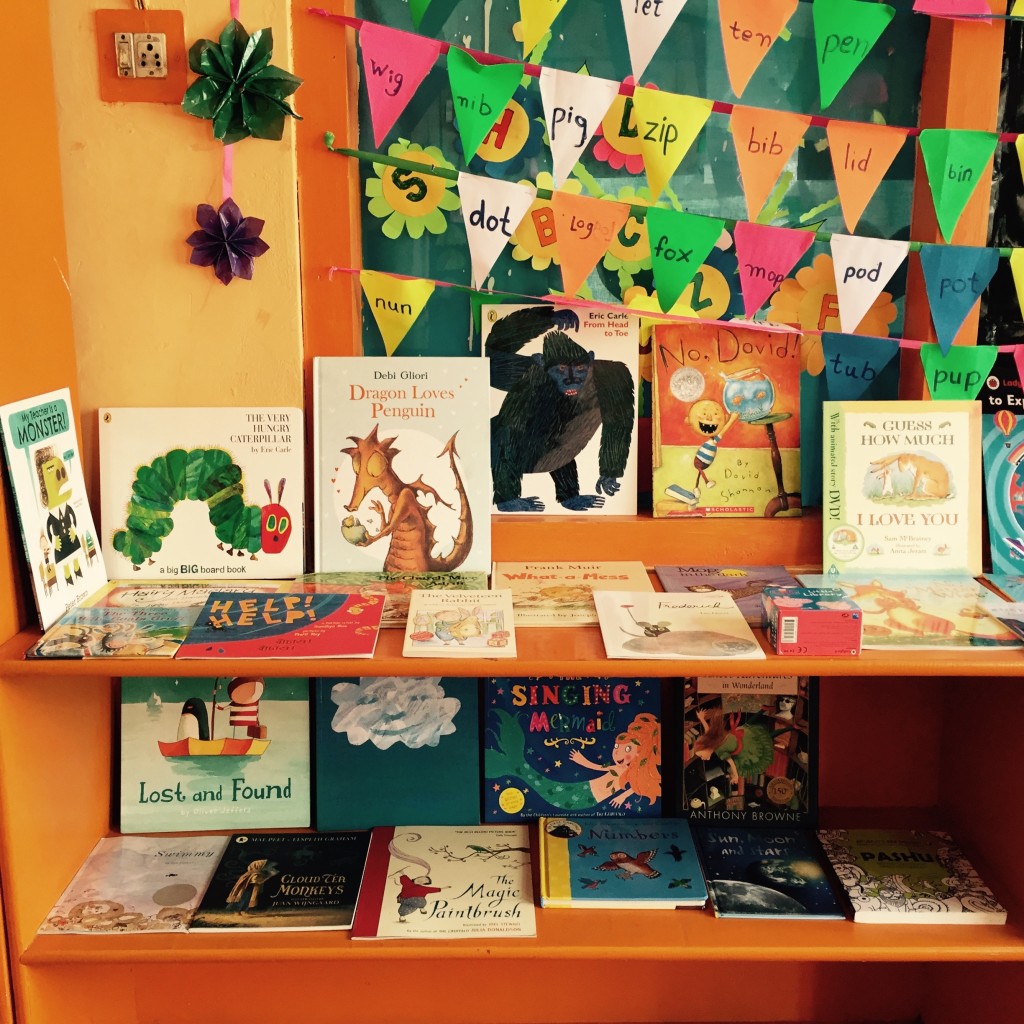
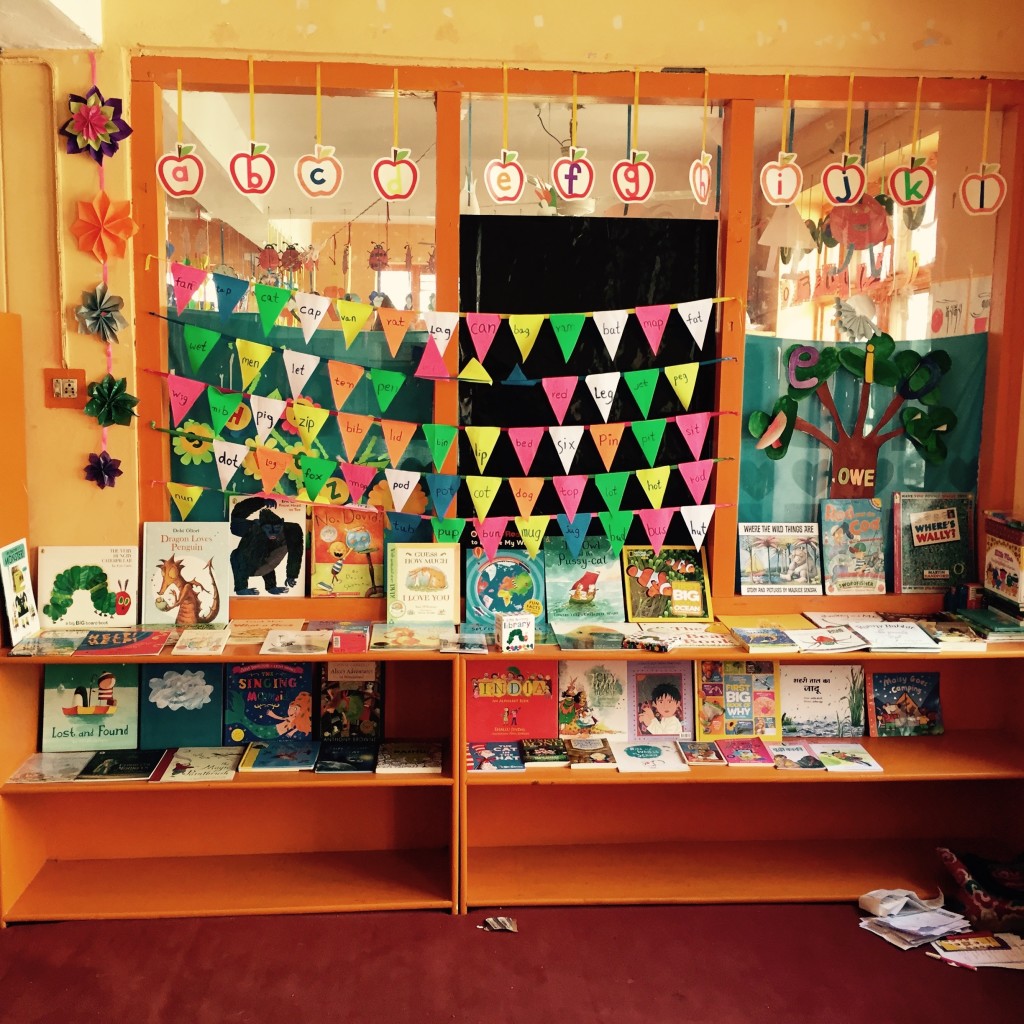
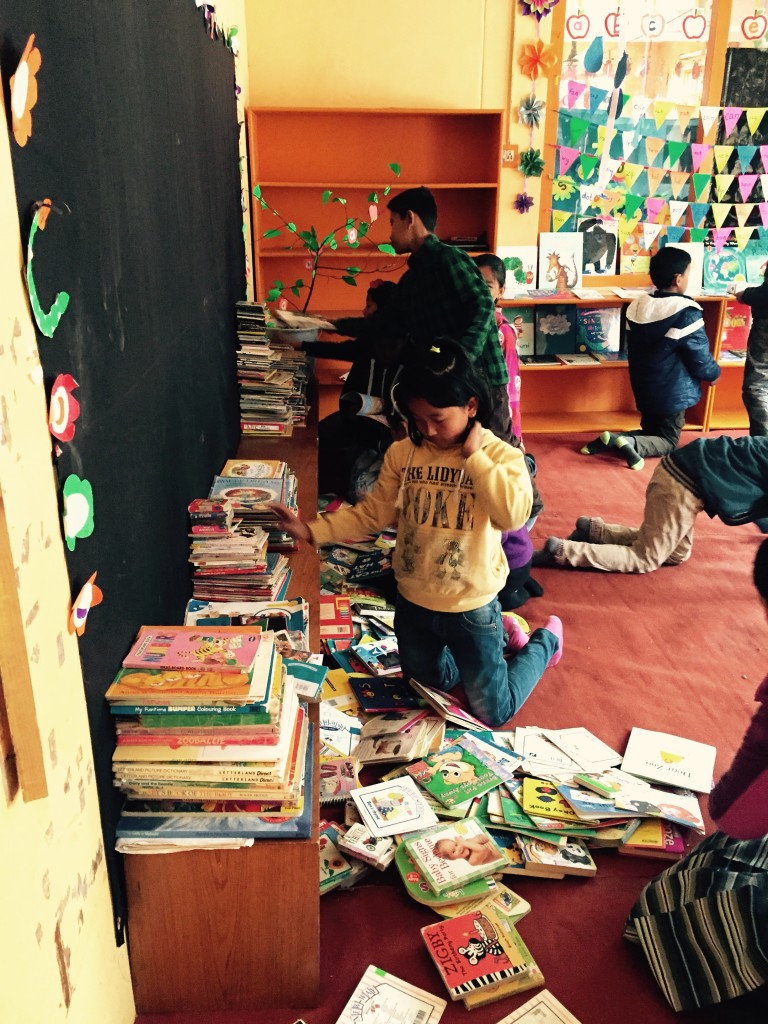
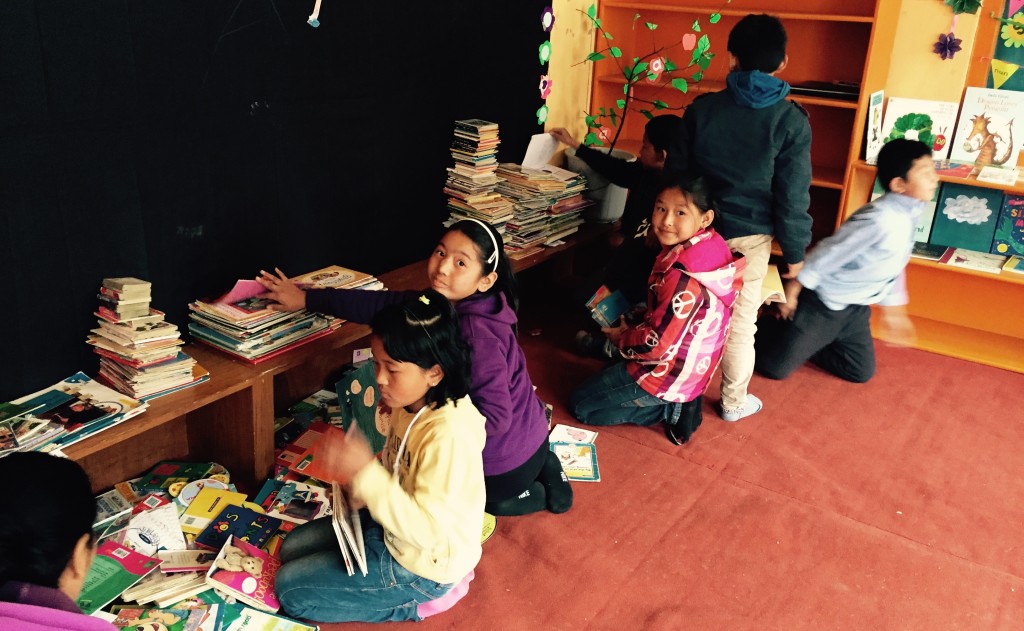
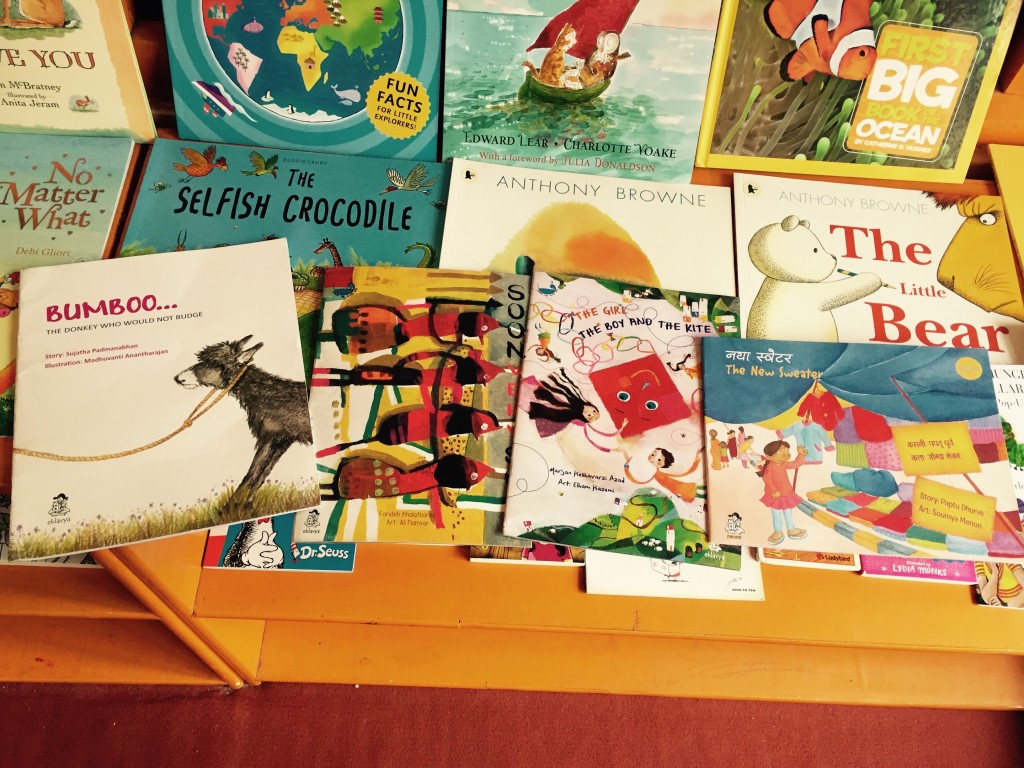
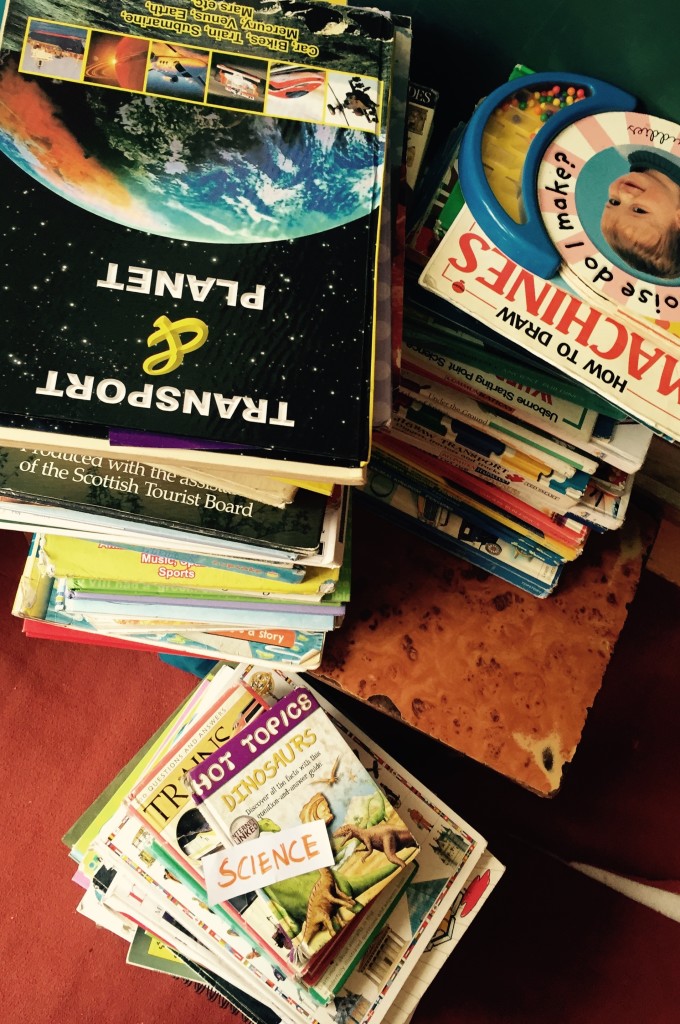
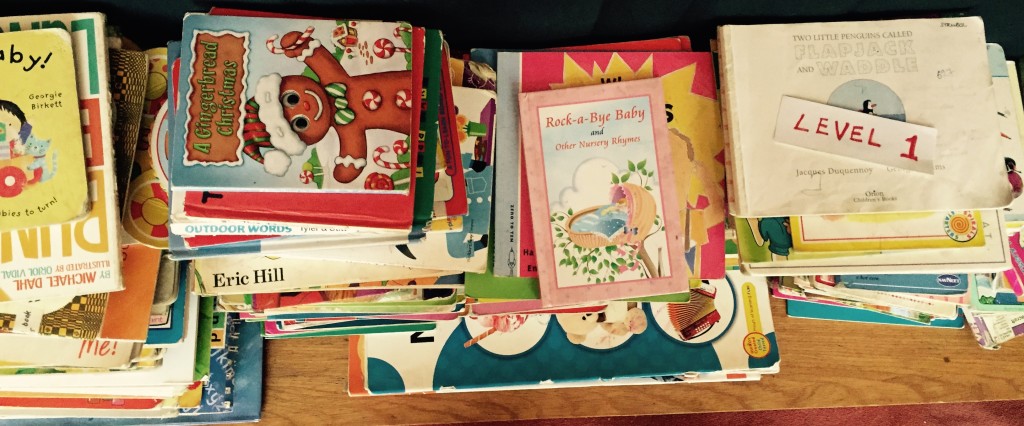
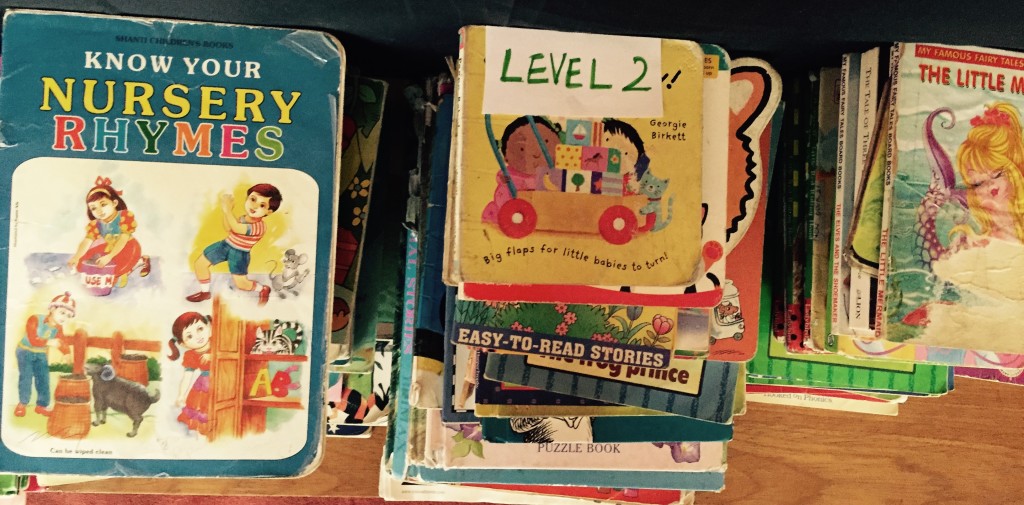
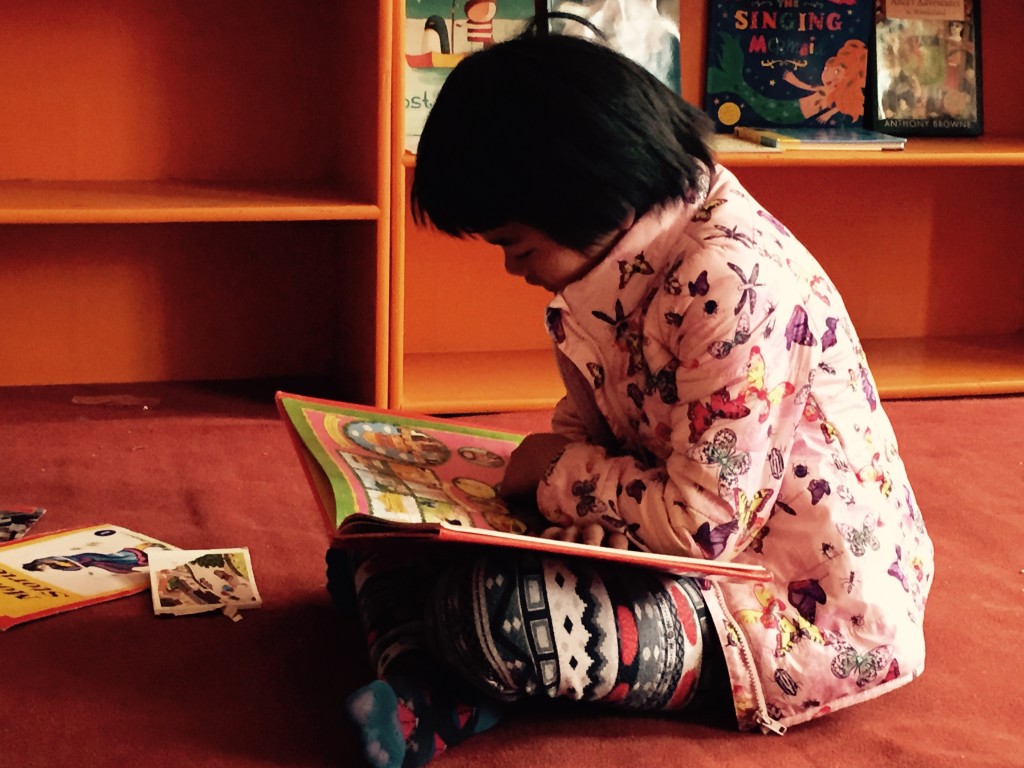
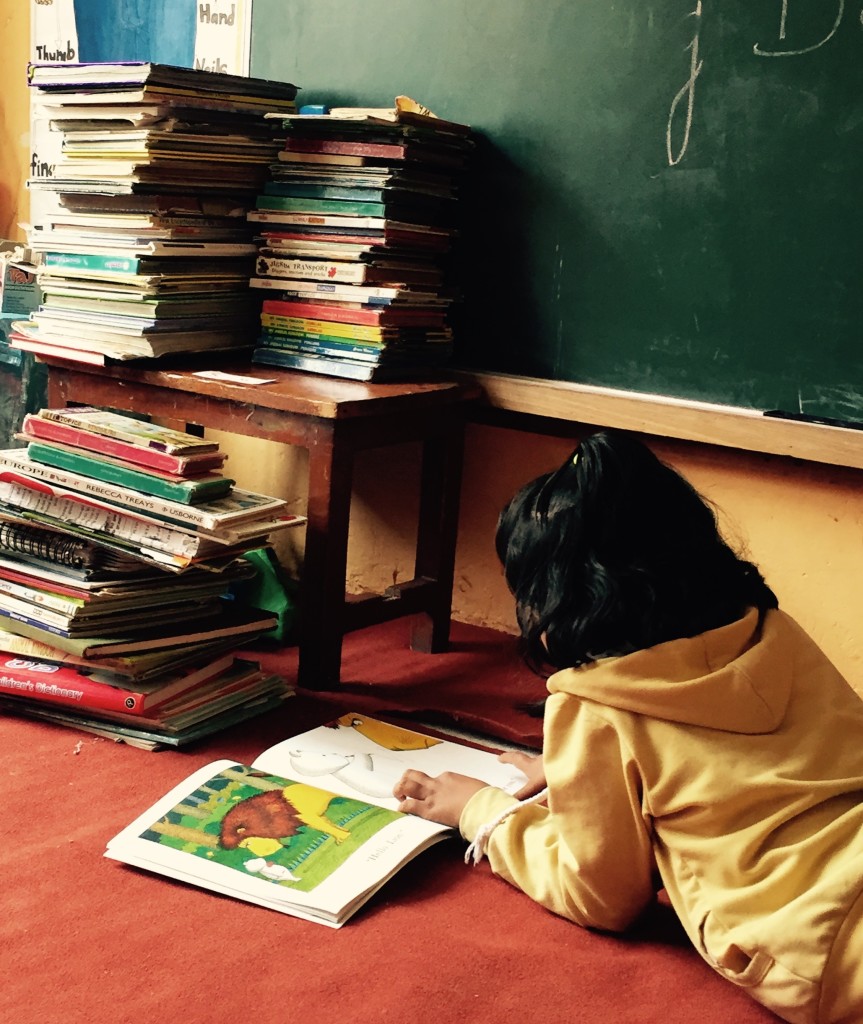
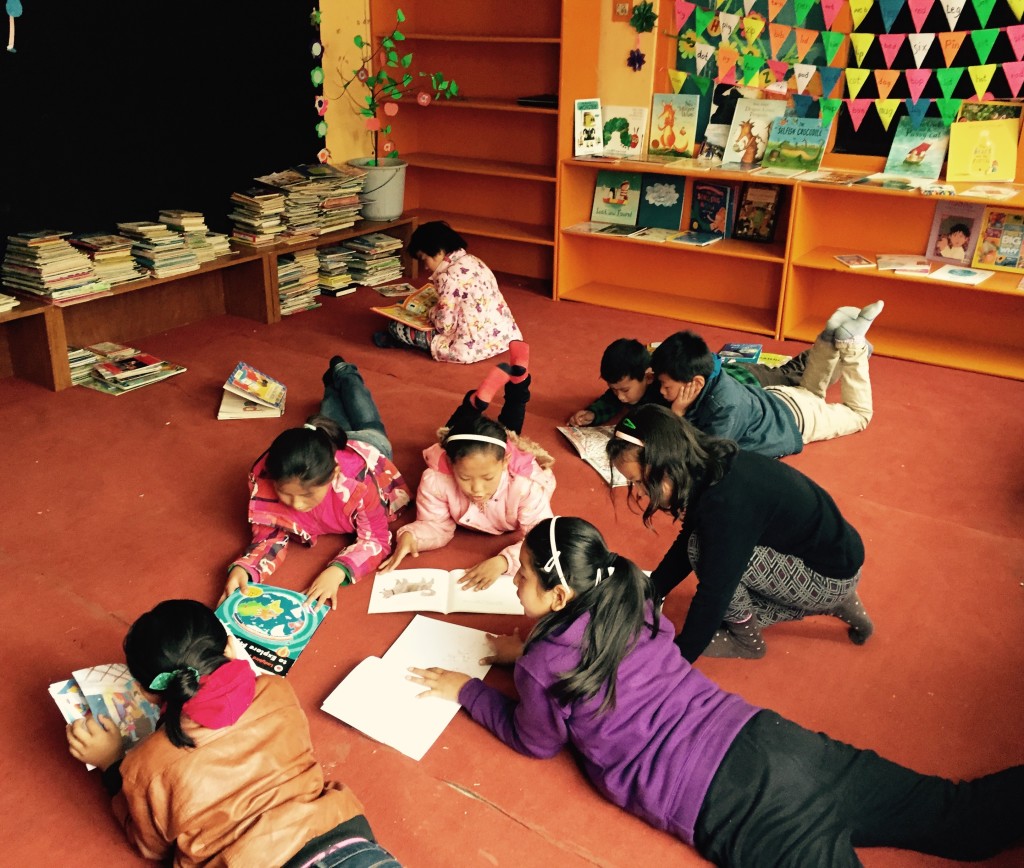
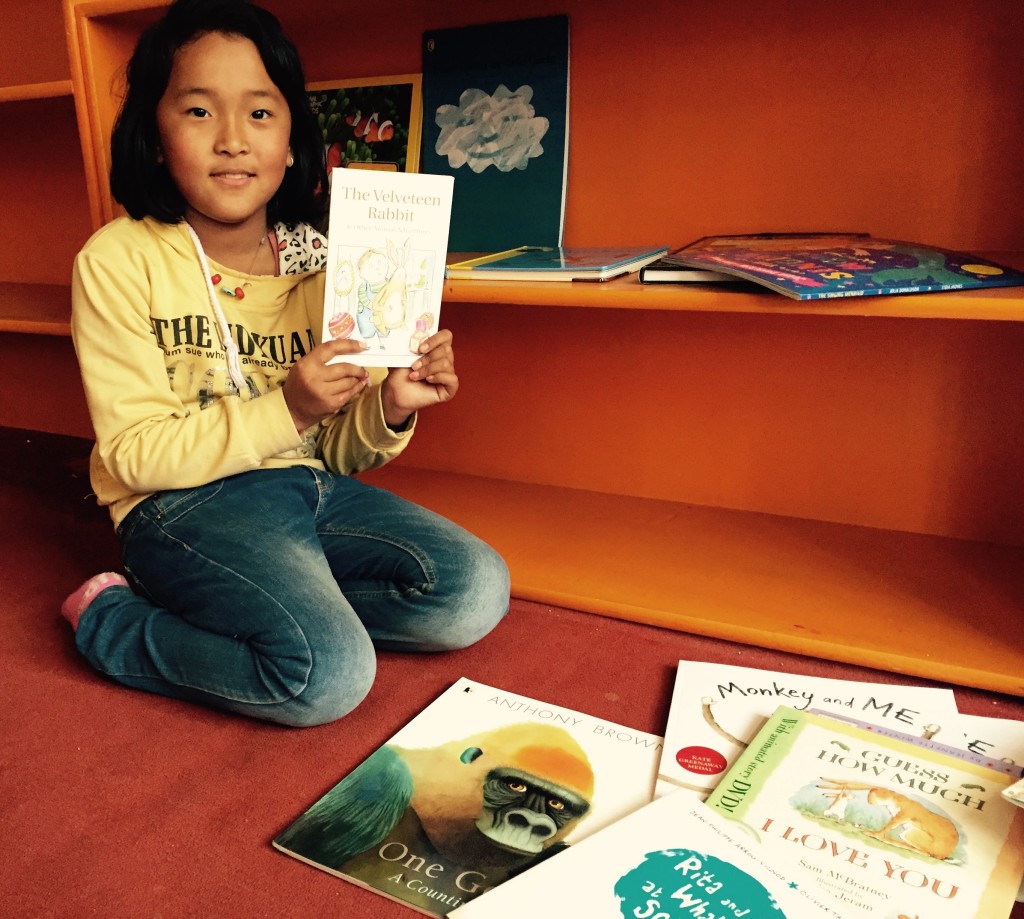
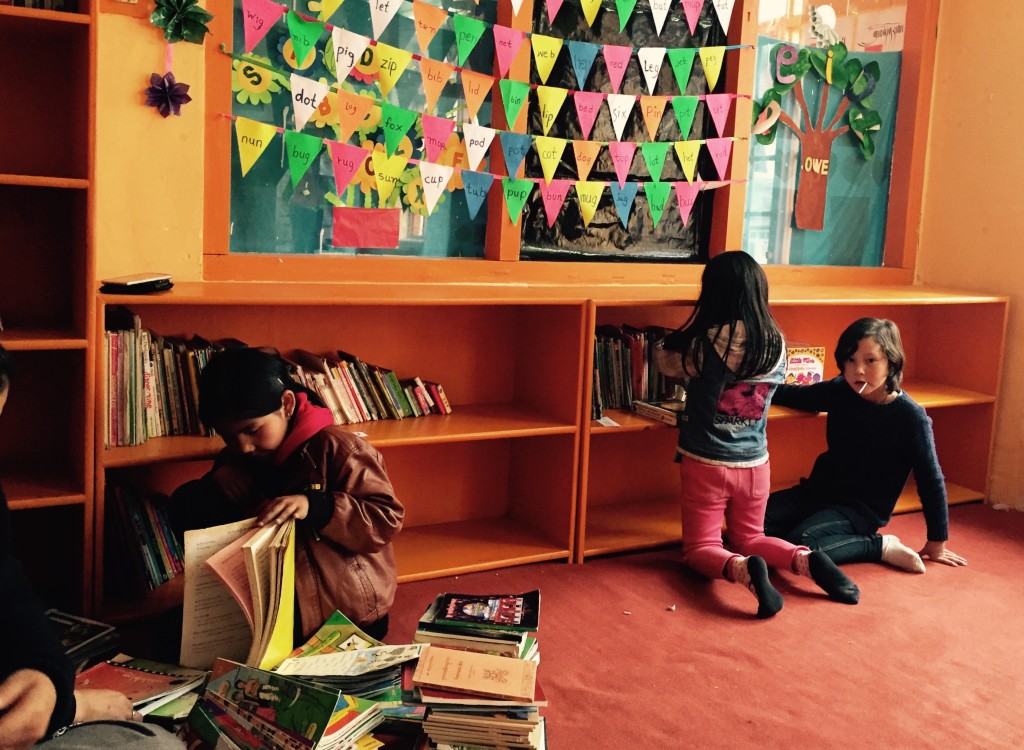
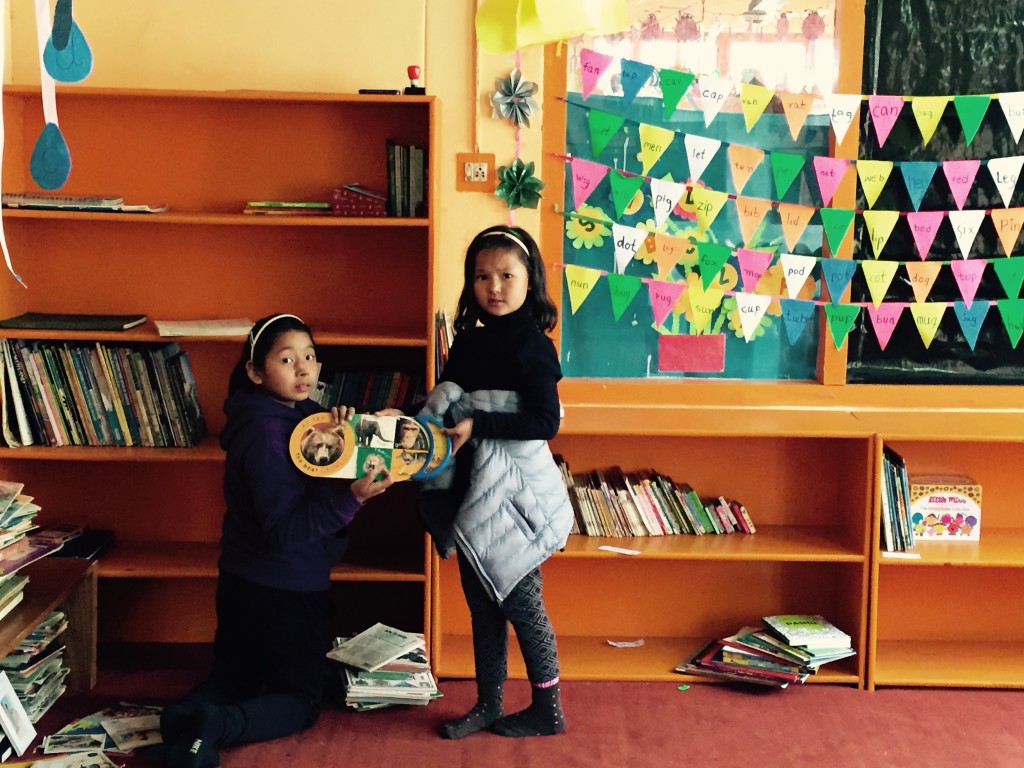
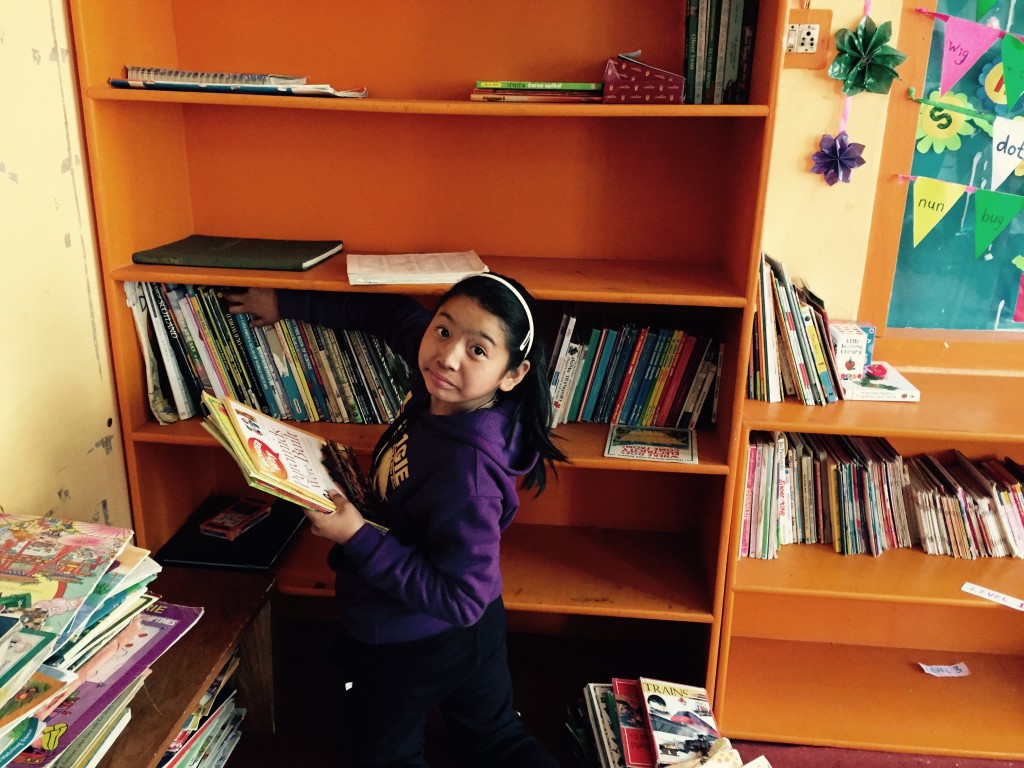
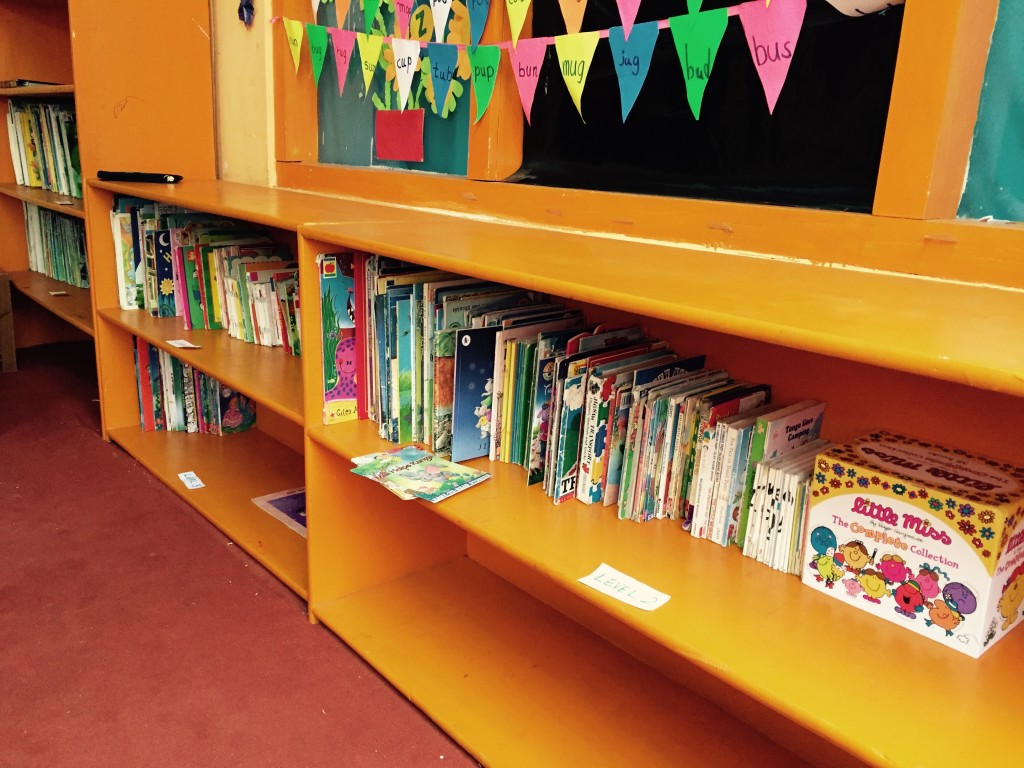
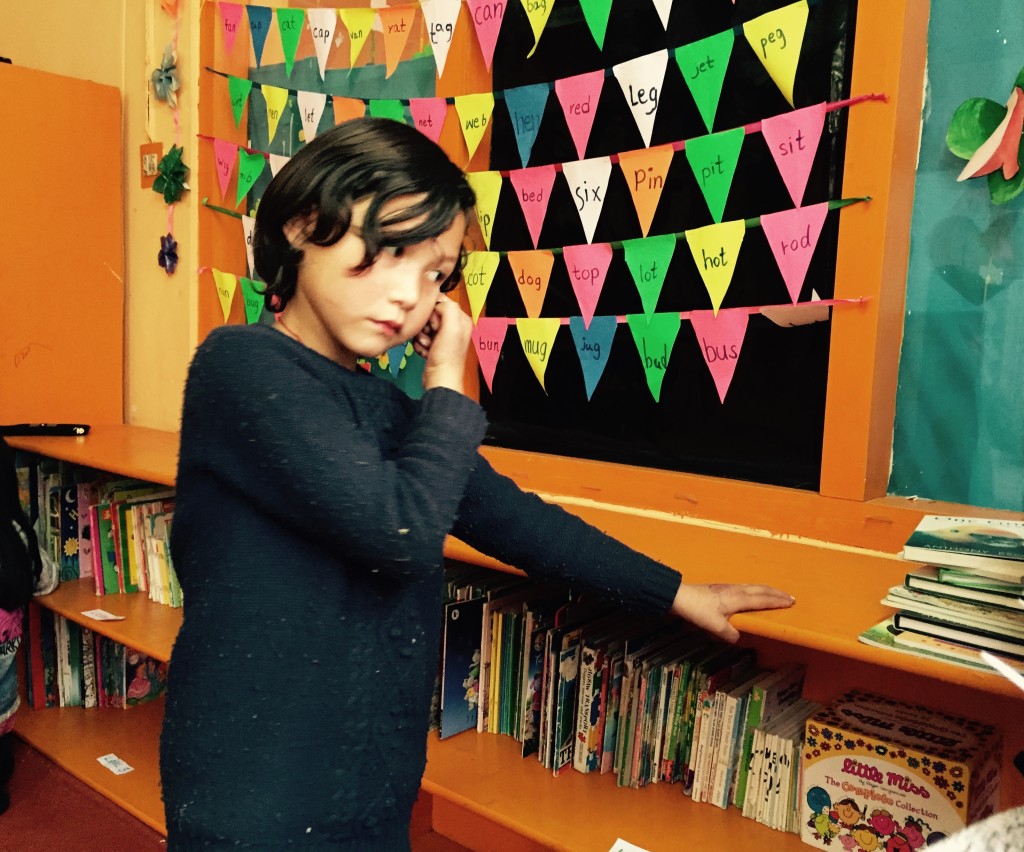
The celebration begins several days before the event. Children, young monks, volunteers, and teachers help prepare the reading room by sorting books, cleaning shelves, and creating colorful displays. Picture books sit beside folktales, poetry collections, educational titles, and books in languages familiar to the local community.
This preparation gives children ownership of the space. They see that their reading room belongs to them and that their choices matter. Some children recommend favorite books to friends, while others help arrange a special shelf for new arrivals from a recent book donation.
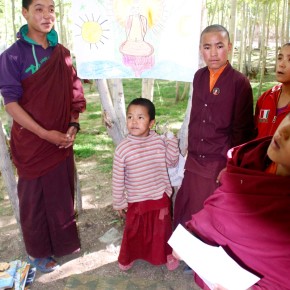
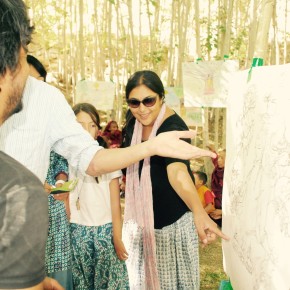
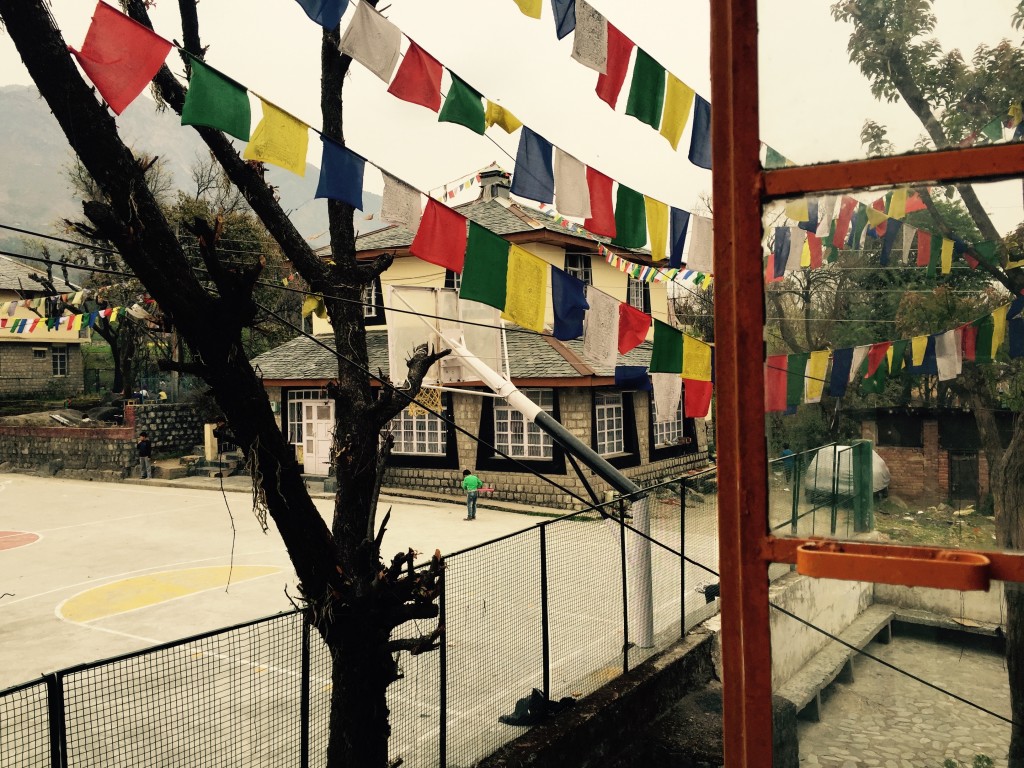
The room is decorated with handmade artwork inspired by mountains, animals, family life, and favorite characters. Prayer flags, paper bookmarks, and drawings brighten the walls without taking attention away from the books. The finished space feels welcoming, calm, and ready for discovery.
Sharing Stories Across Generations
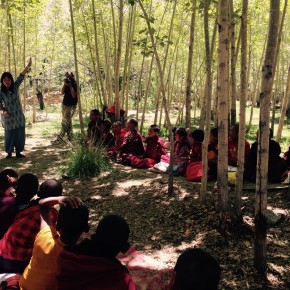
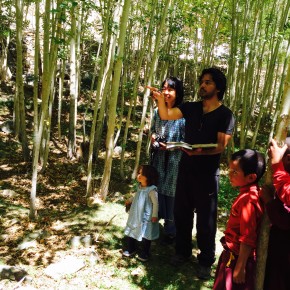
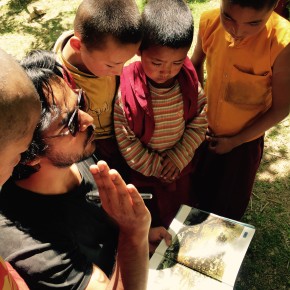
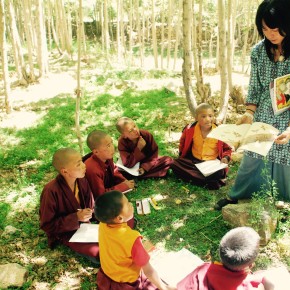
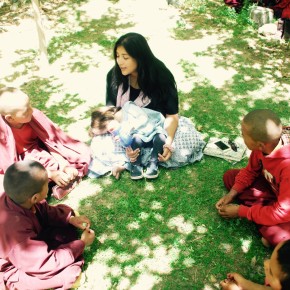
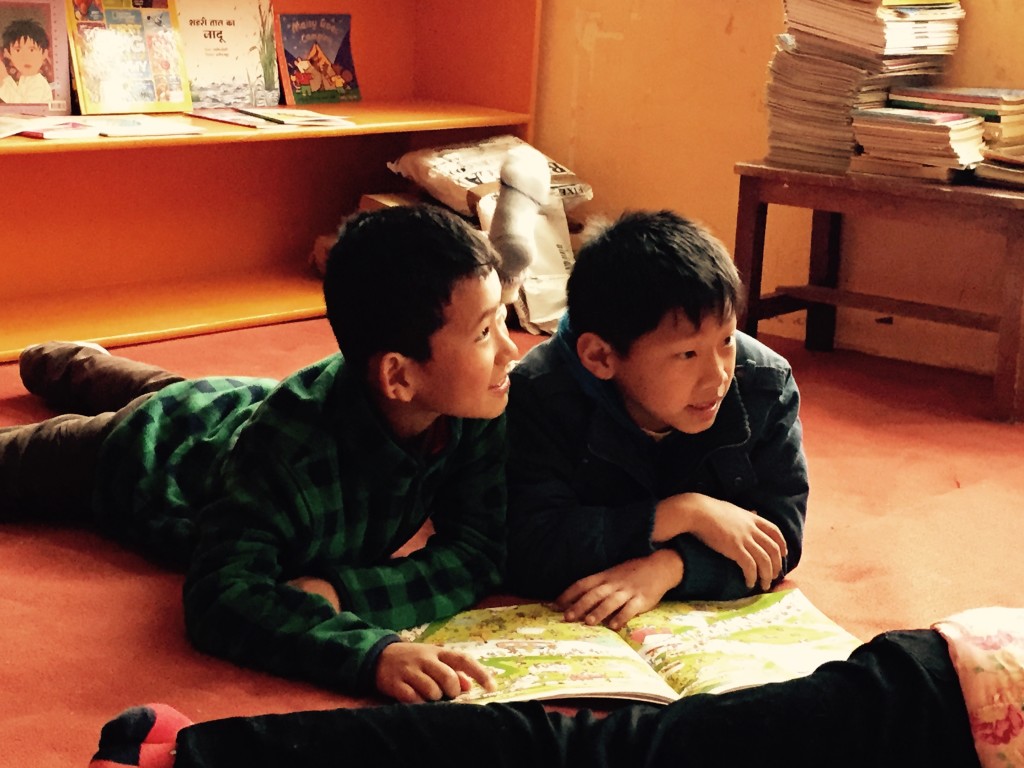
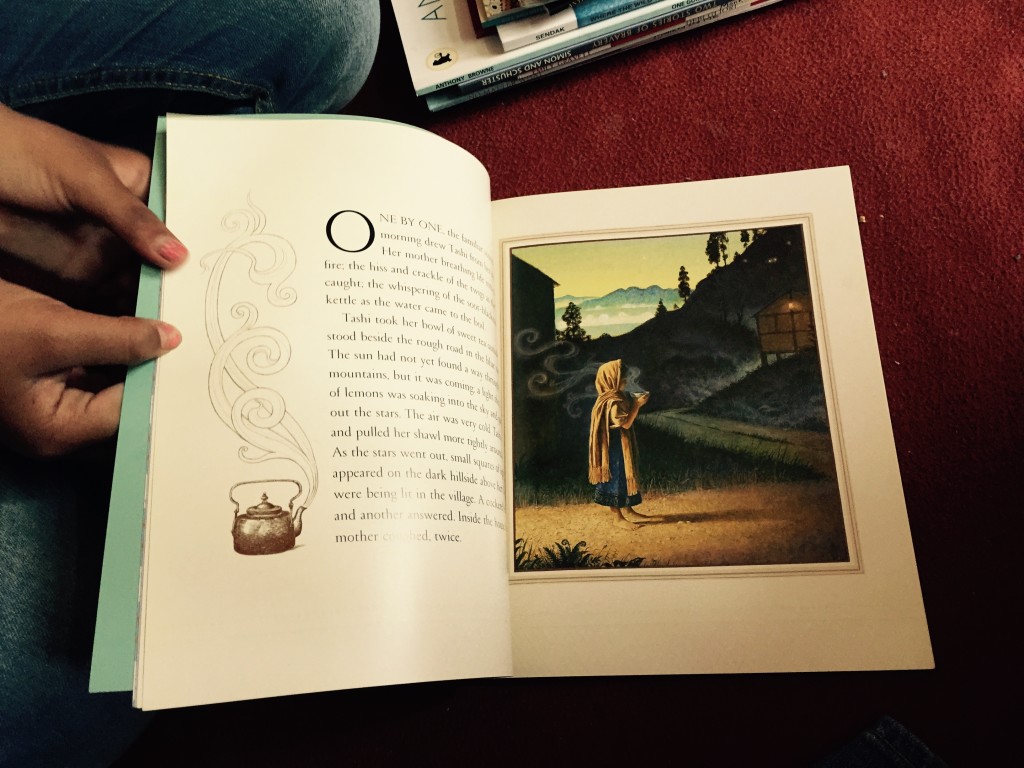
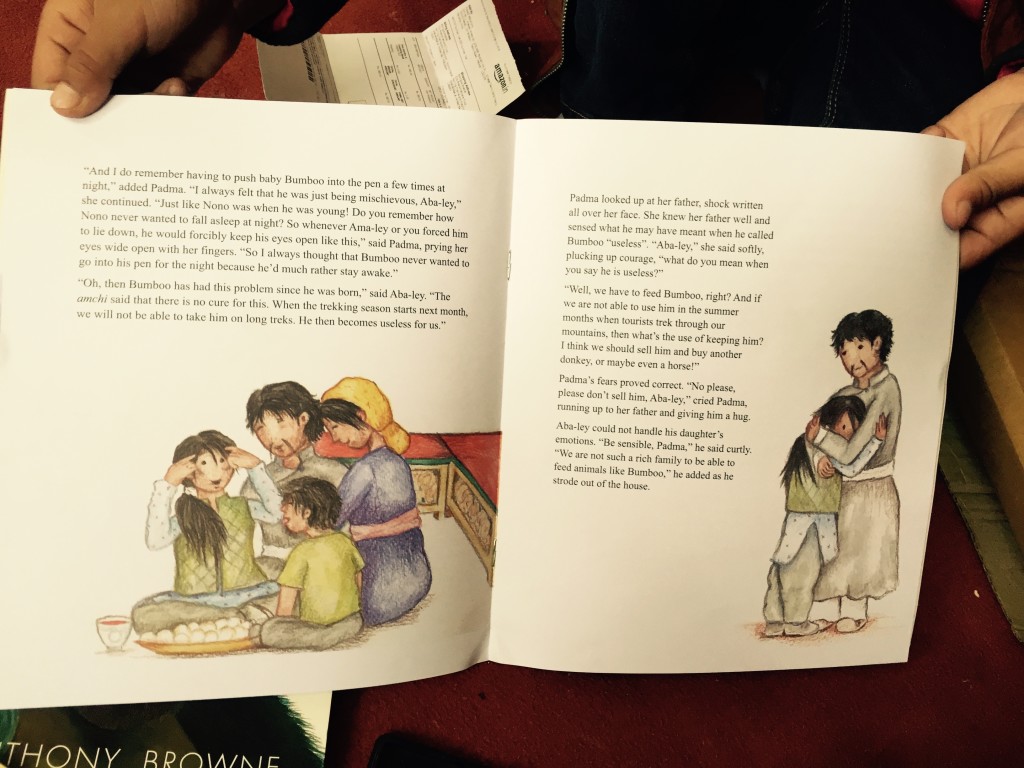
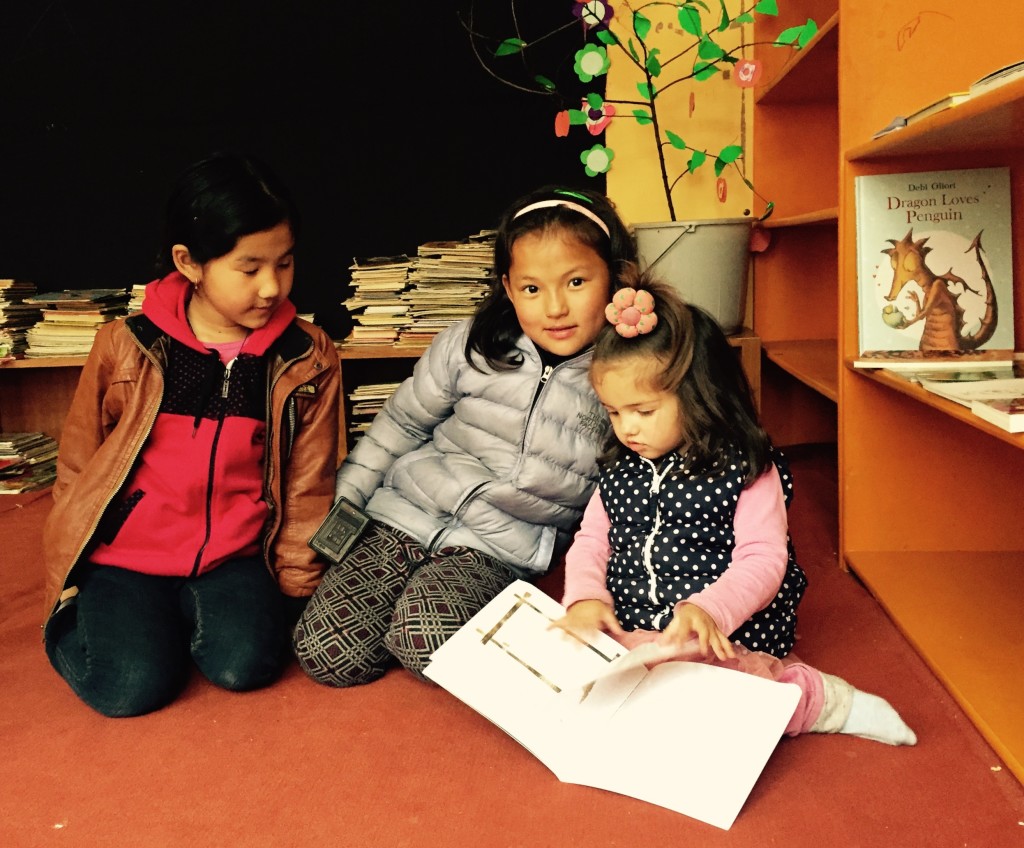
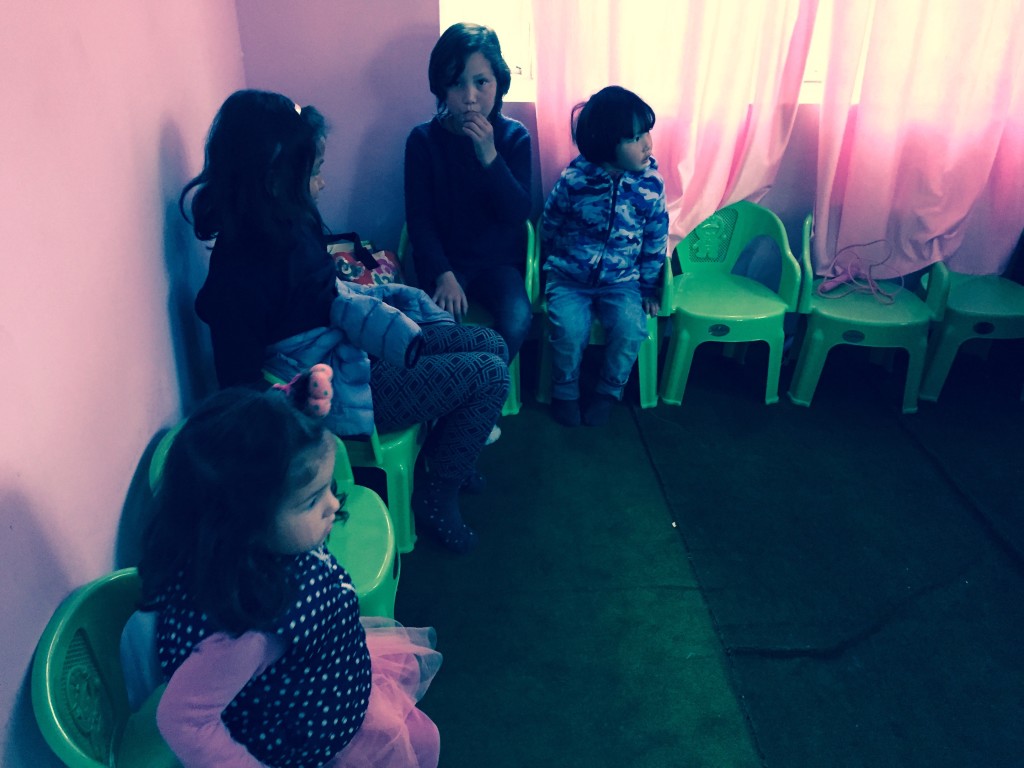
Storytelling is at the heart of our World Book Day activities. A teacher, volunteer, elder, or young monk may read aloud to a group of children, using different voices and expressions to bring the story to life. Younger listeners enjoy the rhythm of the words, while older children often help explain unfamiliar ideas.
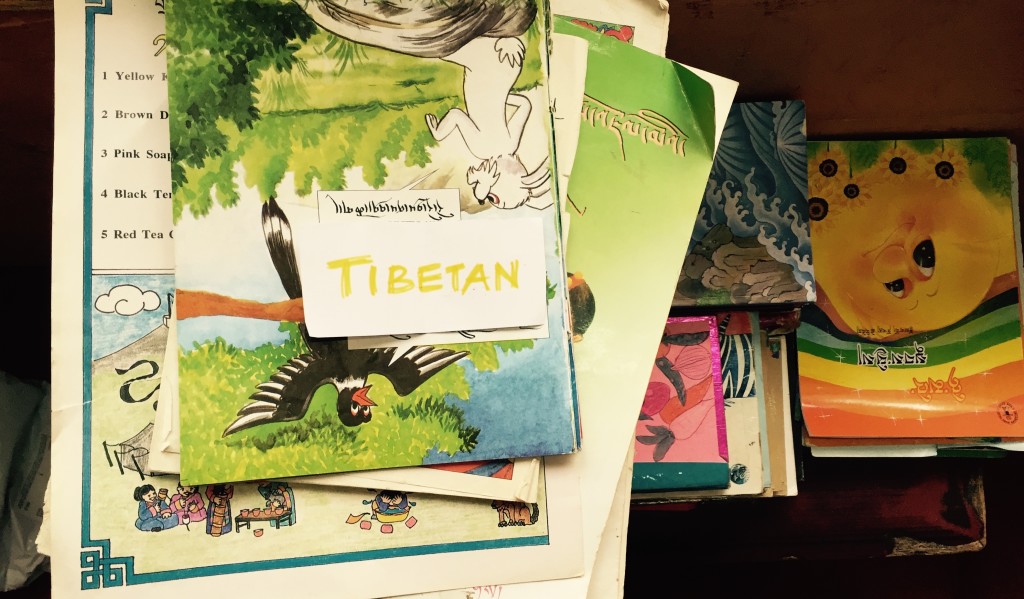
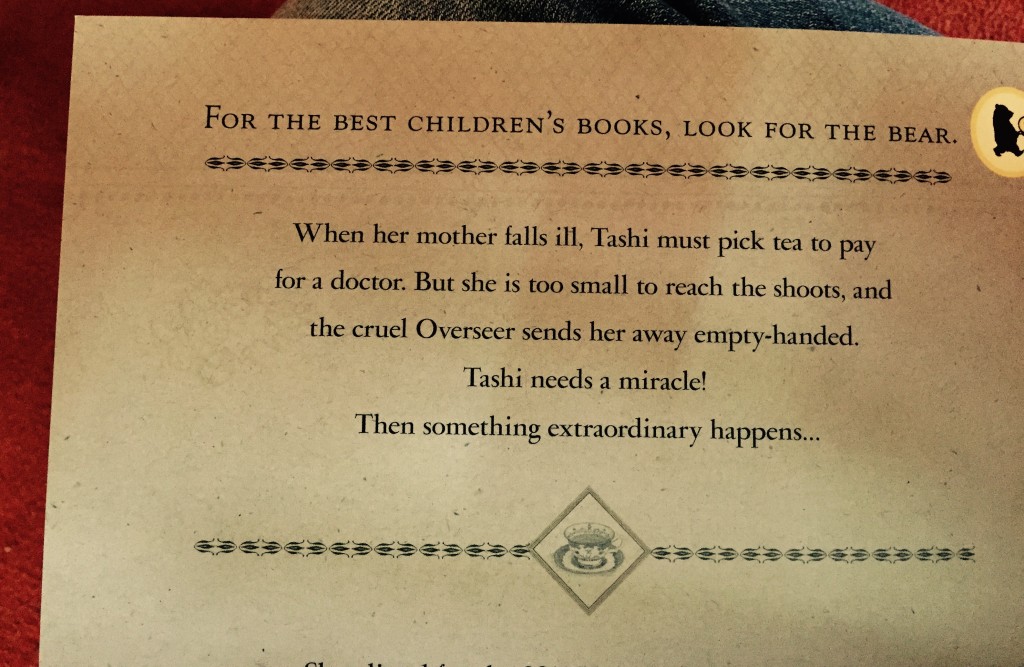
Local stories are especially important. Himalayan communities have rich traditions of oral history, folklore, Buddhist teachings, and mountain wisdom. When these stories are shared alongside books from other places, children gain a broader understanding of literature without losing touch with their own cultural heritage.
Reading aloud also helps children who are still developing confidence in a second language. They can listen, follow the pictures, repeat phrases, and join the discussion at their own pace. A shared story creates a supportive environment where making mistakes is part of learning.
Making Books Part Of Every Activity
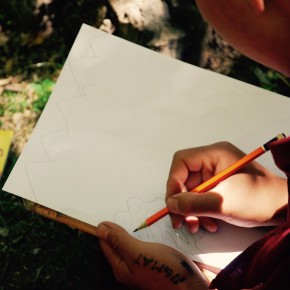
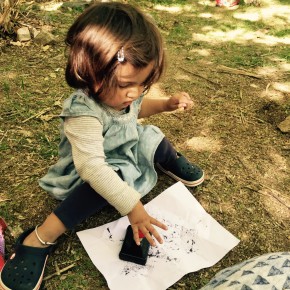
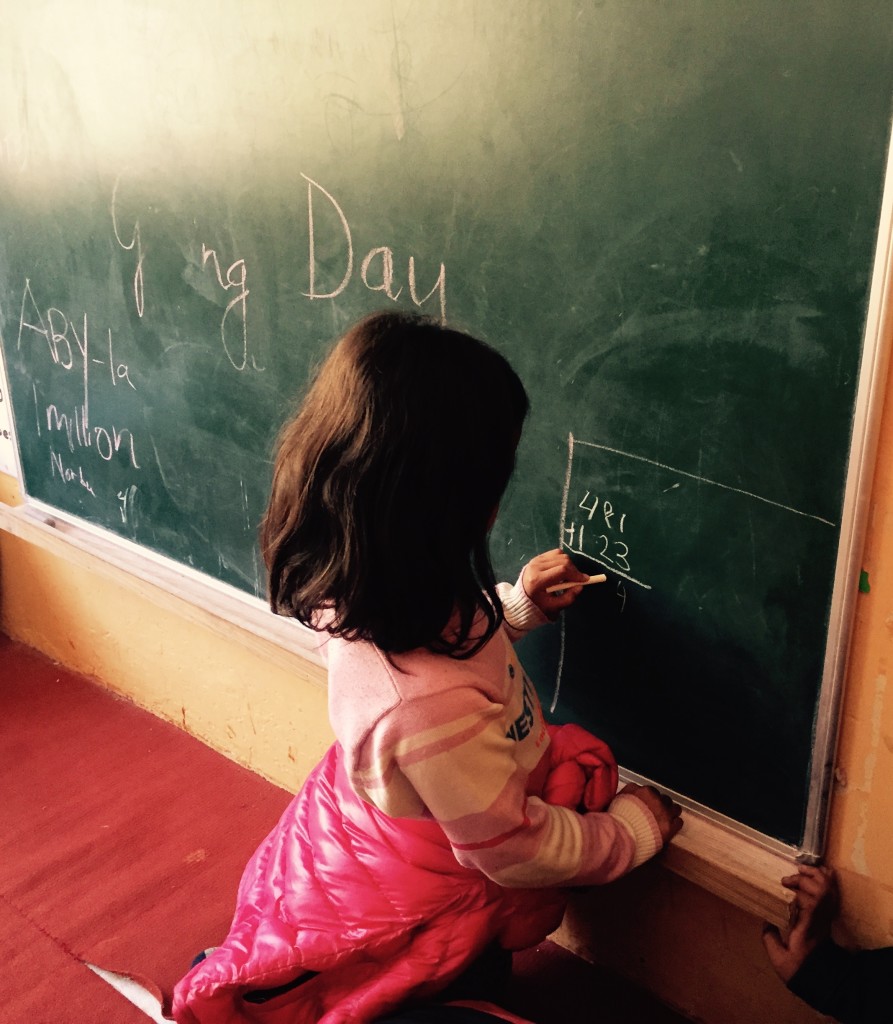
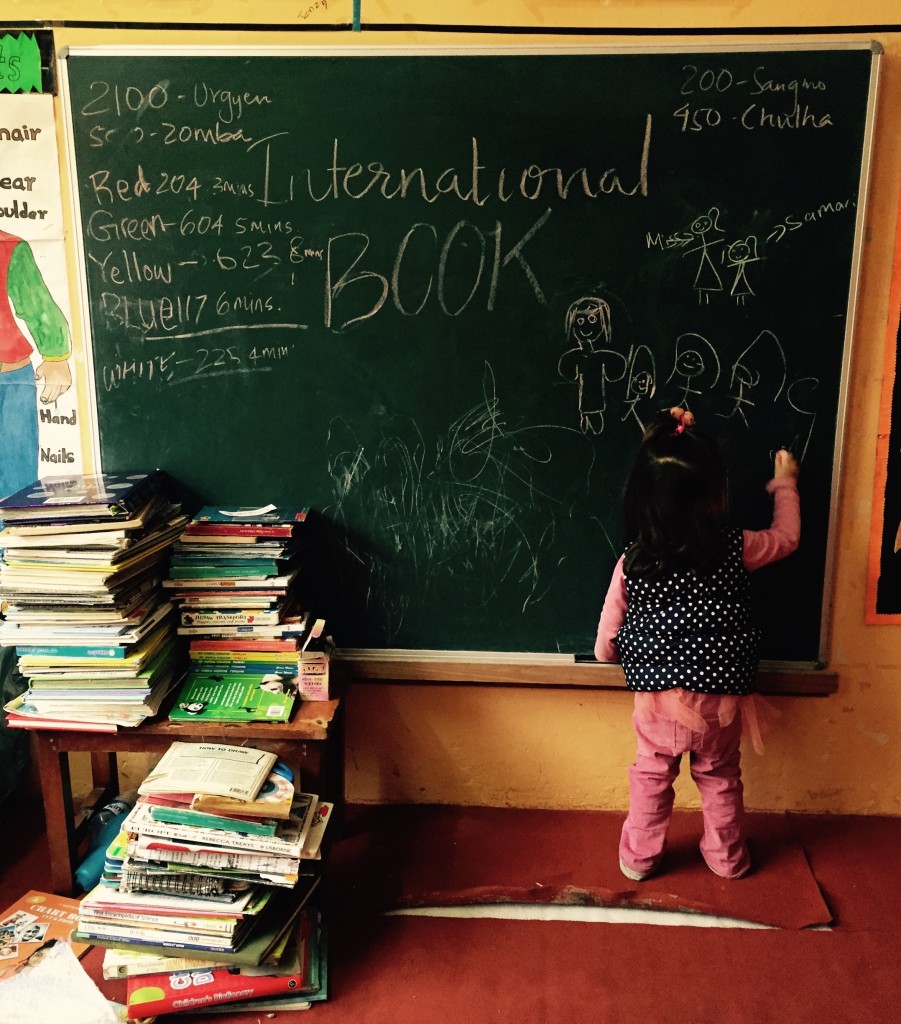
World Book Day in the village is designed to show that reading connects with every form of creativity. After a story session, children may draw a scene, write a new ending, act out a character, or create a short poem. These activities turn passive listening into active participation.
Music adds another layer to the celebration. Children can sing songs connected with nature, friendship, or journeys, while young monks may contribute traditional chants or simple musical performances. The combination of books, art, and music makes the event lively and inclusive for children with different interests and abilities.
A creative activity can also help a child express an idea that feels difficult to put into words. A drawing of a snow leopard, a handmade book about village life, or a short performance about kindness can reveal curiosity and confidence. These moments are as valuable as finishing a chapter.
| World Book Day Activity |
What Children Gain |
Resources Needed |
| Read-aloud sessions |
Listening skills, vocabulary, concentration |
Storybooks, cushions, a quiet space |
| Book exchange |
Ownership, choice, enthusiasm for reading |
Donated books, labels, baskets |
| Story illustration |
Creativity, comprehension, self-expression |
Paper, pencils, paints |
| Dramatic storytelling |
Confidence, cooperation, communication |
Simple props, open floor space |
| Music and poetry |
Memory, rhythm, cultural connection |
Instruments or recorded music |
| Bookmark making |
Fine motor skills and a personal reading tool |
Card, scissors, string, colors |
Growing A Culture Of Reading
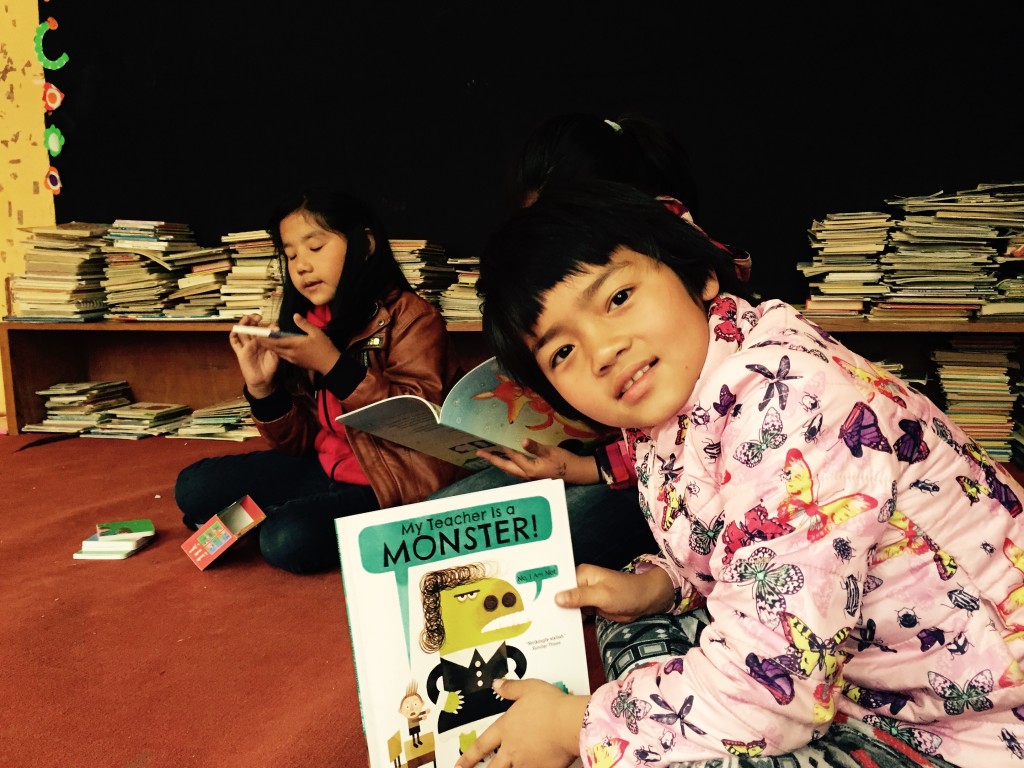
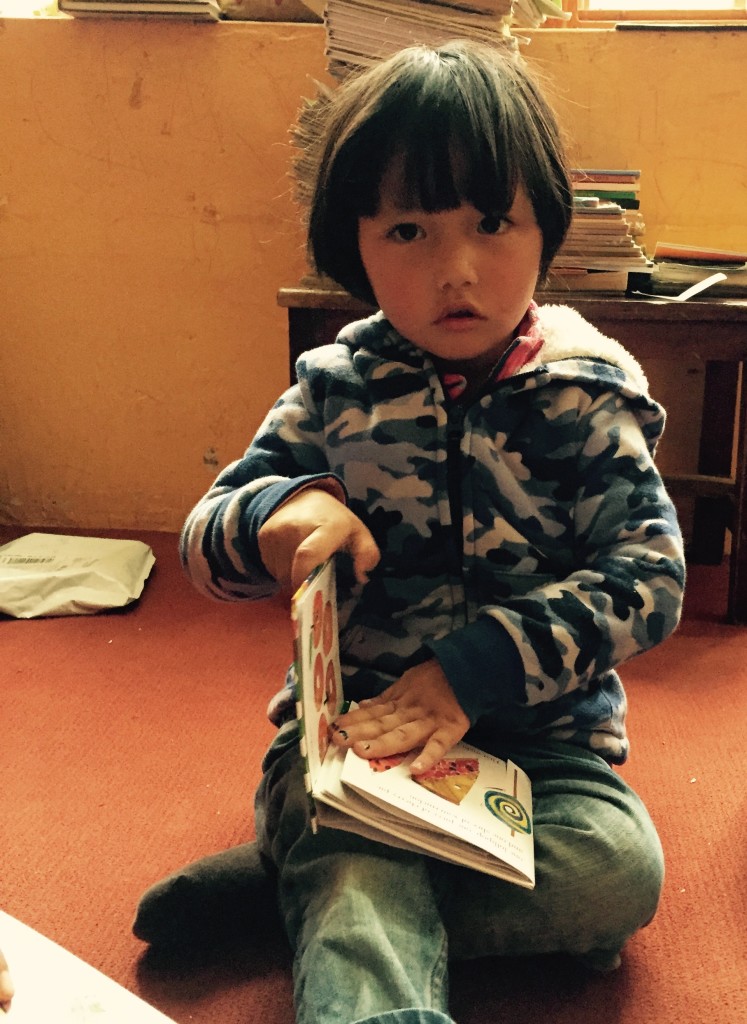
A single celebration can spark interest, but regular access to books helps that interest grow. After World Book Day, children are encouraged to return to the reading room, borrow books, and share recommendations. Volunteers can support this routine by reading with small groups and helping children choose titles suited to their age and confidence.
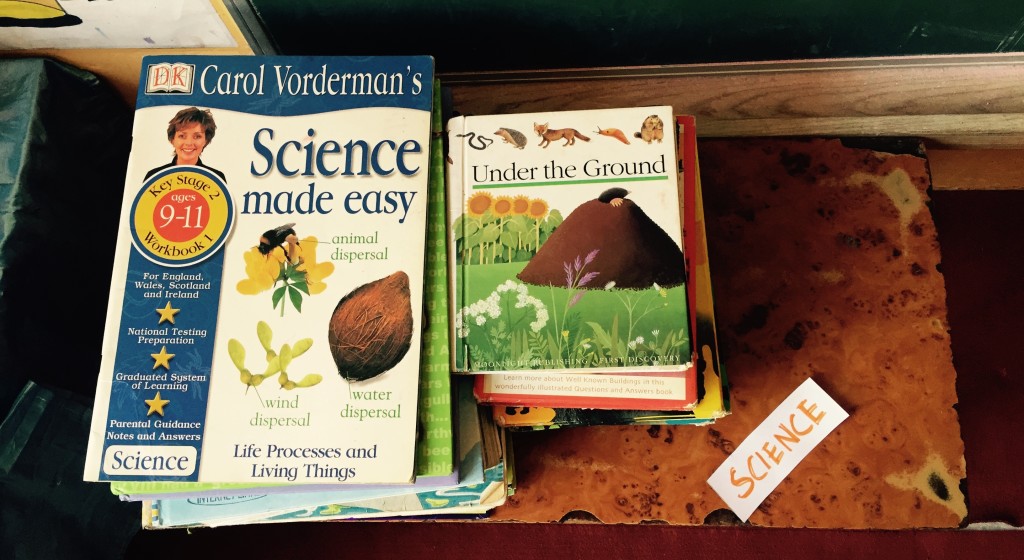
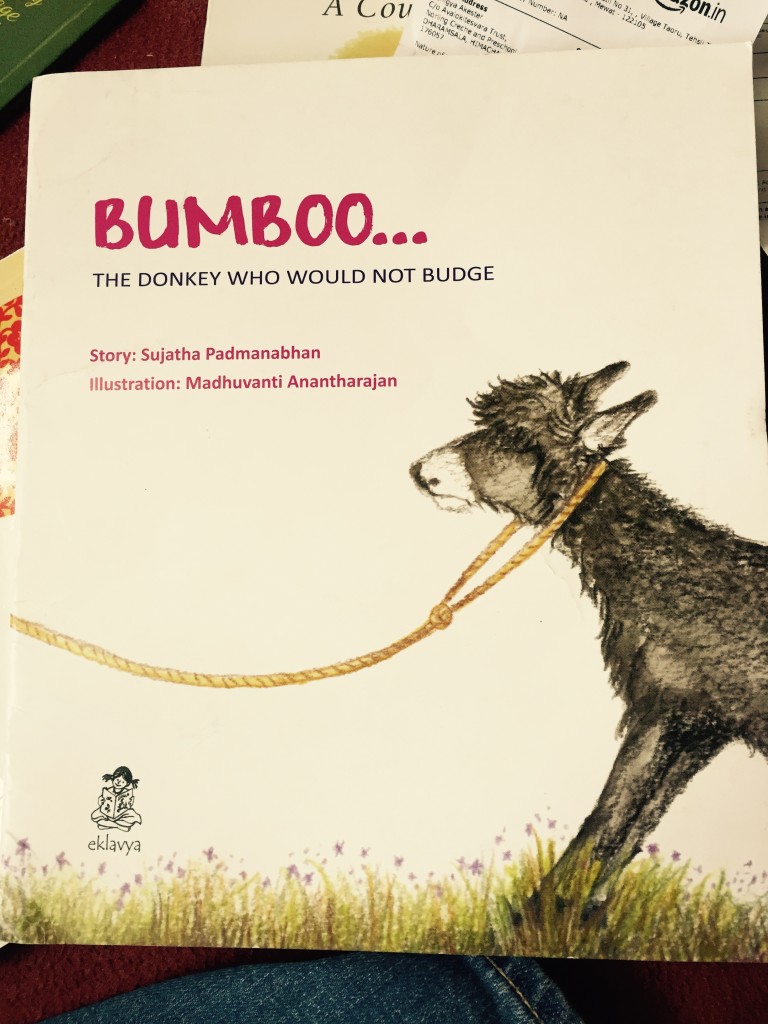
A welcoming library does not need to be large to be effective. A carefully organized collection with appealing books can become an important part of village life. Shelves may include early readers, adventure stories, illustrated science books, biographies, poetry, and books that reflect Himalayan landscapes and traditions.
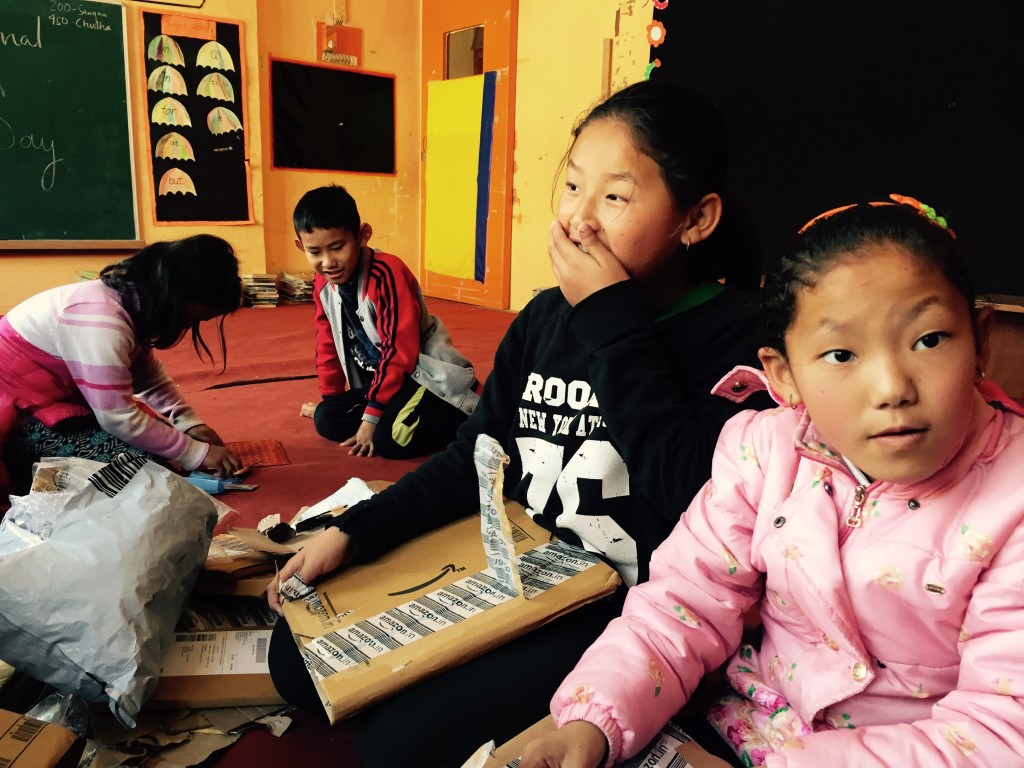
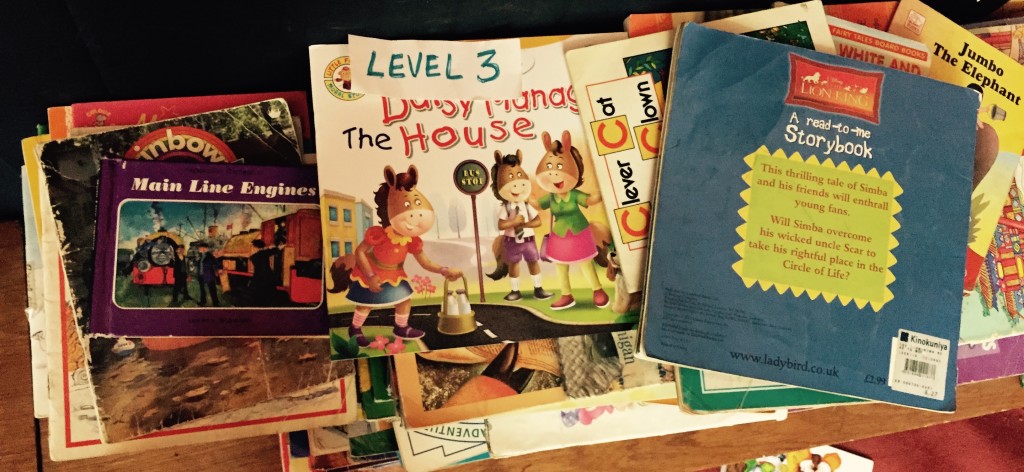
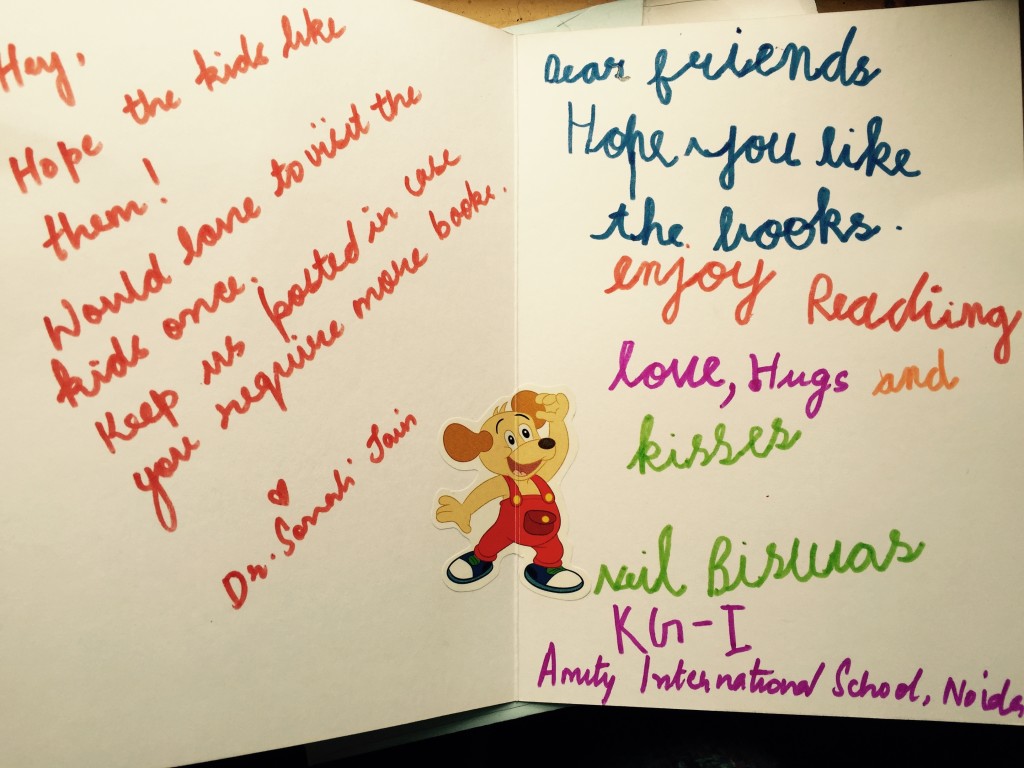
Book ownership can be especially meaningful. When children receive a book to keep, they can revisit it with siblings, read to family members, and build a personal collection over time. A donated book continues its work long after the celebration has ended.
Including Young Monks And Local Families
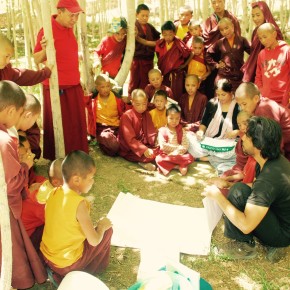
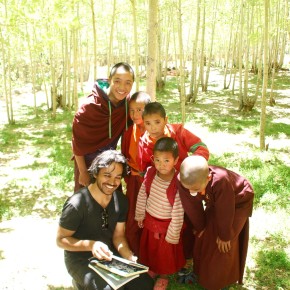
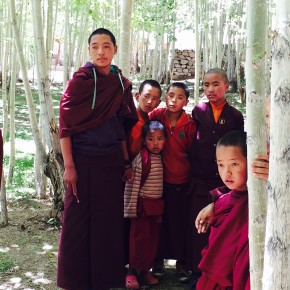
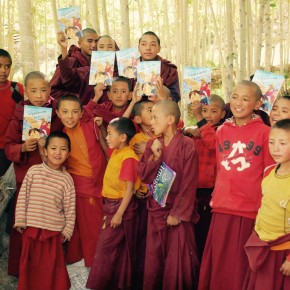
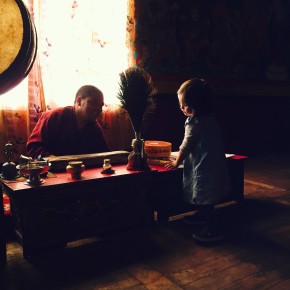
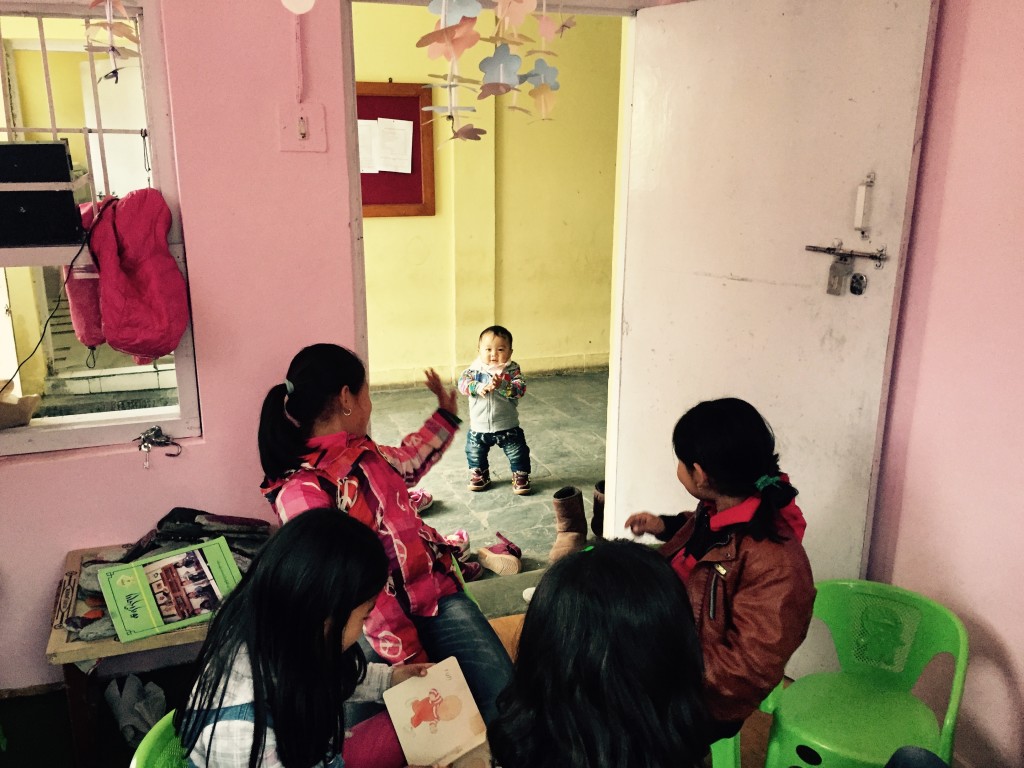
Young monks take an active role in the event, joining reading groups, helping younger children, and sharing their own creative work. Their participation encourages cooperation between the monastery and the wider community. It also shows that education includes reflection, imagination, communication, and artistic expression.
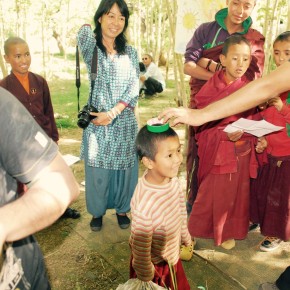
Families are welcome to attend and contribute in ways that feel natural to them. Parents and grandparents may share traditional tales, help prepare refreshments, or listen to children read. When family members see children enjoying books, reading becomes connected with community pride rather than treated only as a school task.
This shared participation creates a stronger learning environment. Children encounter books in the reading room, at school, at the monastery, and at home. Each setting reinforces the idea that knowledge and imagination are valued throughout village life.
Supporting The Celebration With Purpose
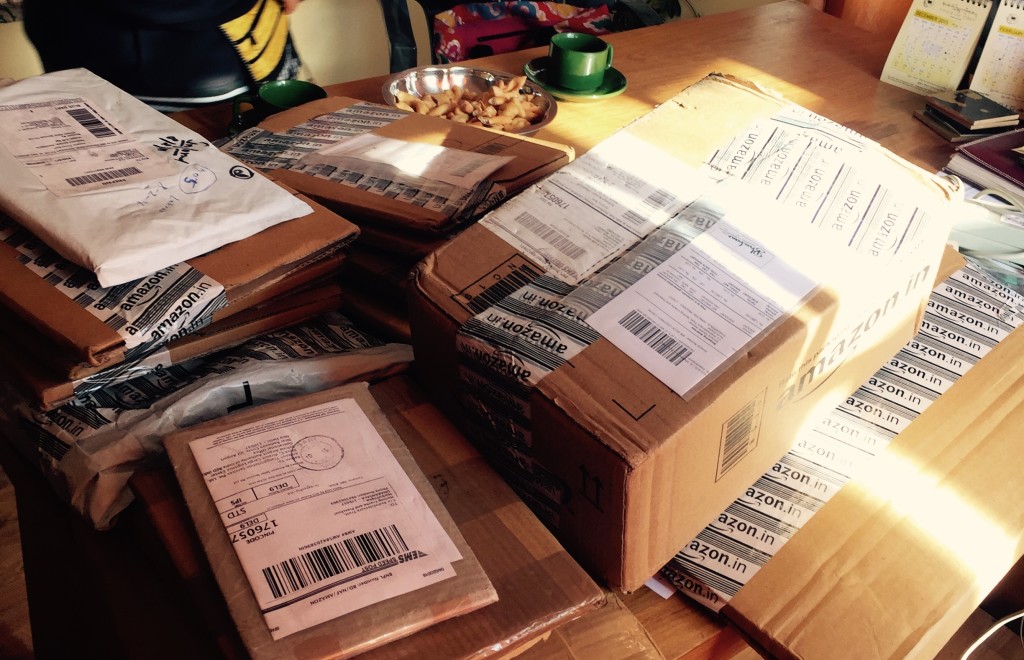
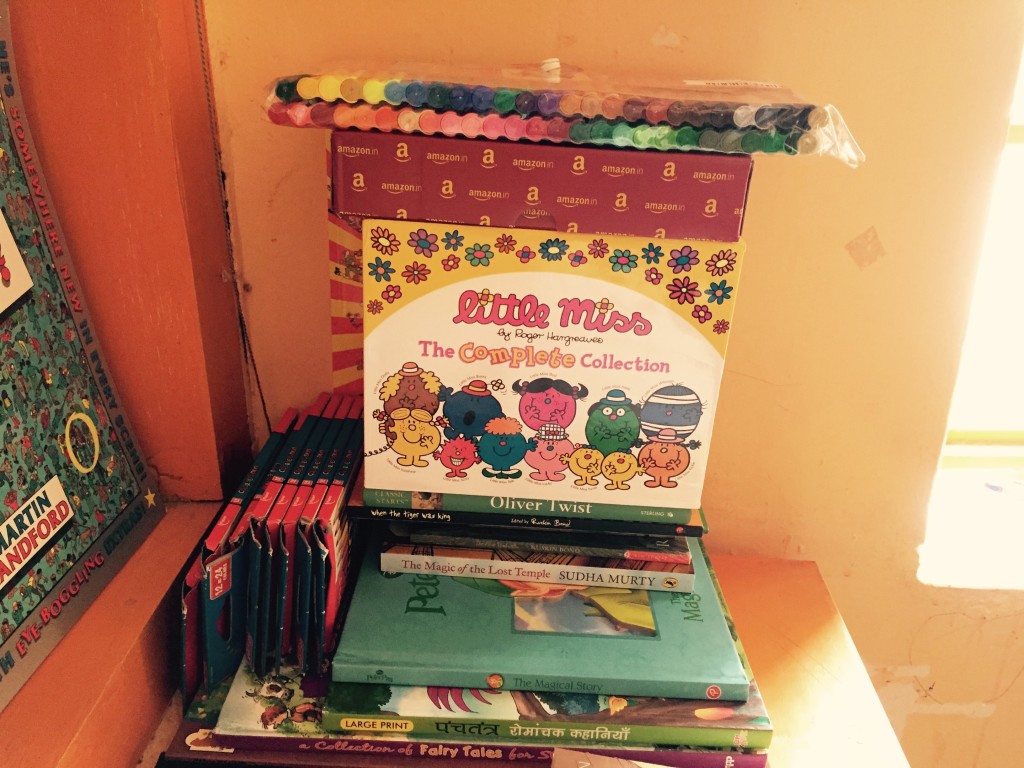
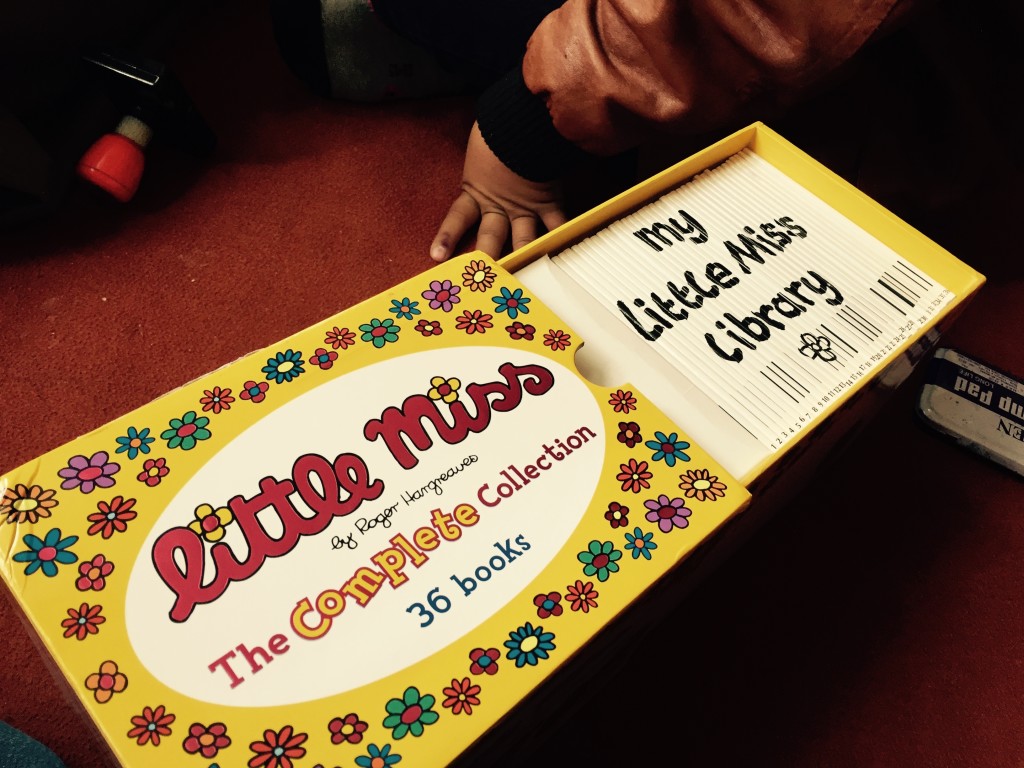
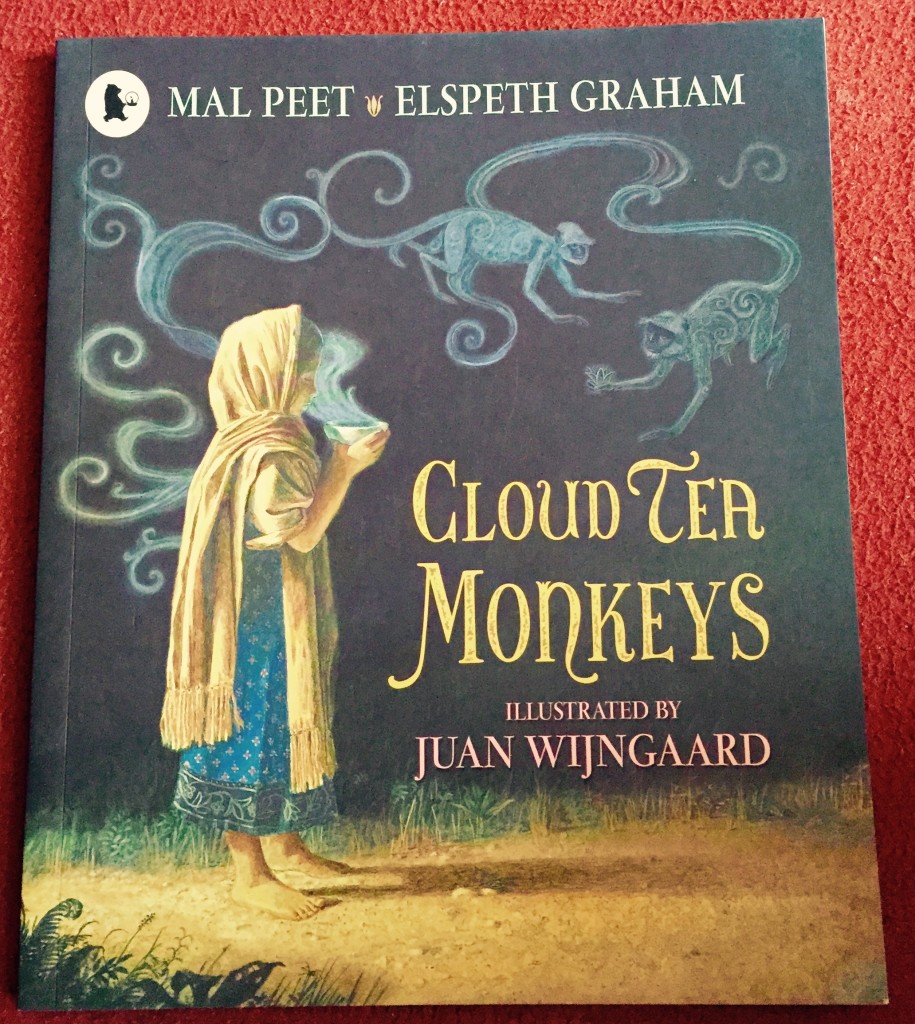
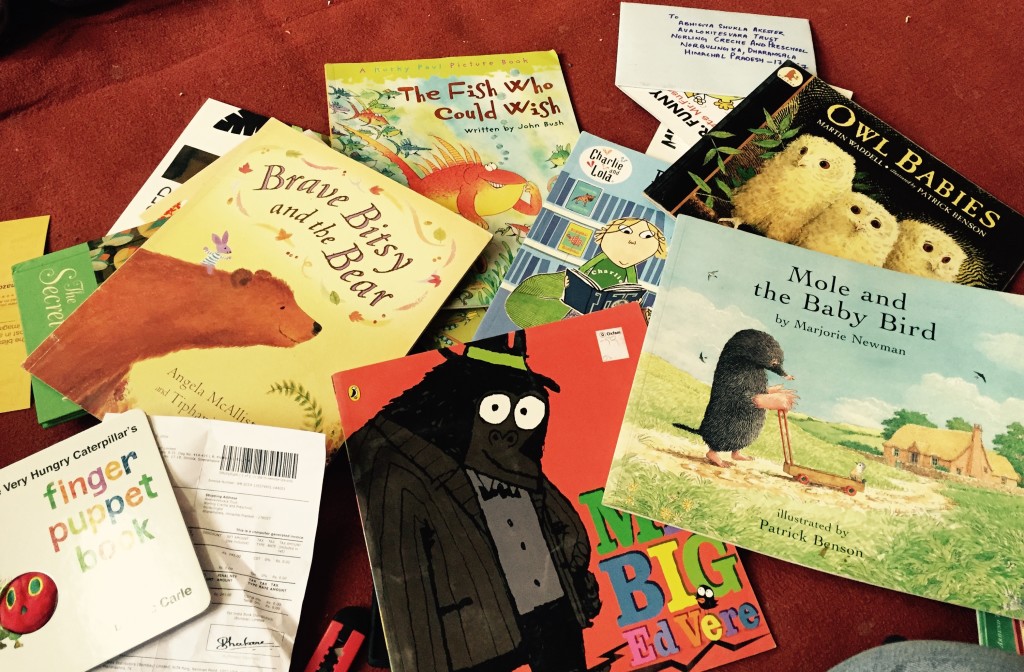
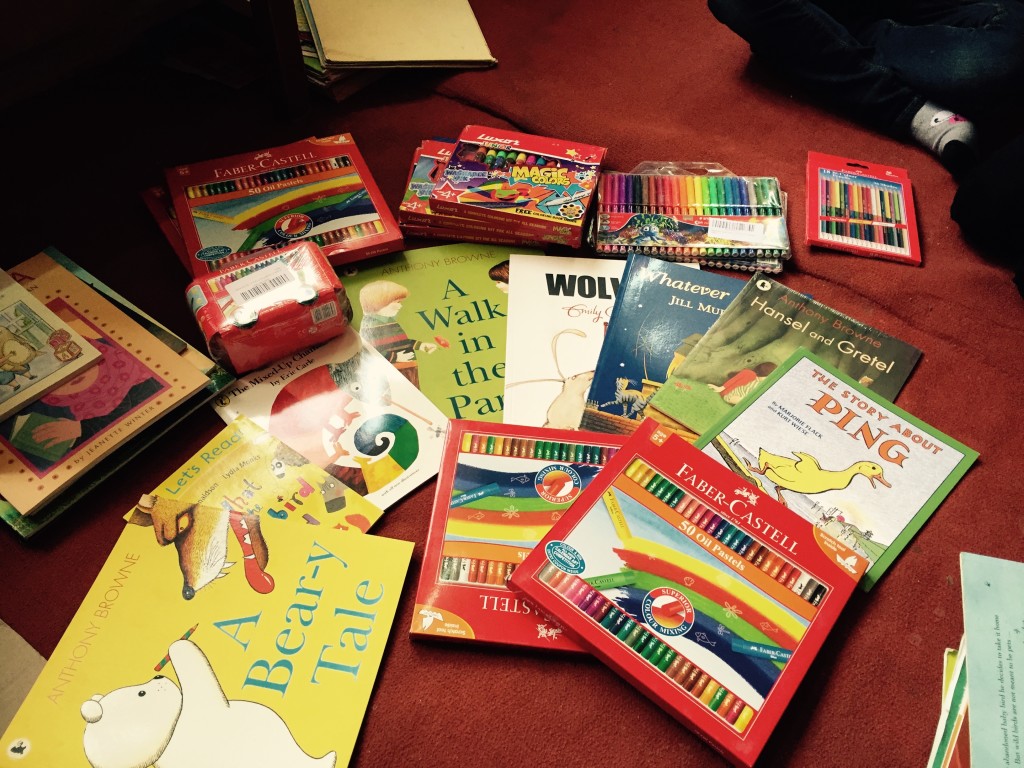
World Book Day depends on thoughtful preparation and practical support. Donations can help provide new and gently used books, storage, art materials, musical resources, floor cushions, and transport to communities where supplies are difficult to obtain. Volunteers contribute time, organization, reading skills, and encouragement.
Support is most useful when it reflects local needs. Books should be age-appropriate, durable, engaging, and accessible in languages children understand. A balanced collection can include fiction, nonfiction, visual learning materials, local literature, and books that encourage curiosity about the wider world.
People who wish to support this work can make a meaningful difference by:
- Donating quality children’s books suited to Himalayan schools and reading rooms
- Sponsoring shelves, library supplies, art materials, or musical activities
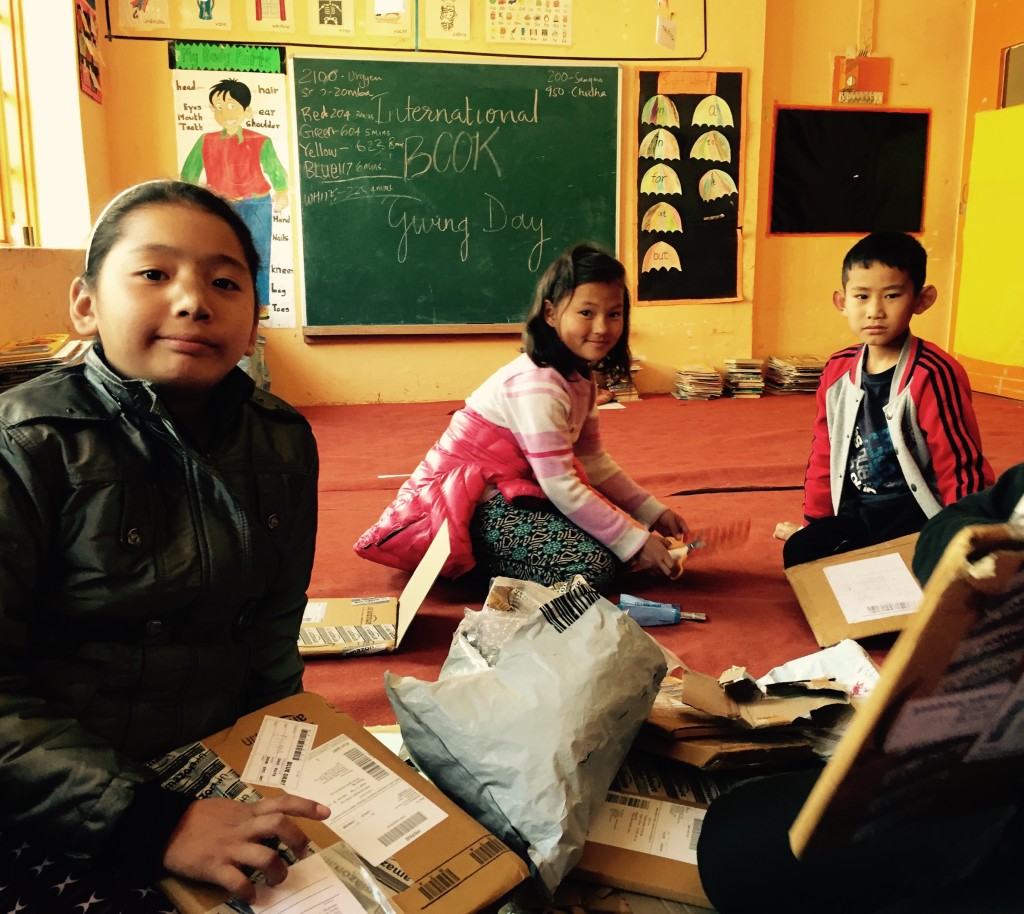
- Joining a book drive and helping sort, pack, or transport educational resources
- Volunteering time for storytelling, reading practice, creative workshops, or library organization
- Sharing the work of Avalokiteśvara Trust with friends, schools, and community groups
Carrying The Story Forward
When the final book is returned to its shelf and the artwork comes down from the walls, the spirit of the day remains. A child may continue reading a new favorite story, a family may begin sharing books at home, or a young monk may discover an interest in helping others learn. Small moments can become lasting habits.
The celebration also strengthens a practical network of care. Donors, volunteers, teachers, families, monks, and children each play a part in making literacy resources available. Together, they help ensure that geography does not determine whether a child can reach an engaging book.
Avalokiteśvara Trust welcomes support for reading rooms, book drives, educational programs, and creative activities in Ladakh and other Himalayan communities. Every donated book, shared skill, and contribution helps place meaningful reading experiences within reach of more children. Support the Trust’s work and help turn a village celebration into a year-round culture of learning.