Silent Reading Hour And The Joy Of Focus
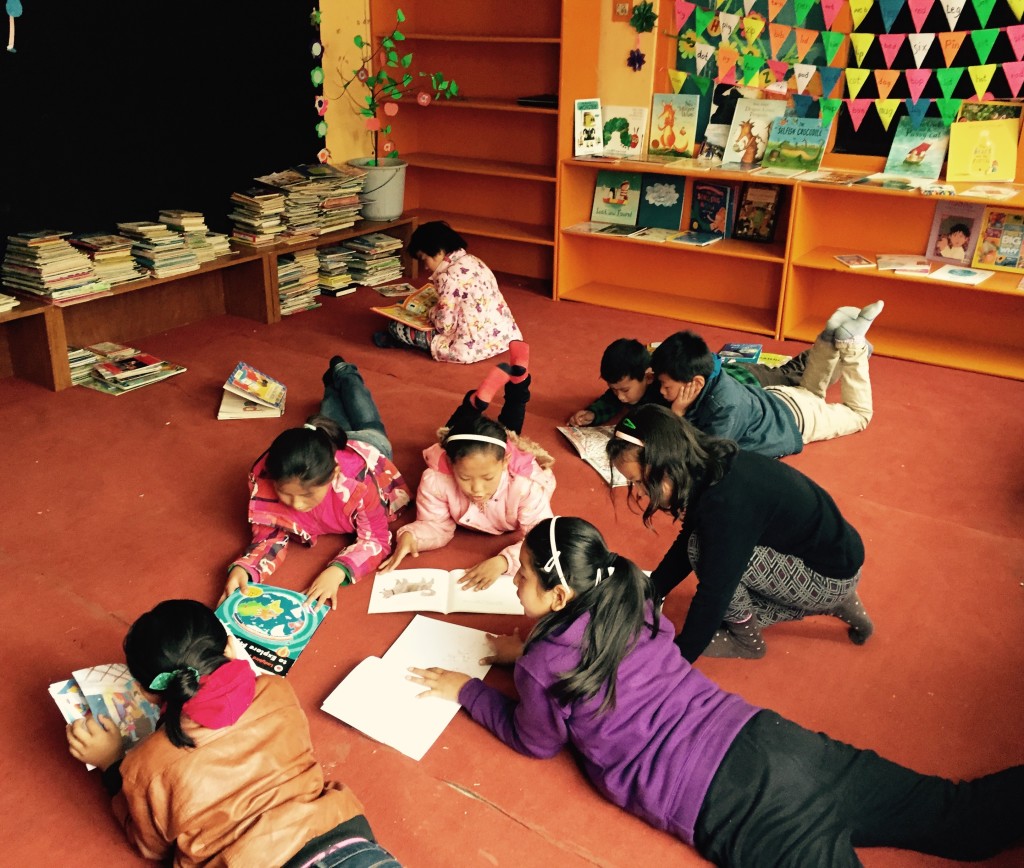
A child can spend a whole afternoon surrounded by books and still struggle to settle into one story. Notifications, noisy classrooms, busy family routines and the constant movement of daily life can make sustained attention feel unfamiliar. Silent Reading Hour offers a gentle way to change that. For a set period, children choose a book, find a comfortable place and read without interruption. Learn more about Why We Believe Every Child Deserves A Book In Their Mother Tongue 440a.
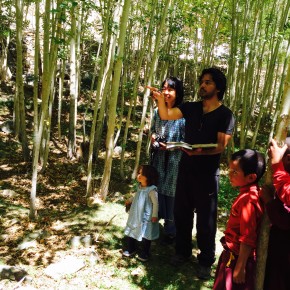
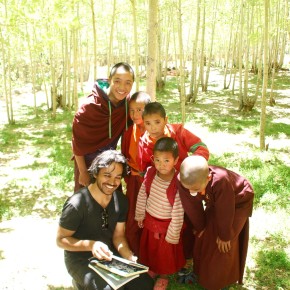
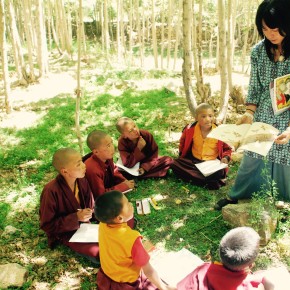
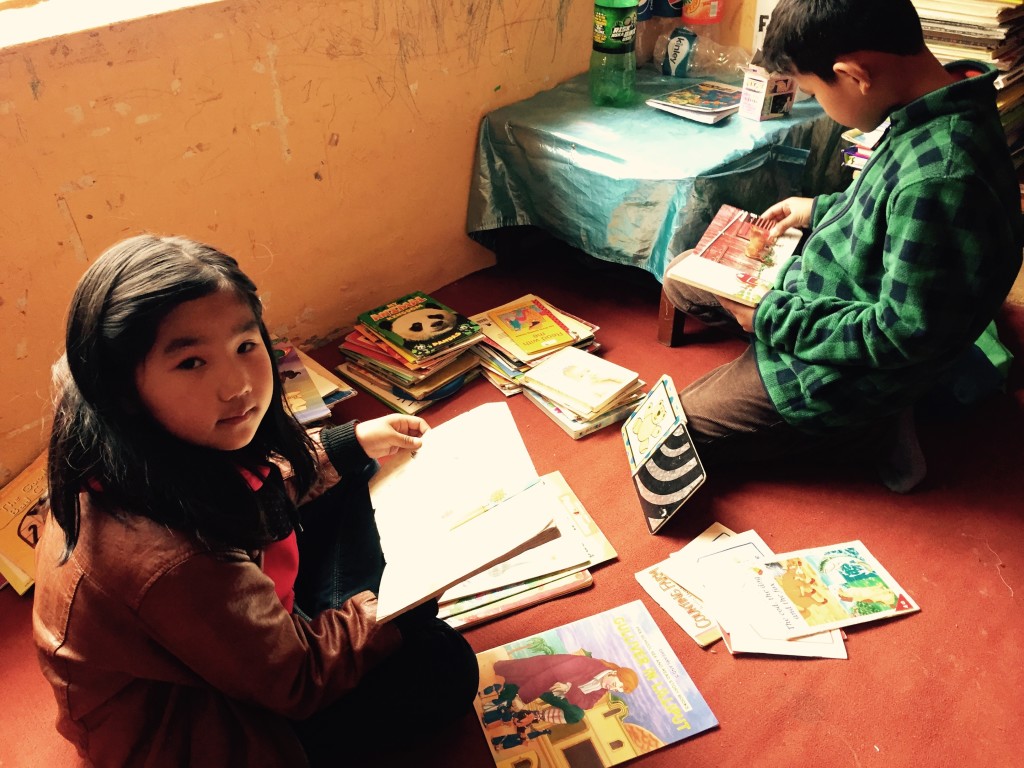
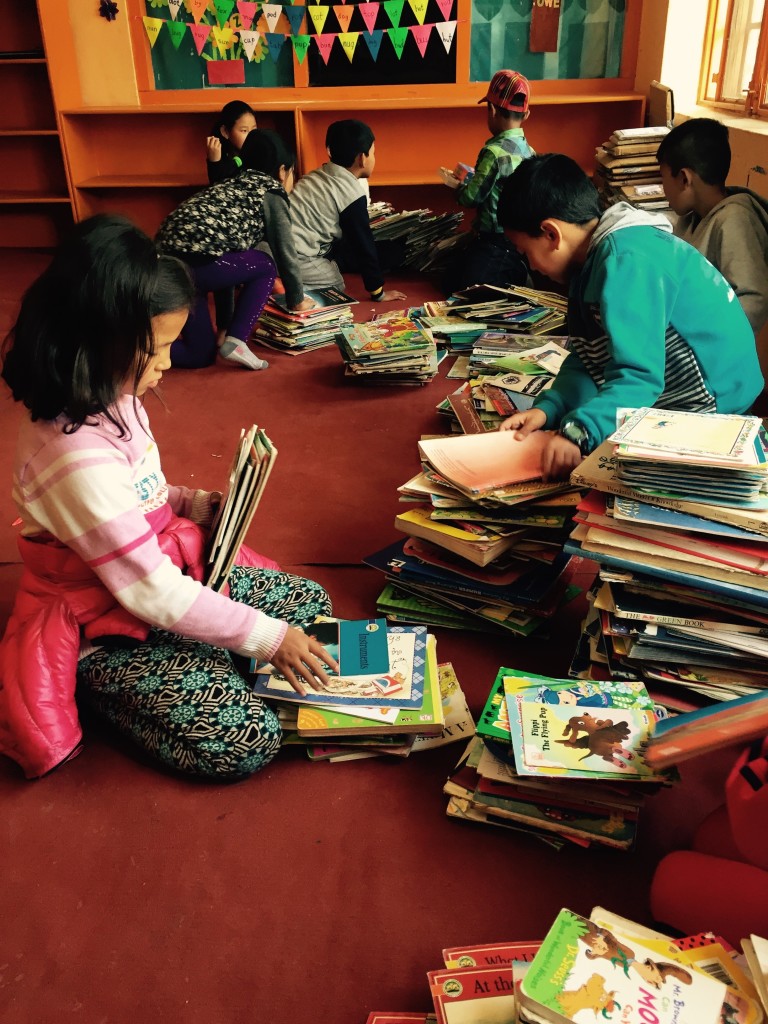
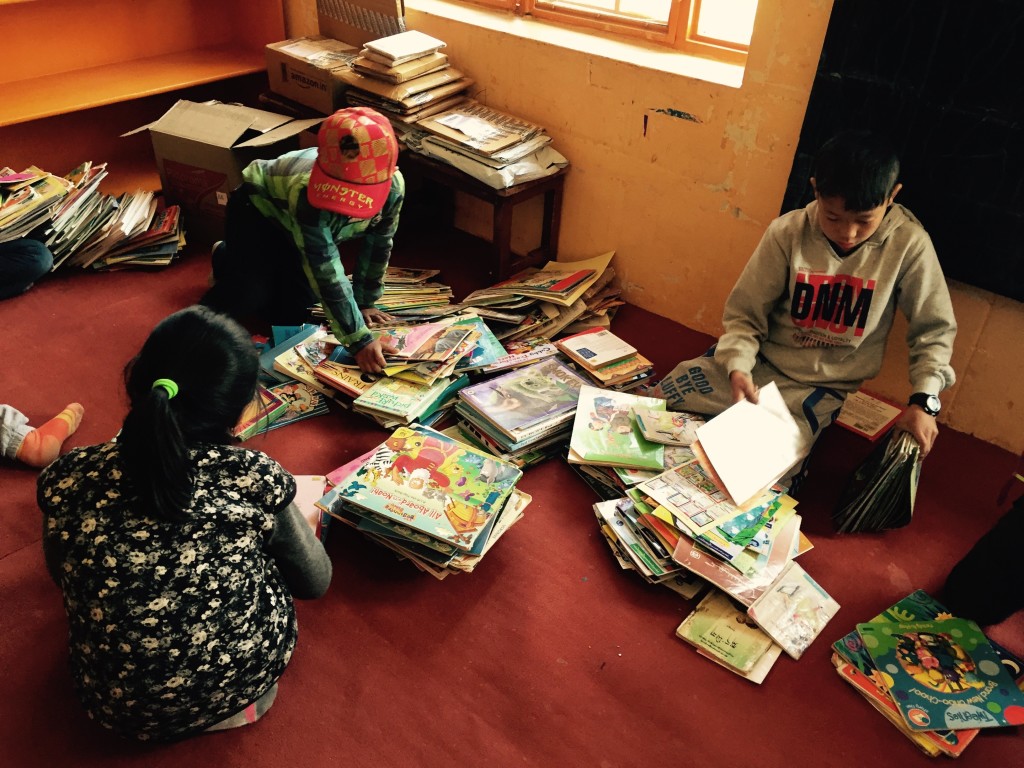
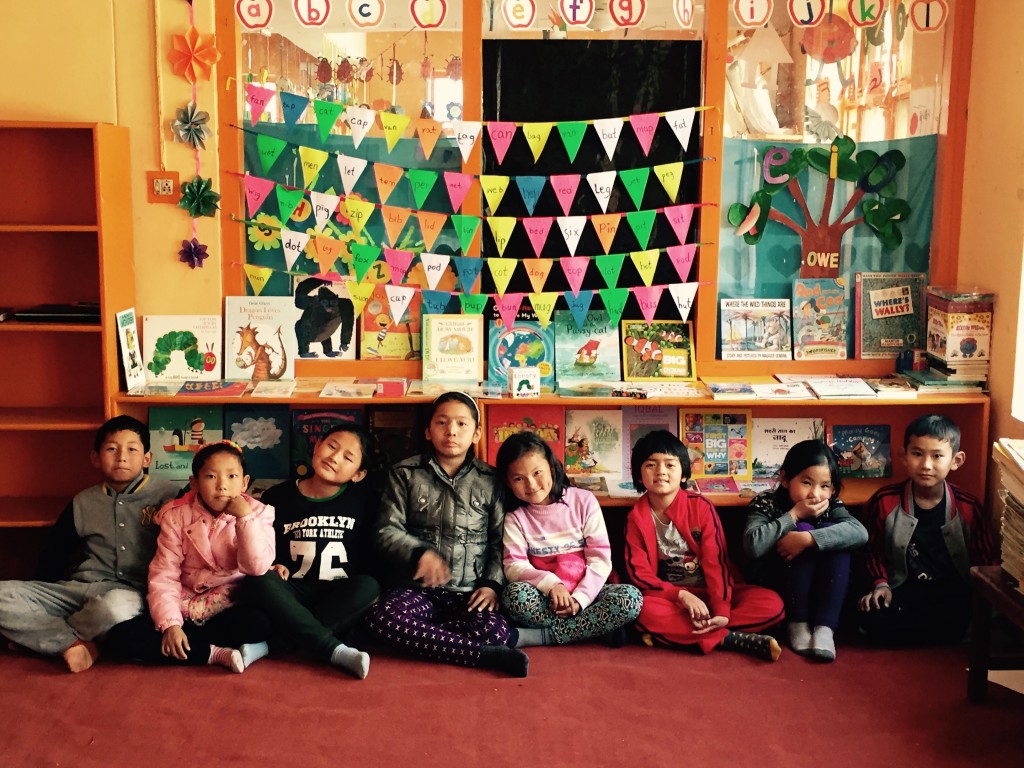
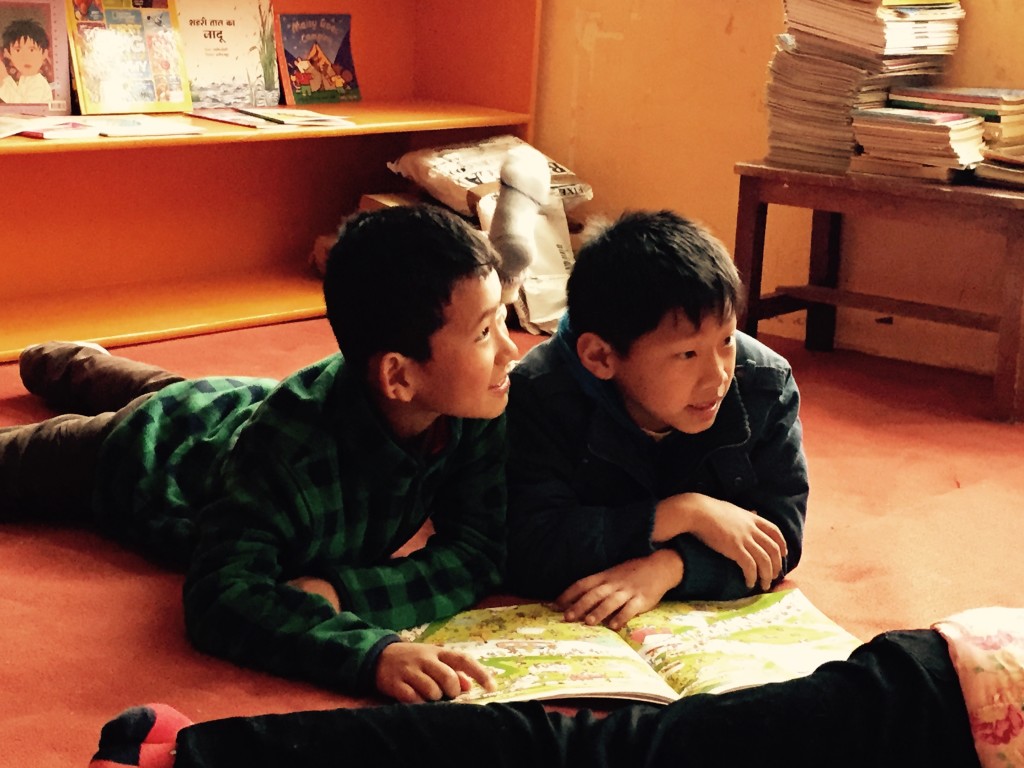
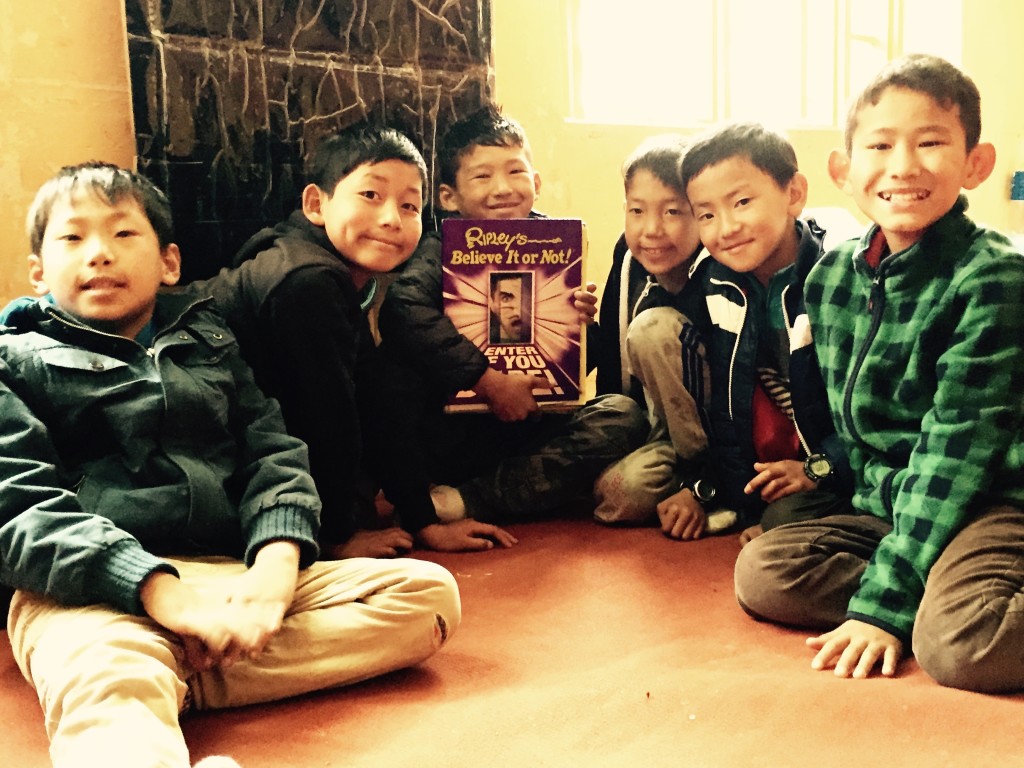
At Avalokiteśvara Trust, this practice is part of a wider belief that books should be welcoming, relevant and available to every child, including children in Ladakh and young monks in Himalayan communities. Reading quietly is not a punishment or a test of speed. It is a chance to discover concentration, imagination and the quiet pleasure of being fully absorbed in a page.
| Ordinary Reading Time |
Silent Reading Hour |
| May happen between other activities |
Has a clear beginning and end |
| Children may feel pressure to finish |
Children read at their own pace |
| Conversation and movement can interrupt |
The shared space protects concentration |
| Focus may depend on adult reminders |
The routine gradually builds independence |
| Reading can feel like a school task |
Reading becomes a personal, enjoyable habit |
Making Quiet Feel Safe And Inviting
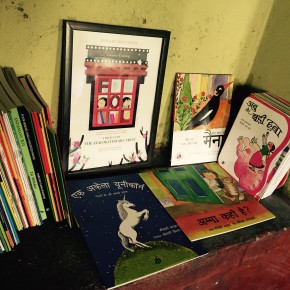
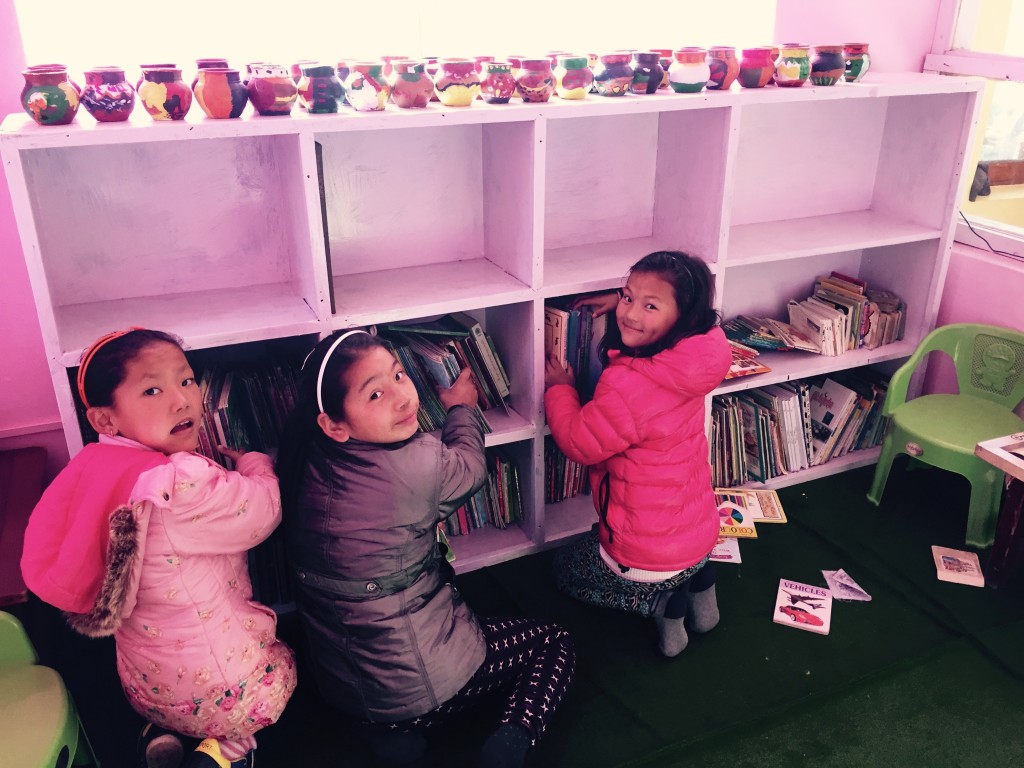
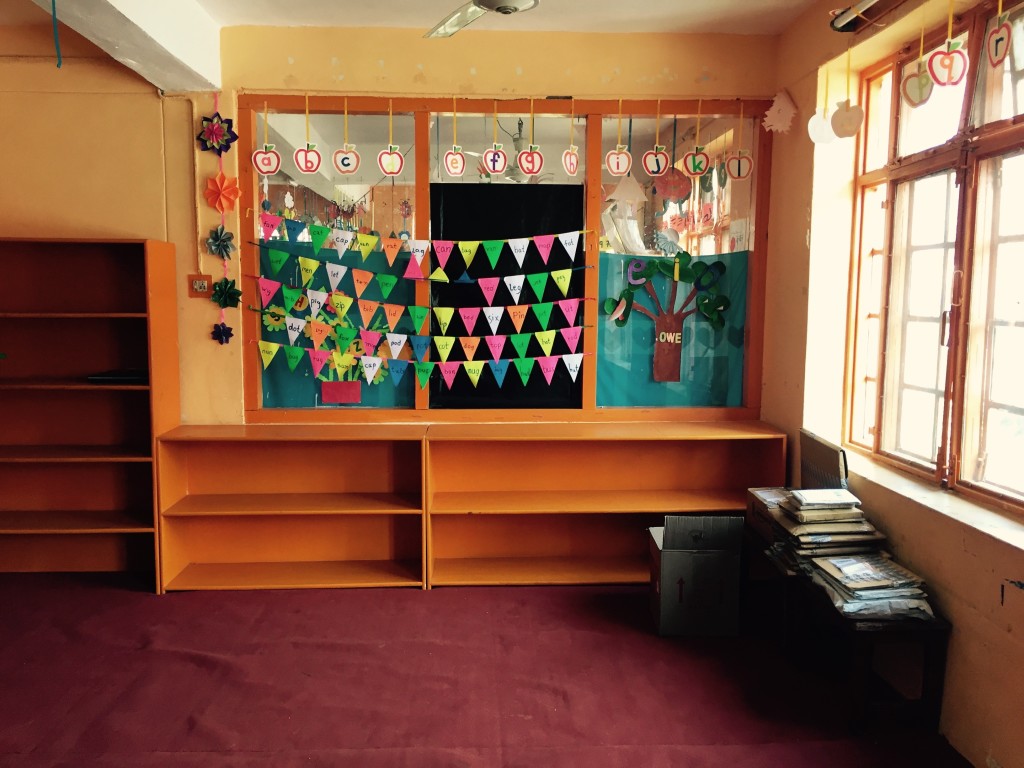
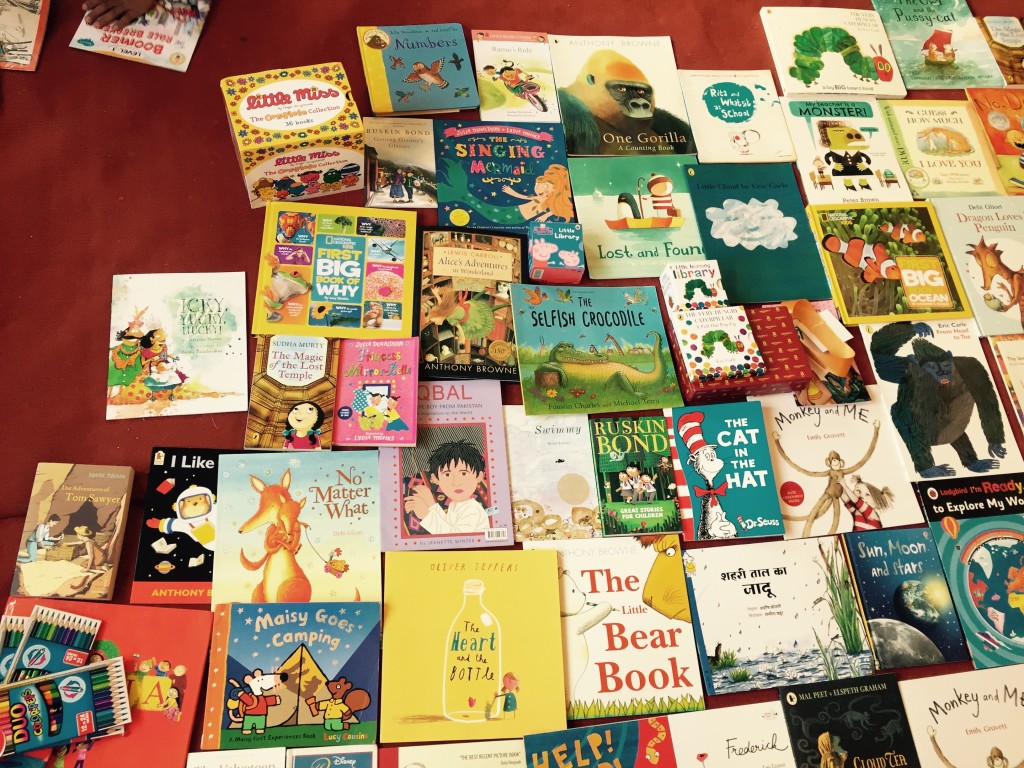
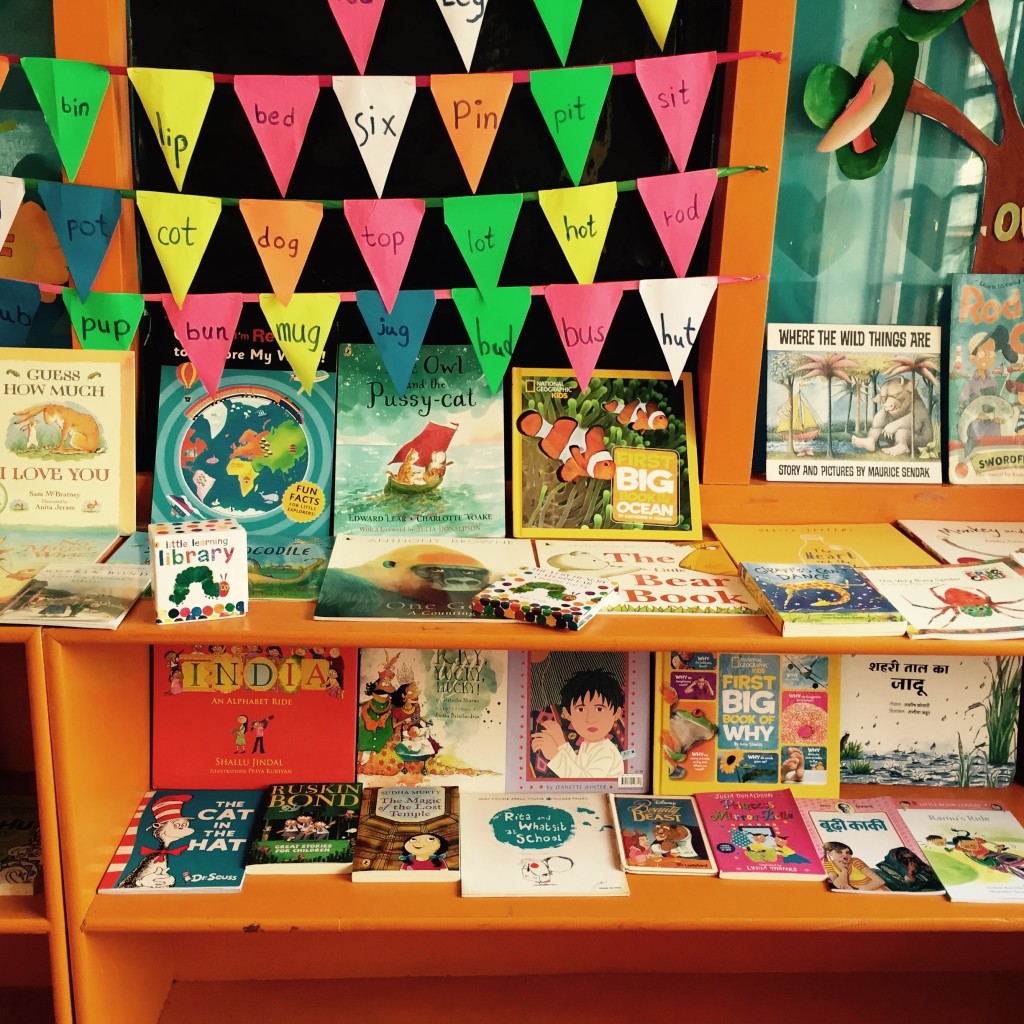
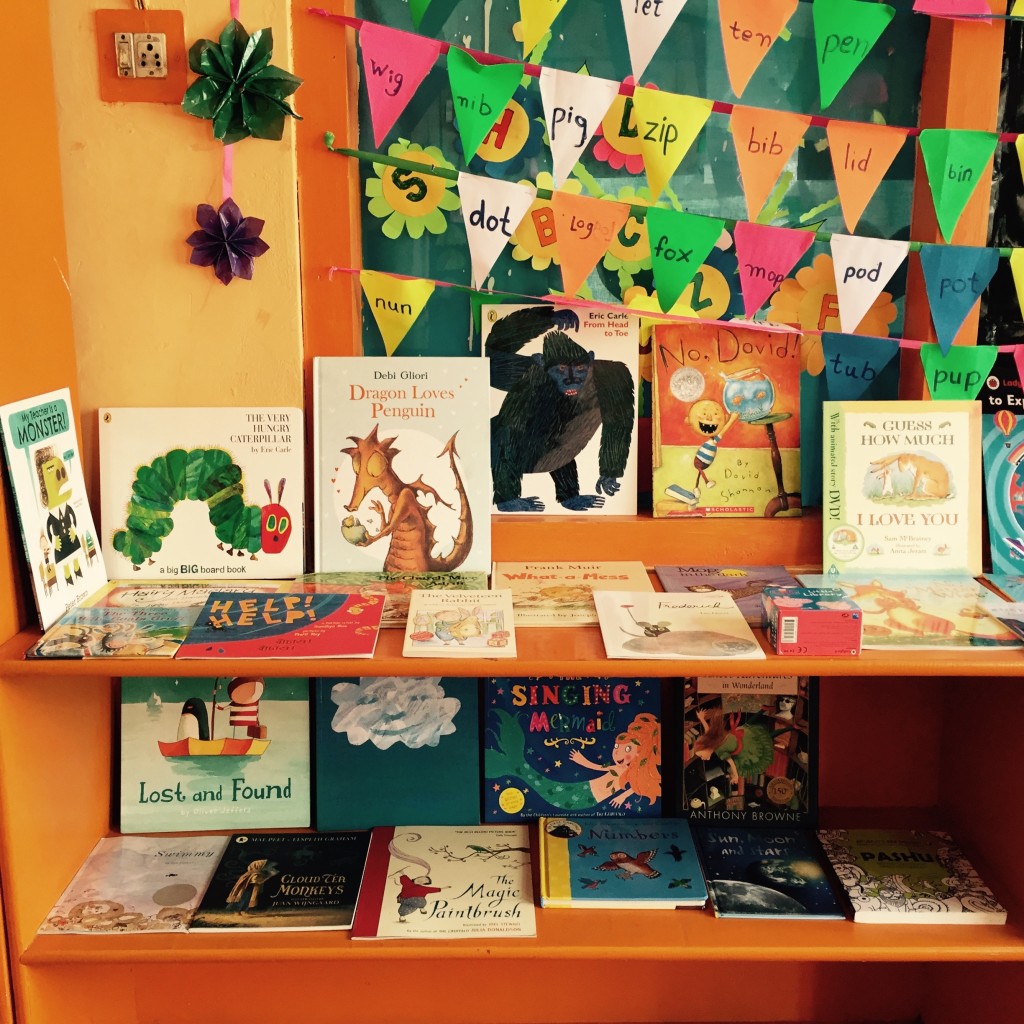
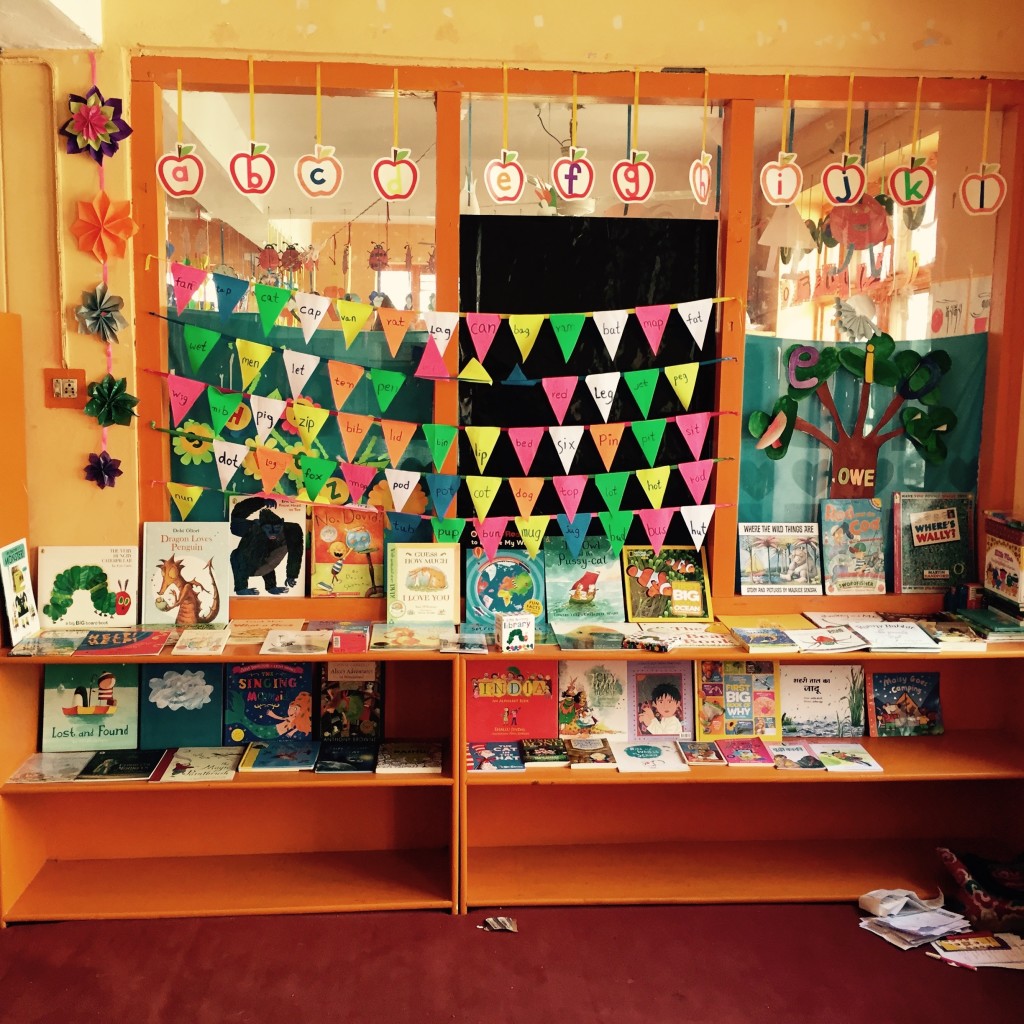
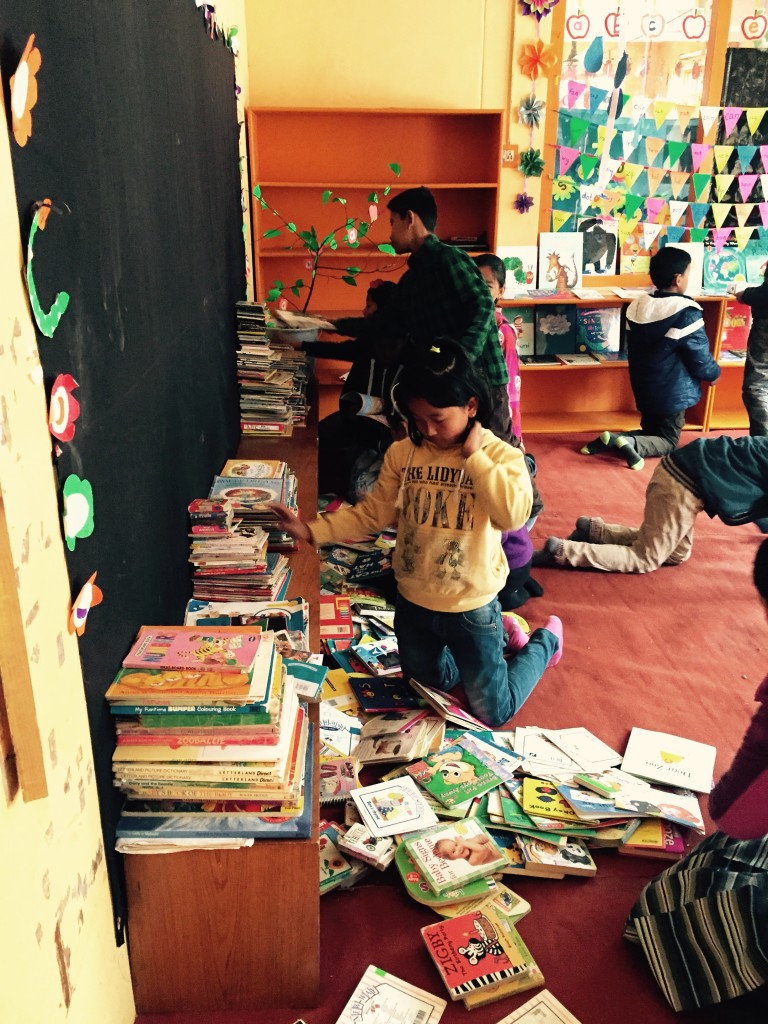
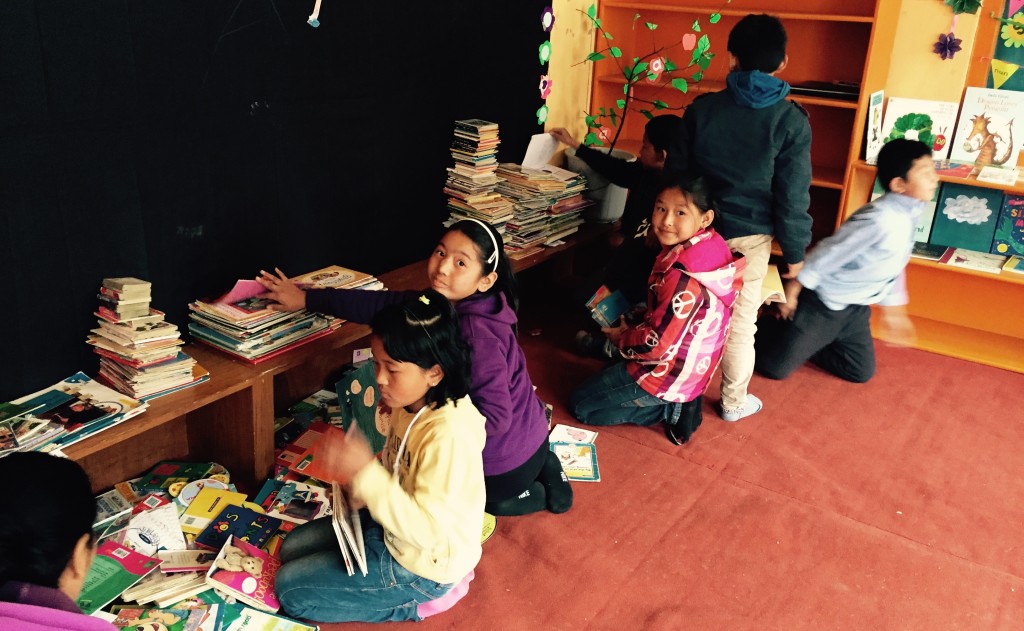
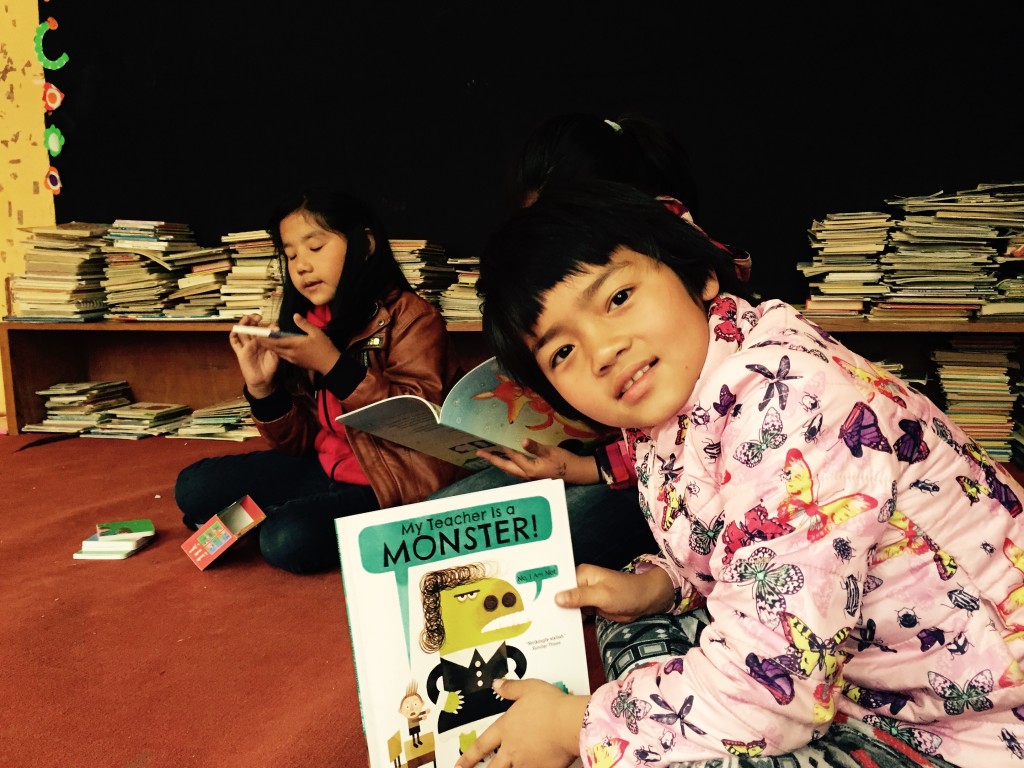
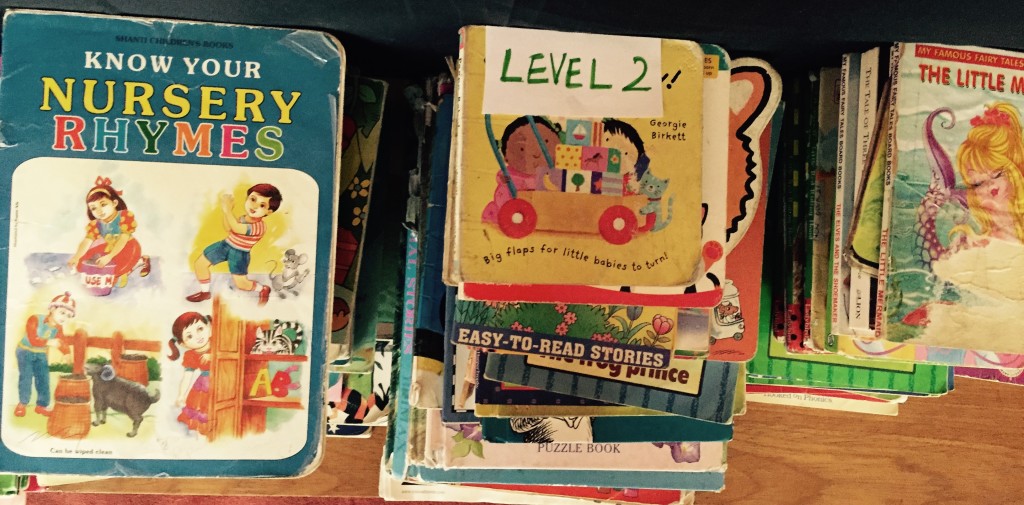
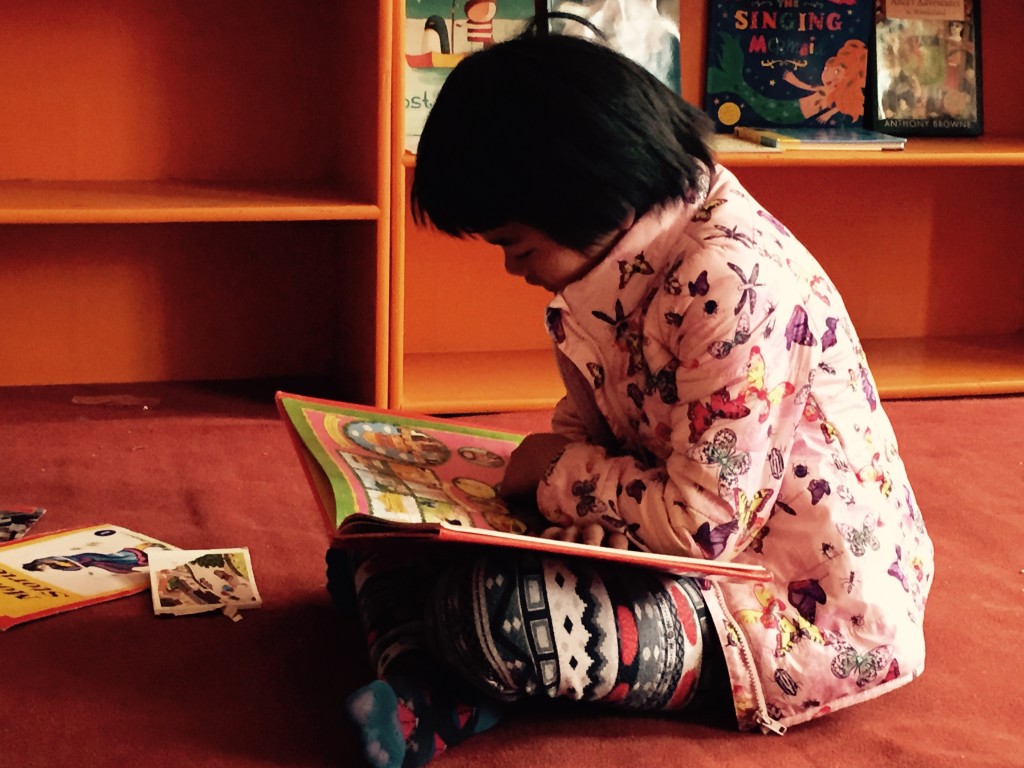
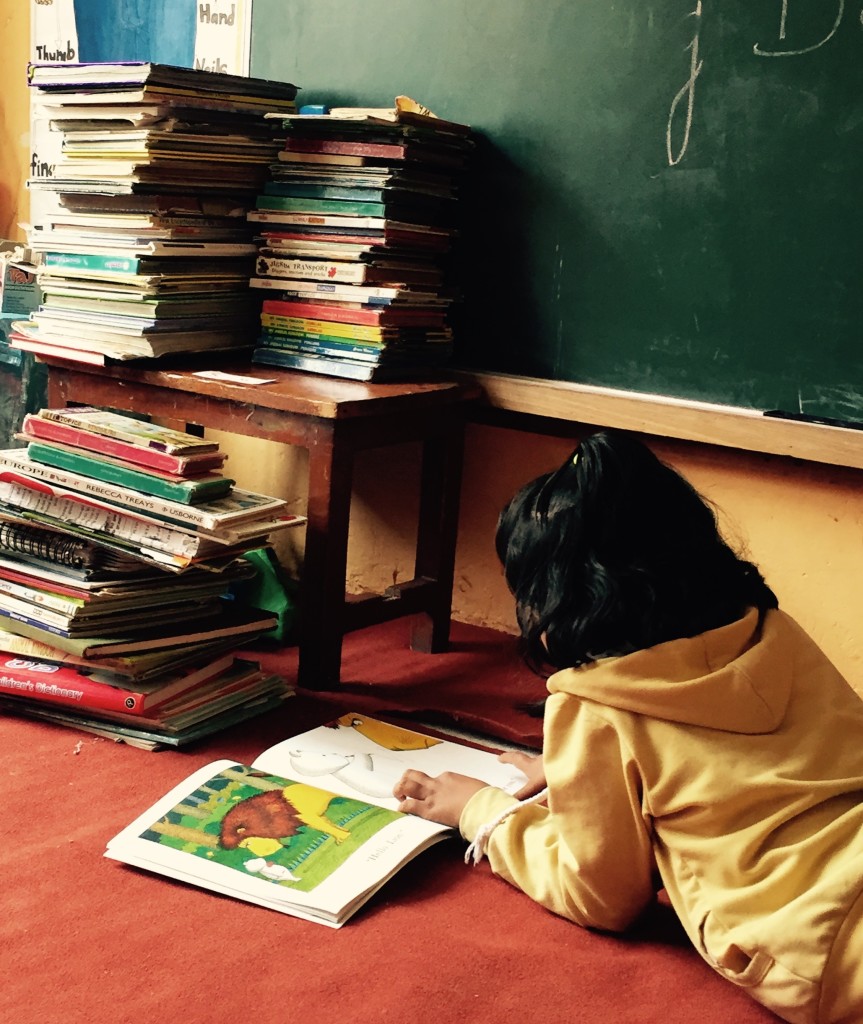
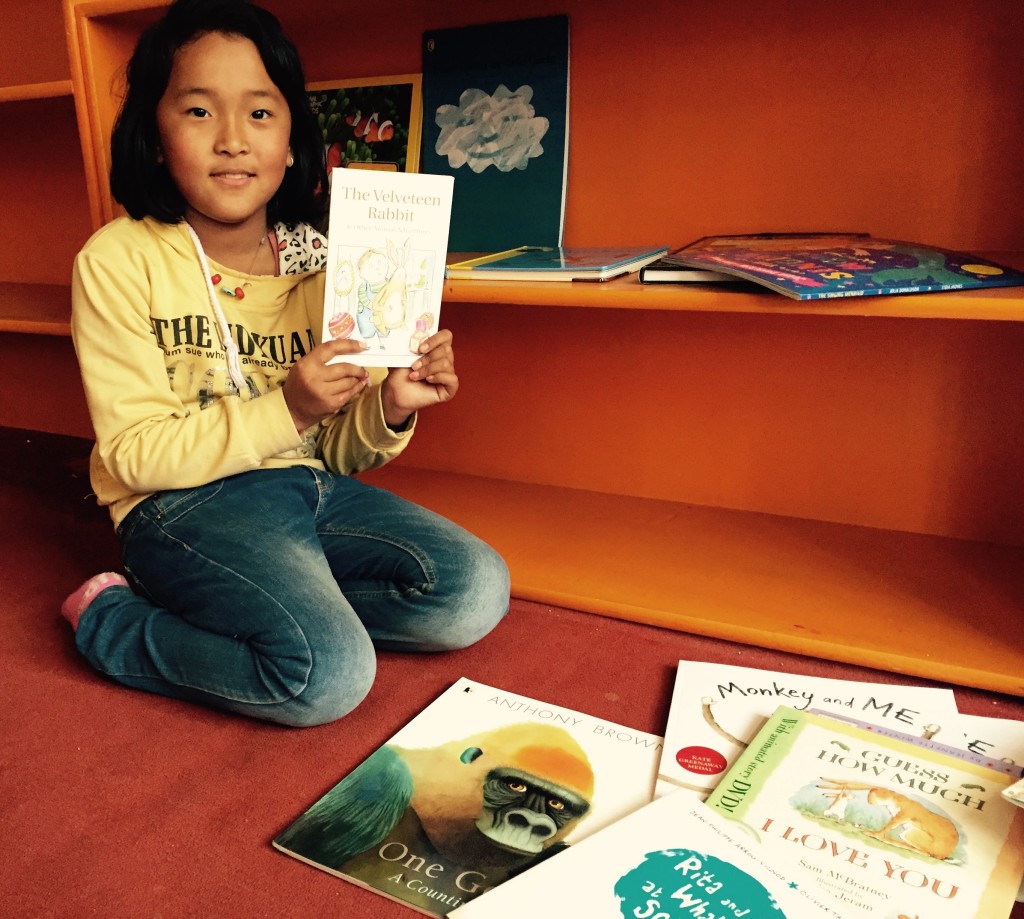
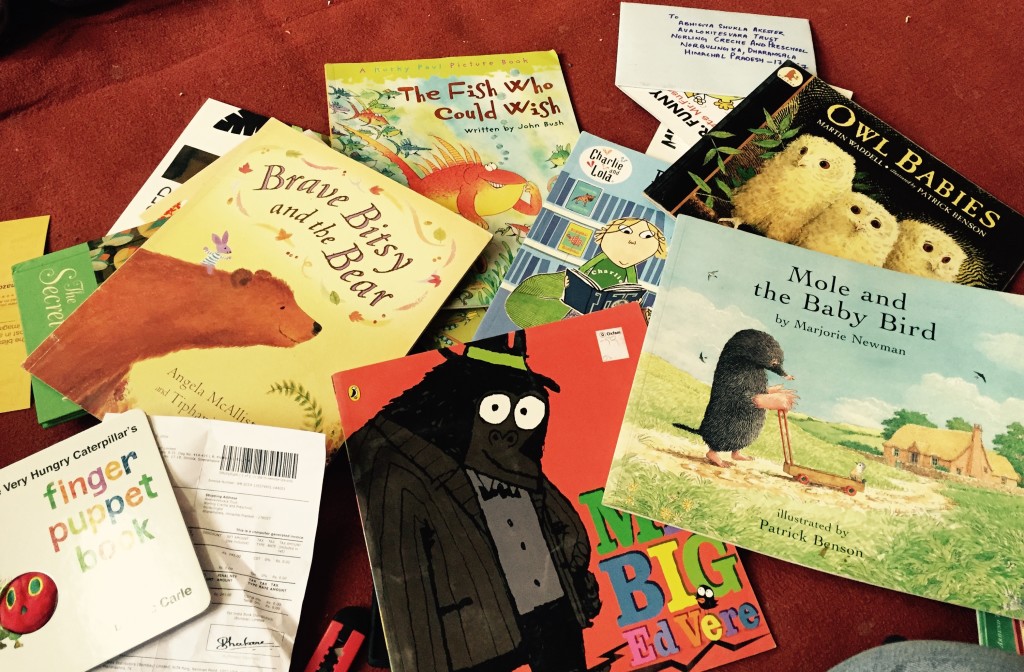
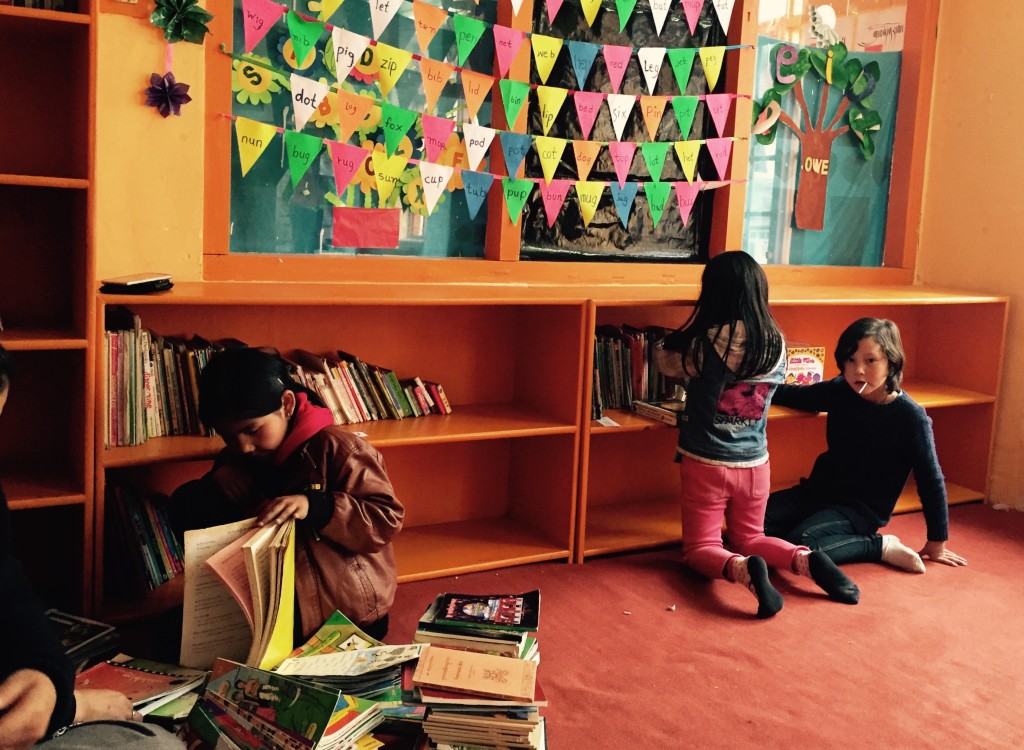
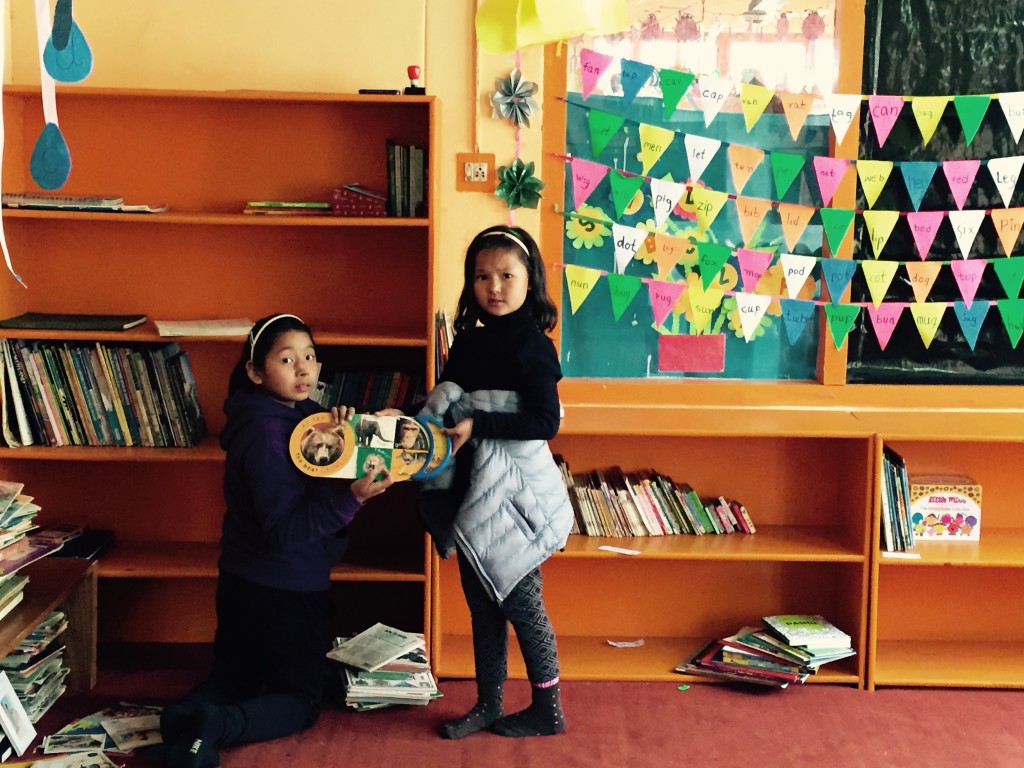
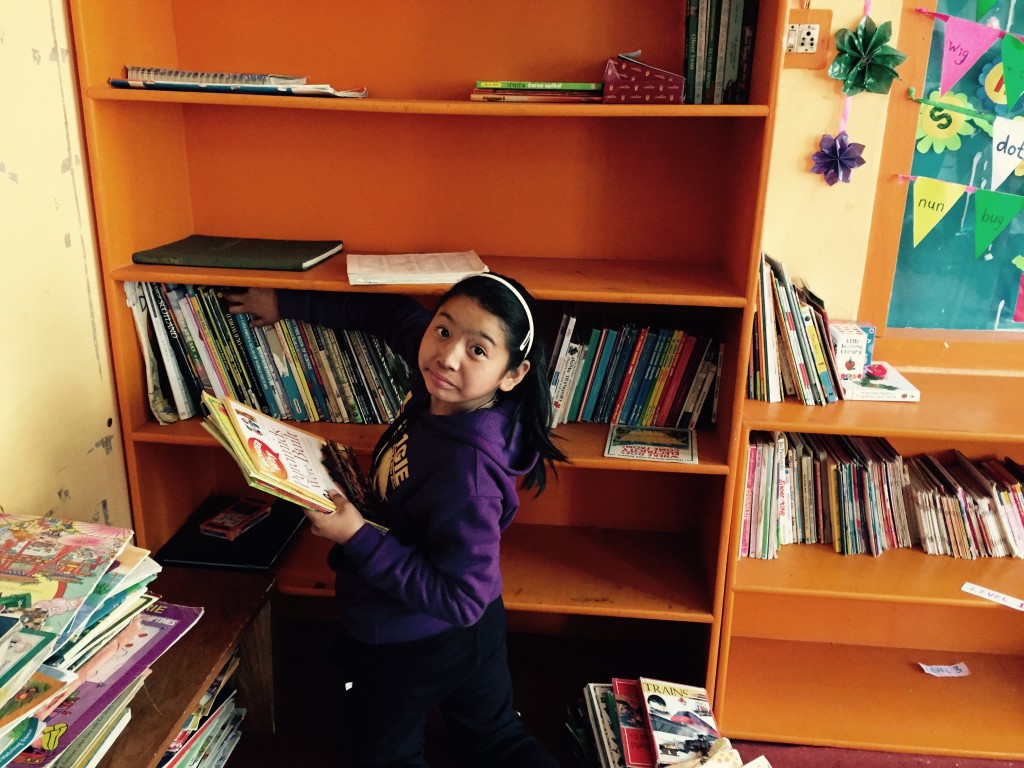
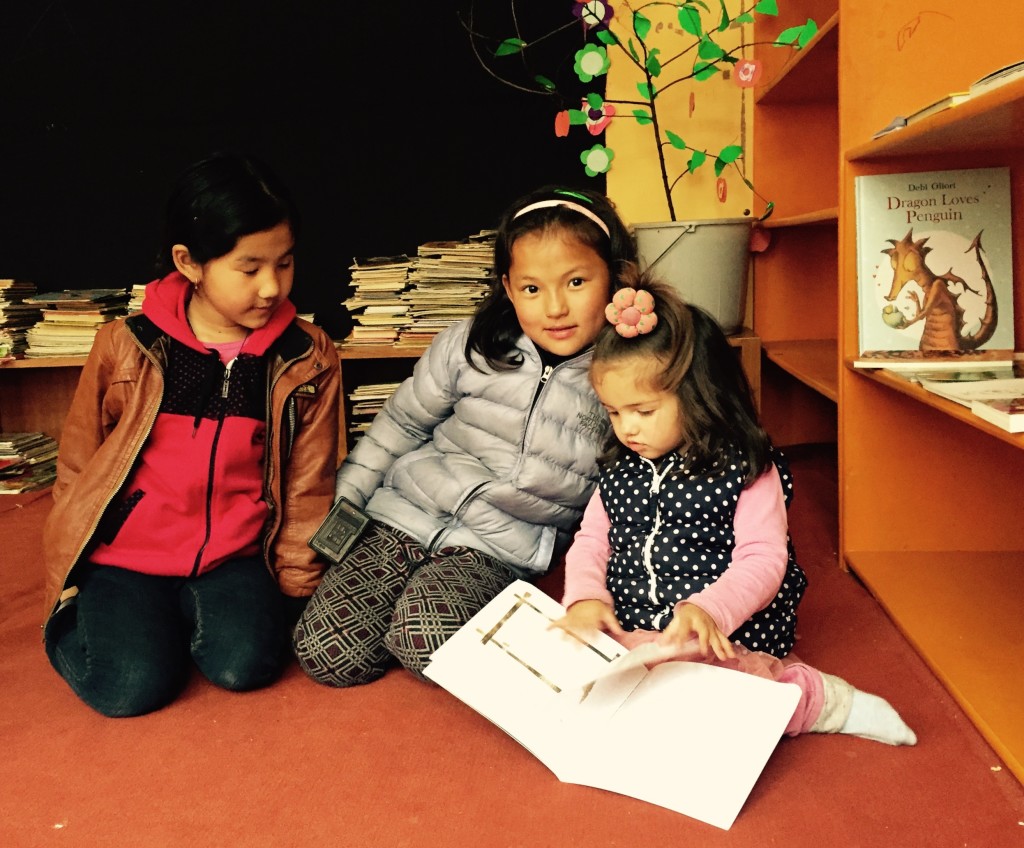
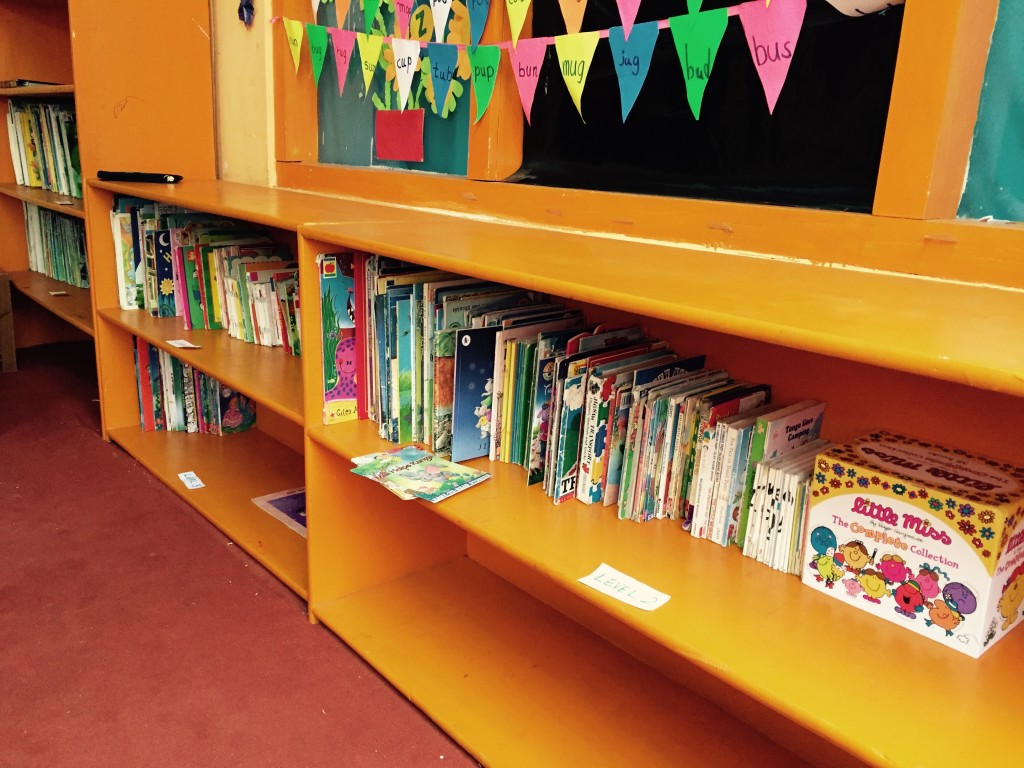
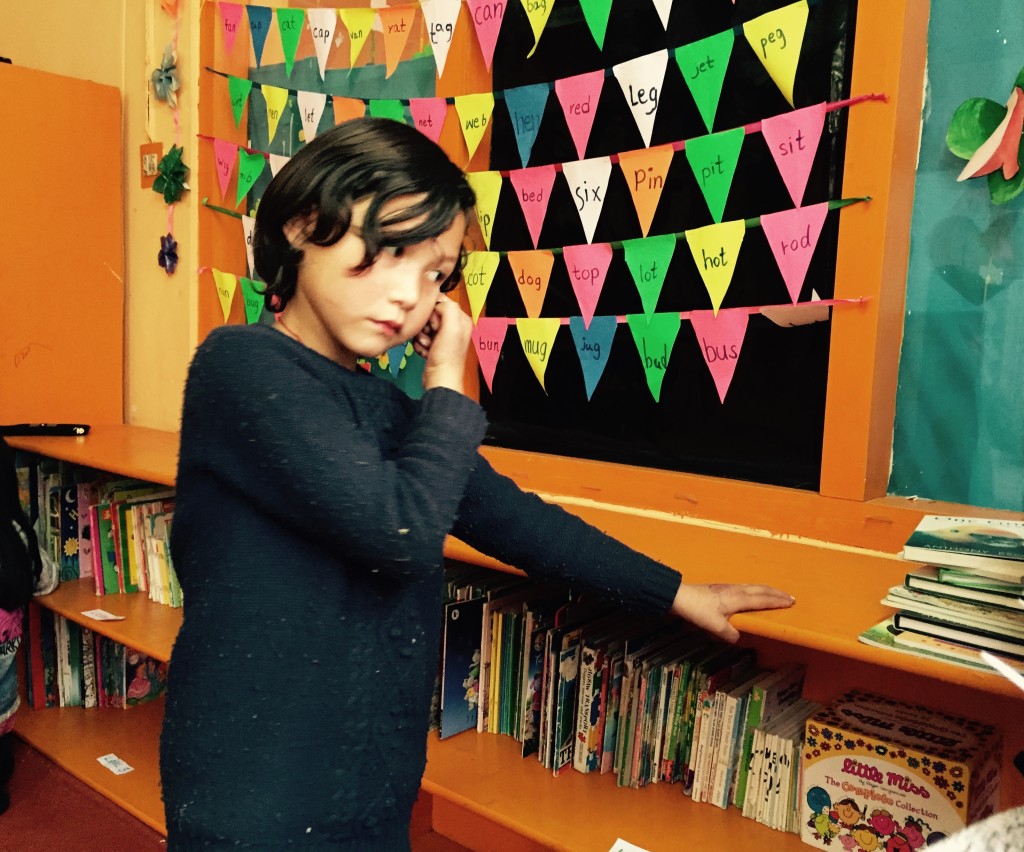
A silent reading session works best when the atmosphere feels warm rather than strict. Children can choose from picture books, folk tales, biographies, poetry, graphic novels and age-appropriate non-fiction. Cushions, low shelves and natural light can make a reading room feel more like a place to stay than a room to pass through.
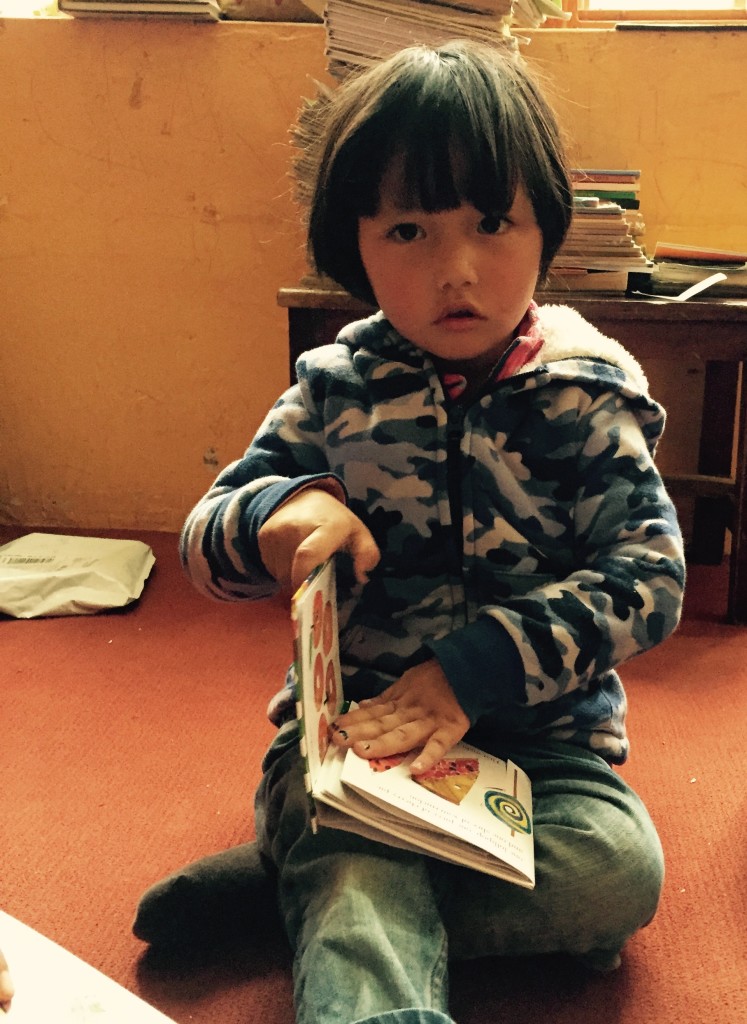
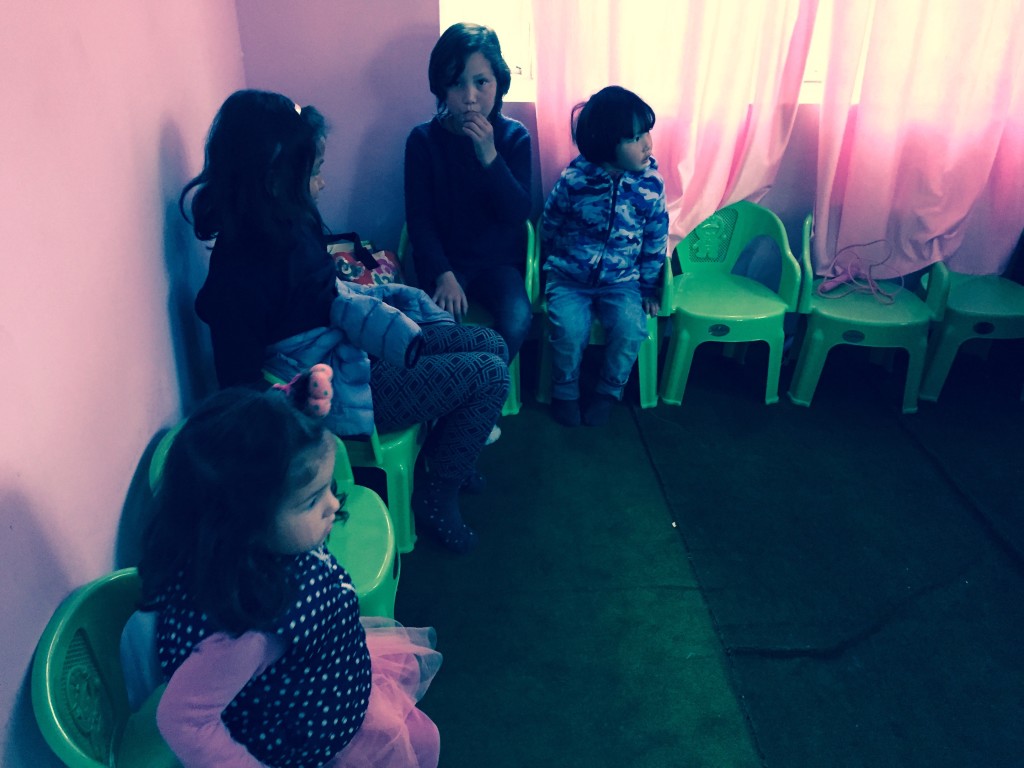
The first few sessions may include fidgeting, whispers or children looking around for something to do. That is normal. The aim is to help them practise returning their attention to the book, not to demand perfect stillness. A calm adult presence, a visible clock and a familiar routine give children the confidence to settle in gradually.
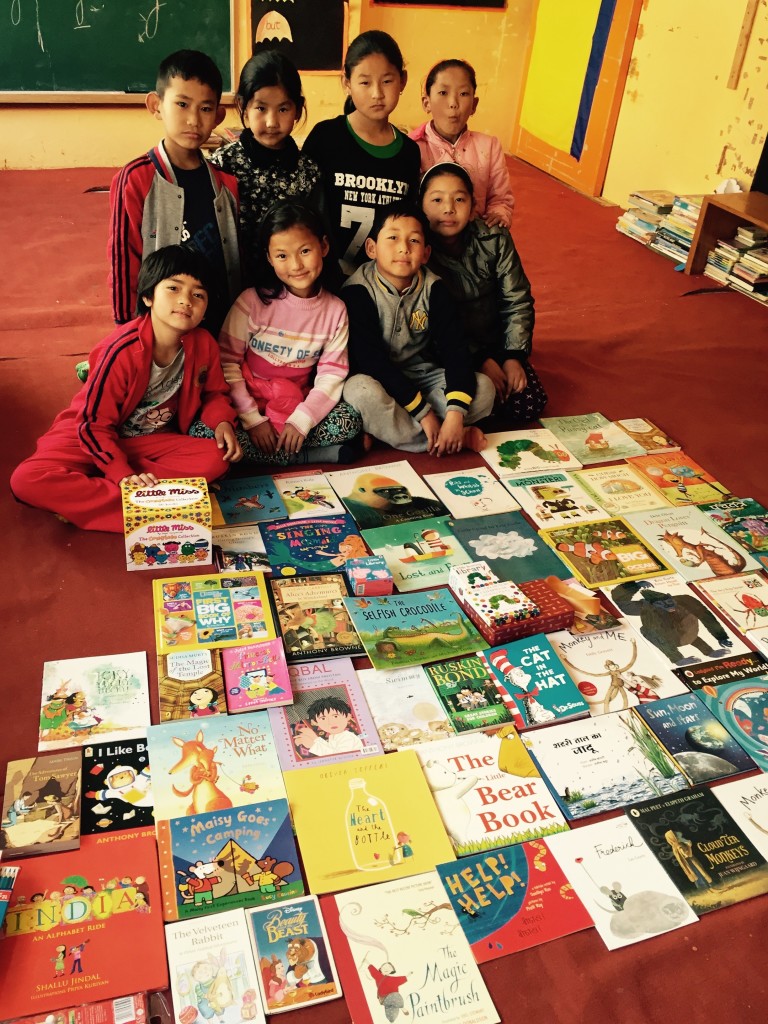
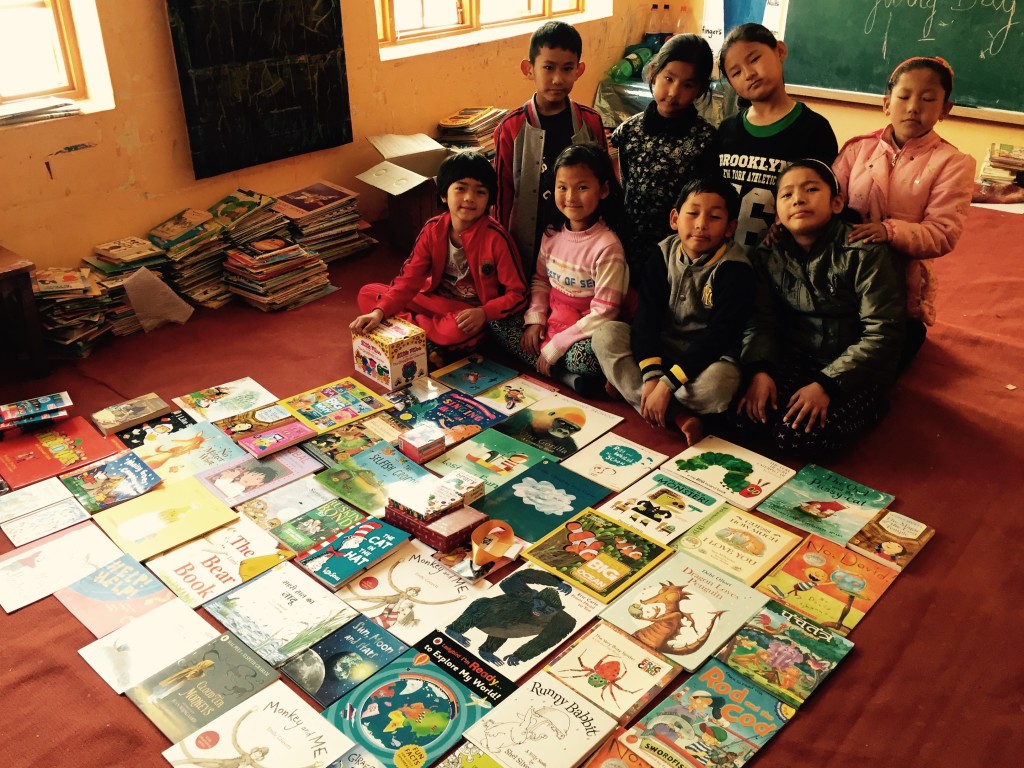
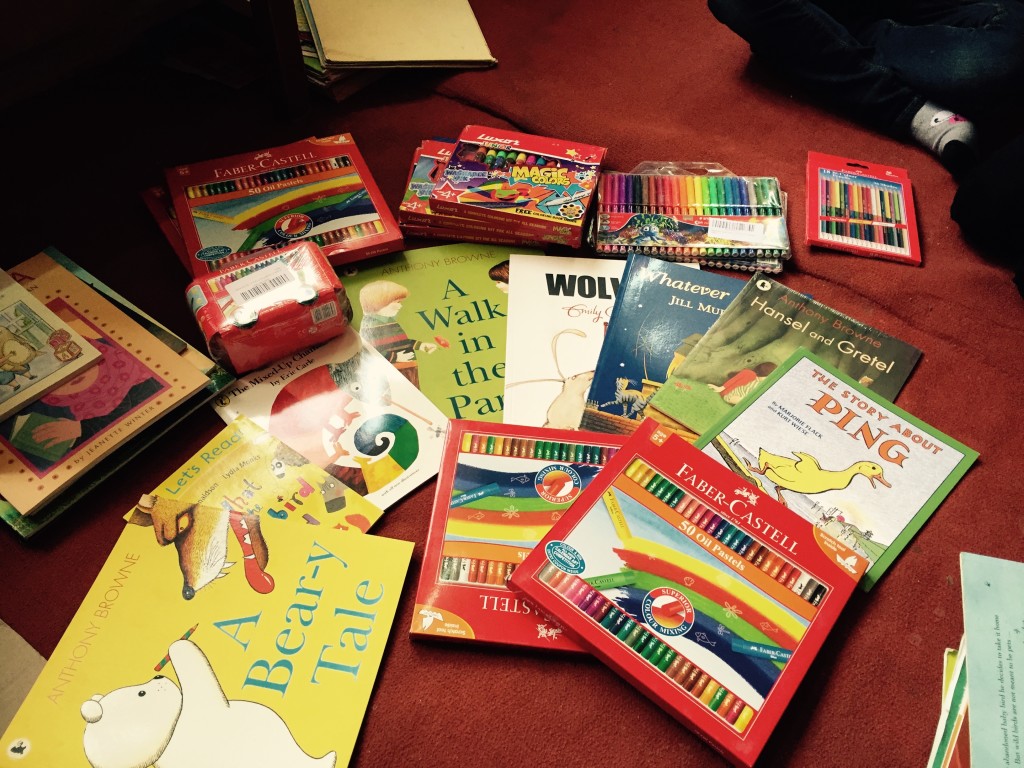
This approach is especially valuable in communities where access to books is limited. A child who has rarely had a personal choice of reading material may need time to explore before finding a story that holds their attention. A well-stocked reading room turns that exploration into part of the experience.
Teaching The Mind To Stay With One Thing
Uninterrupted focus develops through repetition. When a child reads for ten or twenty minutes without switching tasks, they practise following a sequence, remembering details and making meaning from words and pictures. These skills support learning across subjects, from mathematics and science to music and art.
The benefits also extend beyond literacy. Quiet reading gives children a break from performance. They do not need to answer a question, compete with classmates or produce a finished worksheet. They can pause over an illustration, reread a paragraph or simply enjoy the rhythm of a story. That freedom helps reading become intrinsically rewarding.
For Australian families, the same principle can fit naturally into life at home. A Sunday afternoon reading session after a visit to the local library, or twenty quiet minutes before screen time, can create a dependable rhythm. In Melbourne, Brisbane or Perth, public libraries often provide children’s collections and welcoming spaces; a home routine can carry that library feeling into the week.
Books That Reflect A Child’s World
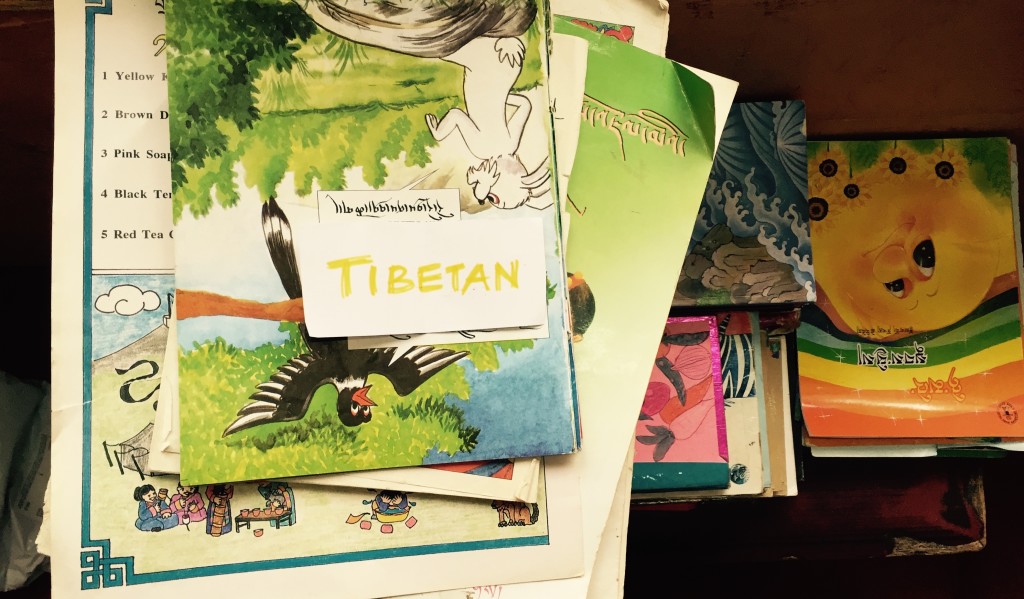
Children engage more deeply when they recognise something of themselves in what they read. That may be a language, a landscape, a family structure, a festival or a character who sees the world in a familiar way. Books in a child’s first language can strengthen confidence and help families share stories across generations. Avalokiteśvara Trust explains this principle through books in their mother tongue, showing why meaningful access matters alongside the number of books on a shelf.
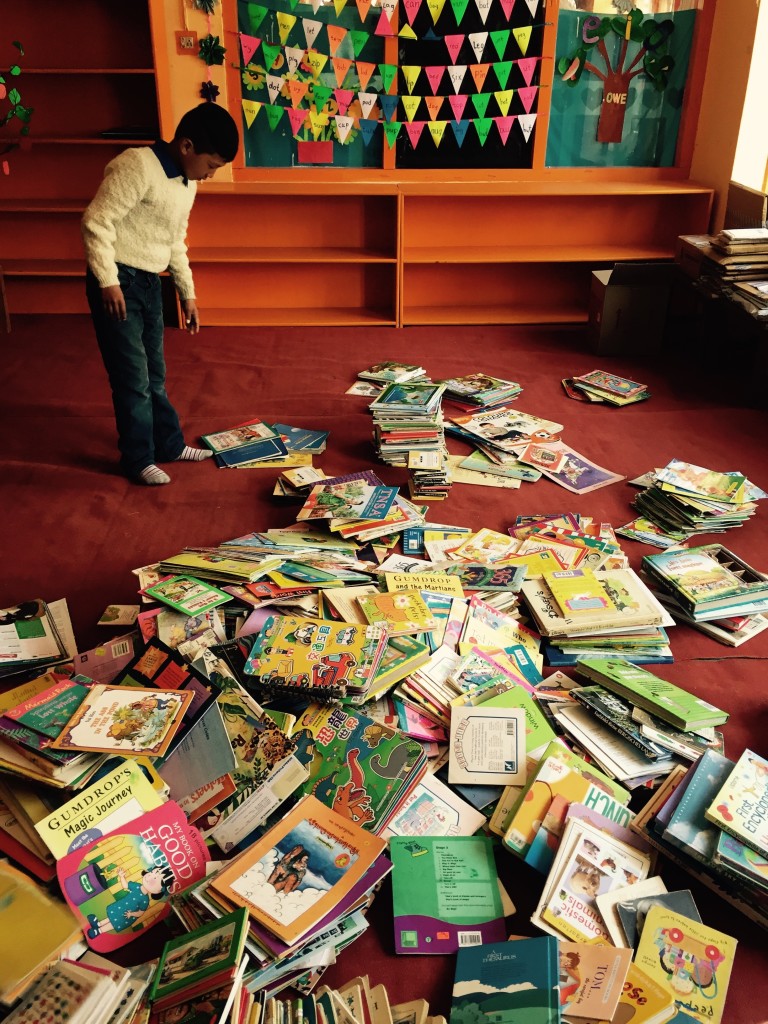
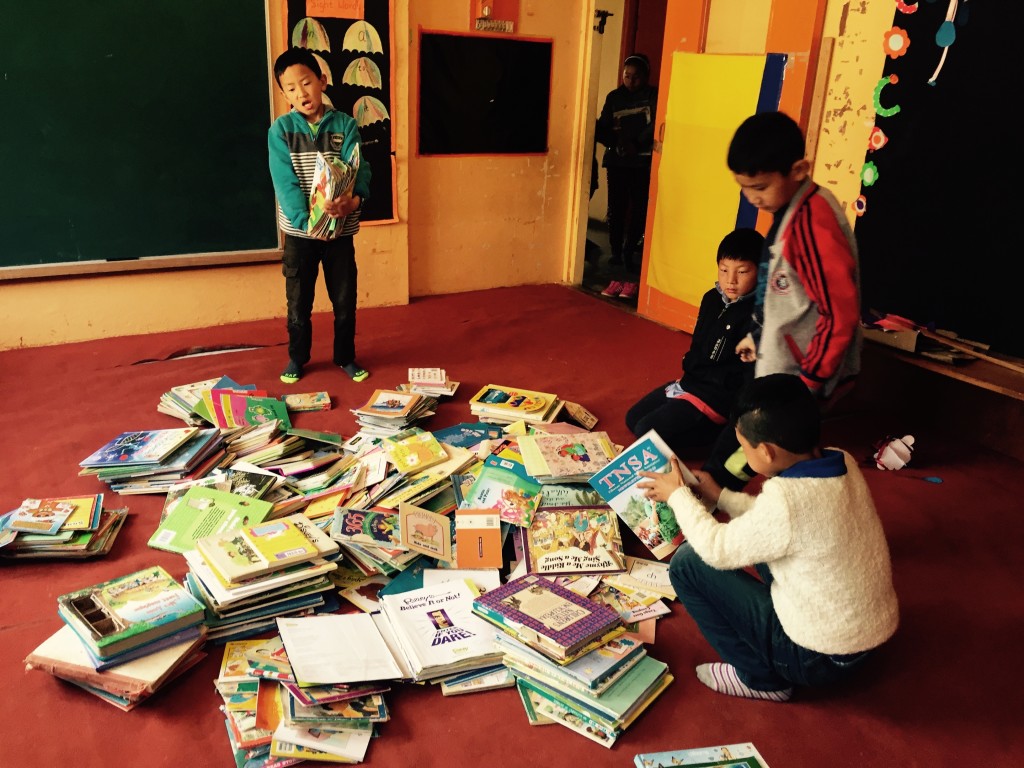
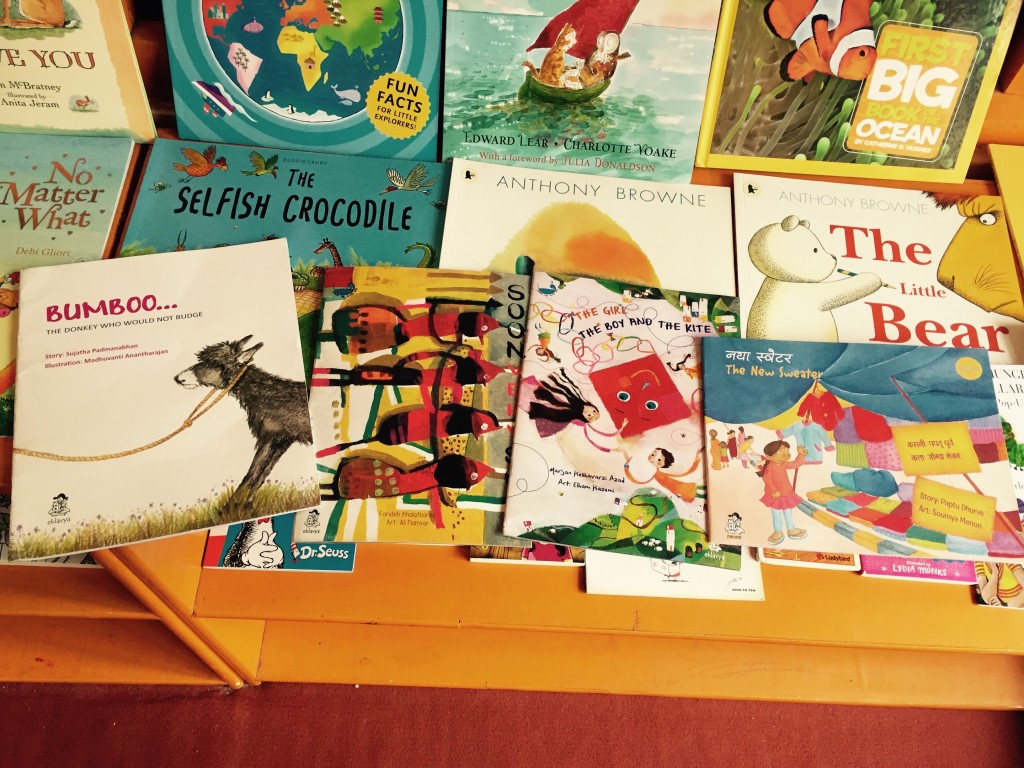
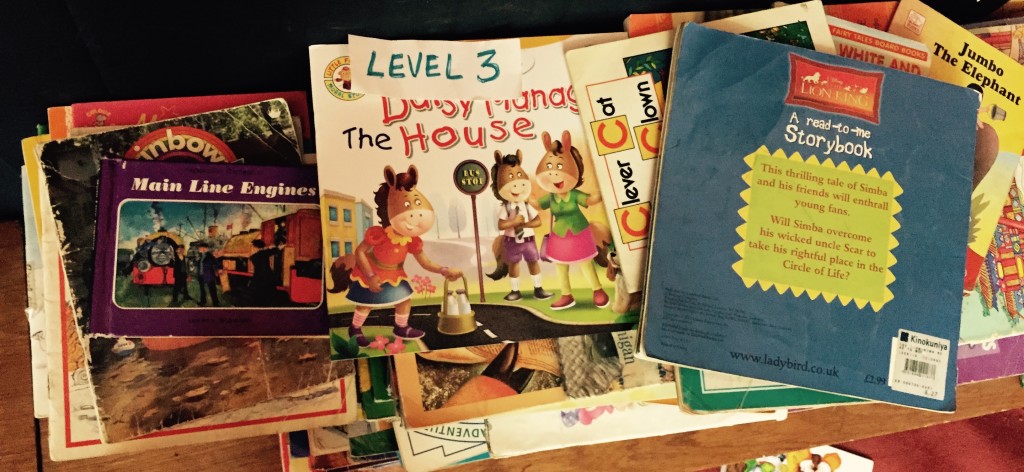
In Ladakh, a reading collection may need to serve children who speak different languages and come from varied cultural backgrounds. A thoughtful book drive therefore looks beyond quantity. It considers translation, local knowledge, age suitability and the condition of each book. A small collection chosen with care can be more useful than boxes of unrelated titles.
Australian supporters will recognise a similar issue during school Book Week, when children celebrate stories through costumes, displays and classroom activities. The excitement around Book Week shows how strongly children respond when books are treated as part of identity and community. Silent Reading Hour extends that enthusiasm beyond a single event by giving children regular time to meet books on their own terms.
Building A Habit Through Community
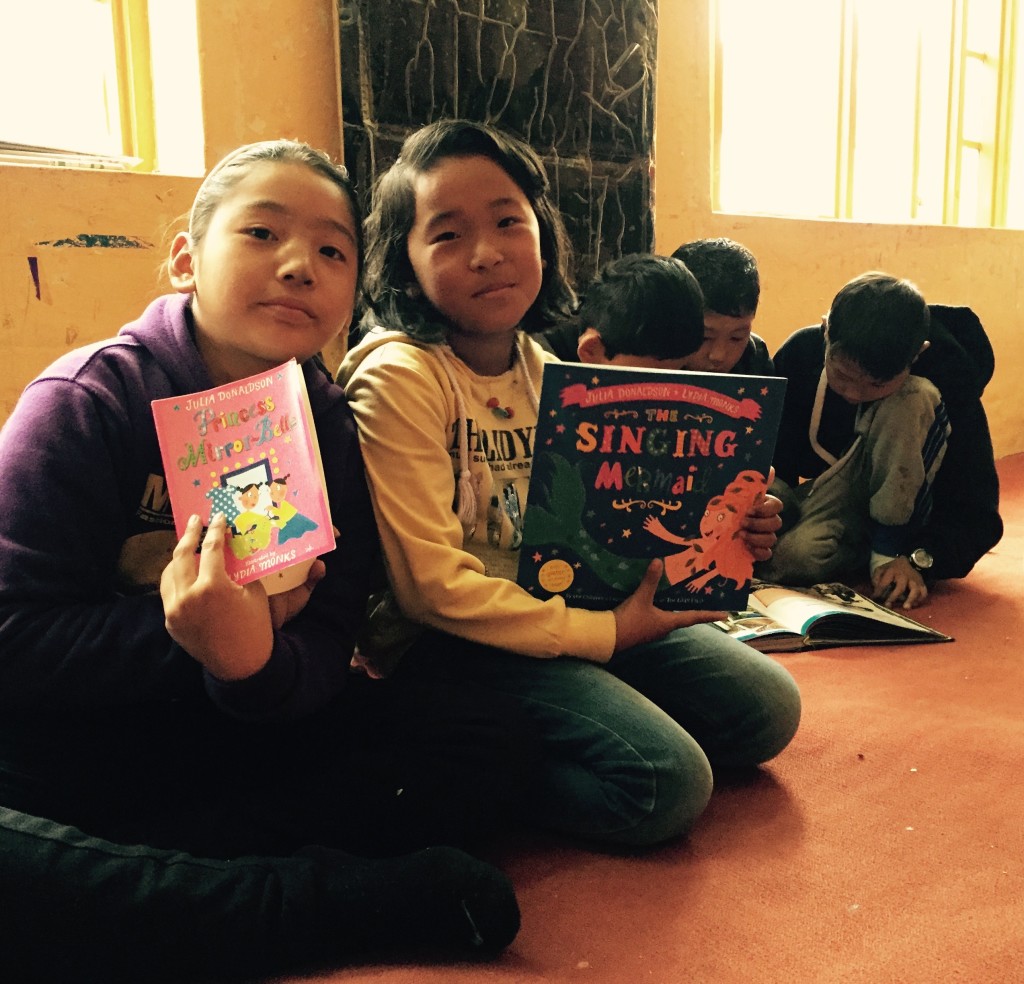
A shared reading hour creates a small community of concentration. Each child reads a different book, yet everyone contributes to the same peaceful atmosphere. This can be reassuring for young readers who find group activities tiring or who need extra time to process language. They are included without having to speak in front of others.
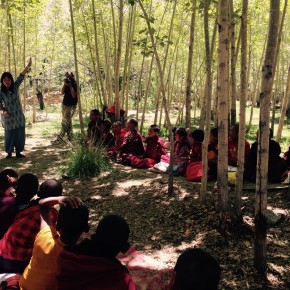
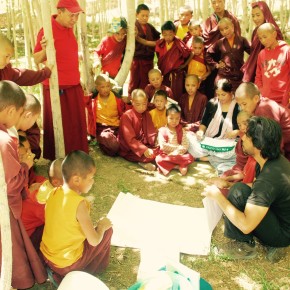
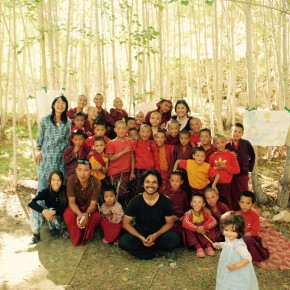
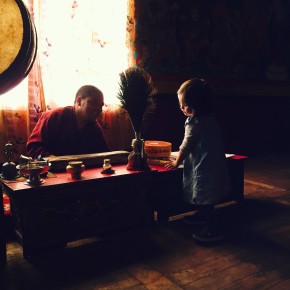
Young monks can benefit from this structure as well. A quiet reading period can sit alongside study, prayer, music and creative activities, offering a change of pace while still supporting discipline. Stories and information books broaden the learning environment, while the regular schedule teaches that attention can be practised with patience rather than forced through pressure.
The model is also accessible for community groups and volunteers. A volunteer does not need to lecture about reading or test every child after the session. Preparing inviting materials, protecting the quiet and noticing what children choose to read are meaningful contributions. In Australia, this could connect with school libraries, neighbourhood houses, Rotary groups or local book clubs that already understand the value of shared community projects.
Carrying Focus Beyond The Reading Room
The purpose of Silent Reading Hour is not to keep children quiet for its own sake. It is to help them discover what becomes possible when their attention has room to deepen. A child may begin with a short comic and later attempt a chapter book. Another may use a picture dictionary to build confidence in English, while a younger reader follows a story through illustrations.
Families can support this progress without turning reading into another obligation. Keeping a few books visible, allowing children to choose, and protecting a regular period without phones or television can make a real difference. In Australia, where school terms, sport, commuting and after-school care shape family schedules, a modest routine is more sustainable than an ambitious one. Even ten quiet minutes can become a meaningful anchor.
The same lesson guides Avalokiteśvara Trust’s work: access, choice and time belong together. A donated book matters because a child can find it, understand it and spend unhurried time with it. The next step is to set aside one quiet reading period this week, place a small selection of books within reach, and let the first ten minutes begin without interruption.