Every Child Deserves a Book in Their Mother Tongue
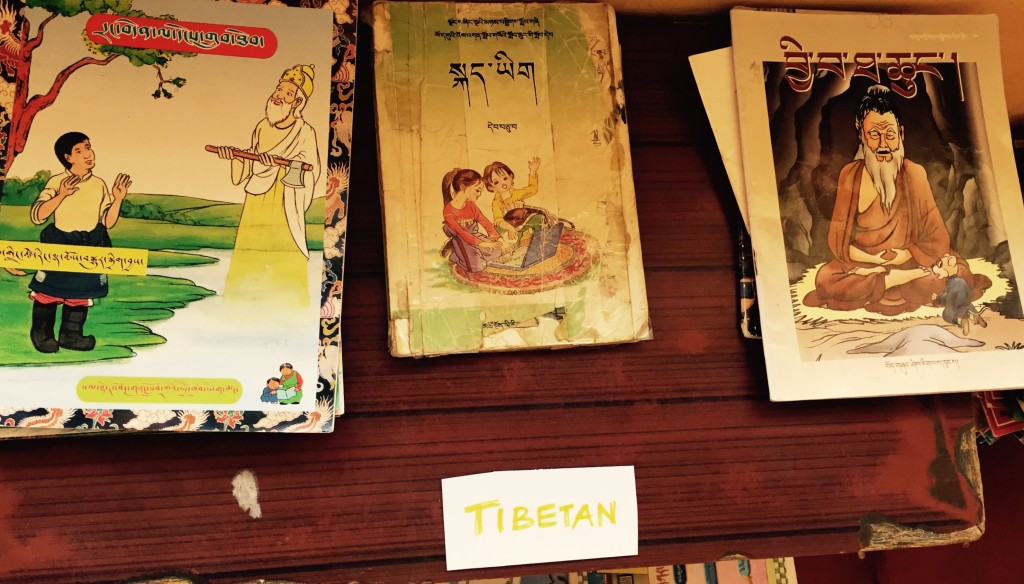
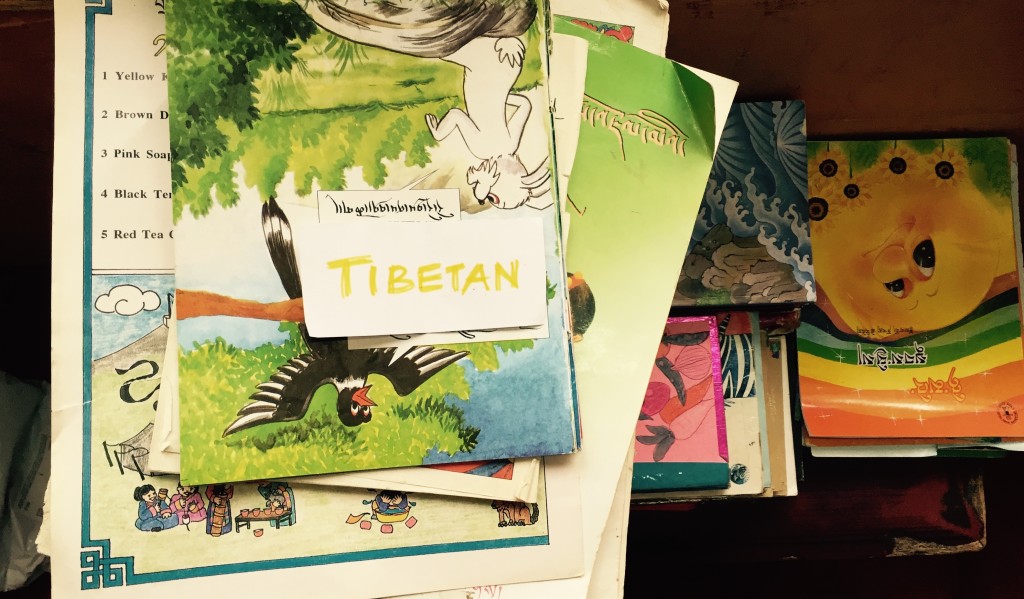
A book can be a doorway into knowledge, imagination, and confidence. For children growing up in the Himalayan region, that doorway becomes especially meaningful when the words on the page sound like home. A story written in a familiar language invites children to read with less hesitation and to connect learning with the voices, places, and traditions they know.
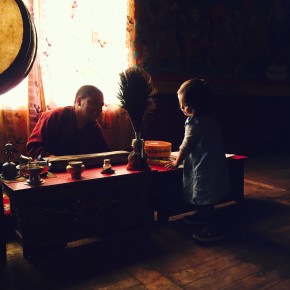
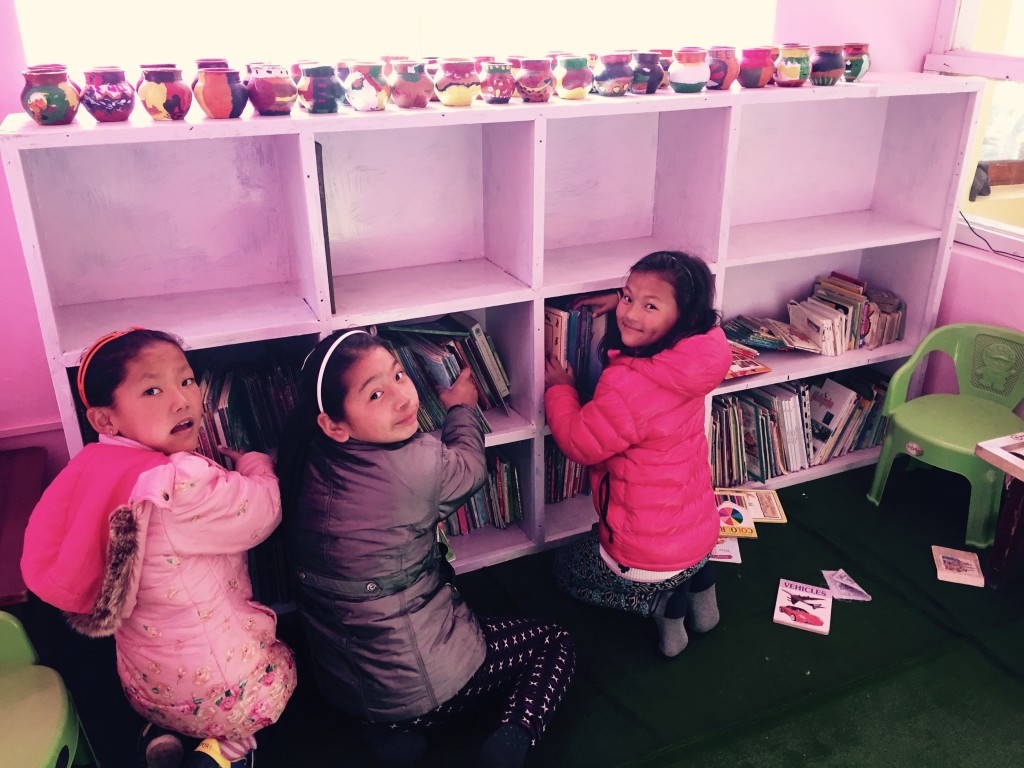
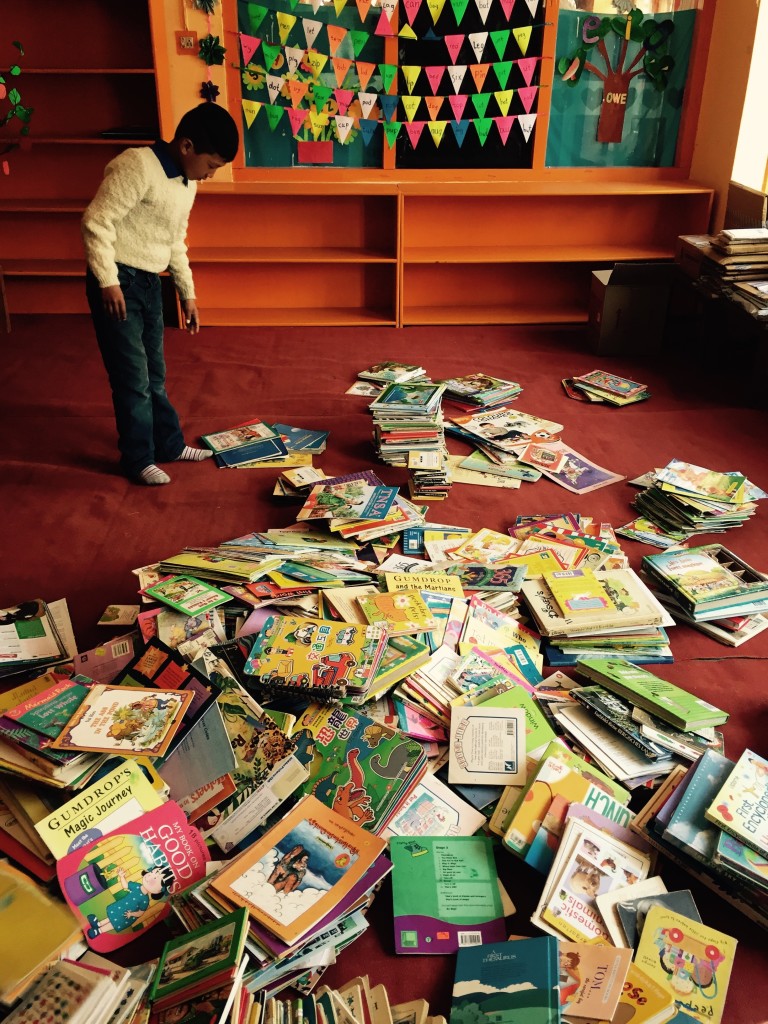
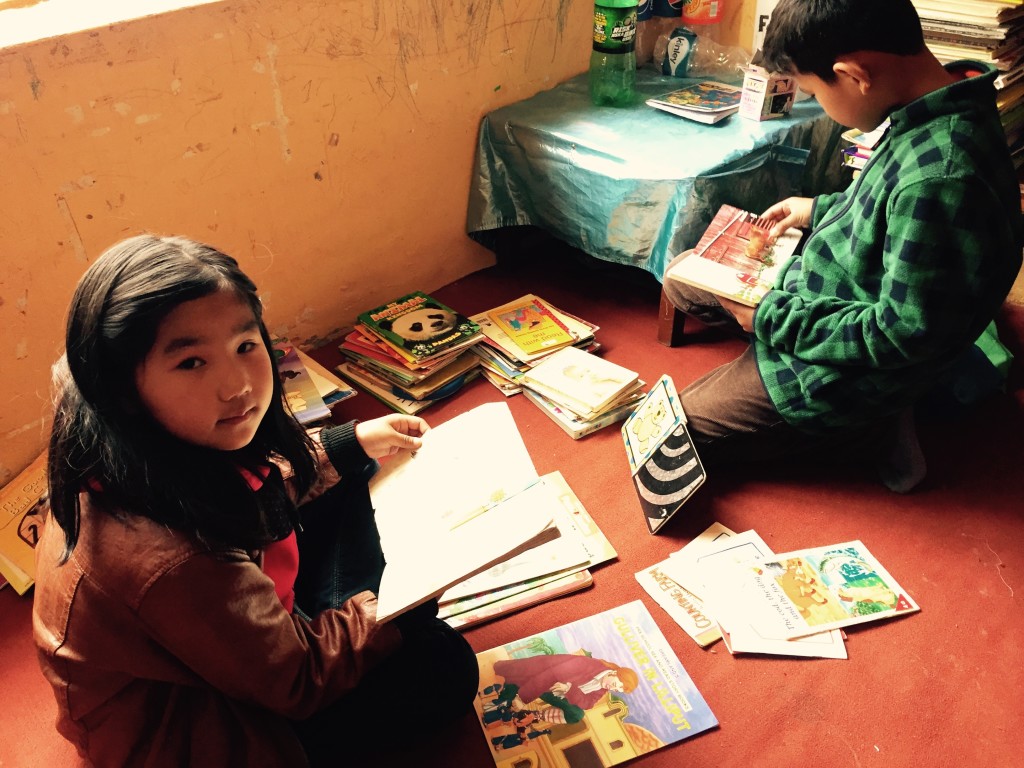
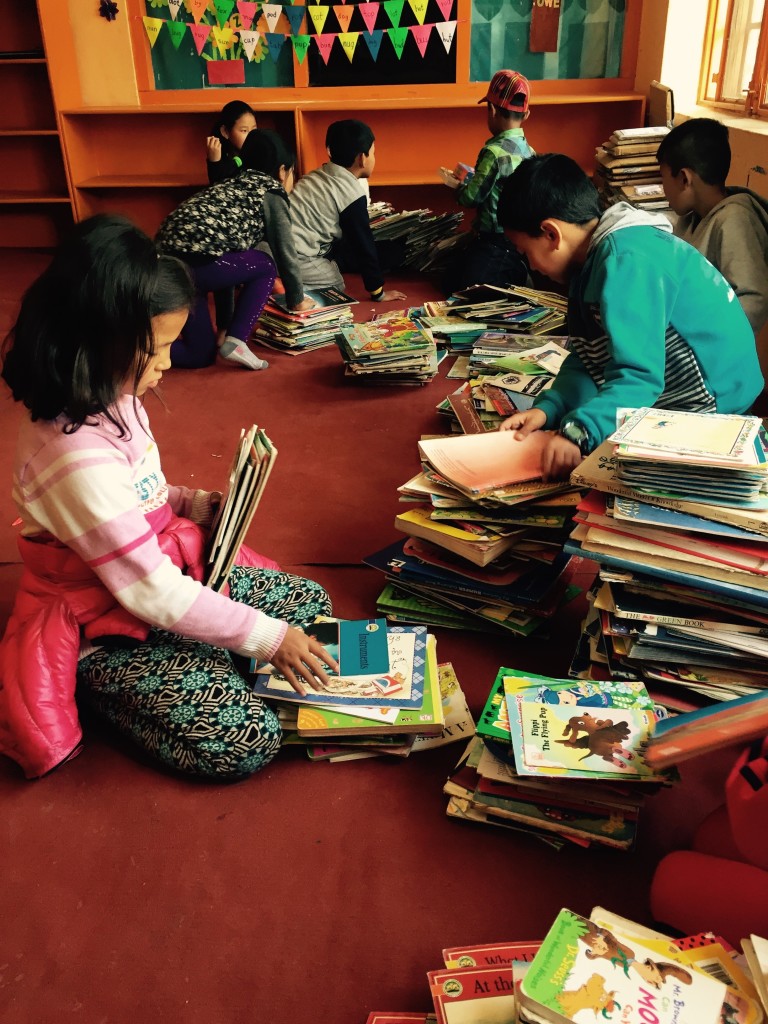
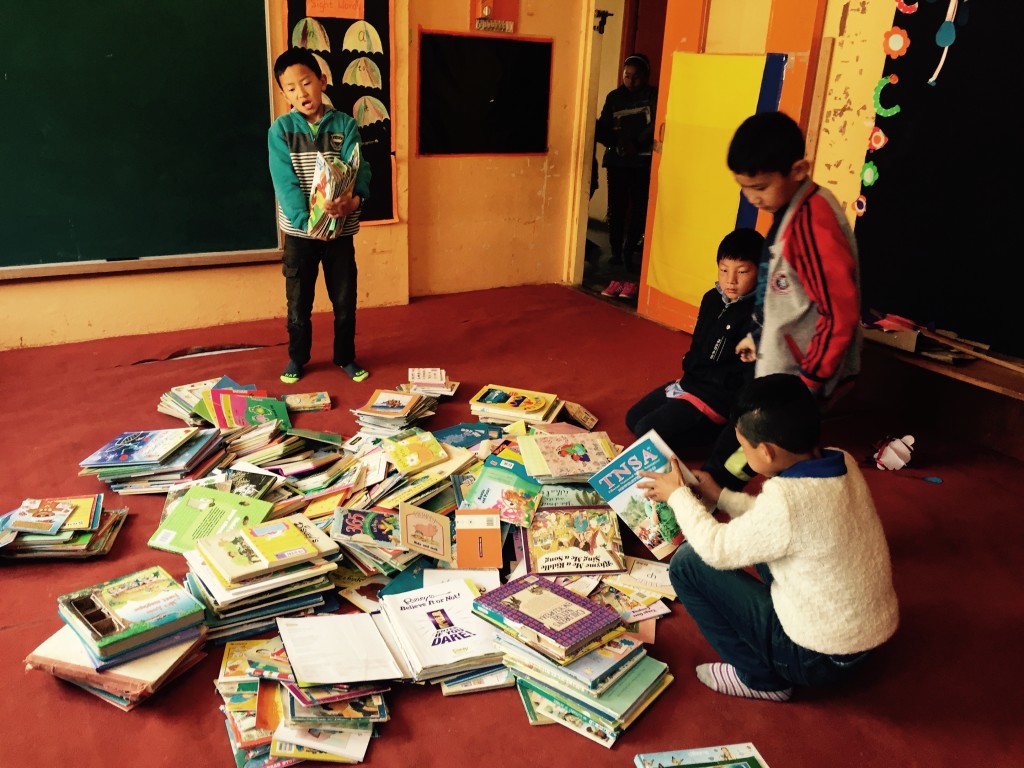
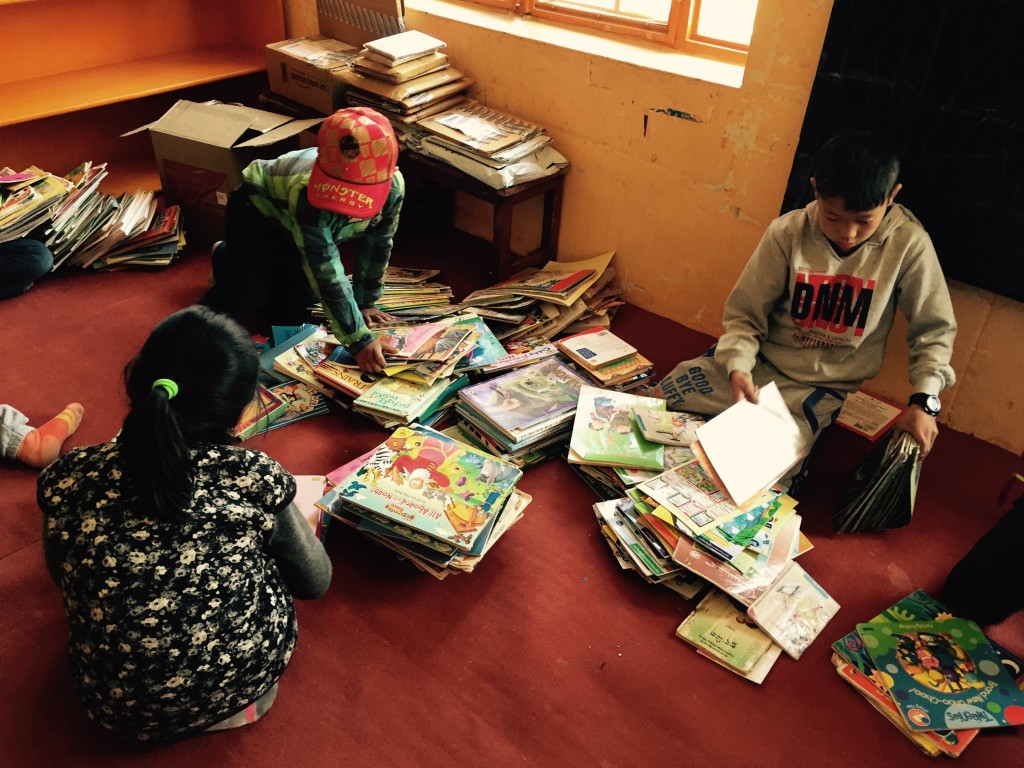
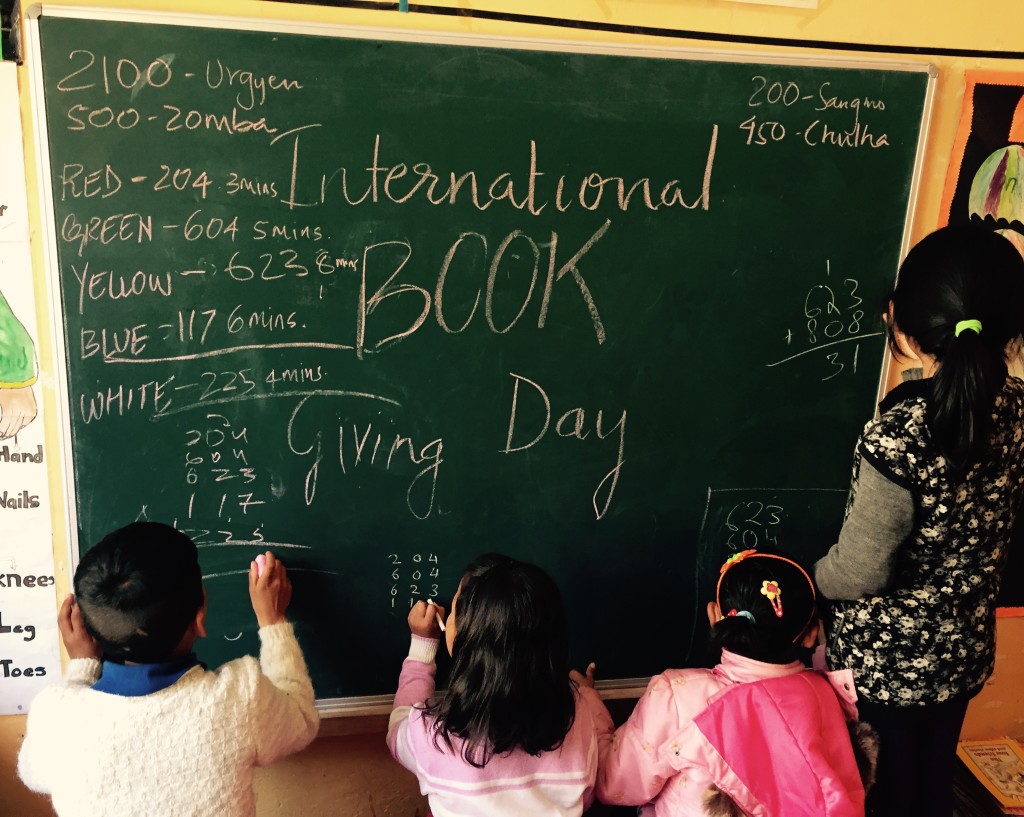
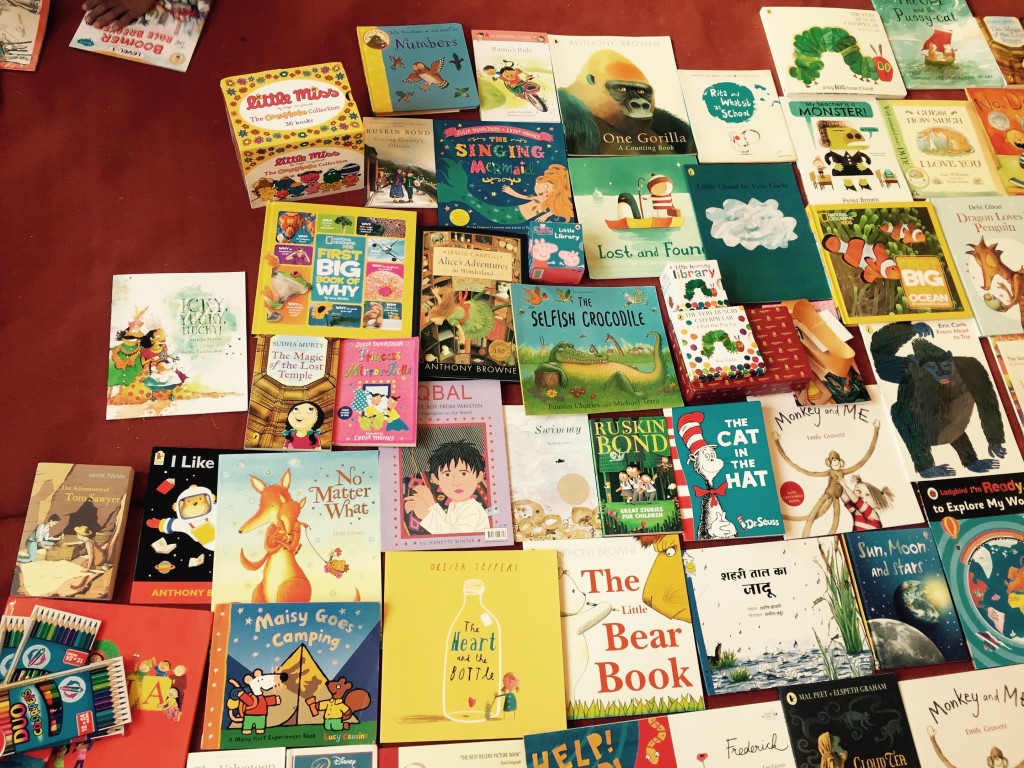
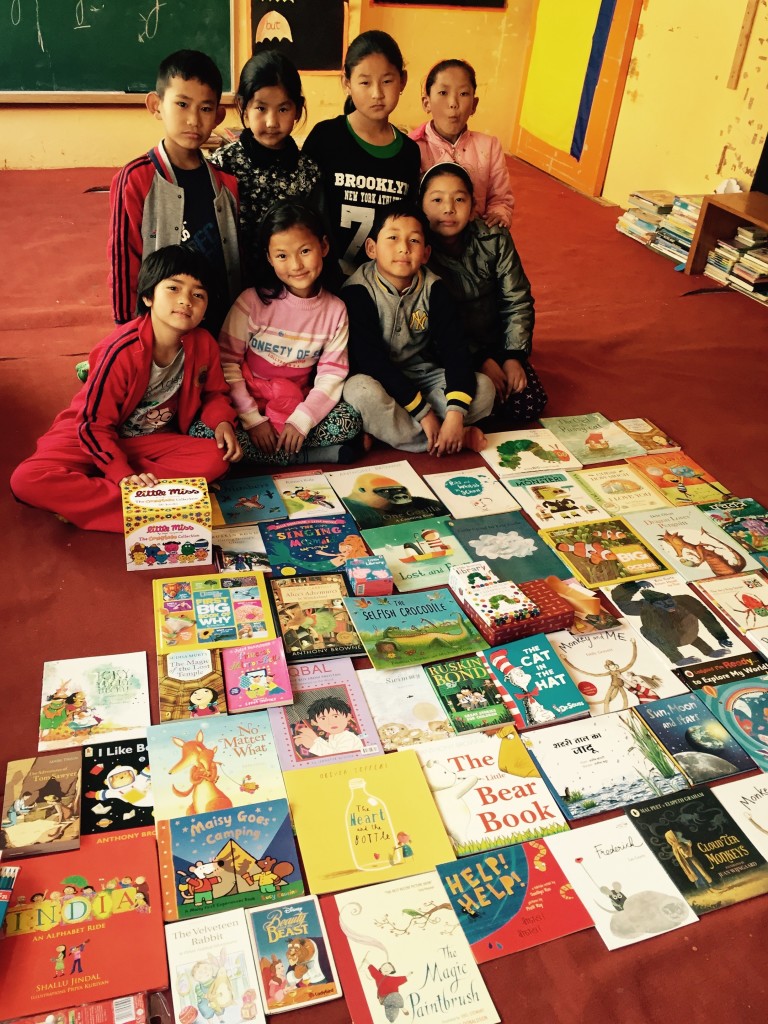
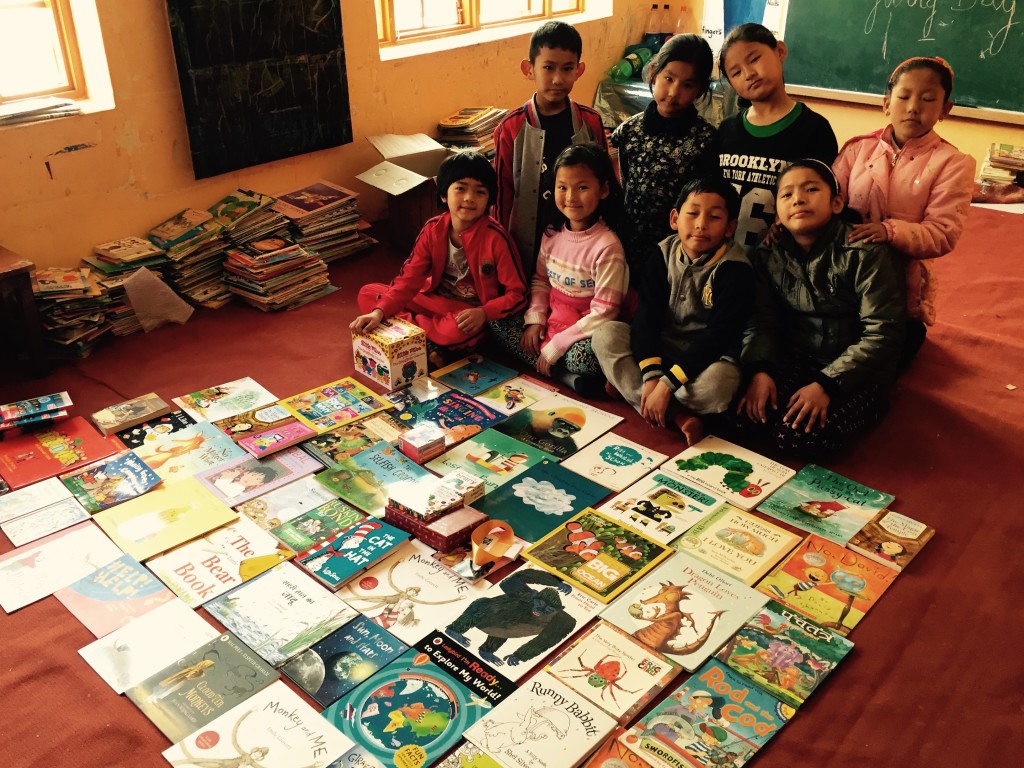
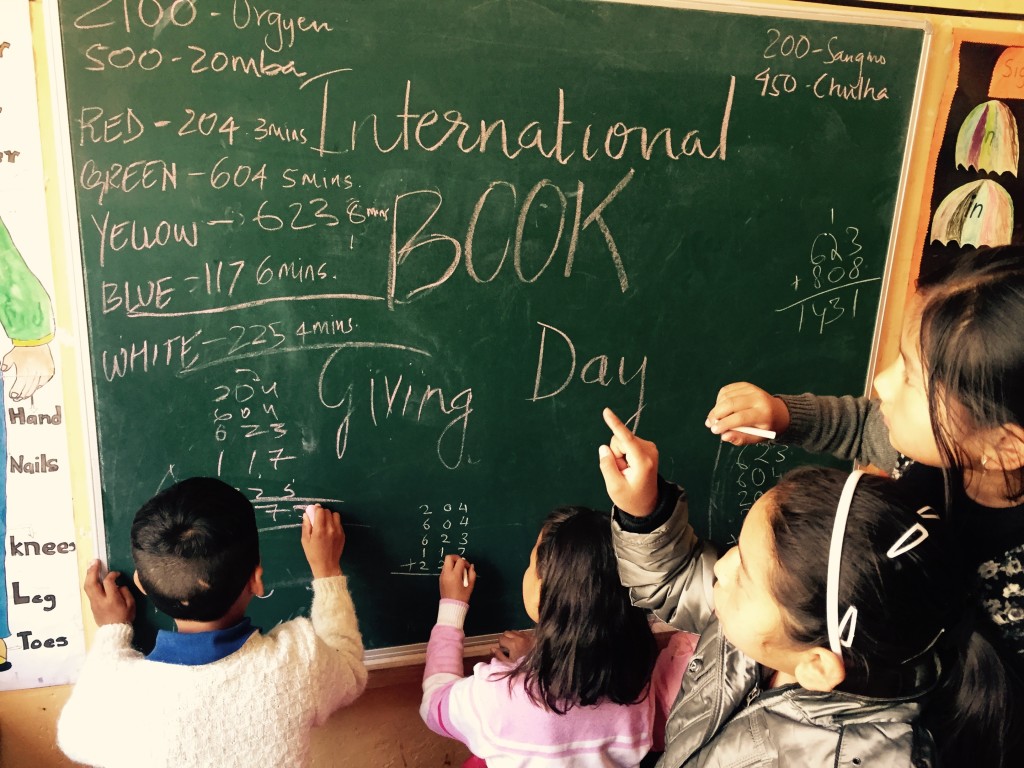
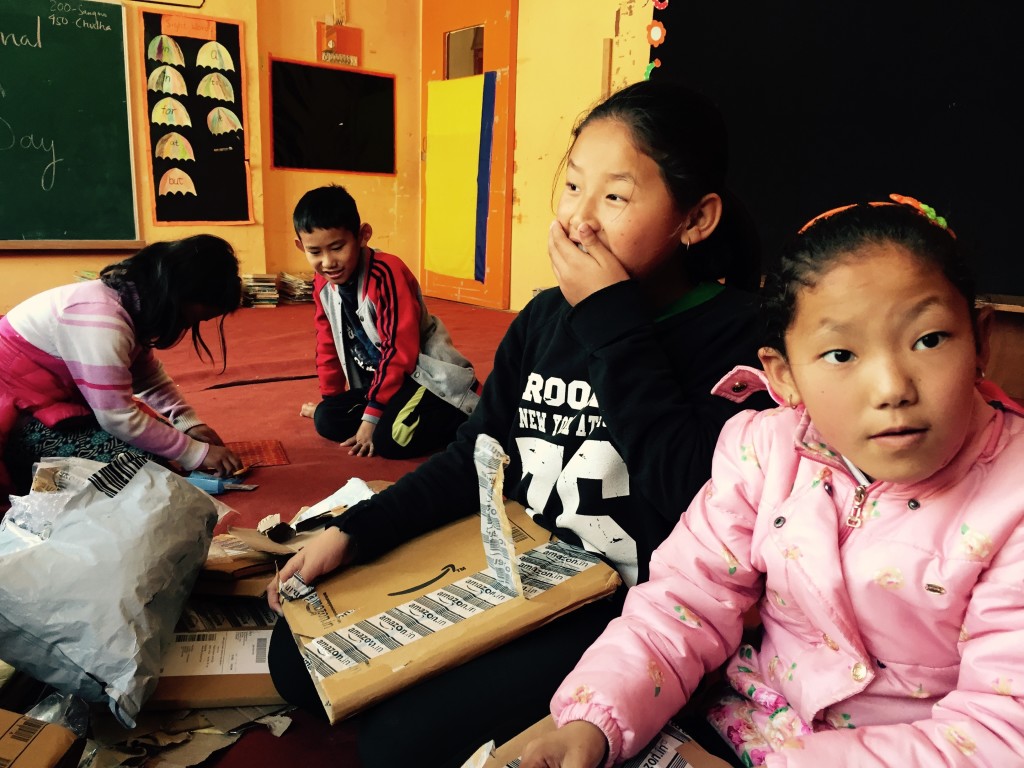
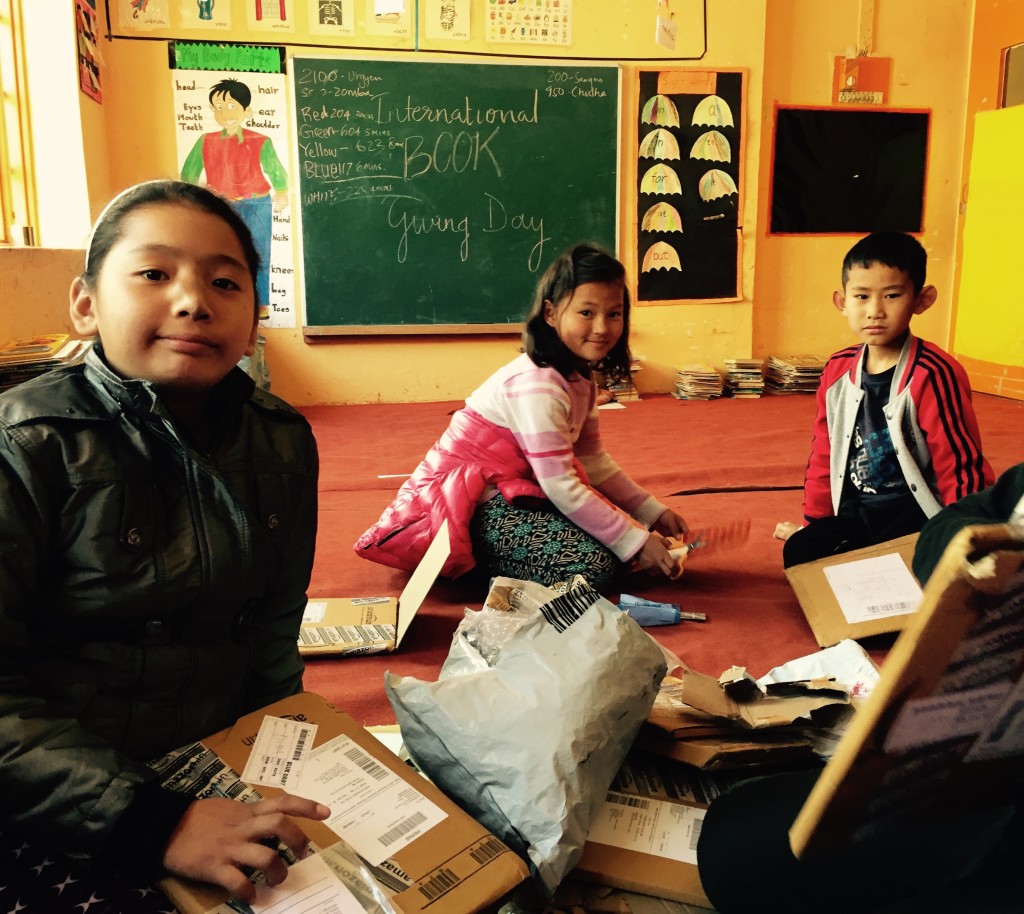
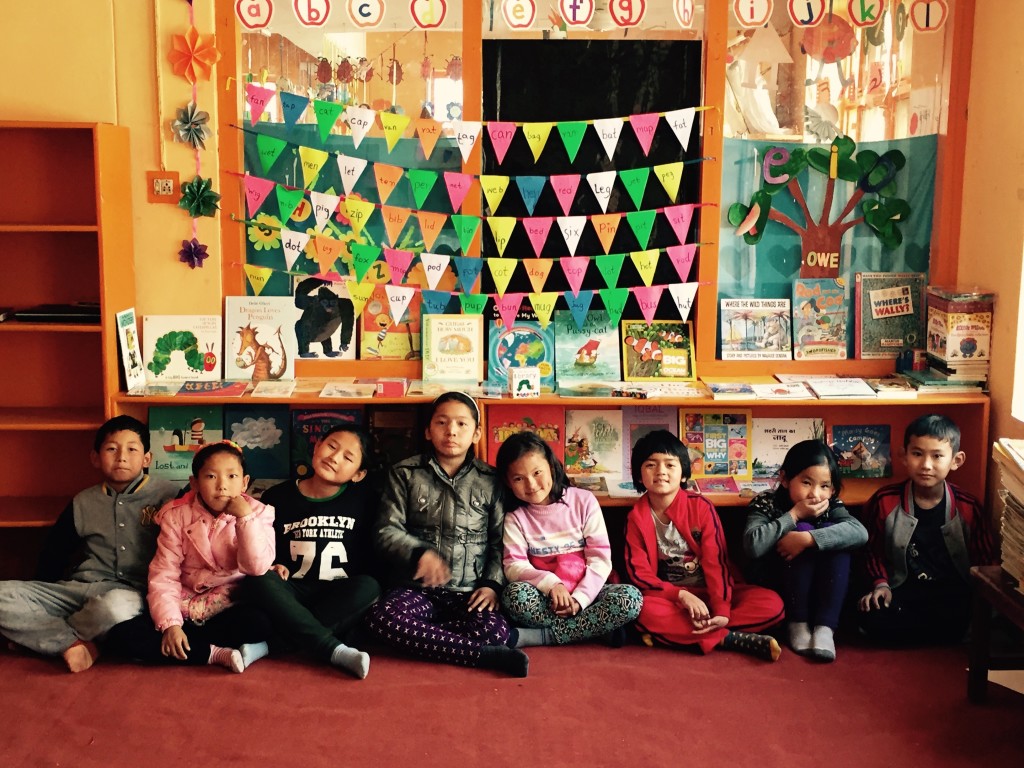
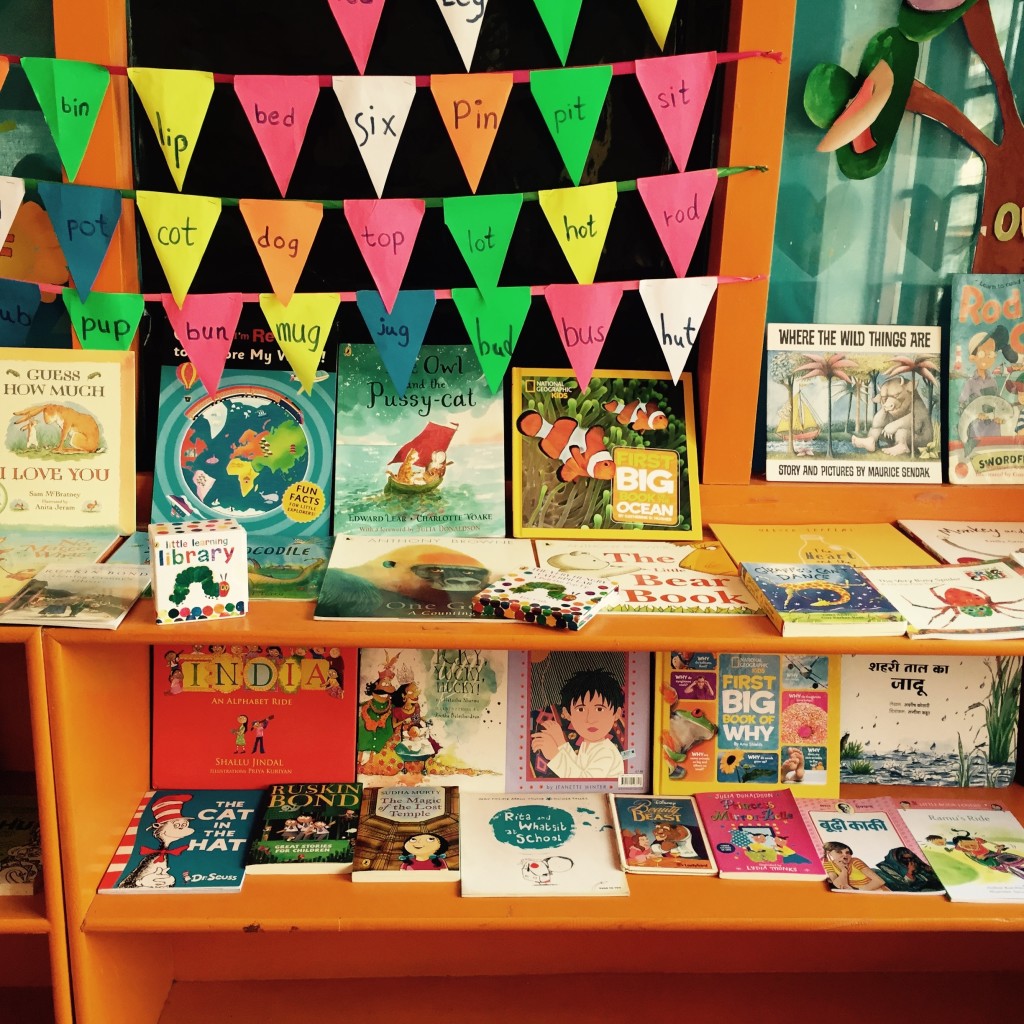
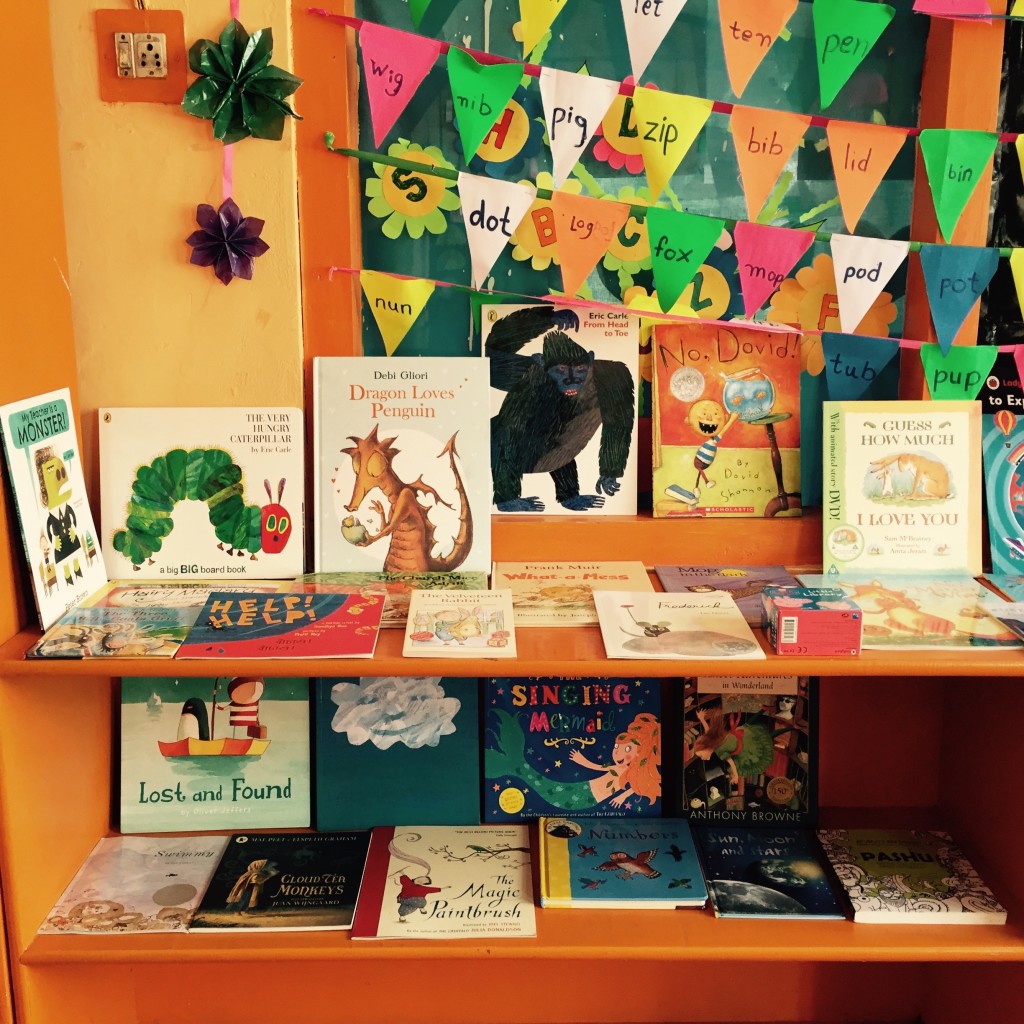
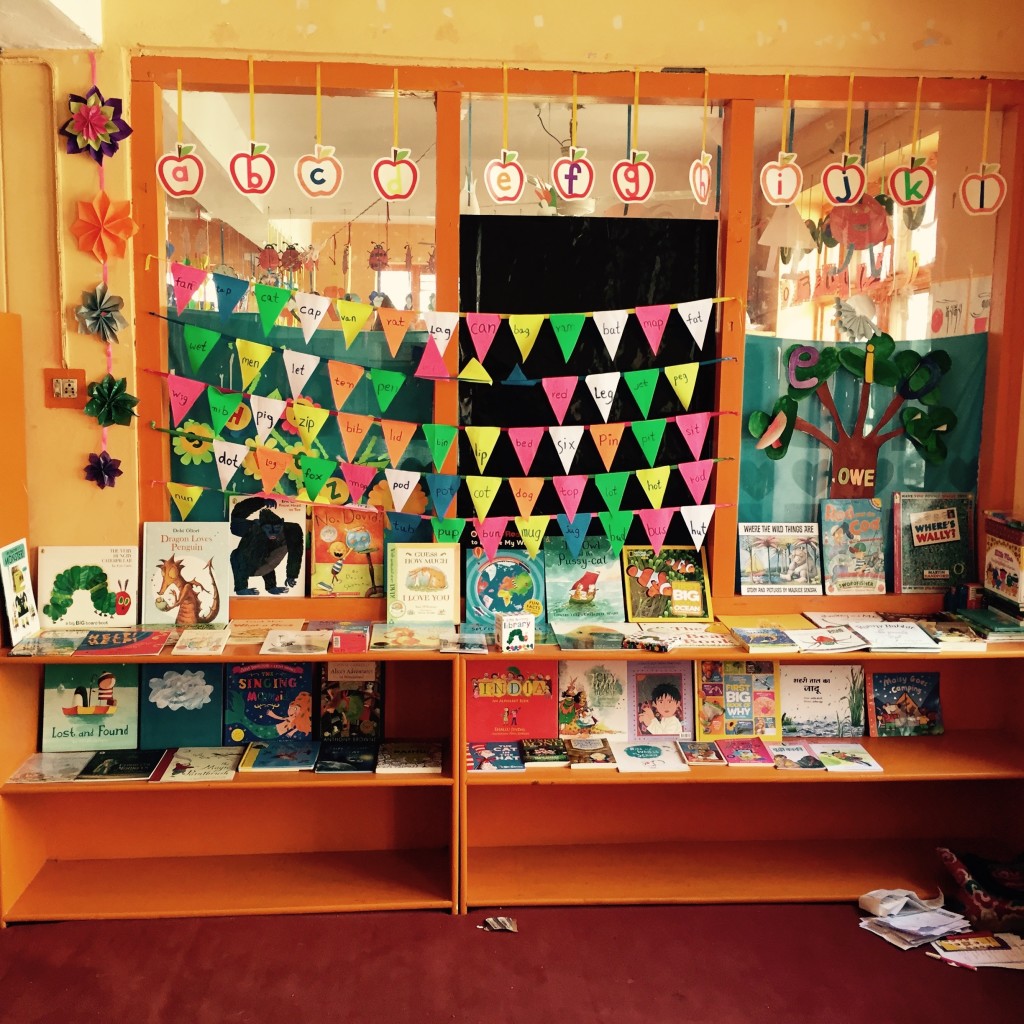
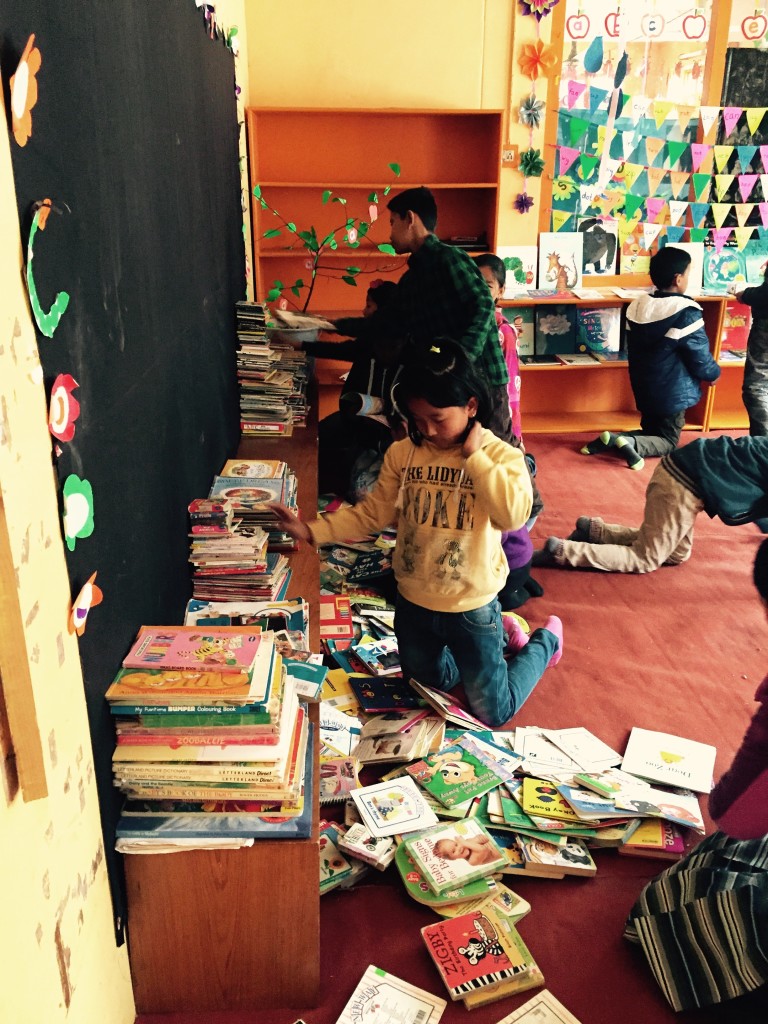
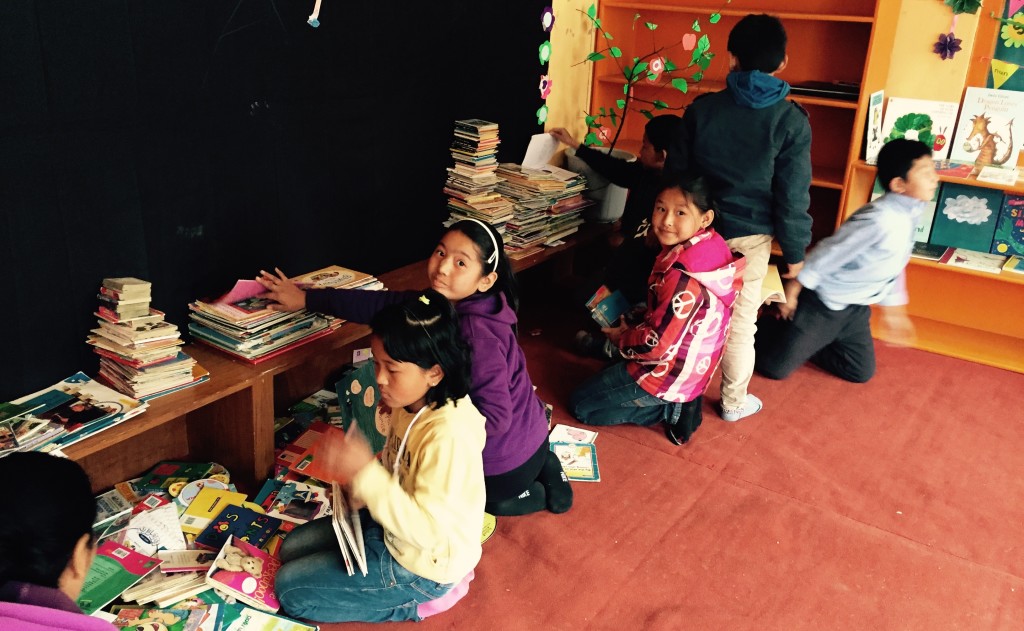
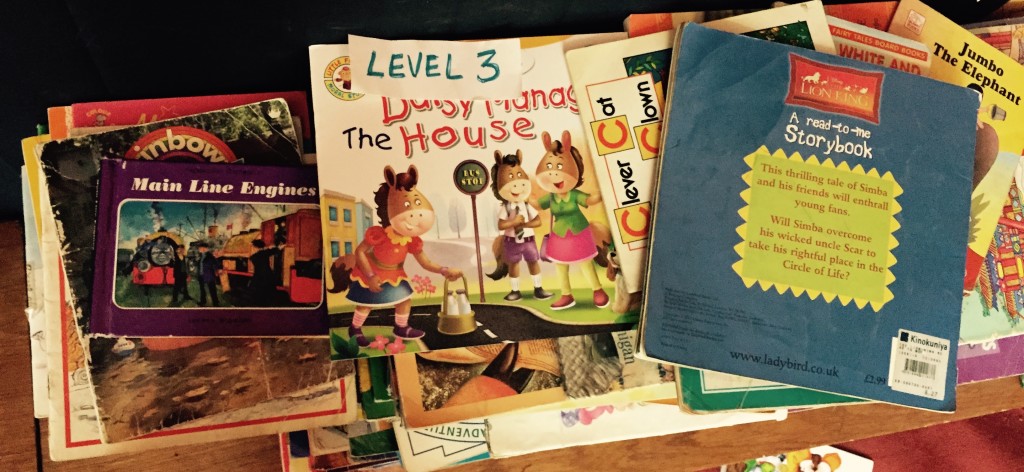
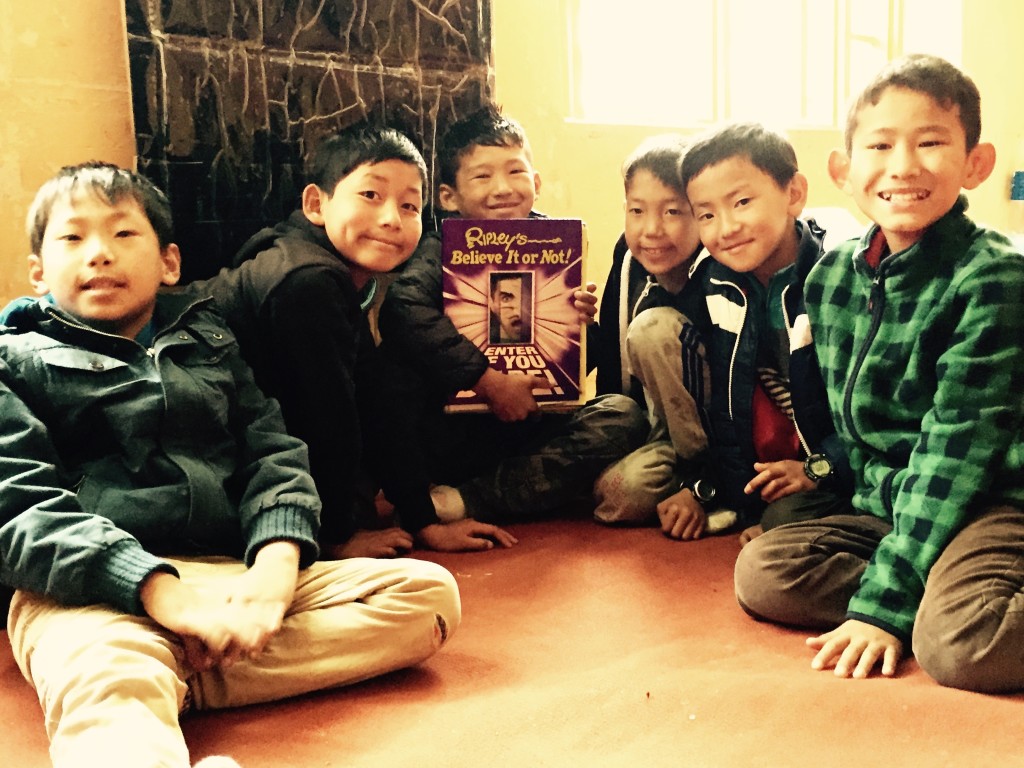
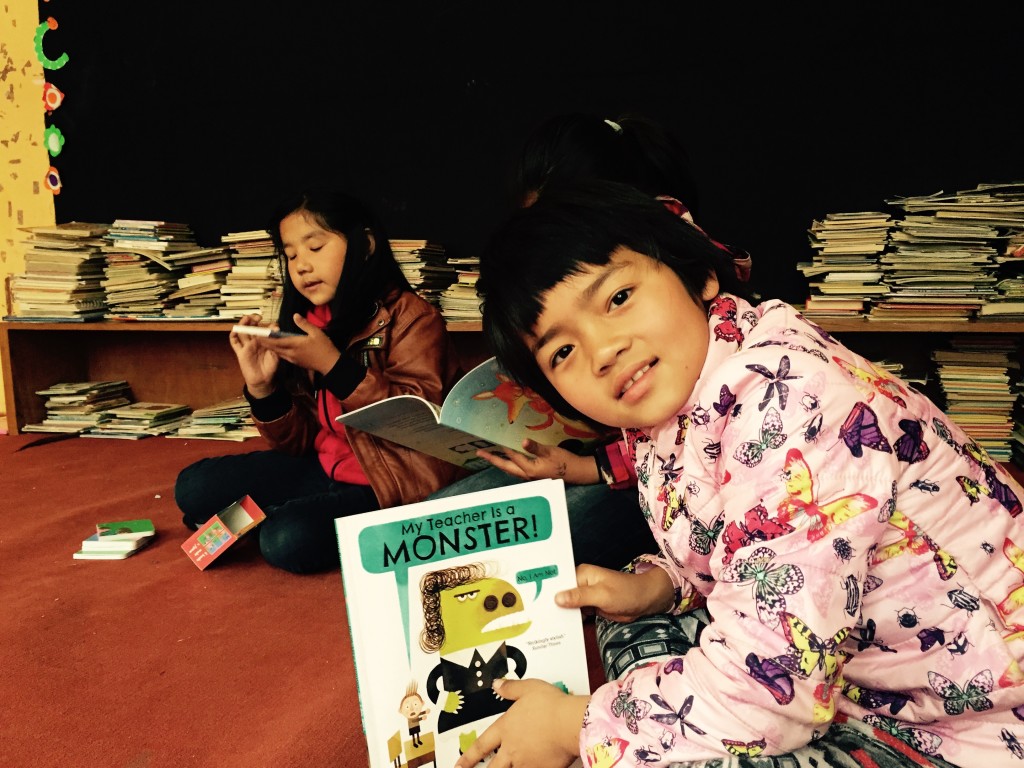
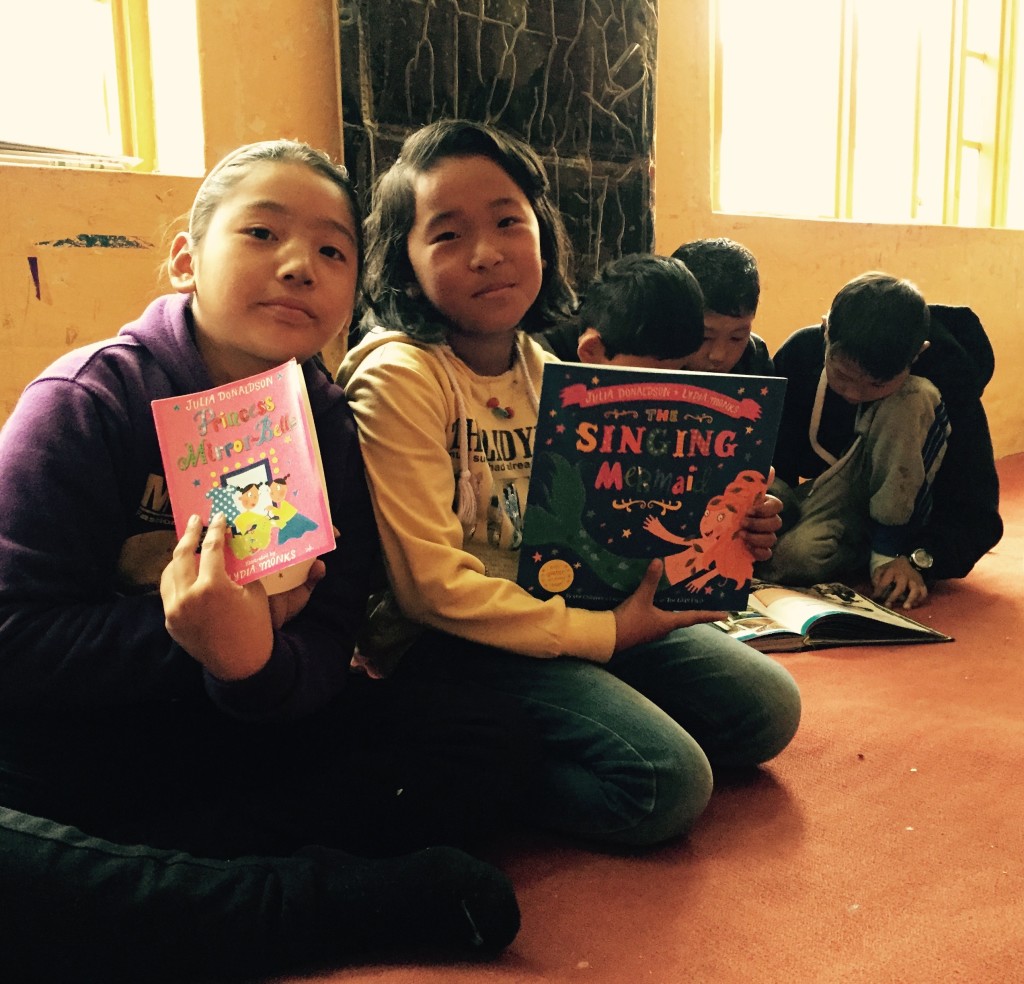
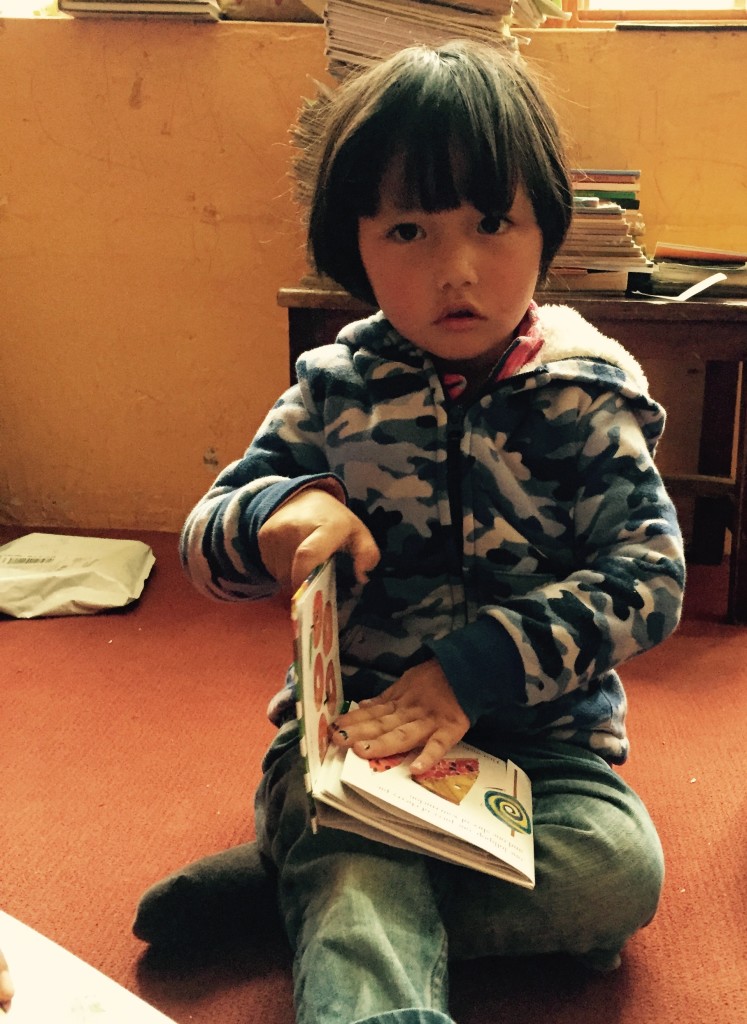
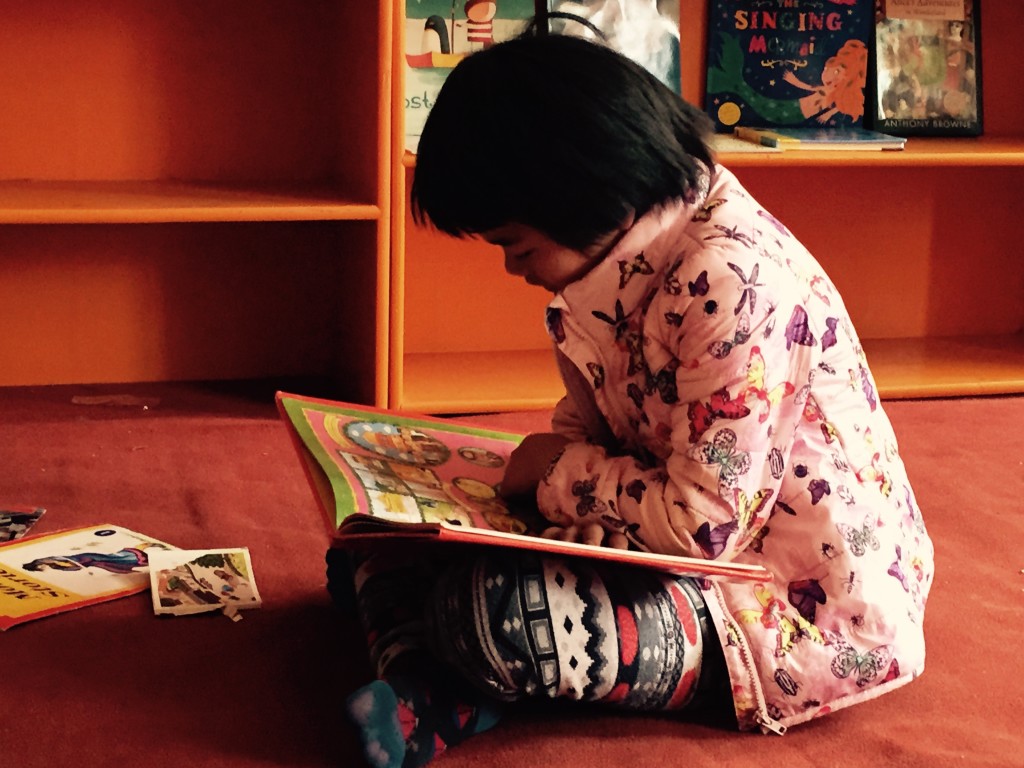
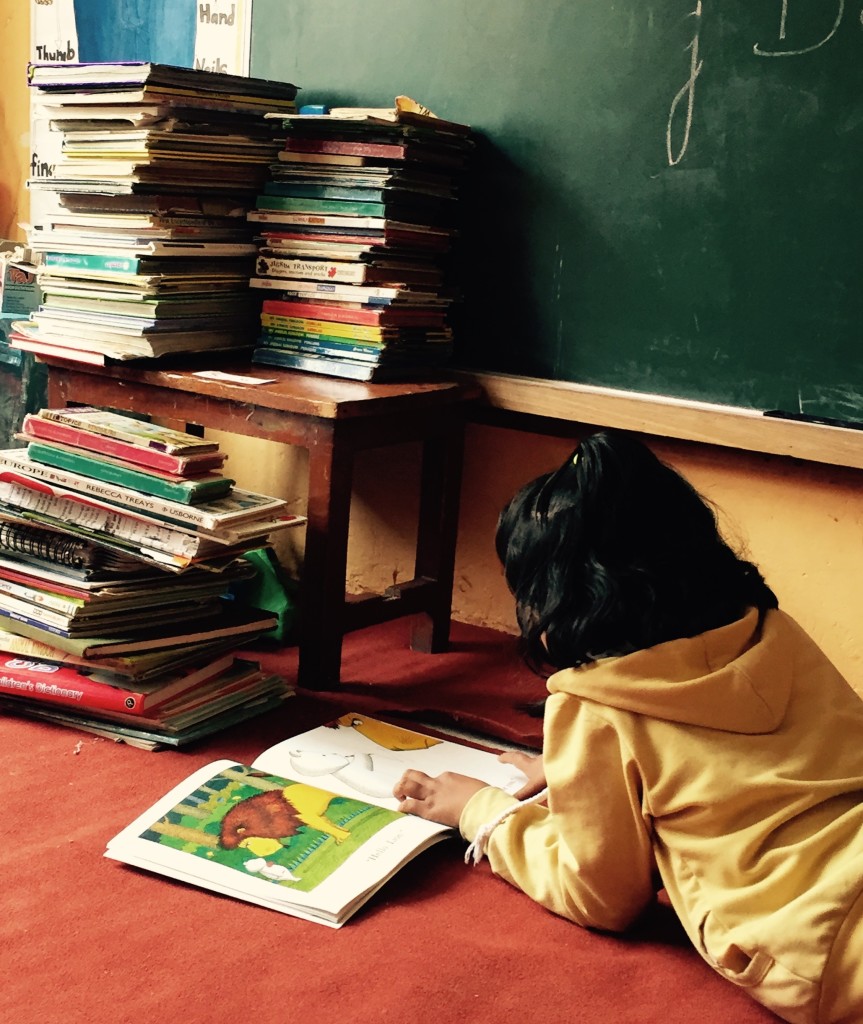
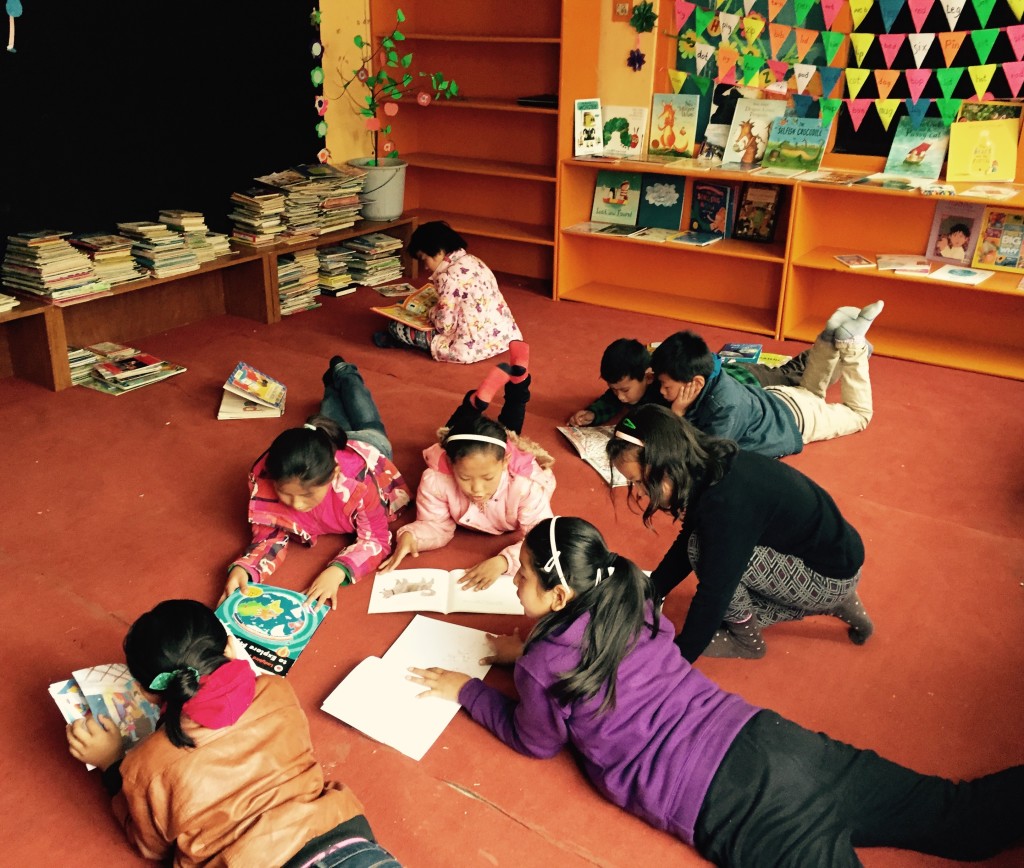
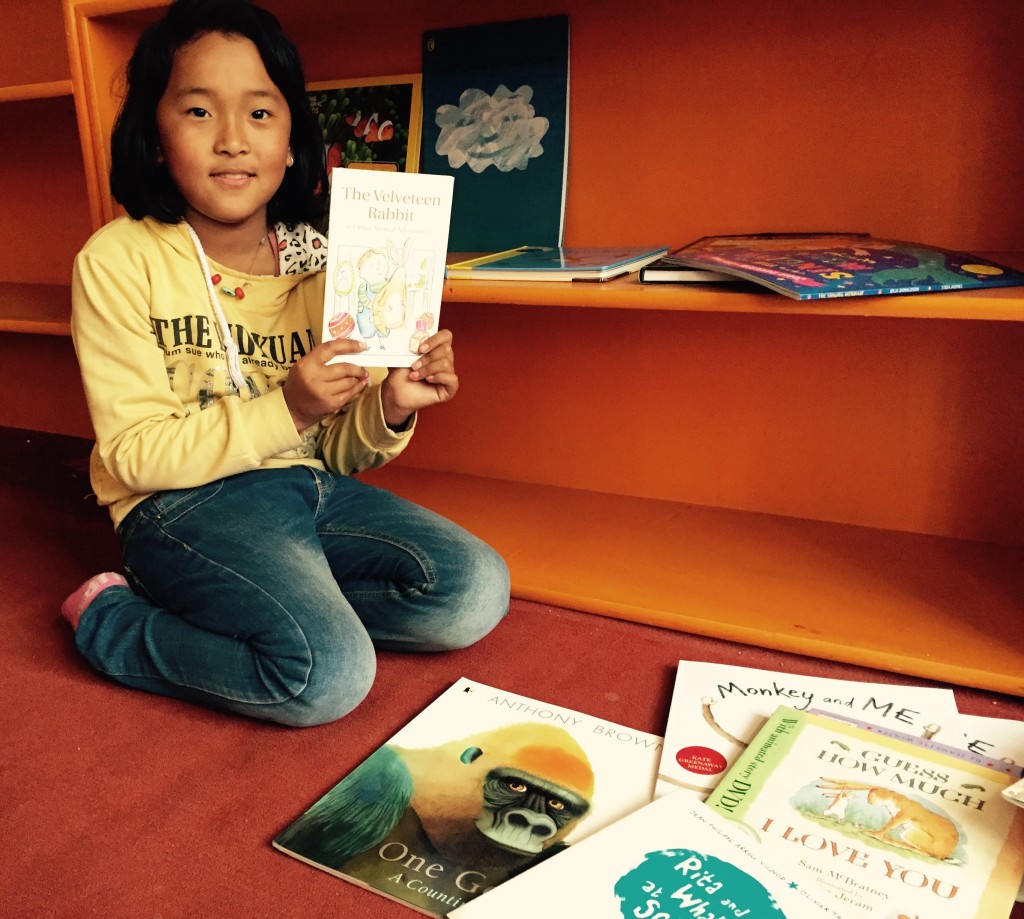
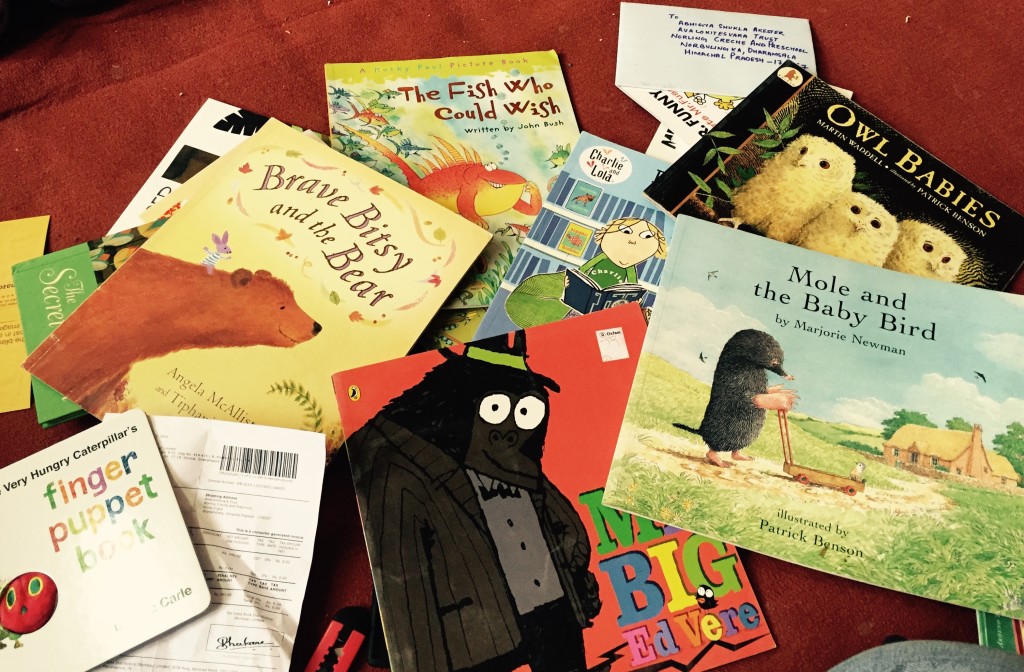
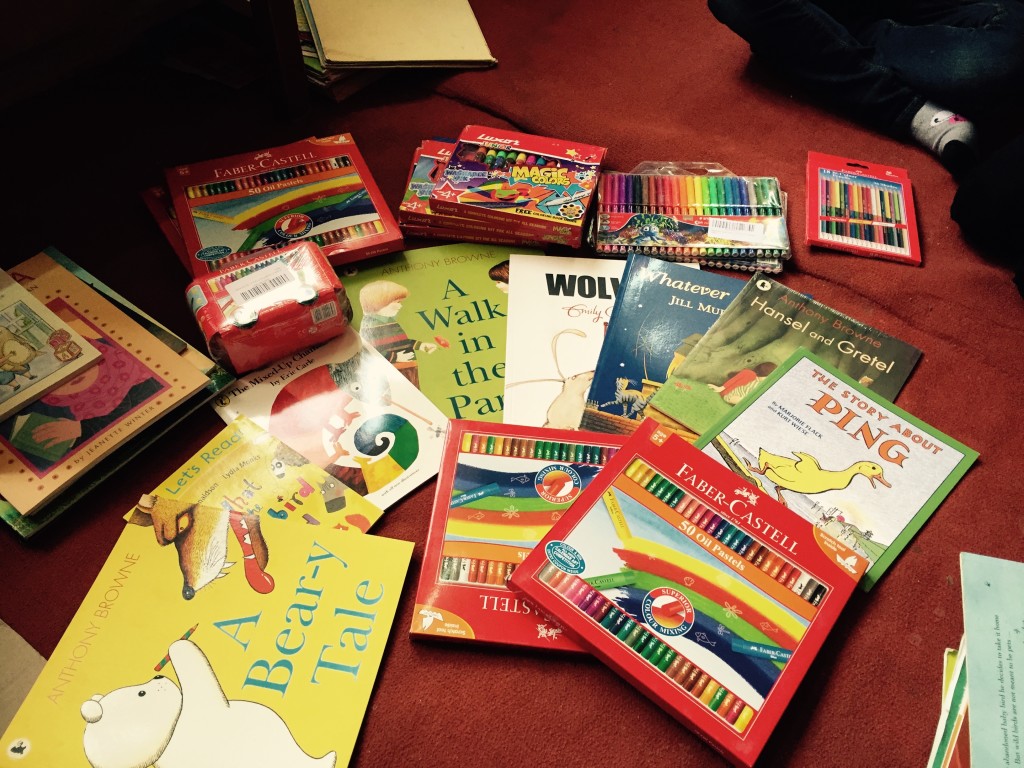
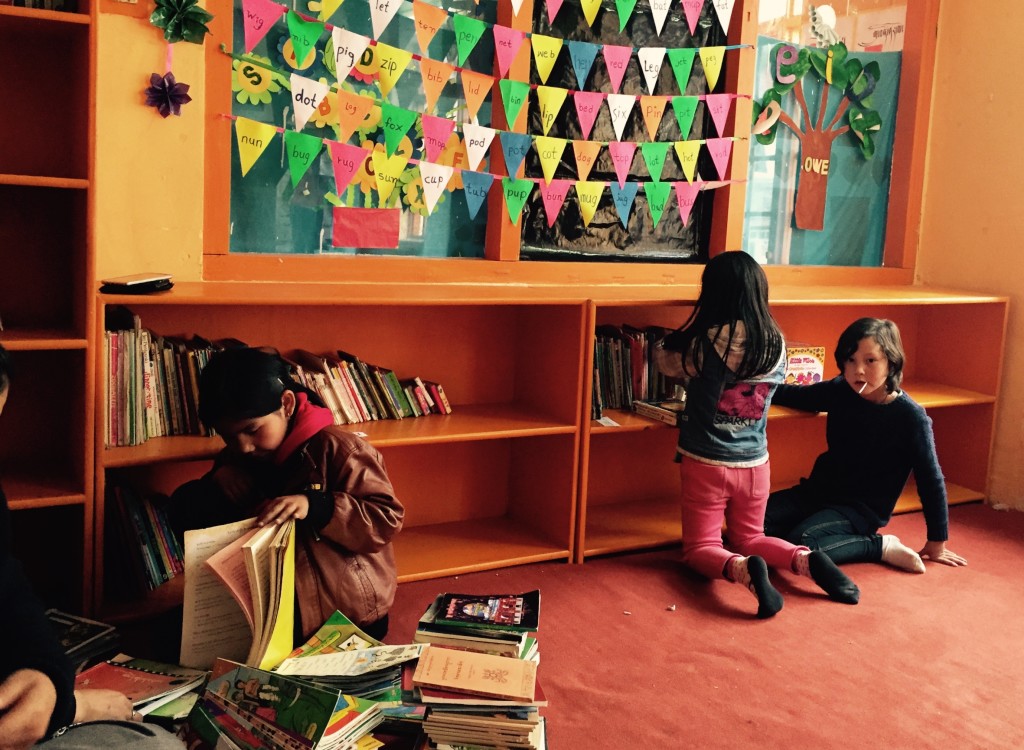
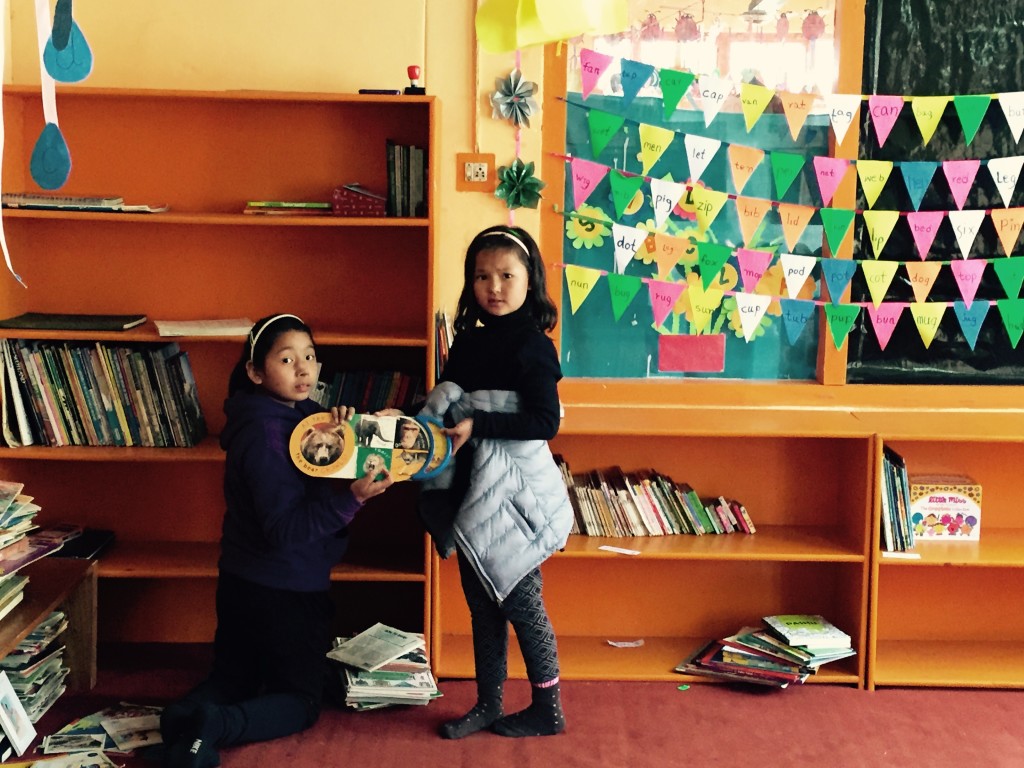
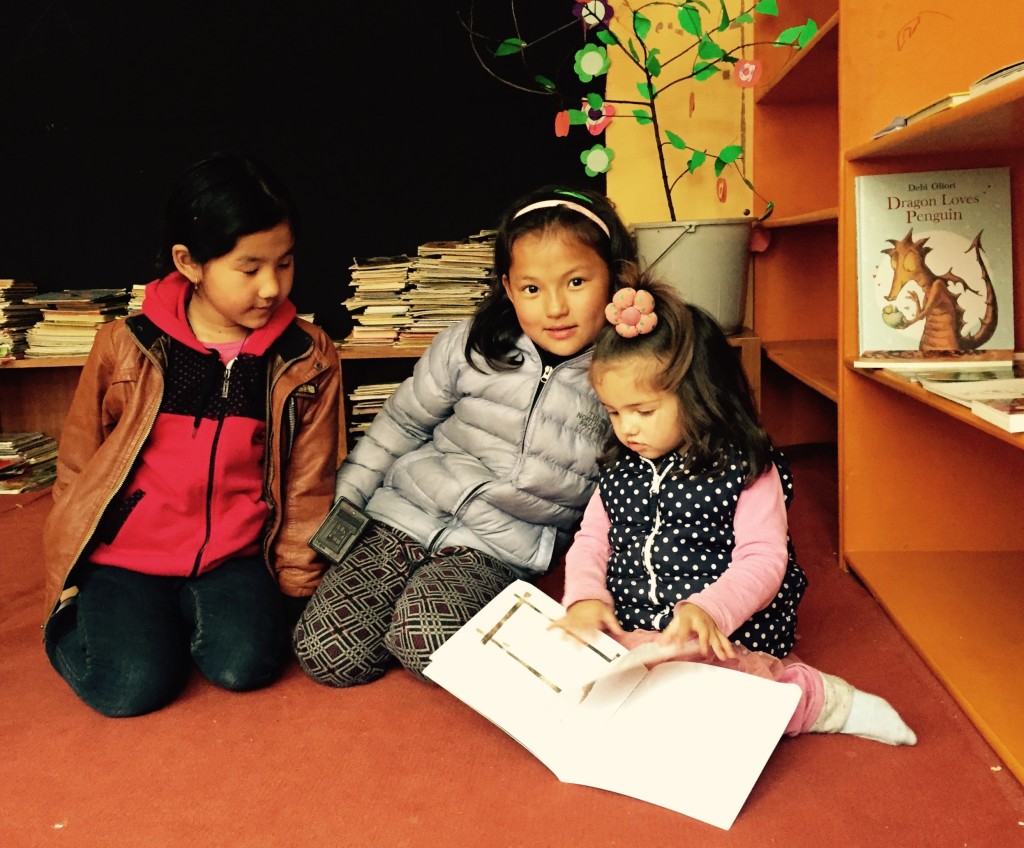
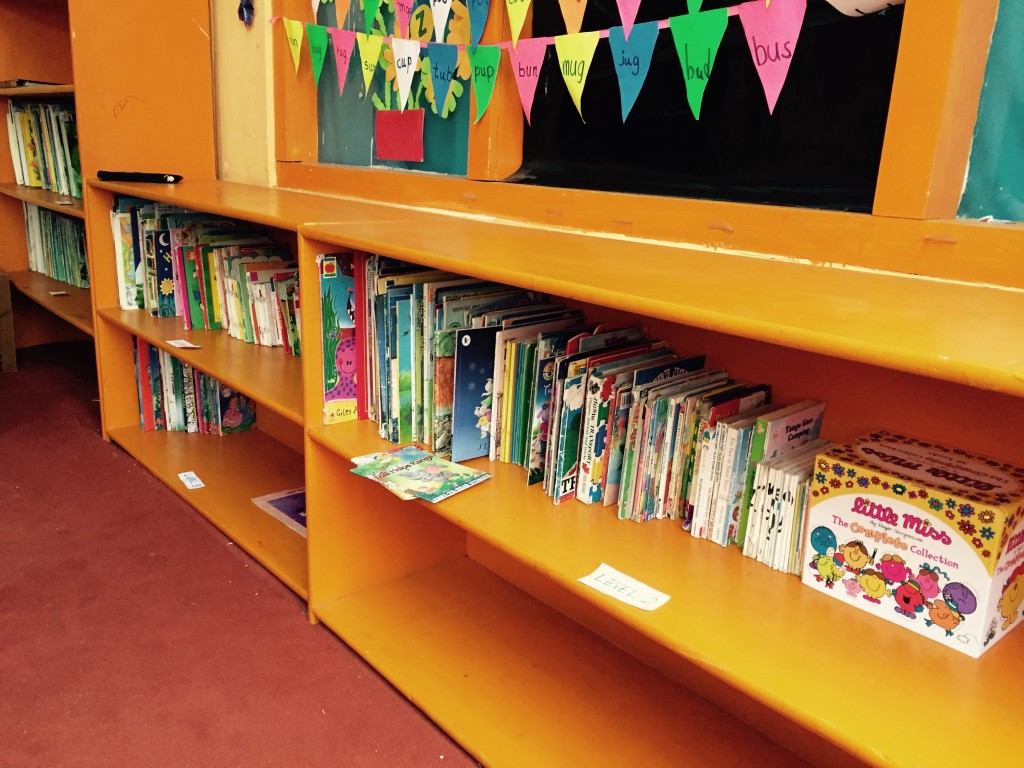
At Avalokiteśvara Trust, access to books means more than filling a shelf. Reading rooms, book drives, and creative activities help children and young monks discover the pleasure of learning at their own pace. A well-chosen collection can support schoolwork while also giving children stories that reflect their landscapes, families, beliefs, and dreams.
We believe every child deserves a book in their mother tongue because language is part of belonging. When children can read in the language they speak with loved ones, literacy becomes personal, achievable, and lasting.
First Language Opens The Door To Reading
Children generally understand new ideas more easily when those ideas are presented in the language they use every day. A familiar vocabulary reduces the effort required to decode each sentence, allowing young readers to focus on meaning, character, and emotion. This is essential for children who are still developing confidence with reading.
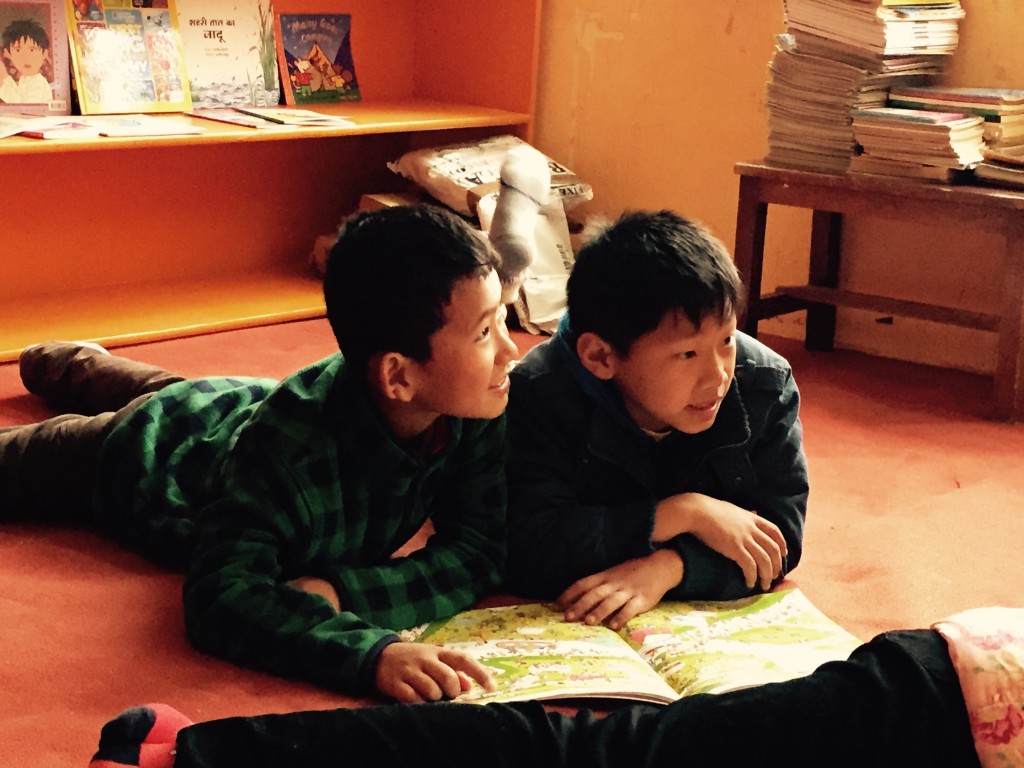
Mother-tongue books also make it easier for parents, grandparents, teachers, and community members to participate. An adult who may feel distant from a foreign-language text can read aloud, explain a word, or share a memory connected to a story. Reading then becomes a shared activity rather than an isolated school exercise.
In Himalayan communities, multilingual education is often part of daily life. Children may hear one language at home, study in another, and encounter additional languages in books or public life. Books in a first language give them a secure foundation from which they can approach those other languages with curiosity instead of fear.
Stories Carry Identity And Memory
A story does more than teach grammar and vocabulary. It shows children that their experiences are worthy of attention. A book that includes familiar landscapes, local customs, seasonal celebrations, or recognizable family relationships can affirm the value of a child’s culture.
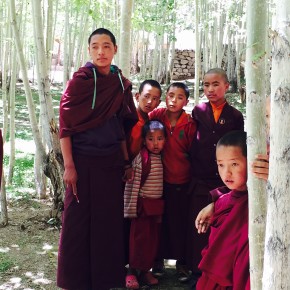
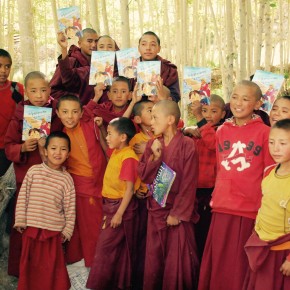
This representation matters for young monks and children in remote communities. Their lives may include responsibilities, traditions, and environments that are rarely reflected in mainstream publishing. When a child sees something familiar in a story, reading can become an act of recognition: the world of the book has room for people like them.
Mother-tongue literature can also preserve oral traditions. Folktales, songs, legends, and community histories are often passed from one generation to the next through speech. Bringing these elements into children’s books helps protect cultural knowledge while presenting it in a form that supports independent reading and classroom learning.
Books Strengthen Learning Beyond School
A child who reads comfortably in a familiar language gains skills that support every subject. Reading builds attention, sequencing, memory, and the ability to explain ideas. These skills can later transfer to science, mathematics, history, and language study, even when lessons are taught in another language.
The benefits extend beyond academic performance. Stories help children explore empathy, problem-solving, artistic expression, and moral imagination. A character facing a difficult decision can encourage discussion about courage, cooperation, responsibility, and kindness in real life.
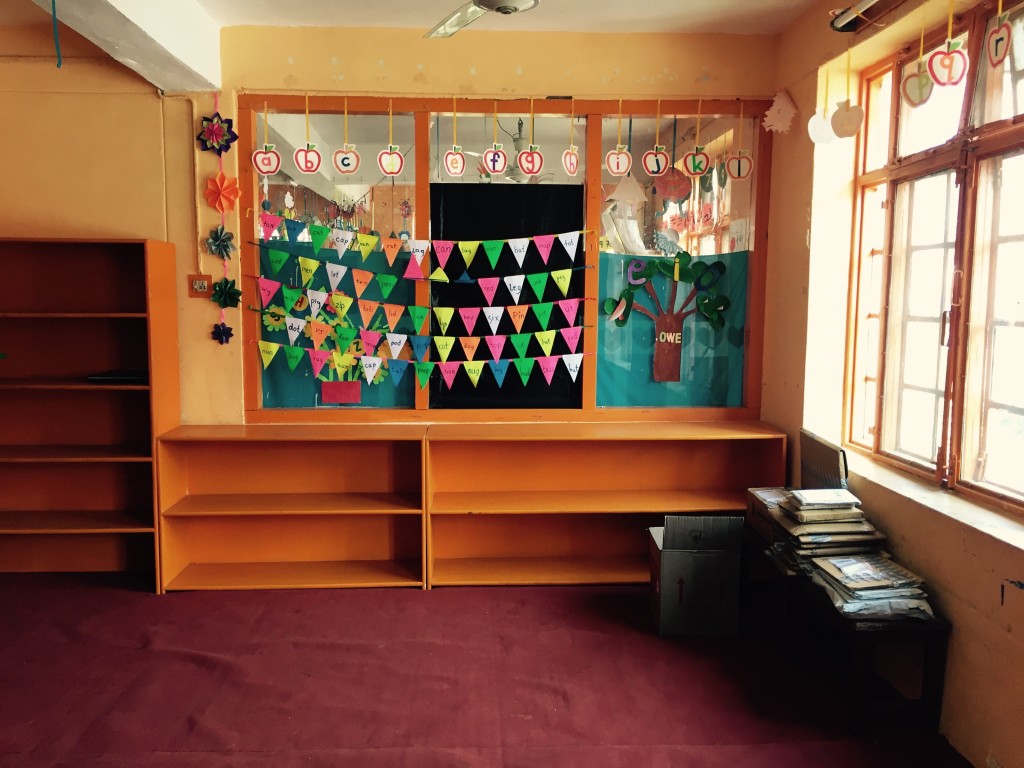
A community reading room creates a valuable space for this growth. It offers quiet time, access to age-appropriate books, and the encouragement of adults or older students. For children without many books at home, such a space can make reading a regular part of life rather than an occasional privilege.
| When books are available in a familiar language |
What children can gain |
| Stories reflect local life and traditions |
Cultural confidence and a stronger sense of belonging |
| Children can read aloud with family members |
Shared learning and stronger relationships |
| Text is easier to understand independently |
Greater reading fluency and self-belief |
| Folktales and oral history appear in print |
Preservation of community memory |
| A varied library includes fiction and nonfiction |
Curiosity across subjects and creative thinking |
Reading Rooms Turn Access Into Belonging
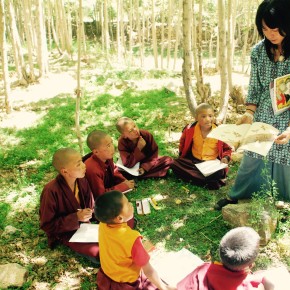
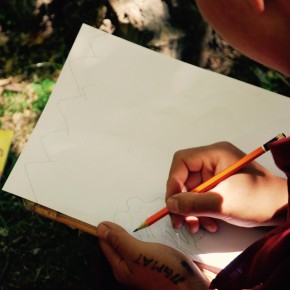
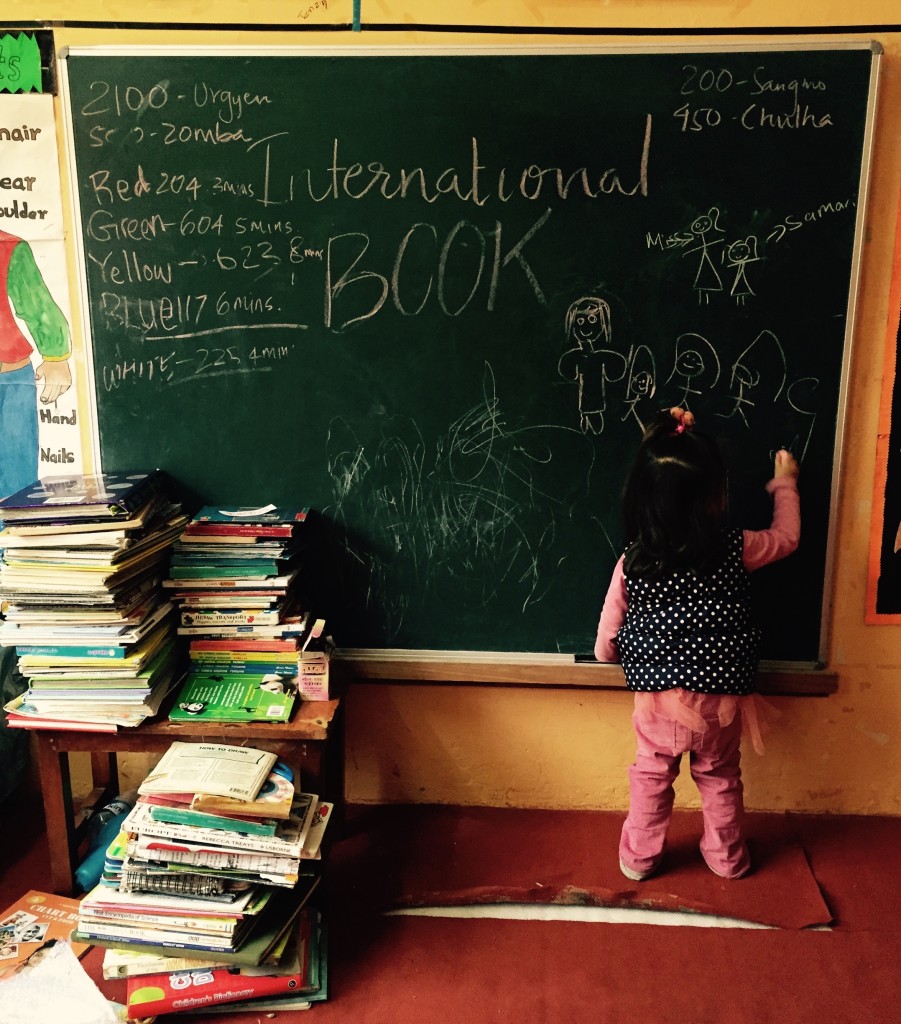
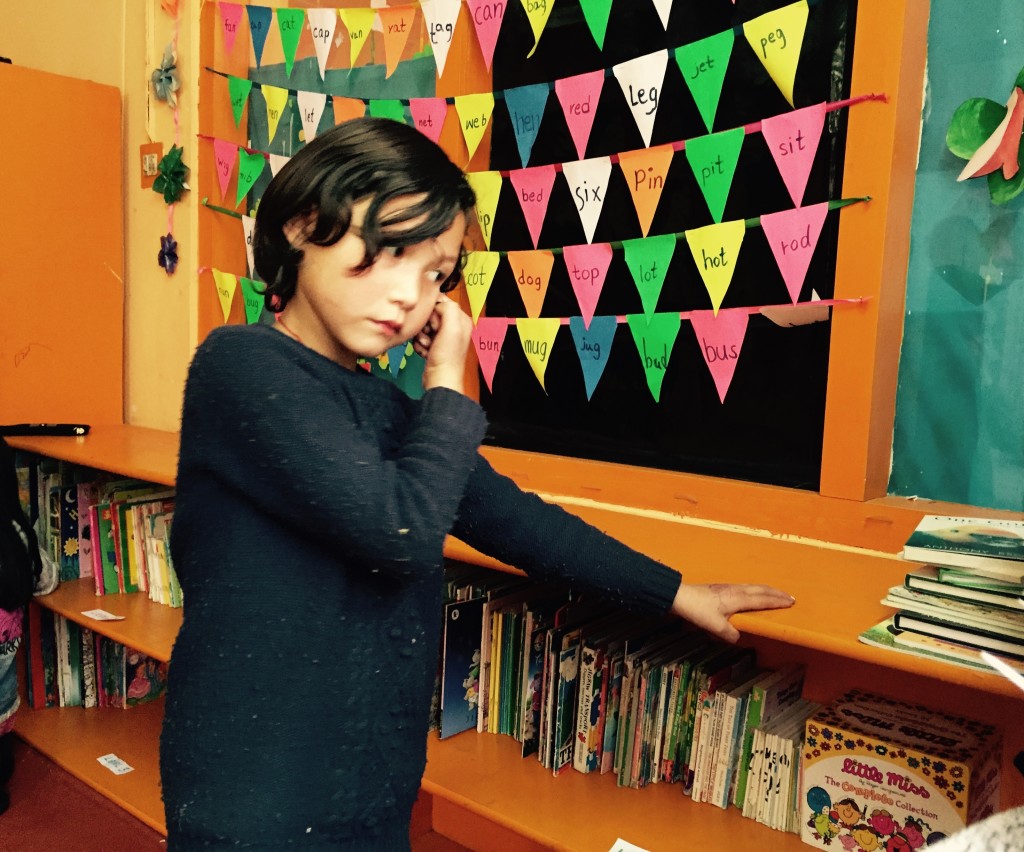
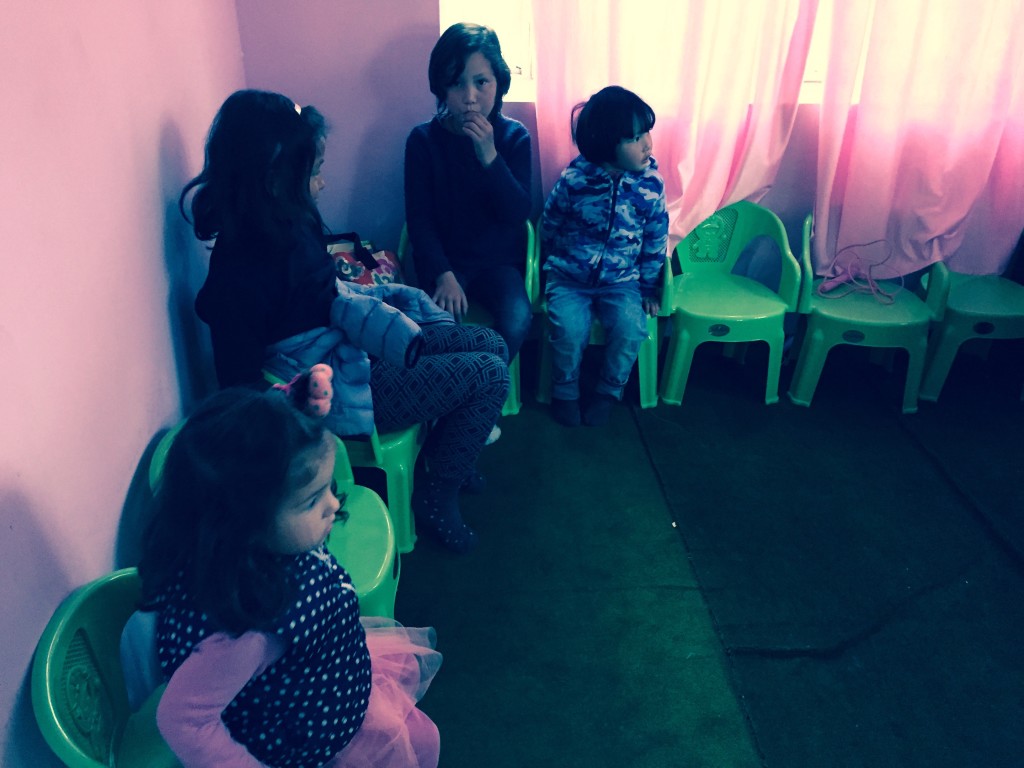
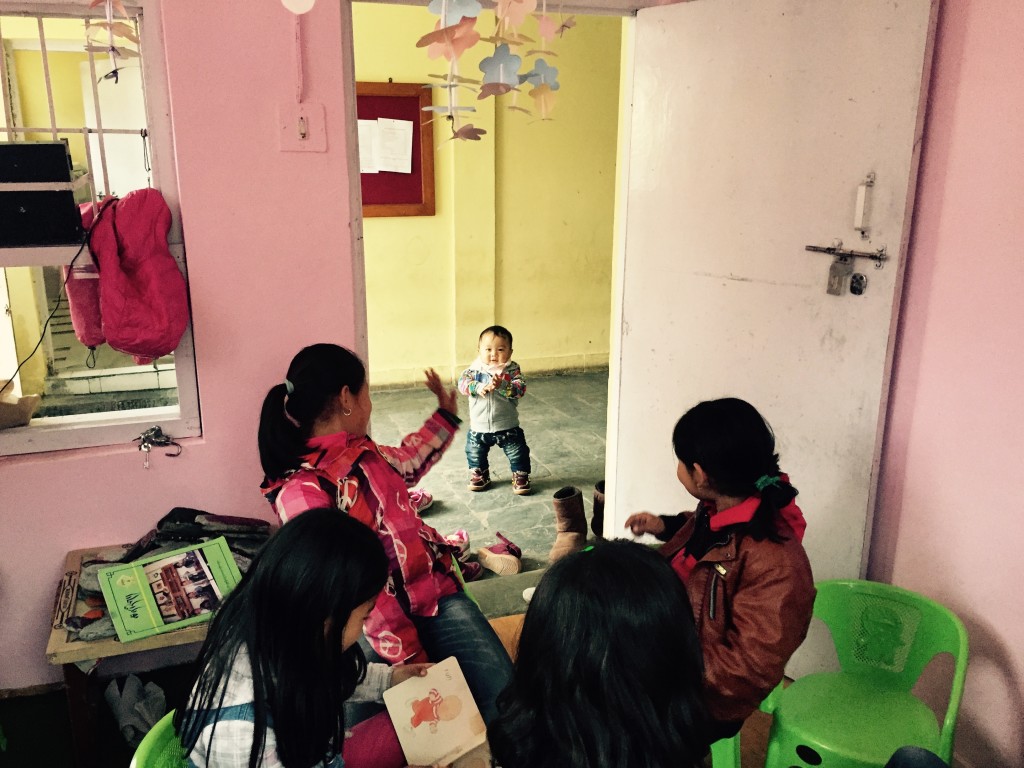
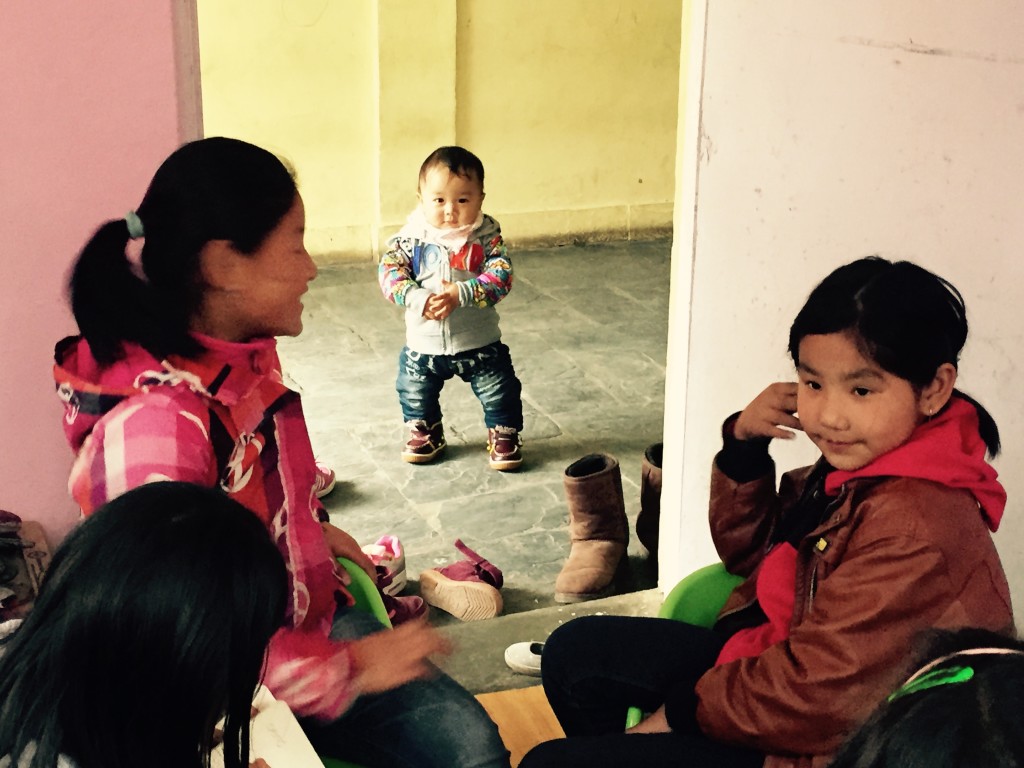
Providing books is important, but the setting in which children encounter them also matters. A welcoming reading room can become a dependable place where children browse, listen, draw, ask questions, and return to favorite stories. The atmosphere tells them that their curiosity is valued.
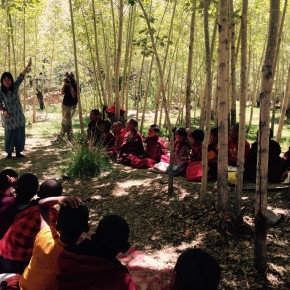
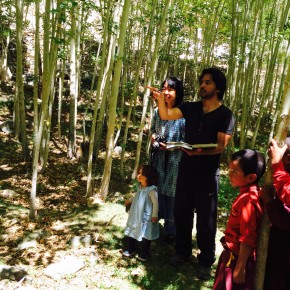
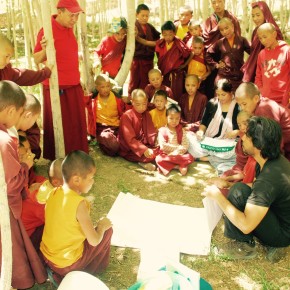
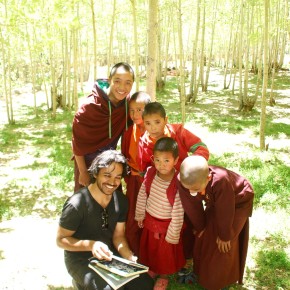
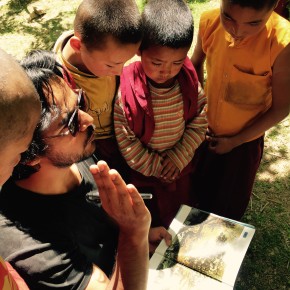
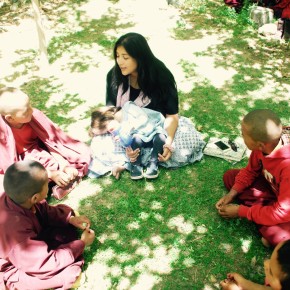
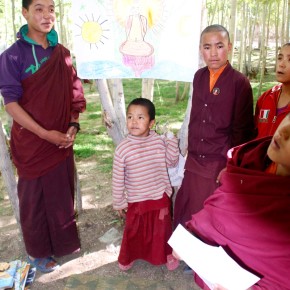
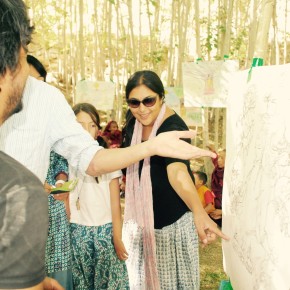
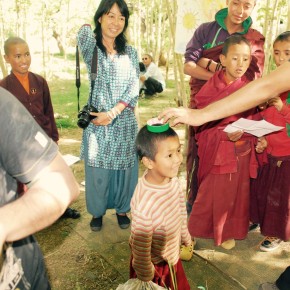
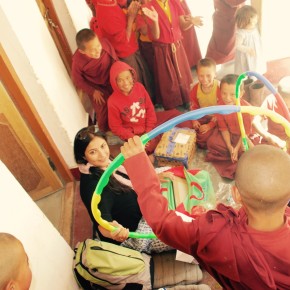
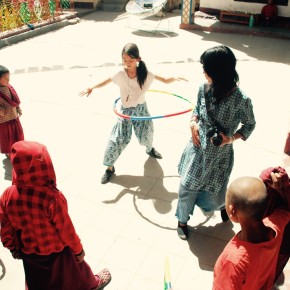
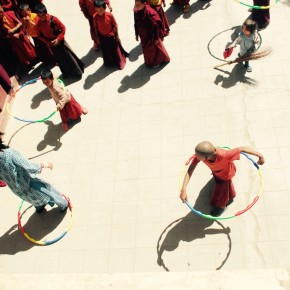
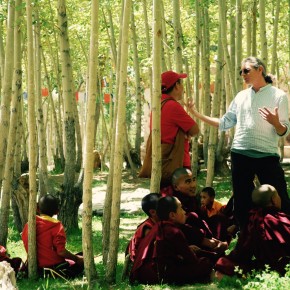
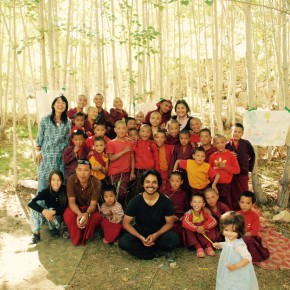
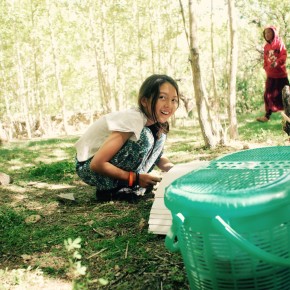
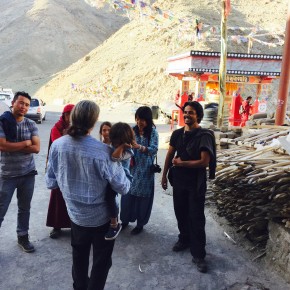
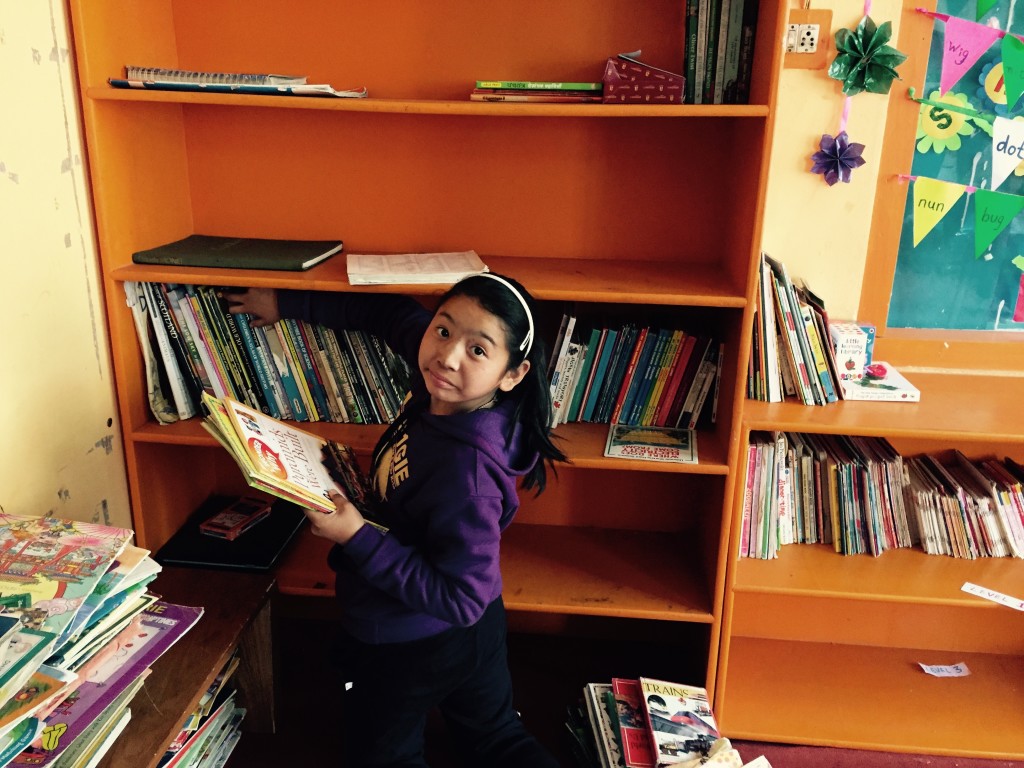
Volunteers help bring that atmosphere to life. They may organize shelves, read with small groups, support art activities, or simply encourage a child who is unsure where to begin. The experience of a day in Ladakh shows how practical acts of service can contribute to a warm and active learning environment.
The strongest reading spaces are shaped by the communities they serve. Local educators, families, and children can help identify which languages, subjects, age levels, and formats are most useful. This approach avoids treating a library as a delivery point and instead makes it a shared community resource.
Choosing Books With Care
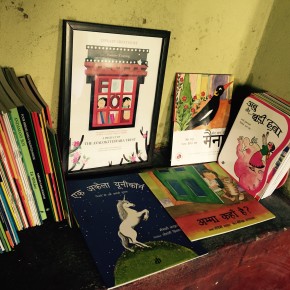
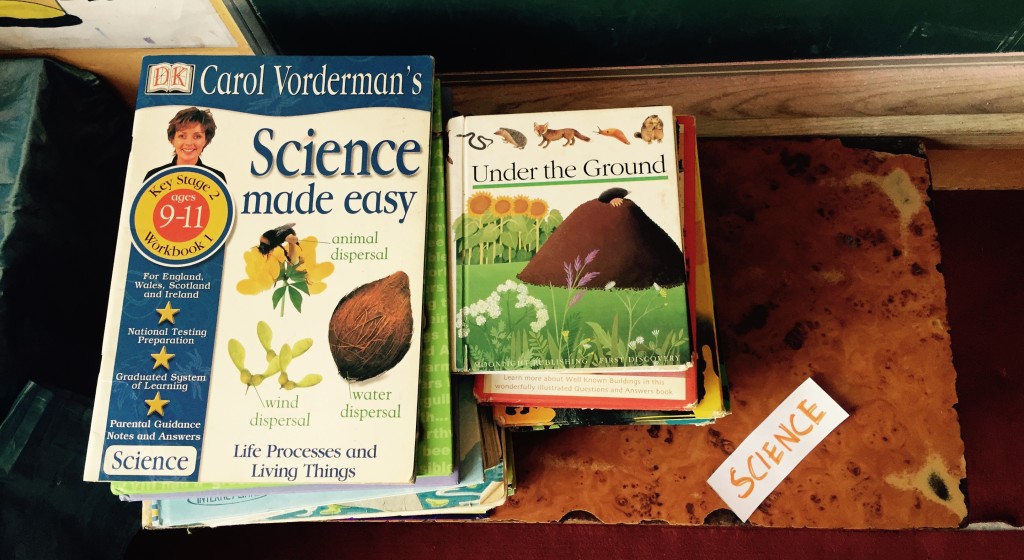
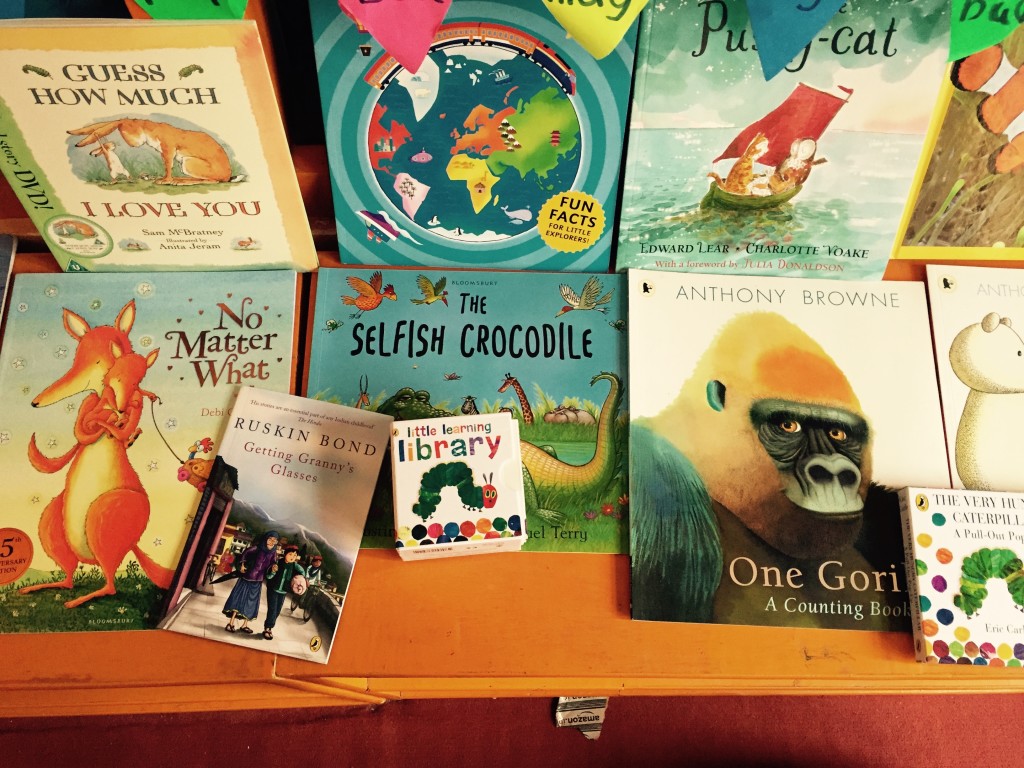
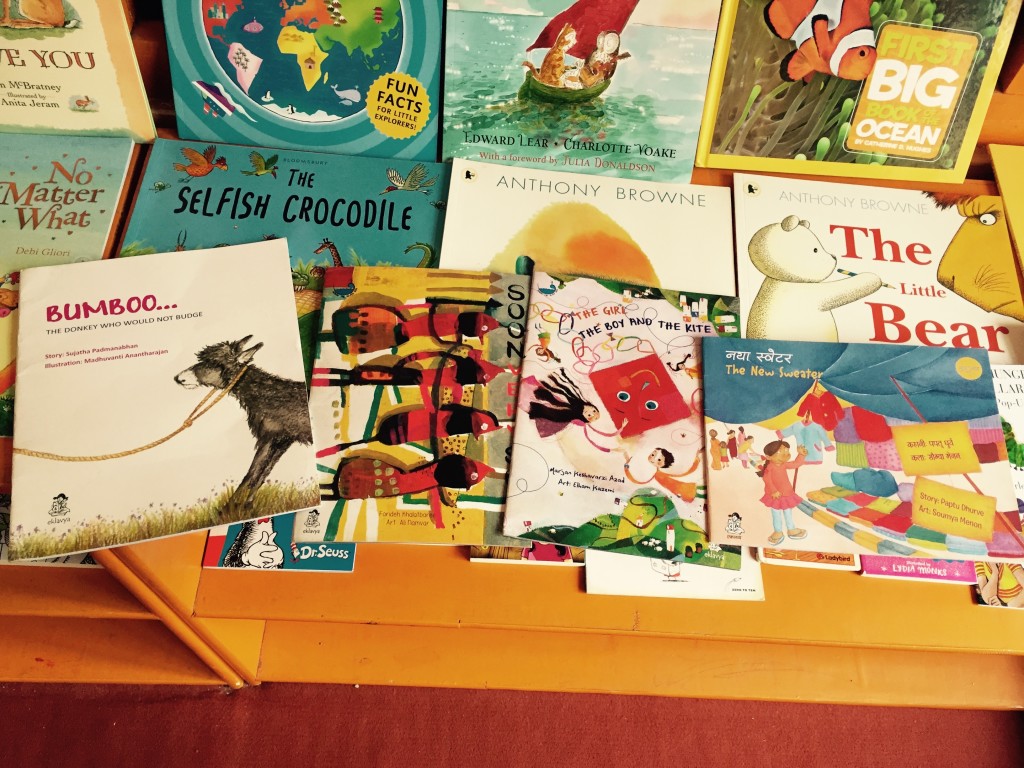
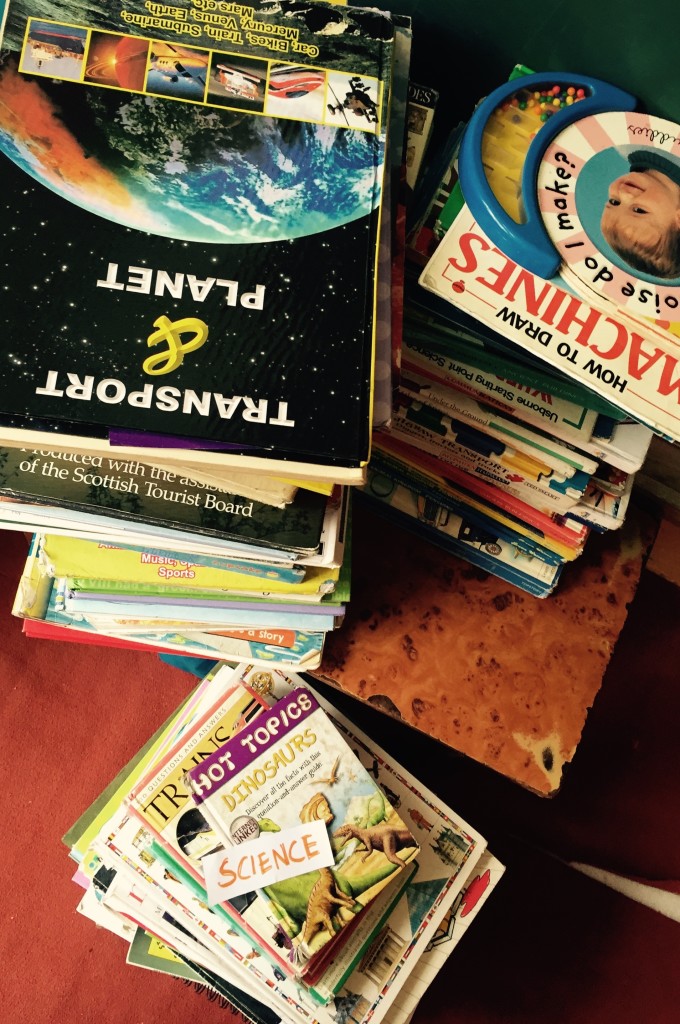
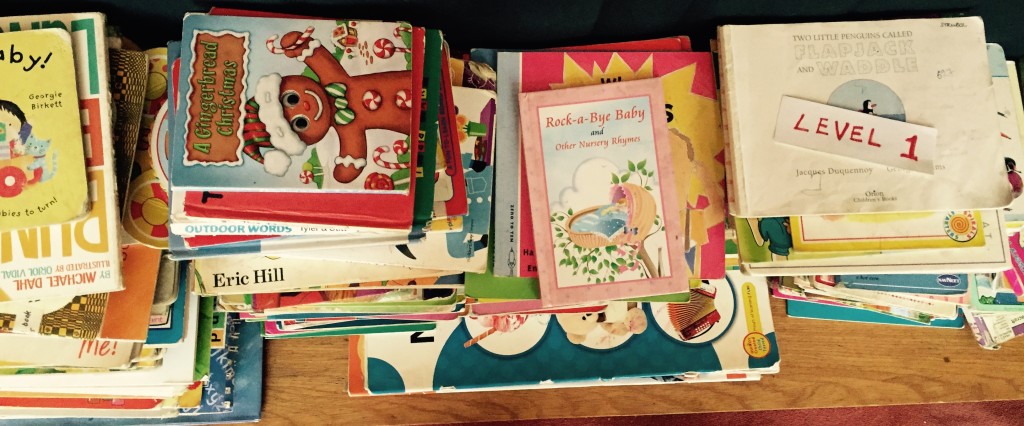
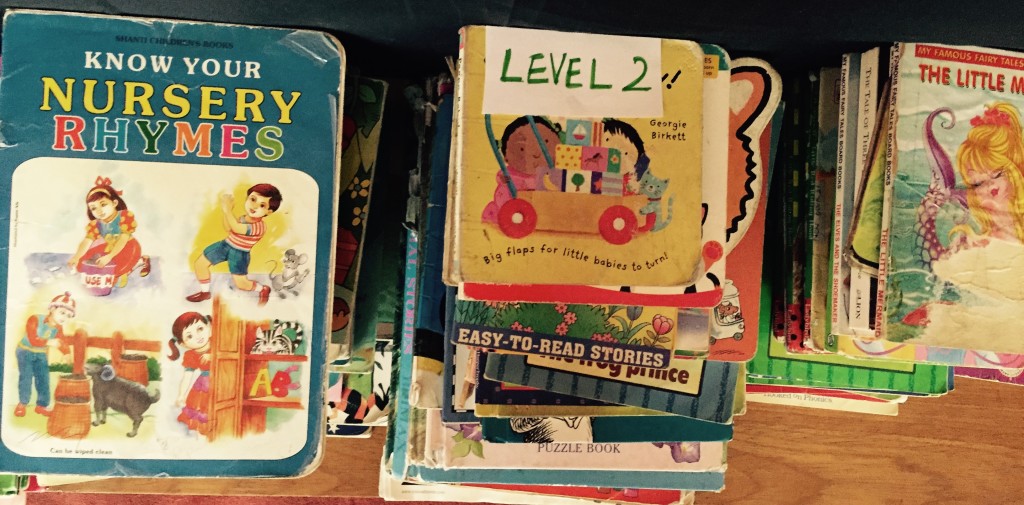
A meaningful book collection needs variety. Picture books can support early literacy, while short novels, poetry, reference materials, biographies, and illustrated nonfiction give older readers room to grow. Books should also reflect different interests, reading levels, and ways of learning.
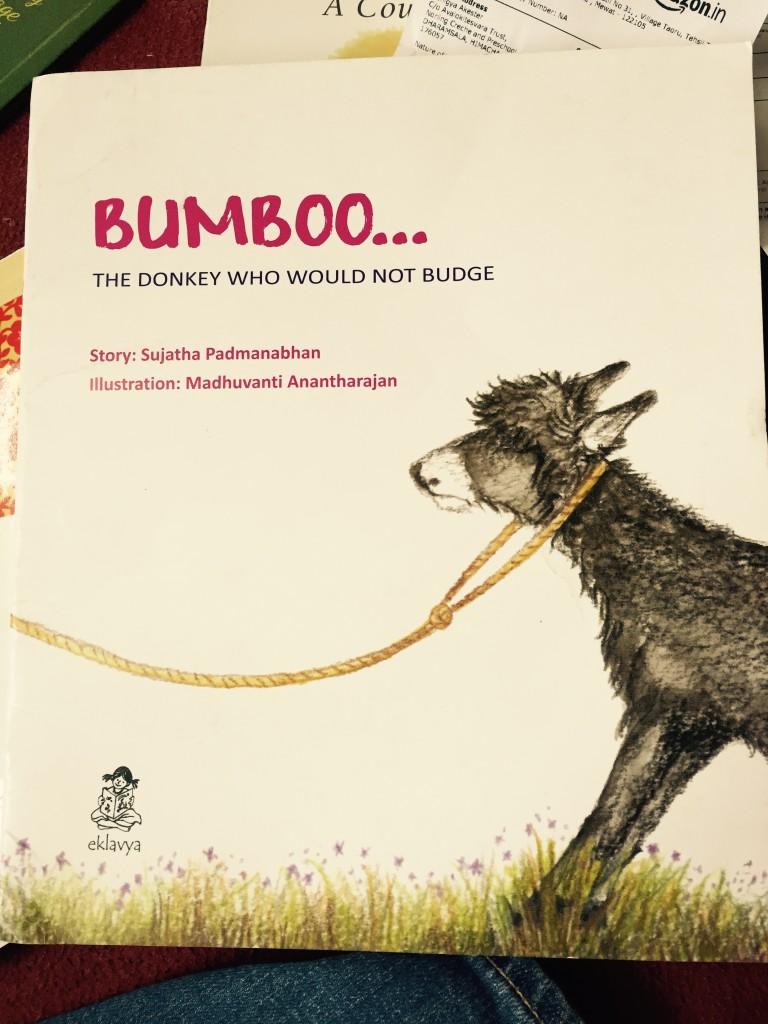
Quality matters as much as quantity. A collection should include clear language, engaging illustrations, durable materials, and stories that treat children with respect. Translations can be valuable, yet original works in local languages are equally important because they carry natural expressions and cultural detail.
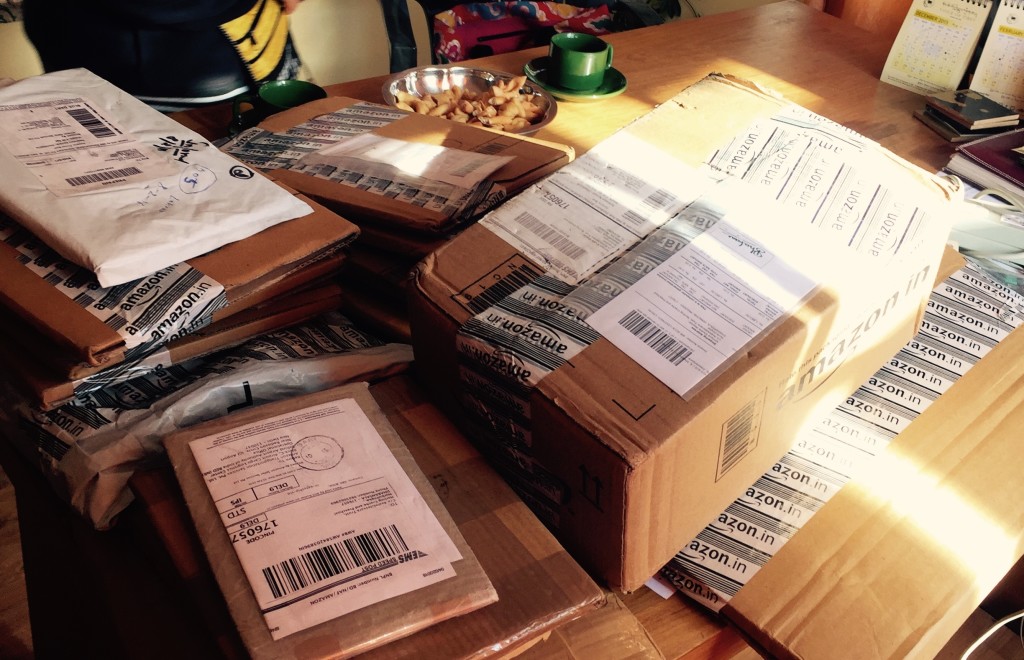
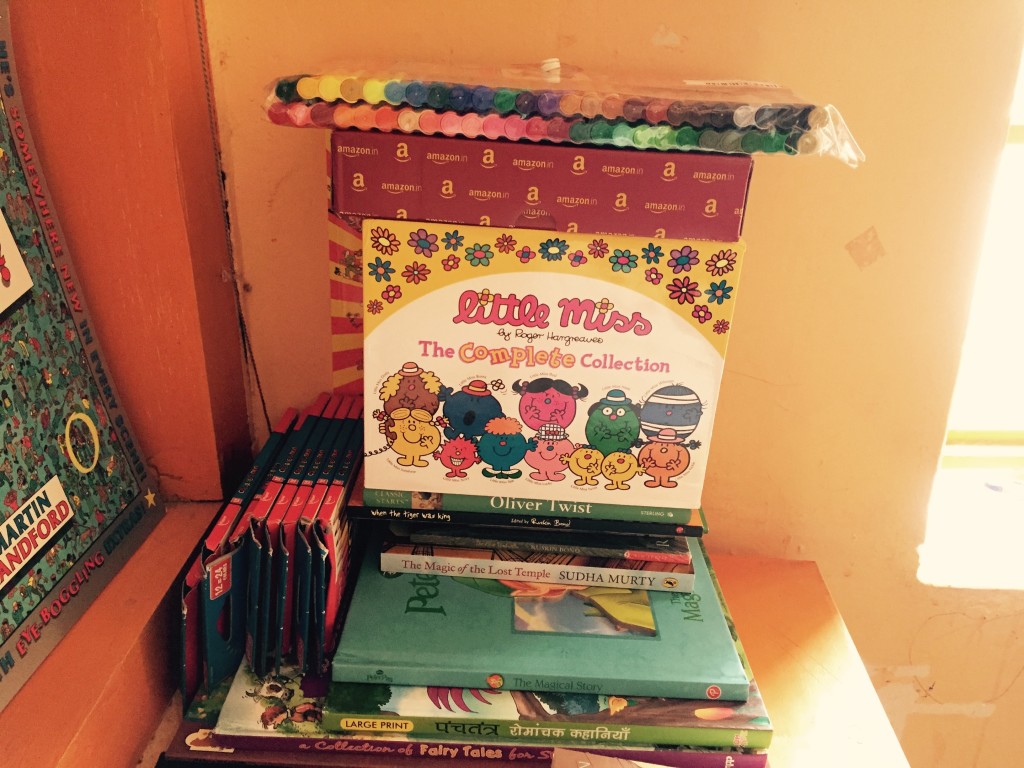
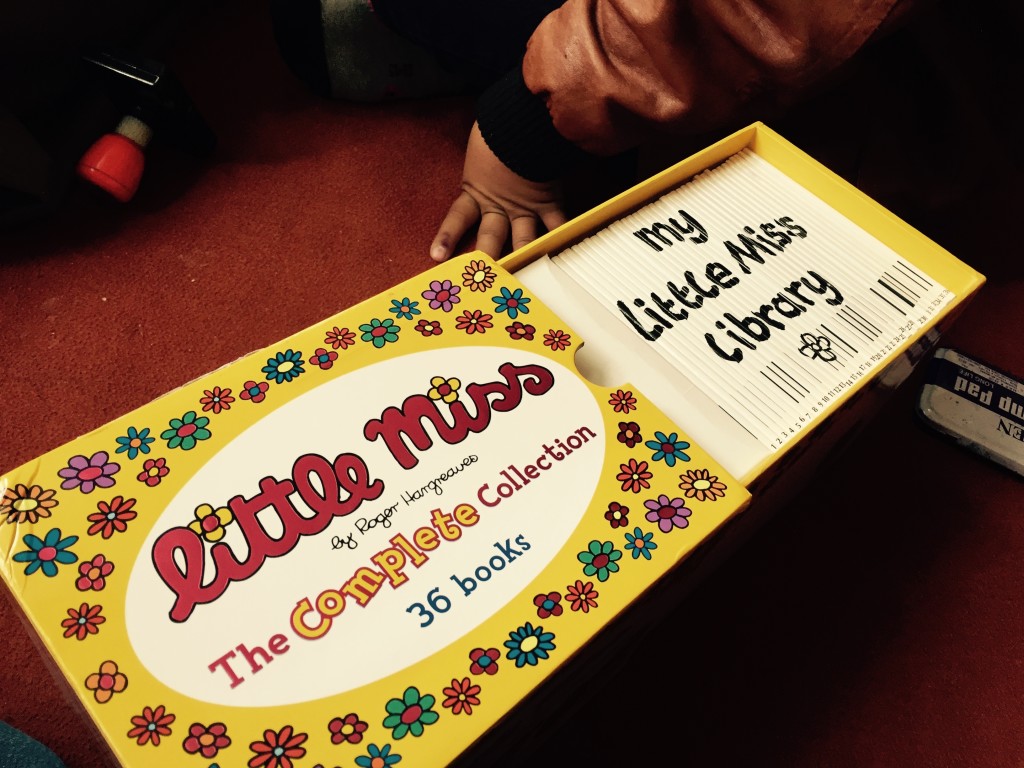
Donors and book-drive organizers can make a greater difference by learning what a community already has and what it needs next. New books are welcome, but carefully selected, gently used books may also serve children well when they match local languages and reading levels. A balanced library is more useful than a crowded one.
Small Acts Create Lasting Access
Supporting children’s literacy does not require a single dramatic gesture. A regular book donation, a volunteer session, or help with transportation can strengthen a reading program over time. Consistent support allows community partners to plan activities, maintain welcoming spaces, and expand collections thoughtfully.
Those who wish to contribute can focus on practical steps that respect local priorities:
- Choose children’s books in the languages spoken by the community.
- Support reading rooms with shelves, floor cushions, lighting, and basic supplies.
- Include fiction, nonfiction, poetry, art books, and age-appropriate reference materials.
- Volunteer time for reading sessions, creative workshops, or library organization.
- Share stories about literacy initiatives to help more people understand their value.
The deeper purpose is to make books part of everyday childhood. When a child can select a story, understand its words, discuss its ideas, and see their own culture represented, reading becomes a source of agency. It helps children imagine possibilities while staying connected to where they come from.
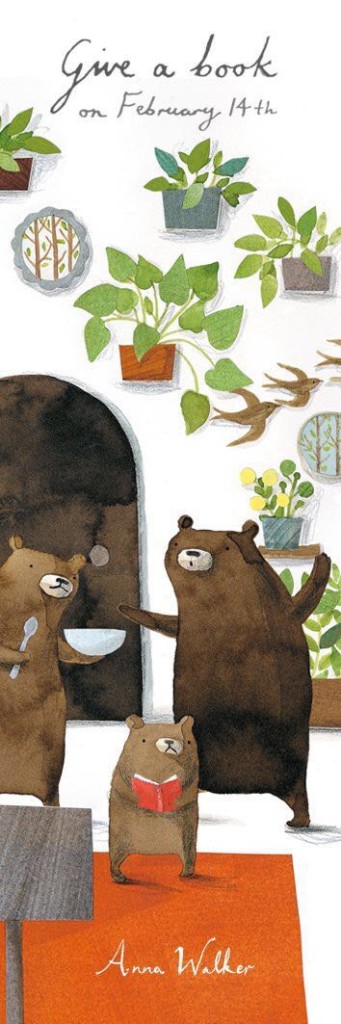
Every book placed in a child’s hands carries a message: your language matters, your imagination matters, and your future matters. By supporting Avalokiteśvara Trust’s reading rooms, book drives, and educational activities, donors and volunteers can help make that message real for children and young monks across the Himalayan region. Give a book, share your time, or support access to a growing collection so that more children can discover the joy of reading in the language that first taught them the world.