Volunteering in Ladakh: A Day in the Life of a Reading Room Helper
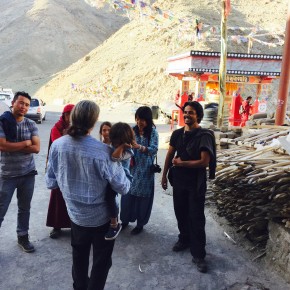
In the high desert of Ladakh, a reading room can become much more than a place lined with books. It may serve as a quiet study space, a meeting point for children, a creative workshop, and a doorway to stories from beyond the mountain valleys. For a volunteer, helping in such a space means supporting literacy while becoming part of a local community.
A typical day combines practical tasks with small, meaningful encounters. Shelves need arranging, children may need help choosing a book, and an activity might require careful preparation. The pace is often gentle, but the work calls for patience, flexibility, and respect for the children, families, schools, and monastic communities involved.
Through its work in Ladakh and other Himalayan communities, Avalokiteśvara Trust supports access to quality books, educational materials, art, and music. Volunteers contribute time and energy to an environment where curiosity is encouraged and young readers can build confidence at their own pace.
Starting the day at high altitude
The morning begins with adjusting to Ladakh’s altitude and dry mountain climate. Volunteers usually need time to eat, hydrate, dress warmly, and prepare for the day before arriving at the reading room. A clear routine is helpful, especially when the weather changes quickly or travel between villages takes longer than expected.
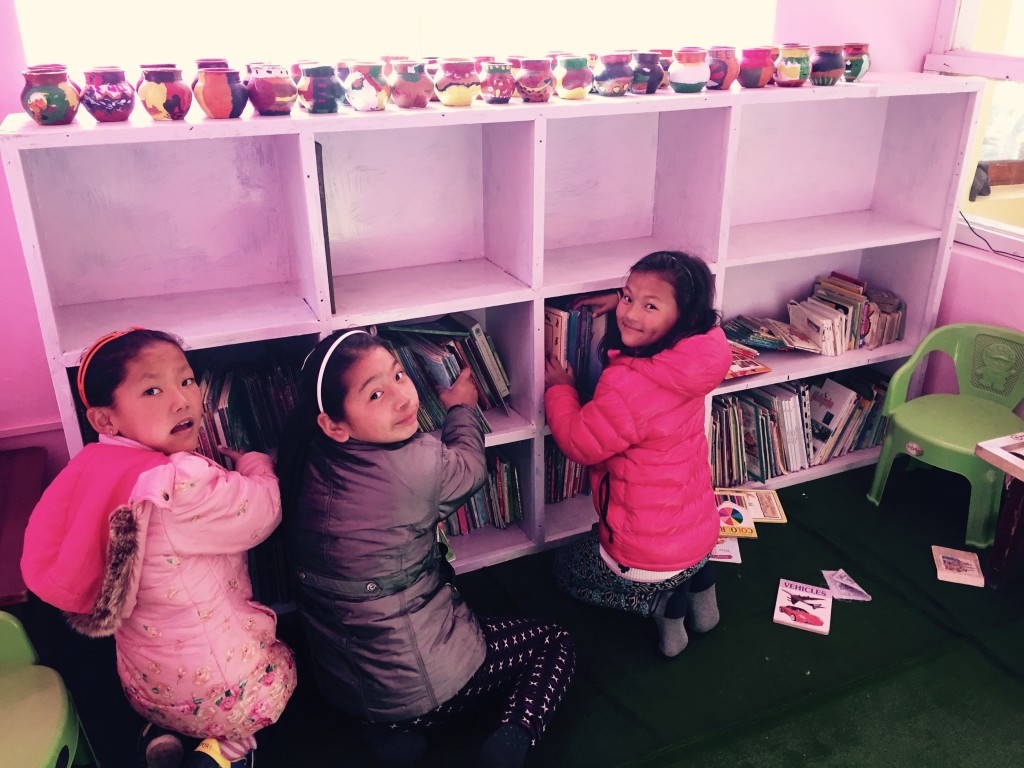
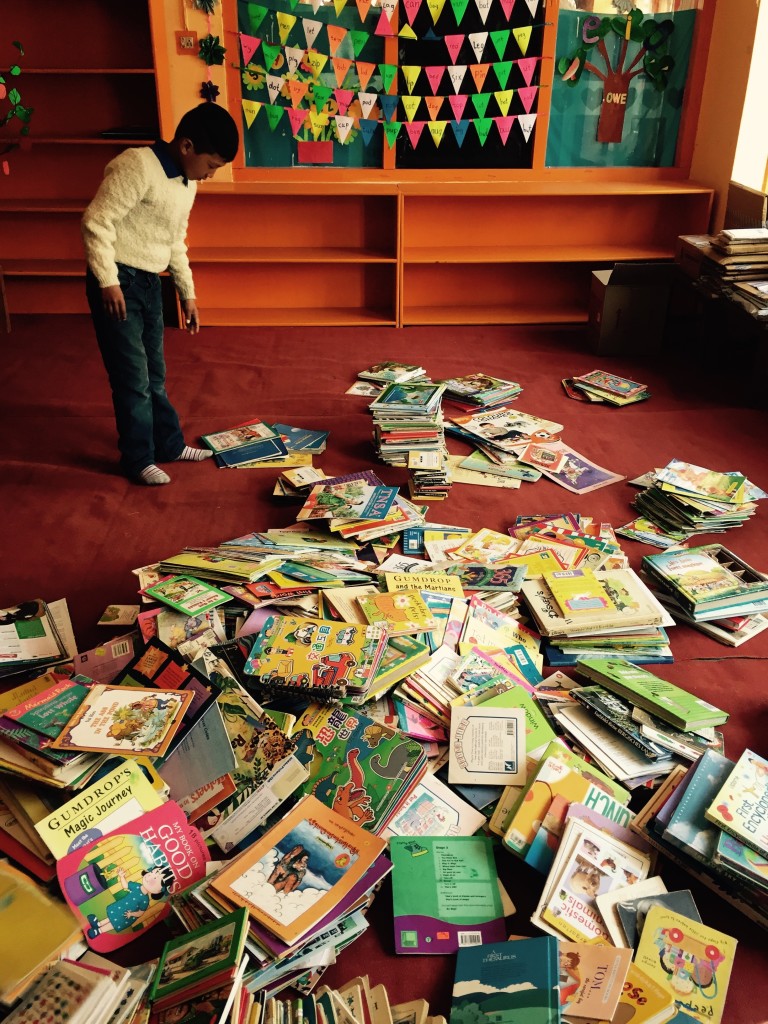
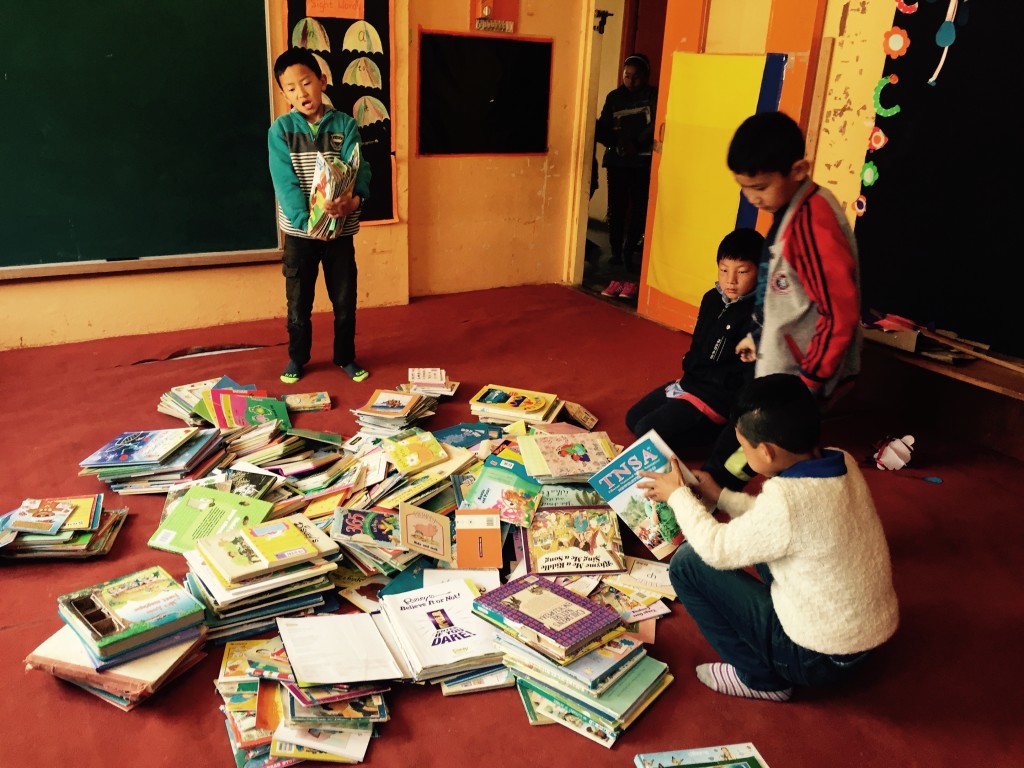
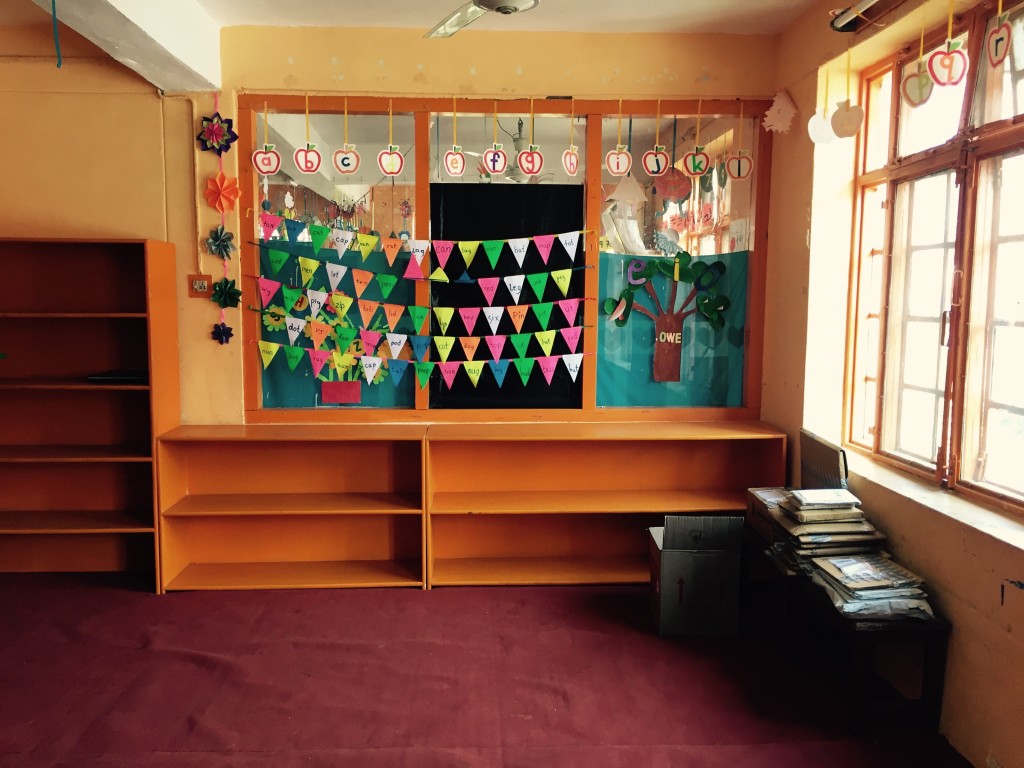
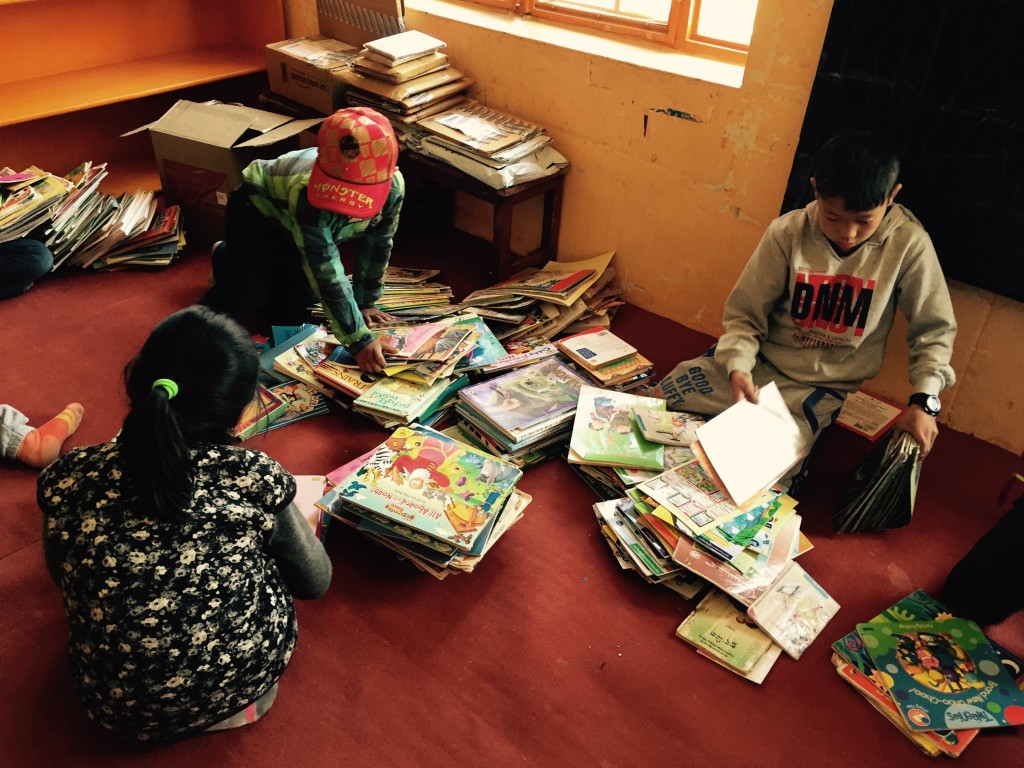
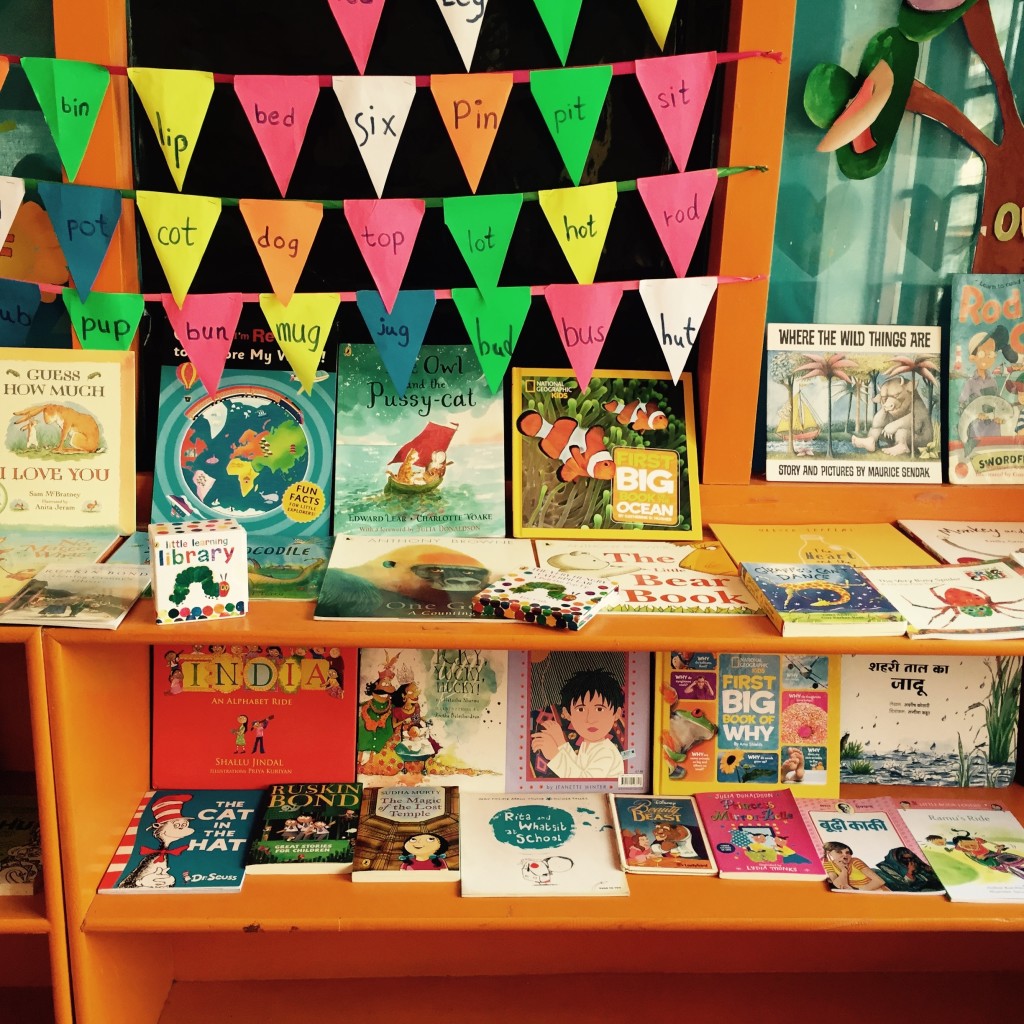
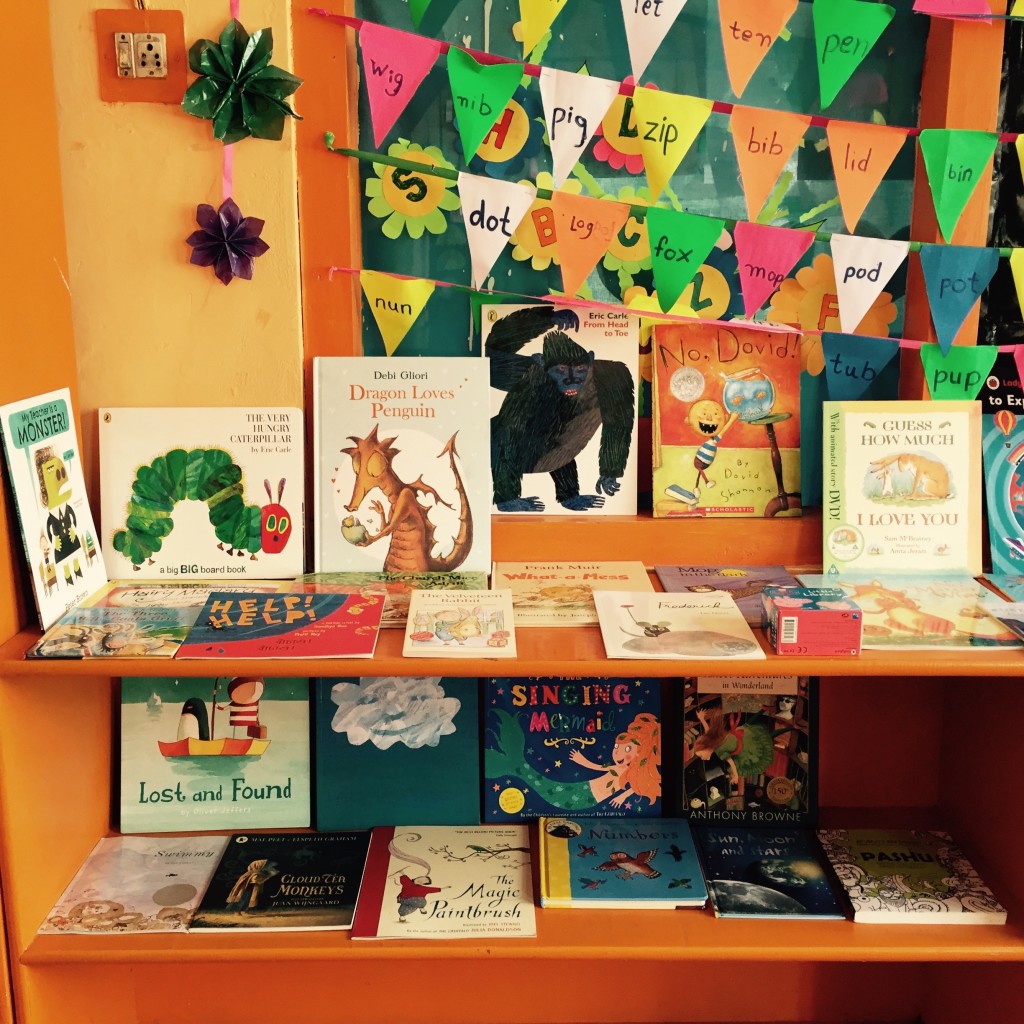
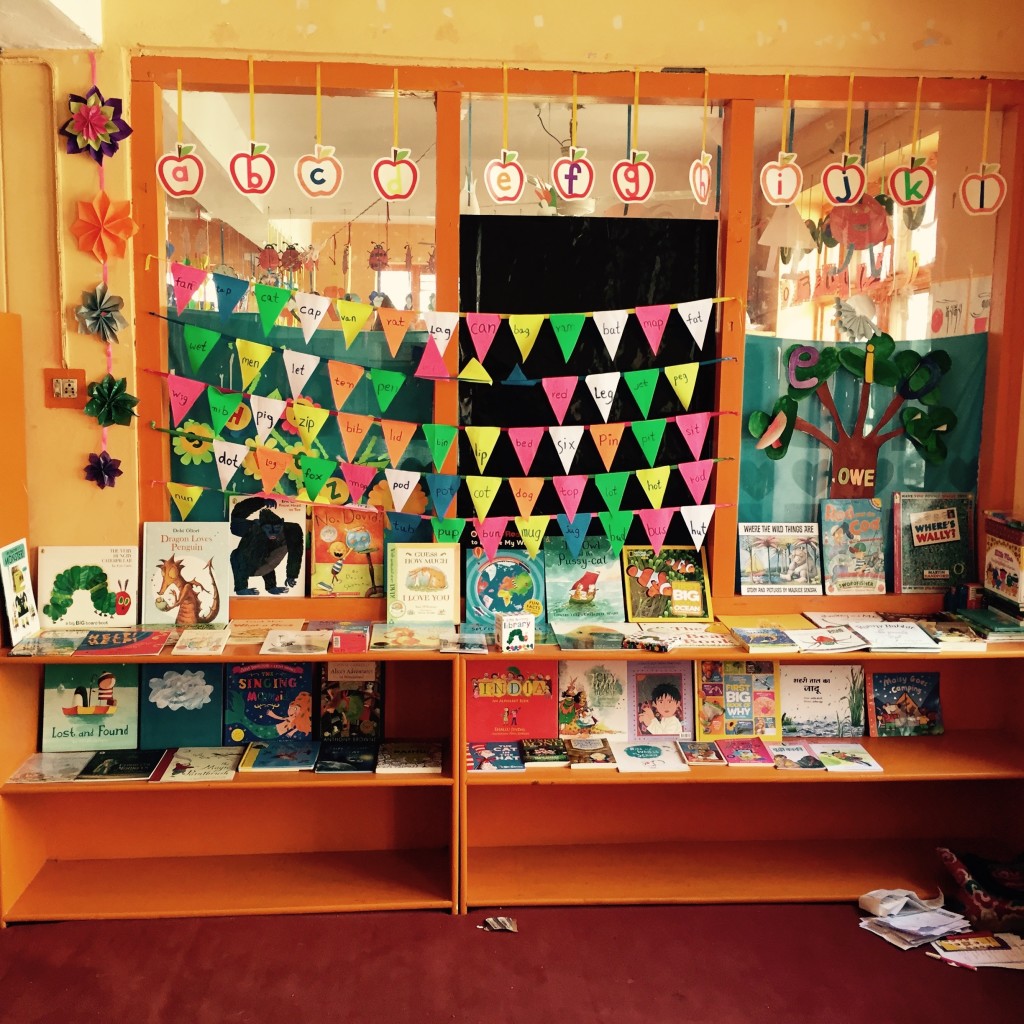
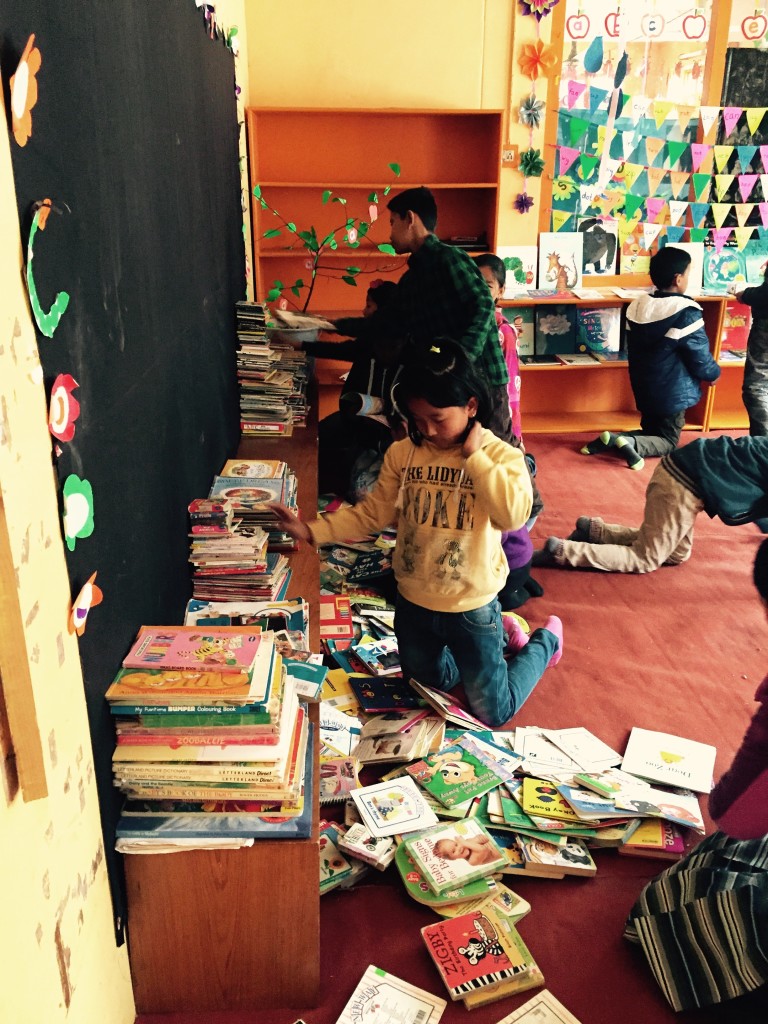
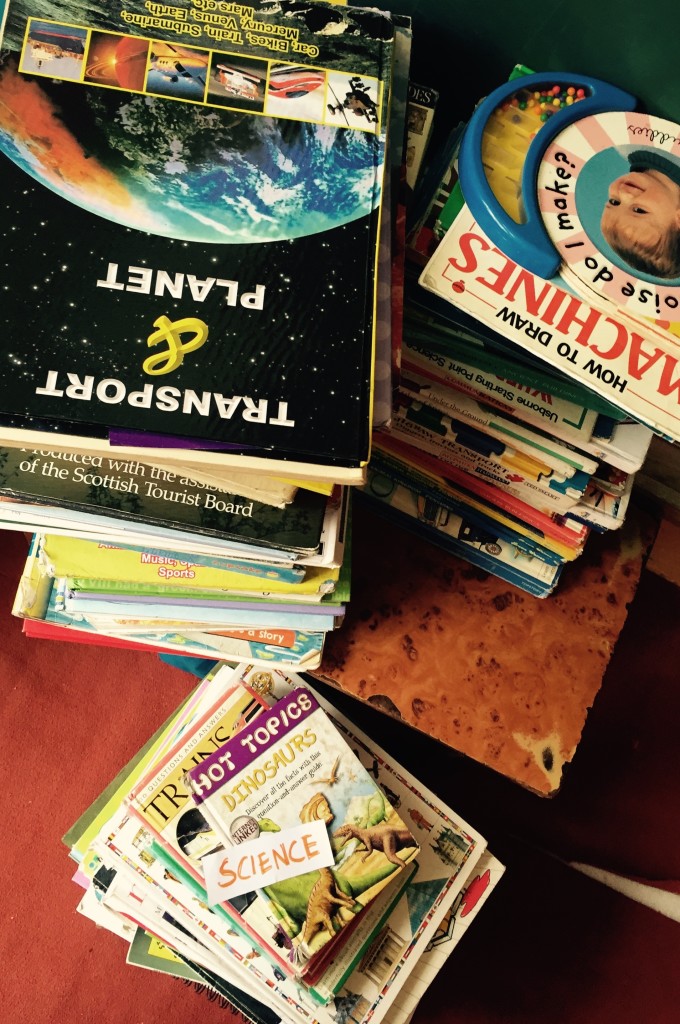
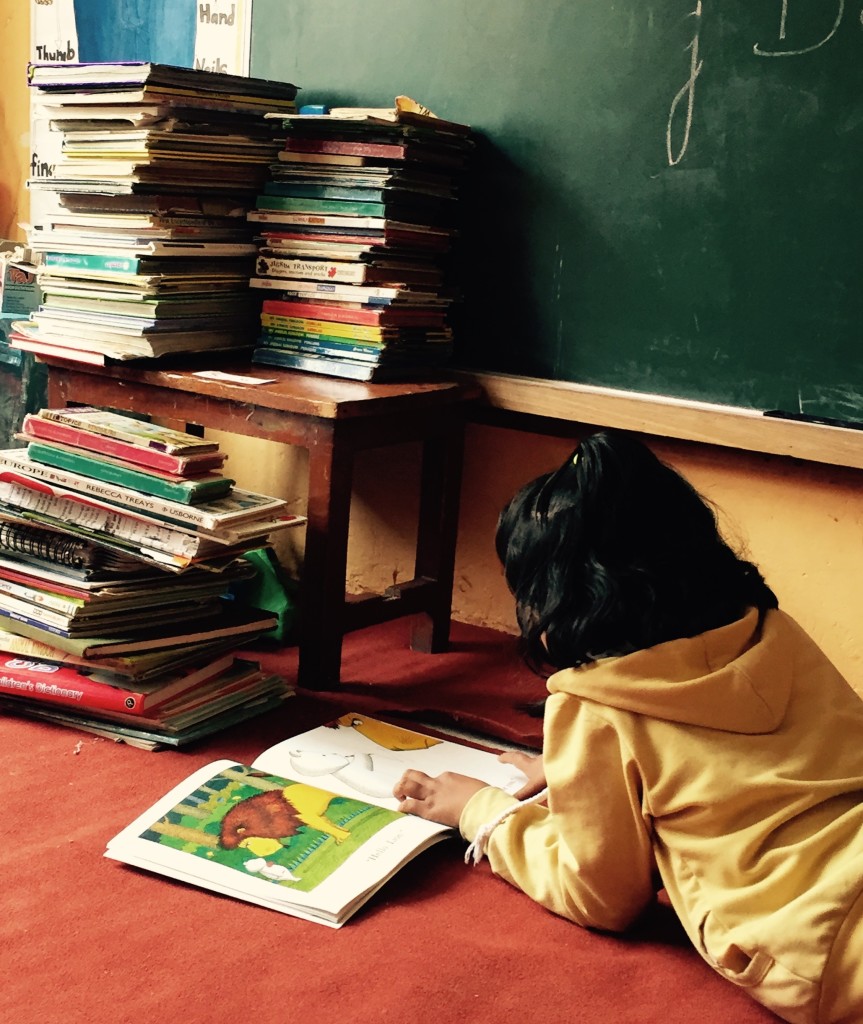
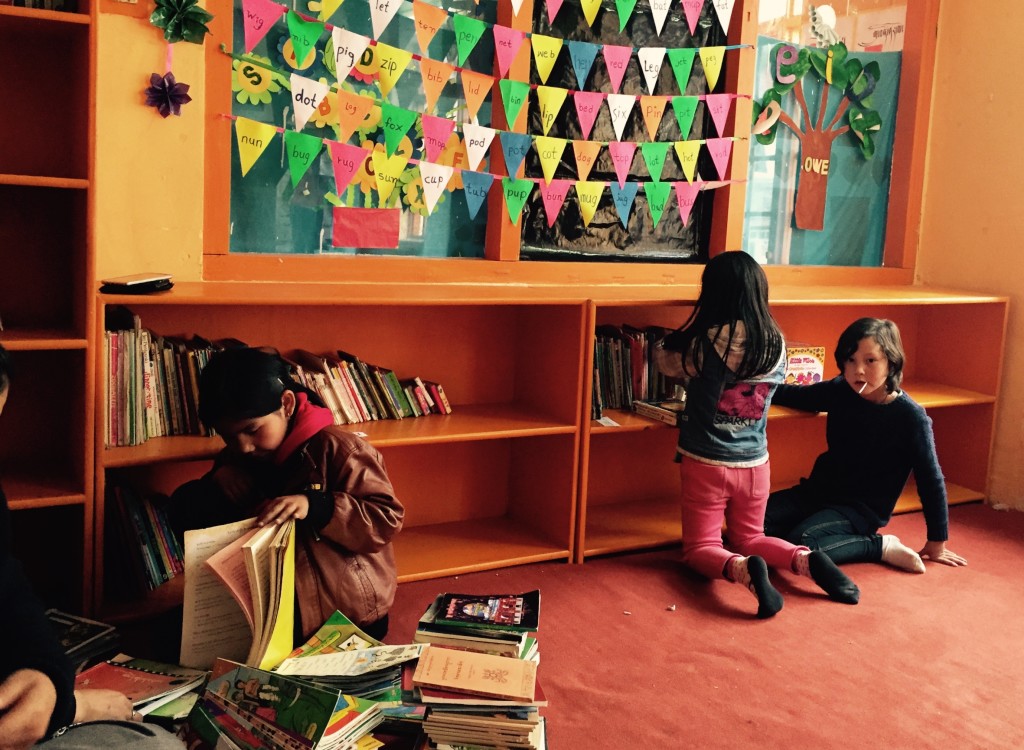
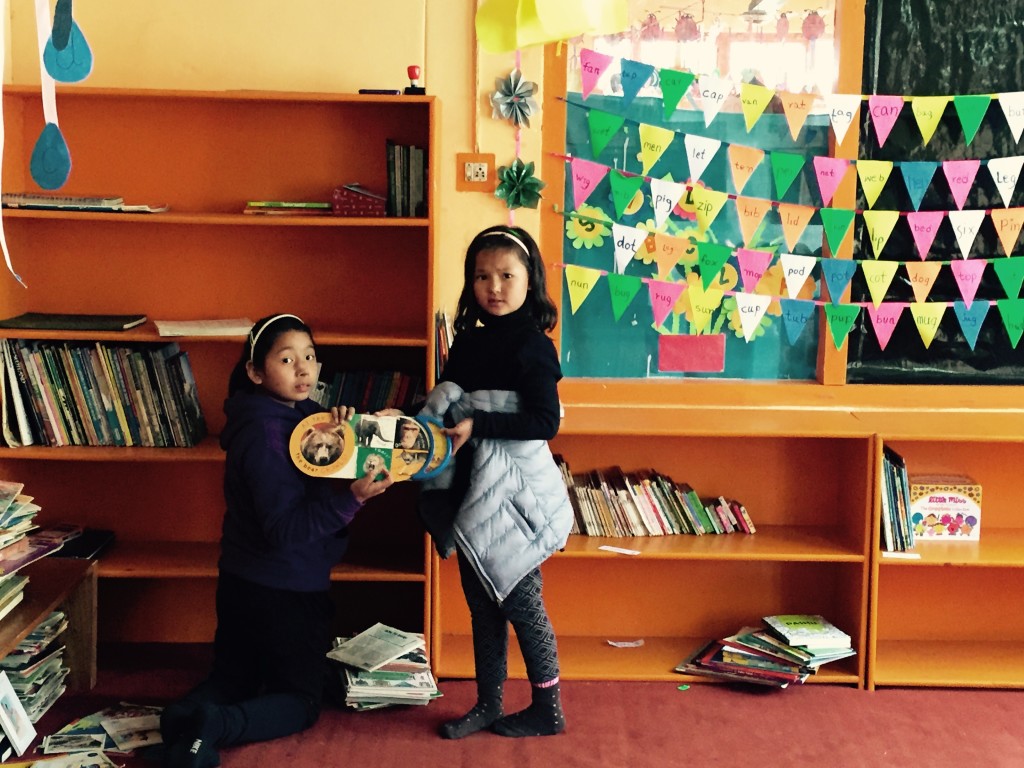
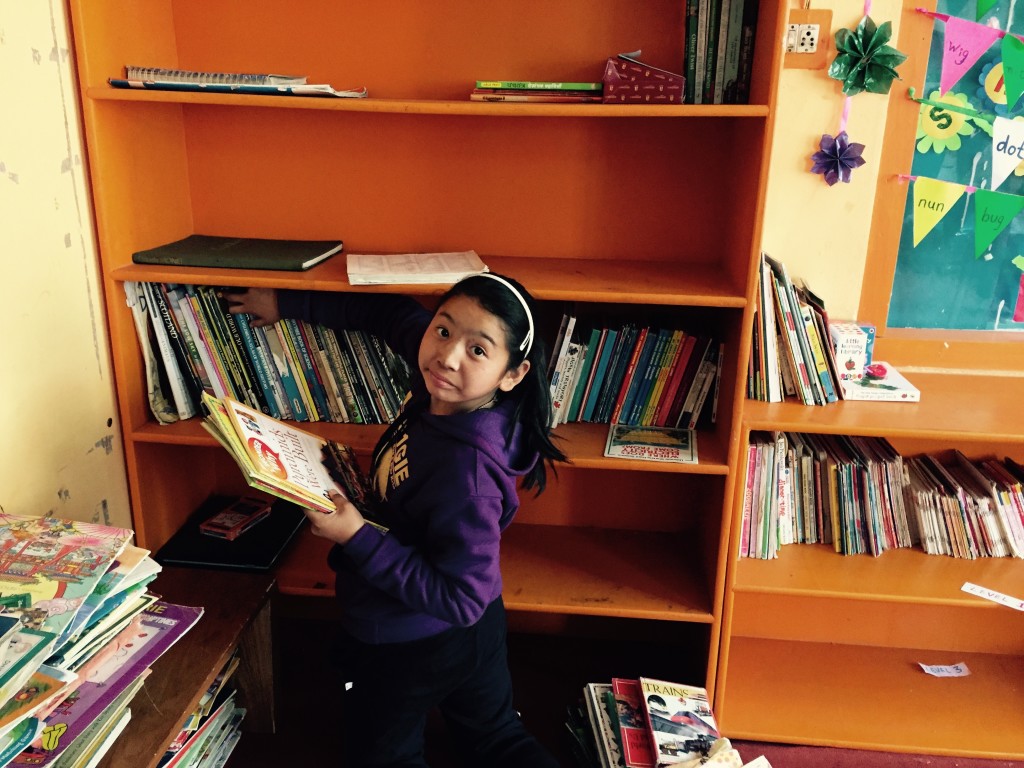
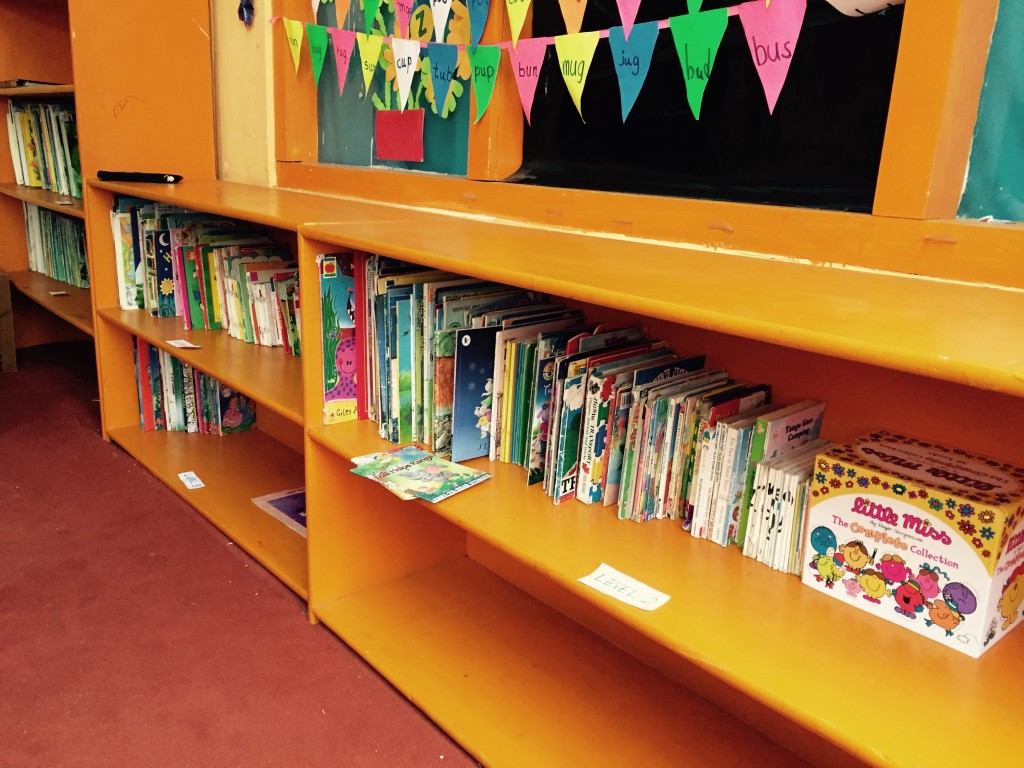
Opening the space may involve sweeping, checking the condition of books, arranging floor cushions, and setting out pencils, paper, or musical instruments. These simple jobs create a welcoming environment before the first children arrive. A tidy, organized room also makes it easier for young visitors to find books independently.
The opening period can be quiet. Volunteers might review the day’s activity with a local coordinator, identify new books for display, or prepare a short storytelling session. The aim is not to impose a rigid program, but to make sure the room is ready for different ages, interests, and learning needs.
Welcoming children and young readers
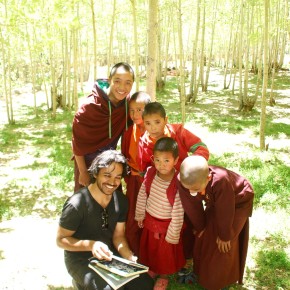
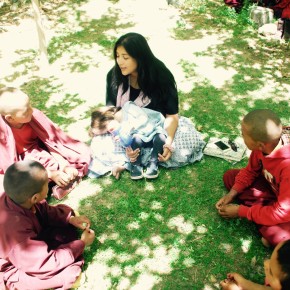
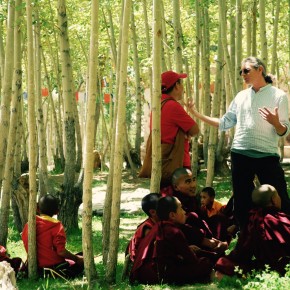
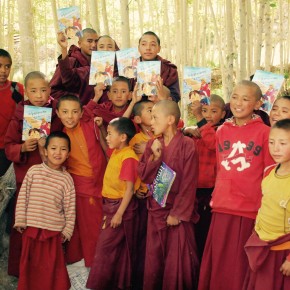
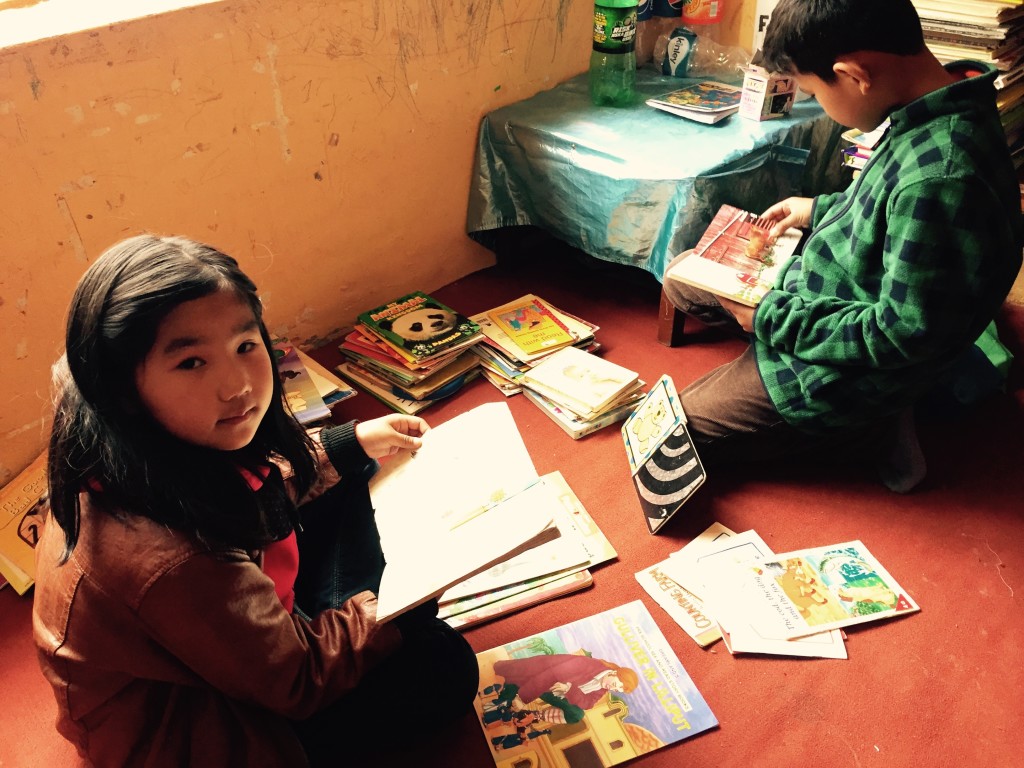
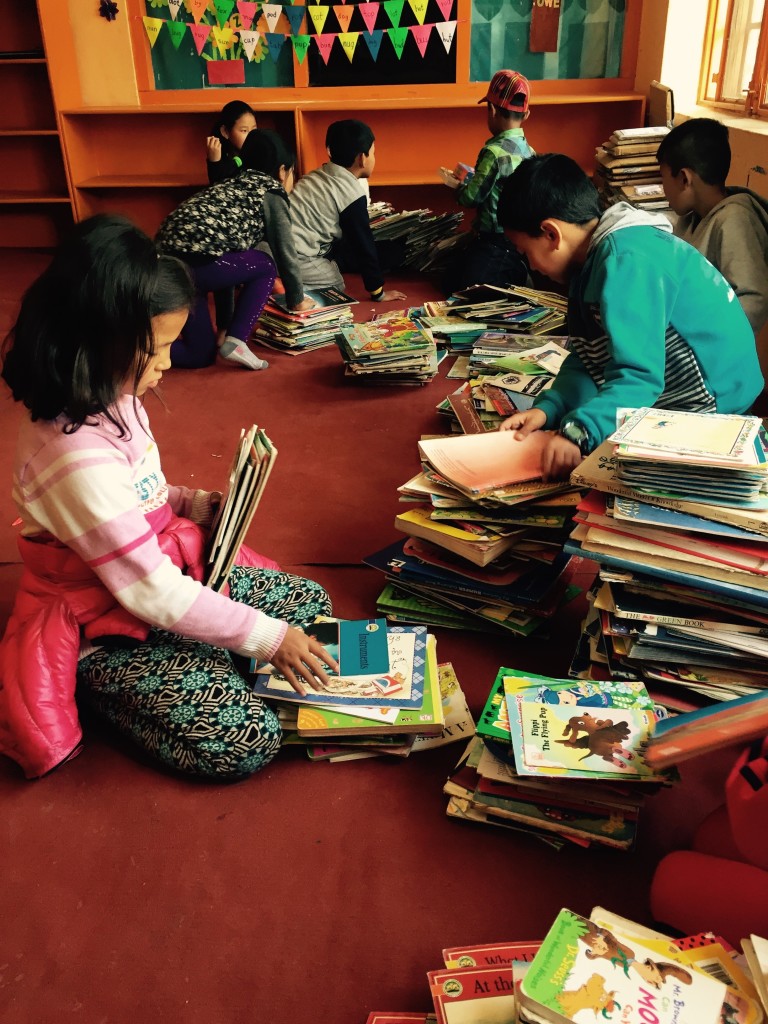
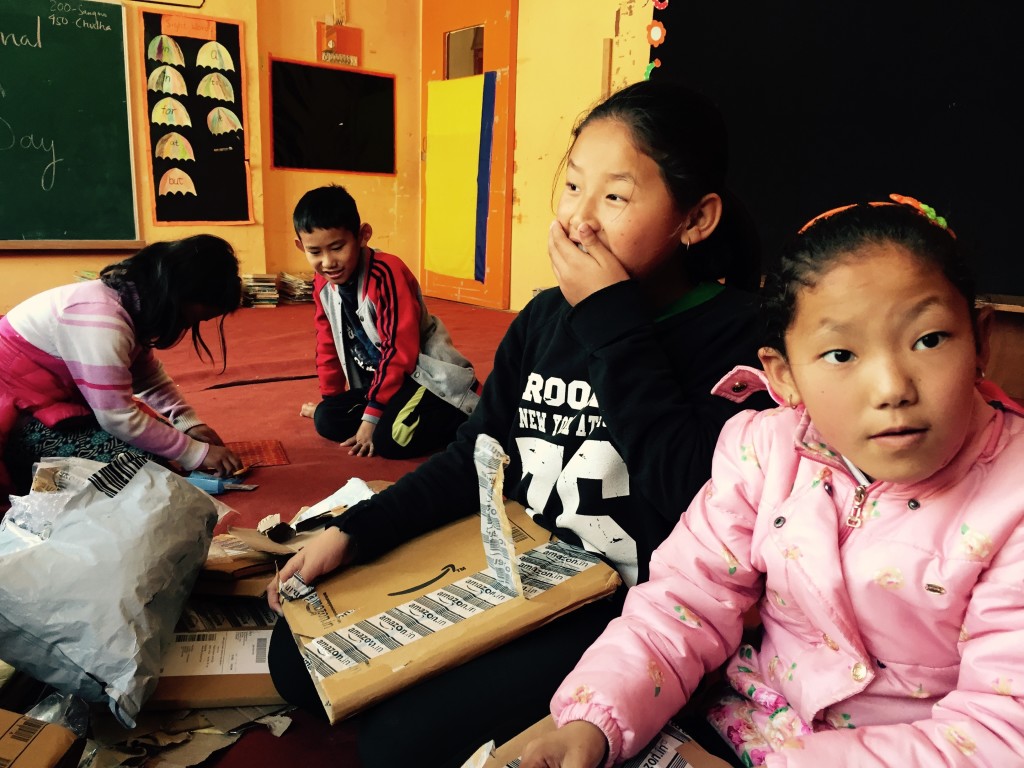
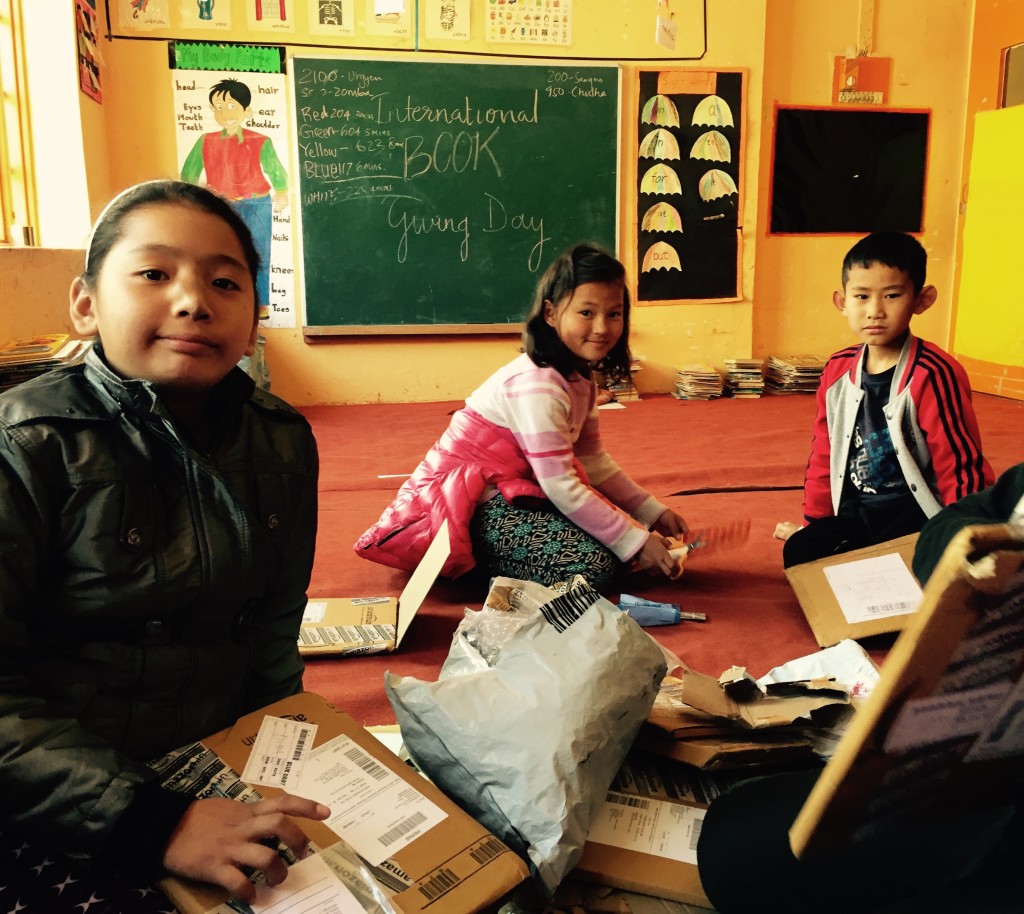
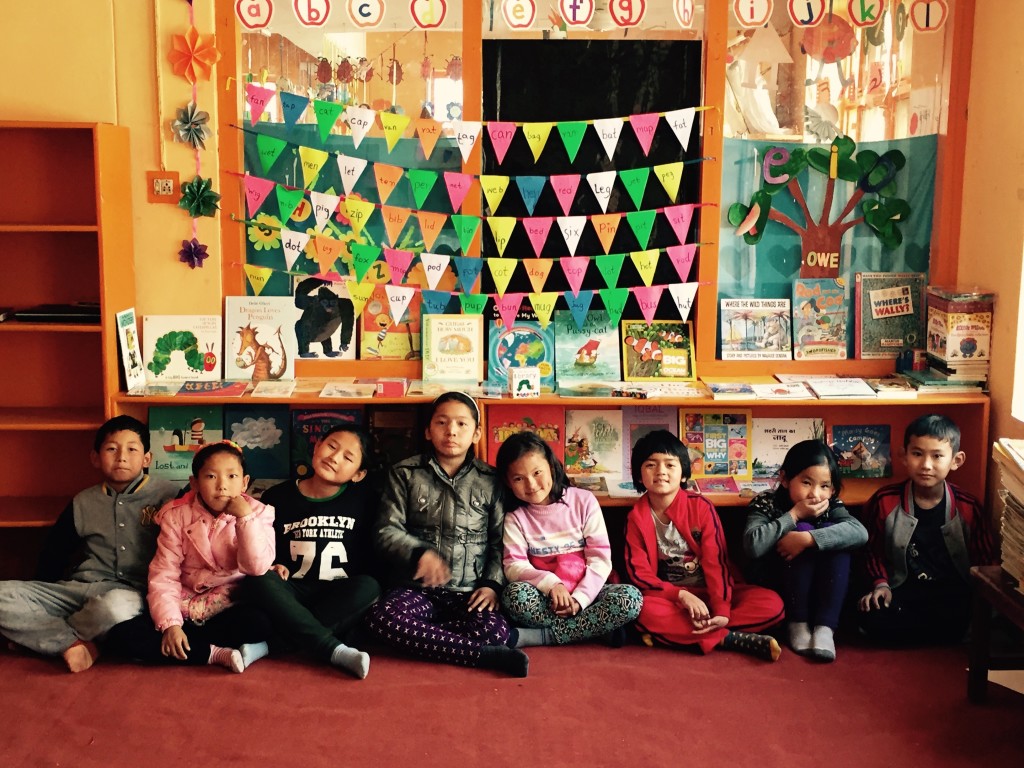
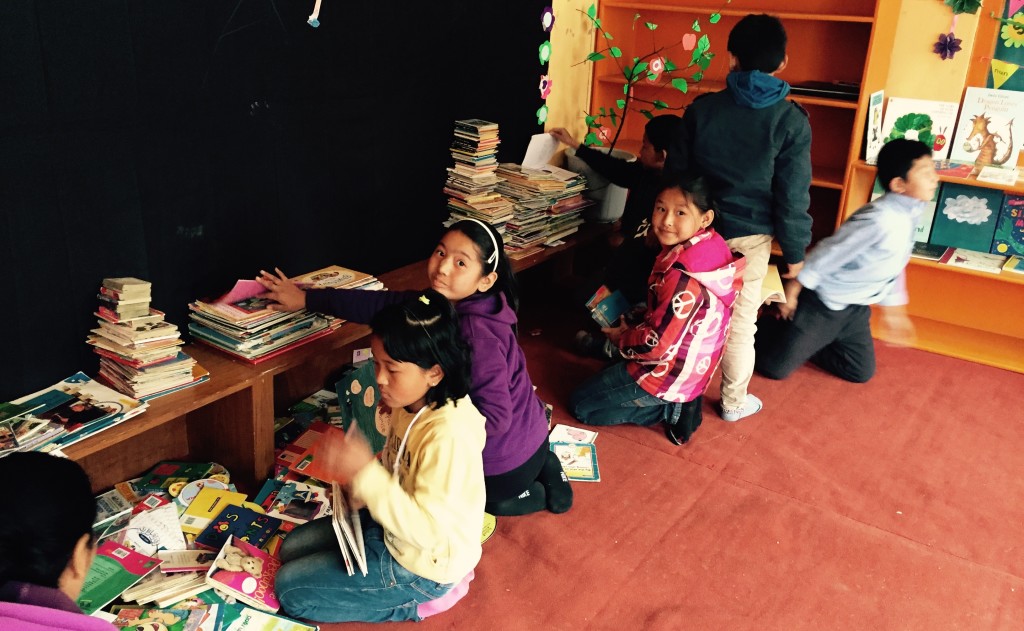
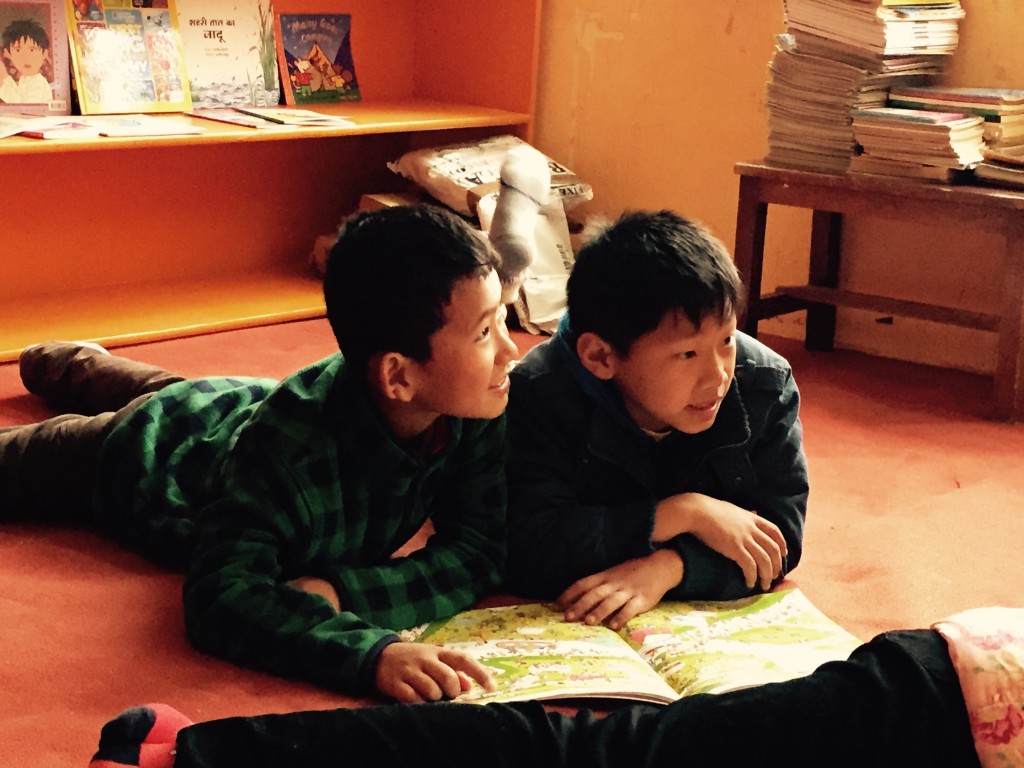
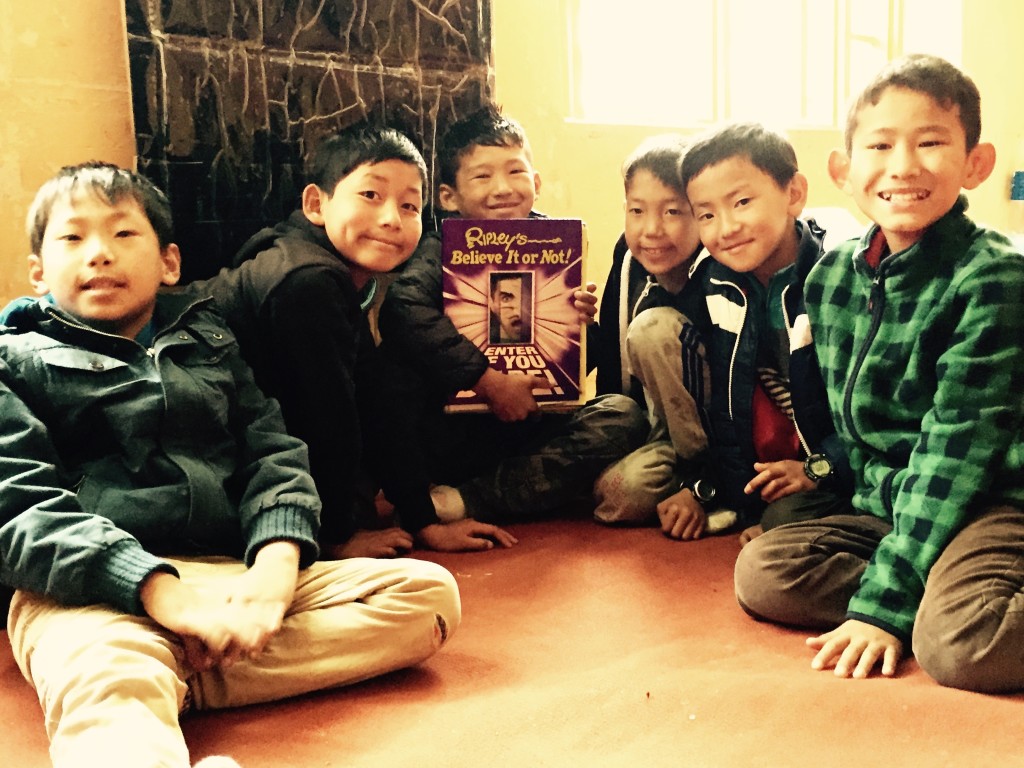
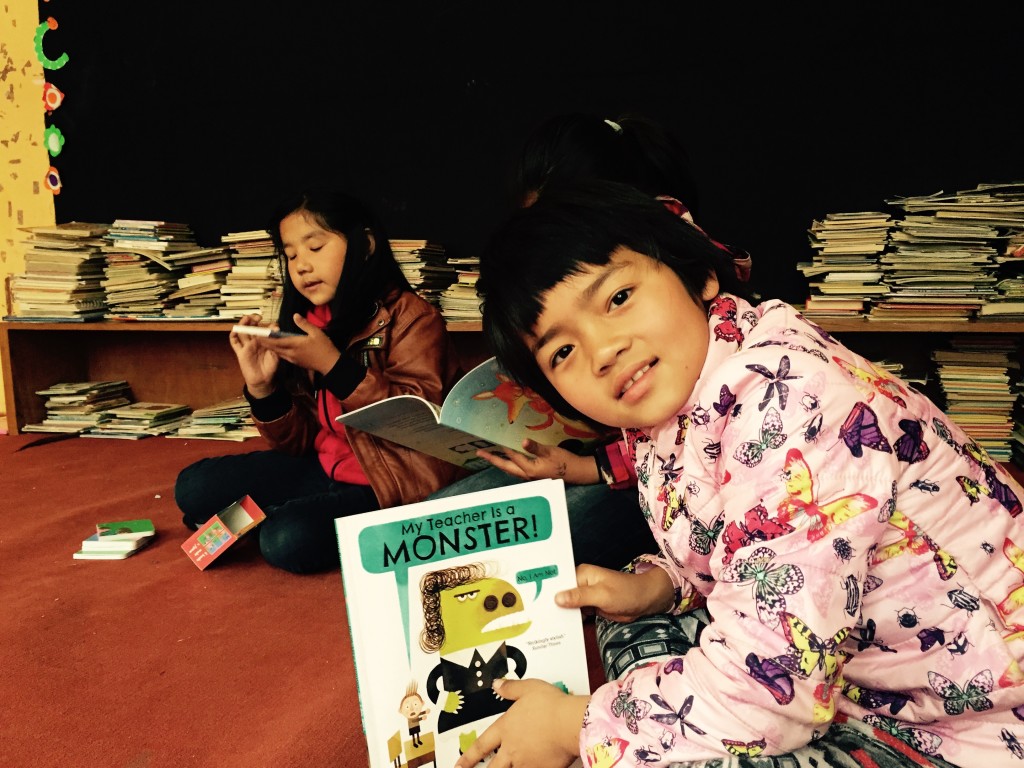
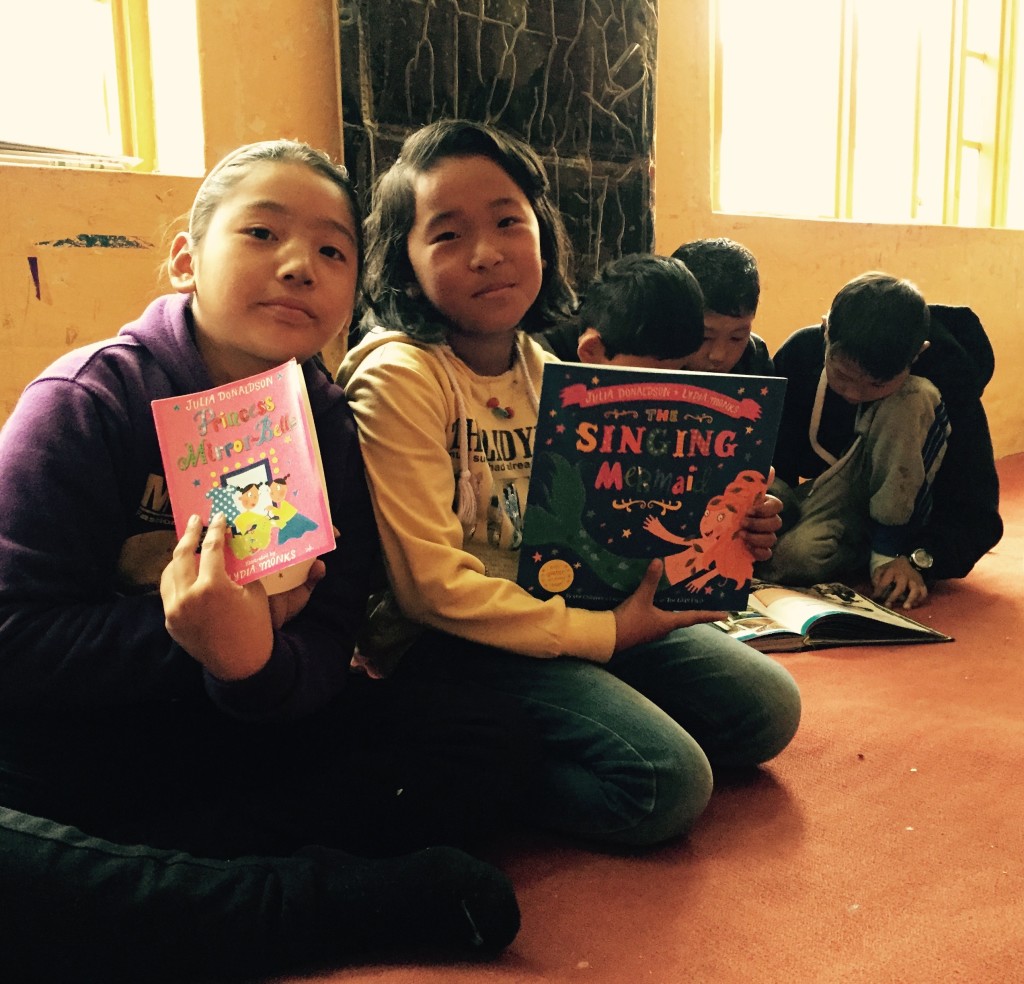
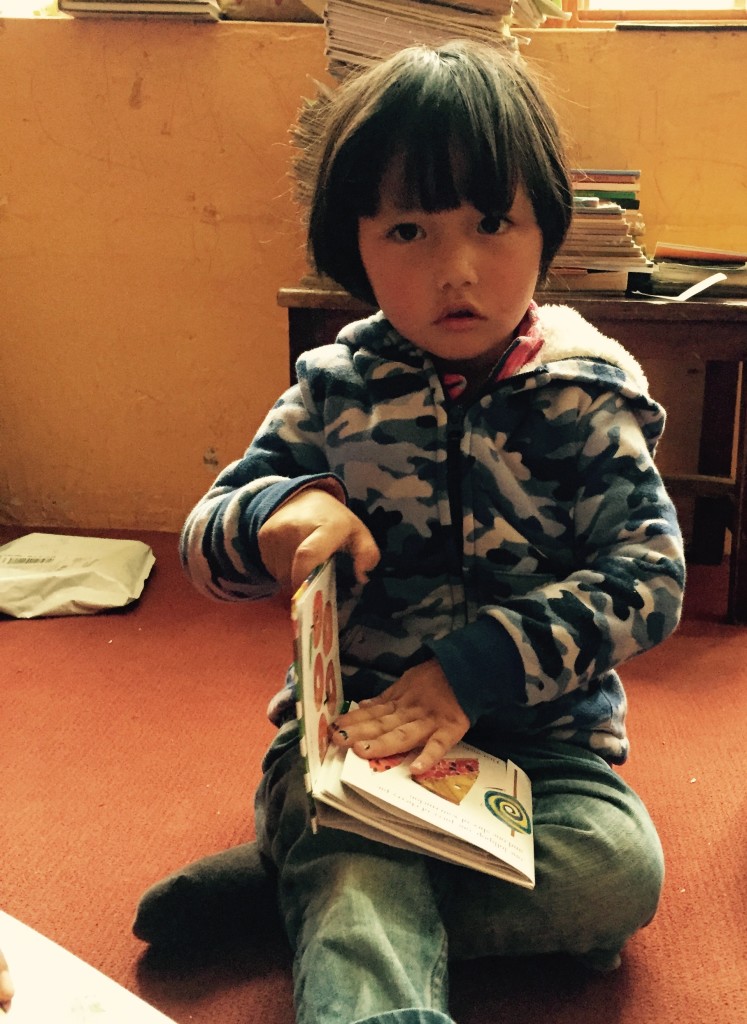
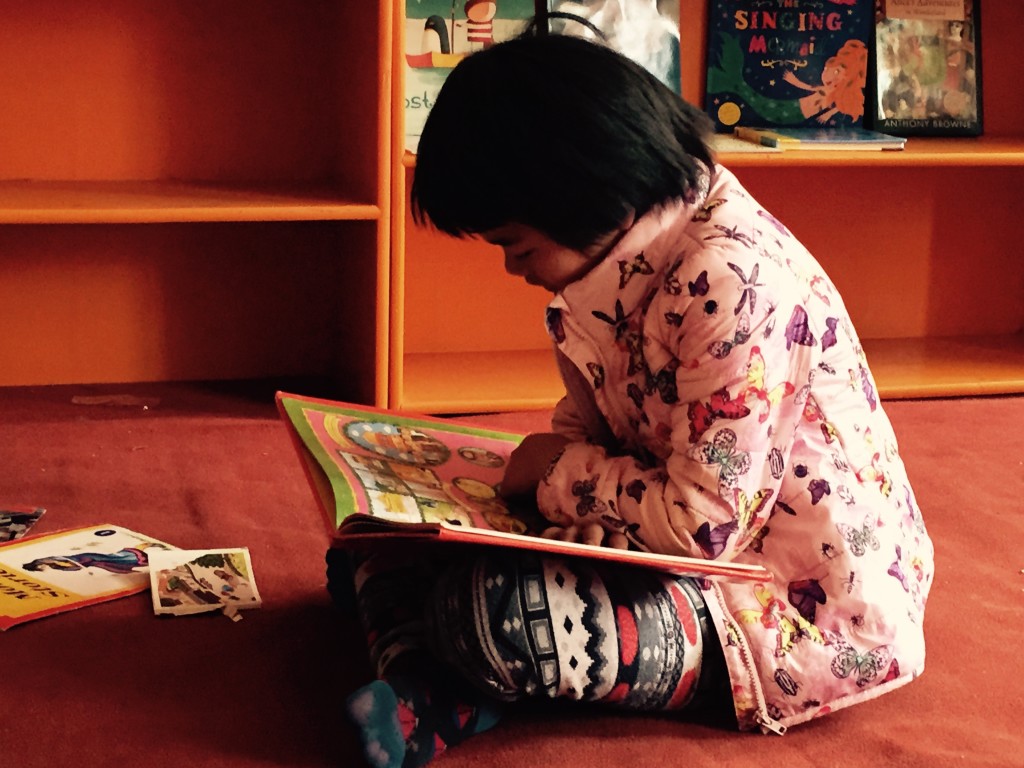
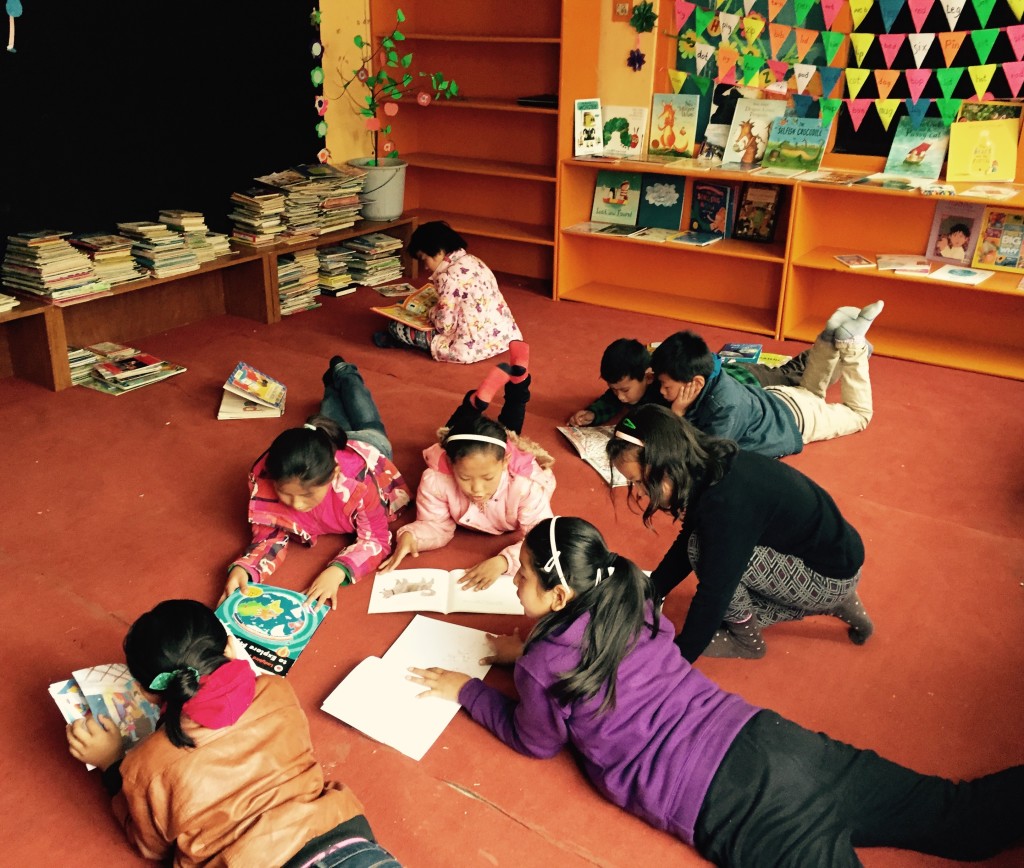
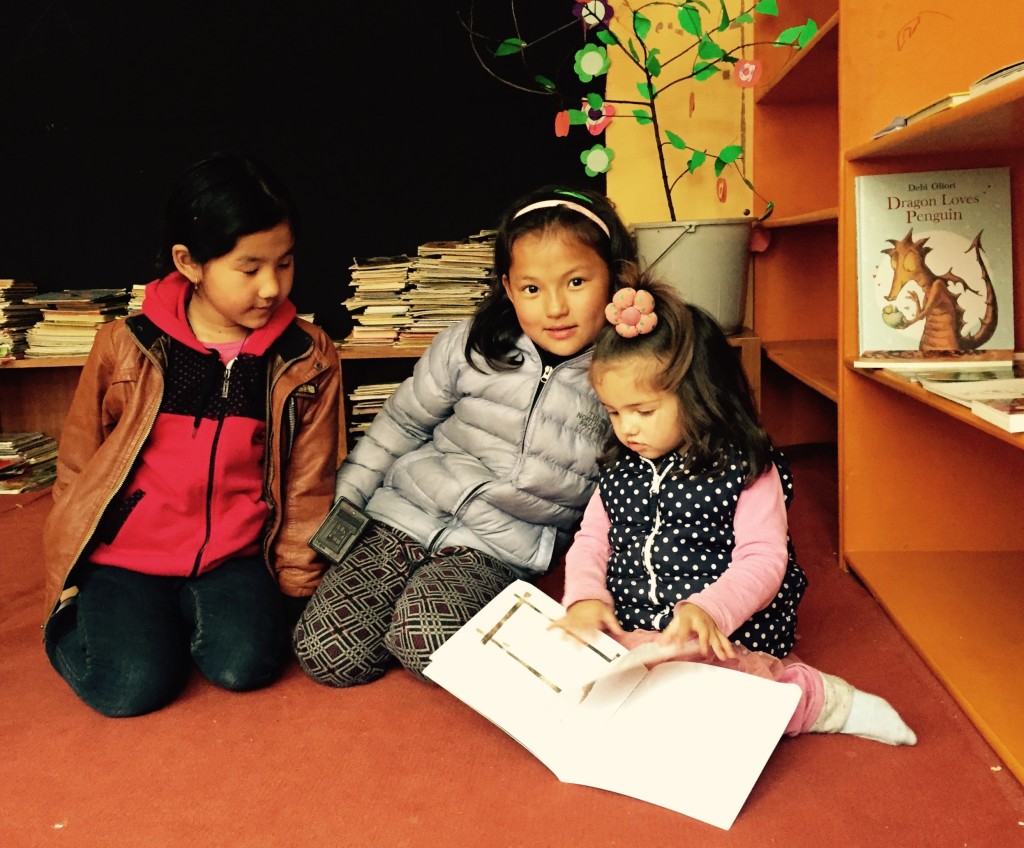
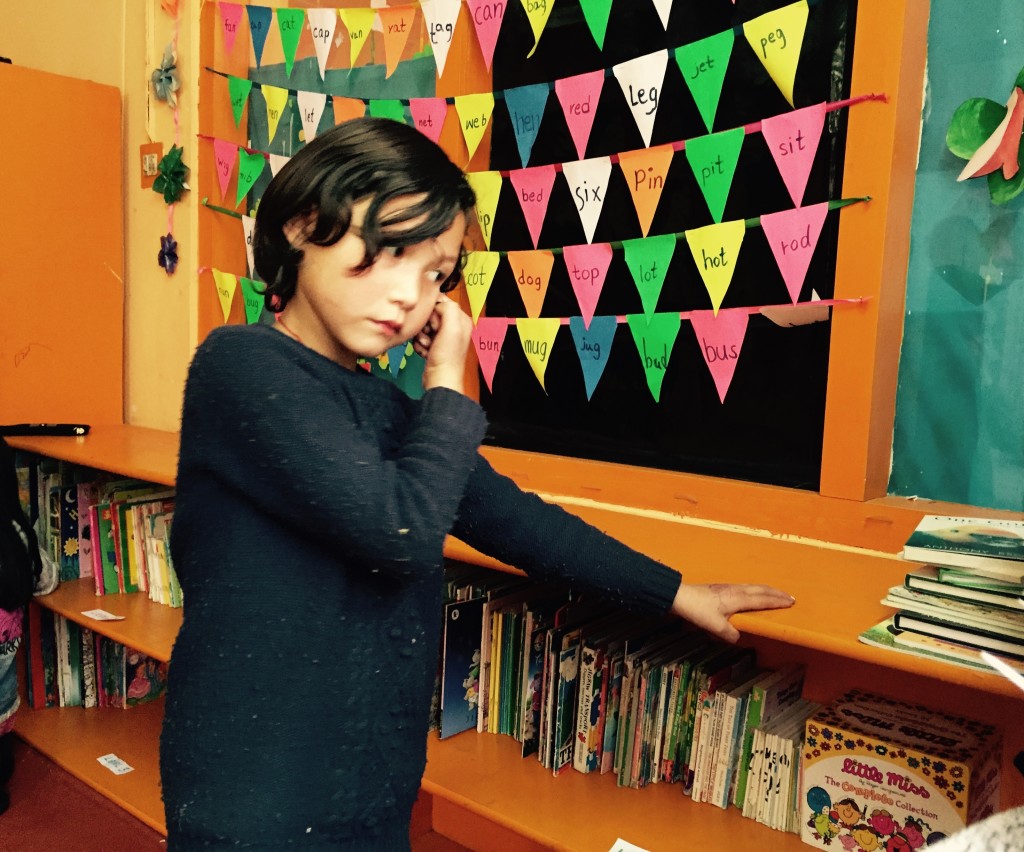
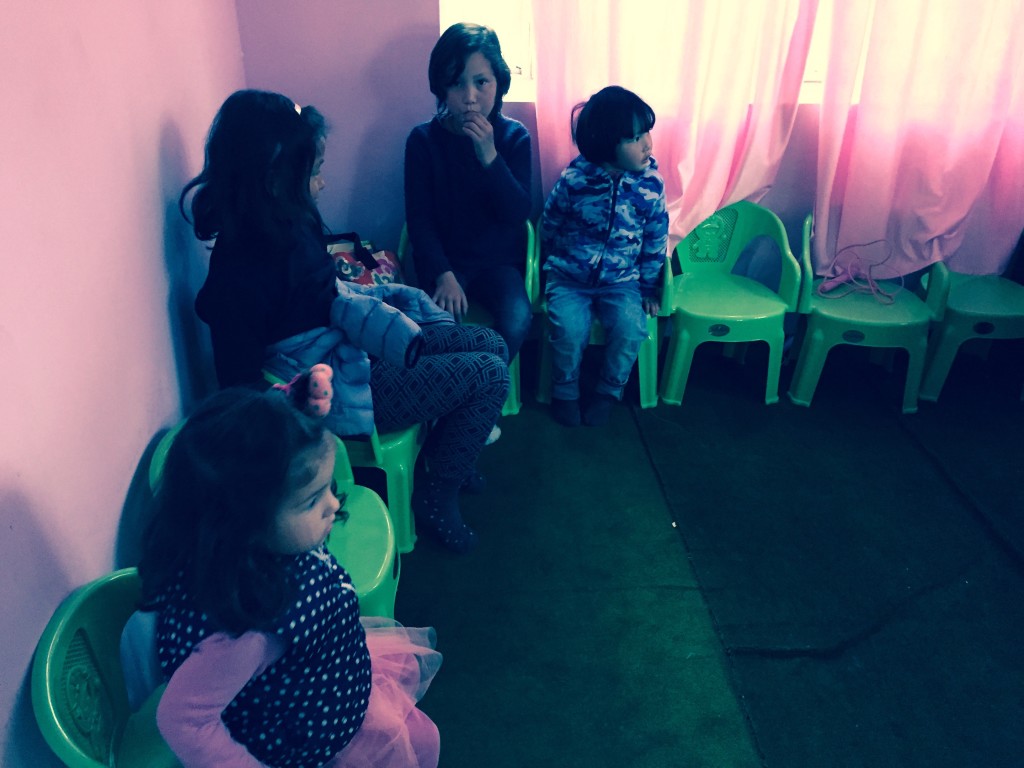
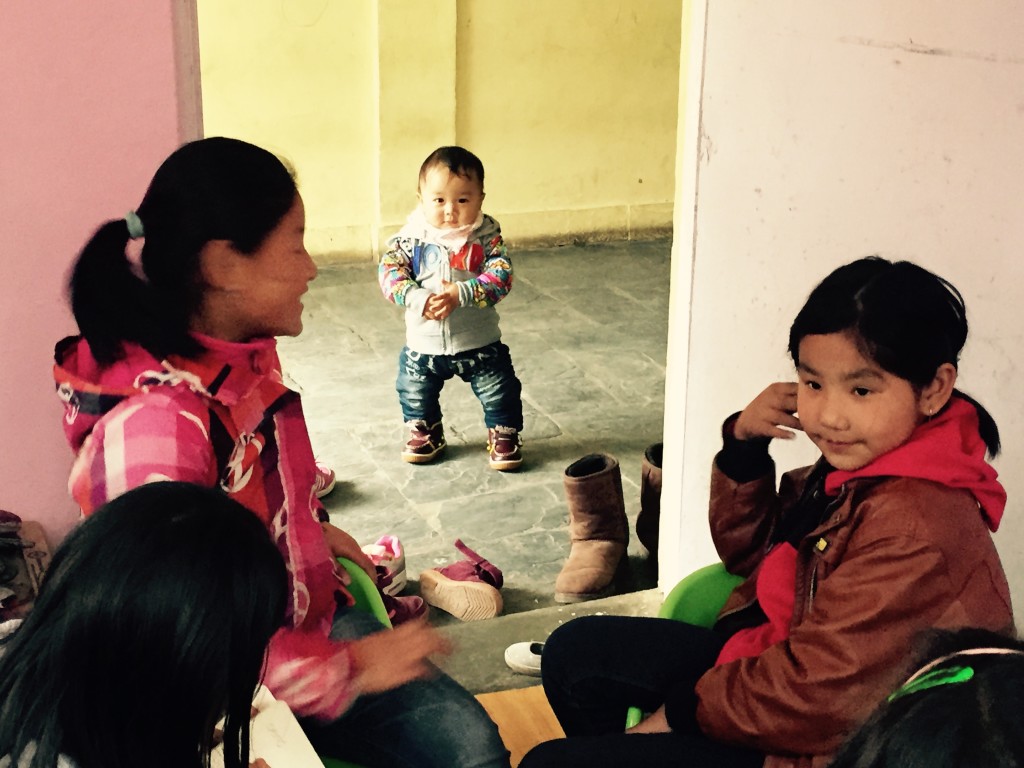
When children arrive, the reading room quickly becomes more animated. Some may come directly after school, while others visit during a free afternoon. A reading room helper greets each child, explains the available activities, and observes what kind of support is useful without taking over.
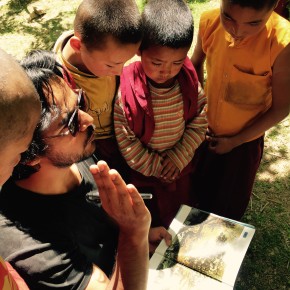
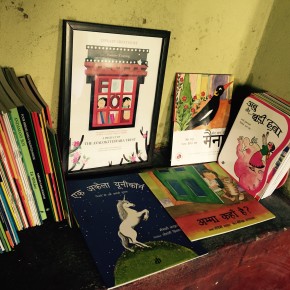
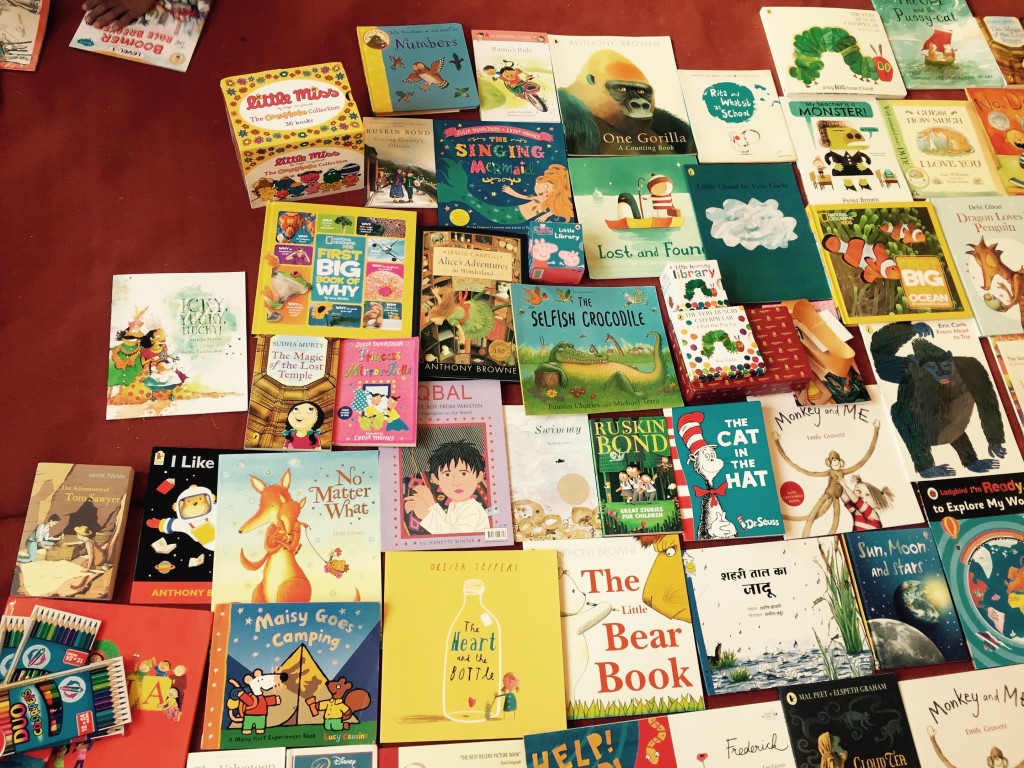
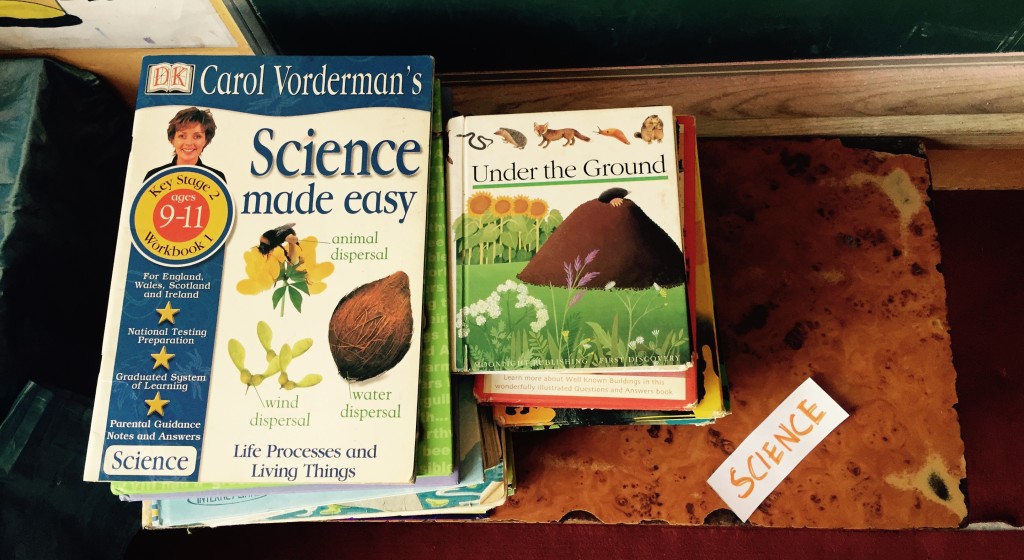
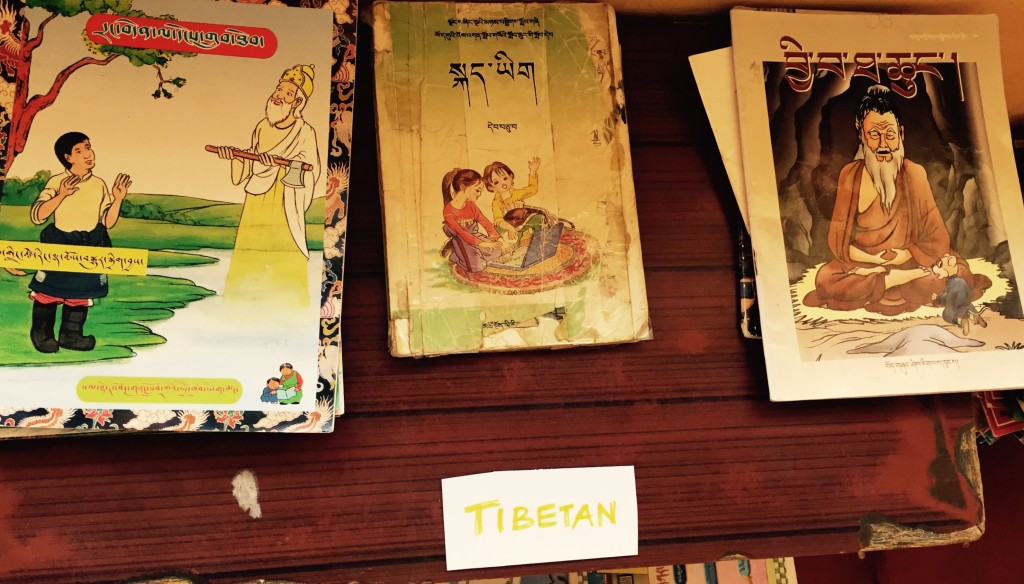
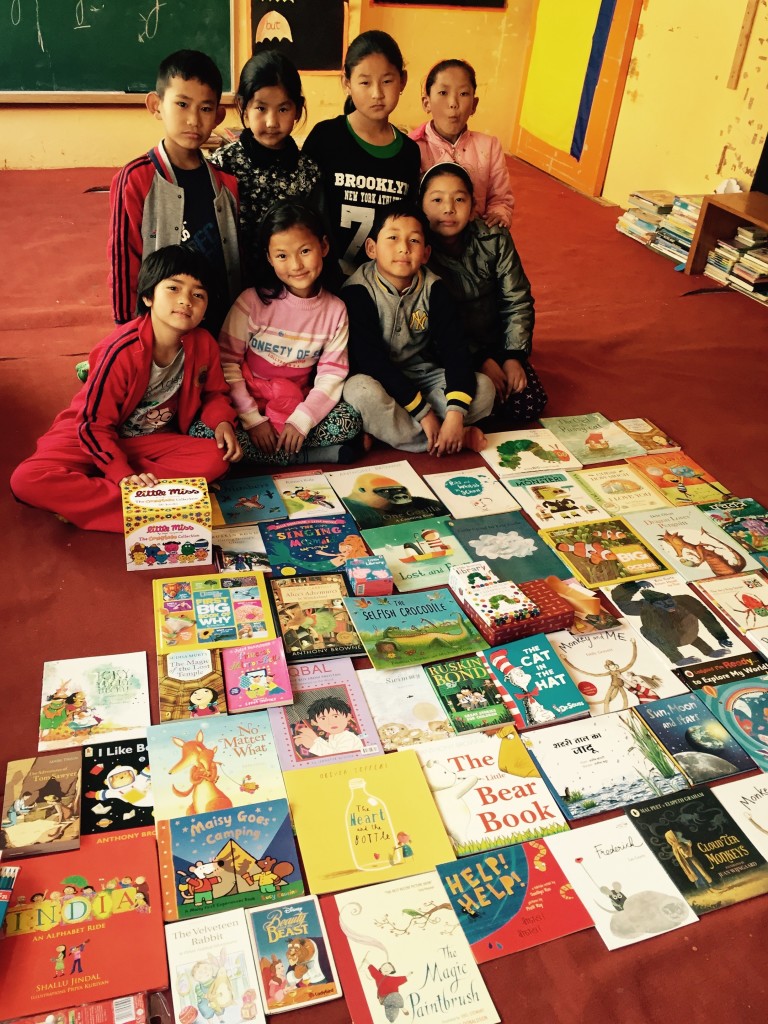
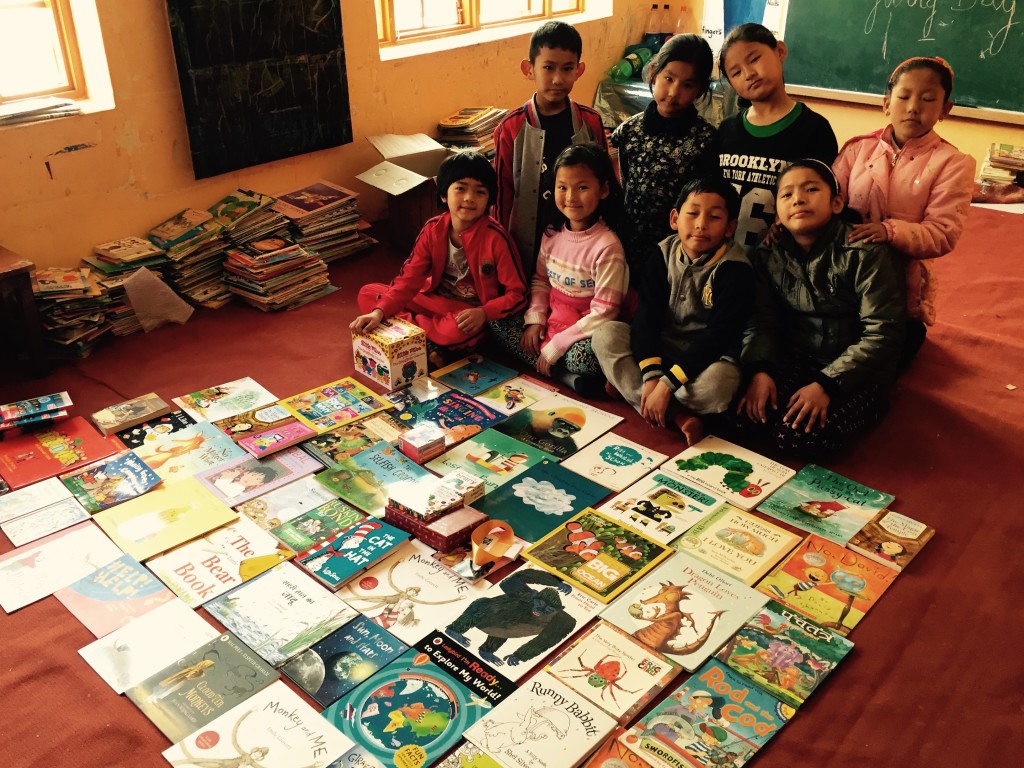
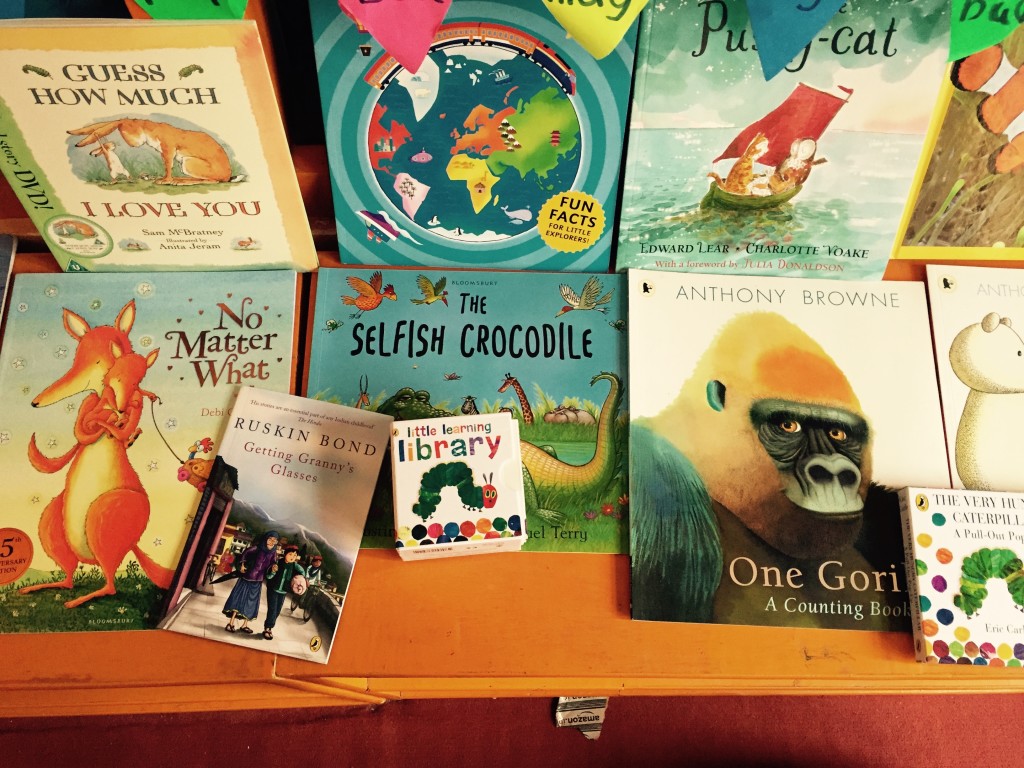
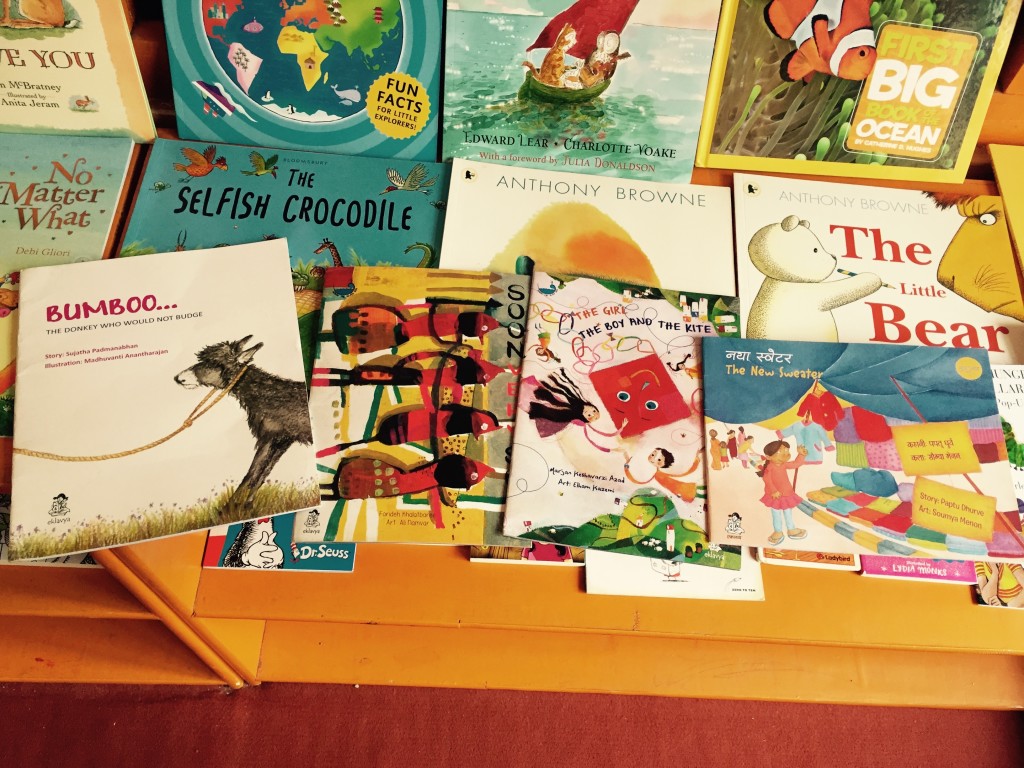
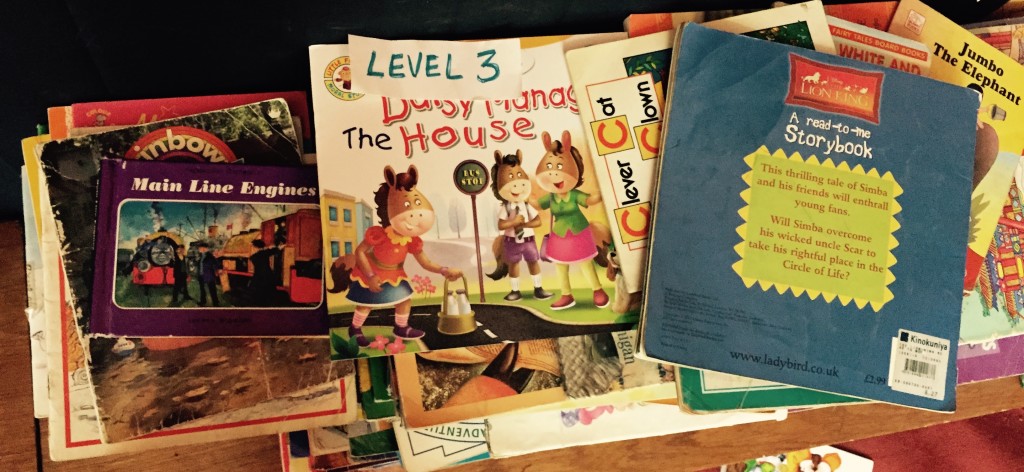
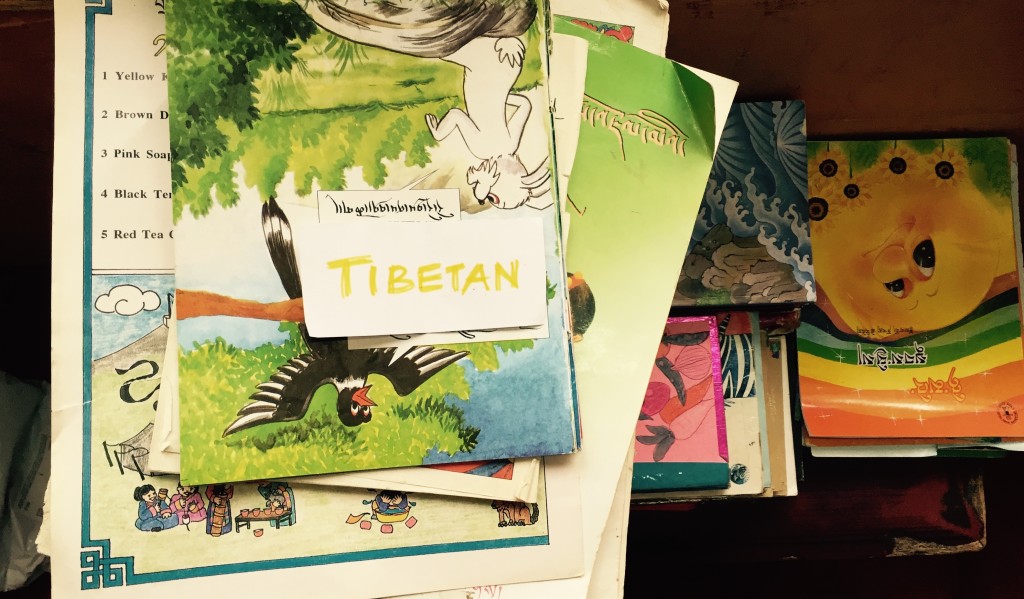
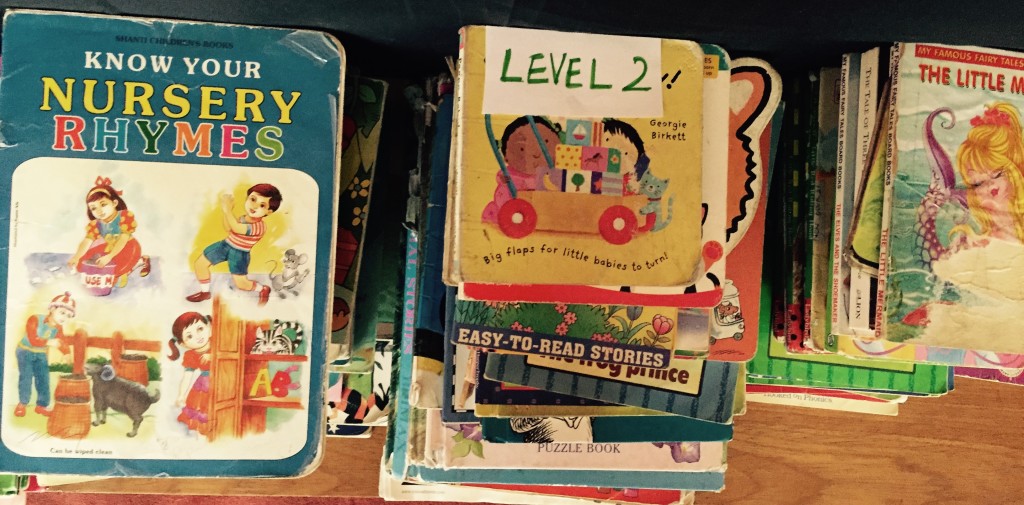
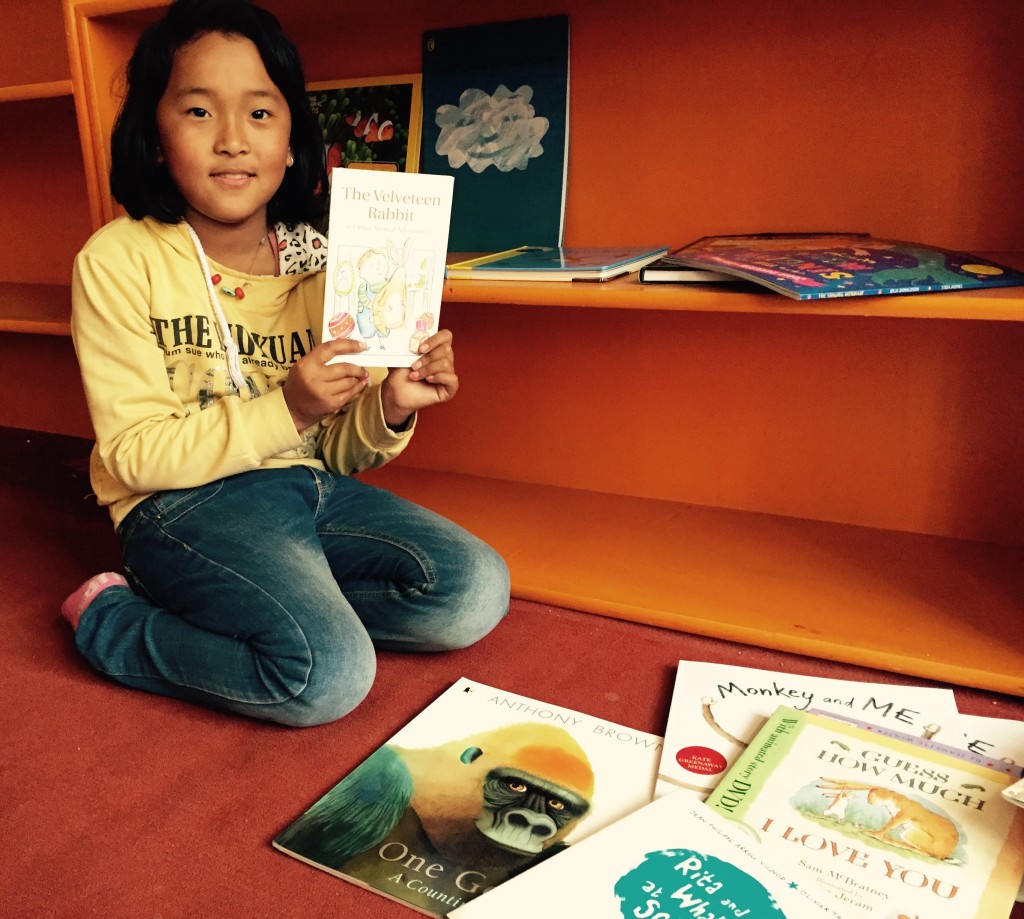
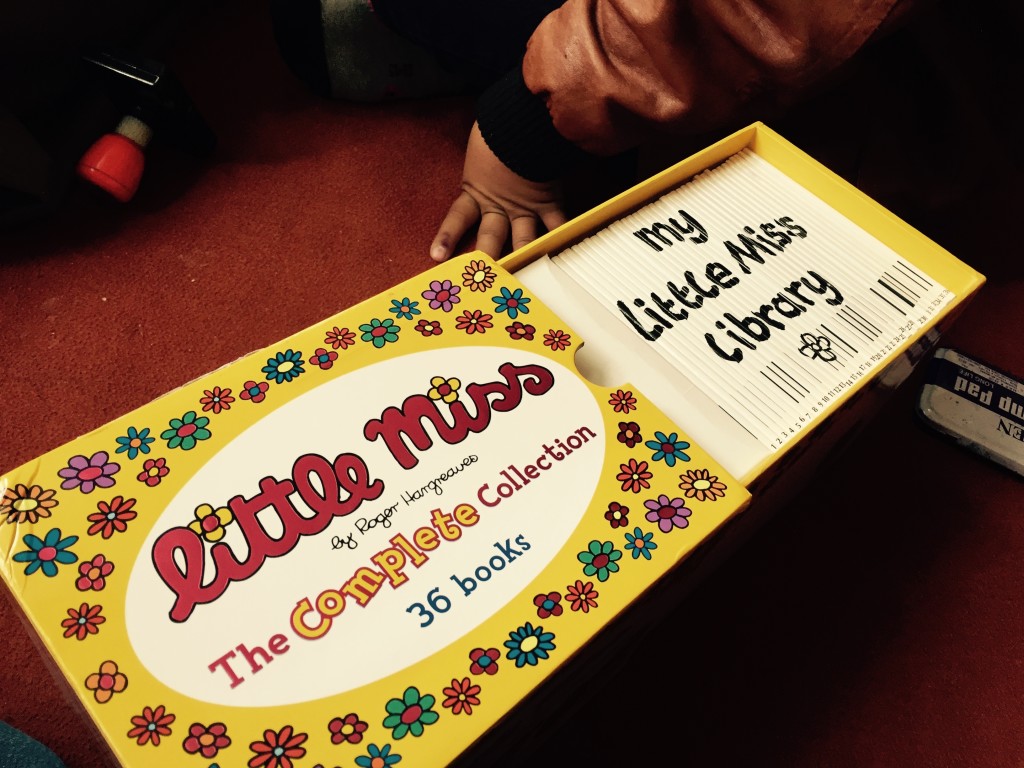
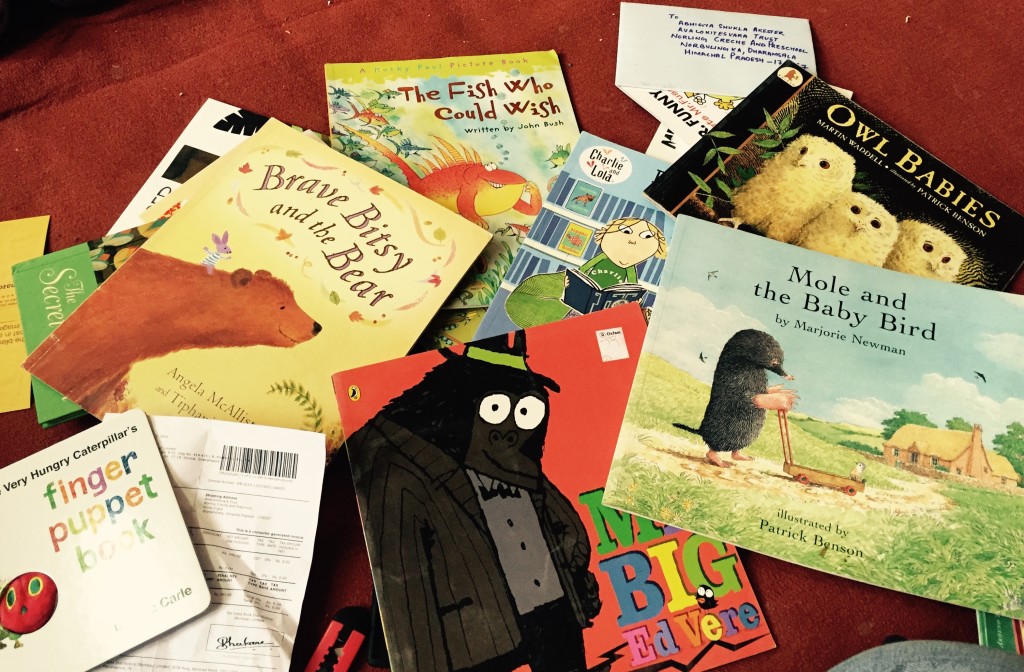
Book selection is often one of the most valuable forms of assistance. A child who is still gaining confidence in English may prefer a picture book, a bilingual title, or a story with familiar settings. Another child may be ready for a longer adventure, a science book, or a collection of folktales. Volunteers can offer choices and listen carefully to the reader’s response.
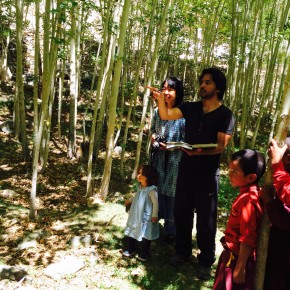
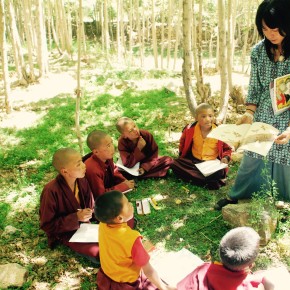
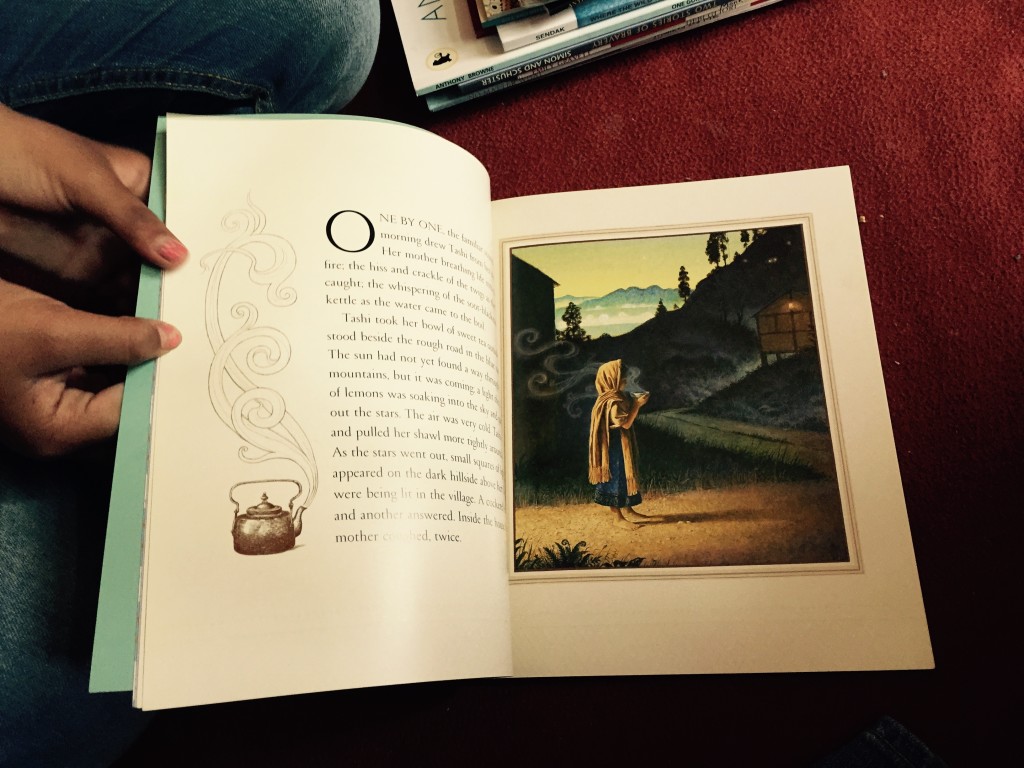
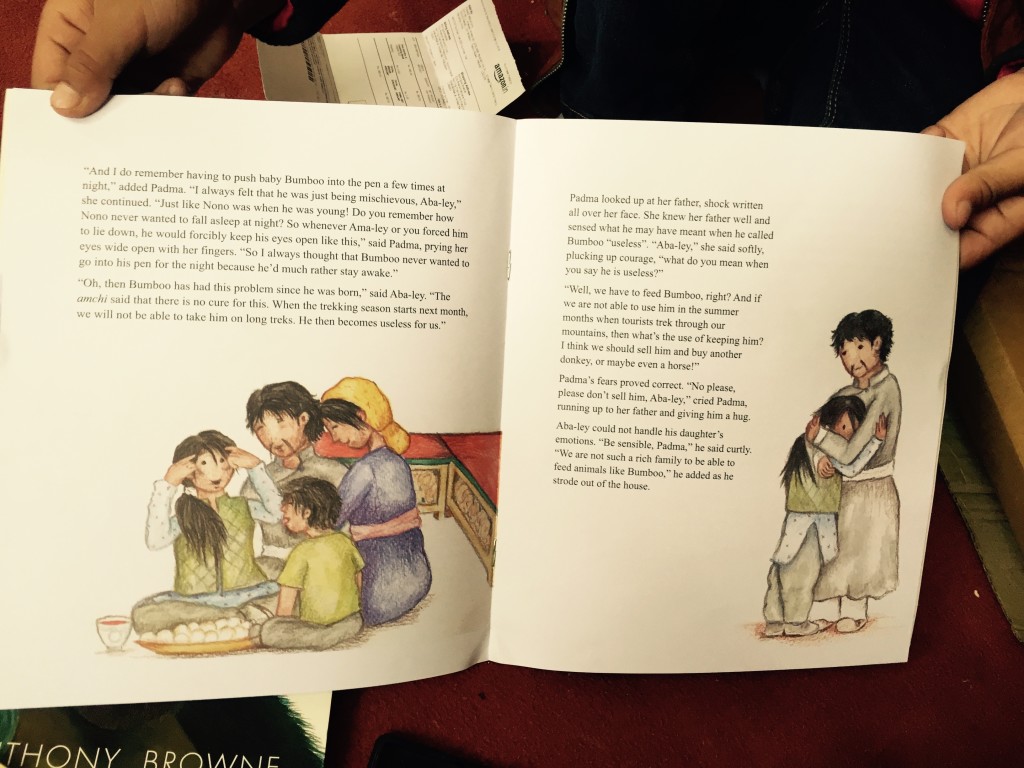
Reading together does not always mean correcting every word. It can involve looking at illustrations, discussing characters, guessing what may happen next, or connecting a story with local life. These conversations help children see reading as an enjoyable activity rather than another school assignment.
Supporting literacy through creative activities
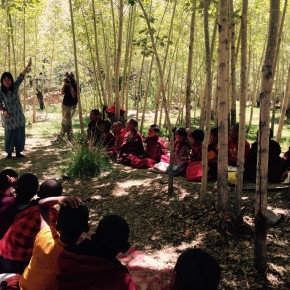
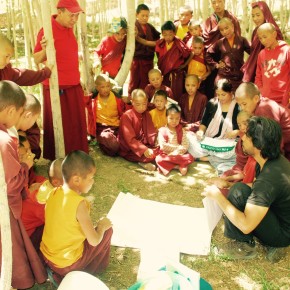
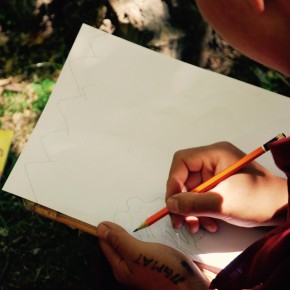
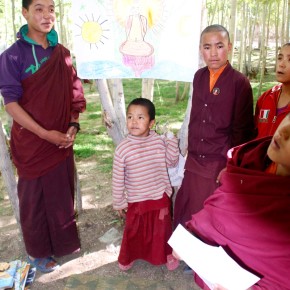
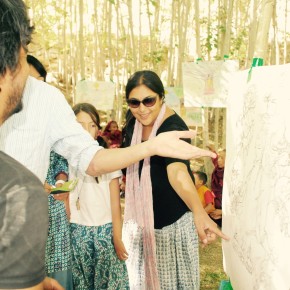
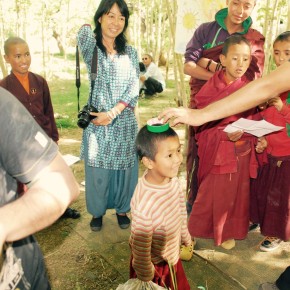
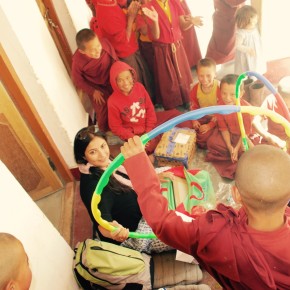
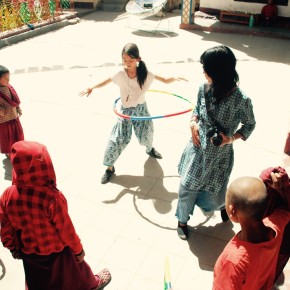
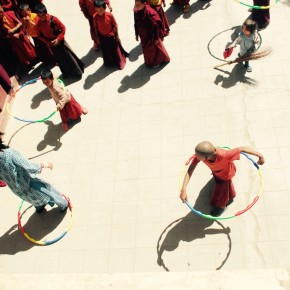
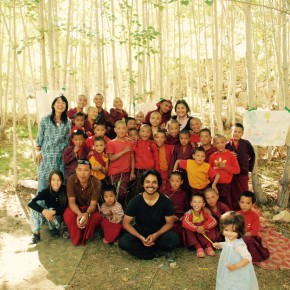
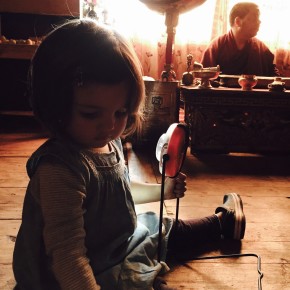
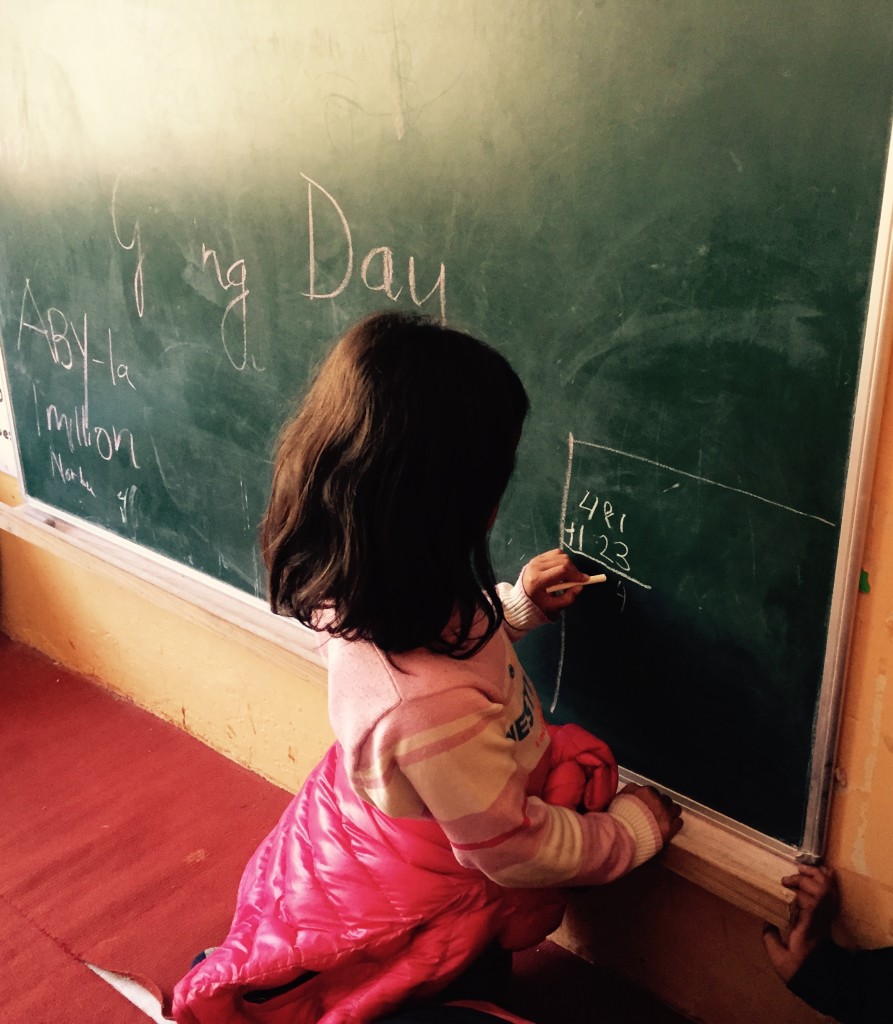
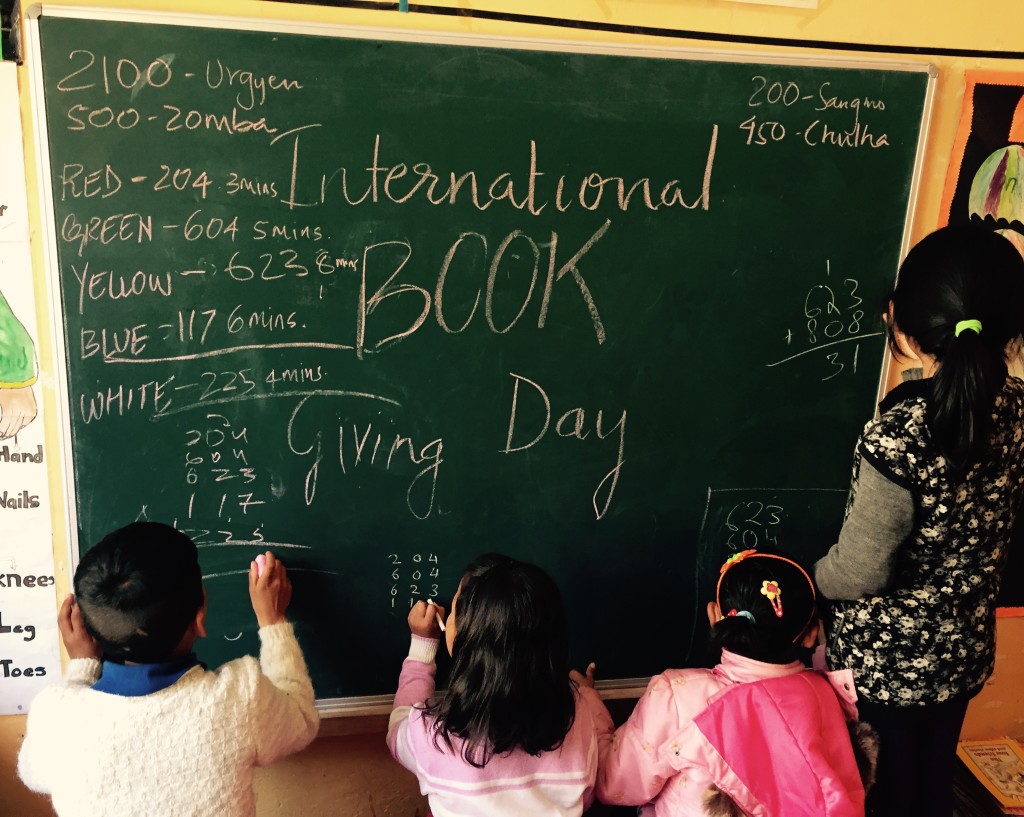
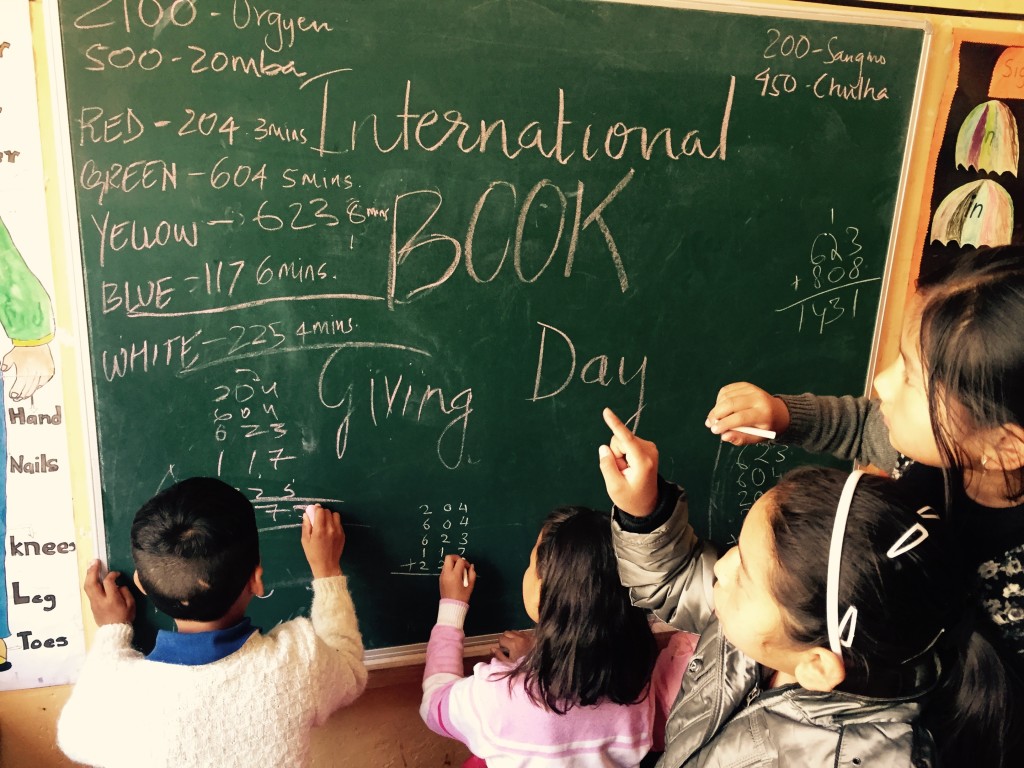
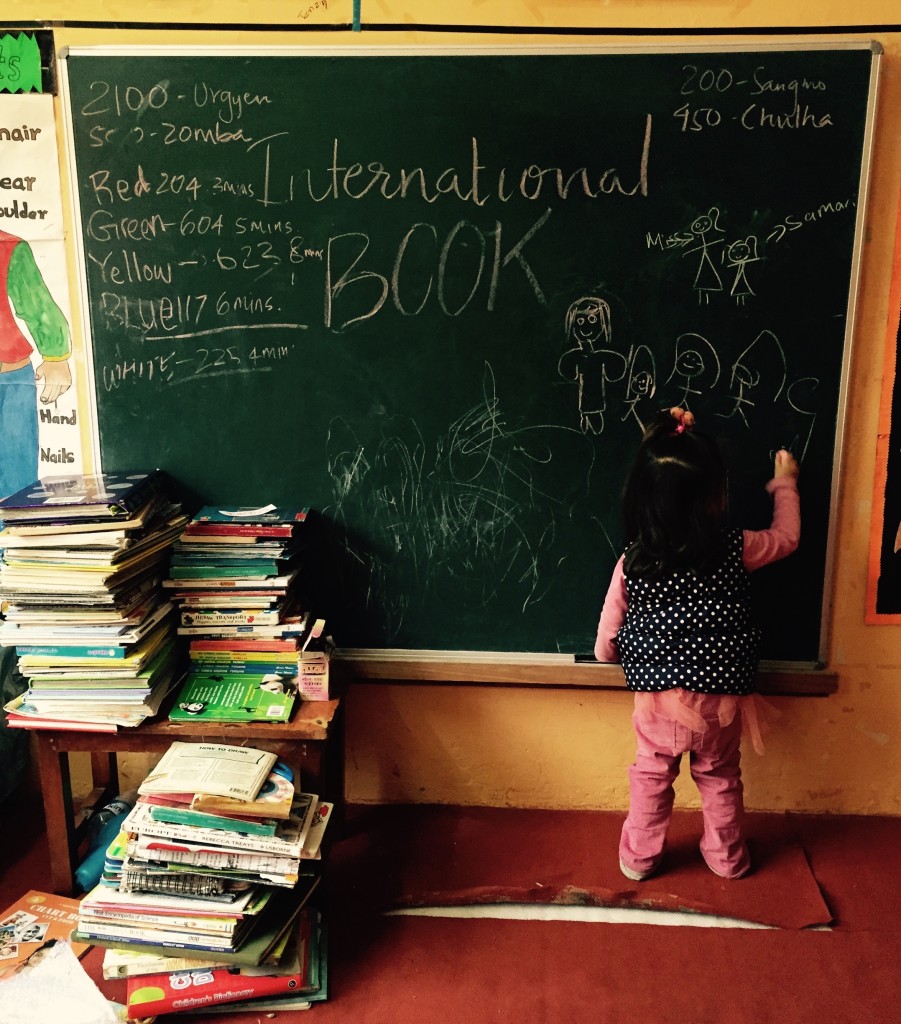
A reading room often has a wider purpose than silent reading. Storytelling, drawing, crafts, music, and simple writing exercises can help children express ideas in different ways. A volunteer may read a short story and then invite children to create a new ending, illustrate a scene, or perform a song connected with the theme.
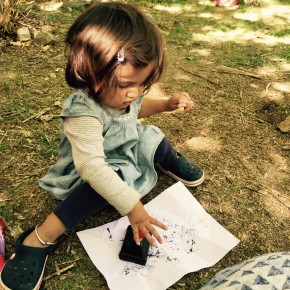
Creative sessions should remain adaptable. Children may have different language abilities, attention spans, and previous experience with art materials. Some will participate immediately, while others may prefer to watch before joining. Encouragement works best when it recognizes effort and curiosity instead of rewarding only polished results.
A helper may also support basic study habits. This can include showing children how to care for books, use a dictionary, organize a notebook, or return materials to the correct shelf. These routines are small, yet they help make the reading room a sustainable community resource.
| Part of the day |
Typical volunteer role |
Skills and qualities involved |
| Preparing the room |
Arrange books, materials, cushions, and activity areas |
Organization, reliability, care |
| Welcoming visitors |
Greet children and explain available choices |
Warmth, patience, communication |
| Reading time |
Share stories, listen, and discuss books |
Language support, attentiveness, imagination |
| Creative activities |
Assist with art, music, writing, or games |
Flexibility, encouragement, preparation |
| Closing routine |
Tidy resources and note useful observations |
Responsibility, teamwork, respect for materials |
Working respectfully with the local community
Volunteering in Ladakh requires cultural awareness. The region includes diverse communities, languages, religious traditions, and educational settings. A visitor may arrive with useful experience, but local staff, teachers, families, and community members understand the setting best. Their guidance should shape the volunteer’s approach.
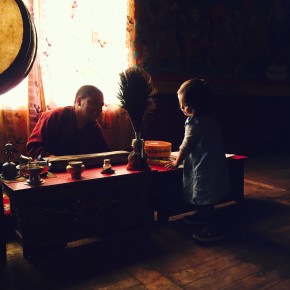
Respect also means learning when to observe. In a school or monastery-linked environment, photographs, conversations, and activities may require permission. Children should never be treated as subjects for a volunteer’s personal story or social media account. Their privacy, dignity, and safety come first.
A good volunteer avoids presenting outside ideas as automatic solutions. Books and activities should complement local priorities, and donated materials need to be suitable for the children who will use them. Listening carefully can reveal which resources are genuinely helpful, whether that means early readers, reference books, art supplies, or music equipment.
Managing the practical realities
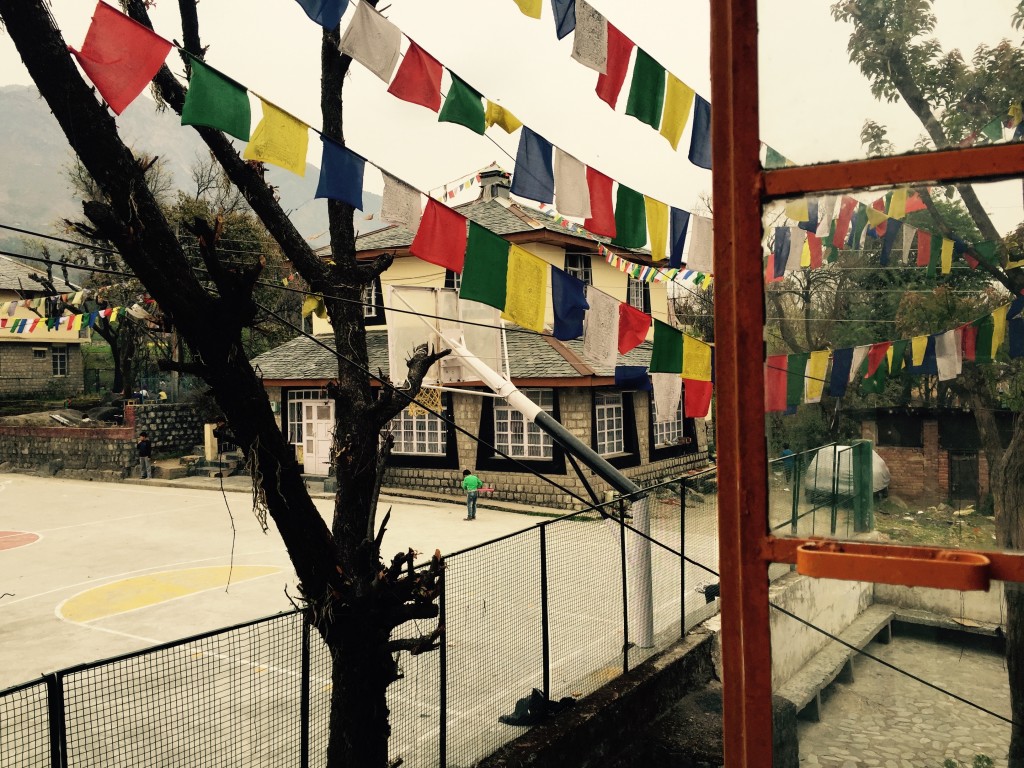
A day in a mountain reading room may not follow a fixed schedule. Roads can be affected by weather, electricity may be unreliable, and supplies may take time to reach remote communities. Volunteers need to remain calm when plans change and be ready to use simple alternatives.
Altitude is another important consideration. New arrivals may experience fatigue, headaches, breathlessness, or reduced concentration. Rest, hydration, gradual acclimatization, and attention to medical advice are essential. A volunteer who looks after their own health is better able to support children consistently.
Resources should be used thoughtfully. Books must be handled carefully, craft supplies should be distributed fairly, and activities can be designed around materials already available. Creativity often matters more than elaborate equipment. A story circle, drawing exercise, or conversation about a favorite book may require very little while creating a lasting impression.
Making the afternoon meaningful
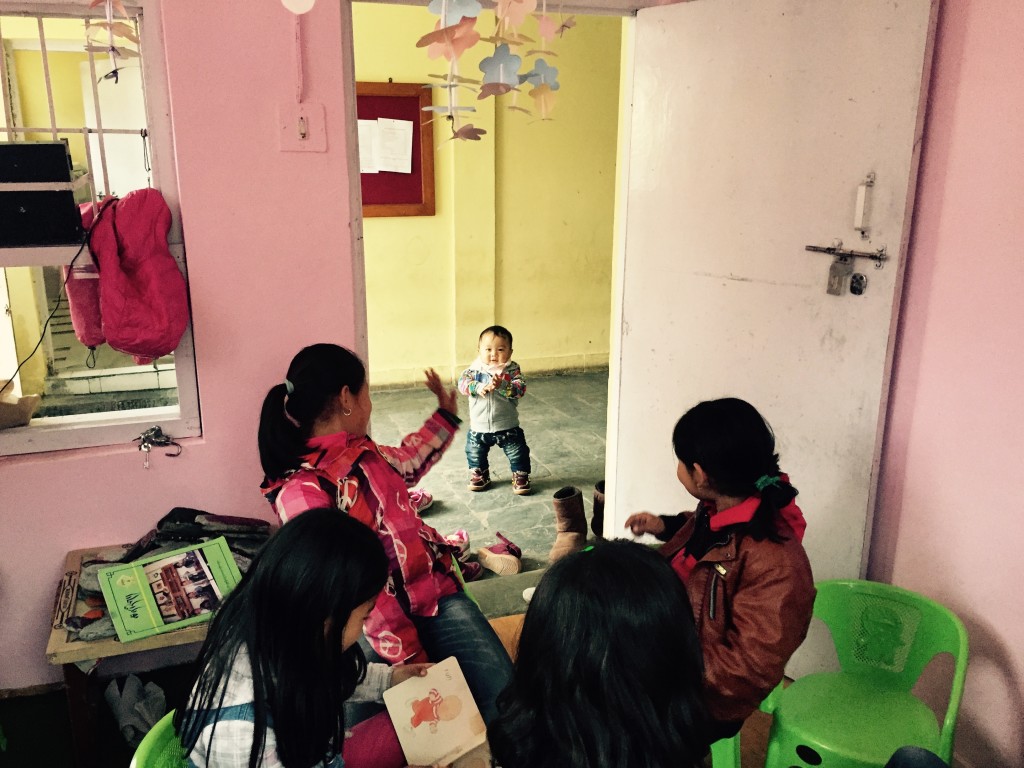
As the main session continues, the reading room helper may move between several roles. One moment may involve listening to a child read; the next may require settling a lively group, helping with a puzzle, or finding a book on a particular subject. The ability to shift attention without losing patience is central to the work.
Children often return to favorite stories, repeat familiar games, or ask the same questions several times. This repetition is part of learning. It builds fluency, confidence, and a sense of ownership. Volunteers should welcome these patterns while gently introducing new books and activities when children are ready.
The most meaningful progress may be subtle. A quiet child may eventually read aloud to a friend. A young visitor who once avoided books may begin browsing independently. Someone may discover a talent for drawing, rhythm, storytelling, or explaining ideas. These moments demonstrate why consistent access to books and creative learning matters.
Closing the room and carrying the work forward
At the end of the day, volunteers return books to their places, collect art materials, check the room, and share observations with the coordinator. Notes can help identify popular titles, damaged resources, emerging interests, or children who may benefit from additional encouragement. This information supports continuity after a volunteer leaves.
Closing time can also be reflective. A helper may think about how a book was received, whether an activity allowed everyone to participate, or how instructions could be made clearer next time. The purpose is not to measure the day only by completed tasks. Relationship-building and trust develop gradually.
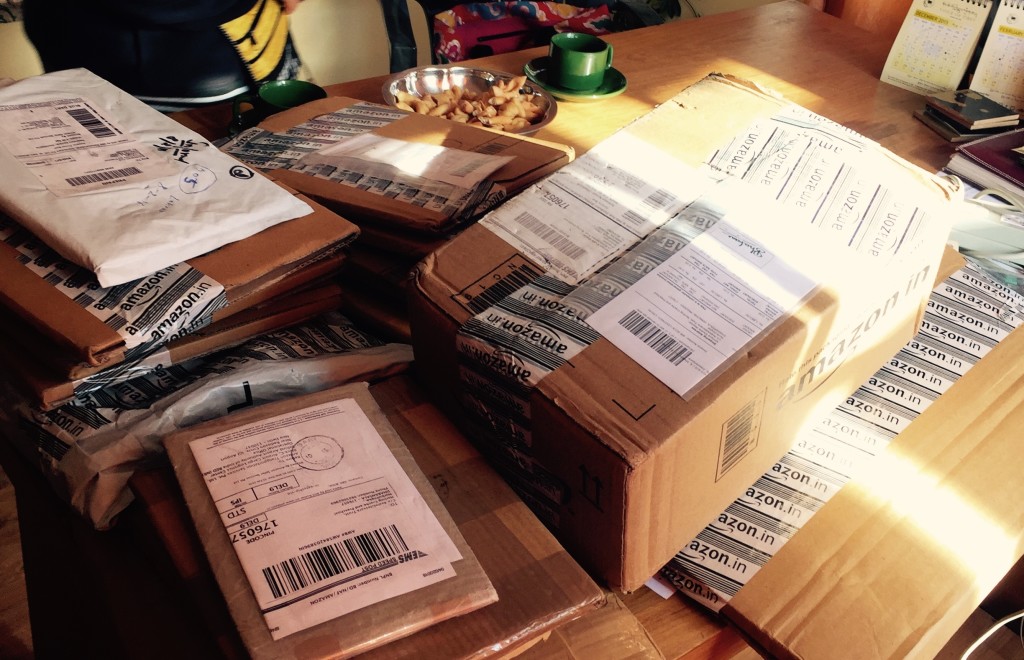
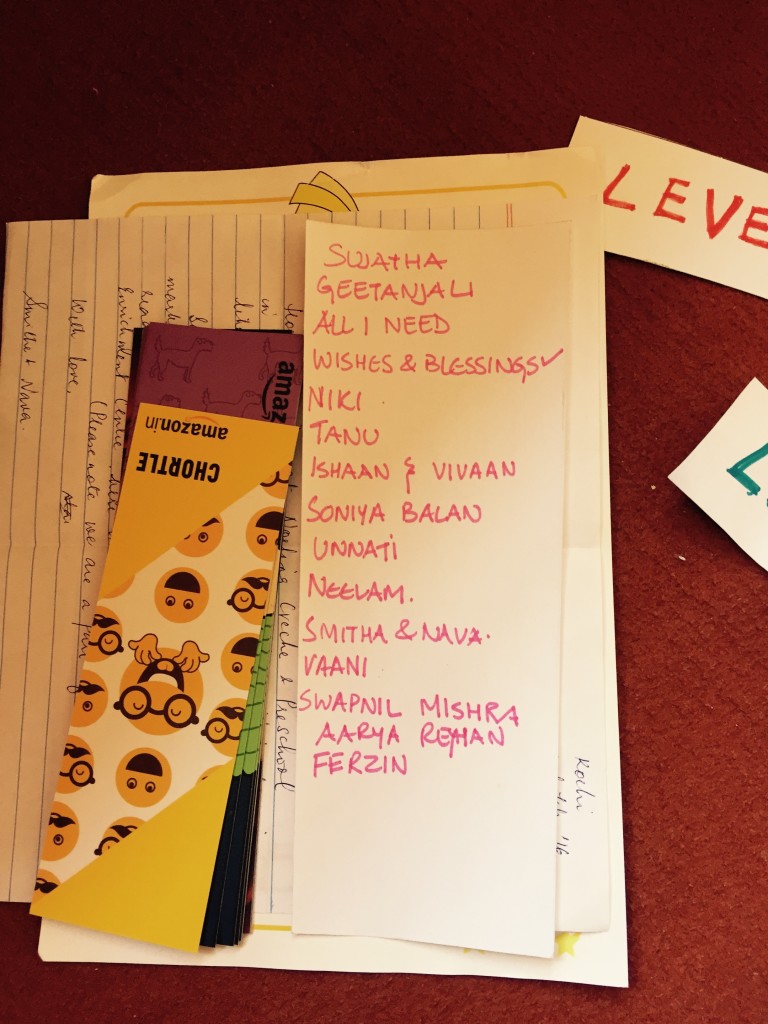
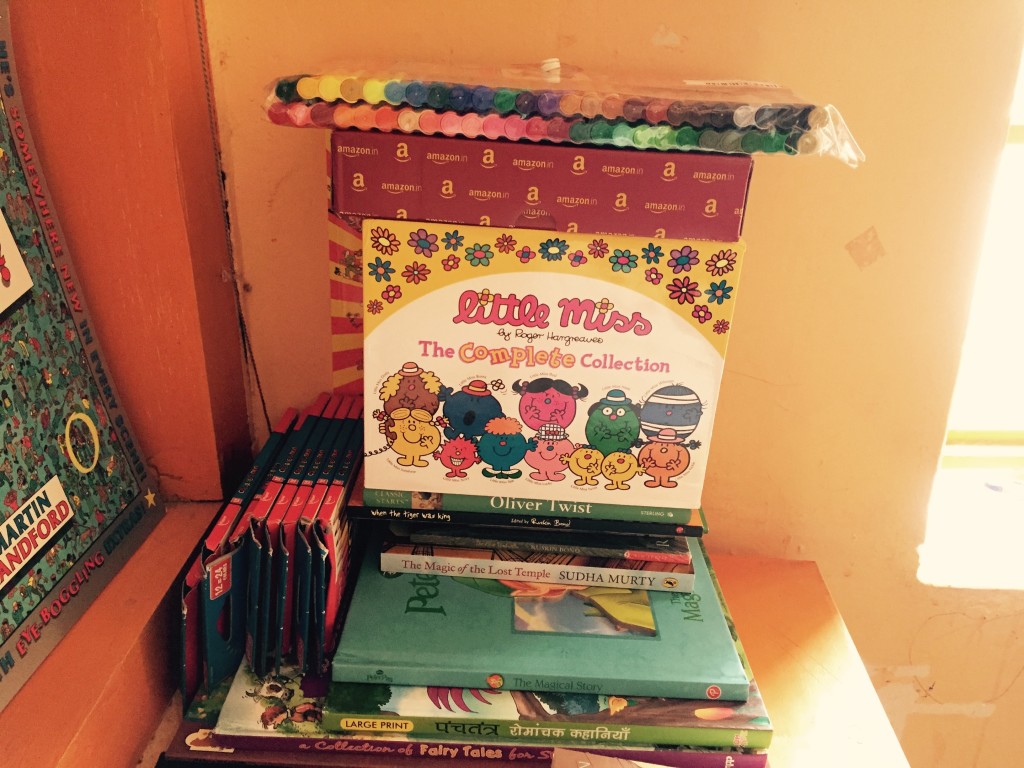
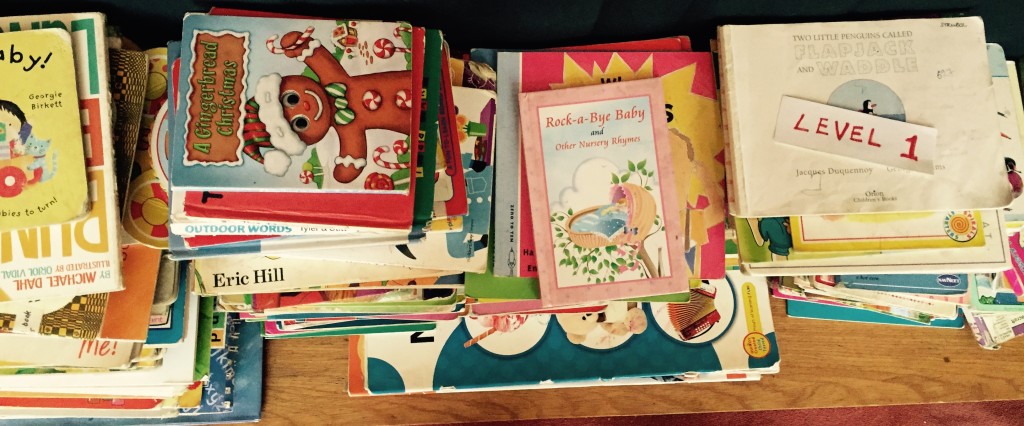
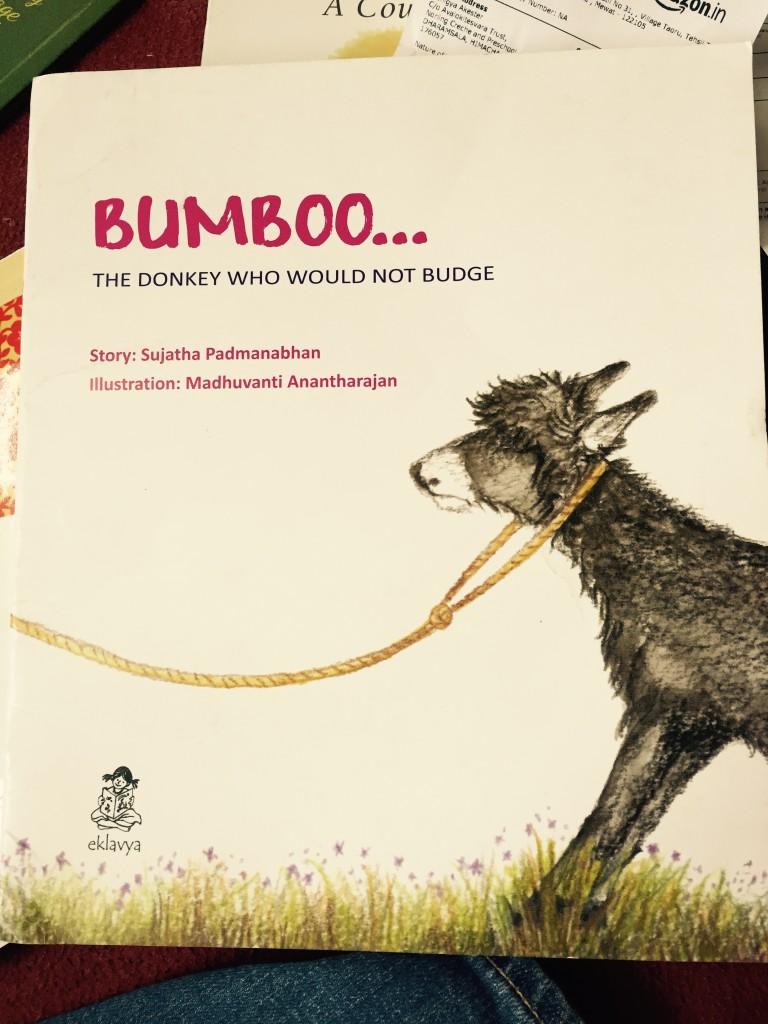
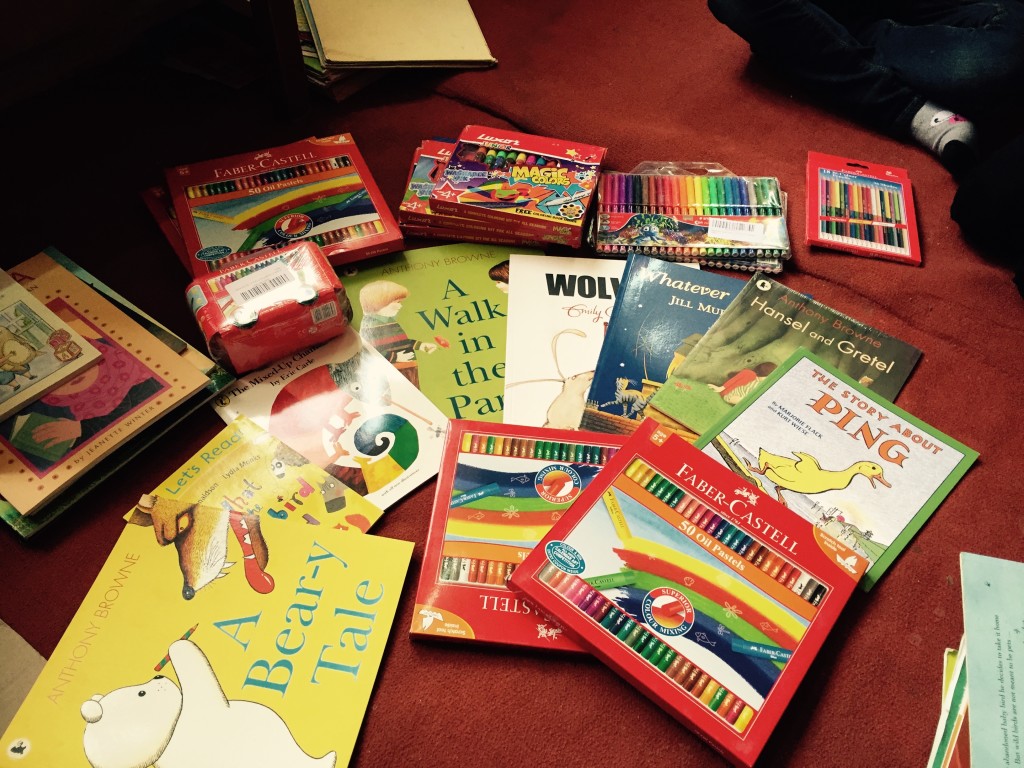
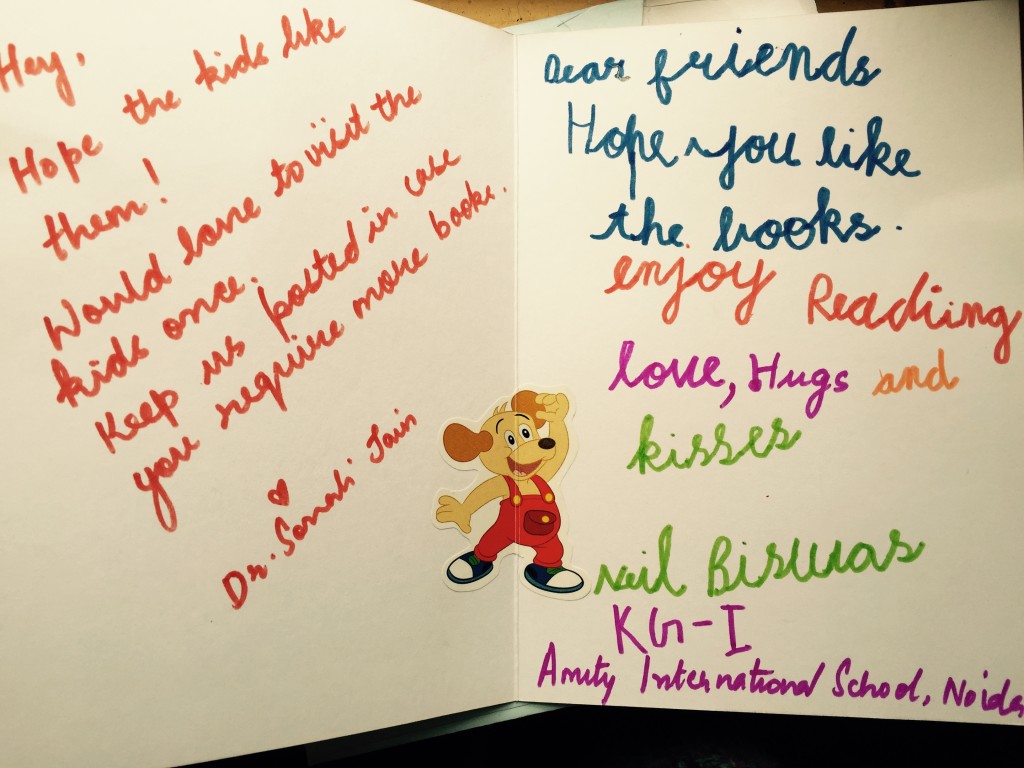
People who cannot travel to Ladakh can still support the same work. Donations may help provide books, shelving, transportation, art materials, musical instruments, and training. Book drives can be organized with attention to language, age suitability, condition, and local demand, ensuring that generous contributions become useful resources rather than an unwanted burden.
Habits that make a thoughtful volunteer
- Learn about altitude, local customs, appropriate clothing, and travel conditions before arrival.
- Follow the guidance of local coordinators, teachers, and community partners in every activity.
- Choose encouragement, listening, and patience instead of rushing children through books or tasks.
- Ask permission before taking photographs and protect children’s privacy in every setting.
- Keep resources organized, use materials carefully, and share observations that can help future sessions.
A reading room helper’s day is built from ordinary actions: opening a door, placing a book in a child’s hands, listening to a story, or making space for a new idea. In Ladakh, these actions take place within a distinctive Himalayan landscape, yet their purpose is universal. They help children feel that books, creativity, and learning belong to them.
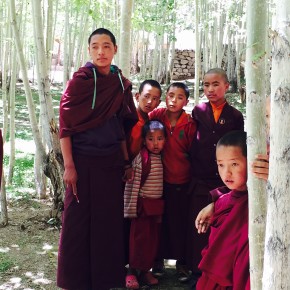
If you would like to contribute, explore Avalokiteśvara Trust’s volunteer opportunities, support its book and education initiatives, or help fund reading rooms for children and young monks. Your time, skills, or donation can help keep a welcoming space open for the next young reader.