Why Outdoor Reading Matters During Ladakh’s Short Summer
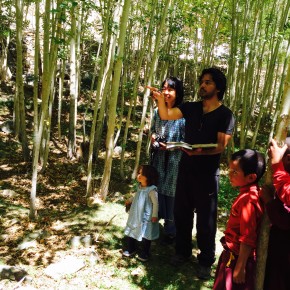
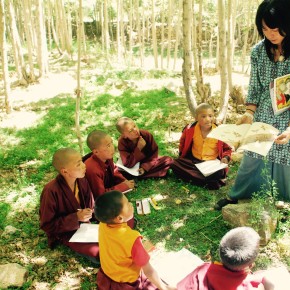
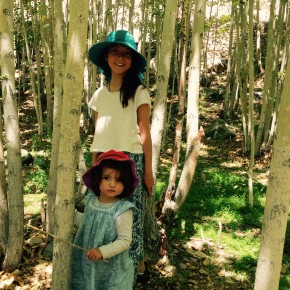
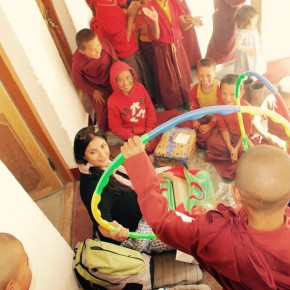
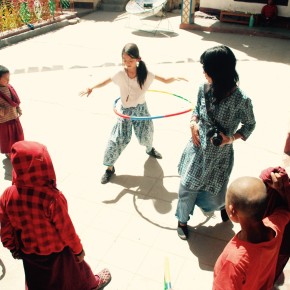
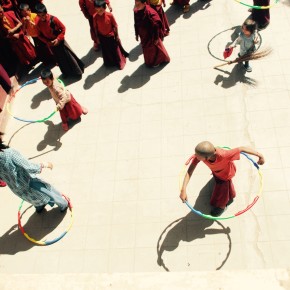
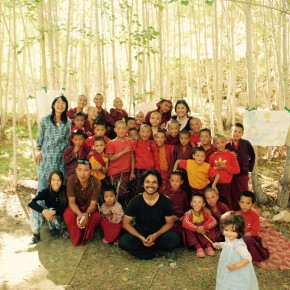
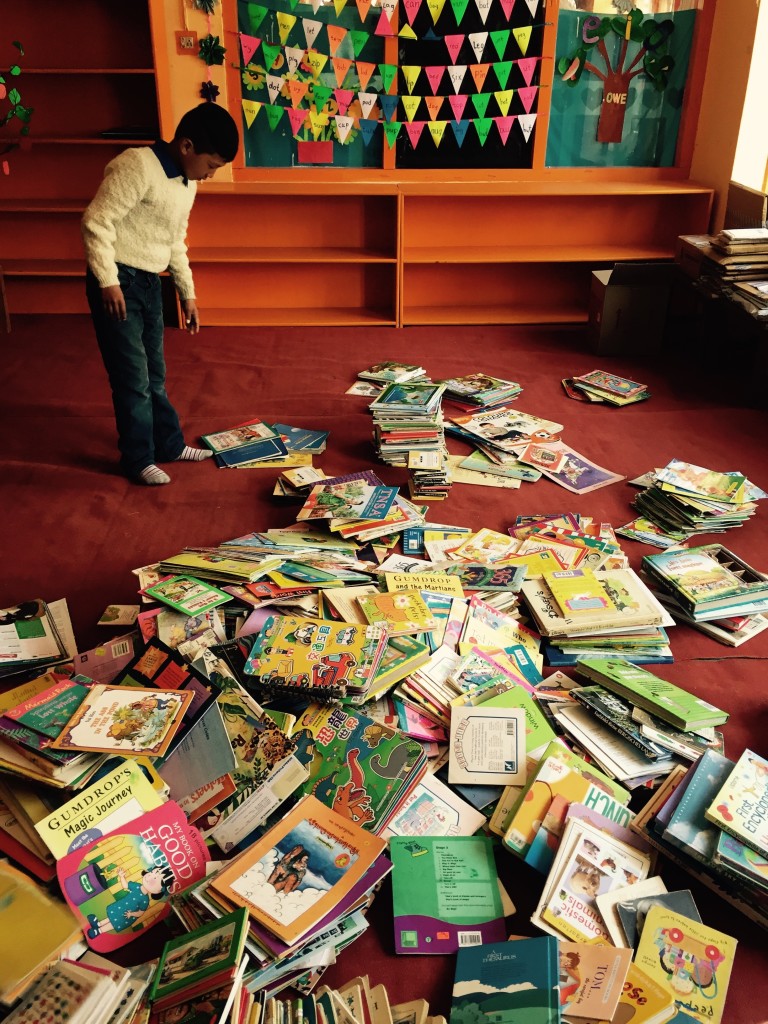
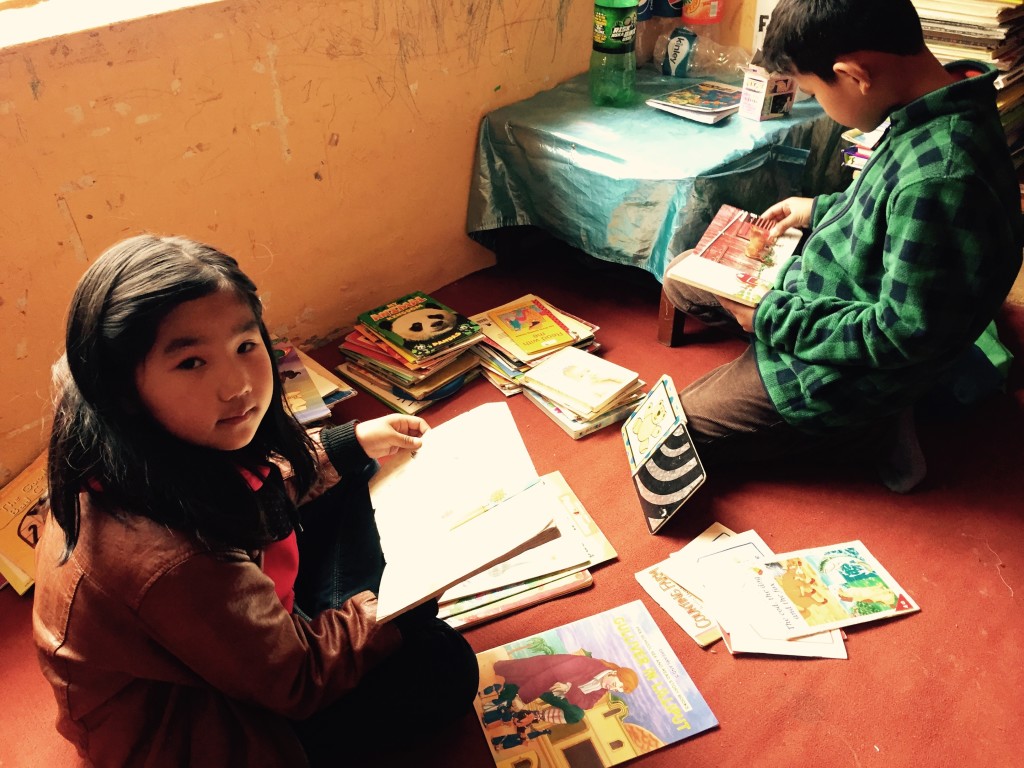
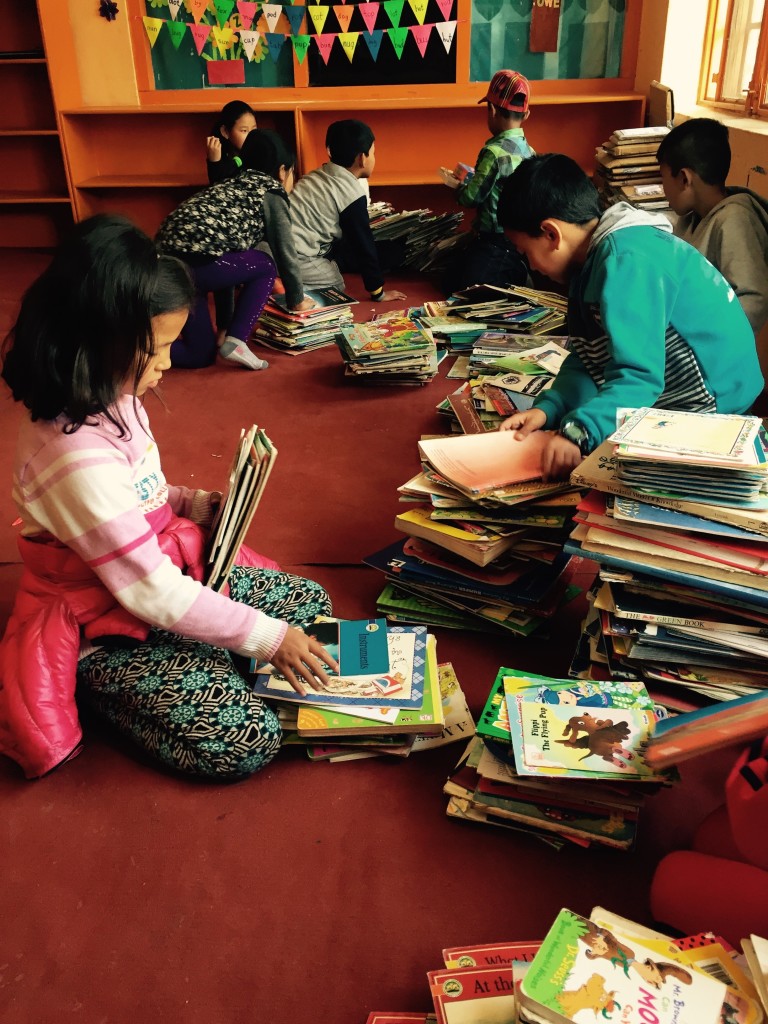
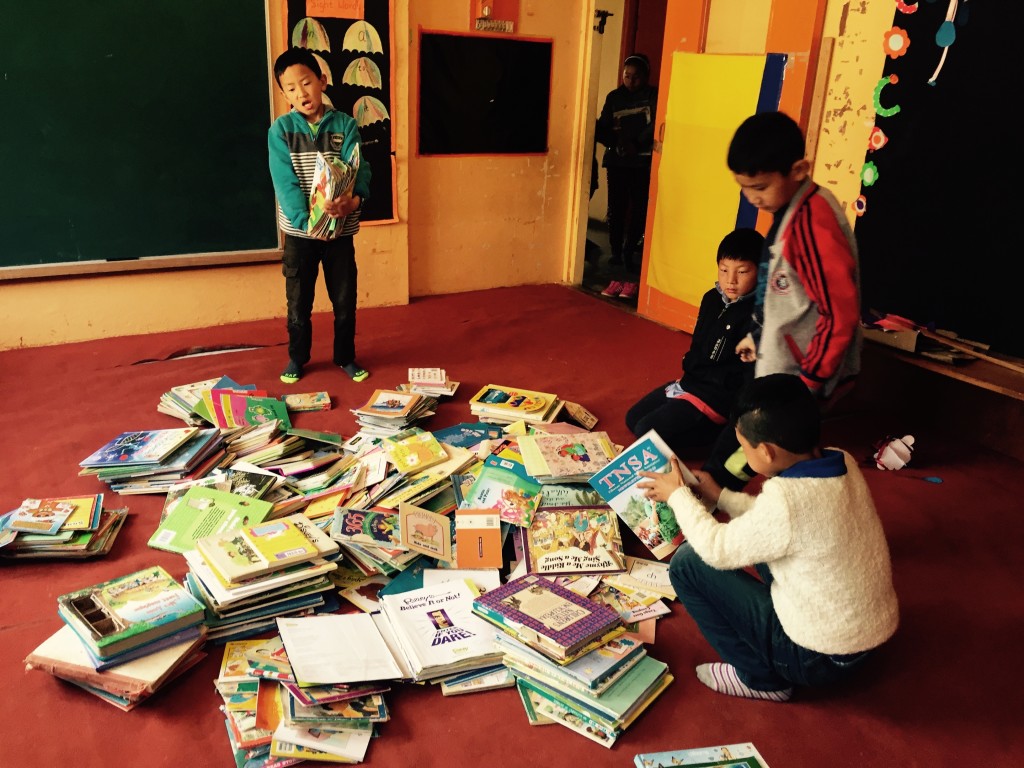
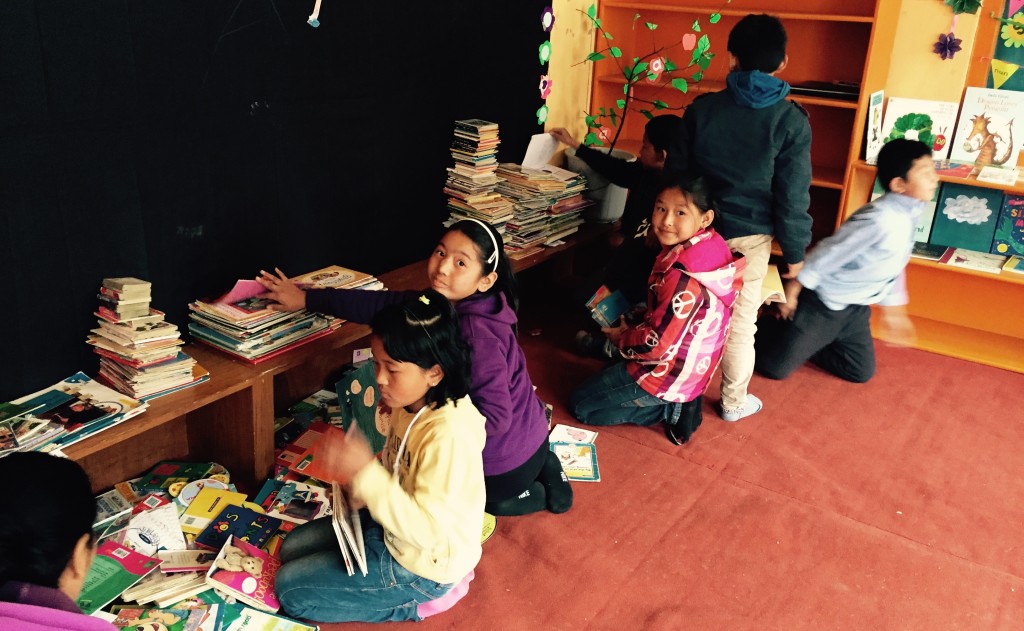
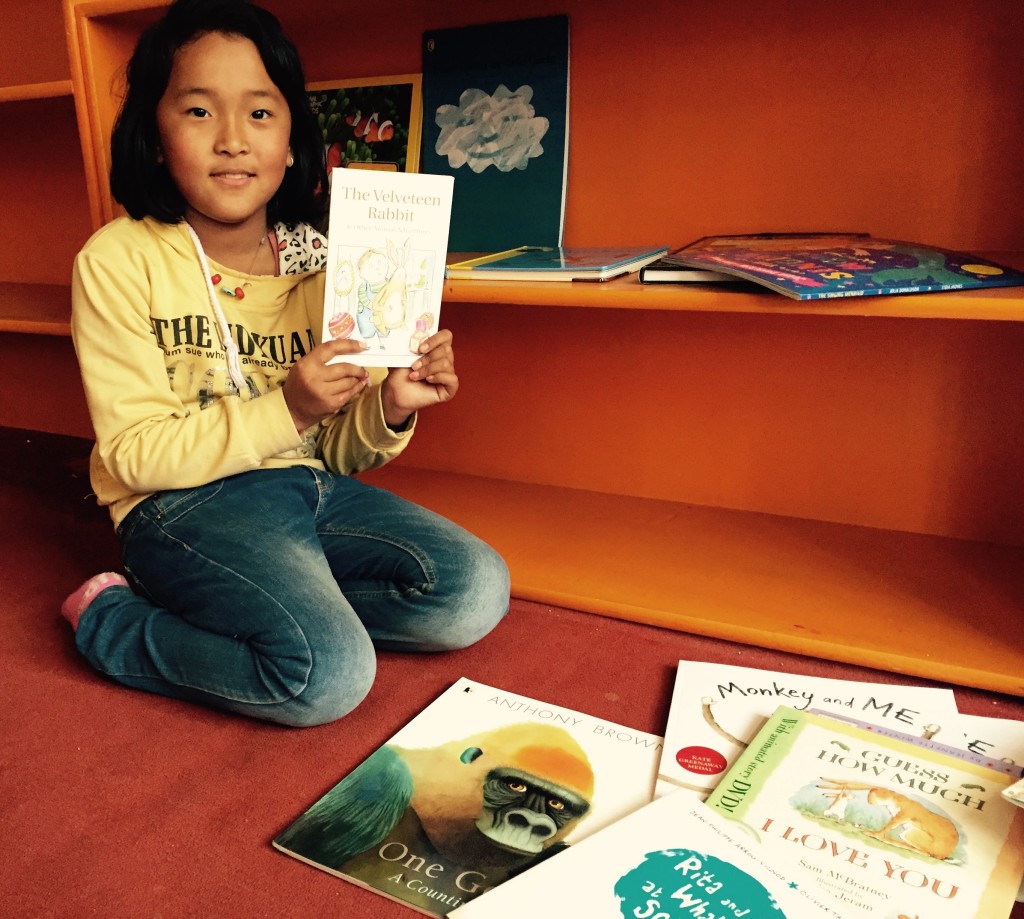
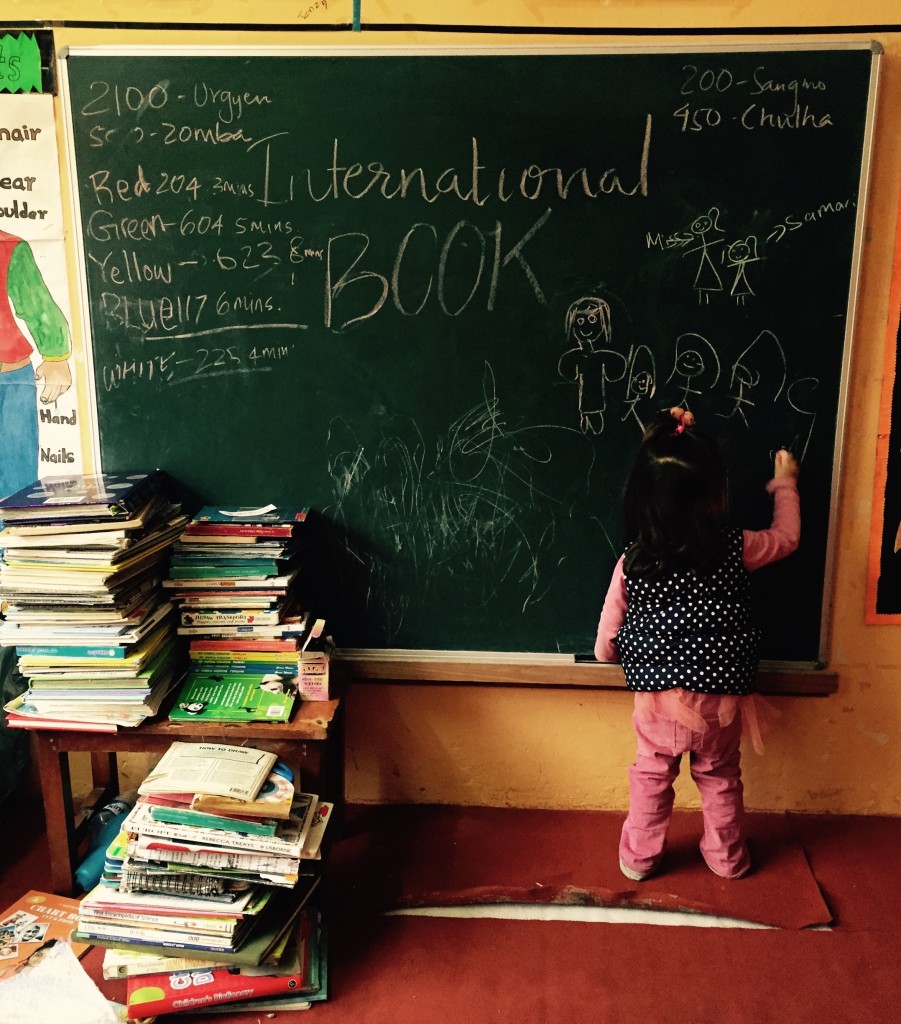
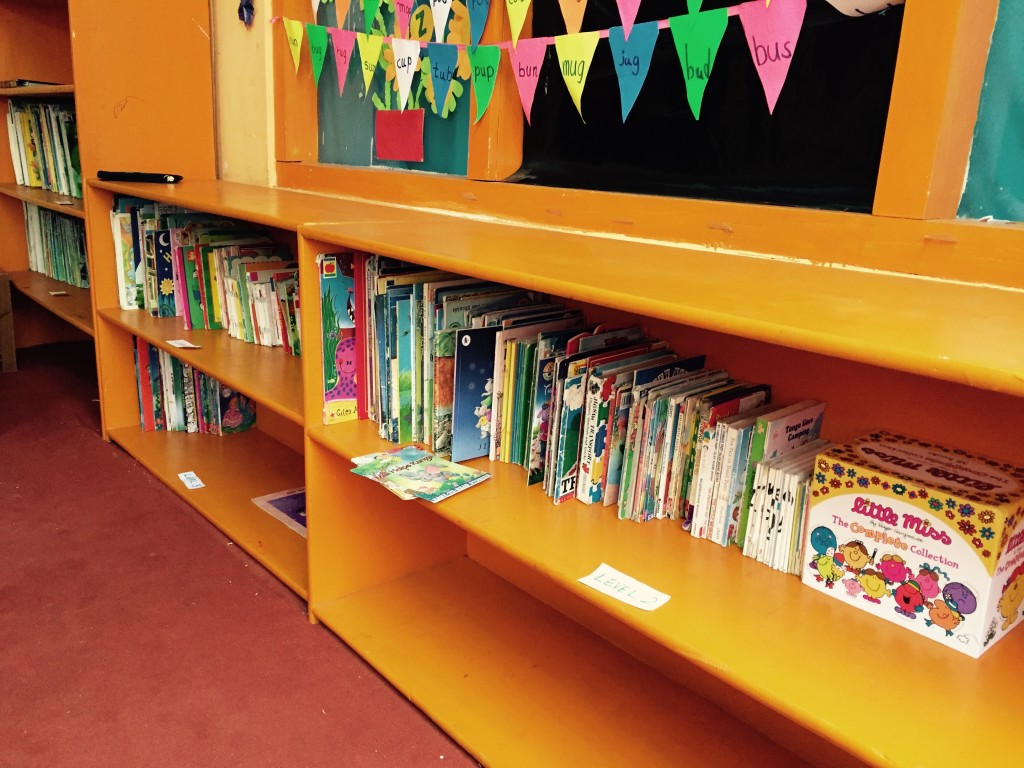
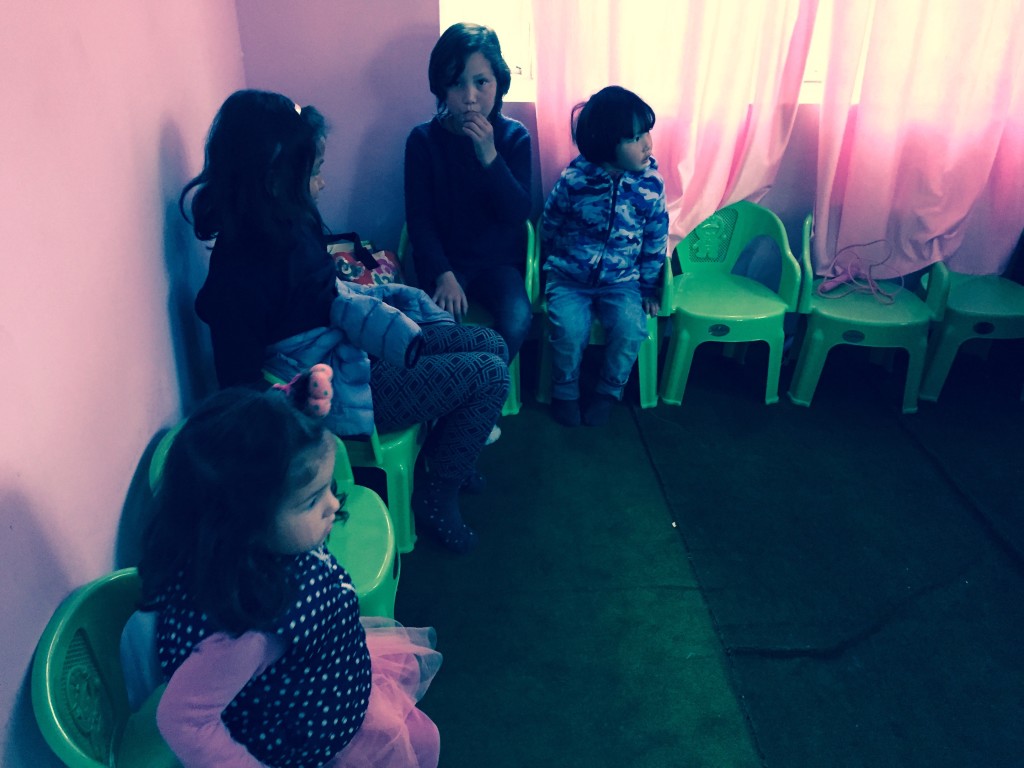
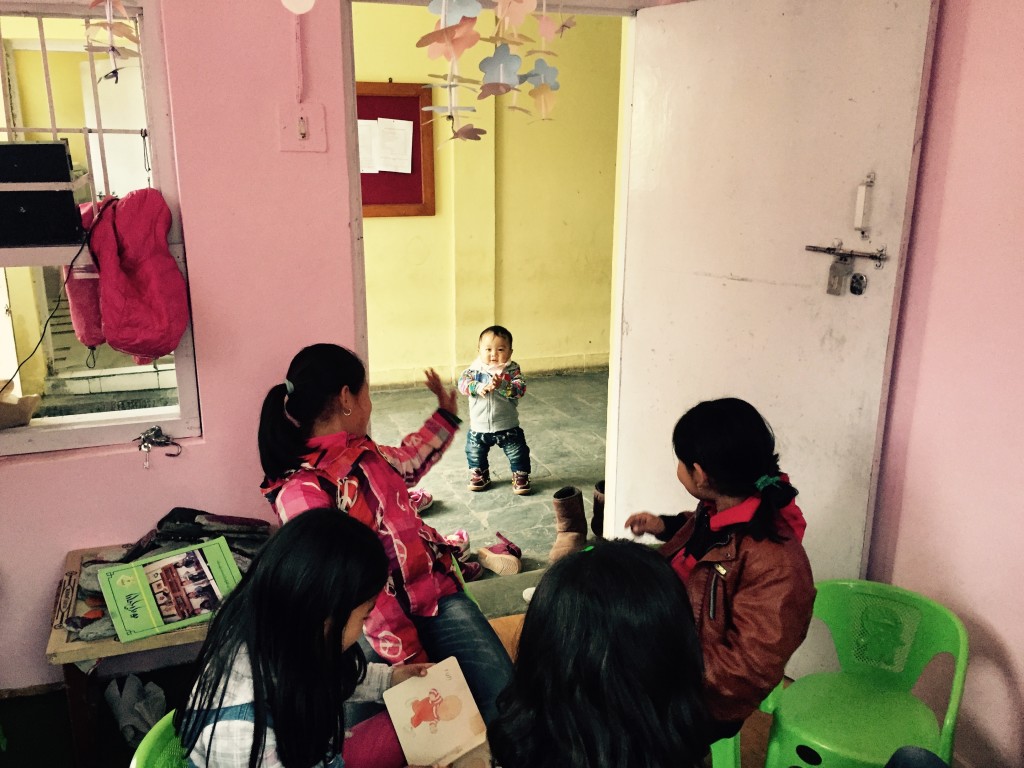
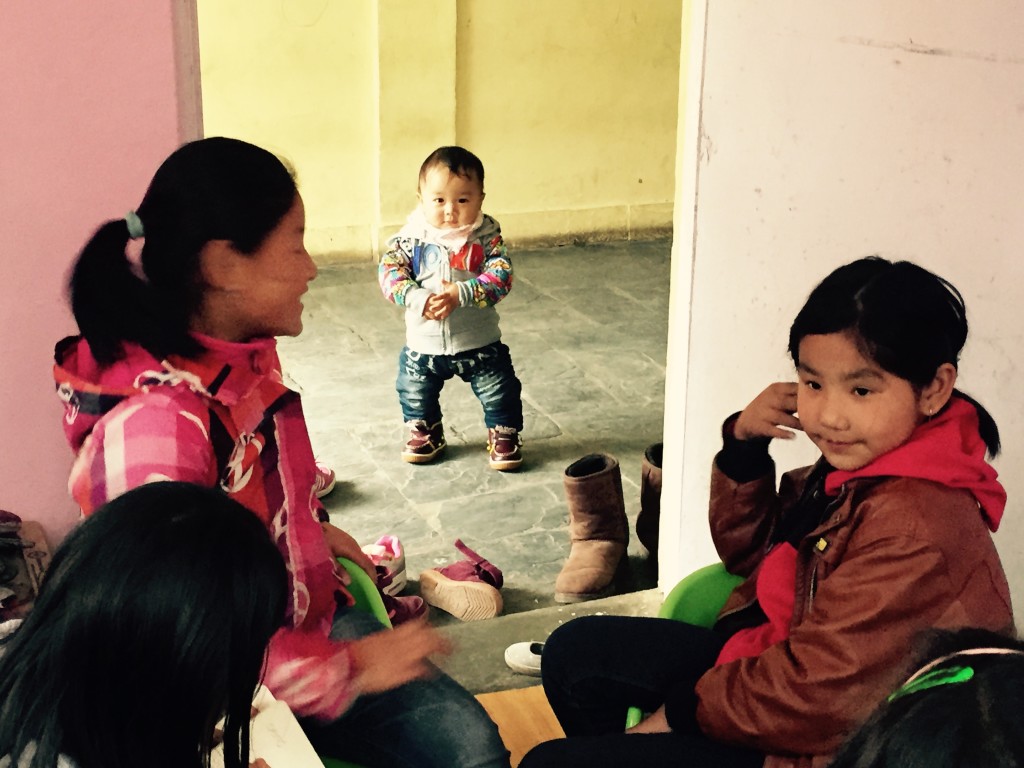
In Ladakh, summer arrives briefly and changes the rhythm of daily life. Snow and freezing temperatures limit outdoor activity for much of the year, while June, July and August offer a narrow window for children to read, play and learn in the open air. For Avalokiteśvara Trust, this season creates a valuable opportunity to take books beyond the reading room.
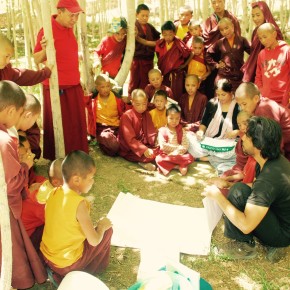
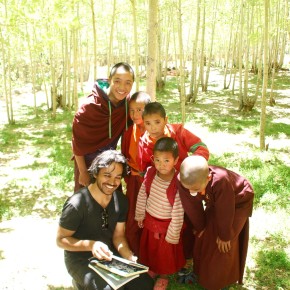
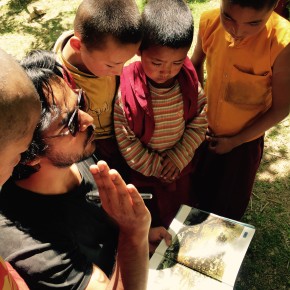
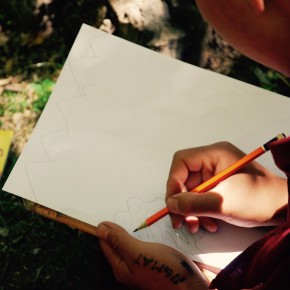
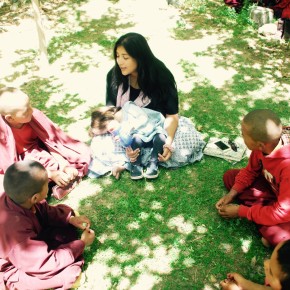
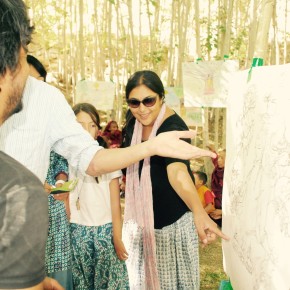
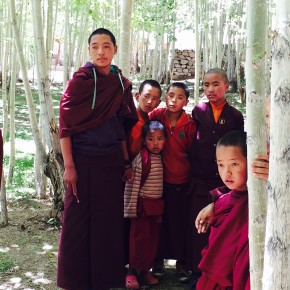
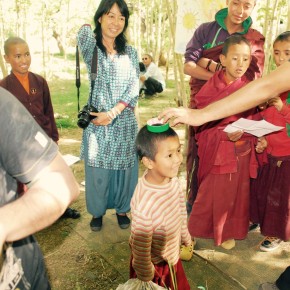
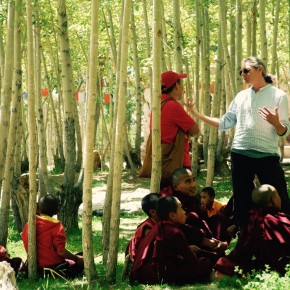
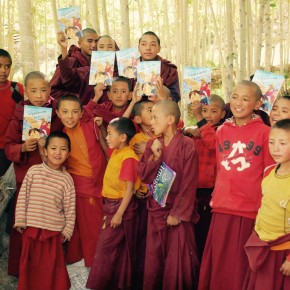
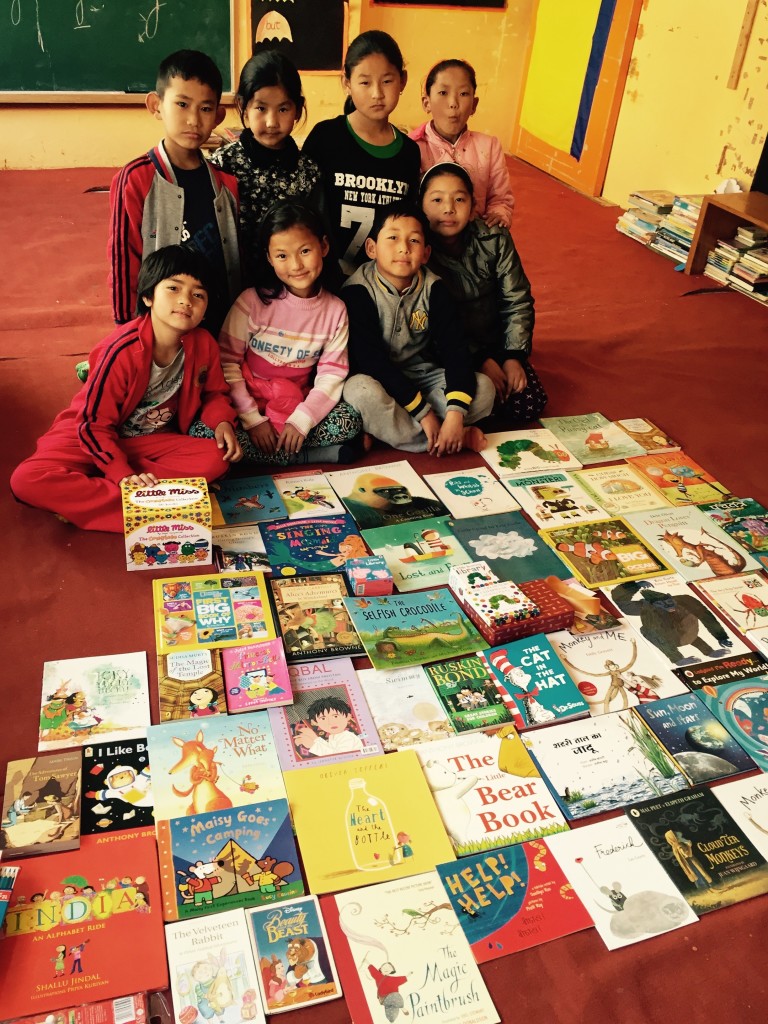
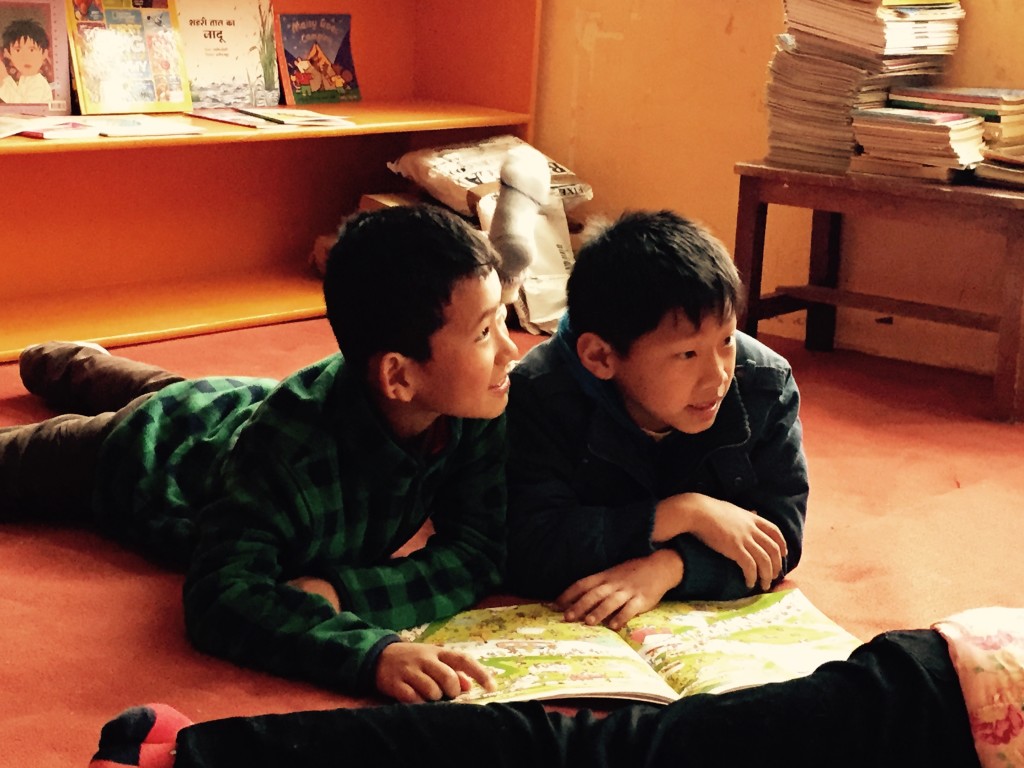
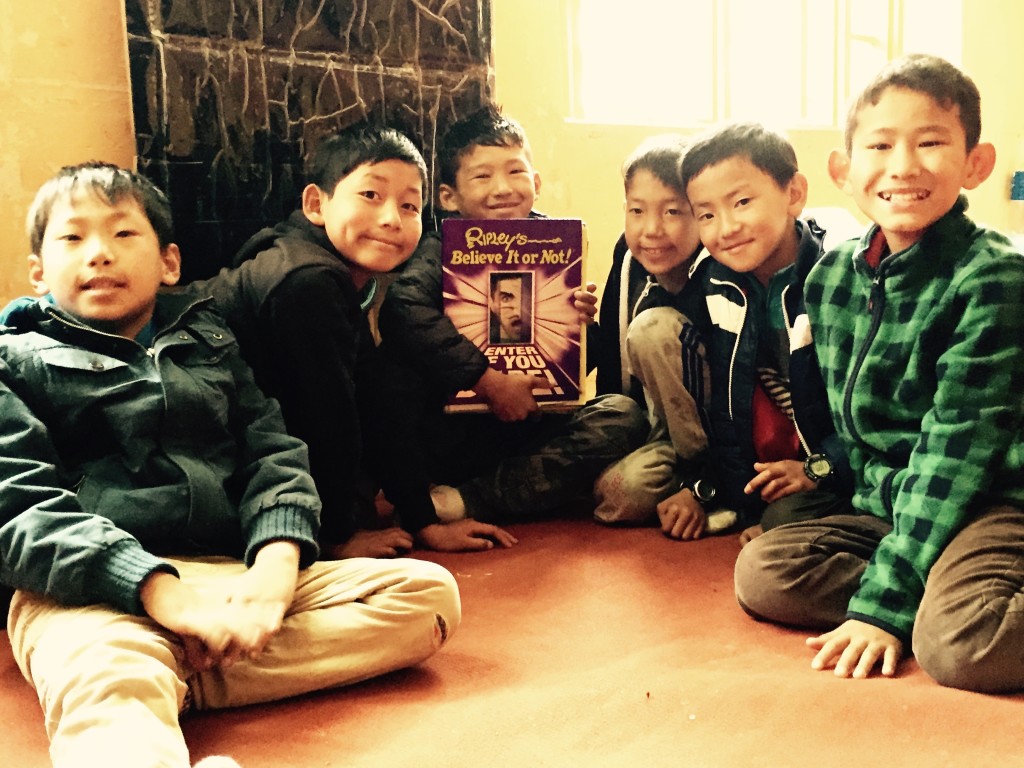
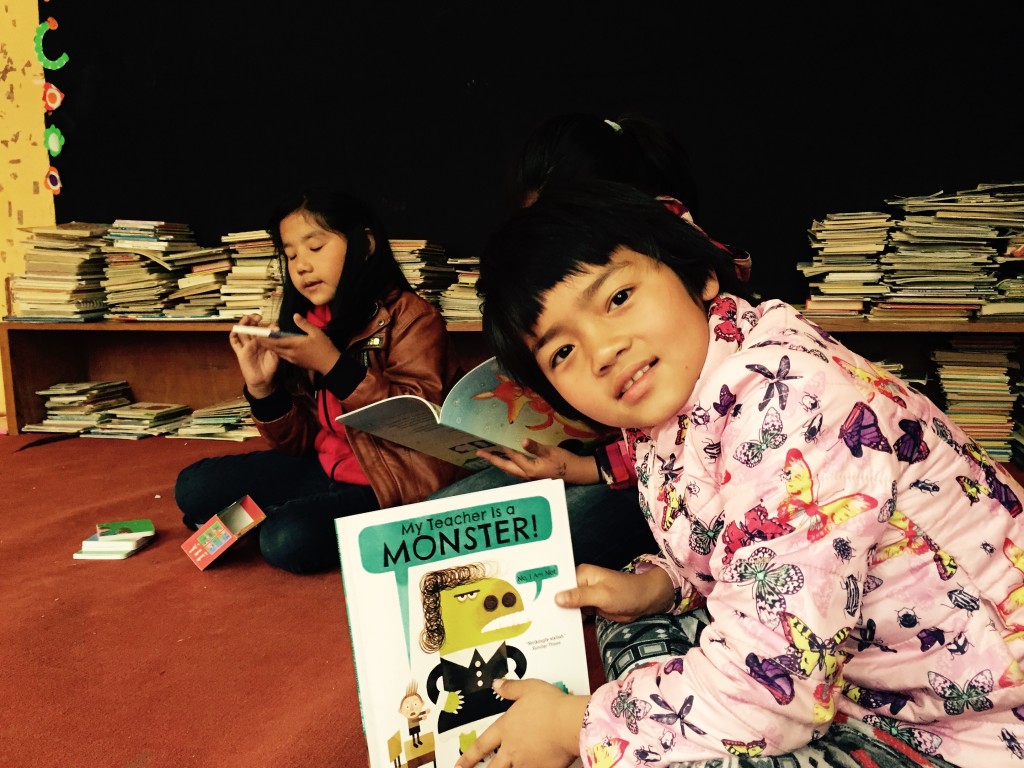
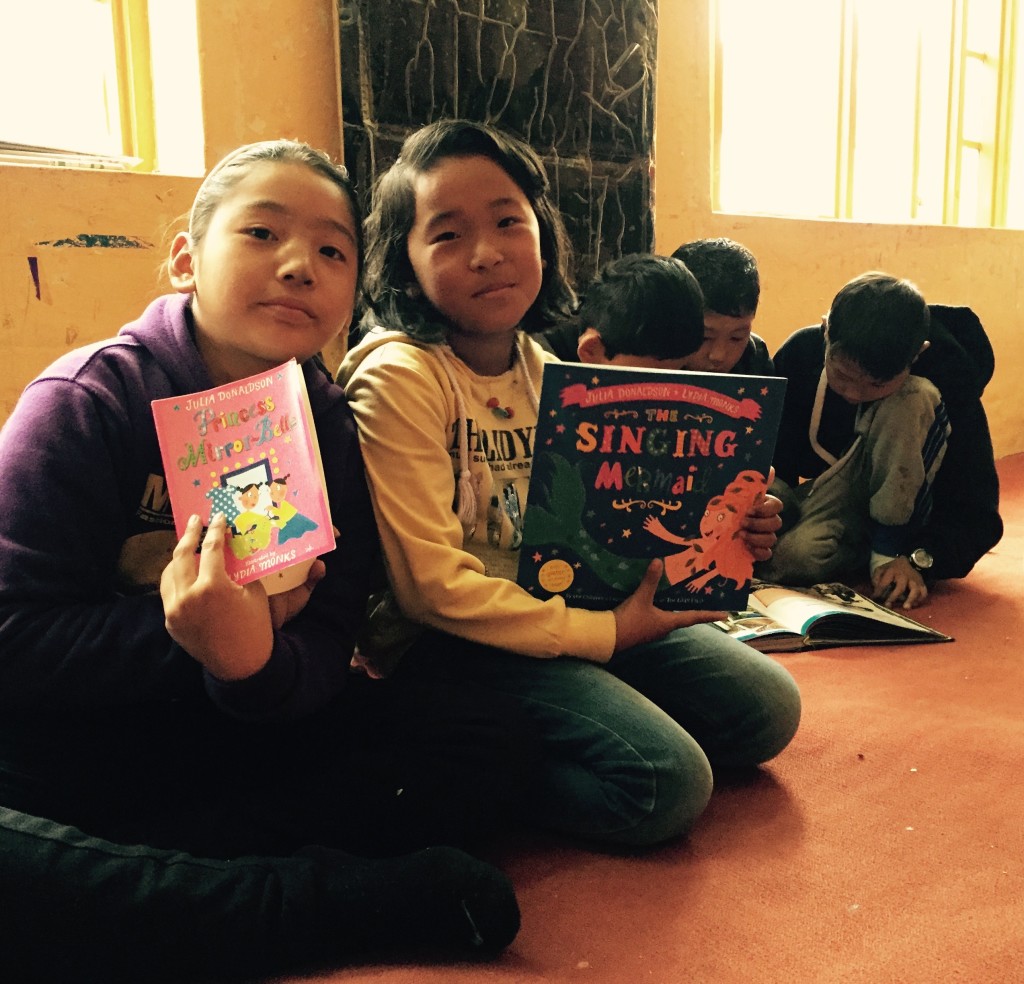
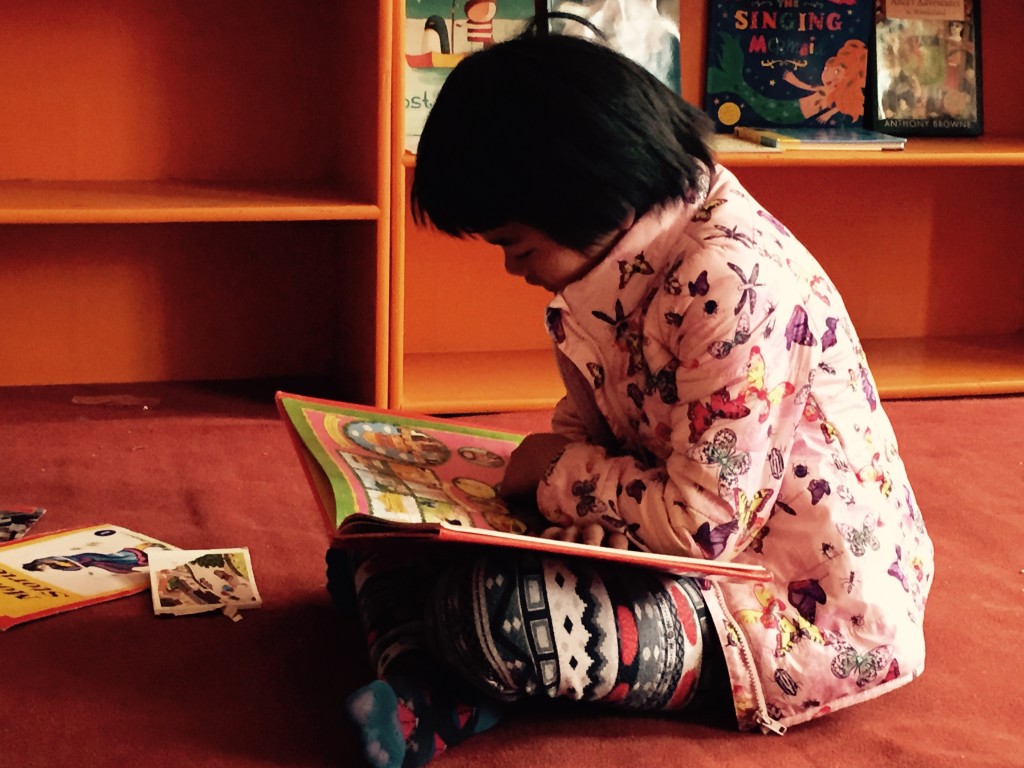
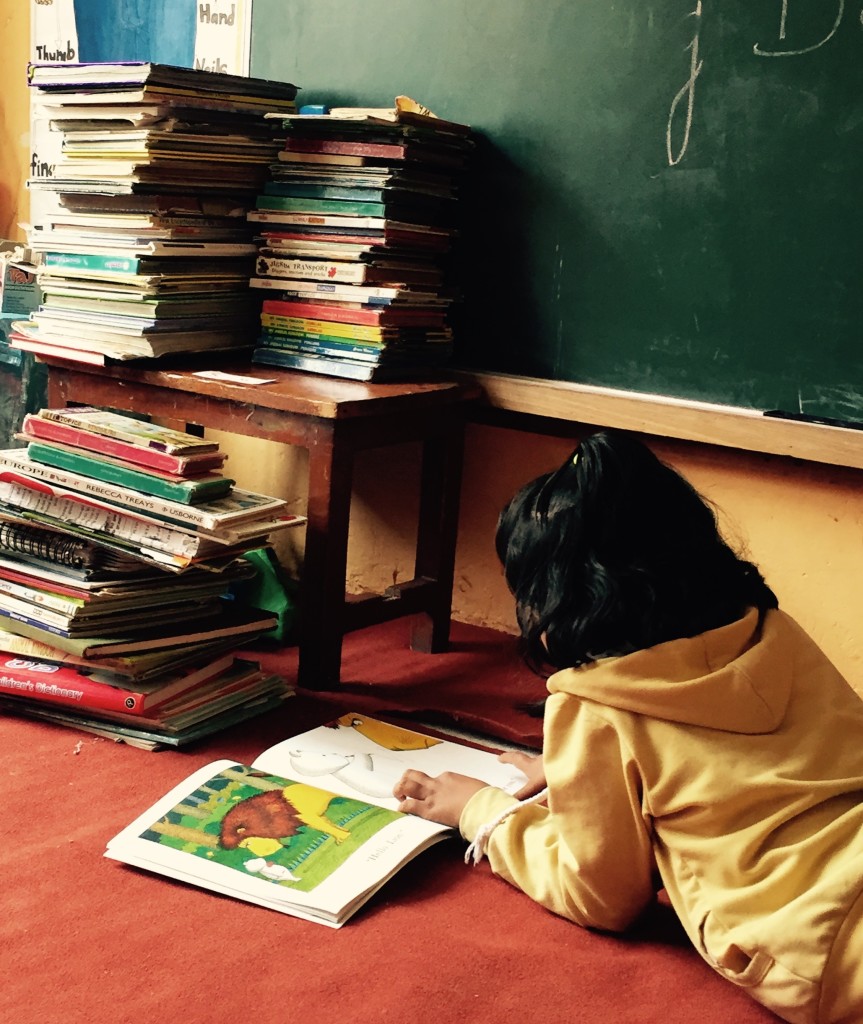
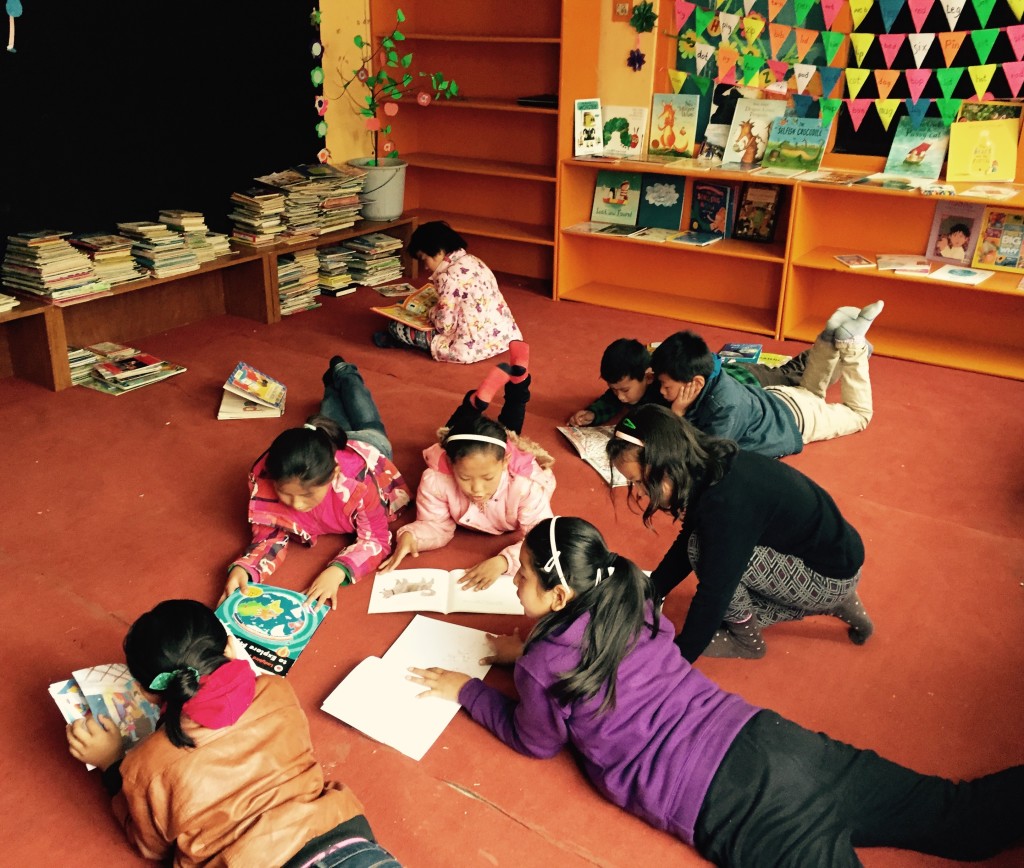
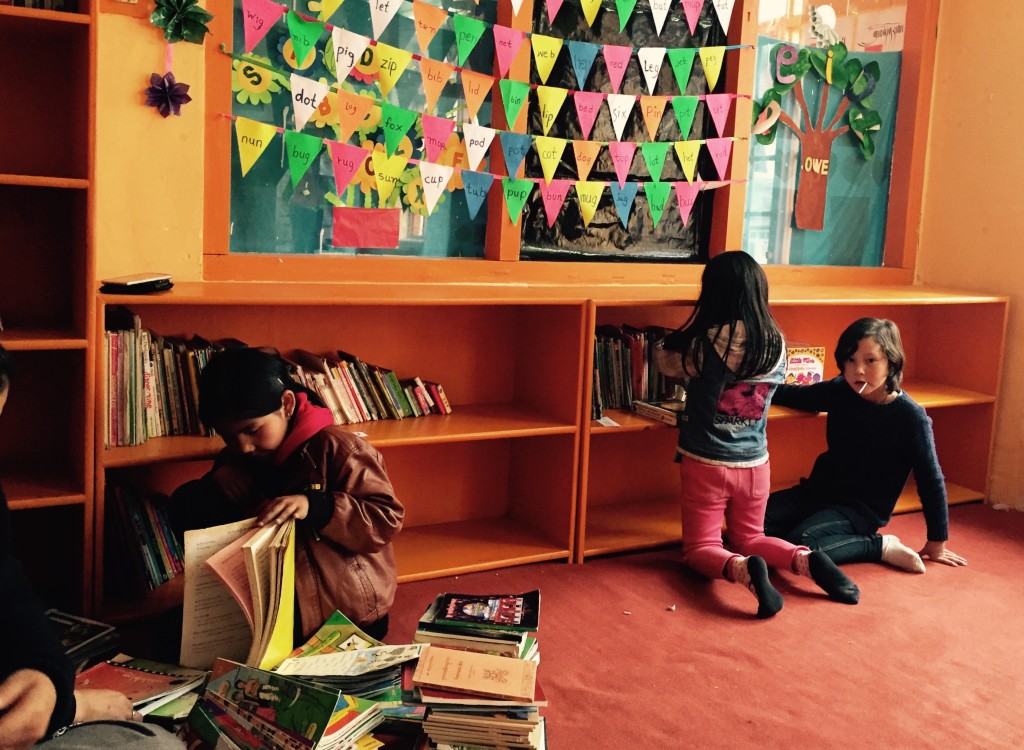
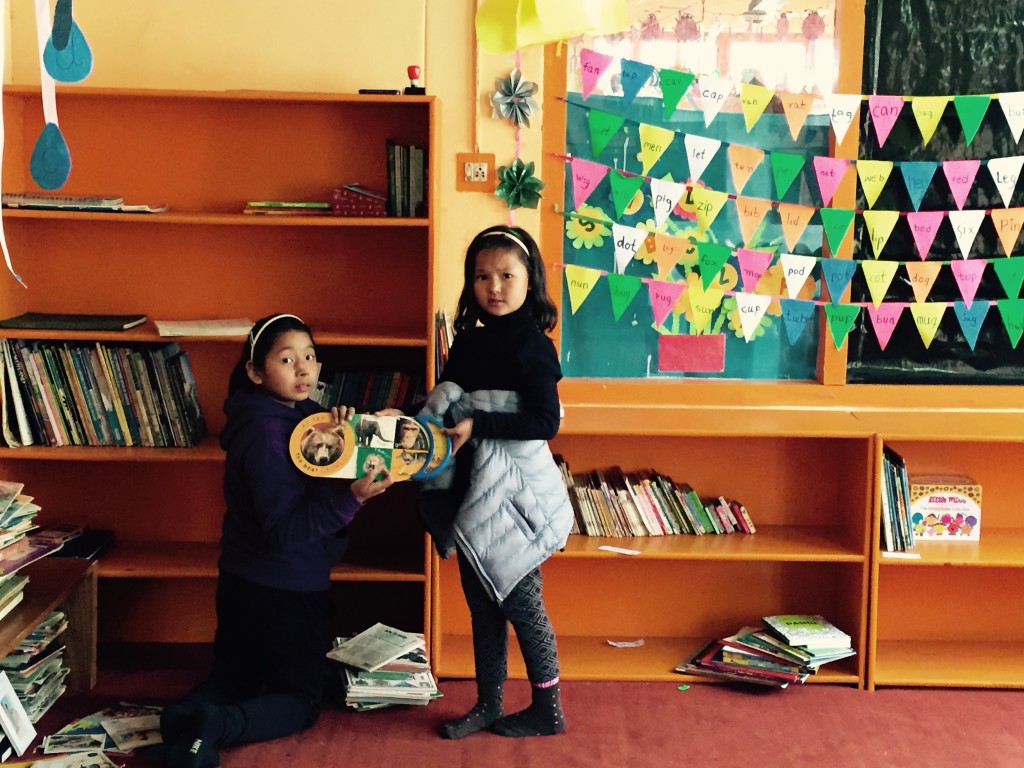
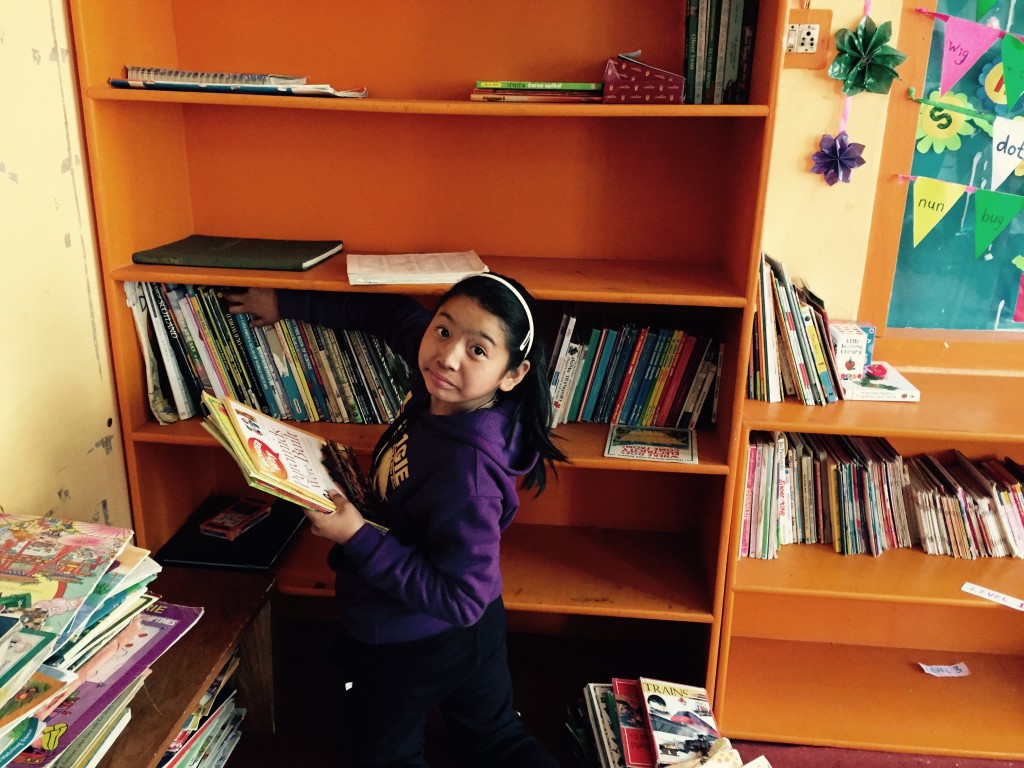
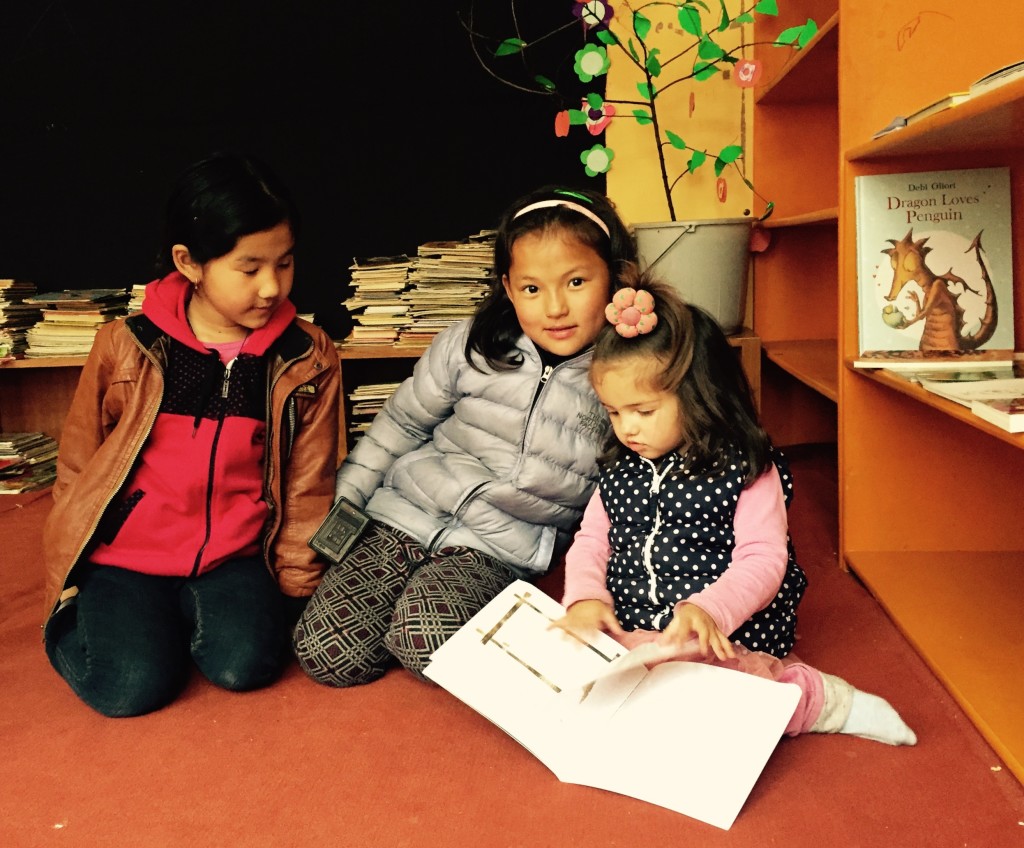
An outdoor reading session is more than a change of scenery. It gives children and young monks space to listen, share stories, draw, ask questions and connect books with the mountains, monasteries and villages around them. Fresh air, natural light and a relaxed setting can make reading feel inviting, especially for children who are still developing confidence with written English or their local languages.
For supporters in Australia, the contrast is easy to picture. While families in Melbourne may be settling into winter routines and school holiday programs, Ladakh’s children are making the most of a short warm season. The comparison below shows why a simple reading circle outside can have such practical value.
| Feature |
Indoor reading session |
Outdoor reading session |
| Available space |
Limited by room size and furniture |
Can include courtyards, gardens and shaded ground |
| Atmosphere |
Quiet and structured |
Relaxed, social and connected to place |
| Learning opportunities |
Focused mainly on books and discussion |
Includes observation, movement, art and storytelling |
| Seasonal value |
Useful throughout the year |
Especially valuable during Ladakh’s brief summer |
| Community participation |
Usually centred on regular attendees |
Can attract families, visitors and passers-by |
Making Use Of A Short Season
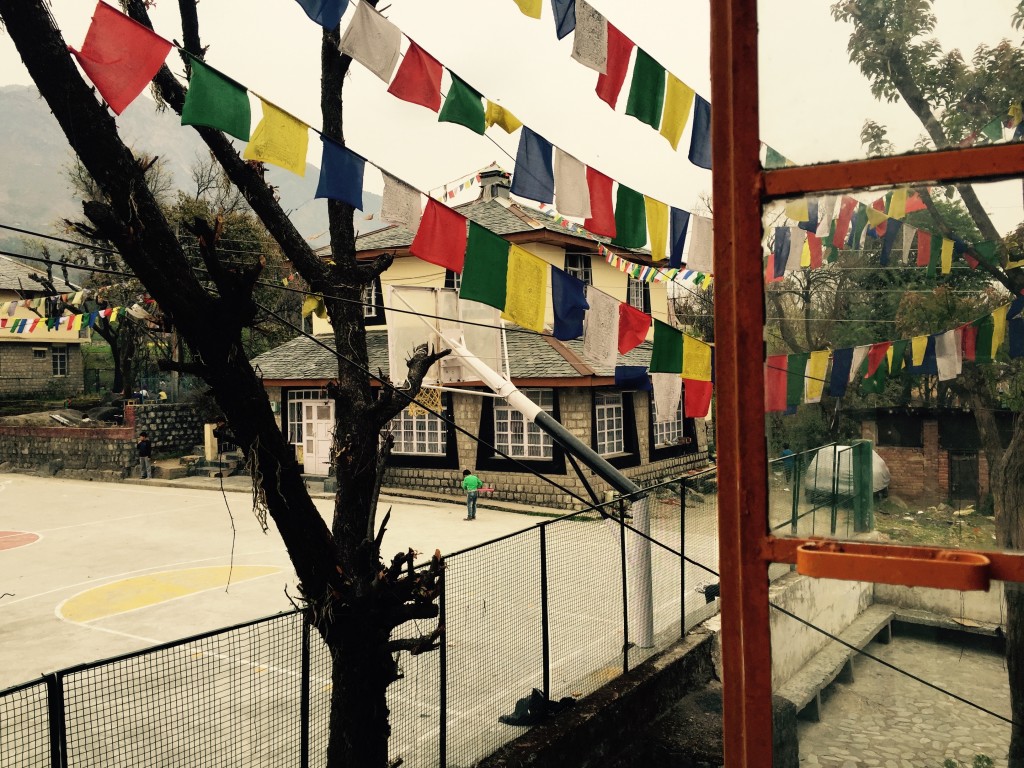
Ladakh’s high-altitude climate shapes nearly every educational activity. Winters can be long, dry and intensely cold, and many communities have limited daylight for outdoor gatherings. When temperatures rise, the chance to sit outside with a book becomes precious rather than ordinary.
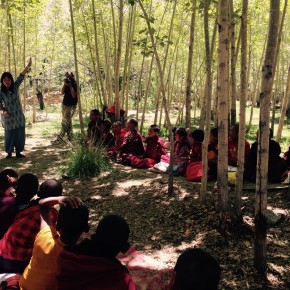
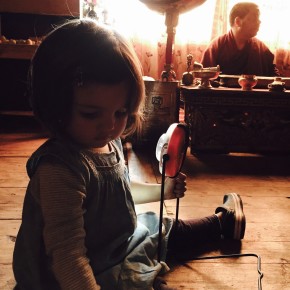
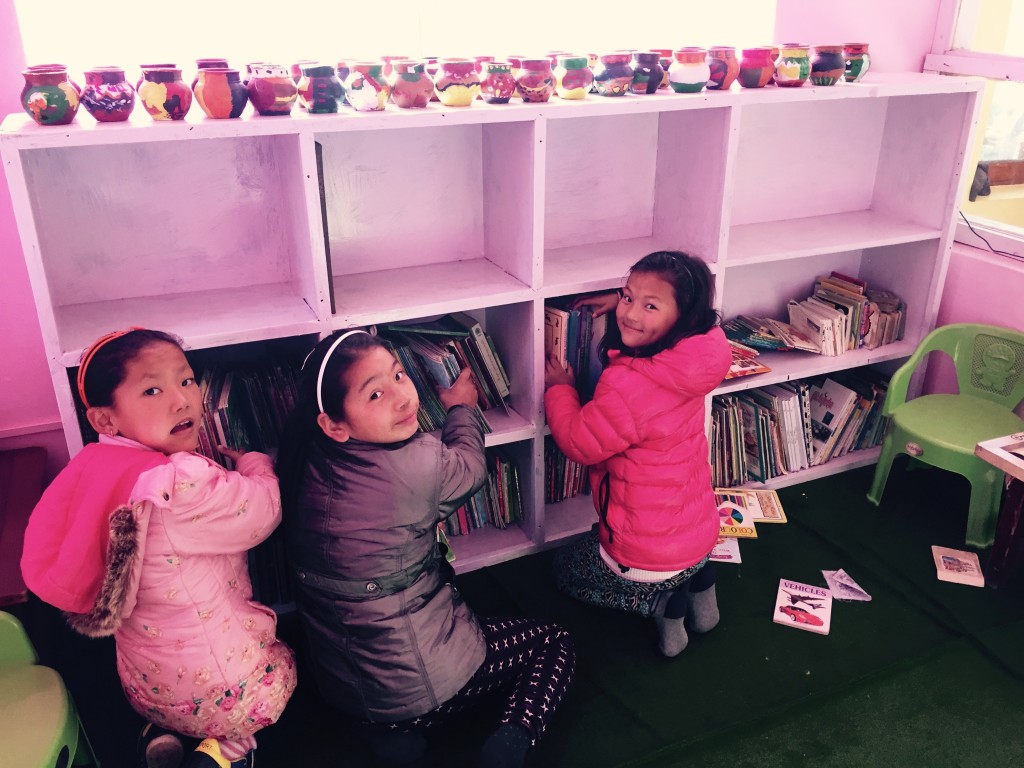
The summer calendar must therefore carry several purposes at once. A reading session might include picture books, local stories, poetry, music or a short creative exercise. Children can read beneath a tree, in a monastery courtyard or beside a community library, then return indoors when the afternoon sun becomes strong or the weather shifts.
This seasonal approach also helps volunteers plan realistically. Outdoor literacy activities need to fit around travel conditions, school timetables, local festivals and monastic routines. A flexible programme can move between a shaded outdoor area and a reading room without losing its sense of continuity.
Learning Through Place And Landscape
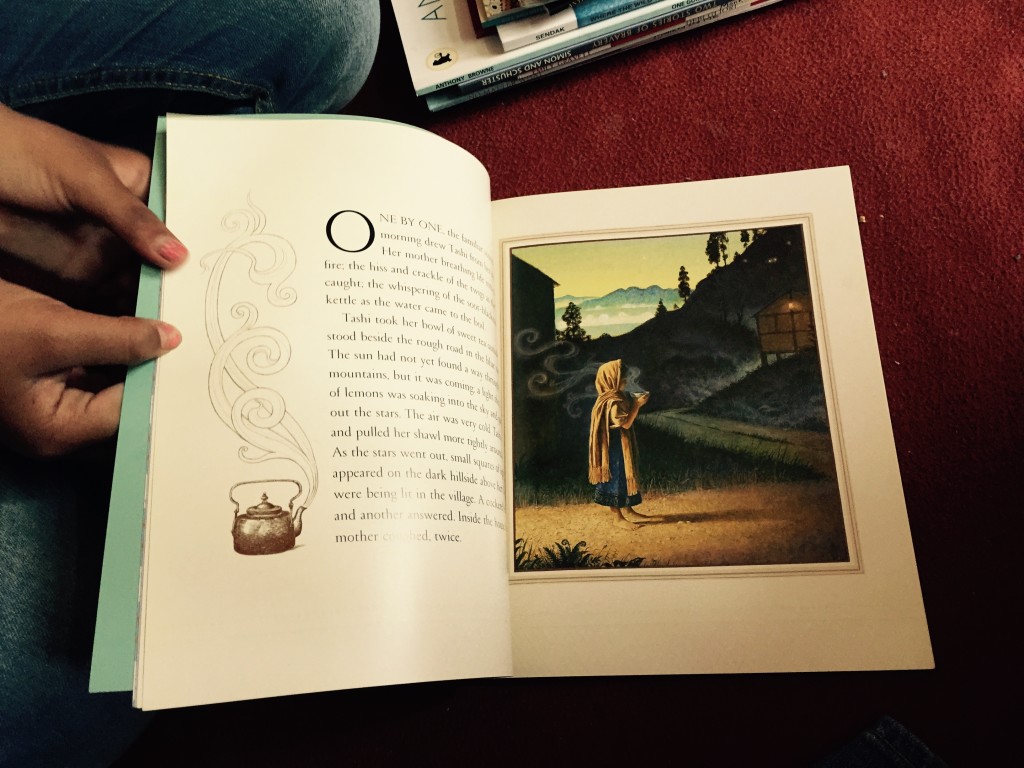
Books become more memorable when children can connect them with their surroundings. A story about animals can lead to a conversation about Himalayan wildlife. A book about weather can be followed by observations of clouds over the valley. A poem about a journey can open discussion about roads, villages and mountain passes familiar to the group.
This kind of place-based learning supports vocabulary, concentration and curiosity. Children are encouraged to describe what they see, compare details and listen carefully to one another. Young monks can also take part as readers, helpers or discussion leaders, building communication skills alongside their regular studies.
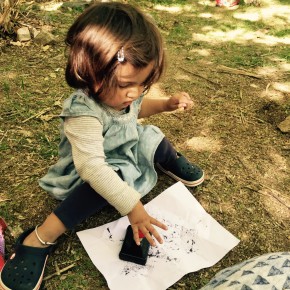
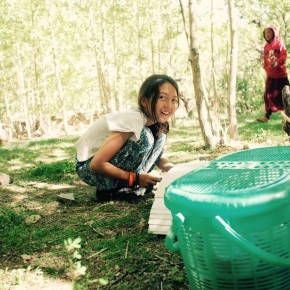
The outdoor setting makes room for different forms of expression. A child who is hesitant to read aloud may be eager to sketch a scene, act out a character or contribute a song. Reading is then presented as part of a wider creative life, rather than as a narrow task measured only by correct answers.
Building Confidence Beyond The Page
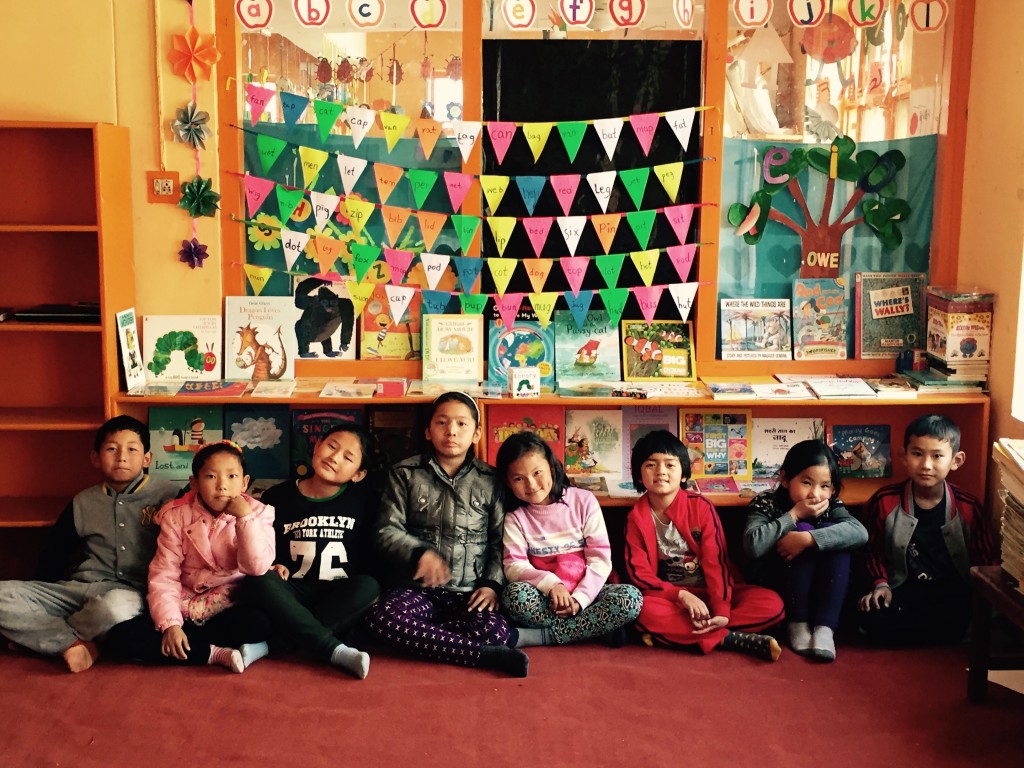
A reading circle outside often feels less formal than a classroom lesson. Sitting together on mats or low walls can reduce the pressure some children associate with reading aloud. Volunteers can invite predictions, encourage children to retell stories and celebrate thoughtful observations without rushing through the activity.
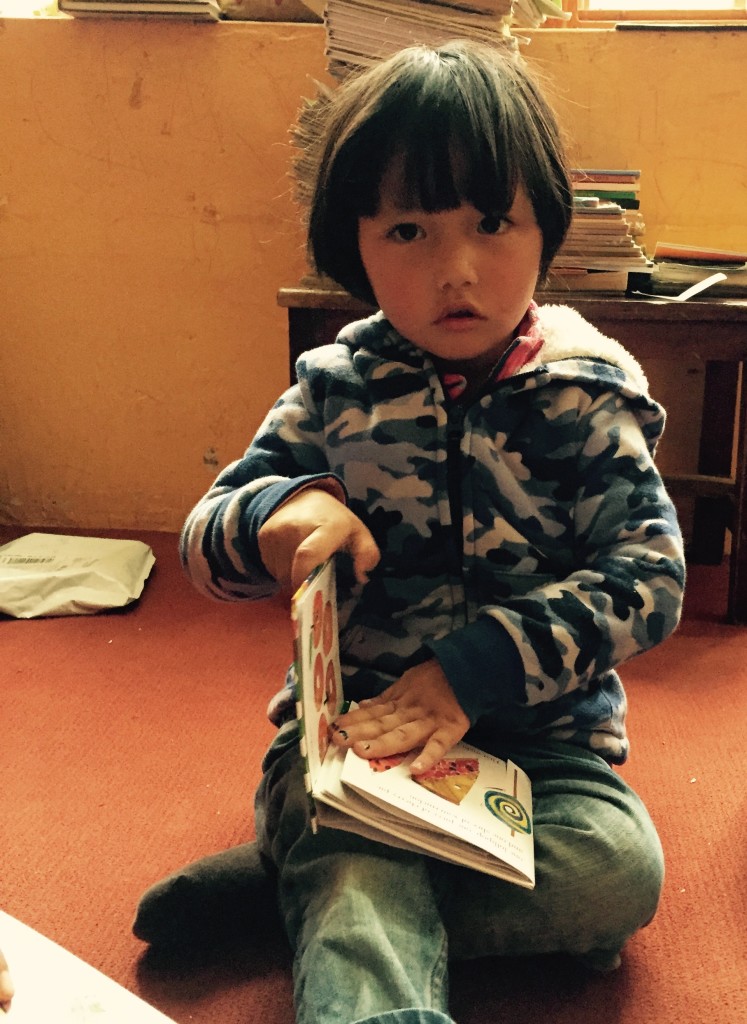
These sessions are especially useful when groups include different ages and levels of literacy. Younger children can look at illustrations and repeat familiar words, while older participants read passages or help explain new vocabulary. Shared reading allows everyone to contribute at a suitable level.
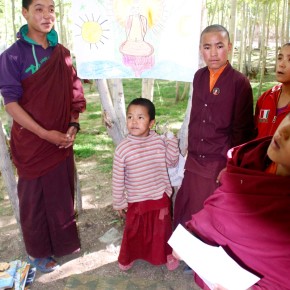
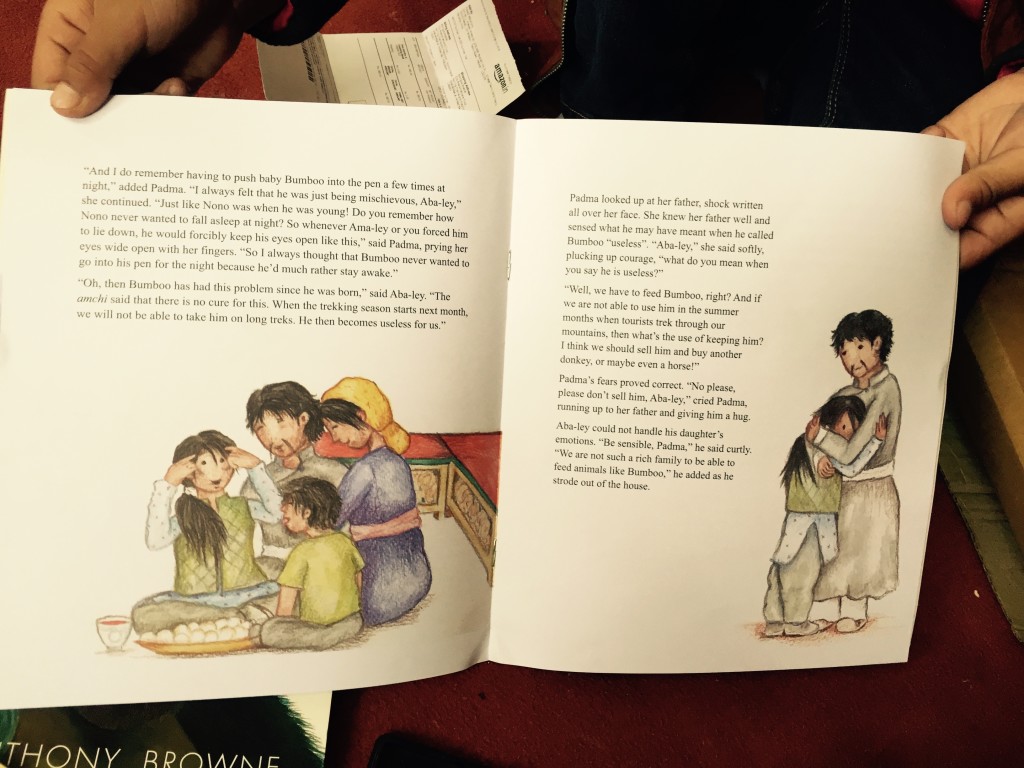
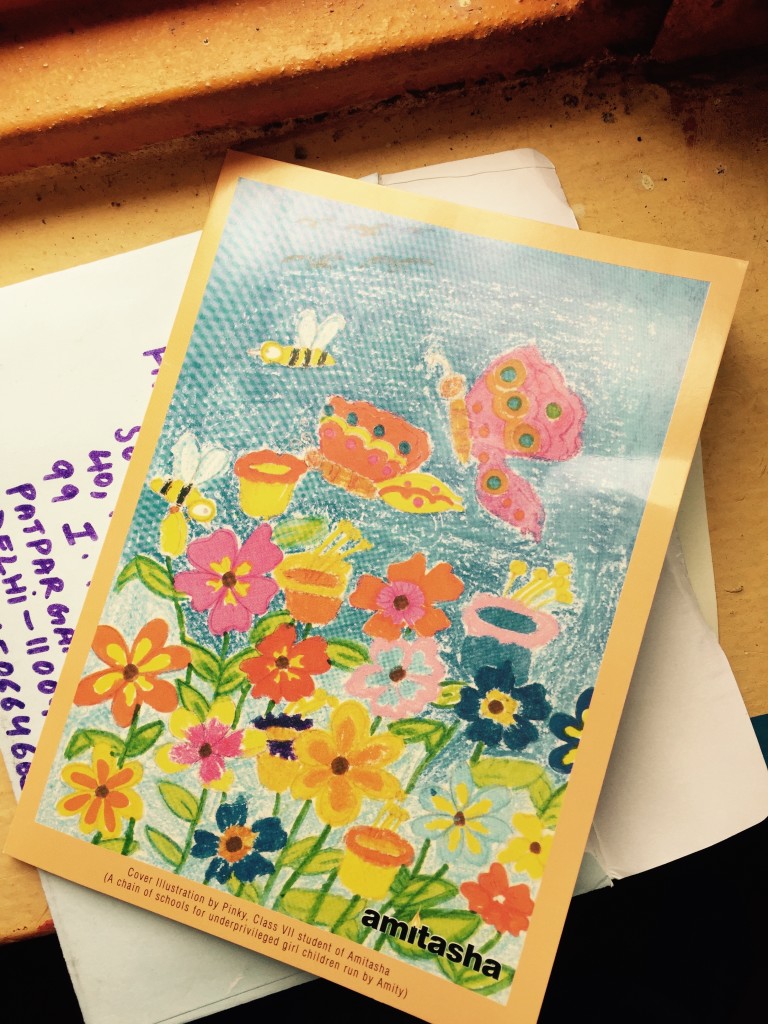
Creative follow-up activities deepen that confidence. Children might paint a favourite character, compose a short song or create a mural inspired by a story. The library mural story shows how reading spaces can become places where children’s ideas are visible, public and valued.
Strengthening Community Connections
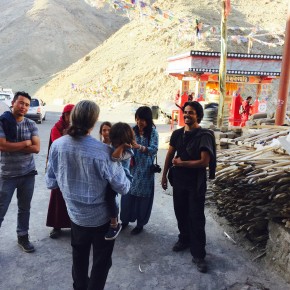
An outdoor reading event can bring together children, families, teachers, volunteers and monastic communities. People who may not visit a library regularly can encounter books in a familiar communal space. This helps present literacy as a shared responsibility rather than an activity belonging only to school or a formal institution.
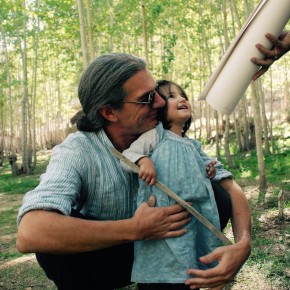
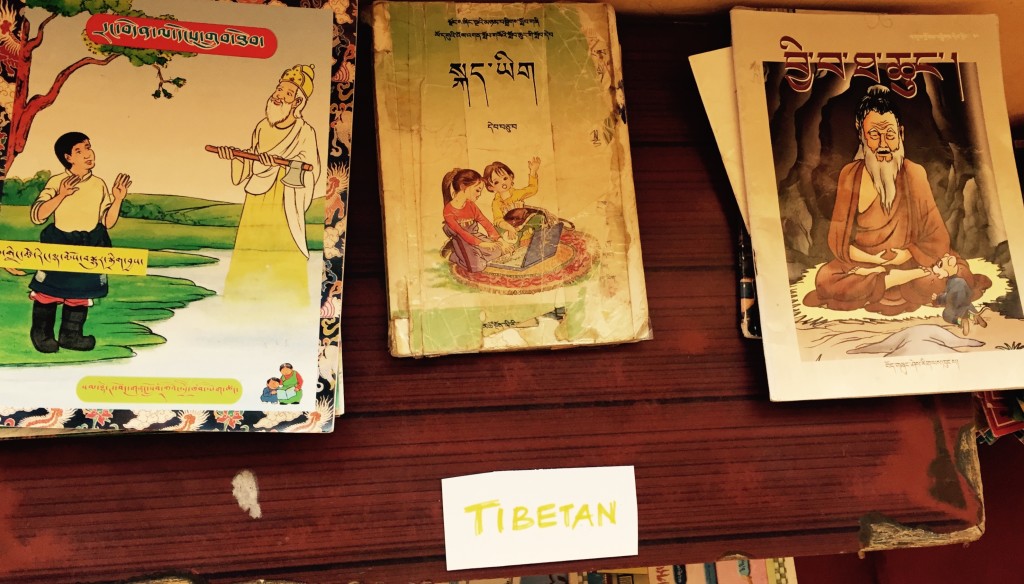
The relaxed format also supports conversation between generations. Elders may share a local tale, a volunteer may introduce a picture book from another country, and children may explain an illustration or tradition to visitors. Such exchanges respect local knowledge while expanding access to new stories and perspectives.
Educational access is closely connected to dignity, participation and children’s rights. Organisations working in different regions may approach these questions in distinct ways, yet a children’s rights perspective can help supporters understand why safe learning spaces, cultural expression and access to books matter together.
What Australian Supporters Can Picture
For Australians, an outdoor reading session may bring to mind a council library activity in Brisbane, a storytime gathering in a Sydney park or a school holiday programme in Adelaide. The conditions in Ladakh are very different, but the underlying idea is familiar: children learn well when an activity is welcoming, social and suited to its environment.
The seasonal contrast is significant. Australian winter school holidays often fall in July, at the same time that Ladakh is making full use of its warmer months. A family browsing a second-hand bookshop in Melbourne or ordering children’s titles through the Australian market may be choosing books for a season when Ladakhi children are gathering outside to read them.
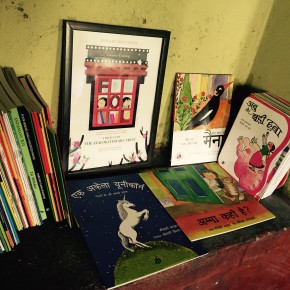
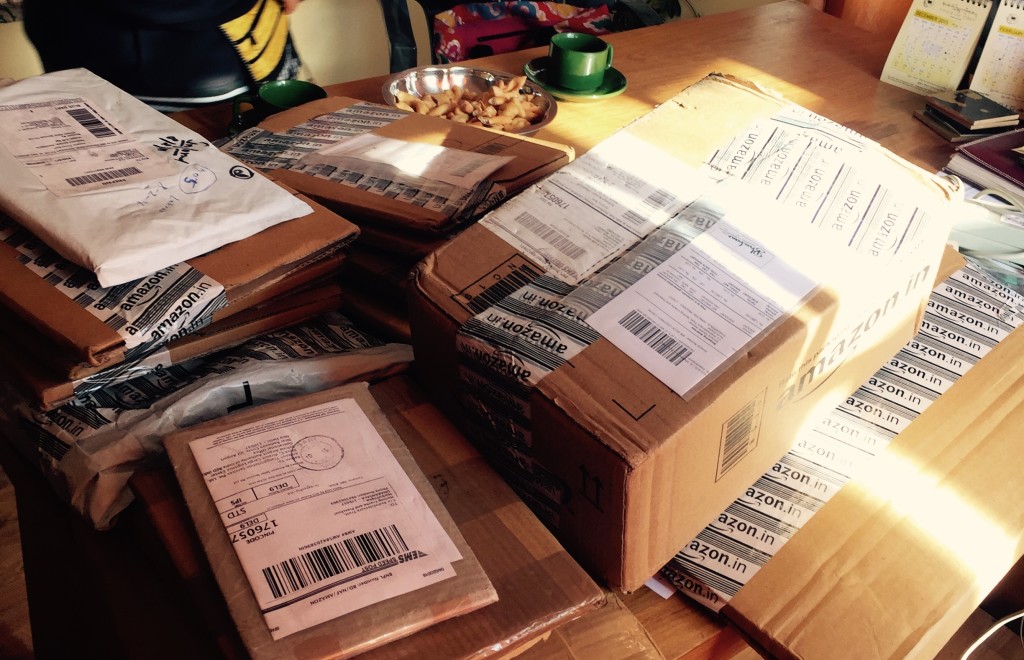
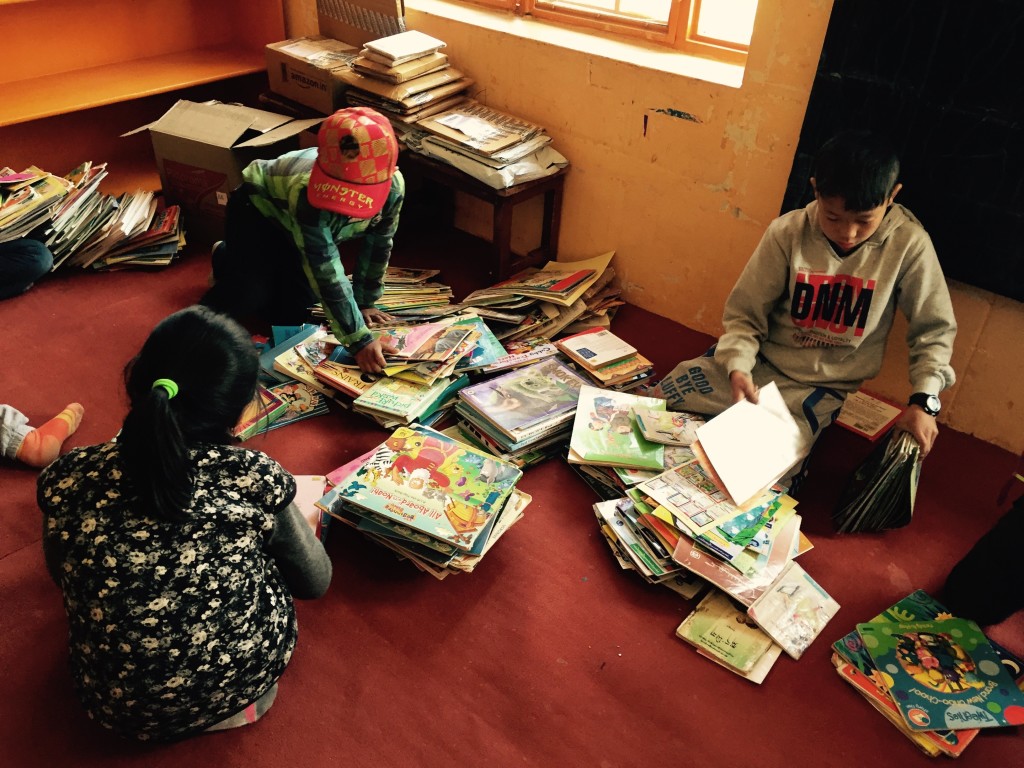
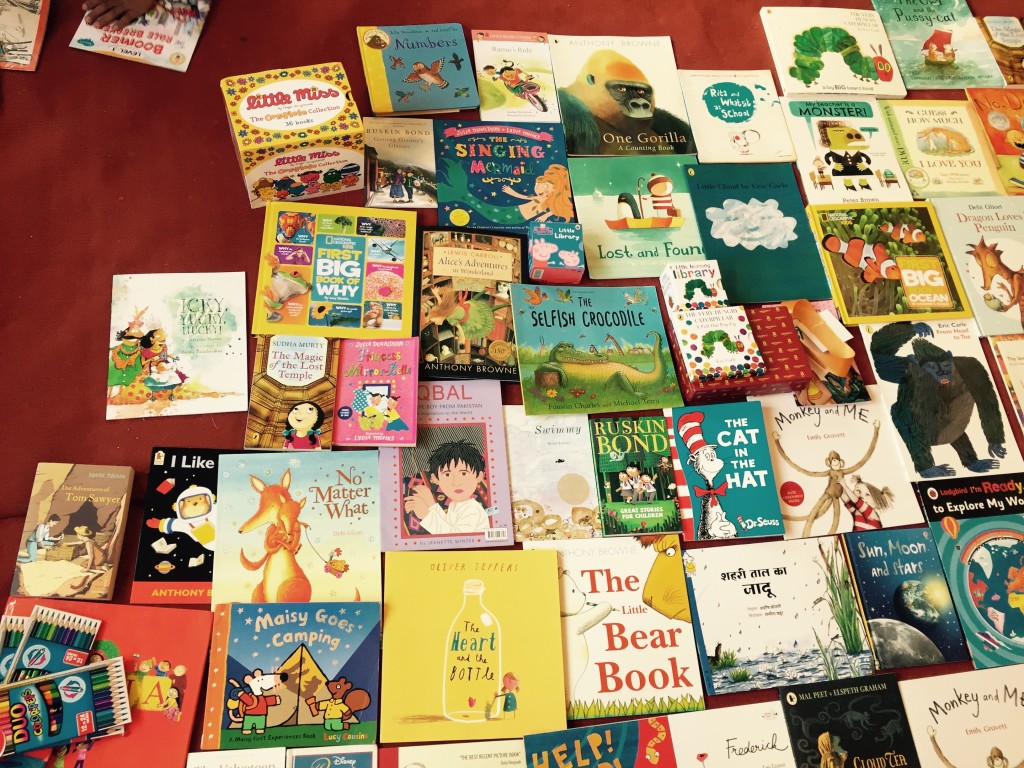
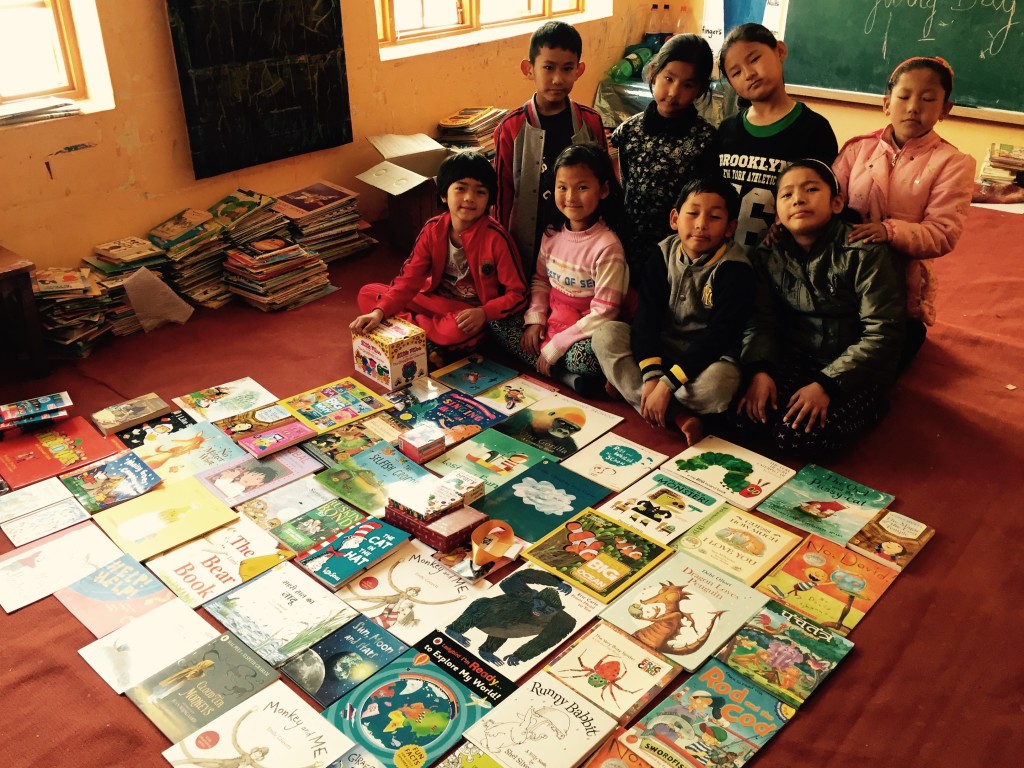
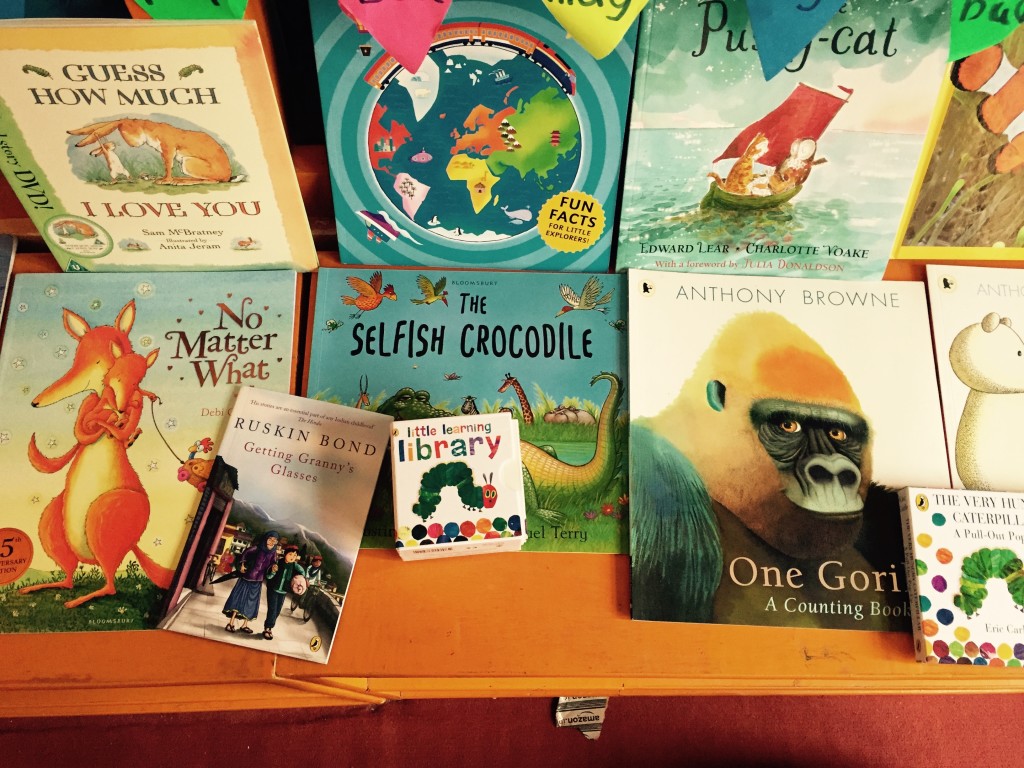
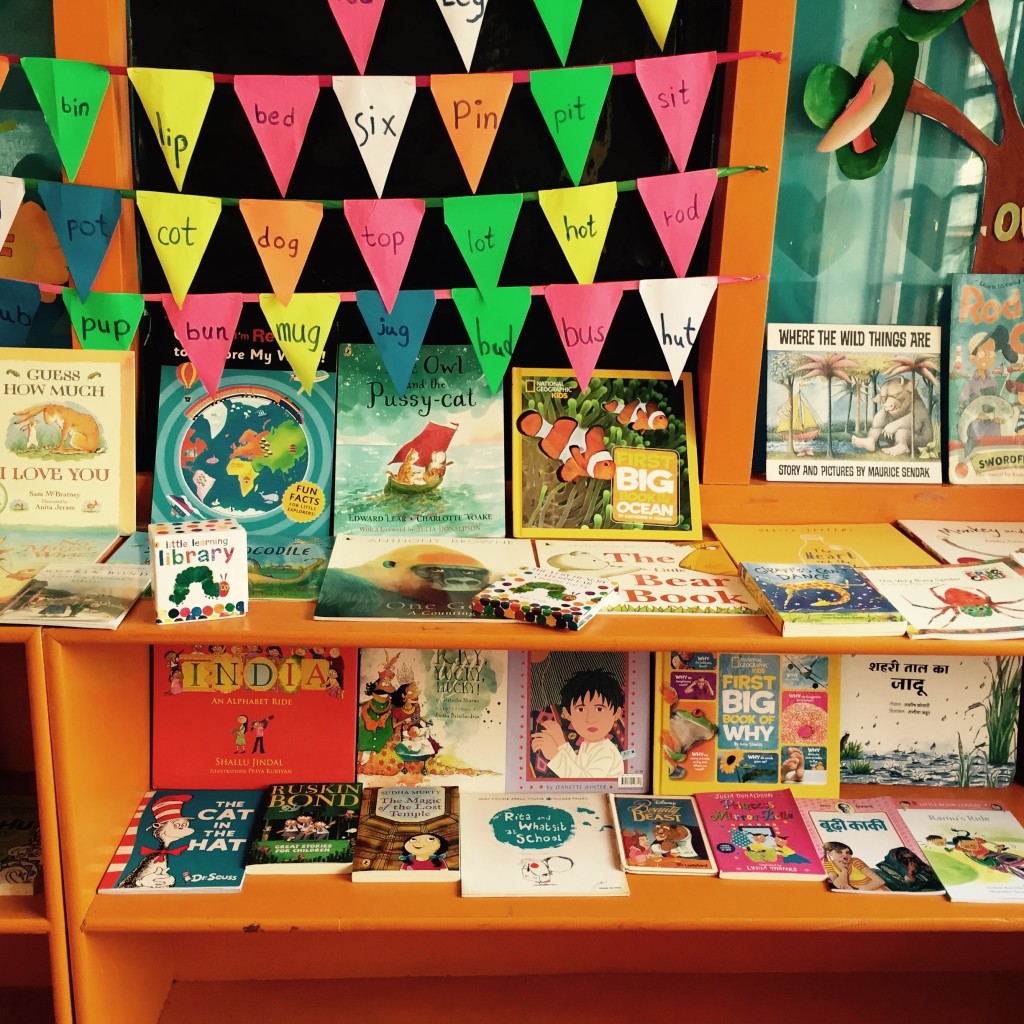
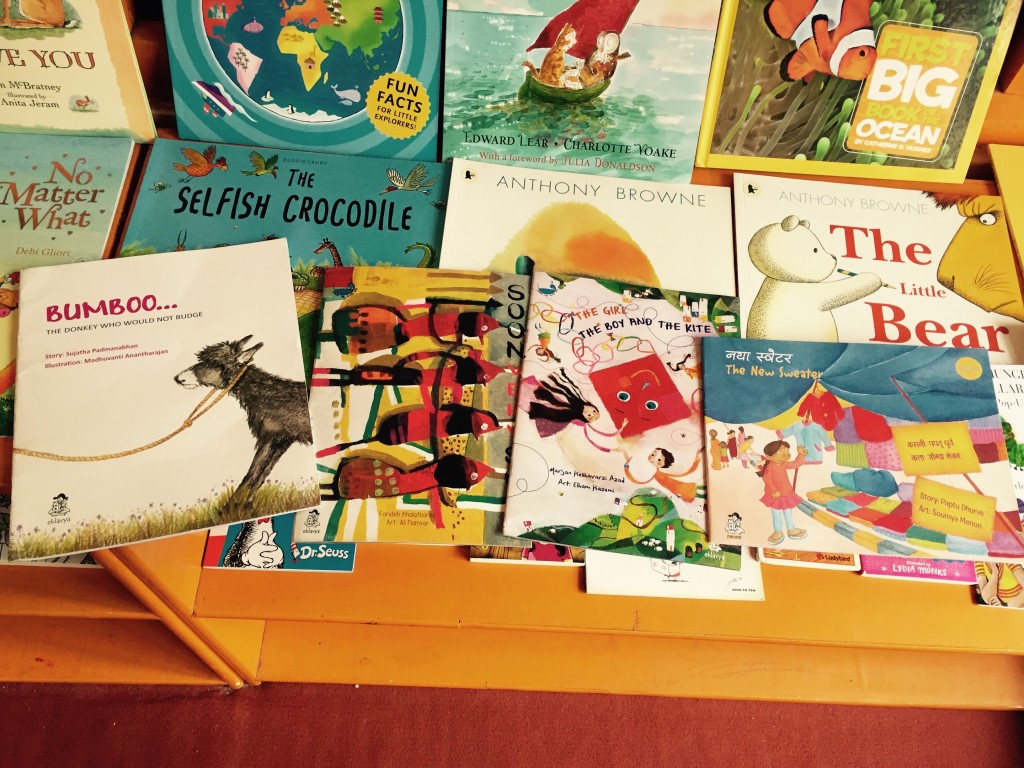
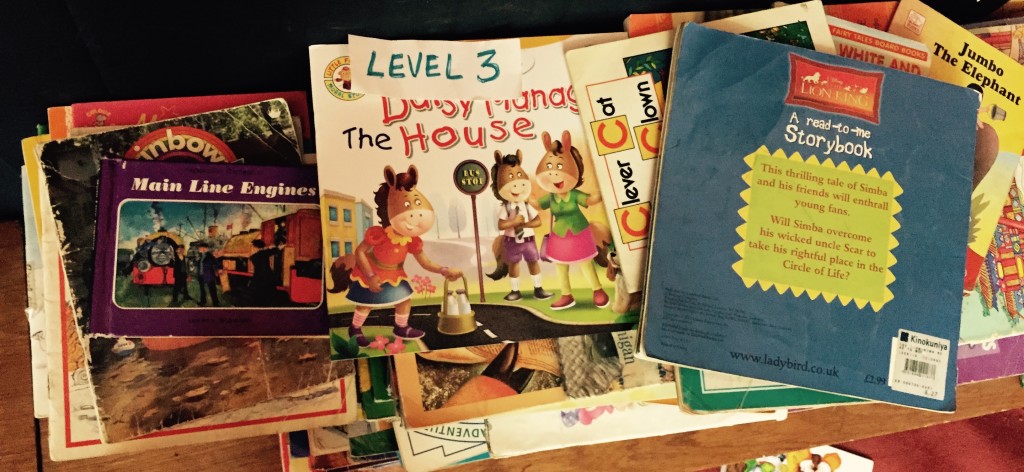
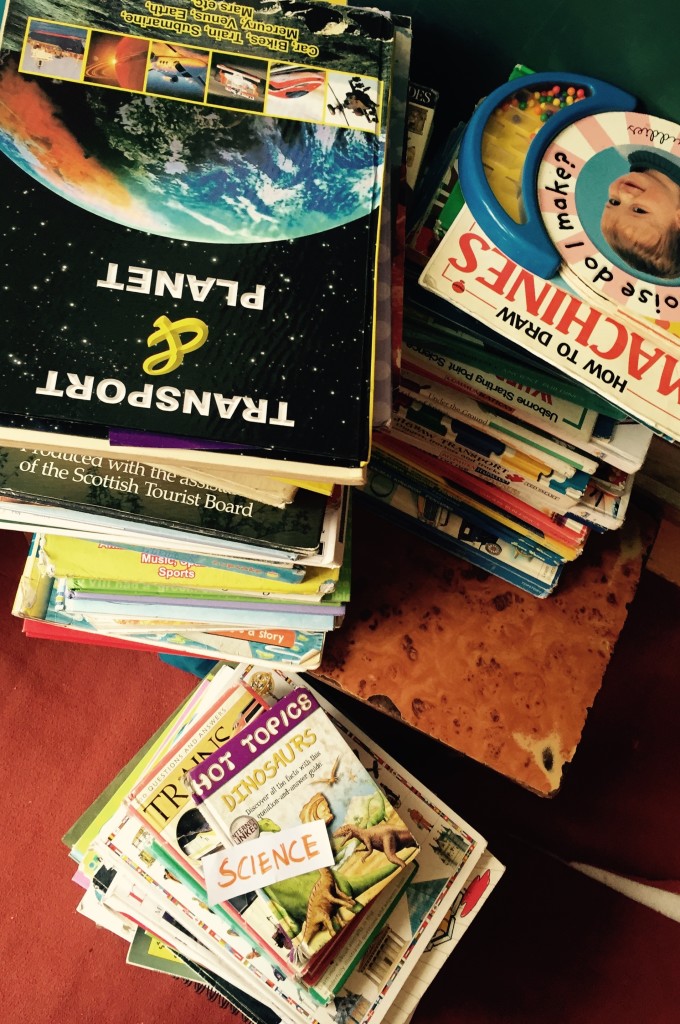
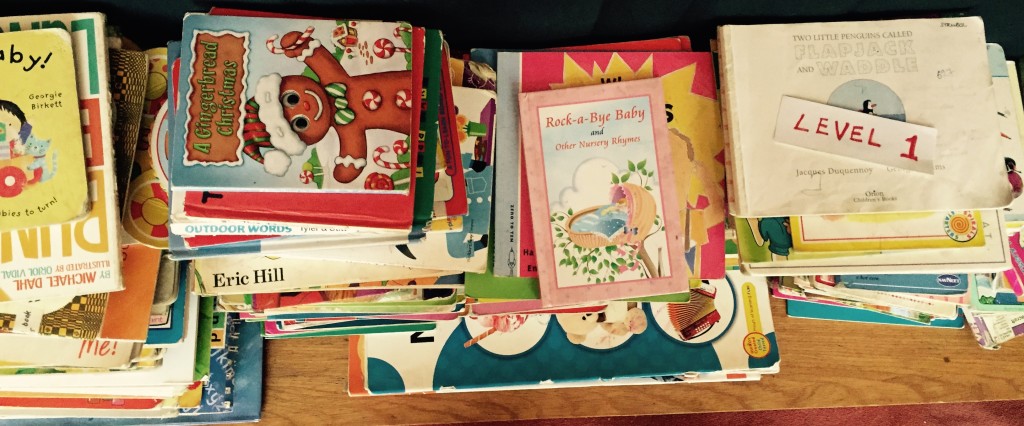
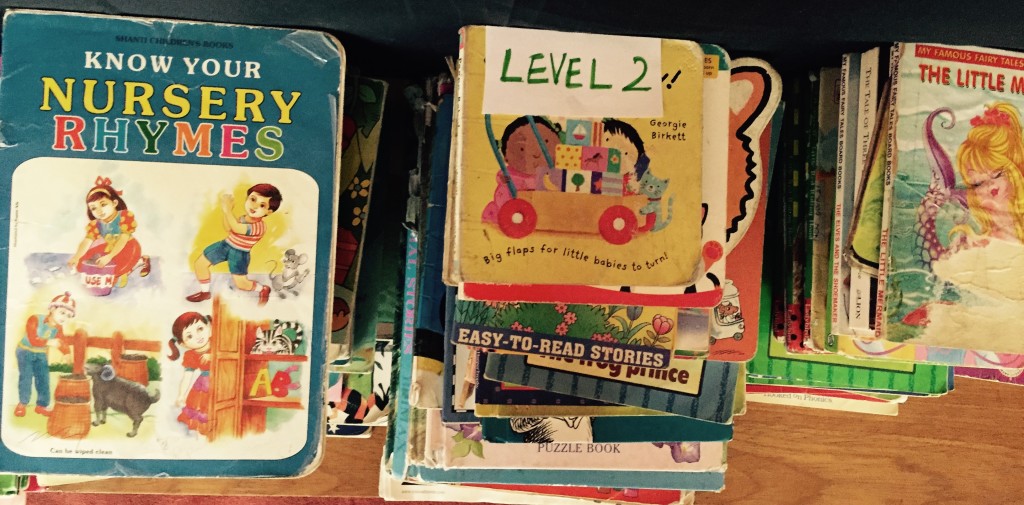
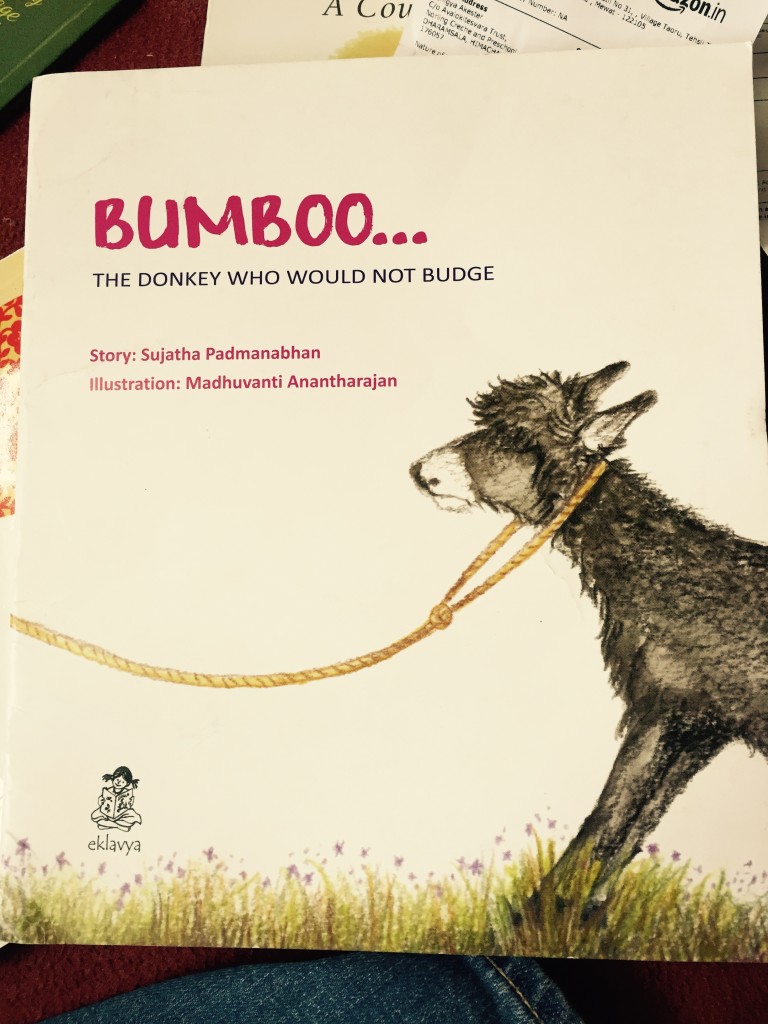
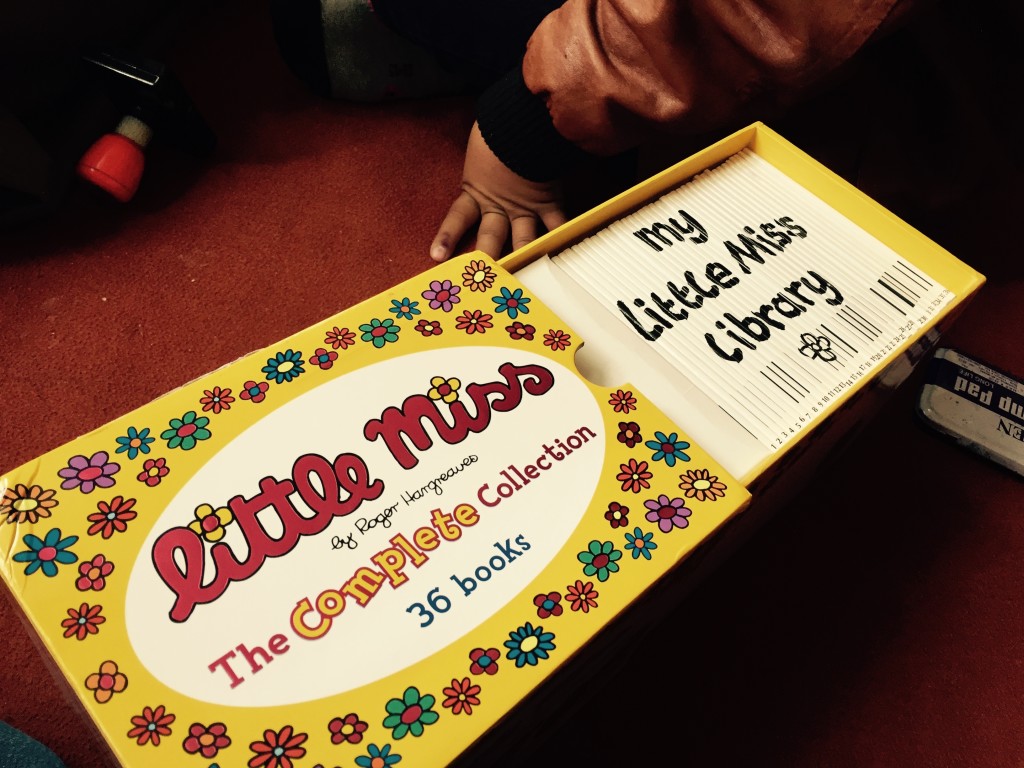
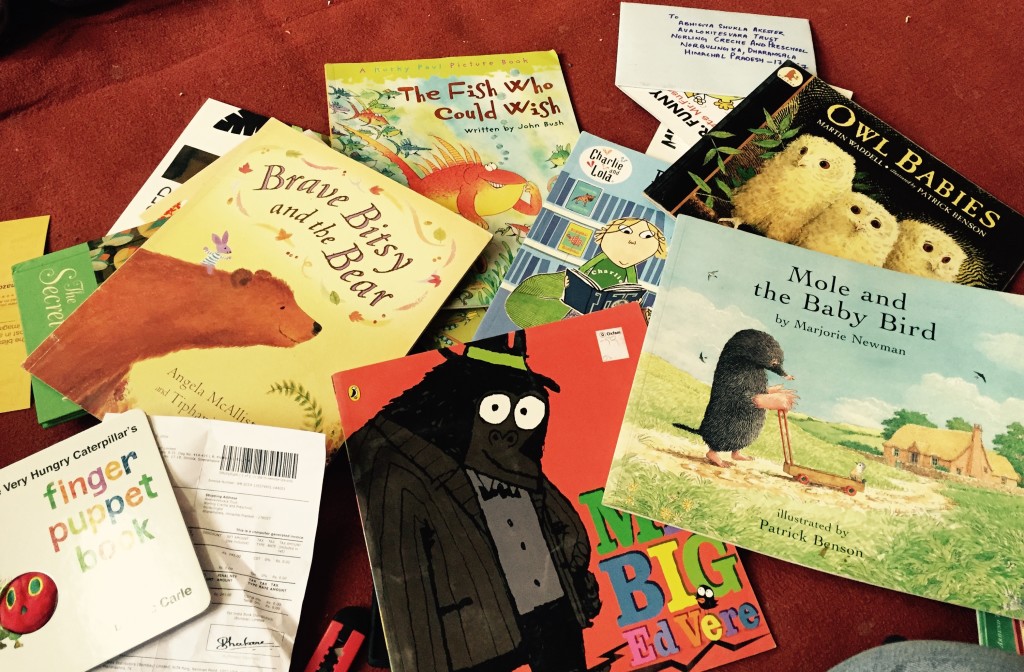
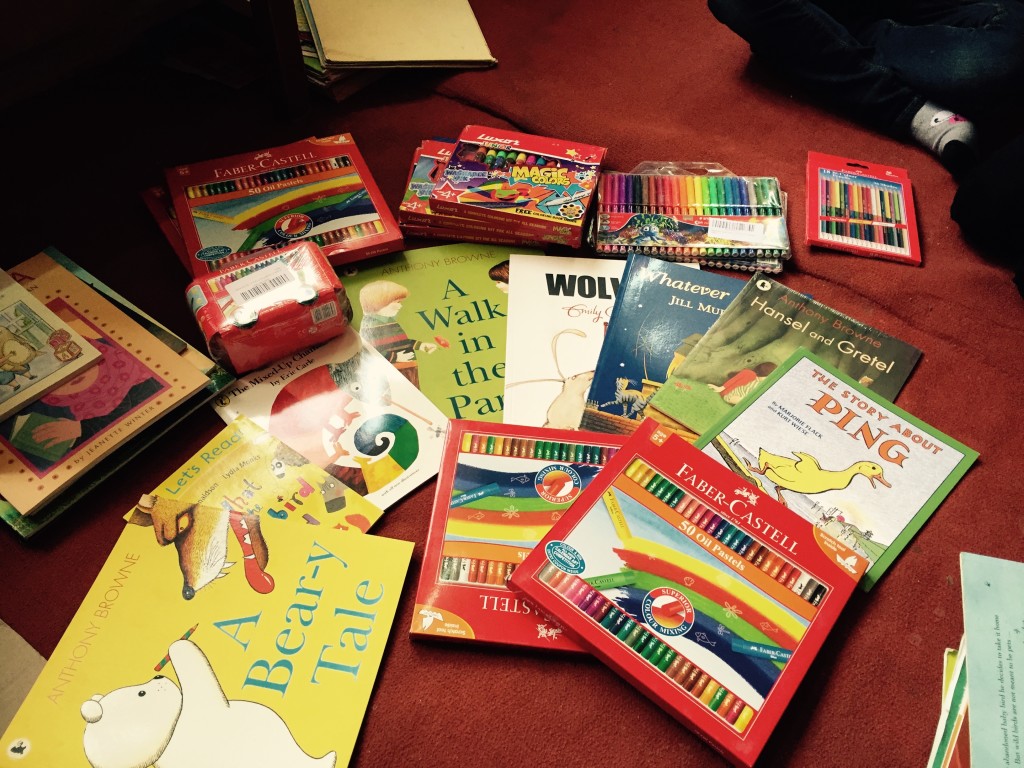
Practical support also has local dimensions. Australian donors may contribute through a book drive, help cover freight and local purchasing costs, or choose suitable new and second-hand titles that are durable and accessible. Books selected for donation need to match the interests and reading levels of the children, rather than simply filling a box with whatever is available.
Australian community customs can provide useful models for participation. A library fundraiser, school reading challenge or neighbourhood gathering can turn individual interest into shared support, much as an outdoor session turns reading into a communal event. The aim is not to copy an Australian activity in Ladakh, but to recognise a common belief that children deserve welcoming places to learn.
Carrying Summer’s Energy Forward
Outdoor reading cannot remove the educational pressures created by difficult weather, remote geography or limited resources. It can, however, make careful use of the time and spaces available. A few hours beneath open skies may help children discover a favourite author, practise a new language or see themselves as capable storytellers.
The benefits continue after the session ends. Children can bring new words back to the reading room, recommend books to friends and use stories as inspiration for art and music. Volunteers gain a clearer understanding of each child’s interests, while families see educational activities that are enjoyable as well as purposeful.
For Avalokiteśvara Trust, the brief Ladakhi summer is therefore a season for participation, imagination and connection. The most concrete next step is to select one age-appropriate book, pair it with a simple outdoor art activity, and schedule that reading circle during the next clear summer afternoon.