How a library wall became a canvas for children’s dreams
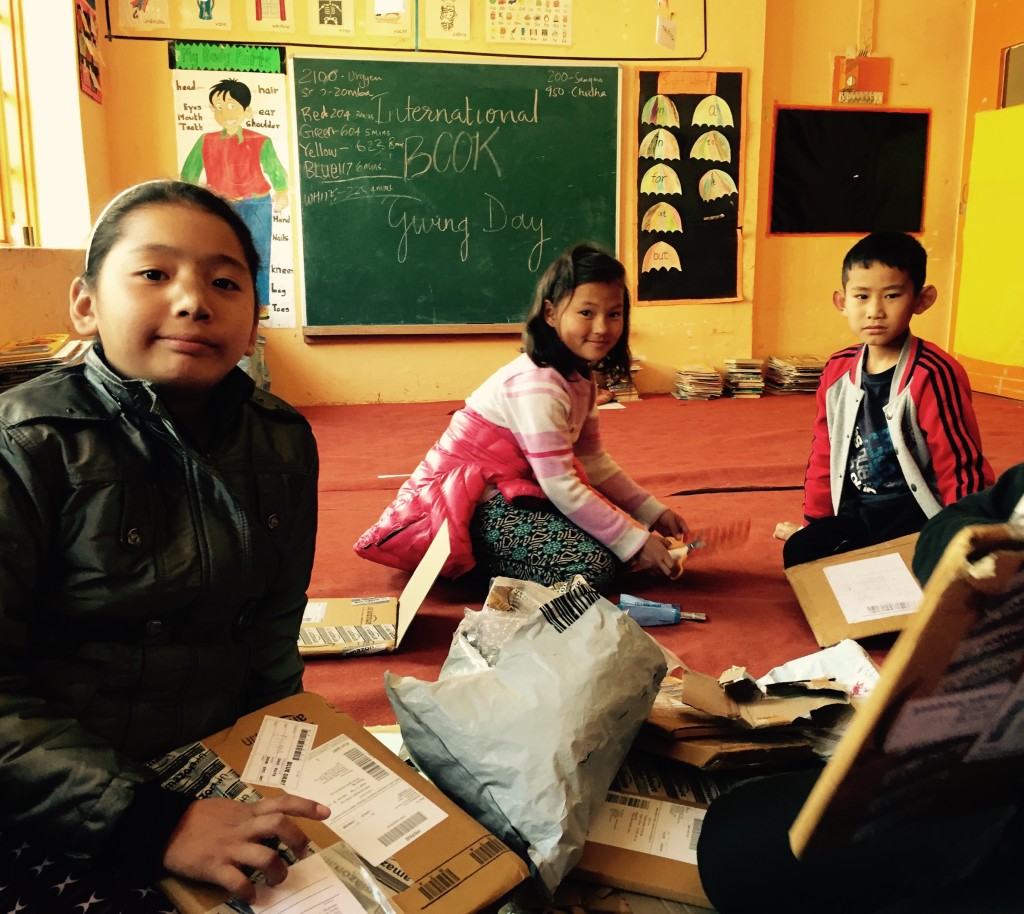
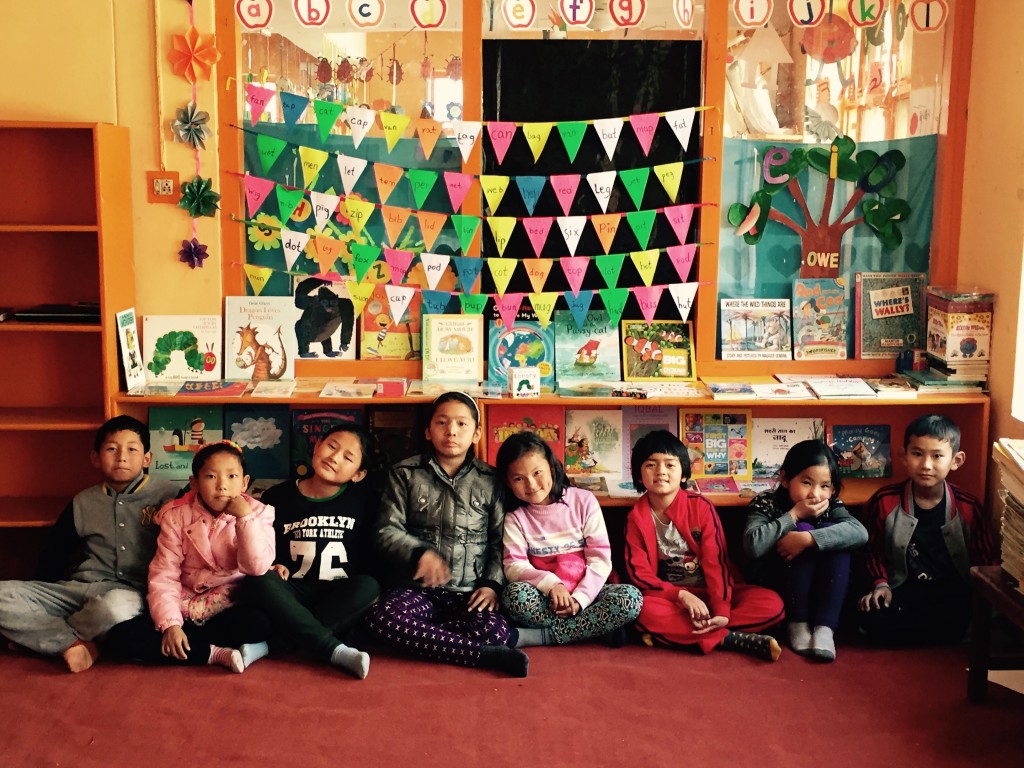
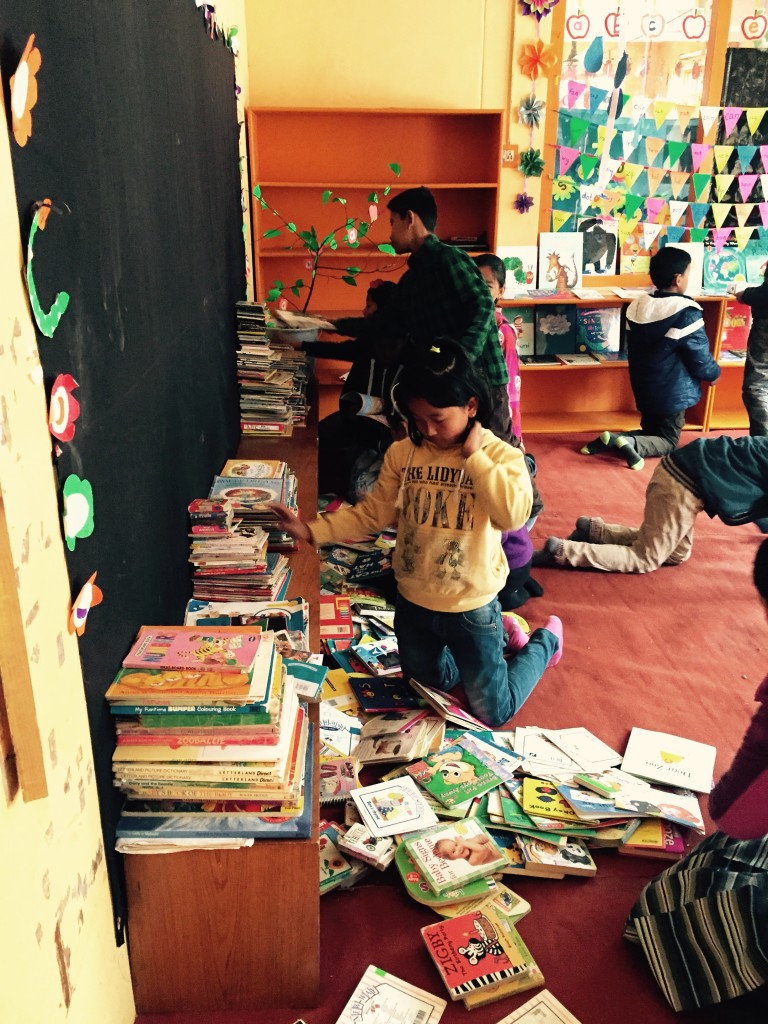
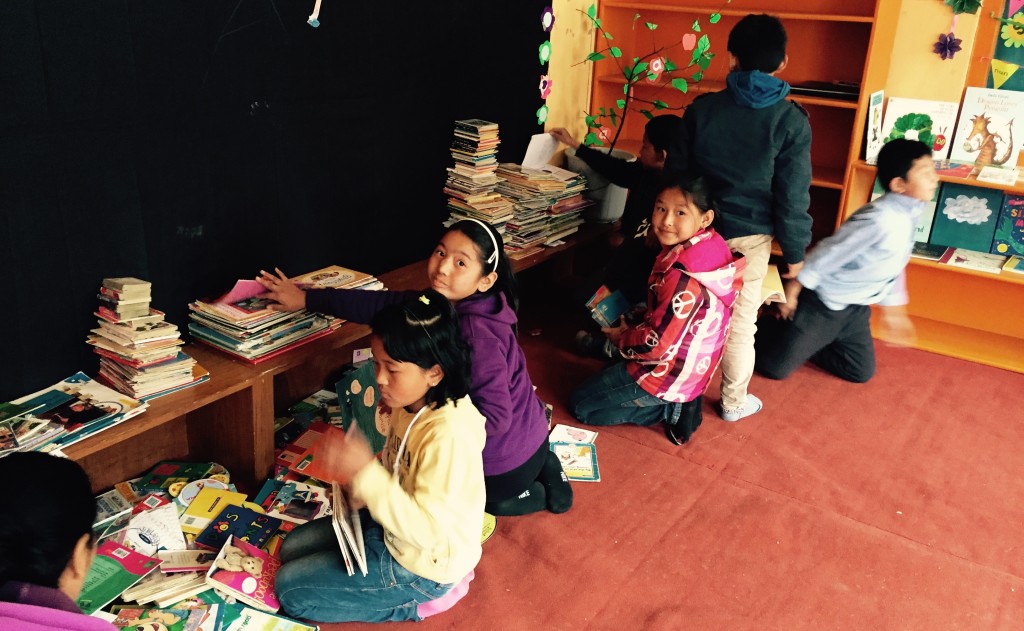
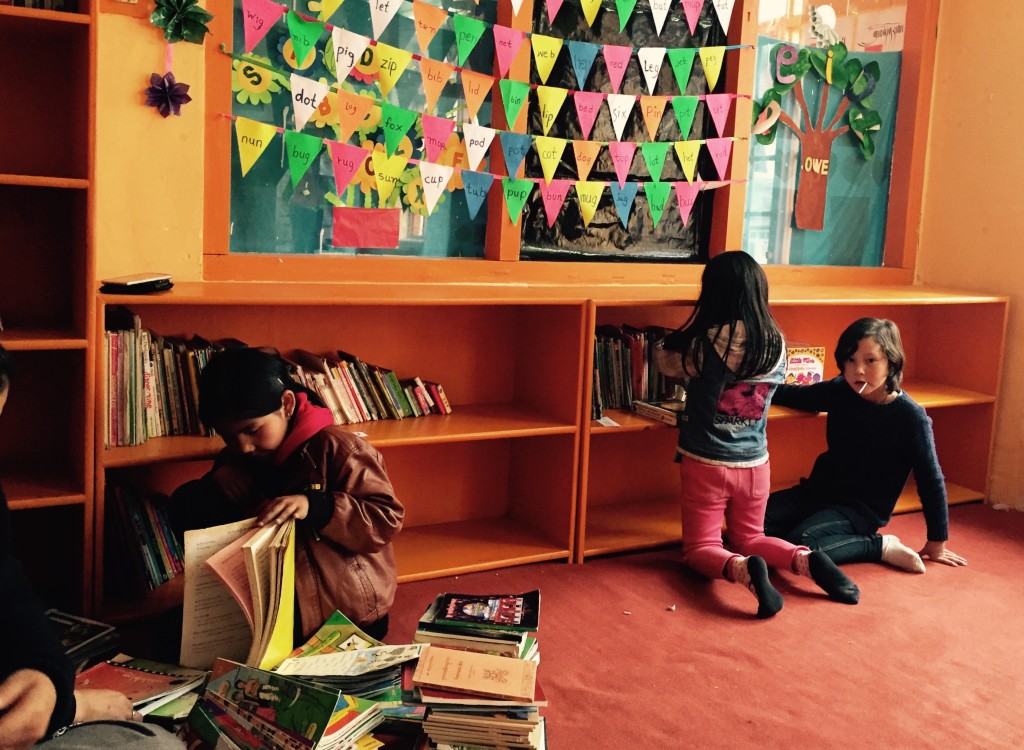
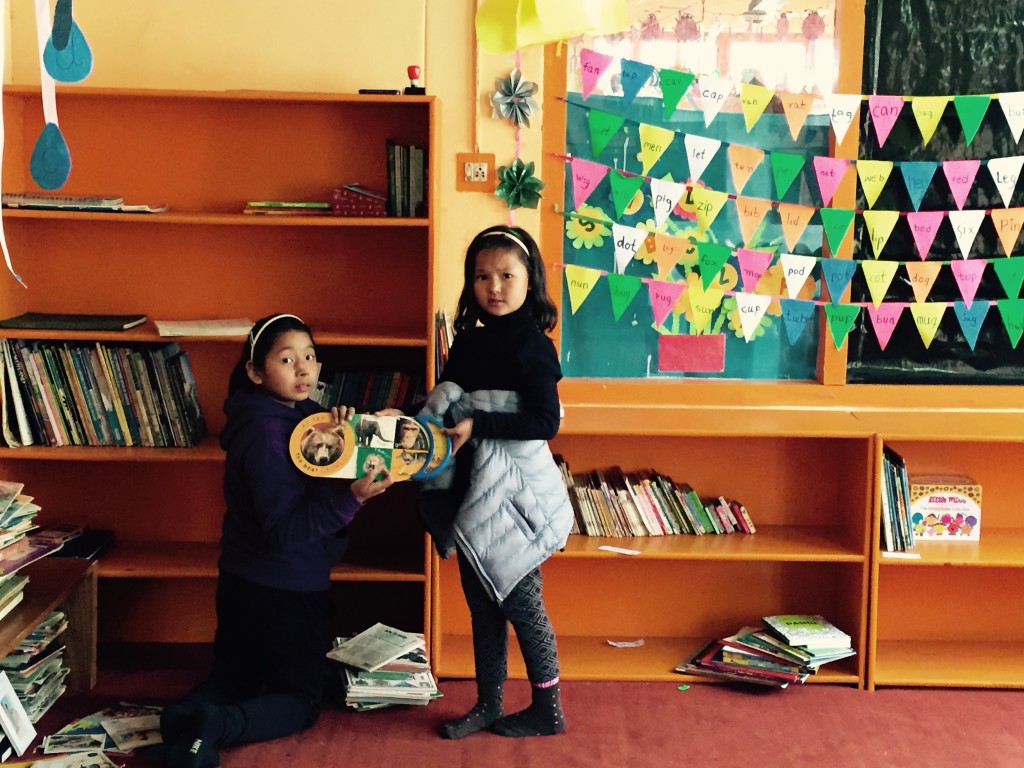
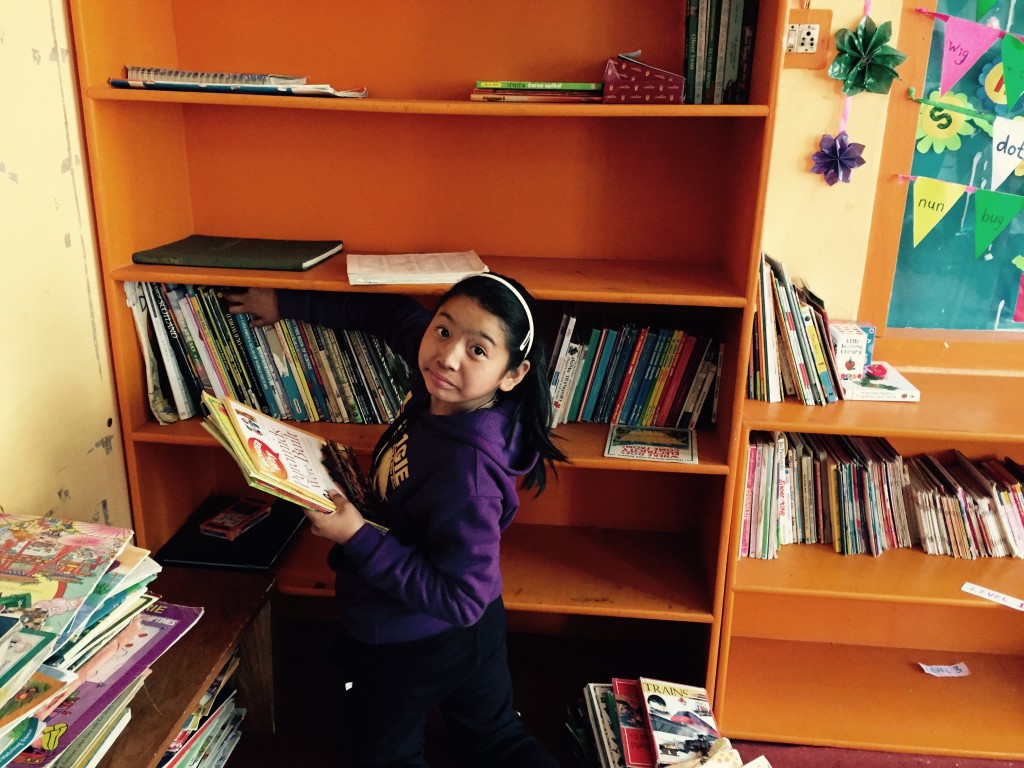
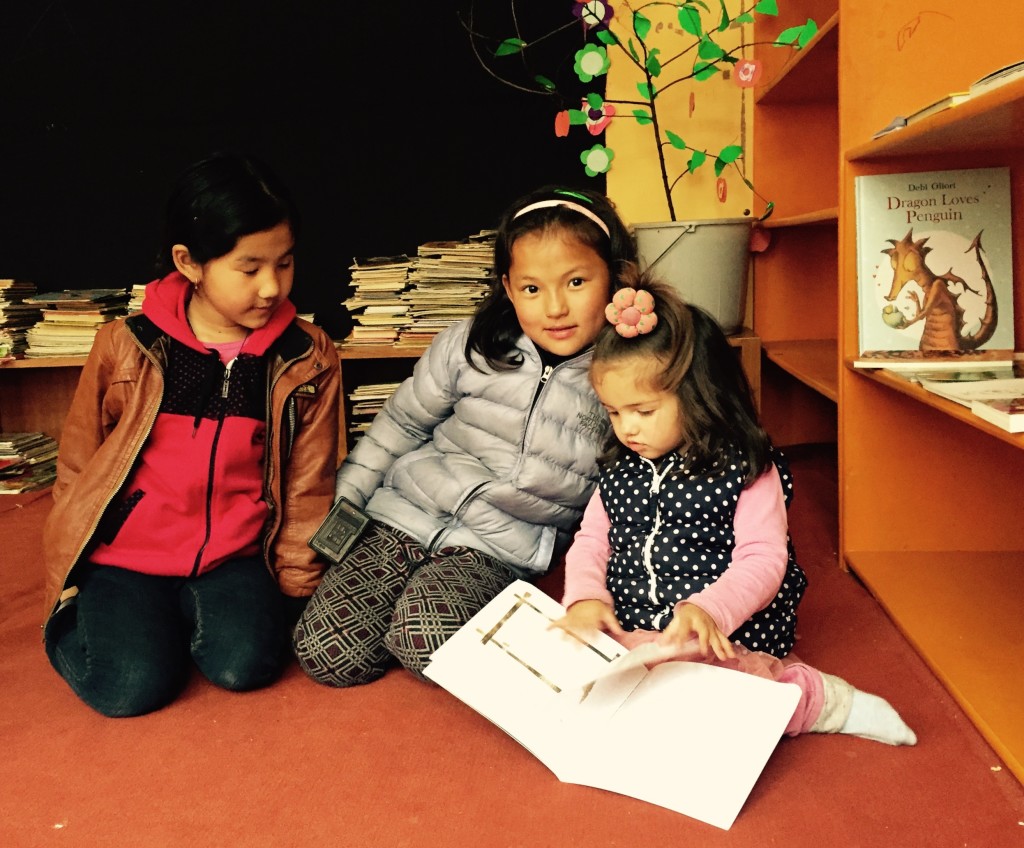
In a Himalayan reading room, a plain wall can become much more than a background. It can welcome children through the door, give shape to their ideas, and connect books with the landscapes, memories, and hopes they carry every day. When children painted their dreams across a library wall, the project became a shared act of storytelling.
The mural brought together reading, drawing, conversation, and teamwork. Children who might have felt uncertain about writing a long story could express themselves through colour and symbols. A mountain, a musical instrument, a tree, or an open book could say something important about their future.
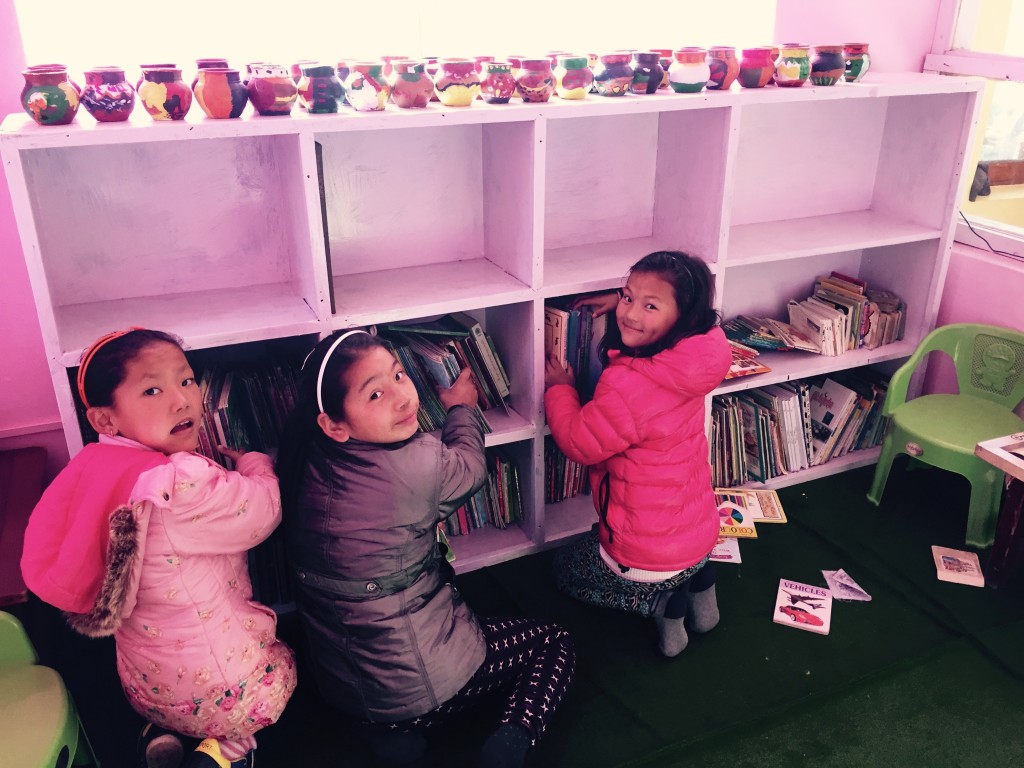
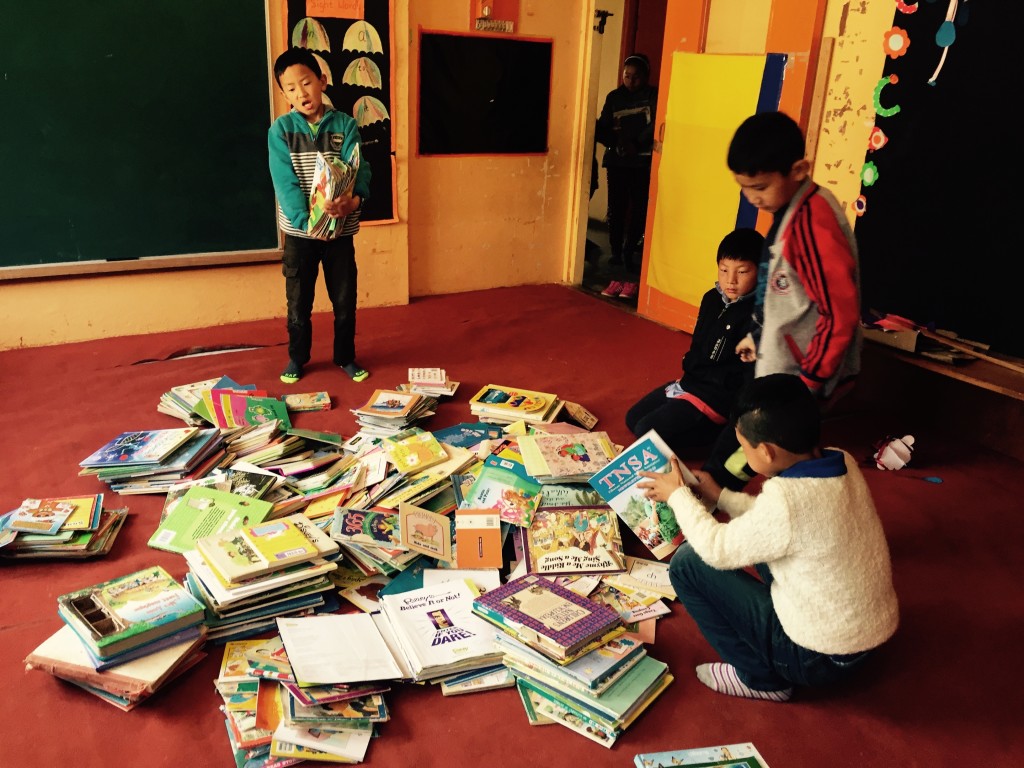
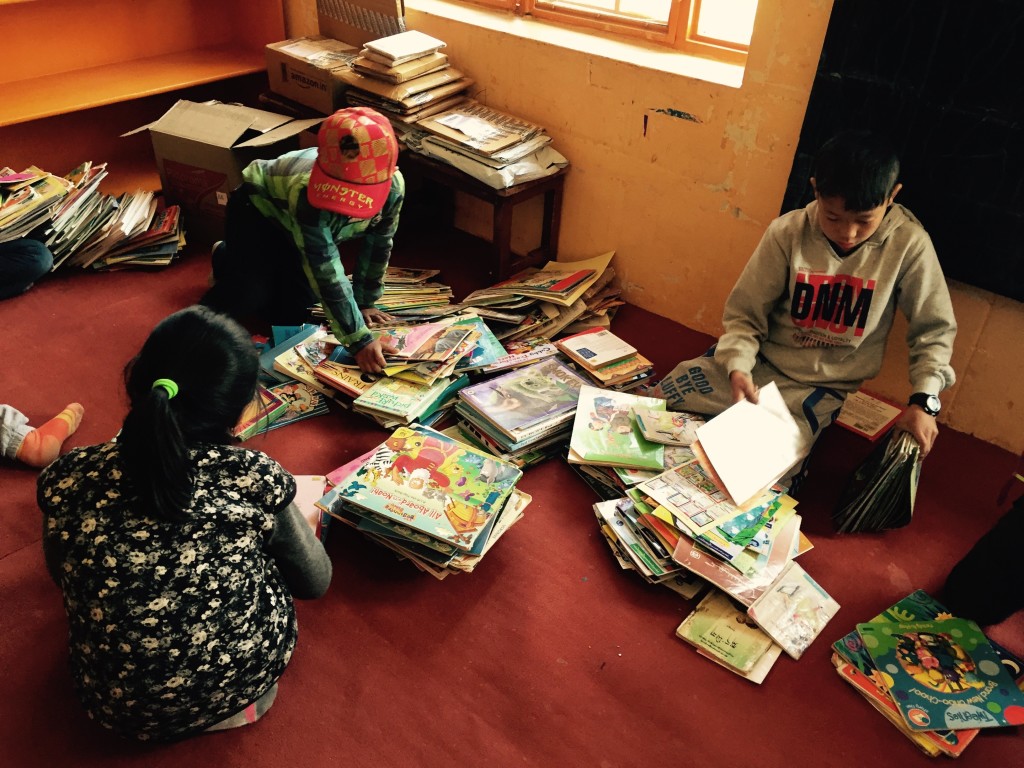
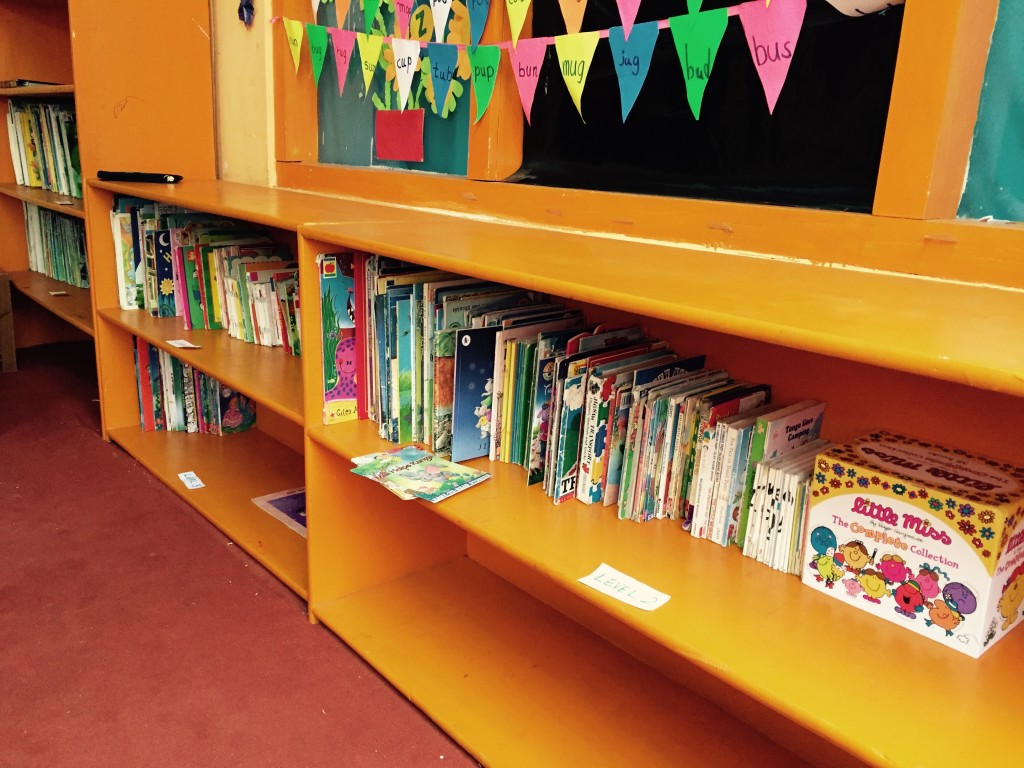
For Avalokiteśvara Trust, creative activities are part of building a lively culture of learning. In Ladakh and other Himalayan communities, access to books matters deeply, yet children also need welcoming spaces where curiosity can grow. This painting project showed how art can help transform a reading room into a place that feels truly theirs.
A blank wall becomes an invitation
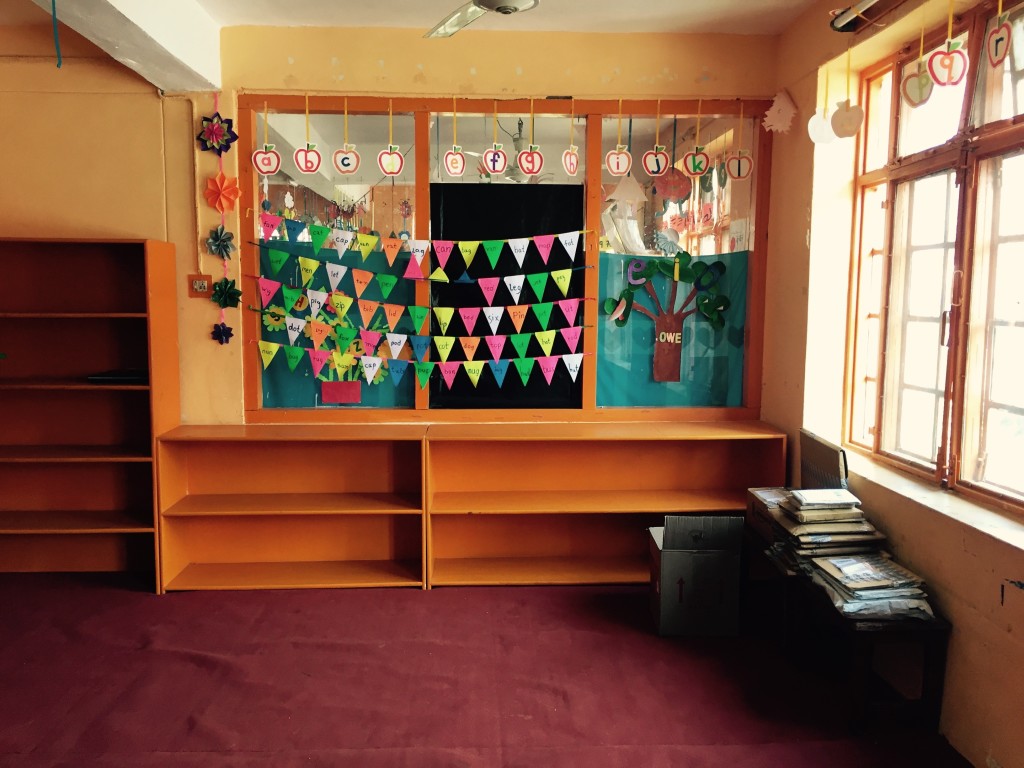
The project began with an ordinary library wall. It had served its purpose as part of the room, but it did not yet communicate the warmth and possibility held inside the shelves. Rather than covering it with a finished design, the children were invited to imagine what the wall could become.
That invitation changed the atmosphere immediately. The children looked closely at the space, discussed their favourite books, and began to think about what they wanted other readers to feel. The wall was no longer an empty surface. It became an open question: what belongs in a library, and what kind of future can learning help us build?
The answer emerged through many small conversations. Some children spoke about becoming teachers, artists, doctors, musicians, or explorers. Others imagined protecting animals, caring for their communities, or travelling beyond the mountains. Their ideas were different, but the shared wall gave them a way to place those dreams side by side.
Listening before painting
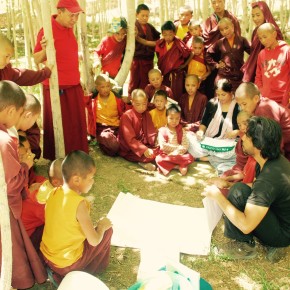
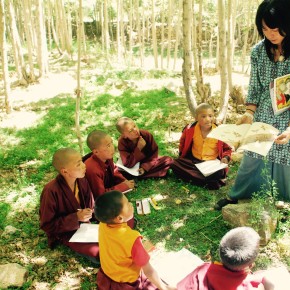
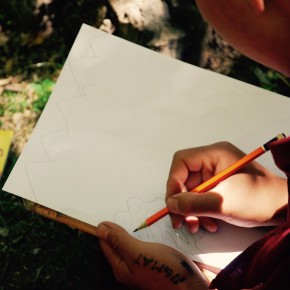
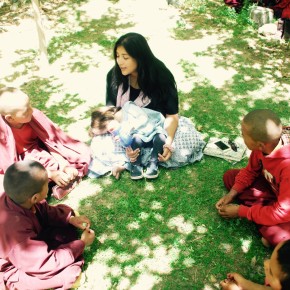
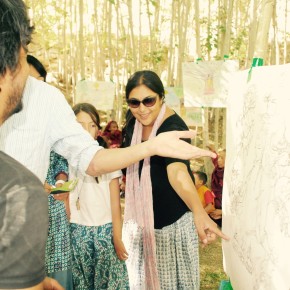
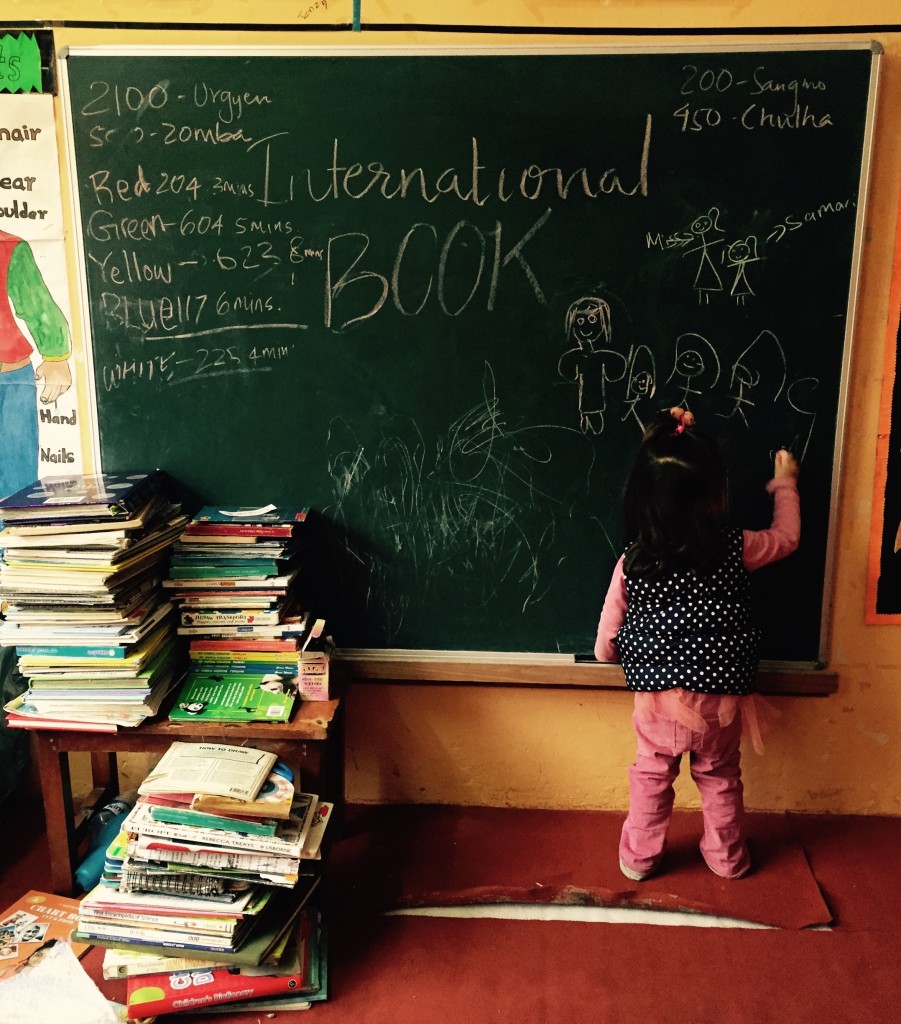
Before brushes touched the plaster, the children explored their ideas through storytelling and sketching. They talked about characters from books, remembered places around their villages, and drew objects that represented freedom, friendship, knowledge, and hope. These early drawings were not judged for accuracy. They were treated as a record of imagination.
This stage was important because it allowed every child to participate, including those who did not consider themselves artists. A child might contribute a single star, pattern, animal, or word. Another might create a detailed scene. Each mark had value because the mural was designed as a collective artwork rather than a competition.
The conversations also connected the activity to literacy. Children described their sketches, listened to one another, and found new words for feelings and ideas. In that way, visual expression supported language development. The library’s books became starting points for discussion, while the children’s own experiences gave the reading room a personal voice.
From sketches to a shared design
Turning many individual dreams into one composition required patience. The children and facilitators looked for links between the drawings: mountains connected different scenes, open books became pathways, and bright patterns helped join separate sections. The design grew through cooperation instead of being imposed from above.
A large book formed the visual centre of the wall, opening toward a mountain landscape. Around it appeared birds, trees, musical notes, stars, houses, and figures reaching toward the sky. These images were simple enough for children to paint, yet rich enough to hold several meanings. The book could represent school, imagination, opportunity, or a journey that begins with a single page.
Colour choices carried their own energy. Blues and greens suggested the highland landscape, while warmer shades brought movement and celebration. Children learned how colours change when mixed and how a small painted shape can alter the balance of an entire scene. The process offered practical lessons in planning, proportion, cooperation, and care.
What each stage taught
The making of the artwork involved more learning than the finished image might reveal. Children had to prepare materials, share brushes, wait for sections to dry, and repair mistakes. They discovered that a strong result often depends on quiet, unglamorous tasks carried out attentively.
| Stage of the project |
Skills children practised |
Contribution to the reading room |
| Sharing ideas |
Speaking, listening, imagining |
Created a design rooted in children’s voices |
| Making sketches |
Visual thinking, storytelling, planning |
Turned personal dreams into visible symbols |
| Choosing colours |
Observation, experimentation, decision-making |
Built a lively and welcoming atmosphere |
| Painting together |
Cooperation, patience, responsibility |
Strengthened the sense of shared ownership |
| Reflecting on the mural |
Description, interpretation, confidence |
Connected art with books and personal goals |
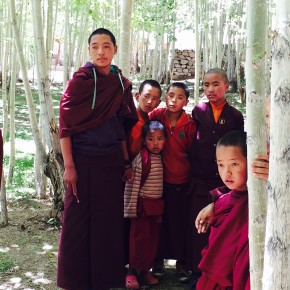
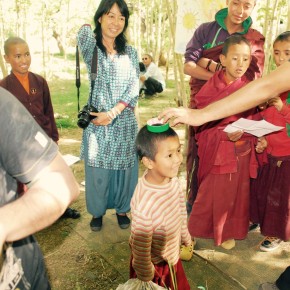
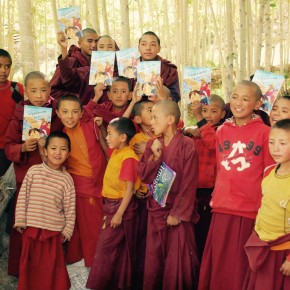
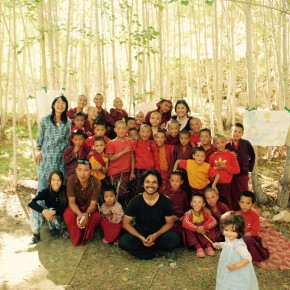
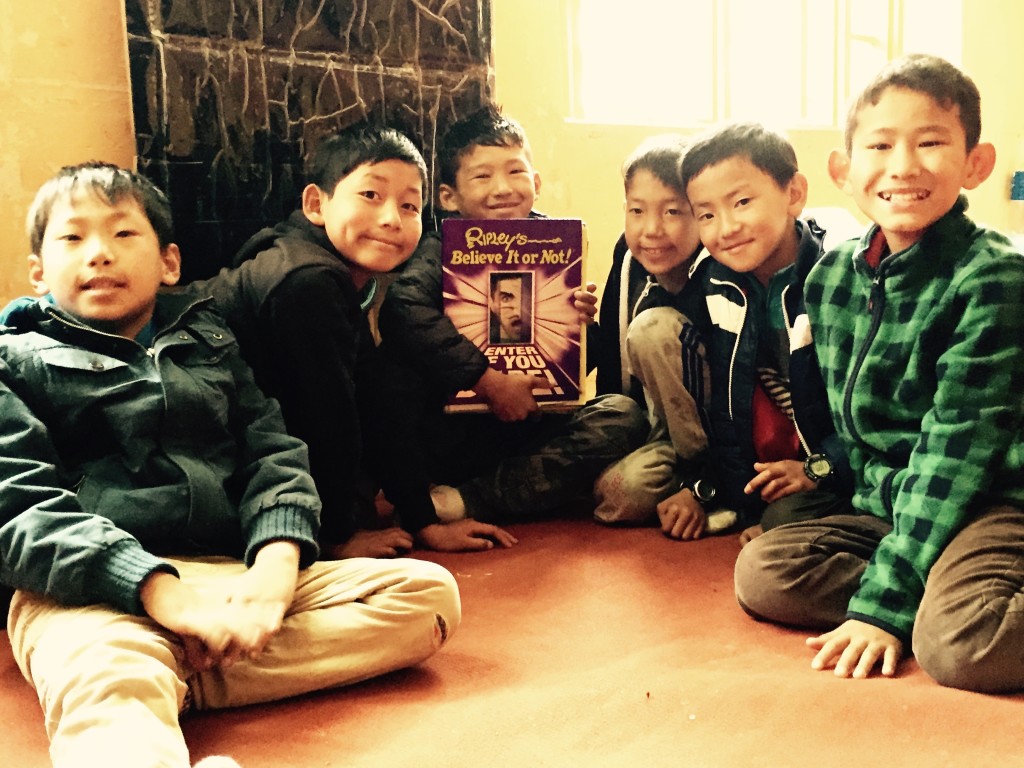
The project also made room for young monks and children with different interests and abilities. Some were drawn to patterns and decoration, while others preferred landscapes or figures. A flexible approach meant that participation did not depend on one particular talent. Everyone could contribute at a suitable pace.
For the adults supporting the activity, the work offered a chance to observe how children communicate when formal lessons are set aside. A quiet child may speak confidently through colour. A natural organiser may help distribute materials. A careful painter may show unusual persistence. These observations can inform future educational, artistic, and musical activities.
When the wall began to speak
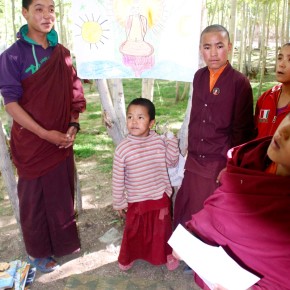
As the painting developed, the library changed around it. Children started pointing out details to visitors and explaining why particular images had been included. The mural became a conversation piece, encouraging readers to pause before choosing a book or to return to a favourite section of the design.
Its presence also helped the reading room feel connected to the surrounding community. The mountains, plants, clothing, and local references reflected the children’s environment rather than presenting learning as something distant or foreign. At the same time, the open book and far-reaching paths suggested that knowledge can expand a person’s sense of what is possible.
A community mural can be especially meaningful in a place where educational resources are limited. It does not replace a well-stocked library, trained educators, or reliable access to learning materials. It complements them by making the room more inviting and by showing children that their perspectives belong within educational spaces.
Ideas that travel beyond the paint
The completed wall offered lessons that extended into everyday reading and relationships. Children saw that a large project can be built from many small contributions. They experienced how listening improves a shared result and how mistakes can become part of the process rather than reasons to stop.
The artwork also created new prompts for literacy activities. Children could write captions for different images, invent stories about the painted figures, or describe what might lie beyond the mountains. Younger readers could search for colours and shapes, while older students could discuss symbolism, community life, and the meaning of their own ambitions.
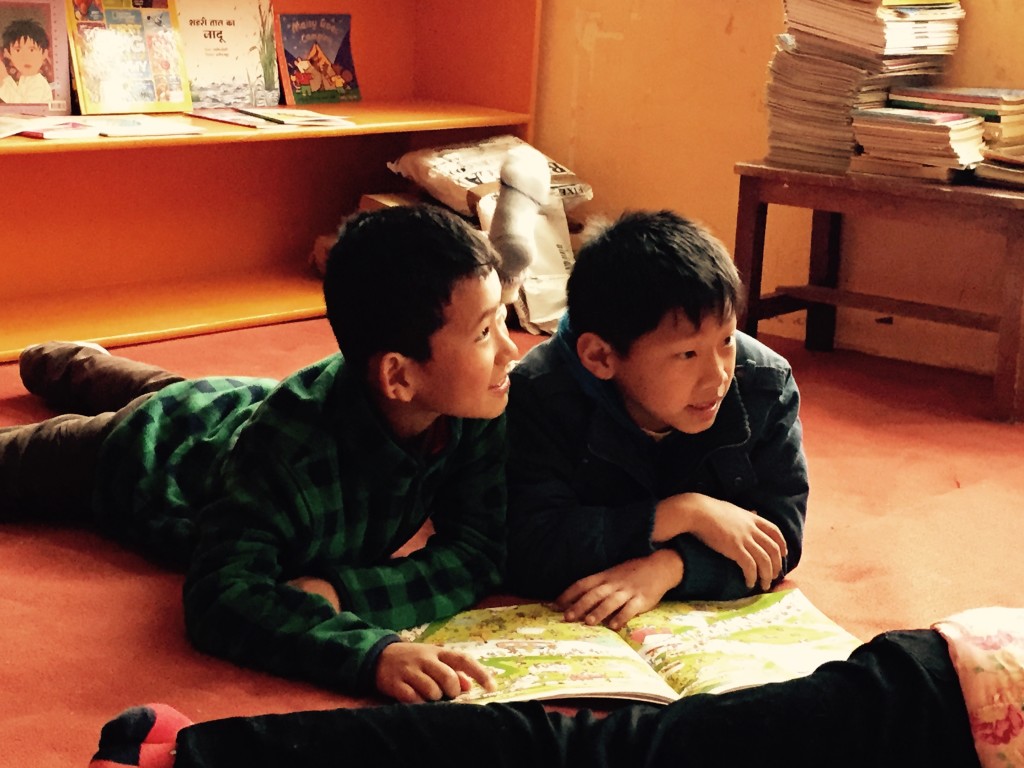
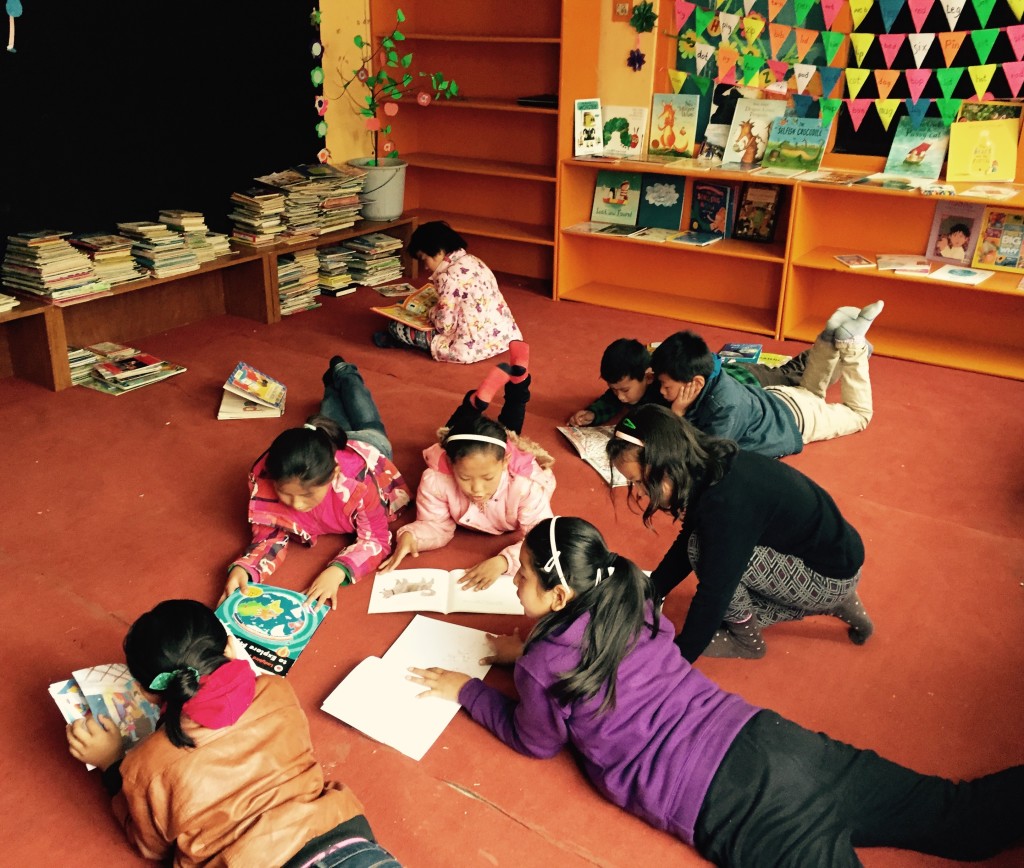
Projects like this can help libraries become active learning environments. A reading room does not have to be silent in spirit. It can hold conversation, music, drawing, performance, and reflection while remaining a place where children develop a lasting relationship with books.
Ways to support creative learning
Supporters can help similar projects grow through practical contributions and thoughtful participation:
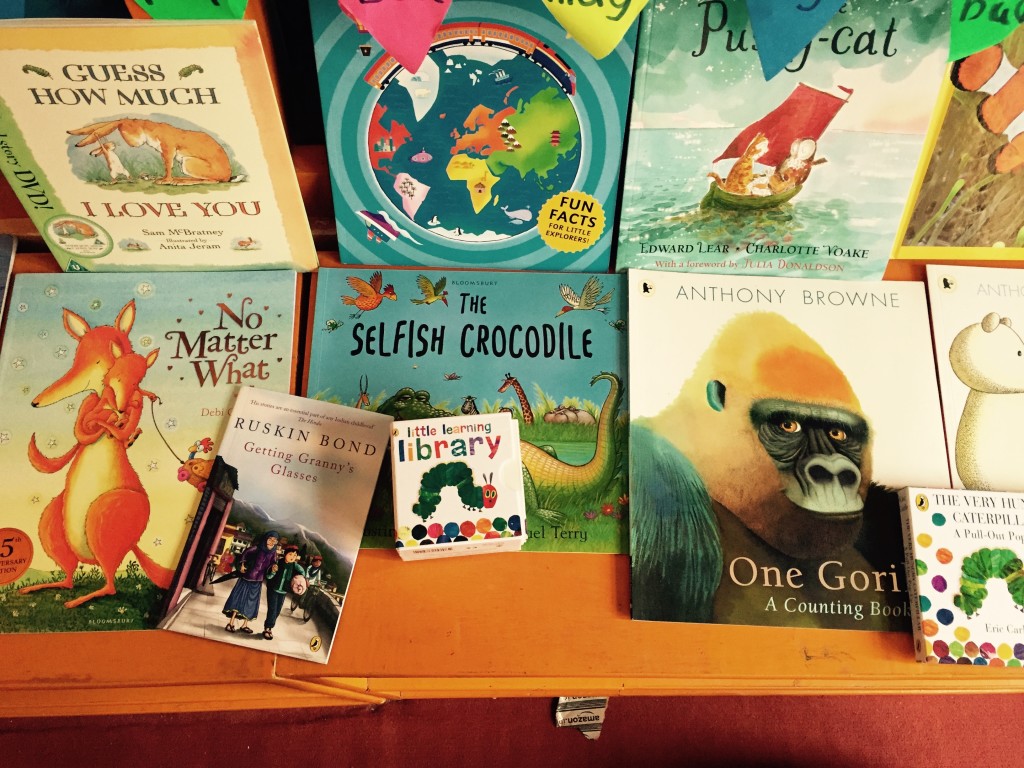
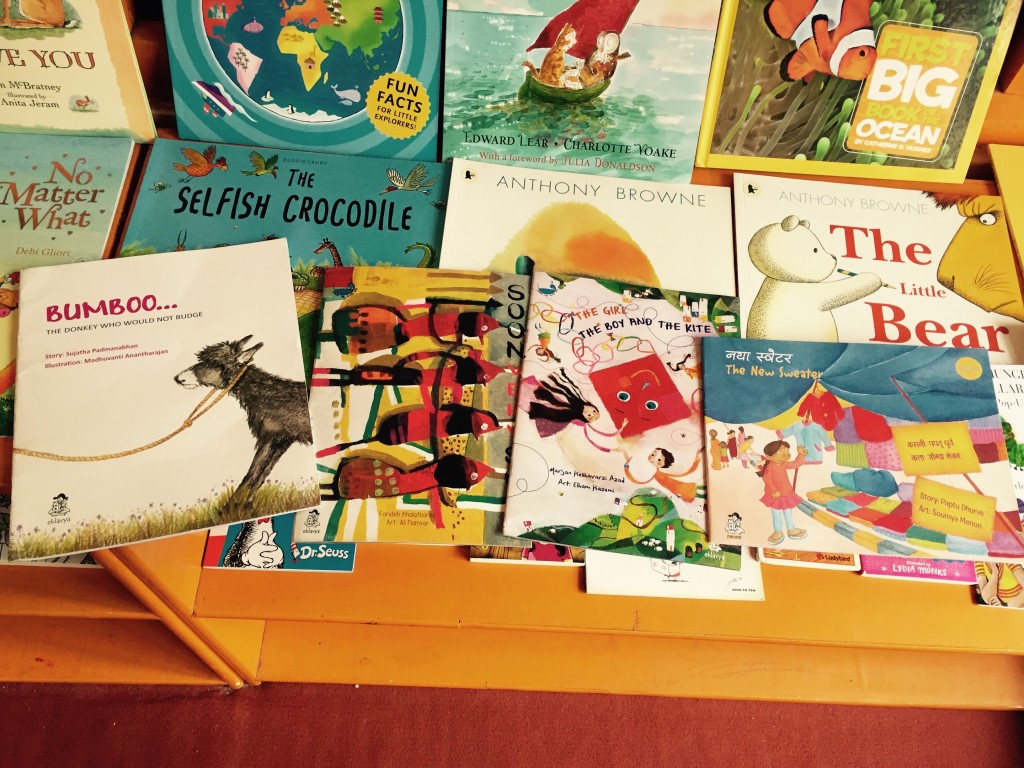
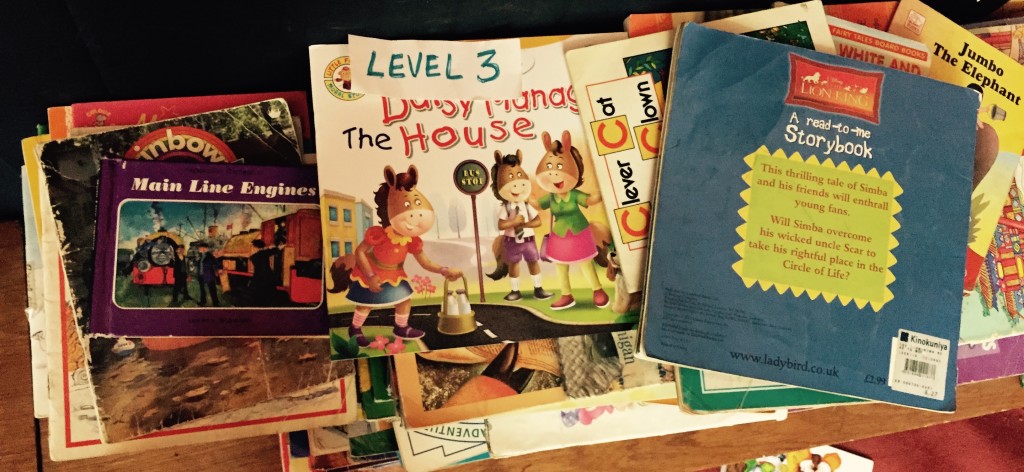
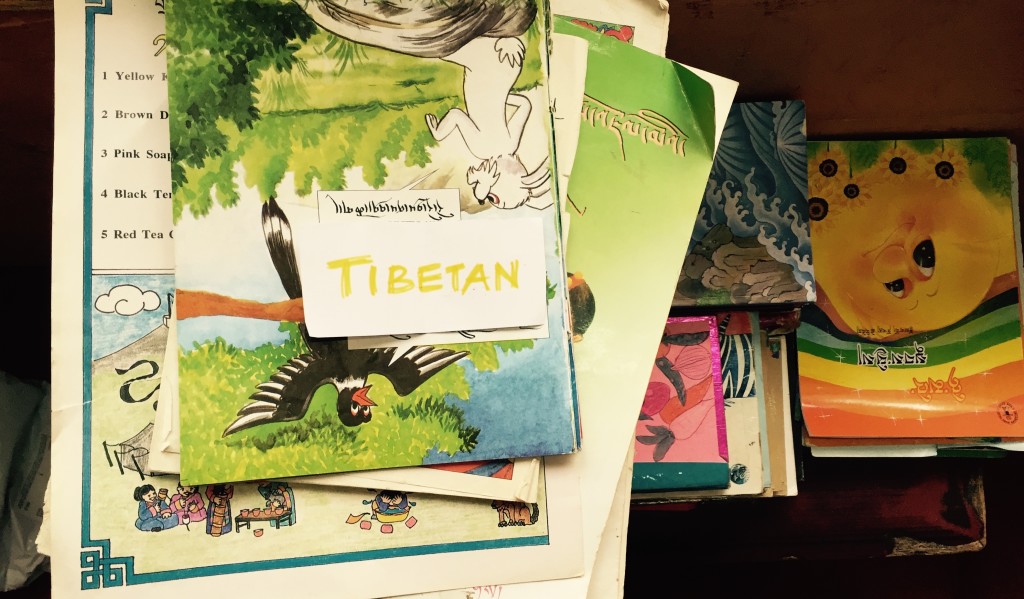
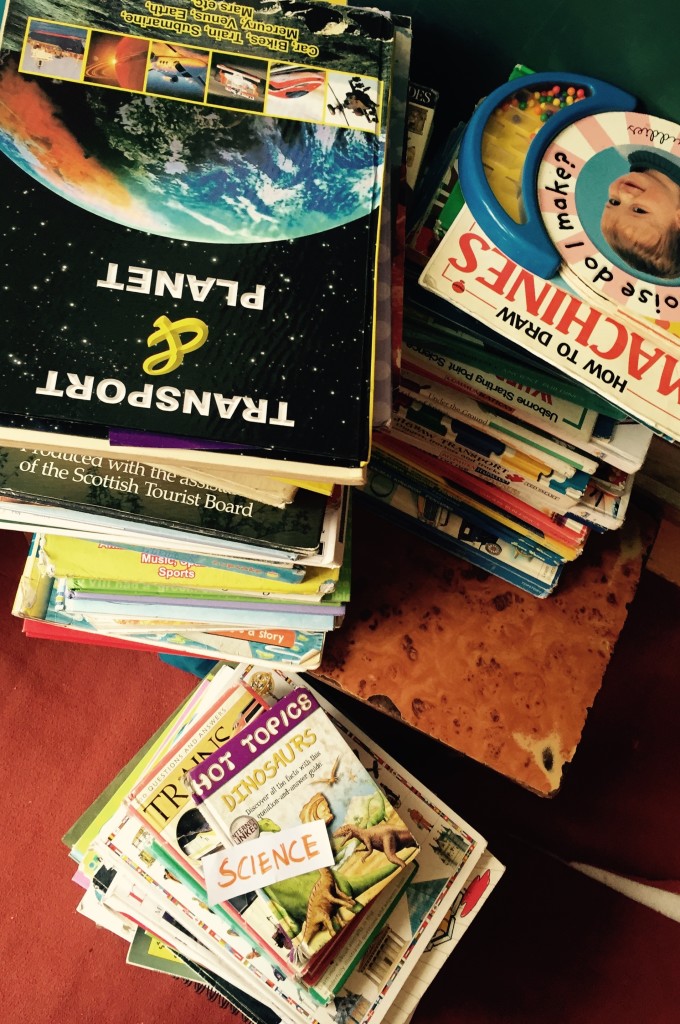
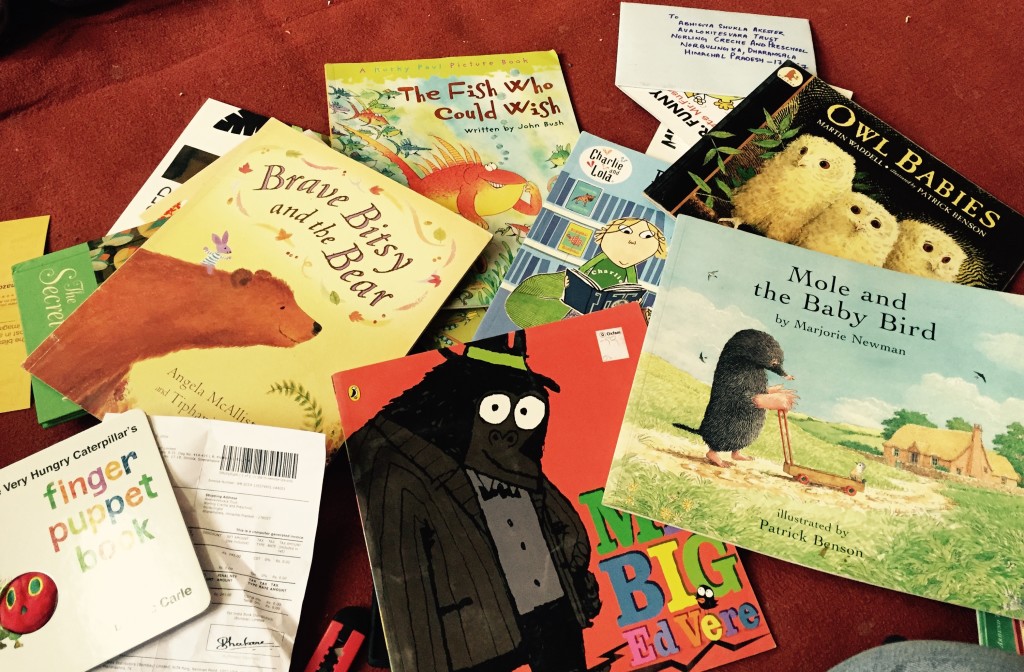
- Donate new or gently used children’s books suited to different ages and reading levels.
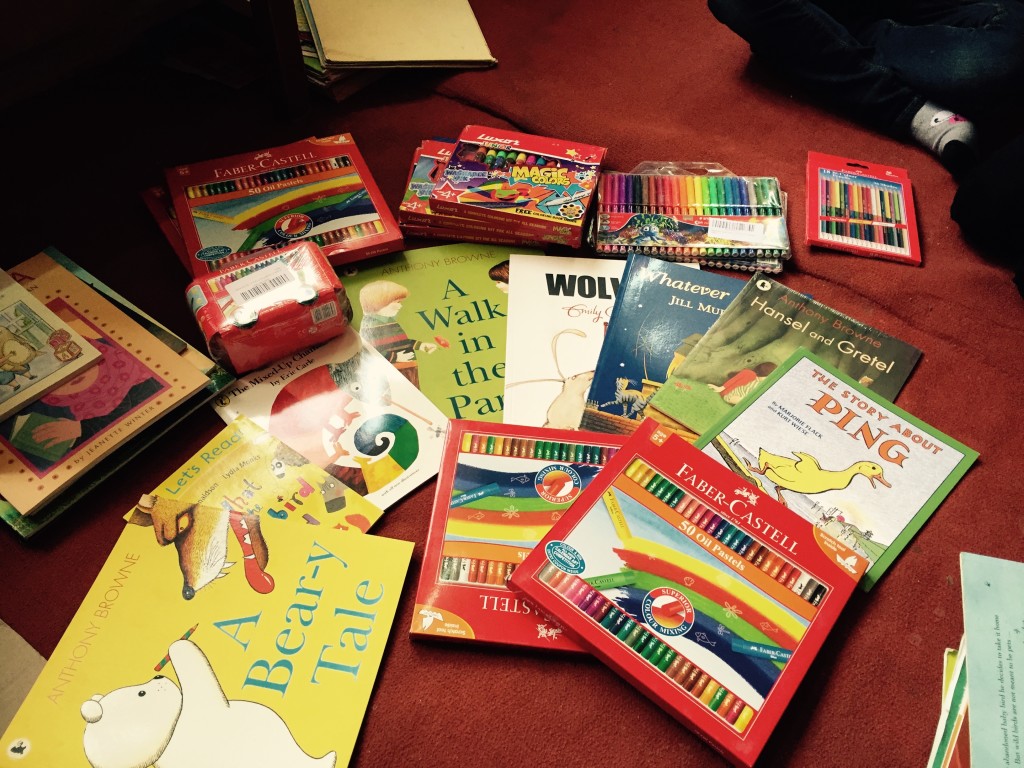
- Sponsor art supplies such as washable paints, brushes, paper, aprons, and storage materials.
- Support reading rooms with funds for furniture, lighting, transport, and educational programming.
- Share children’s artwork and project stories to help more people understand the value of community learning spaces.
- Volunteer skills in storytelling, music, illustration, teaching, or activity planning when opportunities arise.
Every contribution strengthens the setting in which children learn. A book can begin a journey, a brush can give that journey colour, and a welcoming room can encourage children to return again and again.
Keep the story growing
The mural remains more than a painted wall. It is a visible record of children being trusted with space, materials, and attention. Its images remind visitors that education includes imagination, self-expression, cooperation, and the confidence to picture a future that may look different from the present.
Avalokiteśvara Trust continues to support access to books and creative opportunities for children and young monks across Himalayan communities. By helping provide reading materials, art activities, and welcoming libraries, you can make more places where children’s ideas are seen and heard.
Donate, share the work, or become involved with the Trust’s educational initiatives. Together, we can help turn another quiet wall into a doorway for stories, discovery, and dreams.