Why Children Should Write Their Own Stories
A child’s story begins with attention: noticing the sound of wind across a mountain pass, remembering a grandmother’s song, or describing the walk from a remote village to school. When children write these moments in their own words, ordinary experiences become valuable records of imagination, identity, and place.
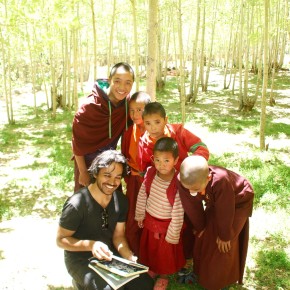
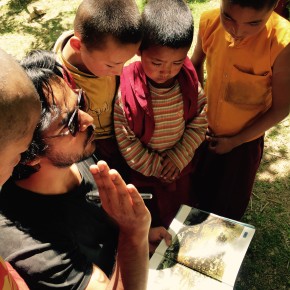
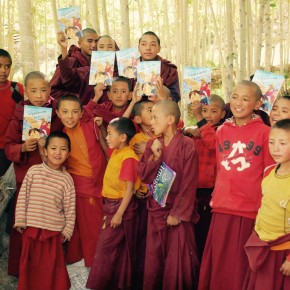
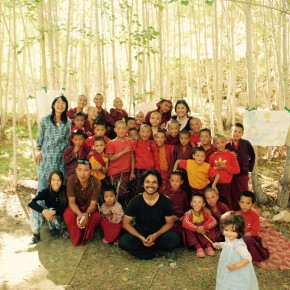
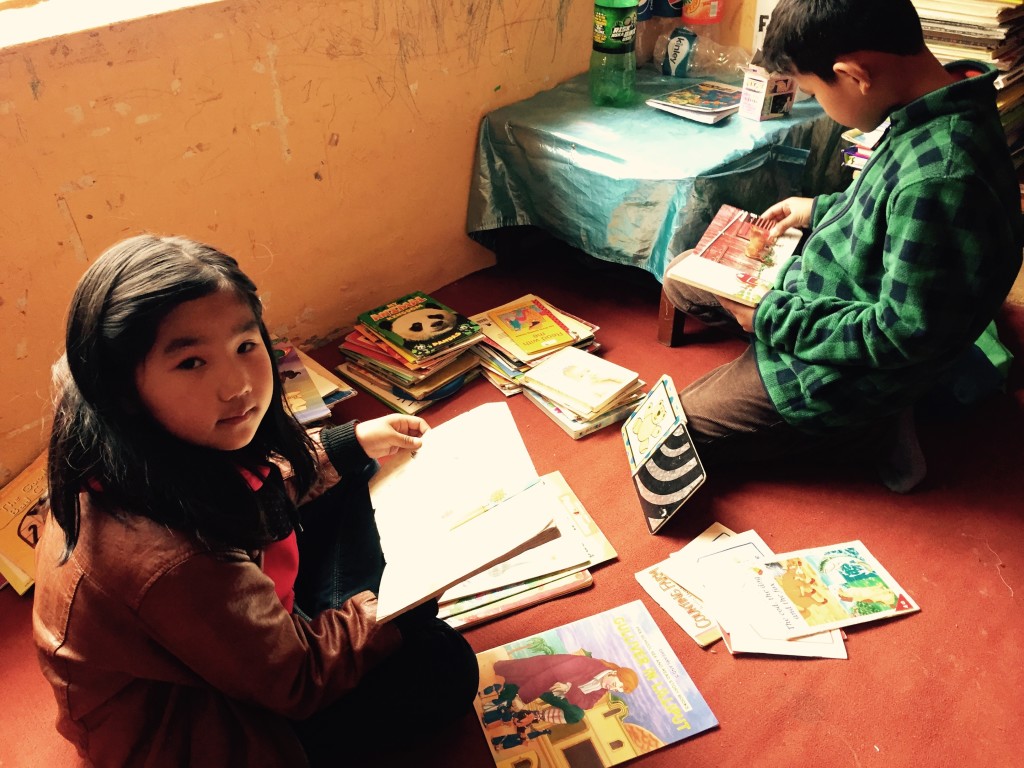
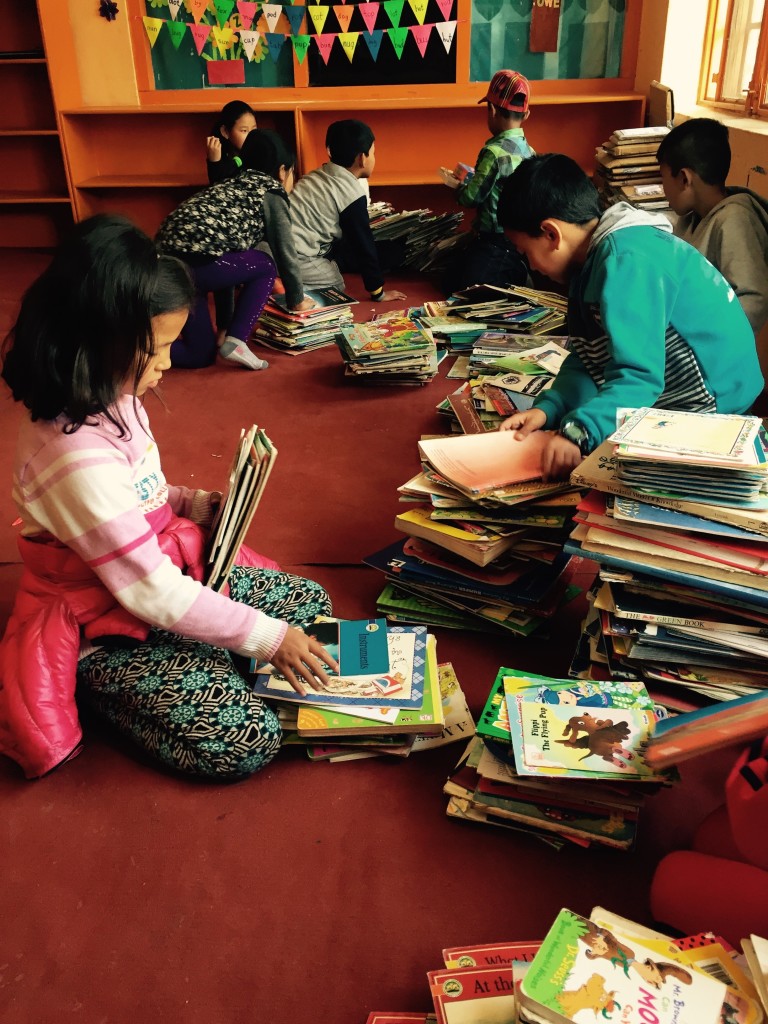
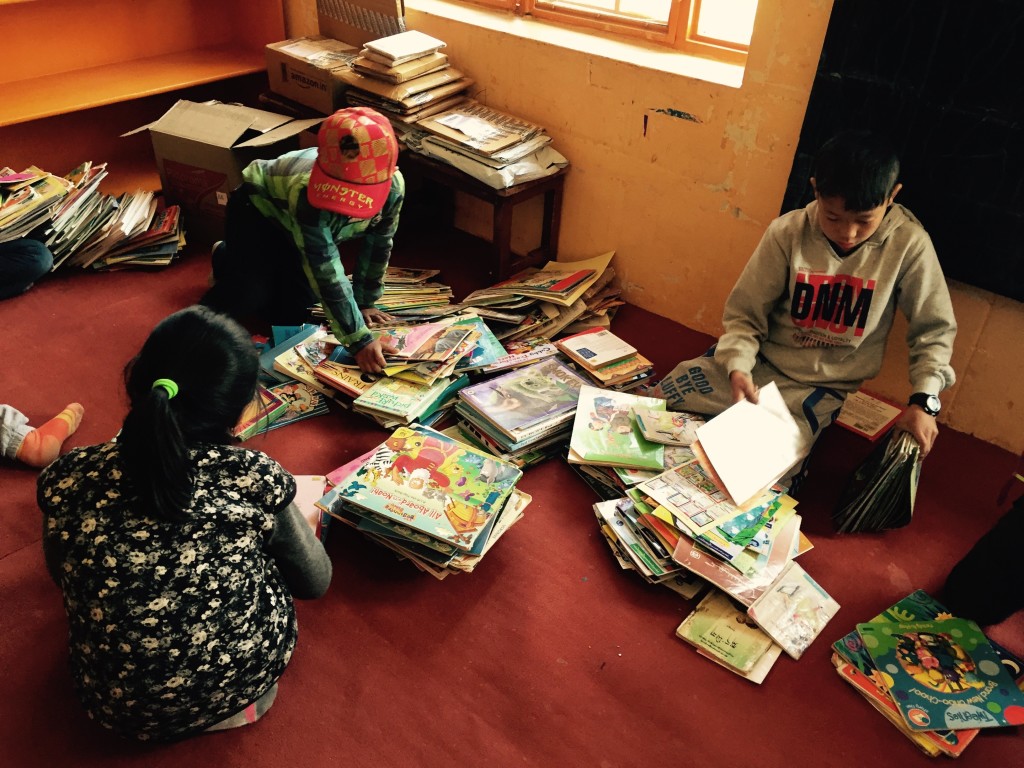
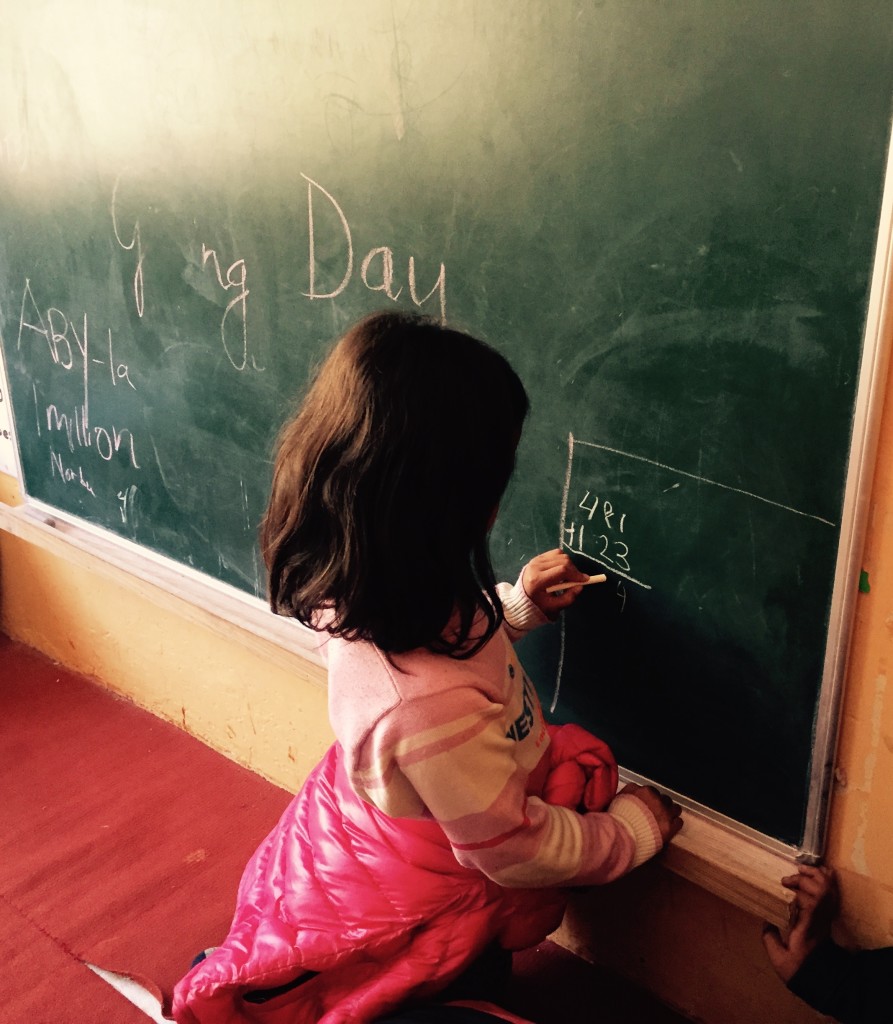
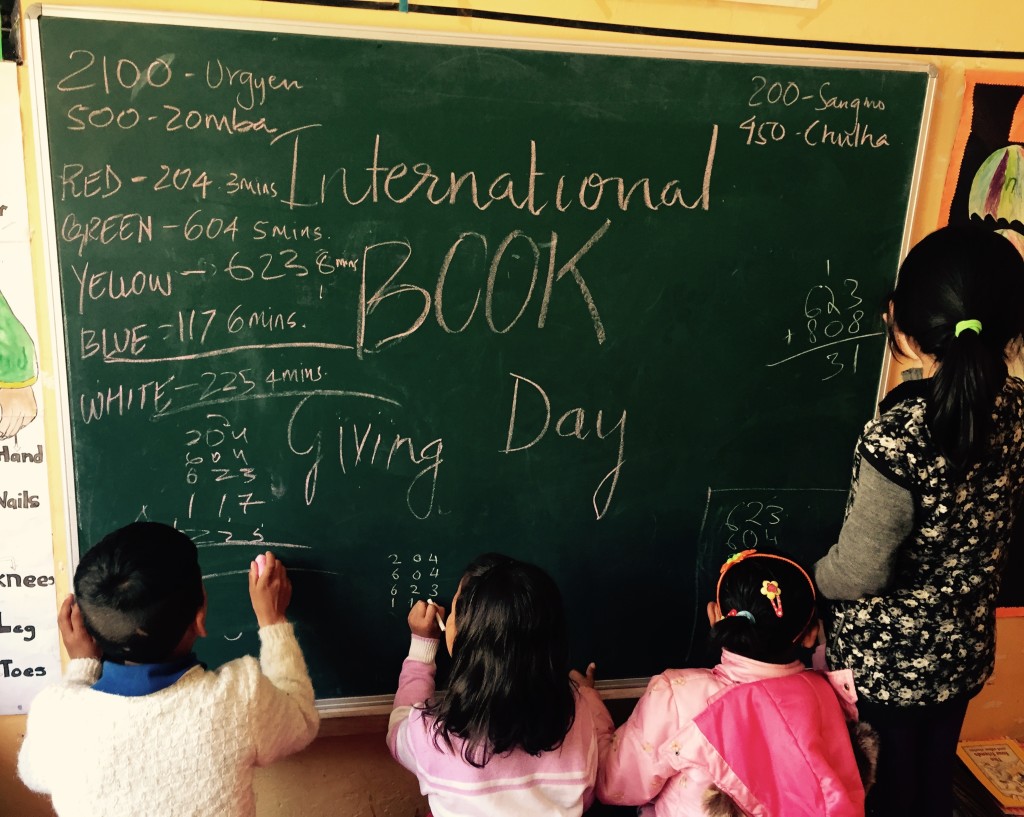
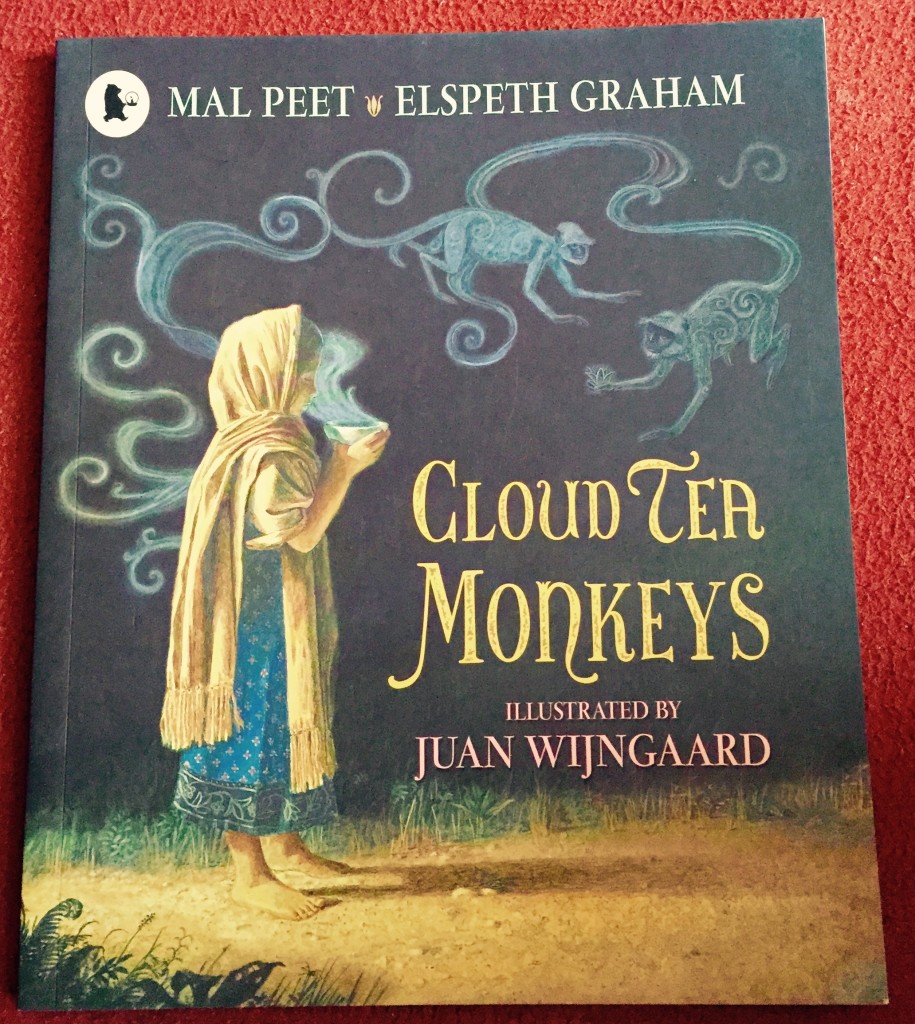
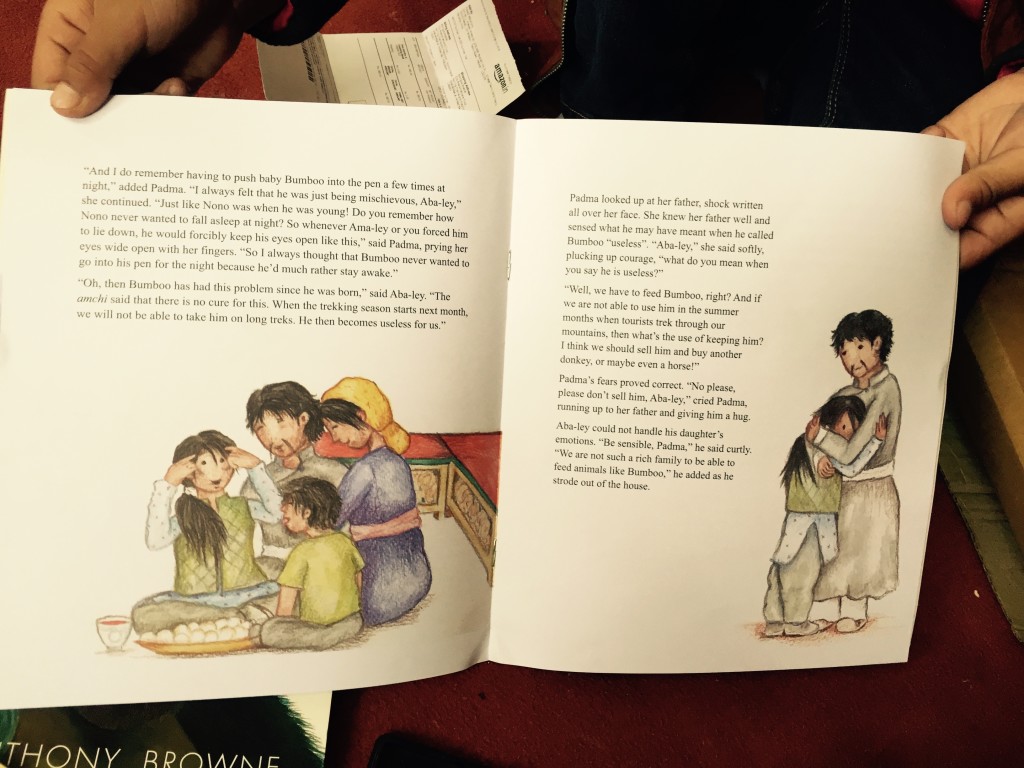
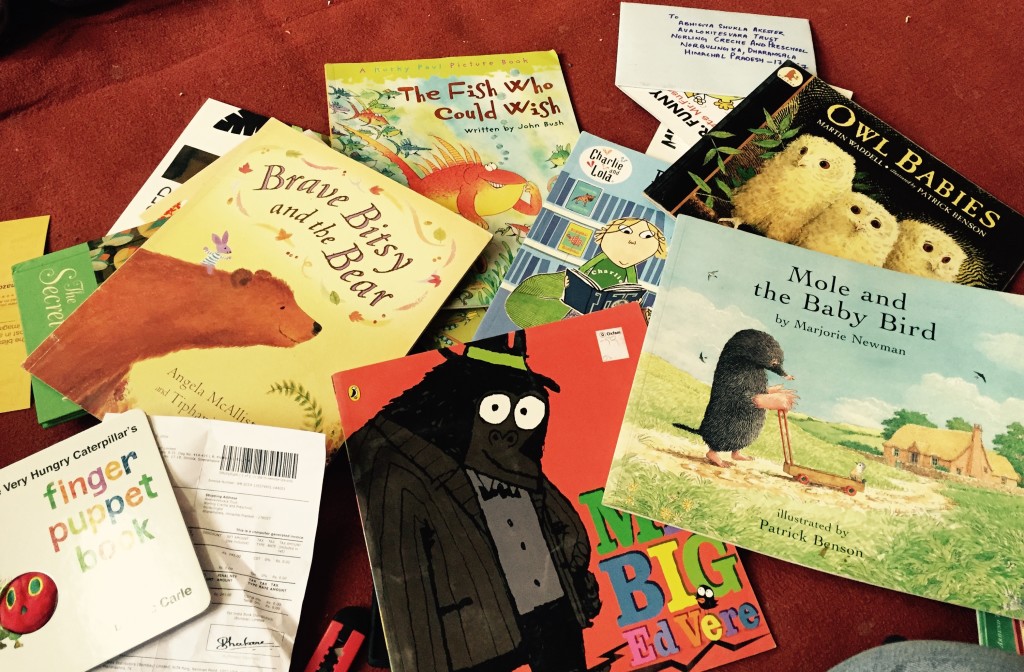
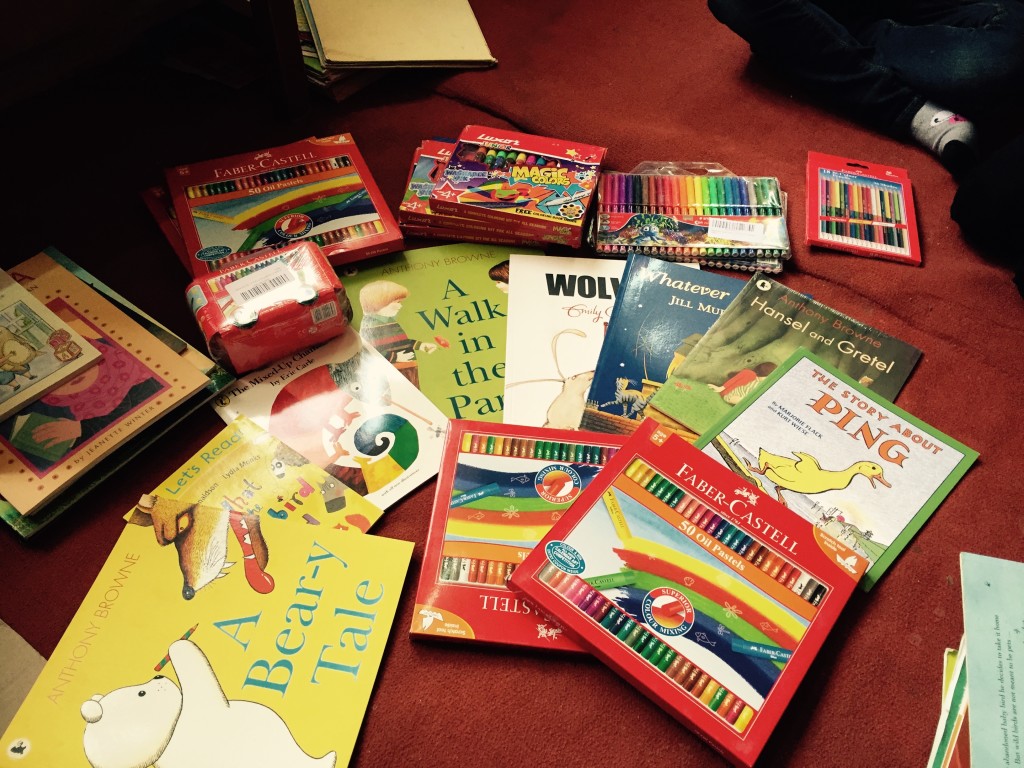
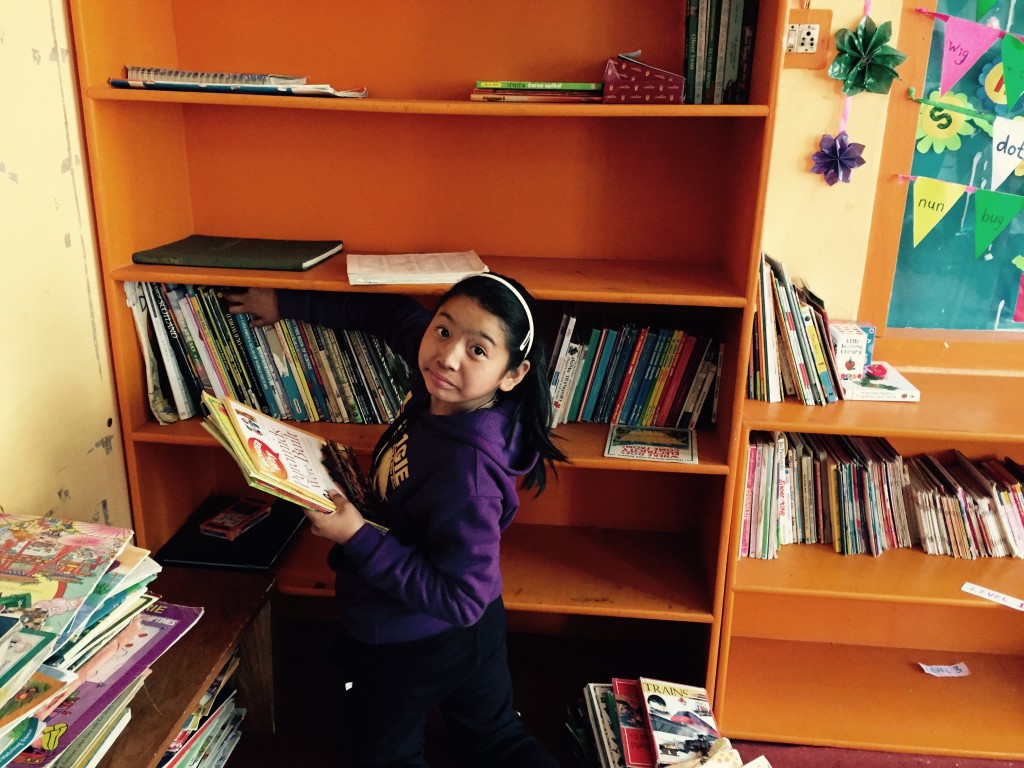
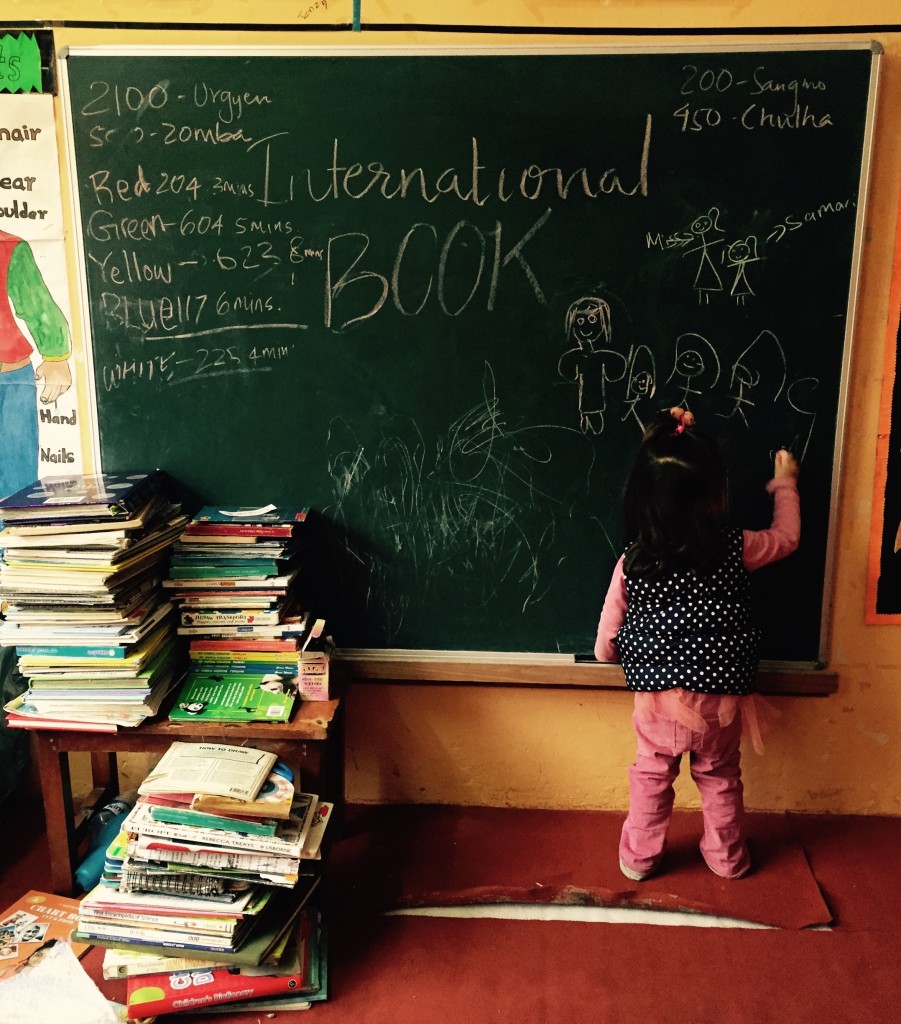
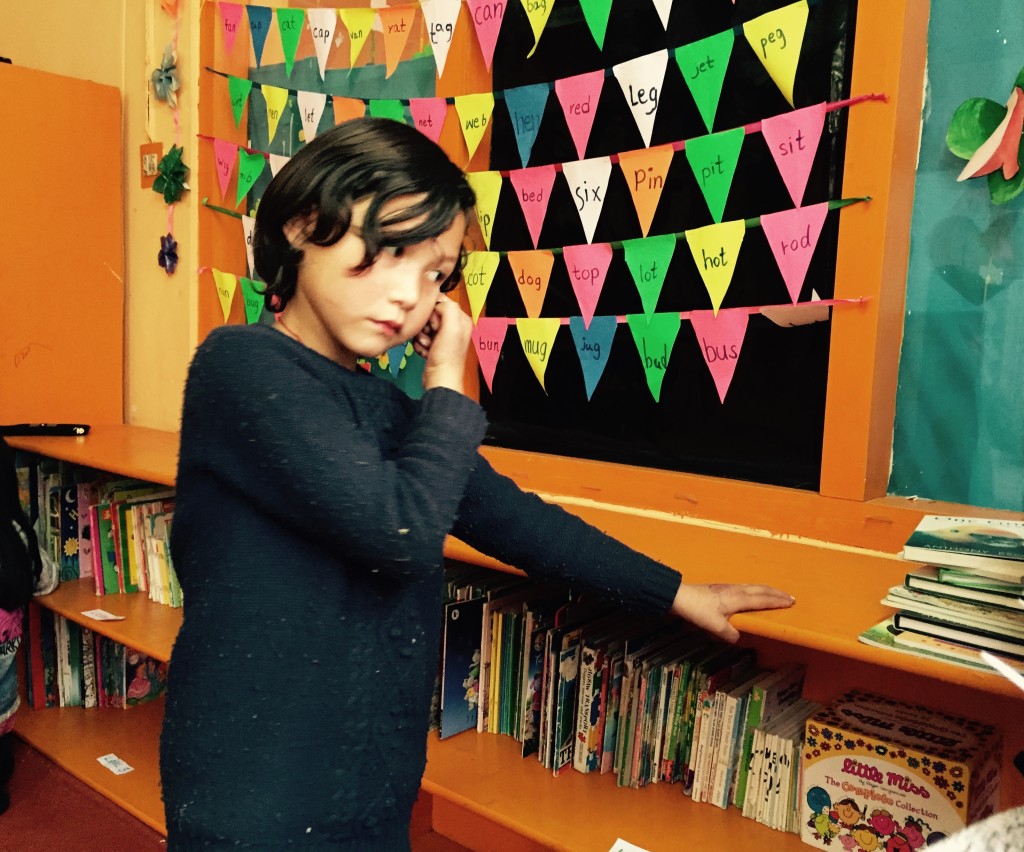
At Avalokiteśvara Trust, we encourage children and young monks to explore reading, writing, art, and music as connected forms of expression. Books give children ideas and language, while creative activities give them the freedom to respond, invent, and share what they see around them.
Why We Encourage Children to Write Their Own Stories is a question with answers that reach far beyond literacy. Story writing develops confidence, strengthens communication, preserves local knowledge, and helps children recognize that their thoughts deserve space in the world.
Stories Give Children A Sense Of Ownership
When a child creates a character, chooses a setting, or decides how a story should end, the child becomes an active maker of meaning. This experience differs from simply repeating a lesson or copying sentences from a textbook. The page belongs to the child, and every detail reflects a personal choice.
That sense of ownership can be especially important in communities where educational resources are limited. A notebook may become a place where a child can write about family life, monastery routines, animals, festivals, friendship, or hopes for the future. The finished story is both a learning exercise and a small declaration of identity.
Writing also teaches children that their lives contain subjects worth exploring. A story about carrying water, learning a traditional instrument, or watching snow settle on a roof may seem simple to an adult. For a child, it can become the beginning of observation, reflection, and creative confidence.
Language Grows Through Imagination
Creative writing gives children a practical reason to learn new words. They search for language that can describe a color, movement, feeling, or sound. This kind of vocabulary building is memorable because it serves a purpose the child understands: making a story clearer and more vivid.
As children revise their work, they learn how sentences connect and how ideas develop. They begin to recognize a beginning, a turning point, and an ending. These skills support reading comprehension, schoolwork, public speaking, and everyday communication in both local languages and additional languages they may be learning.
The process also makes mistakes less intimidating. A first draft can be changed, expanded, or rewritten. Children learn that writing is not a test of perfection but a form of discovery. With patient encouragement, a hesitant writer can gradually become a confident storyteller.
A Safe Space For Feelings And Ideas
Children often understand their emotions before they know how to explain them directly. Fiction gives them a gentle way to explore fear, courage, loneliness, kindness, and hope. A character can face a difficult journey, make a brave decision, or find help from an unexpected friend. Through that character, a child may examine feelings that are difficult to discuss openly.
Storytelling can also strengthen empathy. When children imagine another person’s experience, they practice seeing the world from a different point of view. They may write from the perspective of a younger sibling, an elderly neighbor, an animal, or a traveler arriving in an unfamiliar village. Each perspective expands their emotional and social understanding.
Creative expression should remain welcoming rather than competitive. Children do not need to produce polished literature to benefit from writing. A few sentences, a comic strip, a poem, or a story told aloud can all be meaningful forms of participation.
A simple comparison helps show how different learning activities support one another:
| Activity |
Skills Developed |
Personal Benefits |
| Reading a story |
Vocabulary, comprehension, concentration |
Curiosity and wider perspectives |
| Writing a story |
Sequencing, expression, decision-making |
Ownership and confidence |
| Drawing scenes |
Visual communication, observation |
Imagination and attention to detail |
| Sharing aloud |
Listening, speaking, empathy |
Belonging and courage |
| Revising a draft |
Patience, grammar, reflection |
Resilience and pride in progress |
Local Experiences Become Living Knowledge
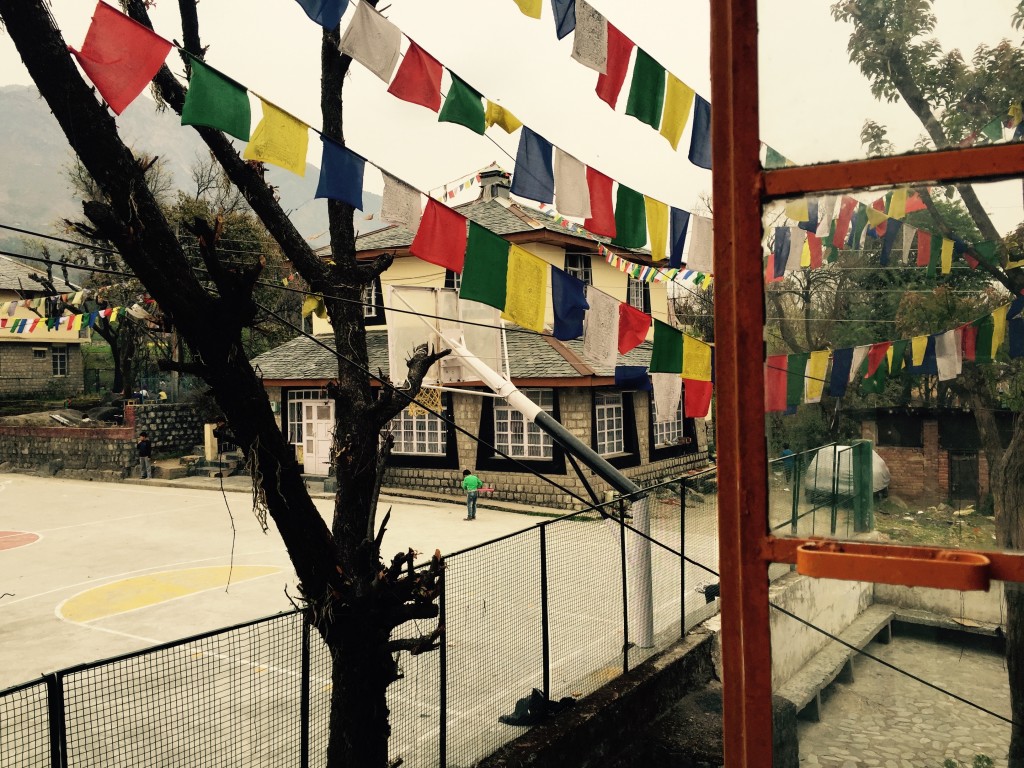
Children’s writing can preserve details that rarely appear in formal books. A young writer may describe a seasonal celebration, a local landscape, a family craft, or the sound of prayer flags moving in the wind. Such descriptions carry cultural knowledge in a direct and personal form.
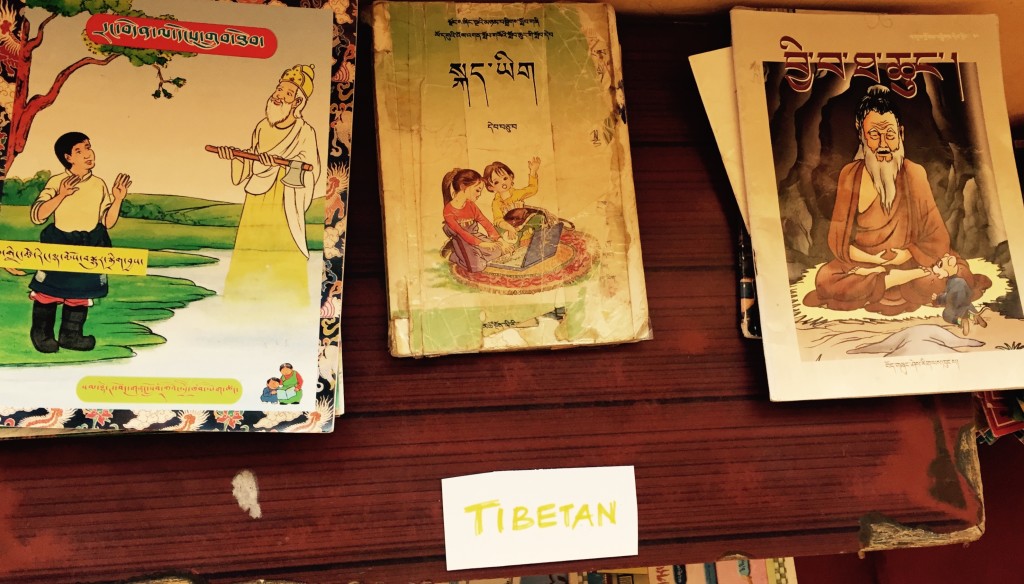
This matters in Himalayan communities, where geography and tradition shape daily life in distinctive ways. When children write about Ladakh or other mountain regions, they connect education with their own surroundings. A lesson about nature can begin with a familiar stream; a discussion of community can begin with a monastery, village, or family gathering.
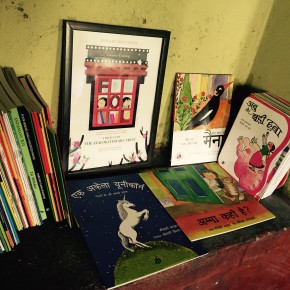
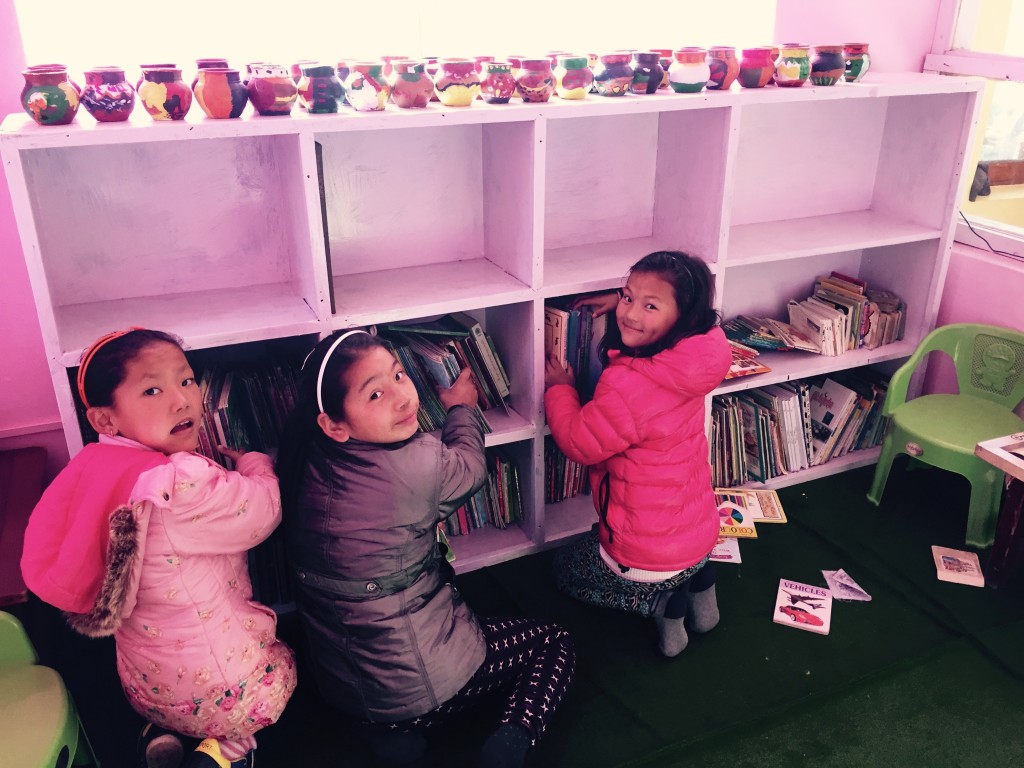
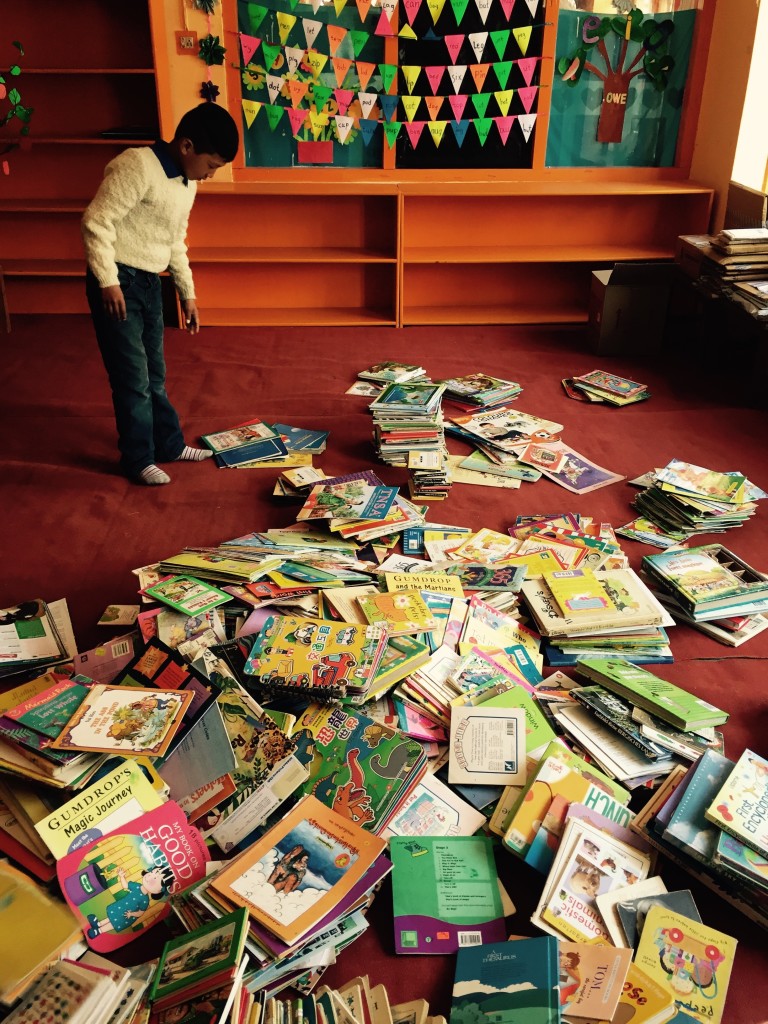
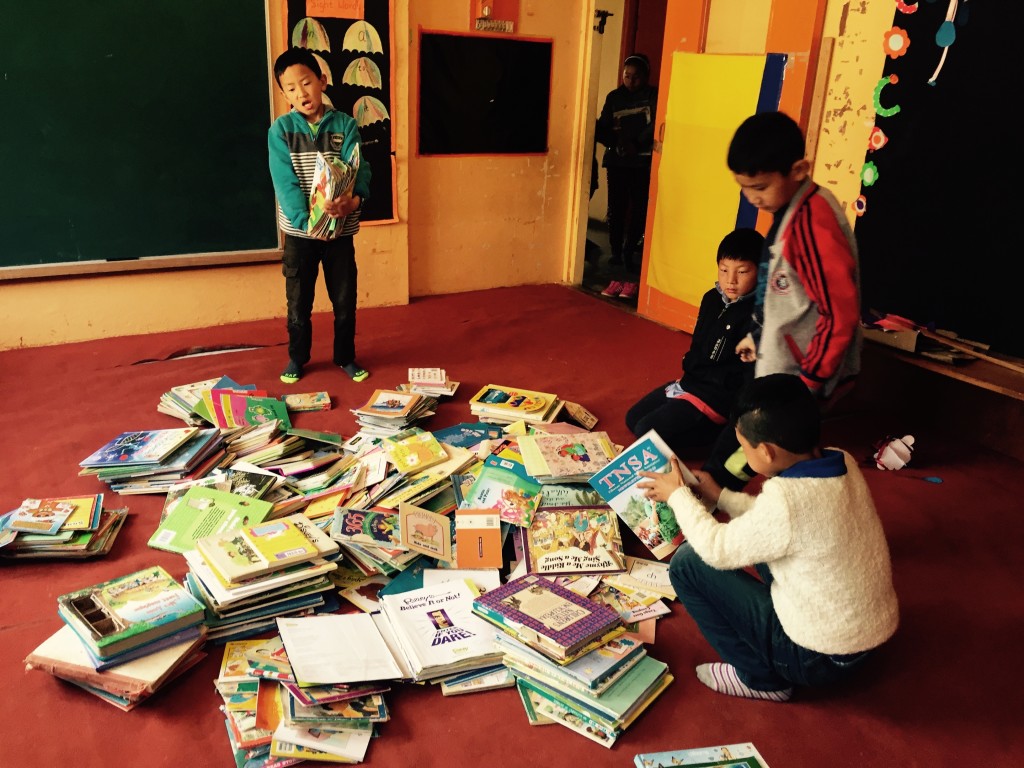
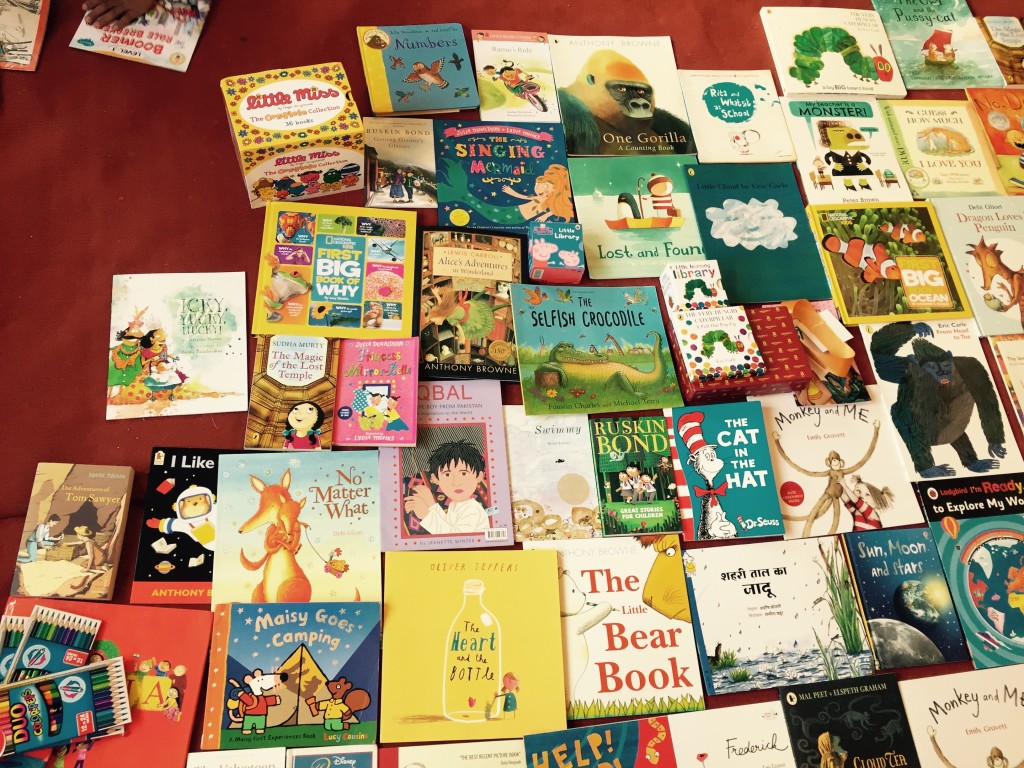
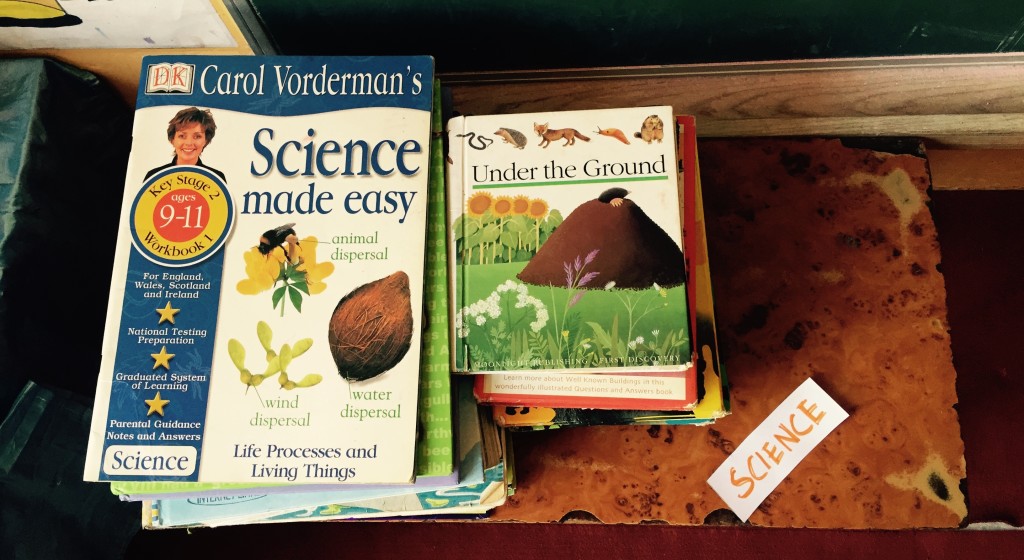
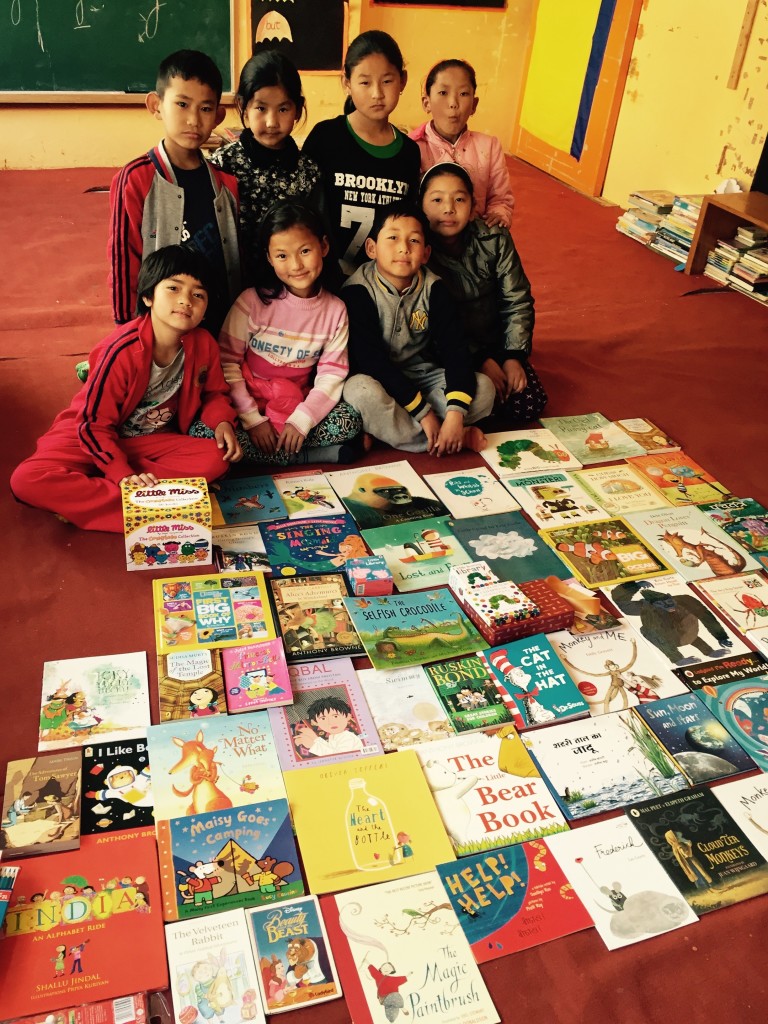
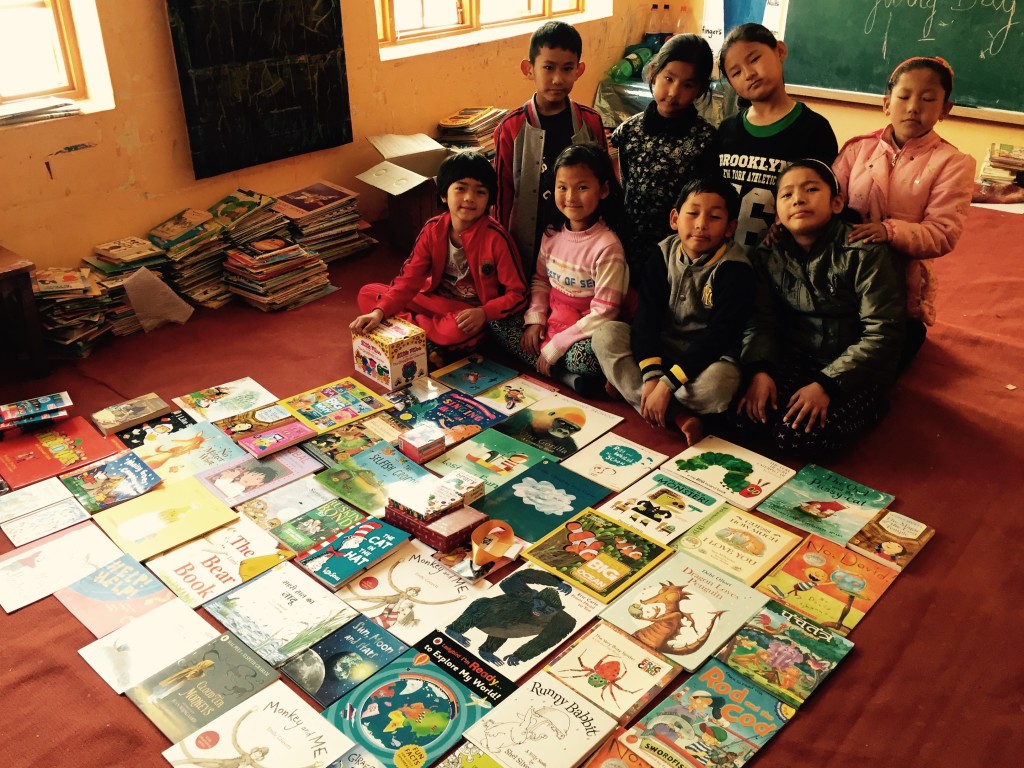
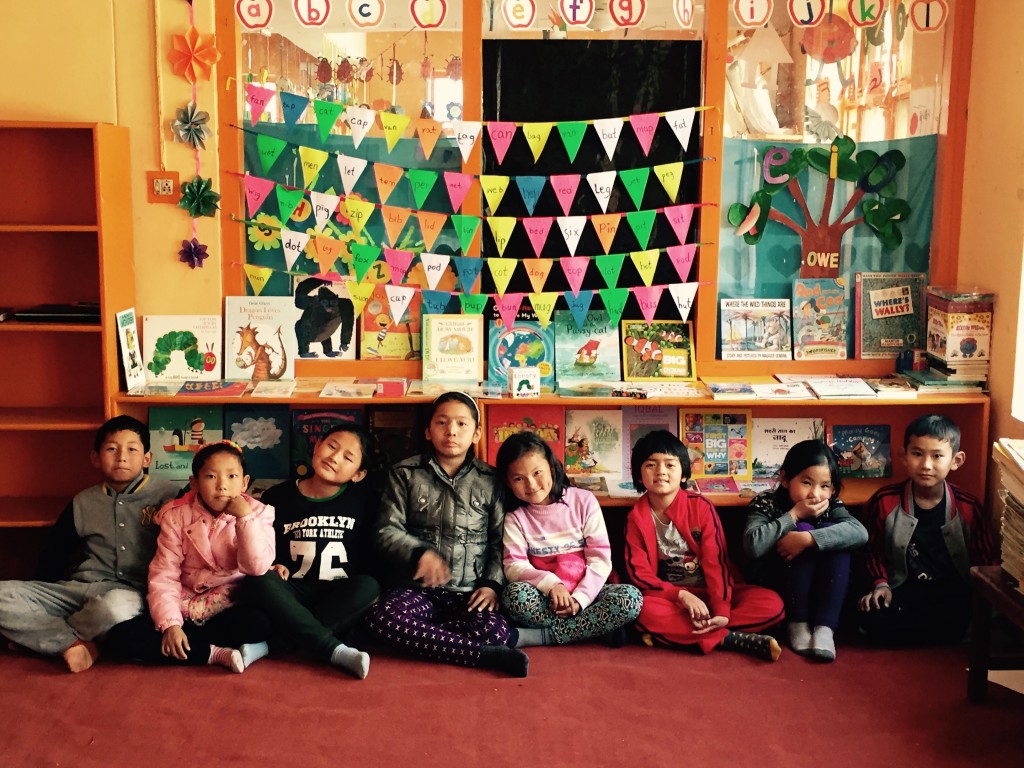
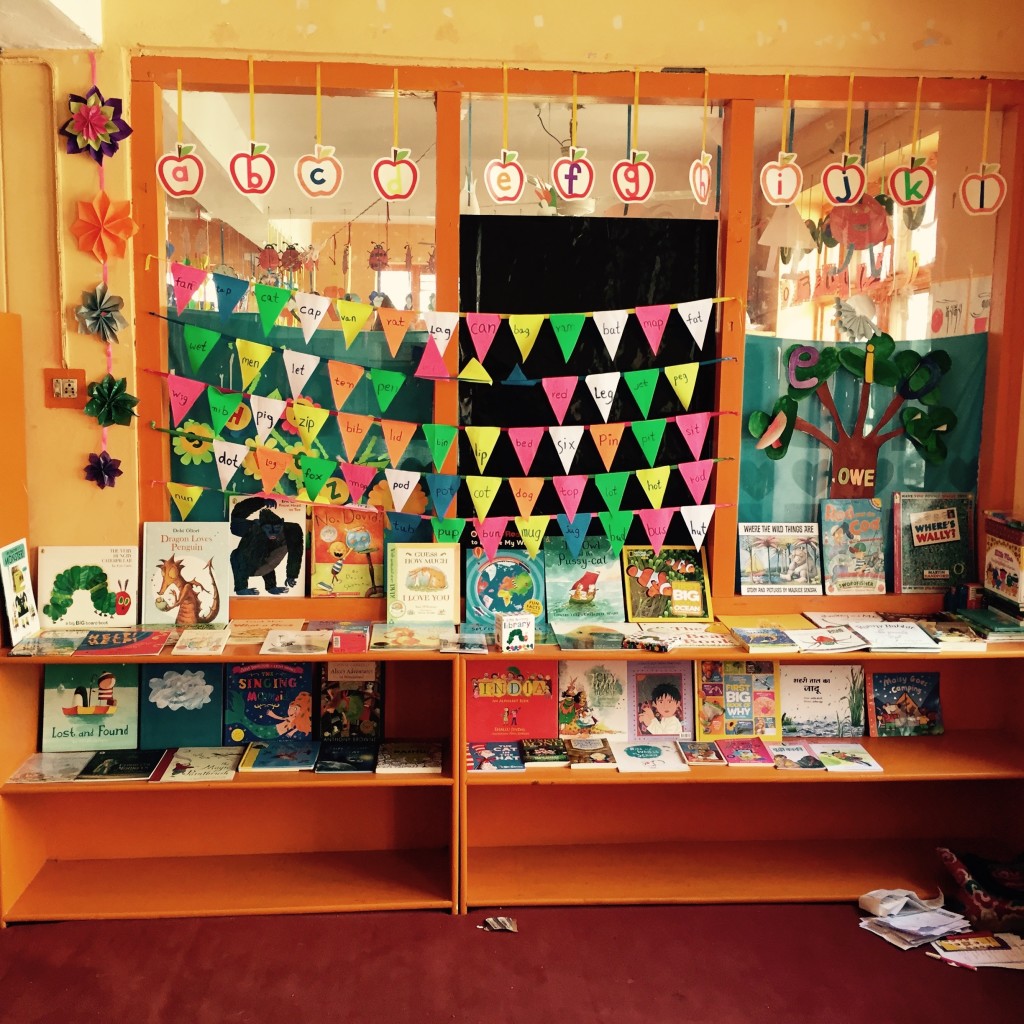
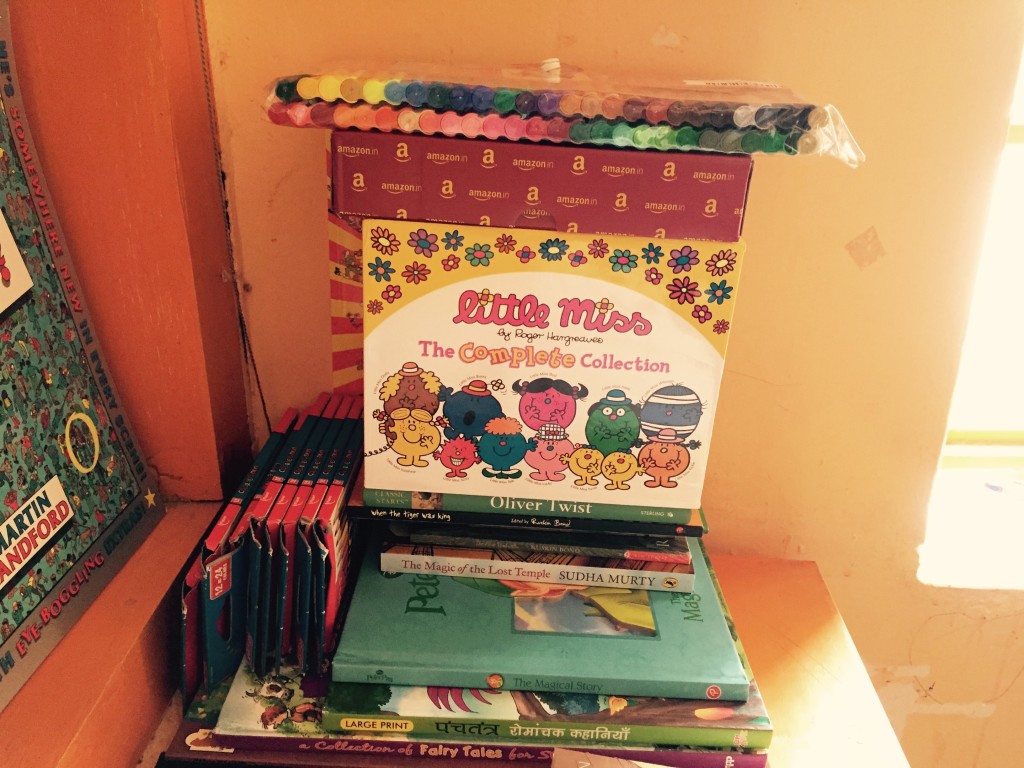
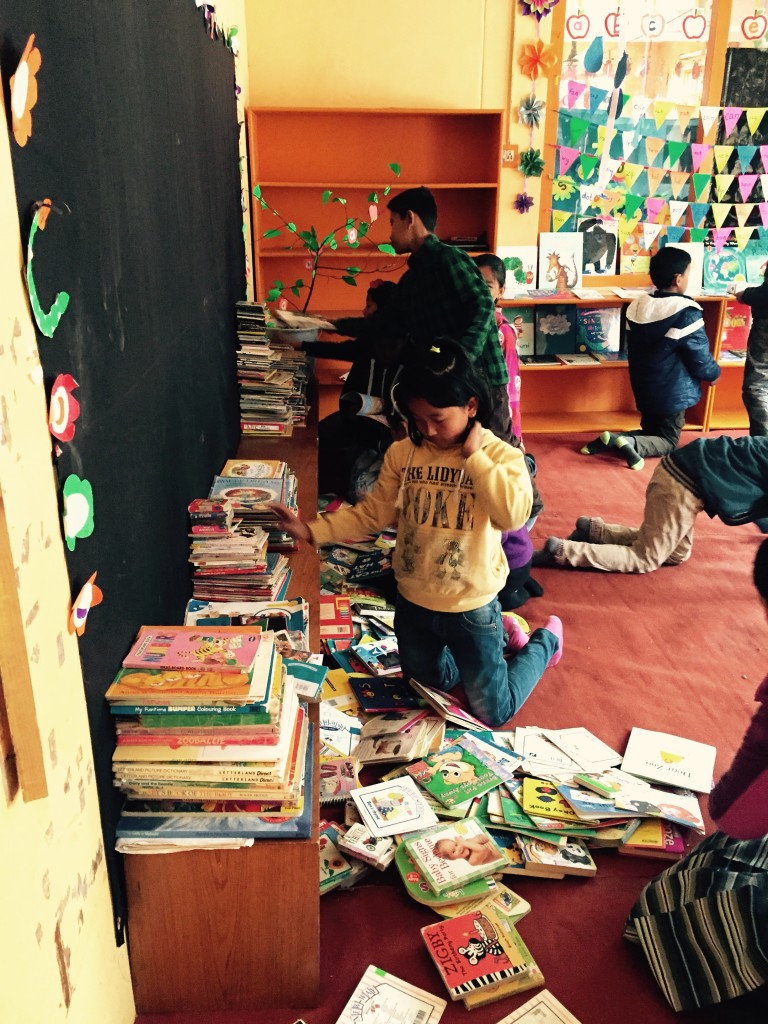
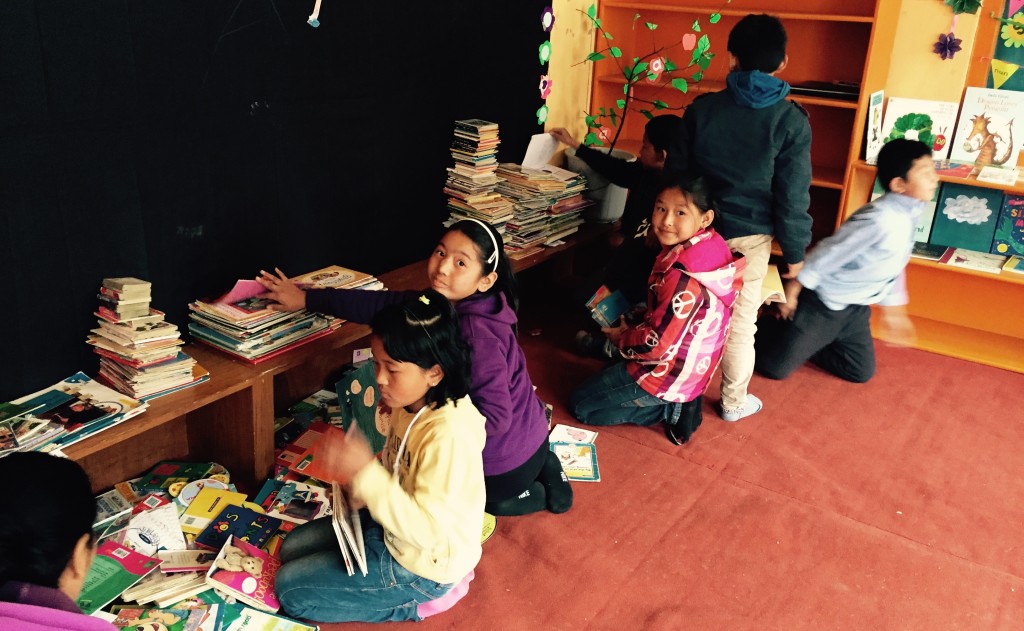
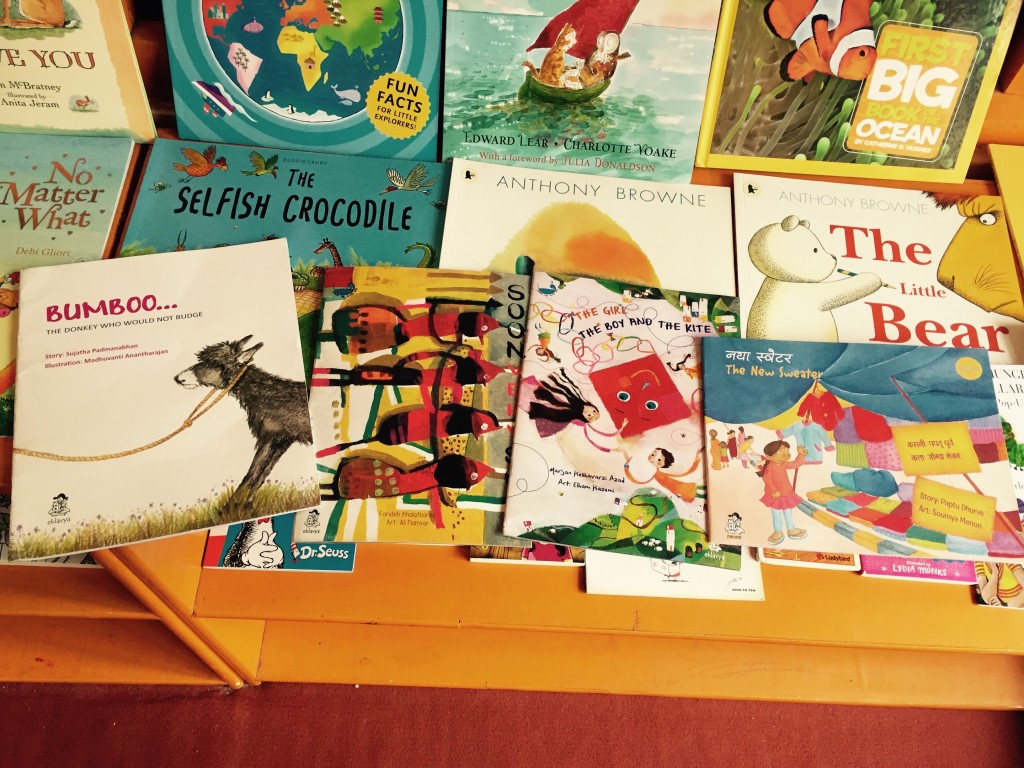
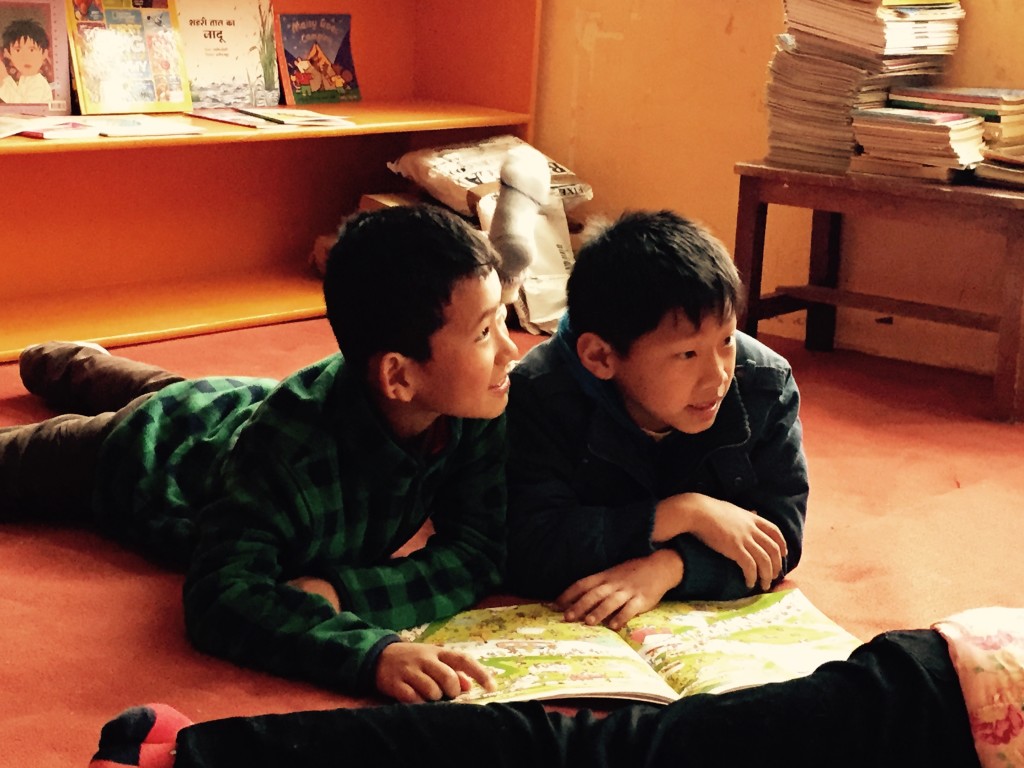
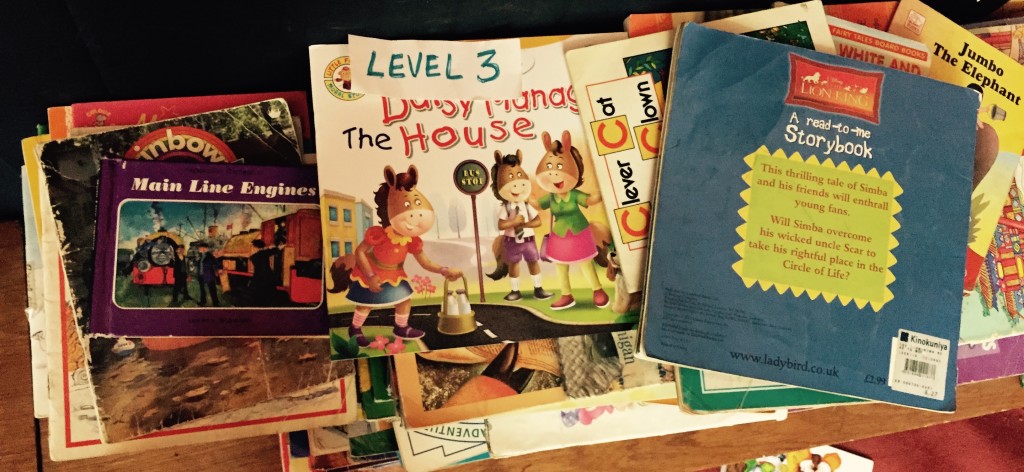
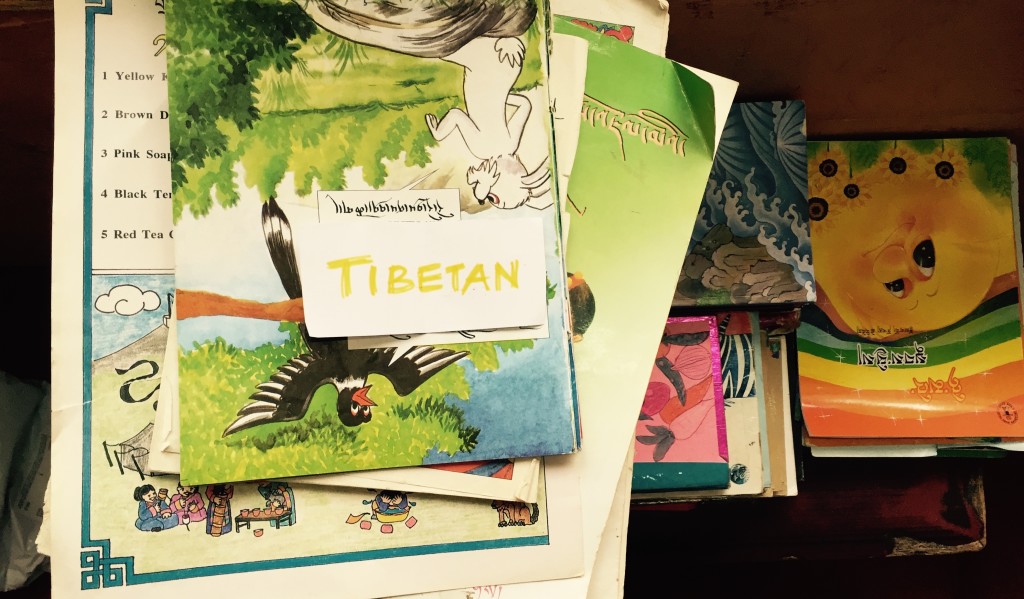
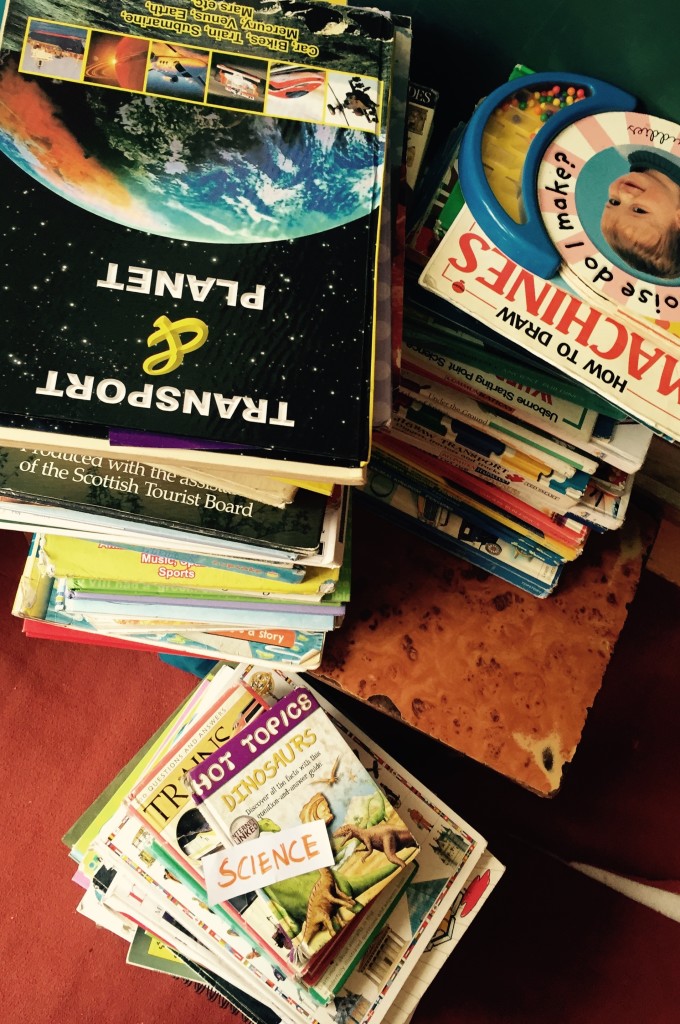
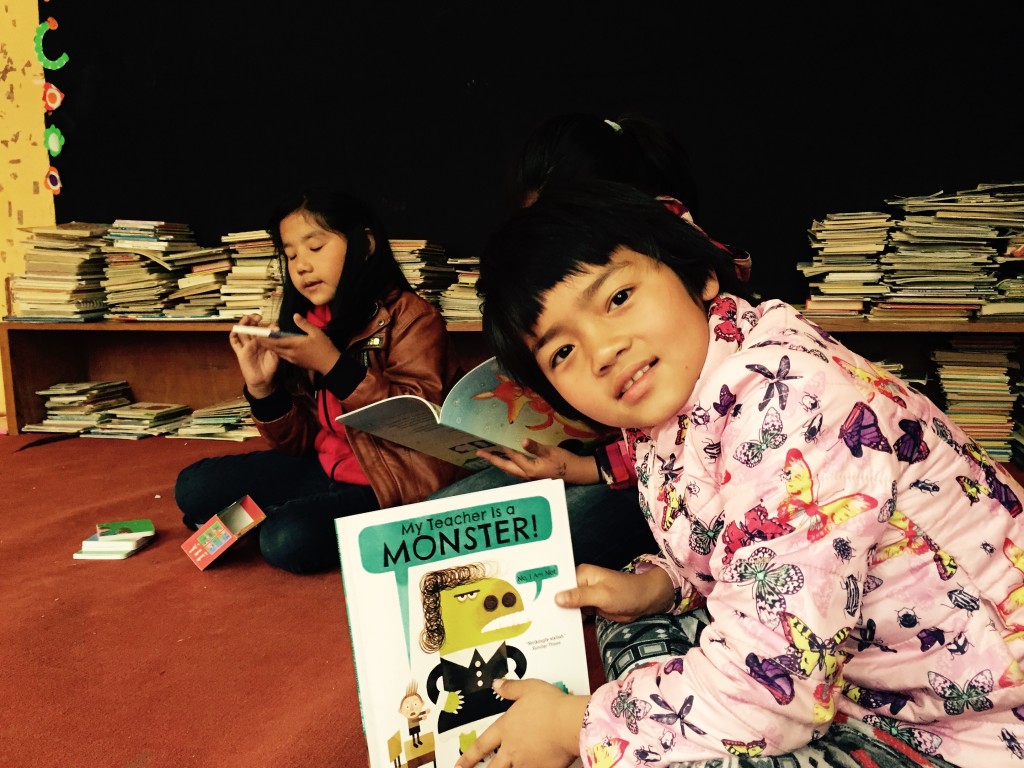
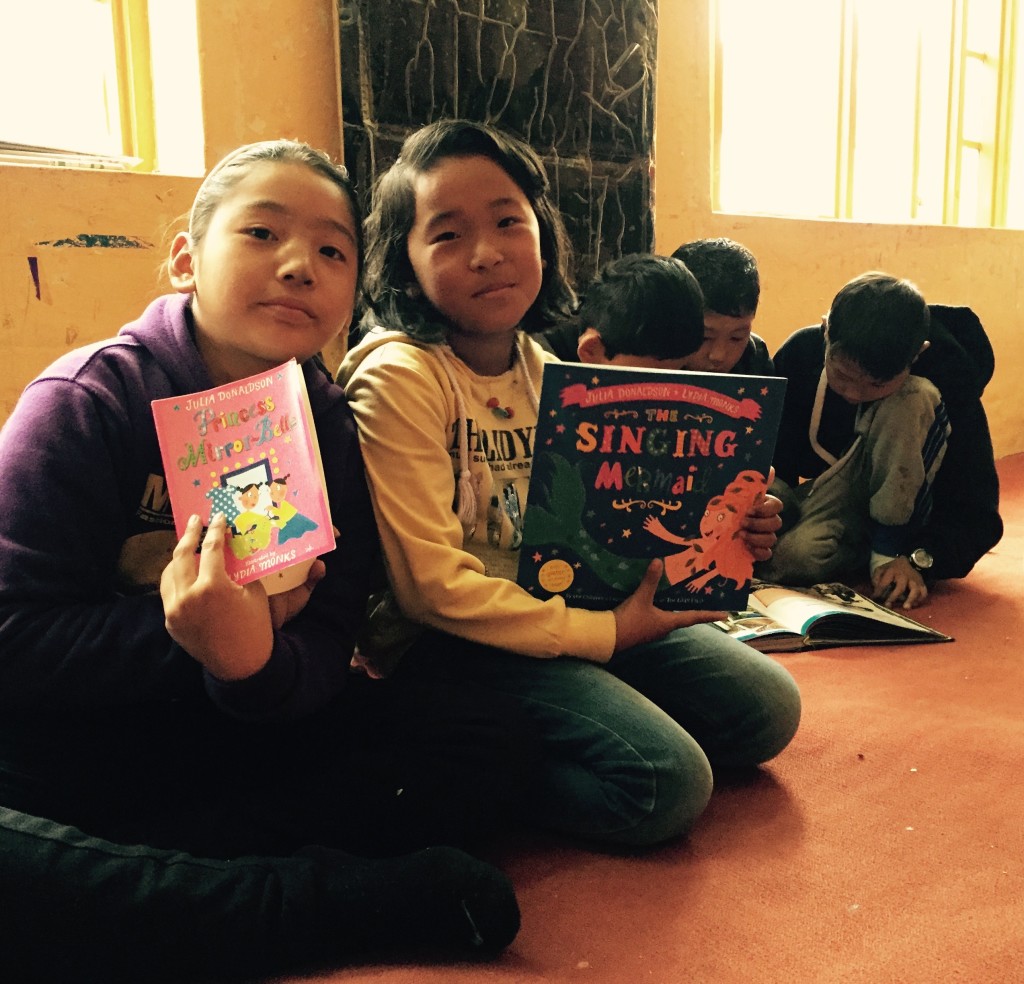
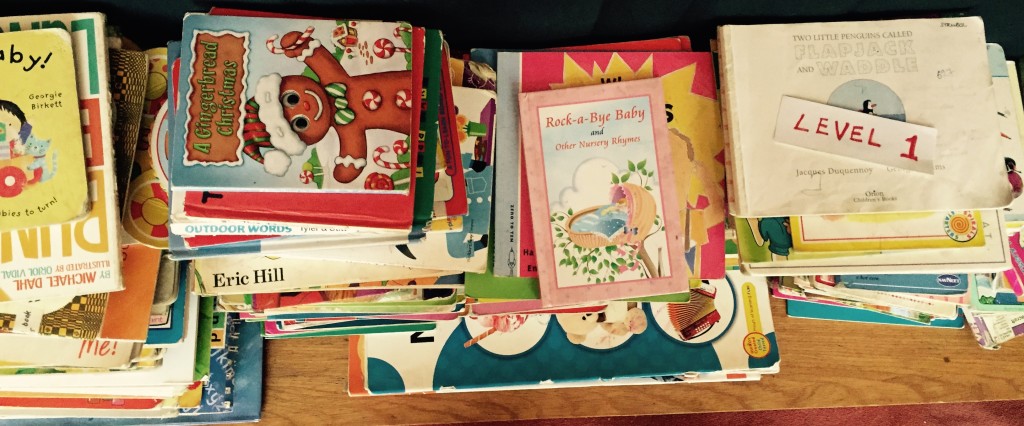
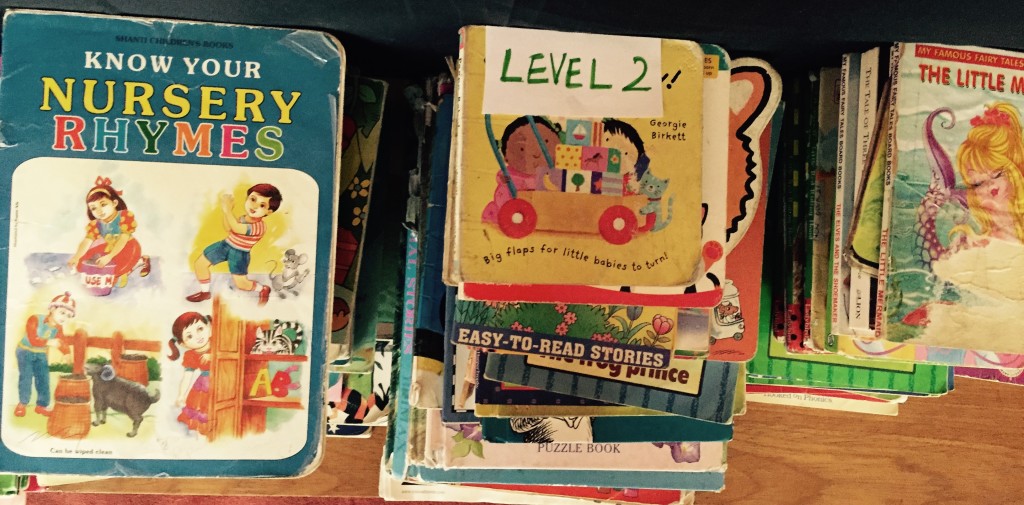
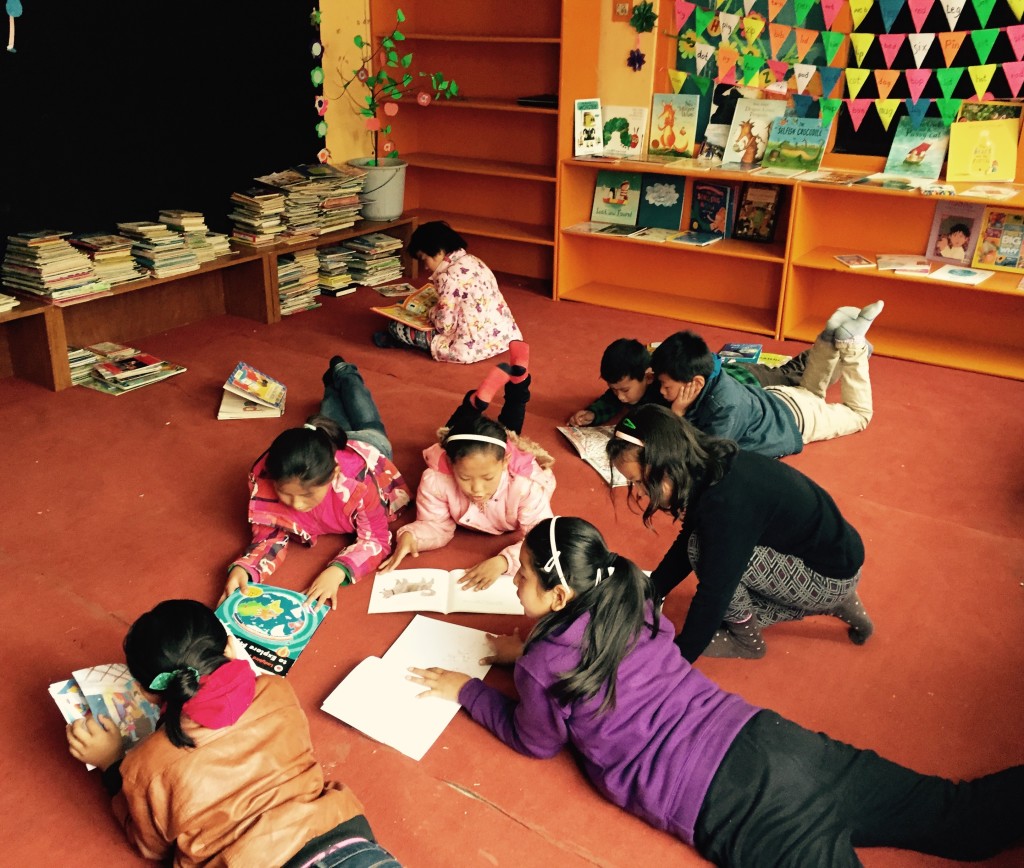
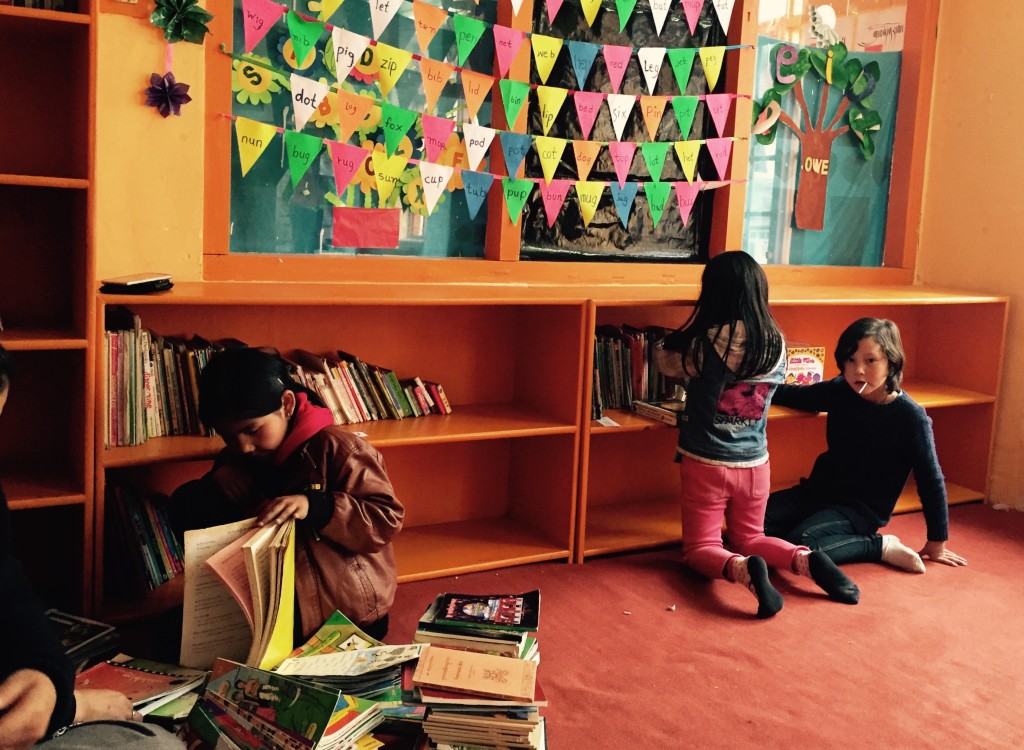
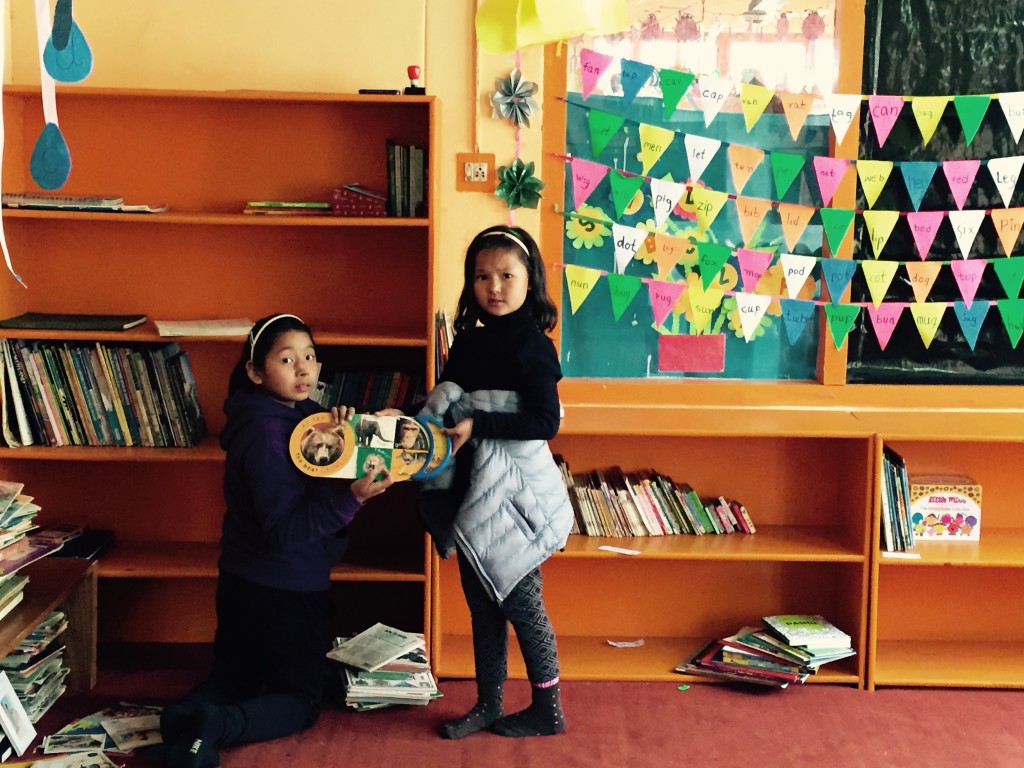
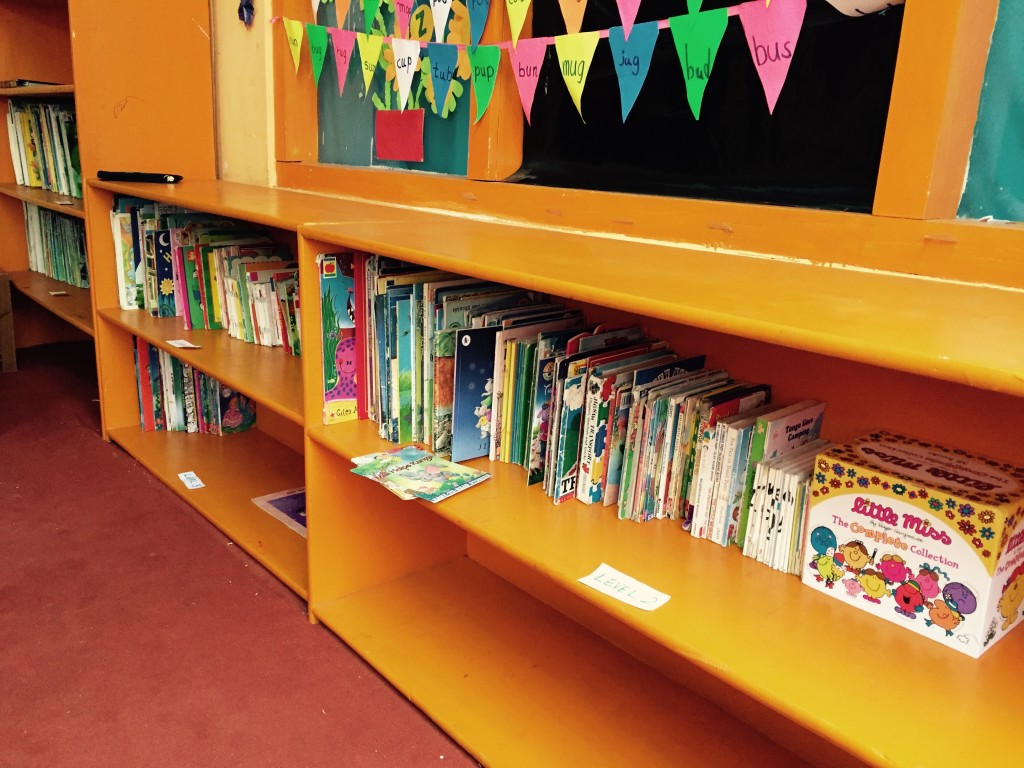
Reading rooms support this process by giving children access to stories from beyond their immediate environment. At the same time, children’s own writing ensures that learning does not flow in only one direction. They become contributors to a shared collection of voices, experiences, and ideas.
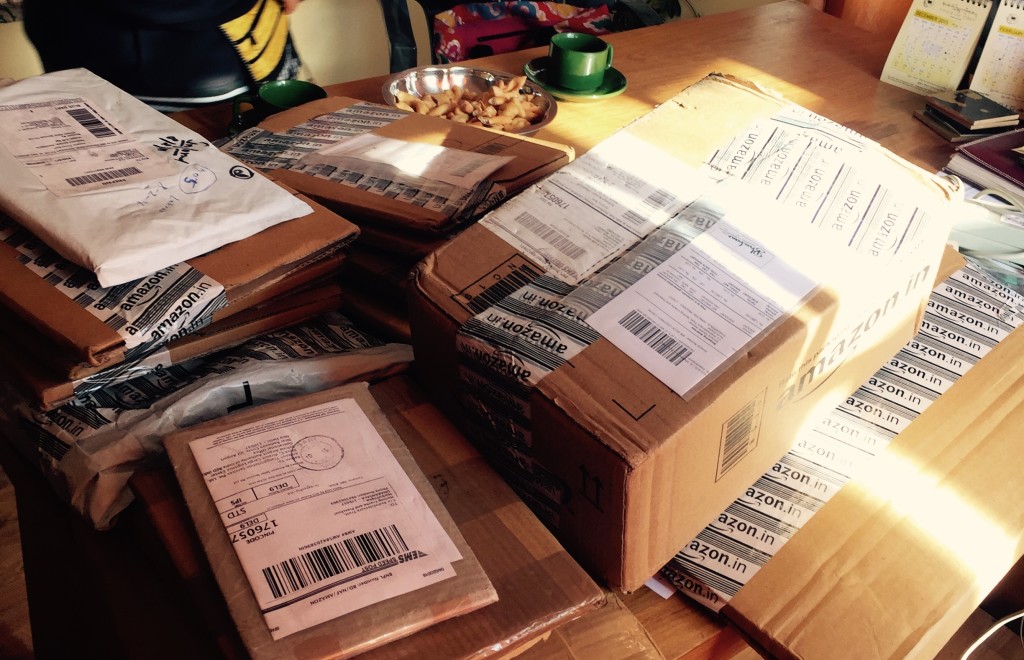
Access to technology can widen that collection when books are difficult to transport. Avalokiteśvara Trust’s digital library project brings e-readers and literary resources to remote monasteries, offering young readers fresh material that can inspire their own creative work.
Stories Connect Reading With Community
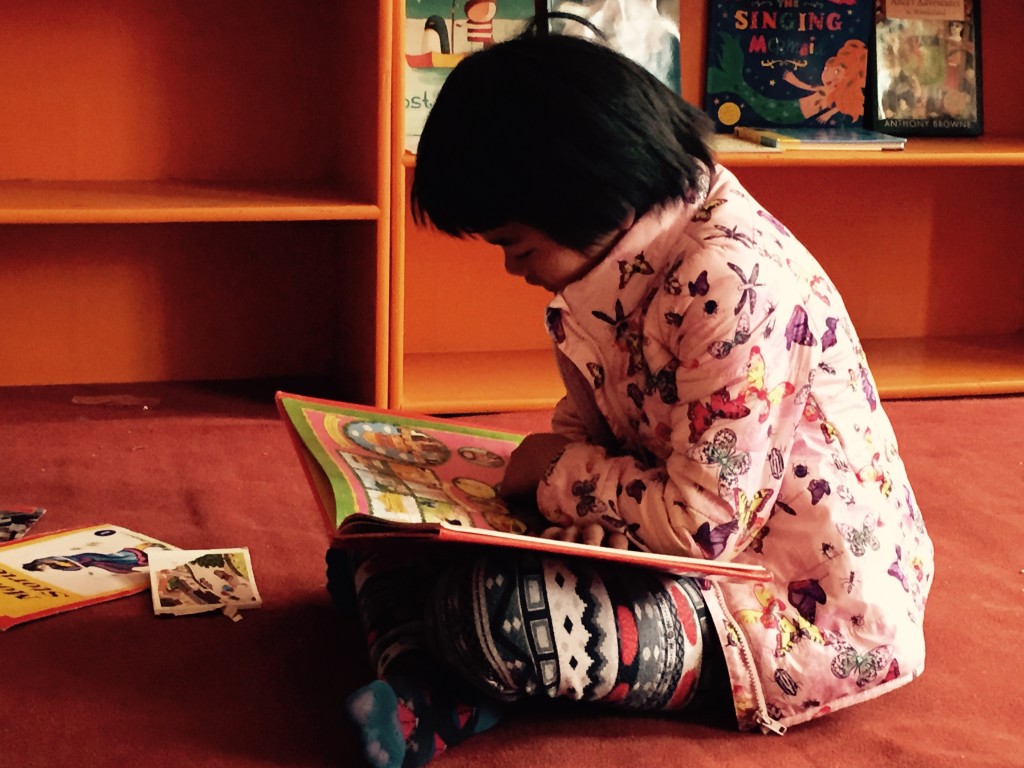
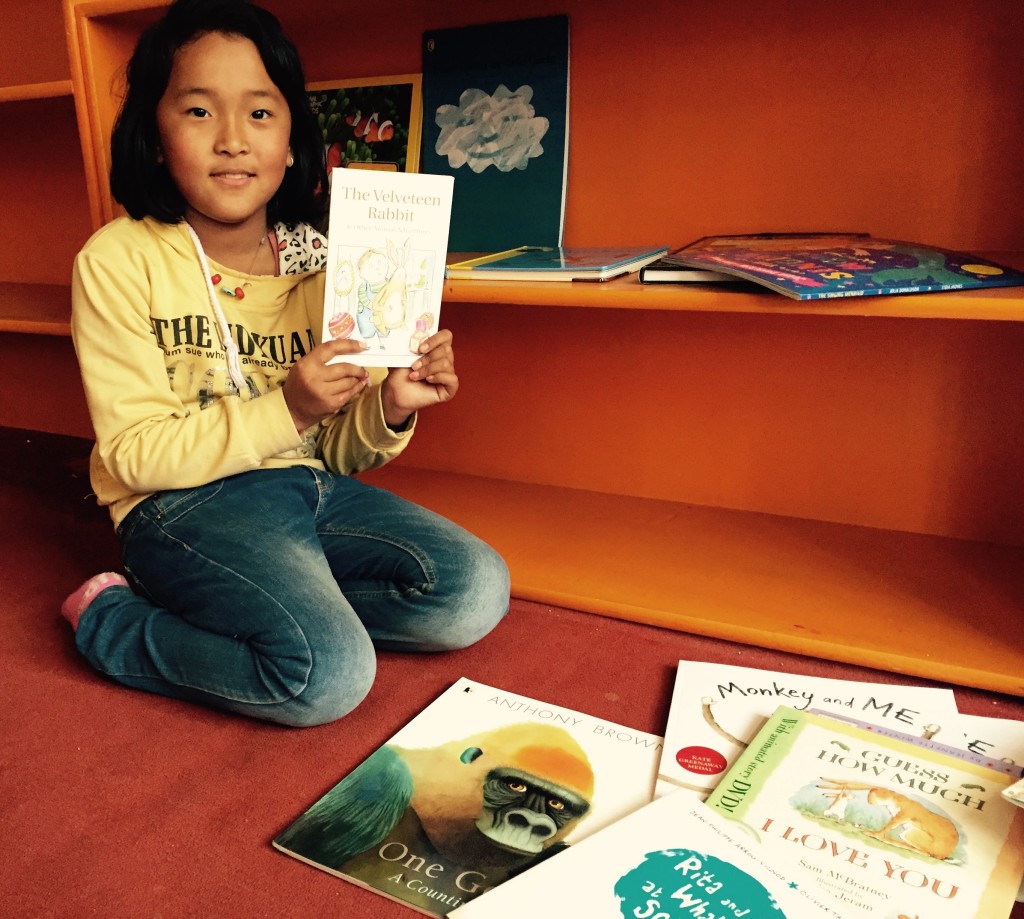
A child who writes often develops a deeper relationship with books. After creating a character or plot, the child may read with greater curiosity, noticing how other authors build suspense, describe places, or reveal personality. Reading becomes a conversation between the child’s imagination and the imagination of others.
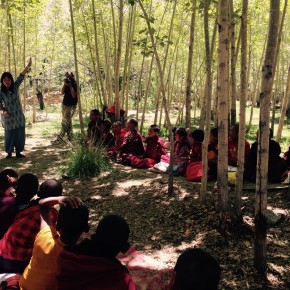
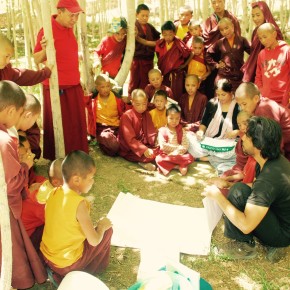
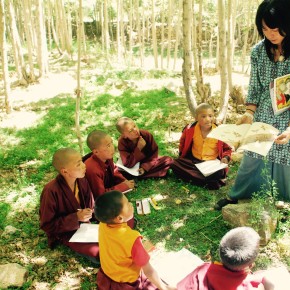
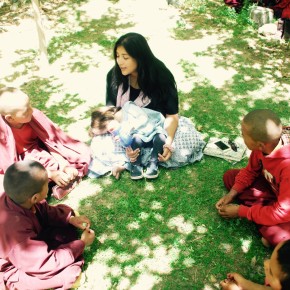
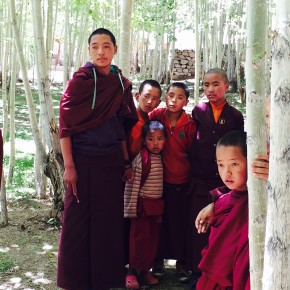
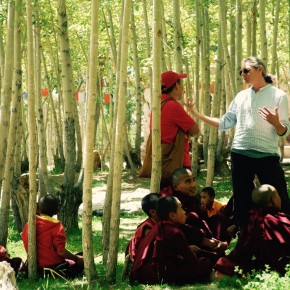
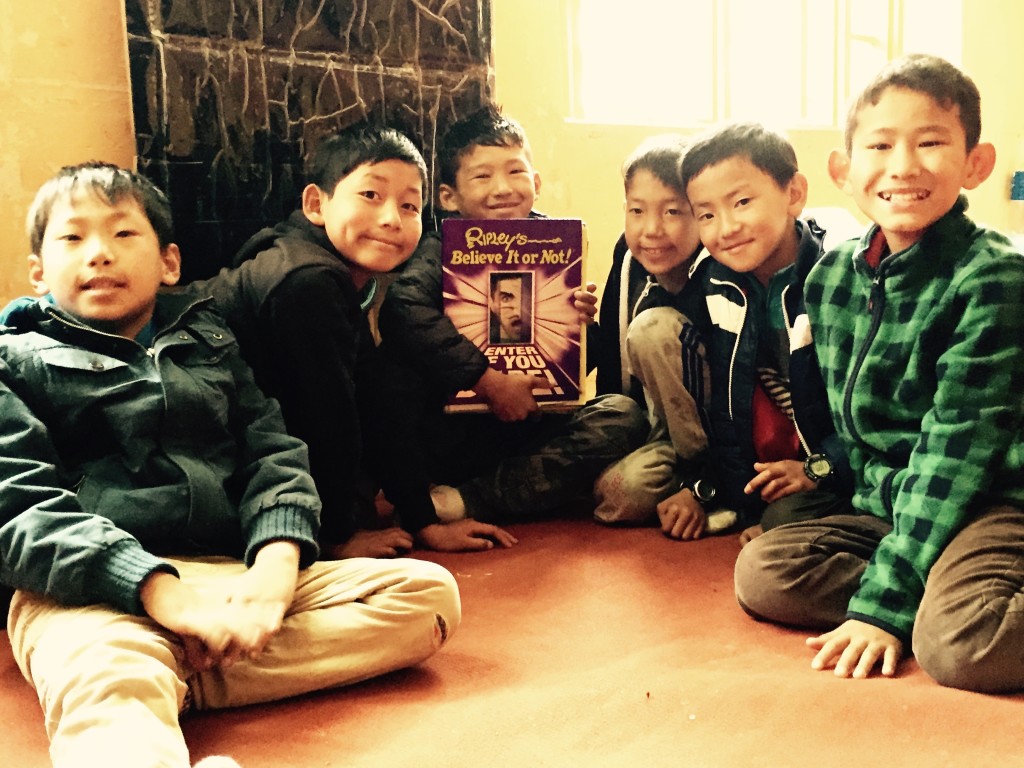
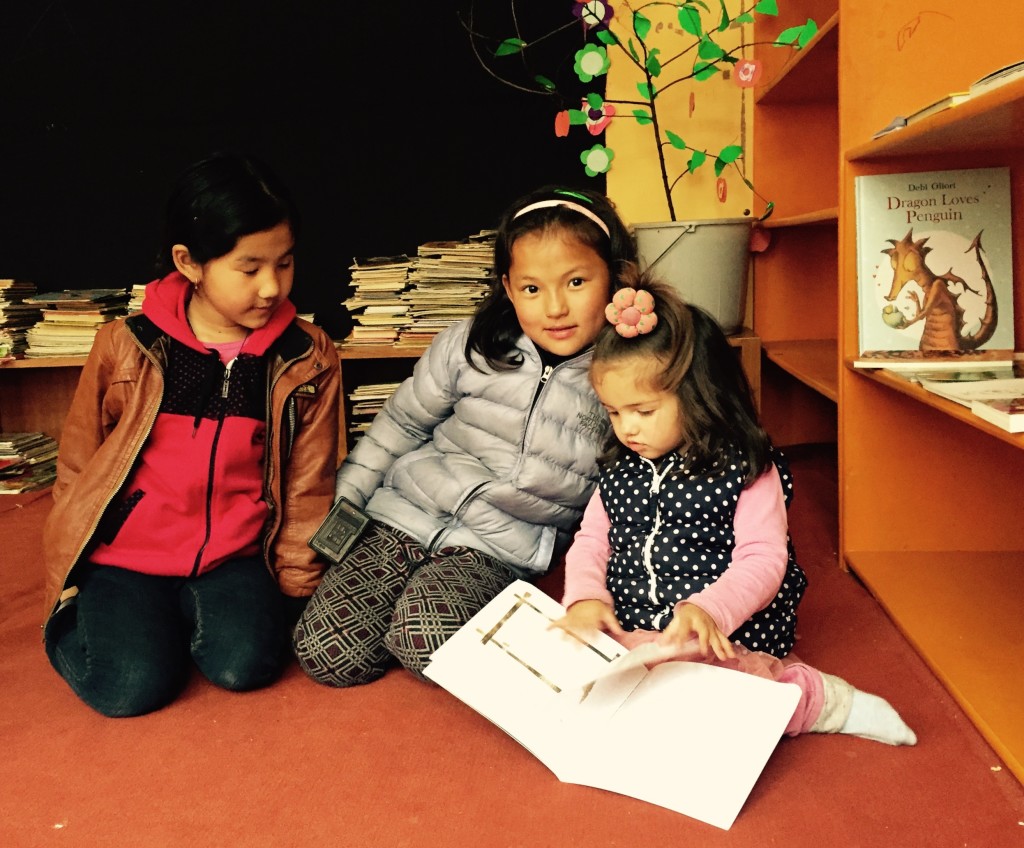
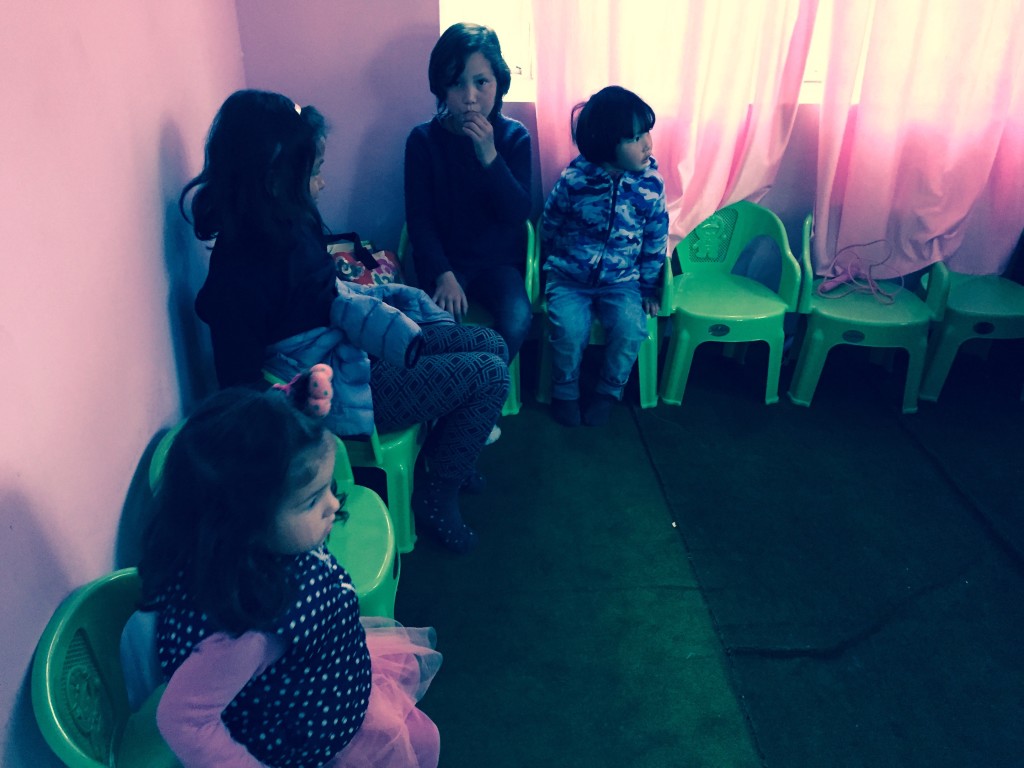
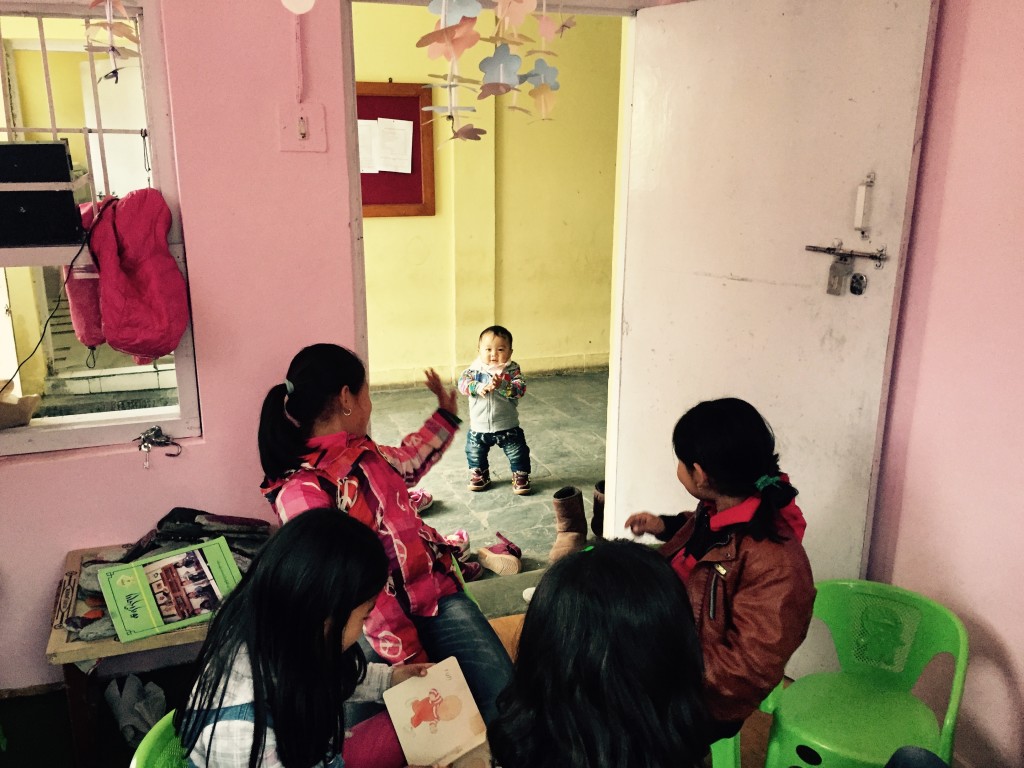
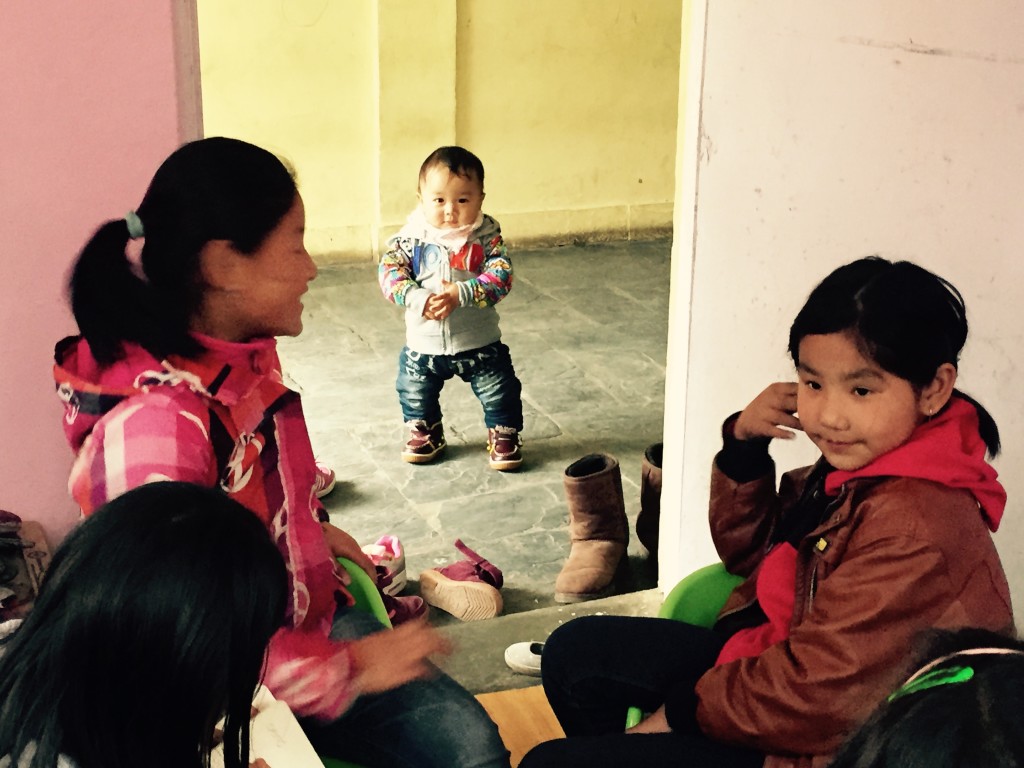
Sharing stories can strengthen a group as well. Children may listen during a reading circle, illustrate one another’s work, or collaborate on a short performance. Young monks can contribute stories about study, service, music, and daily life, while other children may bring perspectives from home and school. Each voice adds something different.
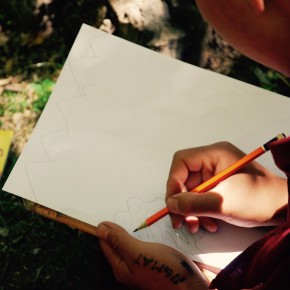
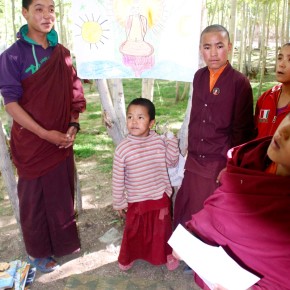
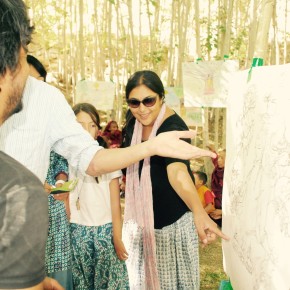
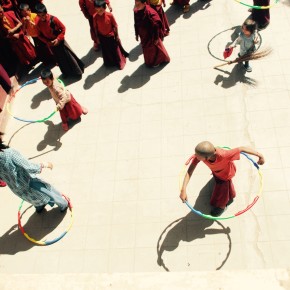
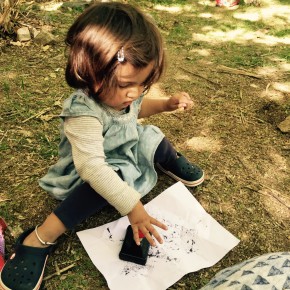
Art and music can extend a written story beyond the page. Children might paint a scene, compose a rhythm for a dramatic moment, or perform a song connected to the setting. These activities allow children with different strengths to participate and show that literacy is connected to the whole creative life of a community.
Ways Adults Can Nurture Young Storytellers
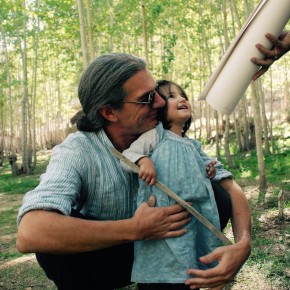
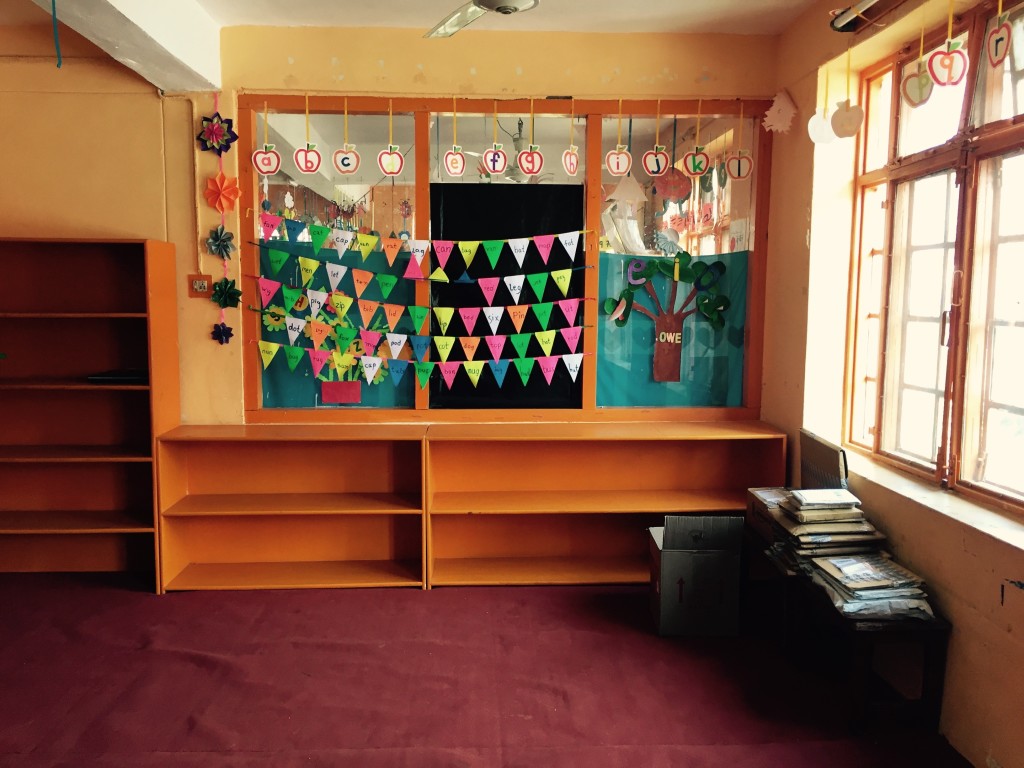
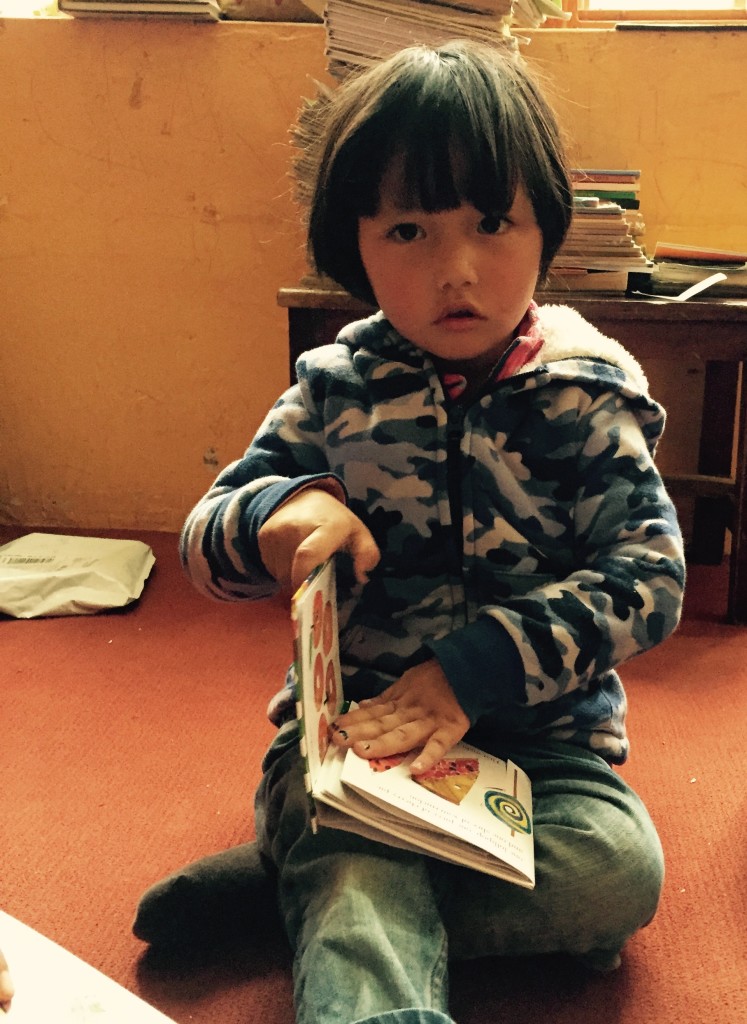
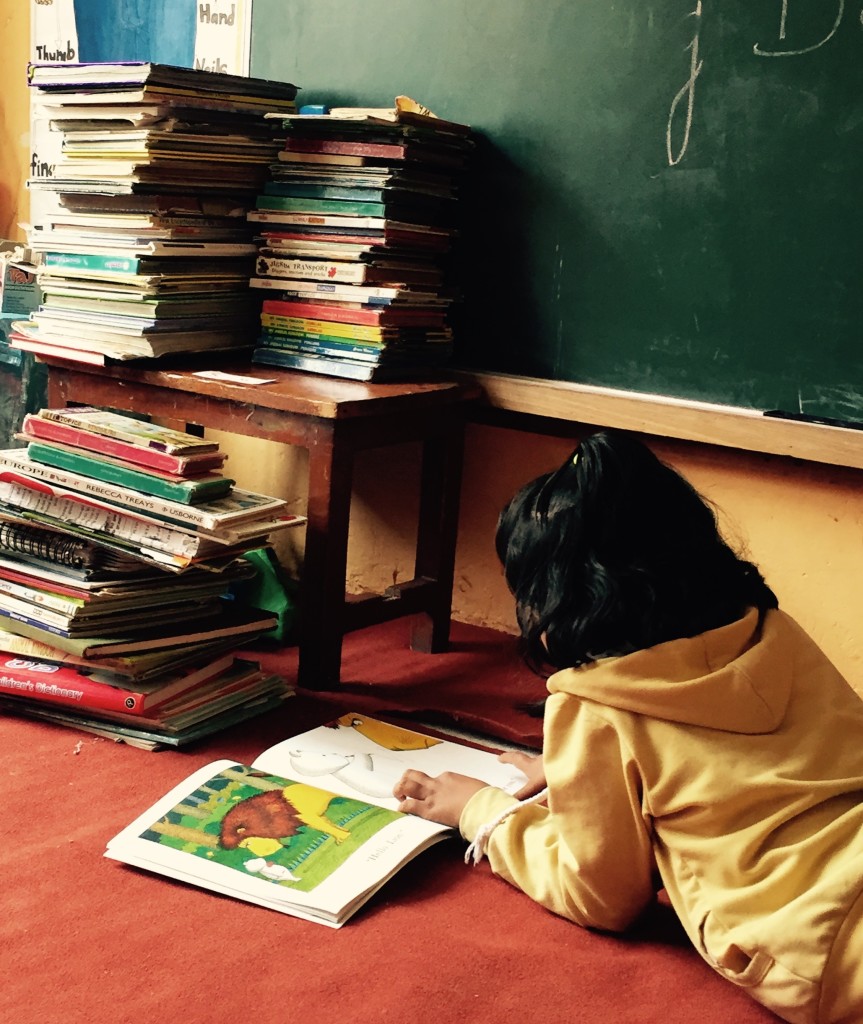
Adults do not need to be professional writers to help children develop a regular writing habit. A quiet corner, a few notebooks, well-chosen books, and sincere attention can create powerful conditions for learning. The most helpful response is often to ask what a child meant, what inspired an idea, or what might happen next.
Encouragement should focus on effort, detail, and originality rather than spelling alone. Correcting every error too early can make children afraid to experiment. It is usually better to celebrate a strong image or thoughtful idea first, then guide revision in a supportive way.
Practical approaches include:
- Set aside regular time for free writing, drawing, or storytelling.
- Offer prompts connected to local places, family memories, nature, and community life.
- Let children choose whether to write, dictate, illustrate, perform, or work with a partner.
- Create small reading circles where every child can share without comparison.
- Keep children’s stories in a classroom, reading room, or community collection.
A child’s story may fit on one page or grow into a collection. Its value does not depend on length. What matters is that the child has been given time, encouragement, and the materials needed to transform experience into language.
When we invest in children’s storytelling, we invest in thoughtful readers, confident communicators, and compassionate community members. Support for reading rooms, book drives, creative workshops, and educational activities helps make that opportunity possible for children across the Himalayan region. You can help provide the books, spaces, and guidance that allow young voices to be heard by supporting Avalokiteśvara Trust’s work.