Our First Digital Library: E-Readers for Remote Monasteries
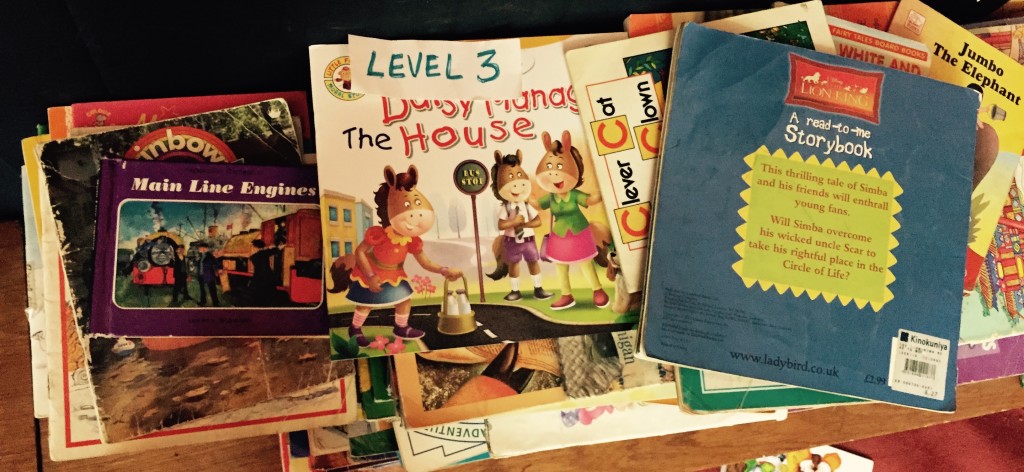
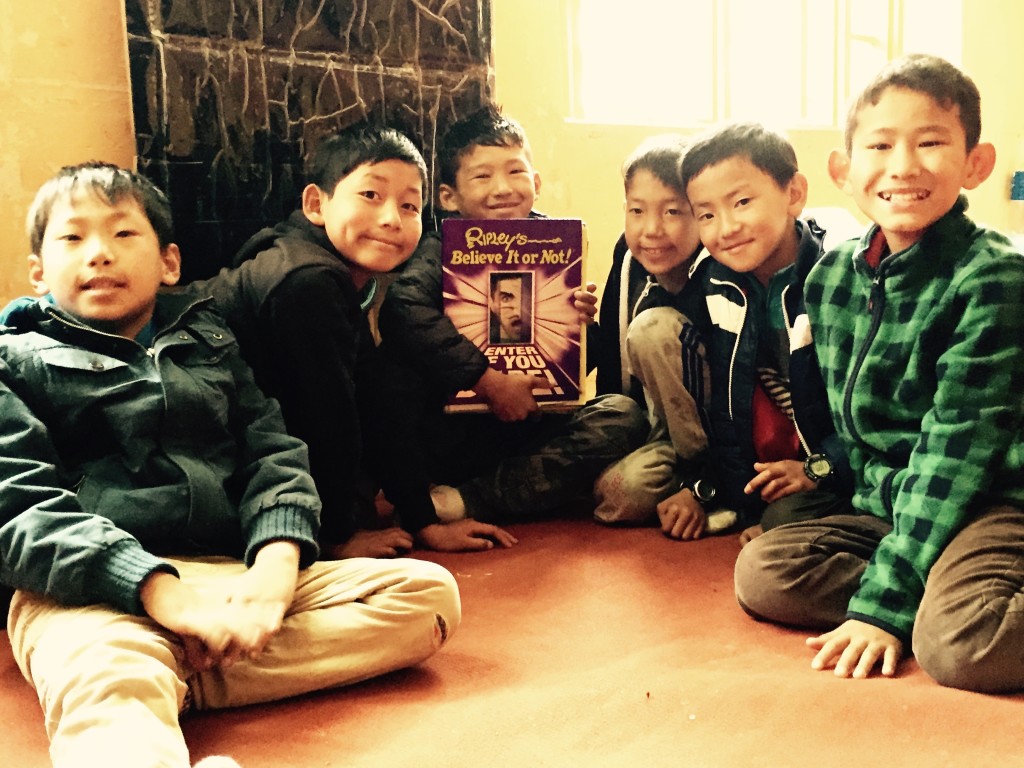
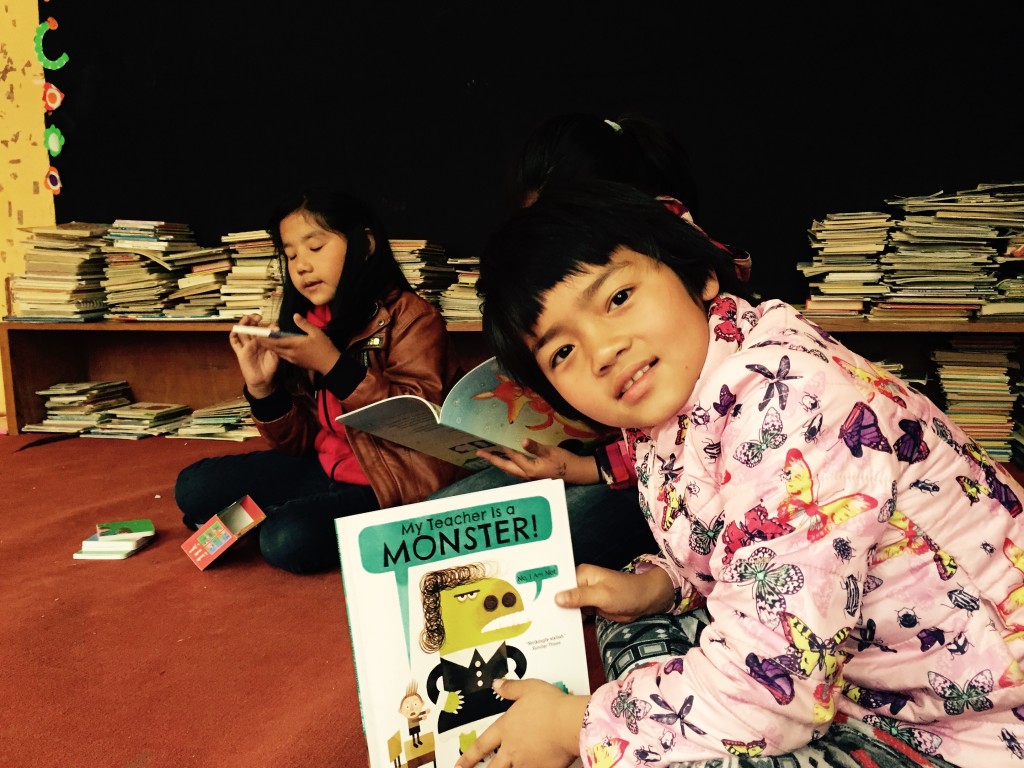
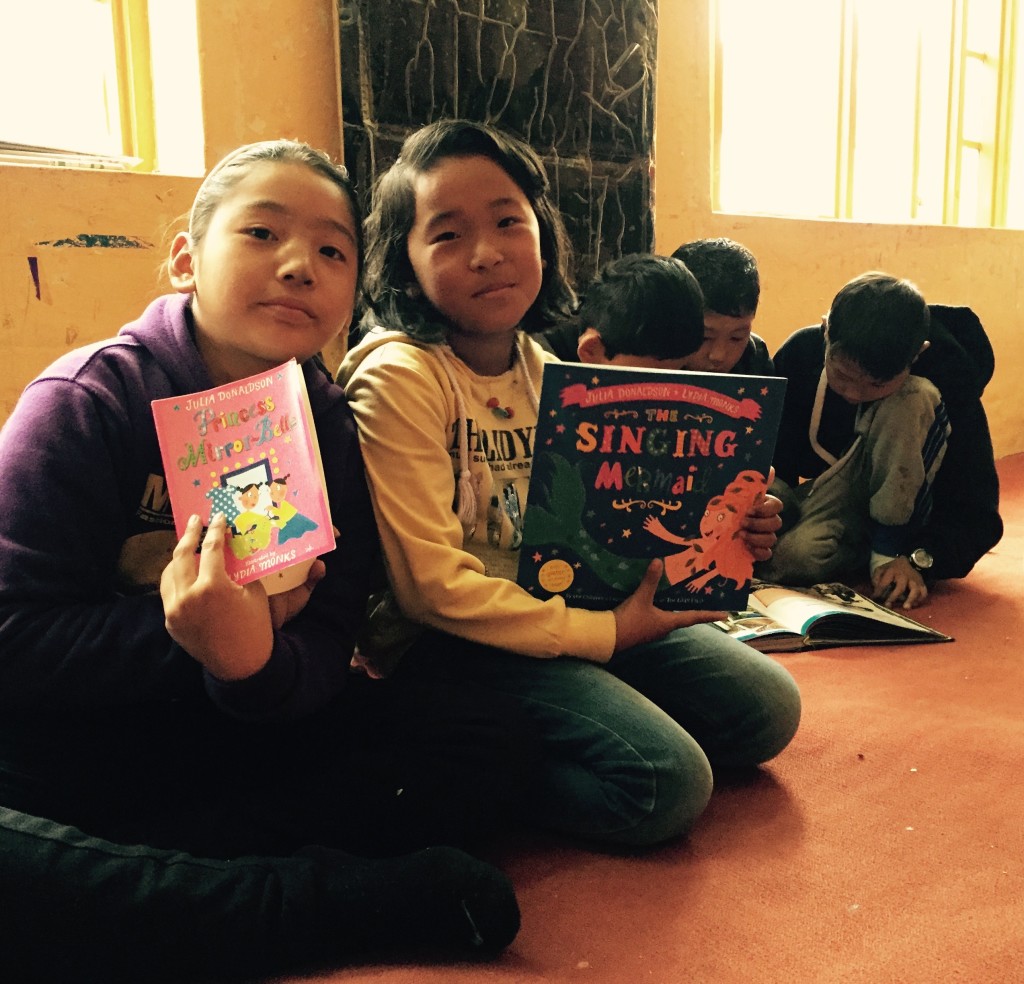
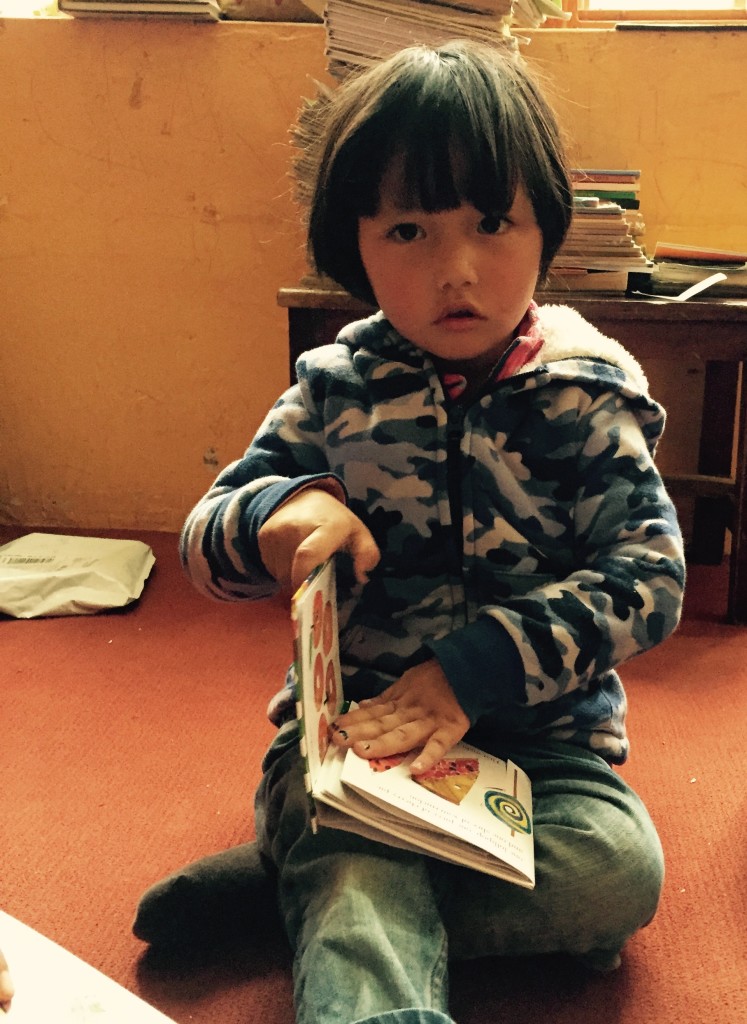
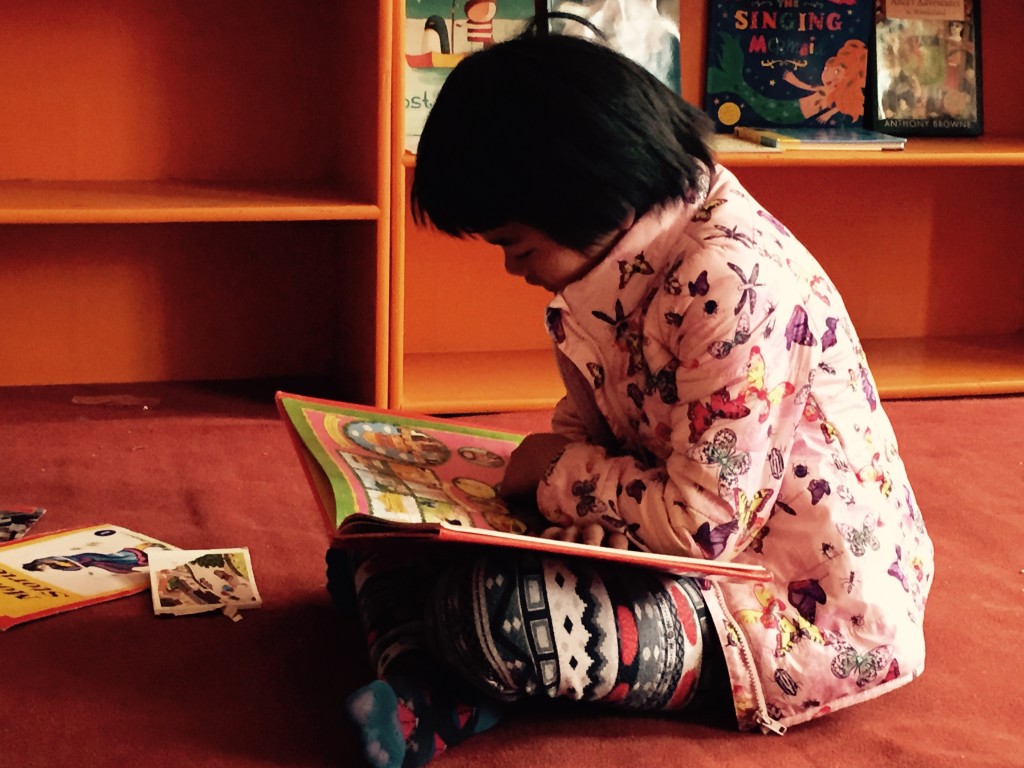
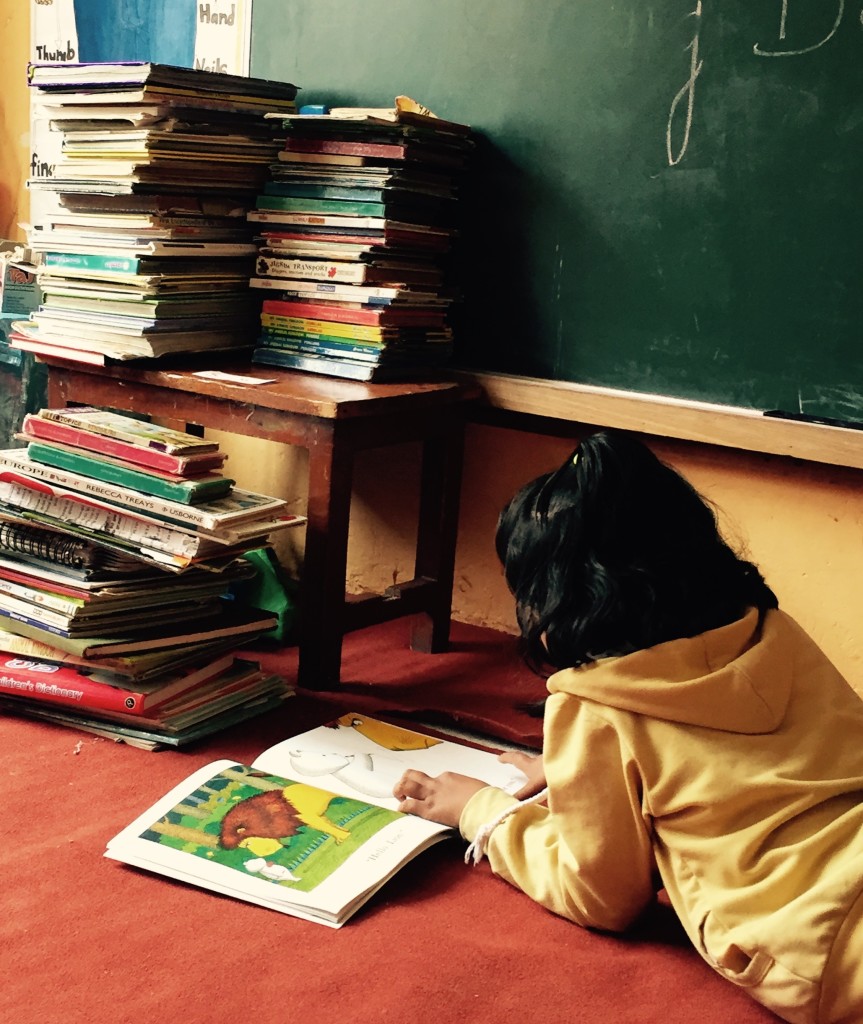
In the high Himalayan valleys, a good book can be difficult to reach. Roads are long, weather can close mountain passes, and many monasteries have small collections shaped by whatever has been donated or carried in. Children and young monks may have a strong desire to read, yet only a few suitable books may be available in their community.
Our first digital library brings a new kind of access to these remote learning spaces. By providing e-readers loaded with carefully selected books, Avalokiteśvara Trust can place stories, reference materials, language resources, and creative learning tools into the hands of children and young monks without requiring a permanent internet connection.
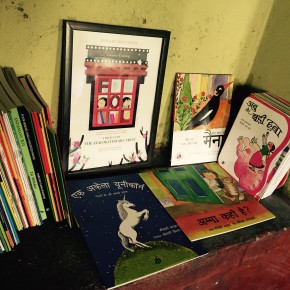
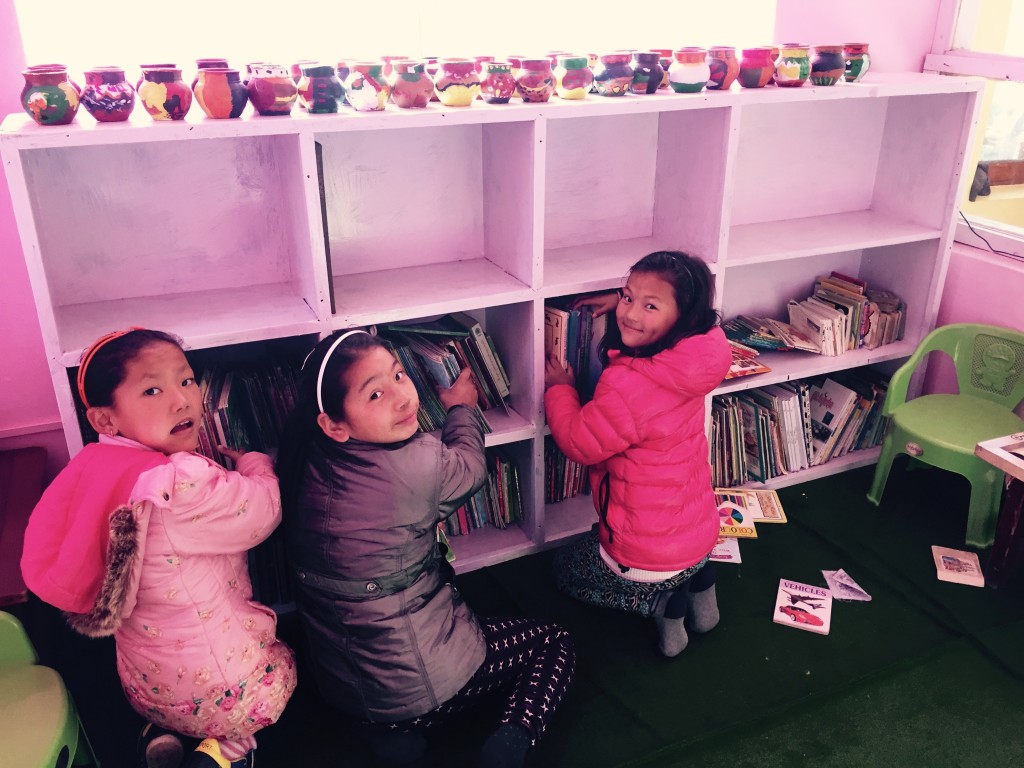
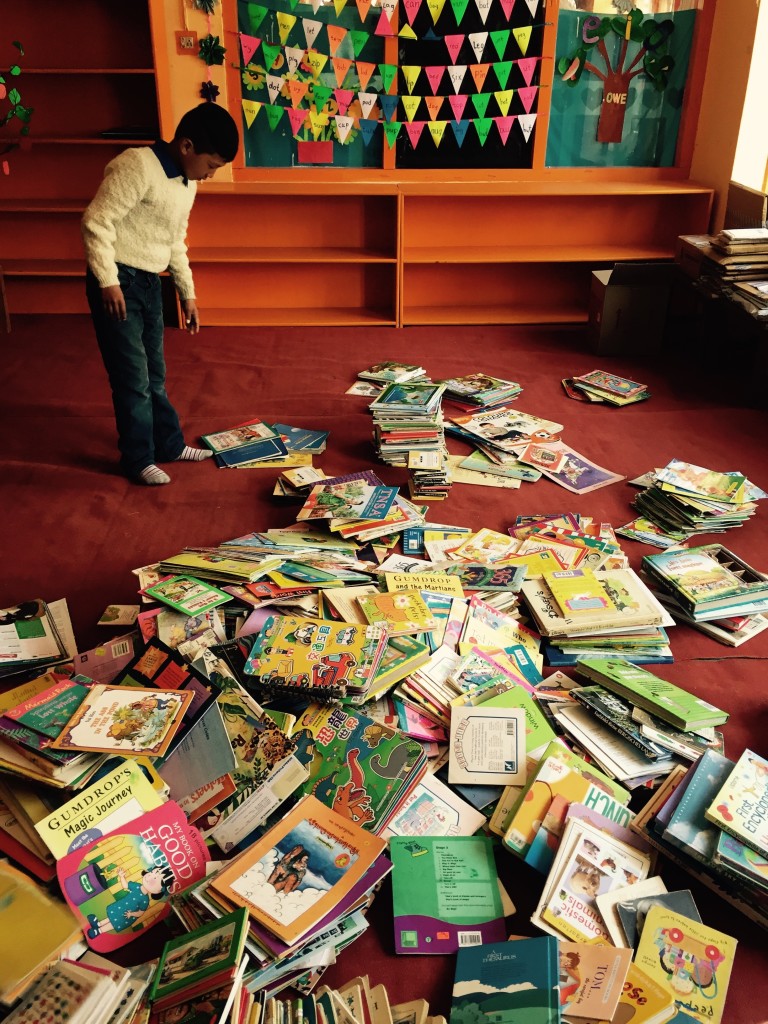
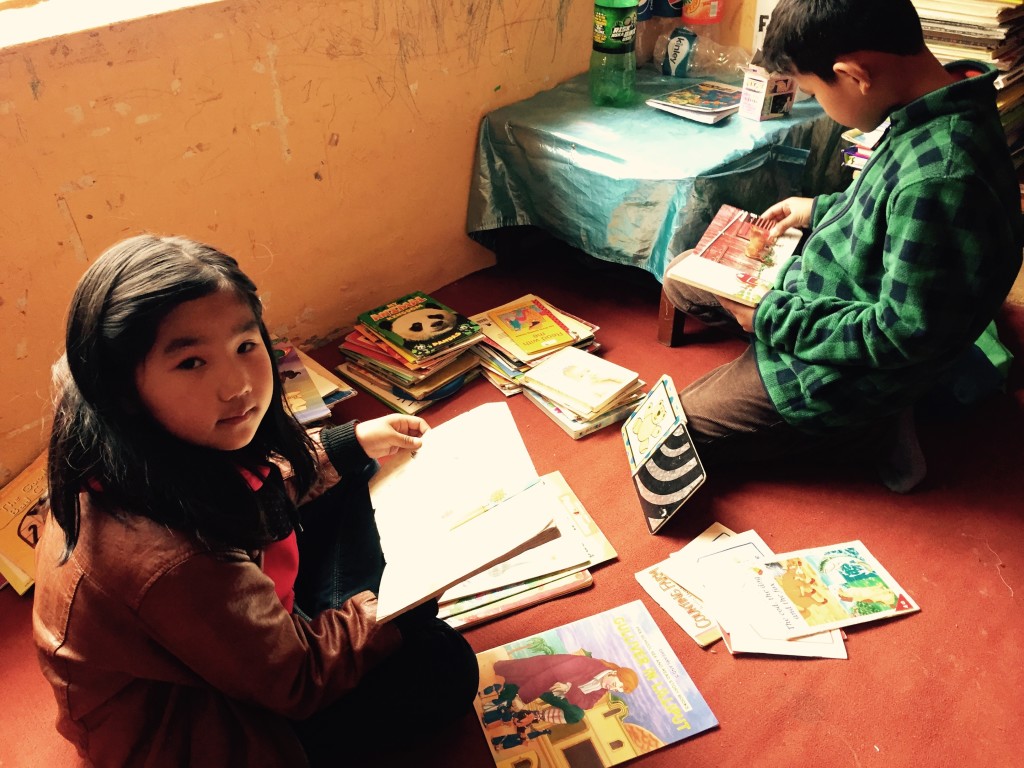
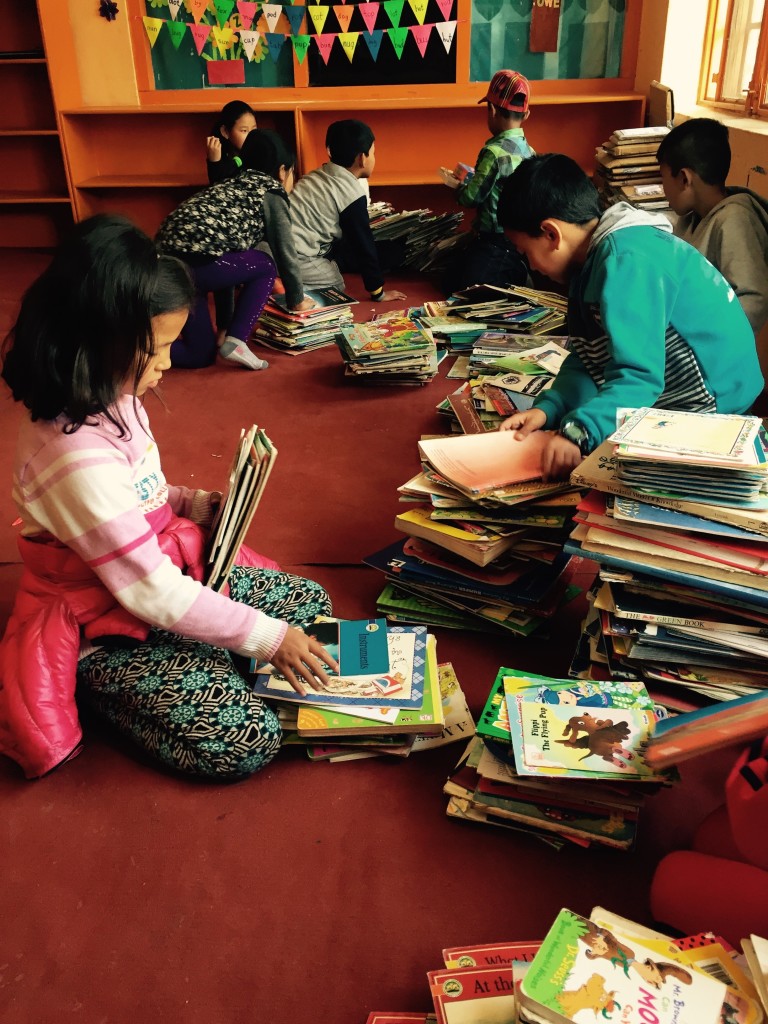
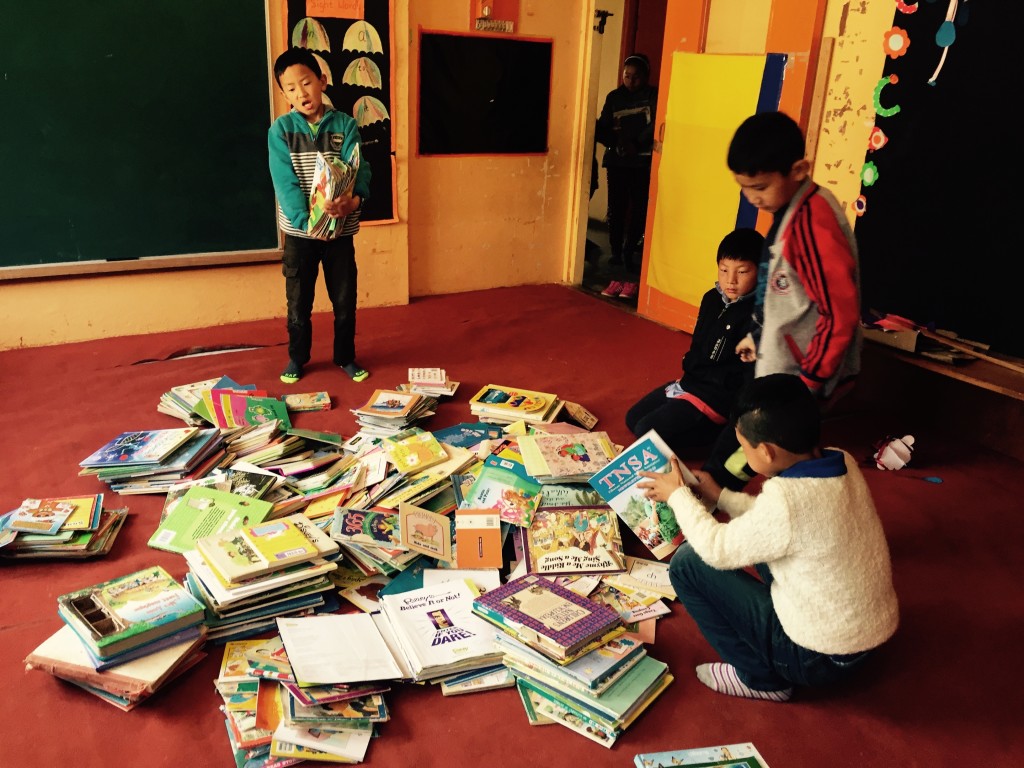
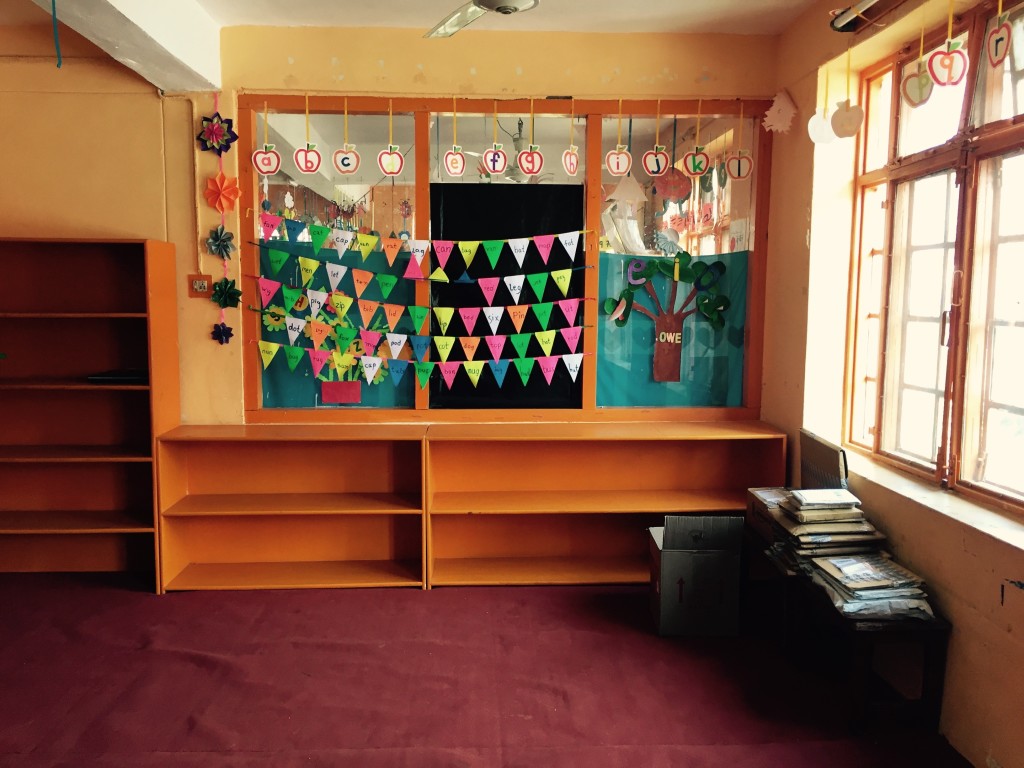
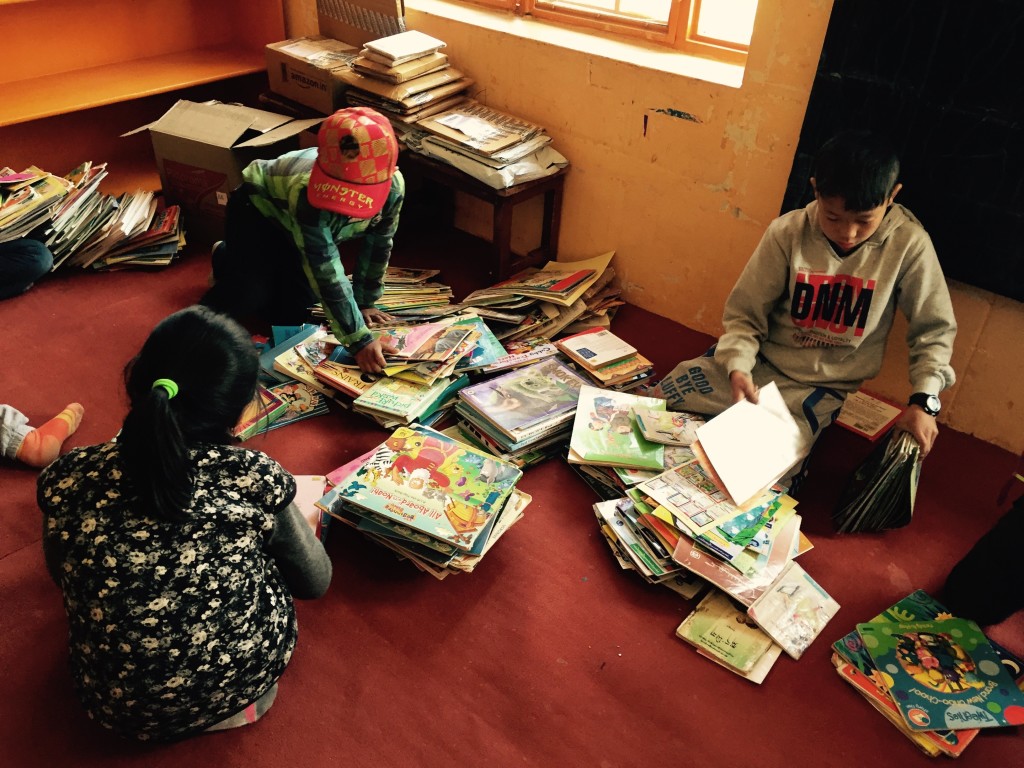
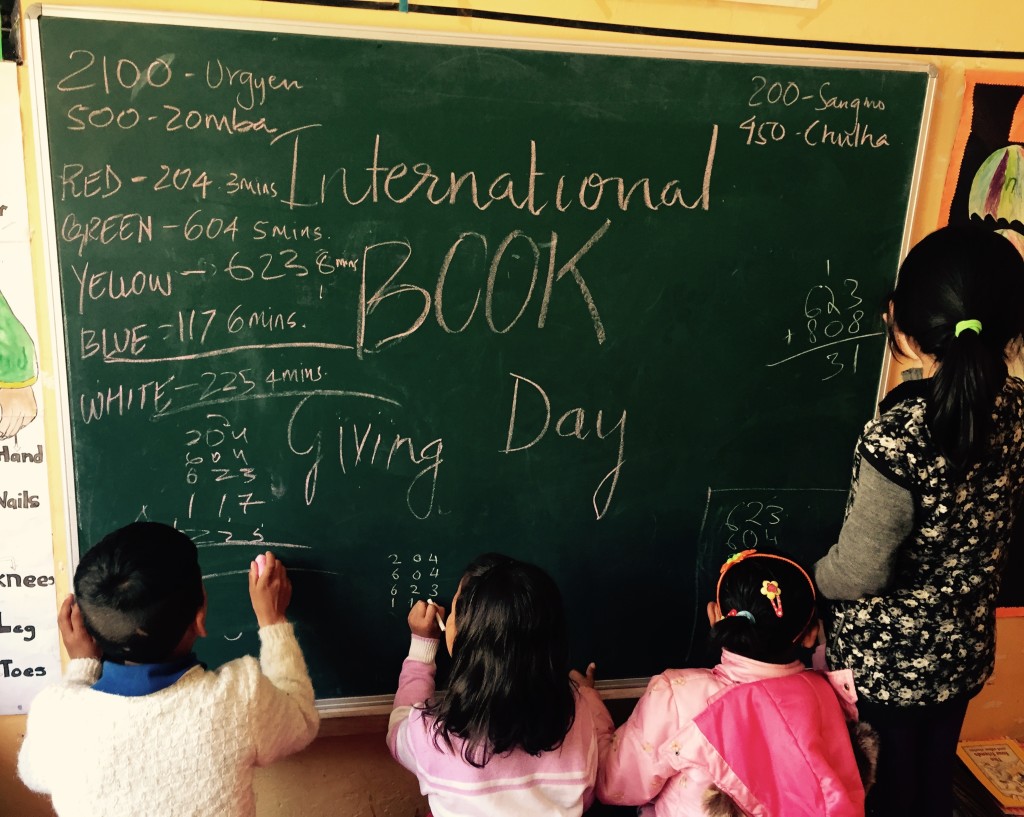
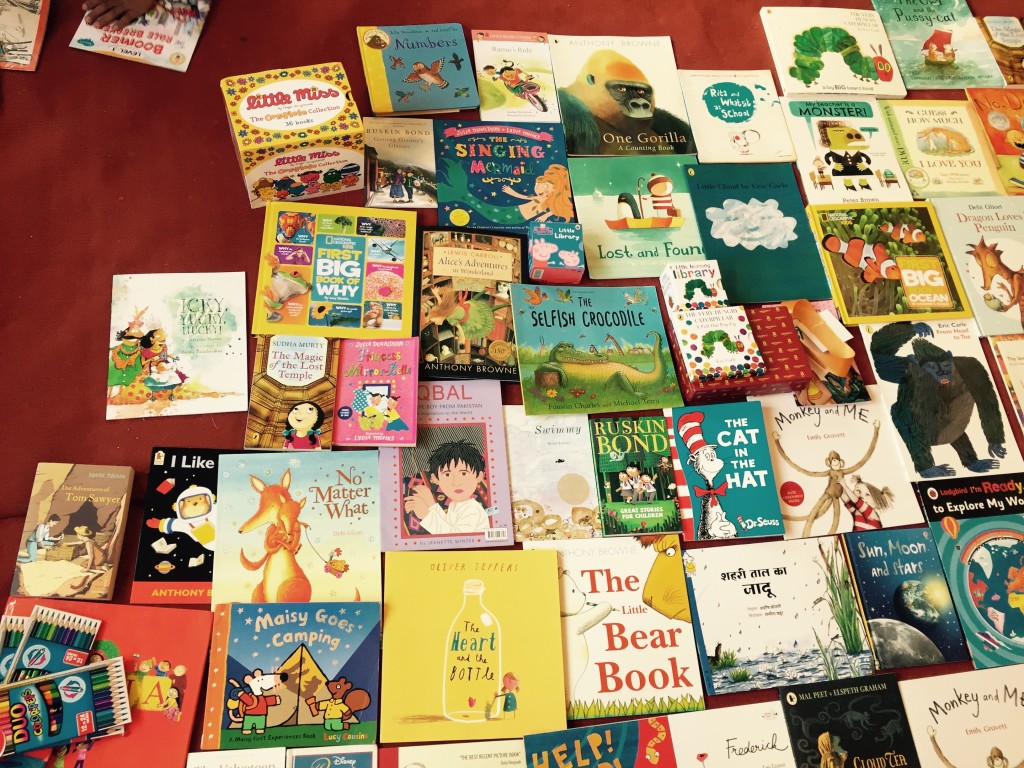
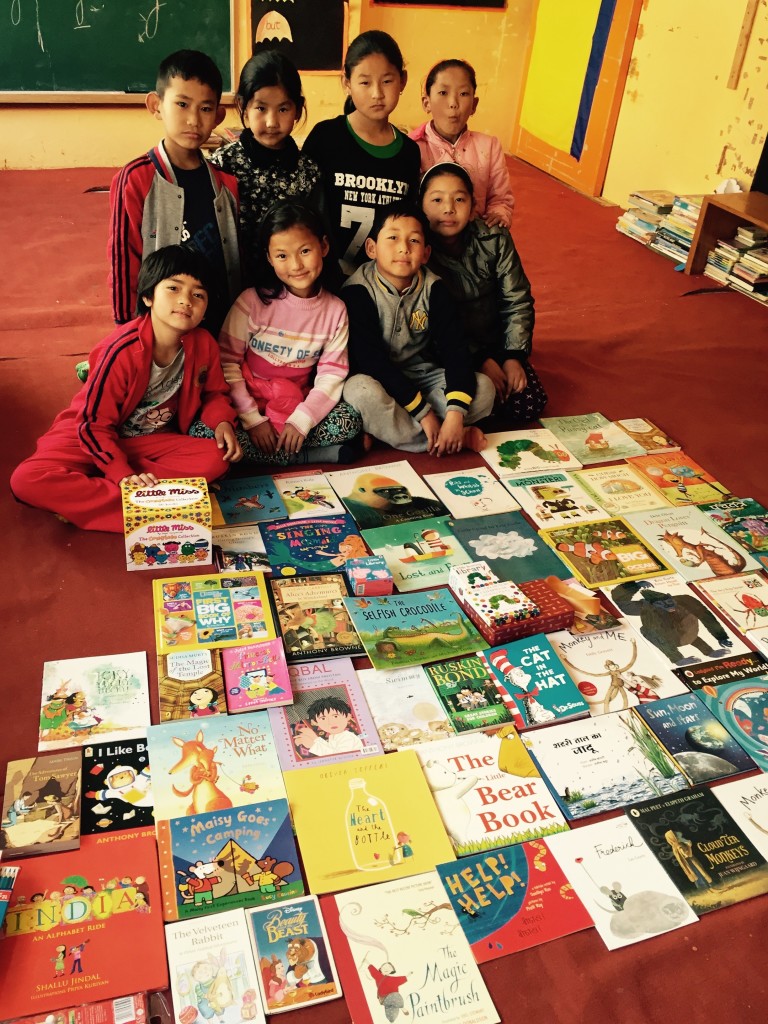
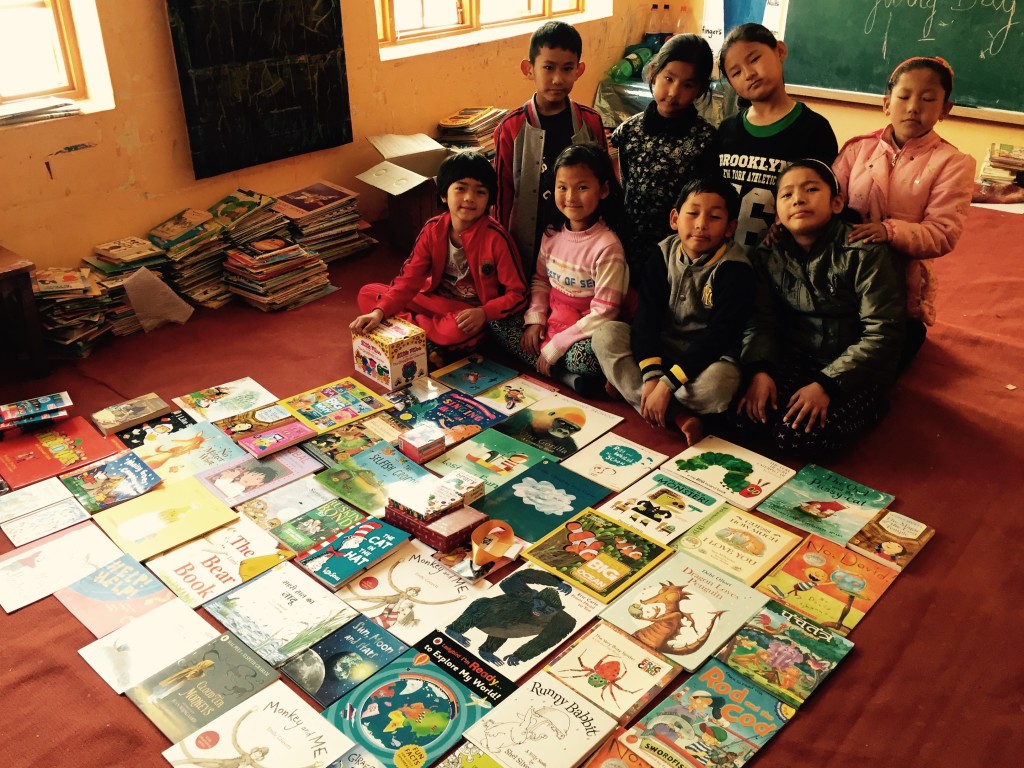
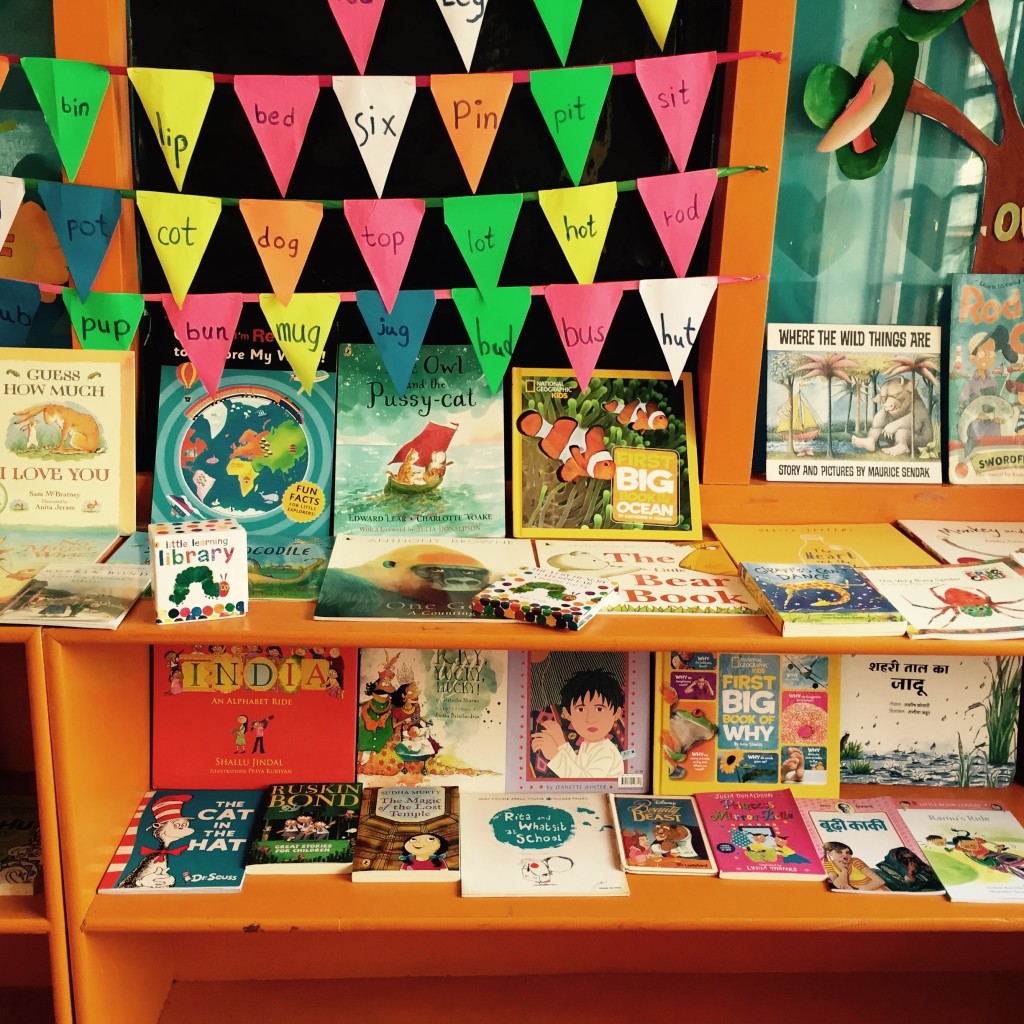
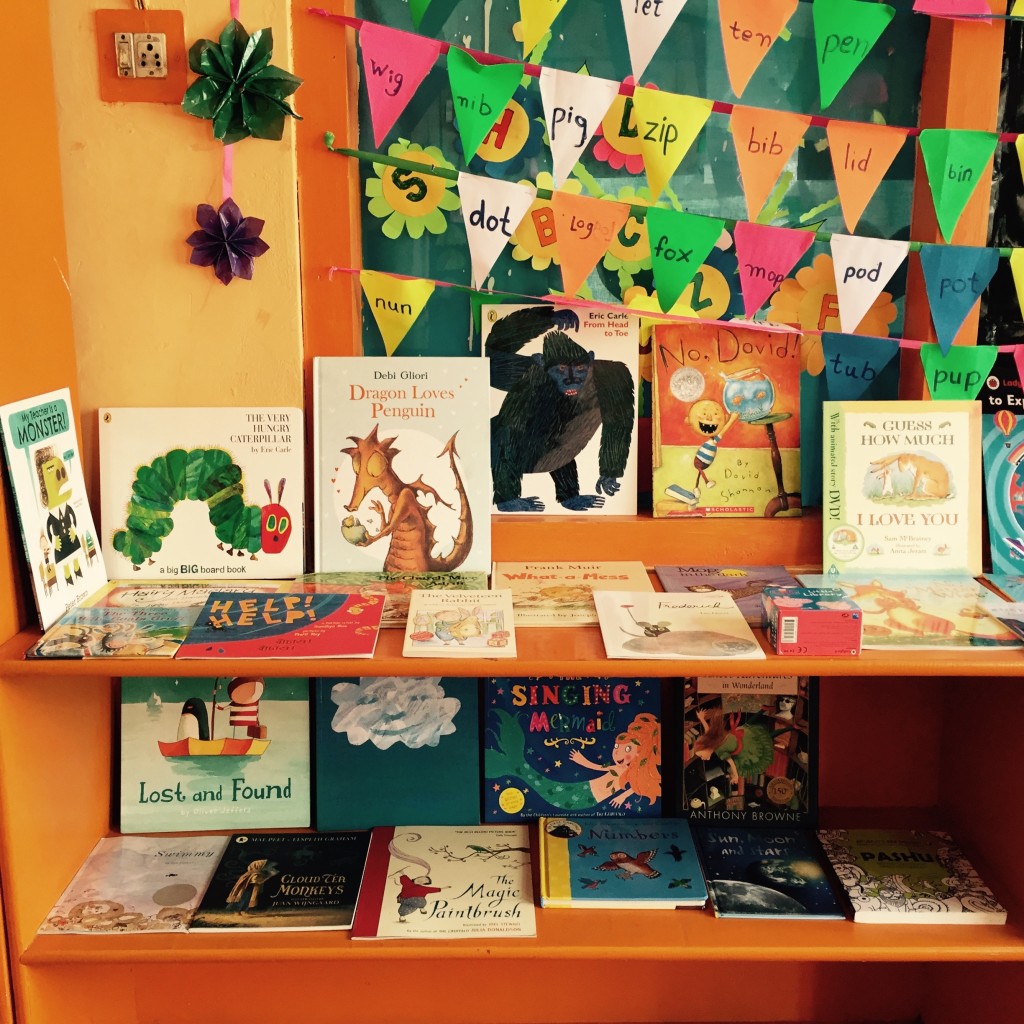
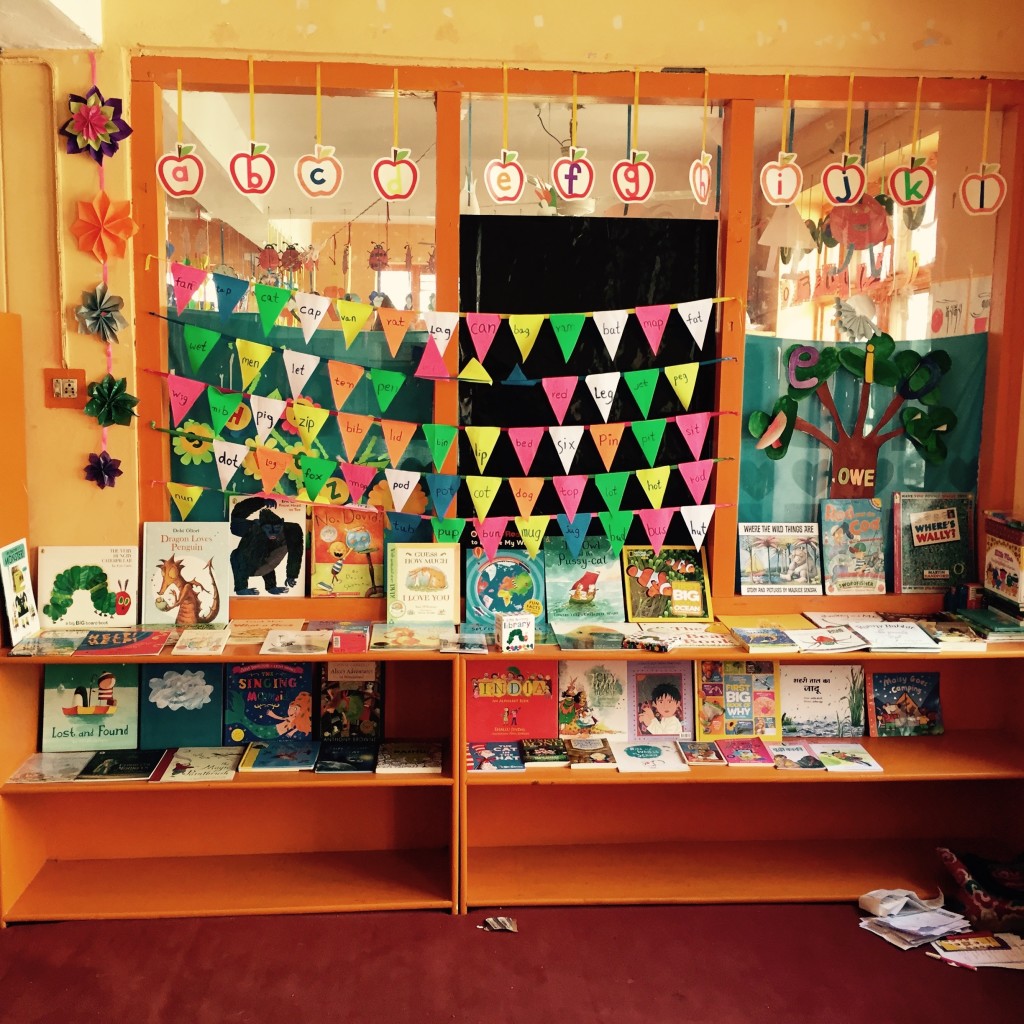
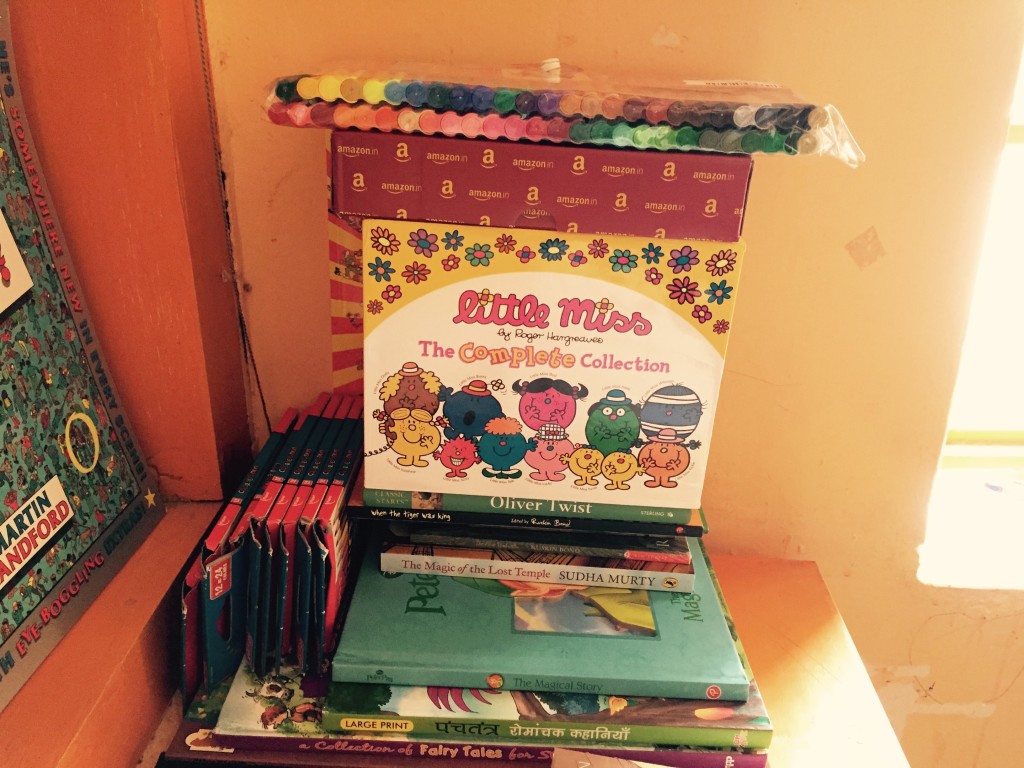
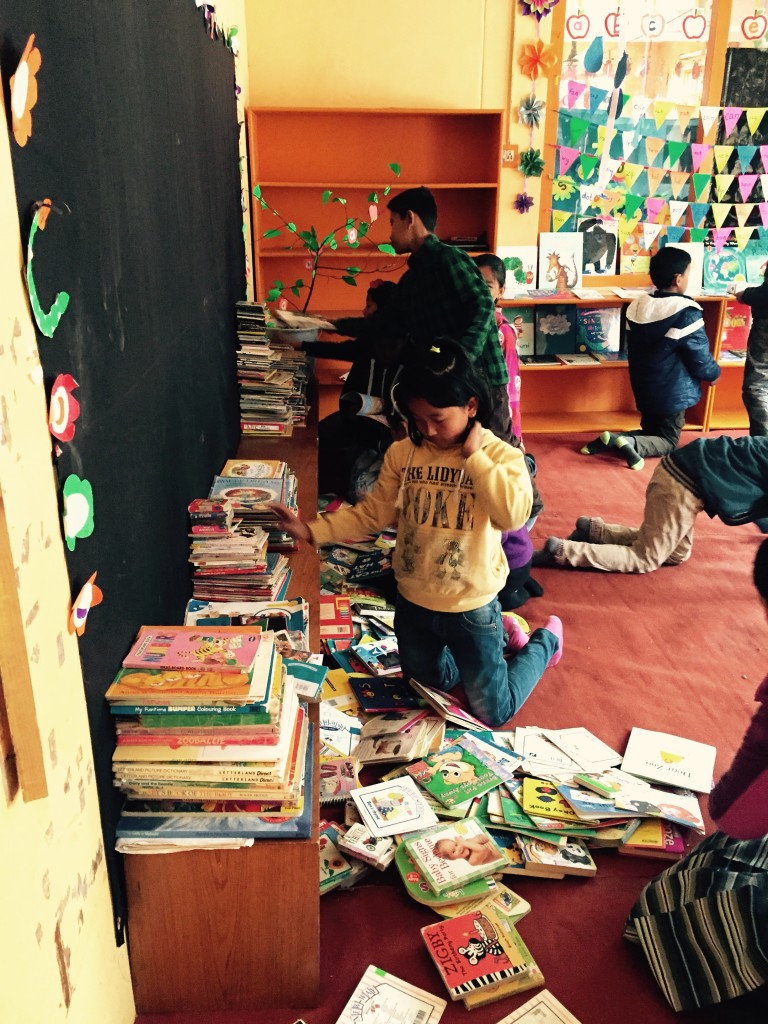
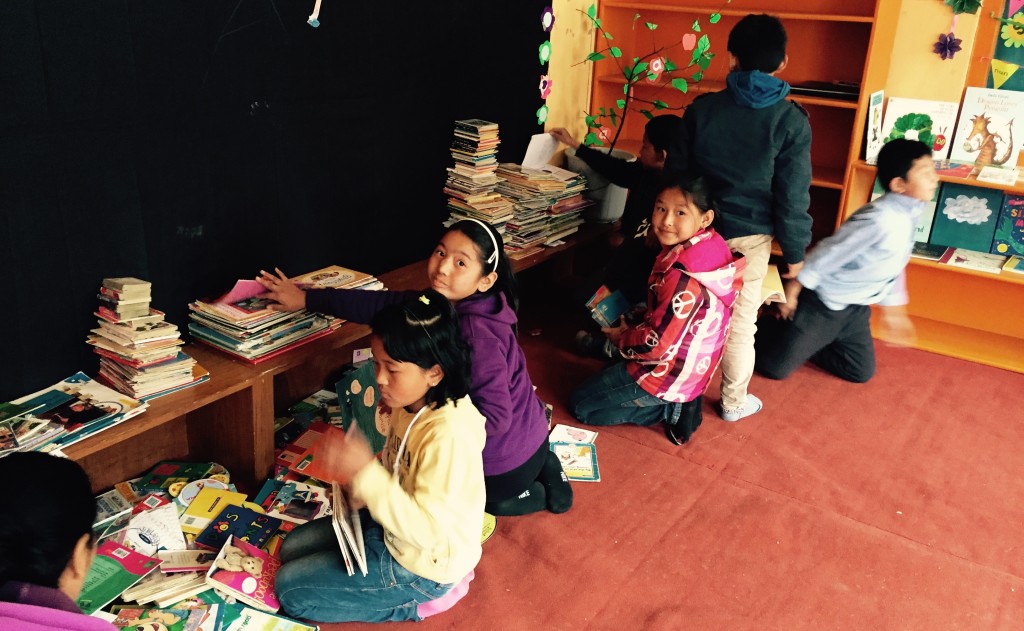
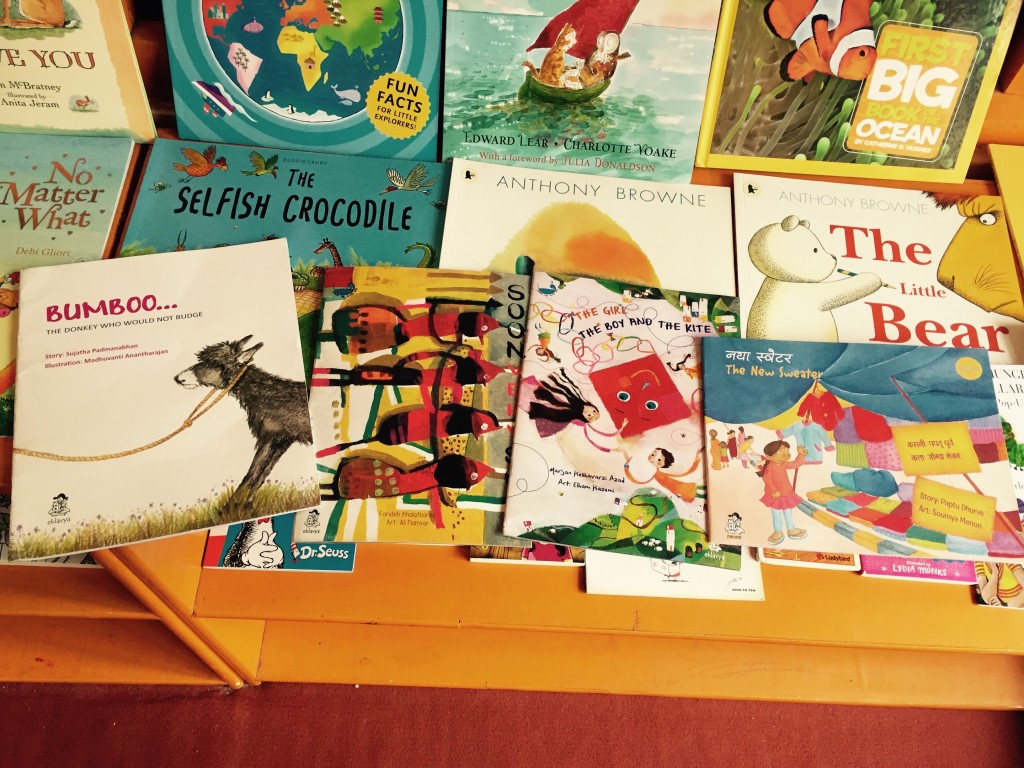
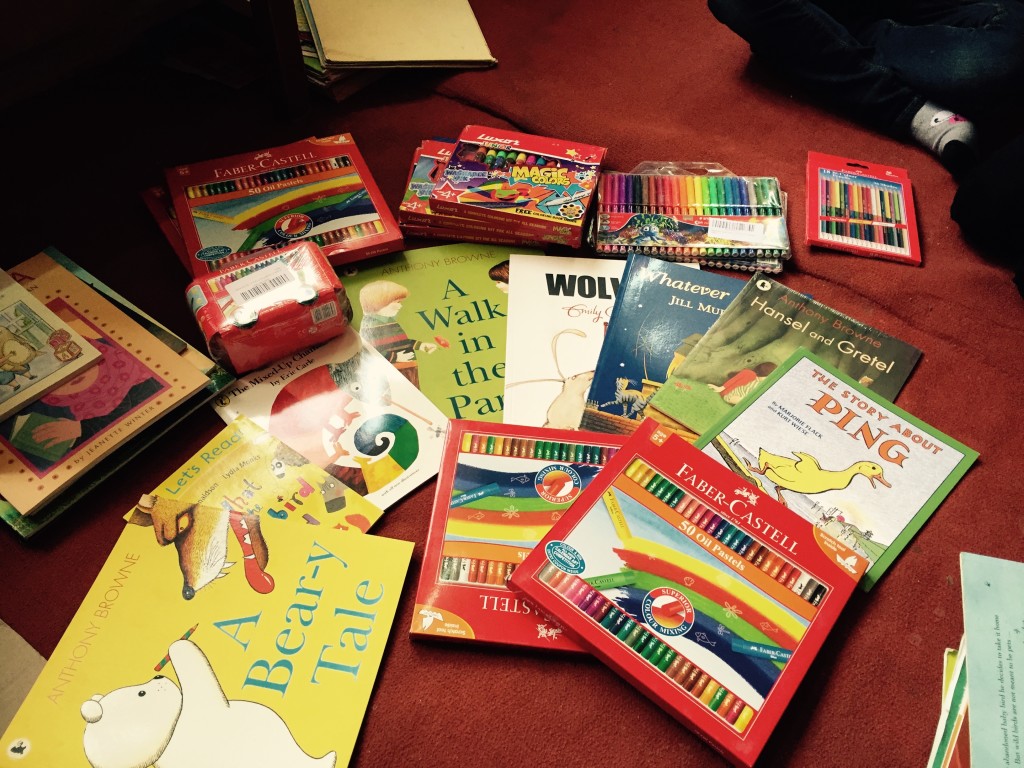
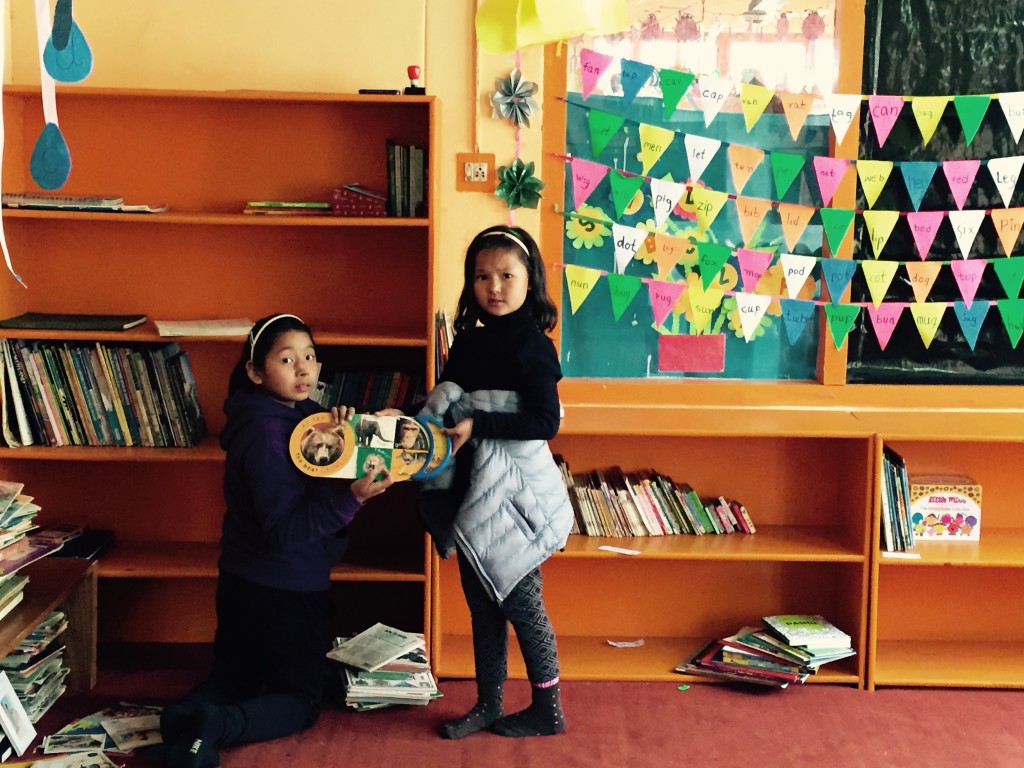
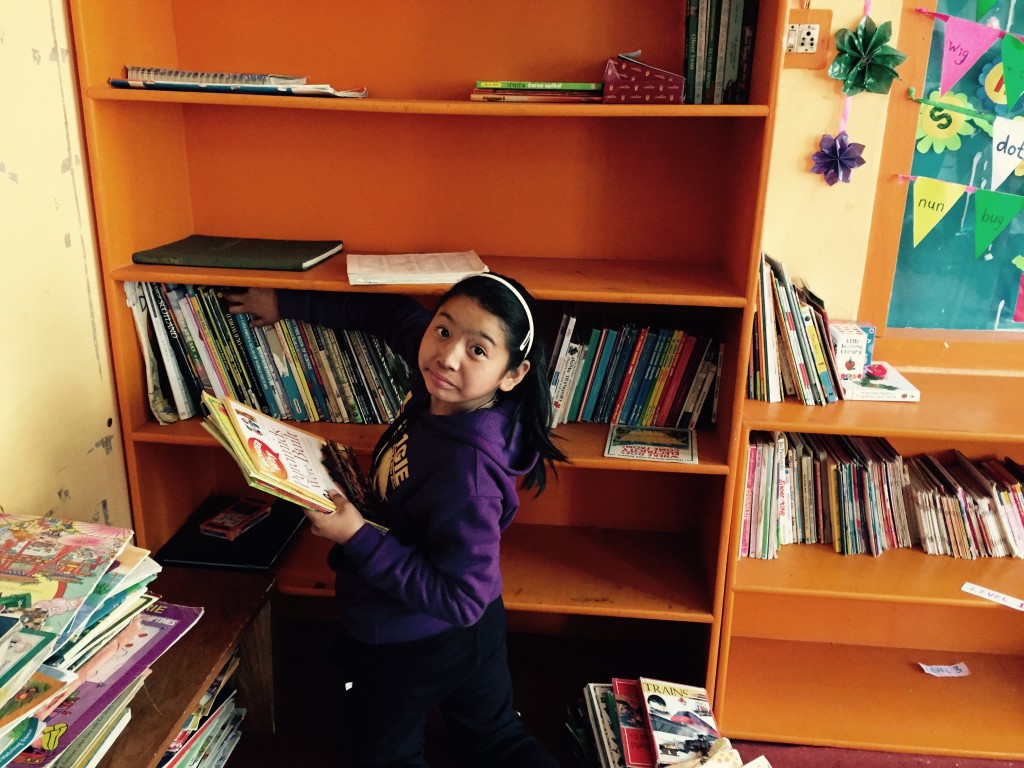
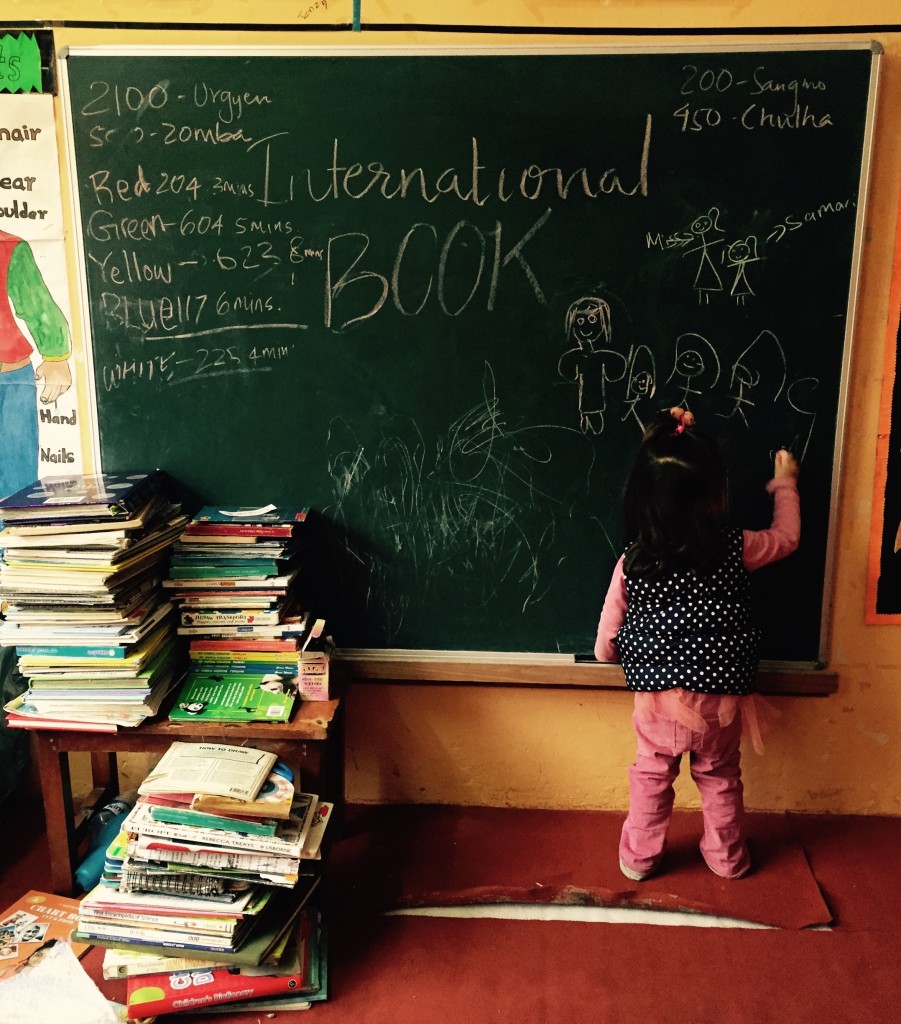
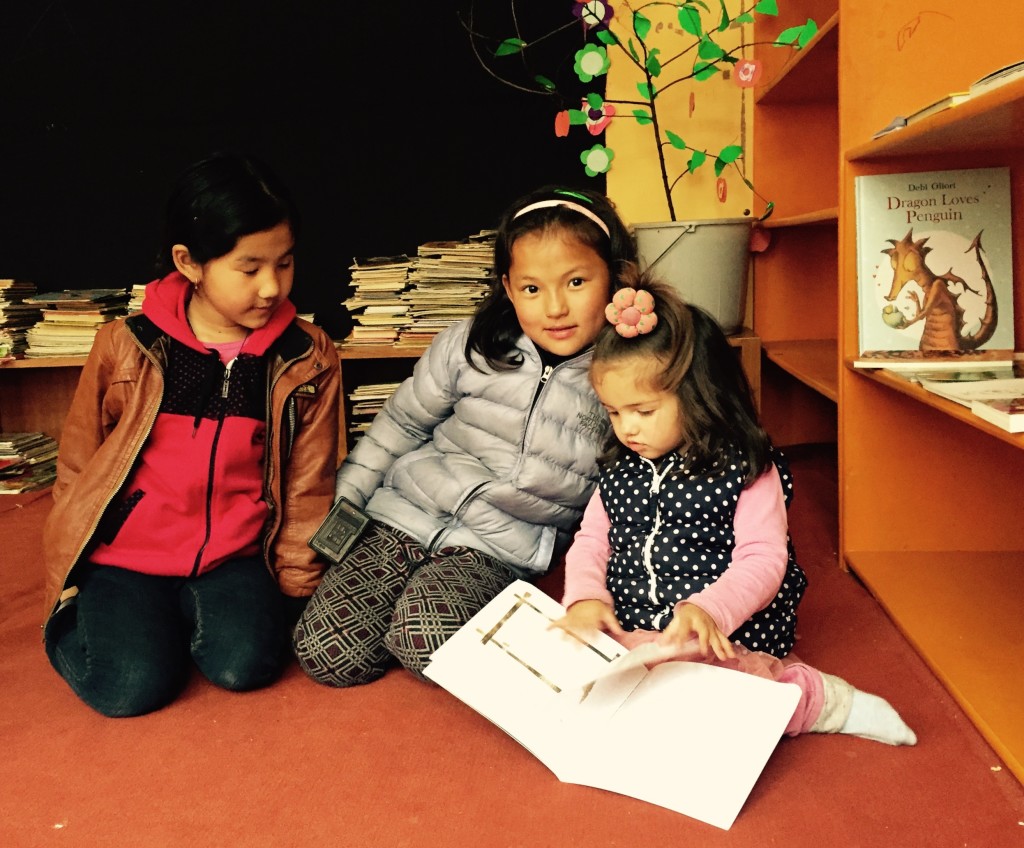
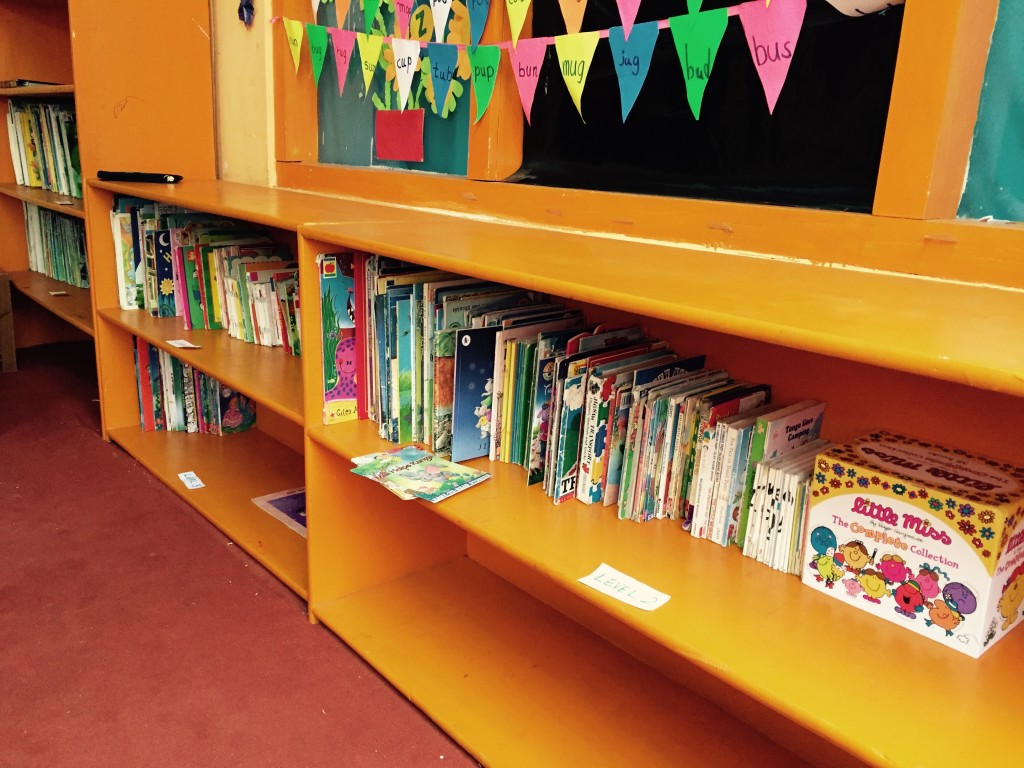
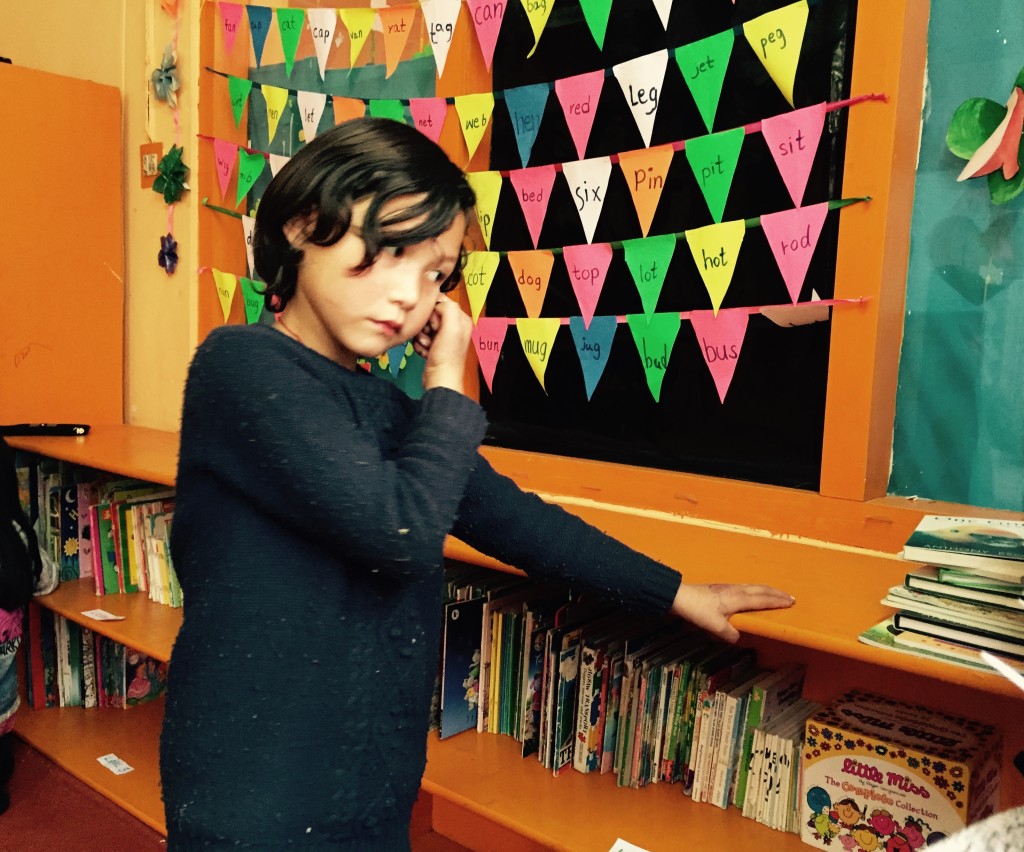
This project extends the work already taking place through reading rooms, book drives, arts activities, and music sessions. It does not replace printed books or the warmth of a shared library. Instead, it gives remote monasteries another practical way to build a living culture of reading.
Why Digital Reading Matters in the Himalayas
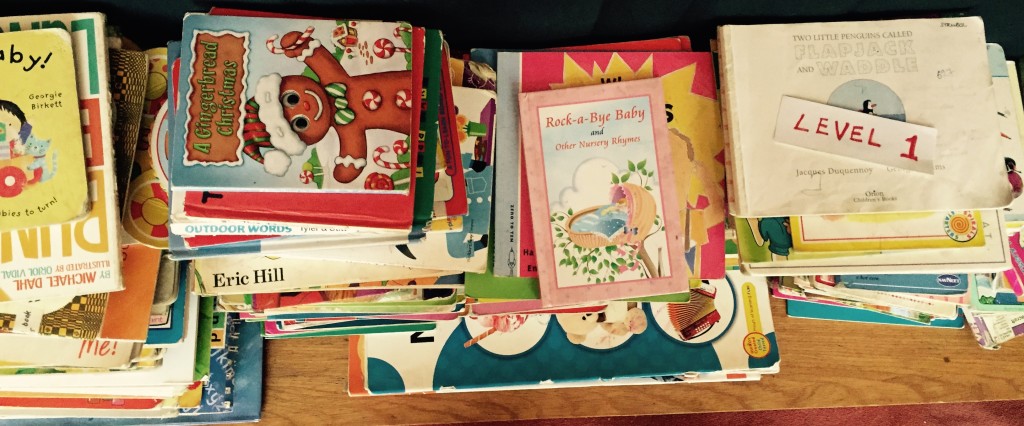
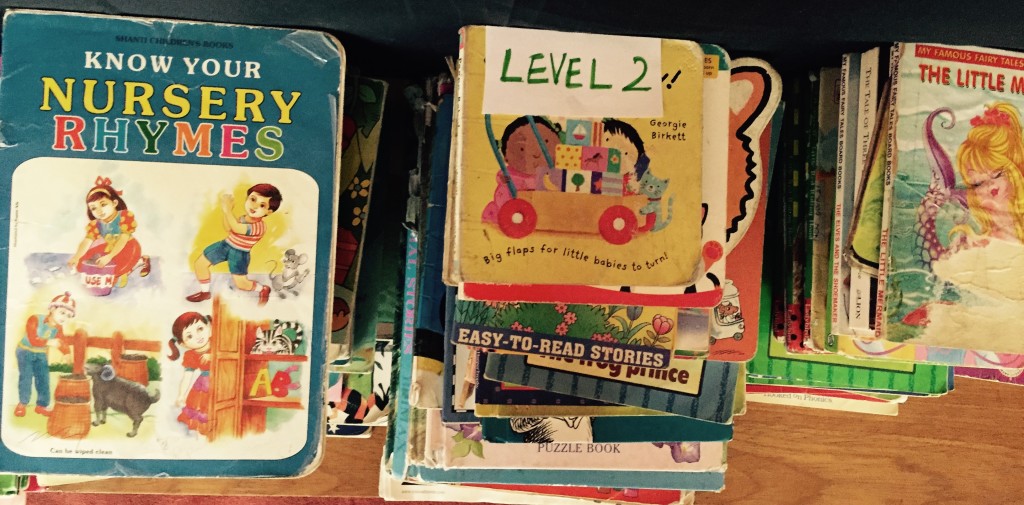
A physical library depends on regular deliveries, safe storage, and enough shelf space. In remote monasteries, each of these requirements can be complicated. Books may arrive months after they are needed, while limited transport makes it expensive to refresh a collection. An e-reader can hold hundreds of titles in a compact, durable format.
Digital reading also allows a library to serve different ages and abilities. A young reader can begin with illustrated stories, while an older student explores history, science, poetry, or language study. Adjustable text size and built-in dictionaries can make reading more accessible for children who are still developing confidence in English or another study language.
The purpose is not to replace local knowledge with a distant catalogue. Books are chosen to complement monastery life, school learning, Himalayan culture, and the interests expressed by the communities themselves. A digital collection becomes meaningful when it reflects the readers who use it.
Building a Library That Works Offline
Connectivity cannot be assumed in a mountain settlement. For that reason, the e-readers are designed for offline use, with books installed before the devices reach a monastery. This approach makes the library dependable even where mobile data is weak or unavailable. New content can be added during scheduled visits or when trusted partners travel to the community.
Each device needs simple navigation, clear instructions, and protection from dust, cold, and everyday handling. A protective case, spare charging equipment, and a secure storage routine are as important as the files themselves. Training helps teachers, caretakers, and senior monks understand charging, lending, updating, and basic troubleshooting.
The project also considers power access. Where electricity is intermittent, charging plans must fit the monastery’s daily rhythm. A small charging station, power bank, or solar-supported system may help keep the devices available. The goal is a practical resource that can be used regularly, rather than equipment that sits unused because its maintenance is too complicated.
Selecting Books With Care
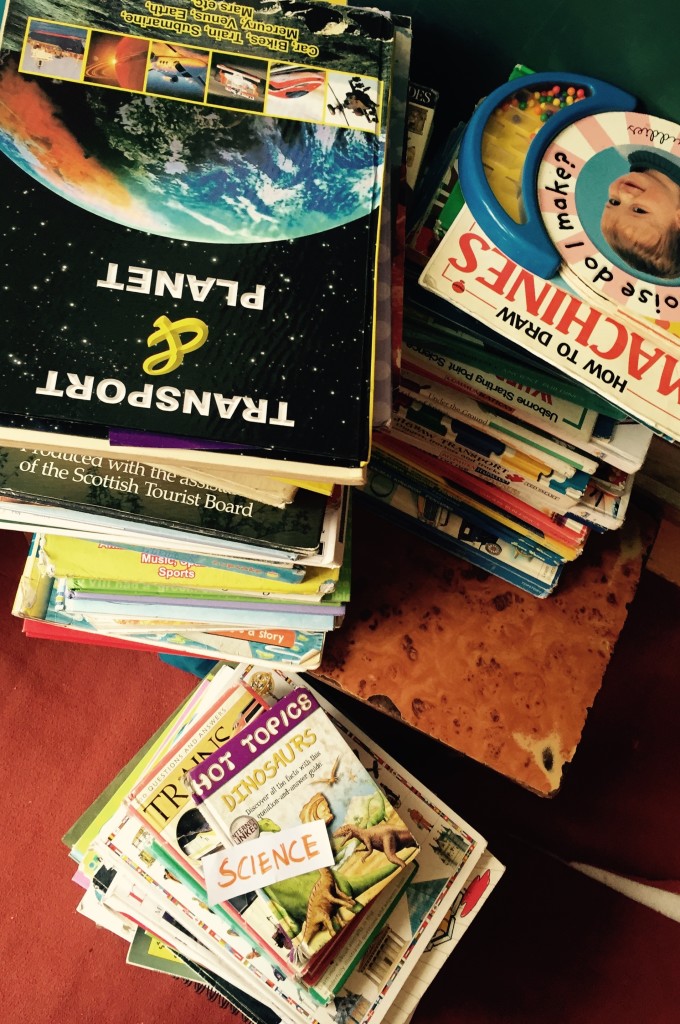
A digital library is valuable because of its content, not simply because it uses new technology. The first collection includes age-appropriate fiction, illustrated books, educational texts, reference works, and materials that encourage imagination. Selections can support literacy, general knowledge, creative writing, drawing, music, and independent study.
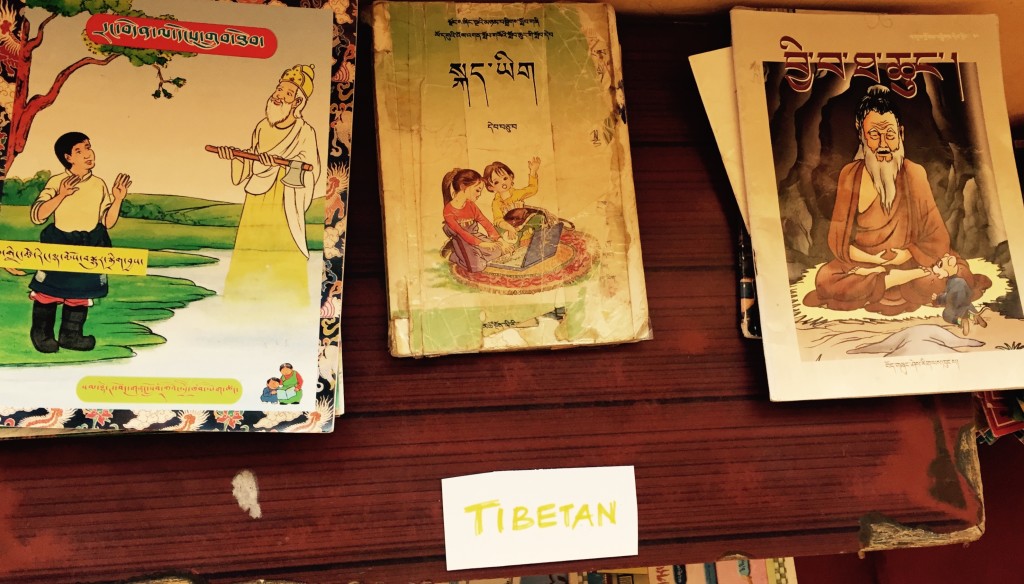
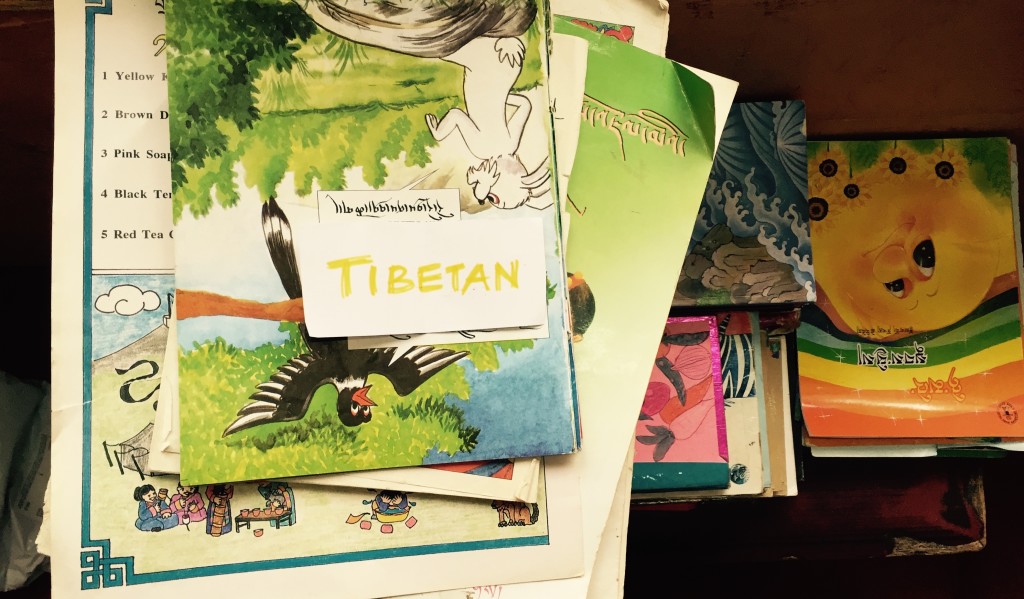
Language balance matters. Readers should find books they can approach with confidence, alongside titles that help them develop new vocabulary and broader communication skills. Where possible, the collection can include materials connected to Ladakhi and Himalayan heritage, Buddhist philosophy, local ecology, and the history of the communities being served.
Copyright and permissions are part of responsible collection building. Donated files must be legally shareable, and public-domain resources need to be checked for quality and relevance. Educators and local partners can help identify books that are respectful, comprehensible, and genuinely useful.
| Resource |
Best Use |
Strength |
Practical Consideration |
| Printed books |
Shared reading and group activities |
Tactile, familiar, and easy to display |
Require transport, storage, and replacement |
| E-readers |
Individual study and portable collections |
Hold many titles and work offline |
Need charging, care, and user training |
| Audio resources |
Listening practice and accessibility |
Support pronunciation and reluctant readers |
Require headphones and suitable files |
| Teacher guides |
Structured lessons and discussion |
Help adults connect reading with learning |
Must be adapted to local schedules |
Learning Beyond the Screen
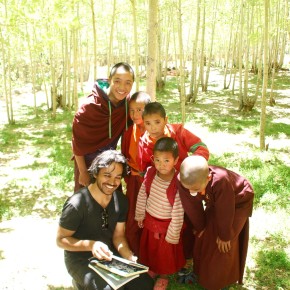
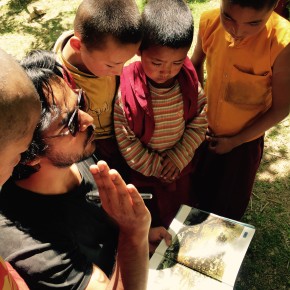
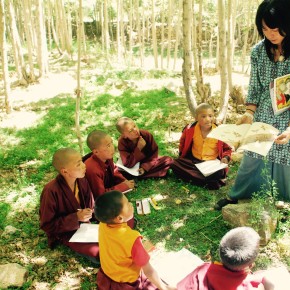
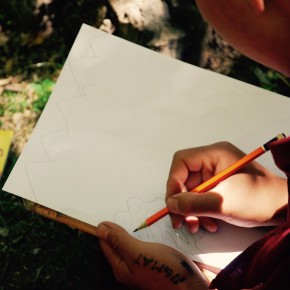
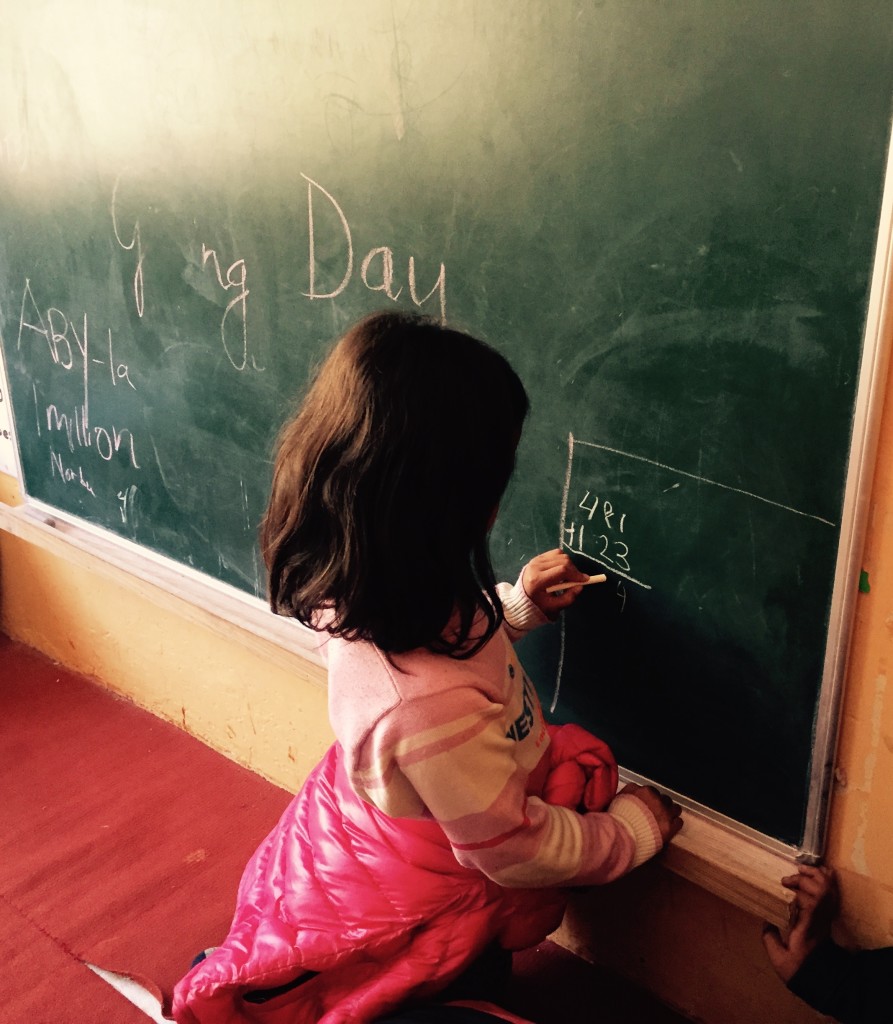
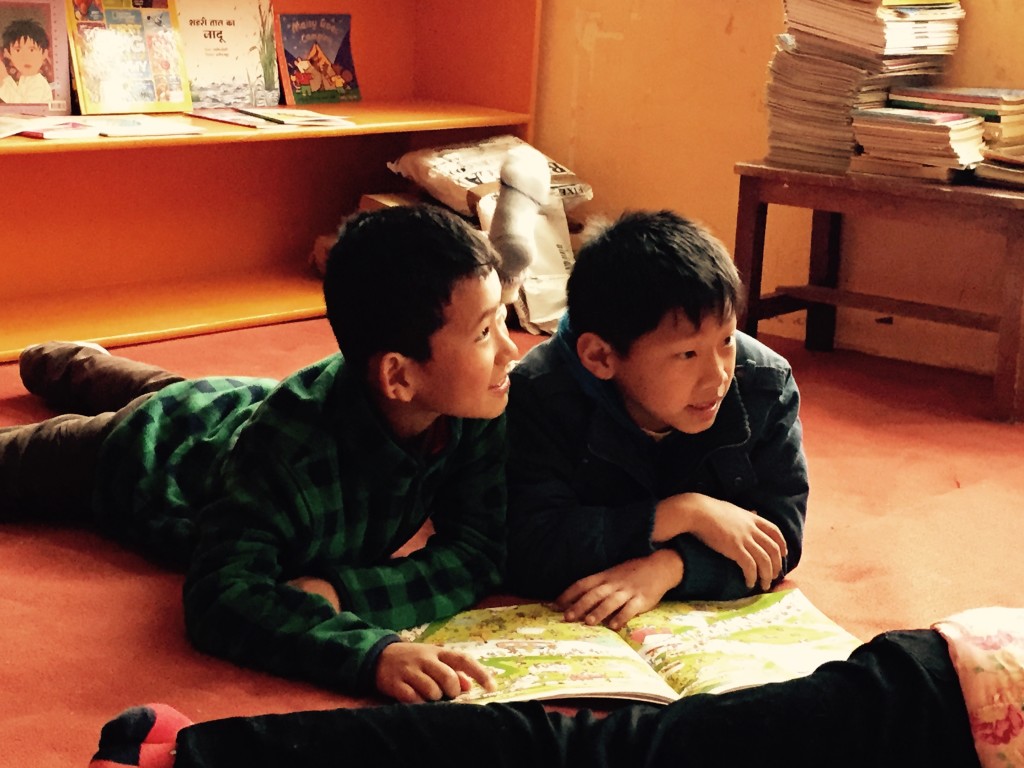
An e-reader becomes more powerful when it is part of a wider educational program. A reading session might begin with a story, continue with a conversation, and end with drawing, music, or a short piece of writing. These activities turn solitary reading into shared discovery and give children opportunities to express what they have understood.
Young monks can use the devices for quiet study, language practice, and exploration beyond their regular lessons. Teachers may draw on reference books to enrich classroom discussions, while older students can research topics for essays or community presentations. The collection can support both structured teaching and the freedom to follow a personal interest.
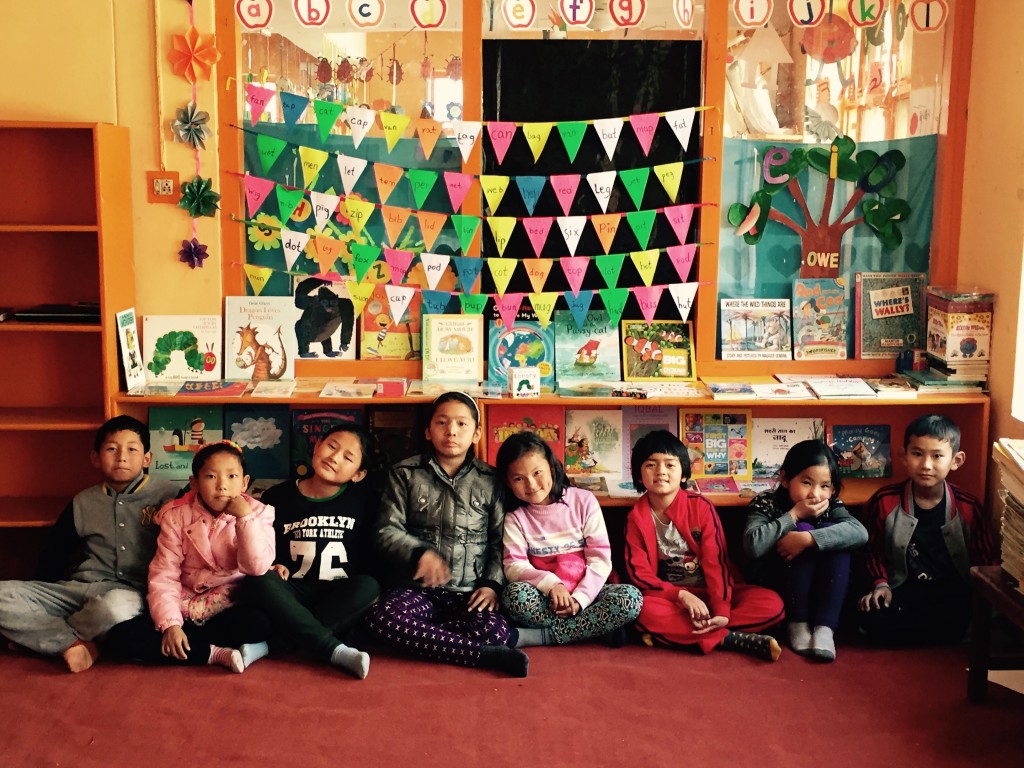
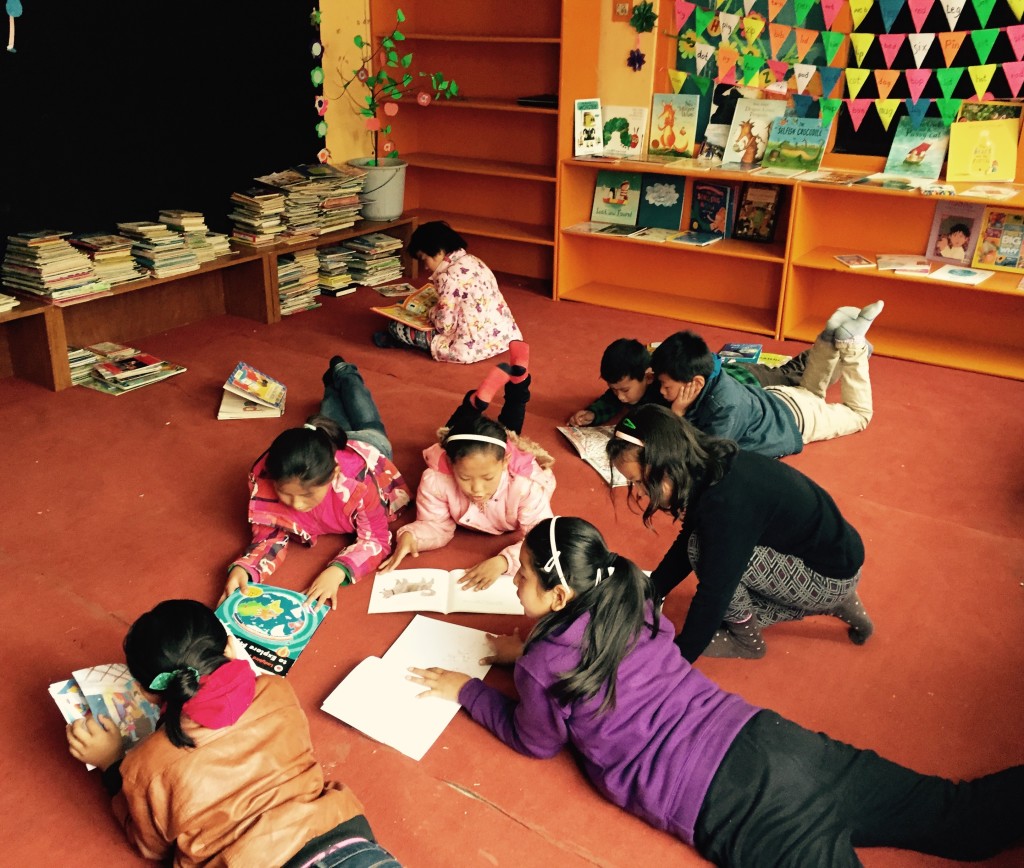
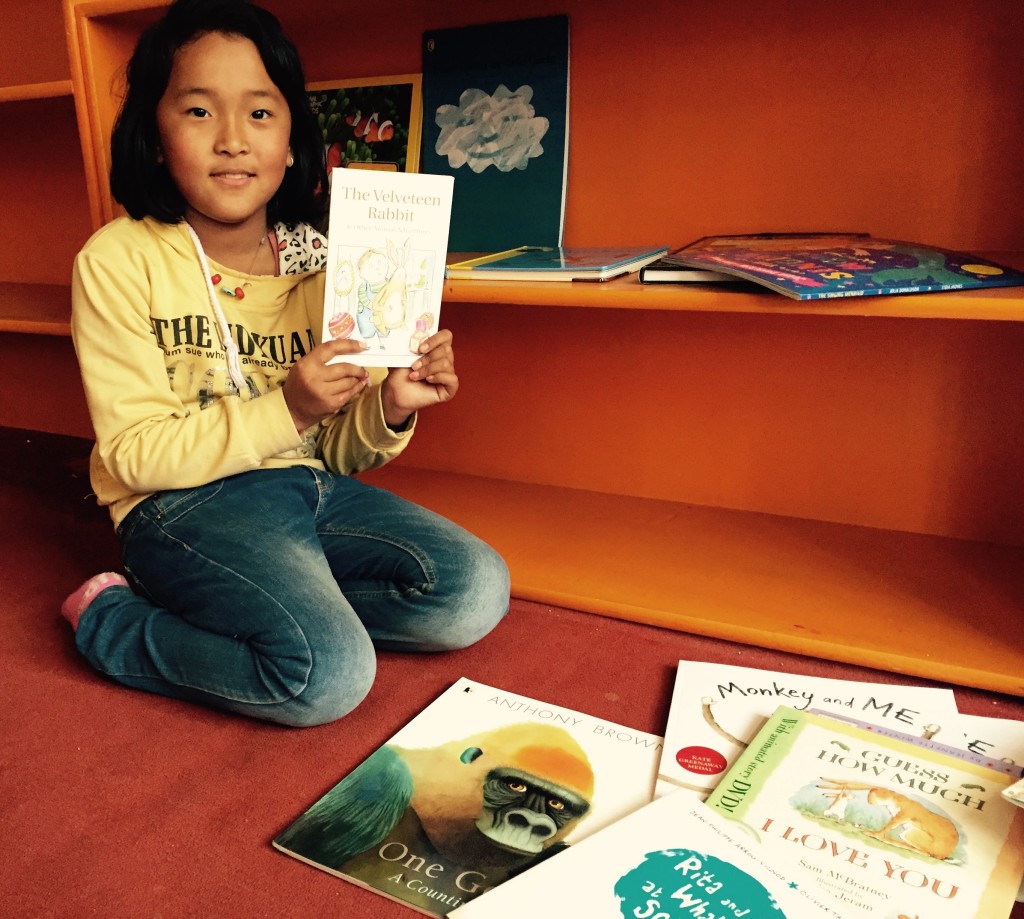
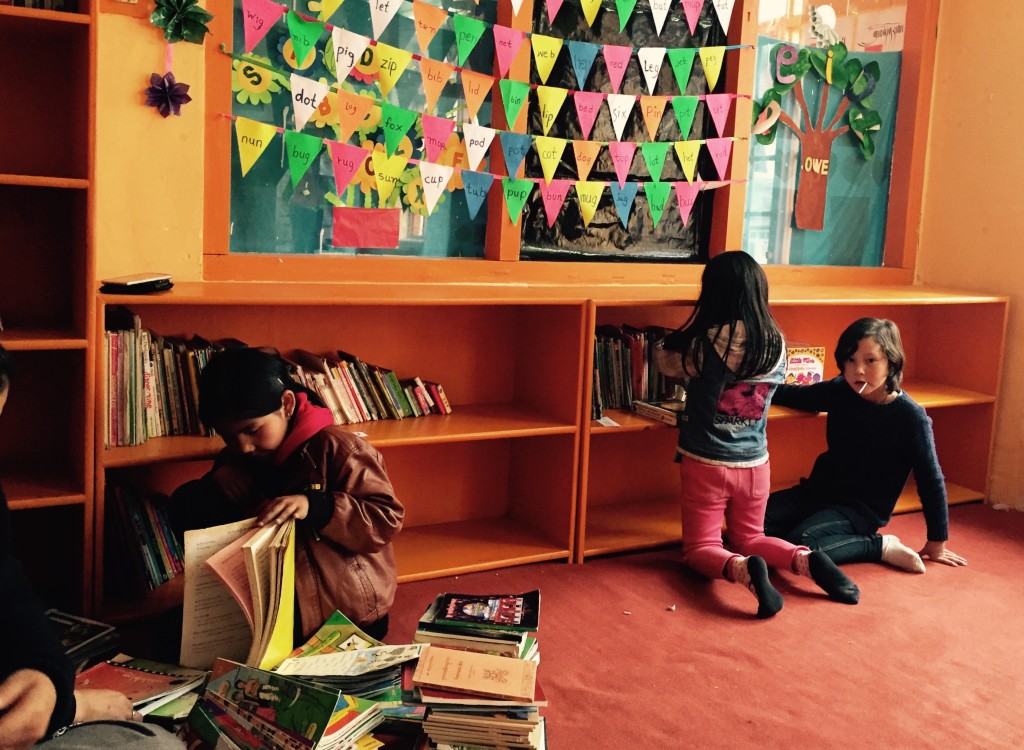
Reading rooms remain central to this work. A welcoming space gives children a place to browse, ask questions, recommend books, and see reading as a social activity. The e-readers add variety to that environment, allowing a small room to offer a much wider range of subjects without crowding its shelves.
A Shared Responsibility
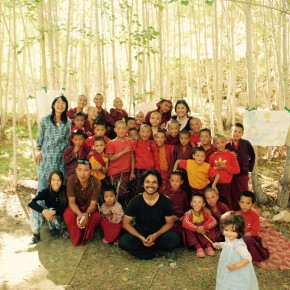
The first digital library depends on cooperation among donors, volunteers, educators, technical advisers, and local monastery communities. A contribution may help purchase a device, prepare a book collection, provide protective equipment, or support transport to a remote location. Volunteer skills can be equally valuable when people assist with cataloguing, translation, literacy activities, or device orientation.
Community feedback will guide the next stage. Which books are opened most often? Which languages are needed? Do children prefer fiction, science, biographies, or art resources? Are the devices easy for teachers to manage? Listening to these answers ensures that future additions respond to real use rather than assumptions made far away.
Supporters can follow the wider educational work and learn how reading rooms, book drives, and creative programs connect through the Avalokiteśvara Trust. The digital library is one part of a long-term commitment to reliable learning opportunities in communities that are often overlooked by conventional resource systems.
Ways to Strengthen the Digital Library
The initiative can grow carefully through targeted support and regular evaluation. Every improvement should protect the quality of the reading experience while respecting local routines, cultural context, and the needs of children and young monks.
Useful forms of participation include:
- Funding an e-reader, protective case, memory storage, or charging equipment
- Donating legally shareable digital books suited to different reading levels
- Helping prepare multilingual collections with teachers and local partners
- Supporting volunteer visits focused on reading, art, music, or digital skills
- Sponsoring follow-up visits to maintain devices and learn from community feedback
A single device can open many paths when it is placed in a supportive environment. A group of devices can create a dependable learning collection for an entire monastery, especially when adults encourage regular reading and children are invited to recommend new subjects.
Carrying Stories Across the Mountains
The first e-readers represent more than a technology purchase. They are a way to carry knowledge across distance, make room for curiosity, and connect remote learners with a larger world of stories and ideas. Their success will be measured by the conversations they begin, the skills they strengthen, and the confidence they help cultivate.
With thoughtful donations and committed volunteers, the digital library can become a lasting part of monastery education. Support this work by contributing to the project, sharing its purpose with others, or taking part in the Trust’s literacy and creative learning programs. Every book made available can become an invitation to learn.