Why We Create Art Galleries Inside Our Reading Rooms
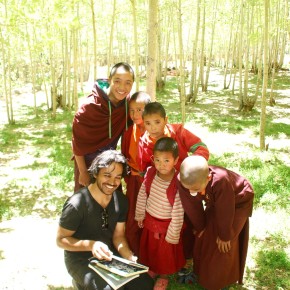
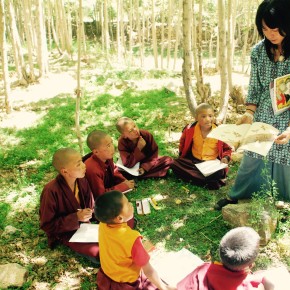
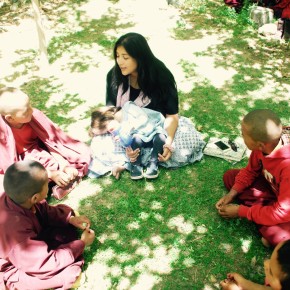
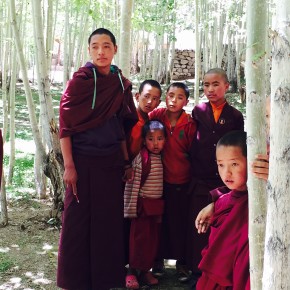
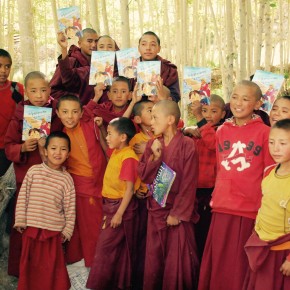
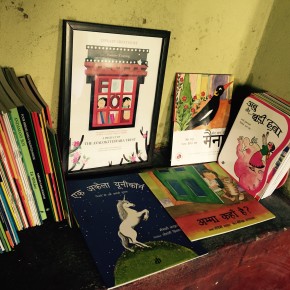
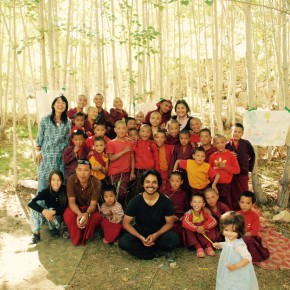
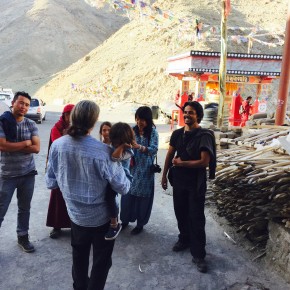
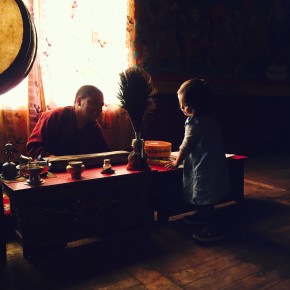
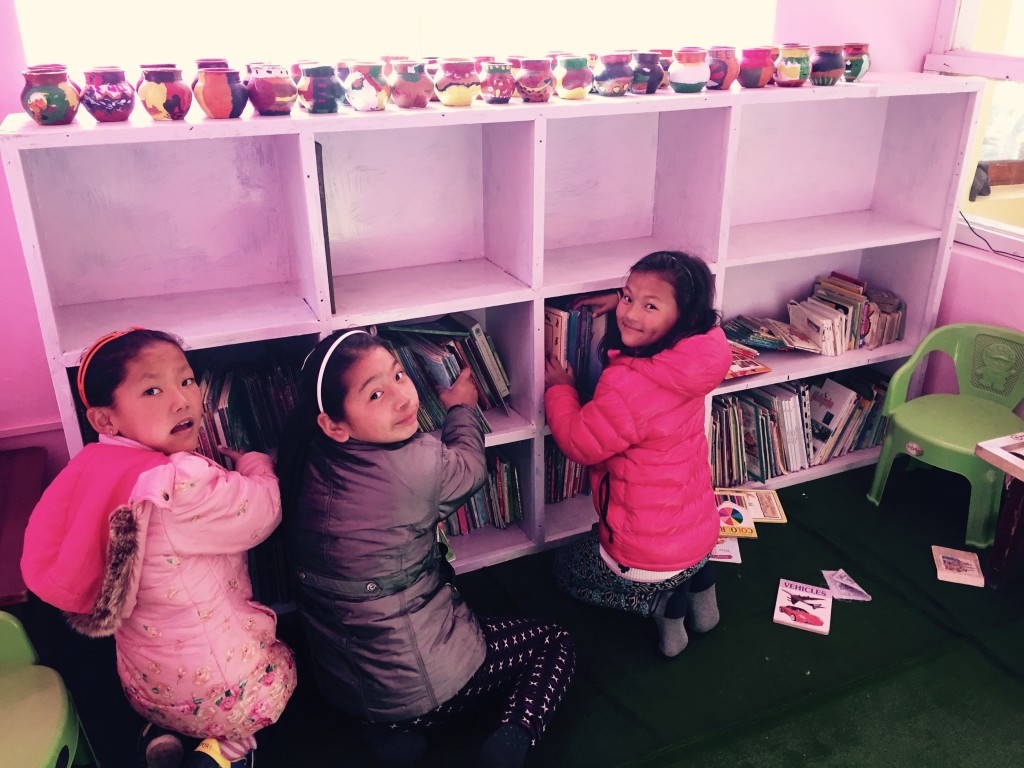
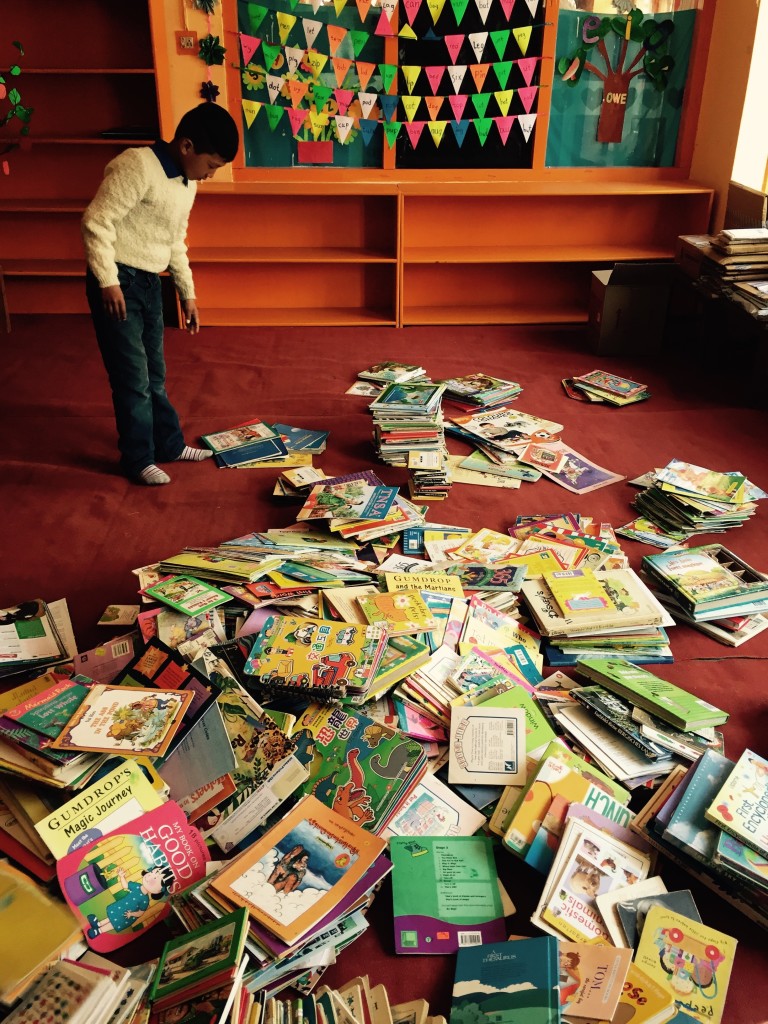
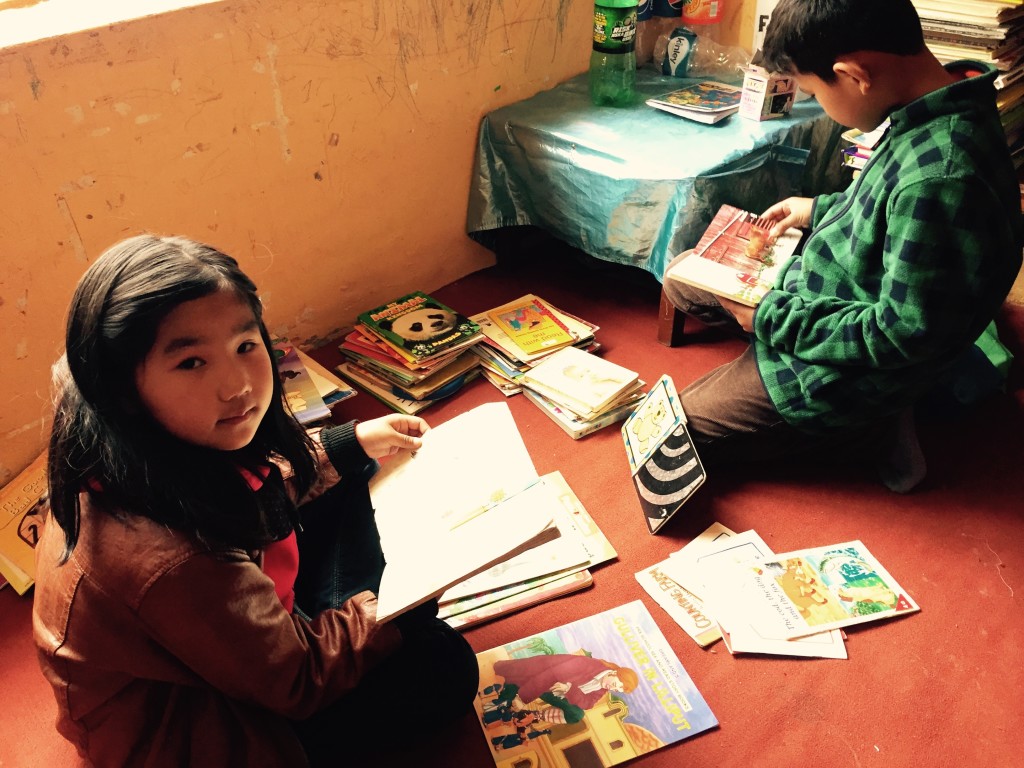
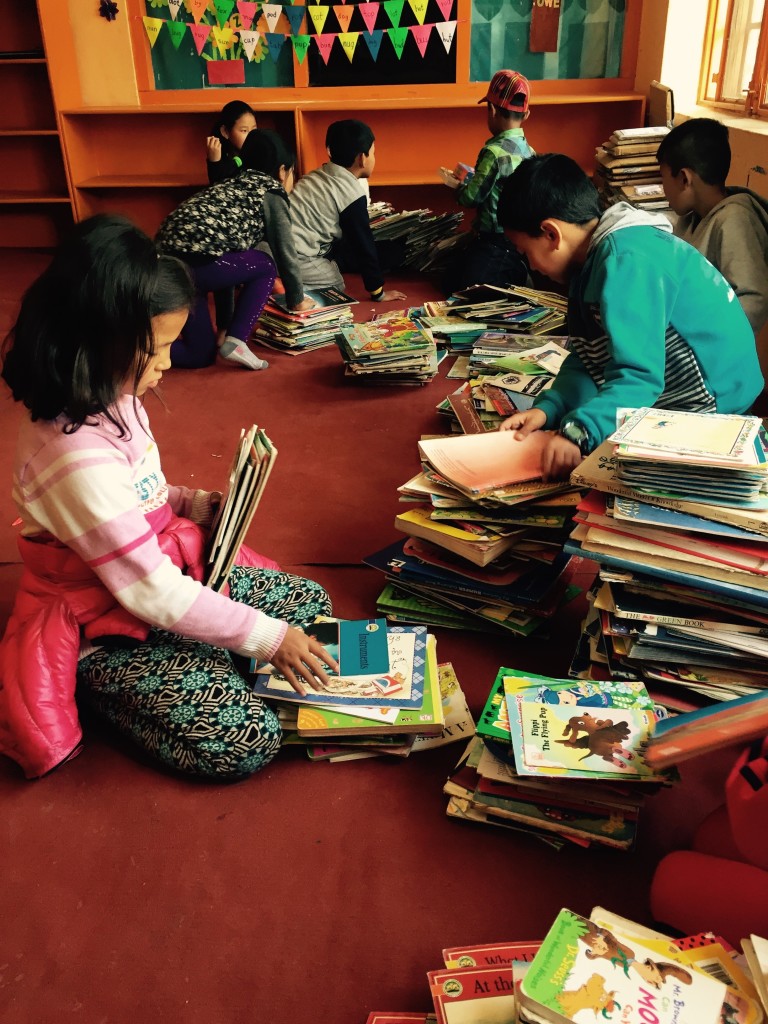
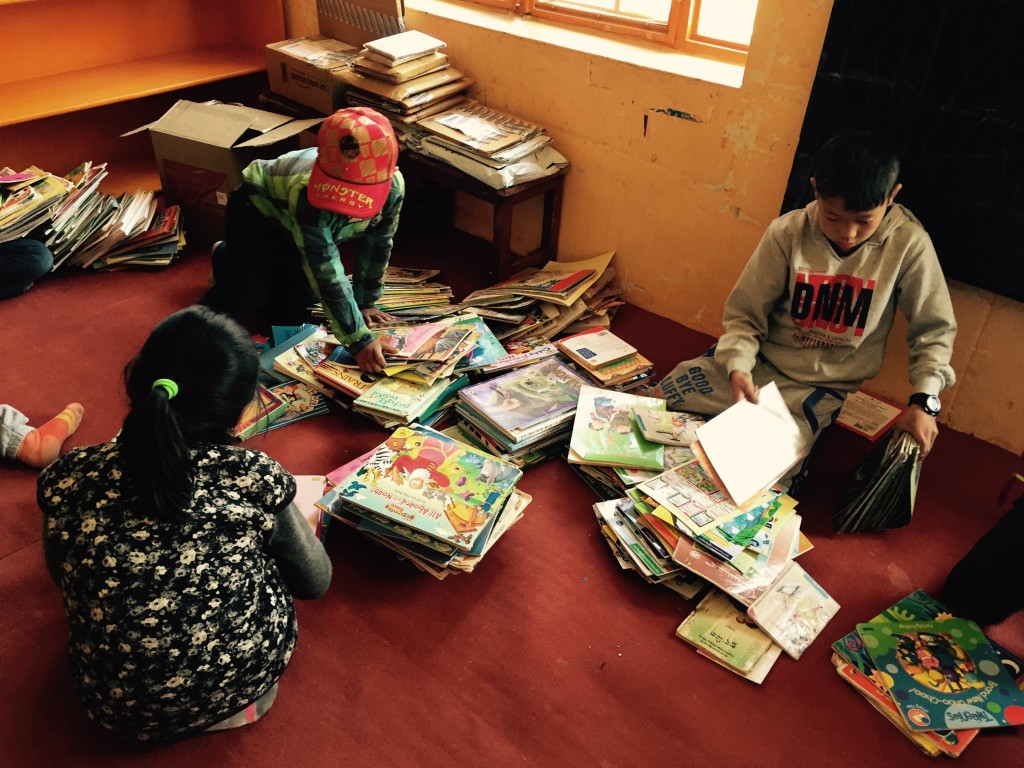
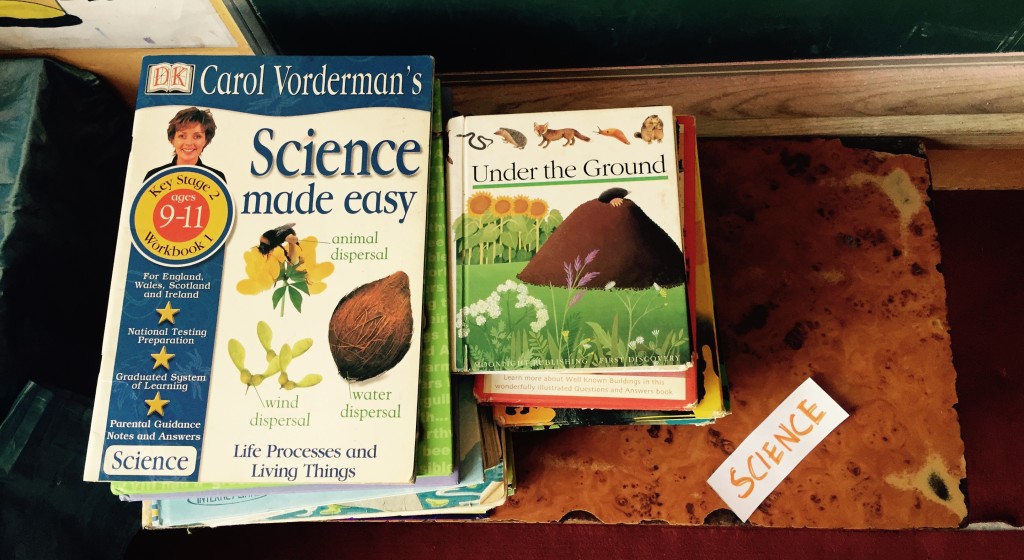
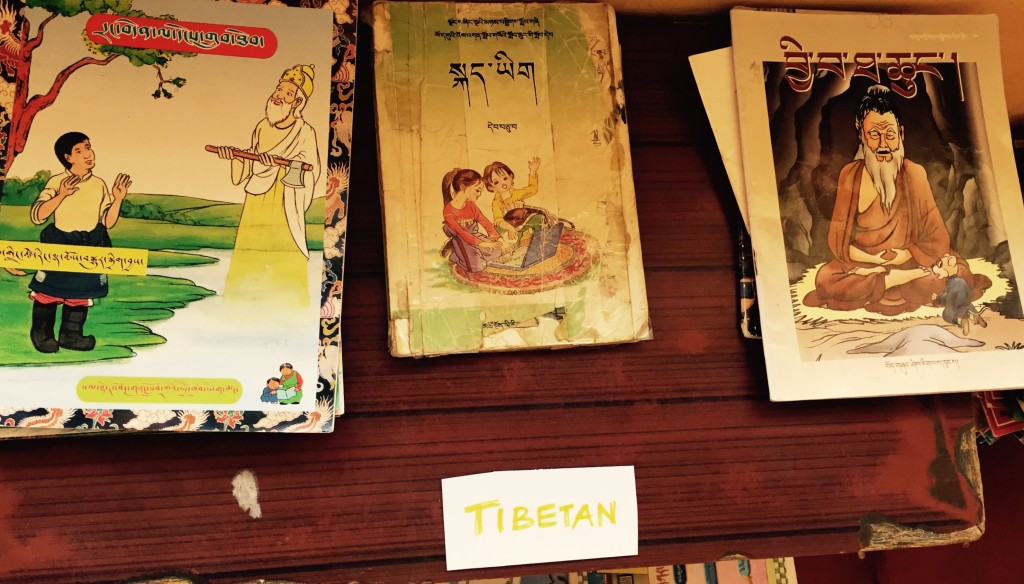
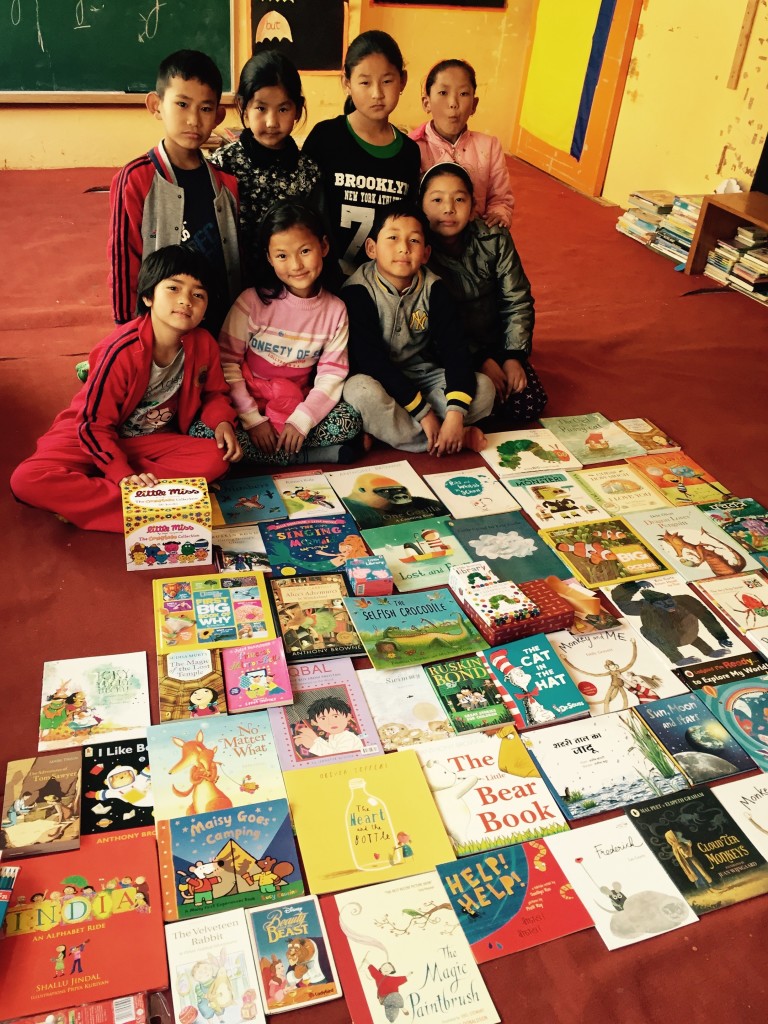
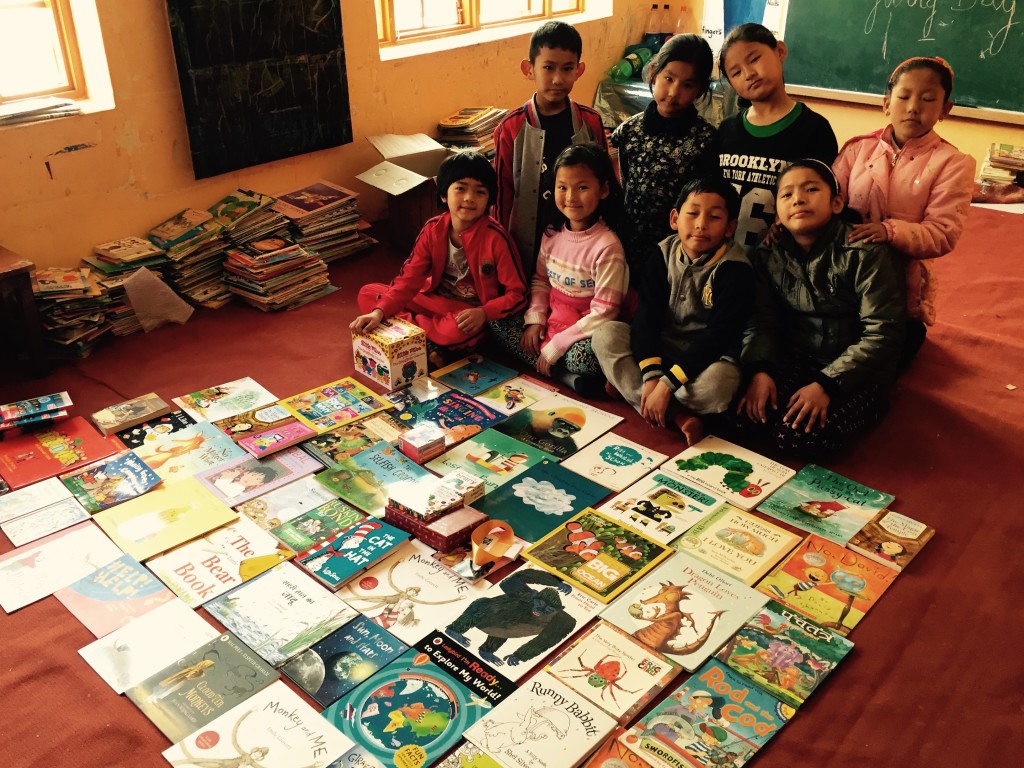
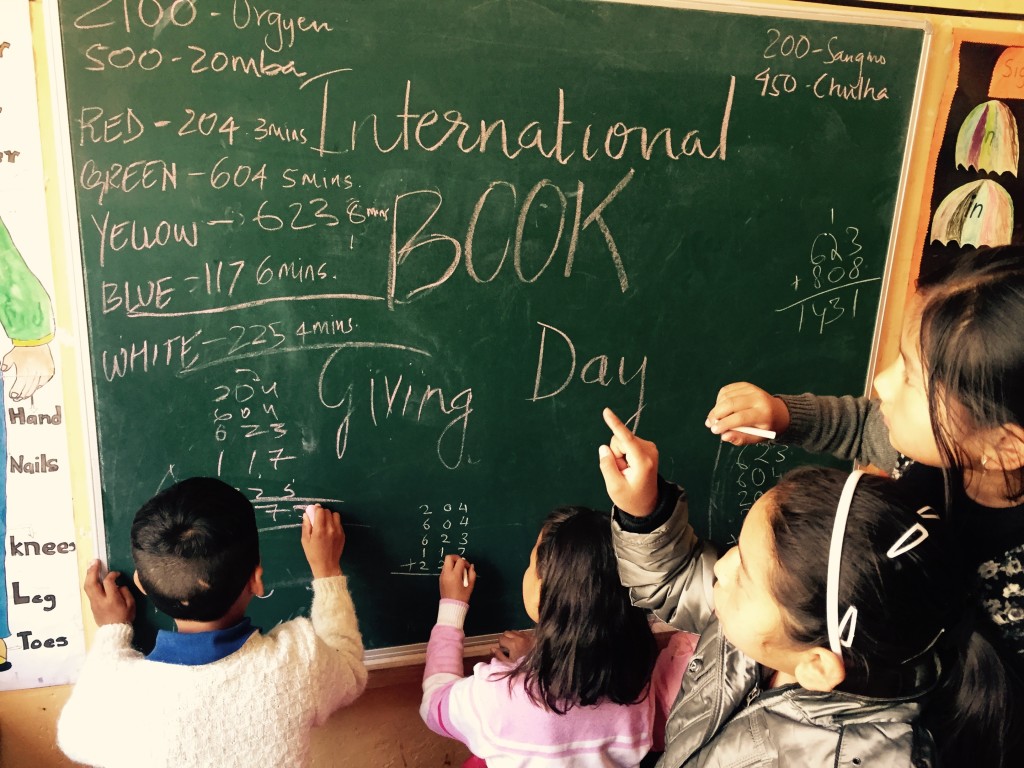
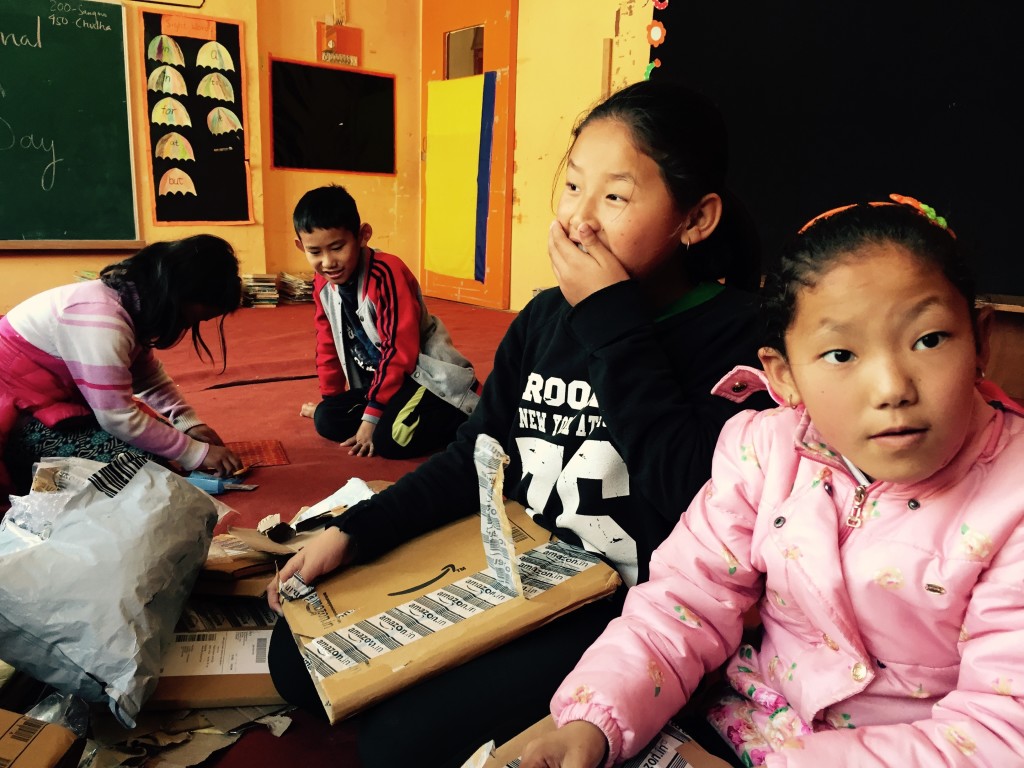
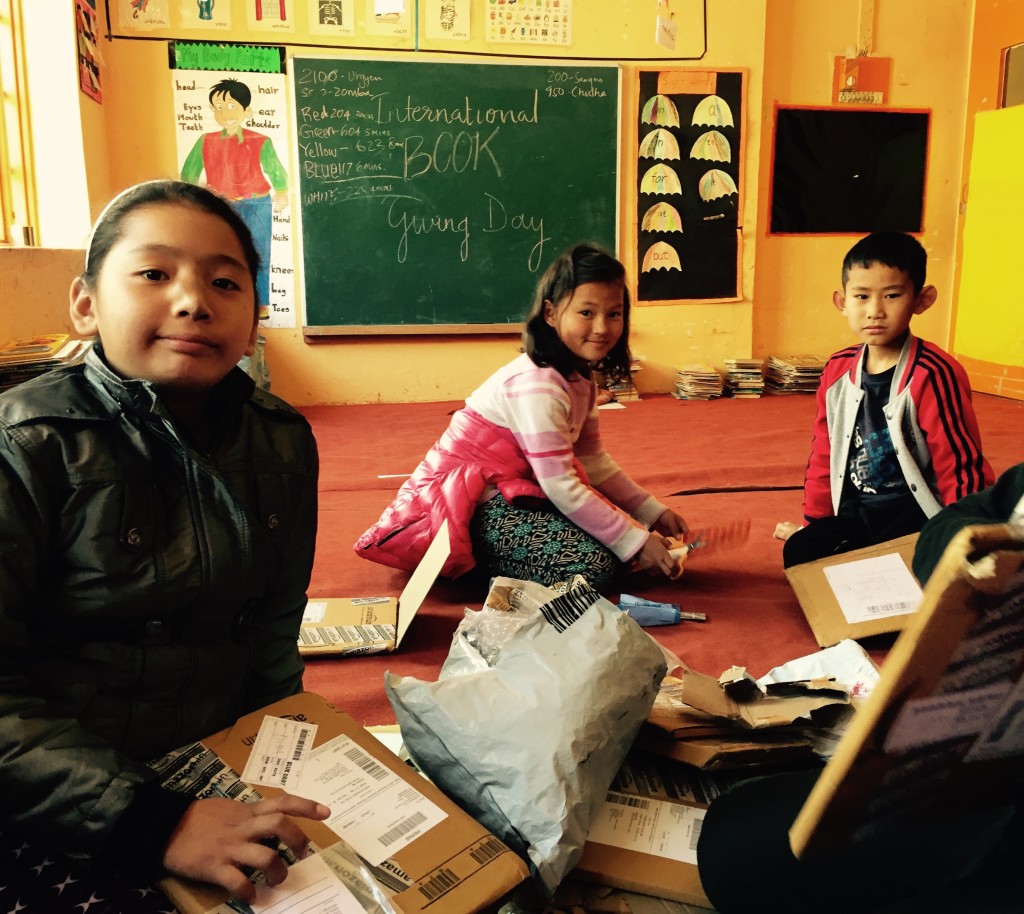
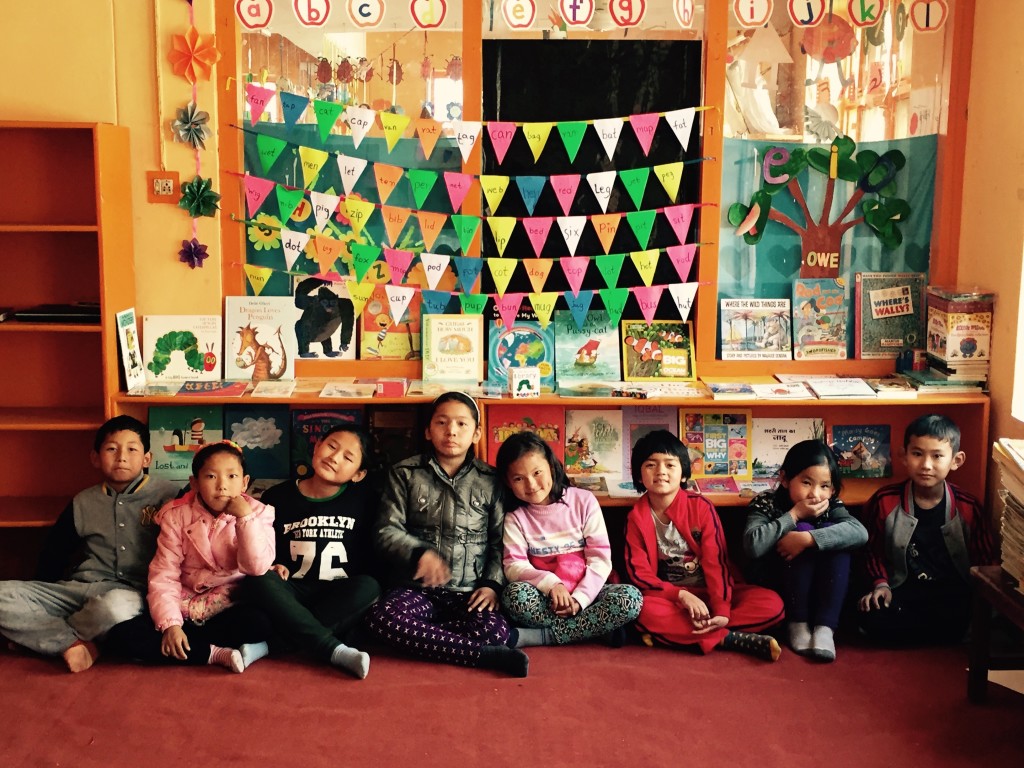
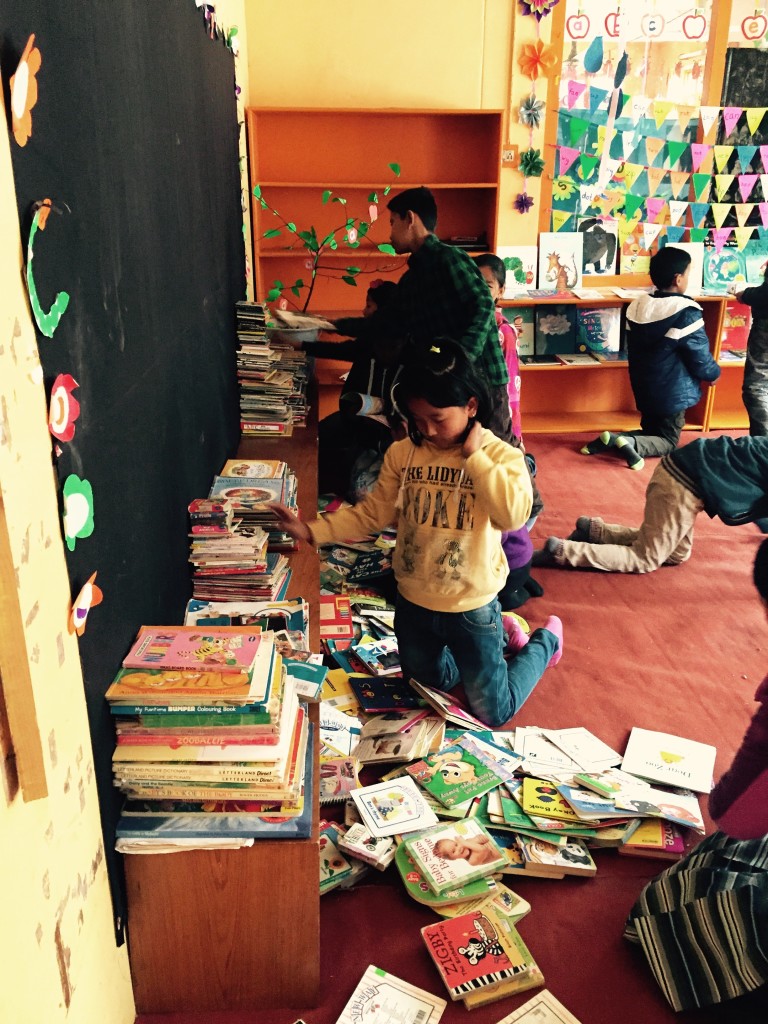
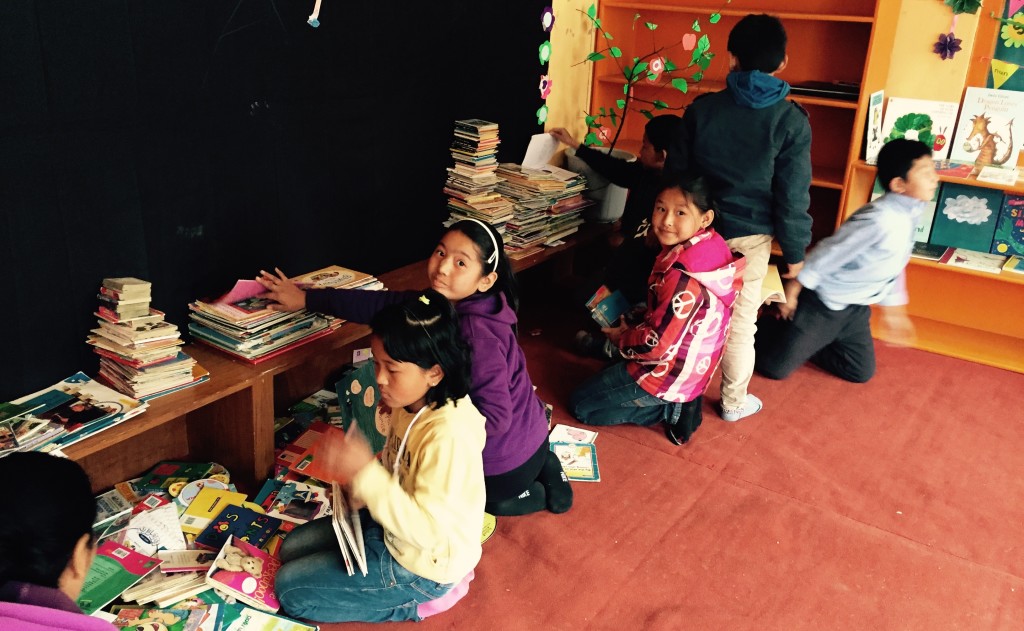
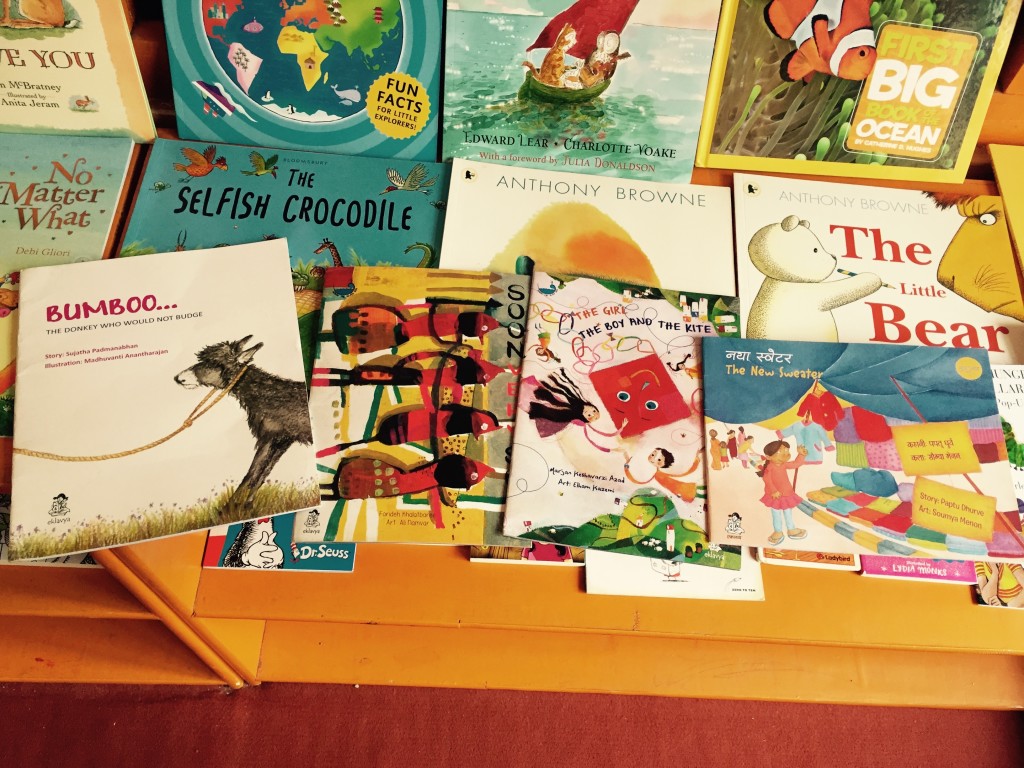
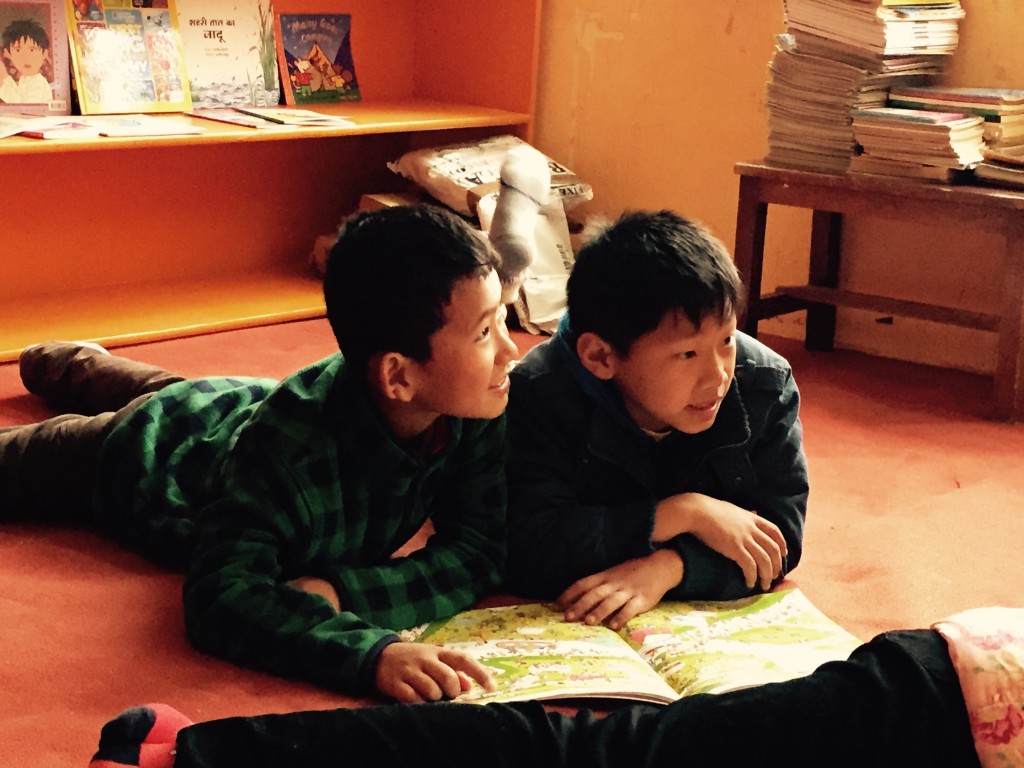
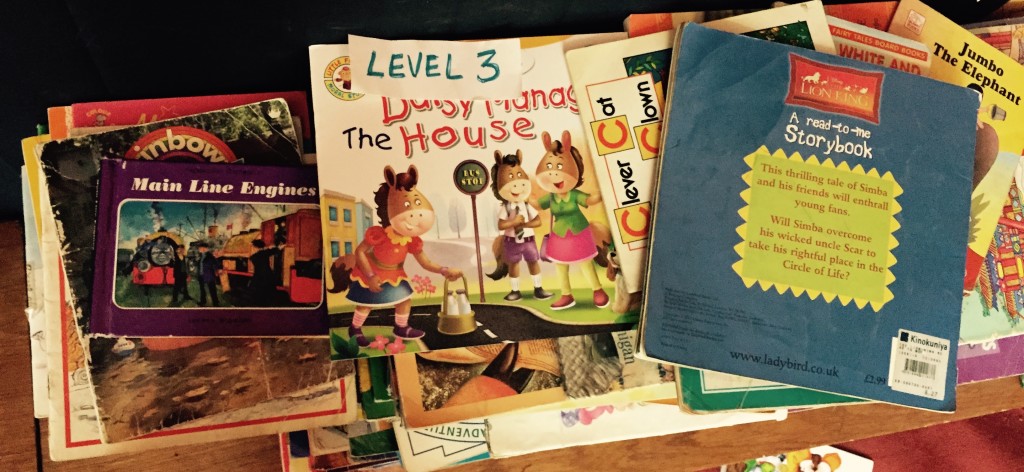
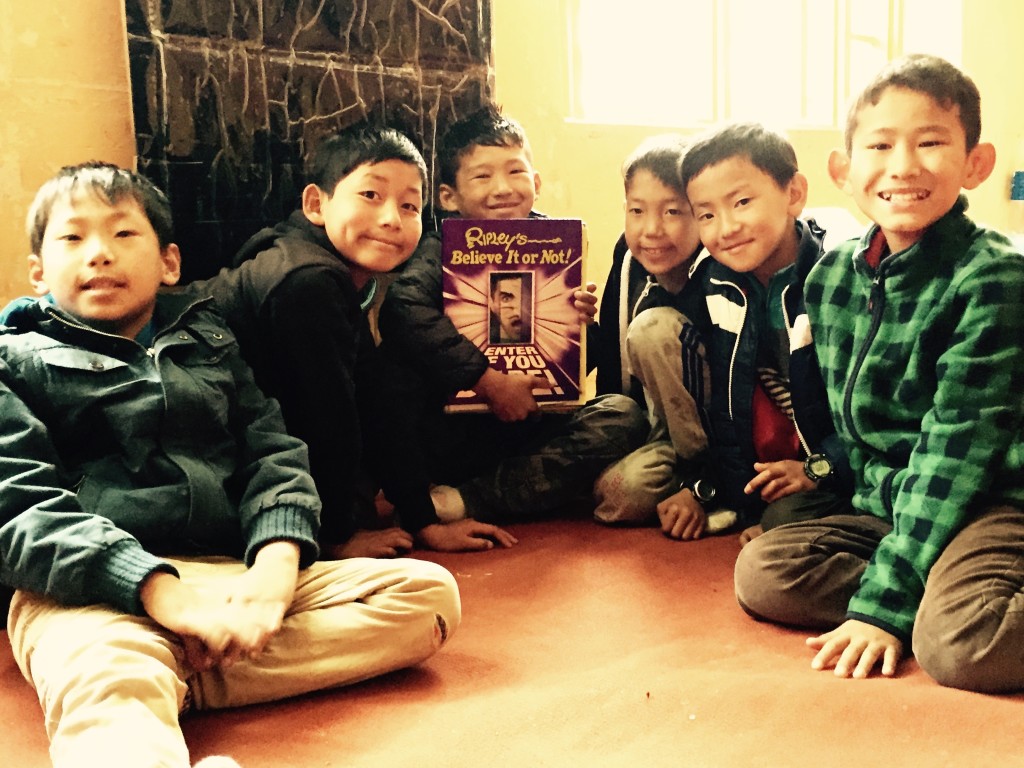
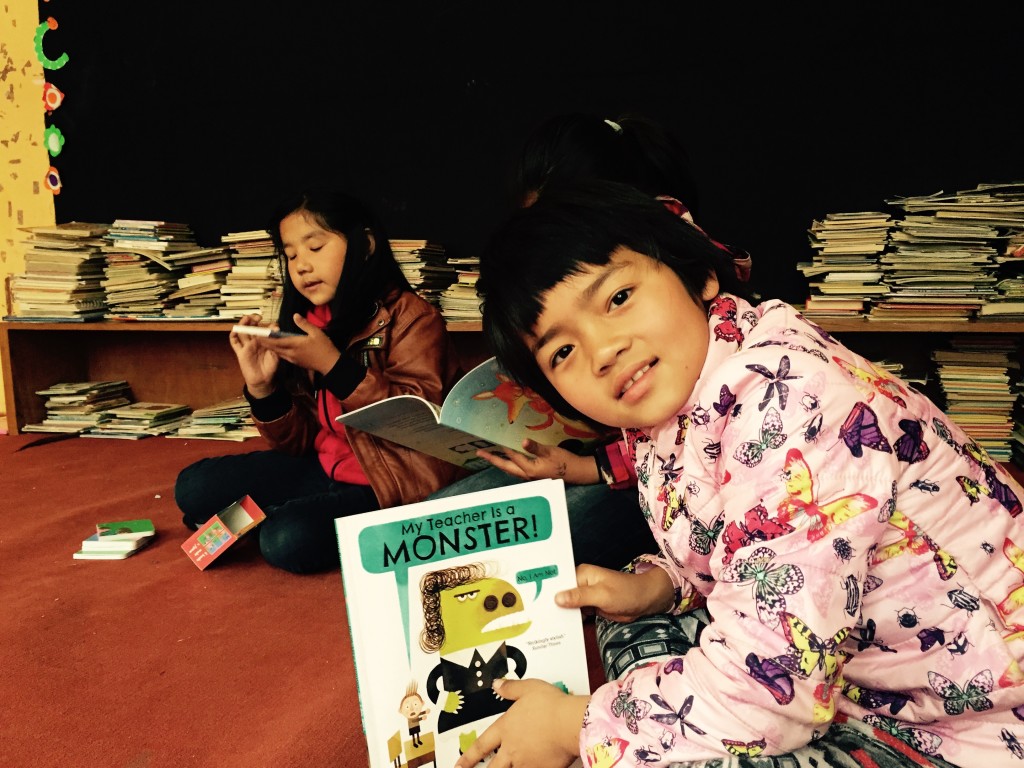
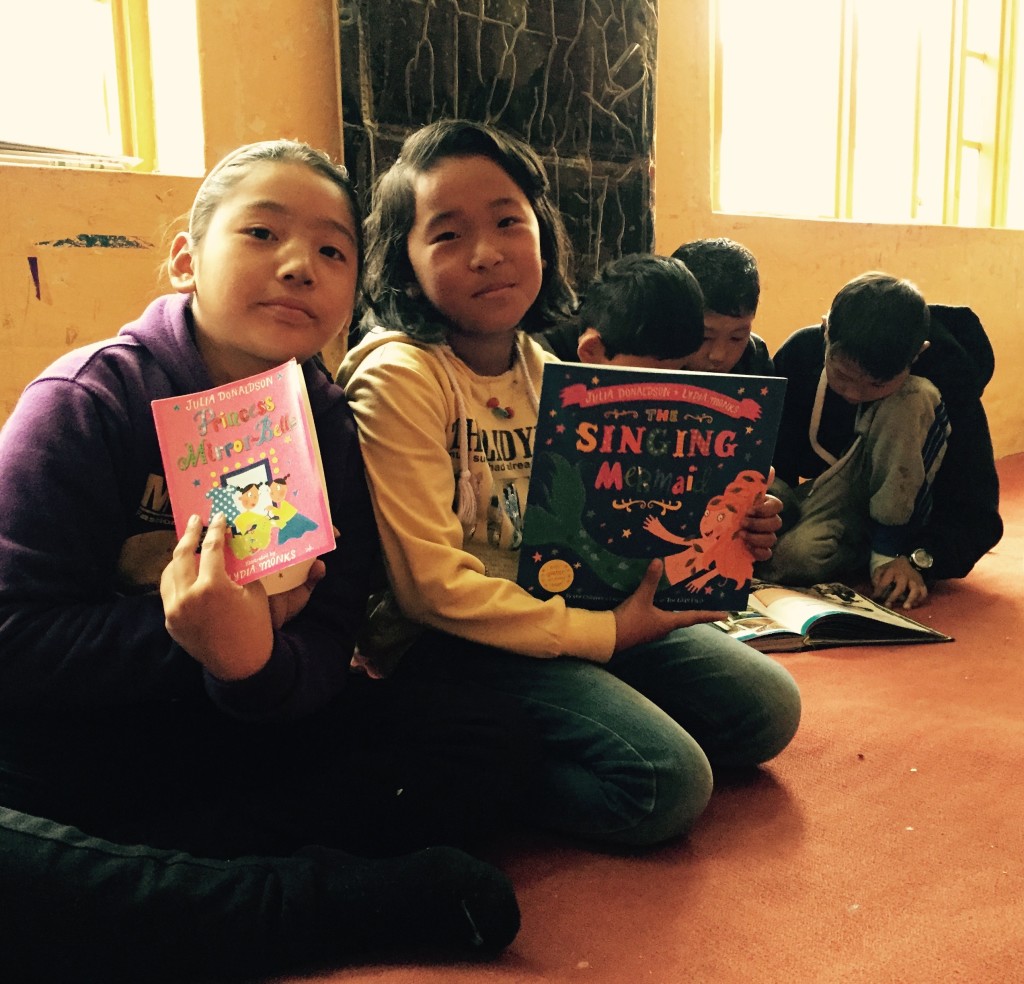
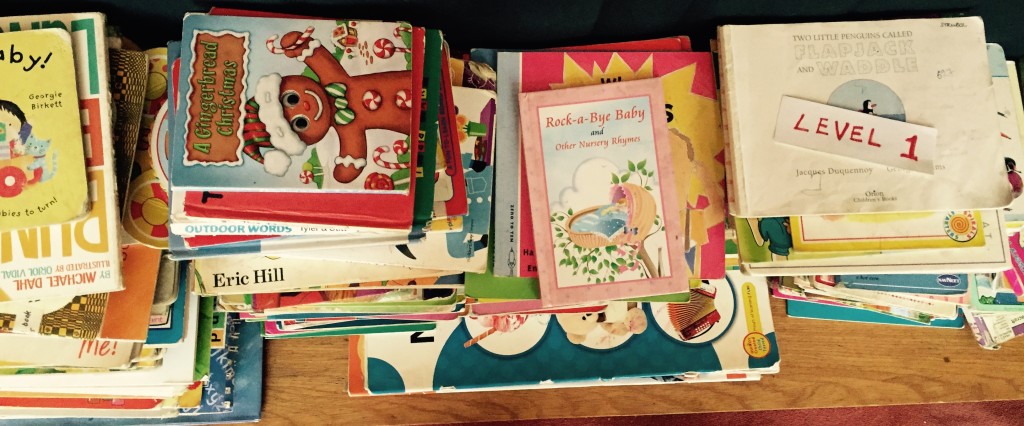
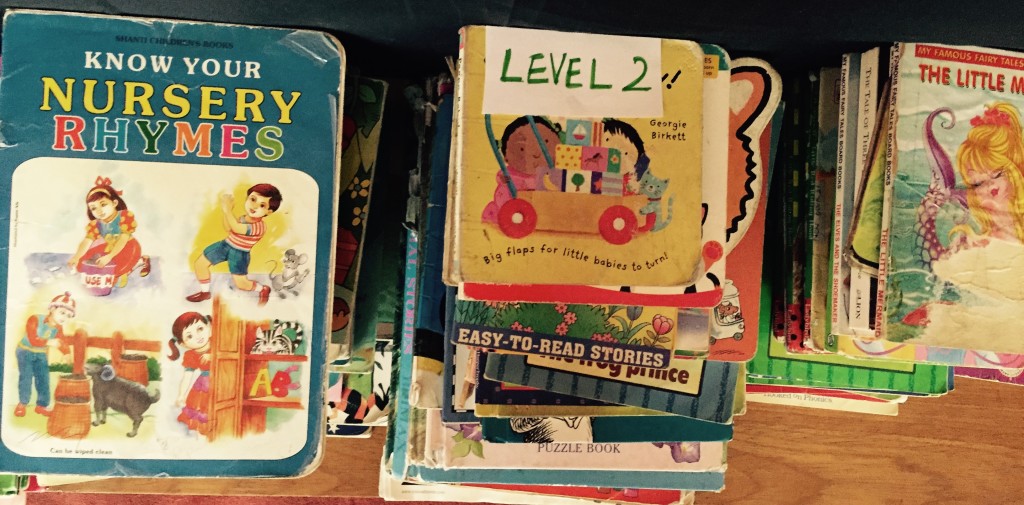
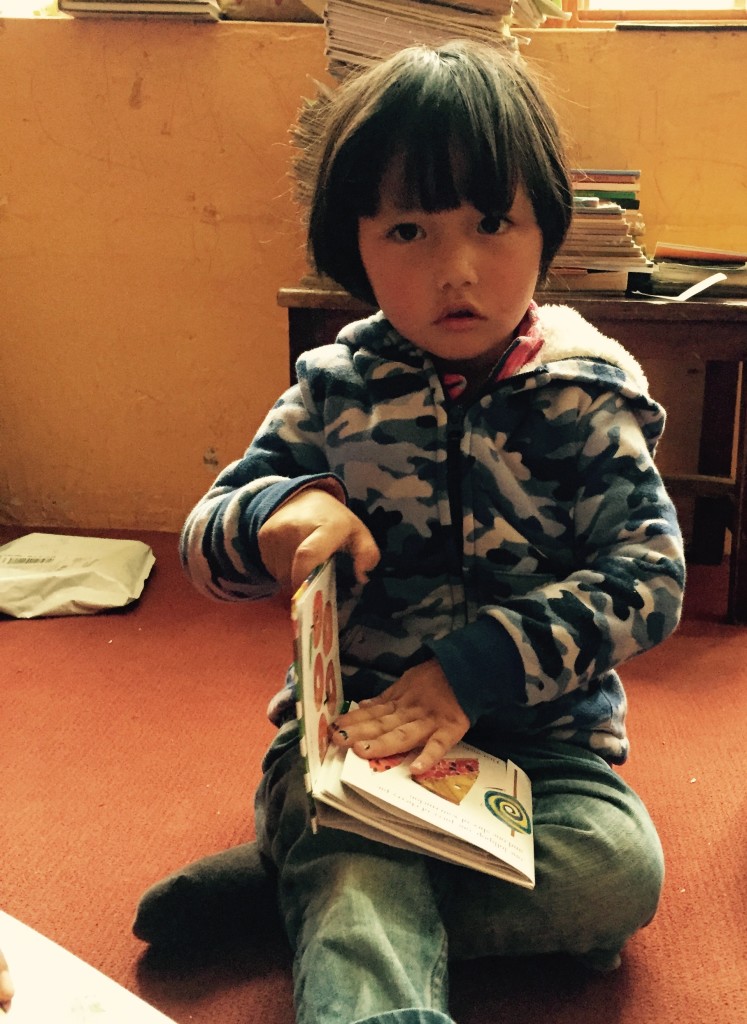
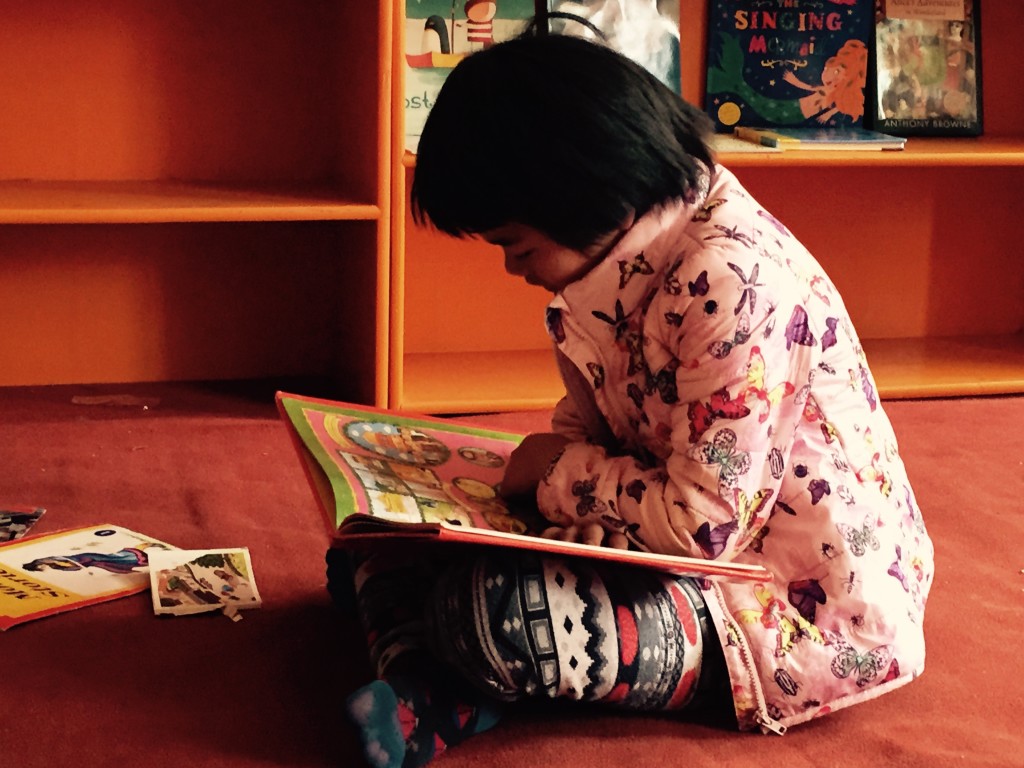
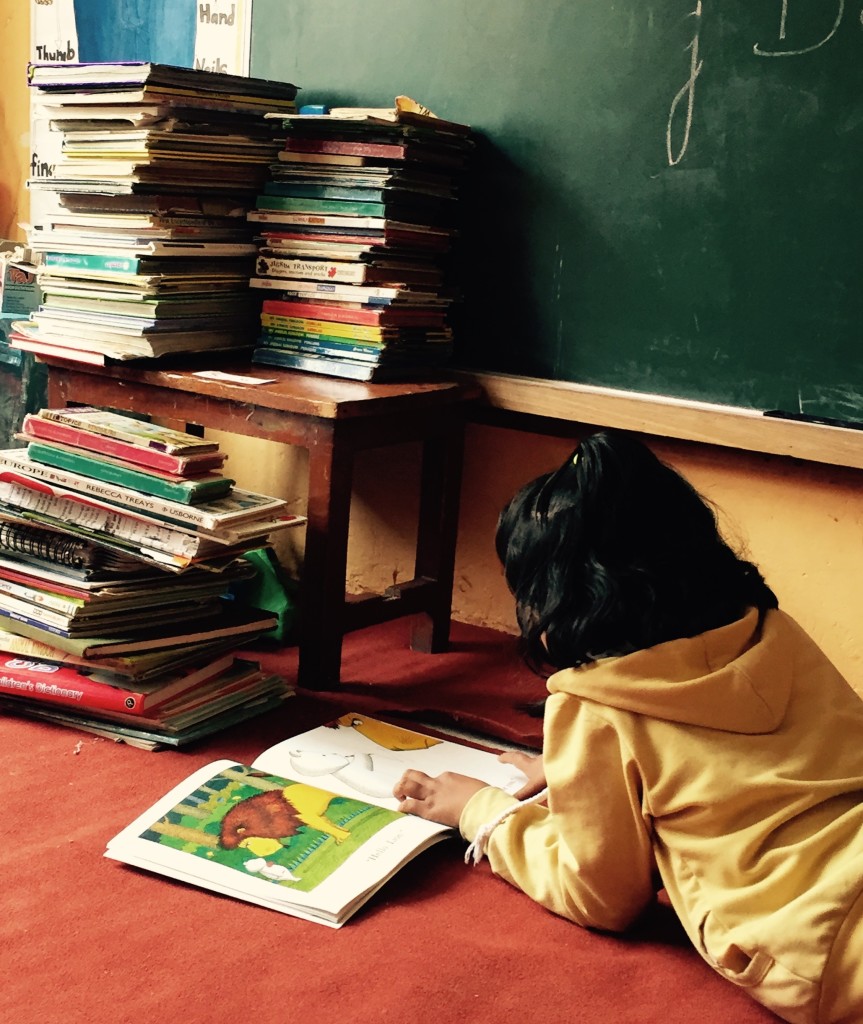
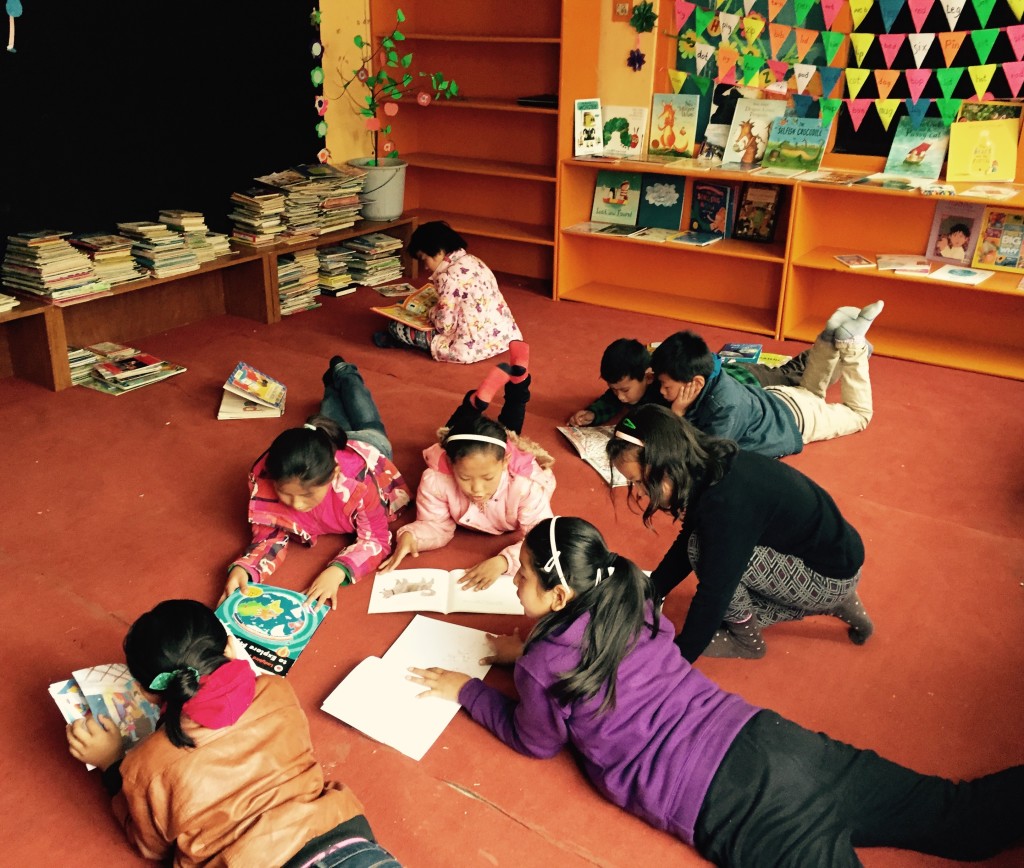
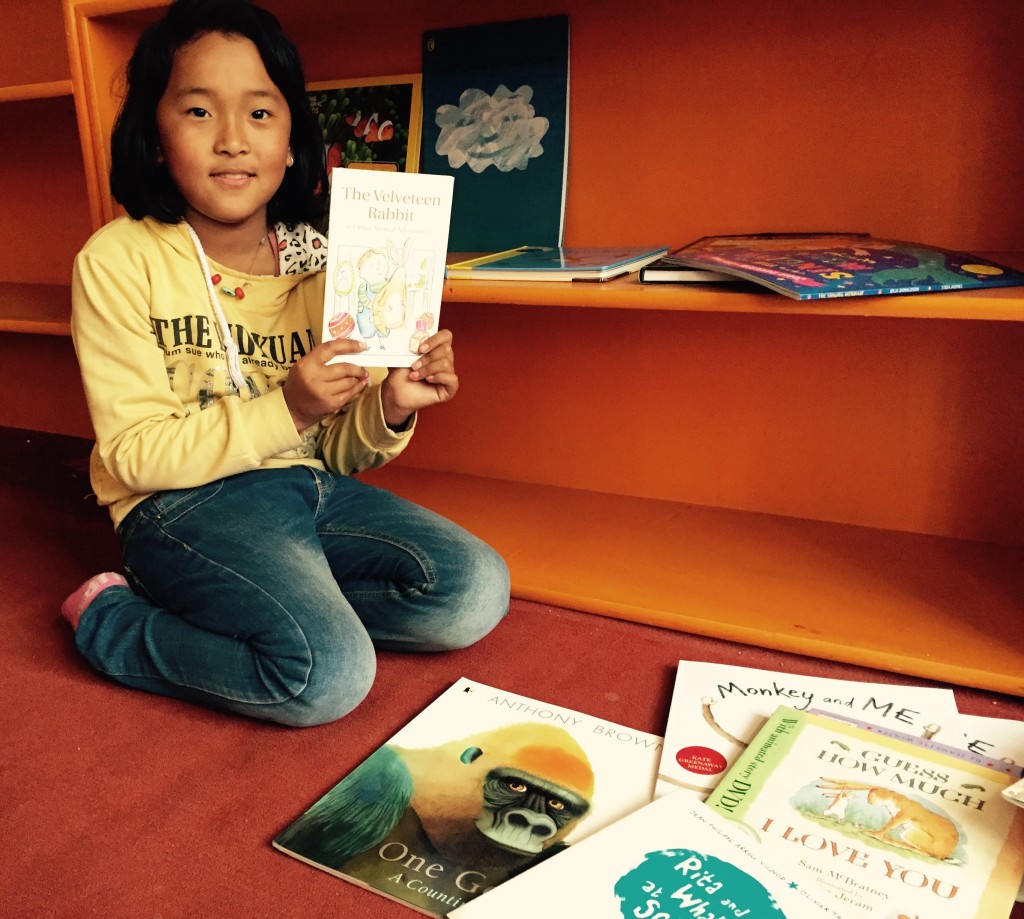
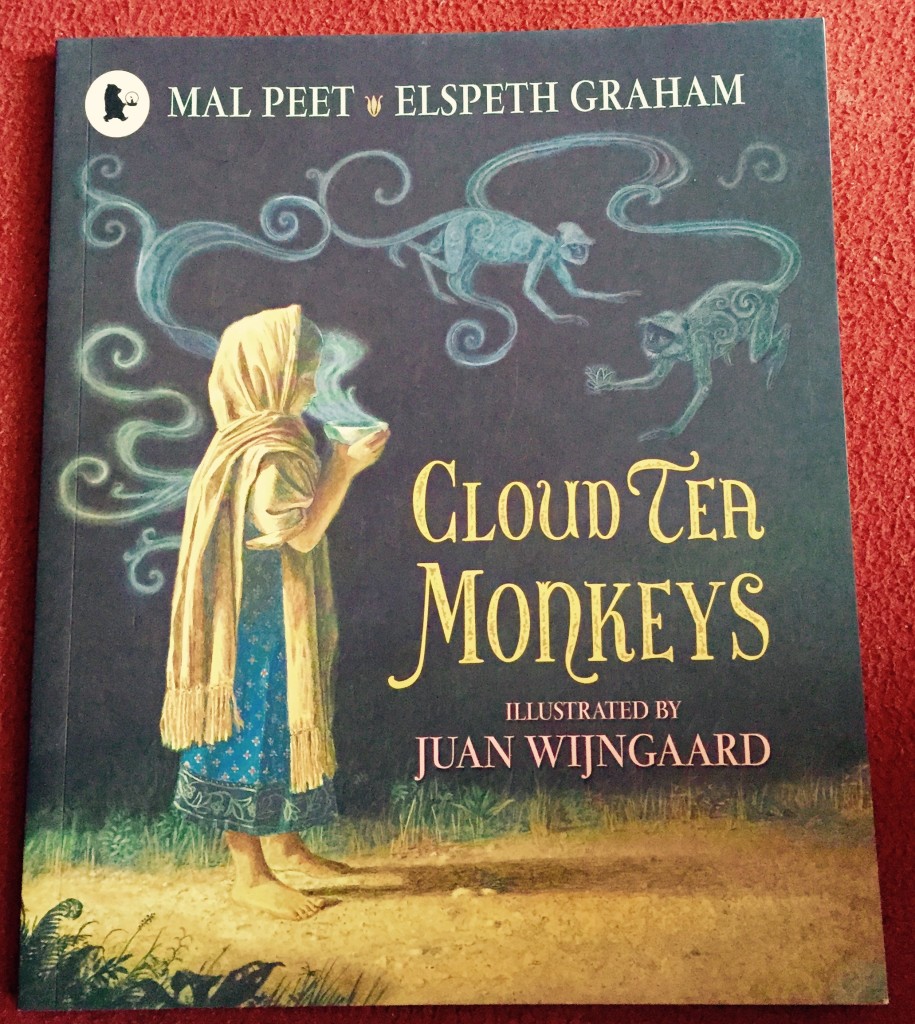
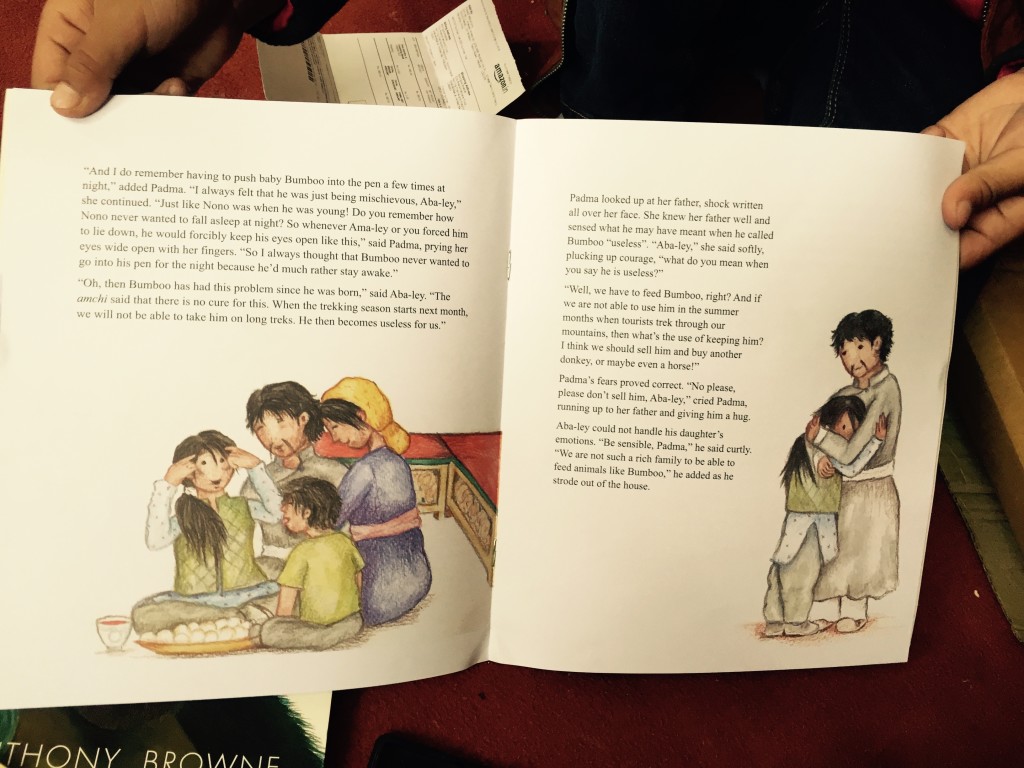
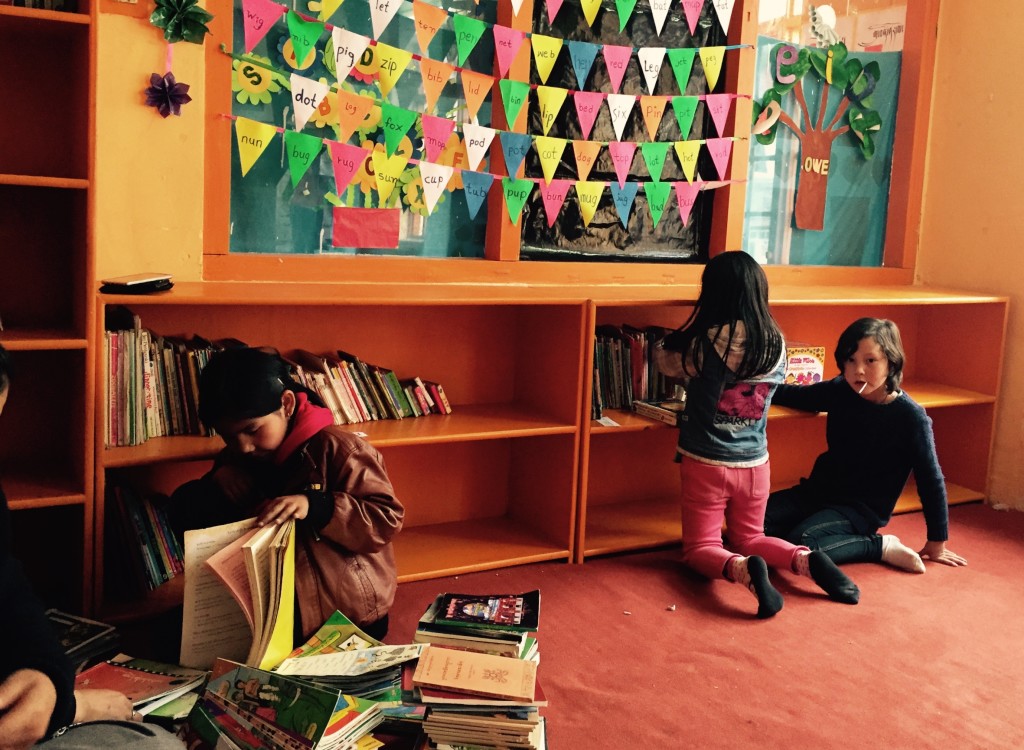
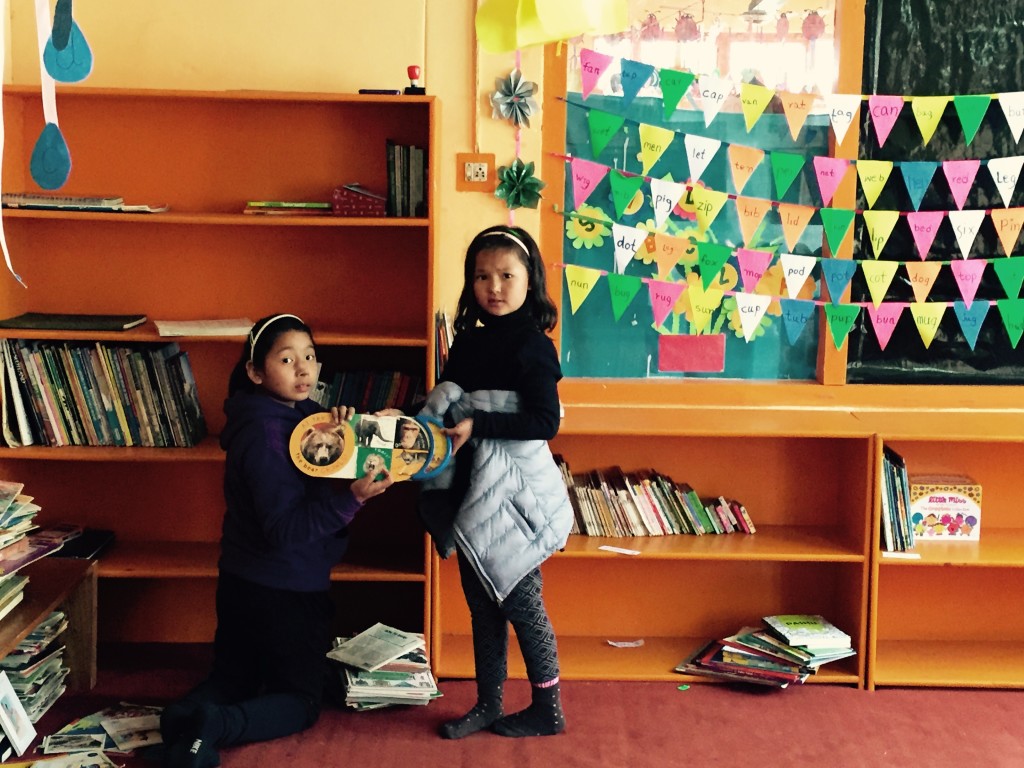
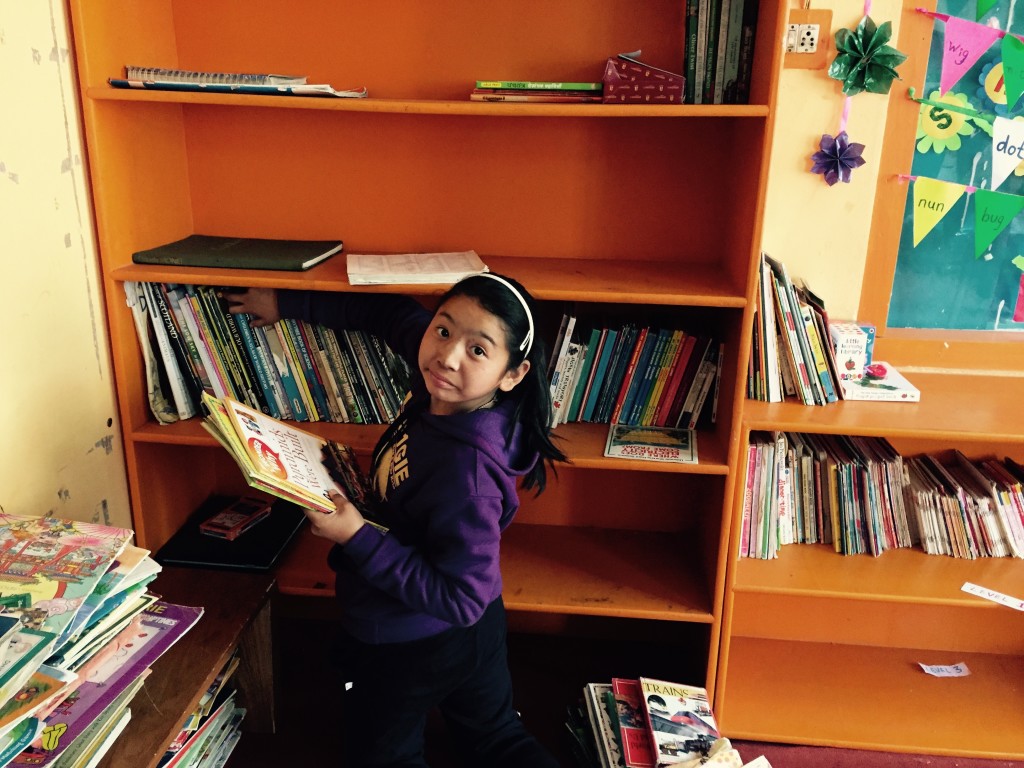
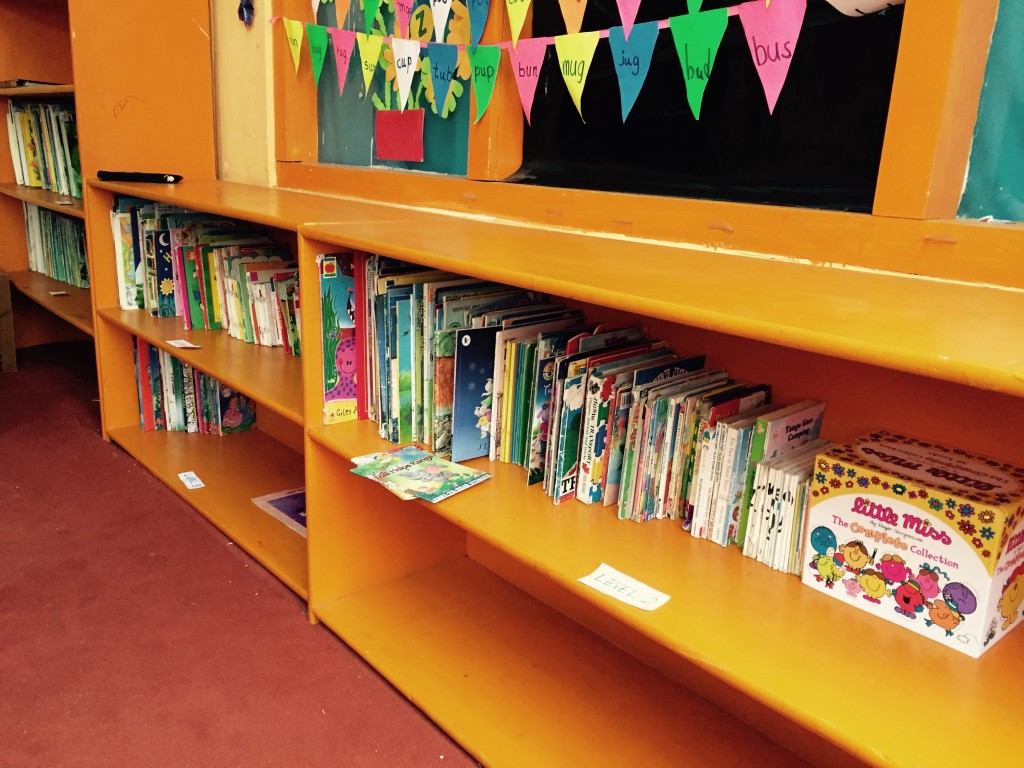
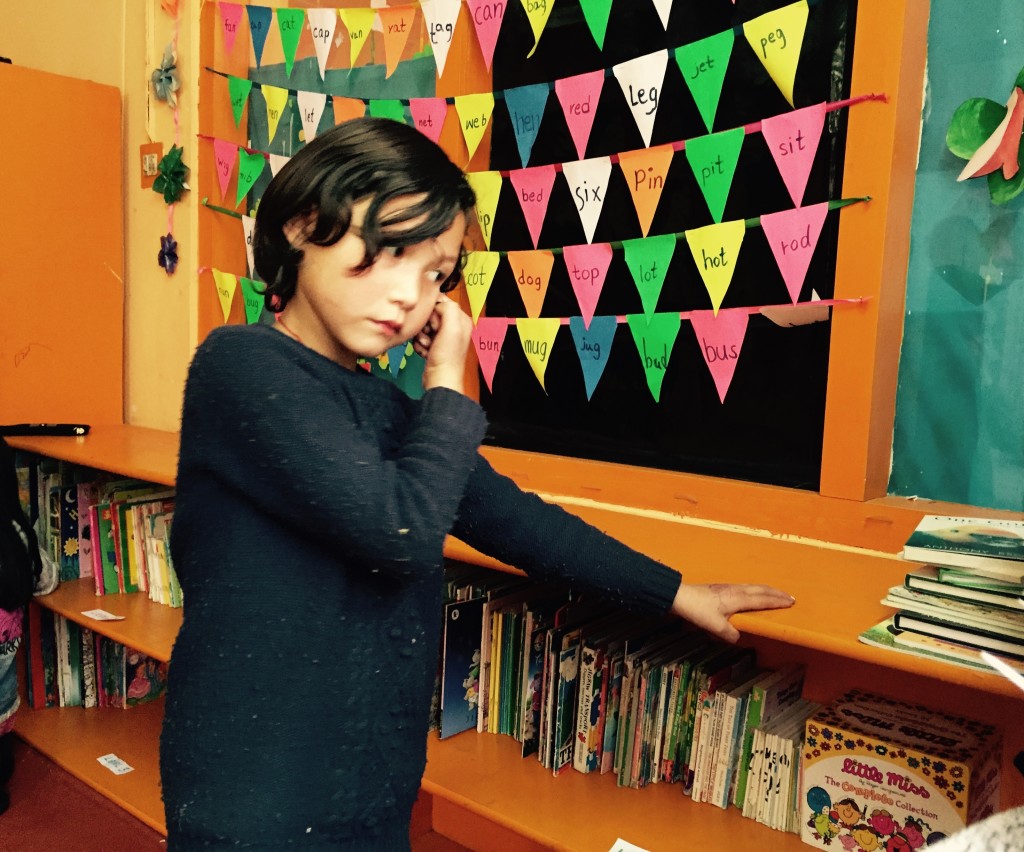
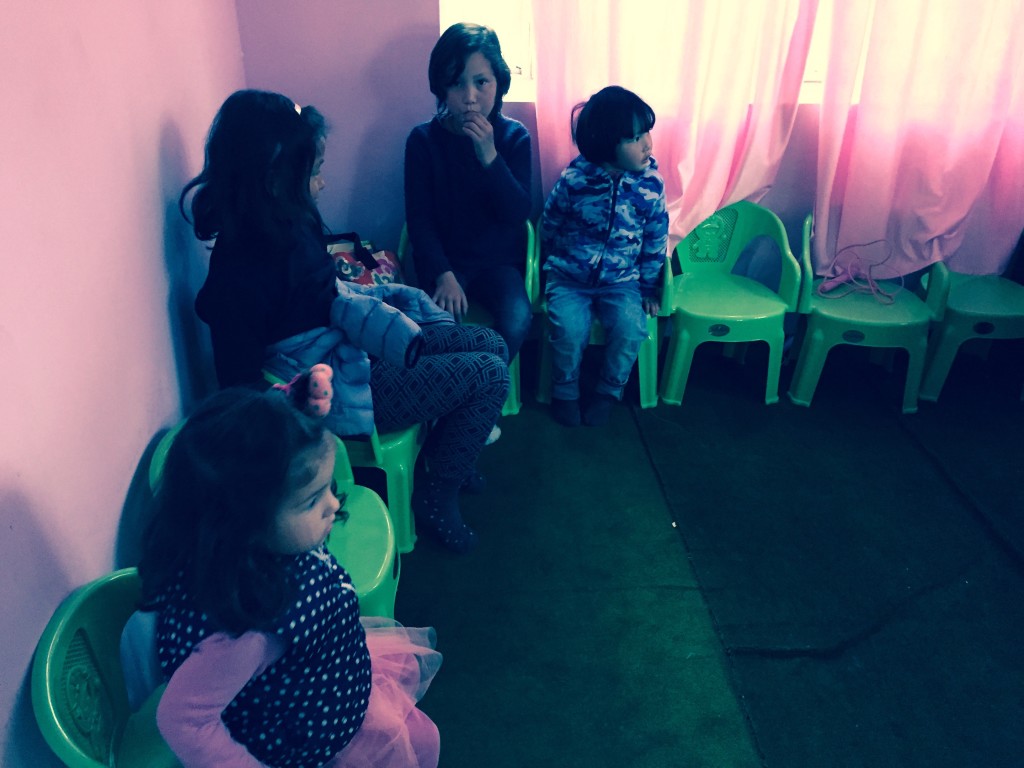
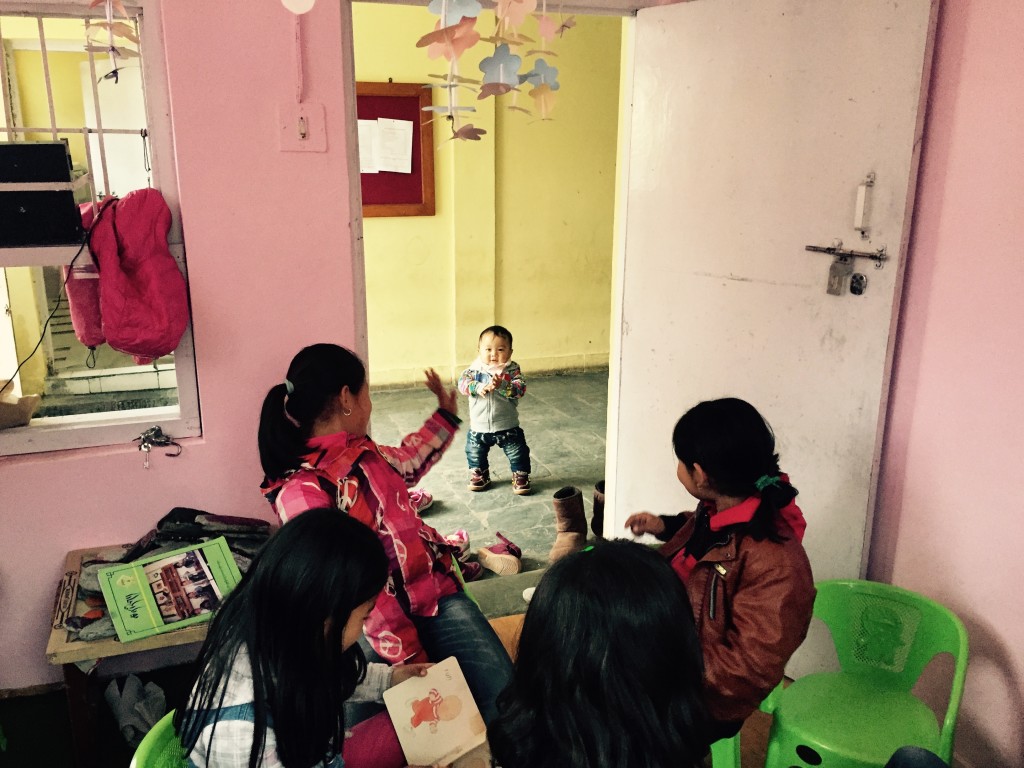
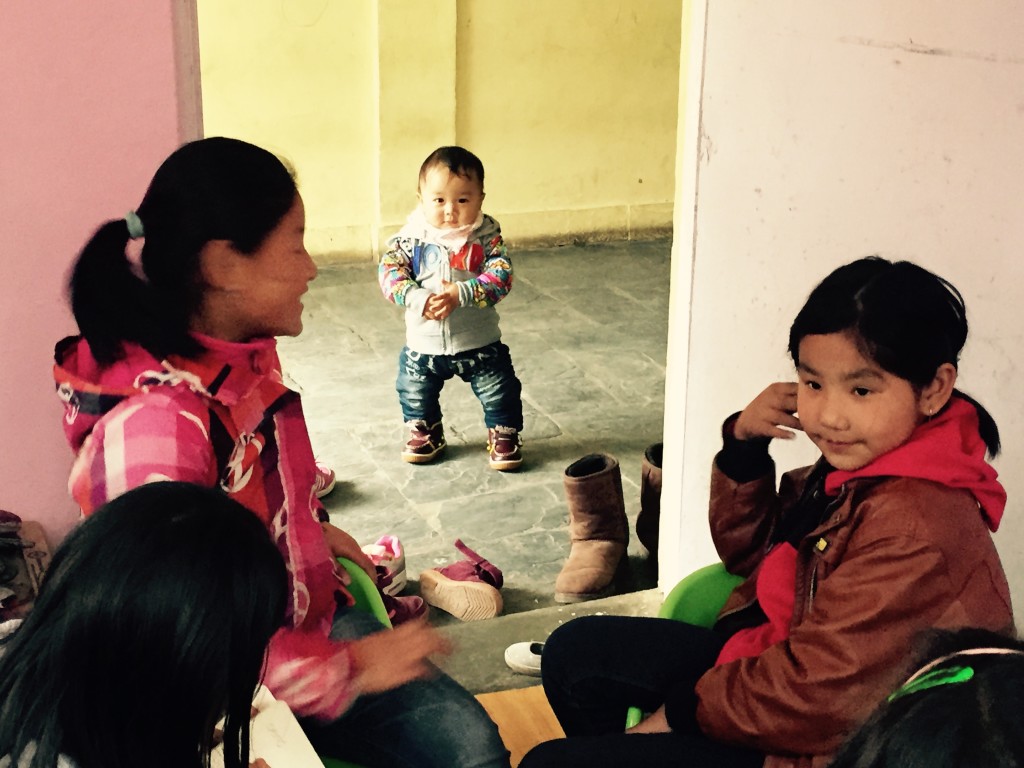
A reading room can begin with shelves, floor cushions, and a small collection of carefully chosen books. Over time, it becomes something larger: a welcoming place where children gather after school, young monks explore new ideas, and neighbors share stories. At Avalokiteśvara Trust, our reading rooms in Ladakh are designed as lively community spaces rather than silent rooms used only for borrowing books.
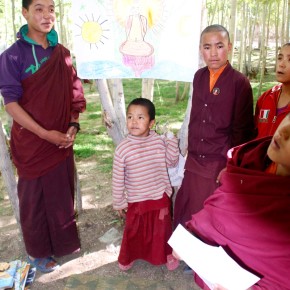
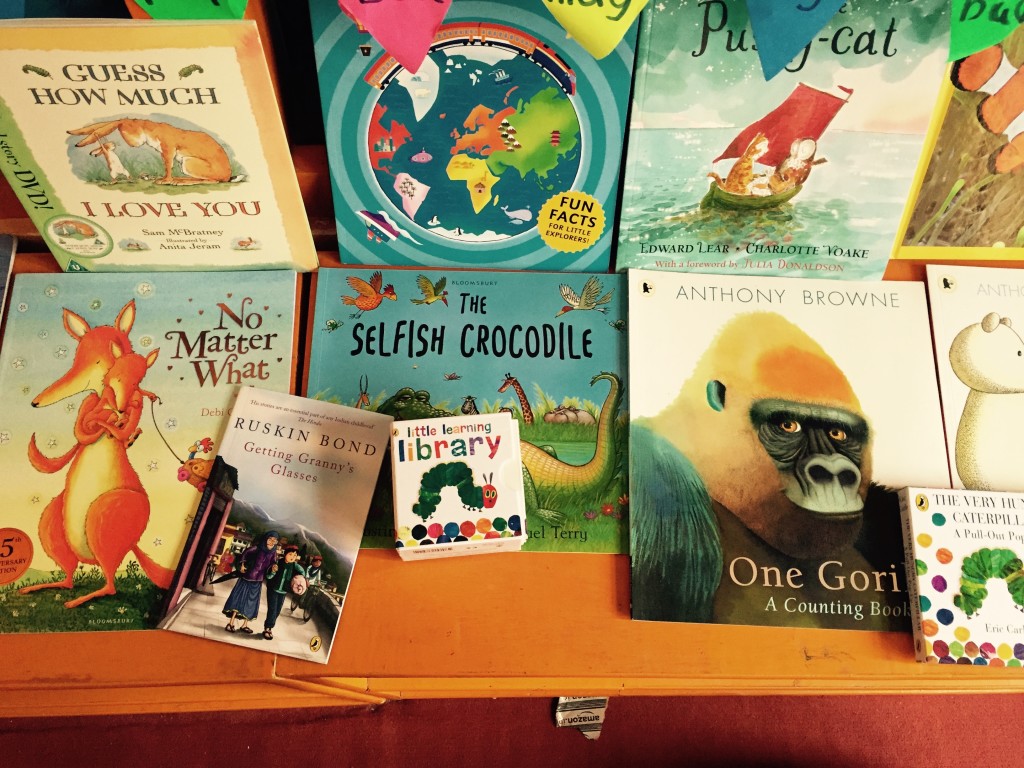
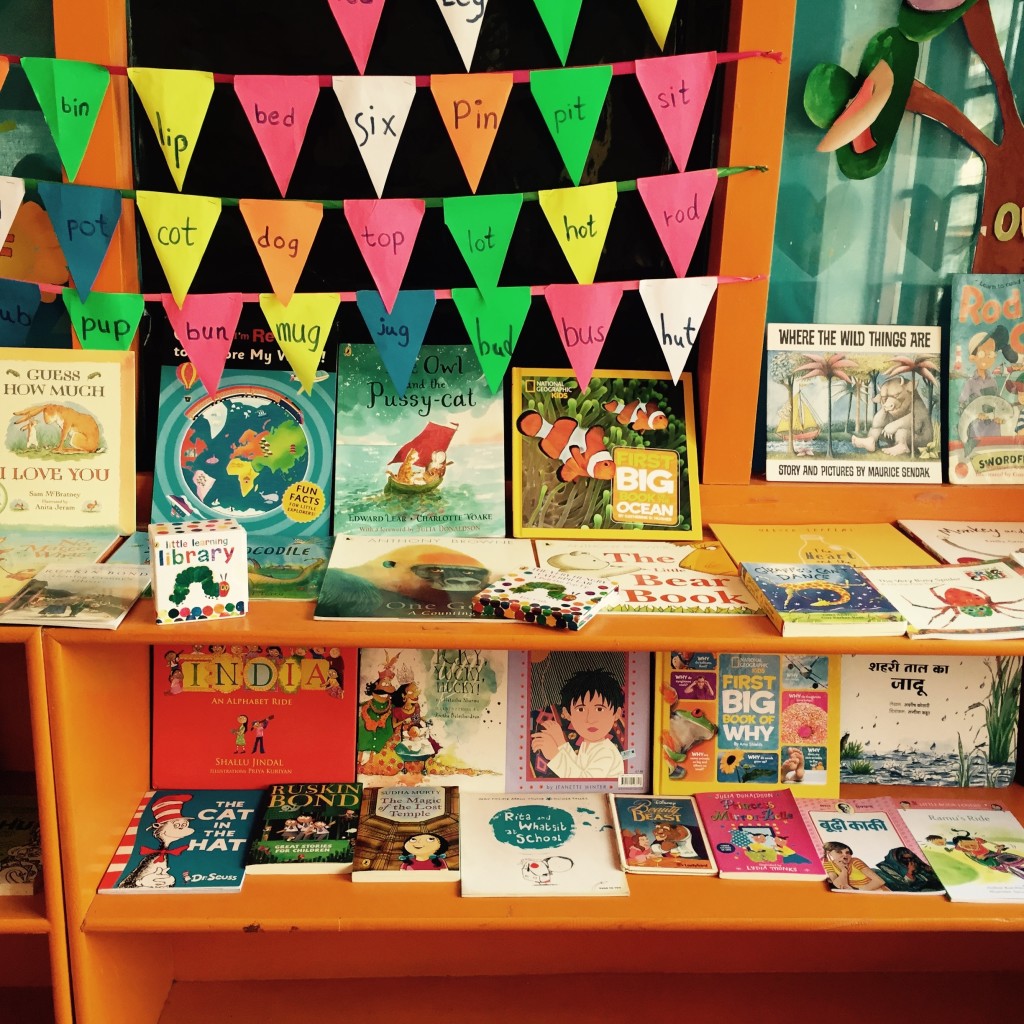
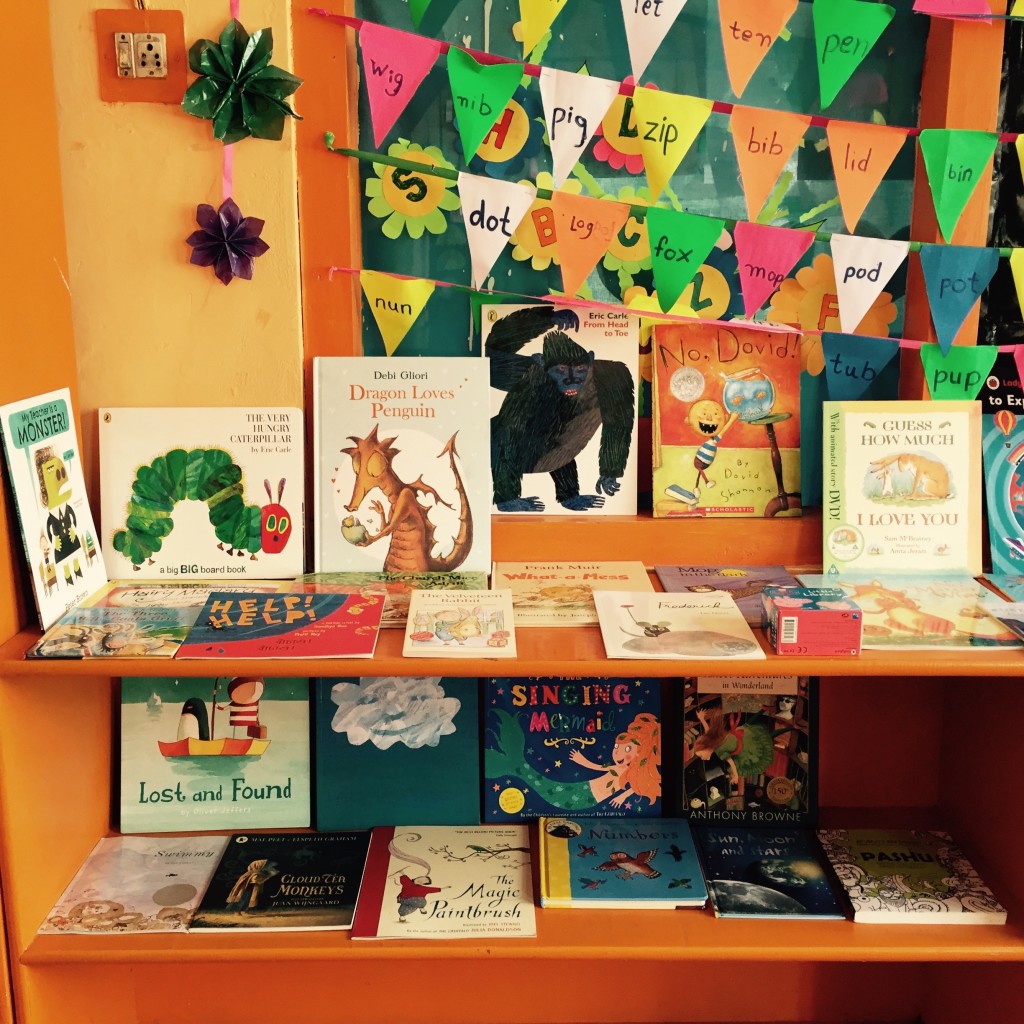
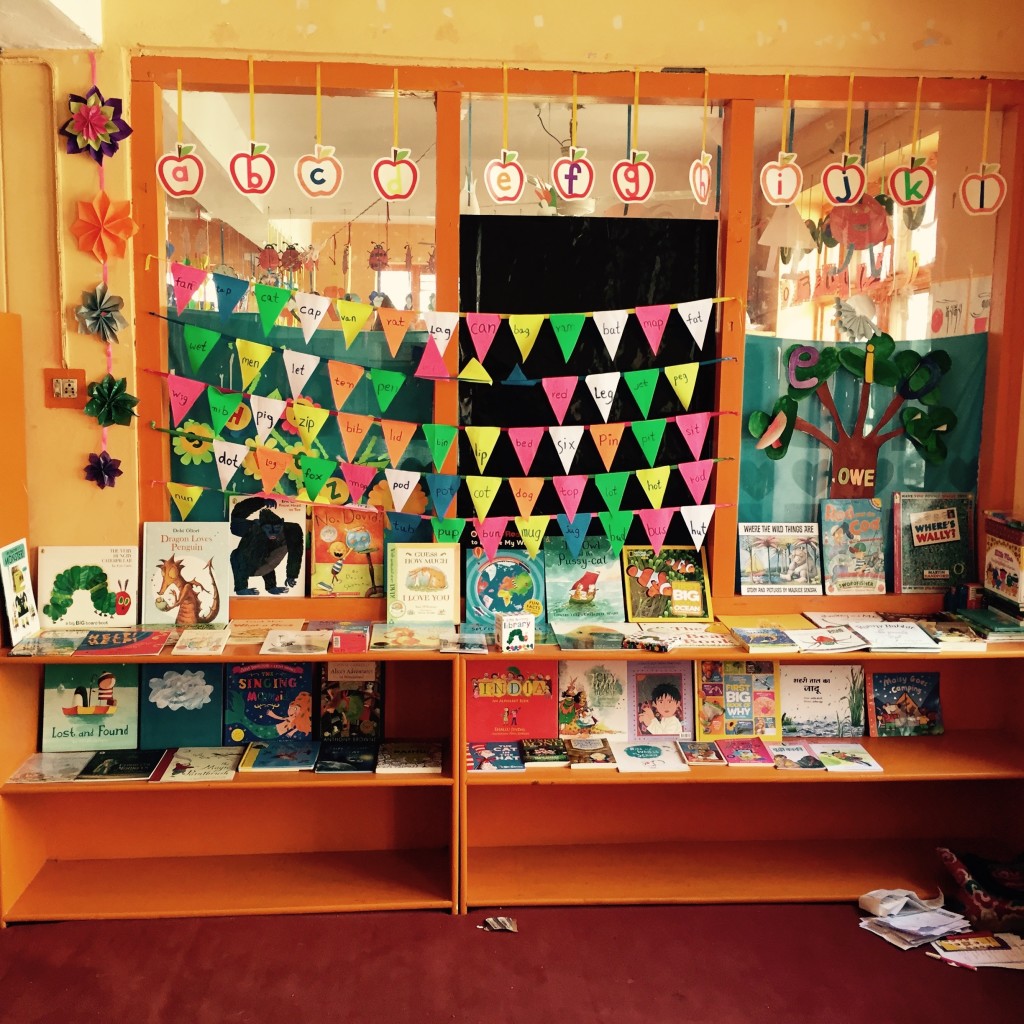
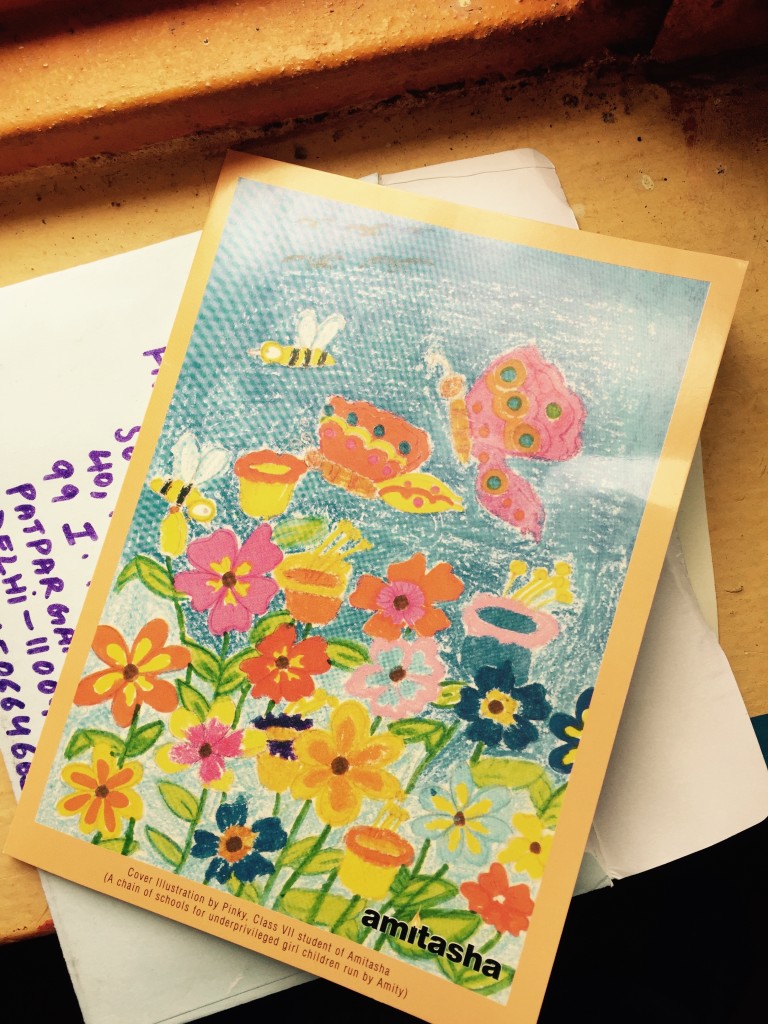
Art galleries are part of that vision. We display children’s drawings, paintings, photographs, handmade objects, and creative projects alongside books because learning becomes richer when words, images, and personal expression meet. A gallery wall can encourage a child to pause, look closely, and imagine possibilities beyond the page.
These exhibitions also make the reading room feel connected to the people it serves. Every artwork carries a memory, a question, or a view of the surrounding world. By giving those creations a visible home, we affirm that children’s ideas matter and that creativity belongs at the heart of education.
A Room Becomes A Place Of Belonging
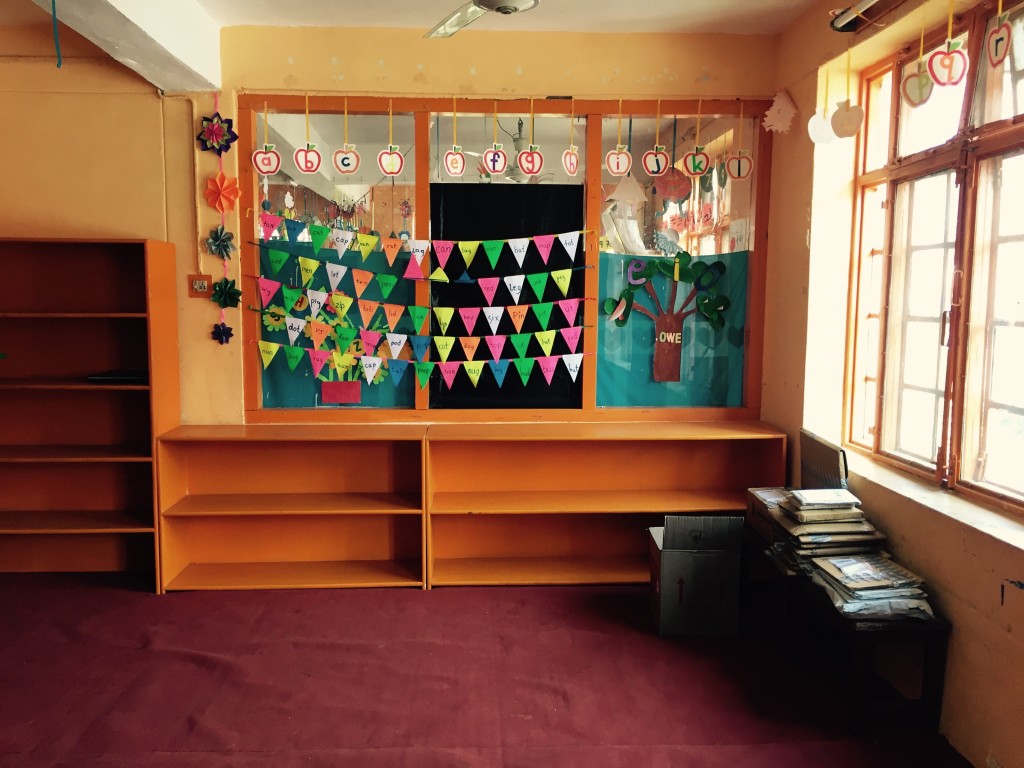
A conventional library may be valued for its collection, yet a community reading room must also feel warm, familiar, and inviting. Artwork helps create that atmosphere immediately. Bright colors, local scenes, playful characters, and handmade decorations make the space less formal and more personal for children who may be encountering a library for the first time.
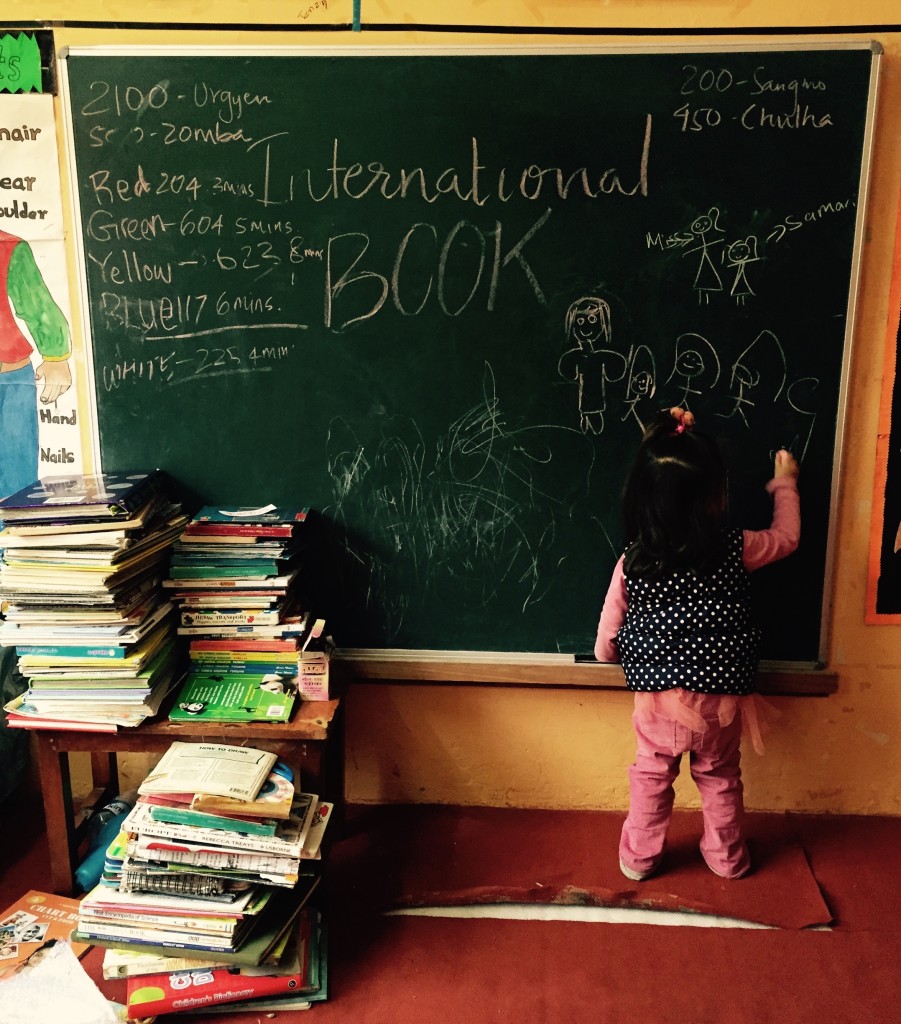
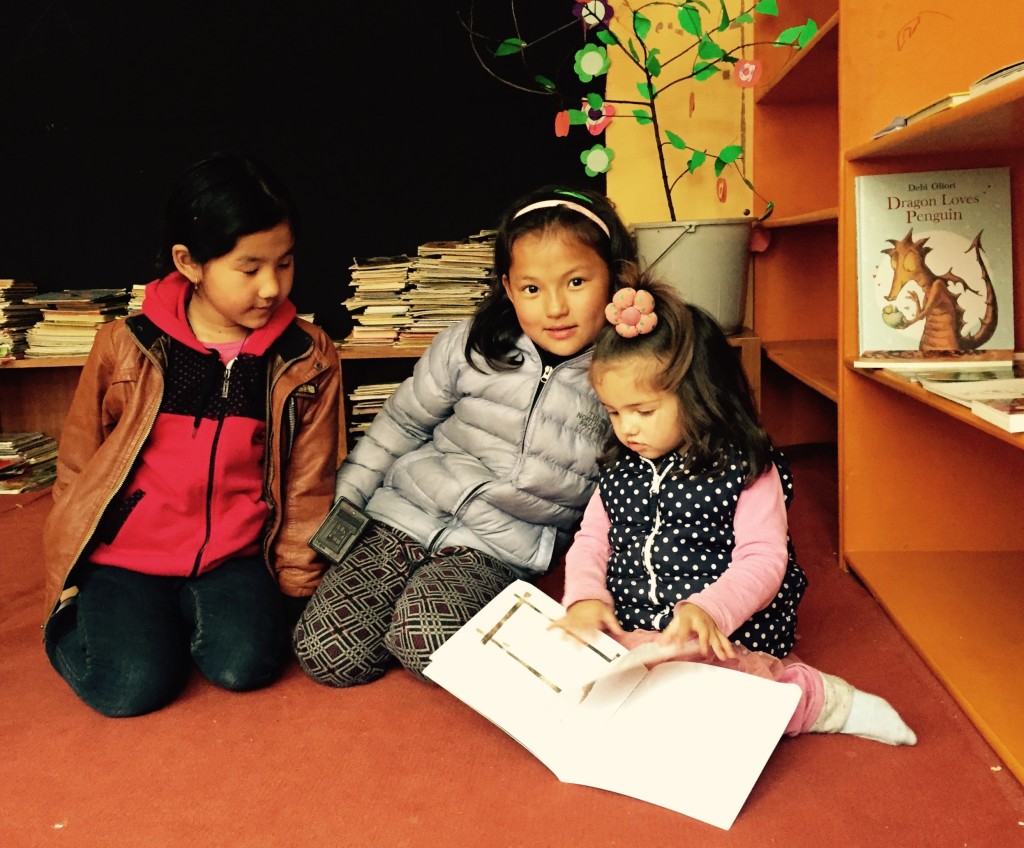
The gallery also gives children a reason to return. A young reader may visit to see a new display, recognize a friend’s drawing, or discover that their own work has been placed on the wall. These small experiences build ownership. The room becomes “our reading room,” a shared place shaped by the imagination of its visitors.
This sense of belonging matters in communities where access to books, art materials, and extracurricular activities may be limited. A carefully arranged exhibition communicates that the room is open to curiosity, conversation, and discovery. It welcomes children at different ages and levels of confidence.
Art Gives Reading A Wider Language
Books develop vocabulary and comprehension, while art encourages observation, interpretation, and emotional expression. When the two are brought together, children can approach a subject through several forms of communication. A story about mountain life might lead to a landscape painting; a folk tale might inspire a puppet, collage, or illustrated sequence.
Visual work can also support children who are still developing reading confidence. A child may not yet want to read aloud, but they may be eager to describe a picture or explain how it was made. That conversation creates a bridge toward language learning. Children practice naming colors, describing places, sequencing events, and expressing opinions in a natural setting.
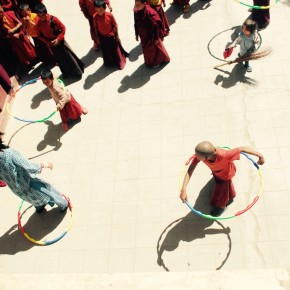
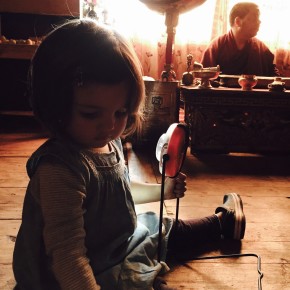
For young monks, artistic activities can complement study by creating a space for reflection and experimentation. Drawing, music, and craft work invite patience and attention, qualities that also support reading. The gallery preserves the result of that effort, showing that learning is a process worth honoring.
Local Stories Deserve A Visible Home
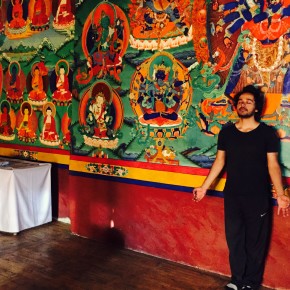
Our exhibitions often begin with the experiences of the children and families around each reading room. Mountains, monasteries, animals, festivals, traditional clothing, rivers, homes, and everyday journeys may appear in their work. These details offer a visual record of community life as children understand it, without requiring their experiences to fit an outside definition of creativity.
A gallery can also help connect generations. Elders may recognize familiar landscapes or cultural symbols in a child’s painting. Parents and caregivers can see the skills developing through reading-room activities. When families visit an exhibition, the child’s work becomes a point of conversation between home, school, and the wider community.
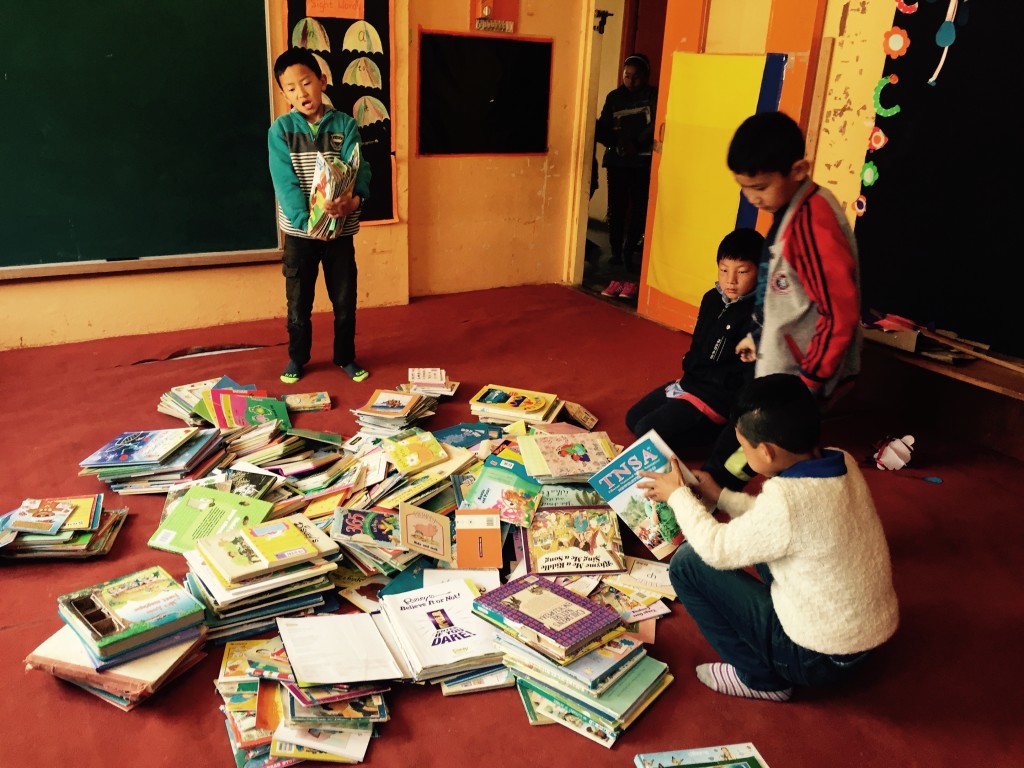
The growth of a reading room often follows this same pattern, moving from a modest collection toward a hub for learning and connection. Our reading room story shows how a simple shelf of books can develop into a shared community resource. Artwork helps tell that story by making the room’s people, activities, and aspirations visible.
Designing Exhibits For Curious Minds
Creating a gallery inside a reading room does not require expensive frames or specialized equipment. We may use clipboards, string, recycled card, simple shelves, or low display boards that children can view easily. The arrangement matters more than the cost. Work should be placed at a child’s eye level, with enough space for each piece to be appreciated.
We also change displays regularly. A rotating exhibition keeps the room fresh and gives more children an opportunity to participate. Some displays may focus on a theme from a book collection, while others may celebrate a season, a local celebration, a music activity, or an open-ended art session.
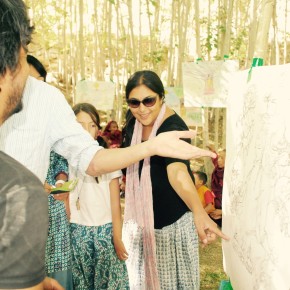
The most effective gallery design balances beauty with accessibility. Labels can include the artist’s name, age, title, and a short description, using language appropriate to the children who visit. Where possible, we invite children to help choose the arrangement. Curating their own work teaches decision-making and helps them understand how museums and galleries communicate ideas.
| Gallery Feature |
Learning Benefit |
Community Value |
| Children’s drawings |
Builds confidence and visual expression |
Celebrates individual voices |
| Book-inspired artwork |
Connects reading with imagination |
Encourages families to explore books |
| Local landscape displays |
Develops observation and descriptive language |
Preserves children’s view of place |
| Rotating exhibitions |
Creates regular reasons to return |
Includes more participants over time |
| Collaborative murals |
Strengthens cooperation and planning |
Makes the reading room visibly shared |
Learning Through Making And Sharing
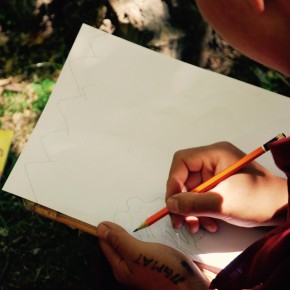
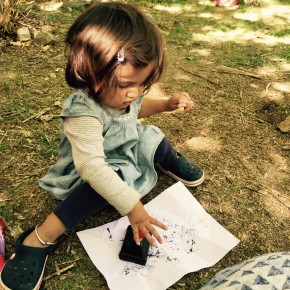
The gallery is most powerful when it is connected to an activity rather than treated as decoration. After reading a picture book, children might create an alternative cover. Following a discussion about animals, they could make paper sculptures or research local species. A poetry session might end with illustrated verses displayed together.
The process encourages children to make connections across subjects. Art can support literacy, environmental awareness, cultural learning, and communication skills in one project. Children learn to observe details, explain choices, listen to others, revise their work, and take pride in completing something tangible.
Sharing the work adds another layer of learning. An informal exhibition opening can include storytelling, music, a reading, or a short explanation from the artists. These events give children practice speaking to a group while allowing visitors to appreciate the effort behind each piece. The gallery becomes an active teaching tool, not a fixed background.
Ways To Help These Spaces Grow
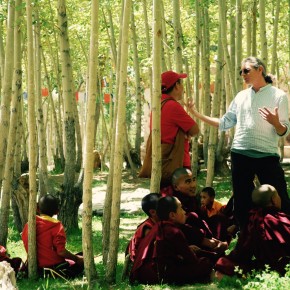
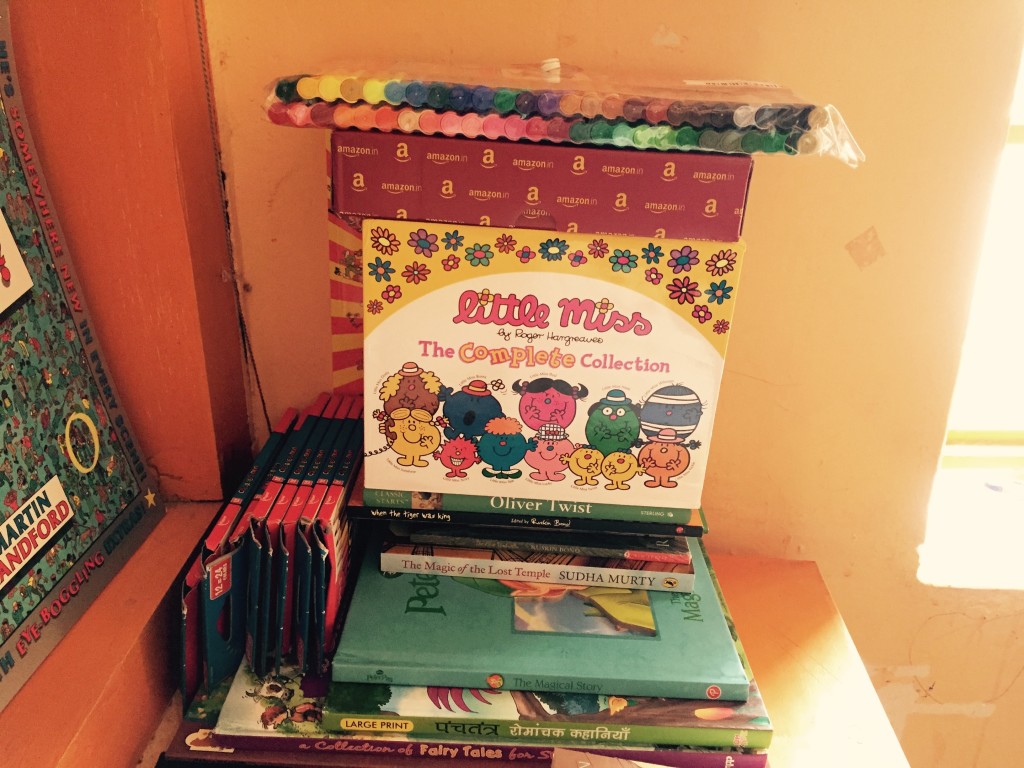
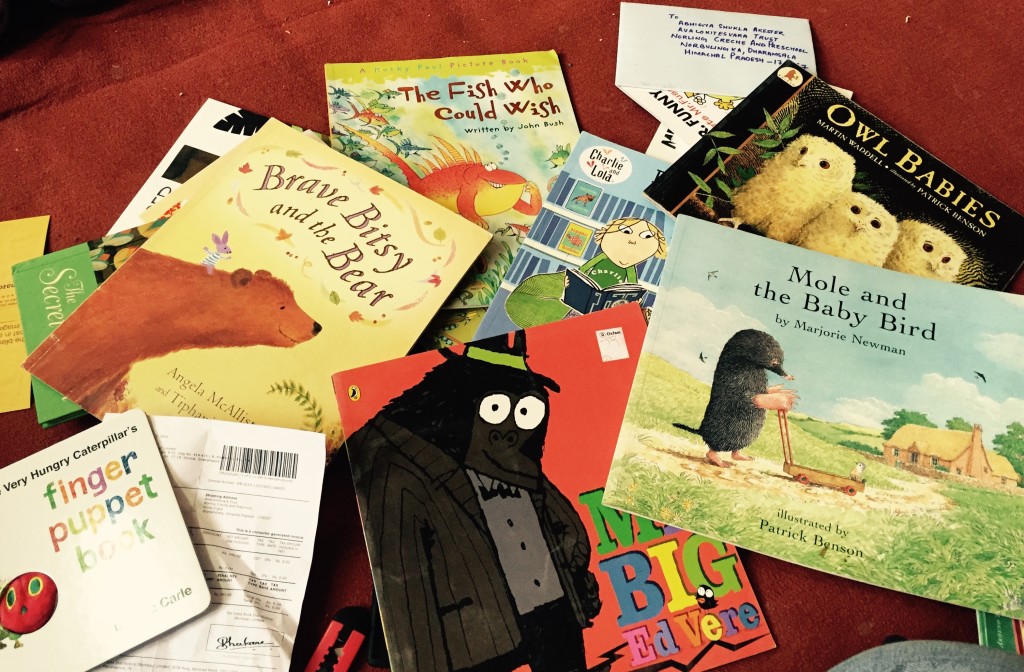
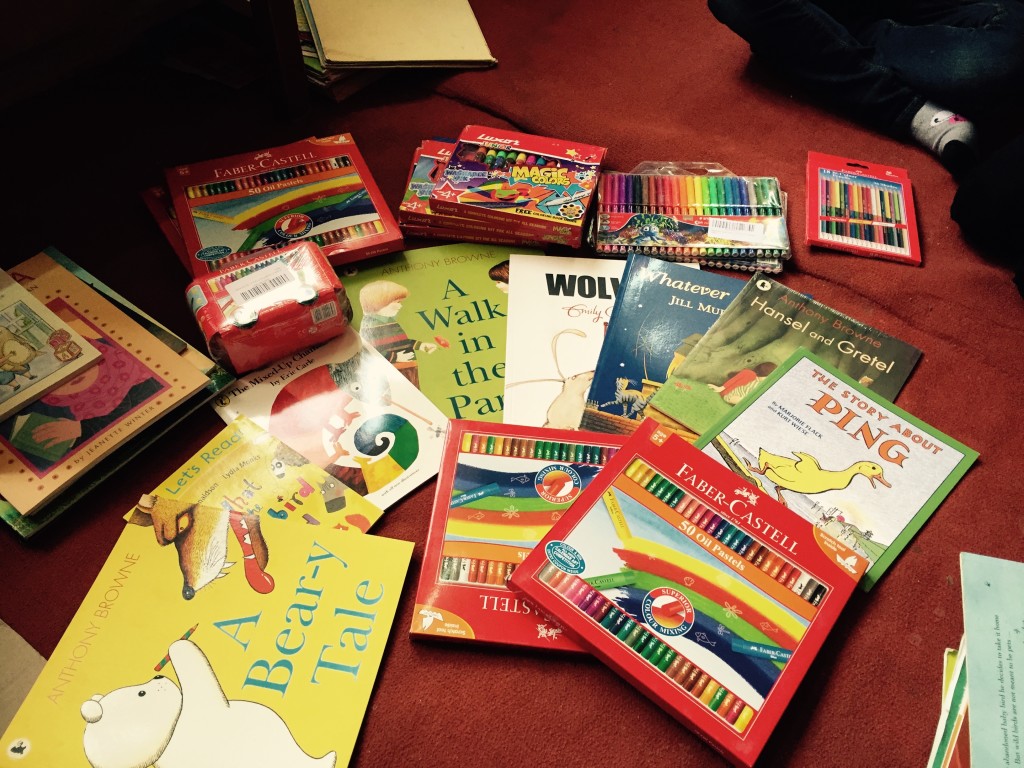
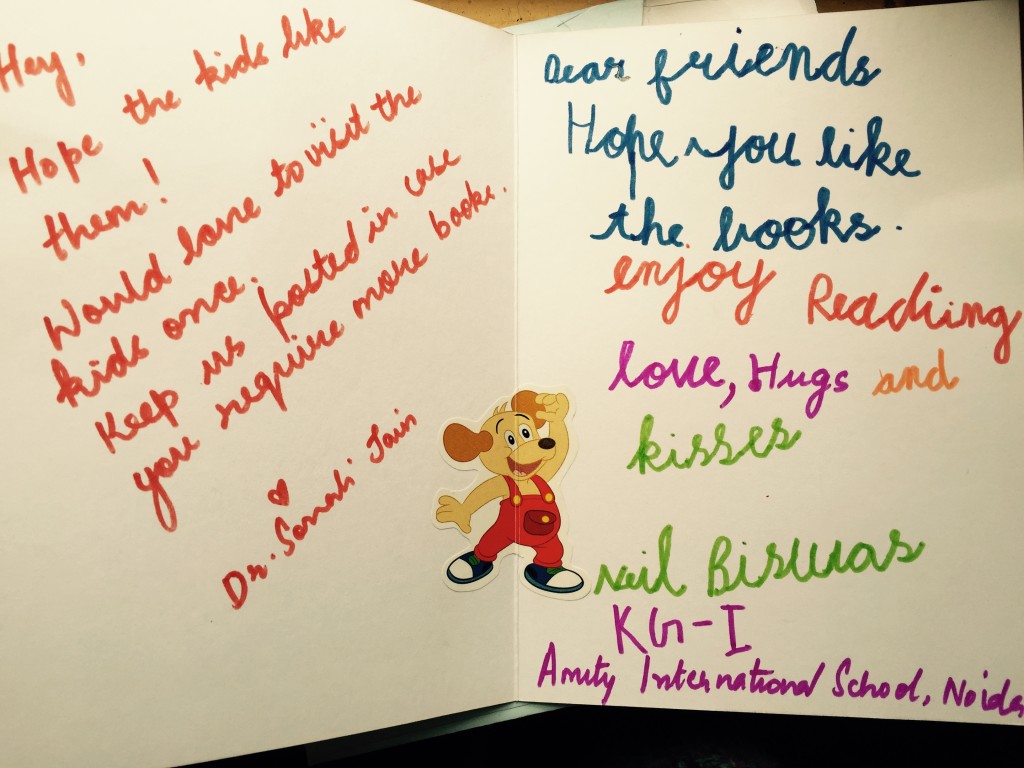
Supporters can contribute to the creative life of a reading room in practical ways. A donation may help provide paper, paints, pencils, display materials, books about art, or storage for ongoing projects. Volunteers can lead an activity, help organize a book-related exhibition, or encourage children as they develop their ideas.
The most useful support respects the character of each community. Materials should be safe, durable, and suitable for local conditions. Activities should leave room for children to make independent choices rather than copying a single model. A successful gallery does not depend on polished results; it depends on participation, encouragement, and the belief that every child can create.
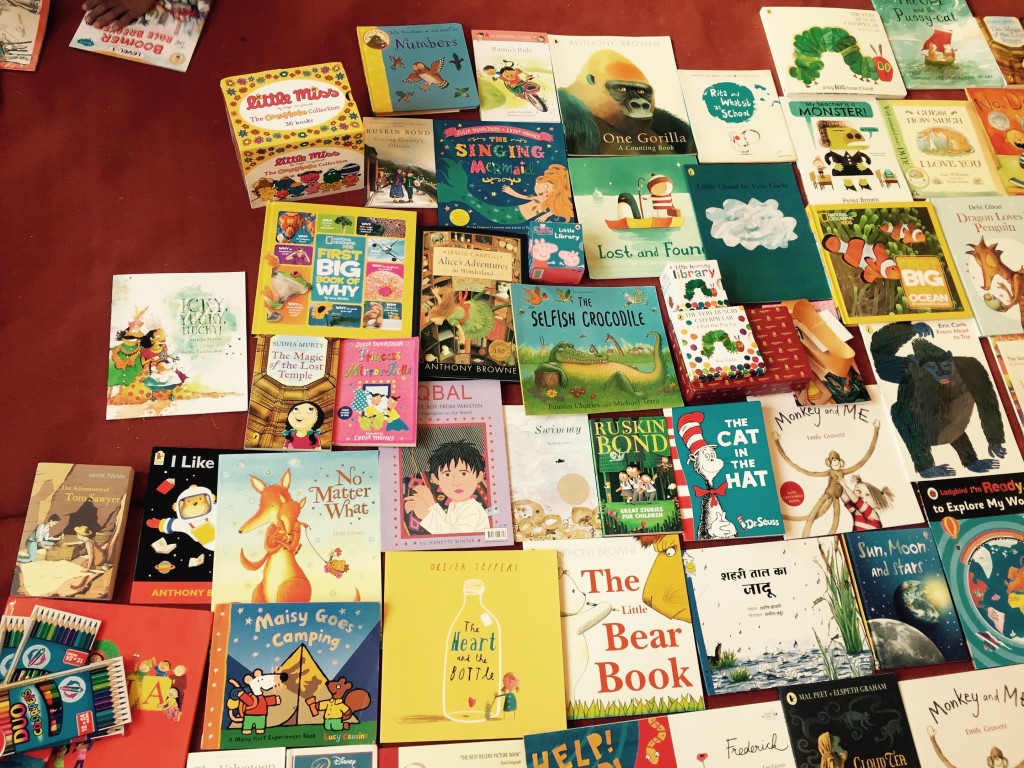
- Donate children’s books that connect with art, culture, nature, or storytelling.
- Provide quality drawing, painting, craft, and display materials.
- Sponsor a rotating exhibition or a creative workshop in a reading room.
- Share the stories and photographs of these community spaces with others.
- Volunteer time to read, make, organize, or celebrate alongside the children.
An art gallery inside a reading room changes how children see both the space and themselves. Books remain central, yet the walls begin to speak as well. They show that a child’s drawing can carry meaning, that local experiences deserve attention, and that learning can be thoughtful, joyful, and shared.
By supporting Avalokiteśvara Trust, you can help us keep building reading rooms where literature, art, music, and community life meet. Give books or creative materials, fund a learning activity, volunteer your skills, or share our work so more children in the Himalayan region can find a welcoming place to read and create.