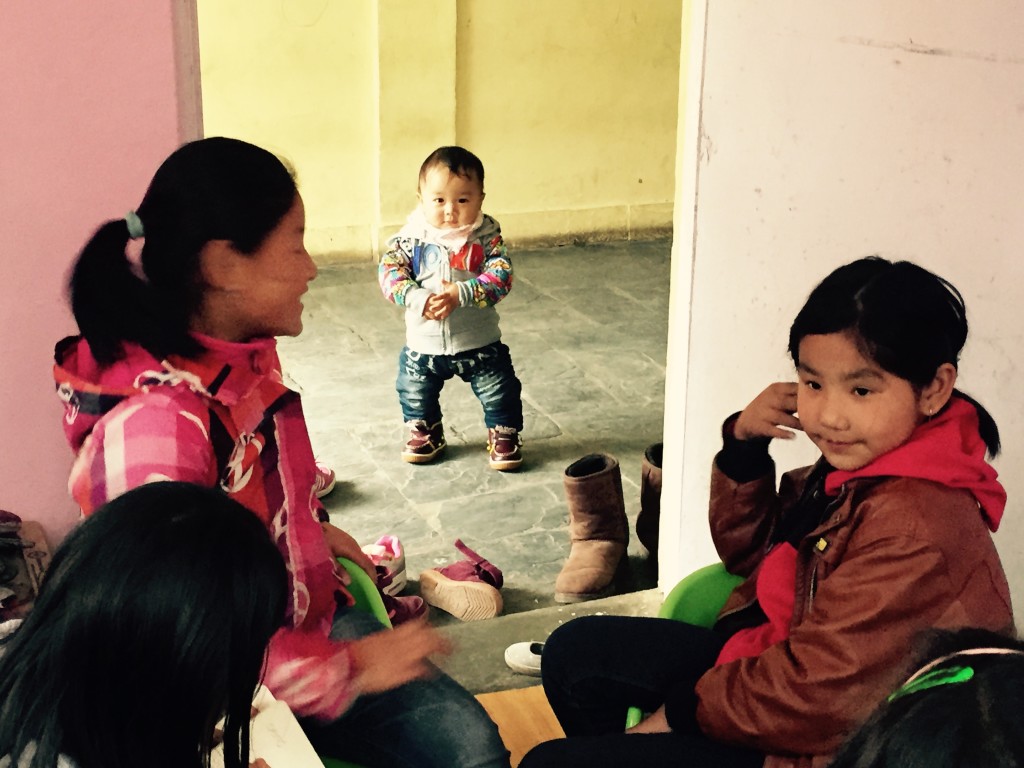
Why We Celebrate International Children's Book Day in the Mountains
Every year, International Children's Book Day offers a chance to celebrate the power of stories in young lives. In Himalayan communities, that celebration carries a particular meaning. A book can open a window onto unfamiliar places while also helping children see their own landscapes, families, languages, and dreams reflected with dignity. Learn more about What Children Learn When They Write And Perform Their Own Plays 2082.
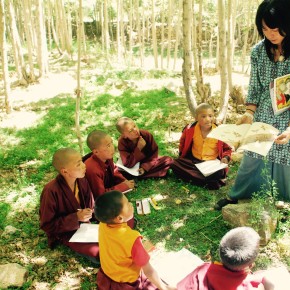
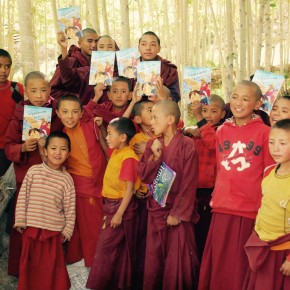
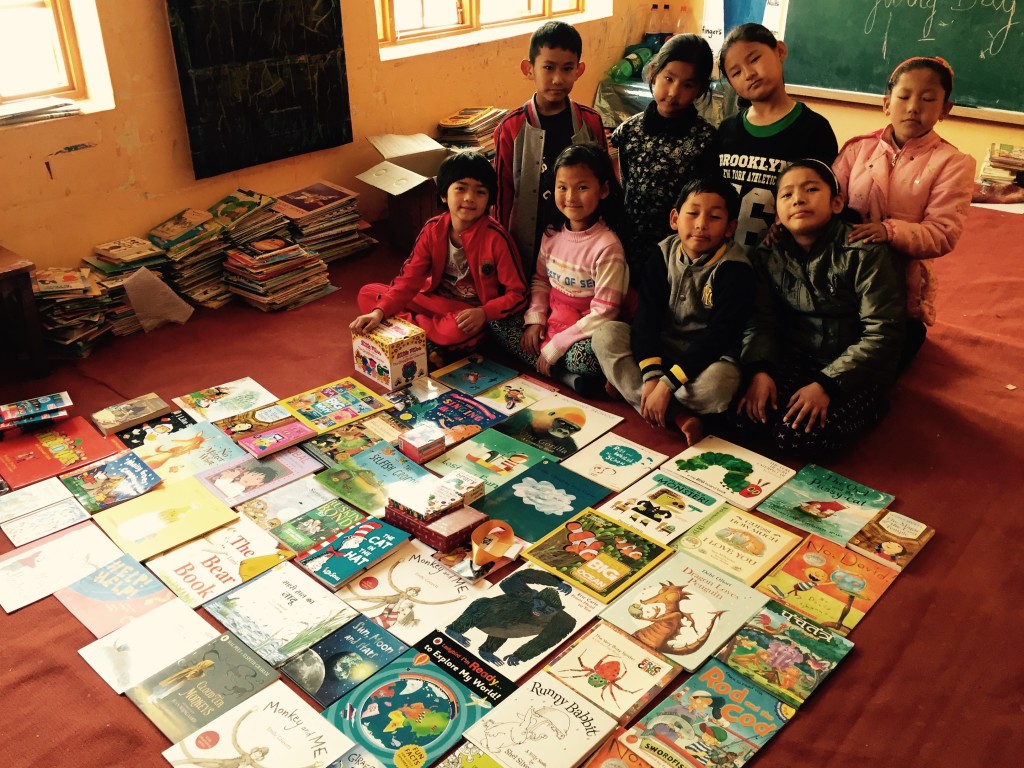
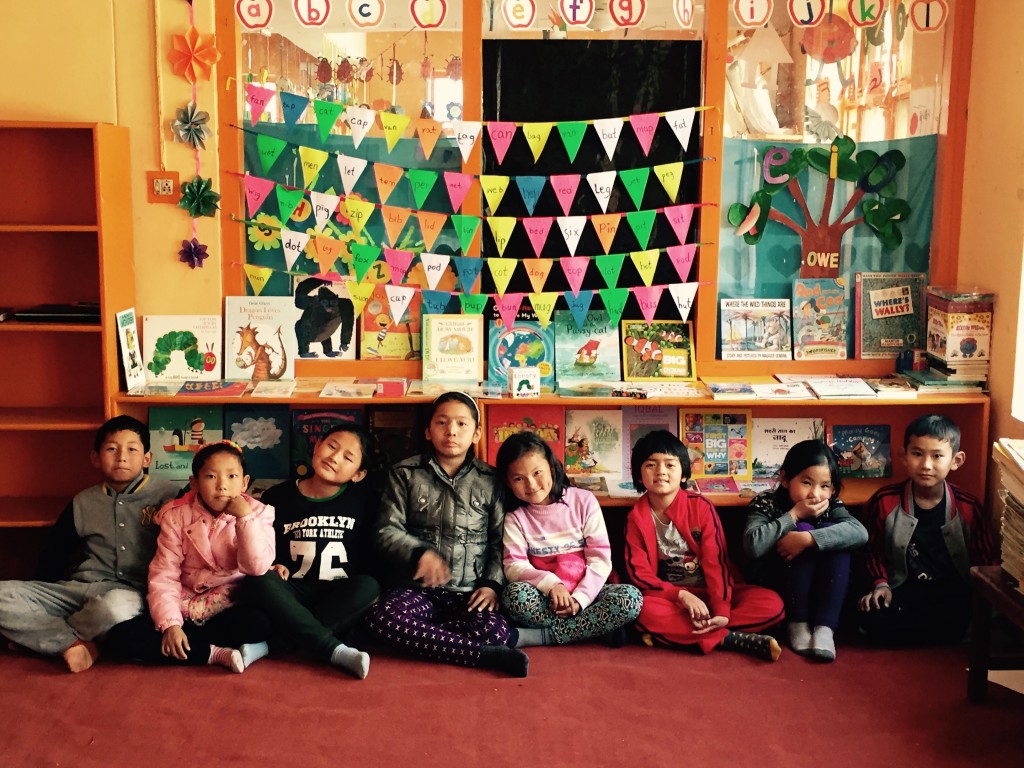
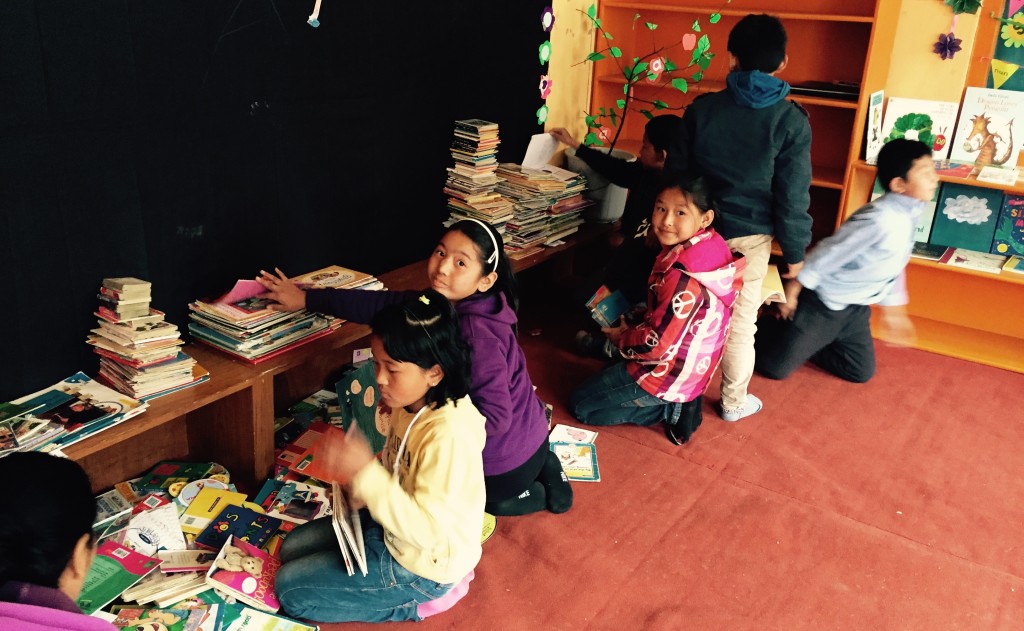
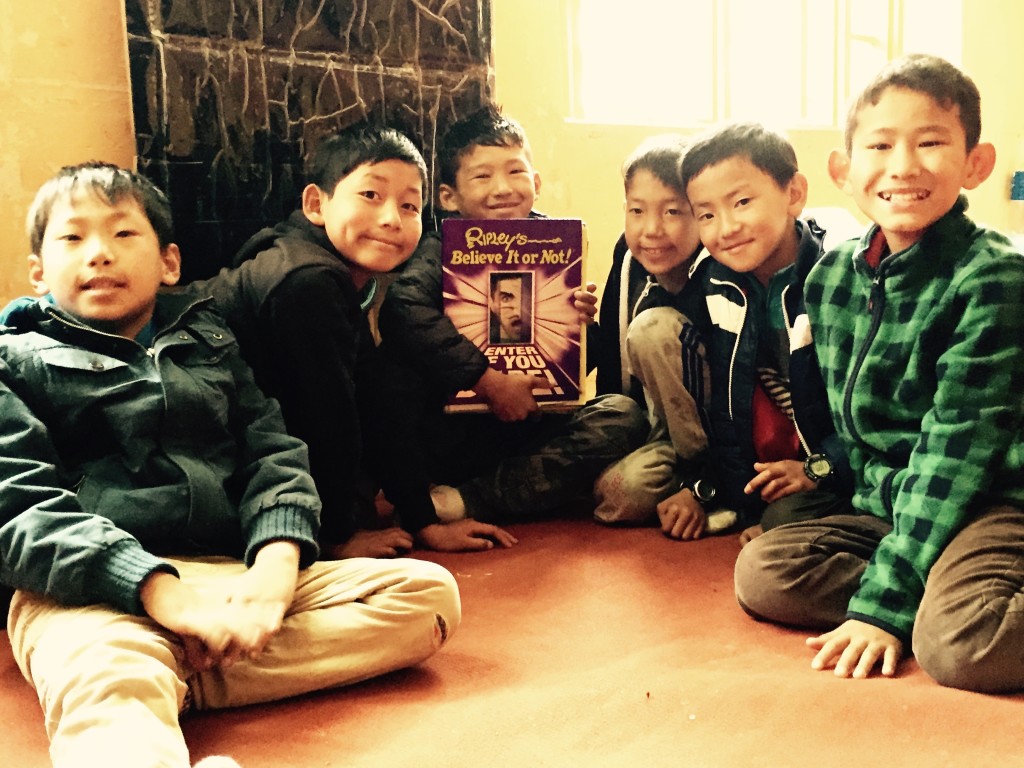
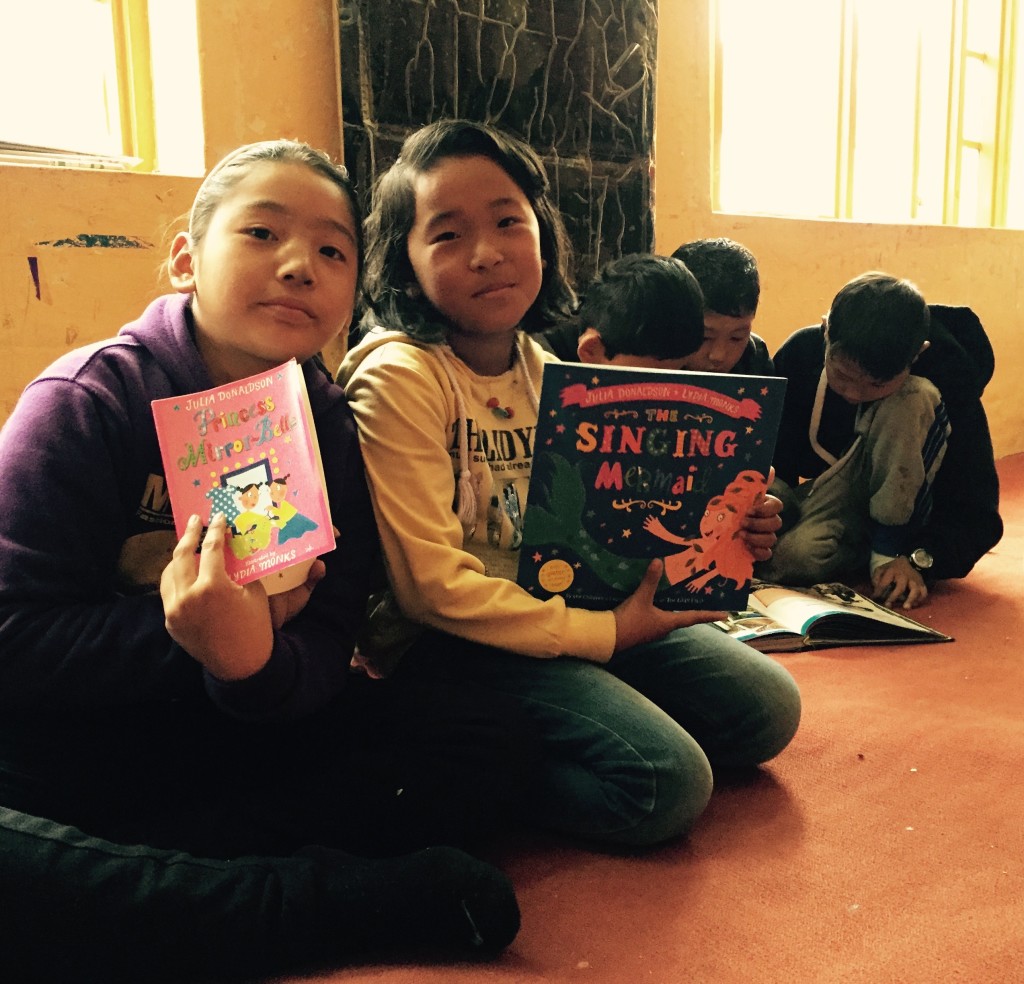
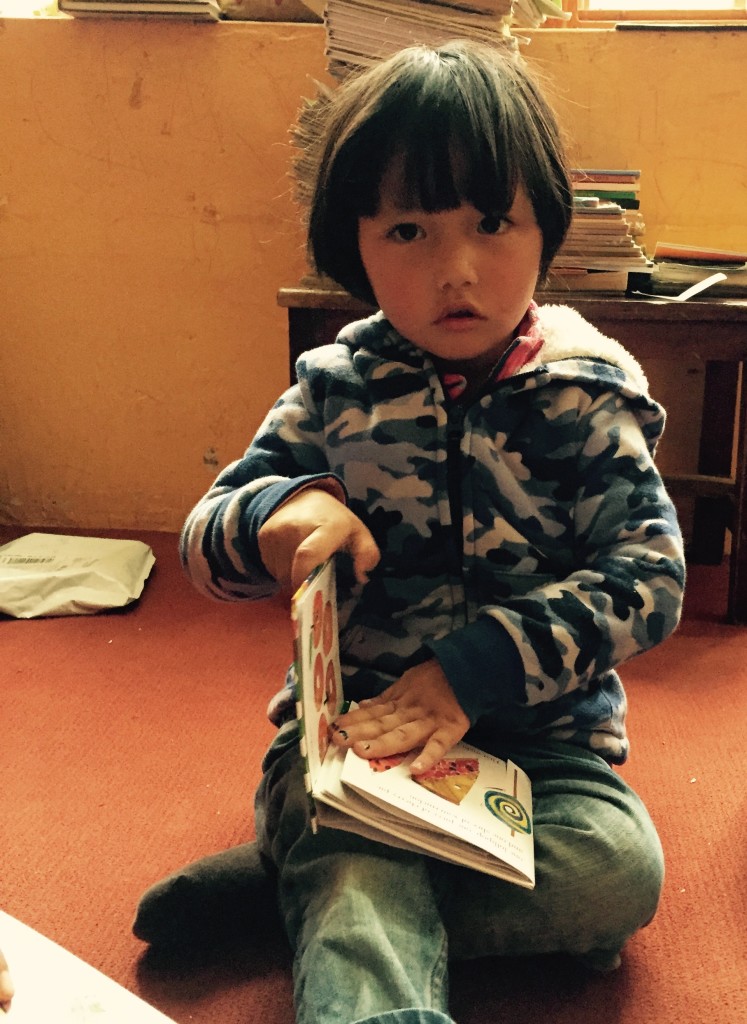
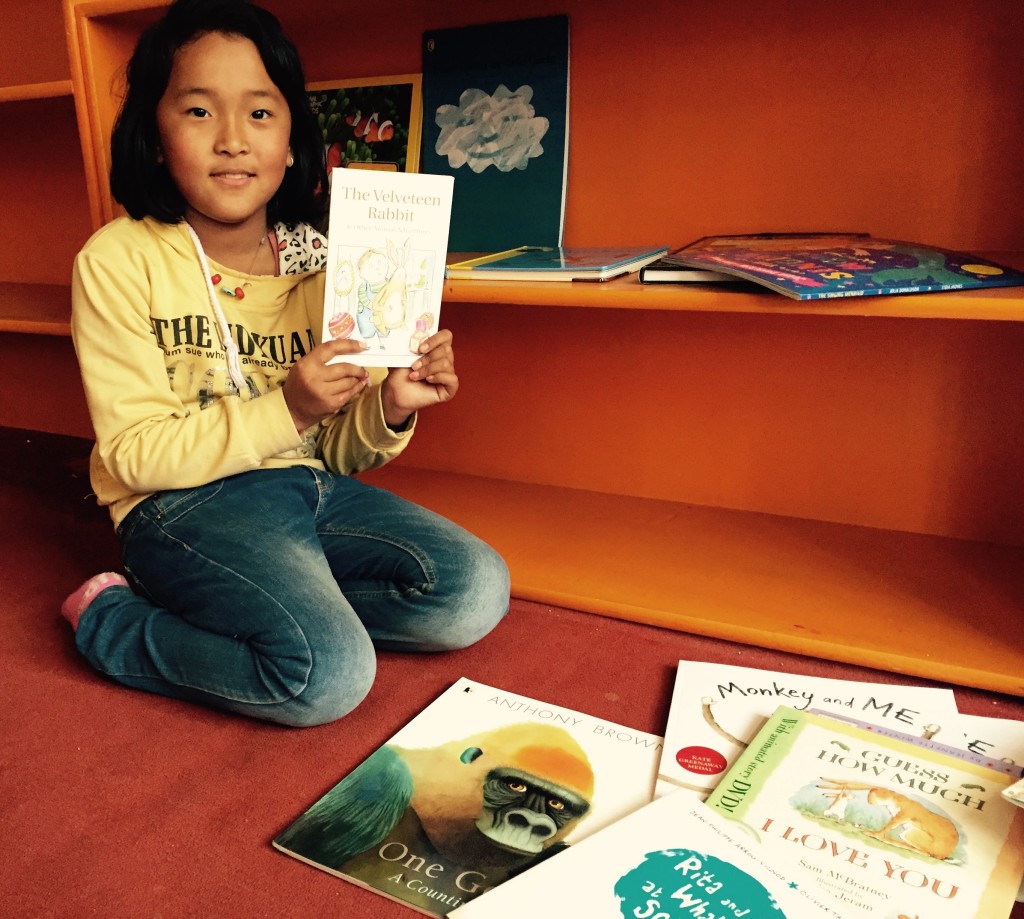
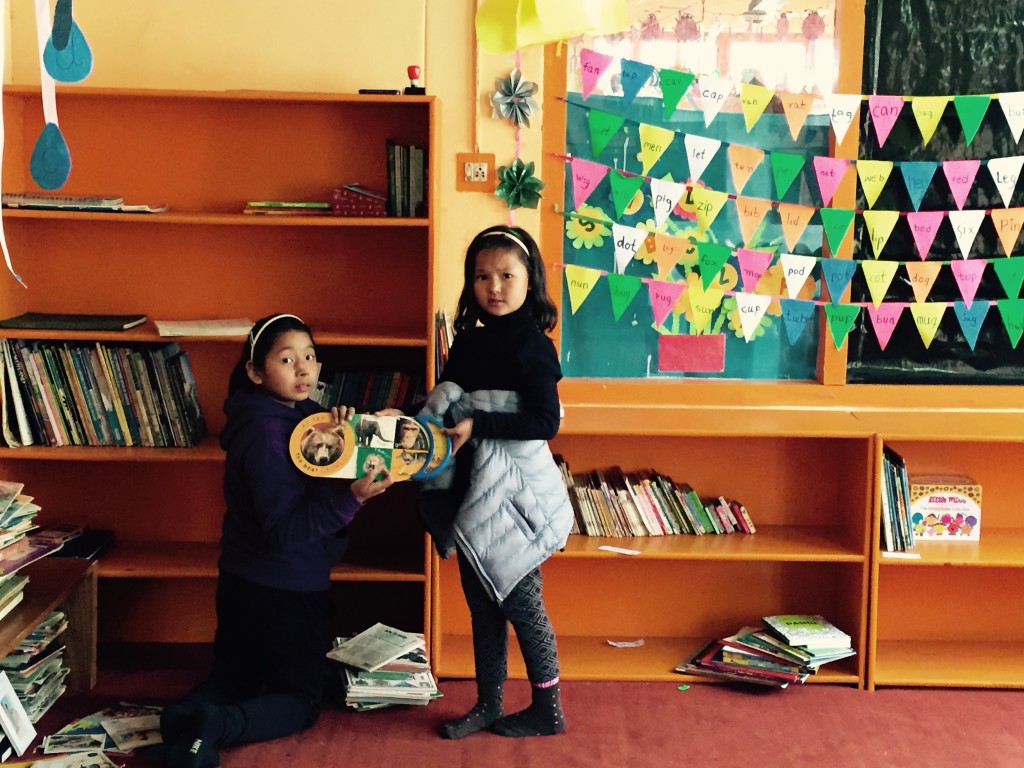
For children and young monks living in mountain regions, access to books may depend on distance, weather, transport, and the availability of local learning spaces. A reading room, a carefully chosen book drive, or a shared storytelling session can therefore become much more than a school activity. It can create a welcoming place for curiosity, confidence, and connection.
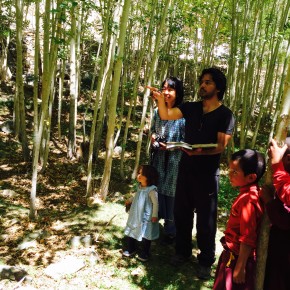
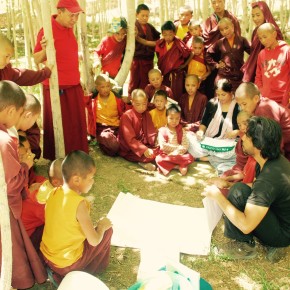
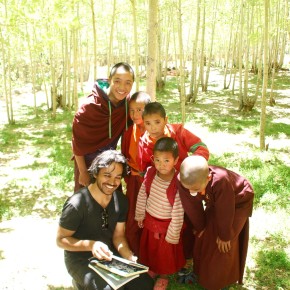
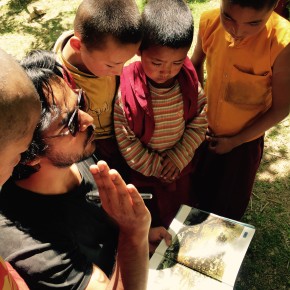
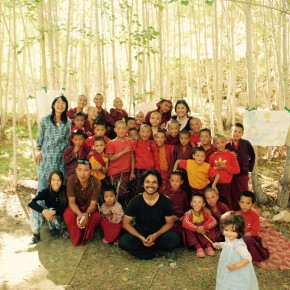
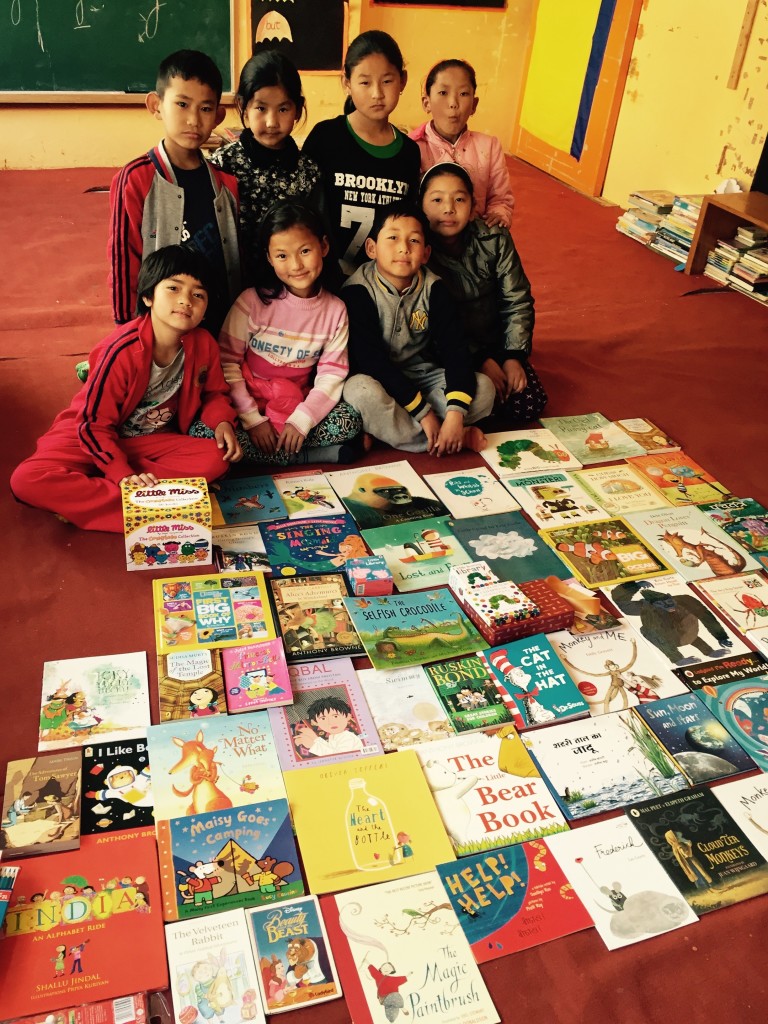
Avalokiteśvara Trust supports children through reading rooms, educational activities, artistic projects, and music. Its work in Ladakh and other Himalayan communities shows why a global day devoted to children's literature can be celebrated through practical, local action.
Stories Matter In High-Altitude Communities
Mountain life shapes childhood in distinctive ways. Villages may be separated by long journeys, and winter conditions can limit movement between communities. Schools remain essential, yet children also need informal places where they can browse, read aloud, draw, ask questions, and choose a story simply because it interests them.
Books help make that space possible. A picture book can support early language development, while a folktale can encourage children to compare traditions and remember family stories. Fiction also gives young readers room to imagine lives beyond the immediate horizon without suggesting that their own experience is less important.
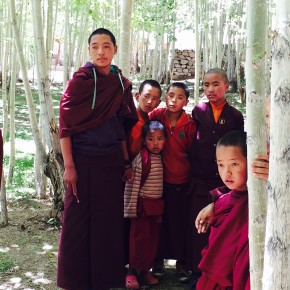
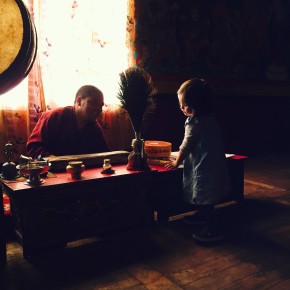
For young monks, reading can complement religious study with opportunities to explore science, nature, history, creativity, and social relationships. A varied library supports independent learning and helps children develop the habit of returning to a question until they understand it.
Why A Book Is A Form Of Access
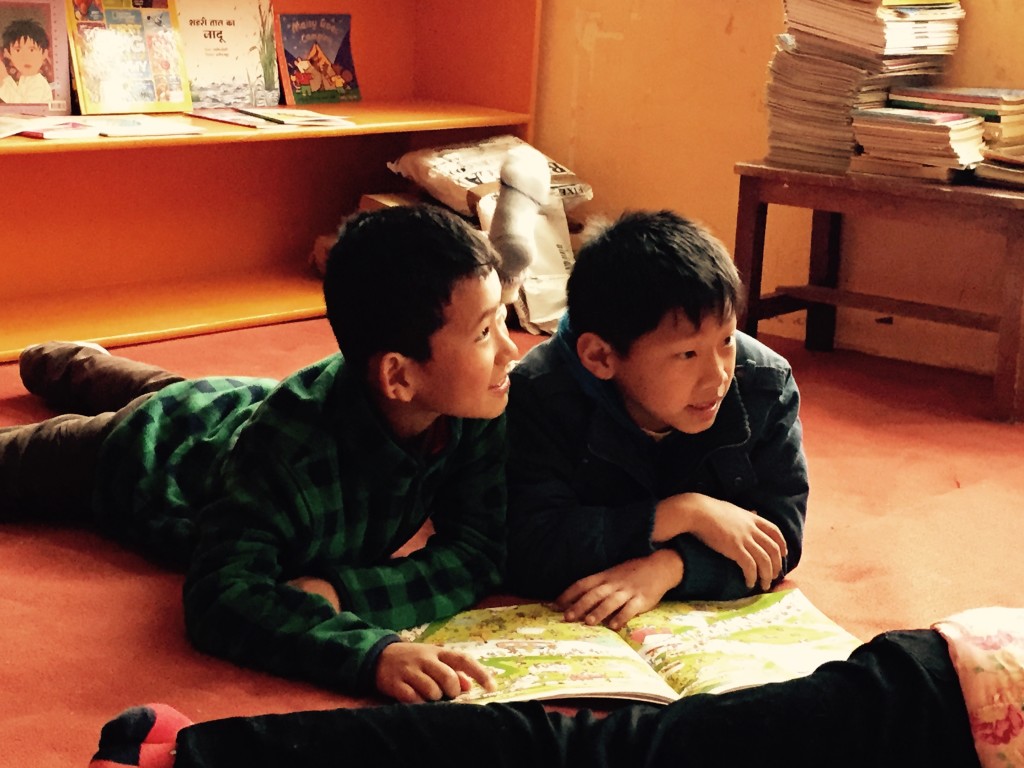
Celebrating children's literature in the mountains means recognizing the practical value of a book. A reliable collection gives children repeated access to vocabulary, ideas, illustrations, and different ways of thinking. It supports learning after school hours and provides material for group activities led by teachers, volunteers, or older students.
The benefits reach beyond academic performance. Reading can strengthen concentration, listening, empathy, and communication. When children encounter characters facing uncertainty, friendship, loss, courage, or discovery, they gain language for discussing their own emotions and relationships.
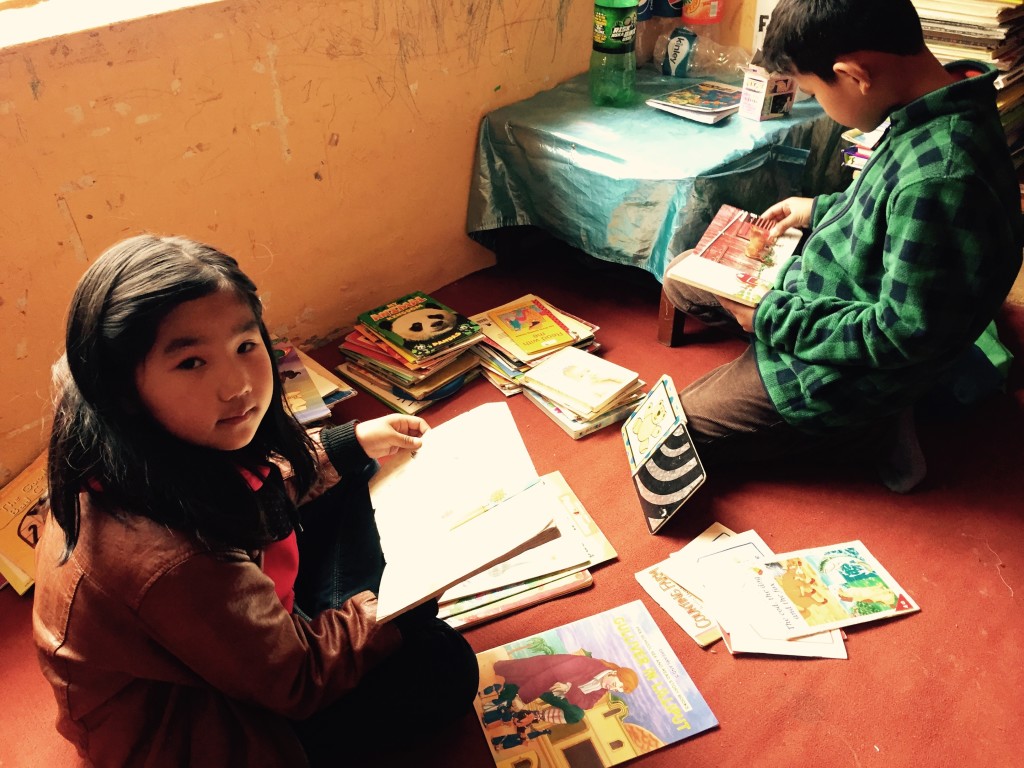
A book also gives children agency. They can select a subject, read at their own pace, return to a favorite passage, or recommend a title to a friend. In a community reading room, that personal choice becomes part of a shared culture of learning rather than a task assigned only for assessment.
From Reading To Creativity
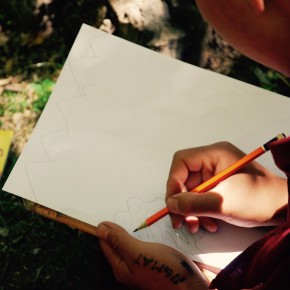
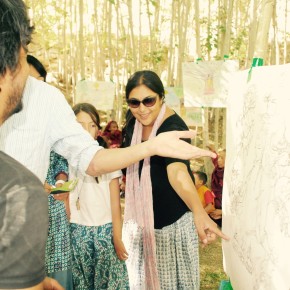
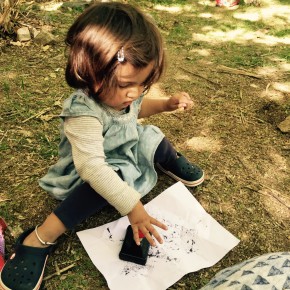
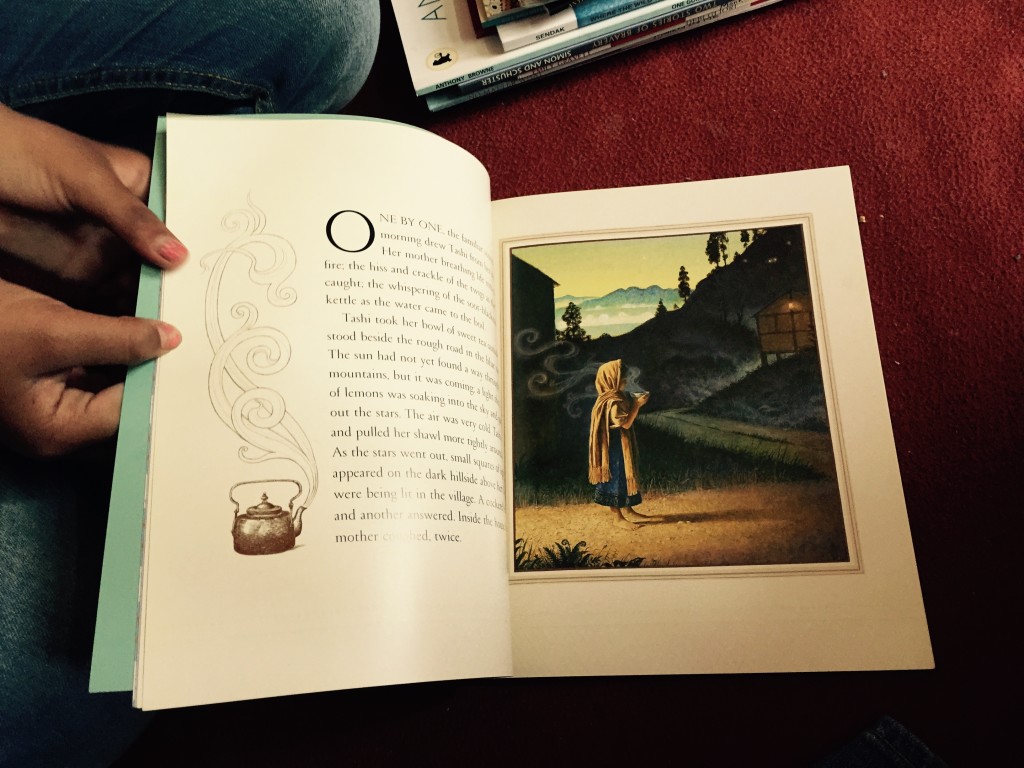
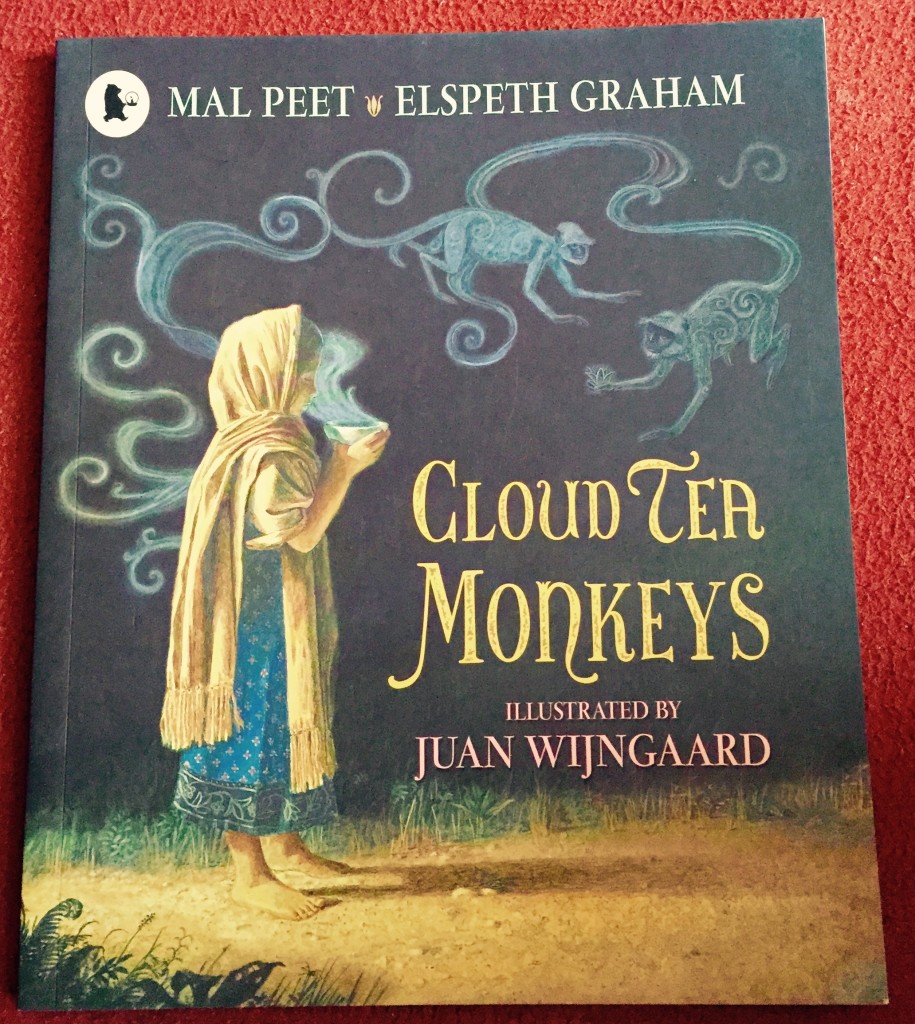
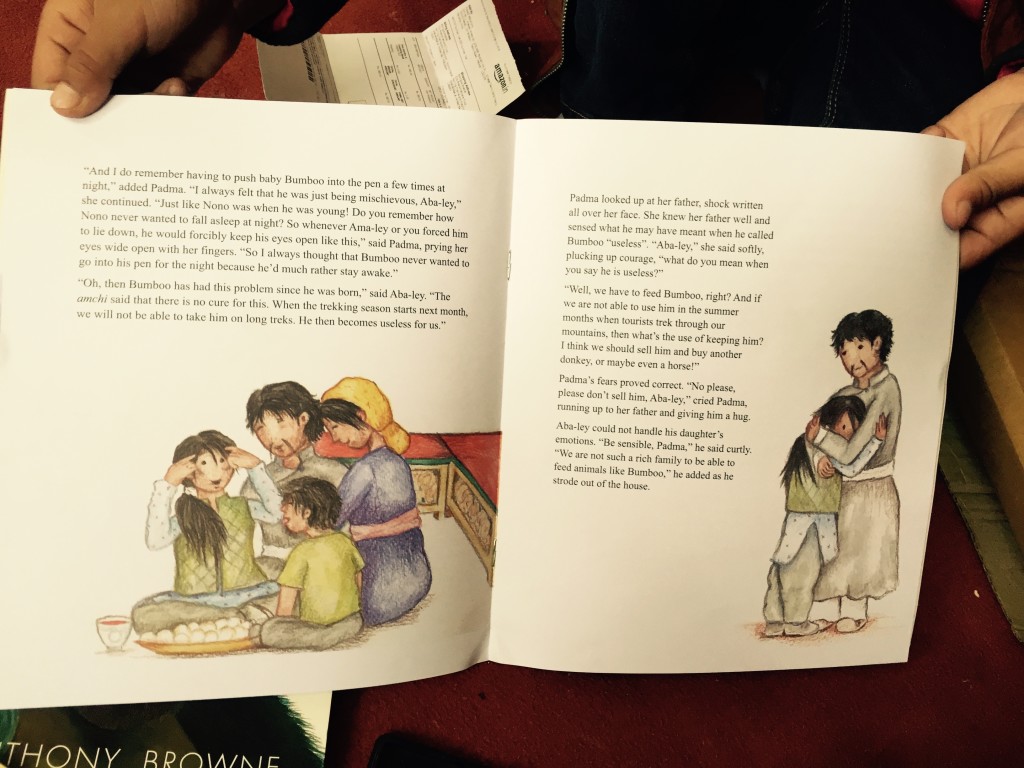
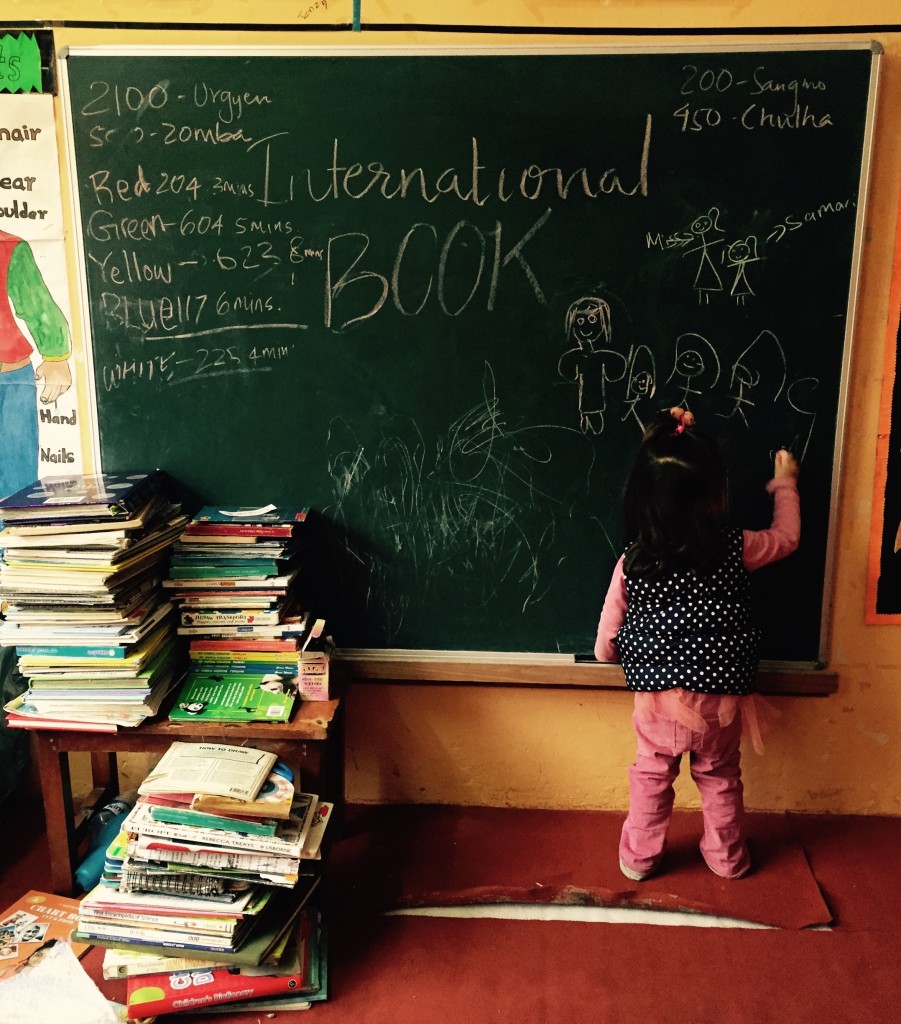
The best book celebrations do not end when the final page is turned. Stories can lead to drawing, music, discussion, drama, and new writing. Children may transform a folktale into a puppet show, illustrate a scene from a novel, or create an alternative ending for a character whose choices interest them.
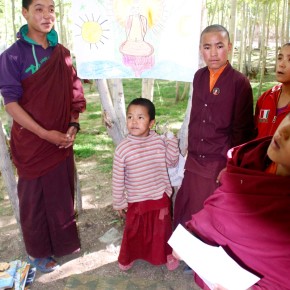
Performance is especially valuable because it joins literacy with collaboration. Children must listen to one another, remember lines, interpret emotions, and make decisions together. The process can help a quiet child find a voice and give a confident speaker a chance to practice patience and attentiveness.
Avalokiteśvara Trust shares an example of this wider learning in its account of children’s own plays. Writing and performing original drama shows how access to stories can develop into authorship, teamwork, imagination, and public expression.
| A children’s book activity |
Skills it can nurture |
Community value |
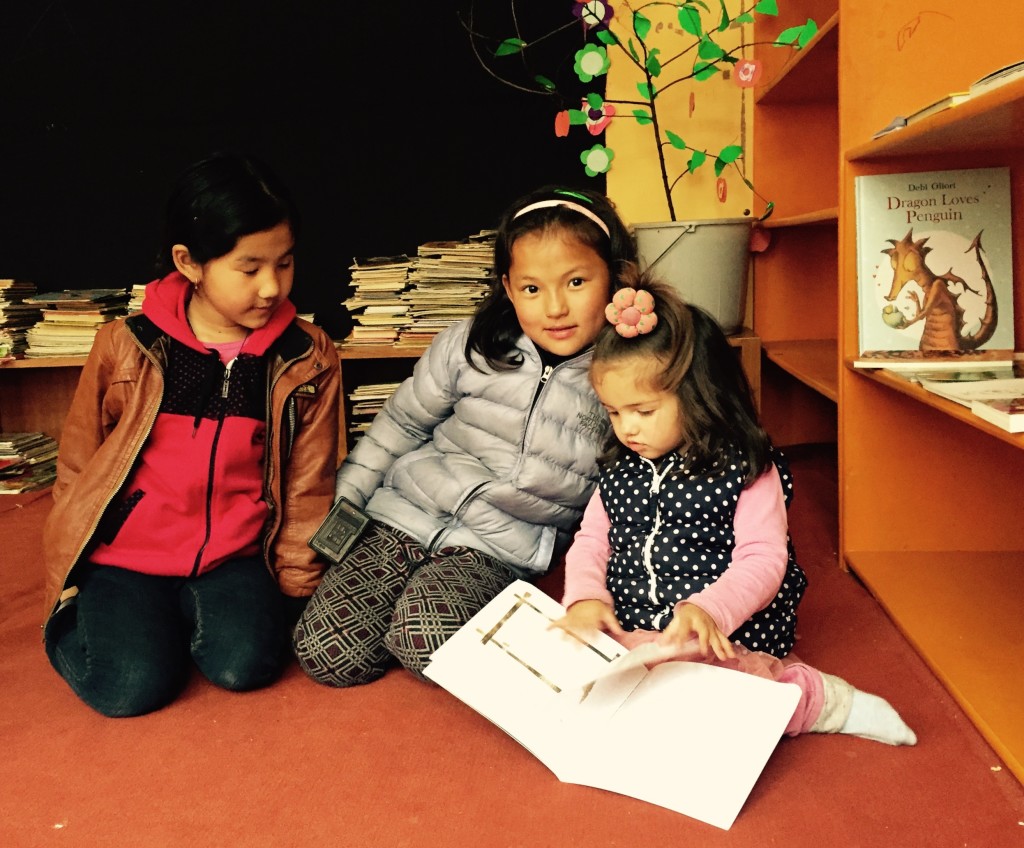
| Shared reading |
Listening, vocabulary, concentration |
Creates a calm learning routine |
| Story discussion |
Reasoning, empathy, confidence |
Encourages respectful exchange |
| Drawing or illustration |
Observation, visual expression |
Connects imagination with local life |
| Writing a new ending |
Creativity, structure, independent thought |
Gives children ownership of stories |
| Performing a play |
Cooperation, memory, communication |
Brings families and learners together |
Celebrating Through Local Traditions
An international observance becomes meaningful when it respects local culture. In Ladakh and neighboring Himalayan communities, children can celebrate global children's literature while also hearing regional folktales, family histories, poems, and stories connected with mountain environments. This balance helps young readers explore the world without losing a sense of belonging.
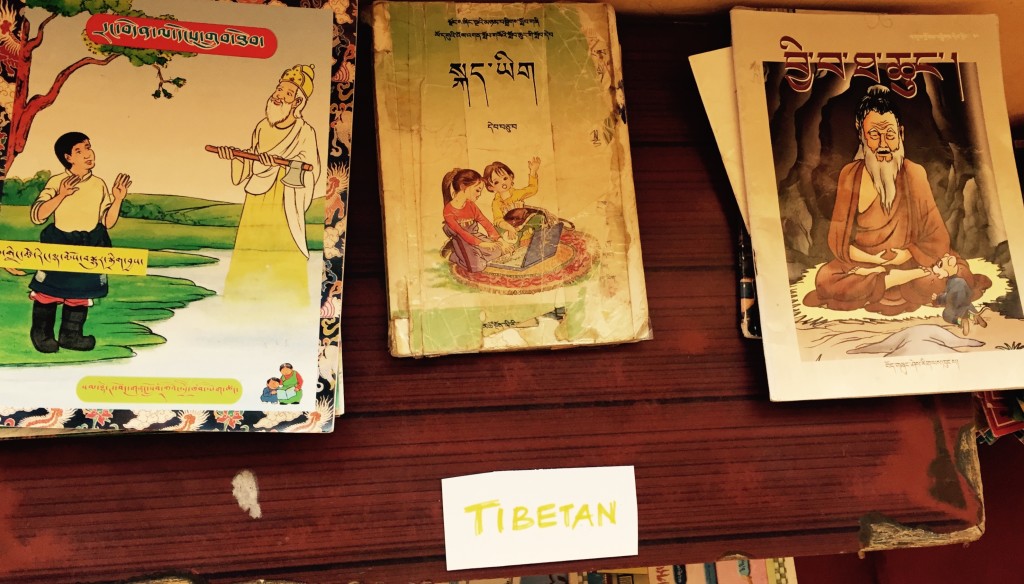
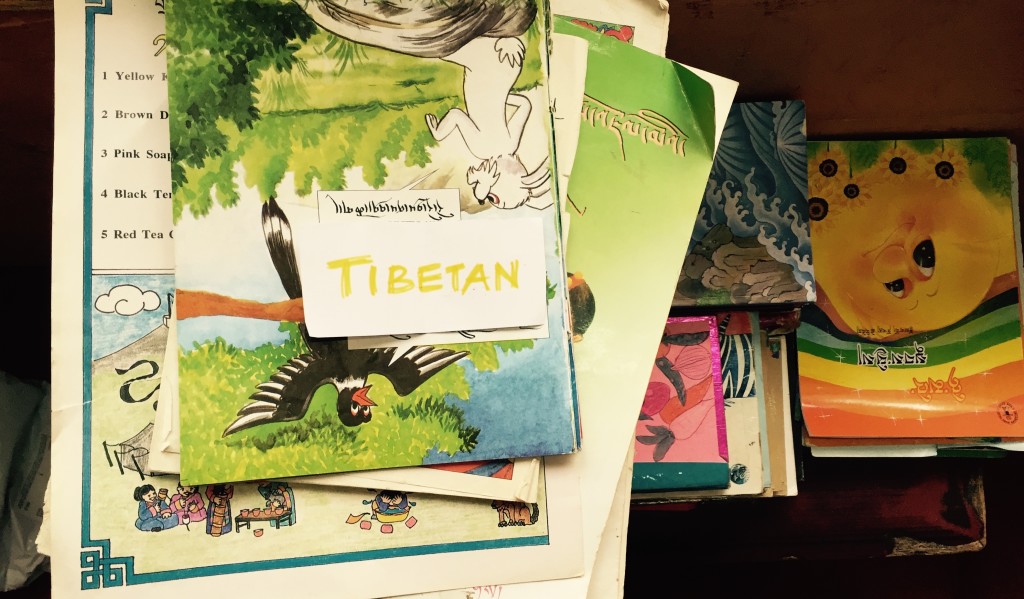
Books need to be chosen with care. Illustrations, characters, and settings should offer variety, while stories should remain accessible to children with different reading abilities. Multilingual resources can be particularly helpful, allowing children to move between familiar languages and the language used in formal education.
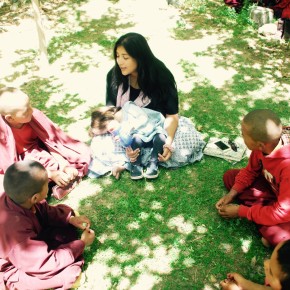
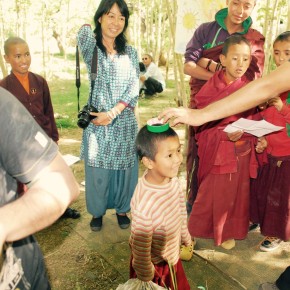
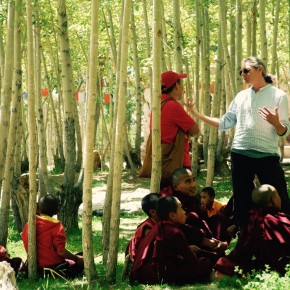
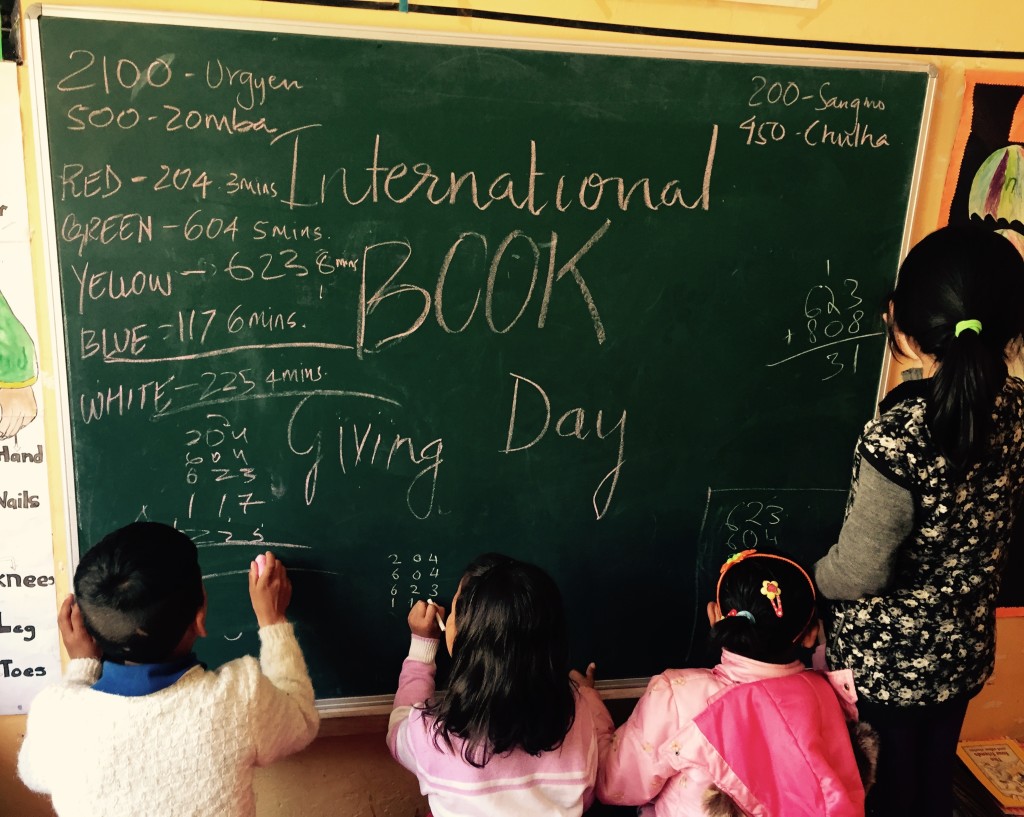
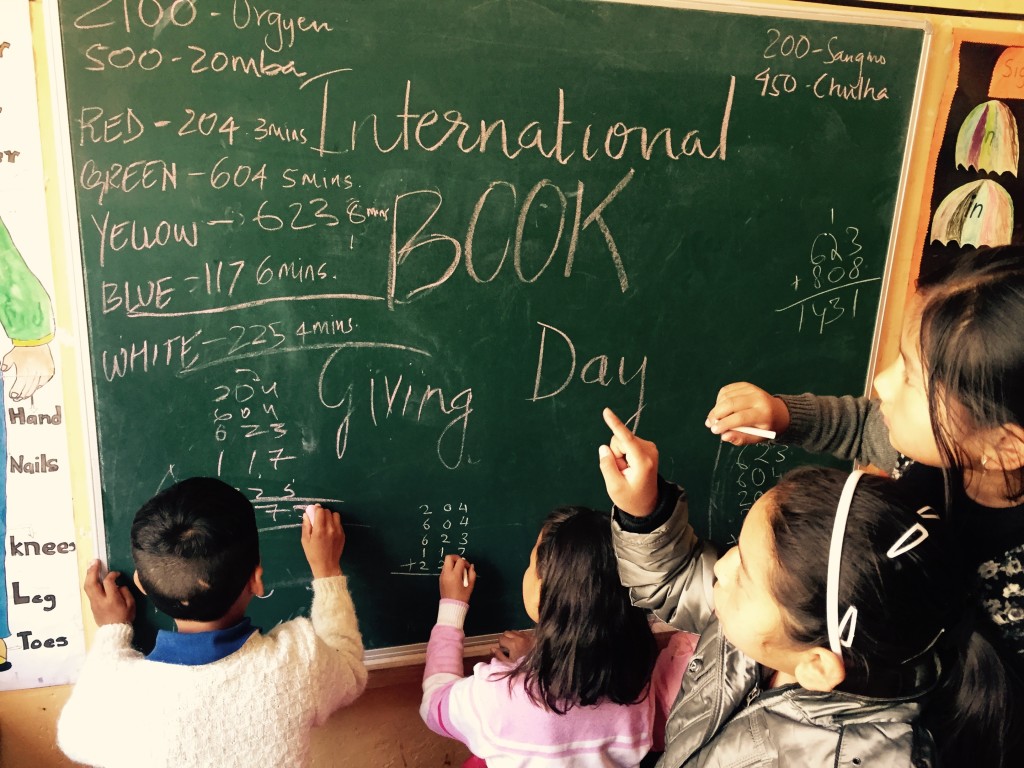
Celebration can take many forms: a group read-aloud, a book exchange, a storytelling circle, an art display, or a day when children recommend books to one another. These activities require modest materials but can leave a lasting impression because they treat children as readers, creators, and contributors.
What Reading Rooms Make Possible
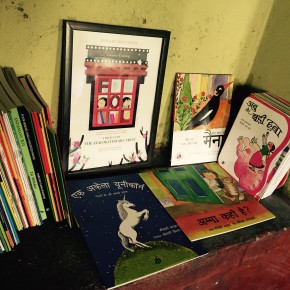
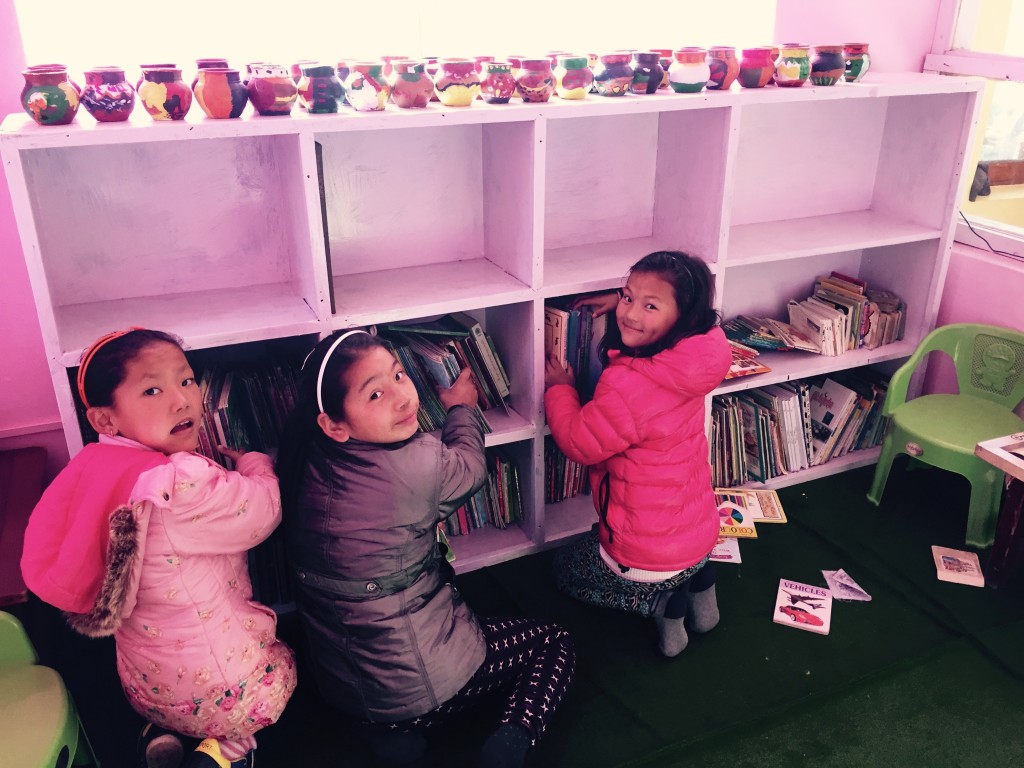
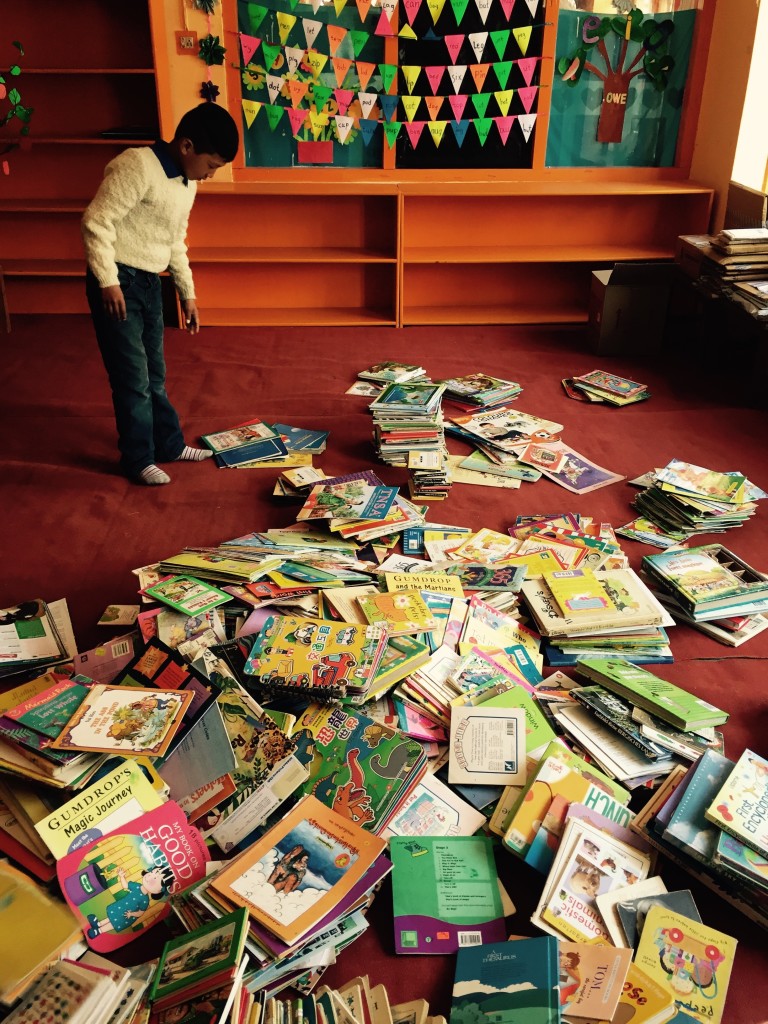
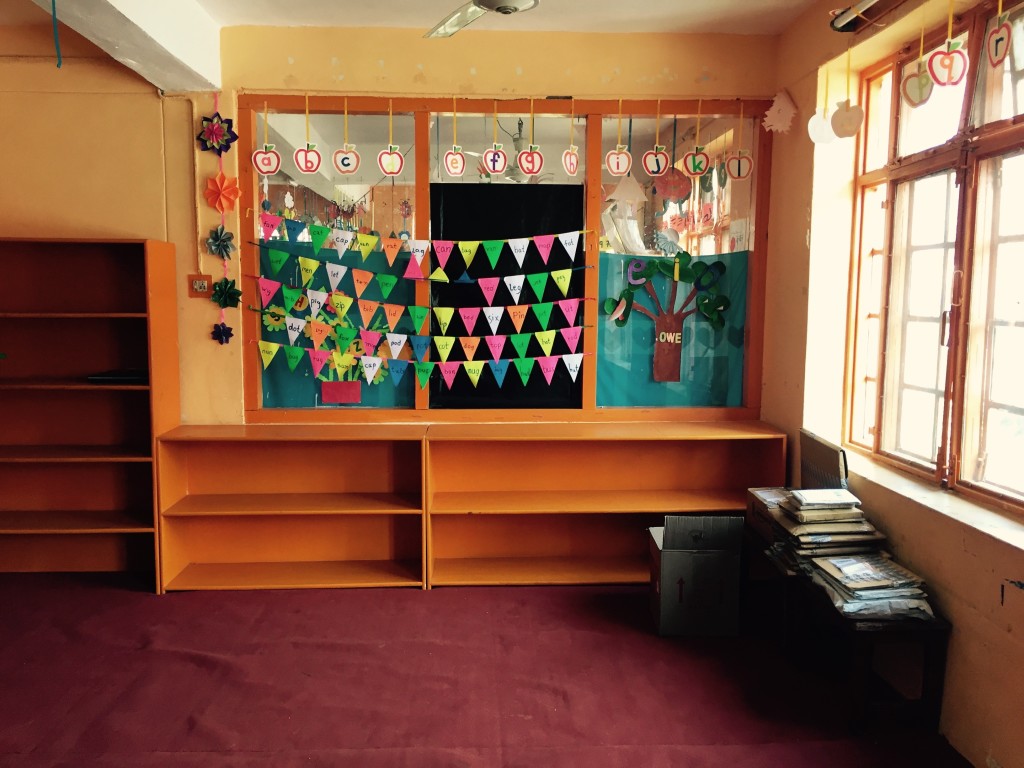
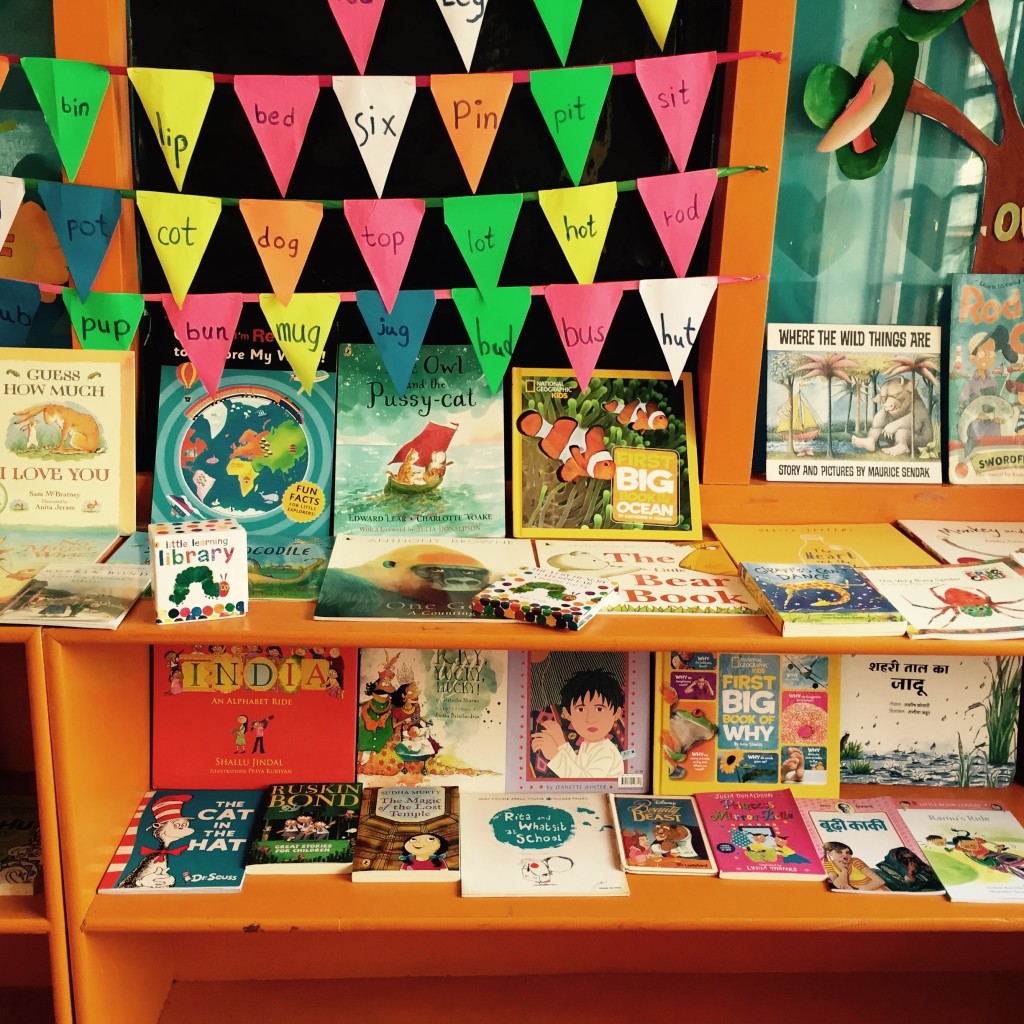
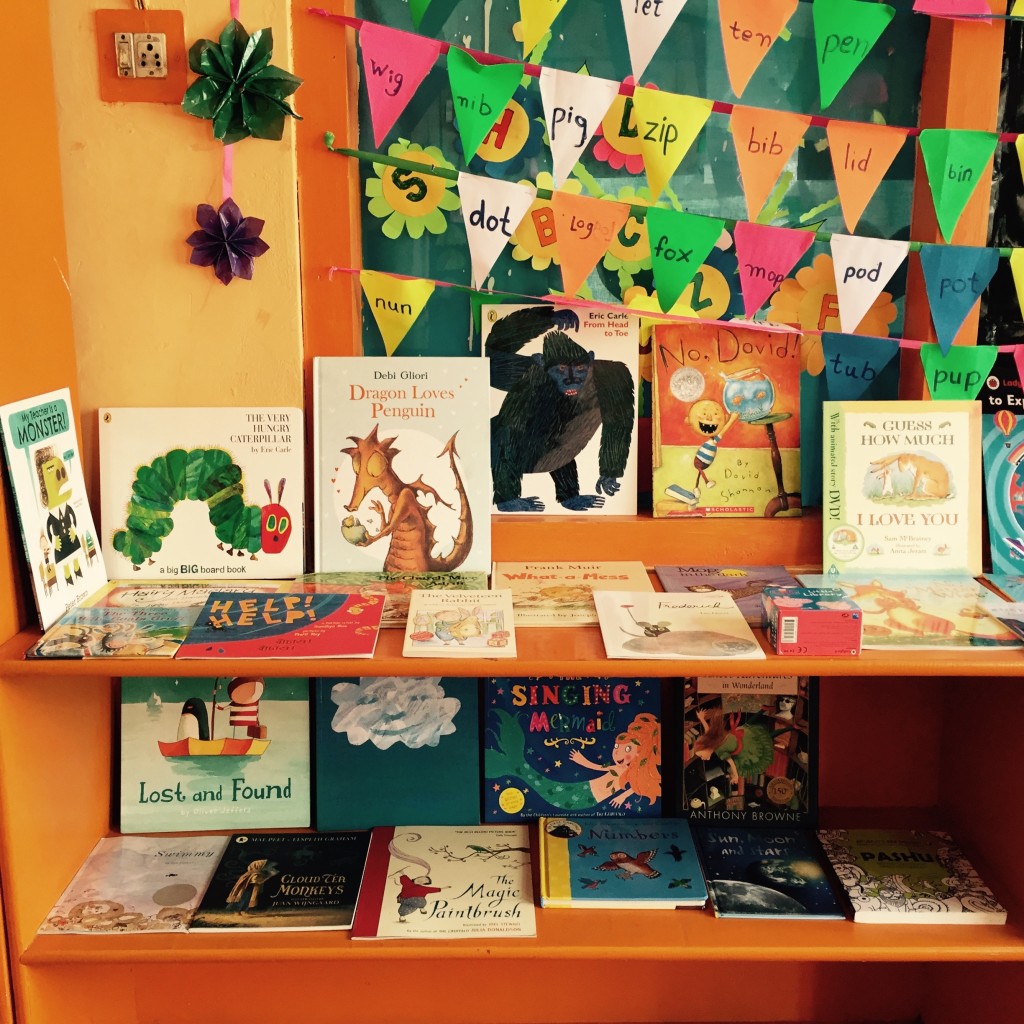
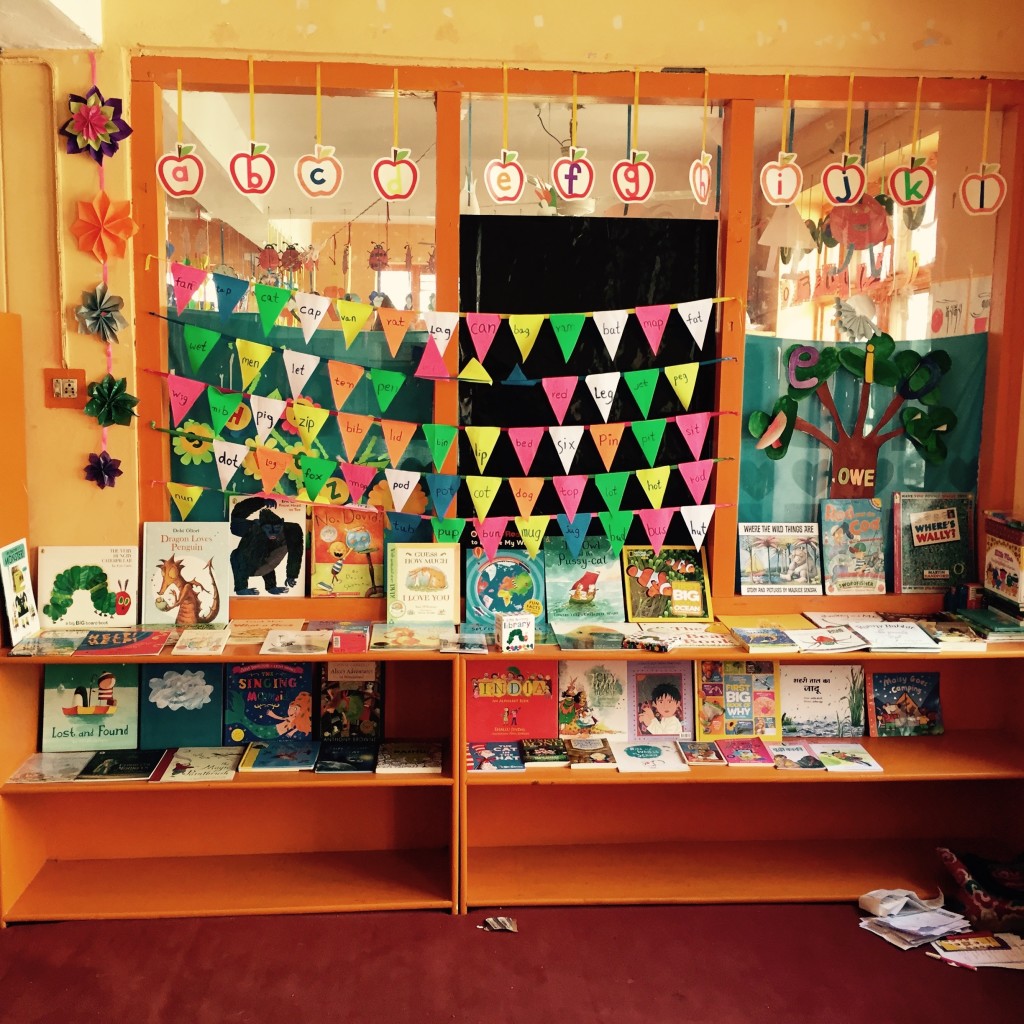
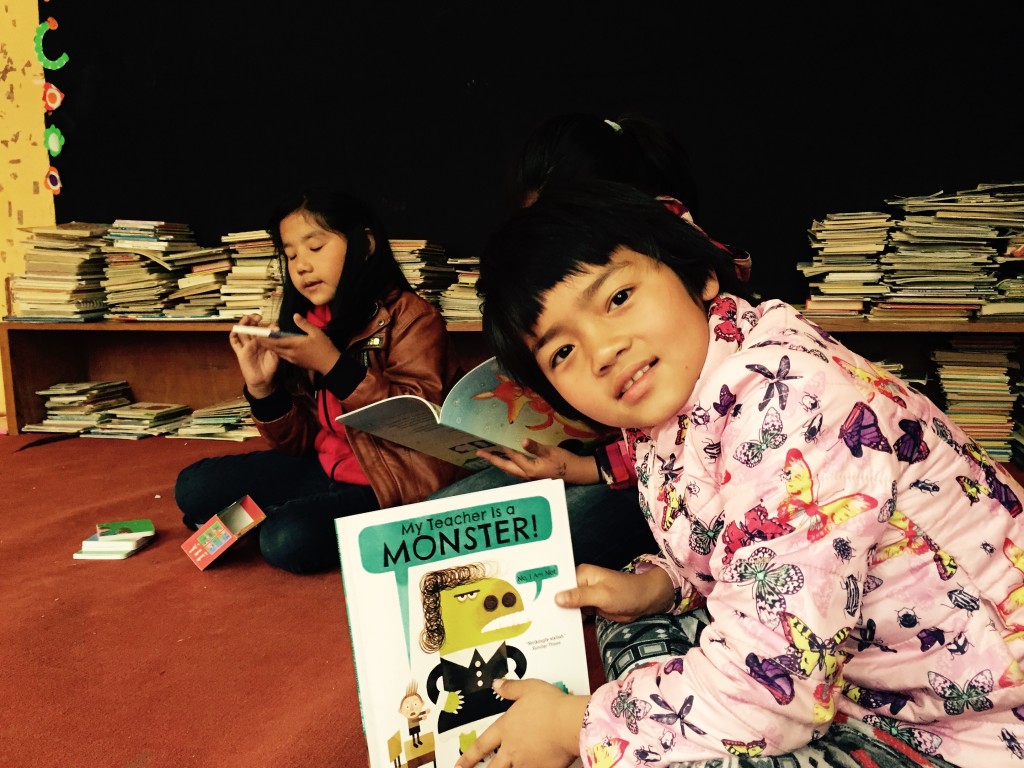
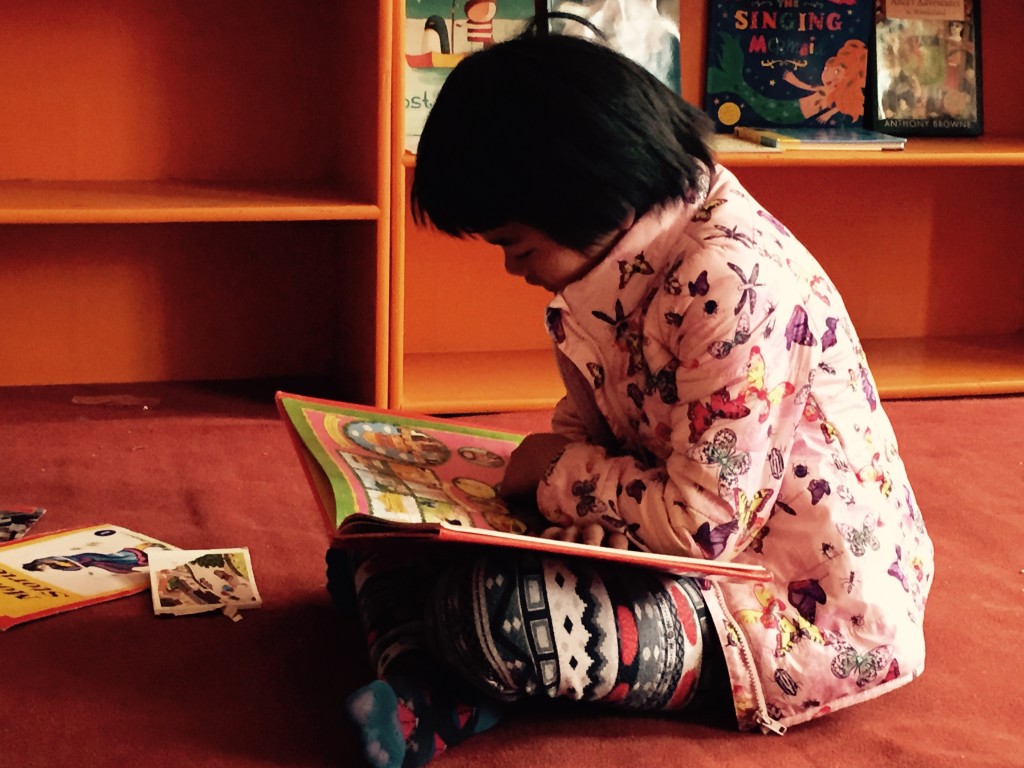
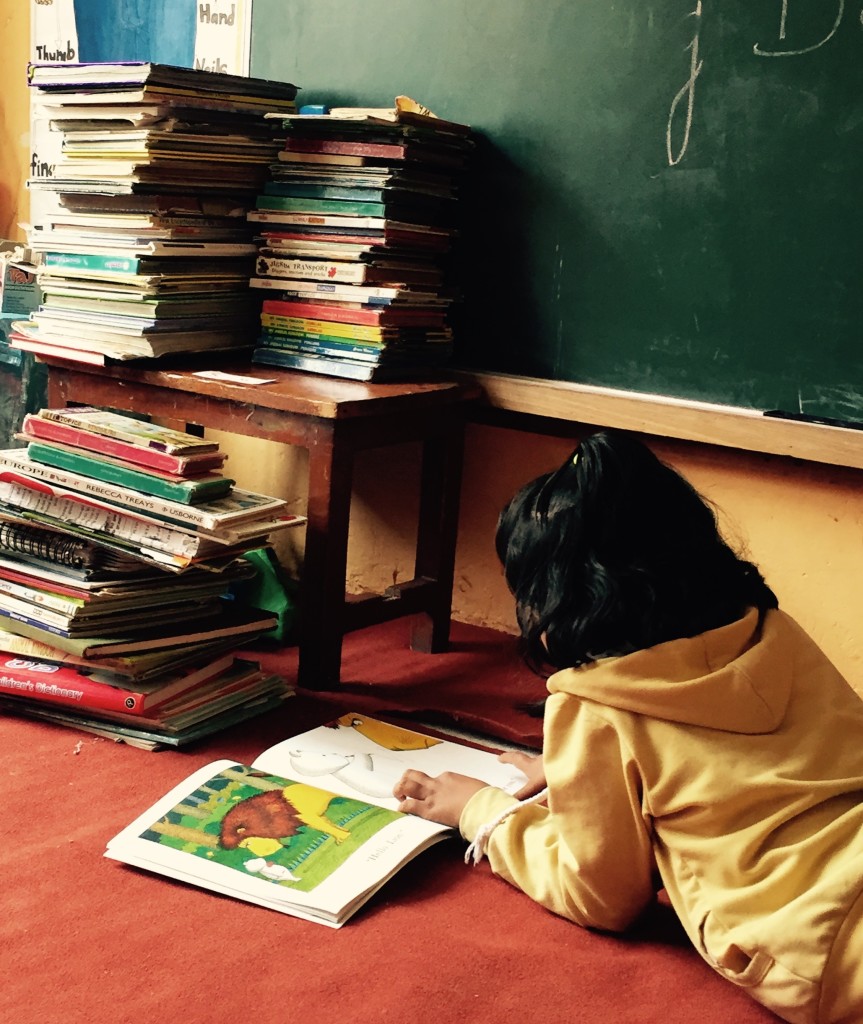
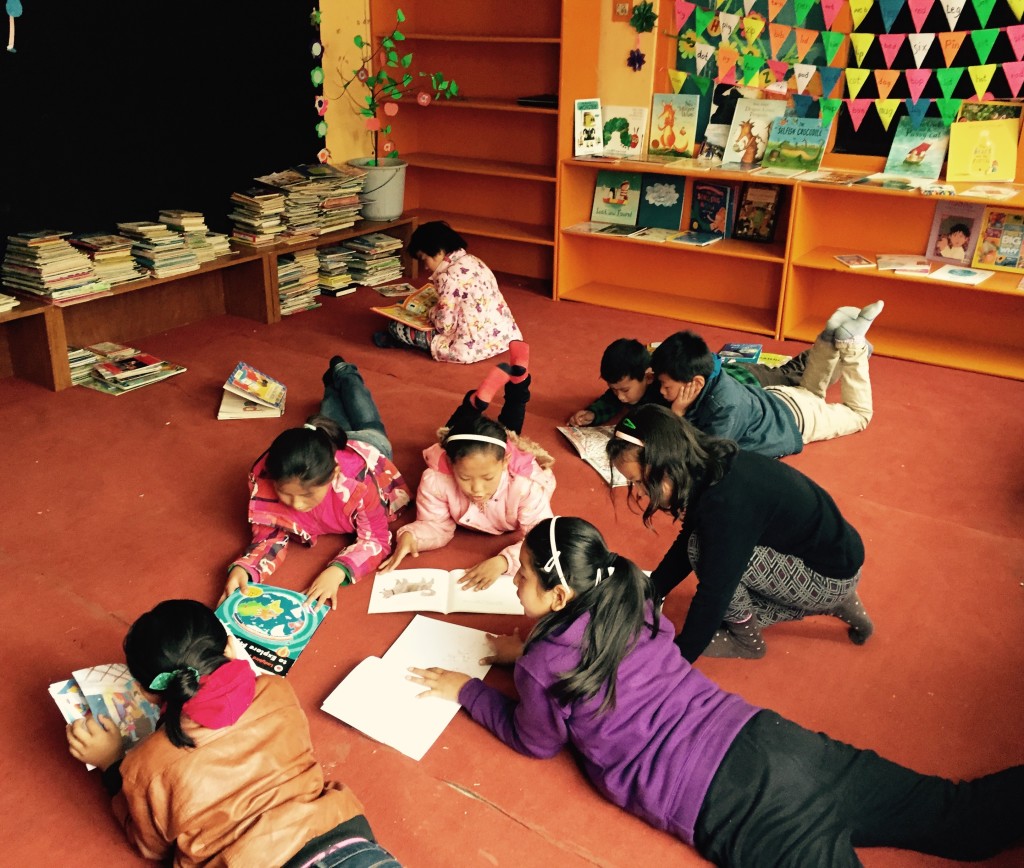
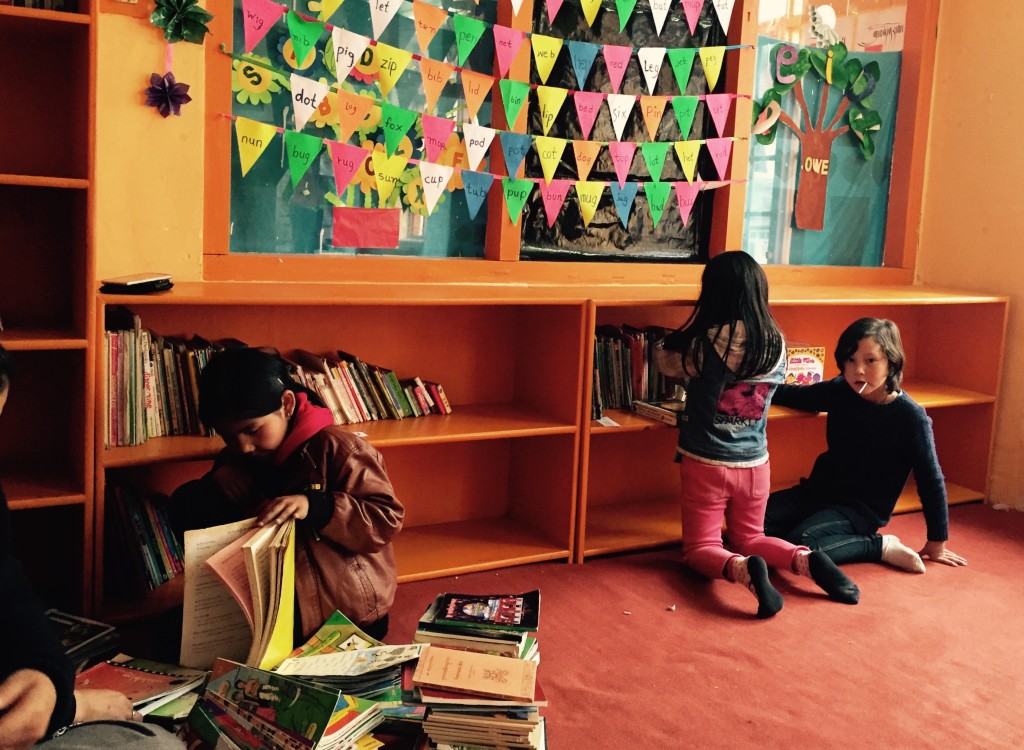
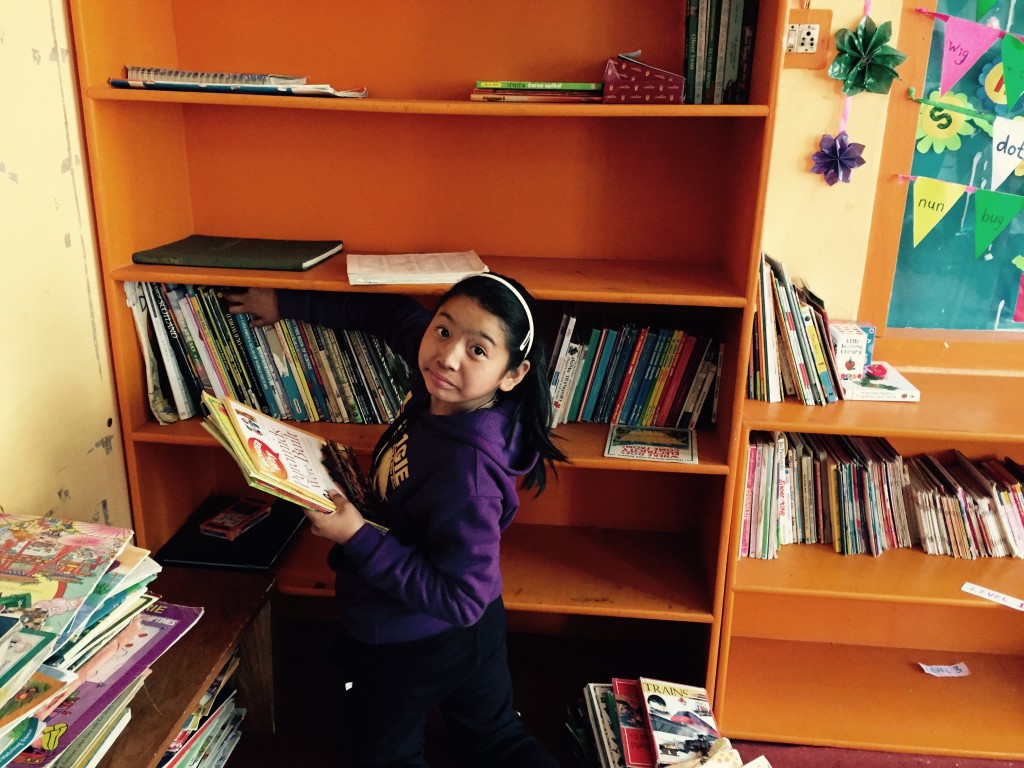
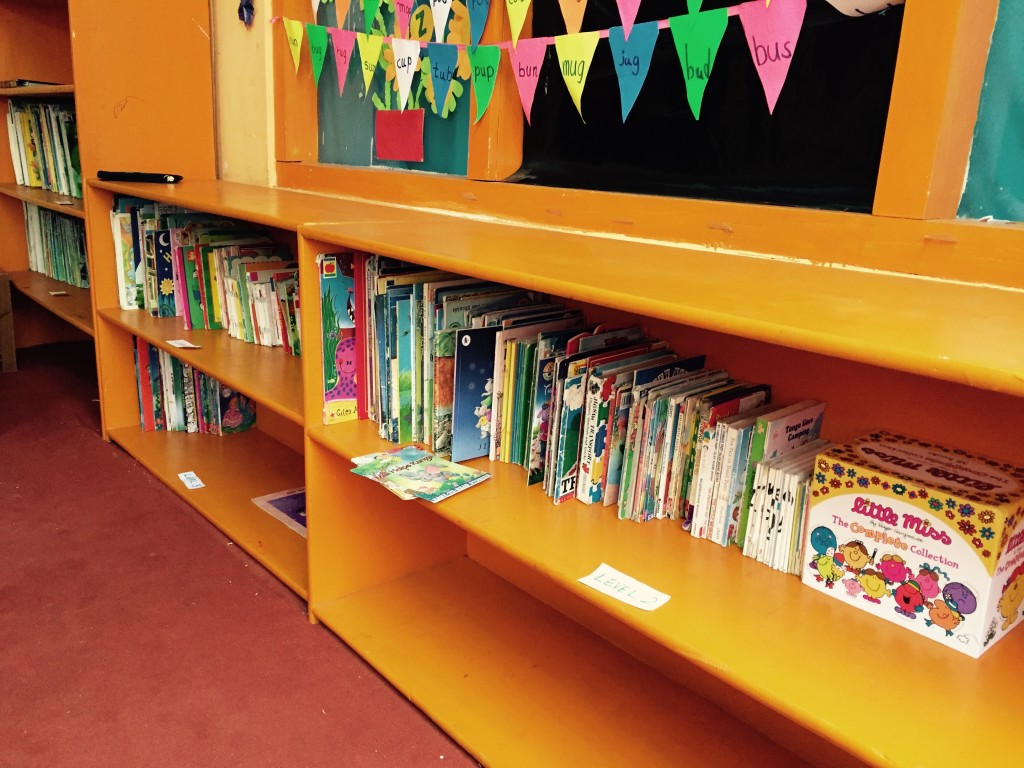
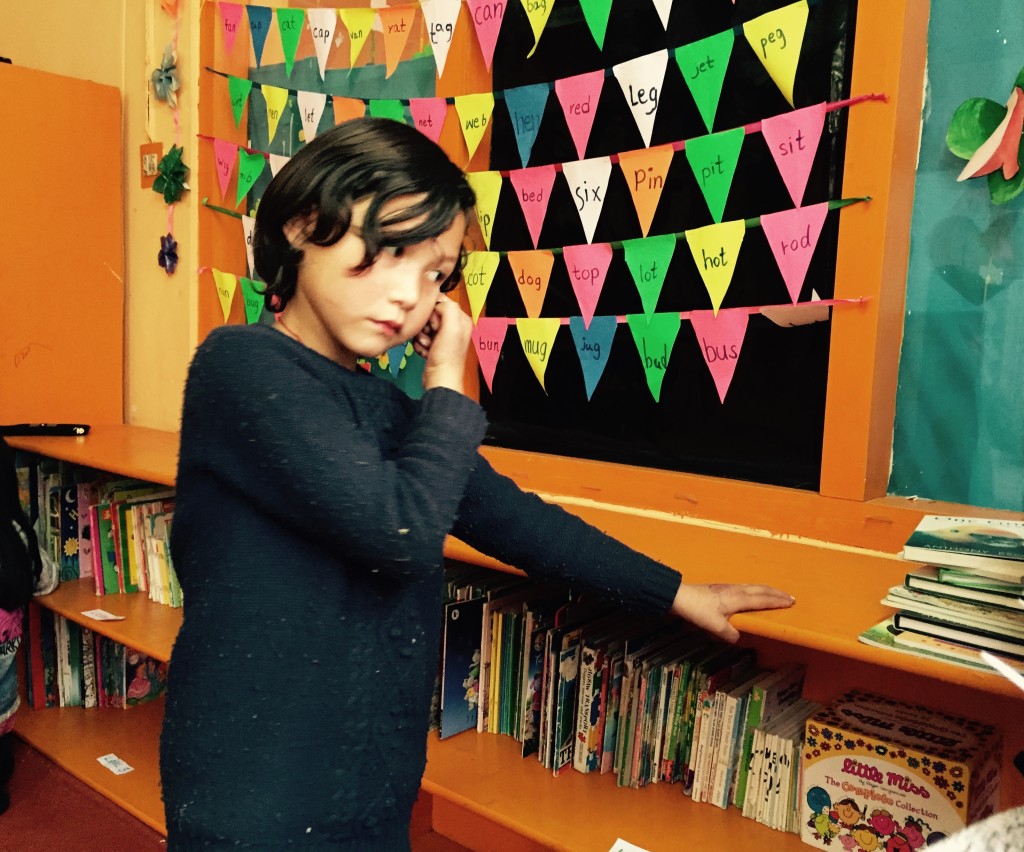
A reading room provides continuity. A single donated book may delight one child for an afternoon, but an organized collection allows many children to discover books repeatedly over time. Shelves become a visible invitation to explore, and regular opening hours help reading become part of community life.
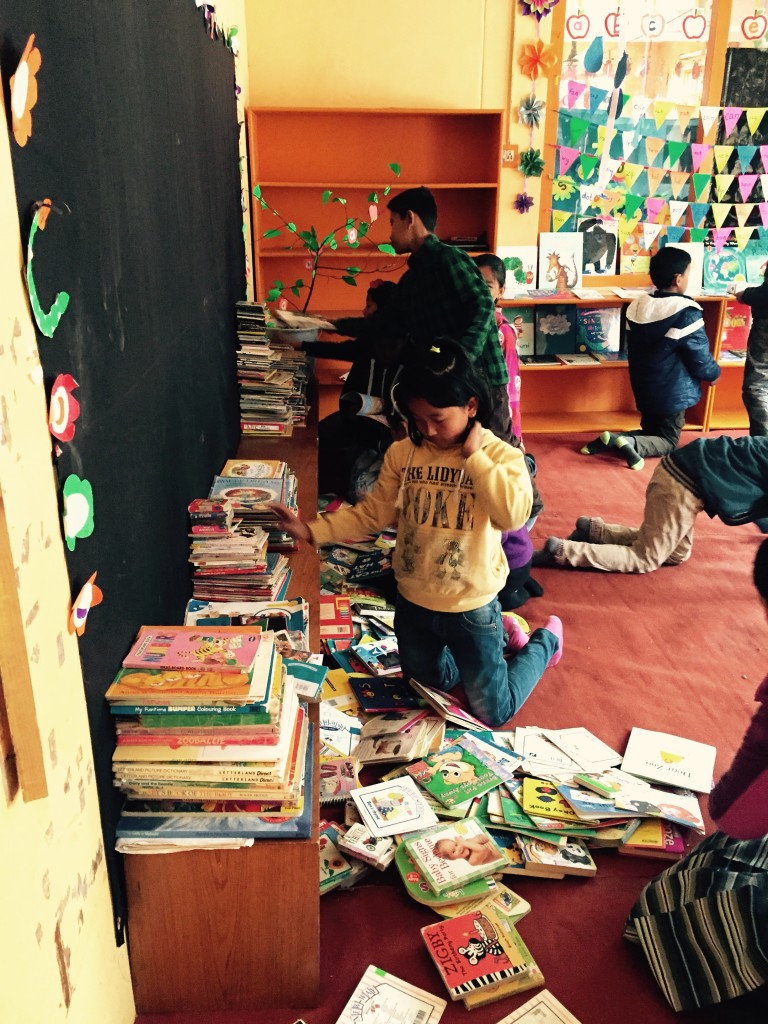
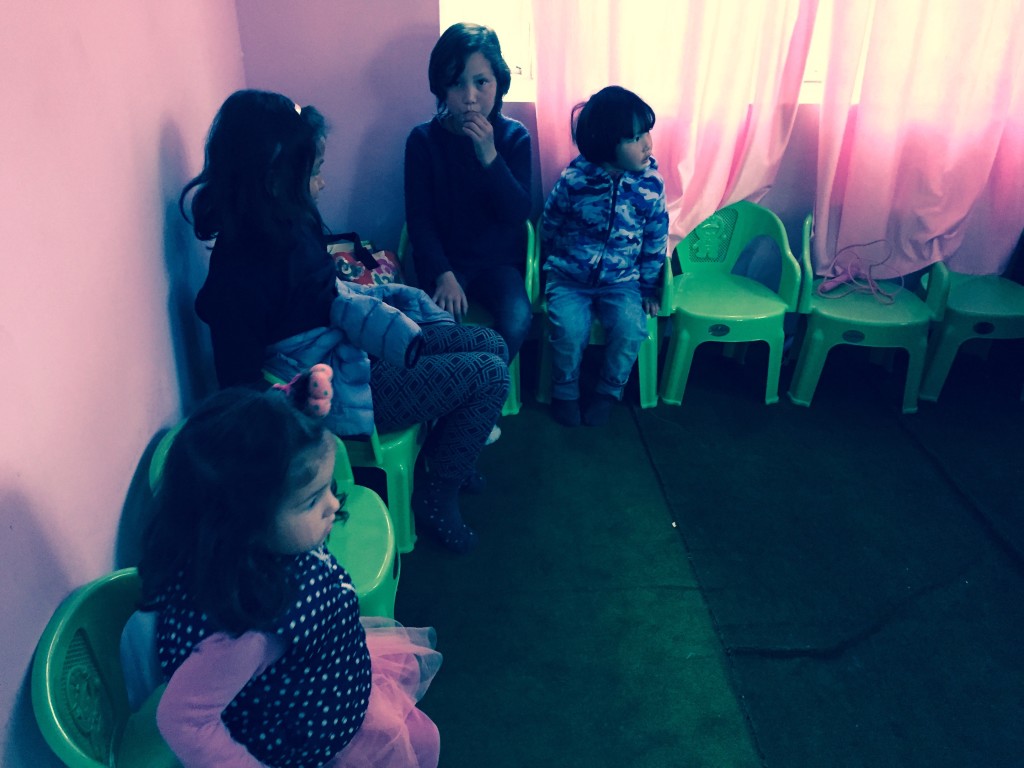
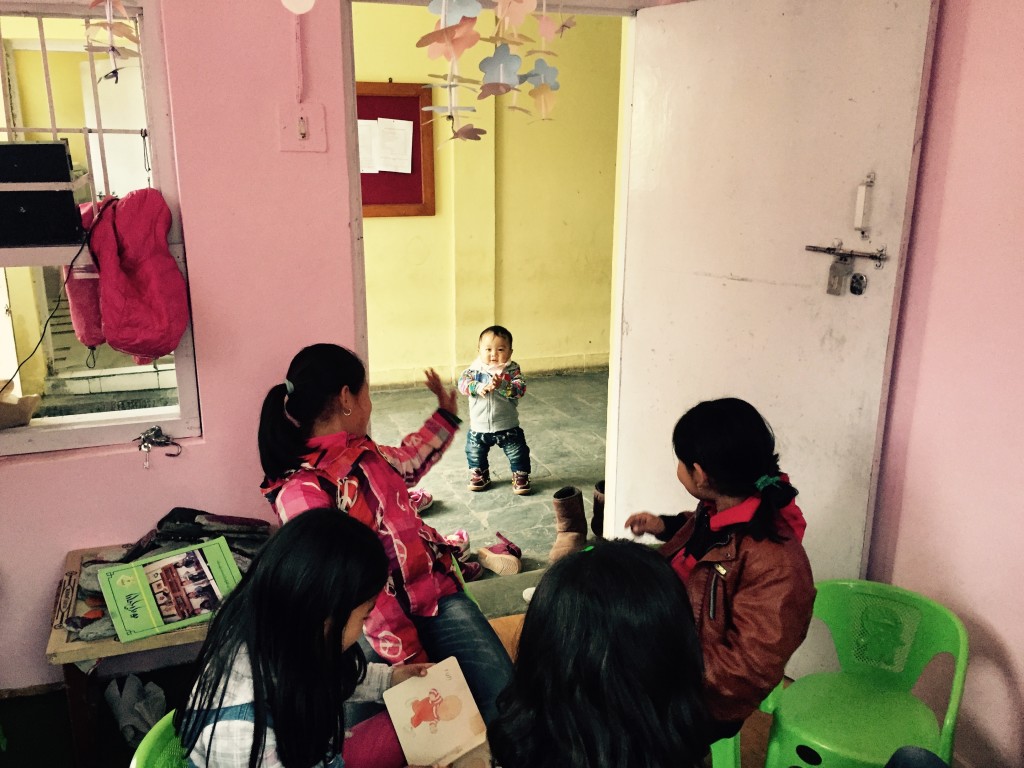
Such spaces can also support children who do not have quiet study areas at home. They offer a place to concentrate, work alongside friends, and receive encouragement from adults. In remote settings, the atmosphere matters as much as the number of books: warmth, welcome, and freedom to browse can determine whether a child returns.
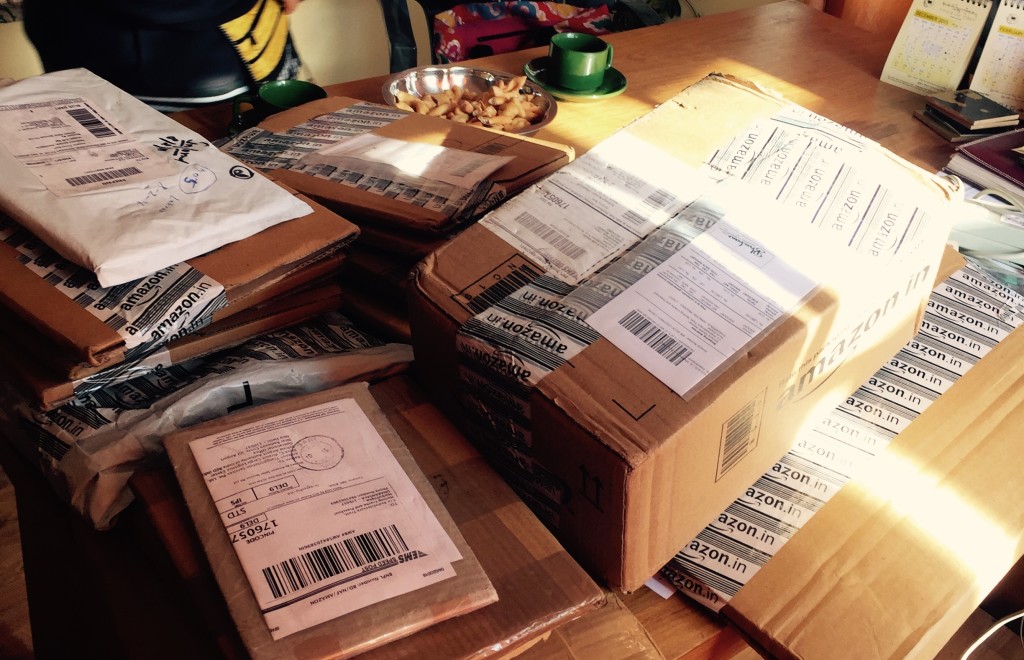
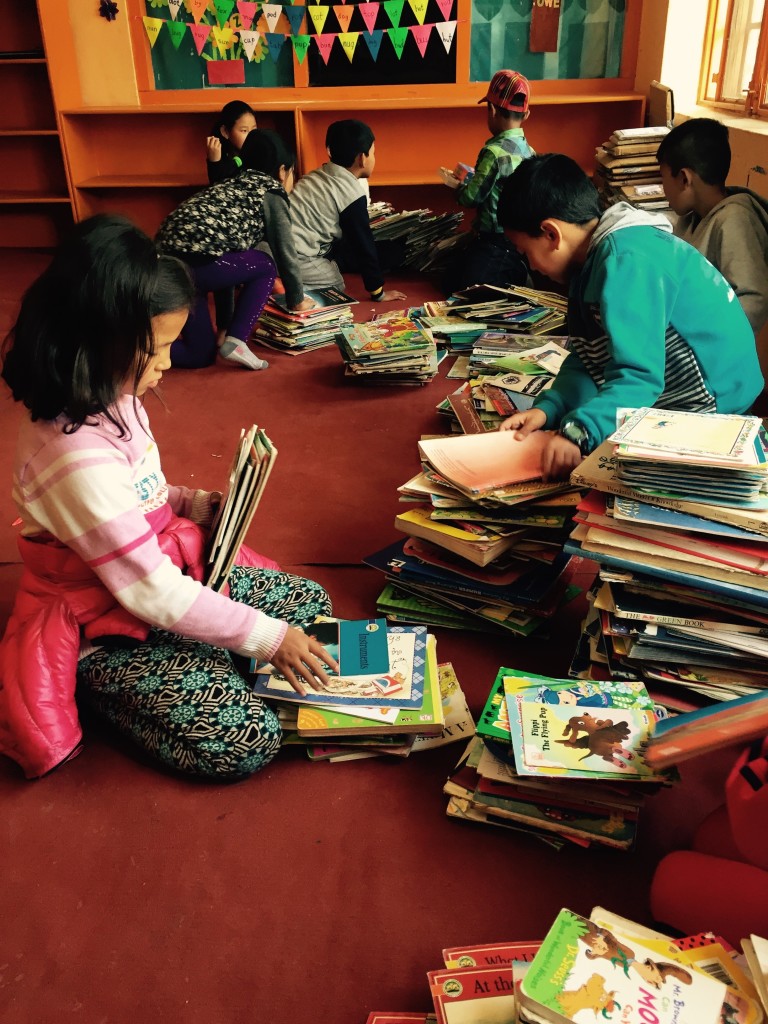
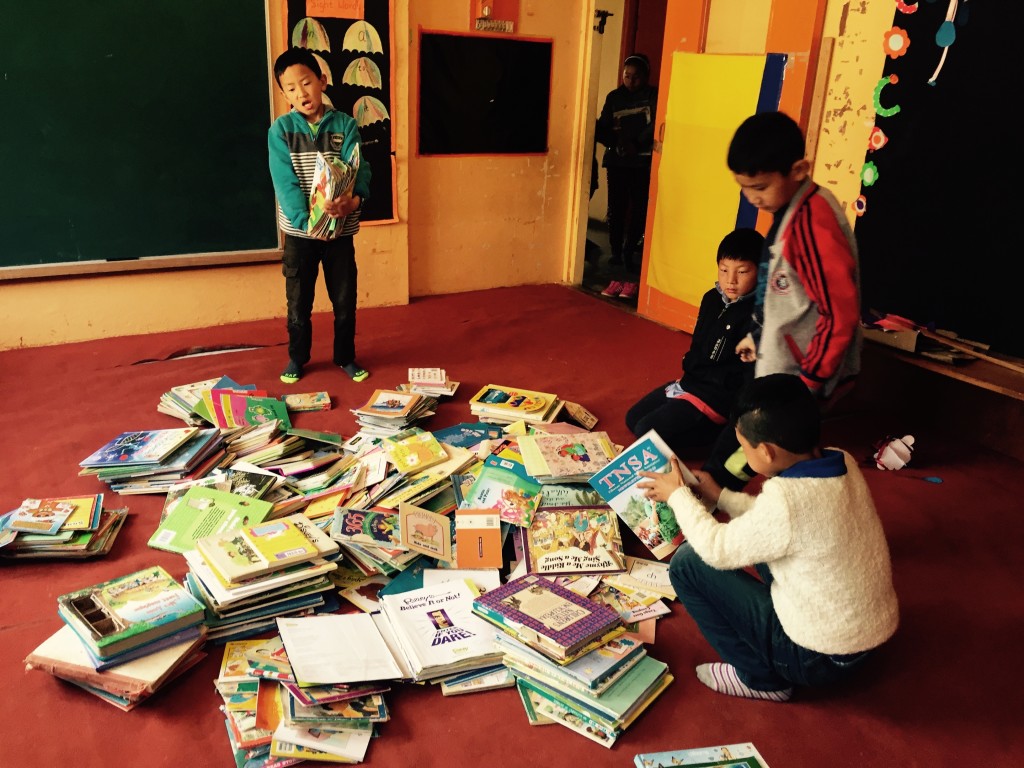
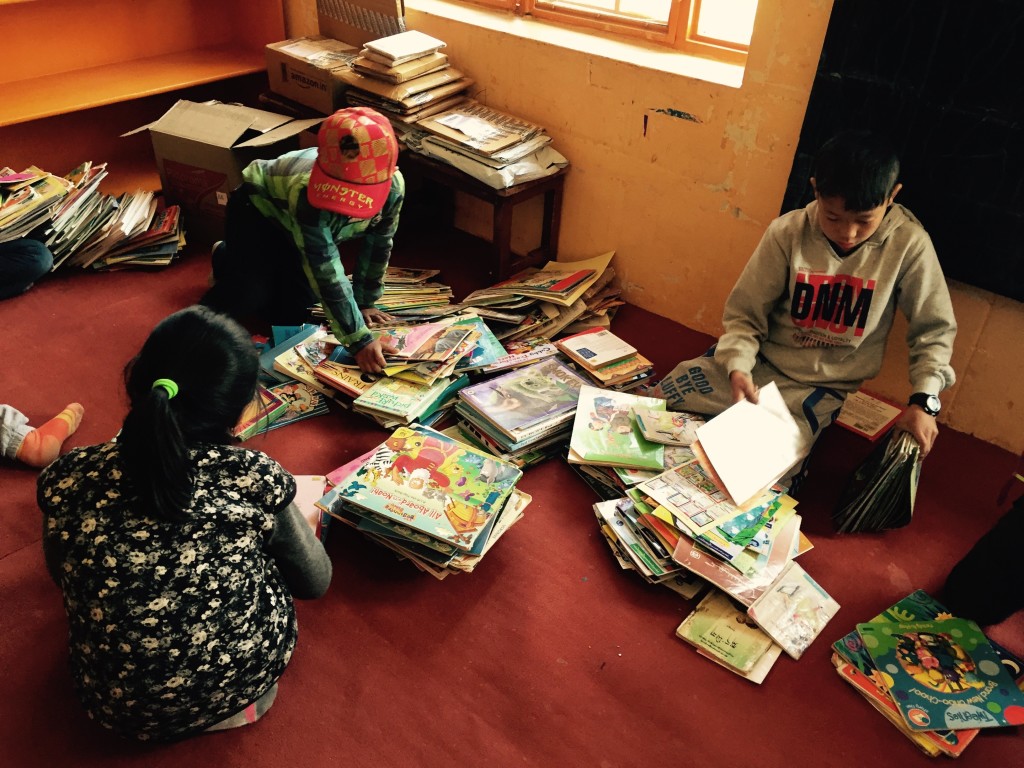
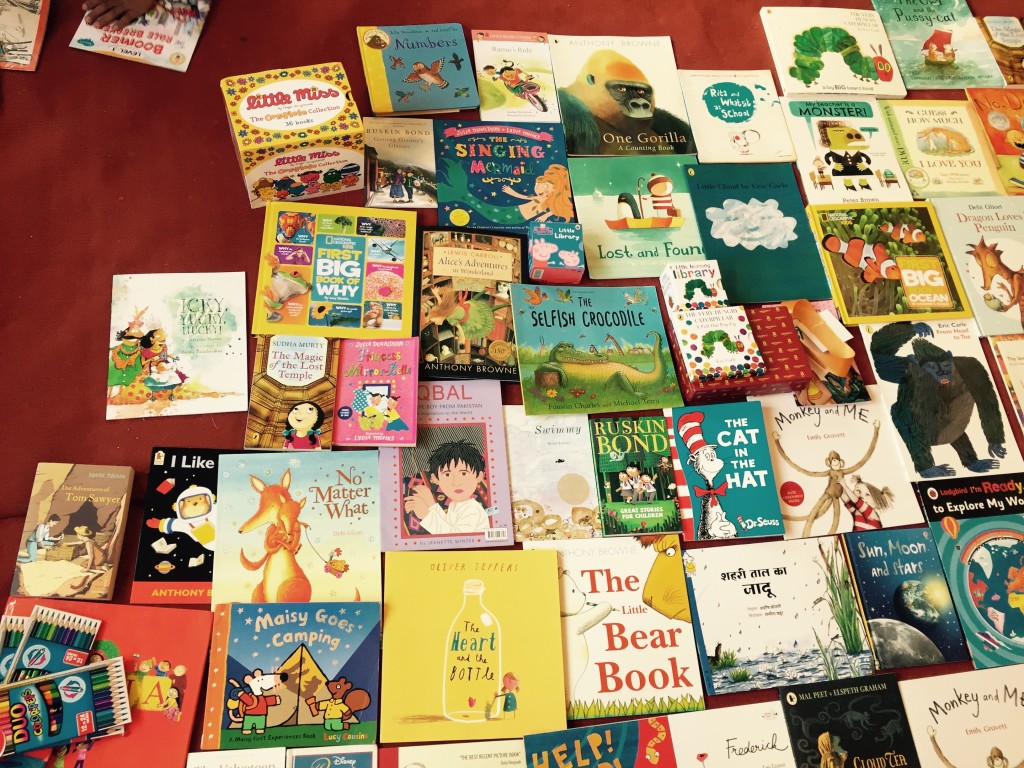
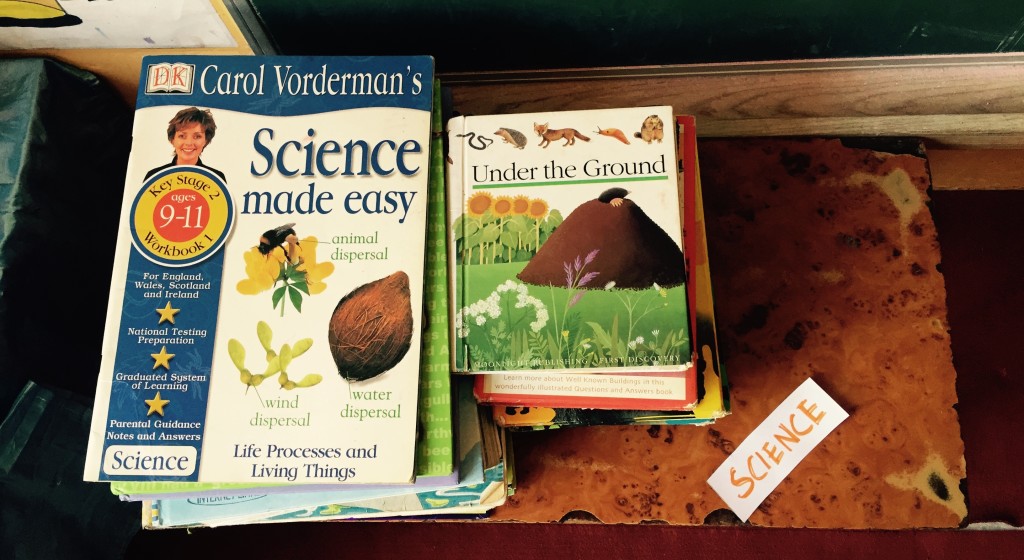
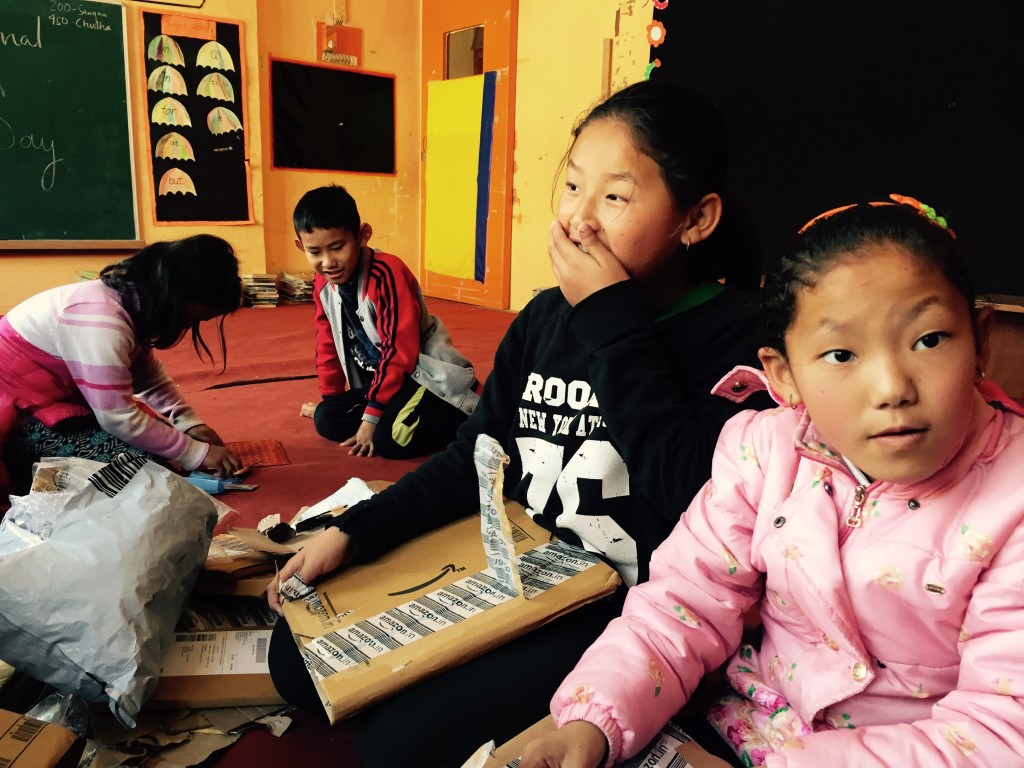
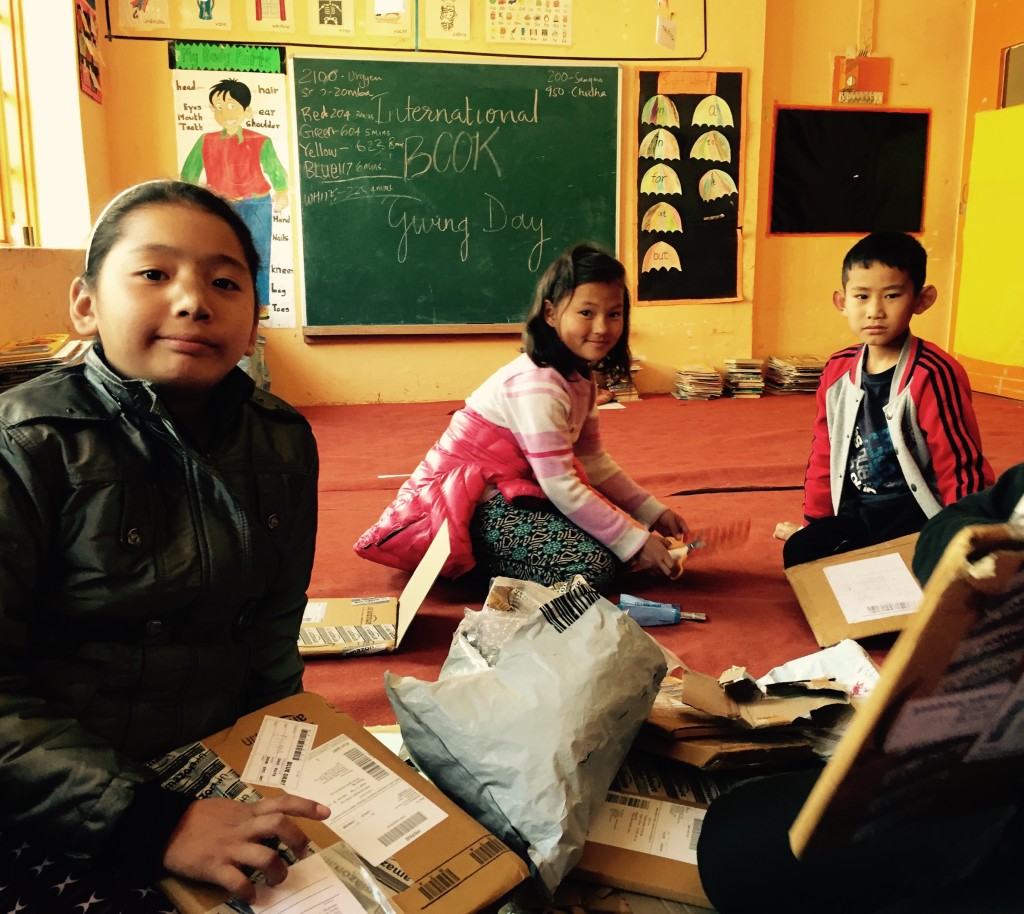
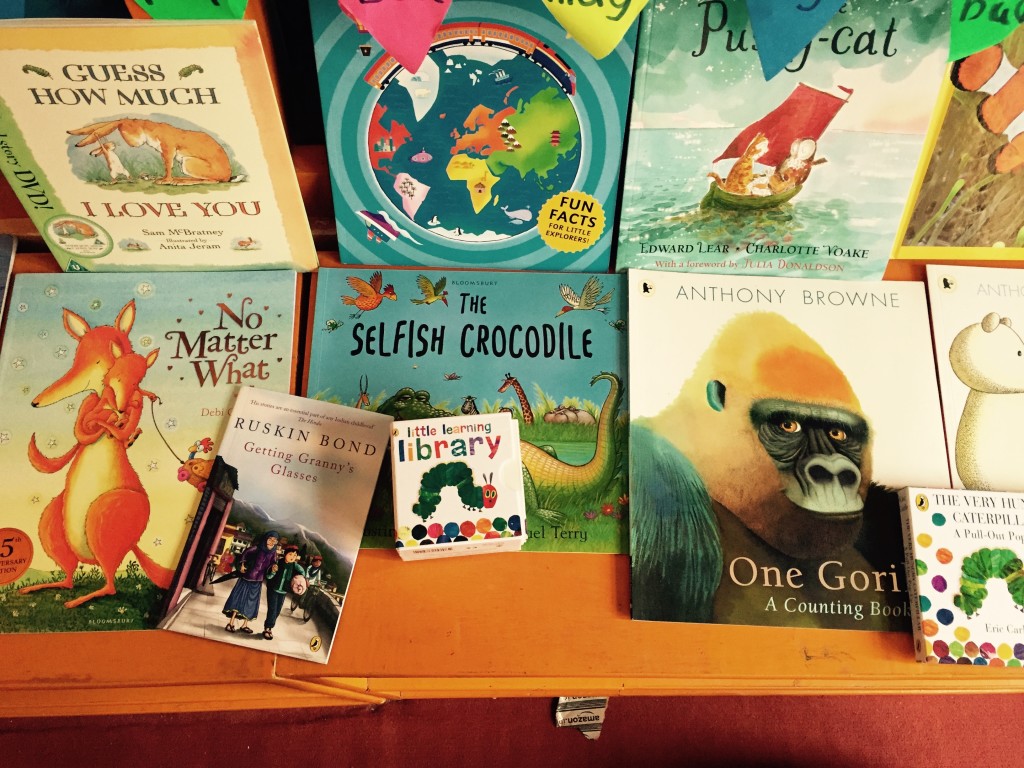
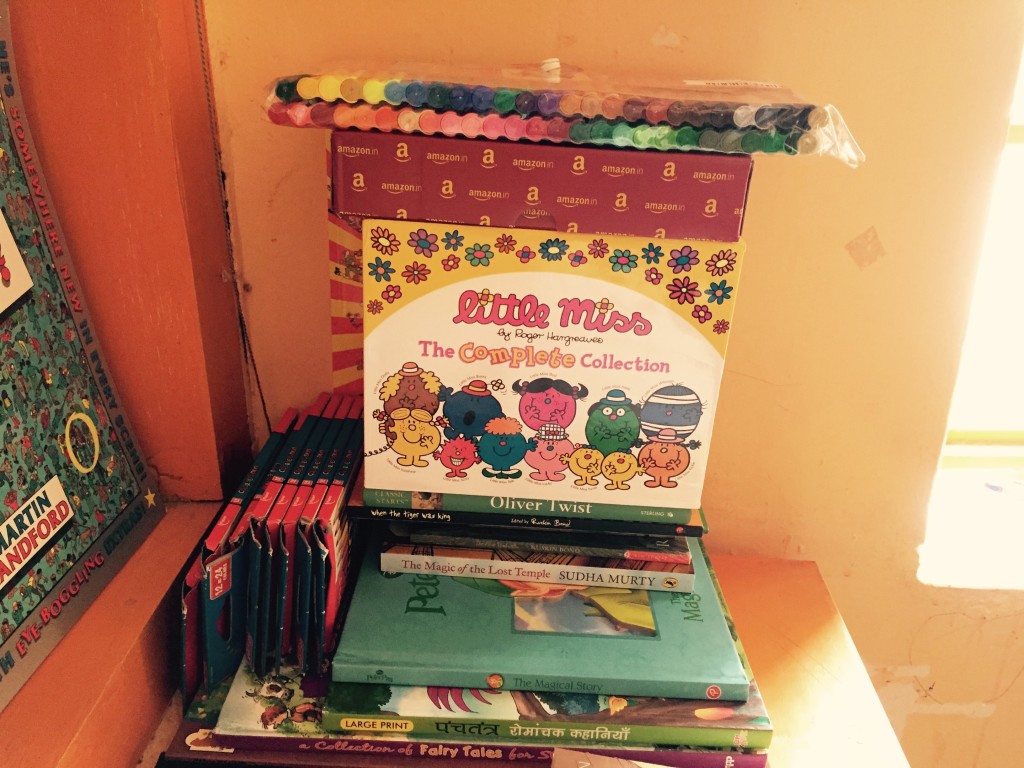
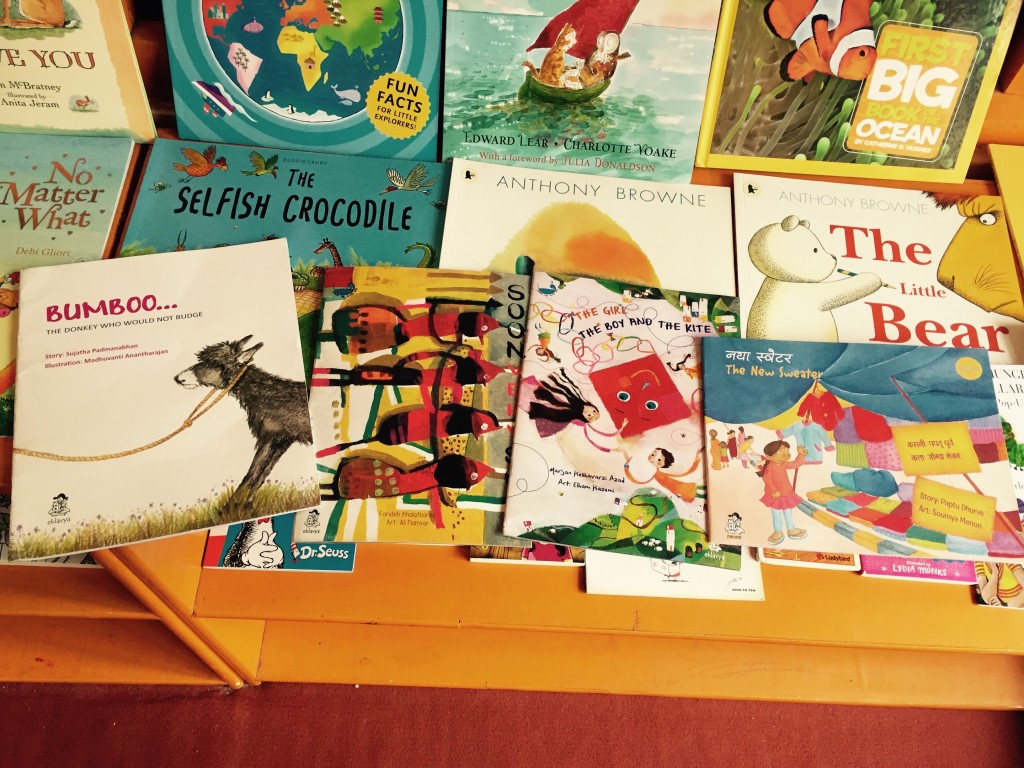
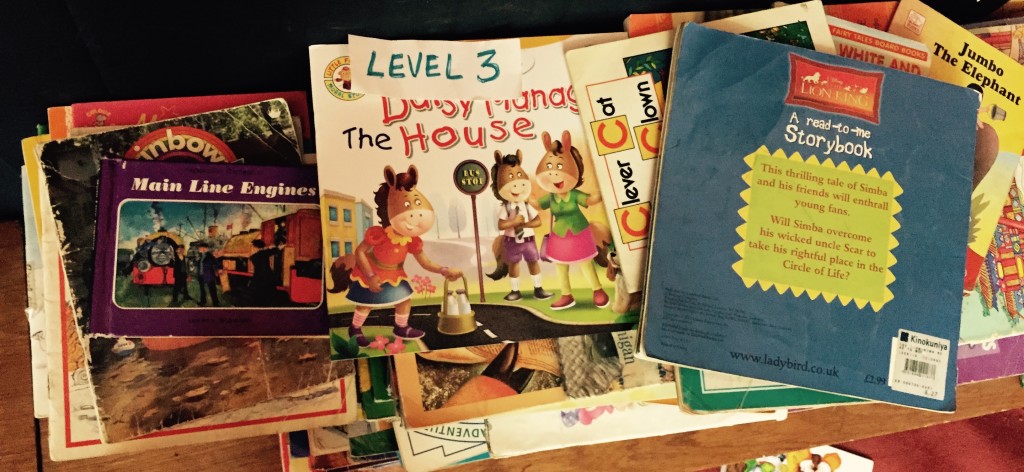
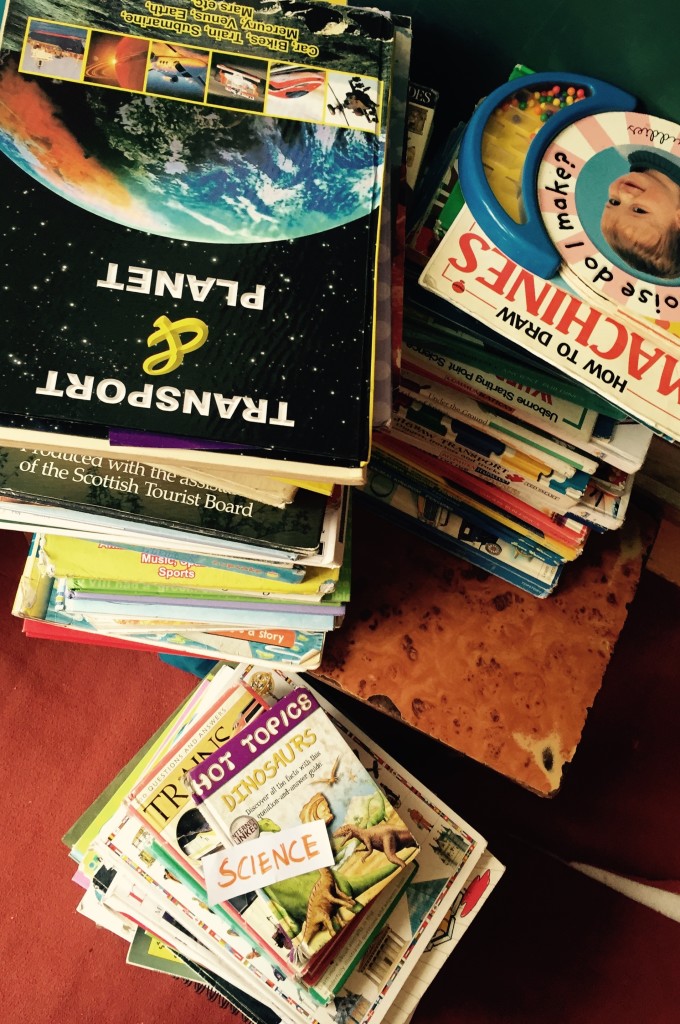
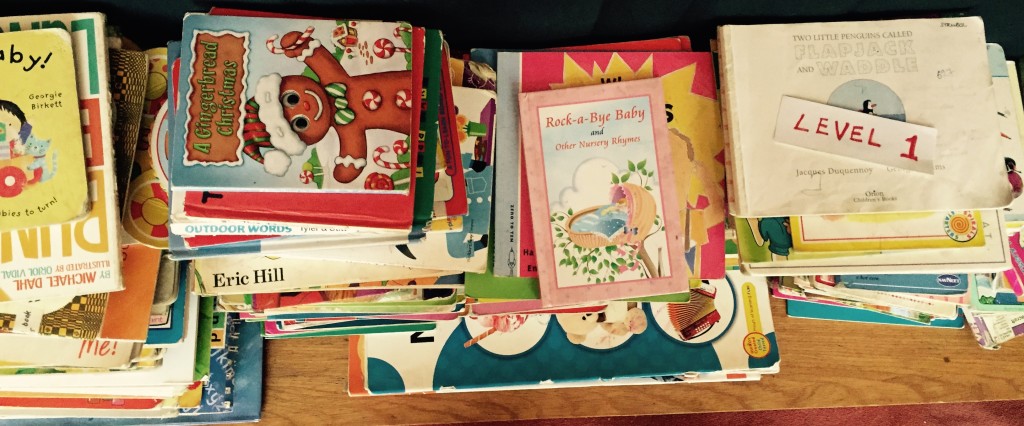
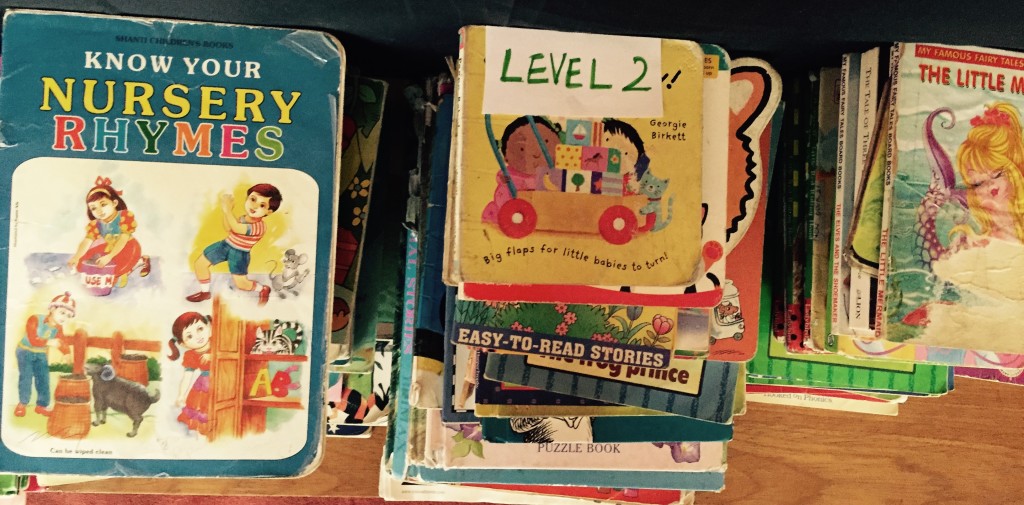
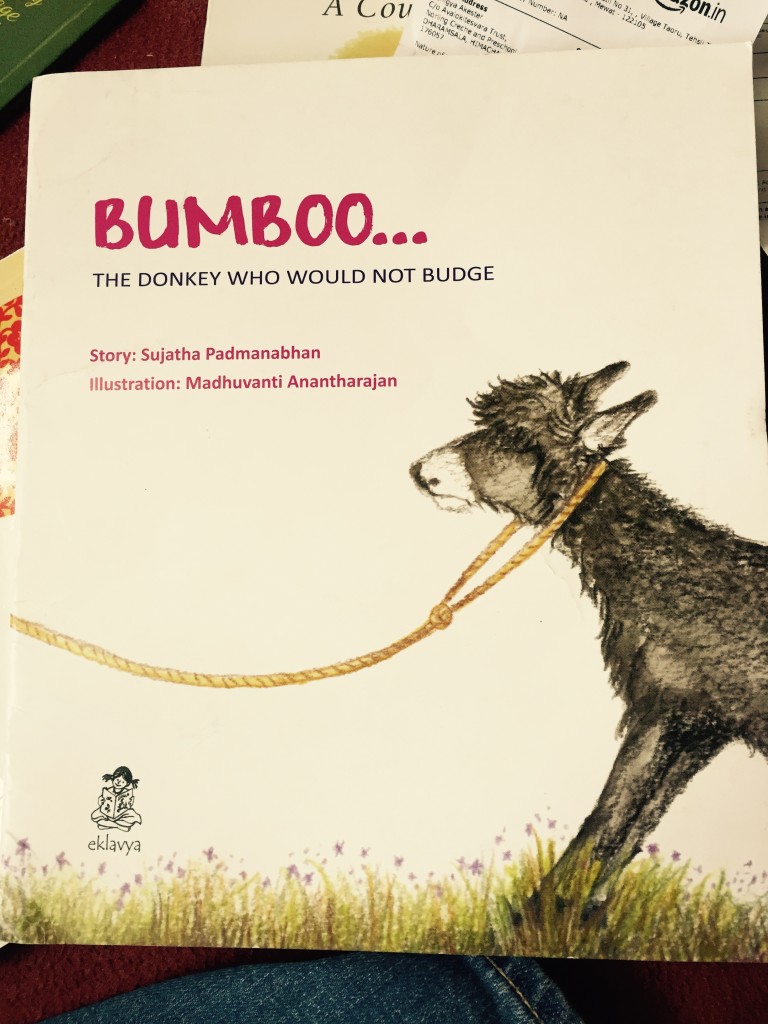
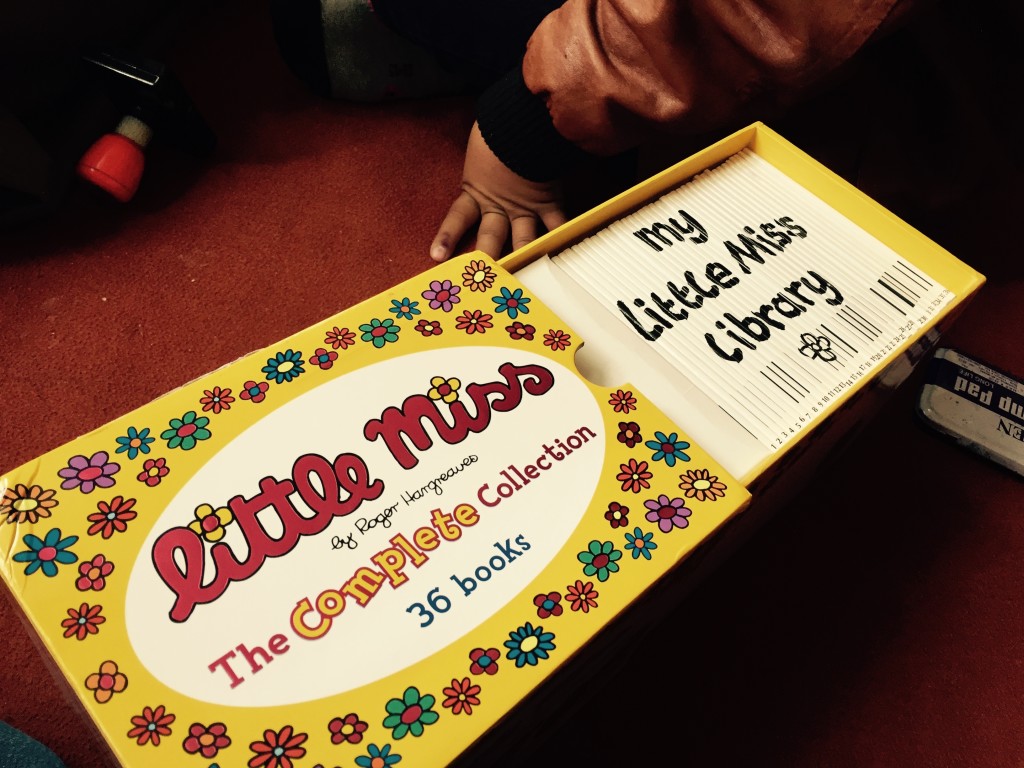
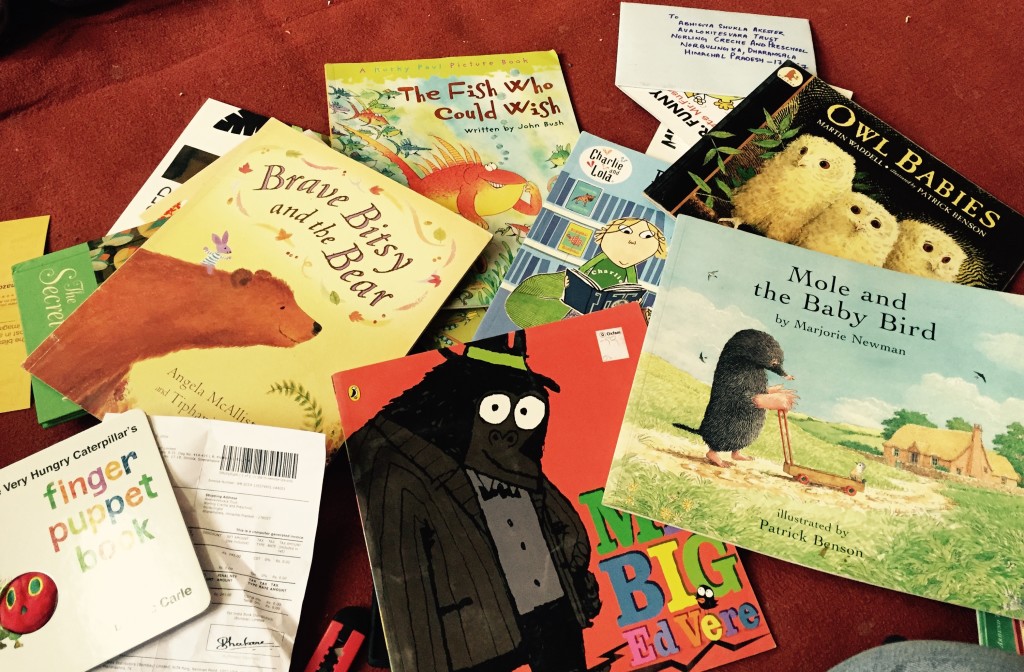
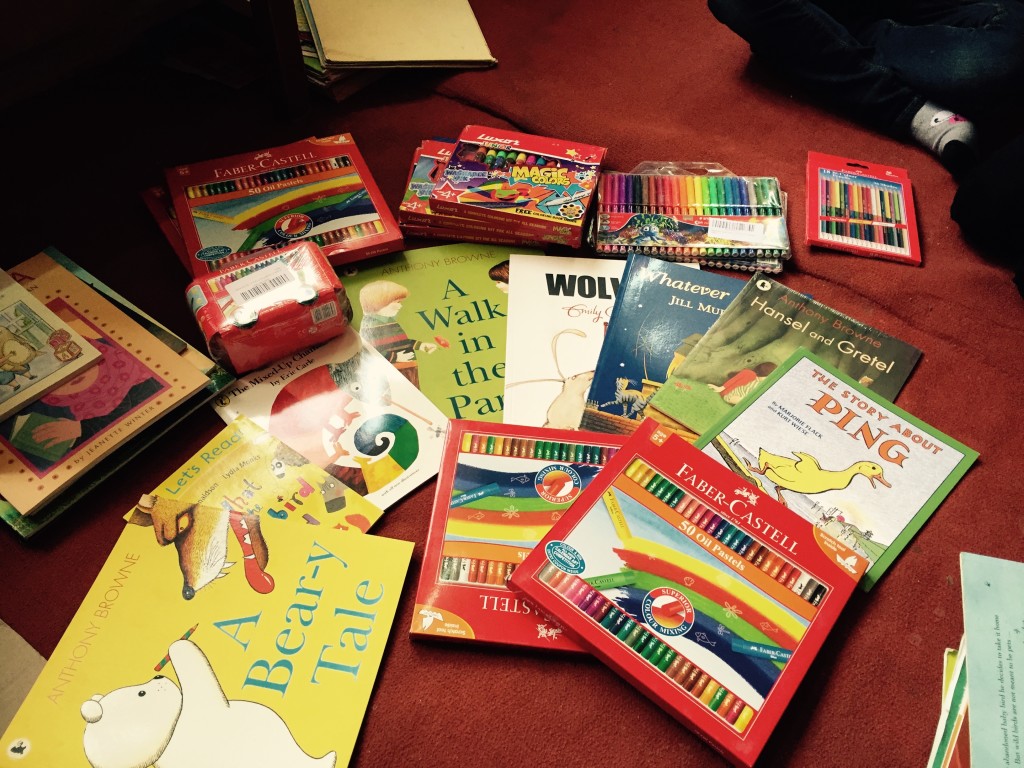
Book drives are most useful when they respond to actual needs. Age-appropriate fiction, nonfiction, picture books, poetry, reference materials, and art resources can serve different learners. Good stewardship also includes sorting, maintaining, and placing books where children can reach them easily.
Turning A Celebration Into A Habit
International Children's Book Day is a yearly reminder, yet its deepest purpose is ongoing. The most valuable outcome is not a single event but a sustained relationship between children and books. Daily reading, weekly storytelling, and regular creative activities gradually build confidence that cannot be measured by one celebration.
Volunteers can contribute by reading with children, helping organize shelves, leading arts sessions, or supporting language practice. Donors can help fund books, furniture, transport, and educational programming. Families and local educators bring knowledge of what children enjoy and which resources will be most useful.
Small actions become stronger when they are consistent and connected. A book shared today may inspire a drawing tomorrow, a performance next month, and a child’s independent story several years from now. In the mountains, that chain of possibility is a meaningful reason to celebrate.
Ways To Support Young Readers
- Donate new or gently used books suited to children and young monks at different reading levels.
- Support reading rooms with funding for shelves, seating, lighting, and regular educational activities.
- Volunteer time for read-aloud sessions, storytelling, art, music, or drama workshops.
- Share children’s recommendations and help make local stories visible alongside international literature.
- Encourage creative responses to books, including drawings, poems, puppet shows, and original plays.
A celebration of children's books is ultimately a celebration of opportunity. Each accessible story gives a child another way to understand the world, express an idea, or imagine a future. In Himalayan communities, supporting that opportunity means helping create spaces where learning feels joyful, social, and open to every child.
You can help Avalokiteśvara Trust extend this work by supporting its literacy initiatives, sharing its stories, or contributing to activities that bring books and creativity to children in the mountains. Every book placed within reach can become the beginning of a new conversation, a new friendship, or a new voice.