What Children Discover Through Writing and Performing Plays
When children create a play, a blank page becomes a place for questions, discoveries, and shared imagination. They invent characters, shape scenes, and decide what matters in a story. The process turns learning into an active experience where every child can contribute a thought, a voice, or a gesture.
Writing and performing their own plays gives children a meaningful reason to read, speak, listen, remember, and revise. A young writer may begin with a simple idea about a village, family, animal, or journey, then gradually learn how dialogue, movement, music, and silence can communicate feeling.
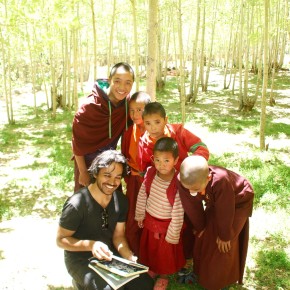
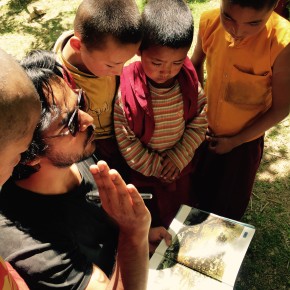
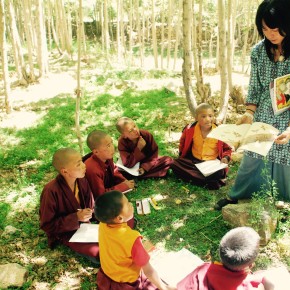
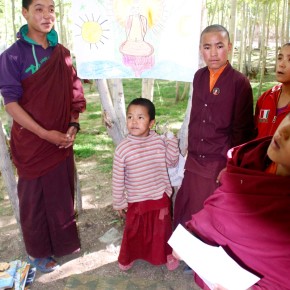
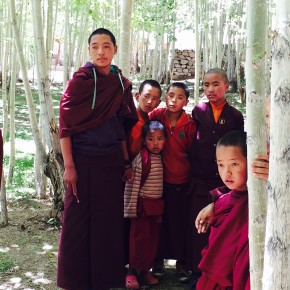
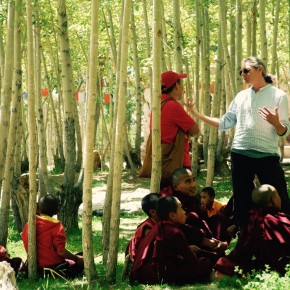
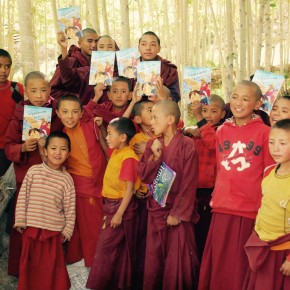
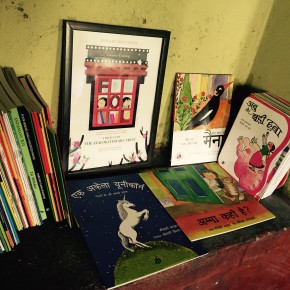
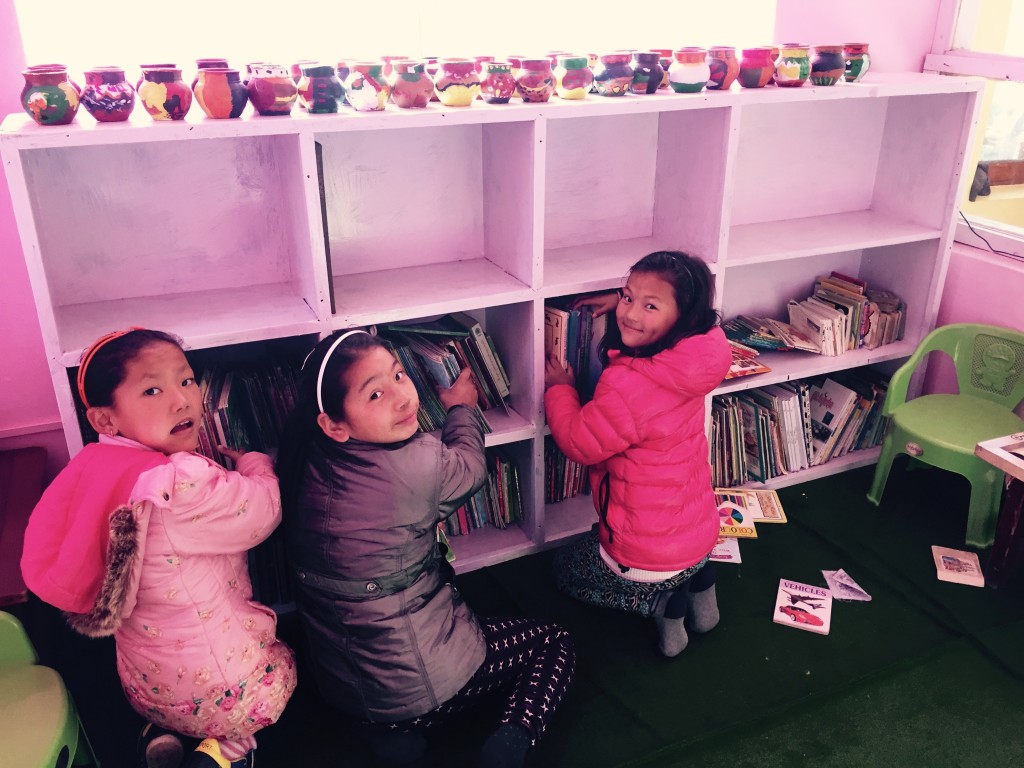
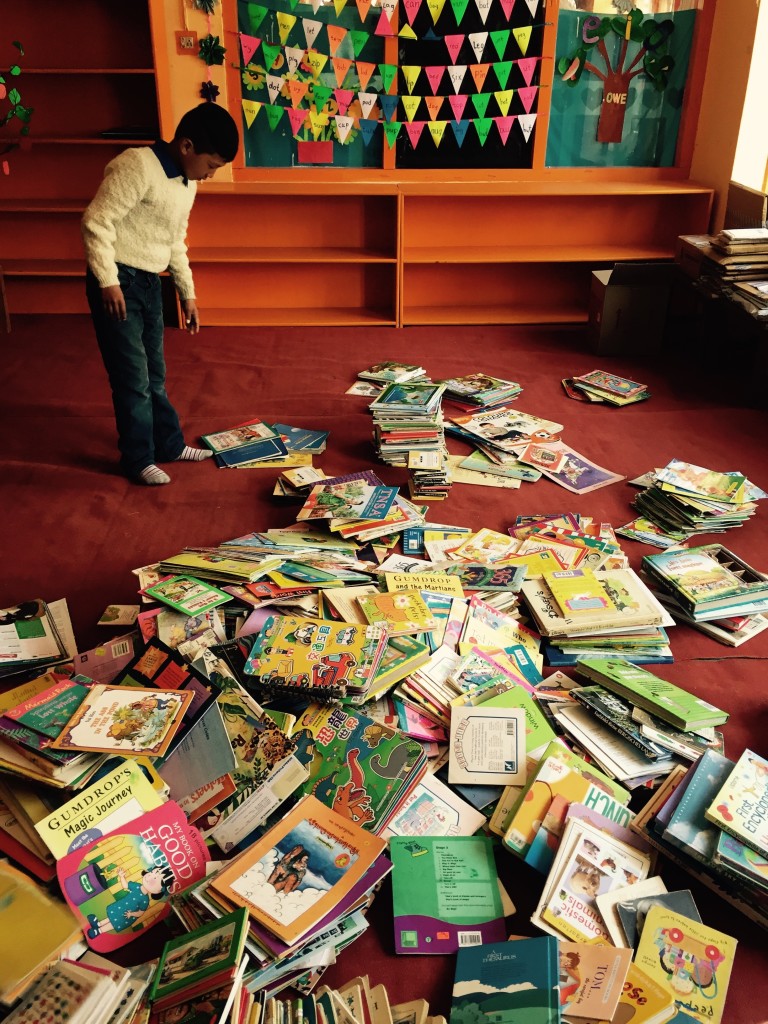
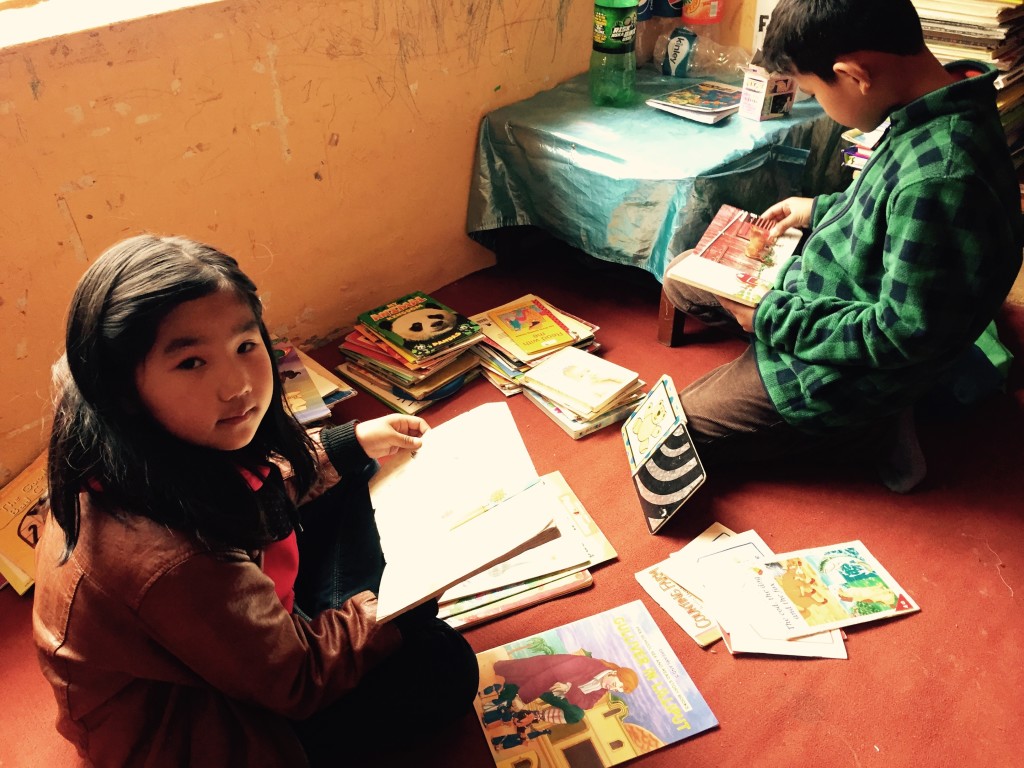
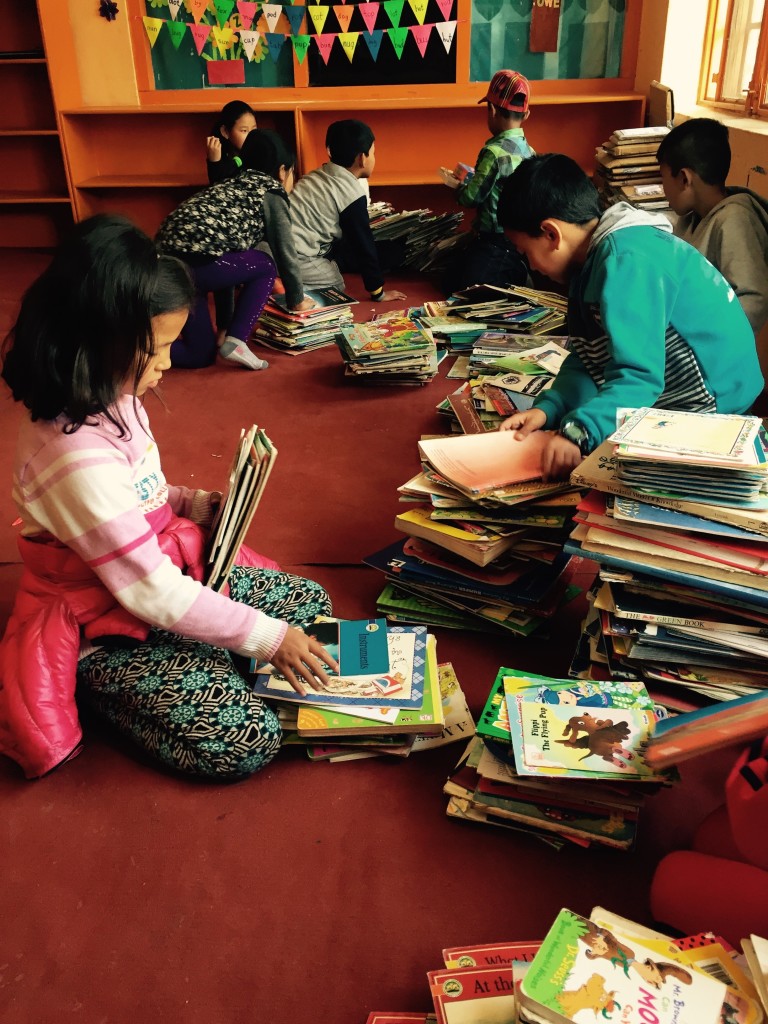
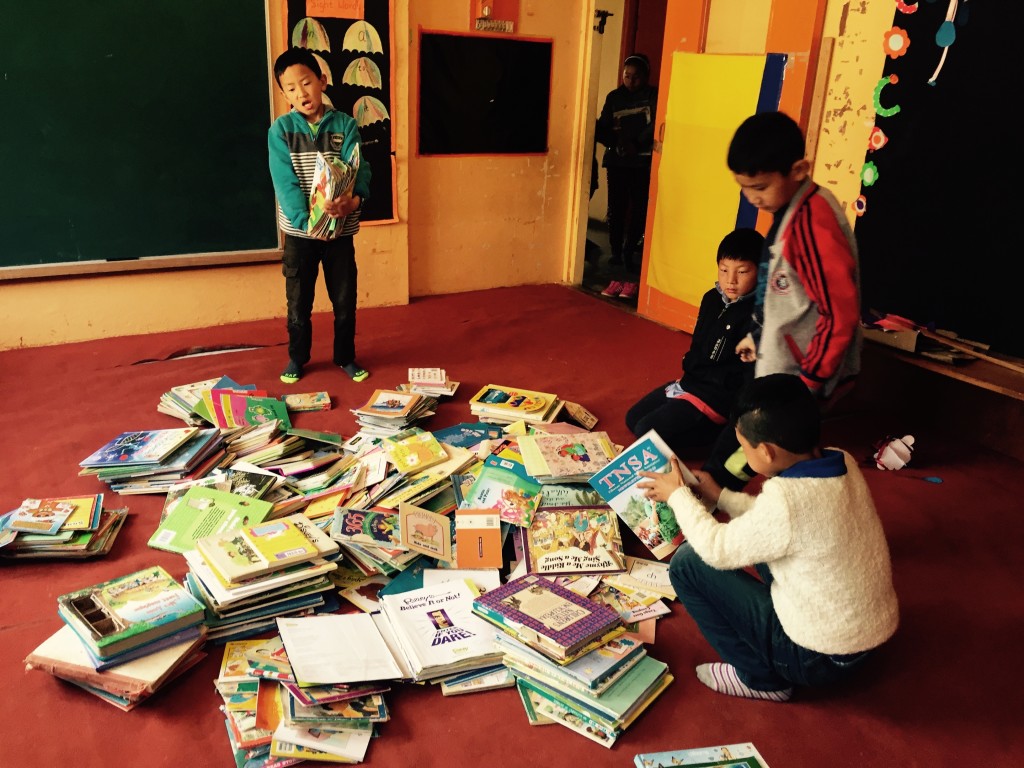
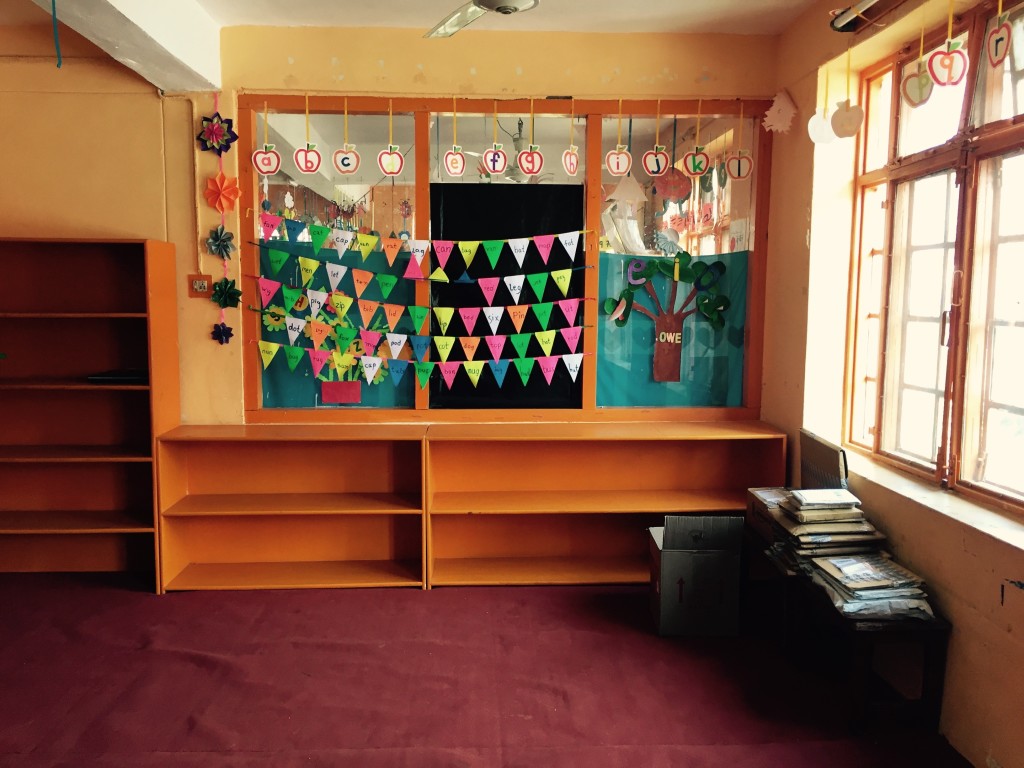
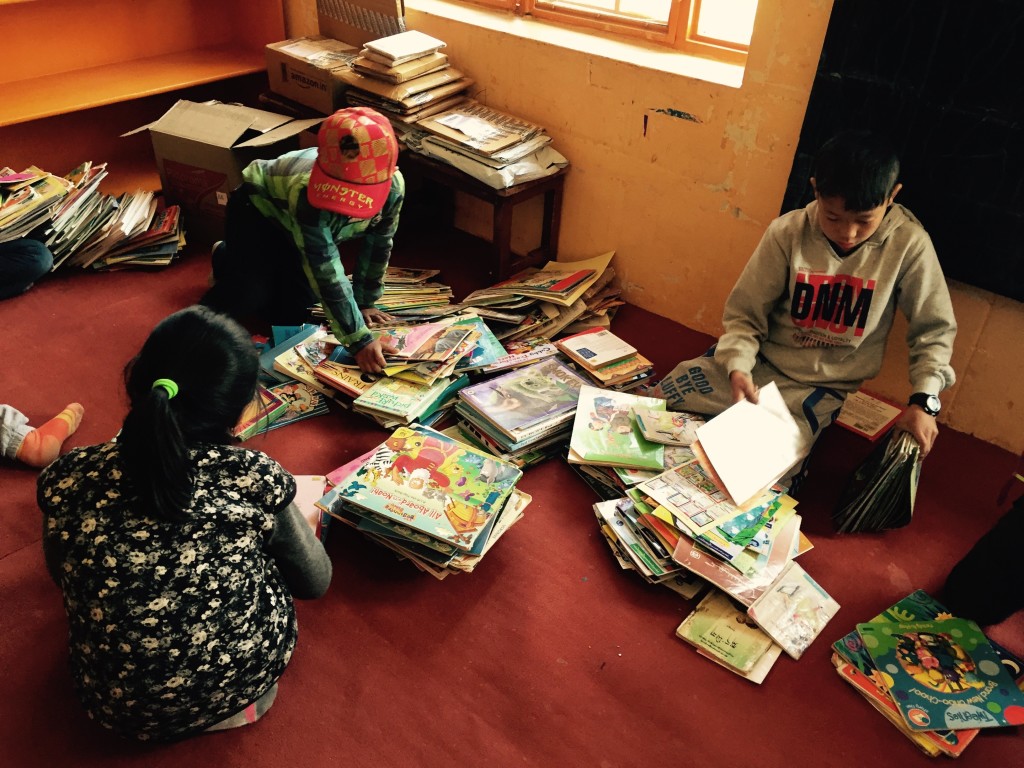
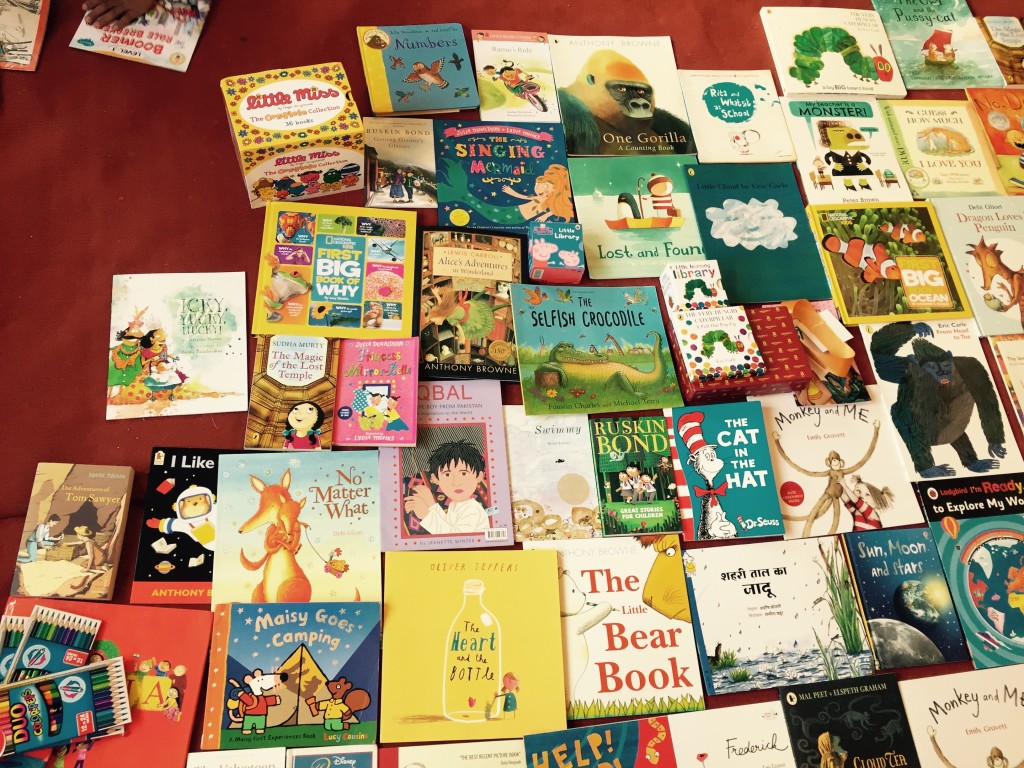
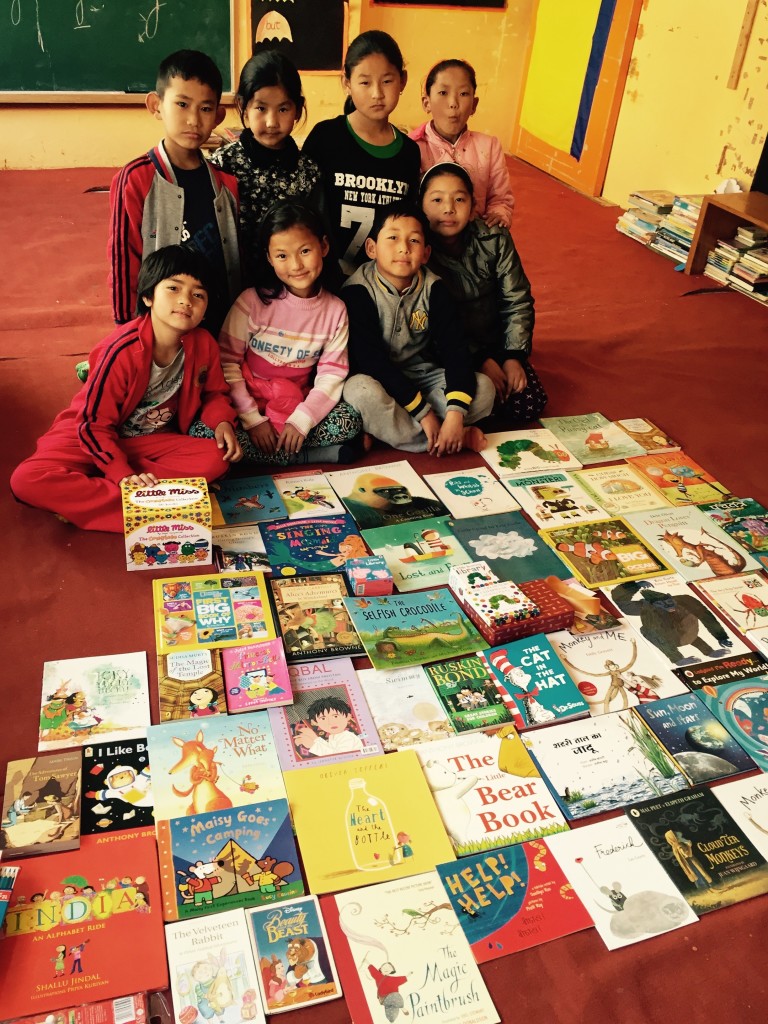
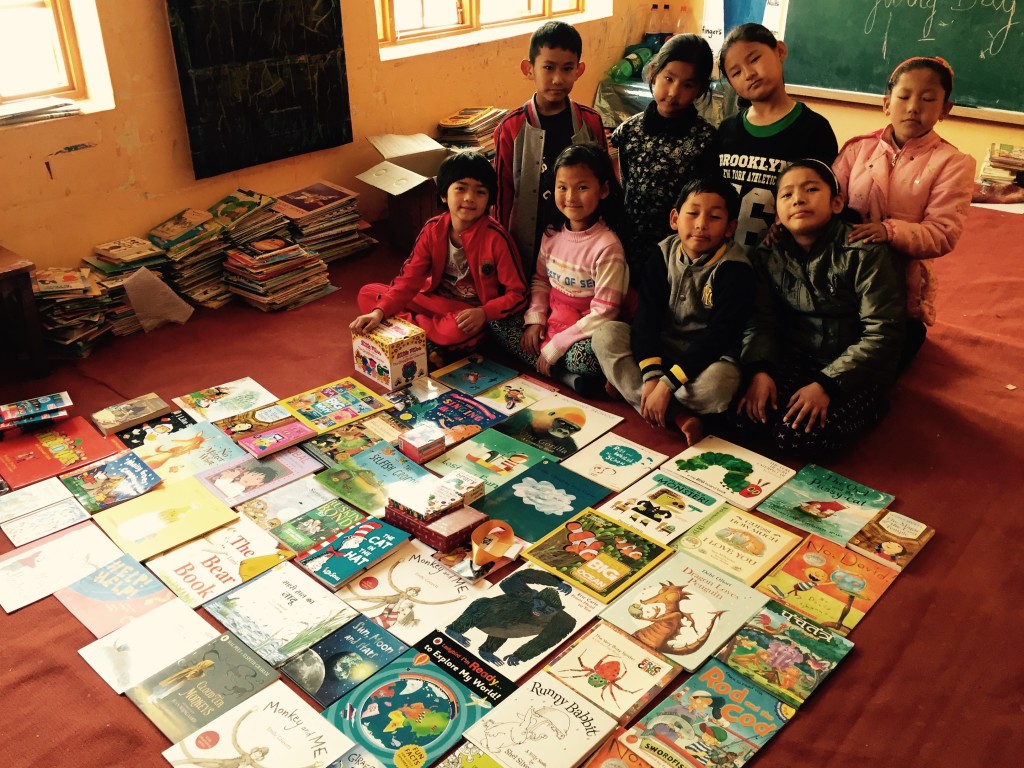
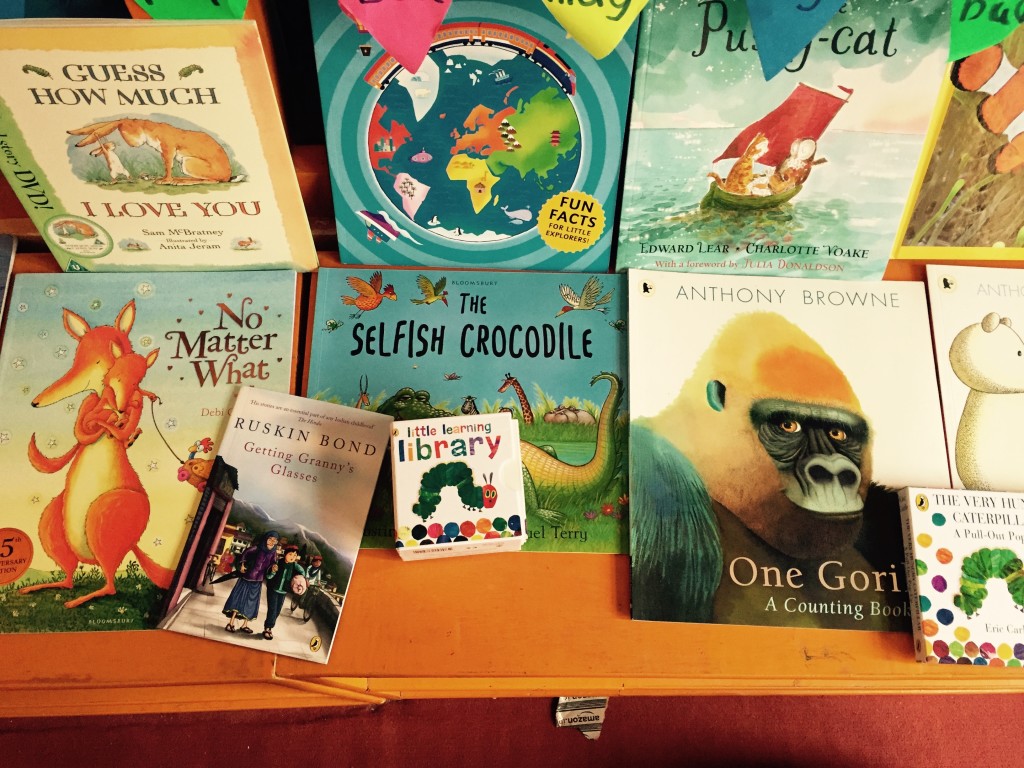
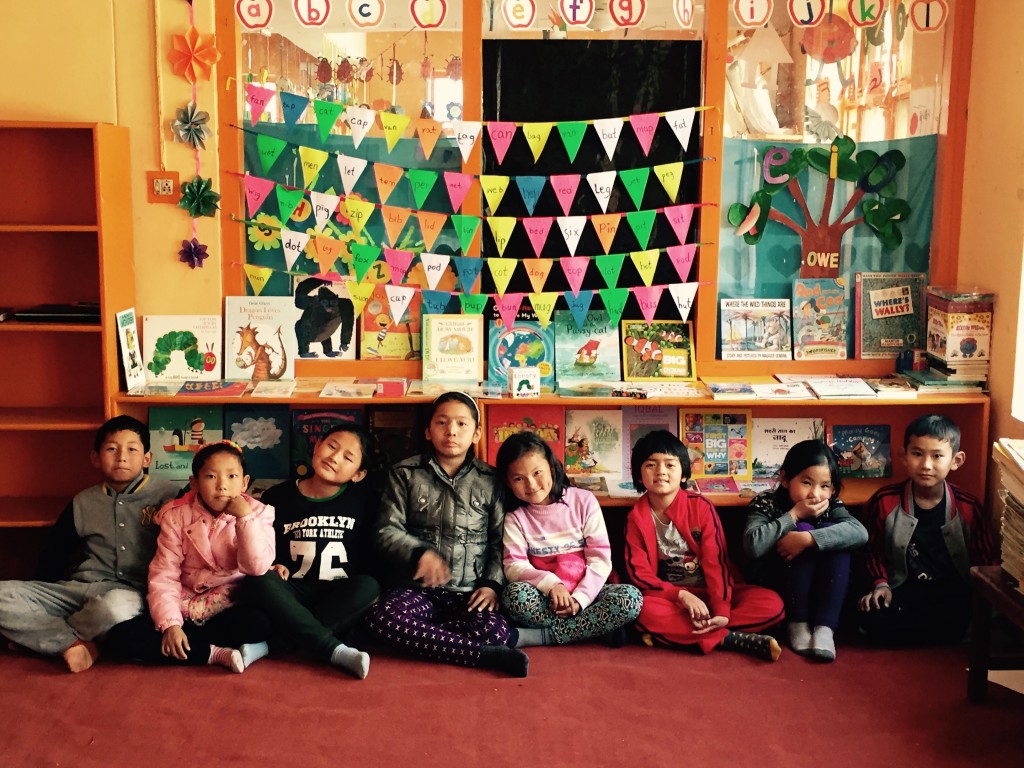
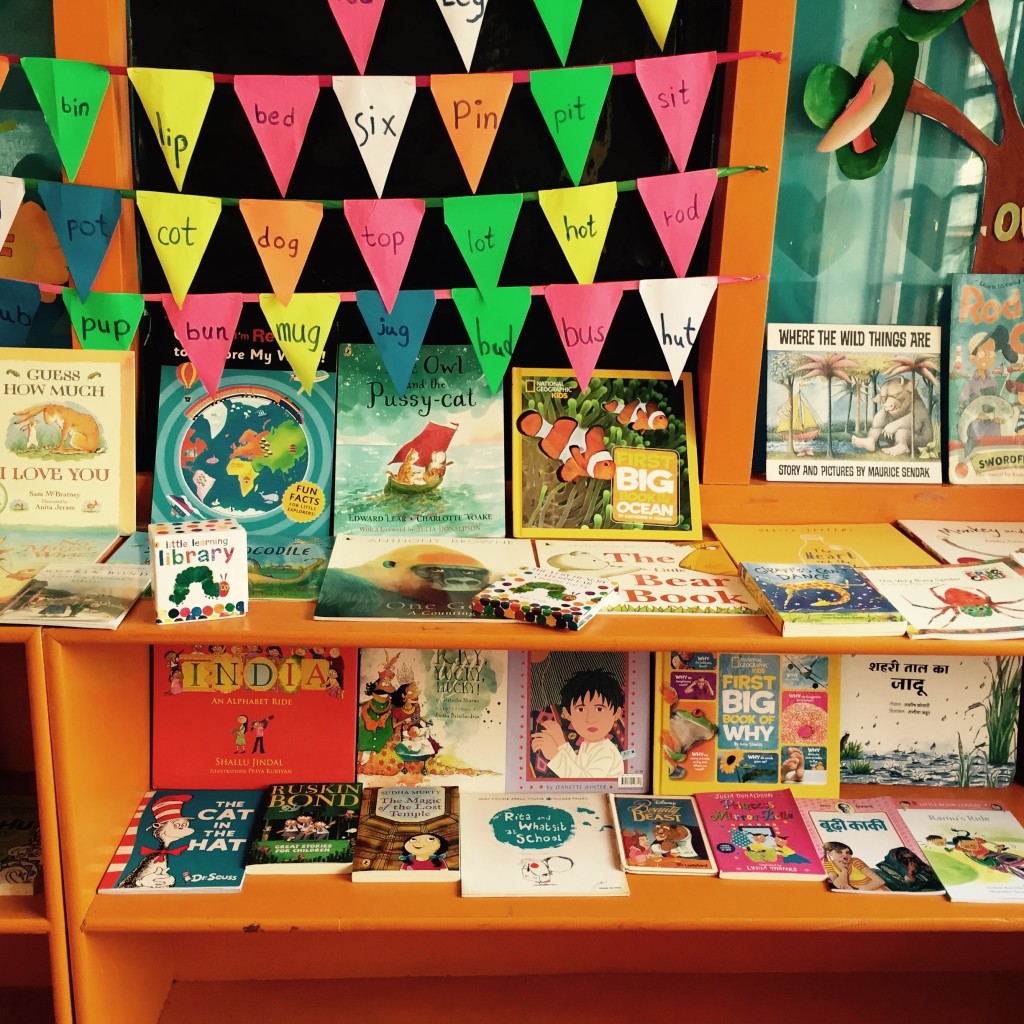
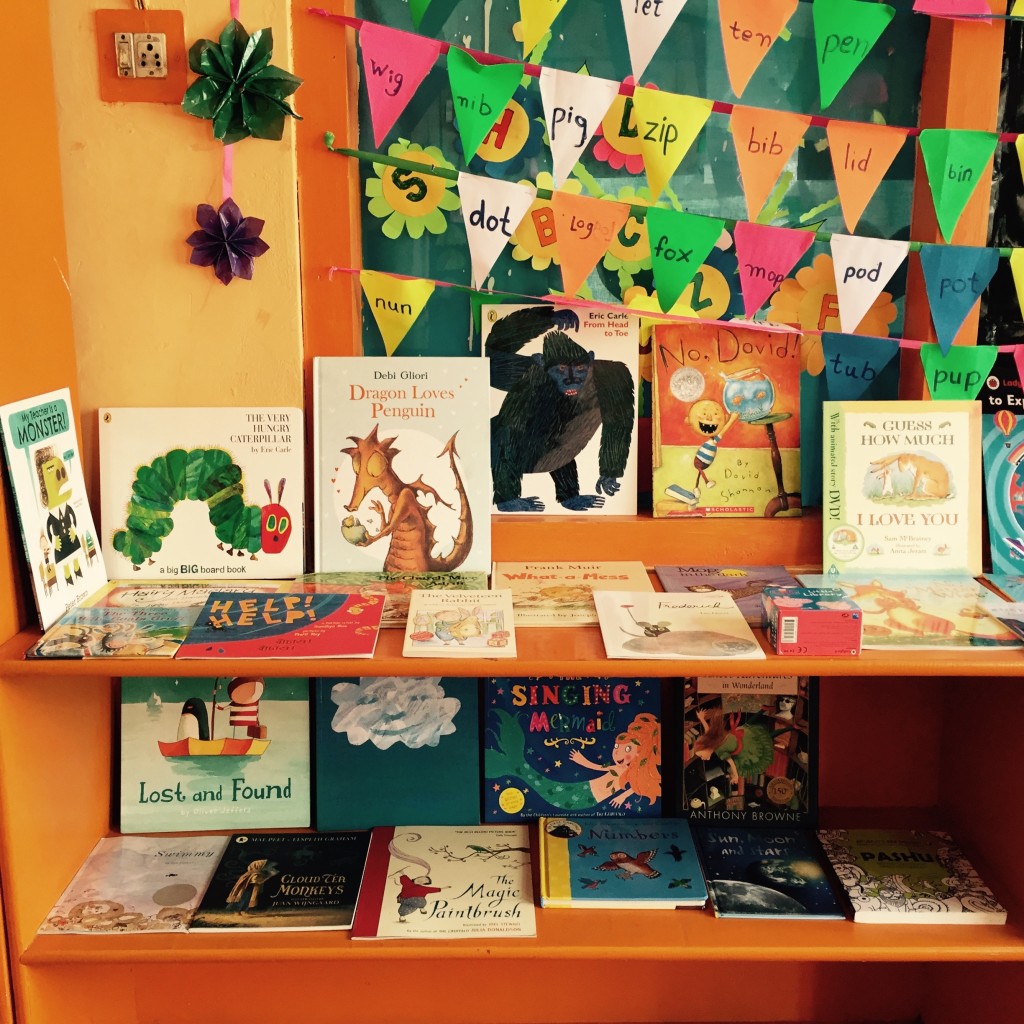
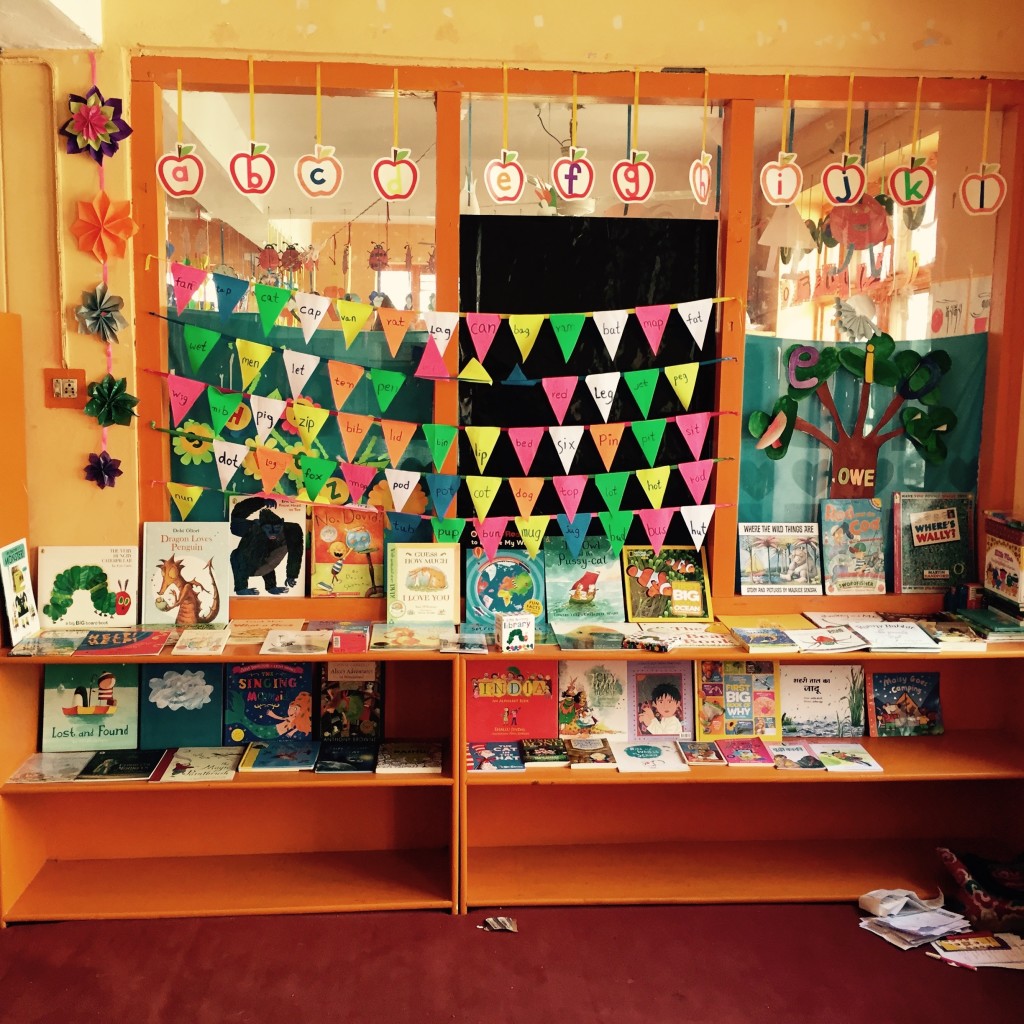
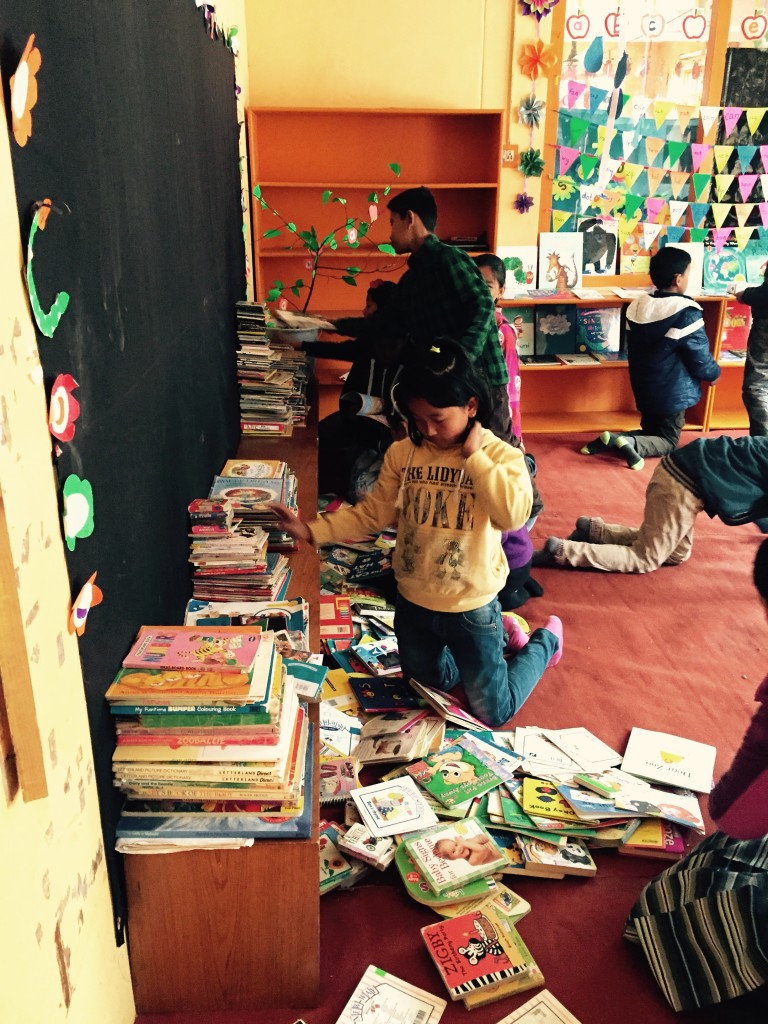
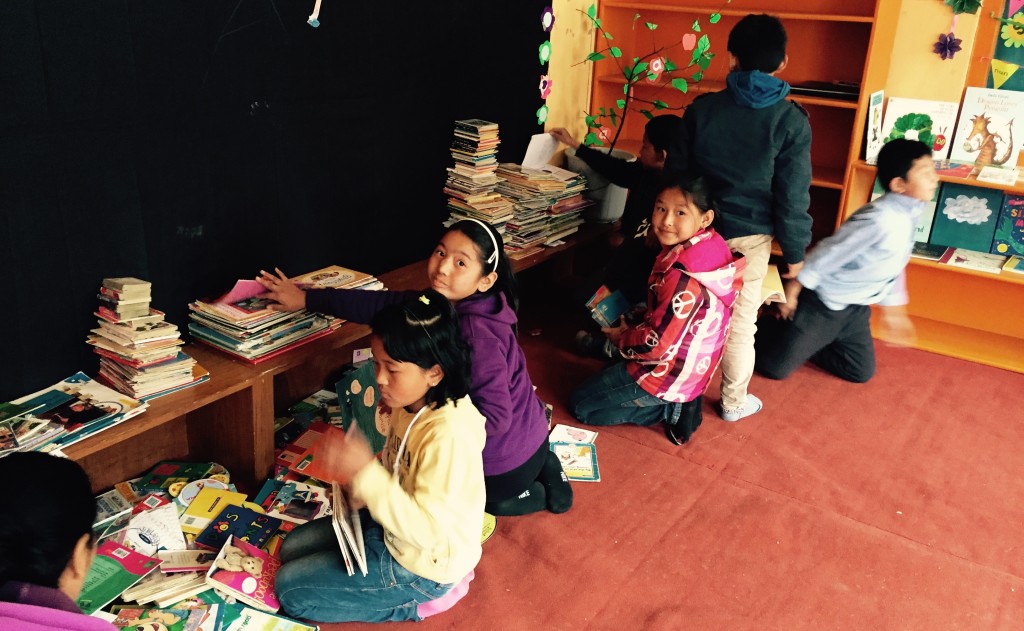
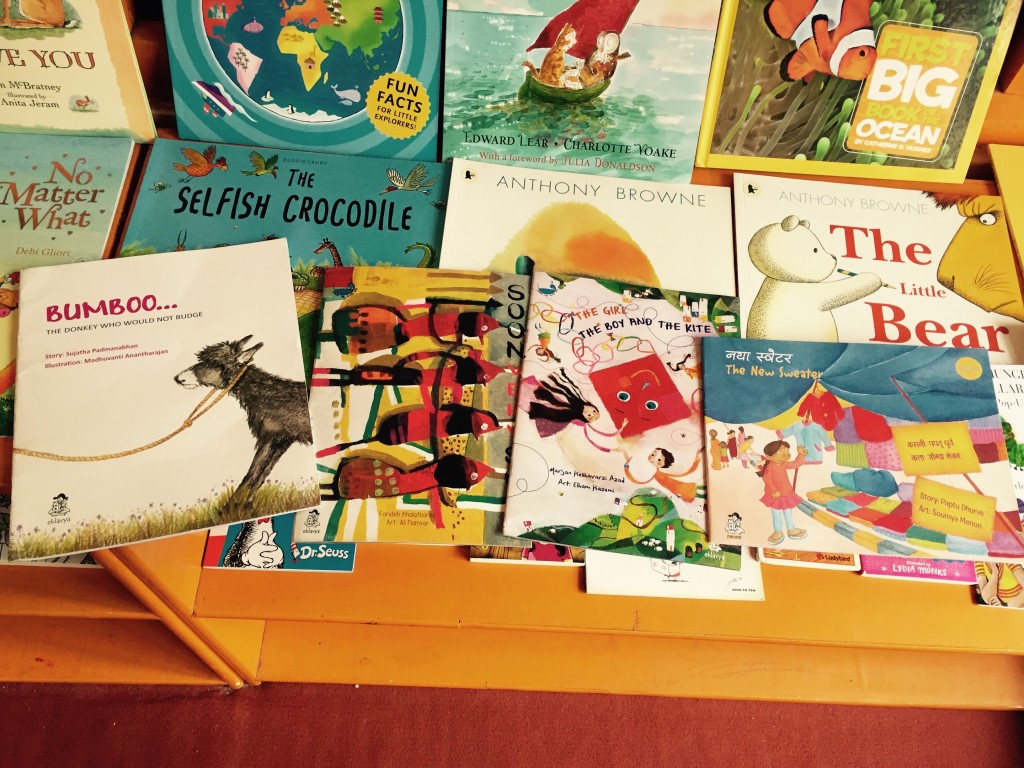
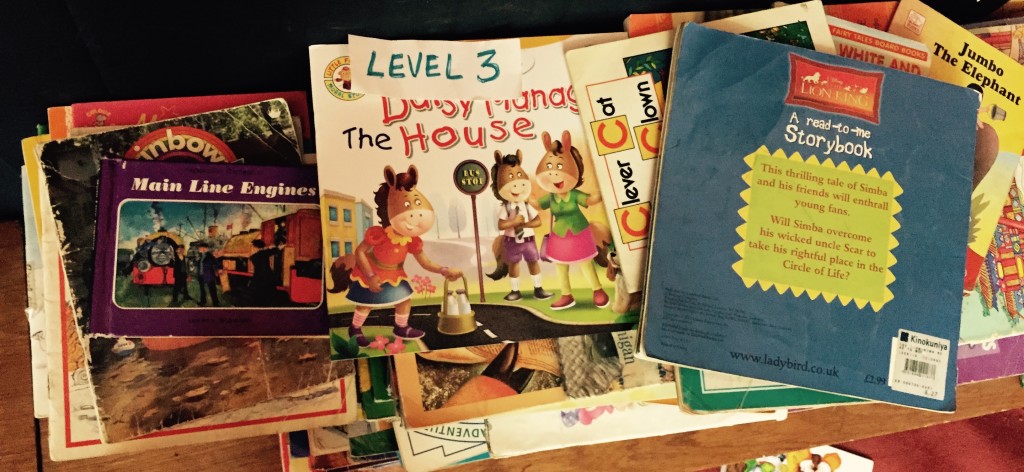
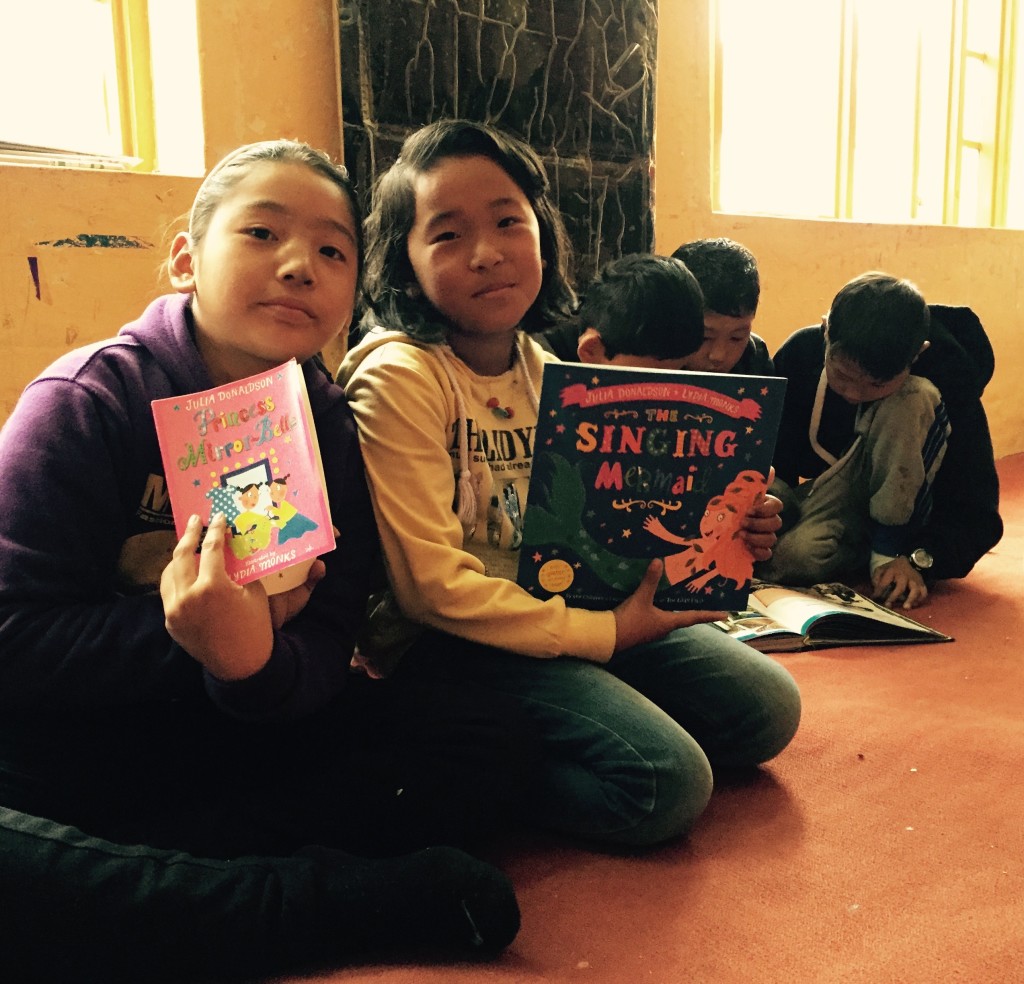
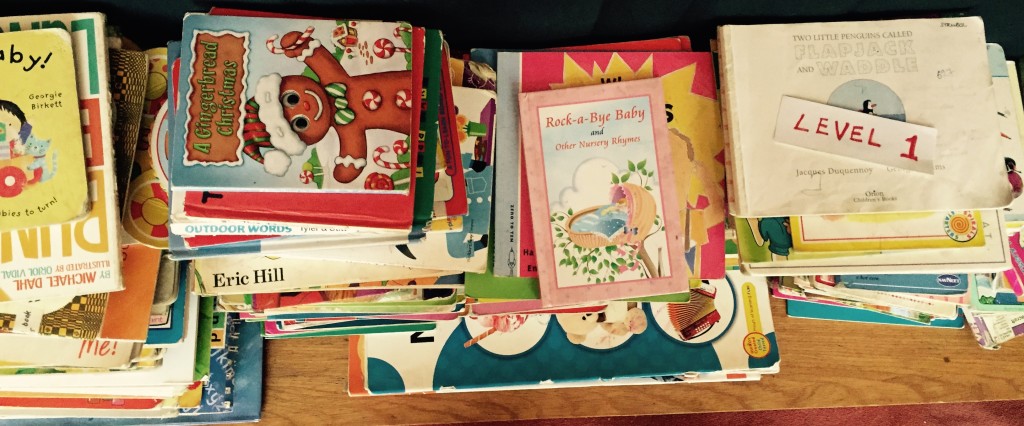
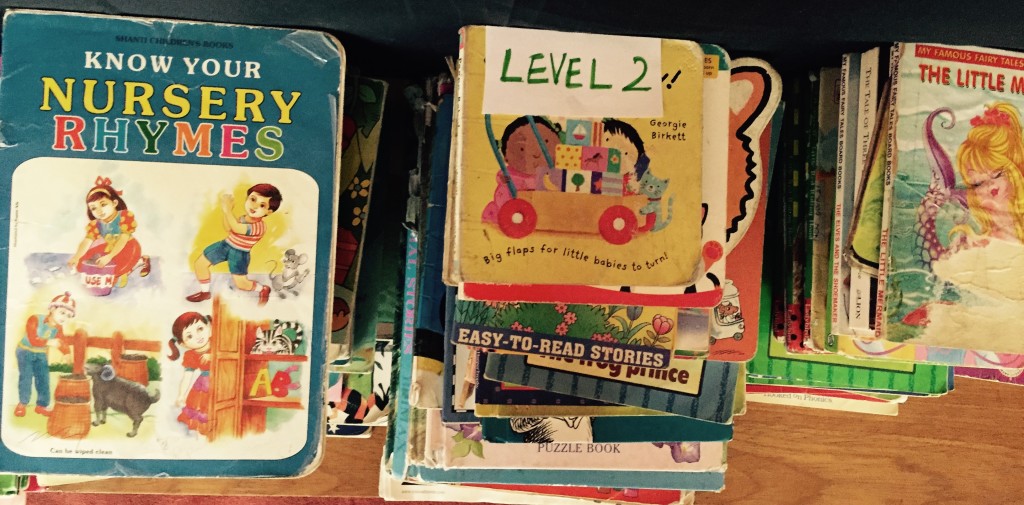
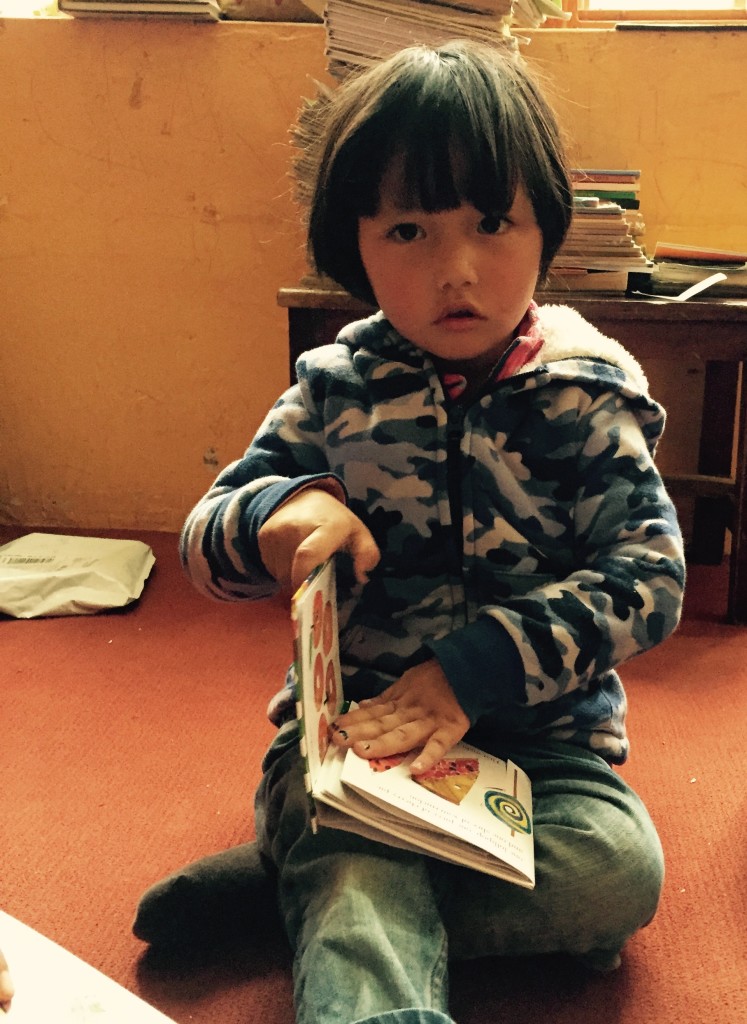
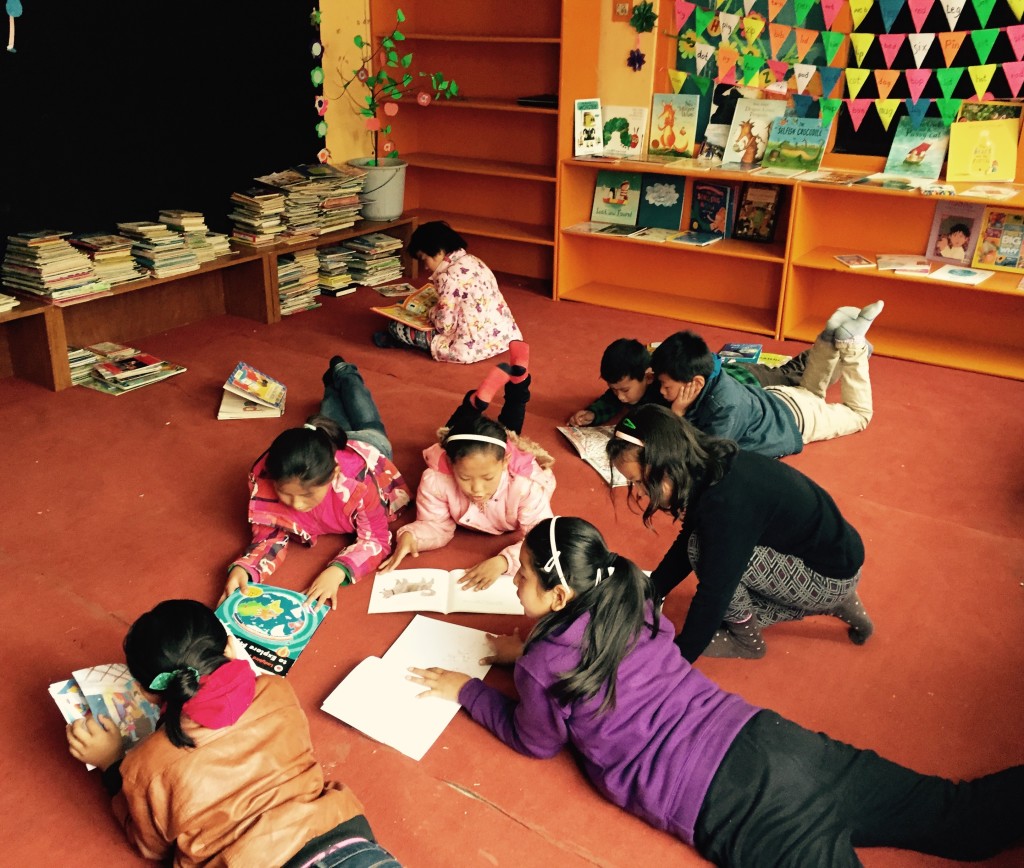
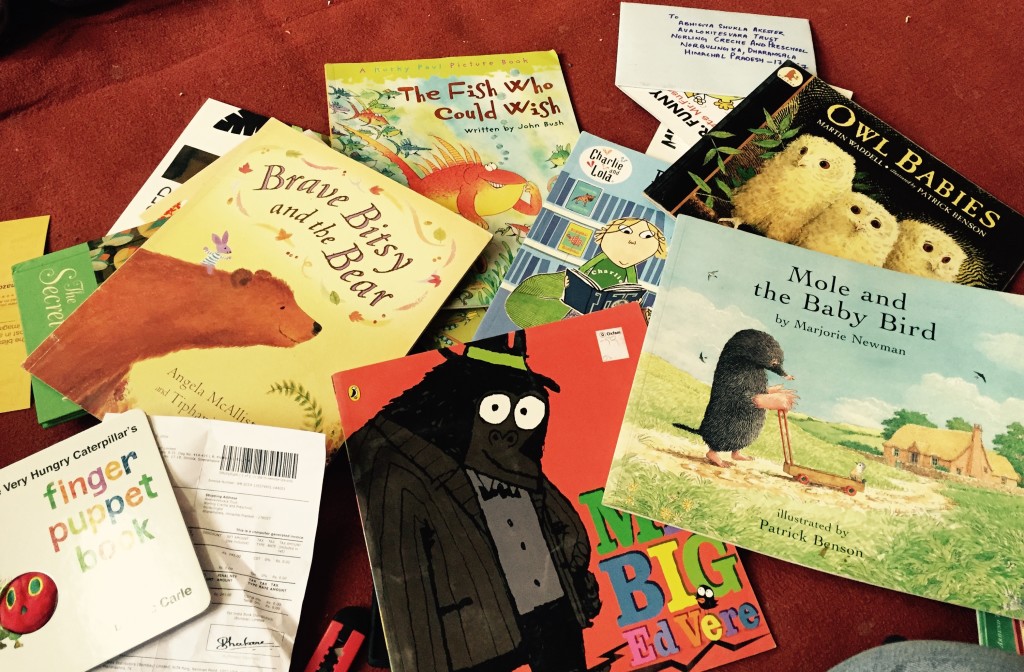
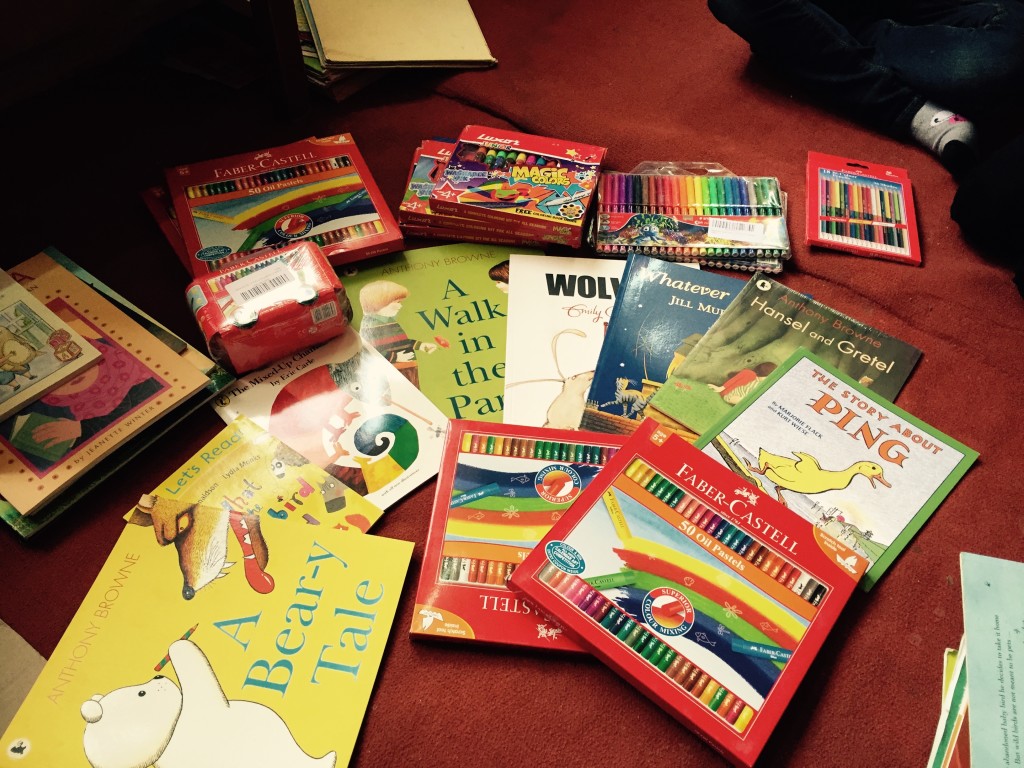
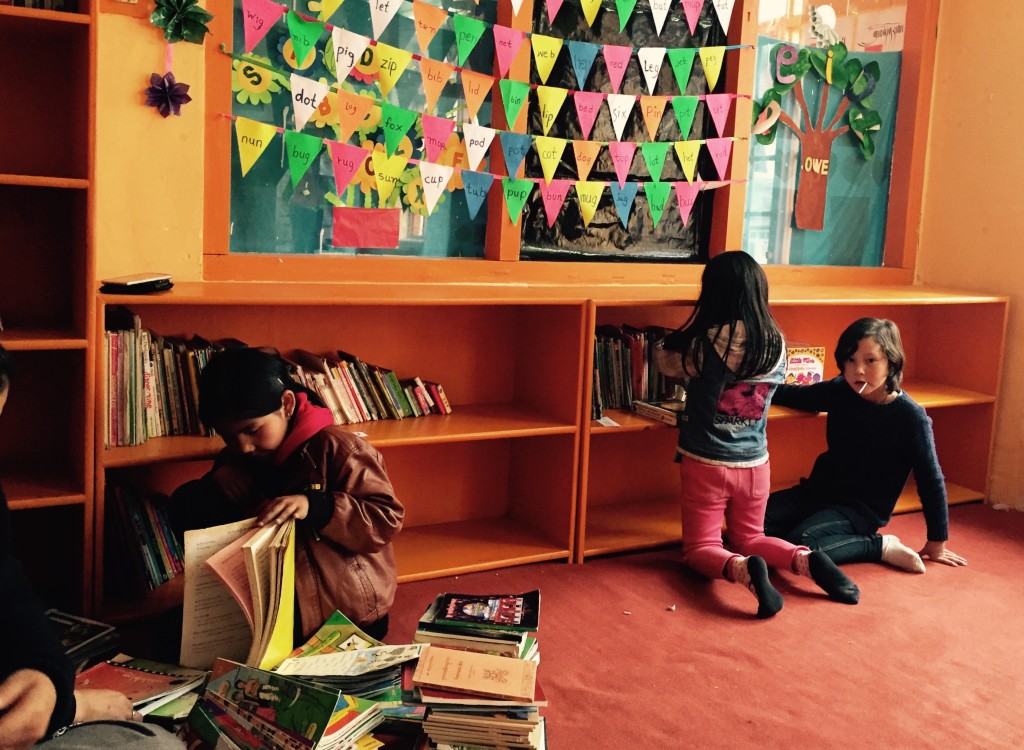
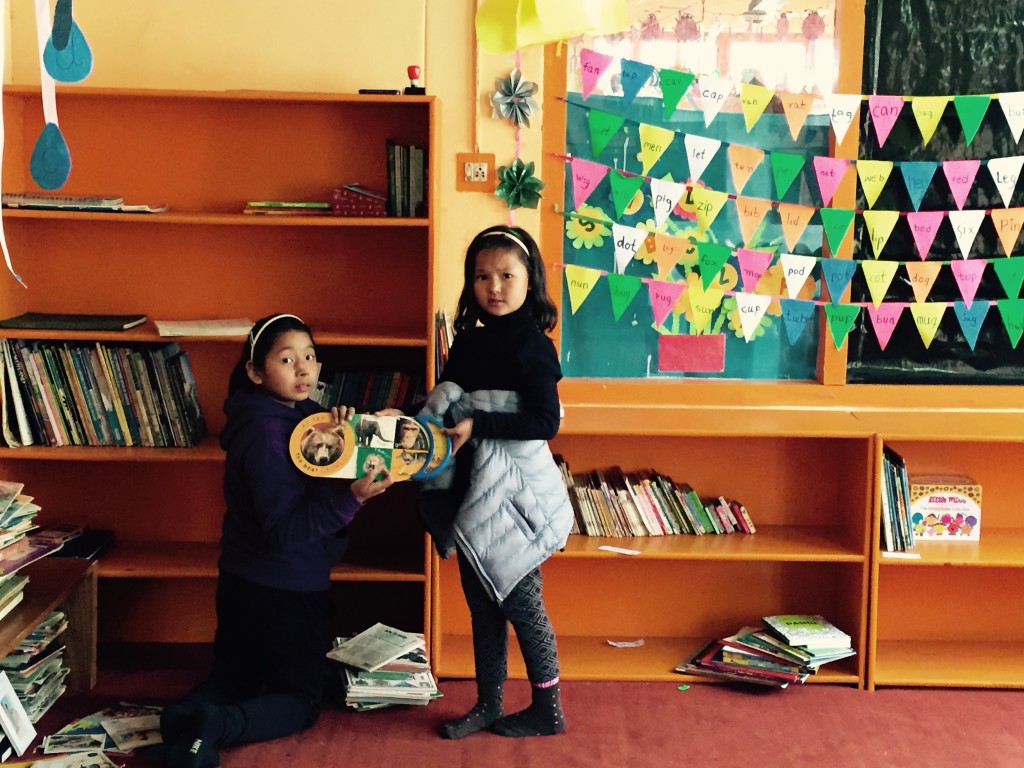
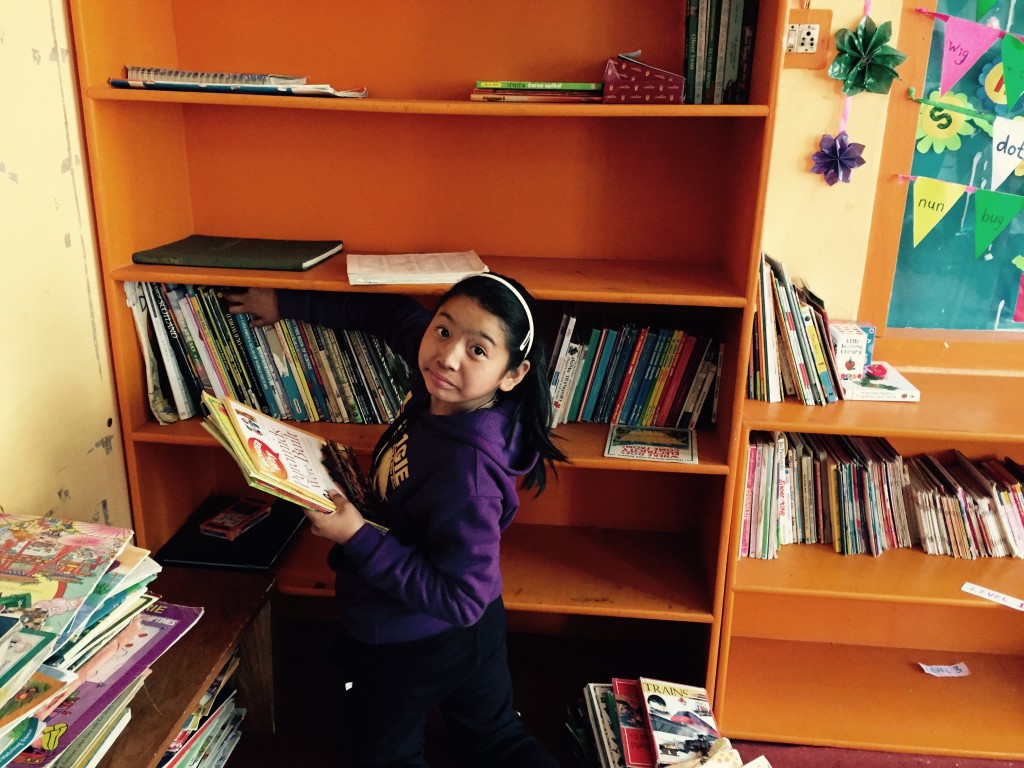
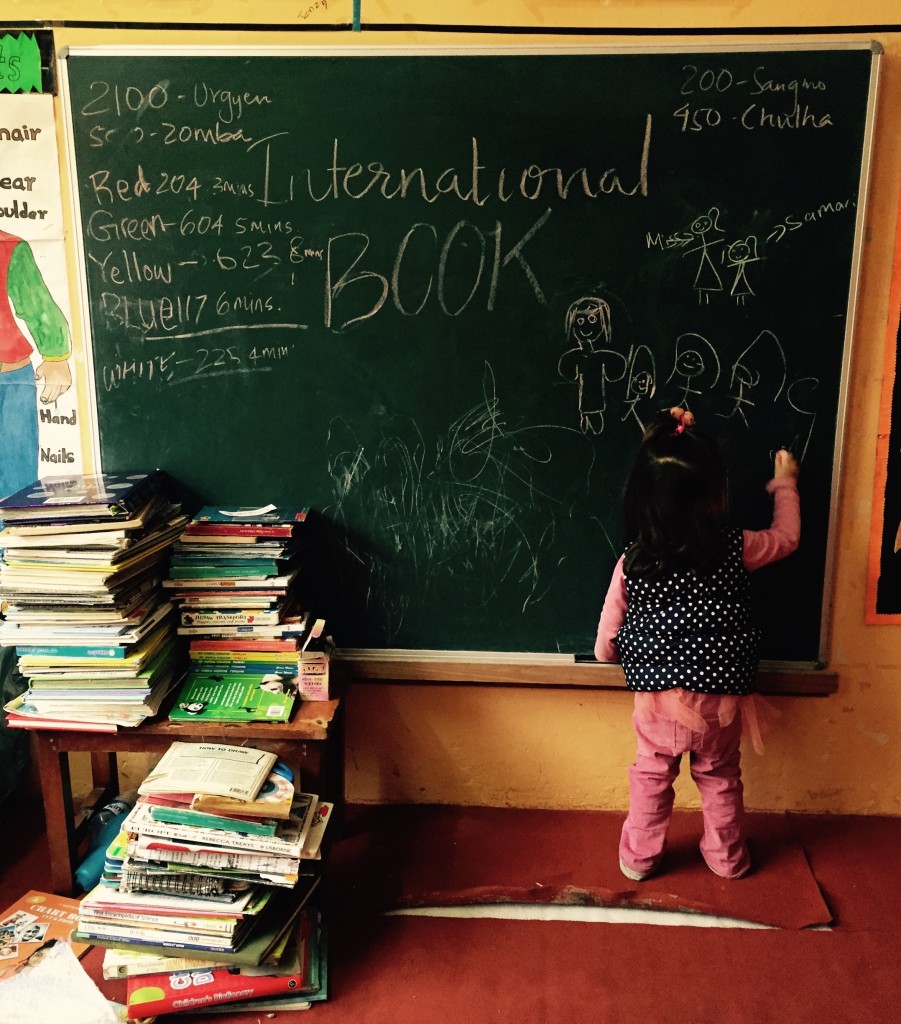
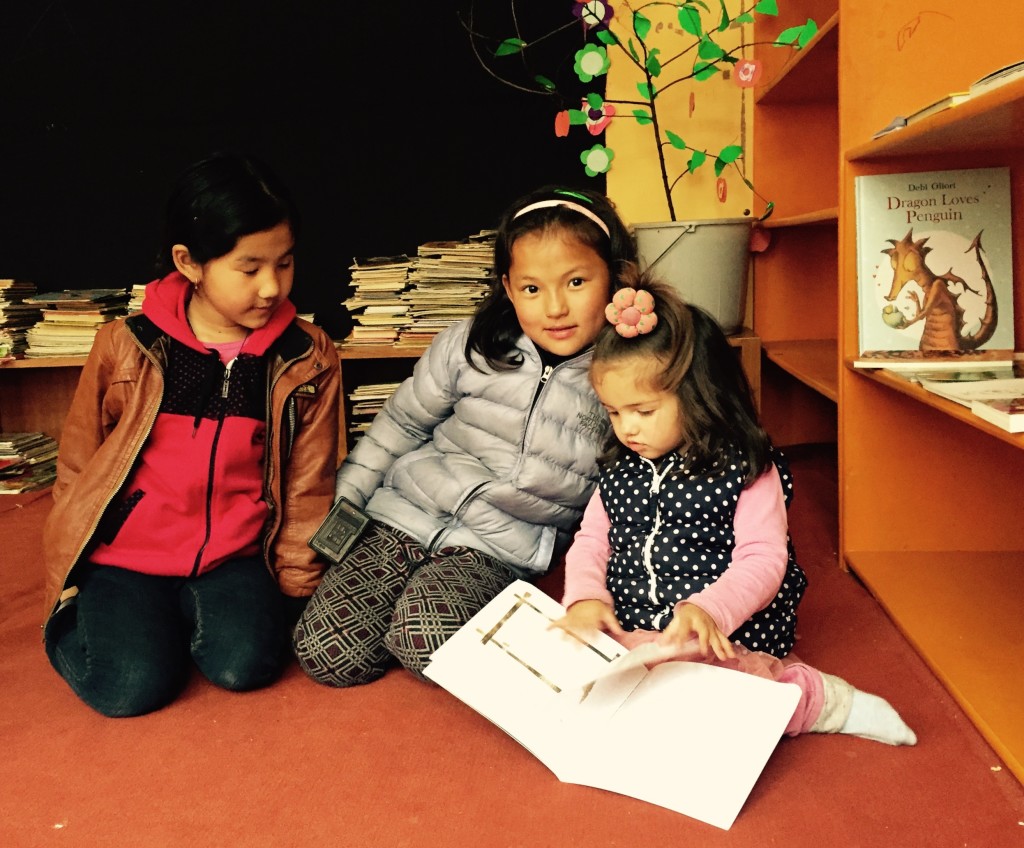
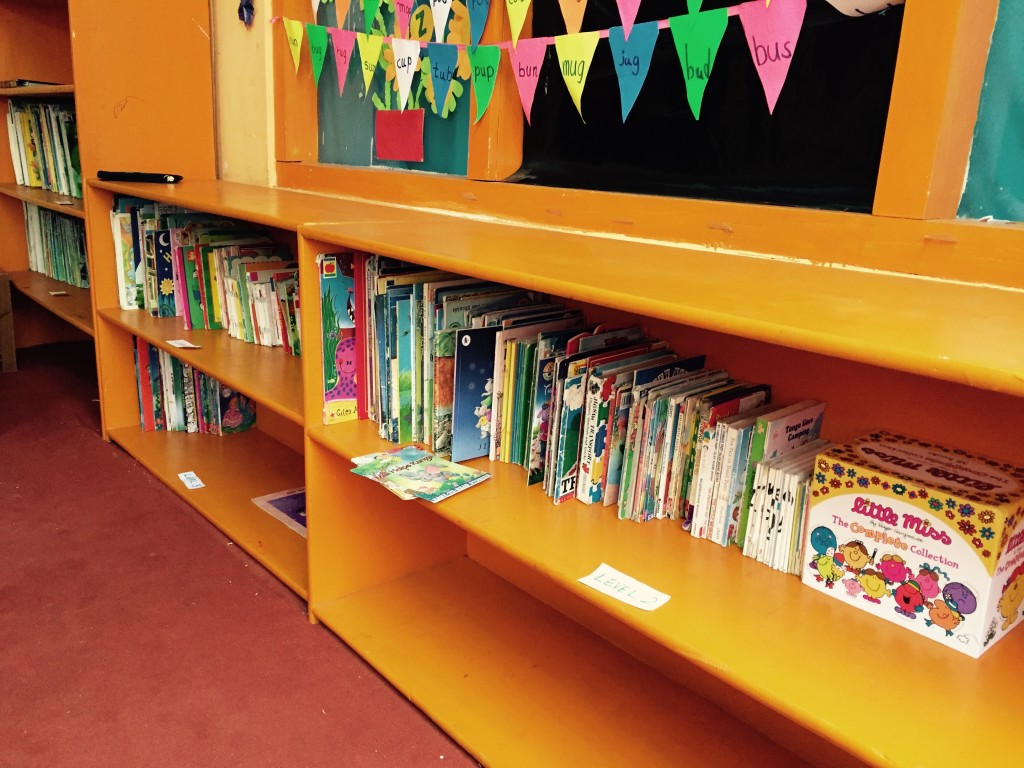
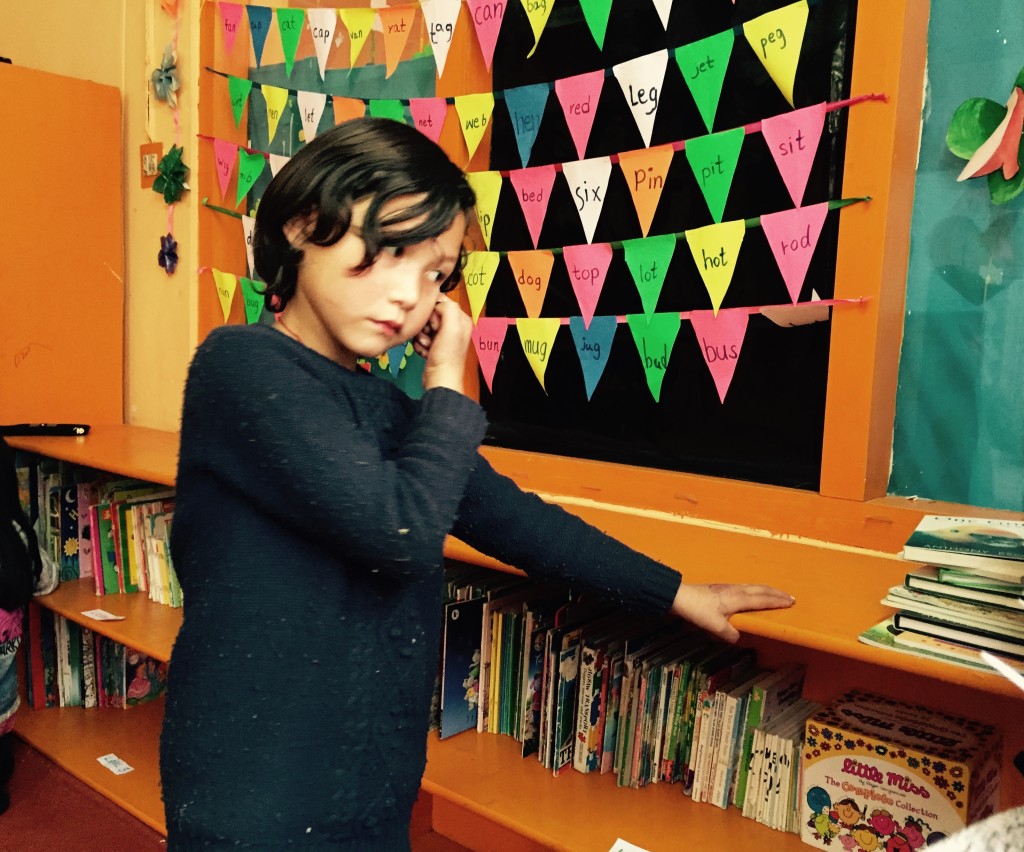
In communities where access to books and creative activities may be limited, drama can open a lively doorway to education. Reading rooms, book drives, and arts programs help children encounter new worlds, while playmaking encourages them to tell stories rooted in their own Himalayan surroundings.
Stories Begin With Careful Observation
Children often draw their first dramatic ideas from everyday life. They may notice the rhythm of a market, the responsibilities of caring for younger siblings, the changing weather in the mountains, or the humorous habits of a friend. Turning these observations into scenes teaches them to look closely at people and places.
This kind of creative writing develops empathy. When a child writes from the perspective of an elder, traveler, animal, or nervous newcomer, they must imagine experiences beyond their own. They begin to ask what a character wants, fears, remembers, and misunderstands. Those questions help young writers understand that people can see the same event in different ways.
A play also gives children a safe form for exploring important subjects. They might write about friendship, environmental care, fairness, education, or belonging without needing to deliver a formal speech about those issues. Through characters and events, ideas become easier to examine and discuss.
Language Gains Meaning Through Dialogue
A script teaches children that spoken language has purpose. A character’s words must reveal personality, move the story forward, or respond to another person. This encourages children to choose vocabulary carefully and notice how tone changes meaning.
Writing dialogue strengthens reading and communication skills in practical ways. Children practice sentence structure, spelling, punctuation, sequencing, and new words while working toward a performance. They also learn that a line that looks effective on paper may sound unnatural aloud, so reading scripts aloud becomes part of the editing process.
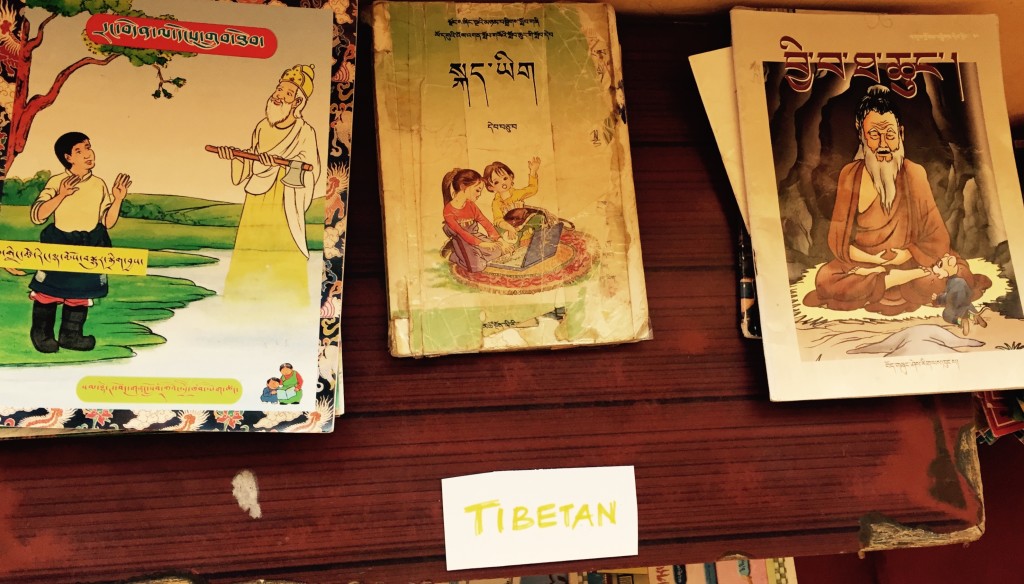
For children learning several languages, drama can create a welcoming space for language practice. A scene may include local expressions, familiar stories, or a second language being learned at school. Rehearsing lines repeatedly helps pronunciation and fluency, while listening to classmates develops comprehension and patience.
Every Role Contributes to the Whole
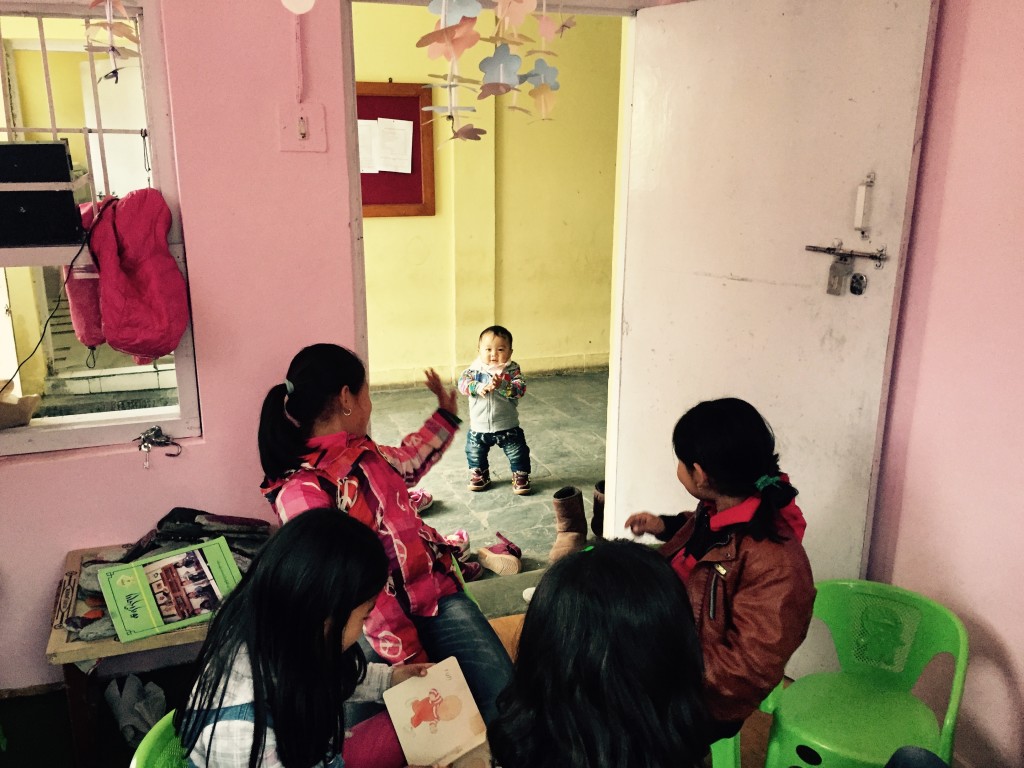
A successful performance depends on cooperation. Performers need to listen for cues, remain aware of one another, and adapt when something changes. Writers, directors, musicians, costume makers, and stage helpers all see how individual tasks support a common result.
This shared responsibility builds social and emotional learning. Children practice negotiating ideas, taking turns, accepting feedback, and solving disagreements. A child who prefers drawing may design scenery, while another who feels shy about acting may manage props or help with sound. Different strengths receive genuine value.
Group playmaking also teaches accountability. Missing a rehearsal, forgetting a line, or failing to prepare a prop affects other people. With supportive guidance, children learn to repair mistakes rather than hide them. They discover that reliability is a form of respect for the group.
From First Draft to Finished Performance
The creative process is rarely smooth, and that is part of its educational value. A first script may have too many characters, a confusing ending, or scenes that take too long. Children learn to revise when they see how an audience responds and when classmates point out what needs clarification.
| Stage of the process |
Skills children practice |
What they discover |
| Choosing a theme |
Brainstorming, discussion, observation |
Their experiences can become meaningful stories |
| Creating characters |
Empathy, description, imagination |
People have different motives and viewpoints |
| Writing scenes |
Language, sequencing, problem-solving |
Words and actions shape an audience’s understanding |
| Rehearsing |
Memory, focus, cooperation, flexibility |
Improvement comes through repeated practice |
| Performing |
Confidence, expression, responsibility |
Their voices can connect with a community |
| Reflecting afterward |
Evaluation, listening, self-awareness |
Mistakes and feedback can guide future work |
Rehearsal makes abstract lessons visible. A child learns timing by waiting for a cue, volume by noticing whether the audience can hear, and body language by observing how a character appears from a distance. These physical discoveries support both artistic growth and practical communication.
The final performance is important, but the learning does not end when the curtain closes. Reflection allows children to describe what worked, what felt difficult, and how they helped one another. They begin to see creative work as a cycle of imagining, making, reviewing, and improving.
Performance Builds Courage and Presence
Standing before an audience can feel intimidating, especially for a child who is used to remaining quiet in a classroom. Drama offers gradual steps toward confidence. A child might begin by holding a prop, speaking one short line, or joining a group song before taking on a larger role.
Confidence in theatre is not the same as becoming loud or outgoing. It can mean speaking clearly, making eye contact, showing emotion, or trusting one’s preparation. Children learn that nervousness is manageable when they breathe, rehearse, and focus on the story rather than on being perfect.
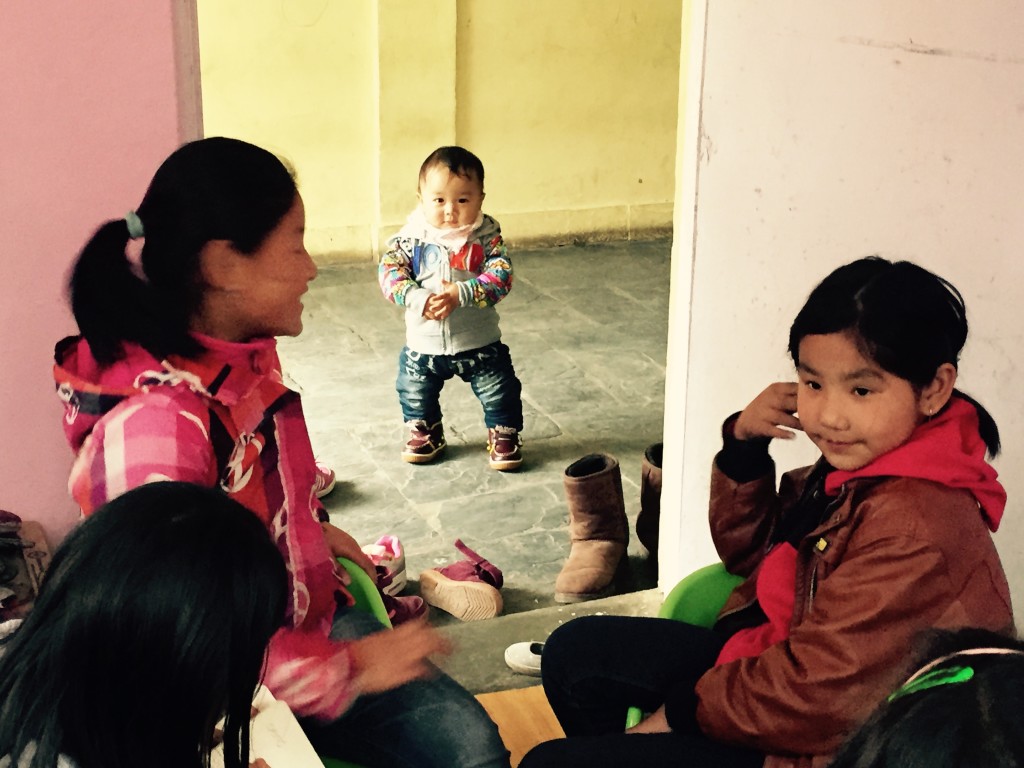
Performing also gives children an experience of being heard. Families, teachers, peers, and community members witness their effort and imagination. When a child sees an audience respond with attention and appreciation, creative expression begins to feel like a valuable part of community life.
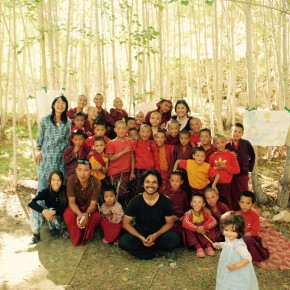
Organizations such as Avalokiteśvara Trust help make this kind of opportunity possible by connecting children with books, arts activities, and supportive learning environments in Himalayan communities. Access to materials and encouragement can turn a small idea into a shared cultural event.
Learning Extends Beyond the Stage
The benefits of children’s theatre reach into other areas of education. A student who learns to organize a script may become more confident organizing a school project. A child who practices listening during rehearsal may participate more thoughtfully in class discussions. The habits developed through drama can support reading, writing, collaboration, and public speaking.
Playwriting also strengthens cultural identity. Children can draw on local landscapes, legends, languages, crafts, and family memories instead of relying only on stories created elsewhere. When their communities appear on stage, everyday knowledge gains visibility and younger generations see that their experiences deserve to be preserved.
Music, movement, visual art, and storytelling can come together in a single production. This allows children with different learning styles to participate fully. A stage may become a reading room extension, an art studio, a rehearsal space, and a place where children discover new ways to express what they know.
Ways Adults Can Support Young Playmakers
Adults do not need to control every creative decision. Their most valuable role is to provide structure, encouragement, and practical help while leaving room for children’s ideas to develop.
- Offer age-appropriate books, folktales, and scripts as sources of inspiration.
- Invite children to choose themes connected to their lives and community.
- Set aside time for drafting, rehearsal, revision, and reflection.
- Give specific, kind feedback about clarity, effort, teamwork, and expression.
- Celebrate every contribution, including writing, music, design, stage work, and acting.
Teachers and volunteers can also create simple drama exercises that require few materials. Children might freeze in a pose to show an emotion, improvise a conversation between two characters, or retell a familiar story from a different viewpoint. Such activities lower the pressure of producing a complete play while building the skills needed for longer projects.
Families and community members can help by attending performances, donating books, sharing local stories, or offering safe spaces for rehearsal. Their presence tells children that creativity is worthy of time and attention. It also transforms a school activity into a community exchange.
Supporting children’s theatre means supporting their ability to imagine, communicate, cooperate, and participate. A handmade stage and a short script can become the beginning of lasting confidence. By helping provide books, creative resources, and welcoming places to learn, you can give young people more chances to write their own stories and share them with the world.