Why Children In Spiti Fall Behind In Reading—and How We Help
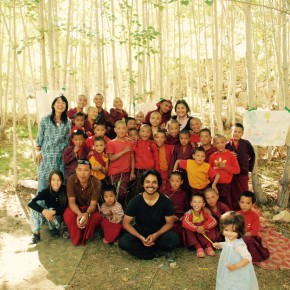
In Spiti, a high-altitude valley in Himachal Pradesh, children grow up in communities shaped by long winters, scattered settlements, and demanding journeys between villages. Their schools are essential centers of learning, yet access to books and regular reading practice can be limited beyond the classroom. When children have few stories to explore, building vocabulary, fluency, and confidence takes longer.
Reading development depends on consistent exposure. A child needs opportunities to hear language, look closely at pictures, follow a story, recognize new words, and talk about what they have read. In remote Himalayan communities, those opportunities may be interrupted by distance, weather, household responsibilities, or a shortage of age-appropriate books.
Avalokiteśvara Trust supports a practical response: bring books, reading spaces, creative activities, and caring adults closer to children. Our work in Ladakh and other Himalayan communities has shown that literacy grows when reading becomes a shared, enjoyable part of daily life rather than an exercise limited to a school textbook.
Distance Shapes Daily Learning
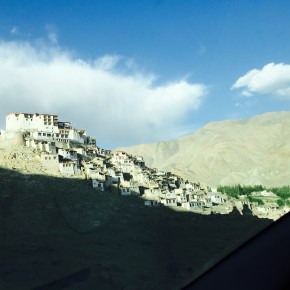
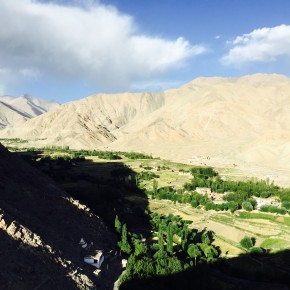
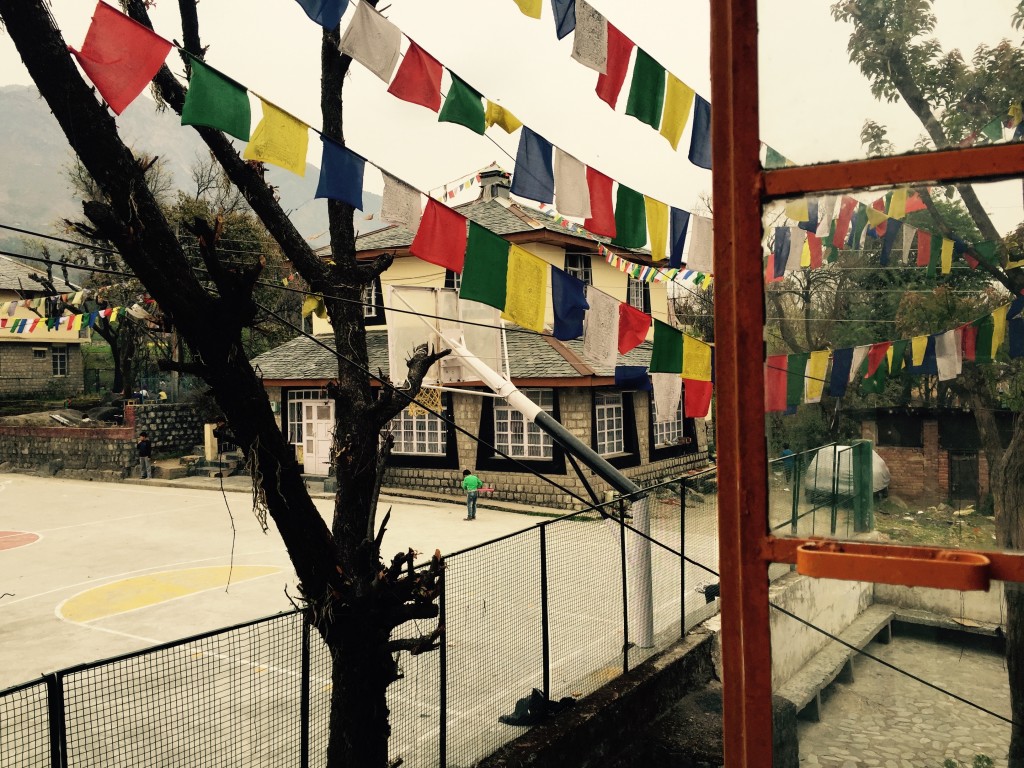
Spiti’s villages are separated by steep terrain and long stretches of road. A child may live far from a larger school, library, bookstore, or community center. During winter, snow, ice, and travel conditions can make movement even more difficult. A book that is easy to find in a city can be inaccessible to a family in a remote valley.
This distance affects teachers as well. Schools often work with limited classroom libraries and a narrow selection of supplementary reading material. Teachers may have little time or funding to replace worn books, build leveled collections, or find stories that reflect children’s languages and experiences.
These conditions do not indicate a lack of ability or interest. They show why reading access matters. When children receive regular support and appealing material, they can develop stronger comprehension, wider vocabulary, and greater willingness to read aloud.
Why Book Access Makes A Difference
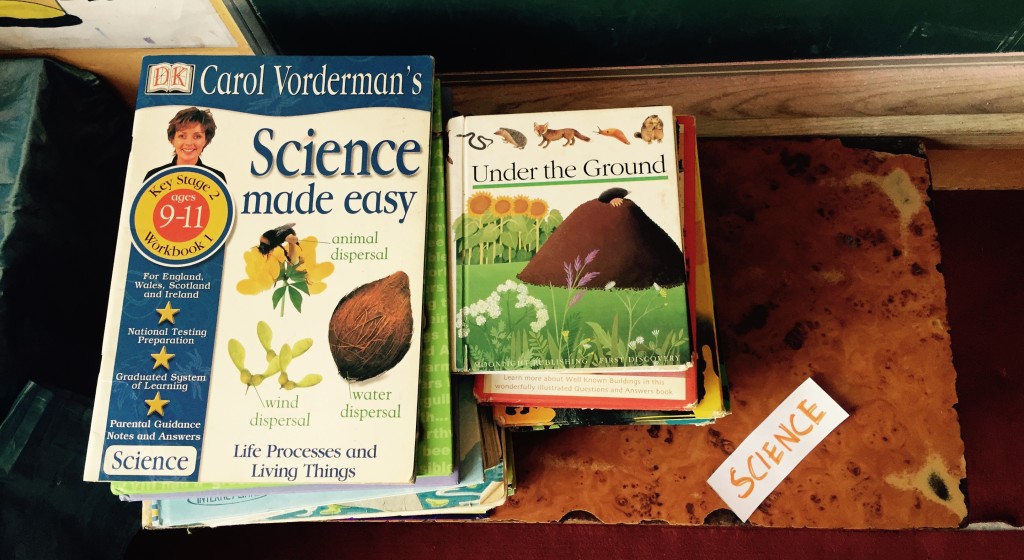
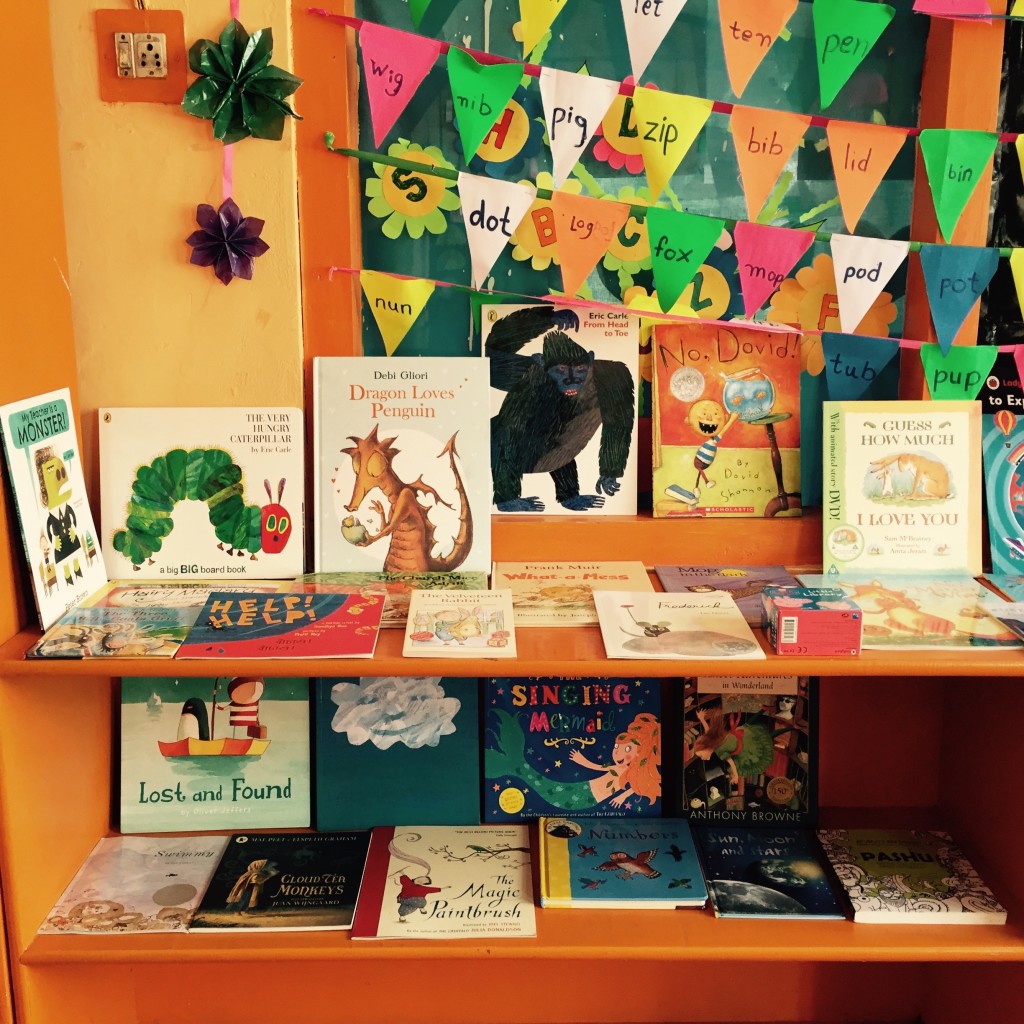
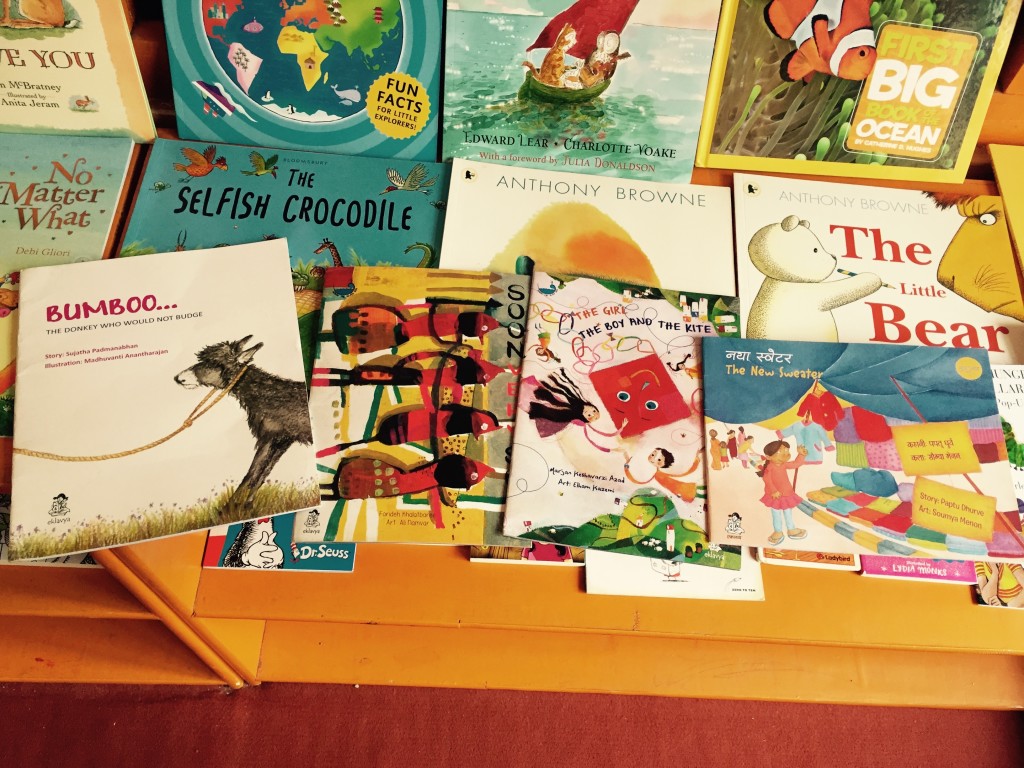
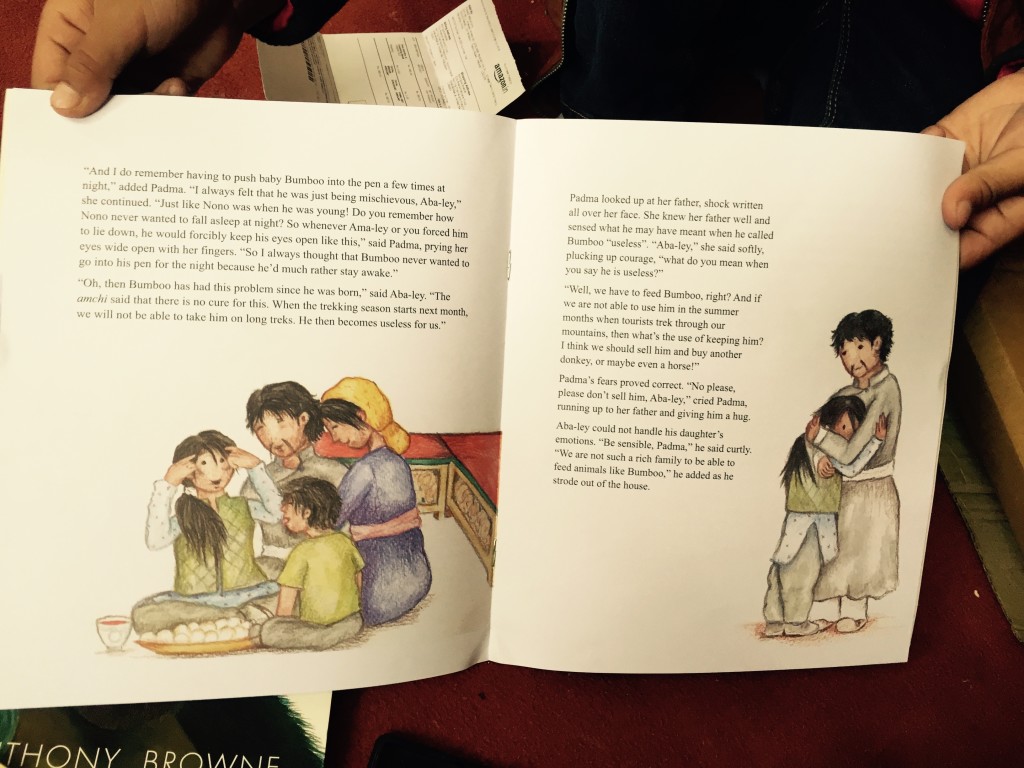
A textbook usually serves a specific lesson. A children’s book invites a different kind of attention. Stories encourage prediction, imagination, sequencing, empathy, and discussion. Informational books help children connect reading with animals, science, geography, art, and the world beyond their village.
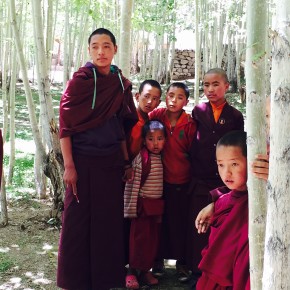
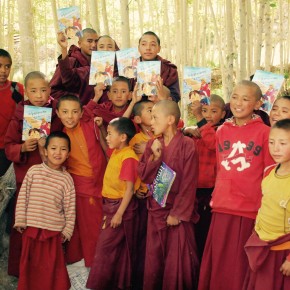
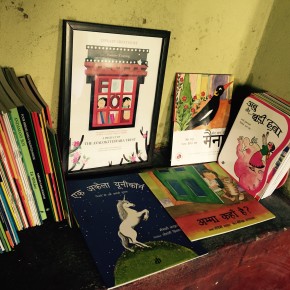
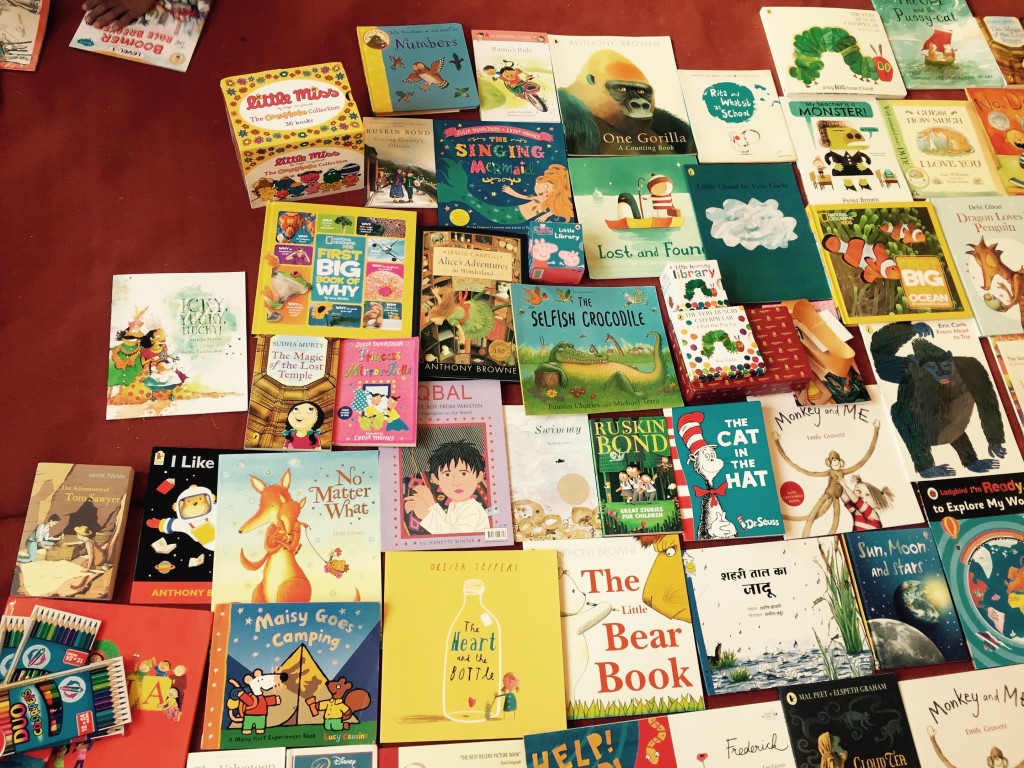
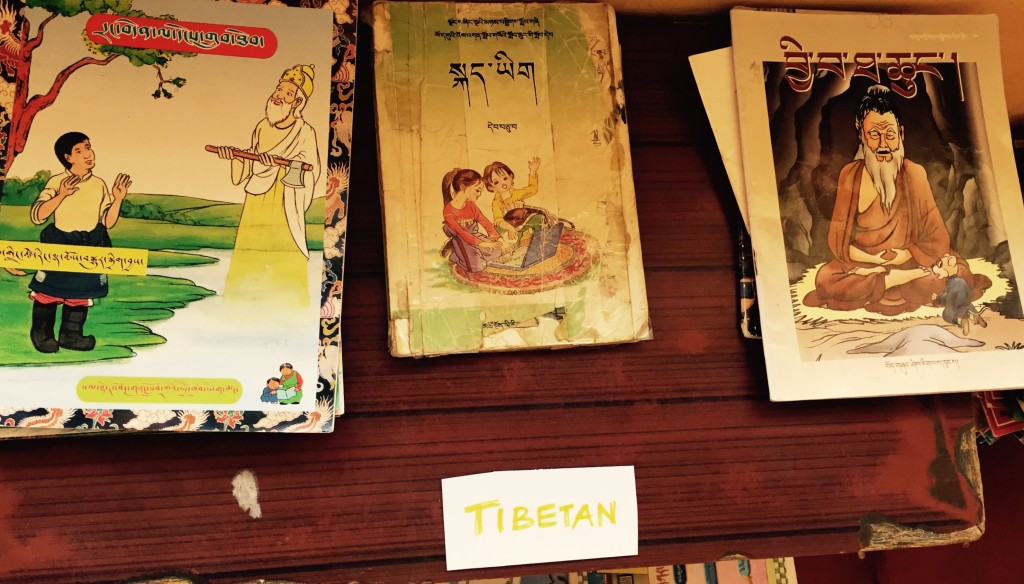
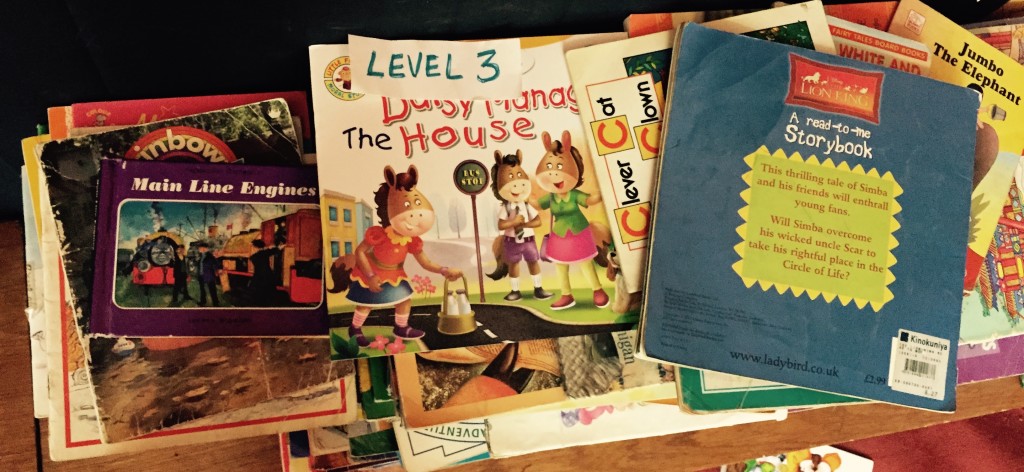
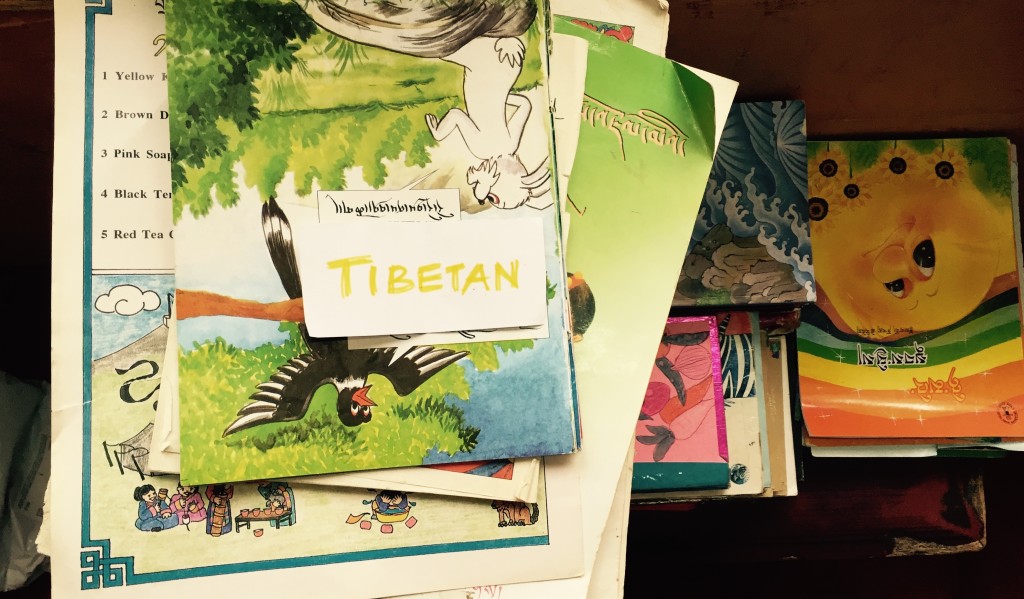
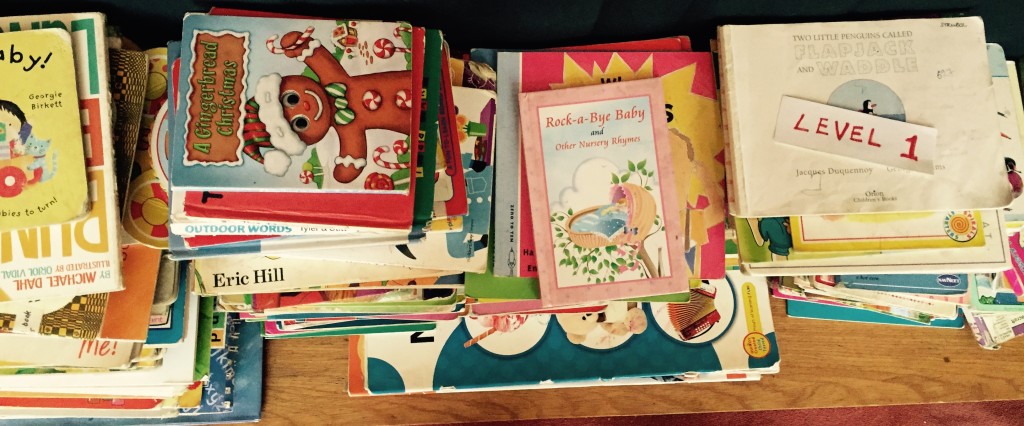
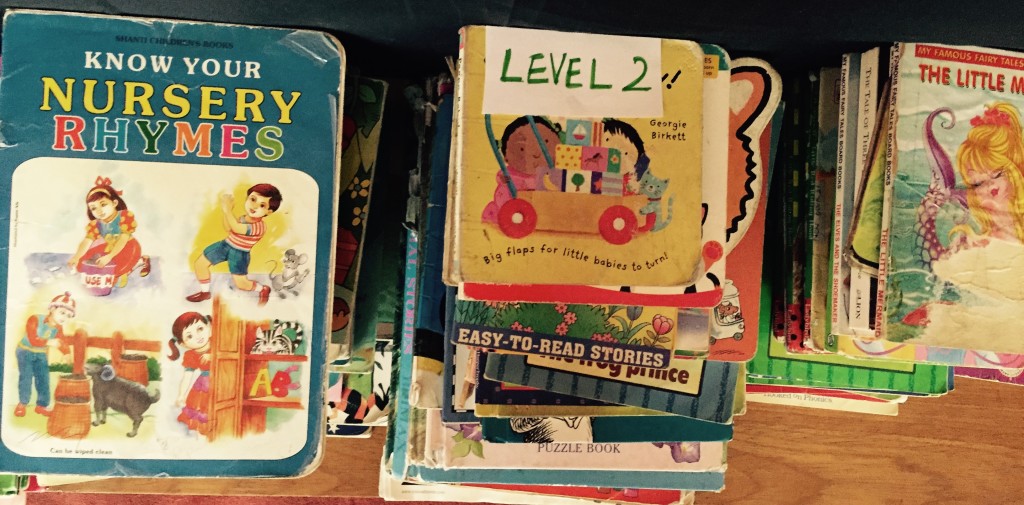
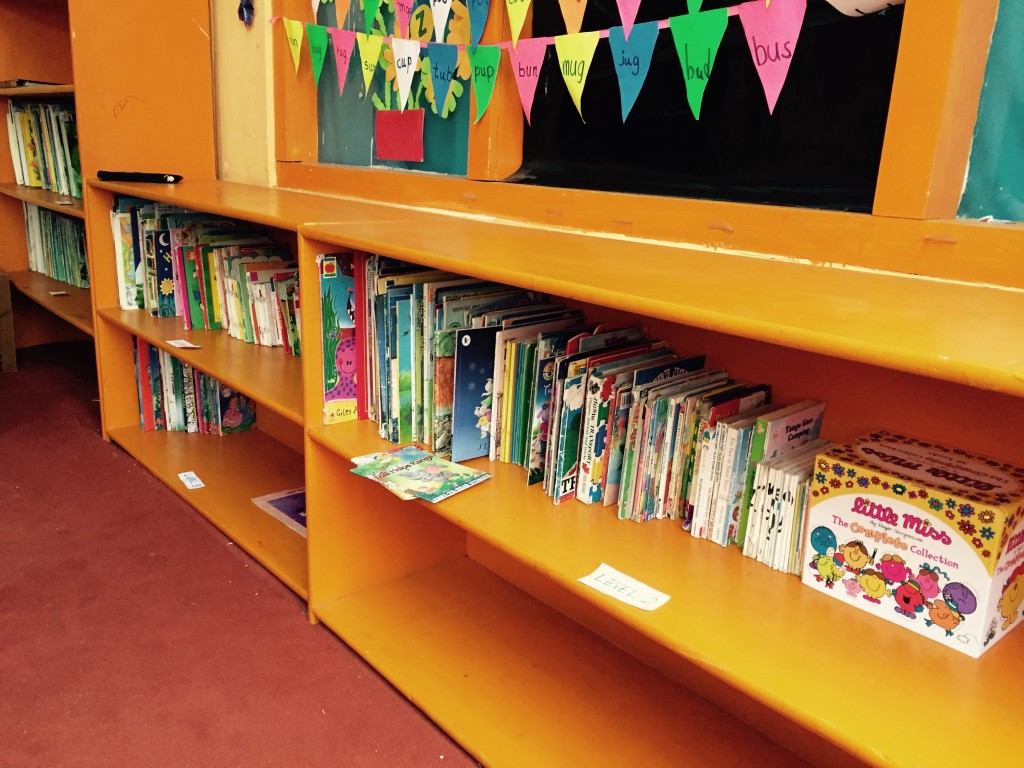
A varied collection also supports different reading levels. Beginning readers need short, illustrated books with familiar words. Developing readers benefit from longer narratives, folk tales, biographies, and simple nonfiction. Young monks and older children may seek history, philosophy, poetry, music, or books in English and regional languages.
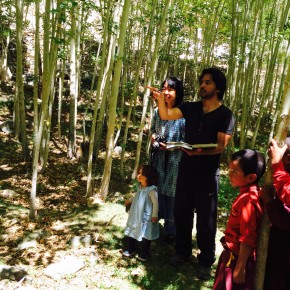
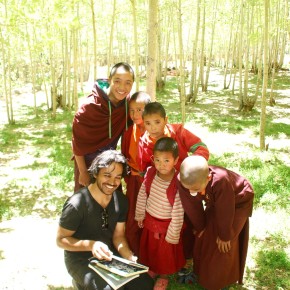
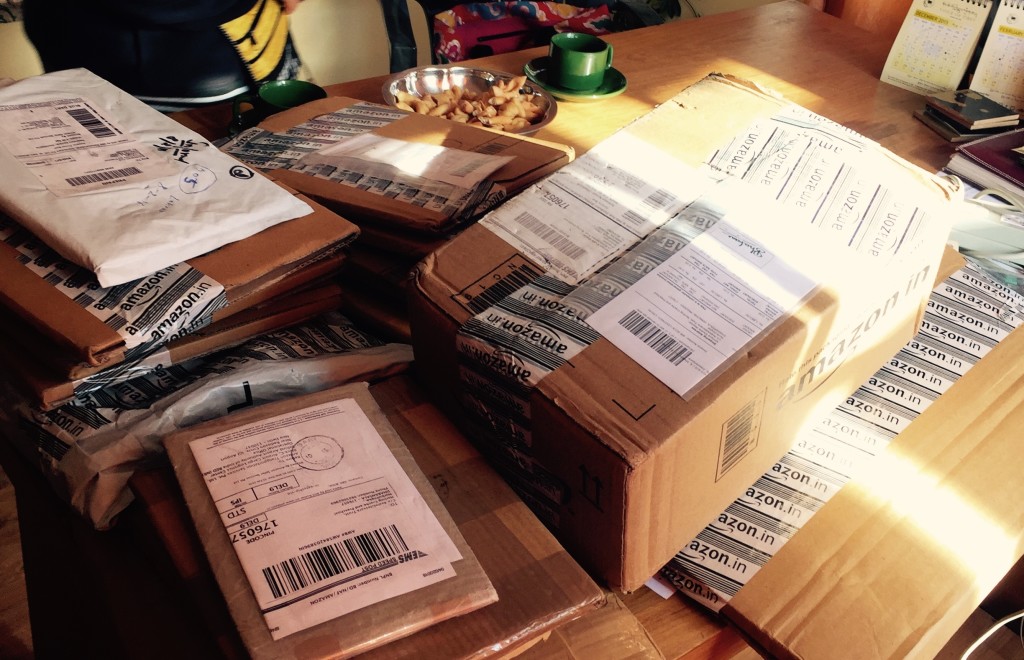
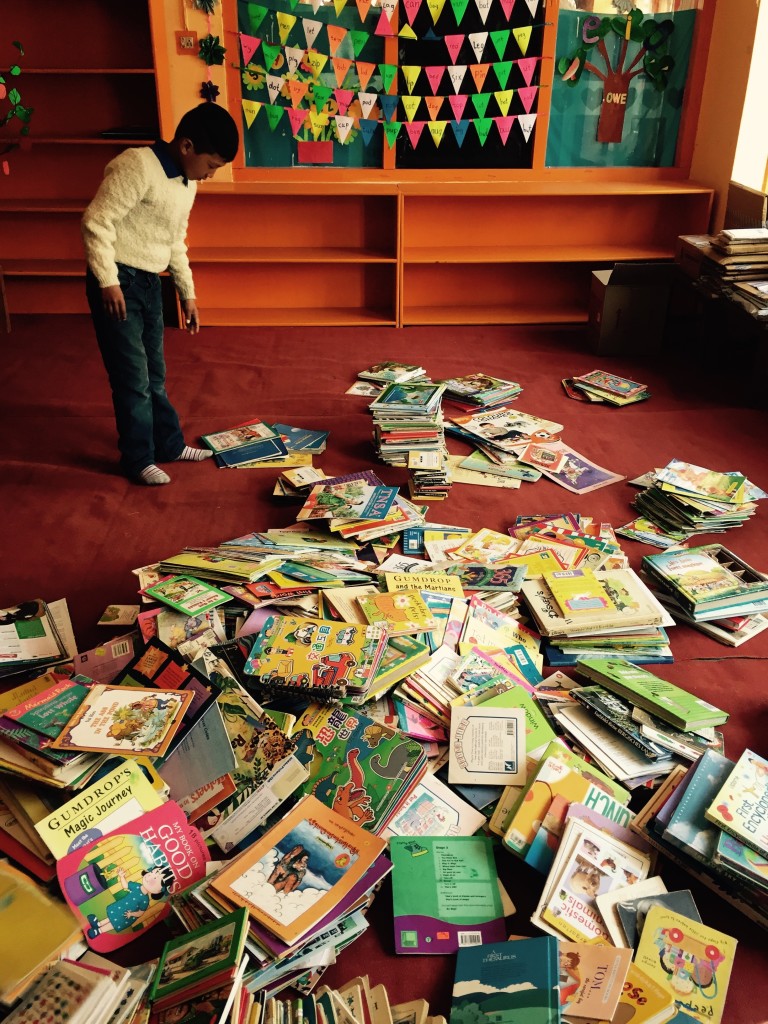
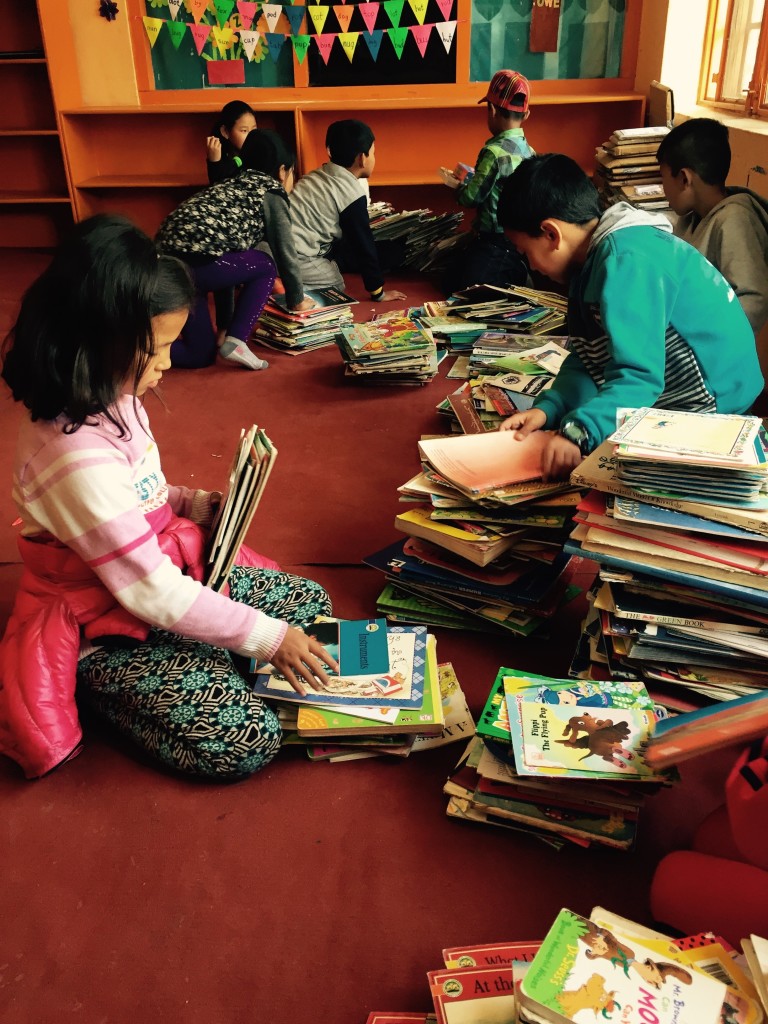
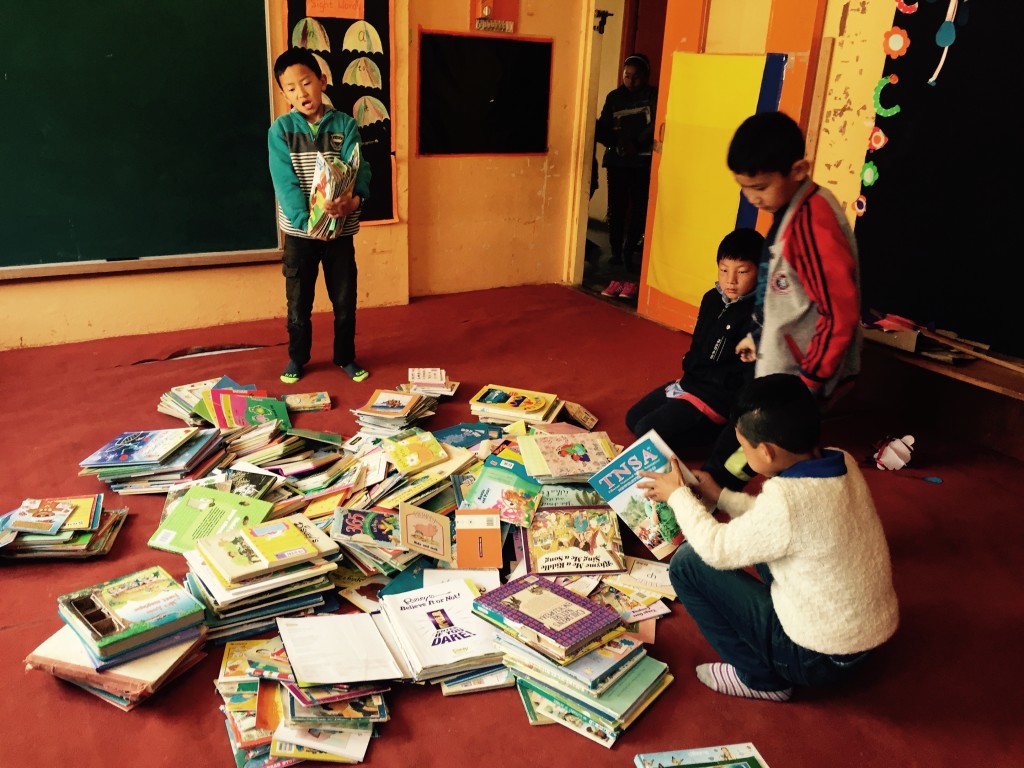
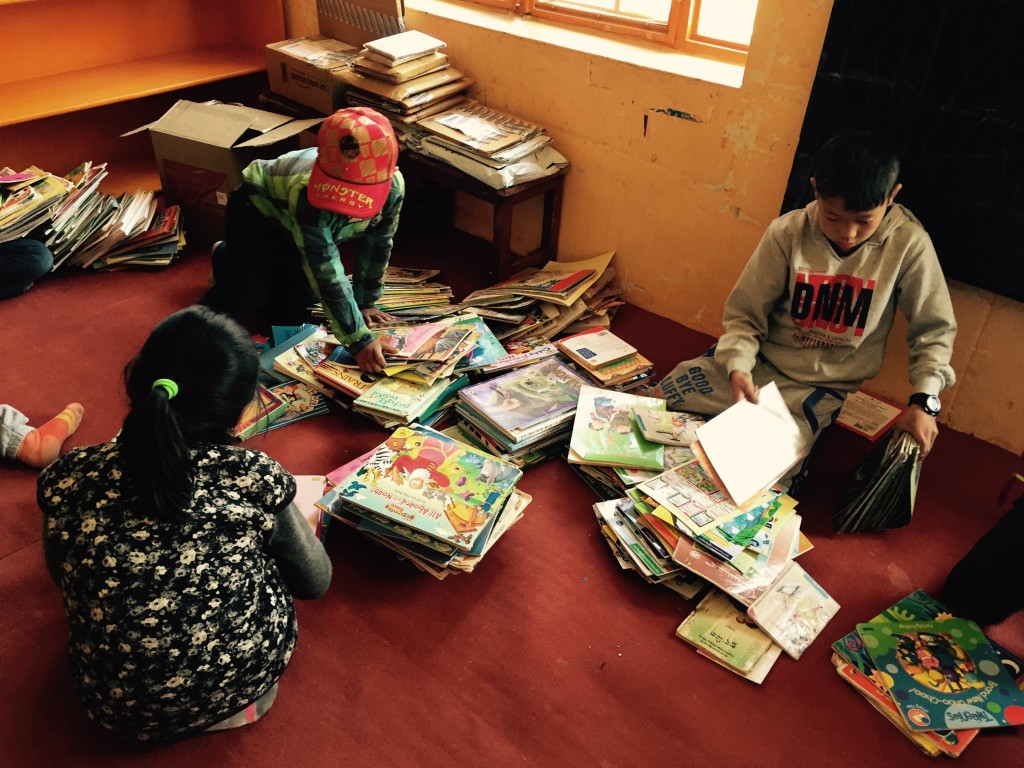
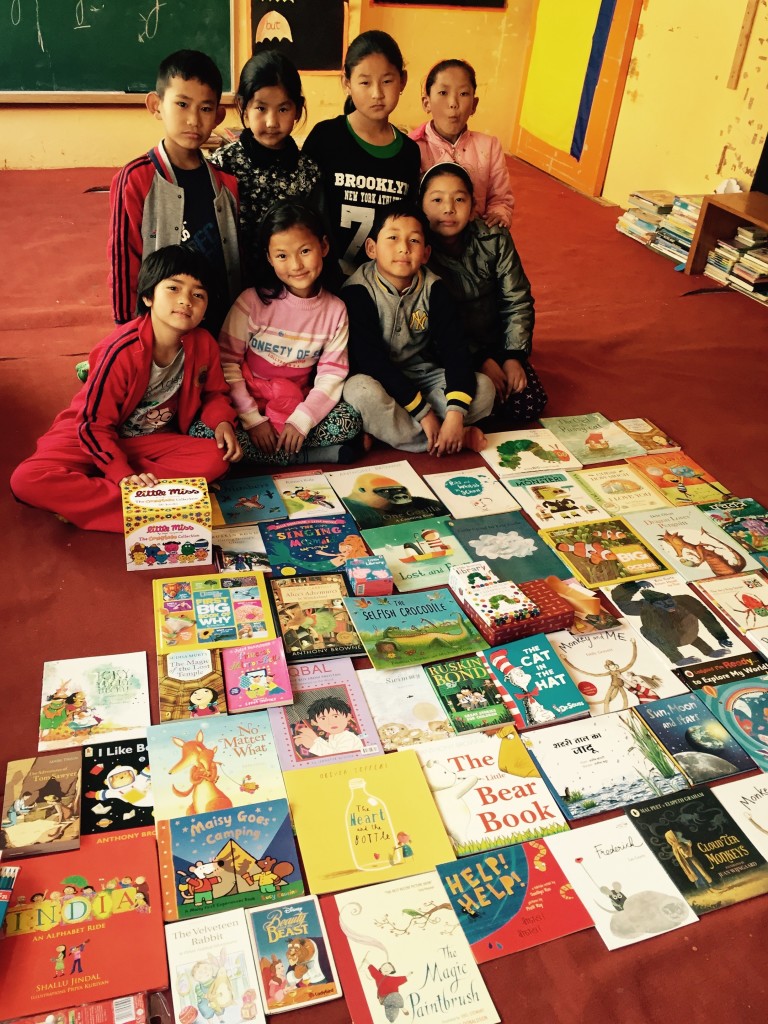
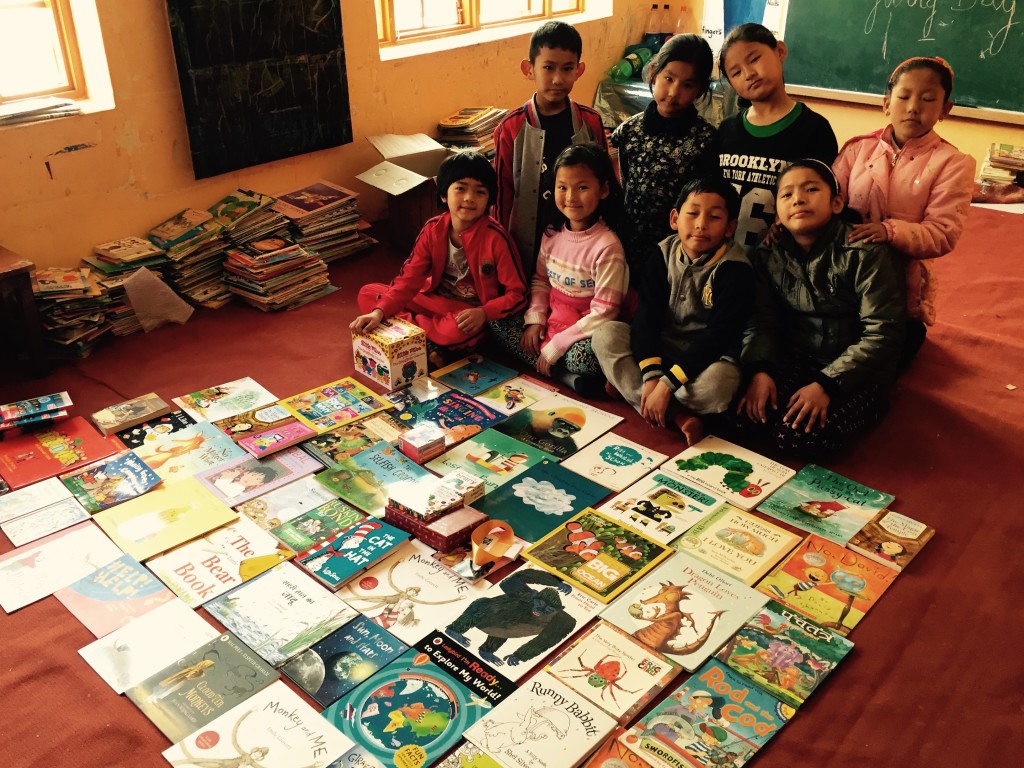
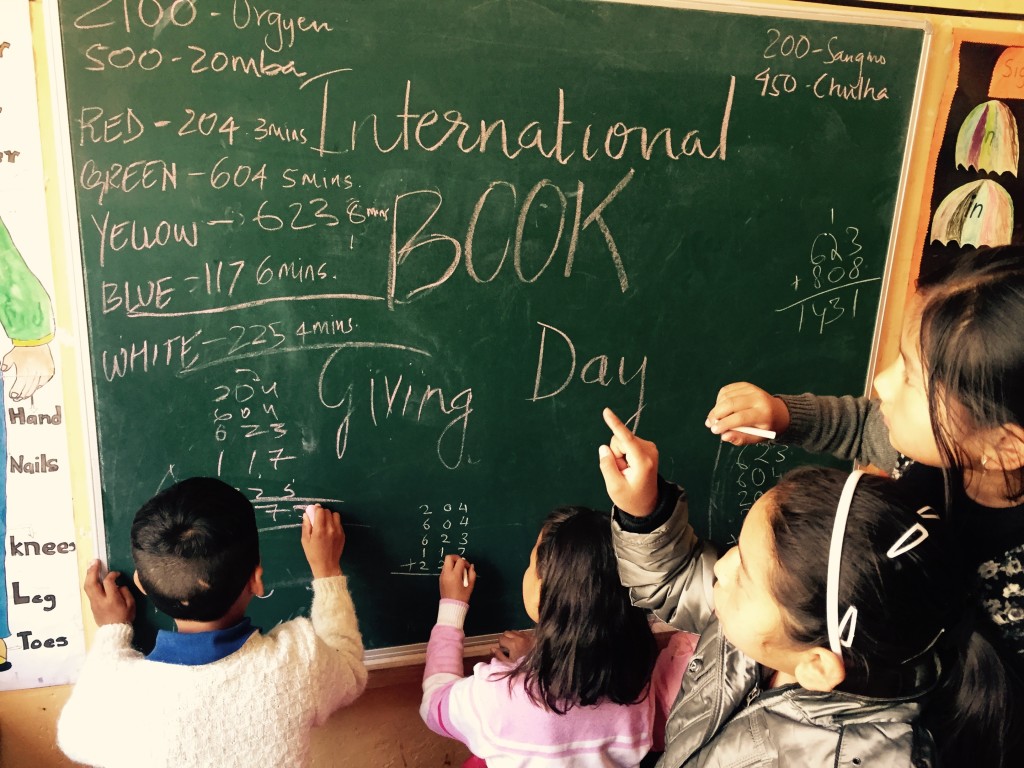
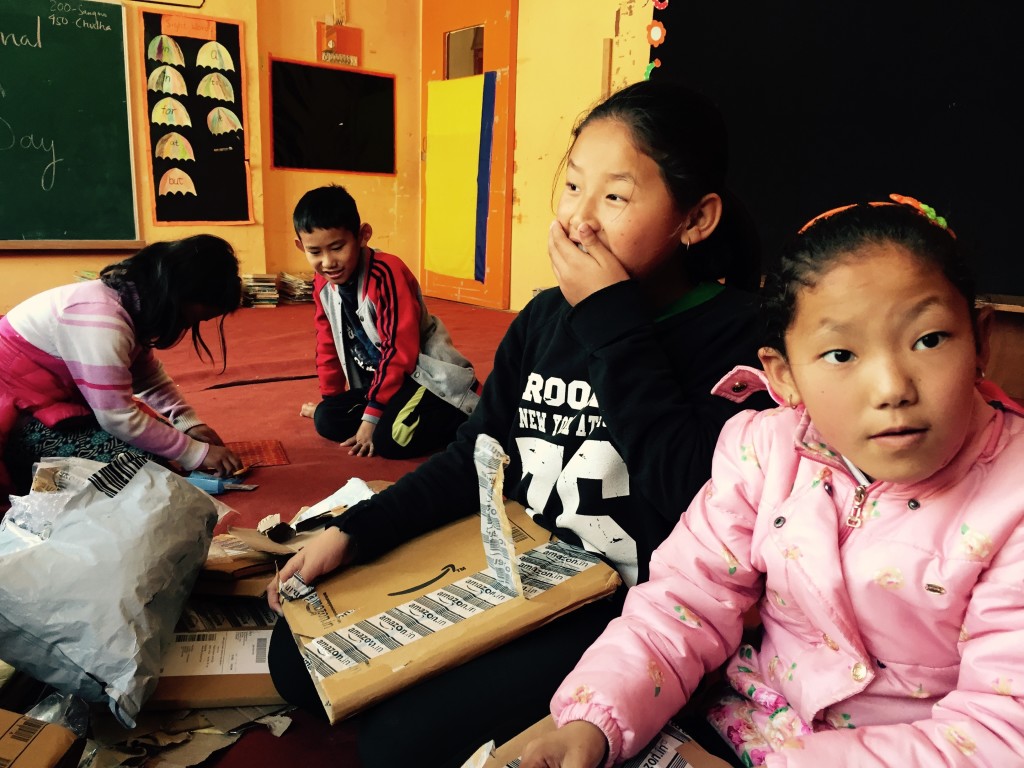
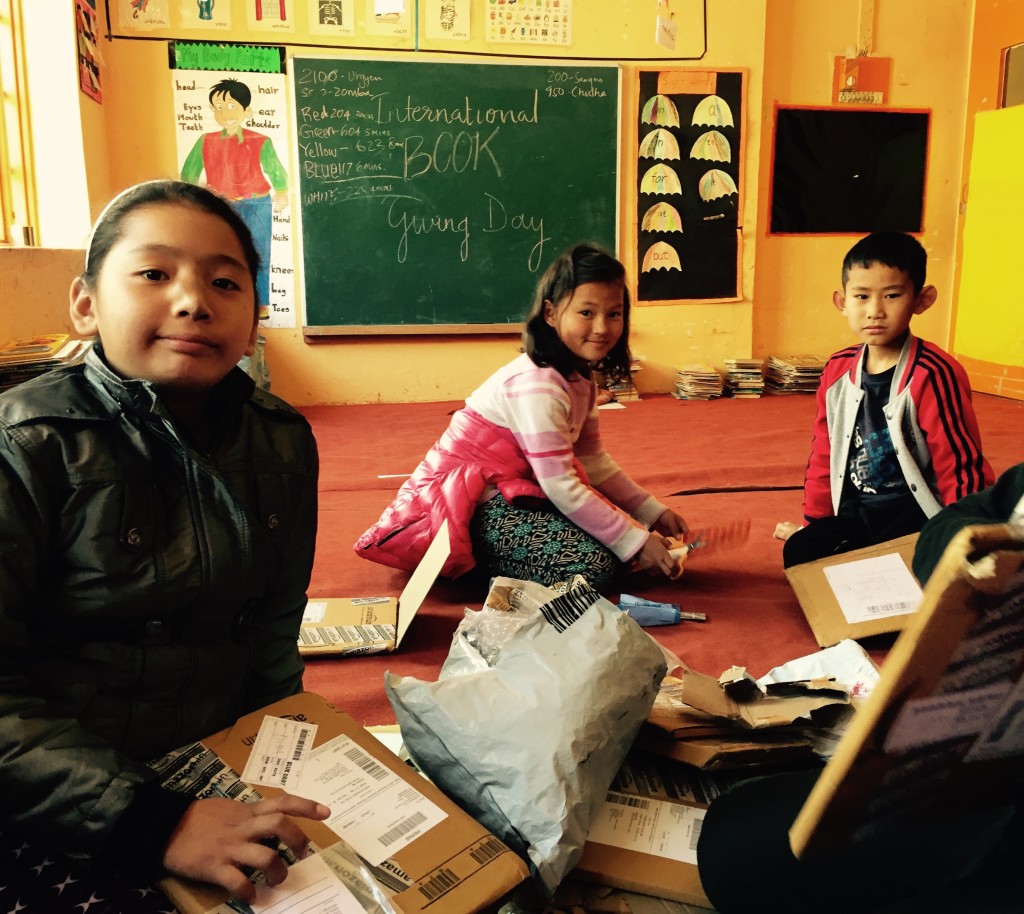
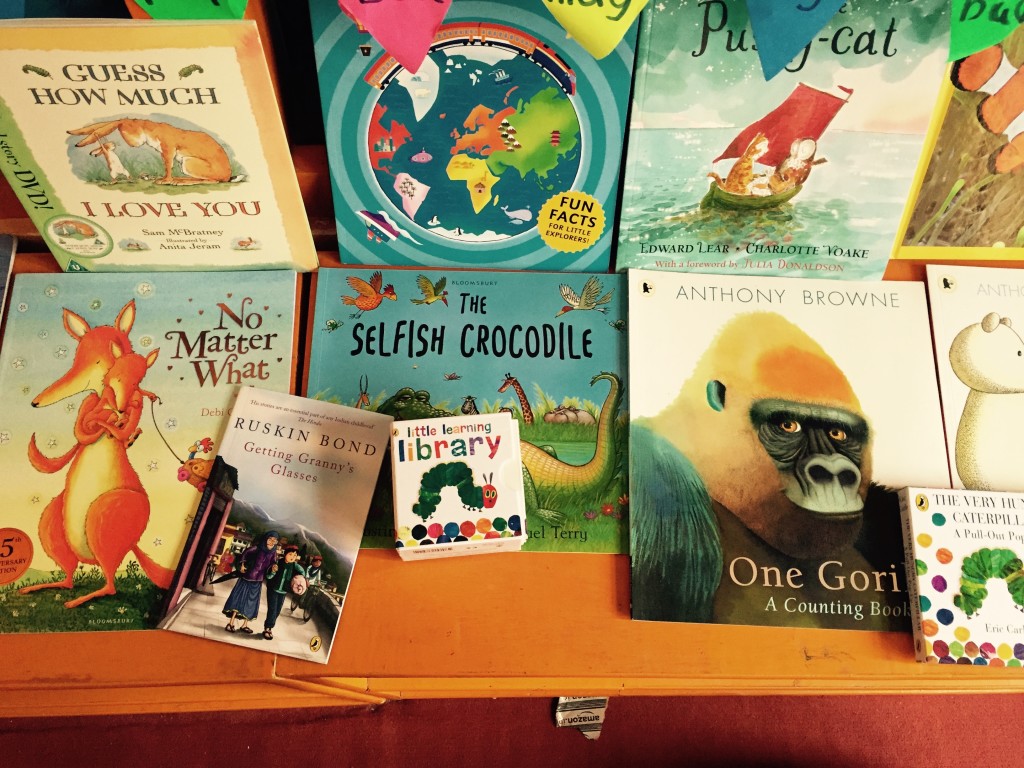
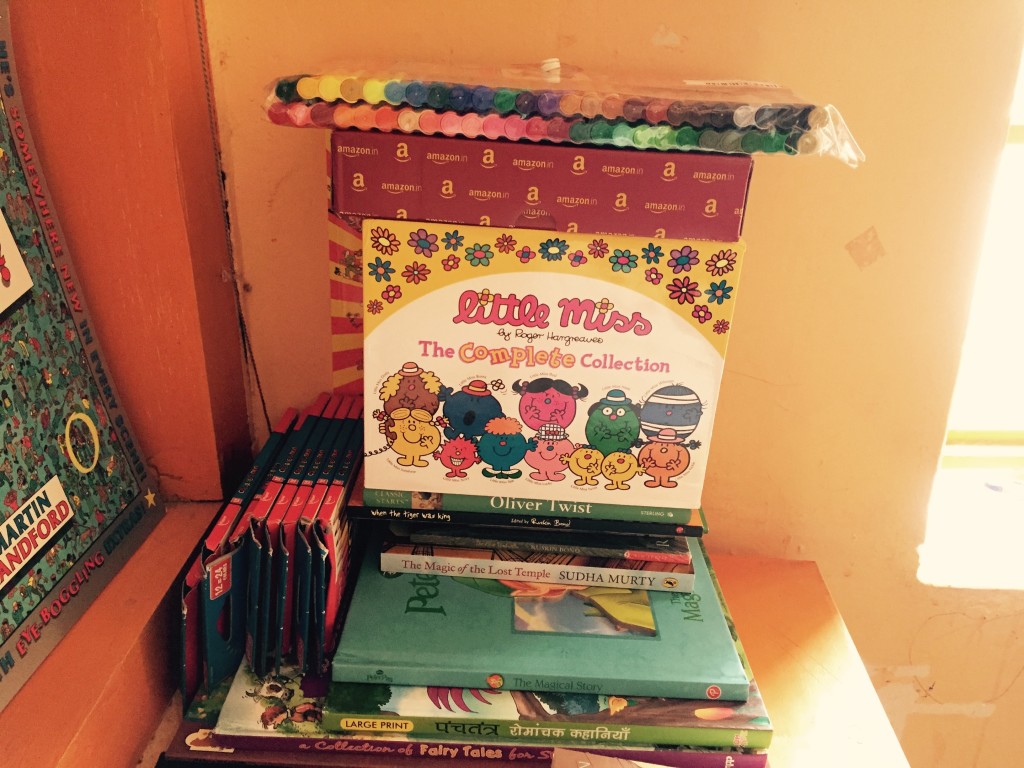
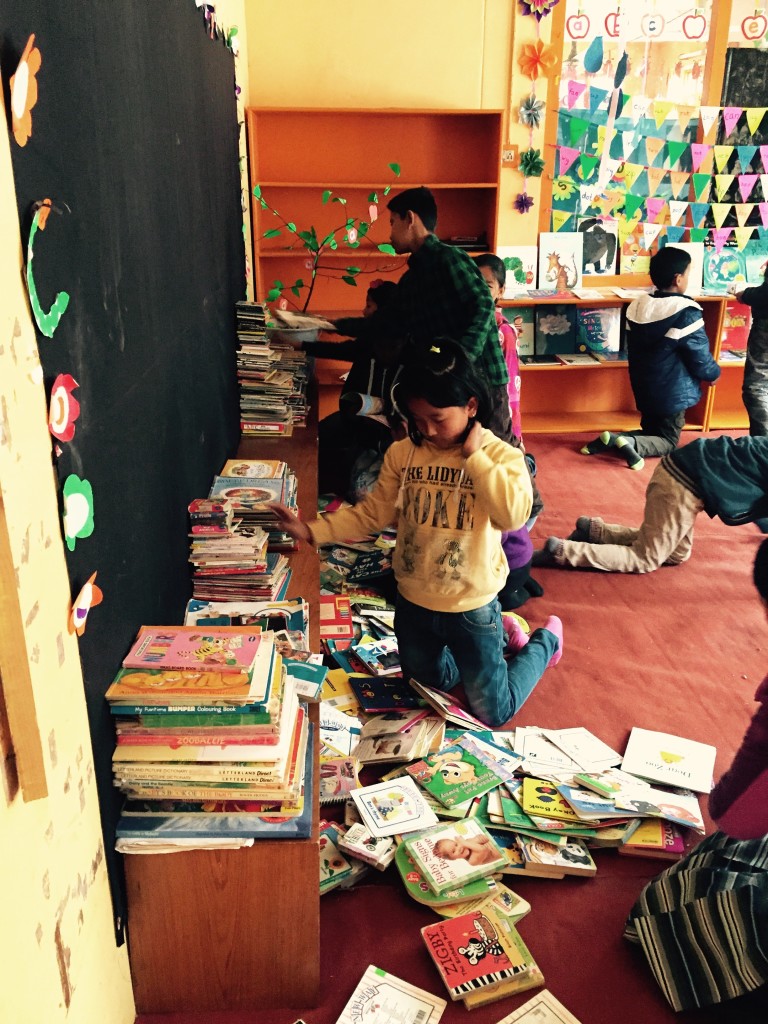
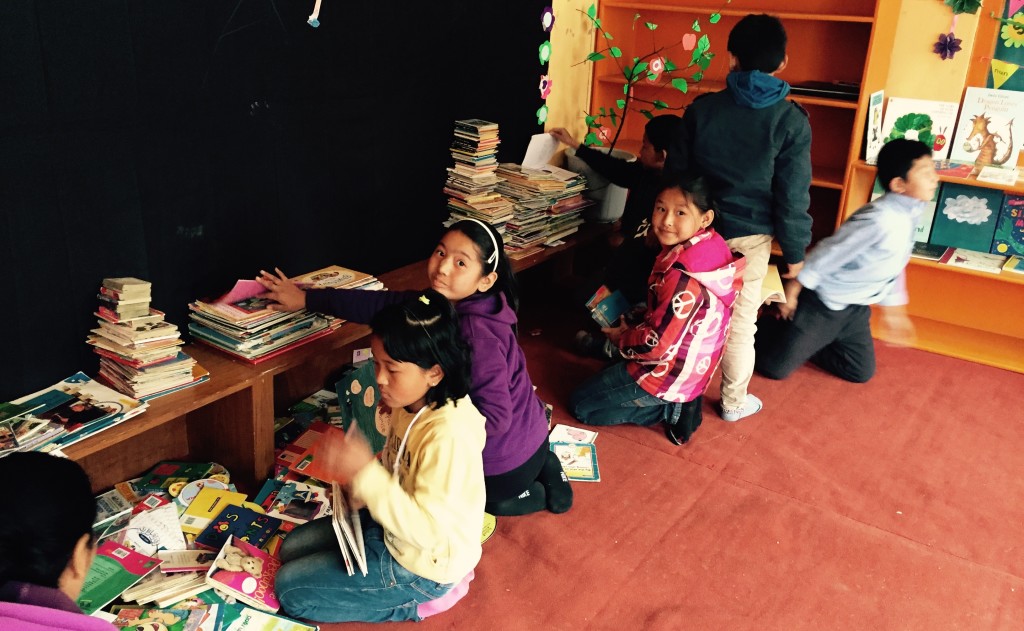
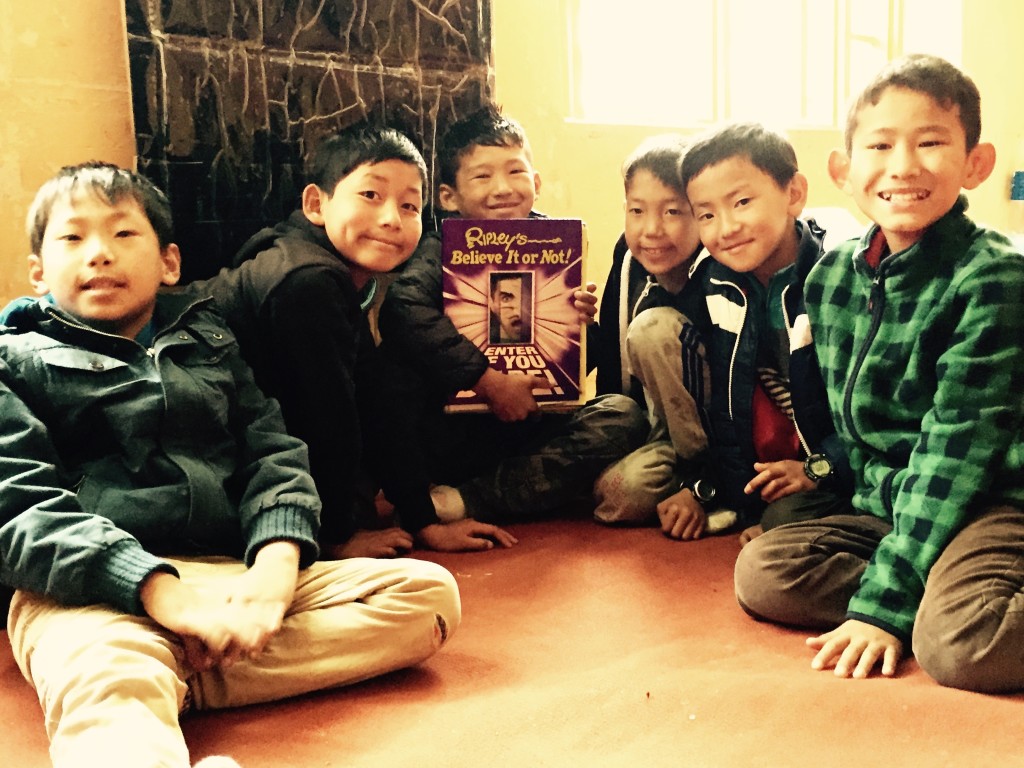
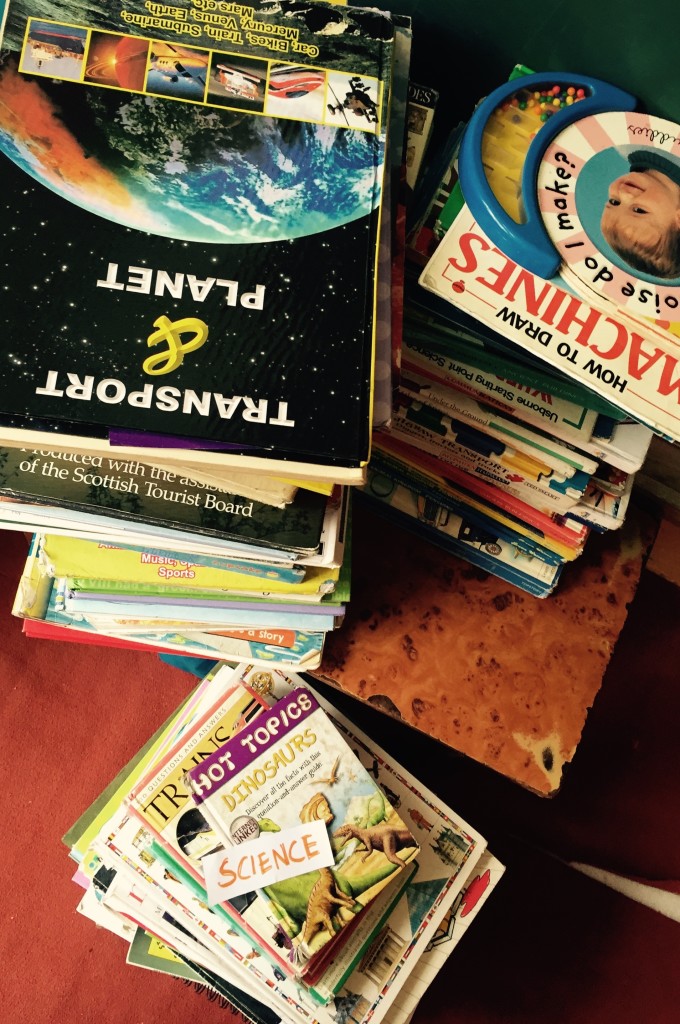
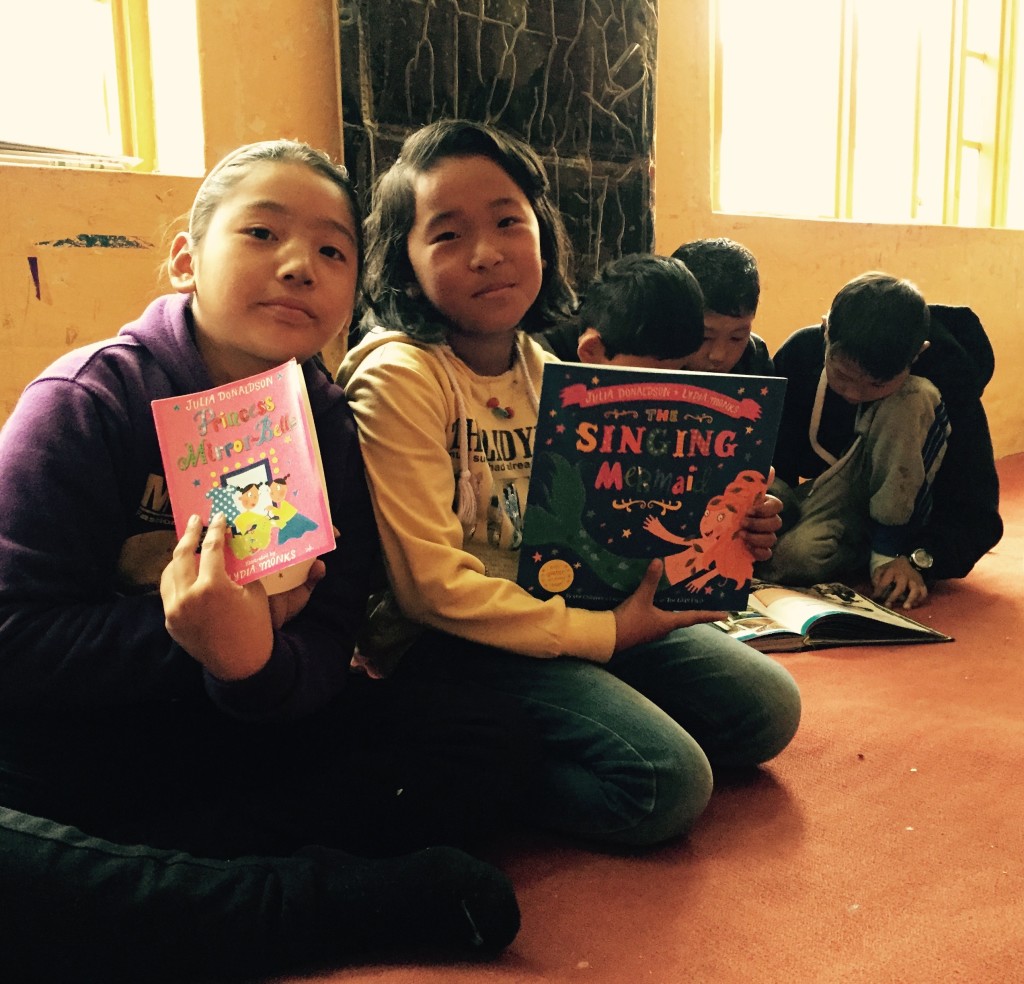
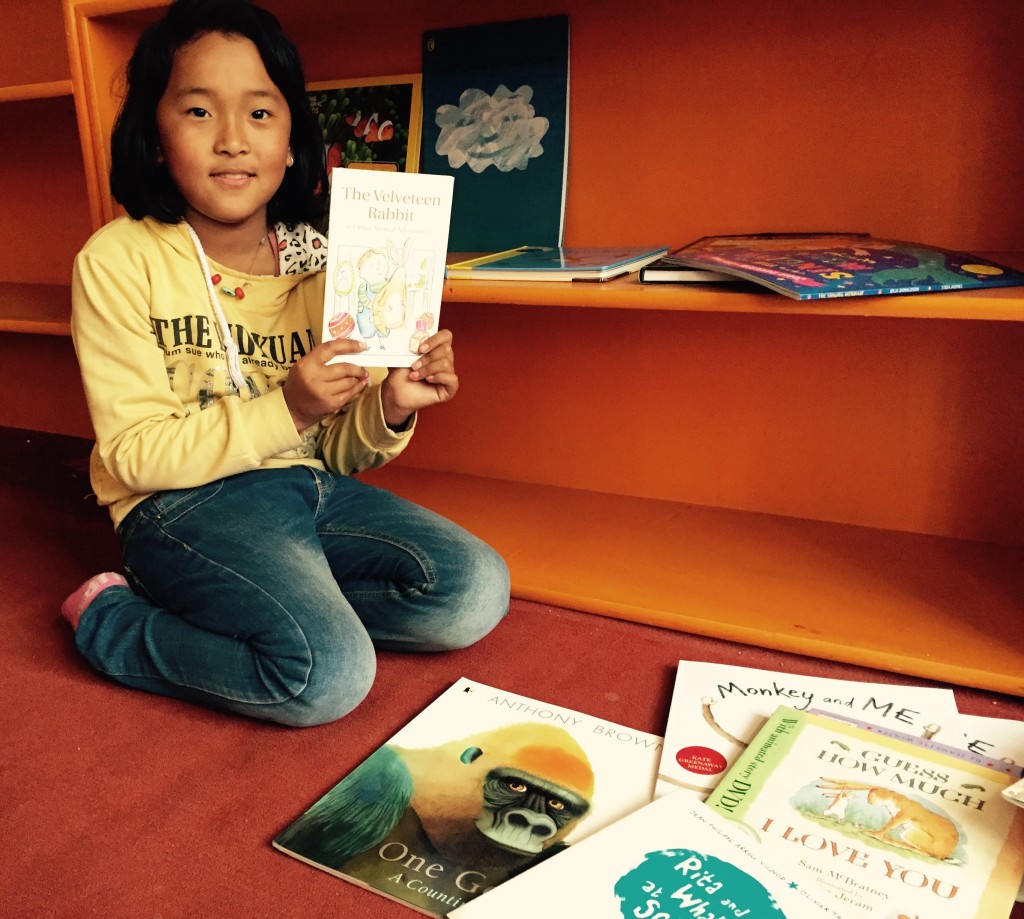
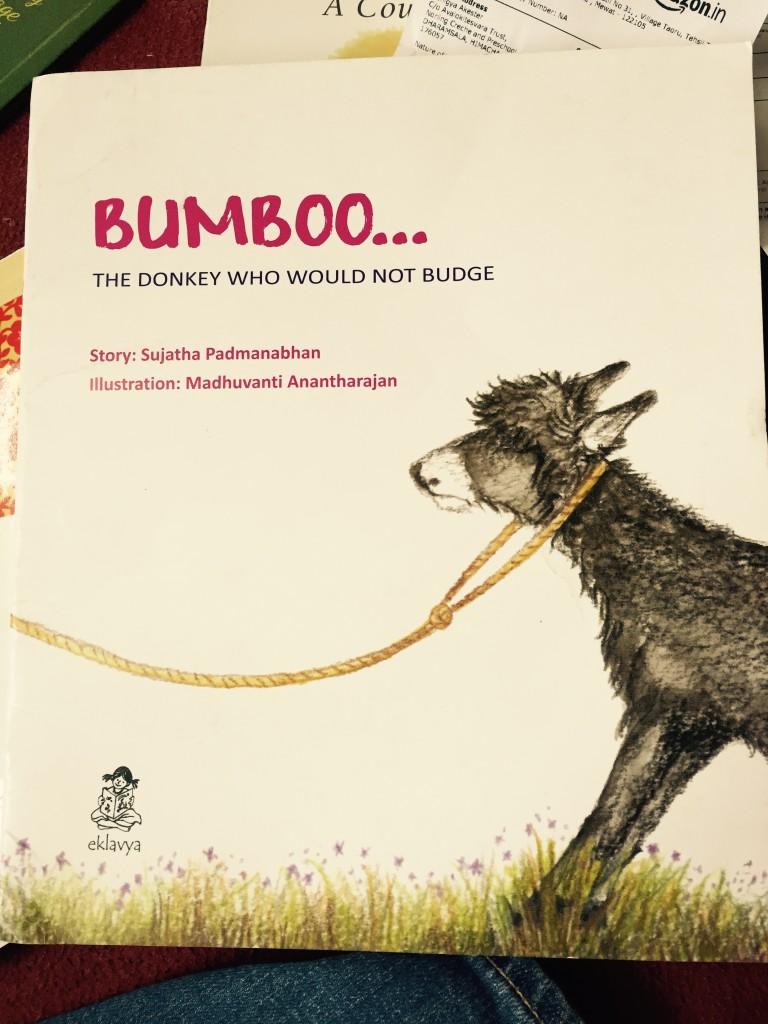
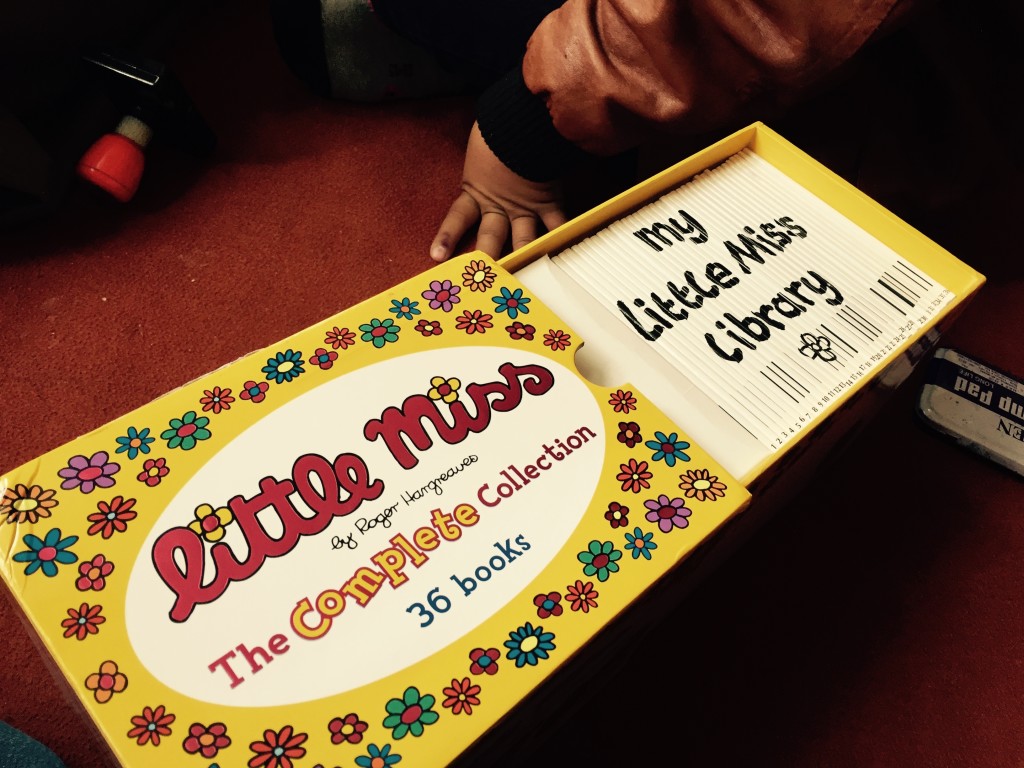
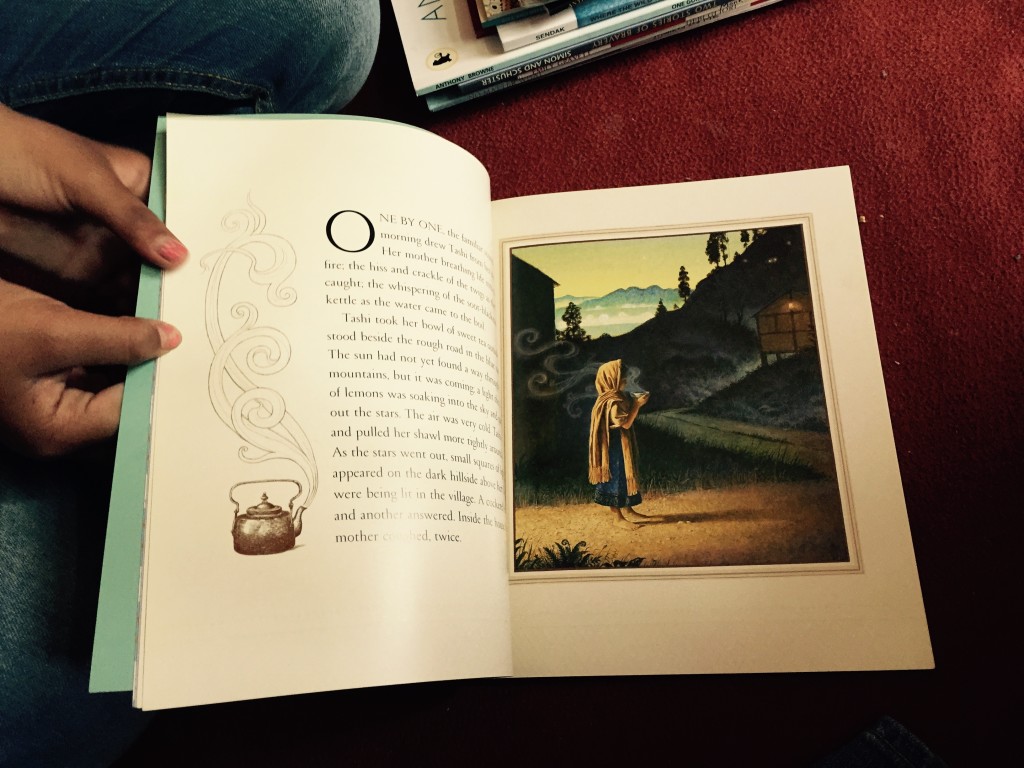
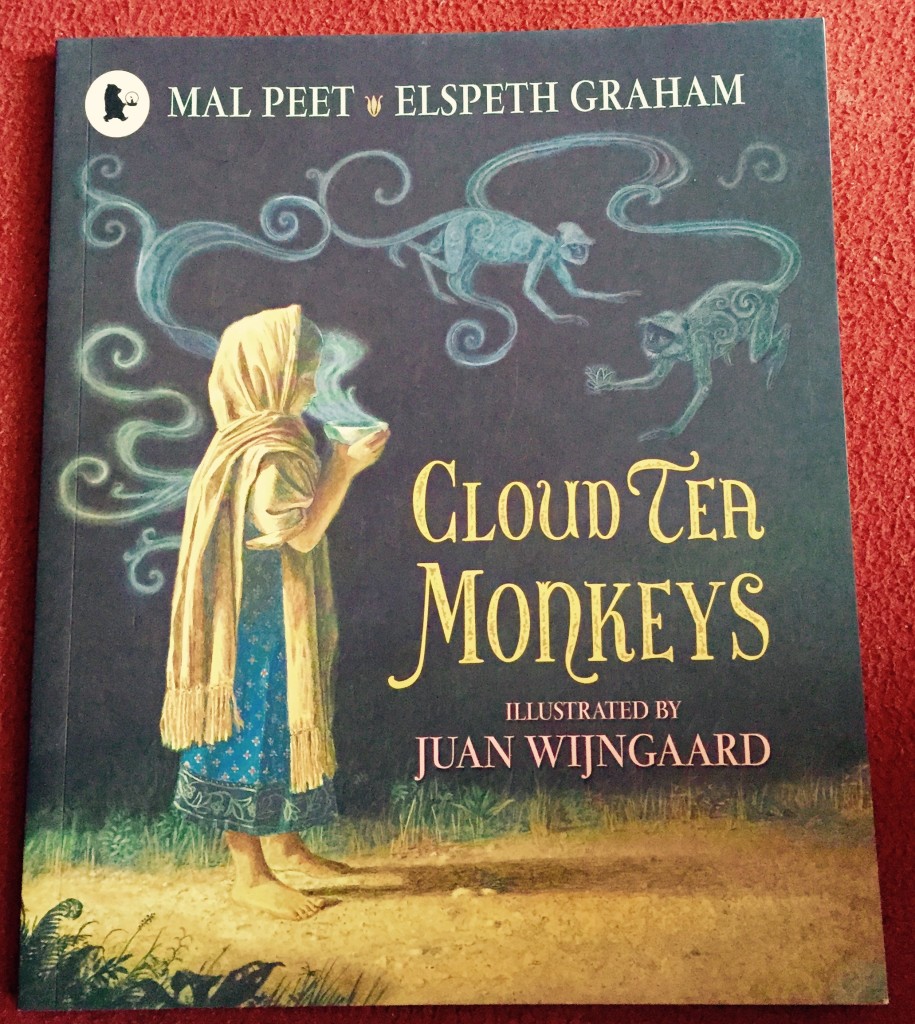
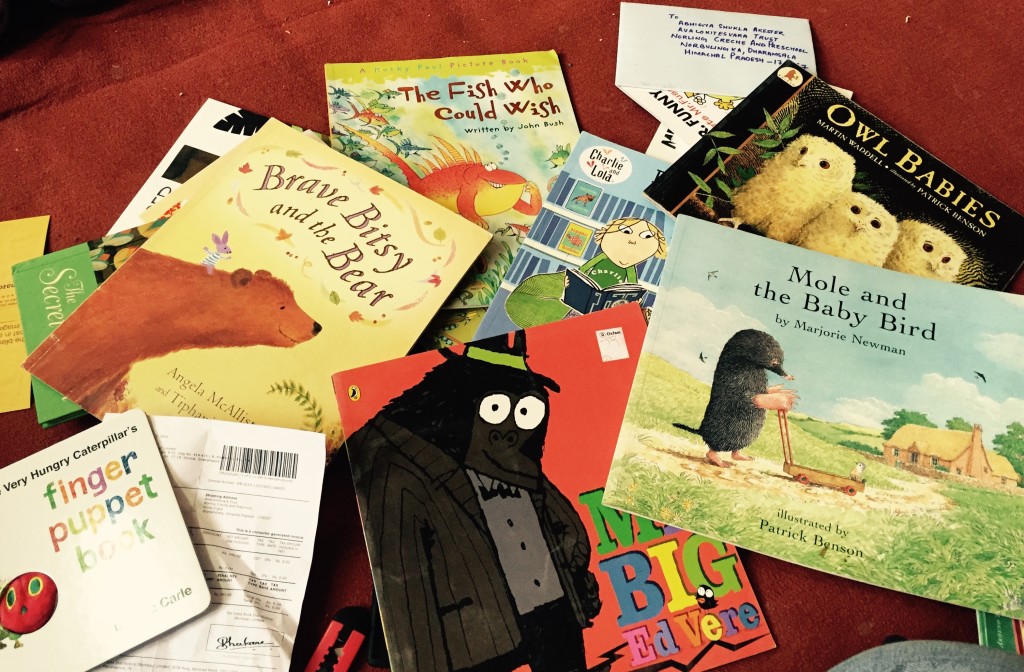
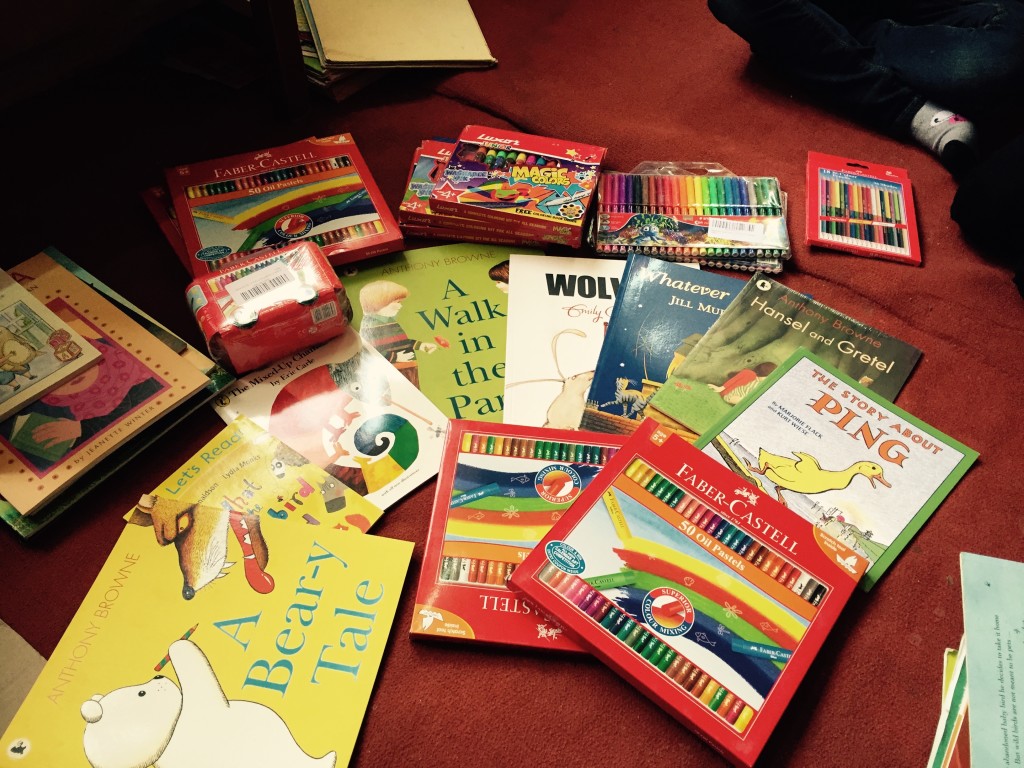
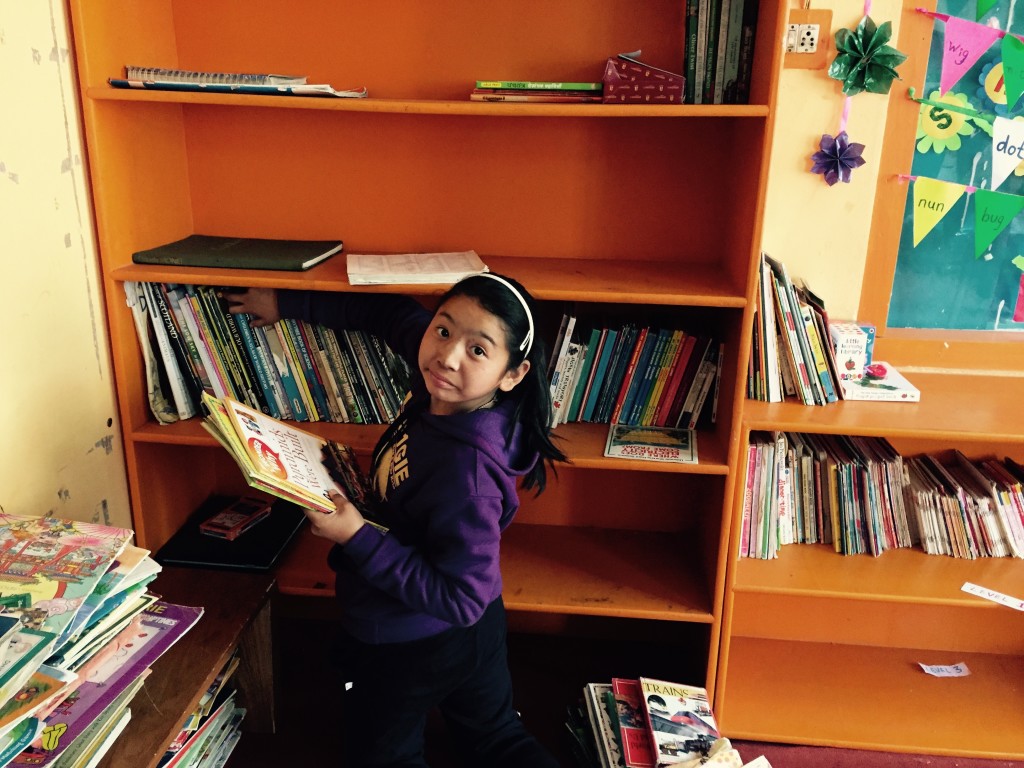
A thoughtful book drive is therefore more than a shipment of donated items. Books must be selected, sorted, transported, stored, and introduced in ways that make them useful. The experience of our first remote book drive reinforced how important local knowledge, careful preparation, and community relationships are to this process.
Reading Rooms Turn Access Into Habit
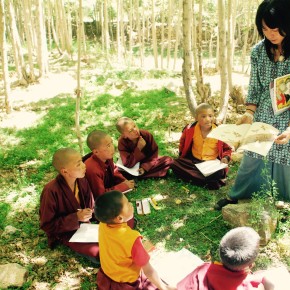
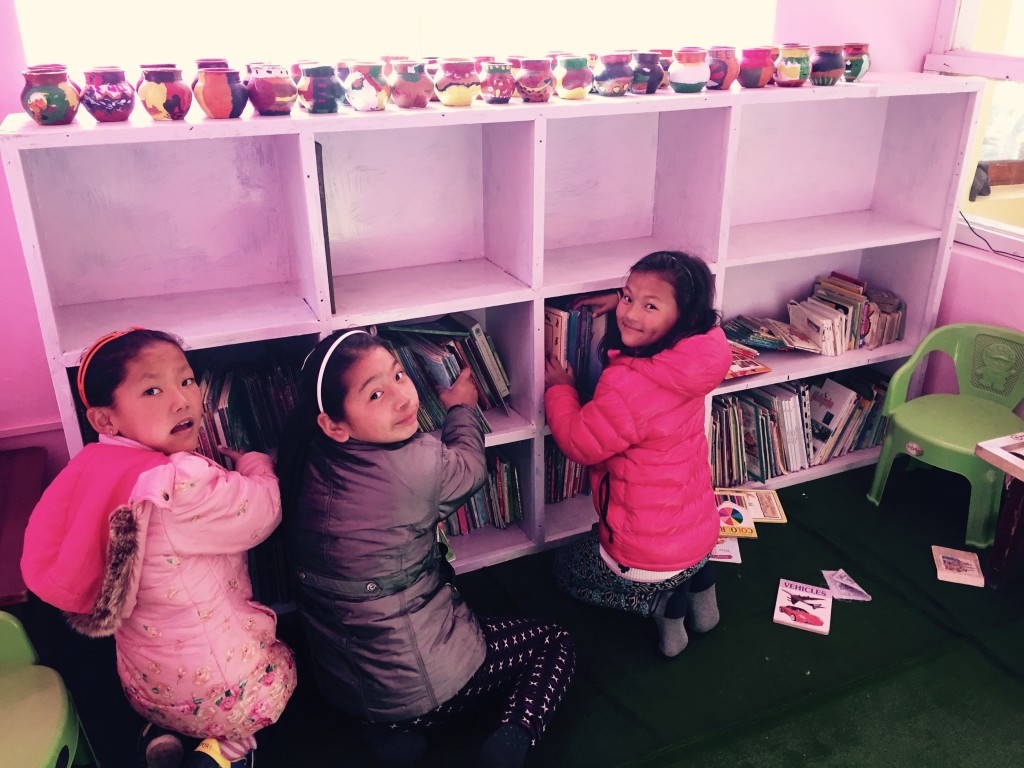
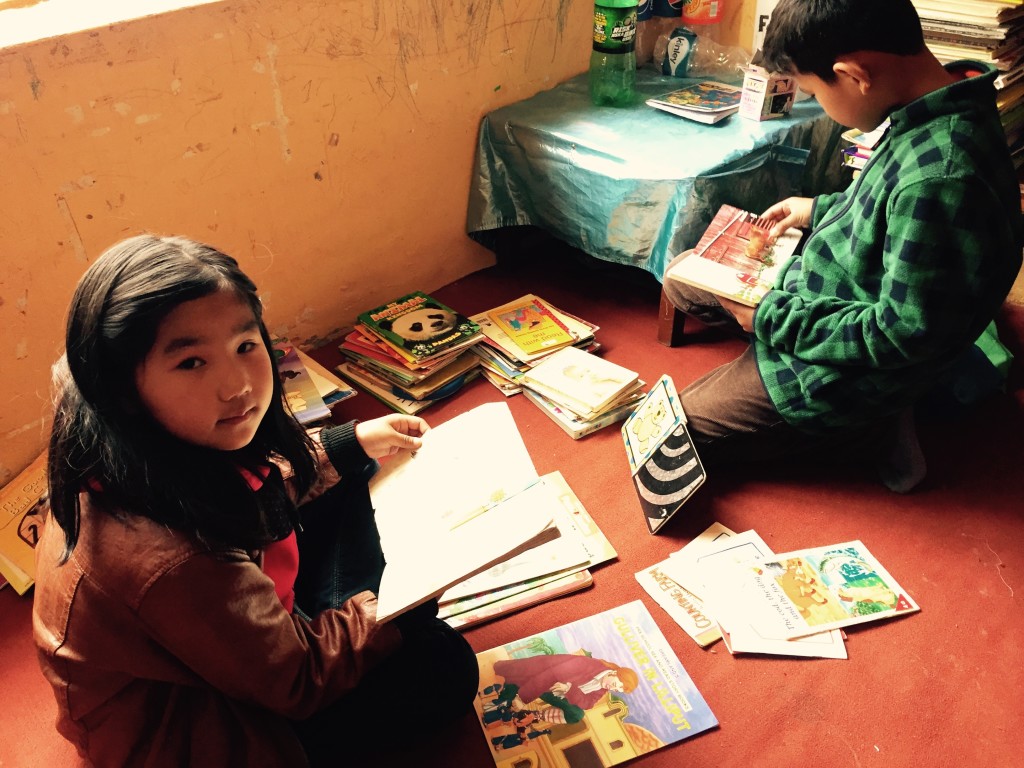
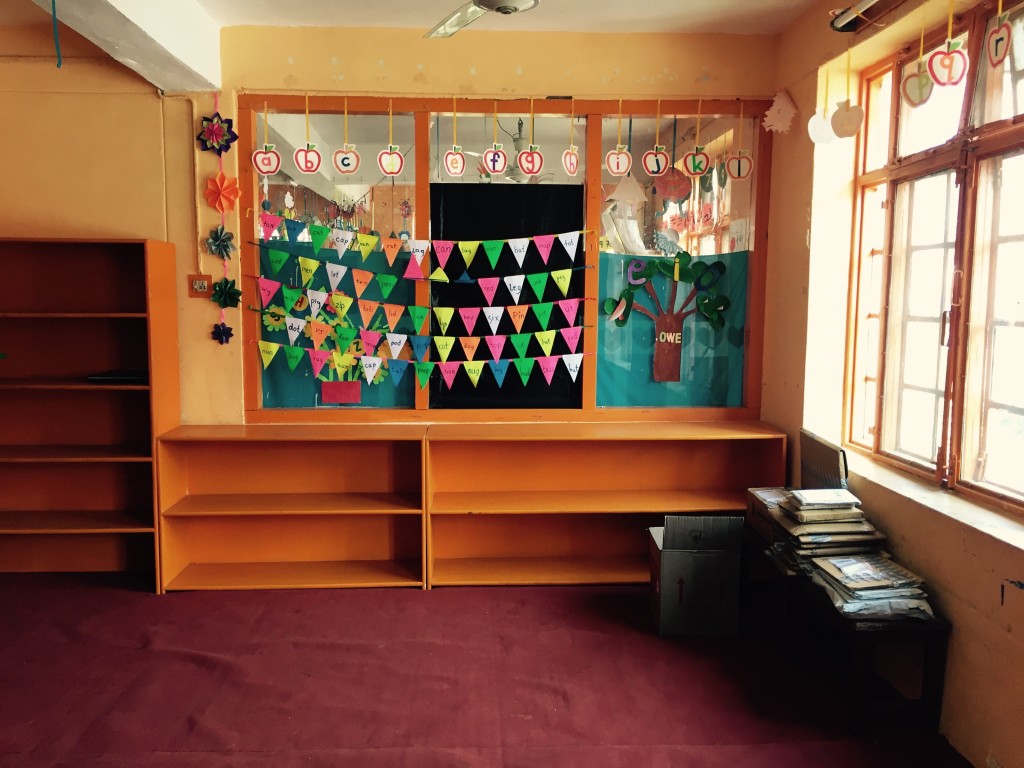
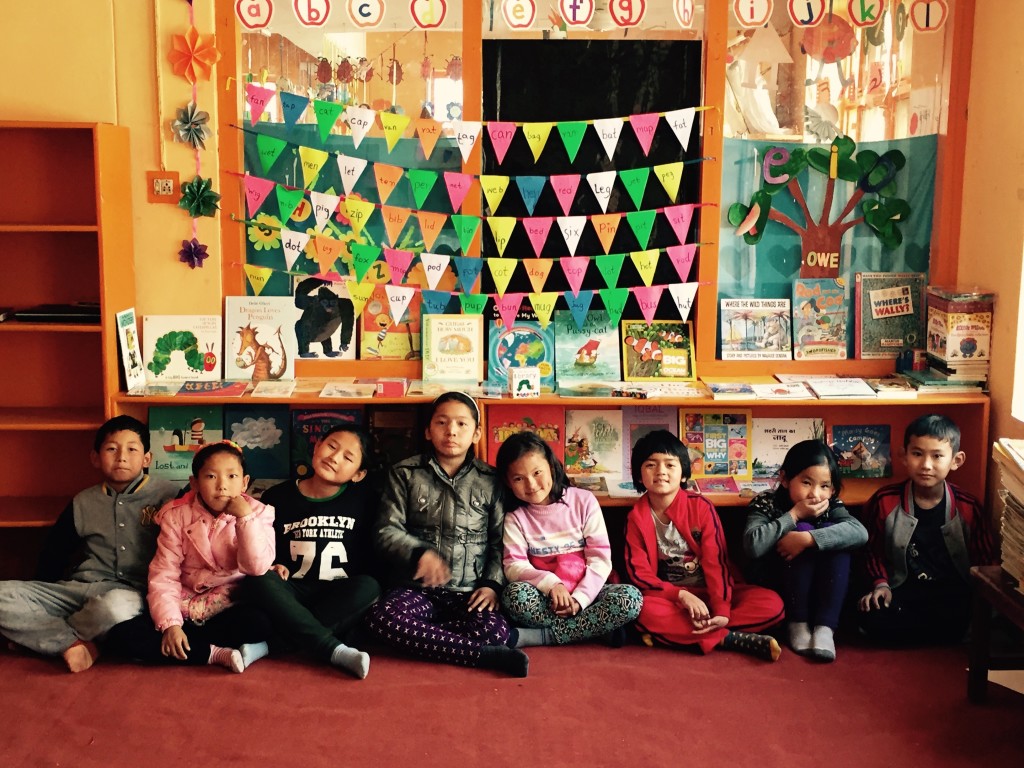
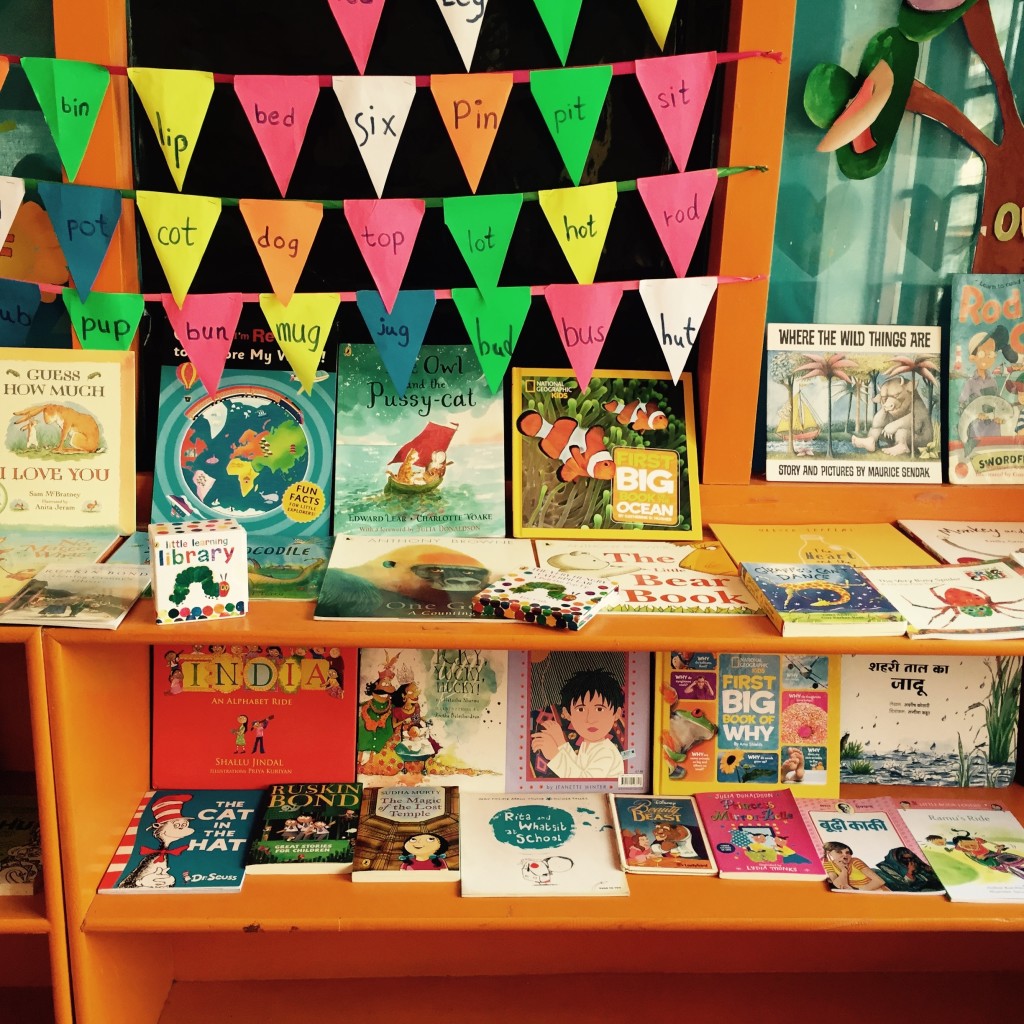
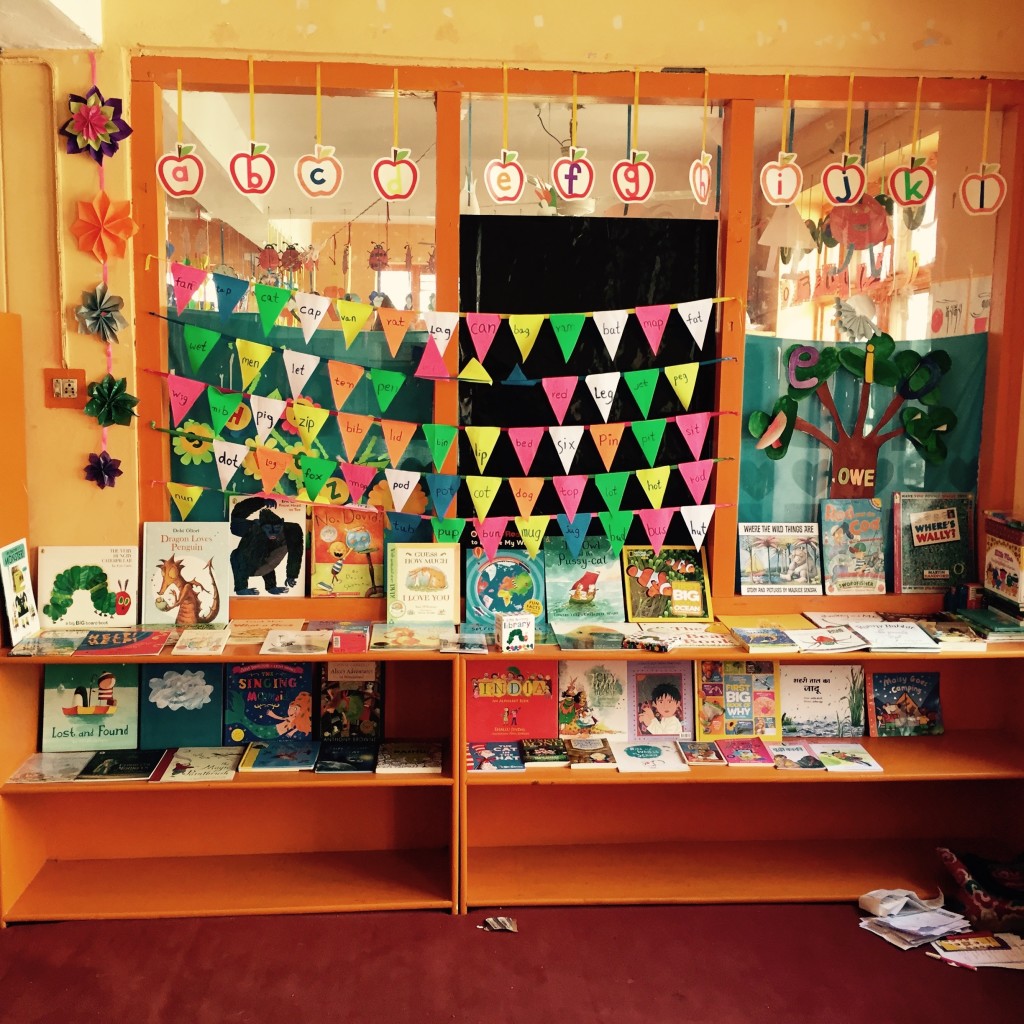
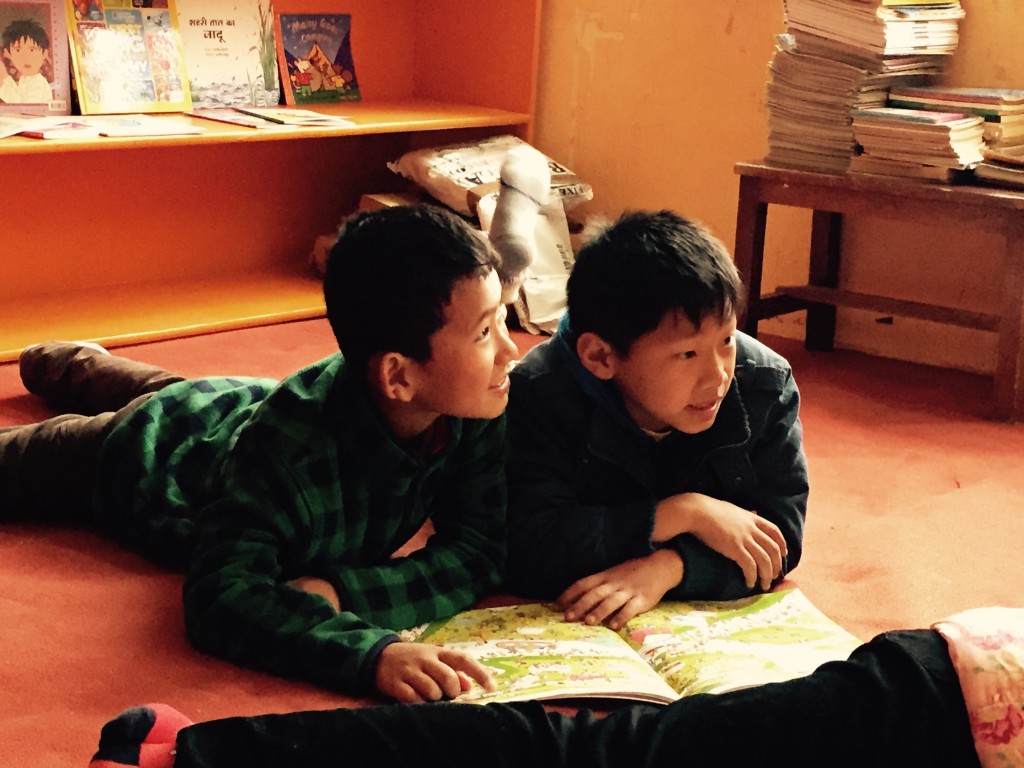
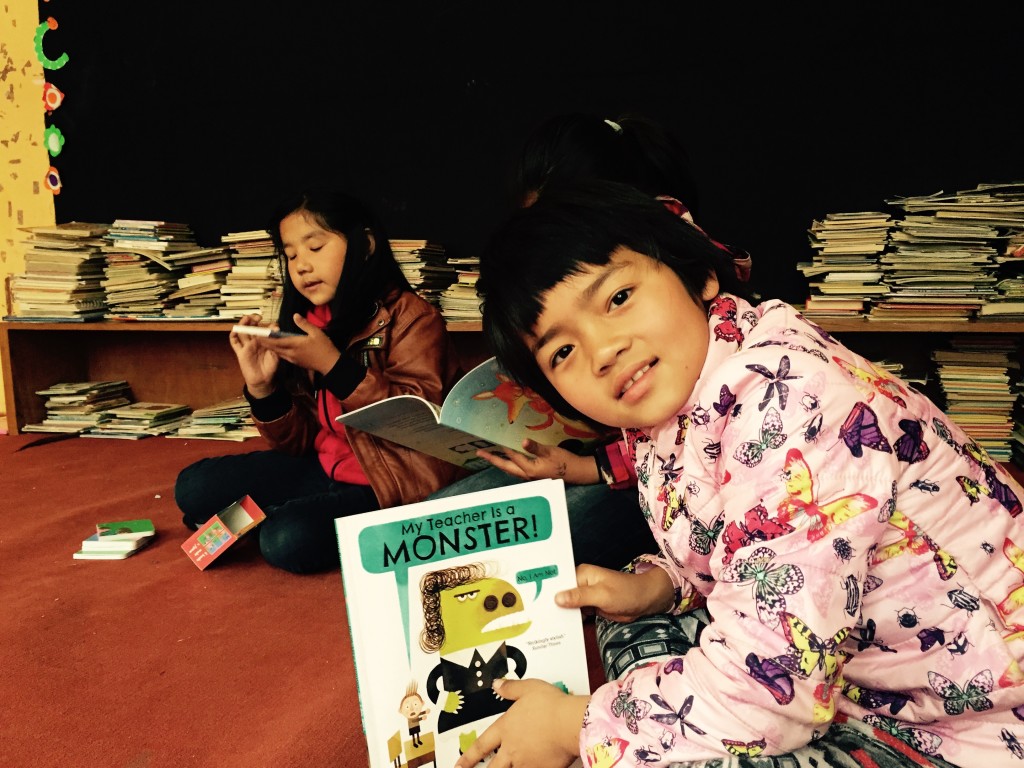
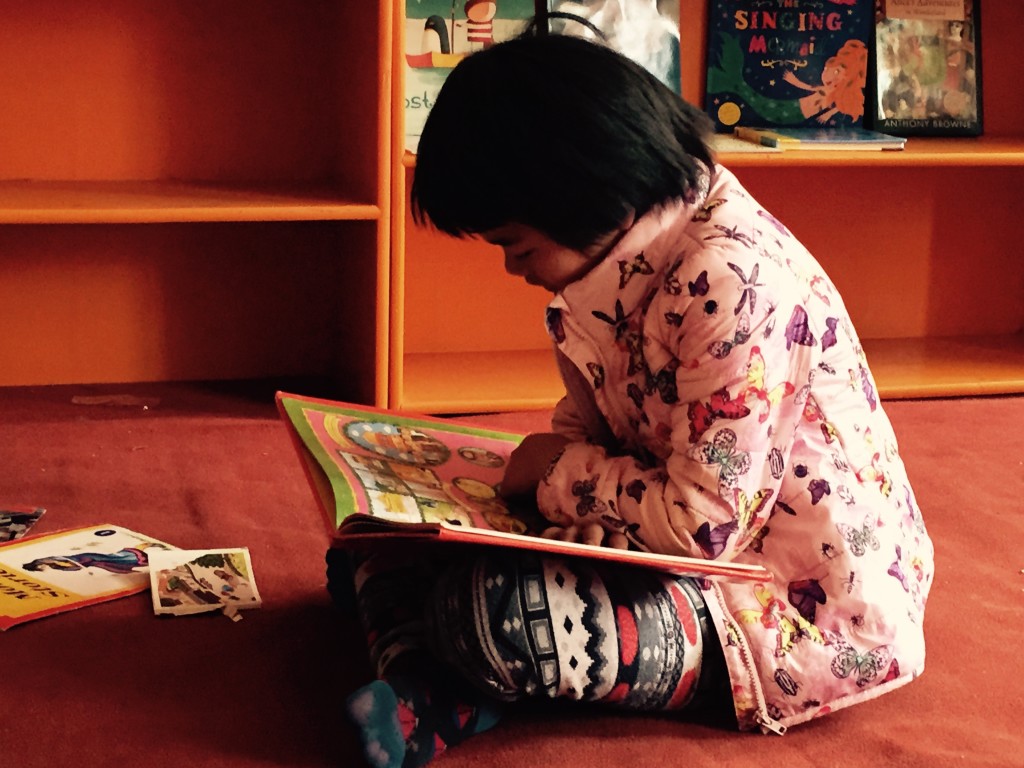
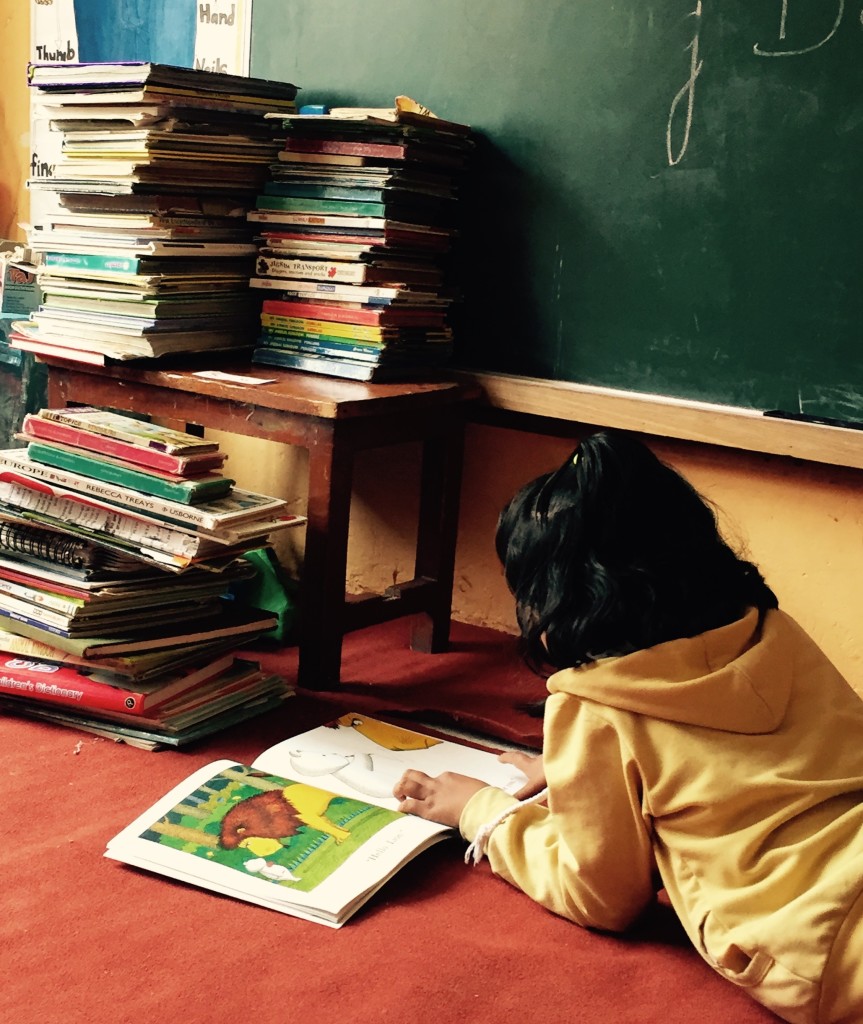
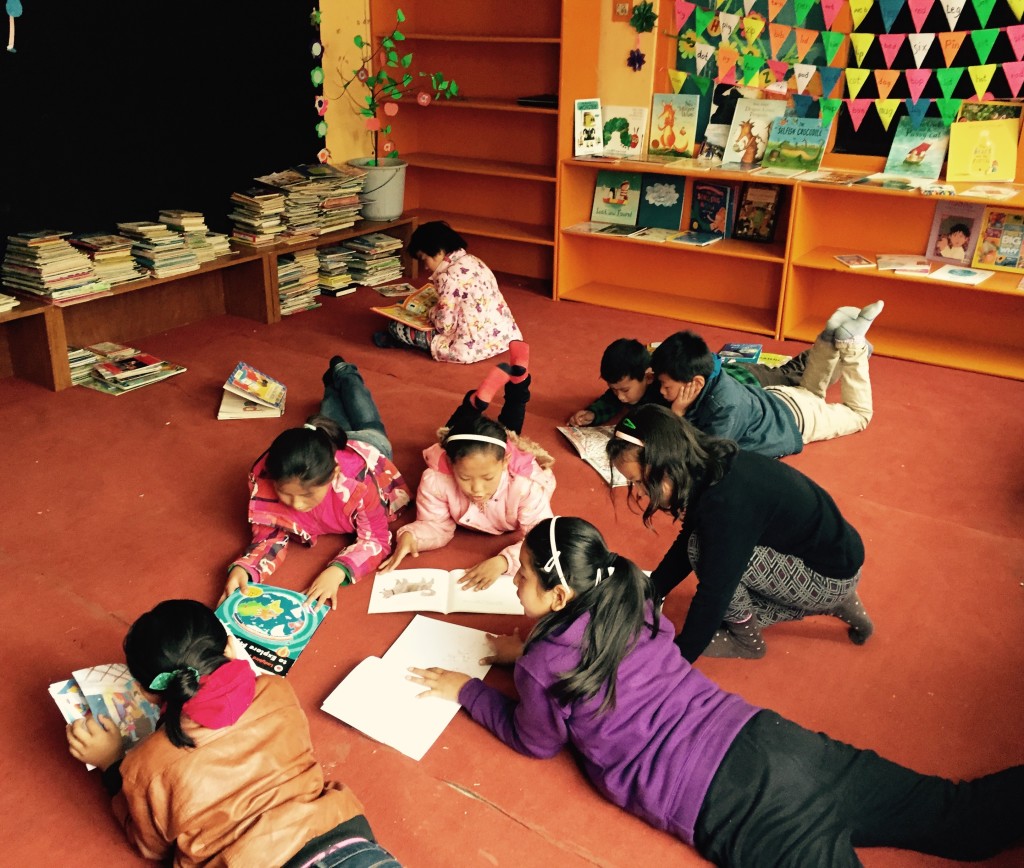
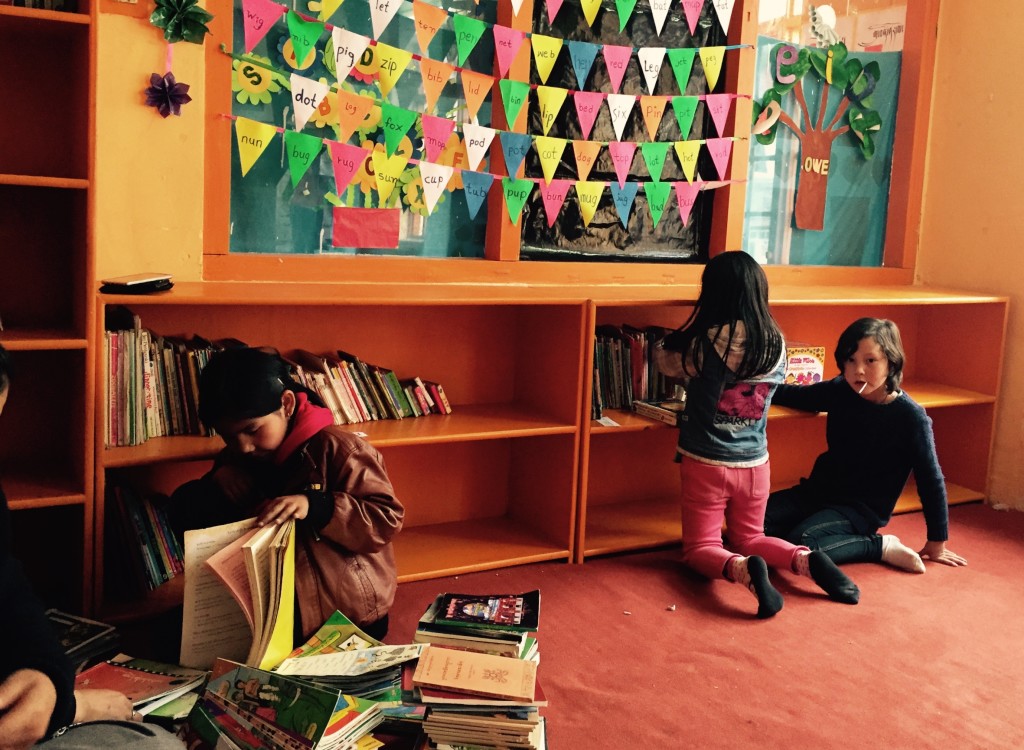
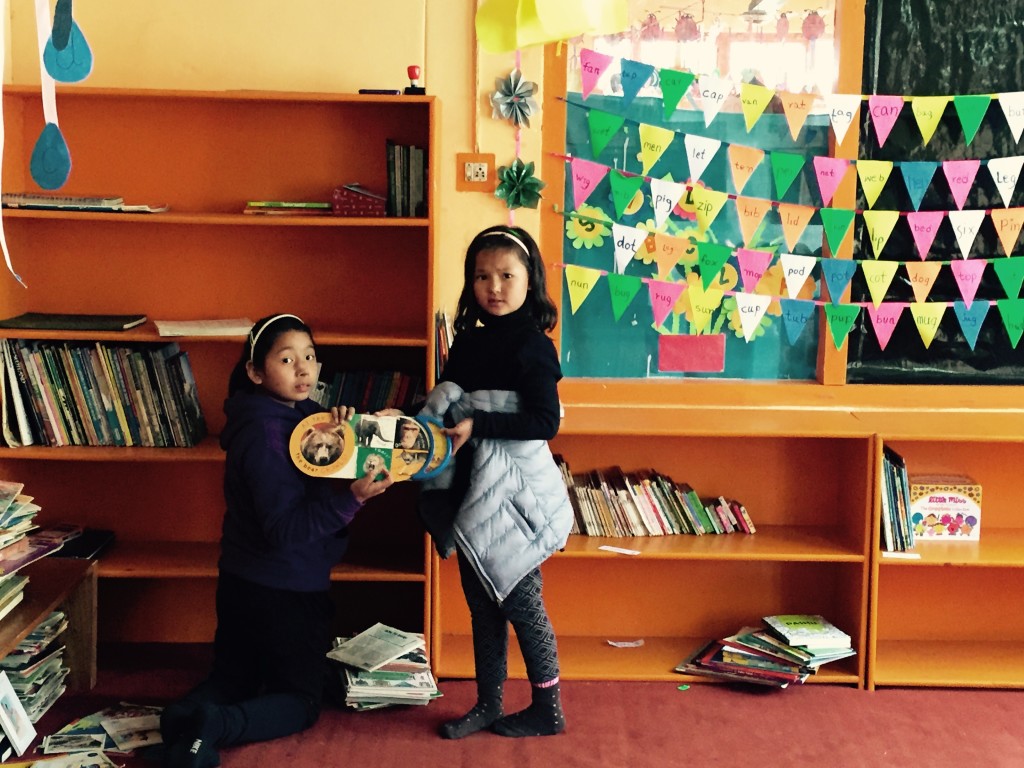
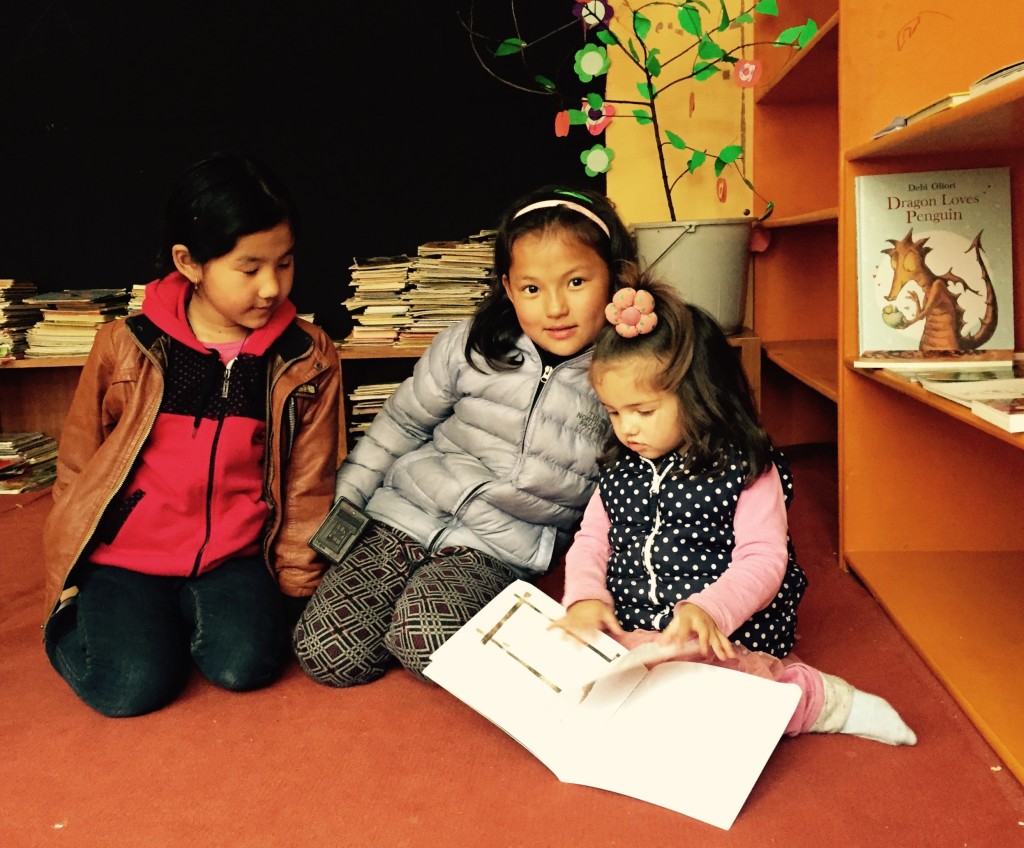
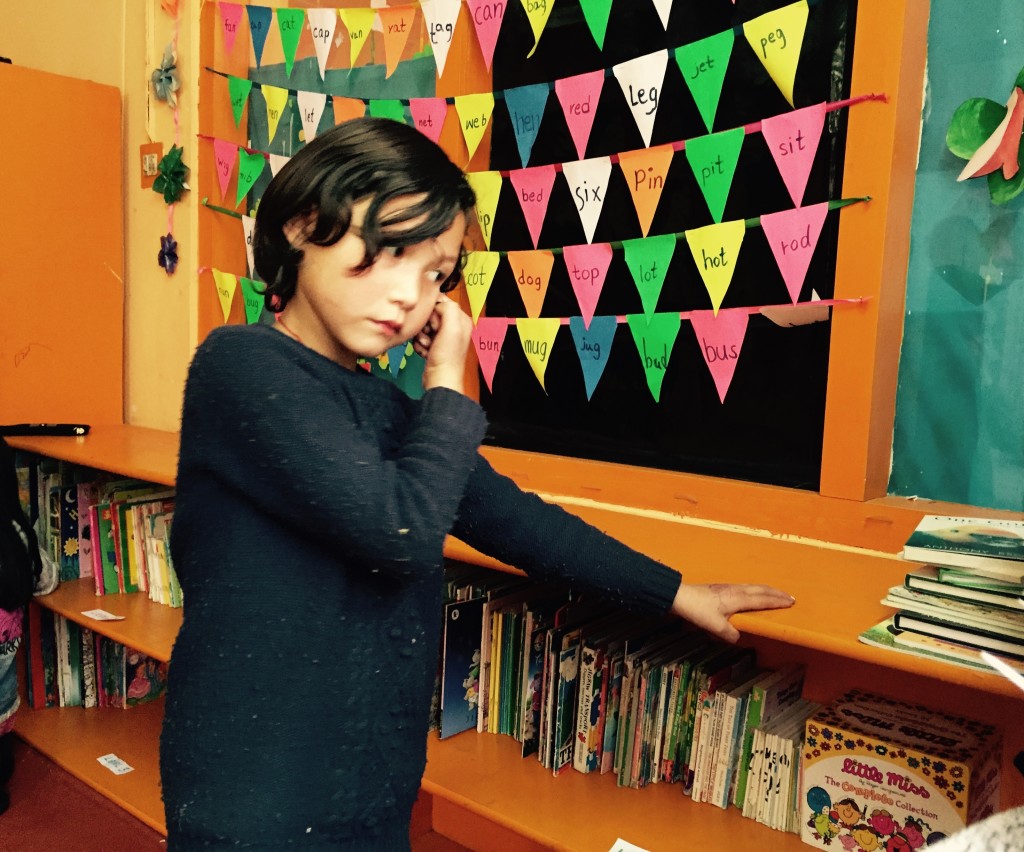
A reading room gives children a reliable place to browse, read quietly, listen to stories, and recommend books to friends. It can be modest: shelves, floor cushions, tables, good light, and materials chosen for the local community. Its greatest value comes from regular opening times and a welcoming atmosphere.
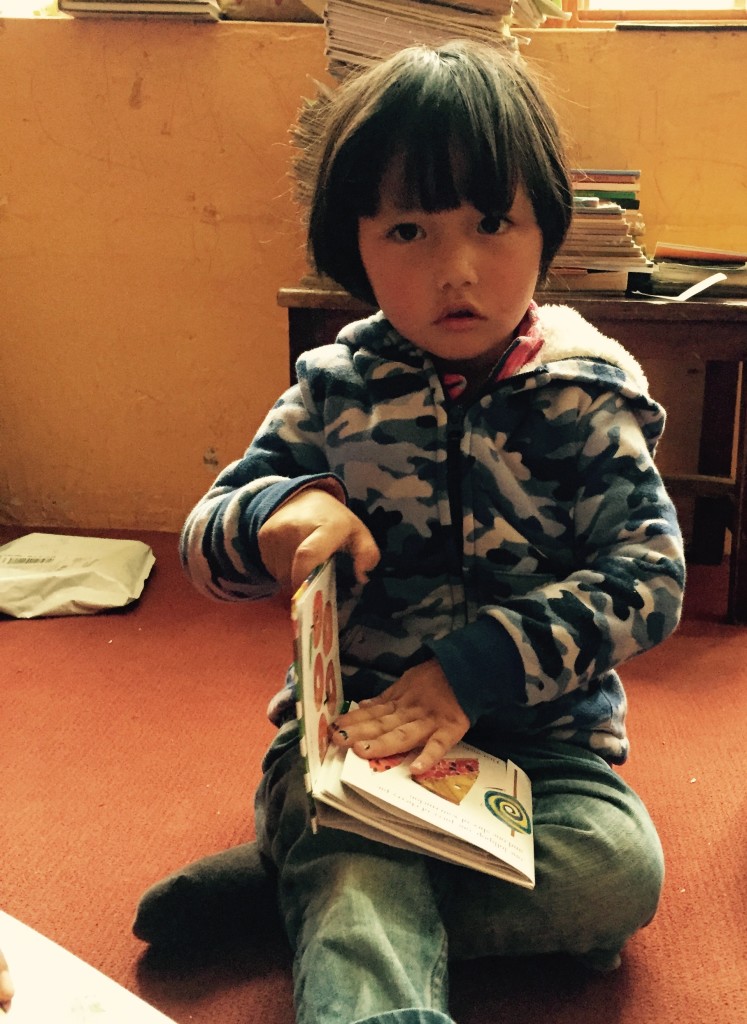
Children are more likely to read when they can choose. Choice gives them ownership and allows them to move between picture books, adventure stories, comics, poetry, and factual texts according to their interests. A child who is hesitant with long passages may begin with an illustrated story, then gradually take on more complex books.
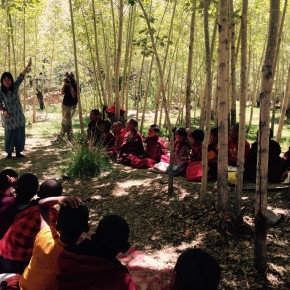
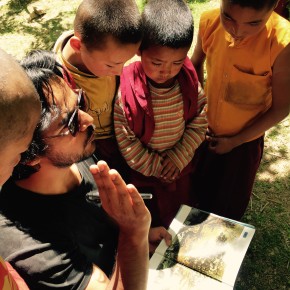
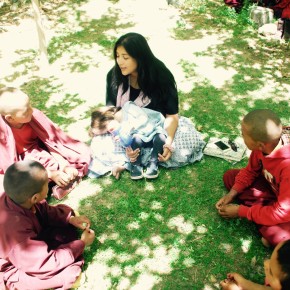
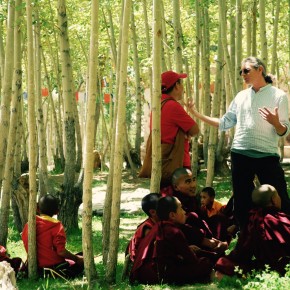
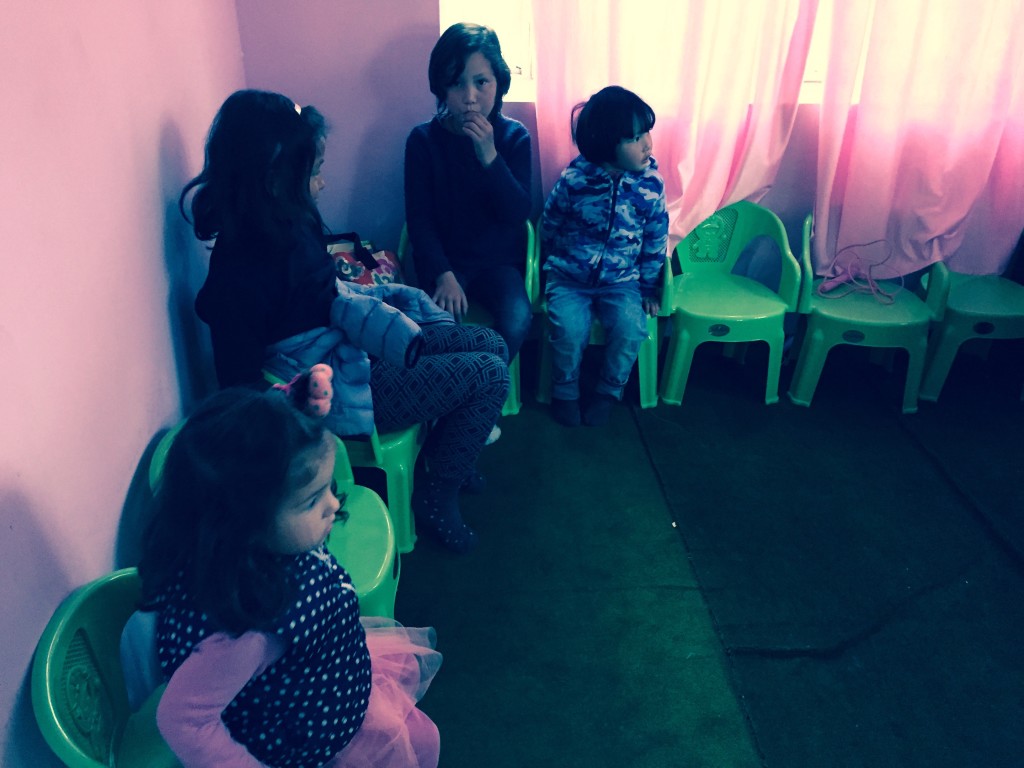
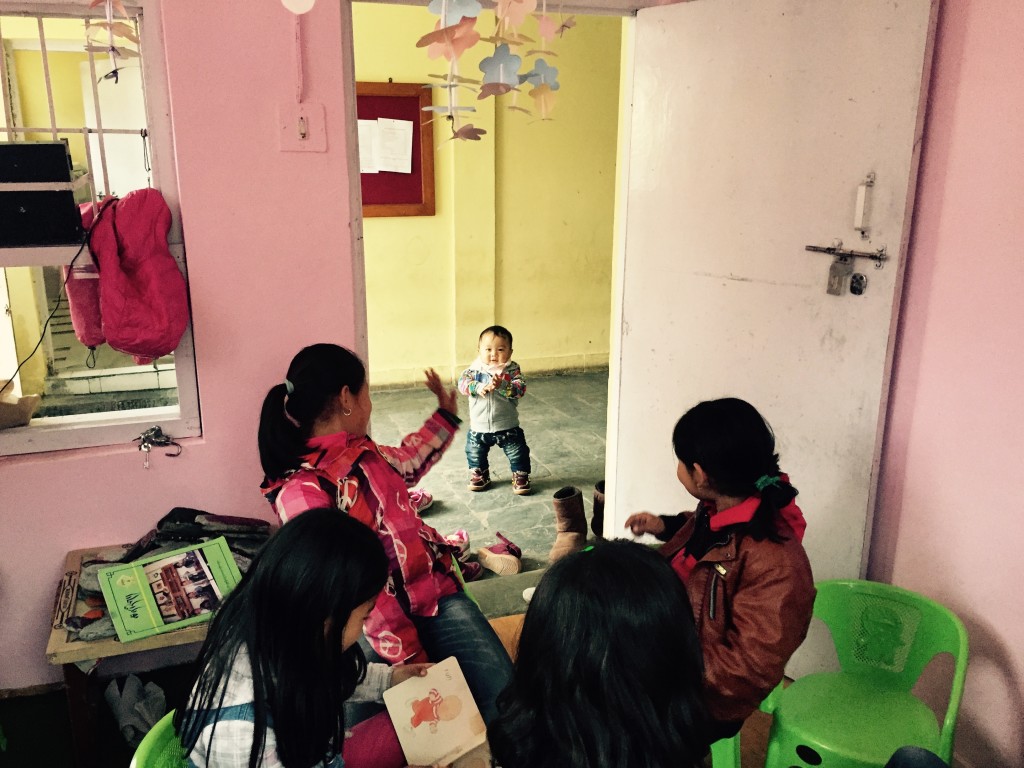
Reading rooms can also become shared learning spaces. Volunteers and local educators can read aloud, help children sound out unfamiliar words, discuss characters, and encourage children to retell a story in their own words. These conversations strengthen oral language, which supports later reading comprehension and writing.
Learning Through Art, Music, And Story
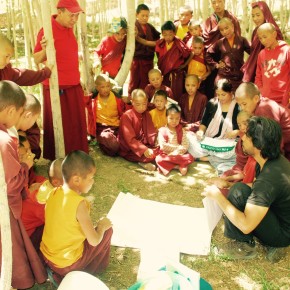
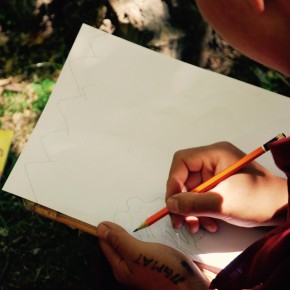
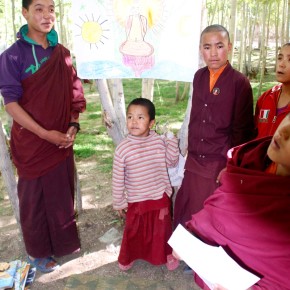
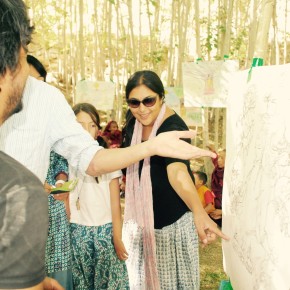
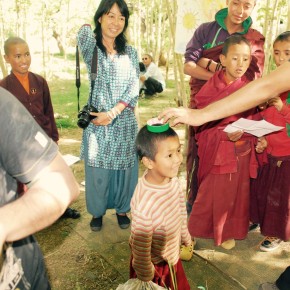
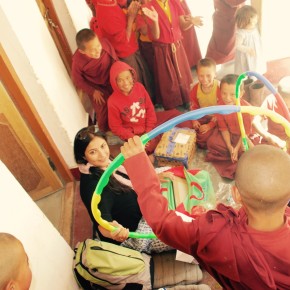
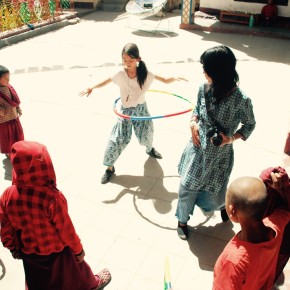
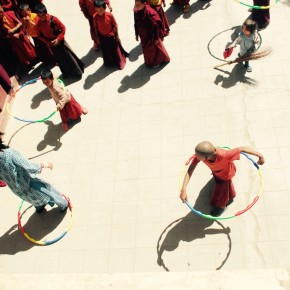
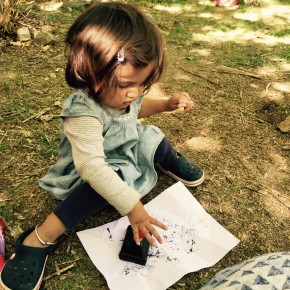
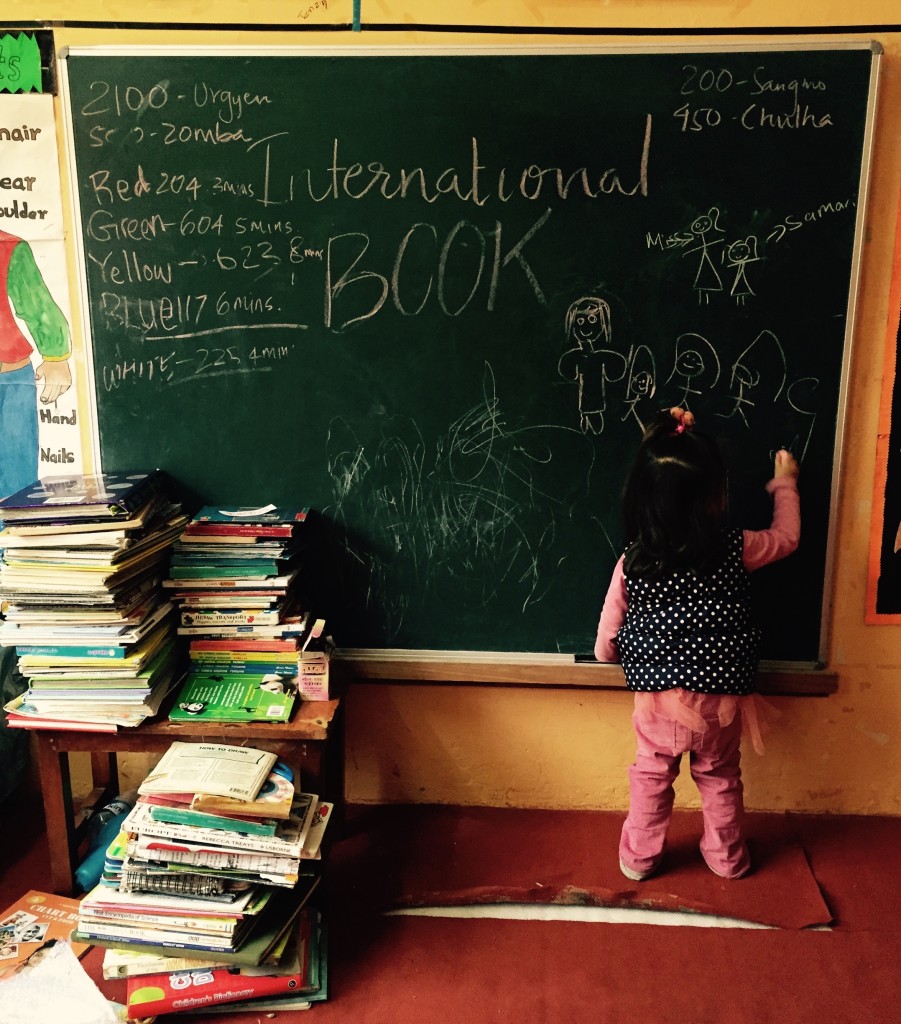
Literacy does not develop in isolation. Drawing a scene from a book, performing a story, singing a song, or creating a puppet character helps children interpret and remember language. Creative activities give learners who may feel uncertain about reading another way to participate and express ideas.
For young monks and children in Himalayan communities, artistic and musical programs can connect education with culture, discipline, and curiosity. A traditional story may lead to a discussion about place and values. A picture-making session may introduce descriptive words. A rhythm exercise may help children notice sounds, syllables, and patterns in language.
This broader approach also makes reading feel relevant. Books become starting points for conversation, craft, research, and play. Such experiences can build motivation, especially for children who have had limited contact with books outside formal lessons.
What Support Can Provide
Avalokiteśvara Trust’s literacy work is designed around practical needs identified in the communities we serve. Book drives help expand collections, while reading rooms create places where books can be used repeatedly. Educational, artistic, and musical activities make learning active and social.
The work depends on cooperation. Local teachers, families, monasteries, volunteers, and community members understand the setting best. Their knowledge helps identify suitable books, schedule activities, care for shared resources, and ensure that children can continue using them after a project visit ends.
| Need |
Helpful Response |
Benefit For Children |
| Few age-appropriate books |
Curated book drives and replenished collections |
More choice and regular reading practice |
| Long travel distances |
Village reading rooms and local book access |
Less dependence on distant libraries |
| Limited confidence with text |
Read-aloud sessions and guided activities |
Better fluency, vocabulary, and comprehension |
| Narrow learning opportunities |
Art, music, storytelling, and creative workshops |
Stronger engagement and self-expression |
| Seasonal disruption |
Durable resources and flexible programming |
Continuity across changing conditions |
How Donors And Volunteers Can Help
Support can take several forms, and each one contributes to a stronger reading environment. Financial donations help with book purchasing, transport, shelves, mats, educational materials, and activities. Carefully chosen books can be valuable when they match children’s ages, reading abilities, interests, and languages.
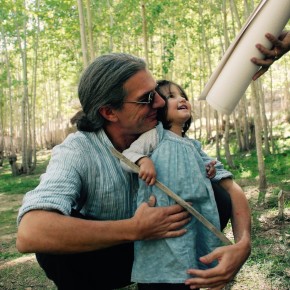
Volunteers may contribute organizational skills, reading support, workshop ideas, photography, translation, or time spent preparing resources. The most effective service begins with listening. A useful volunteer does not arrive with assumptions about what a community needs; they work with local partners and adapt to the realities of the place.
Practical ways to support Himalayan literacy include:
- Donate toward a reading room, book collection, or children’s learning activity.
- Organize a focused book drive using clear age, language, and subject guidelines.
- Volunteer skills in storytelling, art, music, literacy support, logistics, or communications.
- Share information about Avalokiteśvara Trust with schools, community groups, and potential supporters.
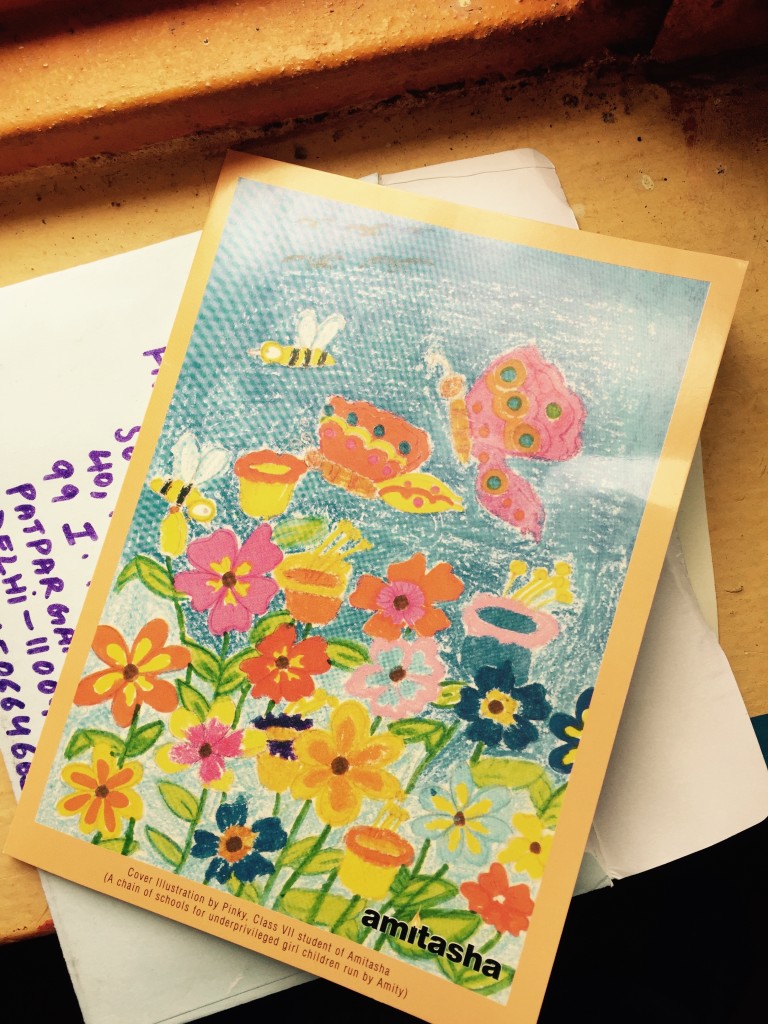
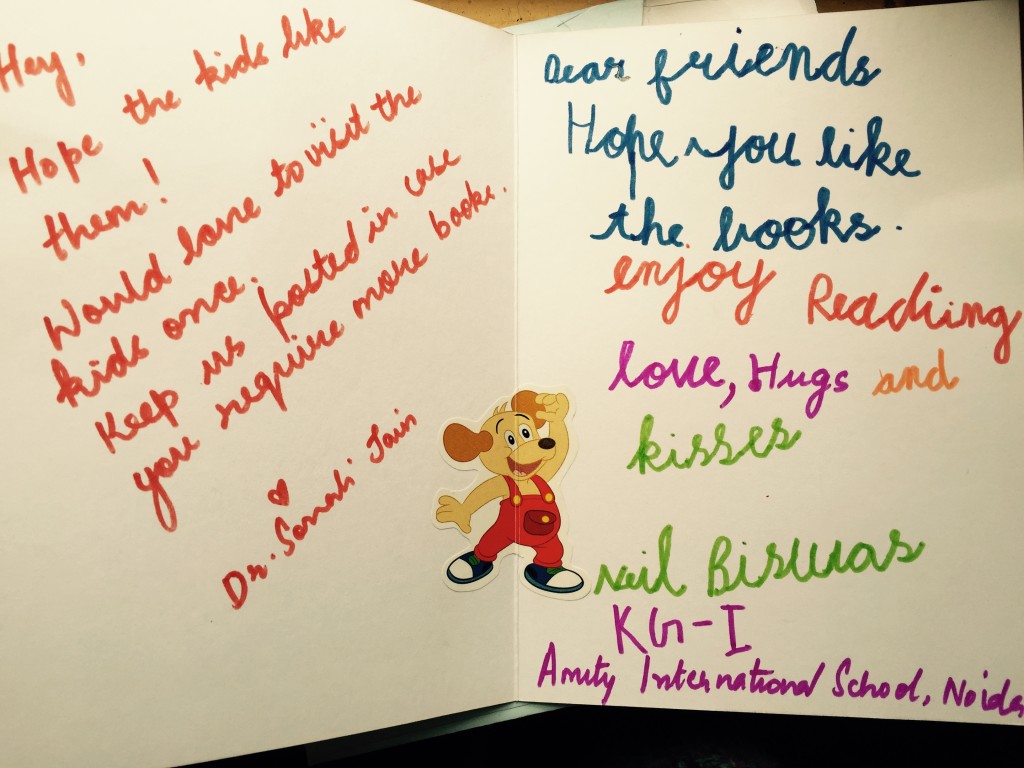
- Encourage children in your own community to exchange recommendations or create messages for young readers elsewhere.
Measuring Progress Beyond Test Scores
Reading progress can appear in small moments before it appears in formal assessments. A child selects a book without prompting, listens to a longer story, asks about an unfamiliar word, or explains a character’s decision. These signs show growing confidence and curiosity.
Teachers and volunteers can also observe whether children return to books, read with peers, borrow materials, and use new words in conversation or creative work. Keeping simple records of participation, book circulation, and activities can help community partners understand what is useful and where further support is needed.
The goal is sustained opportunity. A single delivery may bring excitement, but a living reading culture requires continued access, care, encouragement, and local leadership. When books remain available and children see adults valuing reading, literacy becomes part of community life.
Every child should have the chance to discover a story, learn from a book, and find a quiet place to think. By supporting Avalokiteśvara Trust, you can help place quality reading materials and creative learning within reach of children in Spiti and other Himalayan communities. Donate, volunteer, or organize a book drive today, and help make reading a regular possibility rather than a distant privilege.