Lessons from a First Book Drive in a Remote Himalayan Village
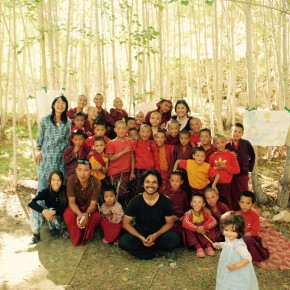
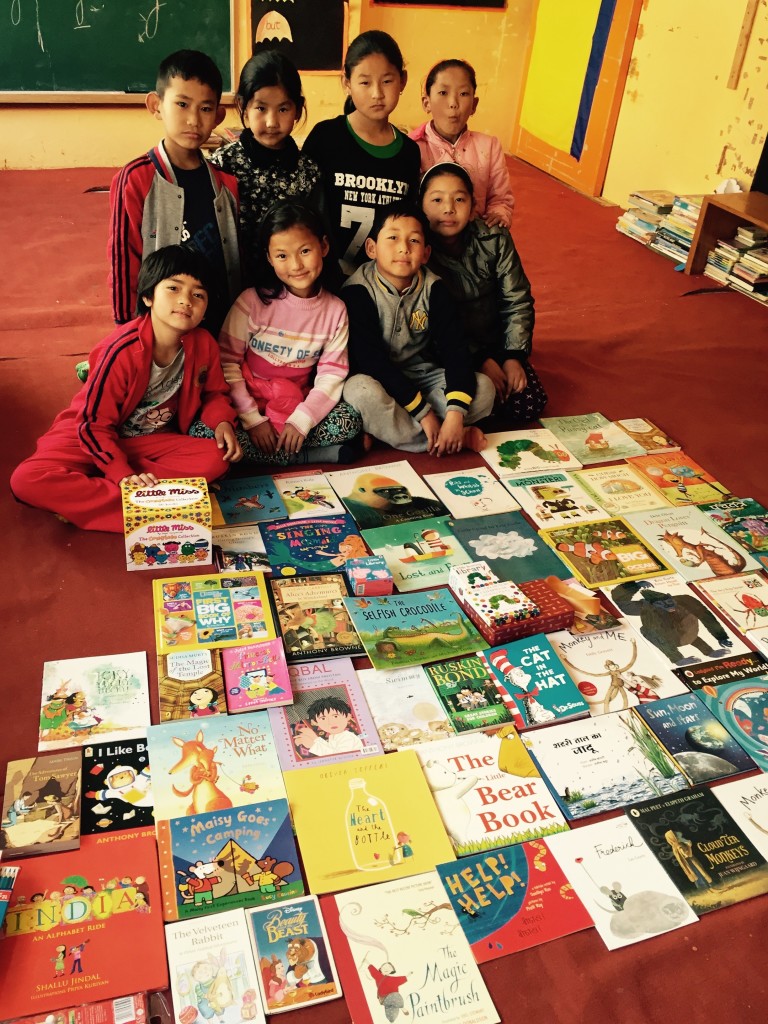
Our first book drive in a remote Himalayan village began with a simple hope: bring more reading material to children and young monks who had few books available in their homes, schools, and monasteries. The plan seemed practical. We would collect suitable titles, transport them to the region, and help local people create a welcoming place to read.
The reality was richer and more demanding. Roads, weather, language, age, culture, and local habits all shaped the outcome. A box of donated books could travel a long distance, yet its usefulness depended on careful choices made before it ever left the city.
The experience taught Avalokiteśvara Trust that a successful book drive is less about the number of books delivered and more about whether those books become part of daily life. The most valuable lessons came from listening to the community and observing how children used the new reading resources.
Distance Changes the Meaning of Preparation
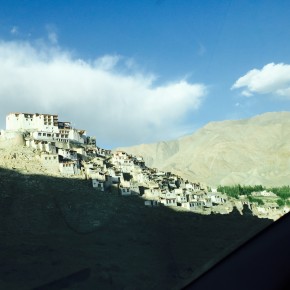
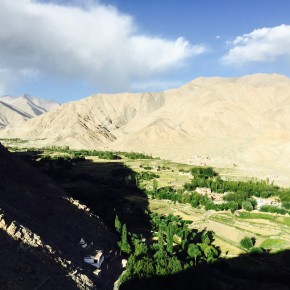
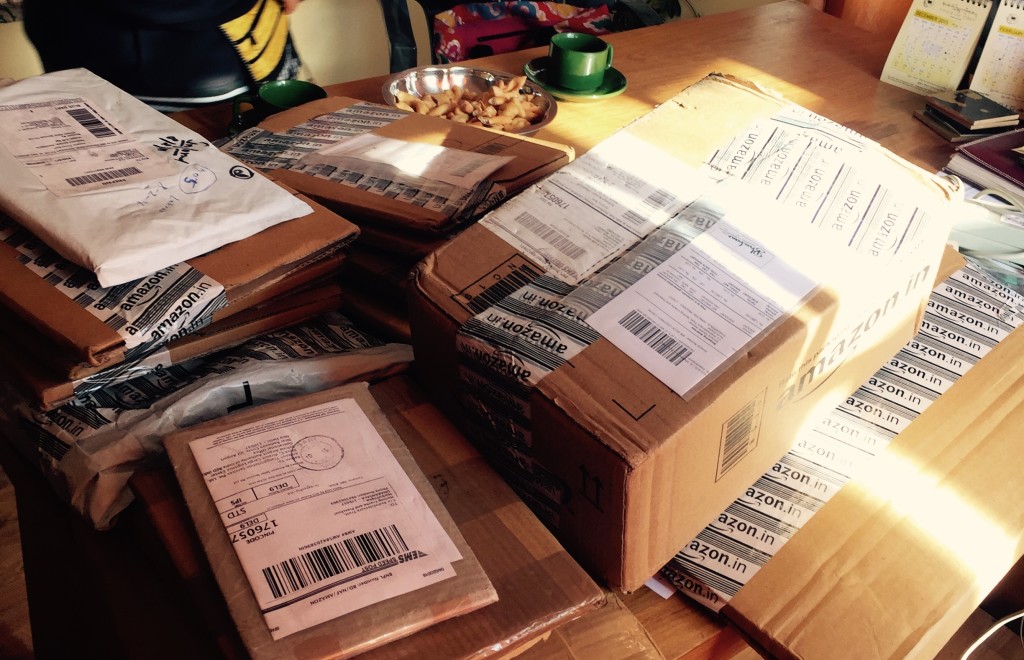
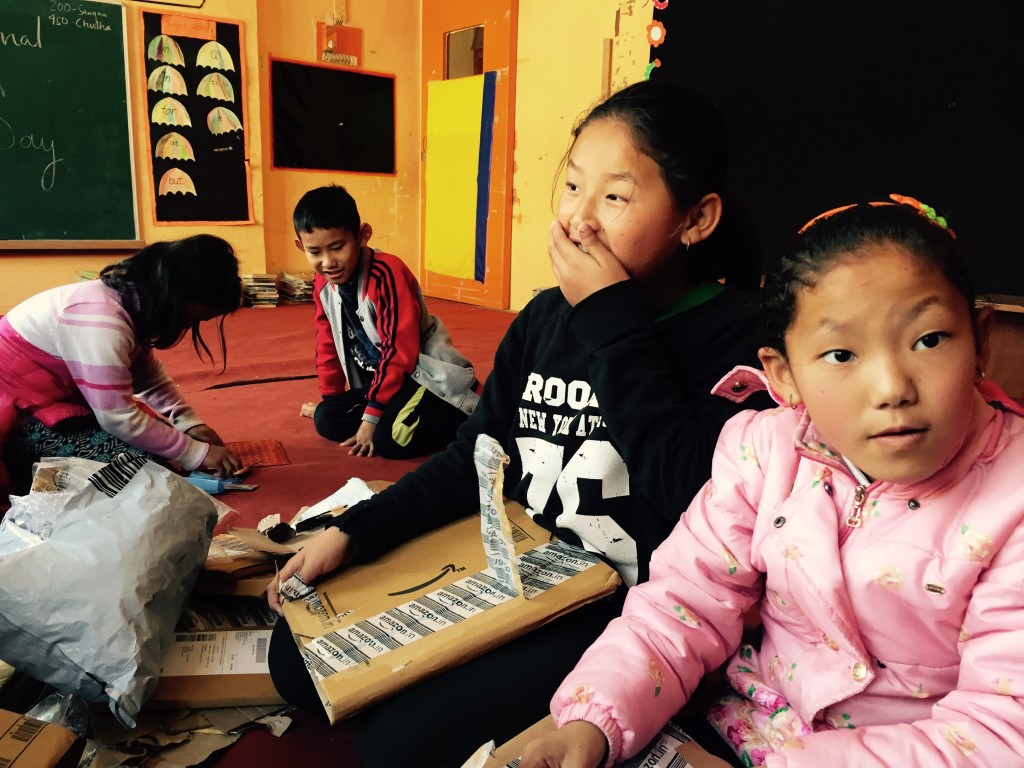
Remote Himalayan communities often depend on narrow roads, seasonal transport, and weather conditions that can change quickly. In the village we served, the final journey involved rough mountain routes and delays that were difficult to predict. Books had to be packed securely against dust, moisture, and repeated handling.
Transport costs also required greater attention than expected. A donation that covered book collection in a city did not necessarily cover packing, storage, fuel, porter fees, and delivery to a high-altitude settlement. We learned to treat logistics as part of the educational work rather than as an administrative detail.
Future book collections will begin with a route assessment and a realistic delivery budget. We will also coordinate with people already traveling to the region, including teachers, community workers, and trusted local partners. Their knowledge can reduce unnecessary journeys and help supplies arrive when the village is ready to receive them.
Book Selection Must Begin With Readers
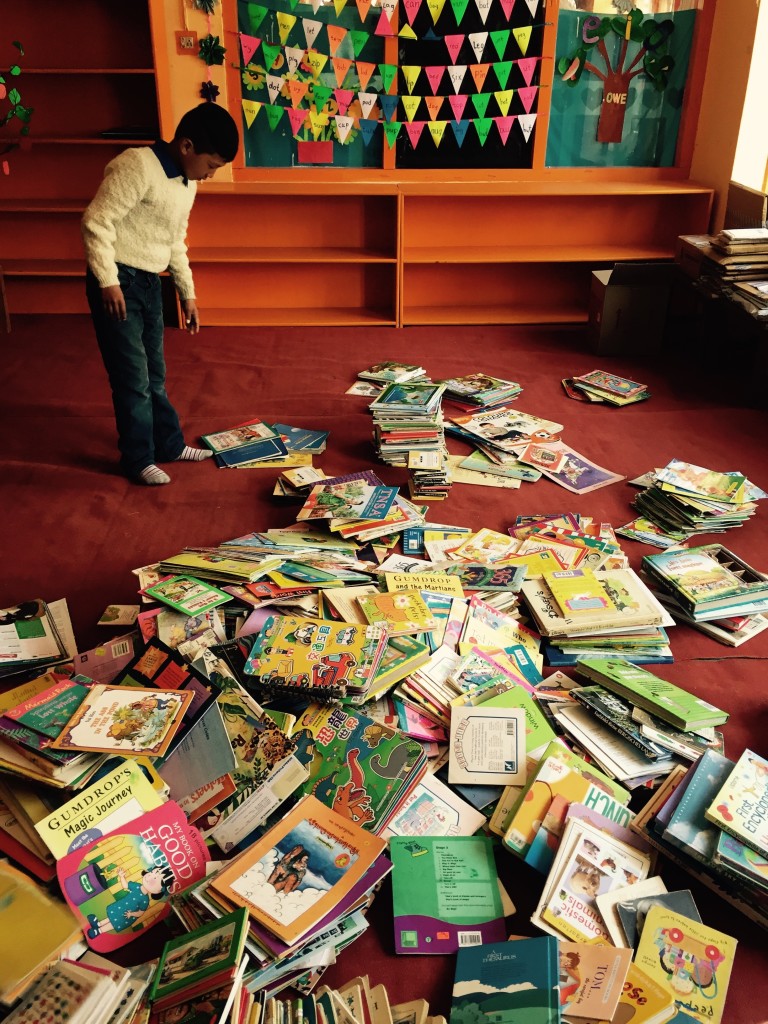
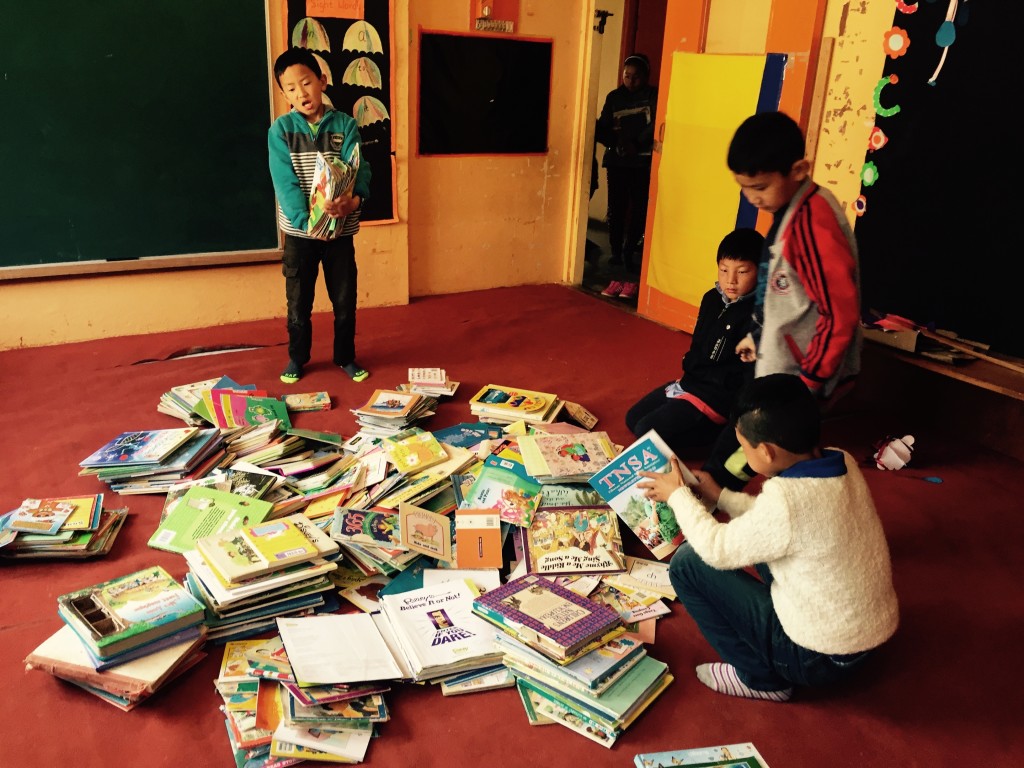
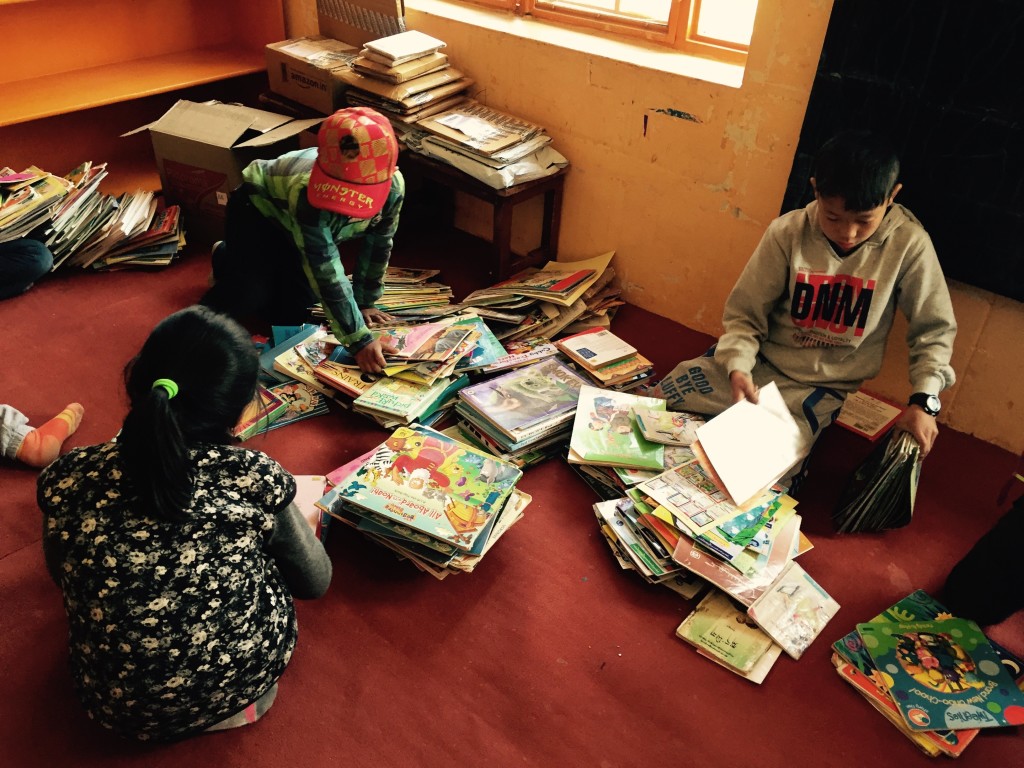
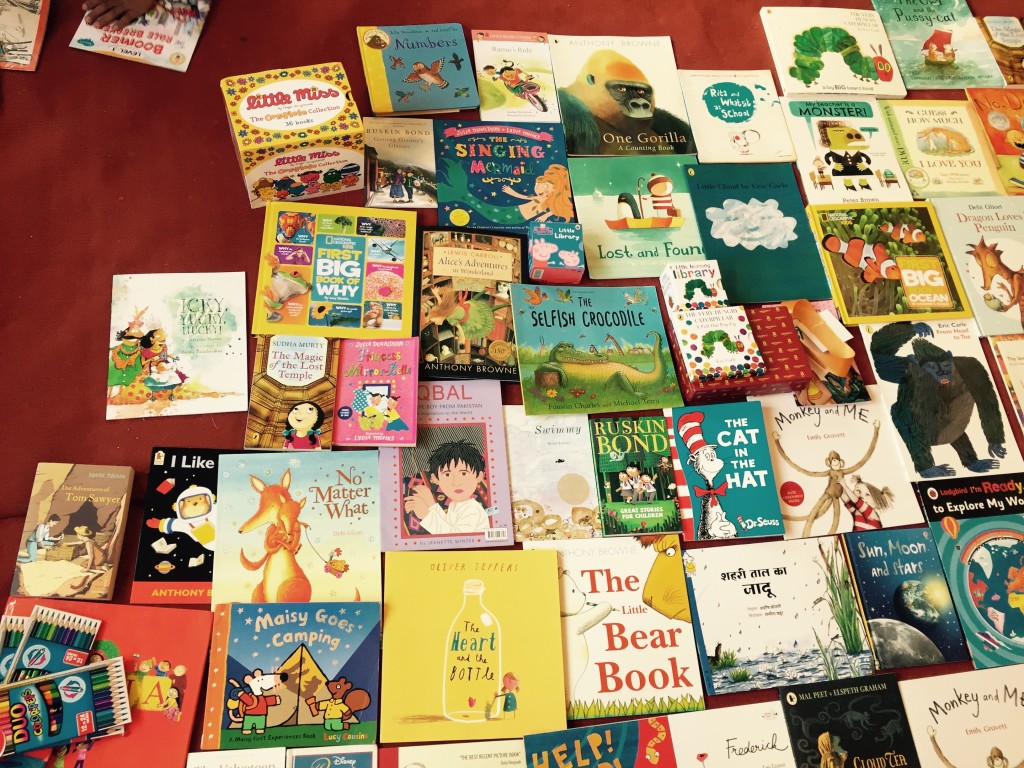
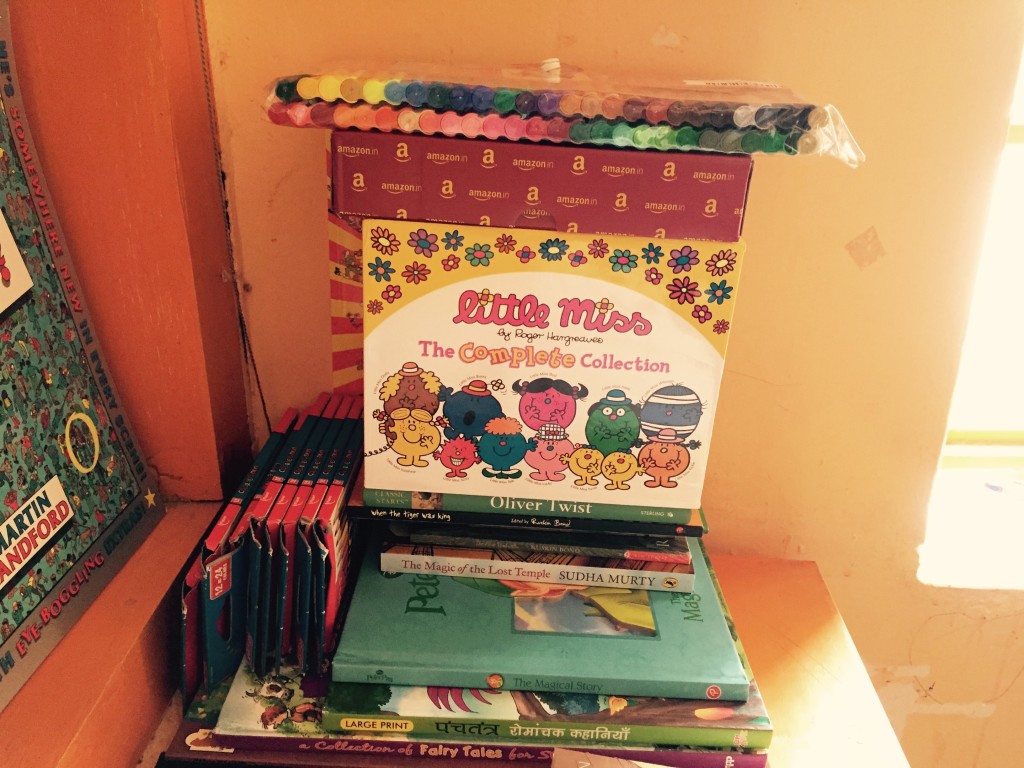
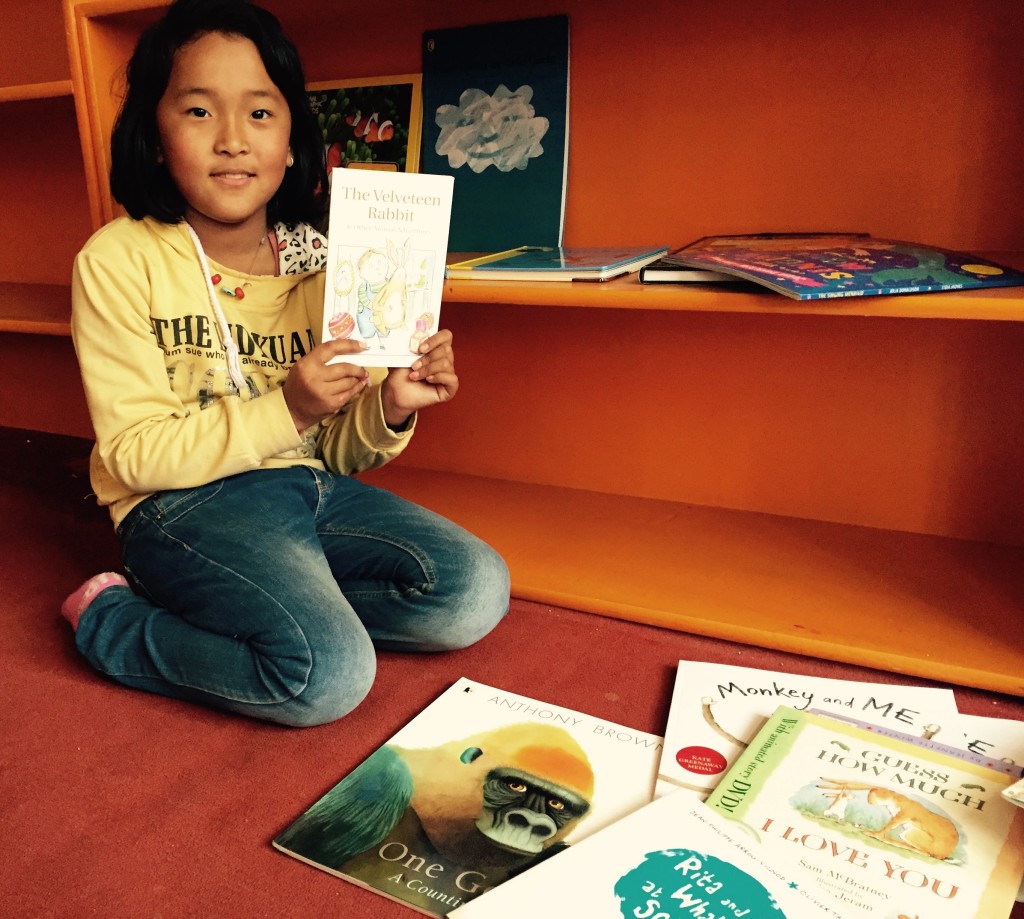
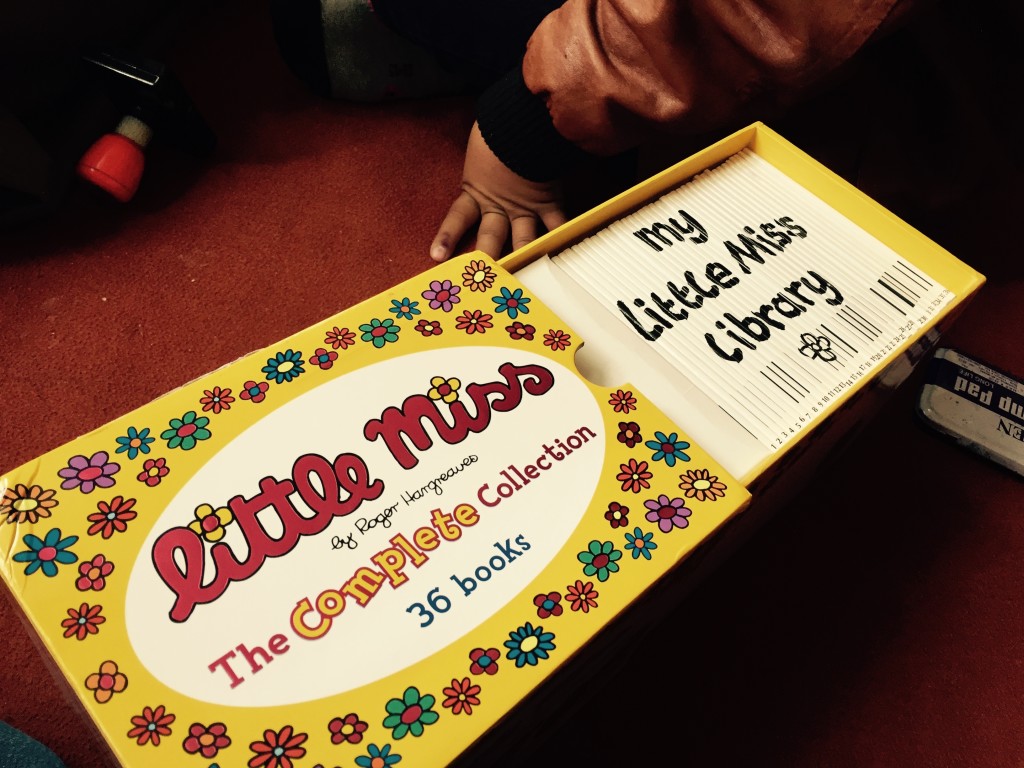
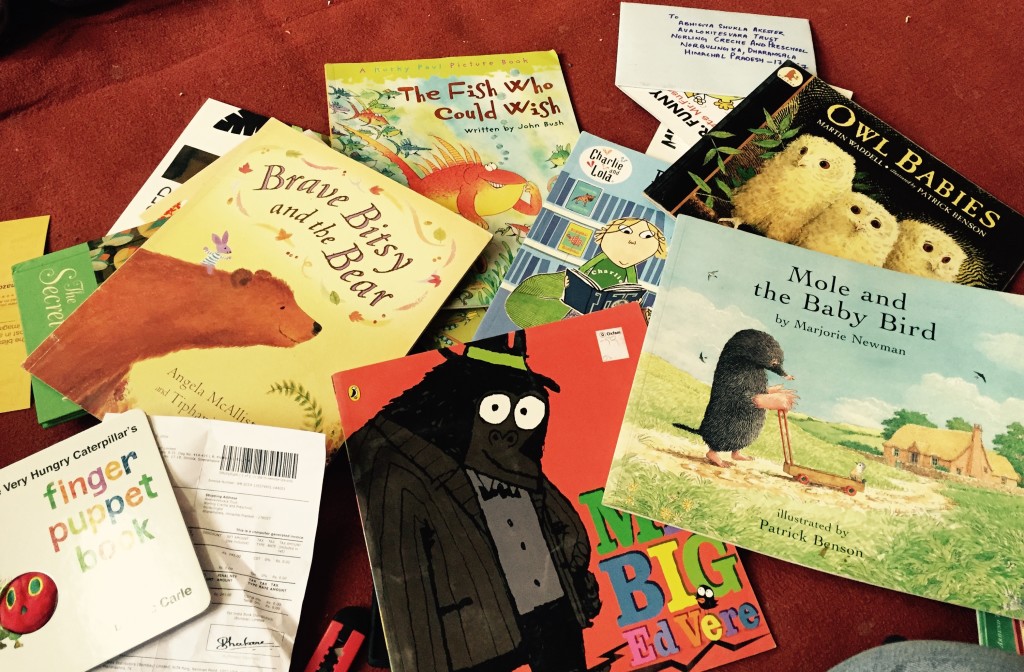
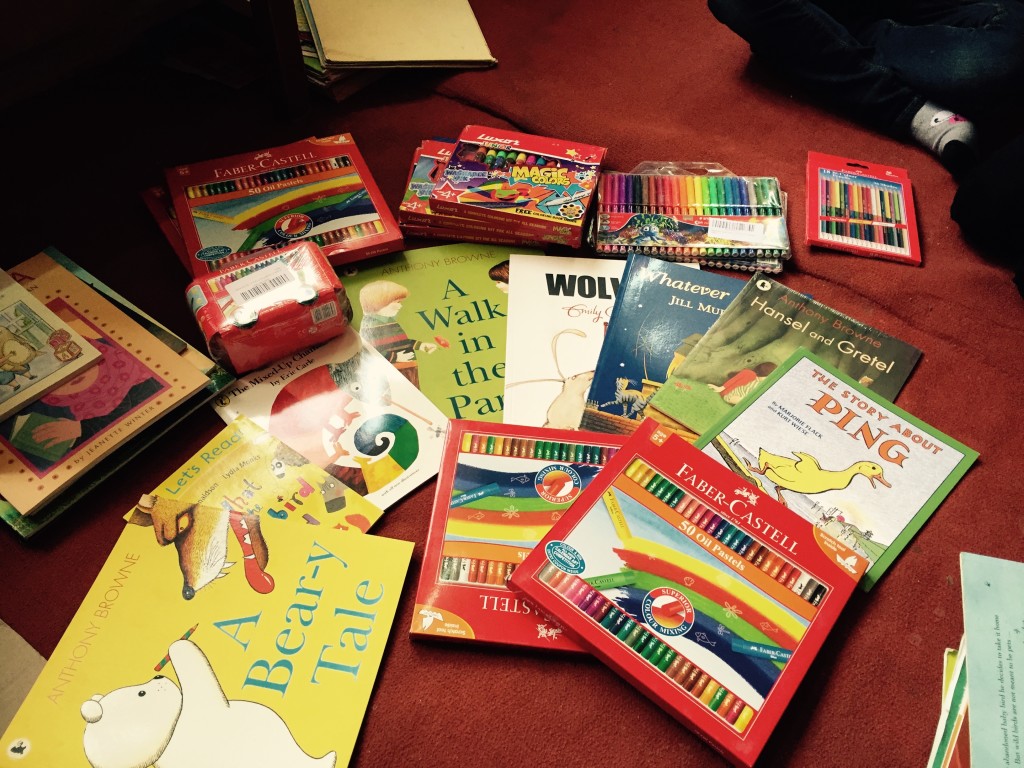
Our first collection included many generous donations, but generosity alone did not guarantee suitability. Some books were too advanced for younger readers, while others assumed cultural references or vocabulary unfamiliar to children in Ladakh. A small number were damaged or incomplete and could not be placed in the reading room.
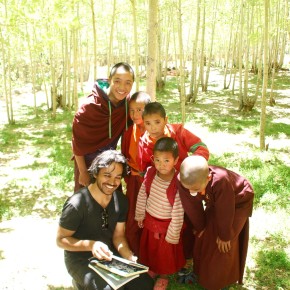
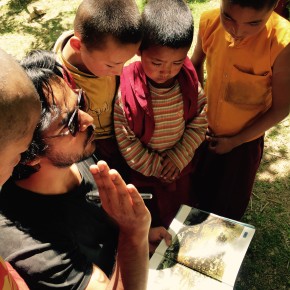
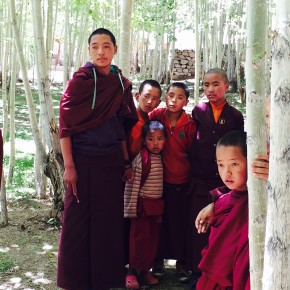
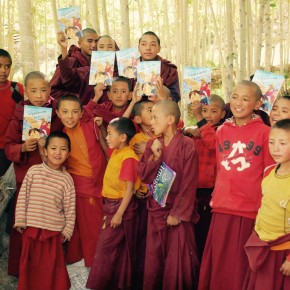
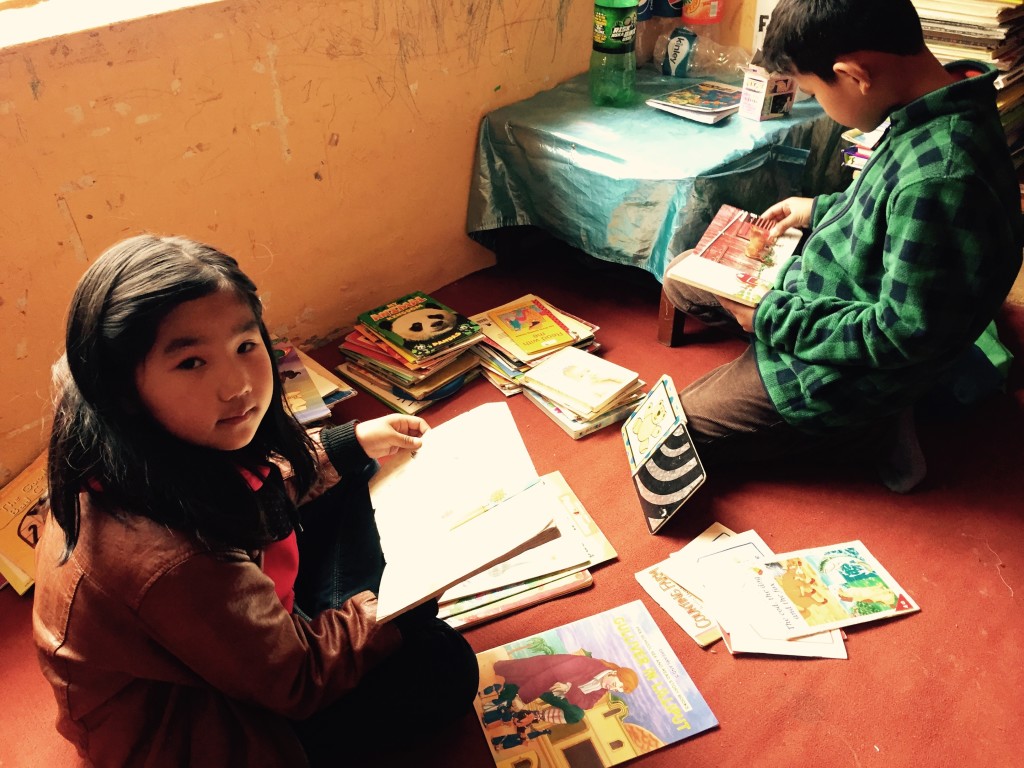
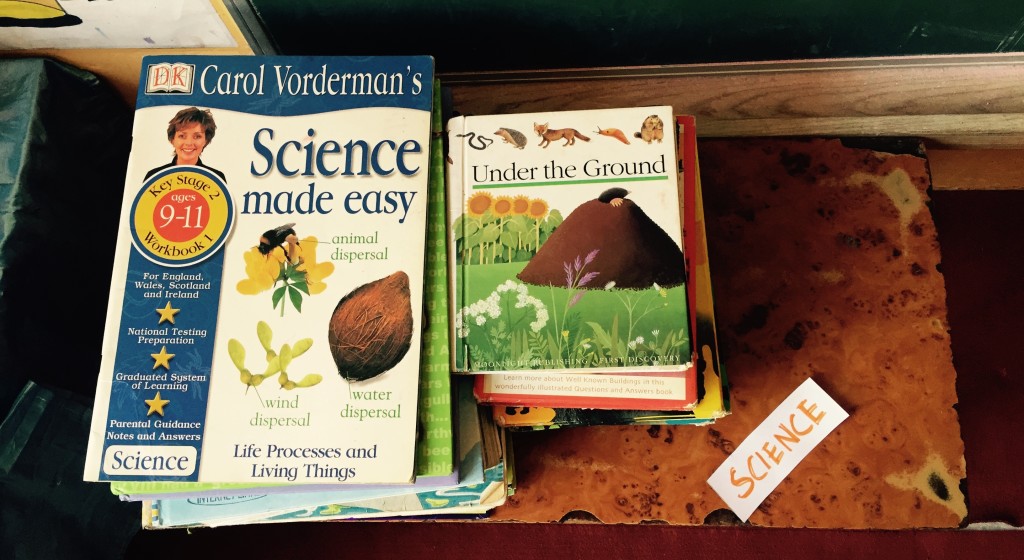
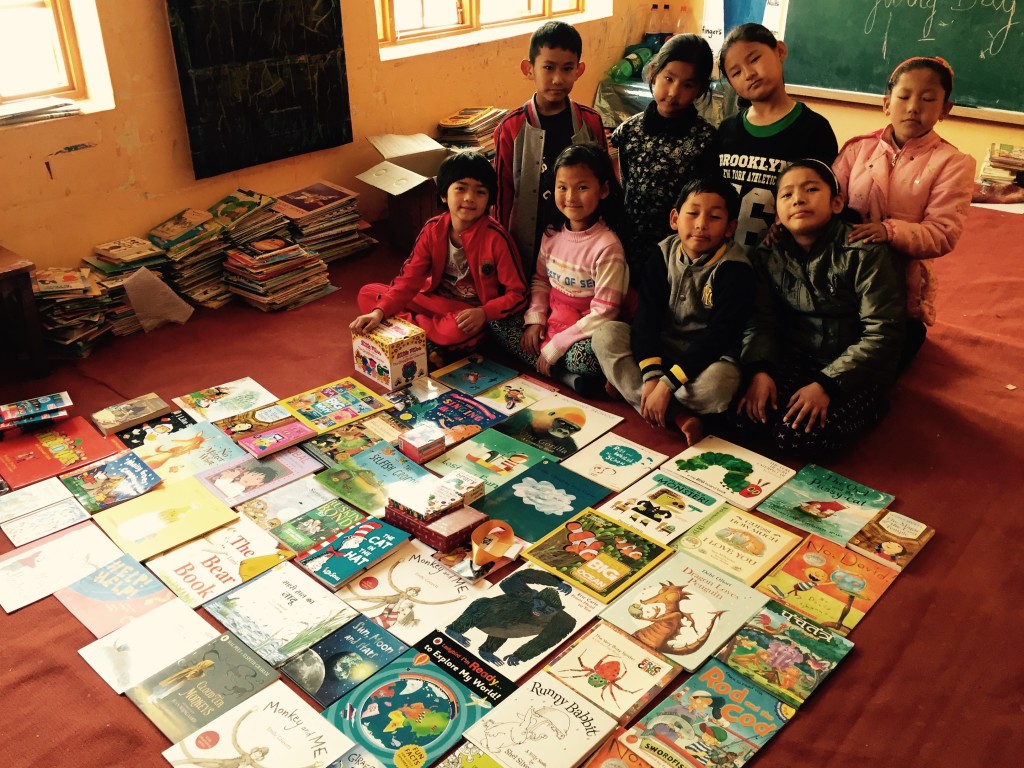
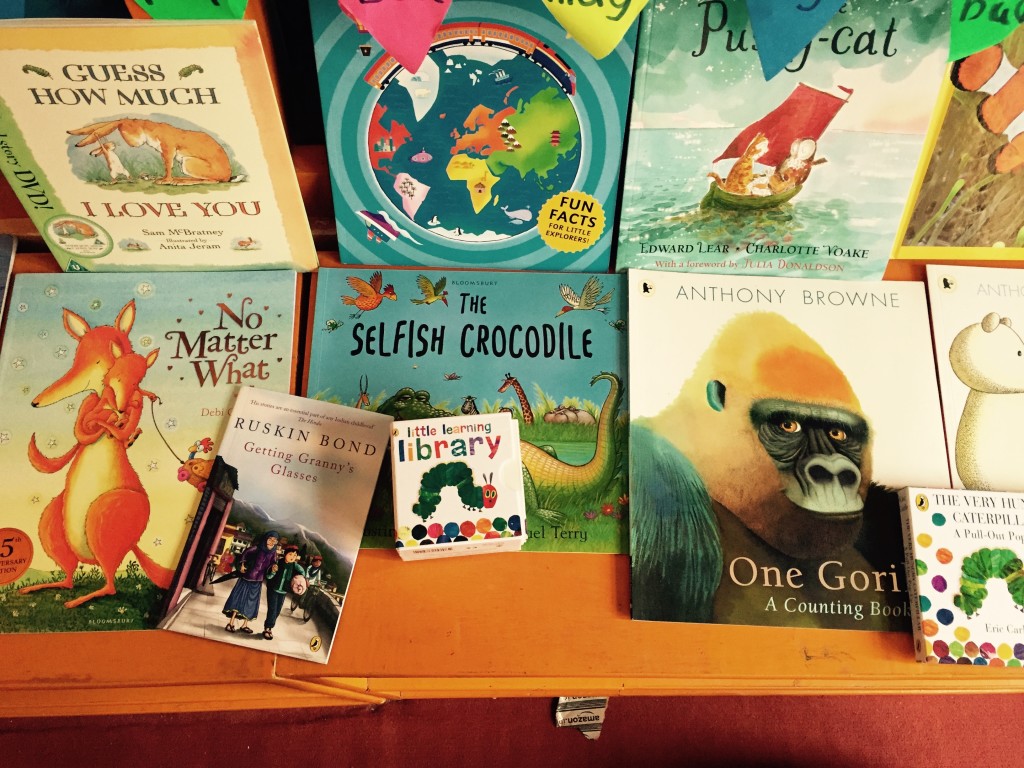
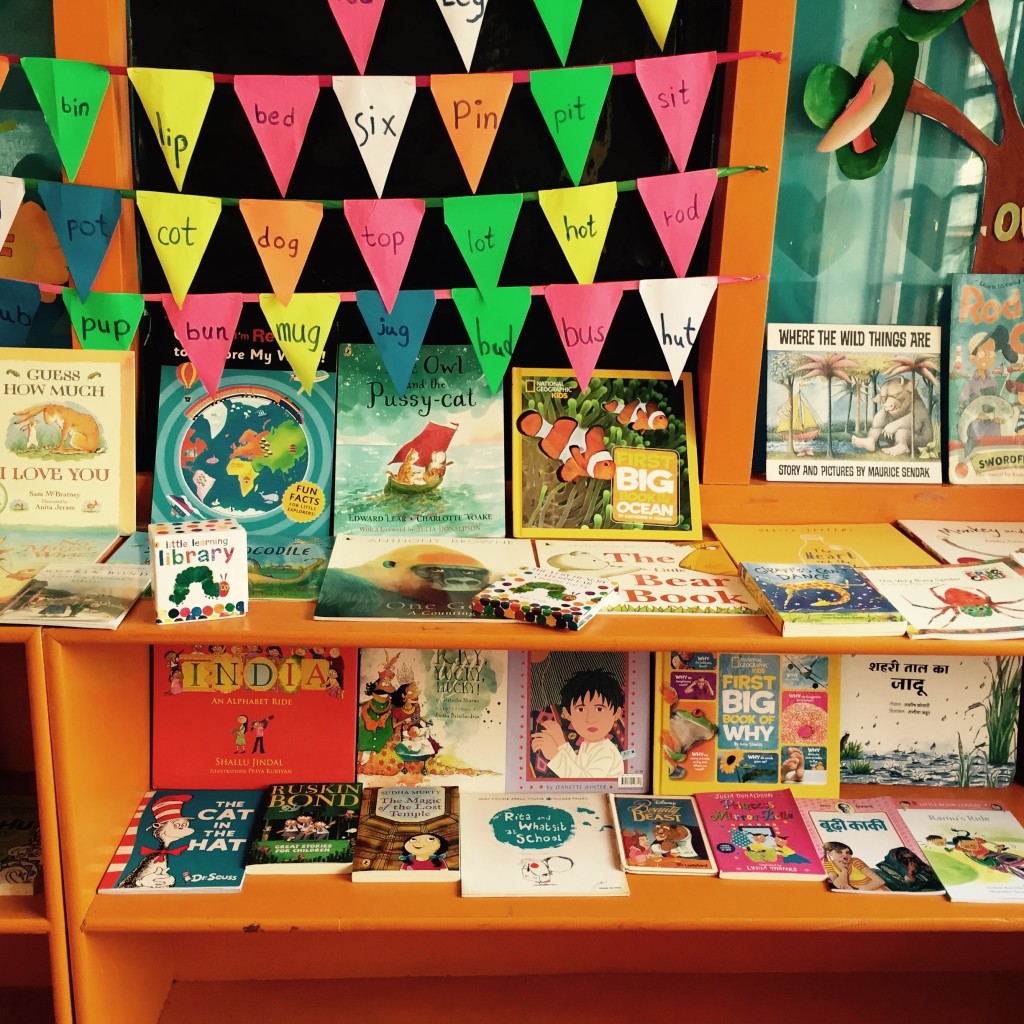
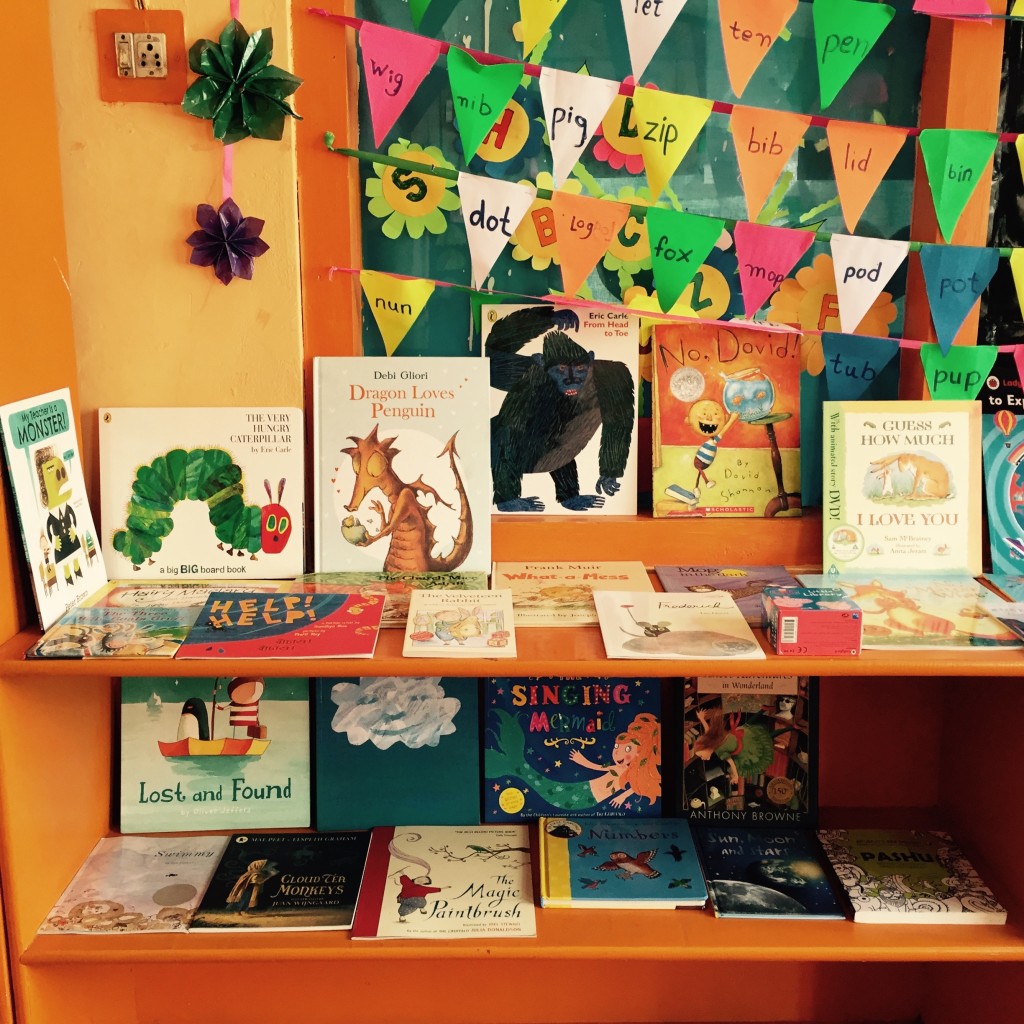
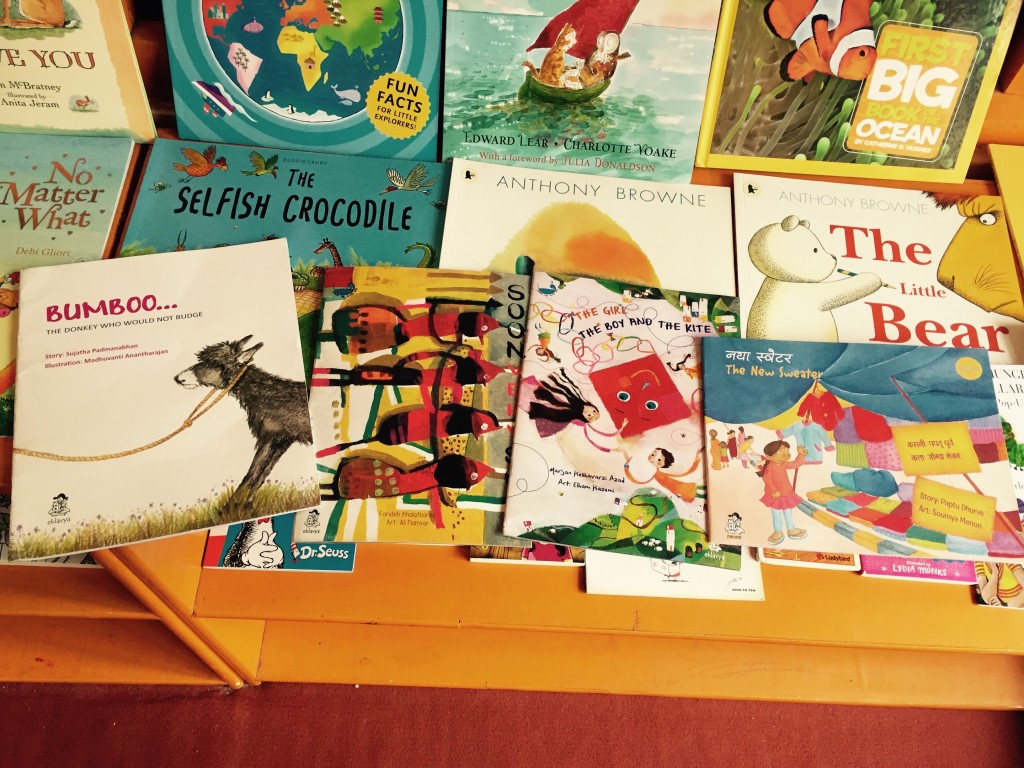
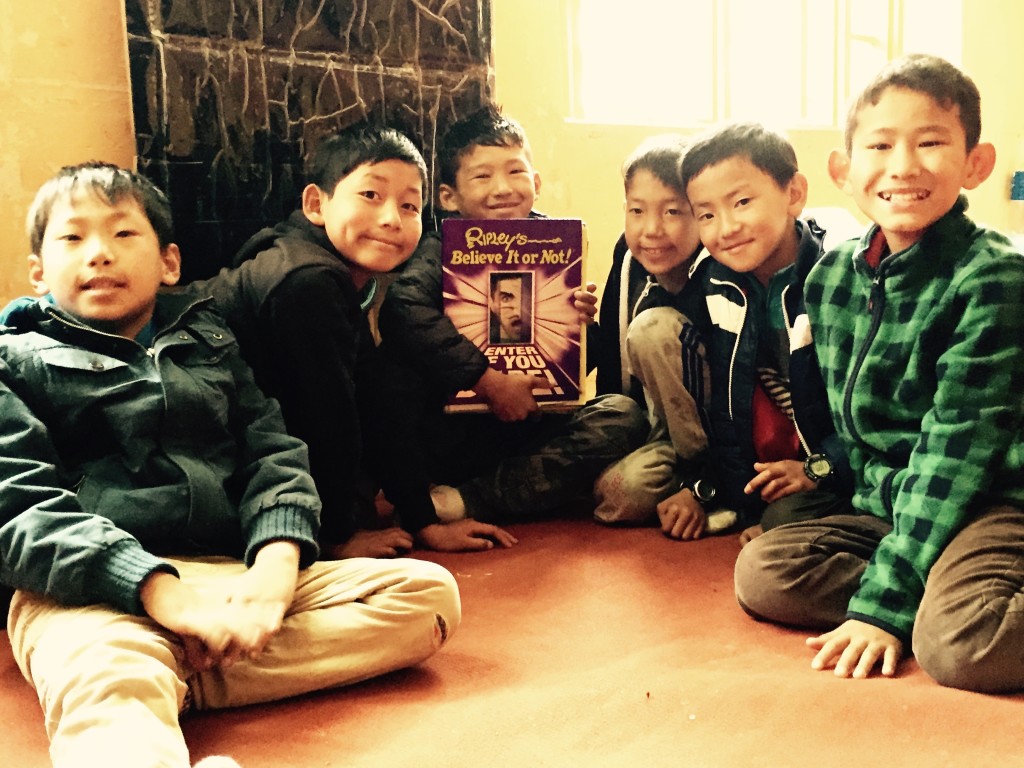
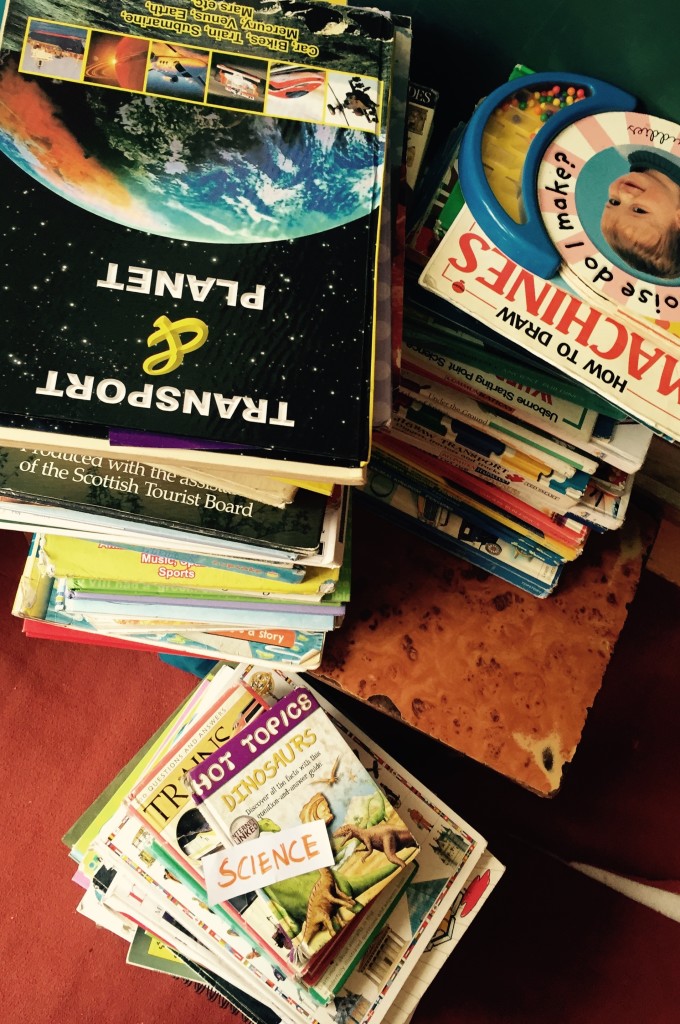
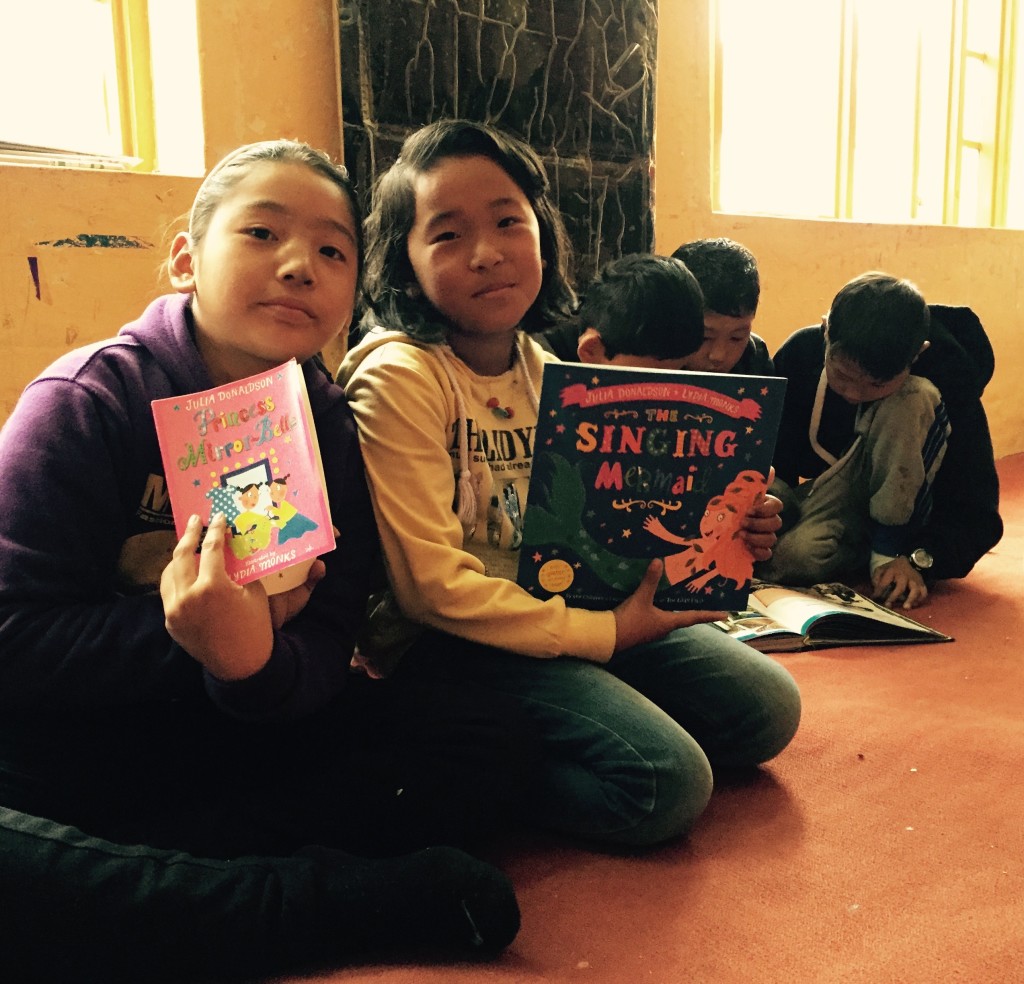
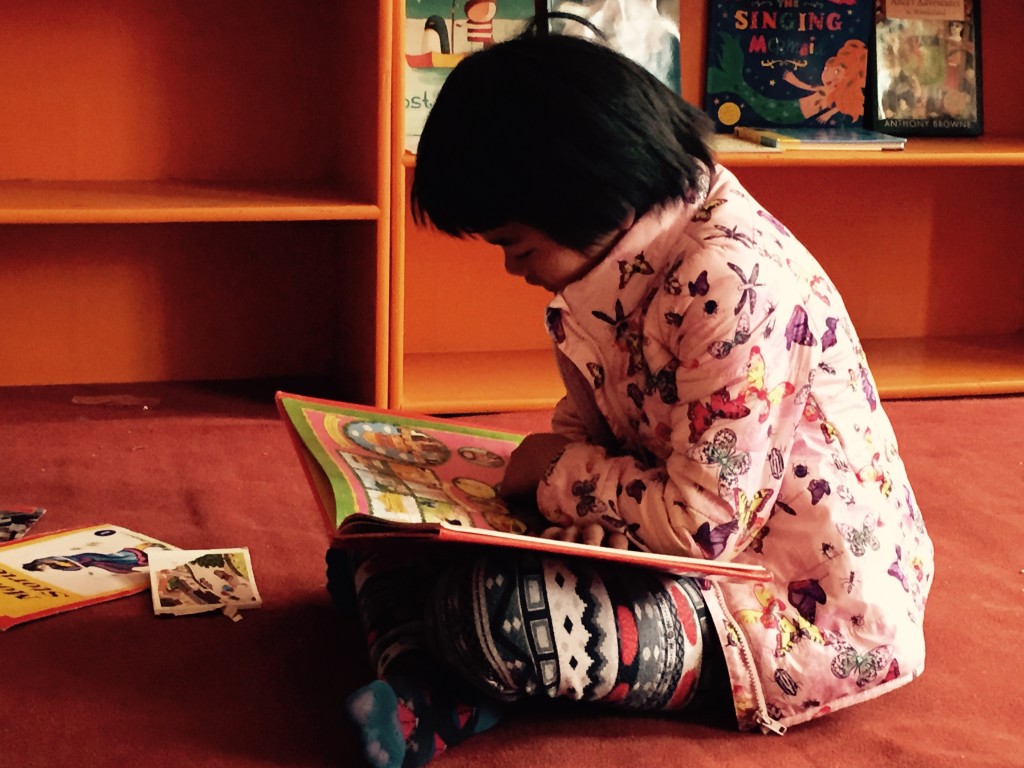
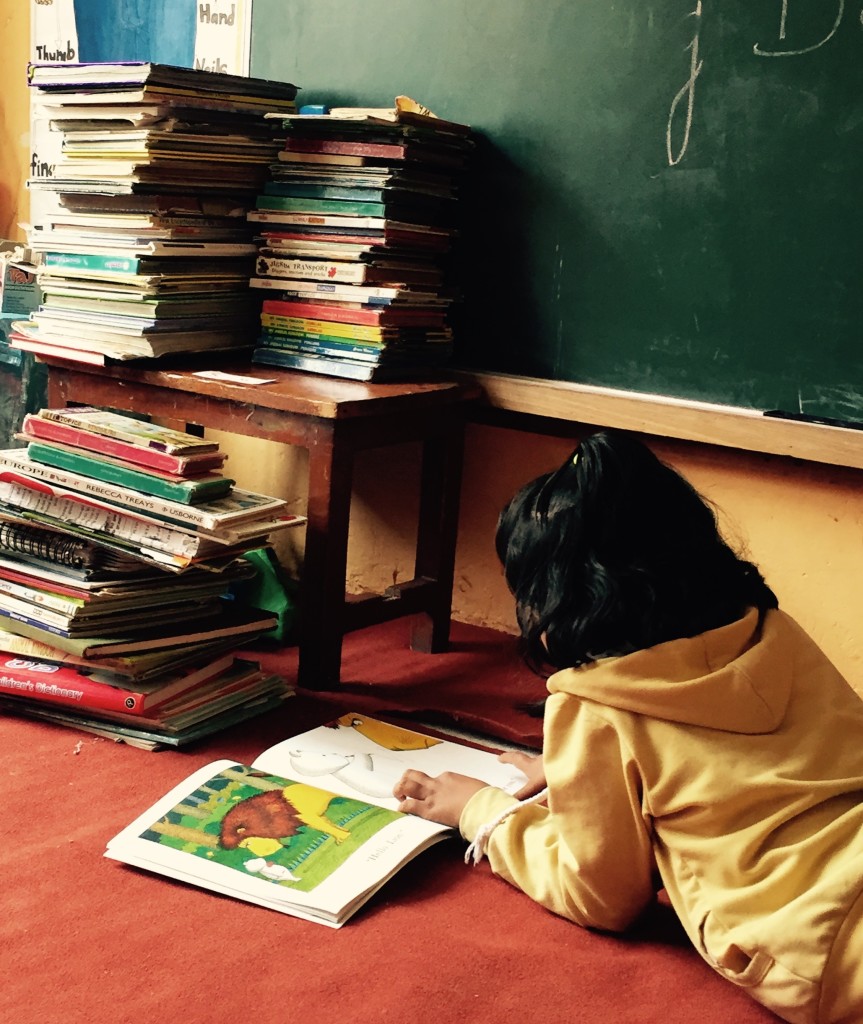
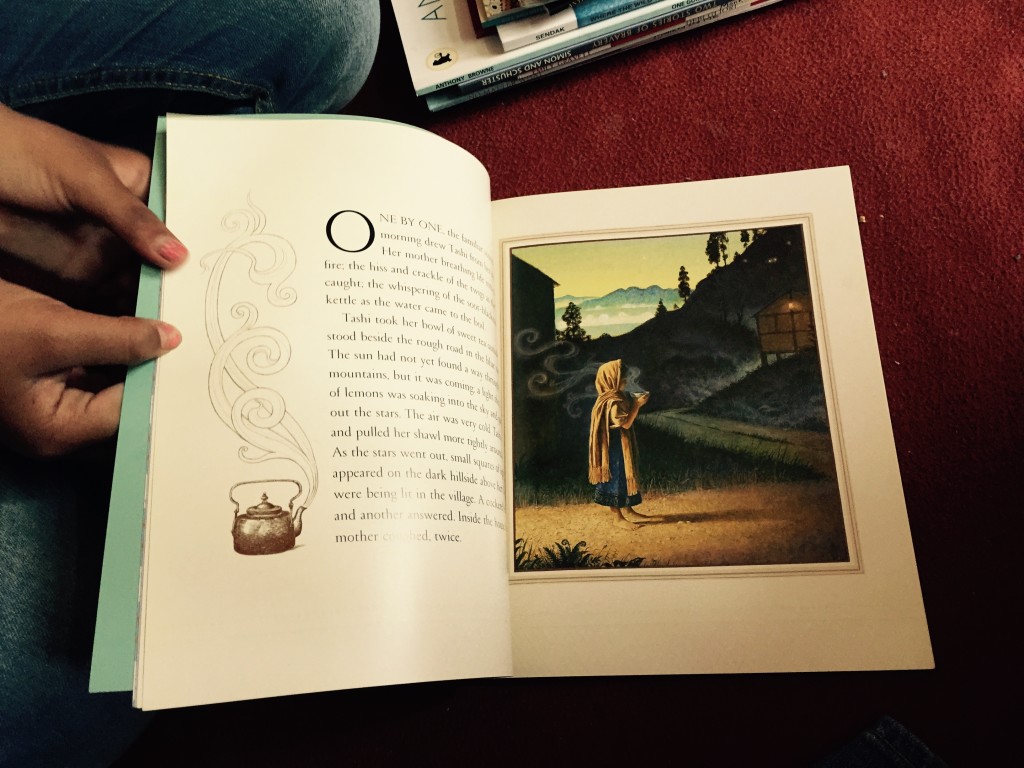
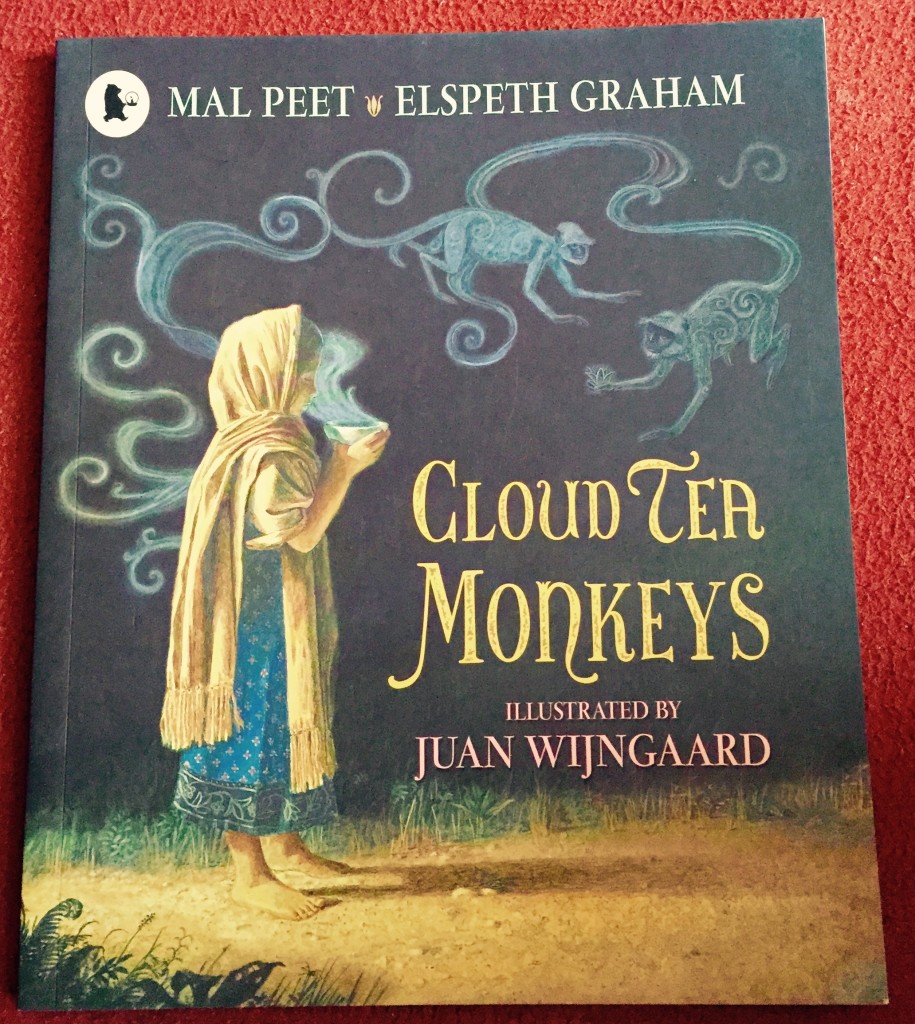
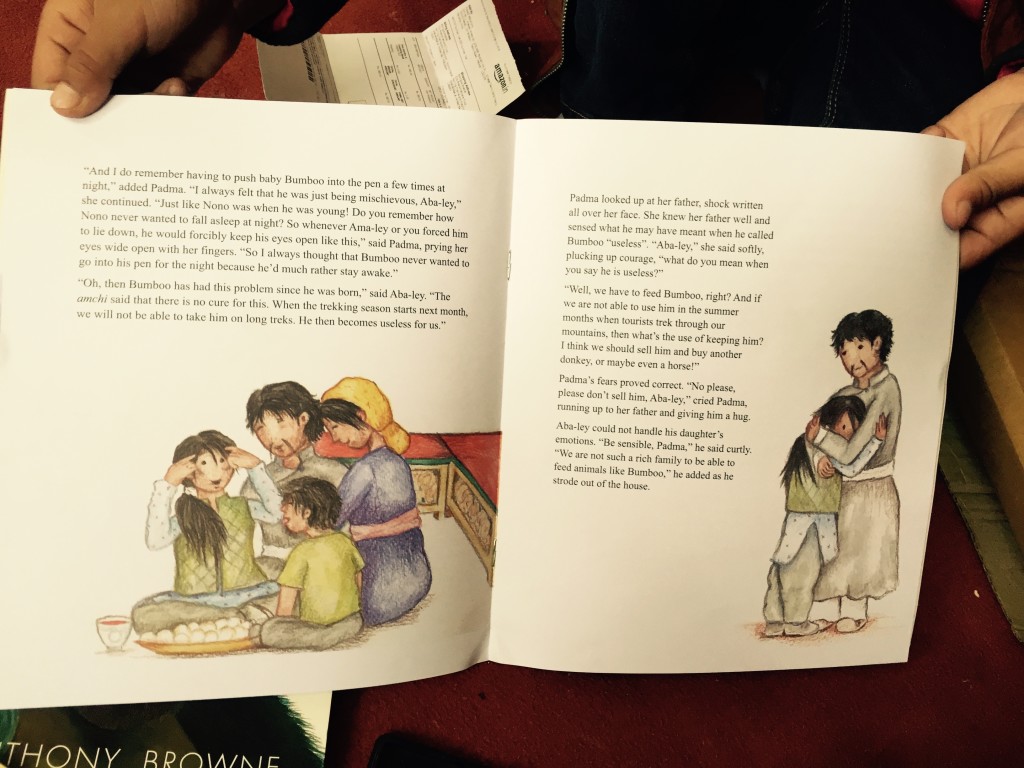
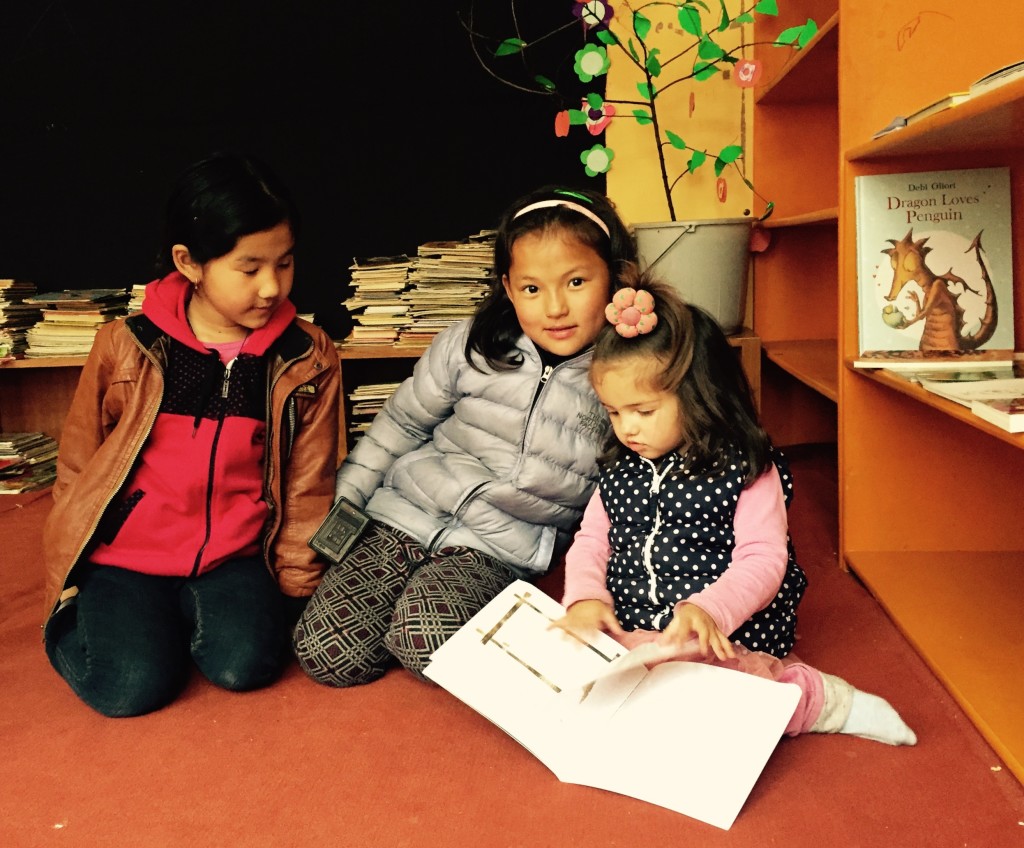
Children responded most enthusiastically to illustrated stories, animal books, simple science titles, folklore, atlases, and books about creative activities. Young monks showed interest in history, geography, biographies, and visual references connected to art and the natural world. The strongest response came from books that invited exploration rather than presenting reading as an academic task.
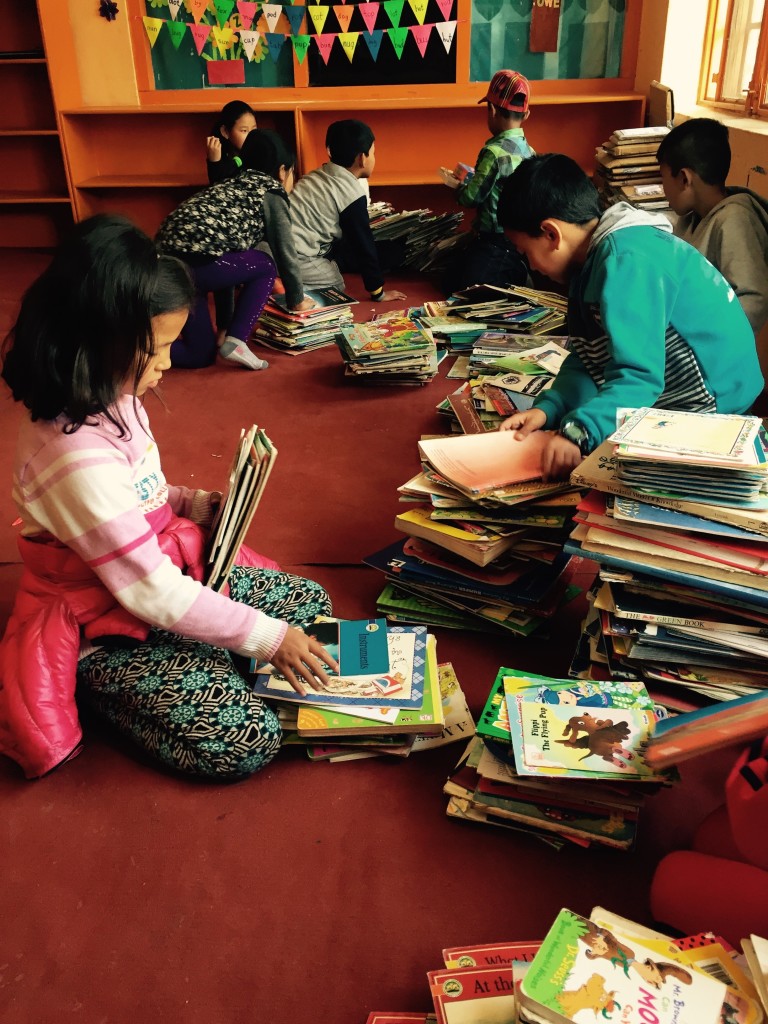
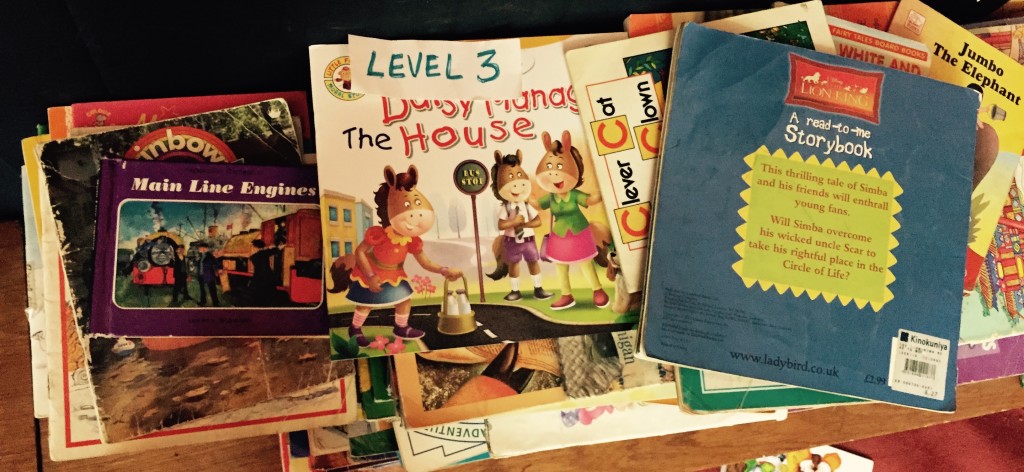
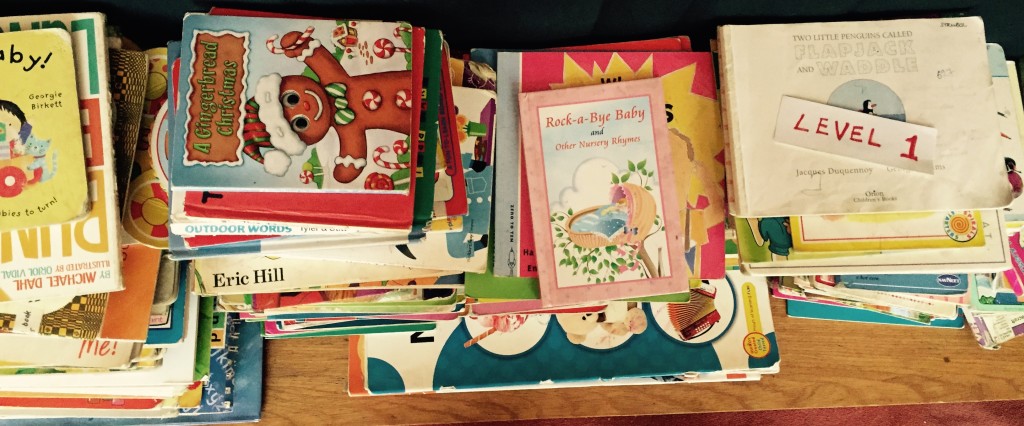
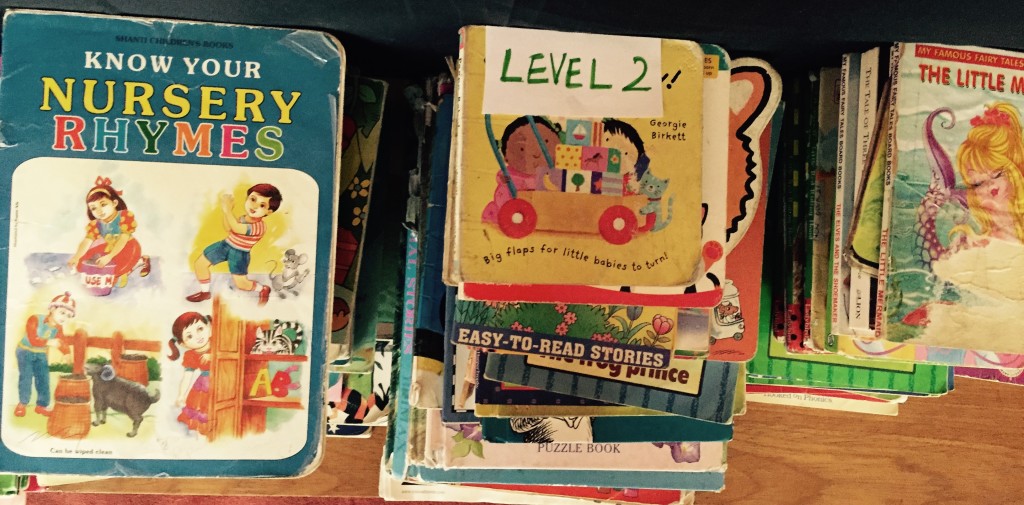
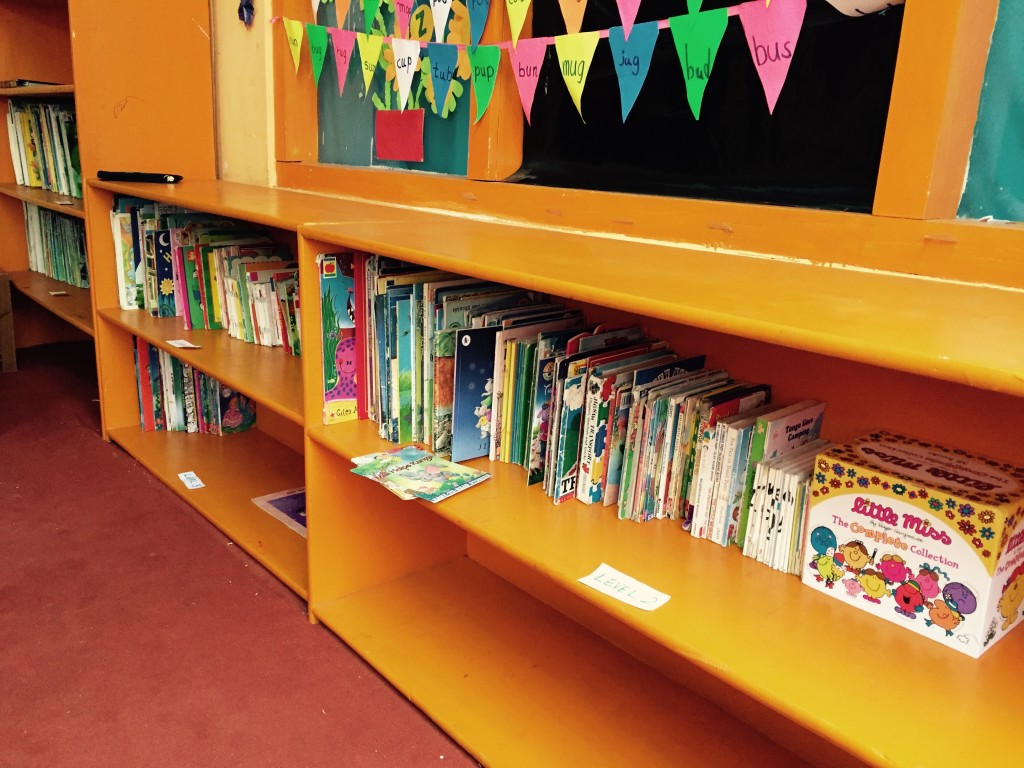
We also learned that age categories need flexibility. A confident younger reader may enjoy a book intended for an older child, while an older beginner may prefer a shorter illustrated story. Instead of organizing donations only by school grade, we will use broad reading levels and clear visual labels that allow children to choose comfortably.
Local Language and Familiar Context Matter
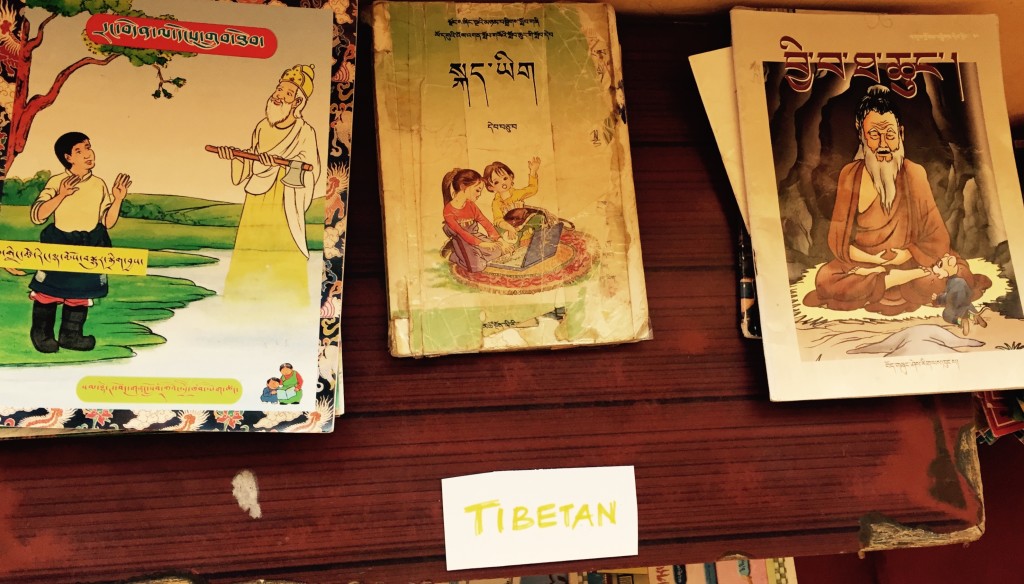
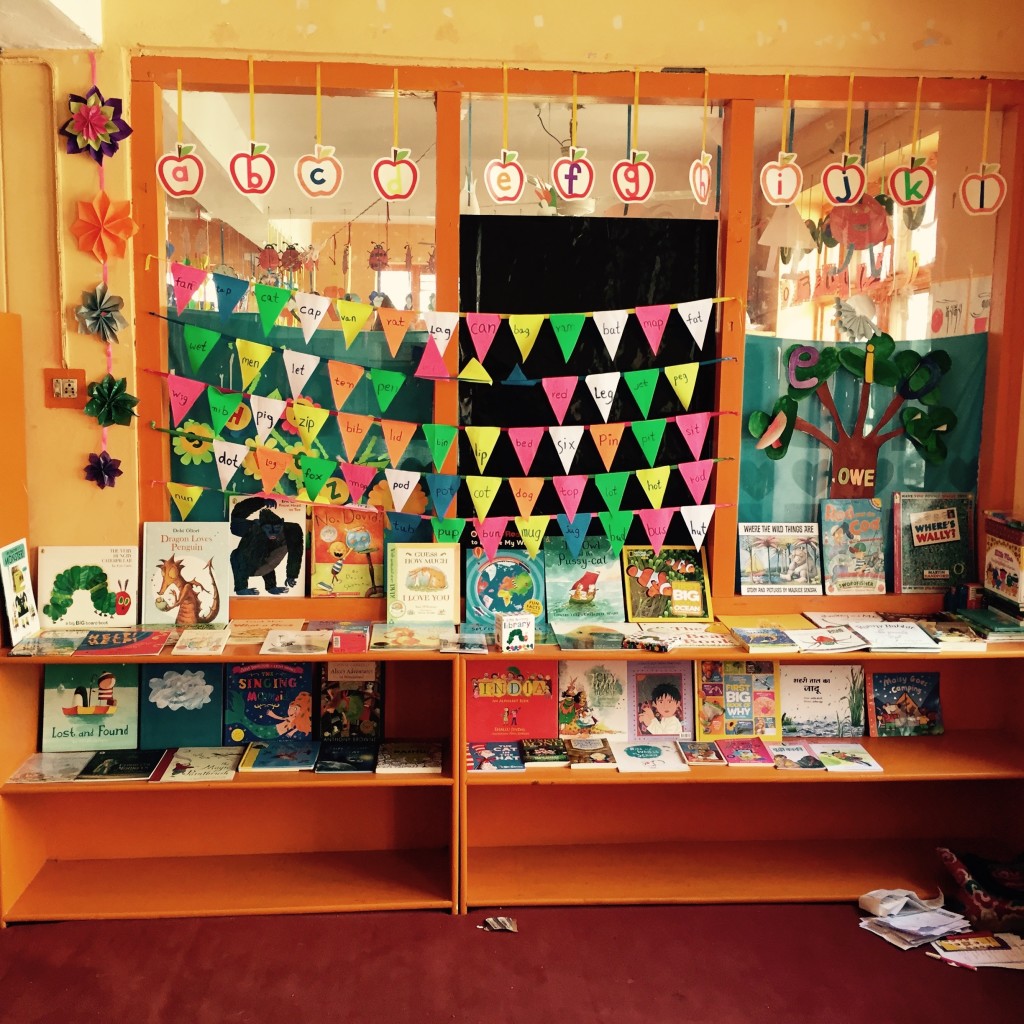
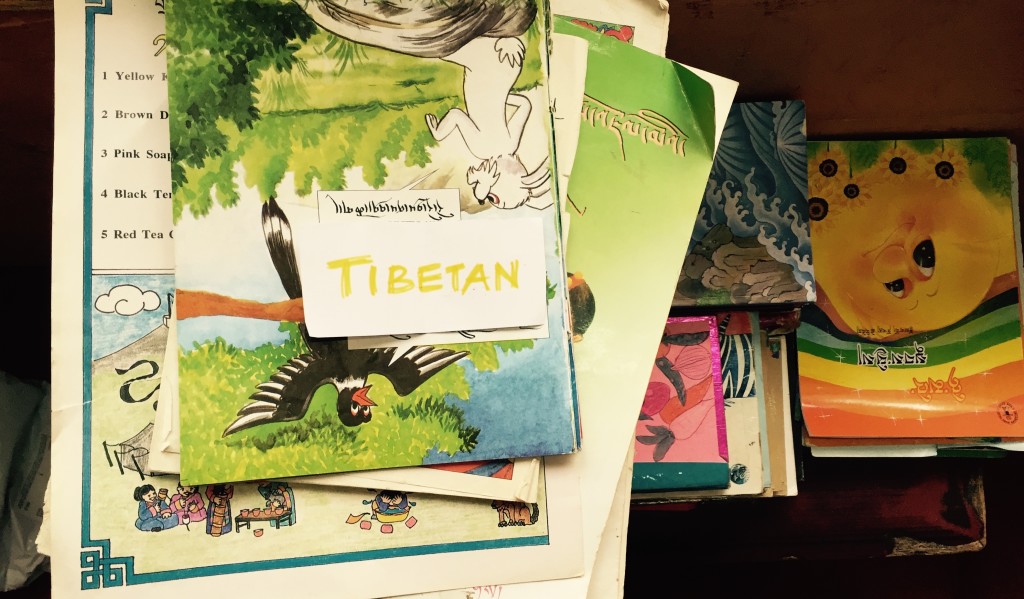
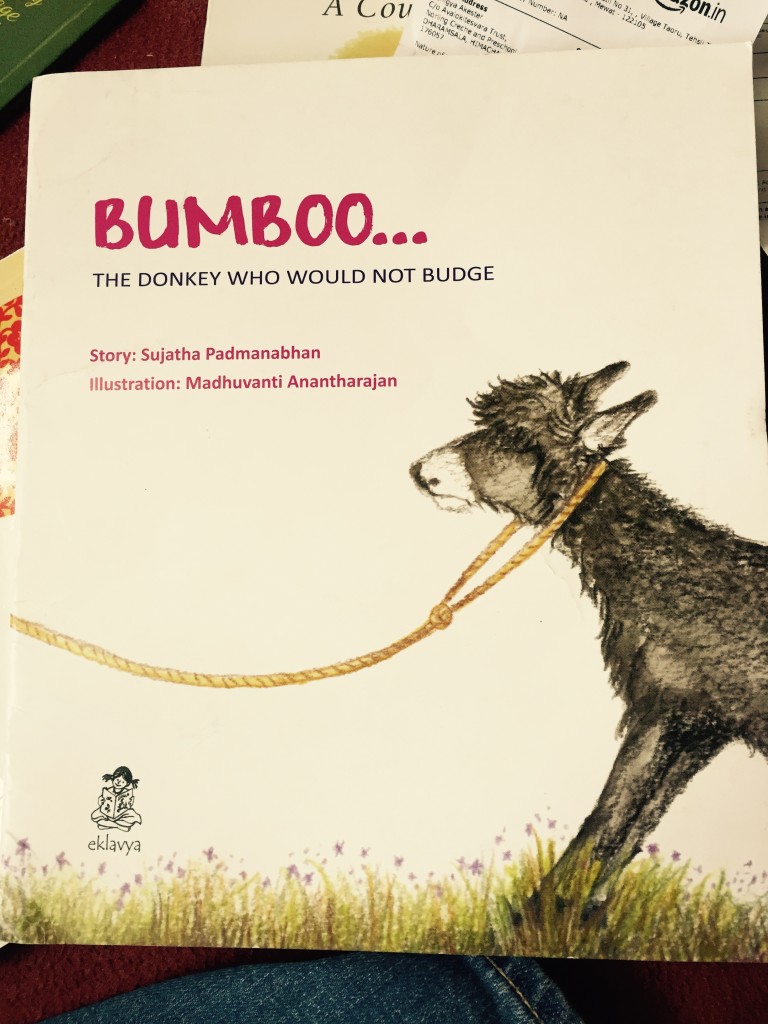
English-language books can expand access to information, yet they should complement rather than replace local language resources. Children are more likely to read independently when they can understand the words, recognize the setting, and connect the story to their own lives. Familiar landscapes, family relationships, animals, festivals, and everyday experiences create an inviting starting point.
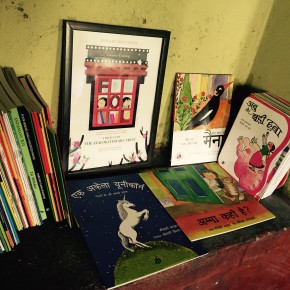
The first drive showed us the value of bilingual materials and simple language support. Even a small selection of books in a locally used language can make a reading room feel more inclusive. Picture dictionaries, bilingual storybooks, visual encyclopedias, and books with clear illustrations can help children move gradually between languages.
| What We Initially Assumed |
What the Village Taught Us |
| A large quantity of books would create immediate impact |
A carefully selected, well-organized collection was more useful |
| English titles would meet most educational needs |
Bilingual and local-language resources encouraged wider participation |
| Children would choose books without guidance |
Gentle support helped readers discover suitable material |
| A reading room only needed shelves and books |
Seating, light, routine, and welcoming activities were equally important |
| A single delivery could sustain the project |
Ongoing replenishment and local stewardship were essential |
A Reading Room Needs People Around It
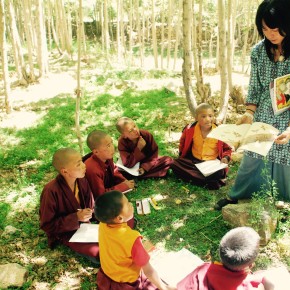
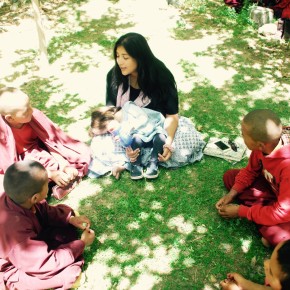
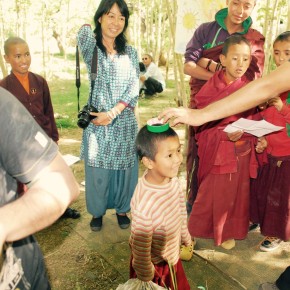
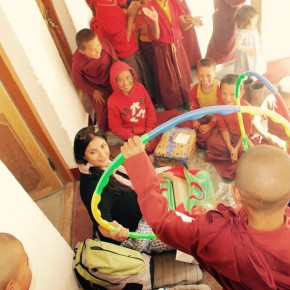
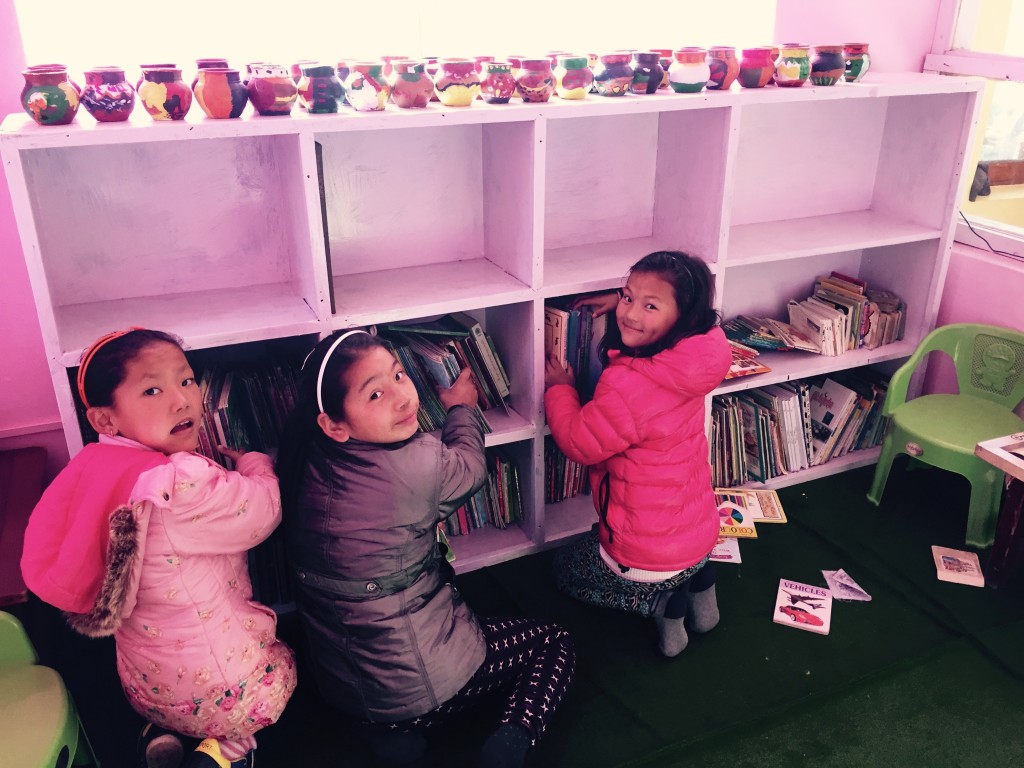
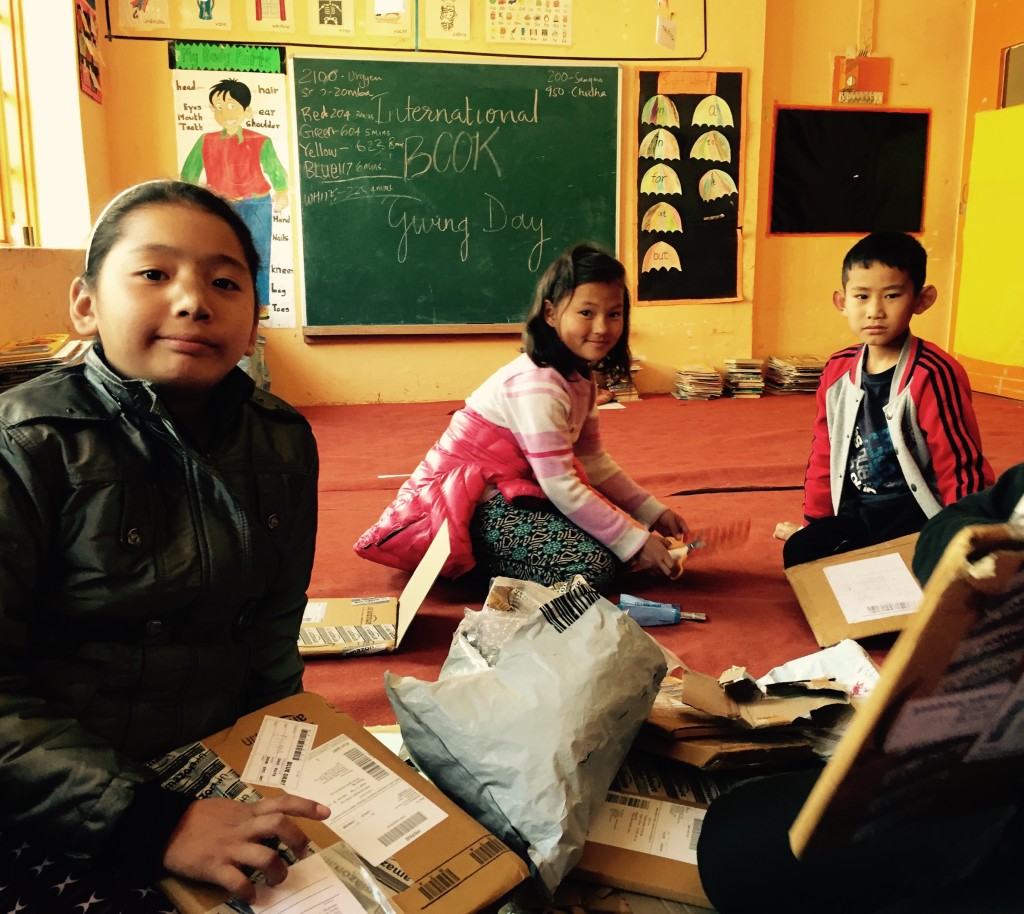
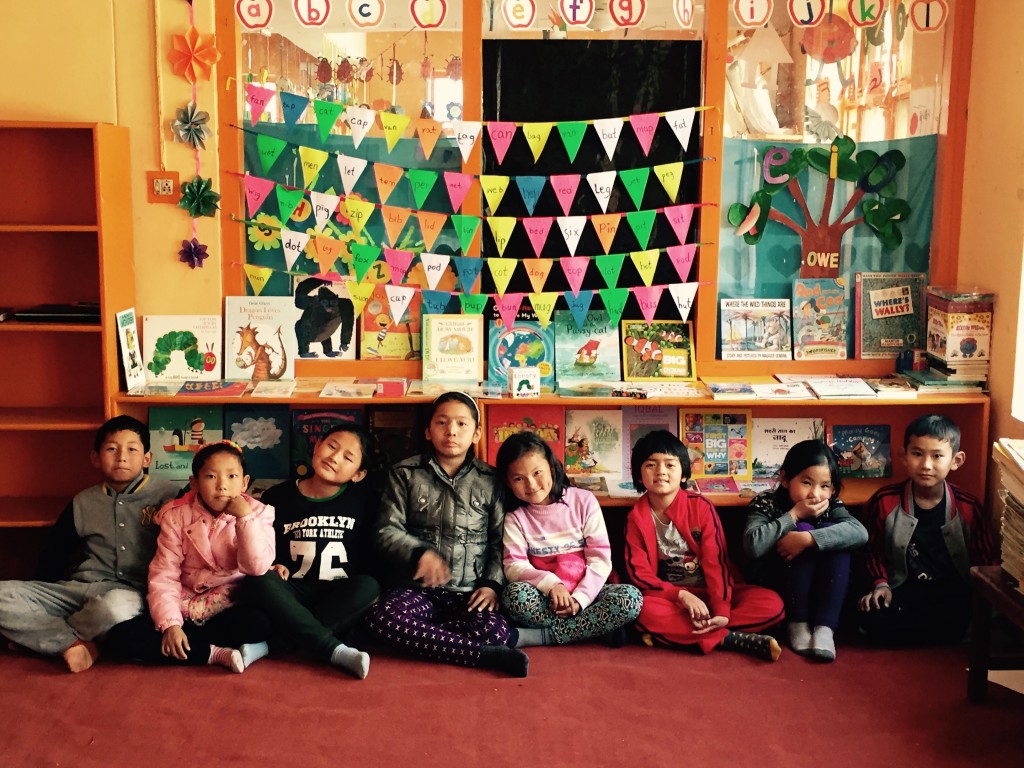
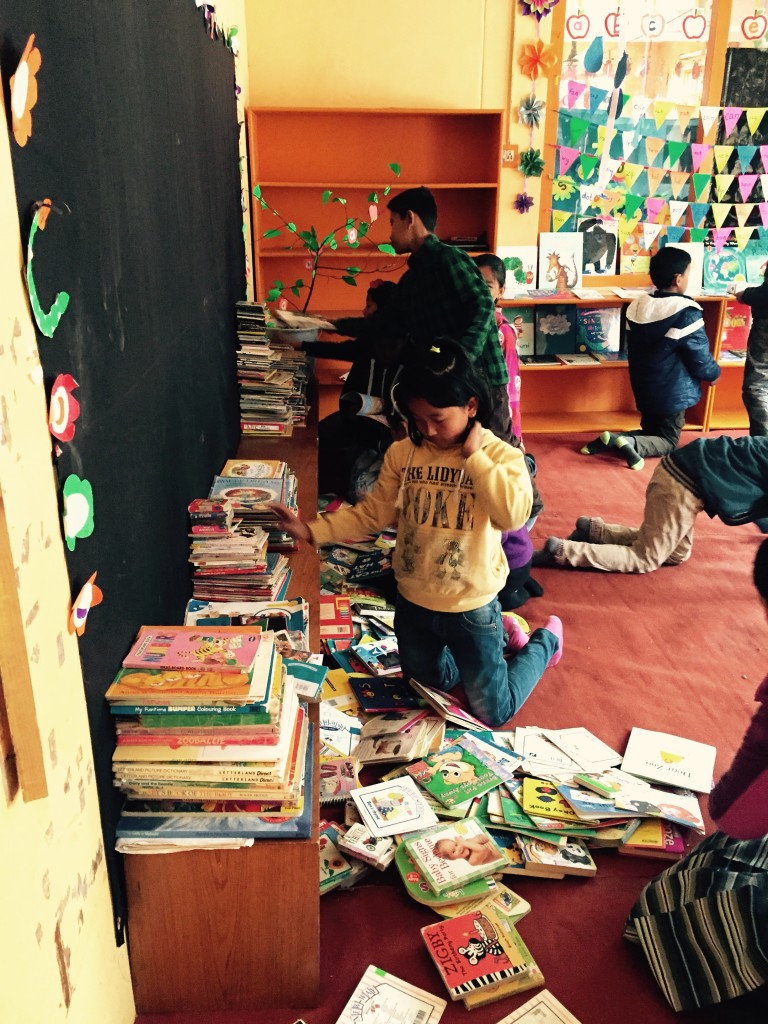
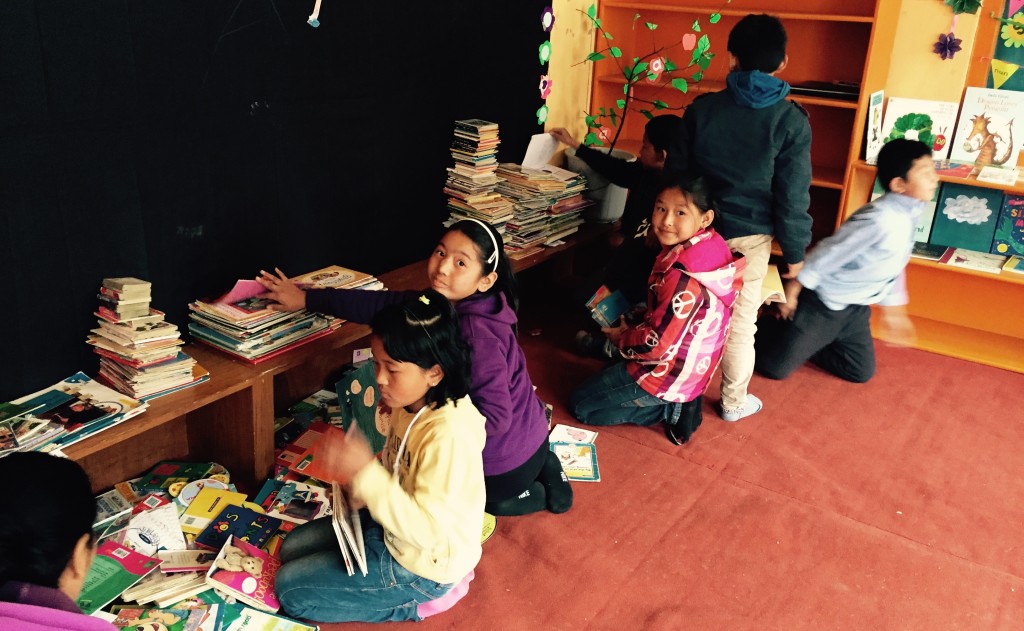
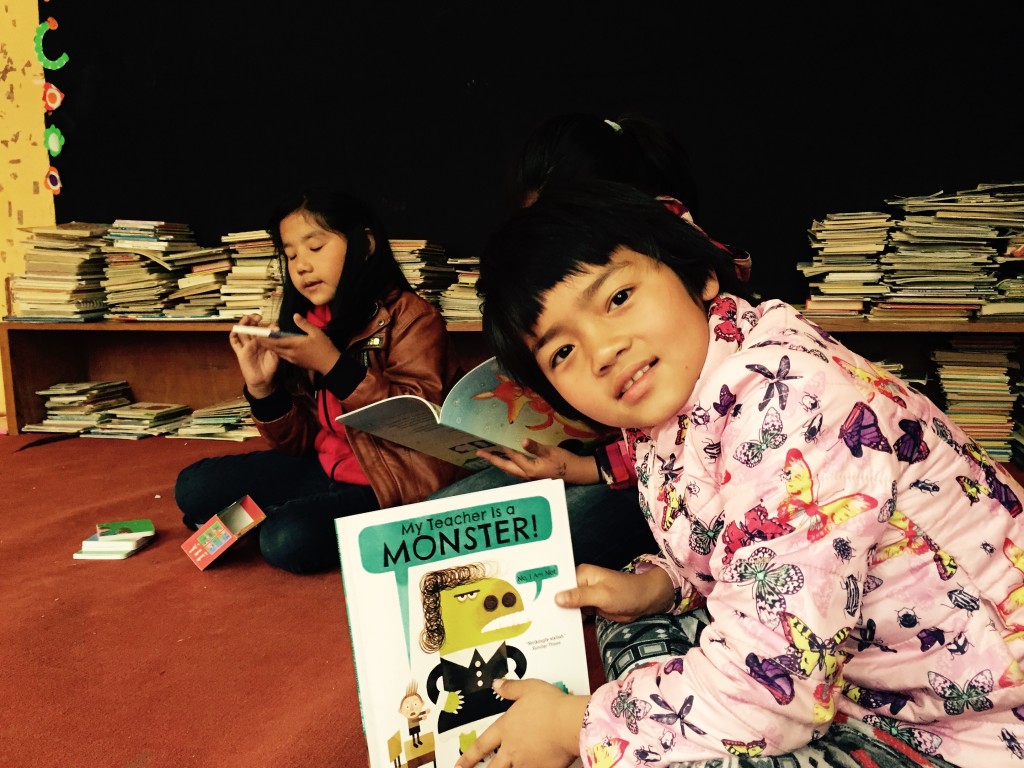
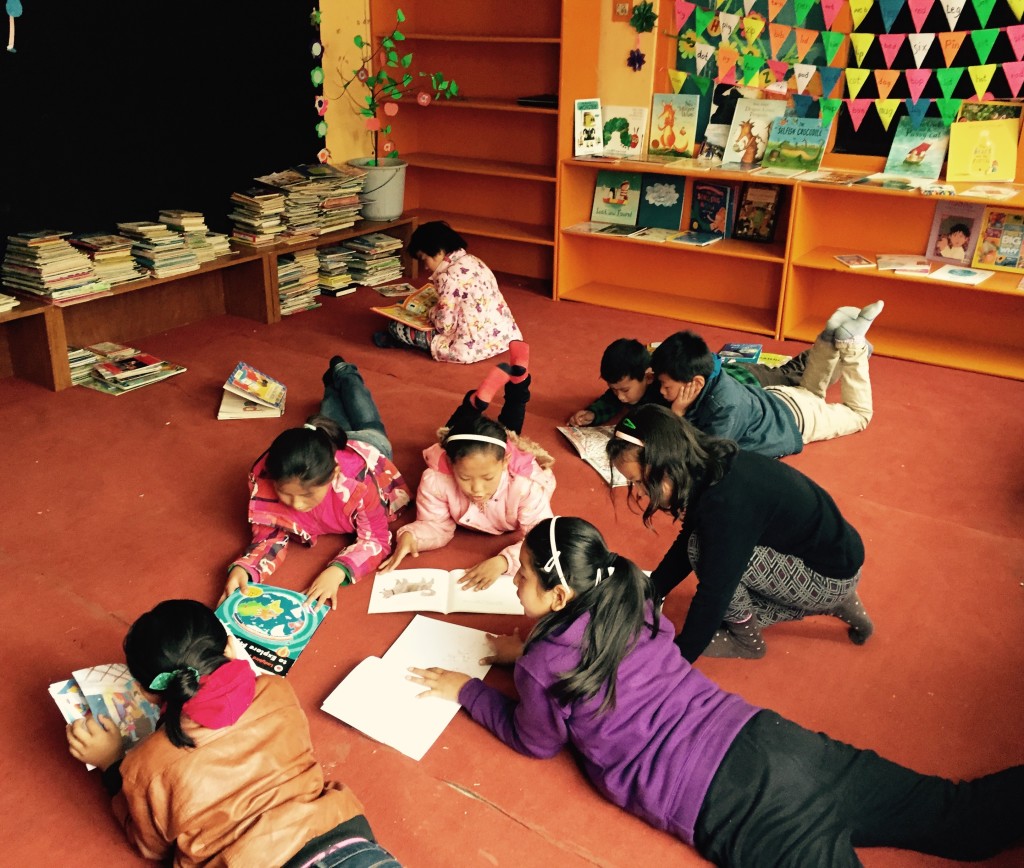
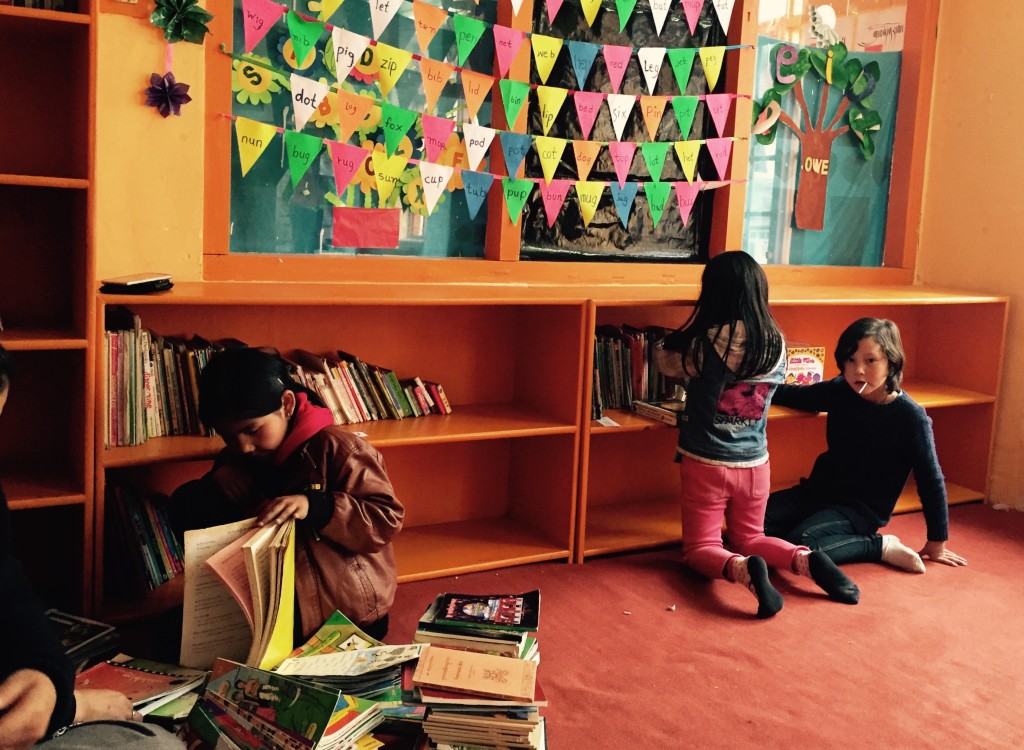
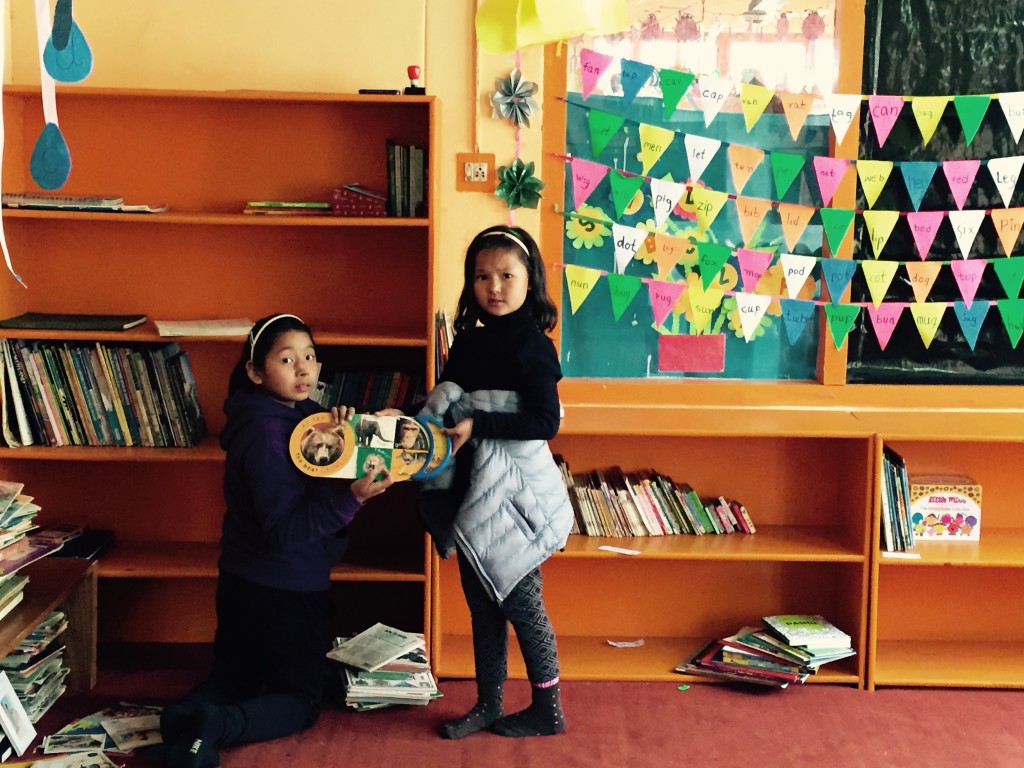
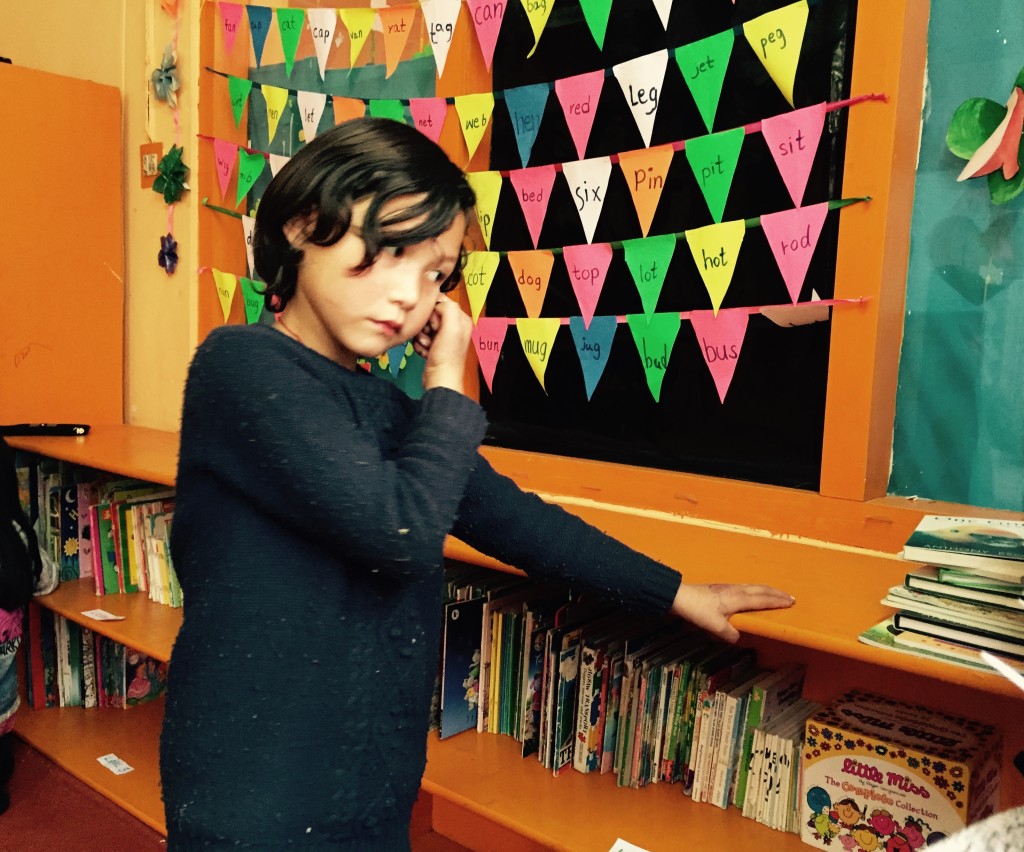
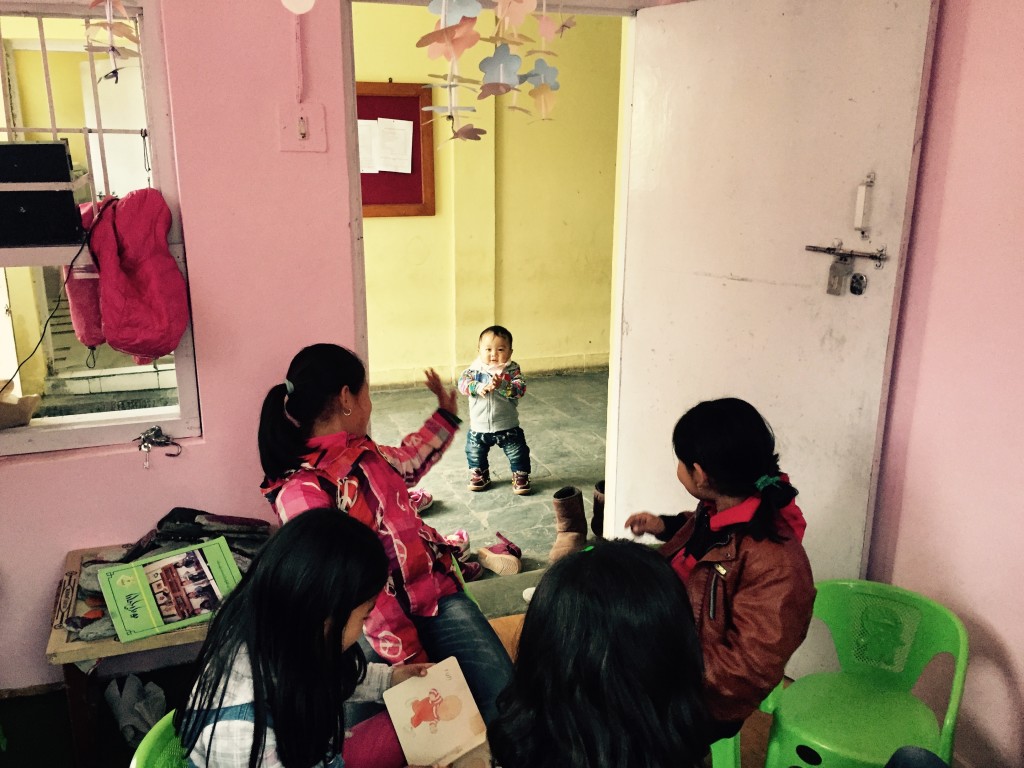
The books attracted attention, but the room became active because local adults gave it structure. Teachers, monastery staff, and community members helped children find appropriate titles, settle into reading, and return books responsibly. Their presence made the space feel connected to the village rather than imposed from outside.
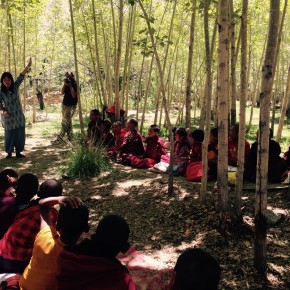
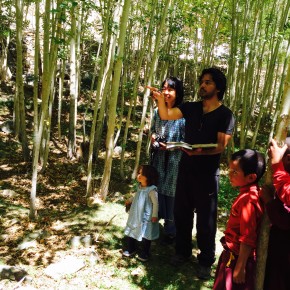
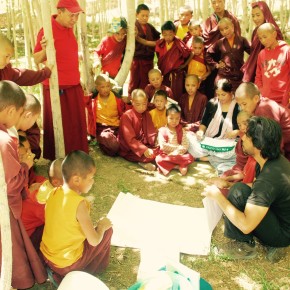
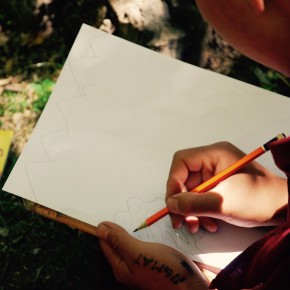
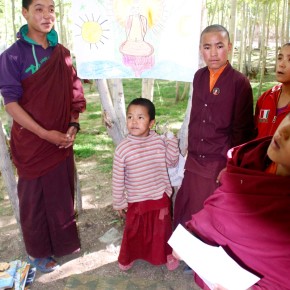
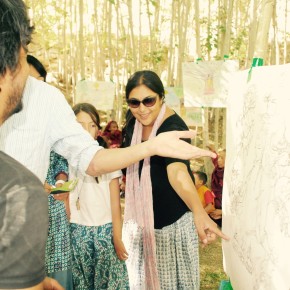
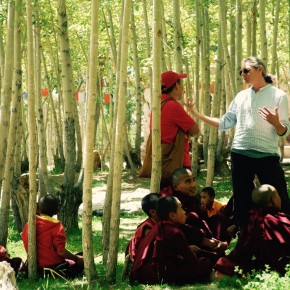
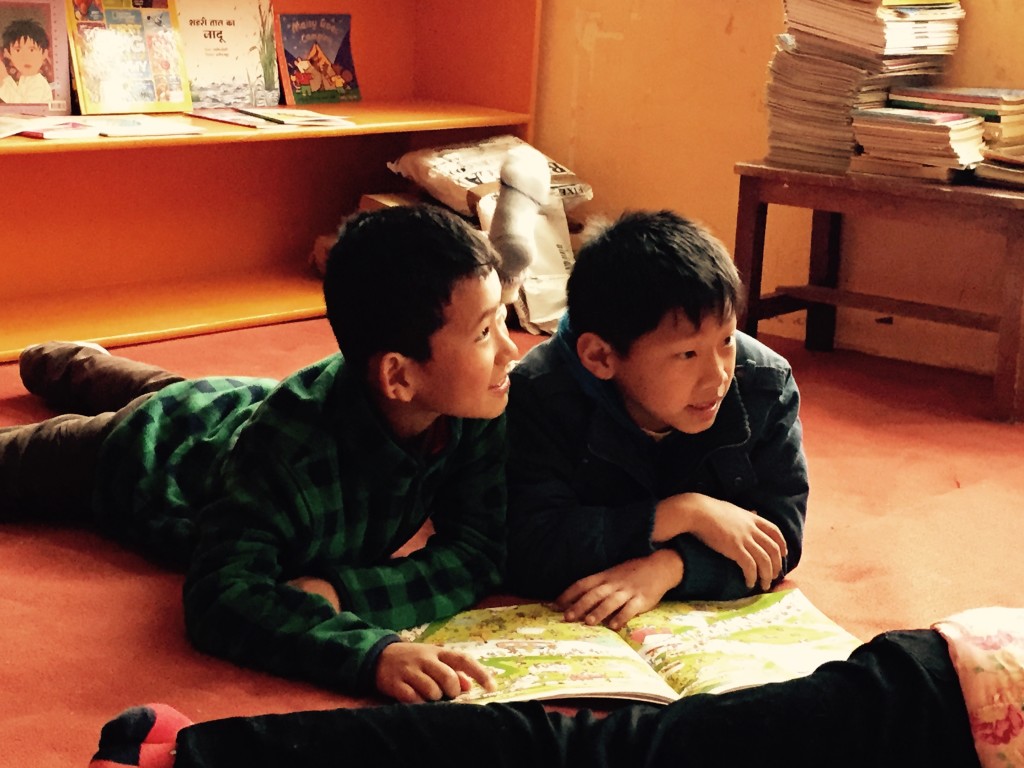
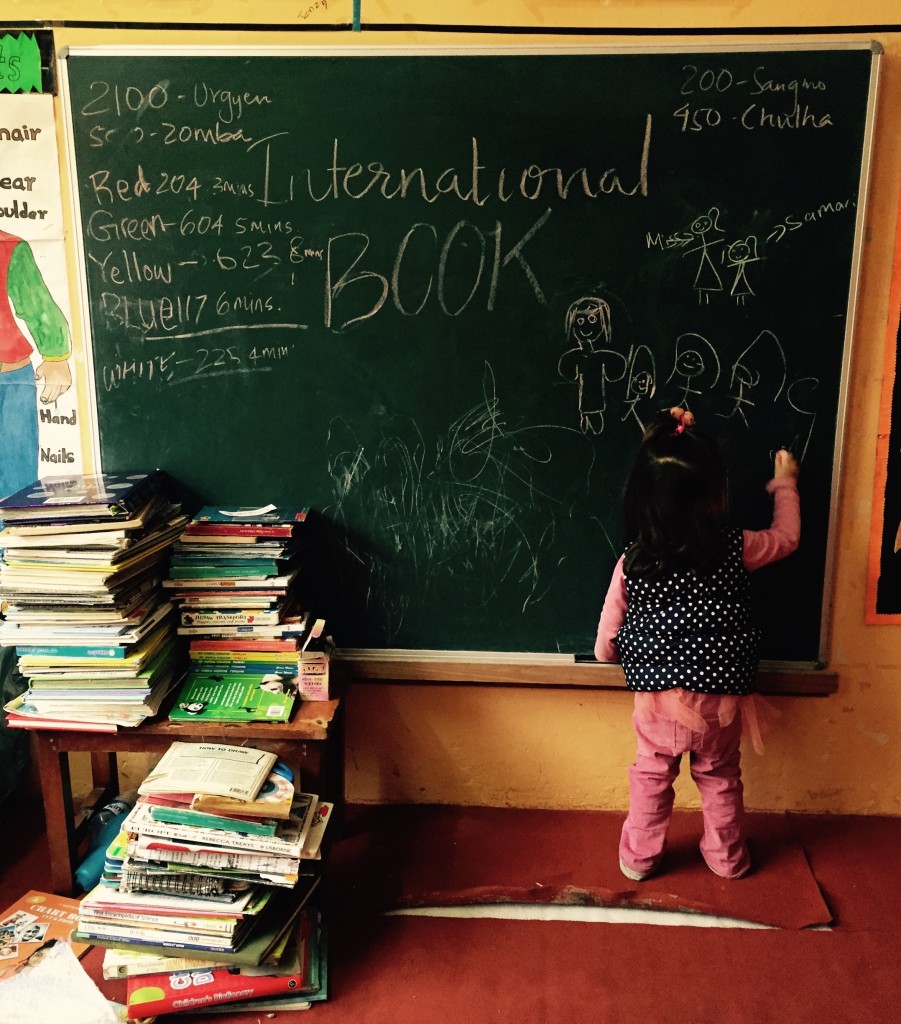
We saw that reading sessions worked especially well when combined with storytelling, drawing, music, or informal discussion. A child who was hesitant to open a book might begin by illustrating a character or listening to a short story. These activities created a natural bridge toward independent reading.
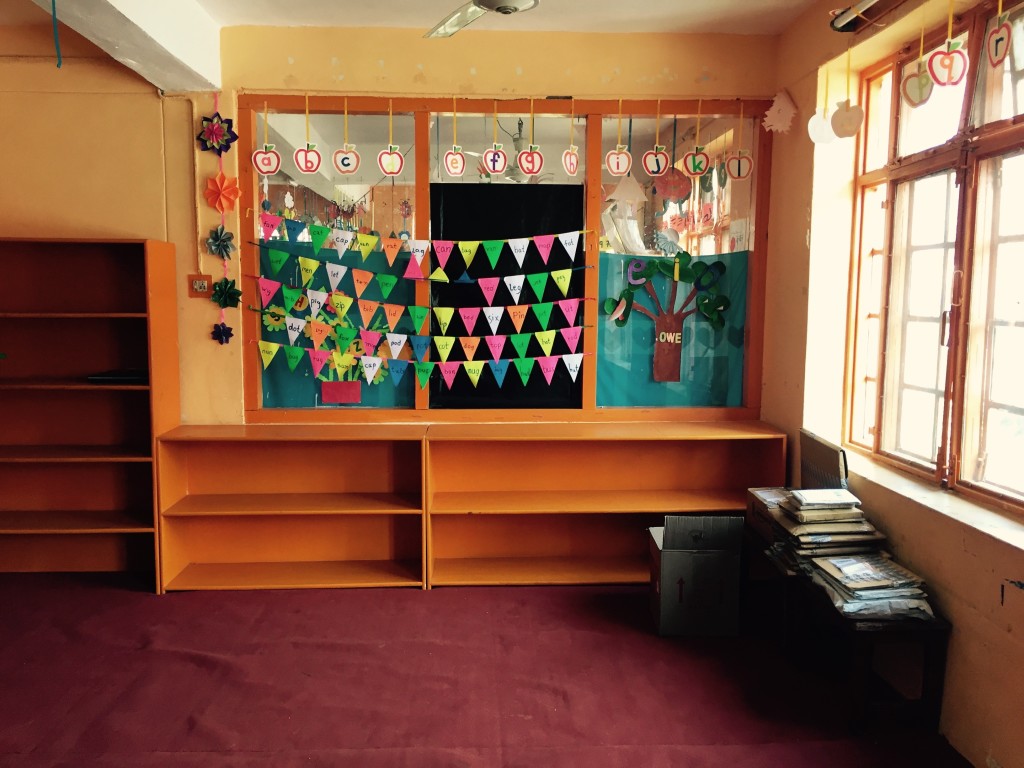
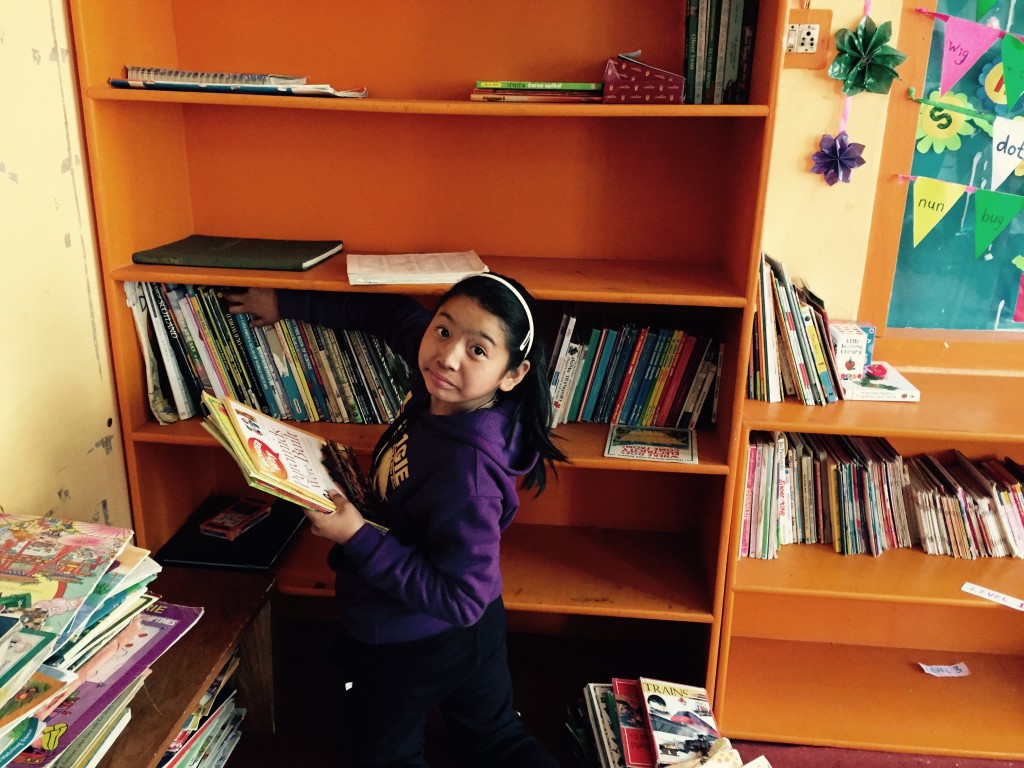
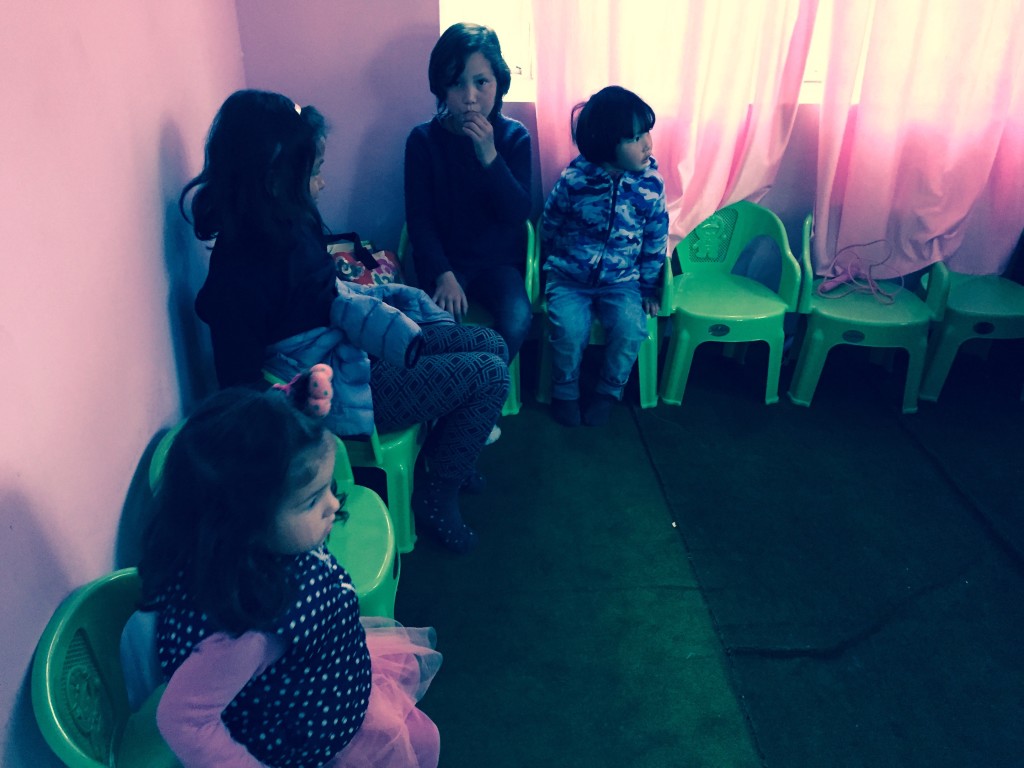
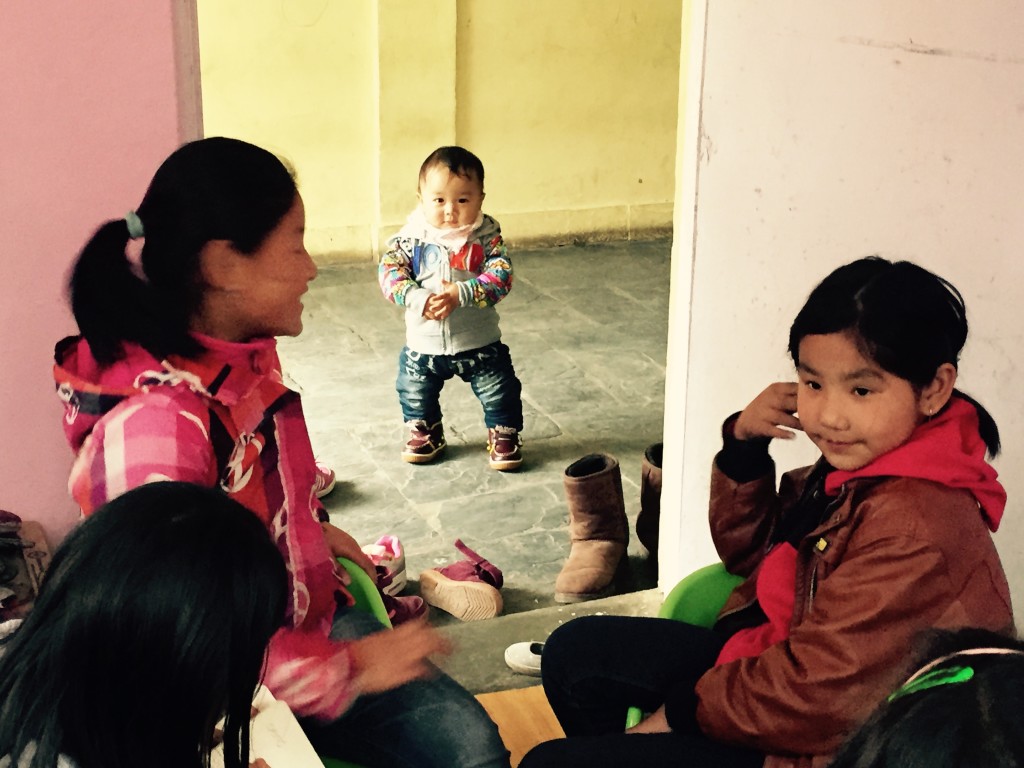
The space itself also mattered. Children needed comfortable seating, good light, reachable shelves, and enough room to browse. Low shelves encouraged younger readers to make their own choices. Simple labels, picture signs, and a quiet area helped the collection serve children with different ages and confidence levels.
Community Ownership Builds Continuity
The first drive was organized with support from local contacts, yet we initially underestimated how important shared responsibility would be after delivery. A reading room cannot depend indefinitely on visitors from outside the region. Someone must open it, maintain the shelves, record borrowed books, and explain the purpose of the space to new families.
A small local team can perform these tasks effectively with basic training and practical materials. A simple register, a book-care guide, and a monthly activity calendar may be more valuable than a complex management system. The goal is to make stewardship achievable within the community’s existing routines.
We also learned to ask for feedback before planning the next collection. Which books are being read repeatedly? Which age groups are missing resources? Are children able to visit after school or during monastery hours? These questions help donors and volunteers respond to real needs instead of relying on assumptions.
Practical Priorities for Future Drives
The next book drive will be more selective, collaborative, and adaptable. We will invite donors to contribute titles from a recommended list, while still accepting carefully reviewed books that match local interests. This approach protects quality without limiting the generosity that makes community fundraising possible.
Volunteers can support the project in several ways beyond sorting and transporting books:
- Choose durable, age-appropriate titles with clear language and strong visual appeal.
- Include bilingual books, dictionaries, local stories, and resources about Himalayan culture and nature.
- Pack books in labeled, moisture-resistant boxes that can be carried safely along mountain routes.
- Fund shelving, lighting, floor cushions, art materials, and basic reading-room equipment.
- Share simple reading activities that local teachers and community leaders can repeat independently.
These priorities reflect a broader lesson: educational access is created through a network of small decisions. The right book, placed in the right setting and introduced by a trusted adult, can encourage a lasting habit.
Measuring Impact Beyond Numbers
It is easy to report how many books were collected or how many boxes reached a village. Those figures are useful, yet they do not show whether children return to the reading room, whether young monks find material that supports their studies, or whether families begin reading together.
For future projects, Avalokiteśvara Trust will pay attention to practical signs of engagement. We will record which titles circulate most often, observe participation in reading sessions, gather comments from teachers, and document changes in the collection over time. Photos and stories can share the atmosphere of the project, while local feedback will help us understand its deeper effect.
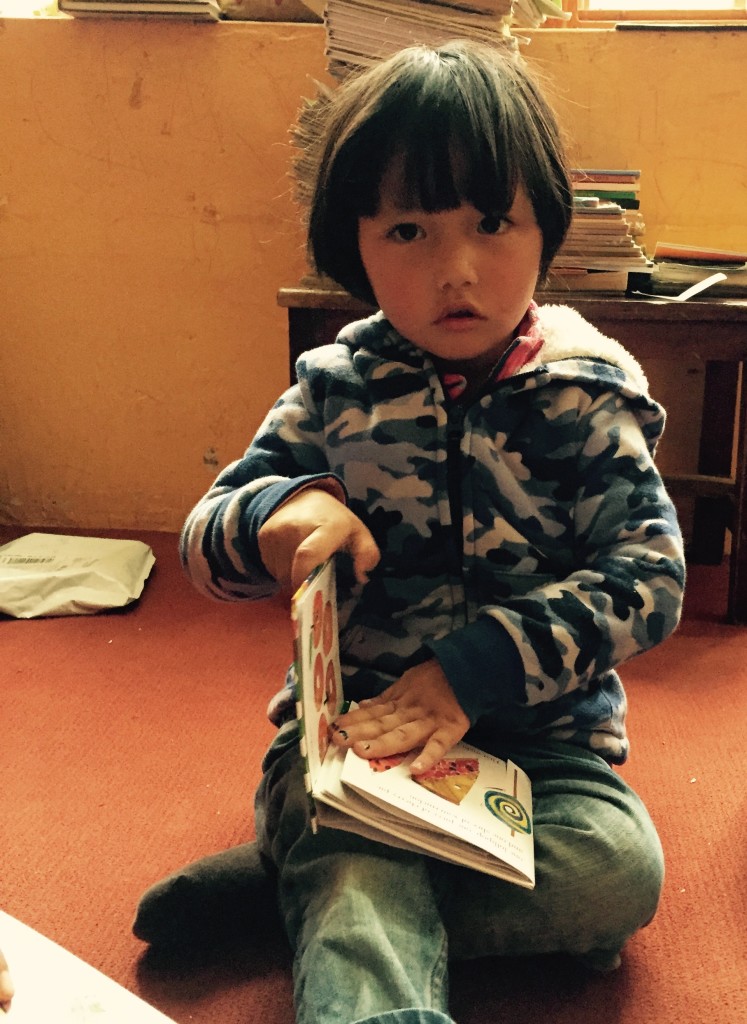
The first drive also reminded us that progress may be gradual. A child who spends ten minutes looking through an illustrated book has begun a relationship with reading. A young monk who discovers a book about music, painting, or science may find a new area of curiosity. These moments are modest, but they can shape confidence and future learning.
A book drive reaches its full purpose when books continue moving through a community long after the delivery team has left. Avalokiteśvara Trust is committed to building reading rooms that are welcoming, locally supported, and connected to creative education. Donors can sponsor books and equipment, volunteers can help prepare culturally appropriate collections, and partners in Himalayan communities can guide each project toward lasting value. Support the next village reading initiative and help place meaningful books within reach of children who are ready to discover them.