What Young Monks Teach Us About Concentration and Curiosity
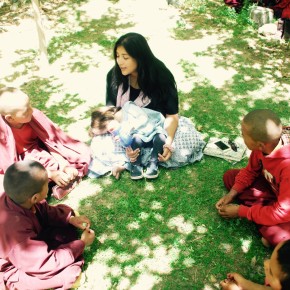
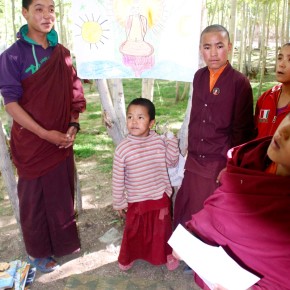
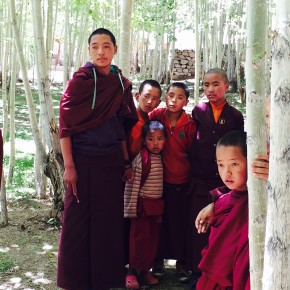
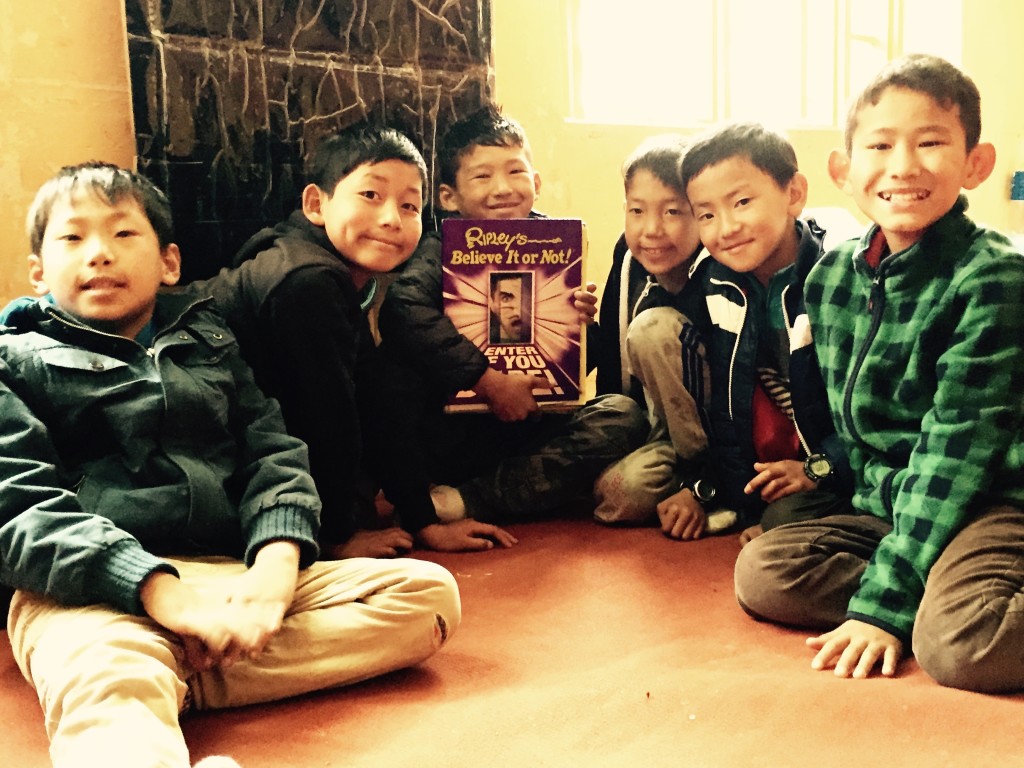
In the high-altitude communities of the Himalayas, learning often takes place amid quiet courtyards, mountain light, prayer halls, and modest libraries. Young monks move between spiritual study, daily responsibilities, friendships, and creative activities, developing habits that can offer valuable lessons for children and adults everywhere.
Their example reveals that concentration is not simply the ability to sit still for a long time. It is the practice of returning attention to something meaningful, even when the mind wanders. Curiosity, in the same way, is more than asking many questions; it is the willingness to look closely, listen carefully, and keep learning.
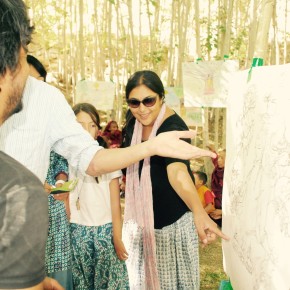
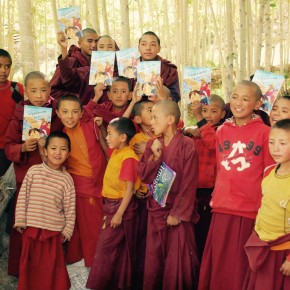
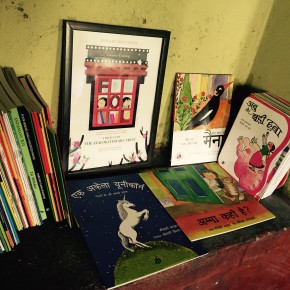
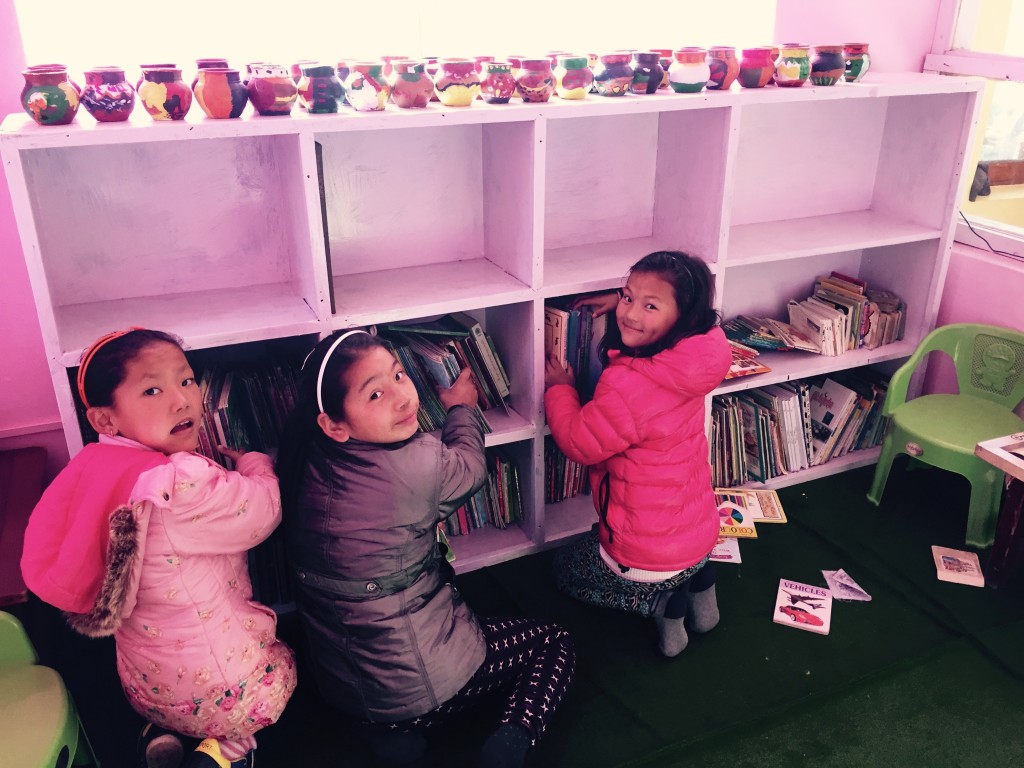
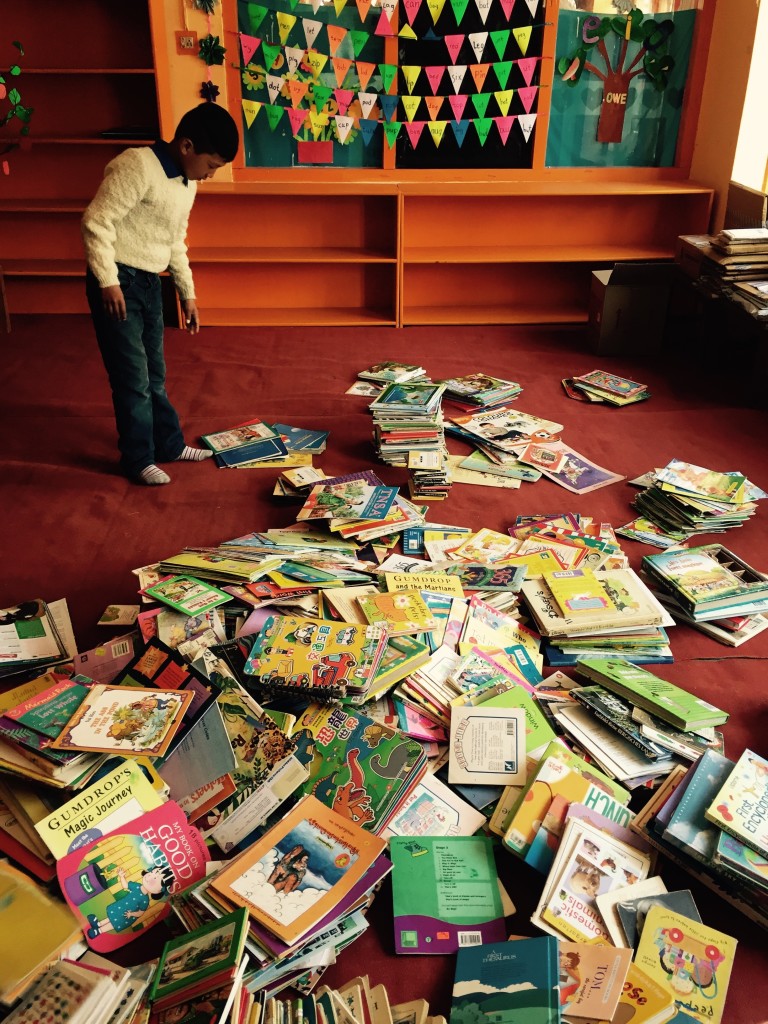
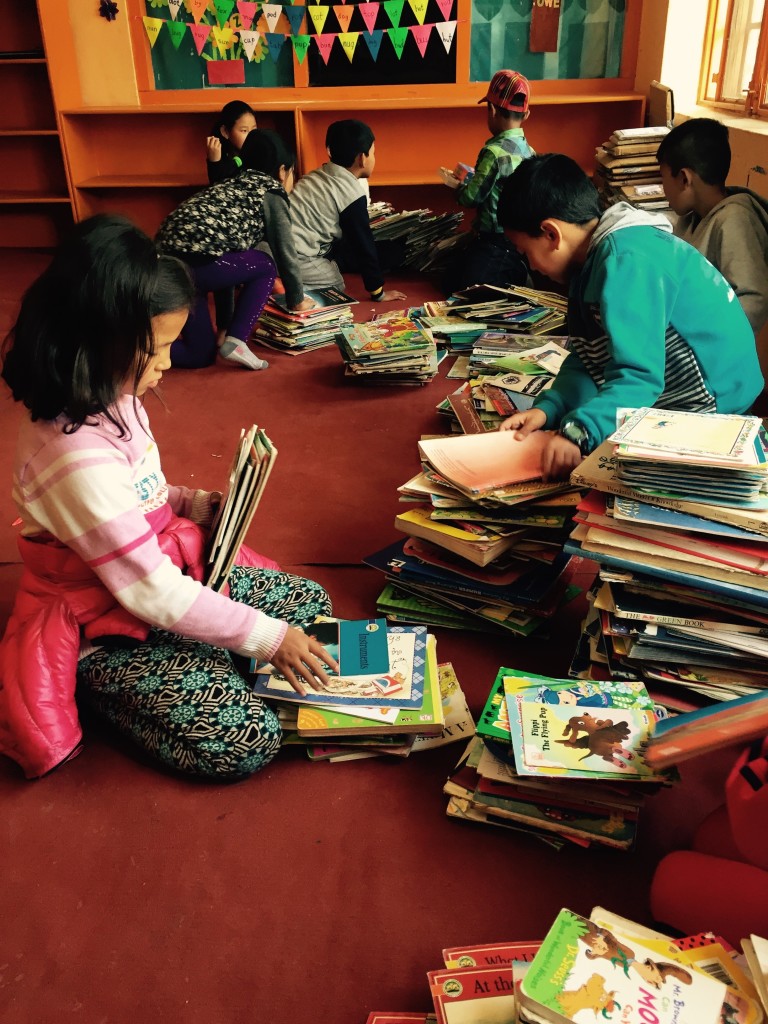
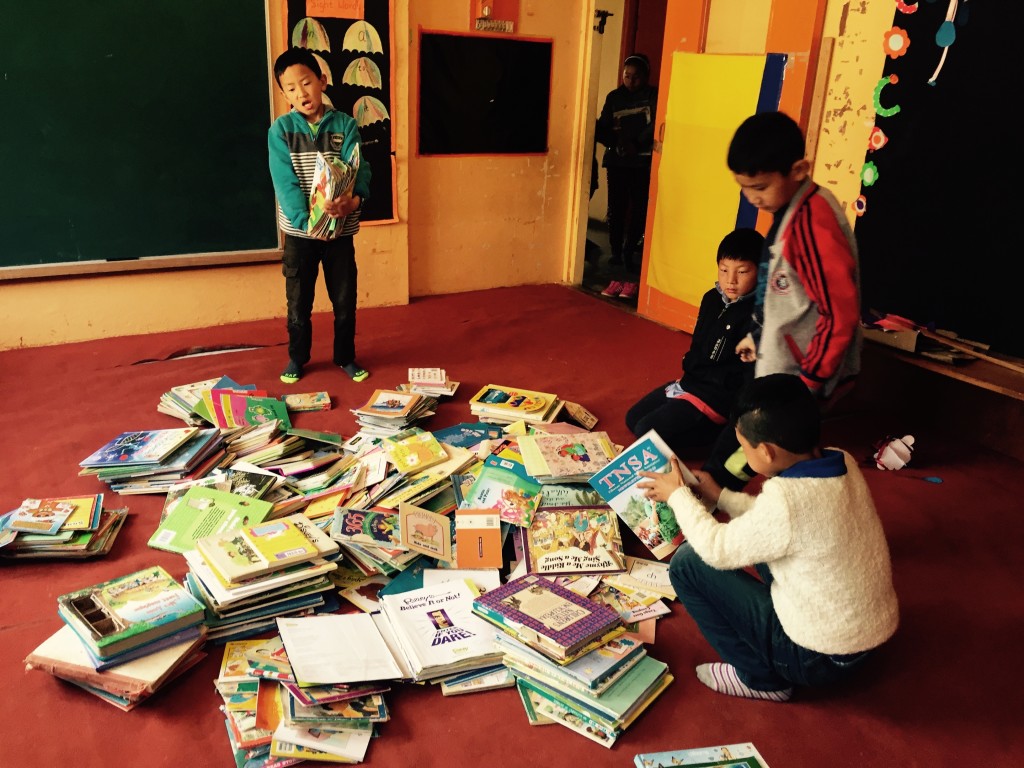
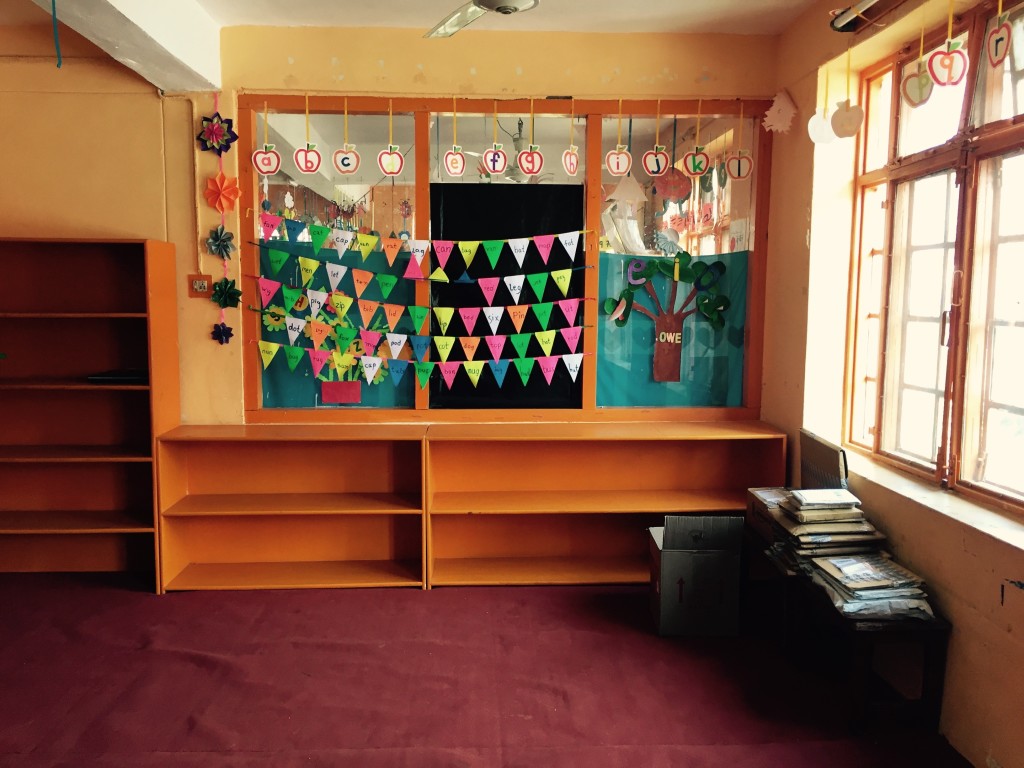
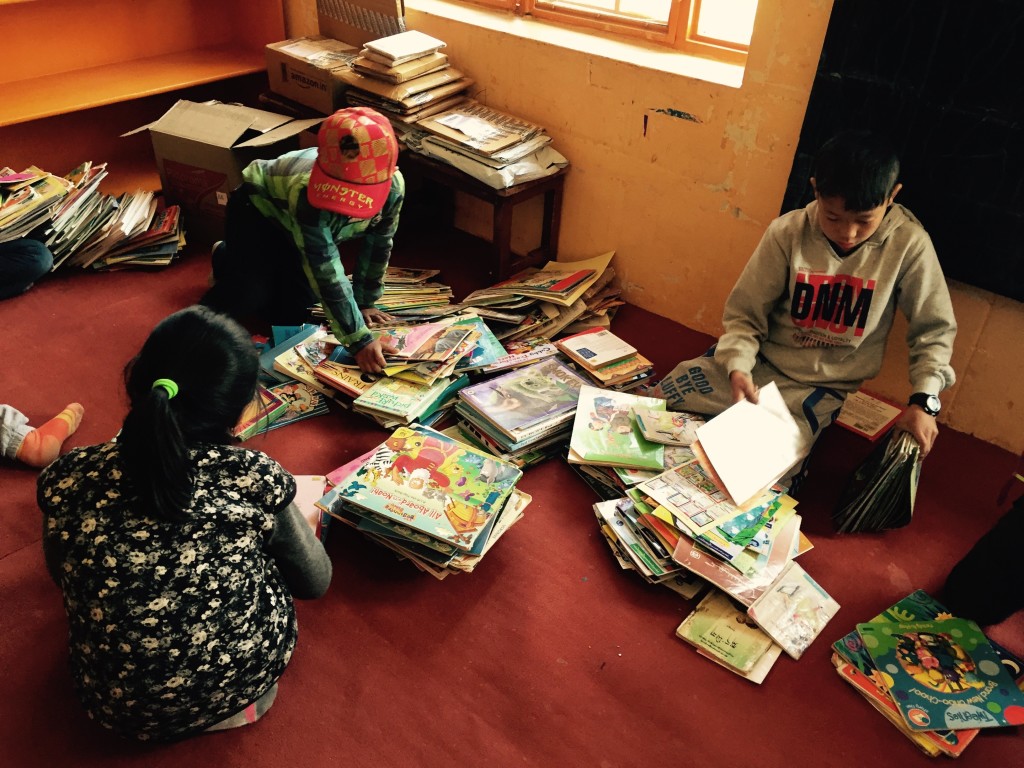
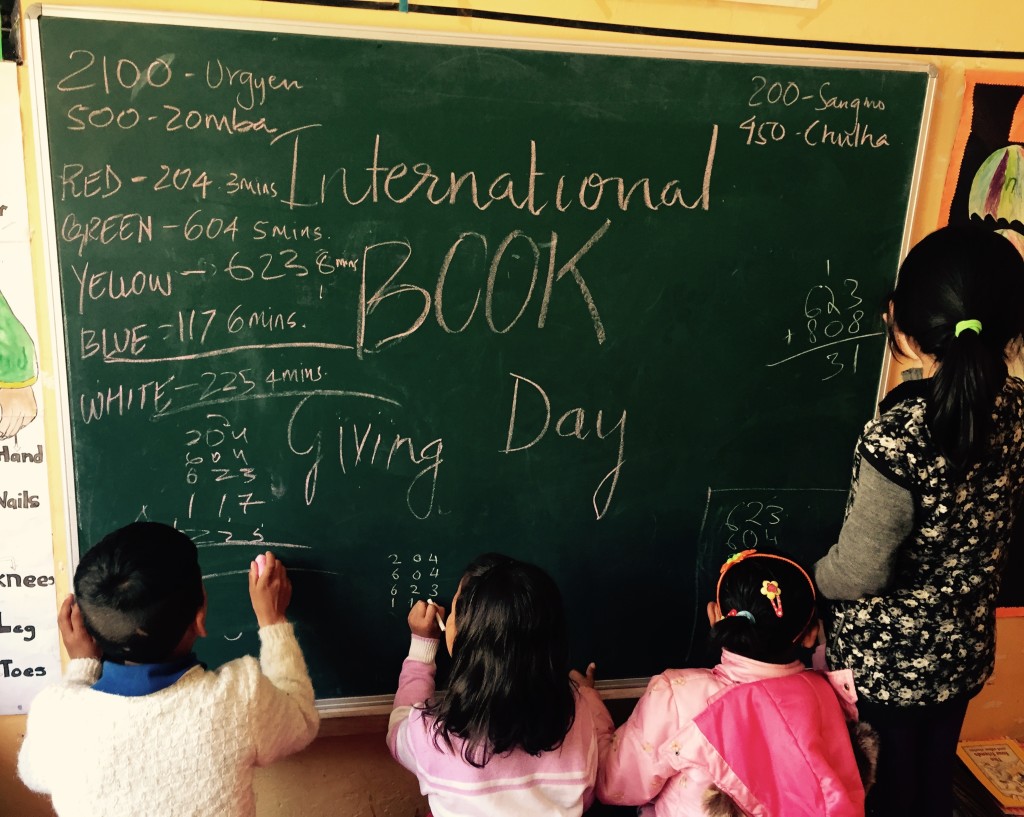
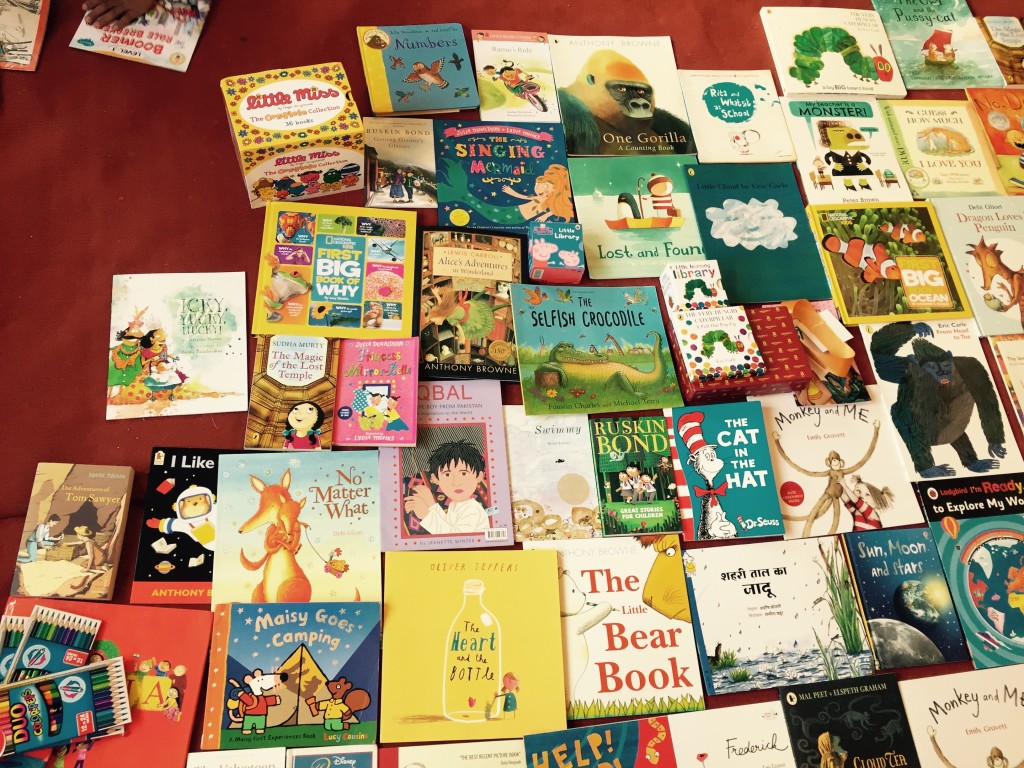
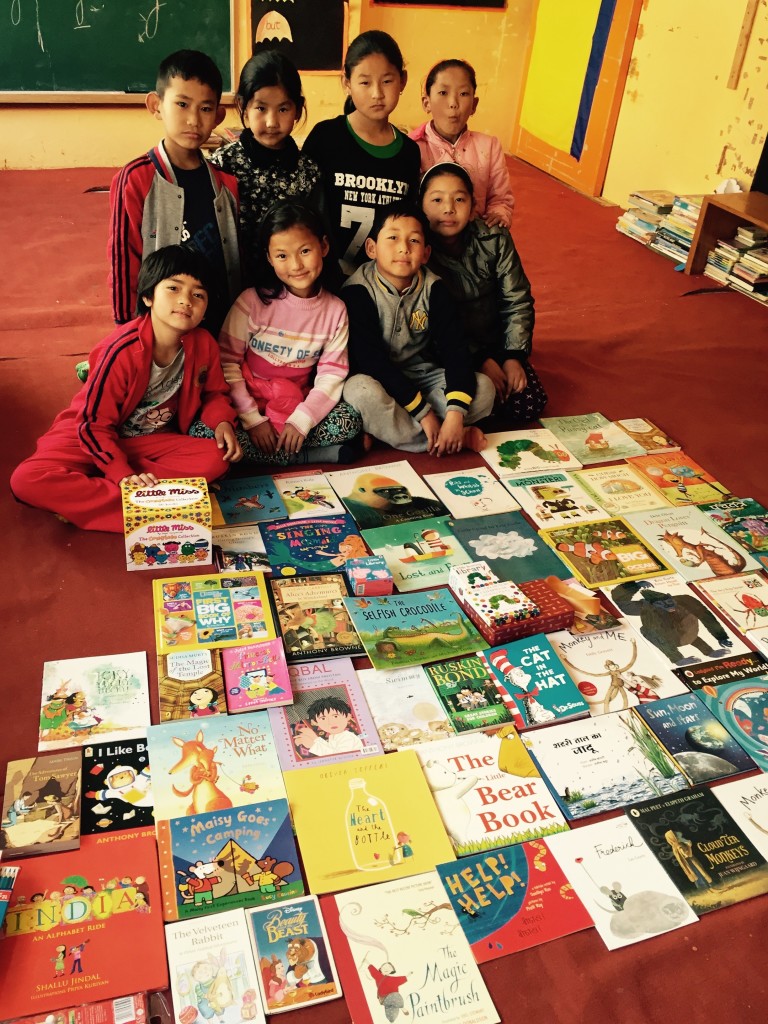
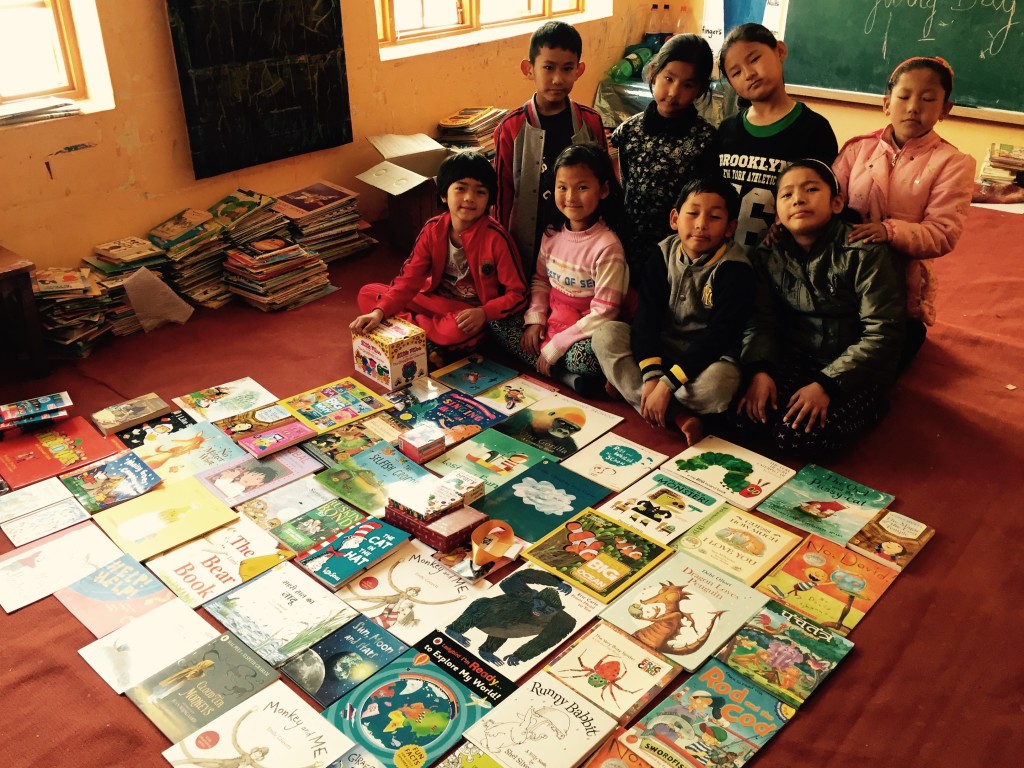
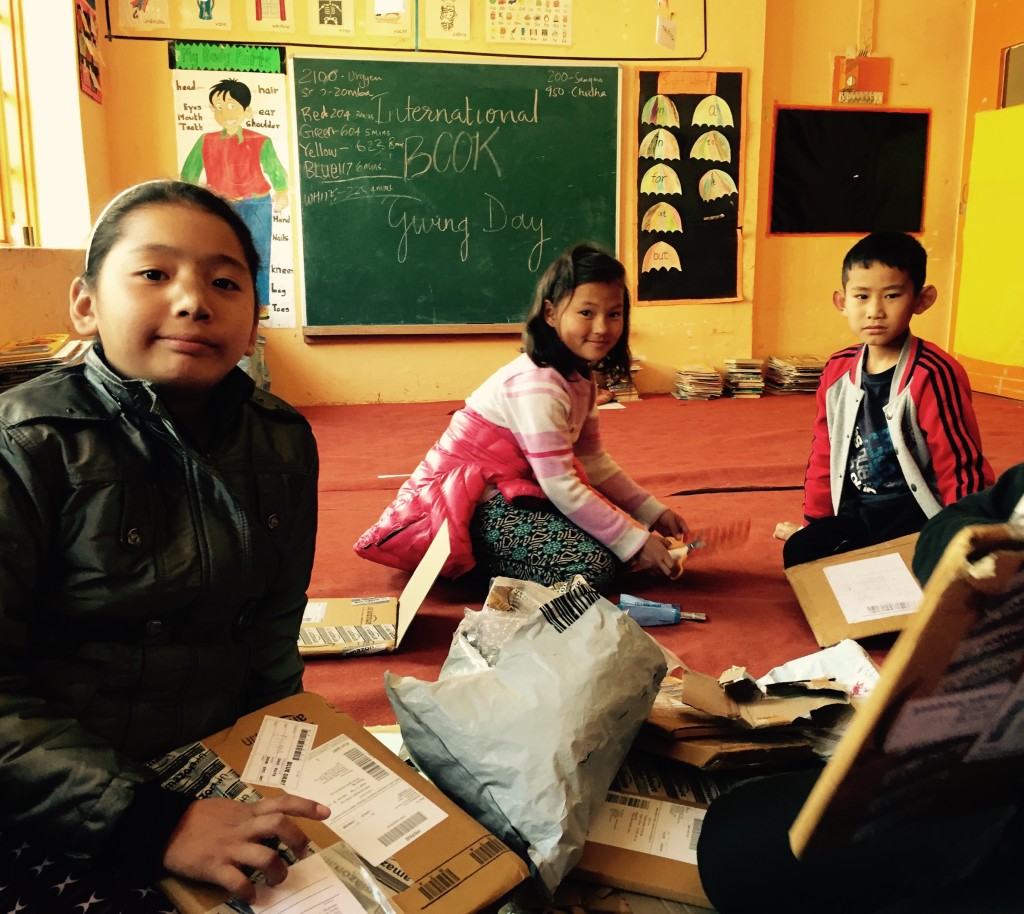
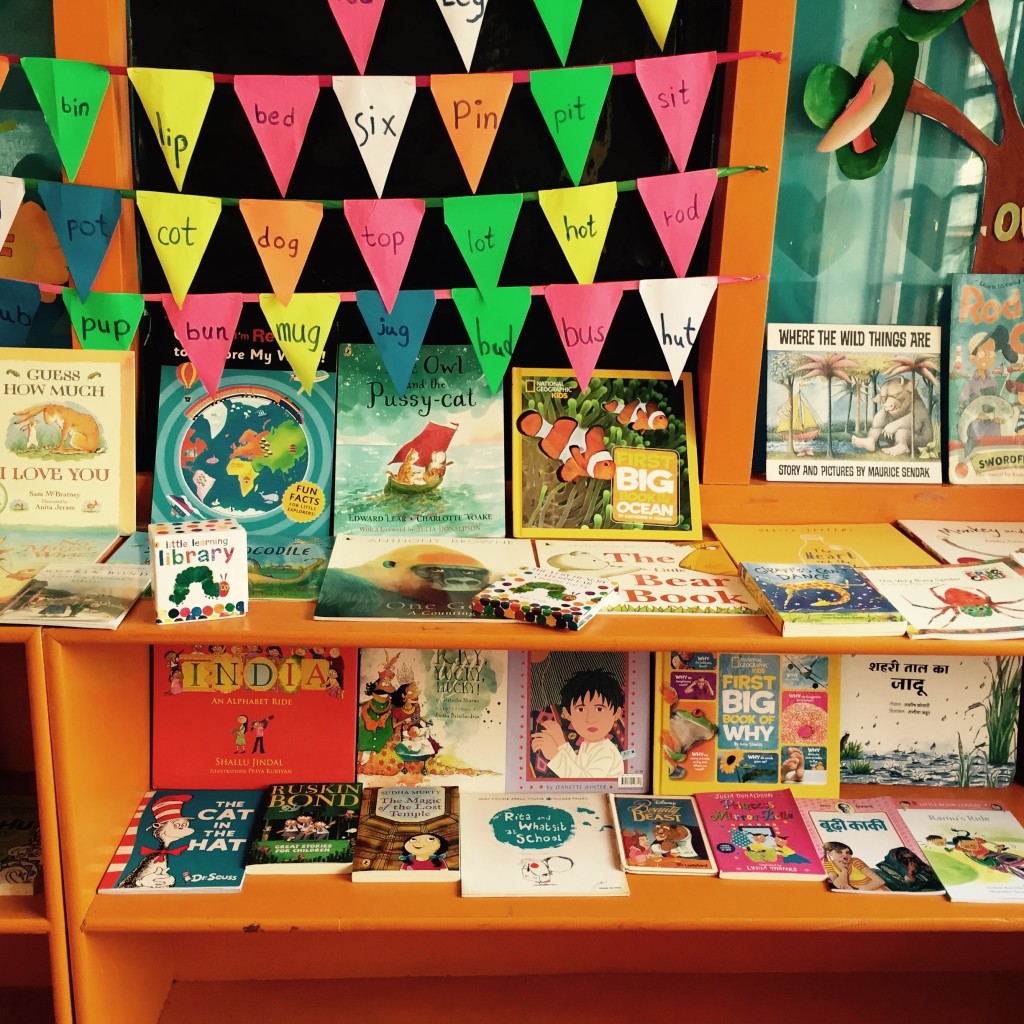
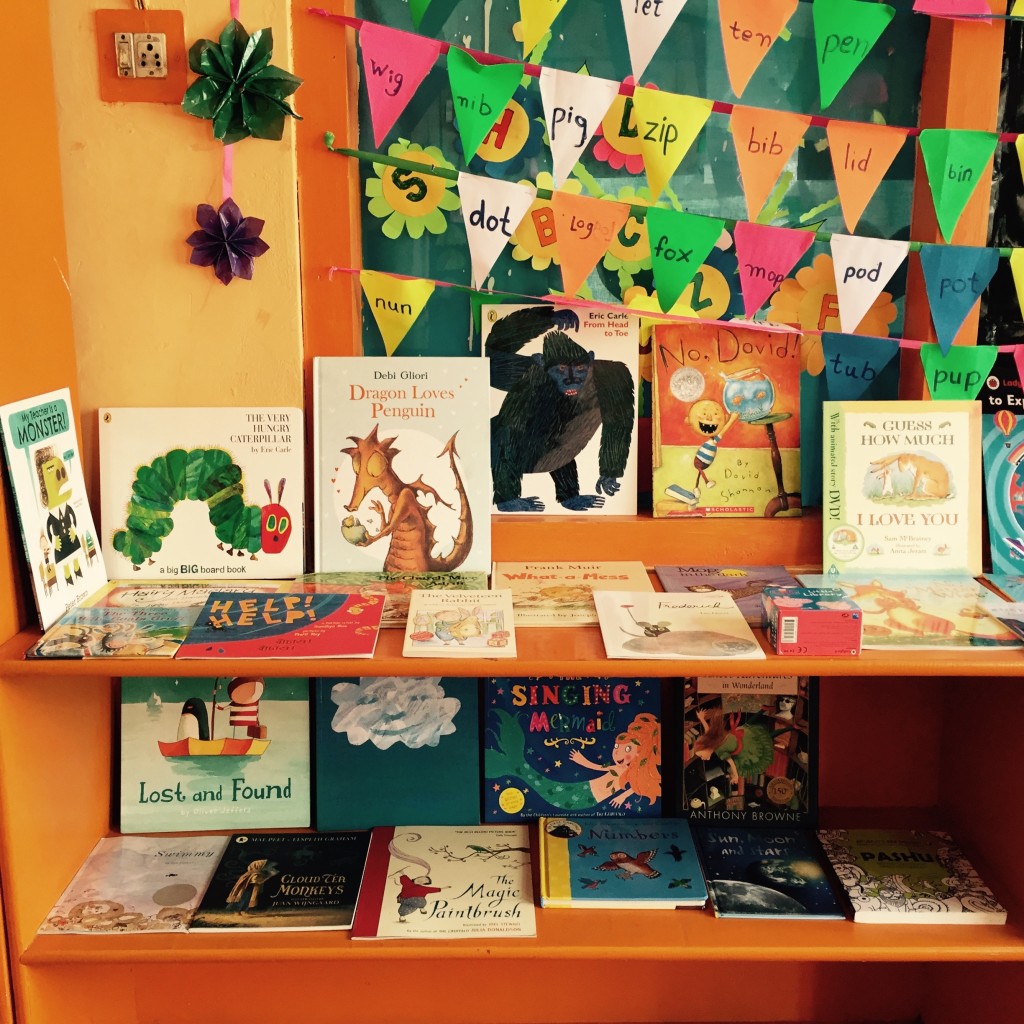
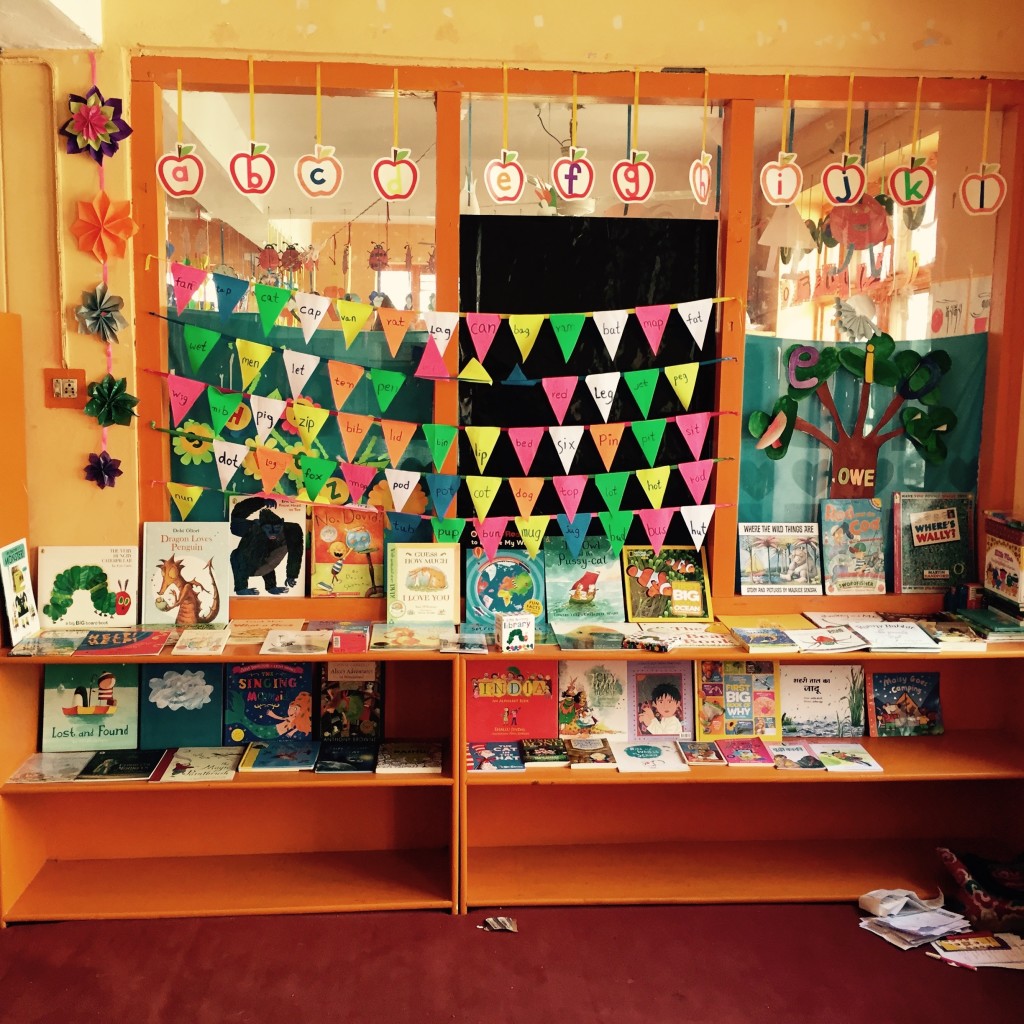
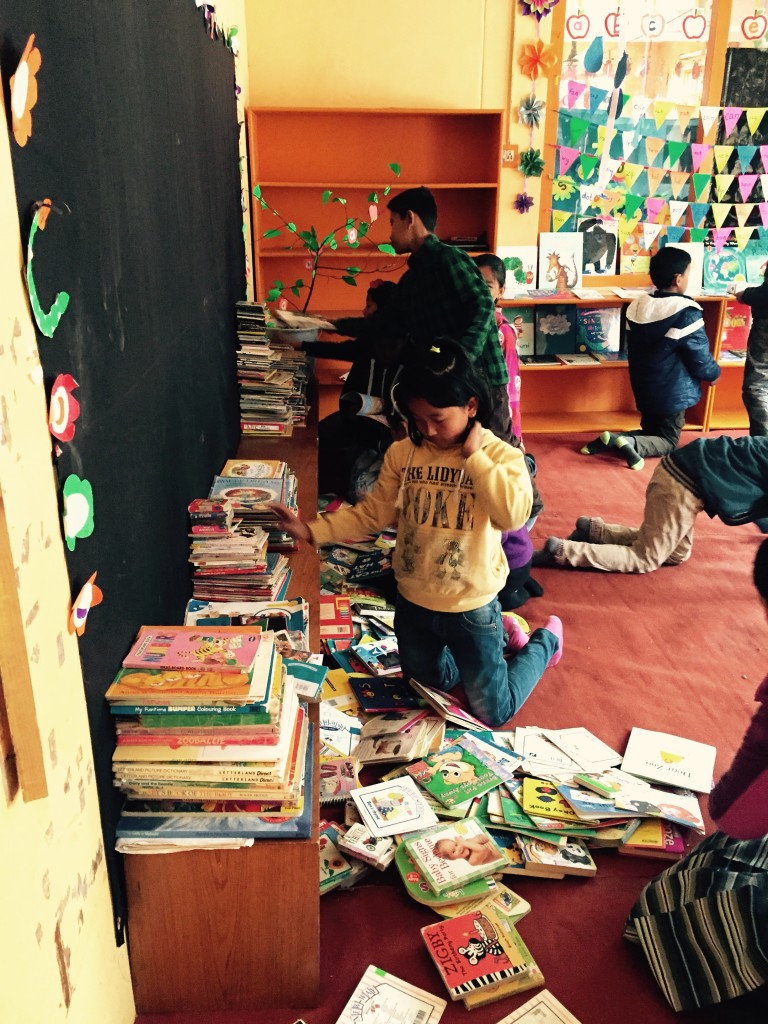
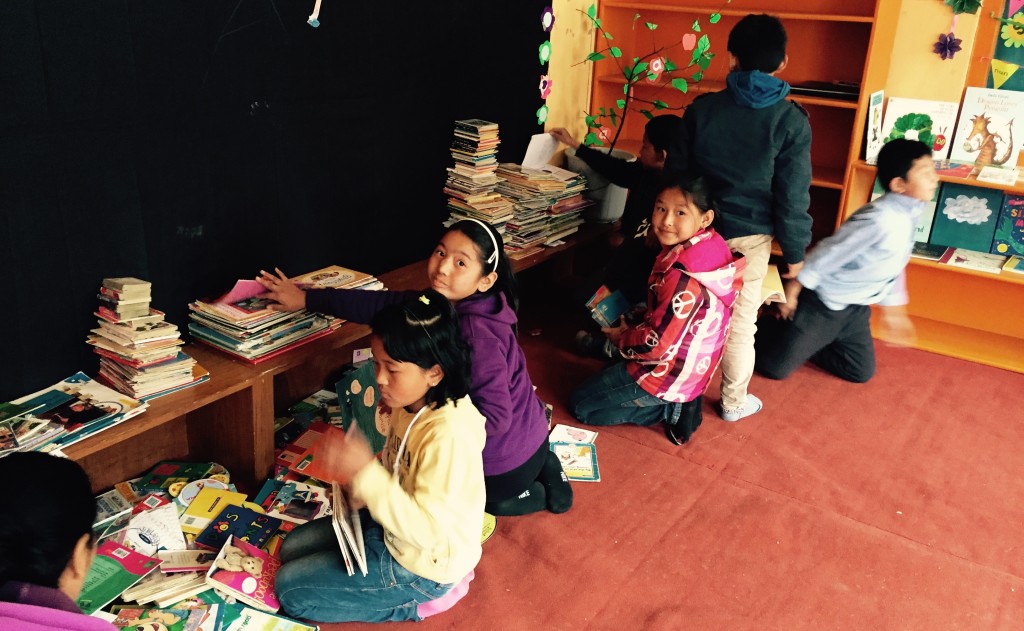
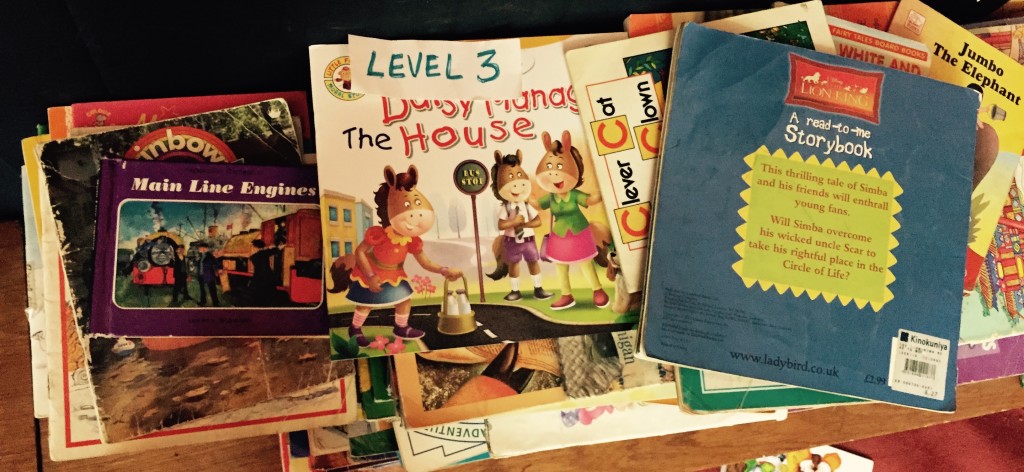
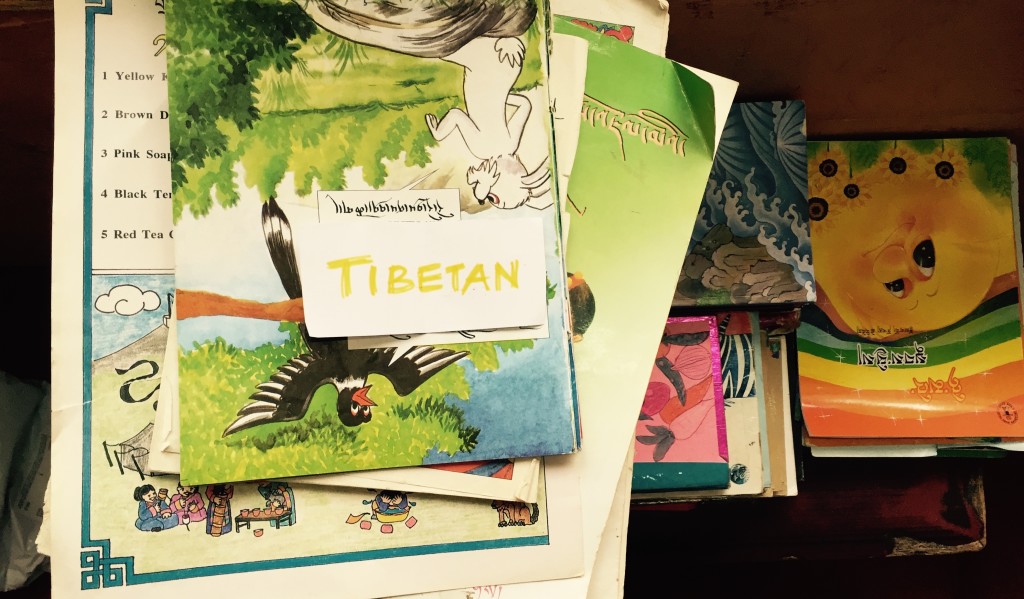
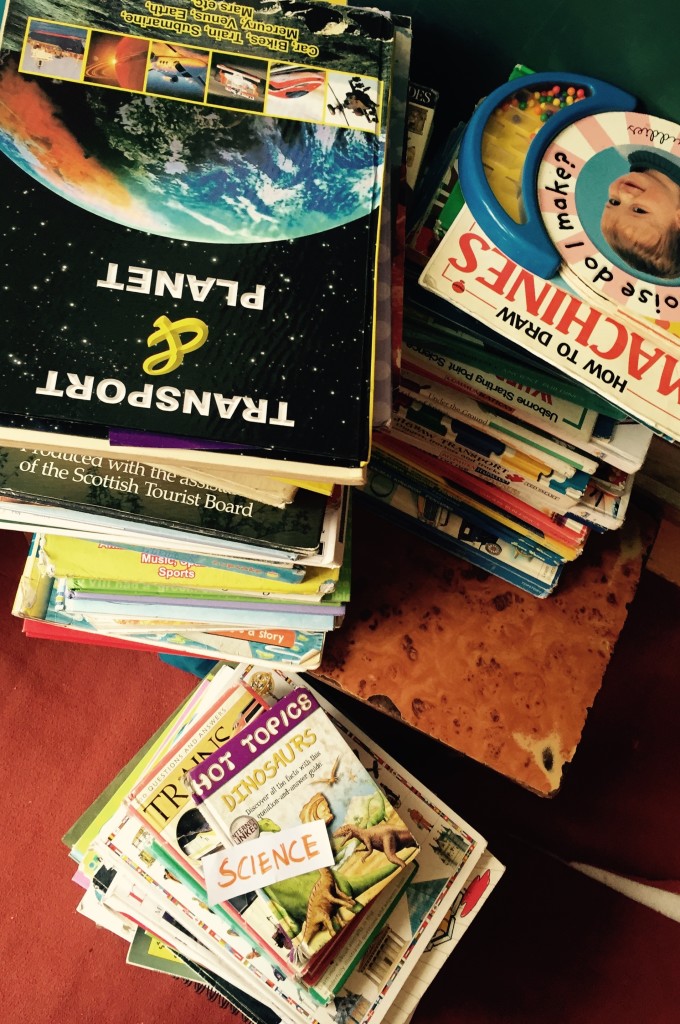
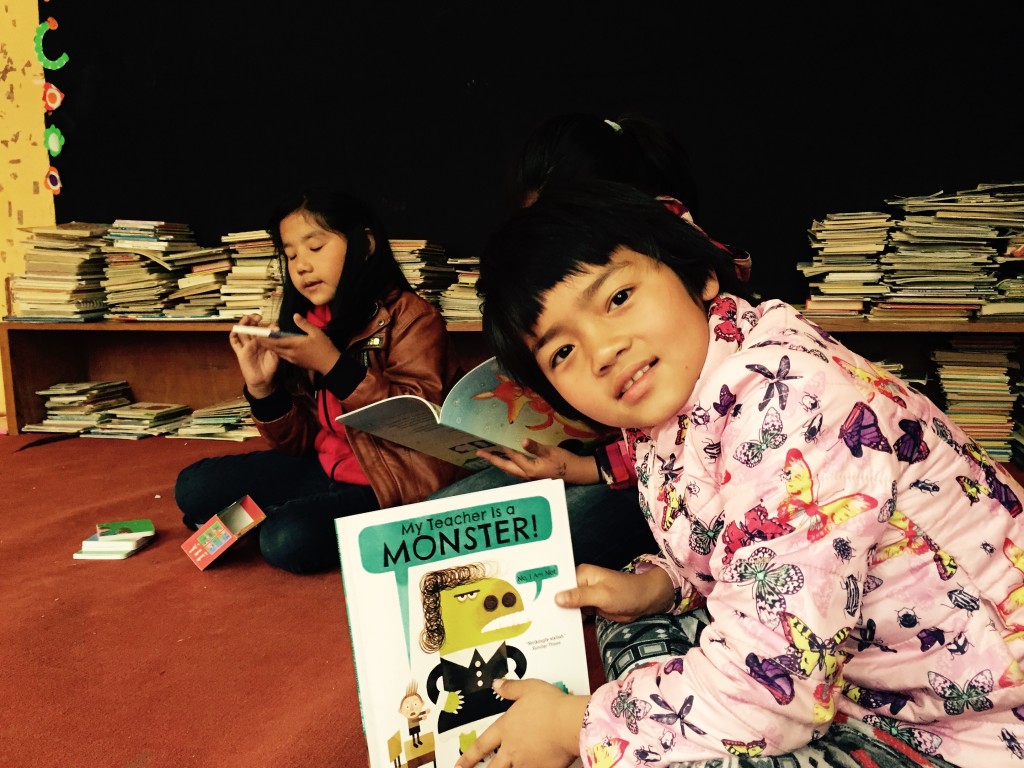
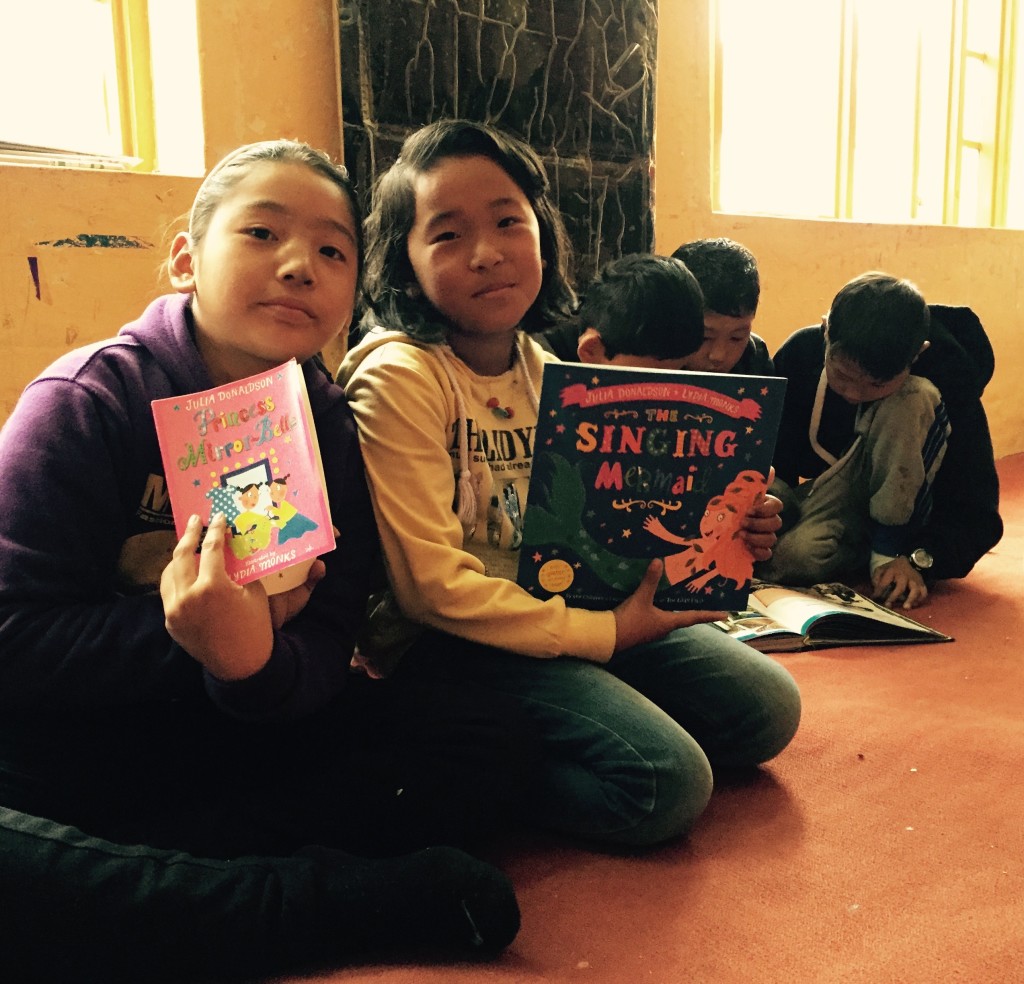
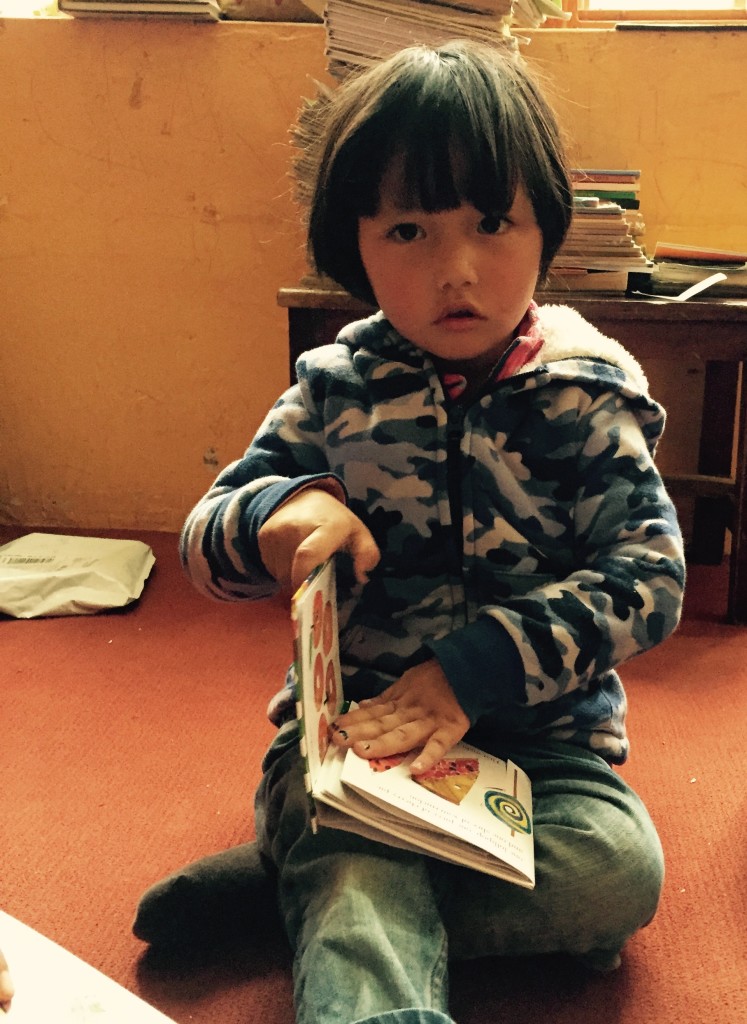
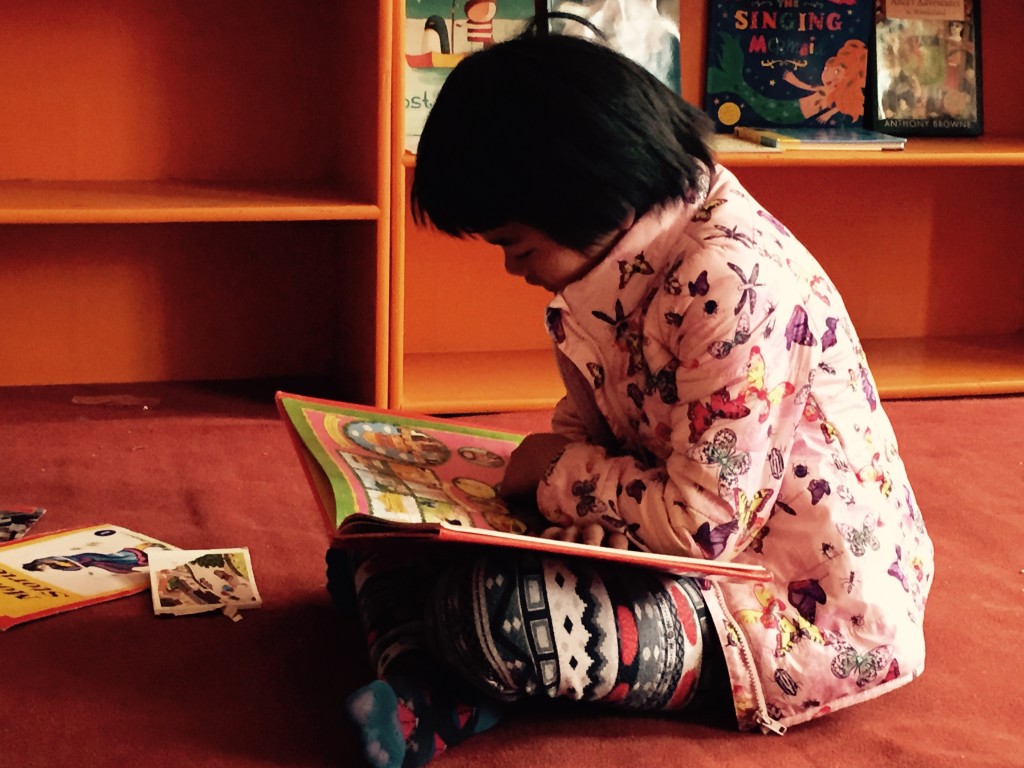
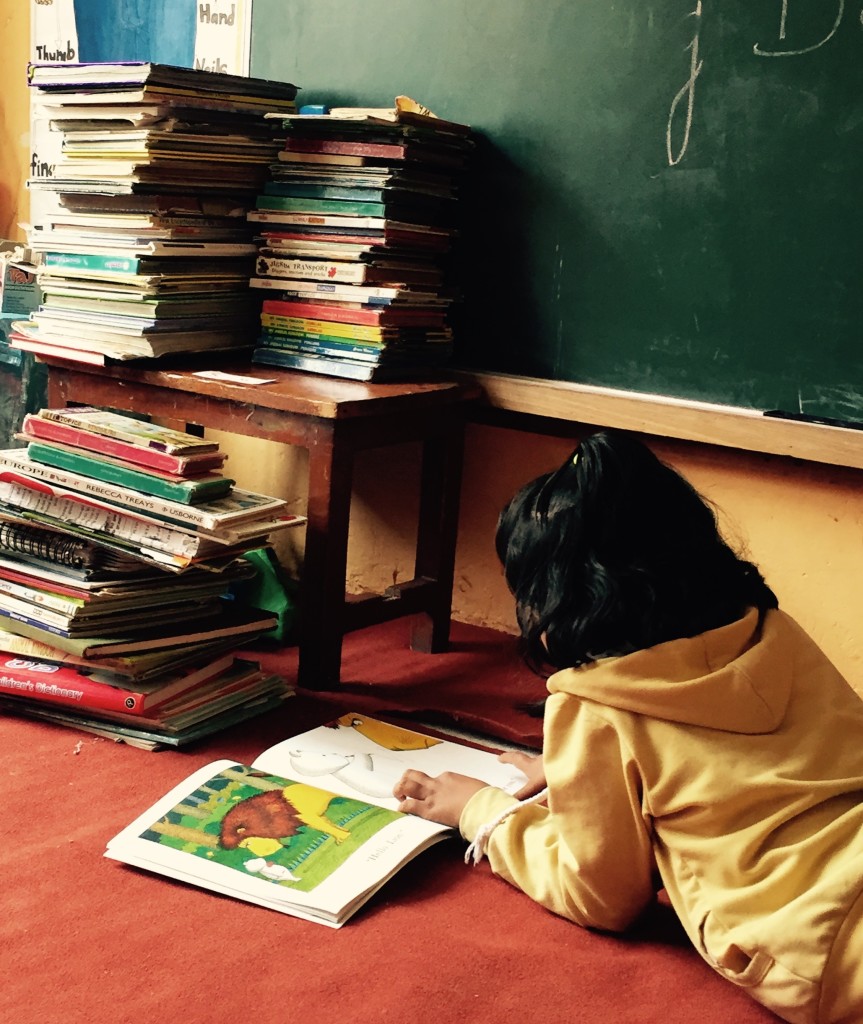
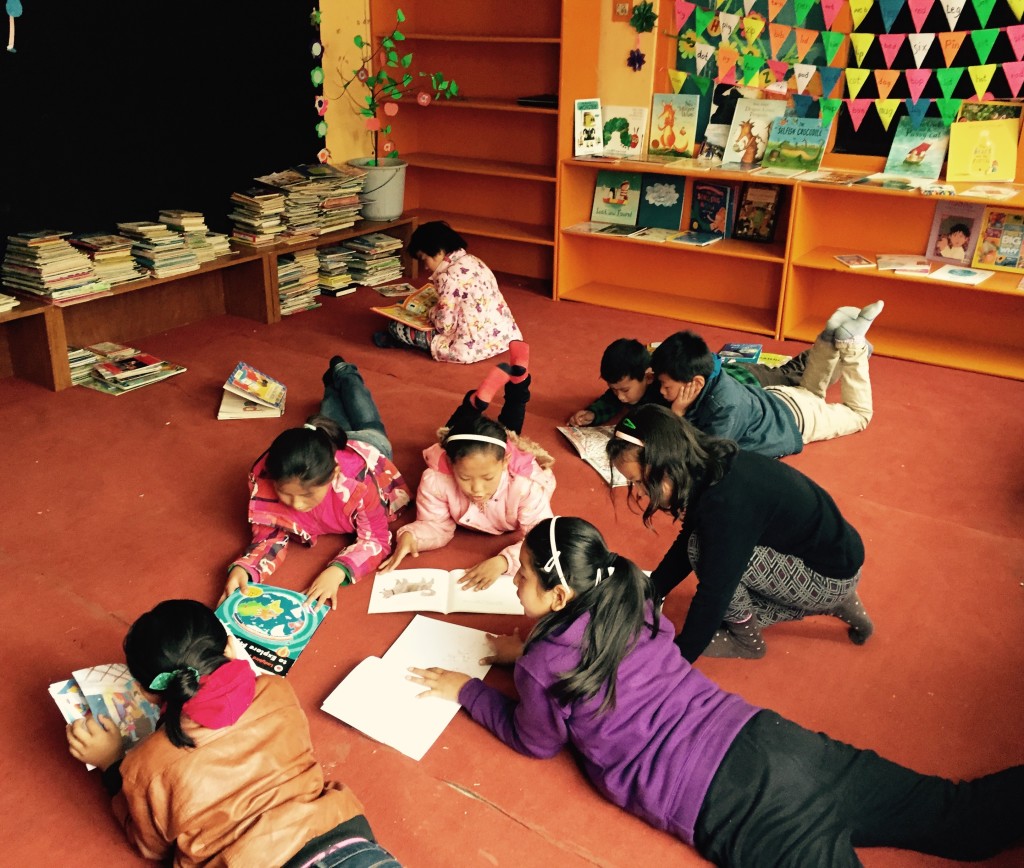
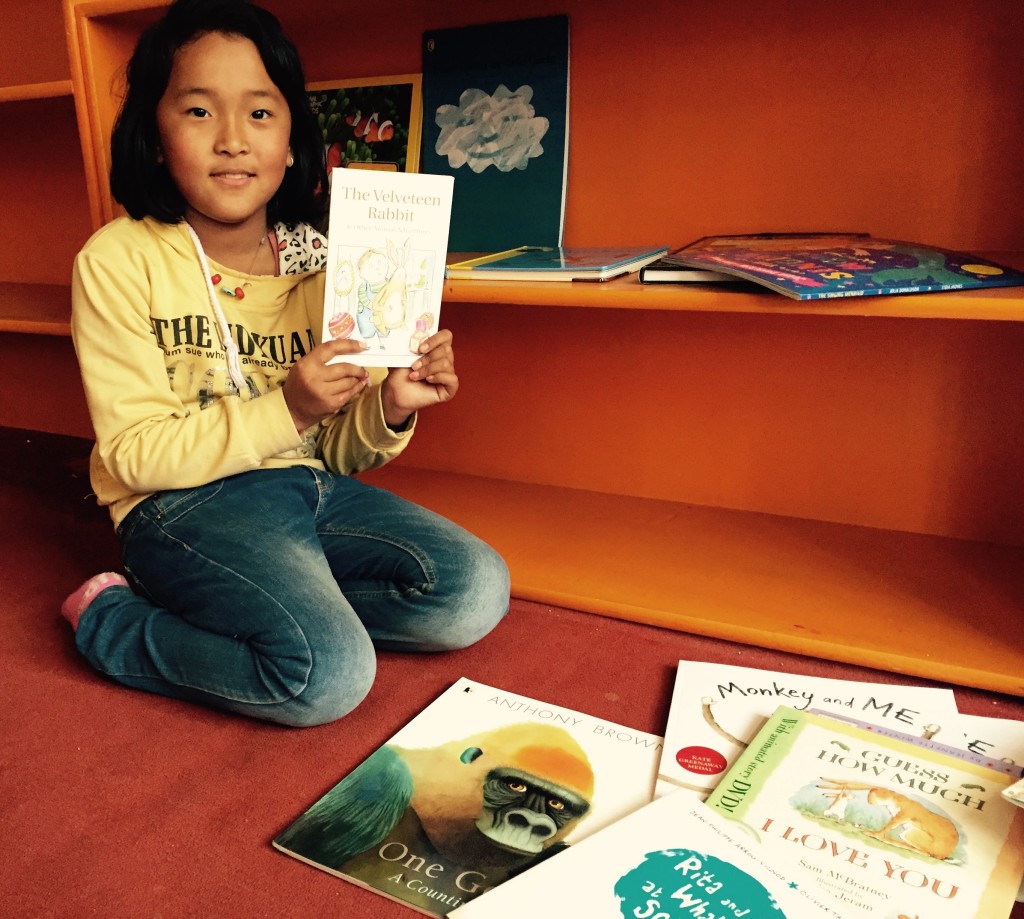
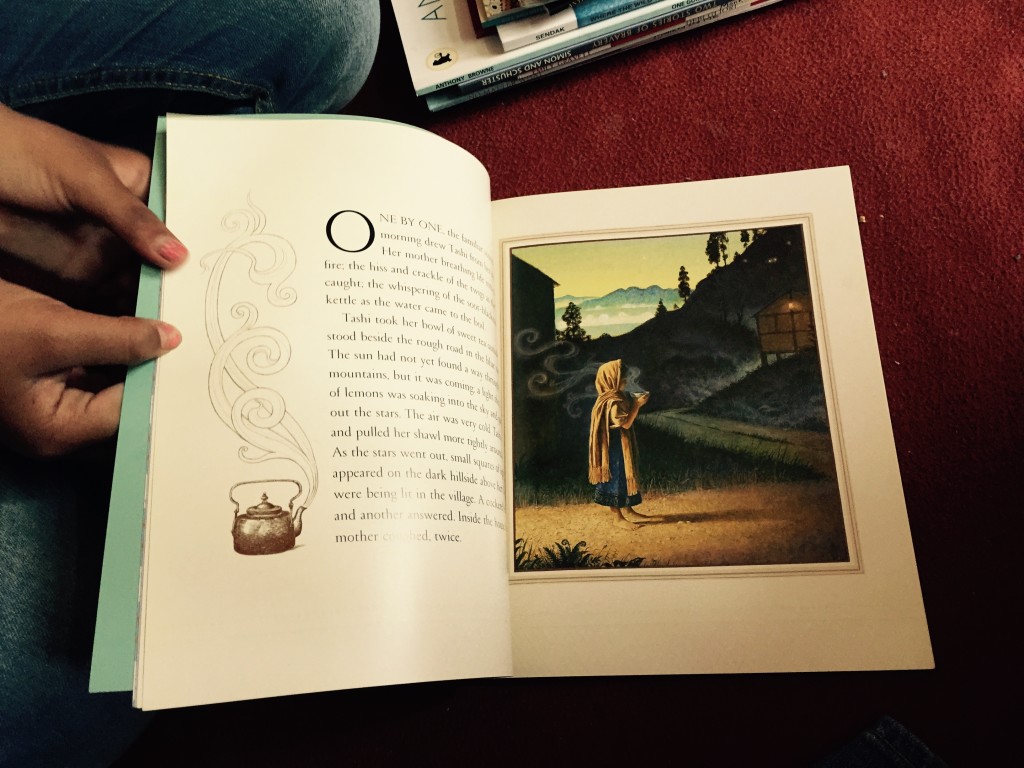
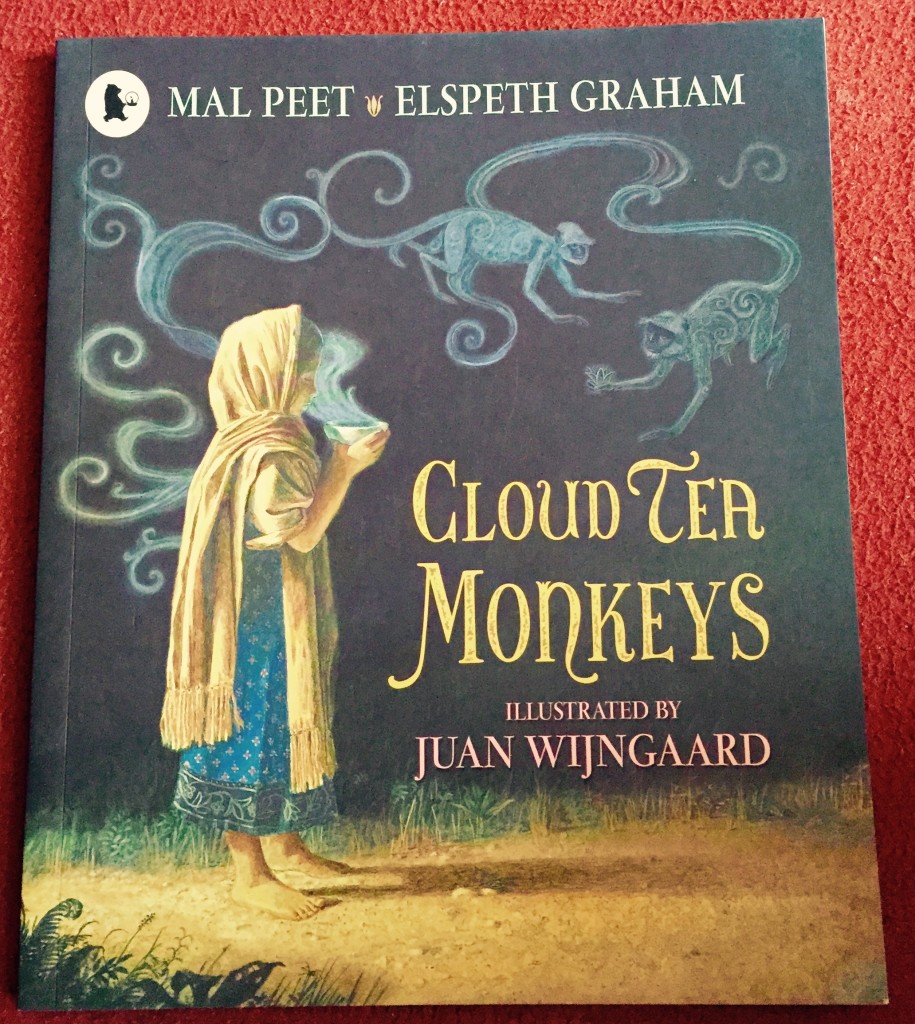
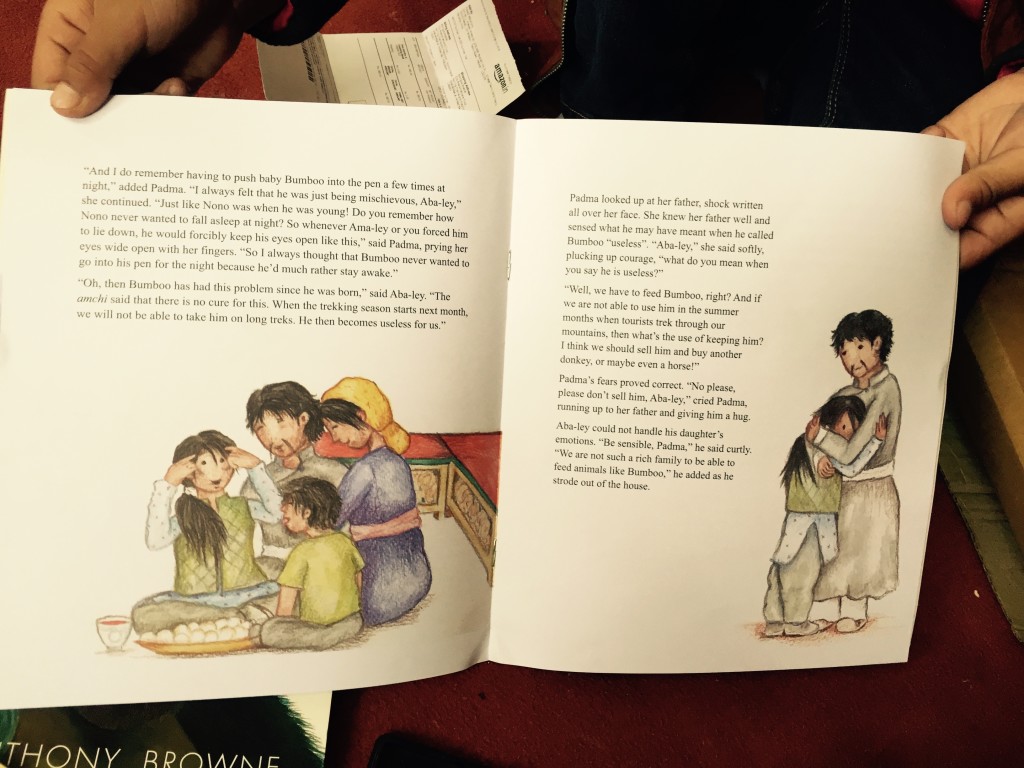
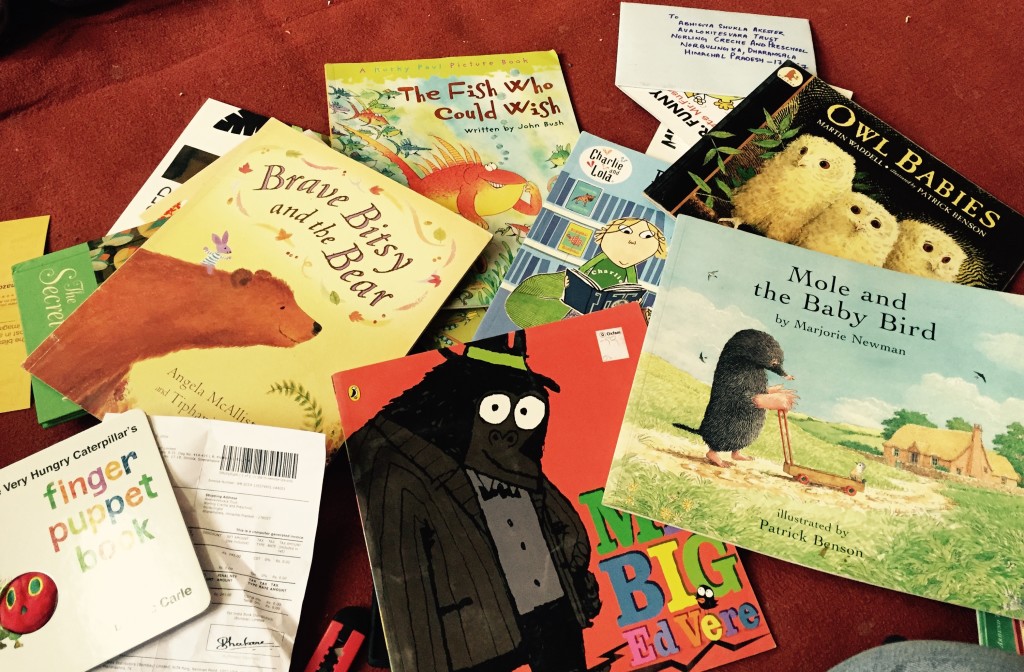
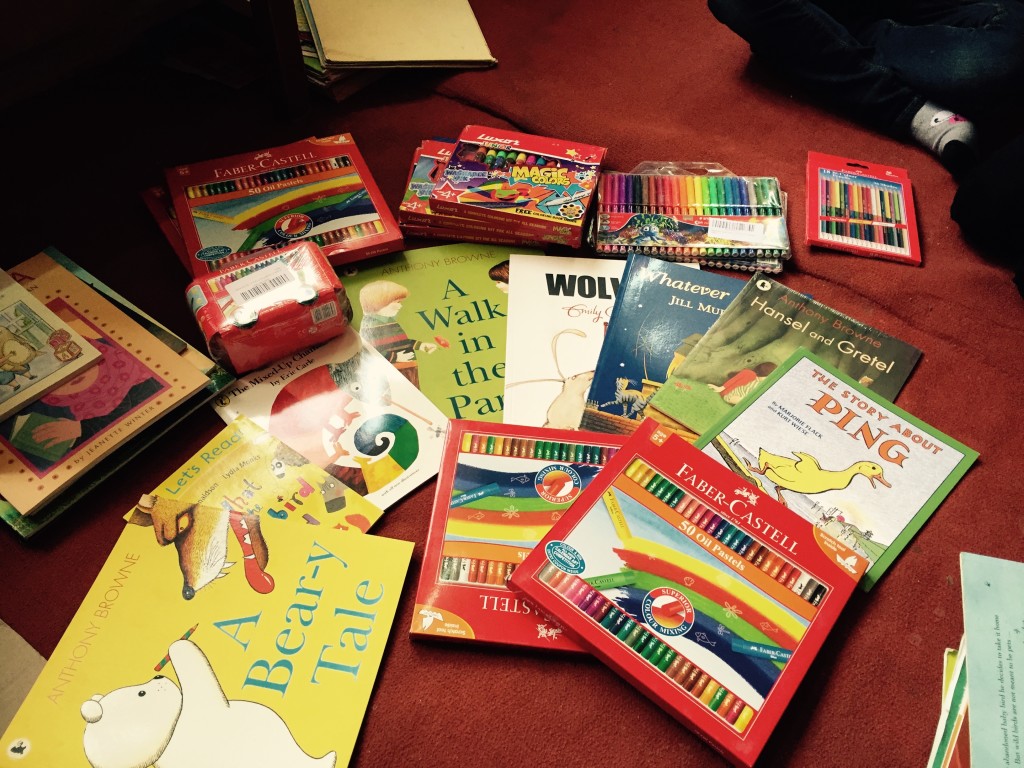
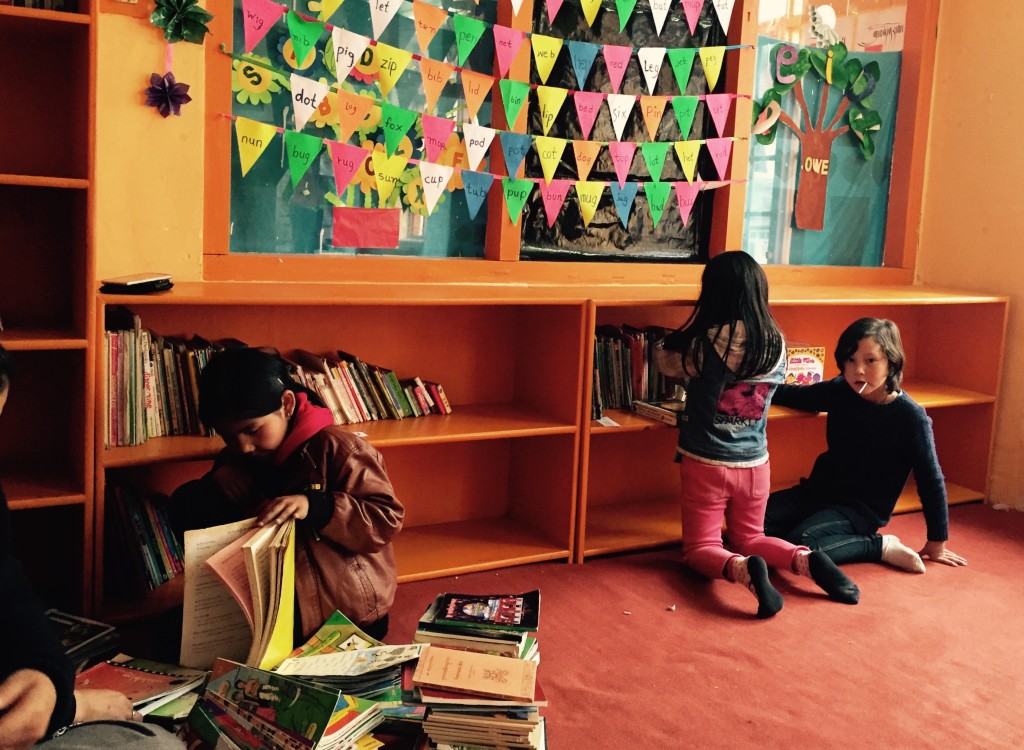
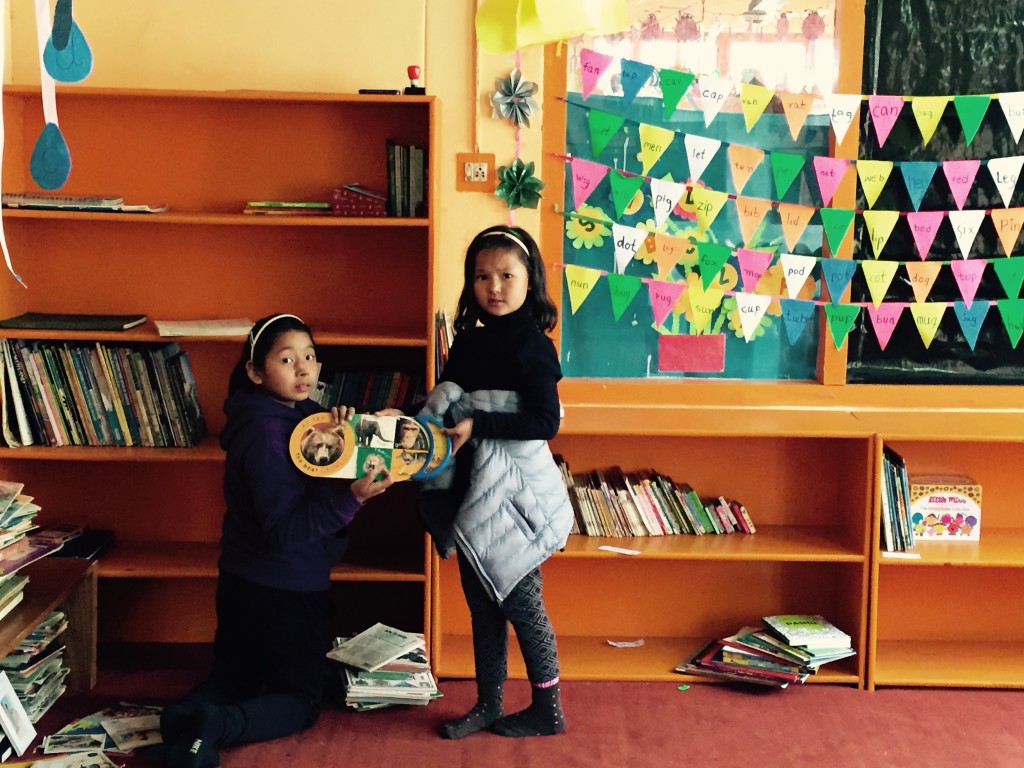
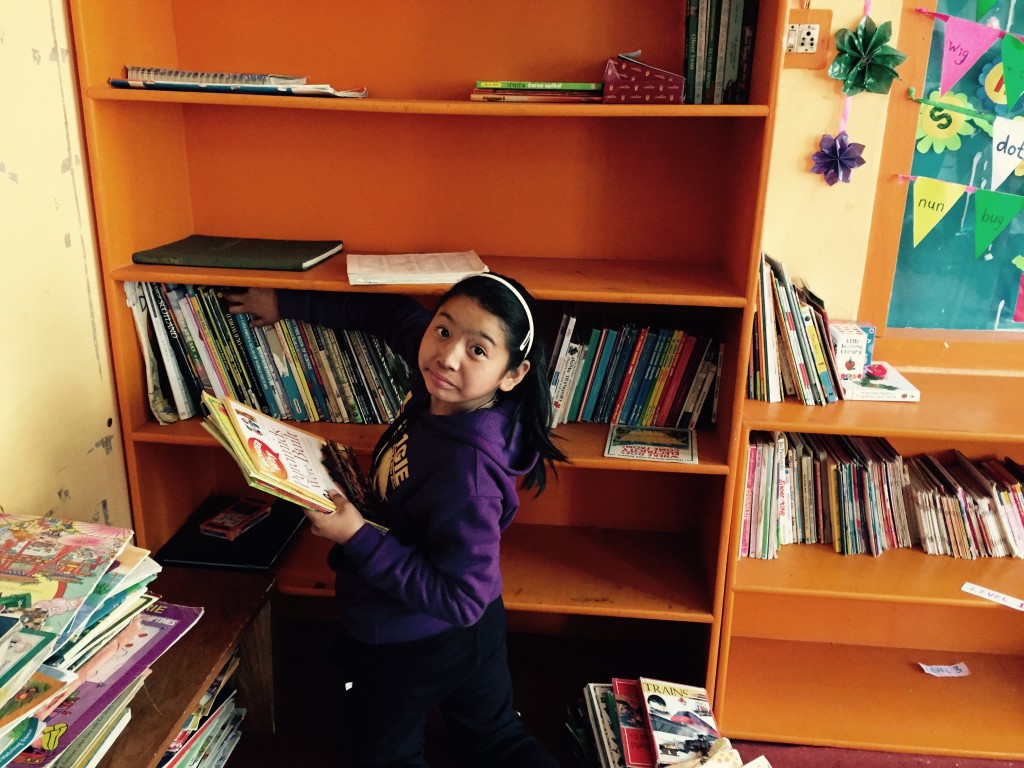
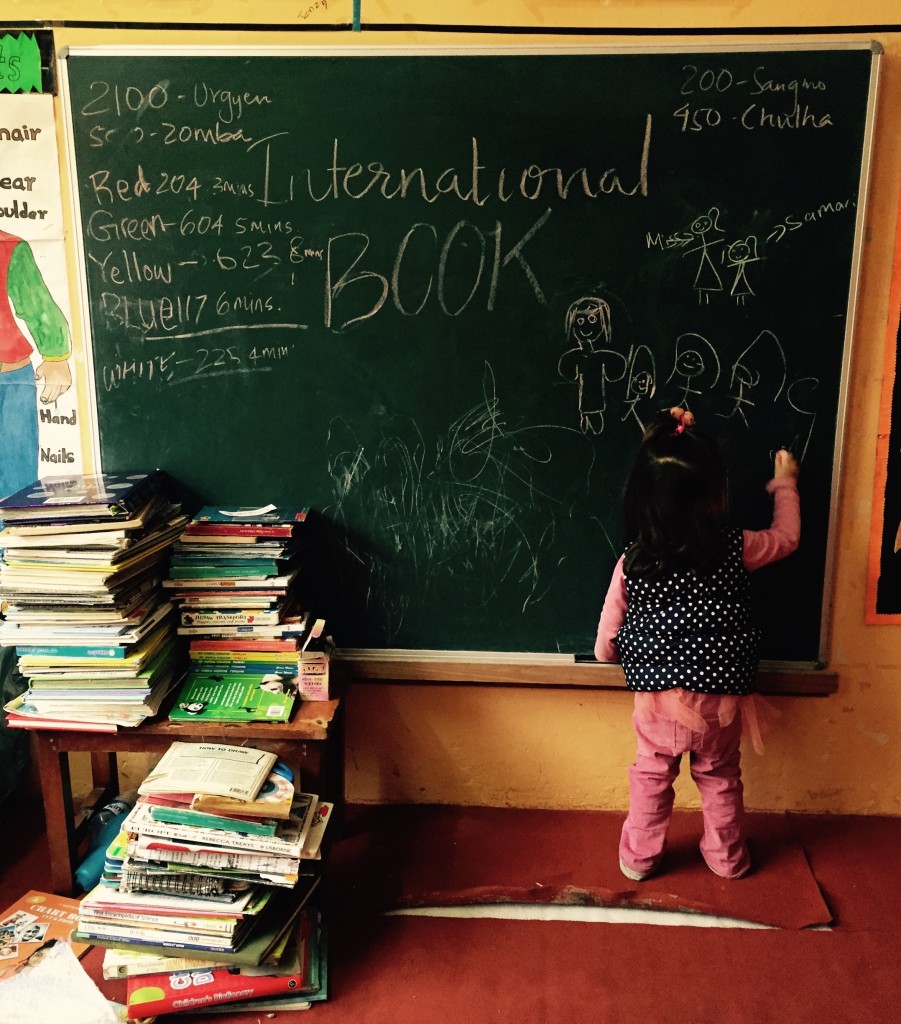
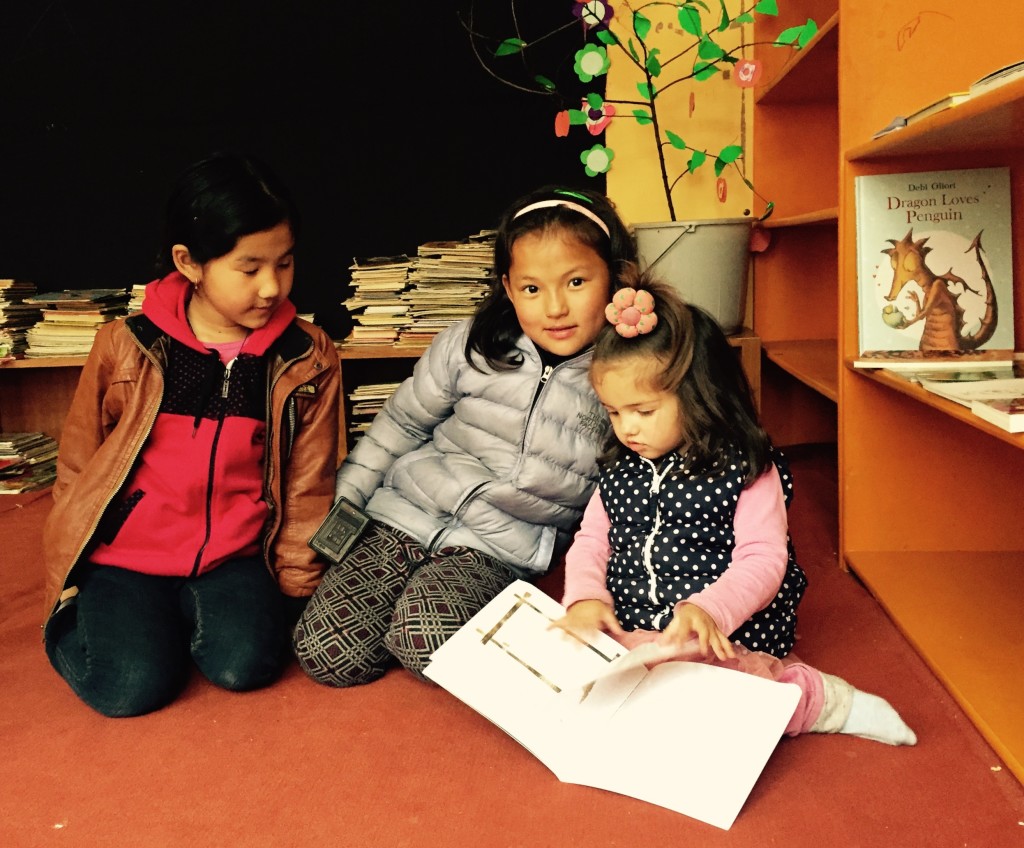
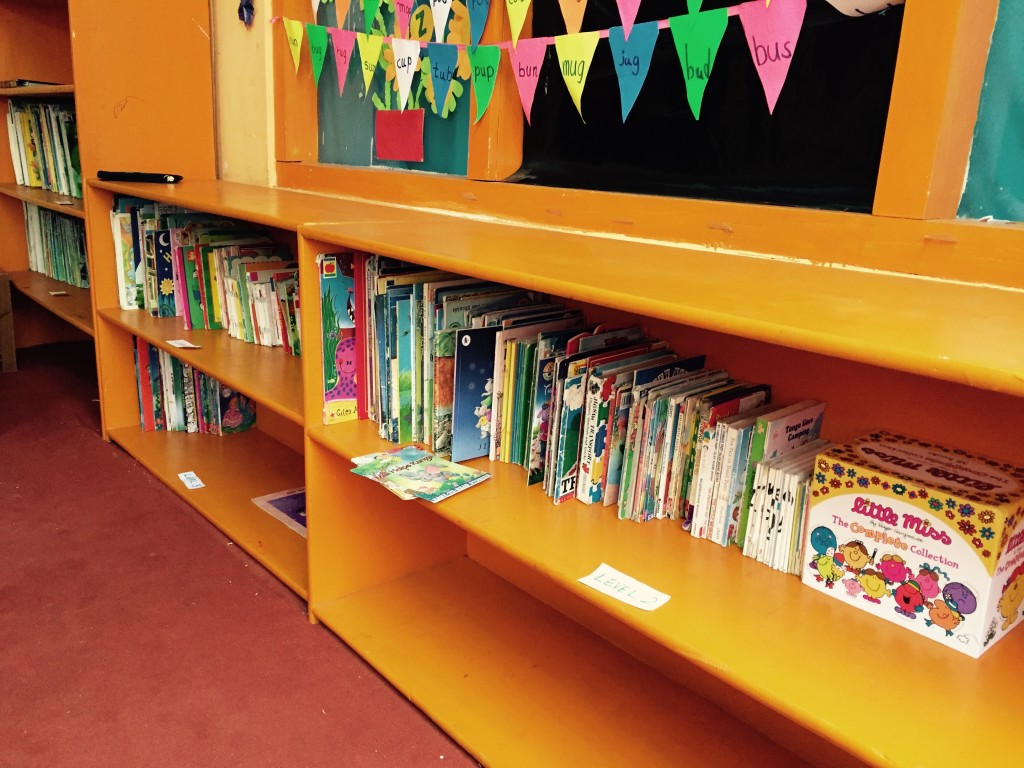
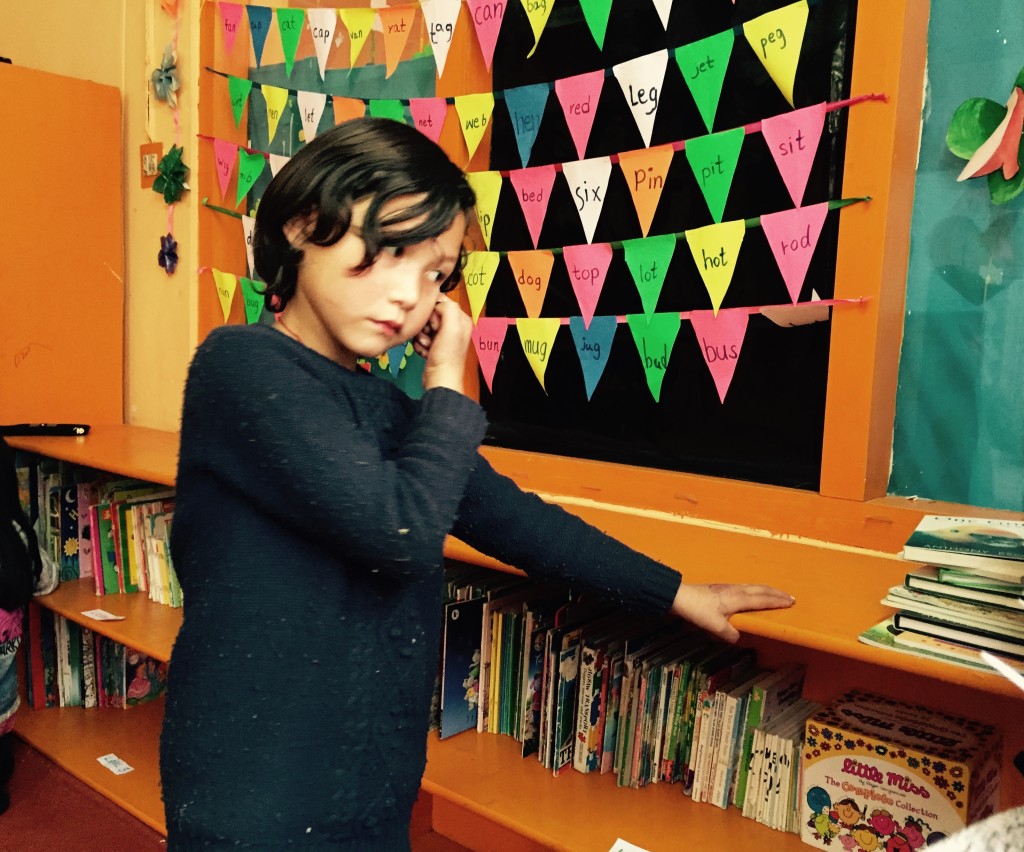
At Avalokiteśvara Trust, reading rooms, book drives, arts programs, and musical activities help children discover these qualities in practical ways. Access to books creates opportunities for independent thought, while supportive spaces allow young learners to explore ideas at their own pace.
Attention Grows Through Daily Practice
Young monks often follow regular routines that give shape to their days. Study, recitation, reflection, communal work, and periods of quiet create repeated opportunities to focus. This rhythm shows how concentration can be strengthened through consistency rather than forced through pressure.
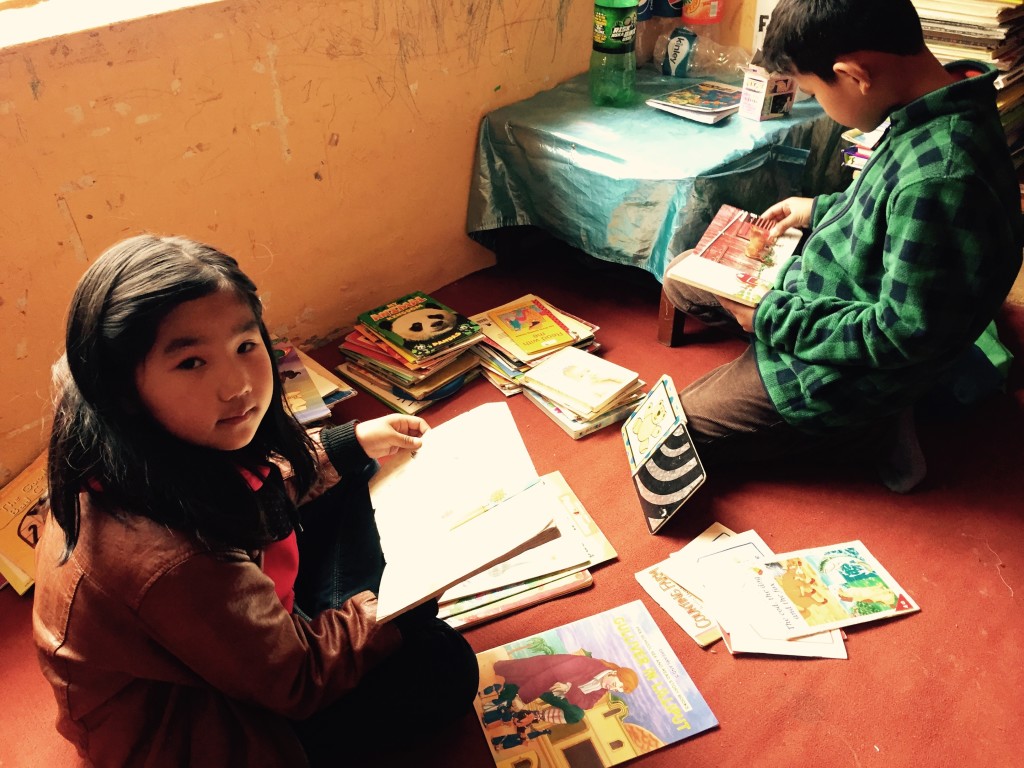
A child does not need perfect silence or endless discipline to develop attention. A few minutes spent reading a story, copying a passage, listening to music, or observing an illustration can become a useful exercise. When this practice is repeated, the mind gradually becomes more comfortable with sustained engagement.
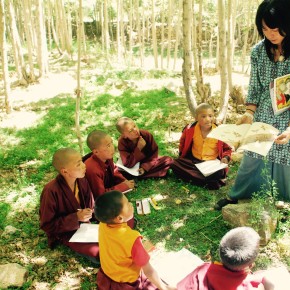
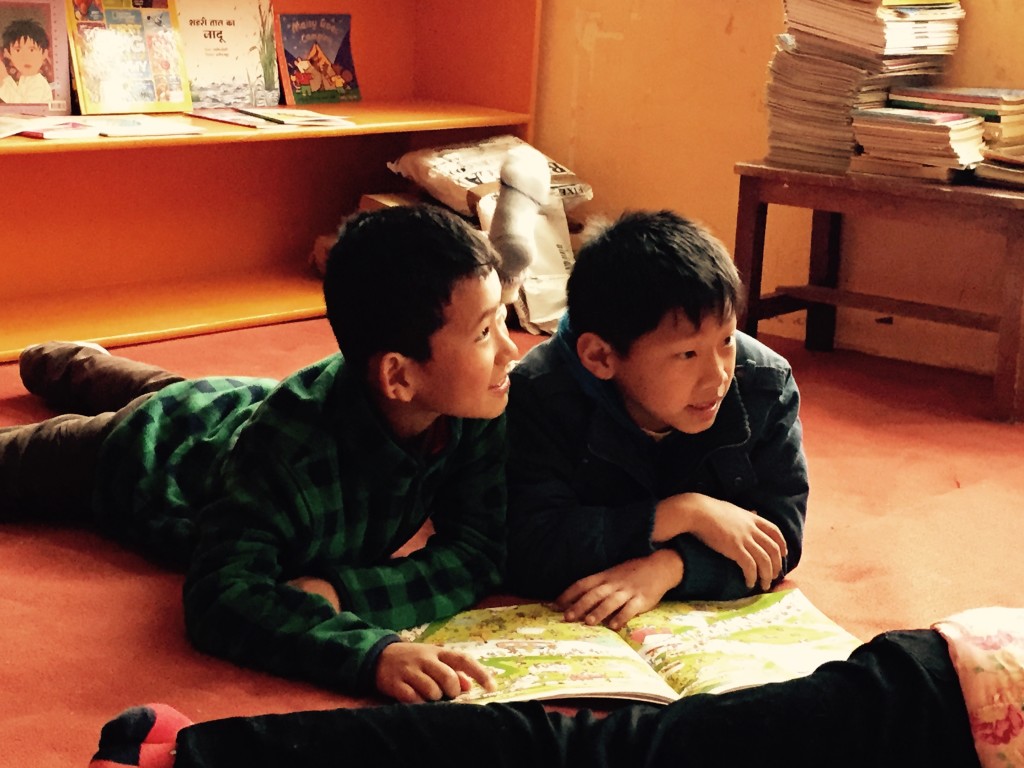
The setting matters as well. A welcoming reading room can make concentration feel natural because it offers fewer interruptions and signals that books and learning deserve time. In such a space, a young person can move from brief attention to deeper involvement without feeling rushed.
Curiosity Begins With Close Observation
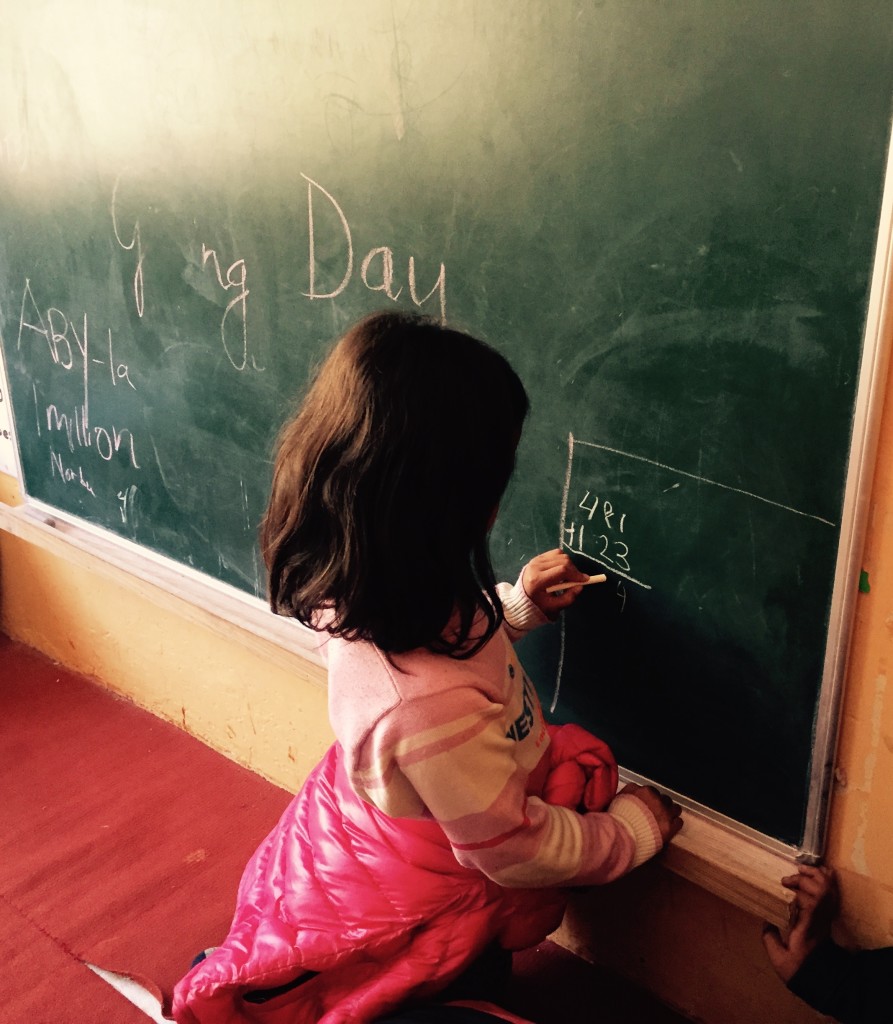
Curiosity often starts with noticing something ordinary. A child may wonder why a mountain changes color at sunset, how a musical instrument produces sound, or what a character in a book is feeling. These observations become openings into geography, science, art, language, and empathy.
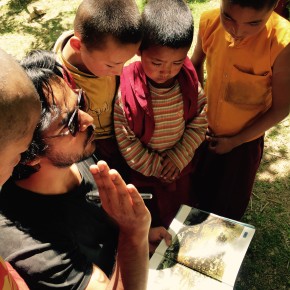
Young monks demonstrate this spirit when they encounter new stories, ideas, and perspectives beyond their immediate surroundings. Books can carry readers across centuries and countries, allowing them to meet unfamiliar people and imagine different ways of living. Reading is therefore a form of travel, especially where physical travel may be limited.
Adults can protect curiosity by responding with patience. Instead of treating every question as a distraction, teachers, parents, and mentors can help children investigate it. Sometimes the best response is a book, an experiment, a drawing, or a conversation that gives the learner tools to find an answer.
Learning Becomes Stronger When It Has Meaning
Attention lasts longer when learners understand why an activity matters. A young monk studying a text may connect it with ethics, community life, memory, or spiritual practice. That sense of purpose can make difficult material worth returning to.
Children in reading programs also benefit when books connect with their lives. A story about friendship may help them interpret a conflict; a book about animals may lead to questions about local landscapes; a biography may show how patience and effort shape a person’s future.
The relationship between focus and meaning can be seen in simple learning experiences:
| Learning Experience |
What It Builds |
How Adults Can Support It |
| Quiet reading |
Sustained attention and imagination |
Provide appealing books and uninterrupted time |
| Group discussion |
Listening, memory, and confidence |
Invite every child to share an idea |
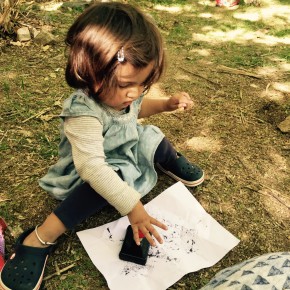
| Drawing or painting |
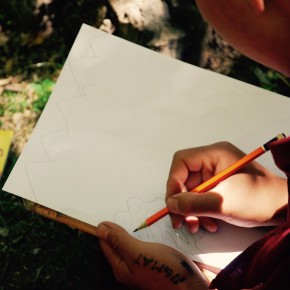
Observation and creative expression |
Value process instead of perfect results |
| Music practice |
Patience, rhythm, and coordination |
Encourage regular short sessions |
| Book exploration |
Independent curiosity |
Follow the child’s interests with related resources |
When education includes personal meaning, concentration becomes less like an imposed rule and more like a useful inner resource. The learner begins to recognize that attention can open a door to understanding.
Quiet Spaces Encourage Deeper Thinking
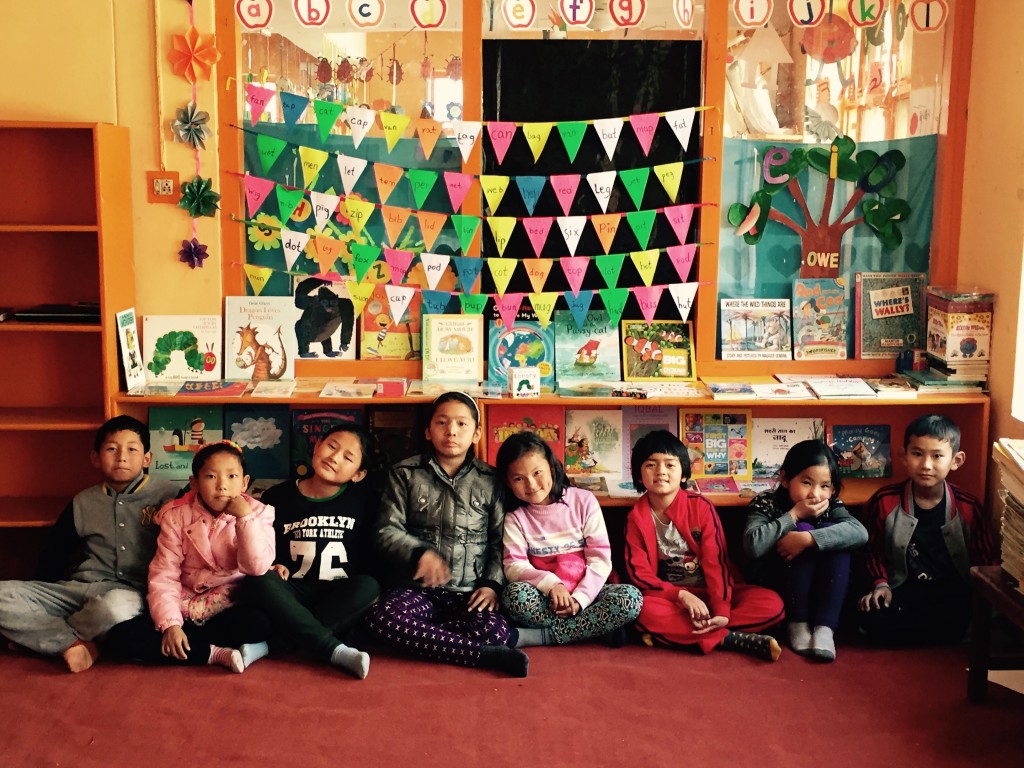
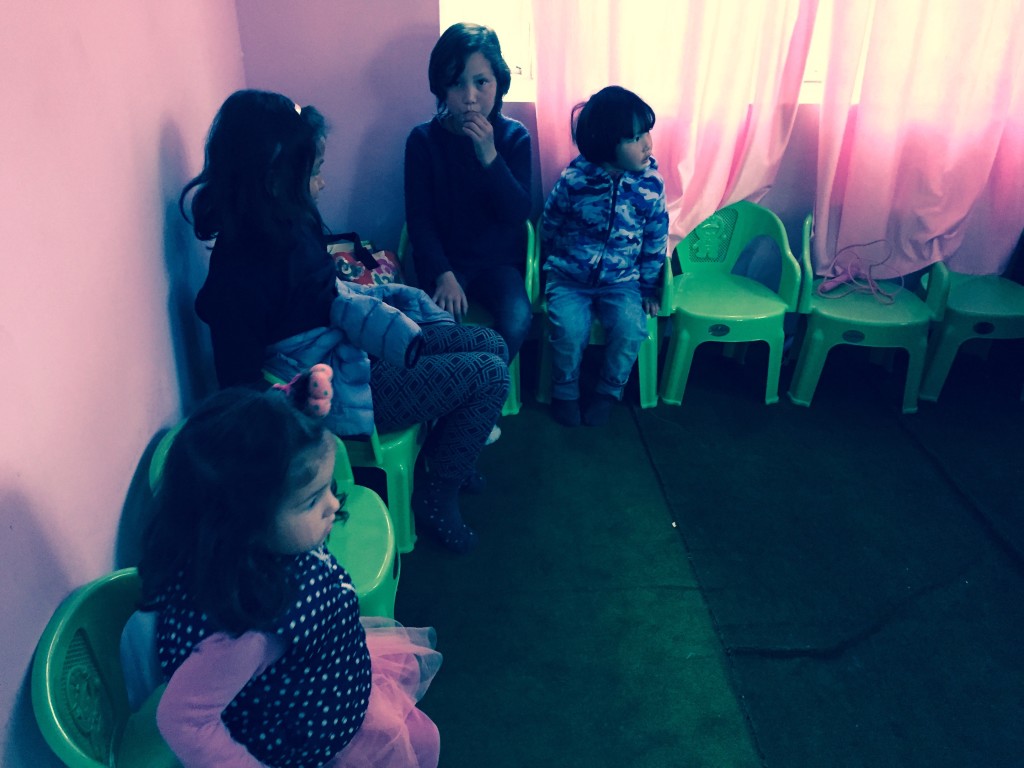
A calm environment does not have to be elaborate. Shelves of carefully chosen books, floor cushions, natural light, and a place to sit can create an atmosphere that supports reflection. Such spaces communicate respect for children’s thoughts and give them room to develop a relationship with learning.
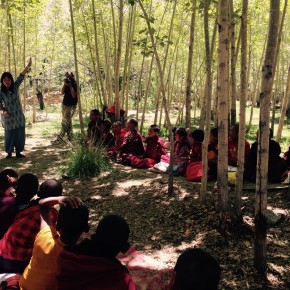
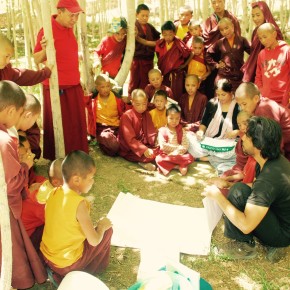
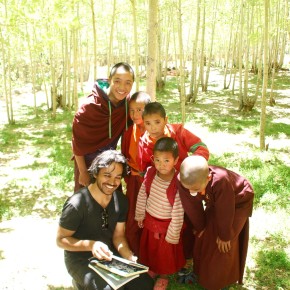
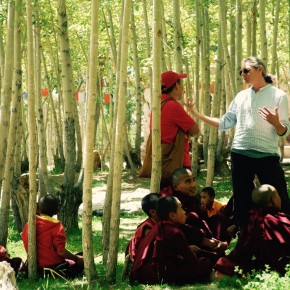
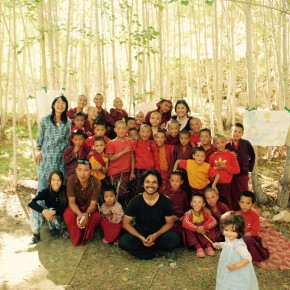
The library at Thiksey Monastery offers an example of how a shared setting can support study and community. A day with young monks reveals how books, routine, and companionship can come together in an environment where learning feels connected to everyday life.
Quiet also gives imagination space to work. When there is no need to react immediately to constant noise or entertainment, children can form their own questions and follow an idea further. They may reread a favorite page, study an image, or invent a story inspired by what they have found.
Concentration Includes Returning After Distraction
No learner remains focused every moment. Young people become tired, notice something outside, lose interest, or feel uncertain about a difficult passage. These interruptions are normal parts of learning, not proof that a child lacks discipline.
The important skill is returning. A monk reciting a familiar passage, a child completing a drawing, or a reader picking up a book after a pause all practice this movement back toward attention. Each return strengthens self-regulation and makes future concentration more accessible.
Adults can help by setting realistic expectations. Short periods of focused activity, followed by movement or conversation, may be more effective than demanding long sessions. Encouragement should recognize effort and persistence rather than praising only speed or correct answers.
Curiosity Connects Communities And Generations
Books and learning activities can link children living in different valleys, towns, and countries. A shared story gives young readers a common point of reference, while local experiences add richness and variety to how that story is understood.
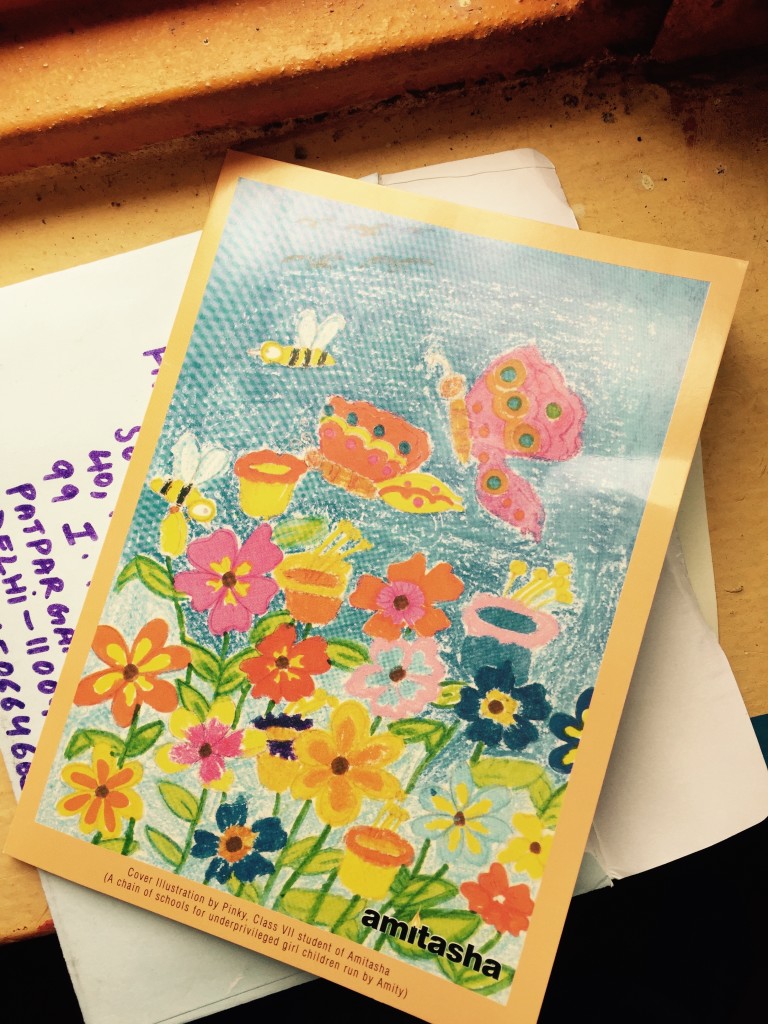
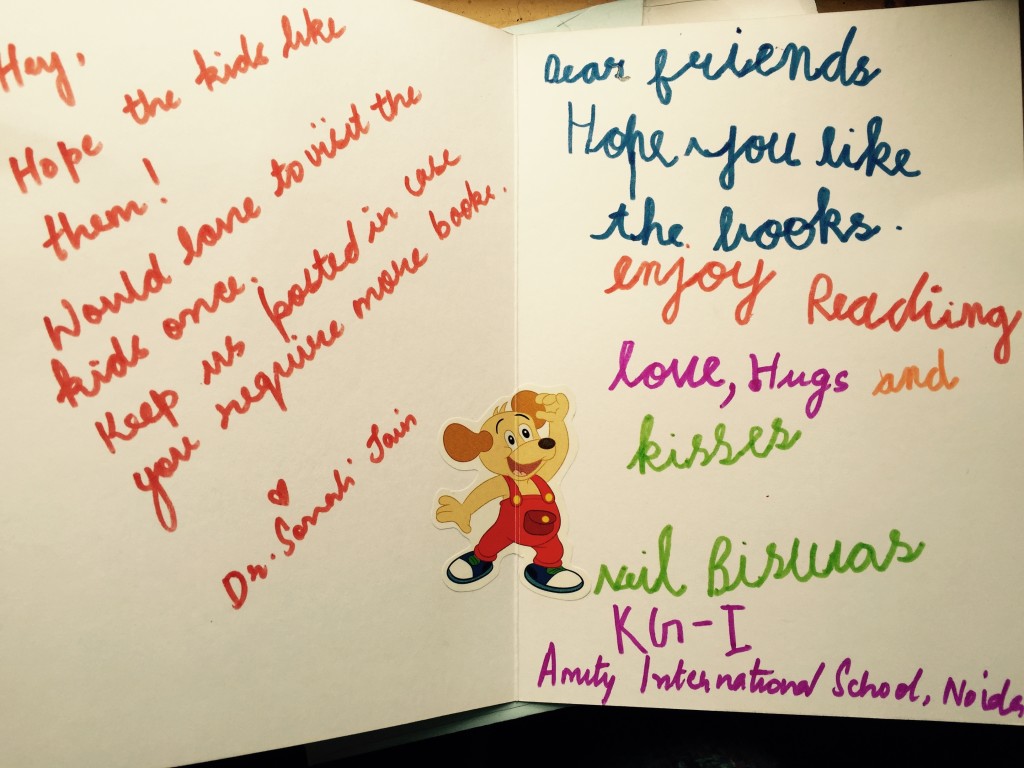
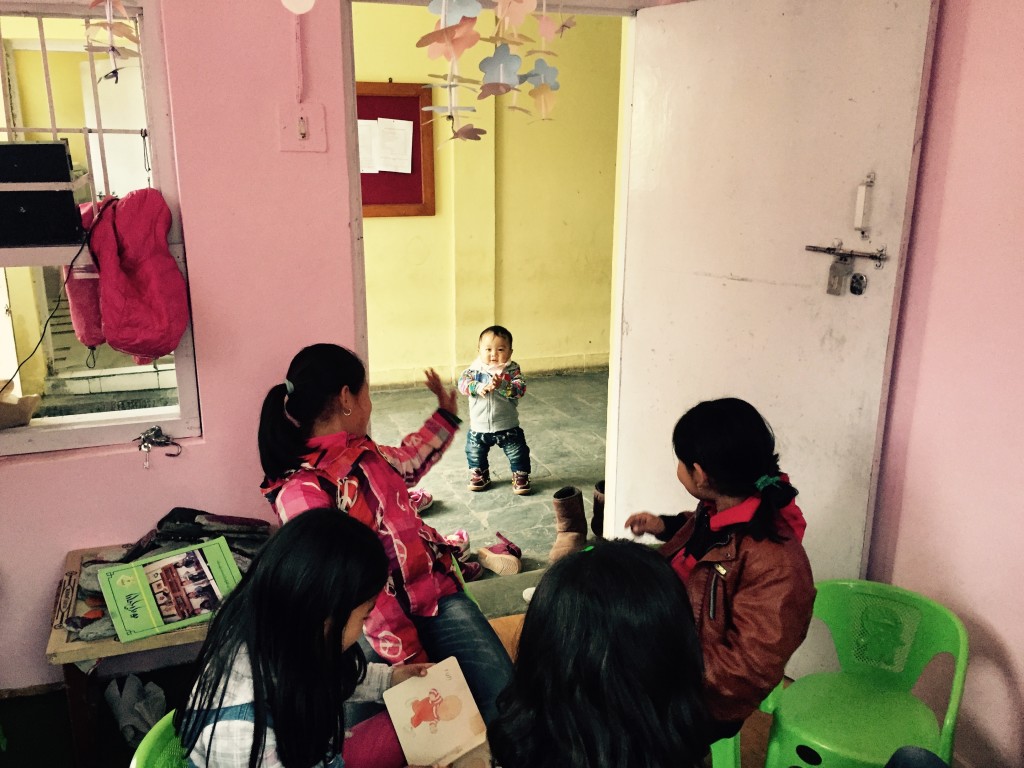
For young monks, education may be shaped by monastery life, Himalayan geography, cultural traditions, and responsibility toward the wider community. Children elsewhere bring their own family histories, languages, and surroundings. When these experiences meet through books, art, music, or correspondence, curiosity becomes a path toward respect.
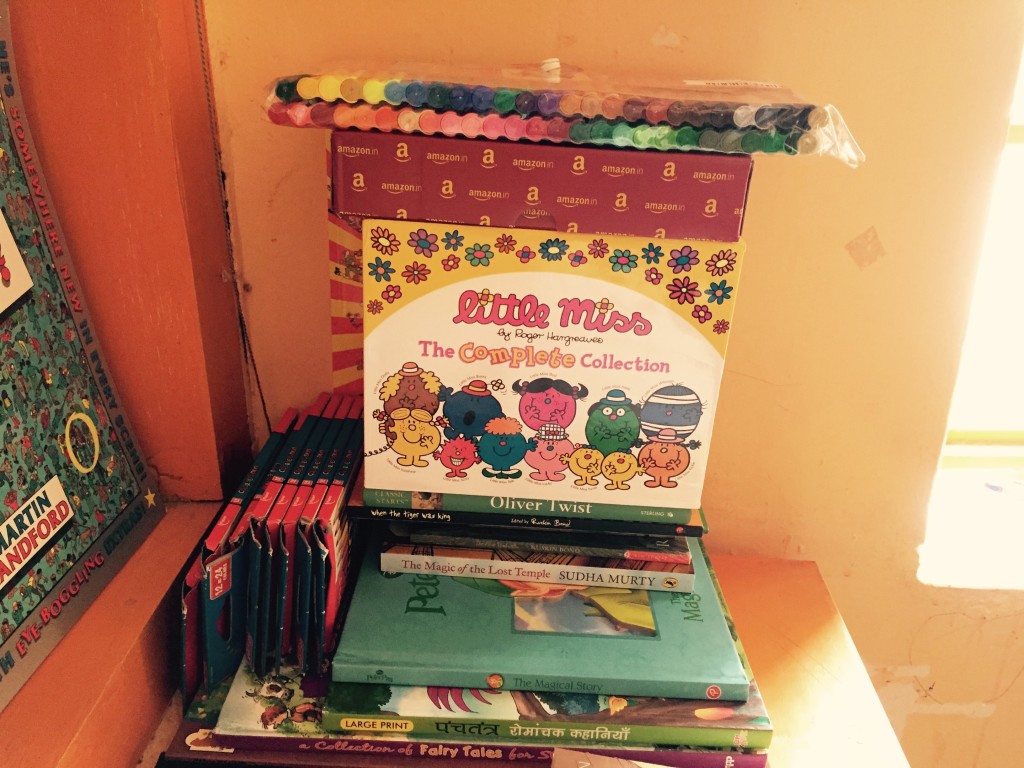
Support for literacy therefore reaches beyond the individual reader. A donated book can be read by many children. A reading room can become a gathering place. A creative workshop can help a quiet child find a voice. These small investments create conditions in which attention, imagination, and confidence can grow together.
Ways To Nurture Focused And Curious Learners
- Set aside a regular time for reading, even if it lasts only ten or fifteen minutes.
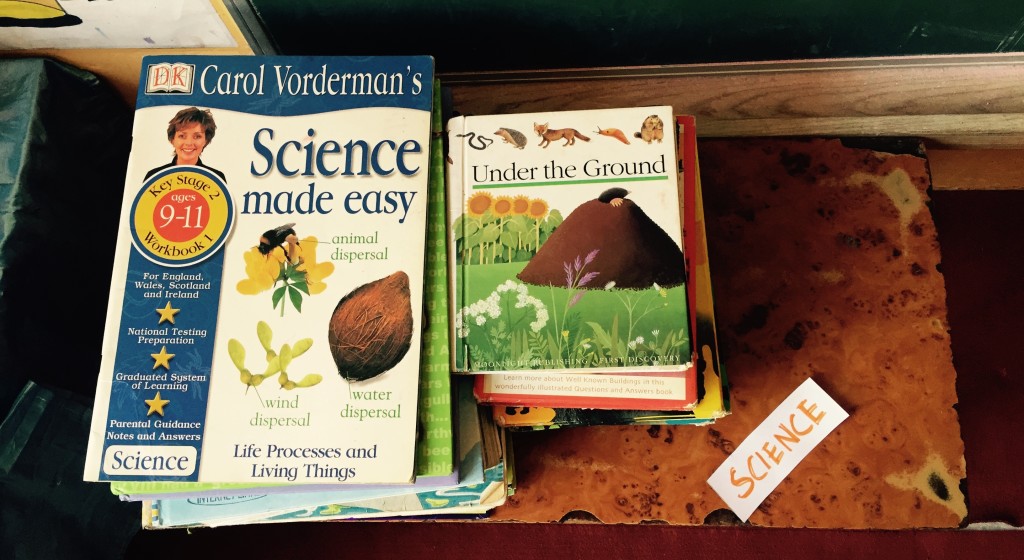
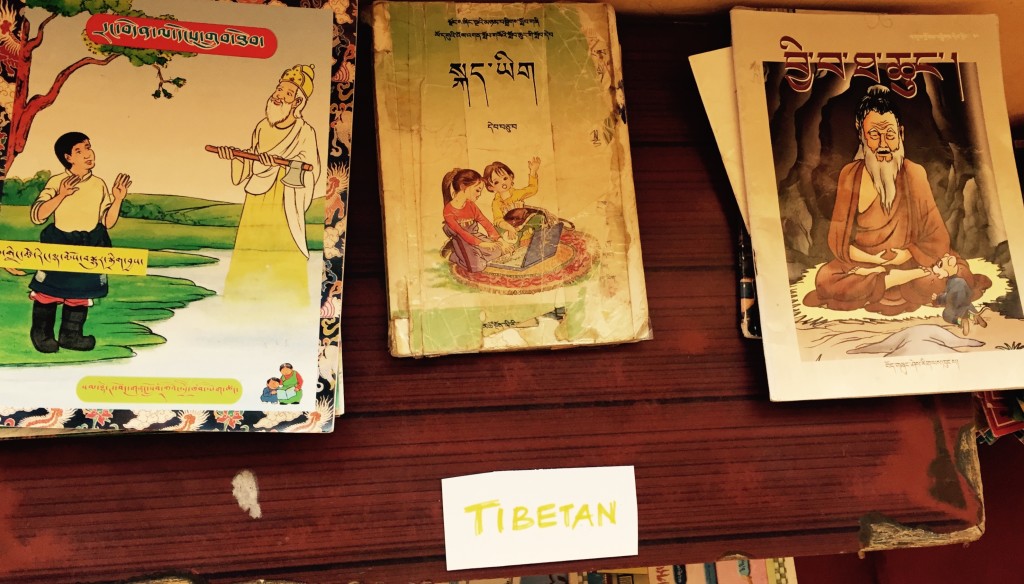
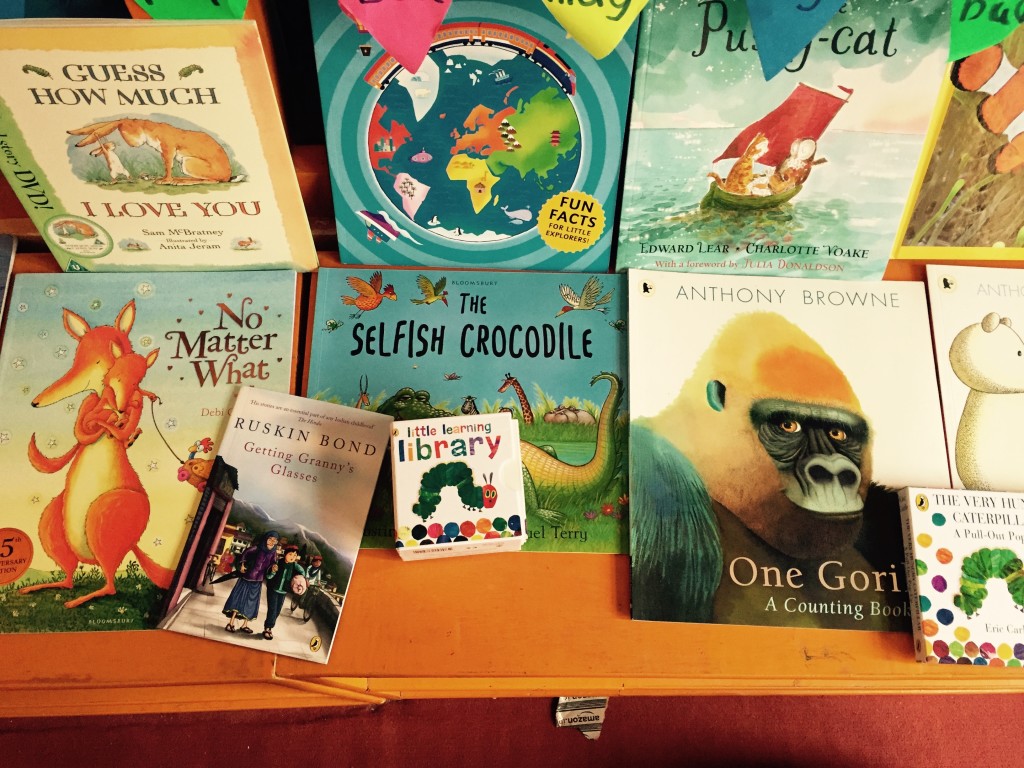
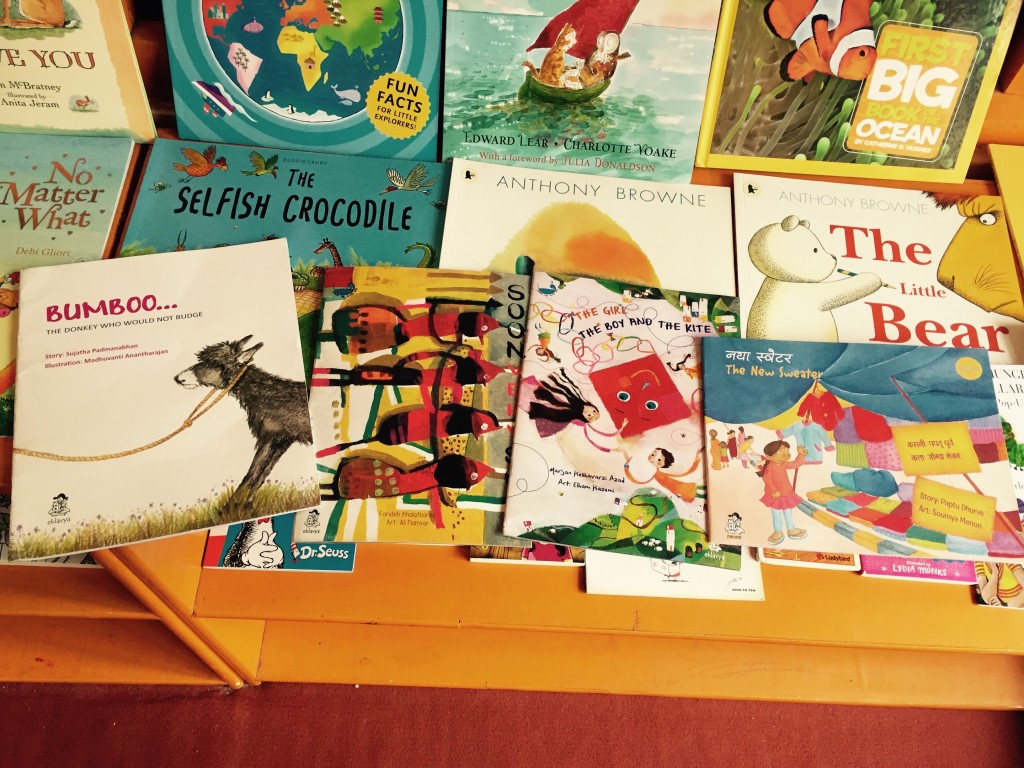
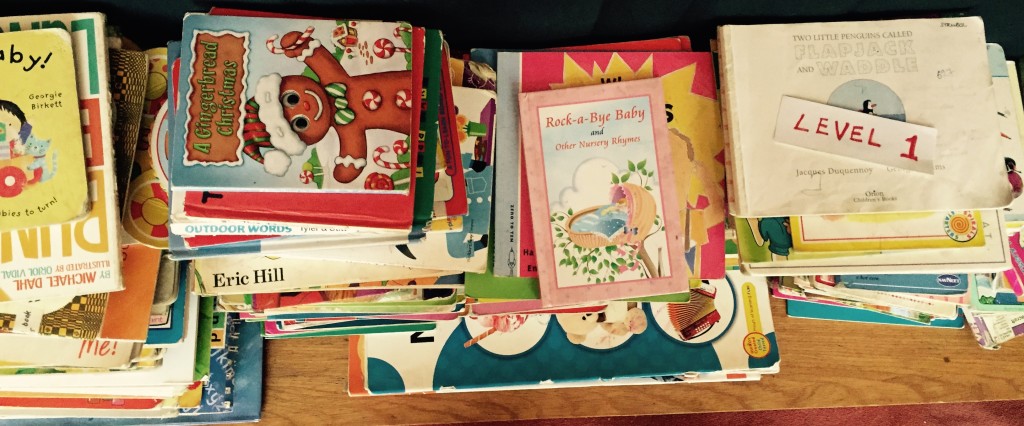
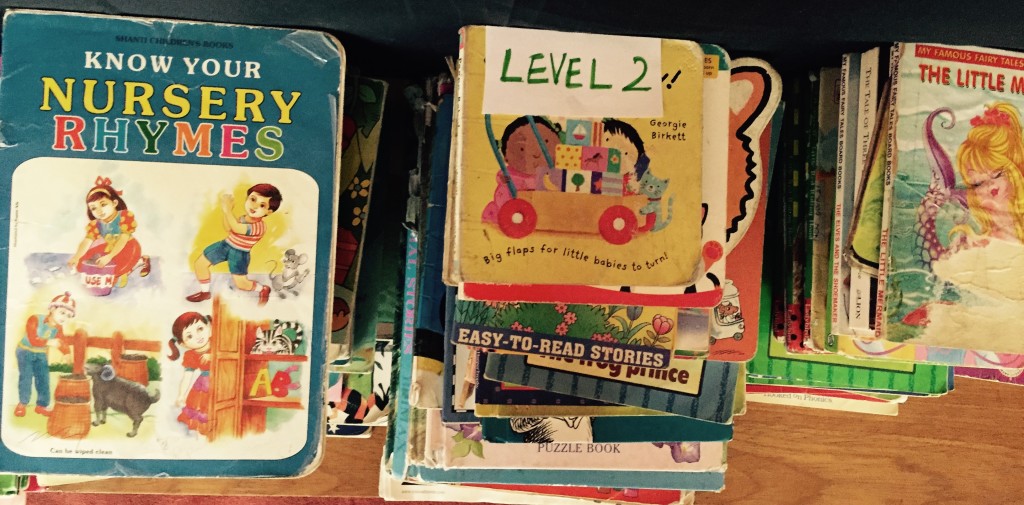
- Keep a varied selection of books available, including stories, picture books, poetry, biographies, and local subjects.
- Invite children to ask questions without requiring an immediate correct answer.
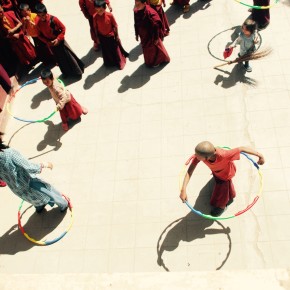
- Include drawing, music, movement, and hands-on activities alongside quiet study.
- Celebrate persistence, careful observation, and the courage to explore something unfamiliar.
The lessons offered by young monks are grounded in ordinary actions: returning to a text, listening to a teacher, asking a thoughtful question, sharing a book, and giving full attention to the task at hand. These habits can help children build an inner steadiness that supports both academic learning and personal growth.
Avalokiteśvara Trust helps make such opportunities possible for children and young monks in the Himalayan region. By supporting reading rooms, educational resources, artistic programs, and book drives, donors and volunteers can help create places where concentration becomes practice and curiosity becomes a lifelong habit. Explore the Trust’s work and take part in giving young learners more books, more creative opportunities, and more space to discover.