A Day with Young Monks at Thiksey Monastery Library
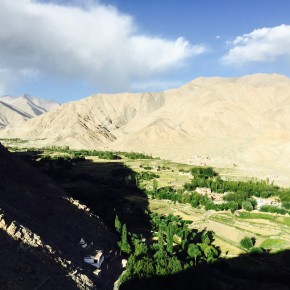
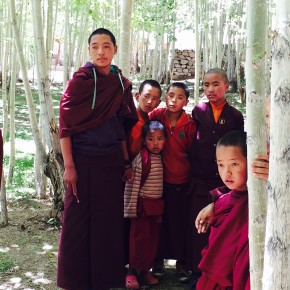
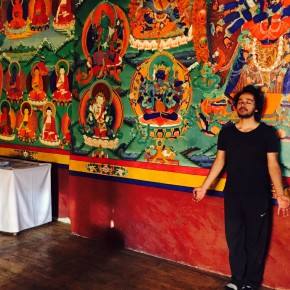
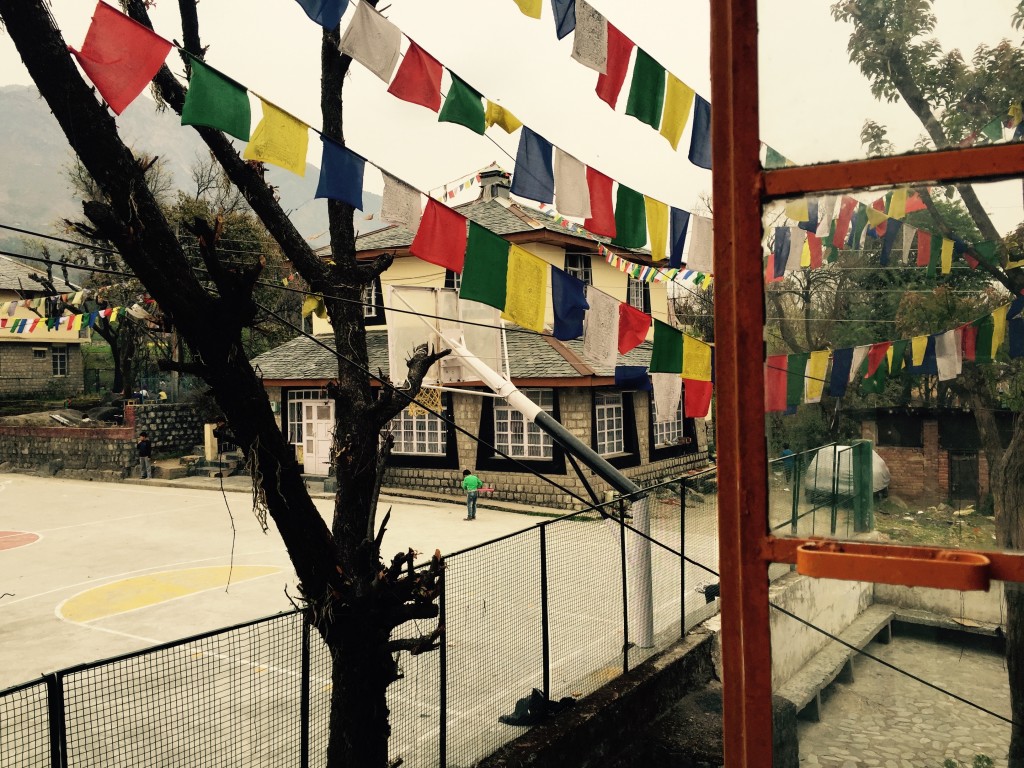
Morning arrives gently in the highlands of Ladakh. Pale sunlight reaches the white walls of Thiksey Monastery, while the surrounding mountains hold the last traces of night. Inside the monastery library, young monks begin their day with lessons, prayers, chores, and a growing curiosity about the wider world held within books.
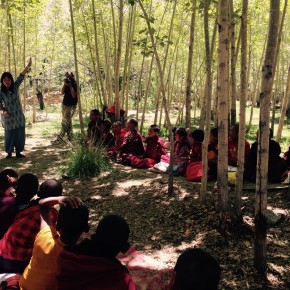
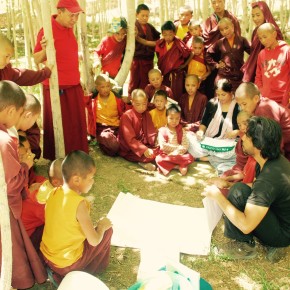
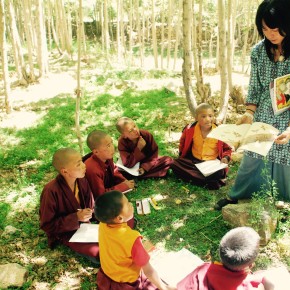
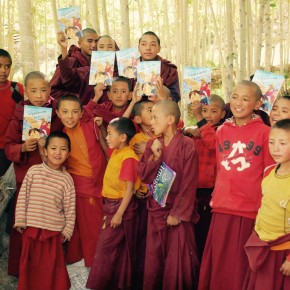
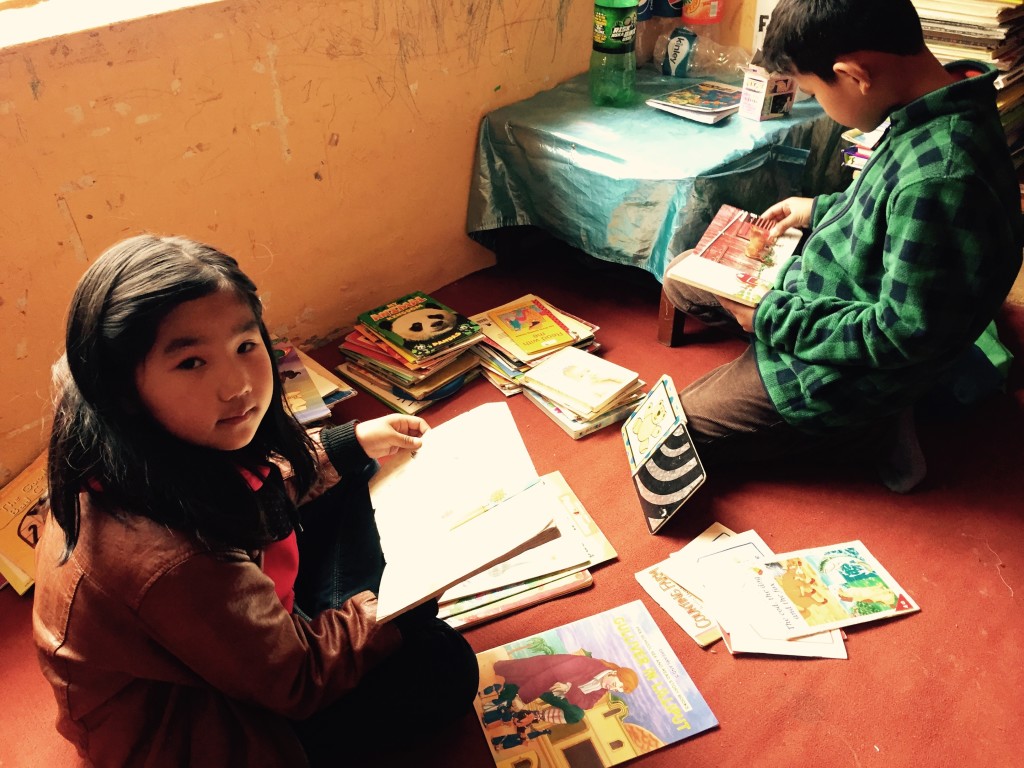
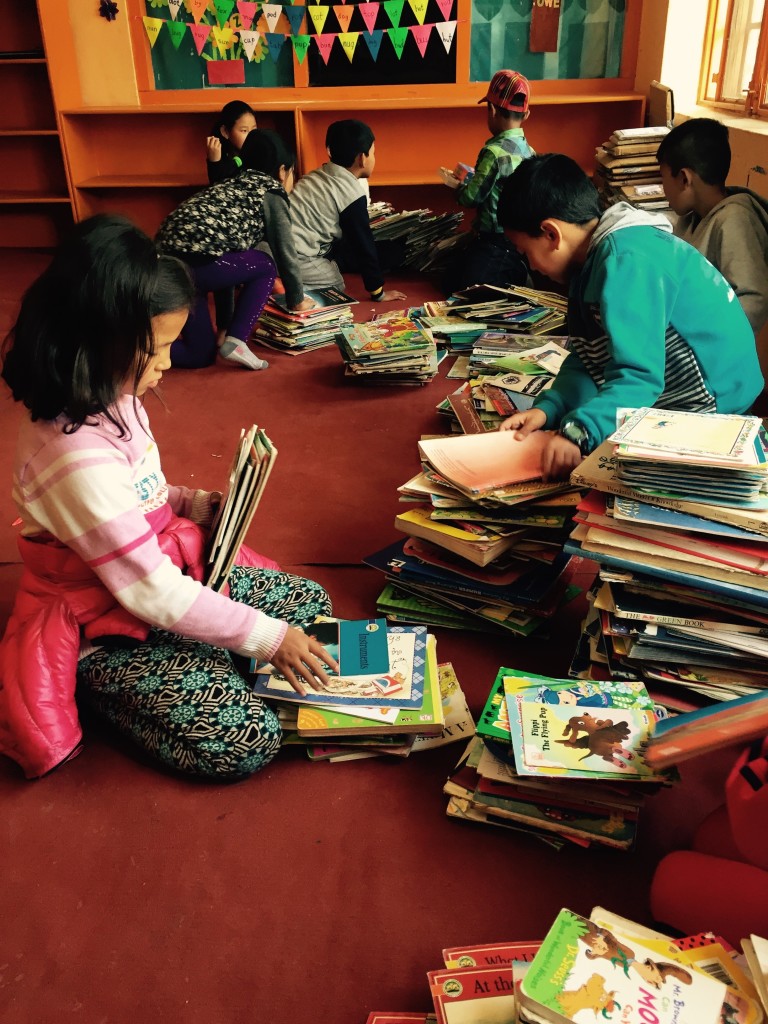
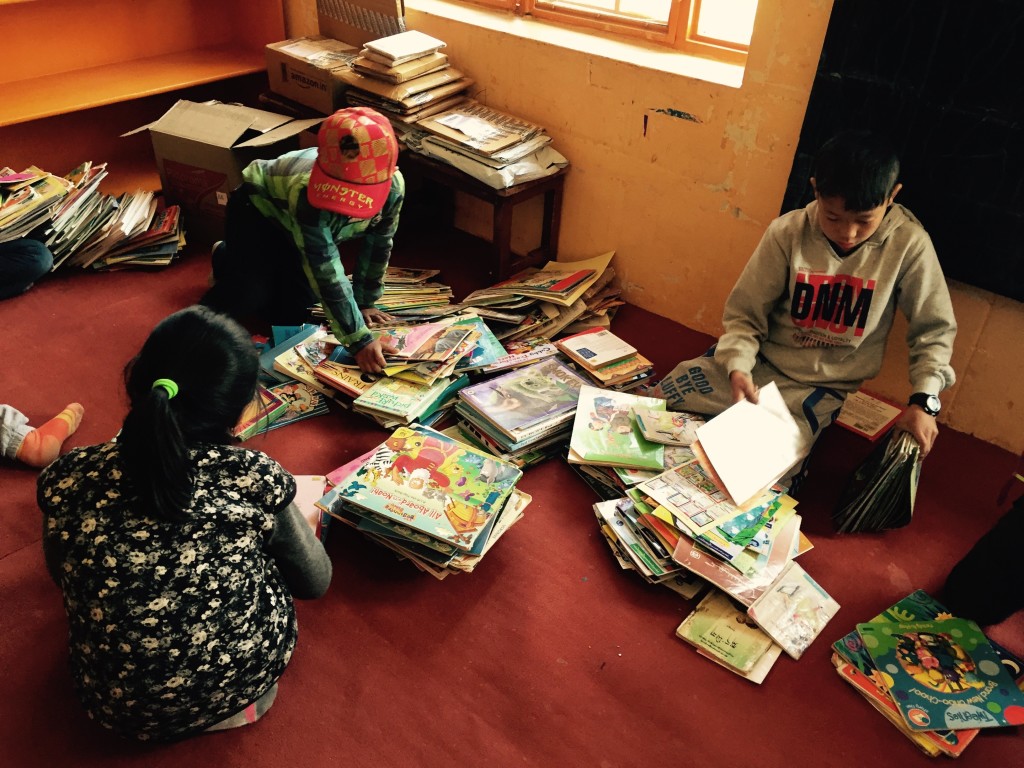
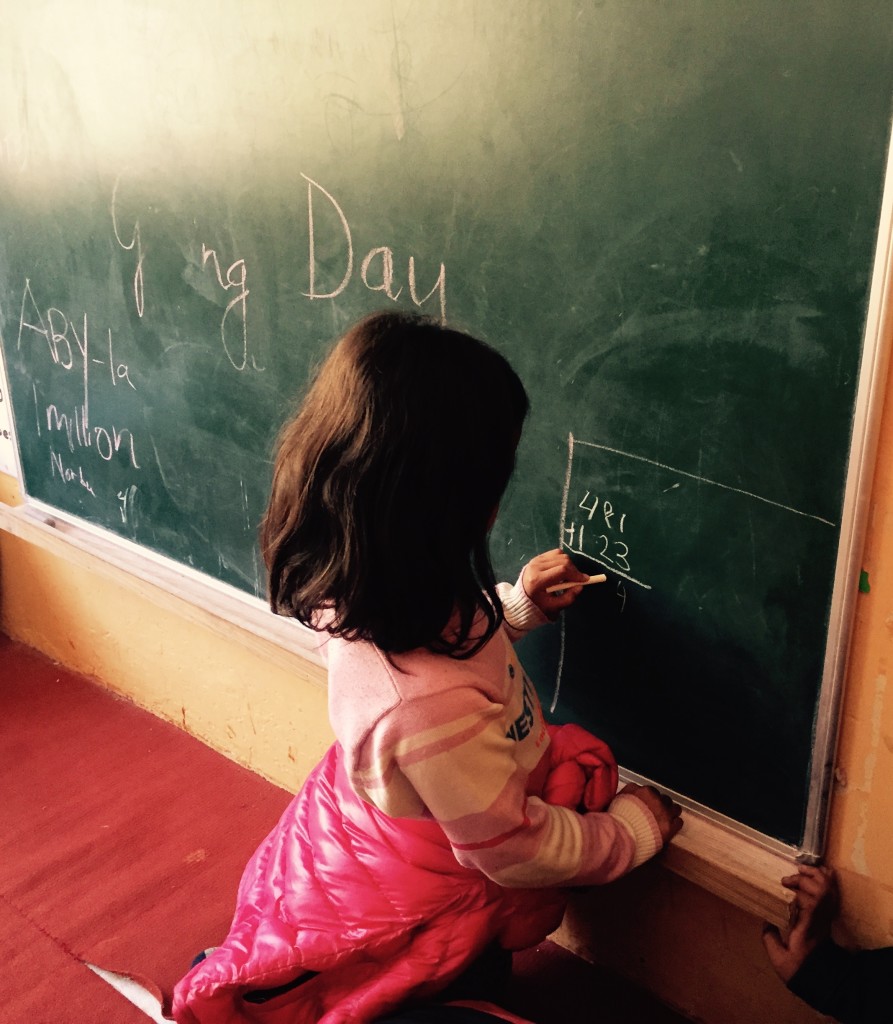
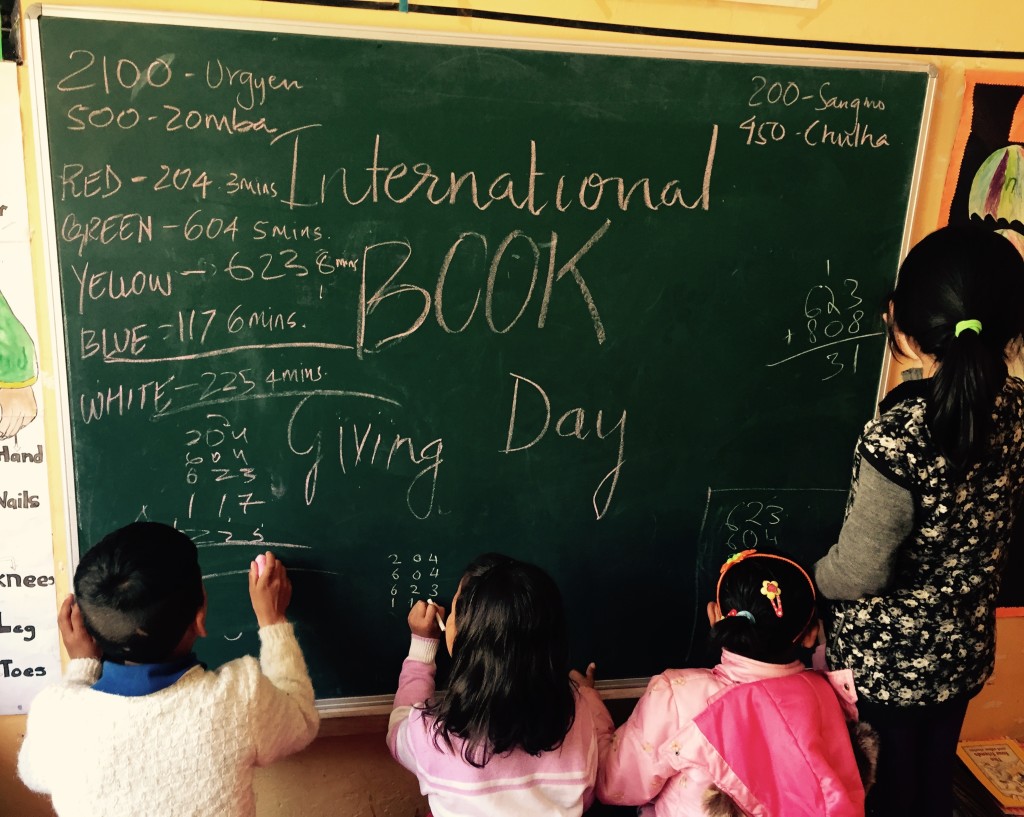
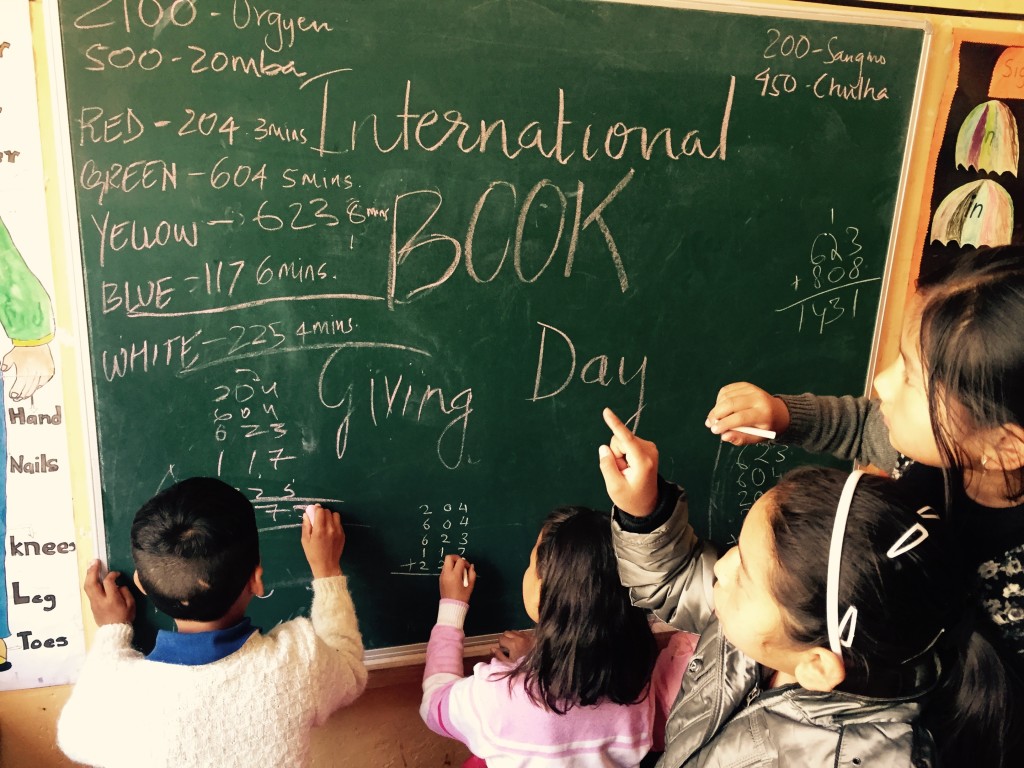
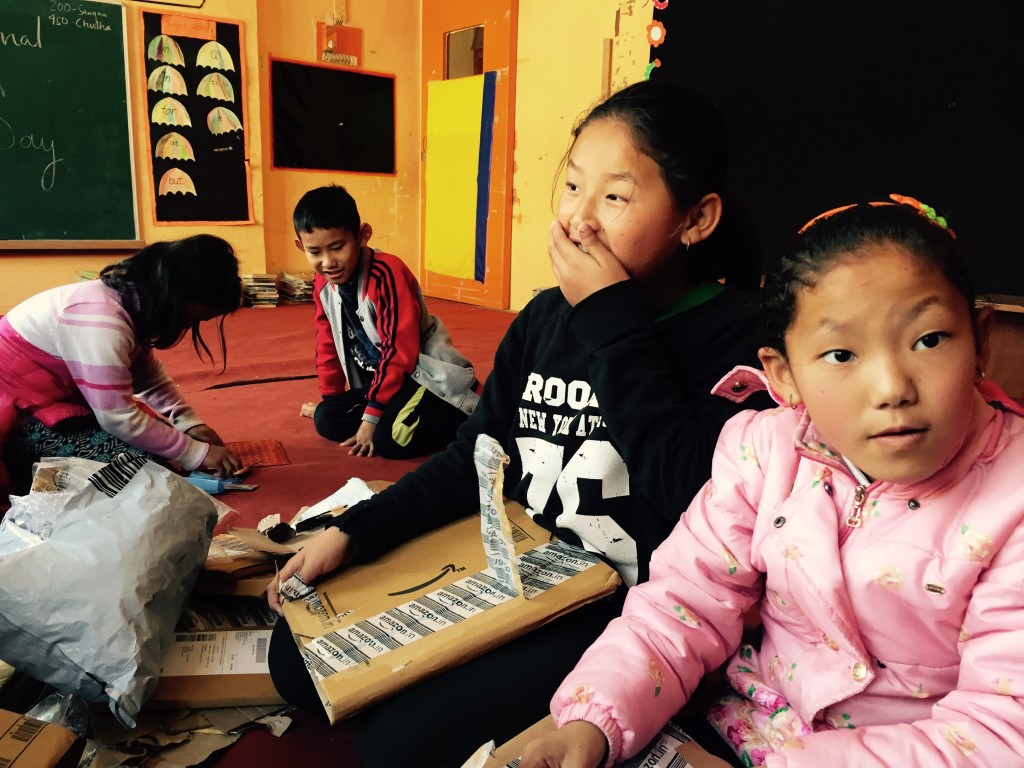
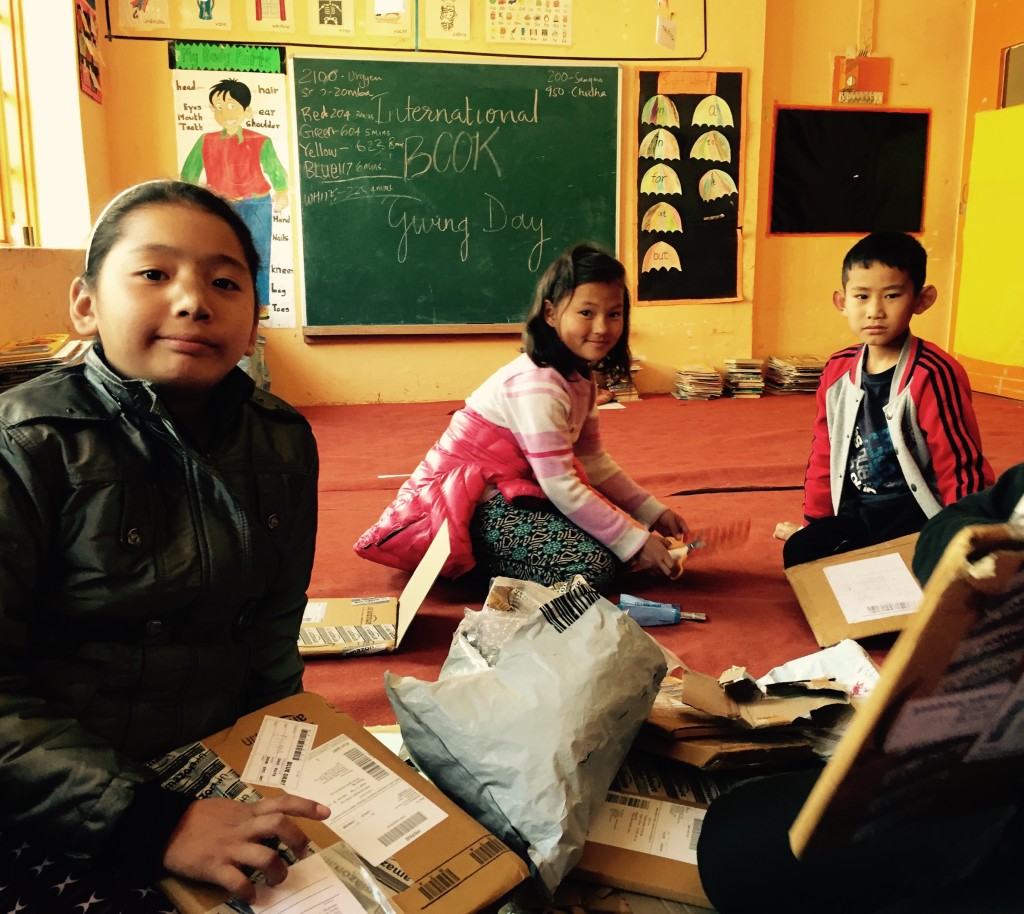
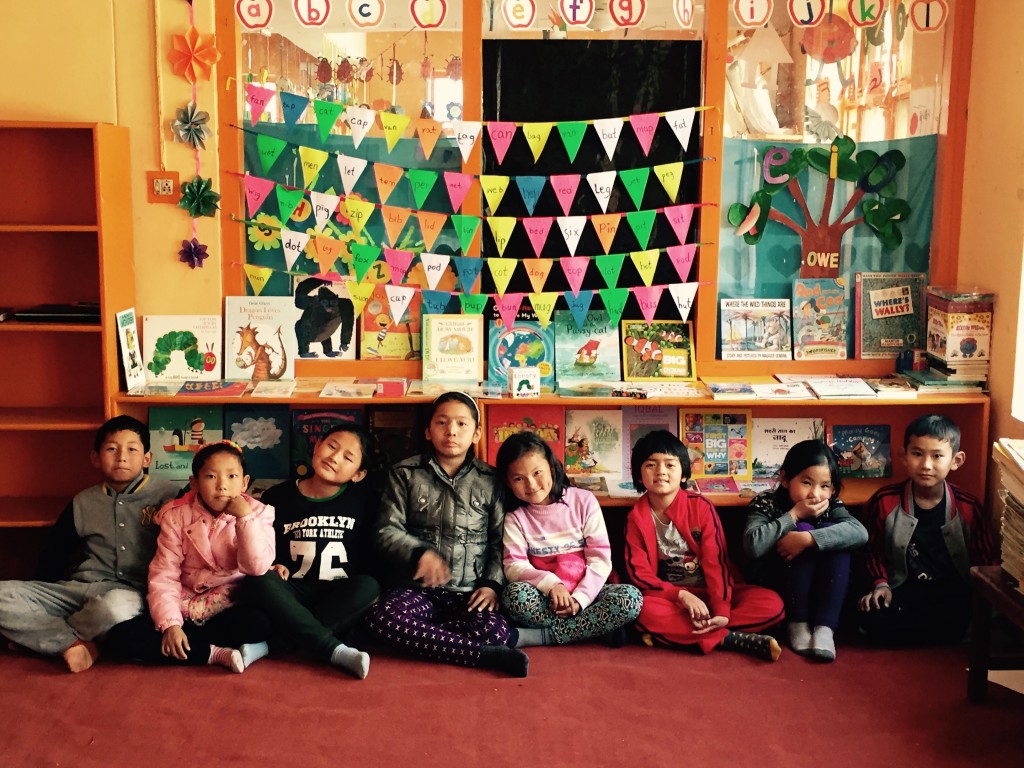
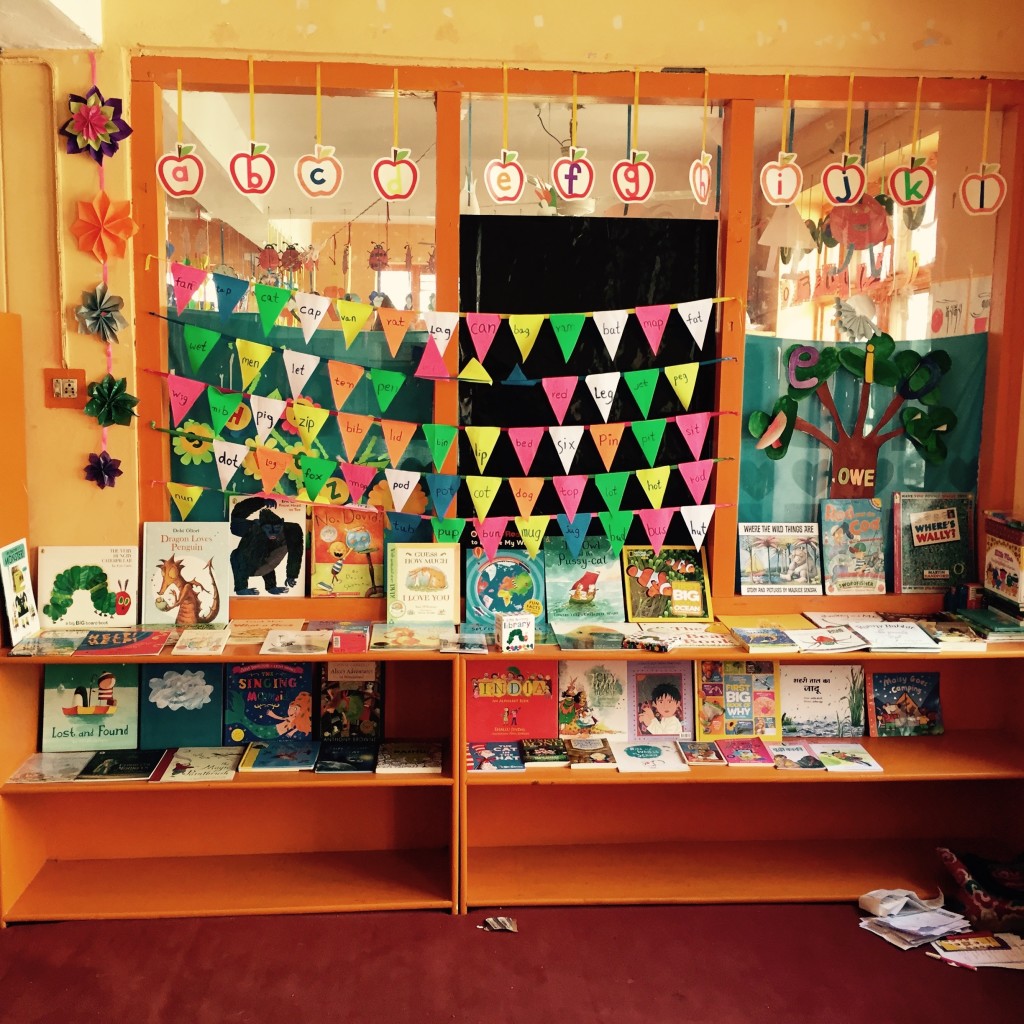
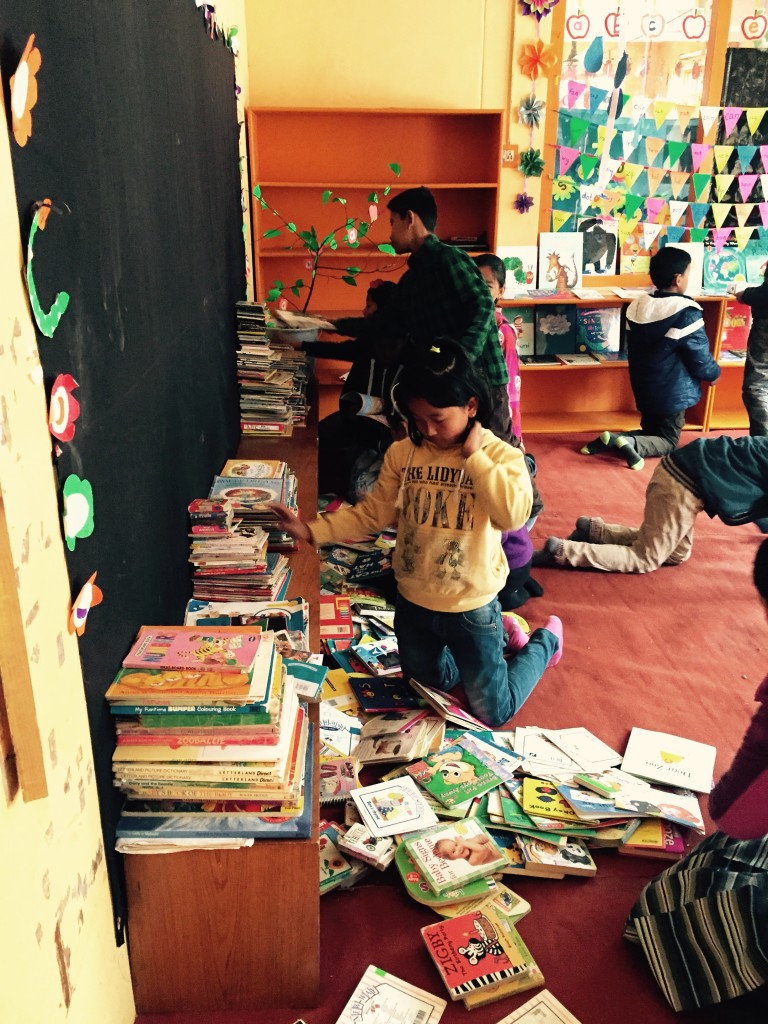
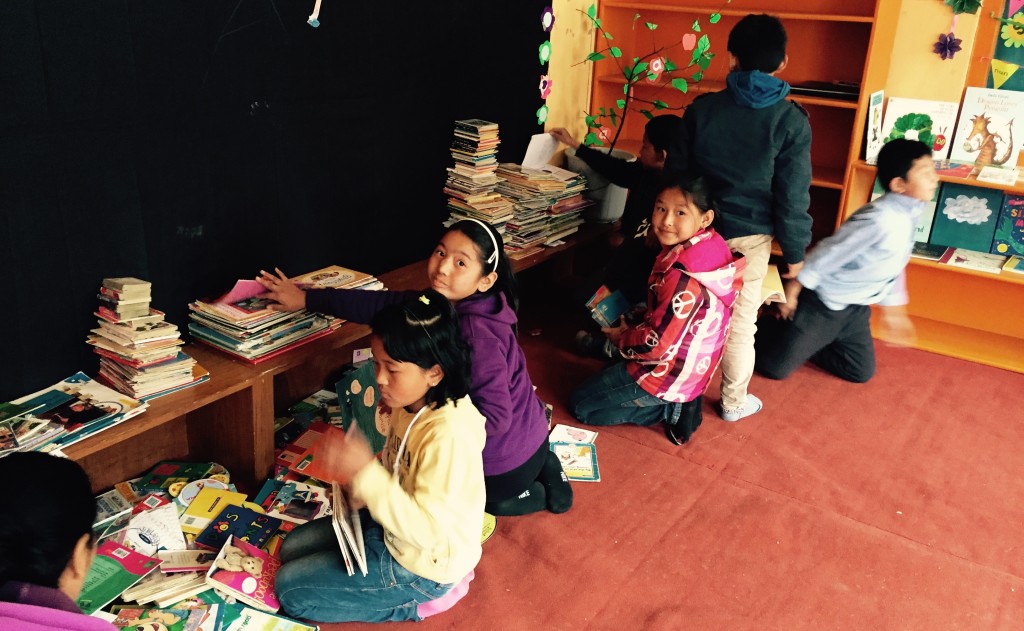
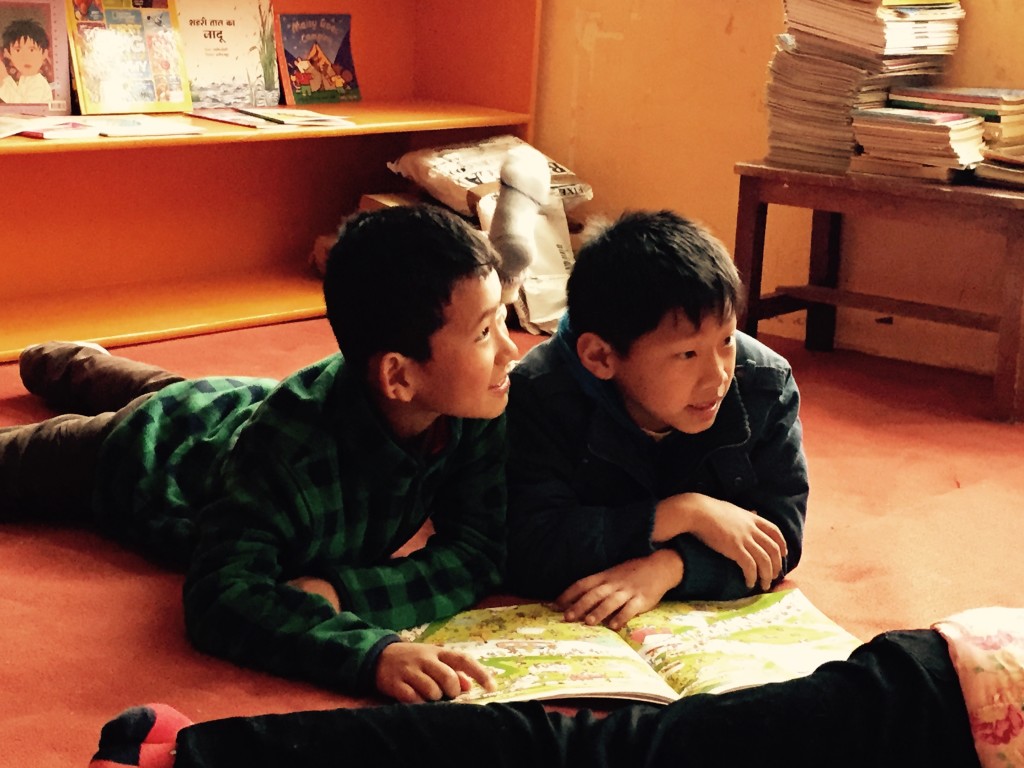
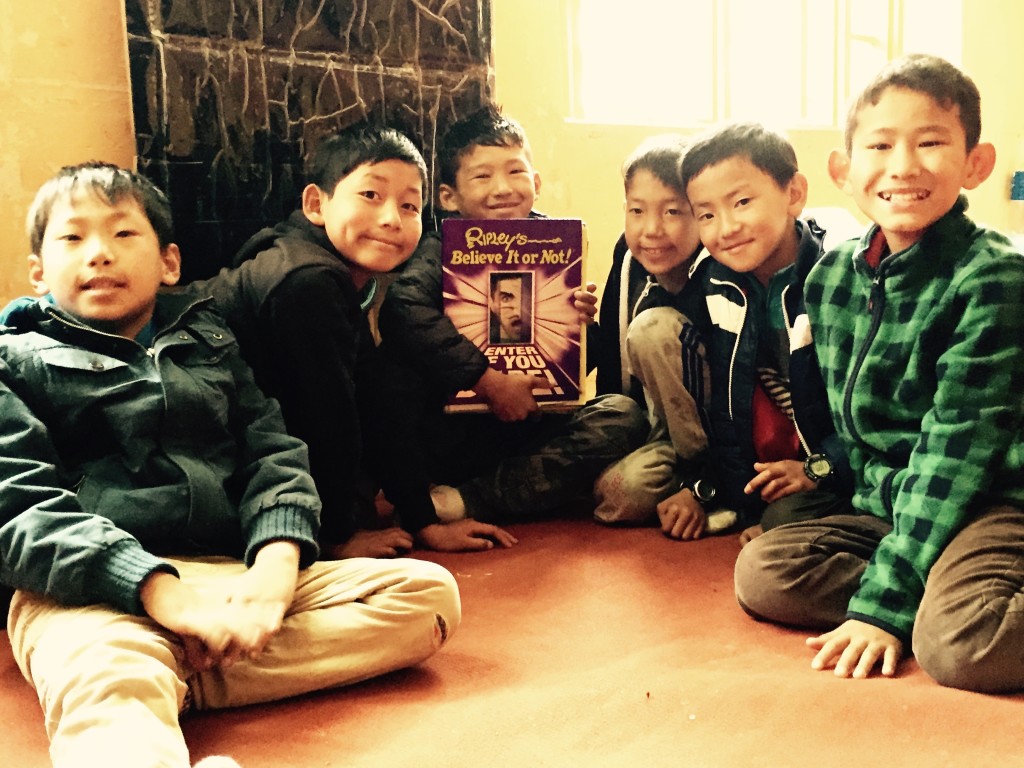
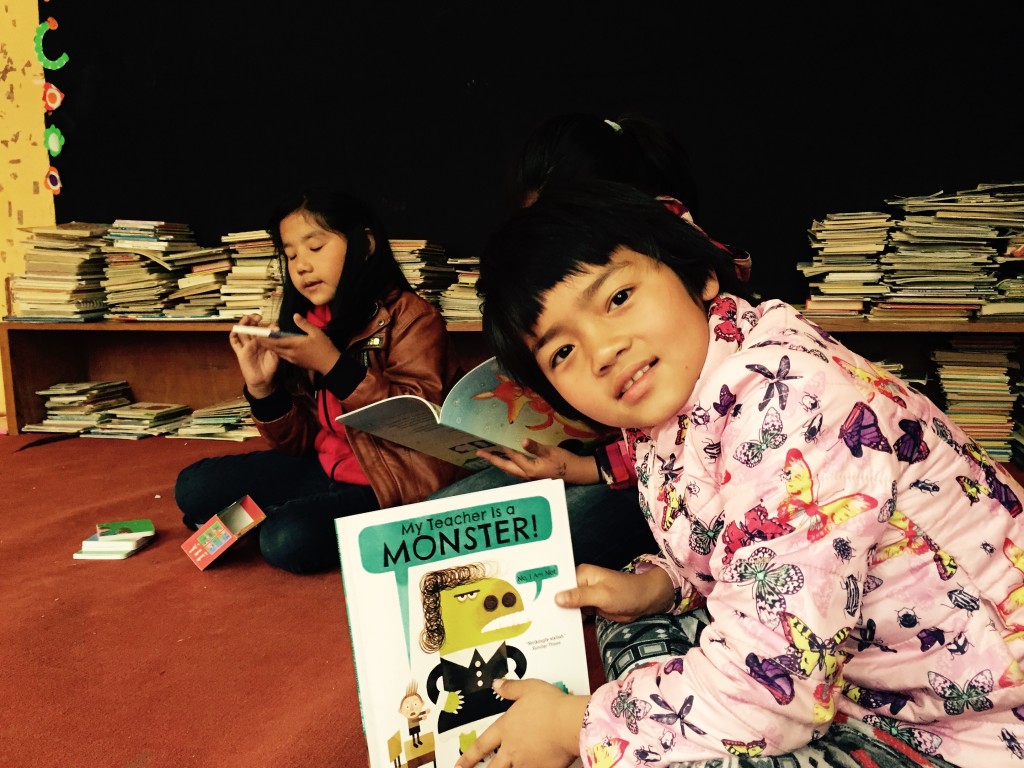
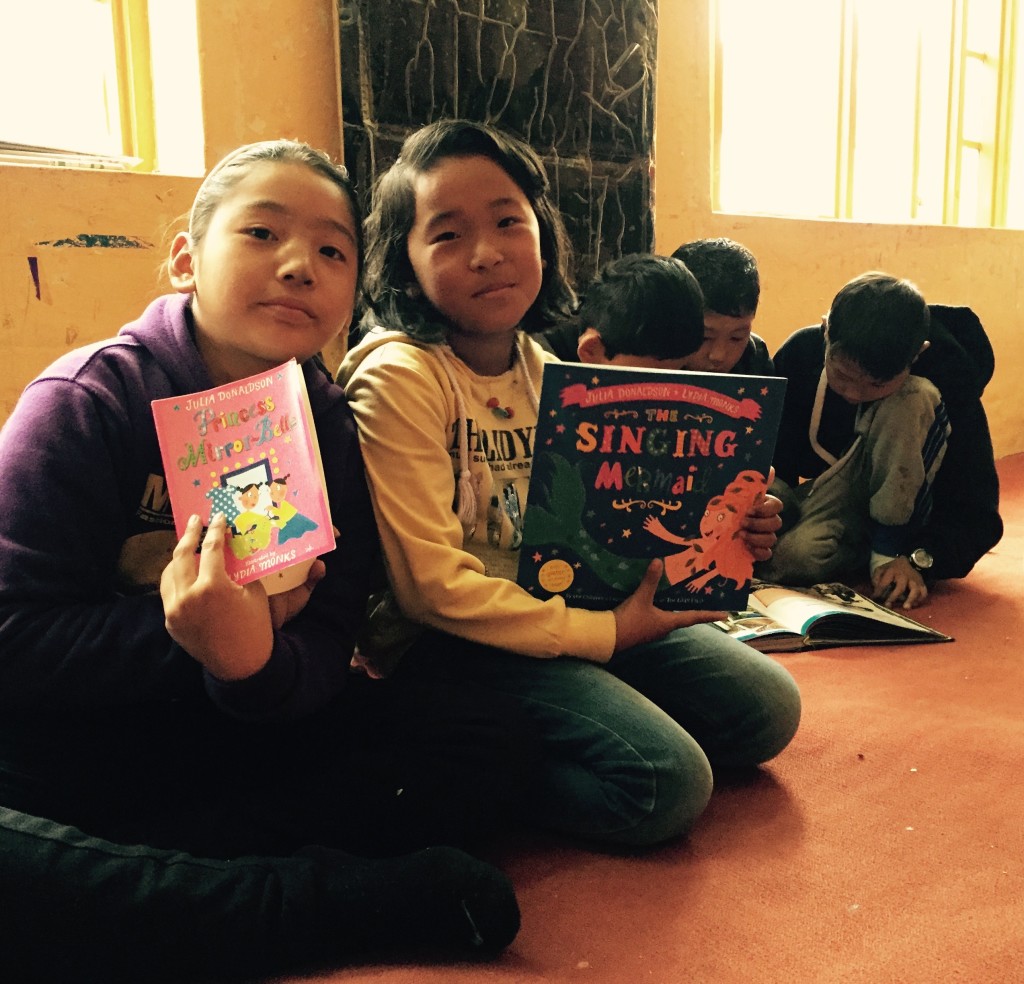
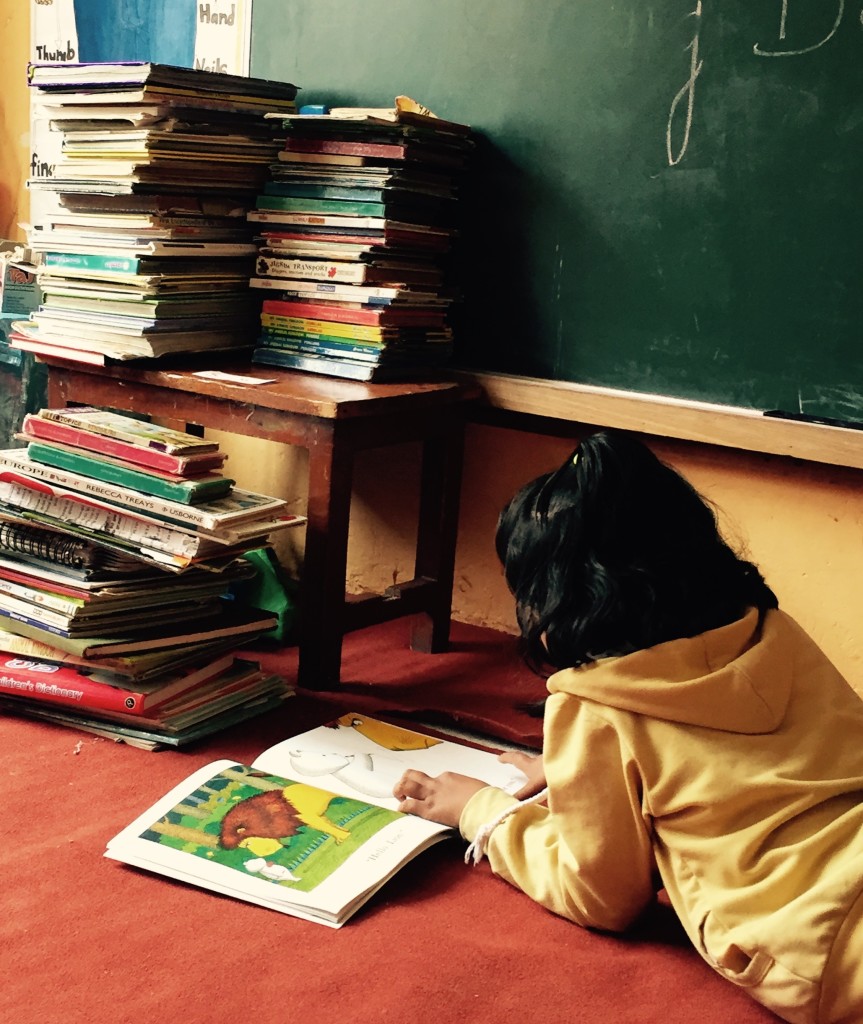
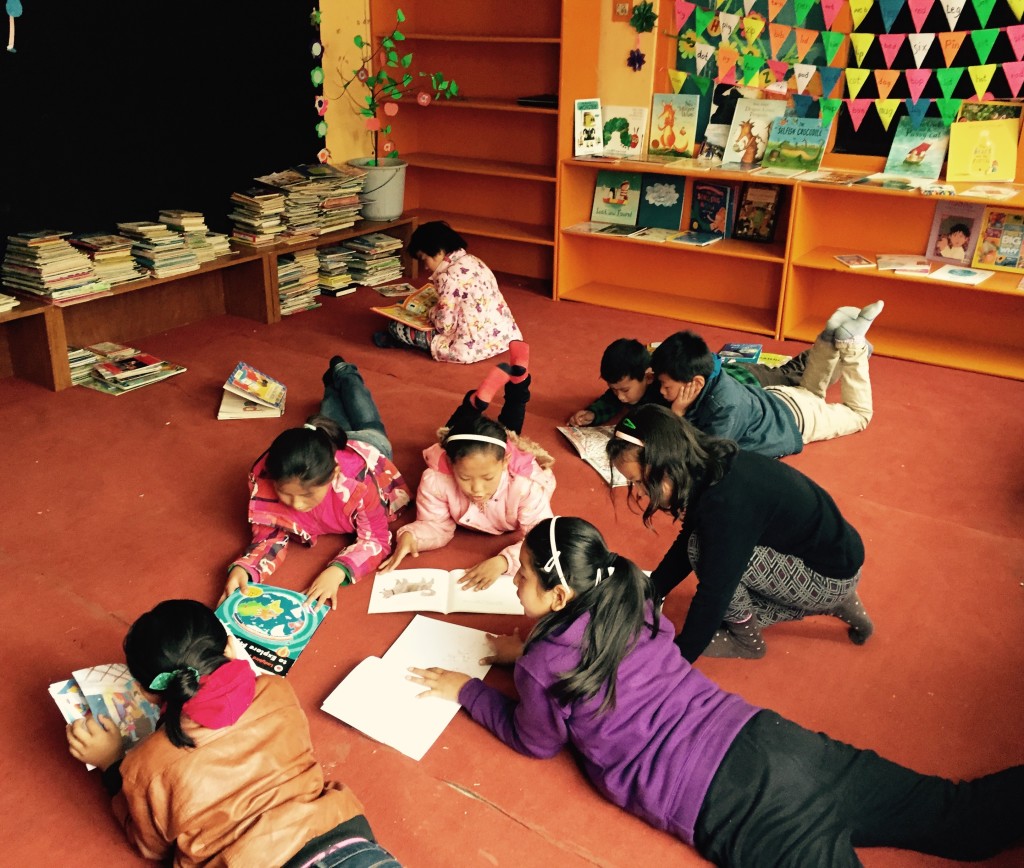
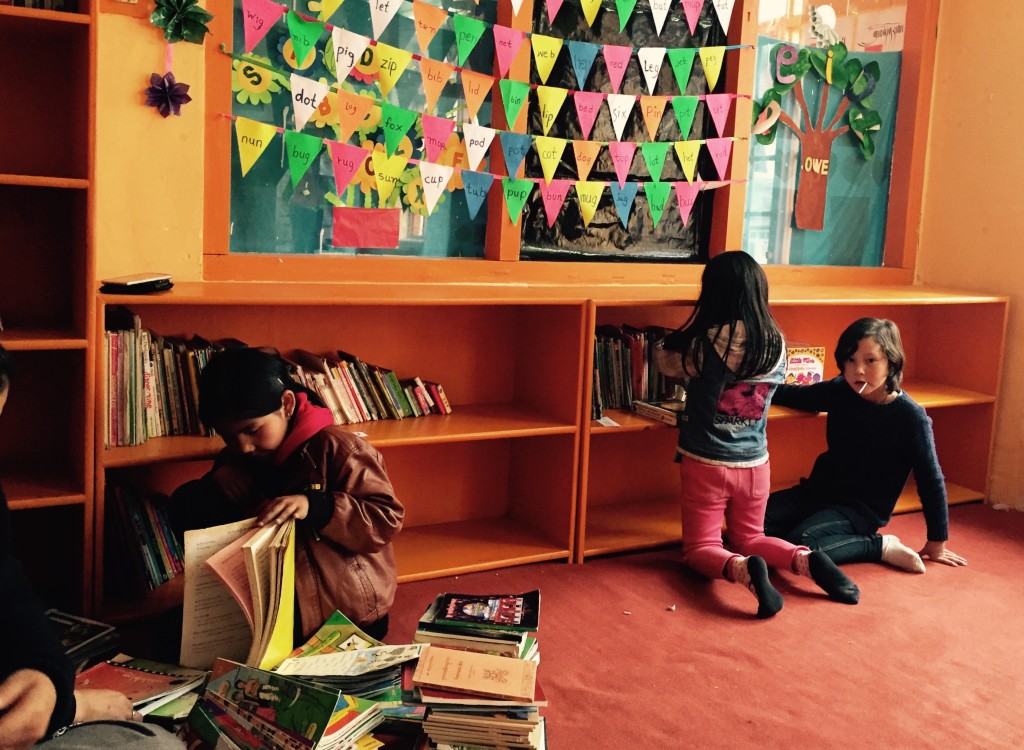
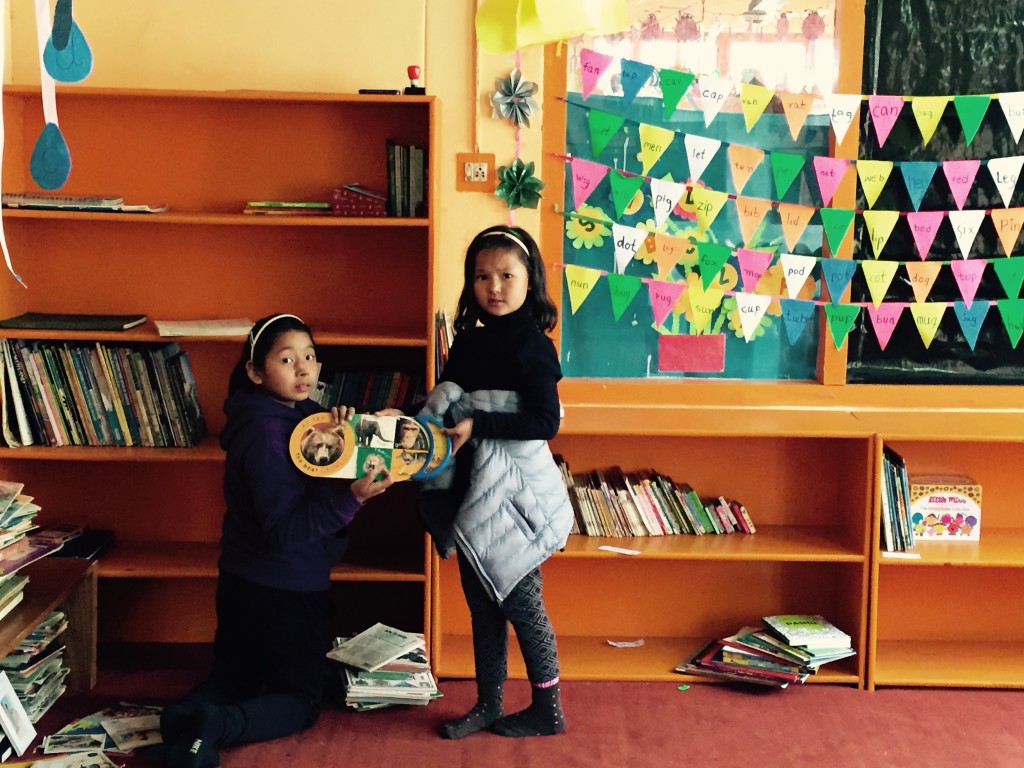
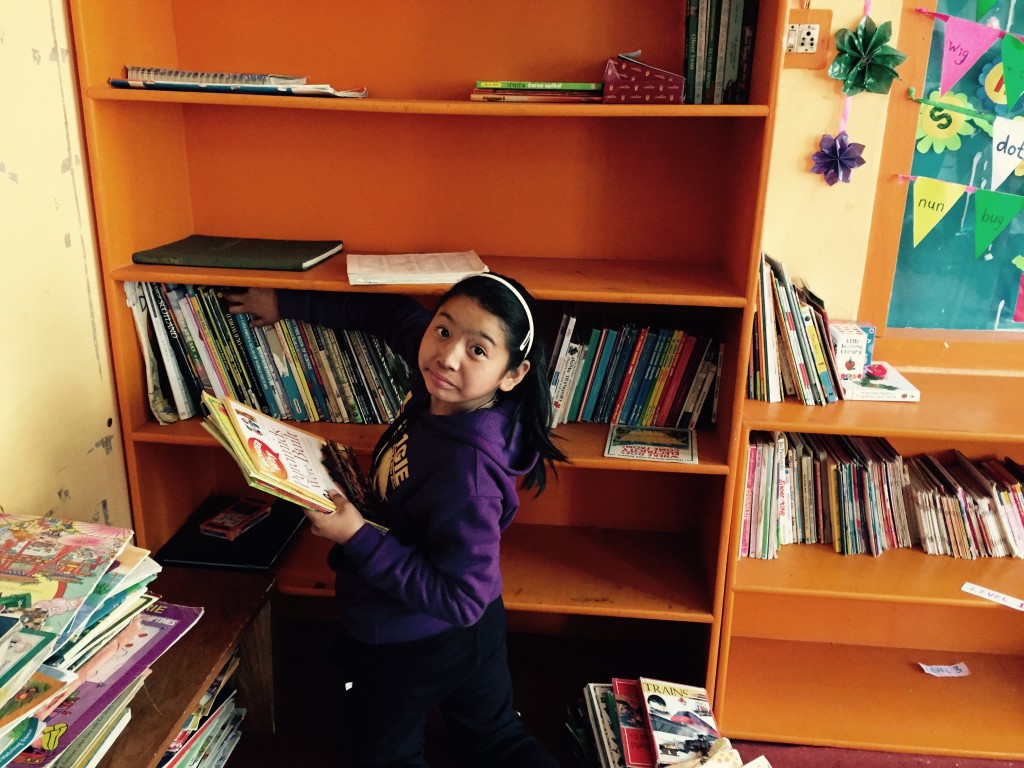
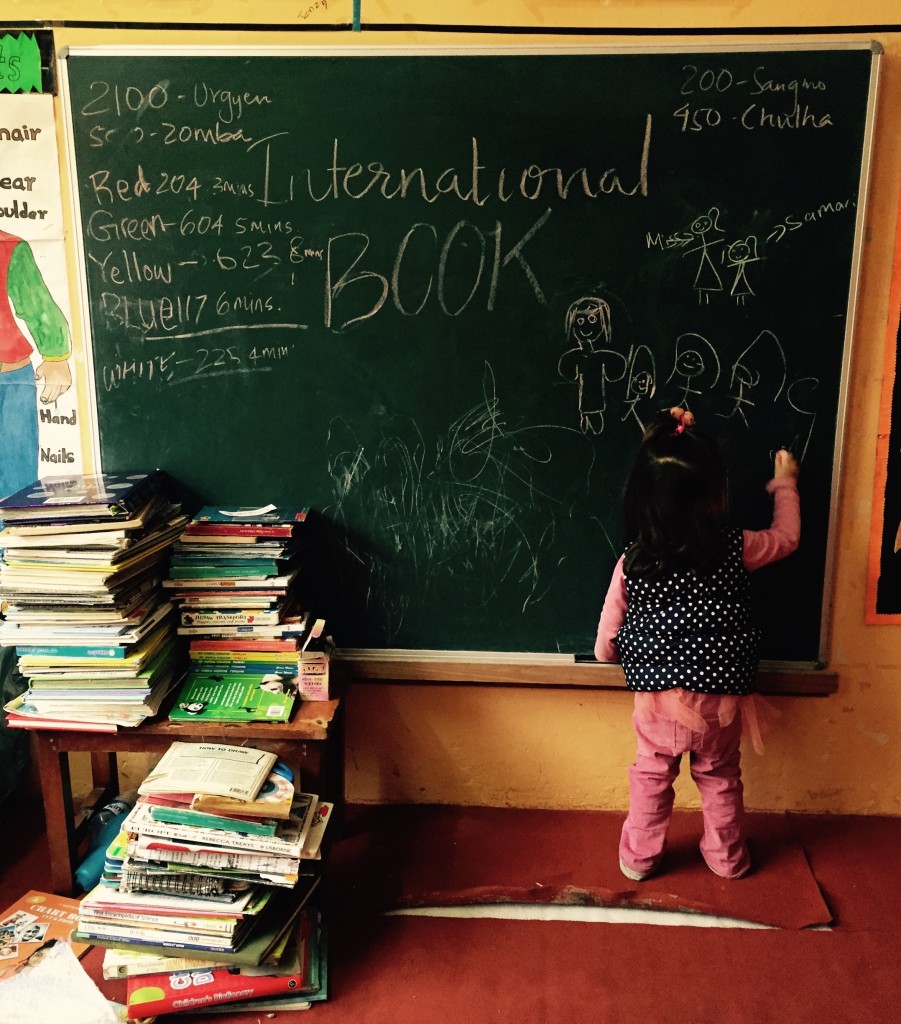
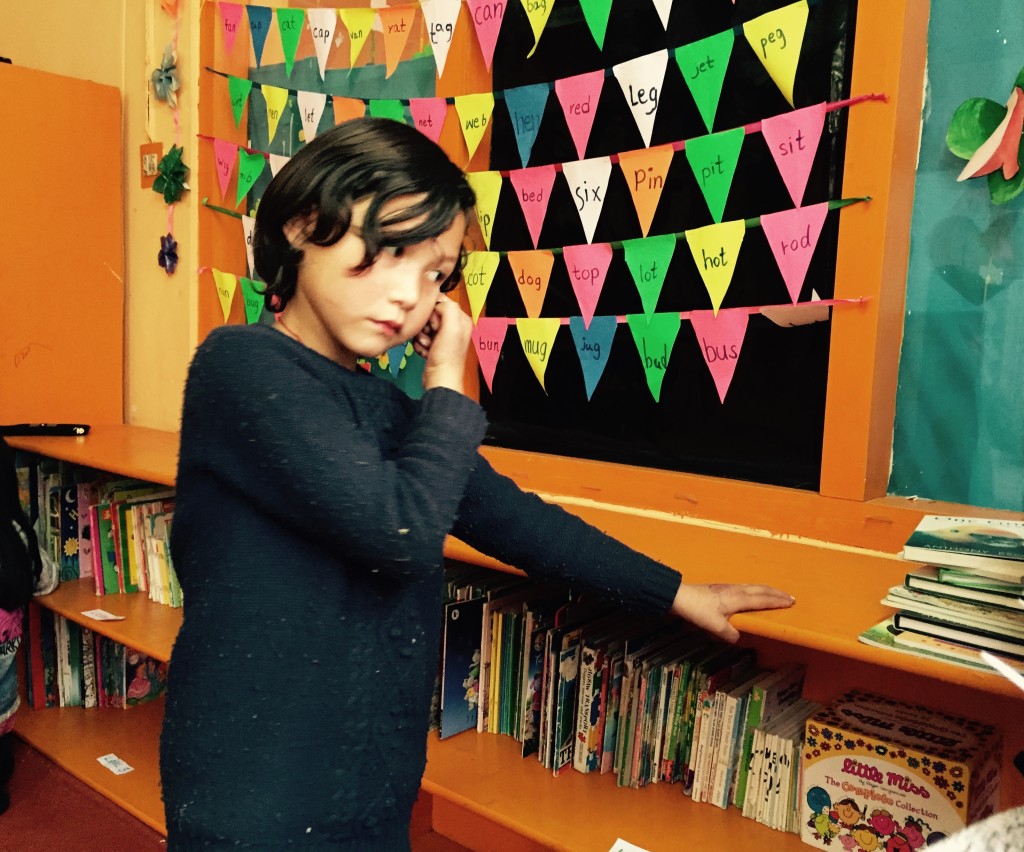
A visit to the library reveals a lively learning environment rather than a silent room lined with shelves. Children gather around illustrated stories, study geography, practice English, sketch characters, and exchange ideas about places they have never seen. The library gives their daily education a welcoming space for discovery.
For Avalokiteśvara Trust, time spent with the young monks is part of a broader commitment to literacy, creativity, and access to quality learning resources. A single day at Thiksey shows how reading rooms, book collections, art activities, and patient encouragement can help children build confidence at their own pace.
Morning Light At The Monastery
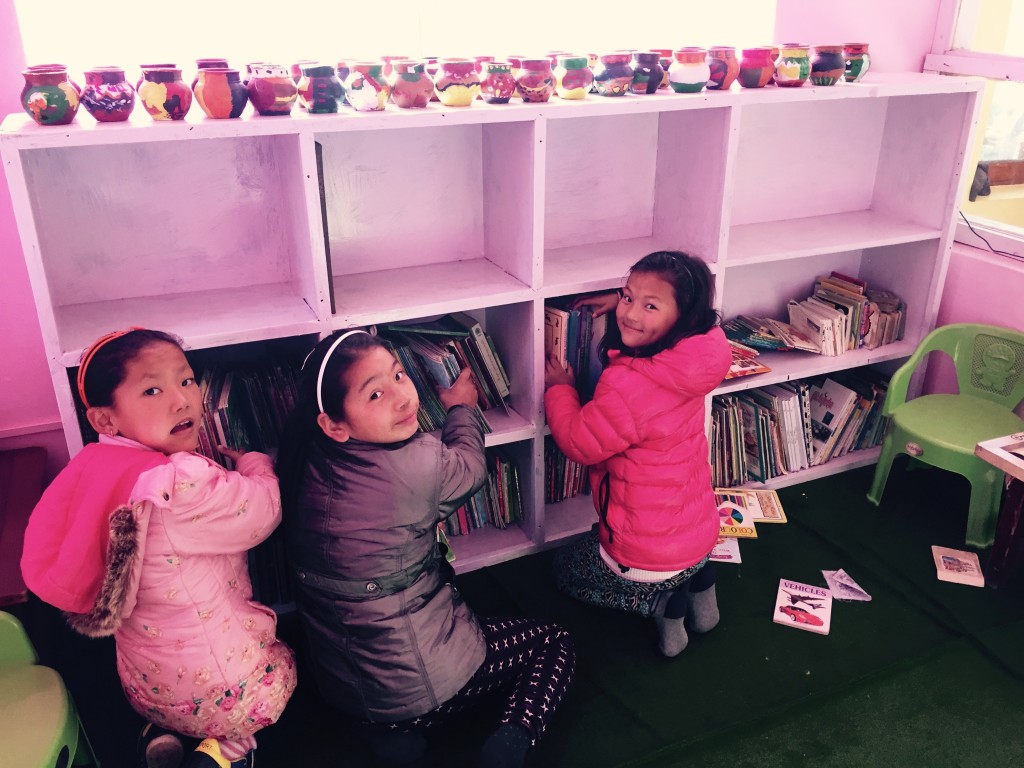
The first hours at Thiksey are shaped by rhythm and concentration. Young monks move between spiritual practice, classroom study, and everyday responsibilities. When they enter the library, some go directly to familiar books, while others browse the shelves with the careful attention of readers choosing a new adventure.
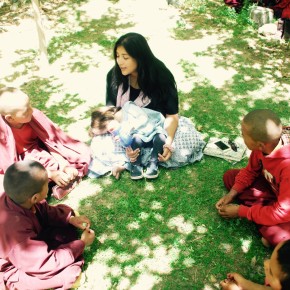
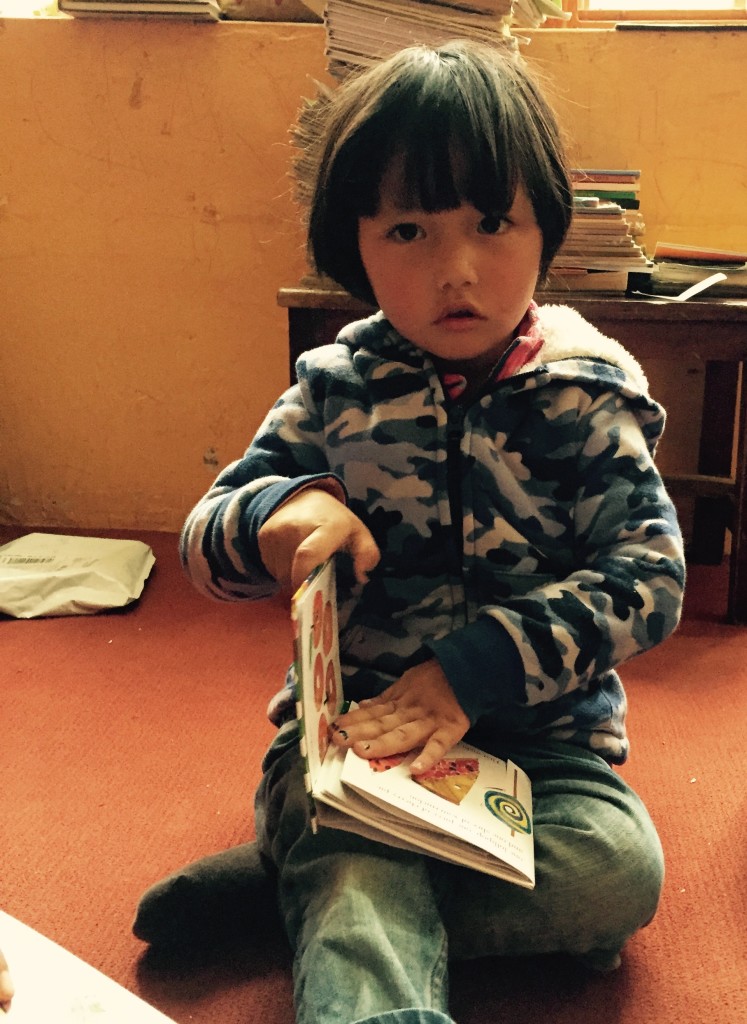
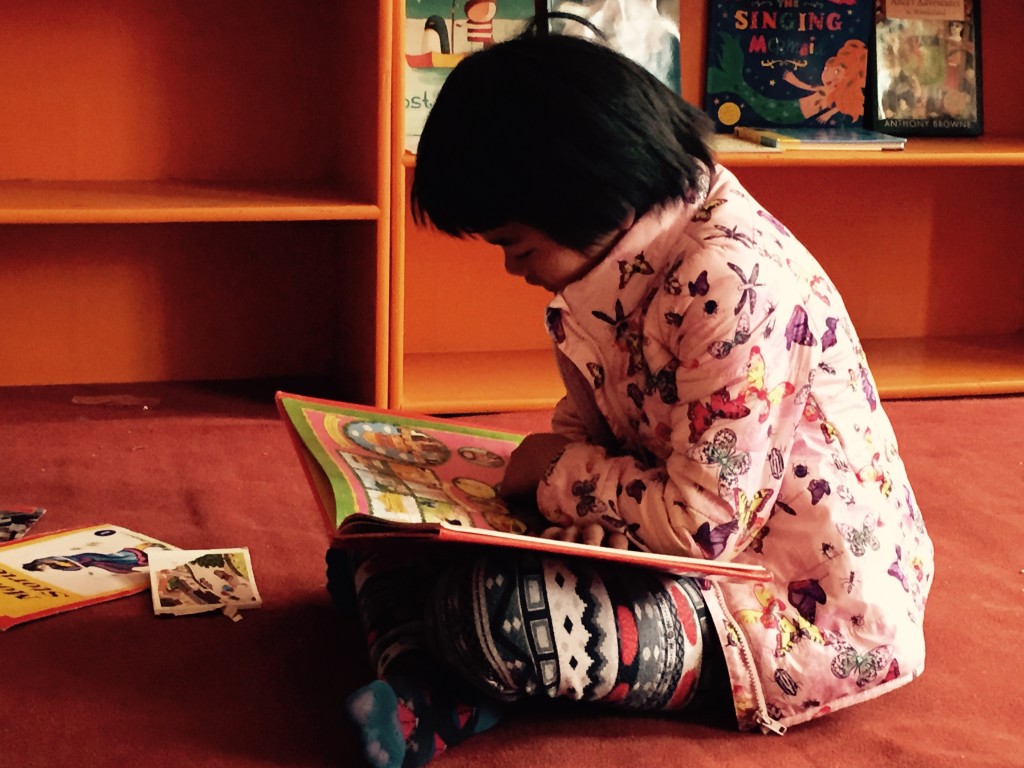
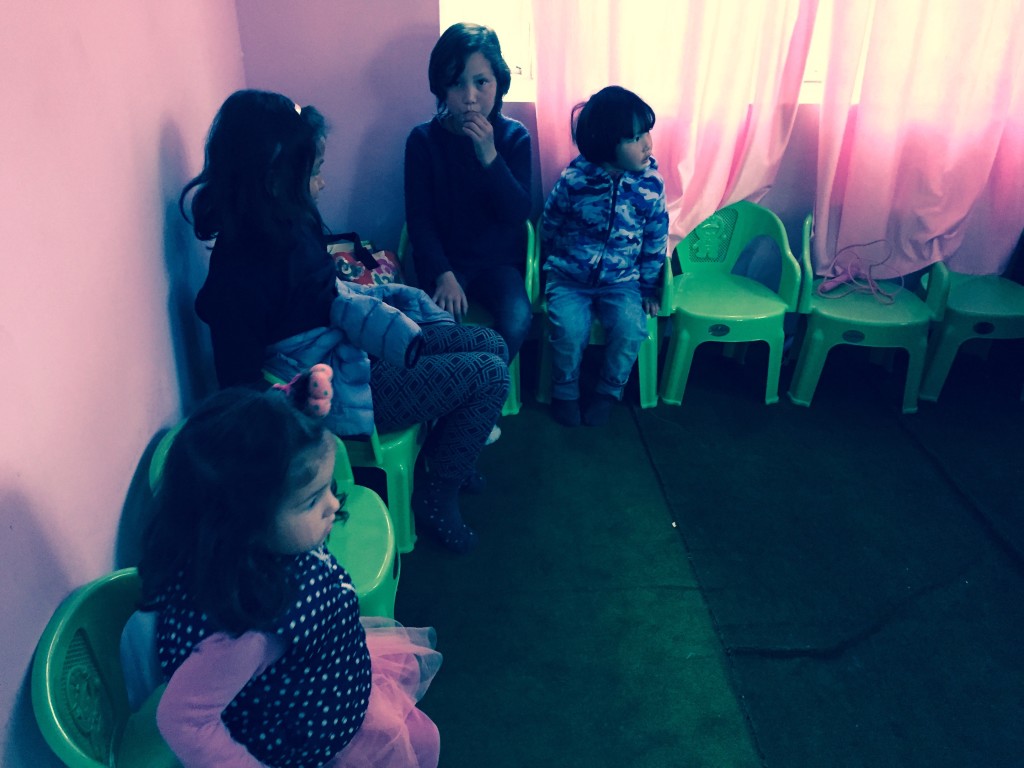
The library provides a change of pace from formal lessons. A child may read quietly in one corner while another sounds out unfamiliar English words nearby. Older monks often help younger readers understand a sentence or explain an illustration, creating an informal culture of cooperation.
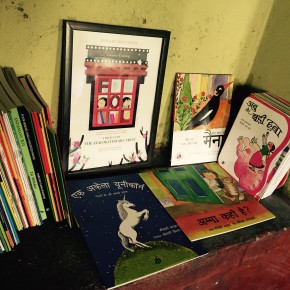
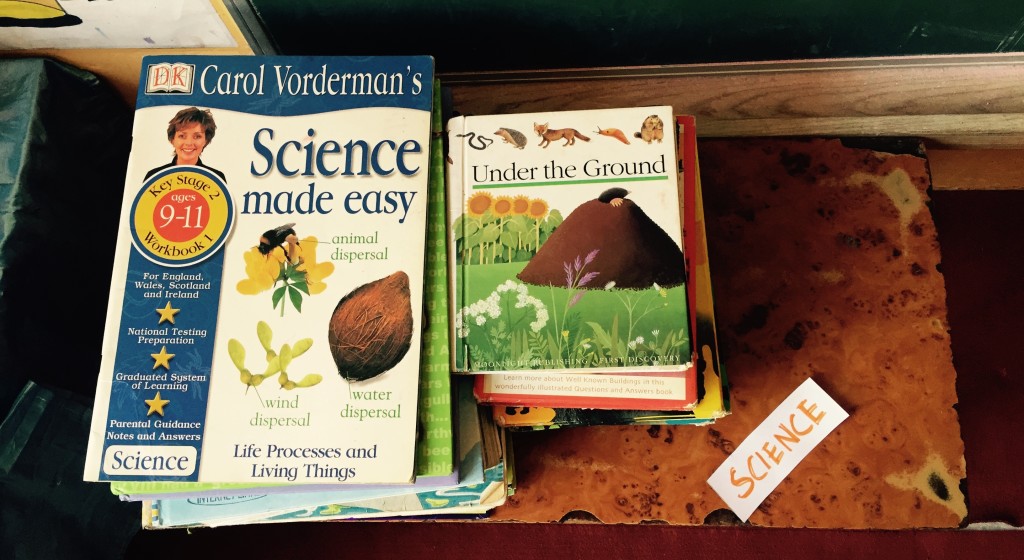
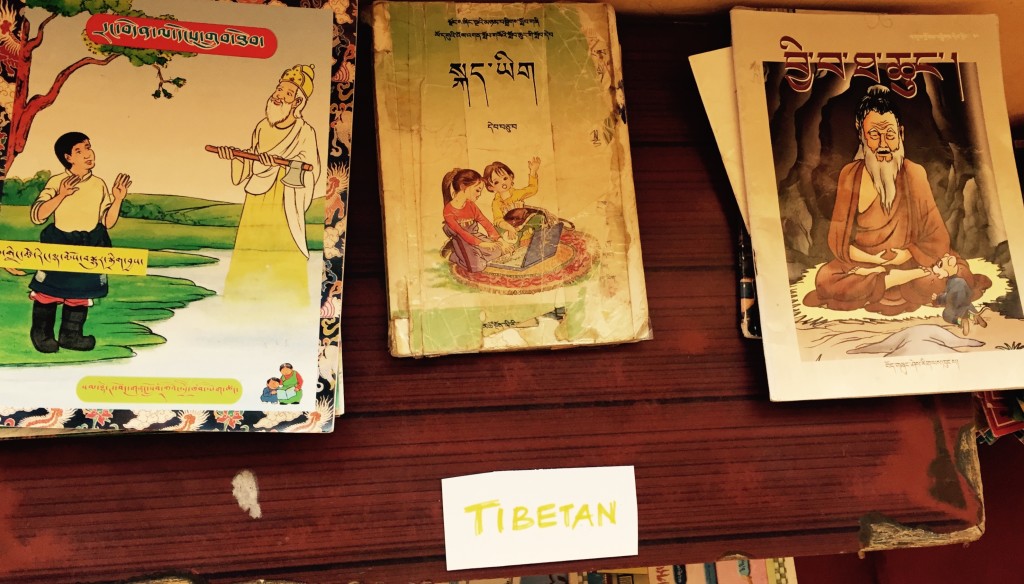
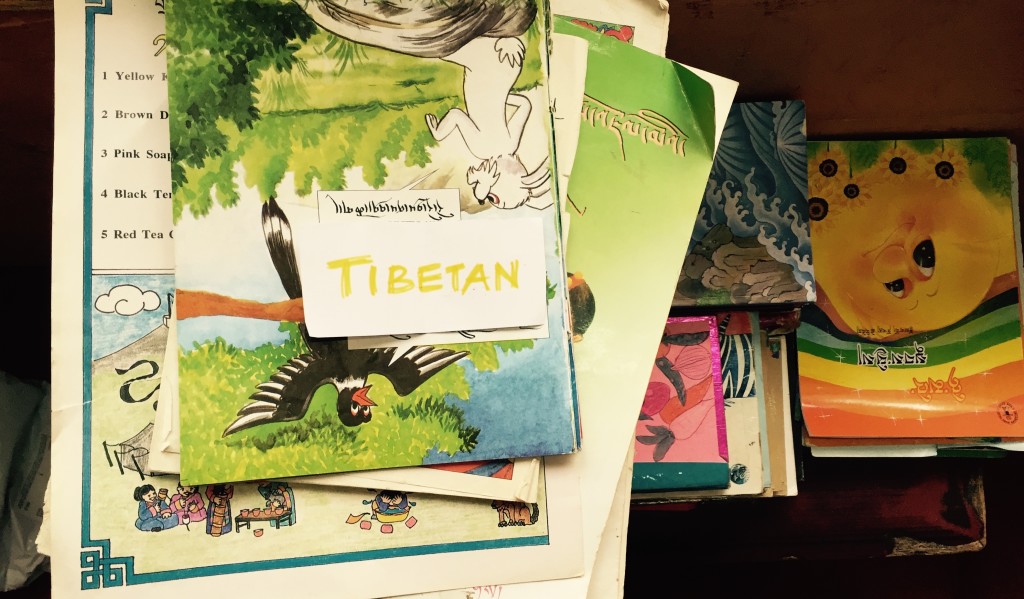
Books in several languages can be especially valuable in this setting. They support language development while introducing different landscapes, families, animals, and ways of life. Through stories, the young monks encounter ideas beyond their immediate surroundings without losing connection to their own culture.
Stories That Invite Curiosity
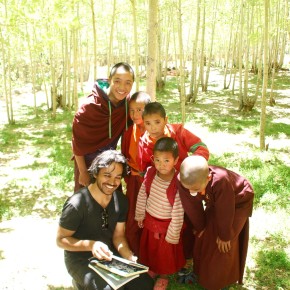
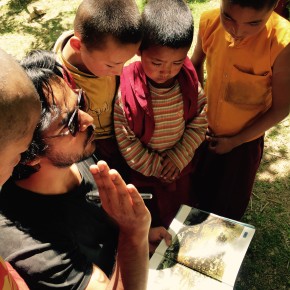
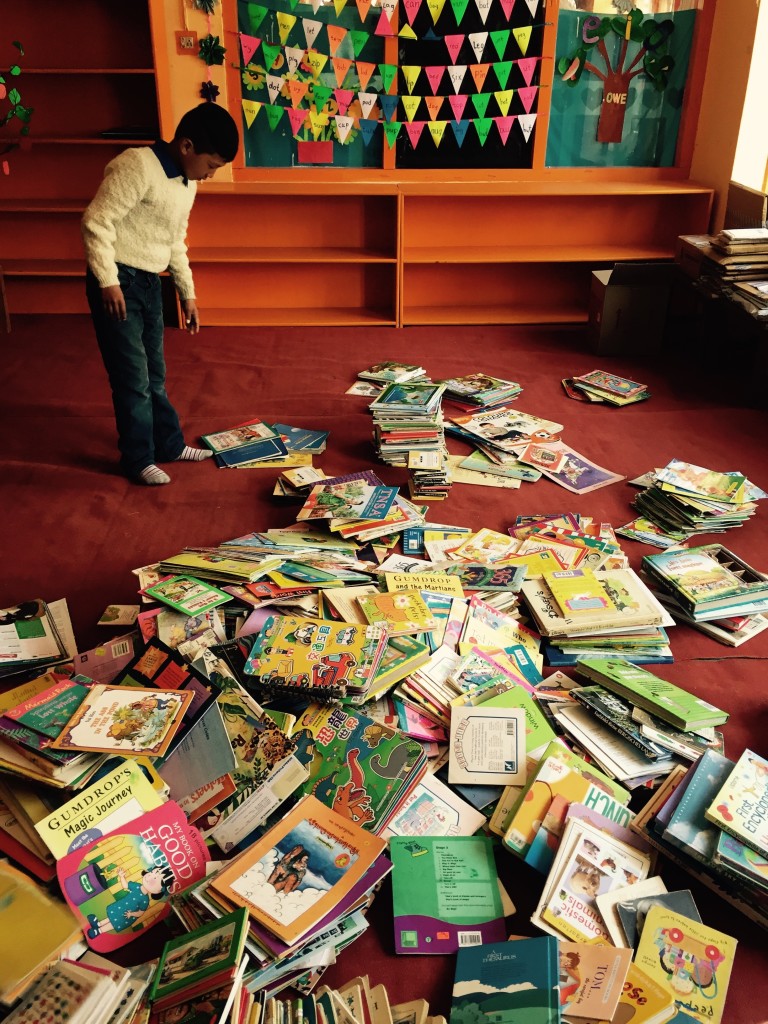
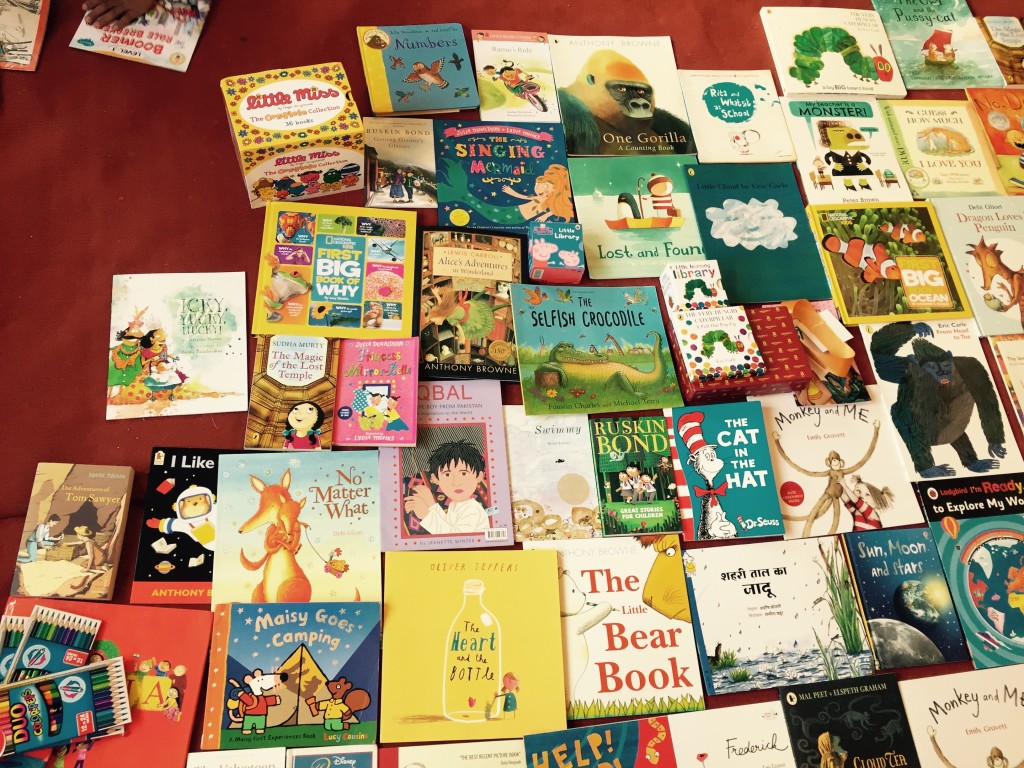
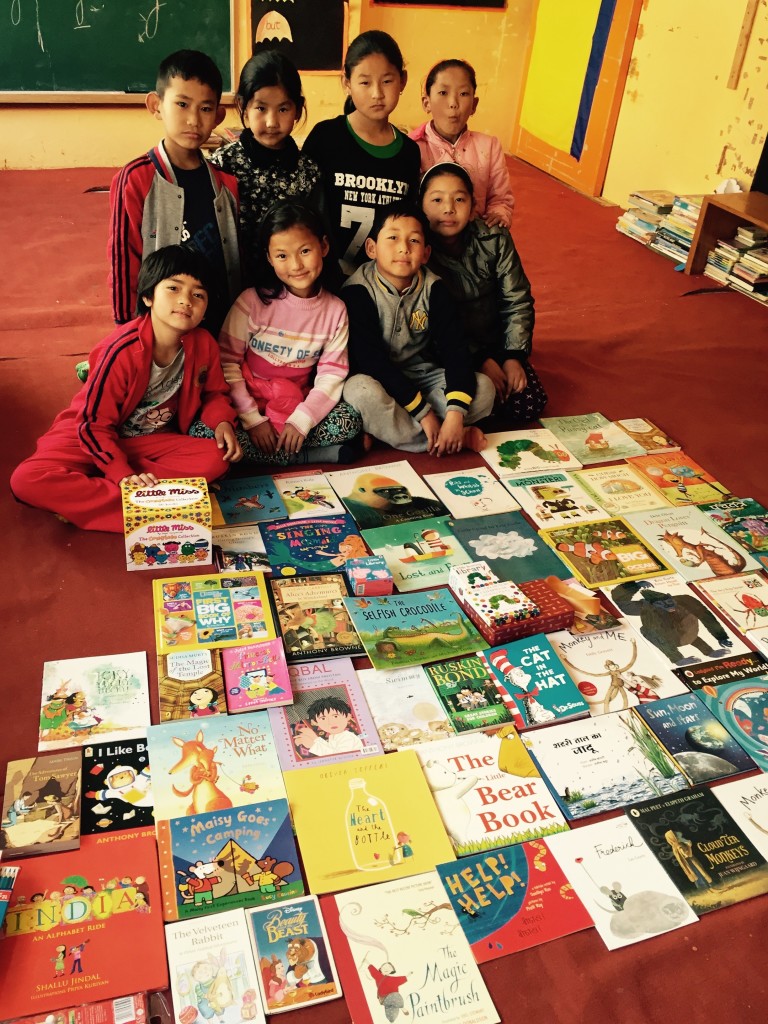
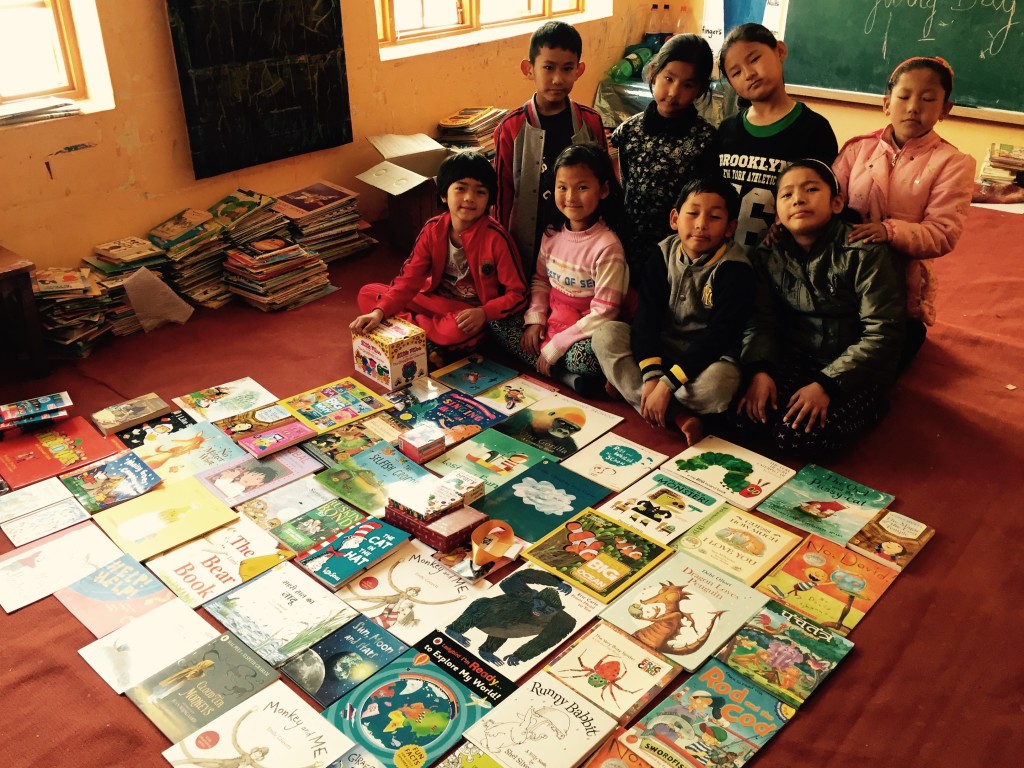
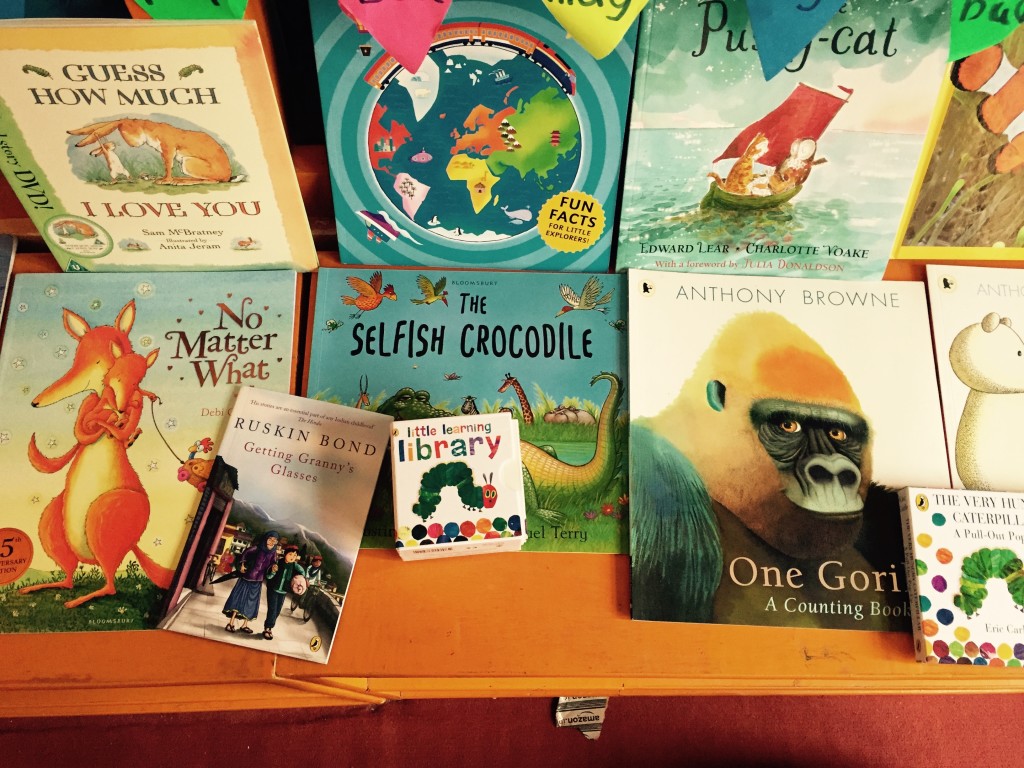
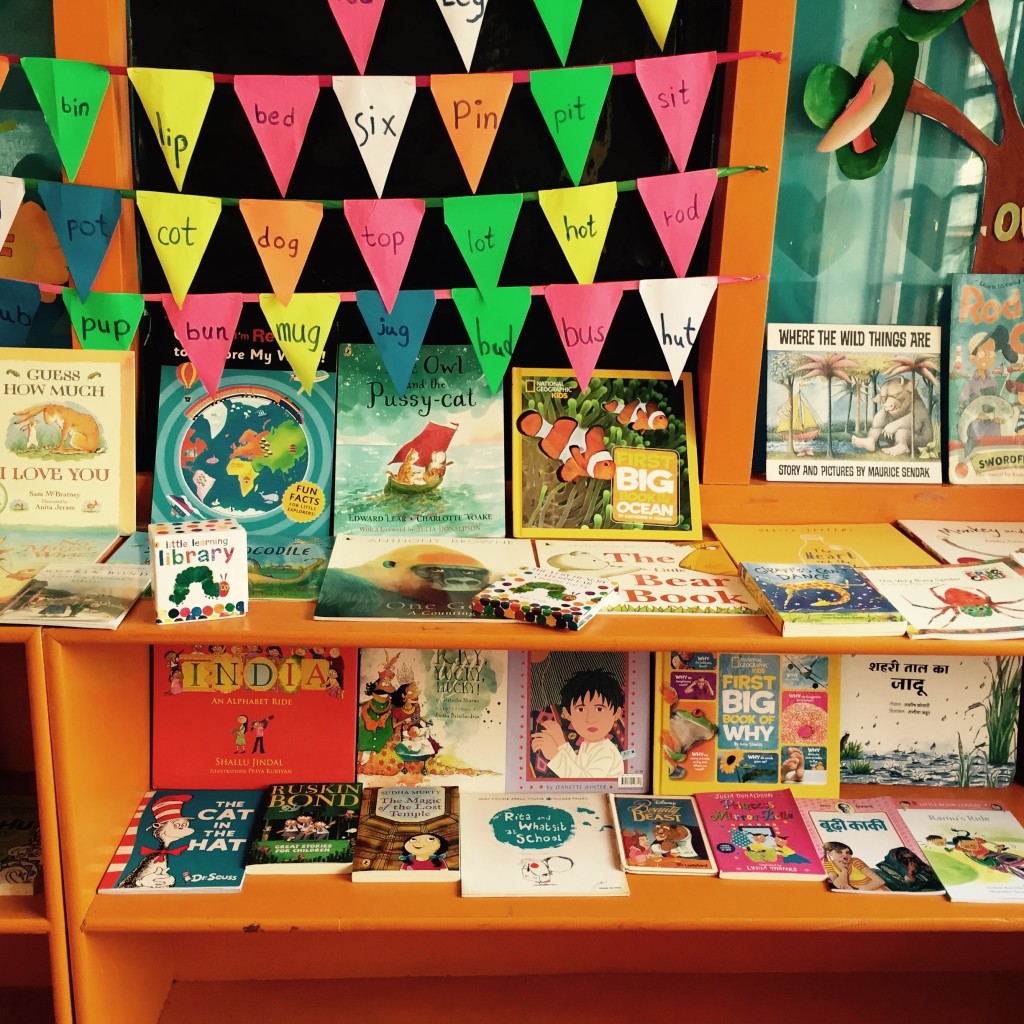
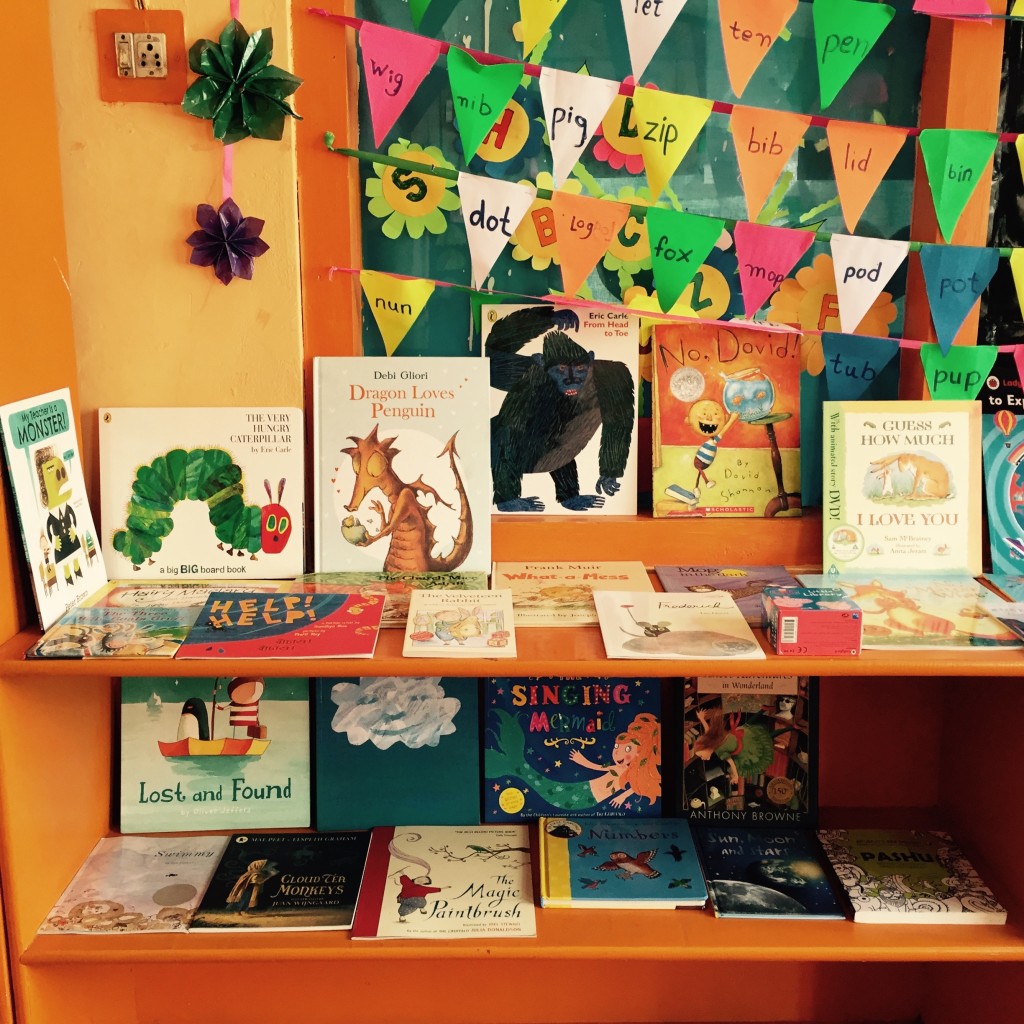
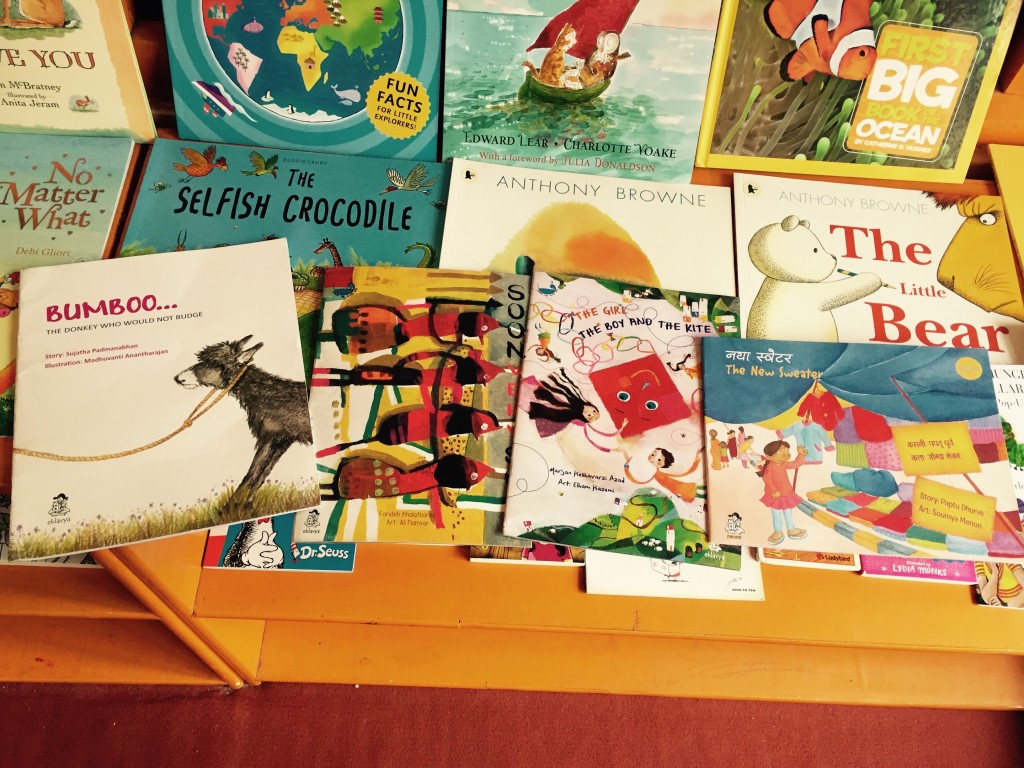
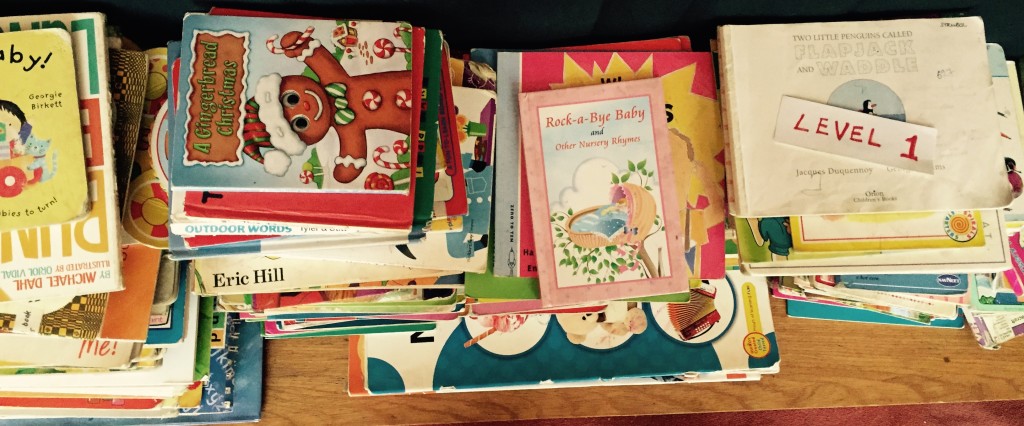
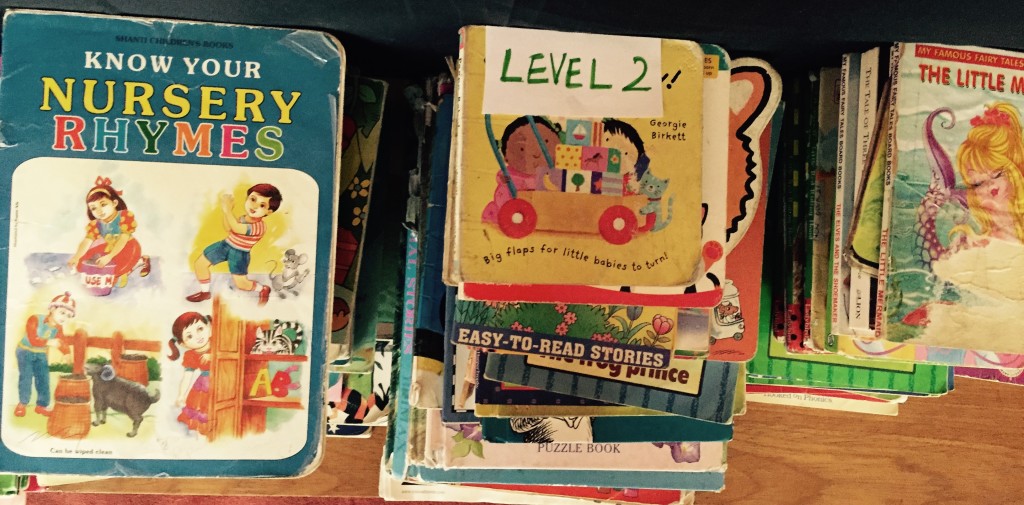
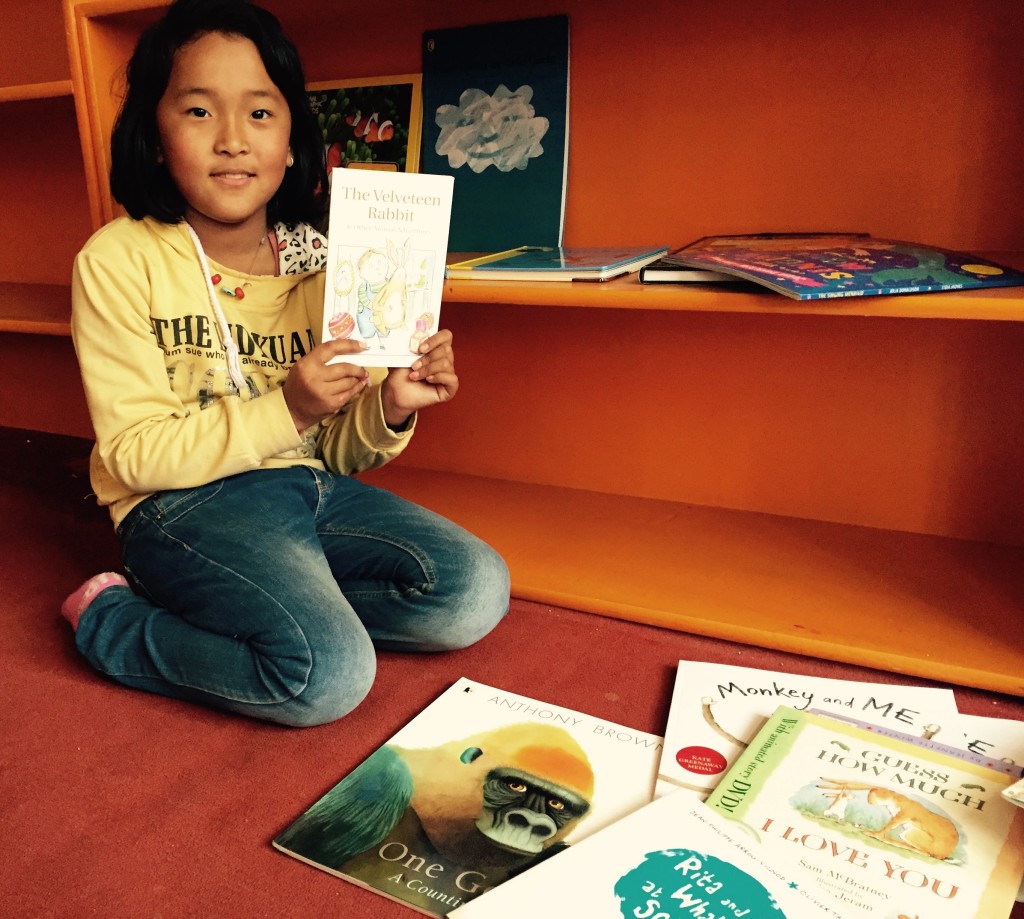
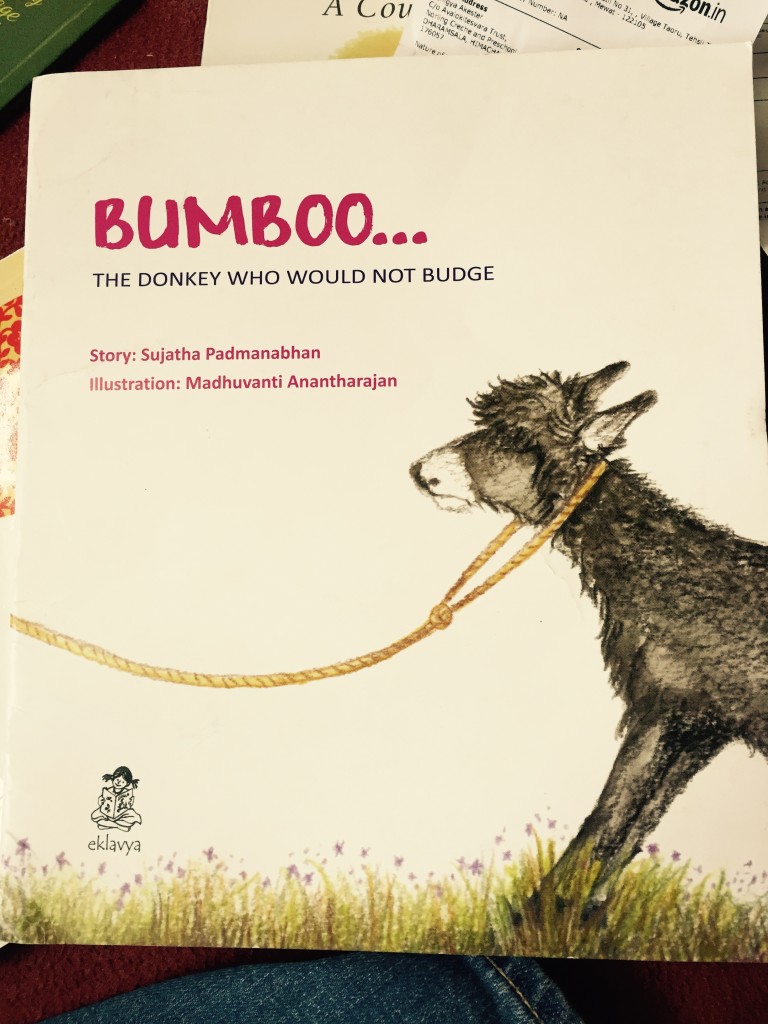
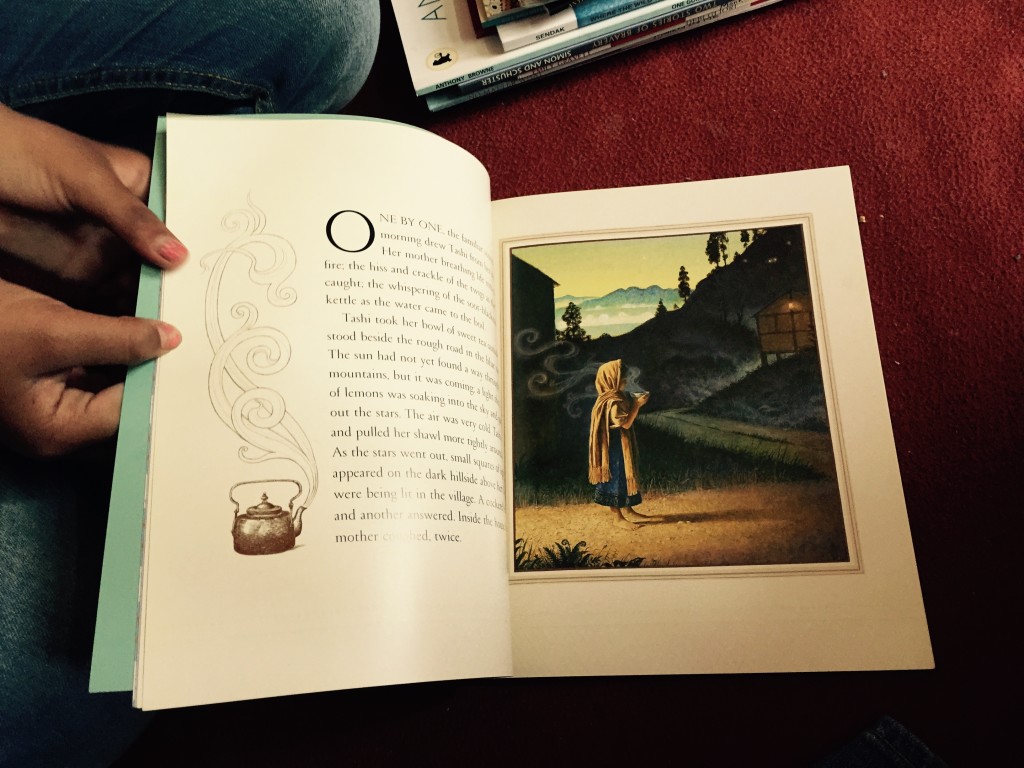
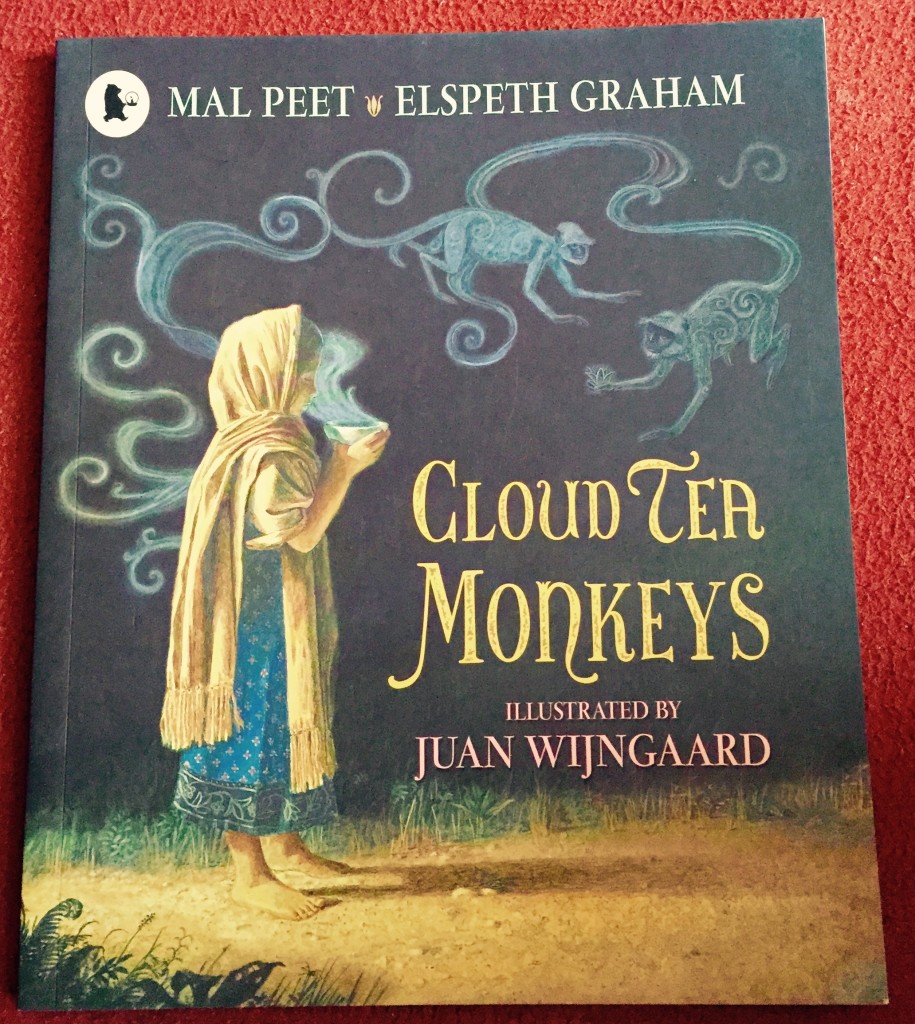
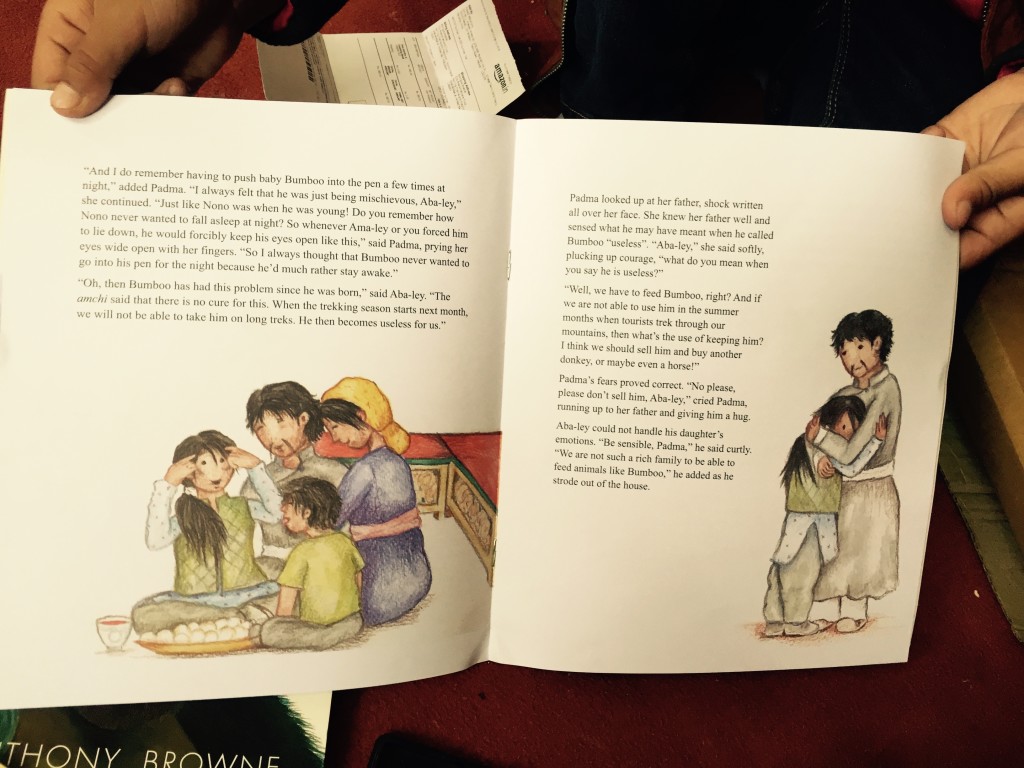
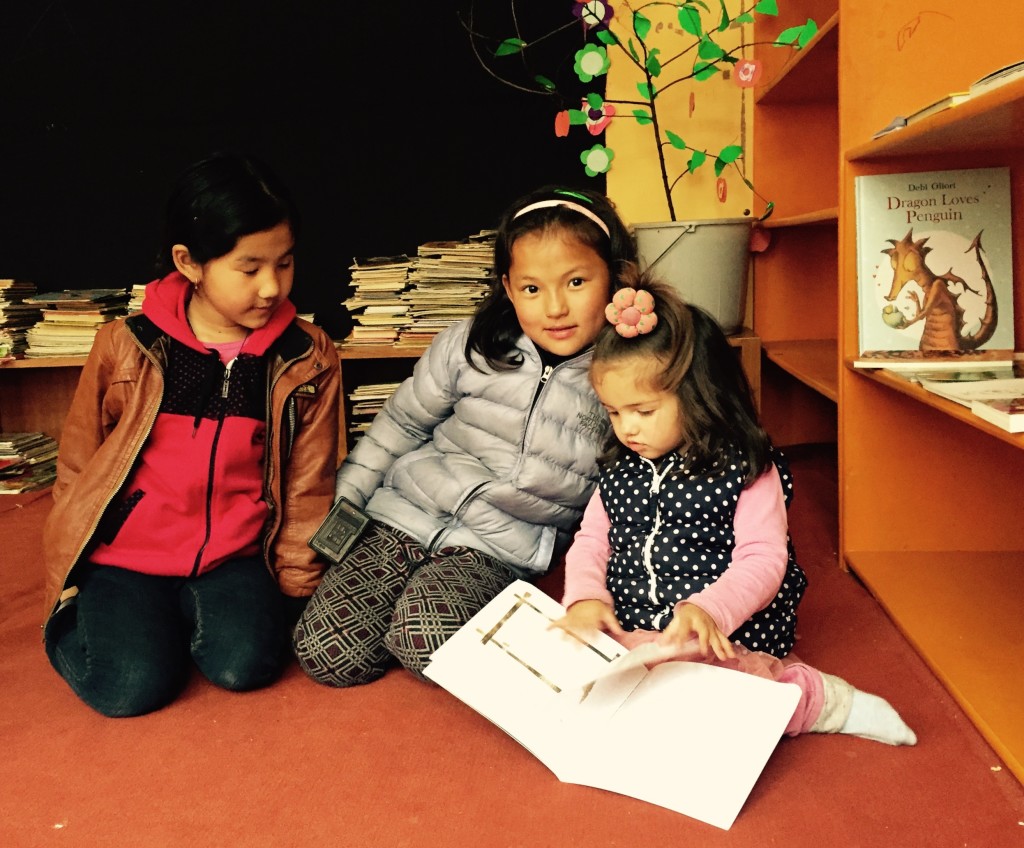
Picture books are particularly effective for early readers because images provide meaning before every word is understood. A young monk can follow a sequence of events, identify emotions, and retell a story using visual clues. This makes reading feel accessible and gives children a reason to keep trying.
The value of illustrated books reaches beyond vocabulary practice. They encourage observation, imagination, memory, and conversation. When several children look at the same page, they may notice different details and learn to express their interpretations. The experience becomes social as well as educational.
Avalokiteśvara Trust explains the importance of this approach in its discussion of picture-book literacy, especially for children developing early reading skills in Himalayan communities. At Thiksey, a carefully chosen picture book can become the starting point for a longer exchange about feelings, nature, travel, or family life.
A Library Filled With Activity
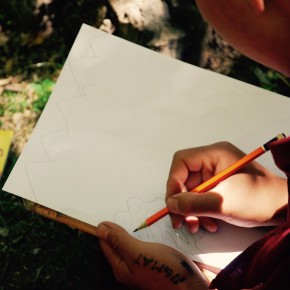
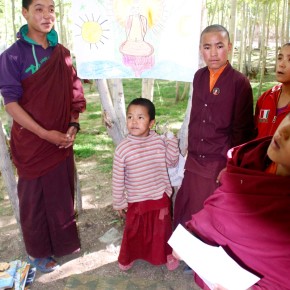
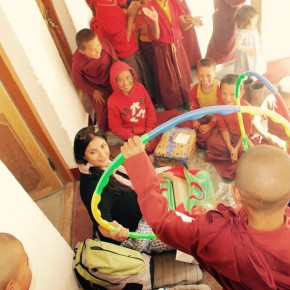
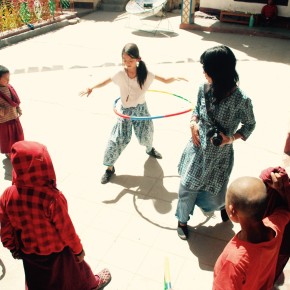
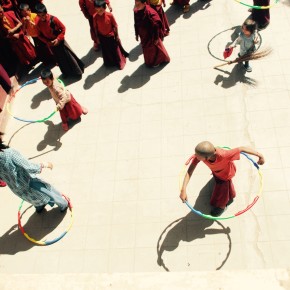
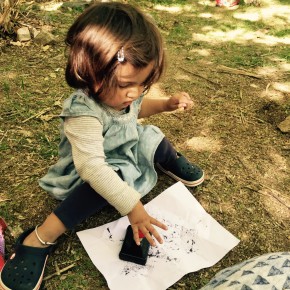
As the morning progresses, the library becomes more animated. A reading session may lead to drawing, and drawing may lead to storytelling. One child illustrates a mountain village, another creates a comic strip, and a third writes new dialogue for a favorite character. These activities connect literacy with artistic expression.
Music can also form part of the learning environment. Rhythm exercises, songs, or simple instruments help children listen closely and participate with confidence. Creative activities give young monks different ways to communicate, which is important for children whose strengths may not appear through conventional academic work.
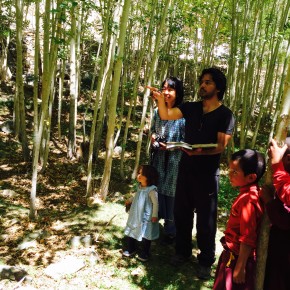
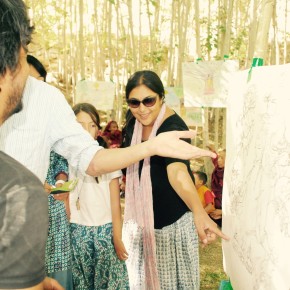
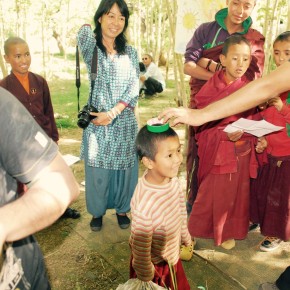
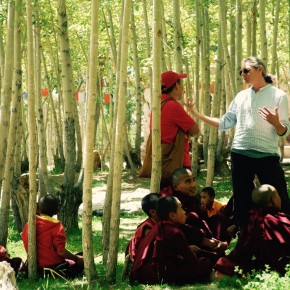
The atmosphere remains purposeful without becoming rigid. Volunteers and educators can guide children toward books, read aloud, help with pronunciation, or encourage a hesitant participant to share an idea. Their role is to create opportunities for discovery while allowing the young monks to lead much of the experience.
| Part Of The Day |
Library Experience |
Skills Encouraged |
| Early morning |
Quiet reading and book selection |
Focus, independence, language |
| Midmorning |
Shared stories and discussion |
Listening, comprehension, confidence |
| Late morning |
Drawing, writing, or music |
Creativity, expression, coordination |
| Afternoon |
Group activities and peer support |
Cooperation, communication, empathy |
| Before leaving |
Returning books and choosing the next read |
Responsibility, planning, curiosity |
Learning Through Shared Time
The most meaningful moments are often simple. A child who initially avoids reading may become absorbed in a book about animals. Another may recognize a familiar Himalayan landscape in an illustration and begin describing it to the group. These small discoveries show how personal and immediate learning can be.
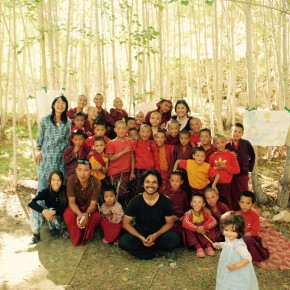
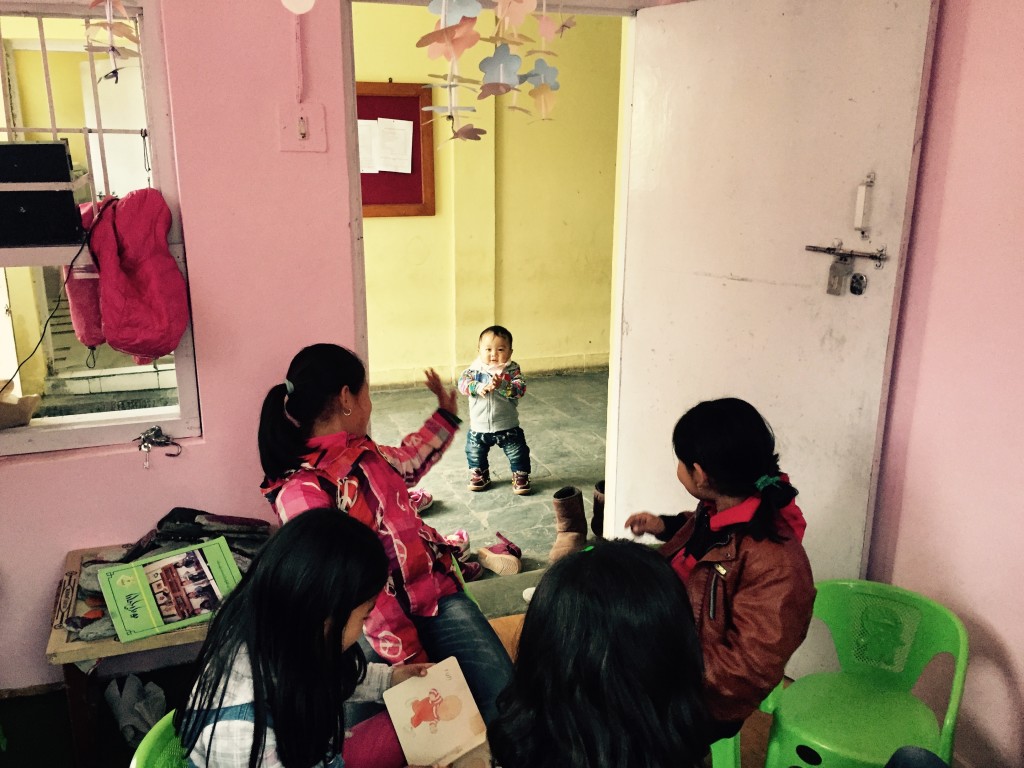
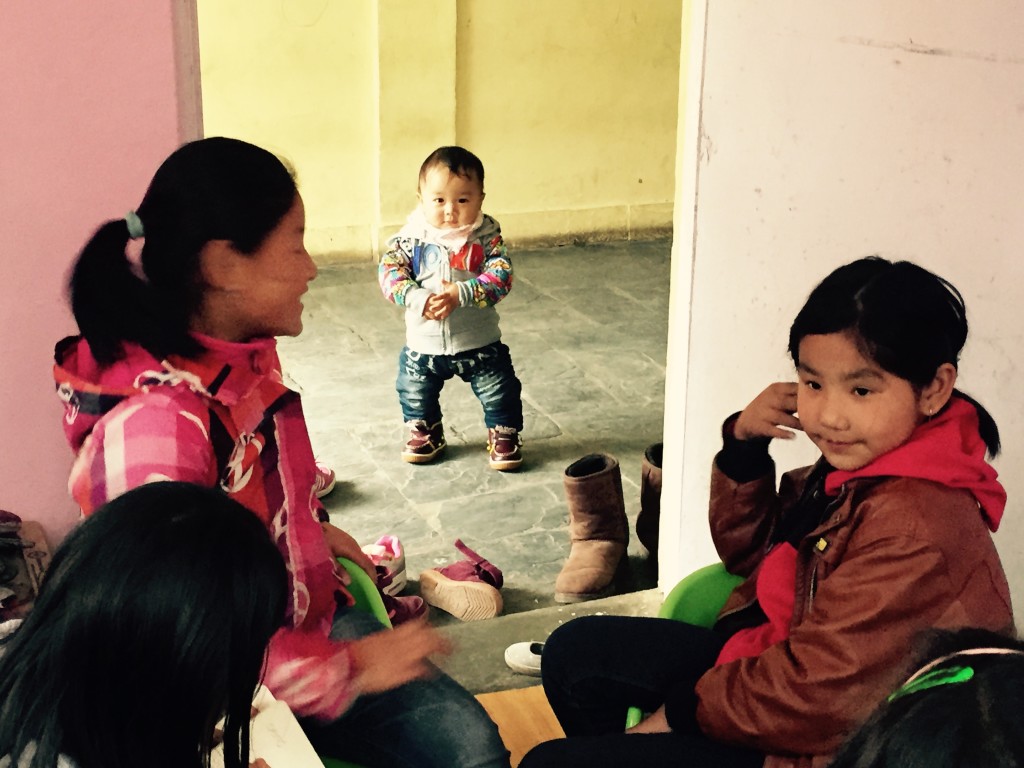
Peer support is central to the library’s character. Young monks learn from volunteers, teachers, and one another. An older reader may help pronounce a word, turn pages for a younger child, or explain how to find a book on the shelf. Such exchanges build patience and responsibility alongside academic ability.
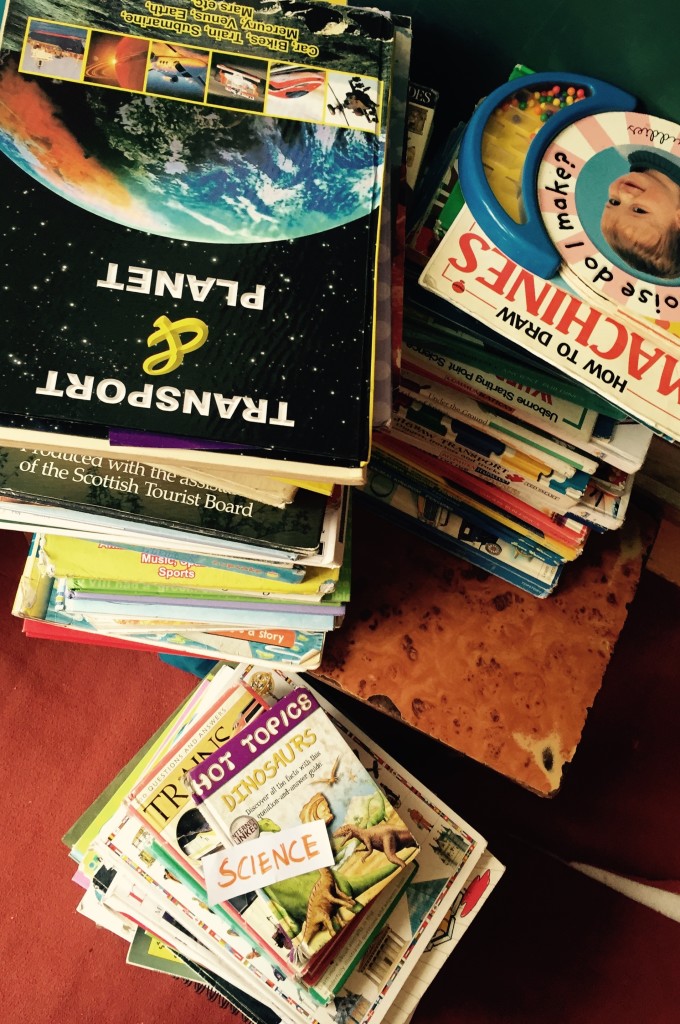
Shared reading also creates space for questions. Children may ask why a character behaved a certain way, how a machine works, or where a faraway country is located. The answers do not need to end the conversation; they can lead toward maps, reference books, creative projects, and further reading.
The Wider Value Of A Reading Room
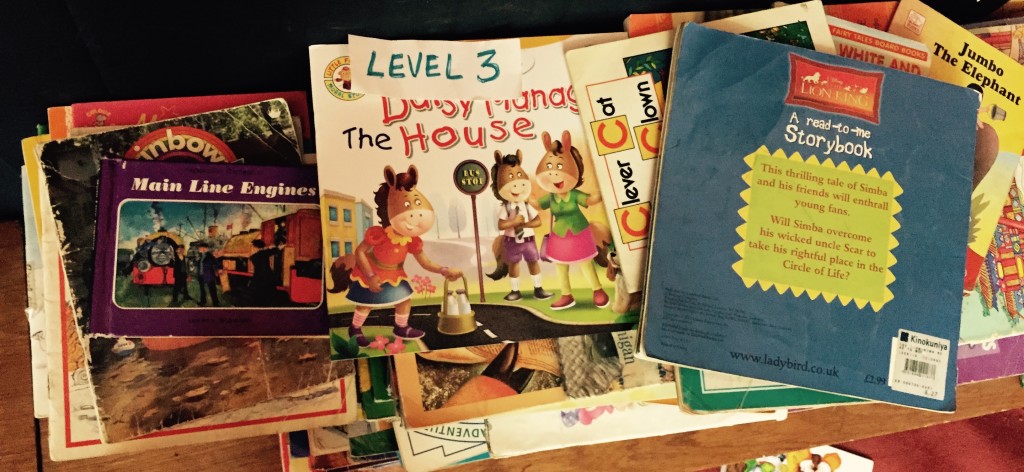
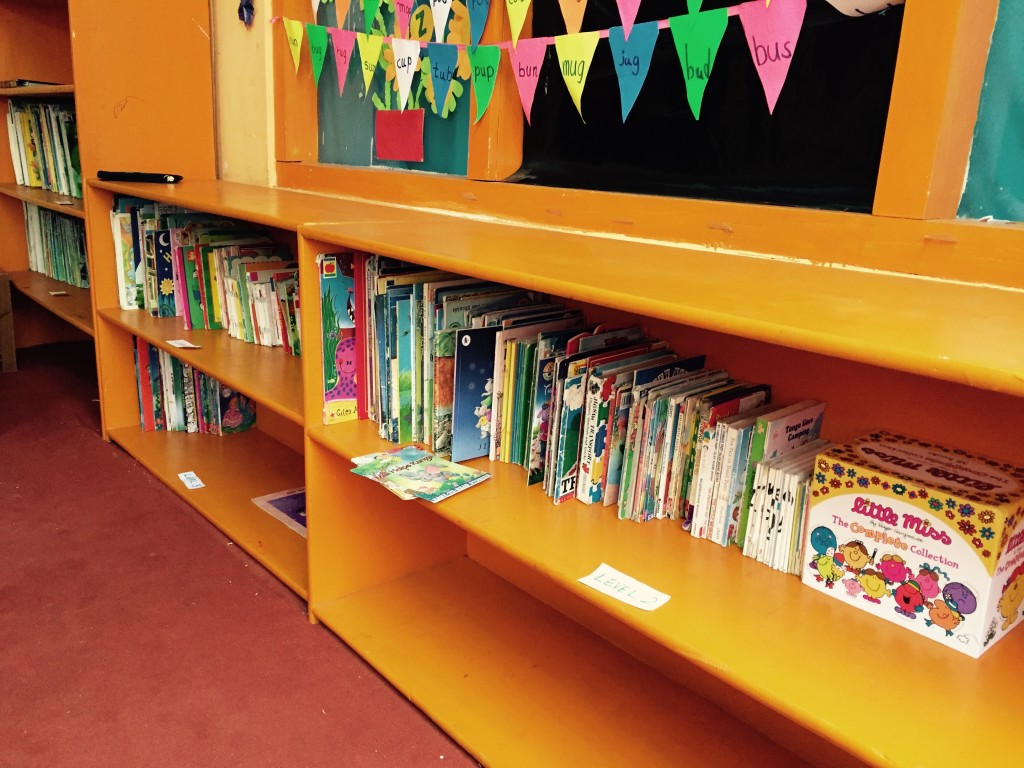
A library in a Himalayan monastery serves a practical purpose in a community where access to varied books and educational materials may be limited. It offers a dependable place for study and gives children the chance to encounter stories selected for their age, interests, and developing abilities.
Reading rooms can also strengthen a child’s relationship with learning. When books are available in an inviting setting, reading becomes something to anticipate rather than an exercise reserved for school hours. Children can return to favorite stories, explore new subjects, and gradually develop the confidence to choose materials independently.
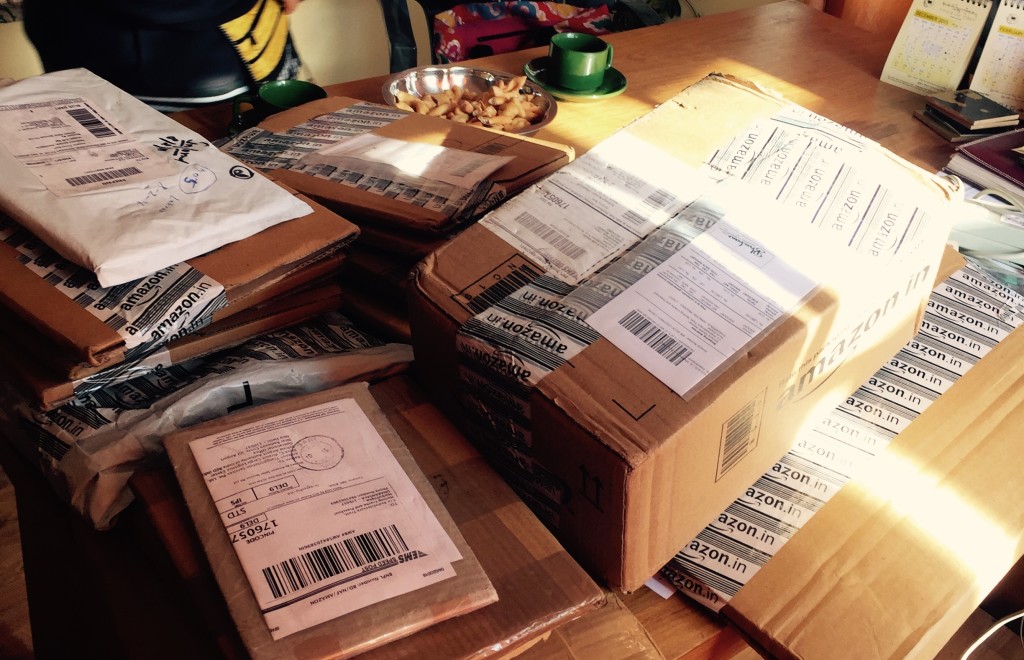
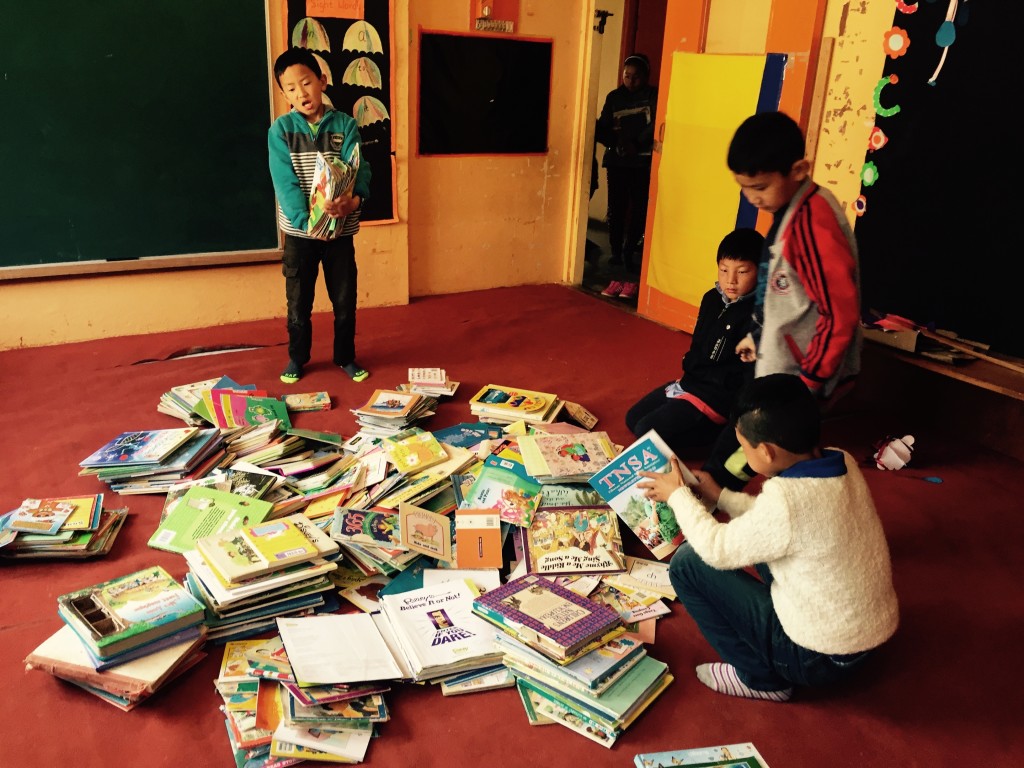
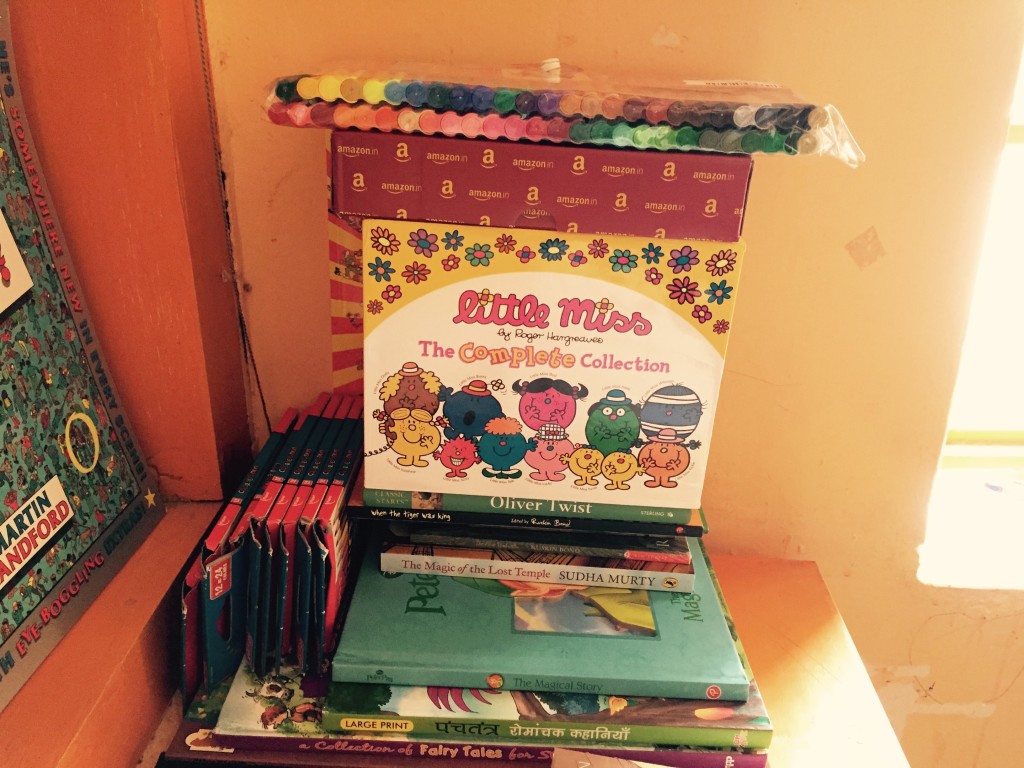
The benefits extend beyond the individual reader. Families, teachers, monks, volunteers, and local communities all contribute to a culture that values education. Book drives and donations help expand collections, while creative programs make the library a shared center for imagination, conversation, and connection.
Practical Ways To Support Young Readers
Visitors and supporters can contribute in forms that match the needs of the monastery and the wider program. Useful assistance begins with listening to local educators and understanding which books, languages, supplies, and activities are most appropriate for the children.
Support can be practical, financial, or educational. The most valuable contributions are consistent and thoughtfully planned, helping create an environment that remains useful after a single visit has ended.
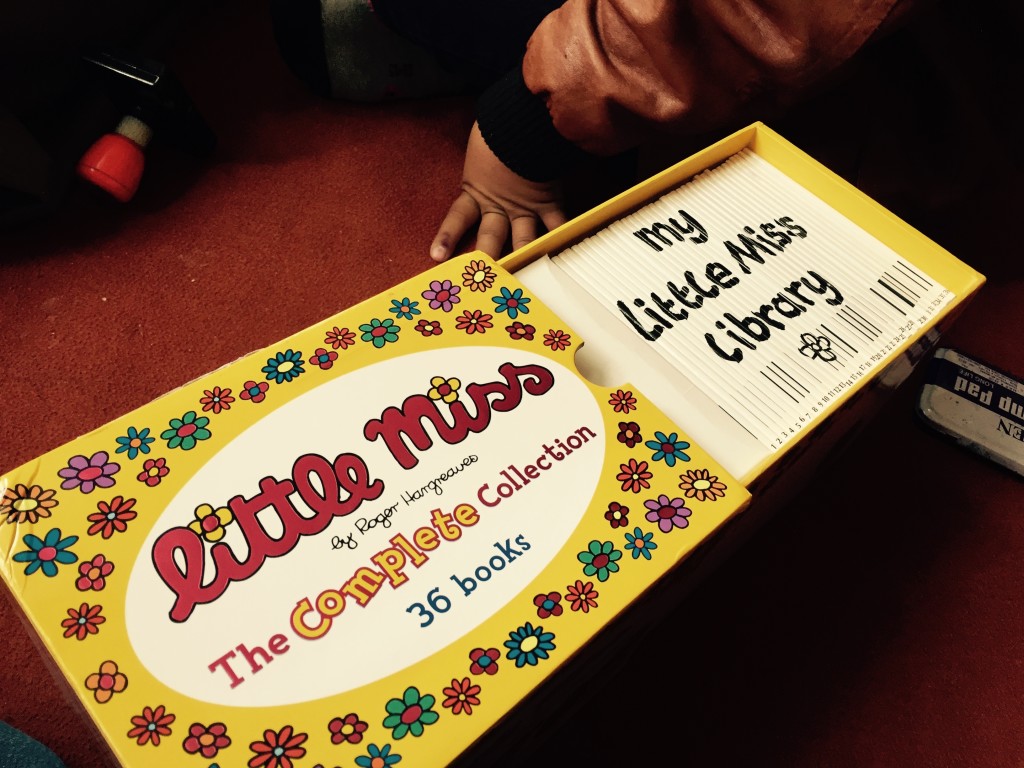
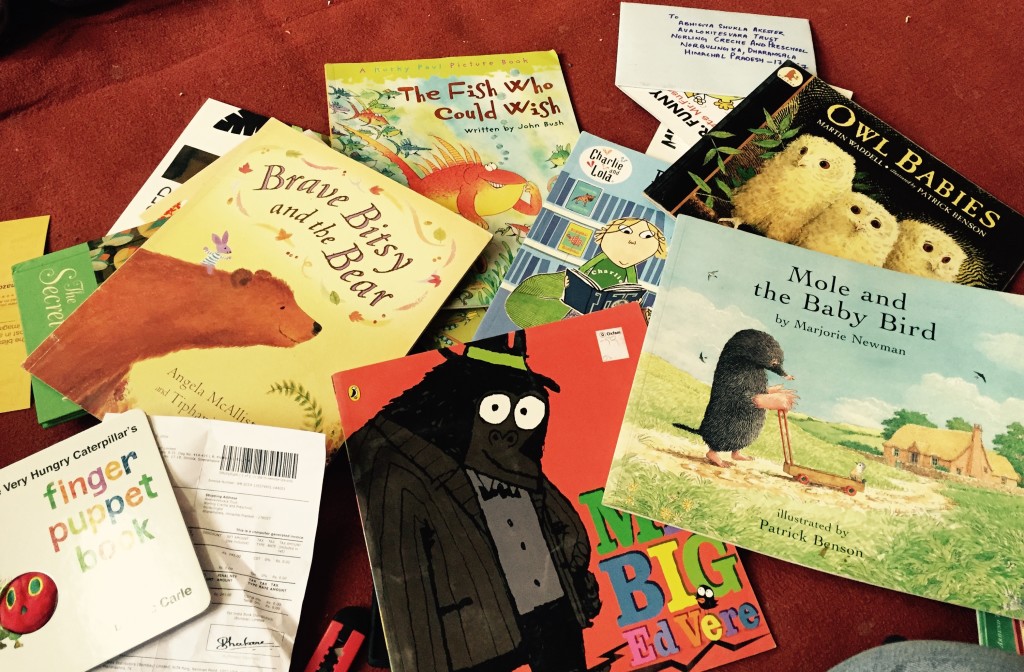
- Donate age-appropriate fiction, nonfiction, picture books, and bilingual materials in good condition.
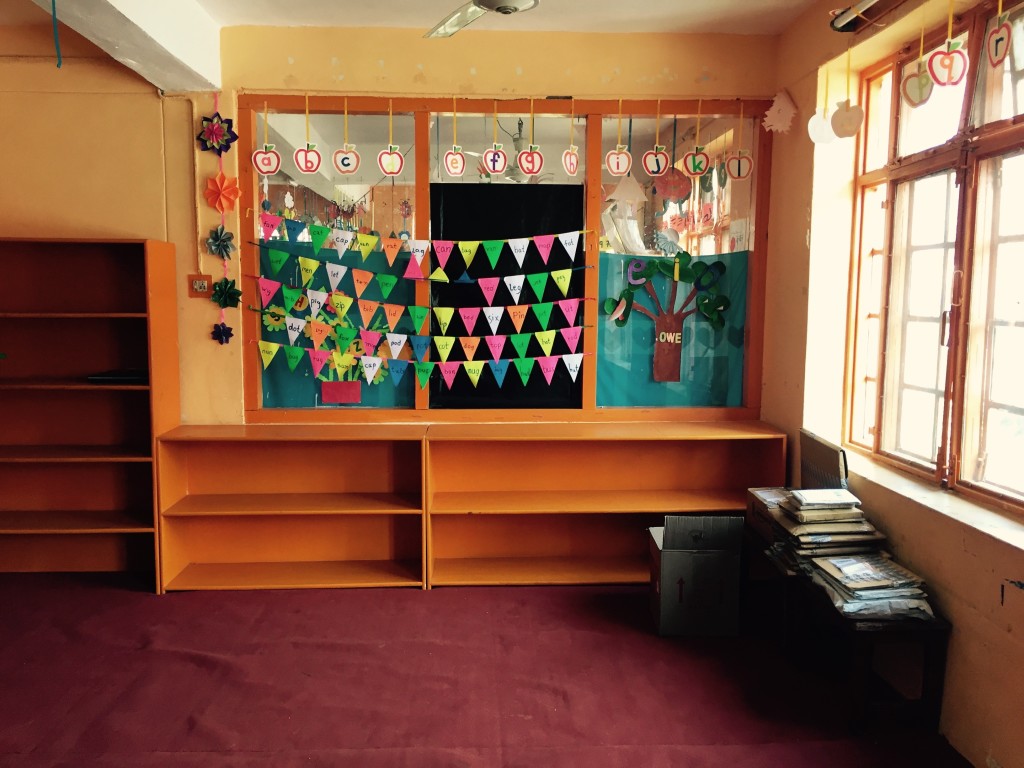
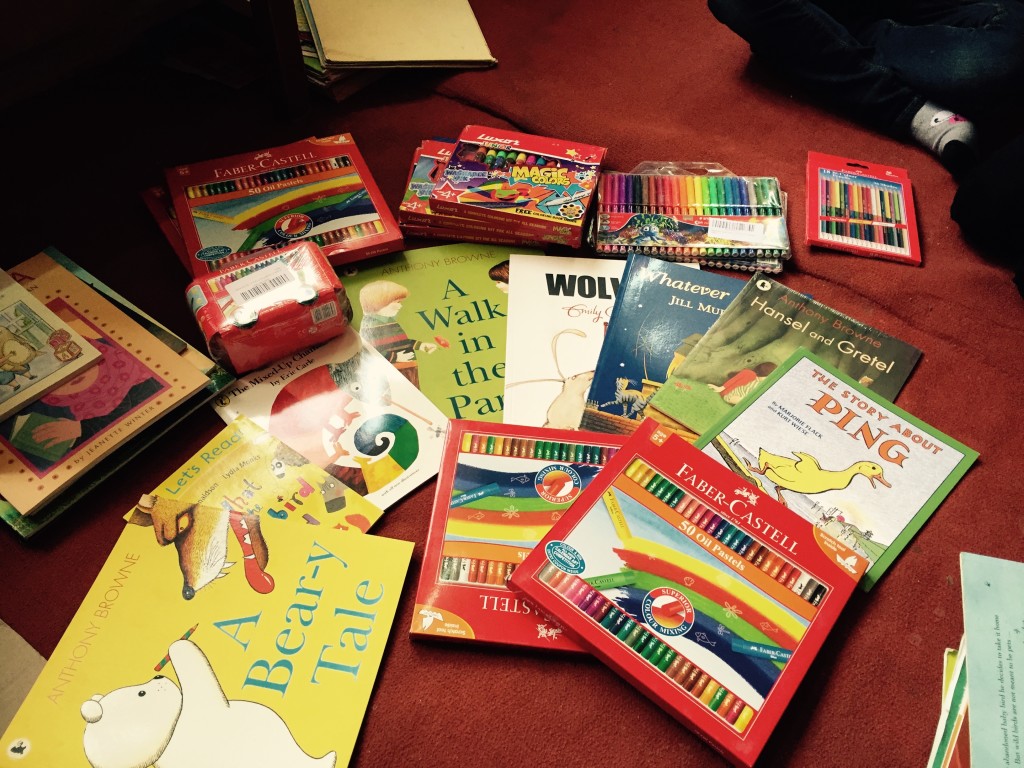
- Support reading rooms with shelves, floor cushions, art supplies, musical instruments, or basic learning equipment.
- Volunteer time for read-aloud sessions, creative workshops, language practice, or library organization.
- Encourage book drives that reflect the interests and cultural context of Himalayan children.
- Share the work of Avalokiteśvara Trust with people who care about literacy and educational access.
A successful library program depends on continuity. Children benefit when familiar adults return, collections are refreshed thoughtfully, and activities build on previous sessions. A regular reading hour can be more influential than an isolated event because it gives young readers a dependable habit and a sense of progress.
Carrying The Day Forward
By afternoon, the library begins to quieten. Books are returned to their shelves, drawings are gathered, and the young monks move on to other responsibilities. Yet the energy of the day remains in the room: a new word remembered, a story retold, a picture completed, or a child deciding which book to open next time.
The library at Thiksey Monastery demonstrates how educational support can be both modest and far-reaching. Shelves of carefully selected books, welcoming guidance, and opportunities for creative expression can help children become confident readers and thoughtful learners.
You can help keep this work moving by supporting Avalokiteśvara Trust, sharing its stories, contributing to book drives, or volunteering your skills. Every thoughtful contribution helps place books in children’s hands and keeps spaces like the Thiksey monastery library open to curiosity, learning, and possibility.