Why Picture Books Matter for Early Literacy in the Himalayas
In the Himalayan region, a picture book can be a child’s first doorway into reading. Before children can recognize every letter or follow a full sentence, they can study a face, identify an animal, trace a landscape, and predict what may happen next. These small acts of attention build the foundations of literacy while making books feel welcoming rather than difficult.
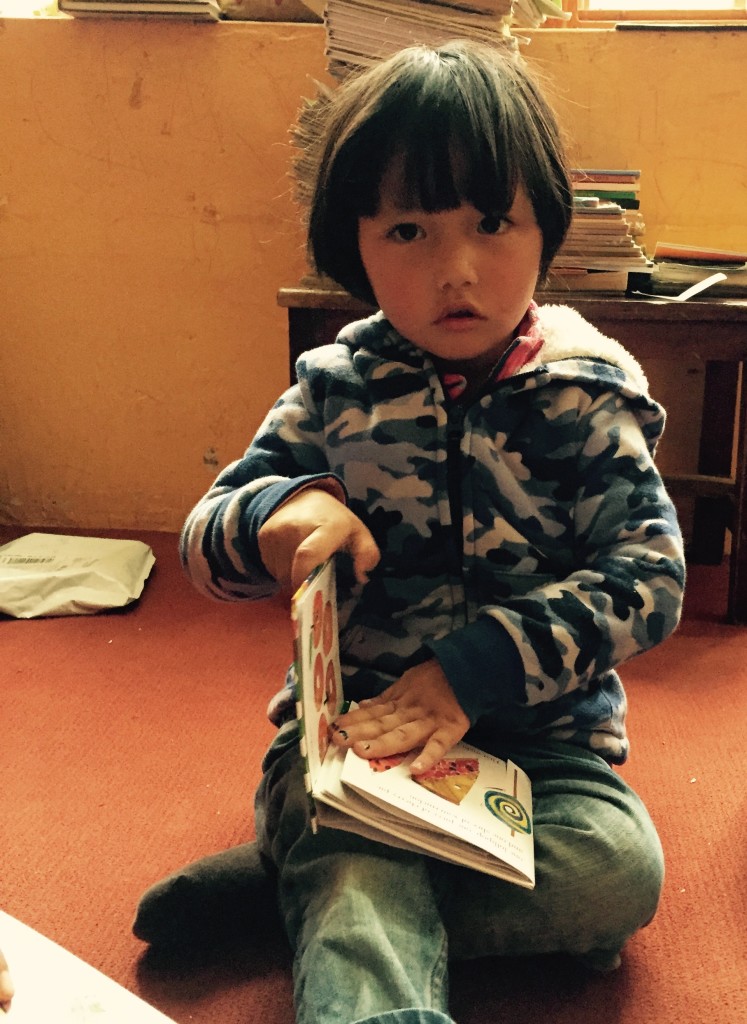
For children in Ladakh and neighboring communities, access to quality books may be limited by distance, cost, language, and the practical challenges of mountain travel. A carefully chosen collection in a reading room can therefore have an importance far beyond its shelves. It gives children regular contact with stories, images, sounds, and ideas that support learning at school and at home.
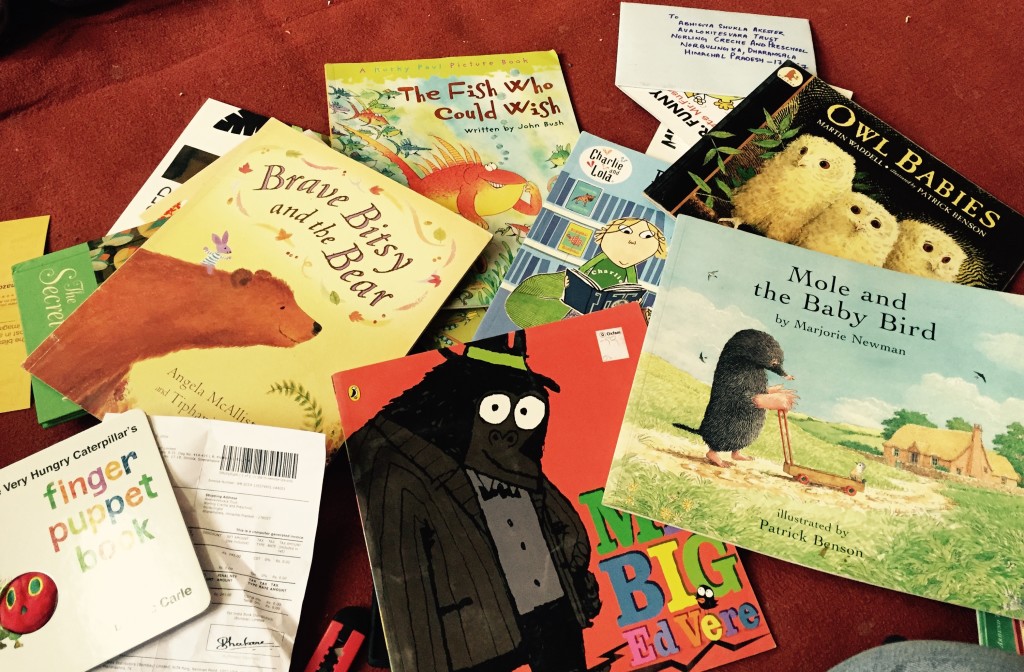
Avalokiteśvara Trust focuses on picture books because they bring together literacy, imagination, art, and shared conversation. They are useful for children beginning to read, for older learners building confidence in English or another language, and for young monks who benefit from a balance of study, creativity, and play.
Books That Speak Before Words
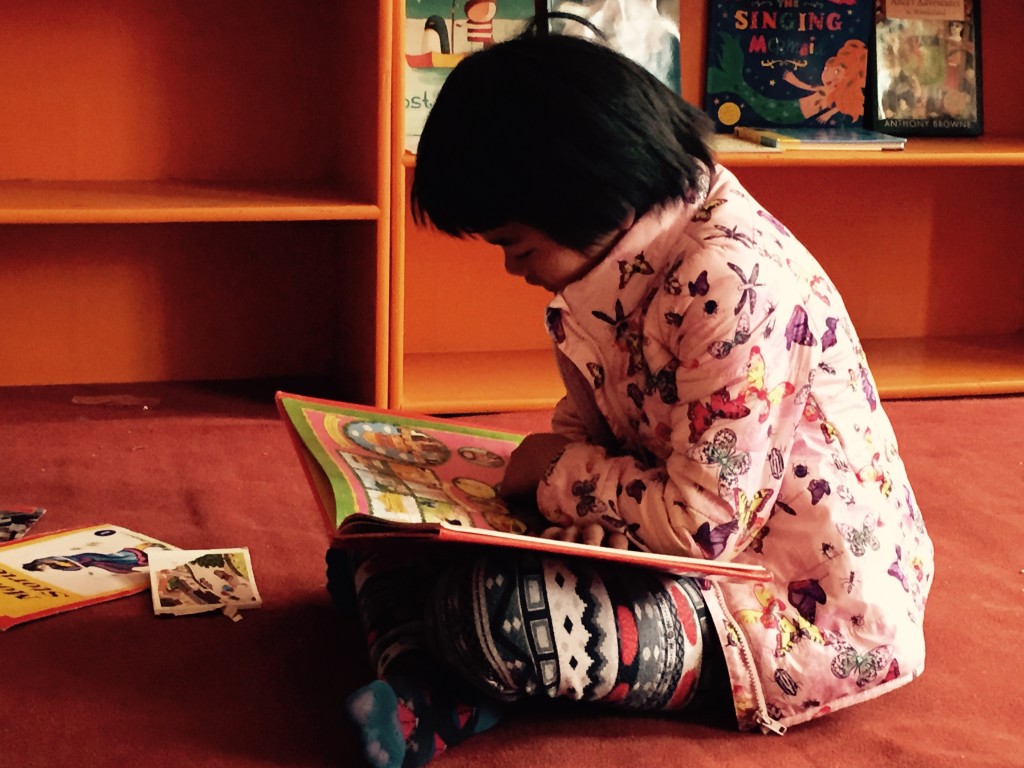
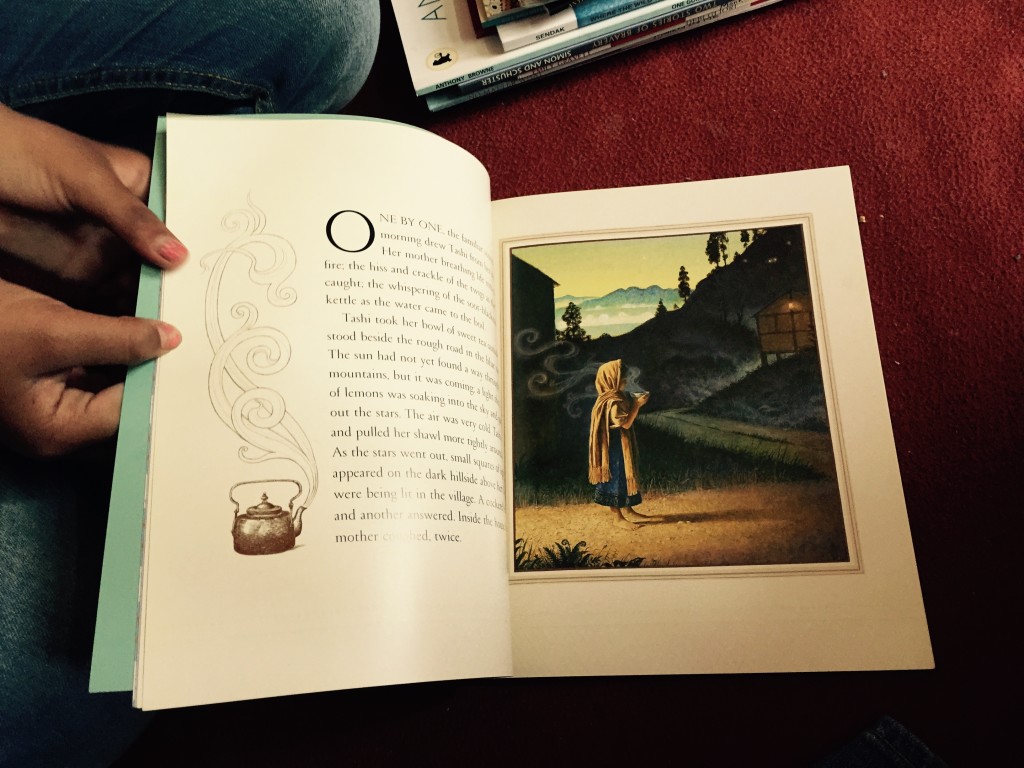
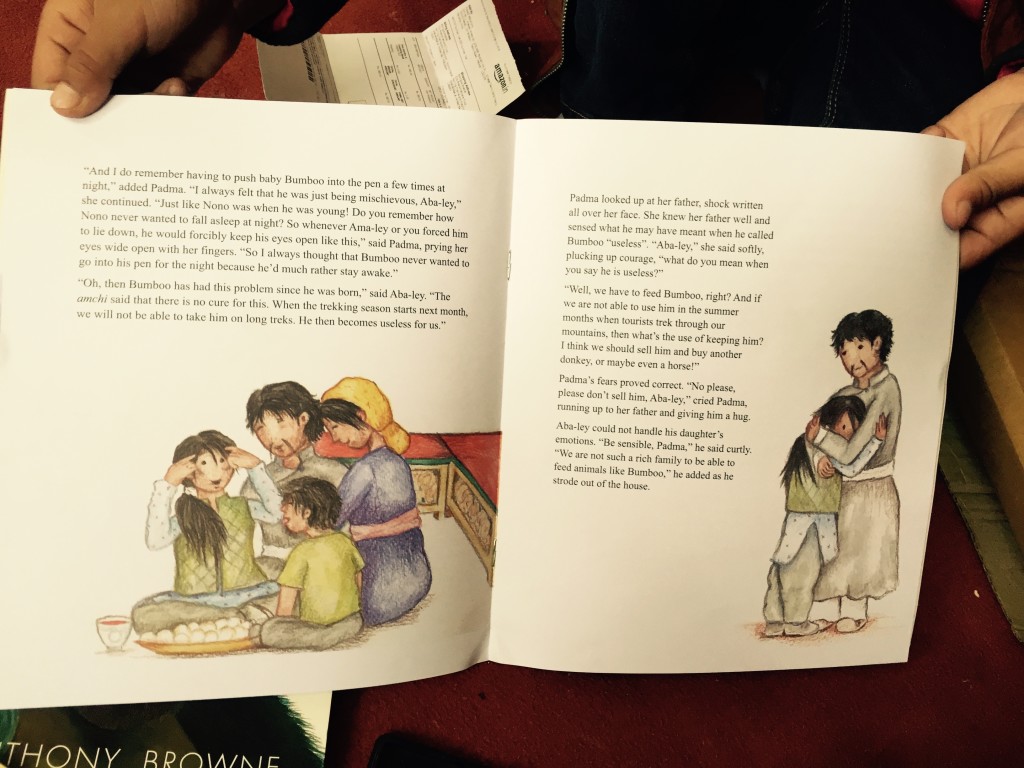
Picture books invite children to understand a story through several channels at once. The illustrations provide clues about setting, emotion, sequence, and meaning, while the written words introduce vocabulary and sentence patterns. A child who cannot yet read independently can still explain what is happening, describe a character, or connect an image with a familiar experience.
This participation matters. Early literacy is not limited to memorizing letters; it includes listening, speaking, observing, remembering, and making predictions. When adults read aloud and pause to discuss an illustration, children practice the same comprehension skills they will later use with longer texts. A picture book gives every child a way to contribute, regardless of reading level.
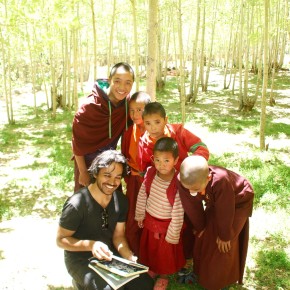
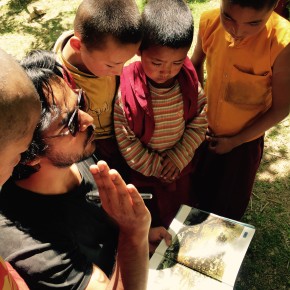
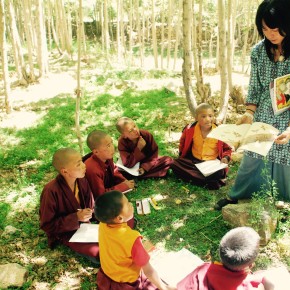
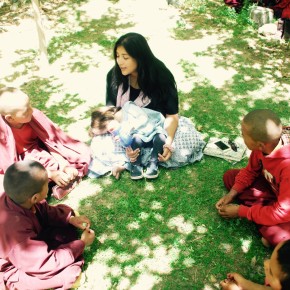
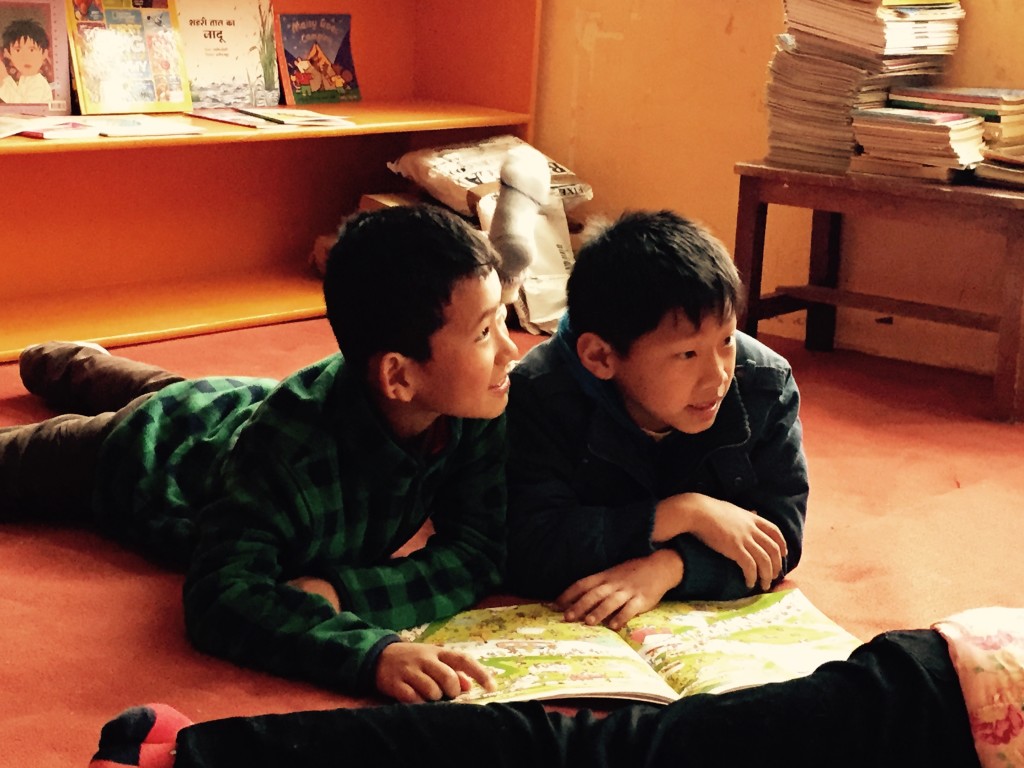
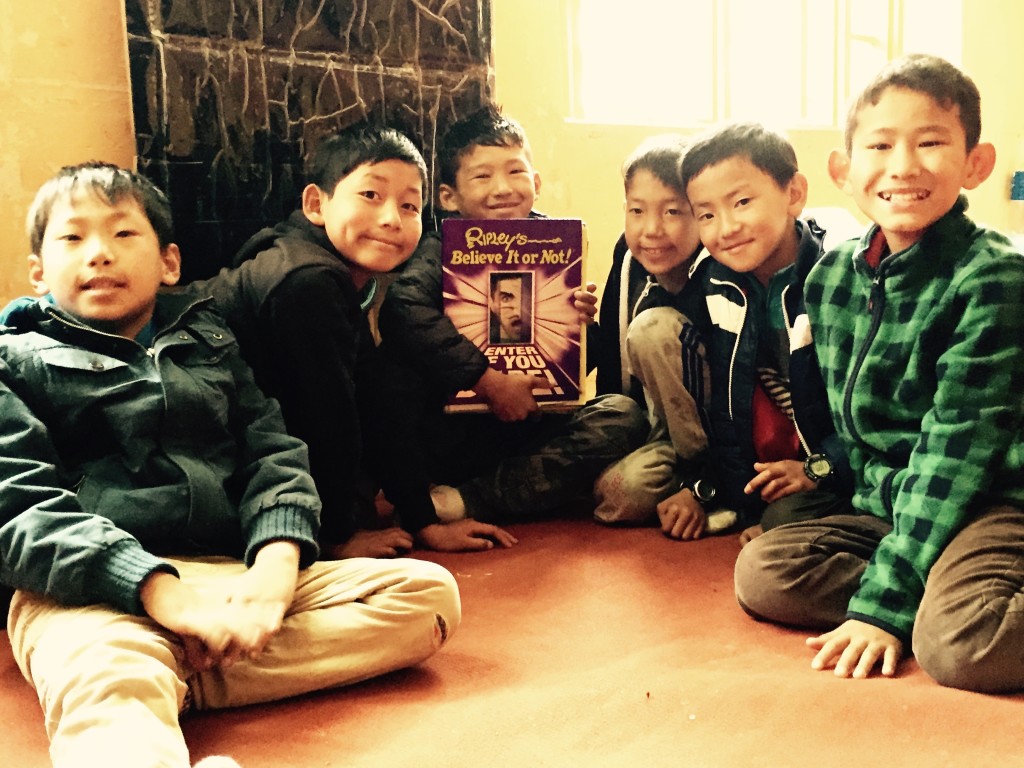
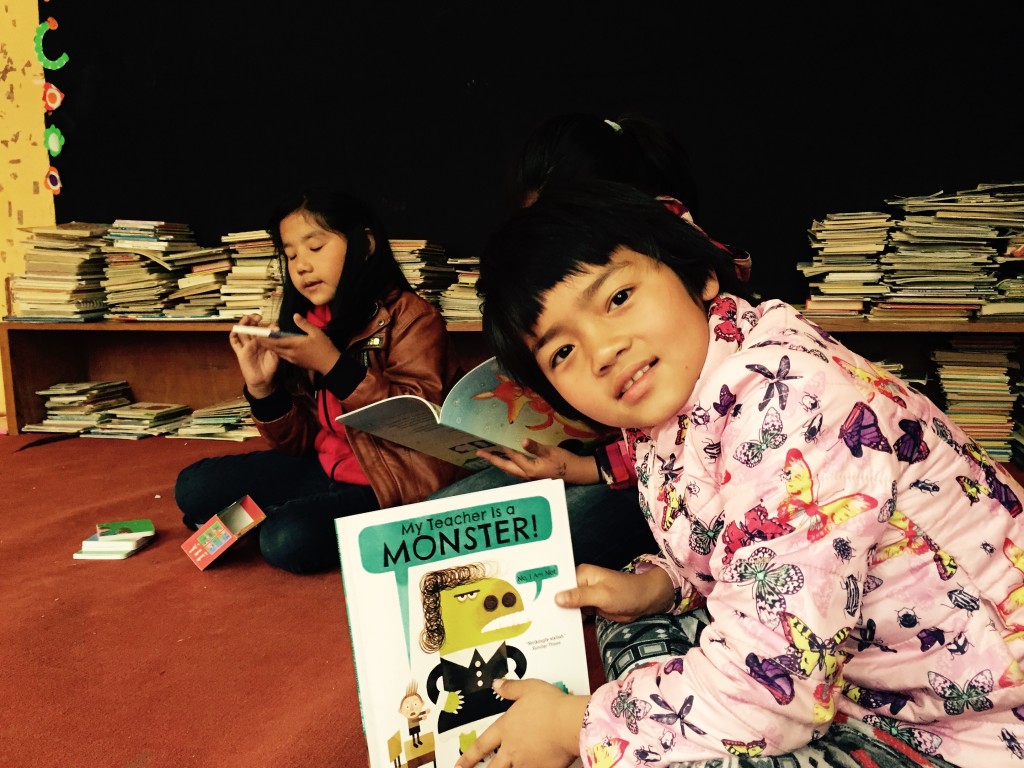
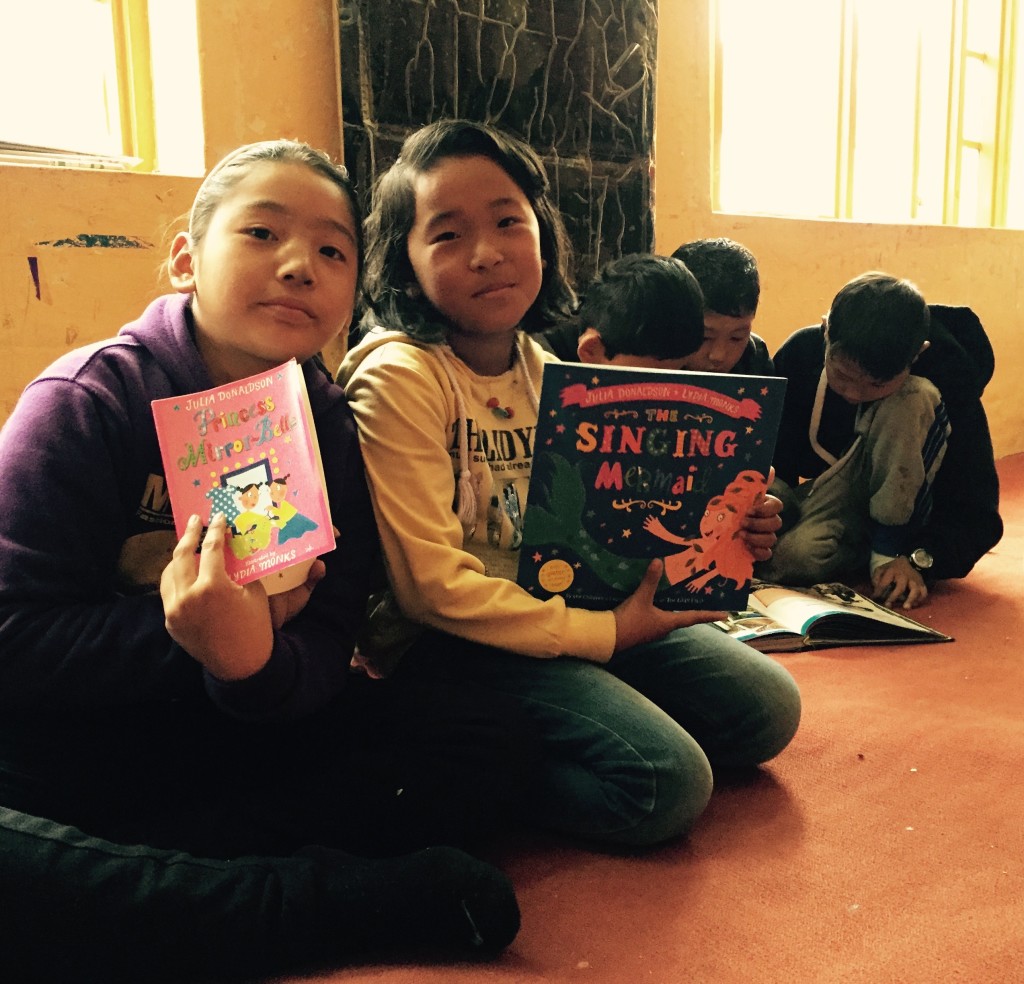
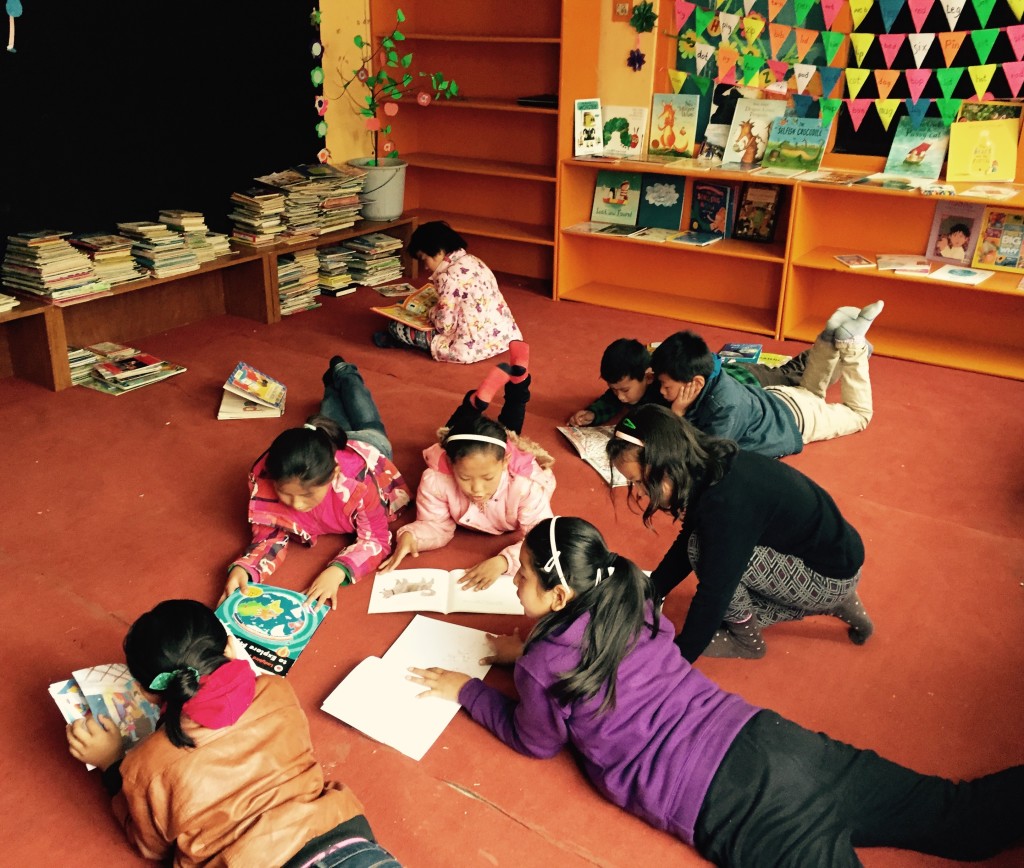
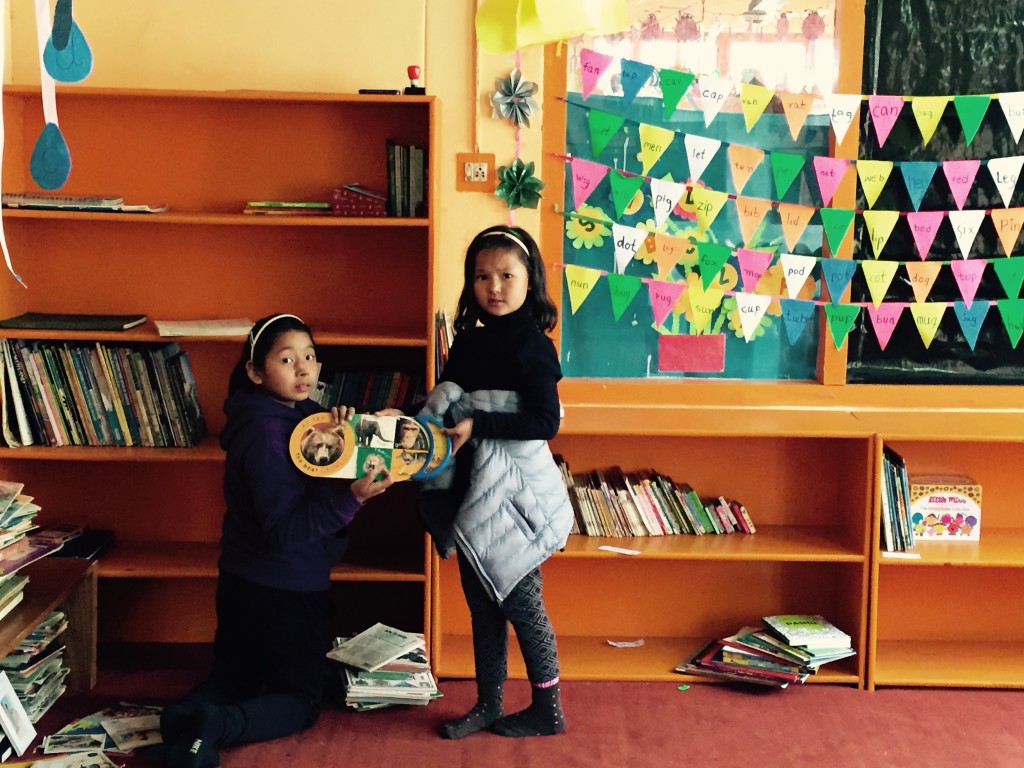
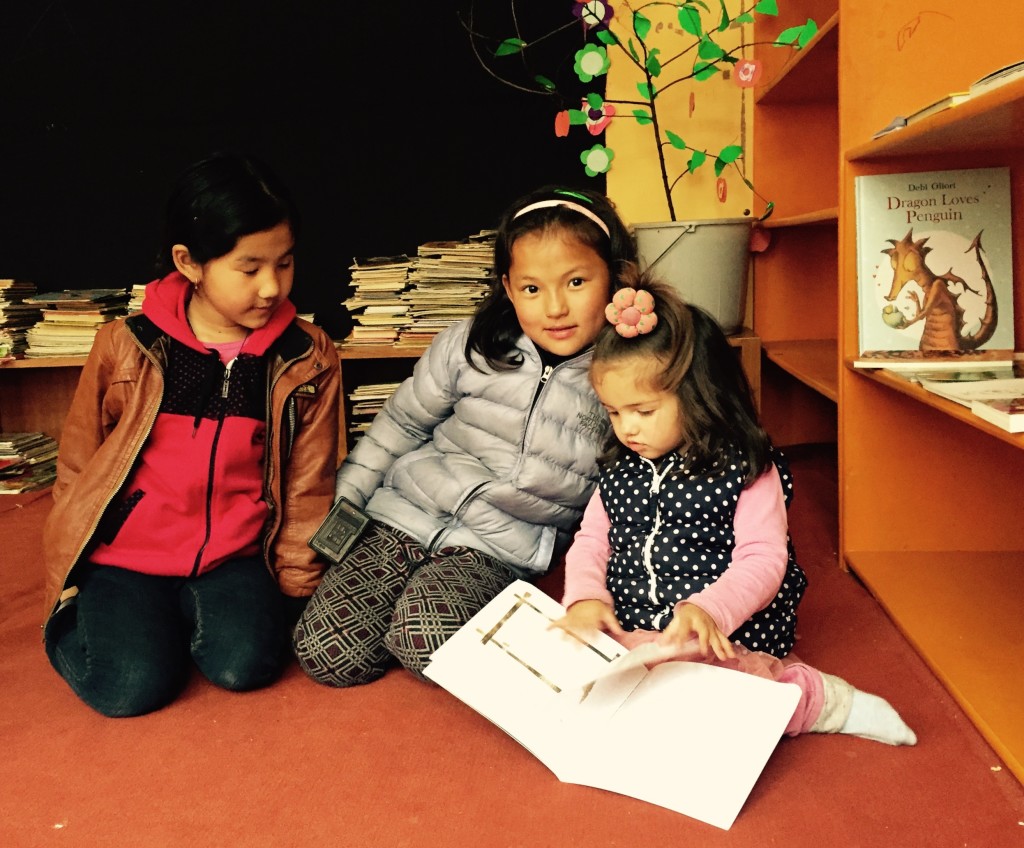
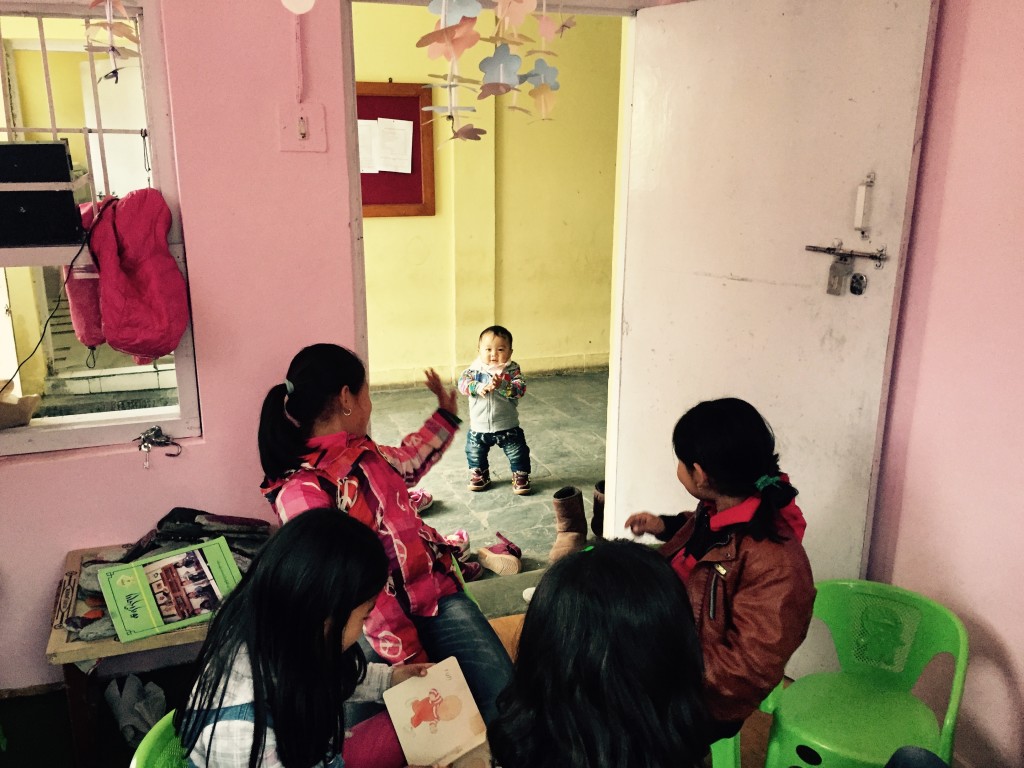
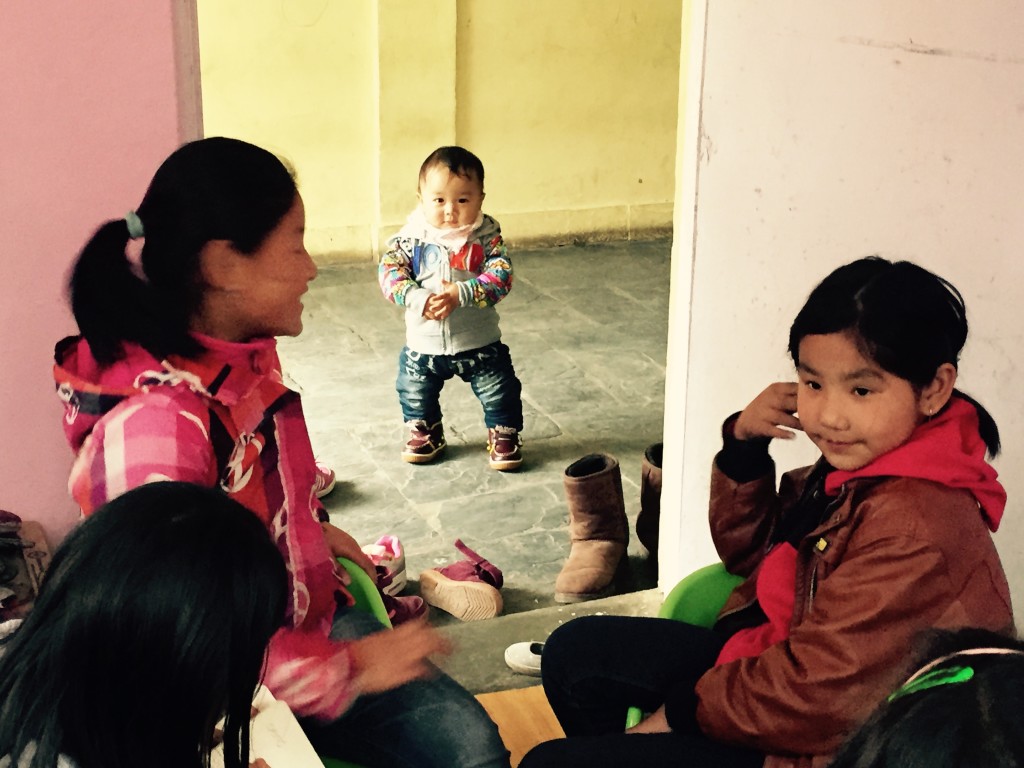
Shared reading also strengthens relationships. In a reading room, several children may gather around one book and notice different details. One child may recognize a bird, another may interpret a character’s feelings, and another may retell the story in a local language. These exchanges turn reading into a social activity rather than a solitary task reserved for the most confident readers.
Learning Across Languages And Landscapes
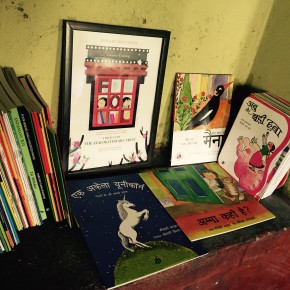
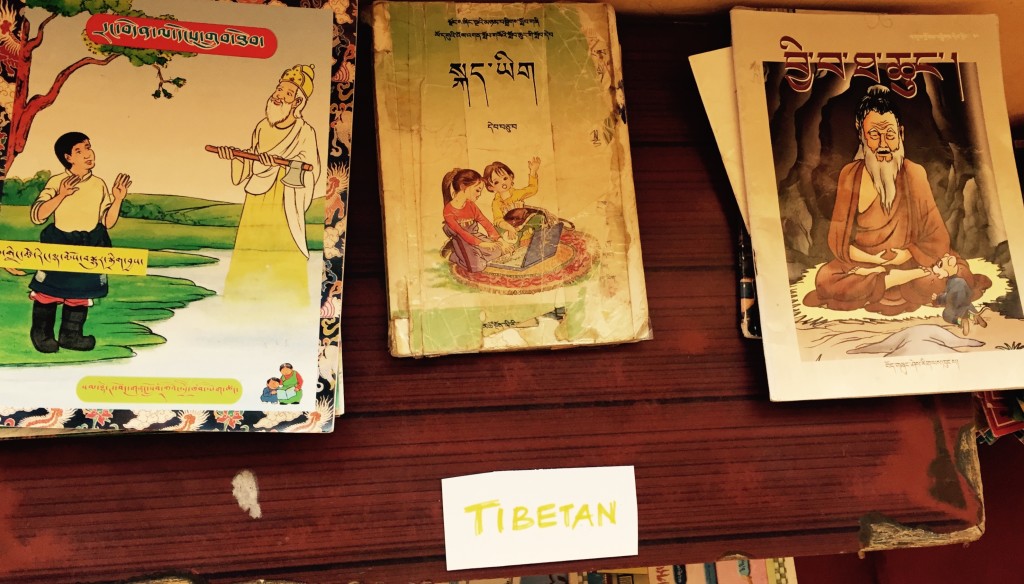
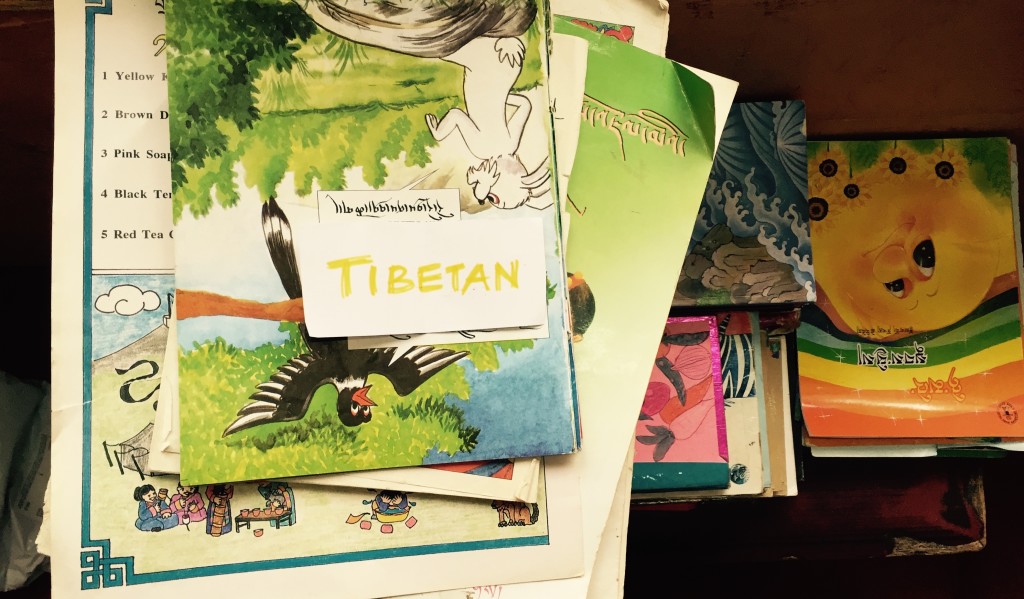
The Himalayas are home to rich linguistic and cultural diversity. Children may hear Ladakhi, Tibetan, Hindi, Urdu, Nepali, English, or other languages in their homes, schools, monasteries, and communities. Picture books help bridge these language environments because an image can communicate meaning even when a child does not know every printed word.
A familiar setting can make a new language less intimidating. A story about snow, family meals, animals, friendship, or a journey can be discussed in a child’s strongest language before key words are introduced in English. This approach supports bilingual vocabulary development without treating a home language as an obstacle. The image becomes a shared reference point for teachers, volunteers, parents, and children.
Local relevance is equally important. Books should include a range of places, families, abilities, and ways of living, while collections can also include stories that reflect mountain communities and Buddhist cultural contexts with care. Children deserve both mirrors that reflect their own lives and windows into experiences beyond their valley.
Building Vocabulary Through Images
A strong picture book offers repeated opportunities to encounter language. Children hear a new word in context, connect it with an illustration, use it during discussion, and later recognize it in print. Words such as “shelter,” “journey,” “gentle,” or “discover” become easier to remember when they are linked to a meaningful scene rather than presented as an isolated list.
Illustrations also help children understand sequence and cause. They can identify what happened first, explain why a character acted in a certain way, and infer what might happen next. These are early comprehension skills that support future work in science, history, mathematics, and everyday problem-solving.
For young children, repetition is a strength, not a weakness. Returning to a favorite story allows them to notice details they missed before, join in with repeated phrases, and eventually retell the narrative. Familiar books can build fluency and confidence, especially for children who have had few opportunities to practice reading outside the classroom.
Choosing Books That Serve Real Readers
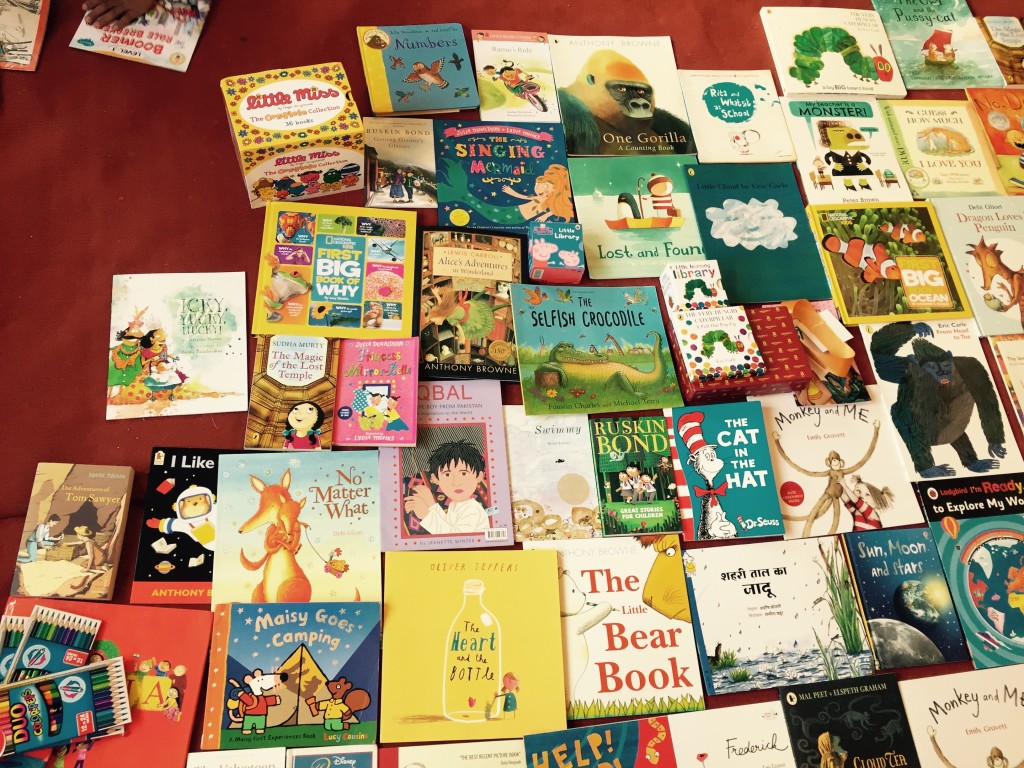
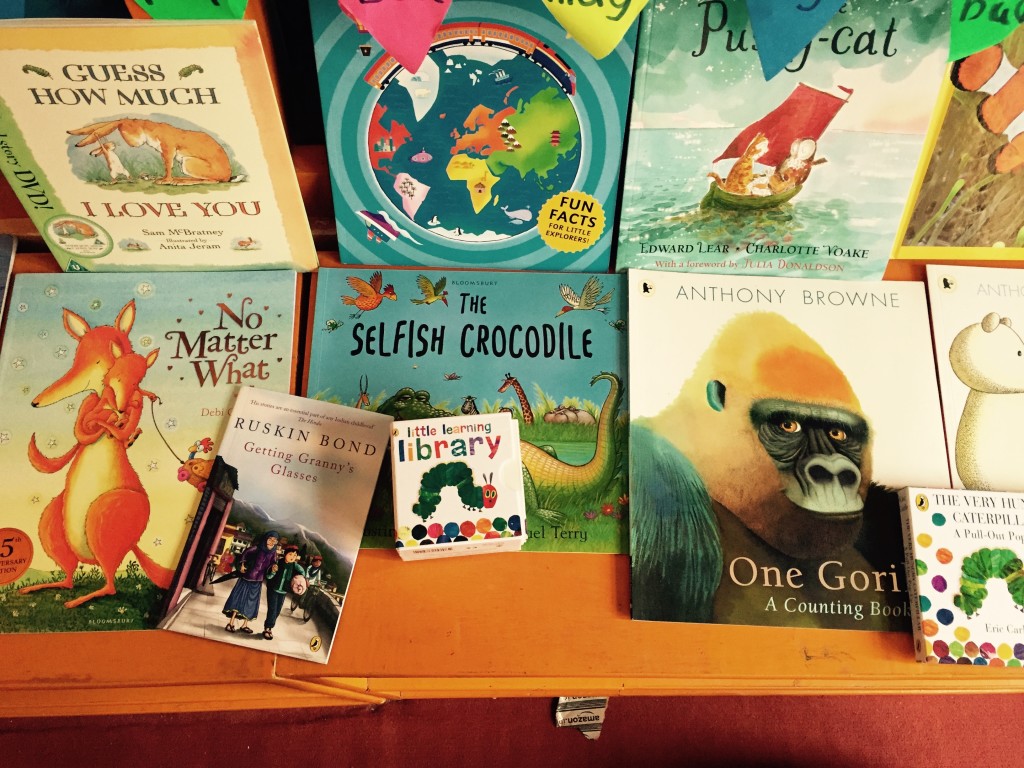
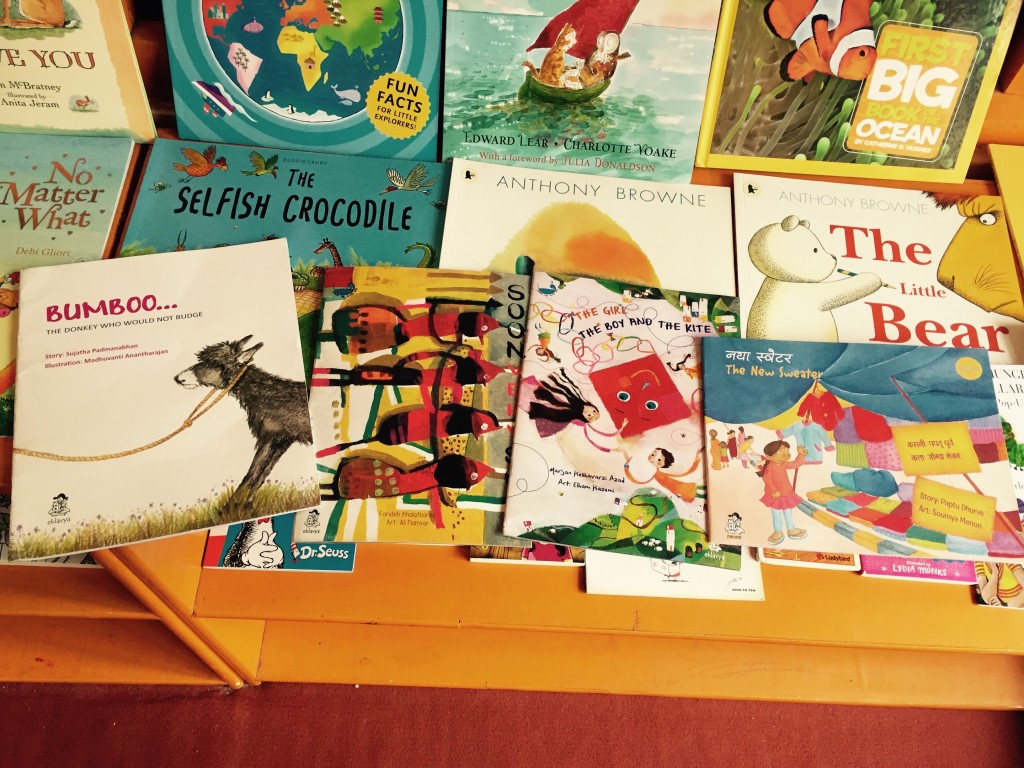
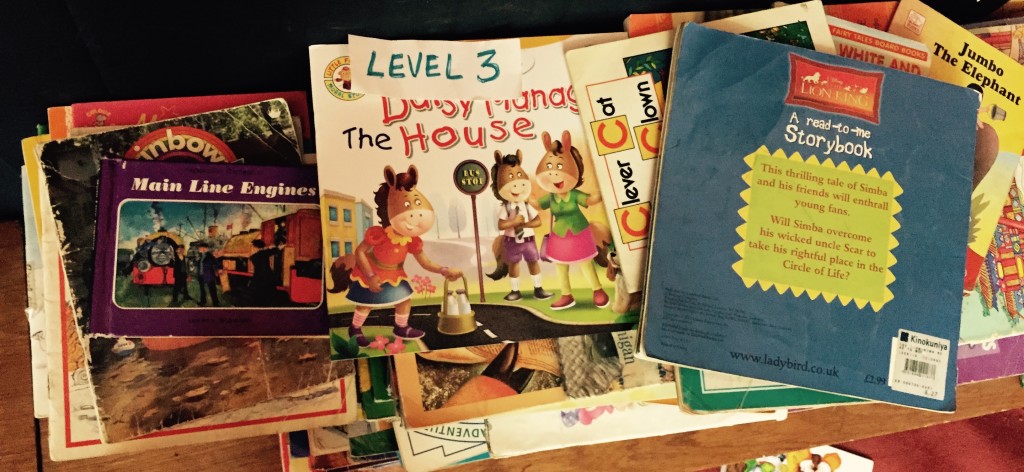
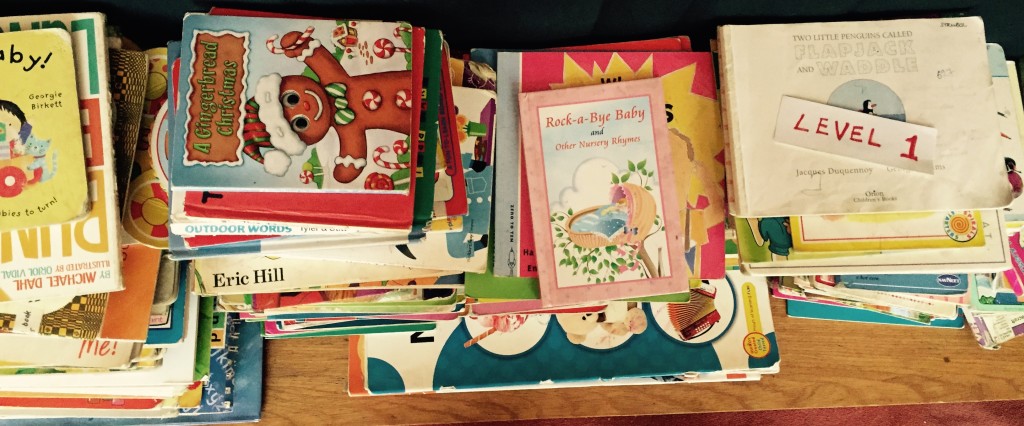
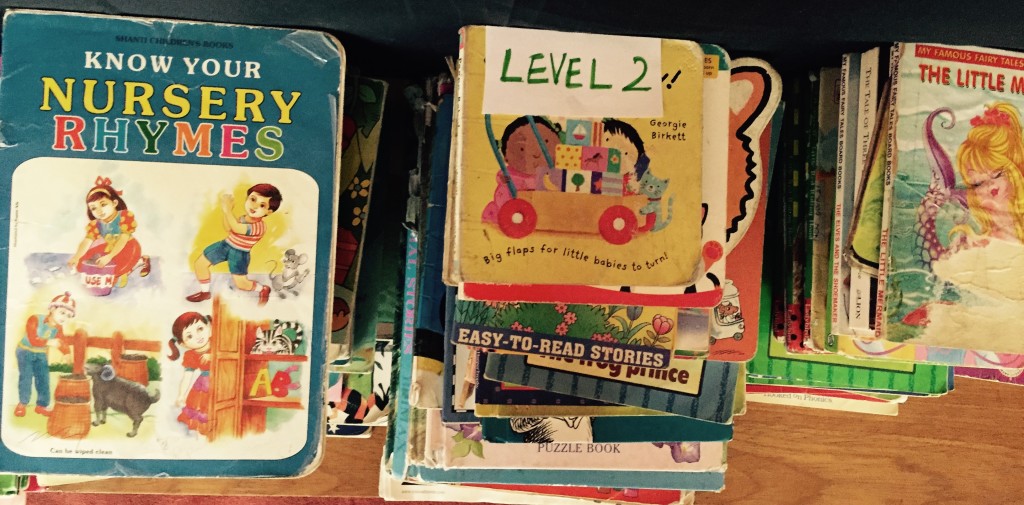
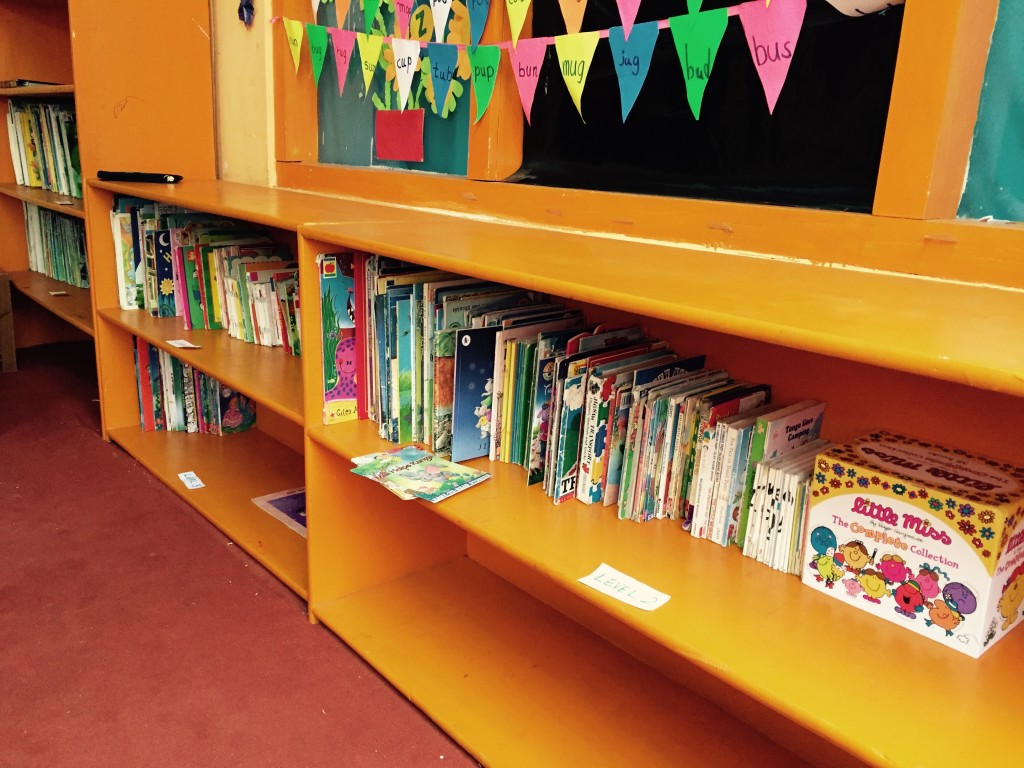
The most useful collection is not simply the one with the brightest covers. It is a collection that matches children’s ages, interests, reading abilities, and cultural surroundings. Books should be durable enough for frequent handling, visually clear without being overwhelming, and varied in subject so that every child can find an appealing entry point.
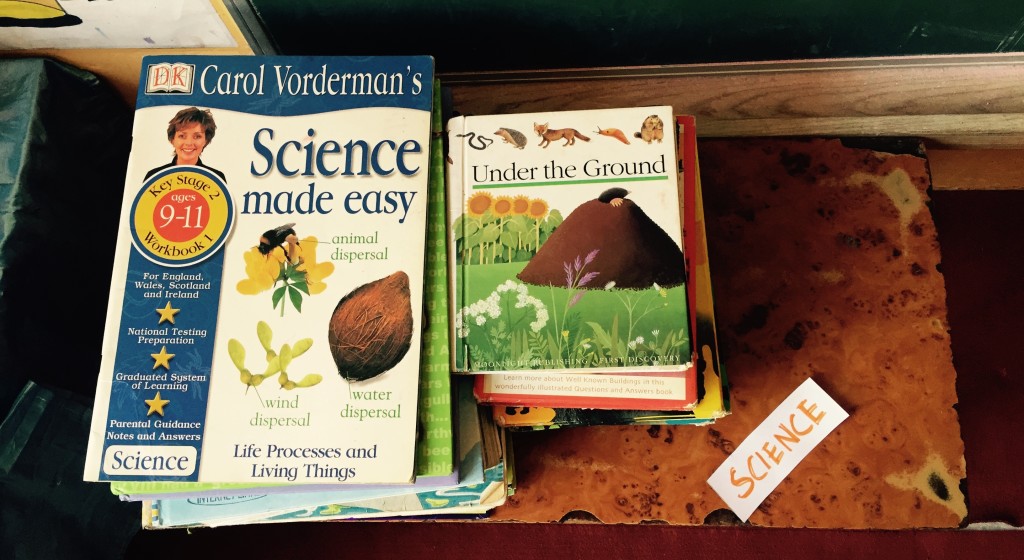
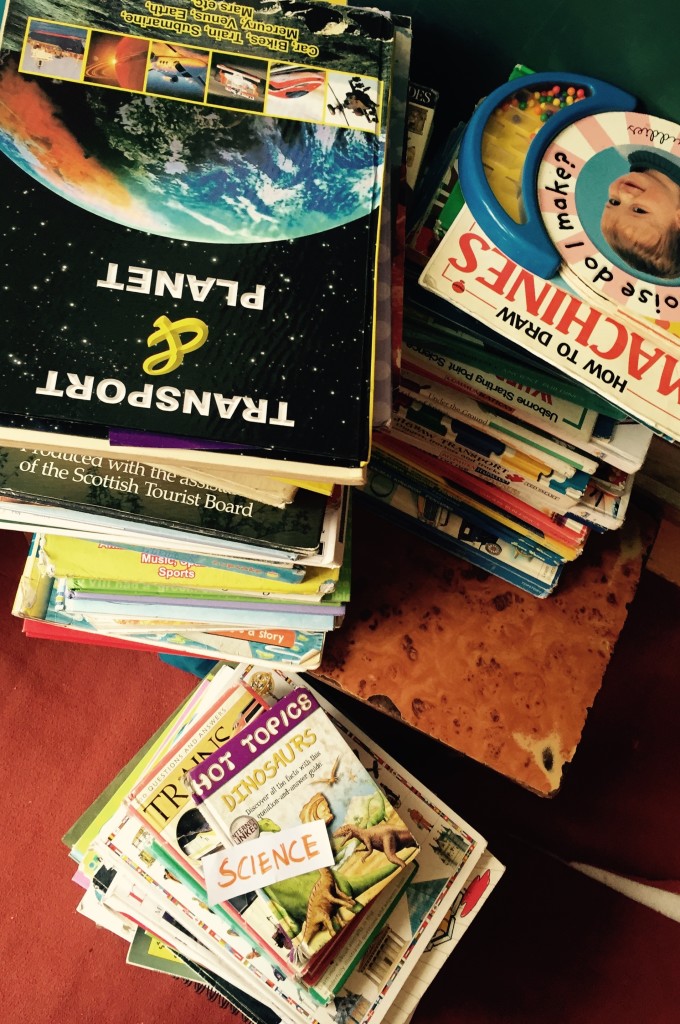
Volunteers and educators can look for stories with expressive illustrations, manageable text, strong narrative structure, and opportunities for conversation. Wordless or nearly wordless books are especially valuable in multilingual settings because children can create their own narration. Informational picture books about animals, weather, the human body, nature, and local geography can extend learning beyond fiction.
| Picture book feature |
Literacy benefit |
Value in Himalayan reading rooms |
| Clear, expressive illustrations |
Supports comprehension and inference |
Helps children follow stories across language differences |
| Repeated words and phrases |
Builds vocabulary and reading fluency |
Encourages participation during read-aloud sessions |
| Wordless or low-text storytelling |
Develops oral language and sequencing |
Welcomes children at many reading levels |
| Durable paper and binding |
Allows repeated handling |
Suits shared collections and frequent lending |
| Diverse characters and settings |
Expands empathy and background knowledge |
Offers both local representation and wider perspectives |
| Informational subjects |
Introduces facts and subject vocabulary |
Connects reading with school and community life |
A balanced shelf might include folktales, contemporary fiction, poetry, nonfiction, visual dictionaries, and books about art or music. It should also contain quiet books for independent browsing and lively stories designed for group reading. This variety helps children discover that literacy can be useful, entertaining, imaginative, and personally meaningful.
Reading Rooms That Invite Participation
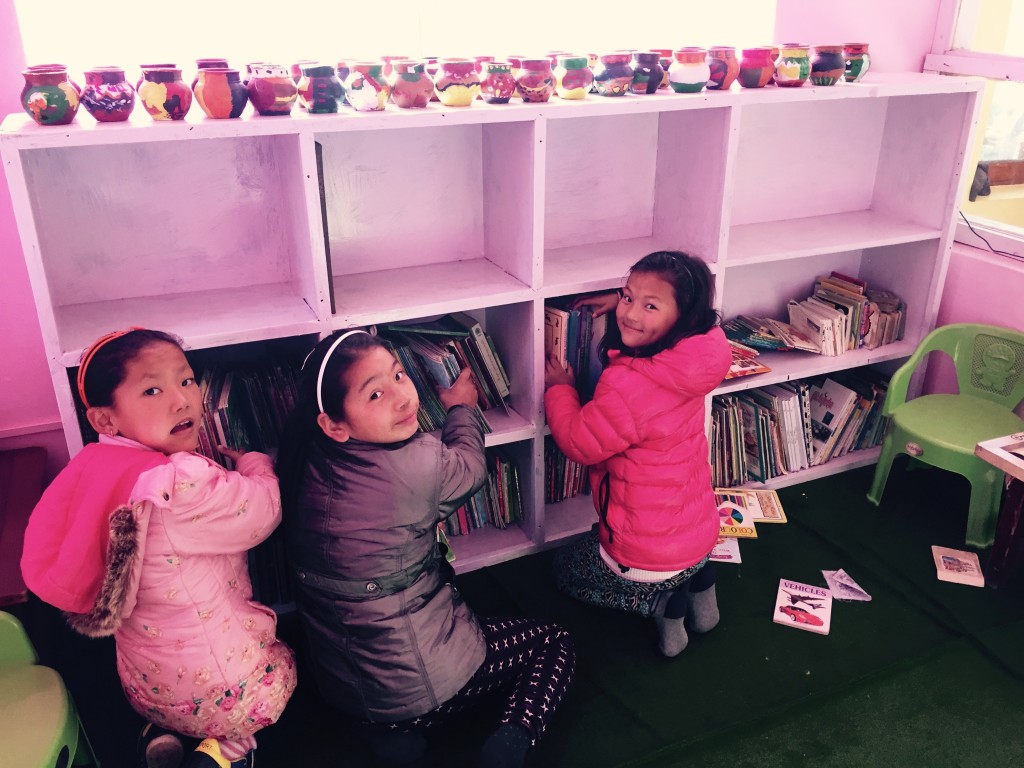
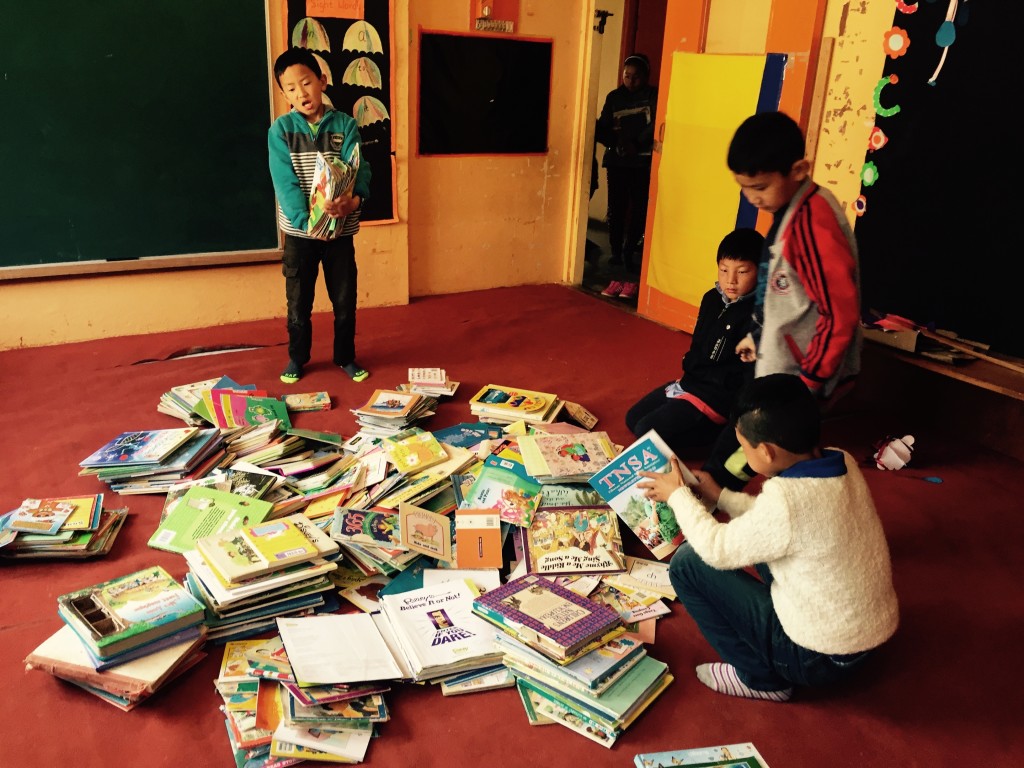
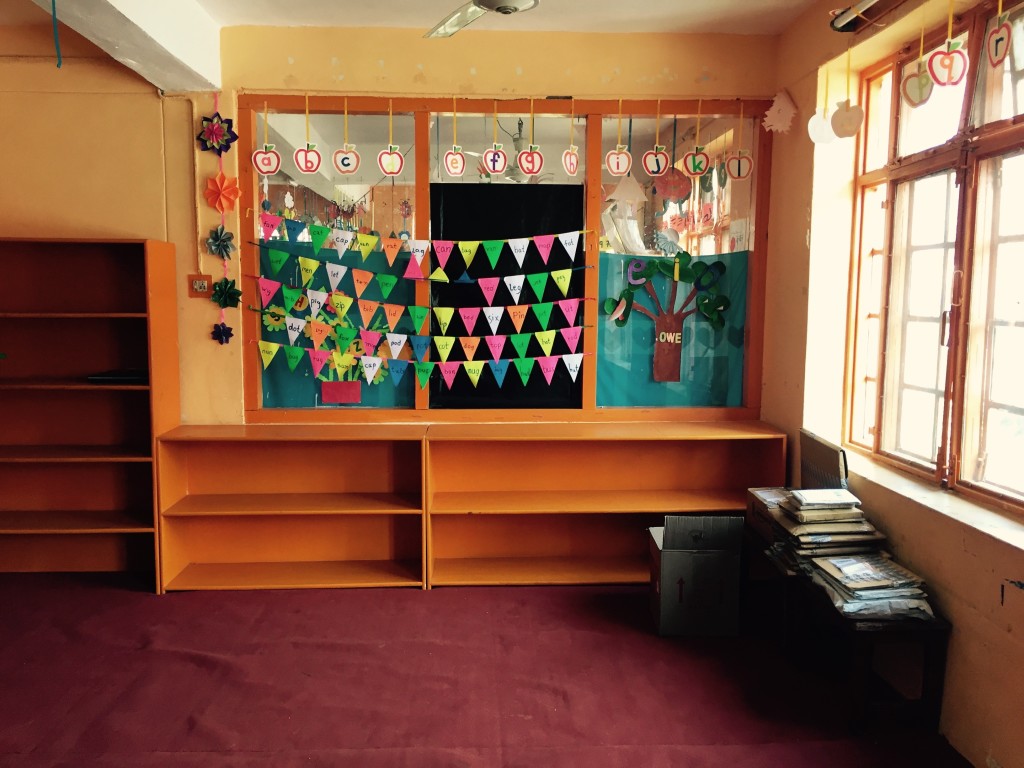
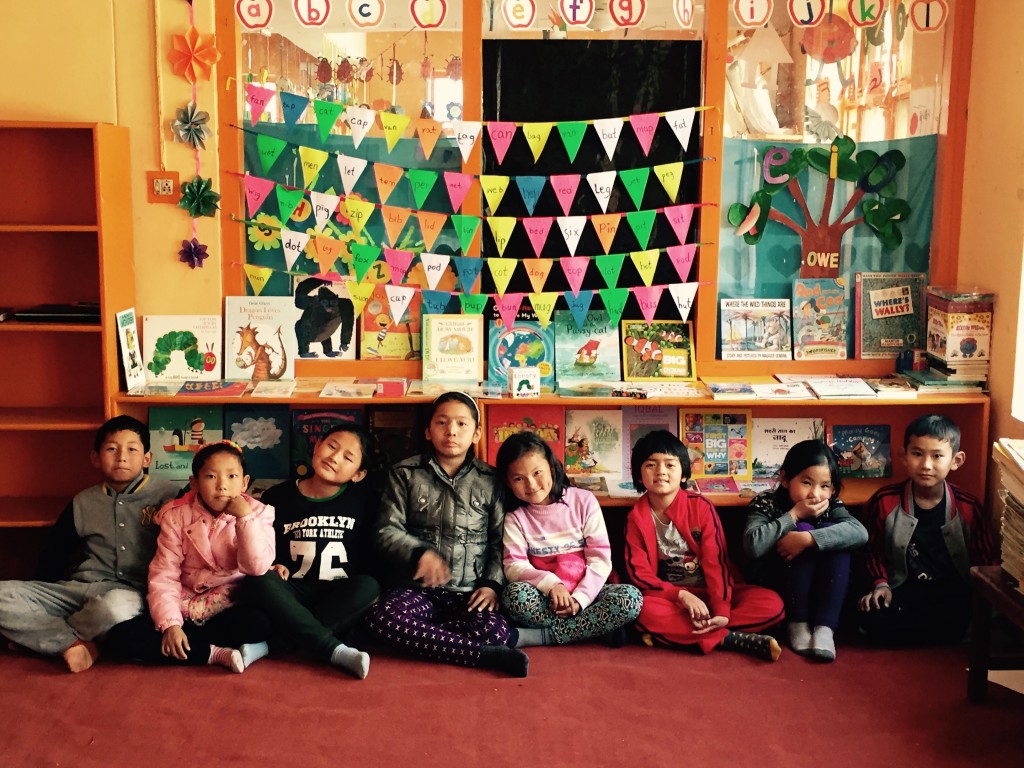
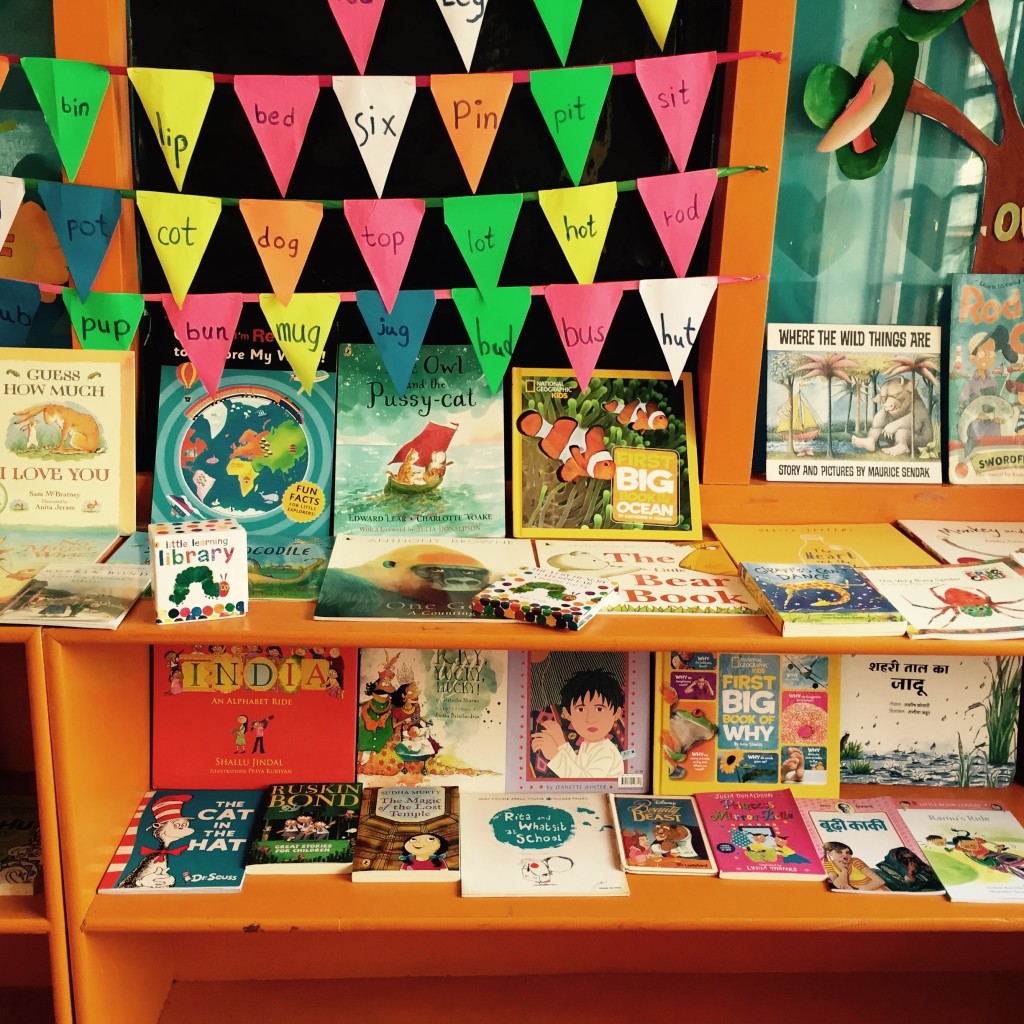
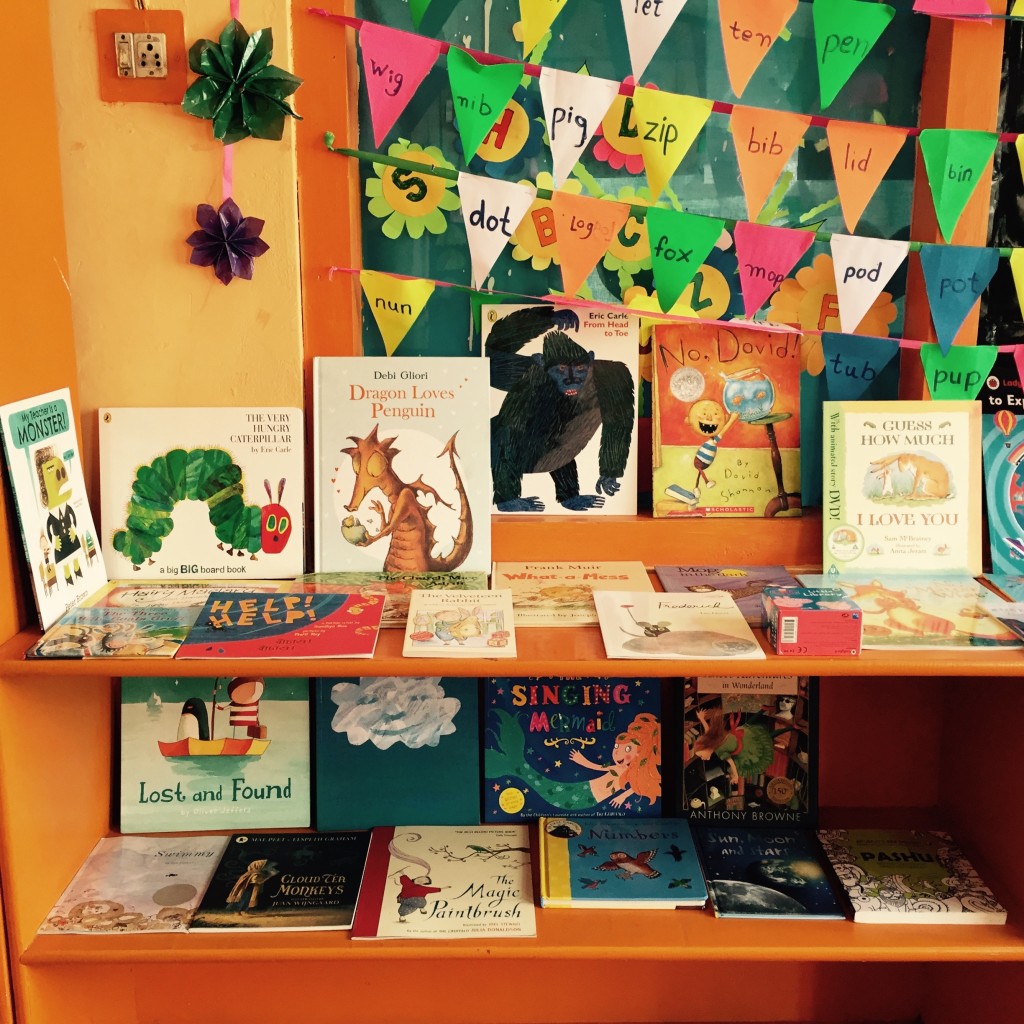
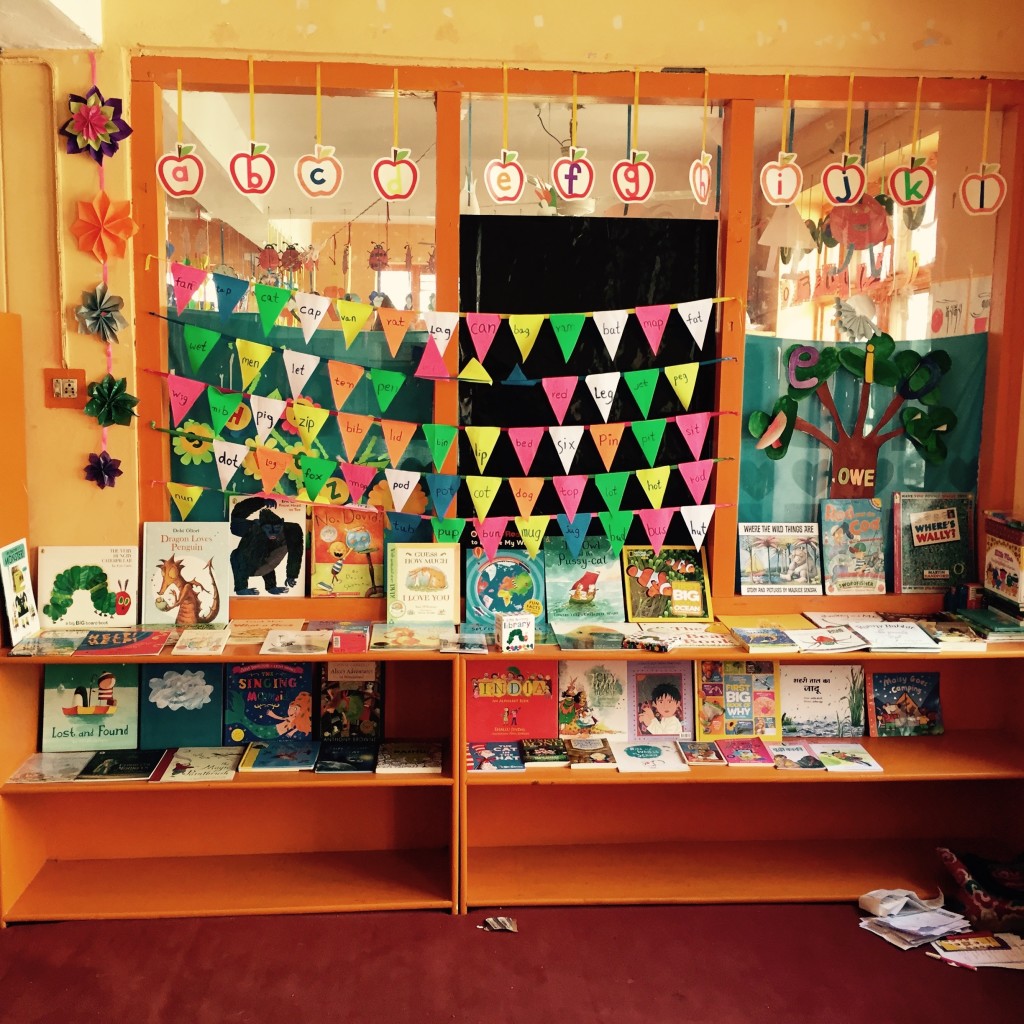
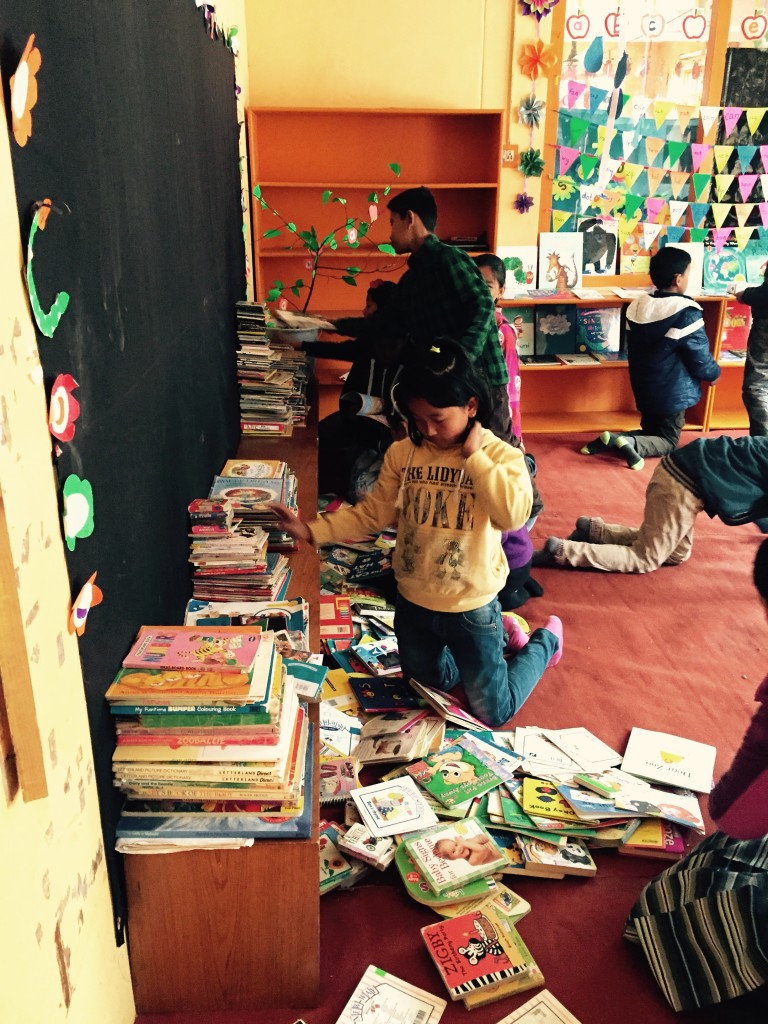
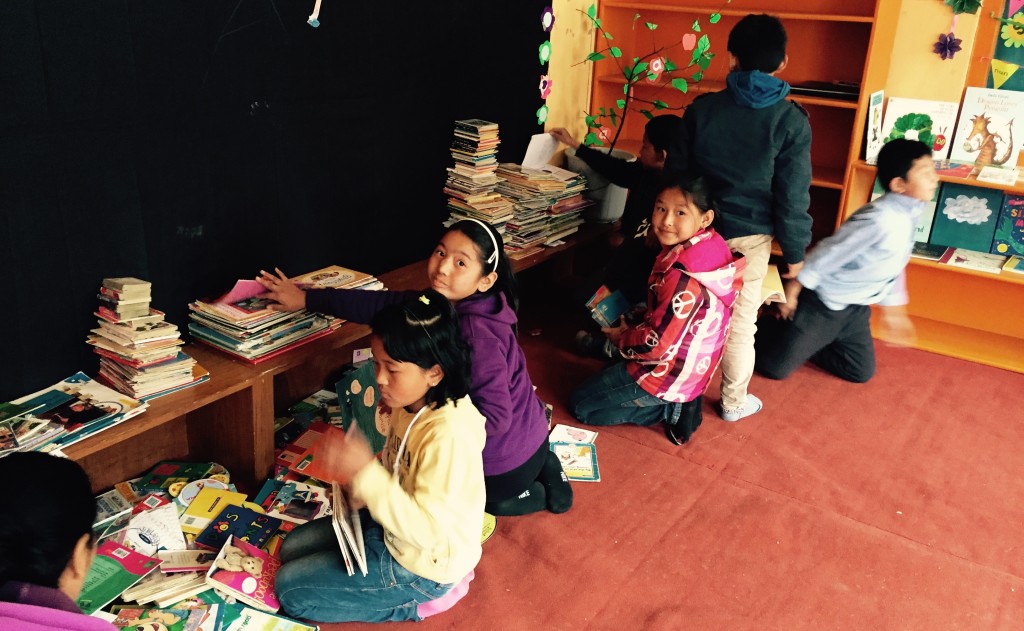
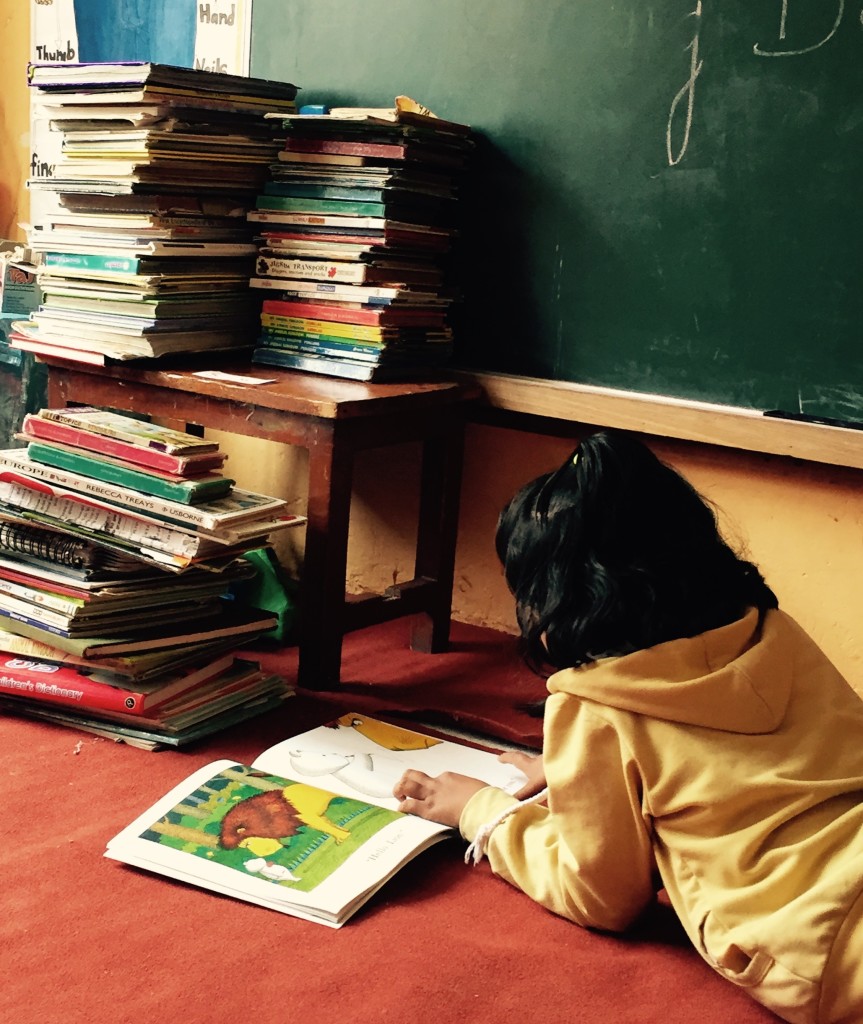
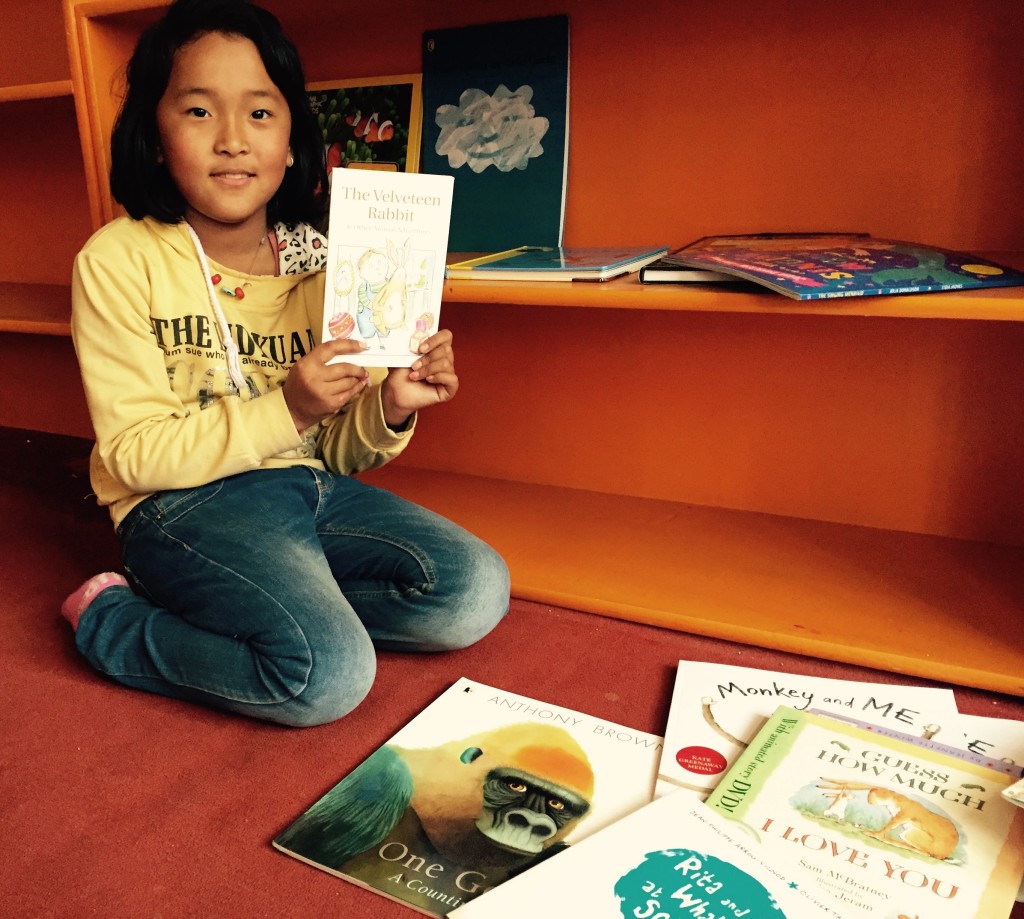
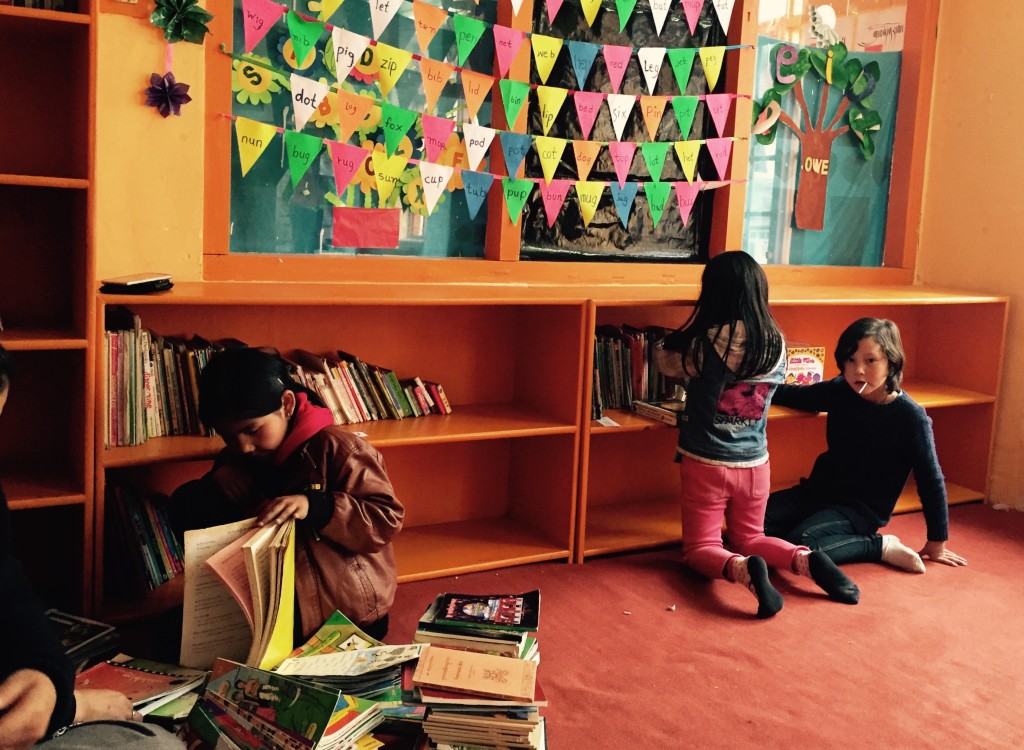
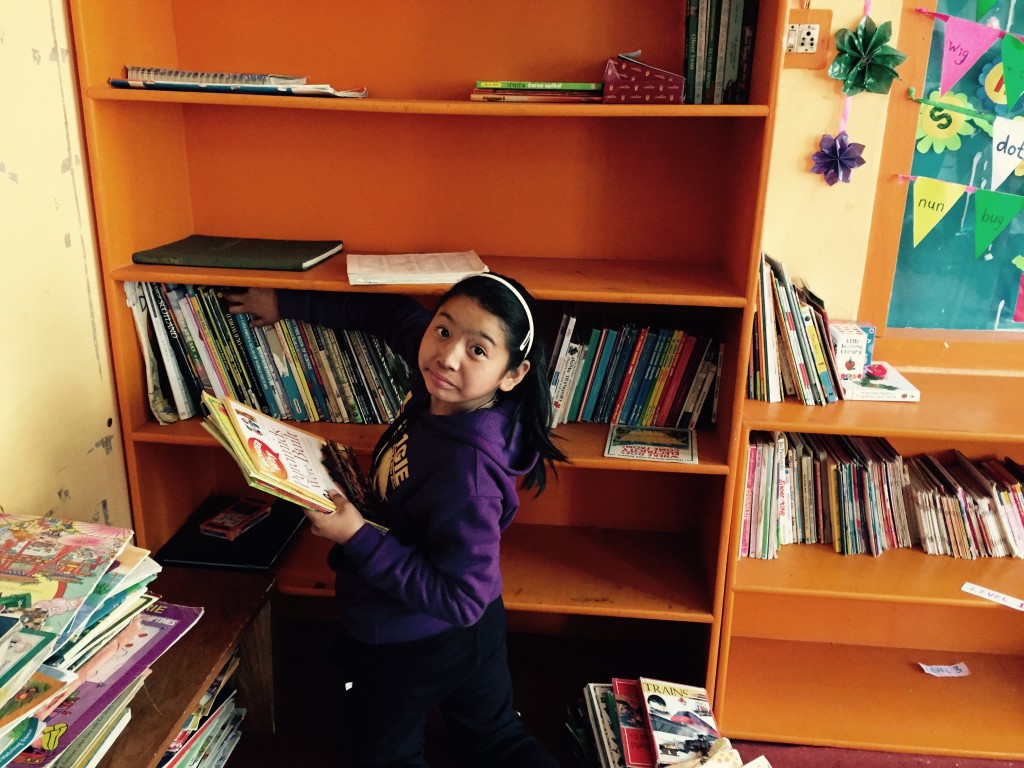
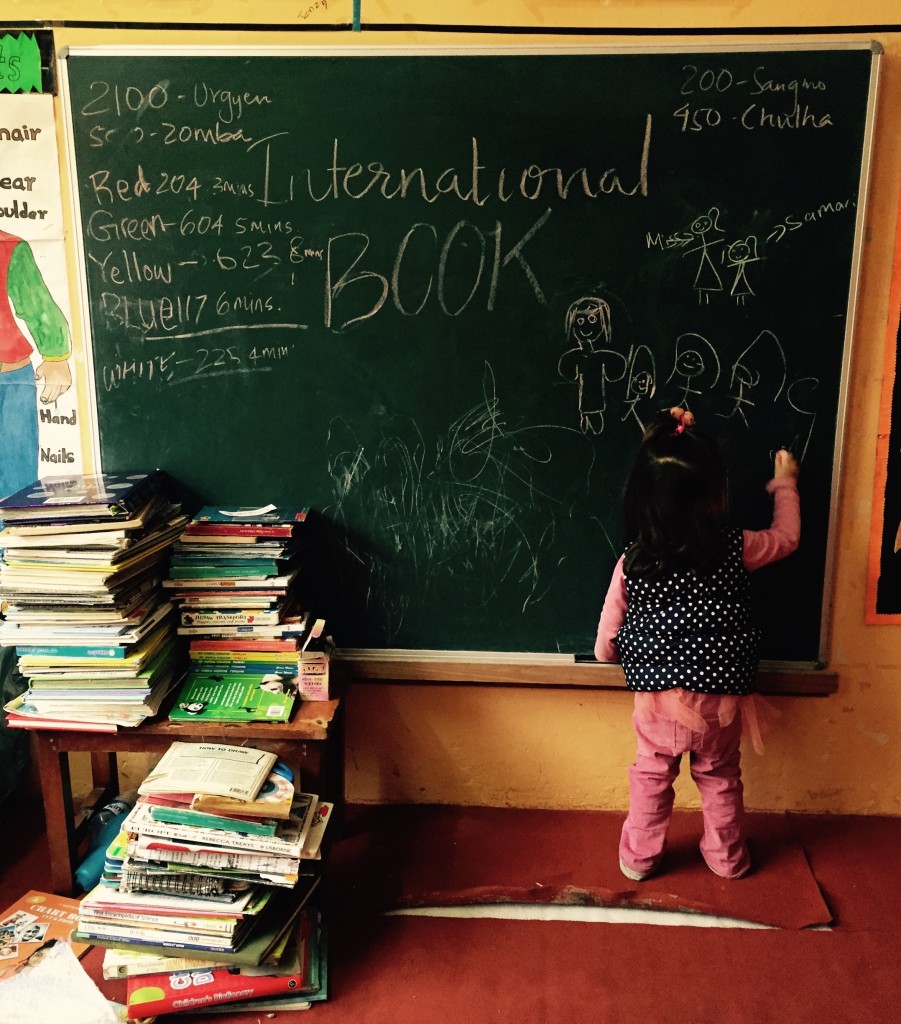
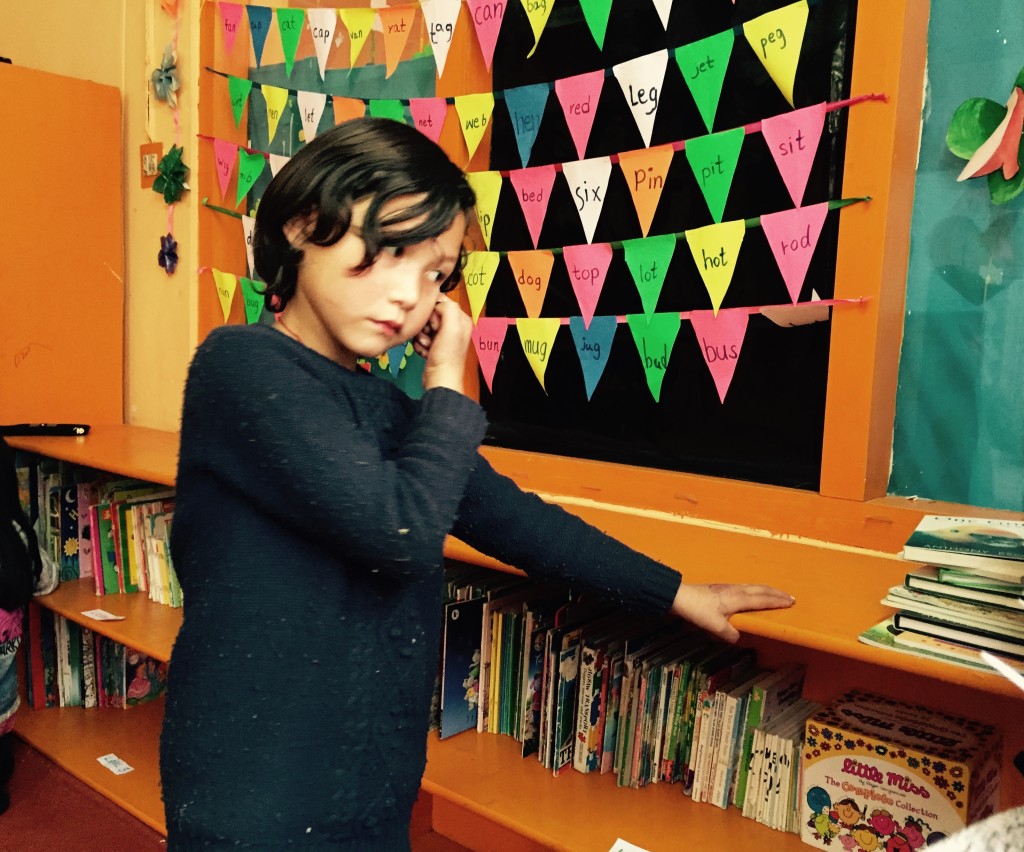
A reading room is more than a place where books are stored. Its arrangement can influence whether children feel comfortable choosing a book, asking for help, and returning to a story. Low shelves, visible covers, floor cushions, drawing materials, and a welcoming display can make books easier to approach. Even in a small space, a dedicated reading corner signals that children’s curiosity is valued.
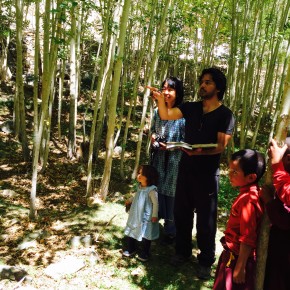
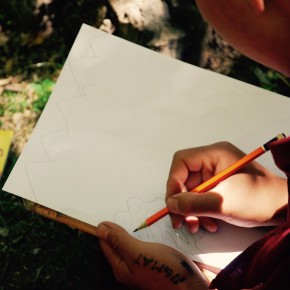
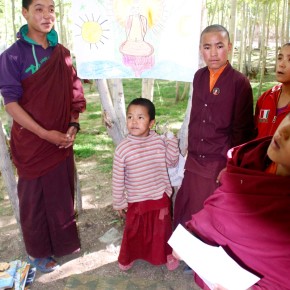
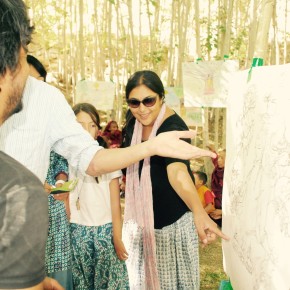
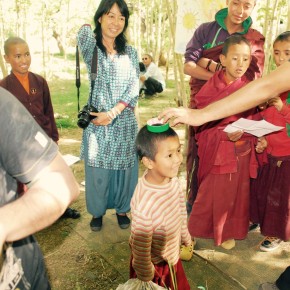
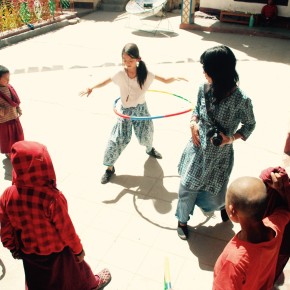
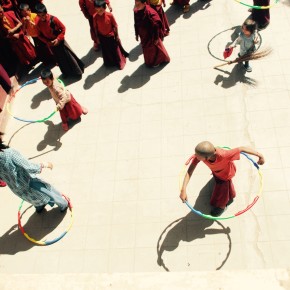
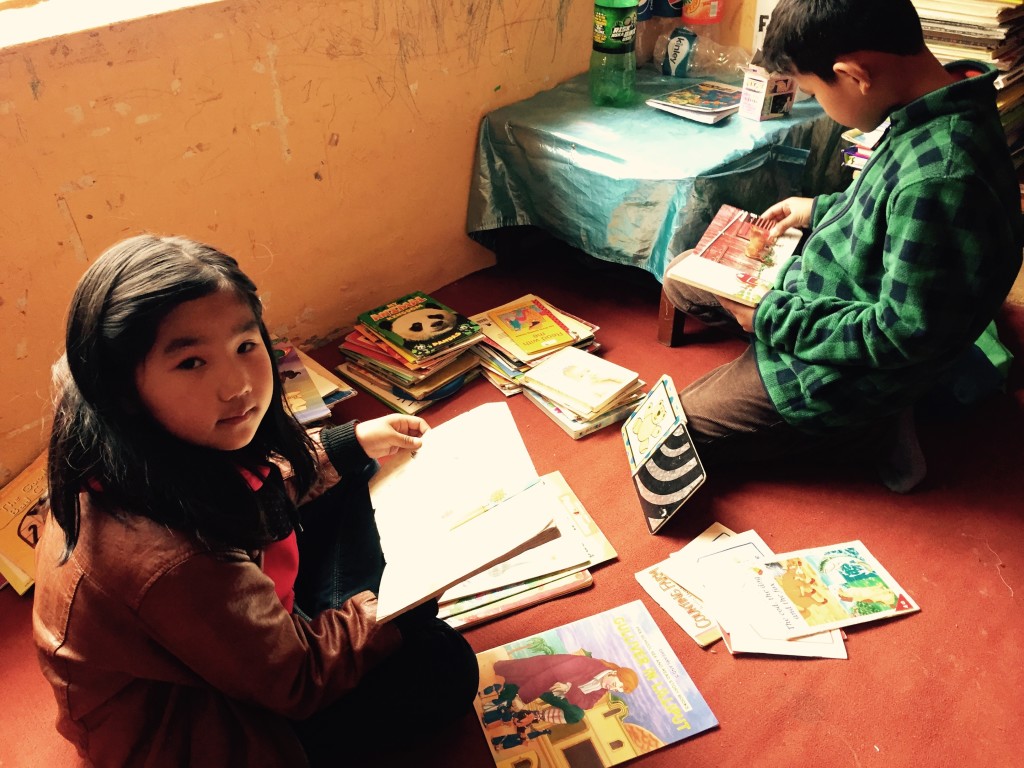
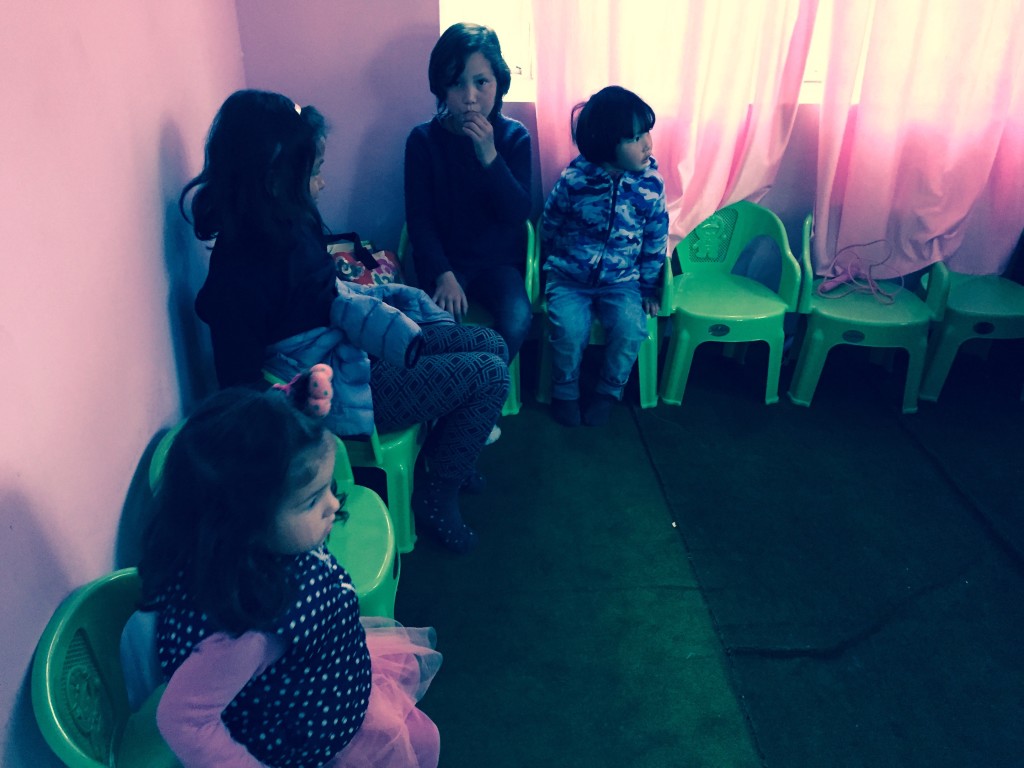
Picture books work especially well in shared spaces because they support several kinds of activity. A volunteer can read aloud to a group, two children can examine the illustrations together, or a young reader can practice telling a story to a younger child. Art and music sessions can grow from the same books through drawing characters, making simple instruments, or acting out a sequence of events.
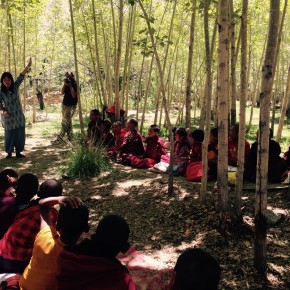
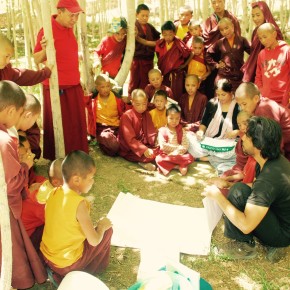
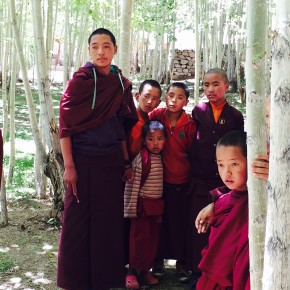
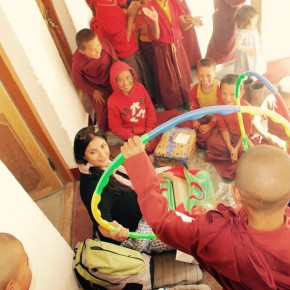
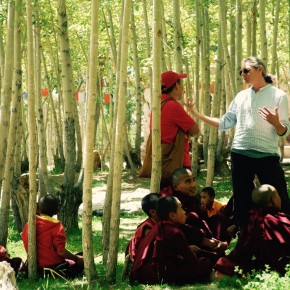
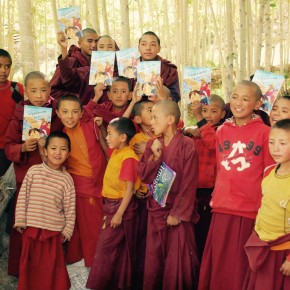
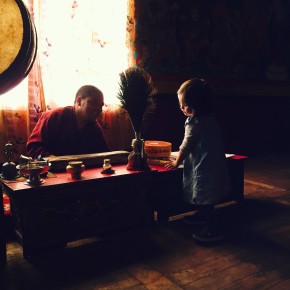
In monasteries and community centers, reading can complement existing educational traditions. Young monks may use picture books to strengthen language skills, explore visual storytelling, or take a creative break from formal study. Children who visit after school can build a routine around reading, conversation, and artistic expression.
Practical Choices For A Stronger Collection
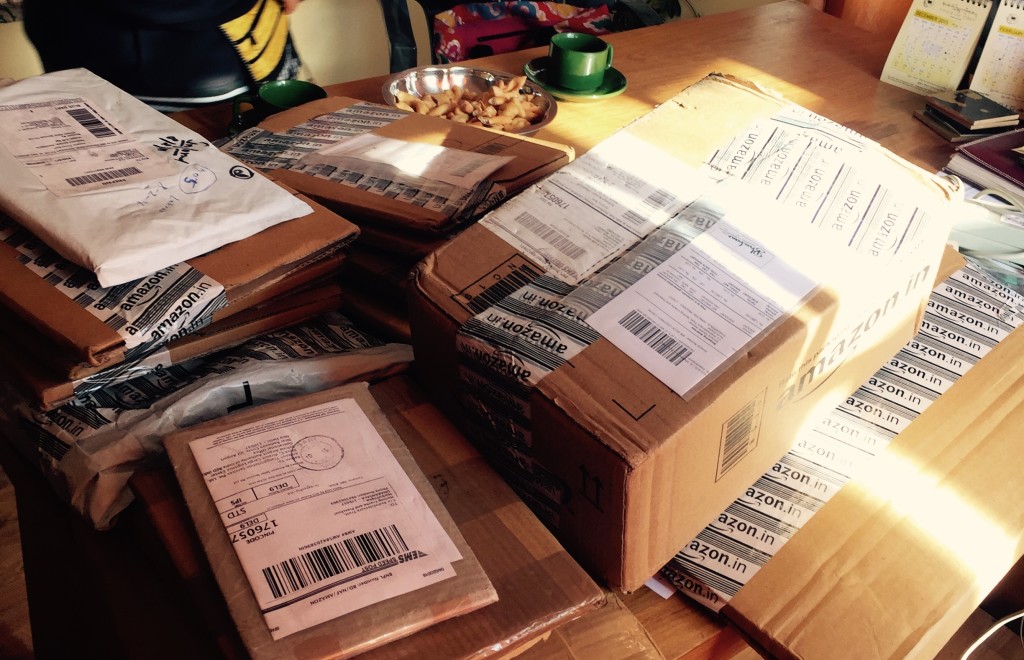
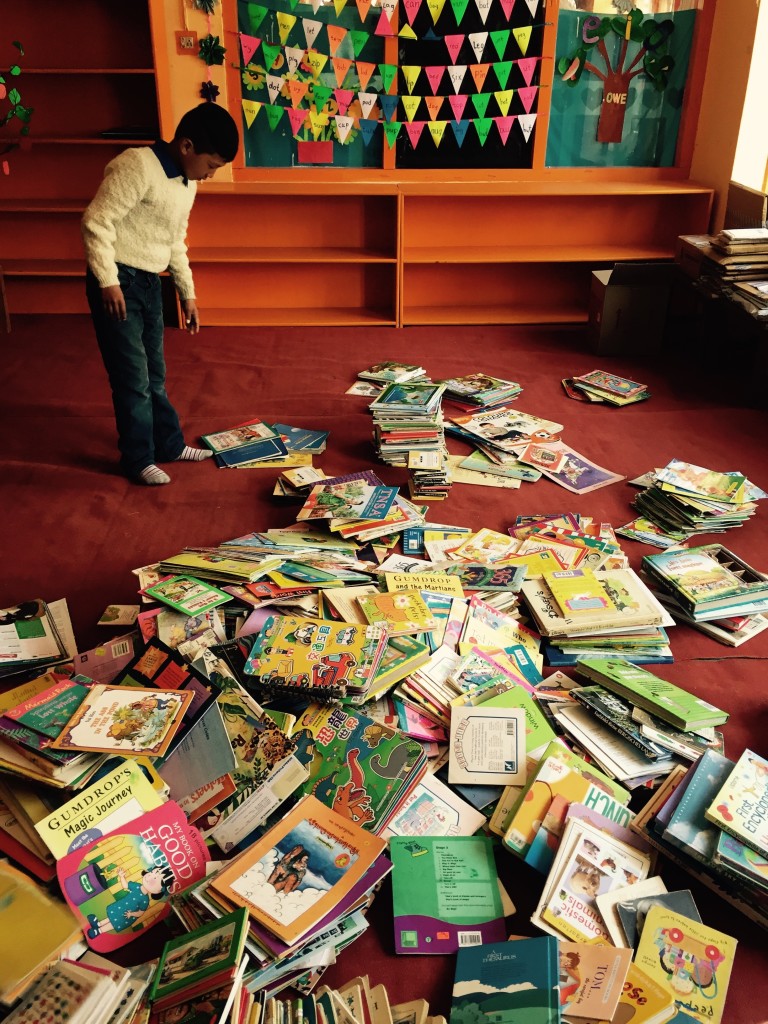
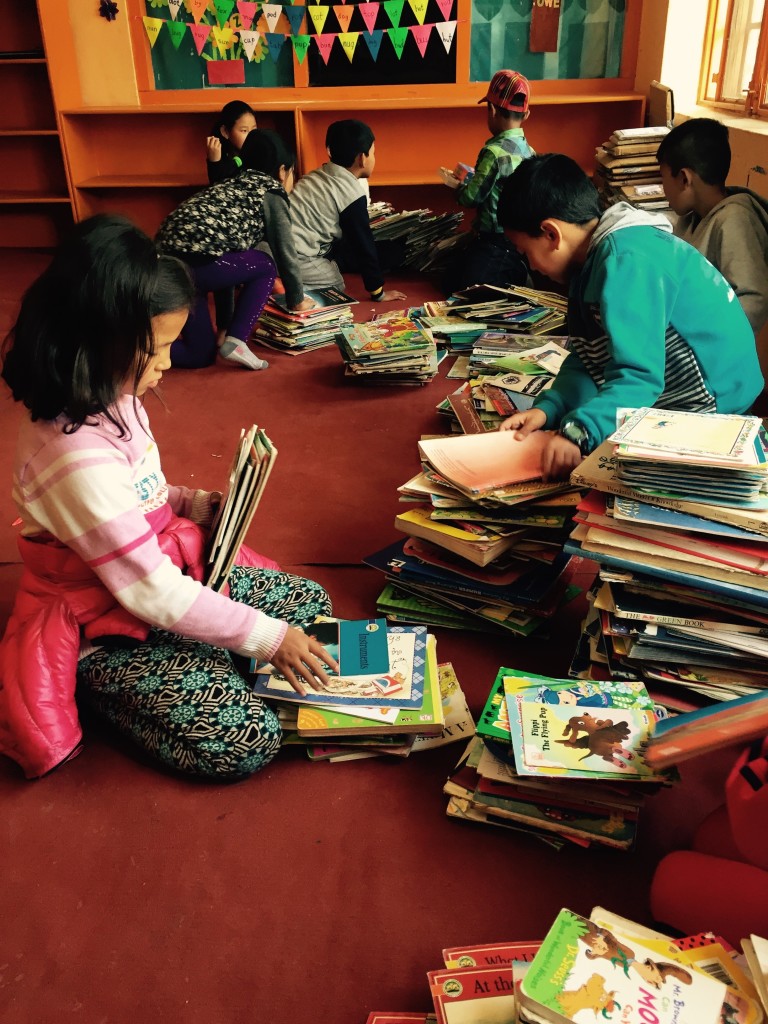
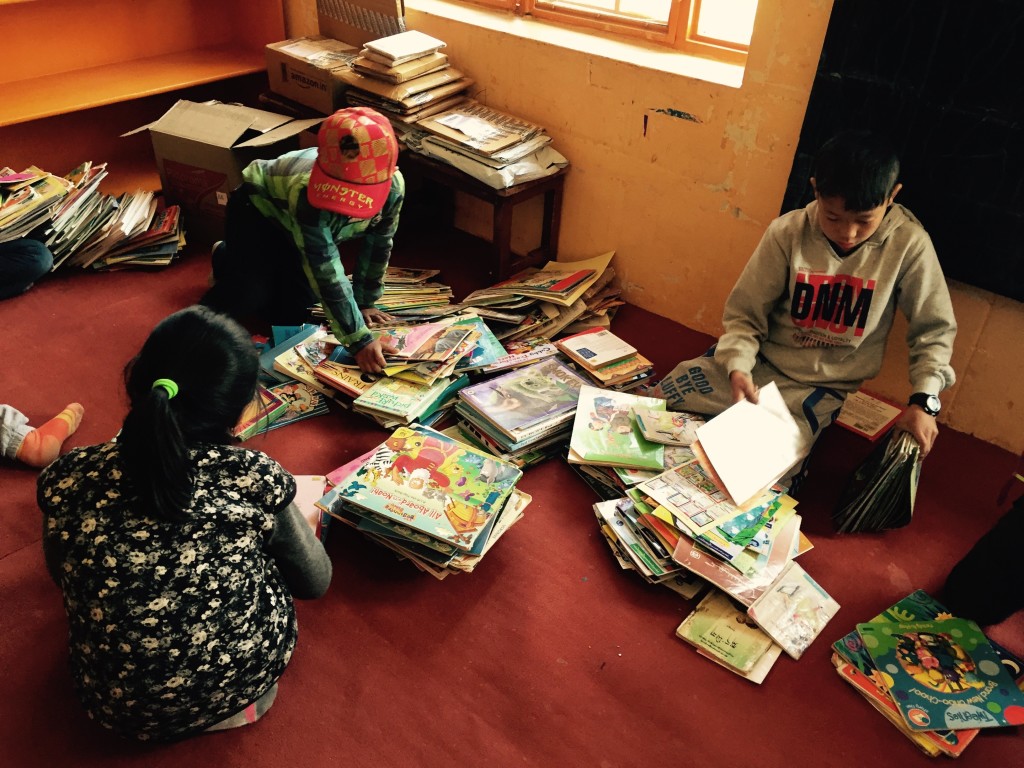
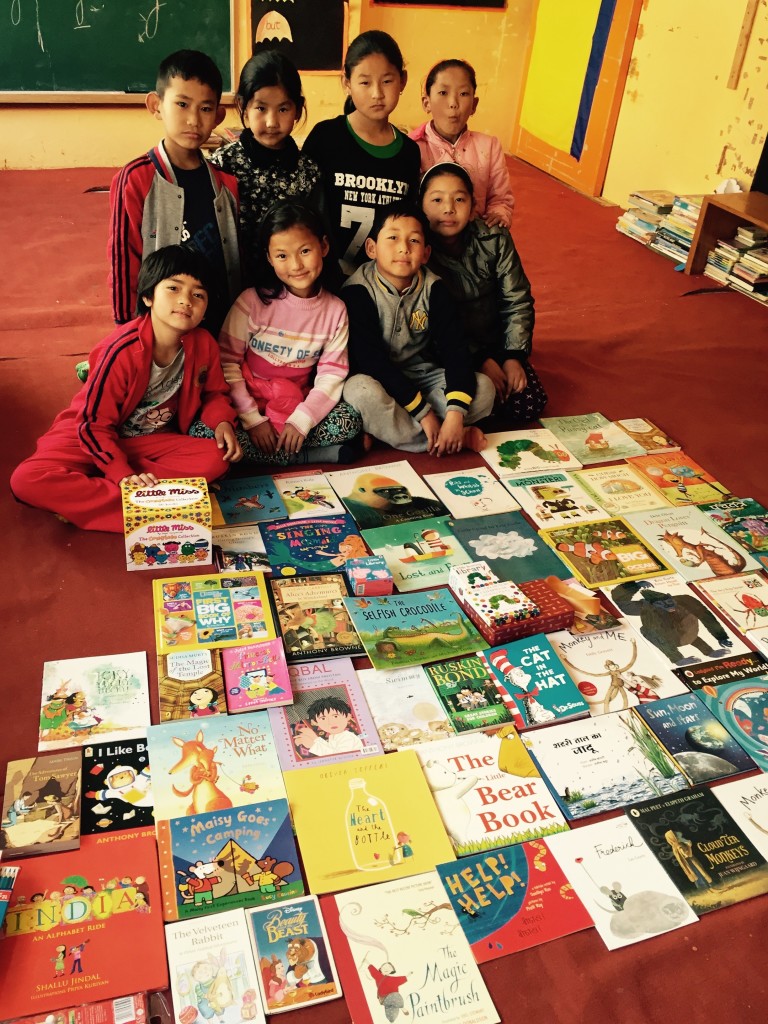
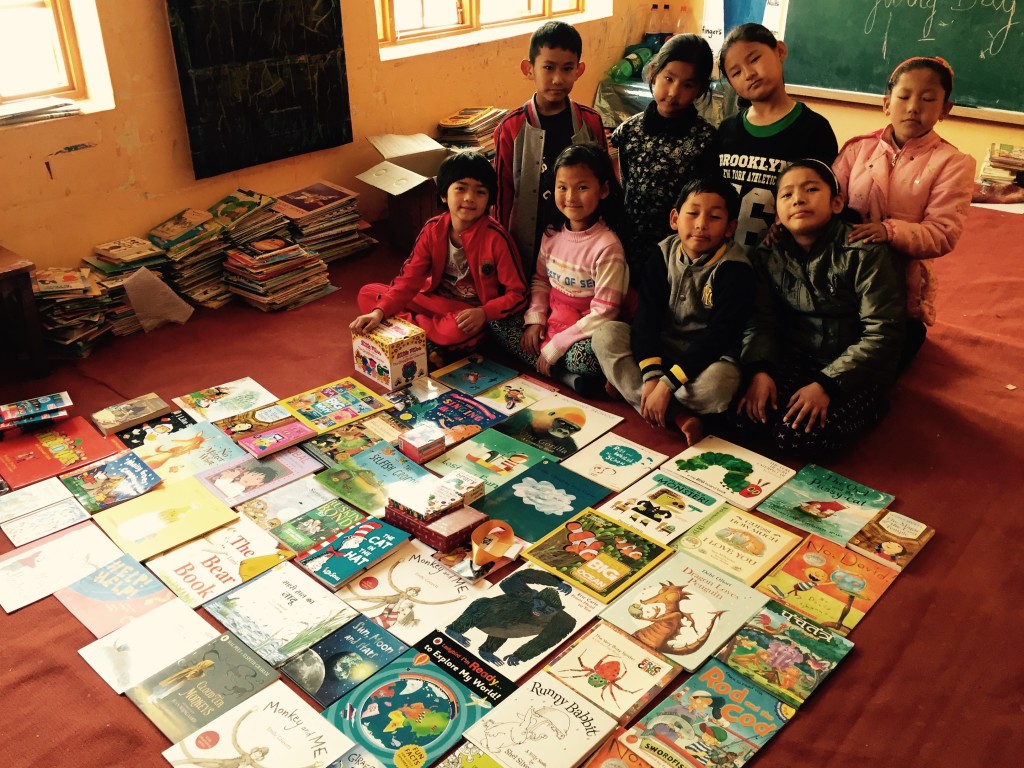
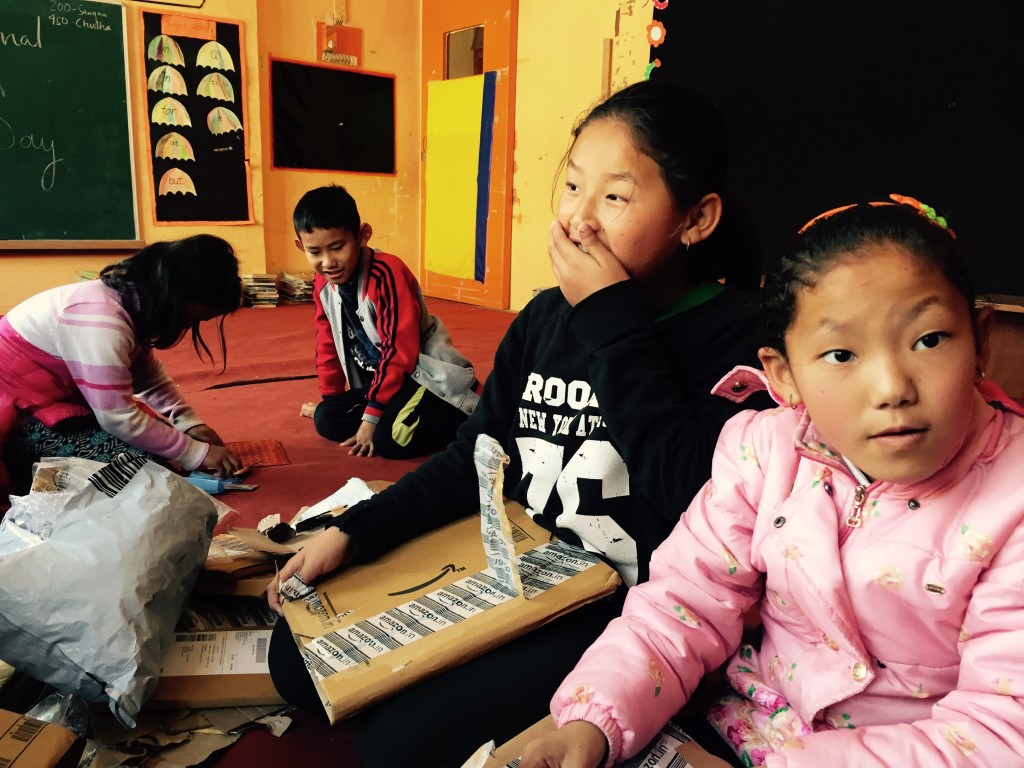
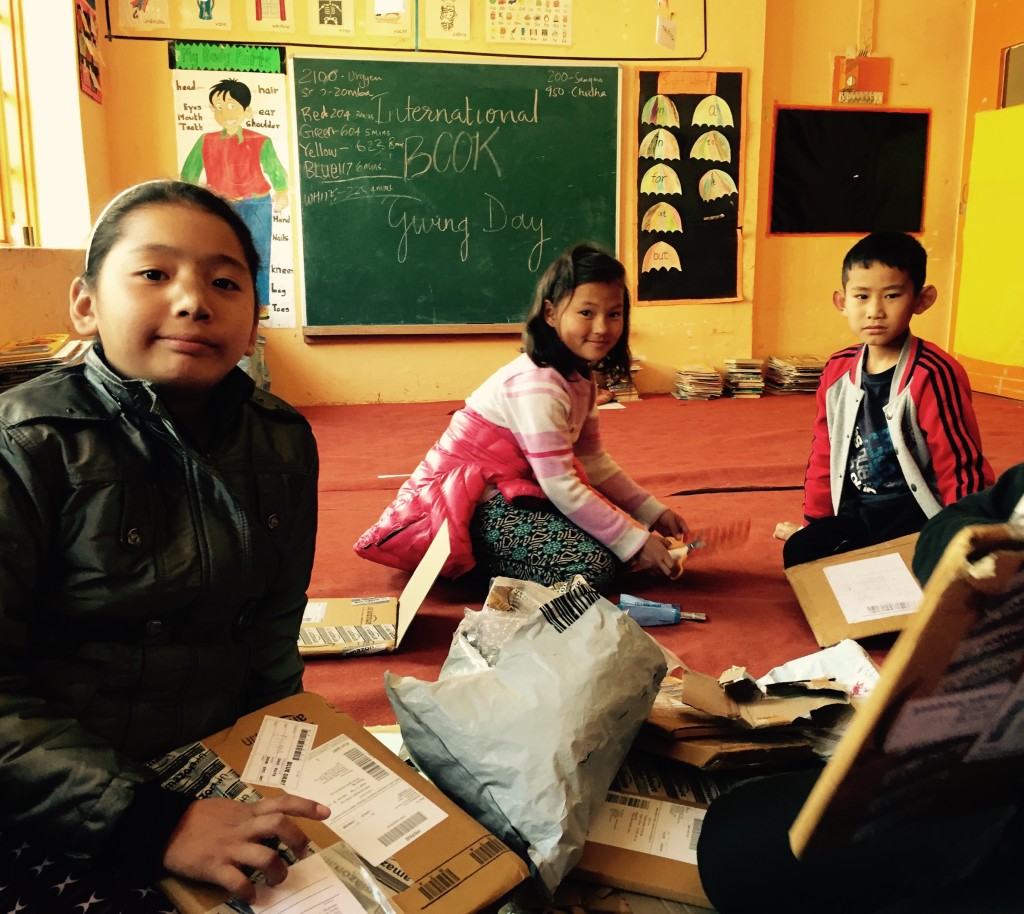
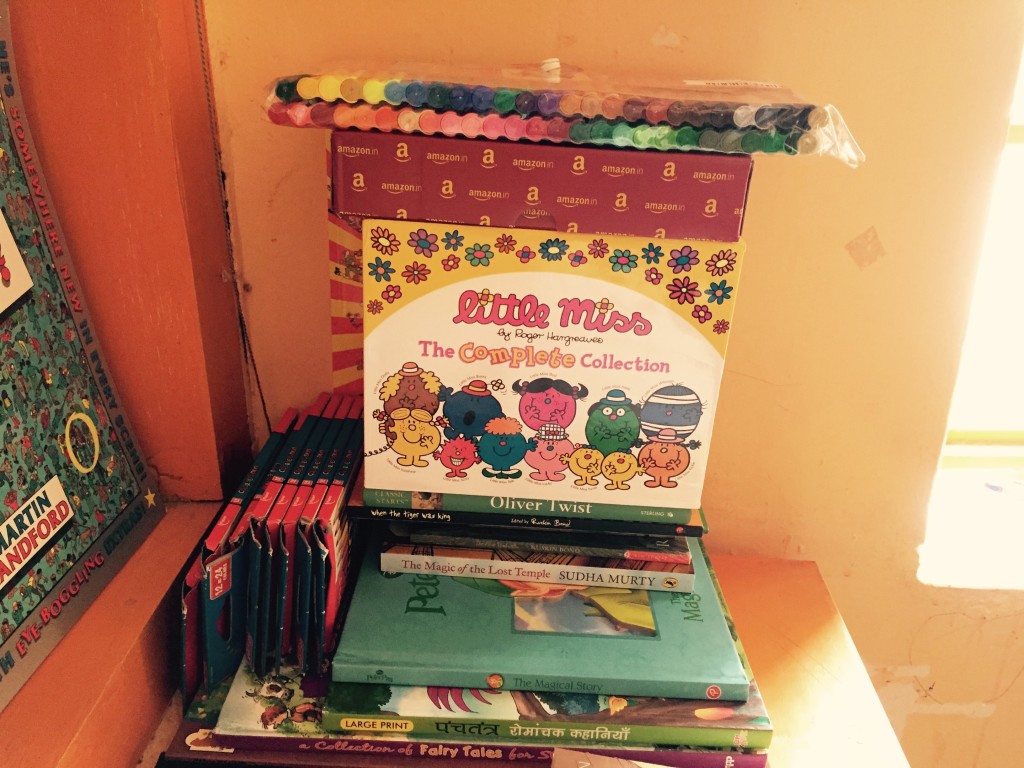
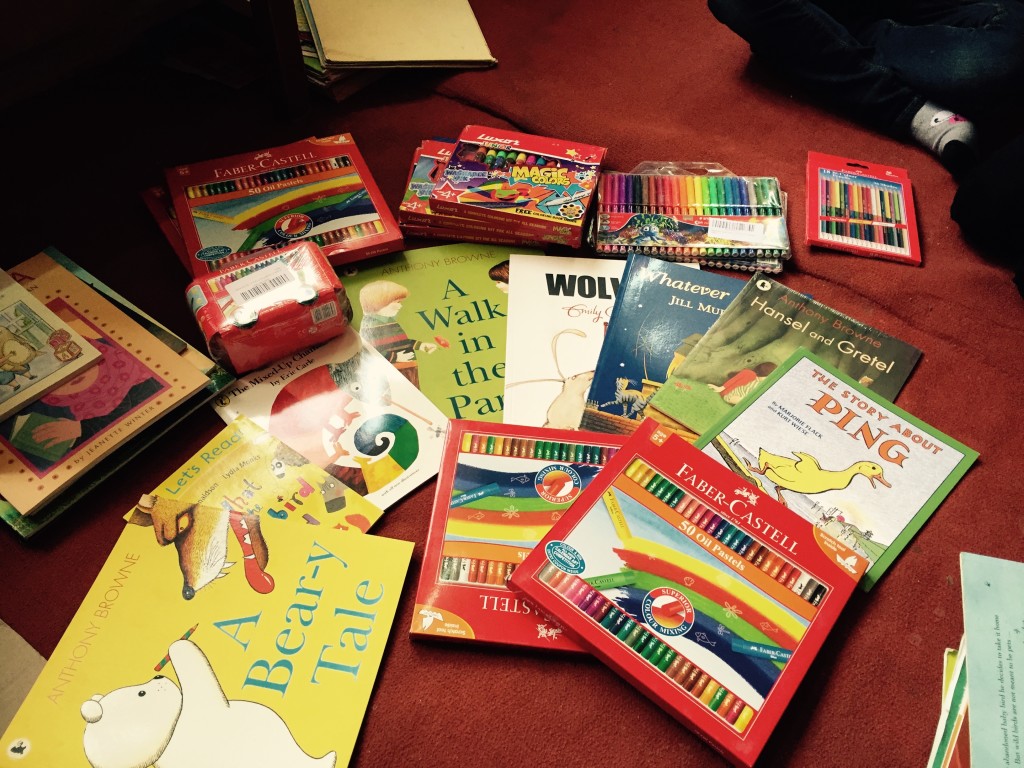
Book drives are most effective when donations respond to local needs rather than sending unsuitable or duplicate materials. Age labels, short descriptions, and clear condition standards help organizers sort books before they travel. New and gently used books can both be valuable when they are clean, complete, age-appropriate, and likely to be read.
It is also important to support the people who make the collection useful. Volunteers can model read-aloud techniques, prepare bilingual prompts, and record which books children choose most often. Feedback from teachers, families, and community partners should guide future purchases and donations.
- Choose visually rich books with clear stories and language suitable for different reading levels.
- Include wordless, bilingual, multilingual, fiction, nonfiction, poetry, and locally relevant titles.
- Prioritize sturdy bindings and washable or easily maintained materials for shared use.
- Pair book donations with reading-room furniture, art supplies, and volunteer-led activities.
- Track children’s interests so future book drives reflect genuine community demand.
When children see their choices respected, they are more likely to develop a lasting reading habit. A child who first studies a picture of a yak, river, or family journey may soon be ready to read the accompanying words, write a description, or search for another book on the same subject.
Picture books are a practical and generous starting point for early literacy in the Himalayas. They reduce barriers without reducing the richness of learning, allowing children to speak, listen, imagine, and read together. Through reading rooms, book drives, and creative programs, each carefully selected book can become part of a wider culture of curiosity.
Support Avalokiteśvara Trust by donating quality children’s books, contributing to a reading-room project, organizing a thoughtful book drive, or volunteering time for storytelling and creative activities. Your support can place meaningful stories within reach of children and young monks across Ladakh and other Himalayan communities.