What Happens to Books After They Arrive in the Himalayas
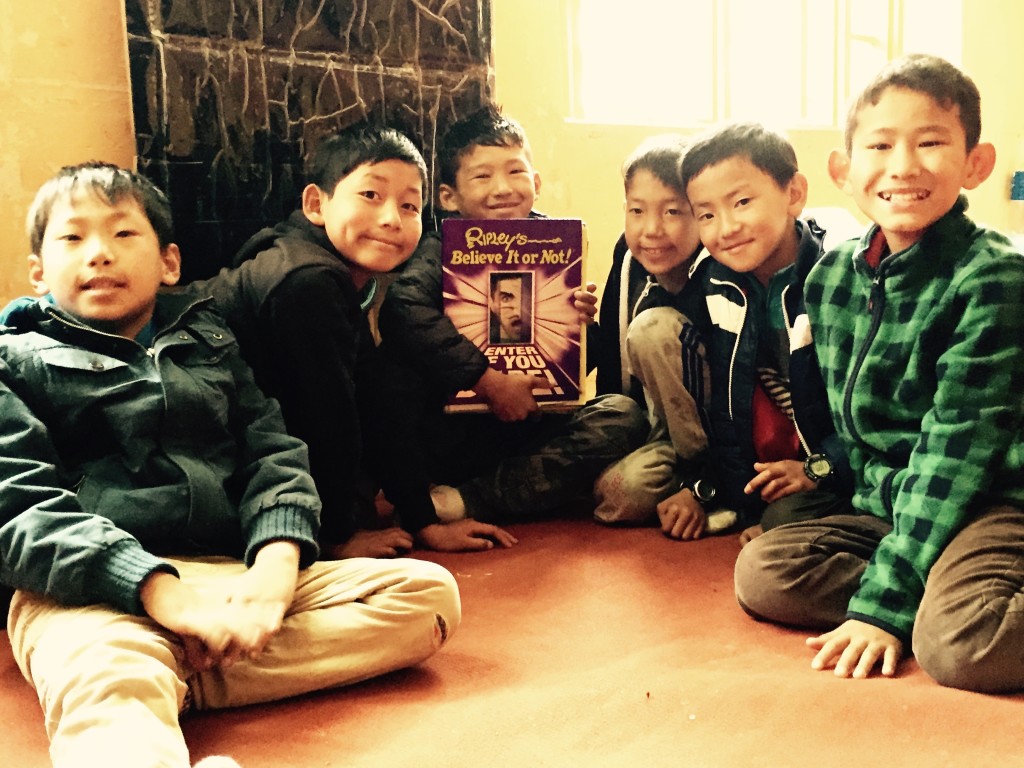
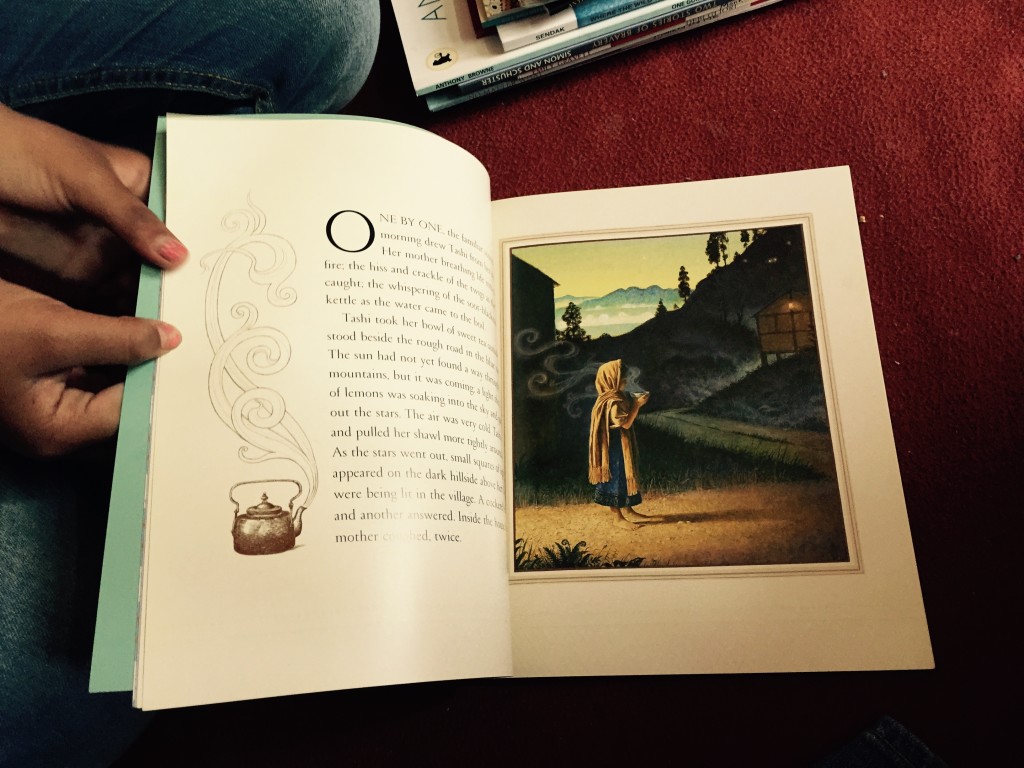
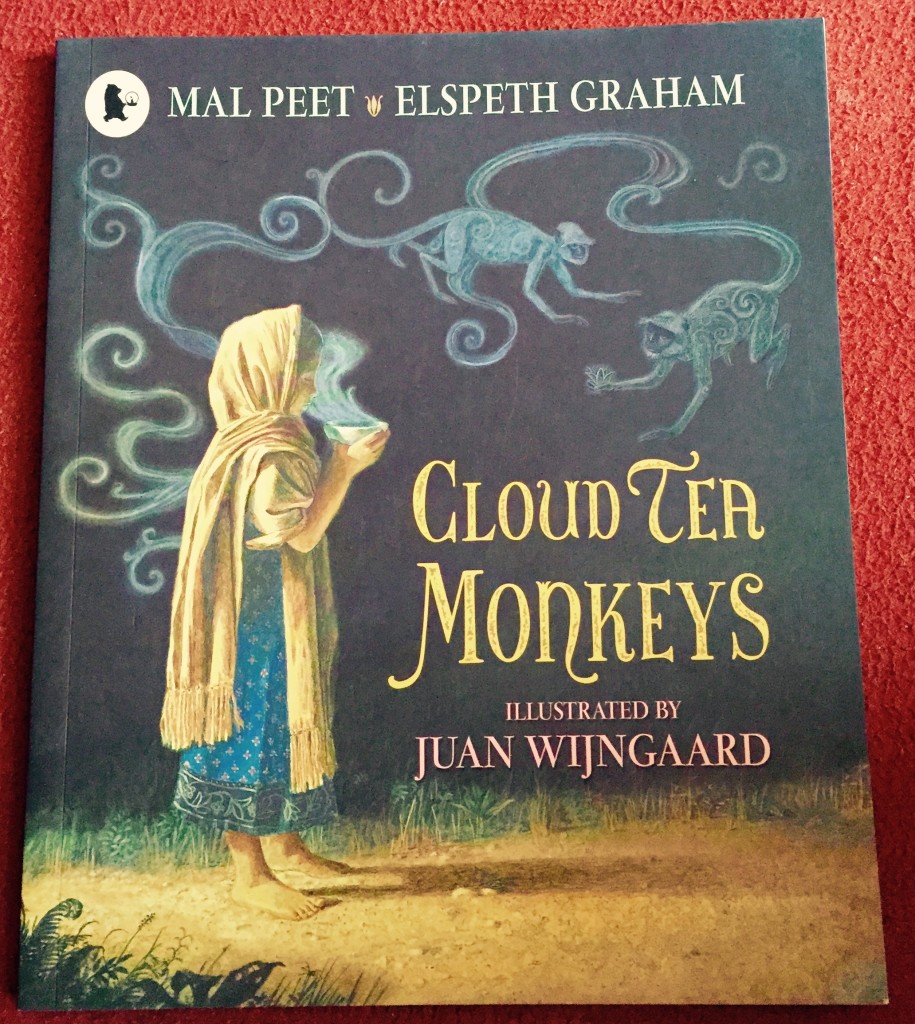
A donated book begins a second life when it reaches a Himalayan community. Its journey does not end with delivery at a school, monastery, reading room, or community center. Before a child opens it, volunteers and local partners must decide where it will be most useful, who can access it, and how it can support learning in a particular place.
In Ladakh and other mountain regions, this work requires care. Roads may be difficult, communities can be widely dispersed, and children may grow up with limited access to high-quality books. A well-chosen collection can therefore become much more than a stack of paper. It can provide language practice, imaginative escape, creative confidence, and a quiet place to study.
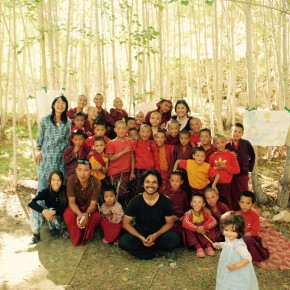
For Avalokiteśvara Trust, book distribution is connected with a wider educational mission. Reading rooms, book drives, artistic activities, and music programs create welcoming environments where young readers and young monks can explore knowledge at their own pace.
From Donation To Delivery
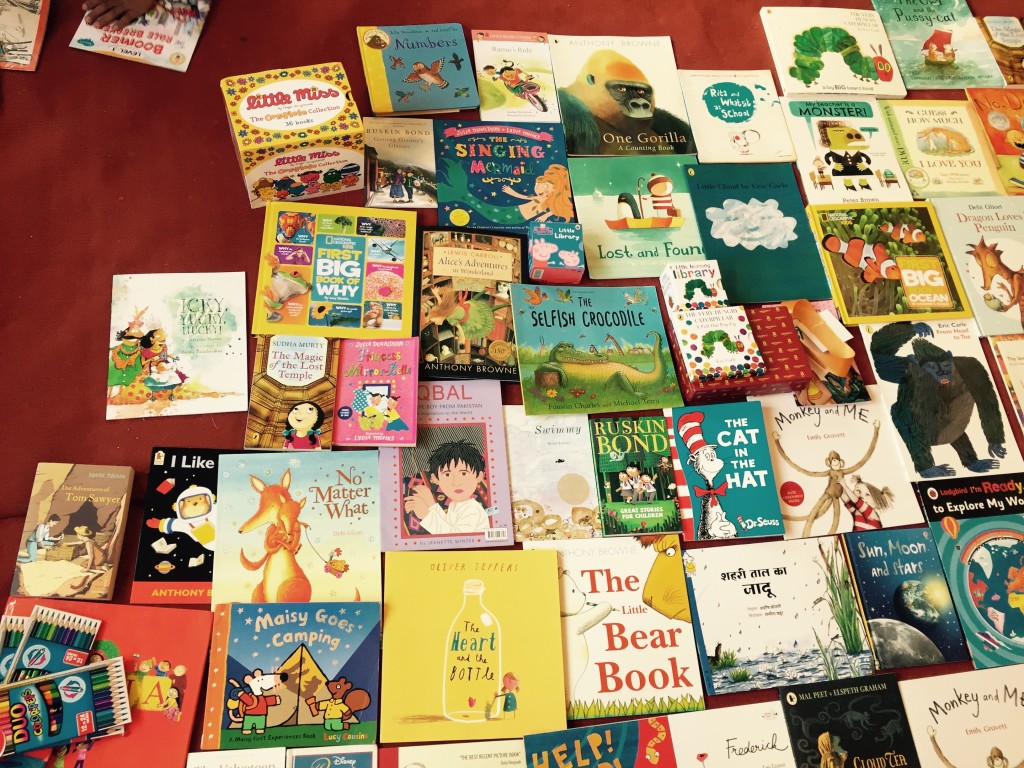
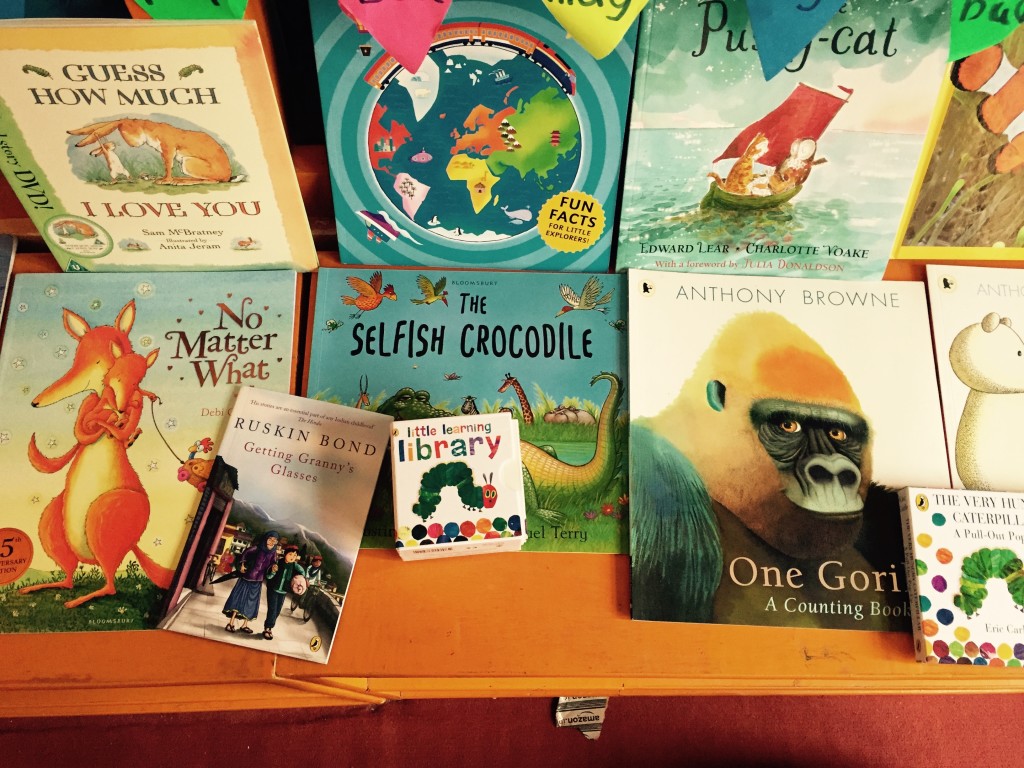
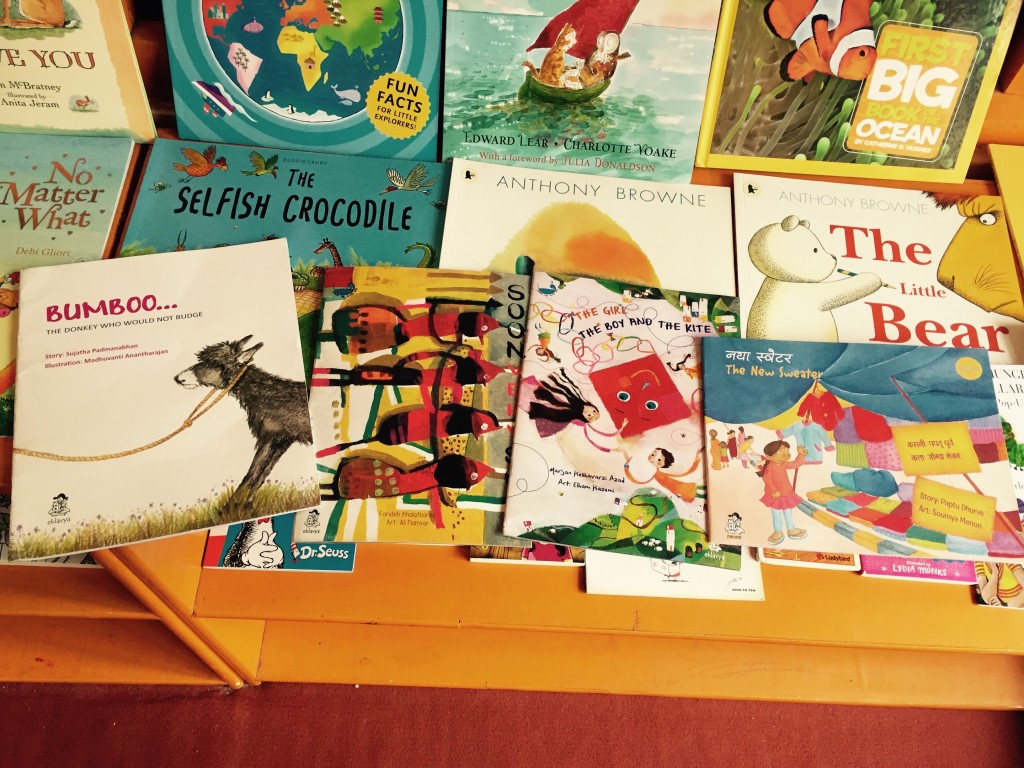
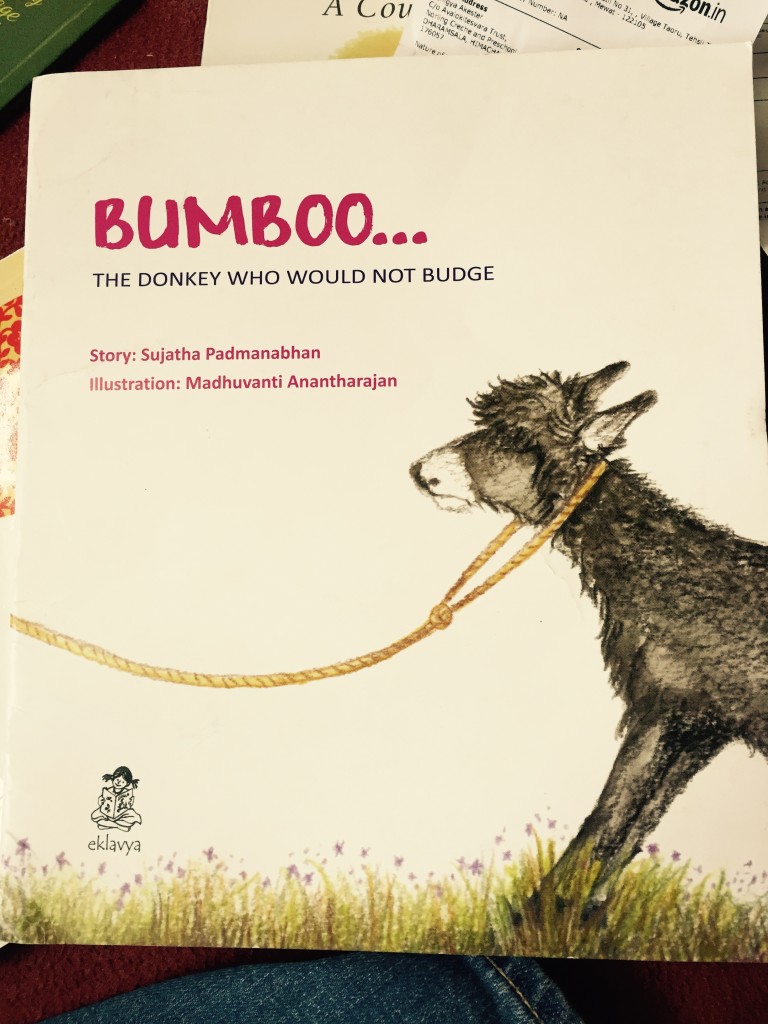
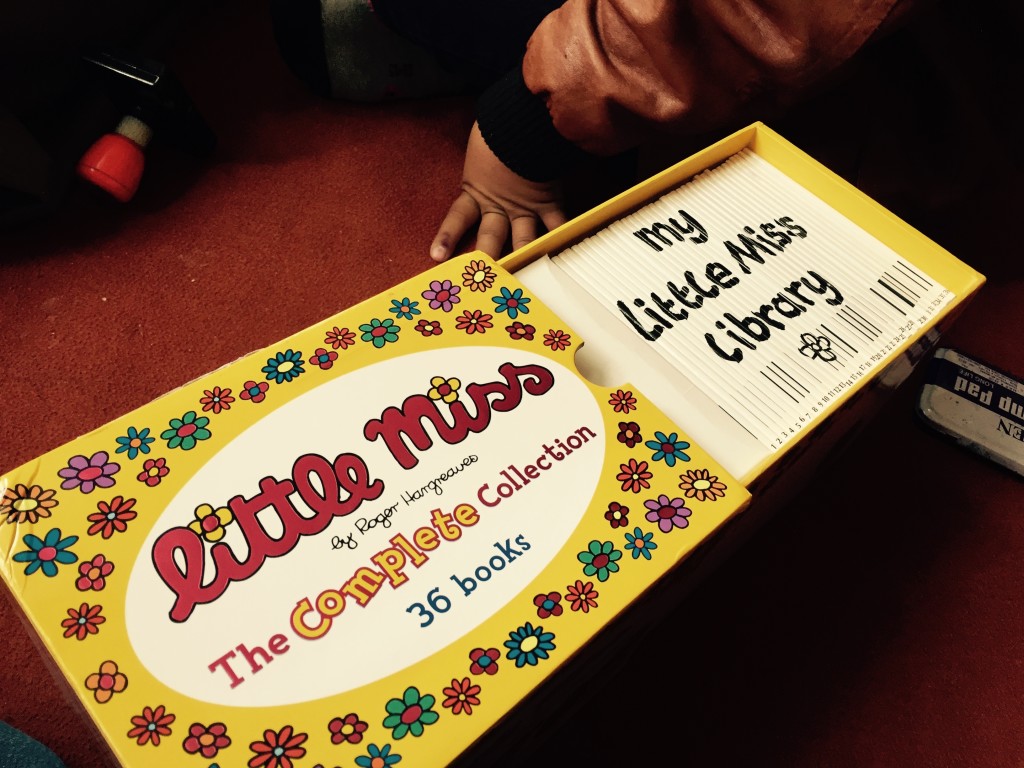
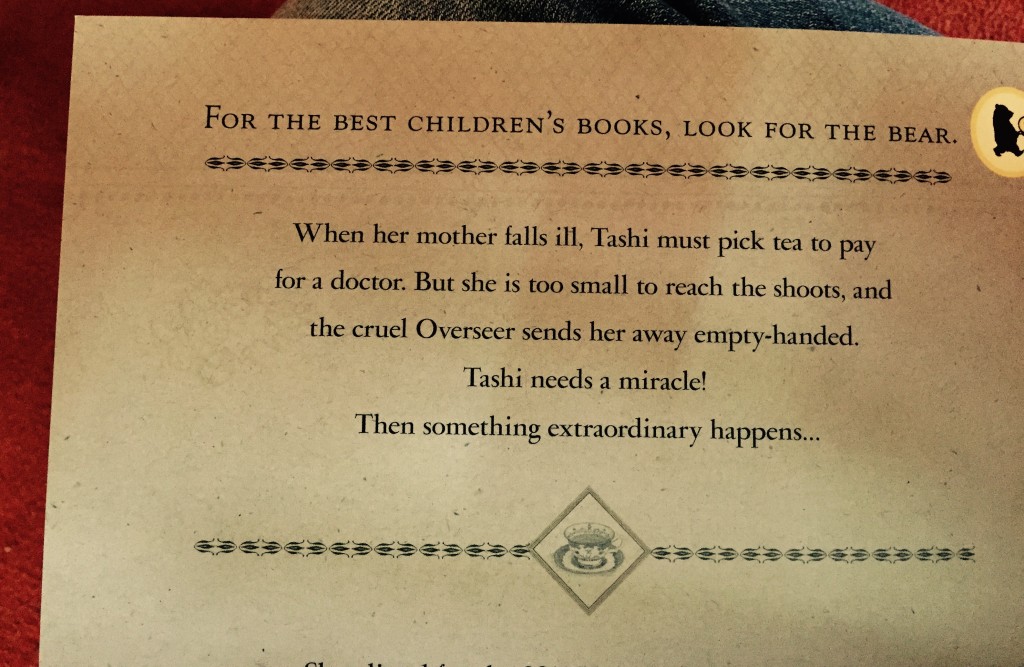
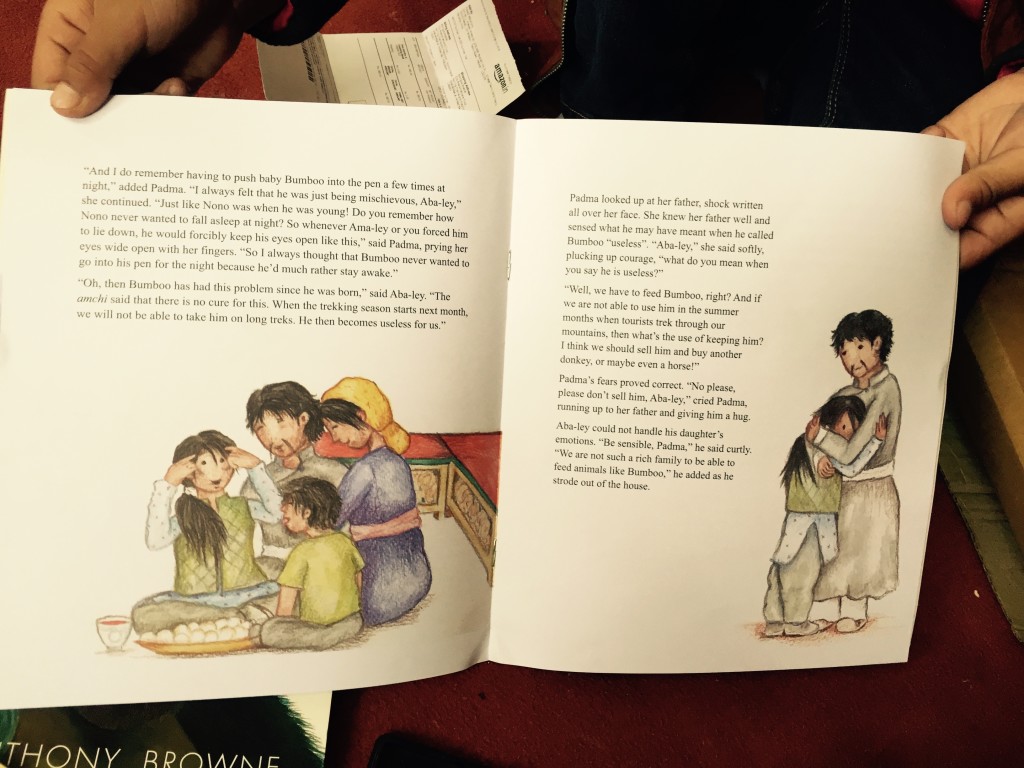
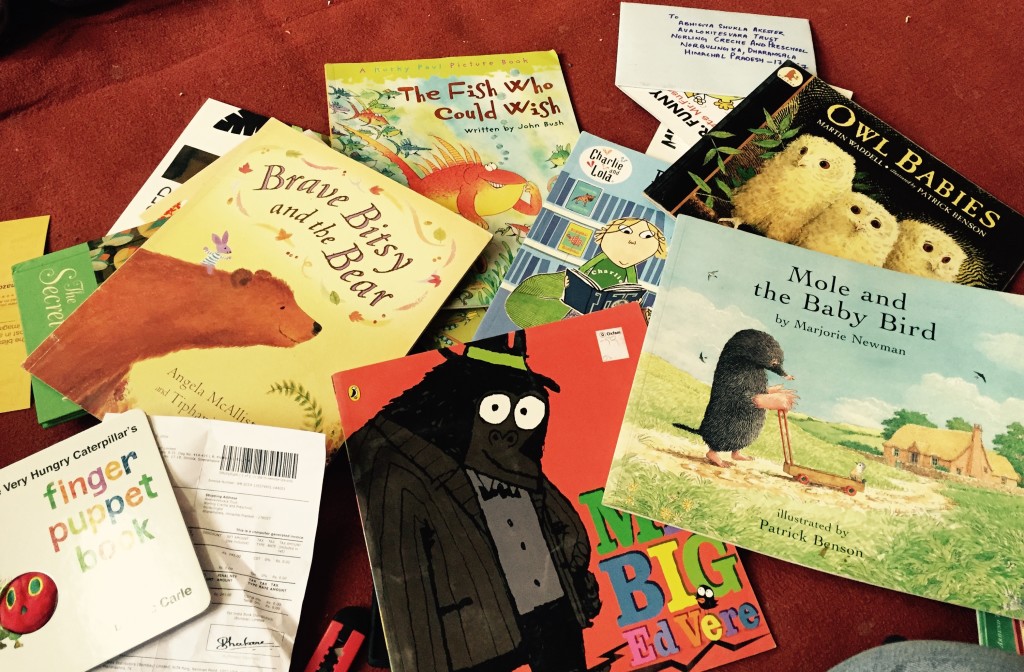
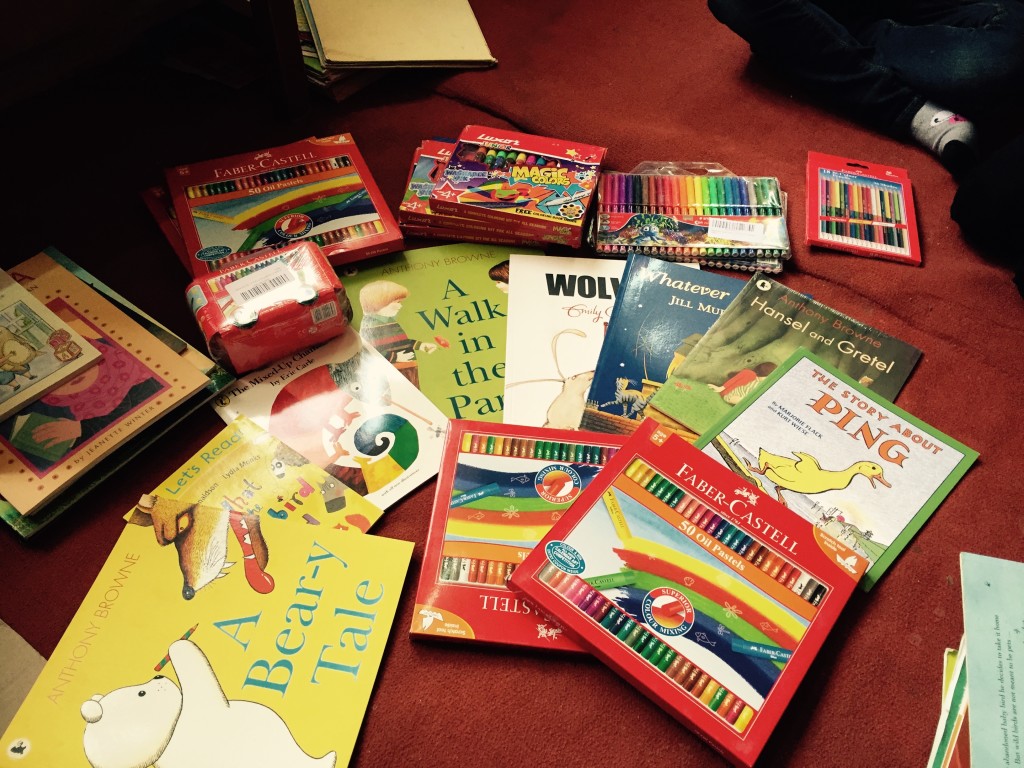
The process often starts with collecting books that are suitable for children and teenagers. Donors may contribute storybooks, picture books, reference works, poetry, biographies, atlases, or books that encourage drawing and creative activity. Selection matters because a remote reading room needs materials that are engaging, durable, and appropriate for different reading levels.
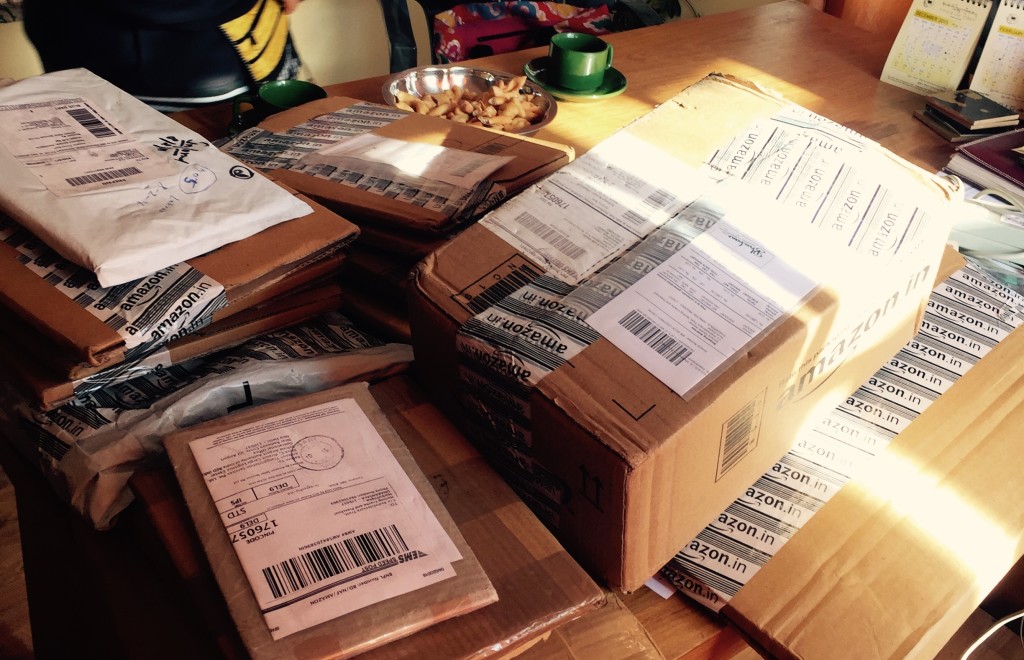
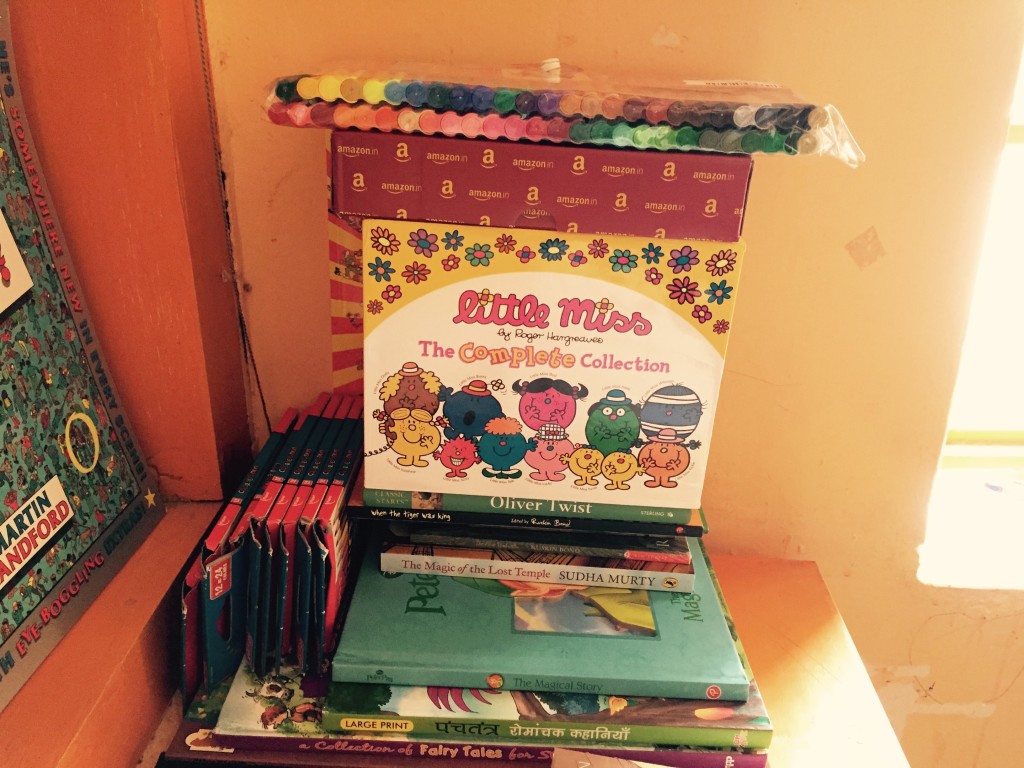
Books then have to be packed for transport. Careful grouping helps protect them from dust, moisture, and rough handling during a long journey. Collections may travel through several stages before reaching their destination, including roads, storage points, schools, monasteries, and local community facilities.
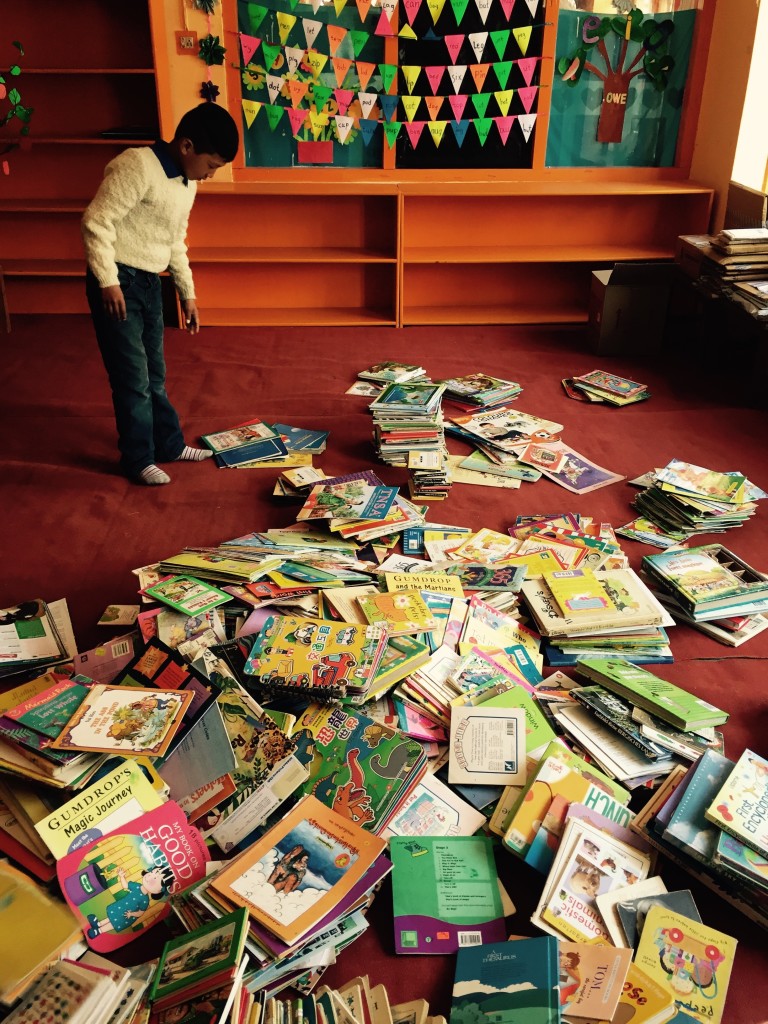
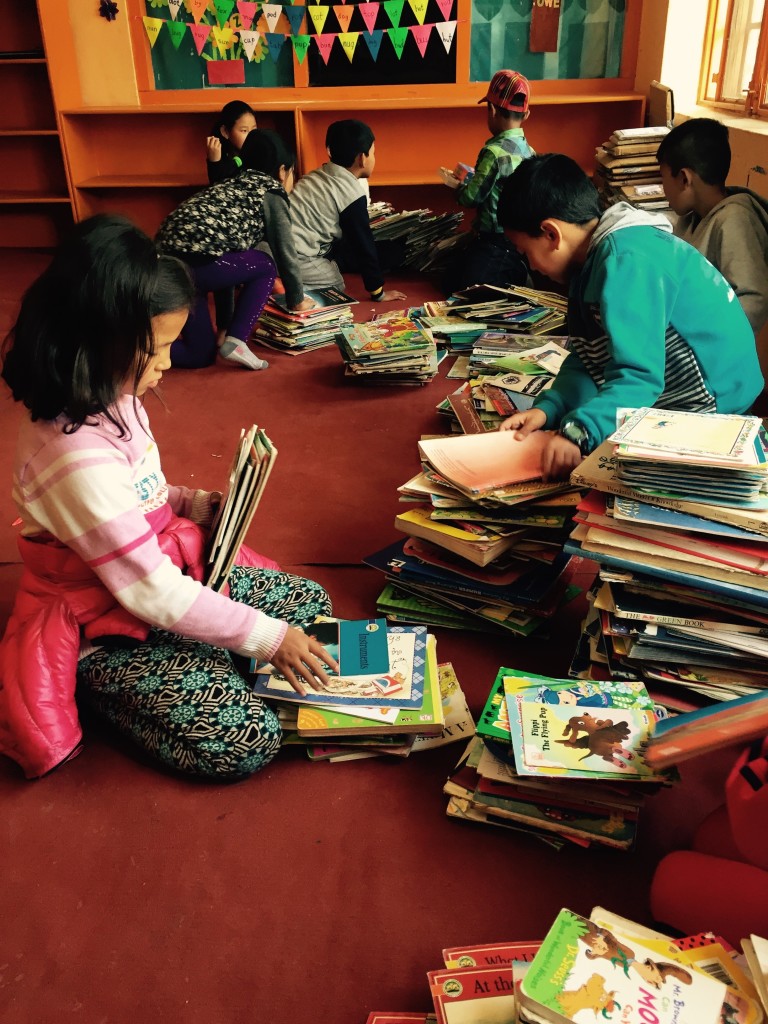
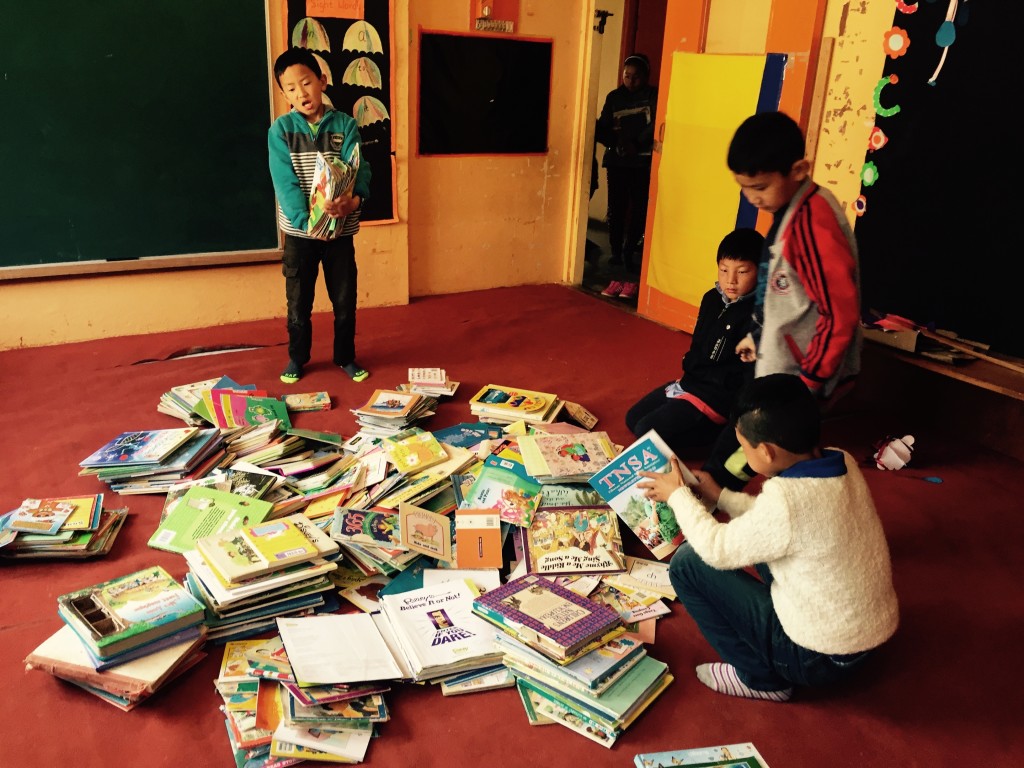
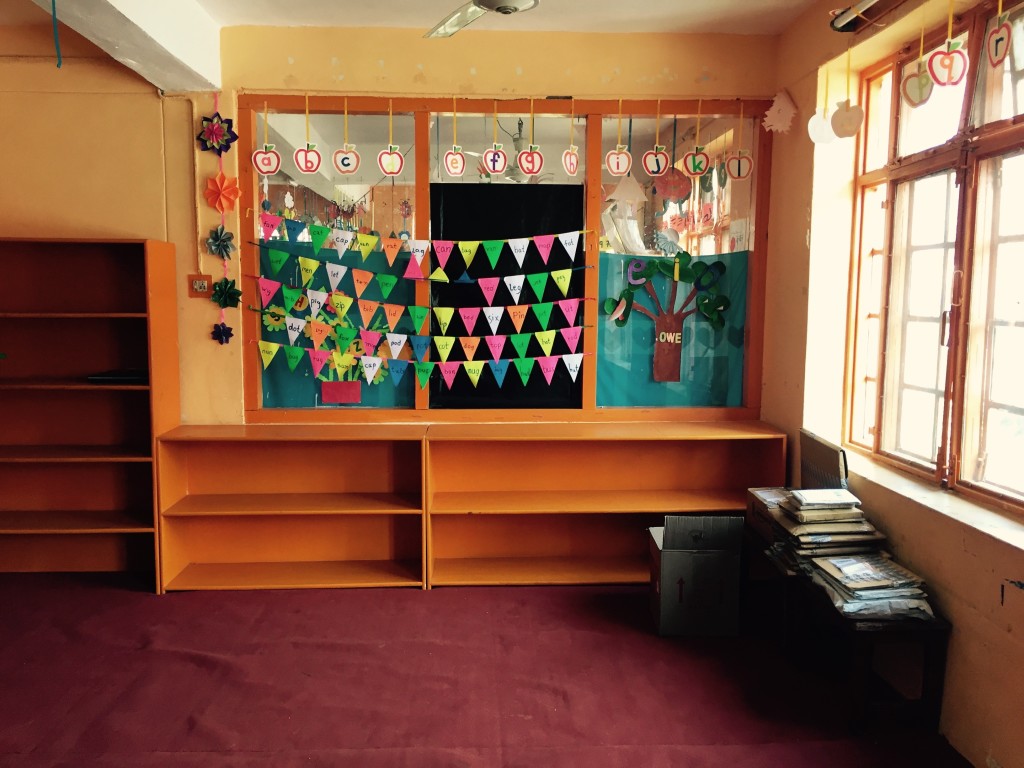
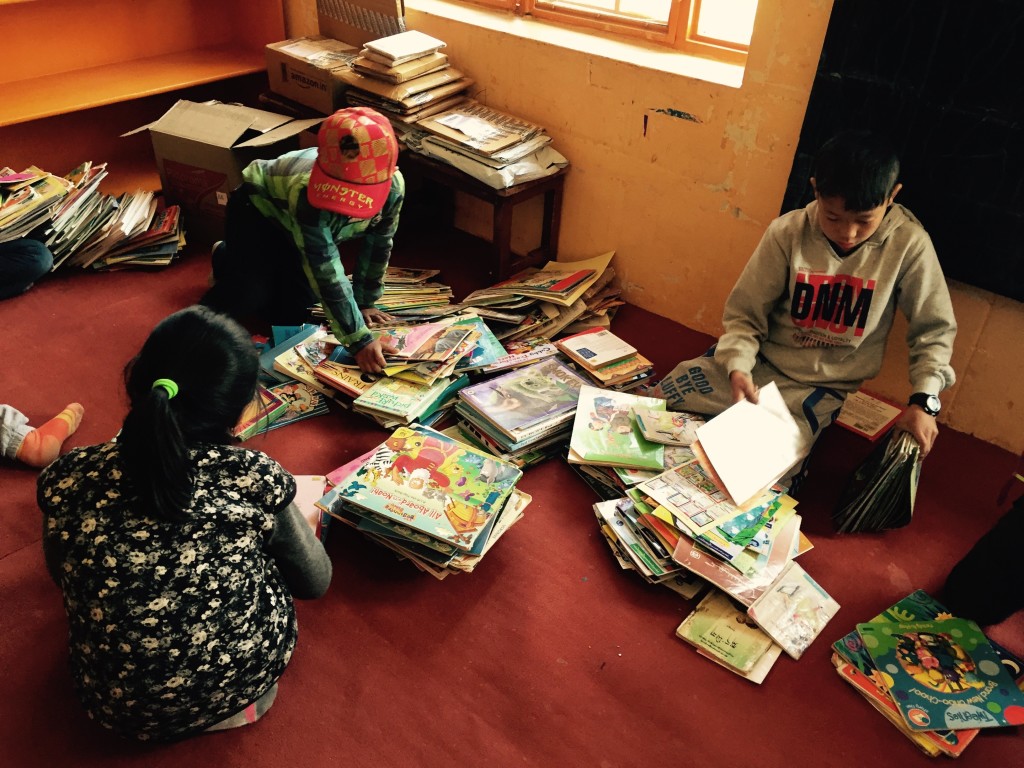
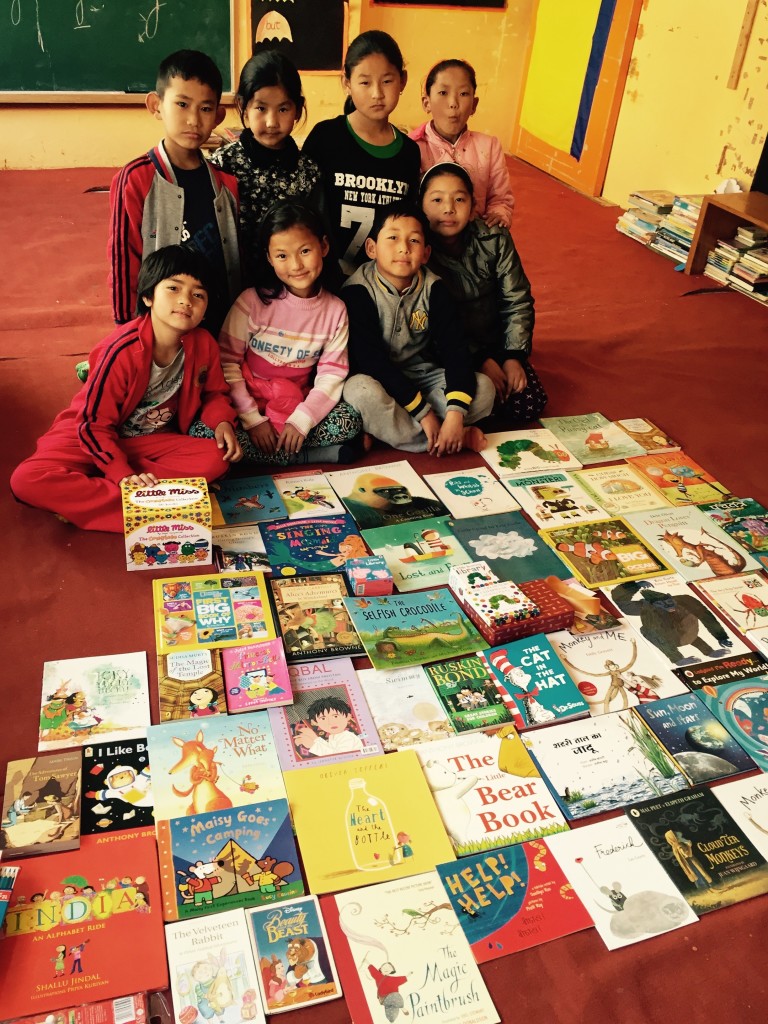
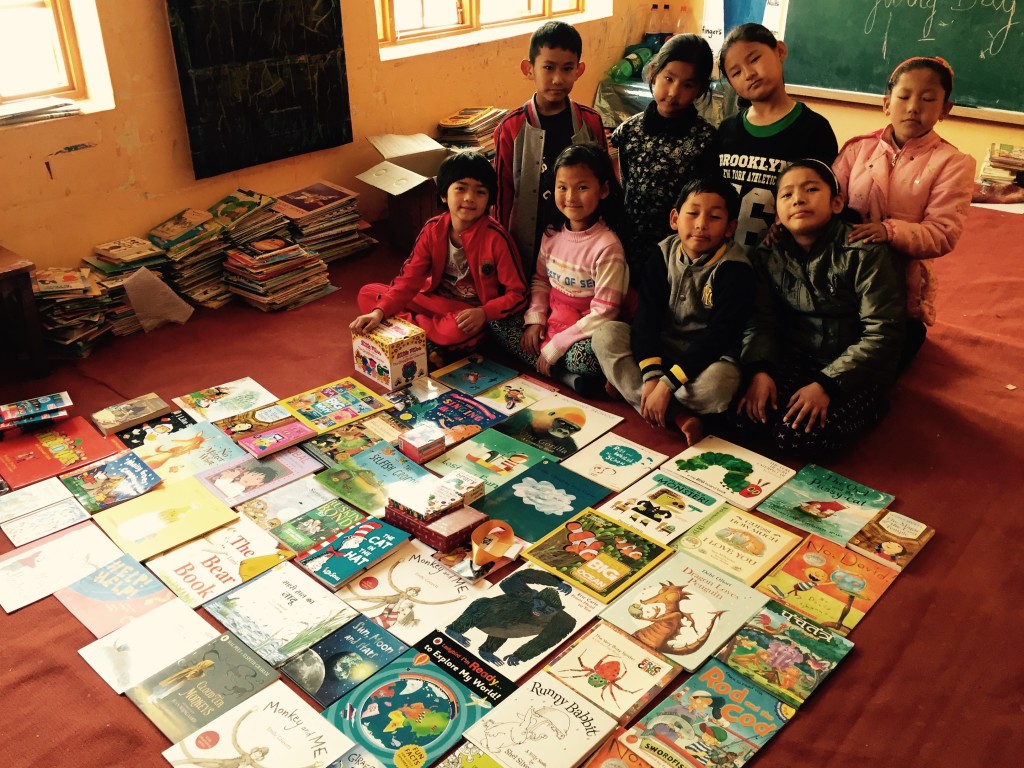
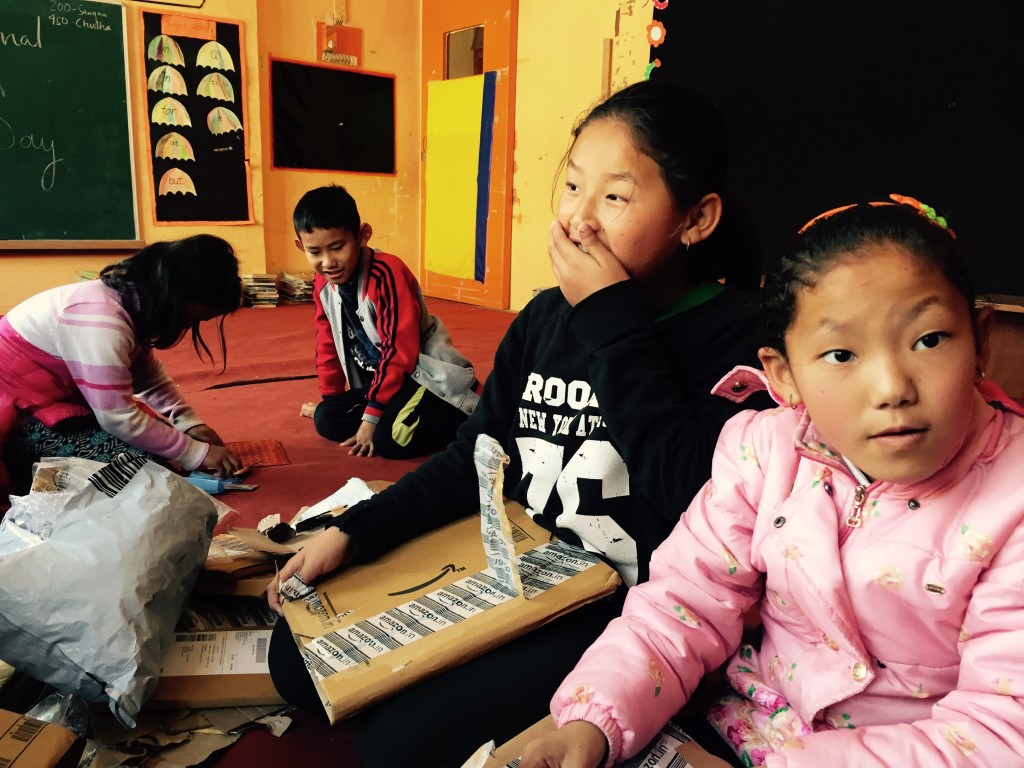
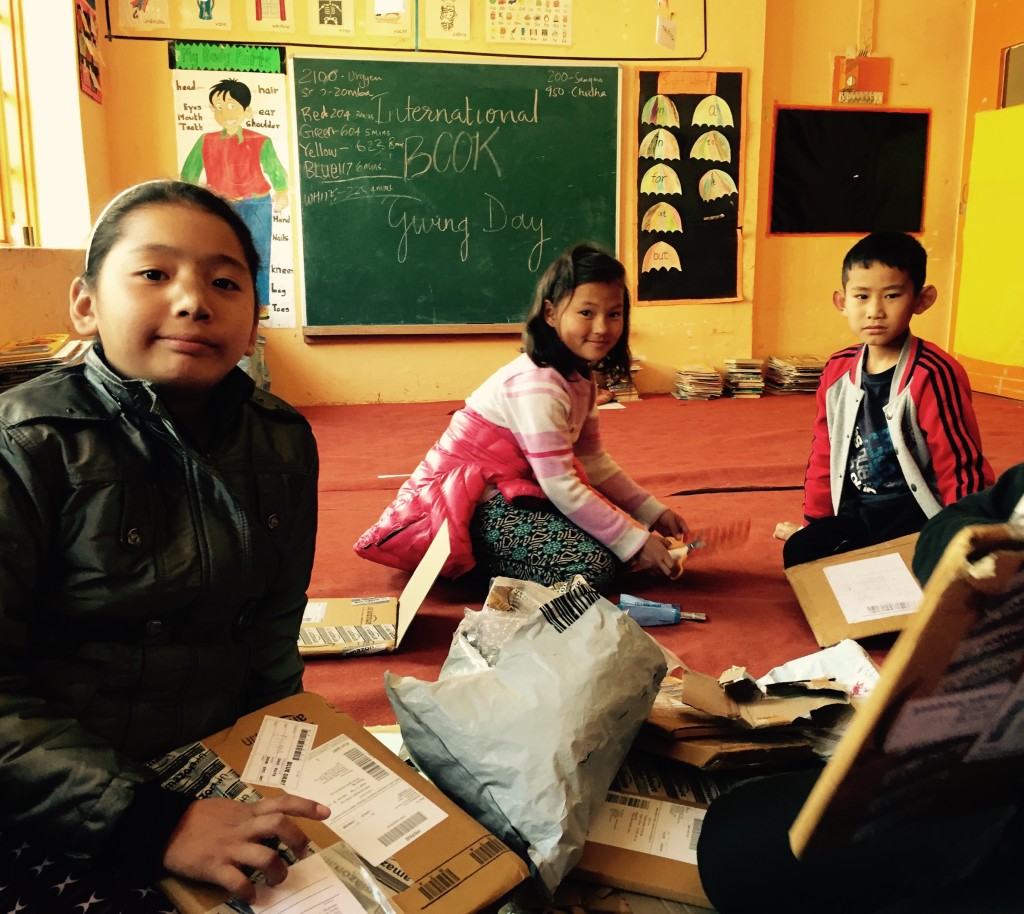
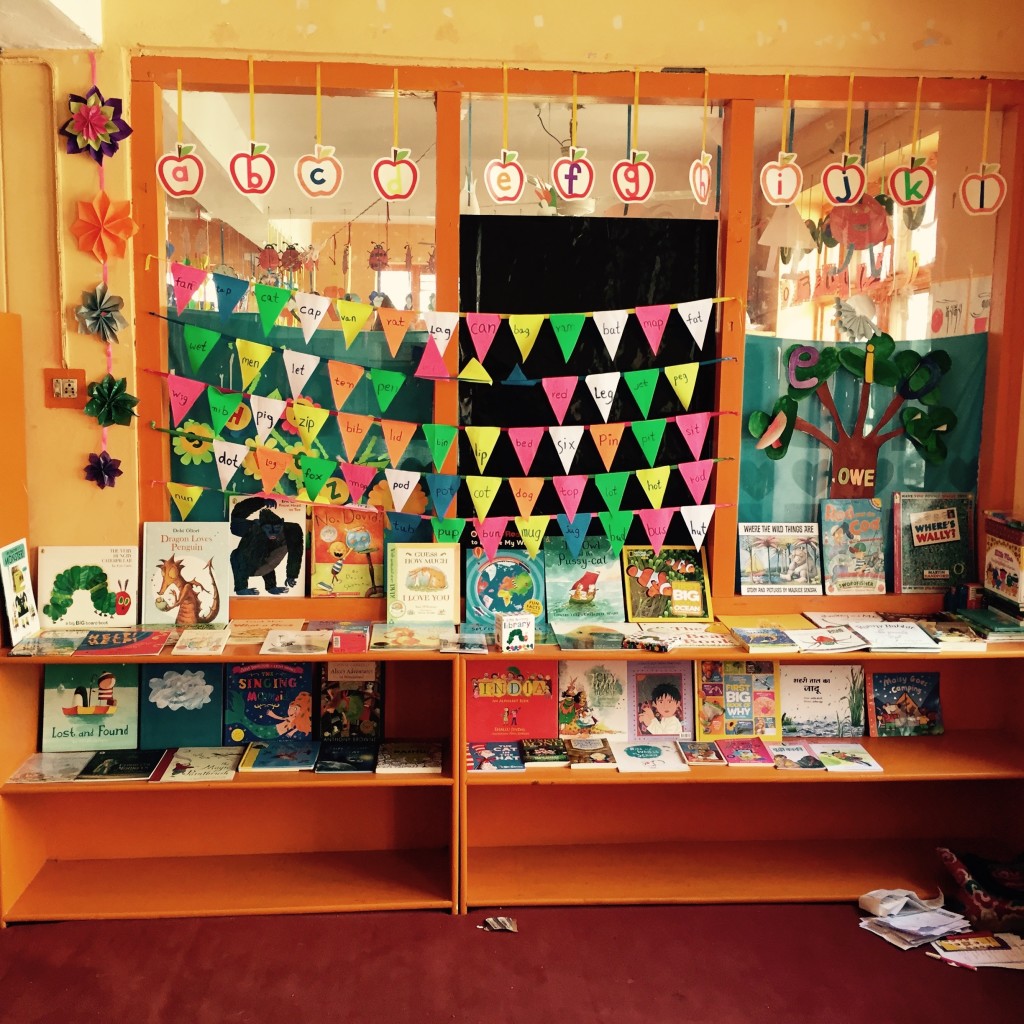
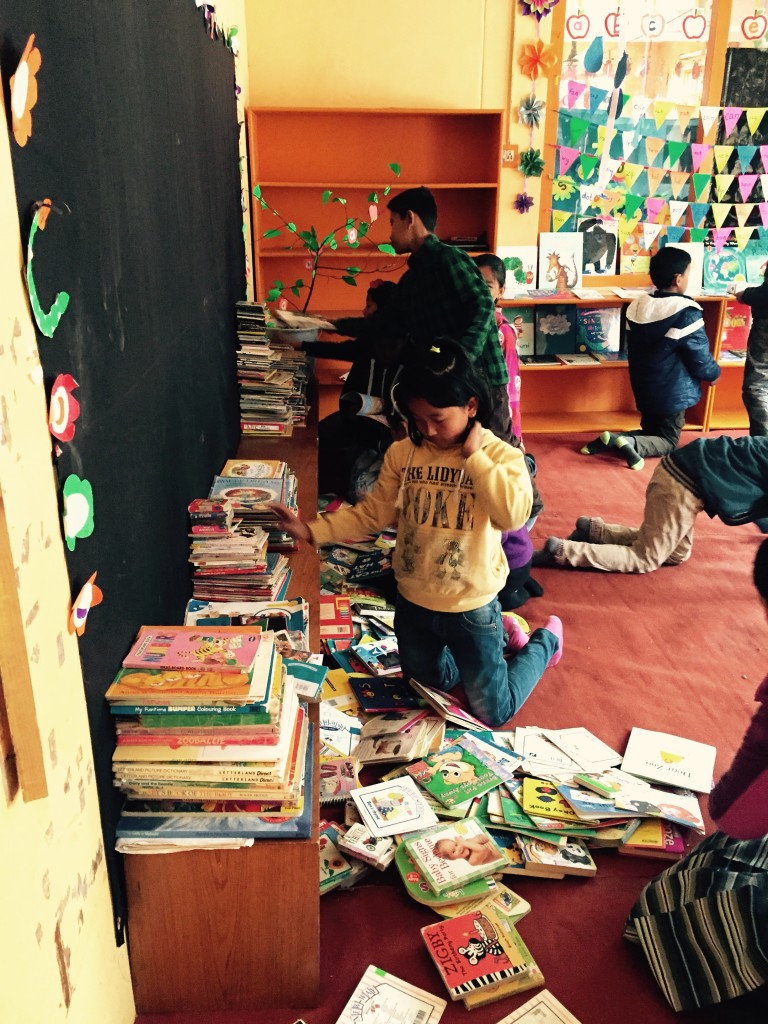
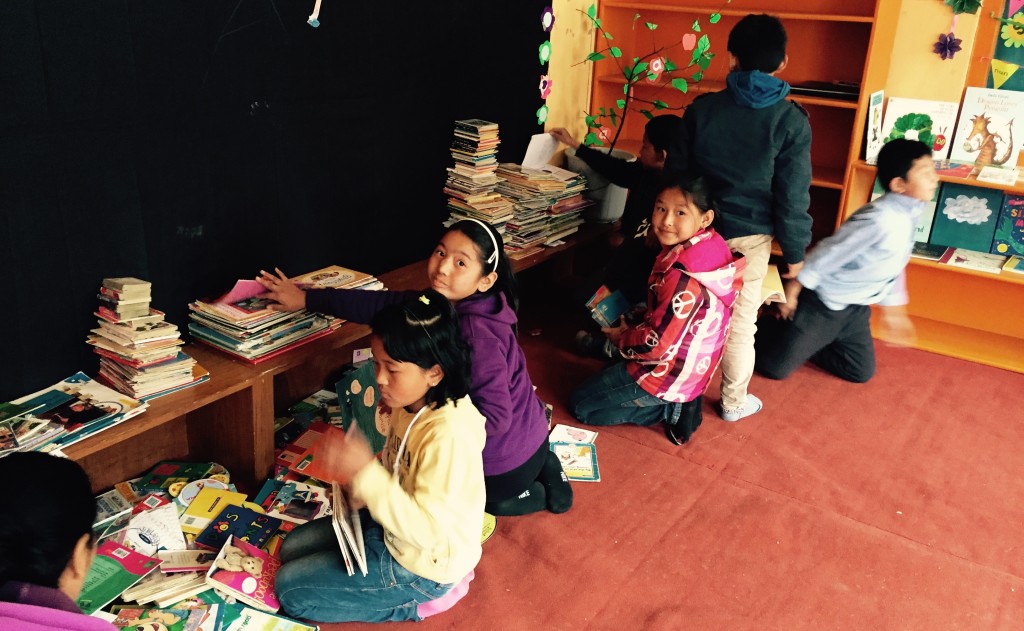
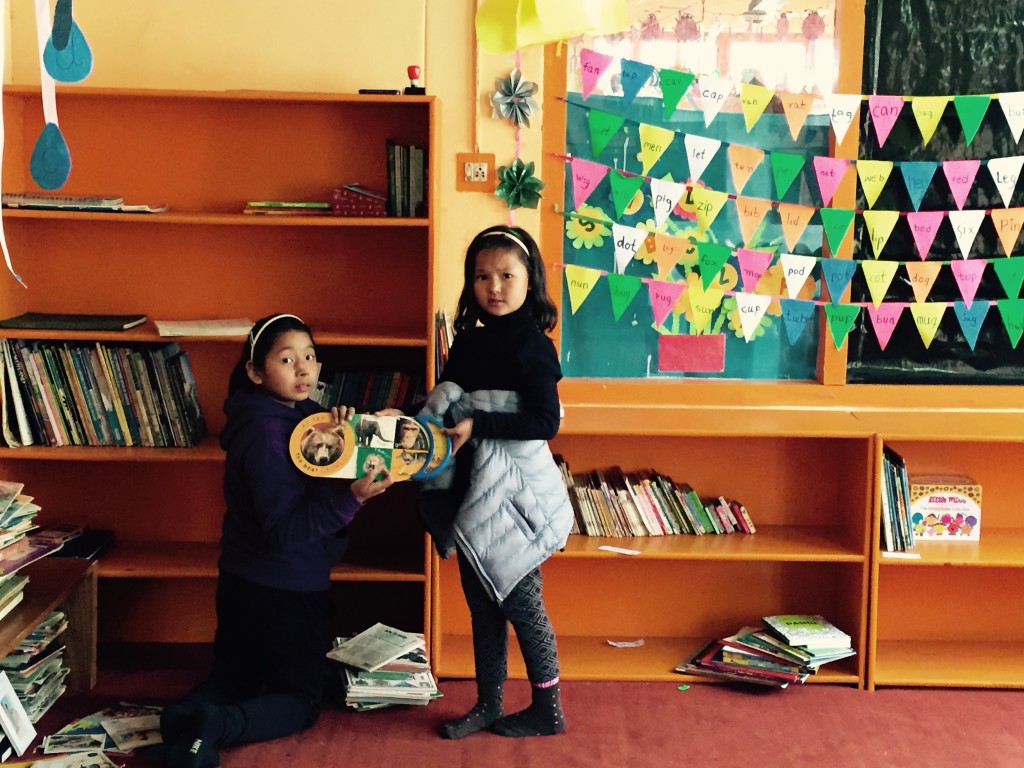
Arrival is an important moment, but it is also the beginning of practical work. Someone must unpack the boxes, check the contents, separate damaged items, and prepare the books for real use. This local attention turns a shipment into a working library rather than a temporary donation.
Sorting For Real Use
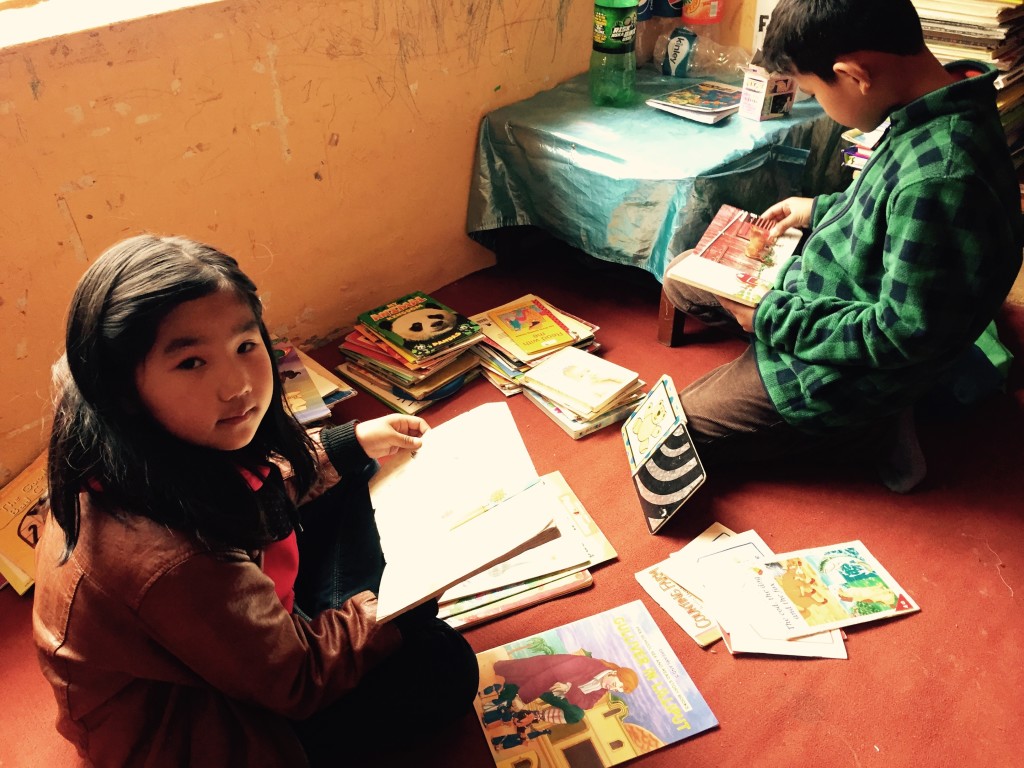
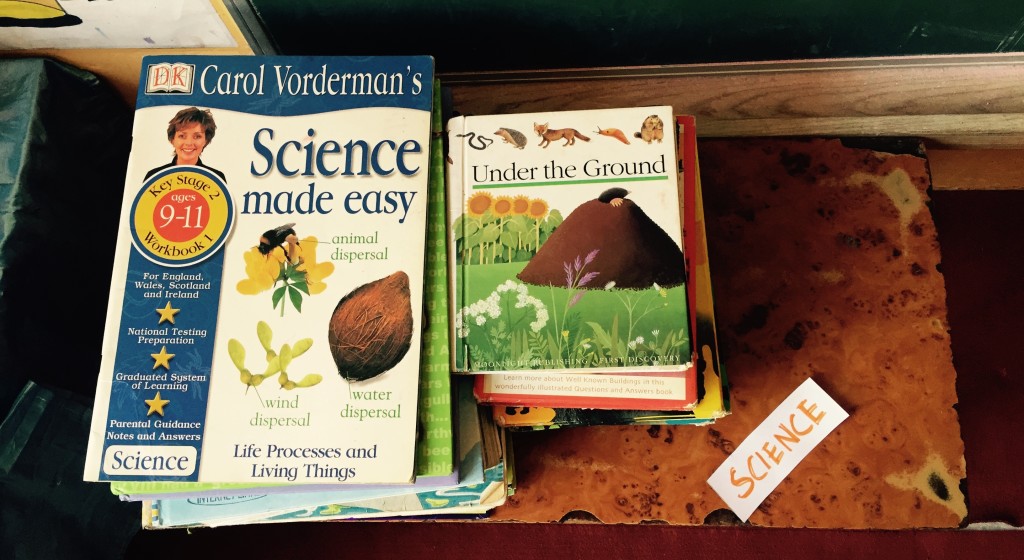
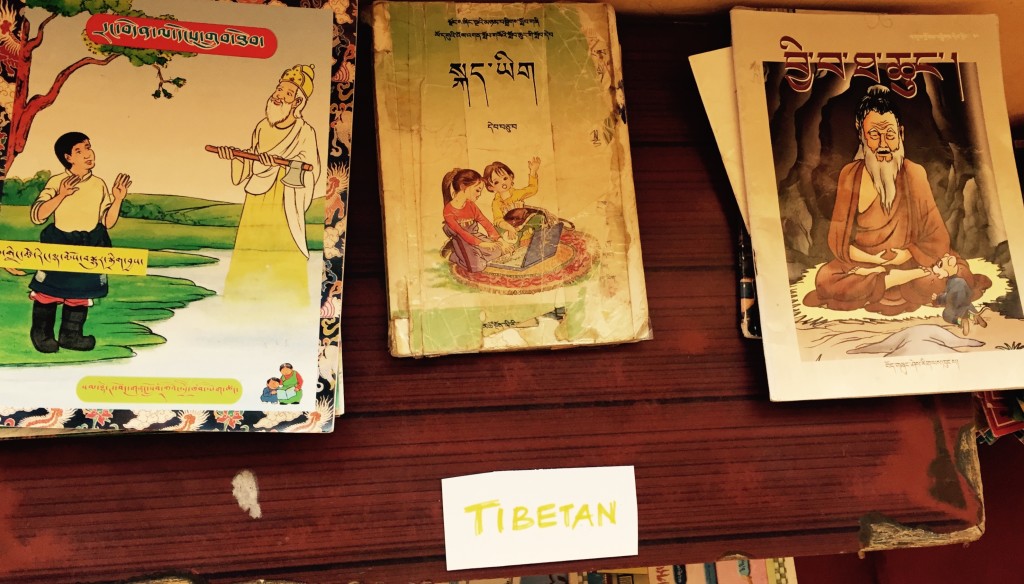
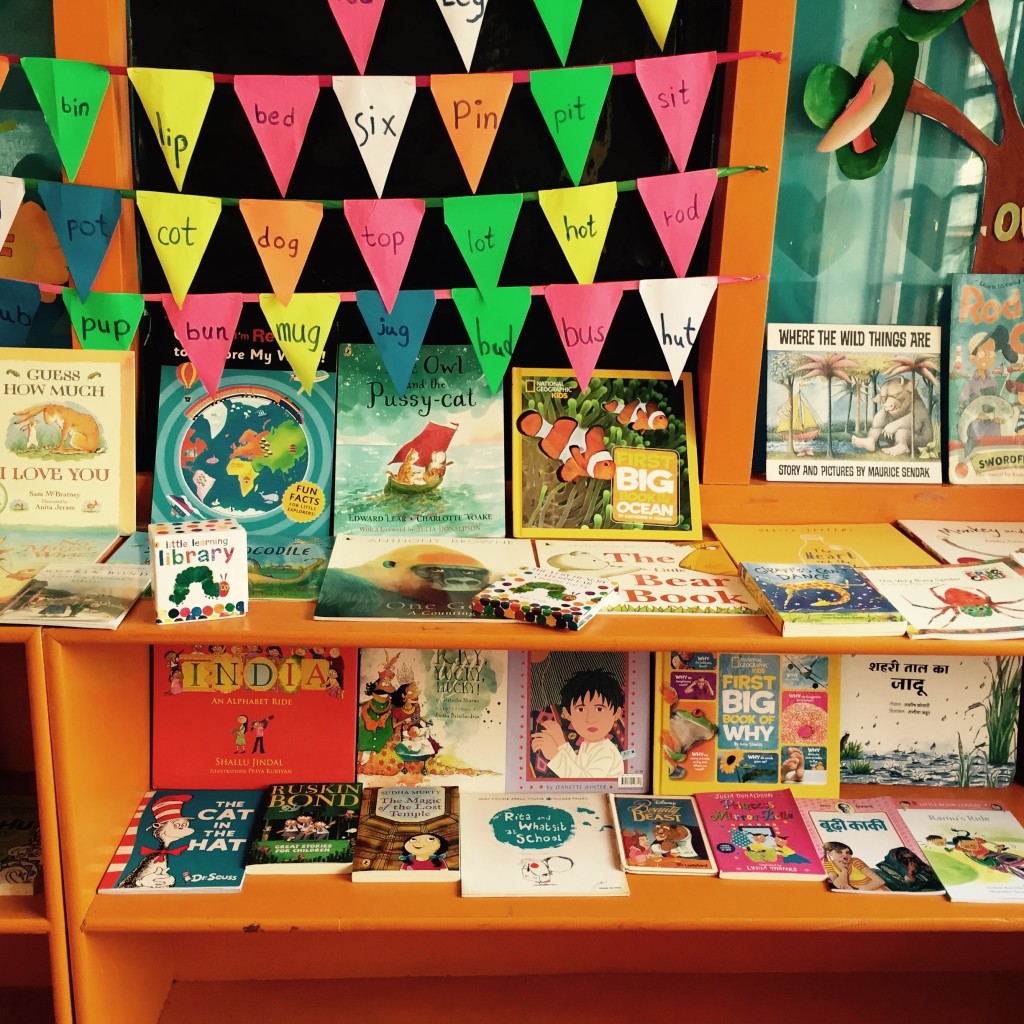
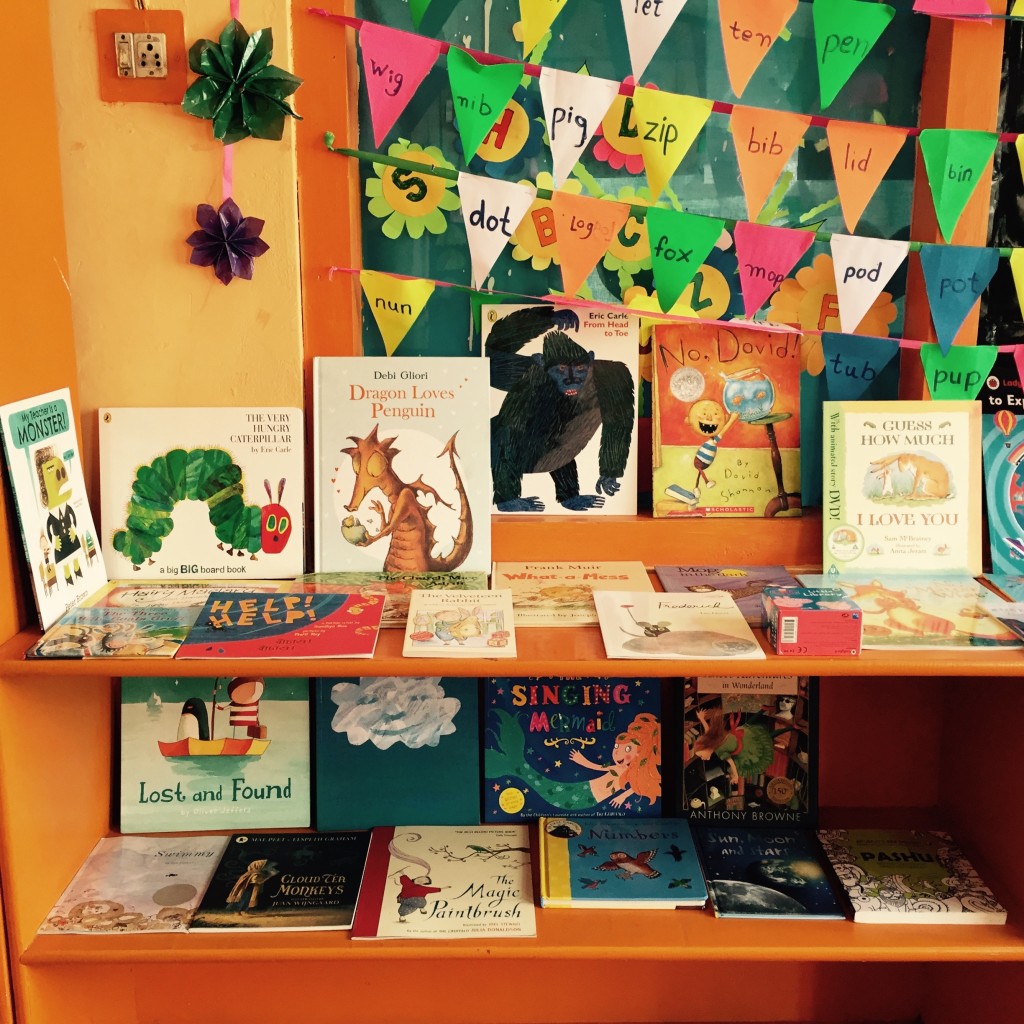
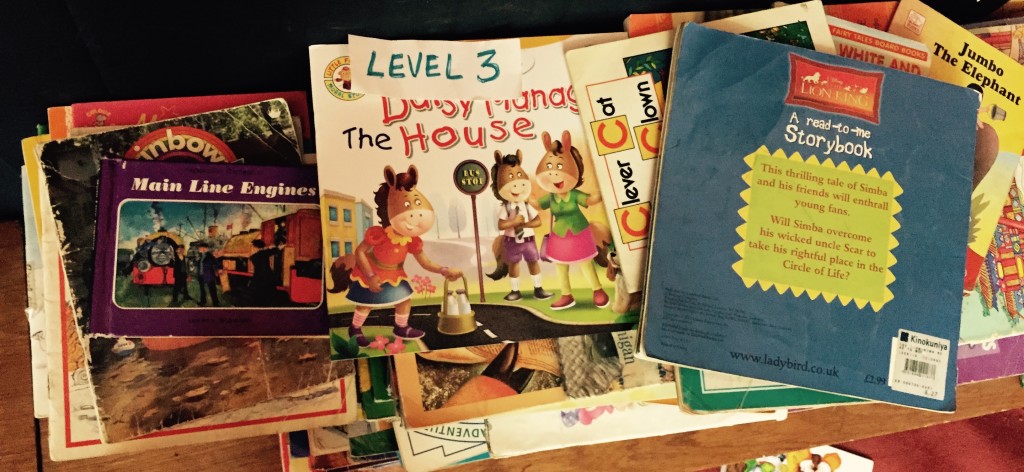
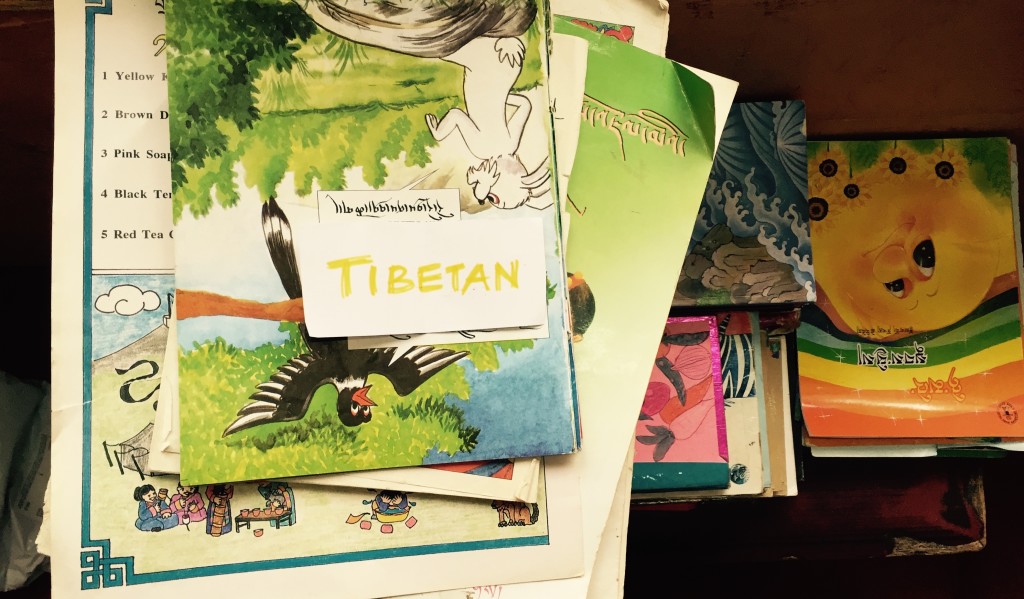
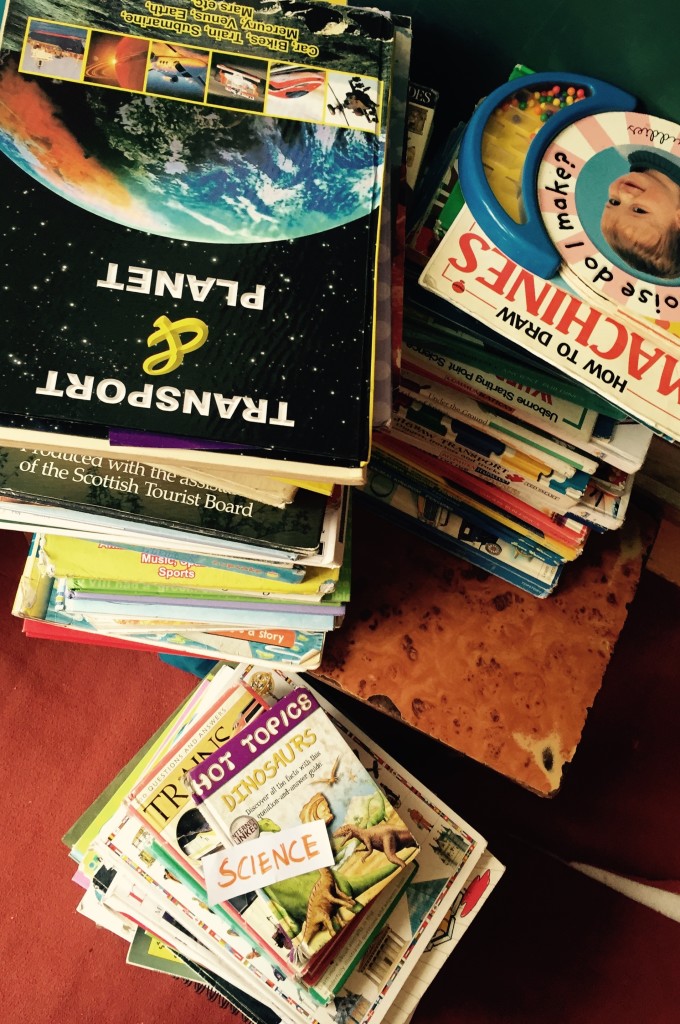
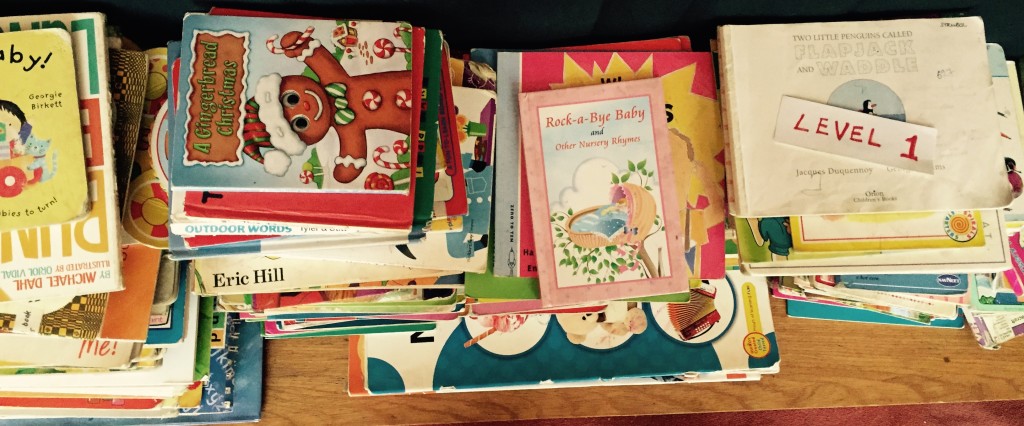
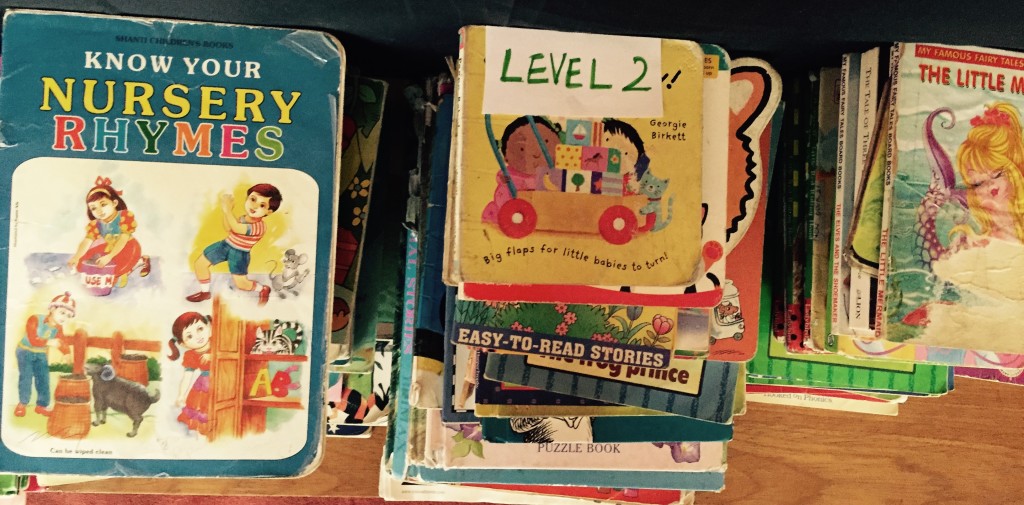
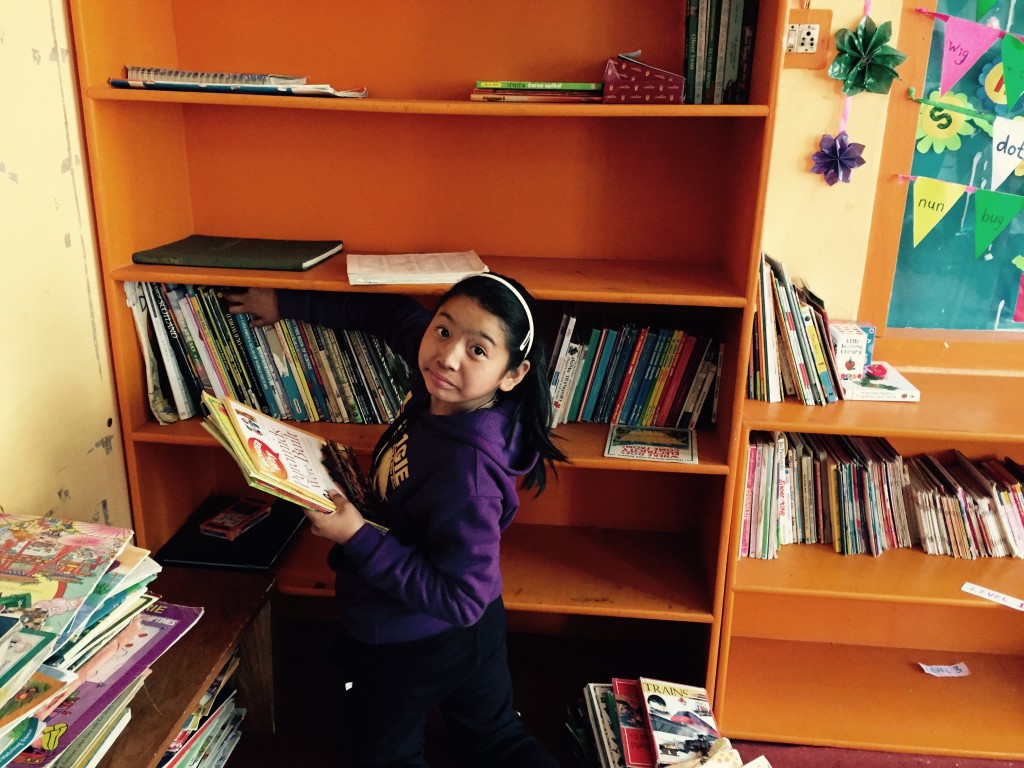
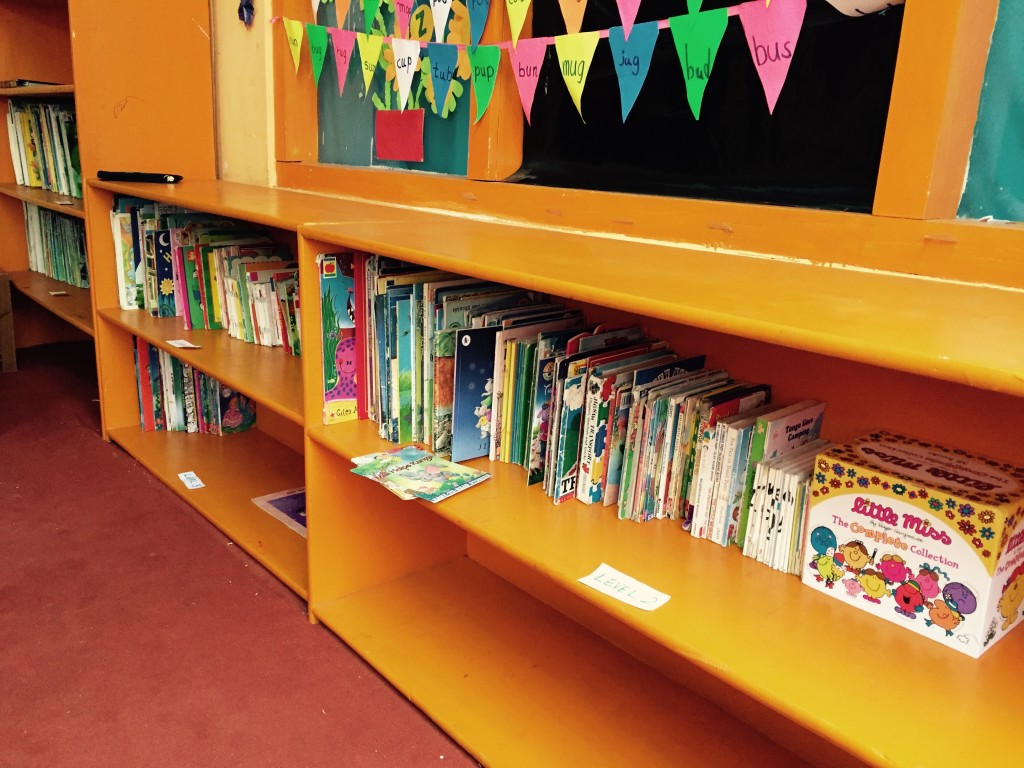
Books are usually sorted according to age range, subject, language, reading difficulty, and condition. A picture book can be placed where early readers will find it, while science, history, and geography titles may be grouped for older children. Books that work well for group reading can be kept together for lessons or storytelling sessions.
The most useful collection is rarely the largest one. A smaller selection that matches local interests and abilities can circulate more often than a large, confusing assortment. Volunteers and community partners may also notice gaps, such as a need for beginner readers, bilingual material, books about local landscapes, or creative resources for art projects.
| Stage |
What happens |
Why it matters |
| Collection |
Suitable books are gathered and reviewed |
Keeps the donation relevant and age-appropriate |
| Packing |
Books are protected and grouped for transport |
Reduces damage during a difficult journey |
| Arrival |
Boxes are received by local partners |
Connects the collection with a specific community |
| Sorting |
Titles are organized by level, subject, language, and condition |
Helps children find books independently |
| Placement |
Books move into reading rooms, schools, or monasteries |
Makes access regular rather than occasional |
| Follow-up |
Usage, needs, and missing resources are observed |
Supports better future book drives |
This process also gives local people a role in shaping the collection. Teachers, caretakers, monks, parents, and children understand their community’s needs better than a distant donor can. Their observations help ensure that educational resources fit the setting instead of imposing a one-size-fits-all model.
Reading Rooms Become Learning Spaces
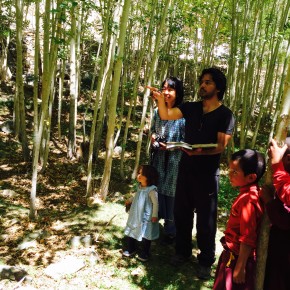
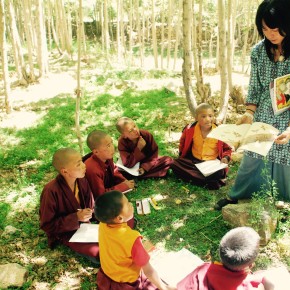
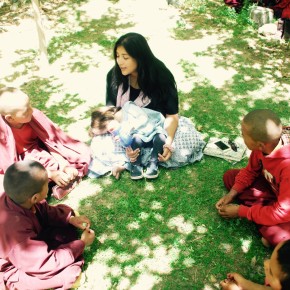
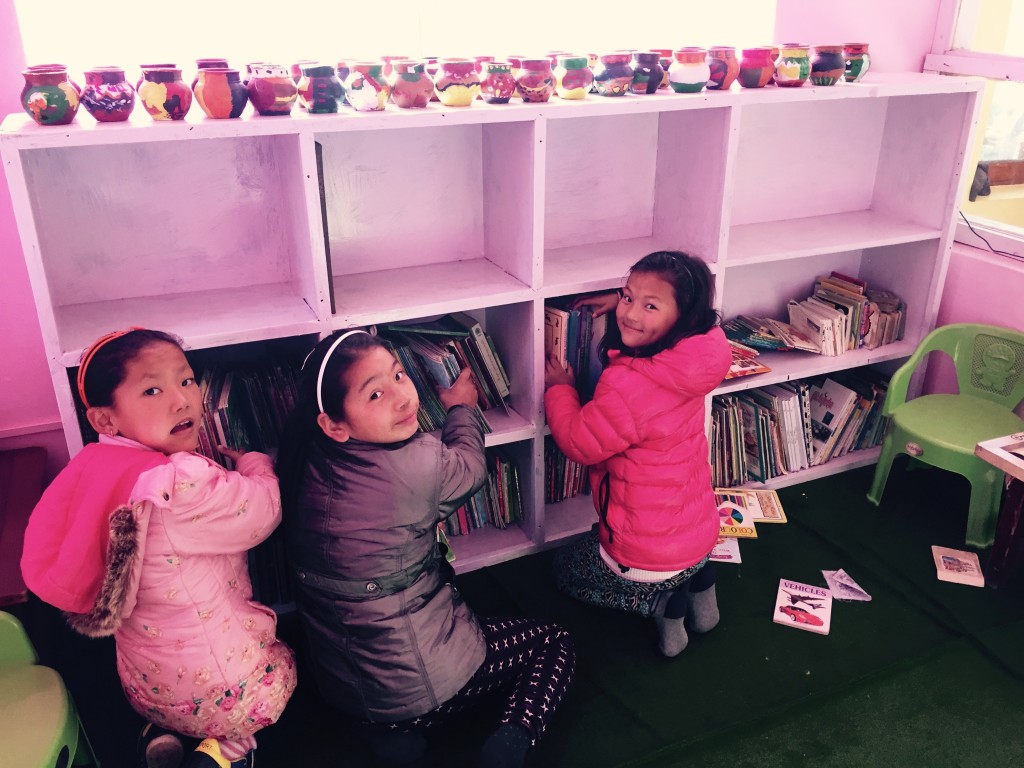
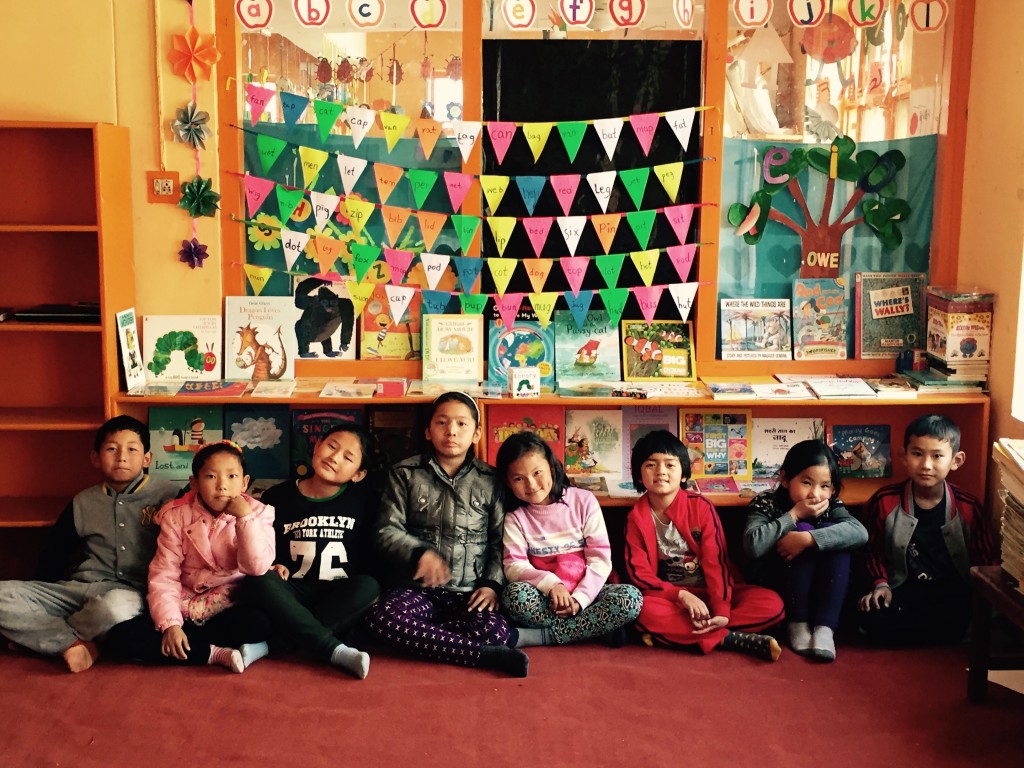
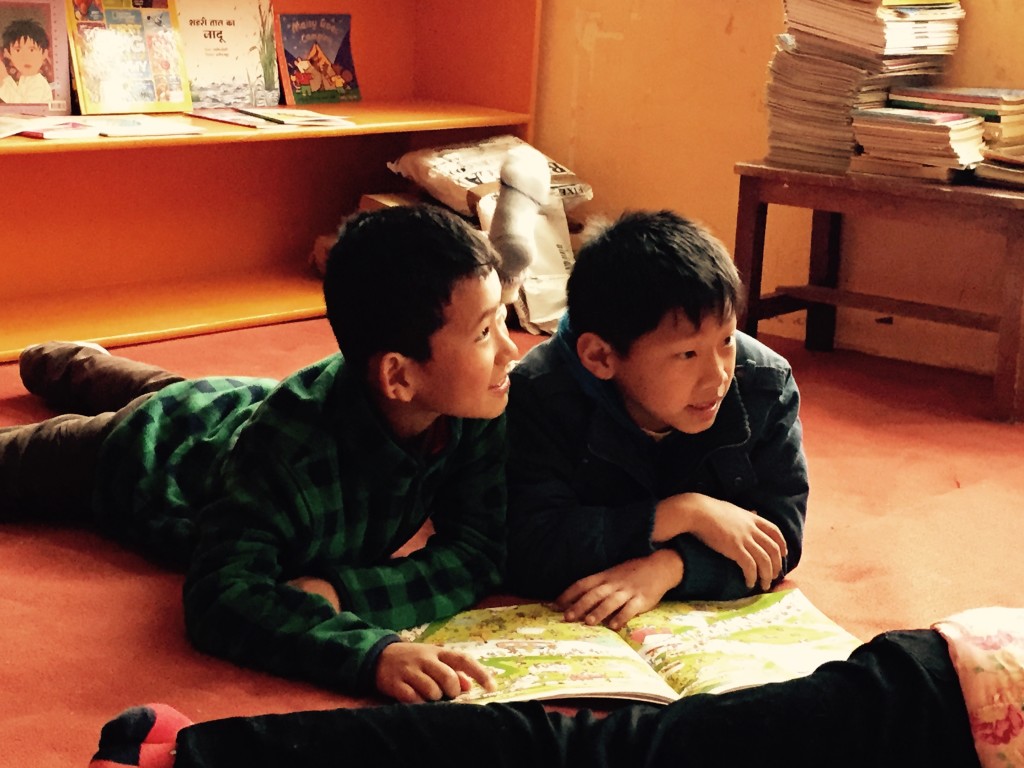
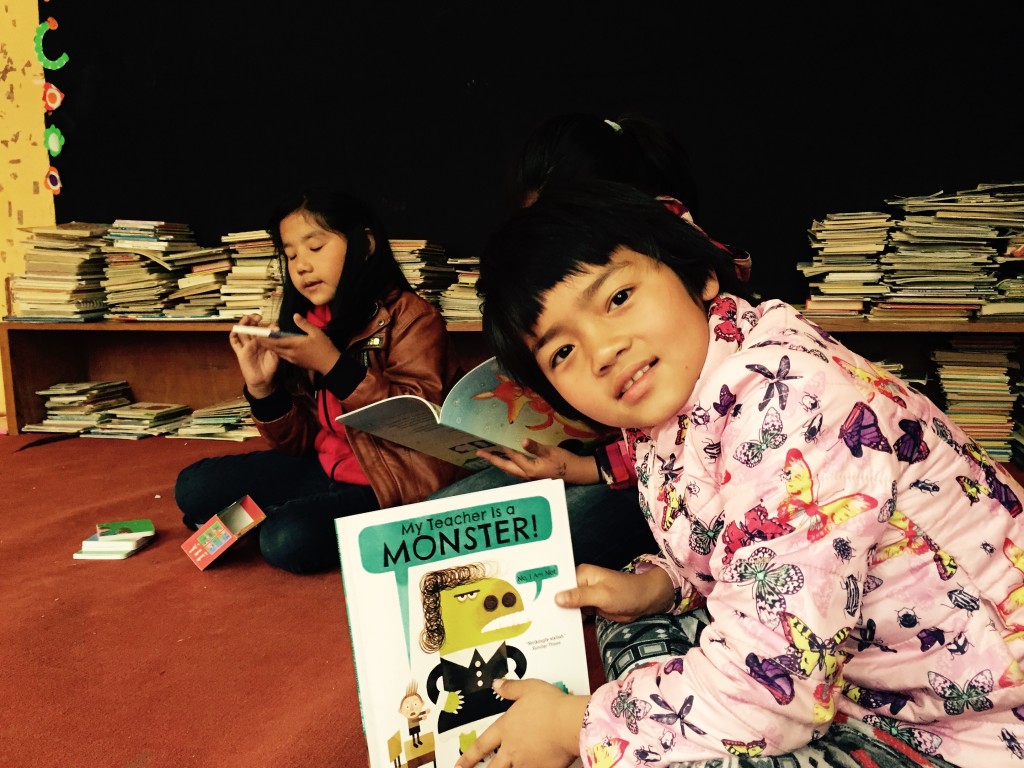
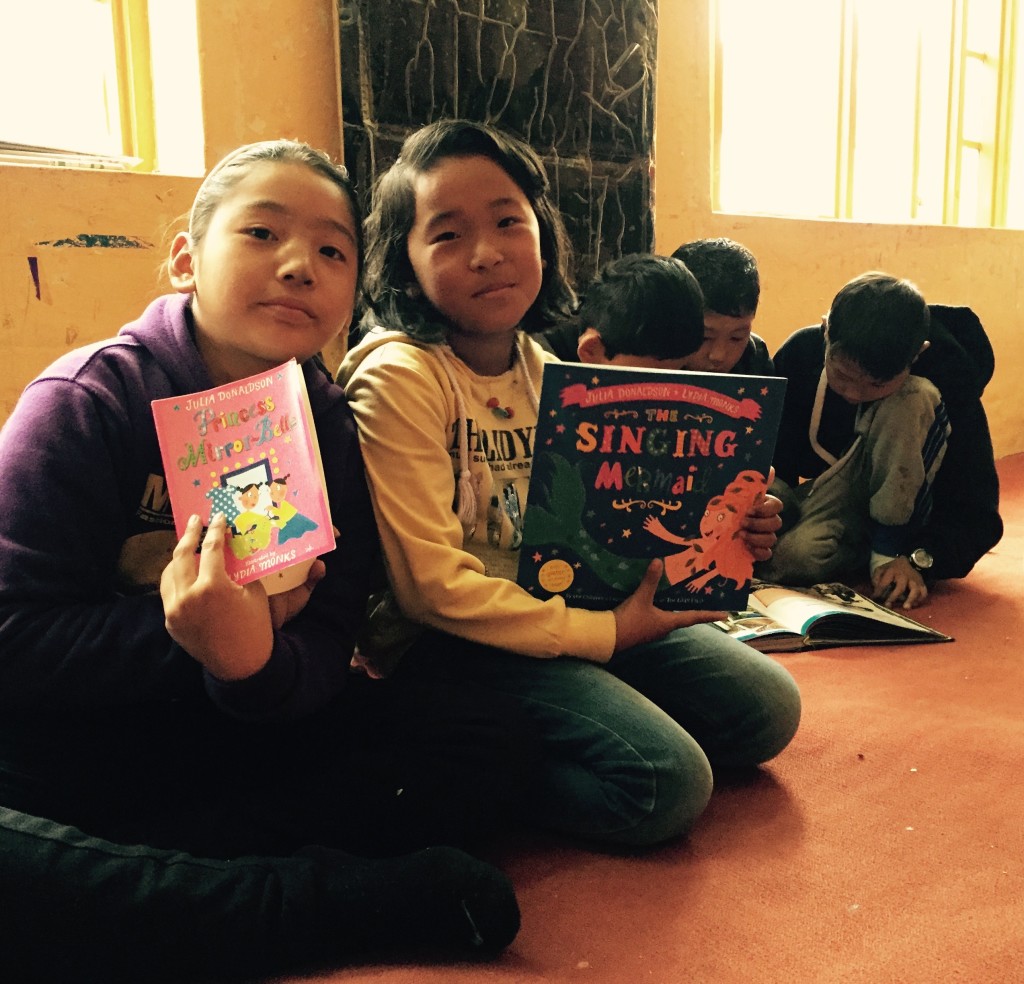
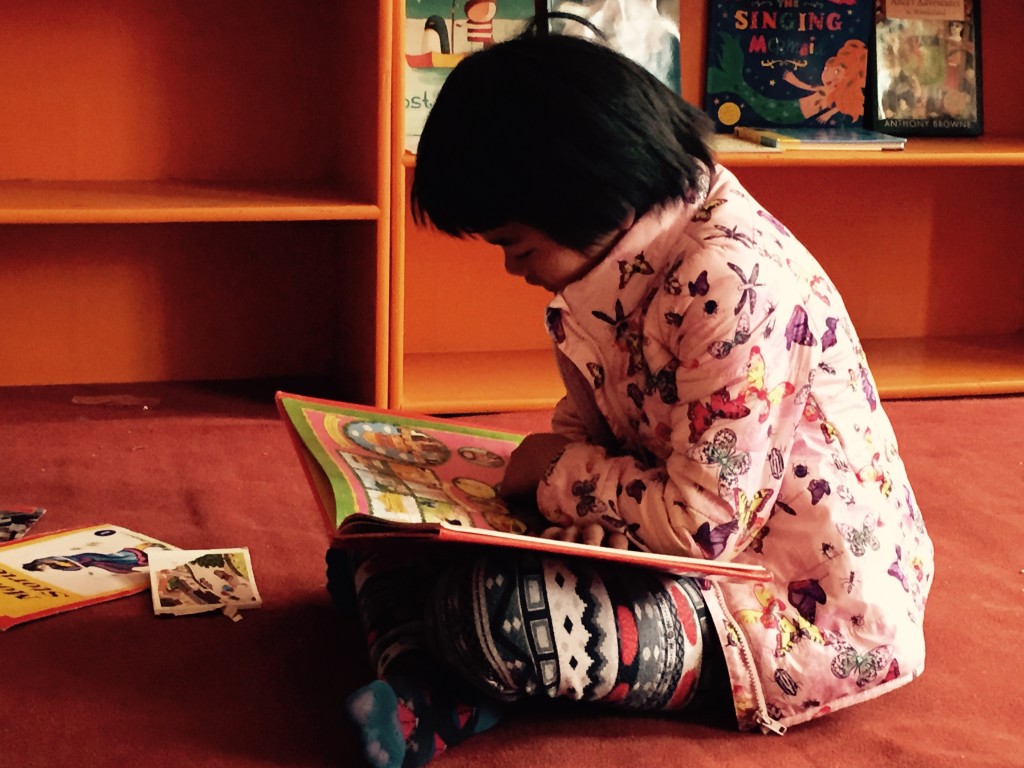
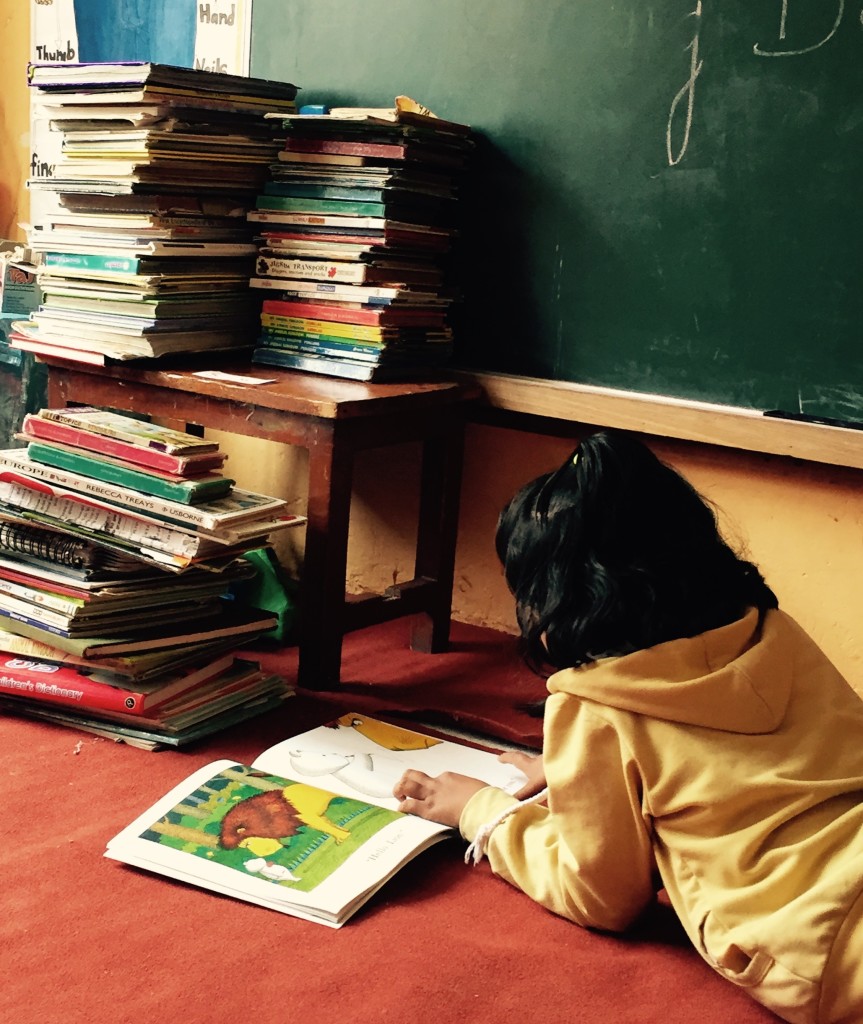
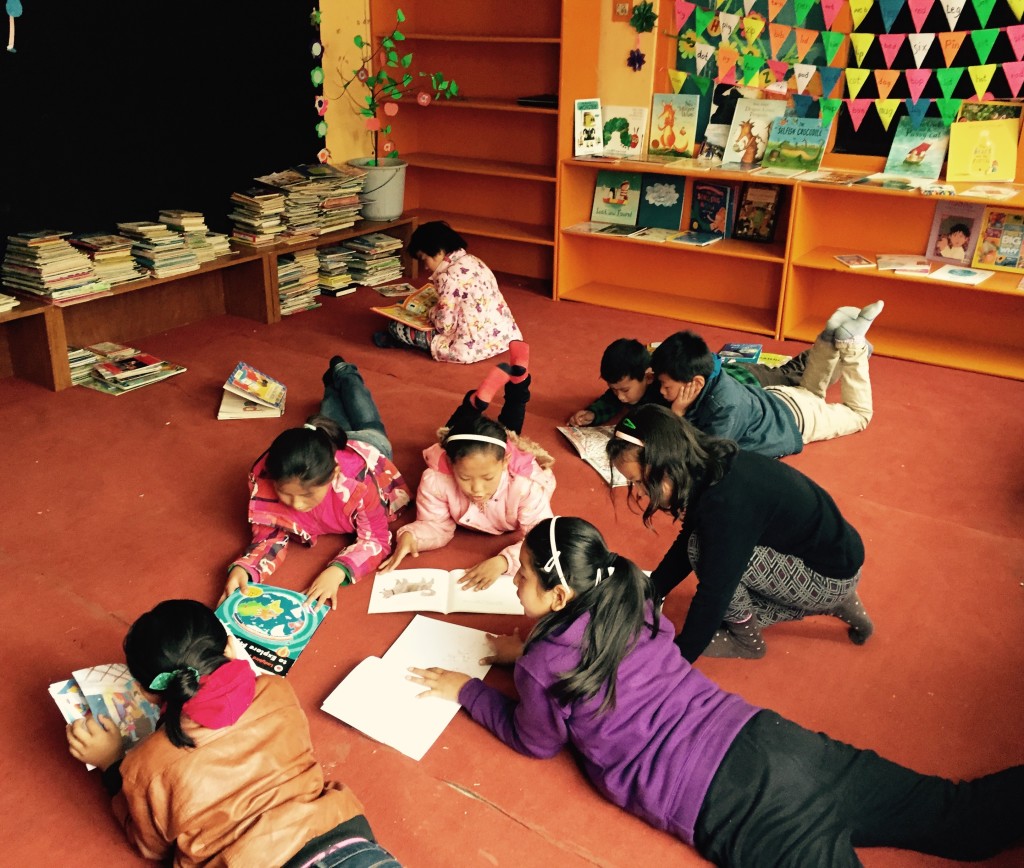
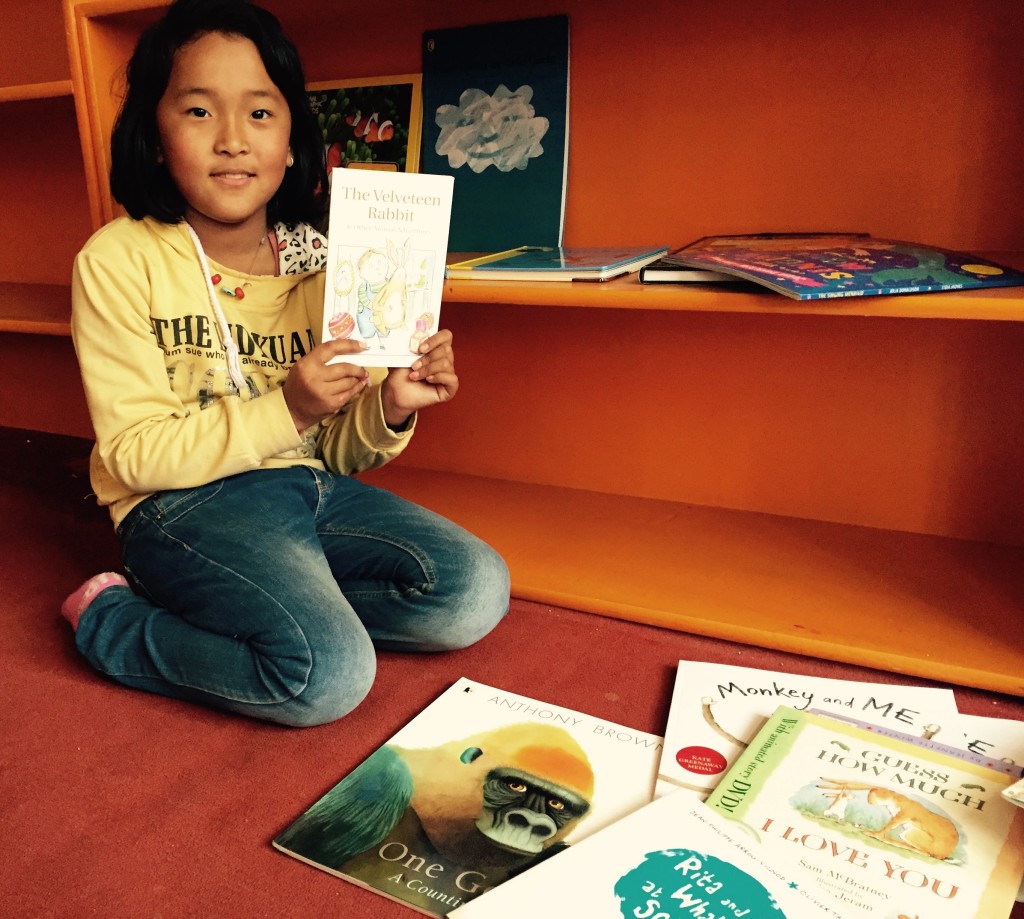
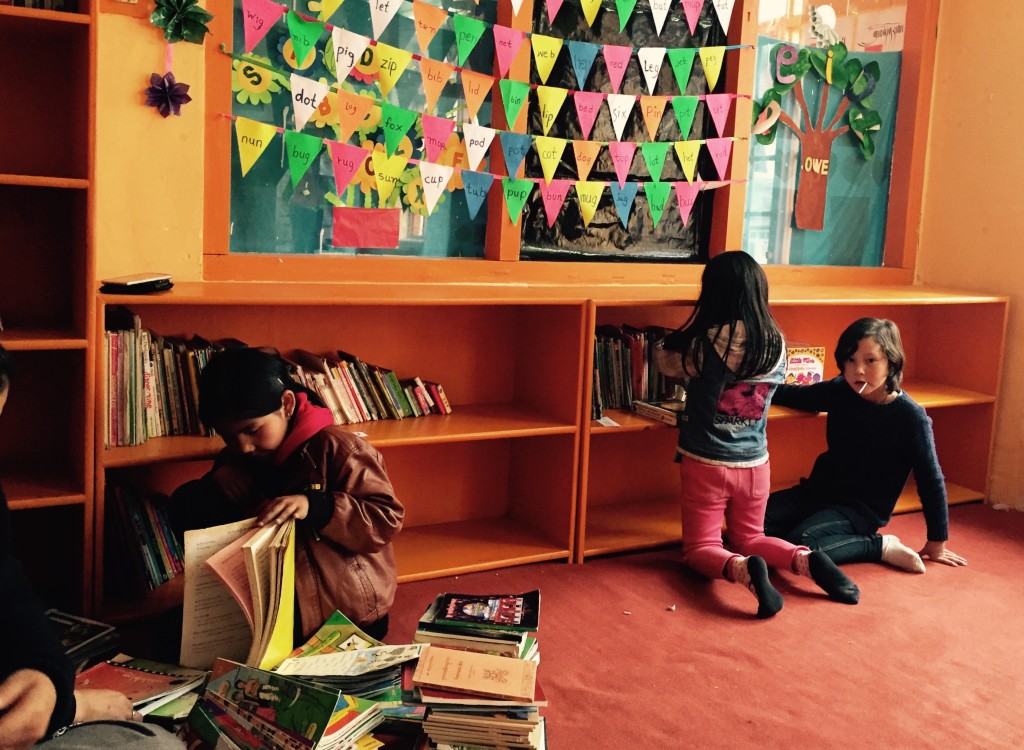
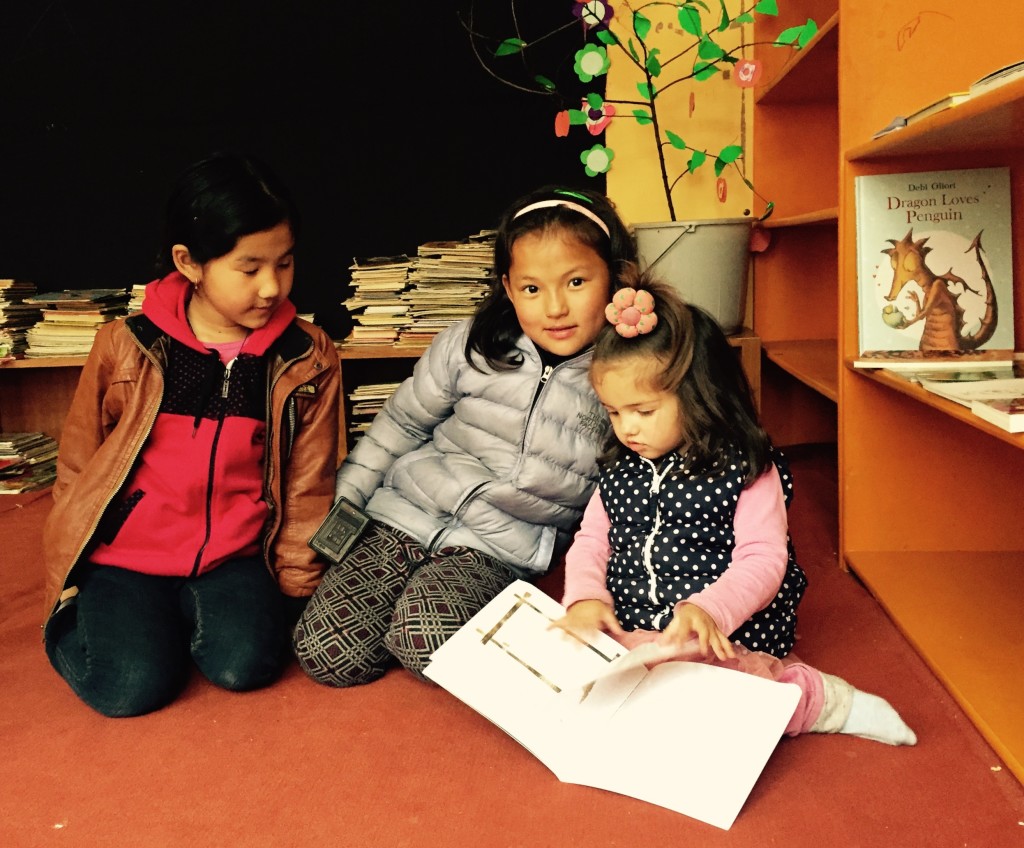
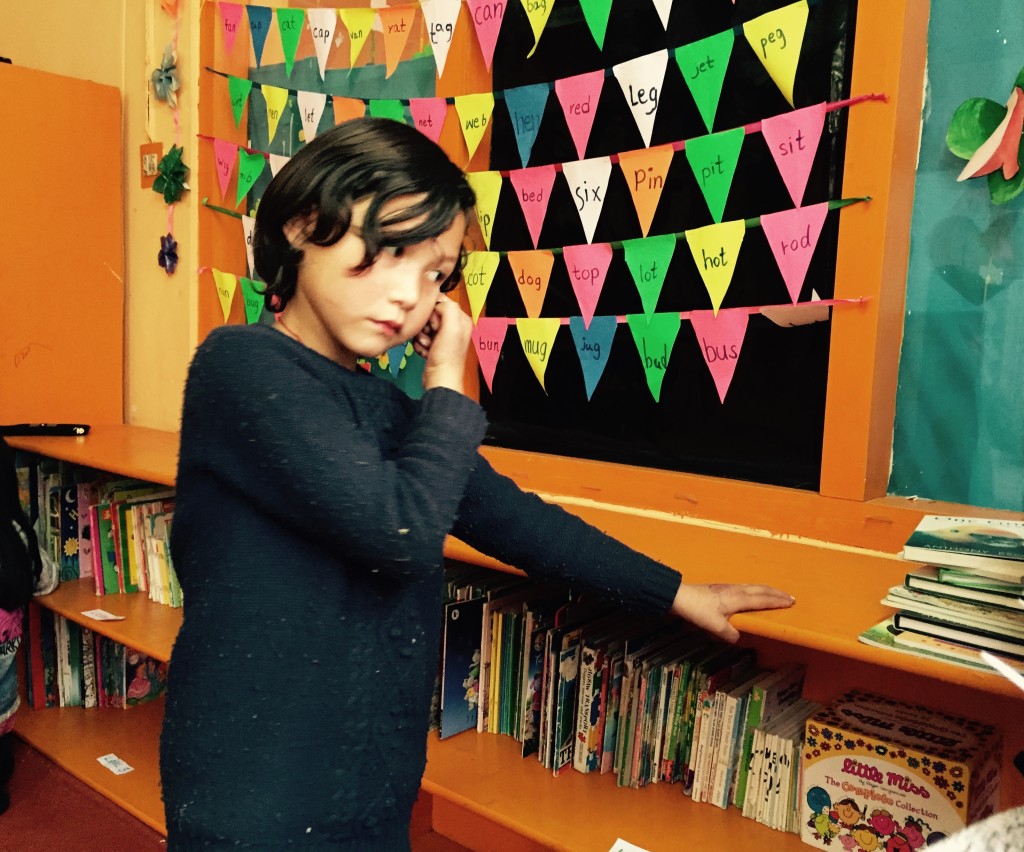
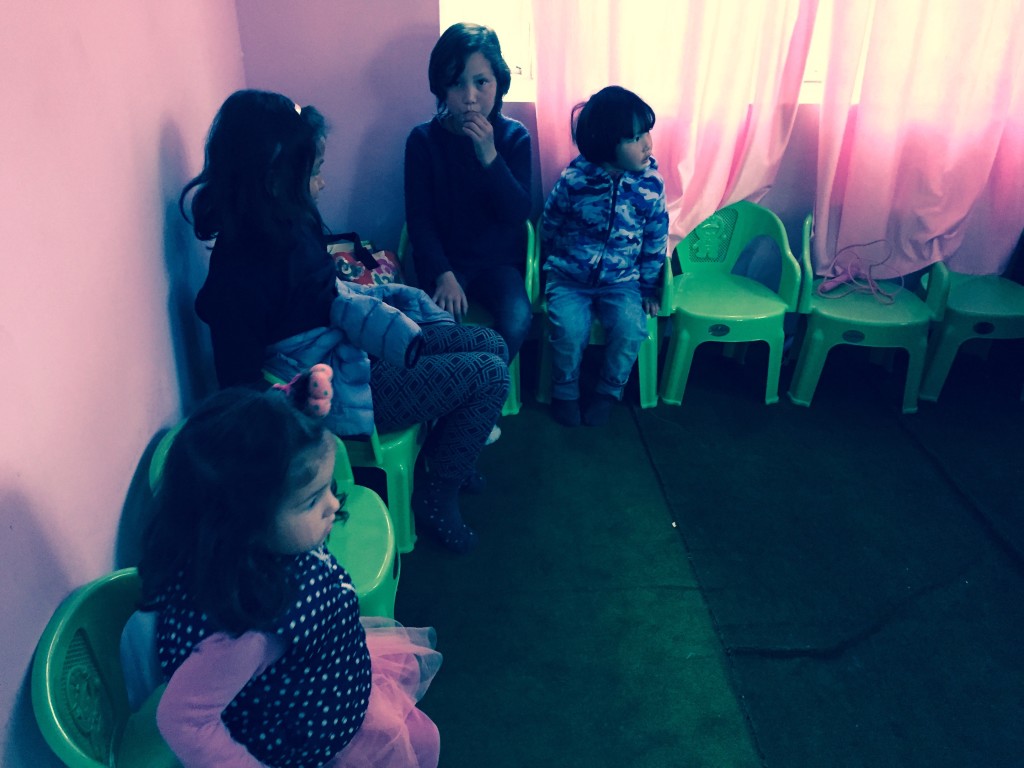
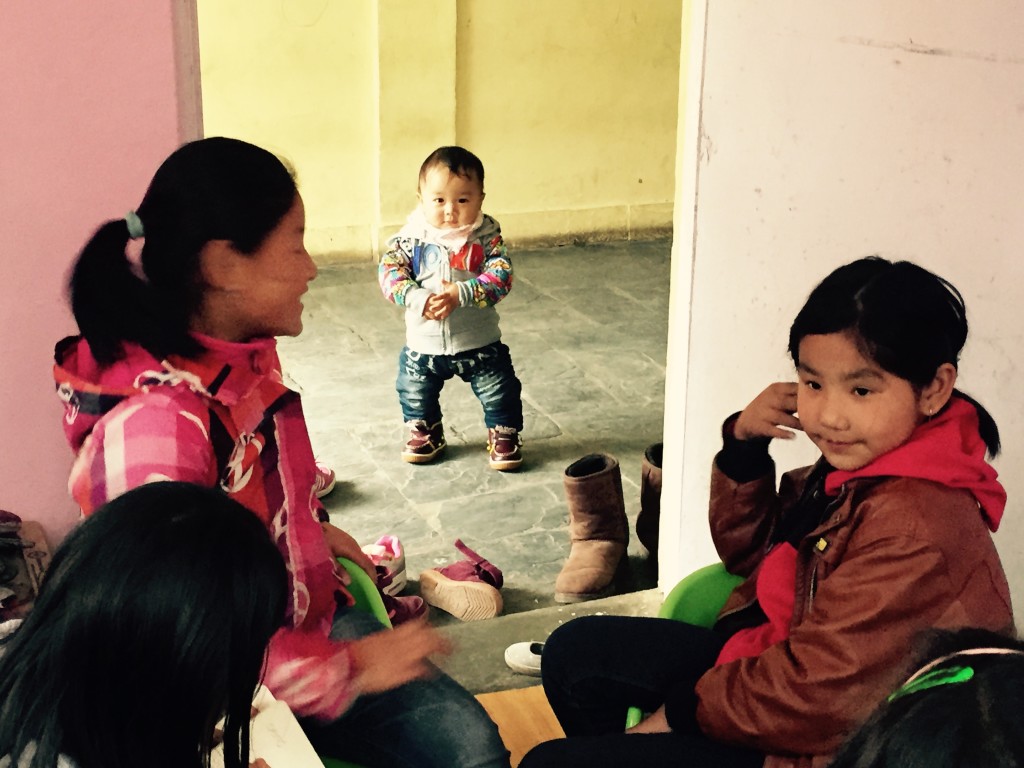
Once books are placed on shelves, the room itself becomes part of the educational experience. A reading room offers a dedicated place where children can browse, read quietly, work together, or listen to a story. Comfortable seating, visible shelves, simple organization, and a welcoming atmosphere can make books feel approachable.
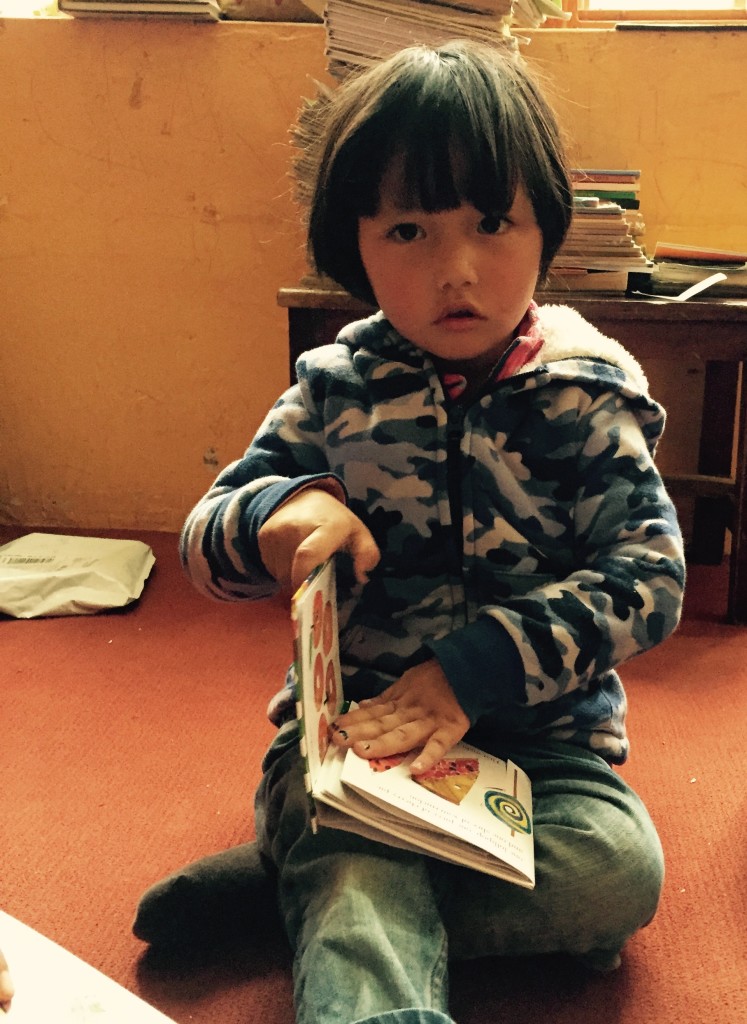
For children who do not have many books at home, regular access can change everyday habits. They may return to a favorite story, practice reading aloud, look up unfamiliar words, or choose a title beyond their usual interests. These small decisions encourage independence and help reading become a personal activity rather than only a classroom task.
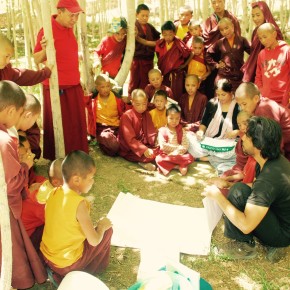
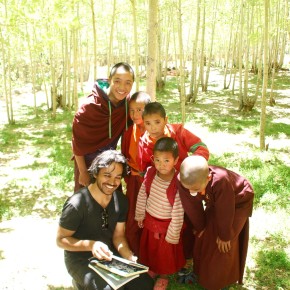
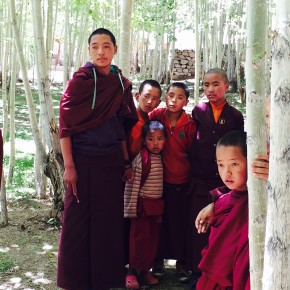
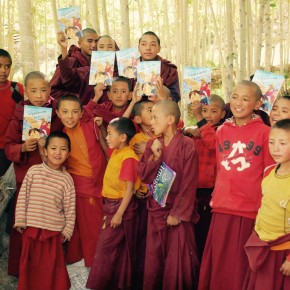
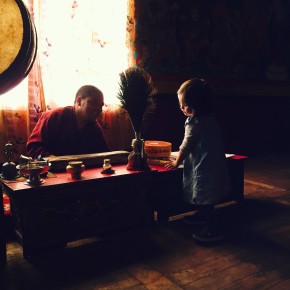
A reading room can also support young monks whose education includes religious study alongside broader subjects. Reference books, fiction, visual materials, and language resources can widen the range of ideas available to them. The aim is not to replace existing traditions, but to add useful pathways for curiosity and self-directed learning.
Books In Local Languages And Contexts
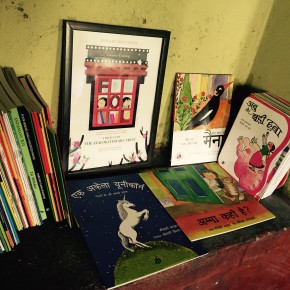
Language is central to whether a child feels invited into a book. English-language resources can strengthen vocabulary and open access to global knowledge, while local and regional languages help children connect reading with family life, community history, and familiar ways of describing the world. A balanced collection can serve different levels of language development.
Subject matter matters as well. Books about mountains, animals, weather, travel, friendship, crafts, and local landscapes may feel especially relevant to Himalayan children. At the same time, stories from other cultures can expand a reader’s sense of possibility. The strongest libraries make room for both recognition and discovery.
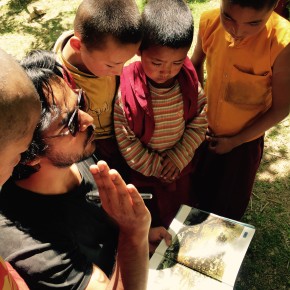
Books can also become starting points for conversations. A story may lead to a drawing session, a geography activity, a discussion about values, or a writing exercise. When educators connect reading with lived experience, a donated book becomes an active resource rather than an object that sits unused.
Beyond Reading: Art, Music, And Confidence
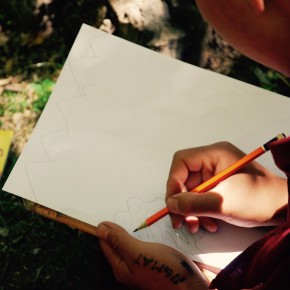
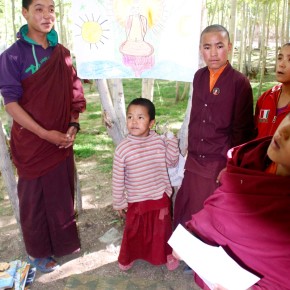
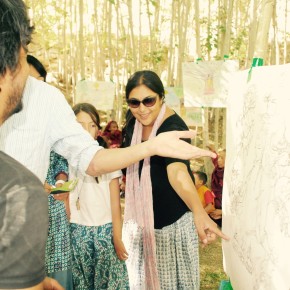
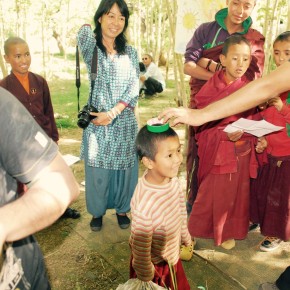
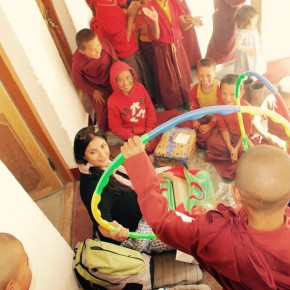
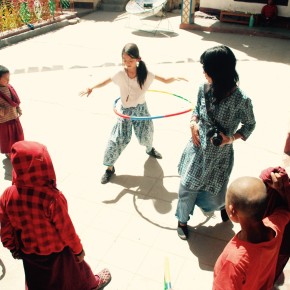
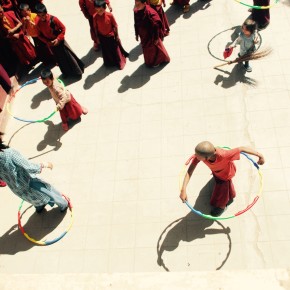
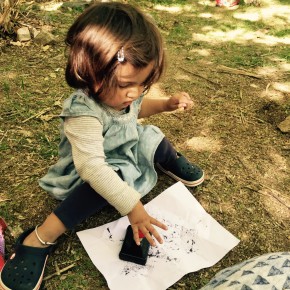
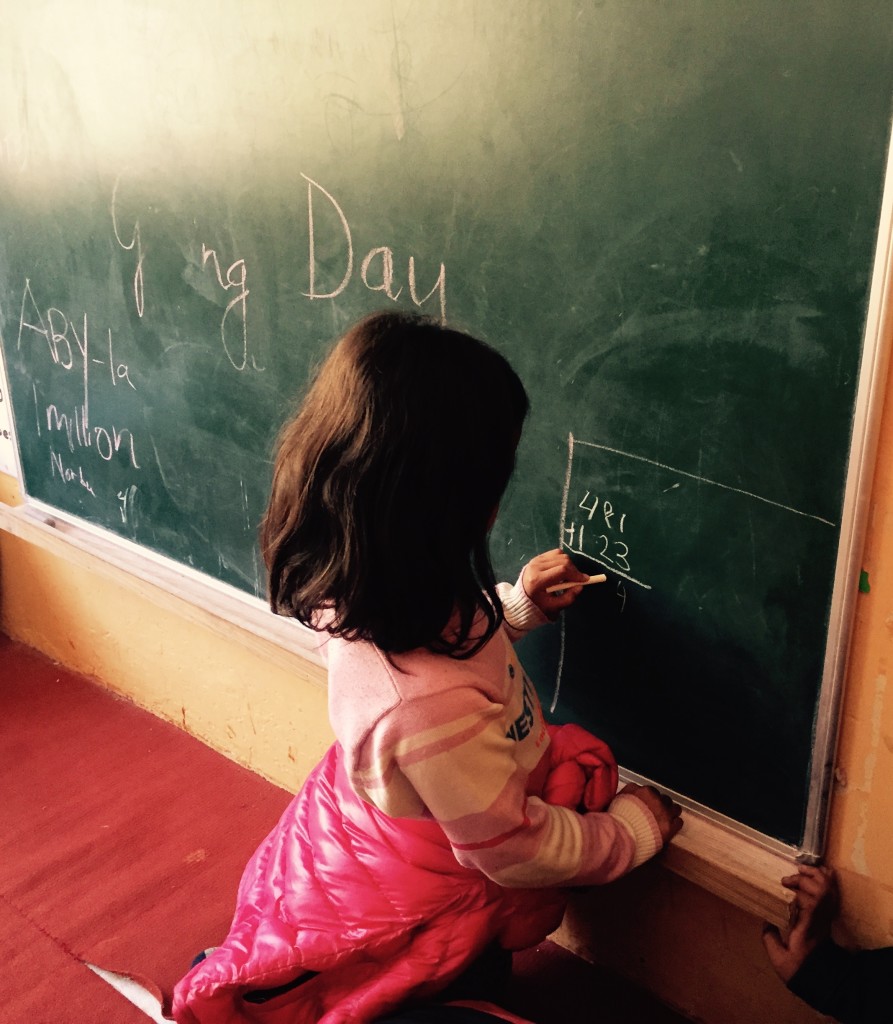
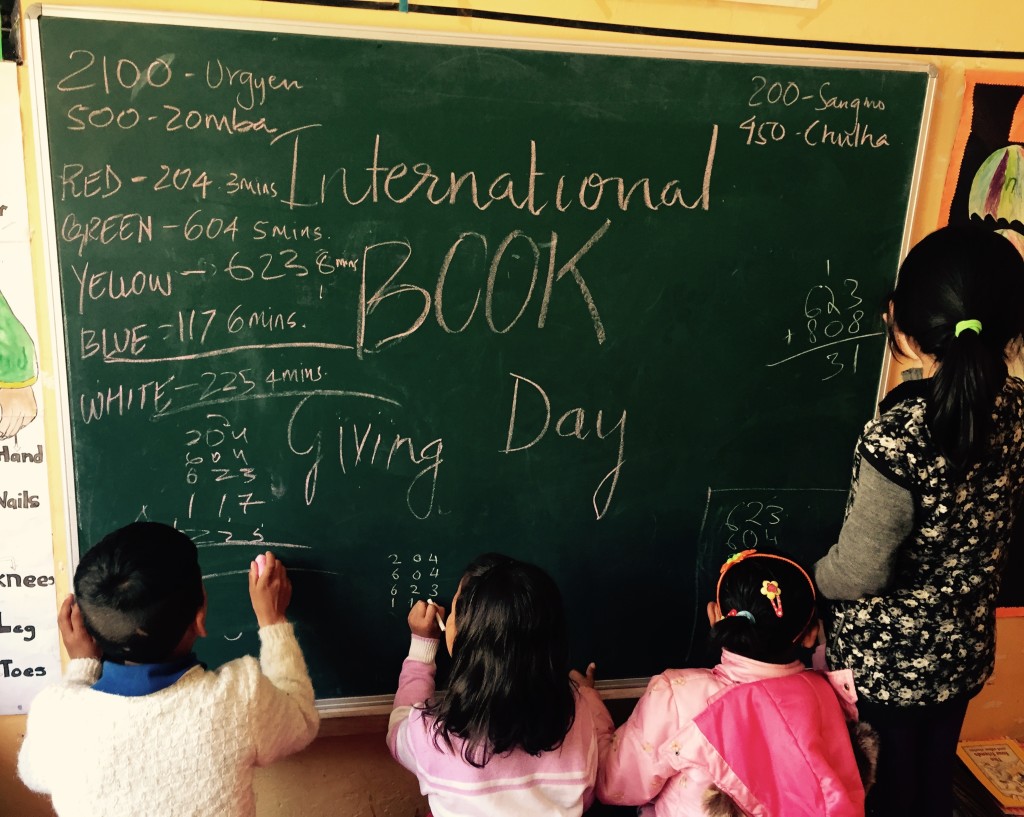
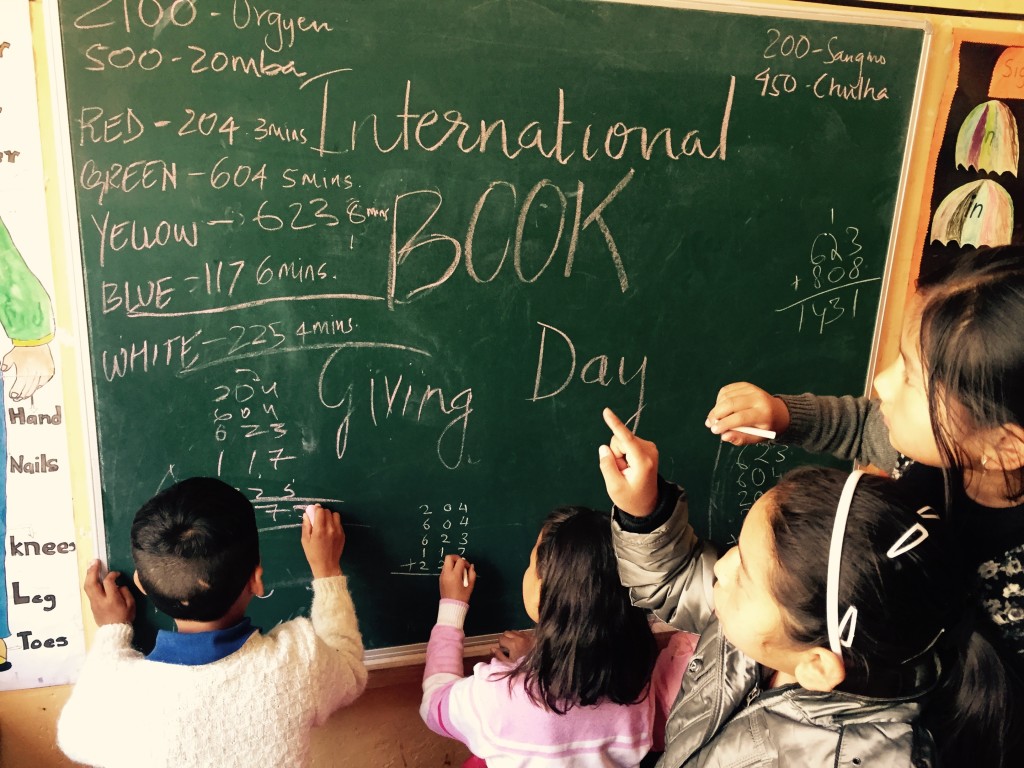
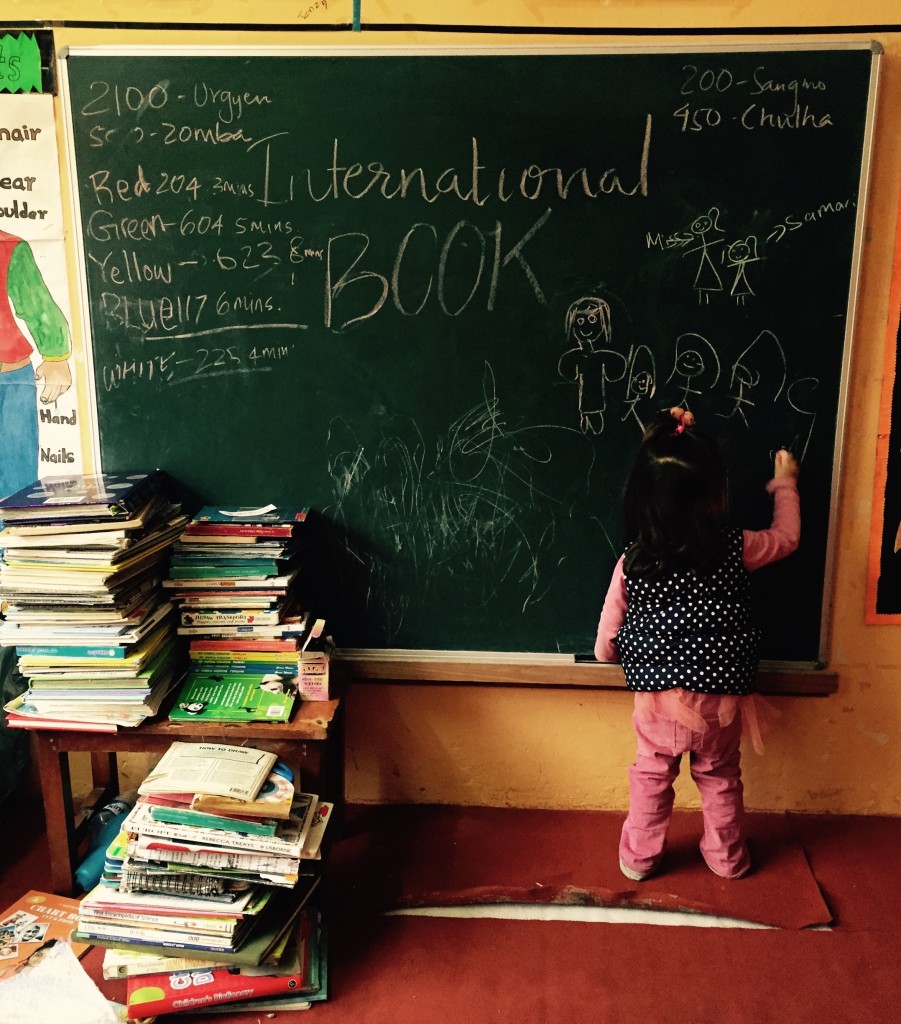
The benefits of a Himalayan book project extend beyond literacy. Children can illustrate a story, create handmade bookmarks, act out a scene, or write an alternative ending. These activities strengthen communication and imagination while allowing children with different learning styles to participate.
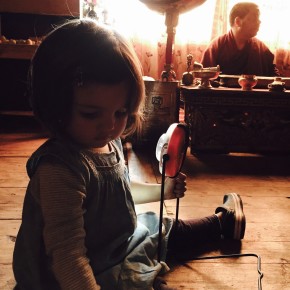
Music provides another bridge between education and cultural identity. Singing, rhythm, and traditional instruments can help younger generations engage with heritage in a lively way. Avalokiteśvara Trust’s account of music and culture shows how creative programs can support cultural continuity alongside educational development.
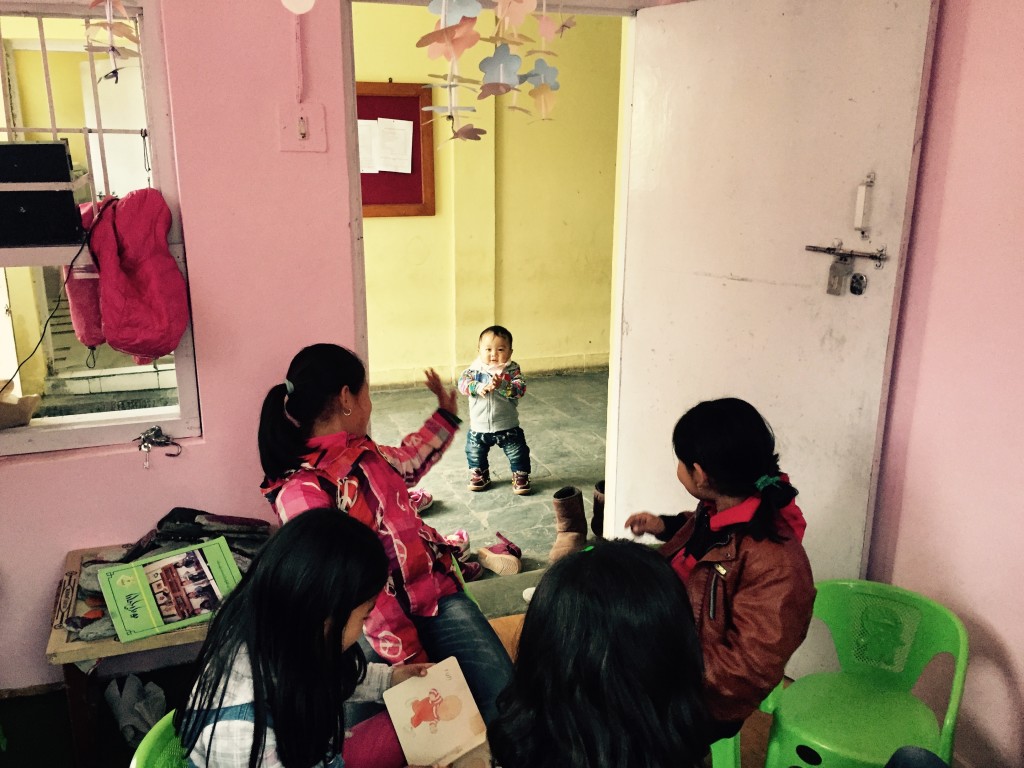
A book may even inspire a group performance or a conversation about a community tradition. In this way, reading rooms can become shared creative spaces where children build confidence, cooperate with peers, and see their own experiences treated as valuable. Access to books is therefore connected with emotional growth as well as academic progress.
Sustaining Access Over Time
Keeping a reading room active requires attention after the first delivery. Shelves need to be reorganized, popular titles may need replacement, and new age groups will gradually need more advanced material. Local caretakers can track which books are borrowed, which remain untouched, and which subjects children request.
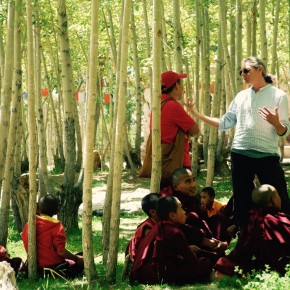
The long-term value of a book drive grows when it is part of an ongoing relationship. Volunteers can help with reading activities, storytelling, cataloging, or creative workshops, while donors can support transport, storage, furniture, and new collections. Community participation keeps the project rooted in local priorities.
Useful ways to support the journey include:
- Donate clean, age-appropriate books that match the reading levels of children and young monks.
- Support reading-room furniture, shelving, lighting, and weather-safe storage.
- Contribute to transport costs so books can reach remote Himalayan communities.
- Volunteer time for storytelling, arts, music, language practice, or library organization.
- Share information about book drives and educational programs with schools and community groups.
Every stage deserves the same care as the original donation. A thoughtful title, a sturdy shelf, a welcoming activity, and a local person who helps a child choose a book can each influence whether reading becomes a lasting habit.
When books arrive in the Himalayas, they enter a living network of people, places, and ideas. They are sorted, shared, discussed, illustrated, performed, and returned to the shelf for another reader. Support Avalokiteśvara Trust’s work by donating books, resources, or time so more children can discover the confidence and possibilities held inside a well-chosen book.