The role of music in preserving Ladakhi culture for young generations
In Ladakh, music carries stories across mountain valleys, monastery courtyards, village homes, and family celebrations. A melody can preserve a local language, remember a seasonal tradition, or express respect for the land. For children growing up amid rapid social and technological change, these sounds offer a direct connection to the people and places that shaped their communities.
Traditional Ladakhi music includes folk songs, Buddhist chants, dance melodies, instrumental performances, and songs linked to work, festivals, and everyday life. Each form reflects a different part of Himalayan heritage. When children hear, learn, and perform this music, they gain more than artistic skills. They develop an understanding of cultural identity, collective memory, and belonging.
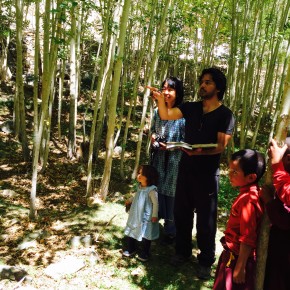
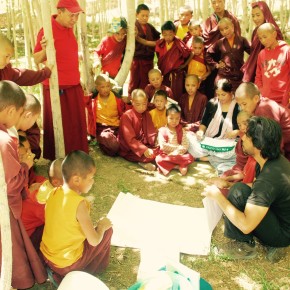
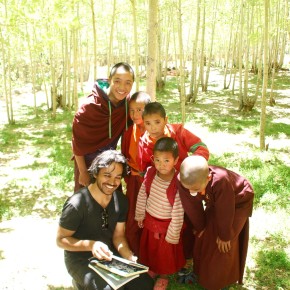
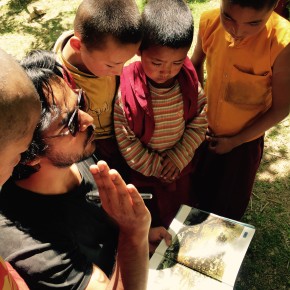
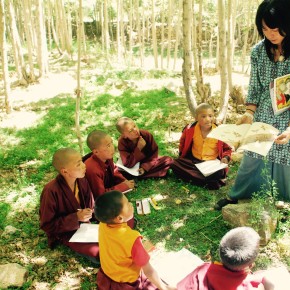
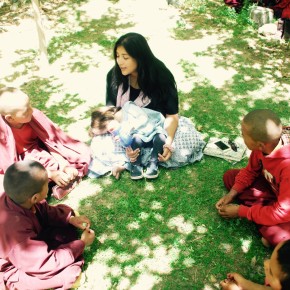
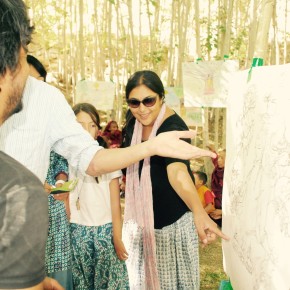
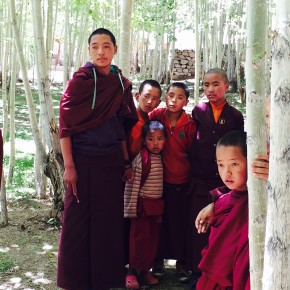
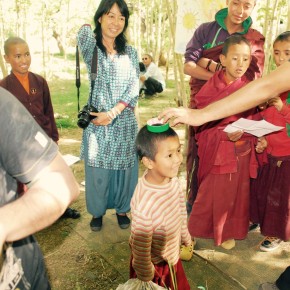
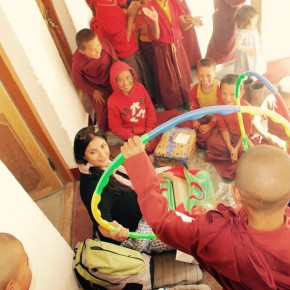
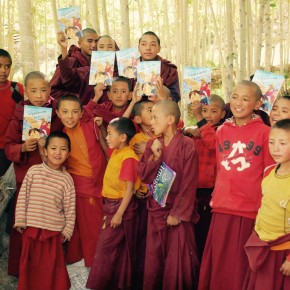
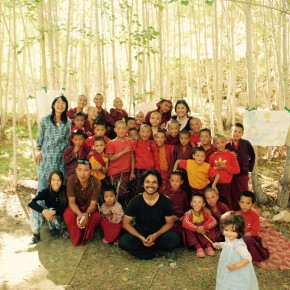
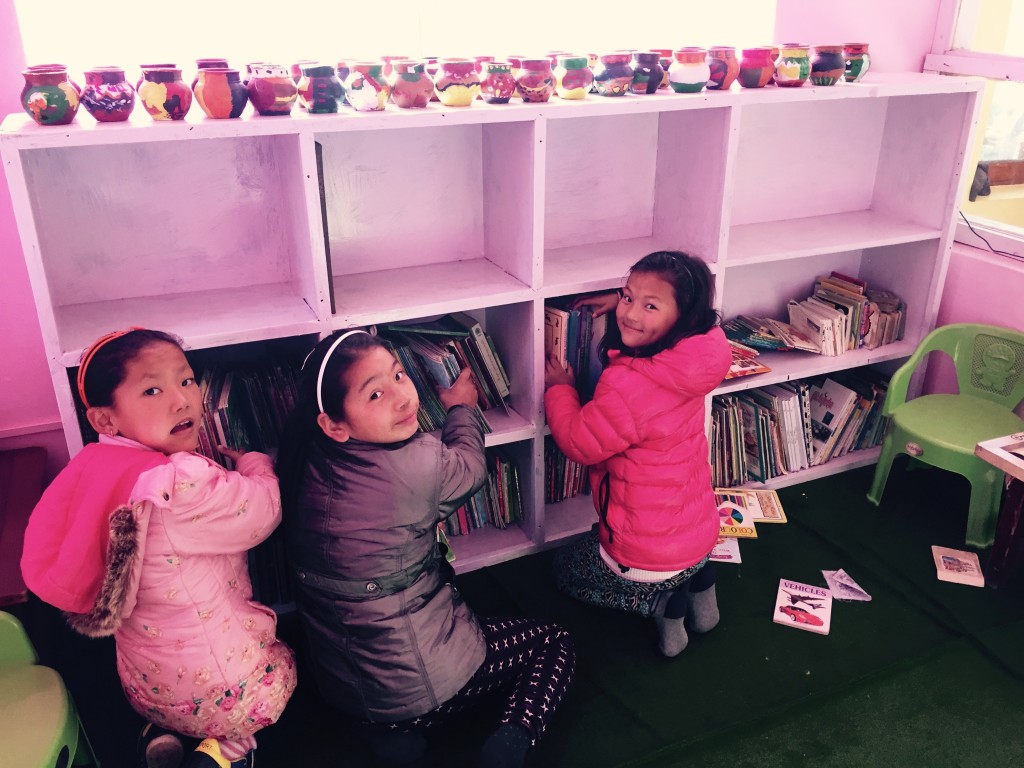
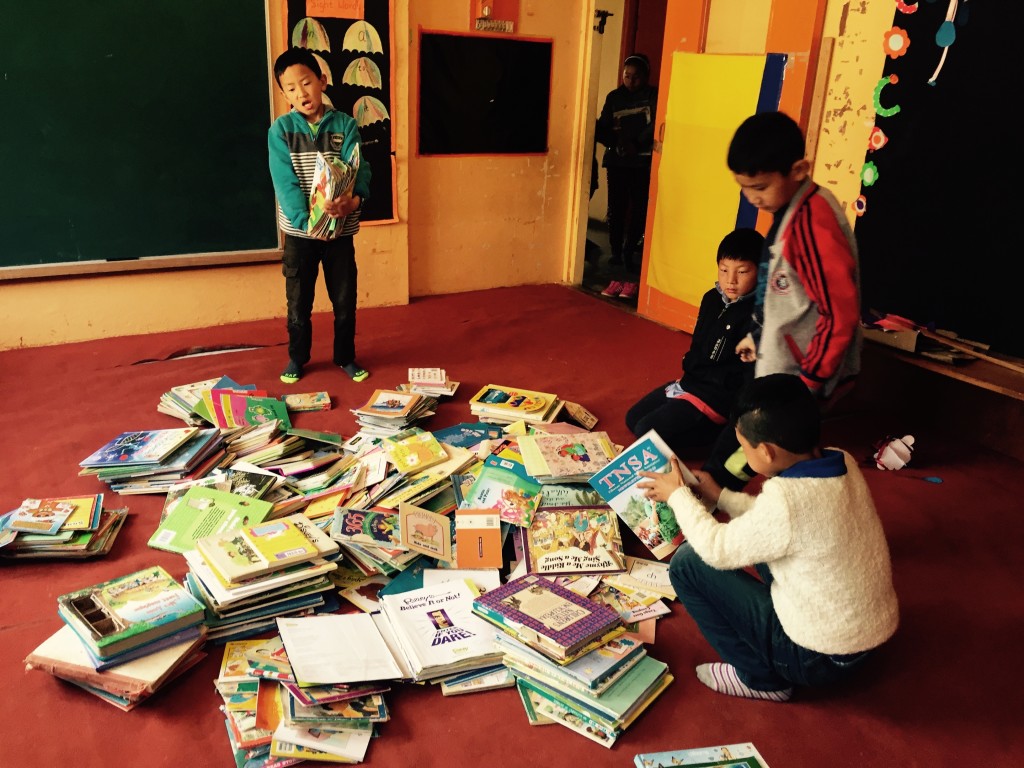
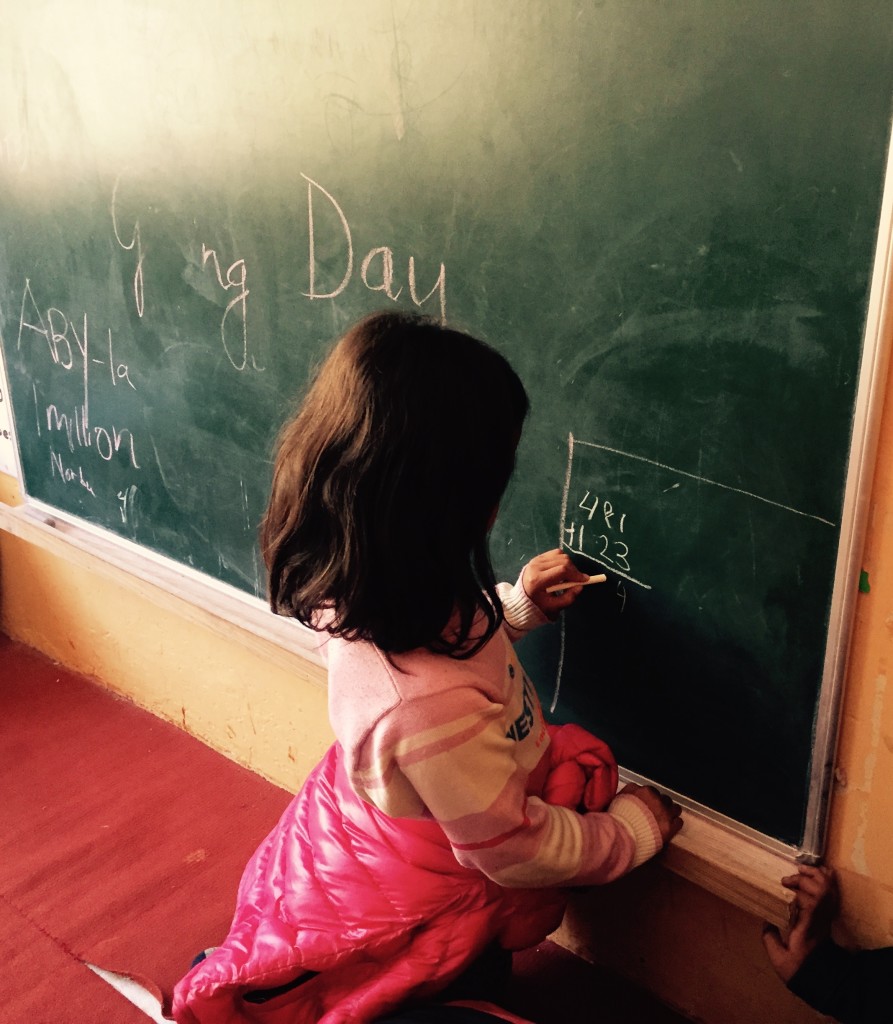
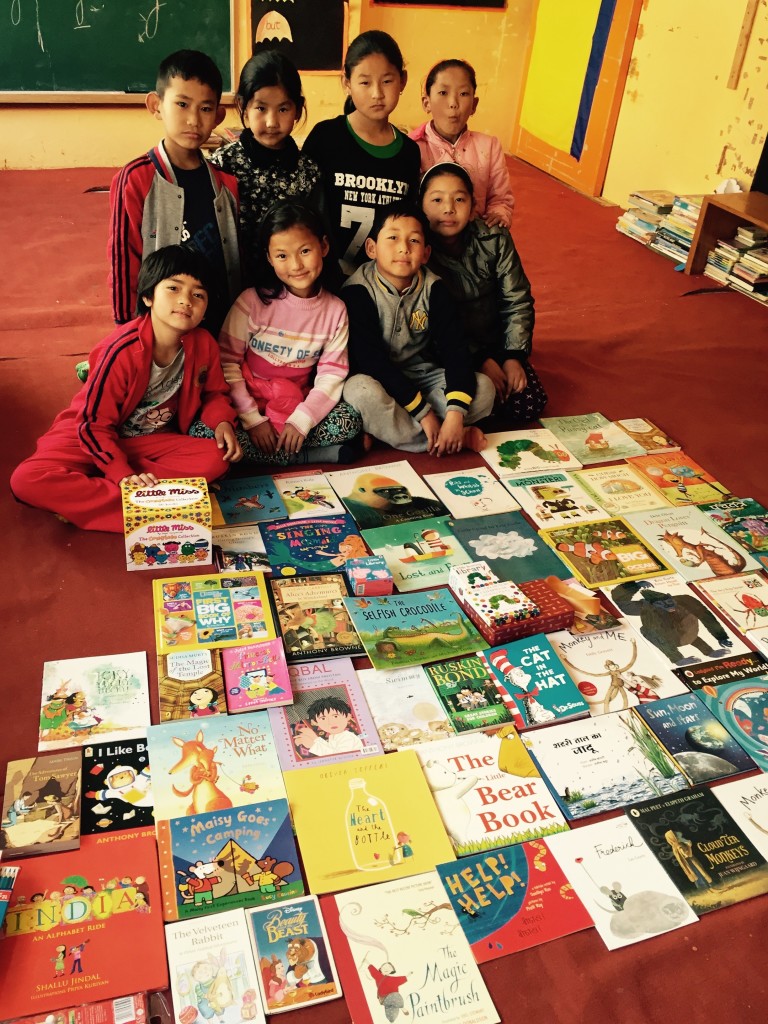
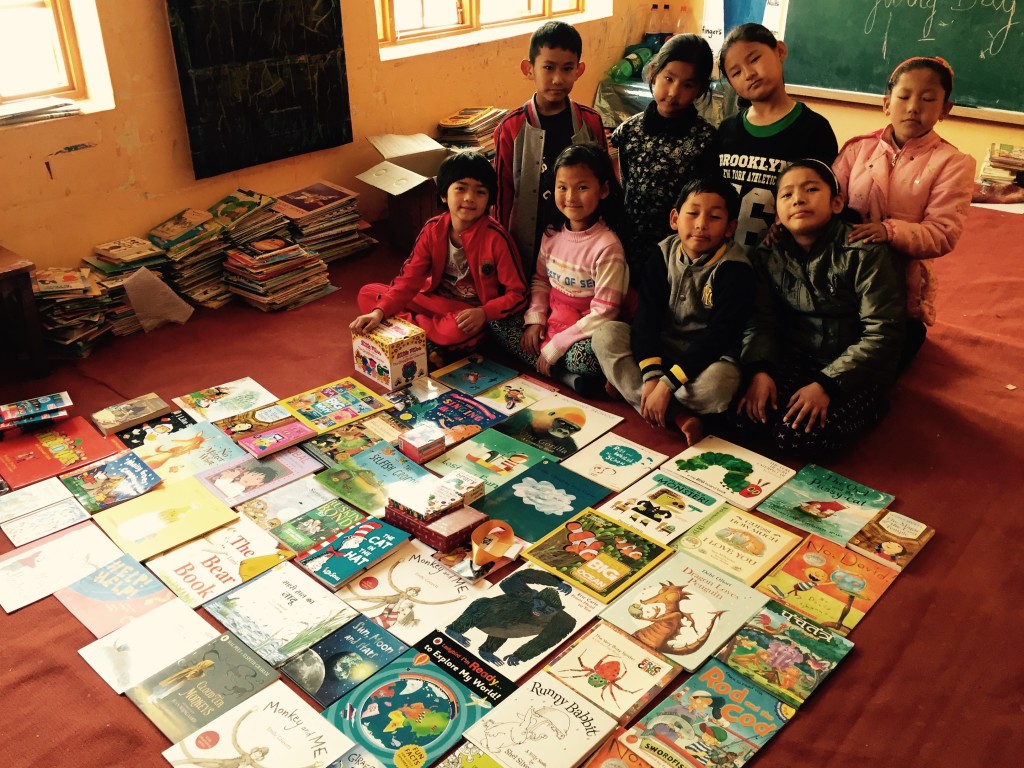
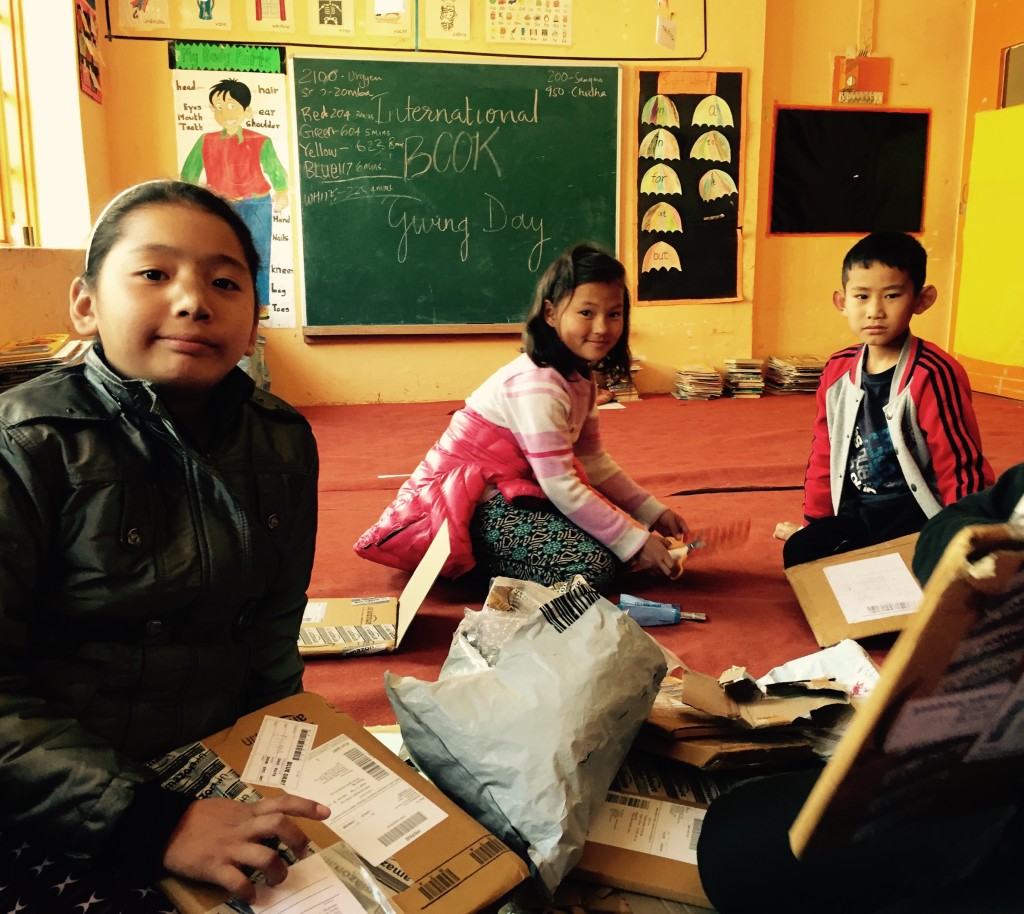
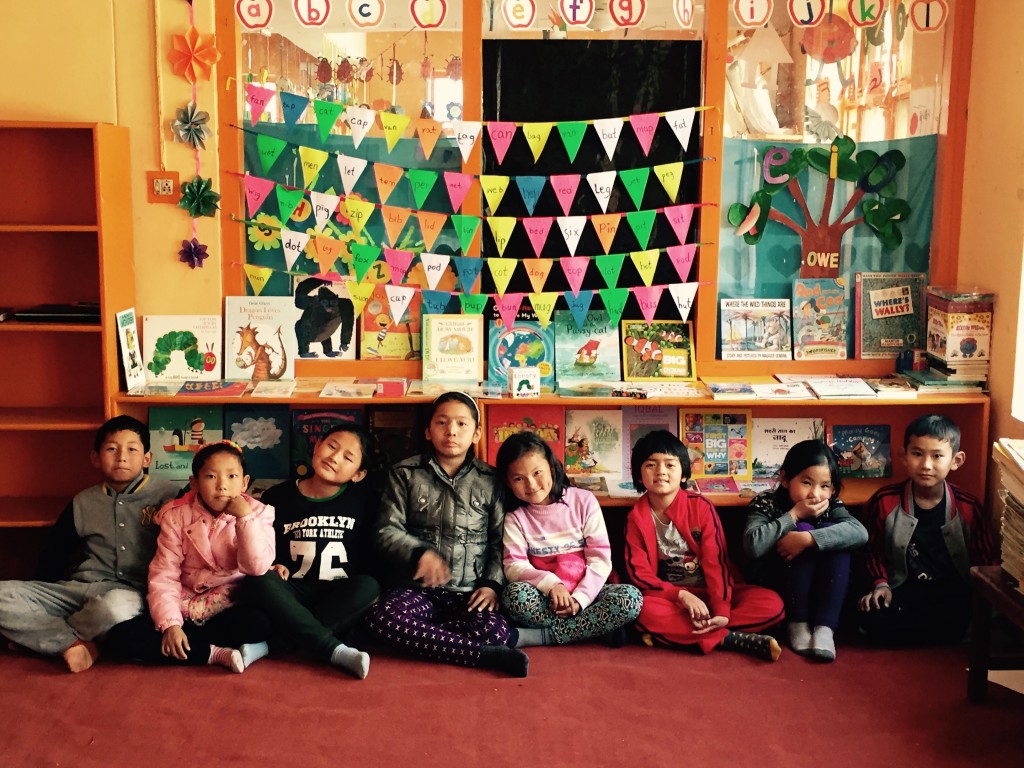
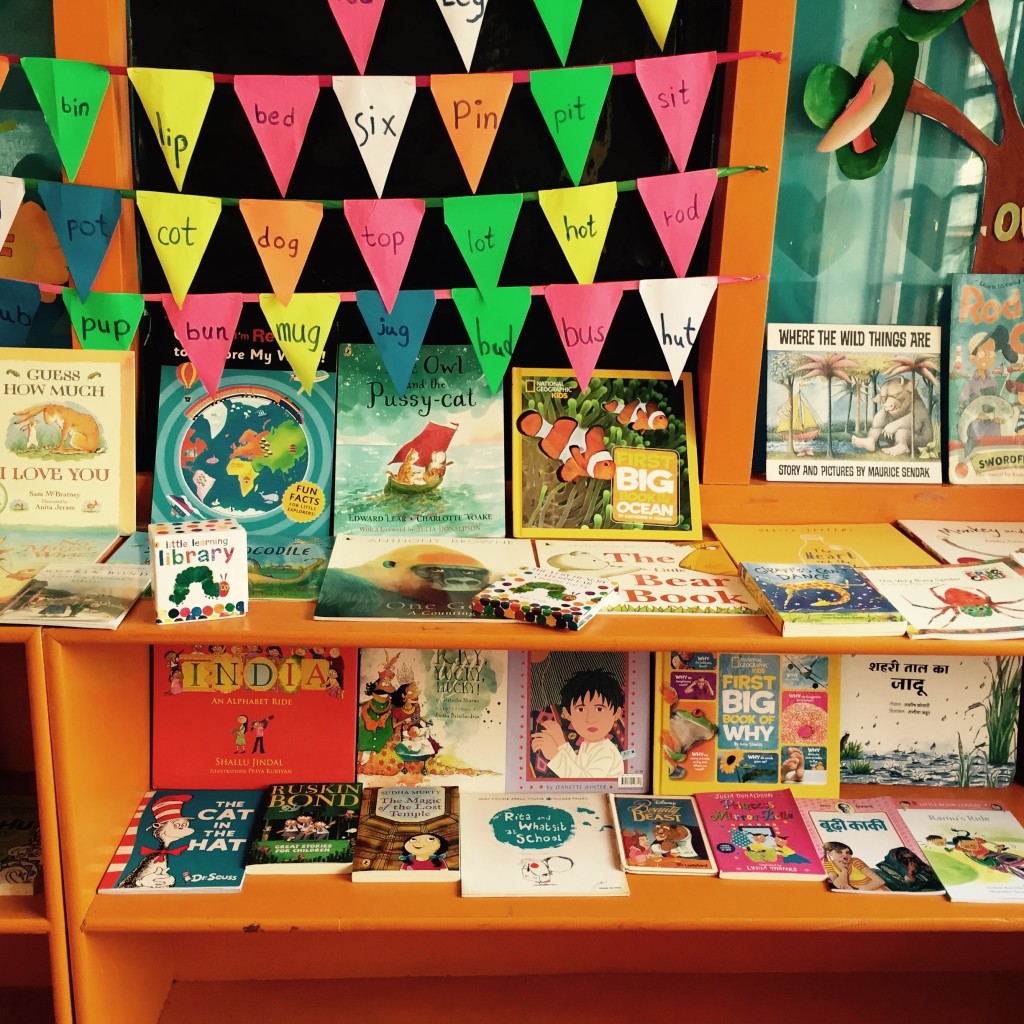
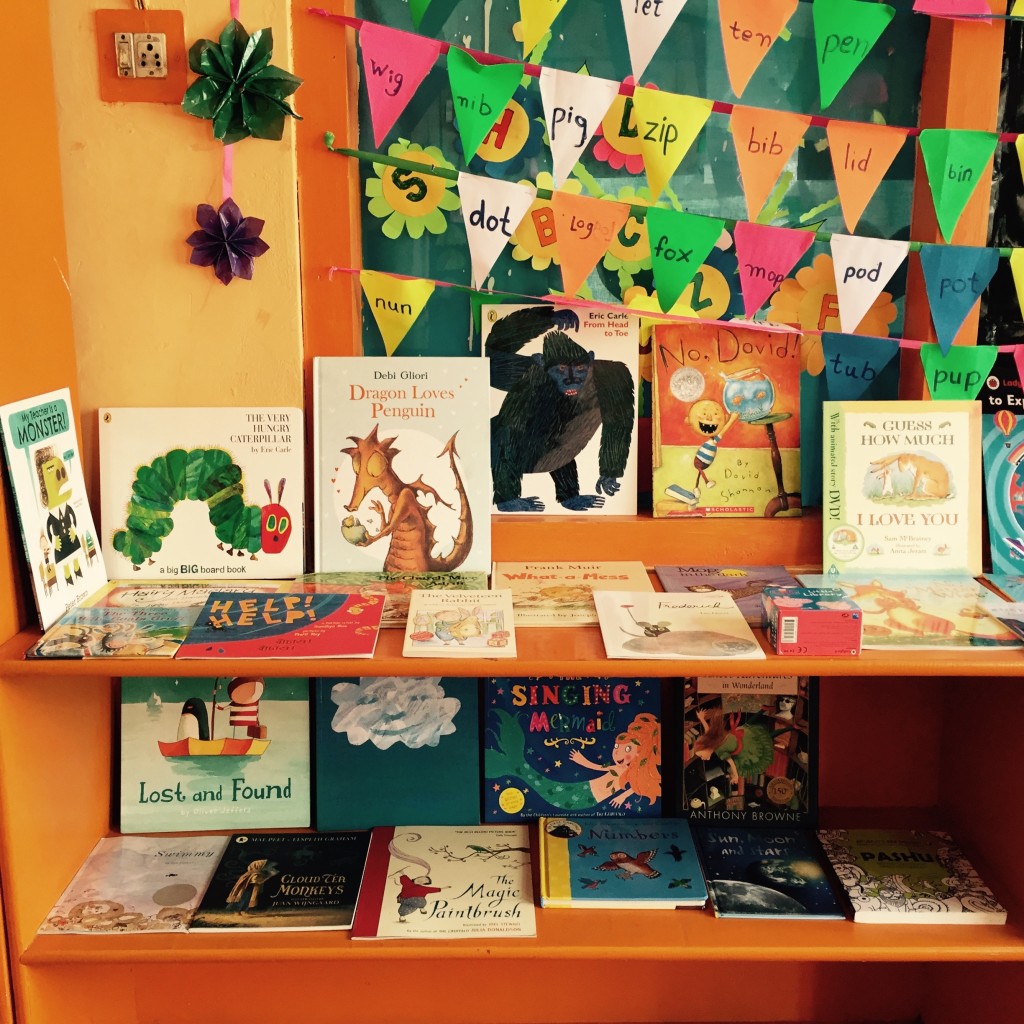
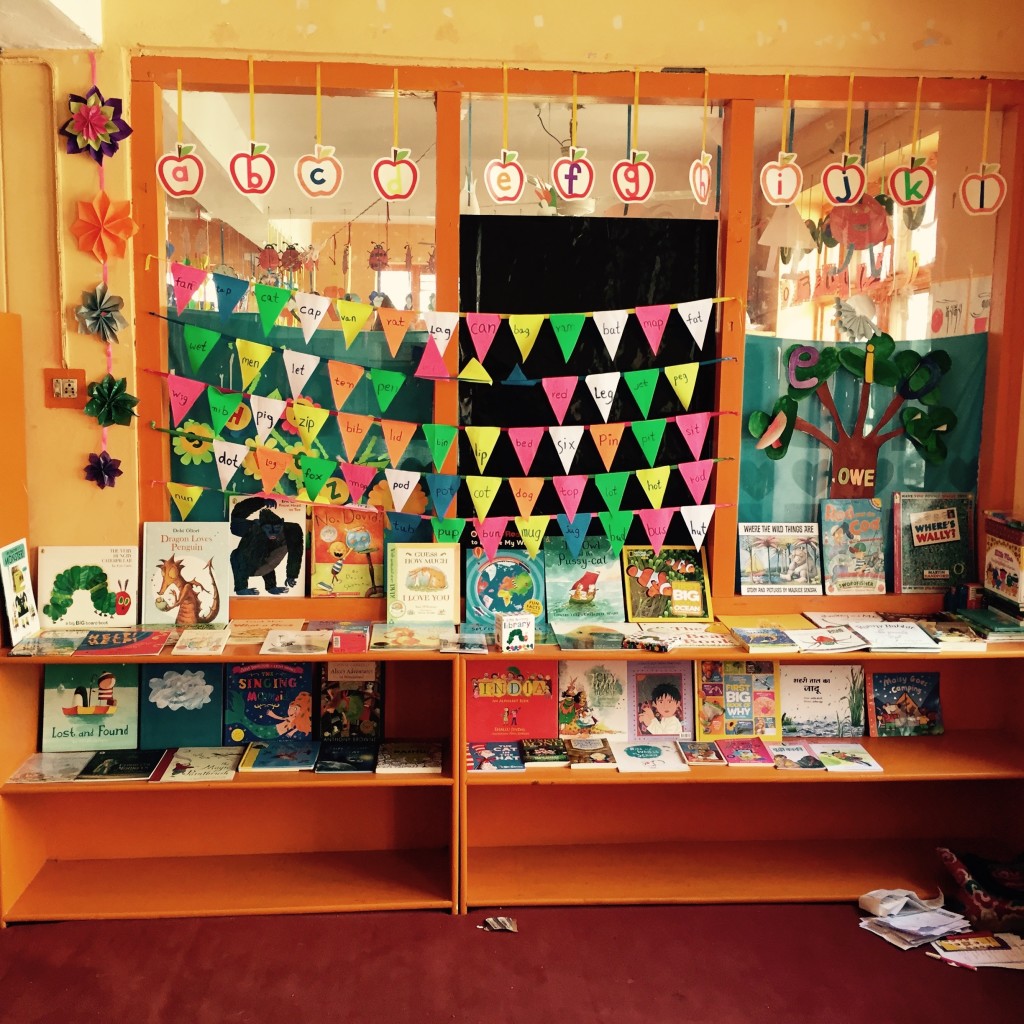
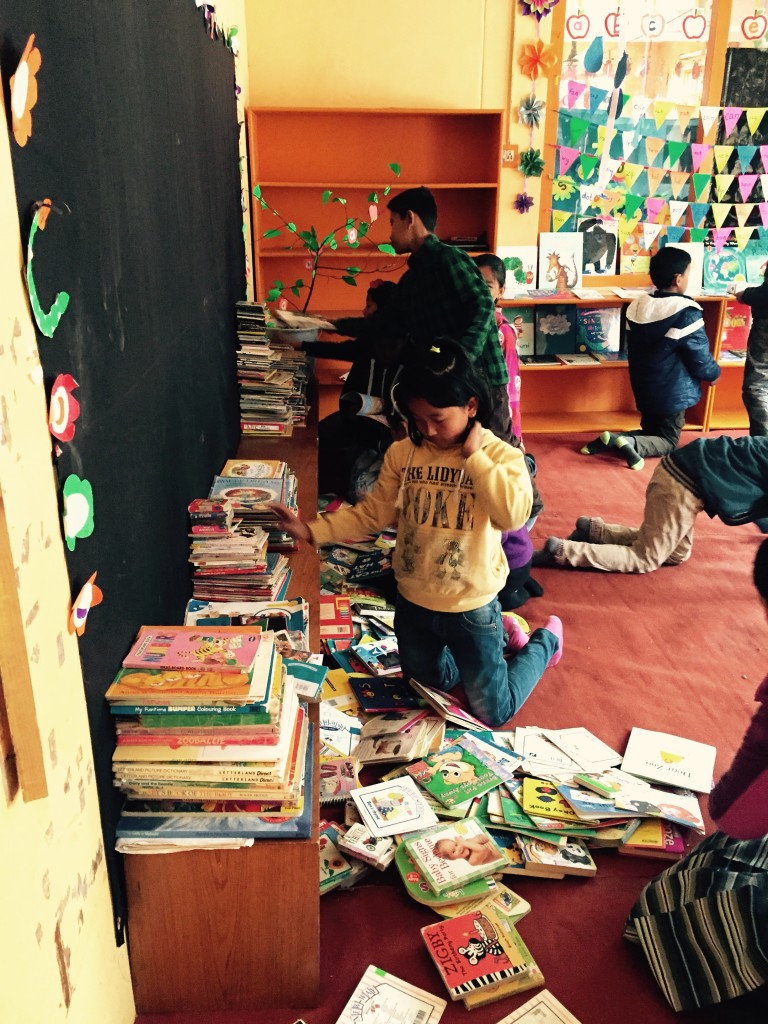
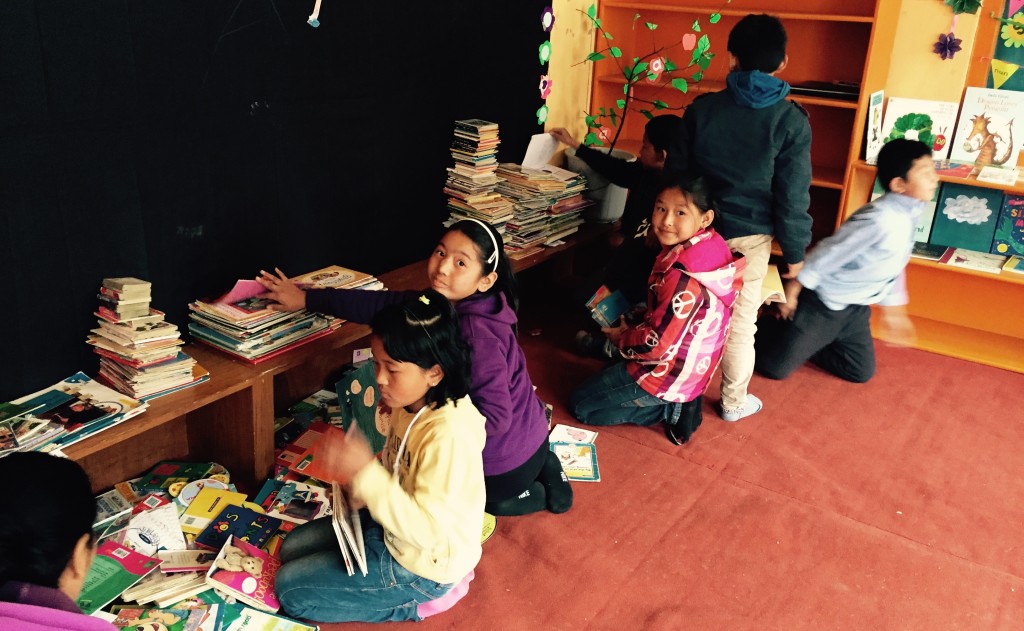
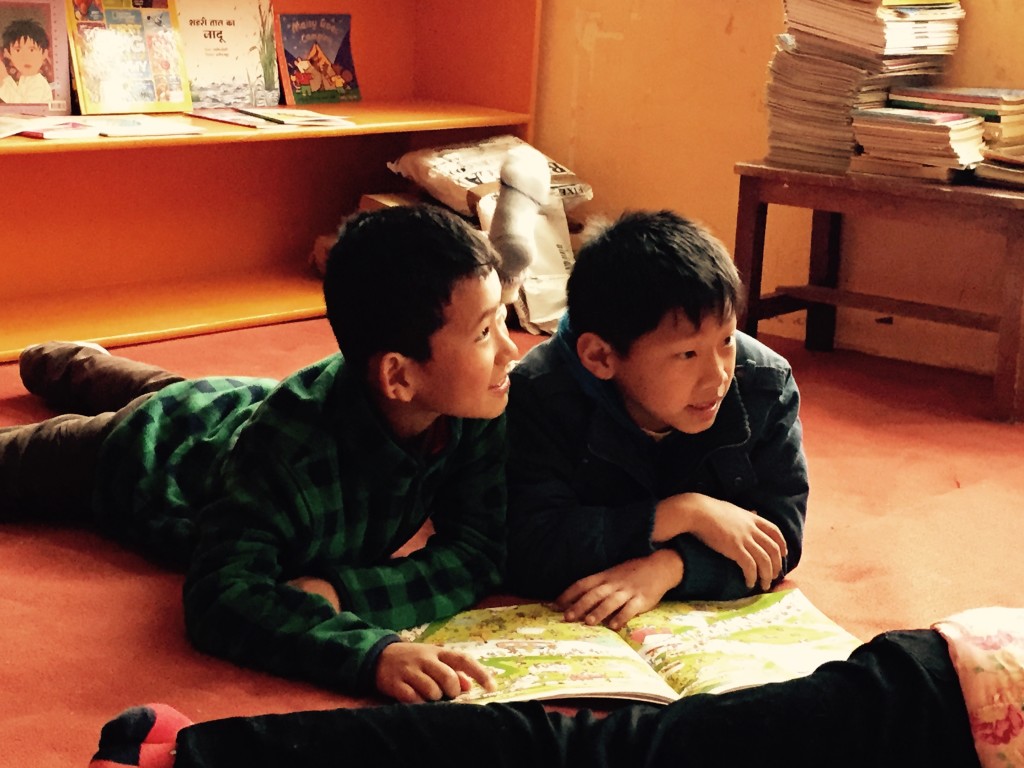
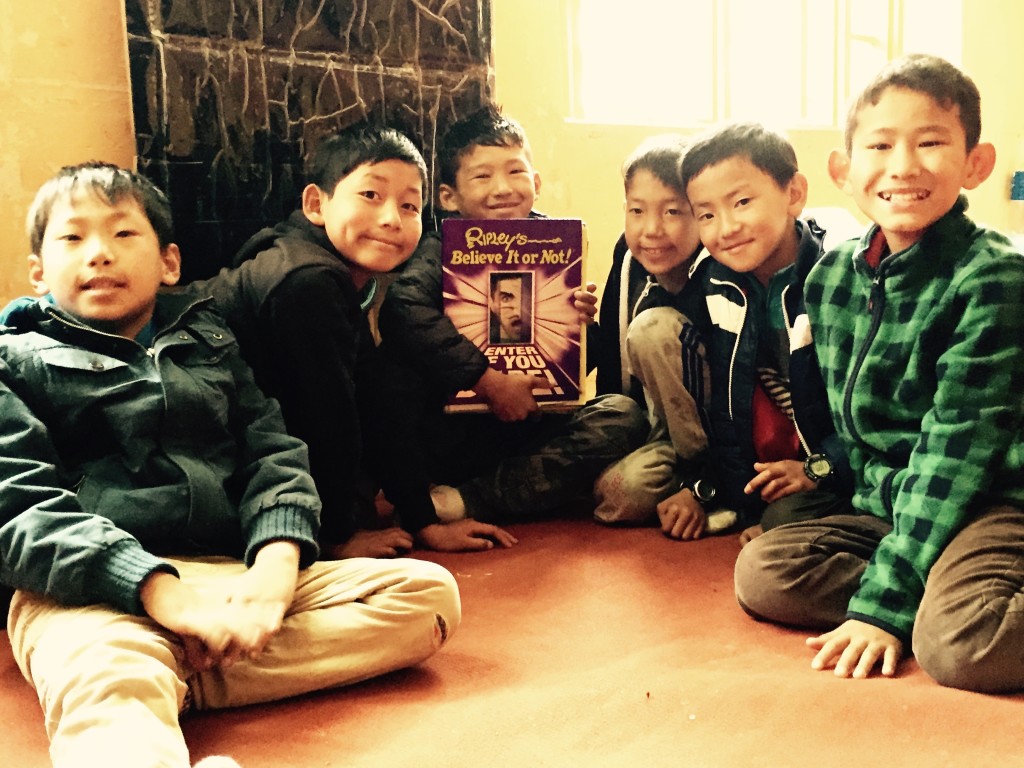
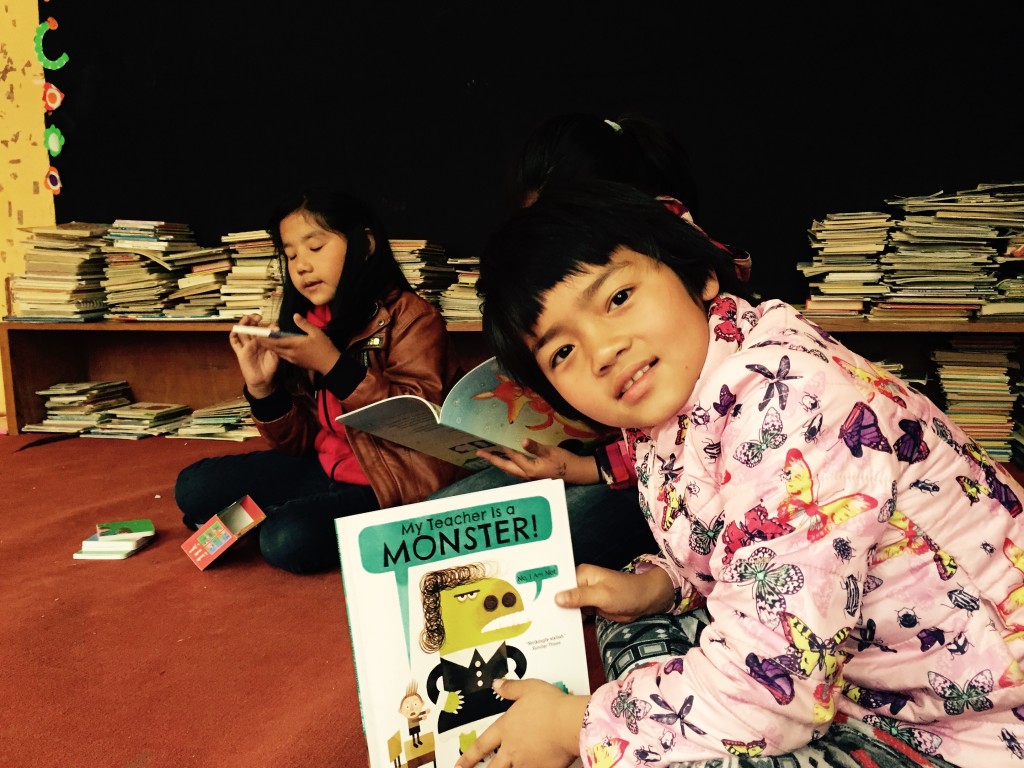
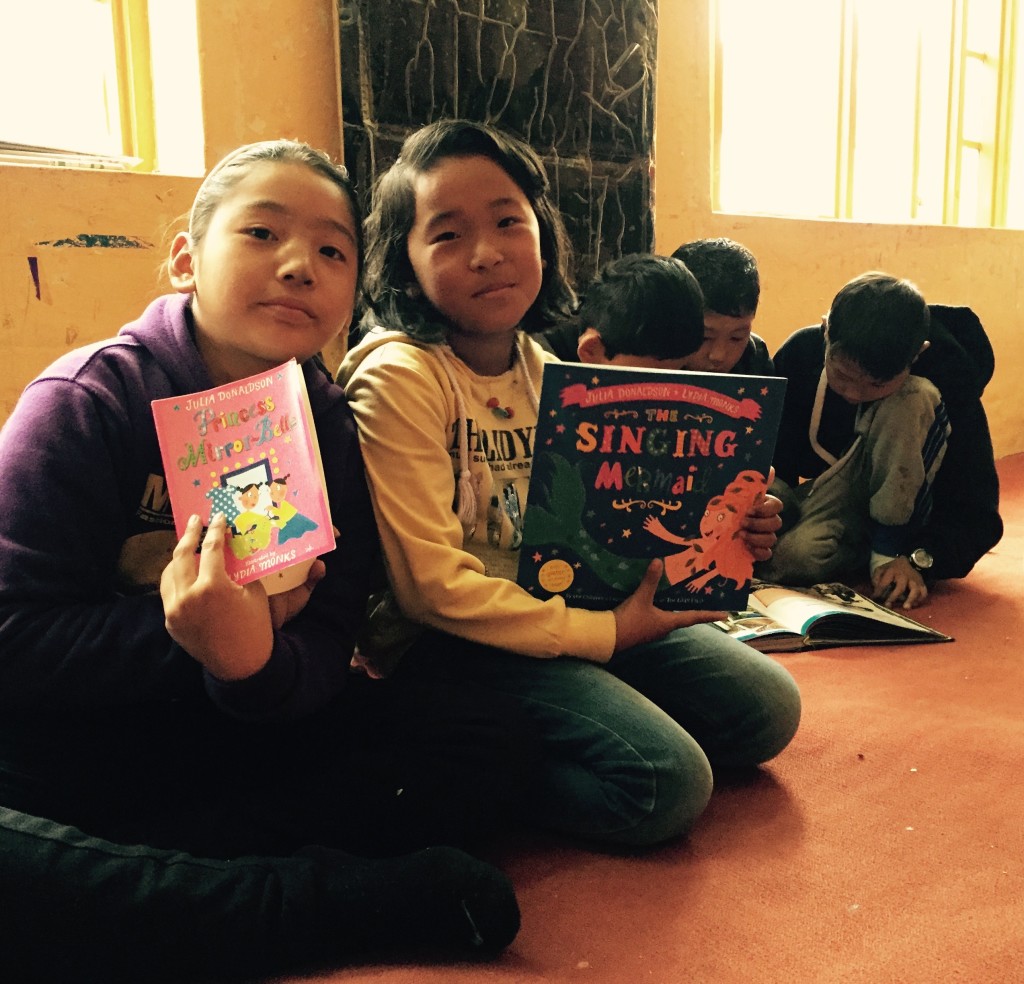
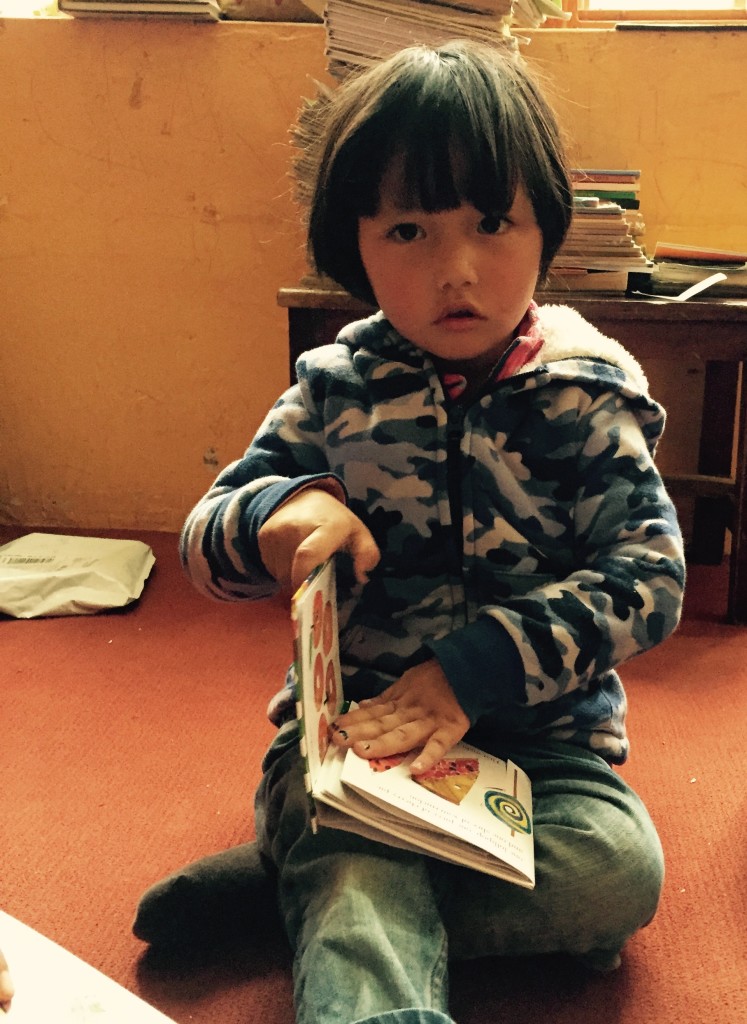
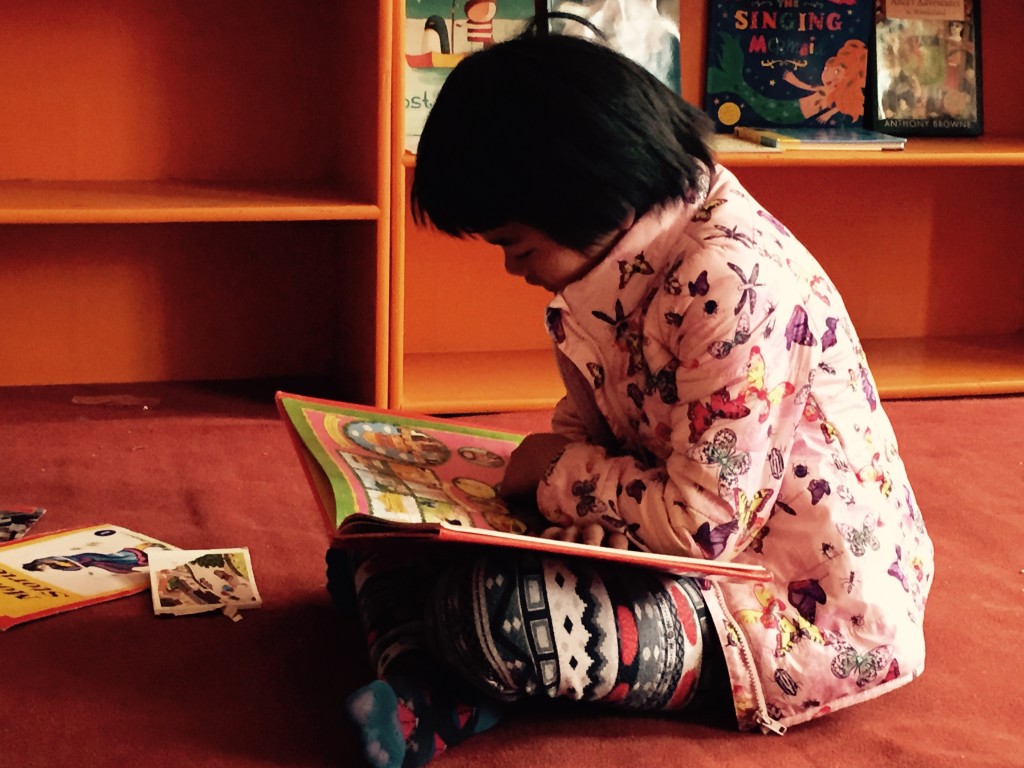
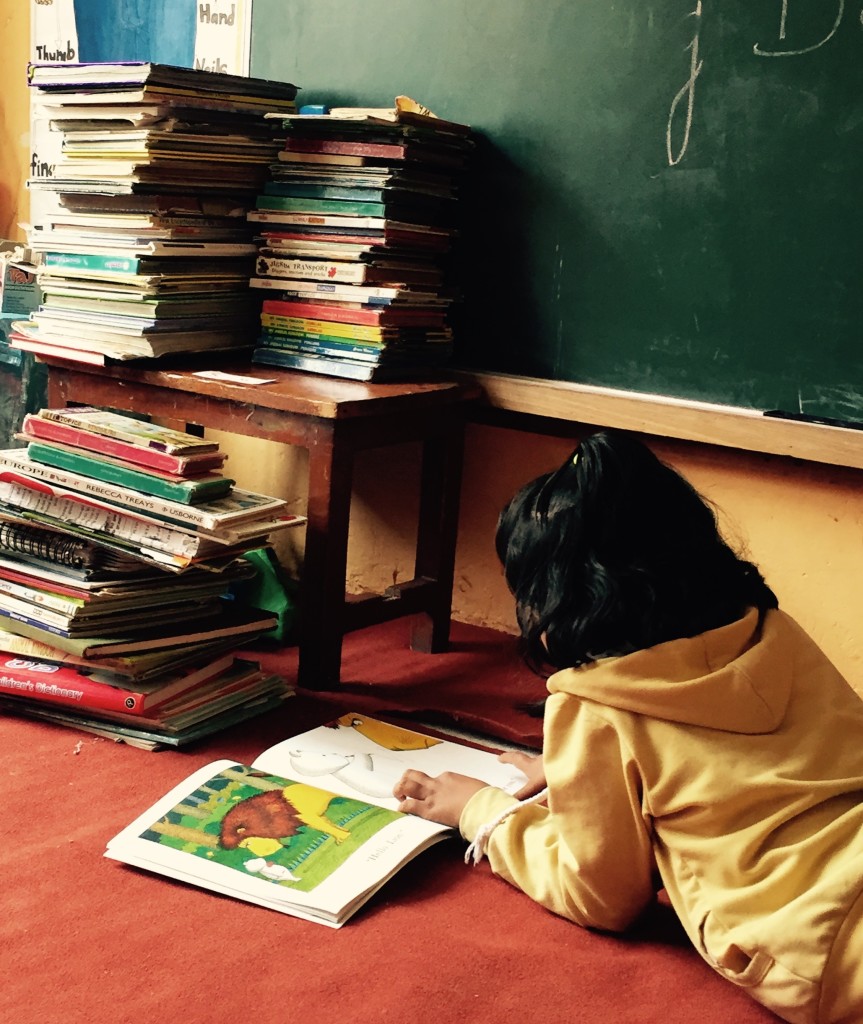
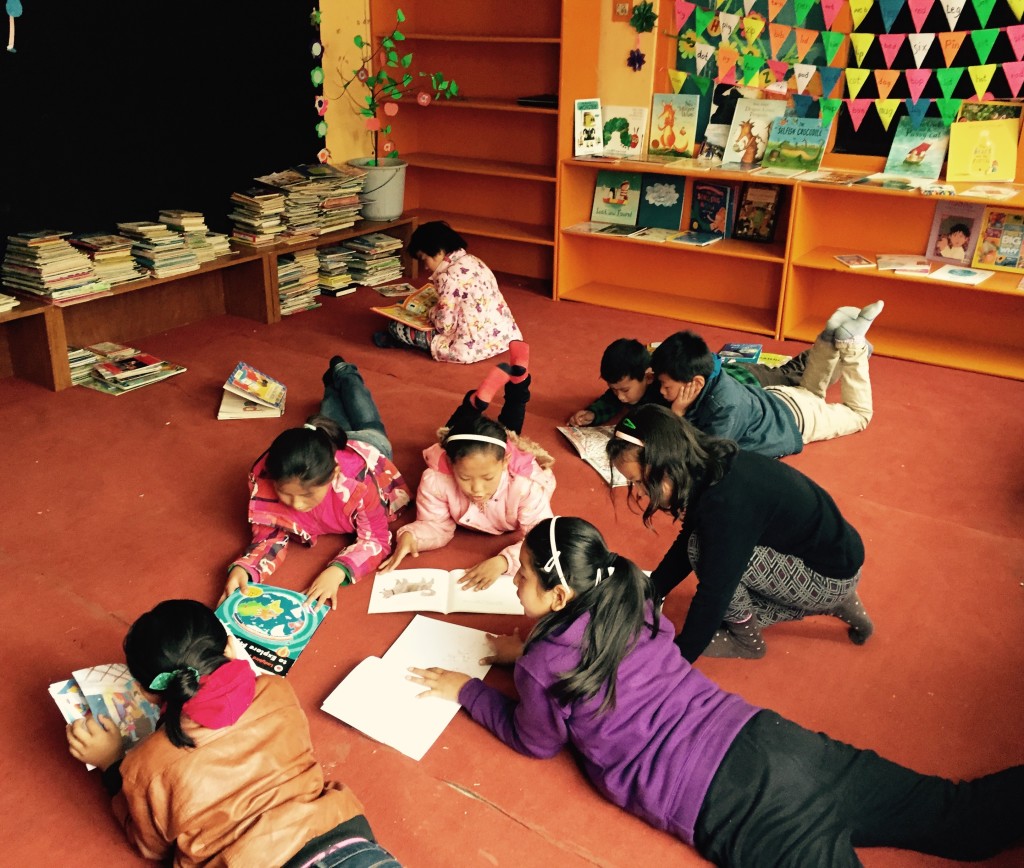
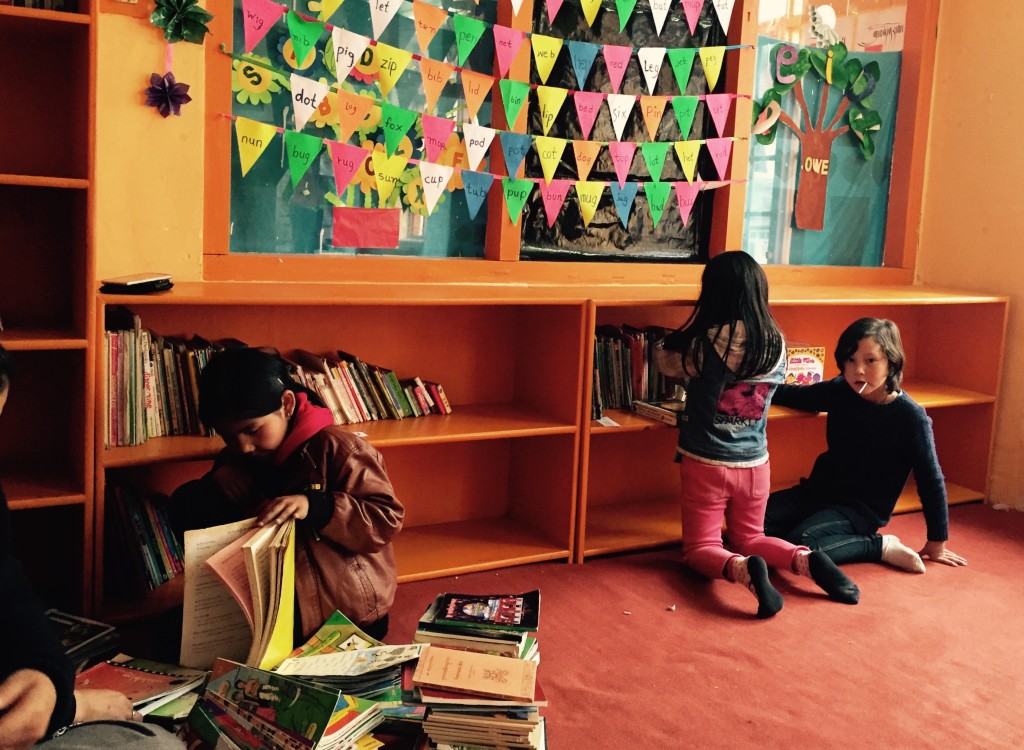
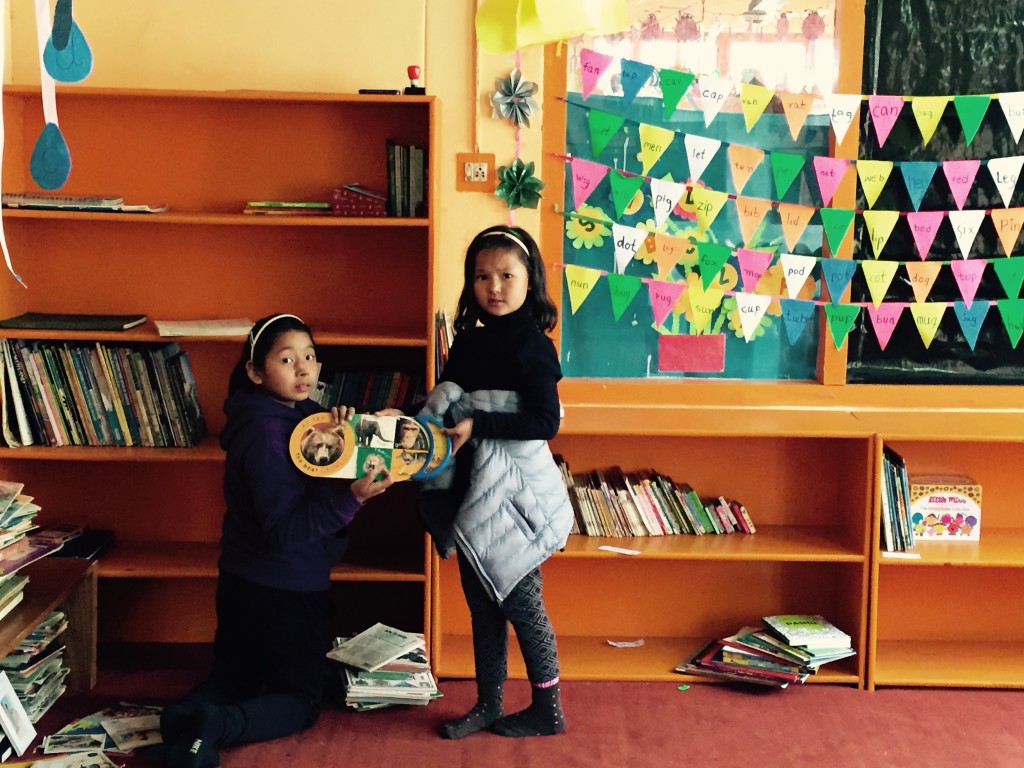
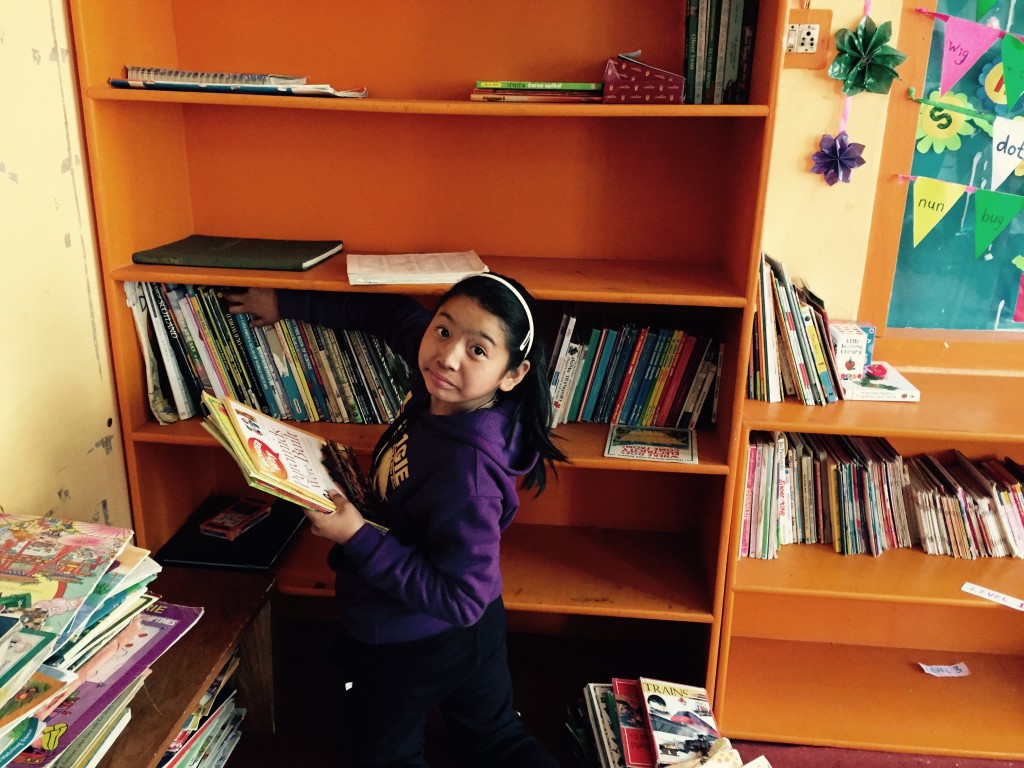
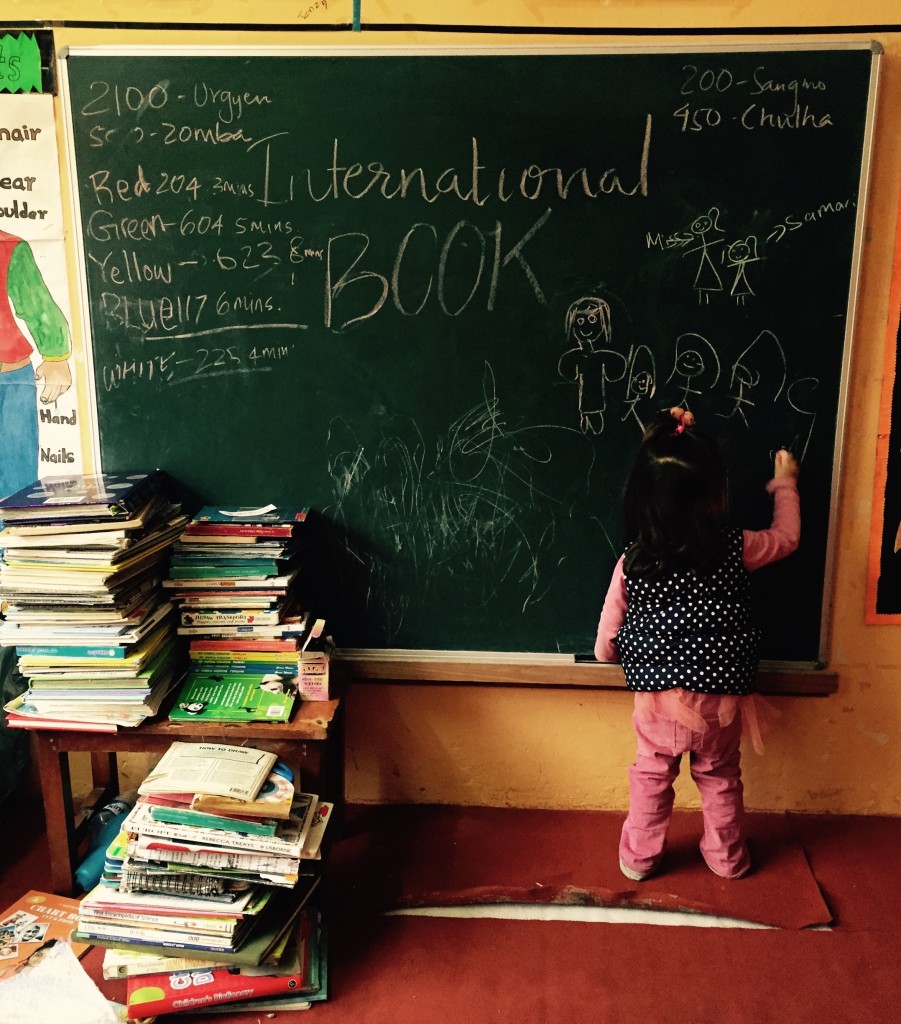
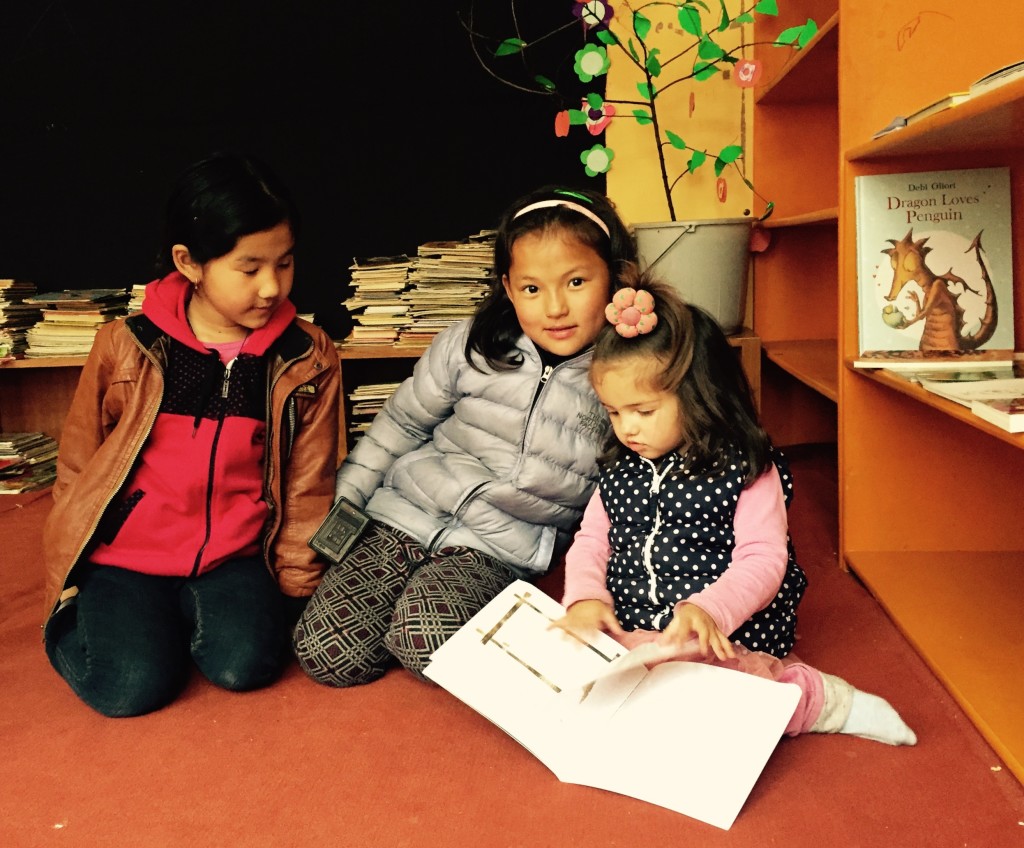
Music also creates welcoming opportunities for education. A reading room, school activity, or community gathering can become a place where young people explore rhythm, lyrics, movement, and local history together. Through initiatives that support children and young monks, organizations such as Avalokiteśvara Trust can help make cultural learning a regular and meaningful part of childhood.
Songs as living memory
Many Ladakhi songs preserve knowledge that may not appear in written records. Lyrics can describe farming cycles, journeys between villages, mountain landscapes, family relationships, religious devotion, or the arrival of a festival. A child learning these songs is also learning words, images, customs, and values passed down through generations.
Oral traditions are especially important in communities where knowledge has historically been shared through listening and participation. Elders may remember several versions of a song, each connected to a particular valley or community. Singing together gives young people access to this living archive while allowing older generations to remain active teachers and cultural guides.
The act of repetition helps preserve both melody and meaning. Even when a song is adapted for a school performance or recorded on a mobile phone, its central identity can continue. Careful teaching encourages children to understand the context of a song rather than treating it as a decorative performance.
What young listeners learn through music
Music supports language development in ways that feel natural and memorable. Repeated lyrics help children hear pronunciation, expand vocabulary, and become comfortable with Ladakhi and related local languages. For young people who use several languages in school and at home, songs can strengthen a connection to words that might otherwise be used less often.
Traditional music also teaches social values. Group singing requires attention, patience, cooperation, and respect for each performer. Festival dances often depend on shared rhythm and coordinated movement, showing children how individual expression can contribute to a larger community. These experiences can build confidence among children who may be hesitant to speak or perform alone.
For young monks, chanting and musical practice can support concentration, discipline, and memory alongside religious education. Secular folk music, instrumental lessons, and creative workshops offer additional ways to explore identity and expression. A broad cultural program can respect monastic traditions while making space for the varied musical heritage of Ladakh’s communities.
Instruments that connect place and identity
The sound of Ladakhi music is shaped by its instruments. Drums such as the daman can provide the pulse for ceremonial and dance performances, while wind instruments such as the surna or lingbu add distinctive tones. Stringed instruments, bells, and hand percussion contribute to the range of local musical expression.
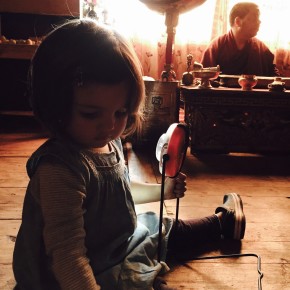
Learning an instrument gives children a physical relationship with heritage. They feel how a drum is held, how breath changes a flute’s sound, or how a melody depends on careful timing. This kind of knowledge cannot be fully gained from a photograph or written description. It is embodied, practical, and developed through patient guidance.
Instrument-making itself can also become a cultural lesson. Children can learn about local materials, craftsmanship, maintenance, and the people who have kept these skills alive. Supporting musicians and craftspeople to lead workshops creates links between cultural preservation, artistic education, and sustainable community participation.
| Musical experience |
Cultural knowledge supported |
Skills developed |
Suitable learning setting |
| Folk singing |
Local language, oral history, seasonal customs |
Listening, memory, pronunciation |
Reading room, school, village gathering |
| Traditional dance music |
Festival practices, community identity, movement traditions |
Coordination, teamwork, confidence |
Cultural event or youth workshop |
| Instrument practice |
Craftsmanship, rhythm, regional sound |
Concentration, patience, fine motor skills |
Music lesson or mentoring session |
| Monastic chanting |
Religious heritage, reflection, discipline |
Breath control, focus, memorization |
Monastery or structured youth program |
| Recording family songs |
Personal history, intergenerational memory |
Interviewing, digital literacy, documentation |
Community archive or creative project |
Learning across generations
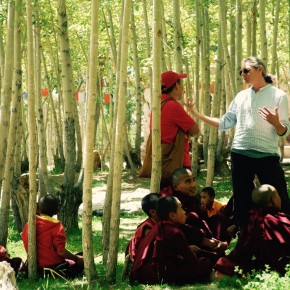
The strongest cultural education often happens when children learn directly from elders, musicians, monks, and local artists. A grandmother teaching a harvest song or a village musician demonstrating a traditional rhythm offers knowledge enriched by personal experience. Young people can ask about the meaning of lyrics, the occasions when songs were performed, and the changes a tradition has undergone.
Intergenerational music sessions also strengthen relationships. Older participants feel that their knowledge is valued, while children see cultural heritage as something active rather than distant. These encounters can encourage families to share songs at home and help communities identify traditions that deserve careful documentation.
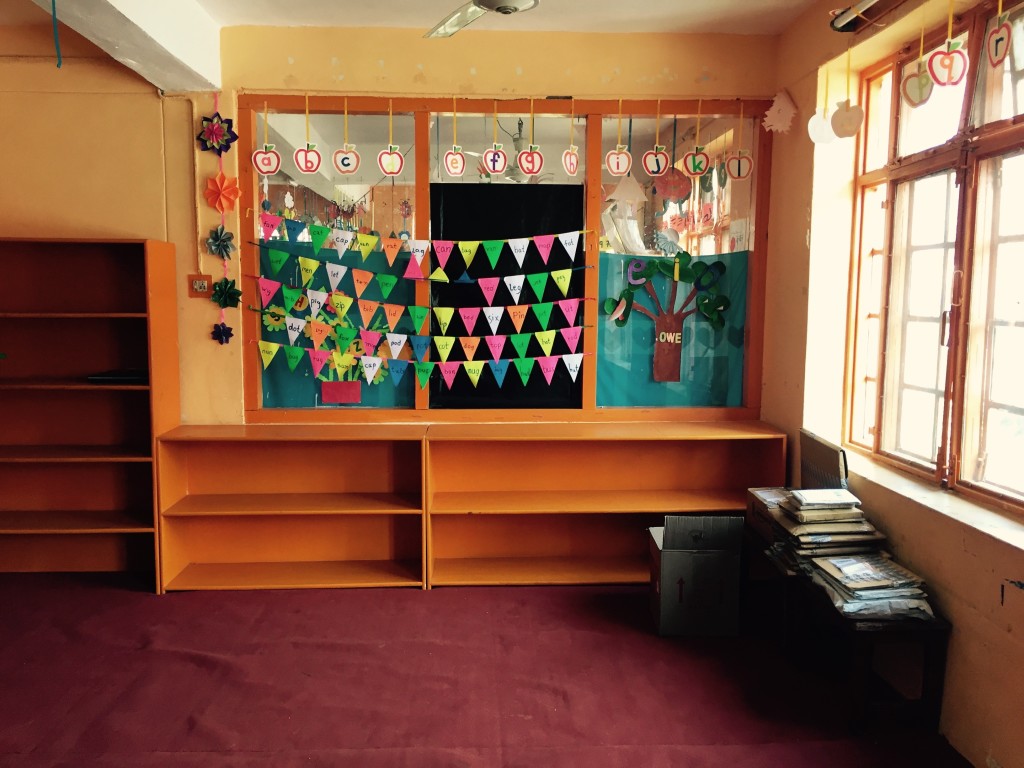
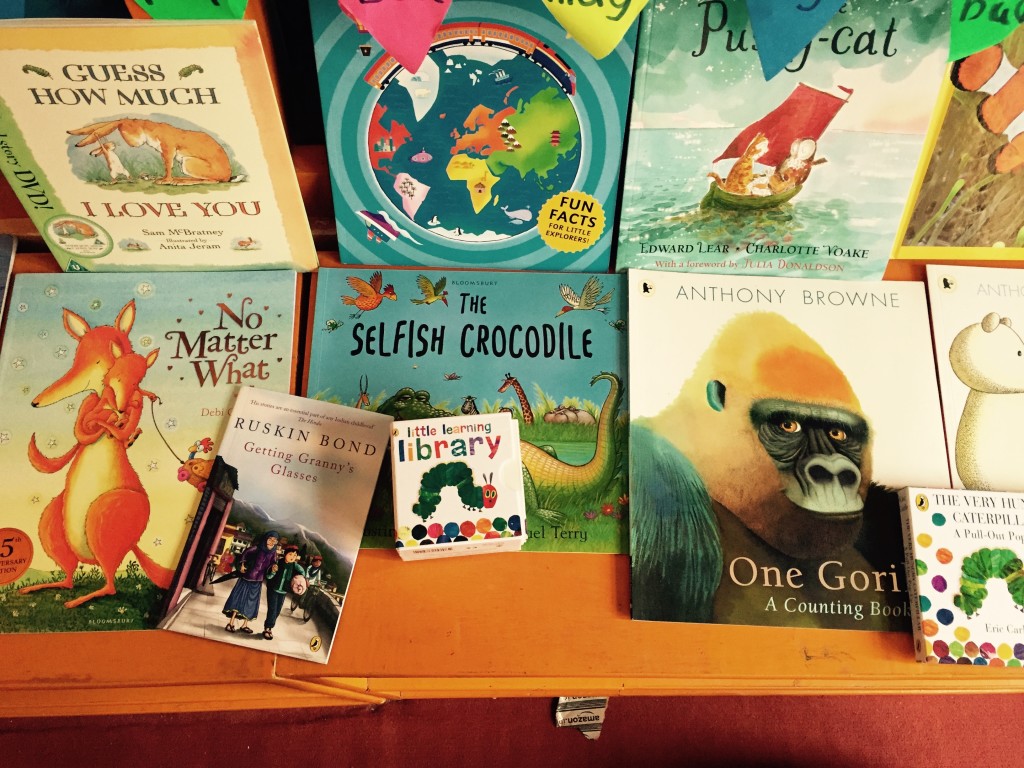
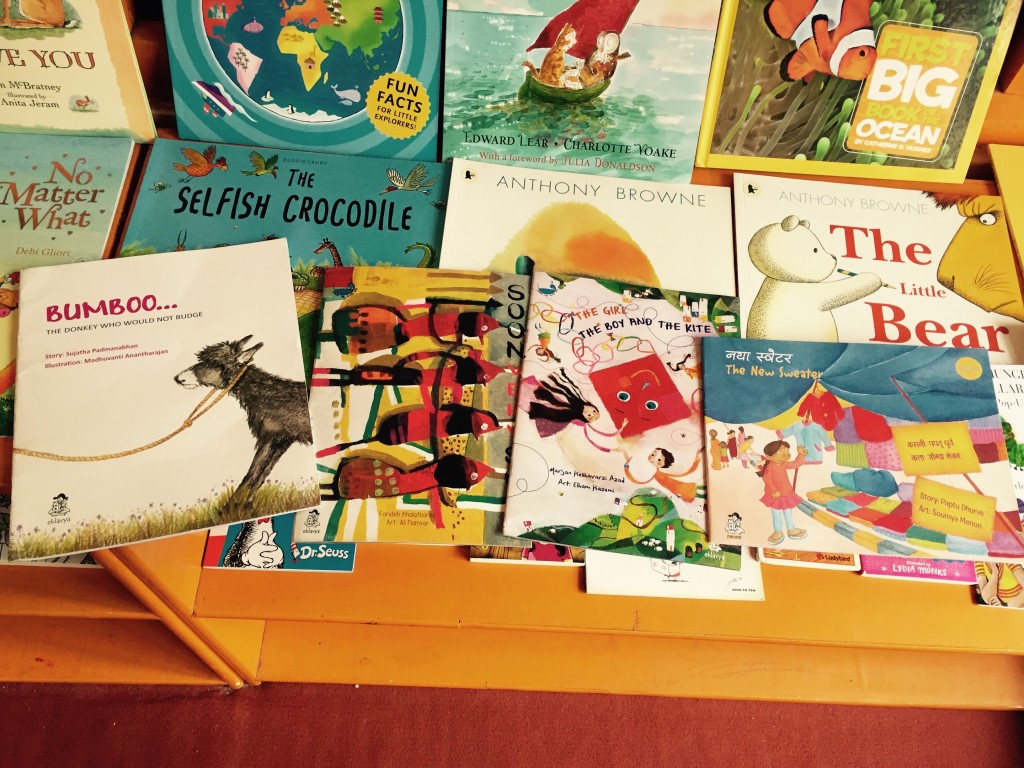
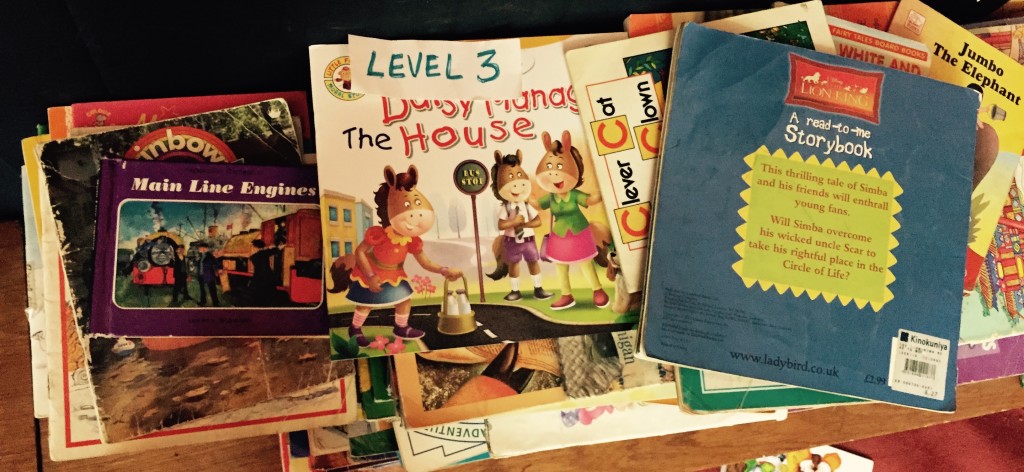
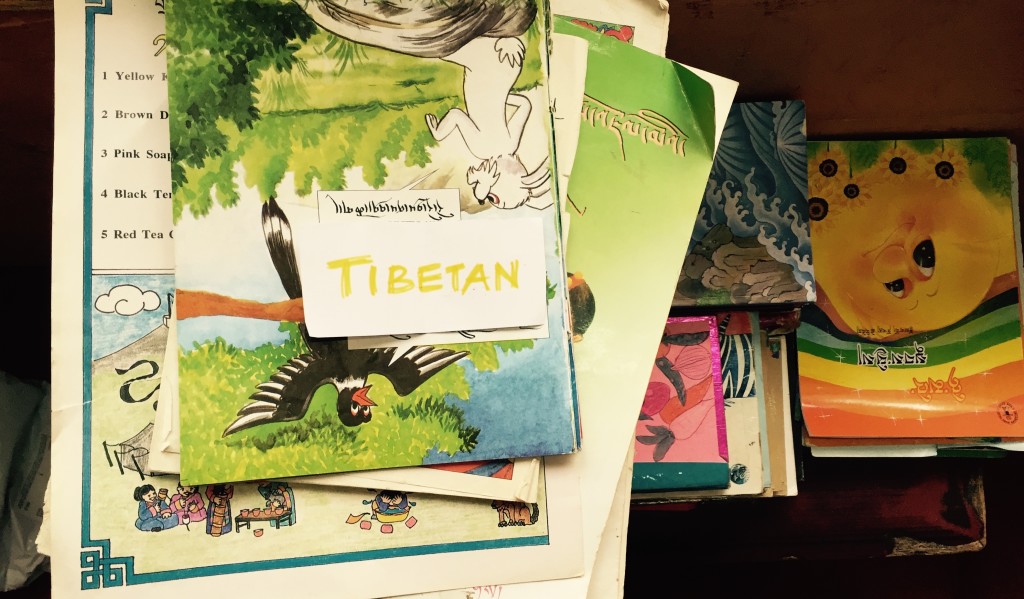
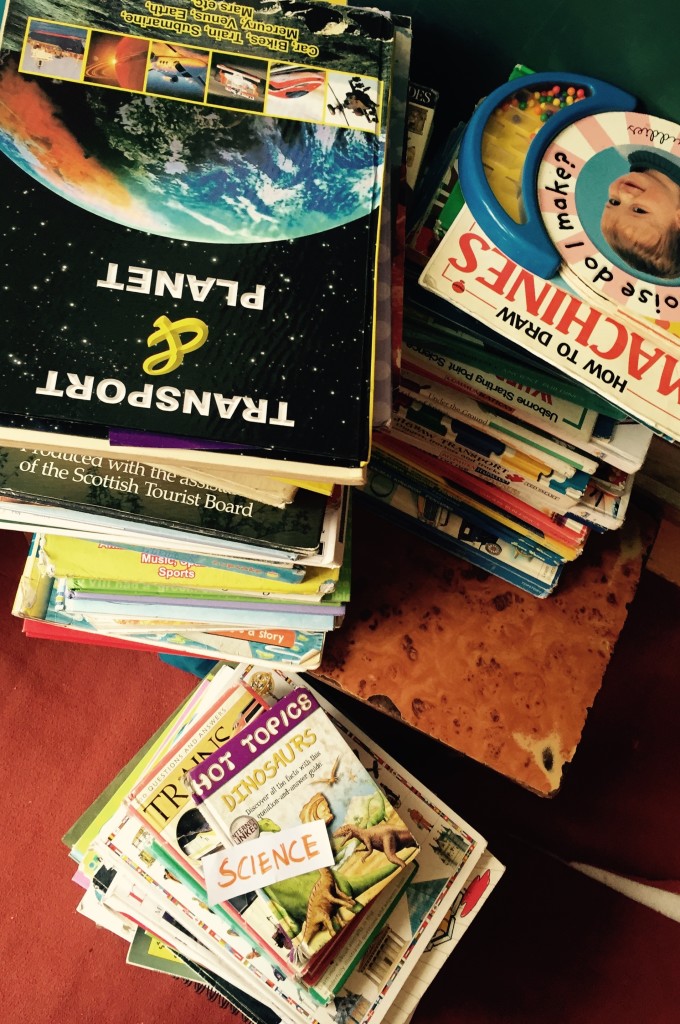
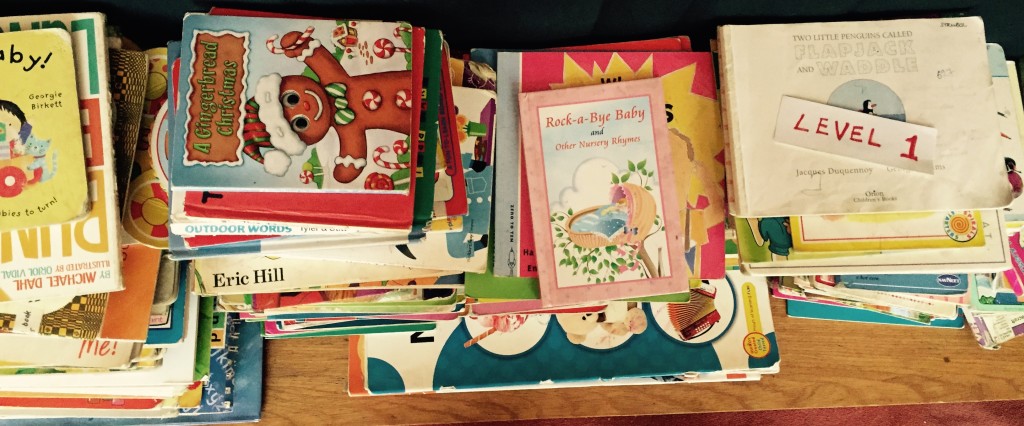
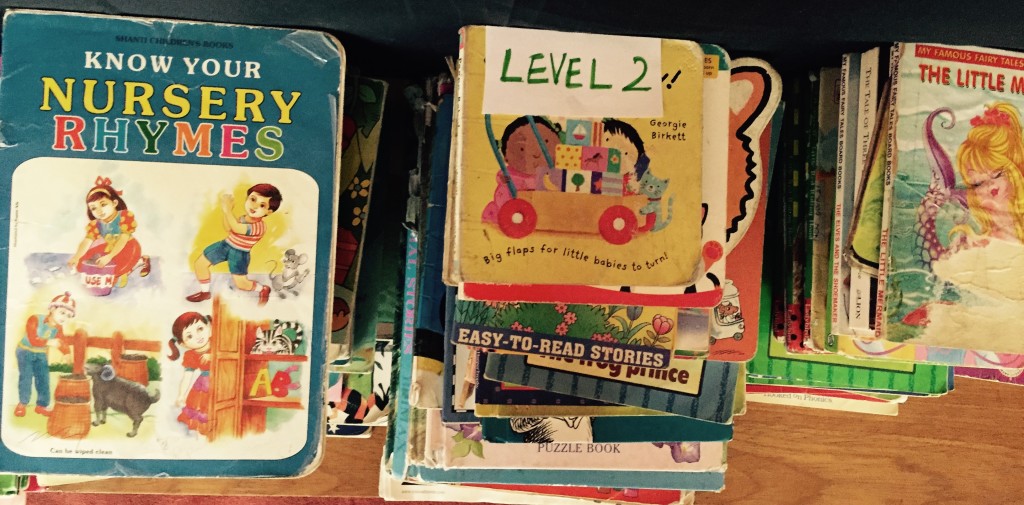
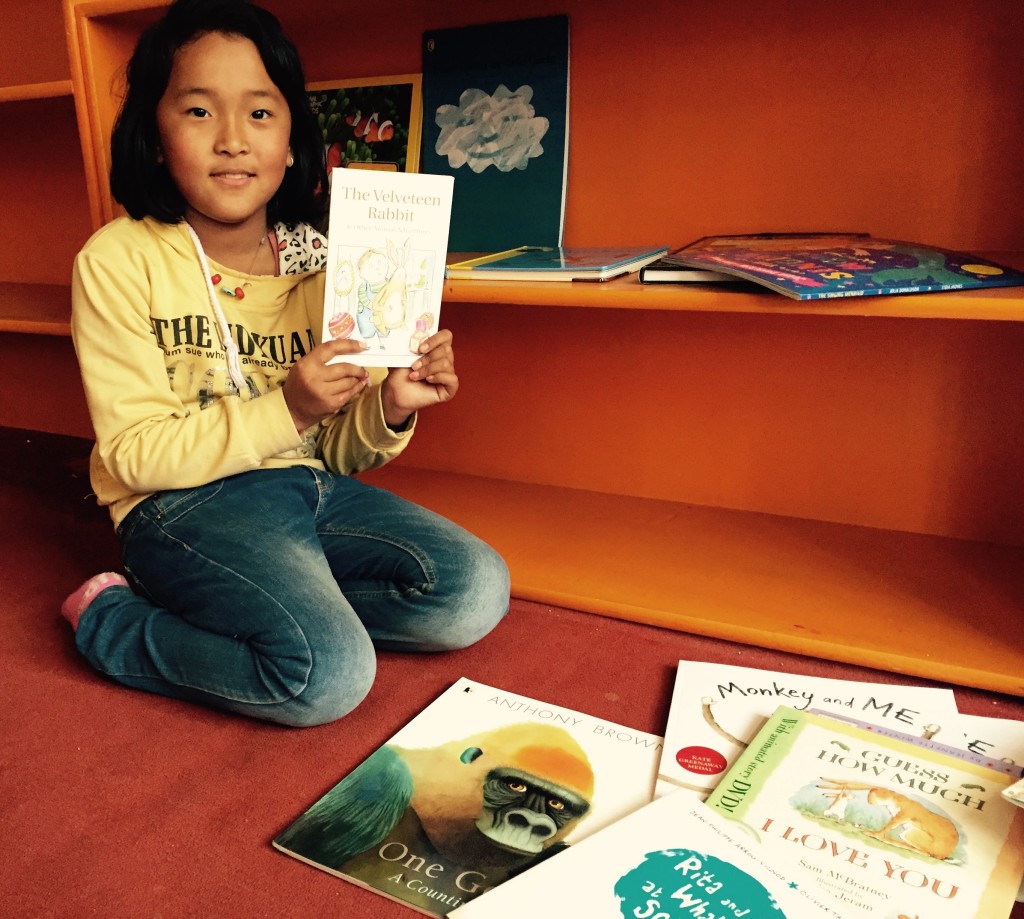
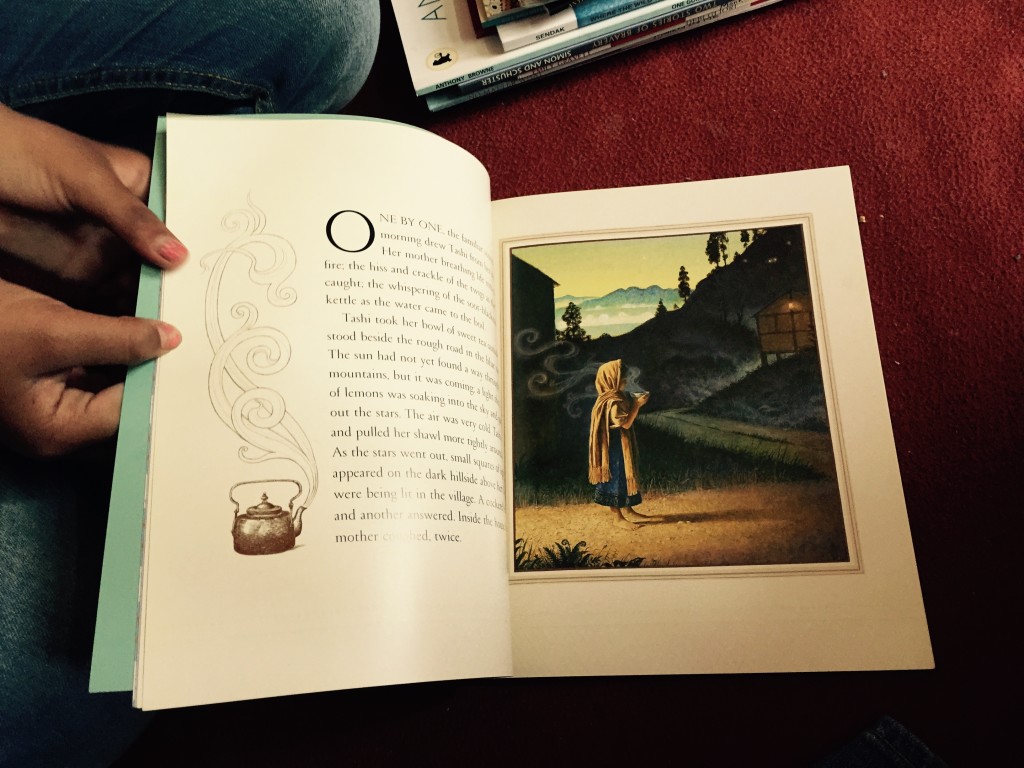
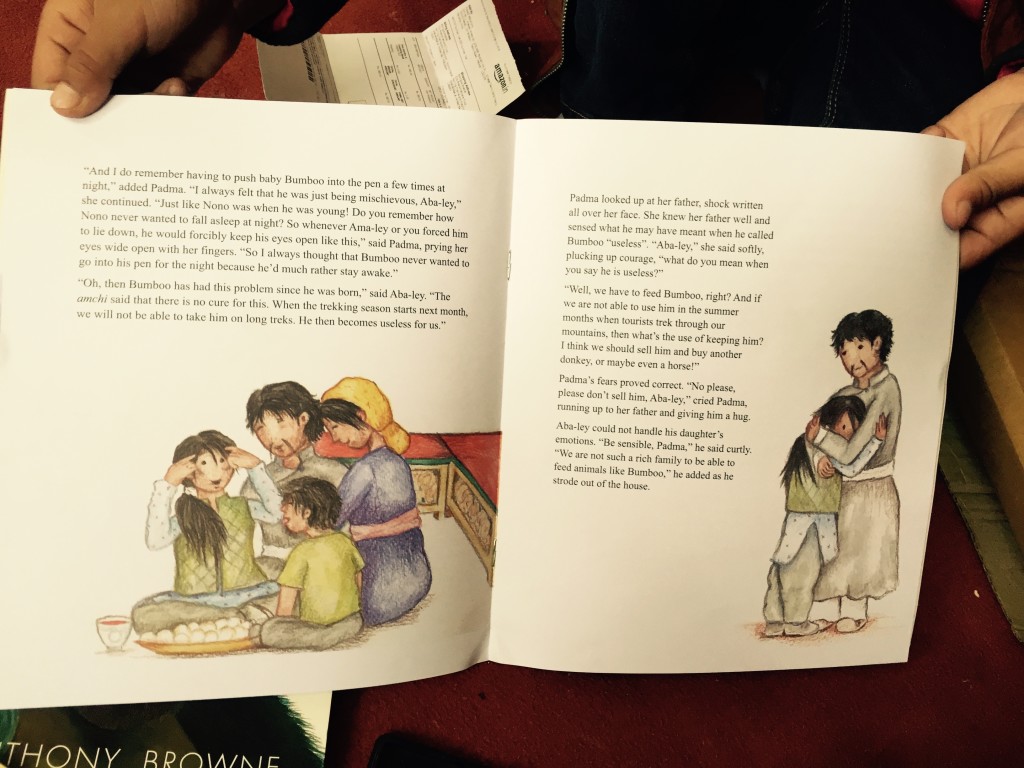
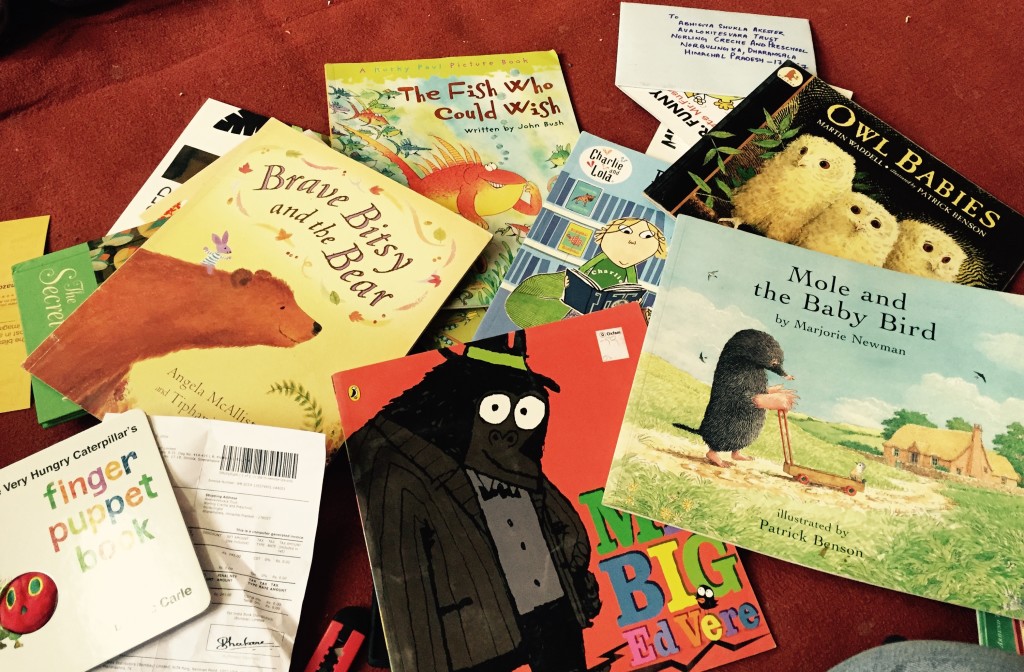
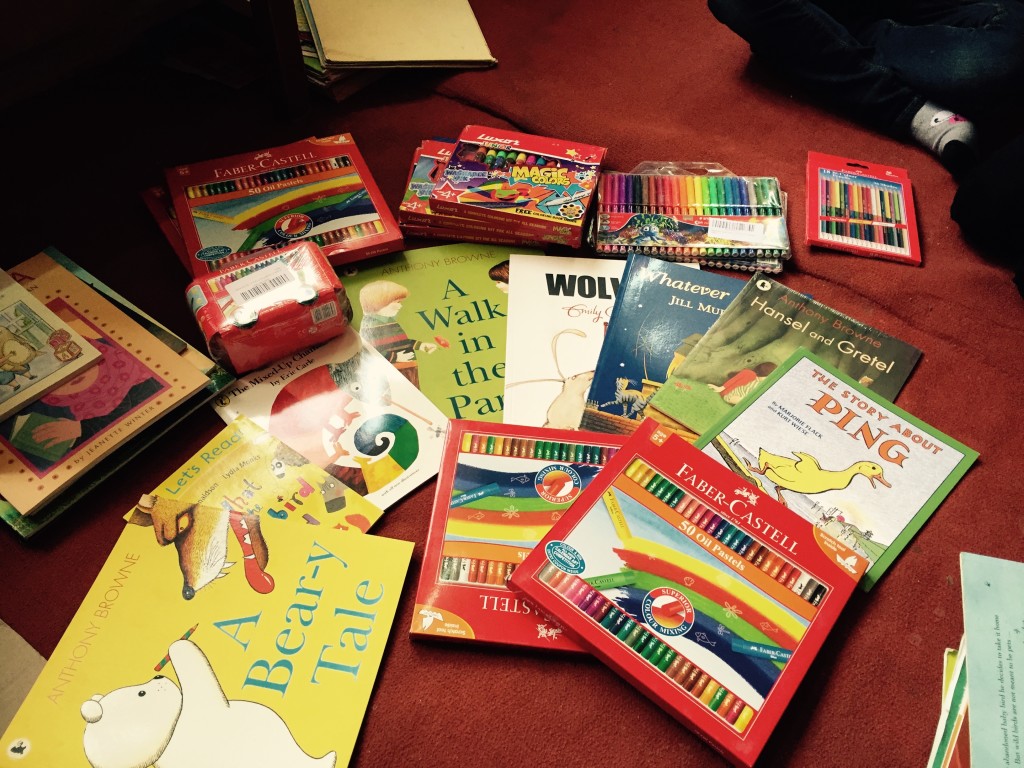
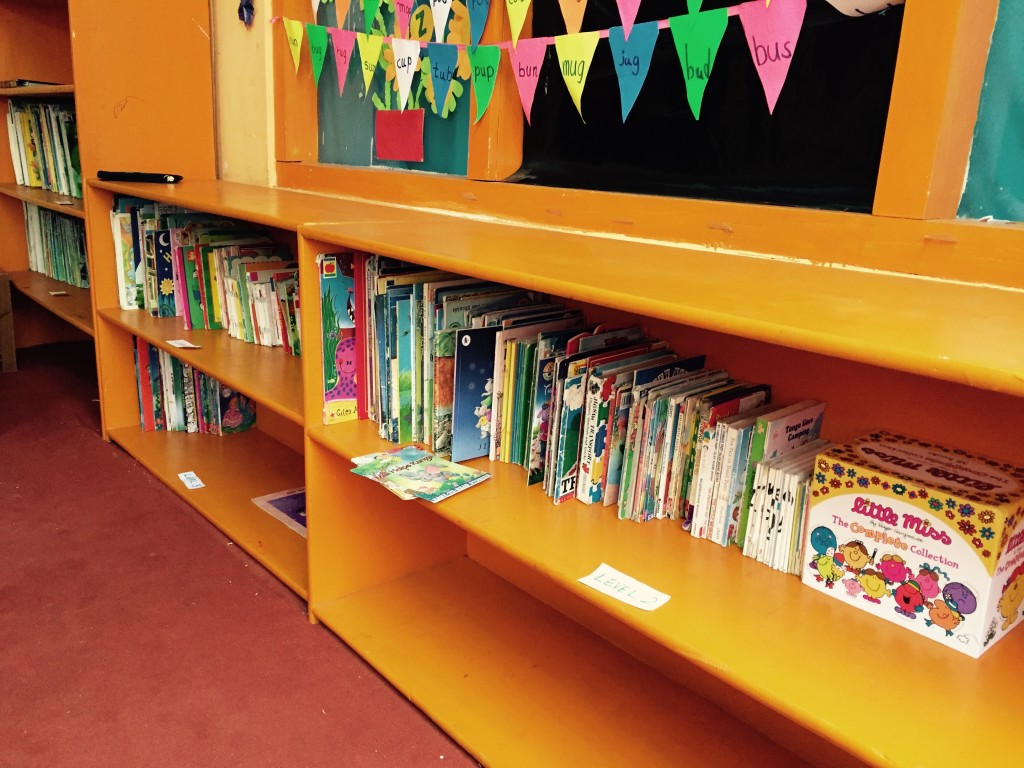
Schools and reading rooms can support this exchange by creating regular spaces for practice and storytelling. A small collection of books about Himalayan music, recordings made by local families, and illustrated guides to instruments can give children resources to revisit between sessions. Learning becomes deeper when listening, reading, drawing, and performance work together.
Balancing tradition with creative change
Preserving Ladakhi music does not require young people to reproduce every performance exactly as it was heard in the past. Traditions remain alive when communities understand their roots and allow thoughtful new interpretations. Children might arrange a folk melody for a school ensemble, create artwork inspired by a song, or record an elder explaining a festival tradition.
Digital tools can expand access when they are used responsibly. Audio archives, short documentary films, and community recordings can help young people hear music from other valleys and preserve performances that might otherwise be forgotten. Digital projects should include permission, accurate cultural context, and respect for songs or chants that are intended for particular religious or ceremonial settings.
Creative adaptation can make traditional music relevant to contemporary childhood. A young musician may combine local rhythms with new instruments or write a song about environmental care in a familiar musical style. Such work encourages cultural confidence: children learn that heritage is a foundation for creativity, not a restriction on it.
Building supportive spaces for musical learning
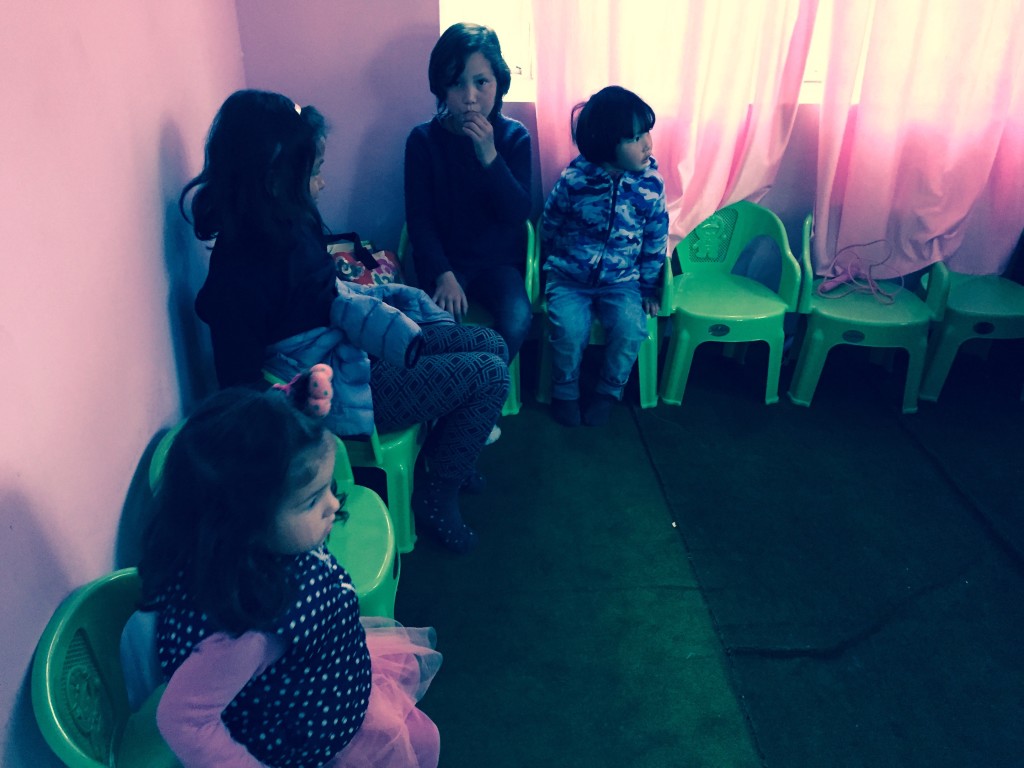
Access is central to cultural preservation. Children in remote Himalayan communities may have limited opportunities to study instruments, attend performances, or find recordings and books about local traditions. Community-led programs can reduce these barriers by bringing instruments, teachers, and educational materials into familiar spaces.
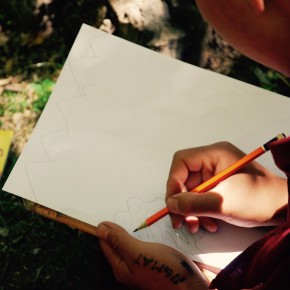
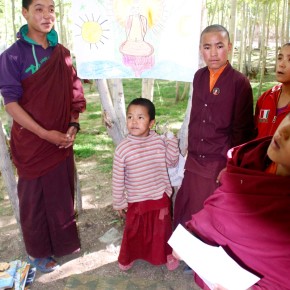
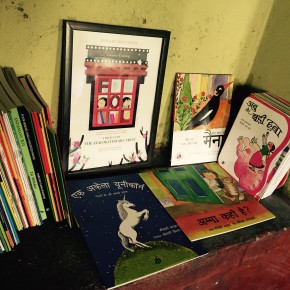
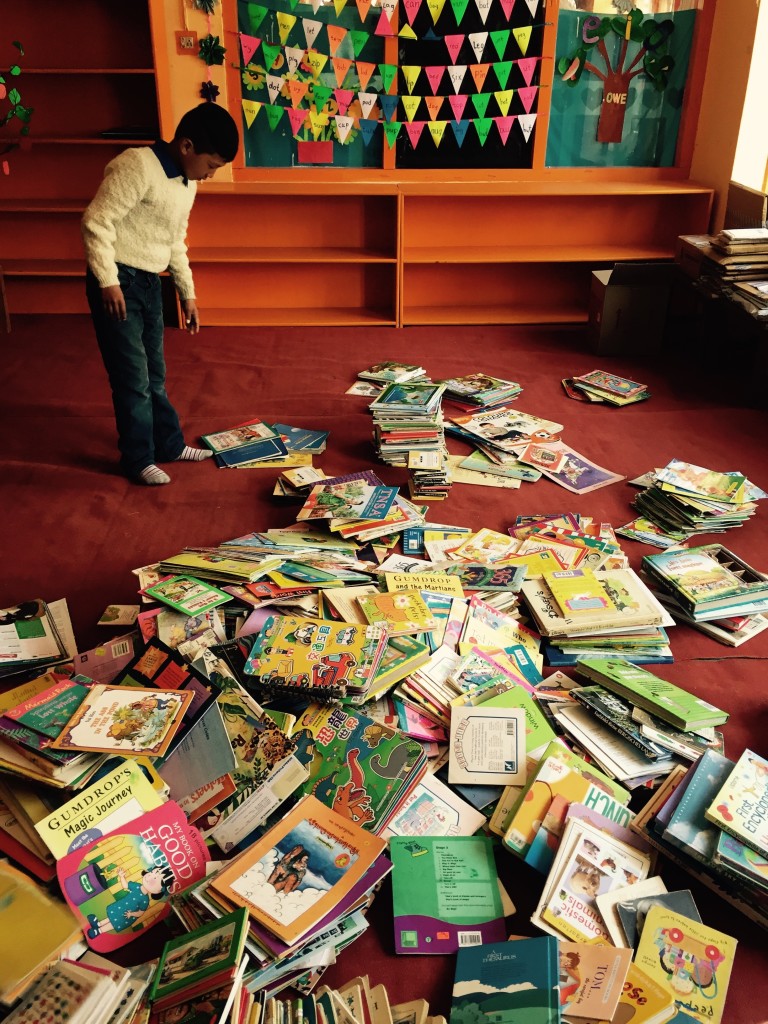
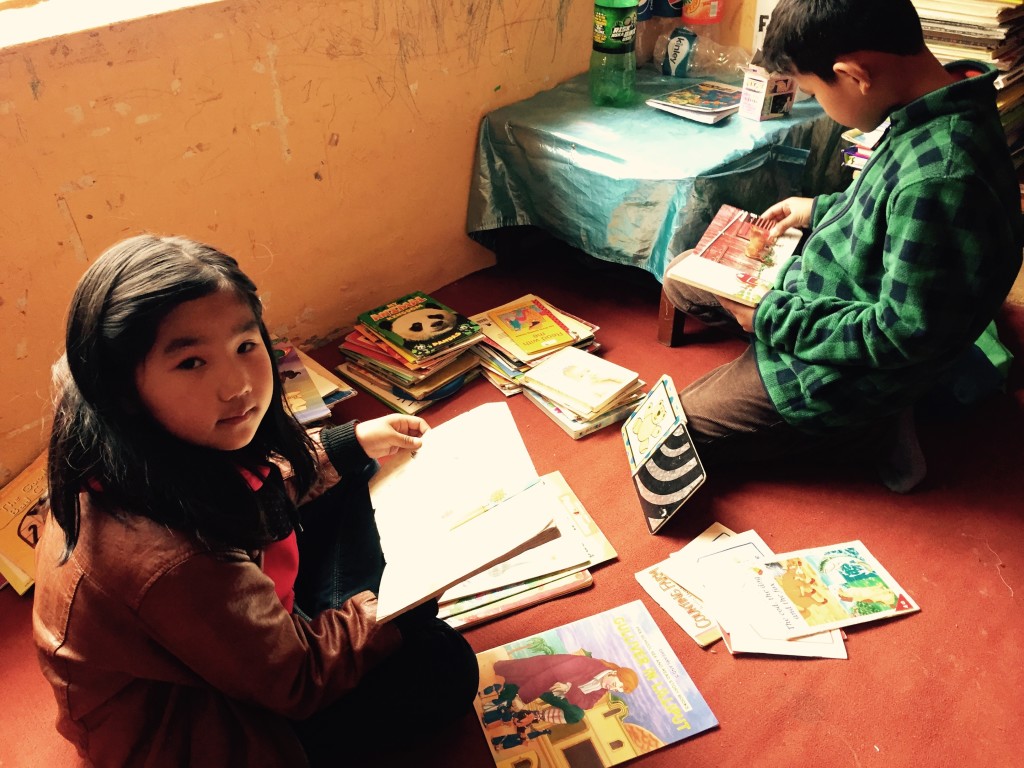
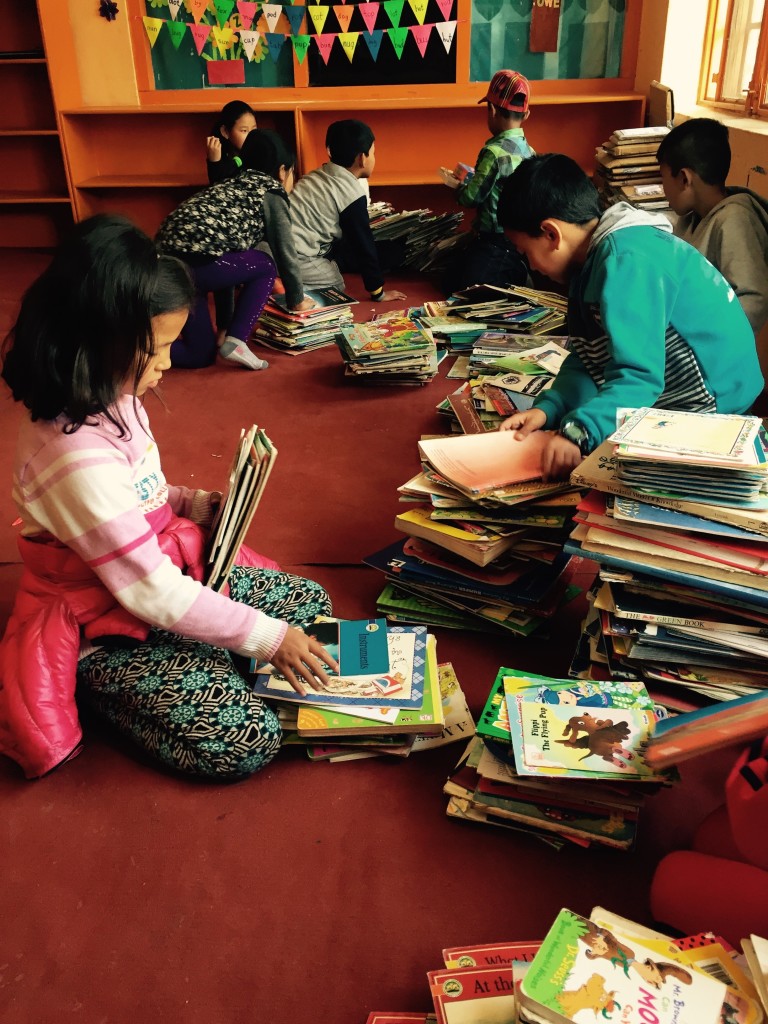
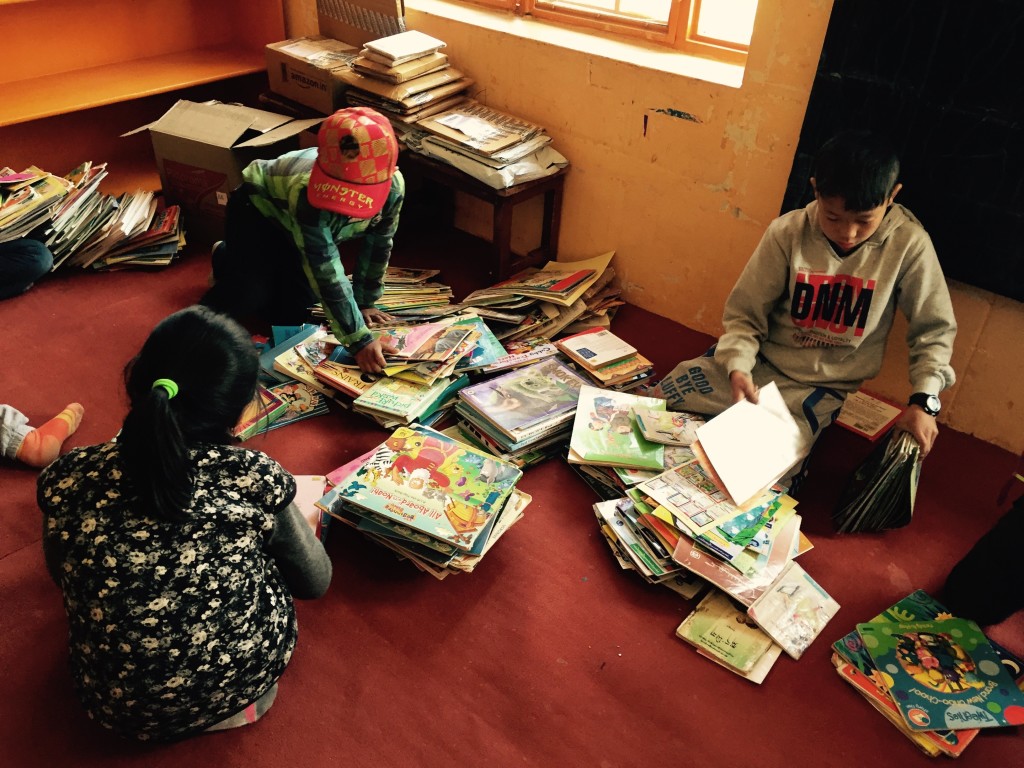
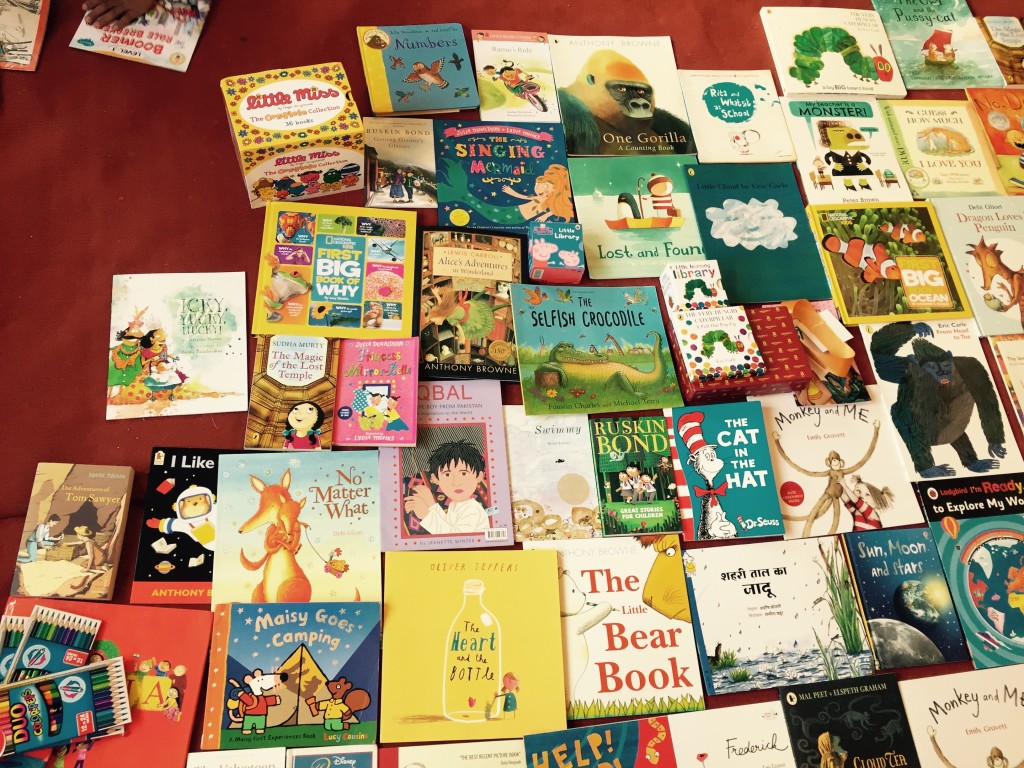
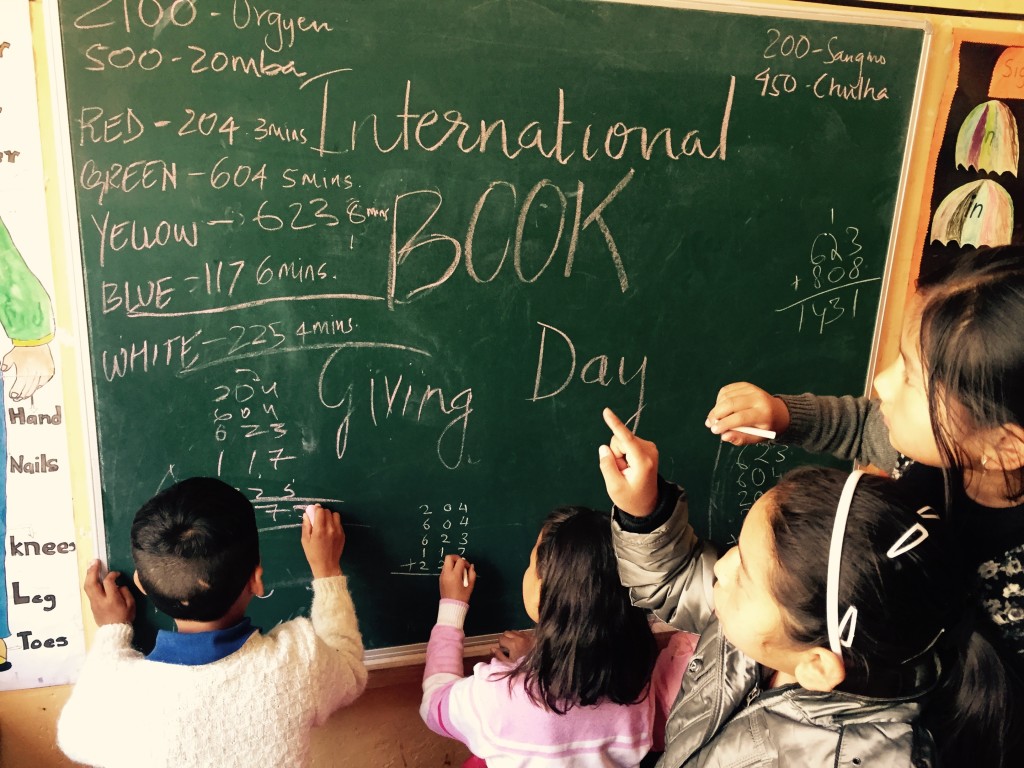
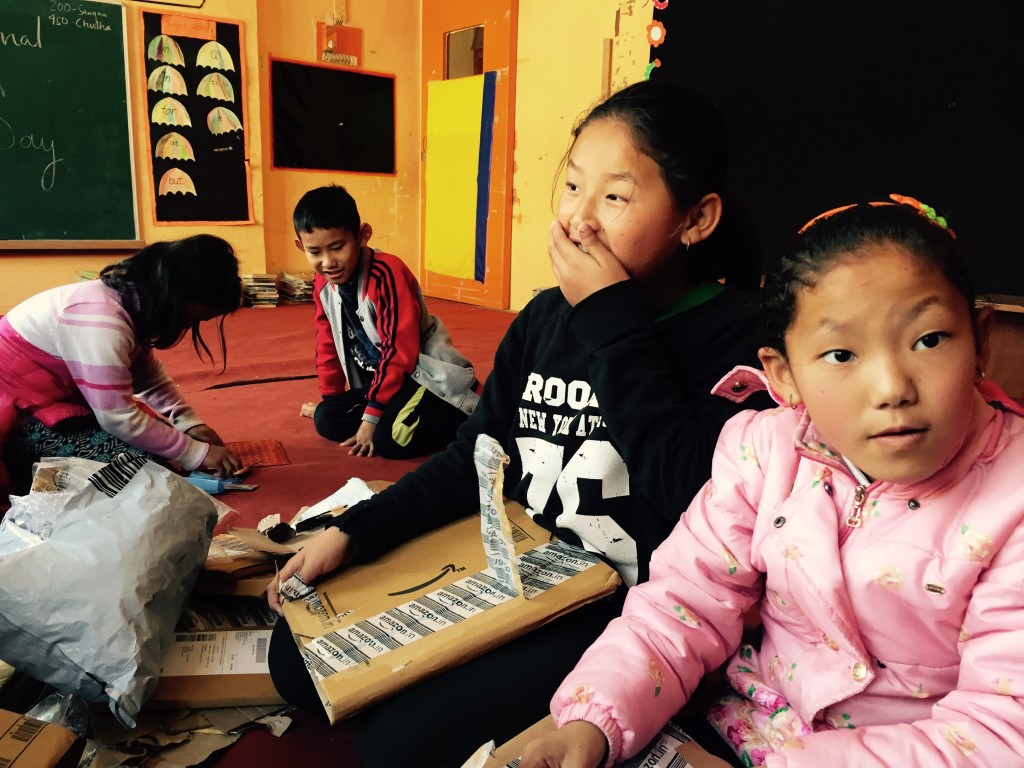
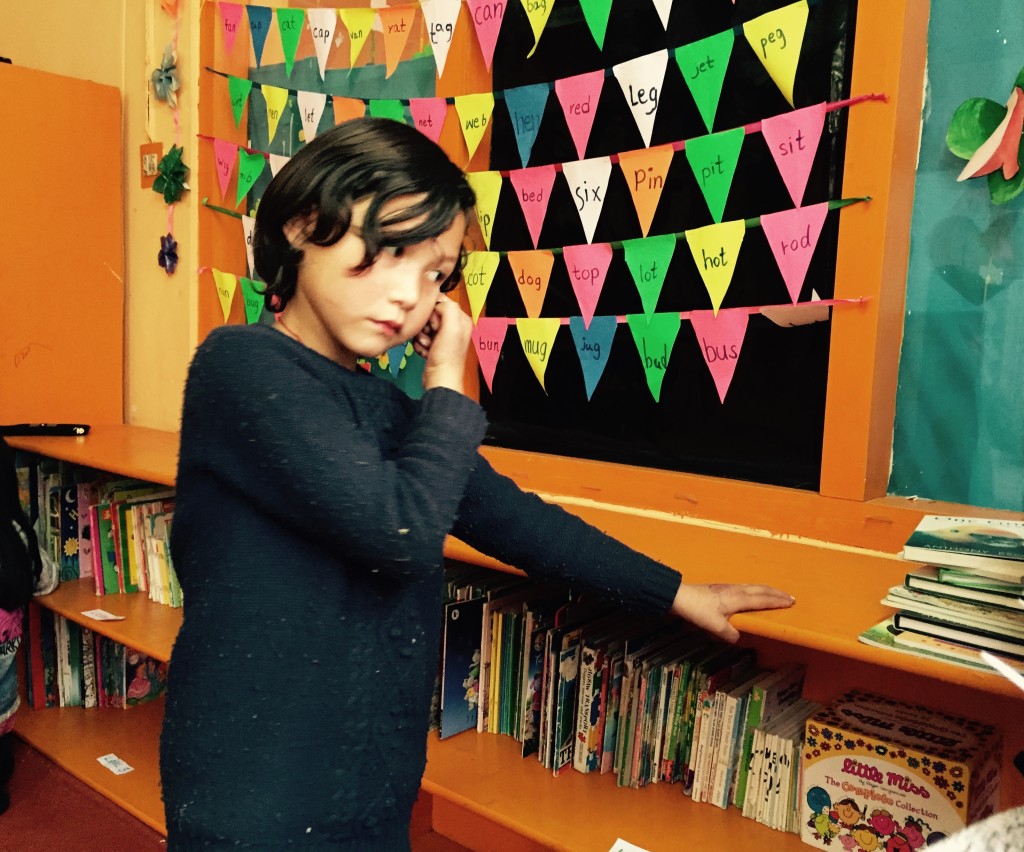
Avalokiteśvara Trust’s focus on reading rooms, book drives, and creative activities creates a strong setting for this work. Music sessions can complement literacy programs by introducing songbooks, musician biographies, illustrated instrument guides, and stories about Ladakhi festivals. Artistic activities such as drawing, writing, and theatre can help children explore the meaning behind what they hear.
Practical priorities for community programs
- Invite local musicians, elders, and monastic teachers to lead age-appropriate sessions.
- Provide accessible instruments and maintain them so children can practice regularly.
- Record songs only with informed permission and preserve information about their source and meaning.
- Connect music with reading, storytelling, language learning, and visual arts.
- Create performances where children can participate without ranking or pressure.
These efforts should include girls and boys, children from different backgrounds, and young monks with schedules suited to their communities. The goal is participation rather than competition. A child who sings softly in a group, sketches an instrument, or listens carefully to an elder is already taking part in cultural preservation.
When young people encounter Ladakhi music through supportive education, they gain tools for remembering and reimagining their heritage. Donors can help supply instruments, fund local mentors, expand reading-room resources, and support cultural workshops in remote communities. Volunteers can contribute time to organizing materials, documenting activities, or helping children turn musical experiences into stories and creative projects.
Support Avalokiteśvara Trust’s work so more children and young monks can hear, learn, and carry forward the living musical traditions of Ladakh. Every instrument shared, song documented, and learning space opened helps keep cultural knowledge connected to the next generation.