How Mountain Children Imagine a Connected World
For children growing up in the Himalayas, the internet can seem like a window cut into a very high wall. It may offer pictures of distant cities, stories from unfamiliar cultures, music, games and answers to questions that cannot easily be settled by a nearby library. Yet a child’s idea of being online is shaped by much more than a device. It depends on electricity, mobile coverage, language, family income, school resources and the adults who help make digital spaces understandable.
Australian children often meet the internet through home Wi-Fi, school laptops, streaming services and smartphones. In mountain communities, access may be shared, occasional or connected to a reading room, classroom or community centre. The contrast helps explain why children in remote places may view a simple search, video or message as an event filled with possibility rather than an ordinary part of the day.
A window beyond the mountain
When children in Ladakh or other Himalayan regions speak about being online, they may imagine contact with places they have seen only in photographs. A search engine can show the ocean, a football stadium, a rainforest or a city railway in seconds. For a child surrounded by high passes and long travel times, this ability to explore is closely linked with curiosity.
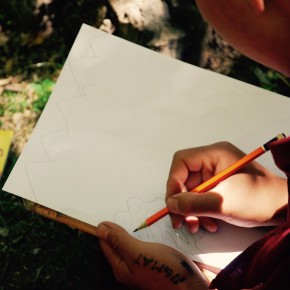
The internet can also become a creative space. Children may want to draw characters, listen to songs, learn a dance, watch a science demonstration or find instructions for making something by hand. Their interests are familiar to children everywhere, but the emotional force can be stronger when information has previously arrived mainly through textbooks, television or stories shared by older people.
Distance changes the value of access
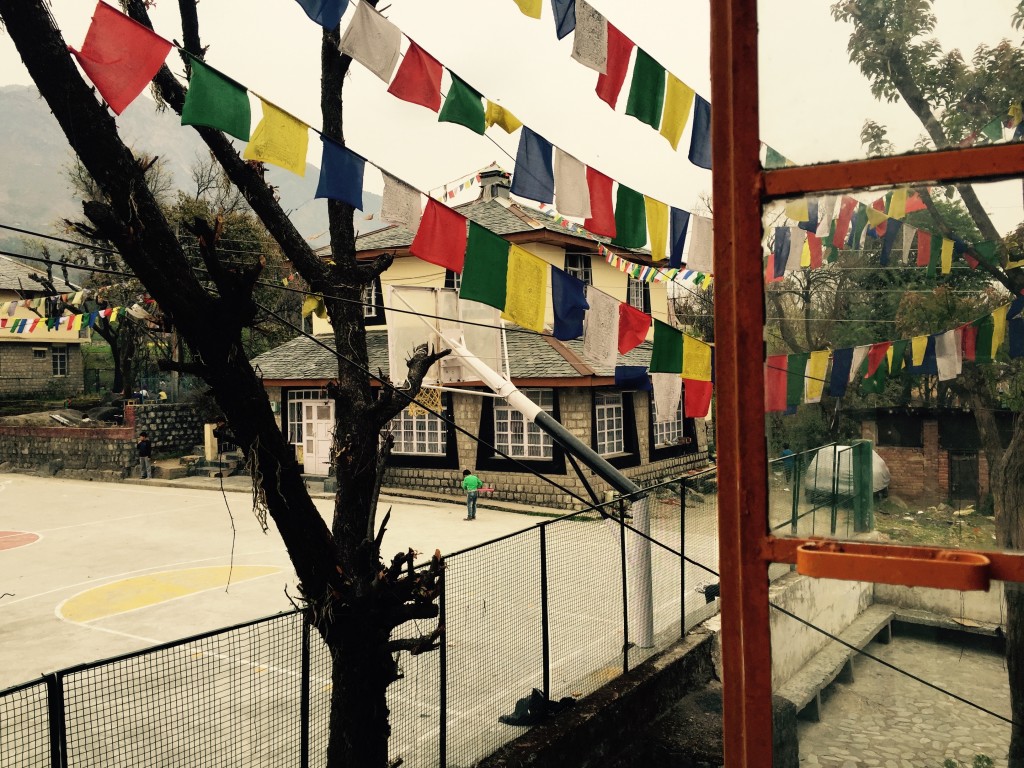
Mountain geography affects every stage of digital learning. Villages can be separated by difficult roads, seasonal weather and long distances between schools. A weak signal, limited electricity or one shared device can turn an online lesson into a short opportunity that must be used carefully. Downloading material when the connection works may matter more than being continuously connected.
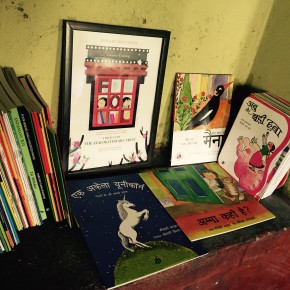
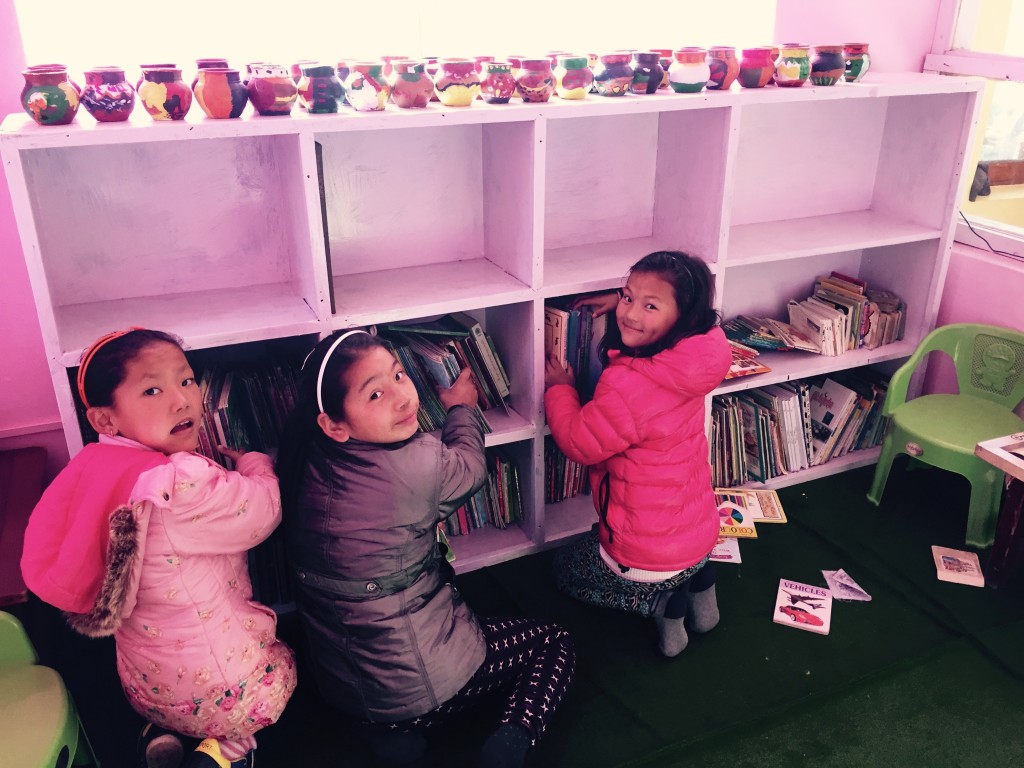
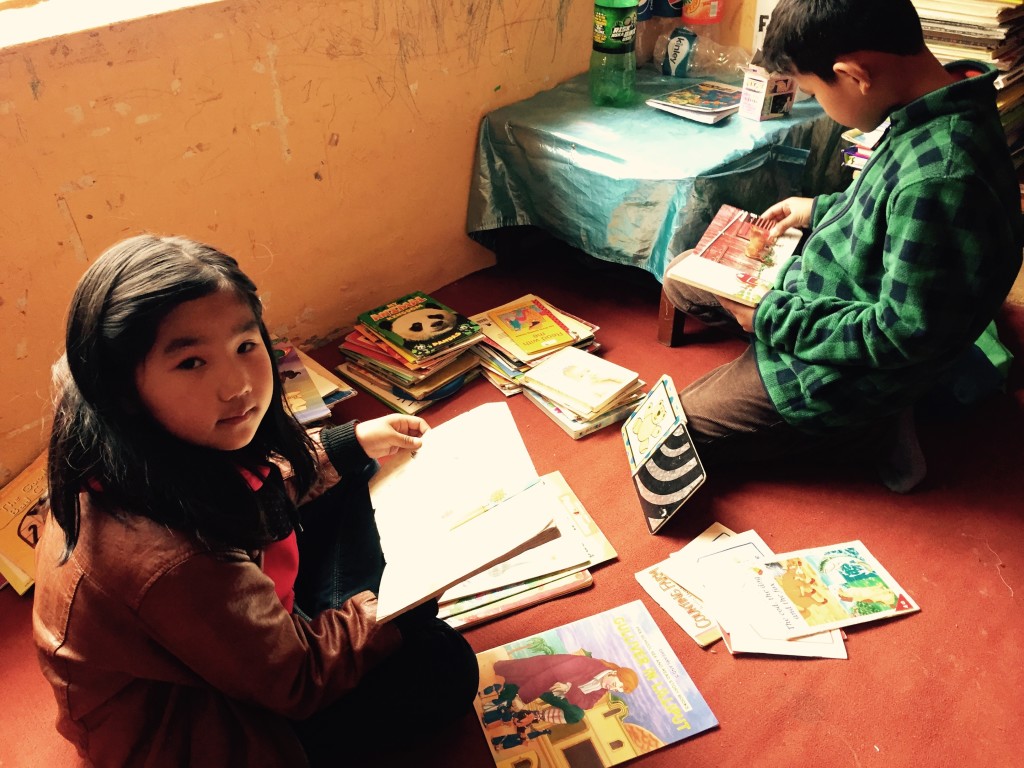
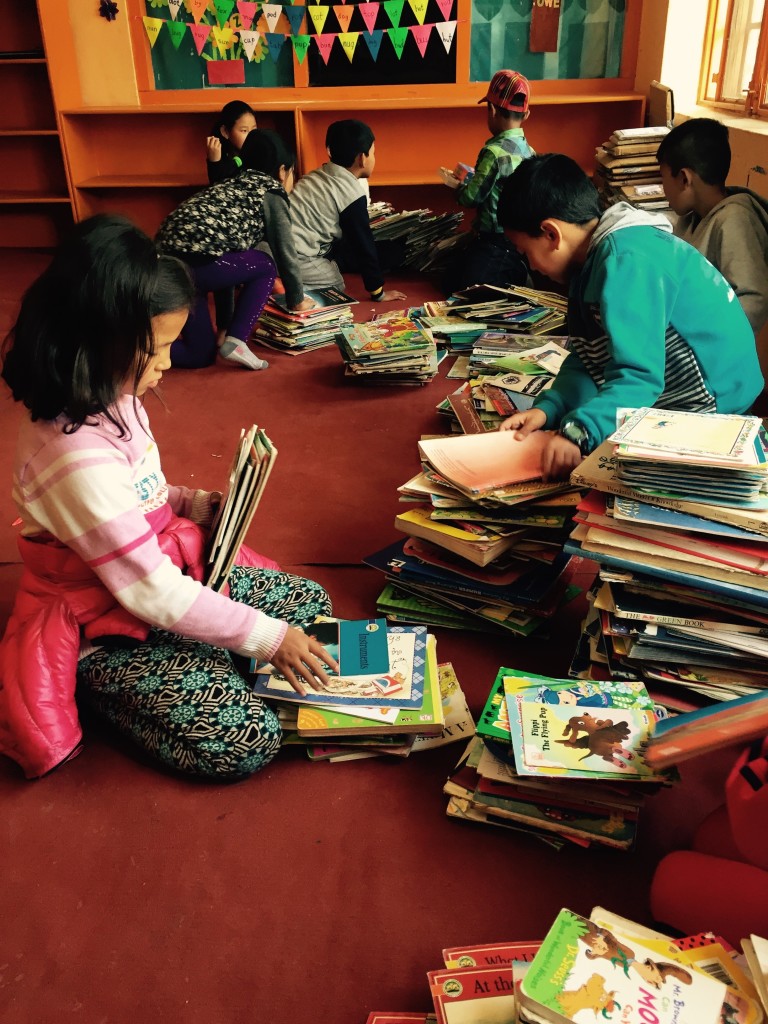
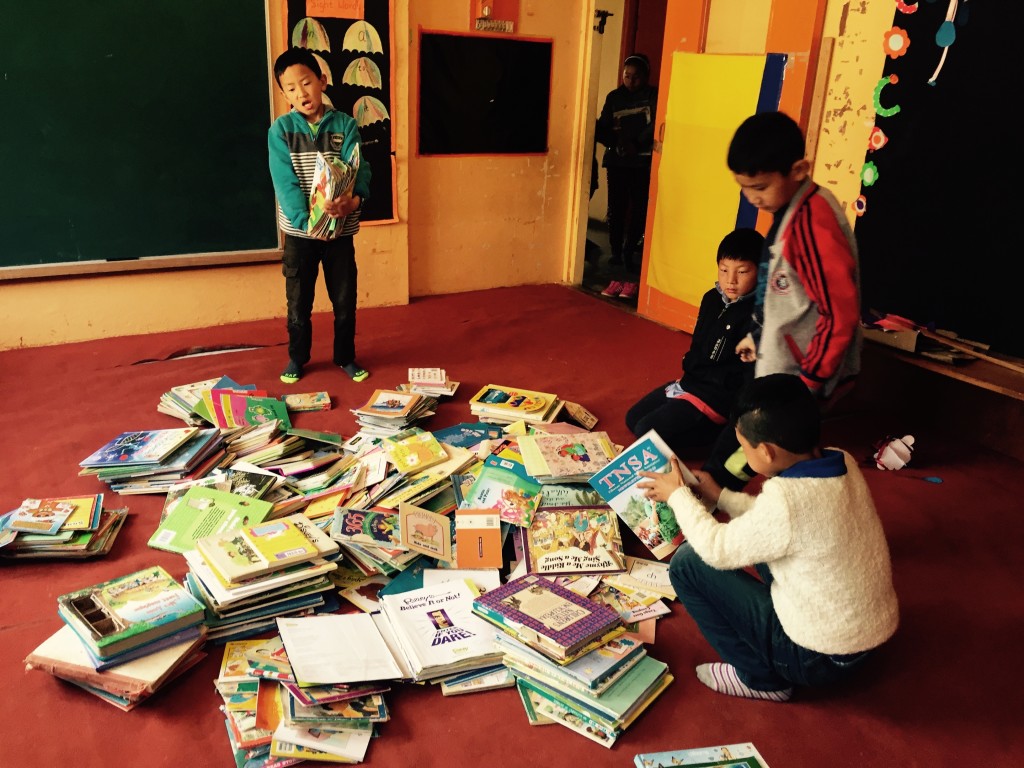
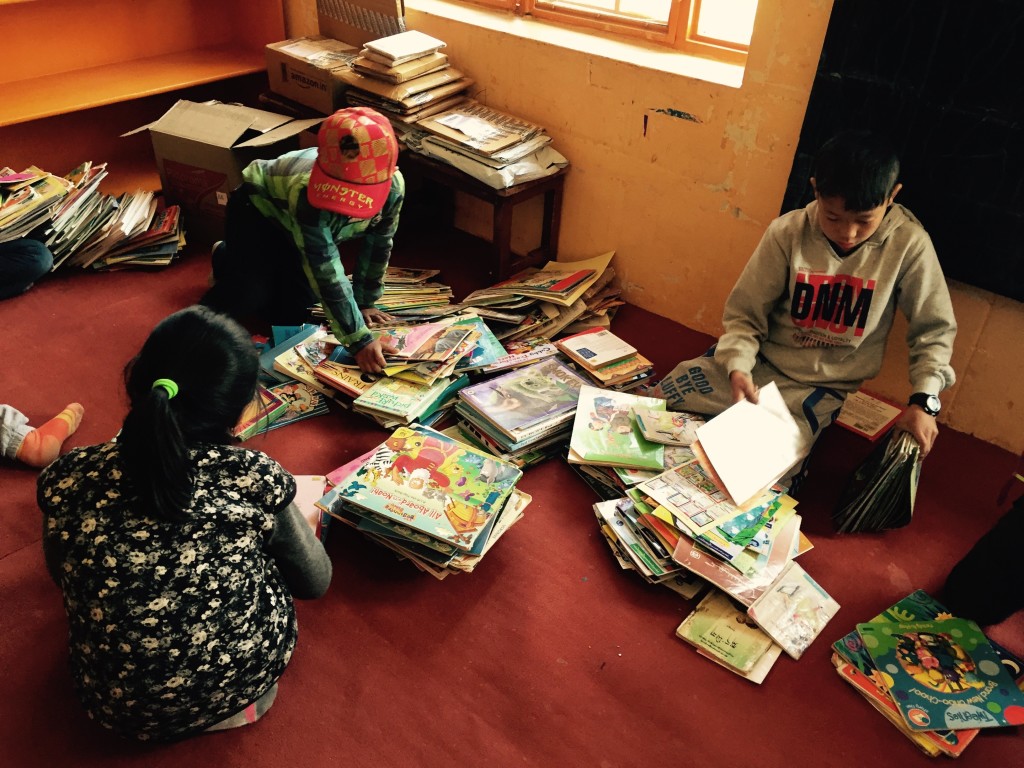
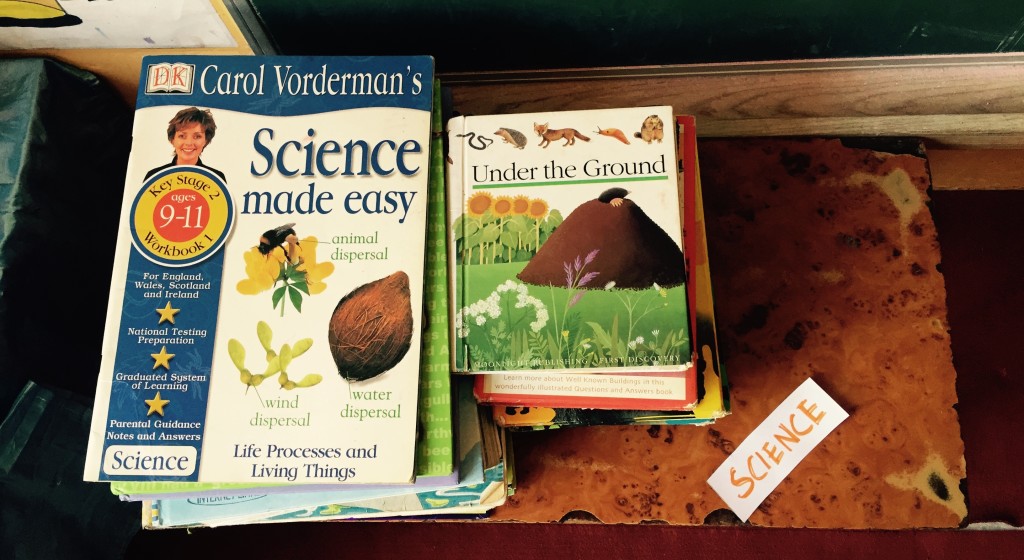
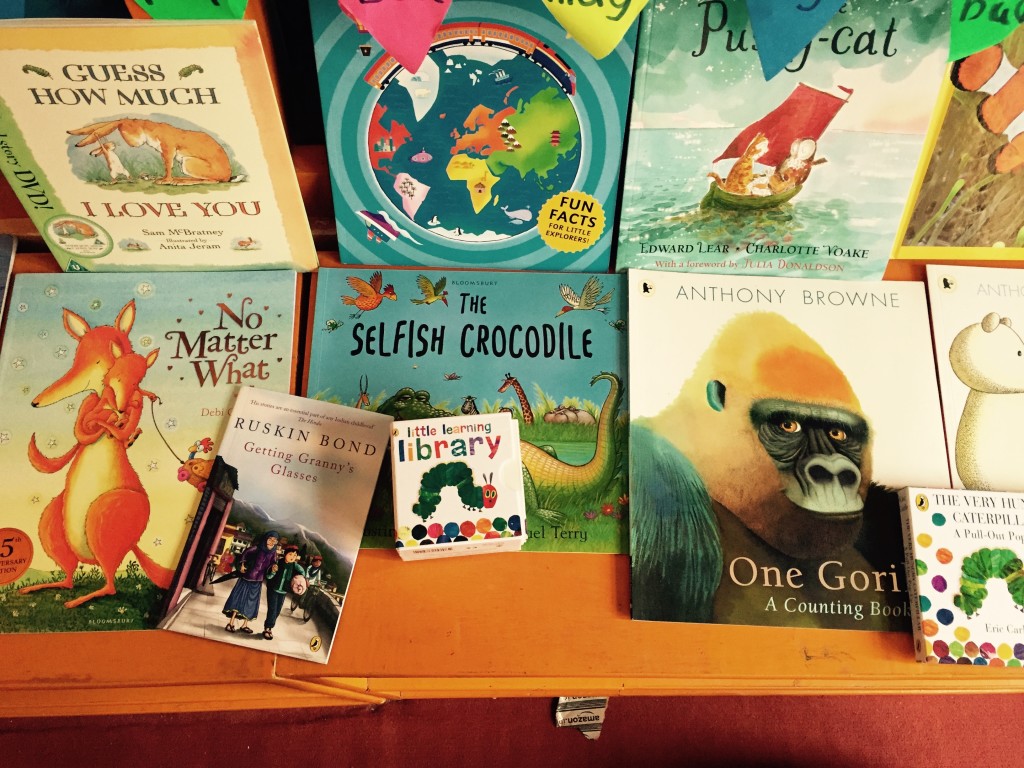
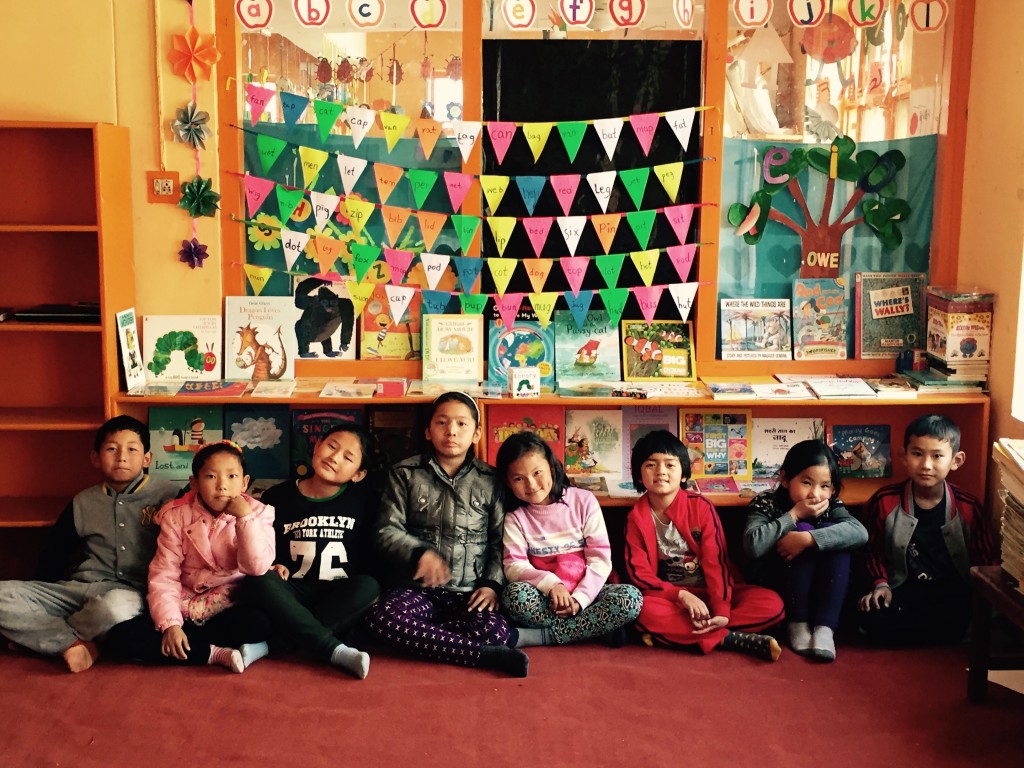
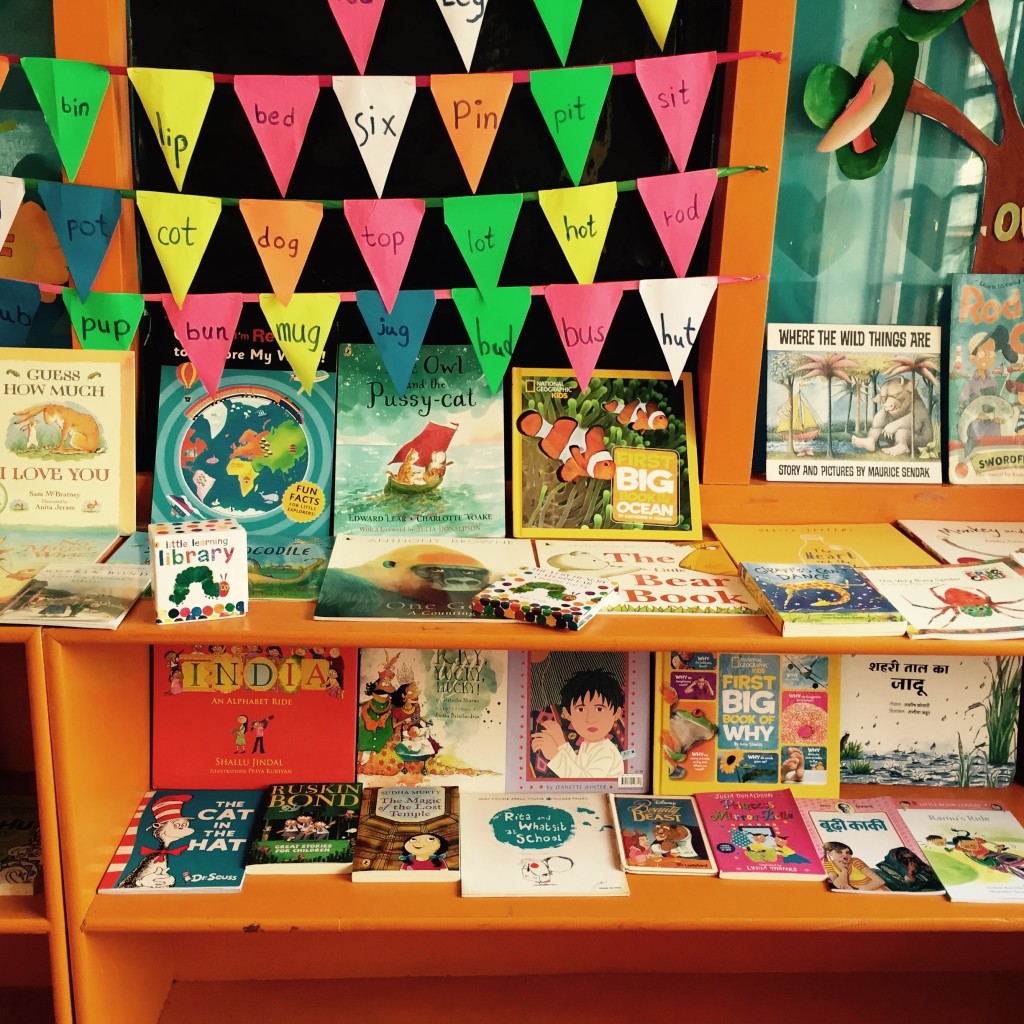
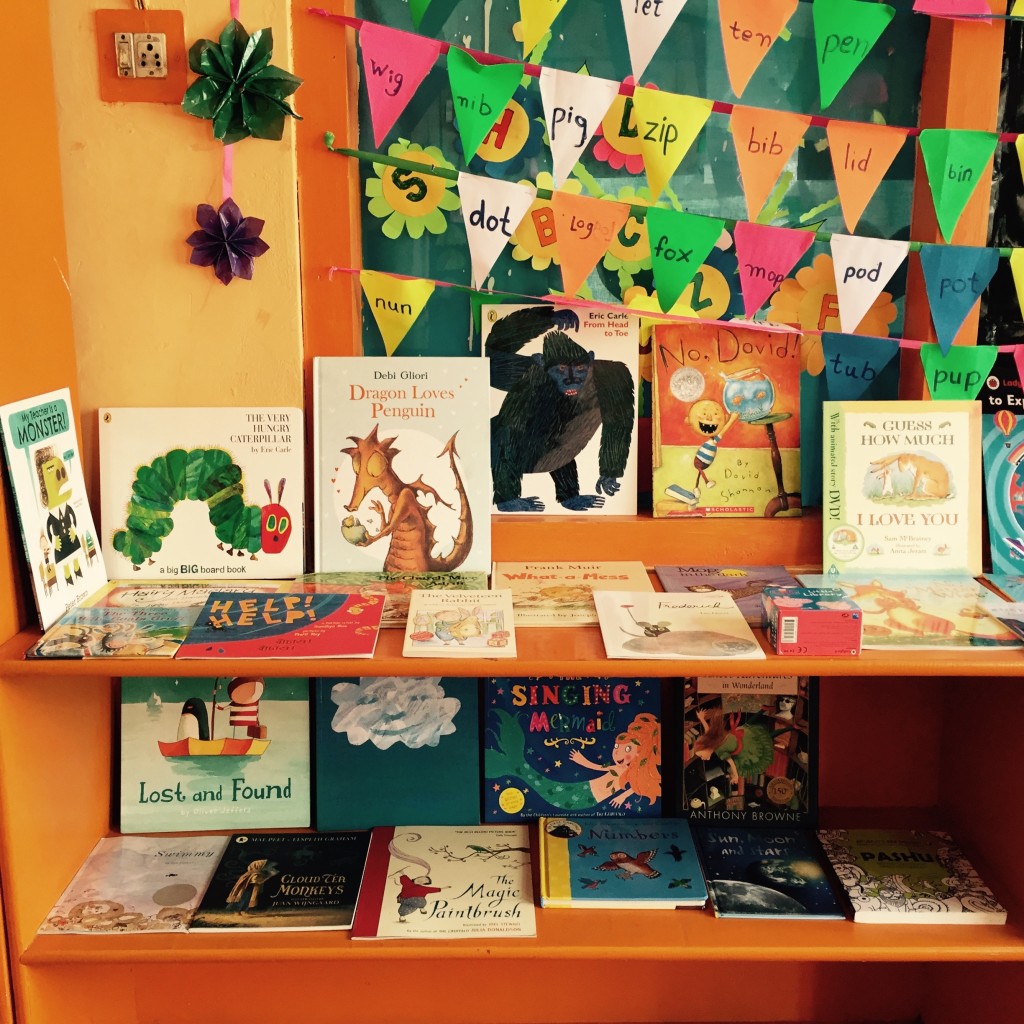
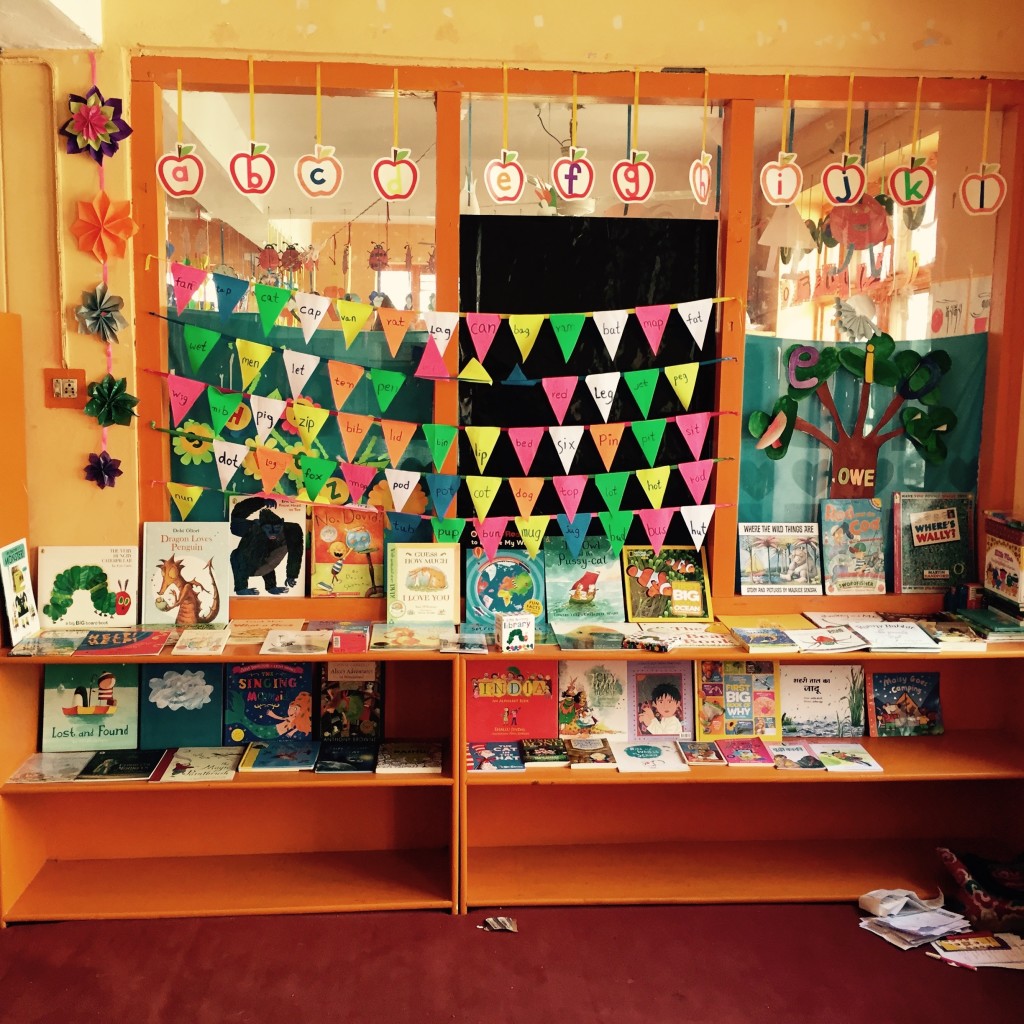
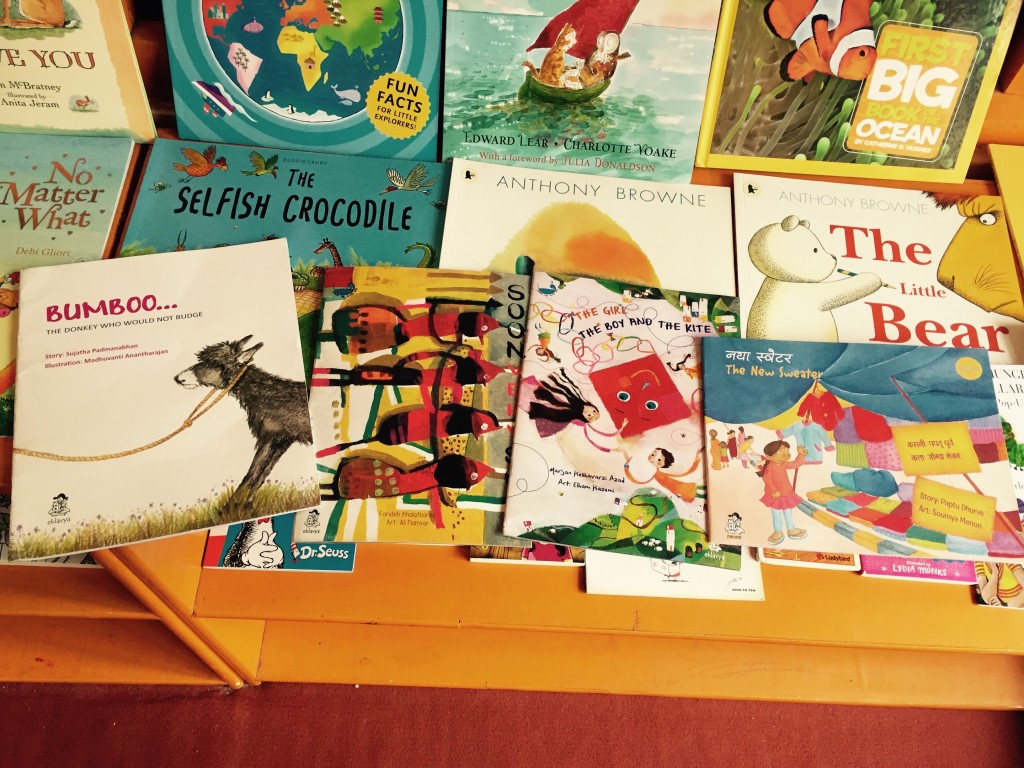
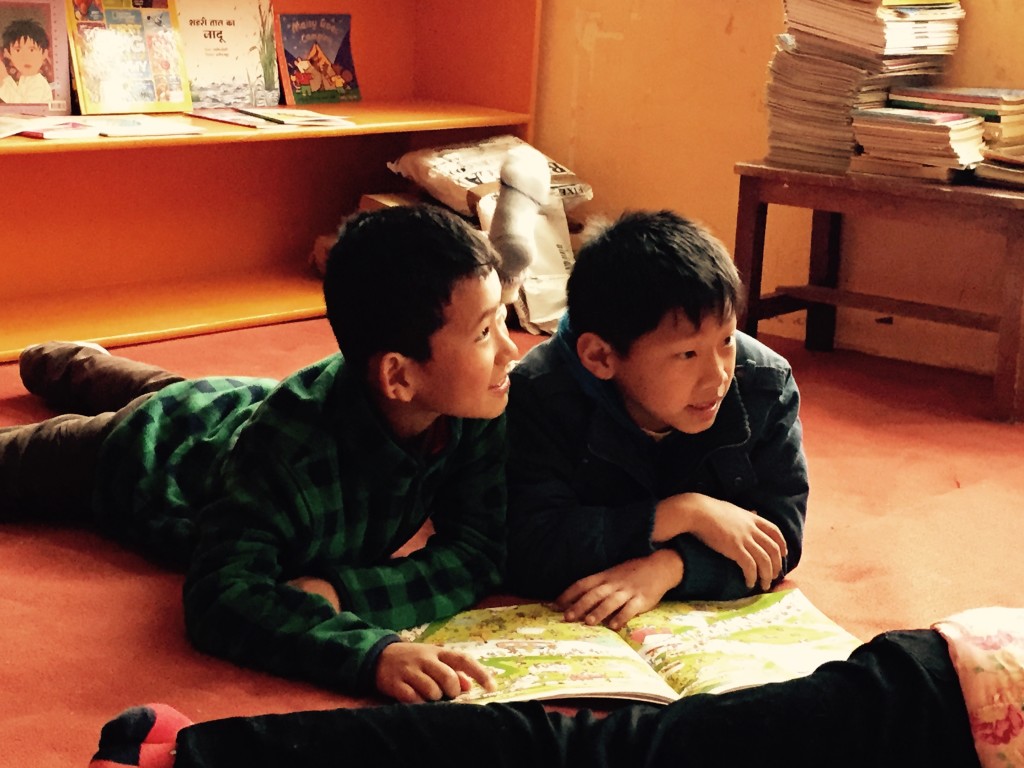
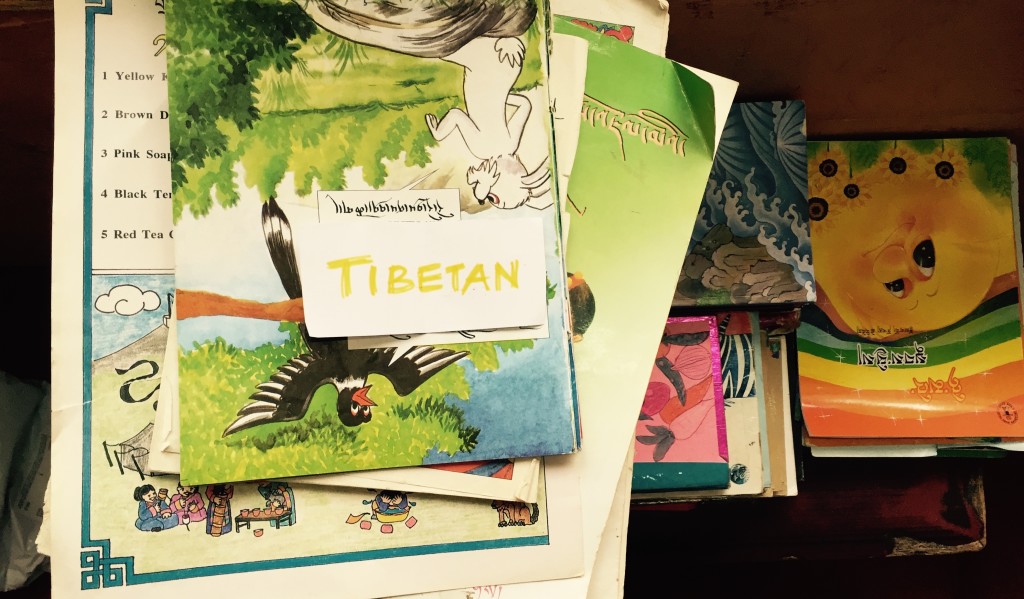
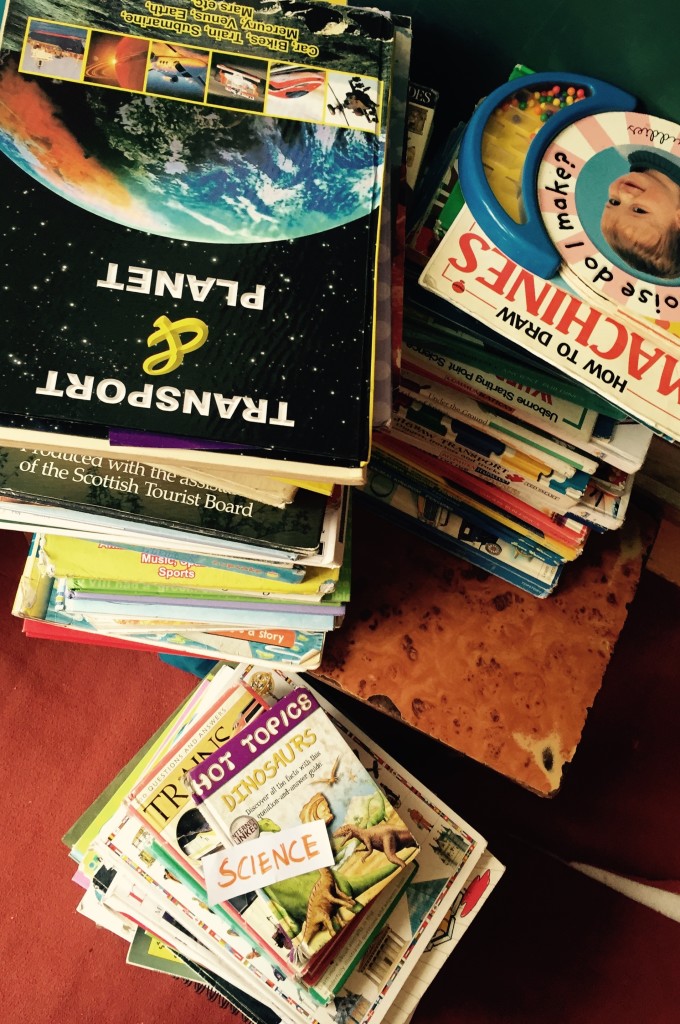
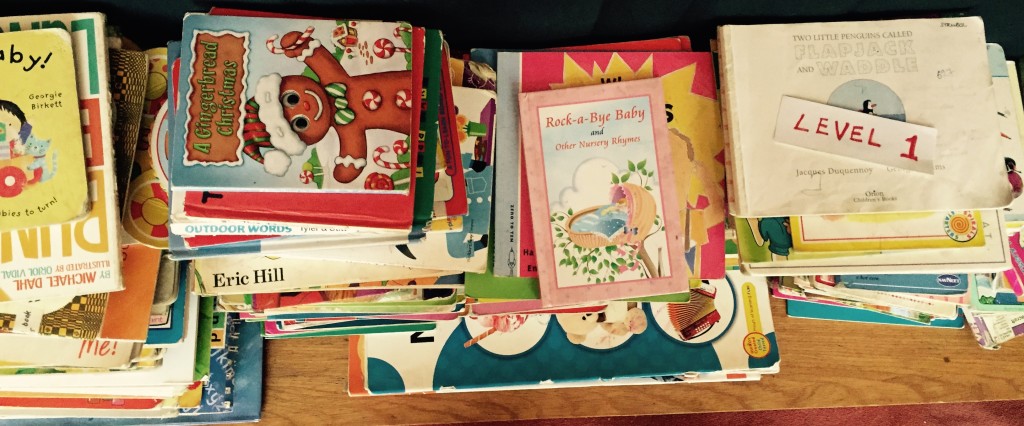
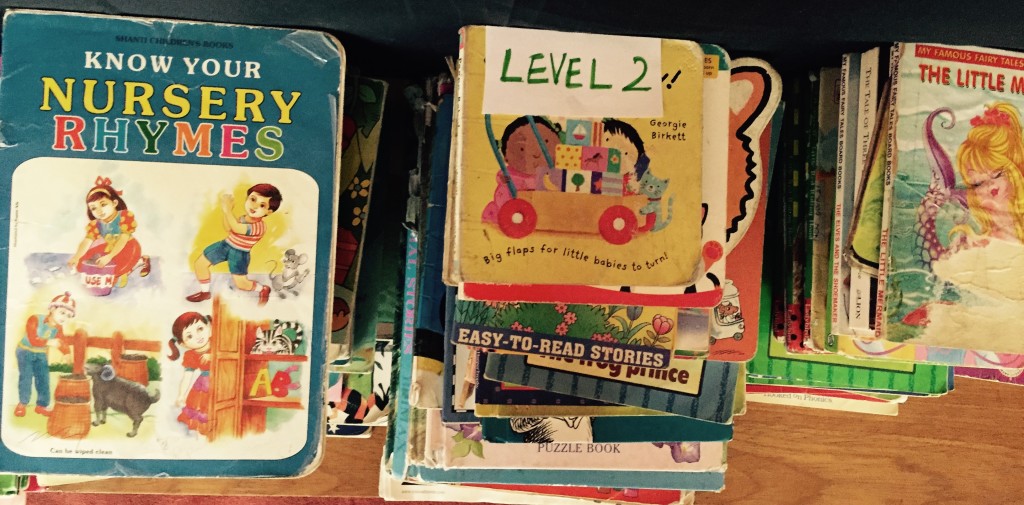
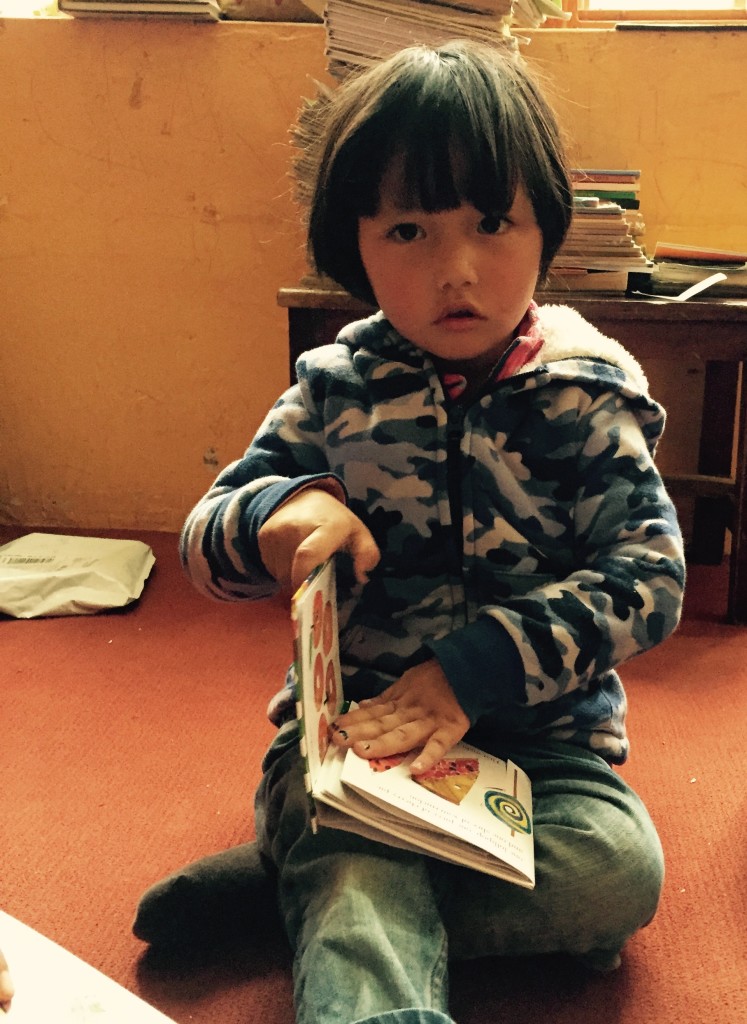
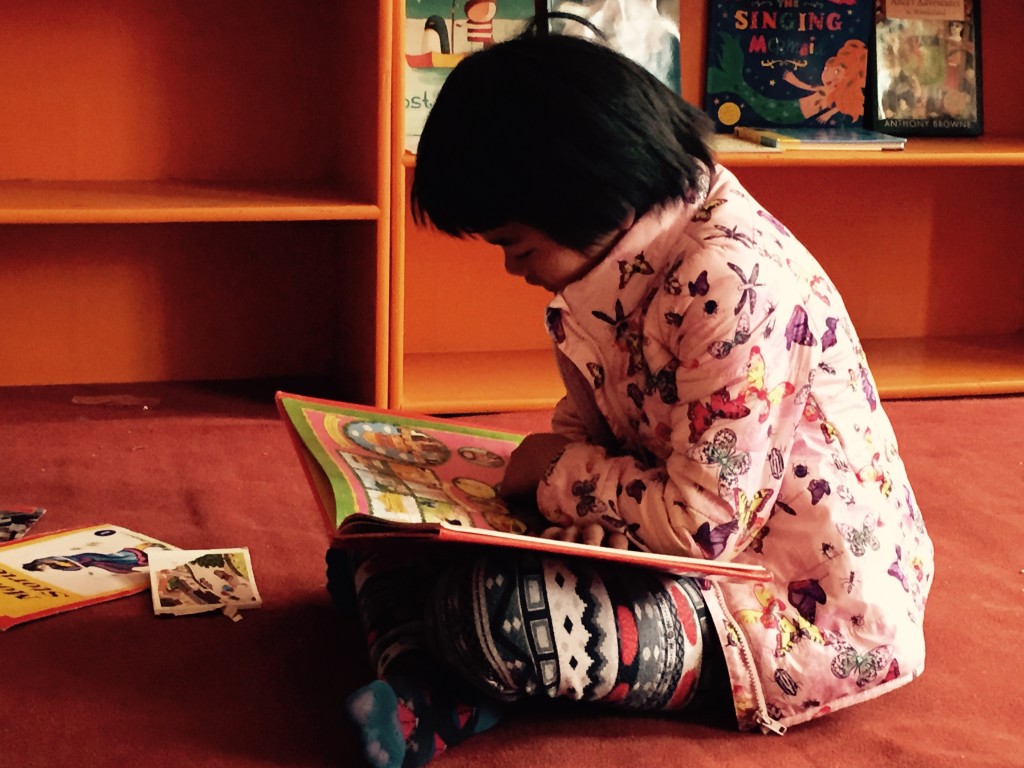
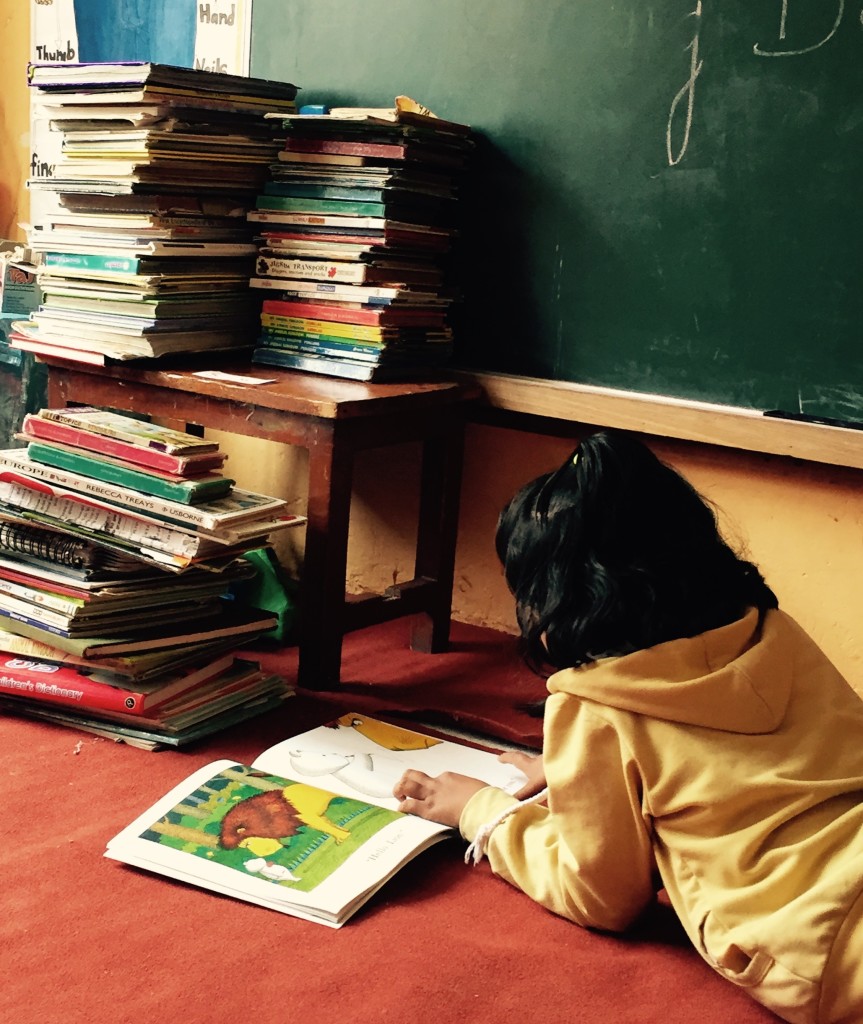
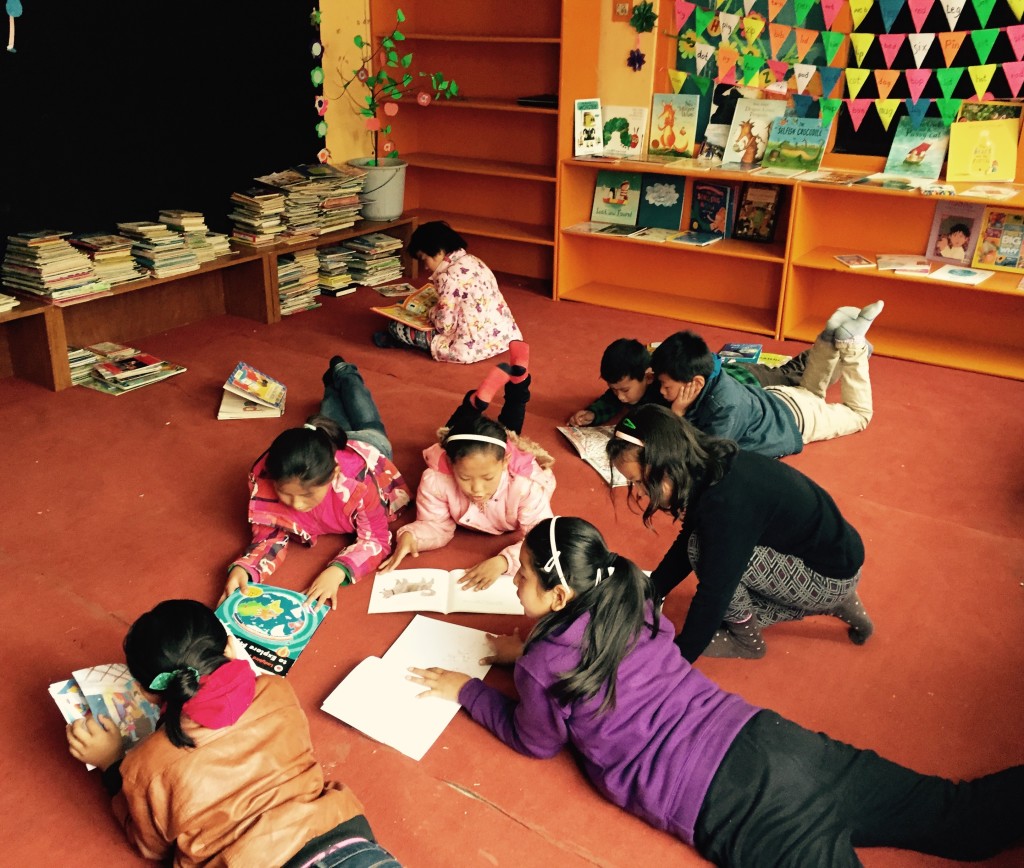
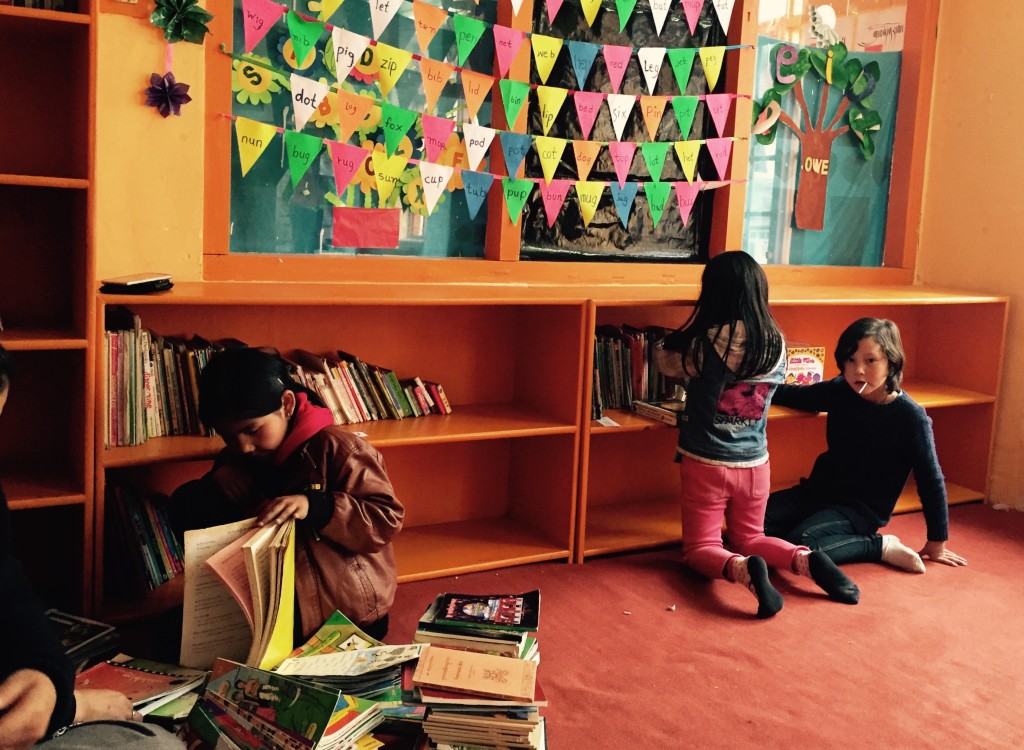
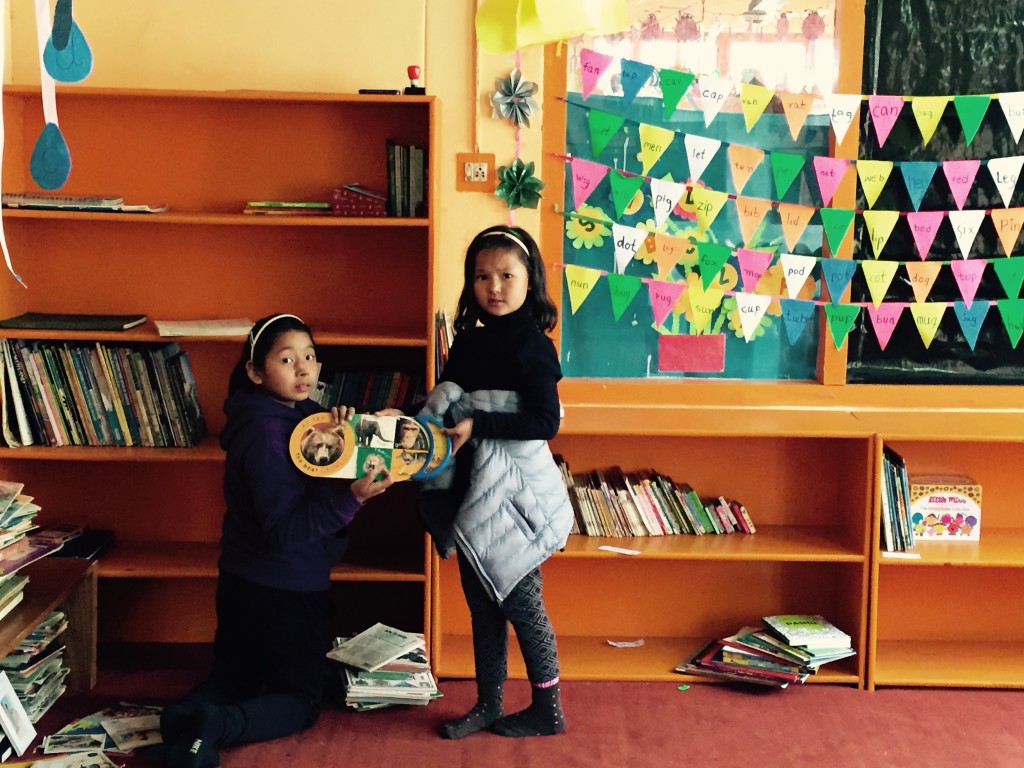
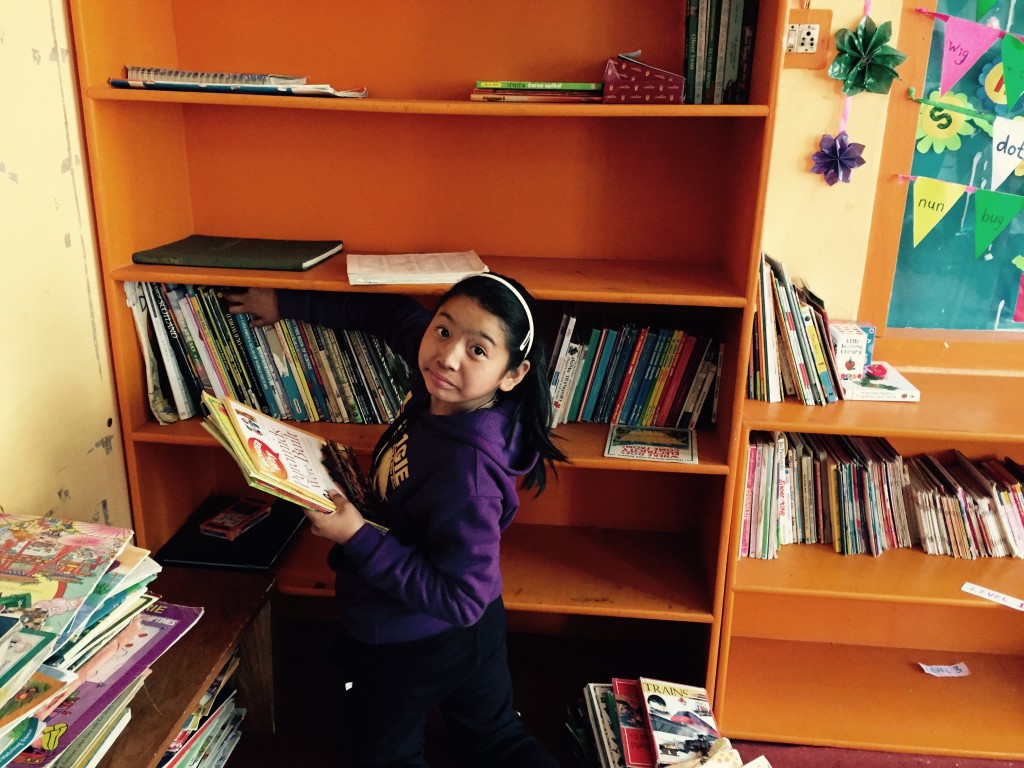
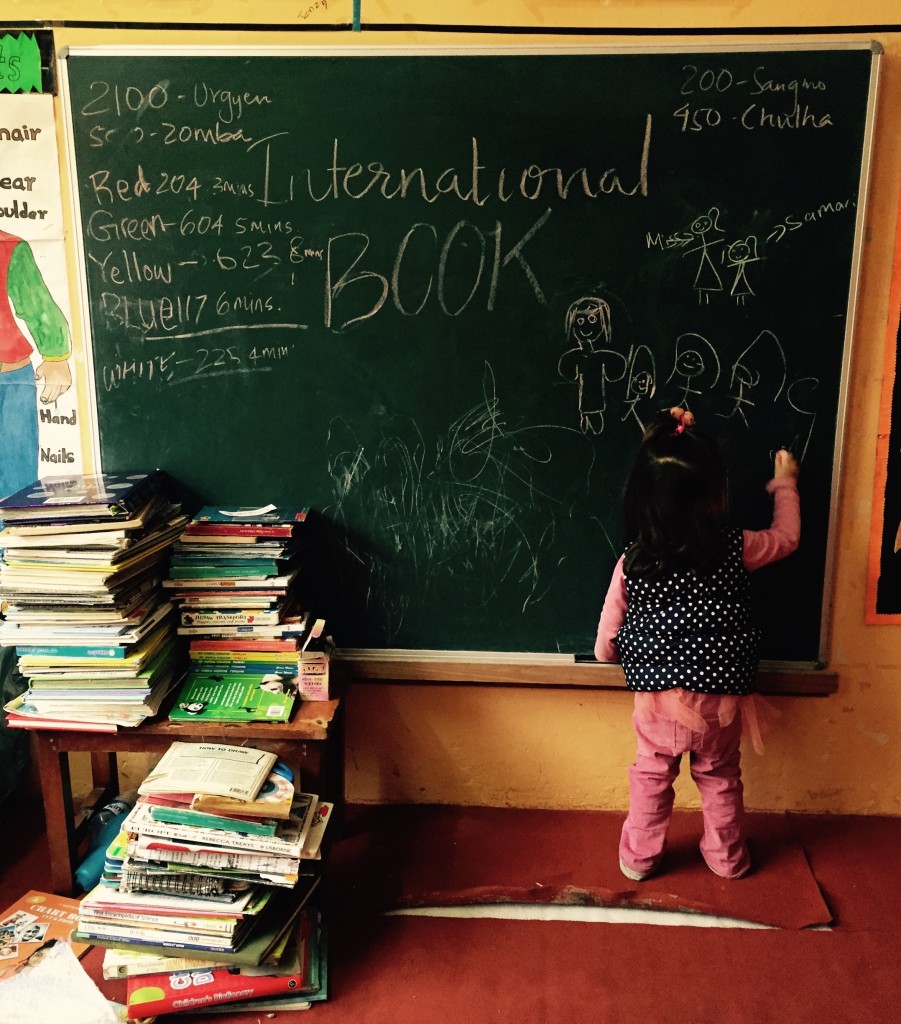
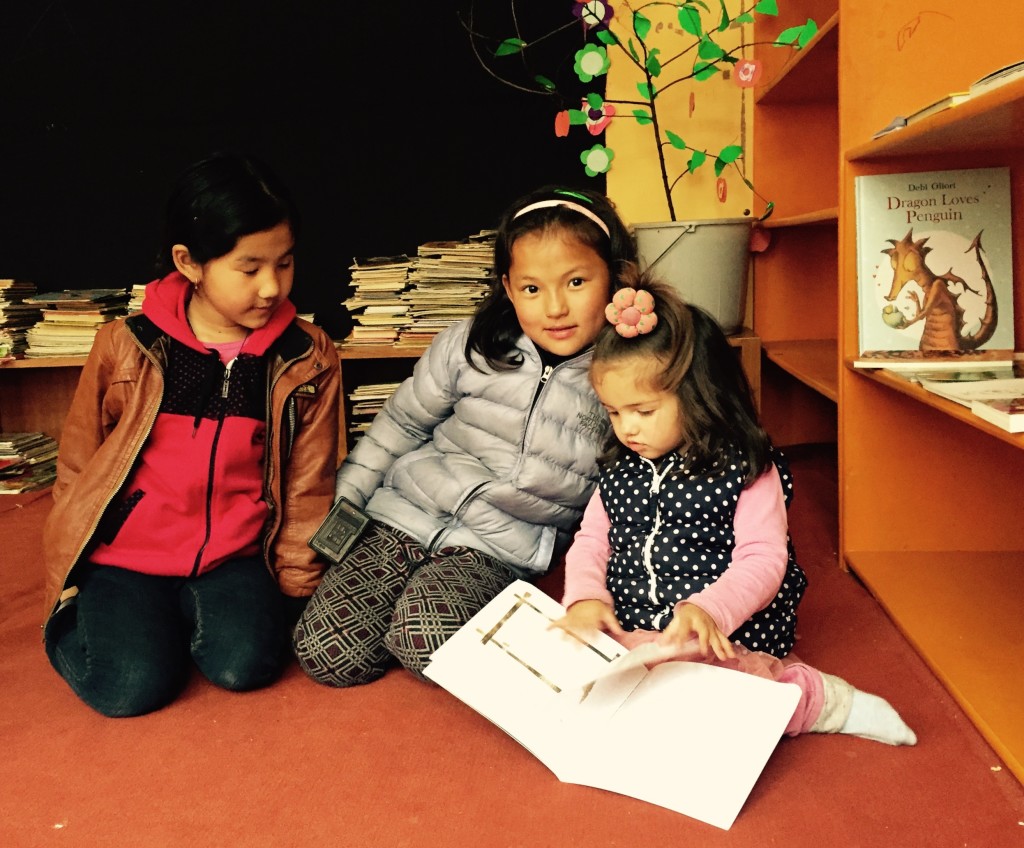
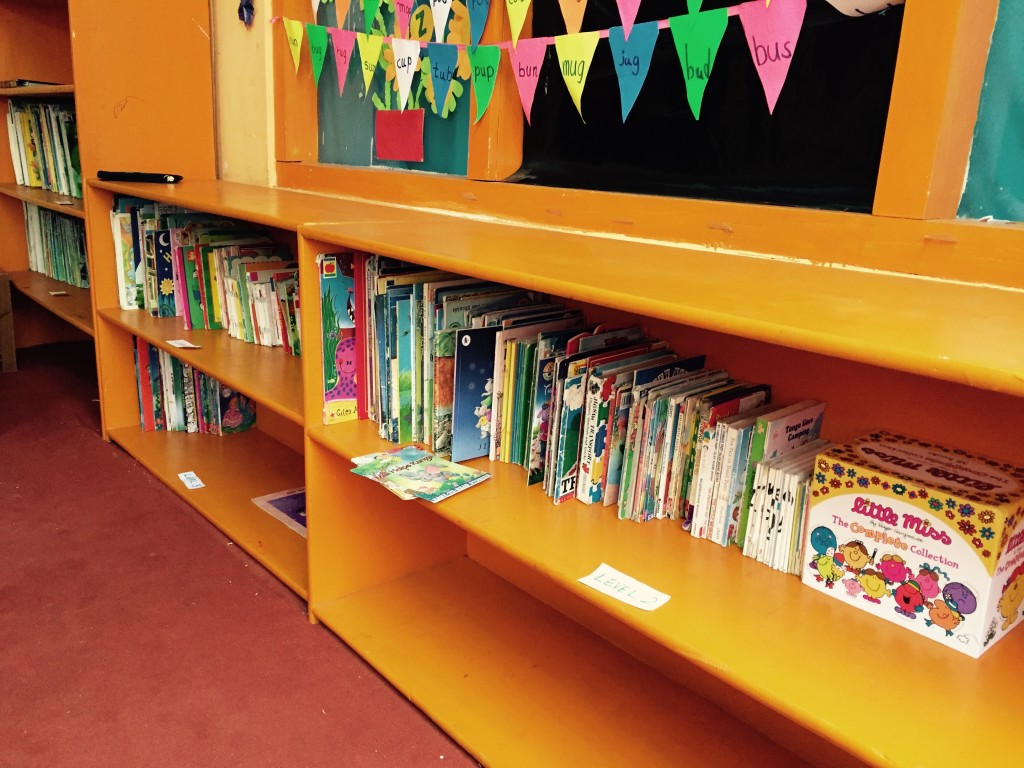
This is different from the routine many Australian families know. In Melbourne, Brisbane or Perth, a child might use home broadband for homework while a parent orders groceries online and another family member streams a programme. In regional Australia, connectivity can still be uneven, yet public libraries, school networks and mobile services often provide additional points of access. For a Himalayan child, a community reading room may be the place where digital discovery and printed books meet.
Letters make distant voices personal
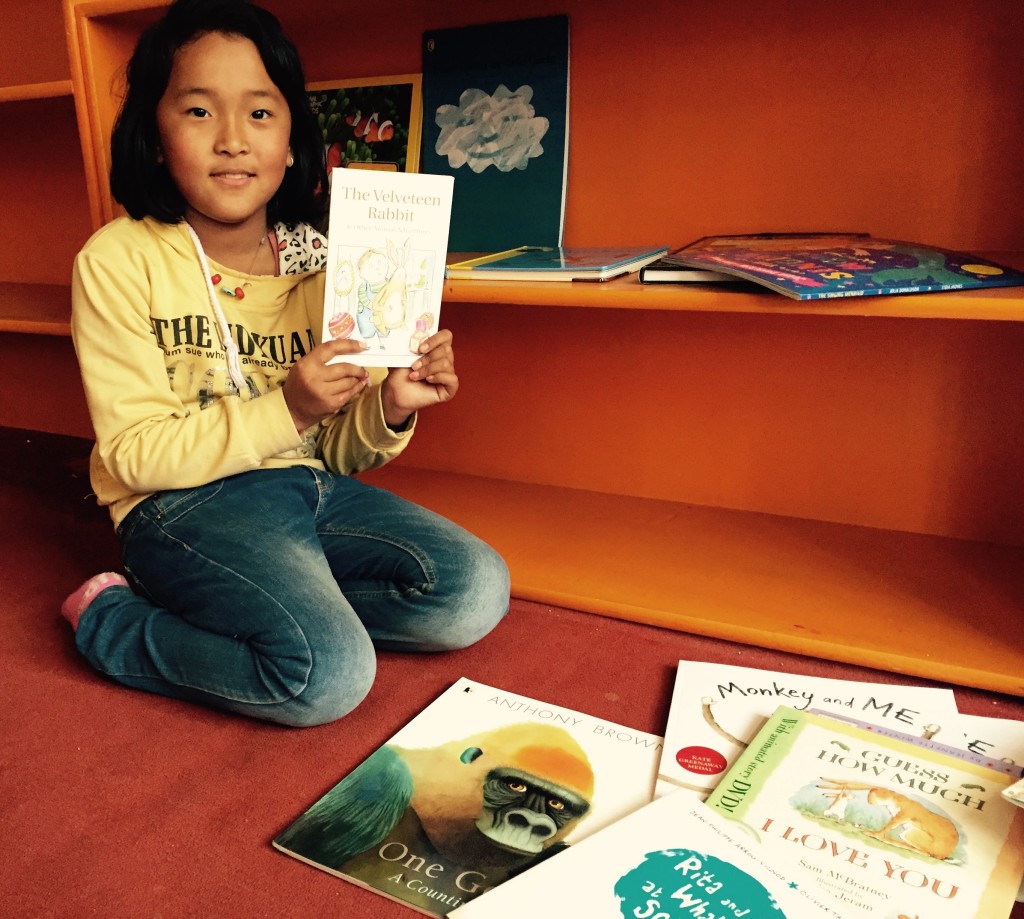
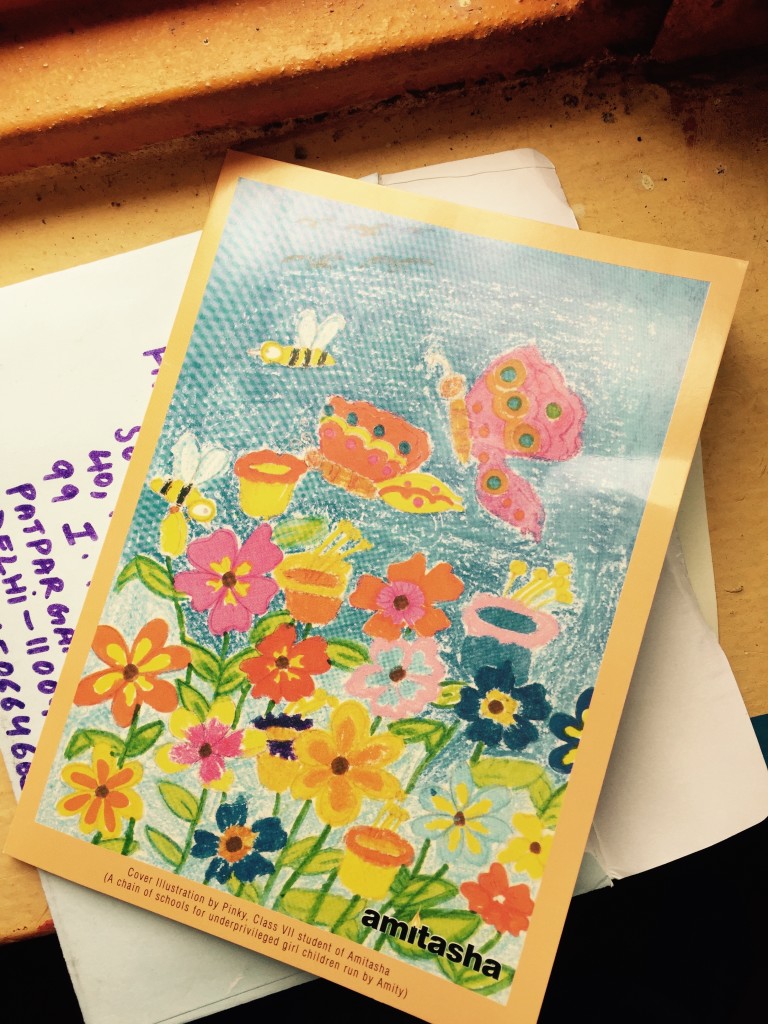
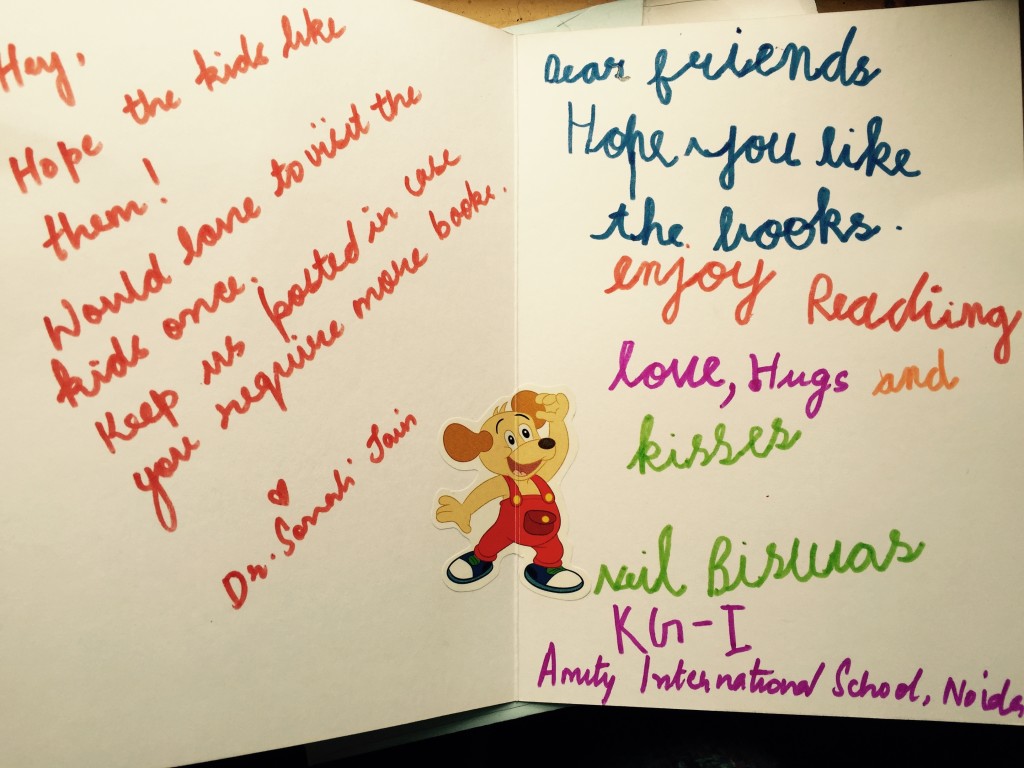
A screen can make the world seem close, but a letter can make a distant person feel real. Writing to a favourite author asks children to slow down, choose words and imagine a response. The experience gives reading a social dimension: books are no longer silent objects but invitations to join a wider conversation. Stories from the Ladakh letter project show how strongly children value that connection.
This matters when considering what young mountain readers think about the internet. They may be interested in digital communication, but they also understand the warmth of paper, handwriting and waiting. Online messages are fast; letters create anticipation. Both forms can support literacy, yet each encourages a different kind of attention. A child who enjoys an author’s reply may become more confident about writing a message, keeping a journal or creating a story of their own.
Different starting points shape digital curiosity
The table below compares broad experiences rather than describing every child. Families, schools and villages vary widely, and access can change quickly as new infrastructure or community projects become available.
| Everyday experience |
Mountain community setting |
Typical Australian setting |
| Main access point |
Shared phone, school device or community reading room |
Home broadband, school device or personal smartphone |
| Connection pattern |
Intermittent, weather-dependent or limited by data cost |
Usually regular, with variation between urban and regional areas |
| Most valued online benefit |
Educational material, communication and visual discovery |
Homework, entertainment, social connection and practical services |
| Role of printed books |
Essential where digital access is limited |
Still important through schools, bookshops and public libraries |
| Adult guidance |
Often provided by teachers, relatives or community workers |
Shared between families, schools and digital safety programmes |
A child who waits for an internet session may approach it with concentration. They might remember a single video for weeks, repeat a new word to classmates or use an image as the starting point for a drawing. Abundant access can support broader exploration, but it can also make online activity feel ordinary and easily forgotten.
Safety begins with trusted adults
The internet brings useful information alongside risks. Children can encounter misleading claims, disturbing images, aggressive advertising, scams or strangers who do not have their interests at heart. Young users need age-appropriate explanations about privacy, passwords, location sharing and respectful communication. These lessons are most effective when they are connected to everyday examples rather than delivered as warnings alone.
Australian families have a formal safety framework to consider. The eSafety Commissioner provides guidance for children, parents and schools, while Australian privacy and child-protection obligations shape how organisations handle young people’s information. Local schools may discuss cyberbullying, image sharing and responsible device use. In Himalayan communities, teachers and charity workers may provide similar guidance through conversation, group activities and supervised access, adapting it to local languages and realities.
What Australian families can share
Australian children can learn from mountain communities that access is valuable when it serves a purpose. A short online session used to find a map, hear a story or research a school topic may be more rewarding than endless scrolling. Families can connect screen time with making, reading and discussion, rather than treating the internet as a separate world.
Several everyday practices can support thoughtful use:
- Visit a public library and combine digital research with printed books.
- Compare a video or social post with information from a trusted source.
- Keep devices in shared spaces when younger children are exploring online.
- Encourage children to create drawings, recordings or stories after researching a topic.
Australian households also have a strong local market of educational apps, audiobooks, refurbished tablets and children’s books. Cost still matters, particularly for families managing rent, transport and school expenses. Choosing durable devices, using library services and checking privacy settings can make online learning more sustainable.
Community organisations can turn digital curiosity into shared learning:
- Set up supervised sessions where children can search, read and ask questions.
- Pair online research with music, painting, writing or practical experiments.
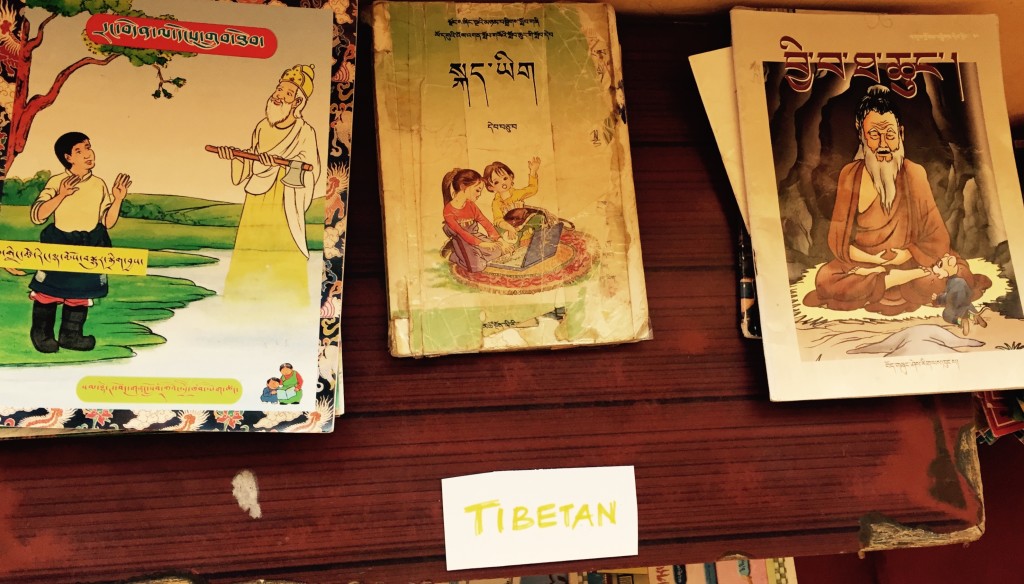
- Offer resources in home languages as well as English.
- Teach children how to recognise advertising, false information and unsafe requests.
Access becomes meaningful through relationships
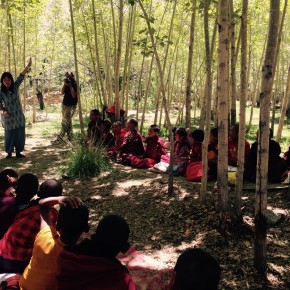
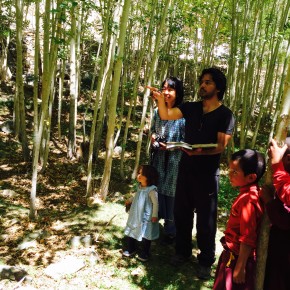
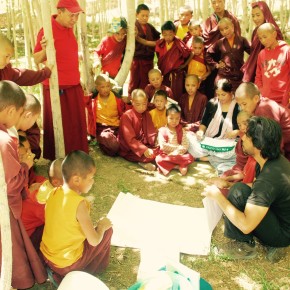
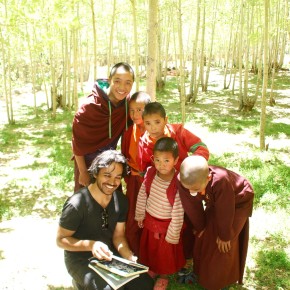
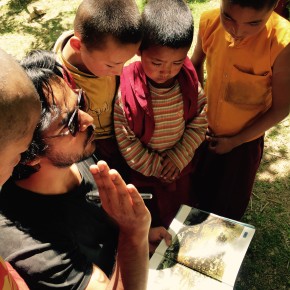
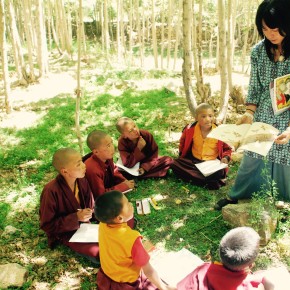
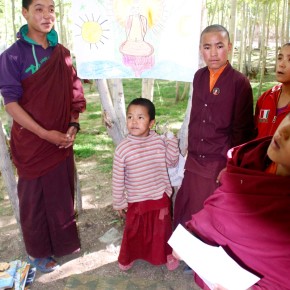
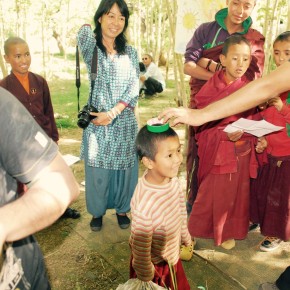
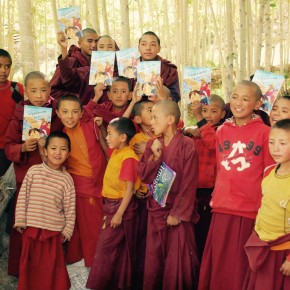
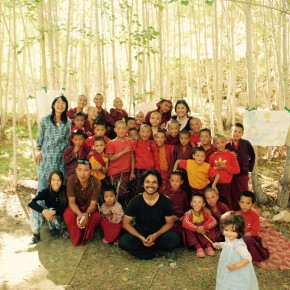
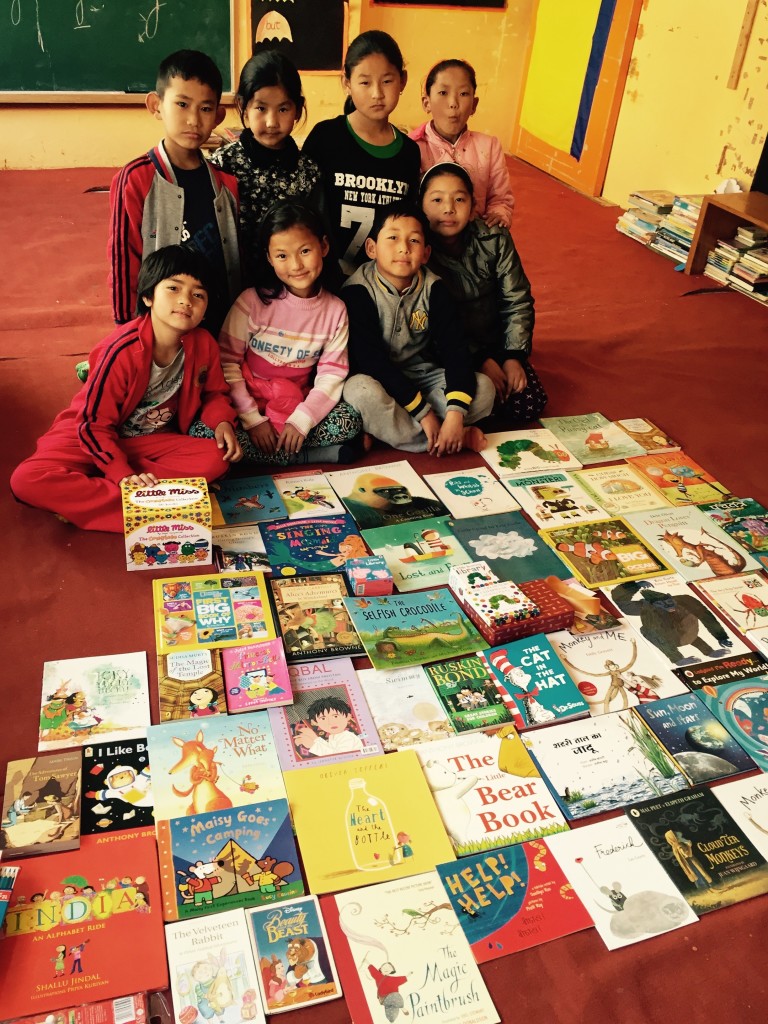
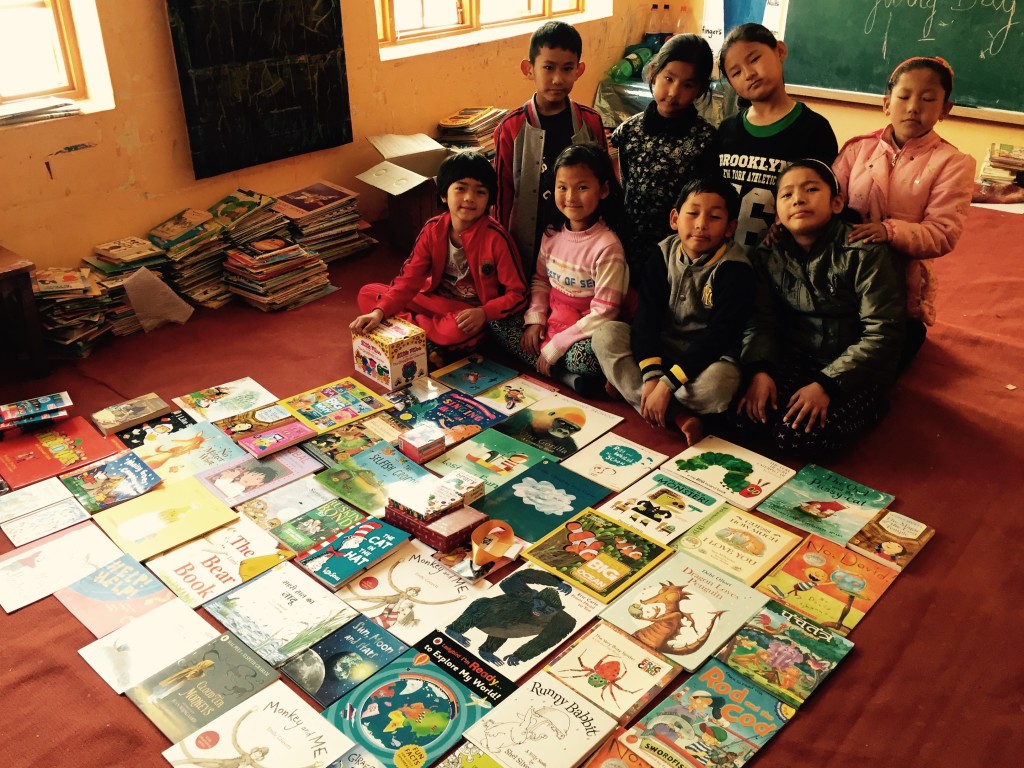
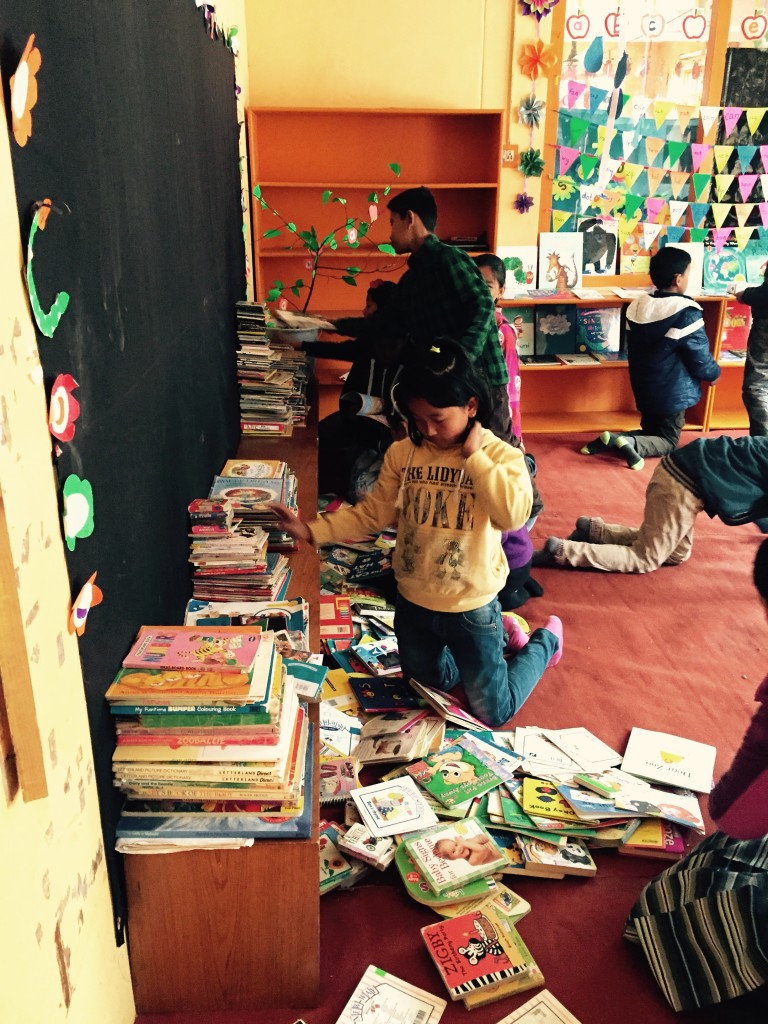
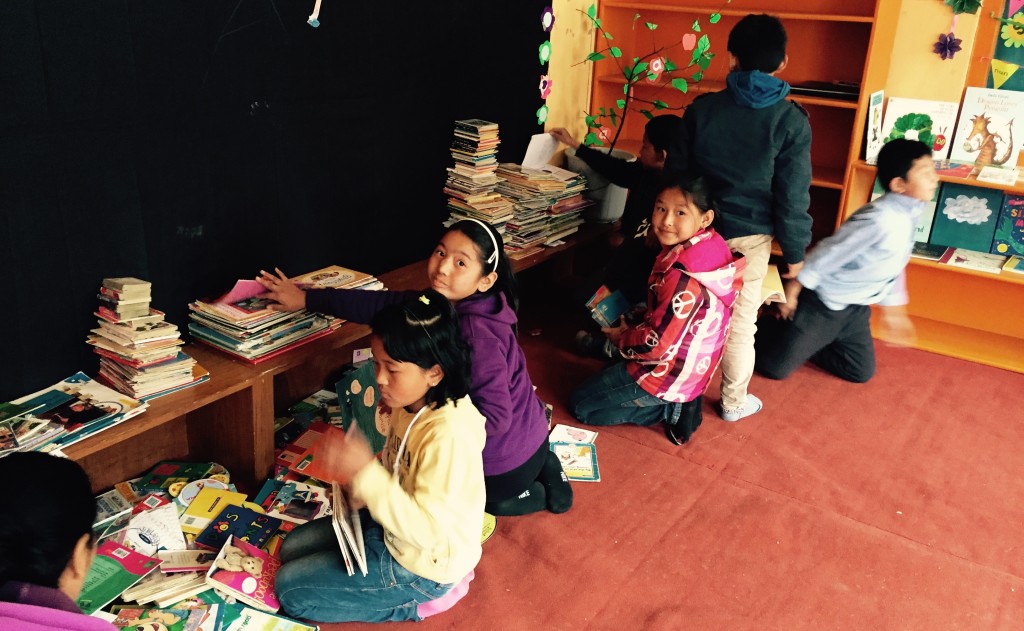
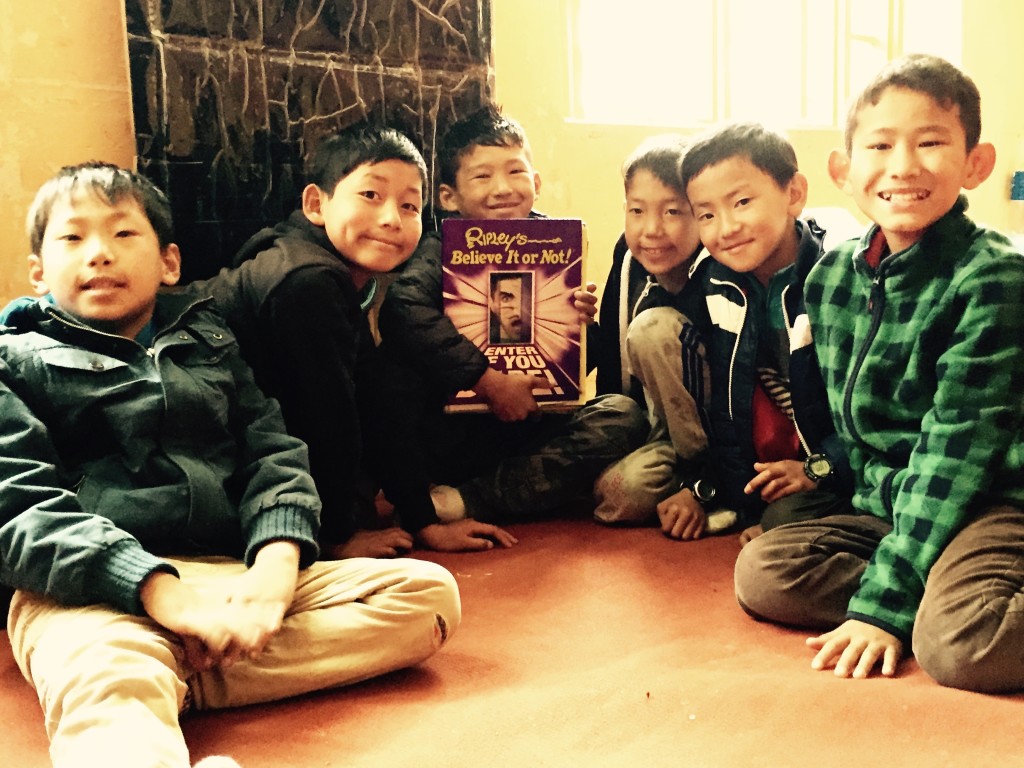
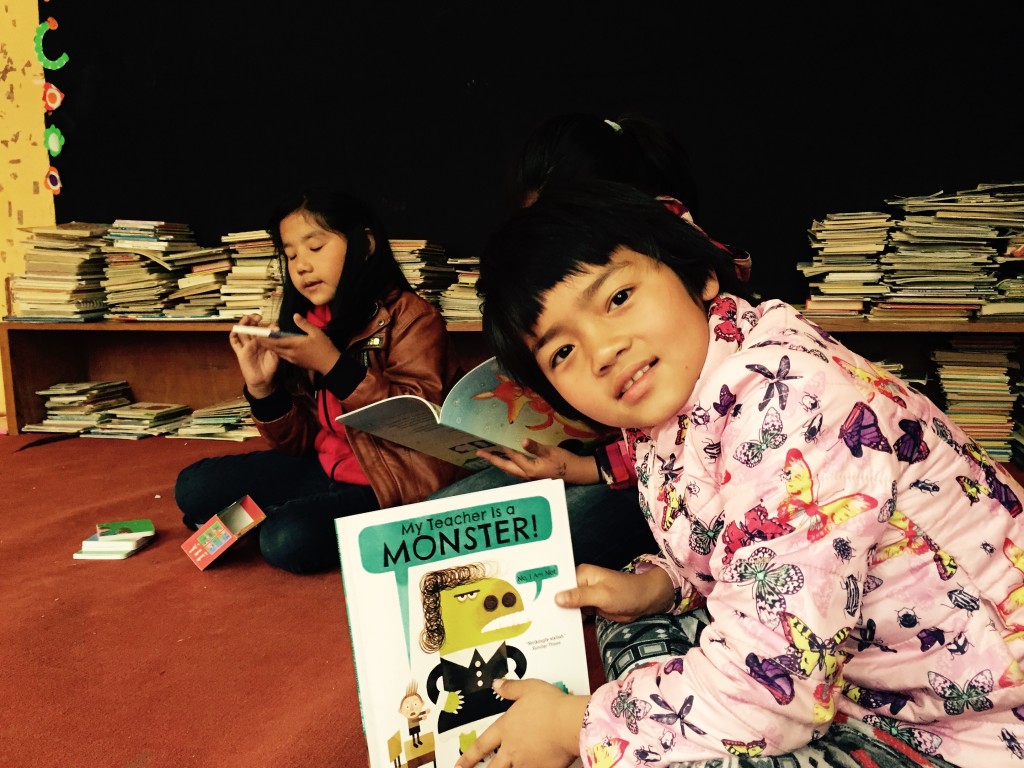
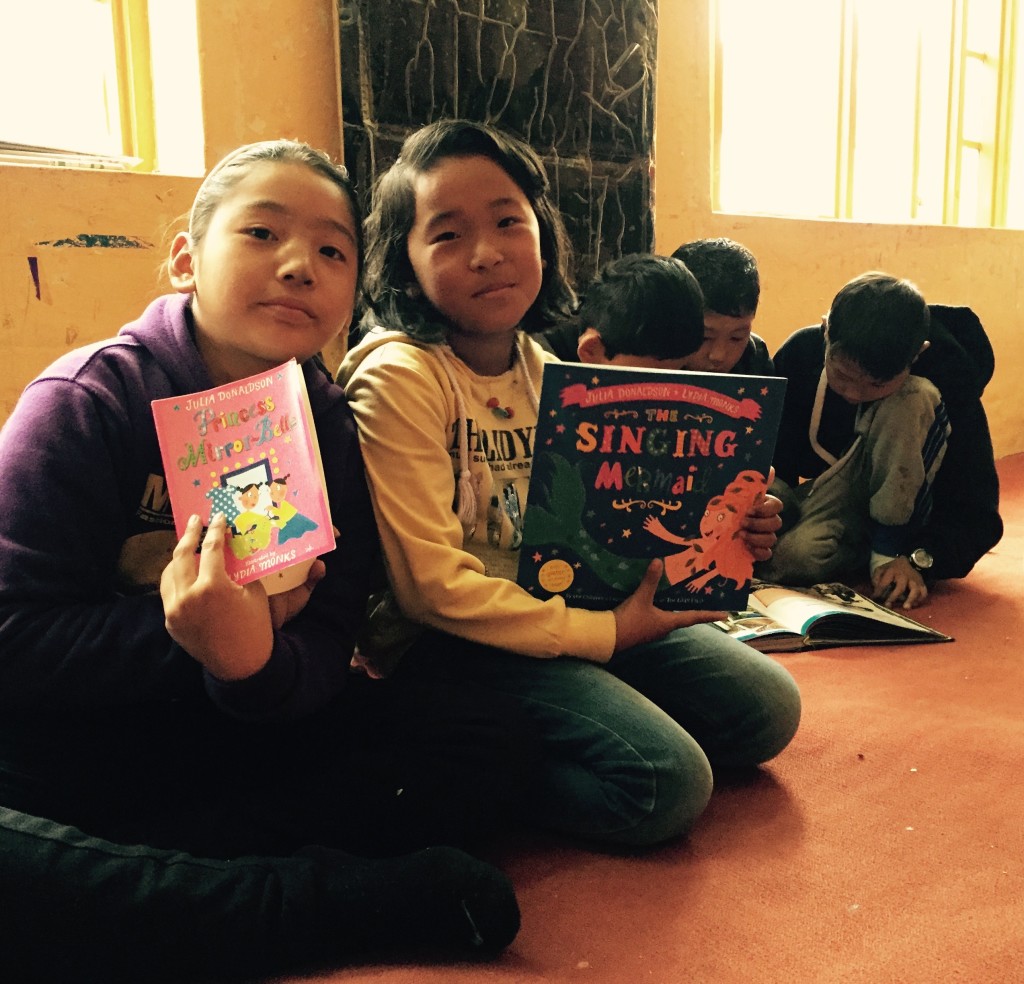
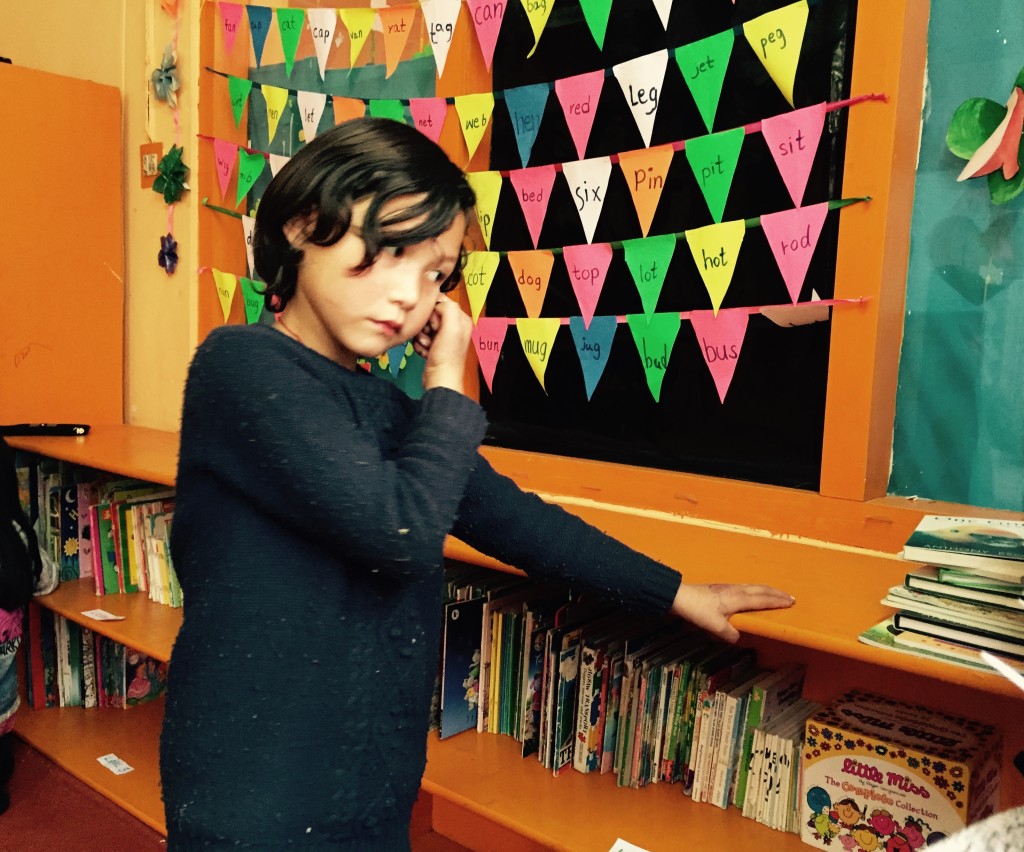
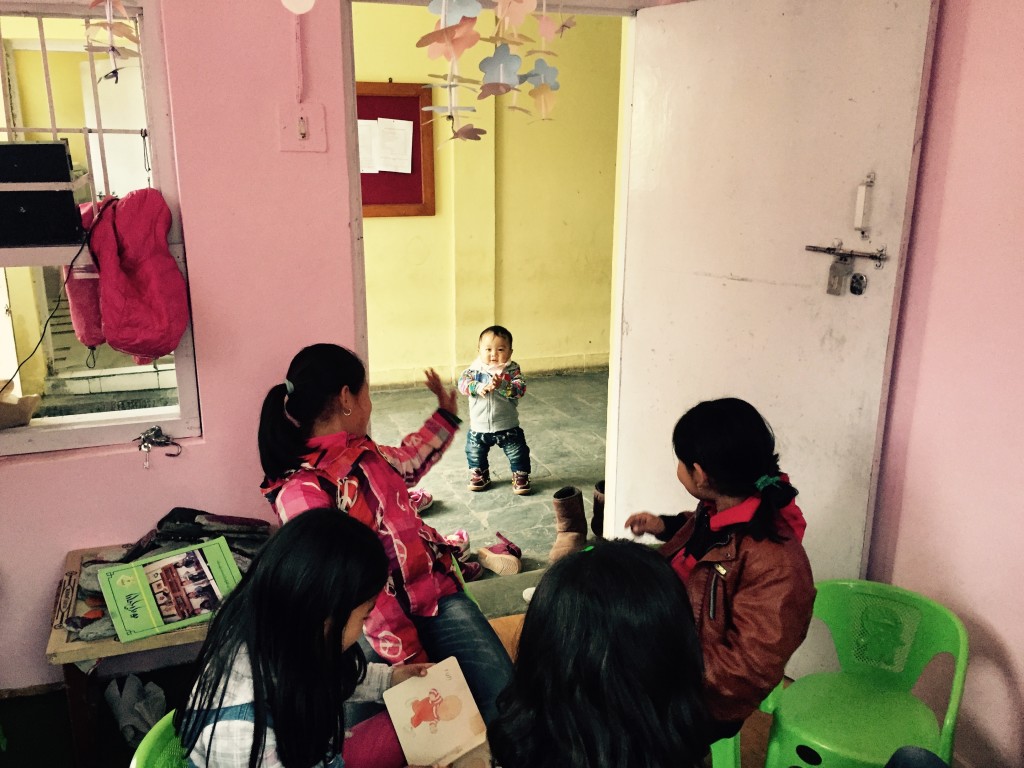
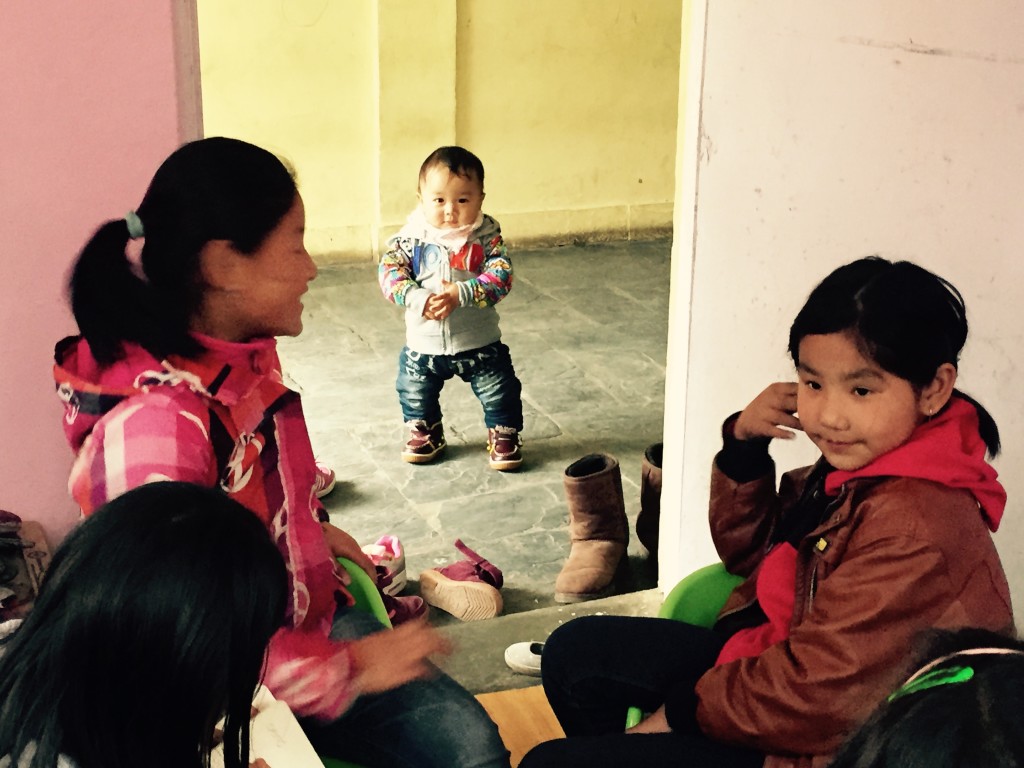
A fast connection does not automatically produce confidence, imagination or educational progress. Children need people who can recommend a good story, explain an unfamiliar word, help them question an image and celebrate their own creations. For young monks and children in Himalayan communities, teachers, librarians, families and volunteers can make a reading room feel like a place of discovery rather than simply a place with equipment.
The same principle applies in Australia. A child may have a laptop and reliable NBN access yet still need help finding credible sources or managing distractions. A conversation about why a website can be trusted may be more useful than a rule that simply limits minutes online. The best digital learning combines access with patience, cultural understanding and opportunities to work away from the screen.
Curiosity needs a local home
Children in the mountains may imagine the internet as a bridge to authors, artists, landscapes and classmates far beyond their valley. Australian children may see it as part of the household background, alongside the television, school bag and family group chat. Neither experience is complete by itself. One highlights the wonder of access; the other shows the importance of guidance when access becomes constant.
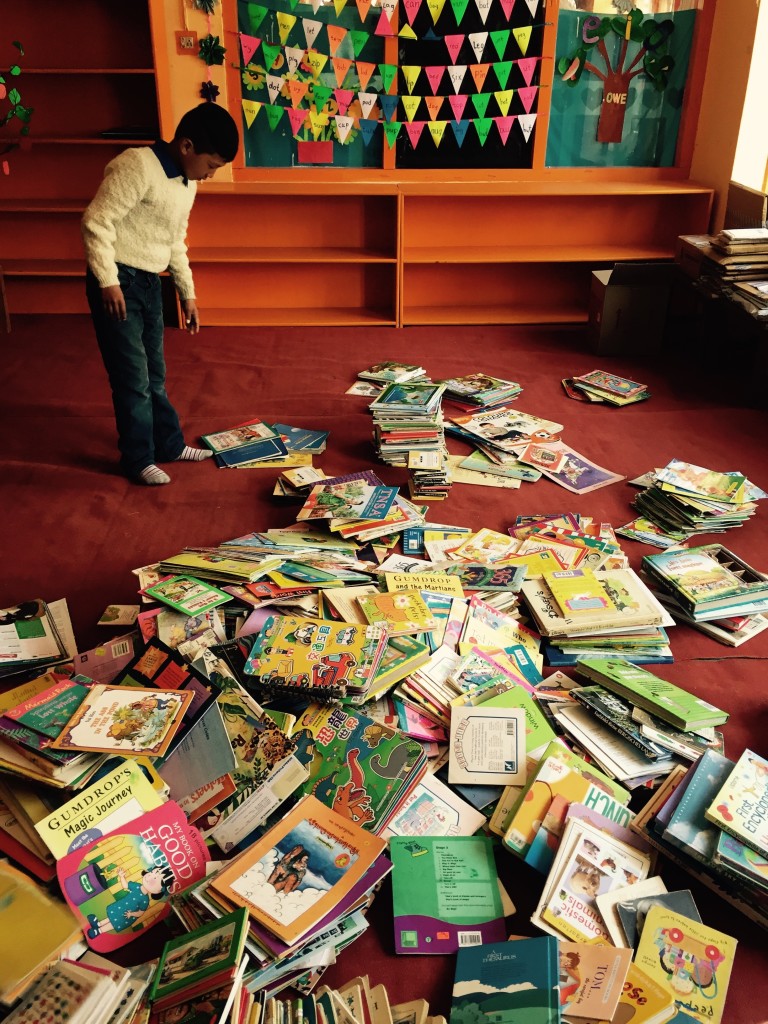
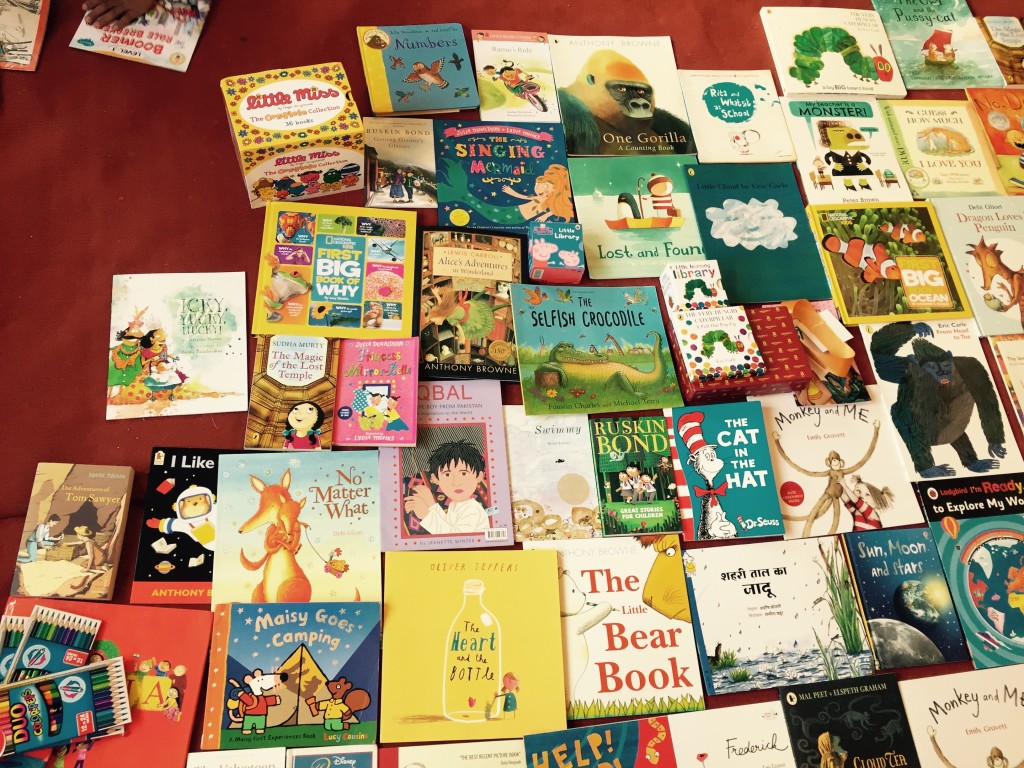
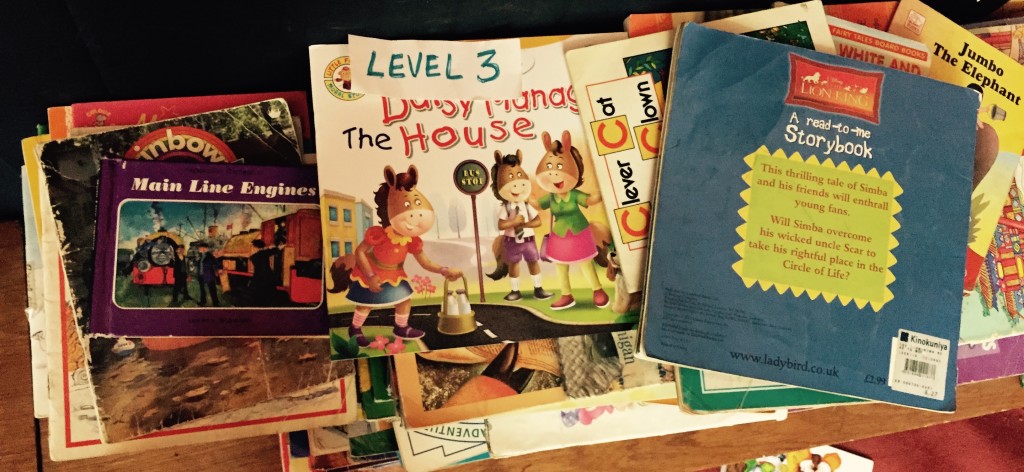
Reading rooms, book drives and creative activities give online curiosity a secure foundation. A child who can move between a physical book, a conversation, a letter and a carefully chosen website is building more than digital skill. They are learning how to seek knowledge, express an idea and remain connected to their community. The practical lesson is simple: pair every new digital opportunity with a trusted adult, a good book and something meaningful to make.