When Ladakh’s Young Readers Write to Authors
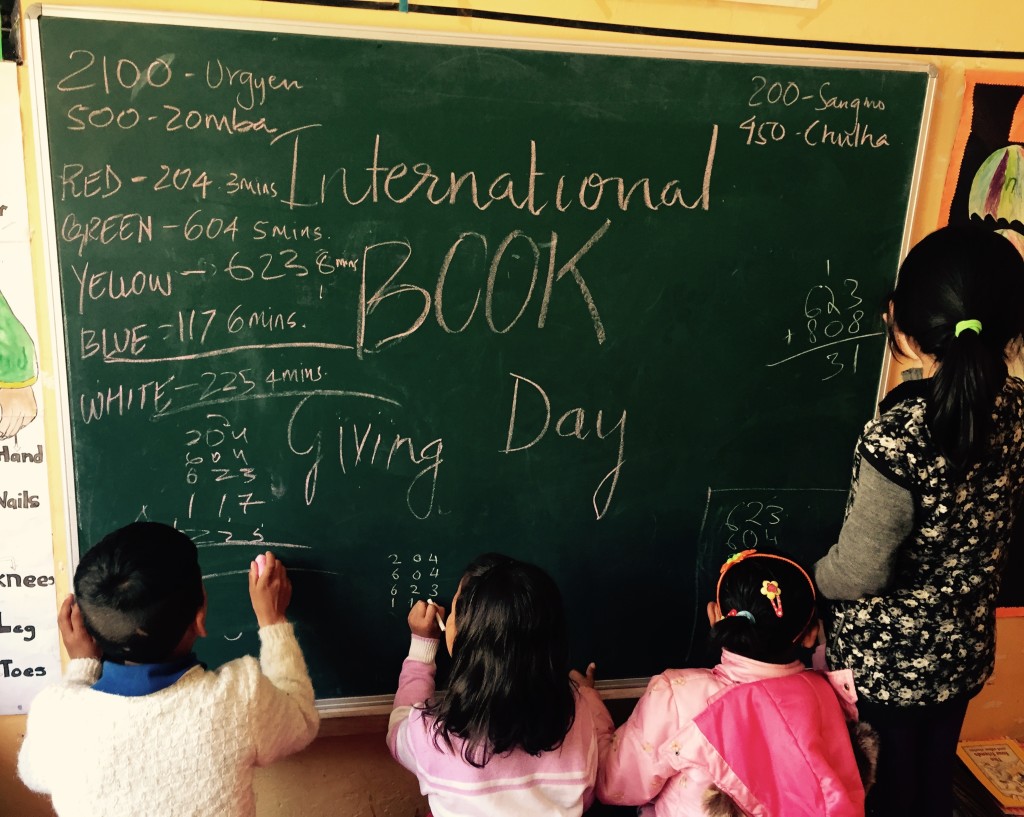
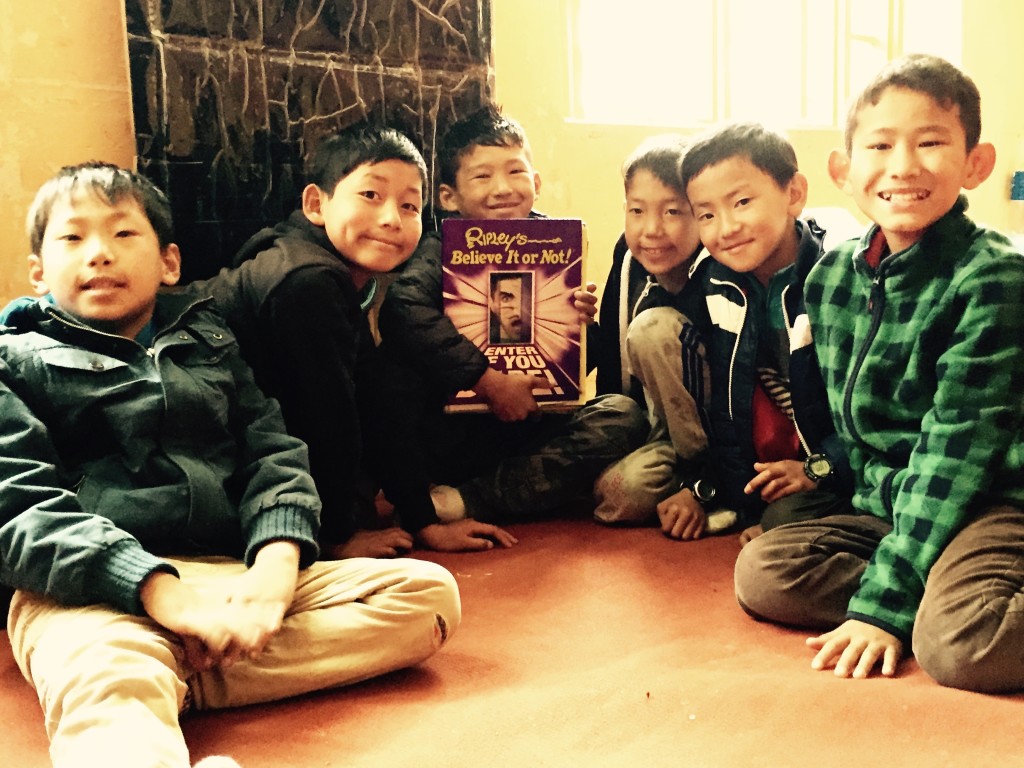
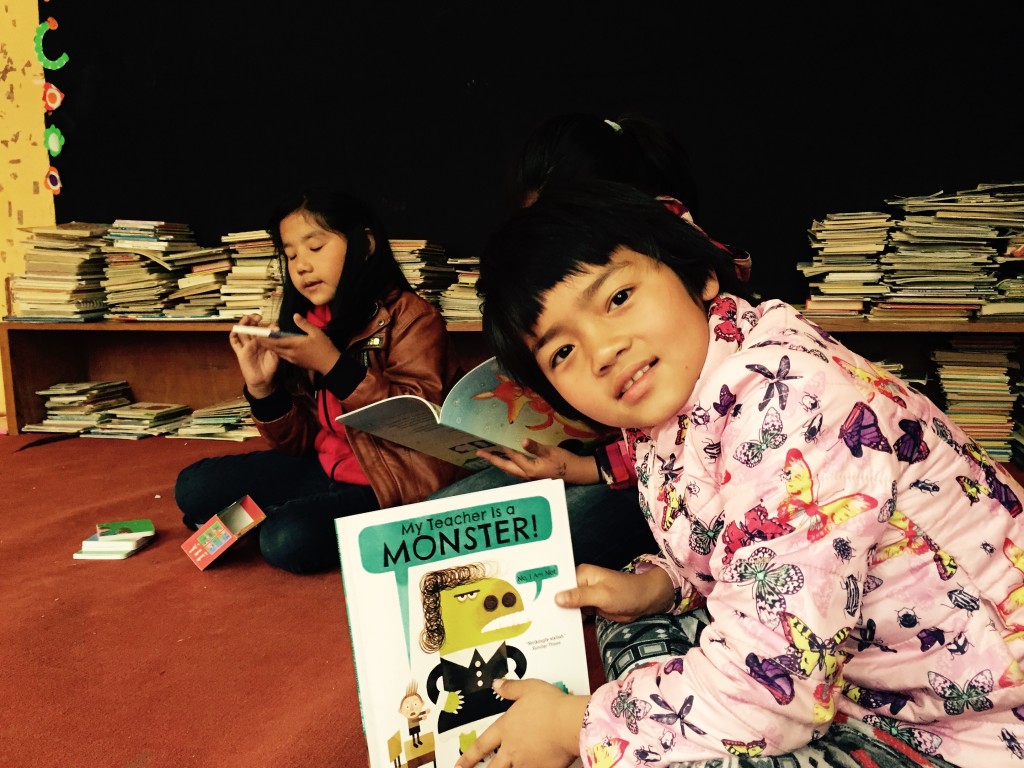
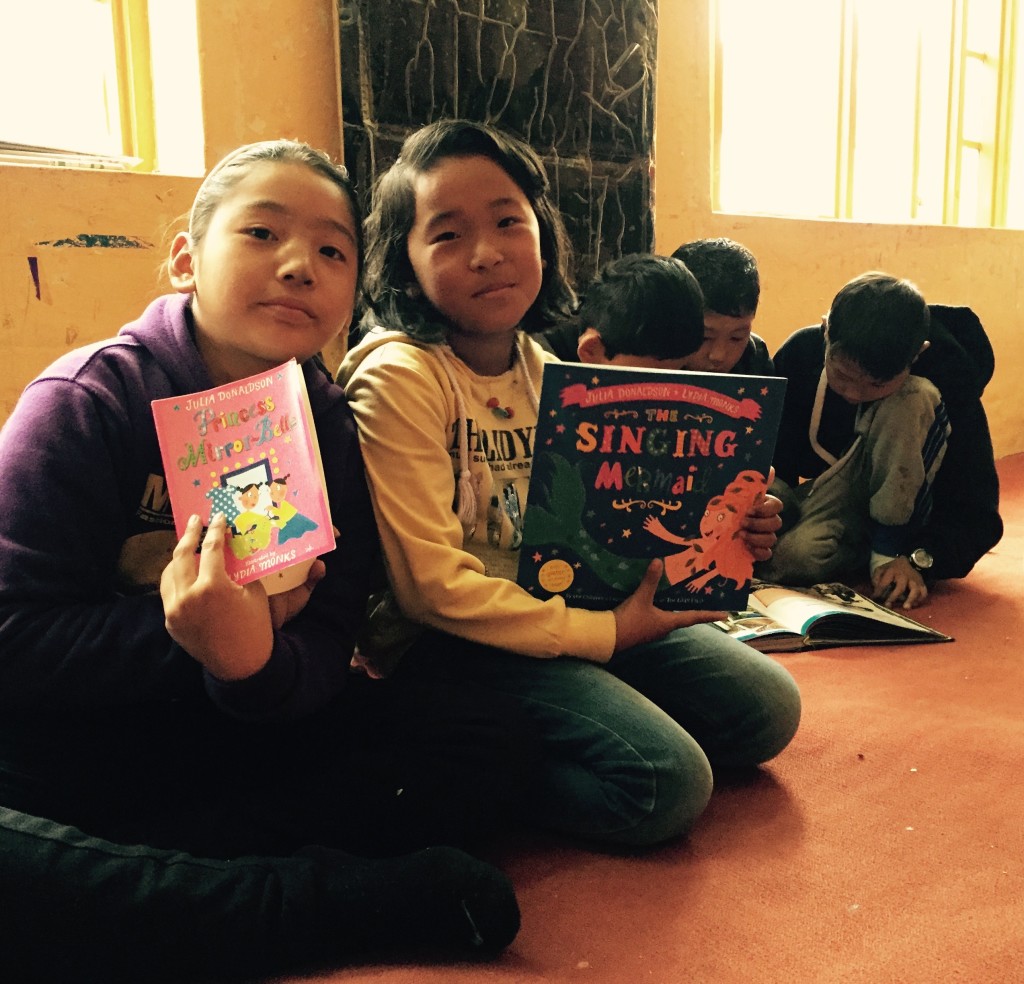
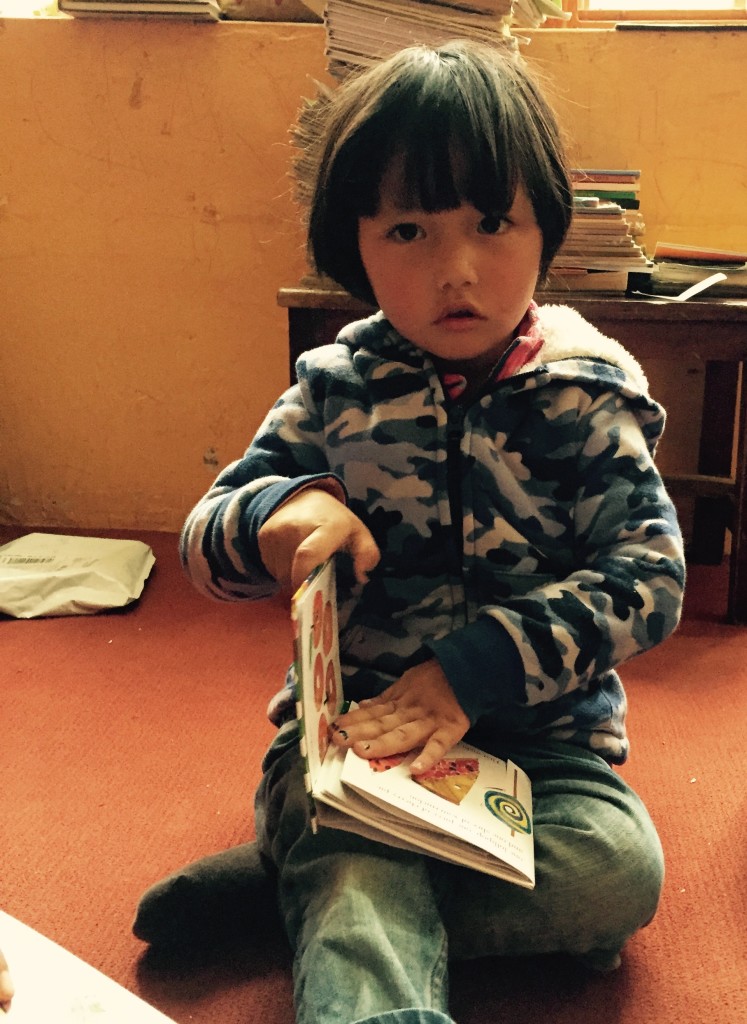
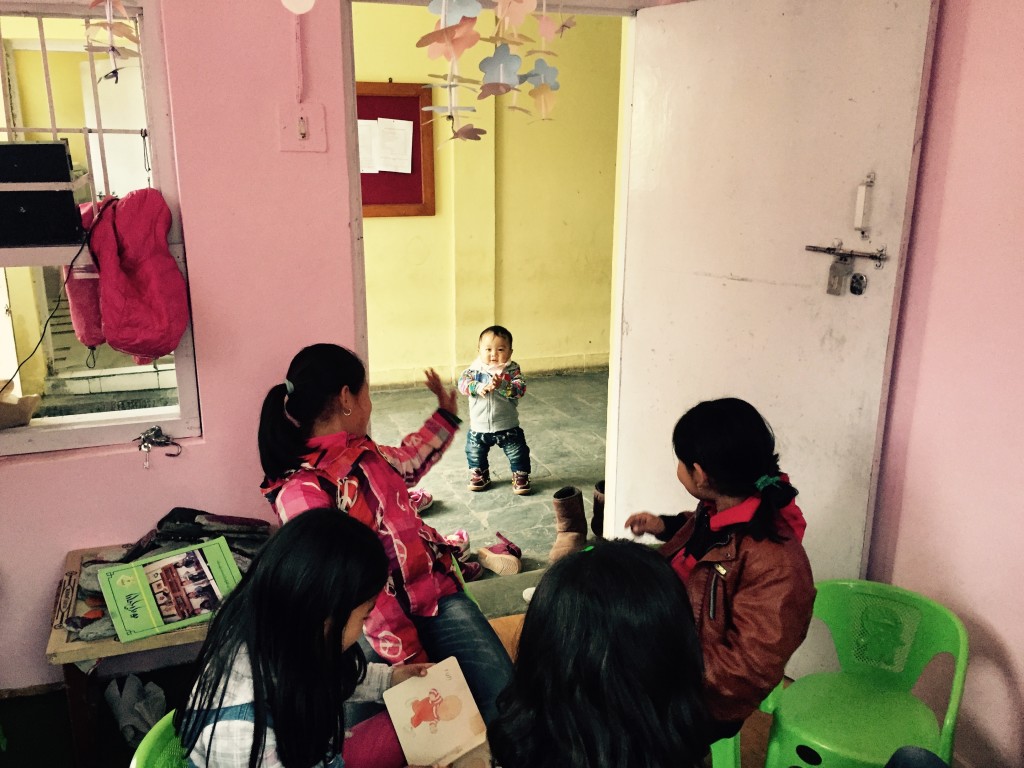
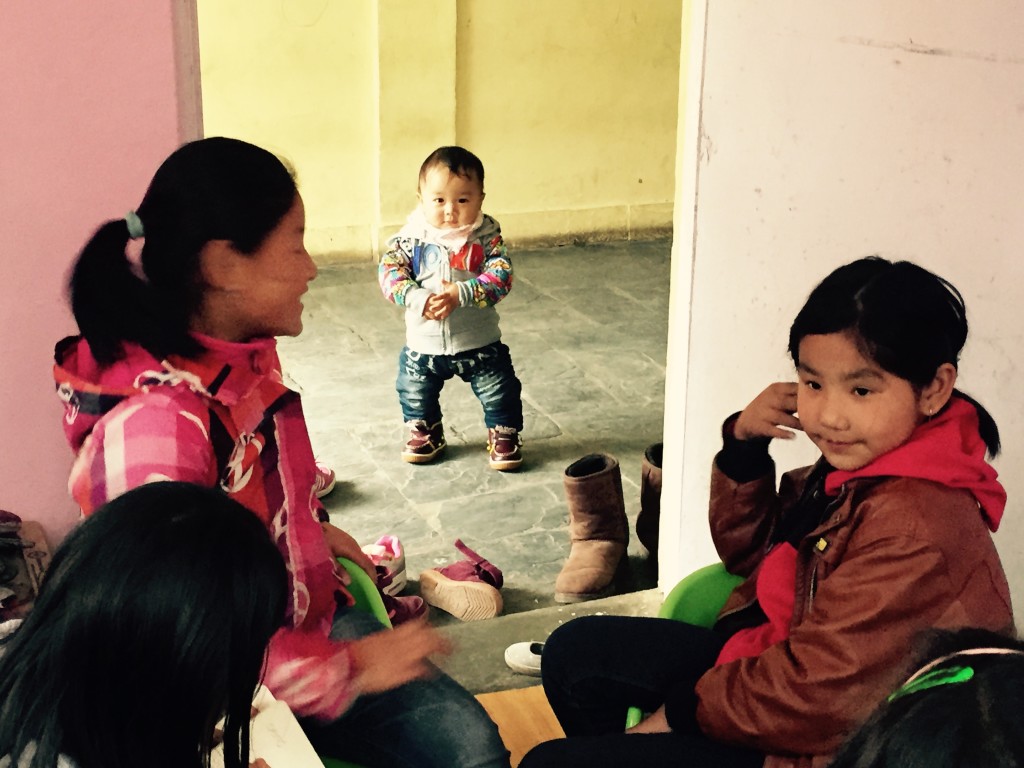
In Ladakh, a letter to a favorite author can begin with a simple question about a character, a drawing in the margin, or a description of a mountain village. For a child who has had limited access to books, writing directly to the person behind a story can make reading feel personal, active, and full of possibility.
This exchange connects young readers in the Himalayas with a wider literary community. It gives children a reason to read closely, choose their own words, and imagine that their ideas deserve an audience. The letter becomes more than a classroom exercise: it is a small bridge between Ladakh and the wider world.
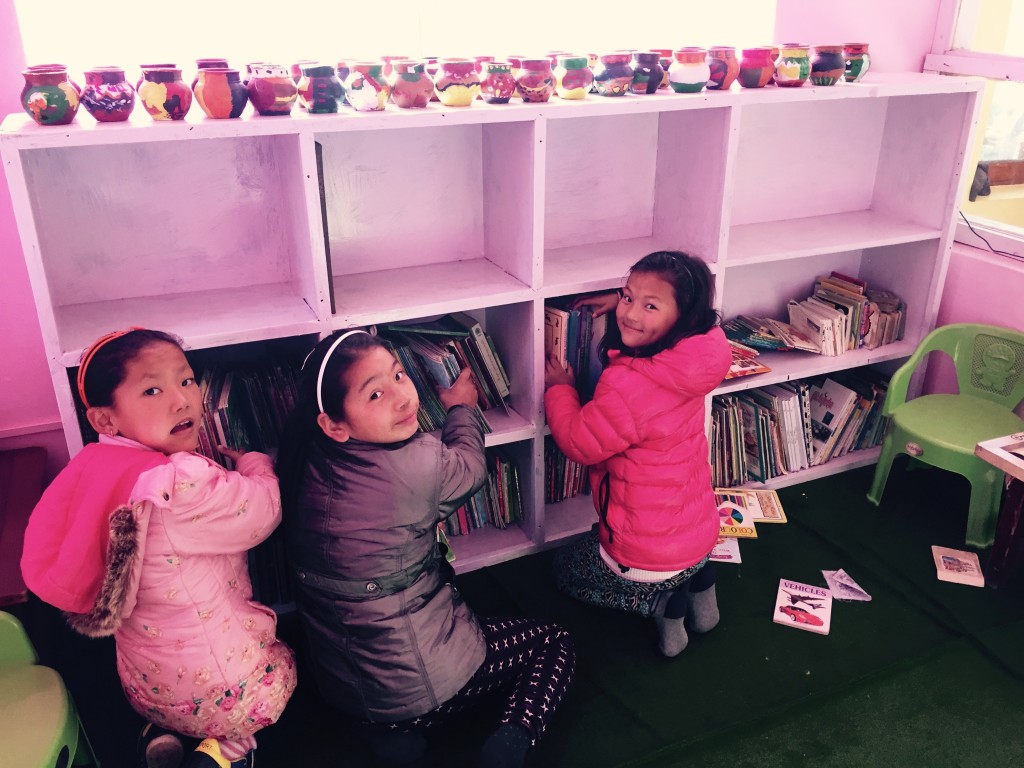
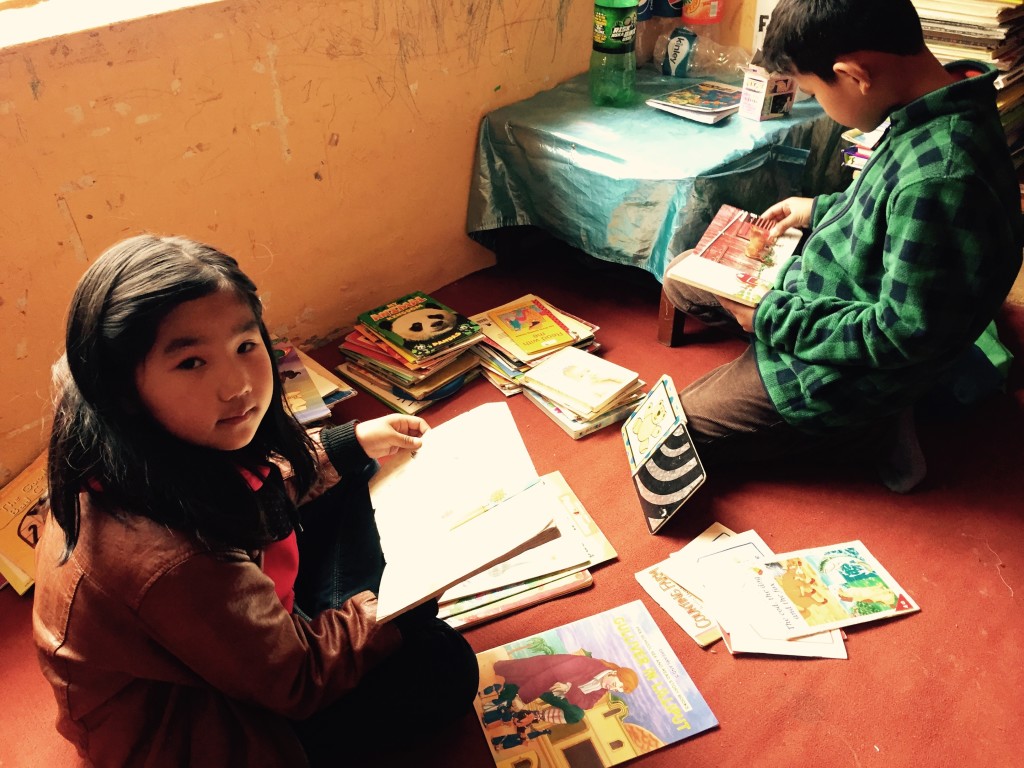
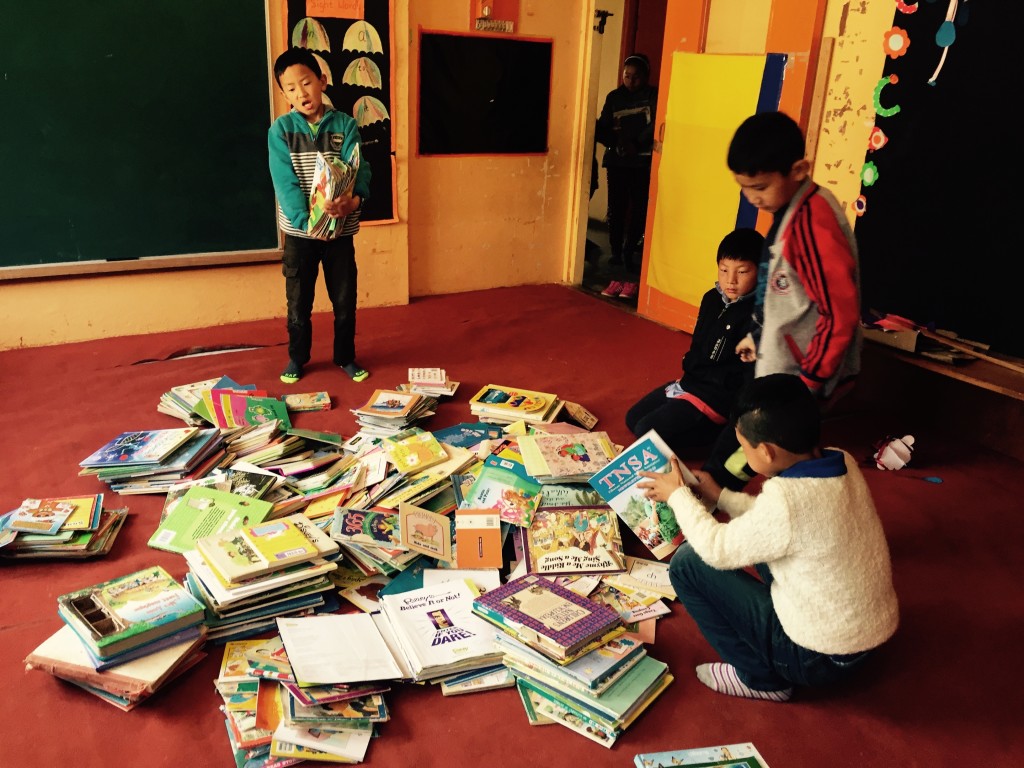
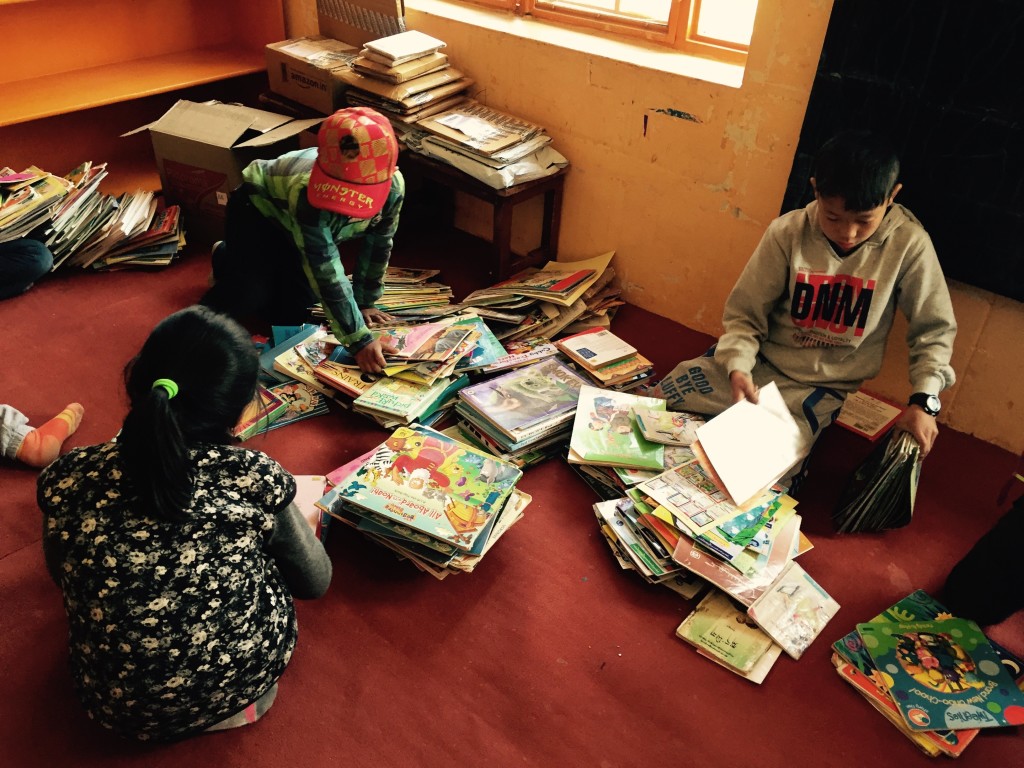
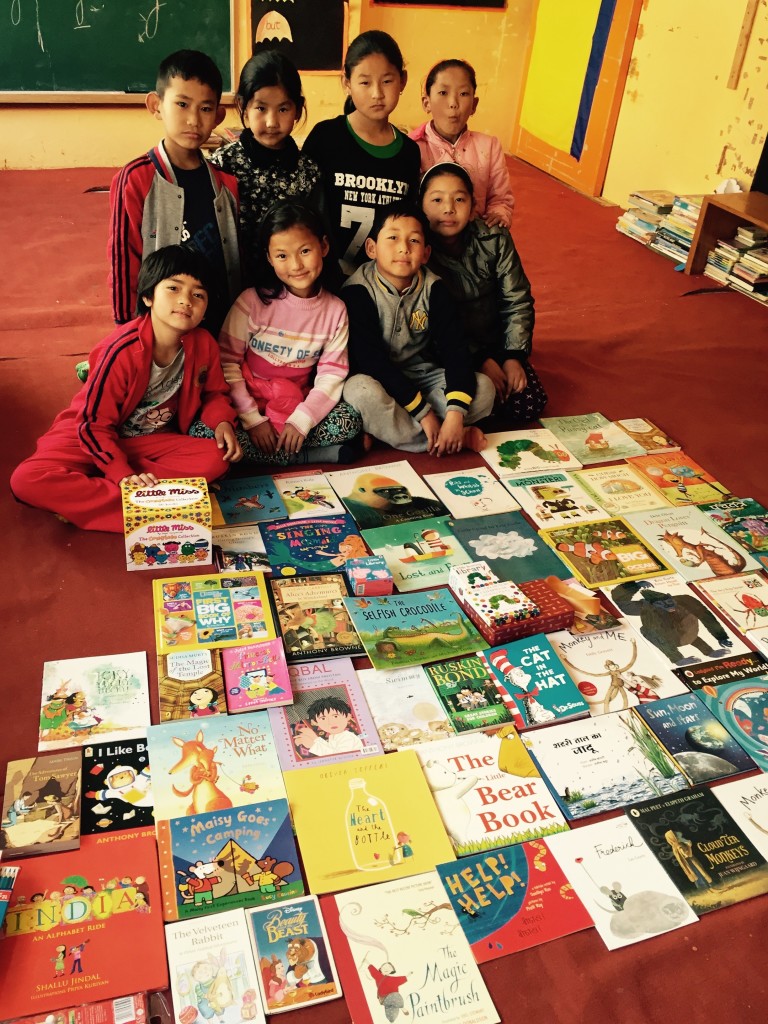
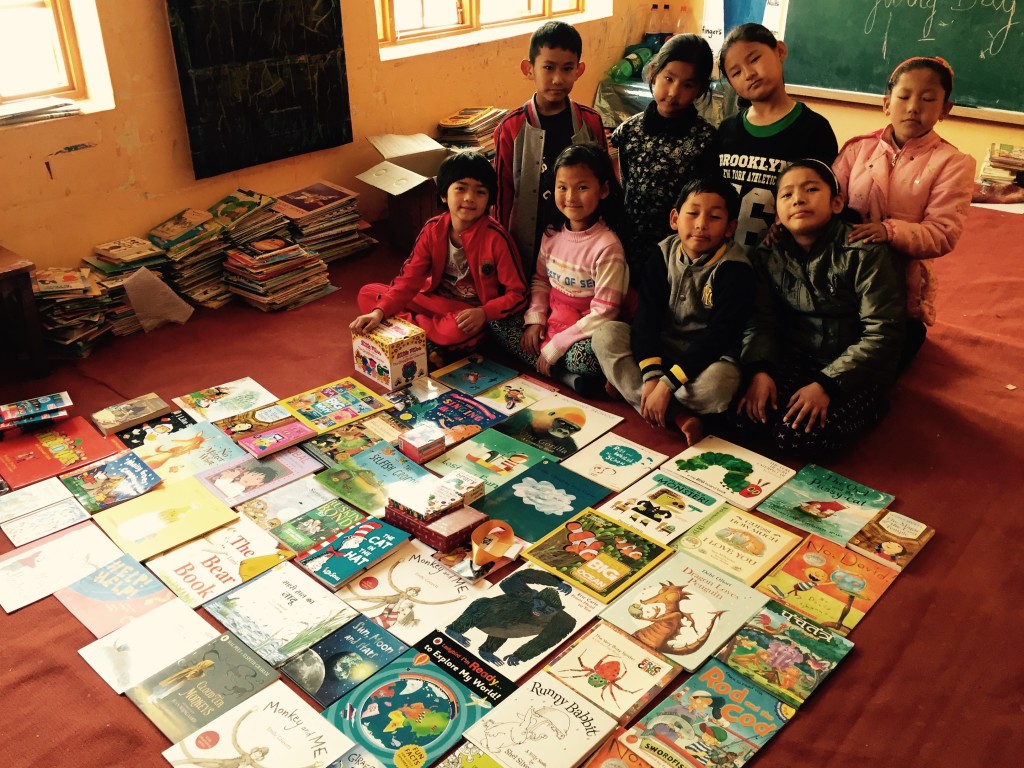
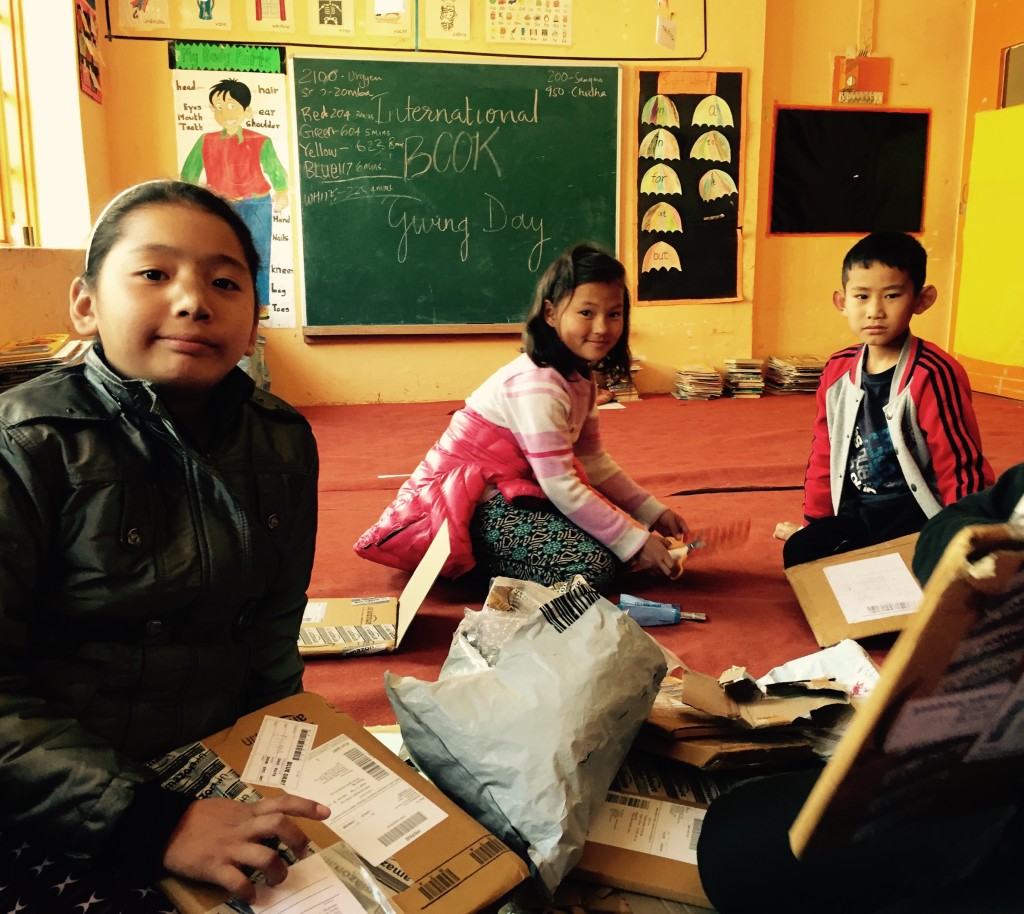
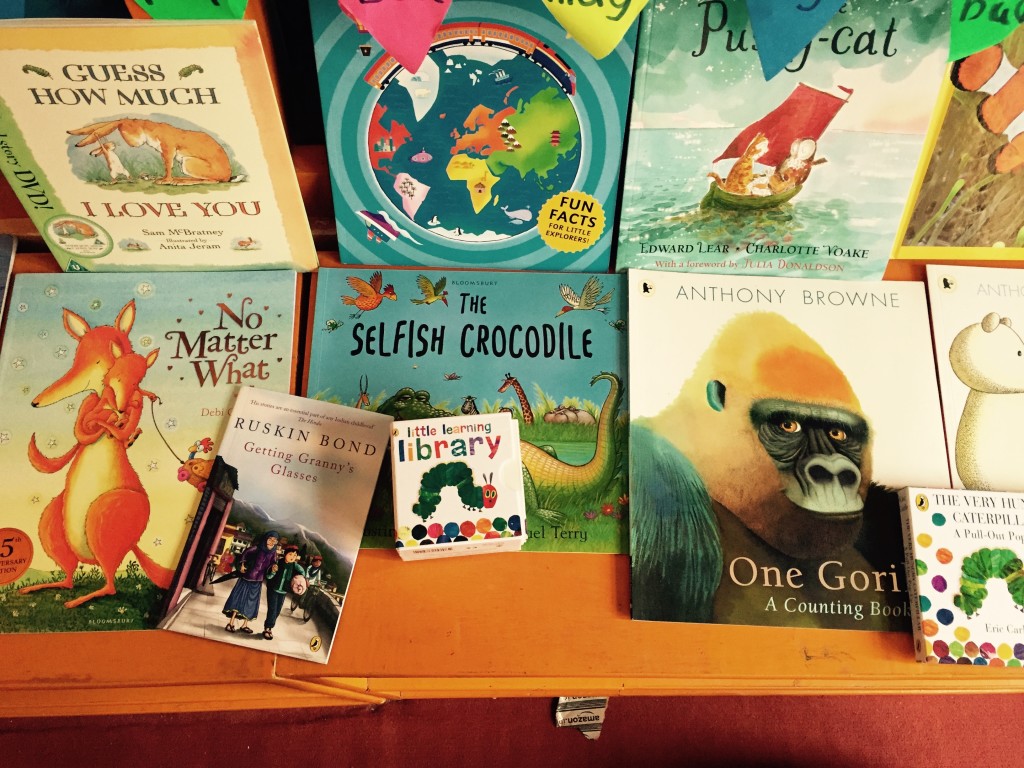
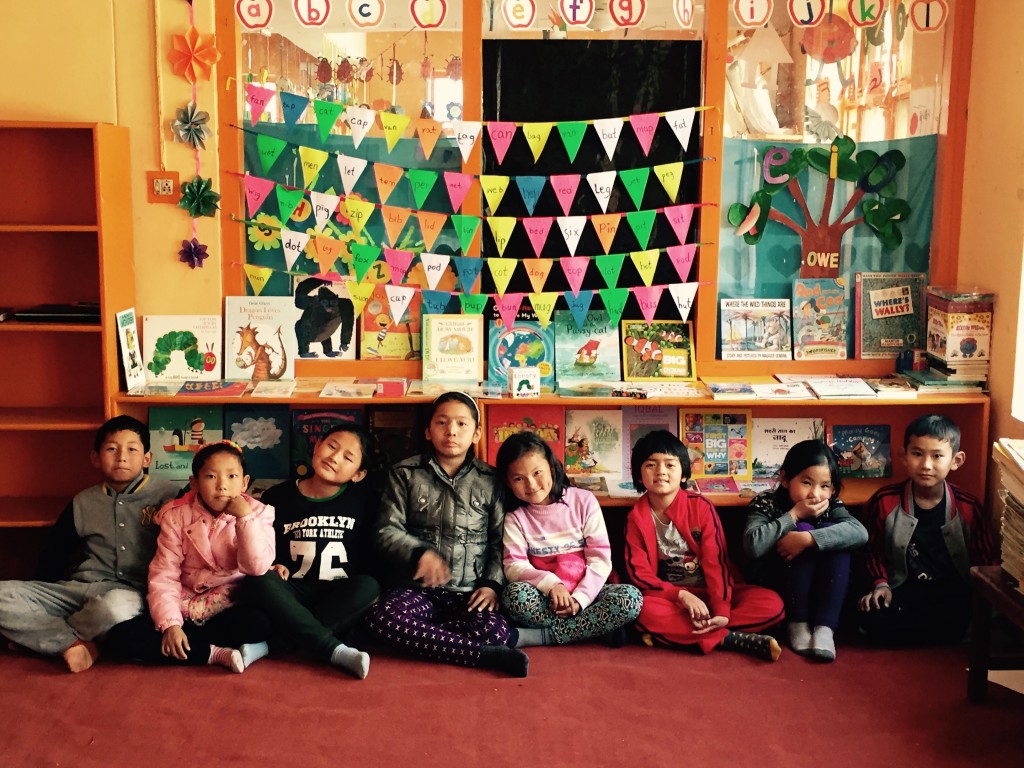
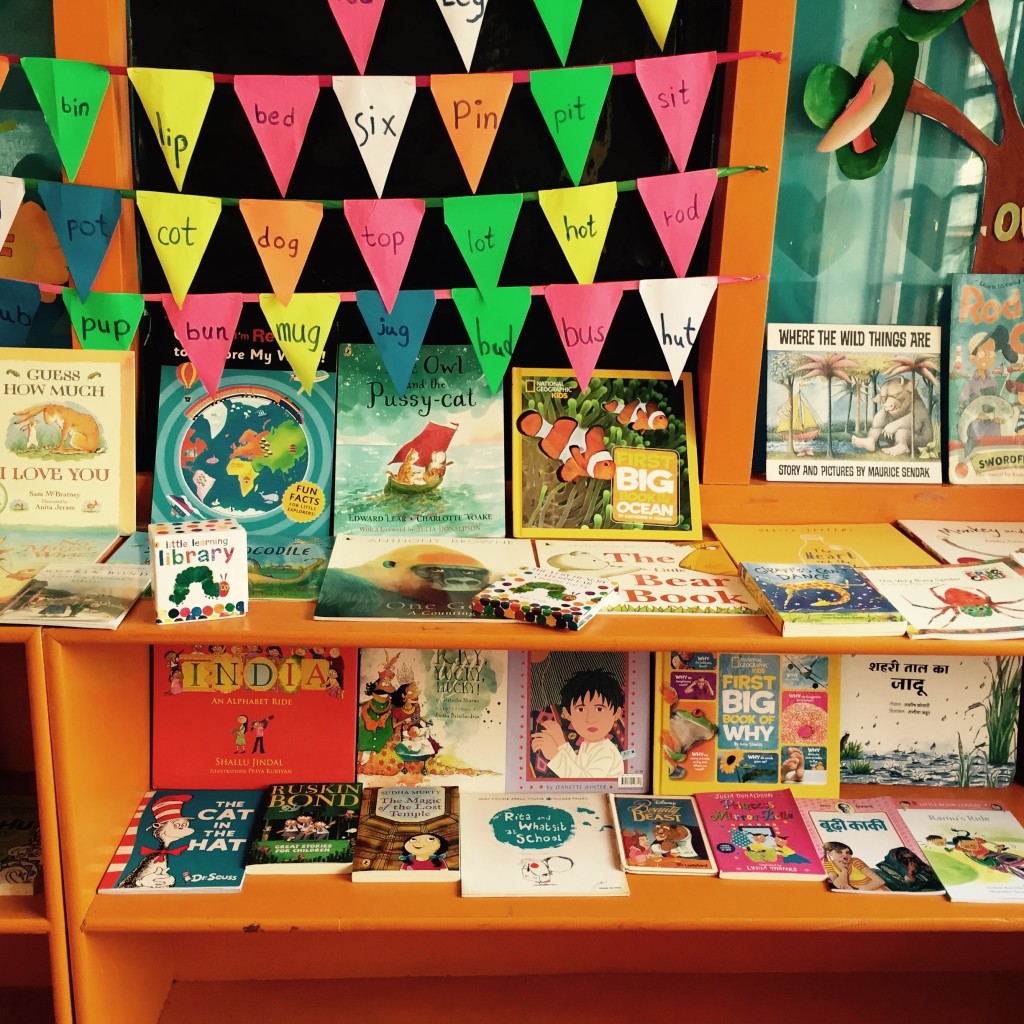
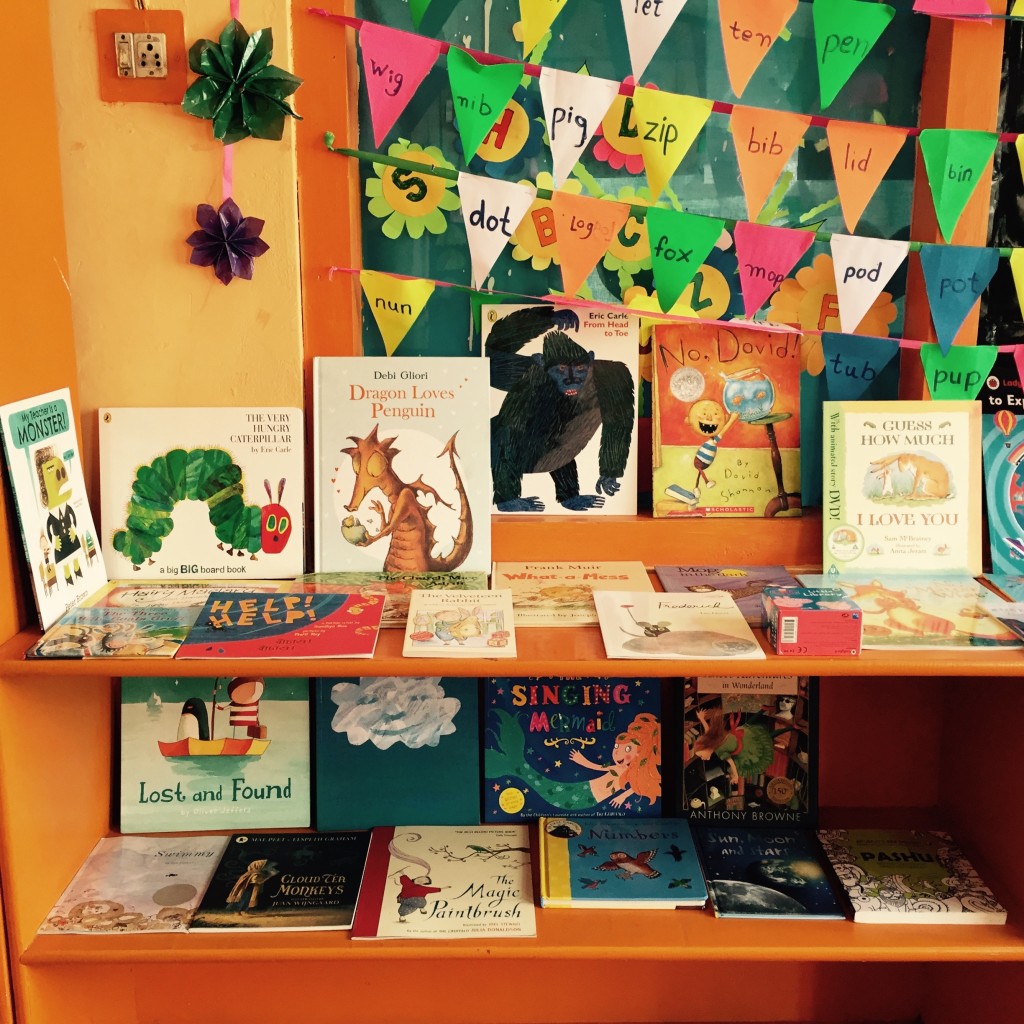
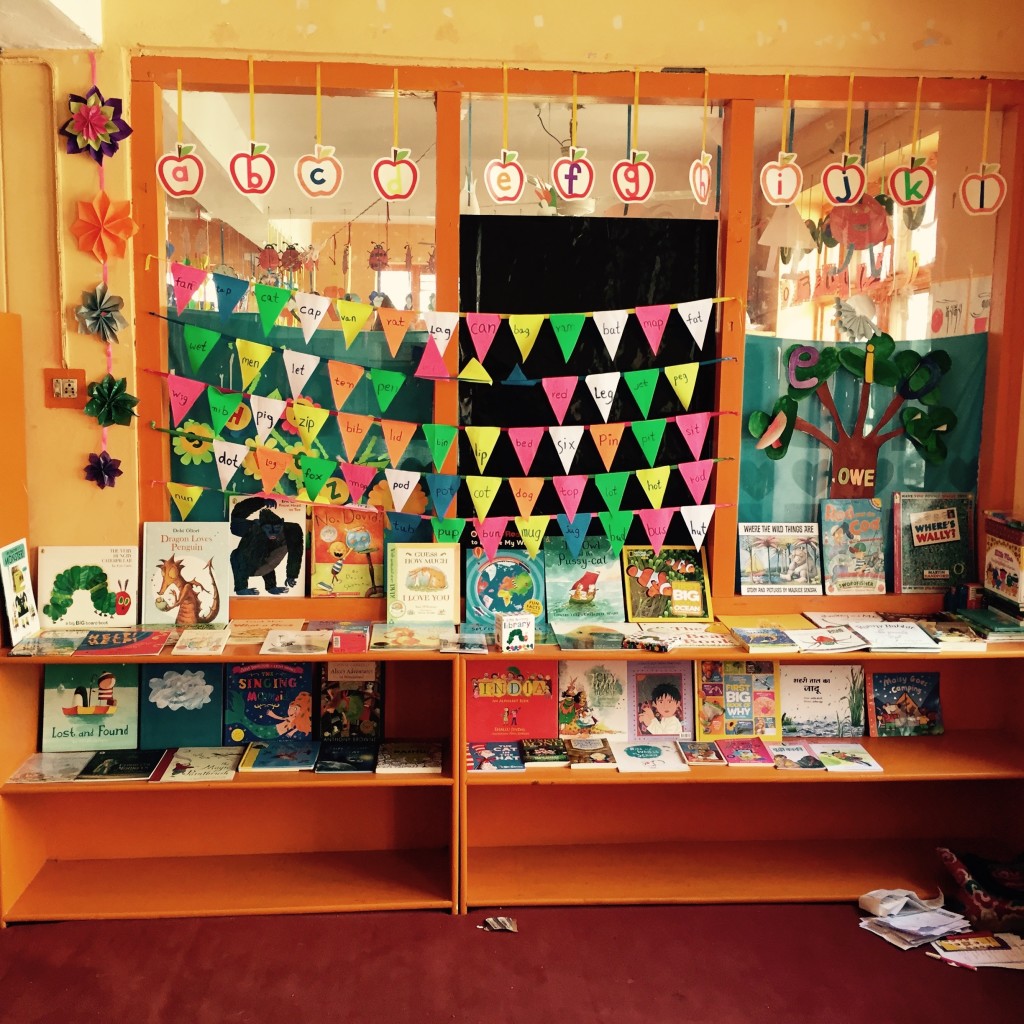
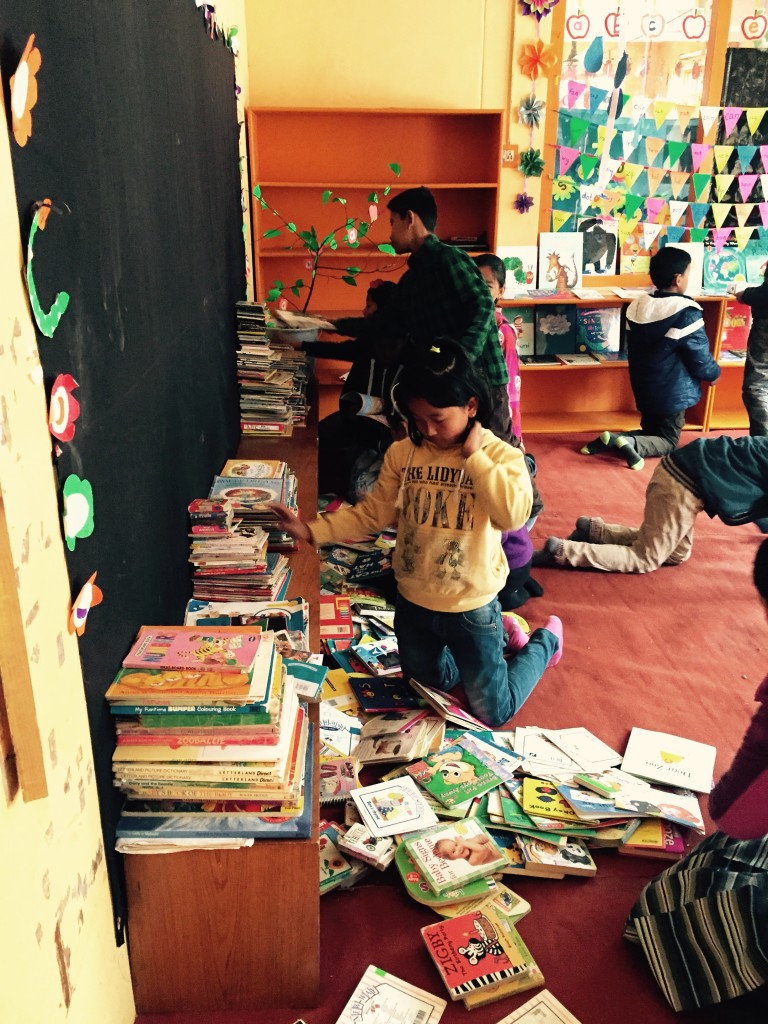
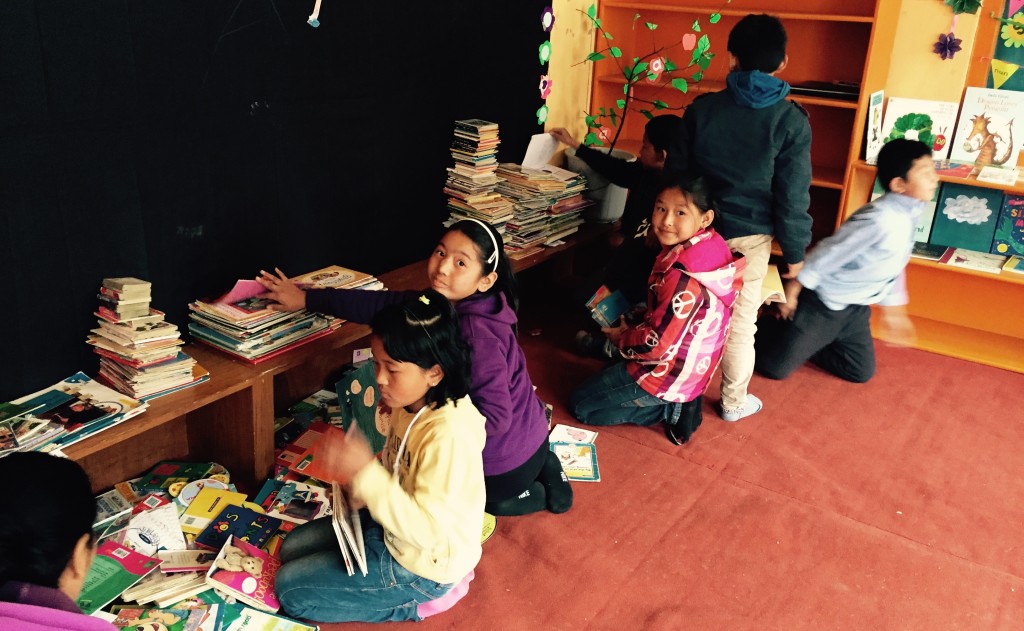
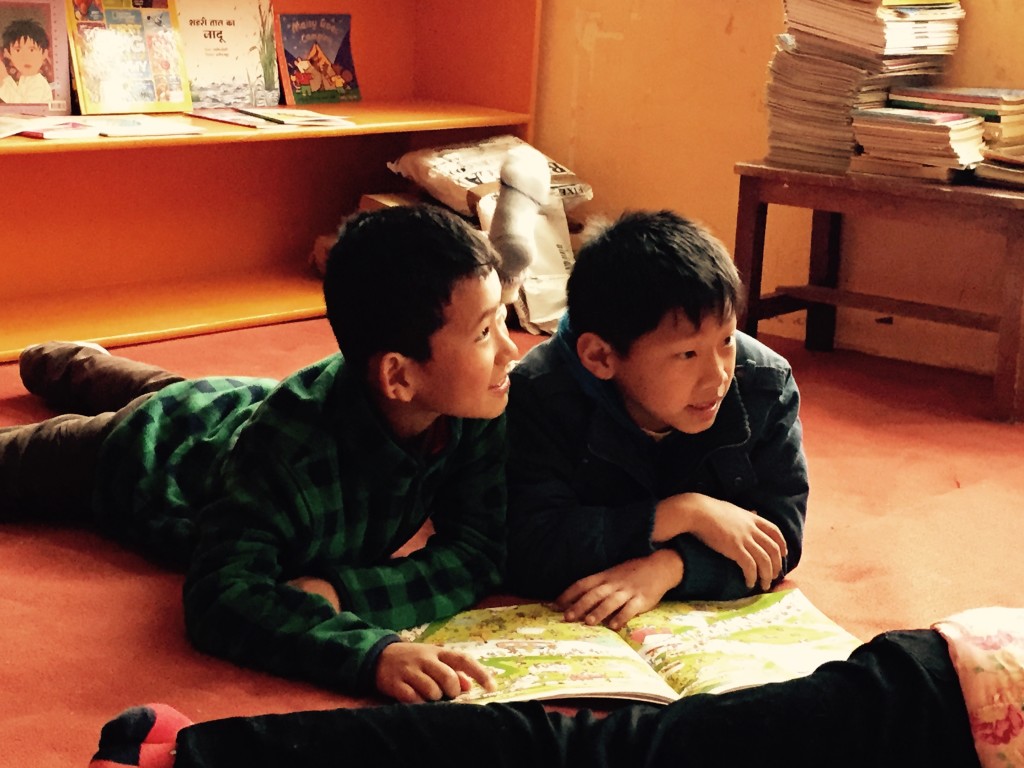
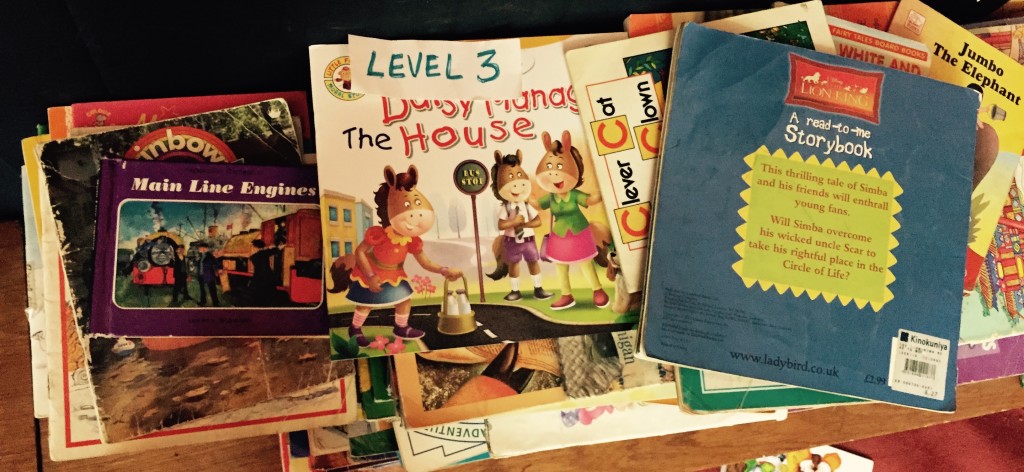
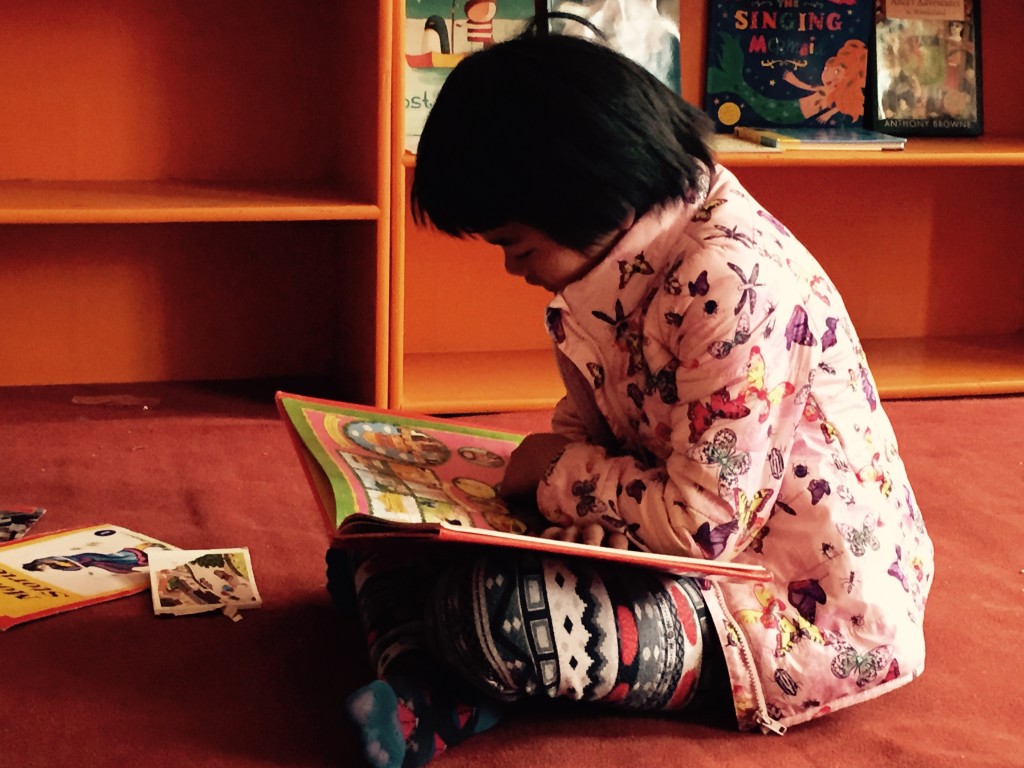
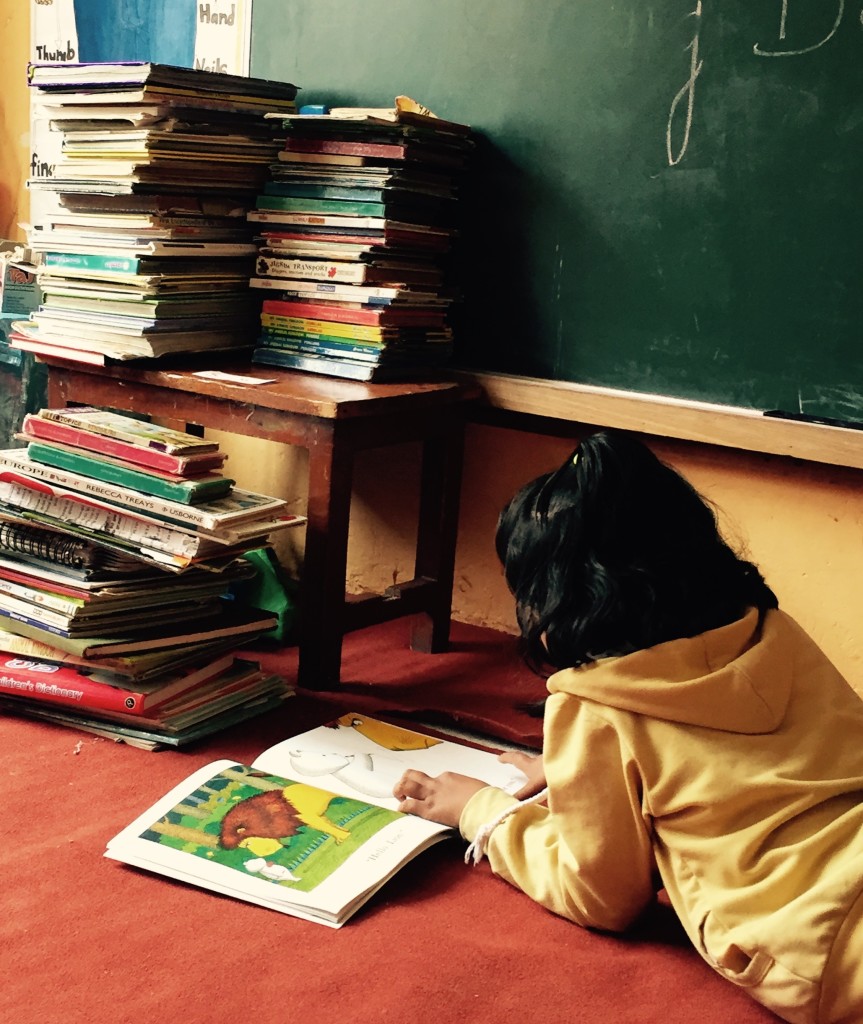
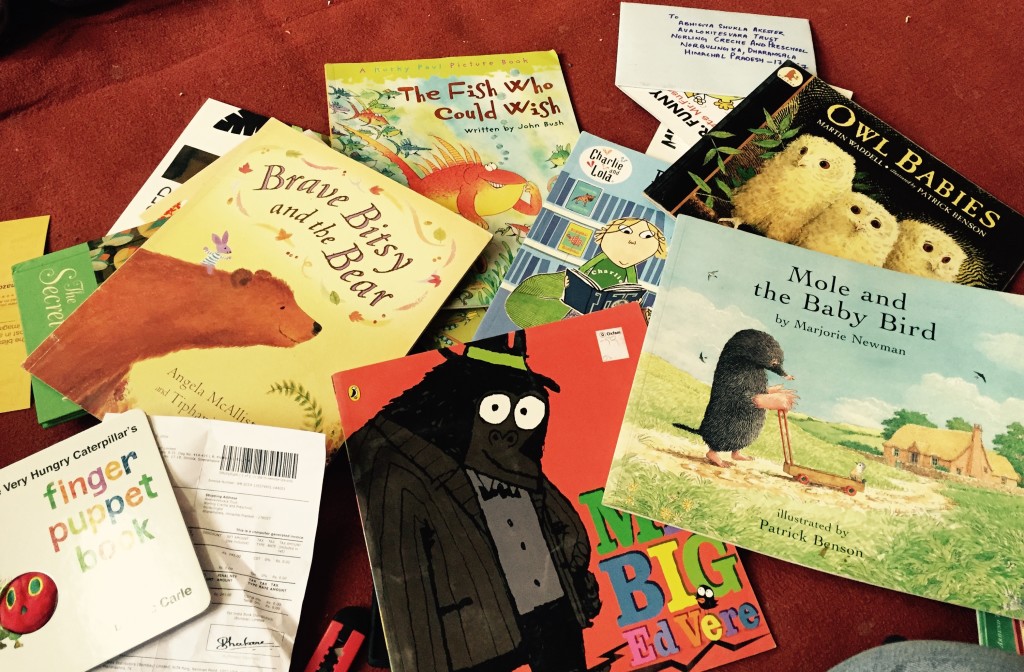
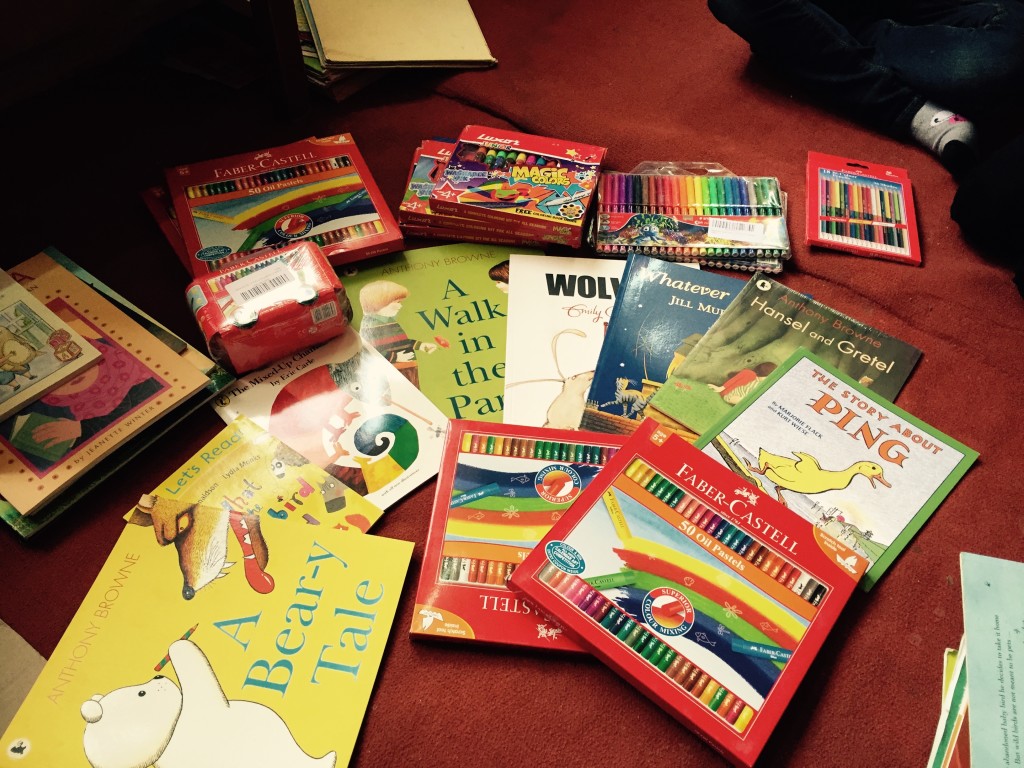
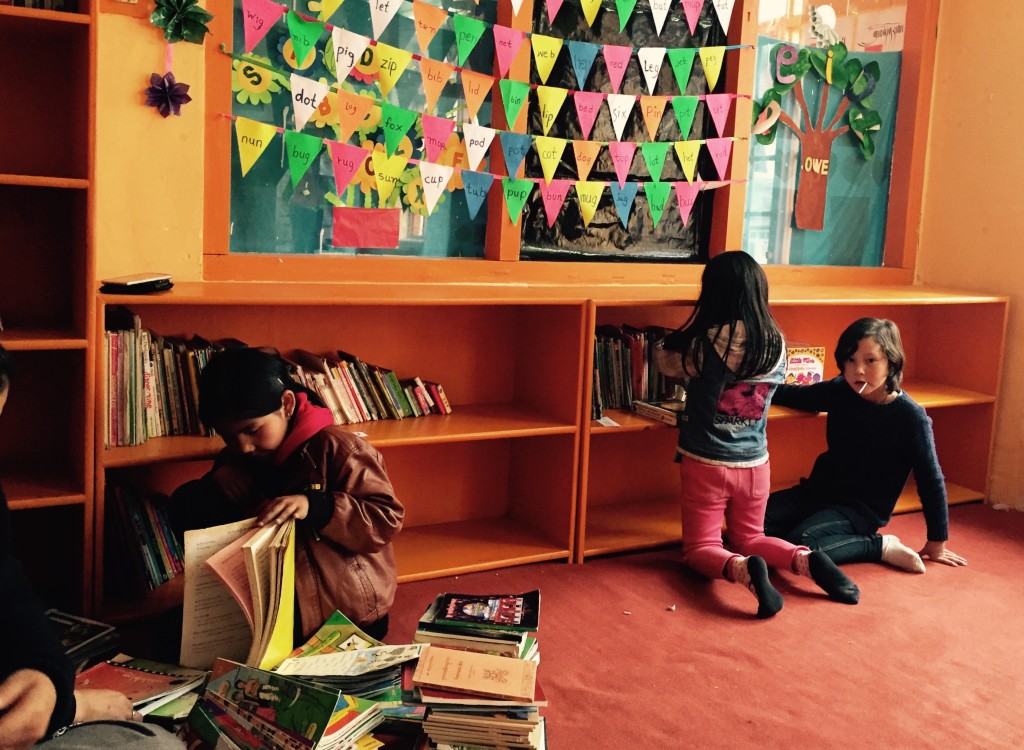
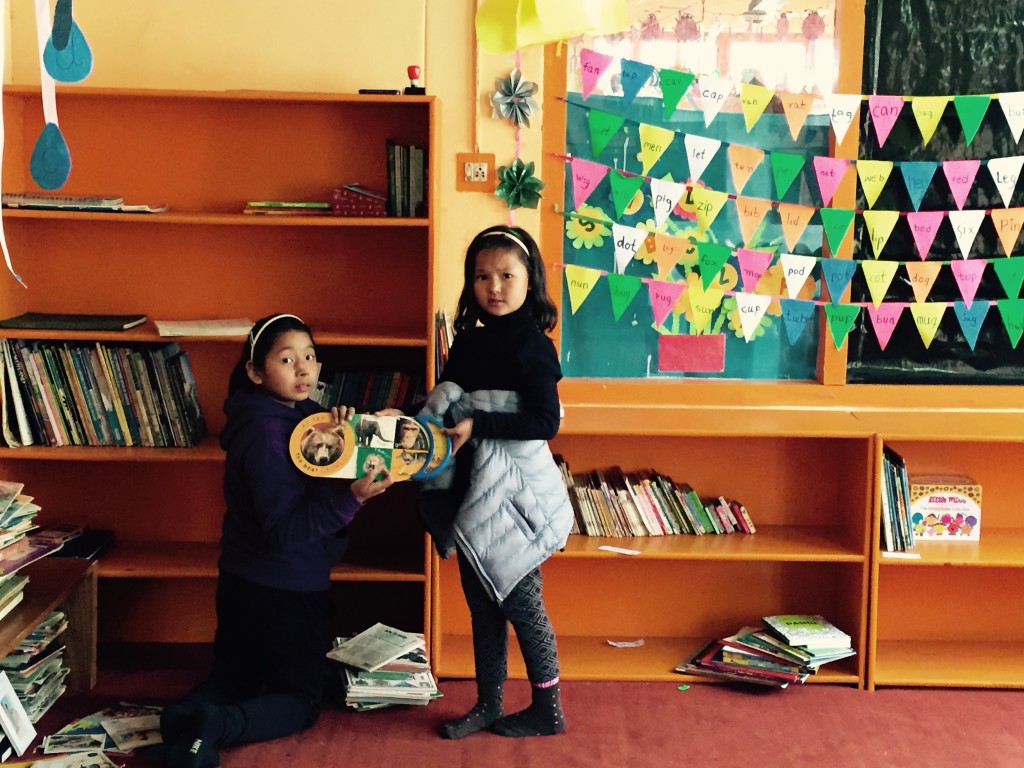
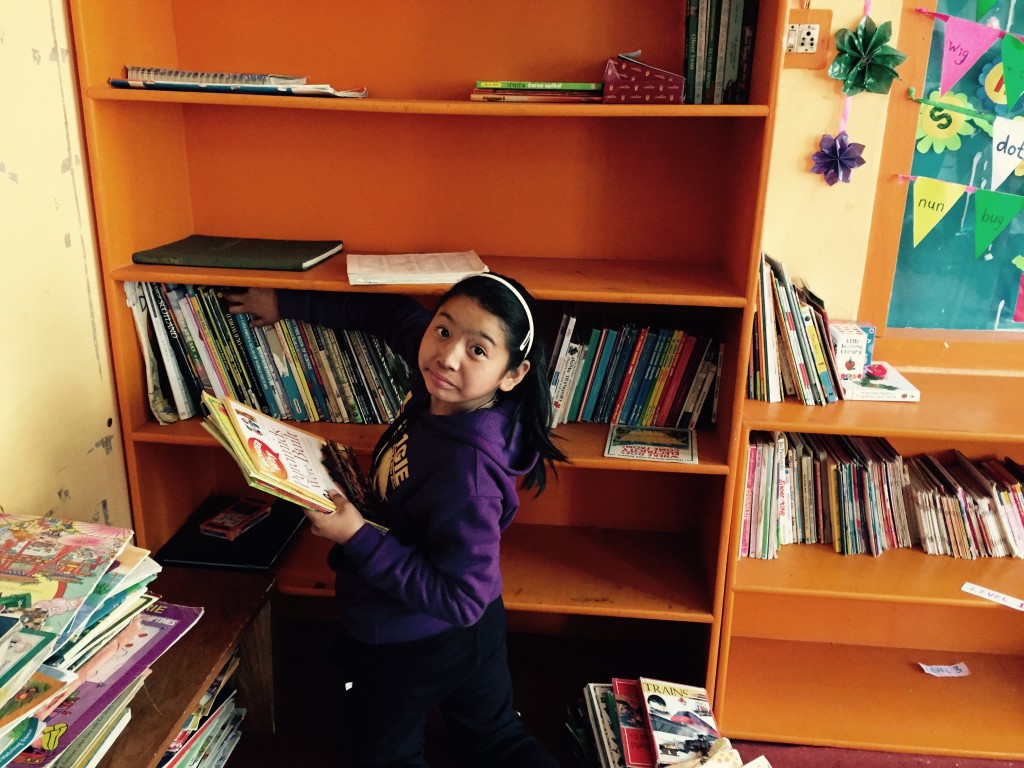
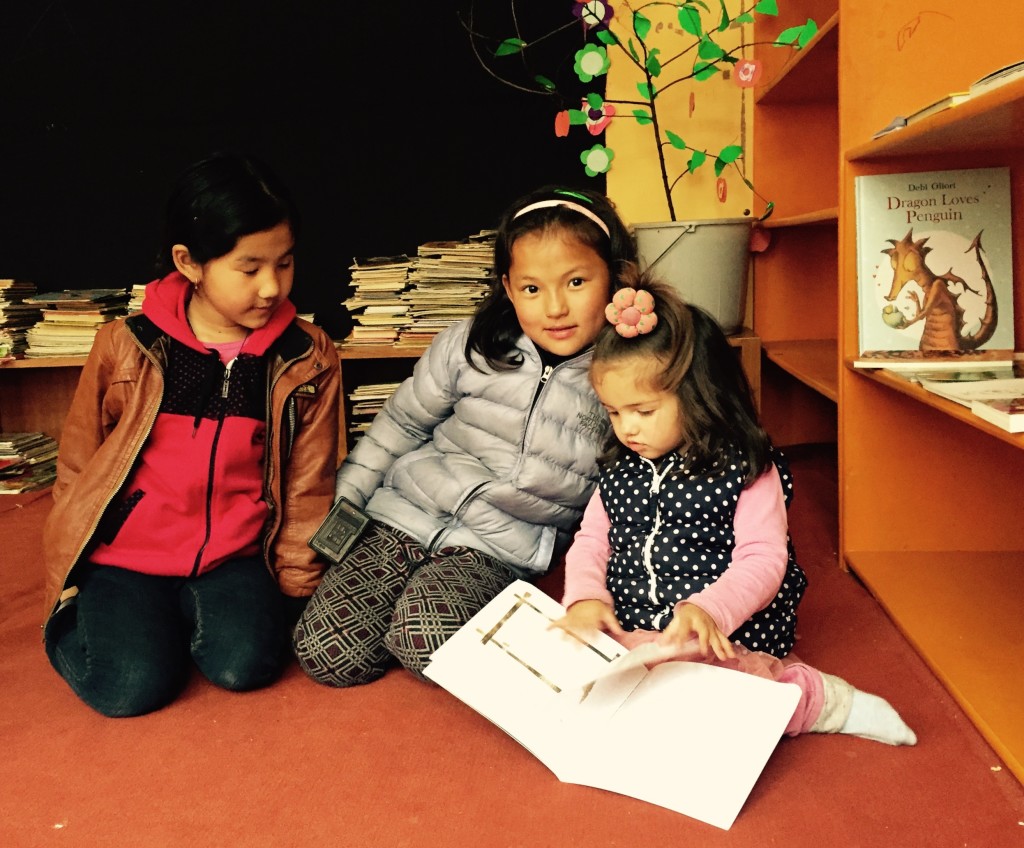
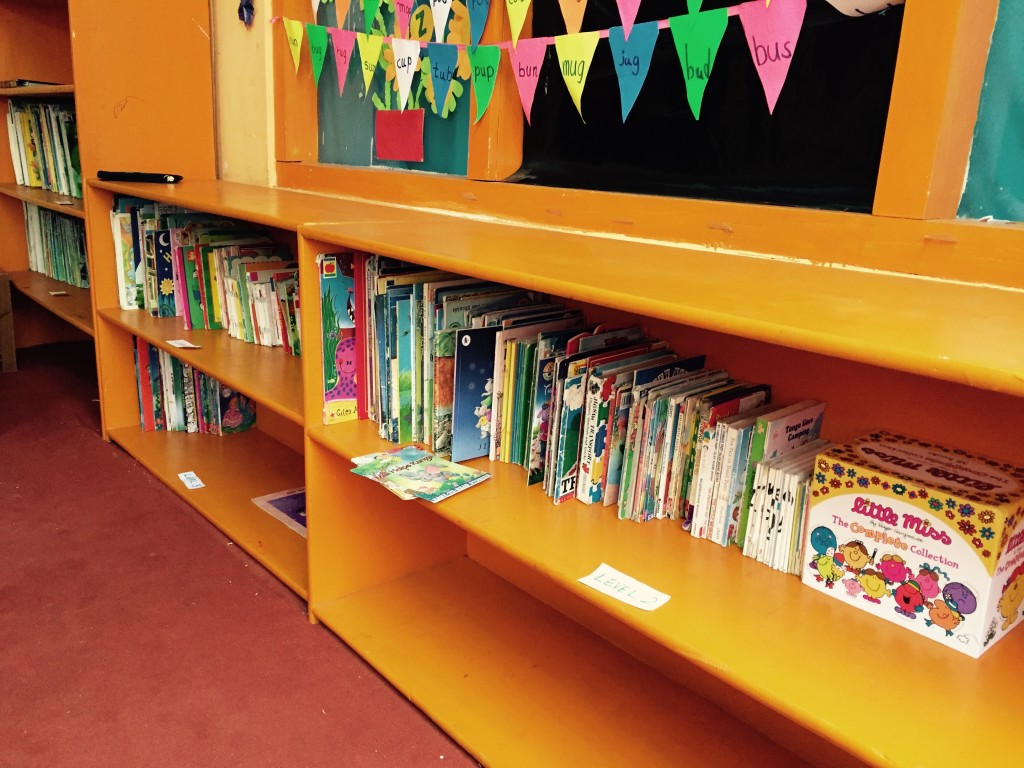
Through reading rooms, book drives, and creative learning activities, Avalokiteśvara Trust helps make this kind of connection possible. A shelf of well-chosen books can lead to a lively discussion, an illustration, a song, or a carefully written message sent to an author whose work has captured a child’s imagination.
A Letter Begins With Careful Reading
Children rarely write meaningful letters to an author after reading only a title or a short summary. They remember particular scenes, notice a character’s choices, and think about how a story made them feel. Preparing a letter encourages them to return to the book and look more closely at its language and ideas.
A young reader might ask why a character was afraid, explain which illustration they liked best, or compare a fictional journey with life in the Himalayas. These observations show comprehension in a natural form. The child is not simply answering questions from a worksheet; they are responding to a real creative work.
The process also introduces a gentle form of literary criticism. Children learn that books can be discussed, questioned, and interpreted in different ways. Their responses may be short or expressed through drawings and simple sentences, yet each one reflects attention and thought.
Finding Confidence Through Self-Expression
For children learning in more than one language, writing to an author can be both challenging and empowering. A letter may be drafted in Ladakhi or another familiar language, discussed with a teacher, and then shaped into English or Hindi. The important point is that the child’s original idea remains at the center.
This kind of writing gives learners a practical reason to build vocabulary, sentence structure, and spelling. They can see how language helps them communicate something they genuinely care about. A child who hesitates to speak in a group may feel more comfortable sharing ideas on paper, especially when supported by patient guidance.
The letter also gives children permission to write from their own lives. They can describe winter in a high-altitude village, life at a monastery school, favorite local foods, family traditions, or the landscape outside a reading room. Their perspective is not an exercise to be corrected away; it is the most valuable part of the message.
From Reading Room to Wider World
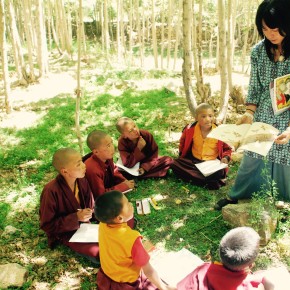
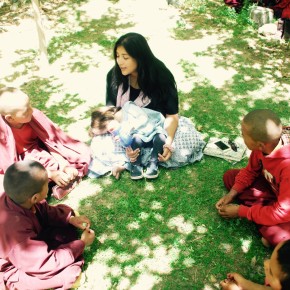
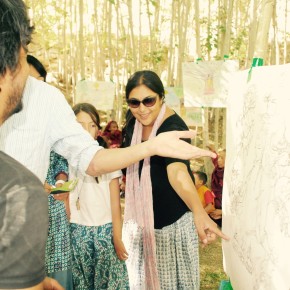
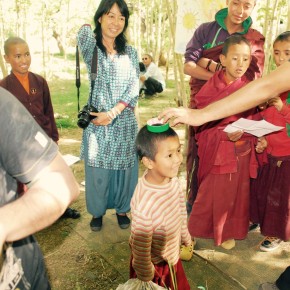
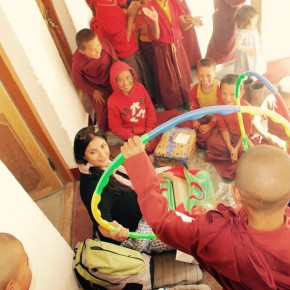
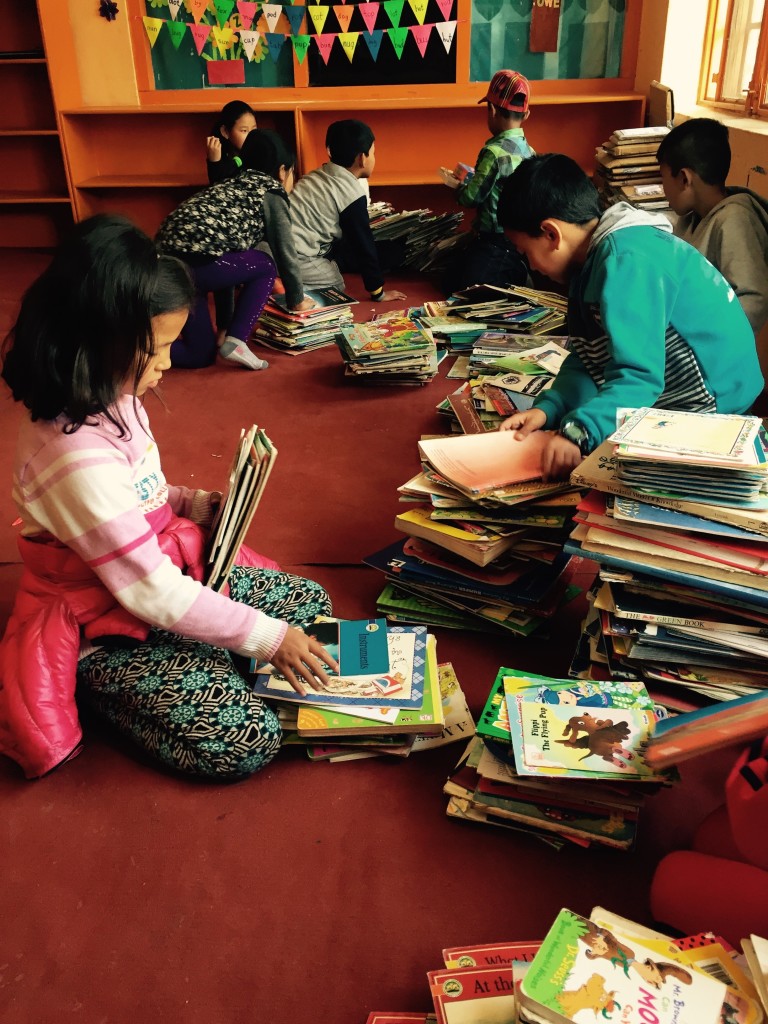
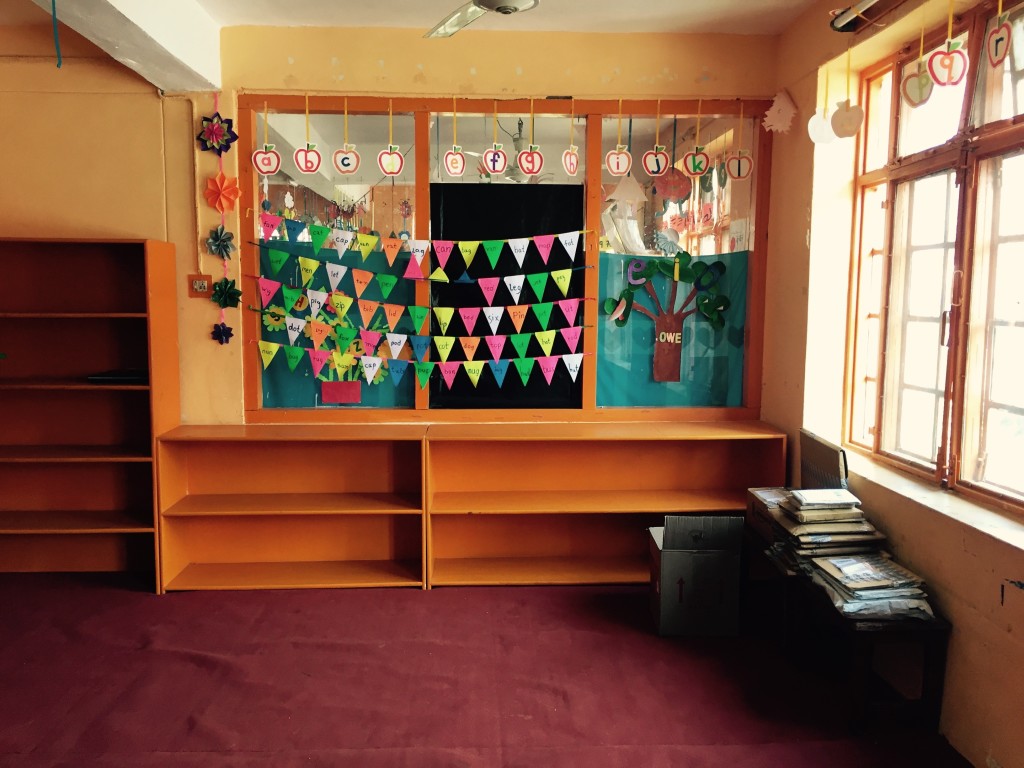
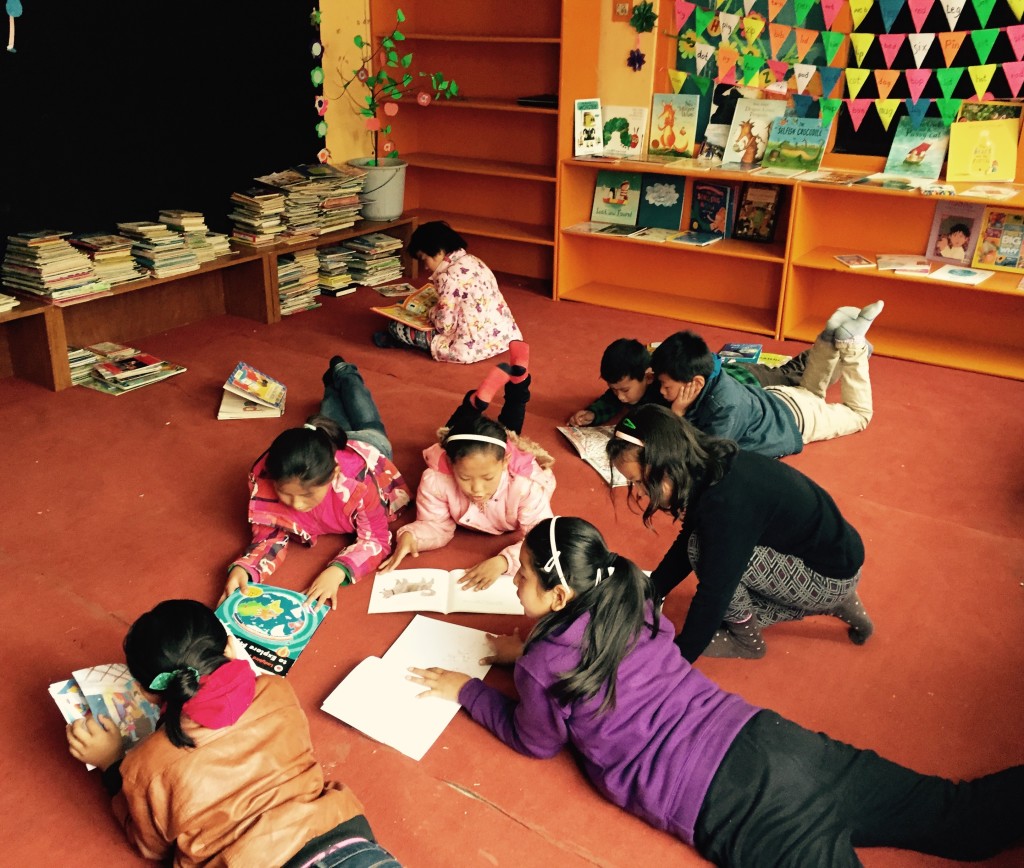
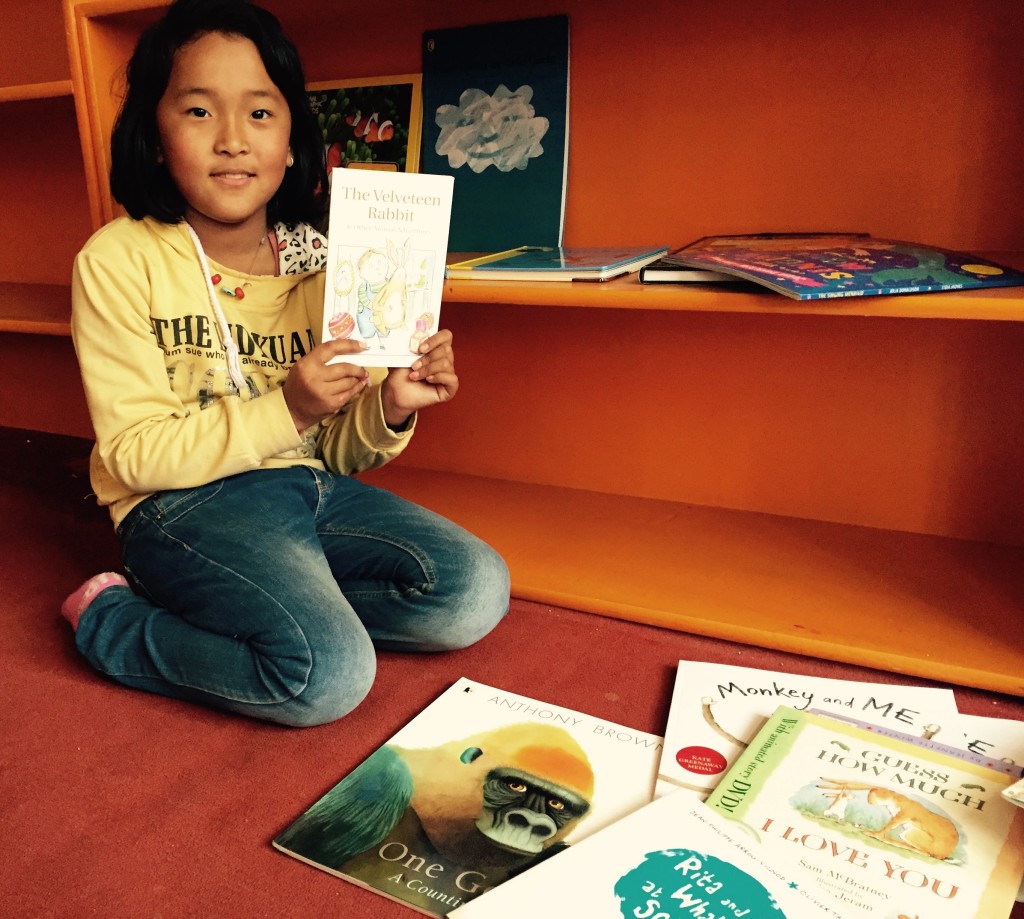
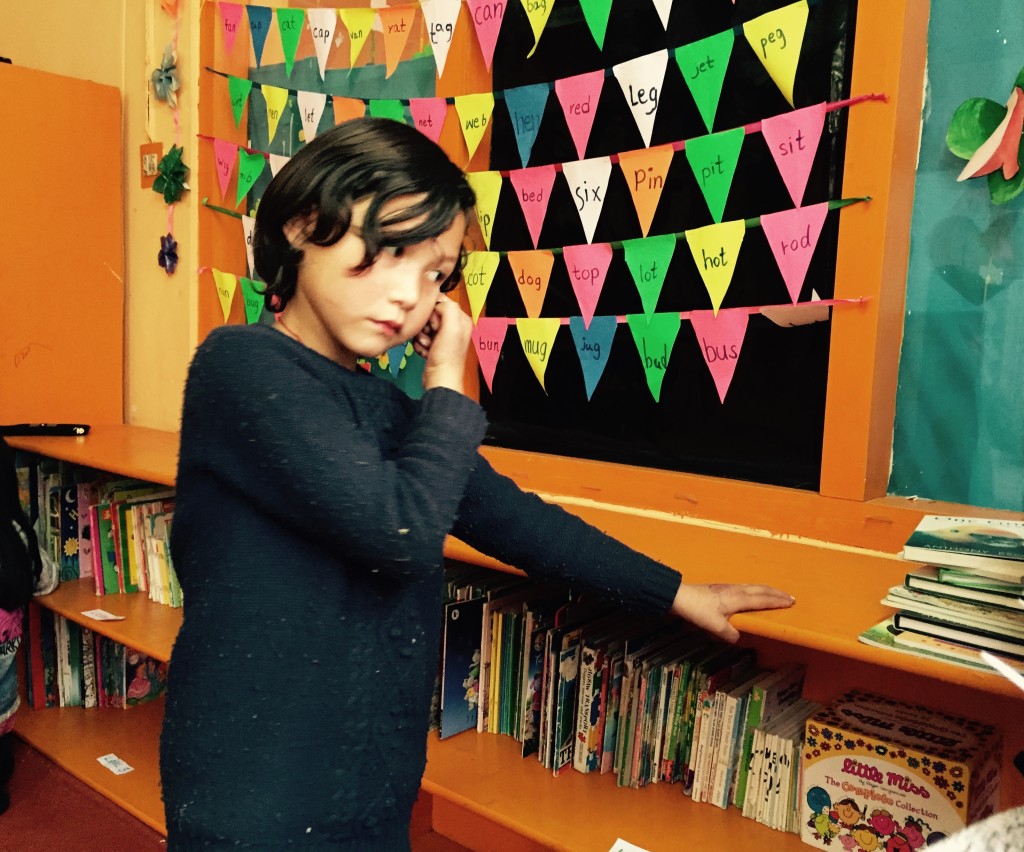
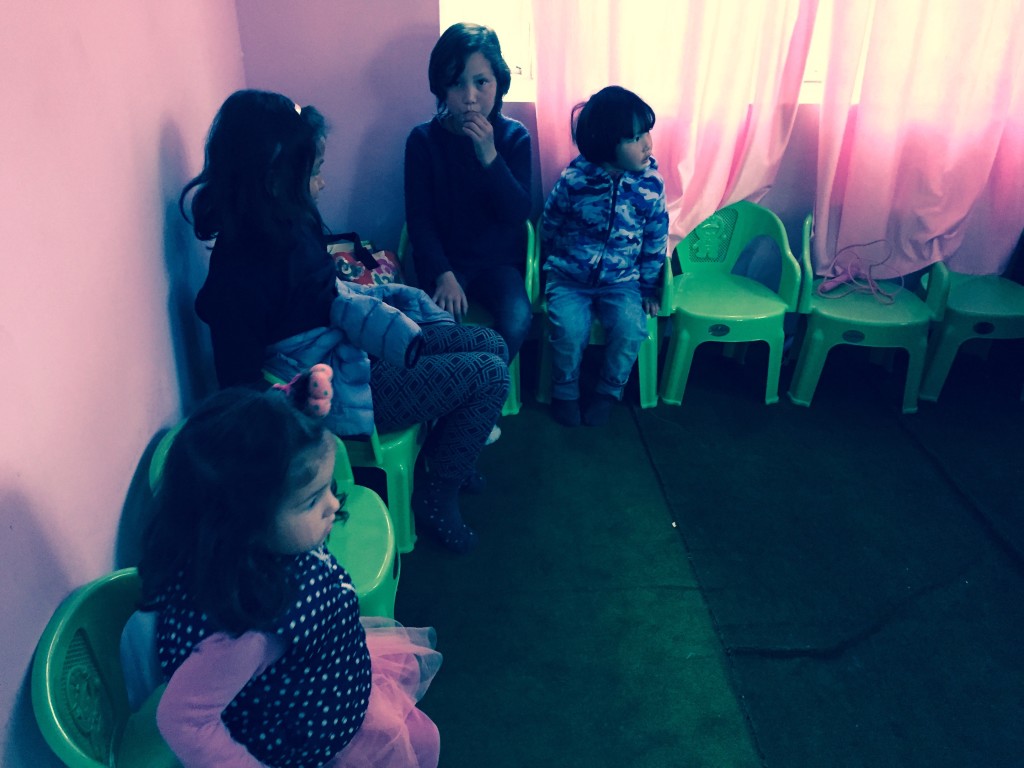
A well-run reading room offers more than quiet space and shelves. It creates opportunities for children to recommend books, listen to one another, make art, and explore subjects that may not appear in their regular lessons. Author correspondence can turn these activities into a shared project.
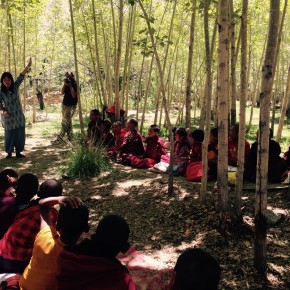
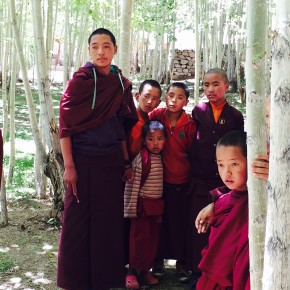
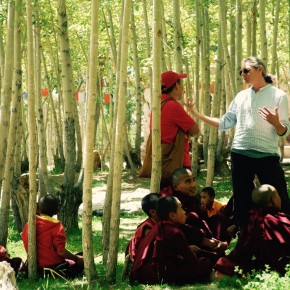
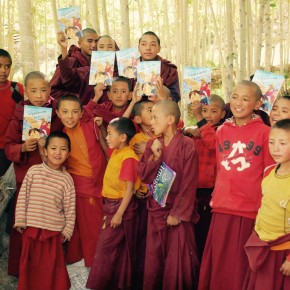
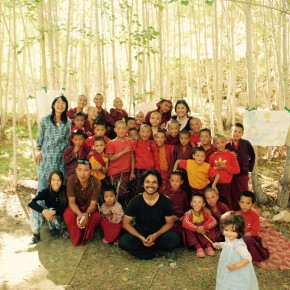
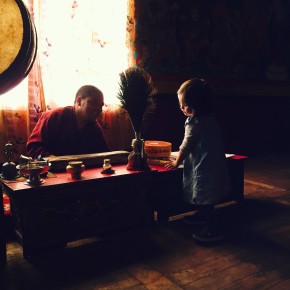
A group might read a story together, research its setting, and prepare several letters with different questions. Another group could create illustrations inspired by a book and include them with their messages. Young monks and other students may bring distinct experiences to the conversation, creating thoughtful discussions about compassion, courage, friendship, and responsibility.
The possibility of a reply can be exciting, yet the educational value does not depend on receiving one. Writing the letter still requires planning, revision, cooperation, and patience. If an author responds, the children experience an unforgettable moment of recognition. If no response arrives, the reading, reflection, and creative work have still strengthened important skills.
| Part of the experience |
What children practice |
What it can encourage |
| Choosing a book |
Personal preference and decision-making |
Independent reading |
| Discussing the story |
Listening and interpretation |
Respect for different viewpoints |
| Drafting a letter |
Vocabulary, grammar, and clear expression |
Confidence in communication |
| Adding a drawing or question |
Creativity and close observation |
Deeper engagement with the book |
| Sending the message |
Patience and participation |
A sense of connection beyond the community |
Questions That Carry Ladakh Into the Conversation
Children’s questions often reveal what matters in their own surroundings. A child may ask an author how they invented a snowy setting, whether a fictional animal is based on a real one, or what inspired a particular friendship. These questions invite comparisons between the world of a book and the child’s daily experience.
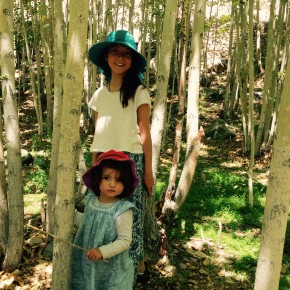
A student in Ladakh might also write about the difference between reading about forests and living among high mountain valleys. A young monk could ask how an author creates a character who practices kindness or discipline. Such messages allow writers to learn from their readers, while children discover that their local knowledge has value.
The exchange can challenge narrow ideas about who gets to create literature. Children see that authors are real people with working habits, doubts, memories, and sources of inspiration. They may begin to imagine themselves as storytellers, illustrators, translators, or librarians.
Creative Work Makes the Message Memorable
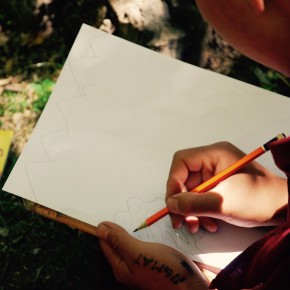
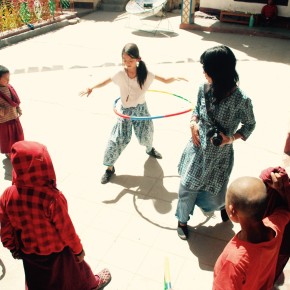
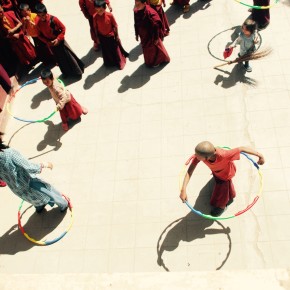
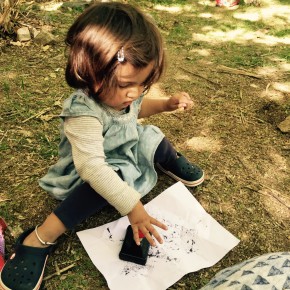
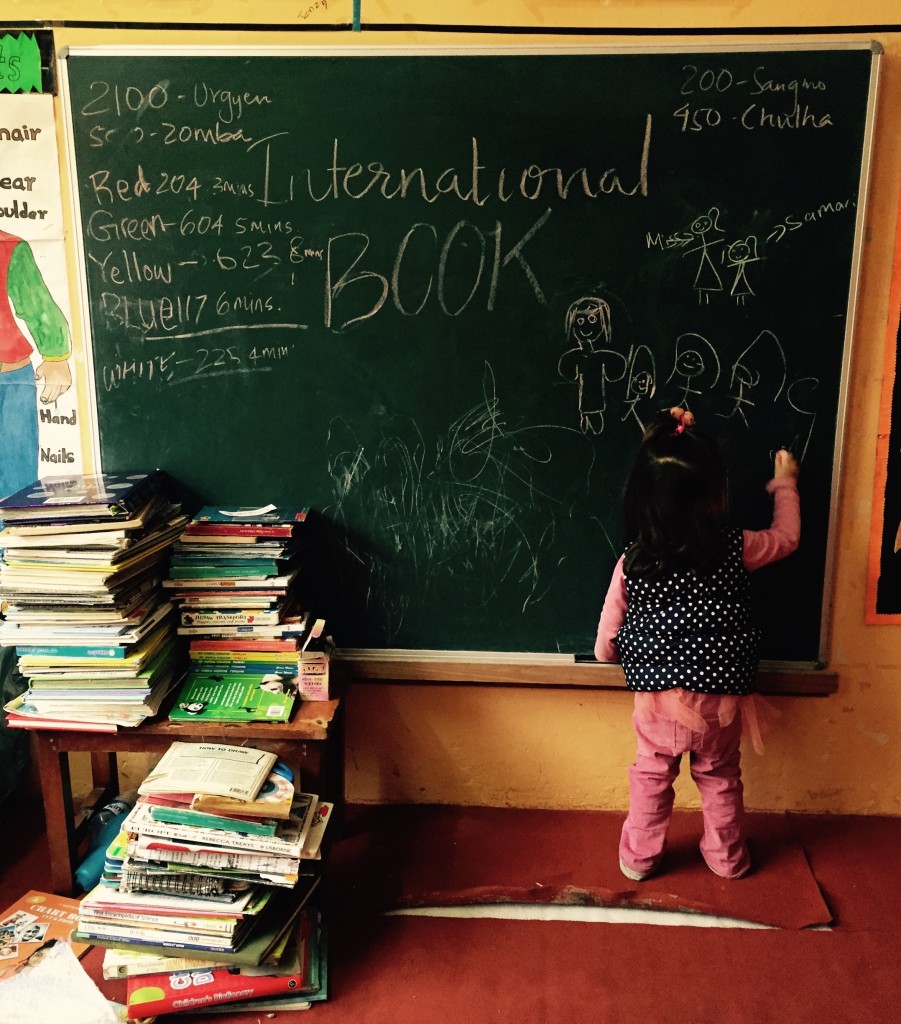
A letter does not have to stand alone. Drawing, painting, music, and drama can help children explore the same story through different forms. After reading a tale, they might design a new book cover, perform a short scene, compose a rhythm for a character’s journey, or create a landscape based on the setting.
These activities are especially useful for children who find extended writing difficult. A picture may communicate an emotional response that is hard to explain in words. A short performance can help a group decide what they want to say before one child or several children write the final message.
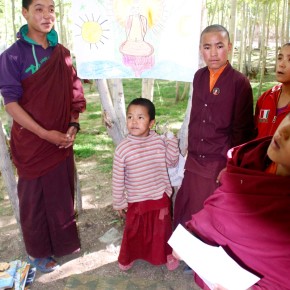
Artistic responses also make correspondence more personal. An author who receives a handwritten page with a Ladakhi landscape, a monastery courtyard, or a child’s imaginative version of a story can see the reading experience through new eyes. The exchange becomes a meeting of cultures and creative viewpoints.
Building a Sustainable Culture of Reading
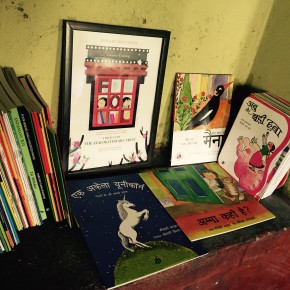
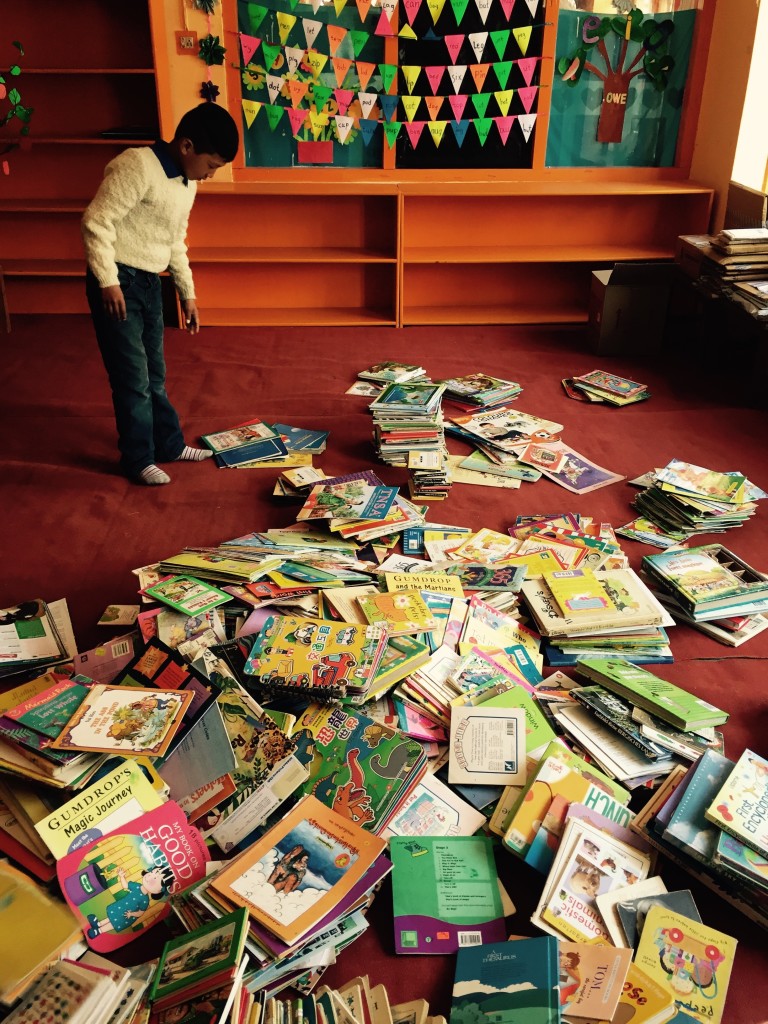
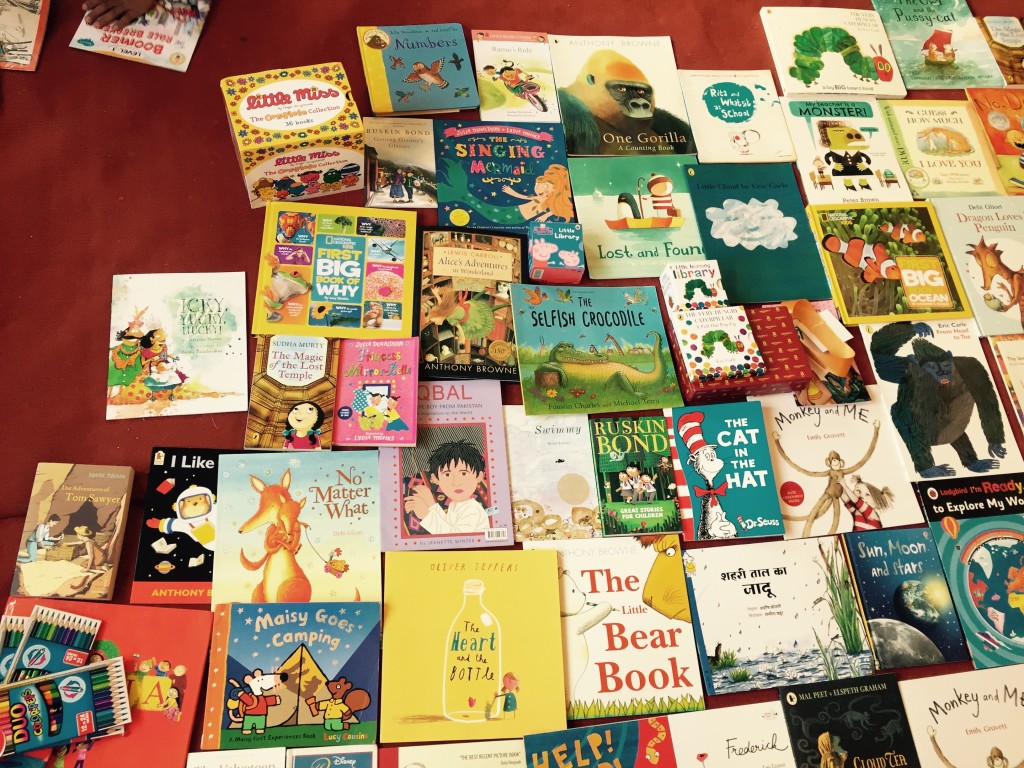
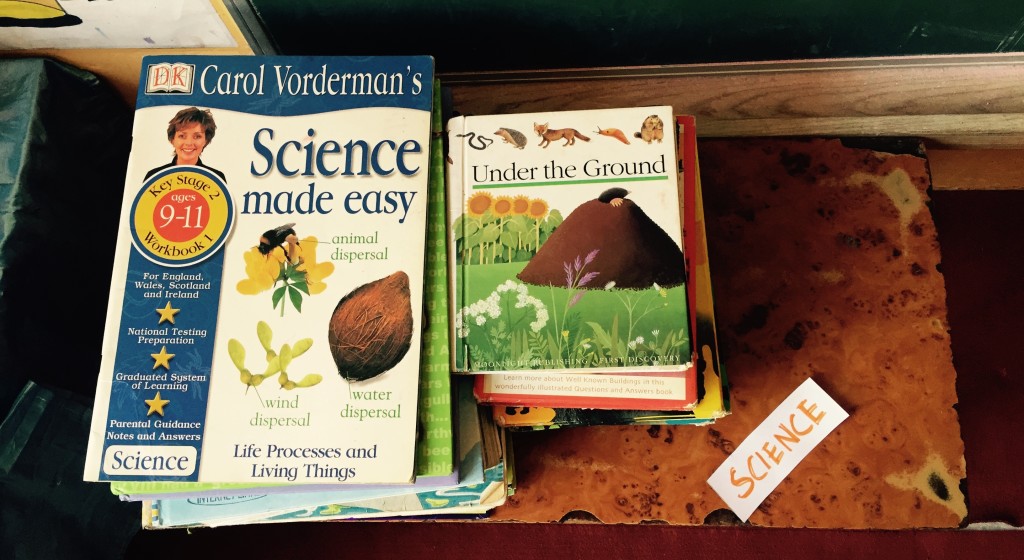
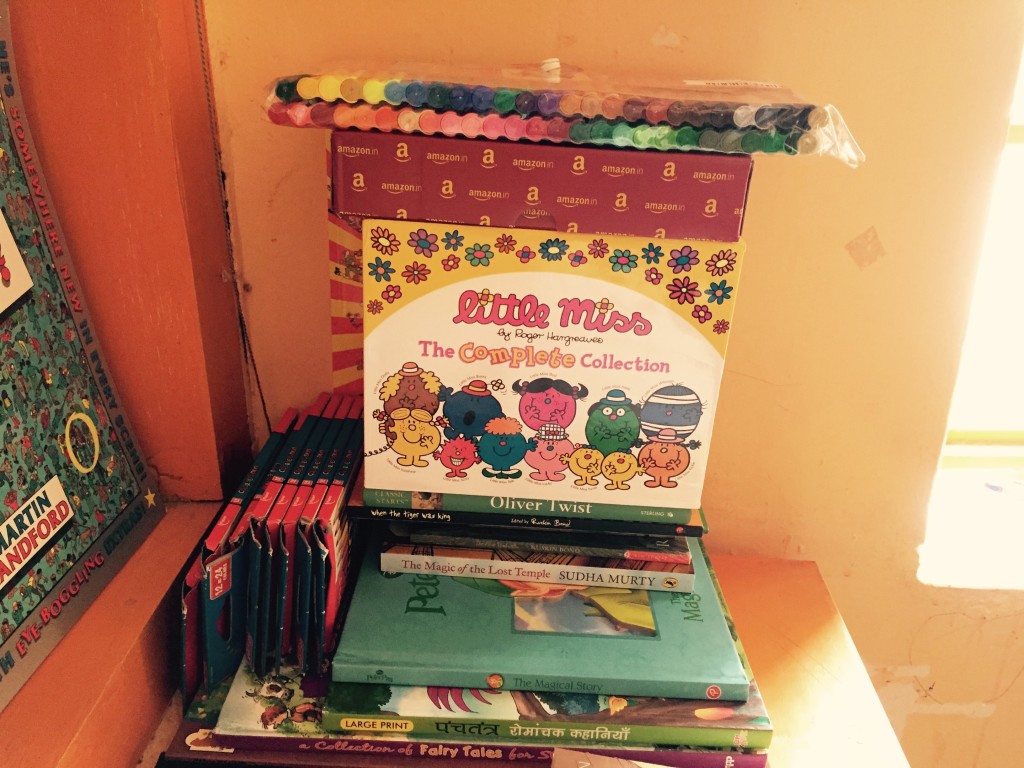
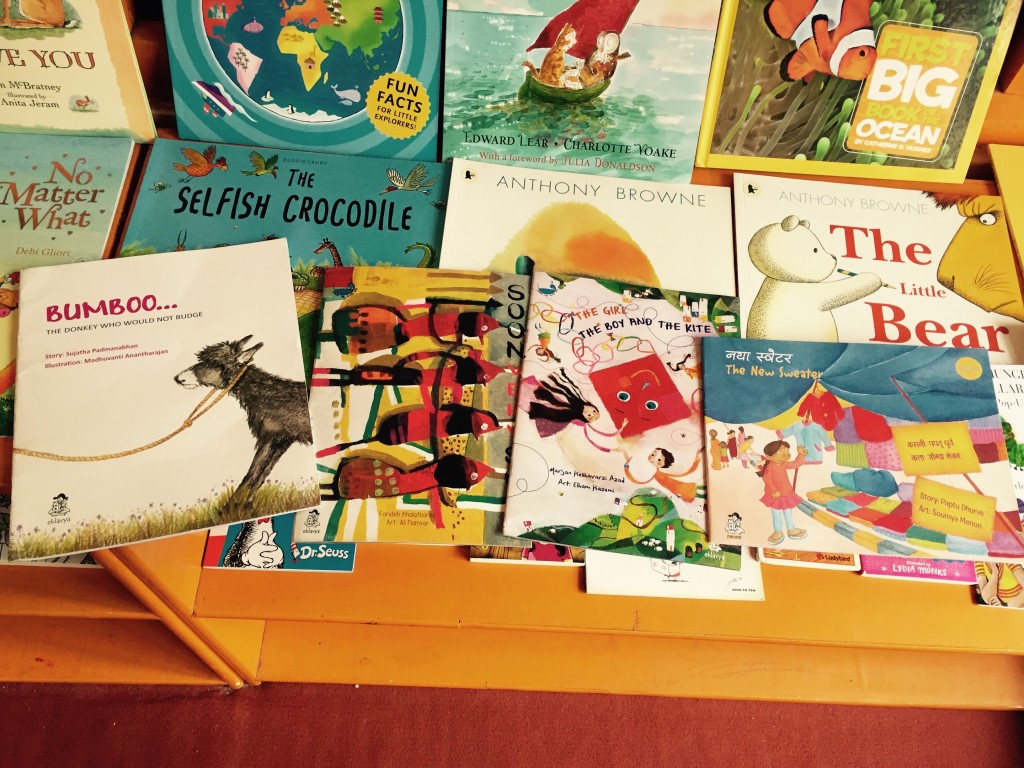
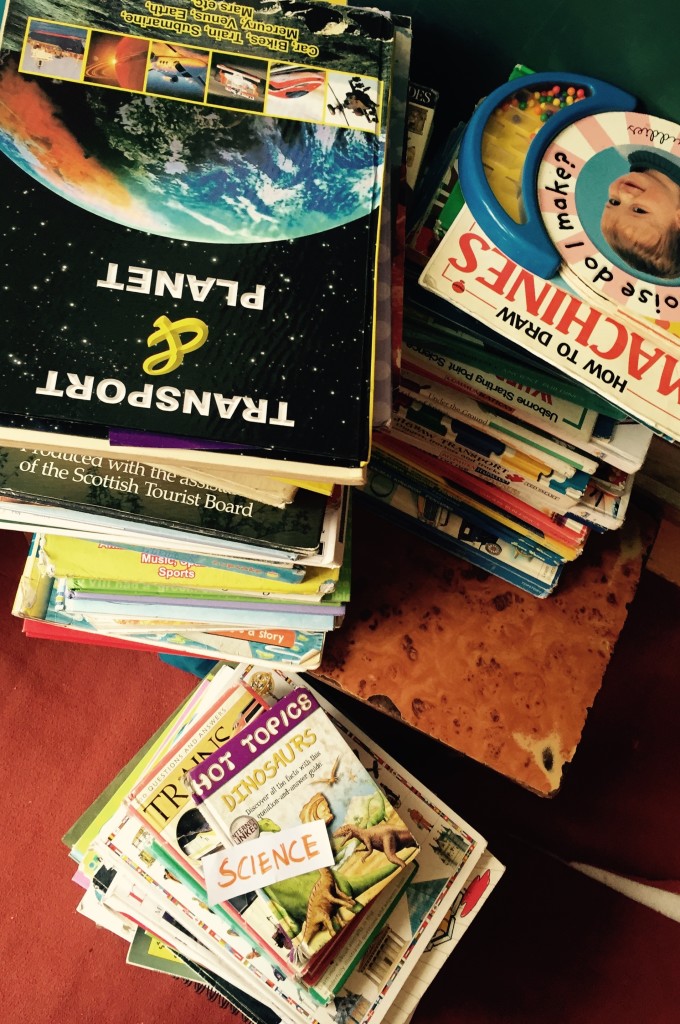
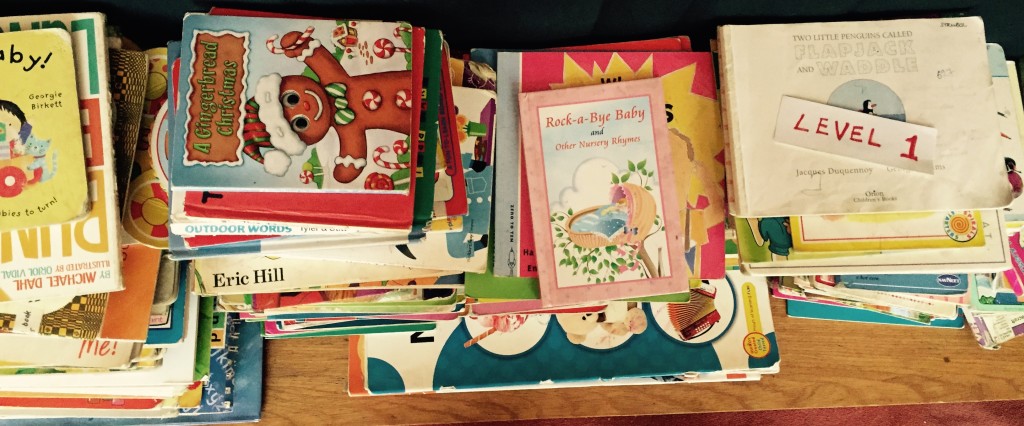
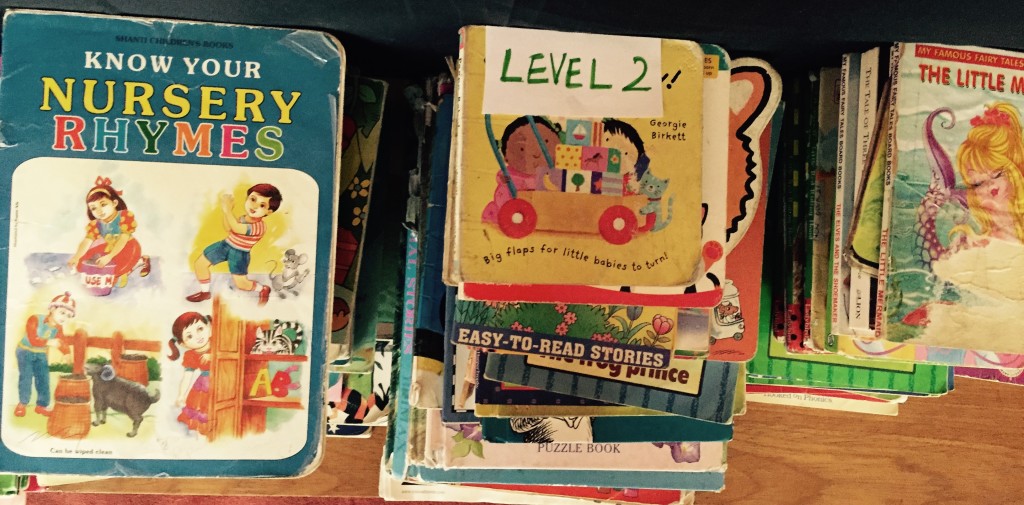
One letter-writing activity can spark interest, but regular access to books is what sustains it. Book drives and community-supported libraries help ensure that children encounter many kinds of stories, from picture books and folktales to science writing, poetry, biographies, and novels.
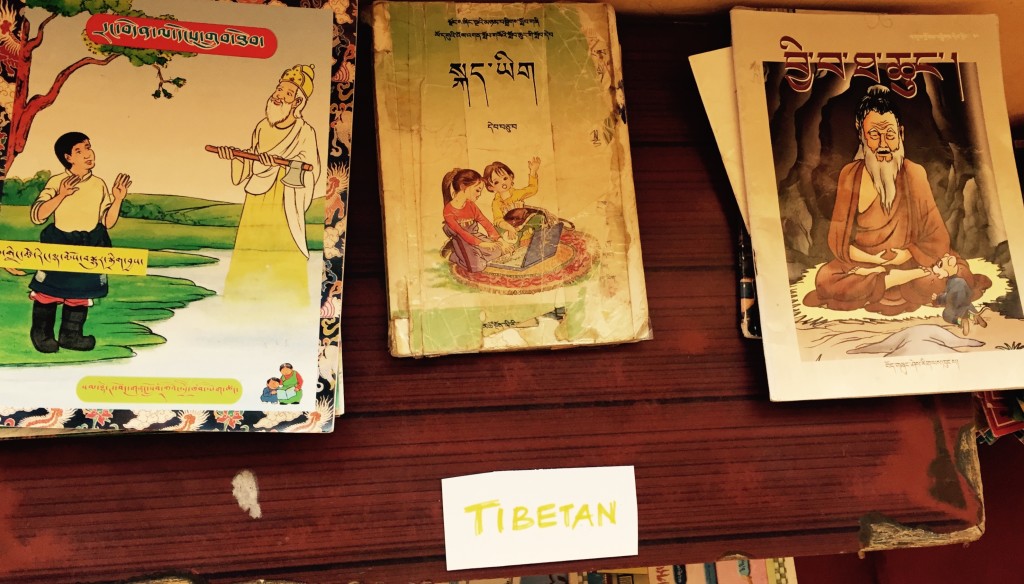
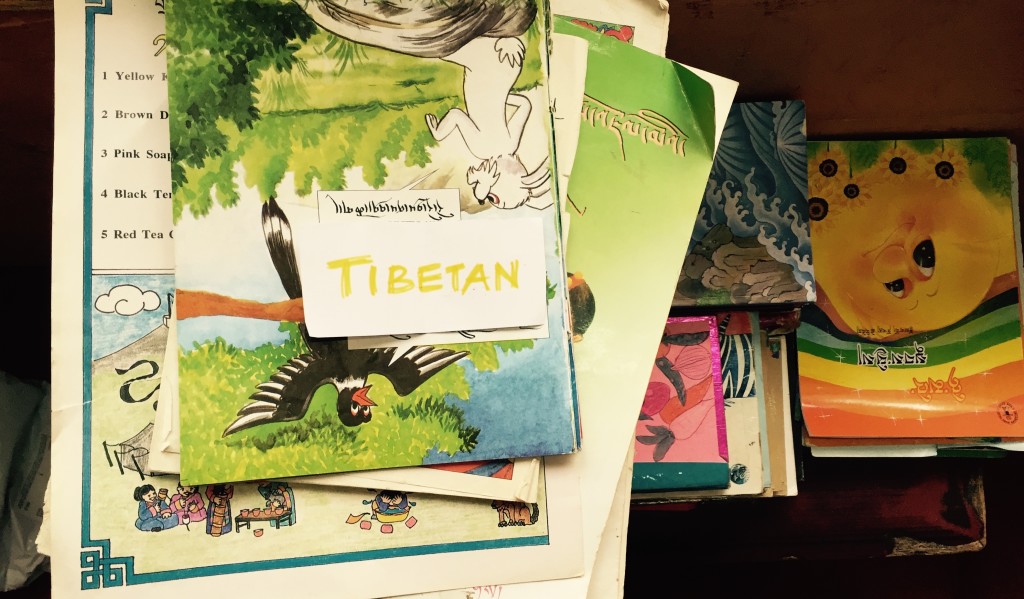
A strong collection should include books that reflect local life as well as books that open windows onto other places. Children need stories in accessible languages, books suited to different reading levels, and materials that invite independent exploration. When shelves are welcoming and borrowing is easy, reading becomes part of everyday life rather than an occasional special event.
Teachers, volunteers, families, and donors all contribute to this culture. Volunteers can help children select books and revise letters. Teachers can connect reading with language and arts activities. Donors can support transportation, shelving, supplies, and new titles. Each contribution helps turn curiosity into a lasting habit.
Ways to Support Meaningful Author Connections
Small, thoughtful actions can help children move from reading a book to sharing their own response. A useful program does not require expensive equipment or elaborate events; it needs time, encouragement, and materials that children can use freely.
- Help provide age-appropriate books in English, Hindi, Ladakhi, and other relevant languages.
- Support reading rooms with notebooks, art supplies, envelopes, and reliable access to writing materials.
- Encourage children to ask open-ended questions rather than copying prepared answers.
- Invite local teachers, artists, translators, and volunteers to guide reading and creative projects.
- Share children’s work respectfully, with appropriate permission, so their voices reach a wider community.
These efforts also help protect the joy of reading. Children should be able to choose some books because they are funny, beautiful, surprising, or mysterious—not only because they support an examination. Freedom to explore is often where a lasting love of books begins.
A Reply Can Change the Shape of a Dream
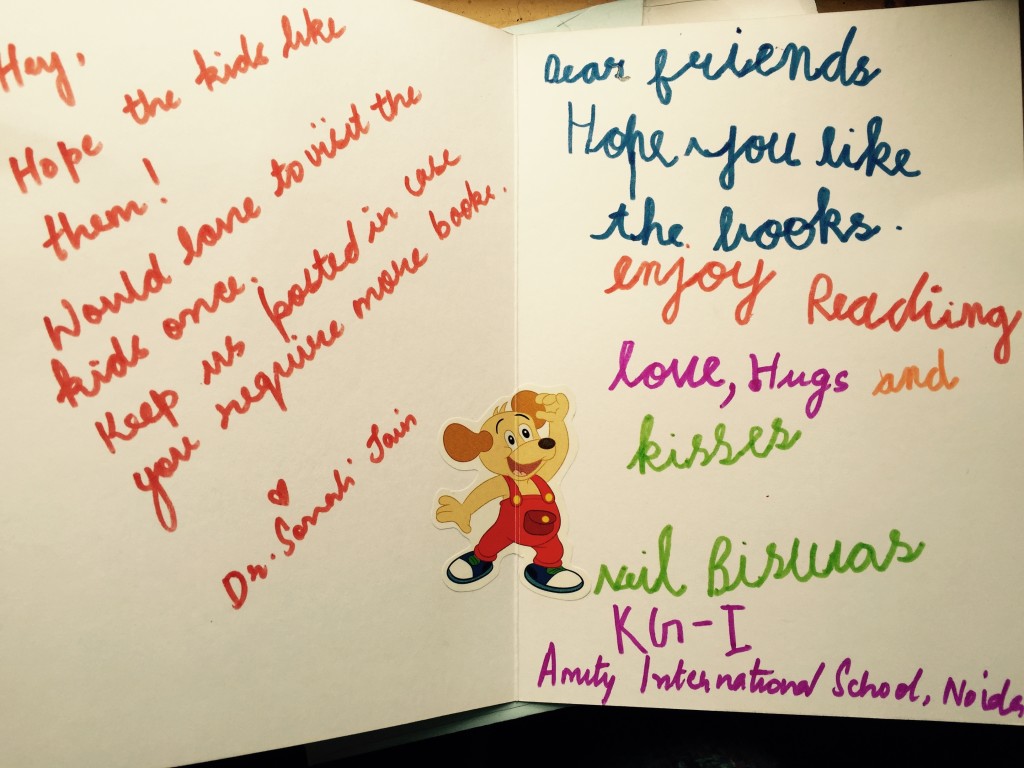
When an author answers a child from Ladakh, the response may be only a few paragraphs, but its effect can be profound. The child sees that a distant writer has read their words and taken their questions seriously. That recognition can strengthen confidence in ways that are difficult to measure.
Even without a reply, sending a letter teaches children that their thoughts can travel. Their handwriting, drawings, questions, and stories carry a piece of their community beyond the mountain roads. They learn that communication is an act of courage and that reading can lead to participation, friendship, and future creative work.
Avalokiteśvara Trust helps create the conditions for these moments by supporting books, reading spaces, and opportunities for children and young monks to learn through imagination. Supporting its work can place more books in Himalayan communities and give more young readers the chance to write, wonder, and be heard. Donate, volunteer, or help bring a new collection of stories to a reading room where the next remarkable letter may already be taking shape.