A month of learning and service in Leh
When retired teacher Margaret Ellis arrived in Leh, she brought more than a suitcase of warm clothes and a lifetime of classroom experience. She carried the habits that had shaped her work for four decades: listen carefully, make space for every voice, and treat curiosity as something worth protecting.
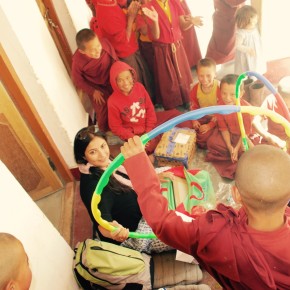
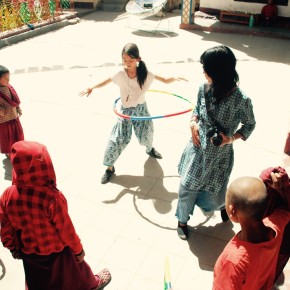
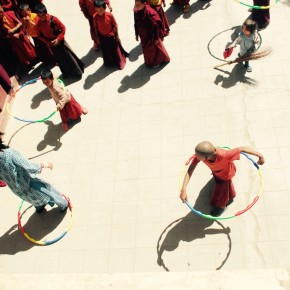
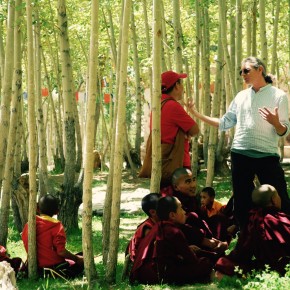
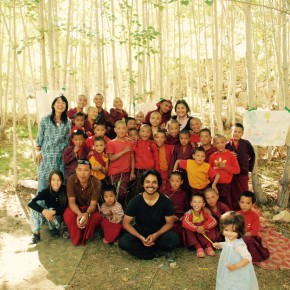
Her month with Avalokiteśvara Trust offered a different kind of classroom. In reading rooms, schools, and community spaces across Ladakh, Margaret helped children discover books, express ideas through art, and gain confidence in sharing what they knew. The experience also reminded her that education is built through relationships as much as lessons.
For the Trust, volunteers like Margaret add practical support while strengthening the human connections behind each initiative. A retired educator can bring patience, organization, and a thoughtful understanding of how children learn, yet the most valuable contribution may be the willingness to learn from the community.
Arriving with experience and curiosity
Margaret had spent much of her career teaching primary-age children in northern England. After retiring, she wanted to use her time in a way that connected with her professional background without recreating the structure of a formal school day. She was drawn to the Trust’s work because books, creativity, and access to welcoming learning spaces sit at the heart of its projects.
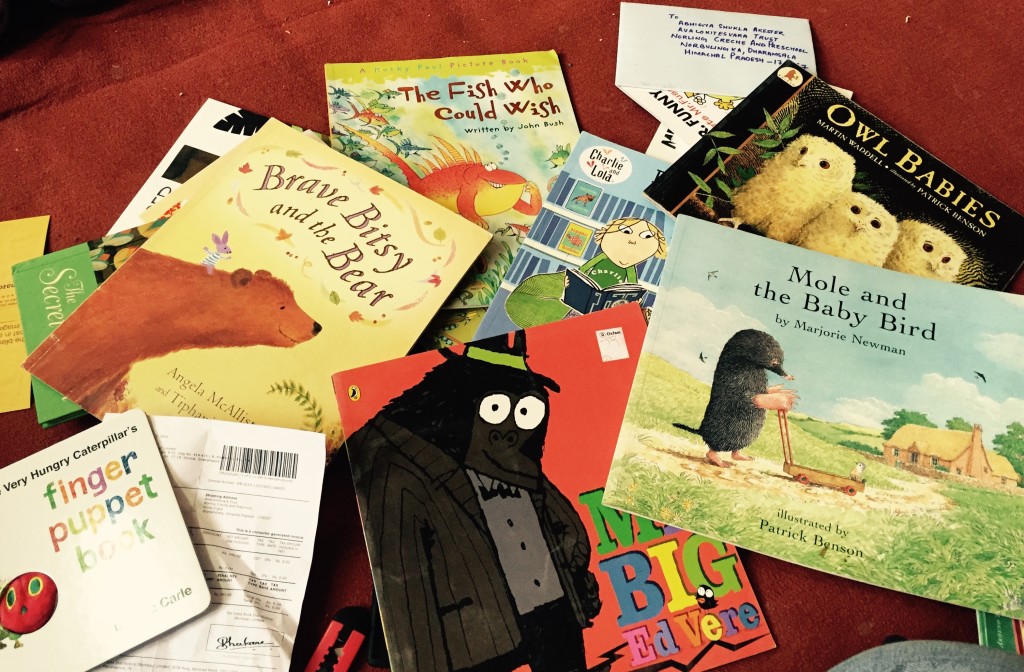
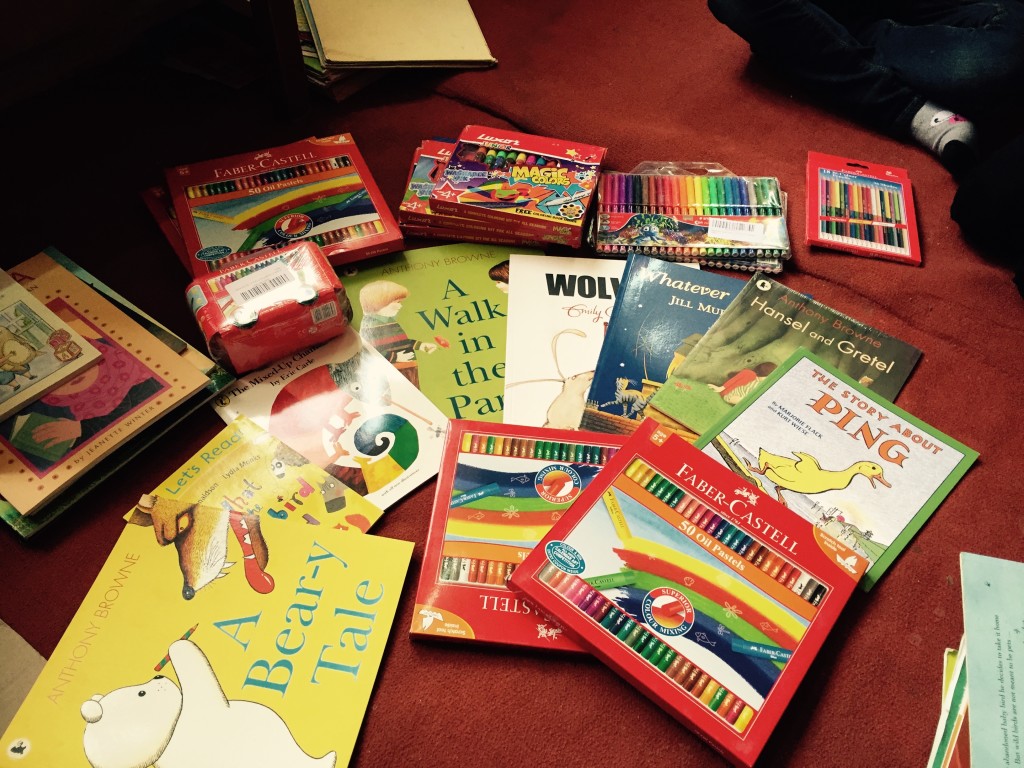
Before traveling to Leh, she read about the region, considered the effects of altitude, and prepared activities that could be adapted for different ages. She packed simple drawing materials, notebooks, and a small selection of picture books. Her preparation was careful, but she understood that local priorities would shape each day.
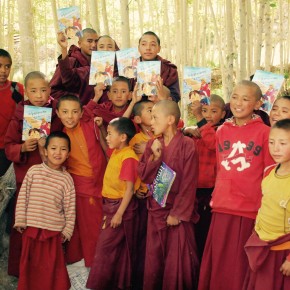
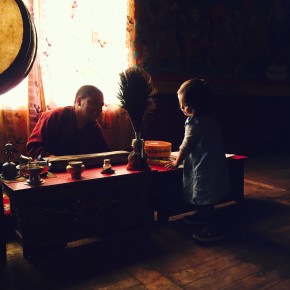
The first days involved observing. Margaret learned how children used the reading spaces, which books attracted immediate attention, and how young monks balanced study with other responsibilities. Rather than arriving with a fixed program, she worked alongside local coordinators and allowed trust to develop naturally.
Finding connection through books
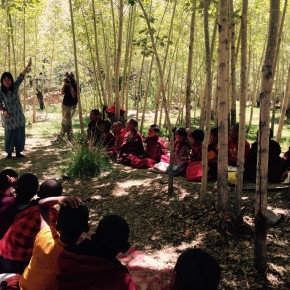
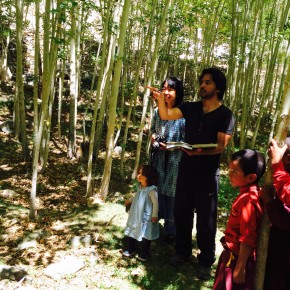
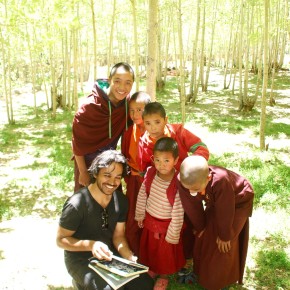
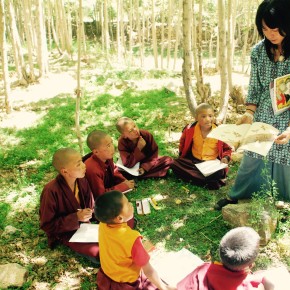
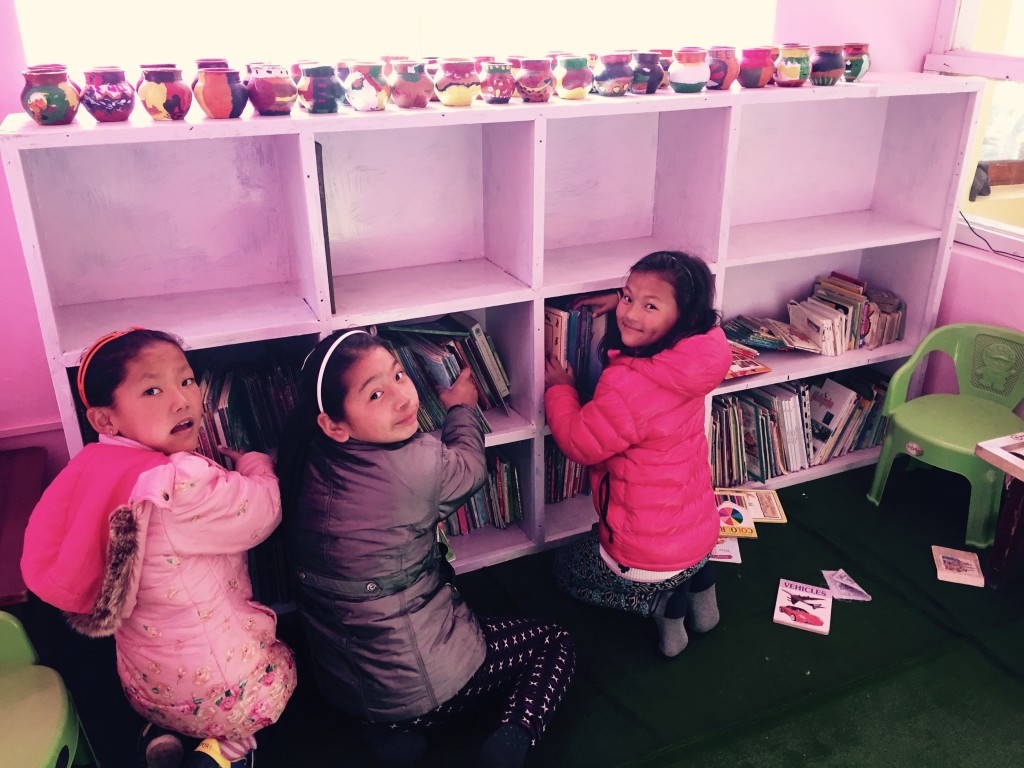
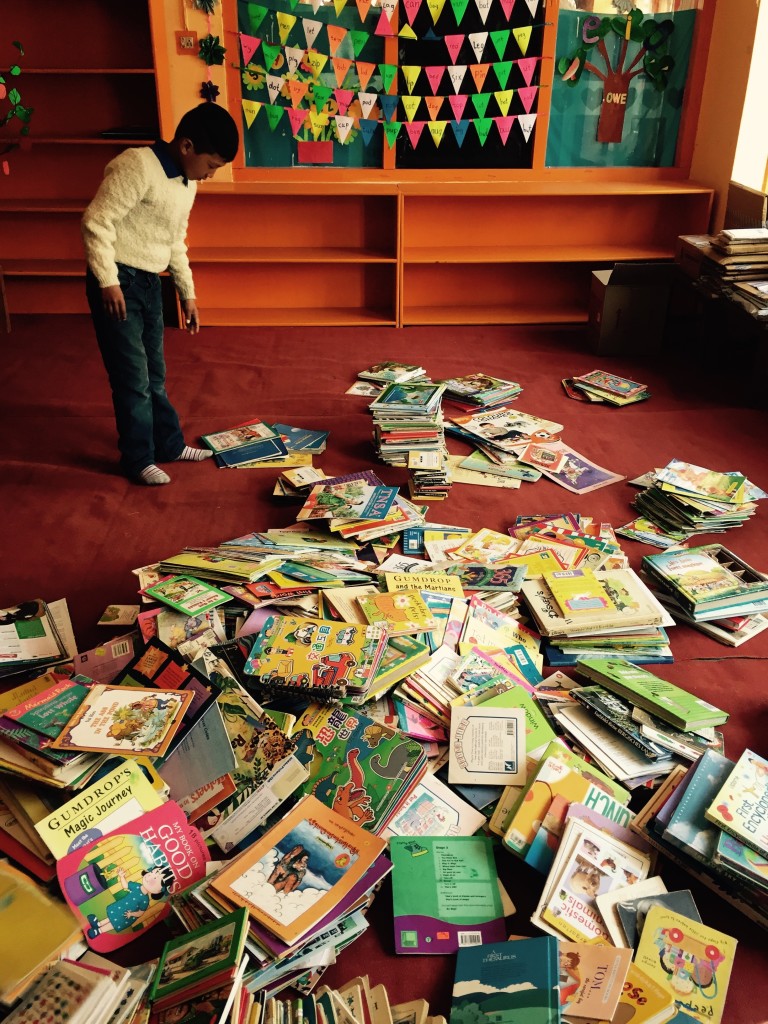
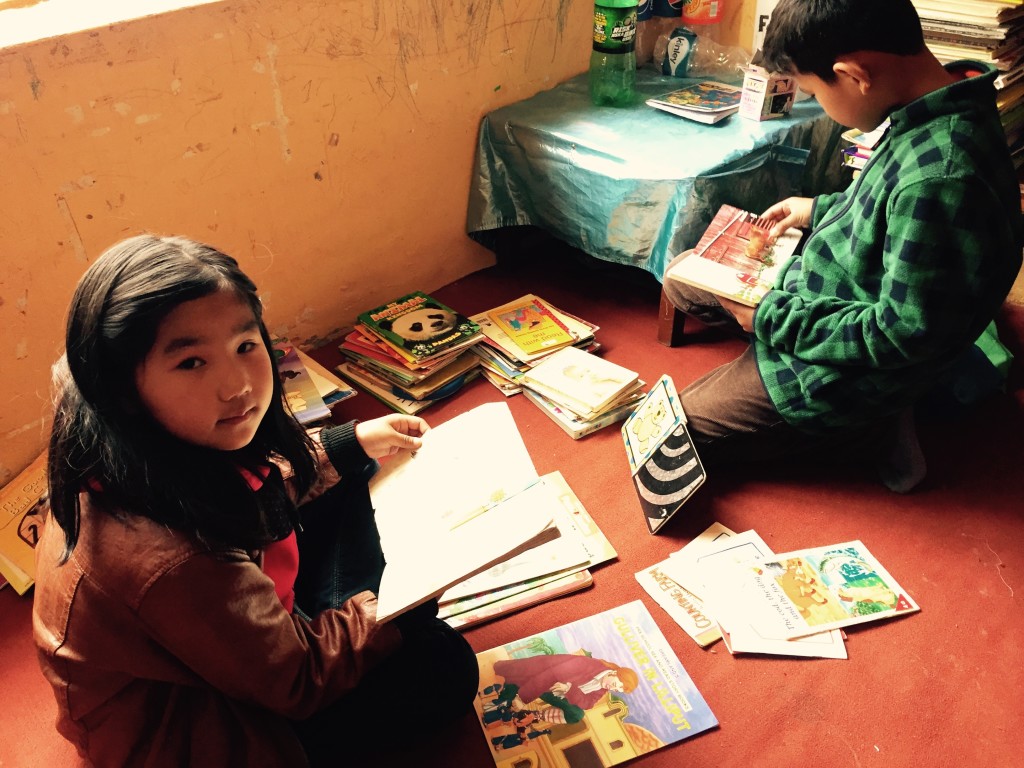
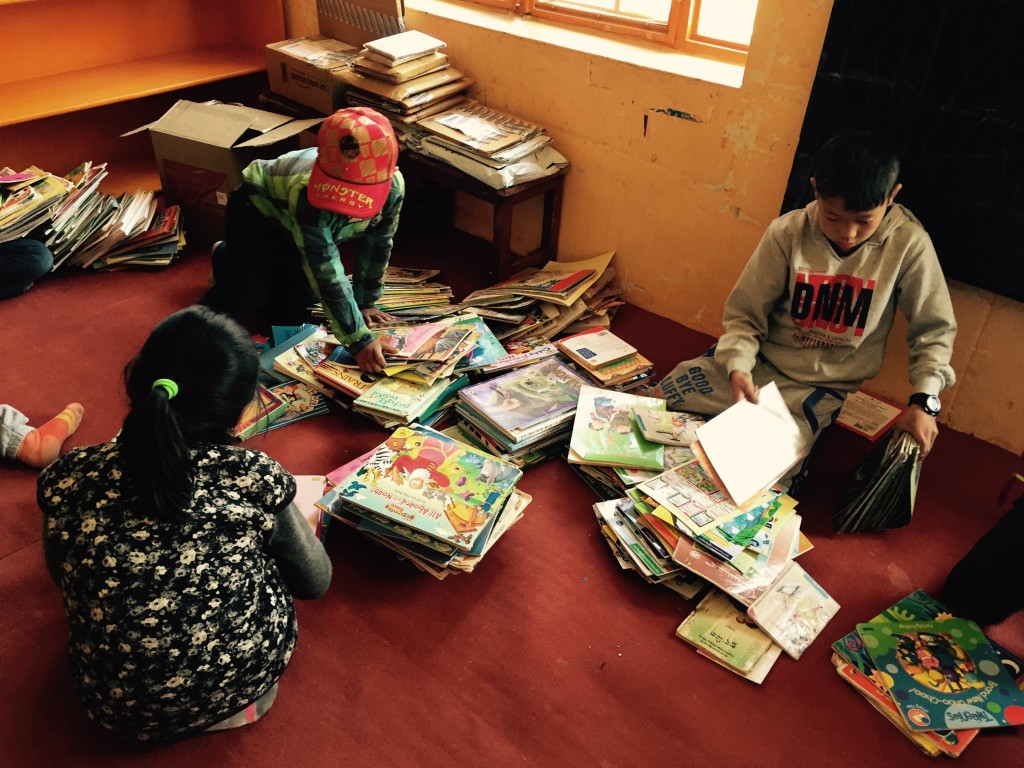
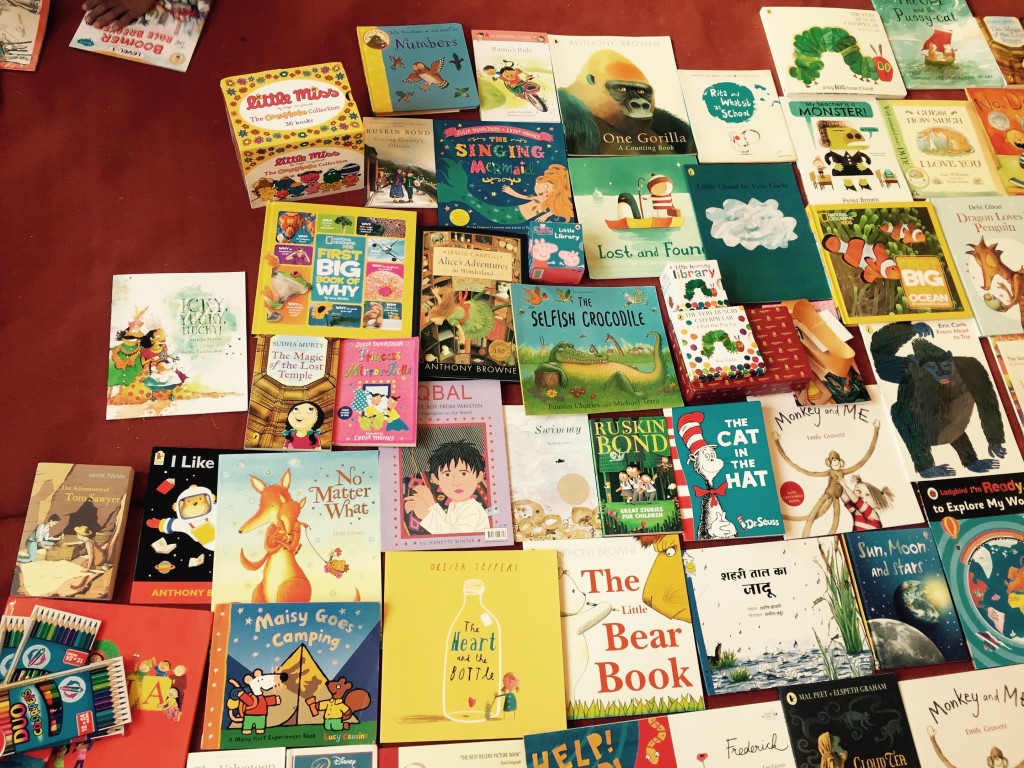
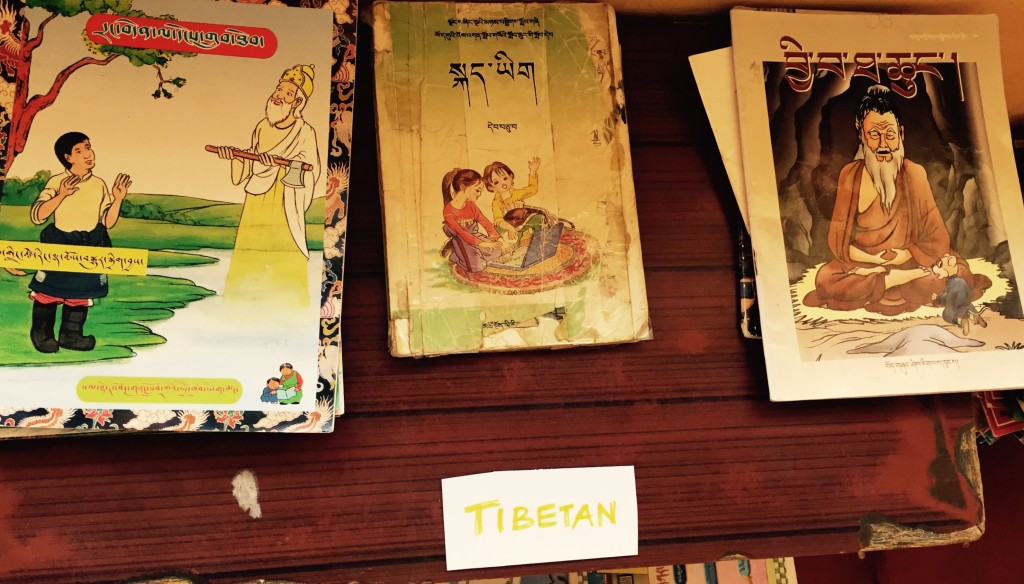
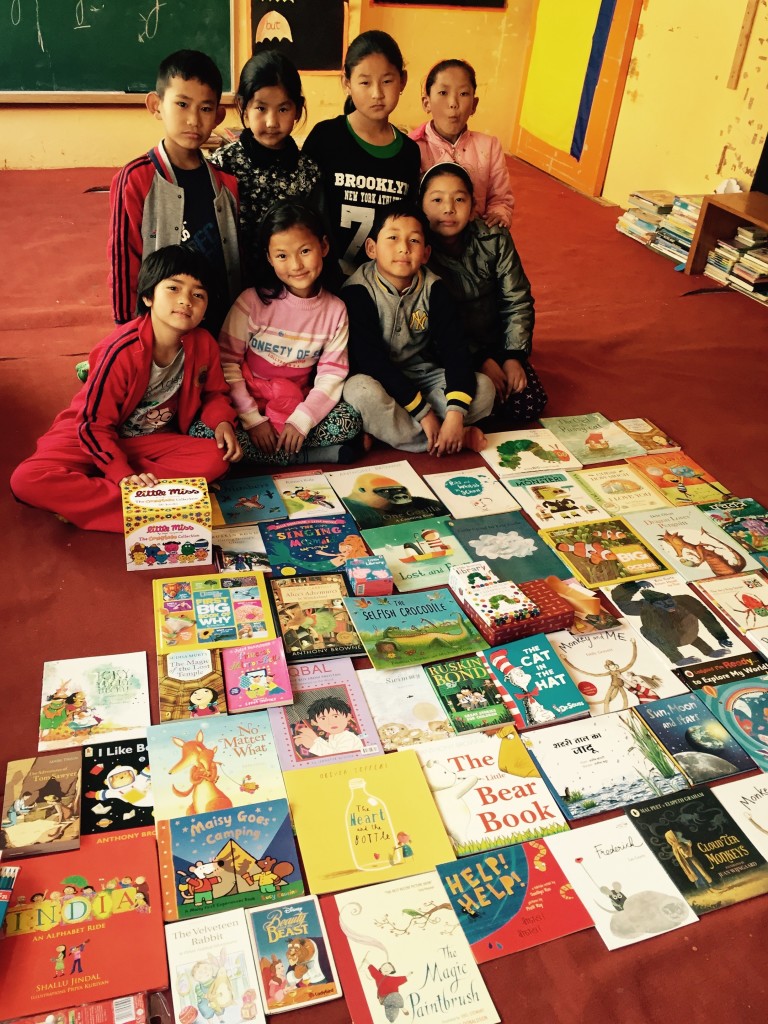
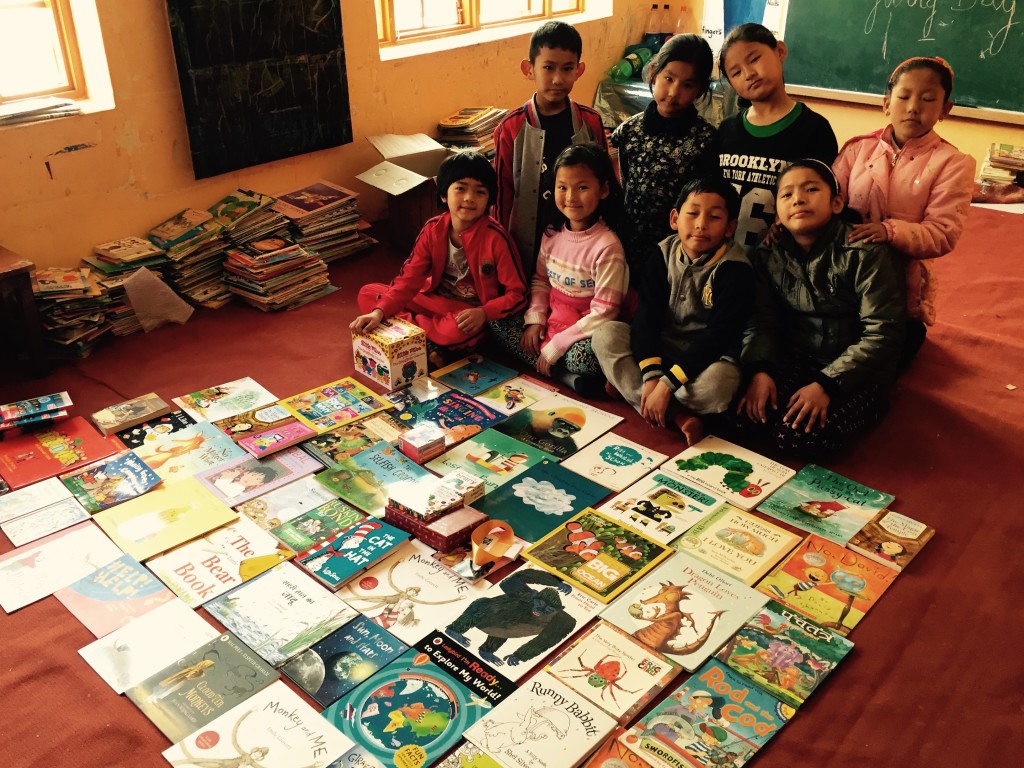
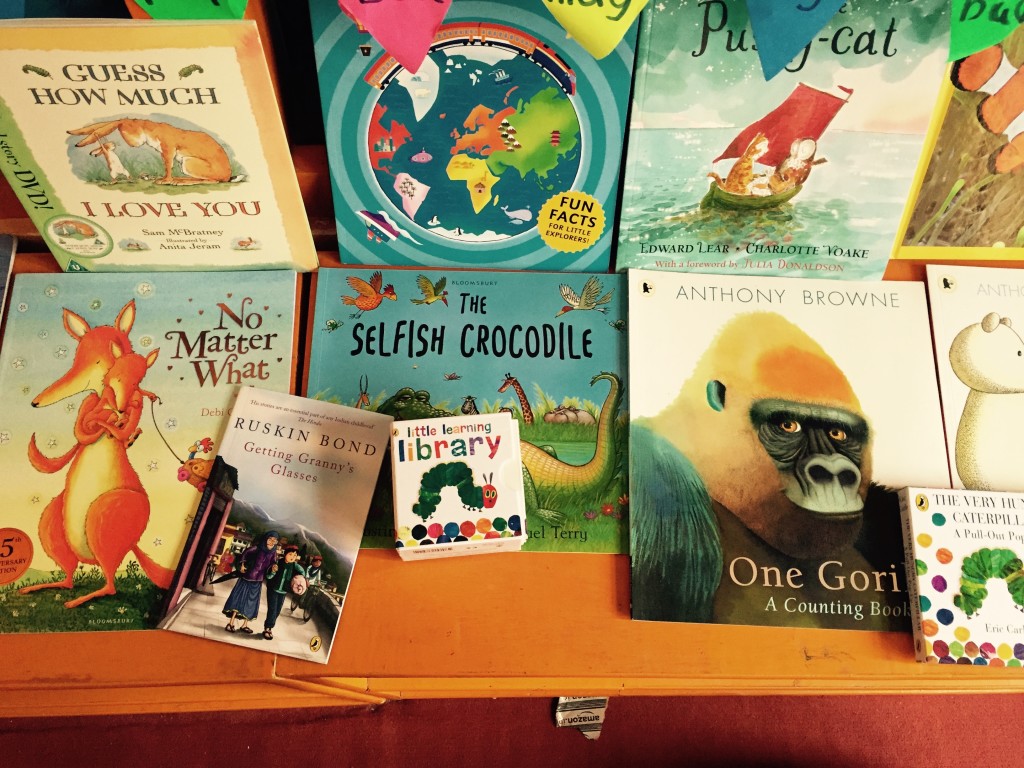
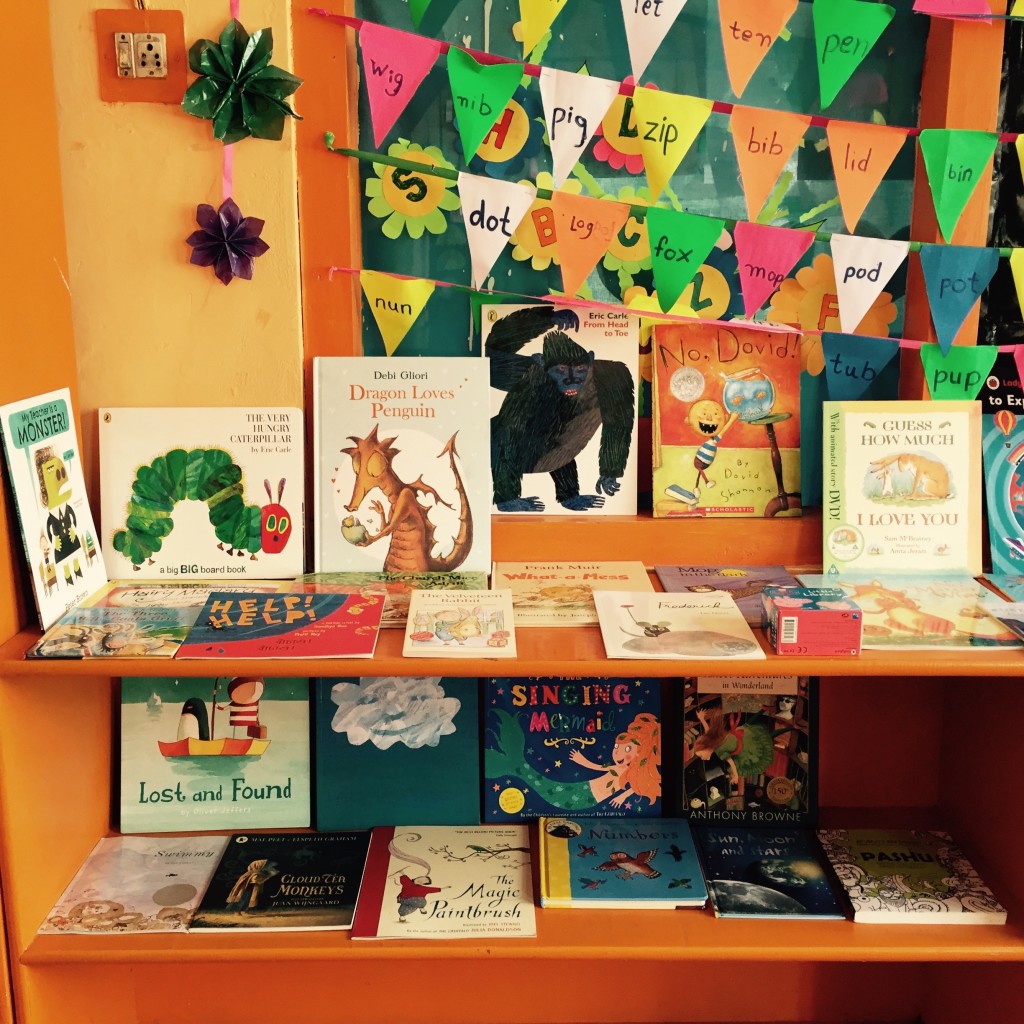
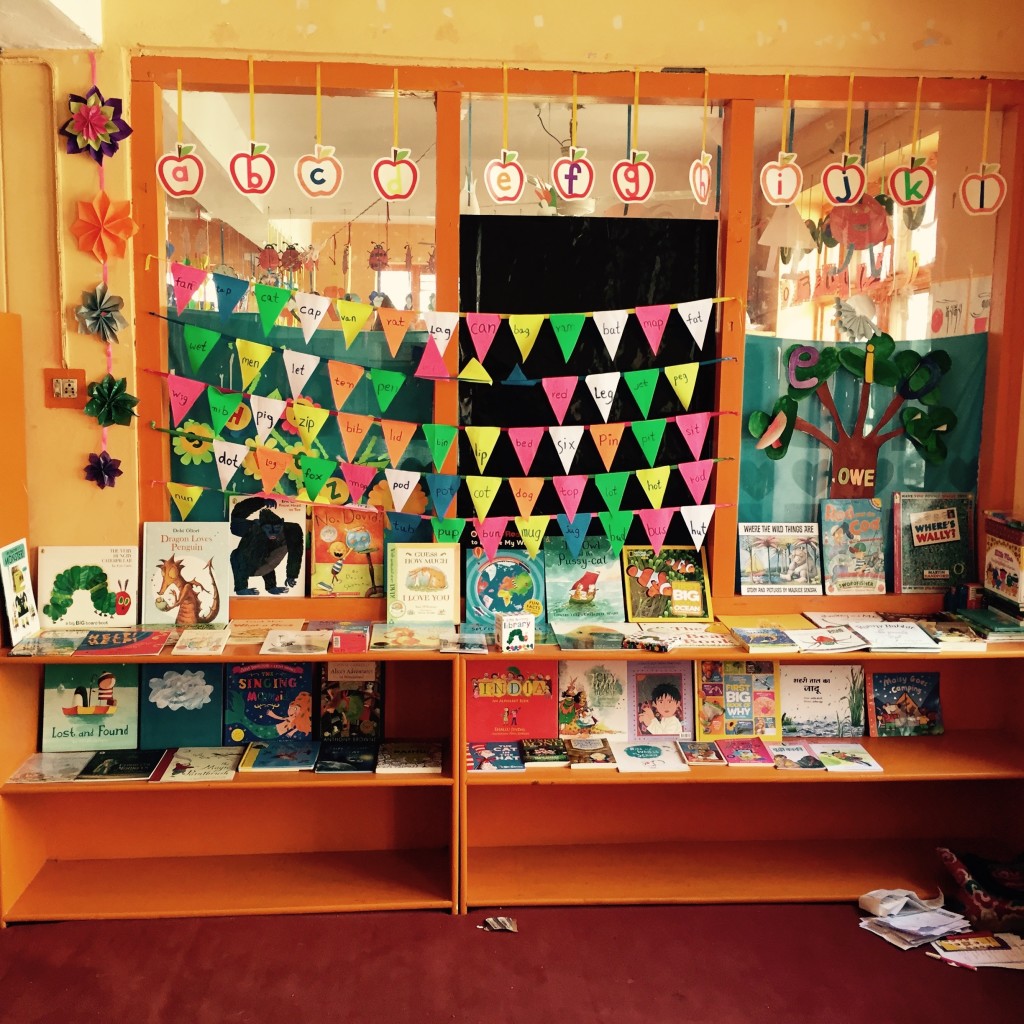
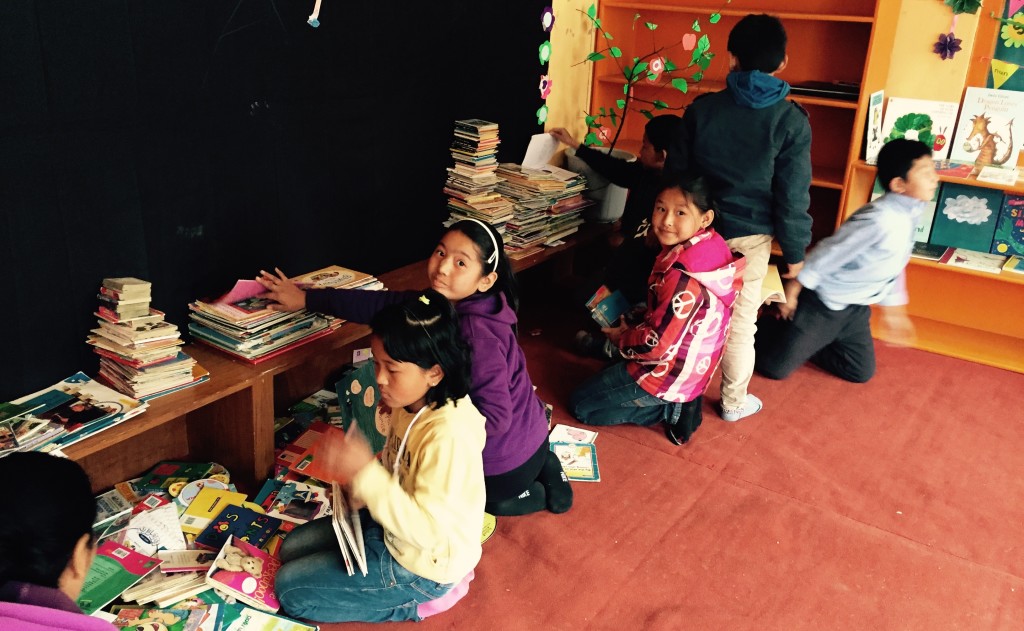
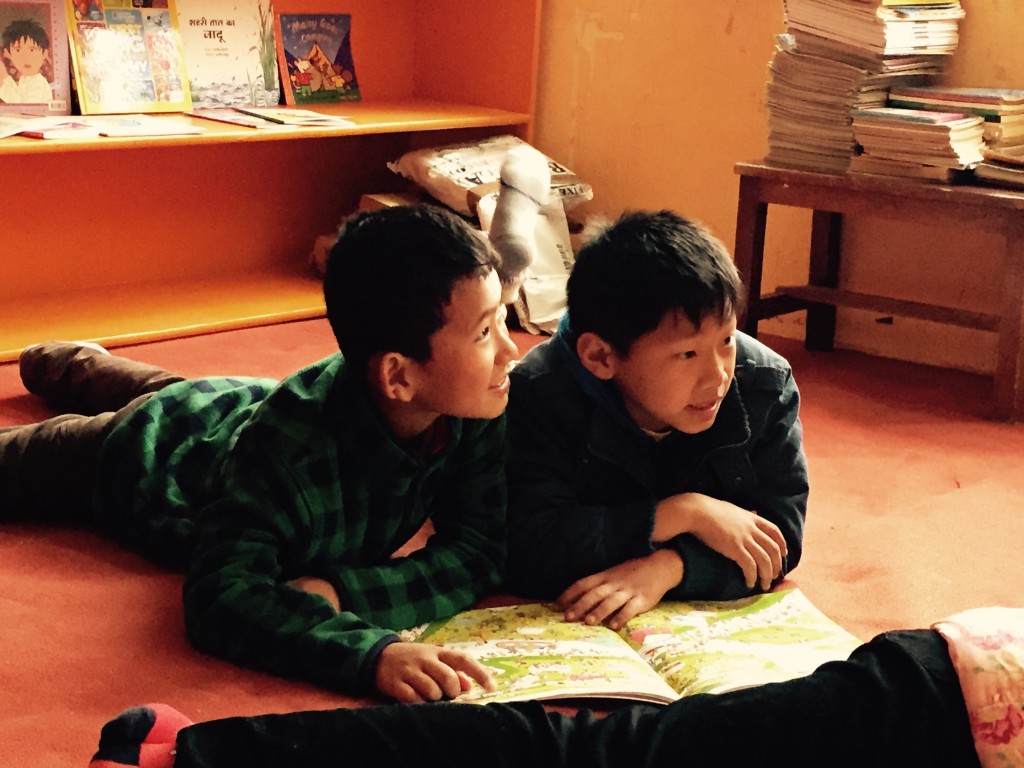
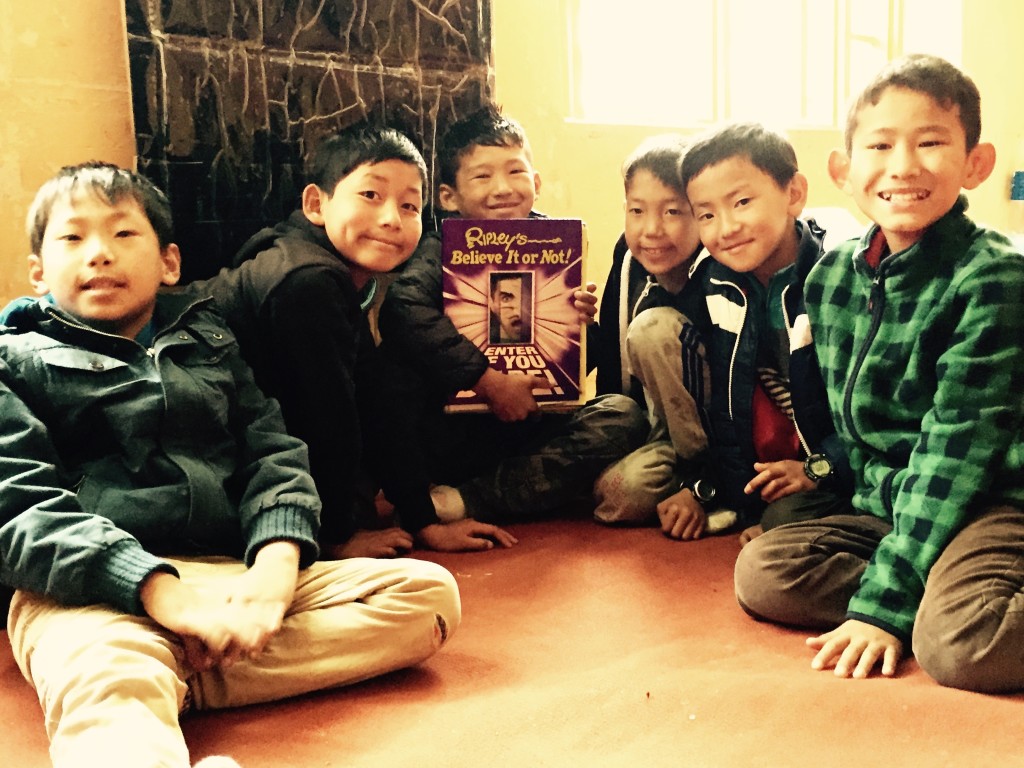
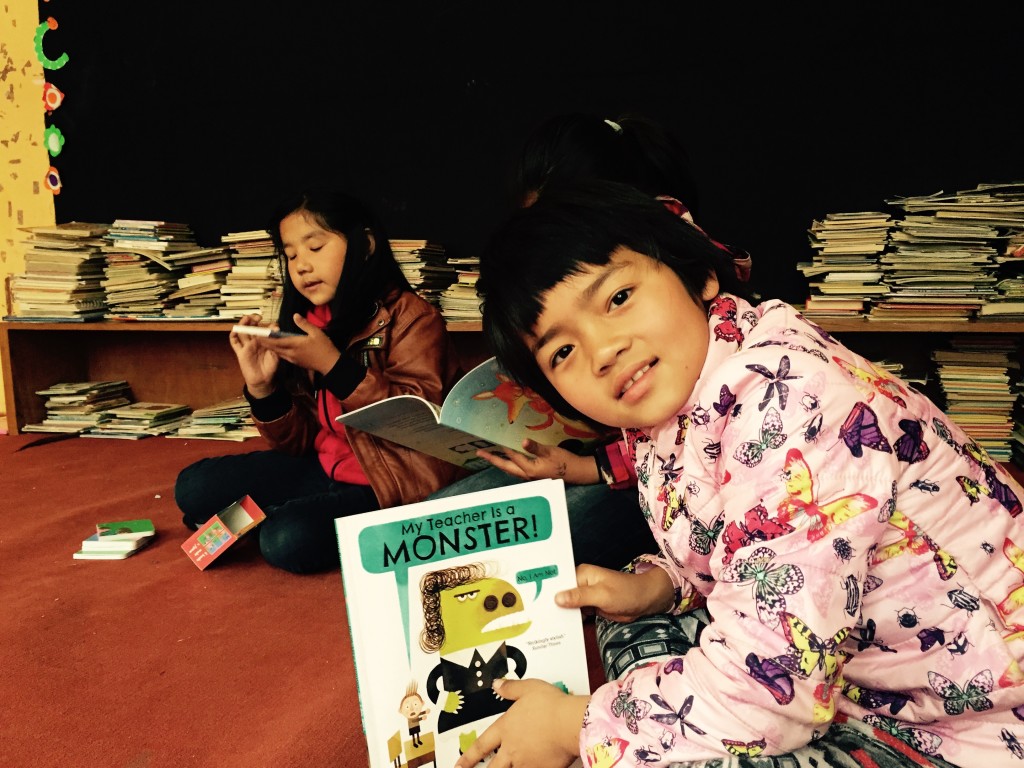
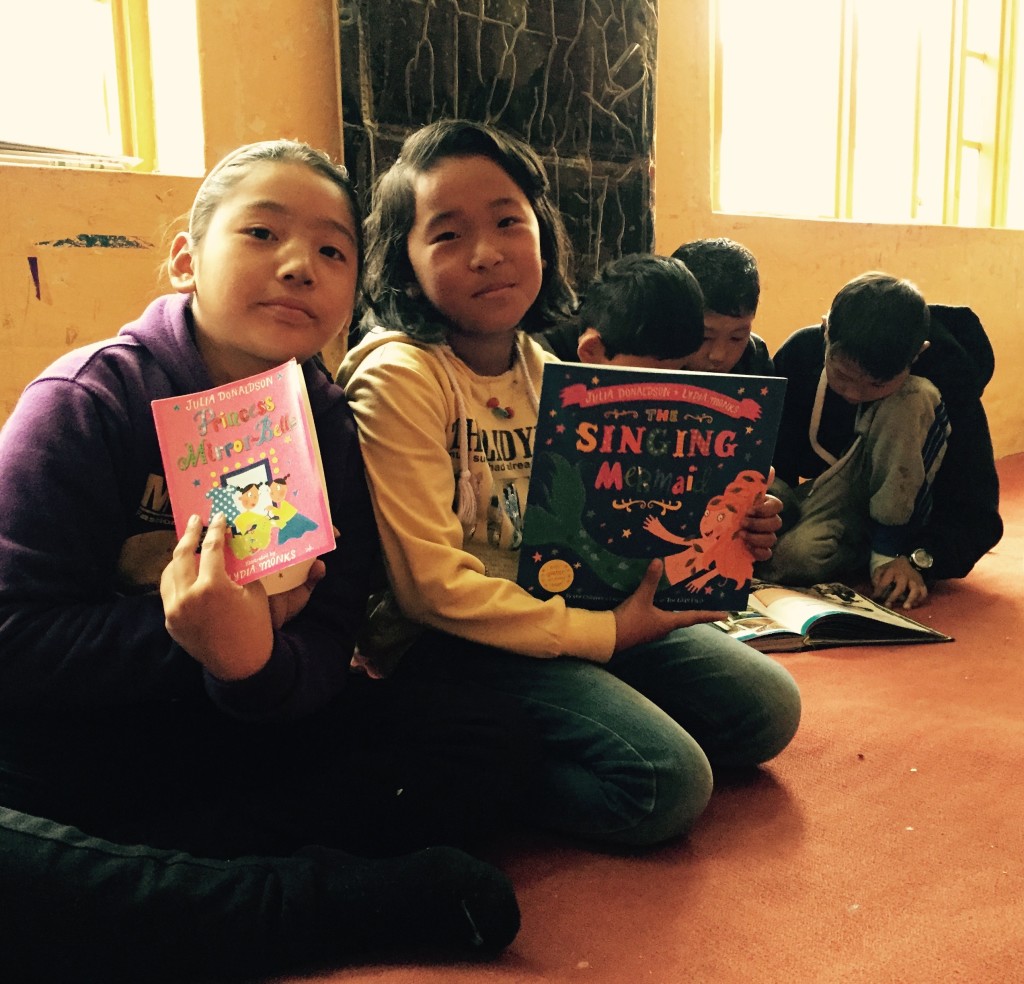
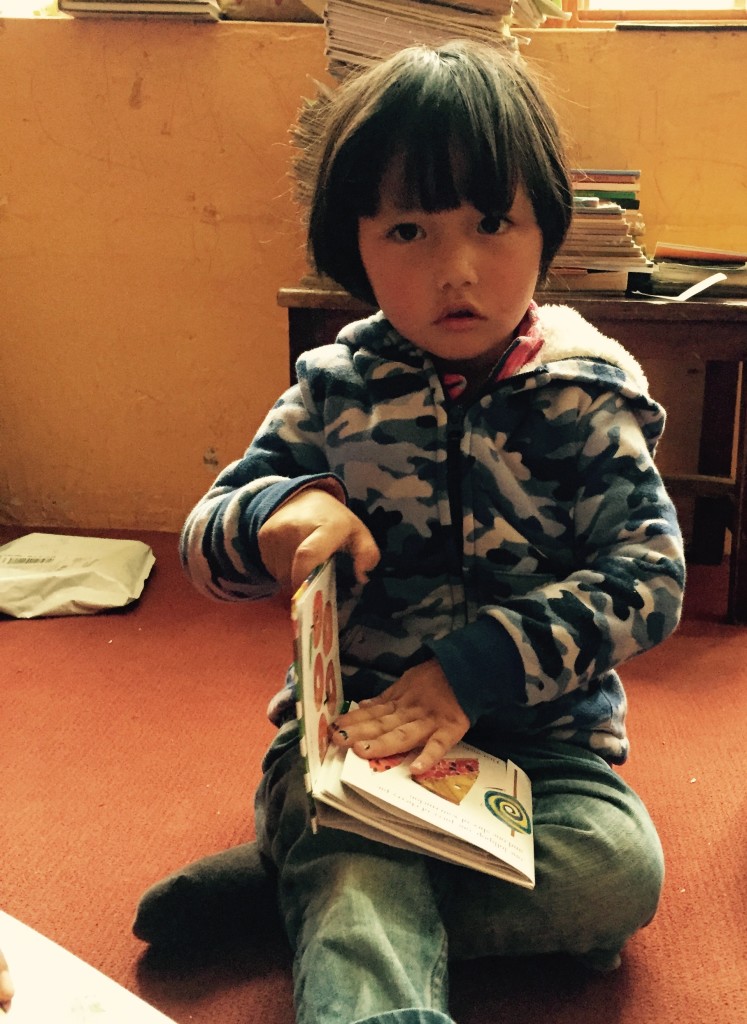
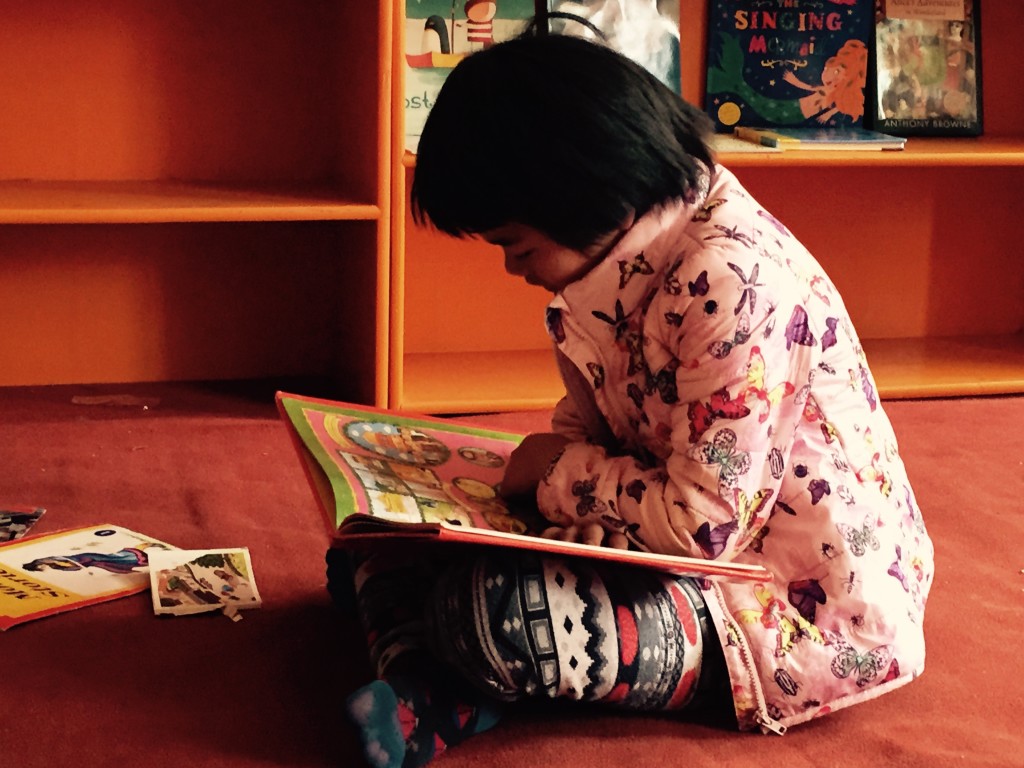
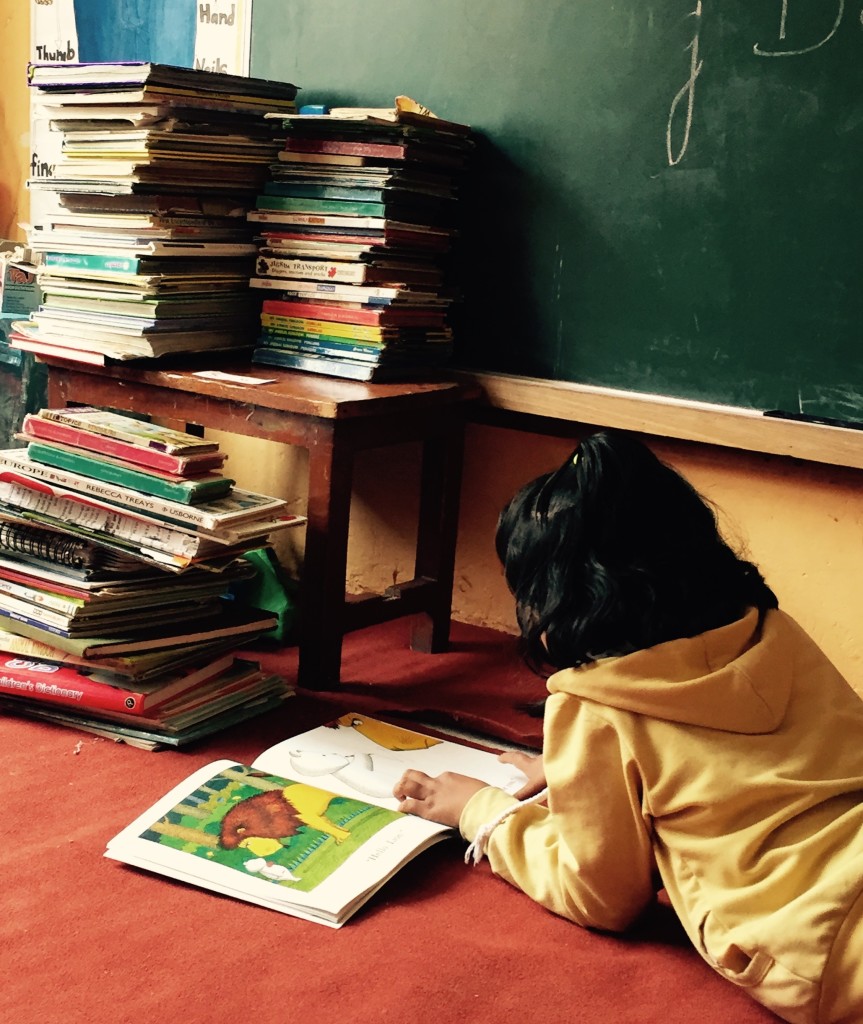
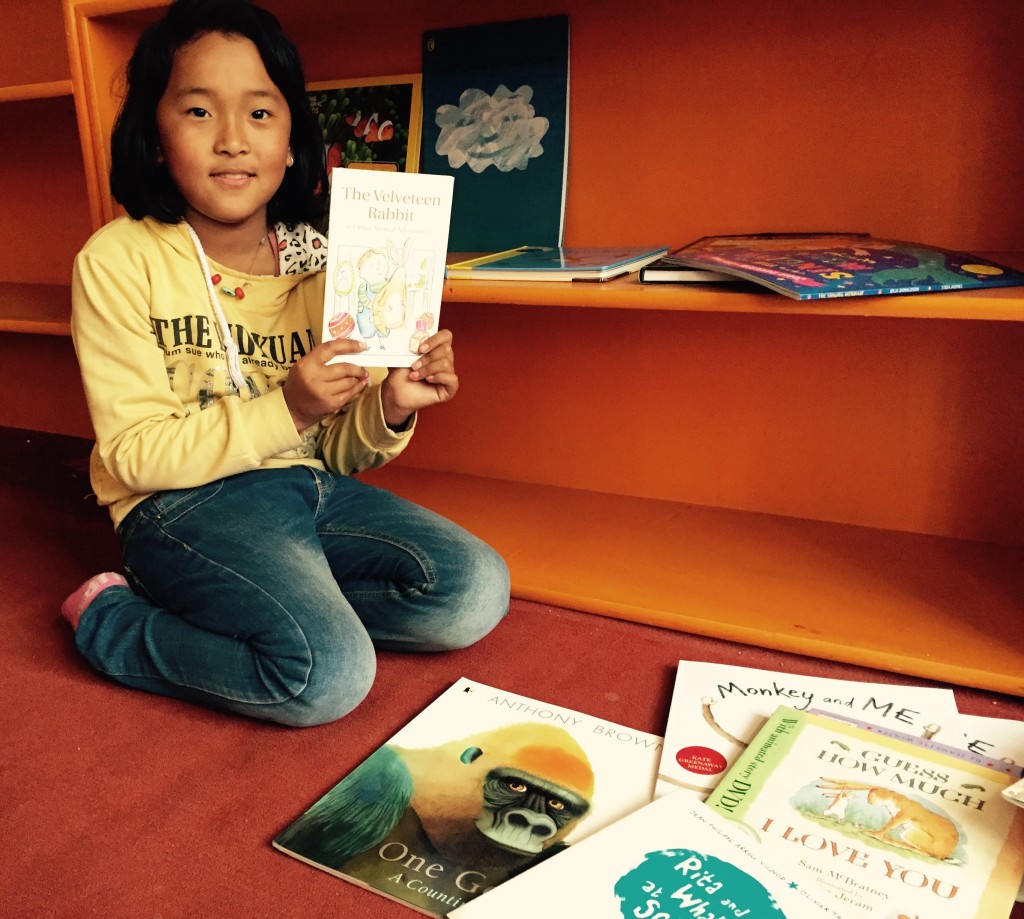
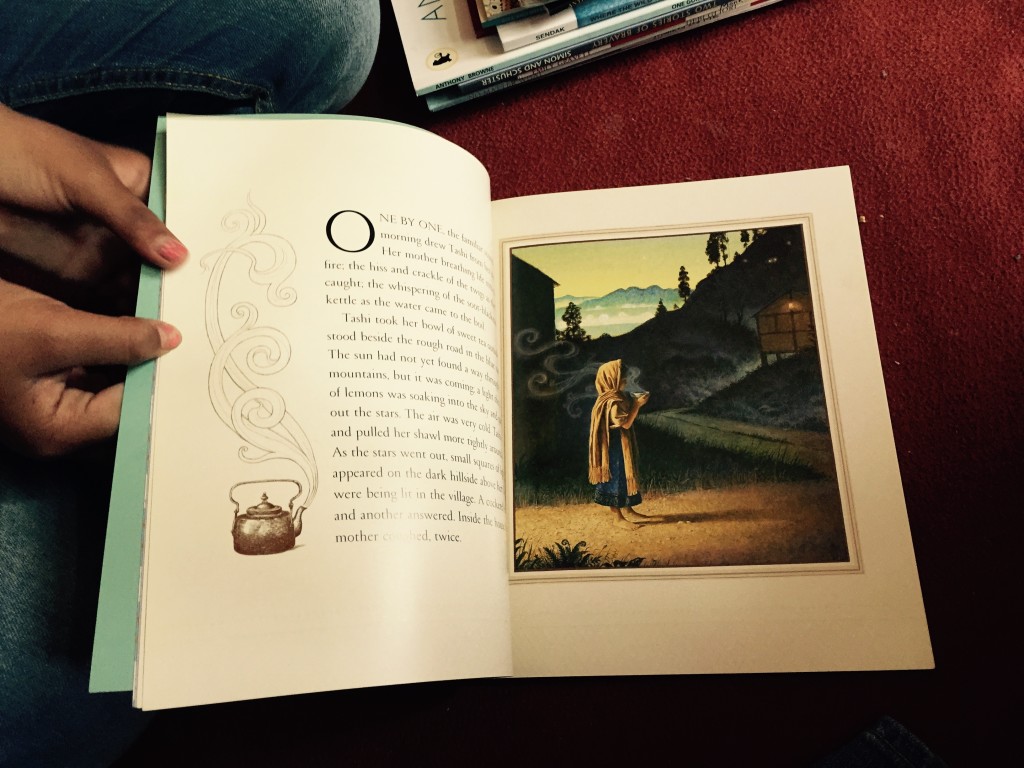
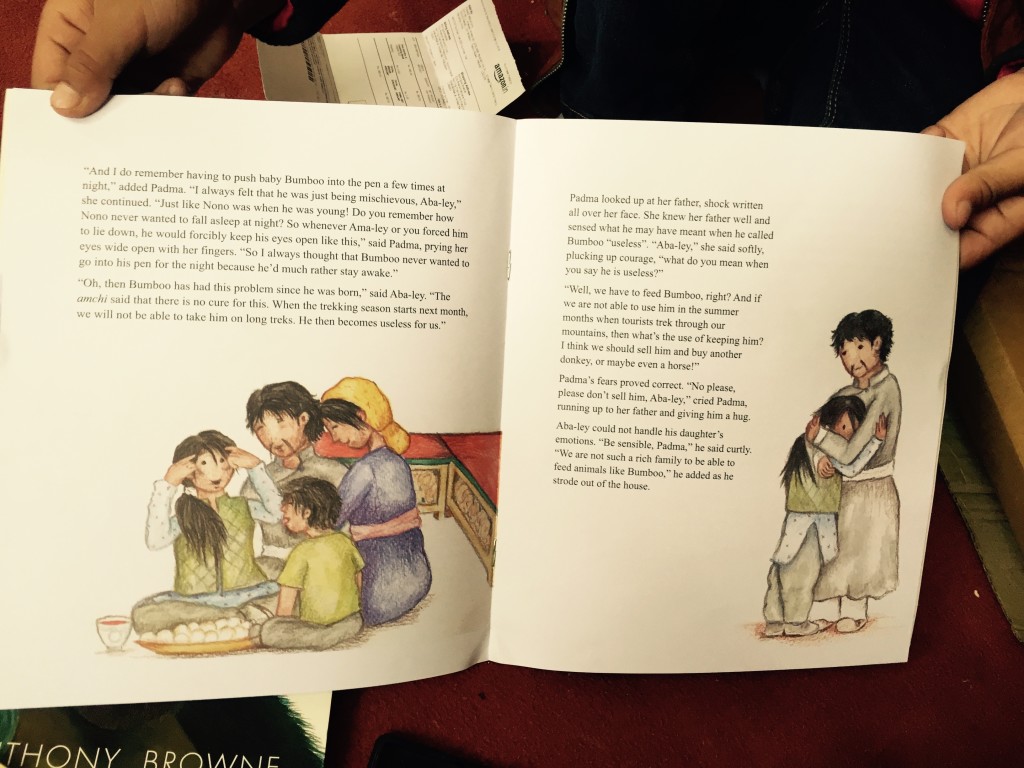
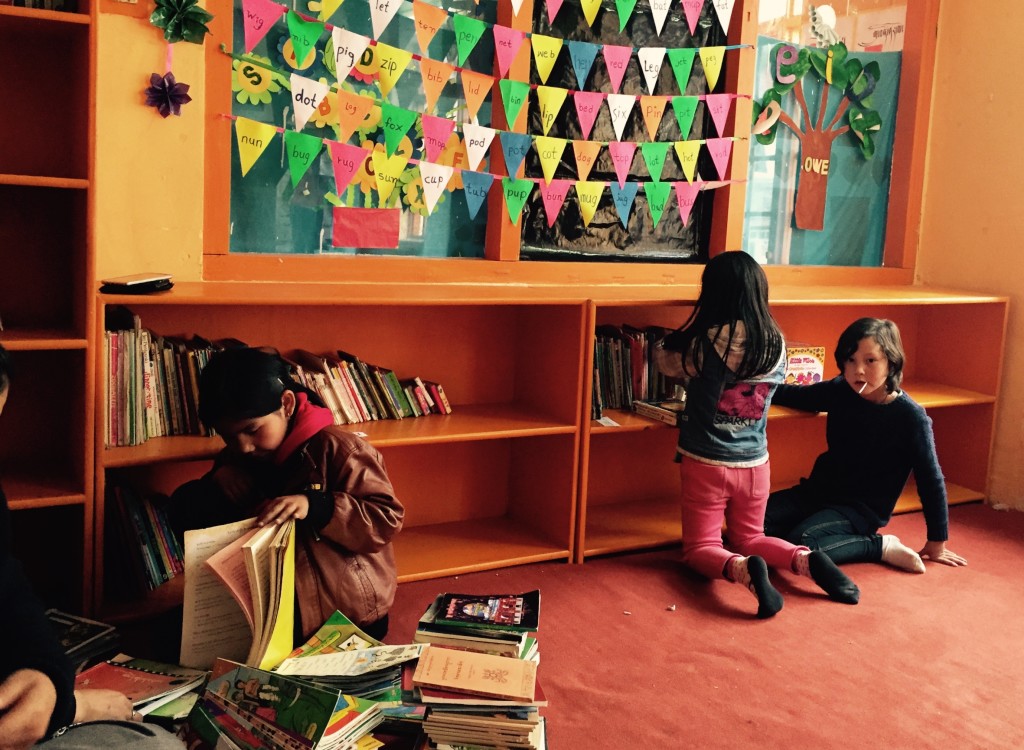
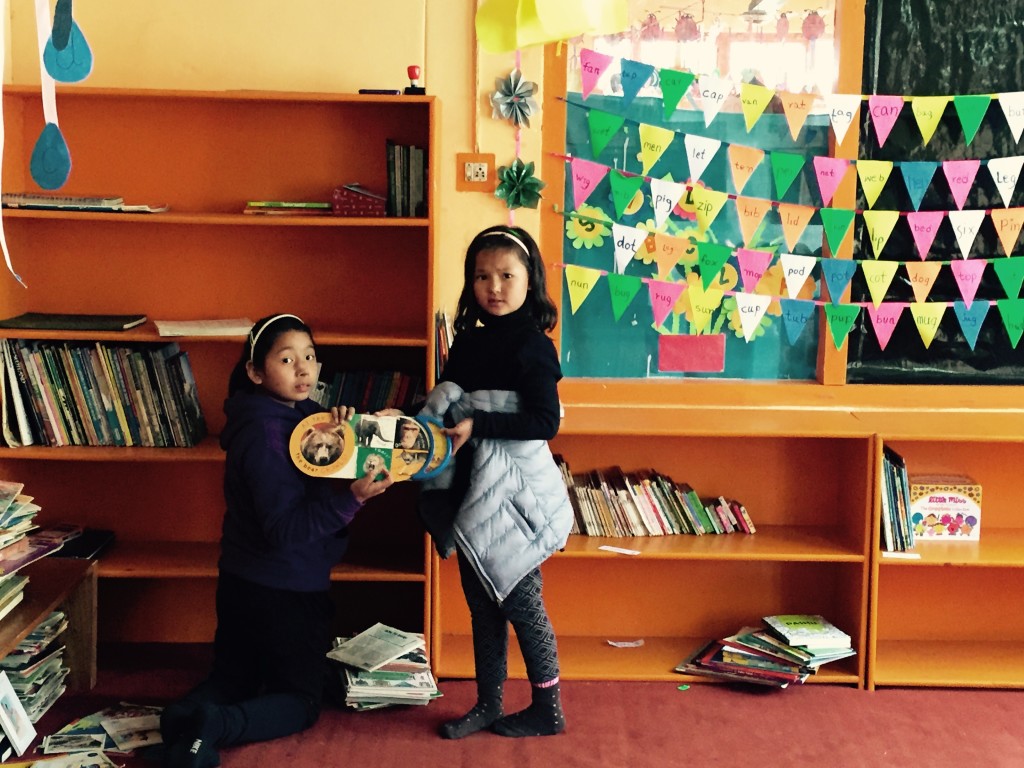
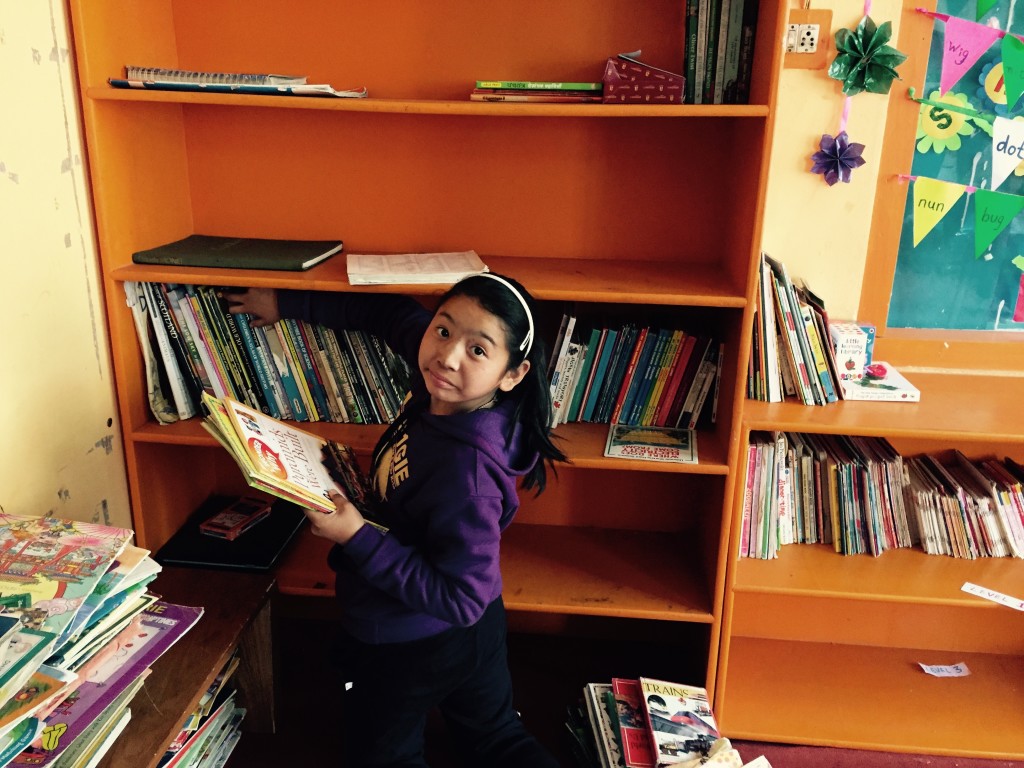
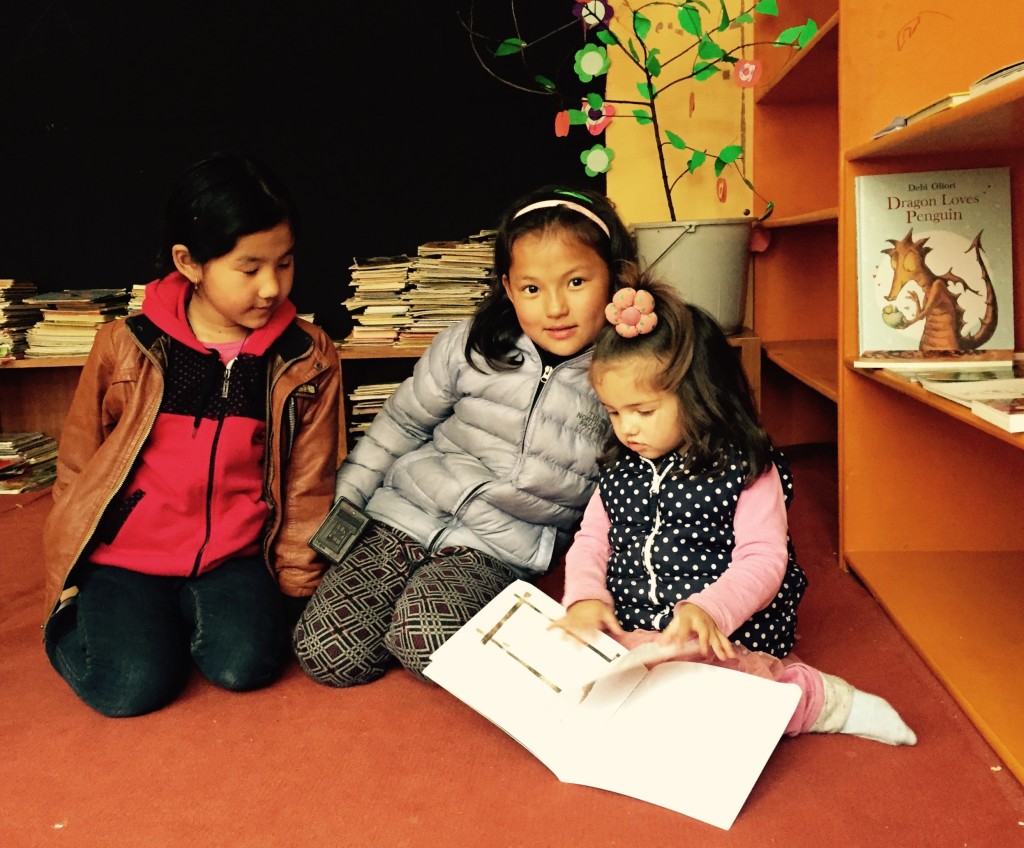
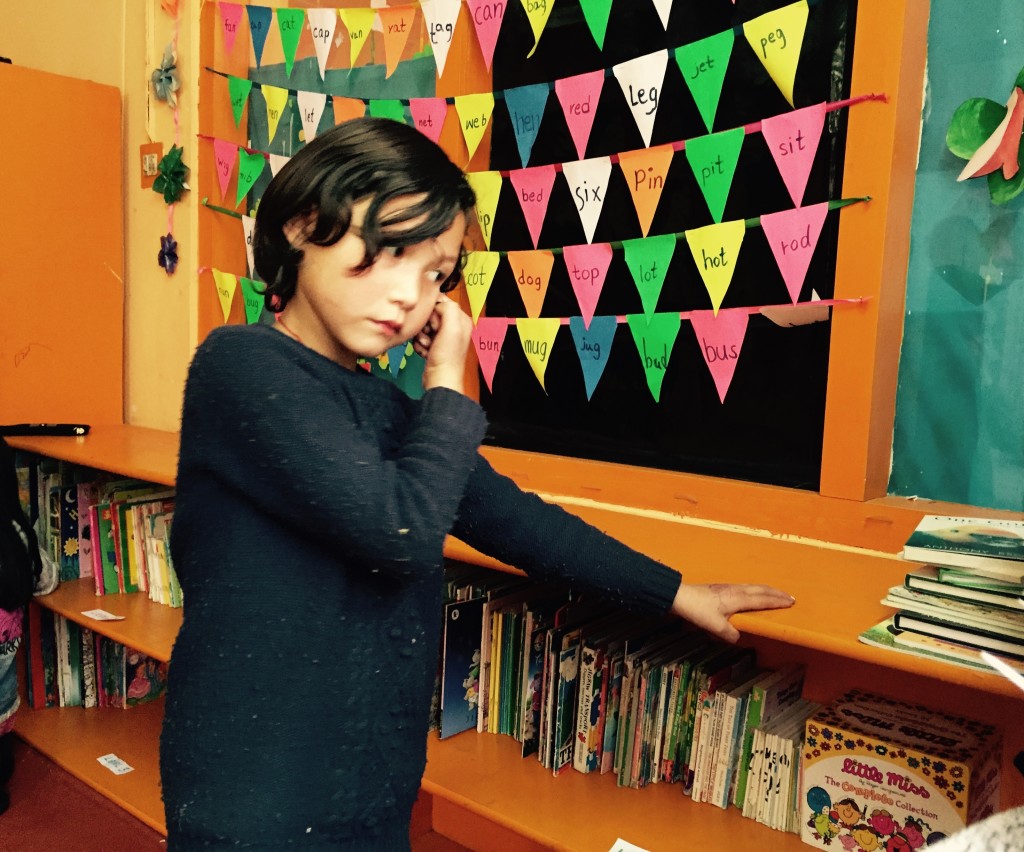
In a reading room, a book can become a shared object of discovery. Children who speak different languages or have different levels of confidence can still respond to pictures, characters, and stories. Margaret used read-aloud sessions, quiet browsing, and informal conversations to help children feel comfortable around books.
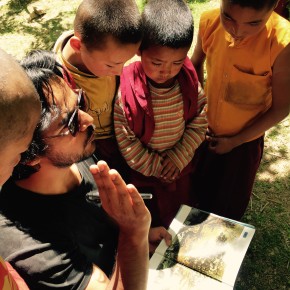
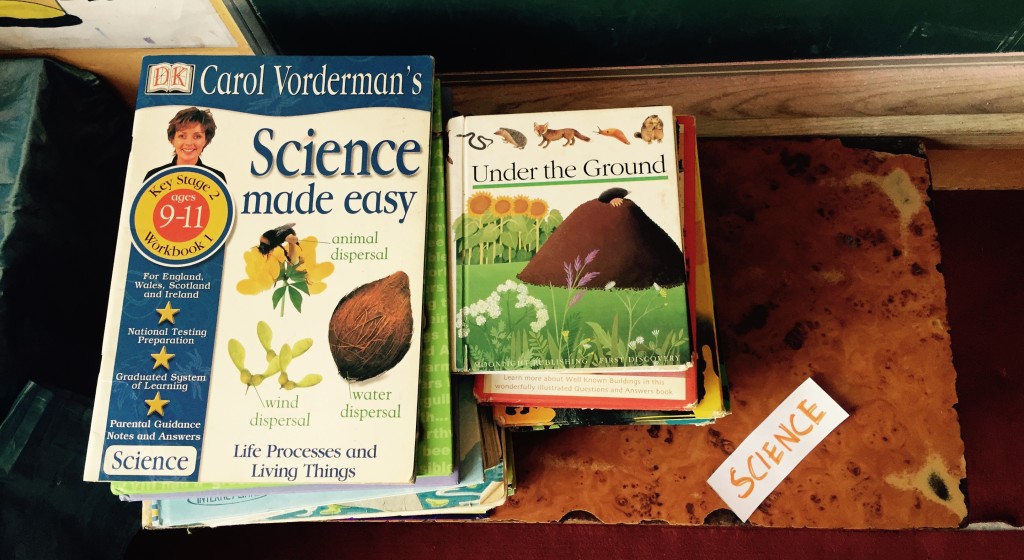
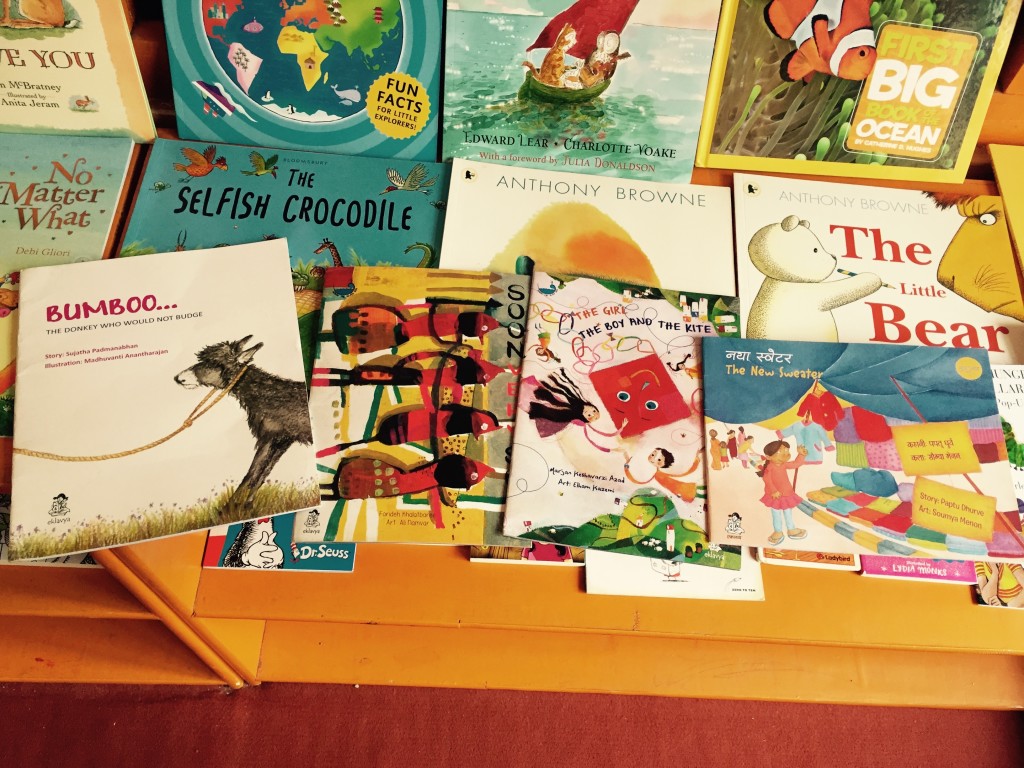
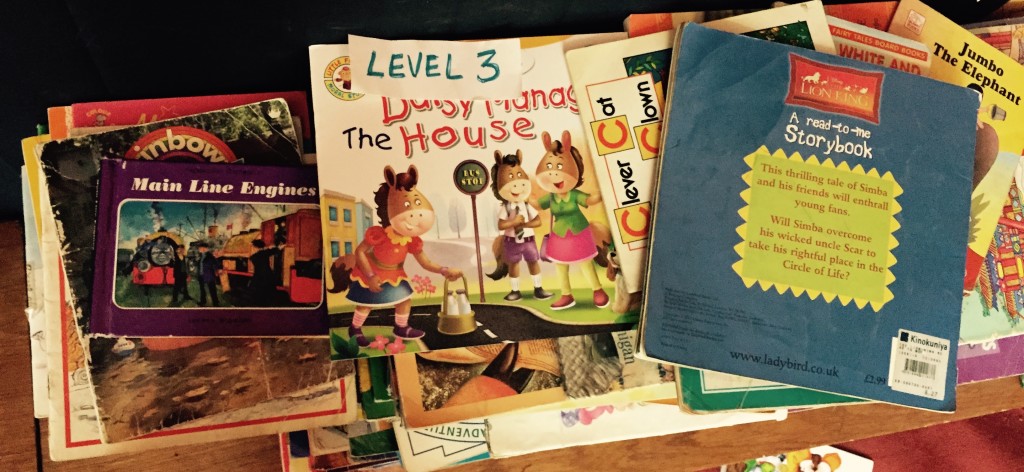
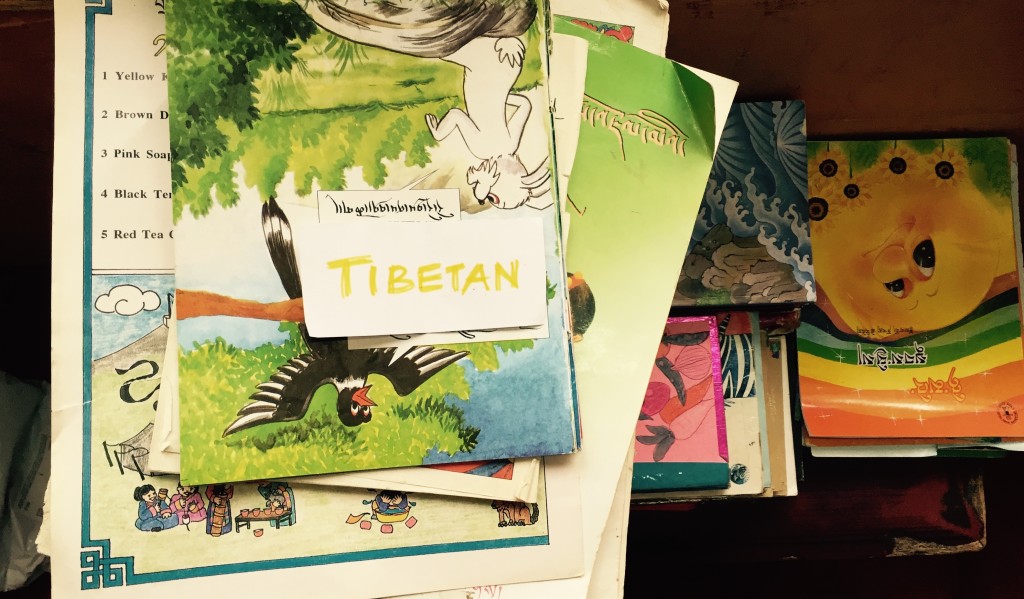
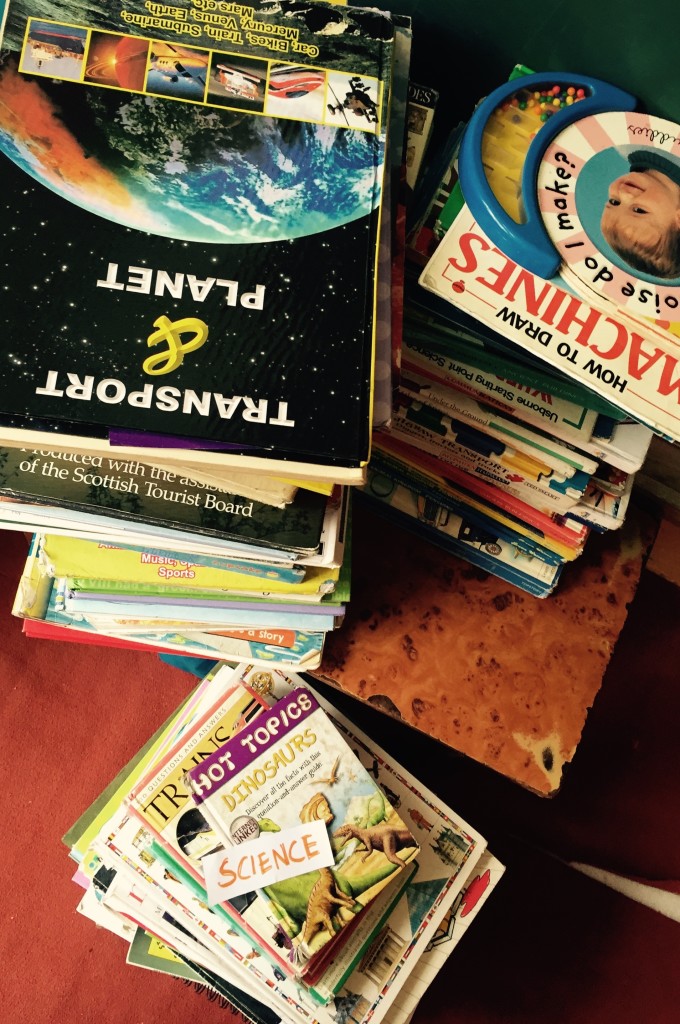
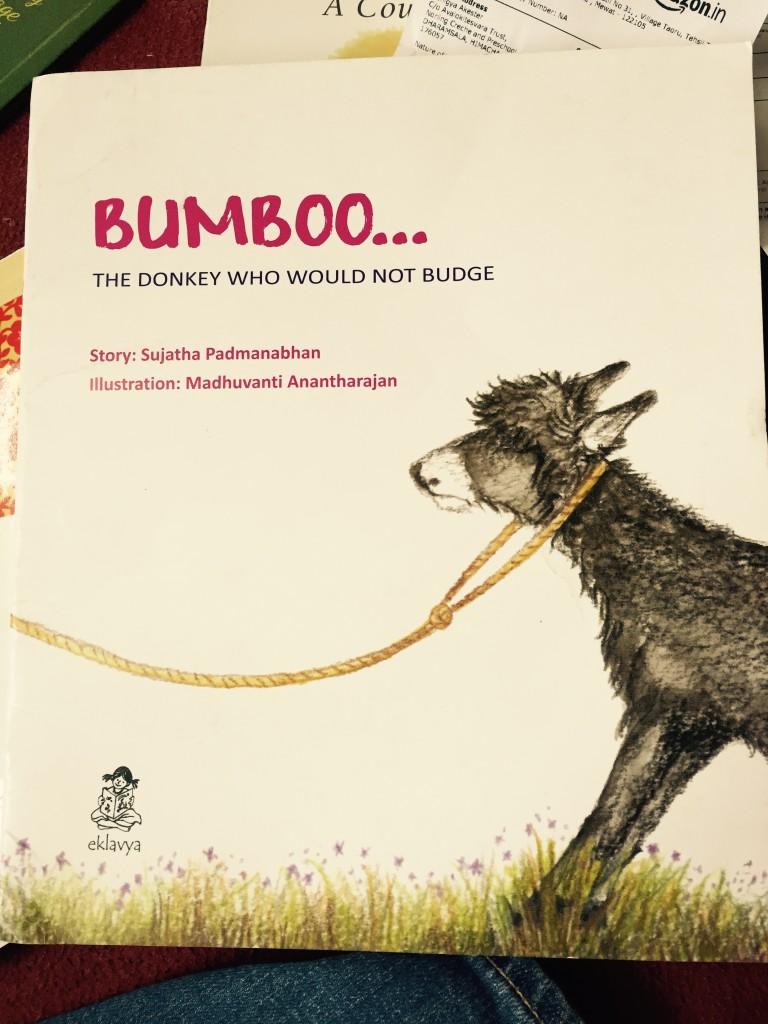
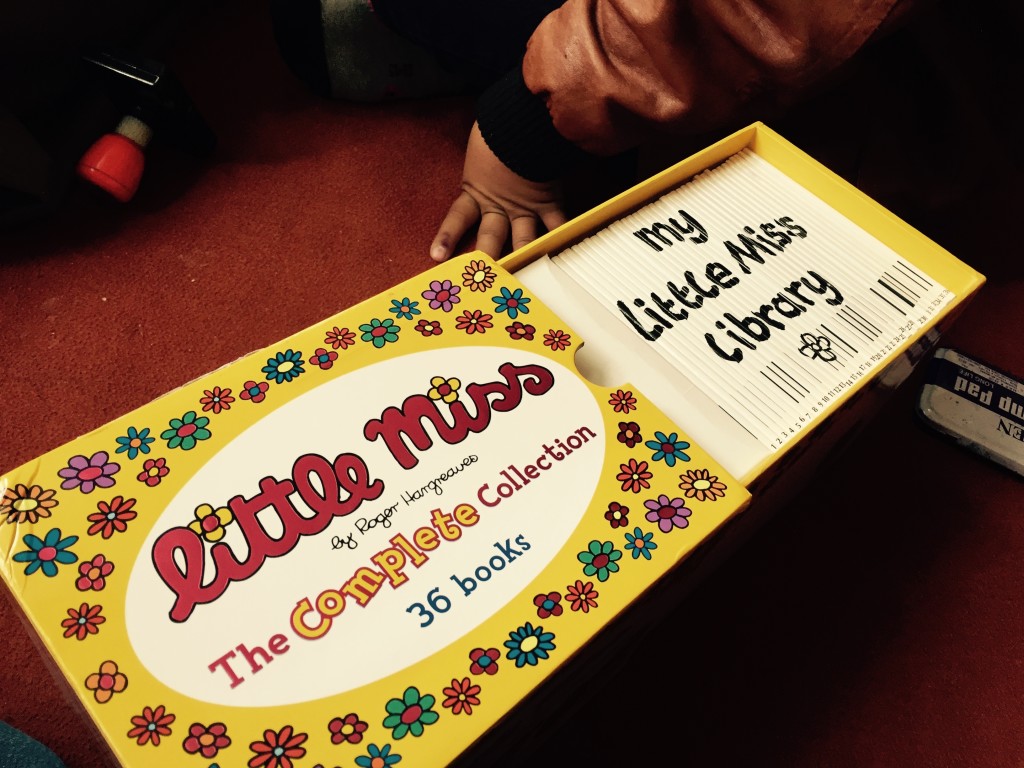
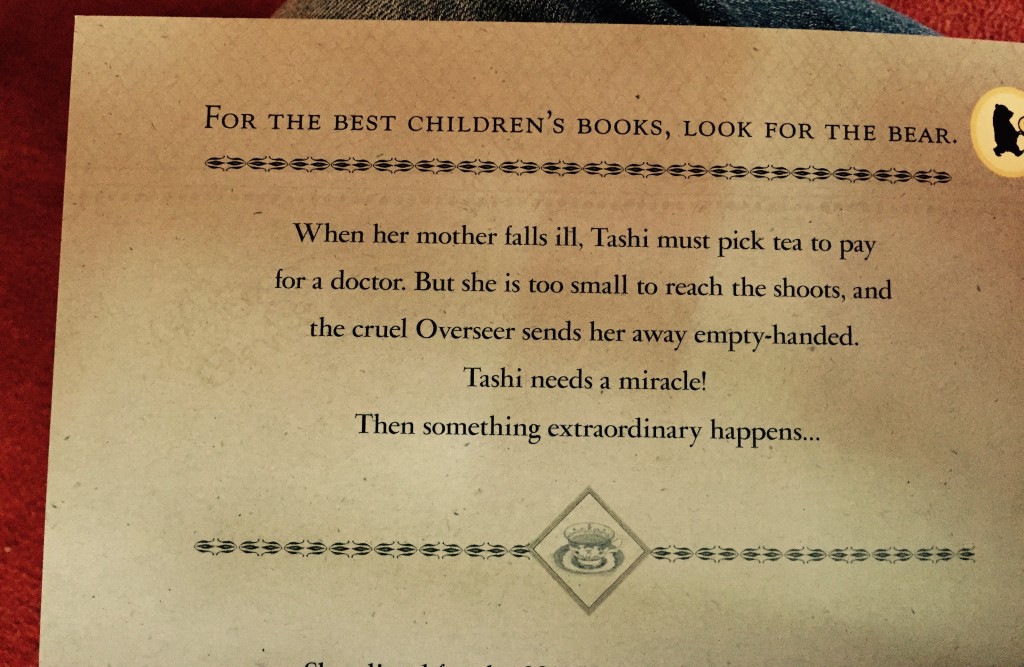
She quickly noticed that some children preferred illustrated stories while others were fascinated by atlases, science books, or tales connected to distant places. Giving children permission to choose was important. It made reading feel less like an assignment and more like an invitation.
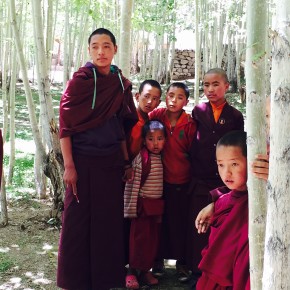
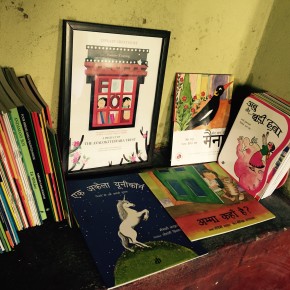
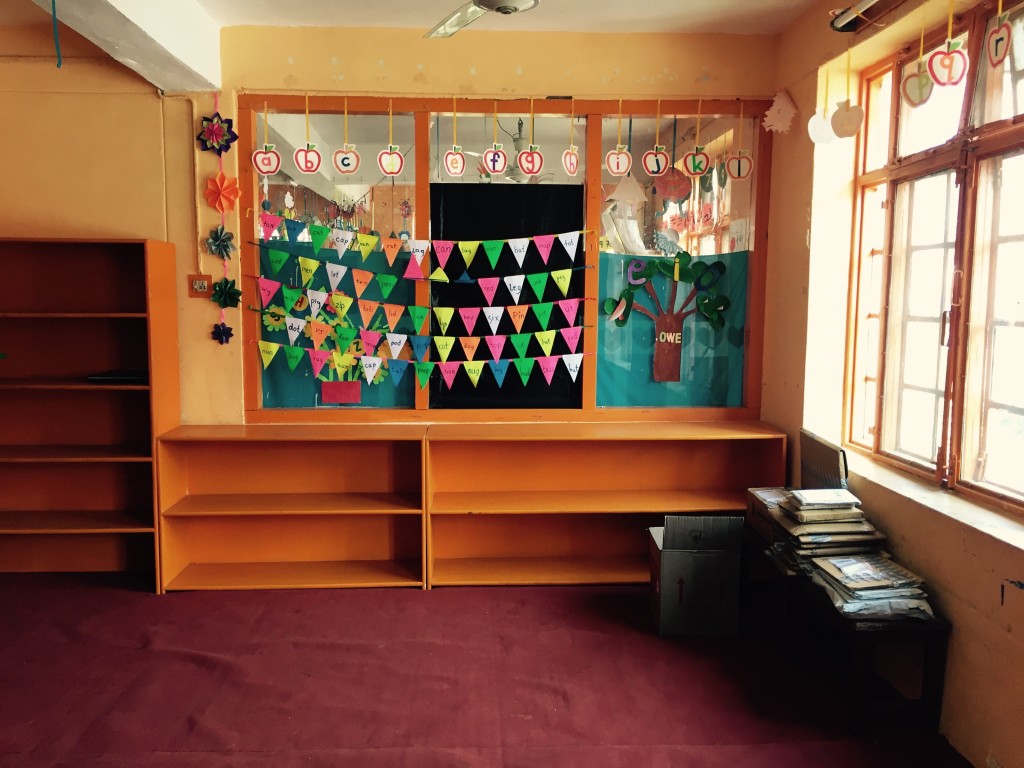
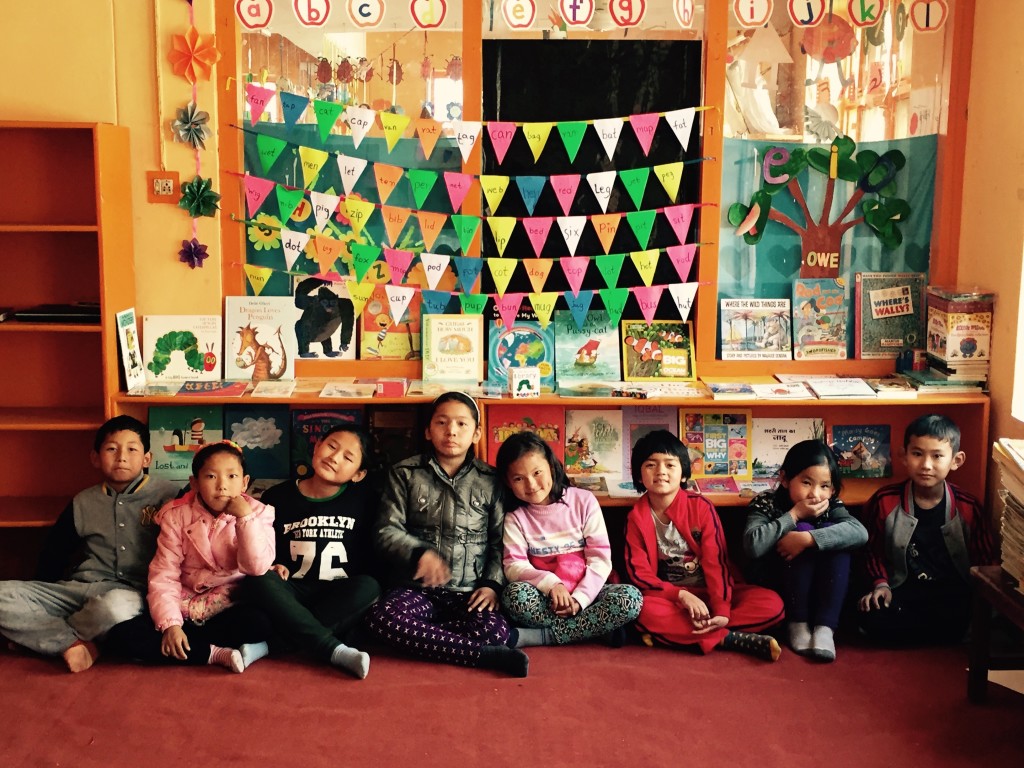
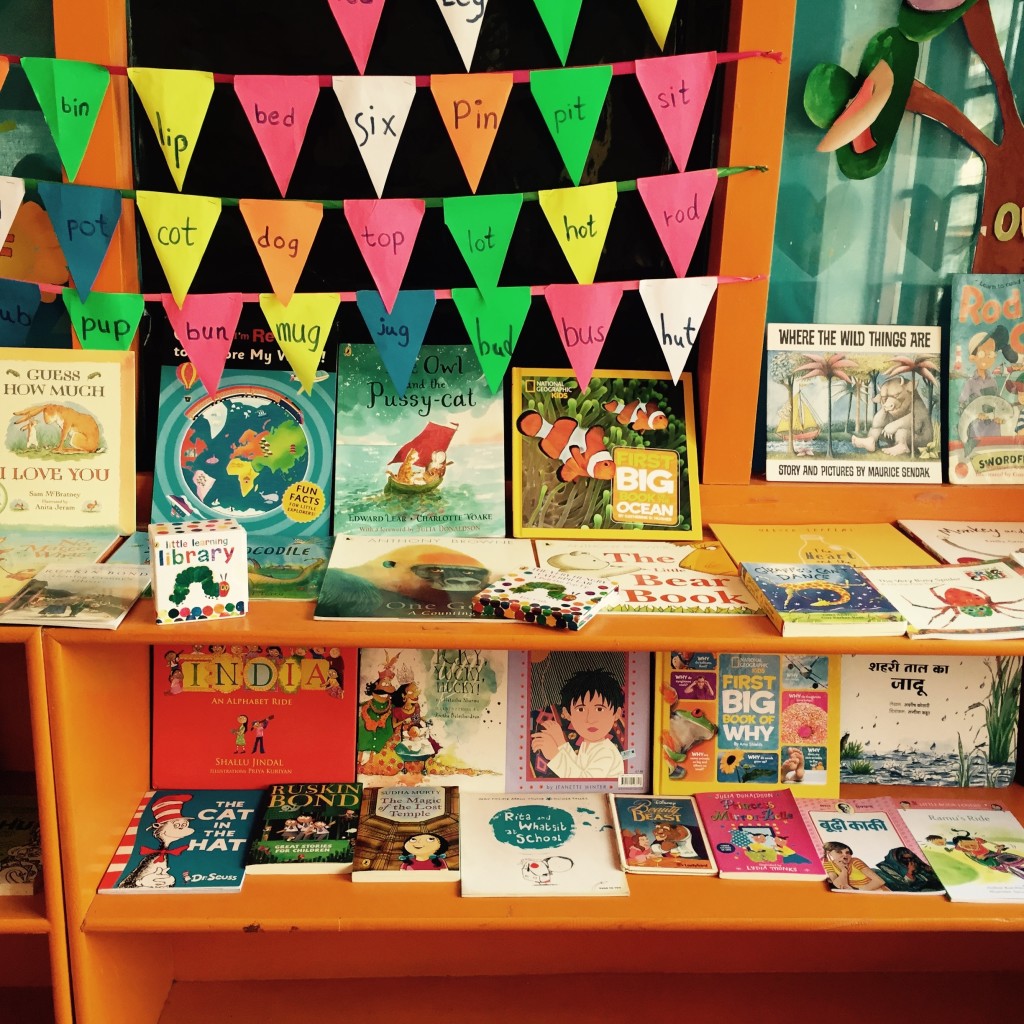
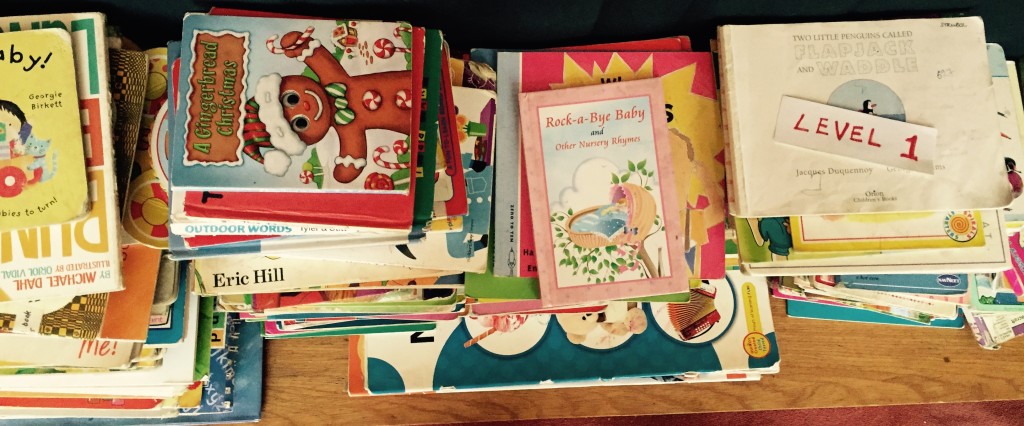
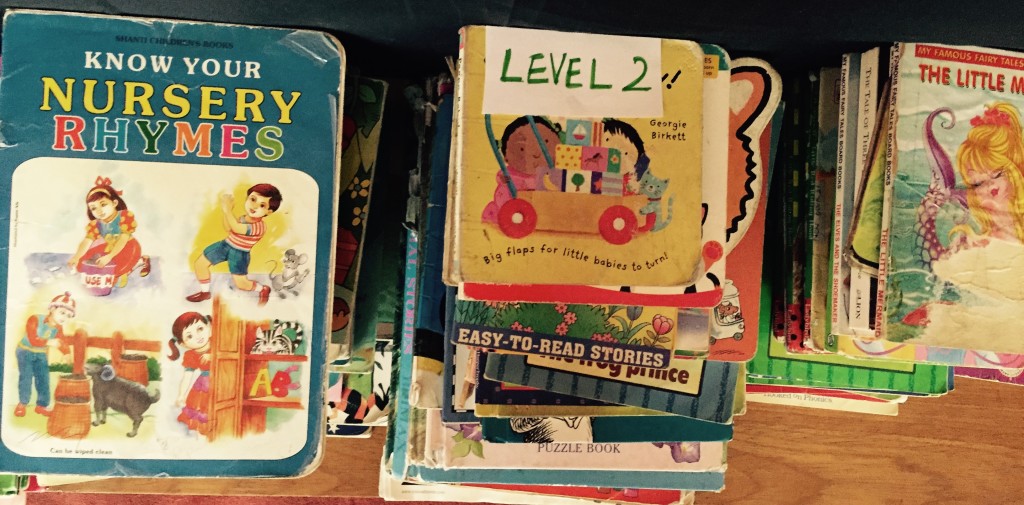
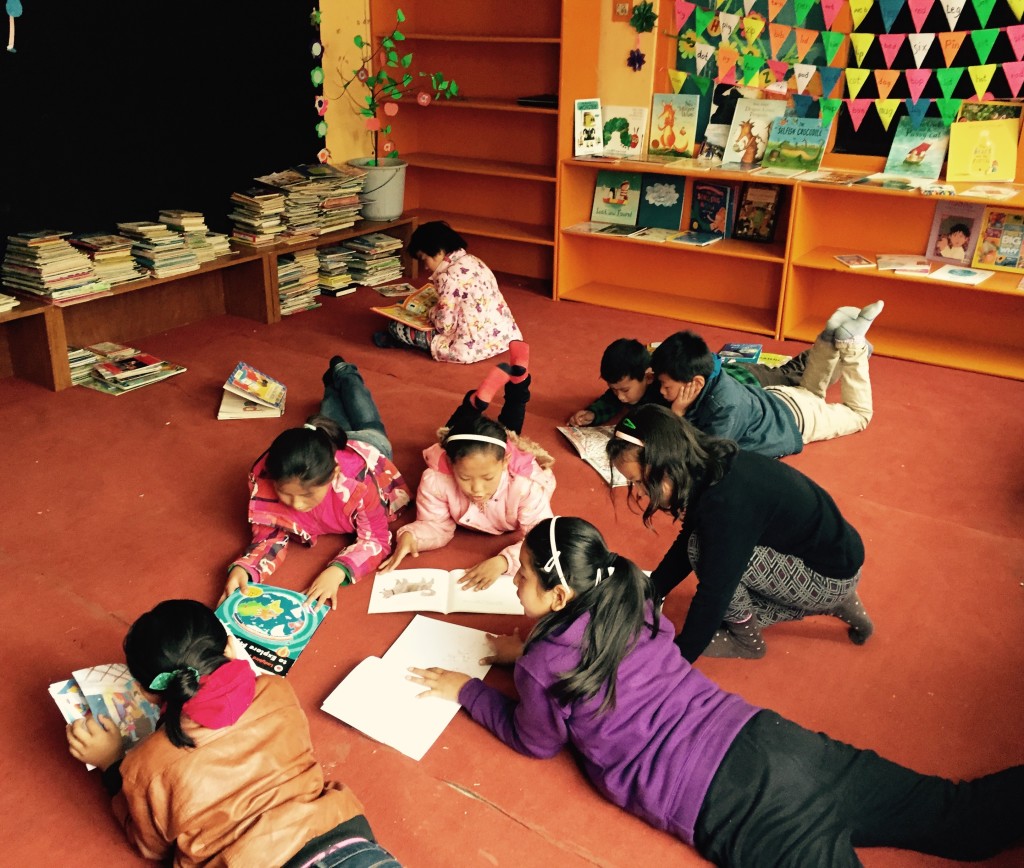
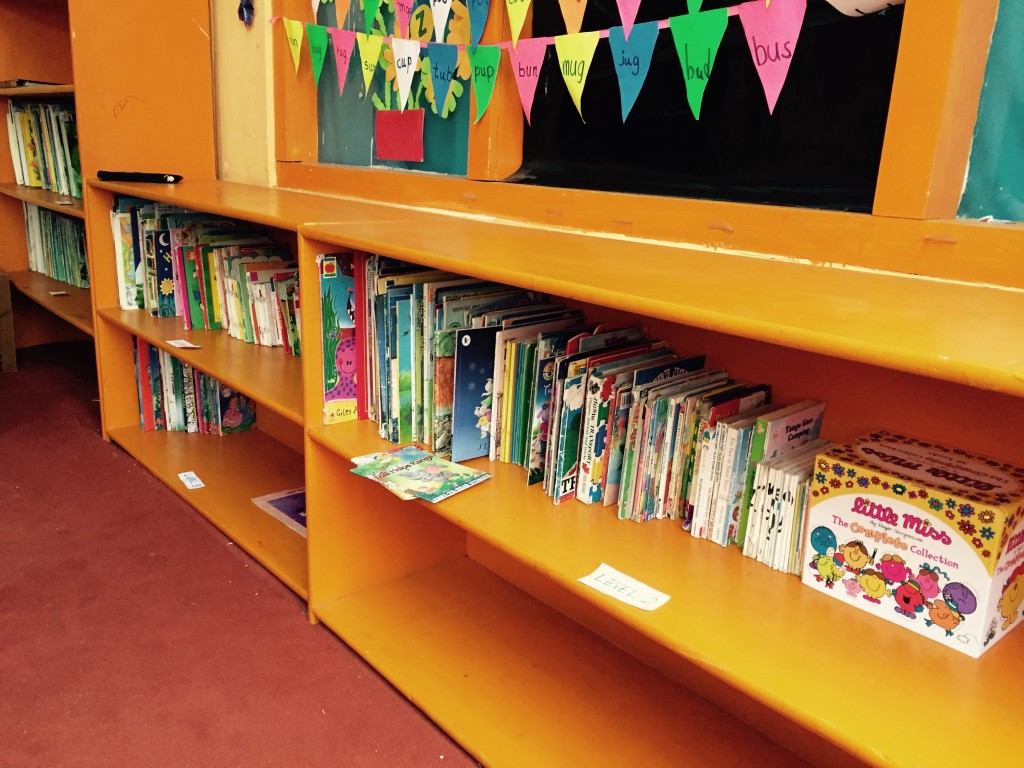
Her work connected with the Trust’s broader commitment to creating accessible, welcoming spaces for children and young monks. The Stok reading room shows how thoughtful community support can turn an empty space into a place for study, imagination, and shared activity. Margaret saw the same principle in Leh: a carefully arranged shelf and a friendly adult can change how a child approaches learning.
Teaching without taking over
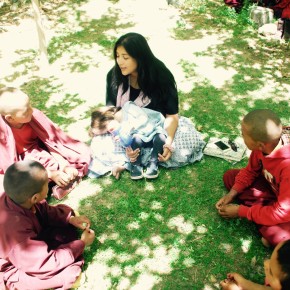
A visiting volunteer may have useful skills, but local knowledge must guide the work. Margaret understood this from her first week. She asked coordinators which activities suited each group, checked how materials could be used after her departure, and adapted her approach when a planned exercise did not connect.
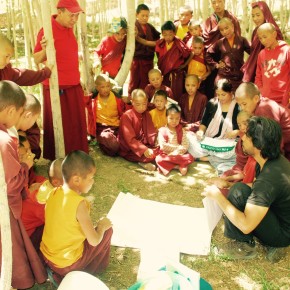
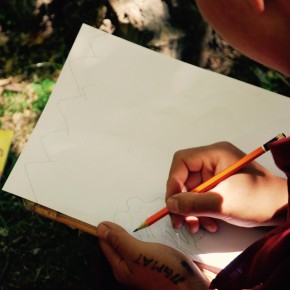
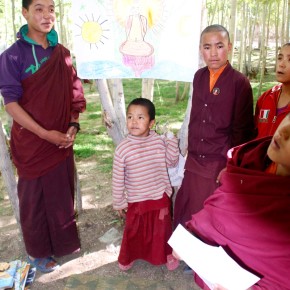
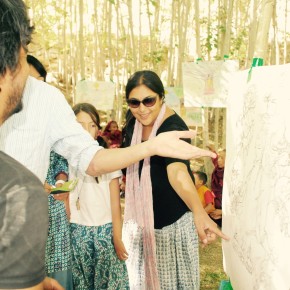
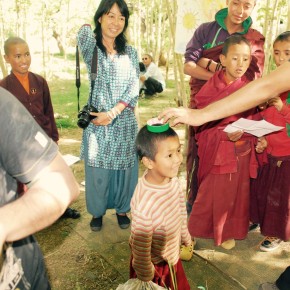
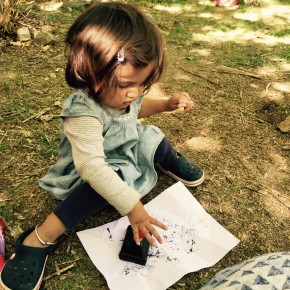
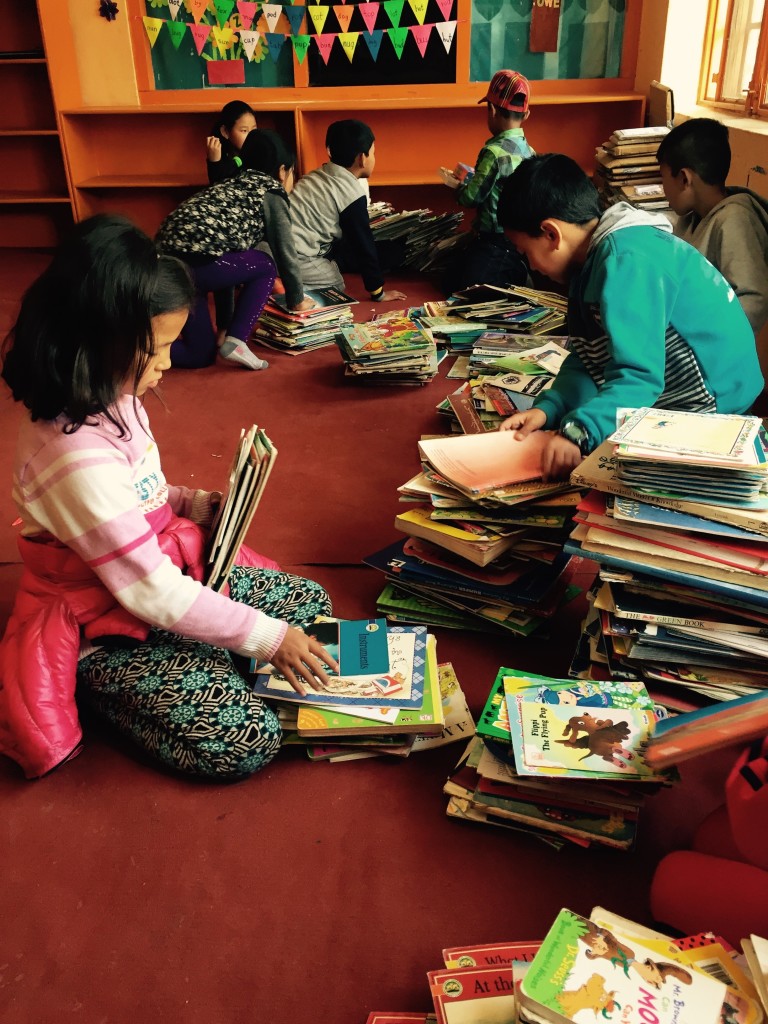
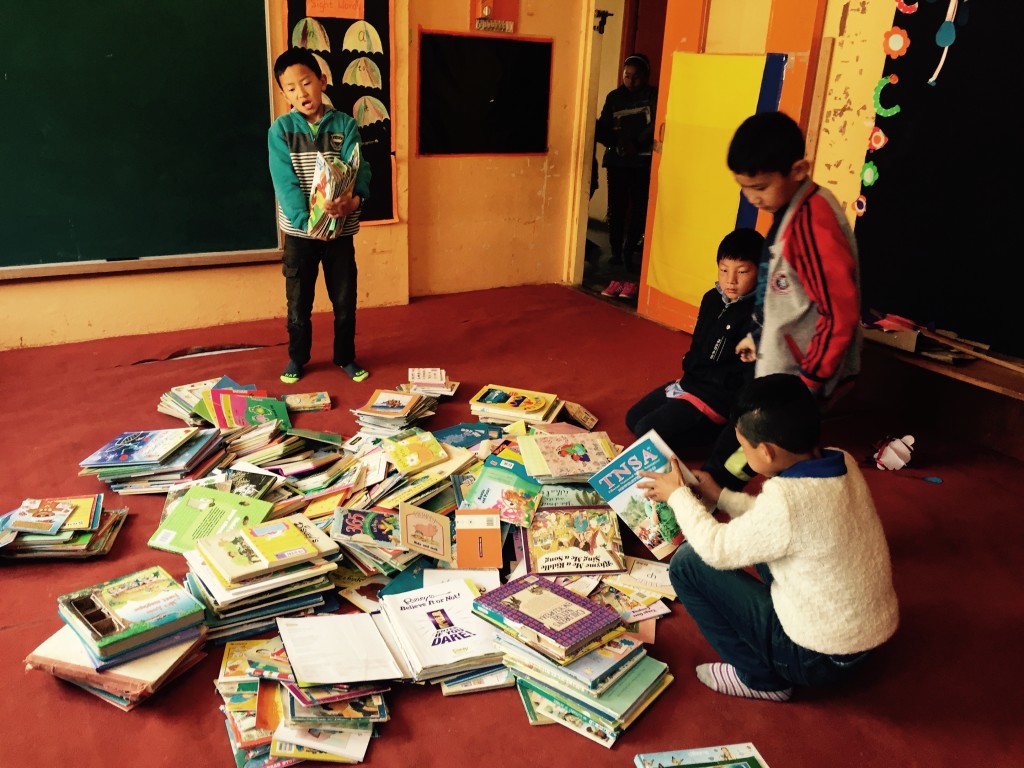
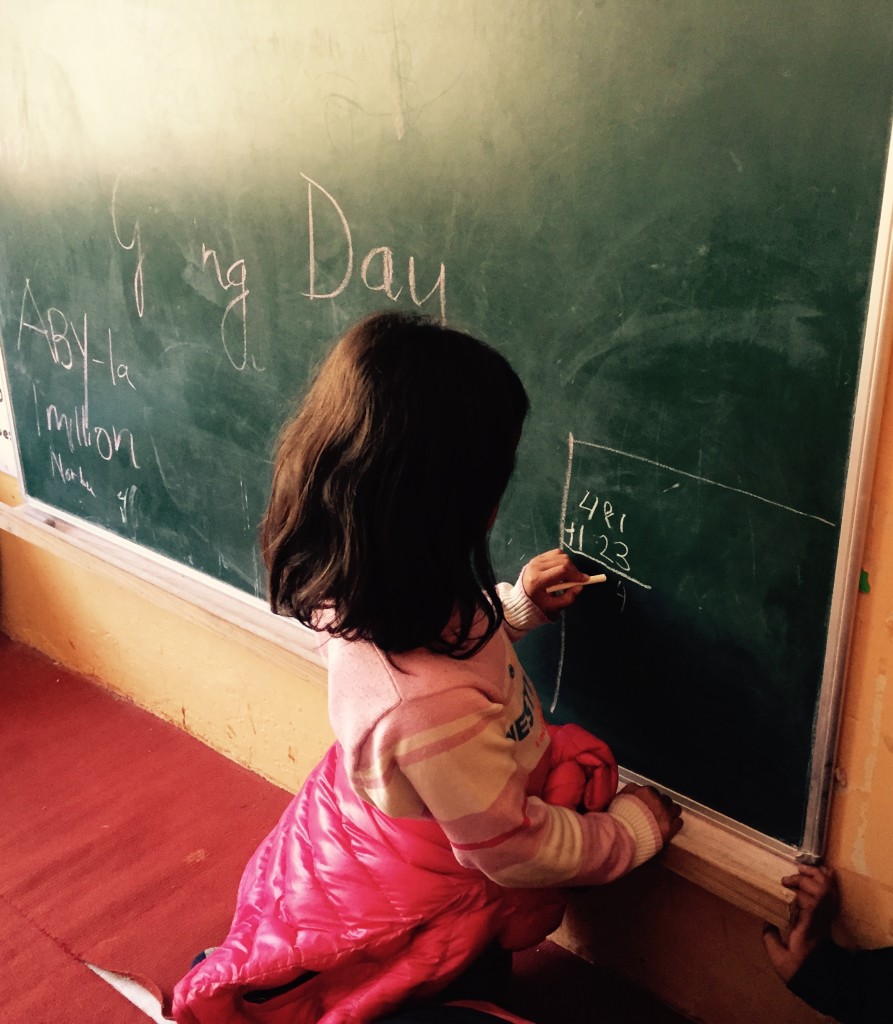
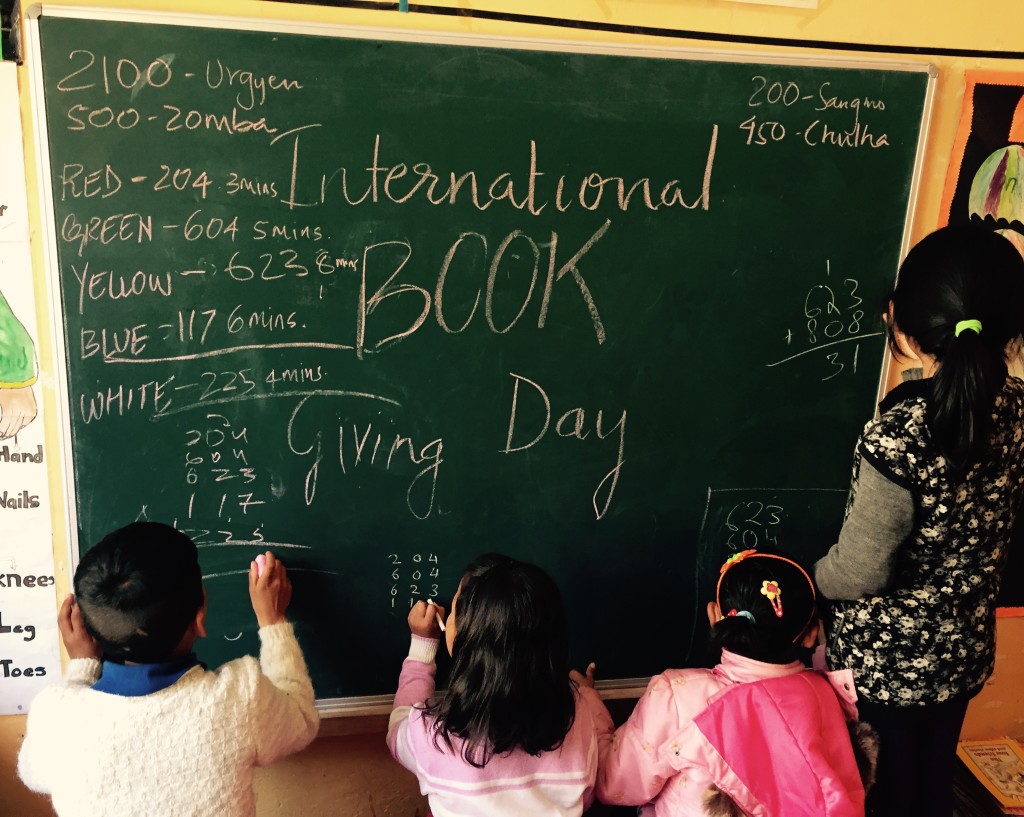
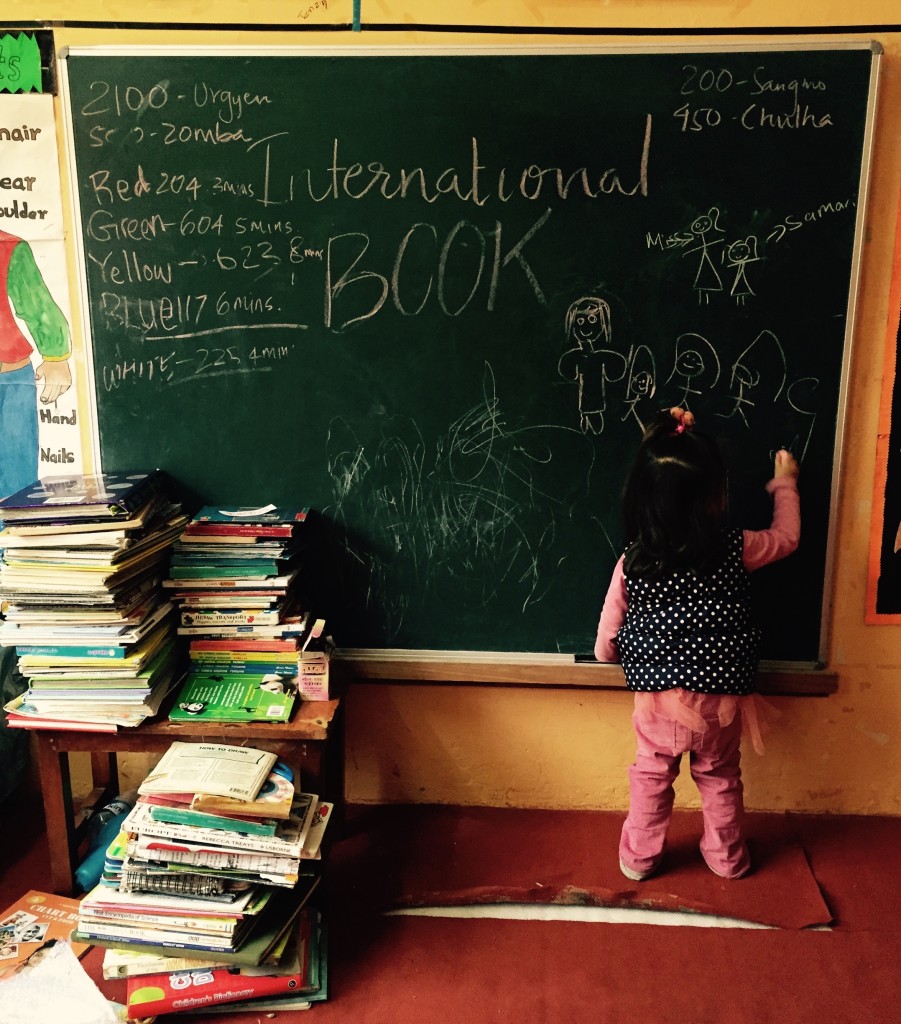
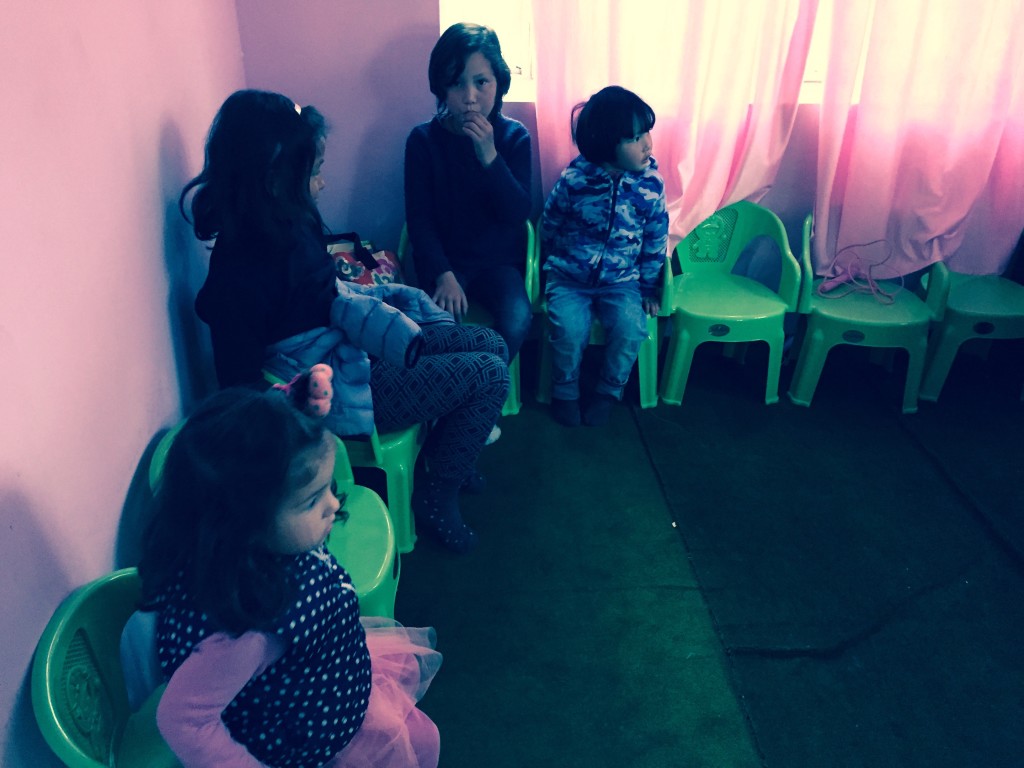
Instead of leading every session, she often worked in pairs or small groups. One child might read a short passage aloud while another drew a scene from the story. A third could explain the picture to the group. These activities supported literacy, speaking skills, listening, and creative expression without turning the reading room into a conventional classroom.
Her experience helped her recognize moments when a child needed encouragement rather than correction. A hesitant reader could begin with a single sentence. A lively group could channel its energy into a comic strip or storytelling game. Small adjustments made participation easier for children with different personalities and learning styles.
| Area of support |
What Margaret contributed |
Benefit for the community |
| Reading activities |
Read-aloud sessions, book selection, and story discussions |
Greater confidence with books and spoken English |
| Creative learning |
Drawing, simple writing exercises, and visual storytelling |
More opportunities for self-expression |
| Volunteer support |
Planning, observation, and flexible classroom methods |
Practical knowledge shared with local coordinators |
| Community engagement |
Respectful conversations with children, families, and staff |
Stronger relationships around educational projects |
| Continuity |
Recommending activities that could continue after her visit |
Resources that remain useful beyond one month |
A daily rhythm in the high desert
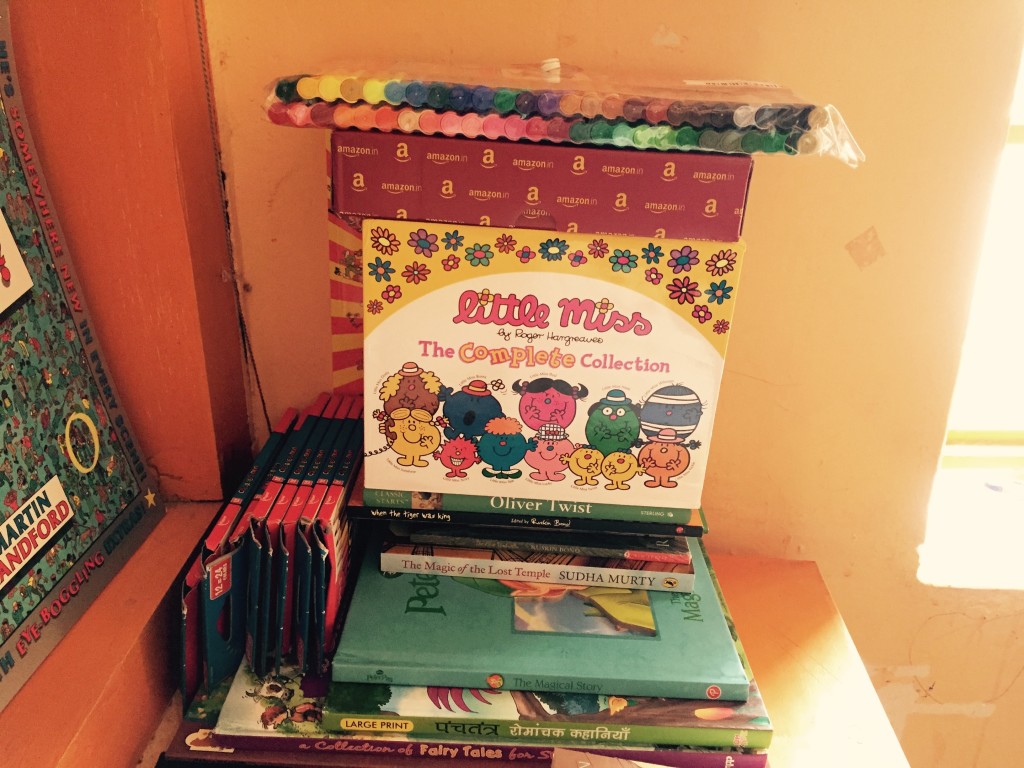
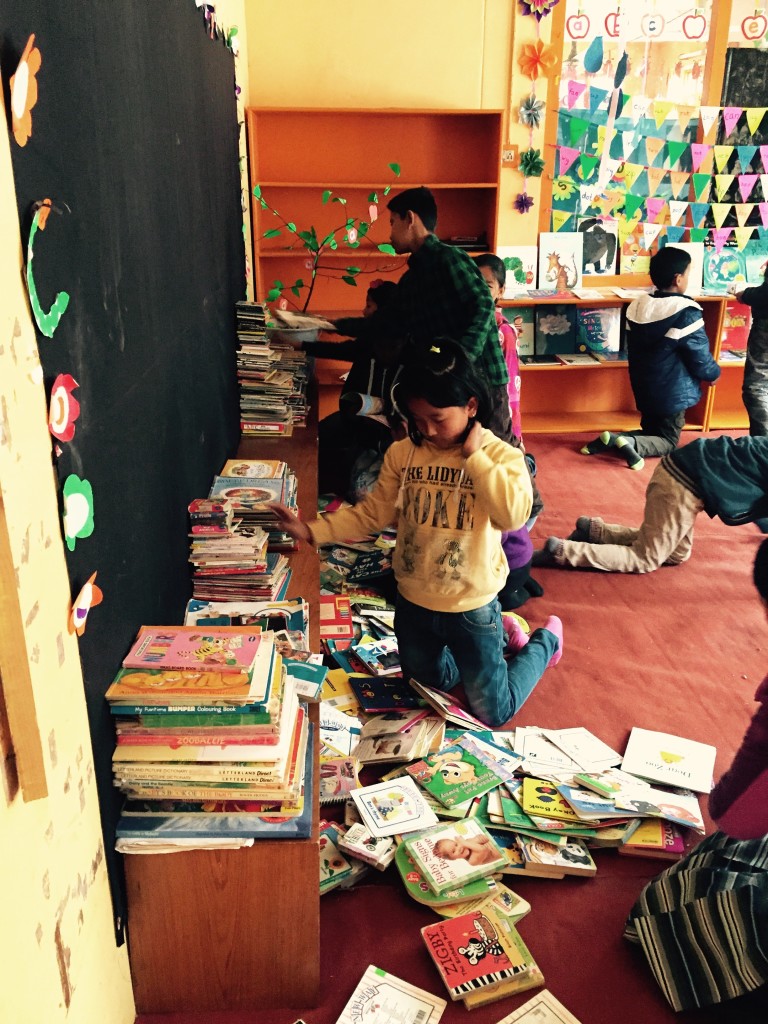
Life in Leh gave Margaret a new awareness of pace. The altitude required rest and careful planning, while weather and local schedules influenced how activities unfolded. Some days were energetic and busy; others were quieter, allowing time to sort books, prepare materials, or speak with staff about what children needed.
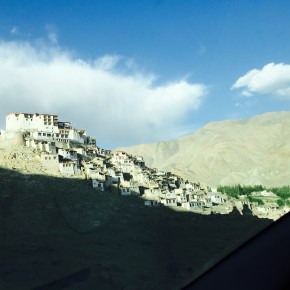
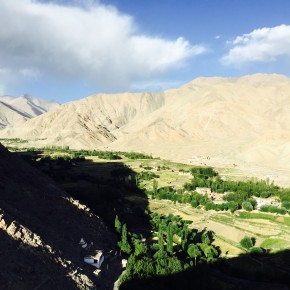
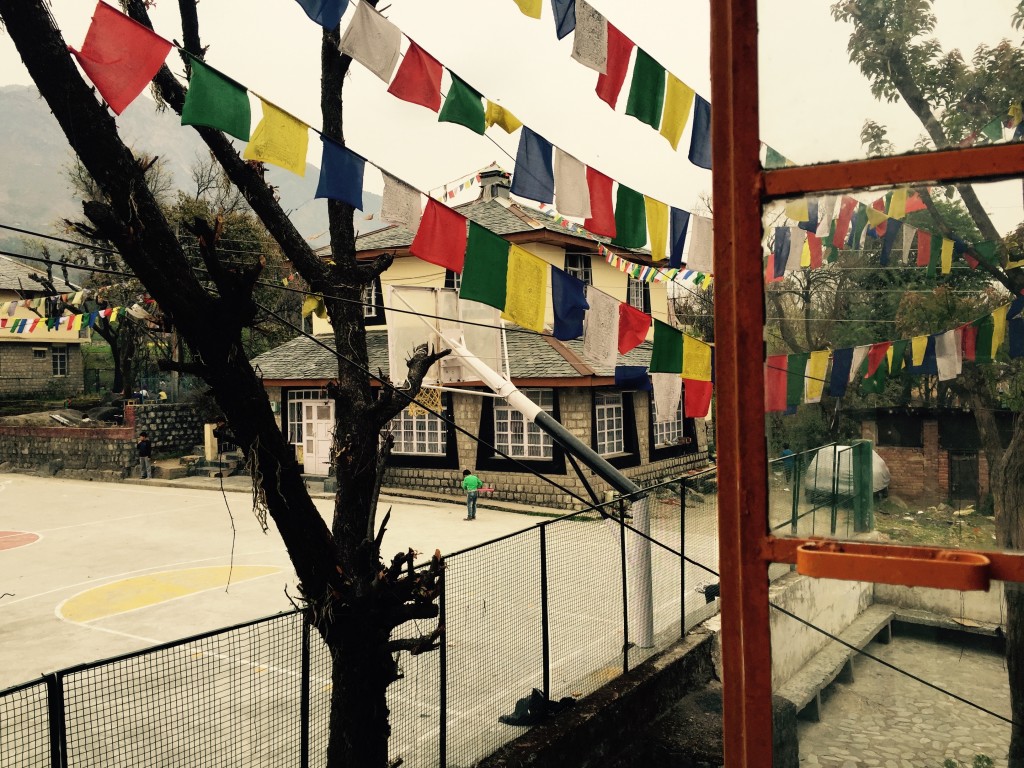
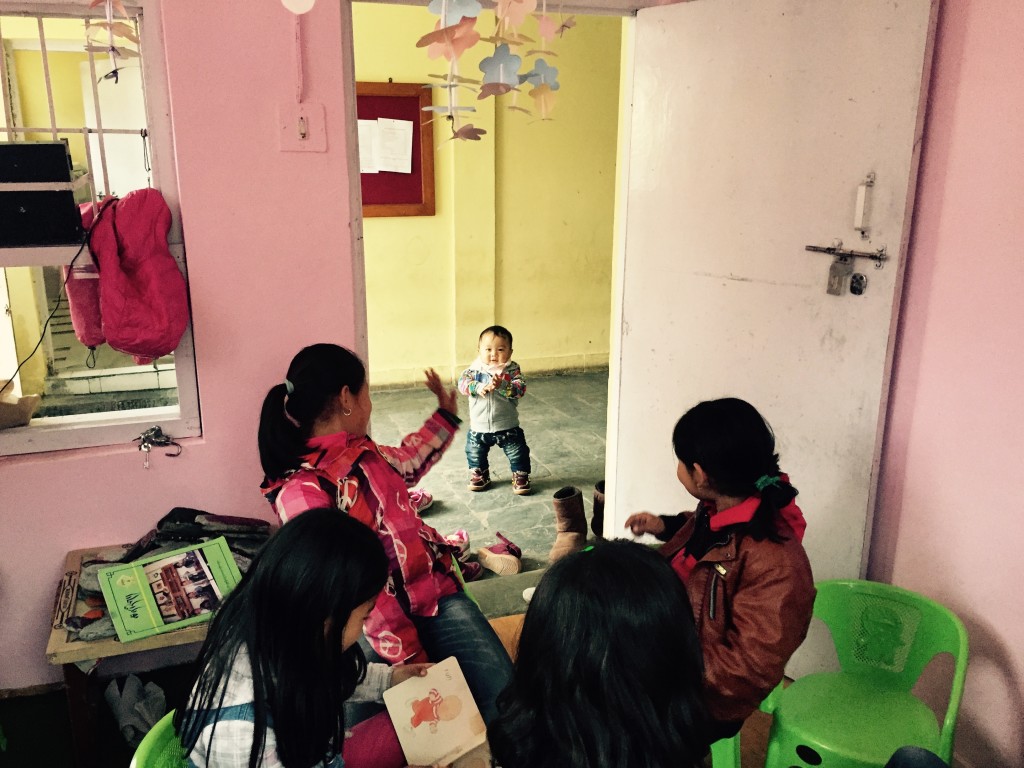
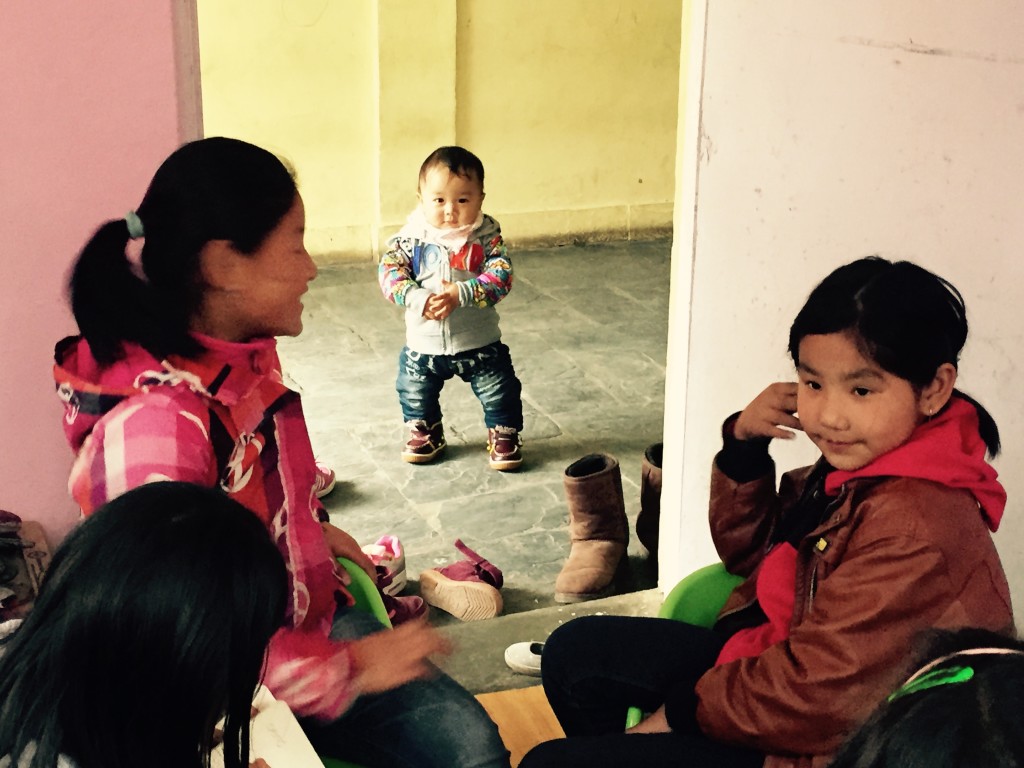
Outside the learning spaces, the landscape became part of her experience. Mountain light, narrow streets, monasteries, and changing weather provided a striking contrast to the familiar routines of retirement. Yet the most memorable moments were often ordinary: a child returning to finish a story, two friends arguing cheerfully over a picture book, or a young monk recommending a favorite title.
These encounters showed Margaret that volunteering is not measured only by completed tasks. Being present, dependable, and attentive can matter greatly. Children notice when an adult returns, remembers their interests, and takes their ideas seriously.
What a retired teacher leaves behind
Margaret’s month ended, but her contribution did not disappear when she boarded her flight home. She left behind activity ideas, notes for future volunteers, and a clearer understanding of which books and creative exercises had engaged different groups. She also encouraged other retired educators to consider short-term volunteering as a meaningful way to share professional skills.
The lasting value of her visit was mutual. The children gained an encouraging adult presence and fresh ways to approach reading. Local staff gained another perspective on organizing activities. Margaret returned with a deeper appreciation for community-led education and the resourcefulness of children growing up in a remote Himalayan setting.
Her experience also challenged the idea that volunteers must arrive with grand solutions. The most useful support was practical and responsive: arranging books, listening to coordinators, helping a child find the right story, and making learning feel enjoyable. Those actions may appear modest, yet they accumulate into a stronger educational environment.
Preparing for meaningful volunteering
Anyone considering educational volunteering in Ladakh can learn from Margaret’s approach. Preparation is important, but flexibility and respect are equally essential. A volunteer should arrive ready to contribute without assuming that outside methods will automatically fit the community.
Useful principles include:
- Bring adaptable activities rather than a rigid teaching plan.
- Ask local coordinators what children need before introducing new projects.
- Choose inclusive exercises that welcome different ages, languages, and confidence levels.
- Respect the pace of life at high altitude and allow time for rest and reflection.
- Leave behind clear resources that staff and future volunteers can use.
Short placements can be valuable when they are carefully prepared and connected to ongoing work. Volunteers should also understand that their role is part of a wider network involving educators, families, donors, local partners, and Trust staff. A month may be brief, but thoughtful participation can strengthen projects that continue throughout the year.
Carrying the story forward
Margaret’s time in Leh demonstrates how education can travel across borders without becoming detached from local life. A retired teacher, a shelf of well-chosen books, and a room where children feel welcome created opportunities for conversation, creativity, and confidence.
Avalokiteśvara Trust depends on people who are willing to support literacy and artistic learning in practical ways. Donations help provide books and materials, while volunteers contribute time, energy, and skills. Together, these forms of support help reading rooms and educational activities remain active for children and young monks across the Himalayan region.
Support the Trust’s work by sharing its stories, contributing to book and learning initiatives, or exploring how your own experience could serve a community project in Ladakh. Margaret arrived in Leh hoping to give something useful and left with a lasting connection; your involvement can help keep that circle of learning in motion.