Building a Library from Scratch: The Stok Reading Room
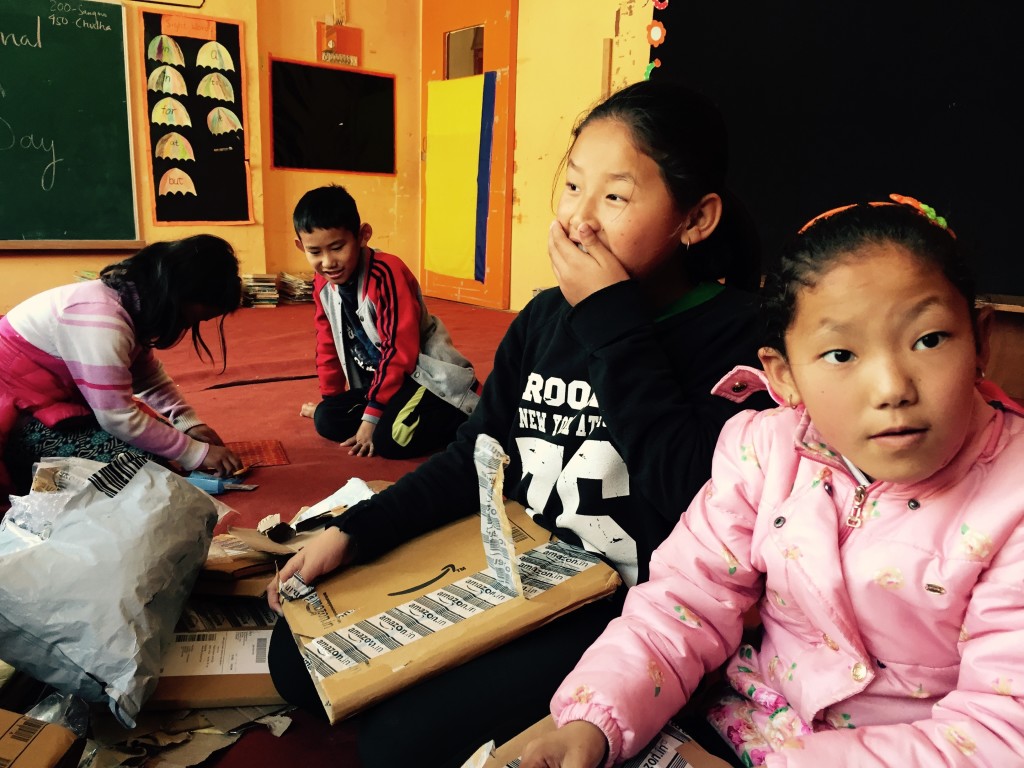
In the mountain communities of Ladakh, a book can travel farther than a road. It can carry a child into another language, introduce a new idea, or offer a quiet place to imagine beyond the high valleys surrounding home. For children in Stok, access to that experience began with a simple need: a welcoming room filled with good books.
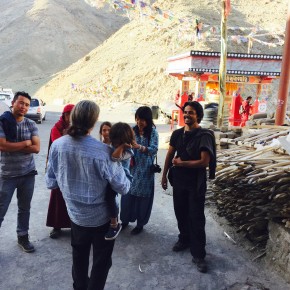
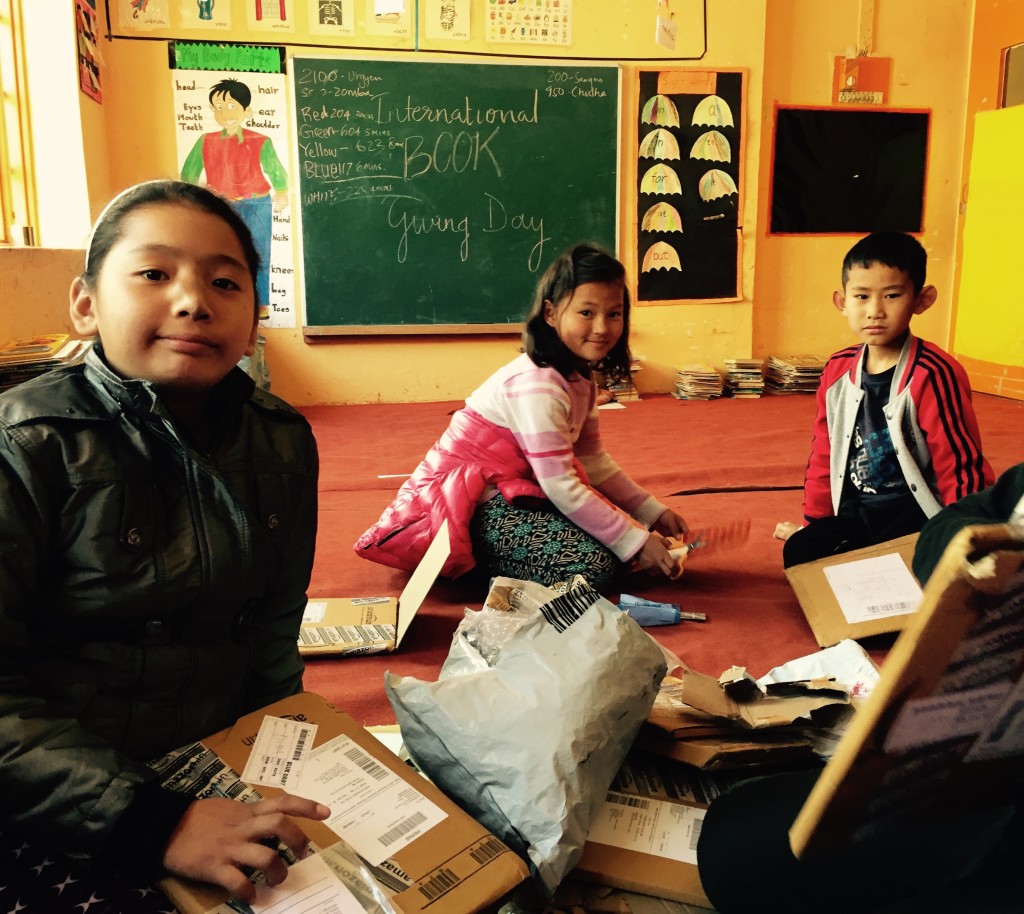
The Stok Reading Room was created through the patient work of the Avalokiteśvara Trust, local supporters, volunteers, and families. Its story is not about filling shelves quickly. It is about understanding a community, finding suitable resources, creating a place children want to visit, and building habits that support learning over time.
From the first donated books to shared reading sessions and creative activities, the project shows how a small library can become a meaningful part of village life. It also demonstrates why literacy projects in remote Himalayan communities require care, consistency, and imagination.
From Empty Shelves to a Shared Vision
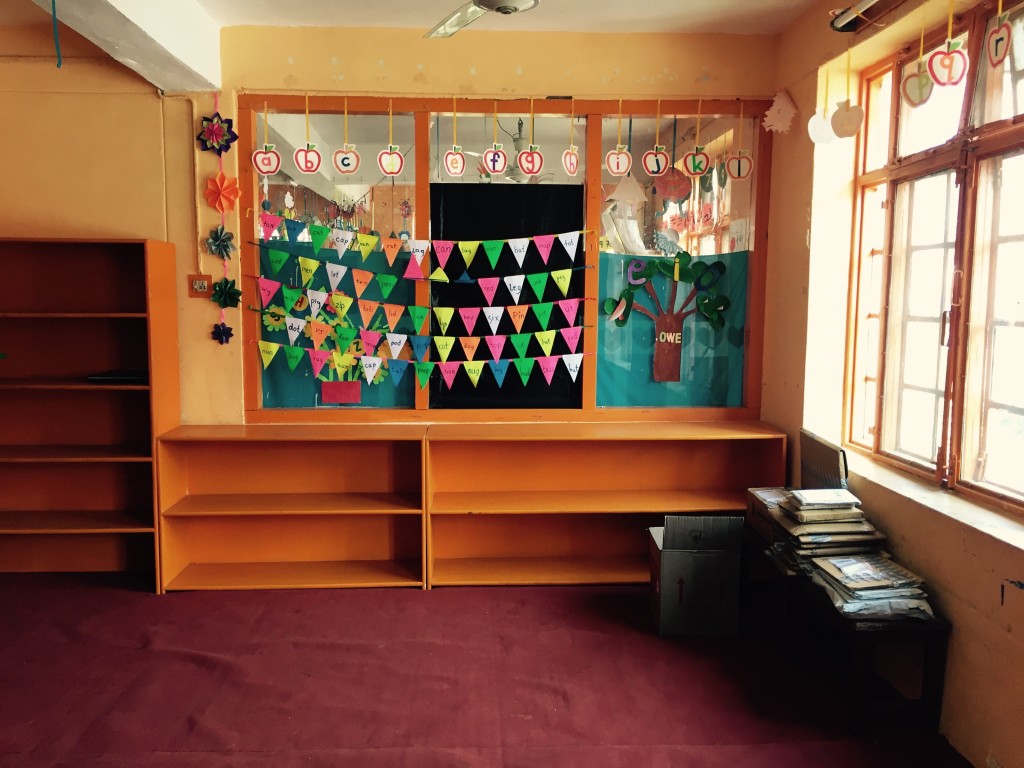
A library begins long before the books arrive. In Stok, the first step was recognizing that children needed a dependable place to read, explore, and study outside school hours. A reading room could provide access to stories and information that might not be available in every household or classroom.
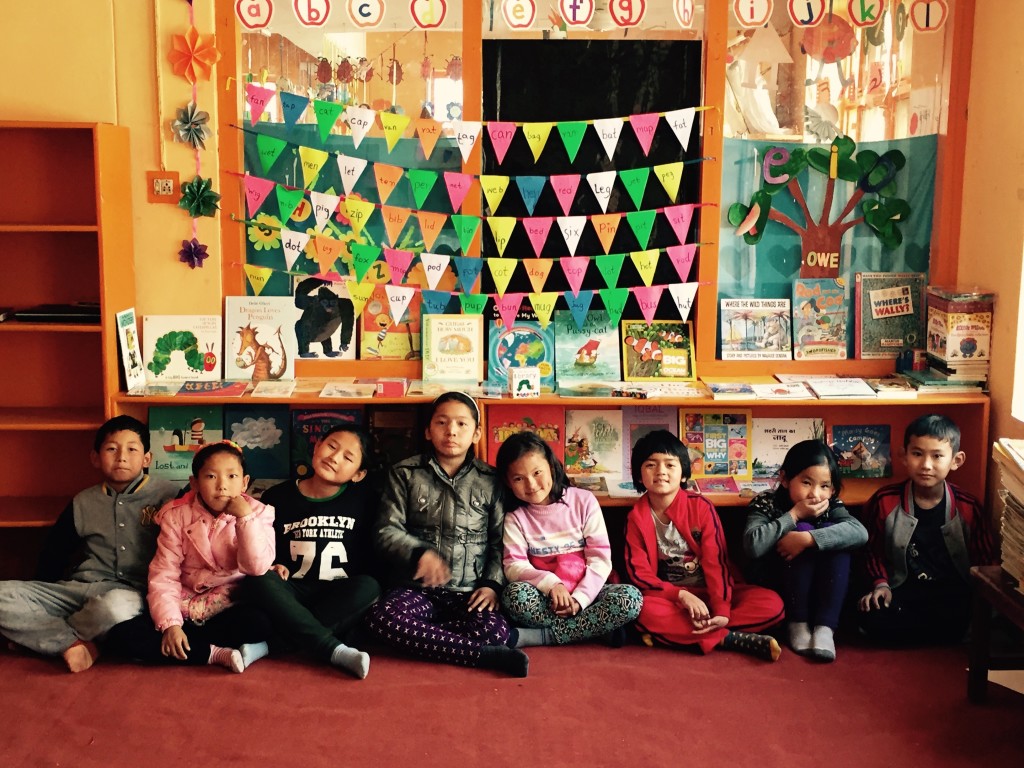
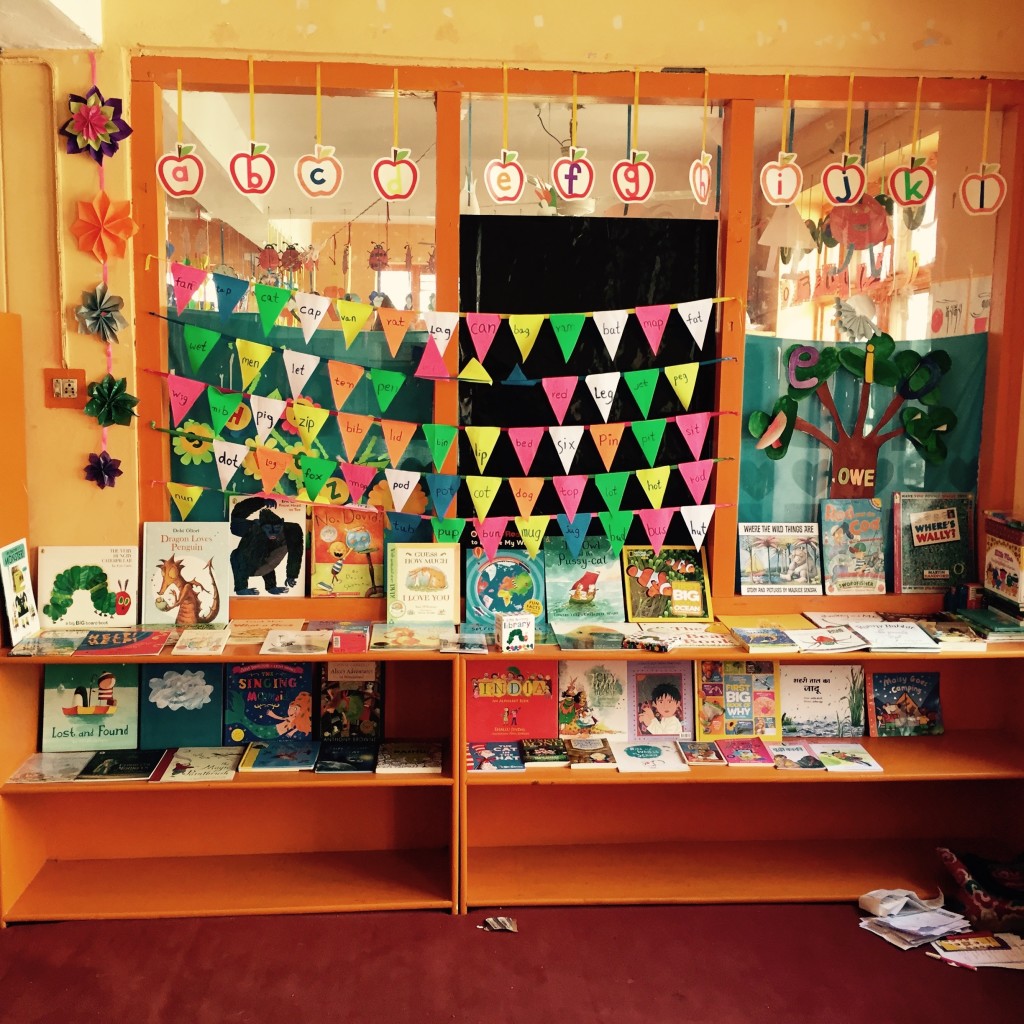
The idea was shaped around the character of the community. Rather than creating a formal institution distant from daily life, the Trust worked toward a child-friendly space where young readers could come after school, browse at their own pace, and return to favorite books. The room was intended to feel familiar, useful, and open to different ages and interests.
This approach matters in Ladakh, where distance, weather, and limited local supply can affect access to educational materials. A community library brings resources closer to children while giving them a shared place for curiosity, concentration, and discovery.
Listening Before Collecting Books
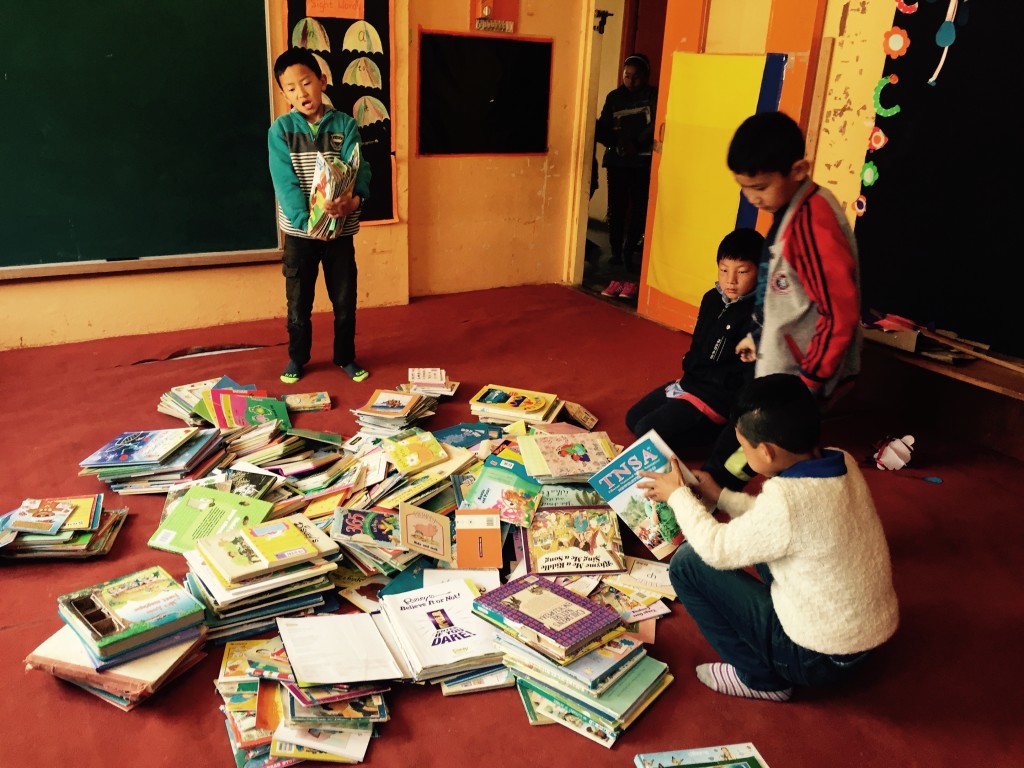
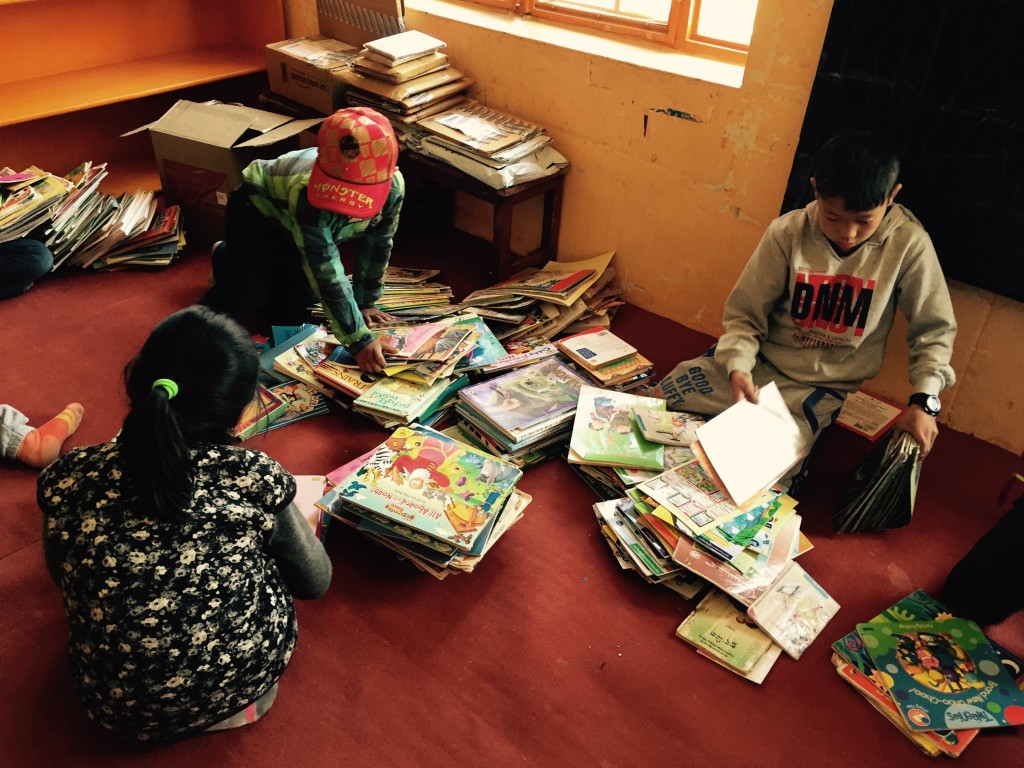
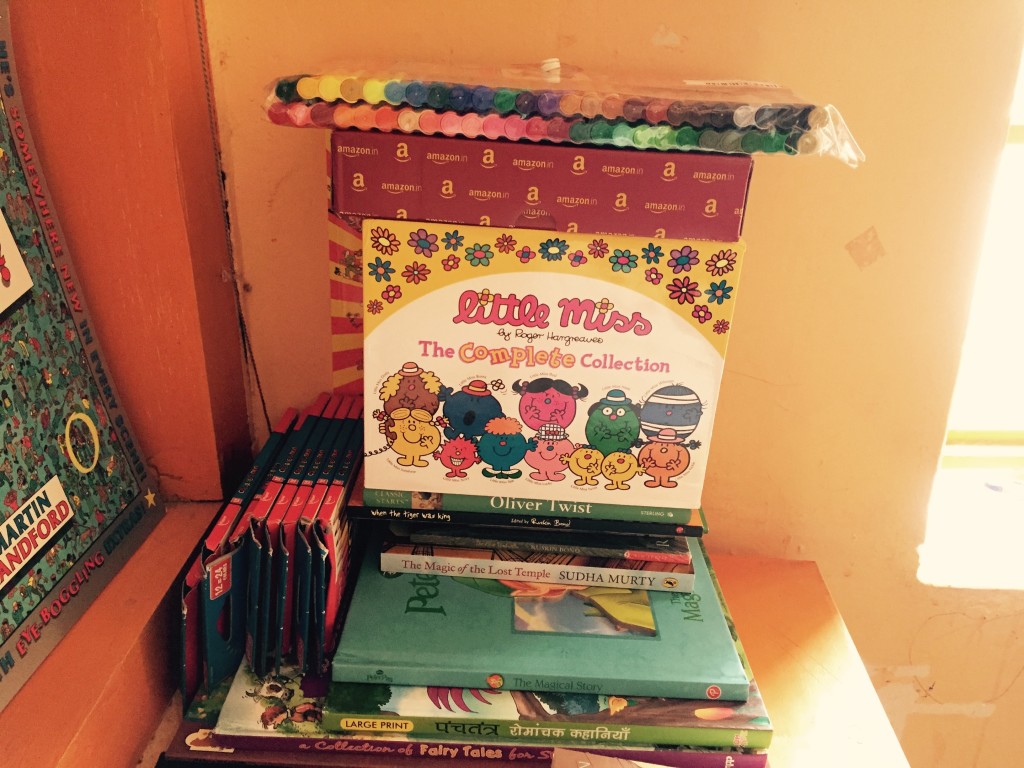
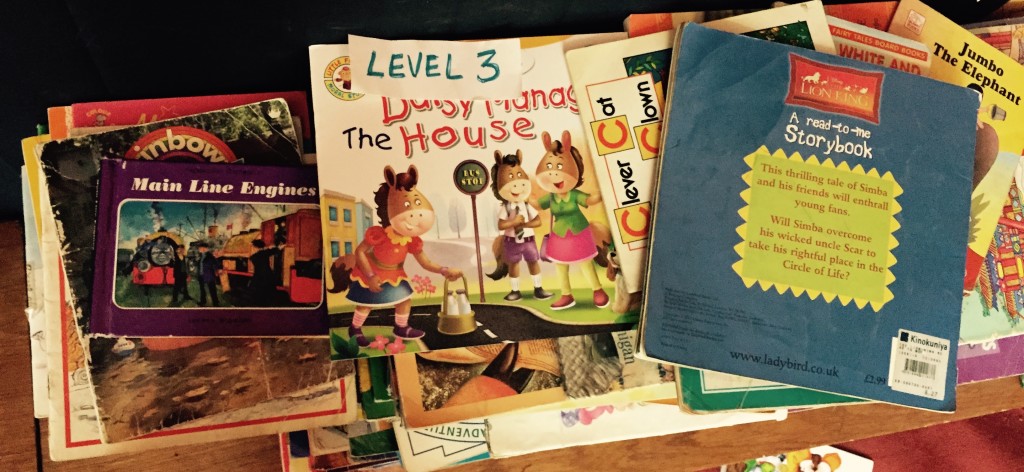
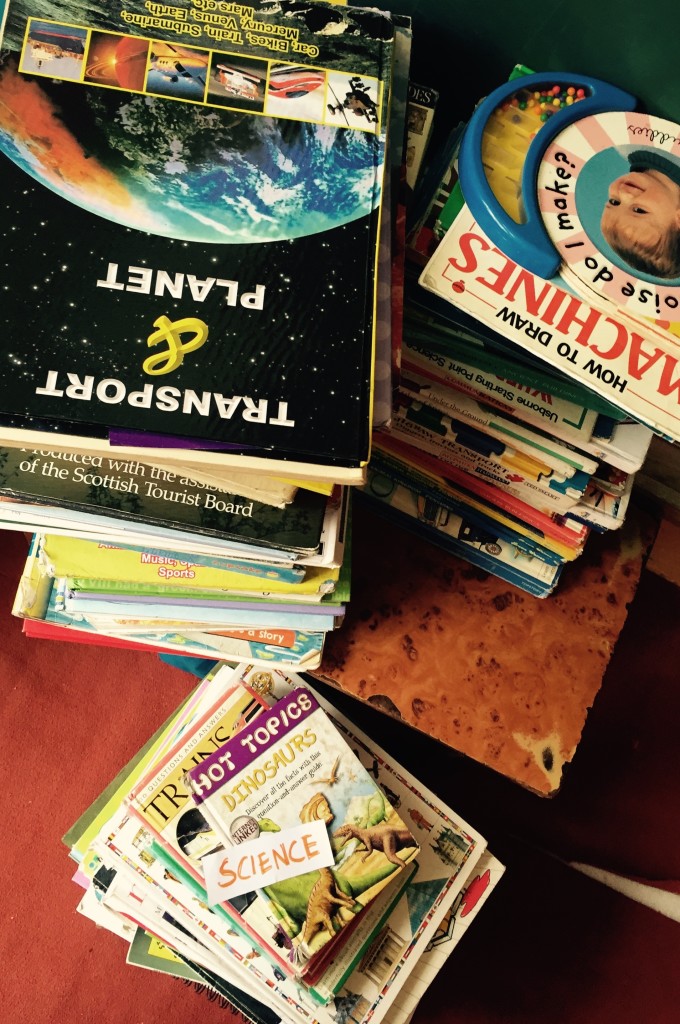
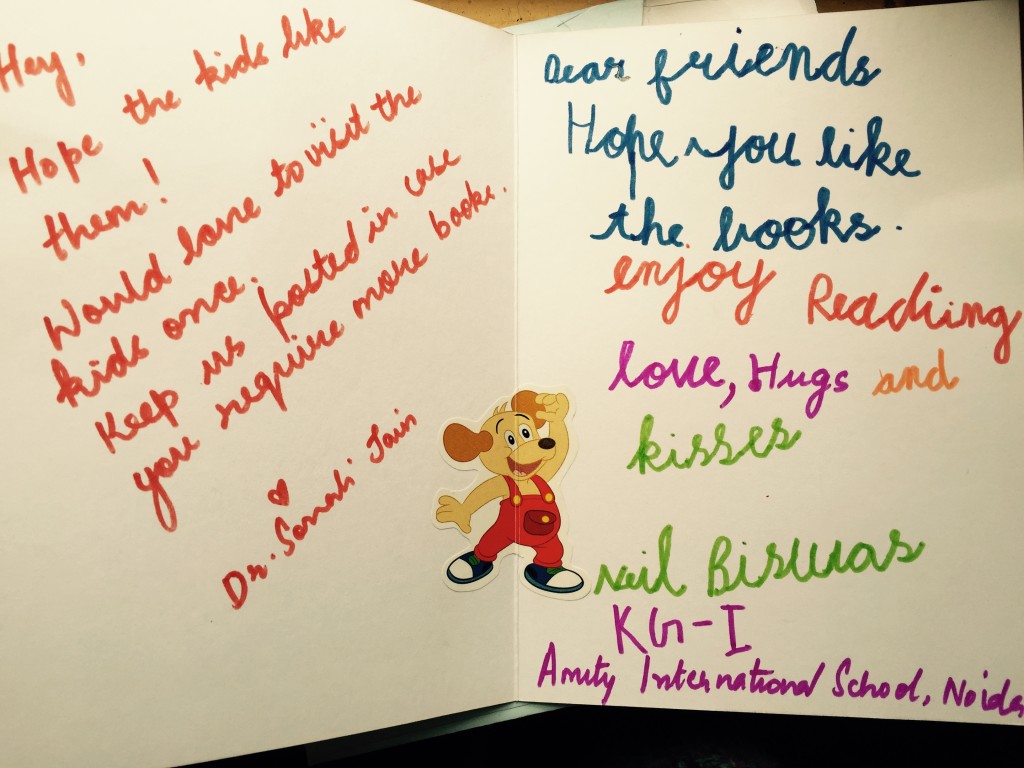
A successful book drive is guided by more than generosity. Donated books must be appropriate for the readers who will use them, and the collection should reflect different reading levels, languages, subjects, and interests. A shelf full of unsuitable titles can be less valuable than a smaller, carefully selected library.
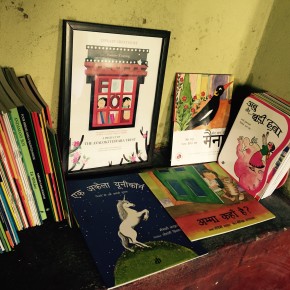
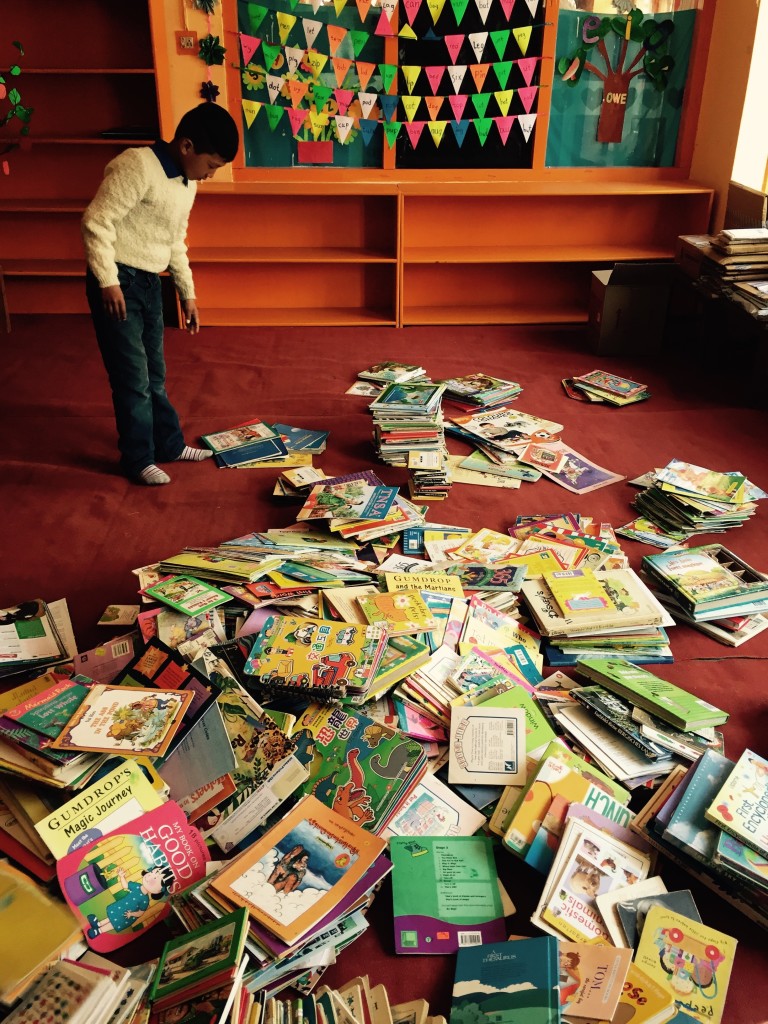
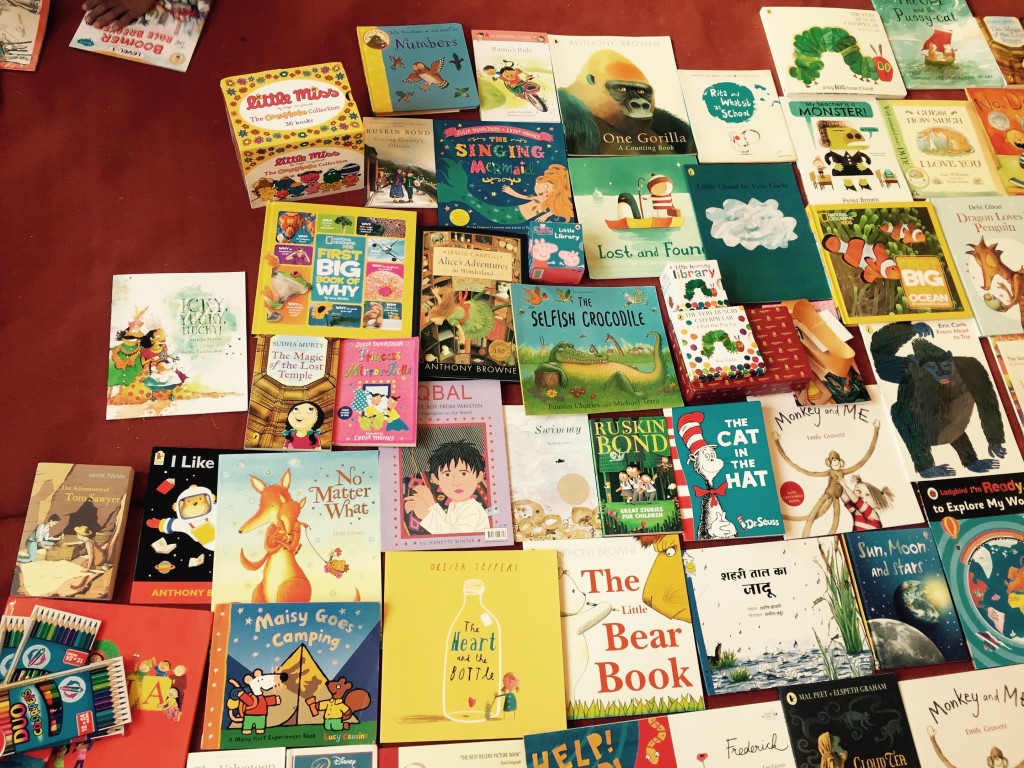
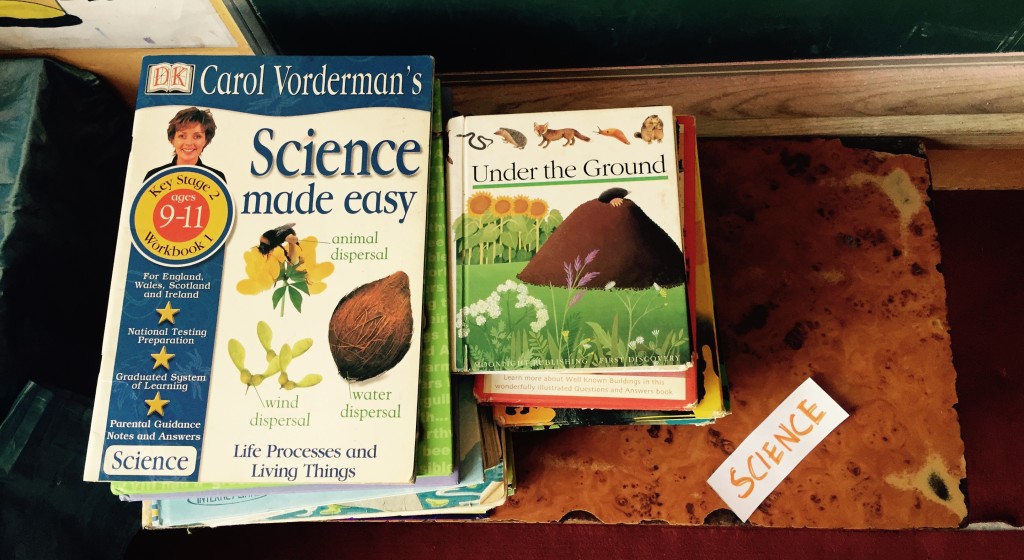
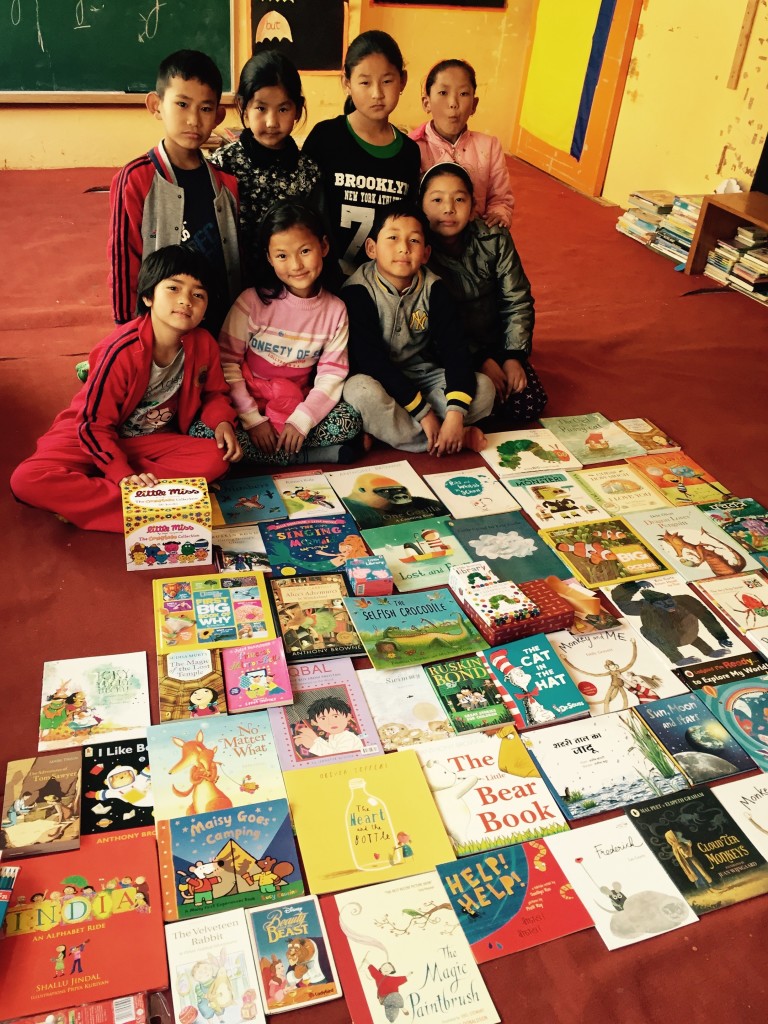
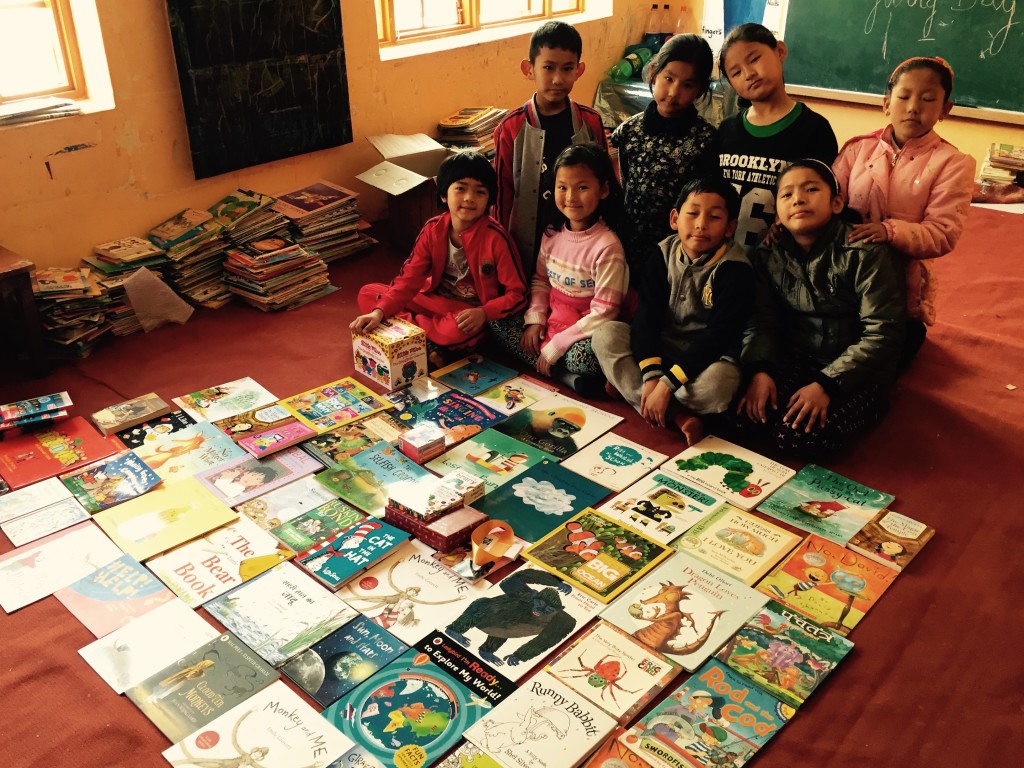
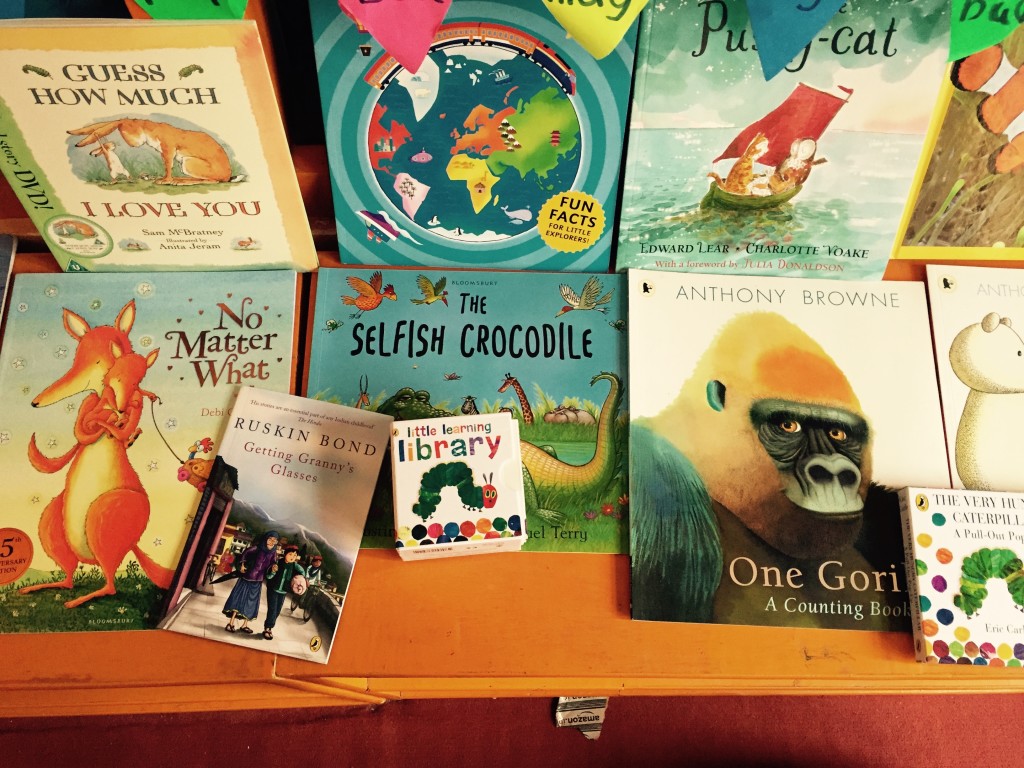
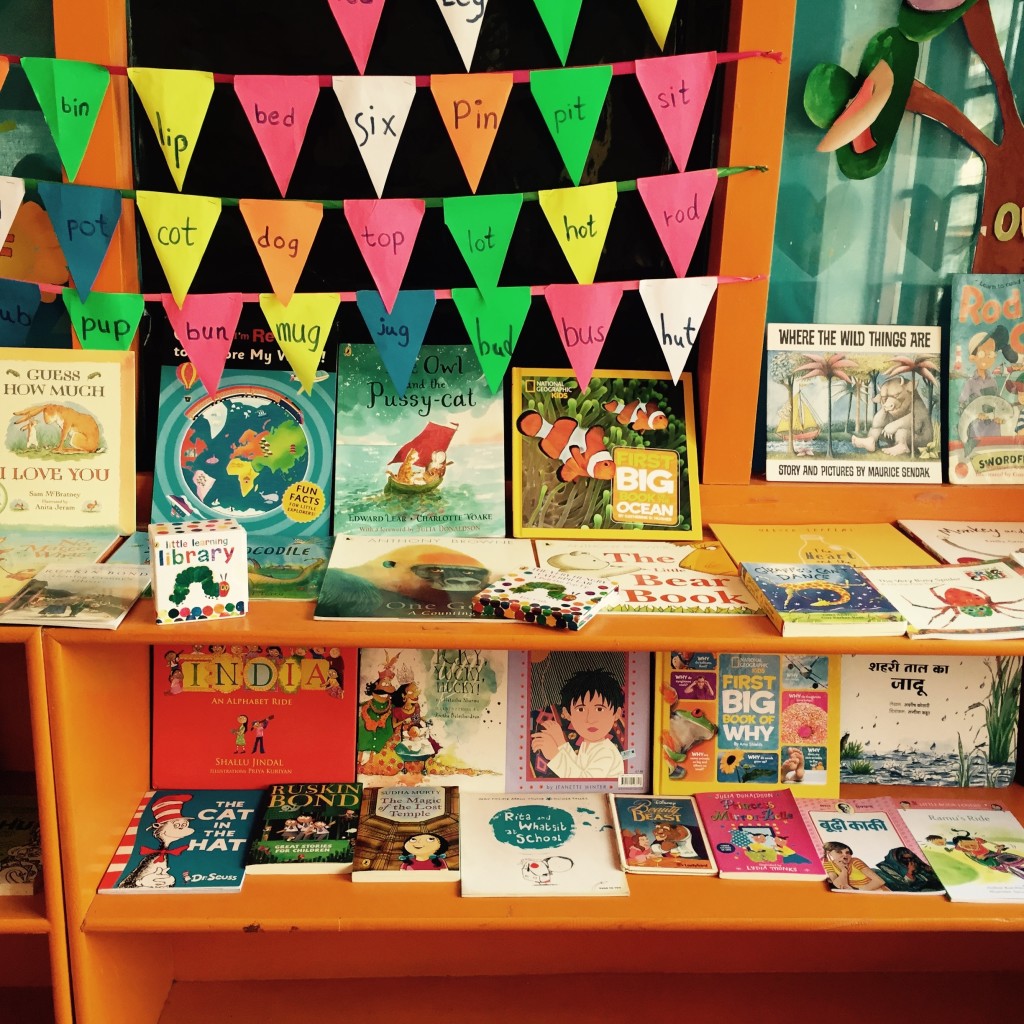
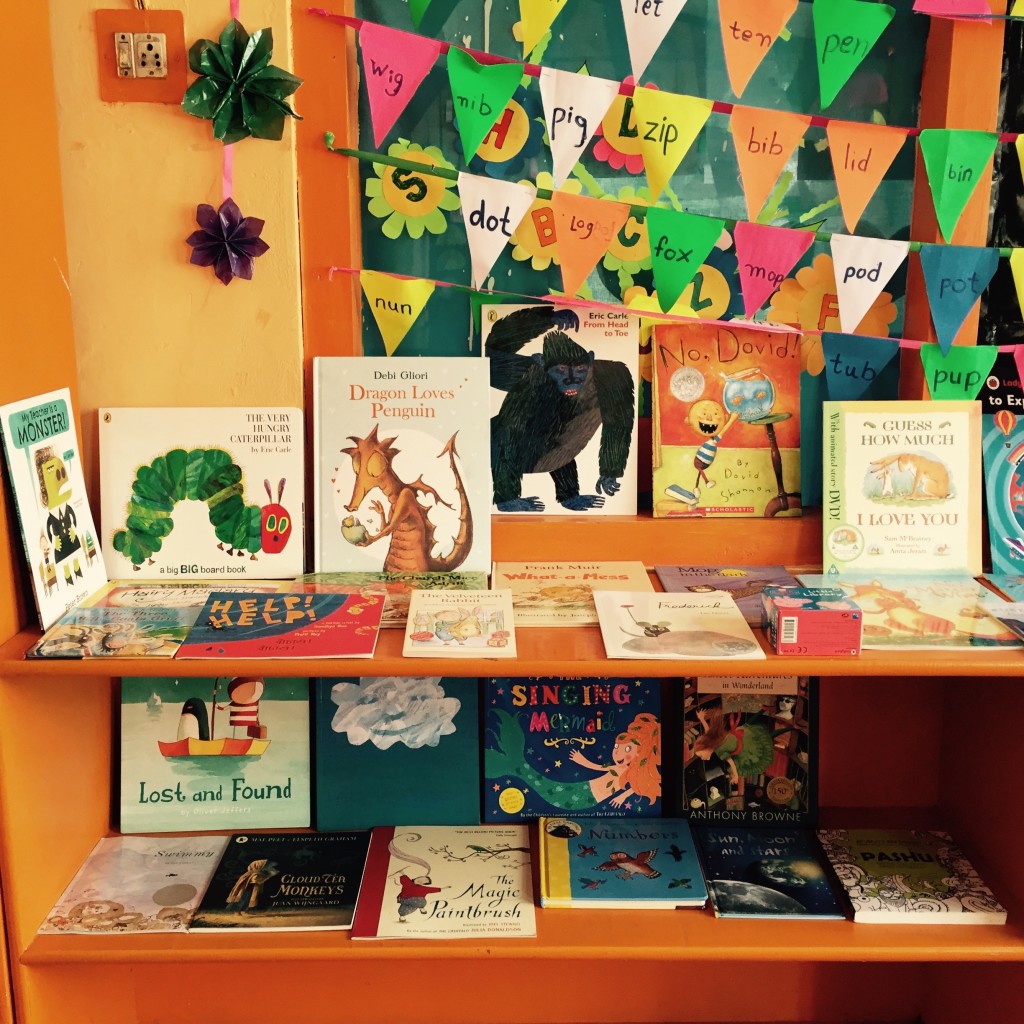
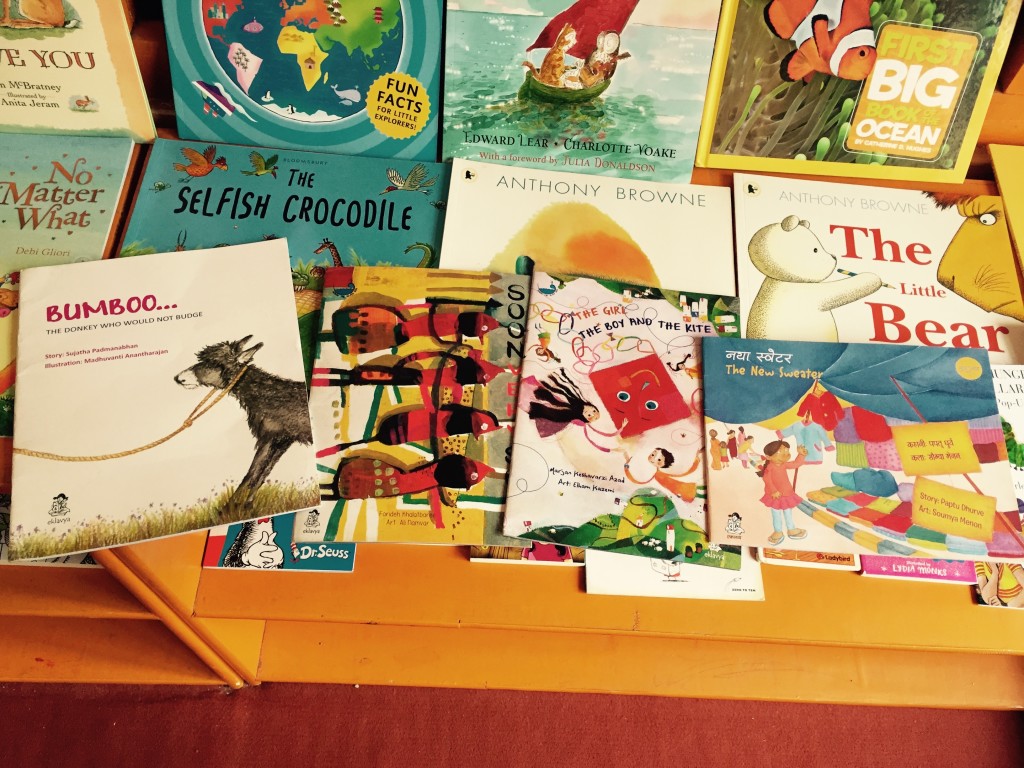
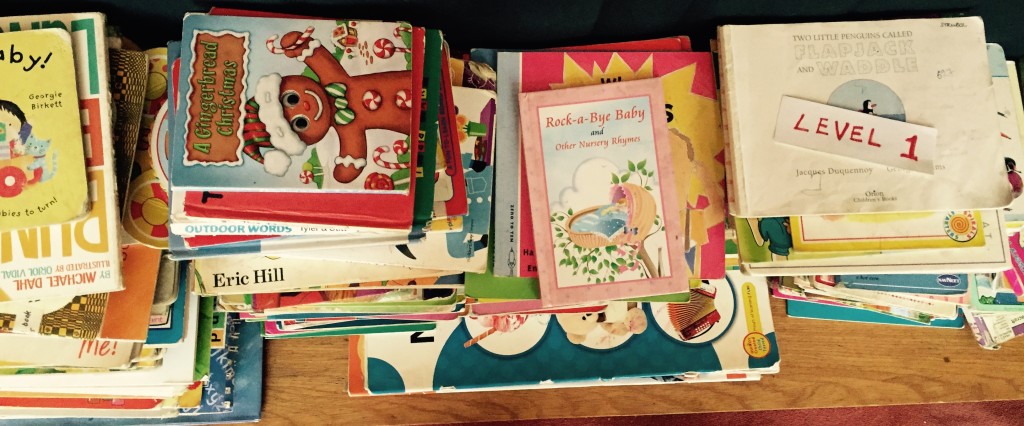
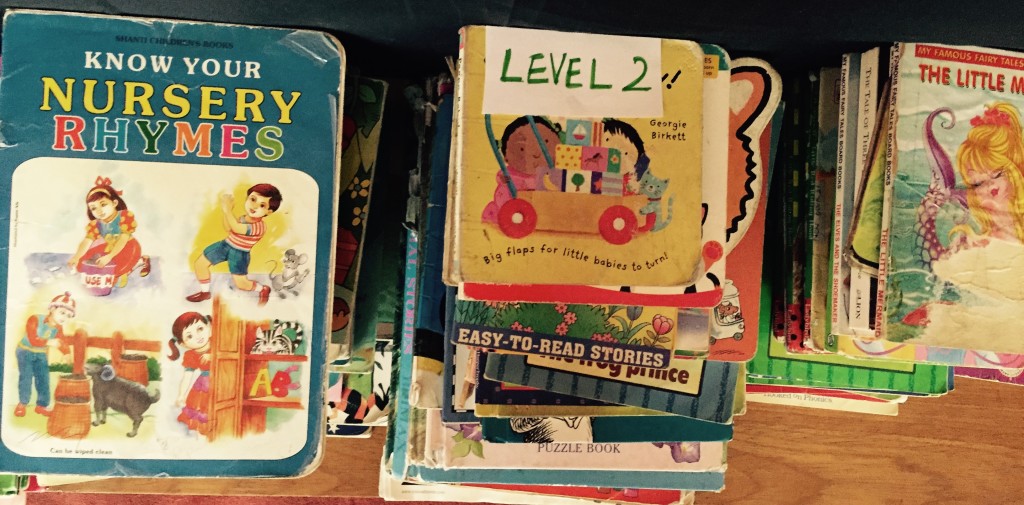
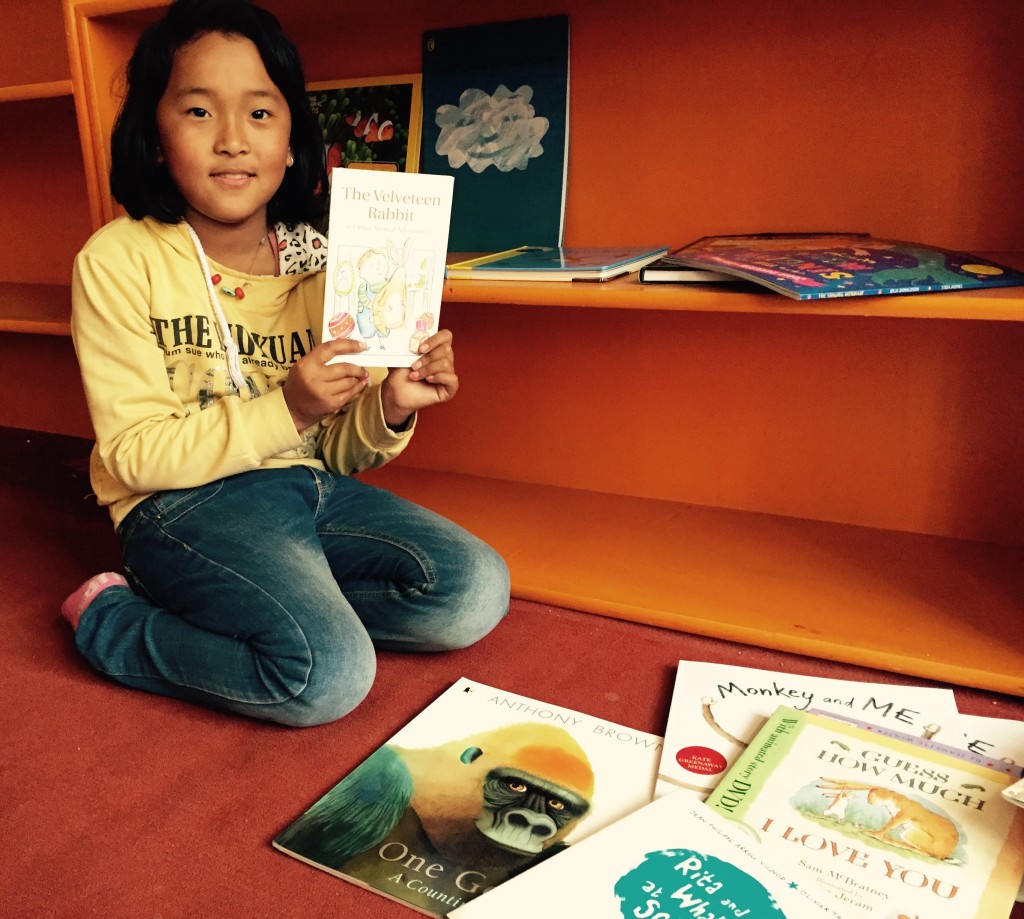
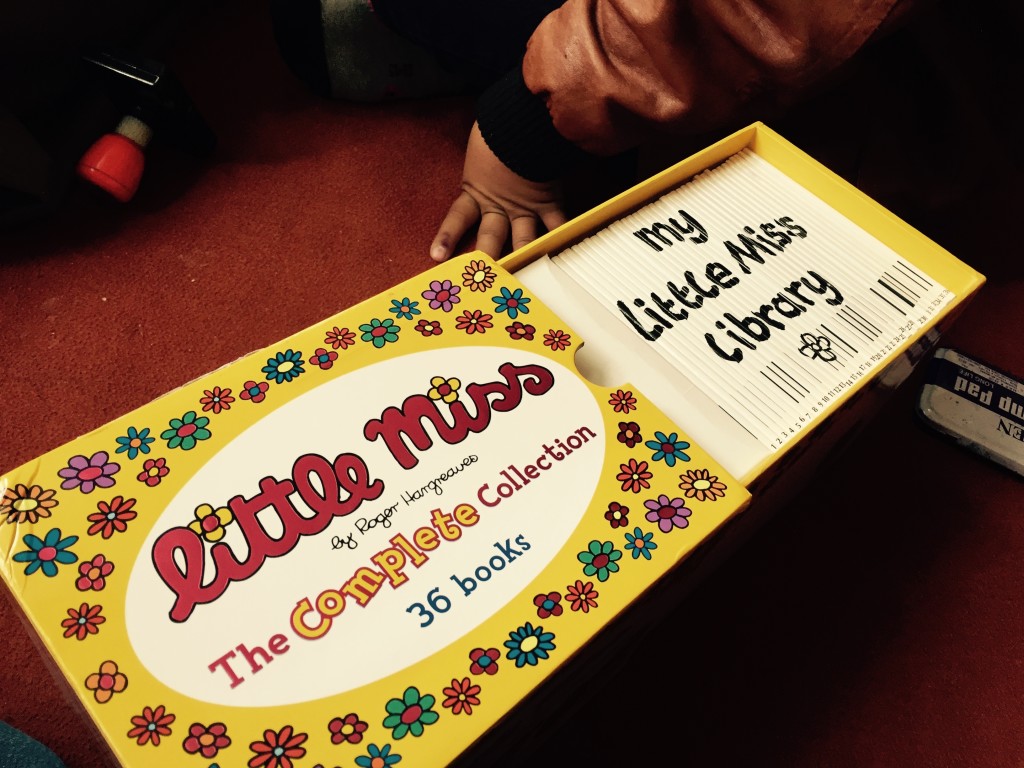
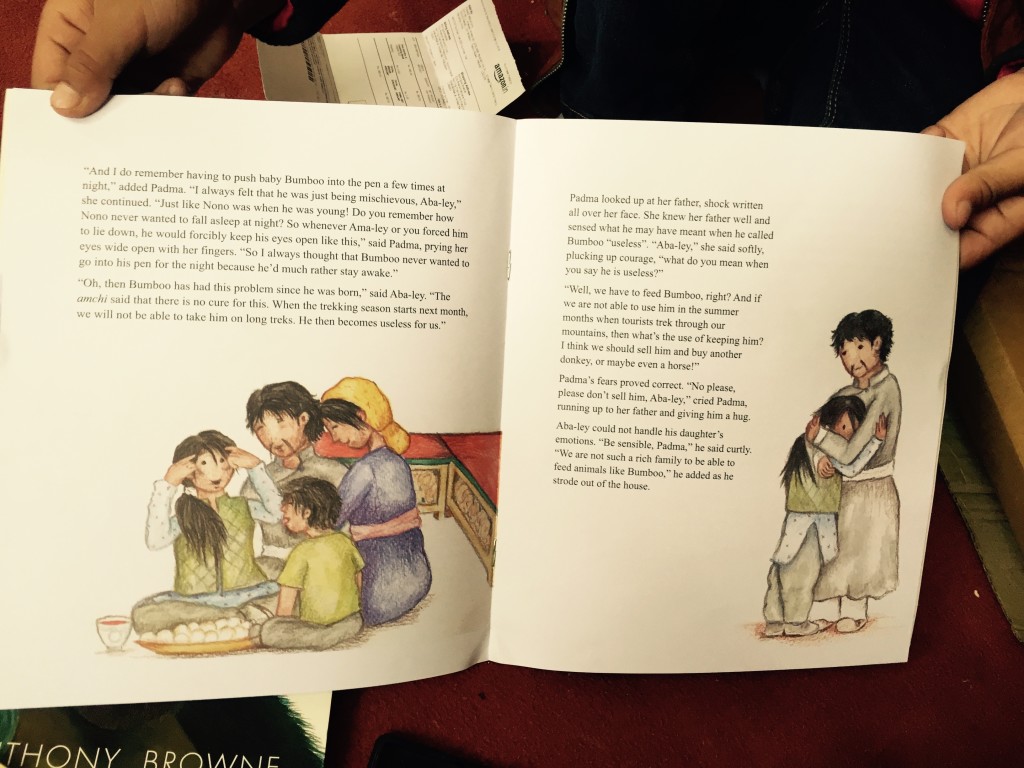
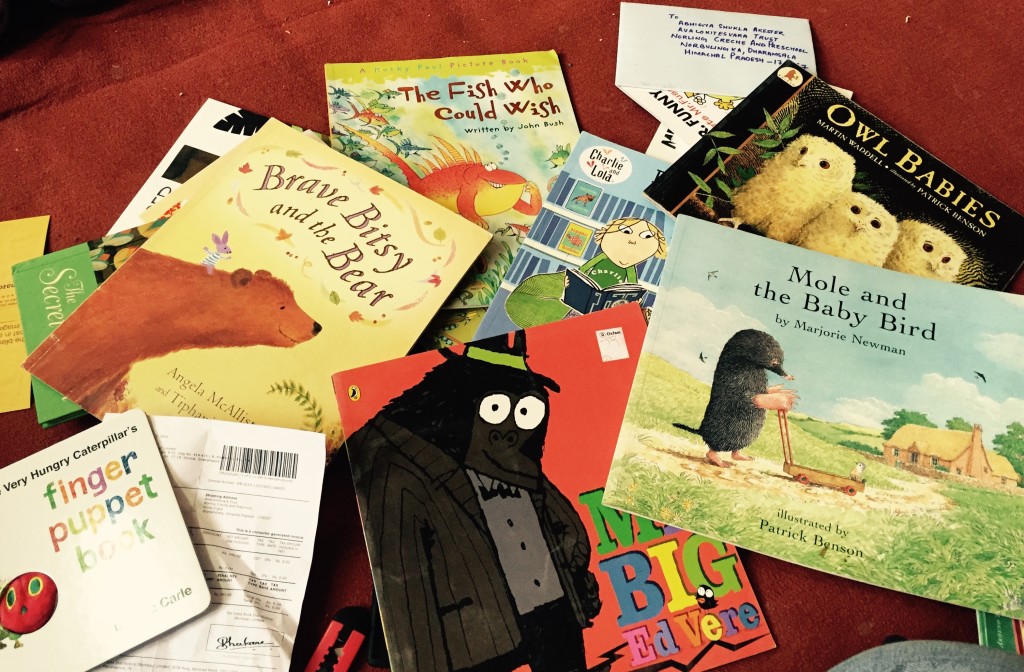
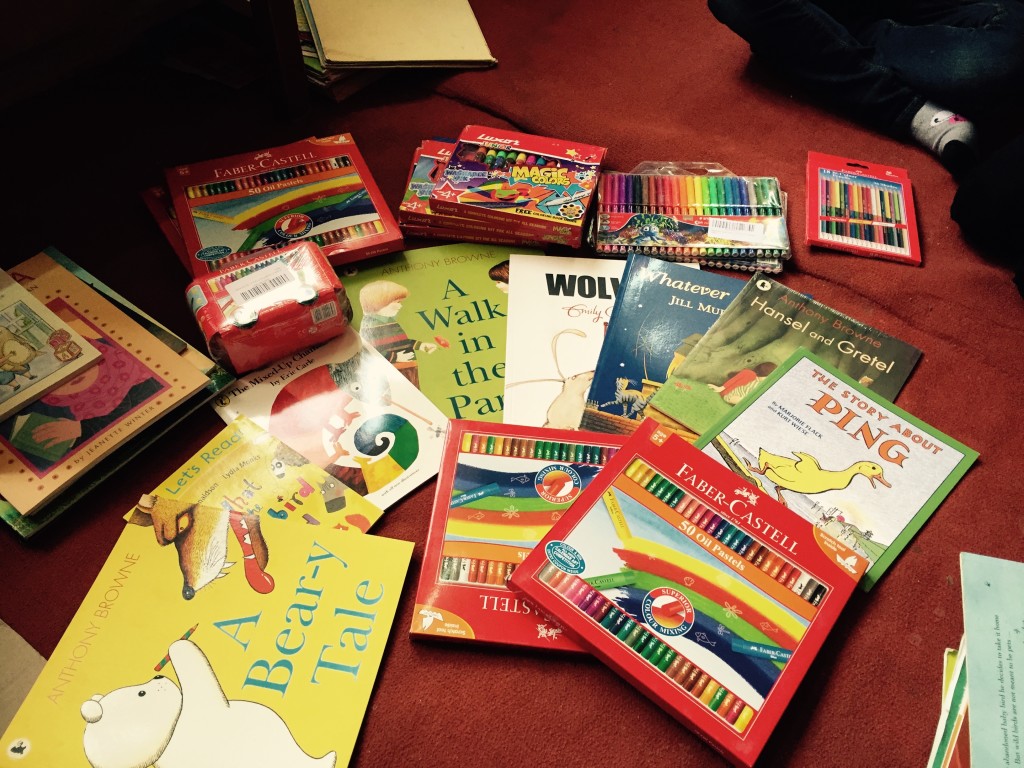
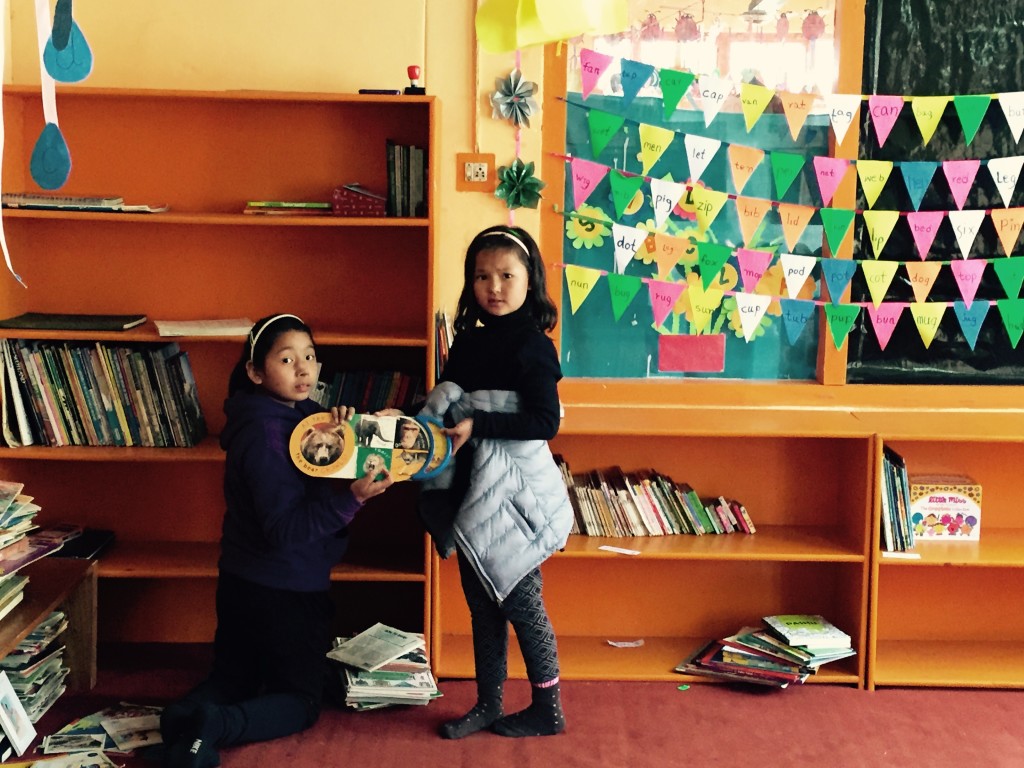
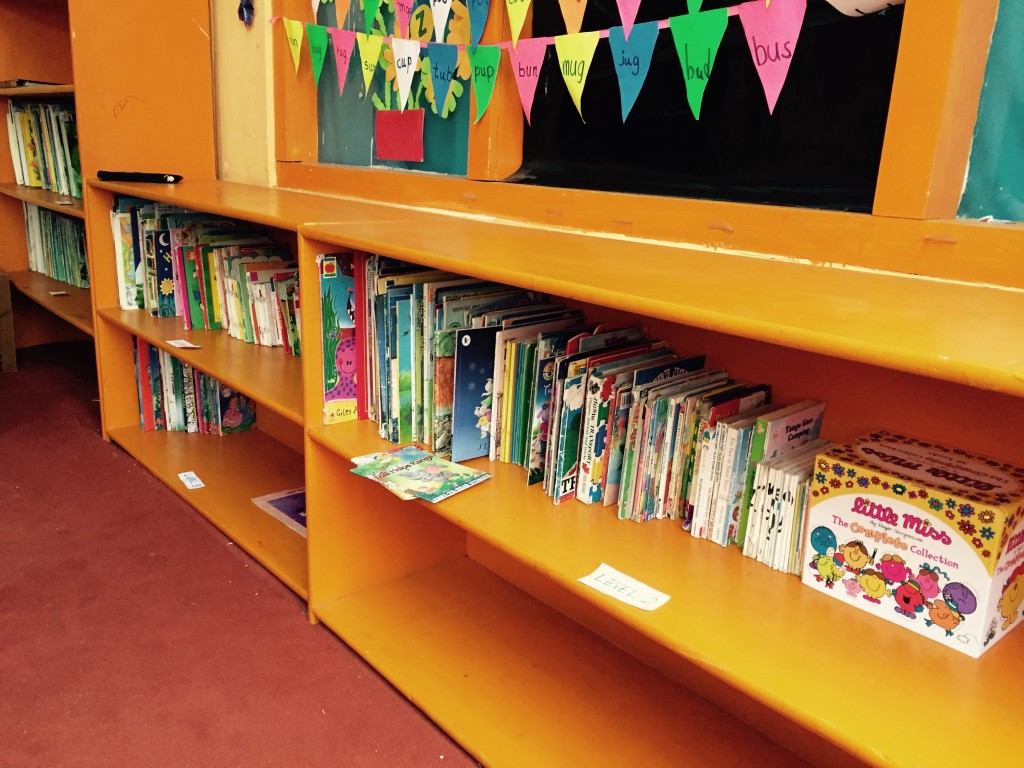
The Stok Reading Room grew through attention to those practical details. Children benefit from picture books, early readers, fiction, reference works, biographies, science titles, art books, and stories connected to different cultures. Older students may need material that supports schoolwork, while younger visitors often need books that make reading feel playful and accessible.
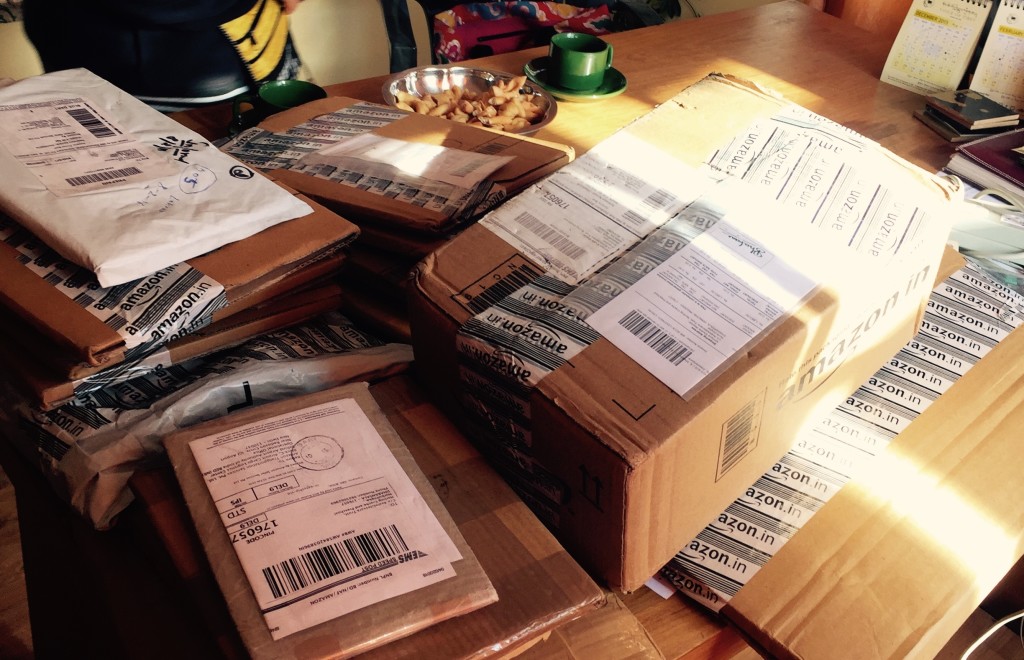
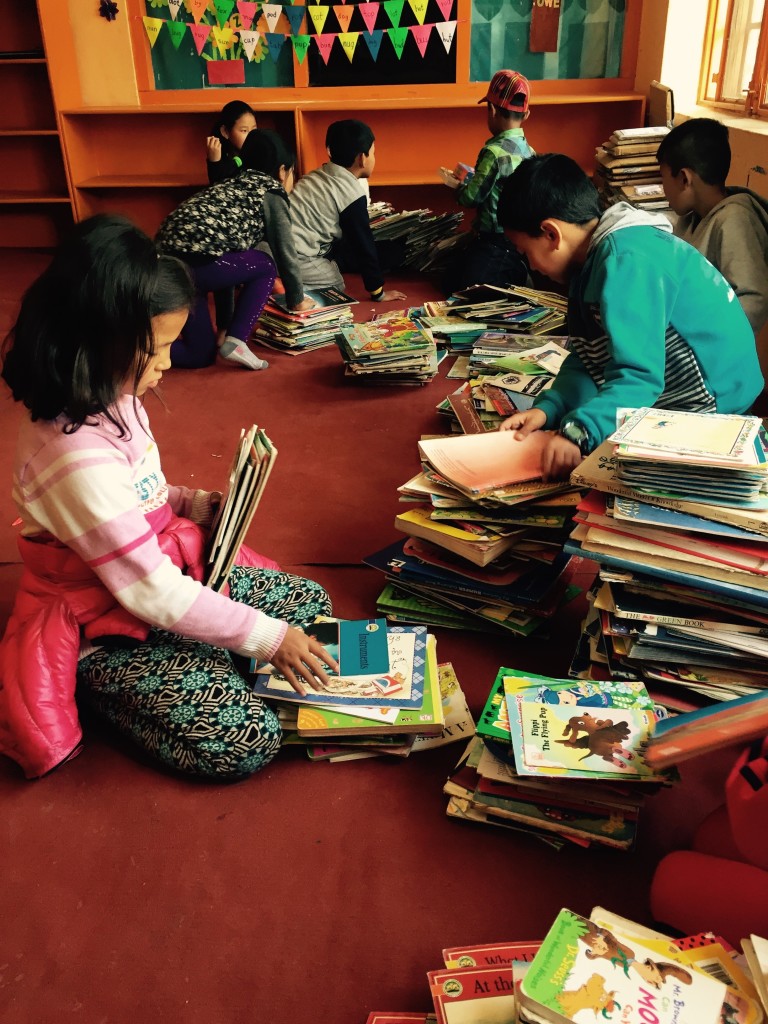
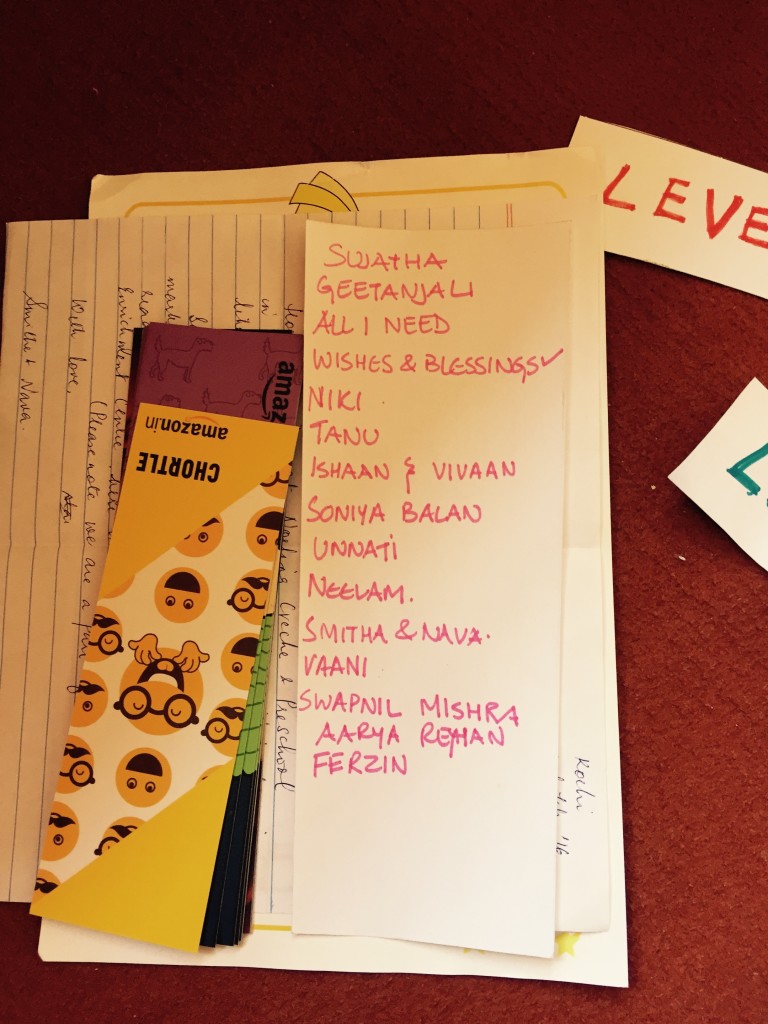
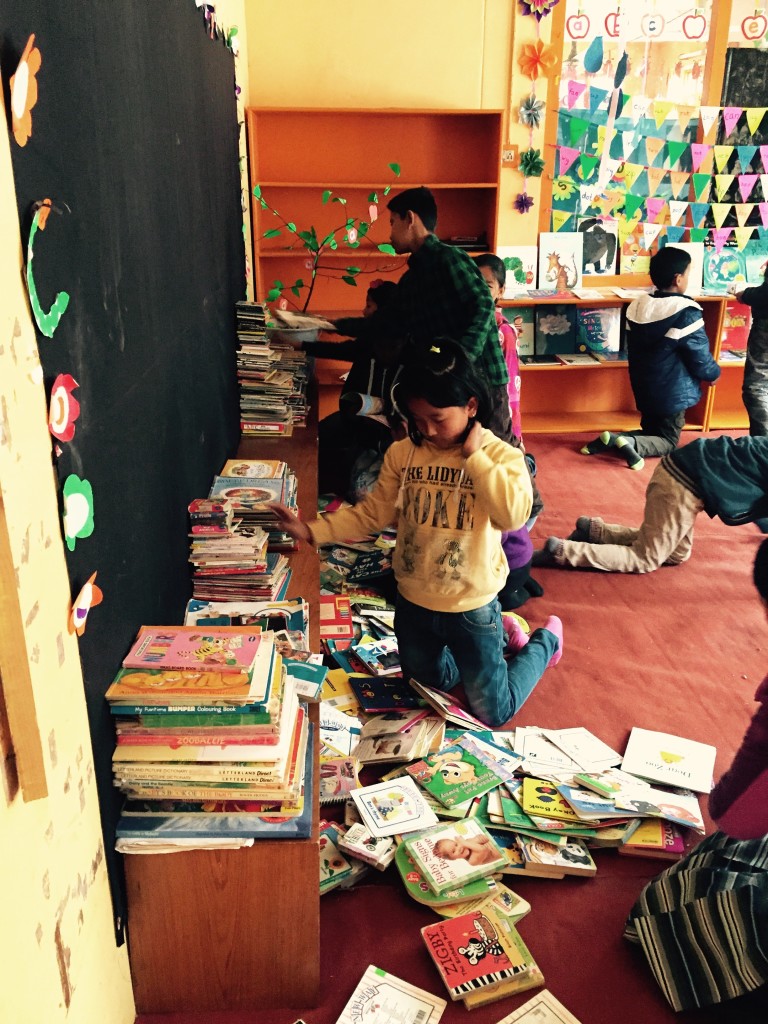
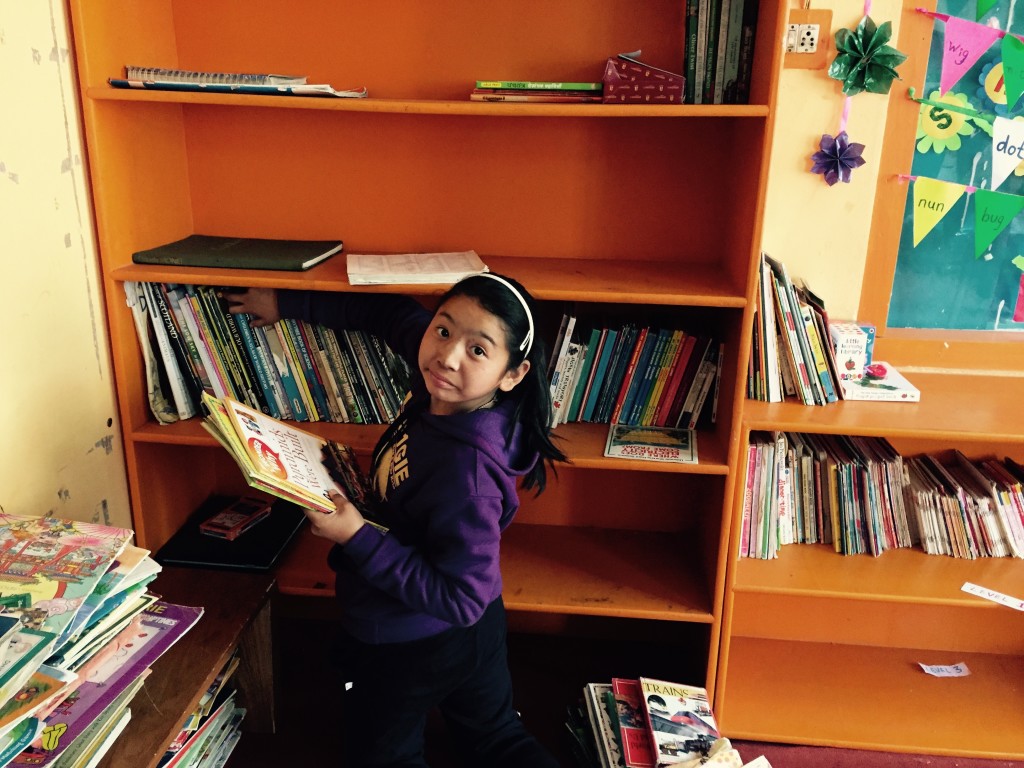
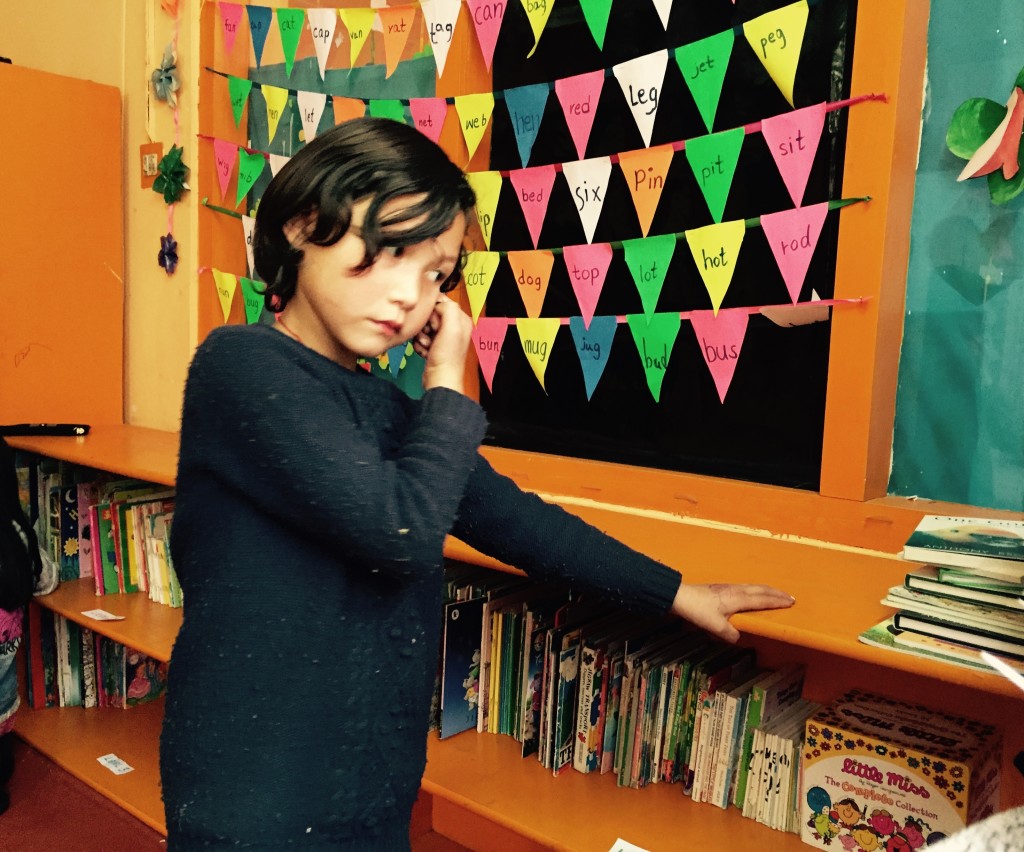
Volunteers and supporters also have an important role in preparing donations. Sorting, checking, labeling, and packing books takes time, yet these steps make the final collection easier to use. A well-organized reading corner helps children choose independently and allows the room to serve many readers with different needs.
A Collection Designed for Discovery
The strength of a rural library is measured by how often its books are opened, discussed, and carried home in memory. The Stok collection aims to offer variety without losing relevance. Stories invite emotional connection, nonfiction encourages questions, and visual materials help young learners engage with subjects they may first find difficult.
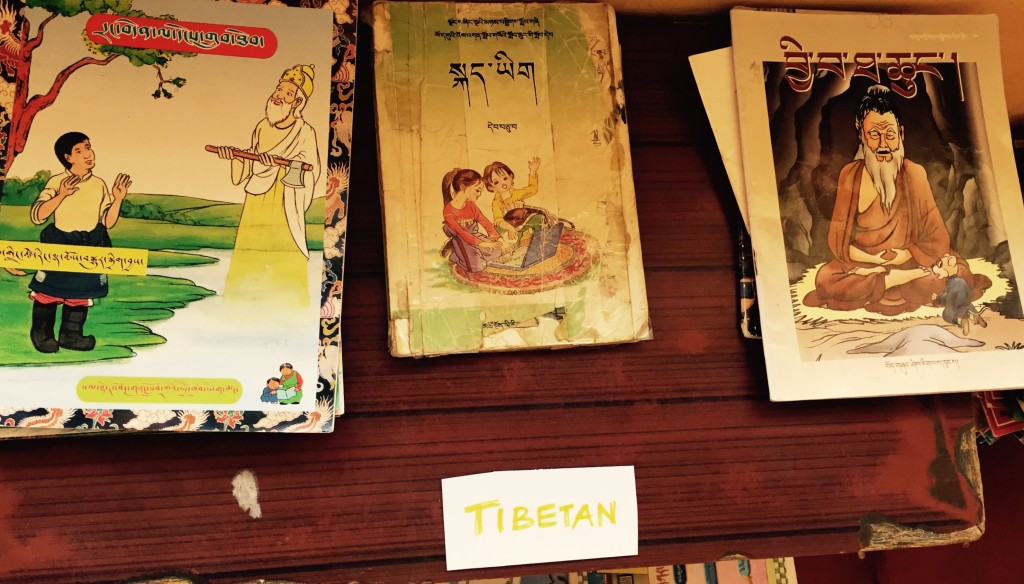
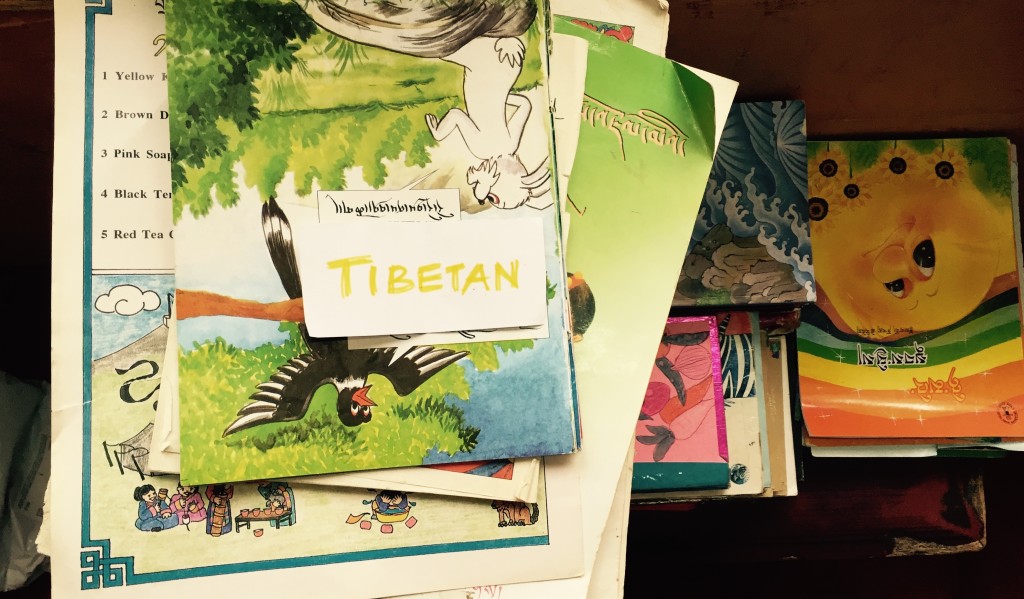
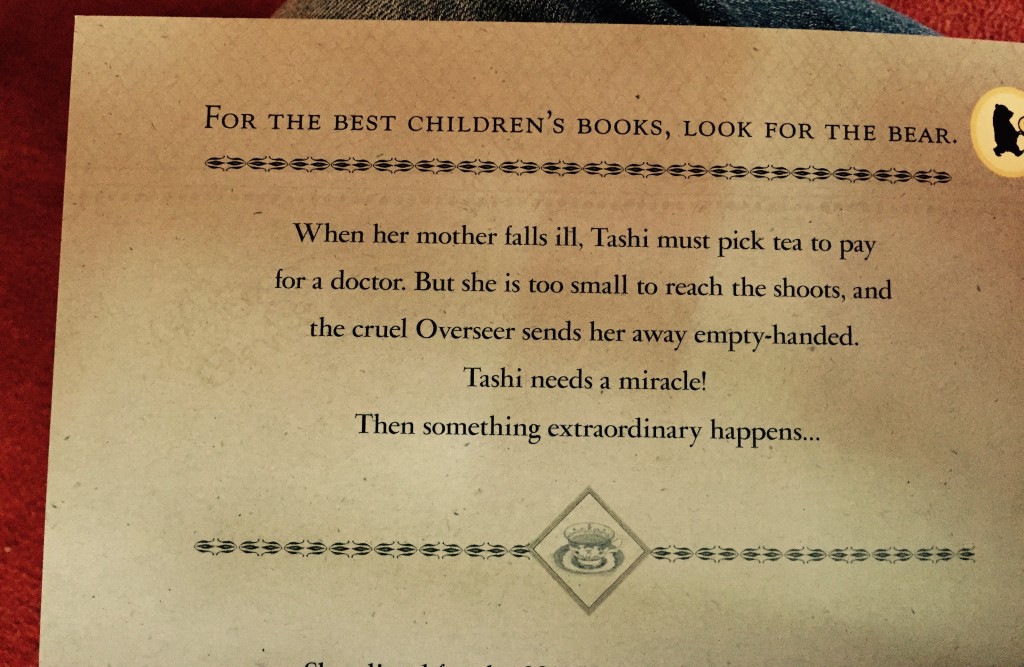
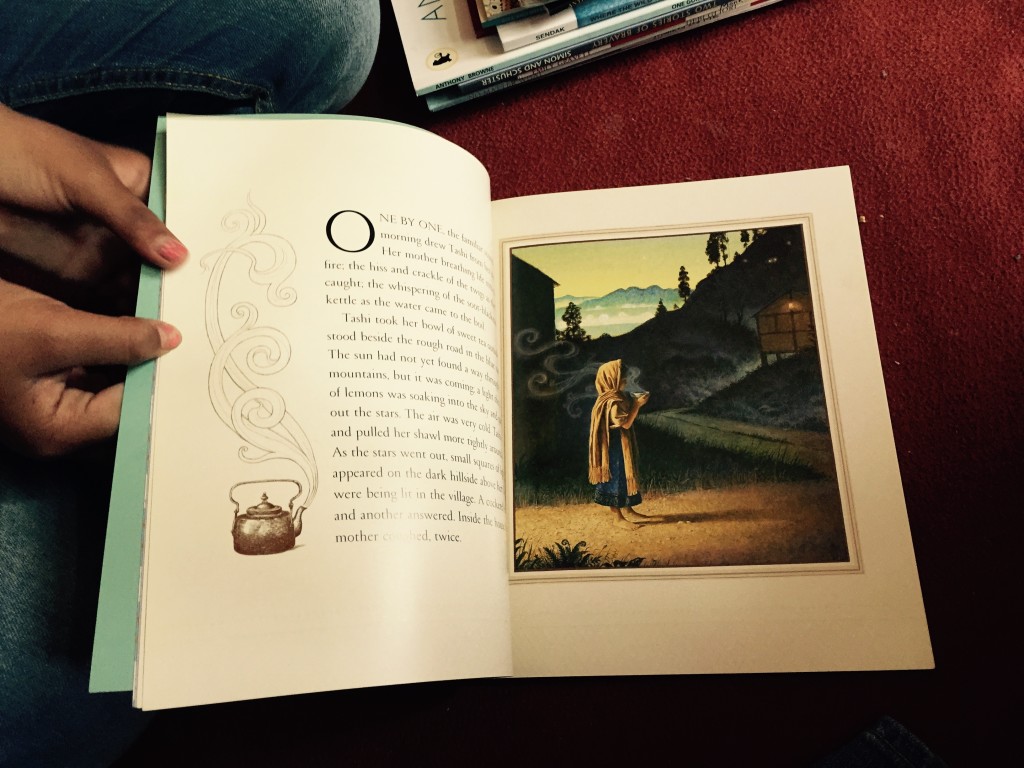
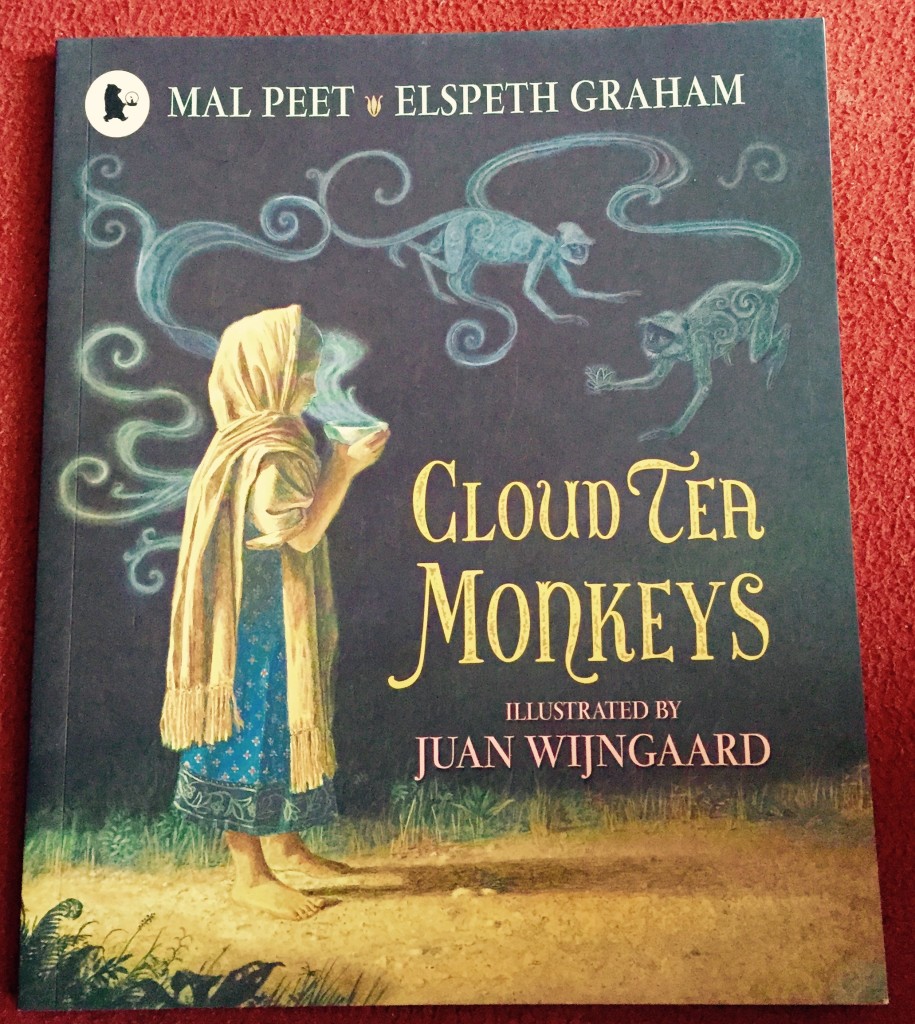
Books in English can expand language skills and connect children with wider educational resources. Local knowledge, Himalayan themes, and culturally respectful stories give readers a sense that their own surroundings belong within the world of books. A balanced collection can create both recognition and discovery.
| Area of the reading room |
How it supports children |
| Picture books and early readers |
Builds confidence, vocabulary, and enjoyment among younger children |
| Fiction and folk stories |
Encourages imagination, empathy, and sustained reading |
| Science and reference books |
Helps children investigate questions beyond the classroom |
| Art and music resources |
Connects literacy with creative expression |
| School support materials |
Provides additional help with study and independent learning |
| Comfortable reading spaces |
Makes regular visits feel welcoming and worthwhile |
The collection can continue changing as children grow and new interests emerge. That flexibility is essential. A reading room should remain a living resource rather than a finished project, with new titles, activities, and recommendations added in response to the community.
Making the Room Feel Like a Place for Children
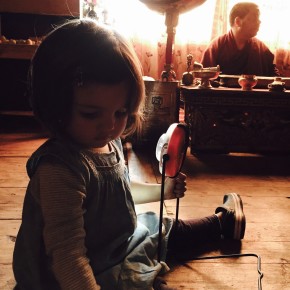
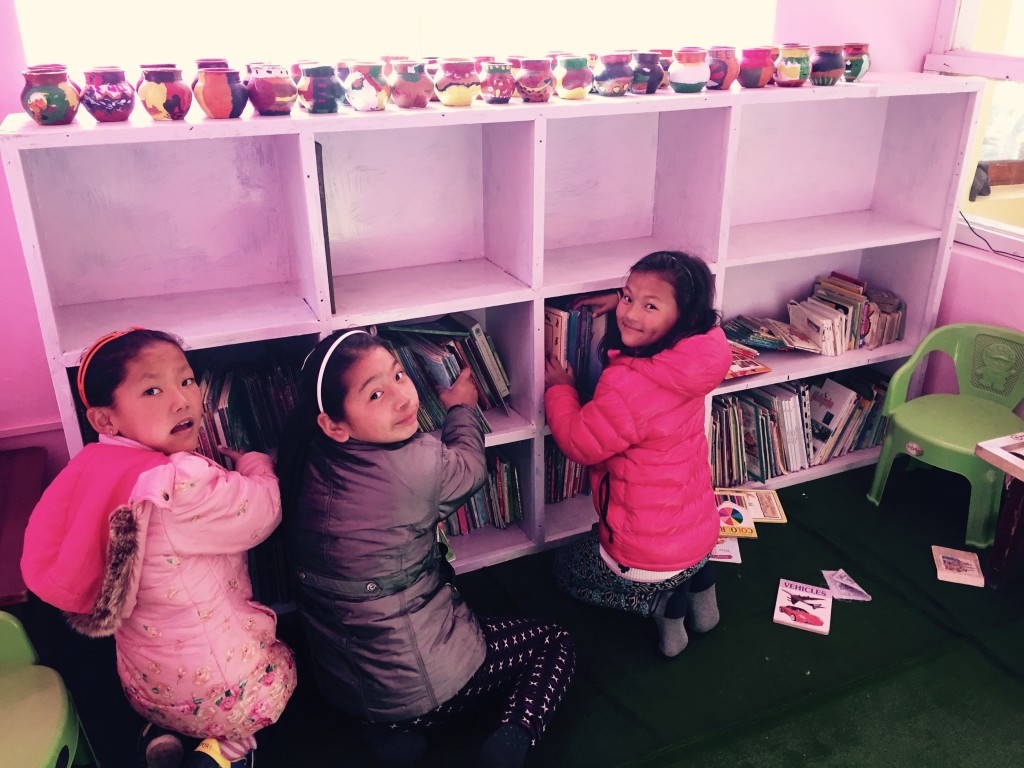
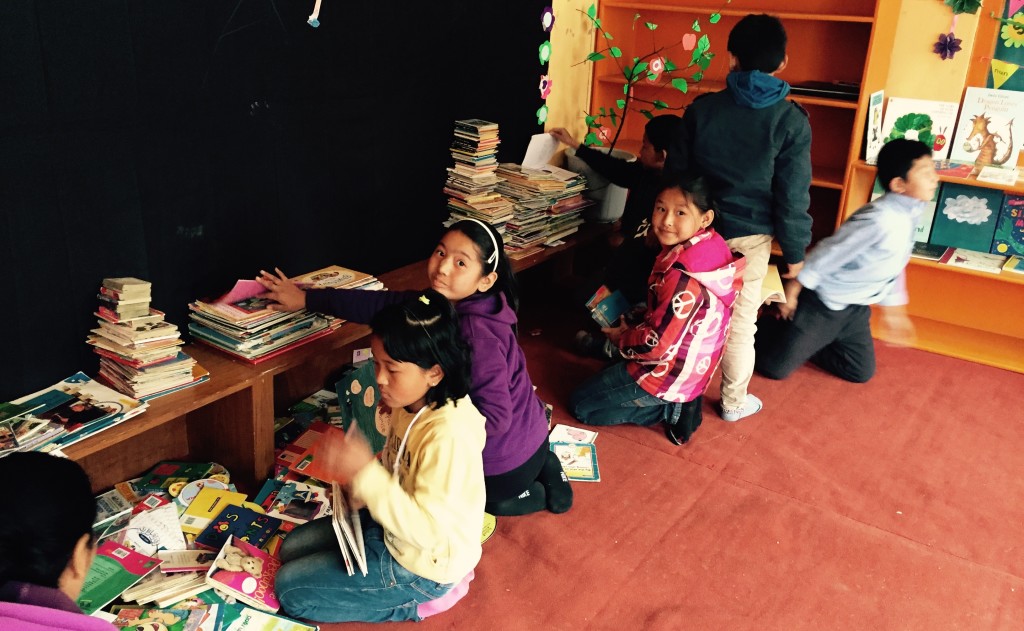
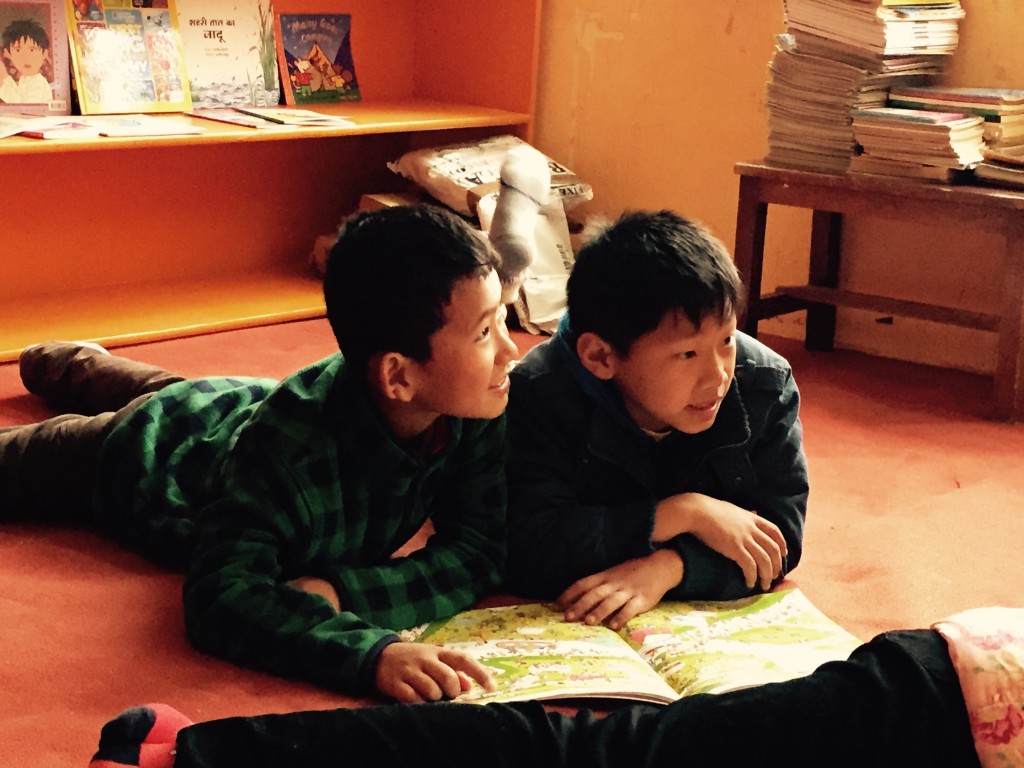
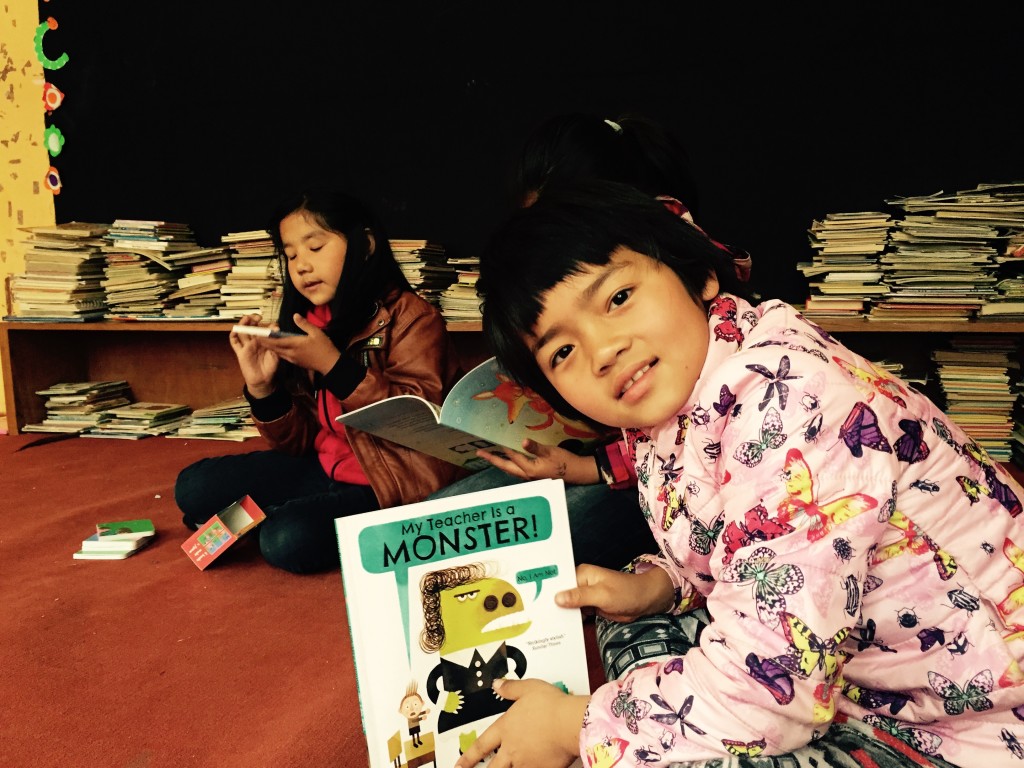
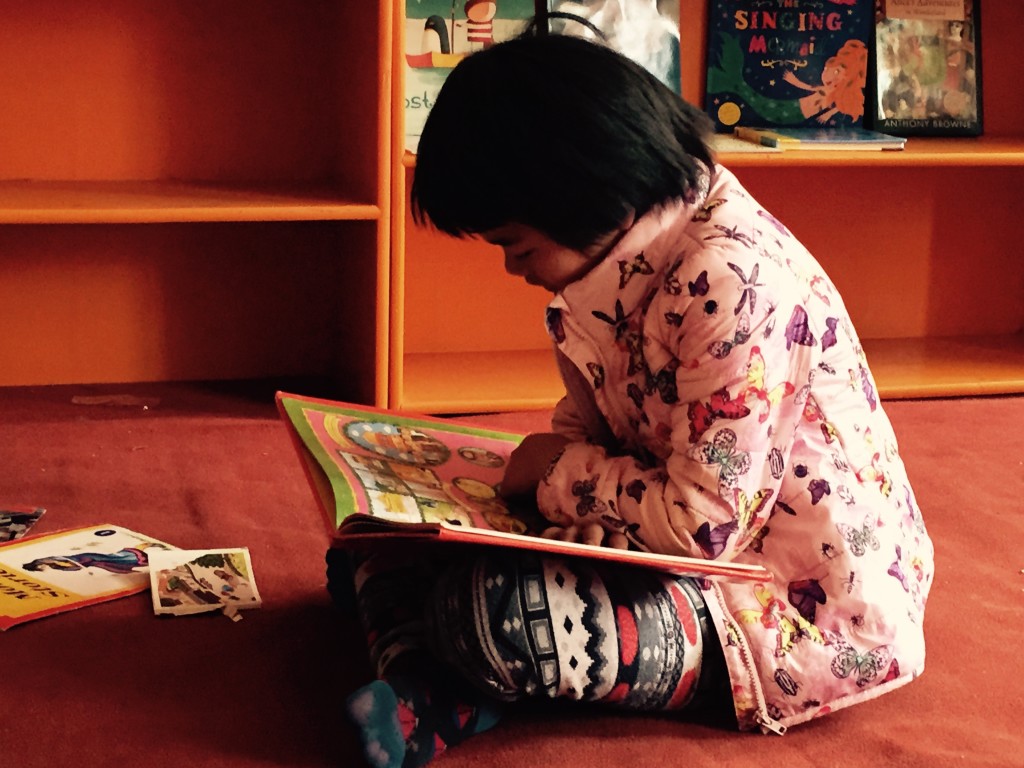
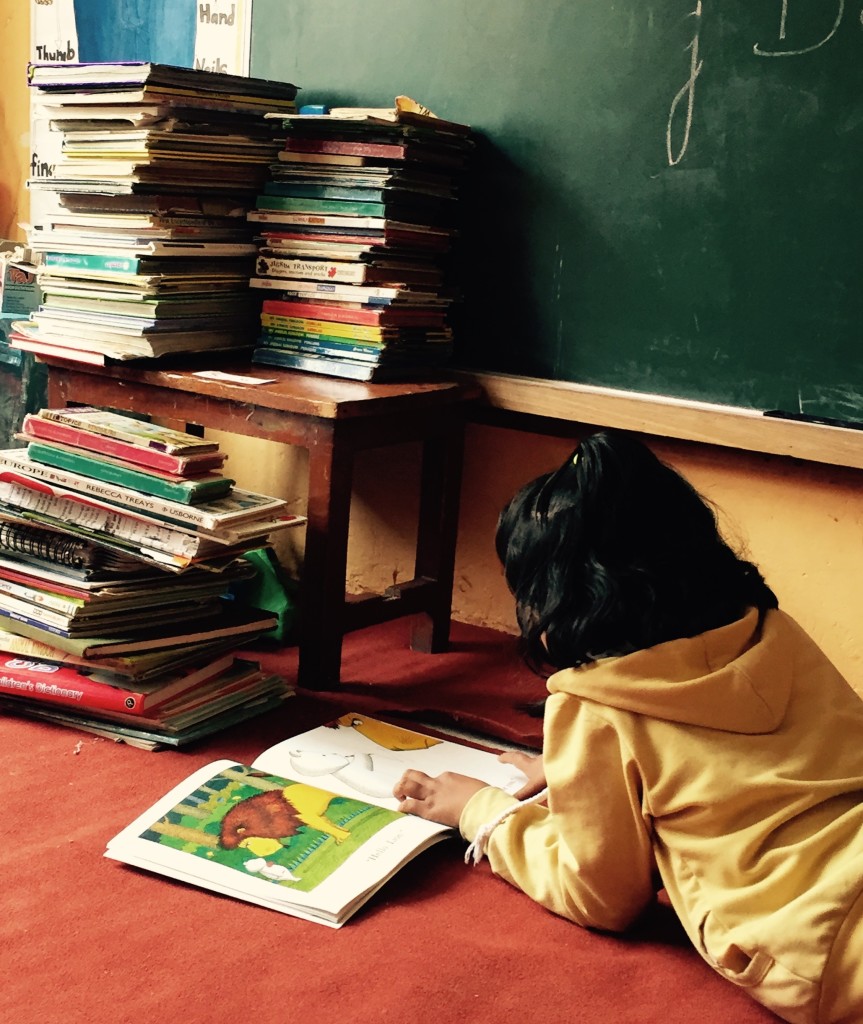
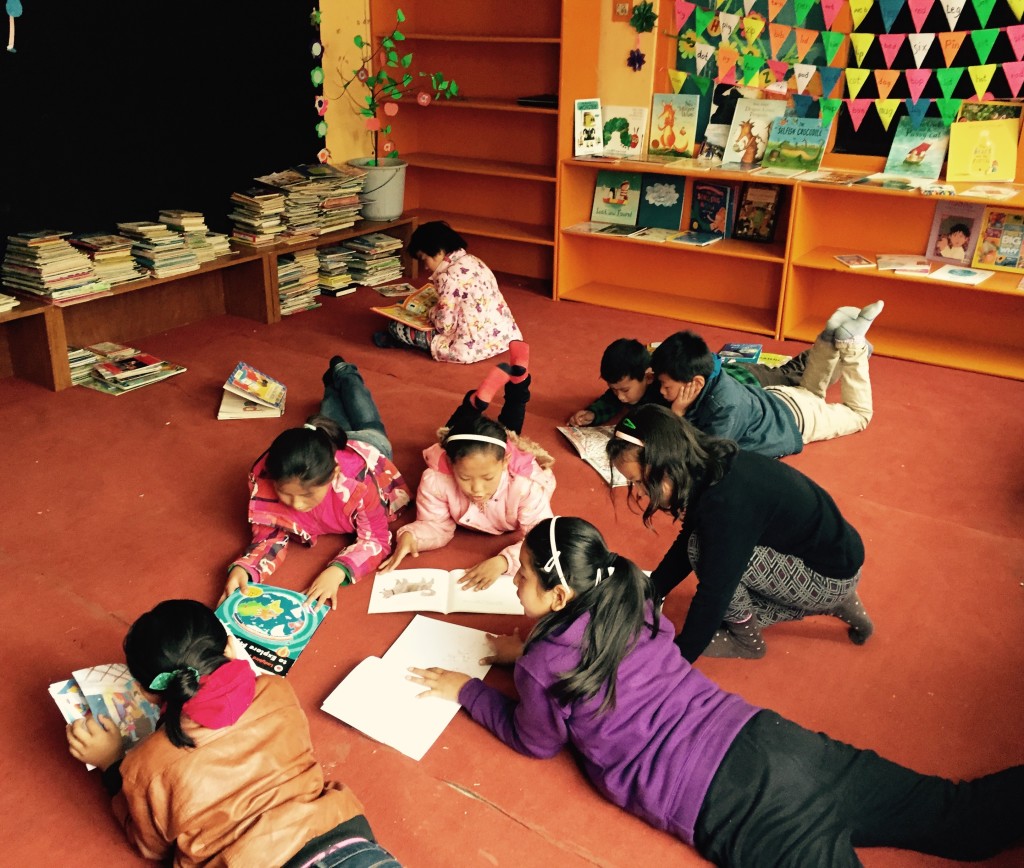
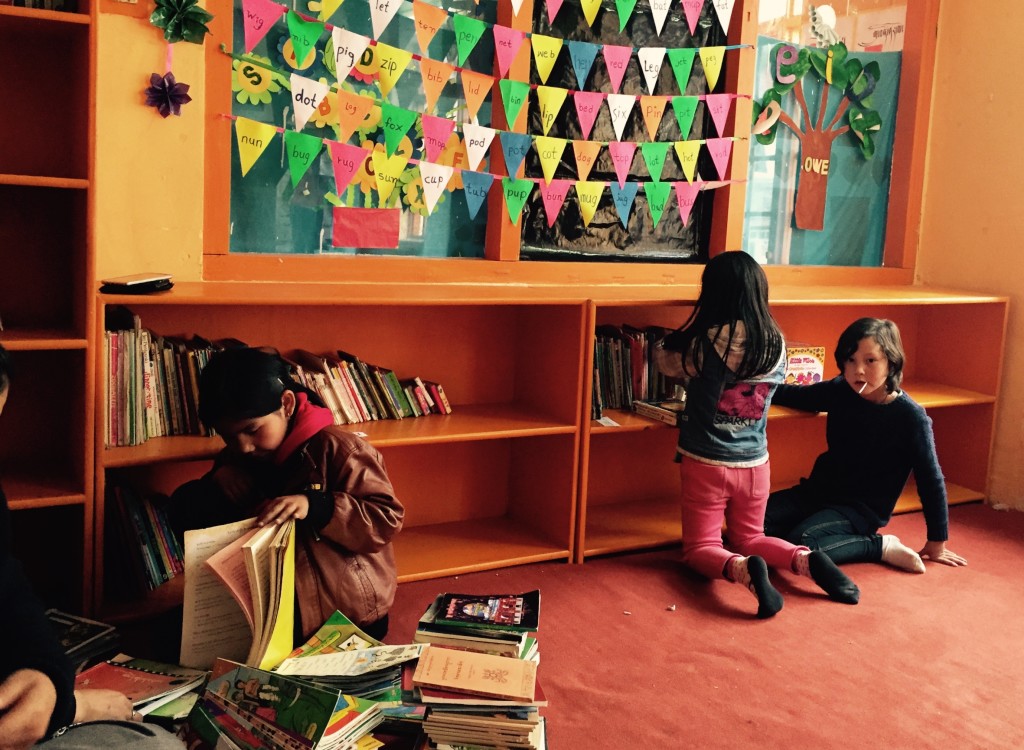
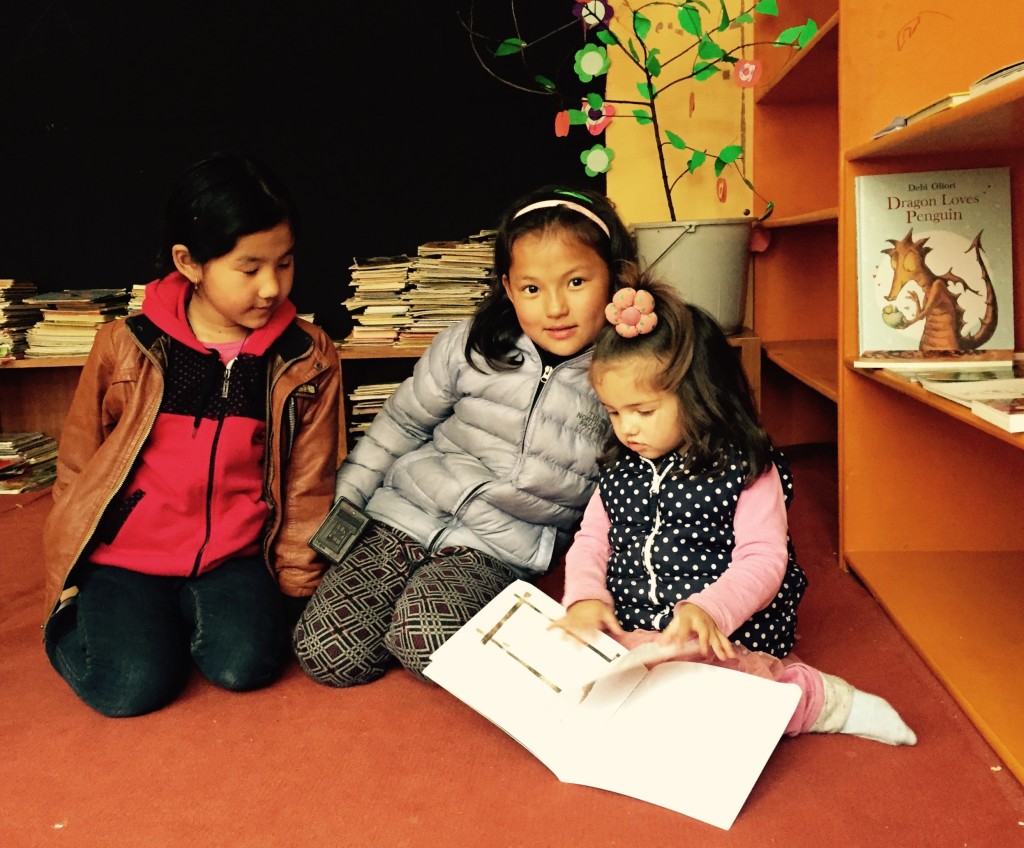
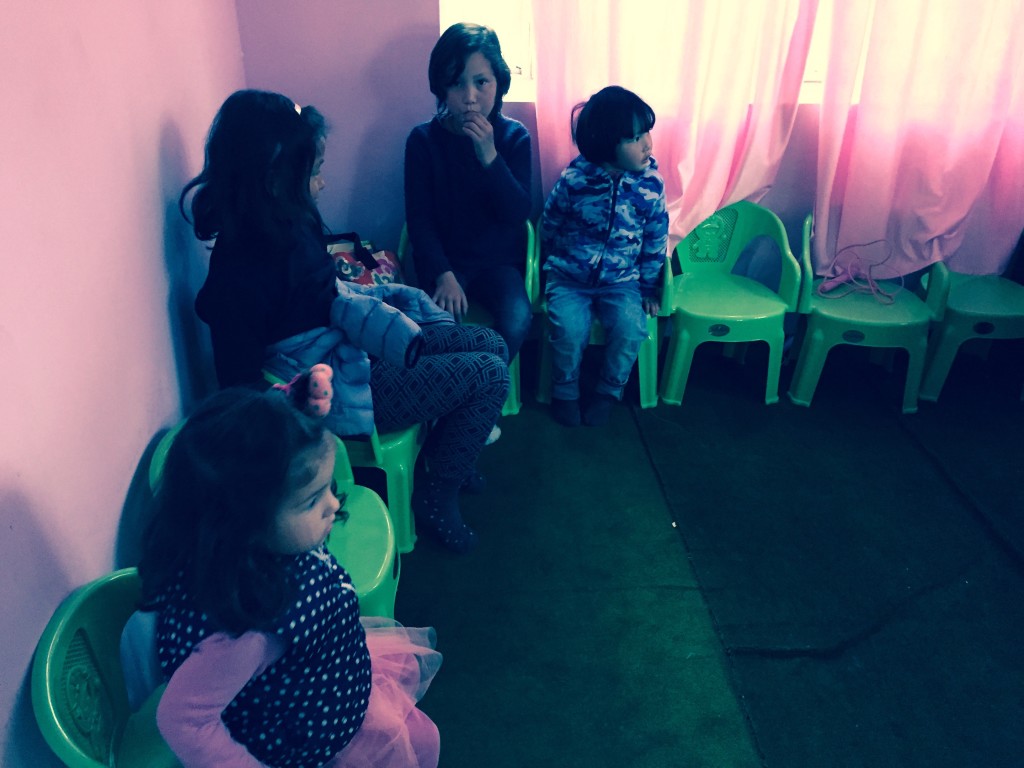
Shelves alone do not create a reading culture. The physical atmosphere matters. Children are more likely to spend time with books when they have comfortable places to sit, enough light, accessible shelves, and a calm environment where they can focus without feeling intimidated.
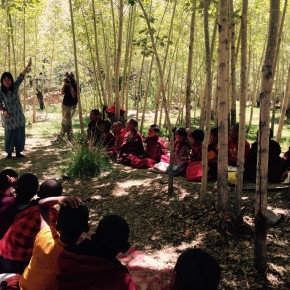
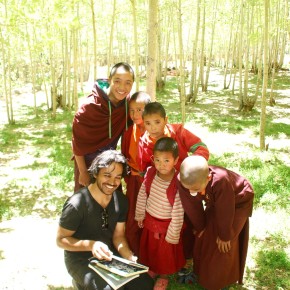
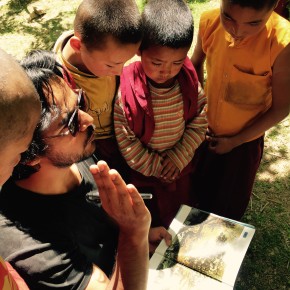
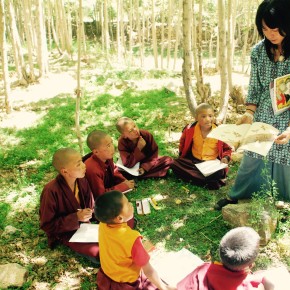
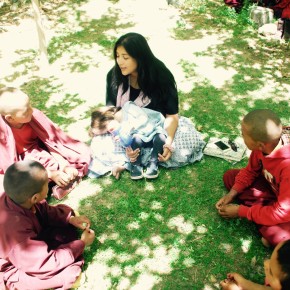
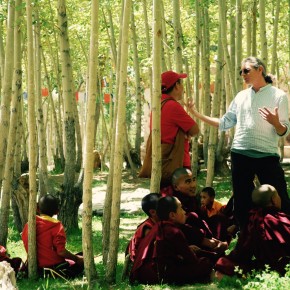
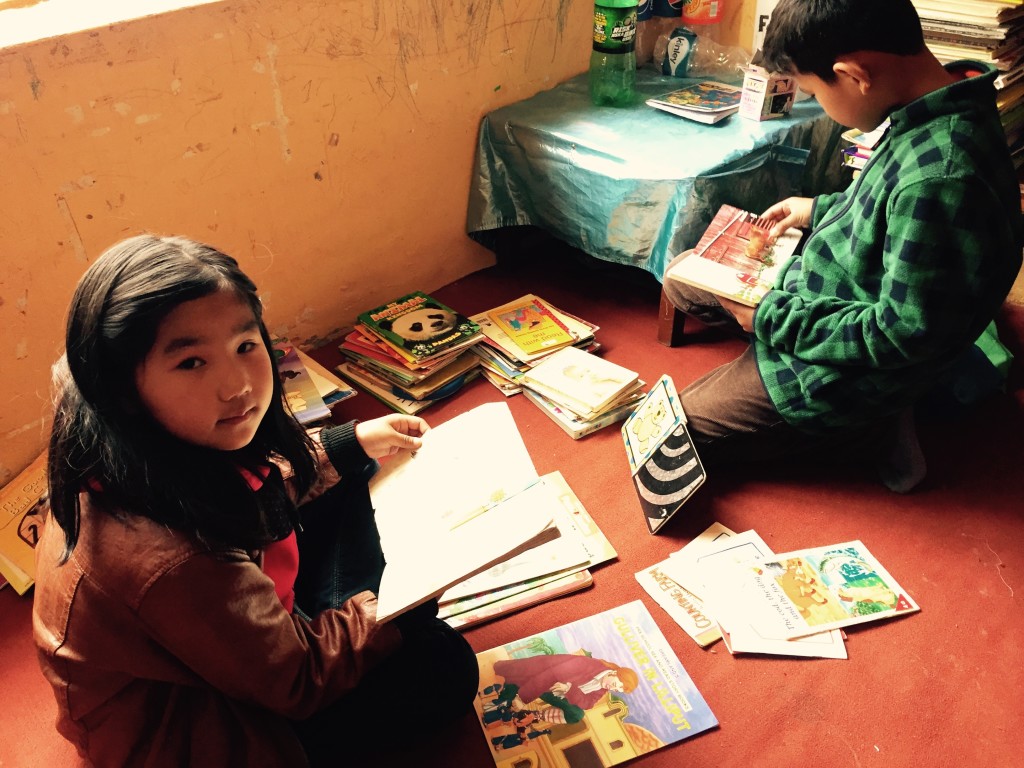
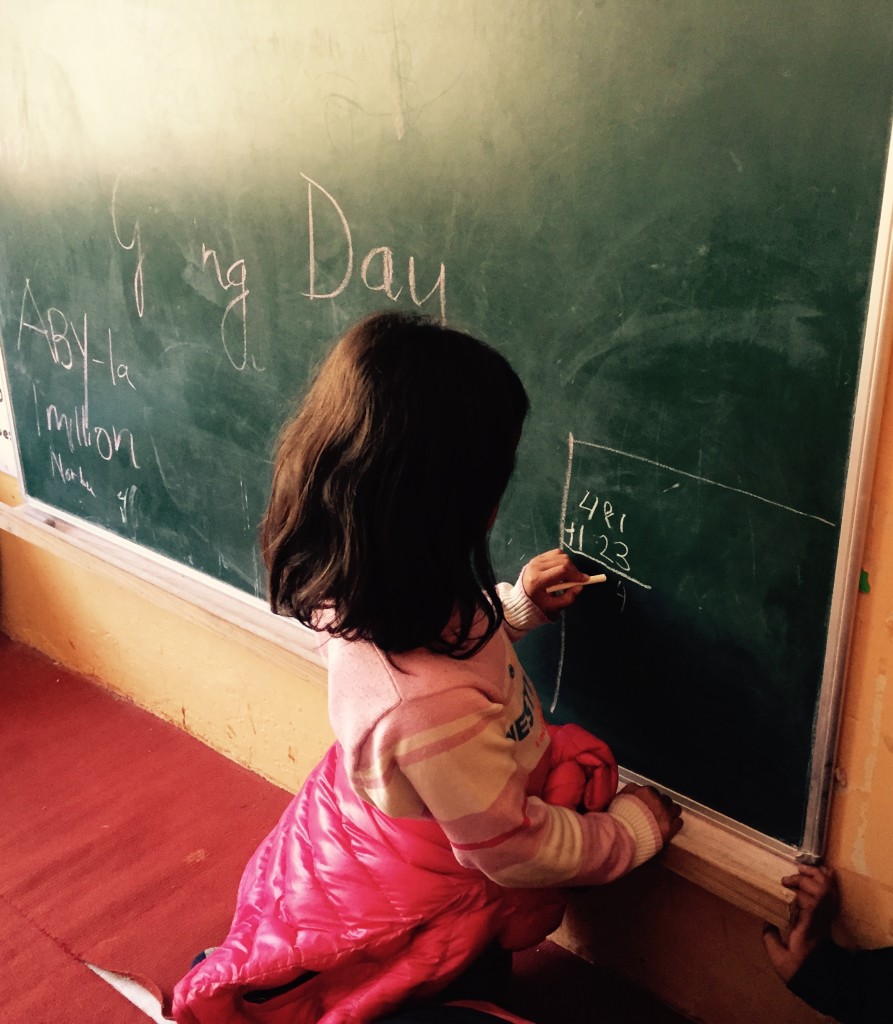
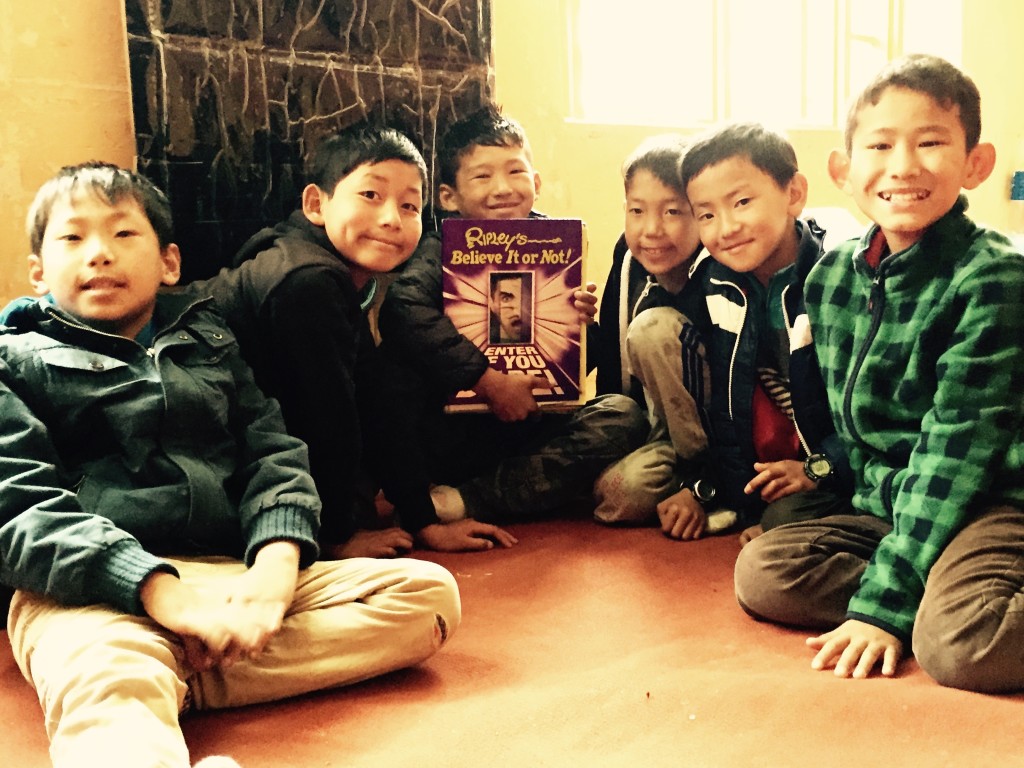
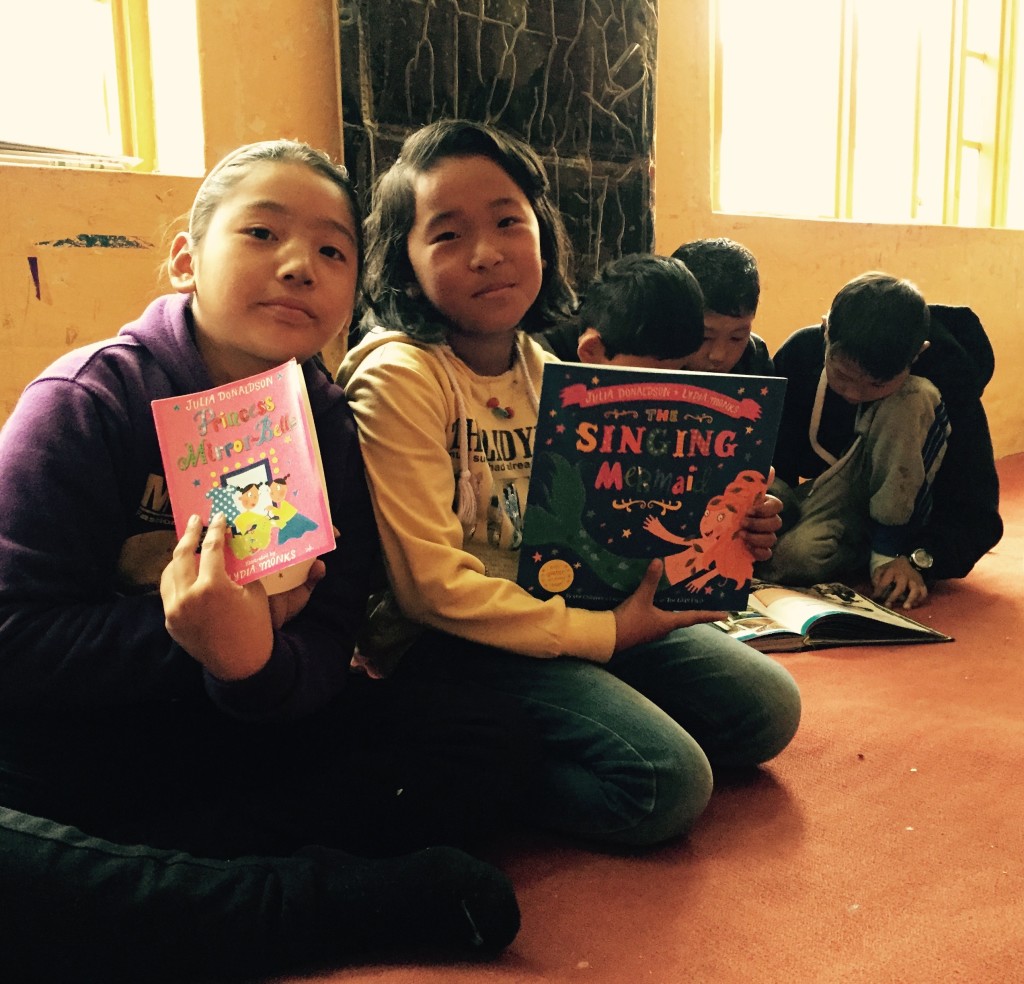
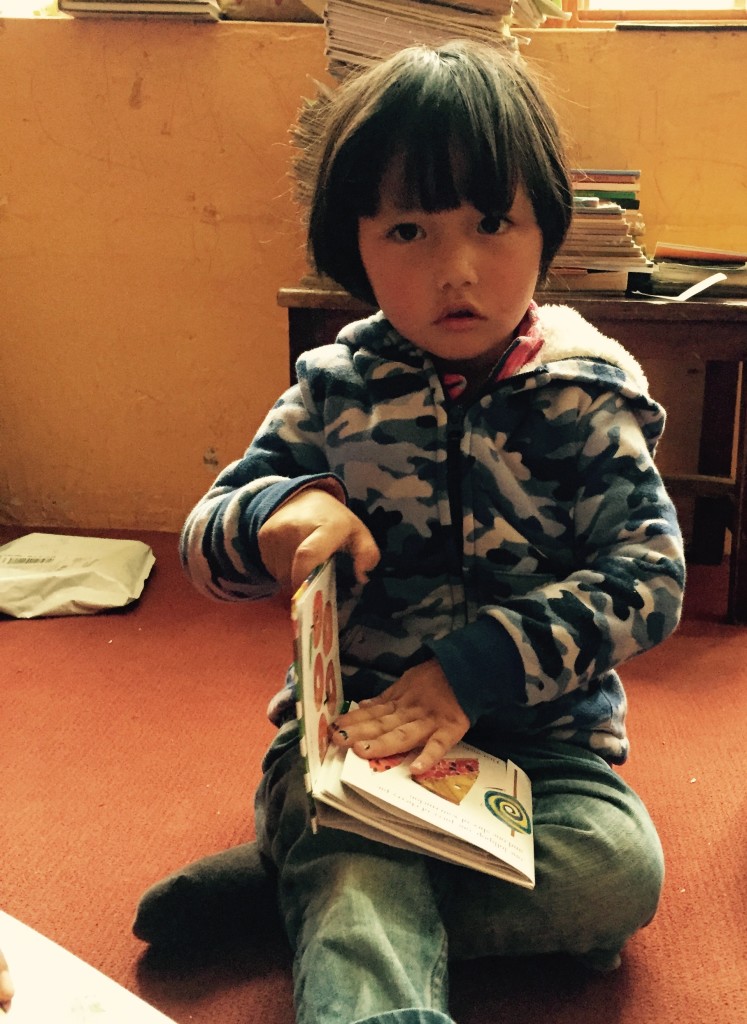
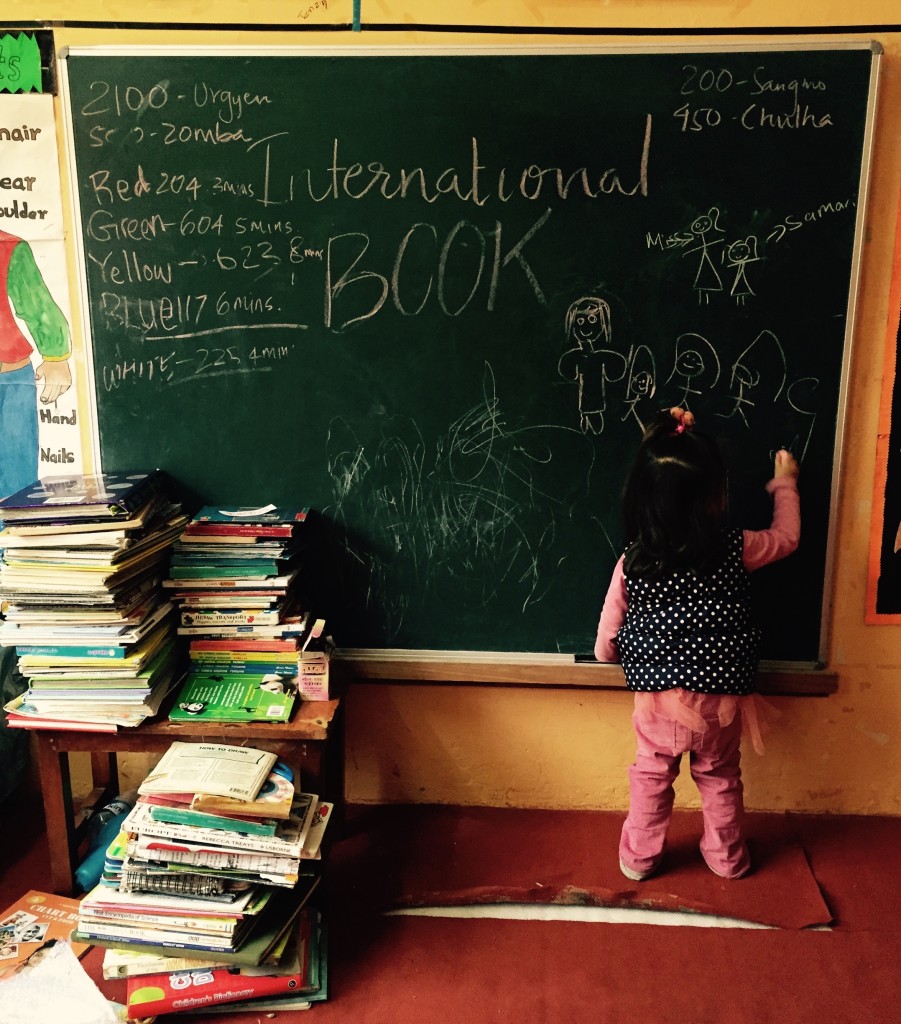
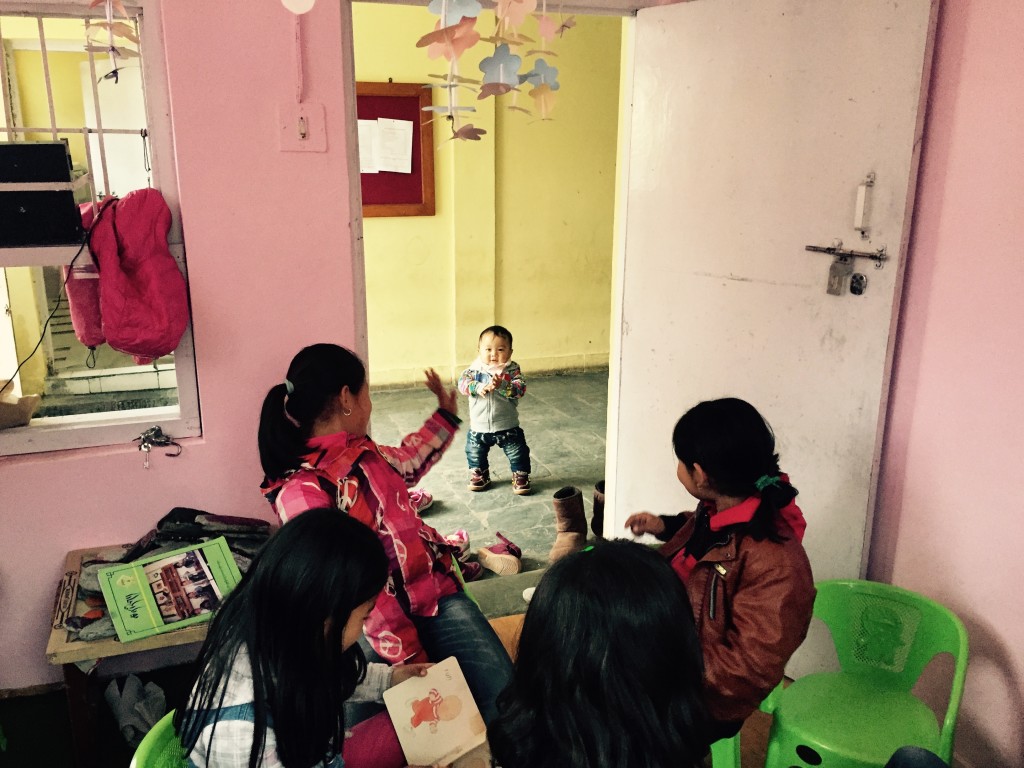
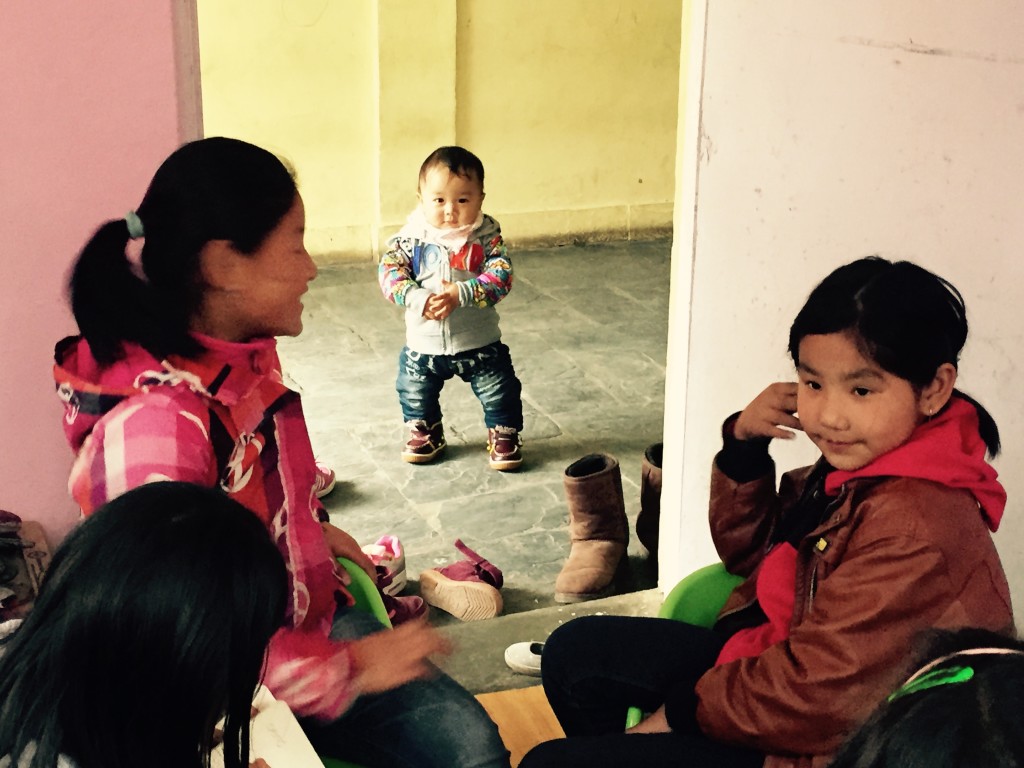
A warm reading space also allows books to become part of social life. Children can read quietly, share a story with a friend, listen during a group session, or draw after discovering an inspiring image. These simple experiences help transform reading from a school obligation into a personal activity.
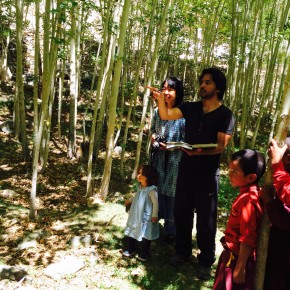
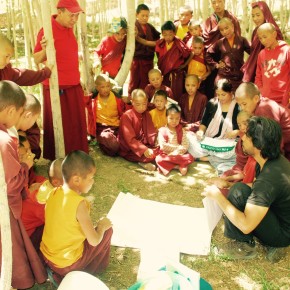
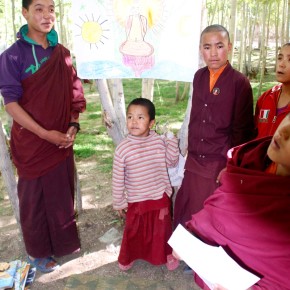
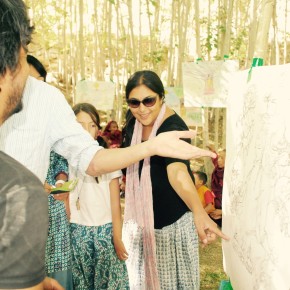
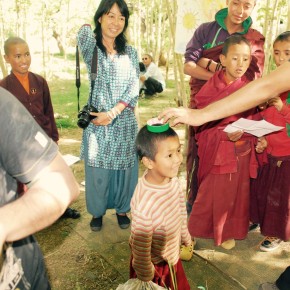
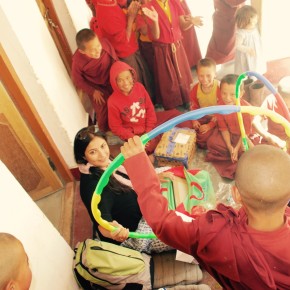
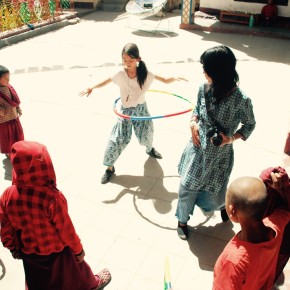
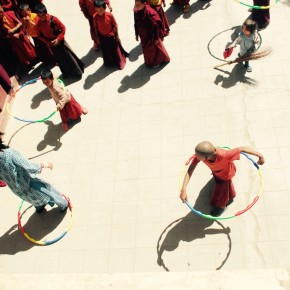
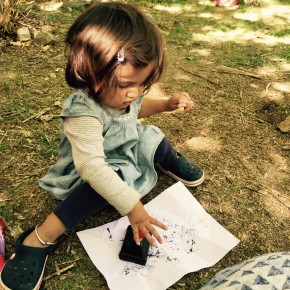
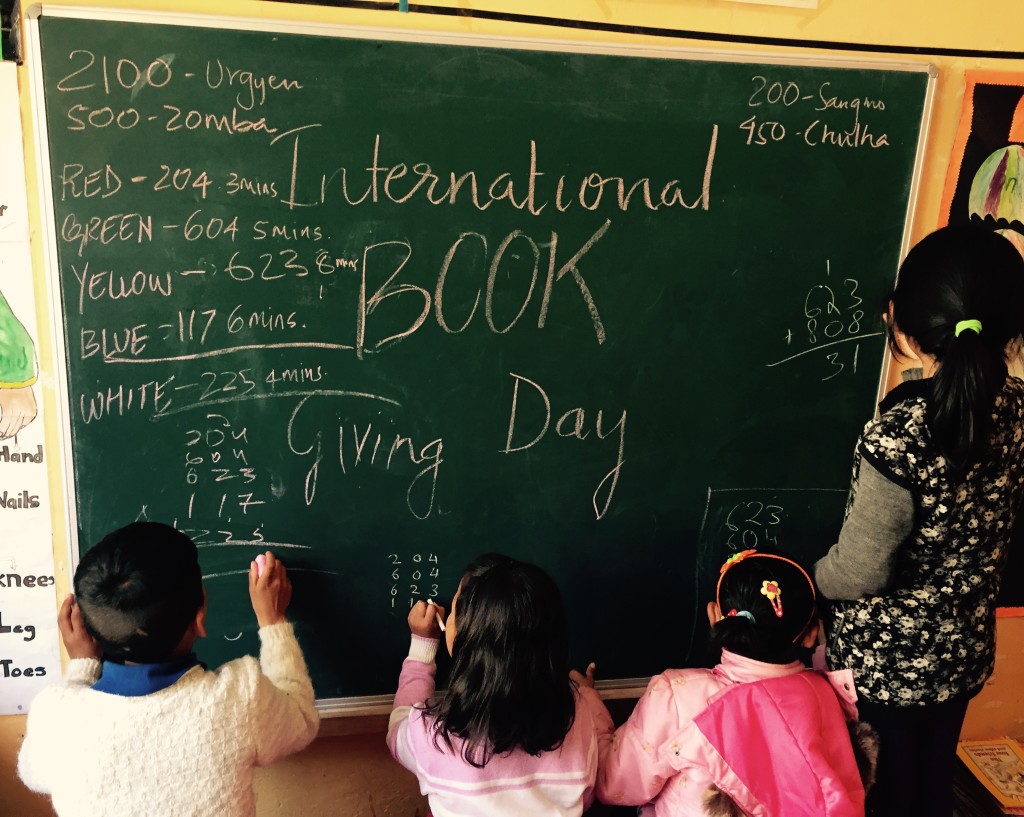
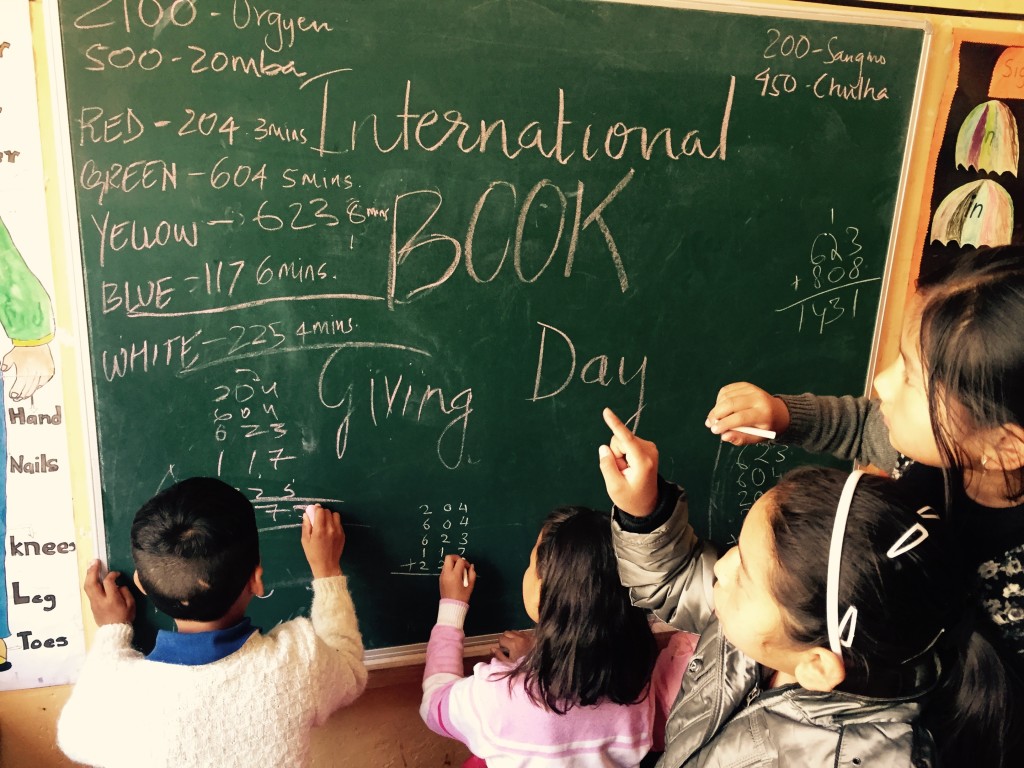
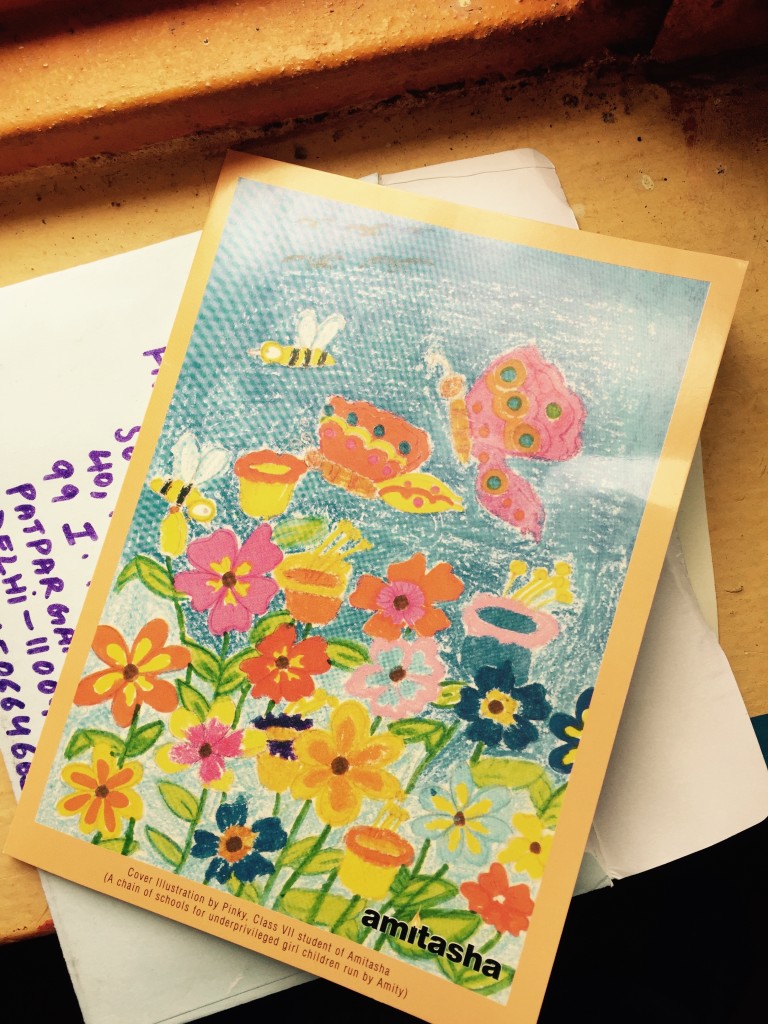
Creative programming adds another layer to the room’s purpose. Art, music, storytelling, and discussion can draw in children who may not initially consider themselves readers. A child who comes to make a picture or listen to a song may gradually begin choosing books independently.
Learning Beyond the Printed Page
The Stok Reading Room supports literacy in a broad sense. Reading involves decoding words, yet it also develops communication, attention, imagination, and the confidence to form ideas. When children talk about a character, explain a scientific fact, or recommend a title, they practice skills that reach far beyond the library.
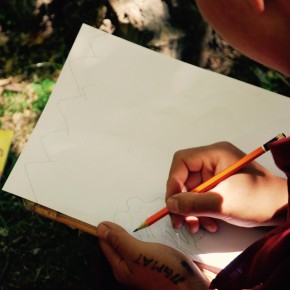
Educational and artistic activities can reinforce that growth. A story may lead to a drawing project, a geography book may inspire a map, and a folk tale may open a conversation about memory and tradition. These connections make books active tools for learning rather than objects that sit unused on shelves.
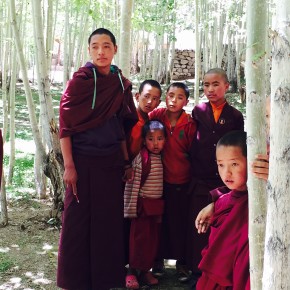
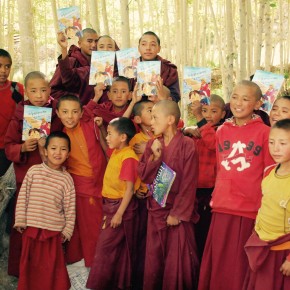
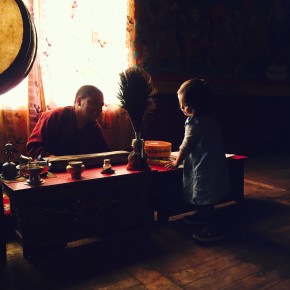
Young monks and children in Himalayan communities can benefit from the same freedom to explore subjects beyond their regular lessons. Access to quality books gives them opportunities to encounter different perspectives while strengthening their relationship with their own community and cultural environment.
What Helps a Community Library Last
Creating a library from scratch is a visible achievement, but maintaining it is an ongoing responsibility. Books need care, shelves need organization, and children need reasons to keep returning. Regular activities and local involvement help the reading room remain connected to everyday life in Stok.
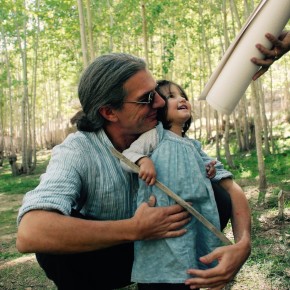
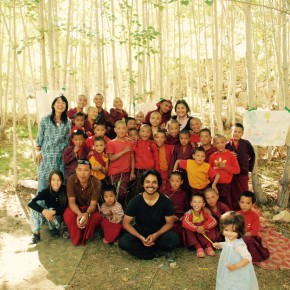
The most durable projects are supported by shared ownership. Teachers, families, volunteers, donors, and young readers each contribute something different. A teacher may suggest useful titles, a volunteer may lead a storytelling session, and a child may encourage a friend to visit. These small contributions give the room an identity rooted in the community.
Practical support can make a lasting difference:
- Donate new or gently used children’s books suited to different reading levels.
- Support book drives that include sorting, packing, and transport costs.
- Volunteer time for storytelling, art, music, reading practice, or library organization.
- Share the reading room’s work with schools, community groups, and potential supporters.
- Provide flexible funding so the collection and activities can respond to local needs.
A Small Room With a Wide Horizon
The Stok Reading Room represents a simple idea with lasting reach: children deserve access to books that inform, comfort, challenge, and inspire them. In a remote Himalayan setting, that access may require a network of people working across distance, yet the result is deeply local—a room where children can learn together and develop their own relationship with reading.
Every shelf reflects a chain of care, from the person who selects a book to the volunteer who prepares it and the child who opens it for the first time. The project’s value is found in these moments of connection. A book becomes useful when it reaches a reader, and a reading room becomes powerful when the community makes it part of its life.
You can help extend that chain through the Avalokiteśvara Trust. Donations, suitable books, volunteer skills, and shared awareness can support the Stok Reading Room and similar educational initiatives across Ladakh. By contributing to access, creativity, and literacy, you help give young readers a place where their curiosity has room to grow.