The surprising benefits of reading inside a blanket fort
A blanket fort can look like a temporary hideaway made from couch cushions, sheets and a few determined pegs. For a child, however, it may become a small reading room with a door, a roof and a clear sense of ownership. That change in setting can make books feel more inviting, especially for children who find ordinary reading time too exposed, noisy or closely supervised.
Allowing children to read under a blanket fort also gives adults a useful reminder: literacy grows through positive experiences, not only through worksheets and assigned chapters. A cosy corner can support concentration, imagination, emotional security and independent choice while keeping reading playful.
Why an enclosed space feels inviting
Children are often surrounded by competing signals. A television may be playing in the next room, siblings may be moving through the house, and a phone may be lighting up nearby. A fort creates a visible boundary around one activity. Even when it is loosely made, the boundary tells the child that this is a place for slowing down.
The sense of shelter can be particularly helpful for children who are sensitive to noise or social pressure. Inside the fort, they can pause over a picture, reread a funny passage or abandon a book that does not suit them without an audience. That privacy can make experimentation feel safer, which matters when a child is still building confidence with unfamiliar words.
A fort also gives children control over their reading environment. They might choose a torch, arrange cushions, select two picture books or invite a younger sibling inside. These small decisions turn reading into an active experience rather than a task delivered by an adult.
How a blanket fort supports attention and imagination
Reading in a contained space can help children stay with a story for longer. The fort does not magically remove distraction, but it reduces the visual clutter that often pulls attention away from a page. A child who struggles to sit at the dining table may manage a longer, calmer session when reading is paired with a comfortable physical setting.
The imaginative quality of the fort adds another layer. A book about mountains may be read from a “base camp”; a story about a ship may be enjoyed from a cabin at sea. This kind of pretend play does not replace comprehension. It gives children a route into it, helping them connect characters, places and events with ideas they can picture.
For younger readers, the fort can support shared reading. An adult can use a quiet voice, pause before turning pages and invite the child to predict what happens next. Older children may prefer to read independently, then emerge to explain a favourite scene. Both forms of engagement strengthen vocabulary and oral storytelling.
A simple reading ritual that suits Australian homes
In Australia, family routines vary widely. A child in Melbourne may read after swimming lessons, while a family in Brisbane might choose a cooler indoor activity during the hottest part of the afternoon. In Sydney, a fort can make a small apartment feel more flexible; in regional towns, it may become a rainy-day project when outdoor plans are cancelled.
The materials do not need to come from a specialist children’s store. A sheet over two chairs, a doona over the end of a bed or towels clipped to a clothes airer can work well. With the cost of groceries, school supplies and new books rising in the Australian market, families can use library loans, second-hand bookshops, school book swaps and local street markets to keep the activity affordable.
The ritual works best when it has a gentle rhythm. Set up the fort, choose a small selection of books, read for an agreed period and pack away safely. A child can bring a water bottle, but food should stay outside to avoid spills and crumbs. Torches should be used with adult guidance, and the structure must leave clear access to doors, windows and household walkways.
| Reading setting |
Likely strength |
Helpful adult role |
Best use |
| Blanket fort |
Privacy, comfort and imaginative play |
Provide safe materials and let the child choose |
Independent or shared reading |
| Library corner |
Variety and quiet concentration |
Help select books and establish a routine |
Discovering new authors |
| Bedtime reading |
Predictability and emotional connection |
Read slowly and keep the routine consistent |
Winding down |
| Outdoor shade |
Fresh air and sensory variety |
Check weather, glare and comfort |
Short daytime sessions |
What children learn beyond the words
A blanket fort can encourage self-regulation. Children practise noticing when they need a break, adjusting their position, managing a small space and returning attention to the story. These abilities support classroom learning, even though the activity itself feels like play.
The fort can also become a setting for emotional literacy. Stories often present fear, friendship, exclusion, courage and change in manageable forms. A child may find it easier to discuss a character’s worry while sitting in a sheltered space, especially when the adult responds with curiosity rather than rushing to teach a lesson.
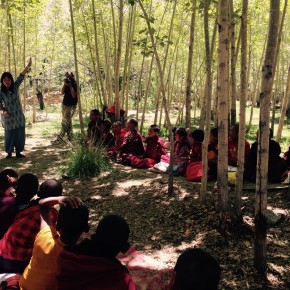
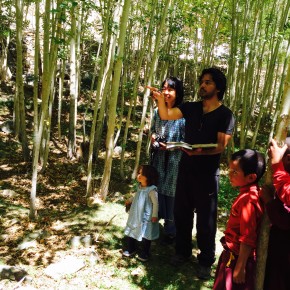
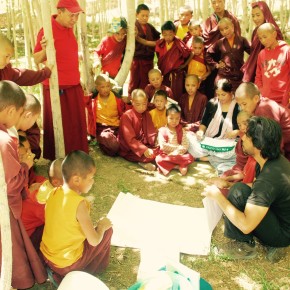
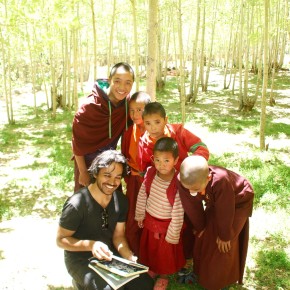
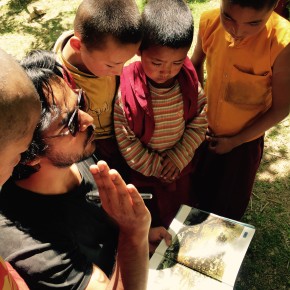
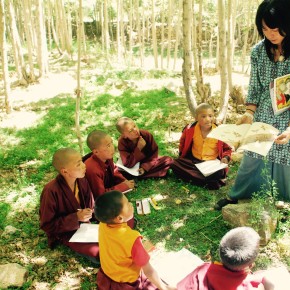
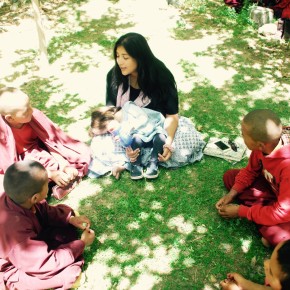
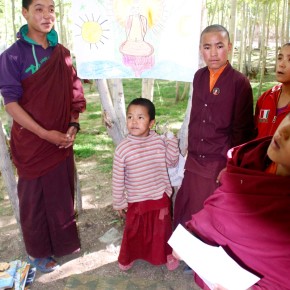
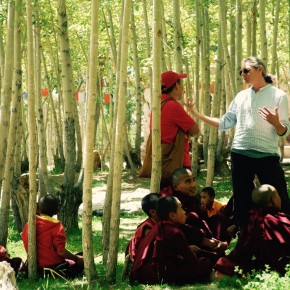
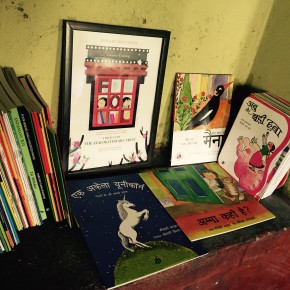
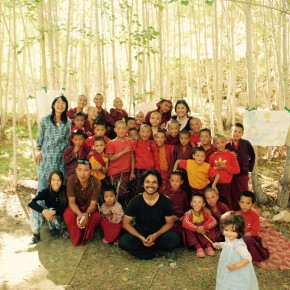
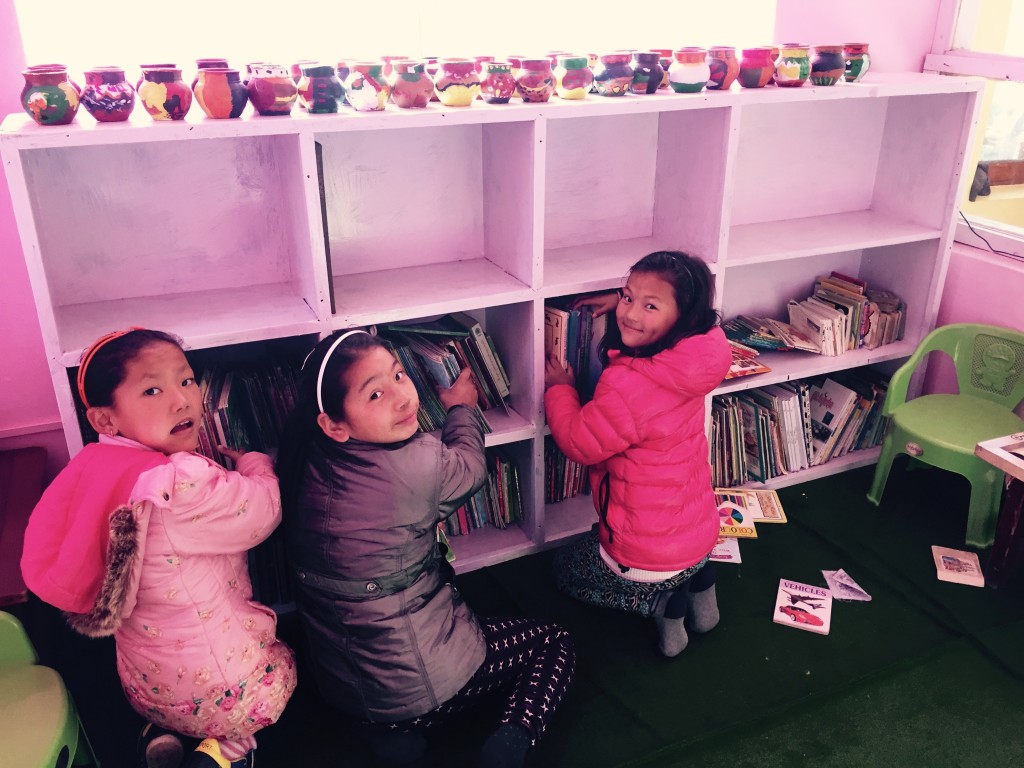
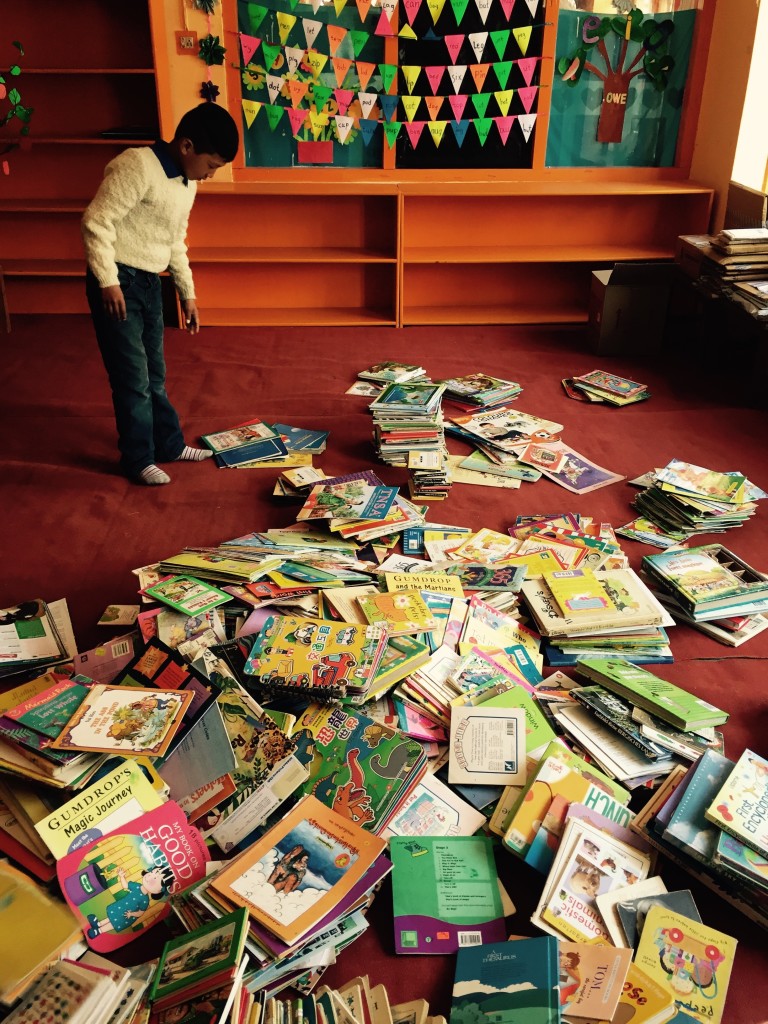
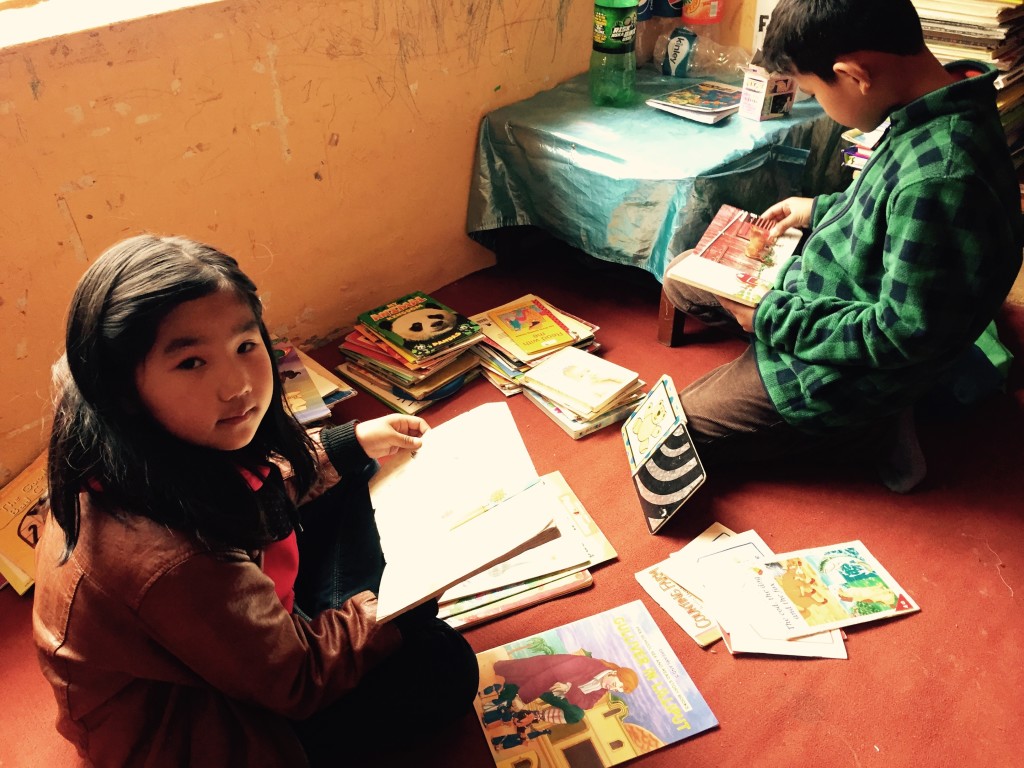
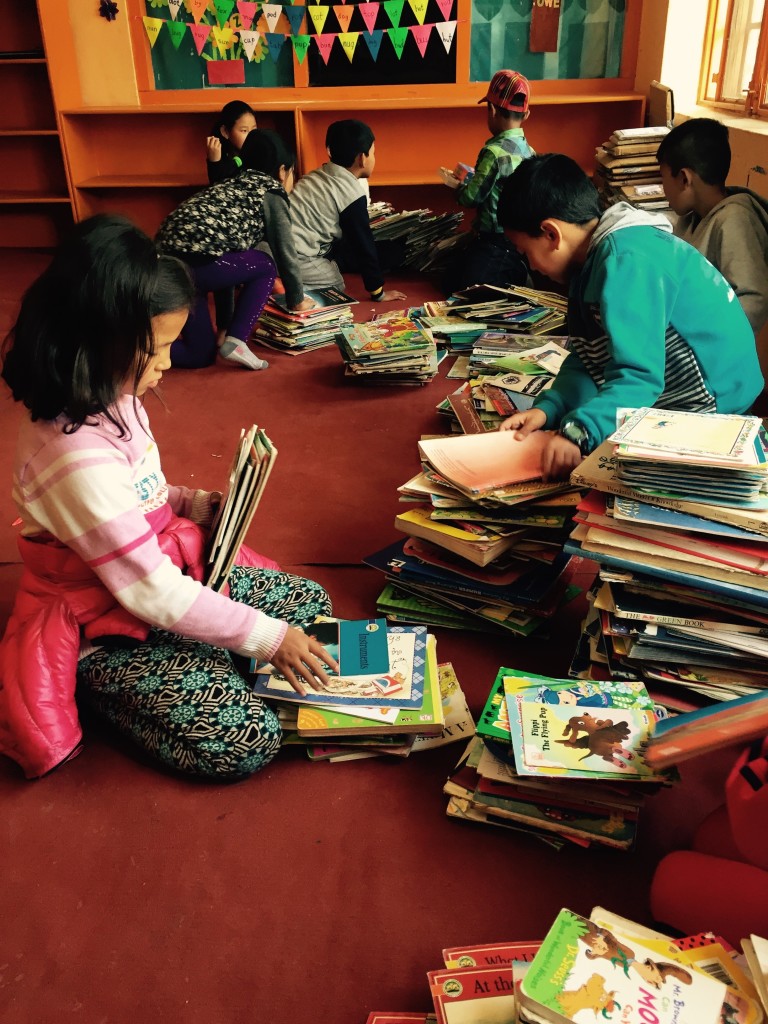
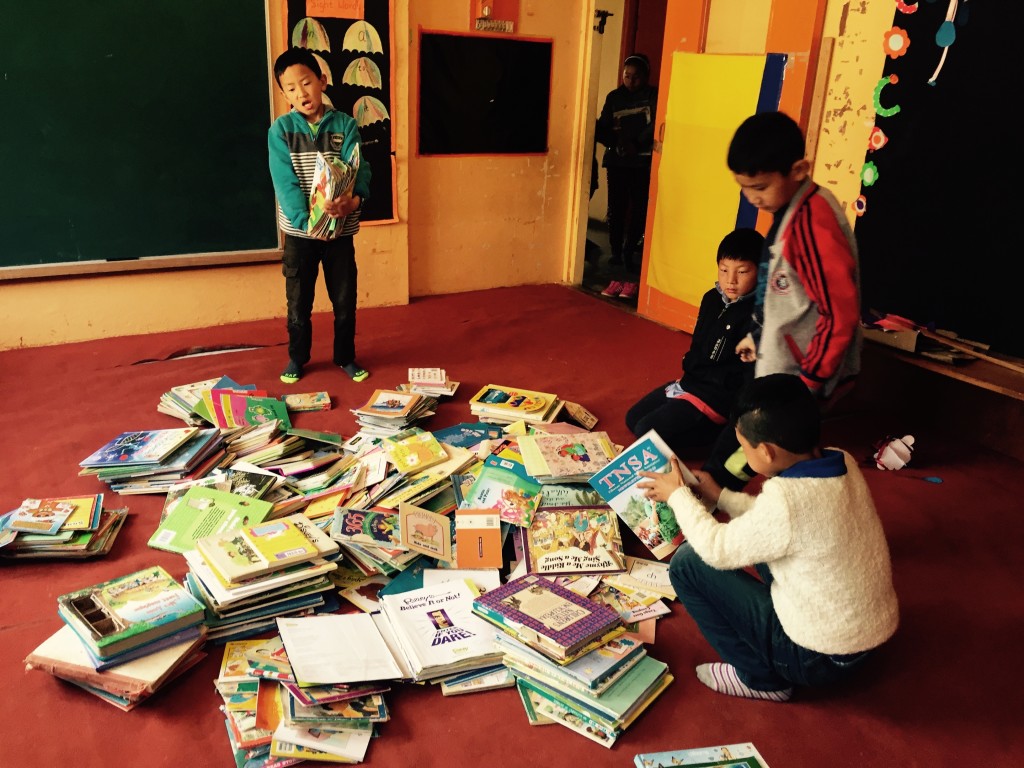
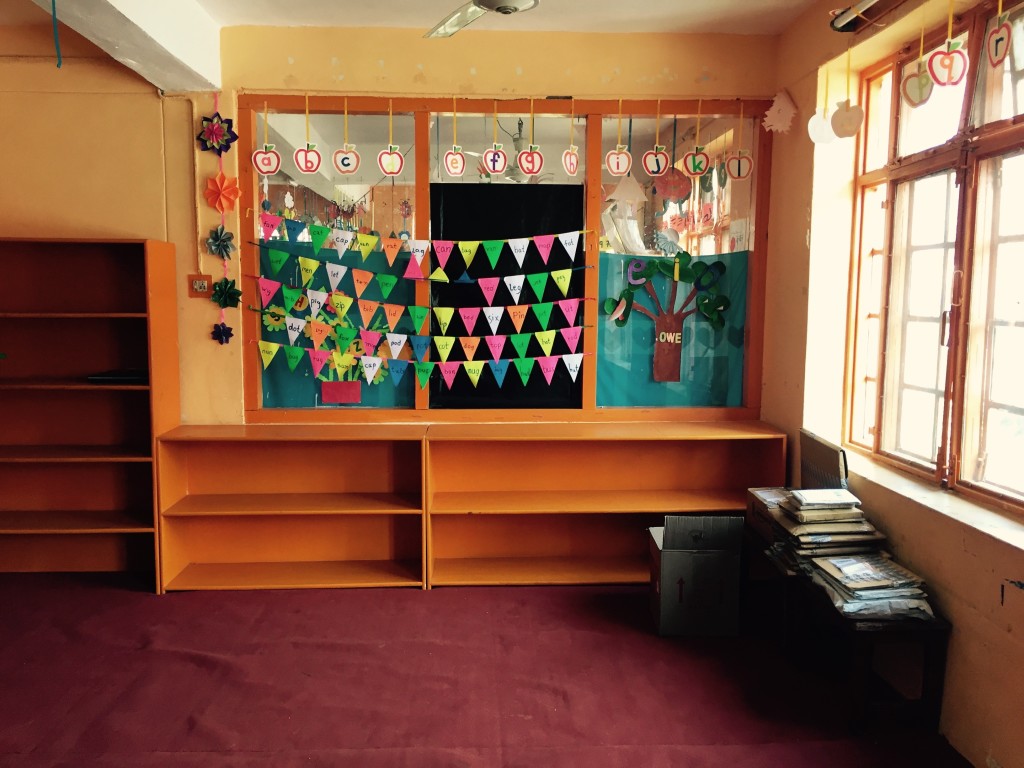
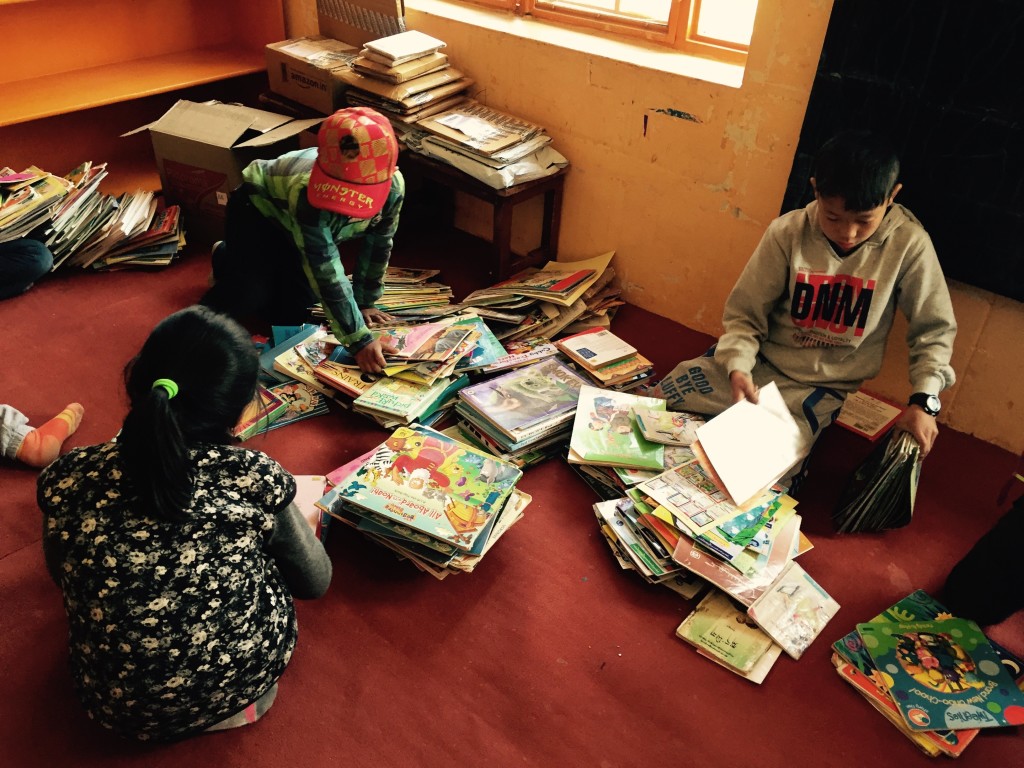
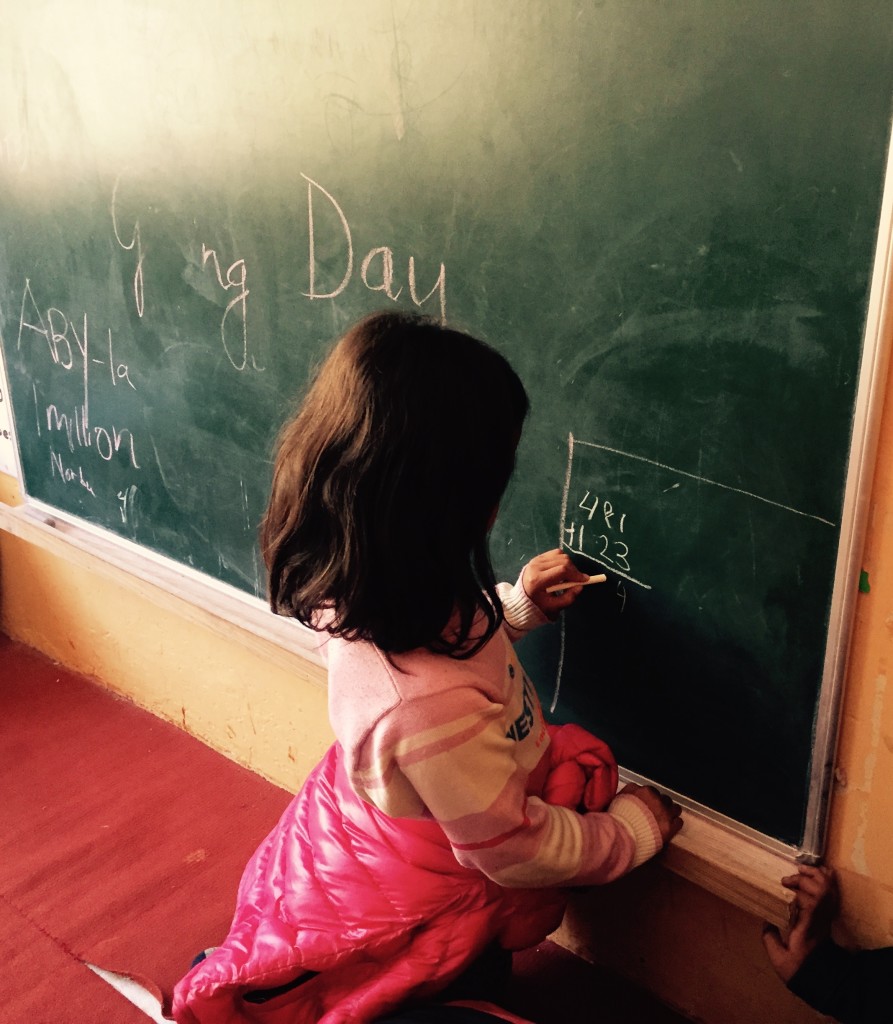
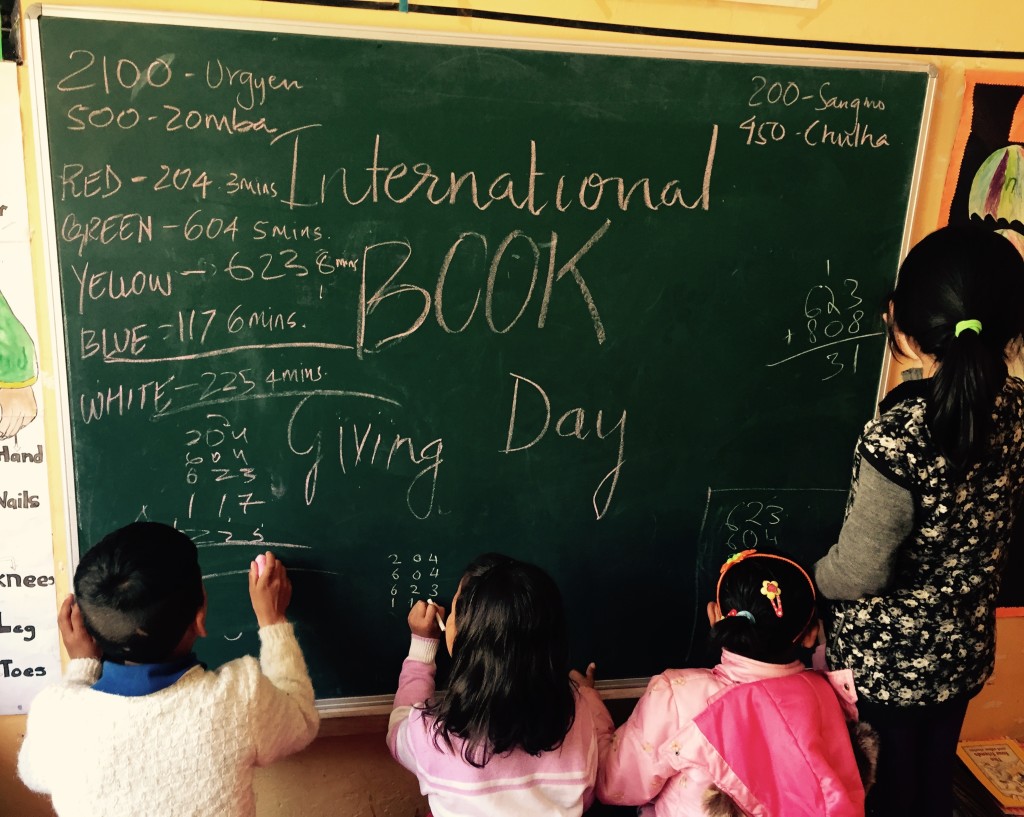
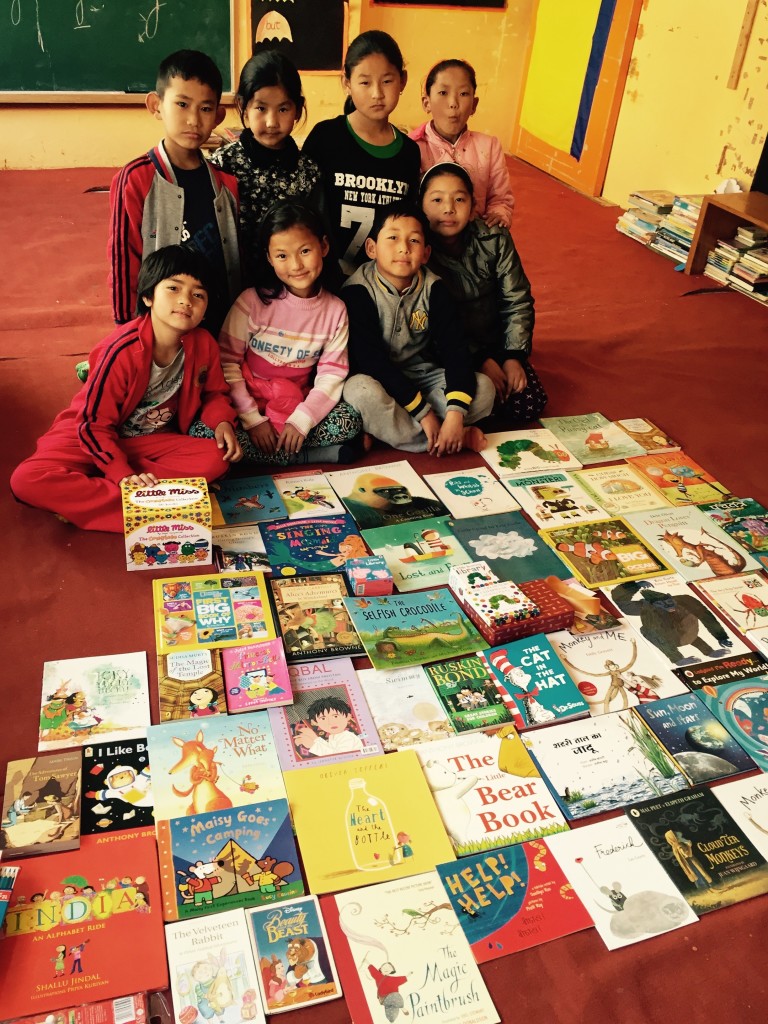
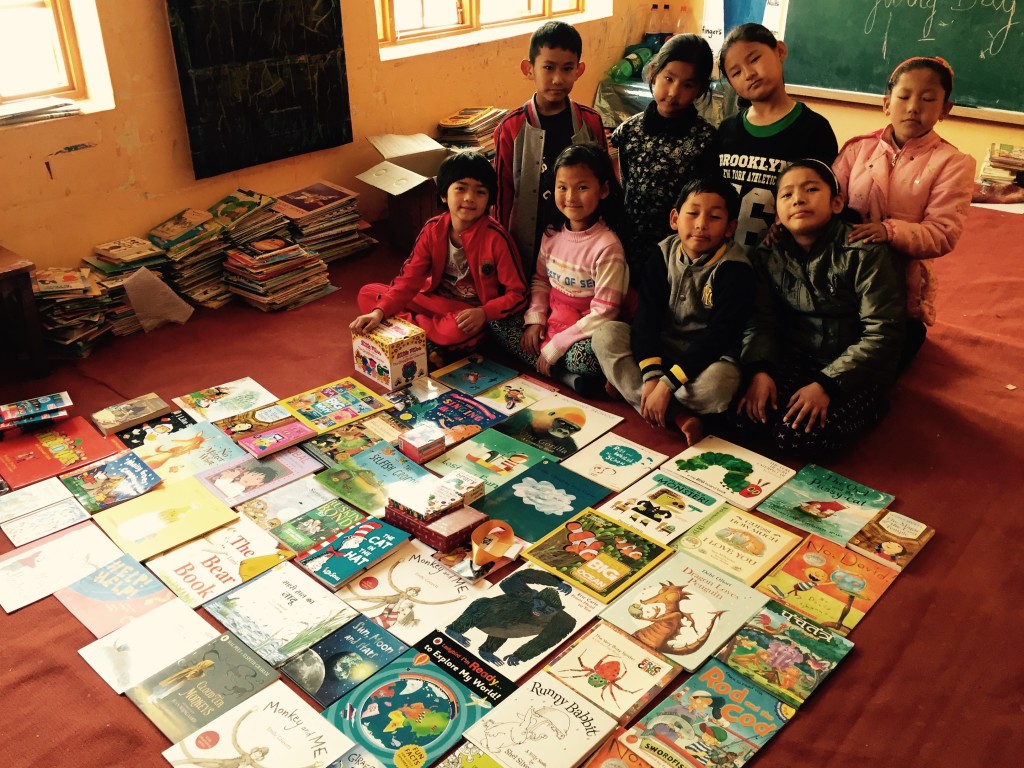
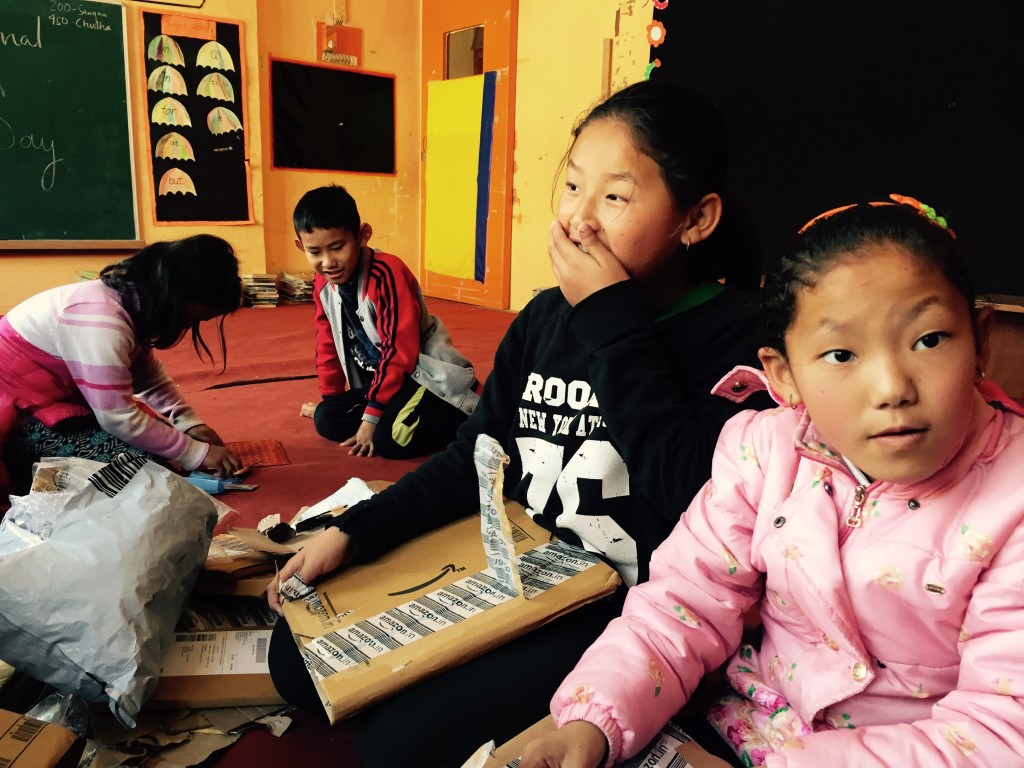
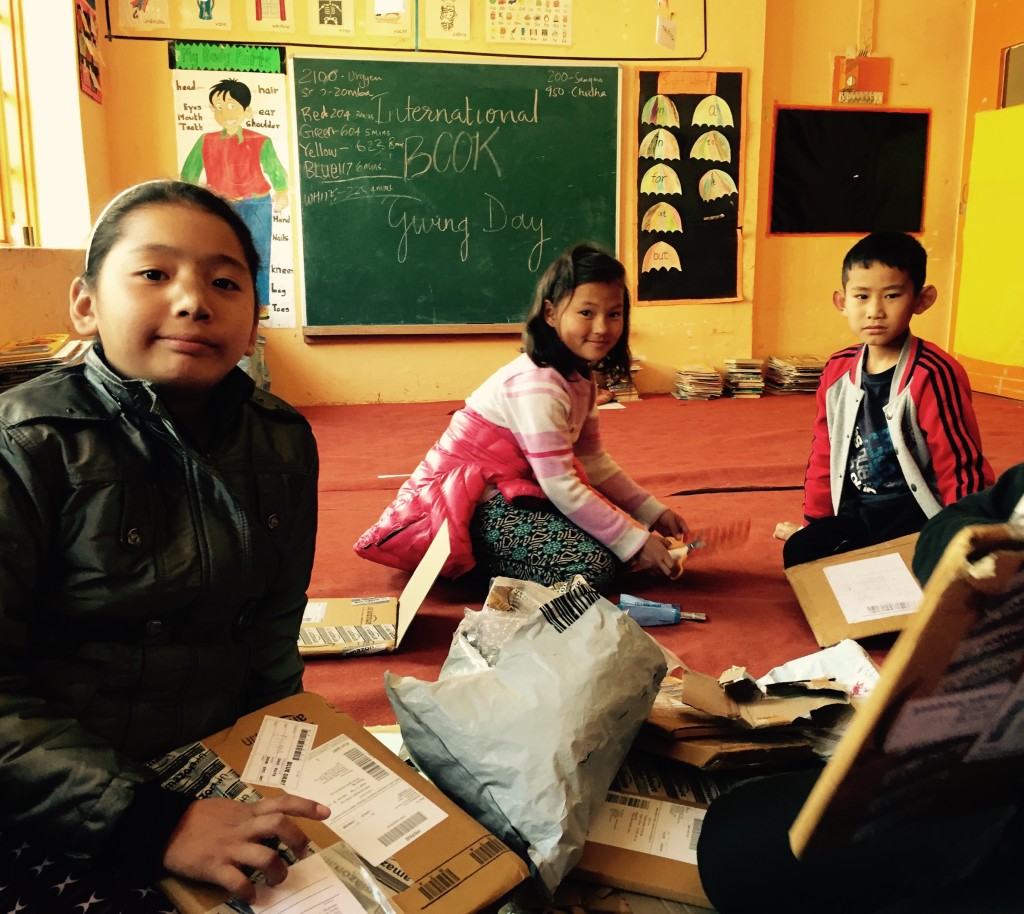
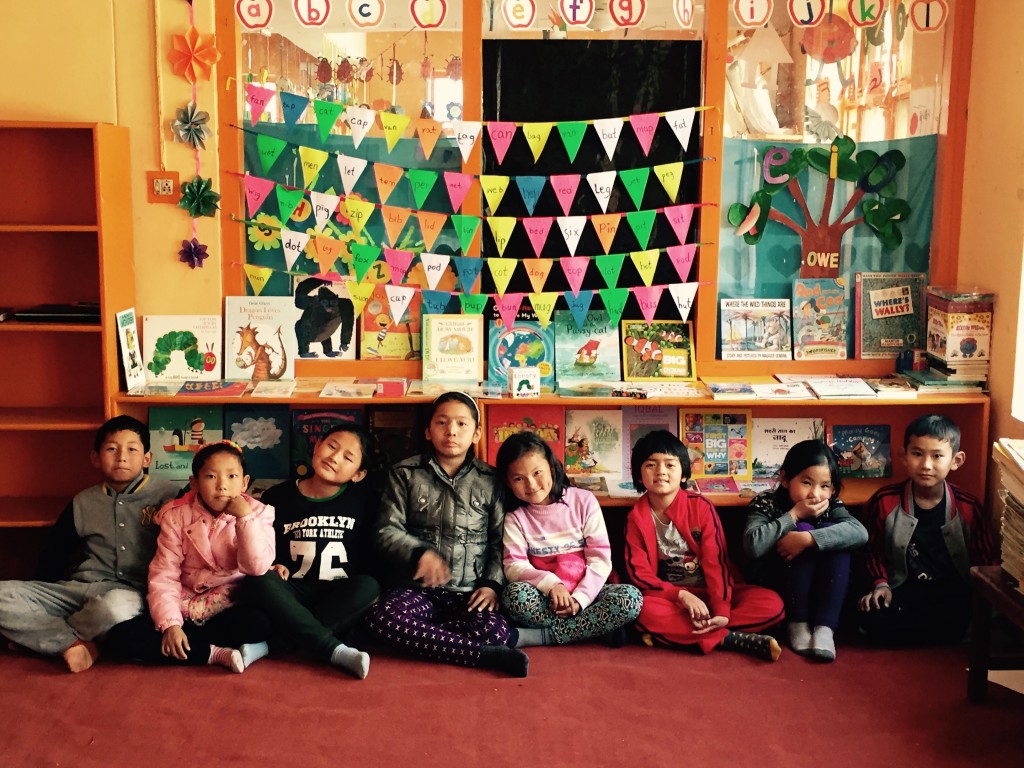
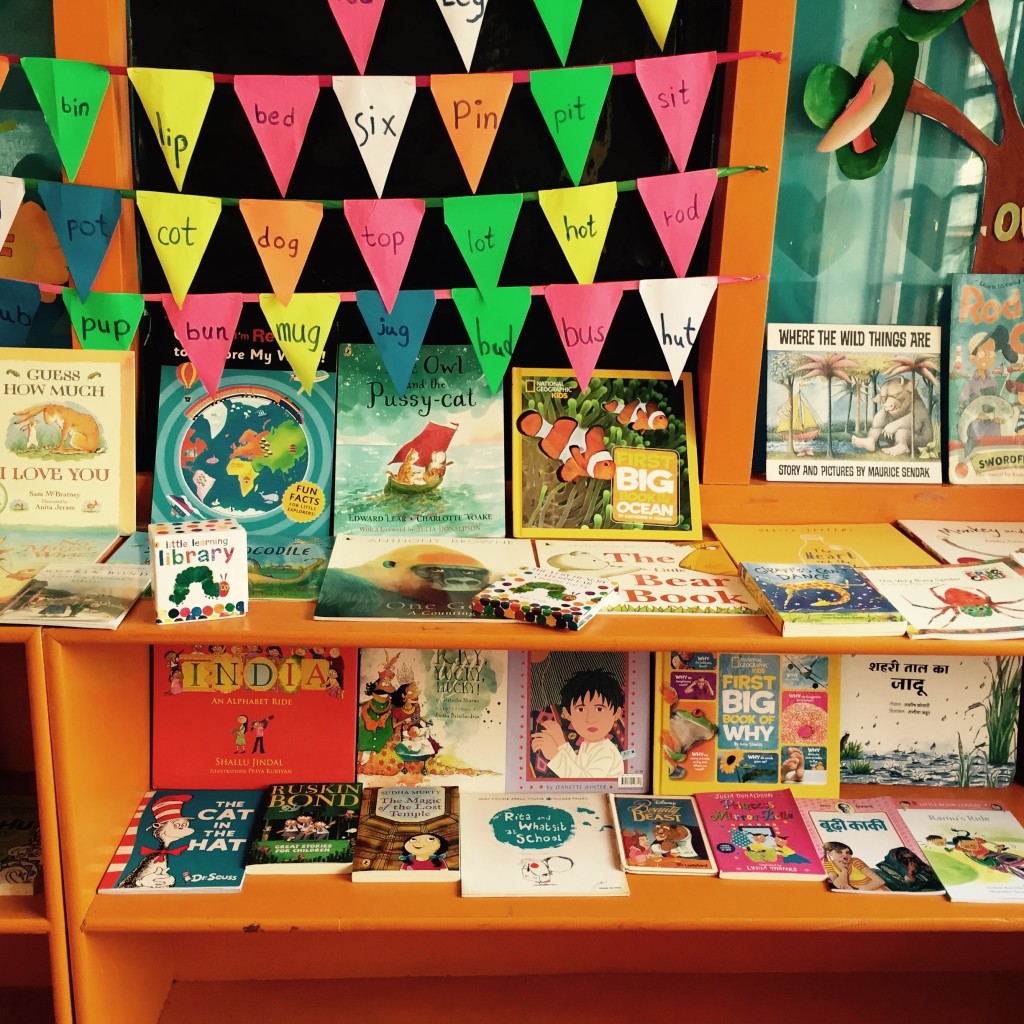
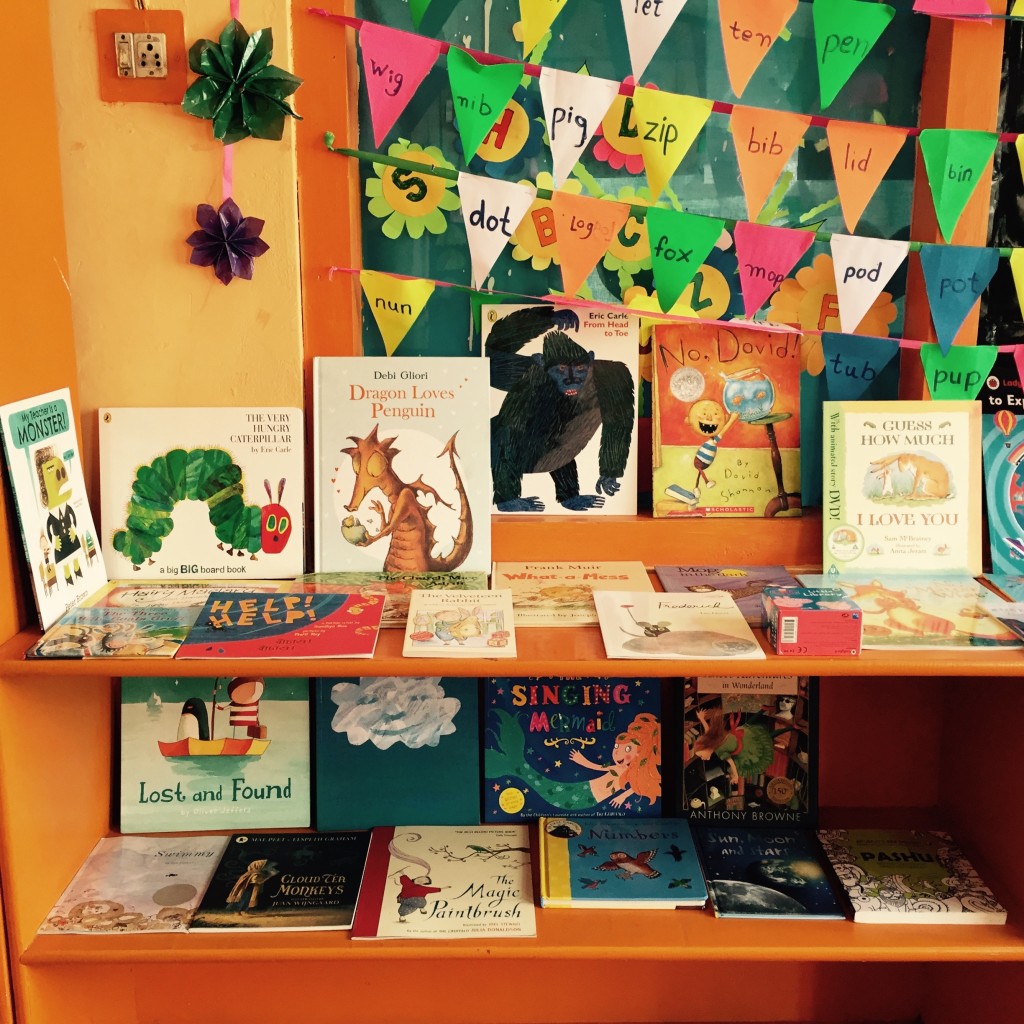
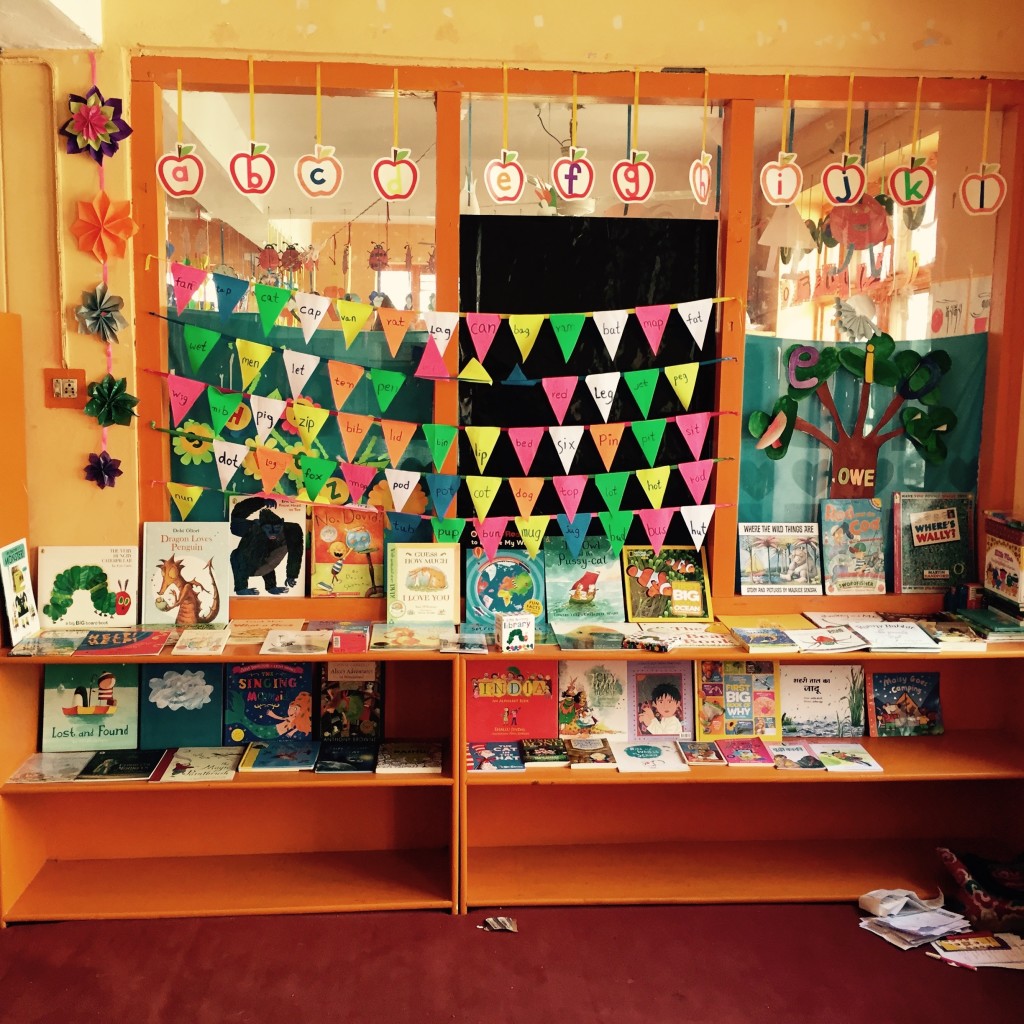
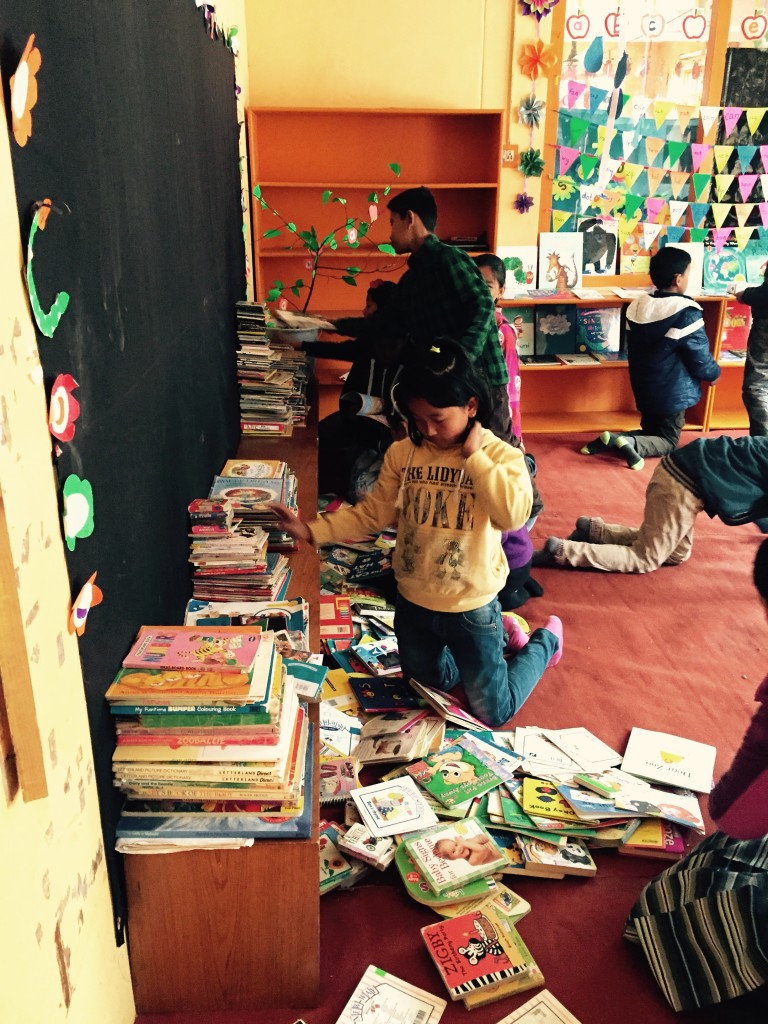
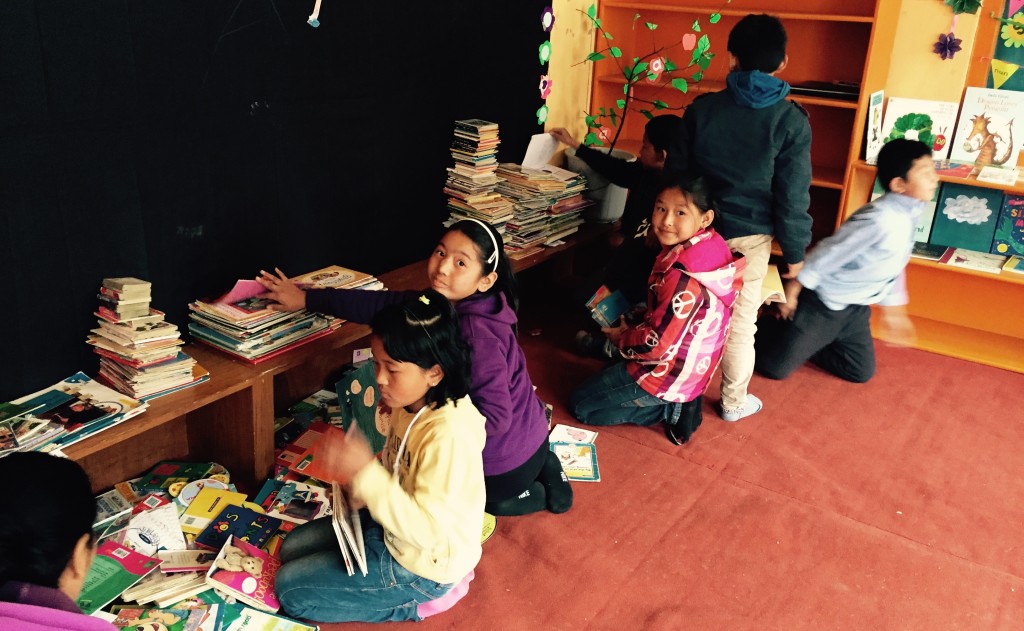
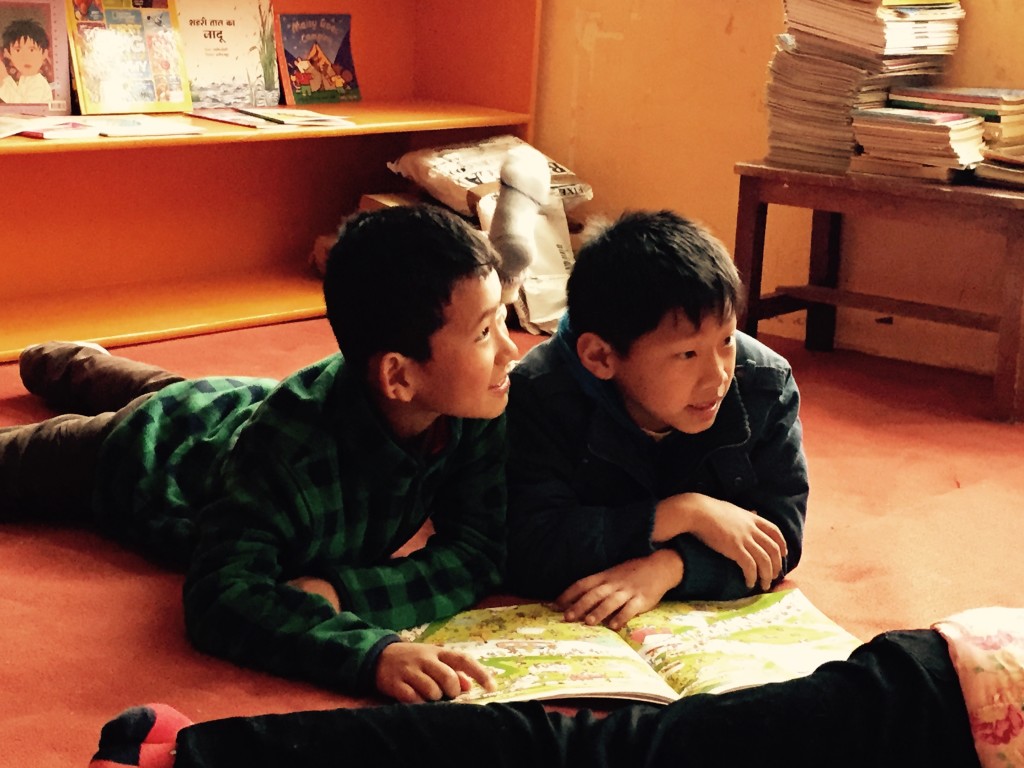
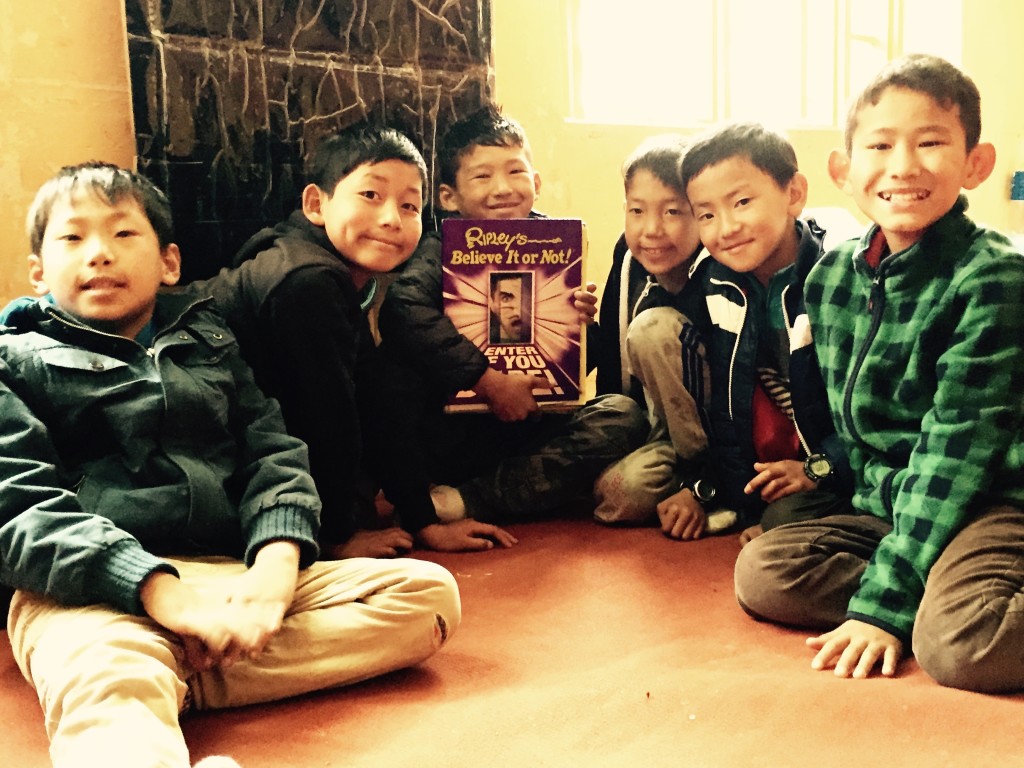
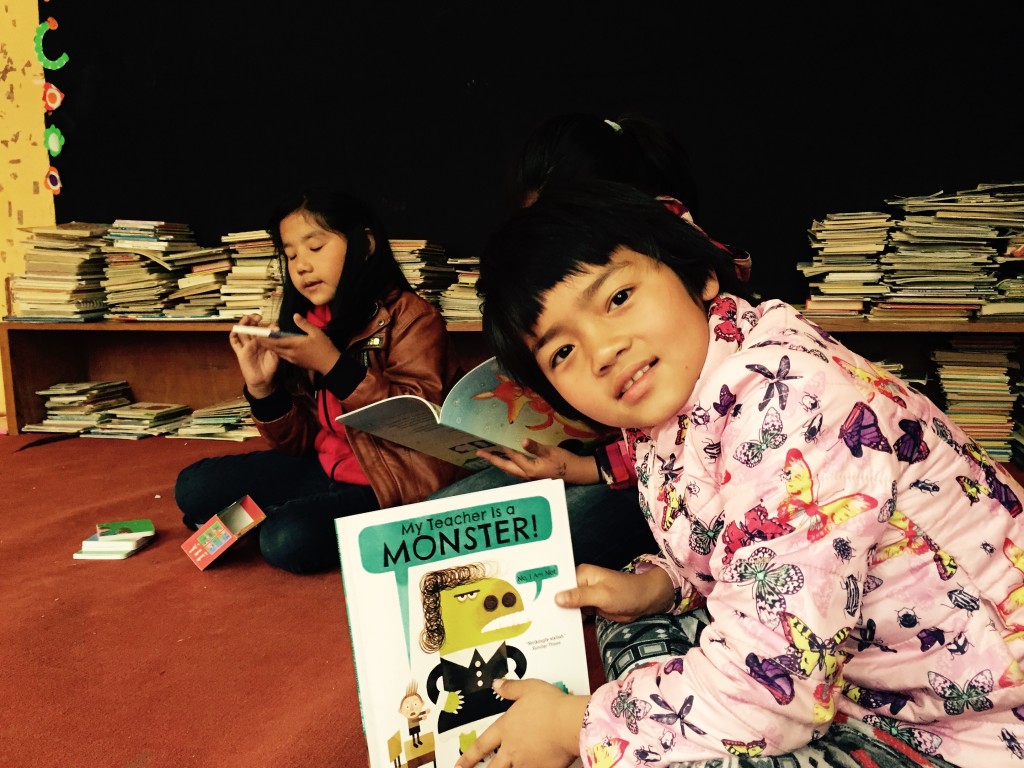
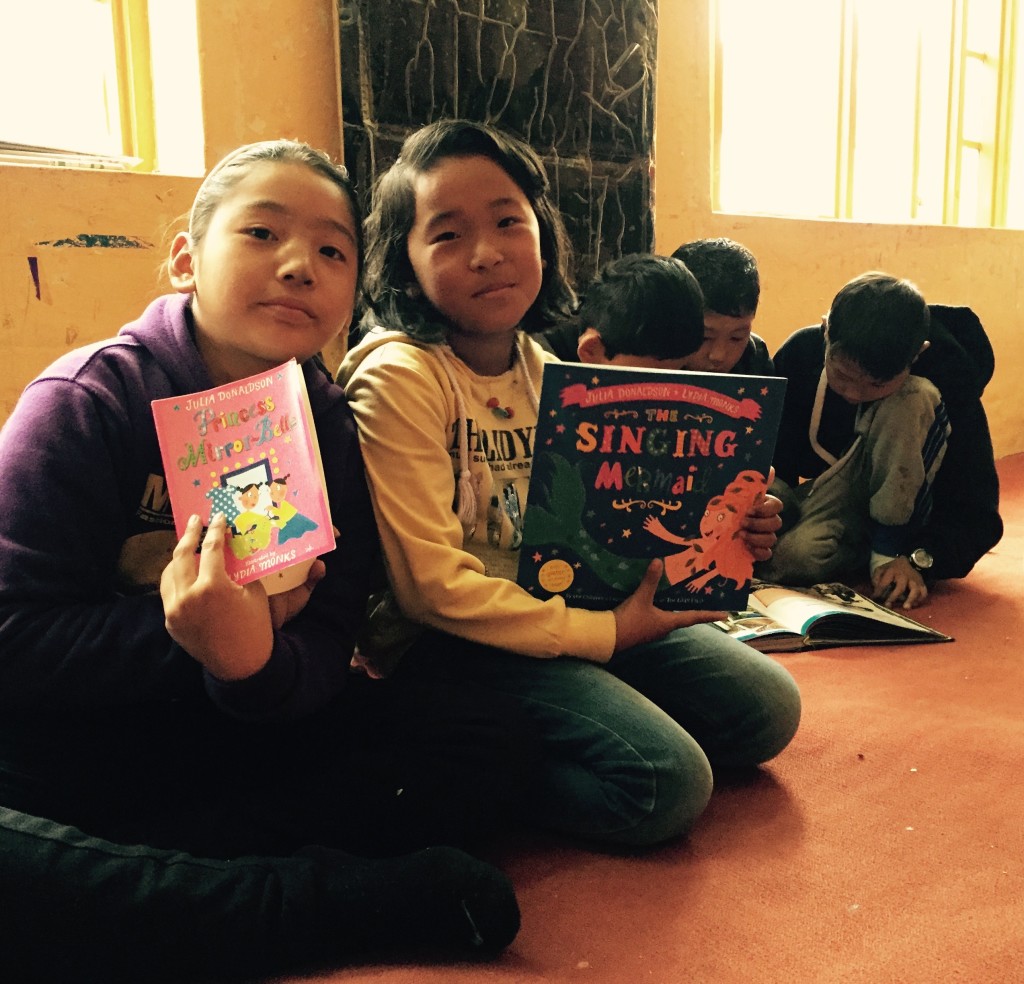
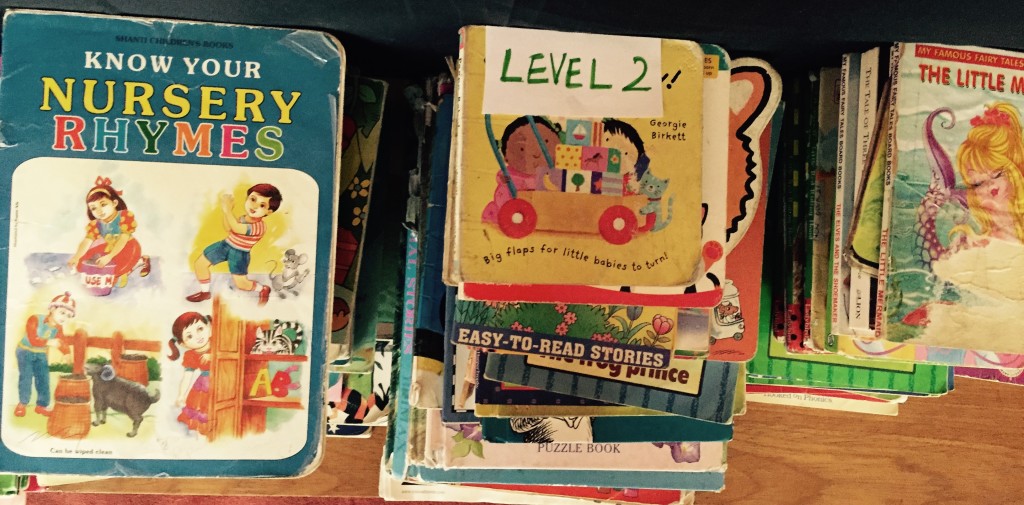
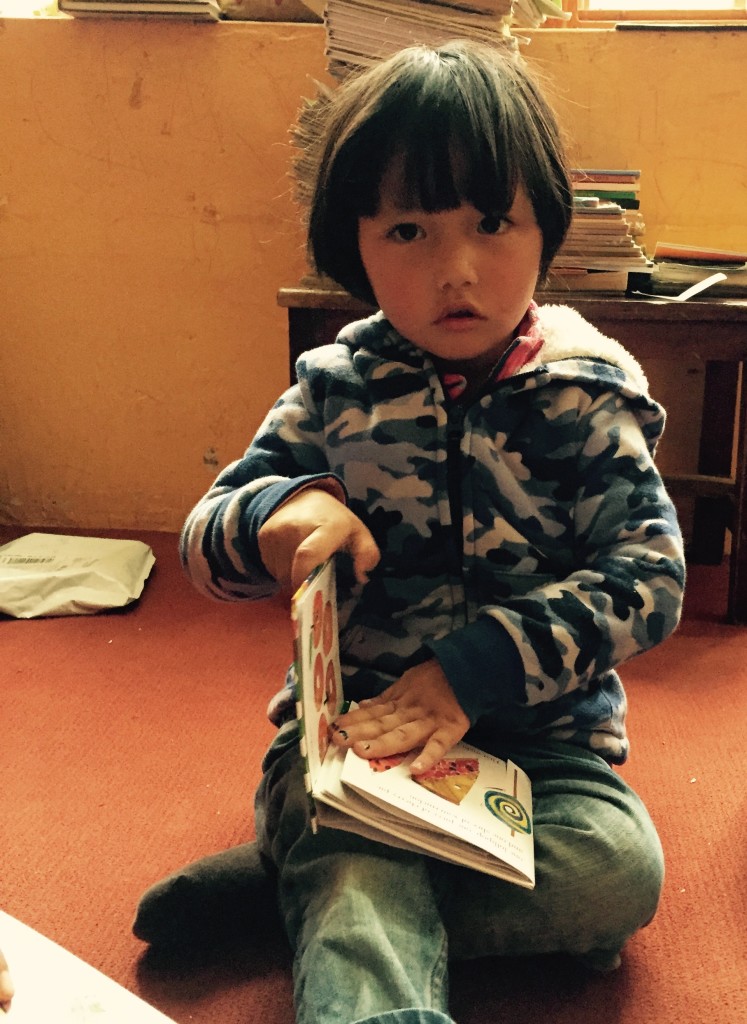
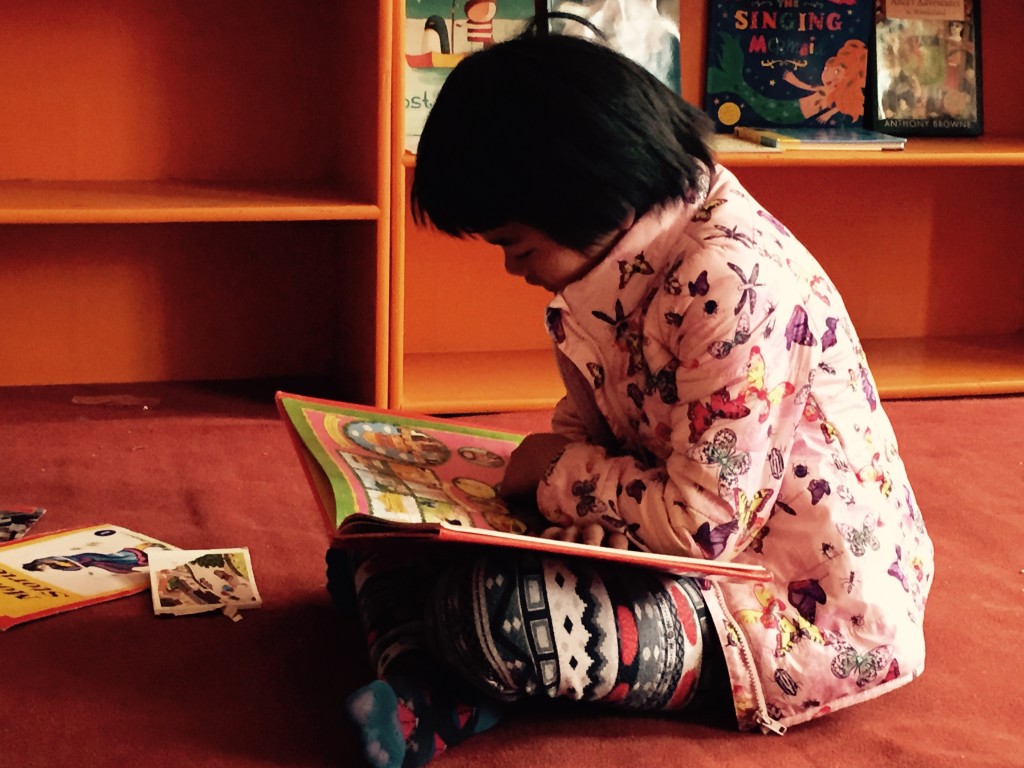
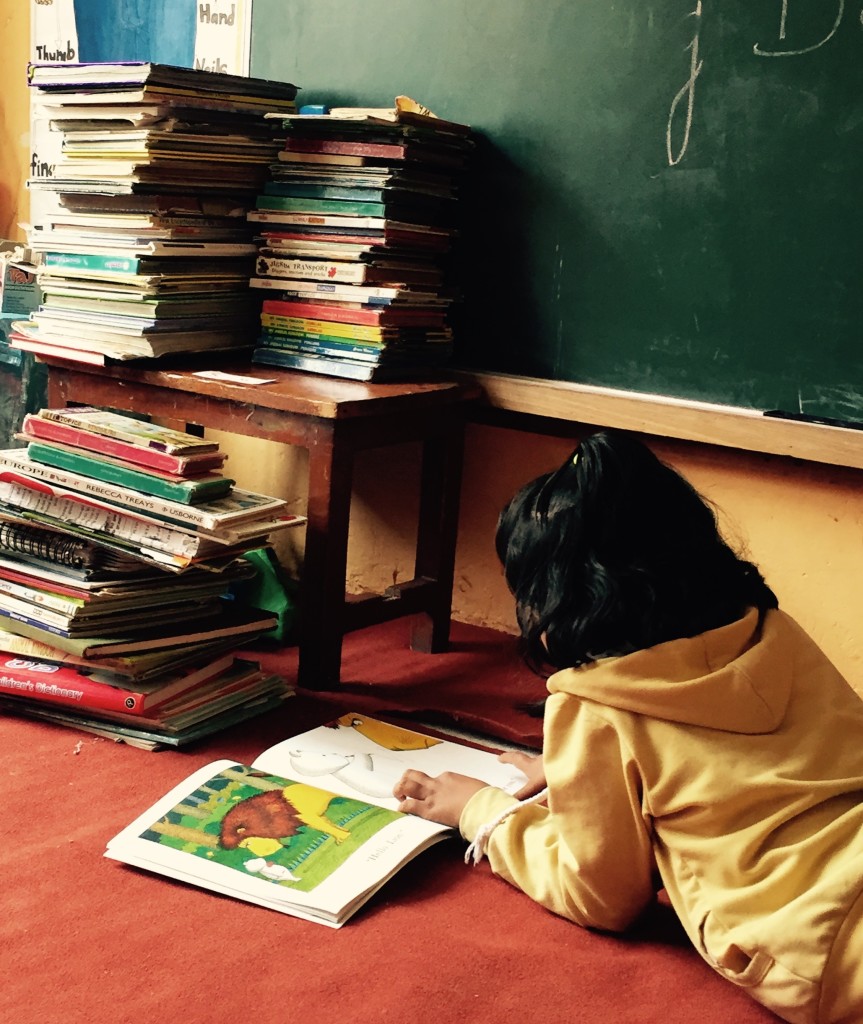
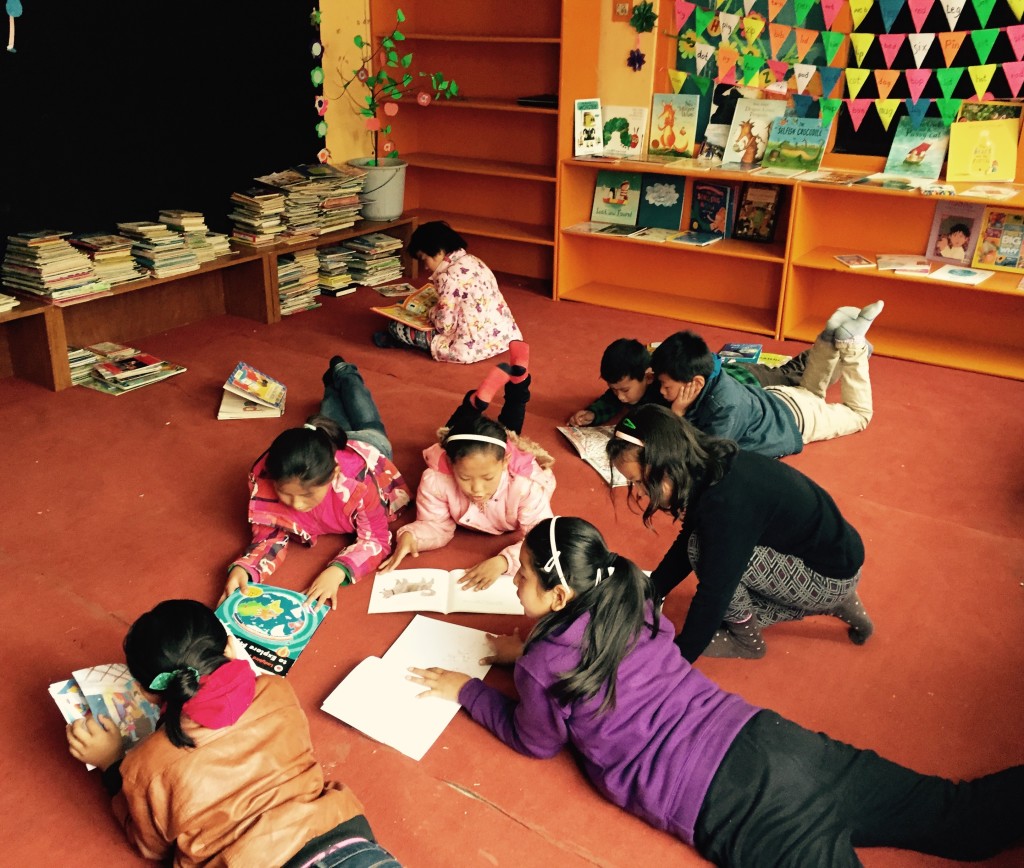
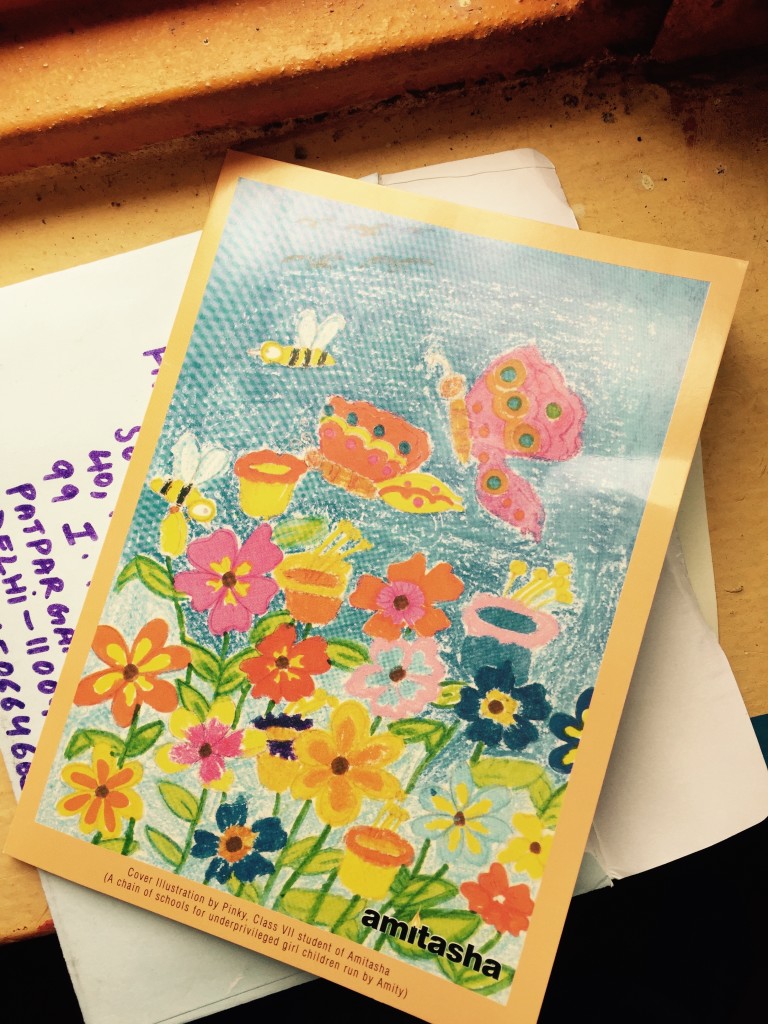
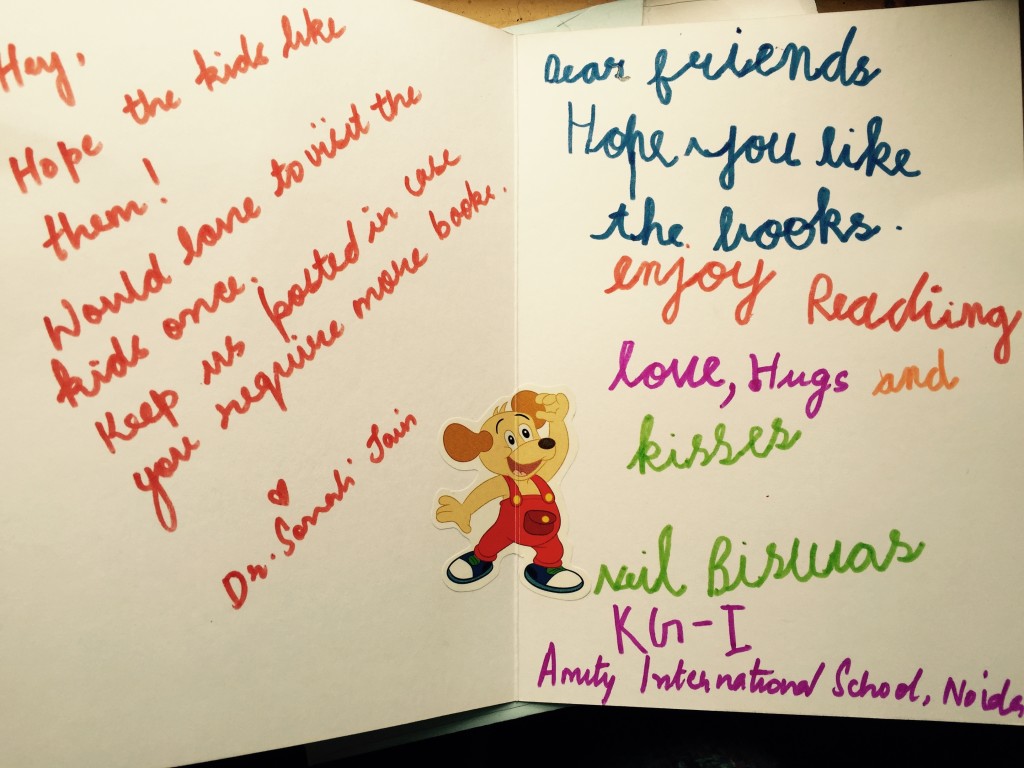
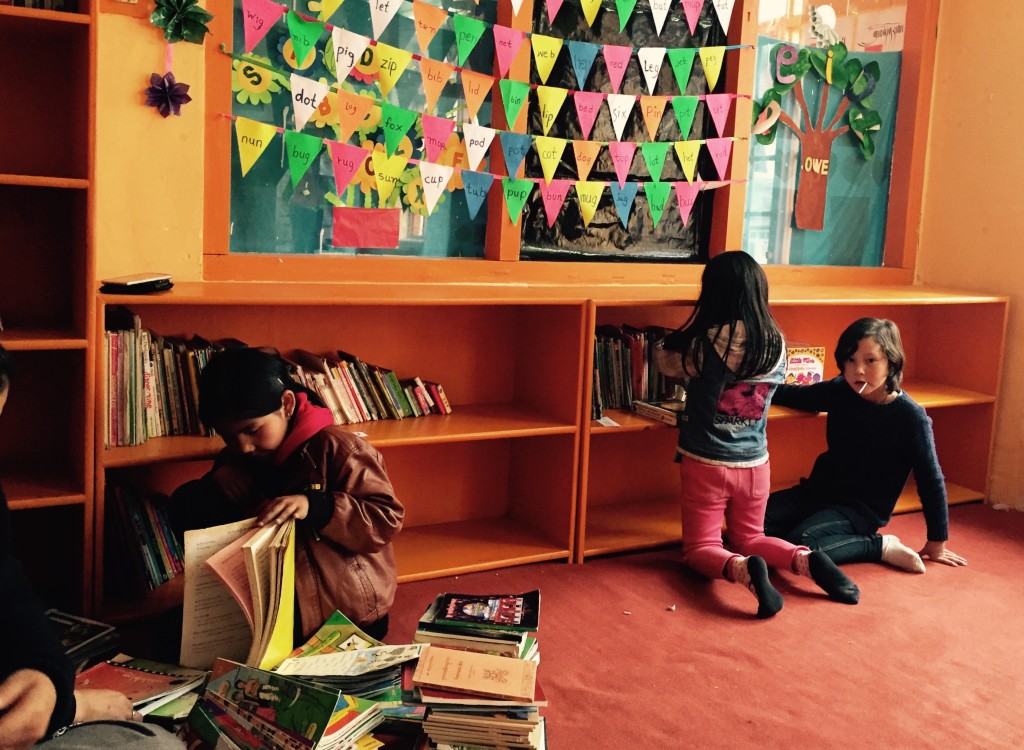
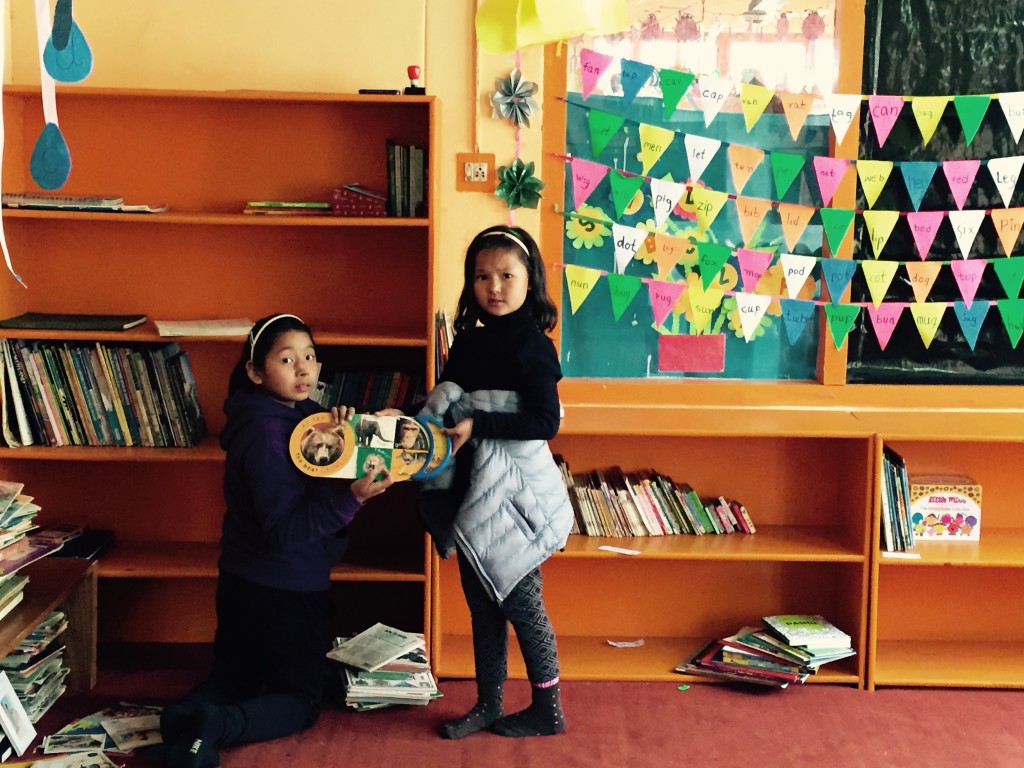
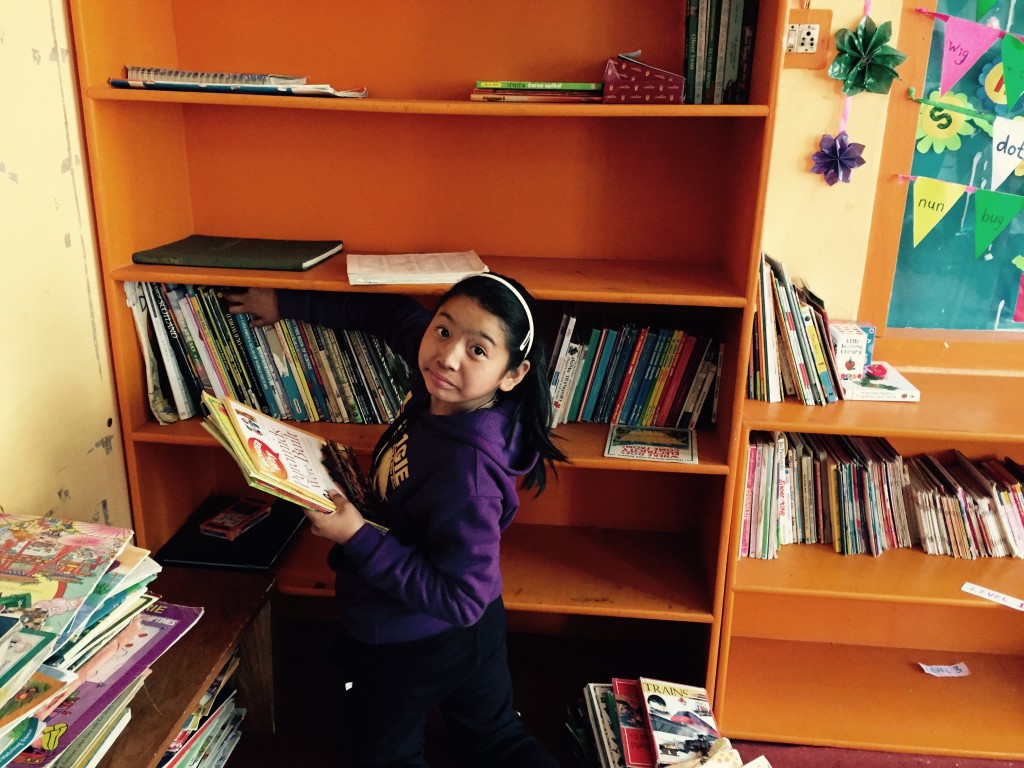
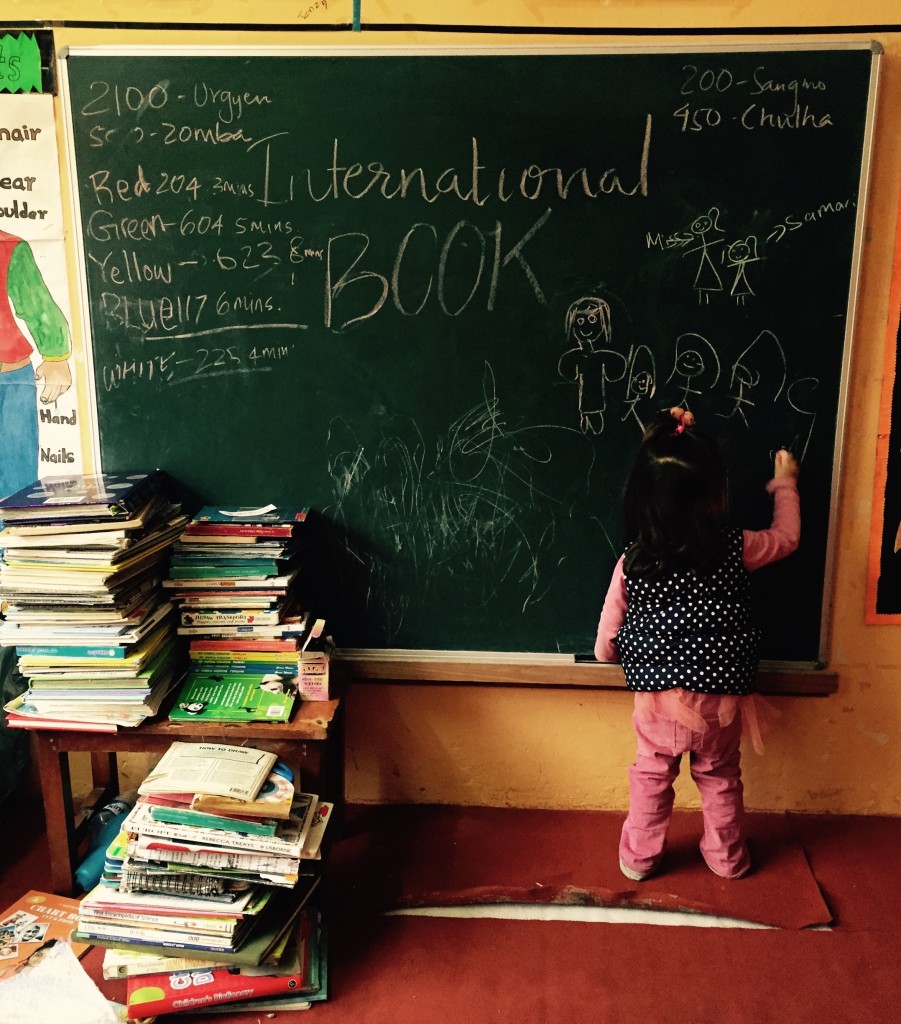
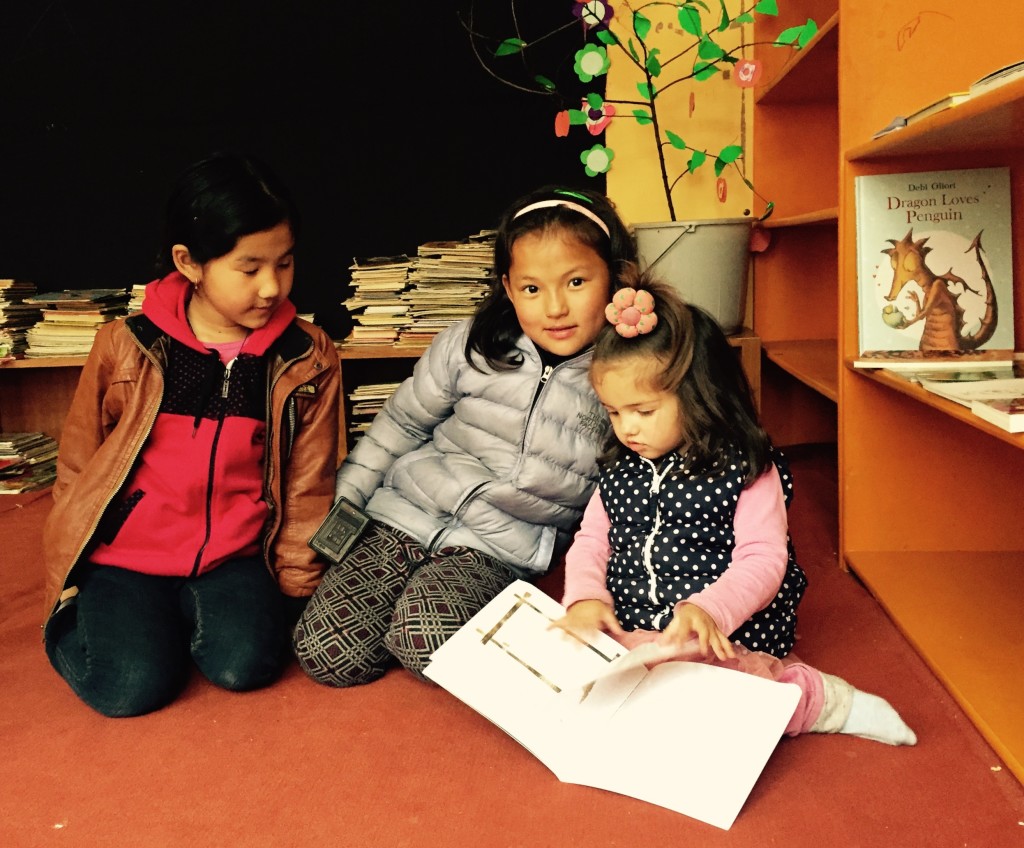
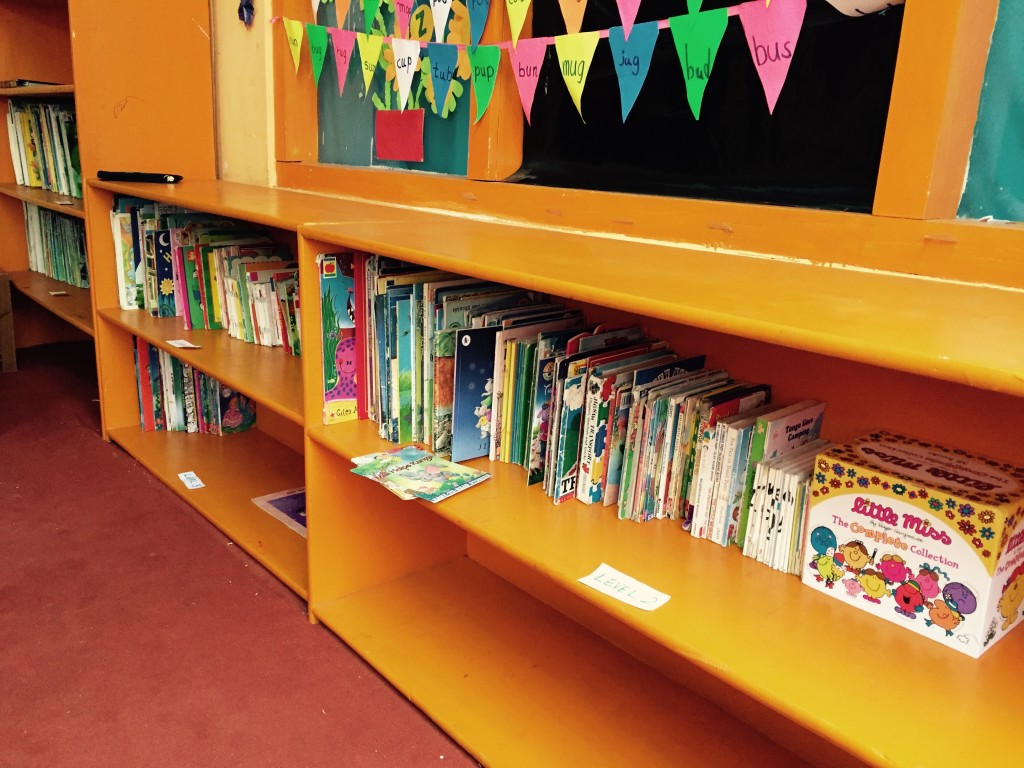
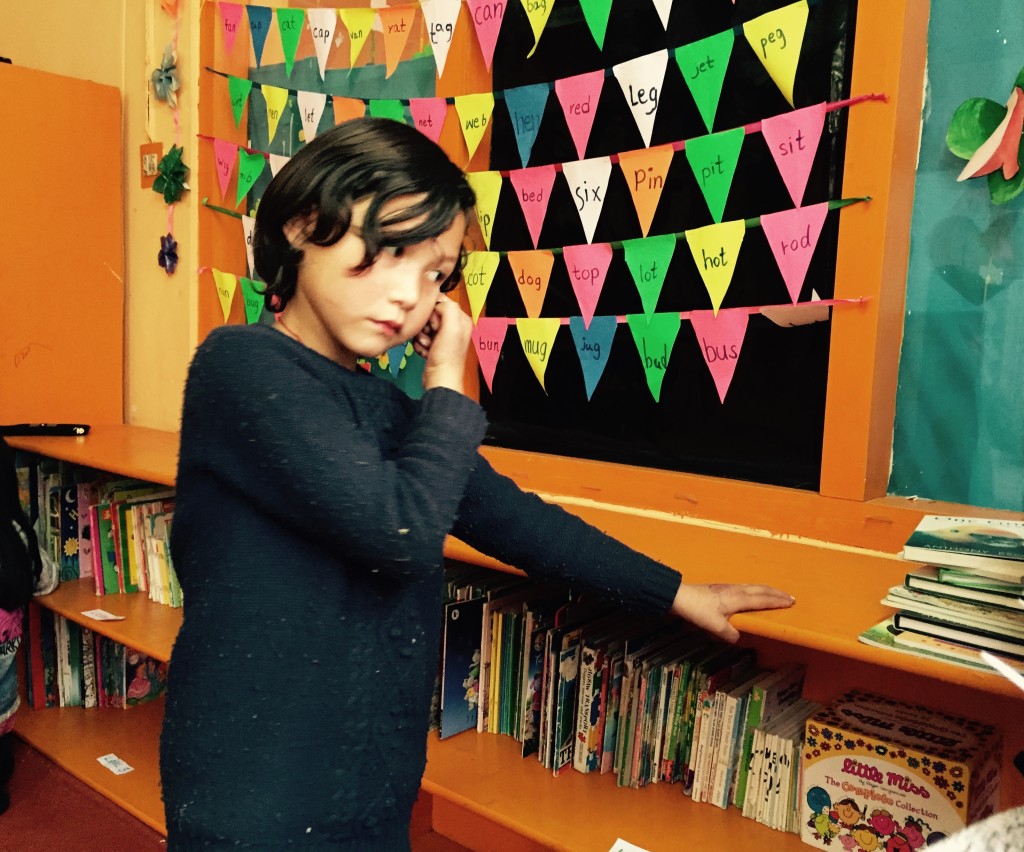
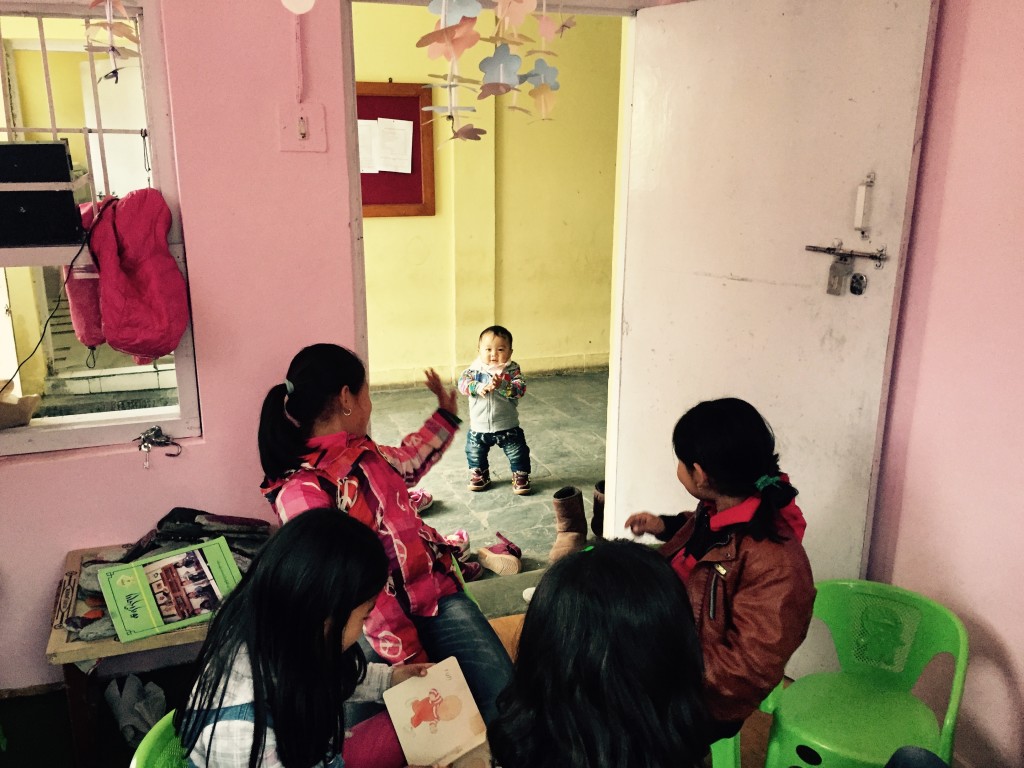
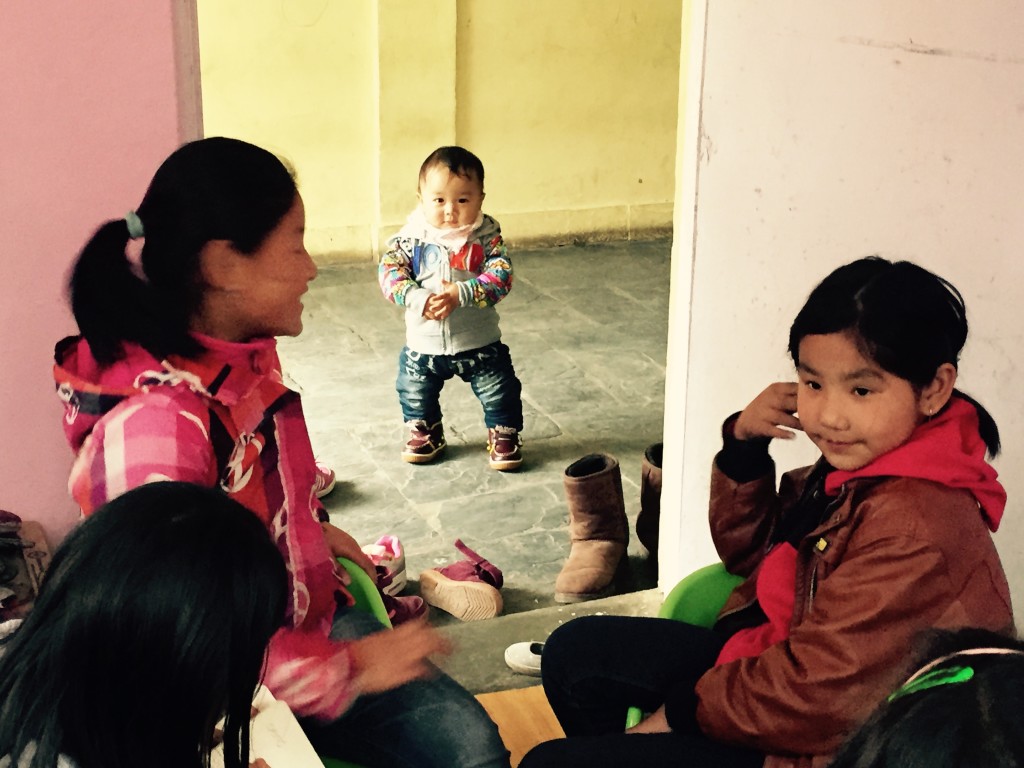
Shared reading spaces can widen access to books for communities as well as individual households. Organisations such as Avalokiteśvara Trust create reading rooms and educational activities for children and young monks in Himalayan communities, showing how a welcoming environment can influence a child’s relationship with learning. Keeping these programmes open depends on careful planning and community funding, as books and safe spaces are practical resources rather than luxuries.
The same principle applies in Australian schools, libraries and homes: children need regular contact with appealing books, adults who make time for them and places where reading is associated with belonging. A fort is a small version of that wider idea.
Keeping the activity safe, inclusive and useful
Adults should treat the fort as an invitation, not a requirement. Some children will love a dark, enclosed space; others may feel uncomfortable or claustrophobic. The structure can be open on one side, built in a sunny corner or replaced with a cushion nest. Children should be free to leave it without losing praise or privileges.
Safety needs to be simple and visible. Do not attach blankets to unstable furniture, block exits or use candles, heaters and unprotected electrical leads inside the fort. In warm Australian weather, check for overheating, especially in homes without strong air conditioning. The Australian product safety system covers many household goods, yet ordinary supervision remains important when children are building with furniture and fabric.
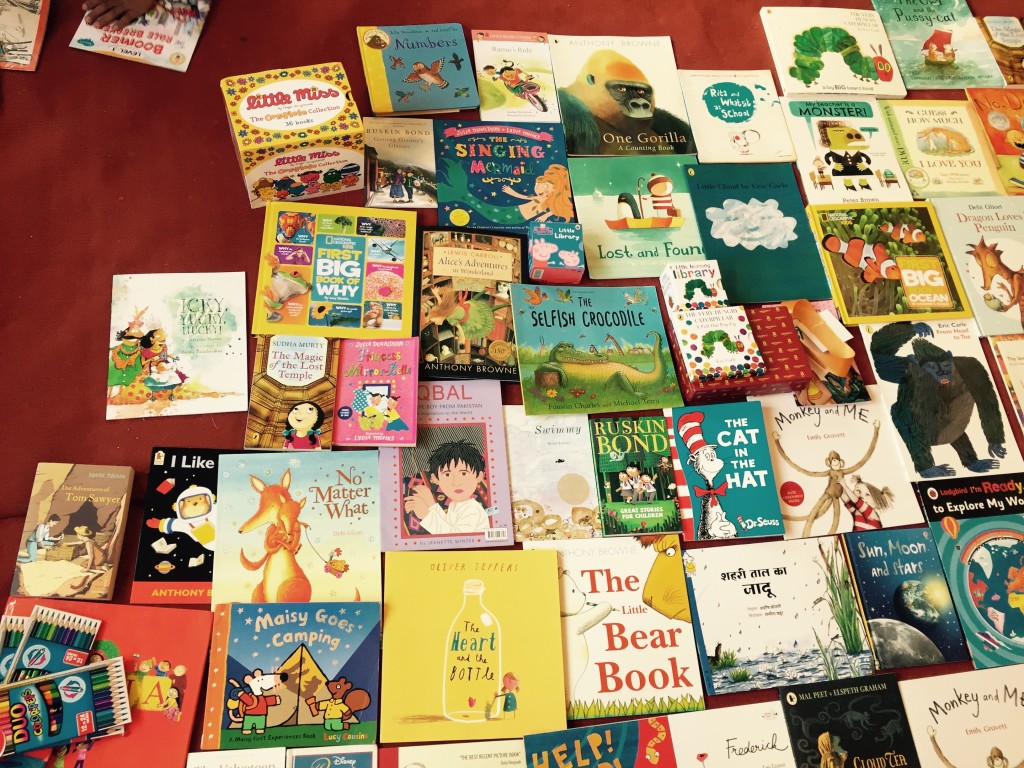
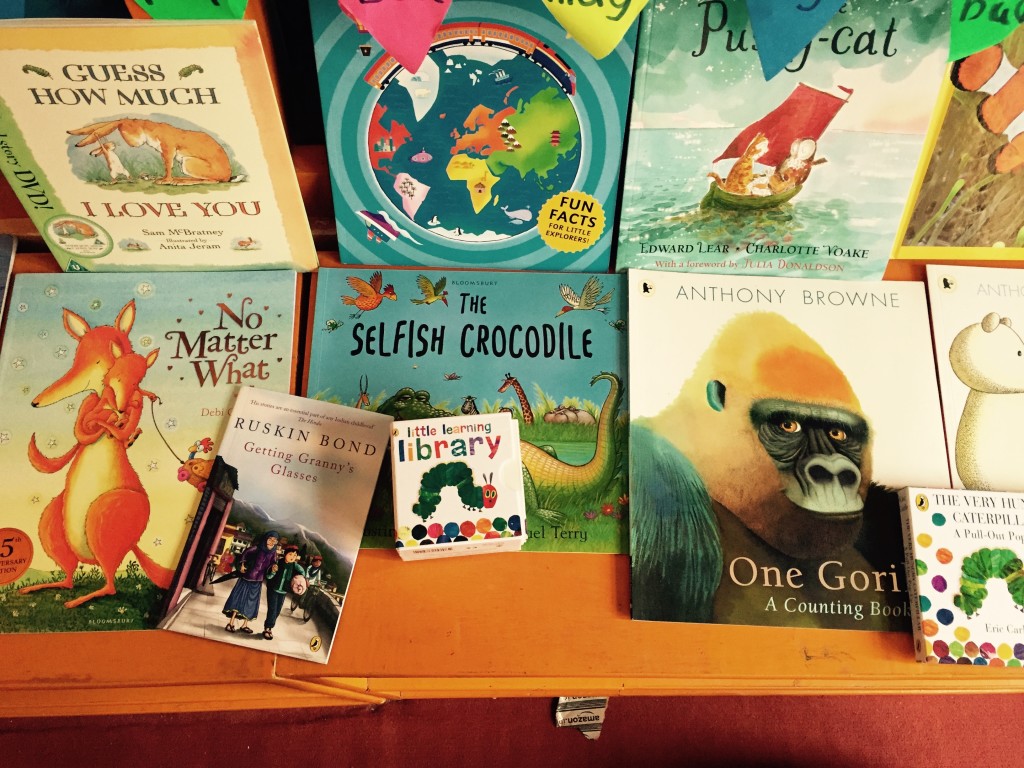
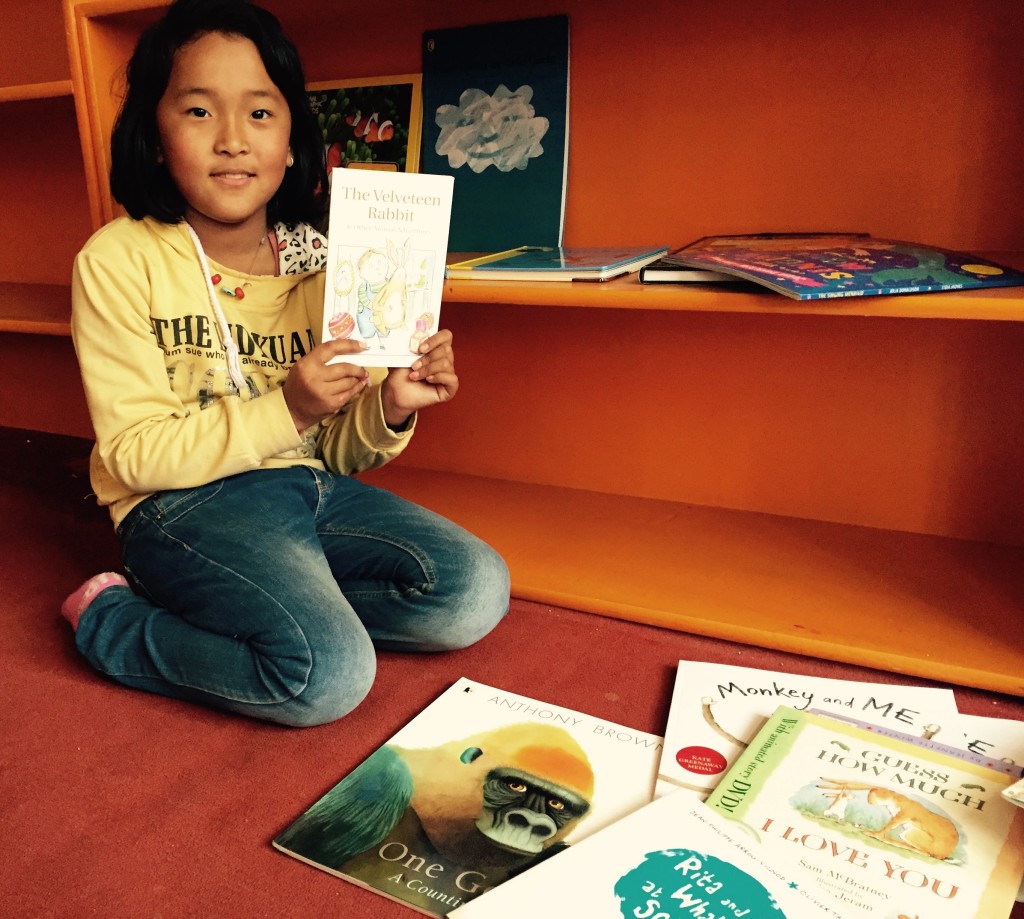
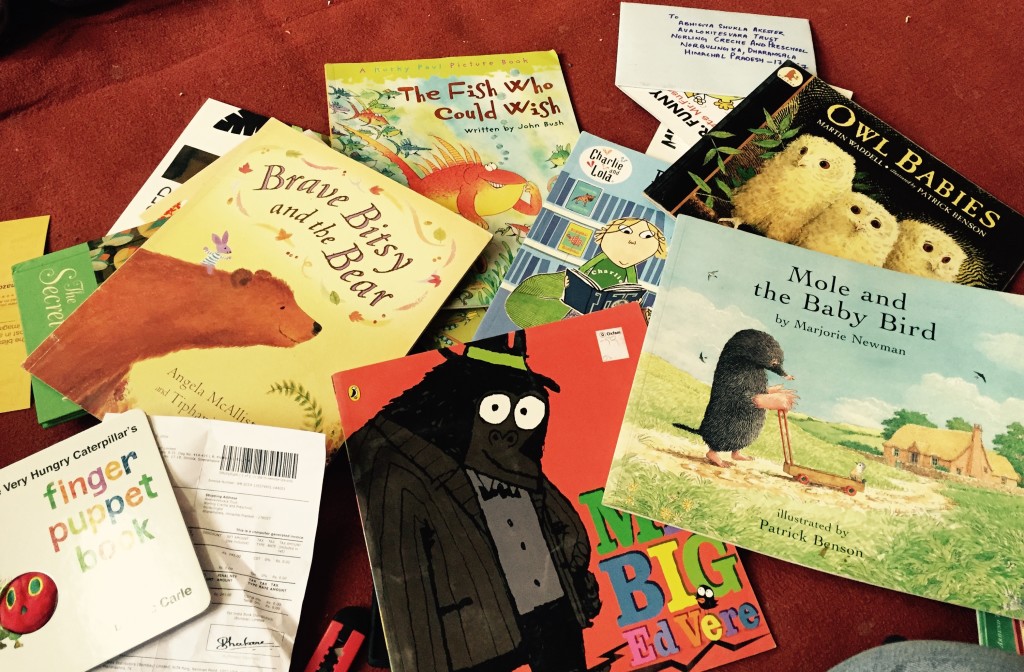
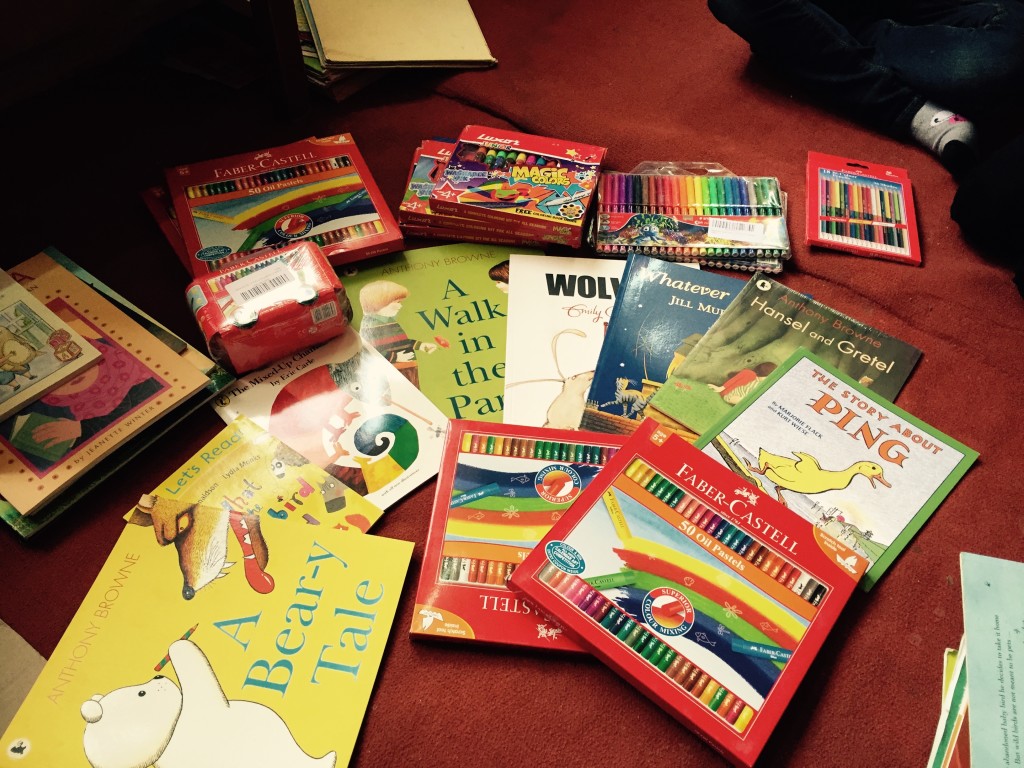
Reading choice matters as much as the construction. Offer comics, poetry, atlases, joke books, graphic novels, novels, bilingual books and information texts. A child who chooses a book about insects or football is still reading purposefully. If a book is too difficult, adults can read it aloud, take turns or use the pictures and headings as entry points.
The most useful approach is to make the fort occasional, comfortable and easy to repeat. Keep a small basket of library books nearby, allow children to decorate the space with removable items, and finish with a brief conversation about what they noticed. A sheet, two sturdy supports and a book chosen by the child can turn an ordinary corner into a dependable reading refuge, so the practical takeaway is simple: make reading feel safe, voluntary and enjoyable, and children are more likely to return to it.