The Challenge of Funding: How We Keep Our Programs Free
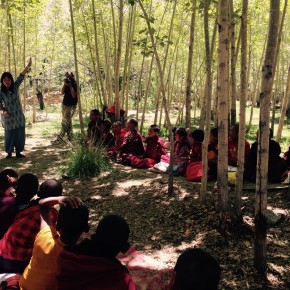
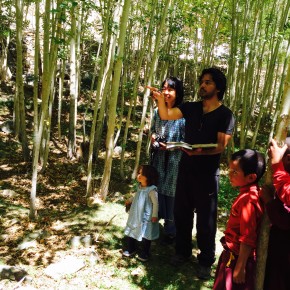
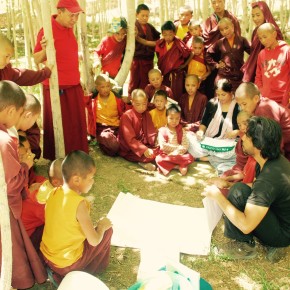
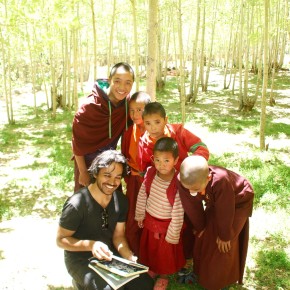
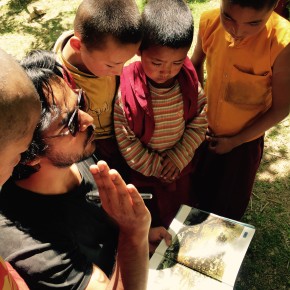
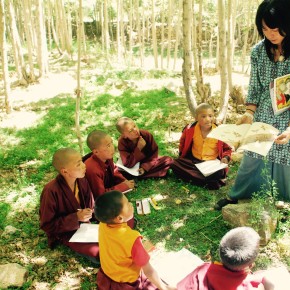
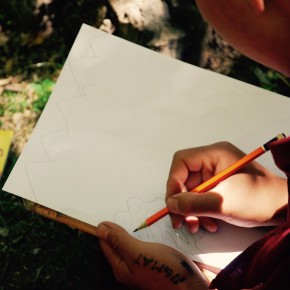
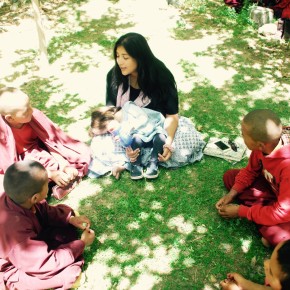
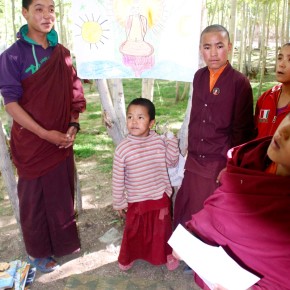
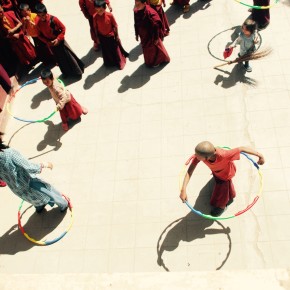
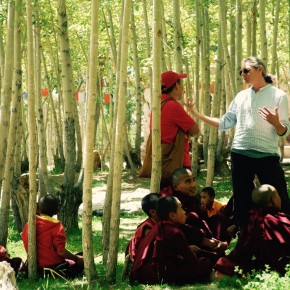
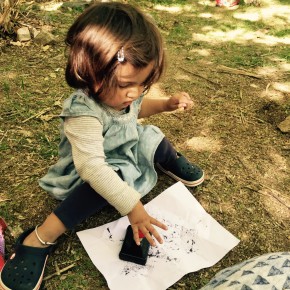
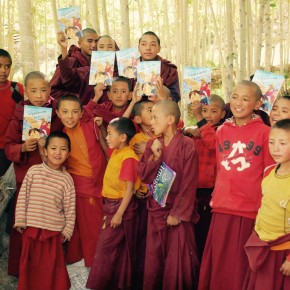
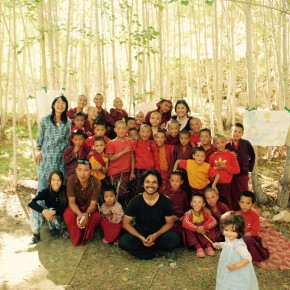
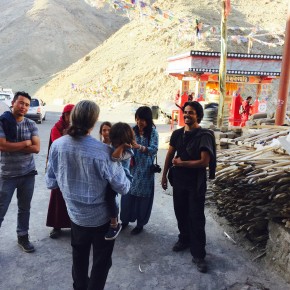
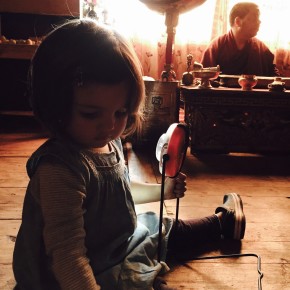
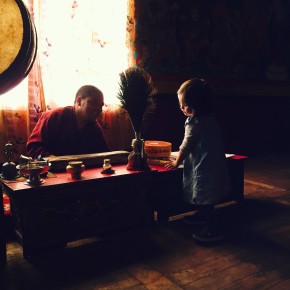
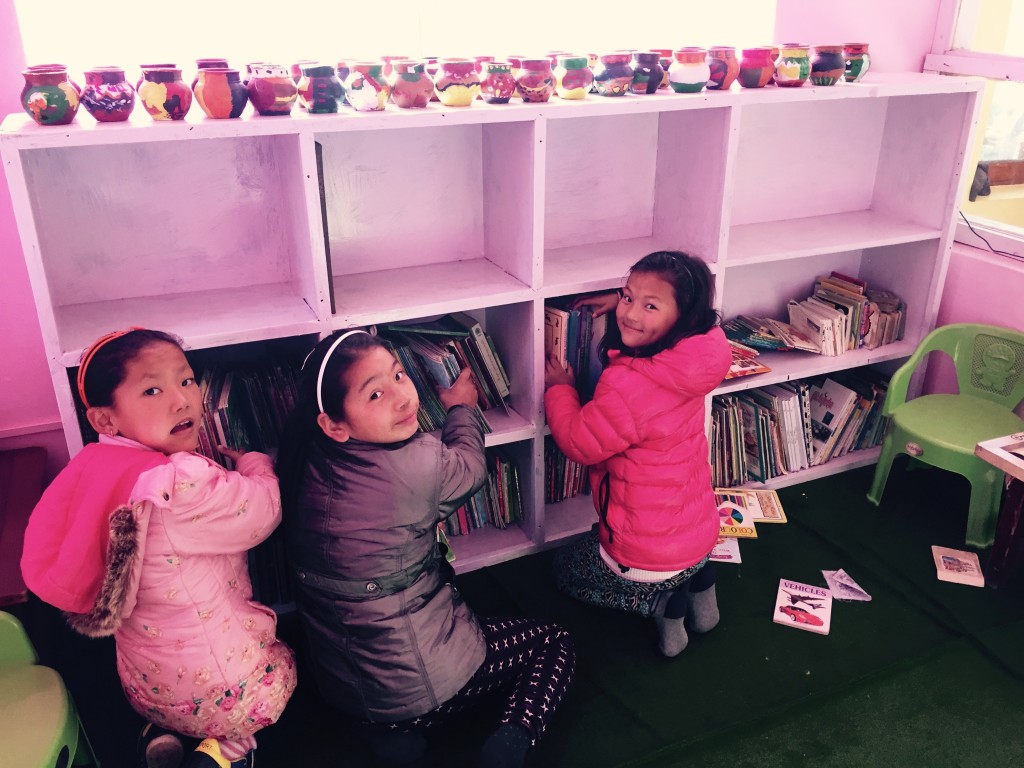
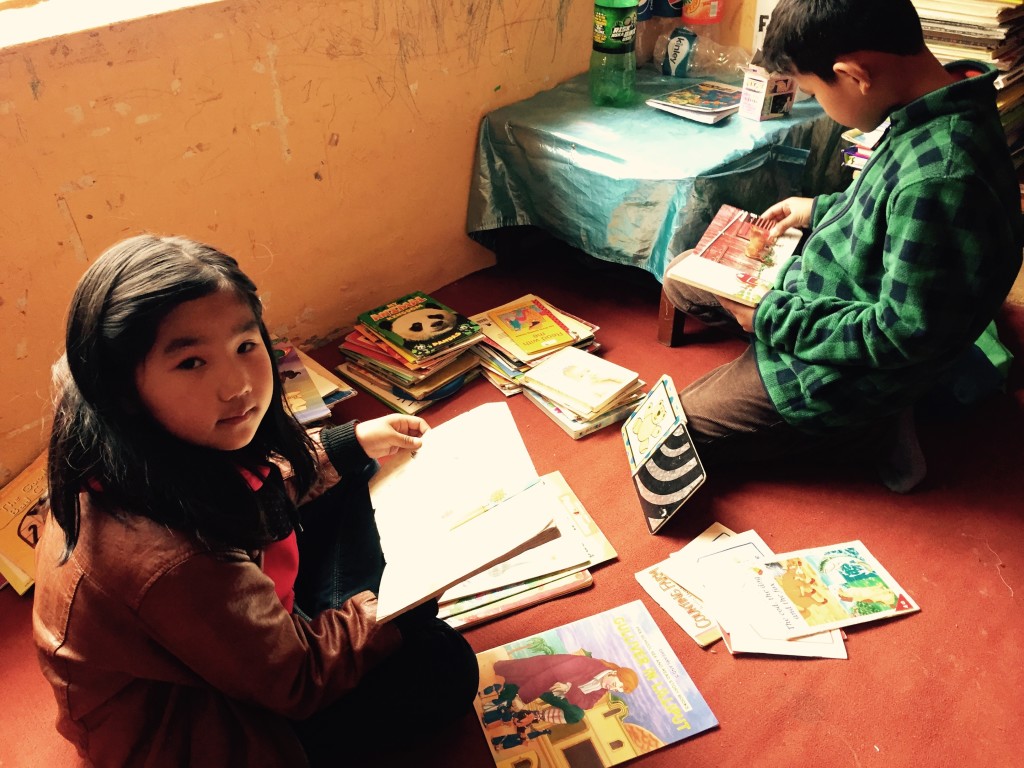
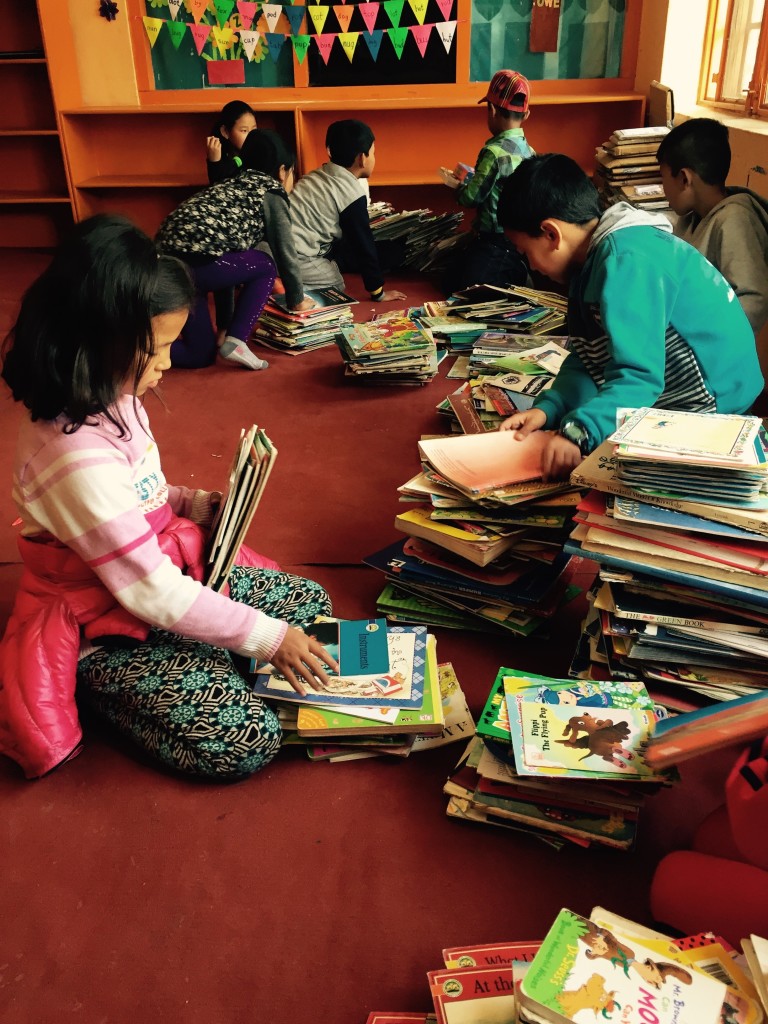
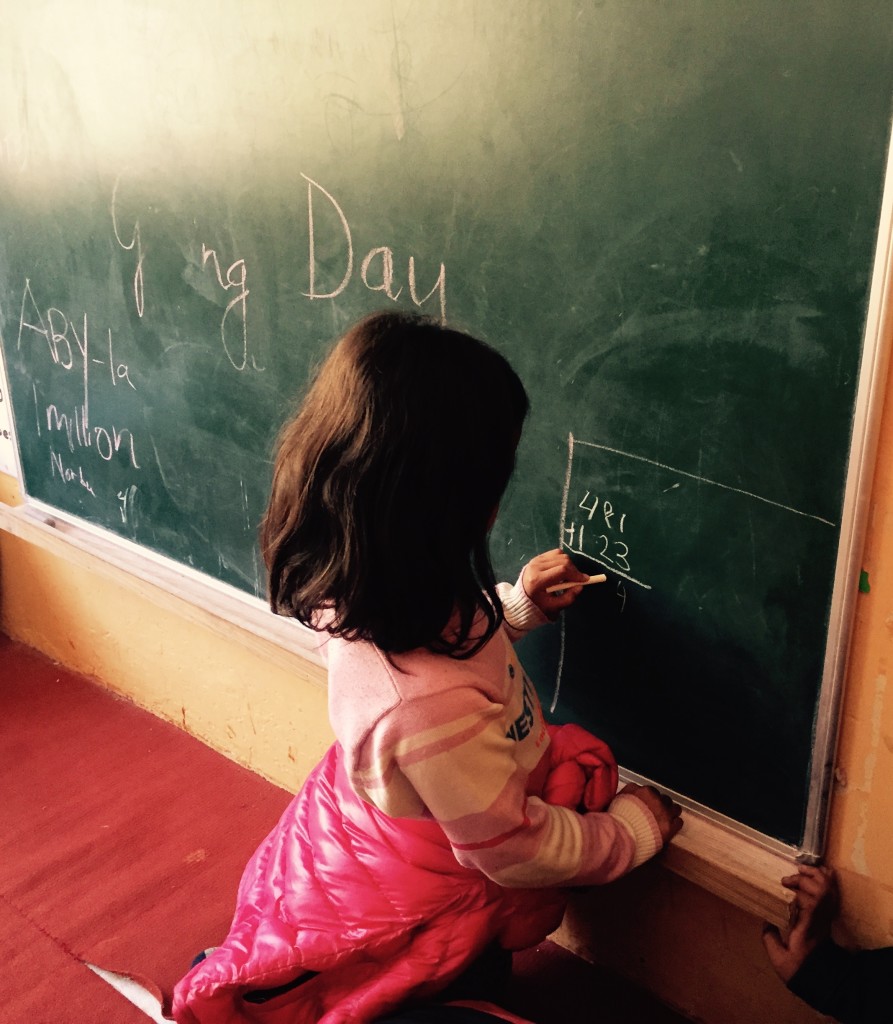
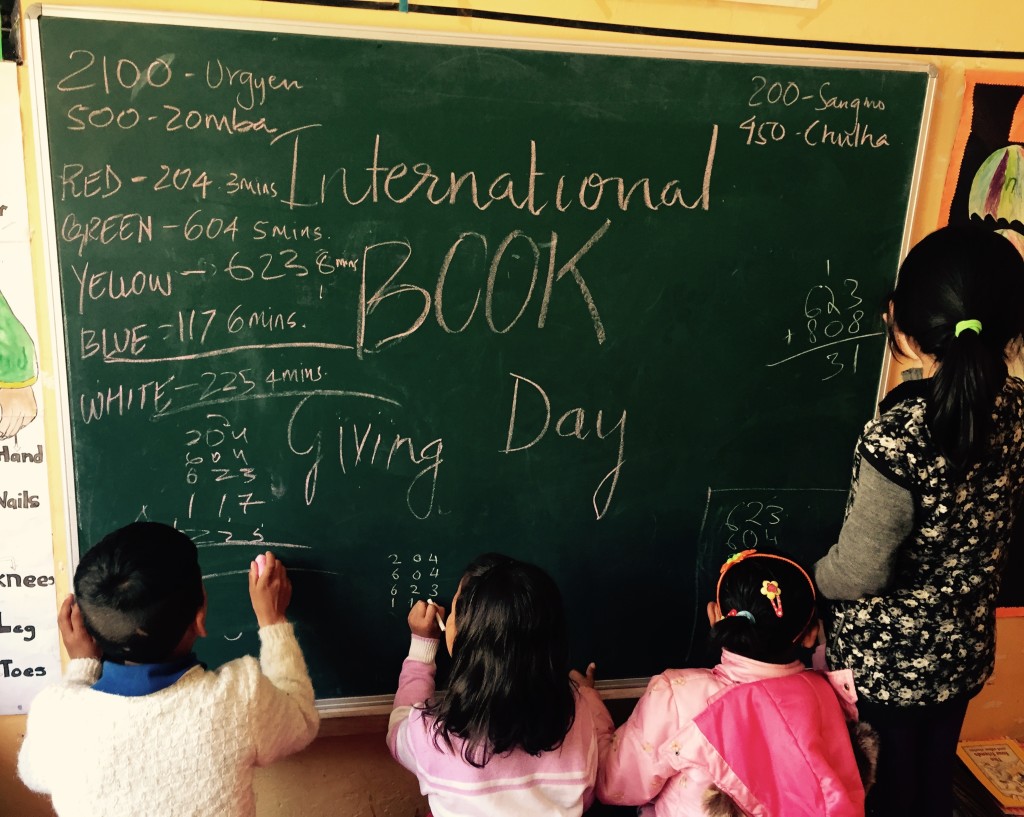
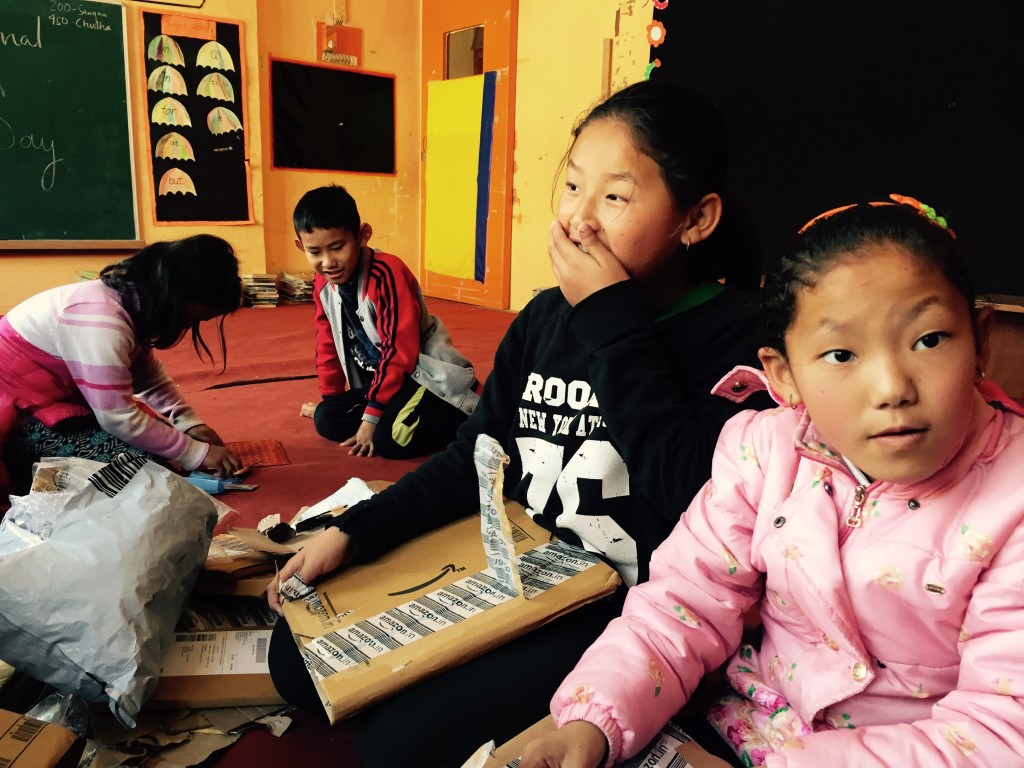
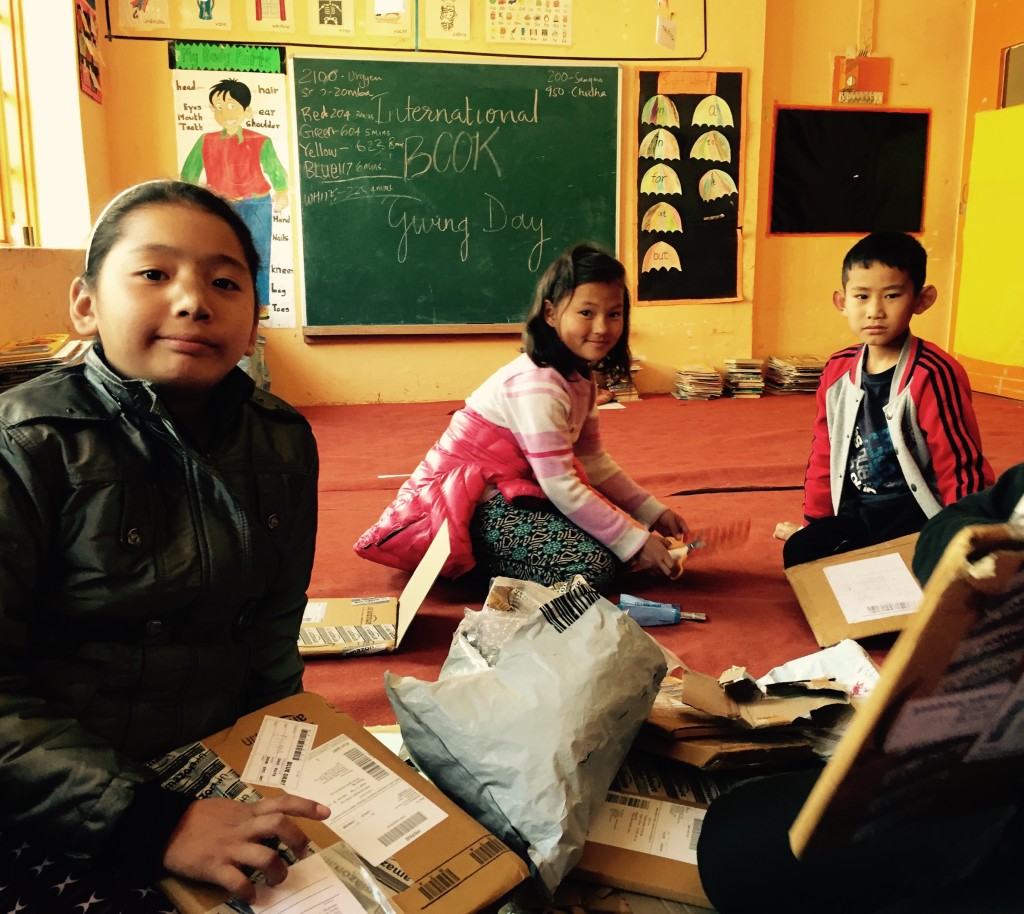
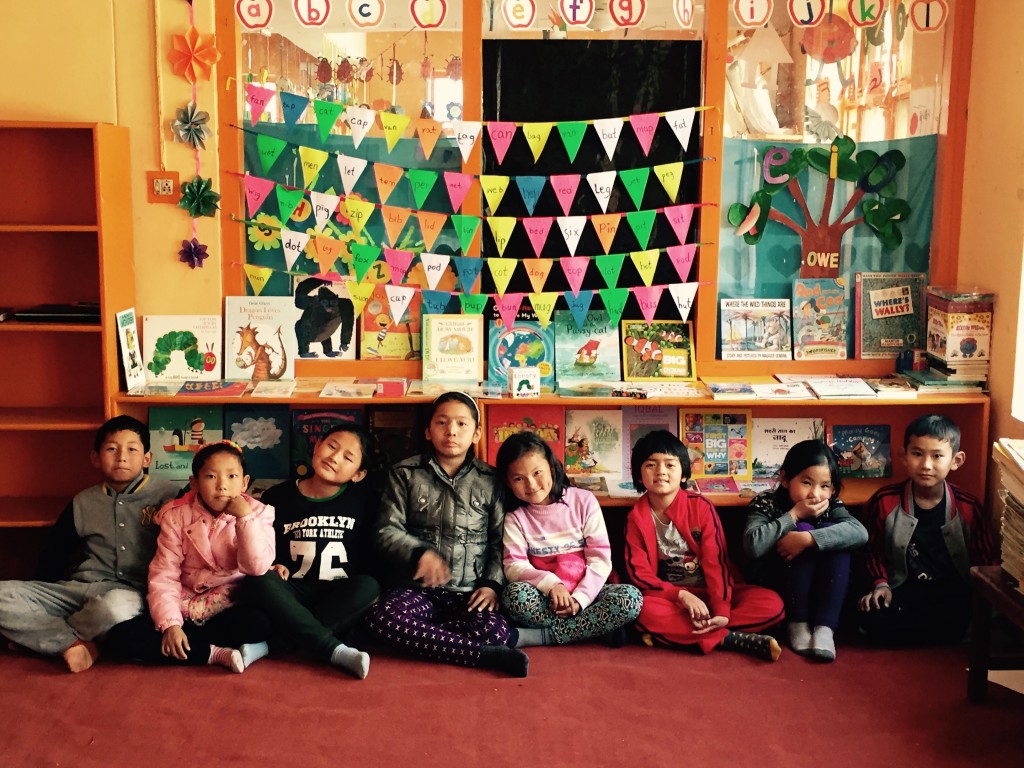
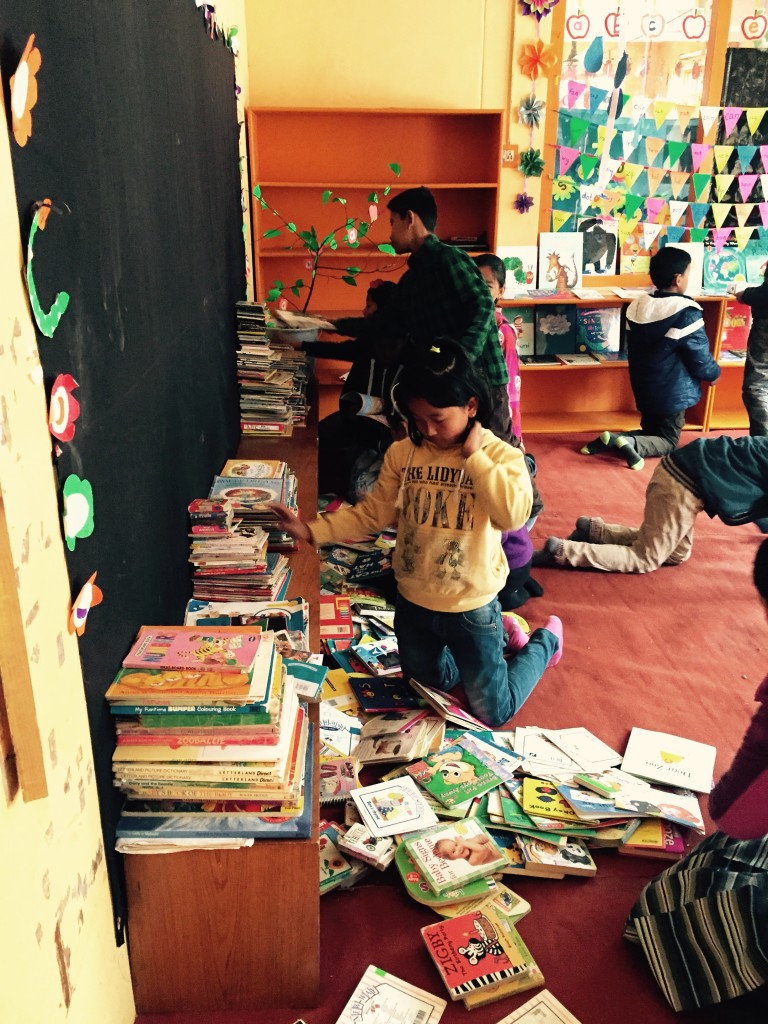
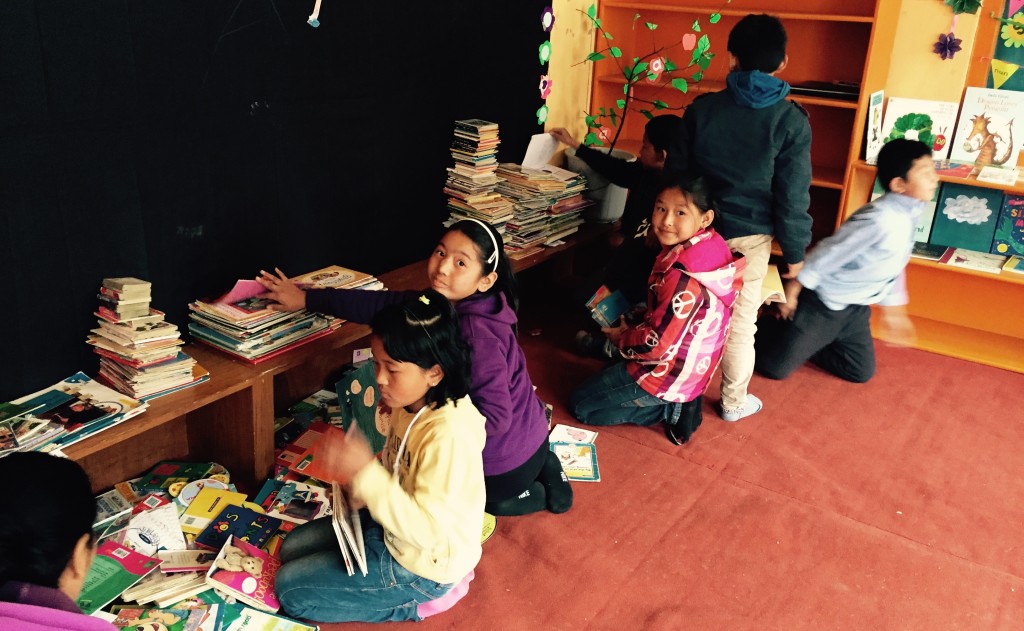
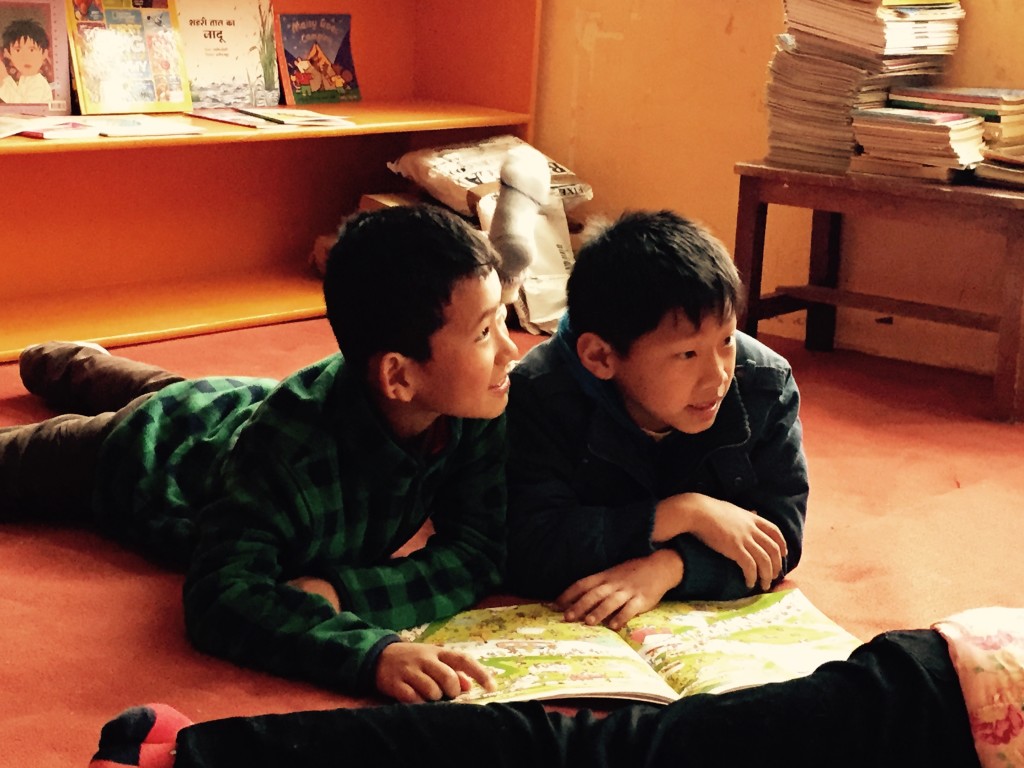
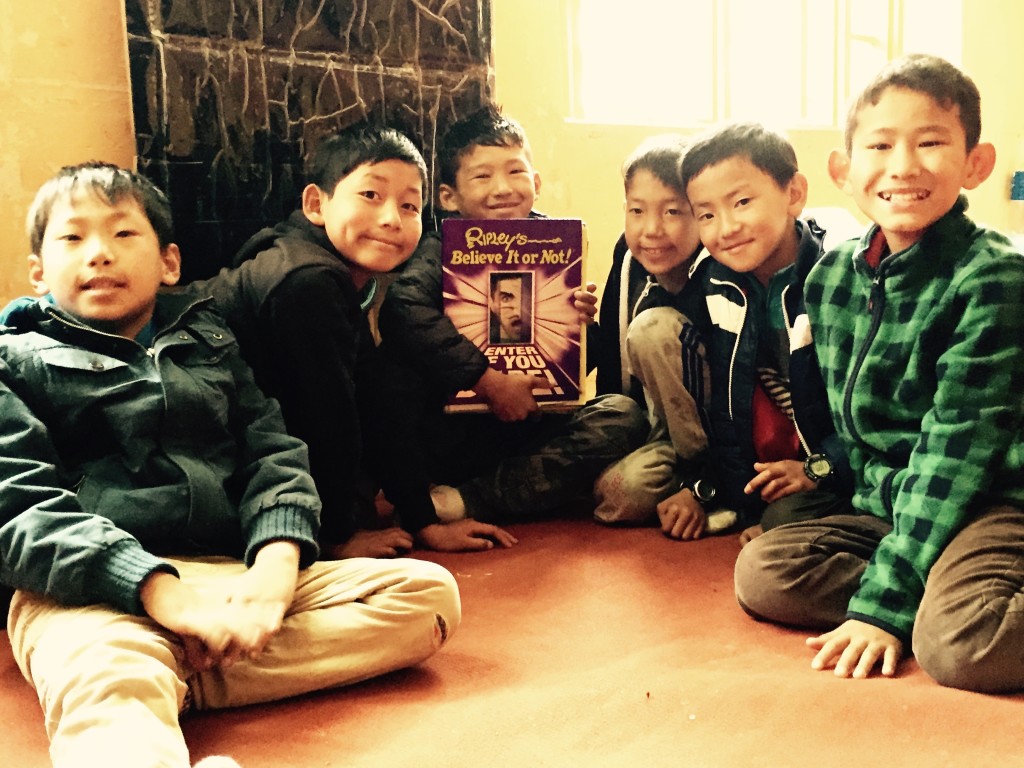
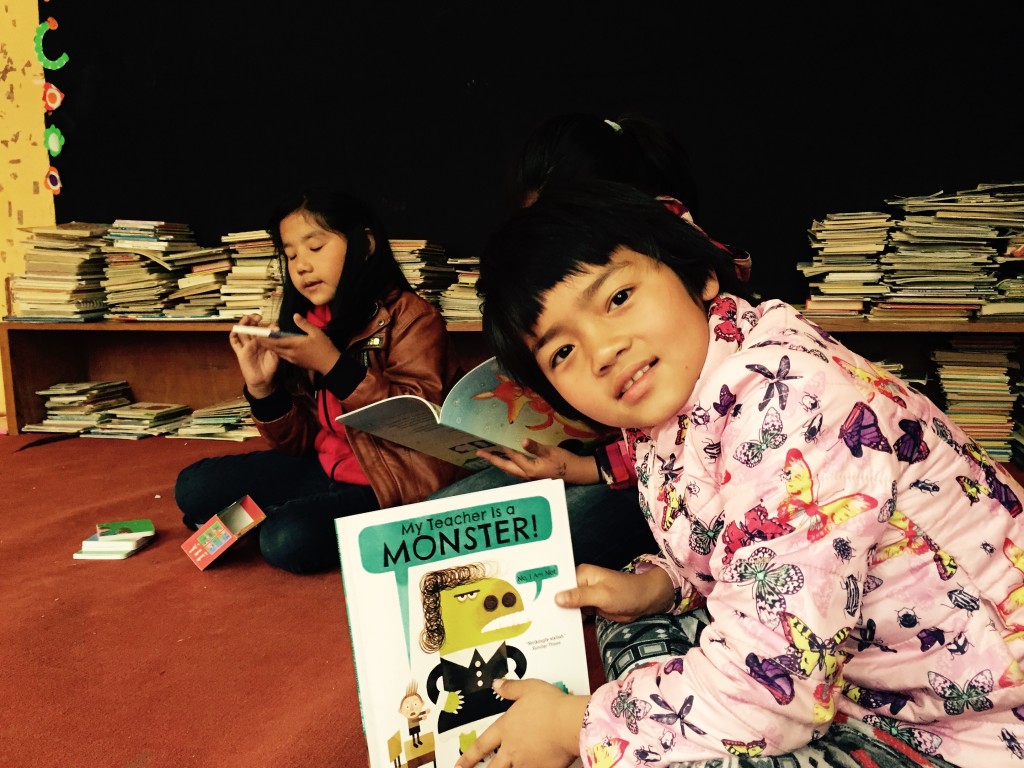
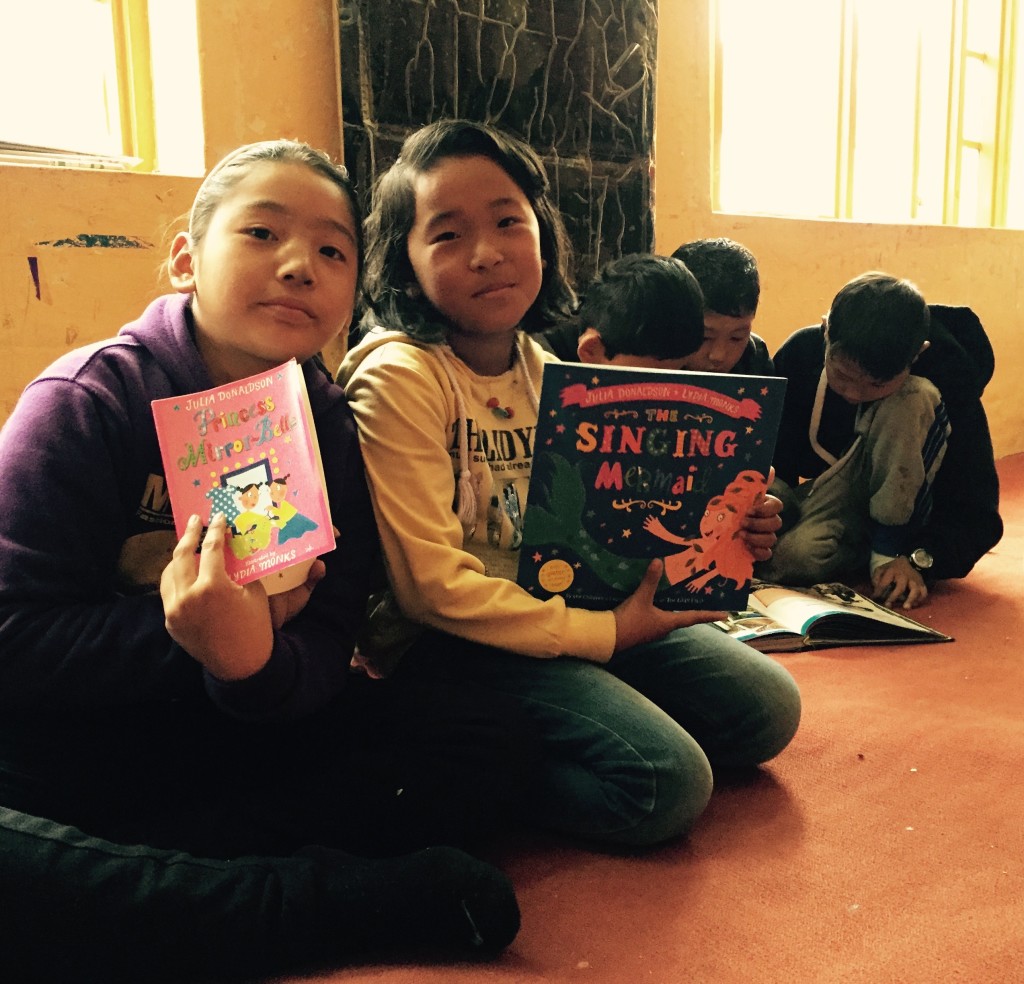
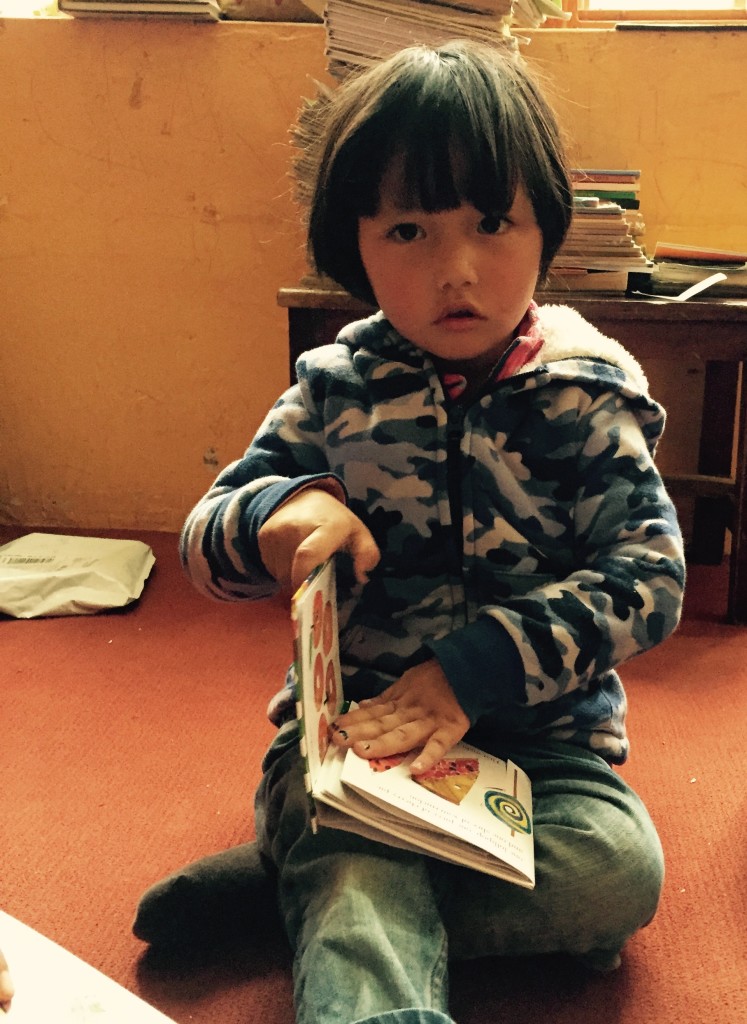
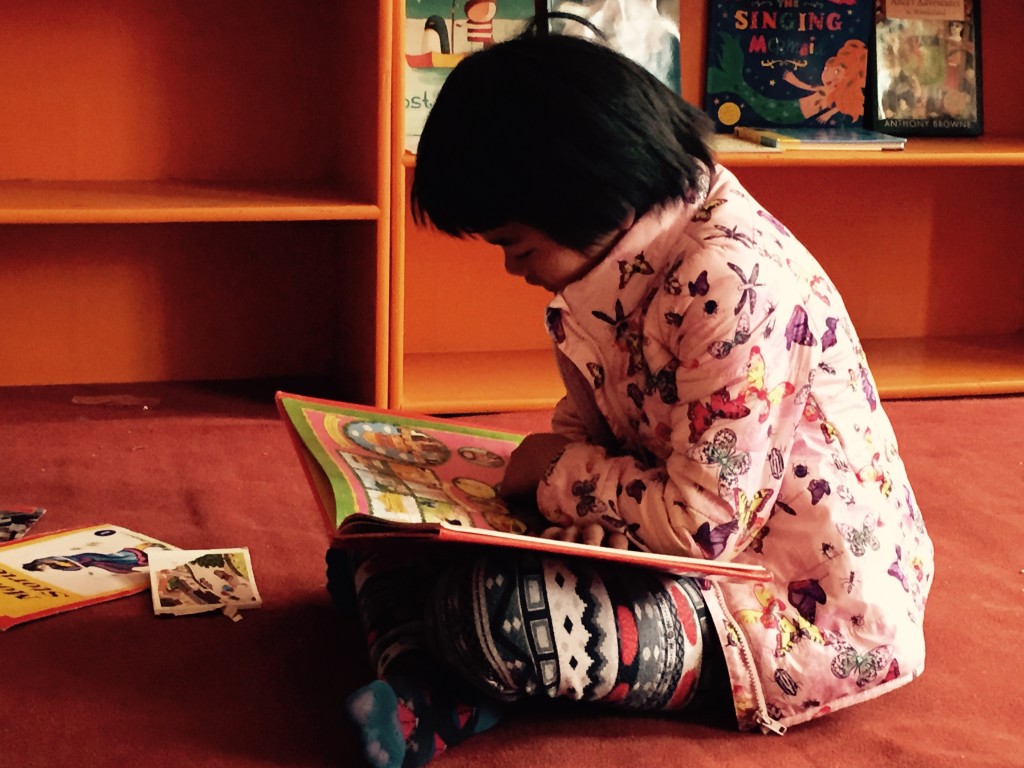
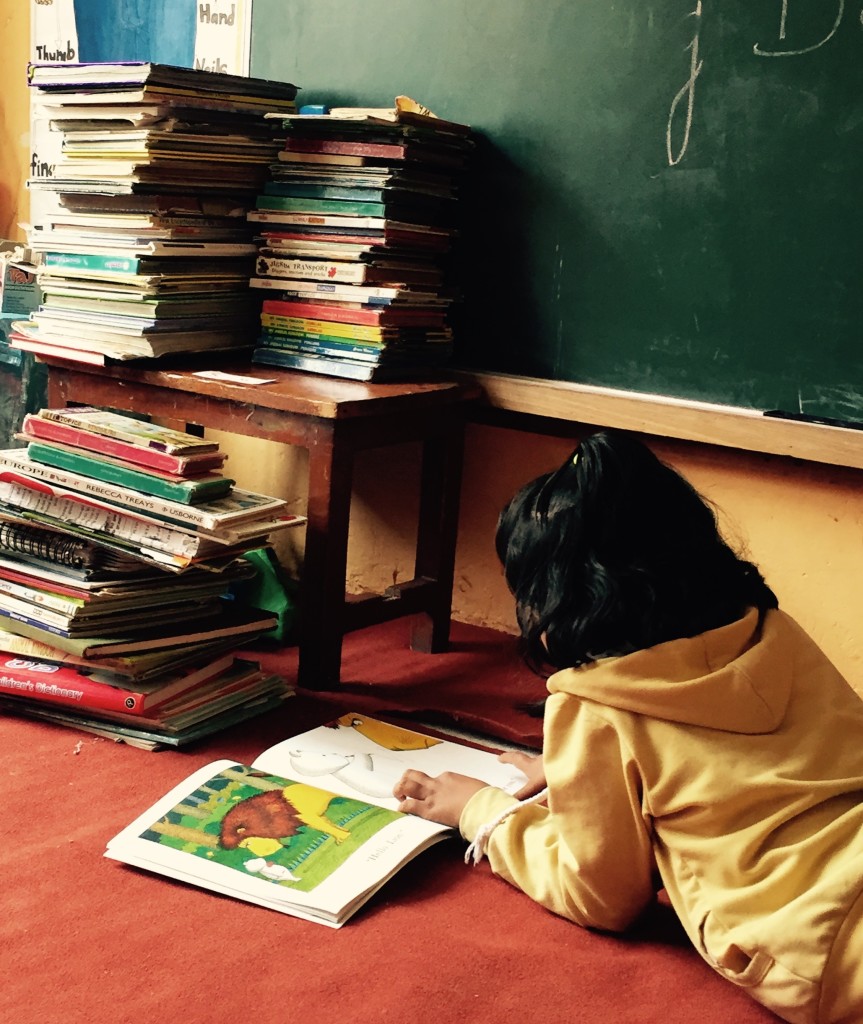
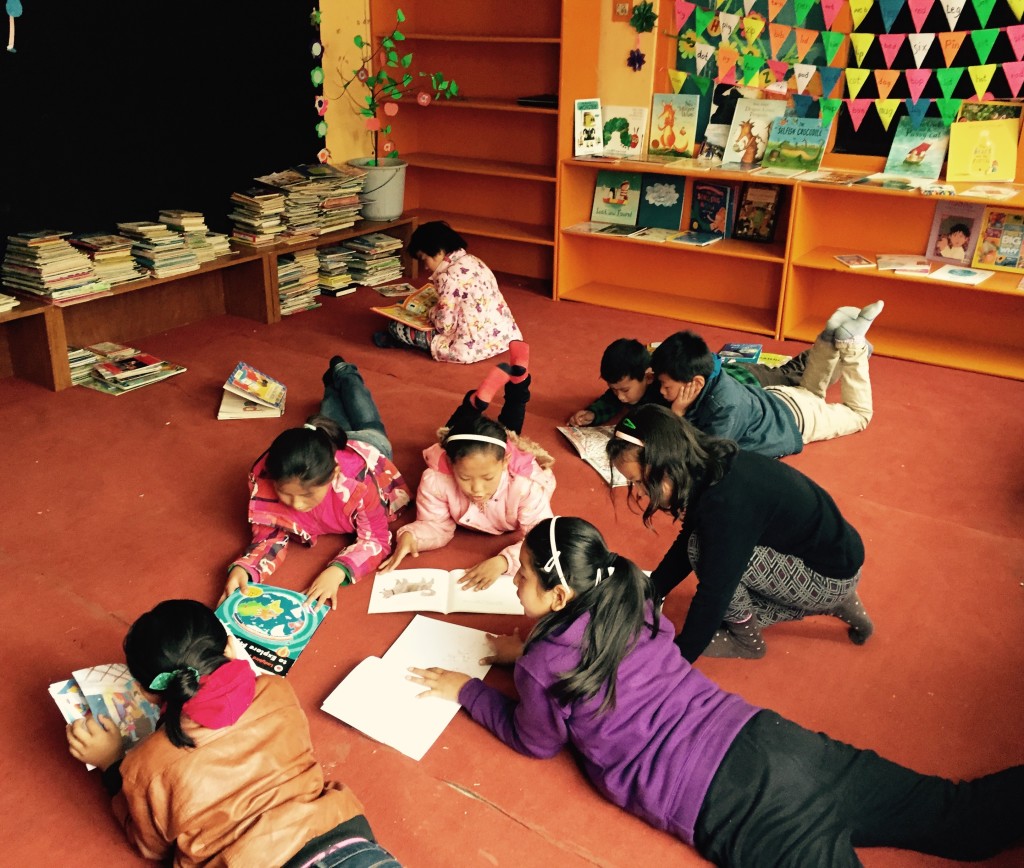
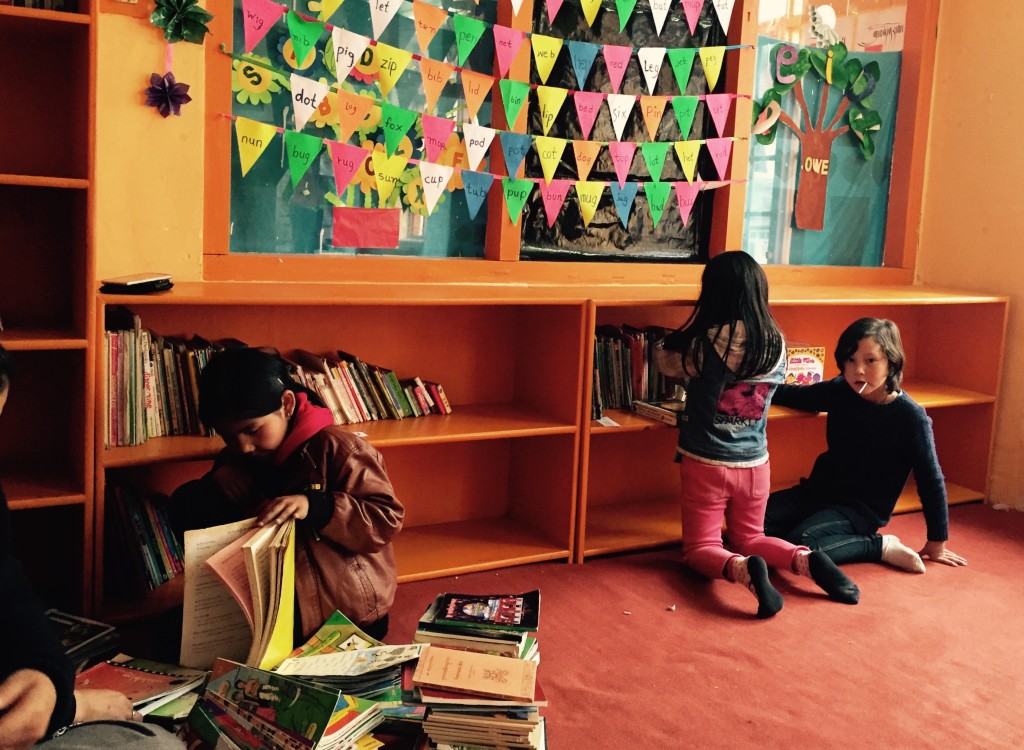
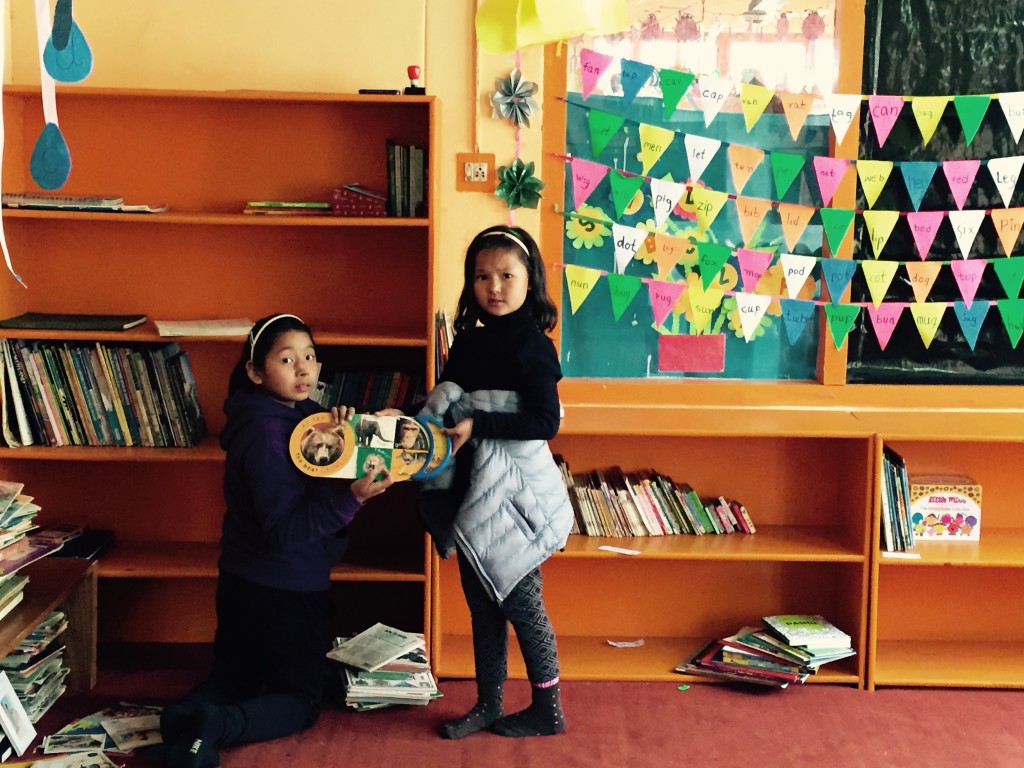
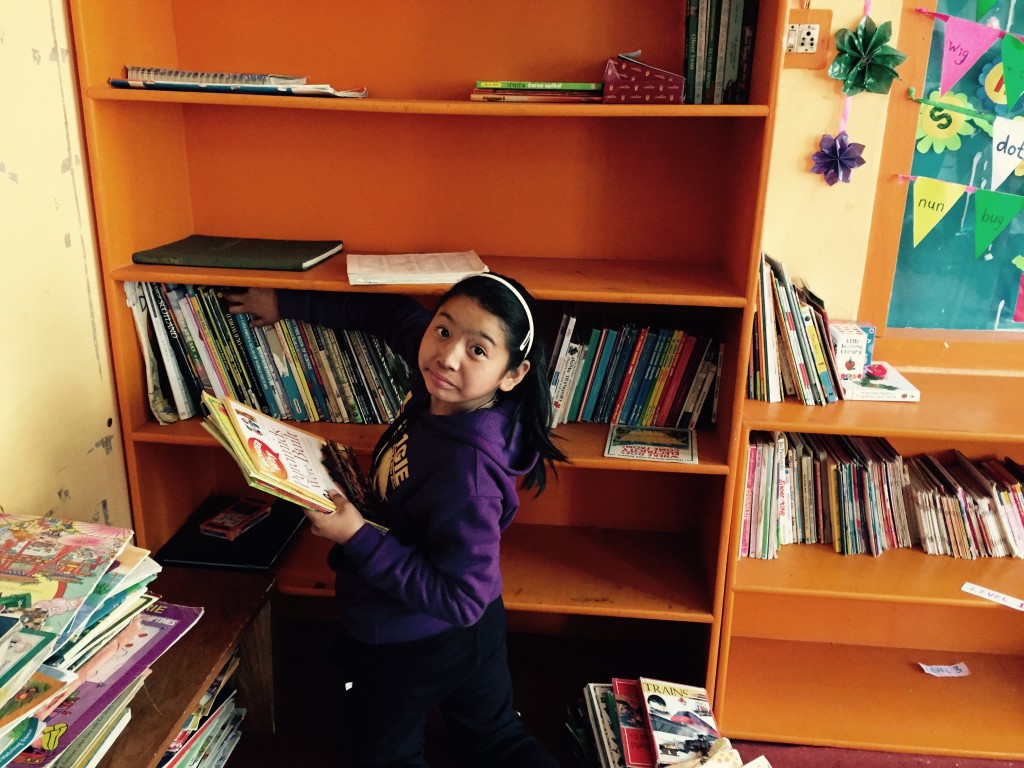
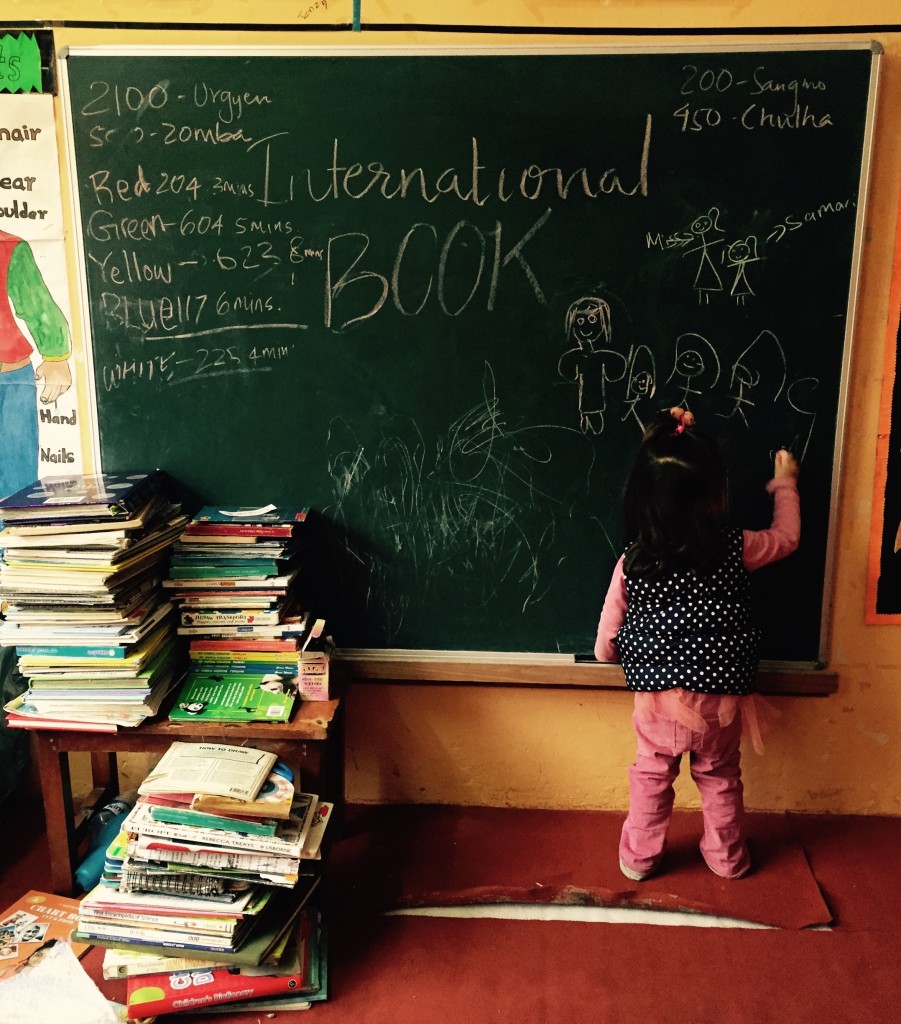
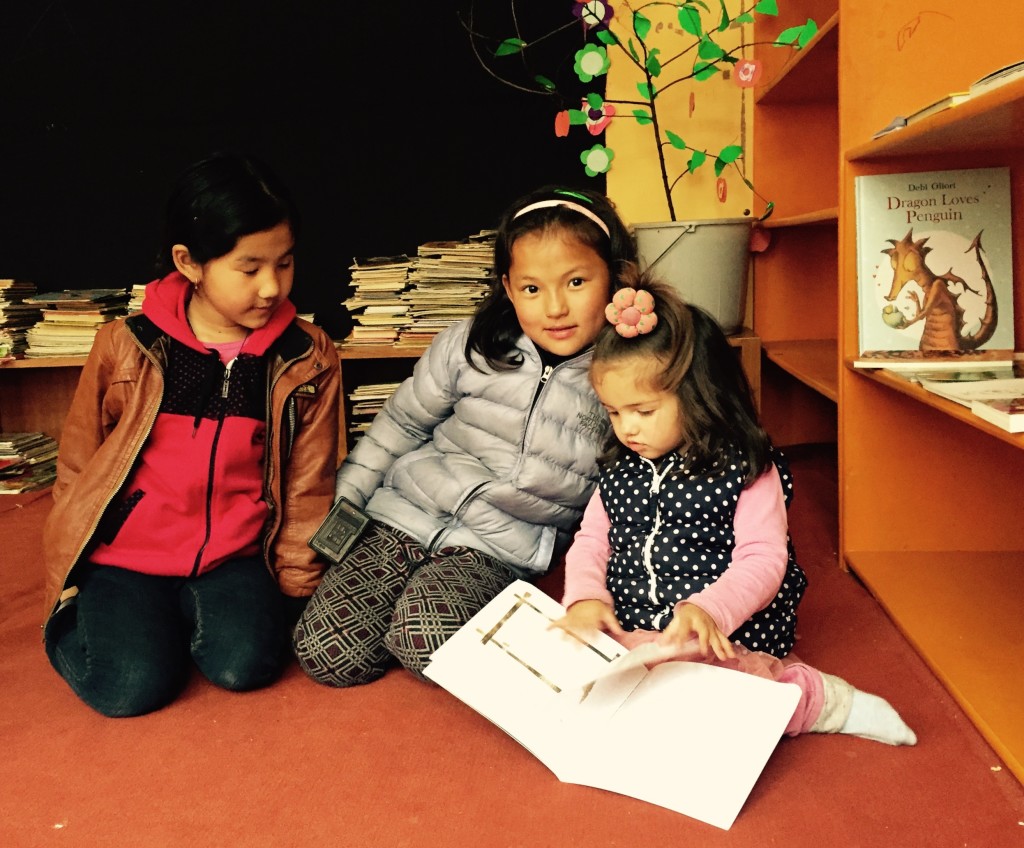
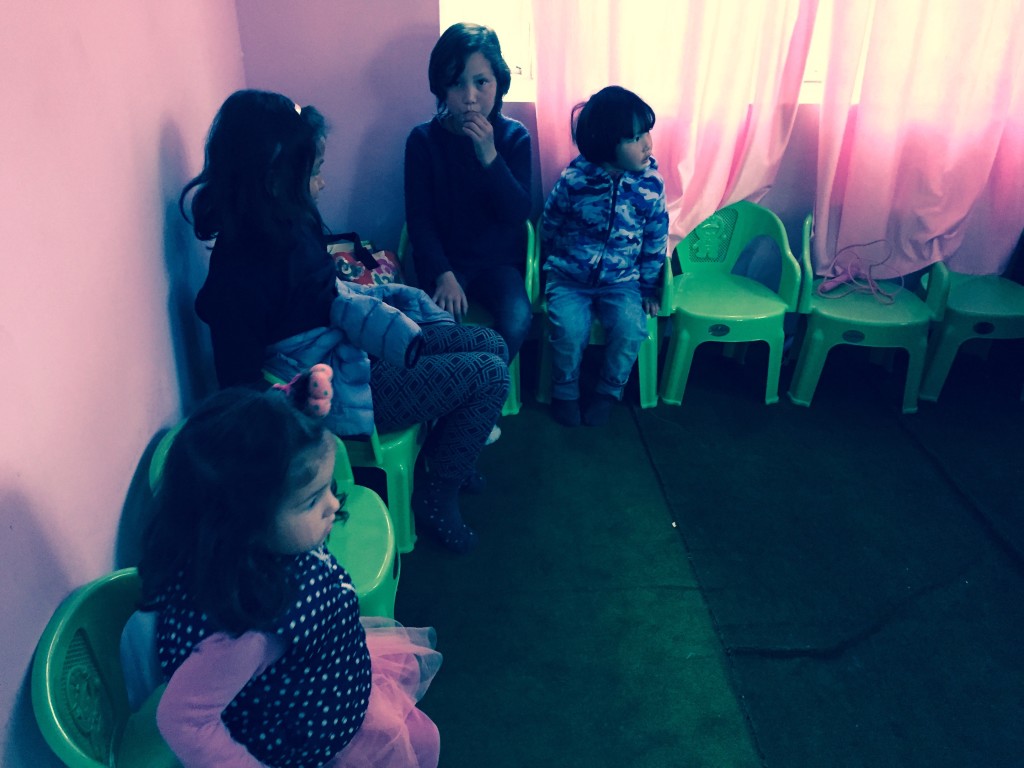
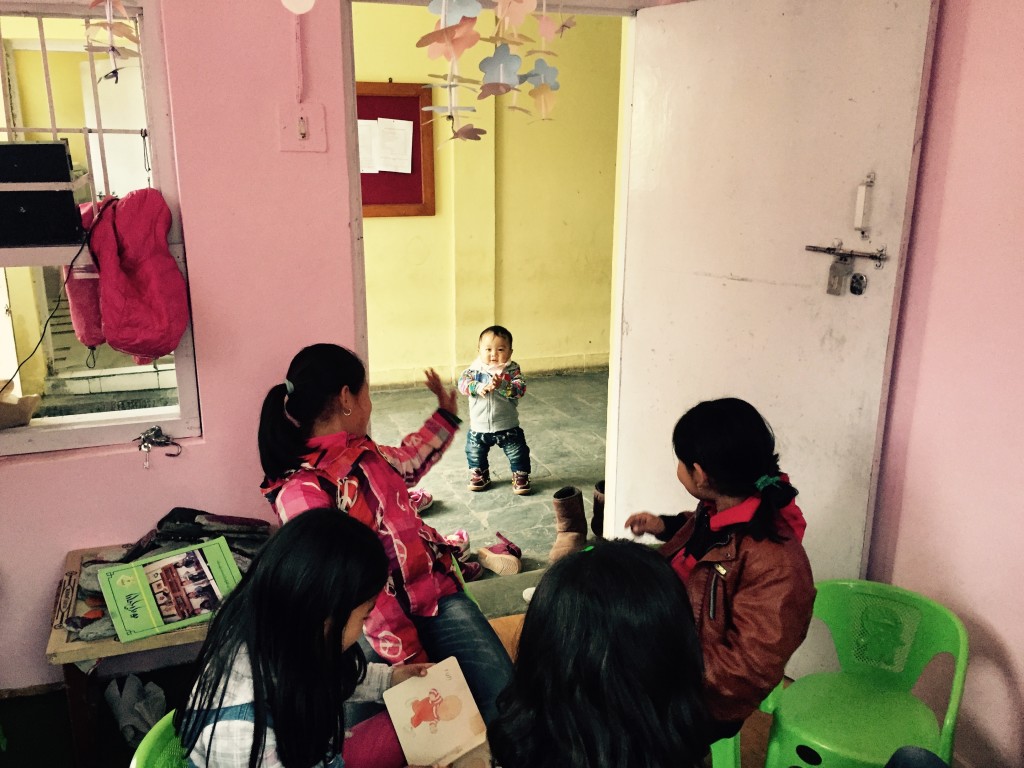
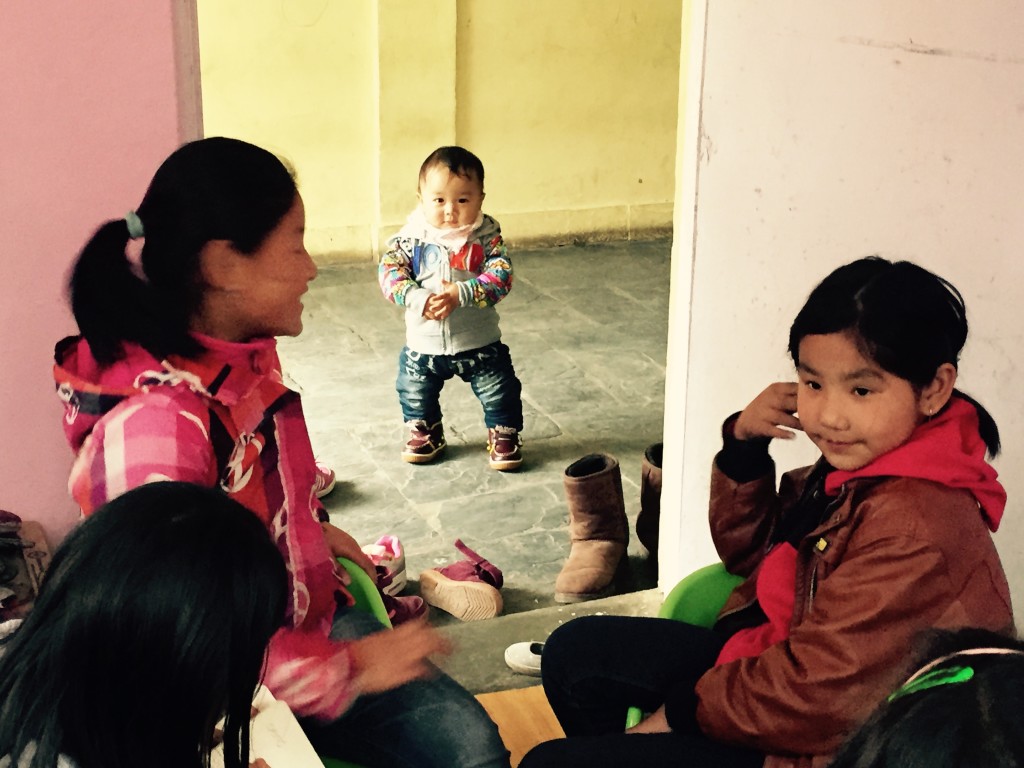
In Ladakh and other Himalayan communities, a quiet reading room can become a place of discovery, confidence, and belonging. Children arrive to browse books, practice language skills, draw, make music, or simply spend time in a welcoming environment. Young monks gain access to stories and learning materials that may be difficult to find locally. These opportunities are offered without a fee because access should not depend on a family’s income or a community’s distance from major educational centers.
The challenge of funding: how we keep our programs free is a practical and ongoing one. Books must be purchased and transported, reading rooms need basic equipment, and activities require reliable supplies and skilled support. Travel across mountain roads adds time and expense. We meet these needs through careful budgeting, individual donations, charitable gifts, partnerships, and the steady commitment of volunteers.
Free programs are built through many modest acts of support. A monthly contribution, a box of suitable books, or assistance with a creative workshop can help sustain a child-friendly learning space. Each contribution becomes part of a wider network that makes literacy, creativity, and meaningful educational experiences available to more children.
Why Free Access Matters
A free reading room removes a barrier before a child even enters the door. Families do not need to choose between educational enrichment and essential household expenses. Children can borrow or explore books at their own pace, while facilitators can encourage regular reading without attaching a cost to every visit.
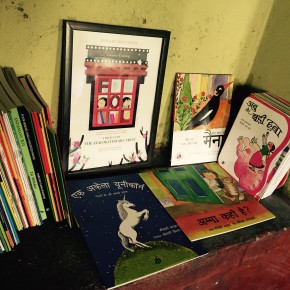
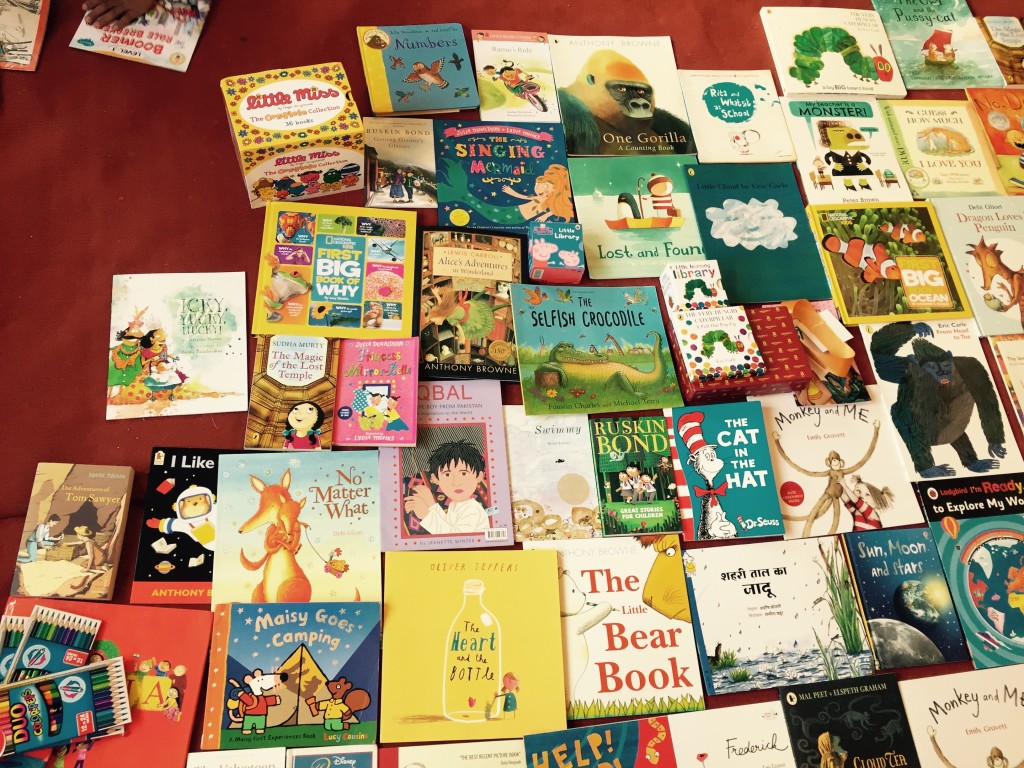
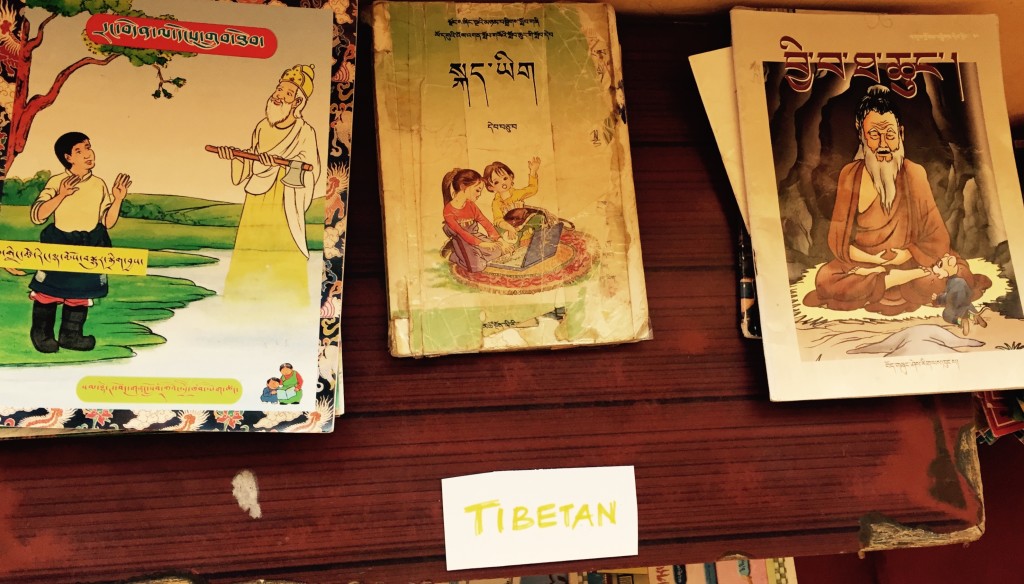
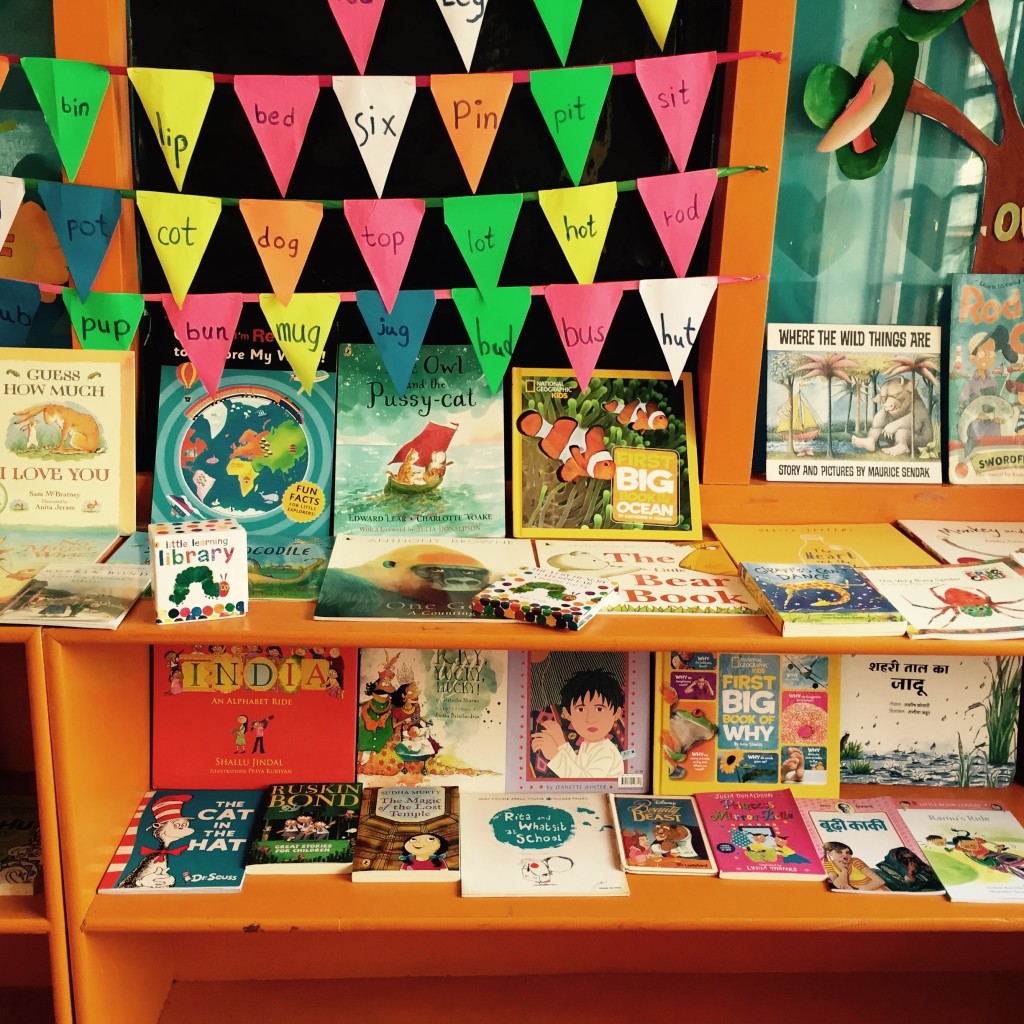
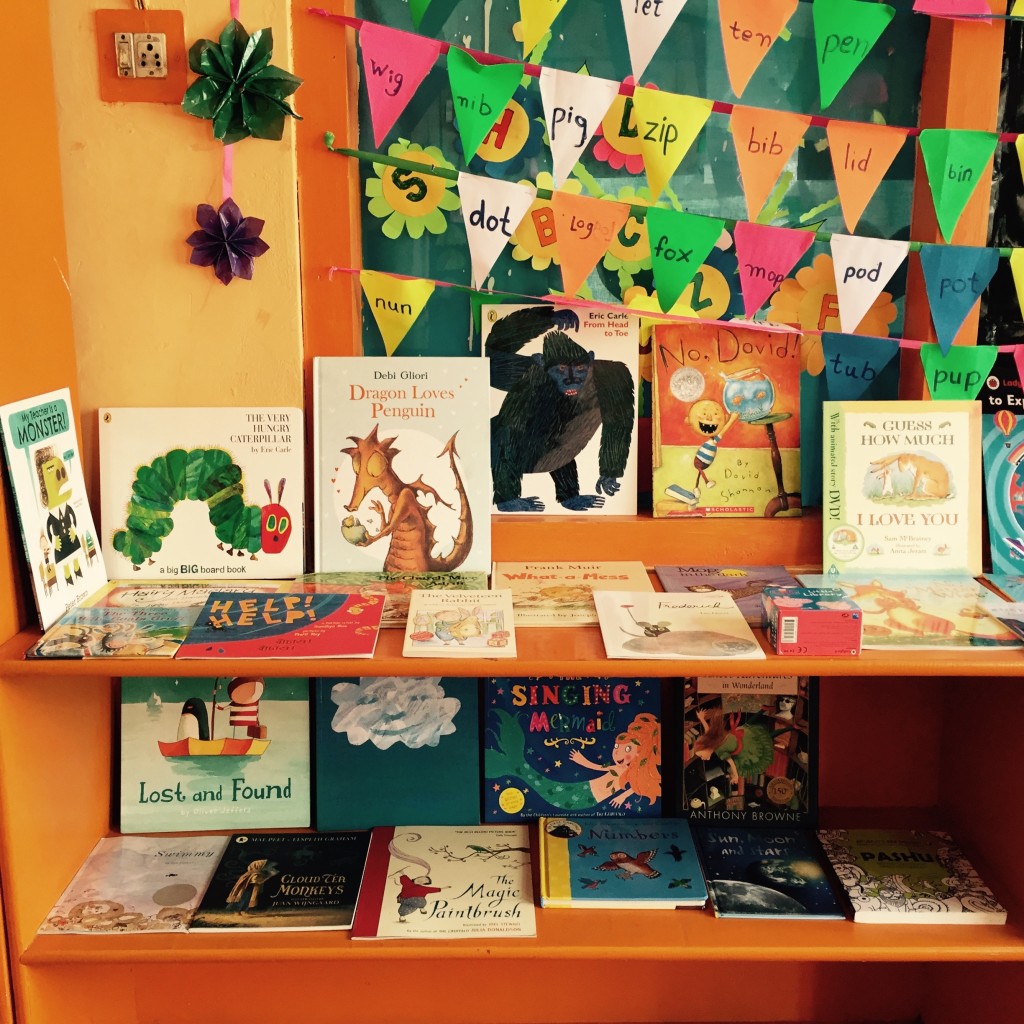
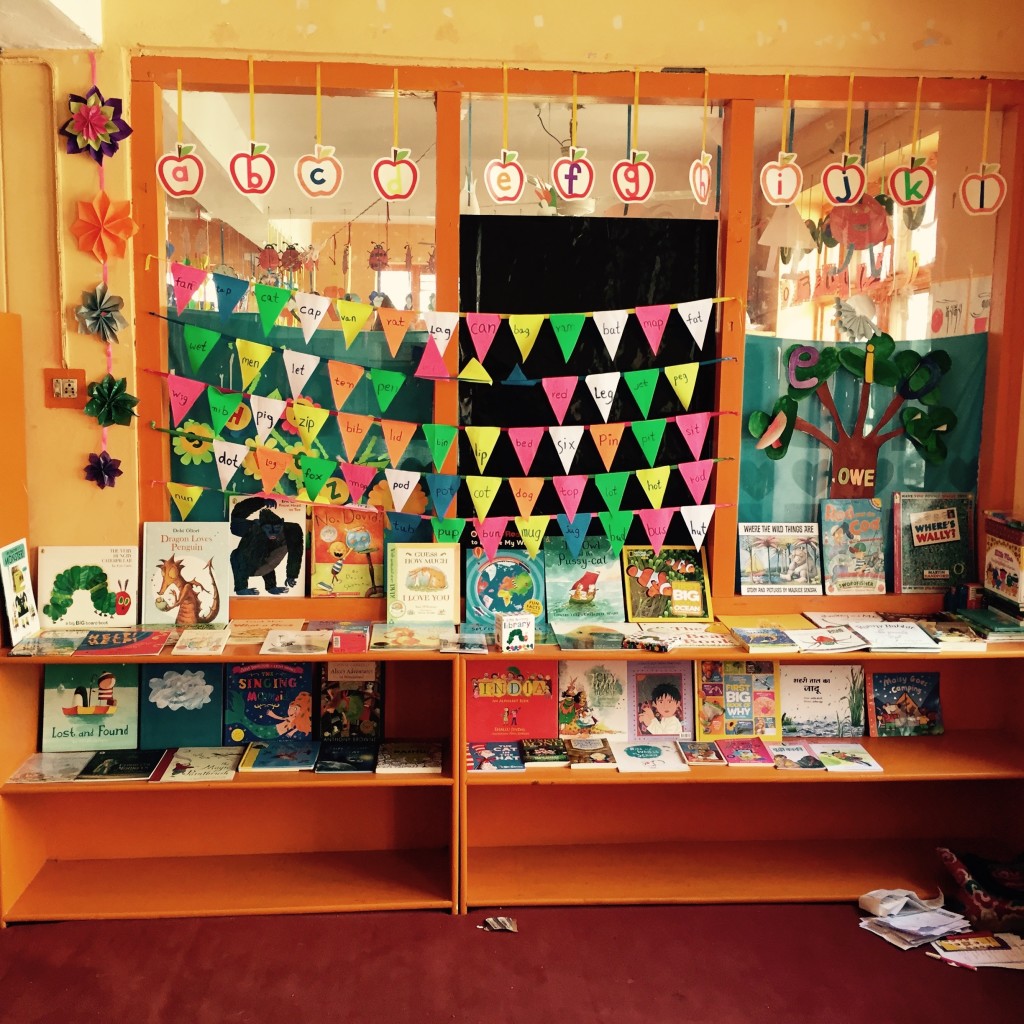
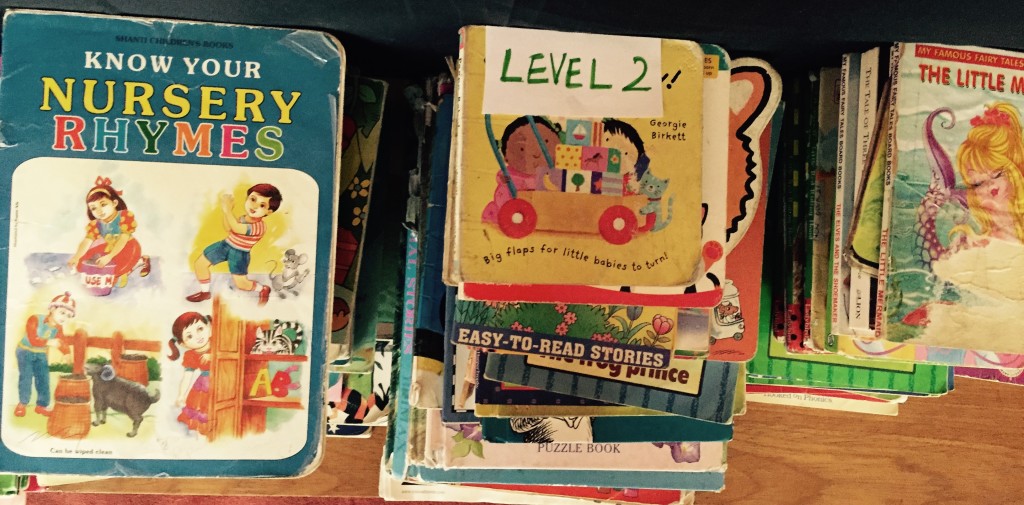
This matters especially in remote Himalayan areas, where books and organized activities may be limited by geography. A child may have access to a school but very few age-appropriate books beyond the classroom. A community reading space adds variety: picture books, folktales, reference materials, poetry, art supplies, and music can all support different ways of learning.
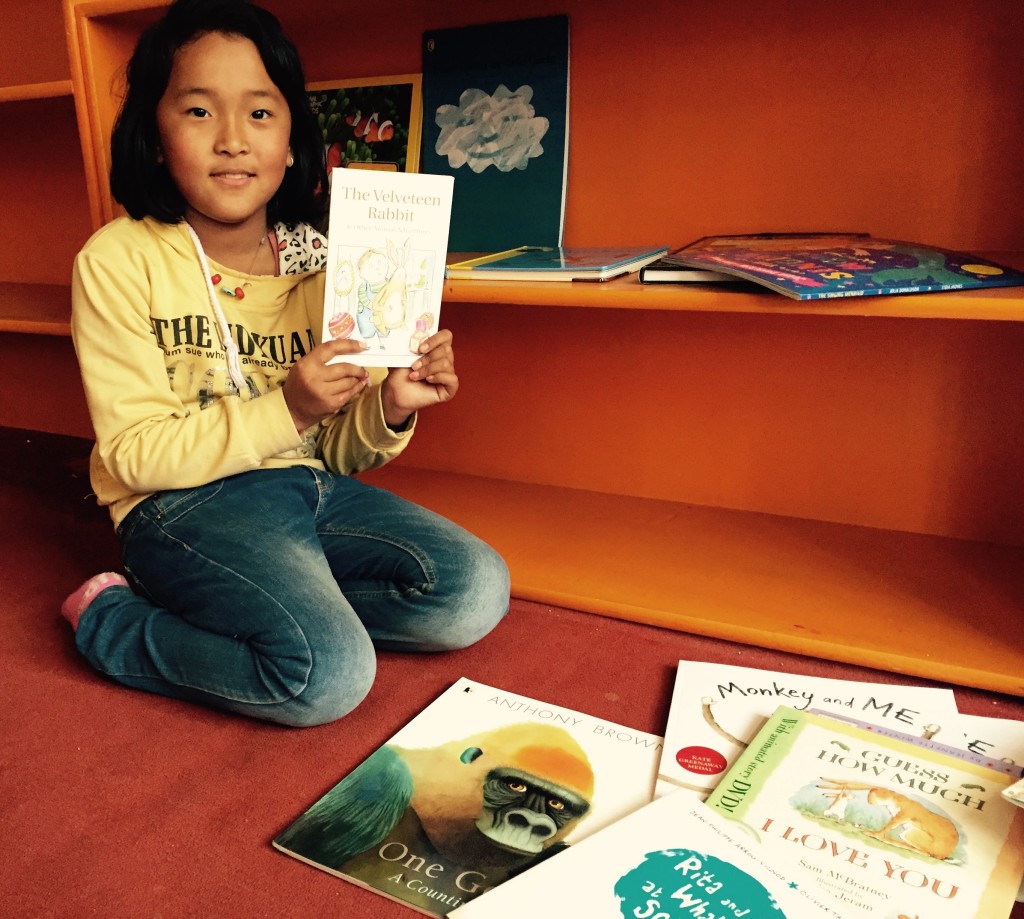
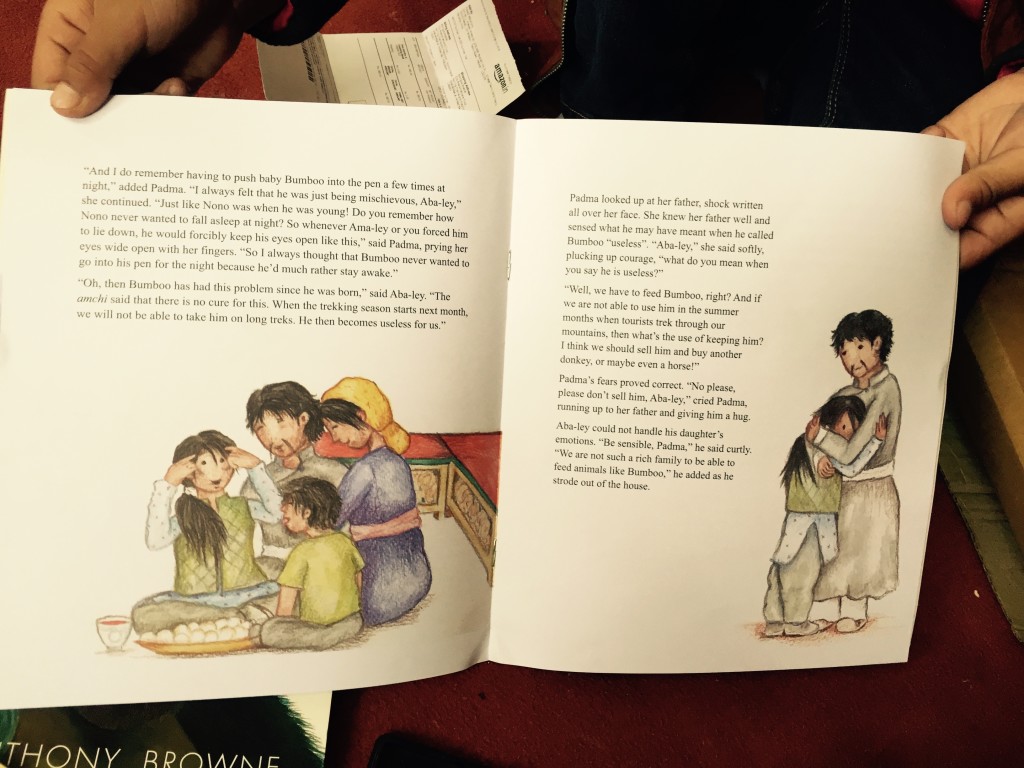
The effect of this access can be personal and lasting. Our story about a small reading room shows how a modest local resource can influence a child’s confidence and relationship with learning. Keeping that resource free allows its benefits to reach children who might otherwise remain excluded.
What Funding Must Cover
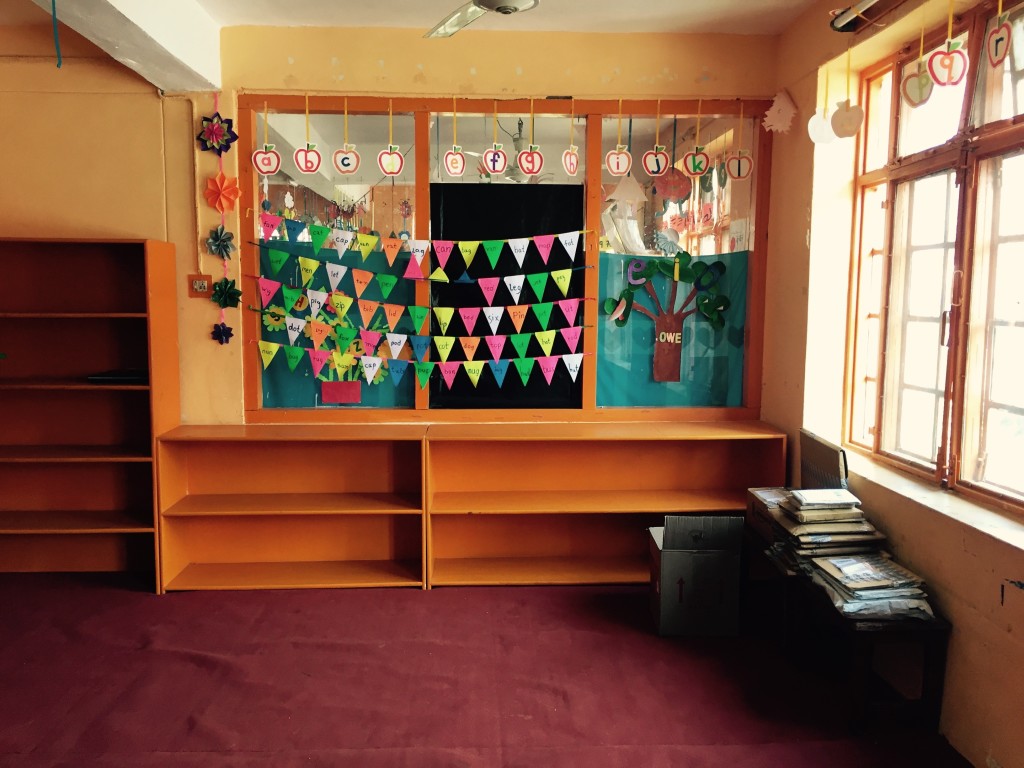
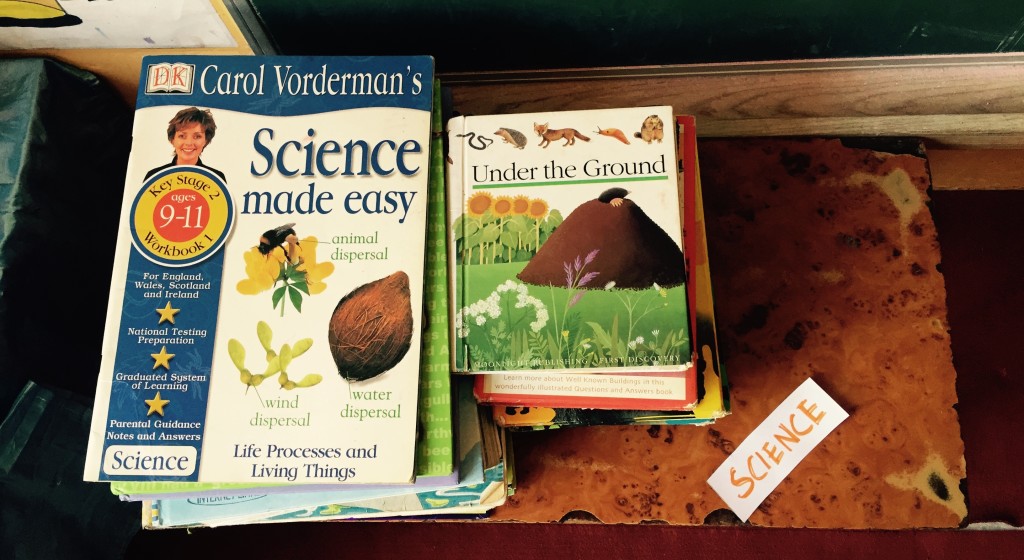
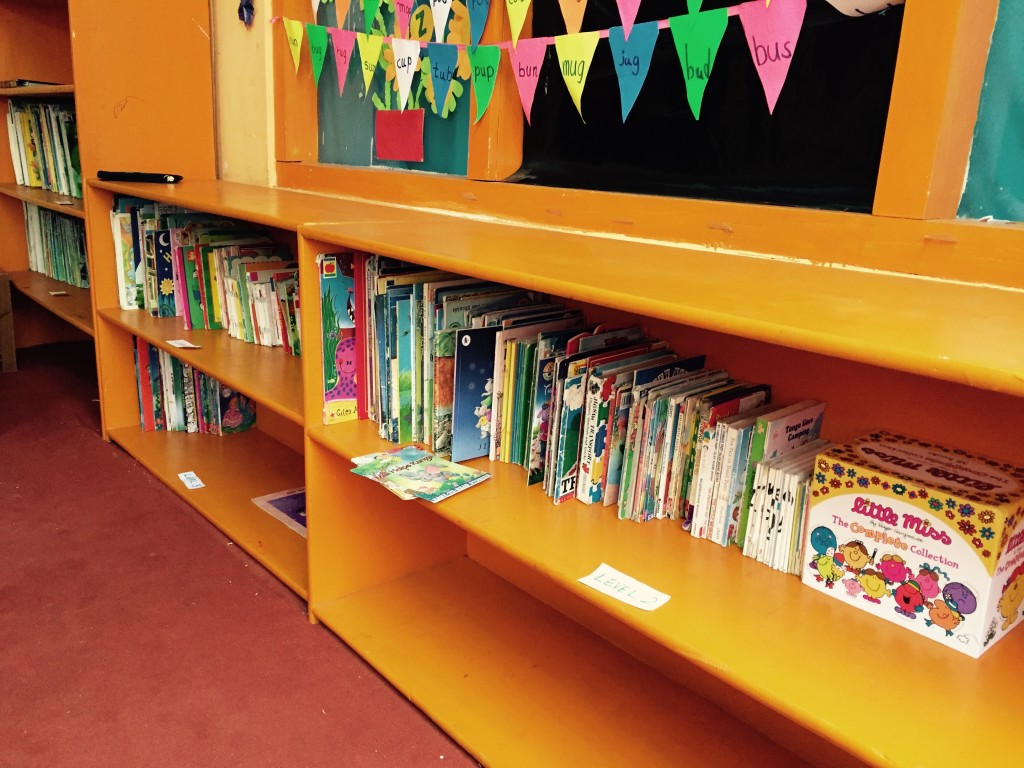
Donations help cover much more than the visible cost of books. A sustainable program may need shelves, floor cushions, tables, stationery, notebooks, art materials, musical instruments, storage, lighting, and basic repairs. Reading rooms also need ongoing care so they remain safe, inviting, and useful throughout the year.
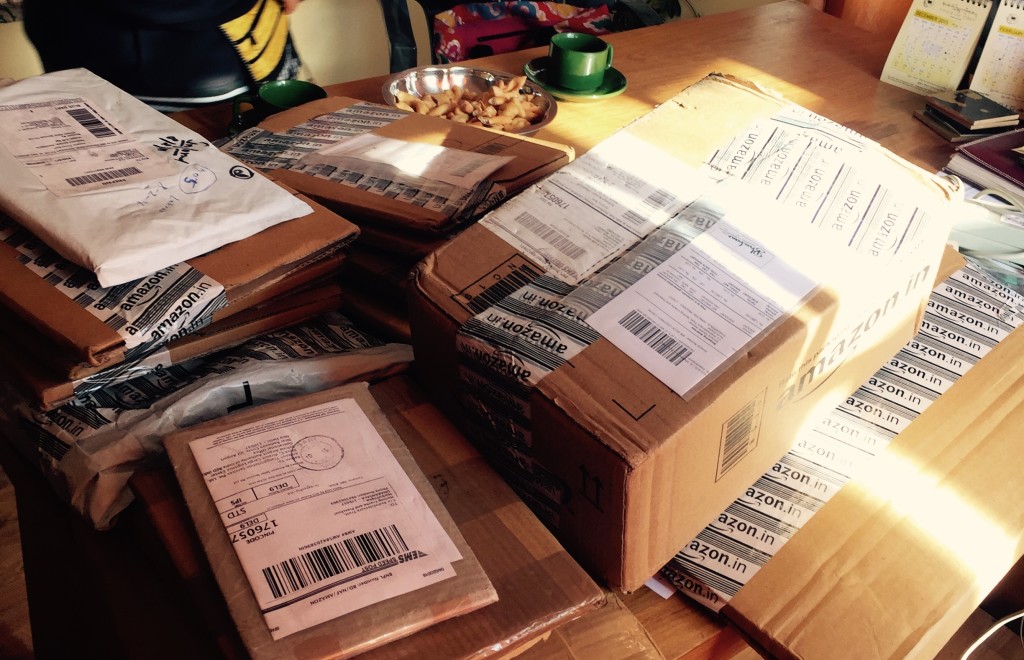
Transport is another important part of the budget. Supplies may travel long distances before reaching a village or monastery community. Shipping books, moving equipment, and coordinating deliveries in mountainous regions can require careful planning. A gift that supports logistics can be just as valuable as one that purchases a new collection.
Program support also includes the people who make activities possible. Volunteers and local partners organize sessions, welcome children, maintain resources, and understand the needs of each community. When funding allows these relationships to continue, the Trust can plan more consistently rather than treating every activity as a one-time event.
How We Stretch Each Gift
Financial stewardship begins with matching resources to real community needs. We assess what is already available, prioritize durable materials, reuse suitable supplies, and coordinate book drives around the collections children can actually use. This approach reduces waste and helps each donation create a practical benefit.
We also distinguish between immediate purchases and long-term capacity. A new set of books may attract children quickly, while shelves, storage, or facilitator support help the reading room function for years. Balancing these priorities keeps the programs lively without overlooking the infrastructure that makes them dependable.
| Area of support |
Typical need |
Free benefit for children |
| Books and reading materials |
Age-appropriate fiction, nonfiction, and local stories |
Regular access to varied reading |
| Reading room resources |
Shelving, seating, lighting, and storage |
A safe and welcoming place to learn |
| Creative activities |
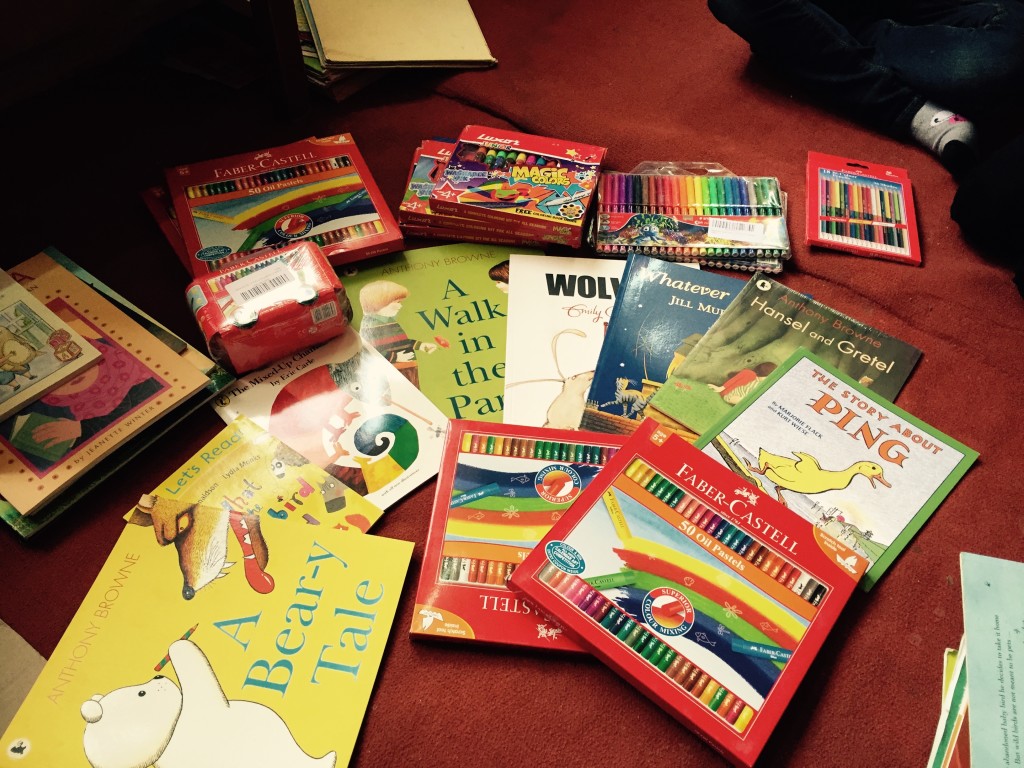
Art supplies, instruments, and workshop materials |
Opportunities for expression and confidence |
| Transport and delivery |
Moving books and equipment to remote communities |
Resources reach children beyond major towns |
| Local coordination |
Planning, care, and activity support |
Consistent programs shaped by community needs |
Unrestricted donations are particularly helpful because they let us respond to changing circumstances. If a community has enough books but needs art supplies, transport assistance, or repairs, flexible funding can be directed where it has the greatest effect. Restricted gifts remain valuable when they align with clearly identified priorities.
A Mix Of Reliable Support
No single source of income can carry a community education program indefinitely. We depend on individual donors, recurring supporters, charitable partnerships, book contributions, and volunteer involvement. This mixed funding model spreads responsibility and gives the Trust greater resilience when one source changes.
Recurring donations are useful because they support forward planning. Even a modest monthly gift can help cover routine costs such as replenishing stationery, maintaining a reading room, or transporting materials. Predictable income makes it easier to schedule activities and respond to local requests without waiting for a large annual appeal.
One-time gifts also have an important place. They can fund a new collection, equip a creative workshop, or help launch a reading initiative in a community with limited resources. Donors who prefer to give toward a particular purpose can work with the Trust to identify a meaningful and realistic need.
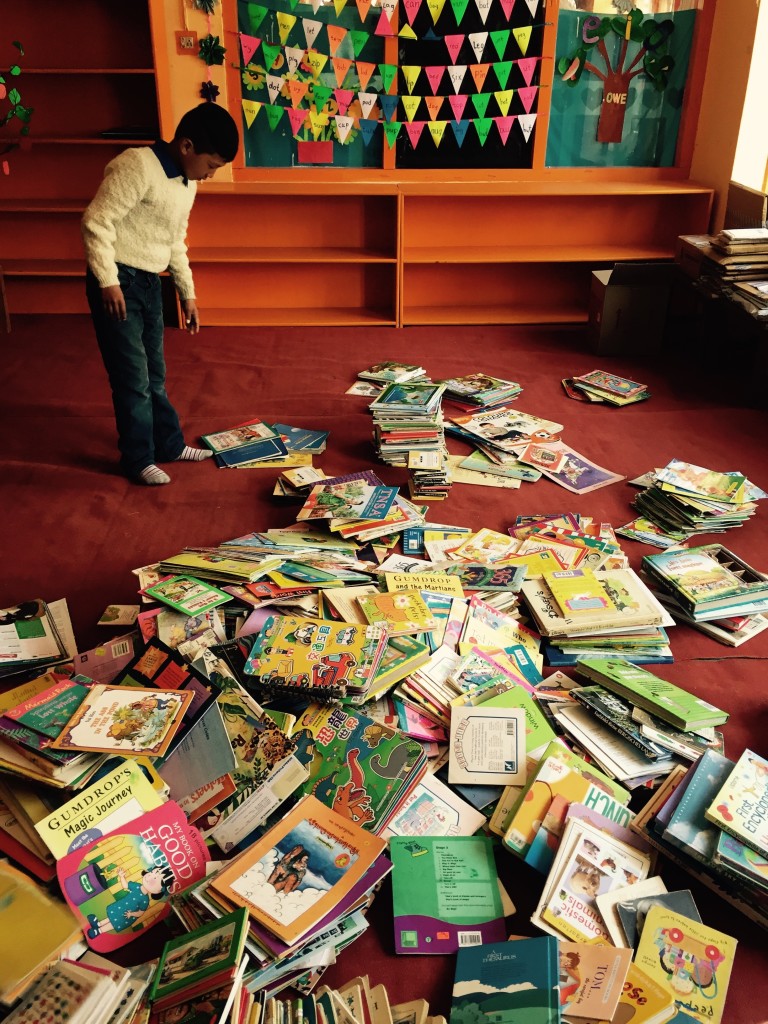
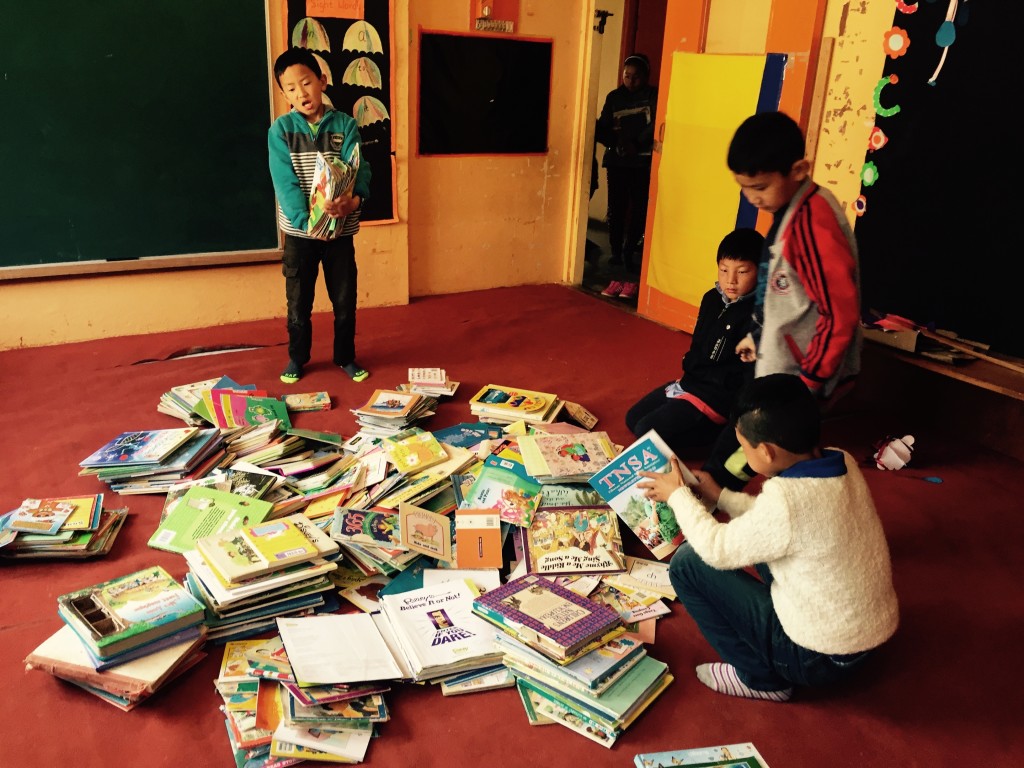
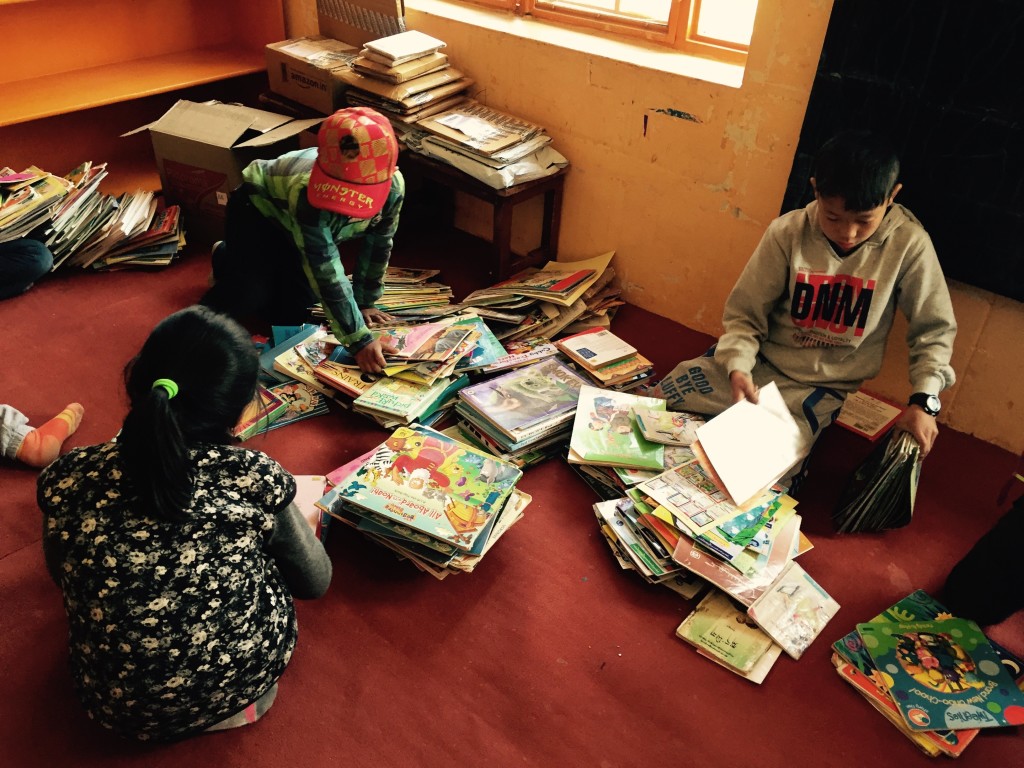
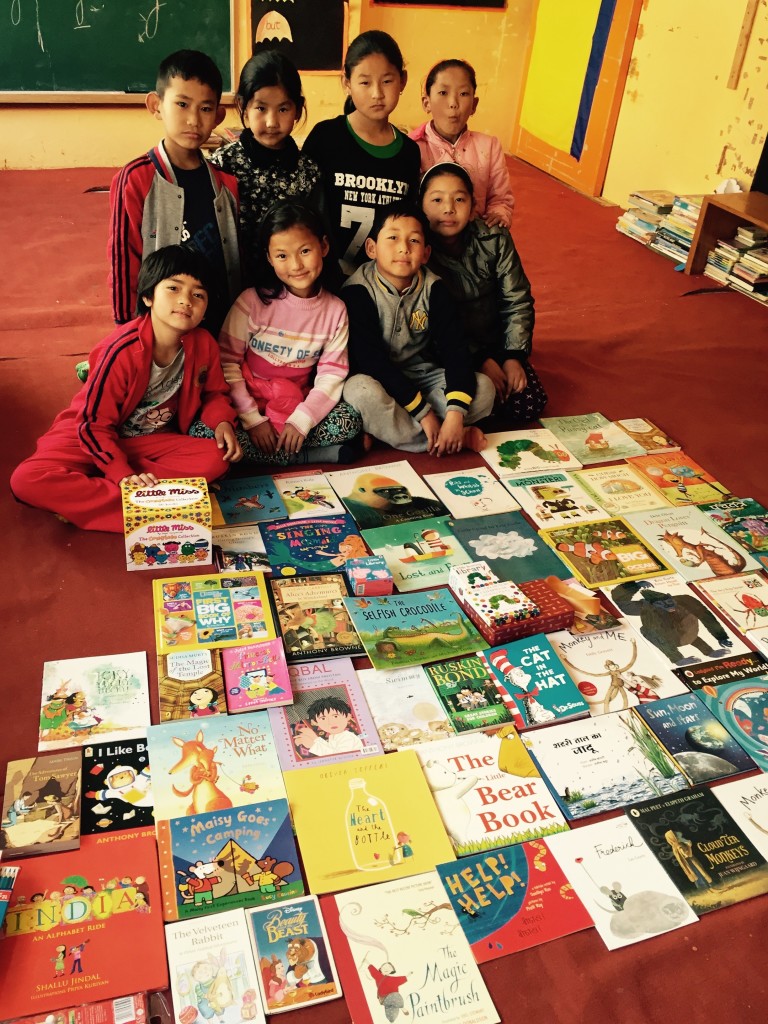
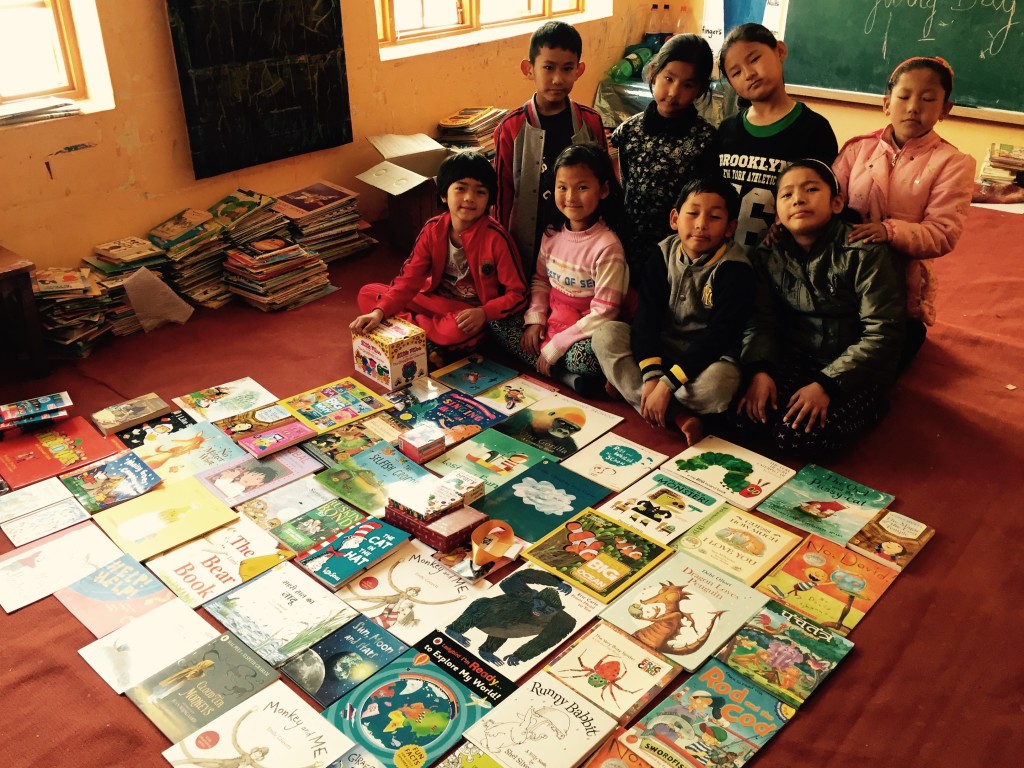
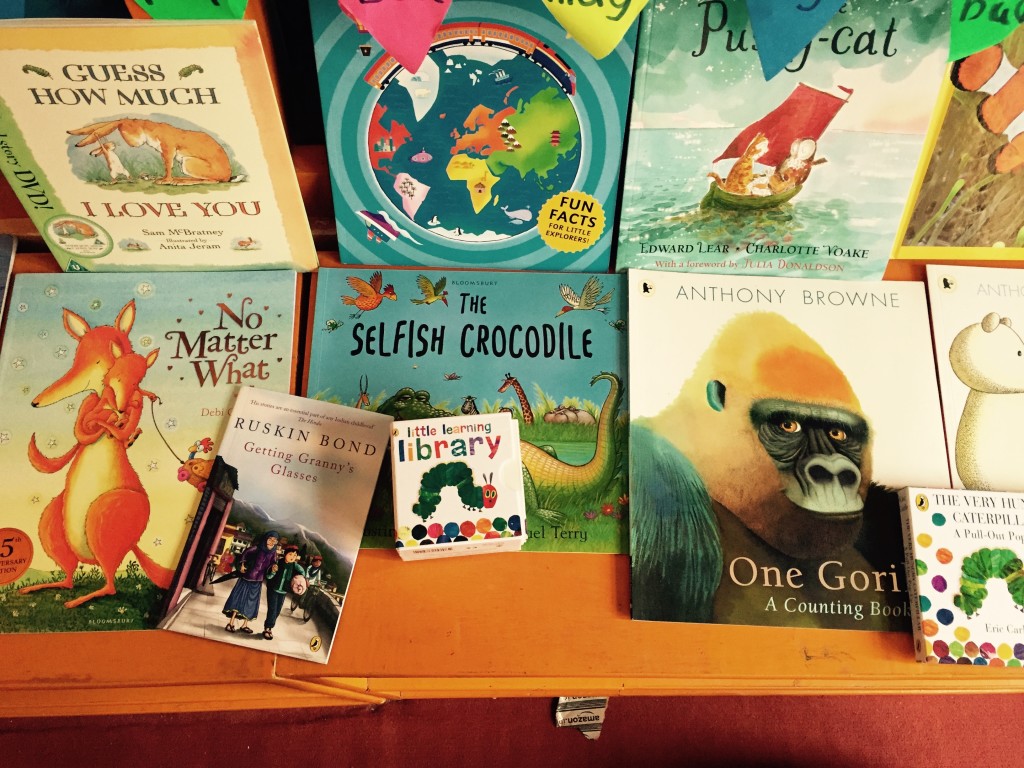
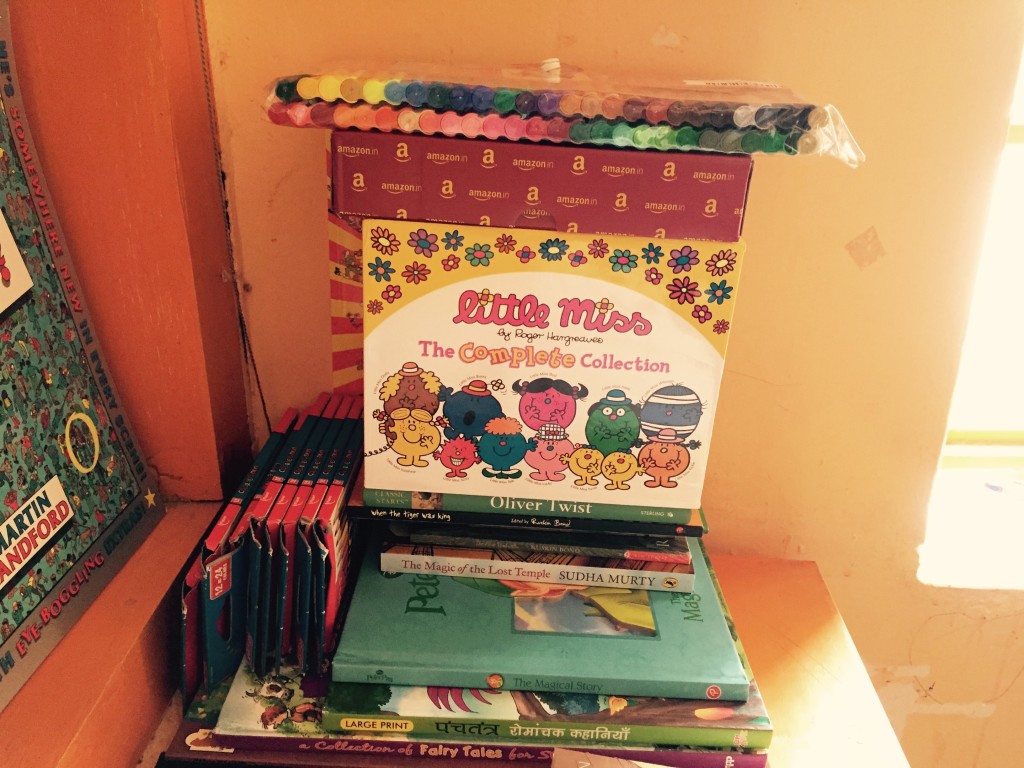
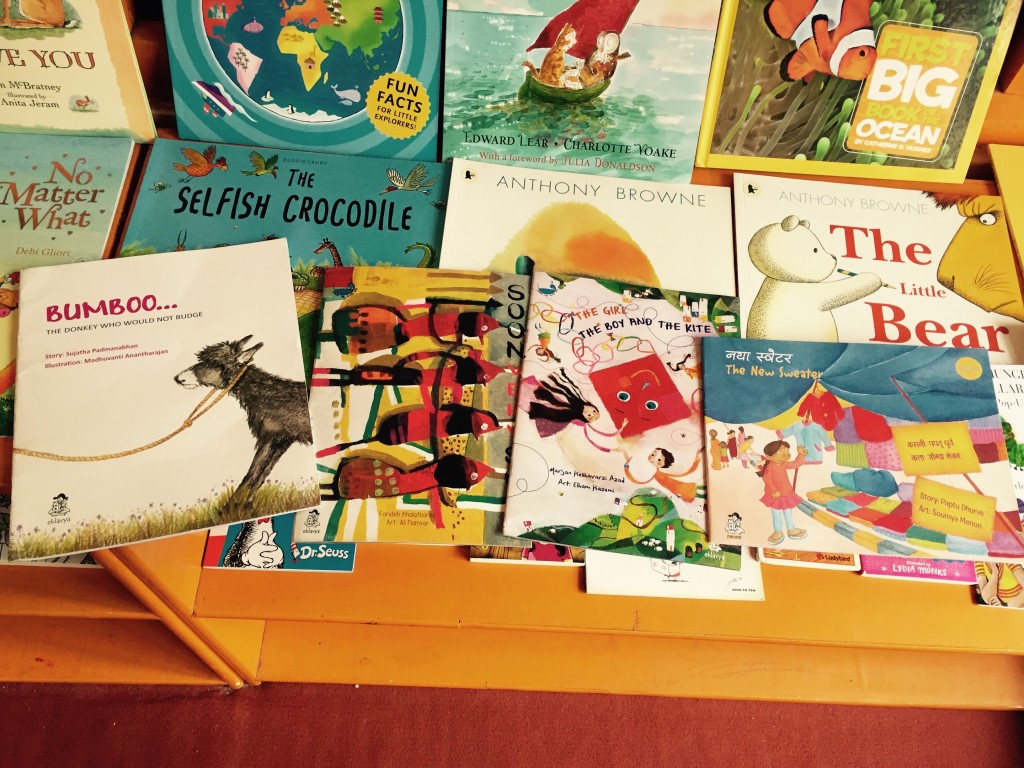
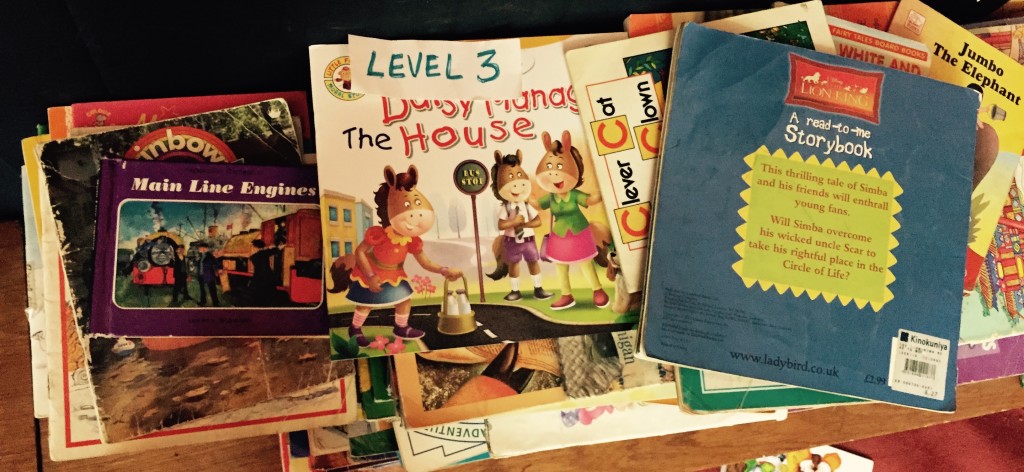
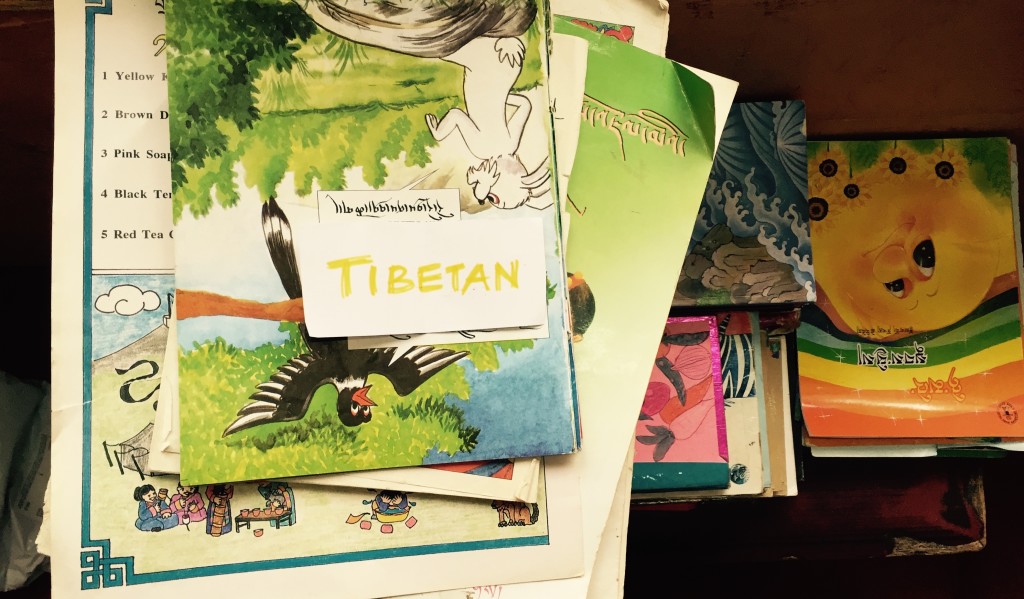
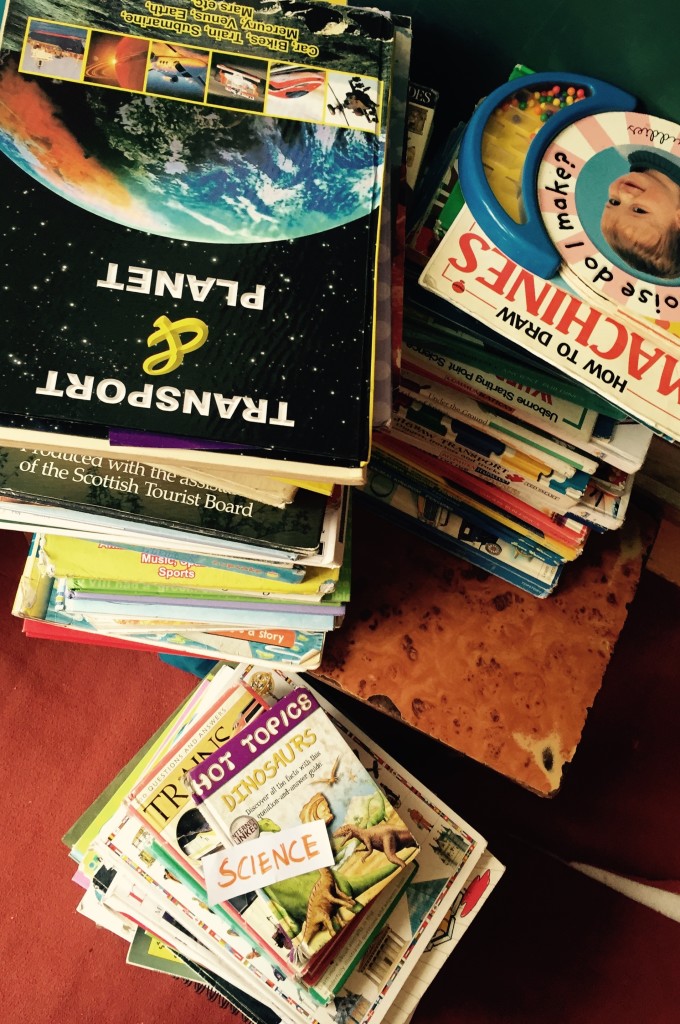
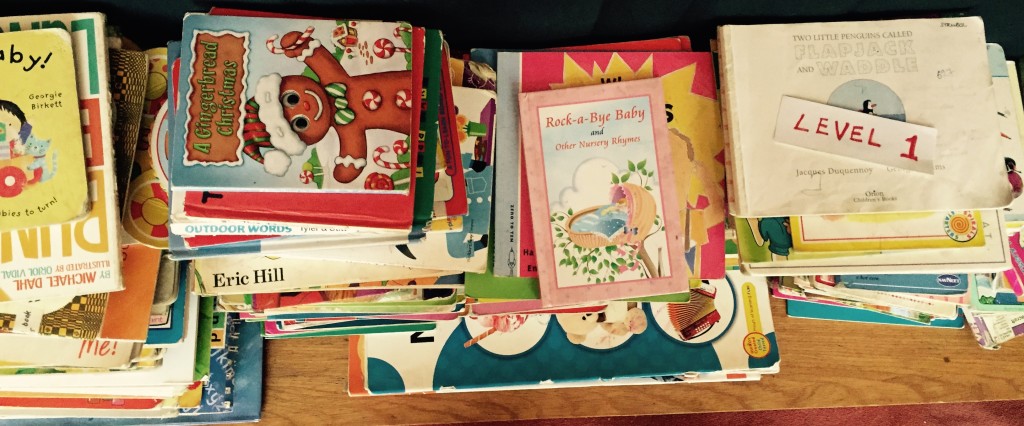
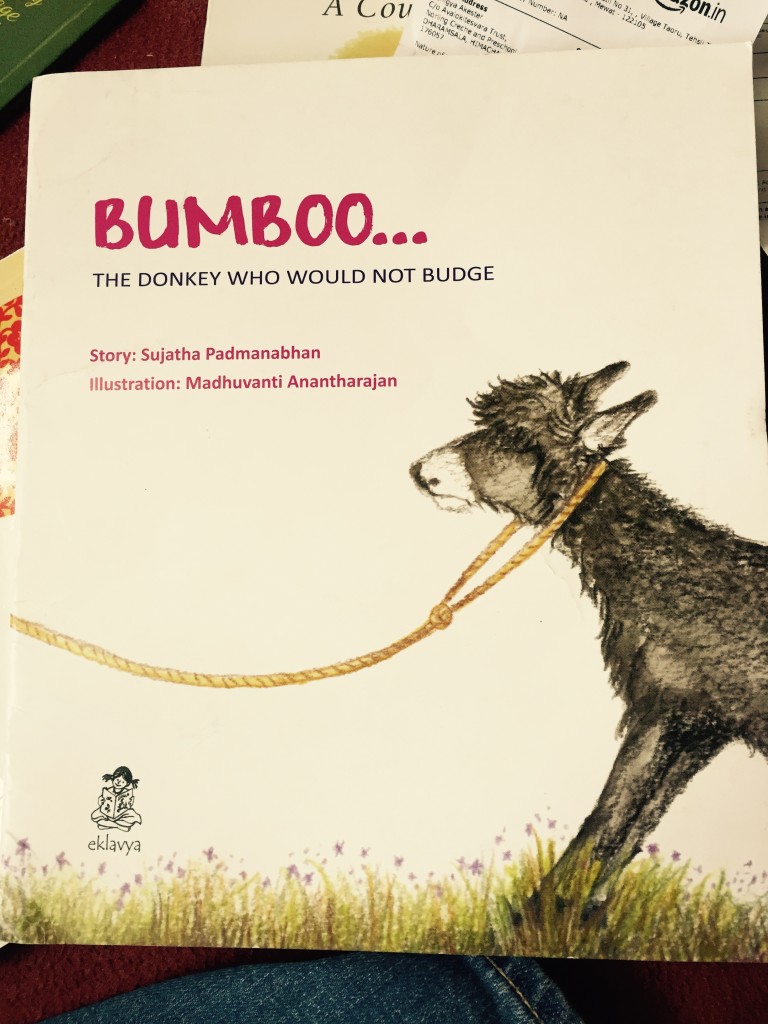
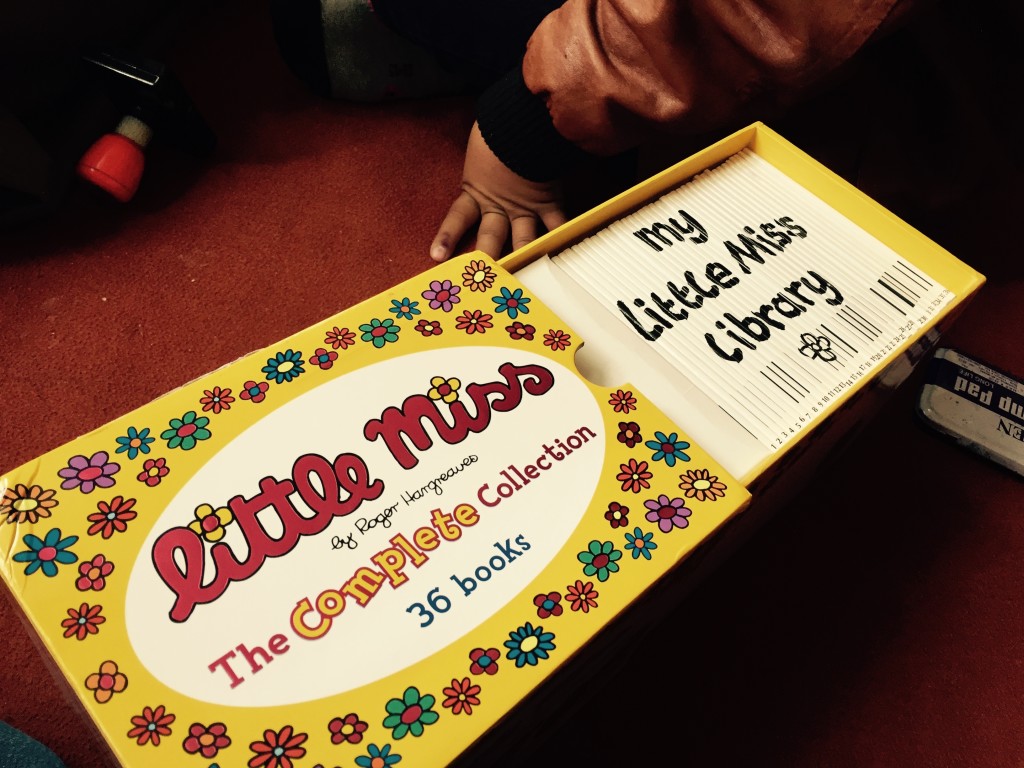
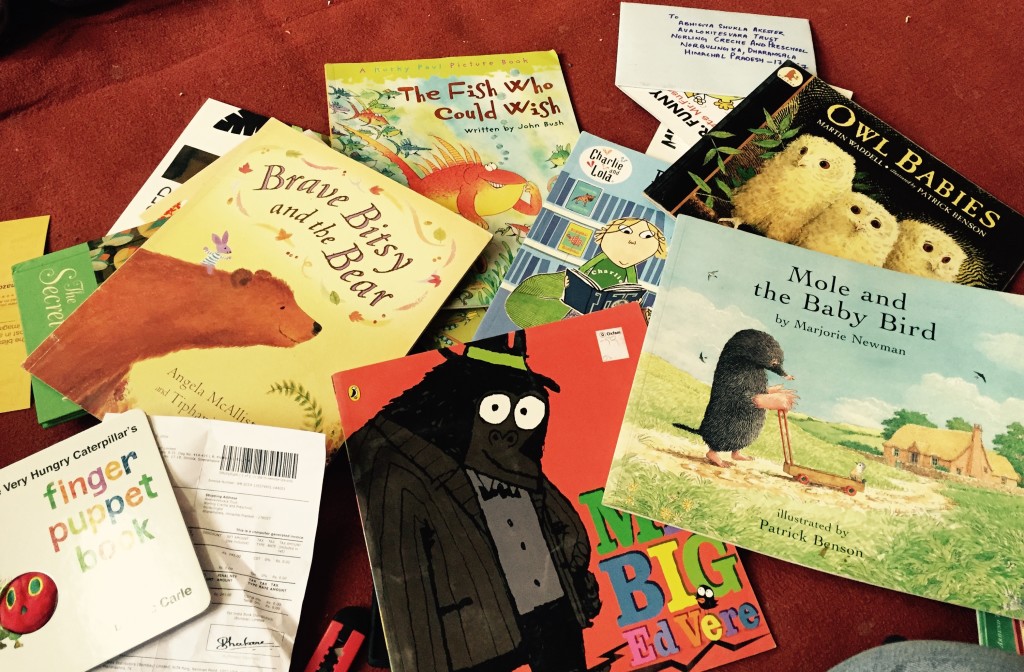
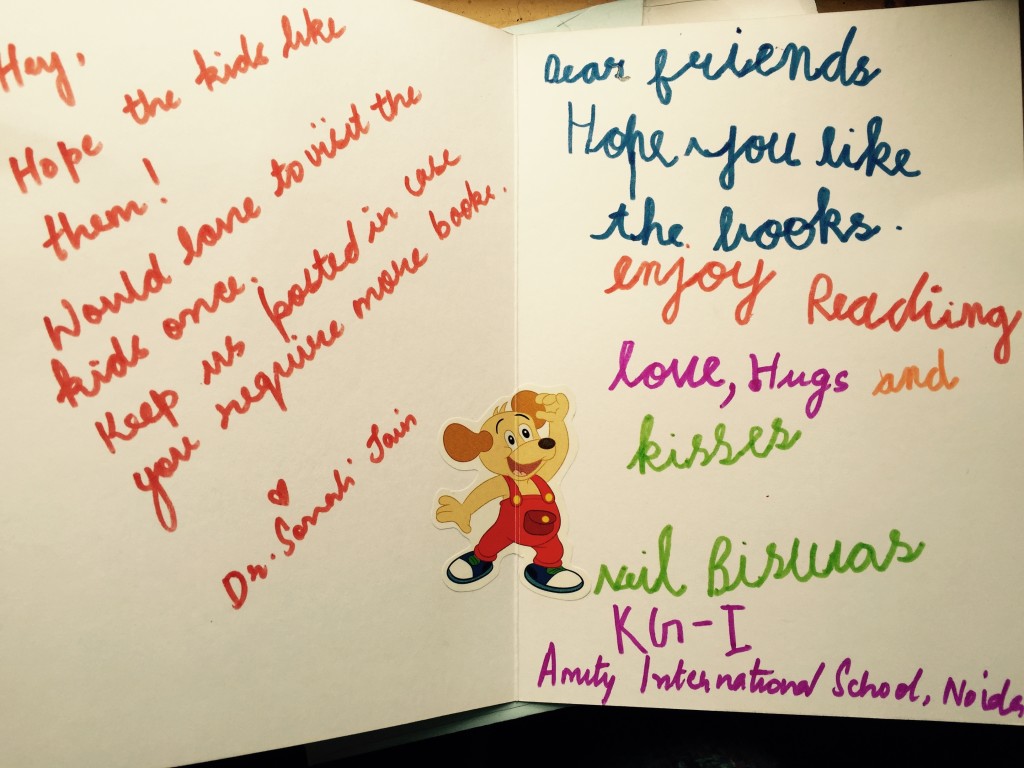
Book drives require equal care. Suitable books should be durable, culturally respectful, accessible to the intended age group, and relevant to the language abilities of the children. Thoughtful donations are more useful than large quantities of unsuitable material, so collection efforts focus on quality and fit.
Transparency Builds Trust
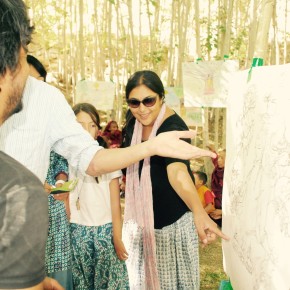
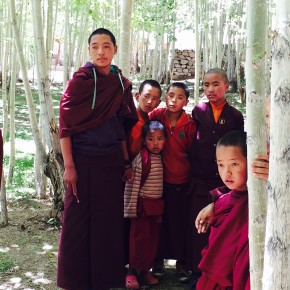
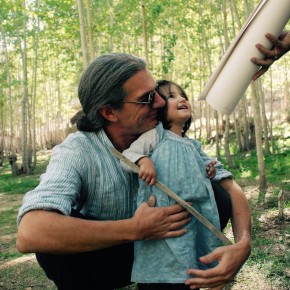
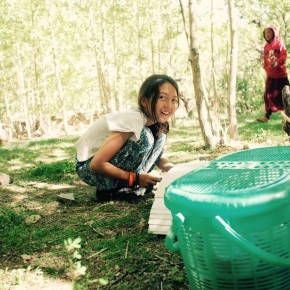
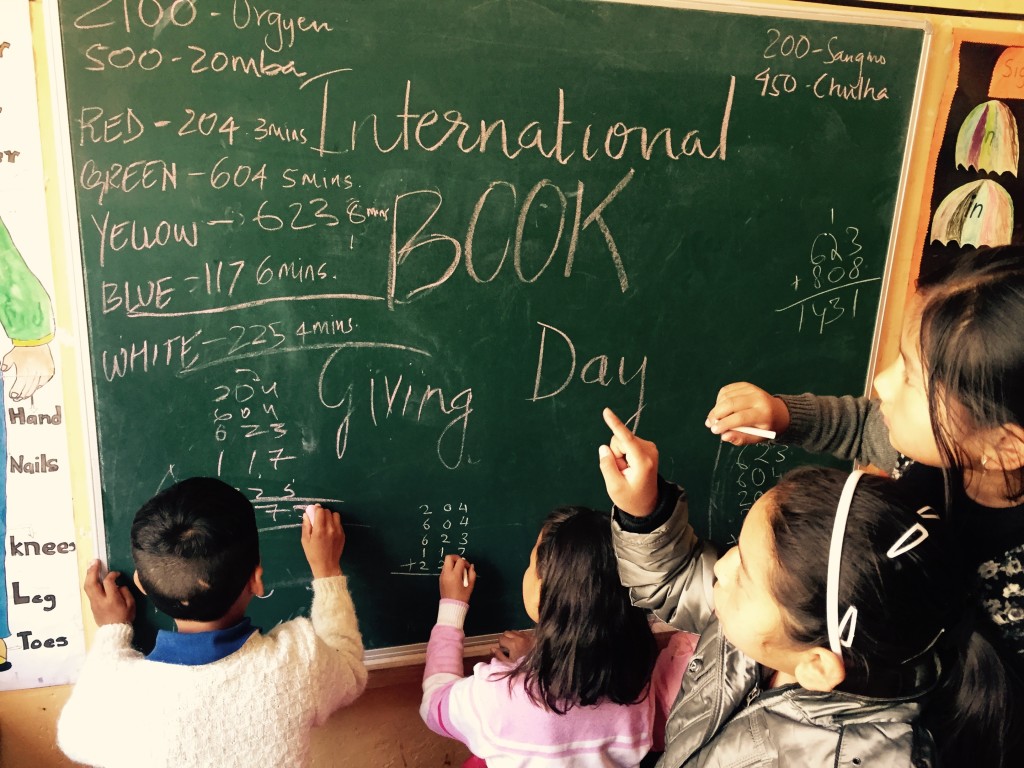
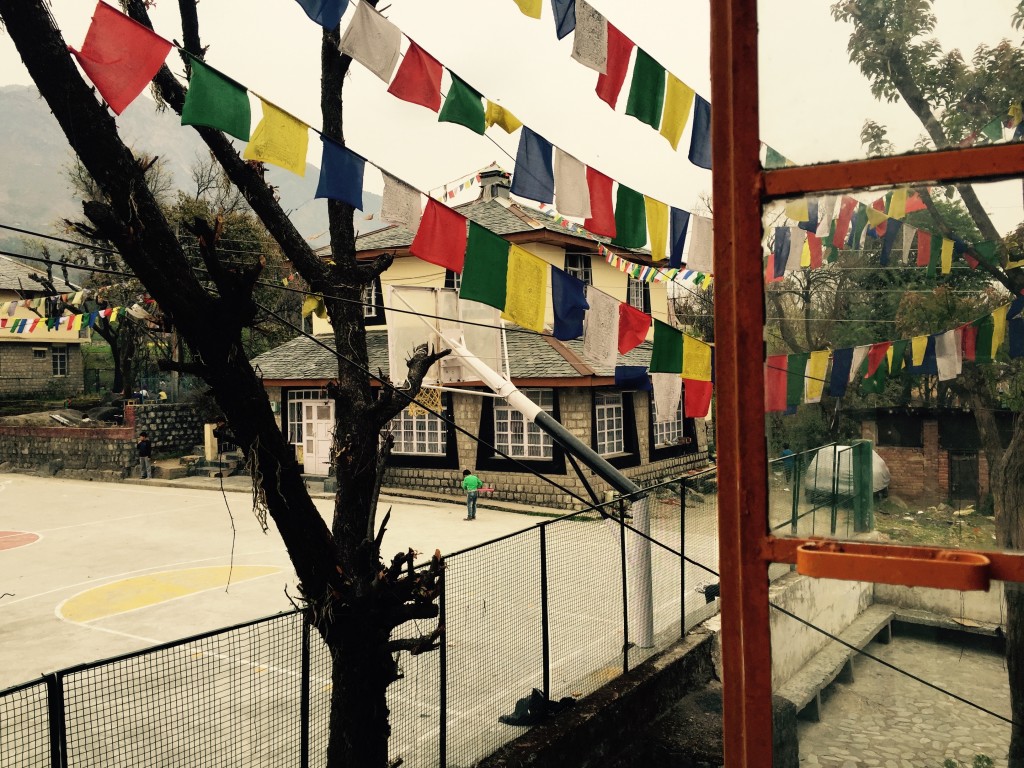
People are more likely to support free education programs when they can see how their contributions are used. Clear communication about activities, costs, and community outcomes helps donors understand that funding is connected to real work. Stories and photographs from Ladakh offer a glimpse into the people and places behind each initiative while respecting the dignity of the children involved.
Transparency also means acknowledging that small organizations must make difficult choices. A limited budget may require a reading room to begin with a modest collection, or an activity schedule to grow gradually. Sharing these realities creates a more honest relationship with supporters and encourages practical, long-term partnership.
We measure success in several ways. The number of books distributed matters, but so do regular attendance, continued engagement, children’s willingness to read aloud, and the development of artistic or musical confidence. Local feedback helps us refine programs so that they remain responsive instead of following a fixed model that may not suit every community.
Ways To Keep Learning Free
Supporters can contribute to the Trust in different ways, according to their interests and resources:
- Make a recurring donation to help cover dependable operating costs.
- Give a flexible contribution that can be directed toward the most urgent local need.
- Organize a thoughtful book drive with age-appropriate and high-quality materials.
- Sponsor art, music, storytelling, or literacy activities for children and young monks.
- Volunteer skills in fundraising, communications, education, logistics, or community outreach.
These forms of support work together. A volunteer may help raise awareness, a donor may fund transport, and a book drive may expand a collection. When contributions are coordinated, they create a stronger foundation than any single action could provide.
The most valuable support is sustained and informed. Before organizing a collection or activity, it helps to learn what a particular community already has and what it needs next. The Trust can then direct generosity toward resources that are useful, durable, and welcomed by local partners.
Keeping programs free is a shared commitment. Every book placed in a child’s hands, every reading room maintained, and every creative session made possible reflects the care of people who believe Himalayan children deserve access to rich learning opportunities. Support Avalokiteśvara Trust through a donation, a carefully planned book drive, or volunteer service, and help keep these spaces open to the children who rely on them.