How a Small Reading Room in Ladakh Changed One Child’s Life
In a high-altitude village in Ladakh, a room filled with books can feel as important as a new school building. It offers warmth, color, quiet, and the chance to discover places far beyond the mountain paths outside. For children who have limited access to libraries or educational materials, a modest reading room can become a daily source of confidence.
This story follows a child whose name has been changed to protect her privacy. Her experience reflects the kind of transformation that becomes possible when children gain regular access to quality books, patient encouragement, and creative activities. The room itself was small, but its influence reached into her classroom, family life, and vision of the future.
The work of the Avalokiteśvara Trust shows how literacy projects can respond to local needs without losing sight of the individual child. A book drive, a shelf of storybooks, or an hour spent reading together may appear simple. For one young learner, those simple resources created a lasting change.
A Quiet Room In A Mountain Village
Before the reading room opened, Tsering encountered books mainly through school textbooks. Her classroom provided essential lessons, yet there were few additional materials at home. Her family valued education, but daily life in a remote Himalayan community left little time or money for building a personal library.
The nearest larger collection of books was difficult to reach. Travel between settlements can take time, especially during winter, when snow and harsh weather affect roads and routines. Tsering enjoyed listening when teachers read aloud, though she rarely volunteered to read herself. Long words made her hesitate, and she worried that other children would notice her mistakes.
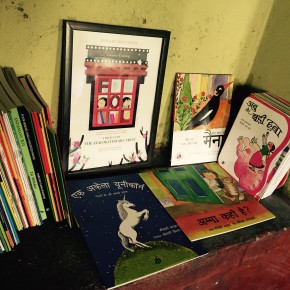
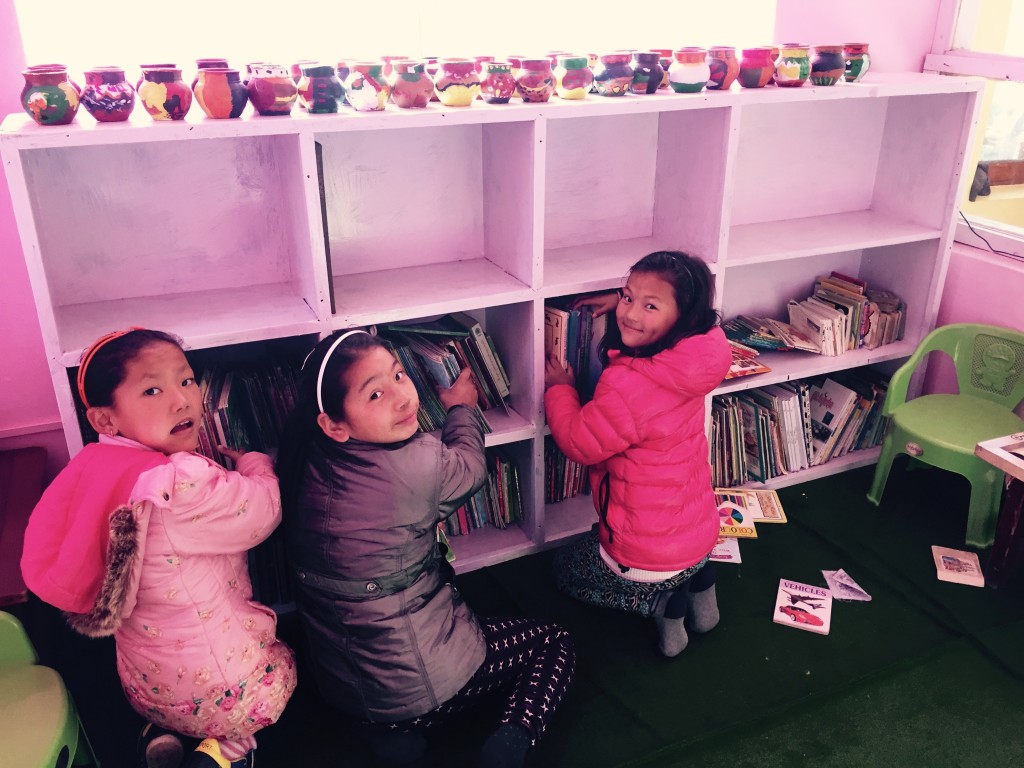
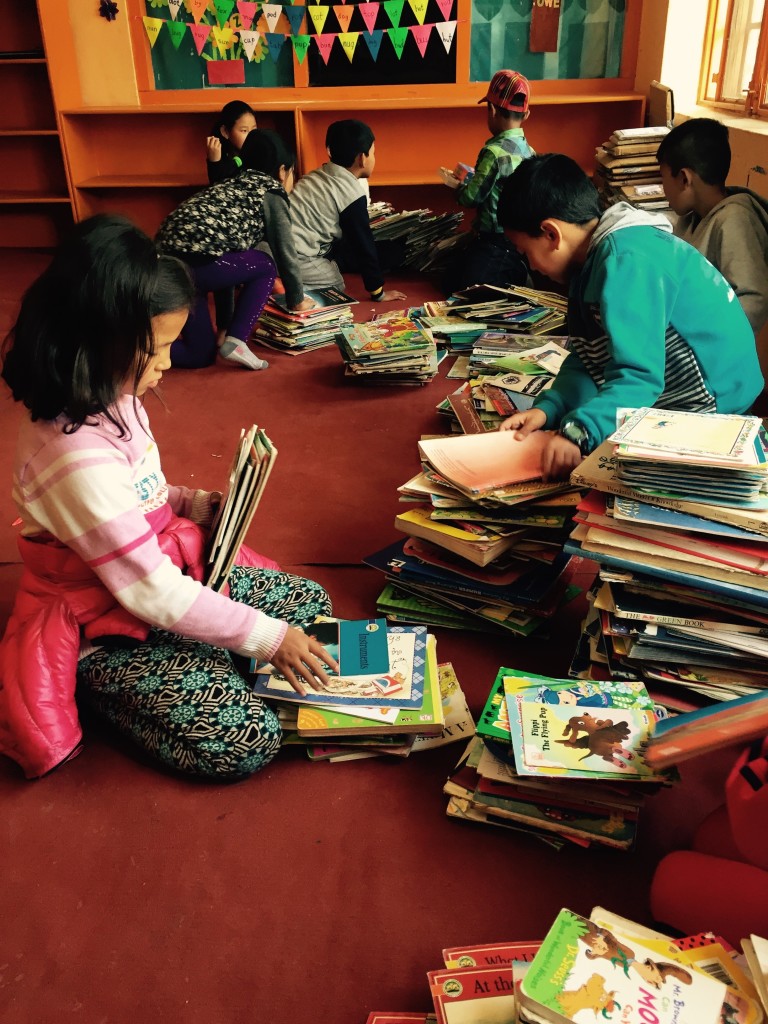
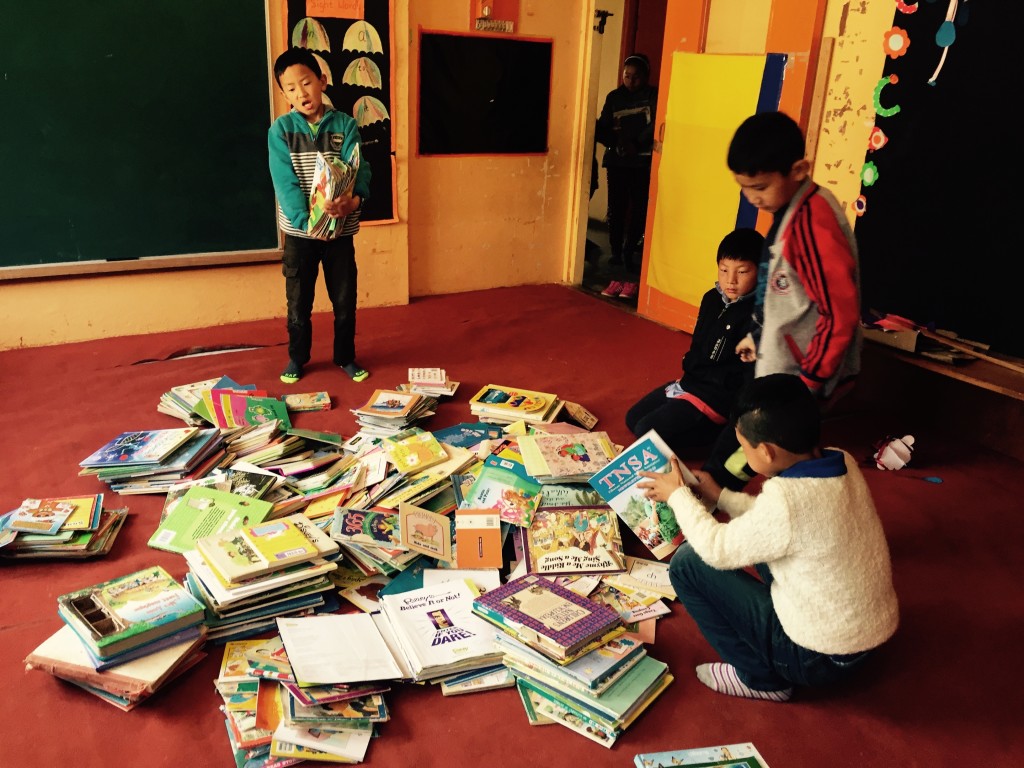
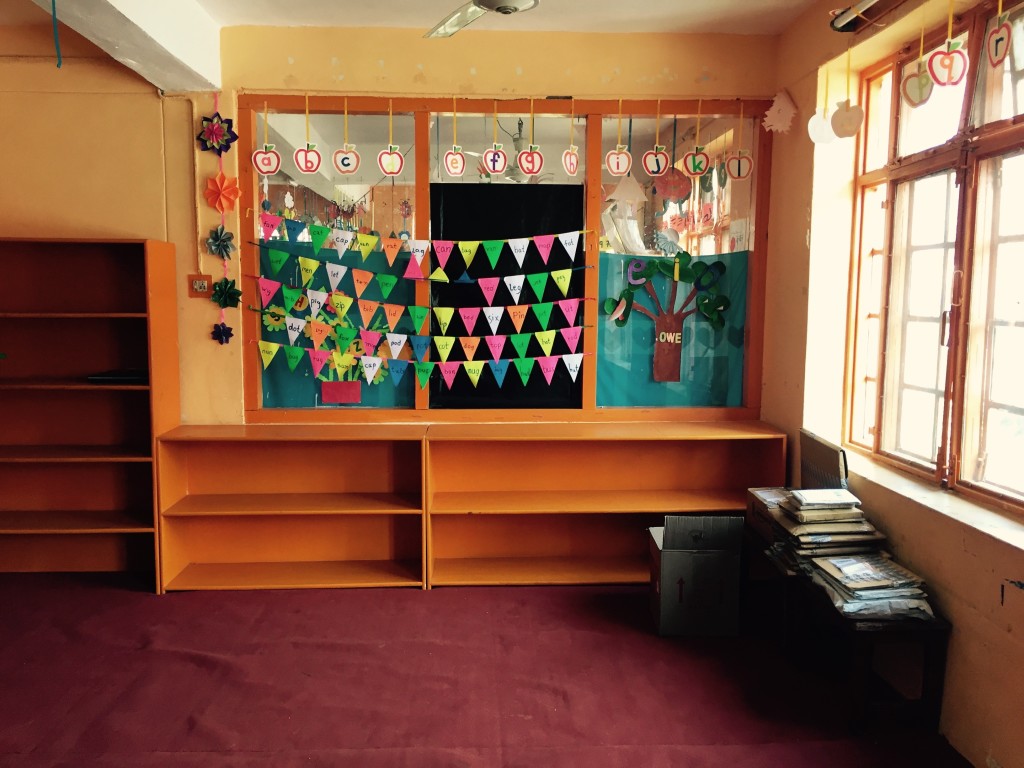
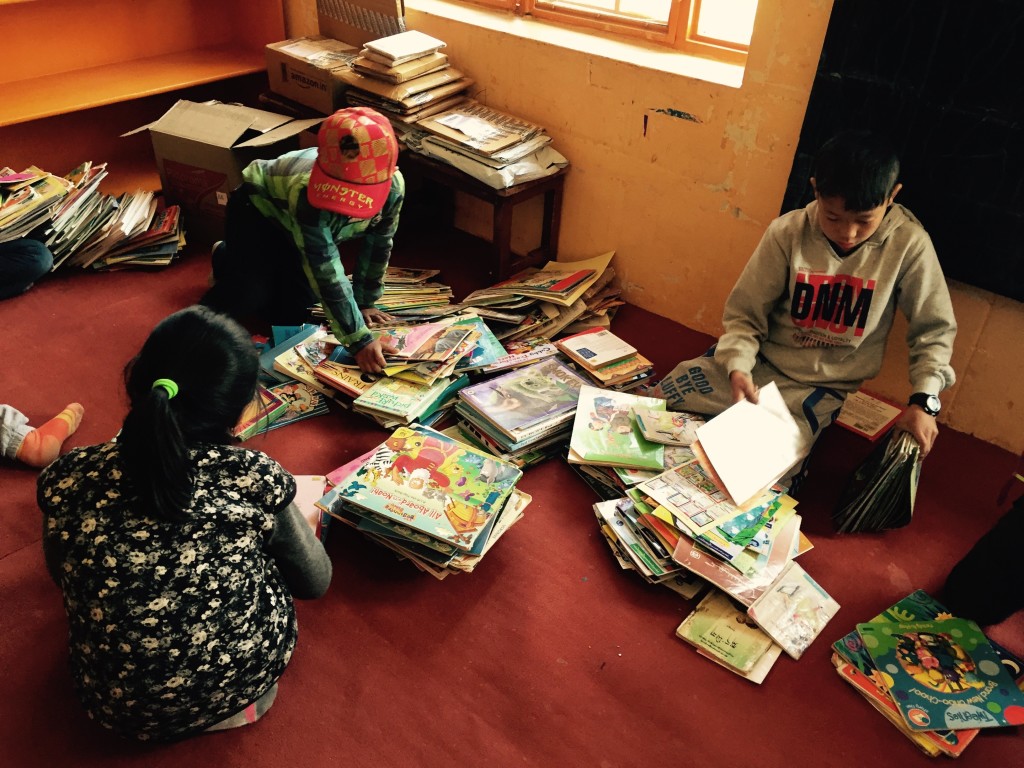
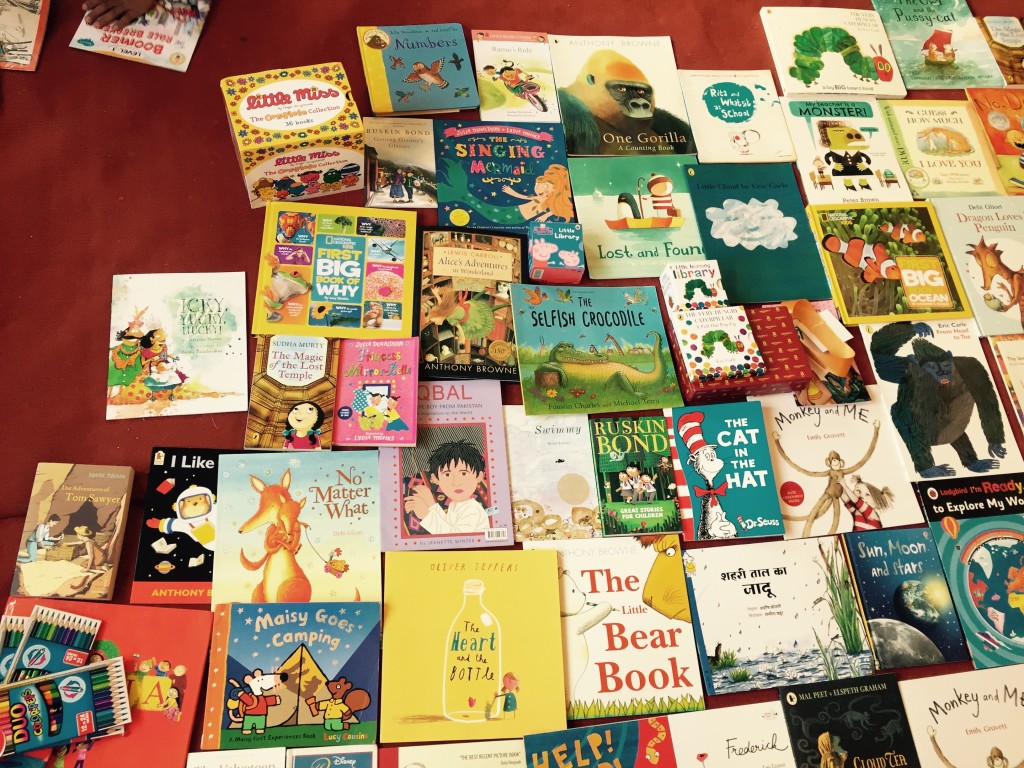
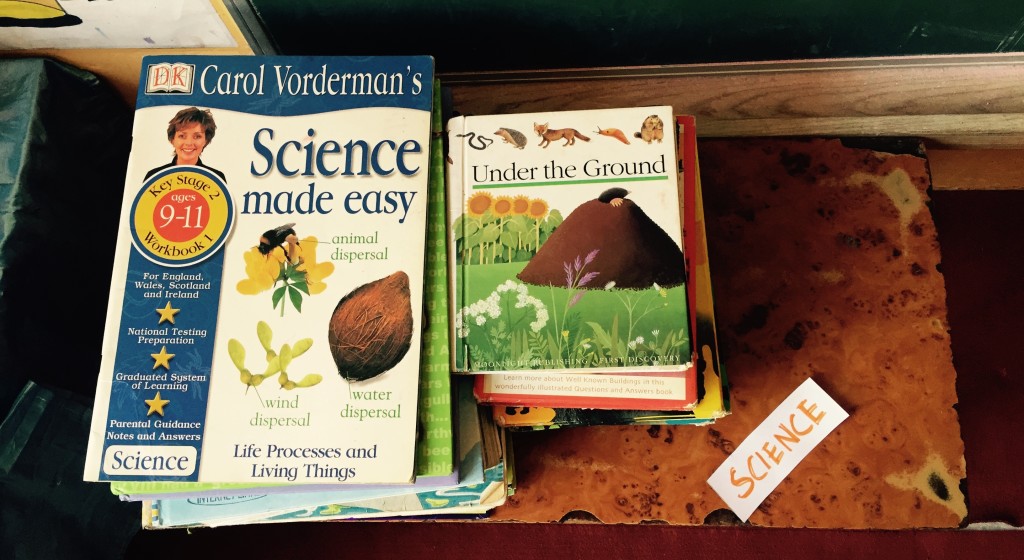
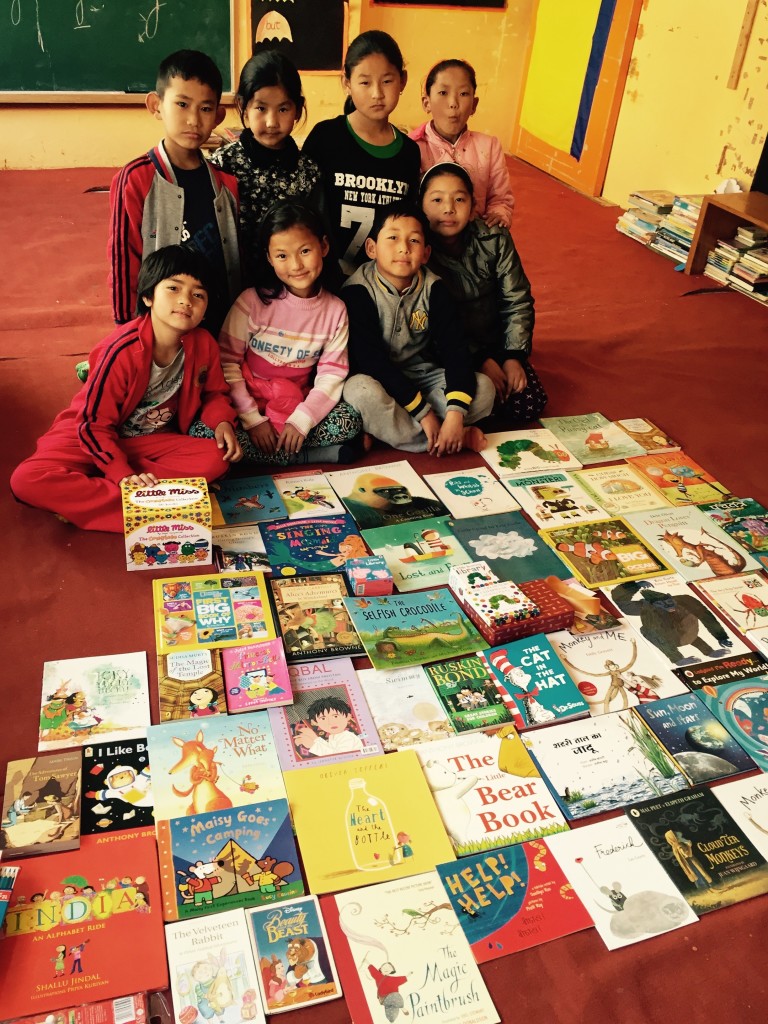
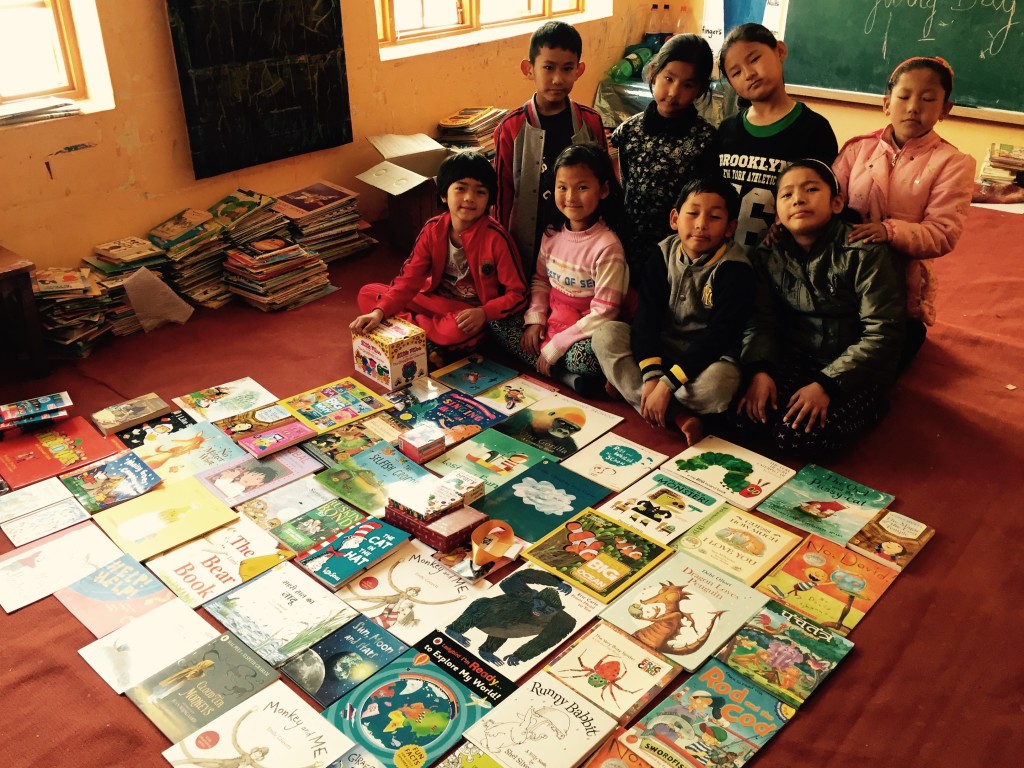
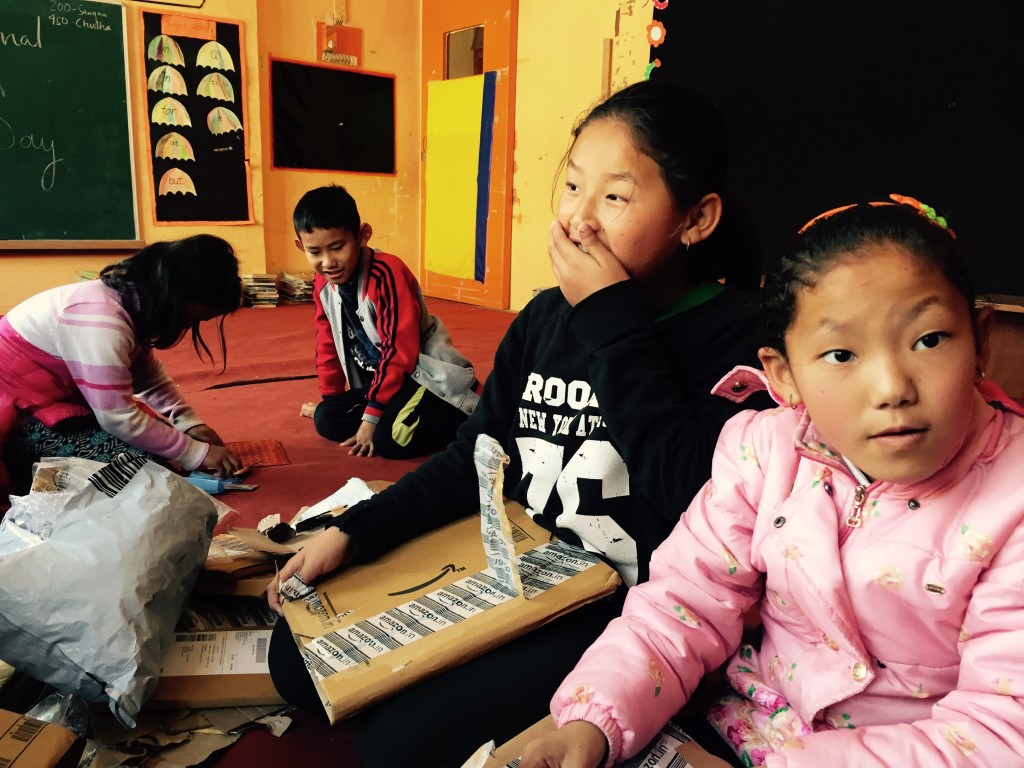
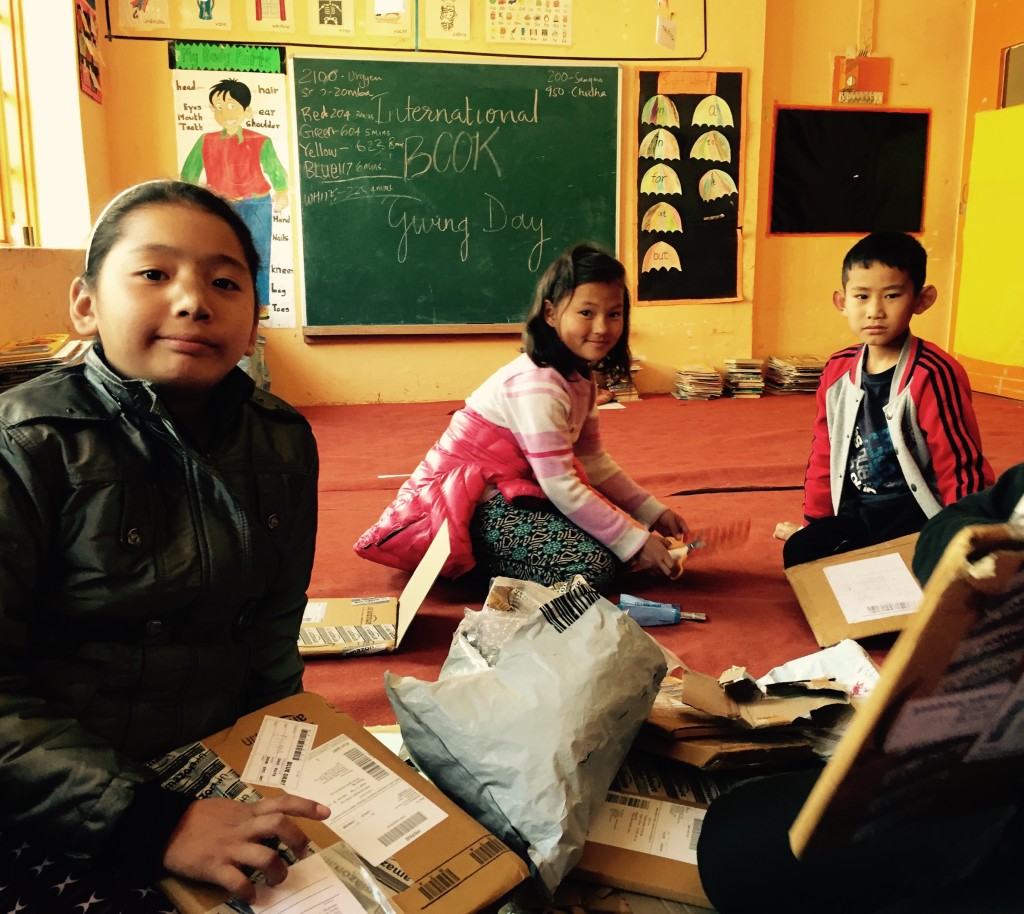
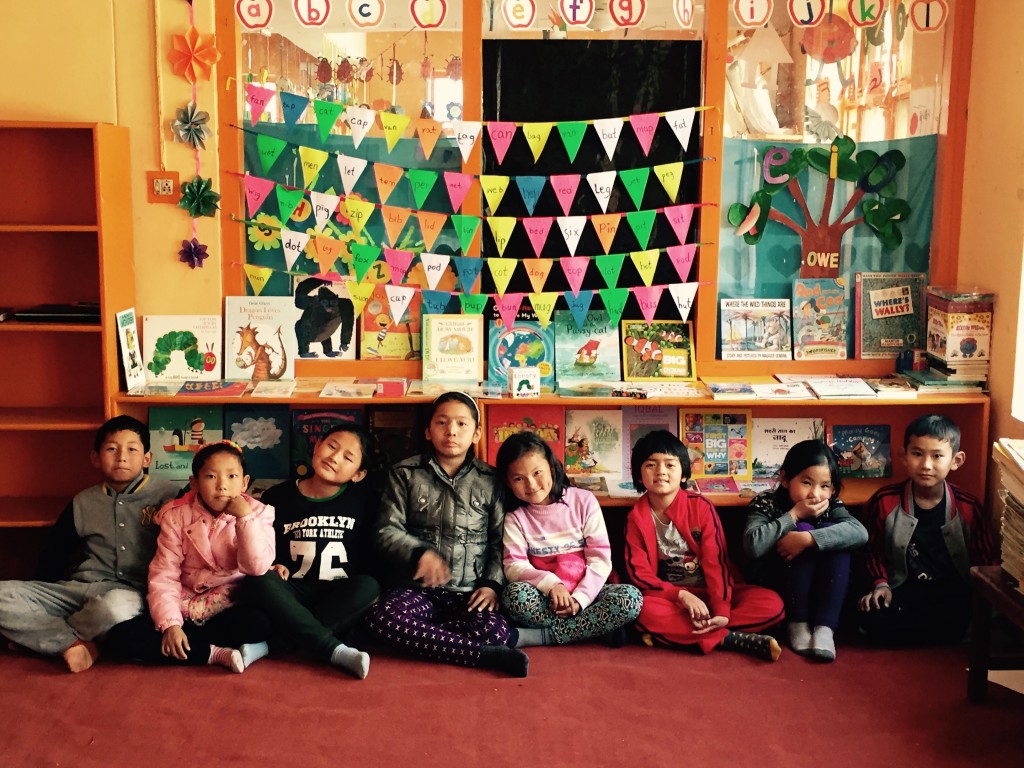
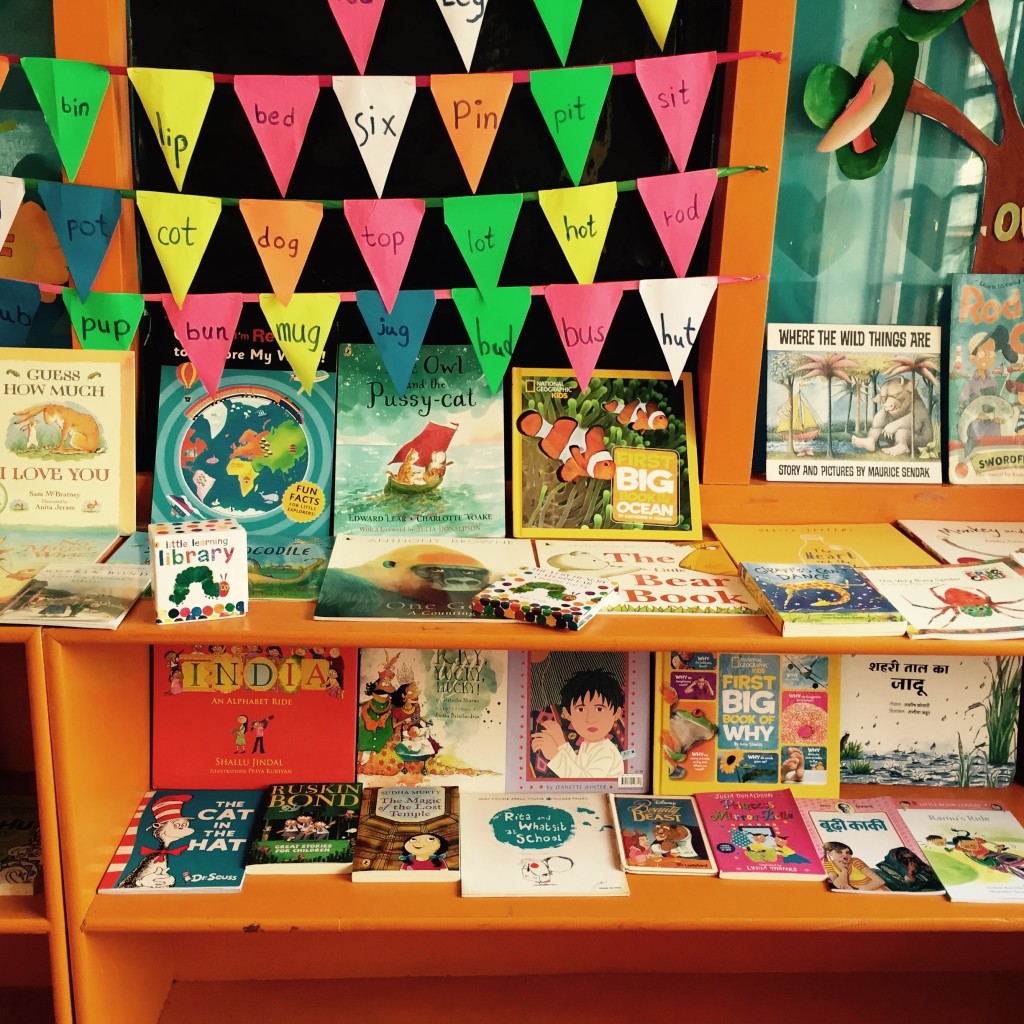
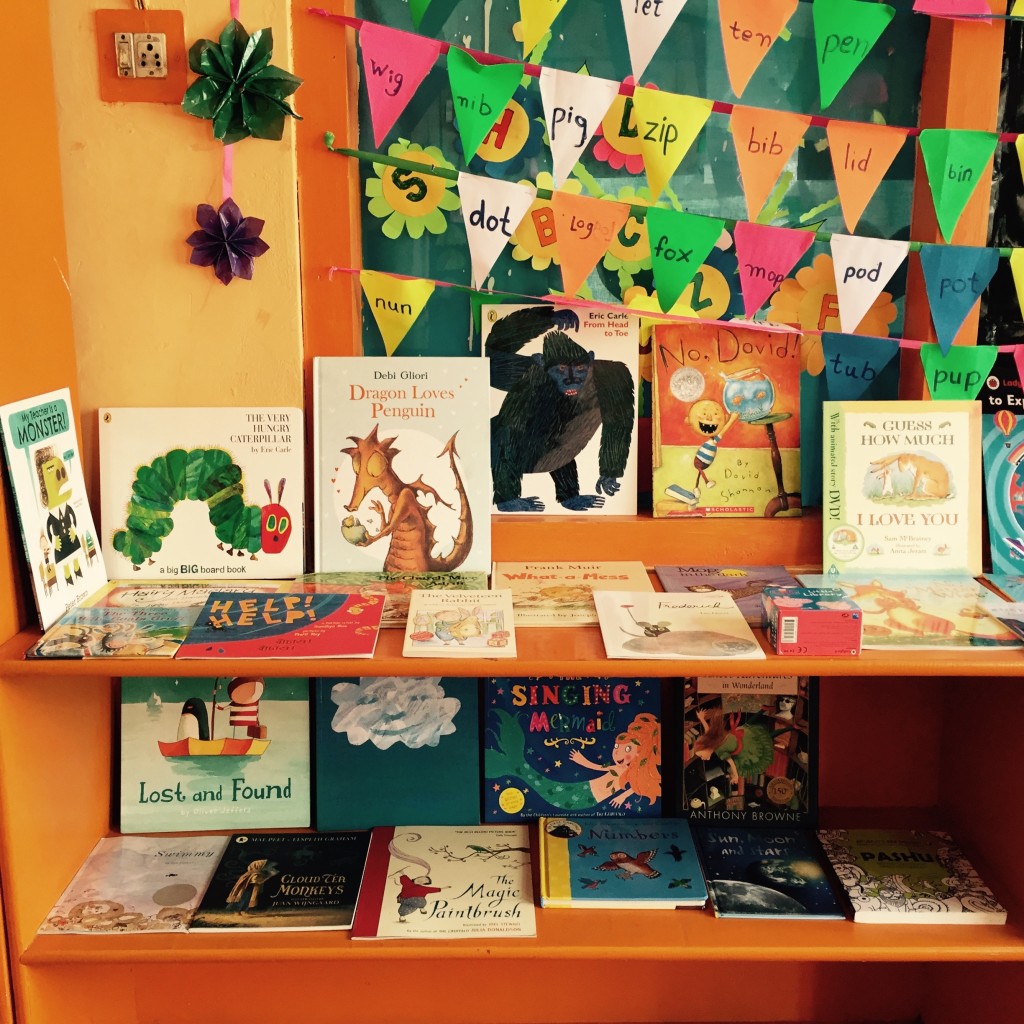
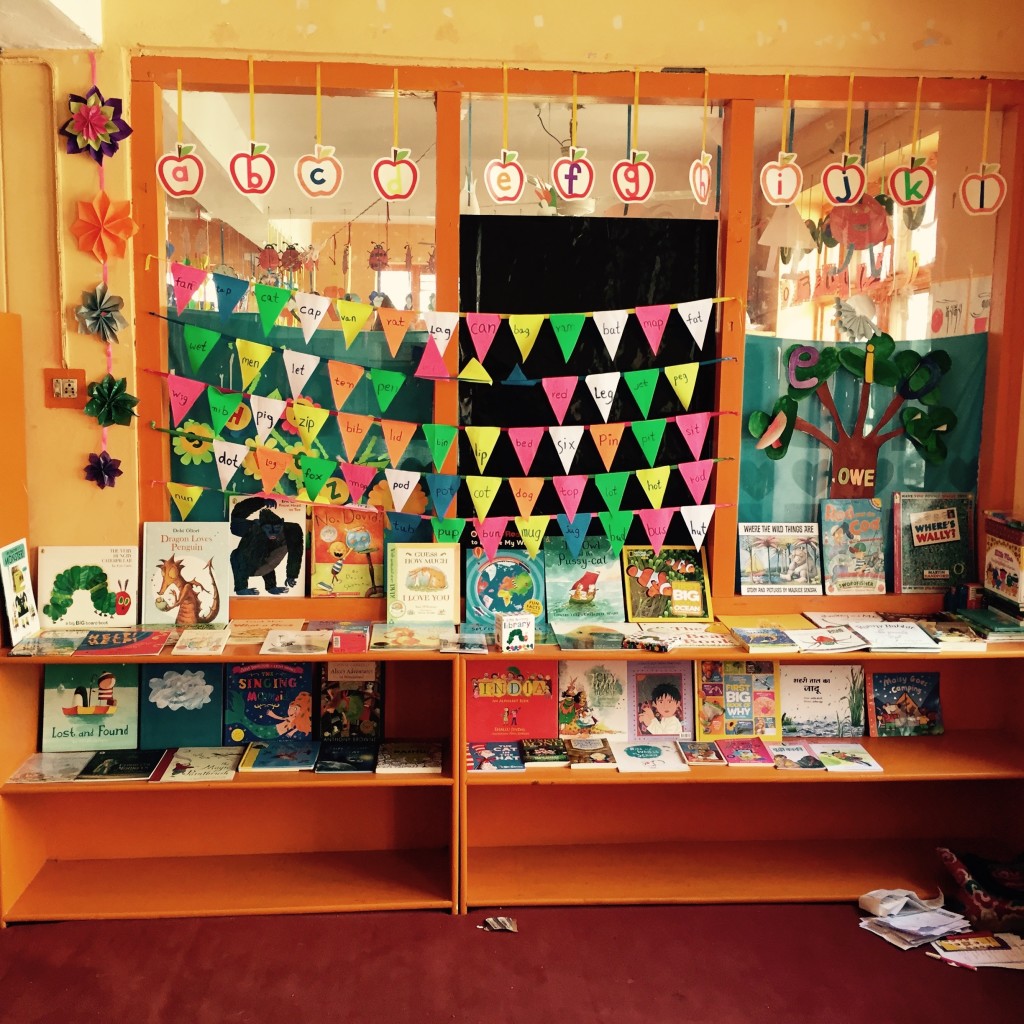
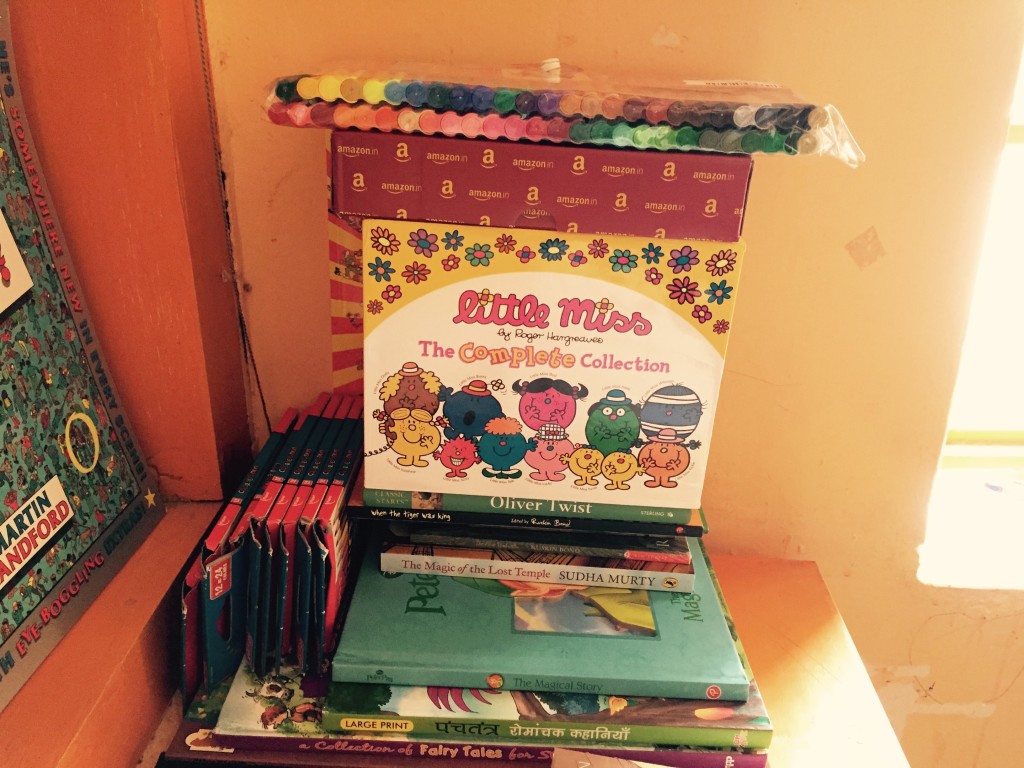
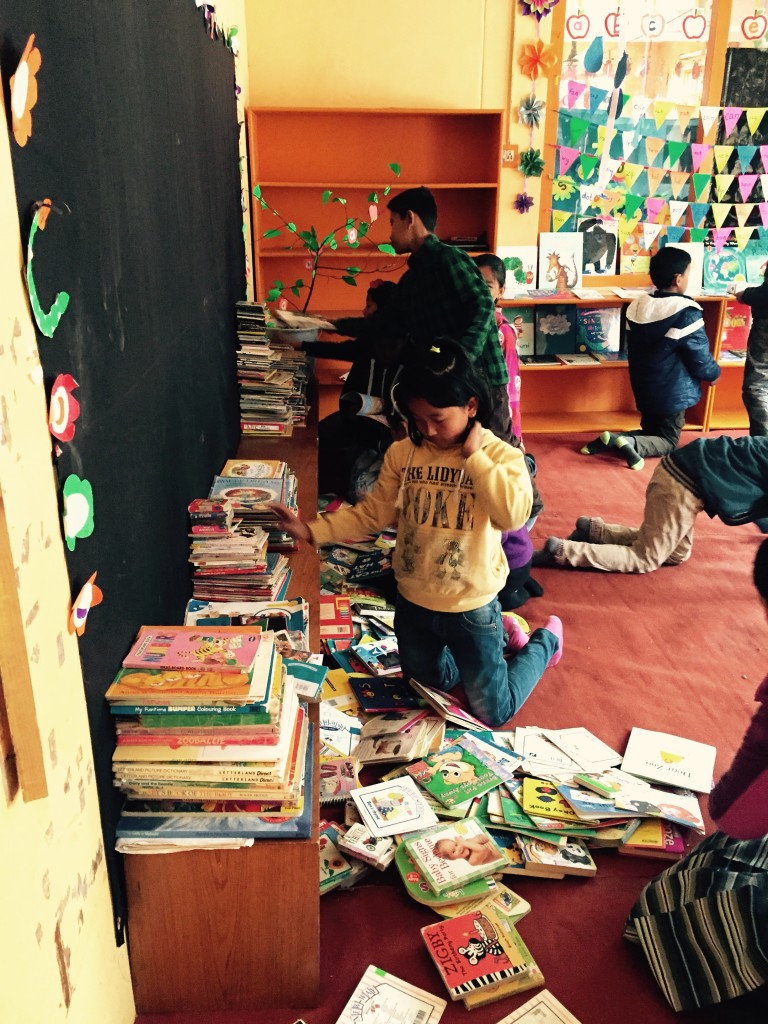
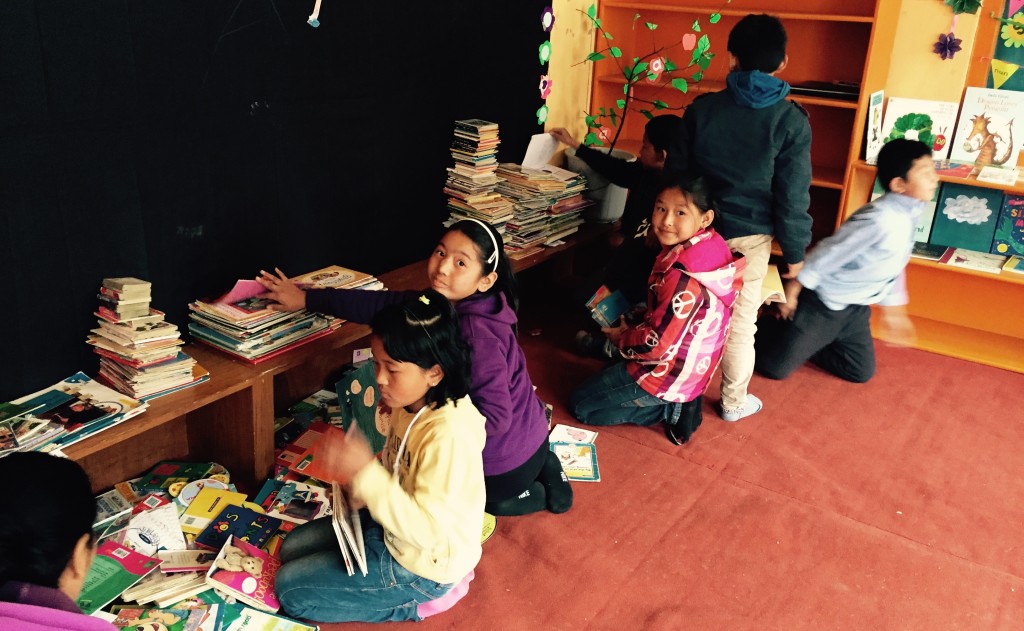
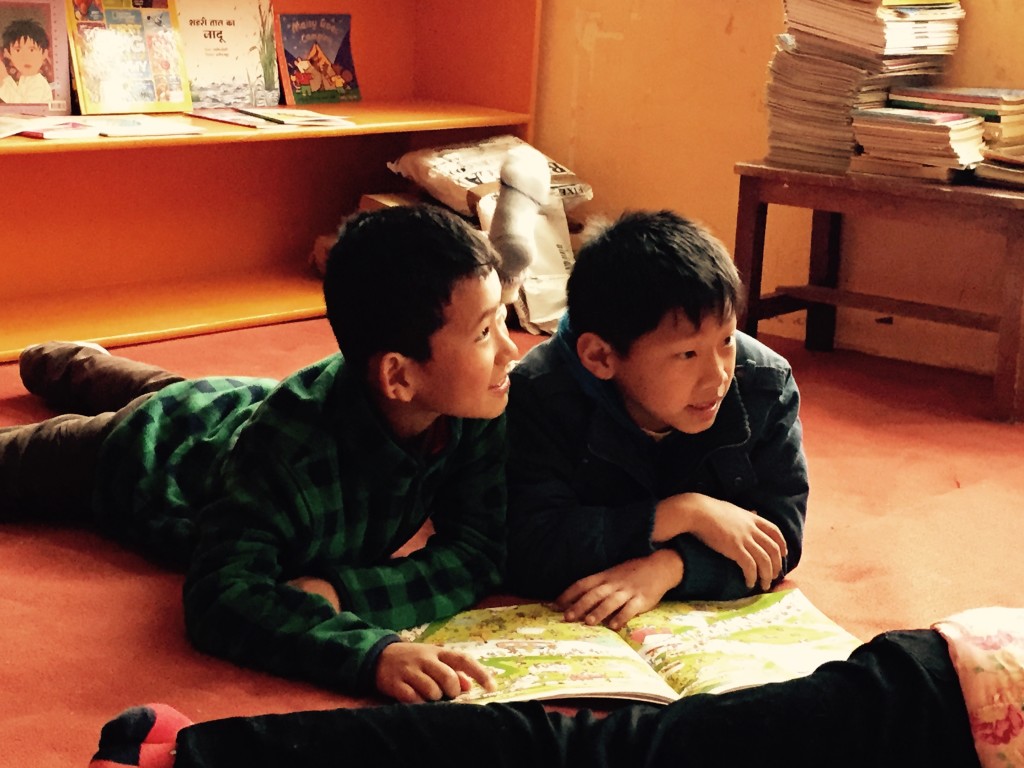
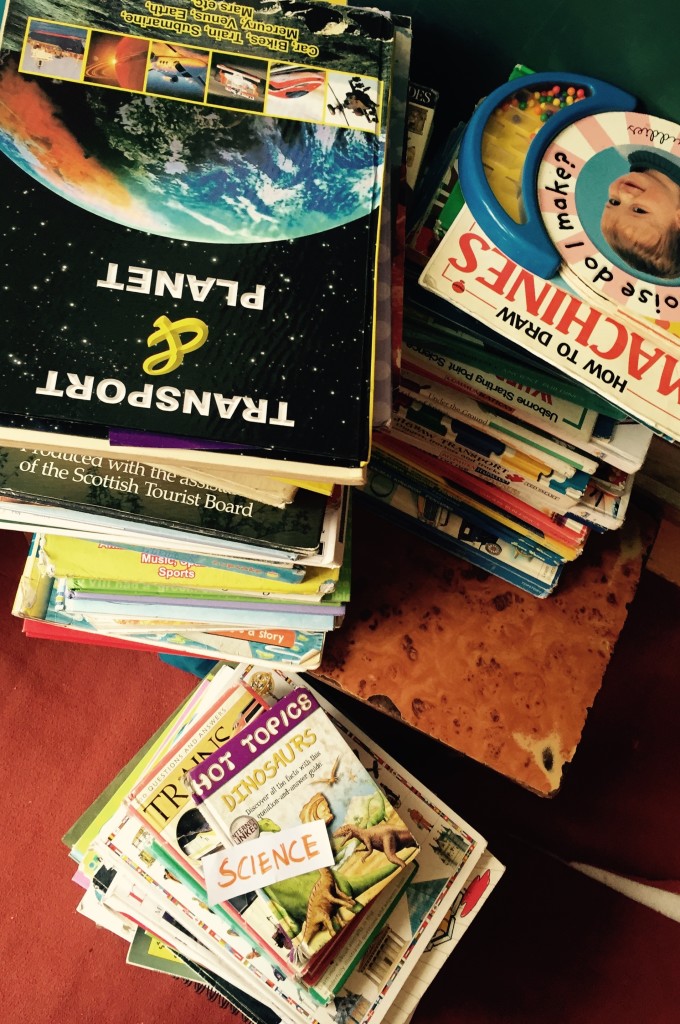
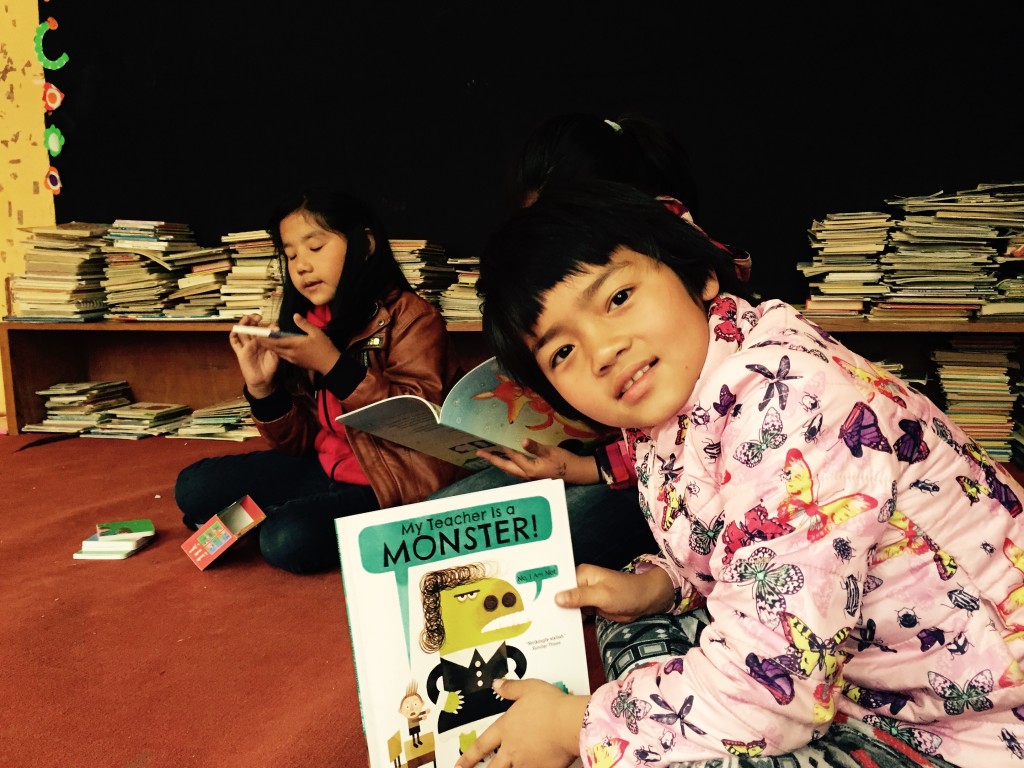
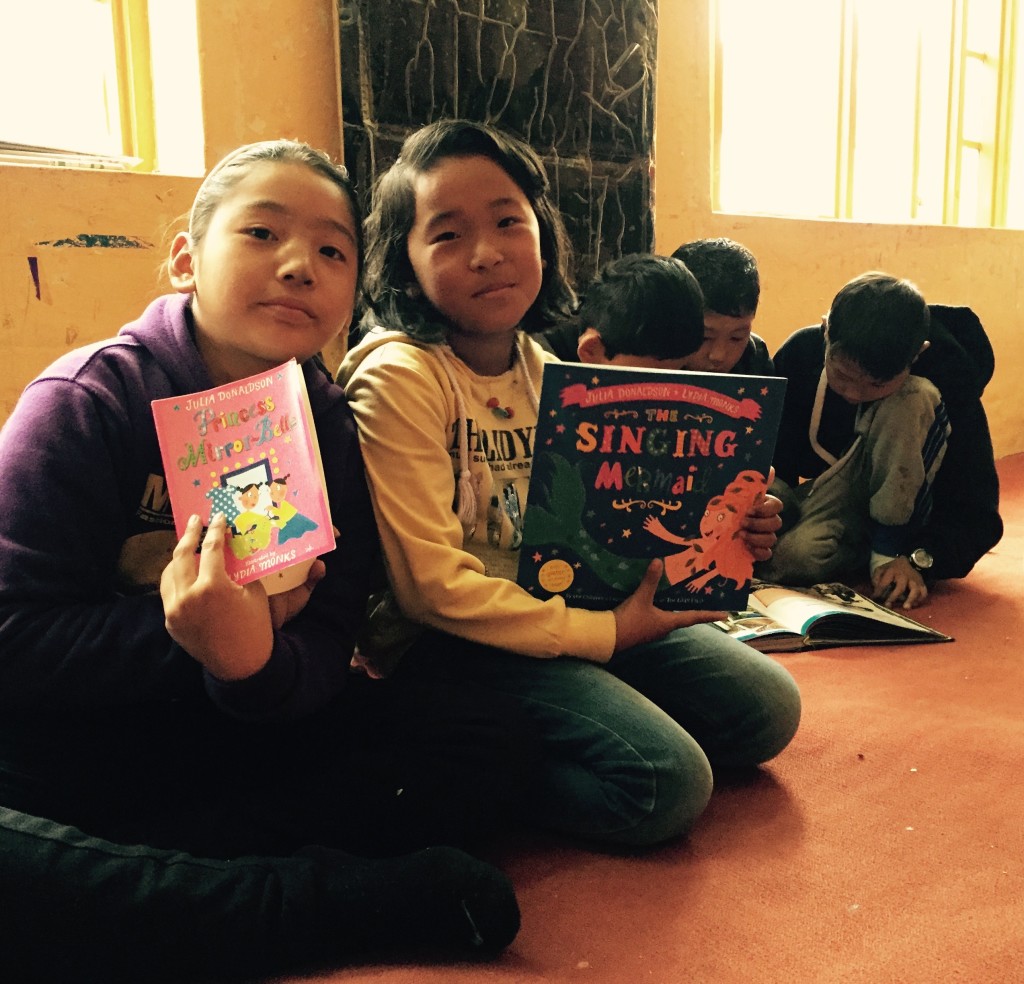
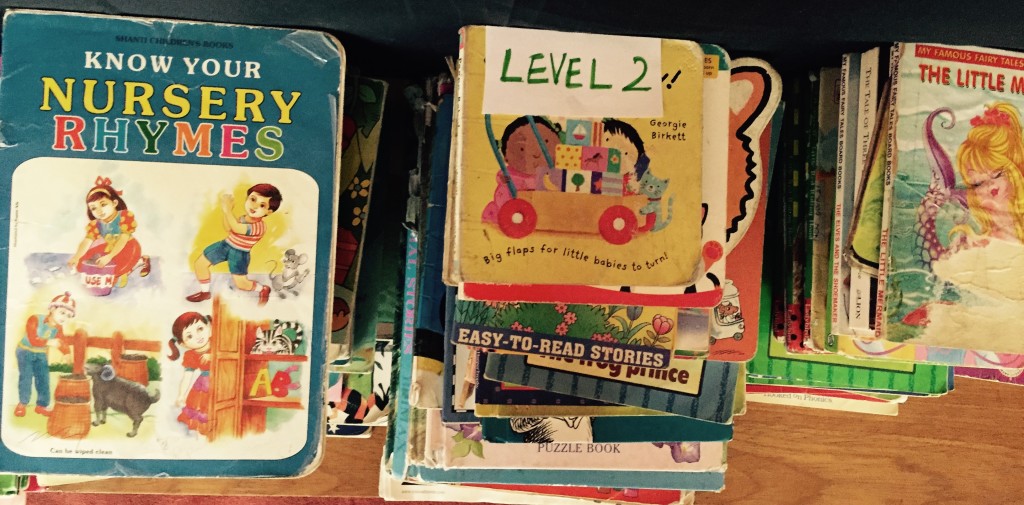
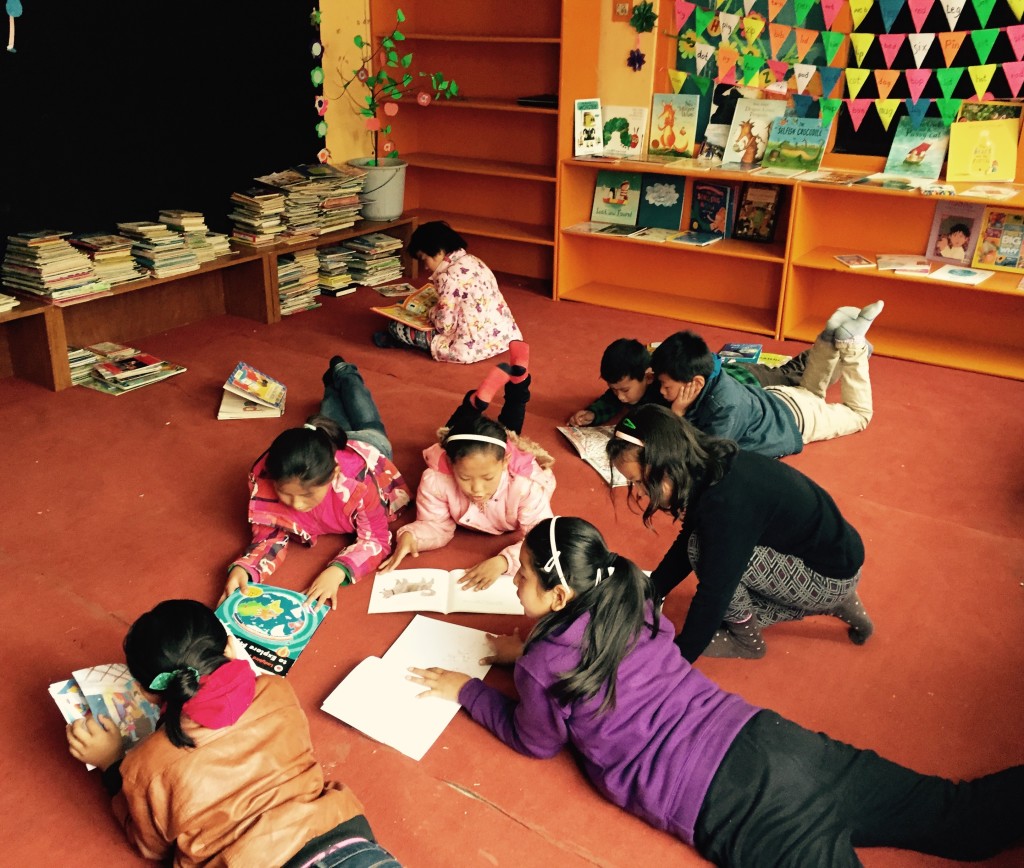
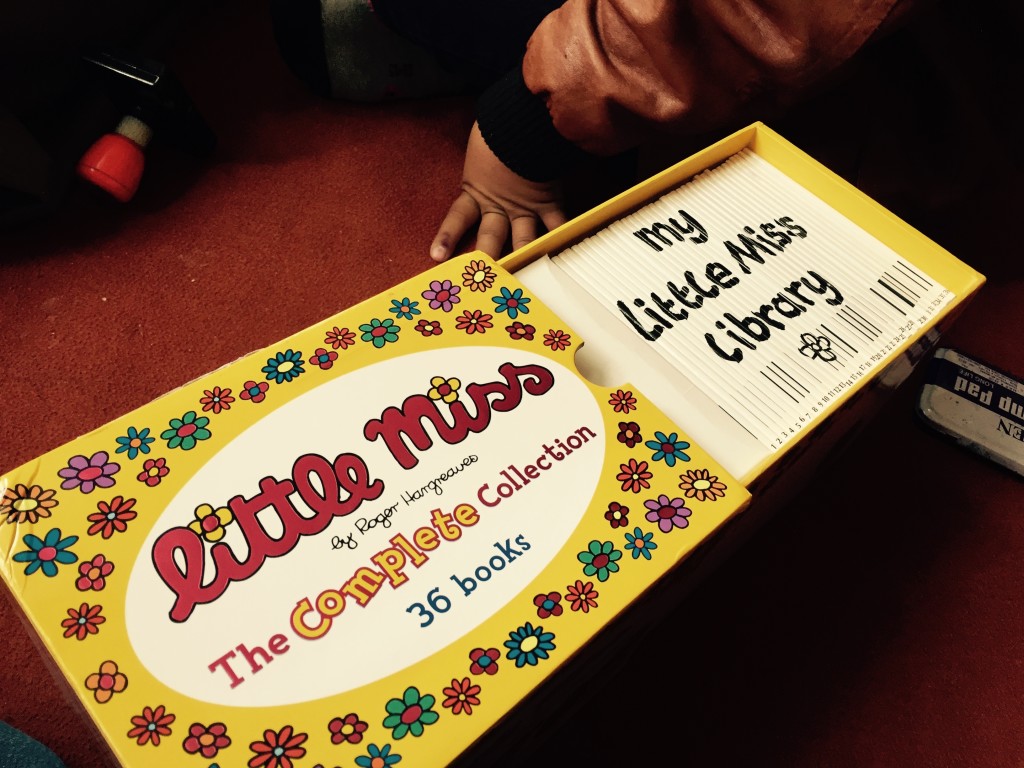
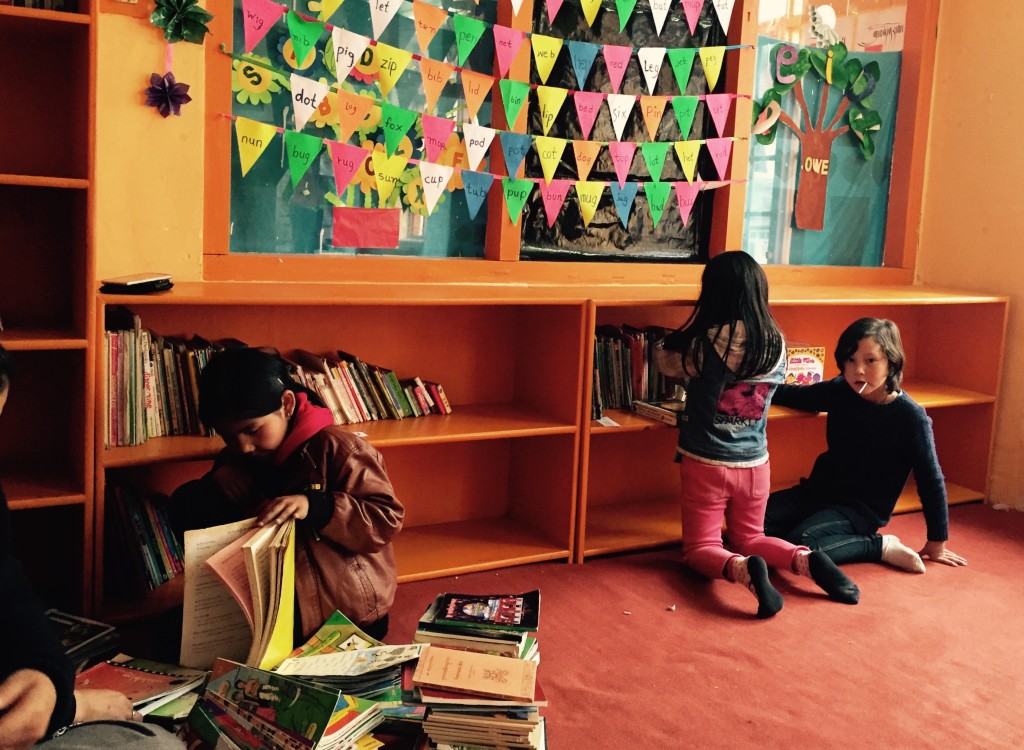
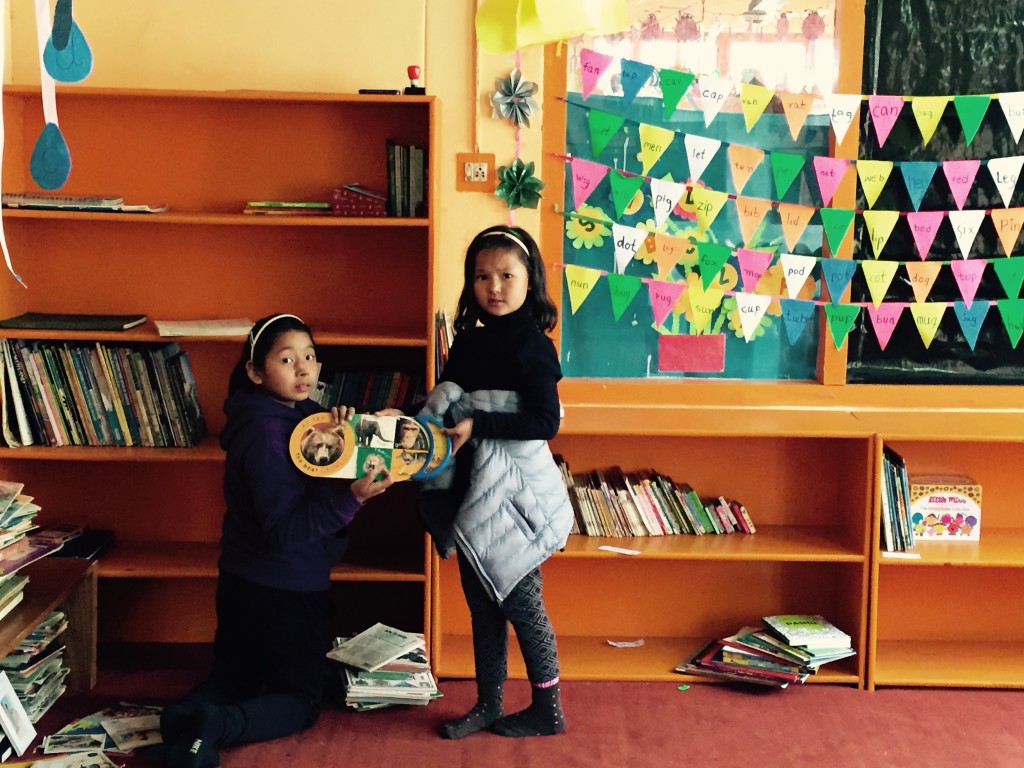
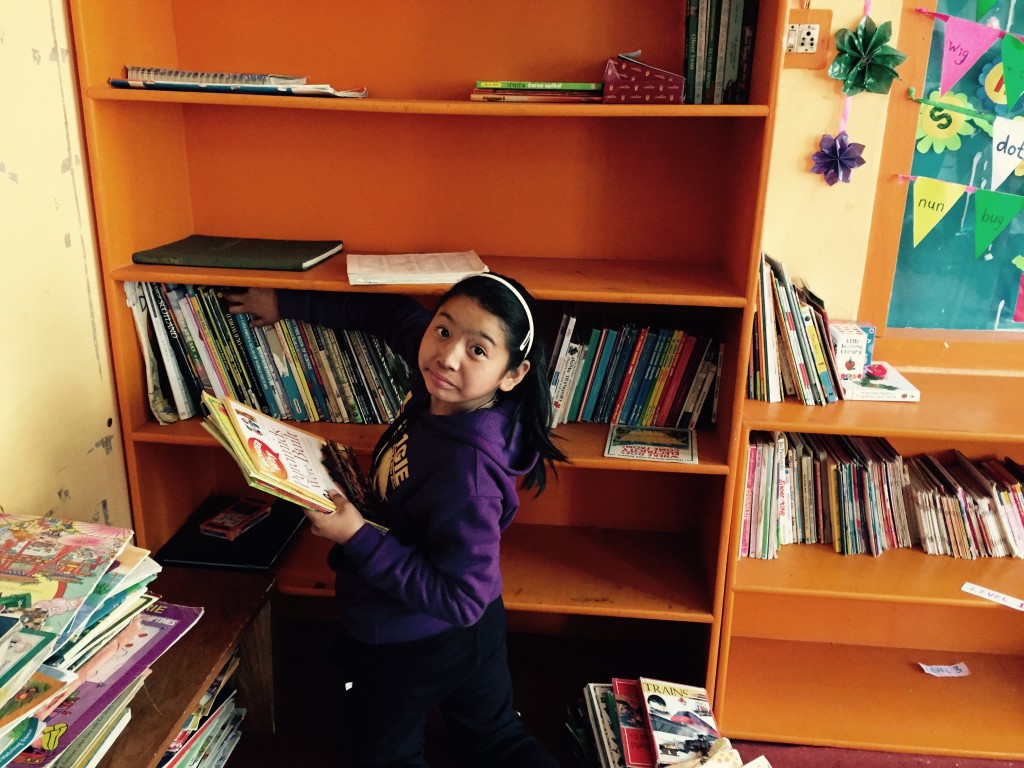
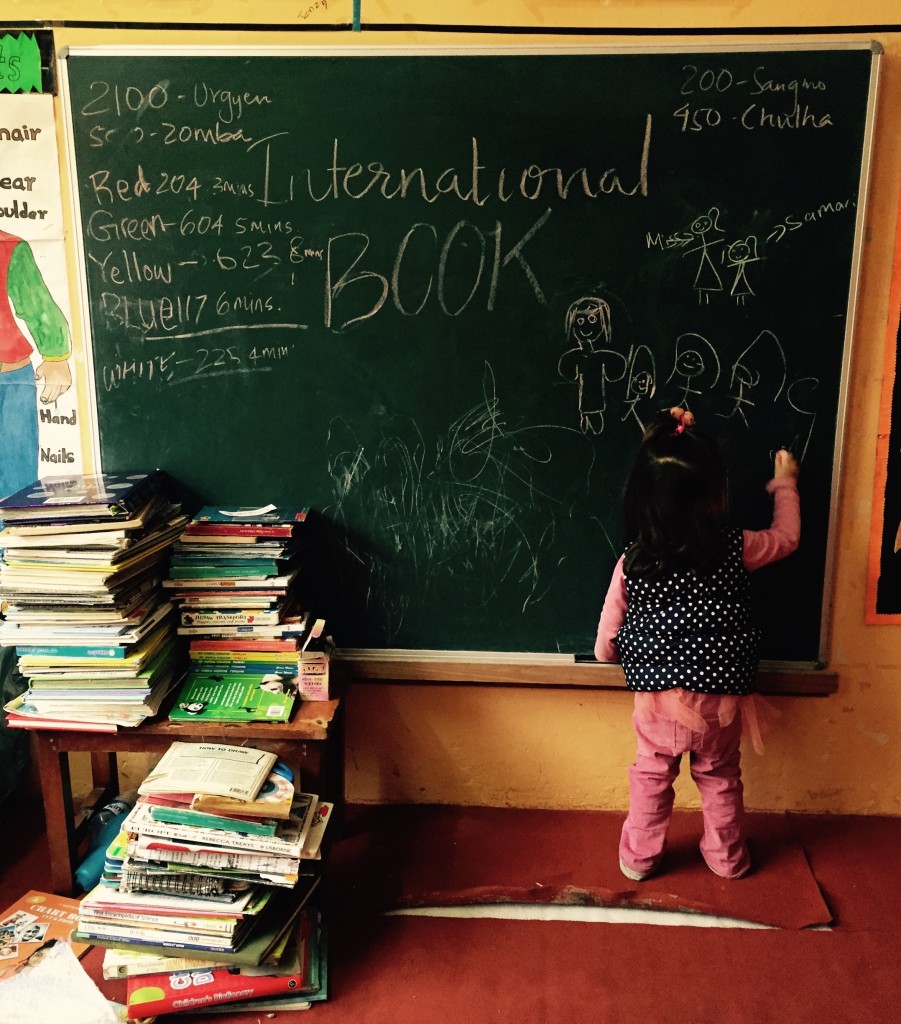
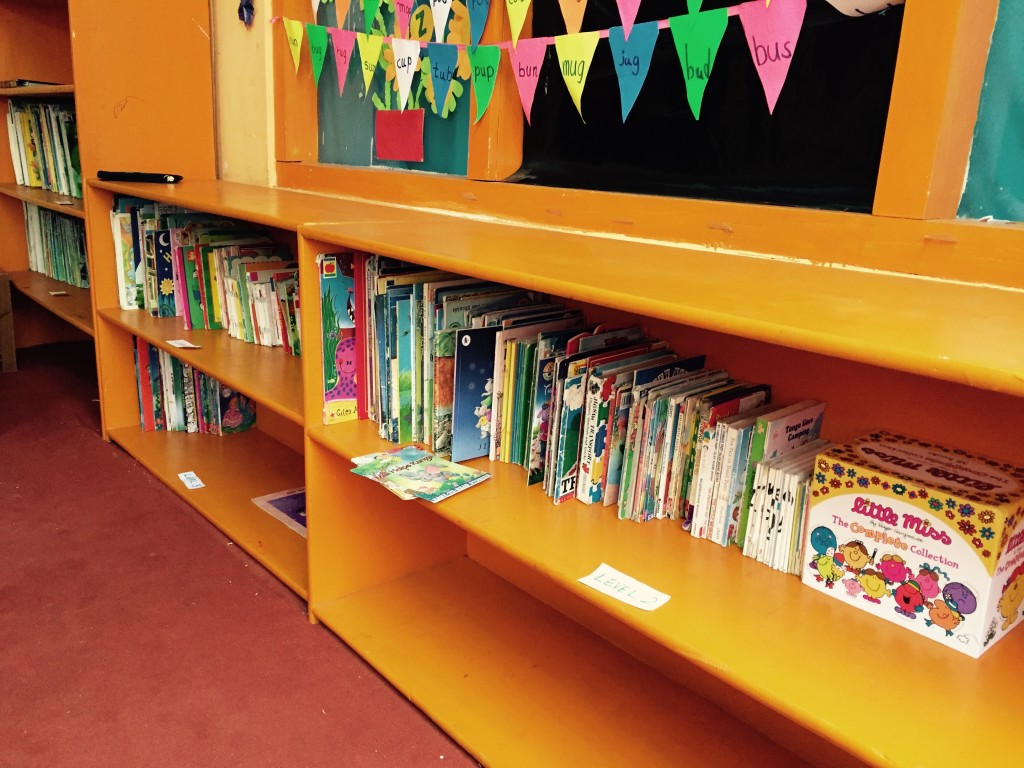
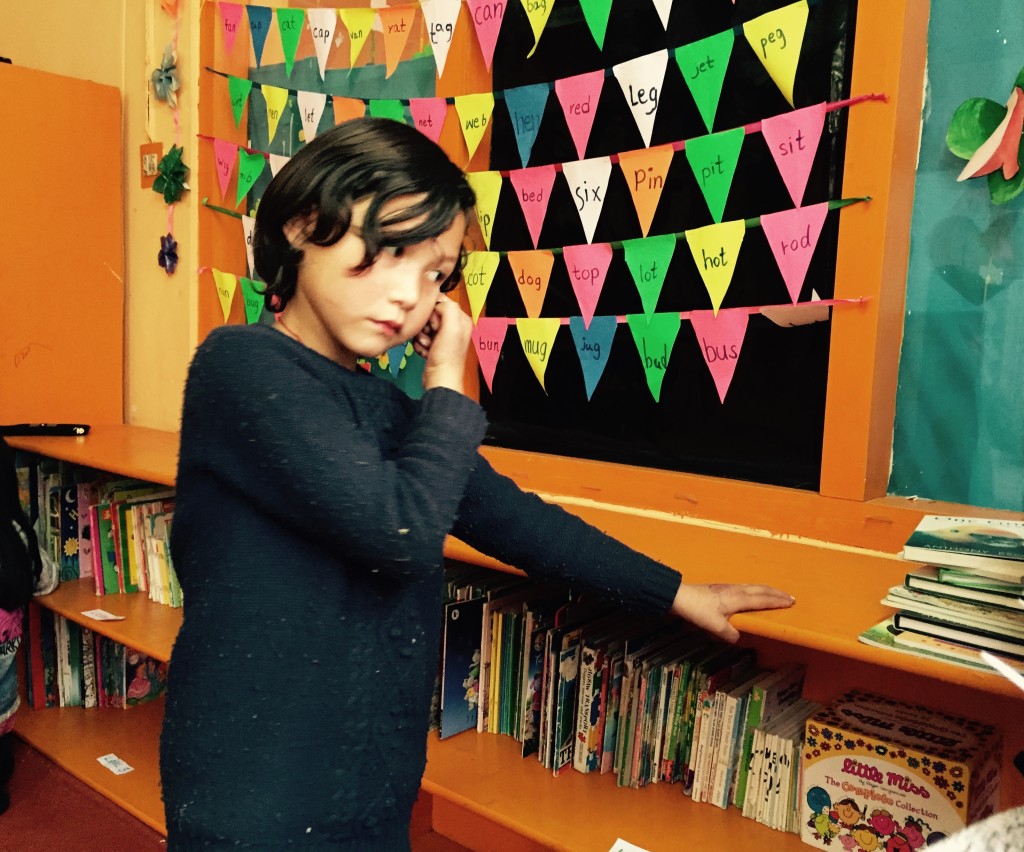
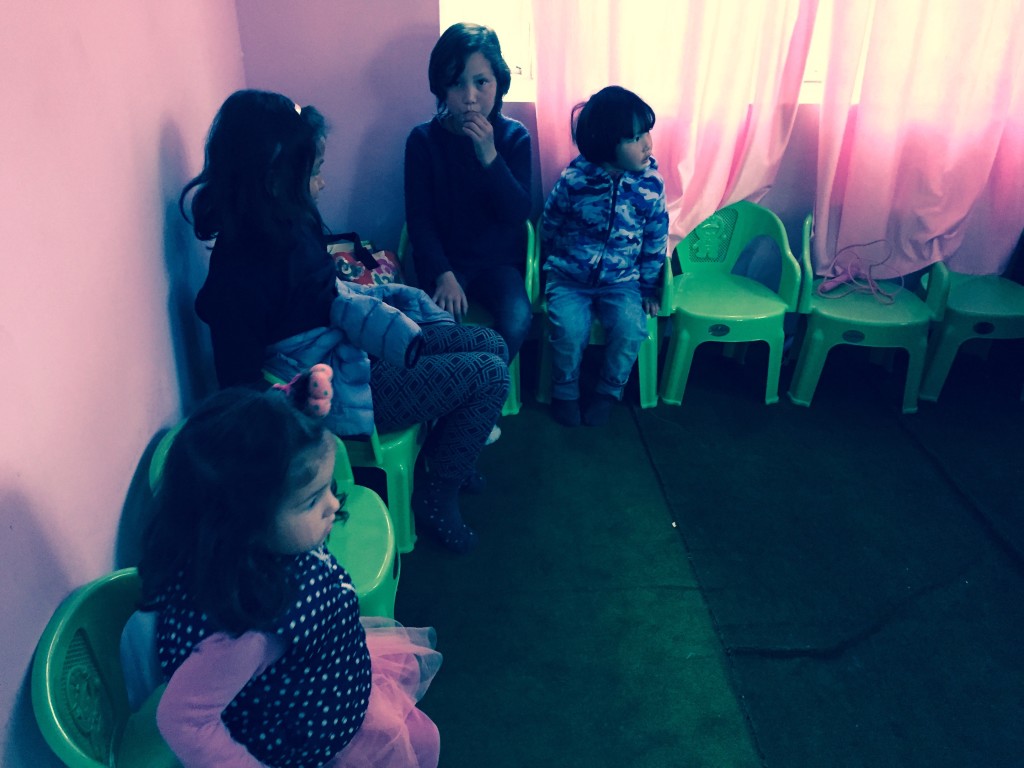
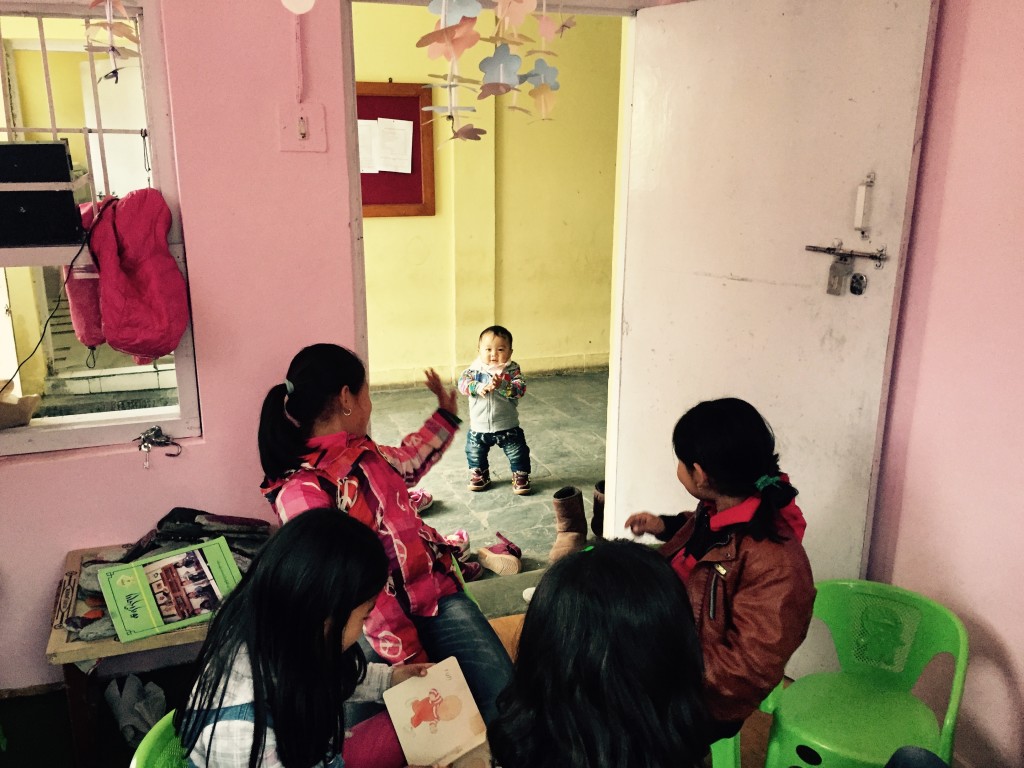
The new reading room changed the setting around that uncertainty. Low shelves placed books within reach. Illustrated stories sat beside simple science books, poetry, local history, and art materials. The room did not resemble a formal library, yet it felt welcoming. Children could browse without being tested, choose a book without asking permission, and return to a favorite story as often as they wished.
The First Book She Chose
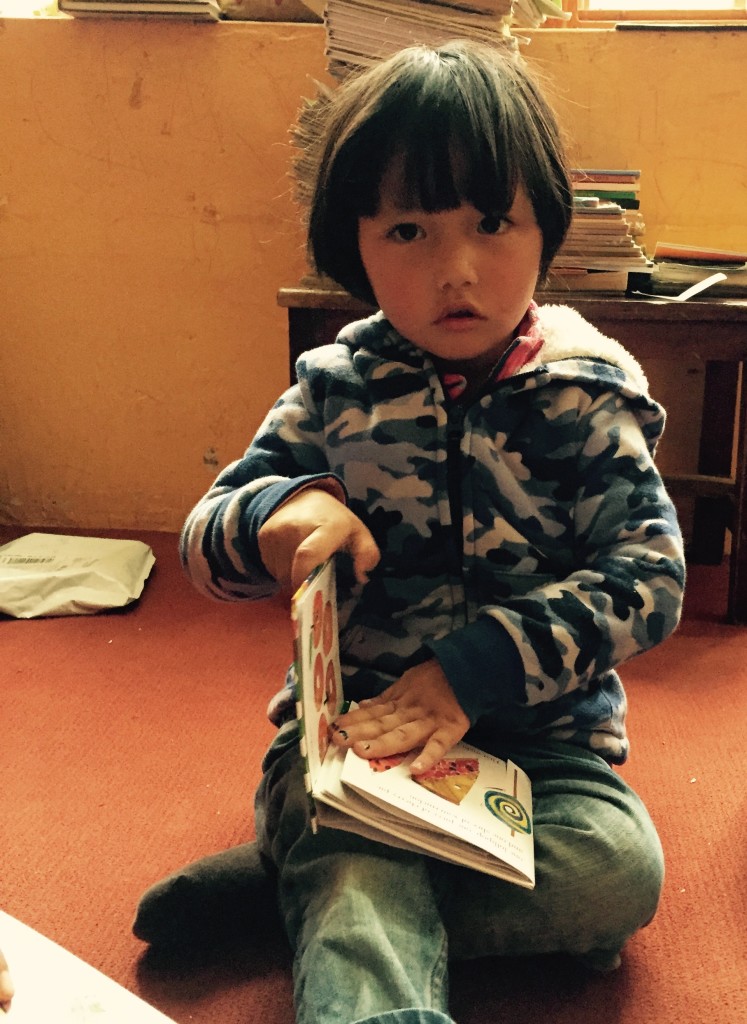
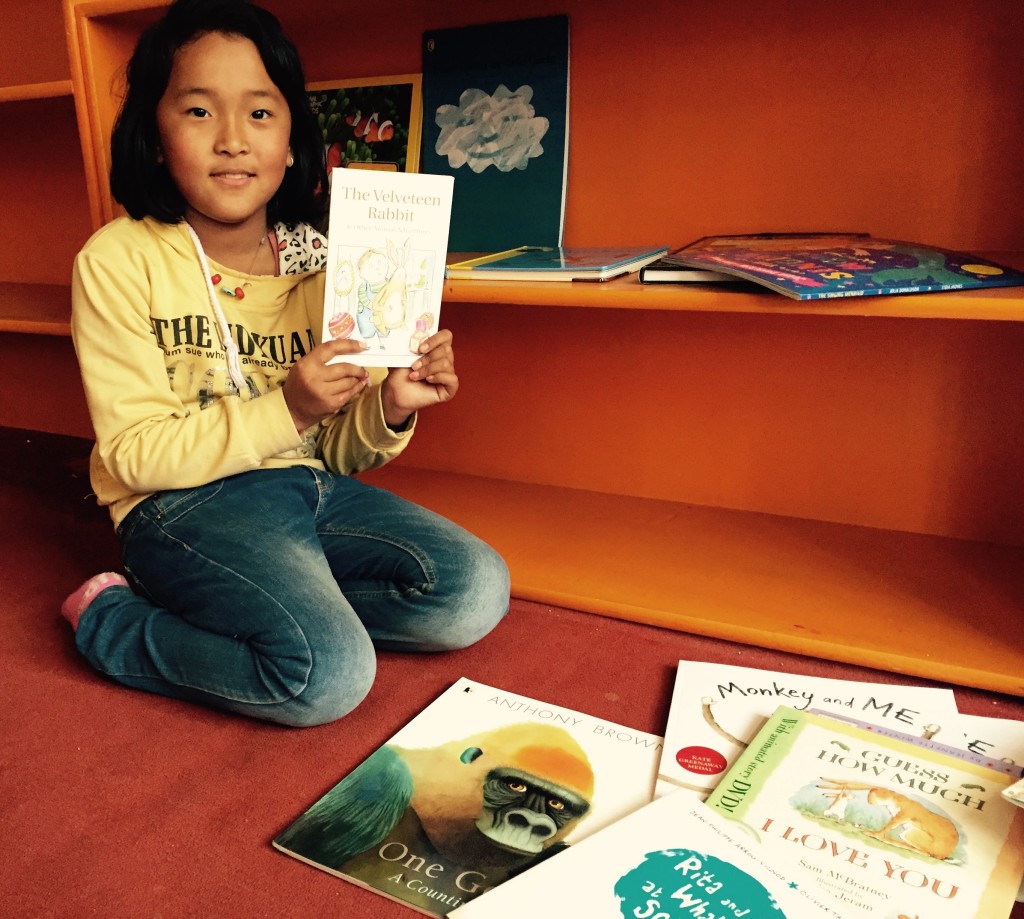
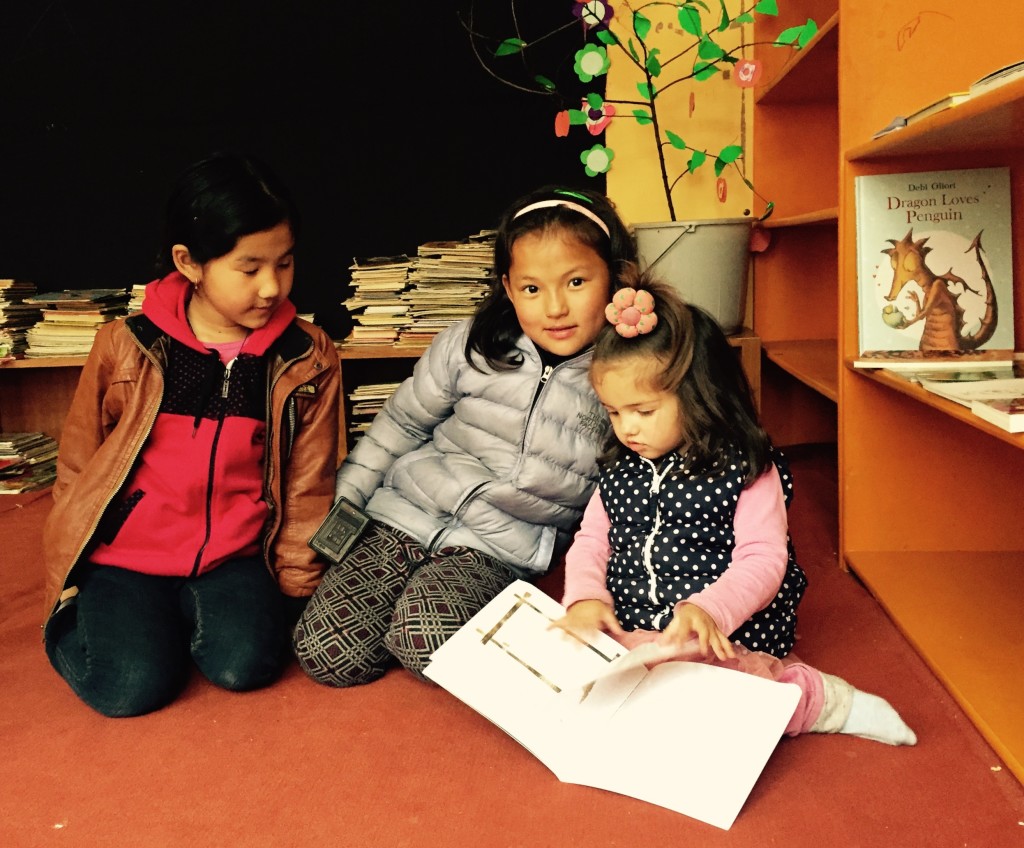
Tsering initially entered because her friends were going. She sat near the doorway and watched them turn pages, whisper about pictures, and compare stories. A volunteer offered her a short book about animals of the mountains. The text was accessible, and the pictures gave her clues when a sentence seemed difficult.
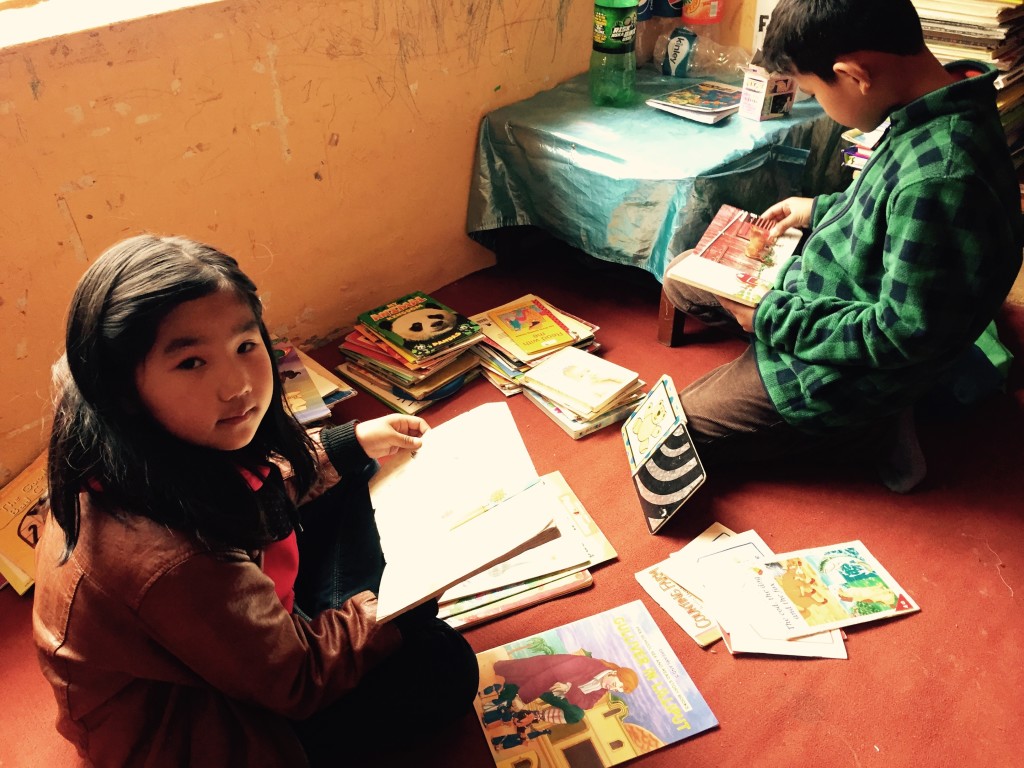
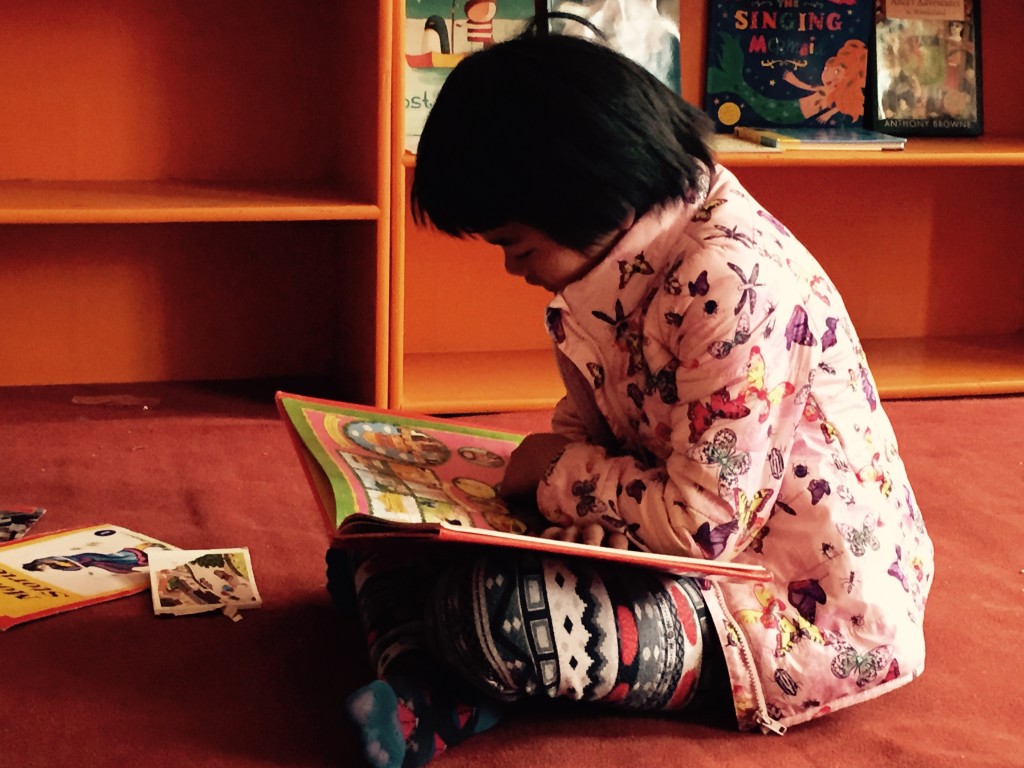
She did not finish the book that day. Instead, she carried it to a corner and read several pages slowly. The next afternoon, she returned to the same story. That small act—coming back by choice—was the beginning of a reading habit.
Volunteers avoided correcting every error. They helped with unfamiliar words, invited Tsering to describe the pictures, and celebrated the parts she understood. This approach made reading feel less like an examination. Gradually, she began to sound out sentences aloud, first to herself and later to a small group of younger children.
When Reading Became A Daily Habit
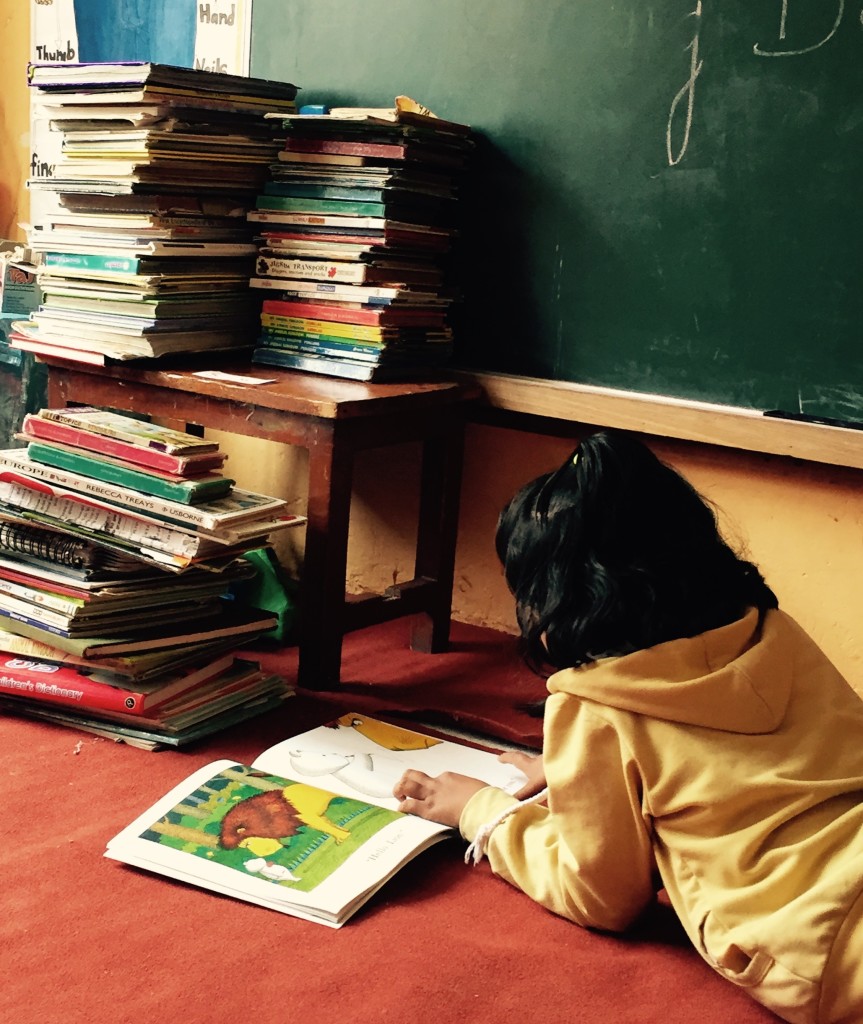
Regular access mattered more than a single book. Tsering could visit after school, browse at her own pace, and find material that matched her growing abilities. Picture books led to short novels; short novels led to books about nature, space, and people living in other parts of India.
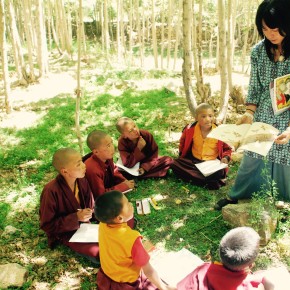
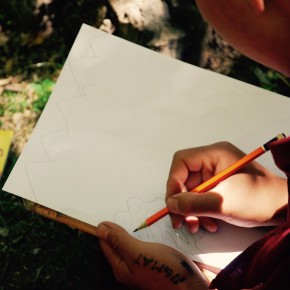
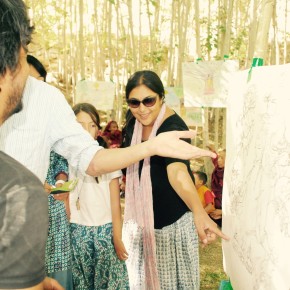
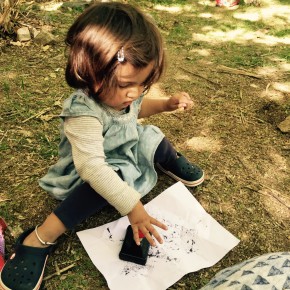
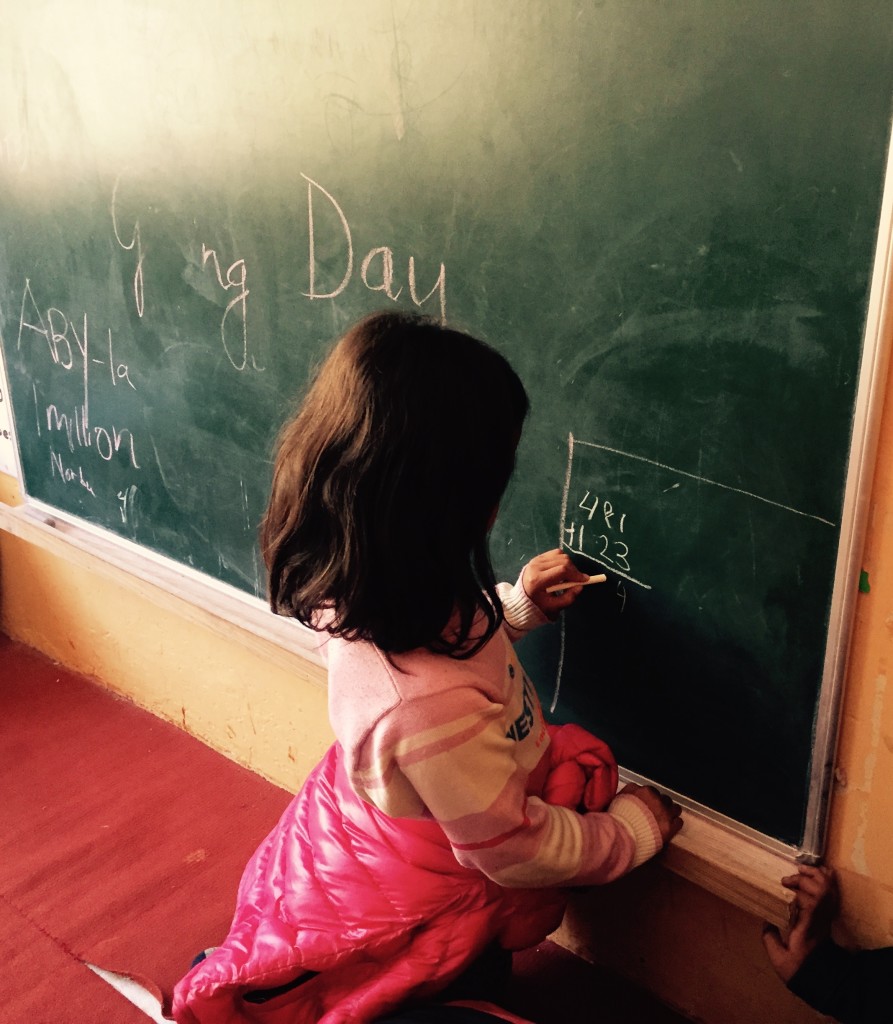
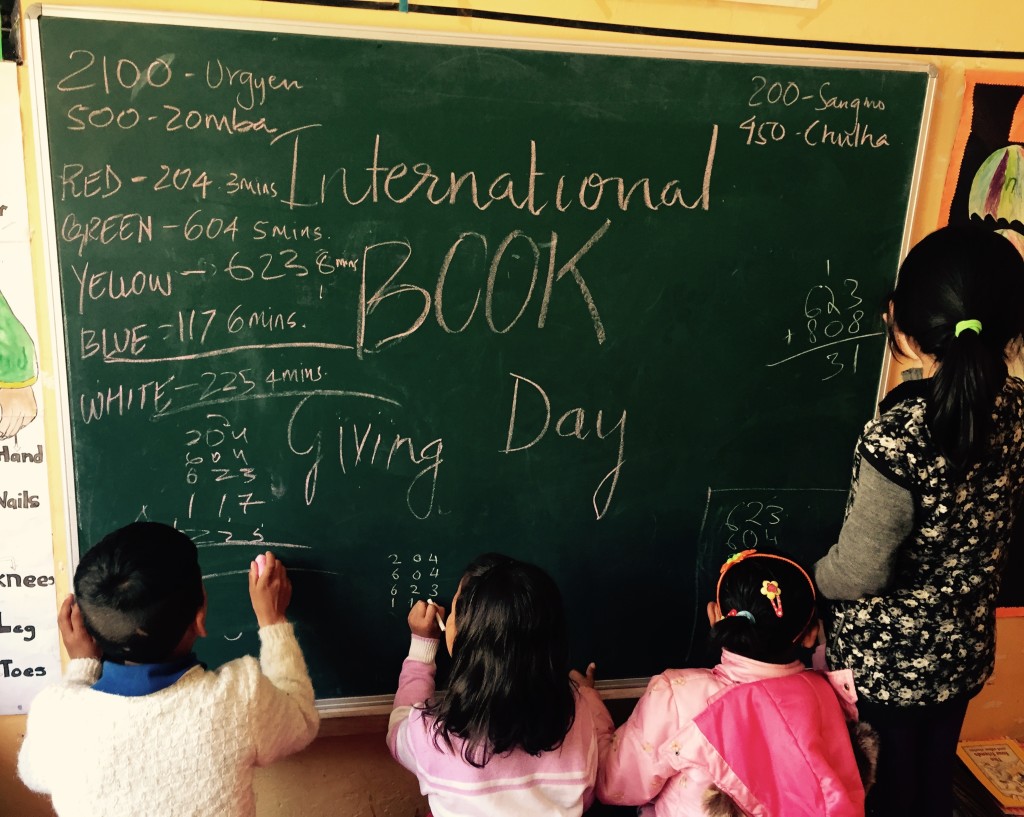
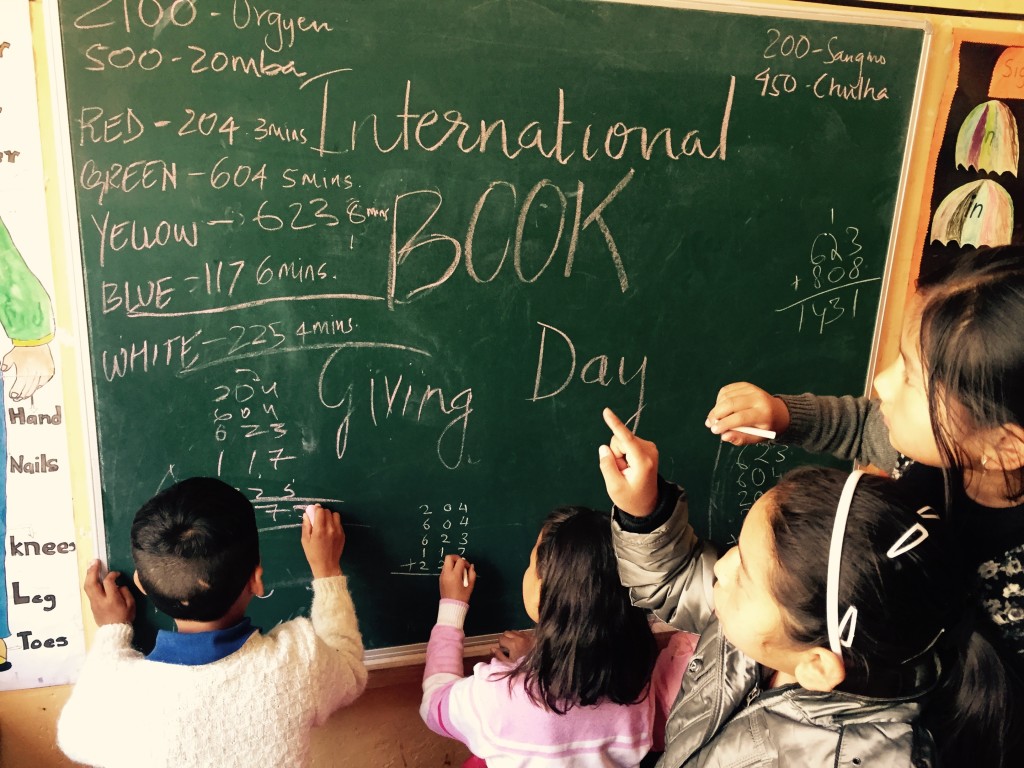
The reading room also connected literacy with other forms of learning. Drawing sessions encouraged children to illustrate scenes from stories. Music activities helped them remember poems and rhythms. Group discussions gave them a reason to explain what they had read. Education became active and social rather than limited to memorizing lessons.
At home, Tsering began telling her younger brother stories from the books. Her parents noticed that she was asking more questions about plants, animals, and geography. She still faced difficult words, but she no longer treated difficulty as a sign that she should stop. Her confidence grew alongside her vocabulary.
| Before regular reading access |
After joining the reading room |
| Relied mainly on school textbooks |
Chose from stories, science books, poetry, and art resources |
| Avoided reading aloud |
Read short passages to younger children |
| Viewed mistakes as embarrassing |
Asked for help with unfamiliar words |
| Had few opportunities for creative expression |
Joined drawing, music, and storytelling activities |
| Saw learning as a classroom task |
Developed an independent reading habit |
Confidence That Reached Beyond Books
The most visible change was not the number of pages Tsering read. It was the way she began to take part in other areas of life. She volunteered to label a shelf, helped arrange books by subject, and started welcoming younger children who were visiting for the first time.
Her teacher later observed that Tsering participated more actively in class. She explained ideas in fuller sentences and showed greater patience when solving unfamiliar problems. Reading had given her practice in concentrating, imagining, and making connections—skills that supported mathematics, environmental studies, and written work as well as language learning.
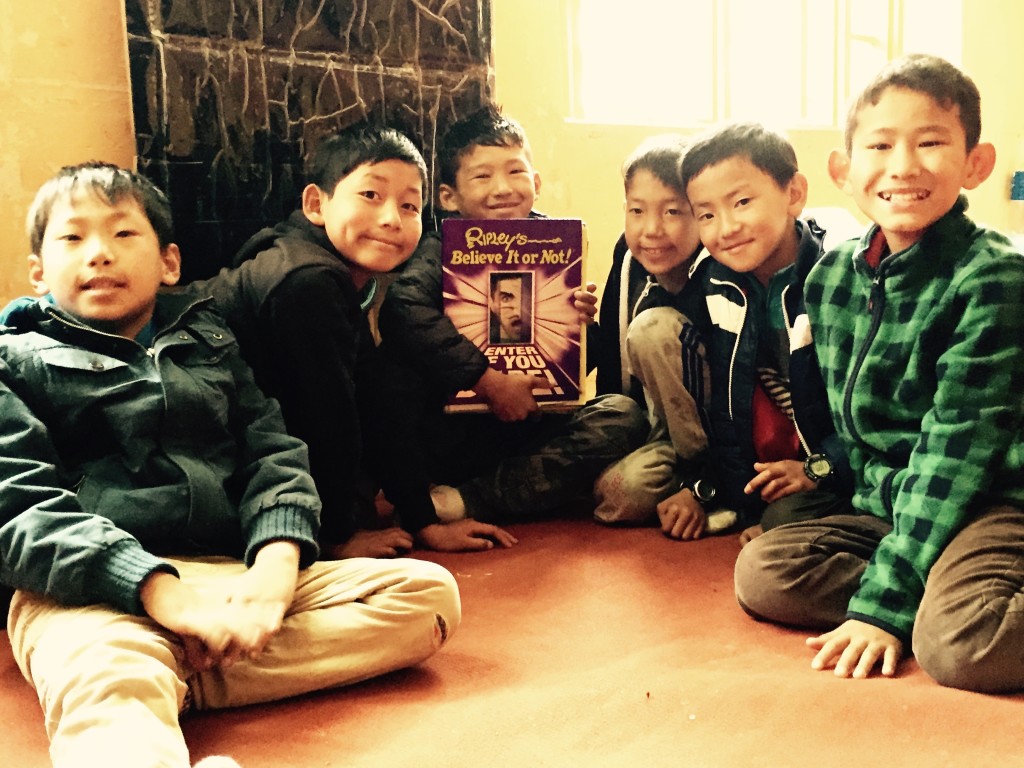
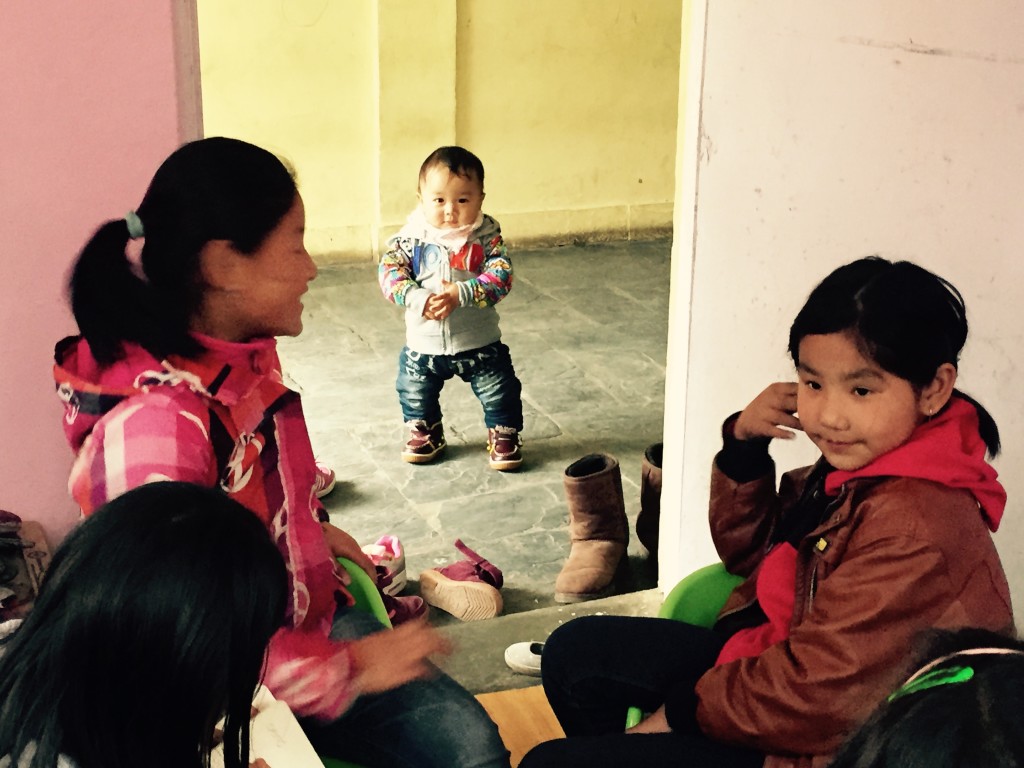
The change also influenced her friendships. Children who might not have spoken much during lessons worked together on a story, a drawing, or a small performance. The reading room became a shared space where age and academic ability mattered less. Everyone could contribute something.
A Small Space With A Wider Purpose
A community reading room does more than distribute books. It creates a dependable place where children can spend time safely, discover interests, and receive encouragement from adults beyond the classroom. In Ladakh, where villages can be scattered and resources unevenly distributed, that dependable space can make educational support feel reachable.
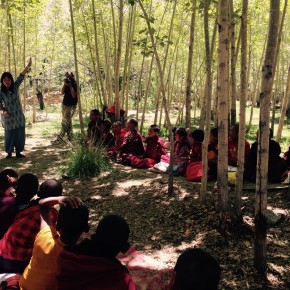
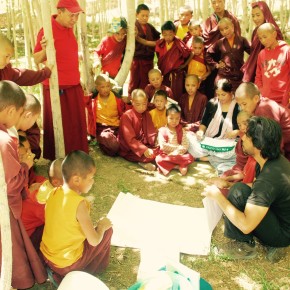
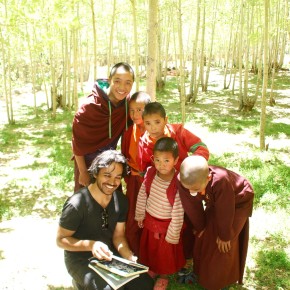
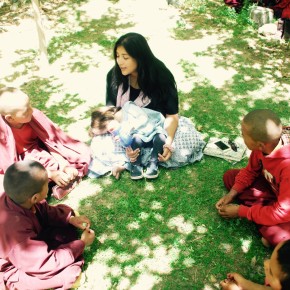
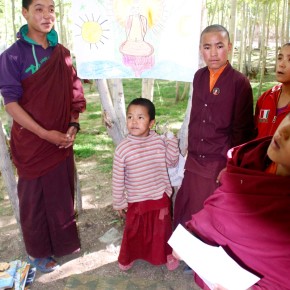
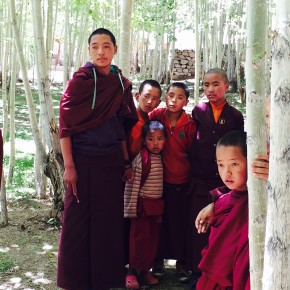
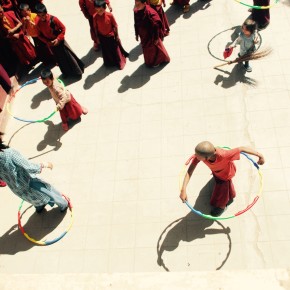
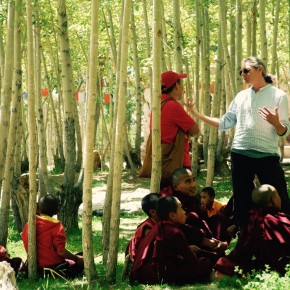
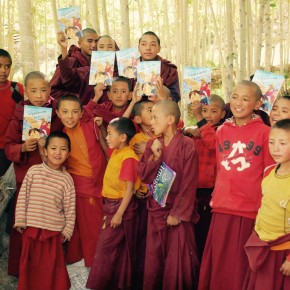
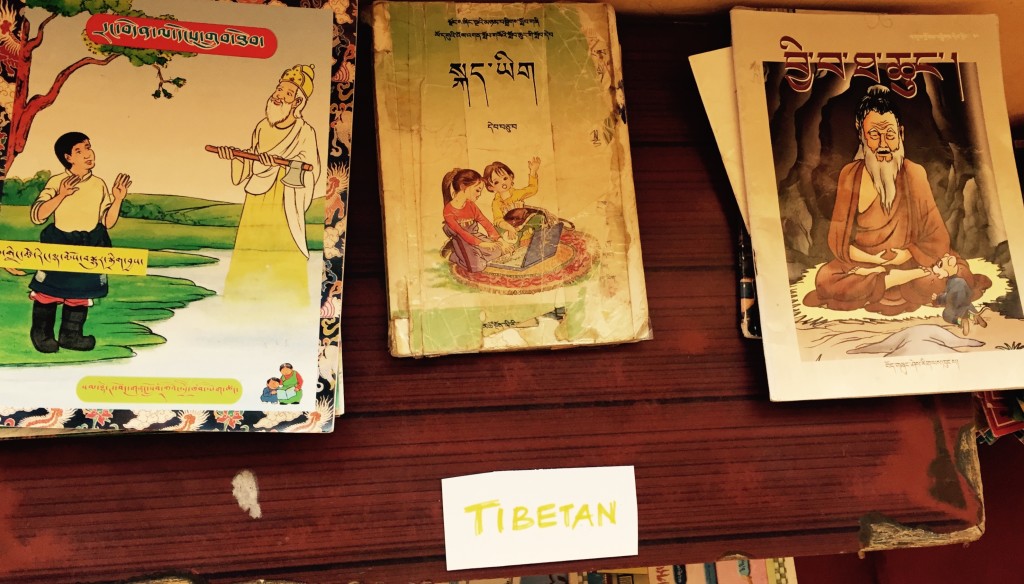
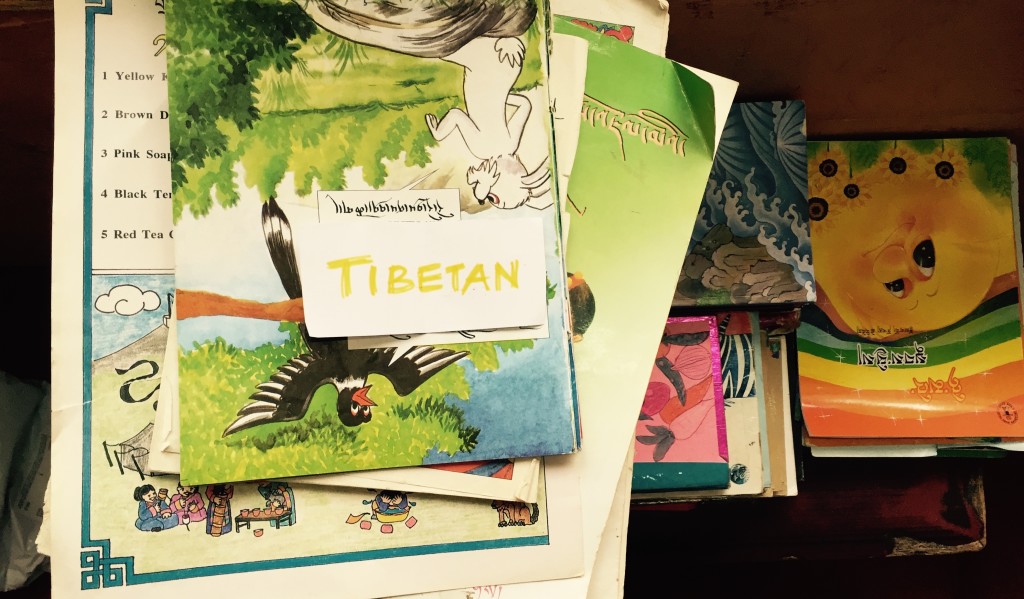
For young monks and children in Himalayan communities, books can broaden learning while remaining connected to local culture. A collection may include bilingual resources, stories from the region, practical science, biographies, and creative materials. The goal is not to replace school or family teaching. It is to add opportunities for curiosity and independent discovery.
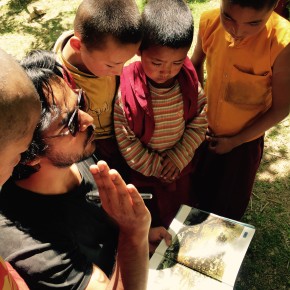
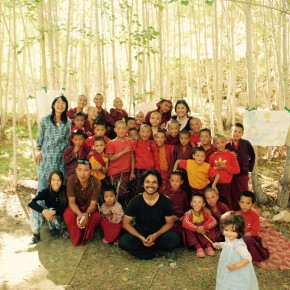
The room also supports volunteers. Visitors can read with children, organize book shelves, lead art activities, or help maintain a welcoming environment. Local participation remains essential because community members understand the children’s language, routines, and interests. When outside support works alongside that knowledge, a small project can become sustainable and relevant.
What Helps A Reading Room Thrive
A successful literacy space does not depend on expensive equipment. It depends on thoughtful choices, consistent attention, and materials that children genuinely want to use. The following principles can help donors, volunteers, and community partners strengthen similar initiatives:
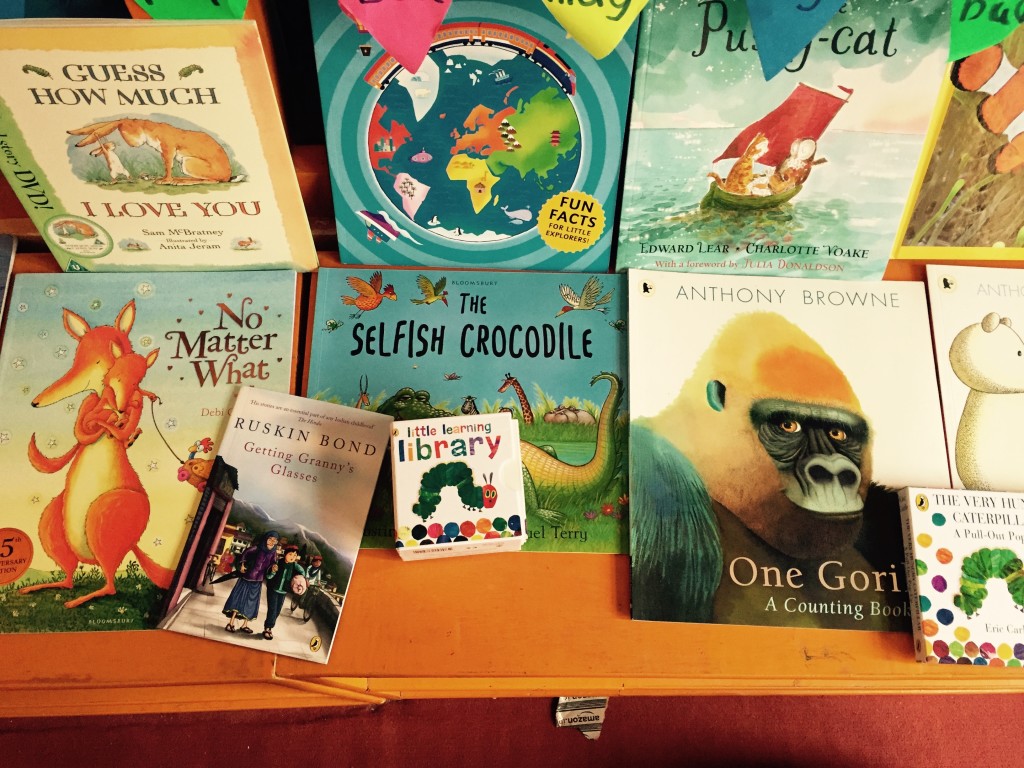
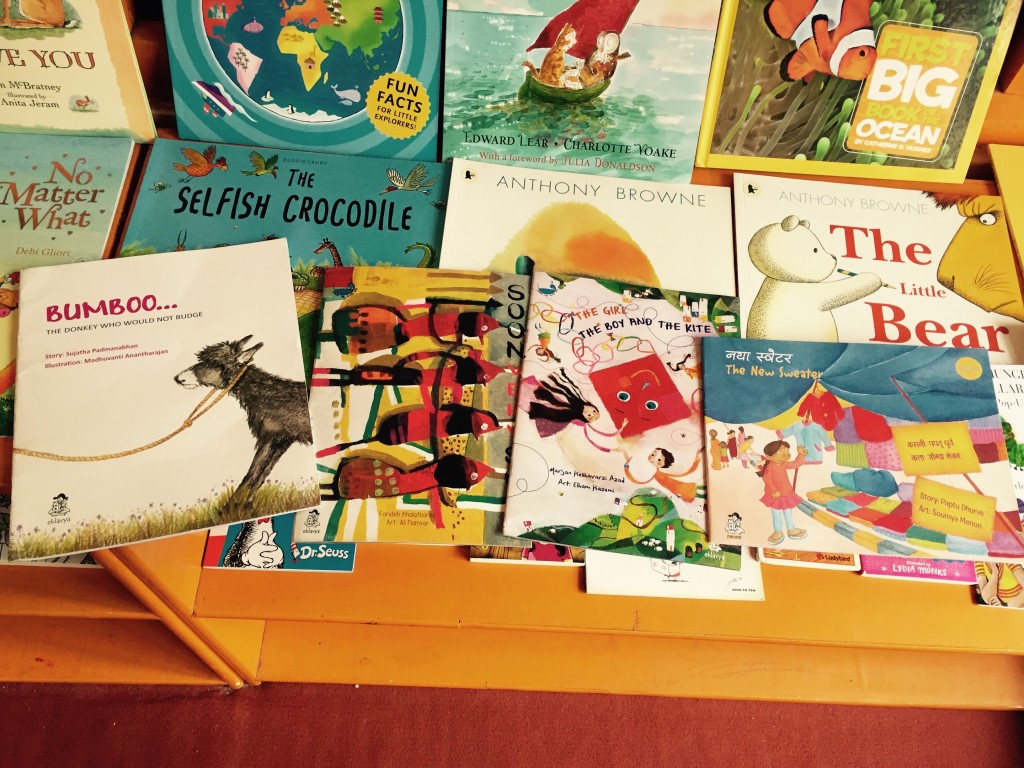
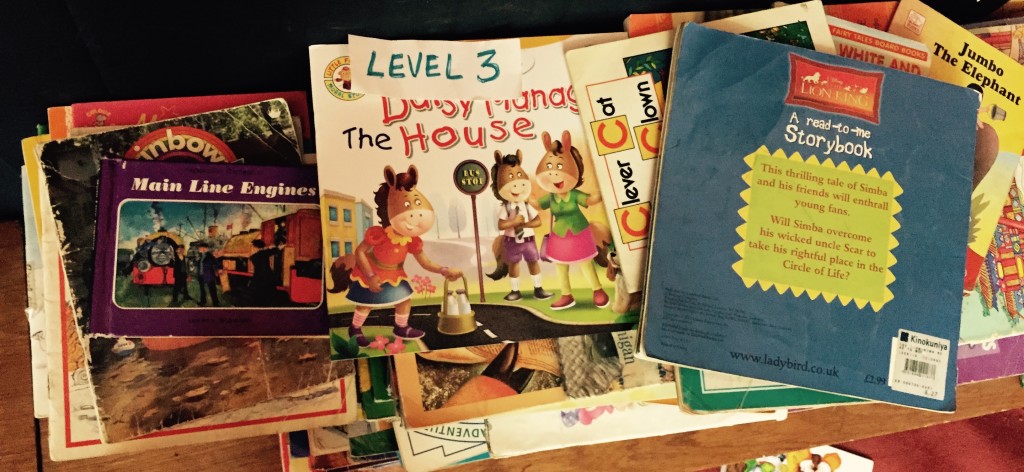
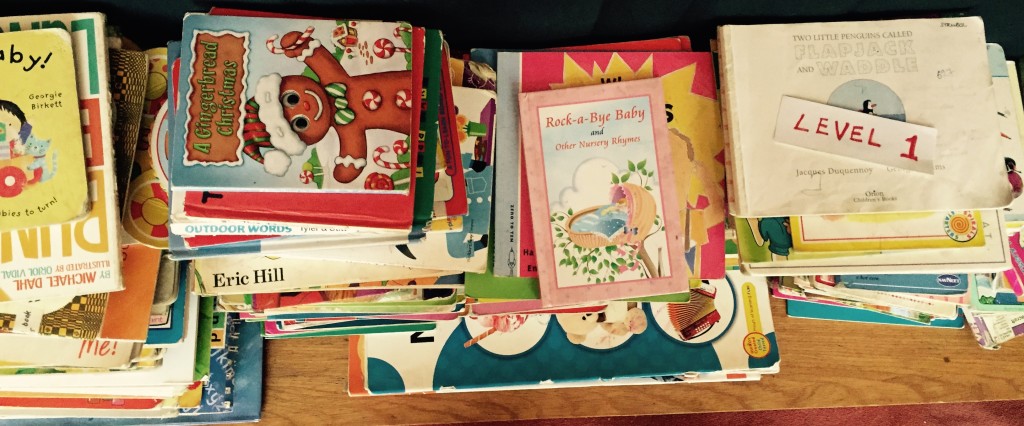
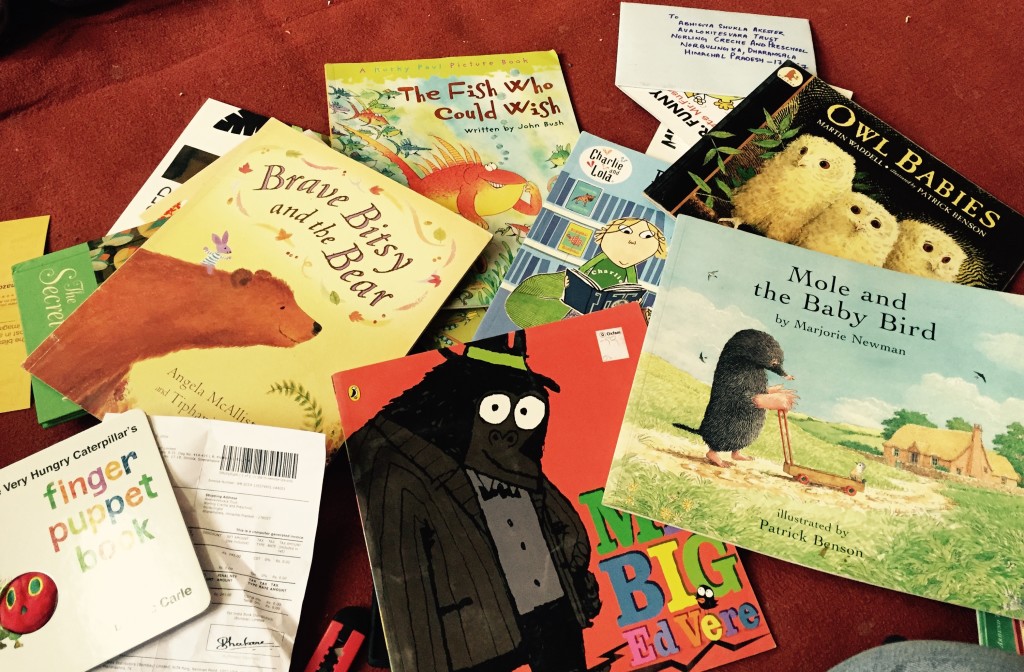
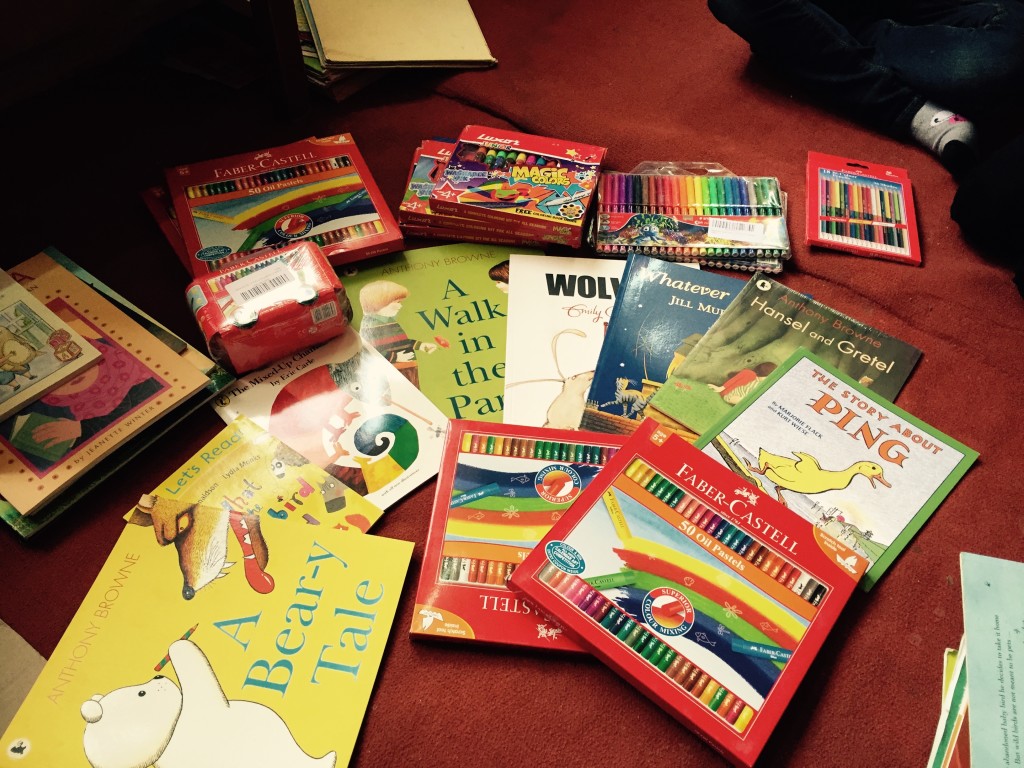
- Select books at different reading levels, including picture books, bilingual stories, local culture, science, and age-appropriate fiction.
- Make the room easy to enter and use, with accessible shelves, comfortable seating, good light, and clear organization.
- Pair reading with art, music, storytelling, and games so children can express ideas in several ways.
- Train volunteers to encourage children without turning every reading session into a test.
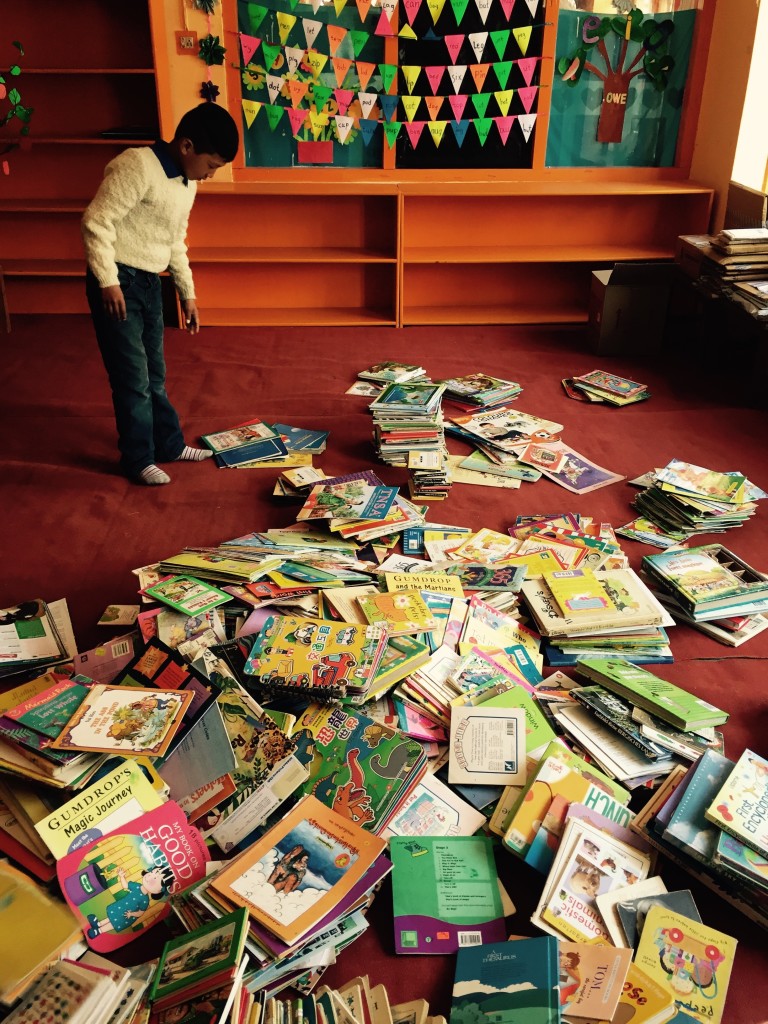
- Track children’s interests and replace worn or unsuitable materials through regular book drives.
Tsering’s progress came from this combination of access and encouragement. A single donation may have placed a book on a shelf, but the ongoing presence of caring adults helped her return, try again, and gradually become more independent. Educational change often grows through repeated, ordinary moments.
The Future She Can Now Imagine
As Tsering grew older, her interests changed. She began choosing books about health, animals, and the environment. She enjoyed explaining new facts to other children and imagined working one day in a role that would allow her to help people in her community. The reading room did not determine her future, but it made more futures visible.
That is the deeper value of literacy work in Ladakh. A child who once saw books as distant school objects can begin to view them as tools for understanding the world. A young monk can find material that supports study and reflection. A hesitant reader can discover that her voice deserves to be heard.
The room’s physical size remains modest. Its shelves may hold only a fraction of the books found in a city library. Yet its effect is measured in habits, questions, friendships, and choices. Tsering’s story shows how educational resources become powerful when children can reach them regularly and use them with joy.
Support a reading room by sharing books, funding educational materials, volunteering time, or helping provide creative activities for children and young monks in the Himalayan region. Visit the Avalokiteśvara Trust website to learn about current initiatives and find a practical way to help place more books—and more possibilities—within a child’s reach.