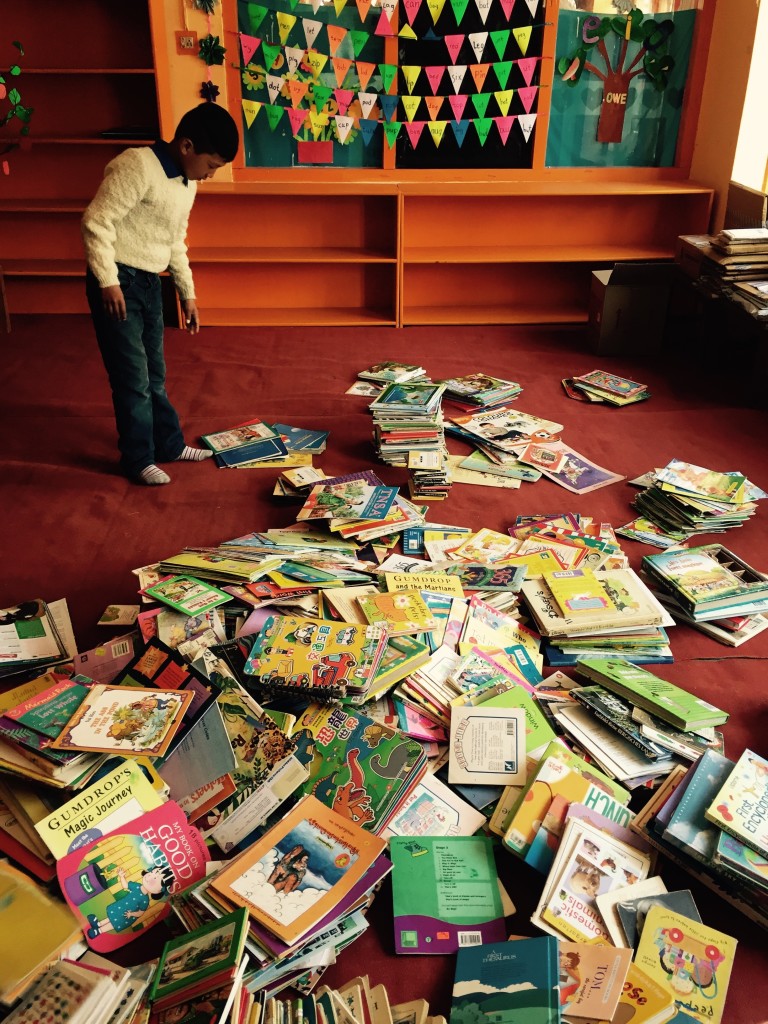
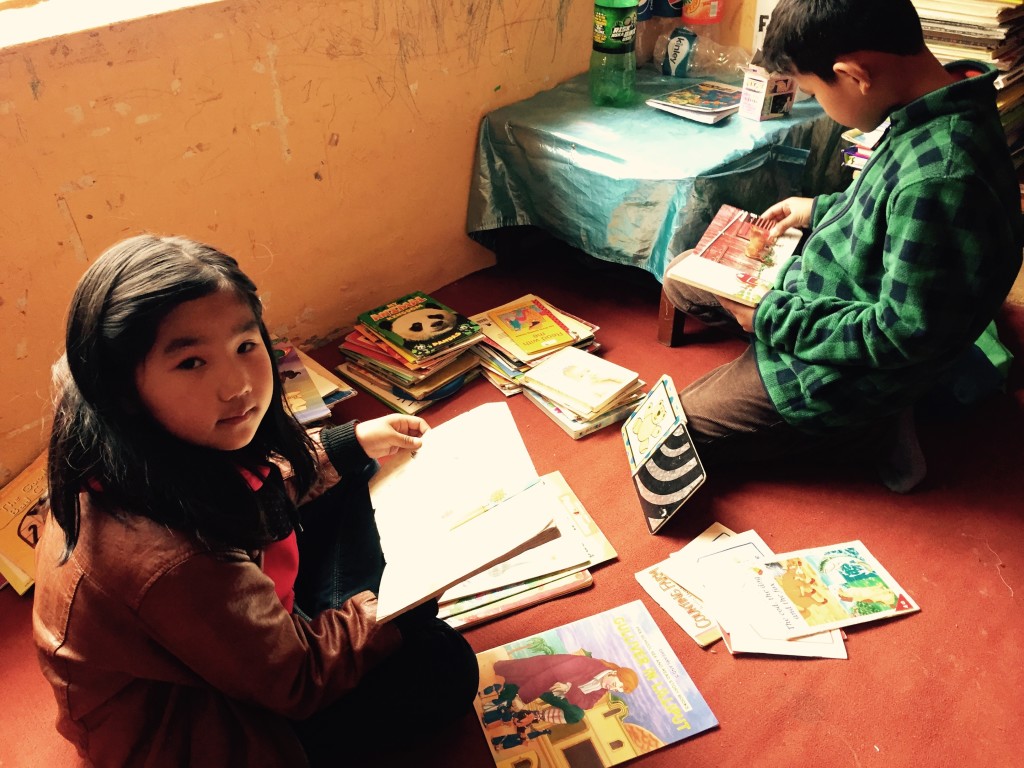
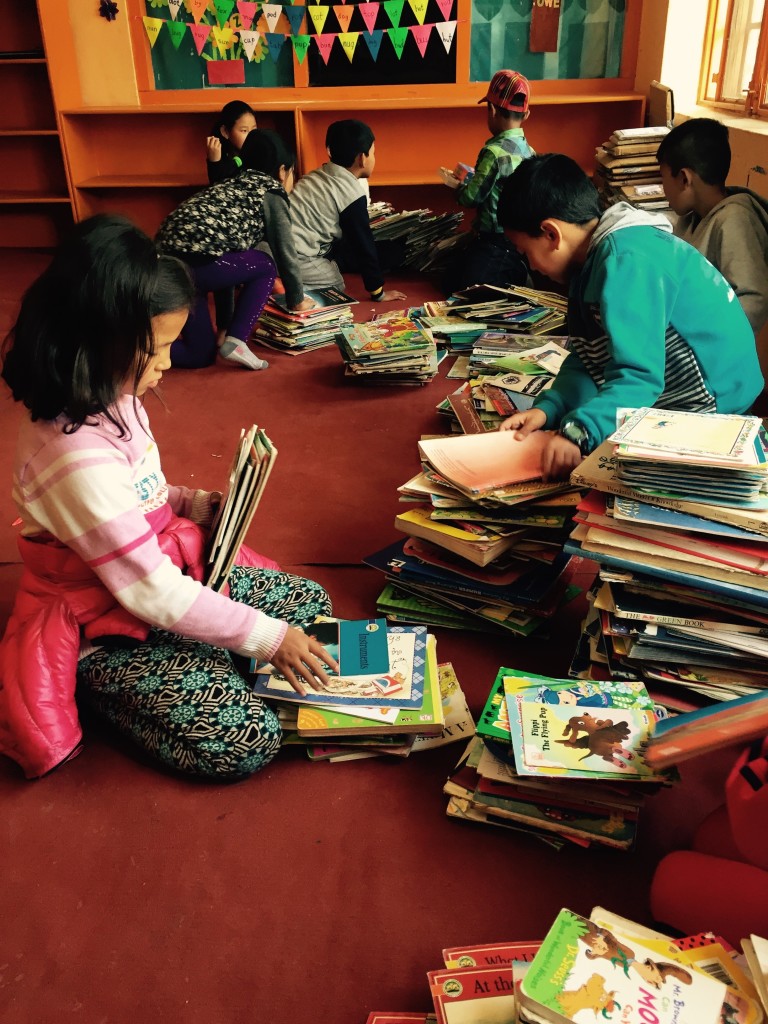
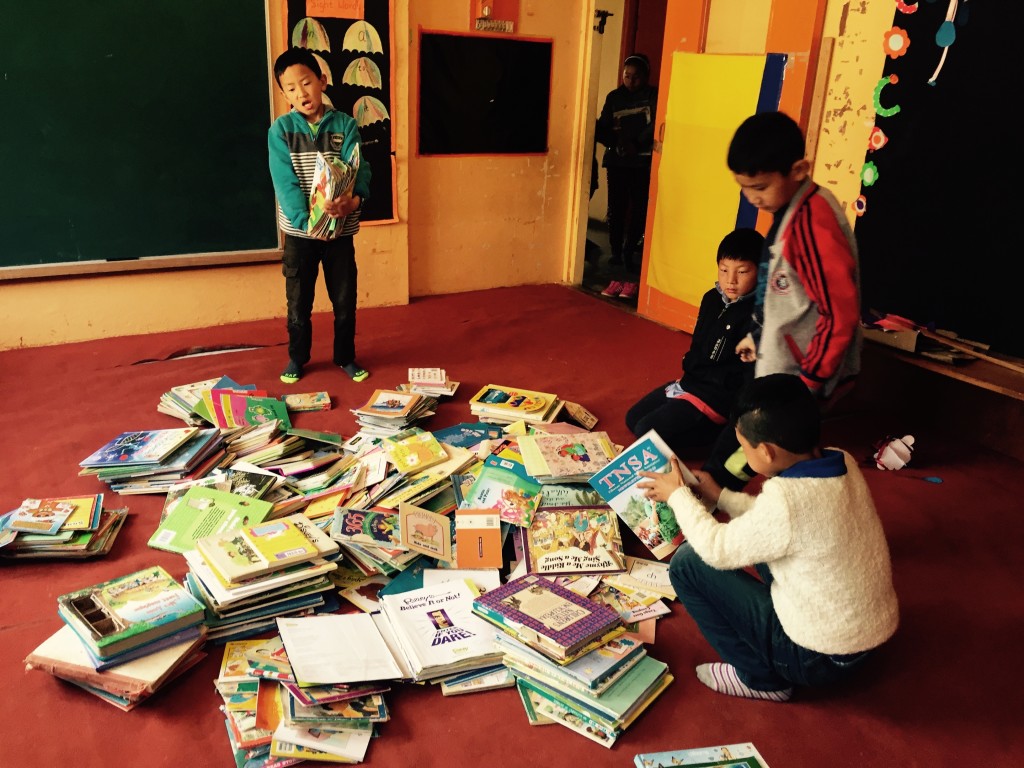
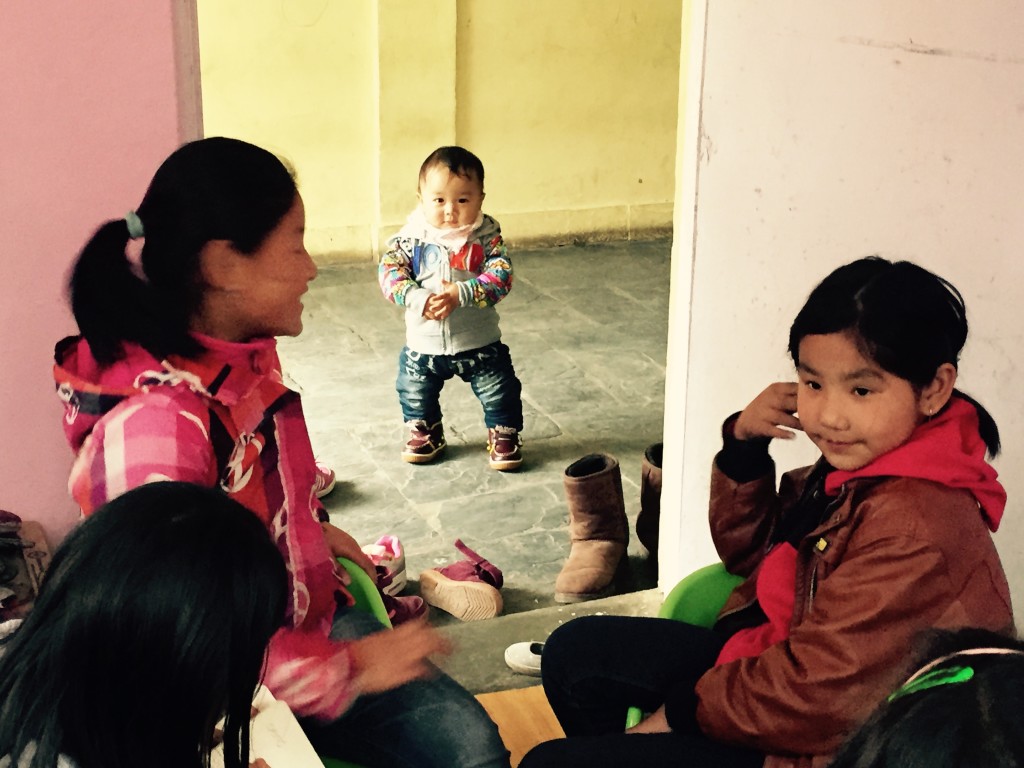
The Little Girl Who Walked Three Miles for a Book
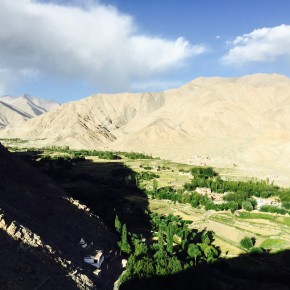
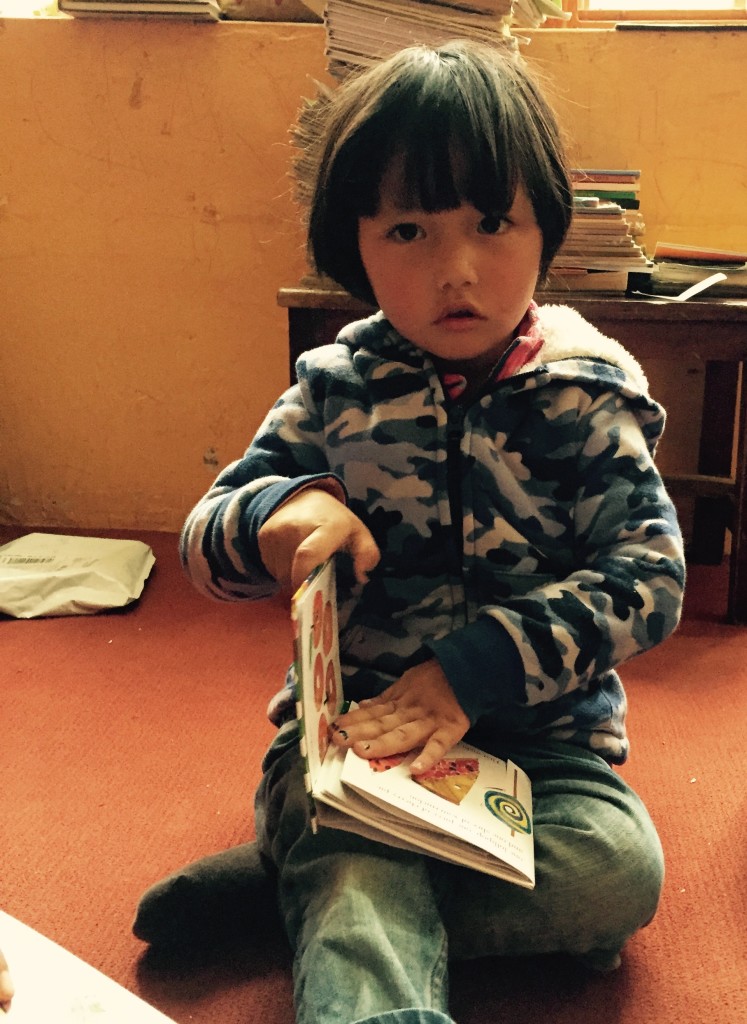
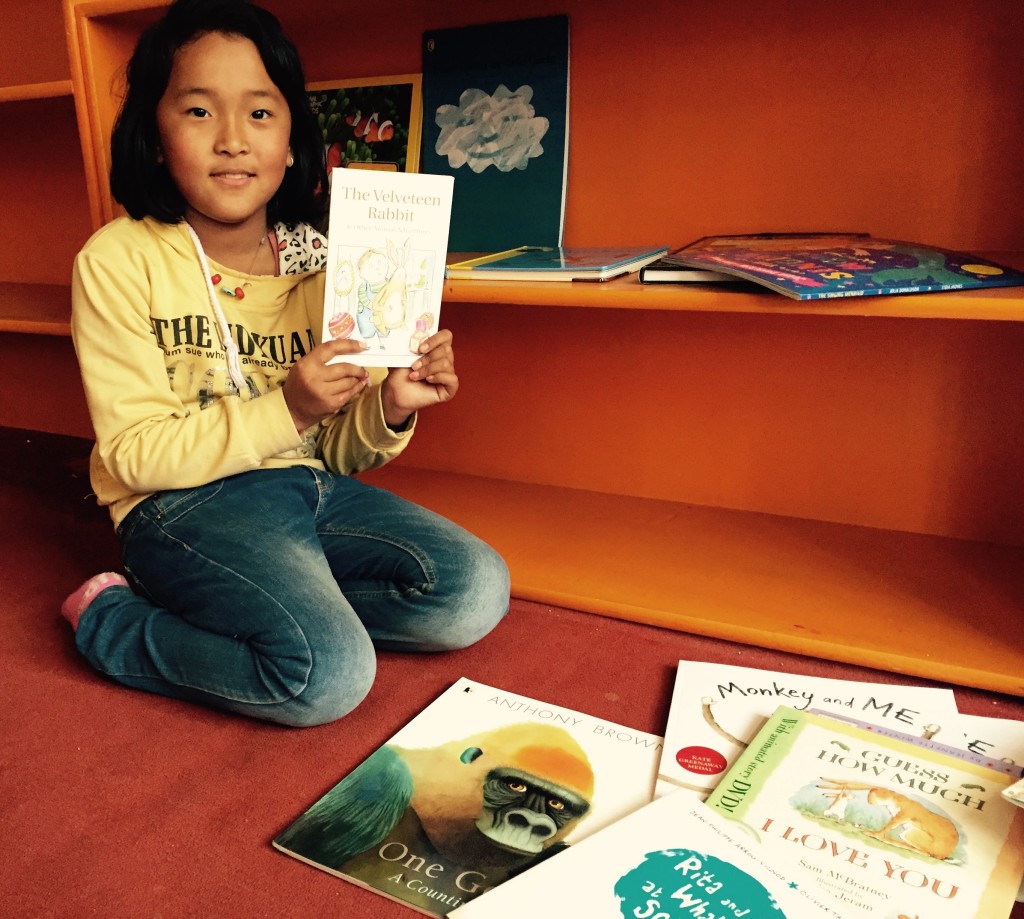
In a Himalayan village, a child once set out along a mountain path with a simple purpose: she wanted to borrow a book. The journey took her three miles, across uneven ground and through the wide, quiet landscape of Ladakh. For many children, a book is an ordinary object. For her, it was a reason to walk. Learn more about Why We Pair Reading With Art Activities In Our Workshops 84b7.
Her story captures something important about access to education. A child’s curiosity can be strong, but curiosity needs somewhere to go. When books are distant, expensive, or unavailable in a community, even an eager young reader may have to overcome obstacles that adults in larger towns rarely notice.
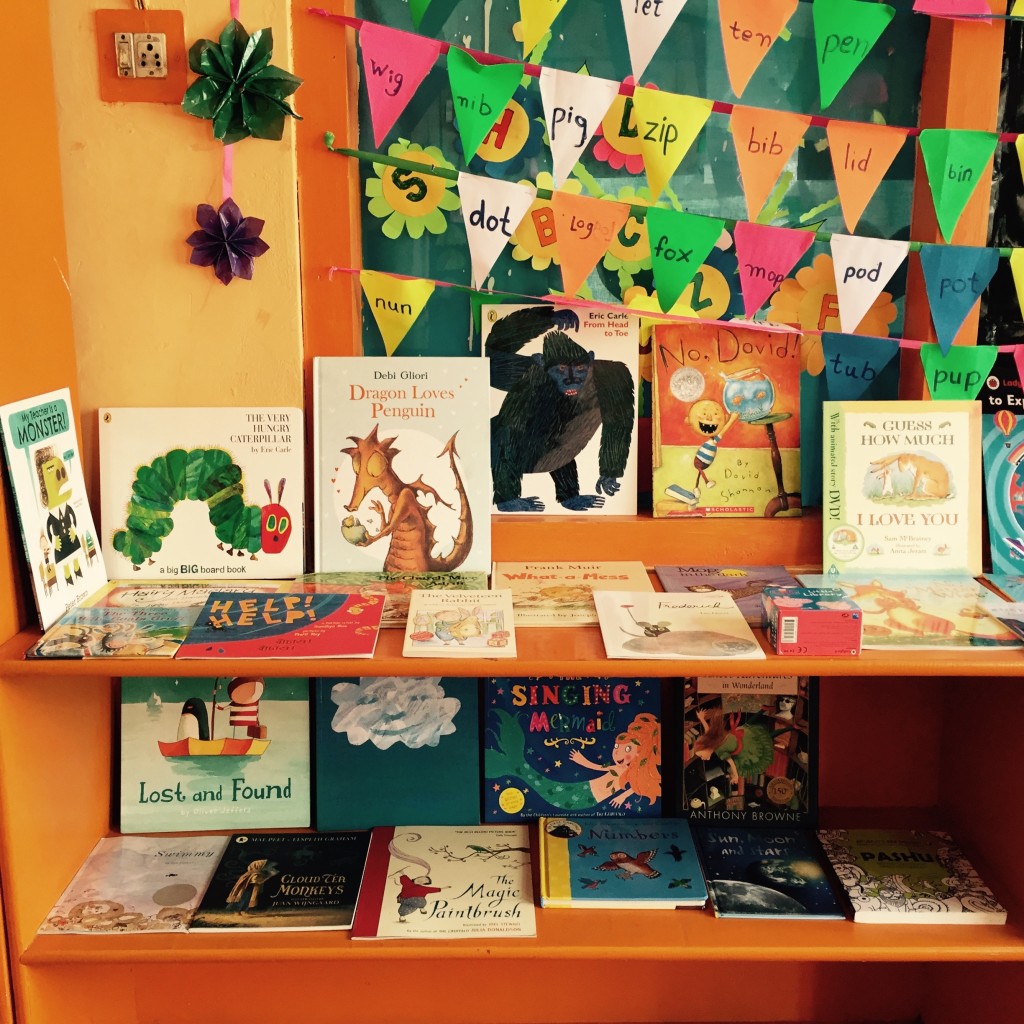
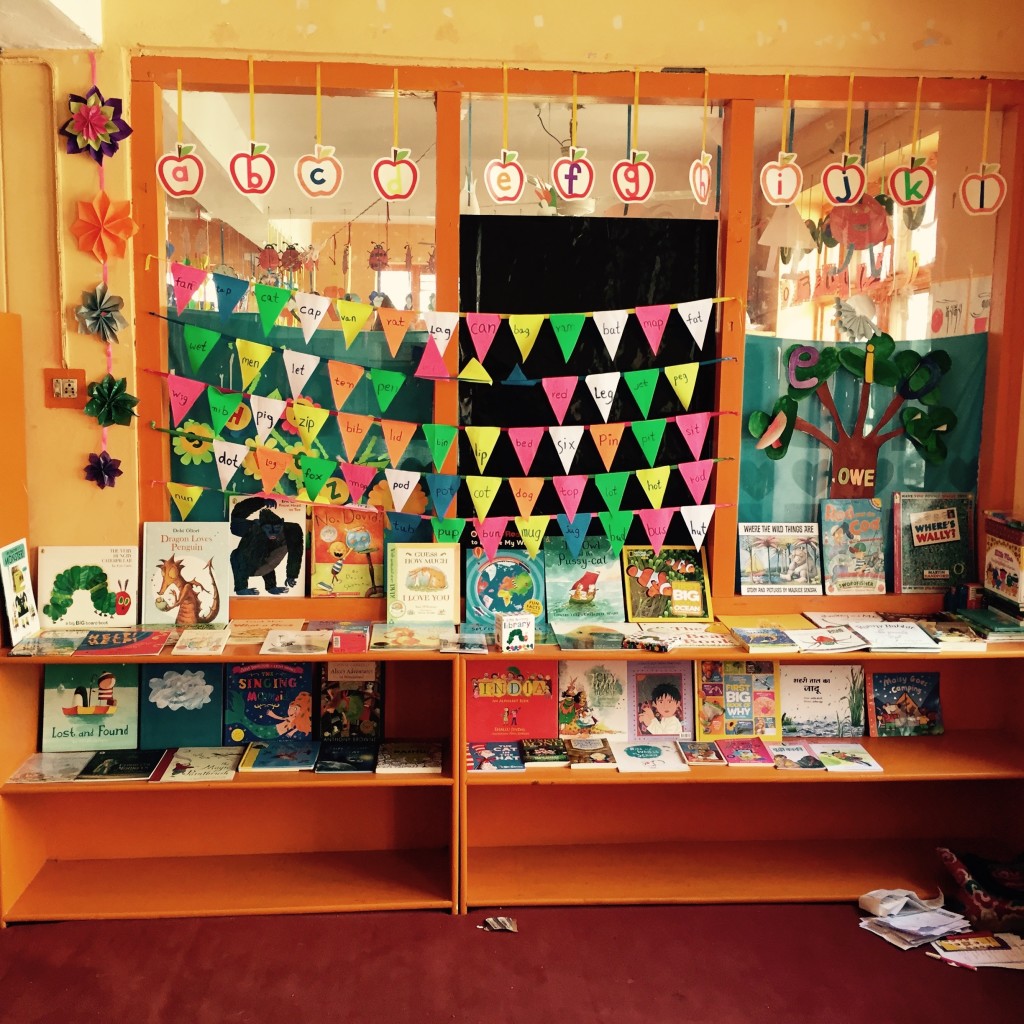
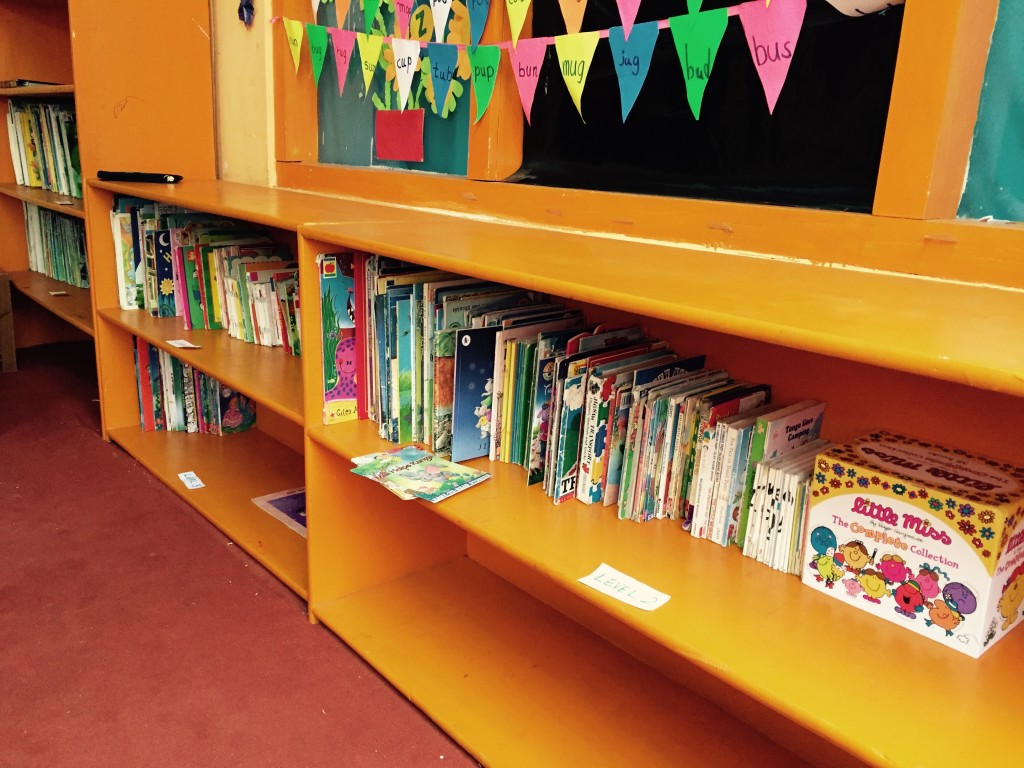
The journey also shows why community reading rooms, book drives, and educational activities matter. A shelf of carefully chosen books can become a doorway into language, imagination, confidence, and new possibilities.
A Long Walk With a Small Prize
The girl did not walk because someone required her to complete a school assignment. She walked because she had discovered the pleasure of reading and wanted another story. That distinction matters. A reading habit grows most naturally when children experience books as sources of wonder rather than as another school obligation.
Three miles may sound modest on a map, yet distance feels different in a mountain region. Roads can be steep, weather can change quickly, and settlements may be separated by long stretches of open land. A child who makes that journey for a book is showing both determination and the value of the resource waiting at the end.
Her effort also reminds us that children often understand the importance of learning before they have the power to improve their surroundings. They know which books they have read, which stories they want next, and how much a welcoming place to read can mean.
When Books Are Hard To Reach
In many Himalayan communities, families place a high value on education while having limited access to quality reading materials. A school may have only a small collection. A home may not have extra money for children’s books. Local shops may stock textbooks but few stories, picture books, science titles, or creative resources.
This gap affects more than vocabulary. Regular reading supports concentration, communication, empathy, and independent thinking. It gives children the chance to encounter people and places beyond their immediate surroundings while strengthening the language skills they use in school and daily life.
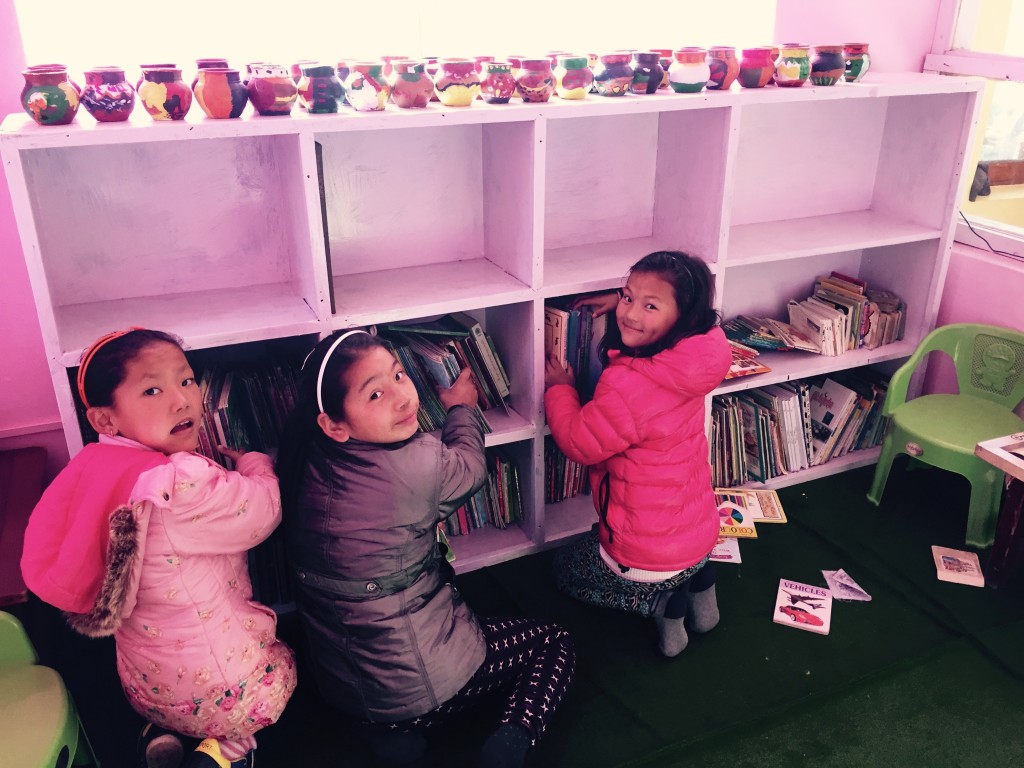
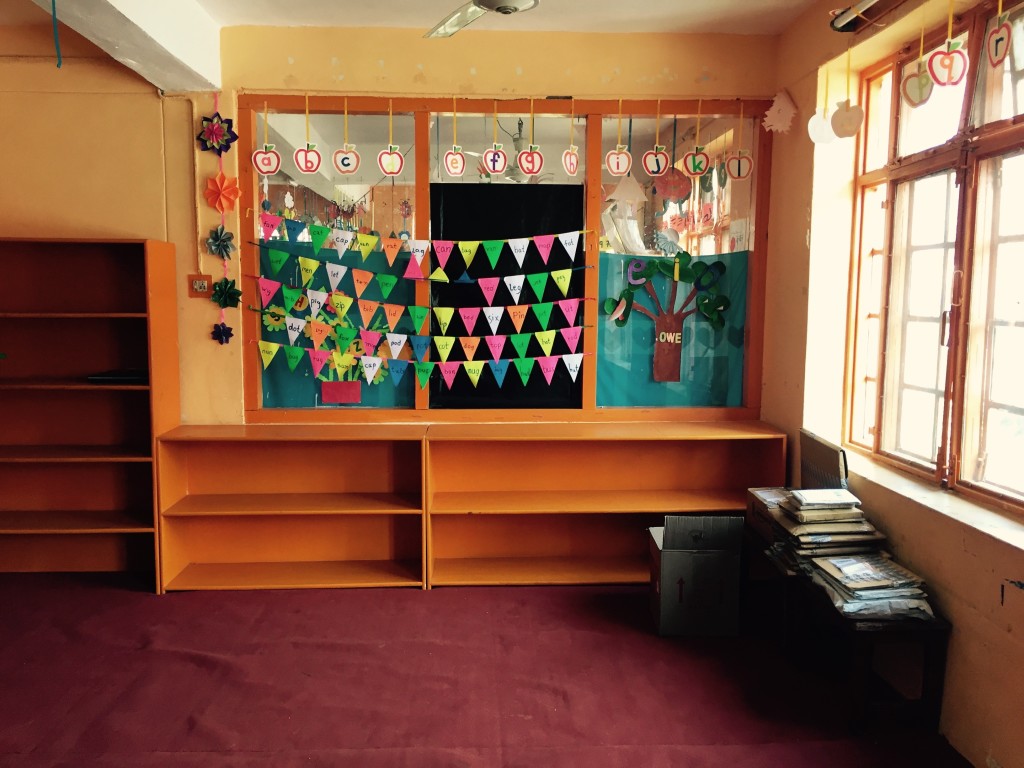
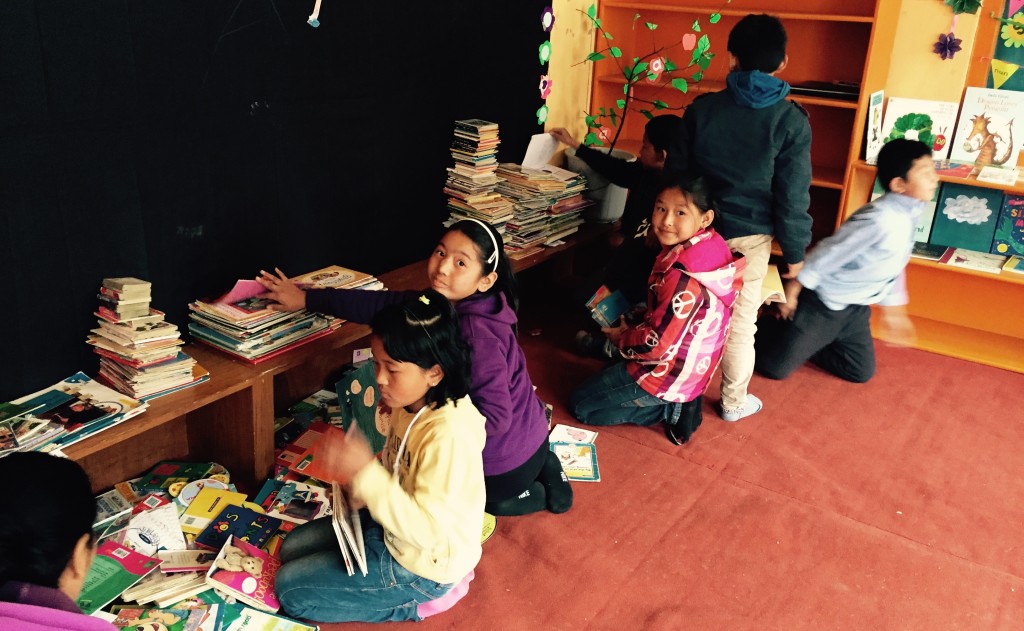
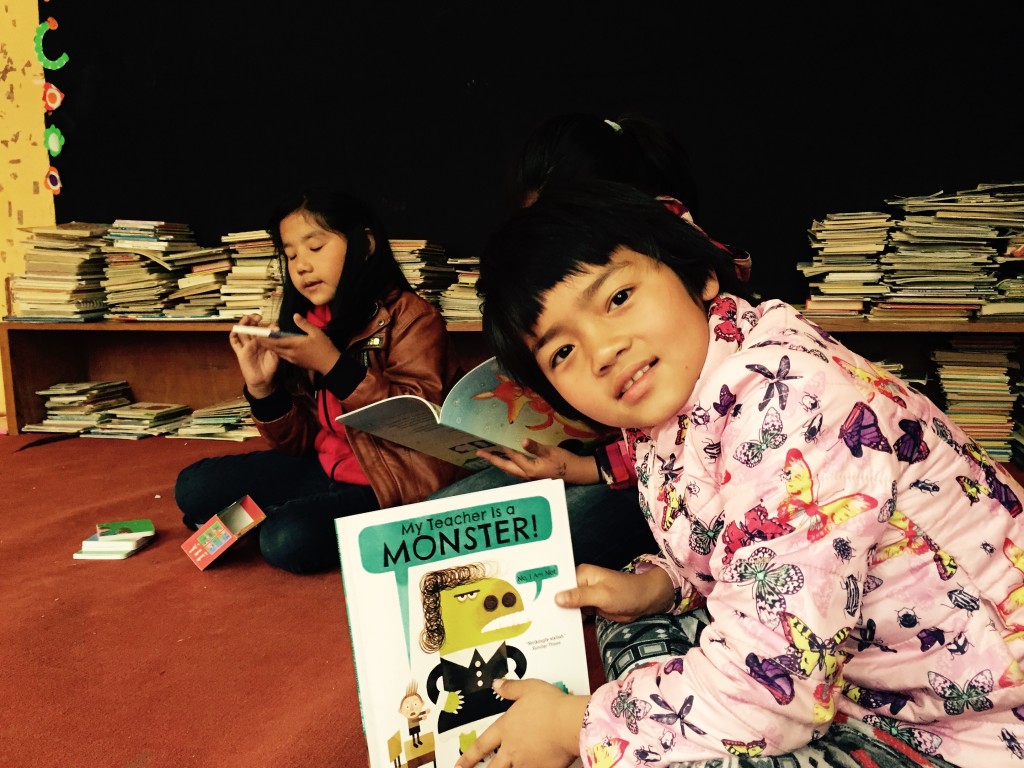
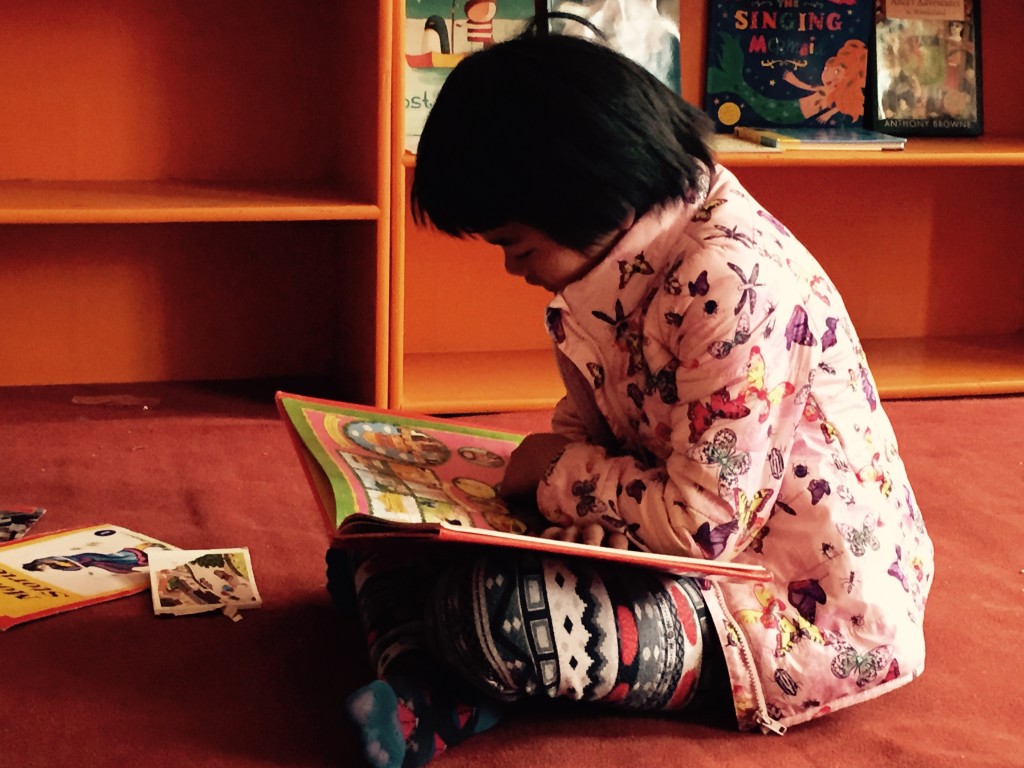
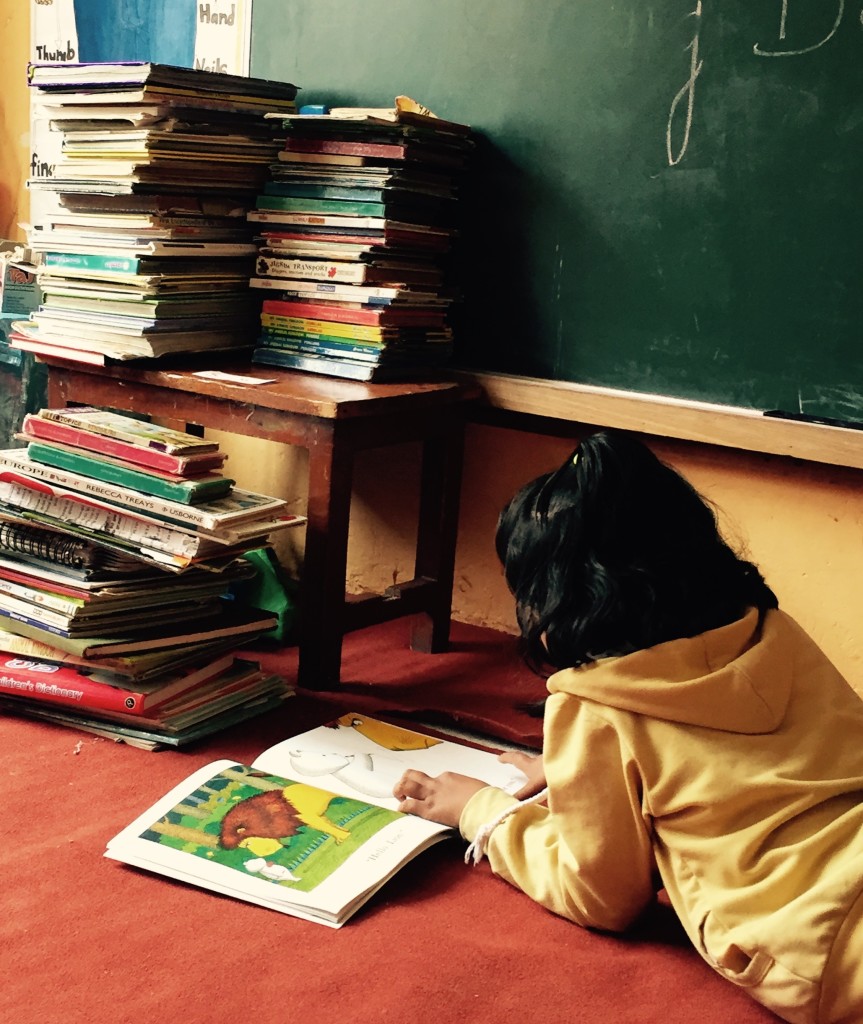
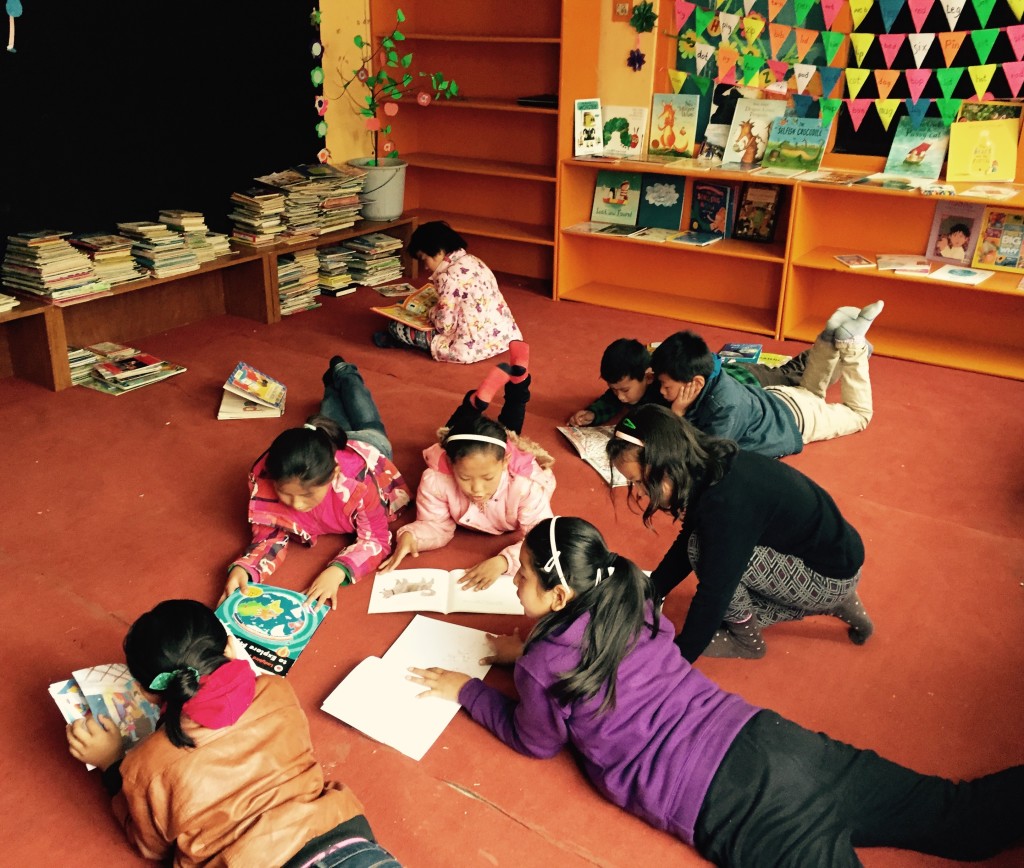
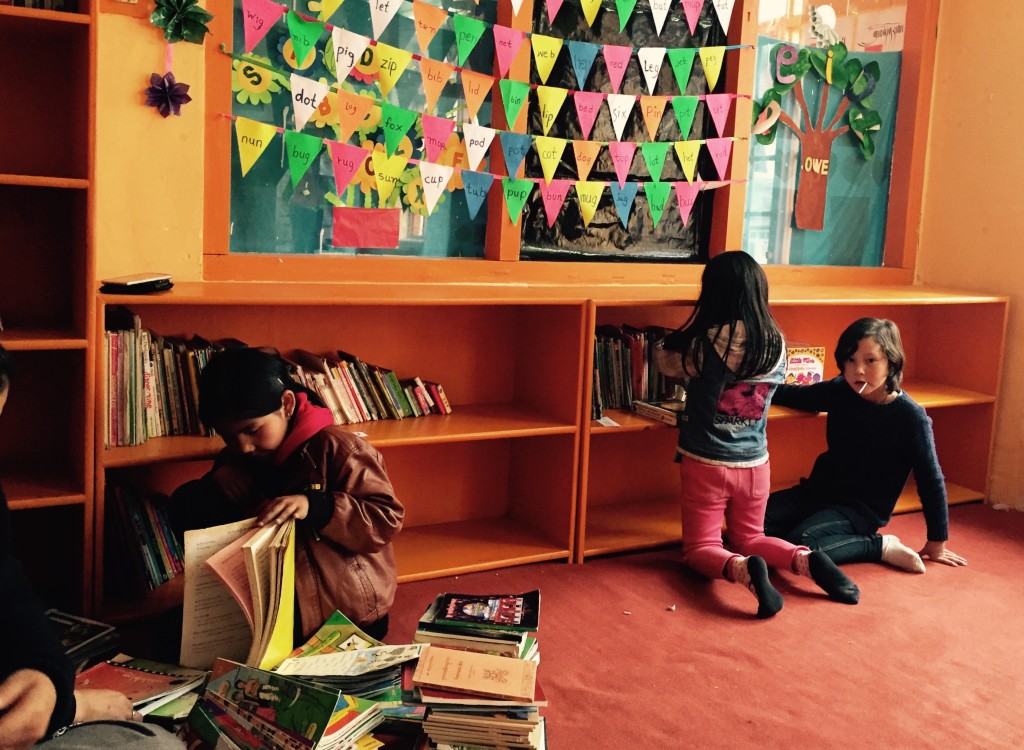
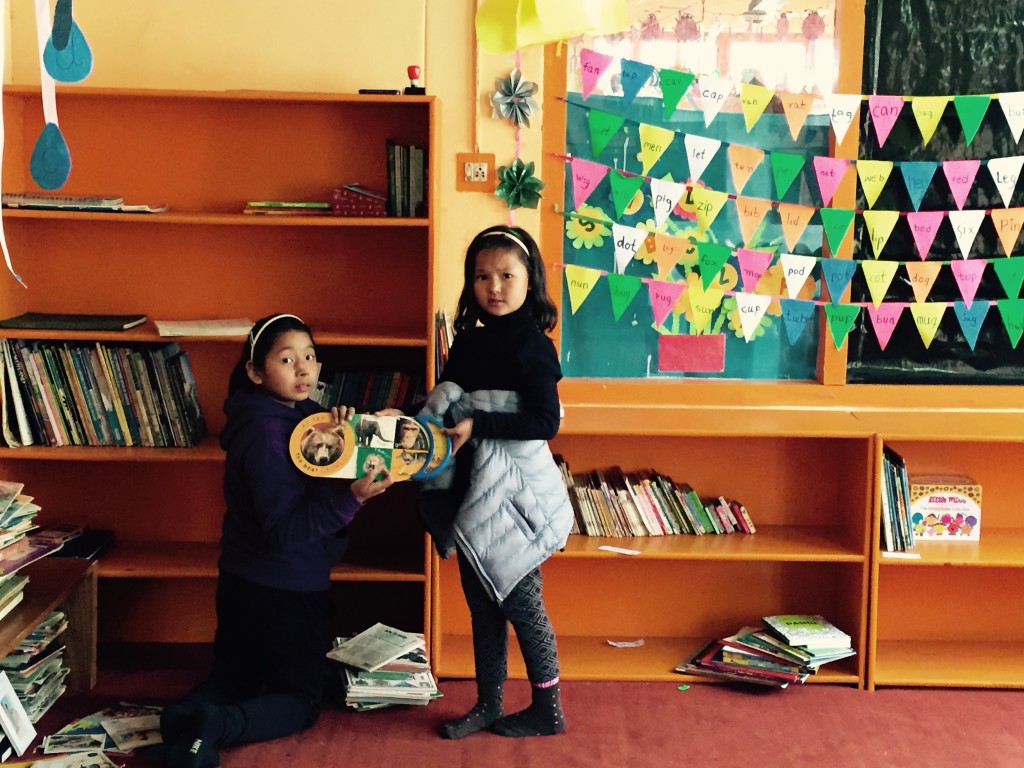
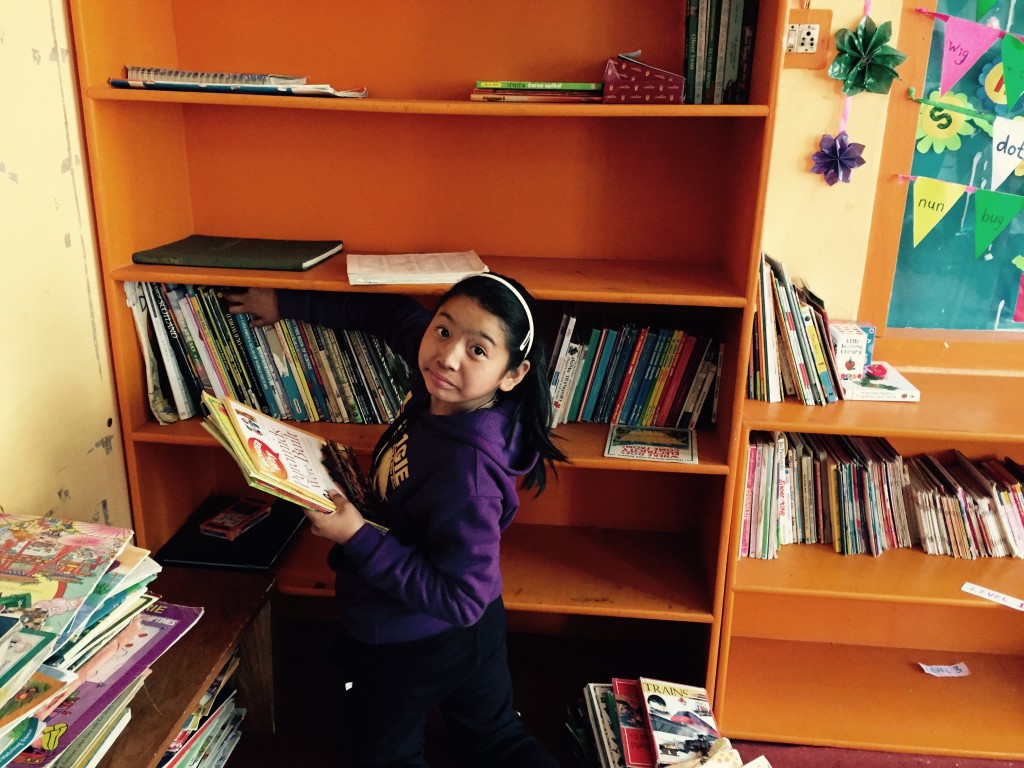
A community reading room can reduce that distance. It offers a shared collection where children can browse at their own pace, return to favorite stories, and recommend books to friends. The room becomes more than a place with shelves; it becomes a dependable part of village life.
A Reading Room Becomes A Meeting Place
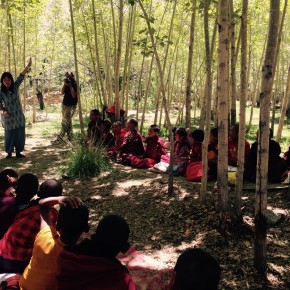
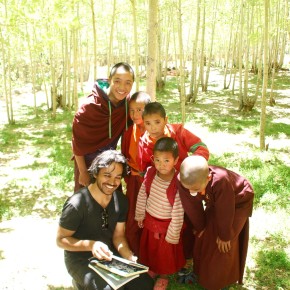
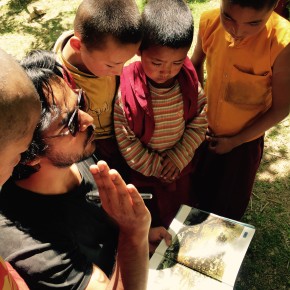
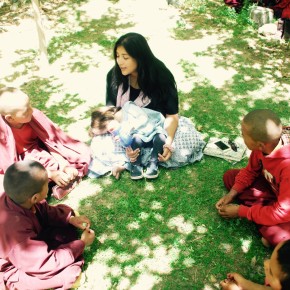
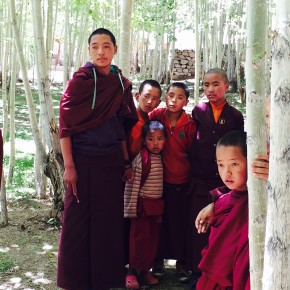
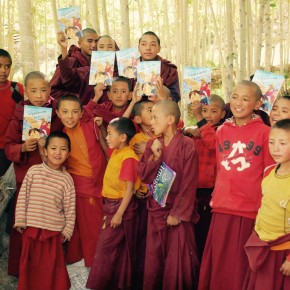
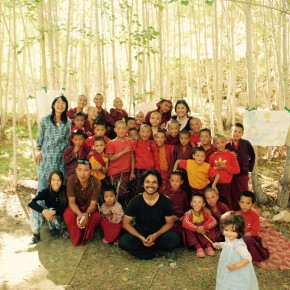
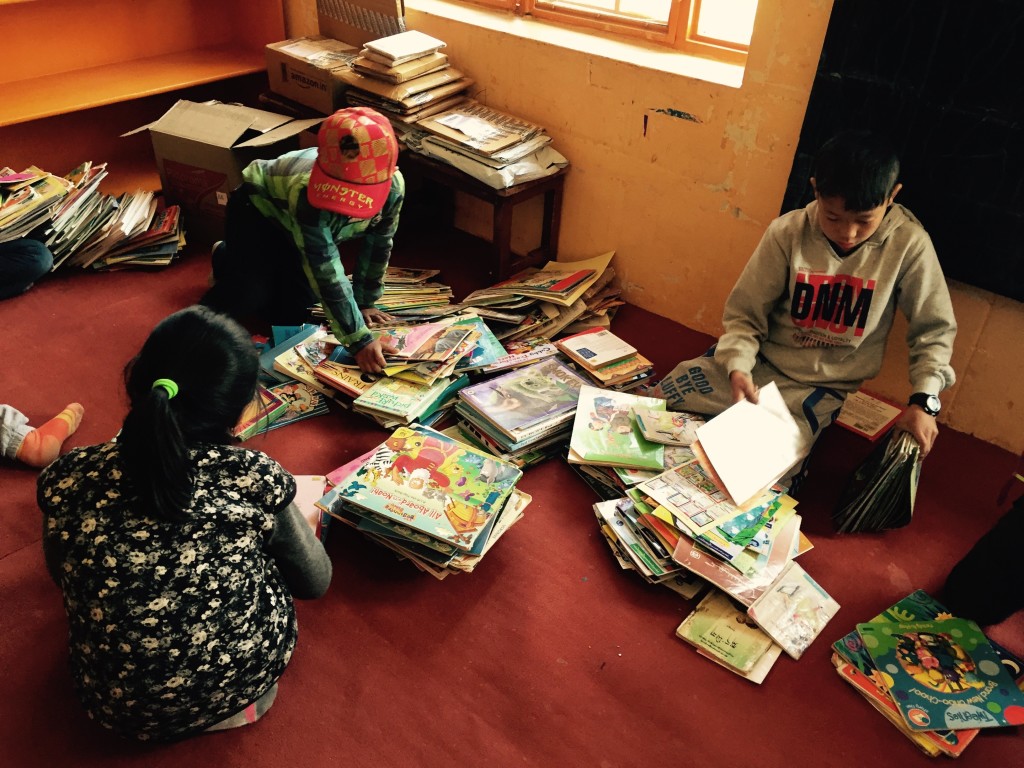
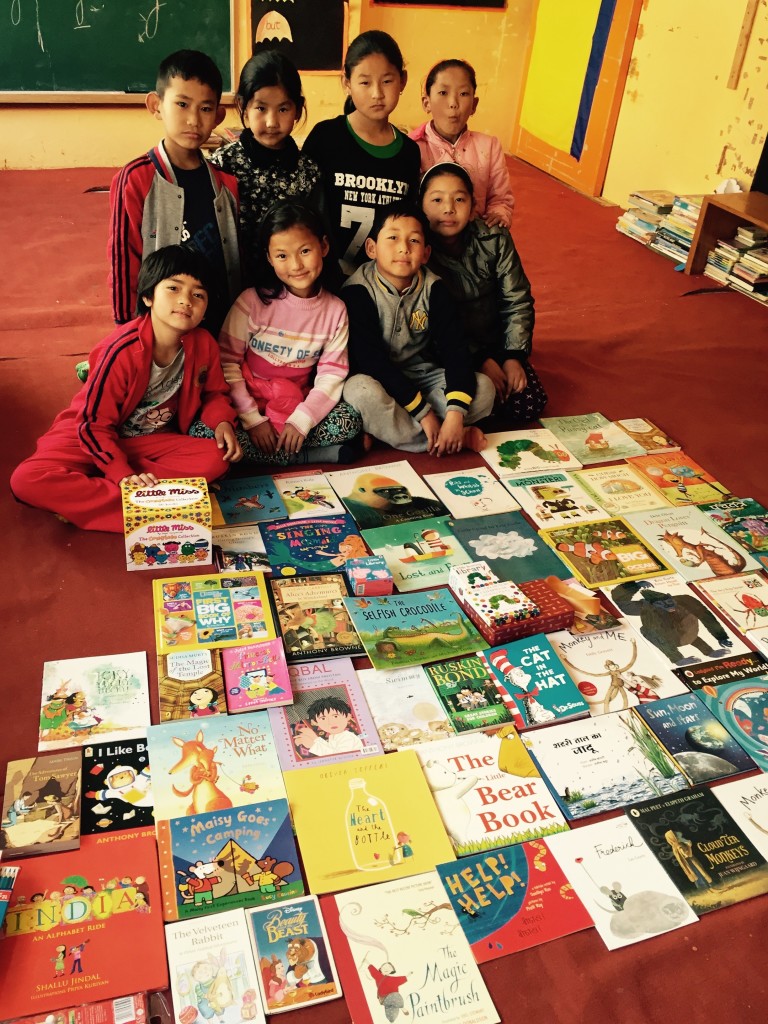
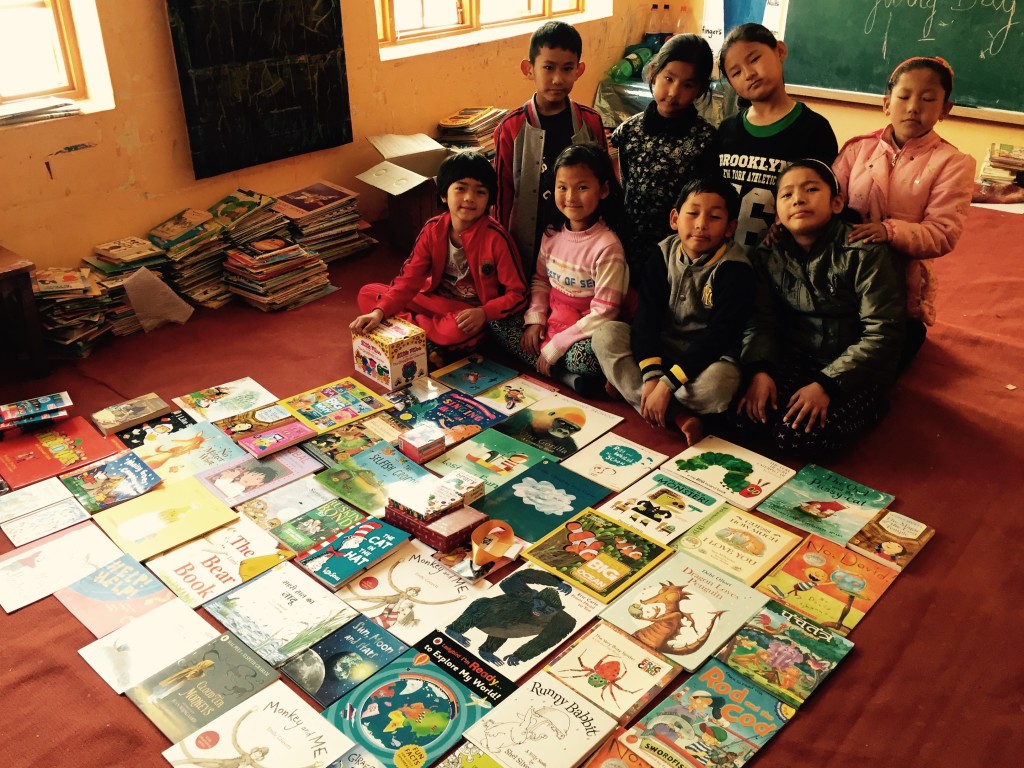
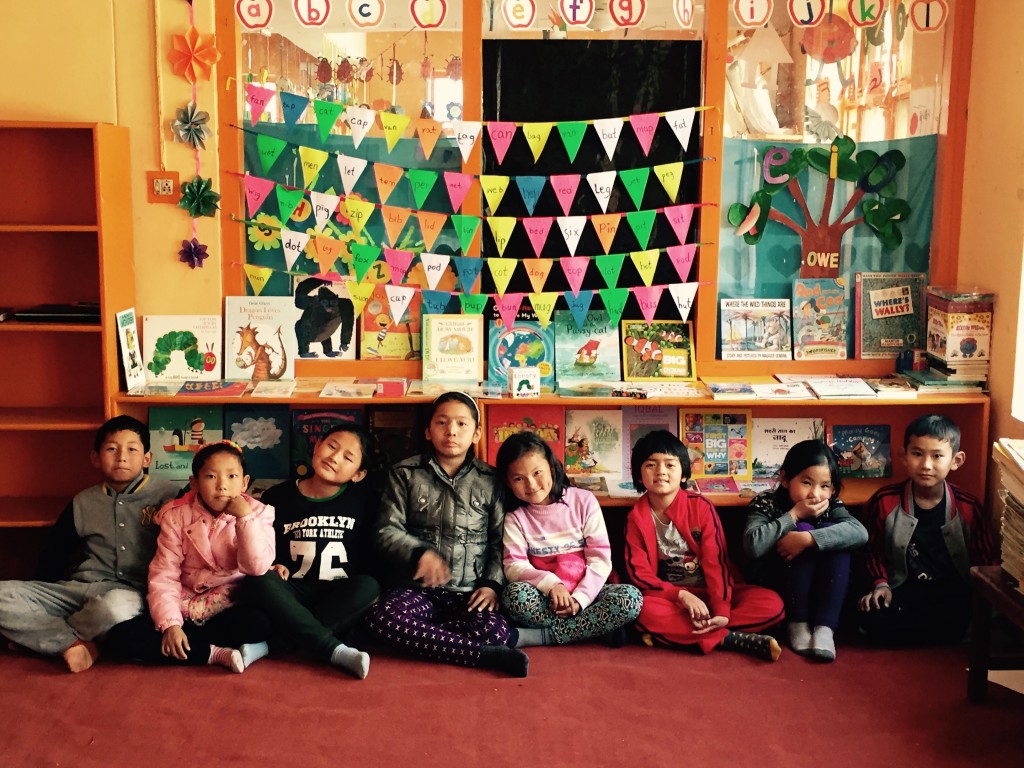
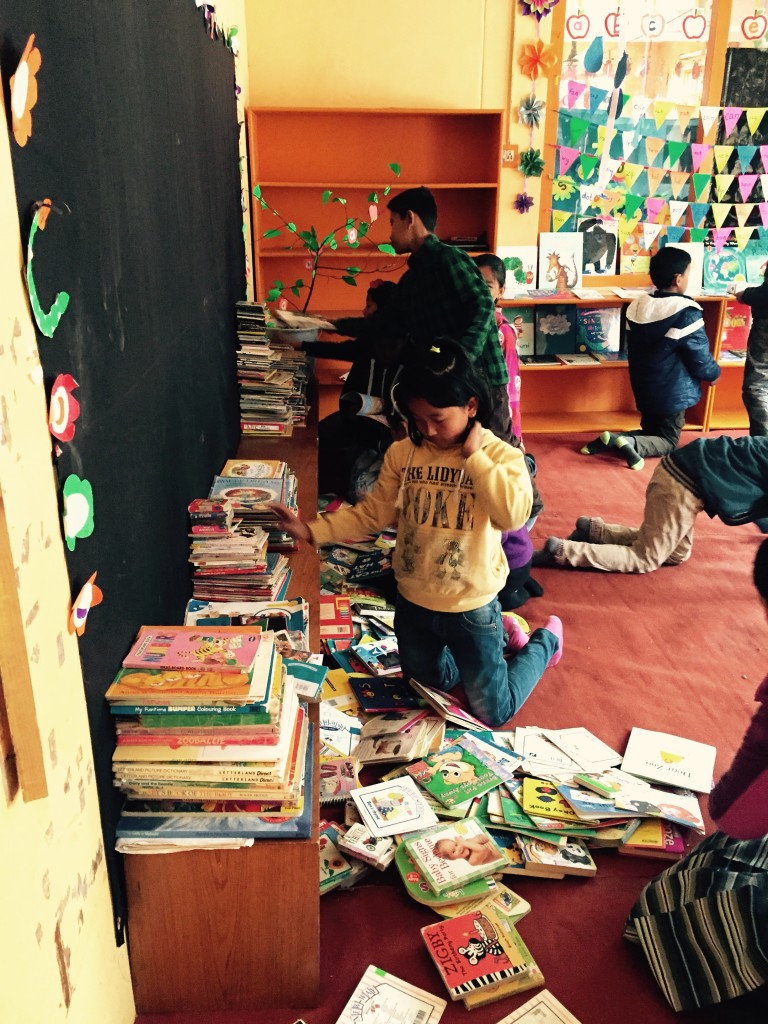
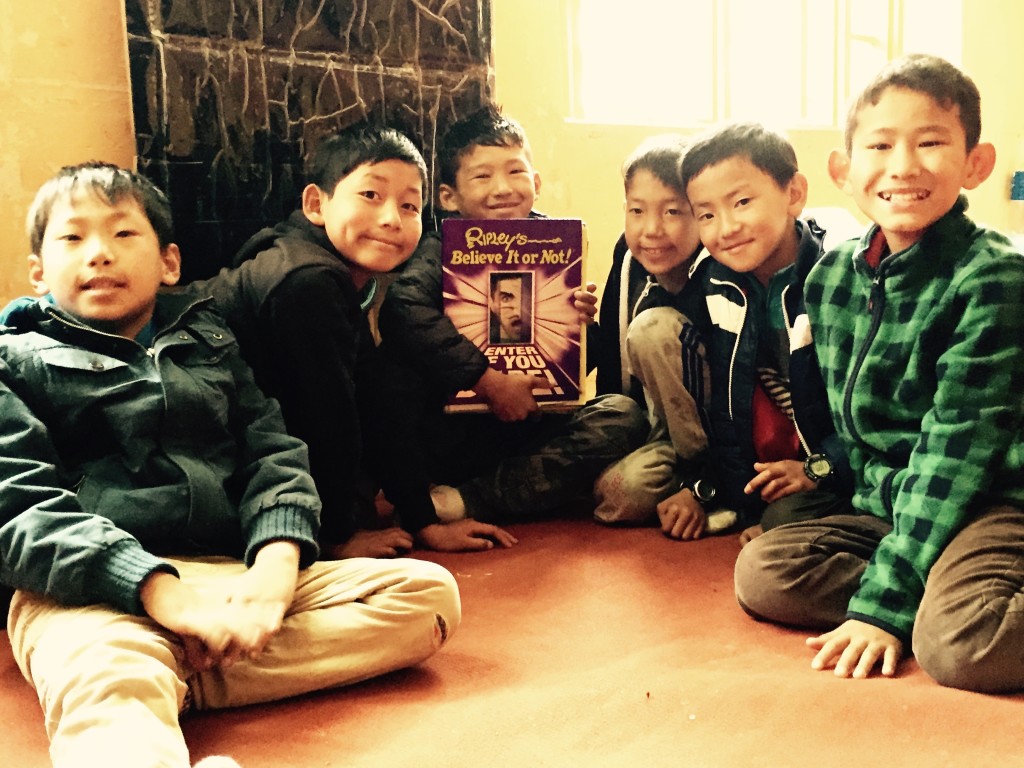
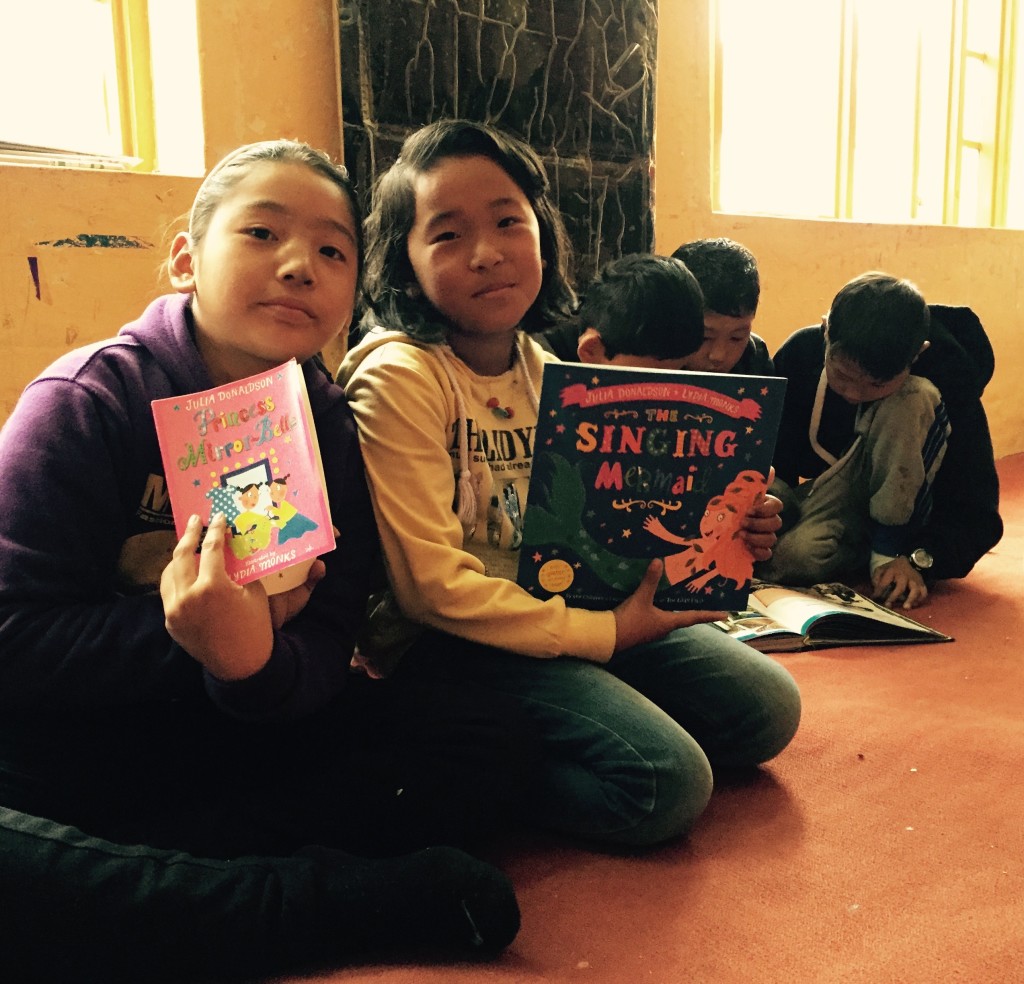
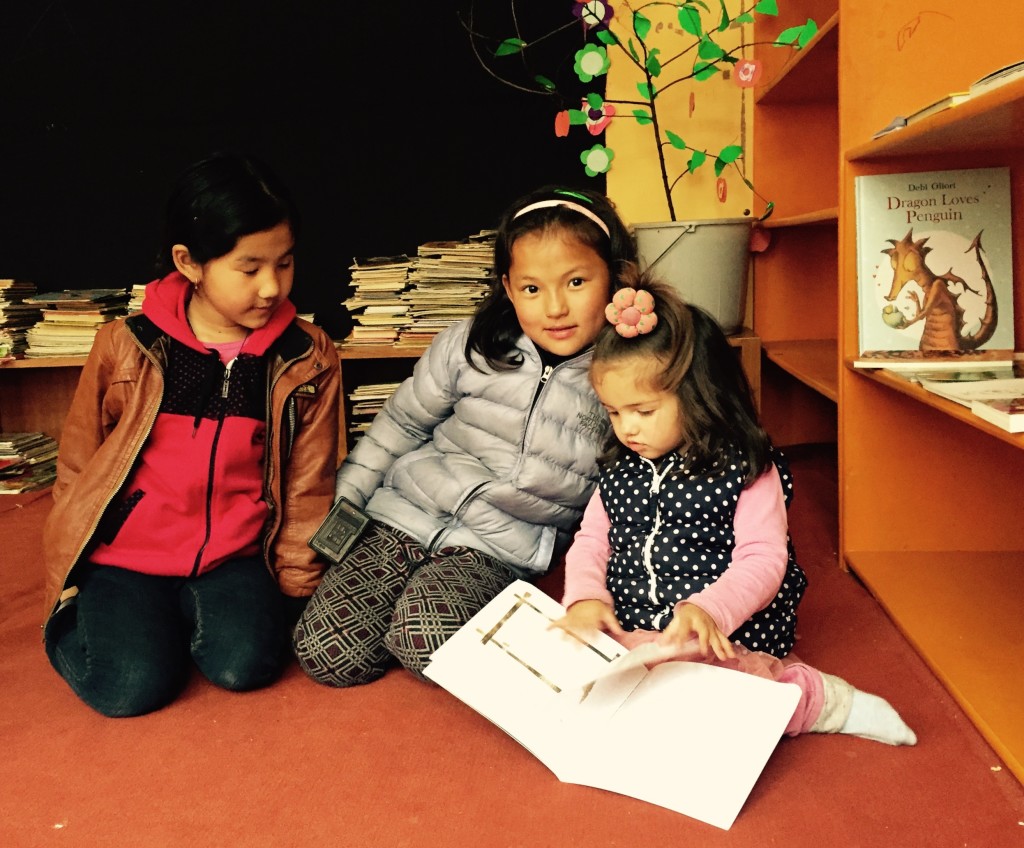
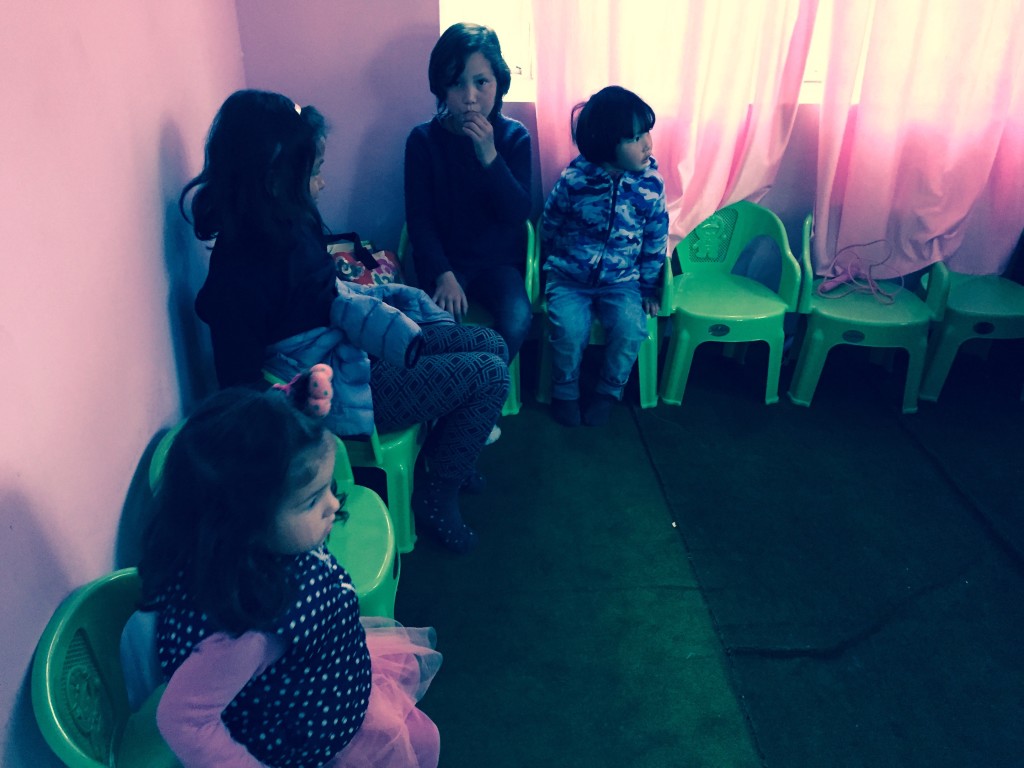
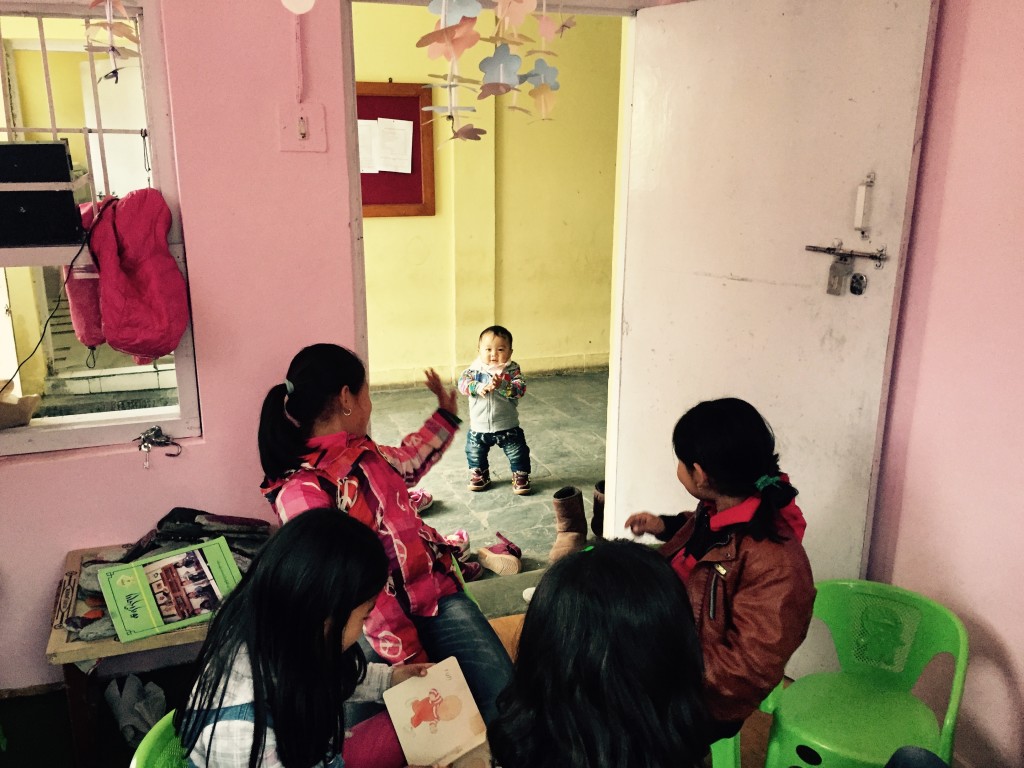
When a reading room opens, its impact often reaches beyond the children who first enter it. Younger students may listen to older readers. Monks may discover new subjects. Parents may see their children becoming more confident with language. Volunteers can learn which books attract attention and which materials need to be introduced gradually.
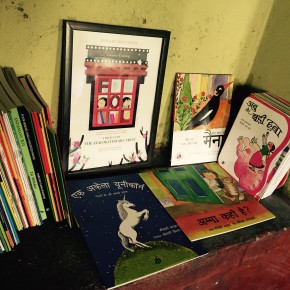
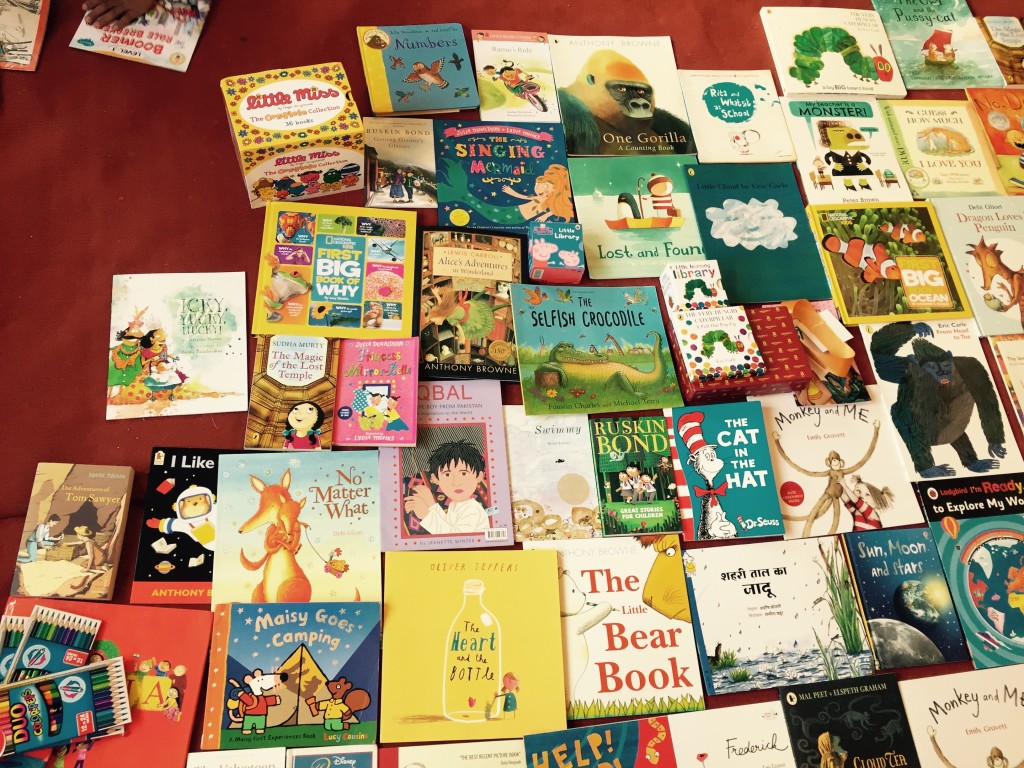
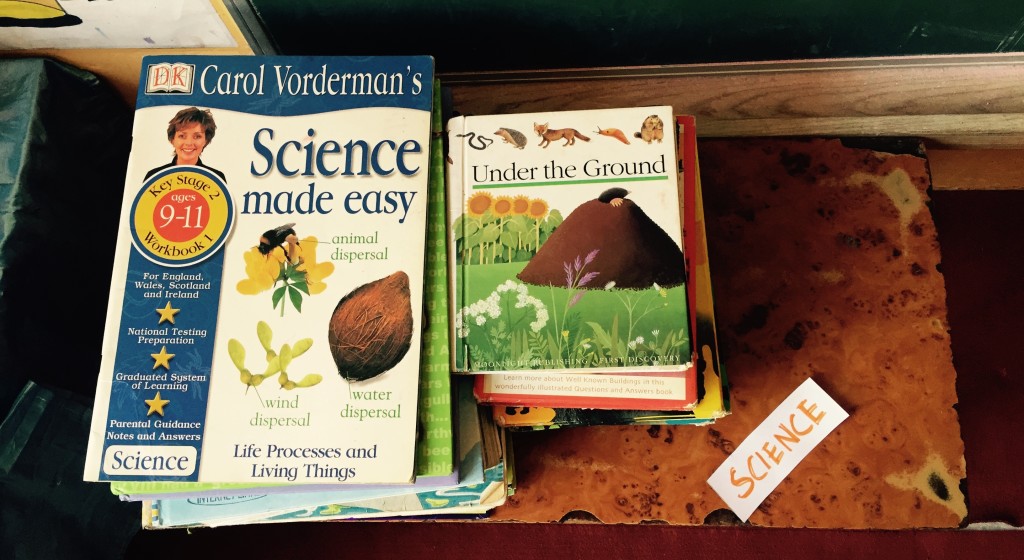
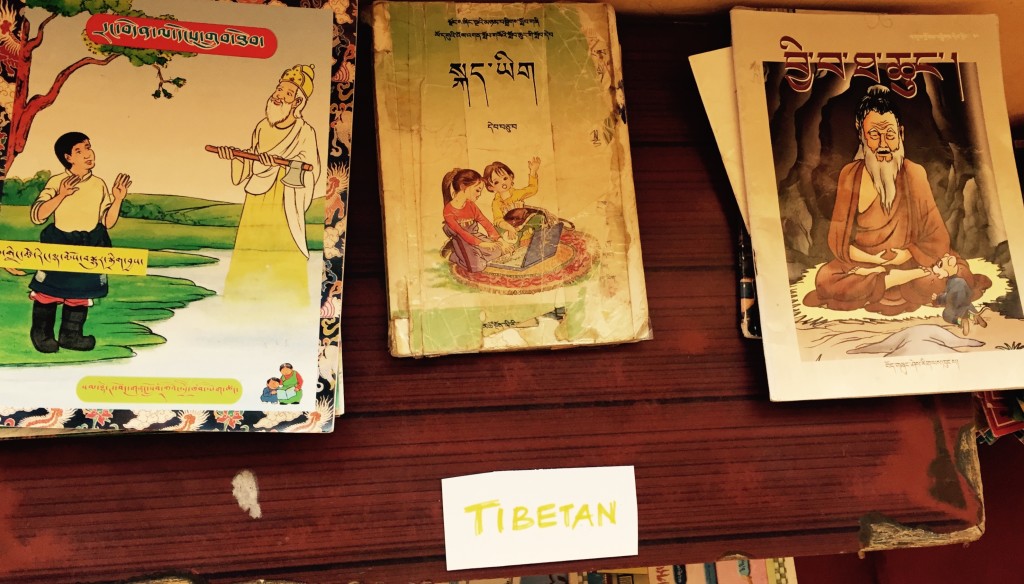
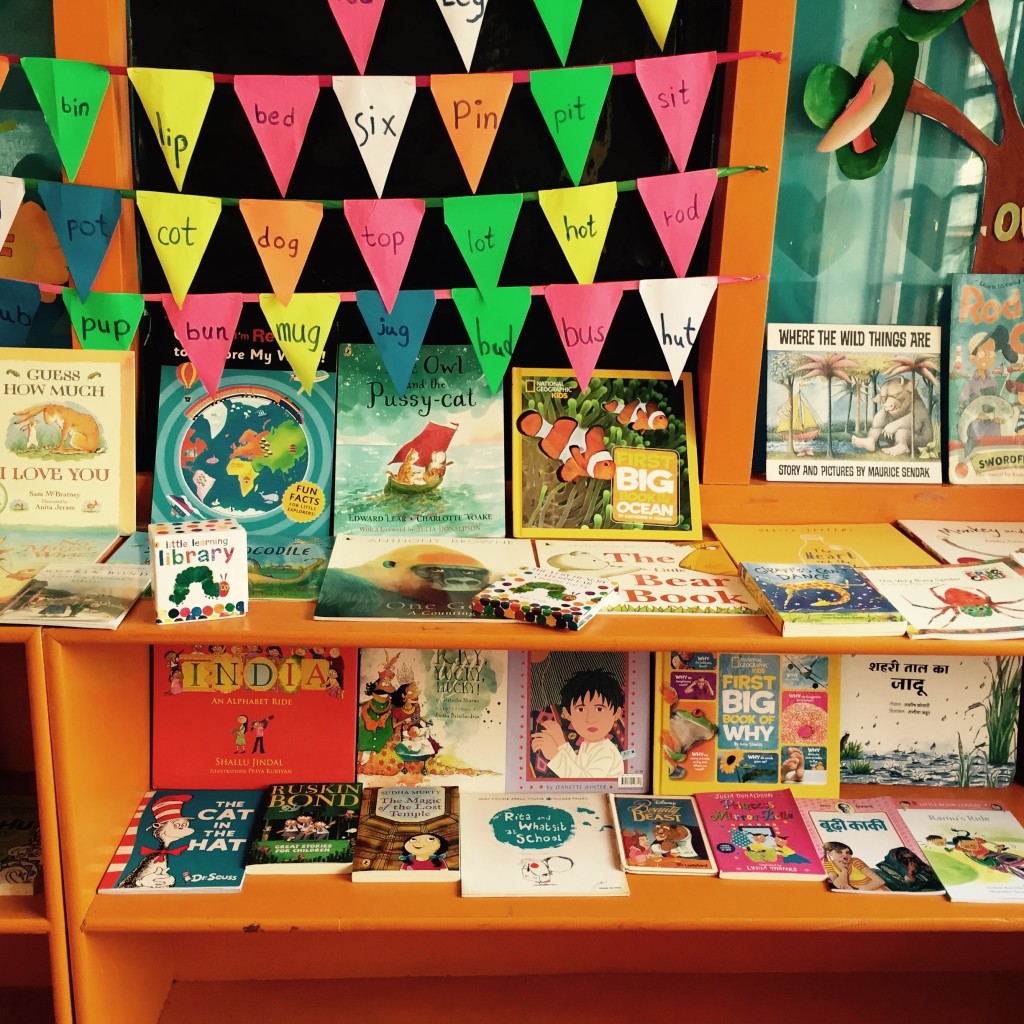
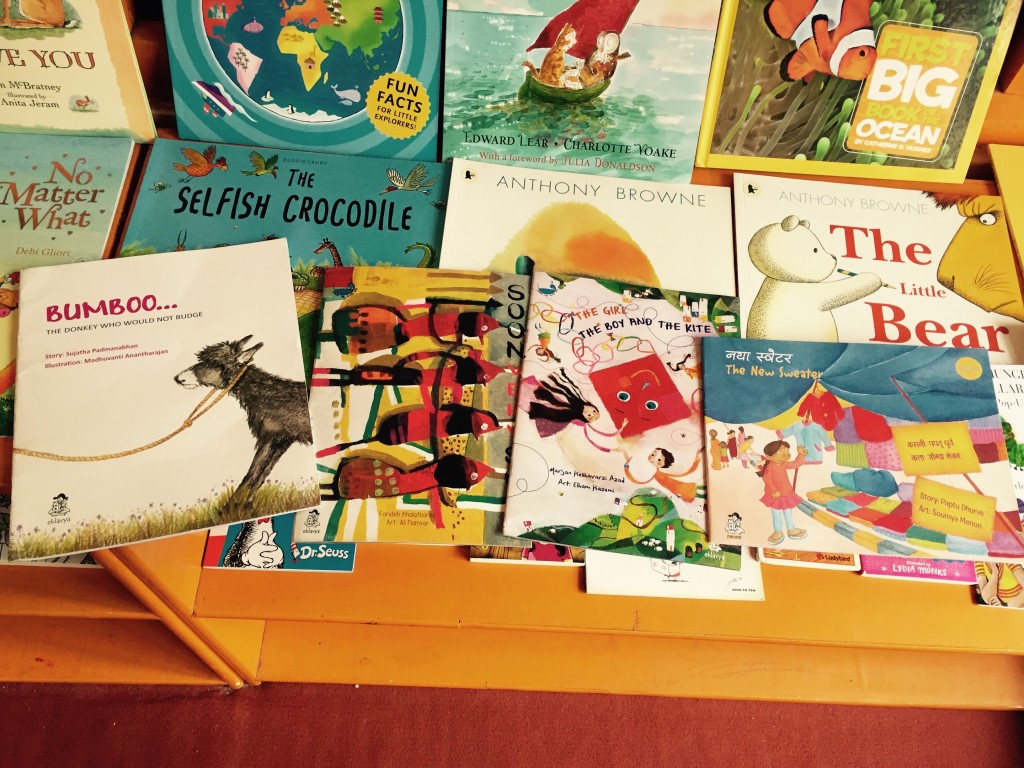
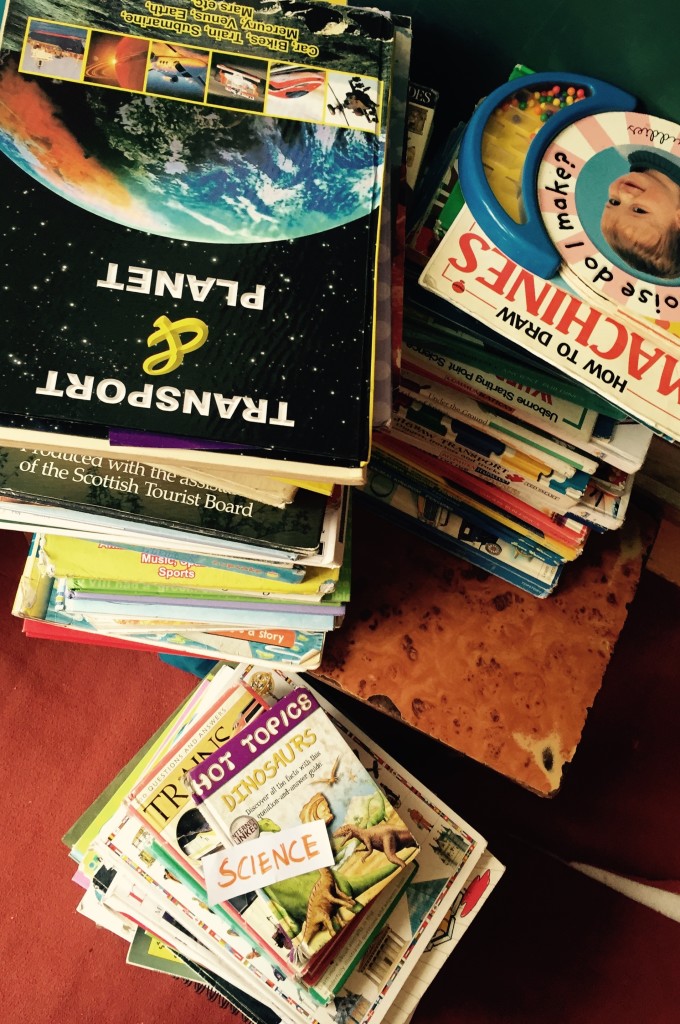
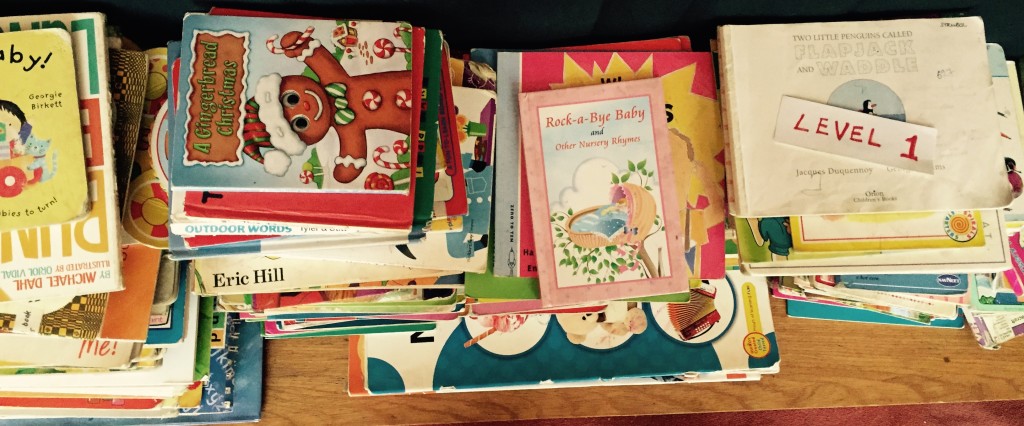
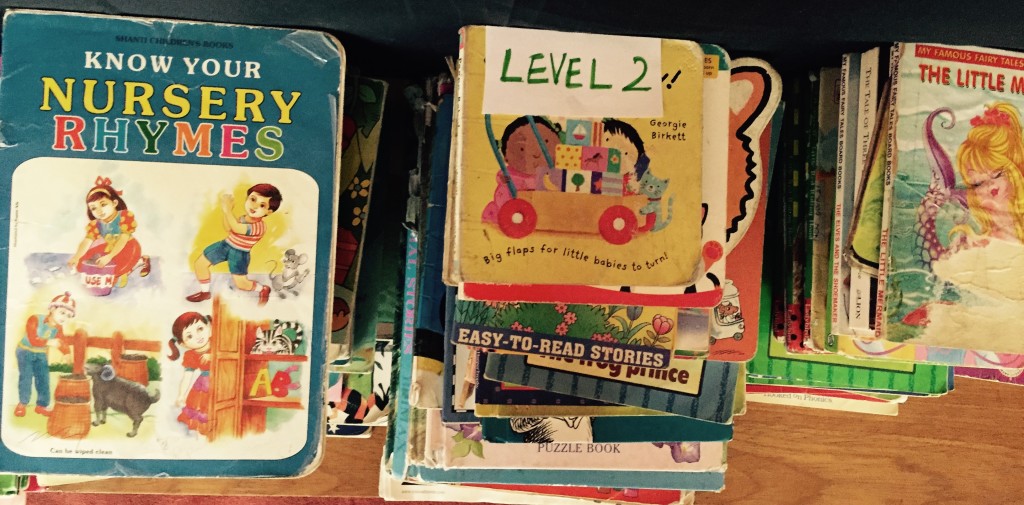
The most effective spaces are warm, accessible, and responsive to local needs. Books should reflect different ages and interests, including folktales, illustrated stories, biographies, nature, history, poetry, and practical subjects. A child who does not connect with one book should have the freedom to choose another.
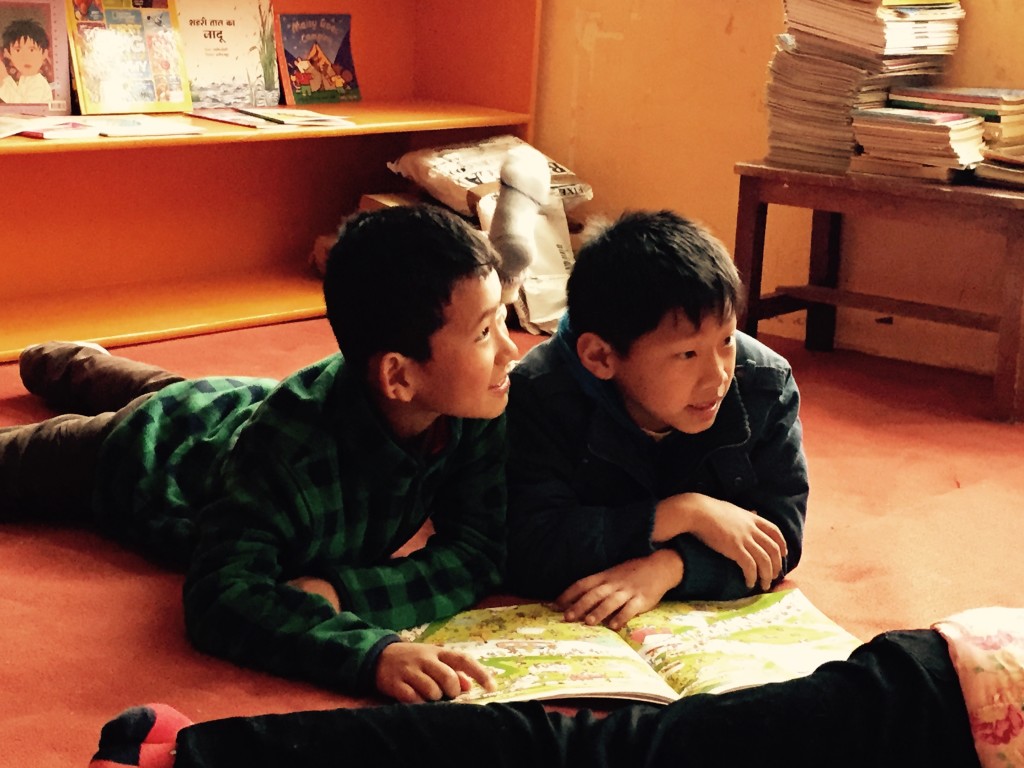
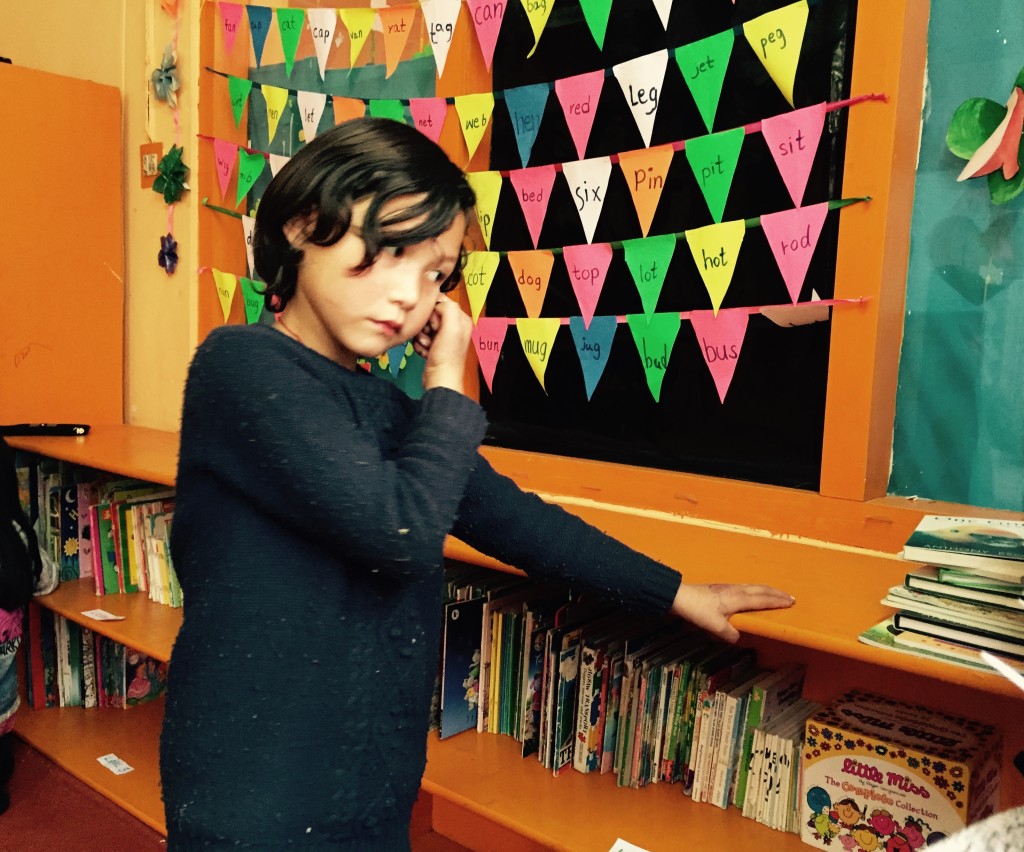
For the girl who walked three miles, the reading room represented possibility. It meant that her desire to read was recognized and supported. It also meant she was no longer pursuing that interest alone; other children could gather around the same shelves and share the experience.
Stories Grow Through Art And Music
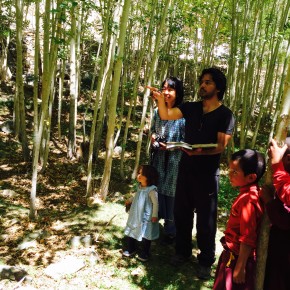
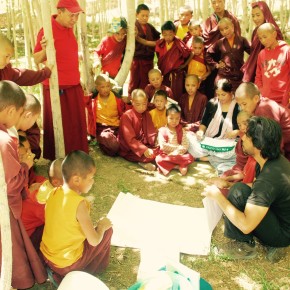
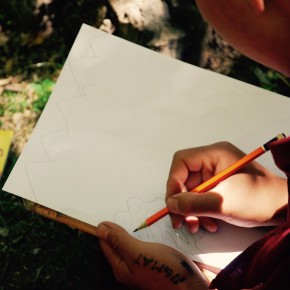
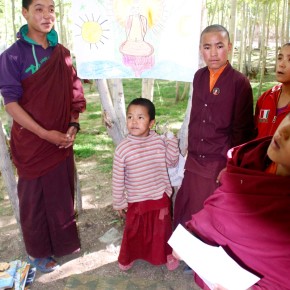
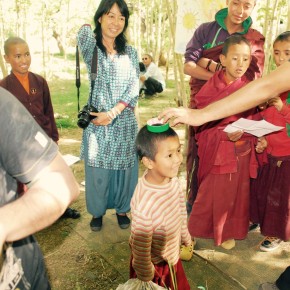
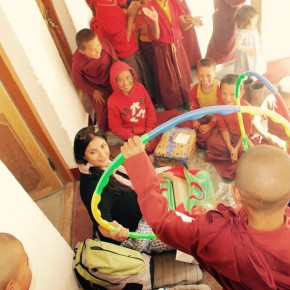
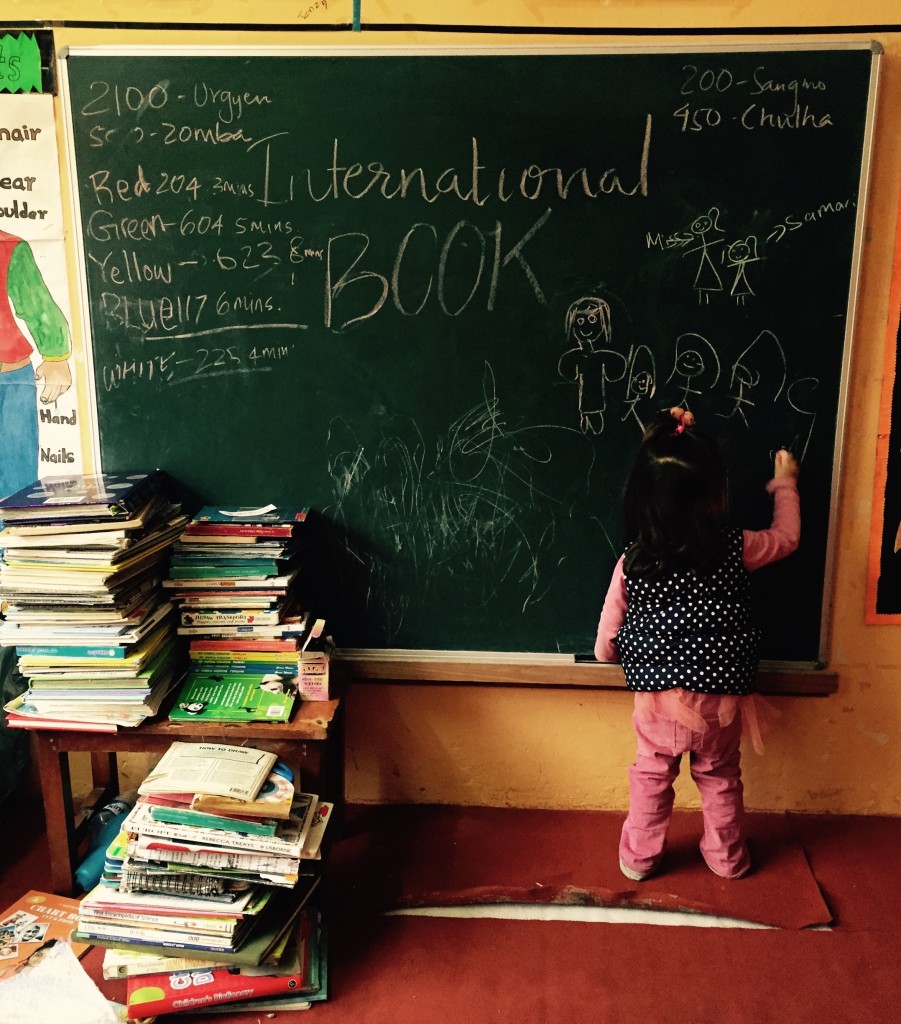
Reading becomes especially memorable when children can respond creatively. After a story, they might draw a character, paint a mountain landscape, act out a scene, write a different ending, or create music inspired by the mood of the book. These activities give children several ways to understand and express what they have read.
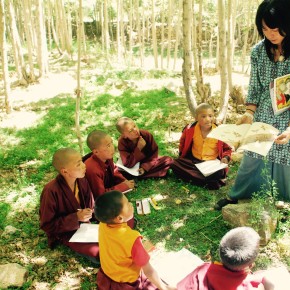
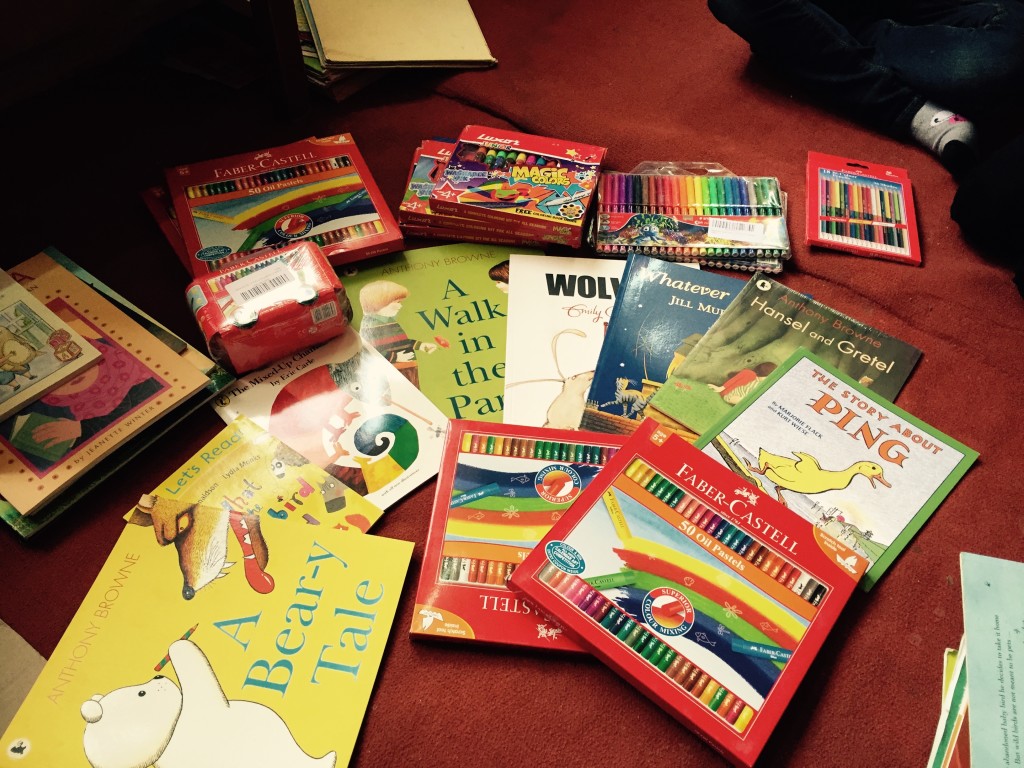
Creative workshops are valuable for children who may feel hesitant about reading aloud or writing long responses. A drawing can reveal careful observation. A song can show emotional understanding. A group performance can build cooperation and public confidence. This is why Avalokiteśvara Trust pairs books with reading and art activities in its work with children.
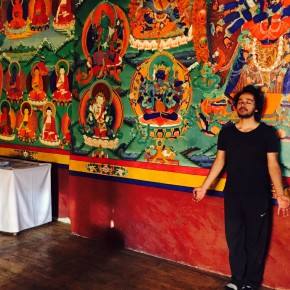
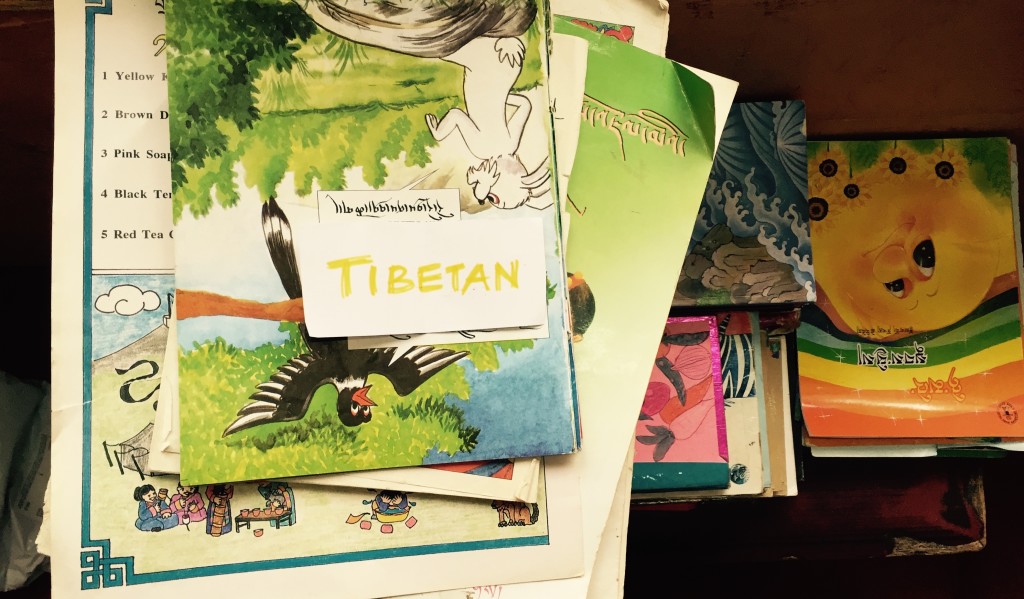
Art also helps connect books to local culture. Himalayan landscapes, traditional music, monastery life, family stories, and village celebrations can all become part of a child’s creative response. Reading then feels rooted in the child’s own world, even as it opens a window onto places far away.
What A Single Book Can Set In Motion
A book does not solve every barrier to education, but it can begin a chain of positive changes. The comparison below shows how a small resource can influence a child, a family, and a wider community when access is consistent.
| Without Regular Book Access |
With A Community Reading Space |
| Reading is limited to school texts |
Children can explore stories, facts, poetry, and art books |
| Curiosity may have no immediate outlet |
Children can choose books that match their interests |
| Learning can feel solitary |
Friends, teachers, volunteers, and monks can read together |
| Creative expression is less connected to reading |
Stories can lead to drawing, music, drama, and discussion |
| Families may struggle to find affordable materials |
A shared collection provides ongoing access at no cost |
The child who walks a long distance for one book may inspire others to visit, borrow, and return. Over time, a single reading room can help create a culture in which books are shared, cared for, and expected. Children begin to see learning as something they can pursue beyond the classroom.
That cultural shift is especially meaningful for young monks and children in remote settlements. Educational support should include space for imagination and personal discovery, alongside formal lessons. Access to books gives young people tools for reflection, communication, and a wider understanding of the world.
Practical Ways To Support Young Readers
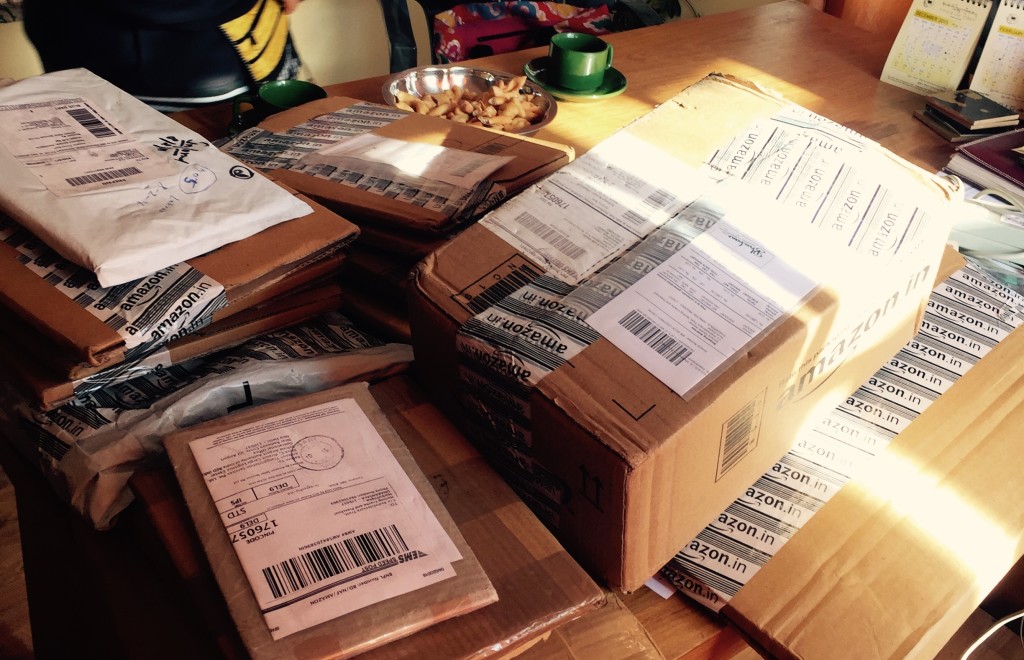
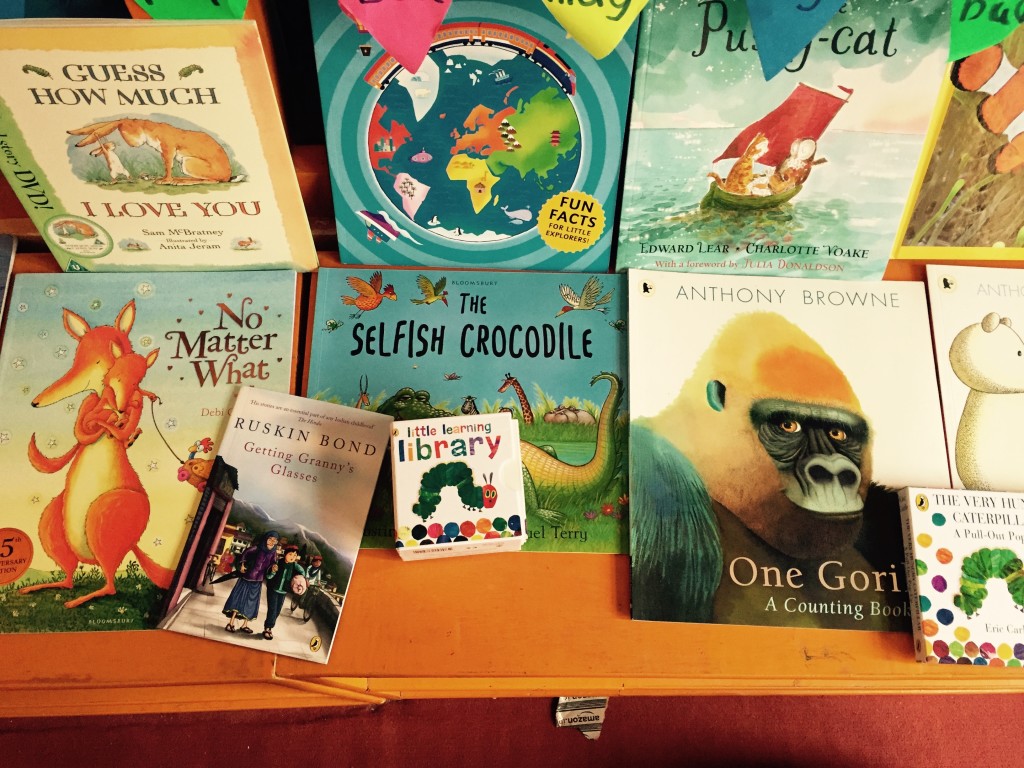
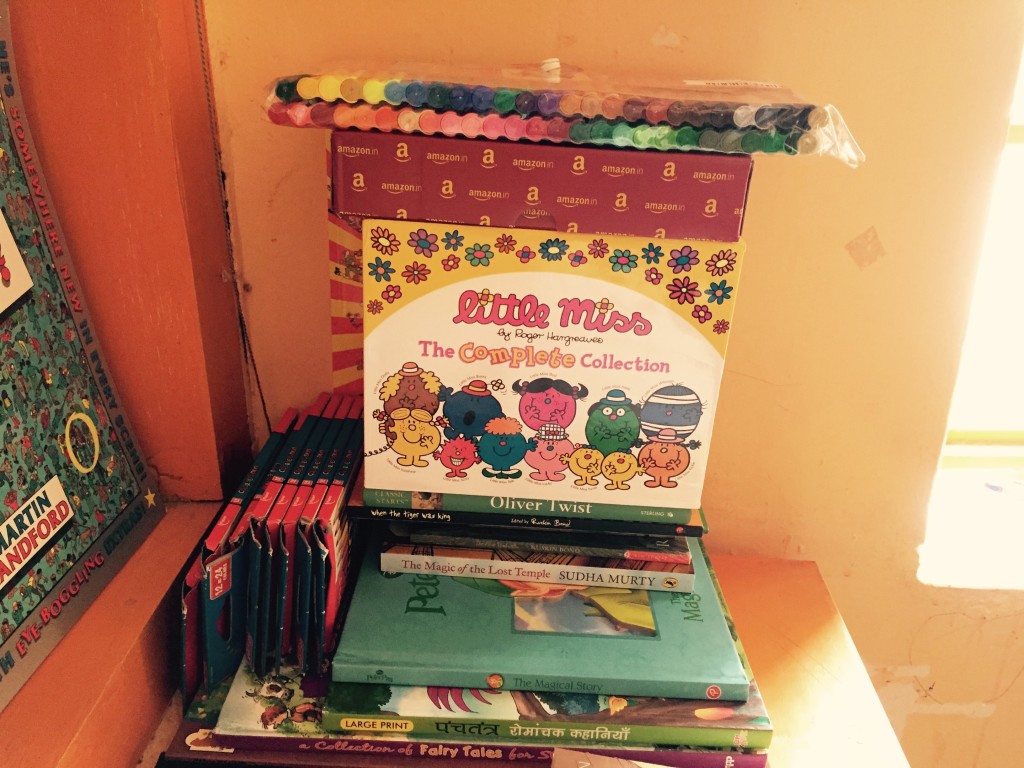
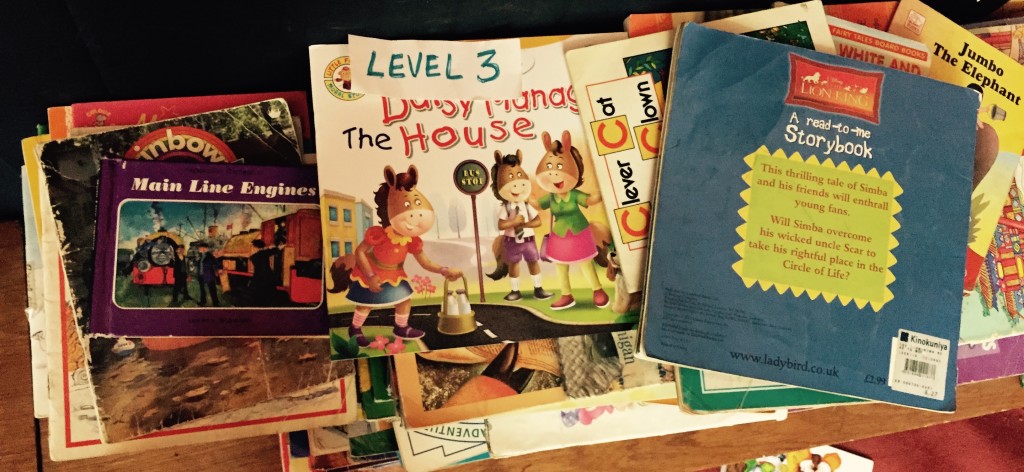
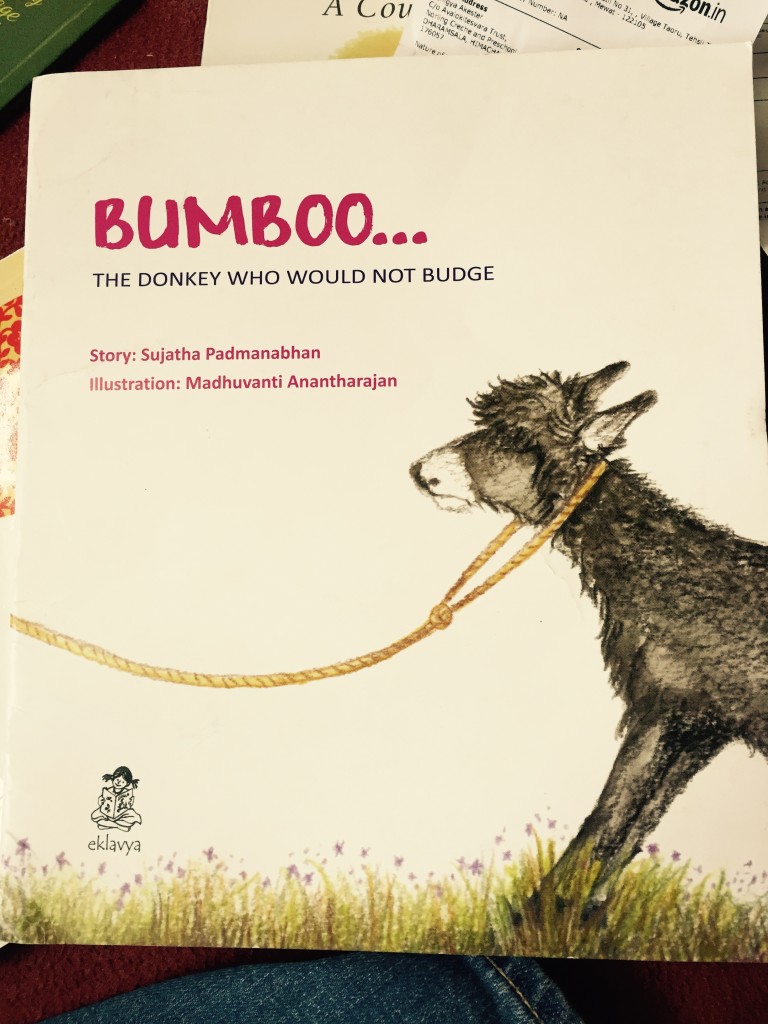
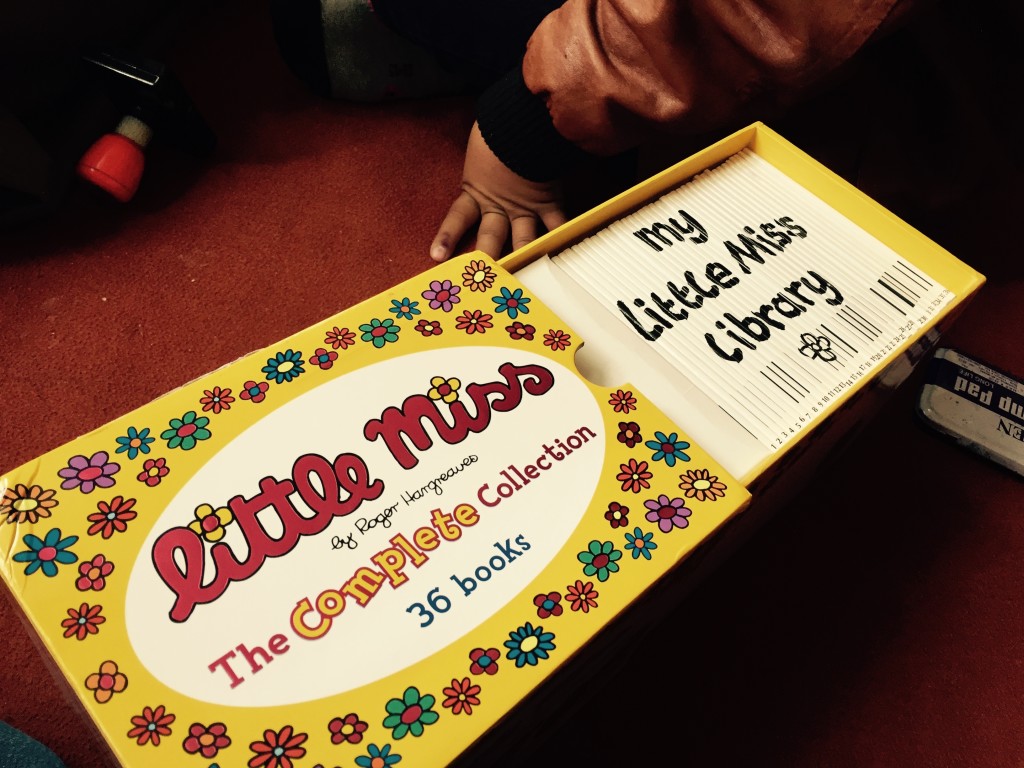
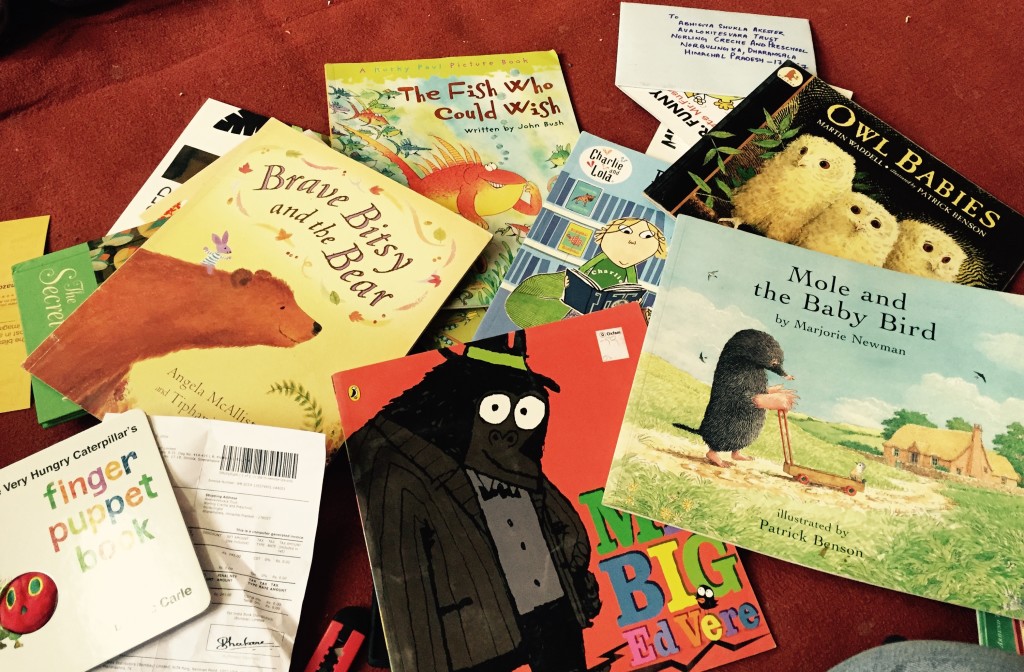
A book drive is most useful when it responds to real needs. Durable books in good condition, age-appropriate stories, visual materials, and subjects that complement school learning can all strengthen a reading collection. Local staff and educators are best placed to identify what children are ready to read and what they are asking to find.
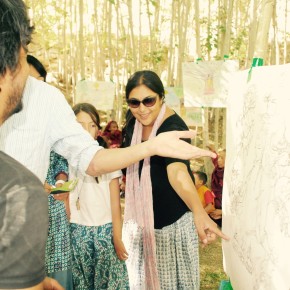
Support can also extend beyond donating books. Volunteers may help organize shelves, lead reading sessions, facilitate creative workshops, or document the progress of a community project. Donors can contribute to transport, room maintenance, educational supplies, and the ongoing development of collections.
Useful forms of support include:
- Donate high-quality children’s books suited to different reading levels.
- Sponsor a reading room or contribute to library materials and upkeep.
- Support workshops combining literacy, painting, music, and storytelling.
- Volunteer skills in reading support, arts activities, photography, or community education.
- Share stories from Himalayan education projects to build wider awareness.
Every contribution should preserve the dignity and choice of the children being served. The goal is not to send materials without context, but to help create places where young readers can select books, ask questions, and develop their own interests.
A Journey Worth Continuing
The little girl’s three-mile walk is memorable because it turns an abstract need into a human moment. We can picture her carrying the anticipation of a new story, following a familiar path, and arriving with the determination that has always driven children toward knowledge.
Her journey should not have to be repeated by every child who wants to read. With accessible reading rooms, thoughtful book collections, and creative learning programs, communities can bring books closer to the children who need them. The distance between a young reader and a world of ideas can become a welcoming doorway instead of a mountain path.
You can help shorten that distance by supporting Avalokiteśvara Trust’s literacy work in Ladakh and other Himalayan communities. A donated book, a volunteer hour, or a contribution toward a reading room can help ensure that the next child reaches a library through opportunity rather than necessity.