Why Reading And Art Belong Together In Himalayan Workshops
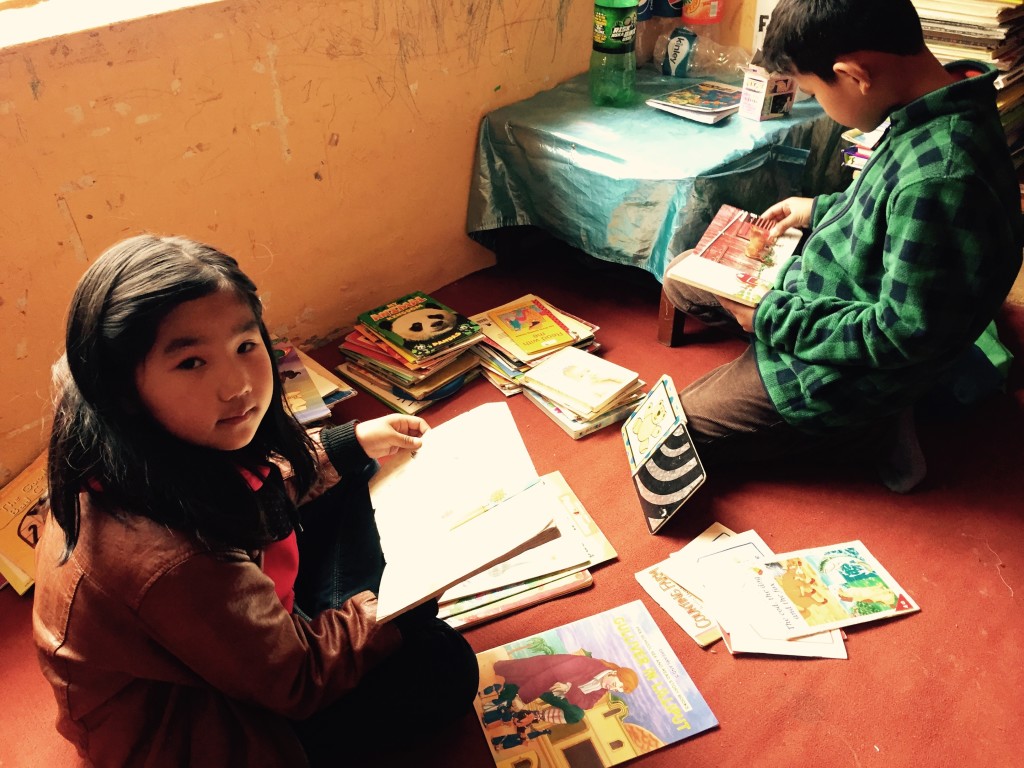
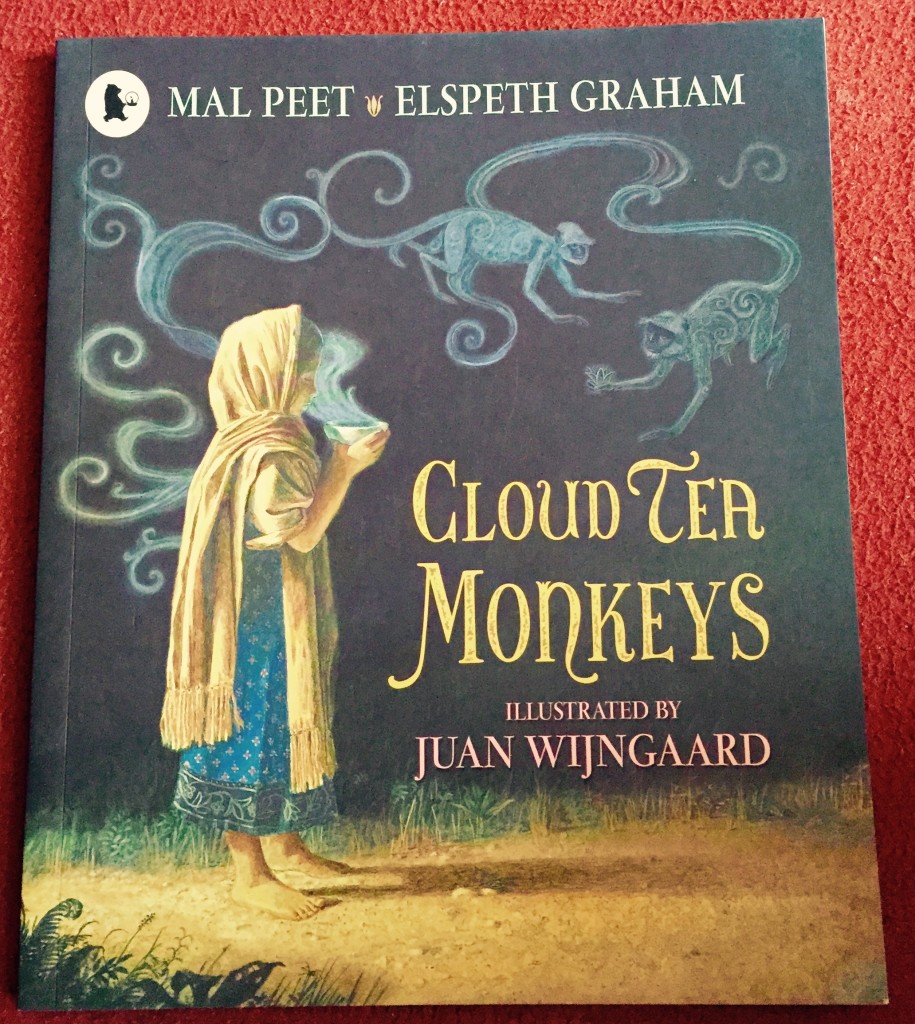
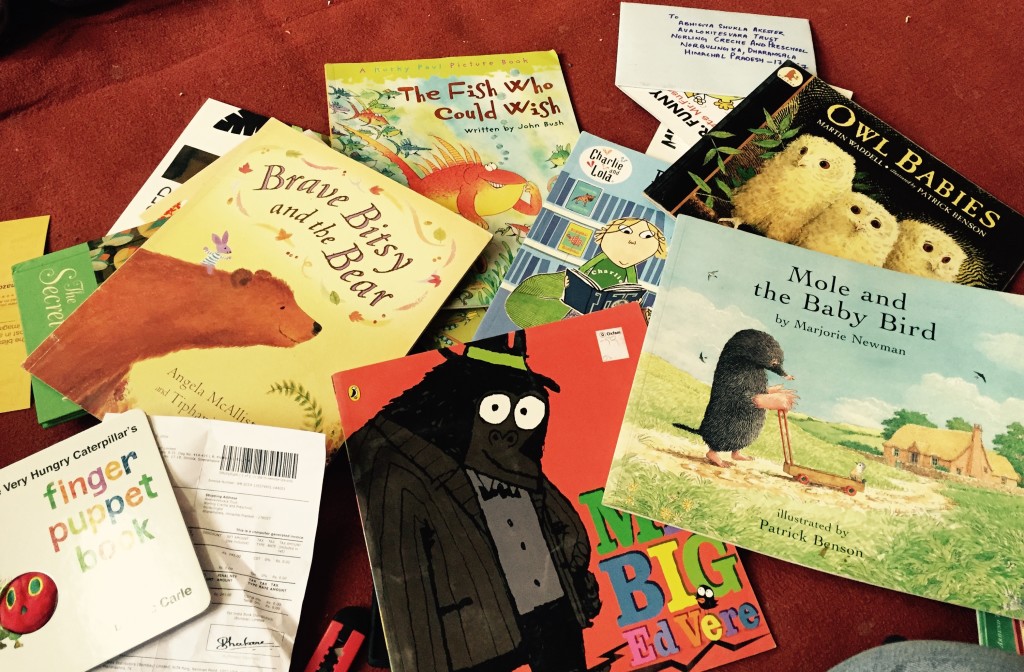
A book can open a door to a new place, voice, or idea. Art gives children another way to walk through that door. When reading and creative activity meet, stories become easier to remember, discuss, and connect with everyday life. This is especially meaningful in communities where children may have limited access to books, art materials, or spaces designed for open-ended learning.
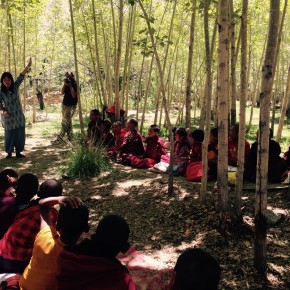
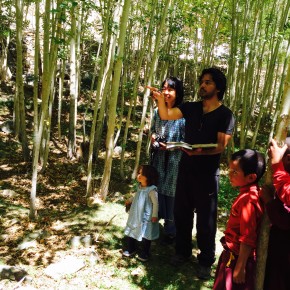
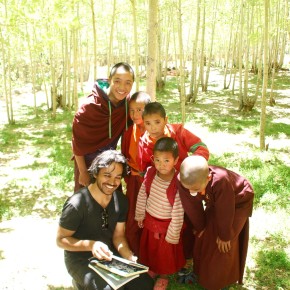
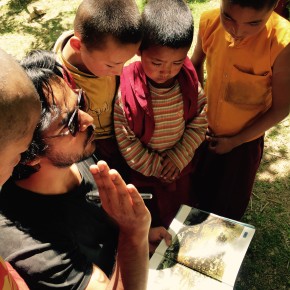
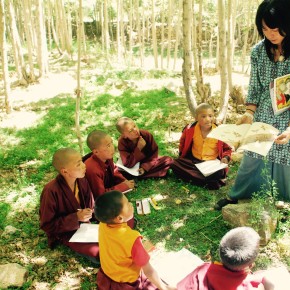
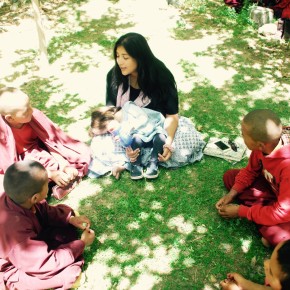
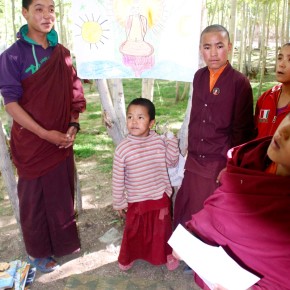
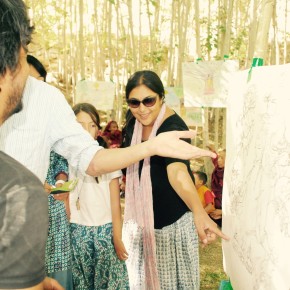
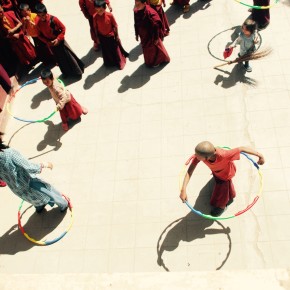
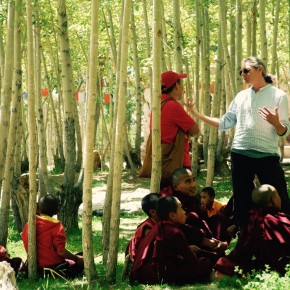
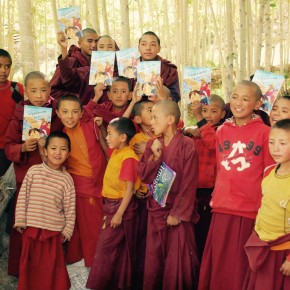
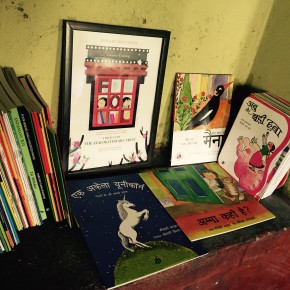
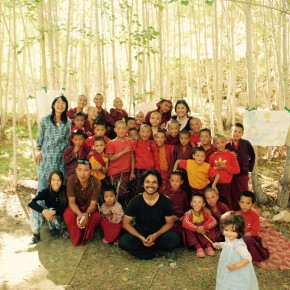
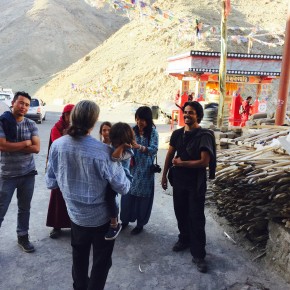
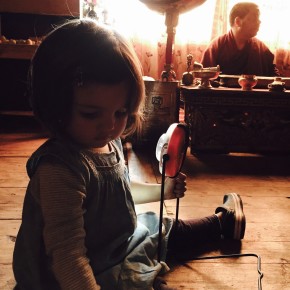
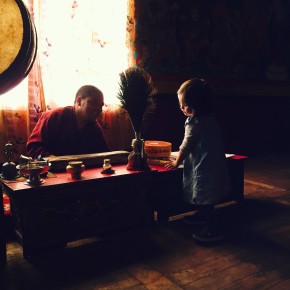
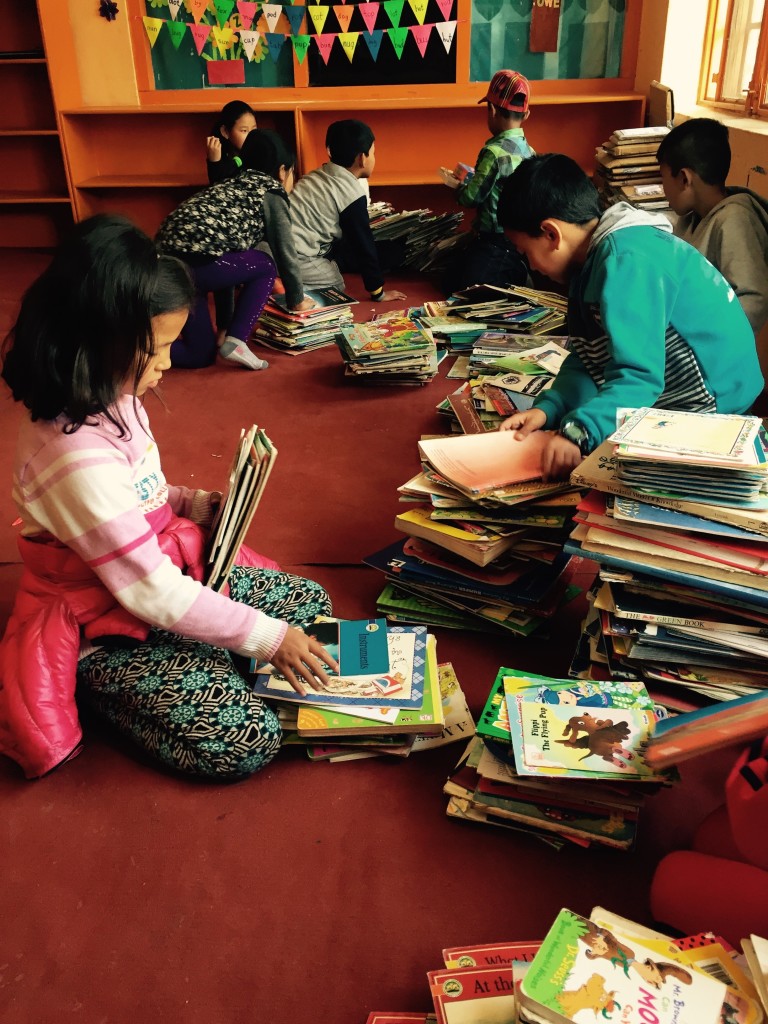
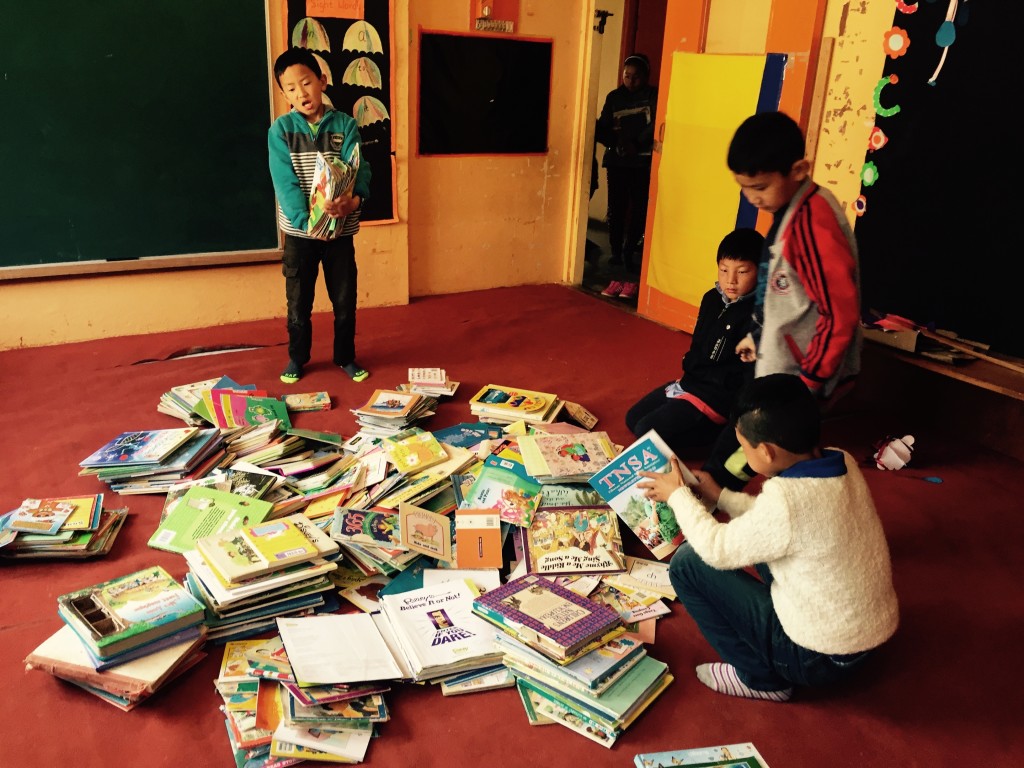
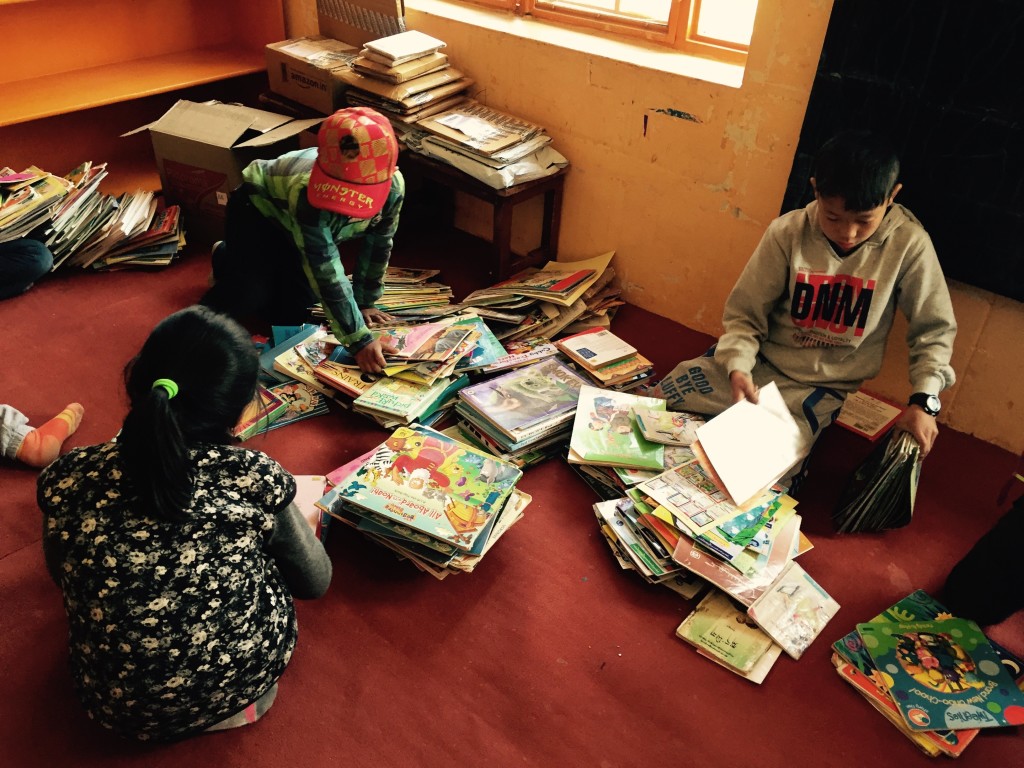
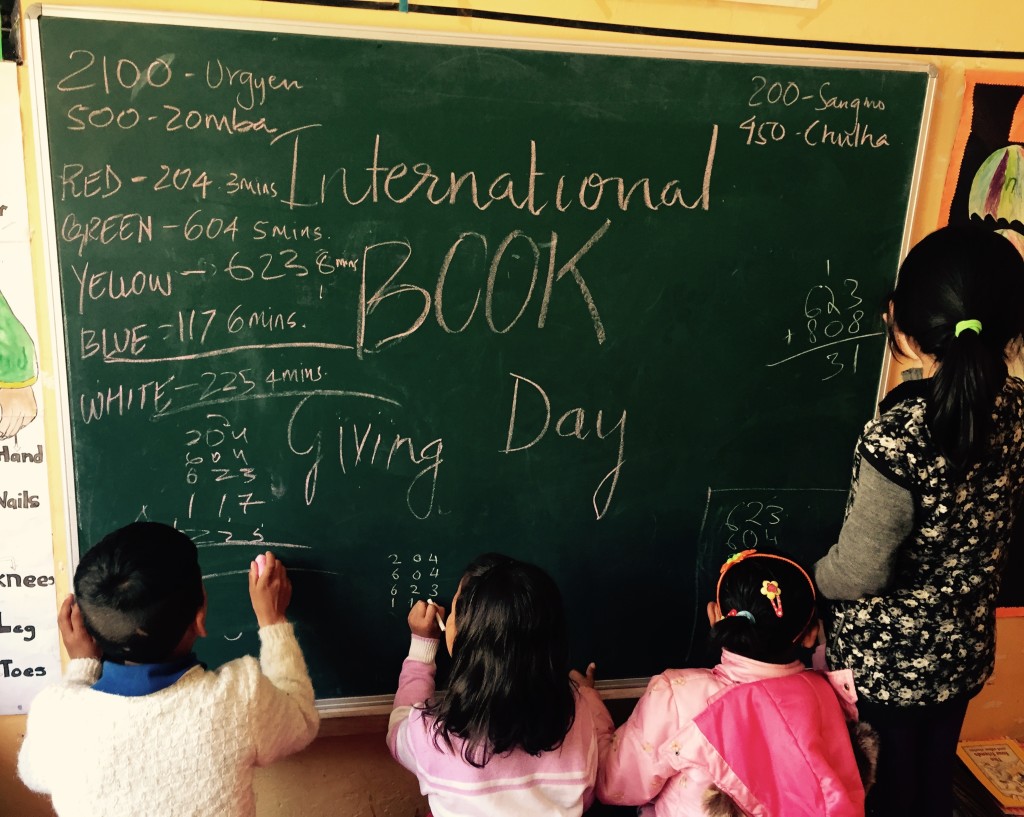
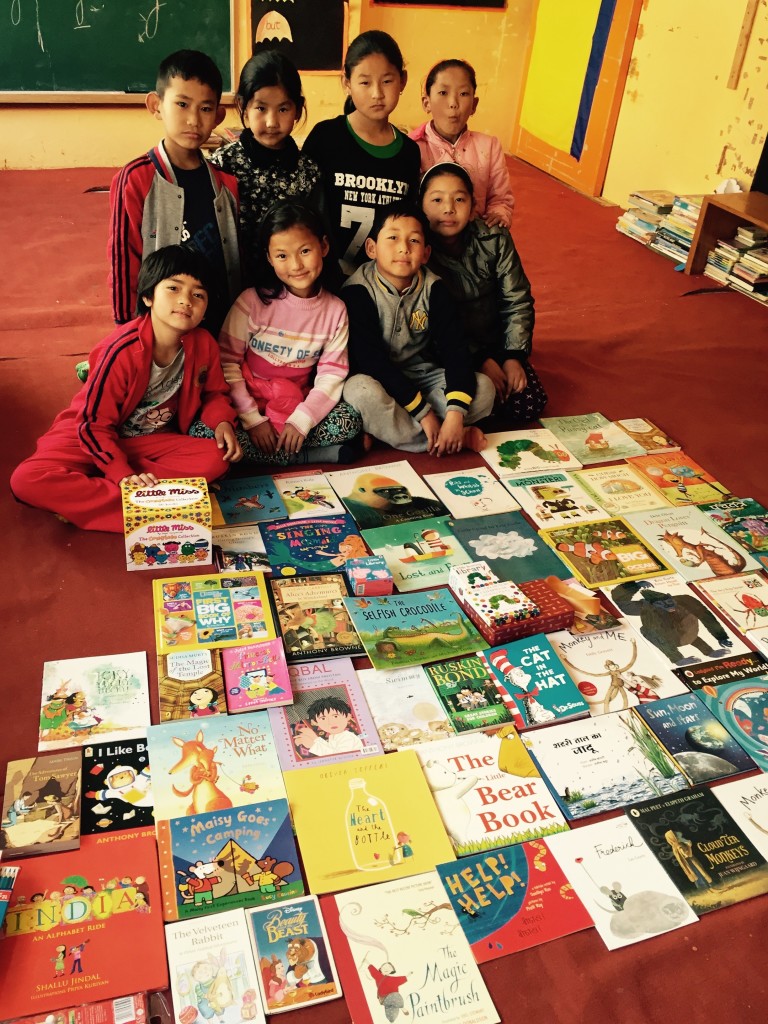
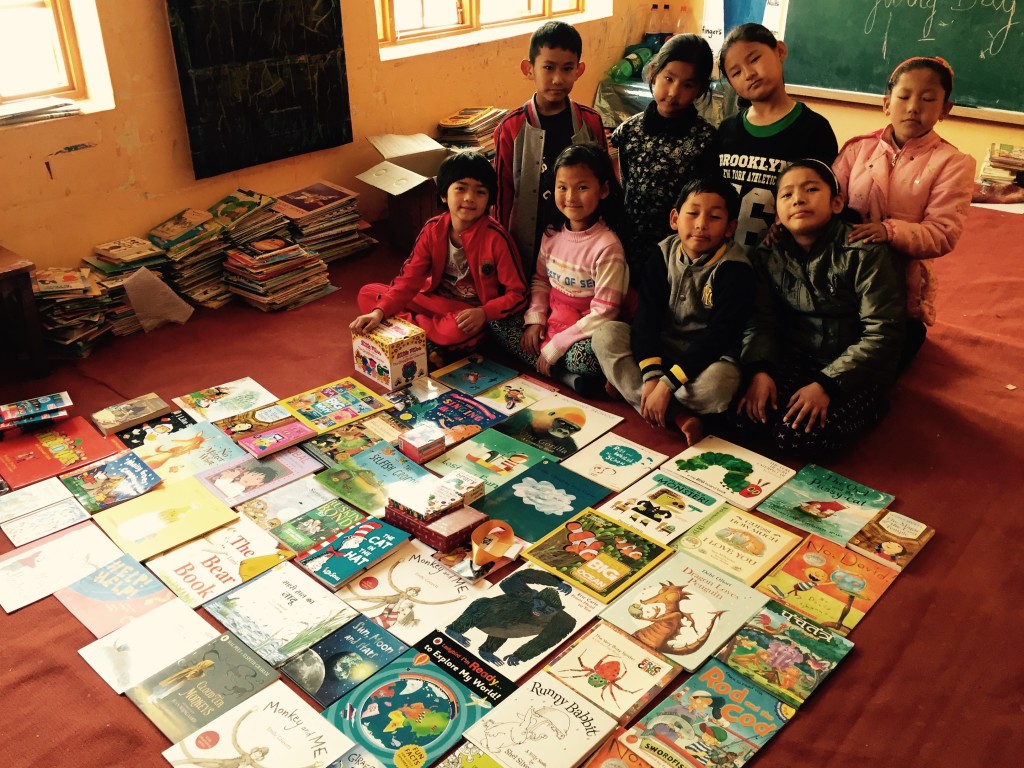
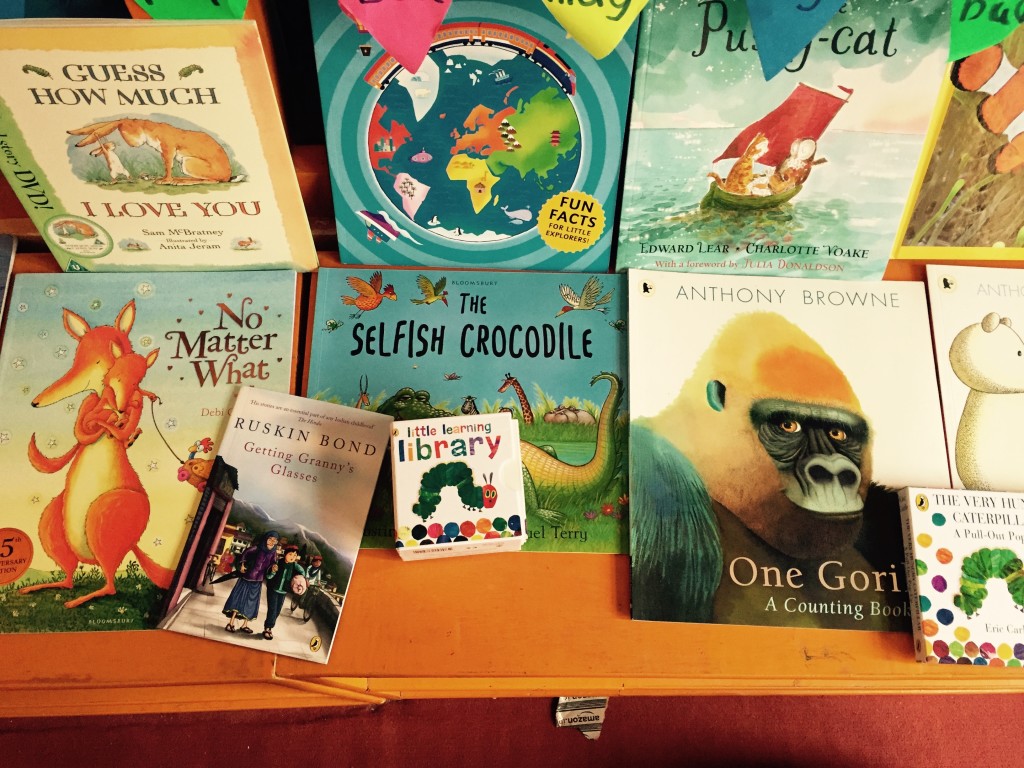
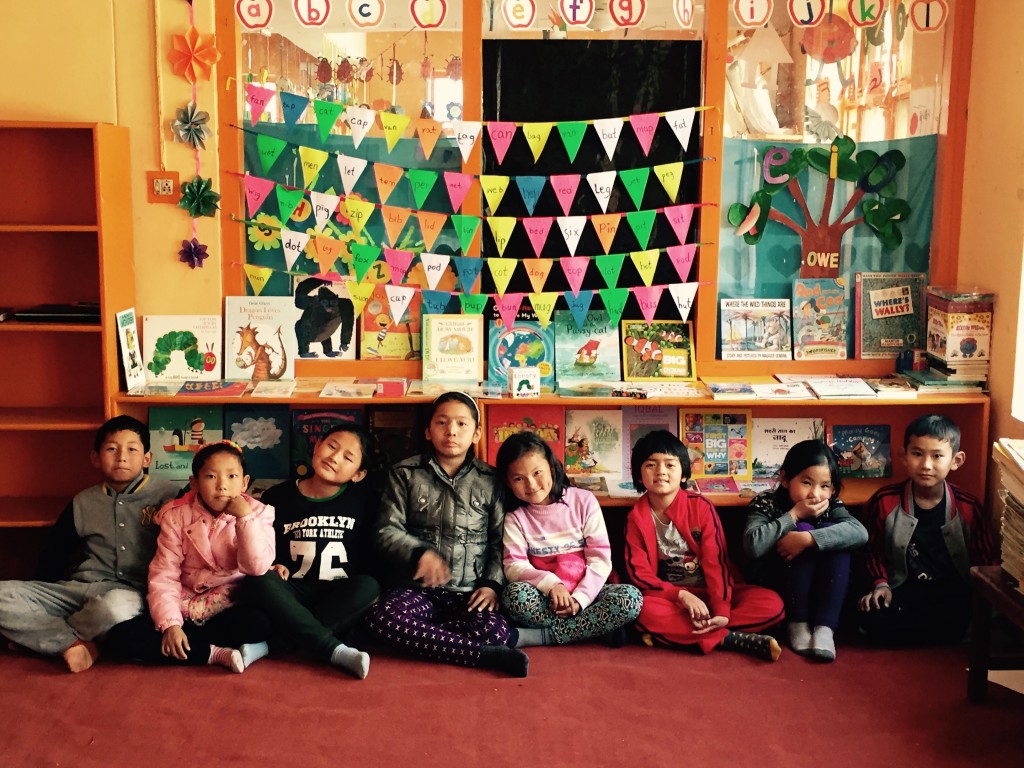
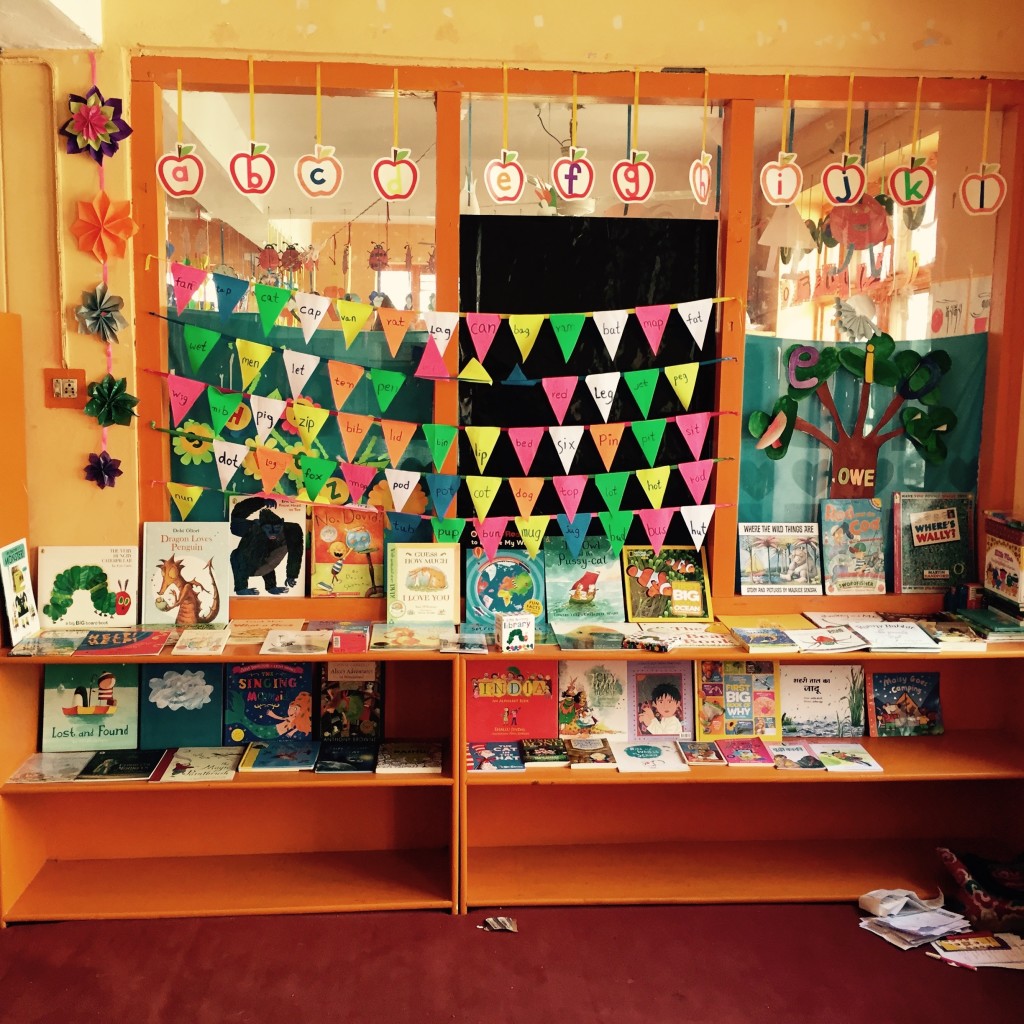
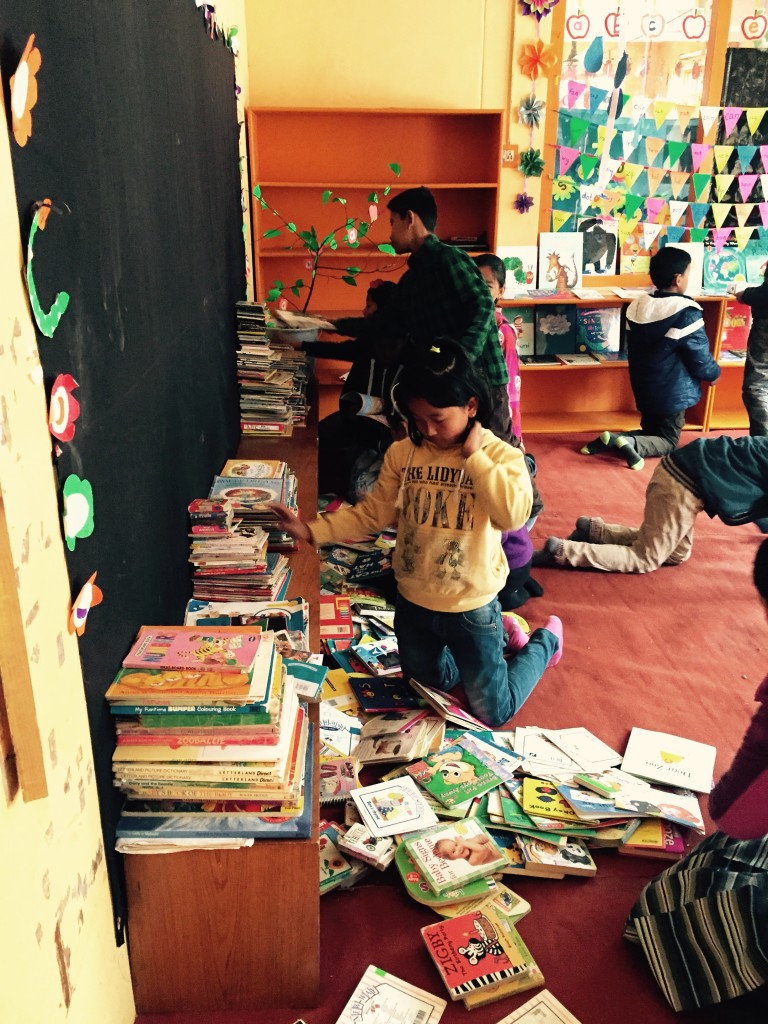
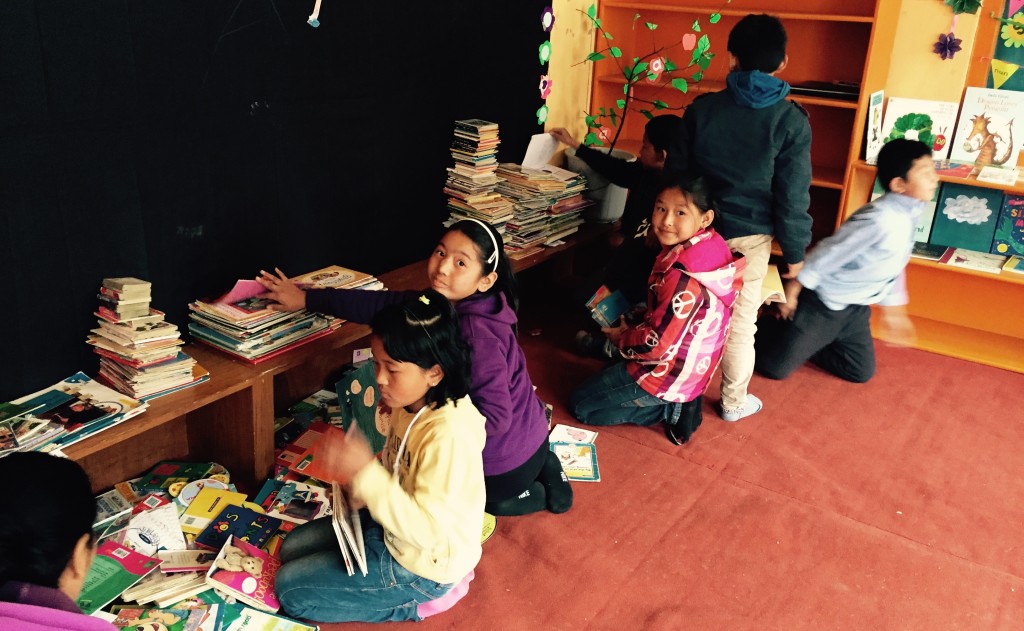
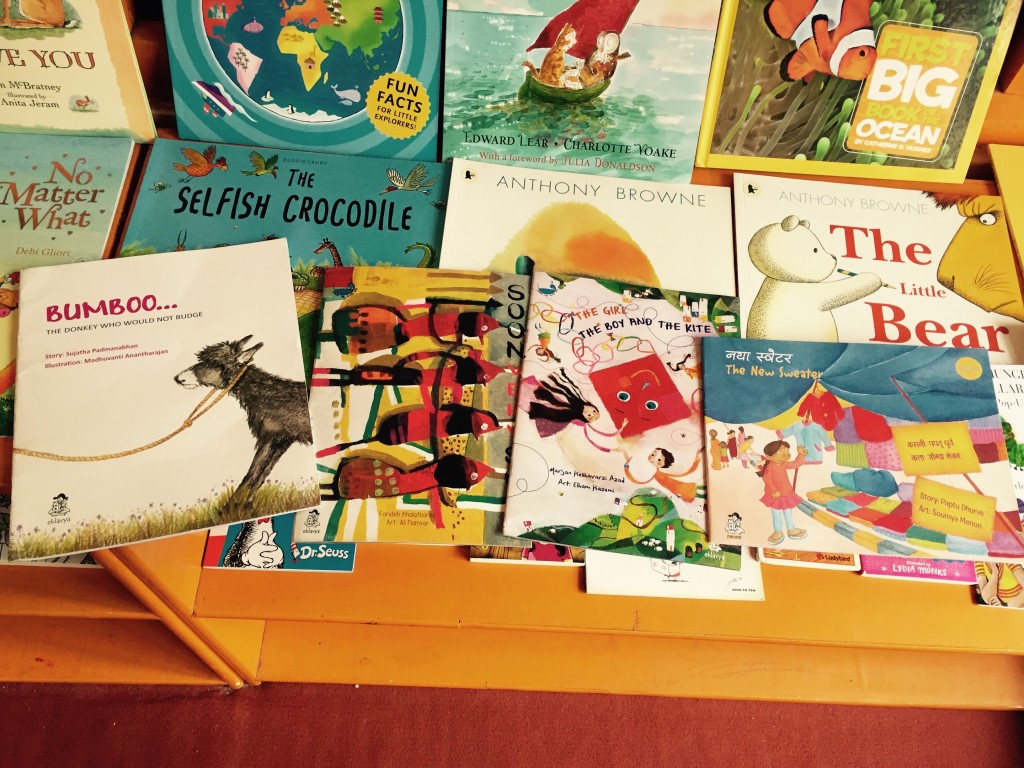
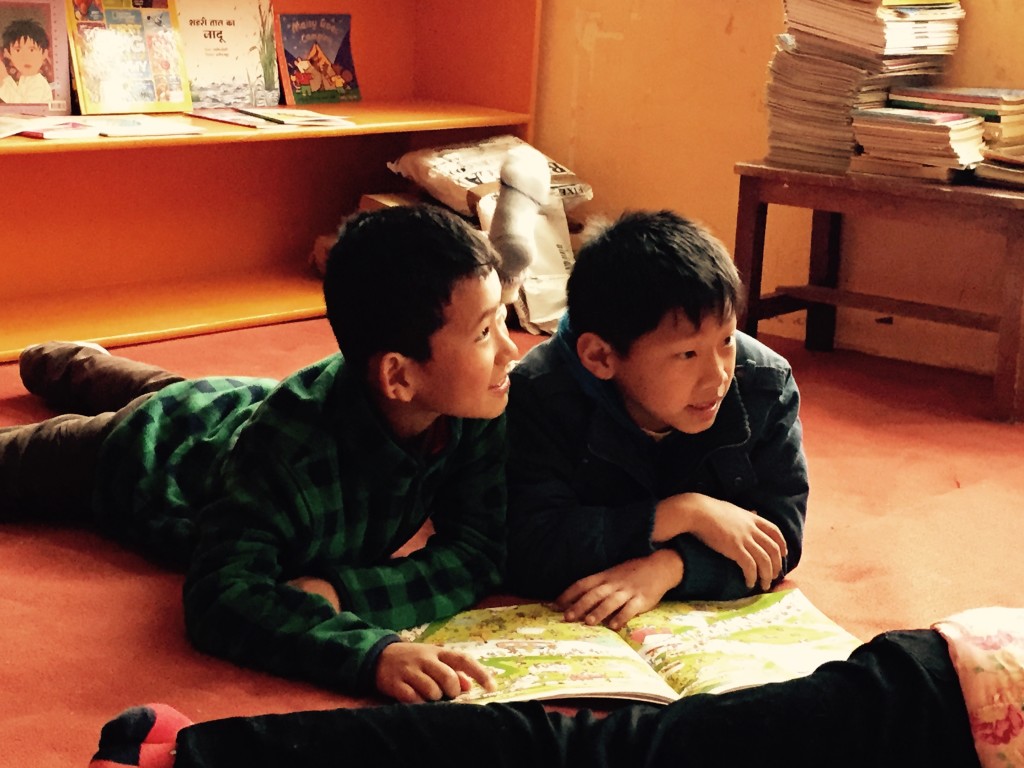
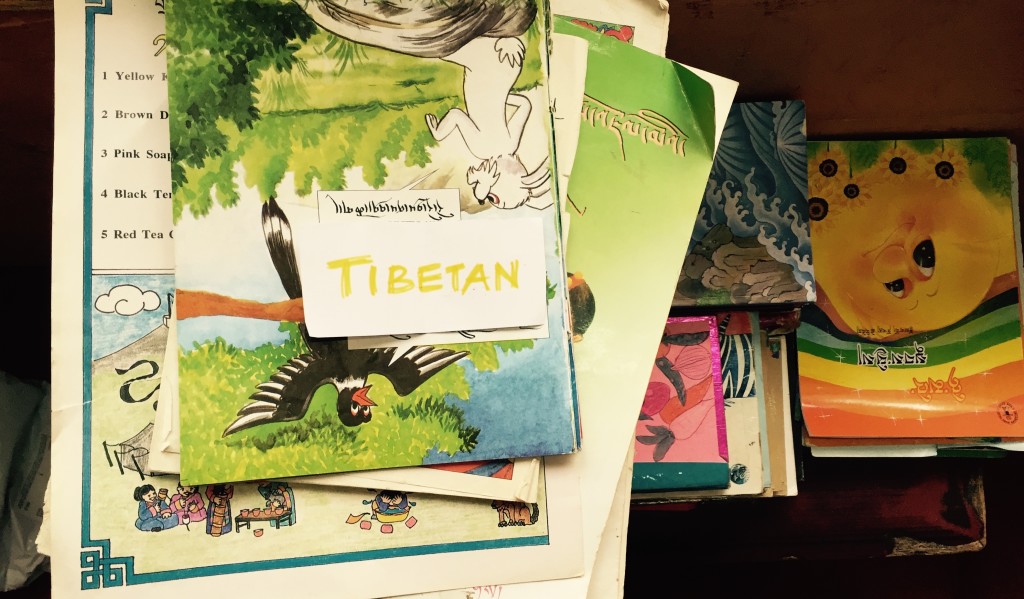
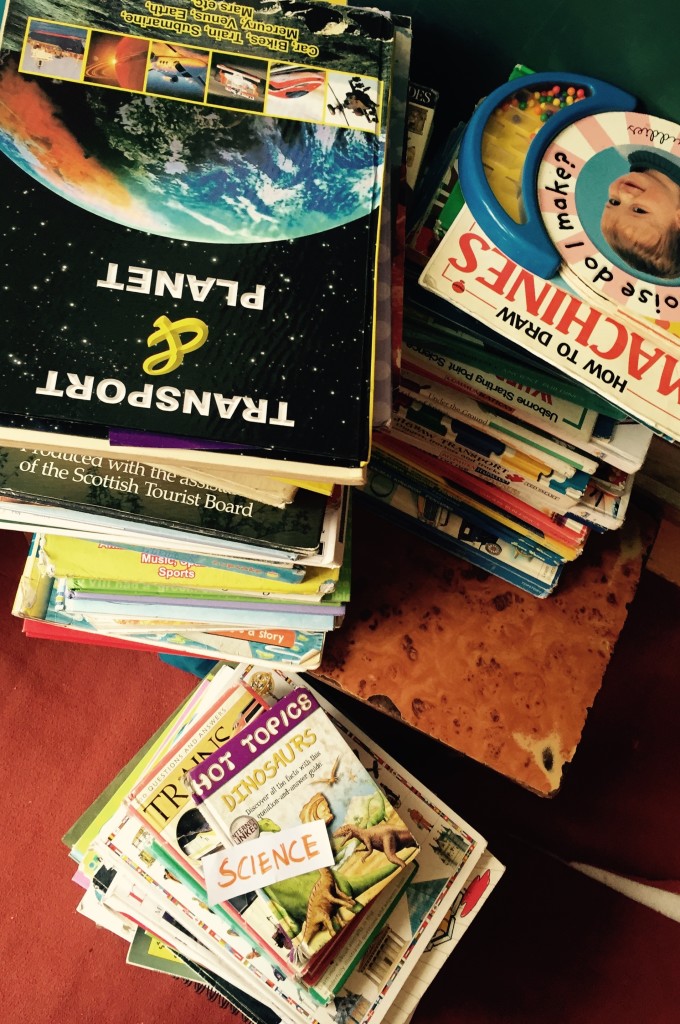
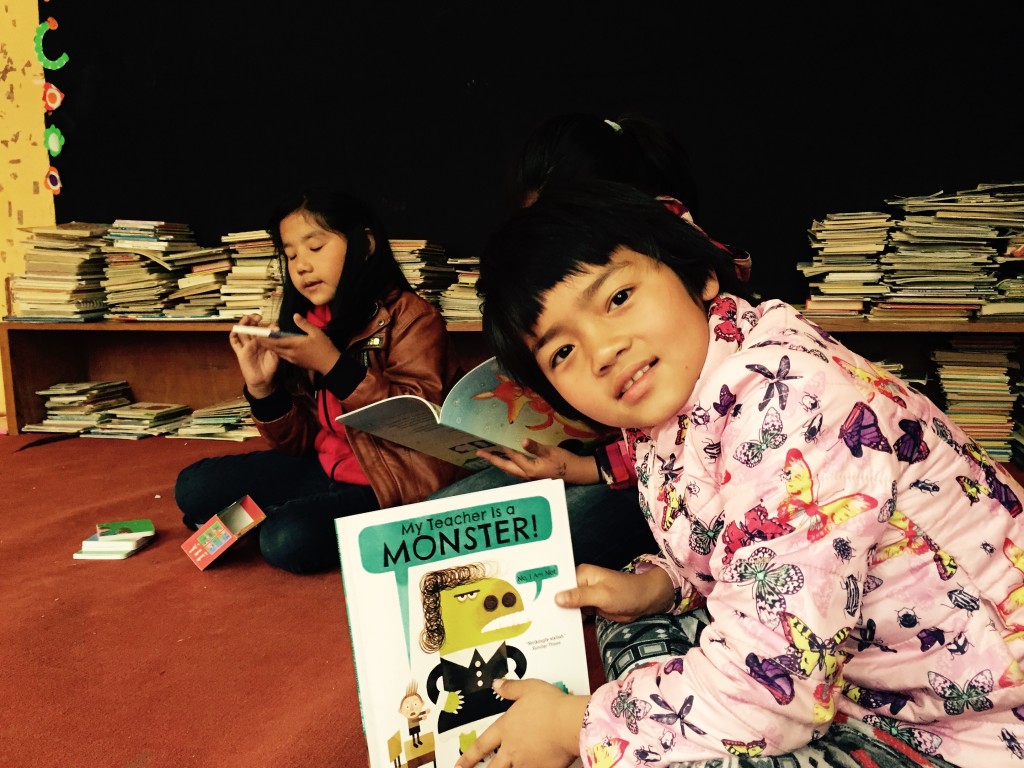
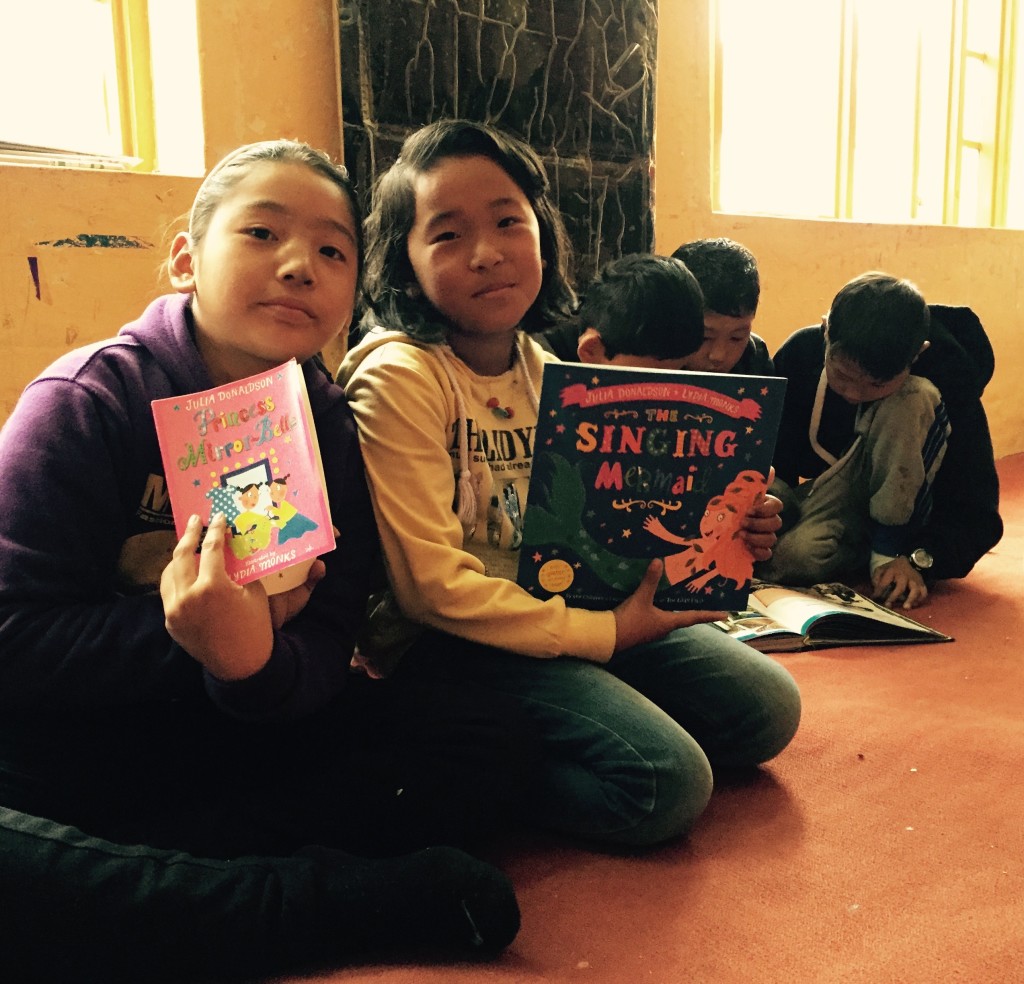
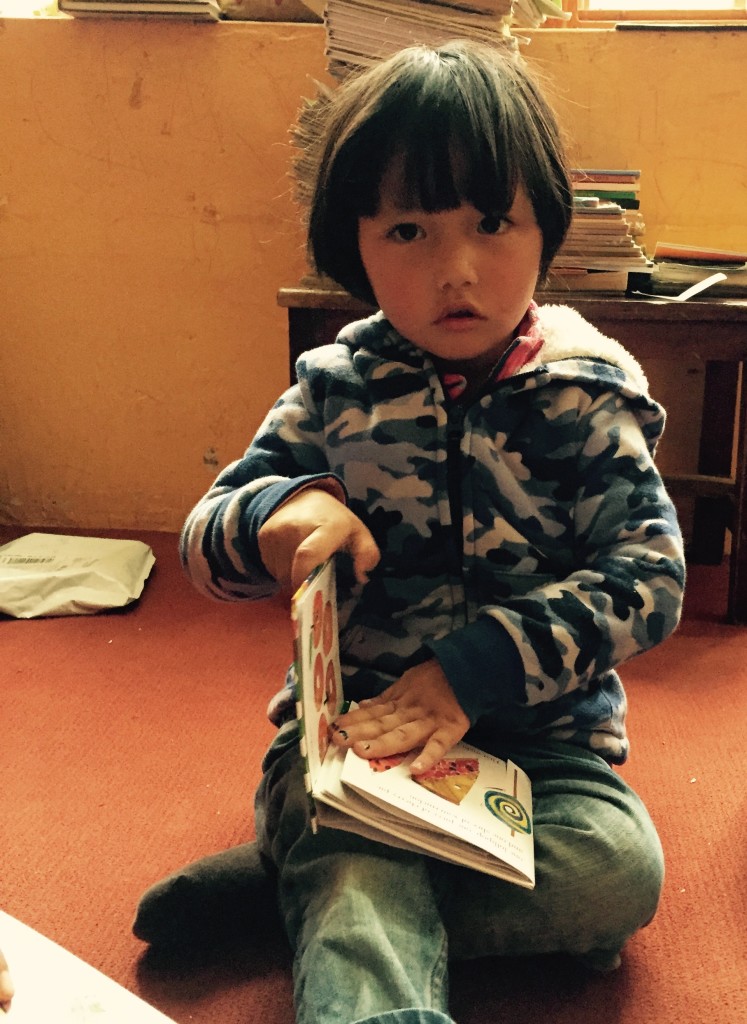
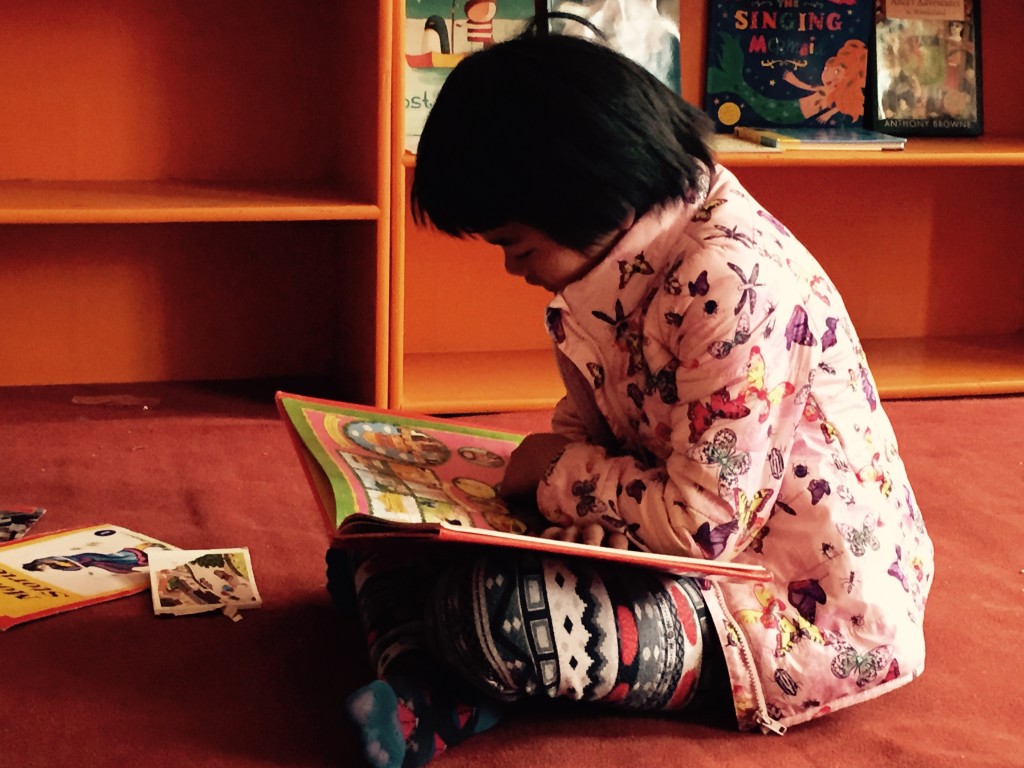
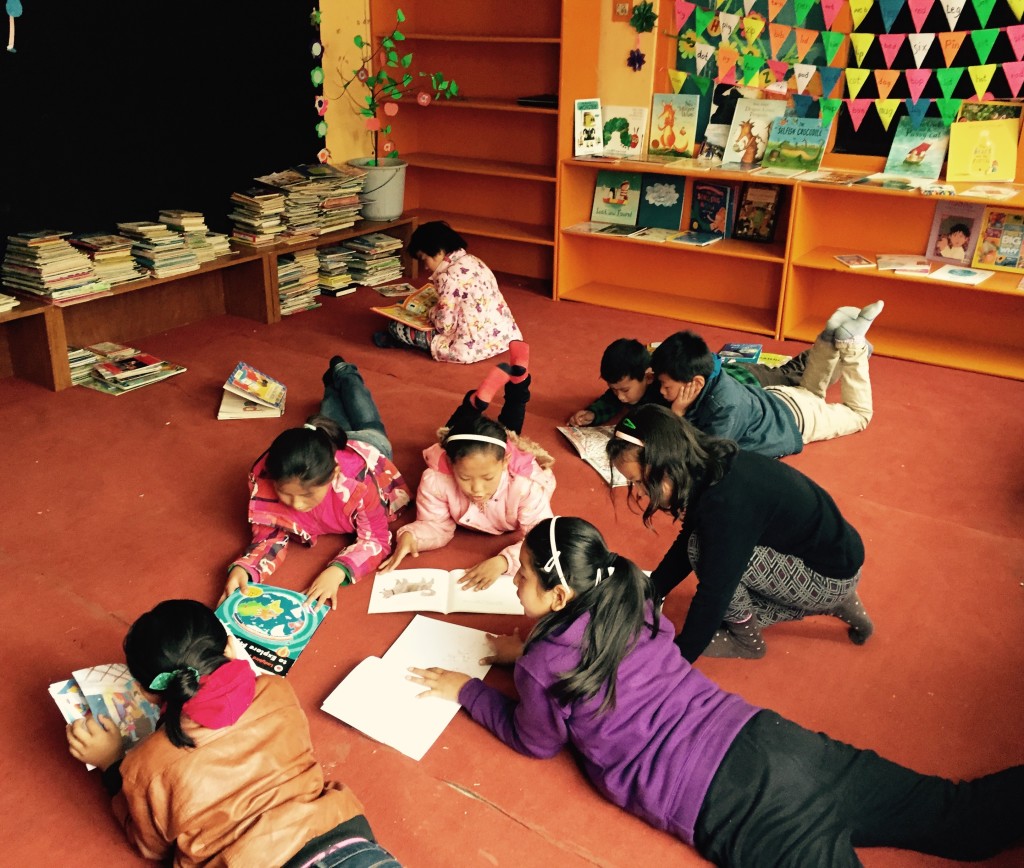
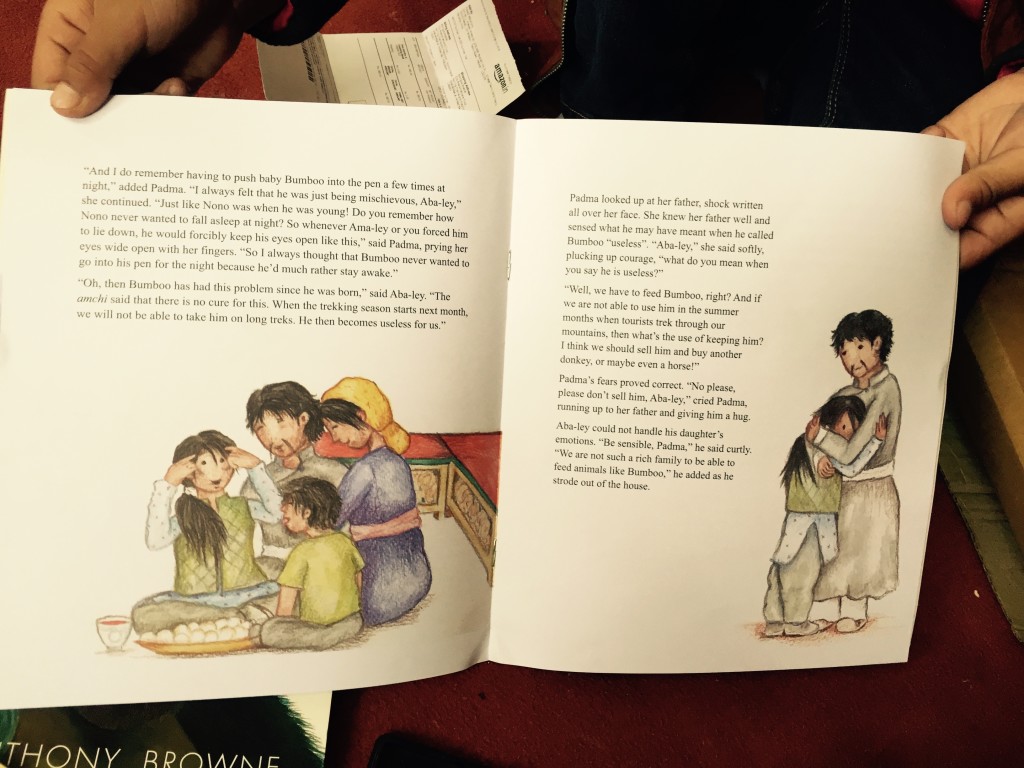
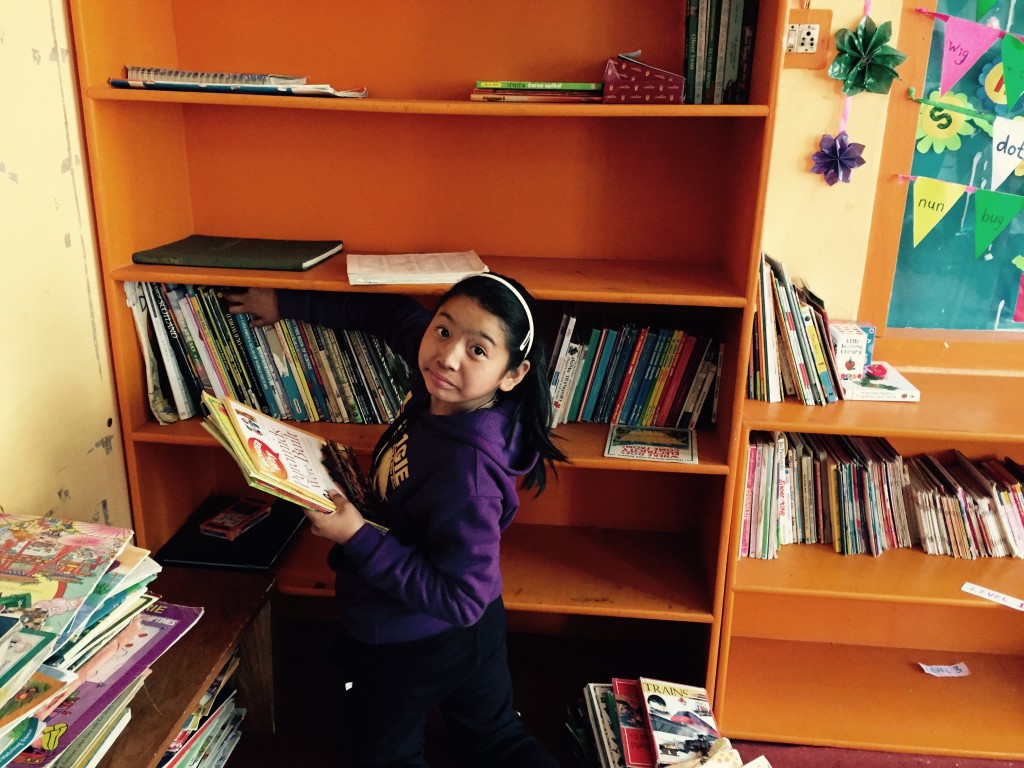
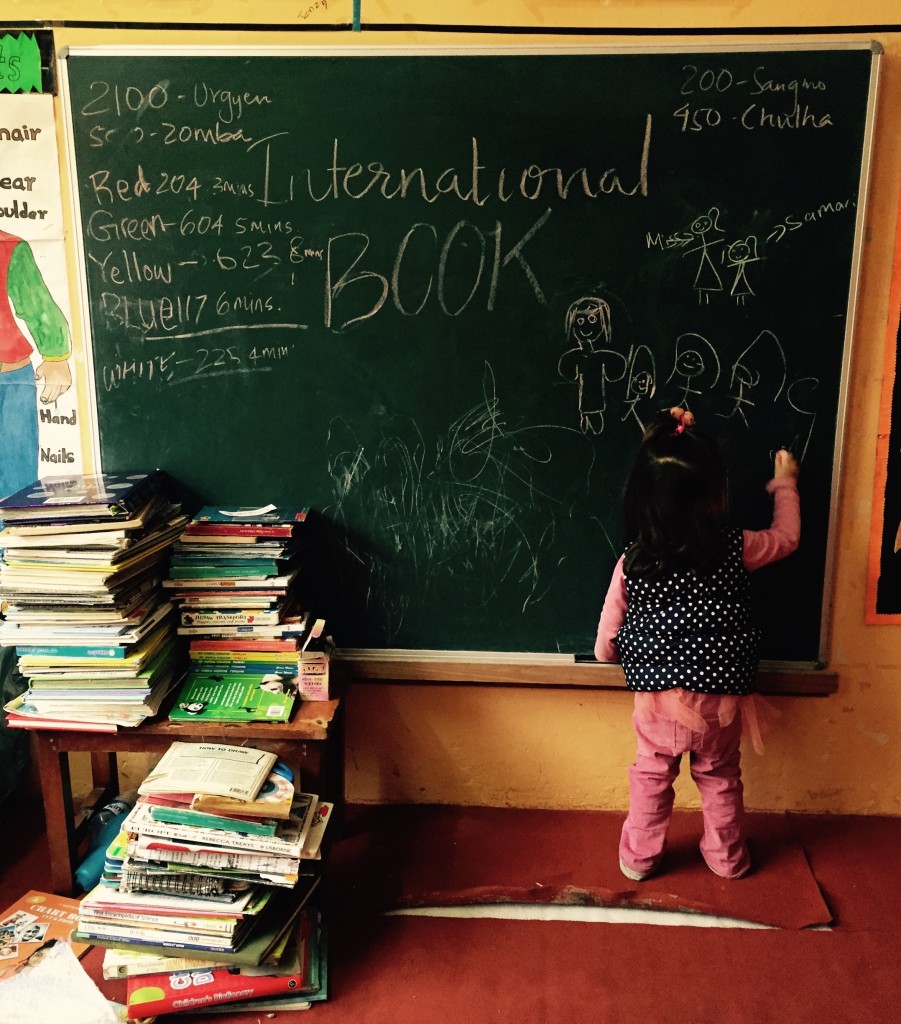
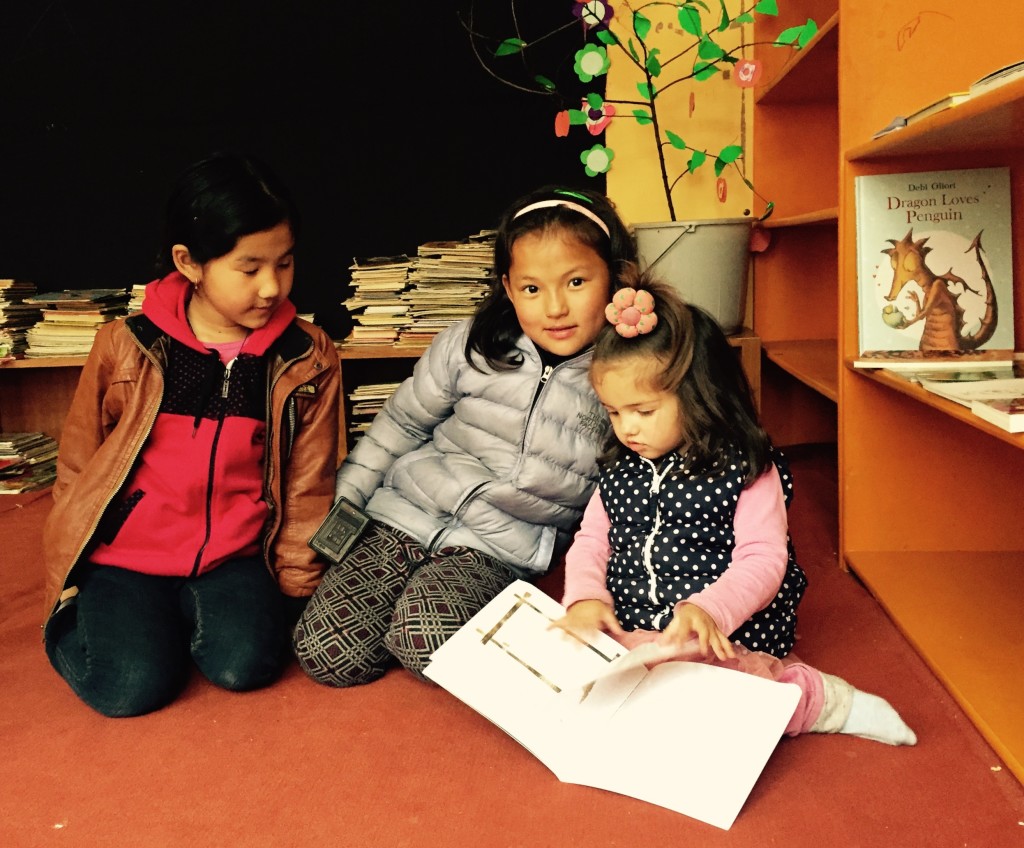
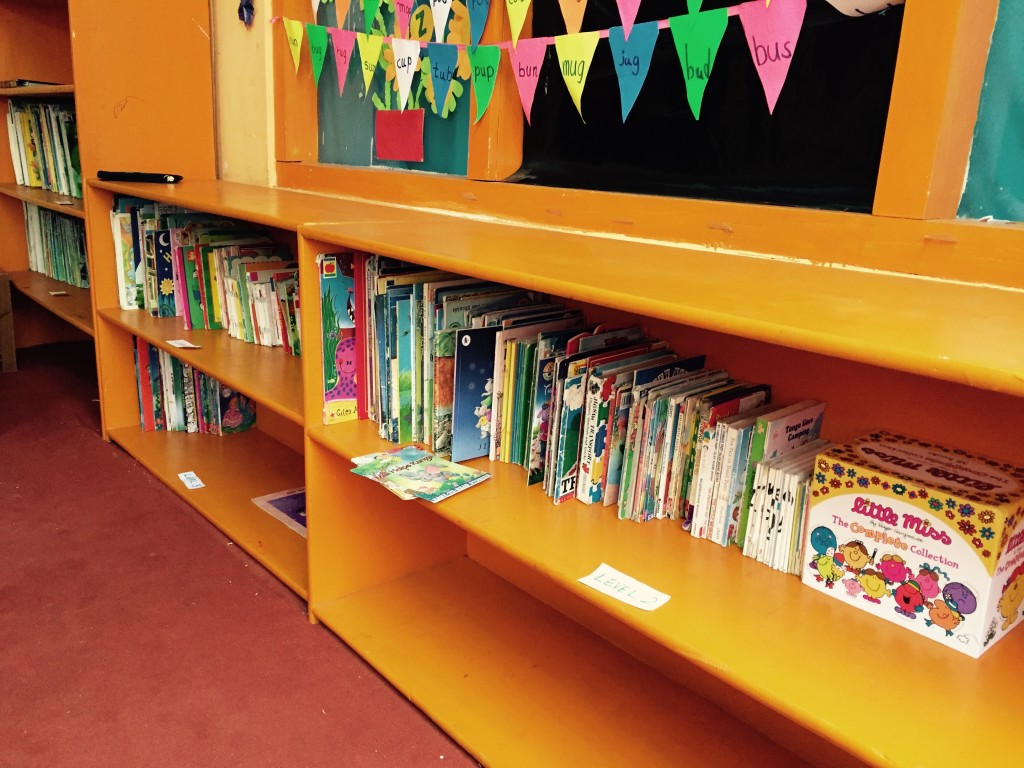
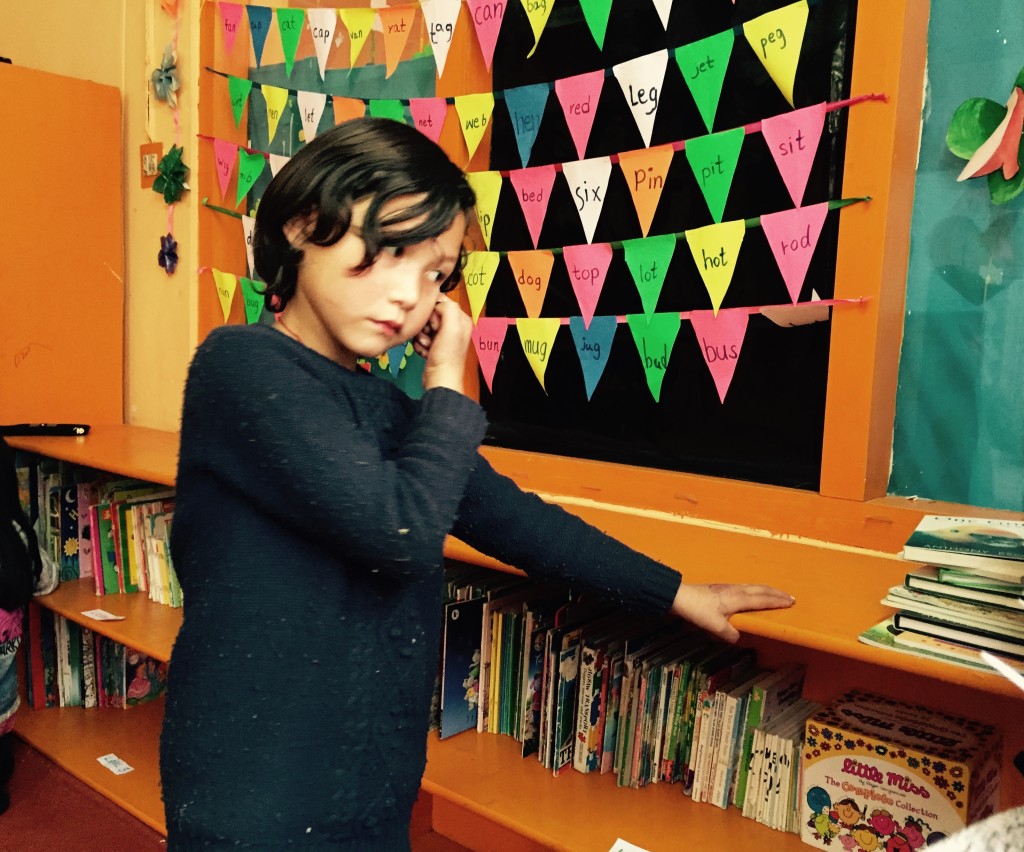
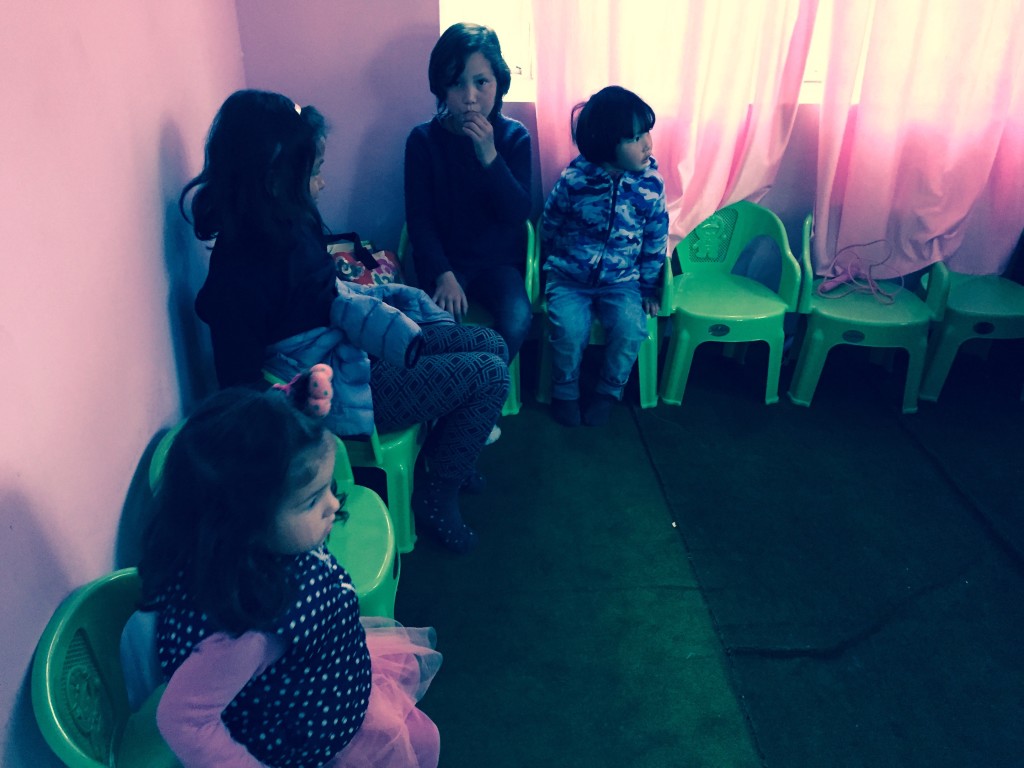
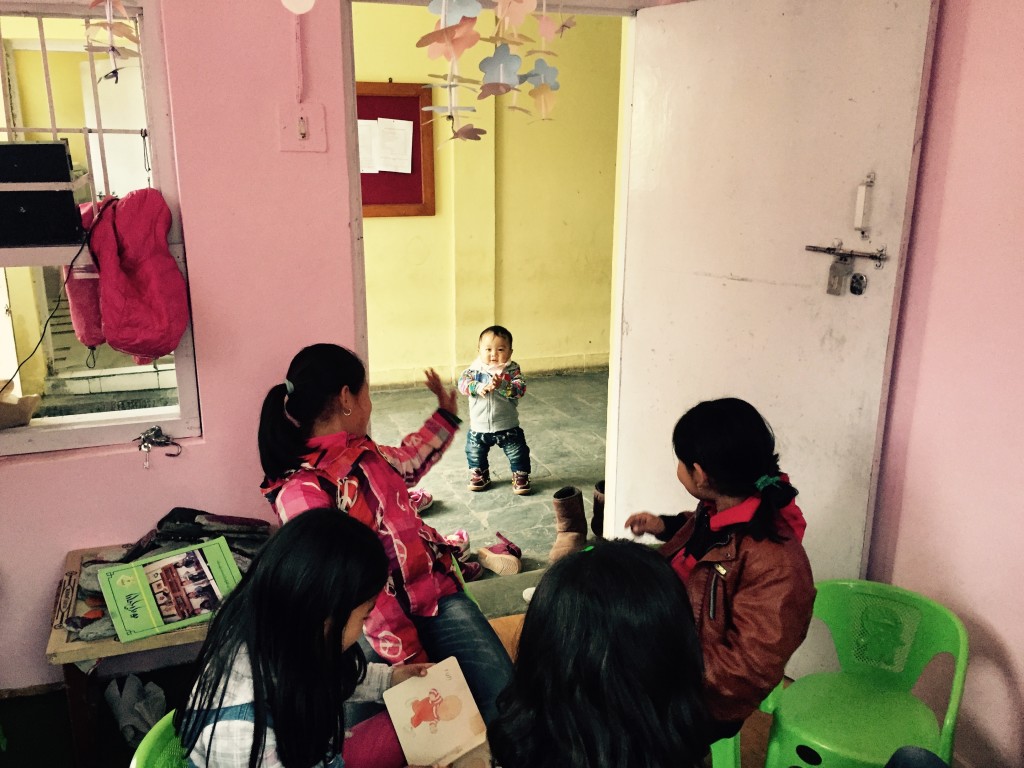
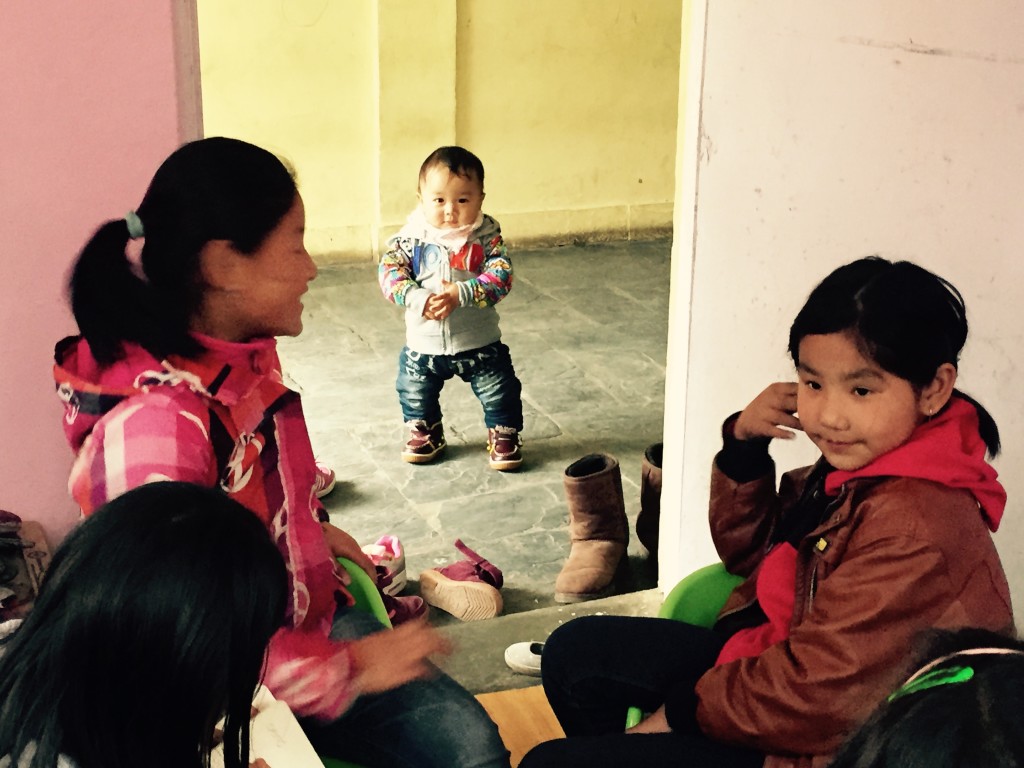
At Avalokiteśvara Trust, workshops in Ladakh and other Himalayan communities bring together reading rooms, book activities, drawing, painting, music, and shared conversation. These sessions are designed to support literacy while respecting the many ways children learn. A child who is quiet during a group reading may express a deep understanding through a picture, a collage, a puppet, or a rhythm.
Pairing literature with art is not an extra activity added after the “real” lesson. It is a way to make learning active, inclusive, and memorable. Stories provide the foundation, while creative work helps children explore language, imagination, identity, and the world around them.
Stories Become More Memorable Through Making
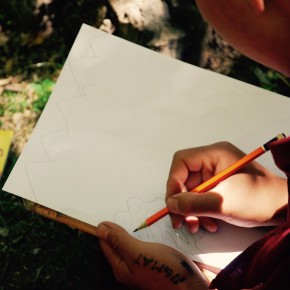
Reading asks children to listen, interpret, and build mental pictures. Art invites them to give those pictures a form. Drawing a mountain from a story, creating a character mask, or arranging colors to show a feeling requires children to revisit what they have heard and decide what matters most.
This process strengthens comprehension. Children are not simply repeating details from a book; they are selecting, organizing, and interpreting information. When they explain why a character looks a certain way or why they chose particular colors, they practice vocabulary and communication alongside visual expression.
Creative responses also help stories remain in memory. A child may forget a page number or a formal exercise, but remember the paper puppet made during a folktale session or the shared mural inspired by a picture book. These sensory experiences make reading personal and easier to recall.
Art Gives Every Child A Way To Participate
A reading group can include children with different ages, language abilities, confidence levels, and educational experiences. Some may read aloud comfortably, while others are still developing fluency. Some may understand a story clearly but hesitate to speak in front of peers. Art offers a broader range of entry points.
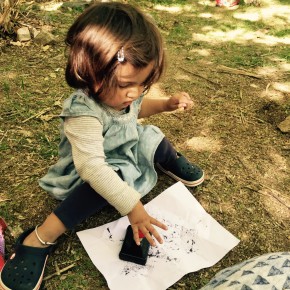
A child can participate by choosing a color, shaping clay, arranging images, or contributing one small detail to a group project. There is no single correct artistic response, which can reduce the fear of making mistakes. This freedom is valuable for children learning in multilingual environments, where a picture may communicate an idea before the right words are available.
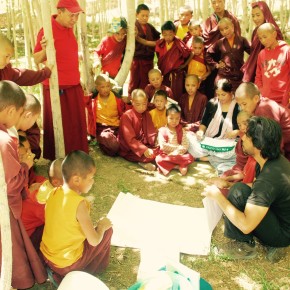
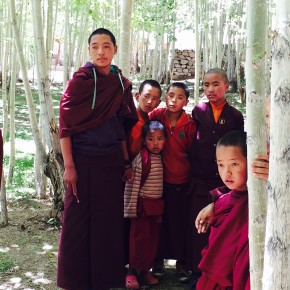
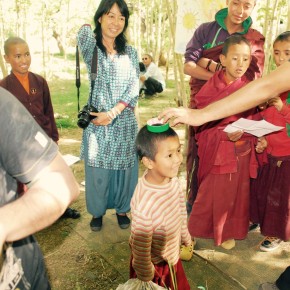
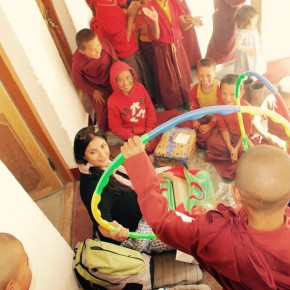
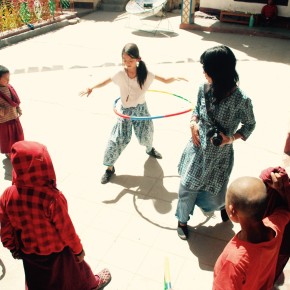
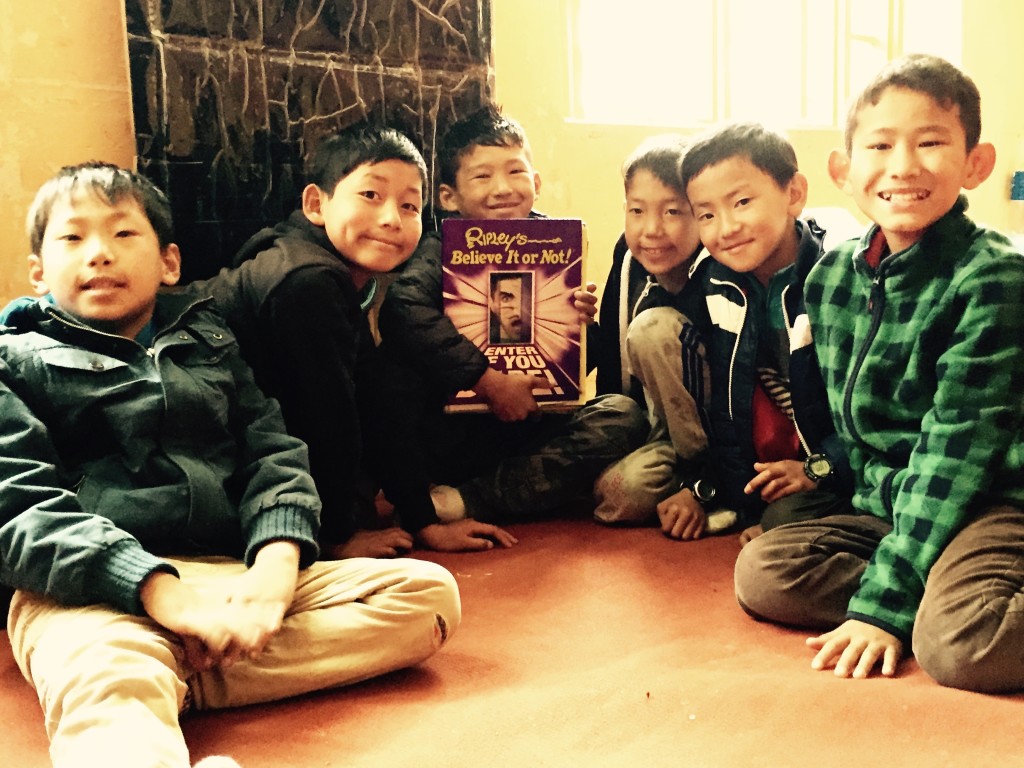
Art activities also encourage collaboration. Children share materials, observe different interpretations, and learn to respect one another’s ideas. In workshops for children and young monks, this cooperative atmosphere supports confidence and belonging while keeping the focus on curiosity rather than competition.
Reading And Art Build Language Together
Creative work creates natural reasons to use language. After reading a story, children may name characters, describe settings, compare emotions, or create captions for their drawings. These conversations introduce new words in a meaningful context instead of presenting vocabulary as an isolated list.
Teachers and facilitators can use open prompts such as “What happened here?” or “How did the character change?” Children then practice sequencing, describing, predicting, and explaining. Older participants can write short poems, dialogue, reflections, or alternative endings. Younger children can label objects and dictate sentences to an adult or peer.
The combination supports literacy development at several levels. Listening and reading build understanding; discussion develops oral language; drawing and design strengthen visual comprehension; and writing gives children a chance to organize their own ideas. The activities work together without forcing every child to learn in exactly the same way.
| Reading-Centered Activity |
Creative Extension |
Learning Supported |
| Reading a folktale |
Draw a setting or character |
Comprehension, observation, vocabulary |
| Exploring a picture book |
Create a group mural |
Collaboration, sequencing, visual storytelling |
| Reading a poem |
Add movement, rhythm, or music |
Memory, expression, listening |
| Discussing a character |
Make a mask or puppet |
Empathy, interpretation, speaking |
| Learning new words |
Design illustrated word cards |
Vocabulary, spelling, recall |
Creativity Connects Books With Local Life
Books can introduce children to distant landscapes and unfamiliar experiences, while art helps them bring those ideas into conversation with their own surroundings. A story about rivers may lead to paintings of local streams. A book about animals can inspire observations of wildlife, traditional motifs, or environmental concerns in the community.
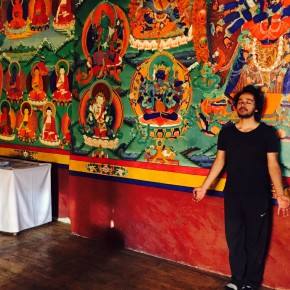
This connection matters in Himalayan settings, where culture, landscape, seasonal rhythms, and community traditions shape children’s daily lives. Creative activities can encourage children to explore local stories, architecture, clothing, music, and natural materials while engaging with books from many parts of the world.
The result is a richer exchange between the page and lived experience. Children see that reading is not separate from their identity. It can help them value their own heritage, understand other communities, and express what they notice in the places they call home.
The Workshop Space Encourages Healthy Discovery
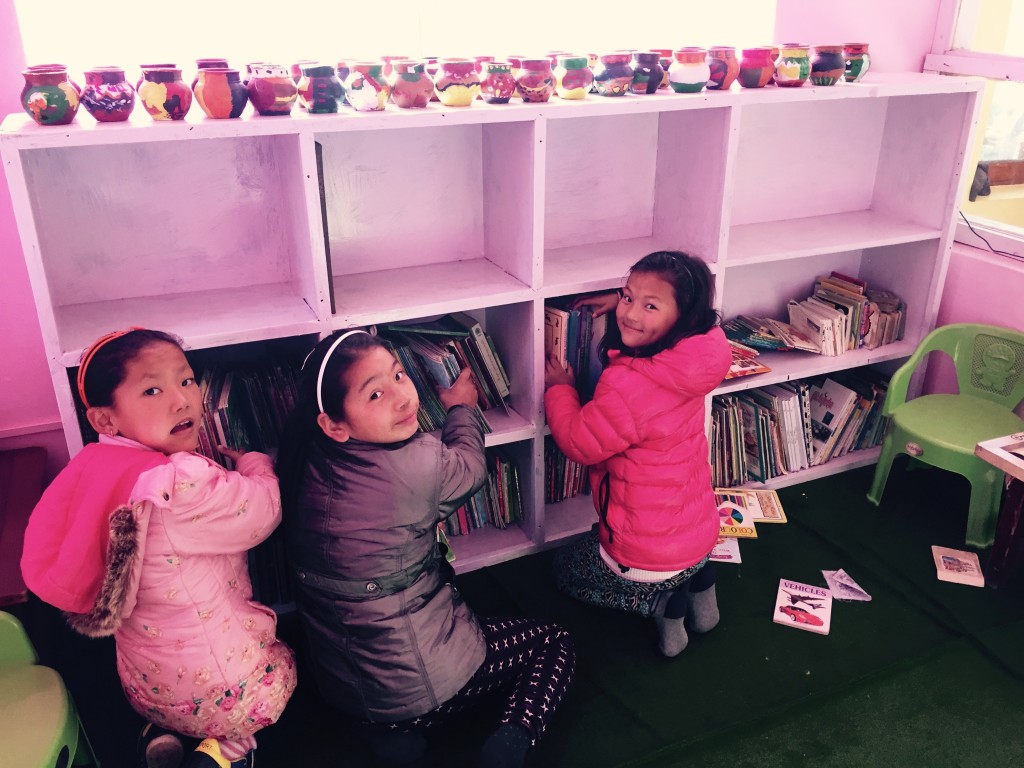
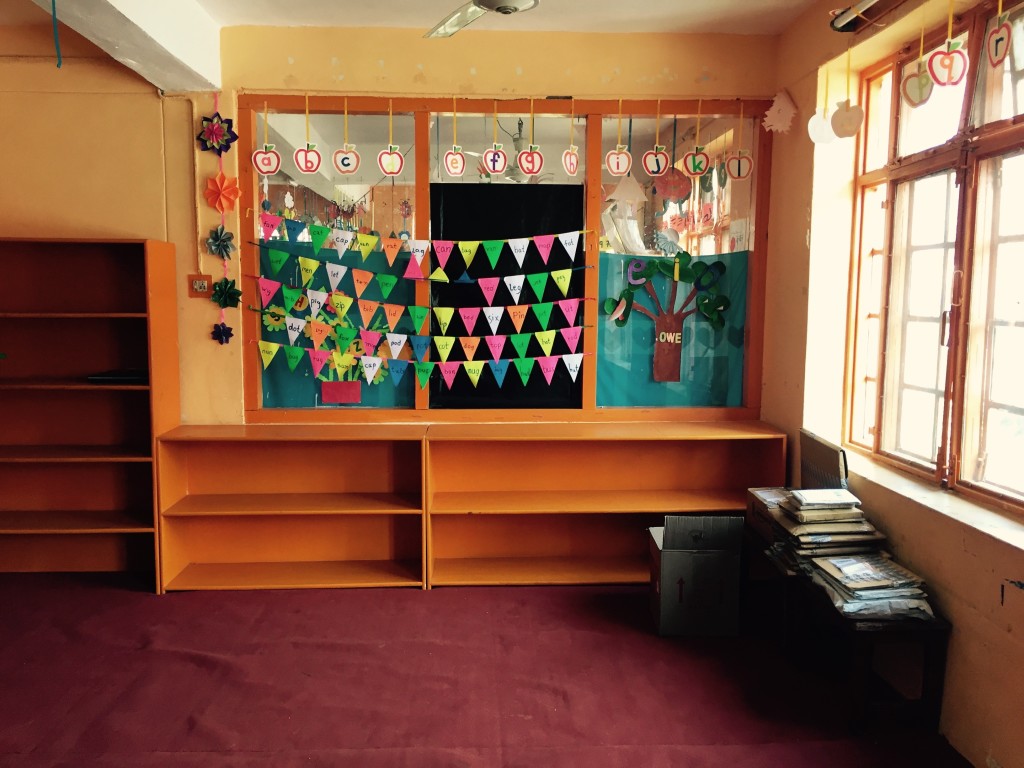
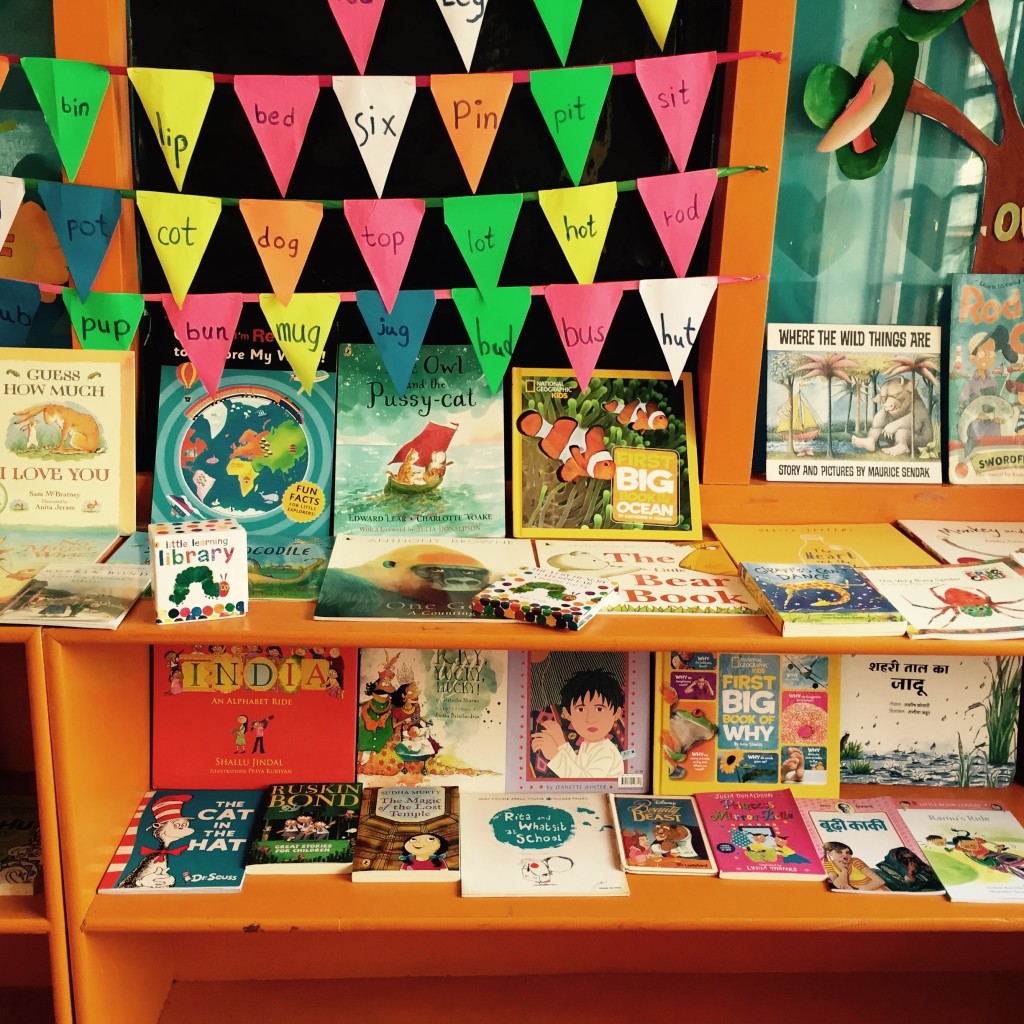
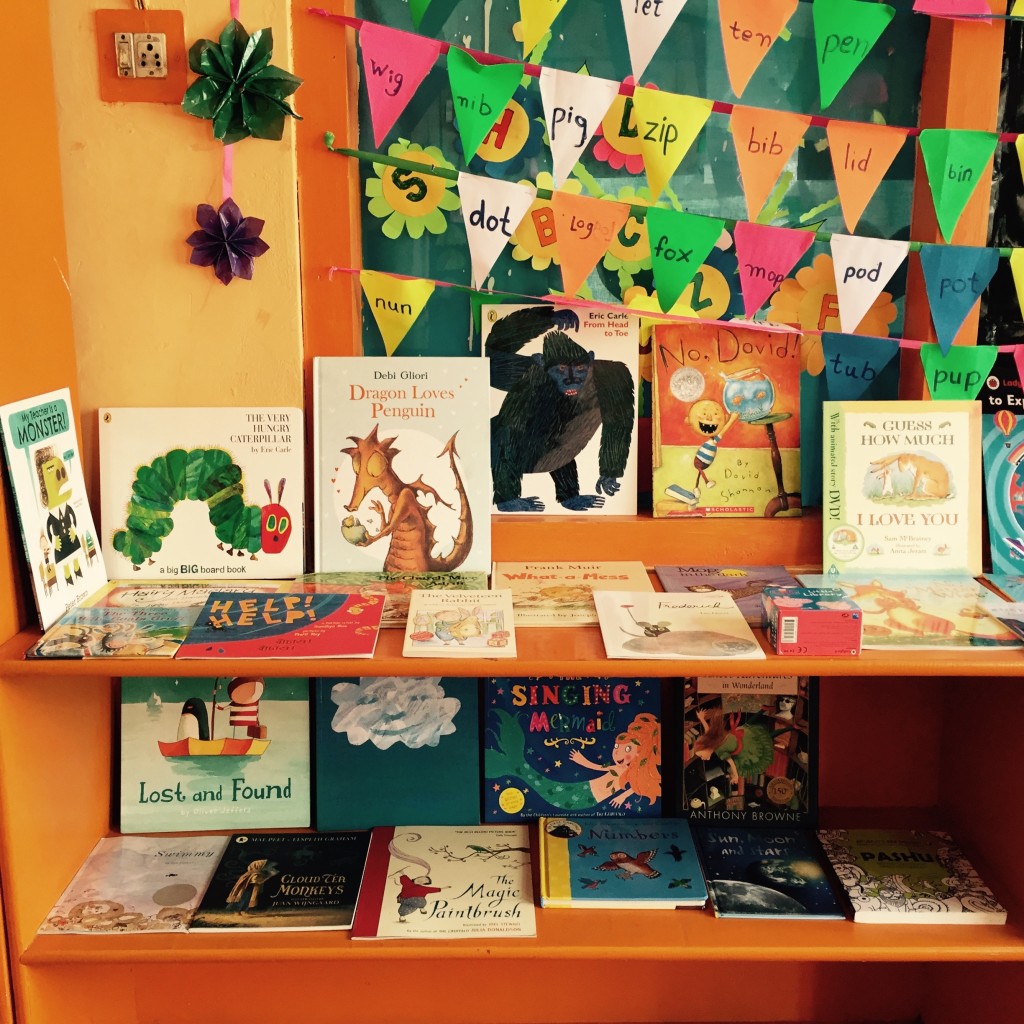
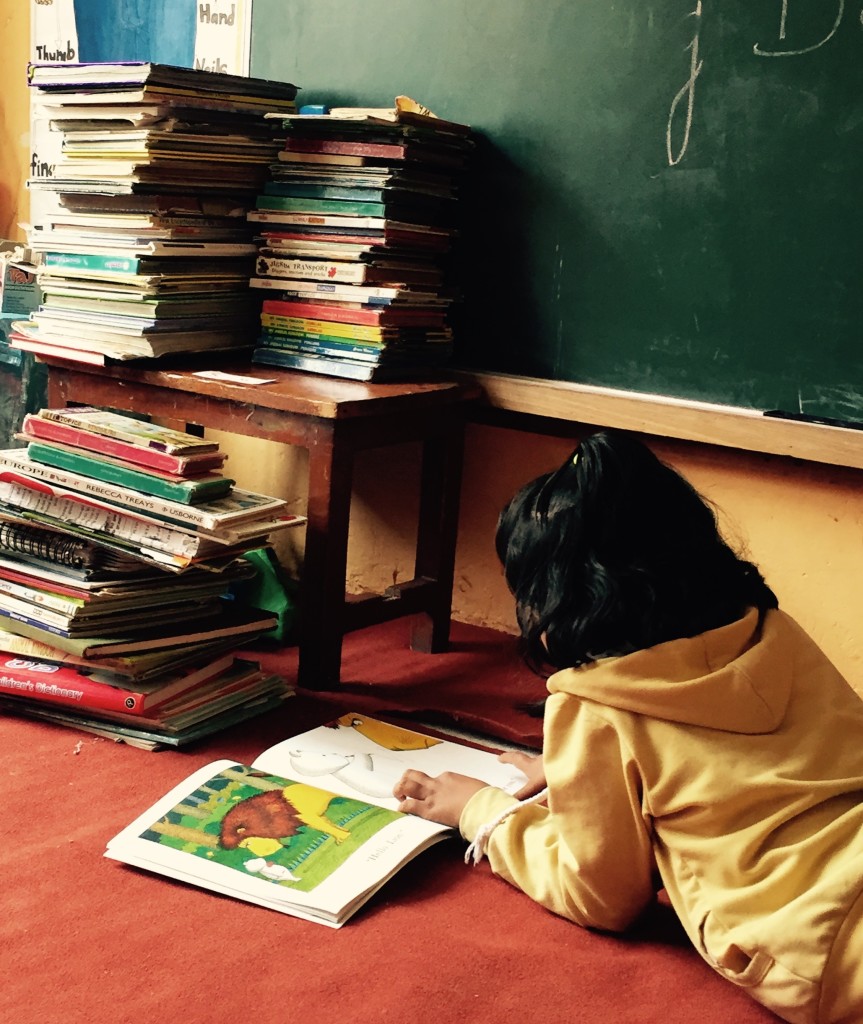
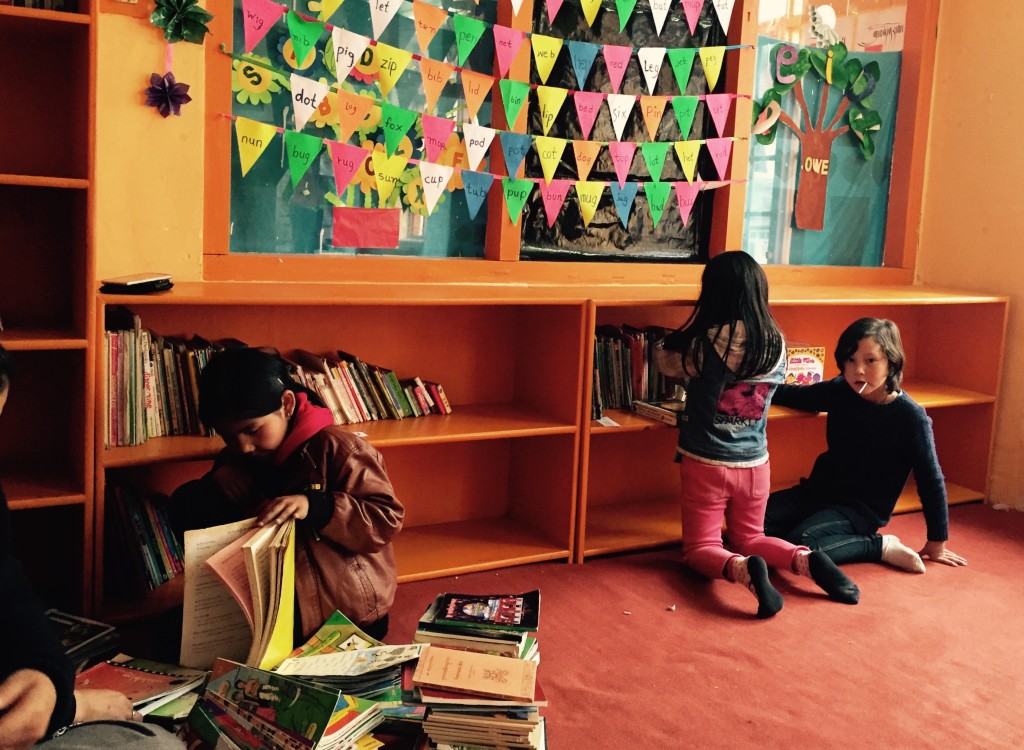
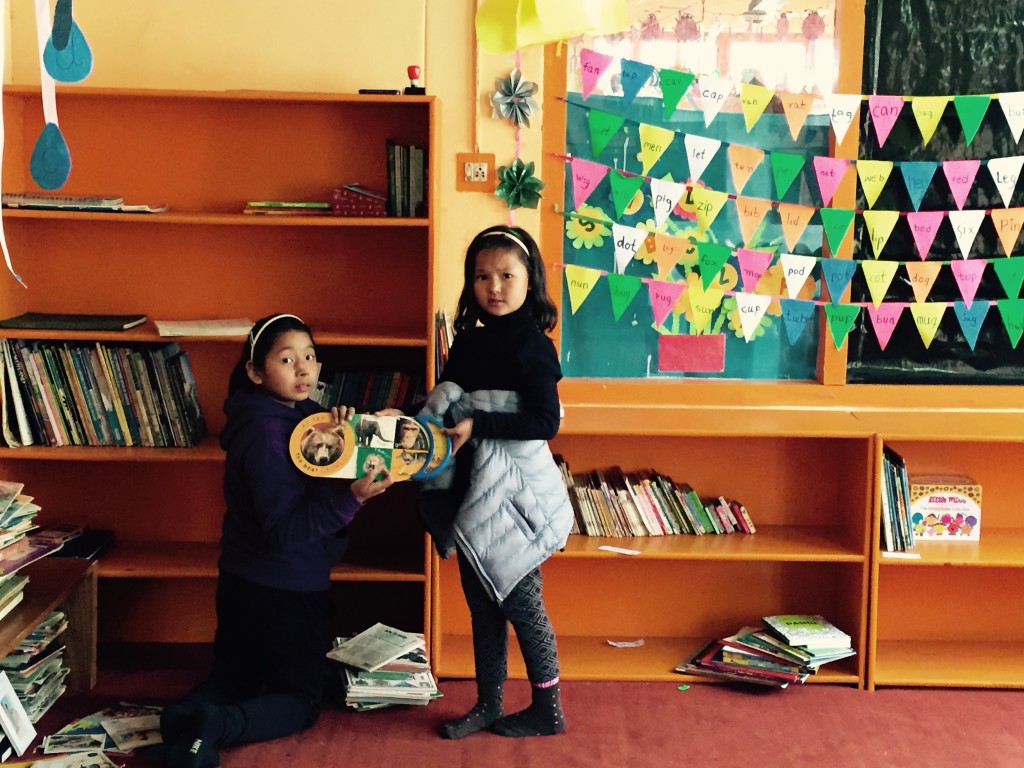
A reading room becomes especially welcoming when it allows children to move between quiet concentration and hands-on exploration. Books can be placed beside drawing tools, recycled materials, musical instruments, or simple craft supplies. This arrangement signals that learning includes imagination and experimentation.
Art also gives facilitators useful insight into children’s interests and understanding. A drawing may reveal a detail that a child did not mention aloud. A group collage may show how participants interpret cooperation, family, nature, or belonging. These observations help volunteers adapt future book selections and activities to the group.
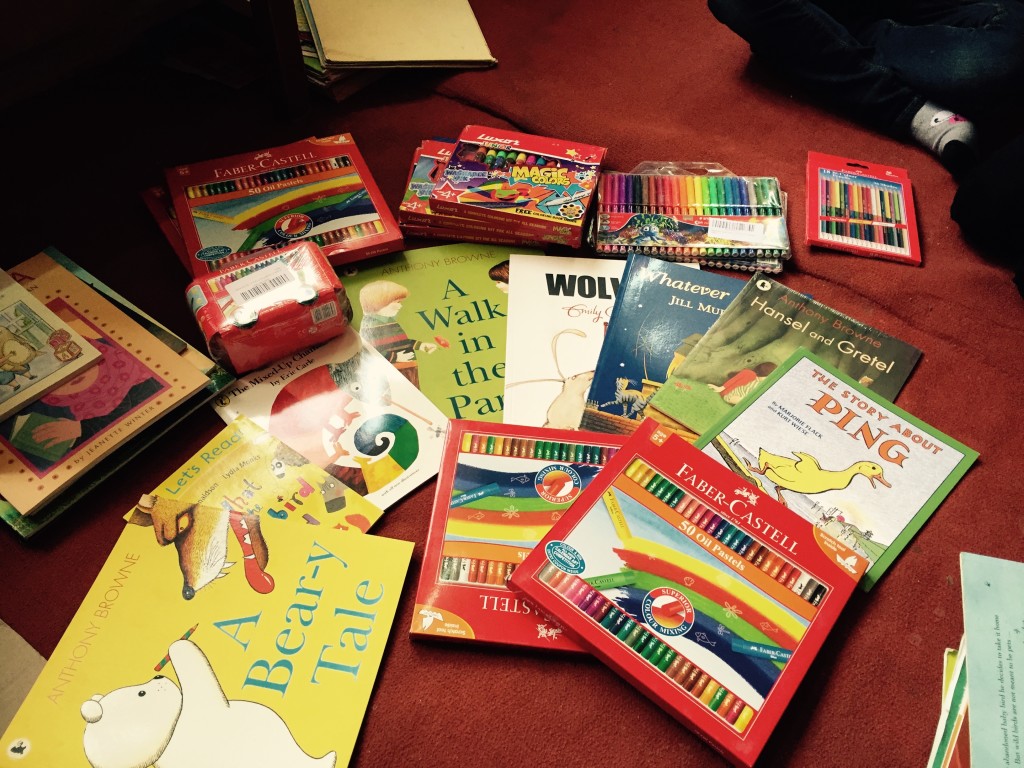
The workshop does not need expensive equipment. Paper, pencils, colored chalk, fabric scraps, clay, leaves, and recycled cardboard can support meaningful projects. The purpose is not to produce polished artwork. It is to create a welcoming setting where children can respond thoughtfully to books and feel proud of their contributions.
Simple Ways To Pair Books With Creative Work
The strongest activities are usually clear, flexible, and connected to the story rather than complicated. A facilitator can begin with a short reading, allow time for conversation, and then offer a creative prompt with several possible responses. Children should have enough freedom to make choices while receiving support when they need it.
Activities can be adapted for different ages and group sizes. A young child might draw a favorite object from a story, while an older child writes a monologue from a character’s perspective. Groups can produce a shared artwork, or each participant can create an individual response before presenting it to others.
Useful approaches include:
- Invite children to illustrate a setting, emotion, or important moment from the book.
- Turn a story into a short puppet show using paper, cloth, or recycled materials.
- Ask participants to create a collage linking the book’s themes with local places and traditions.
- Pair poetry or descriptive passages with rhythm, movement, singing, or simple instruments.
- Make an illustrated vocabulary wall that remains in the reading room for future sessions.
These activities work best when discussion is treated as part of the creative process. Children can describe their choices, listen to different interpretations, and discover that a single story may inspire many valid responses.
Supporting Confident, Lifelong Readers
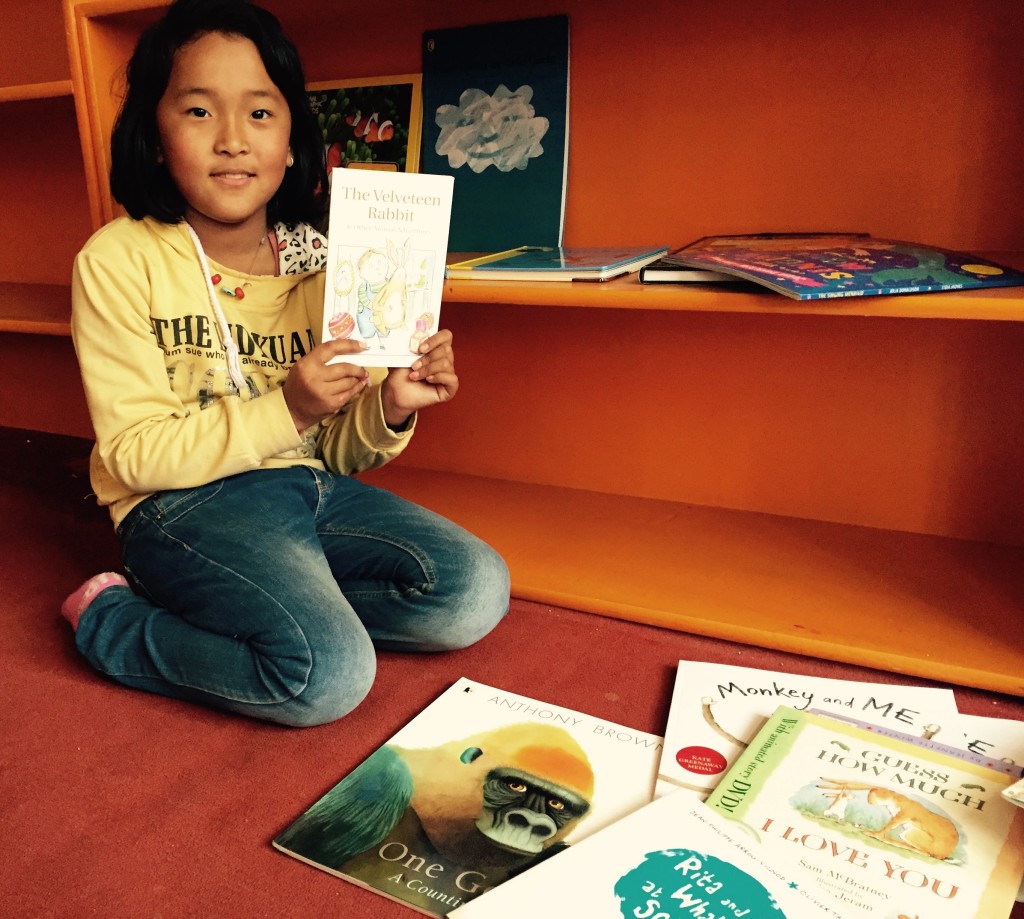
When children associate books with enjoyment, friendship, discovery, and self-expression, reading becomes more than an academic obligation. It becomes an activity they may choose to return to. Art helps create that positive association by making literary experiences lively and emotionally engaging.
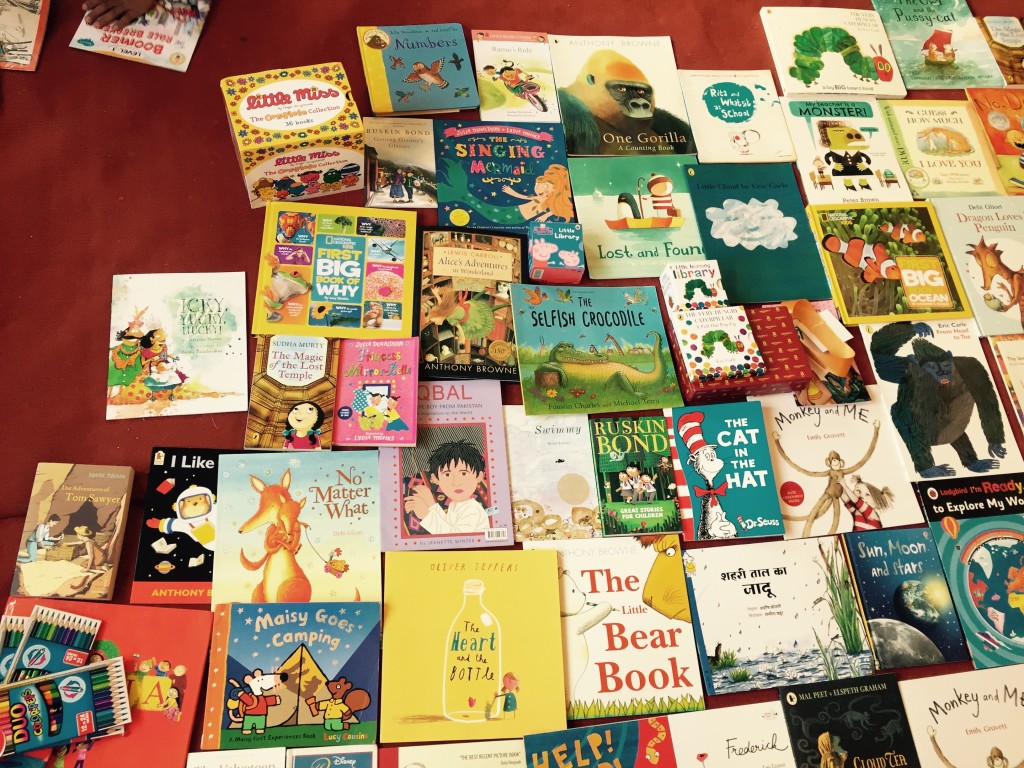
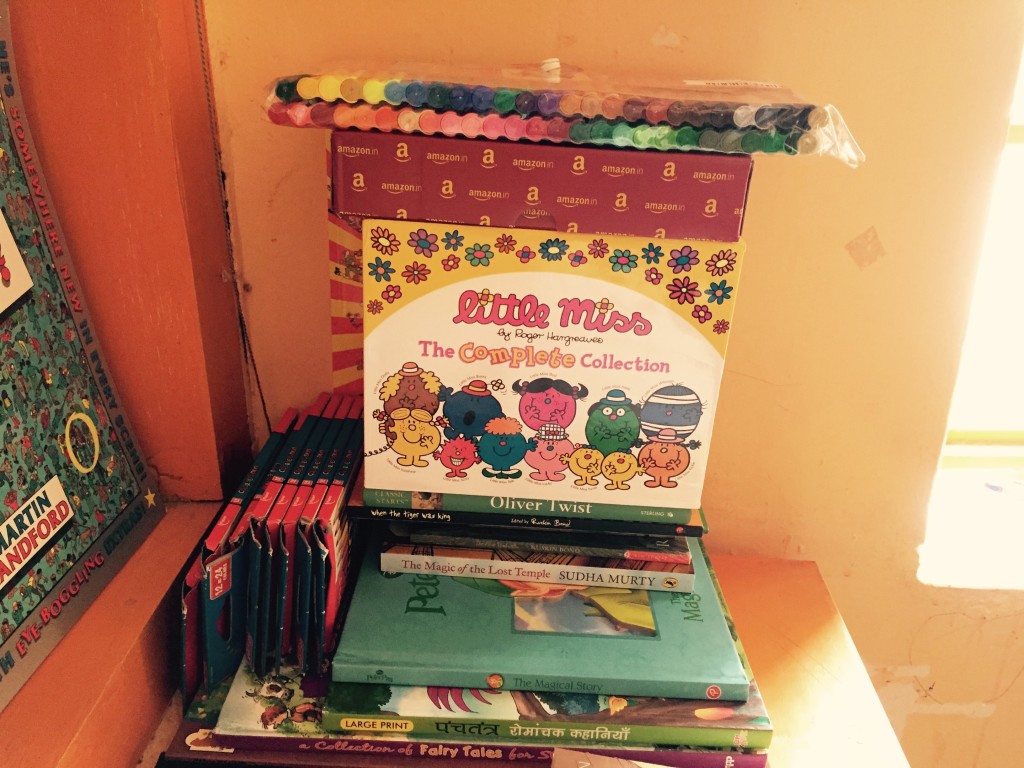
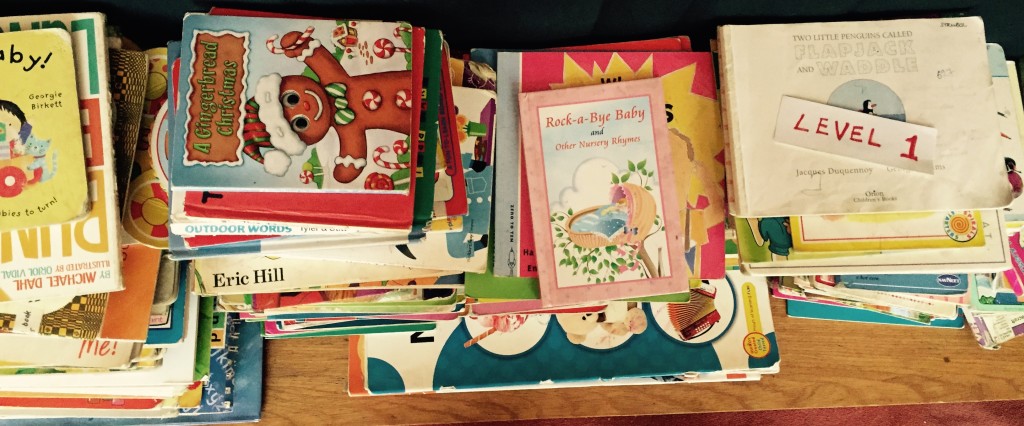
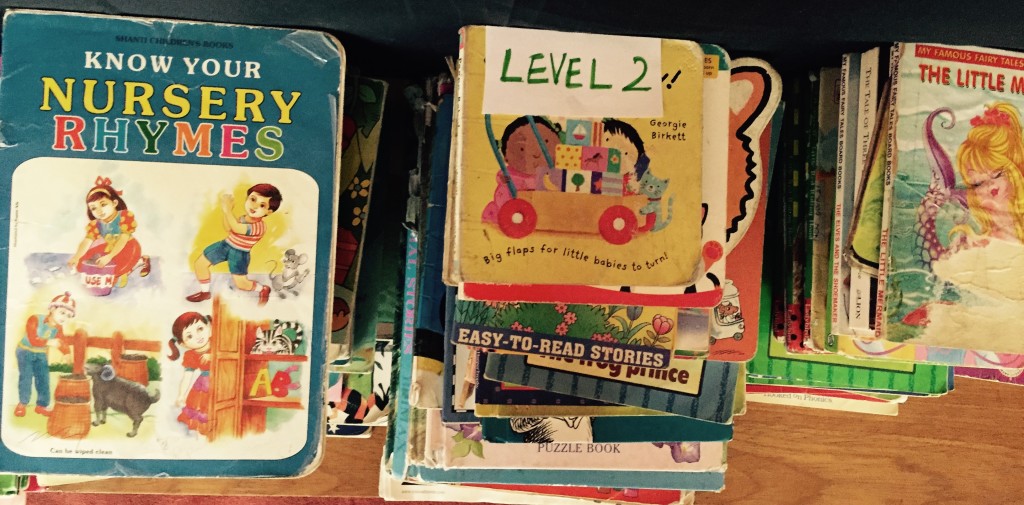
This approach can be particularly important where educational resources are limited. A well-stocked reading room provides access to quality books, while creative workshops help children use those books actively. Together, they nurture concentration, imagination, communication, and confidence—skills that support learning far beyond one session.
For Avalokiteśvara Trust, the value of these workshops lies in the relationships they build as much as in the finished artwork. Each shared story and creative response helps create a space where children and young monks can explore ideas, celebrate their voices, and see learning as something open to them.
Your support can help place more books, art materials, and caring facilitators within reach of children in Himalayan communities. By donating, organizing a book drive, volunteering, or sharing the Trust’s work, you can help make reading rooms welcoming places where stories lead to creativity and creativity leads children back to books.