The Boy Who Drew Every Animal In His Village
In a high Himalayan village, a boy began filling scraps of paper with animals after discovering a book about wildlife. He drew the creatures he knew from daily life: the sure-footed goat on a rocky path, the village dog asleep beside a doorway, the yak carrying a load, and birds rising above the monastery roofs. Then he started adding animals he had never seen, guided by pictures and descriptions in the reading room.
His drawings became a quiet record of curiosity. Each page connected local experience with a wider natural world, showing how access to books can change what a child notices, imagines and believes possible. For families and supporters in Australia, his story offers a vivid example of why book drives, learning spaces and creative activities matter in remote communities.
A Book Opened The Village Wider
Before the wildlife book arrived, the boy knew animals through work and observation. He recognised the calls of birds, understood which animals belonged near homes, and could tell when a herd had passed by from marks in the dust. His knowledge was practical, shaped by the seasons and the rhythm of village life.
The book gave that knowledge new language and direction. It showed animals from forests, wetlands, deserts and oceans, alongside facts about tracks, food, habitats and behaviour. The boy began comparing each page with what he saw around him. His village was no longer a small, familiar place separate from the rest of nature; it became part of a much larger story.
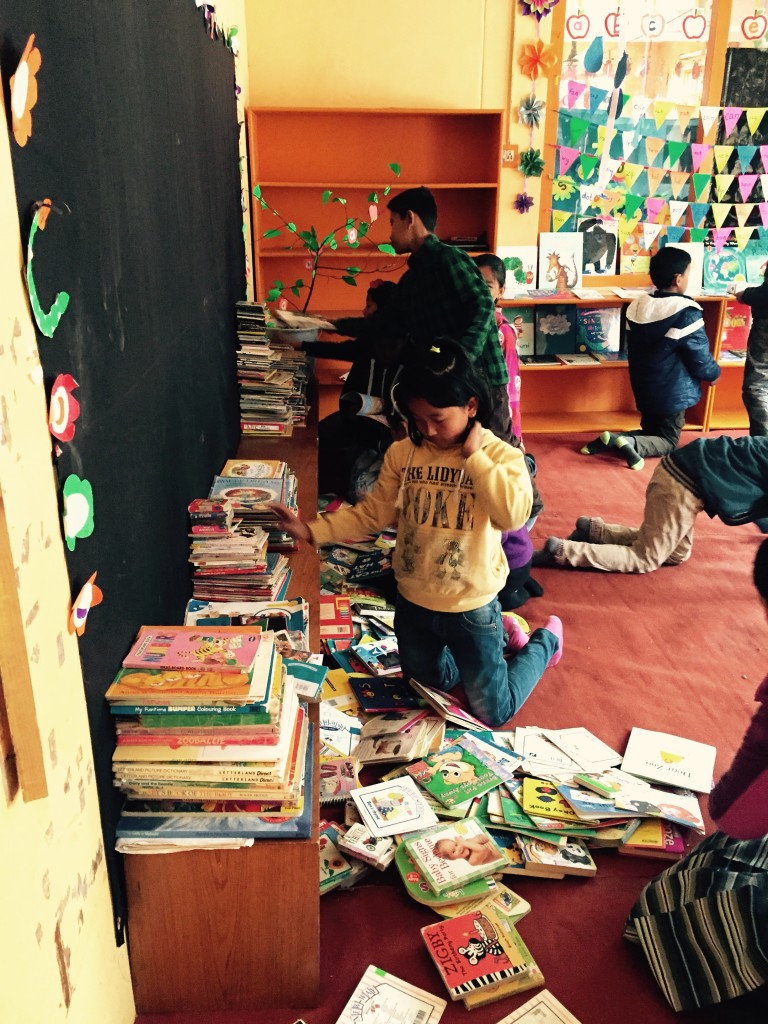
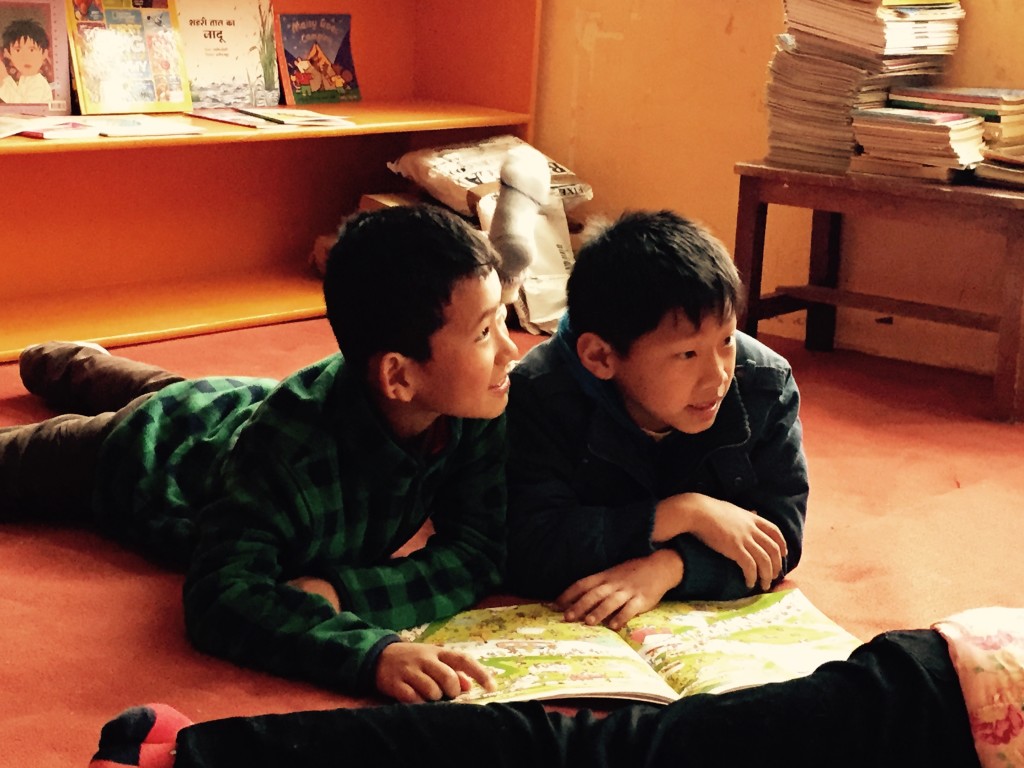
This is one of the quiet strengths of a well-stocked reading room. A child may arrive looking for a picture book and leave with a new subject to investigate. A single volume can support vocabulary, visual memory, science learning and a sense of wonder without feeling like a formal lesson.
Drawing As A Form Of Careful Looking
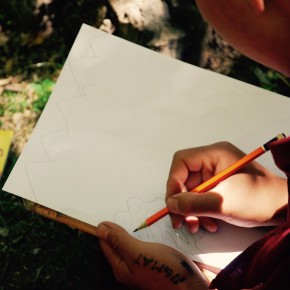
The boy did not copy pictures mechanically. He watched animals closely, noticed the angle of a tail or the shape of a horn, and returned to a drawing when something did not look right. His pages became increasingly detailed because drawing asked him to slow down and concentrate.
Young readers often reveal their understanding through creative work before they can explain it in an essay. A sketch of a snow leopard may show ideas about movement, camouflage and habitat. A row of local birds may reflect careful listening as much as careful looking. Art gives children a way to process information in their own style.
That habit of sustained attention connects with the lessons shared in concentration and curiosity, especially in communities where study, observation and patience are part of everyday learning. For this boy, each animal drawing became a small exercise in focus.
From Local Animals To A Wider Wildlife Atlas
As the collection grew, the boy organised his drawings almost like a personal field guide. Some pages showed animals found near the village, while others featured species discovered in books. He added patterns, colours and short notes, turning a creative project into an informal wildlife atlas.
The change was important because it joined imagination to evidence. He was free to invent scenes, yet he also learned to distinguish between a Himalayan animal he might encounter and one living in a distant continent. The reading room supported both accurate knowledge and artistic confidence.
| What The Child Found |
What The Experience Developed |
Wider Educational Value |
| Books about wildlife |
Curiosity and independent discovery |
Early research habits |
| Familiar village animals |
Close observation |
Environmental awareness |
| Unfamiliar species |
Imagination and geographic understanding |
Broader knowledge of the world |
| Paper, pencils and shared space |
Patience and creative confidence |
Communication through art |
| Encouragement from adults |
Pride in learning |
A stronger connection with education |
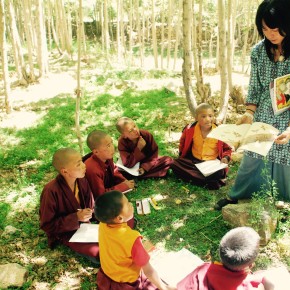
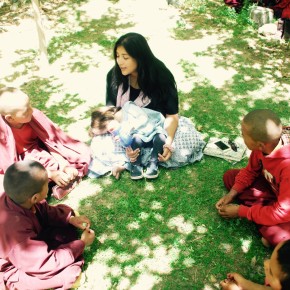
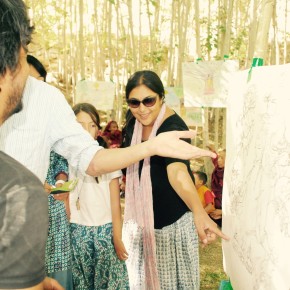
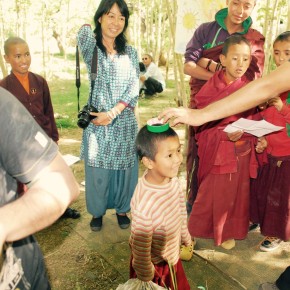
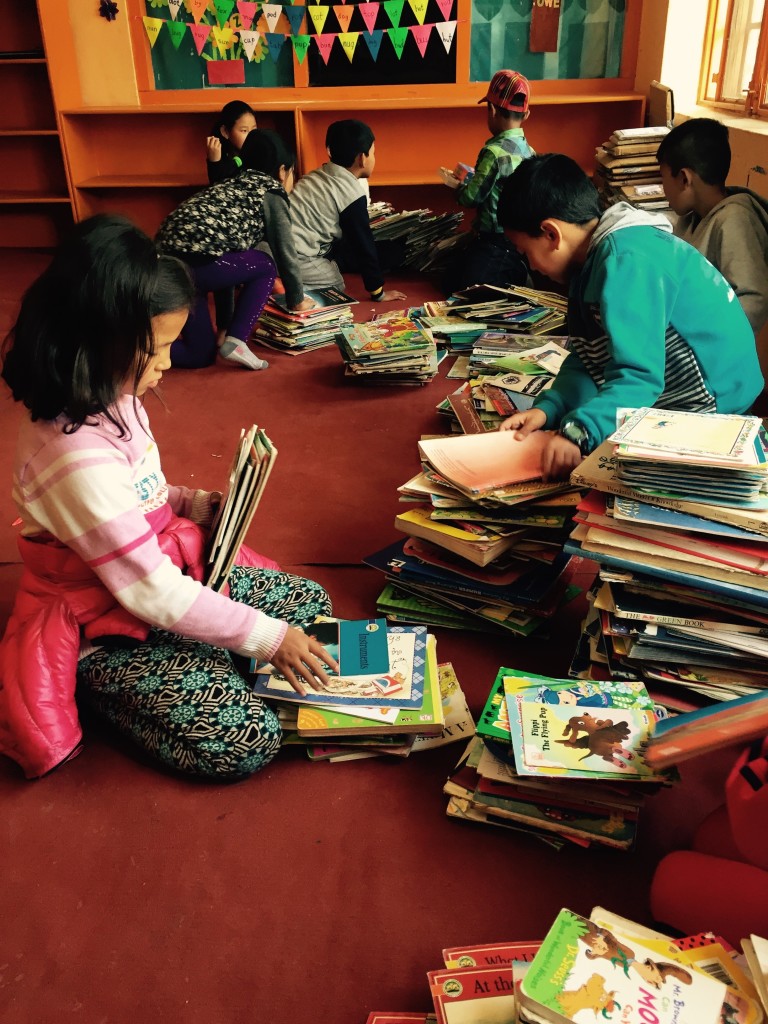
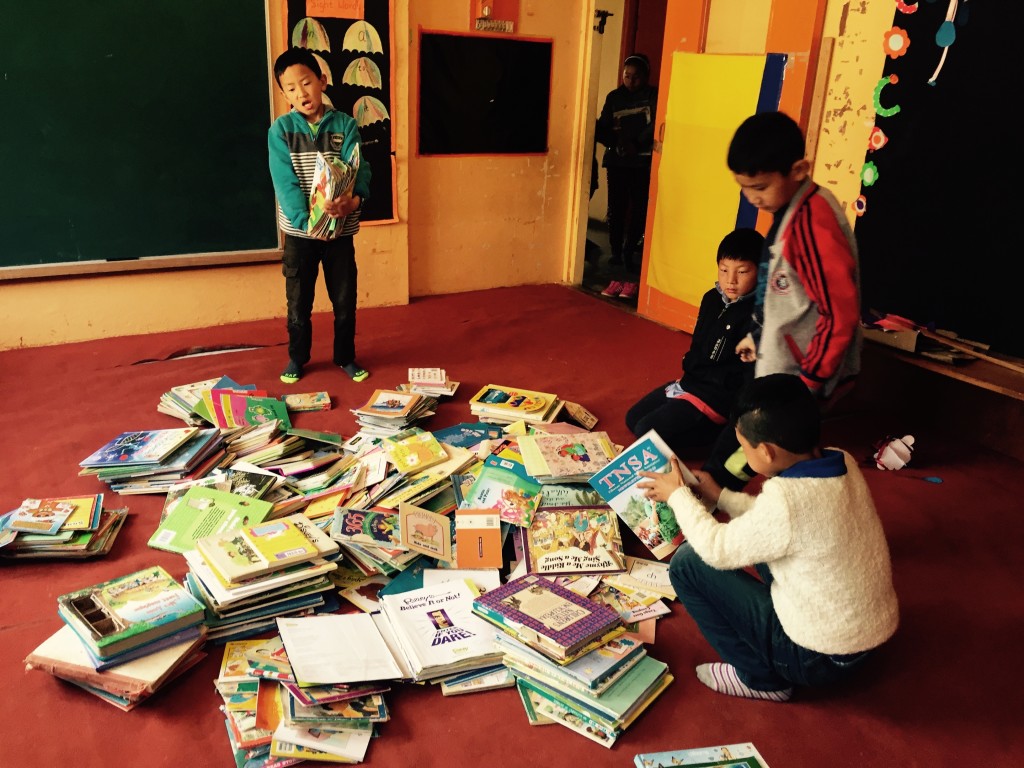
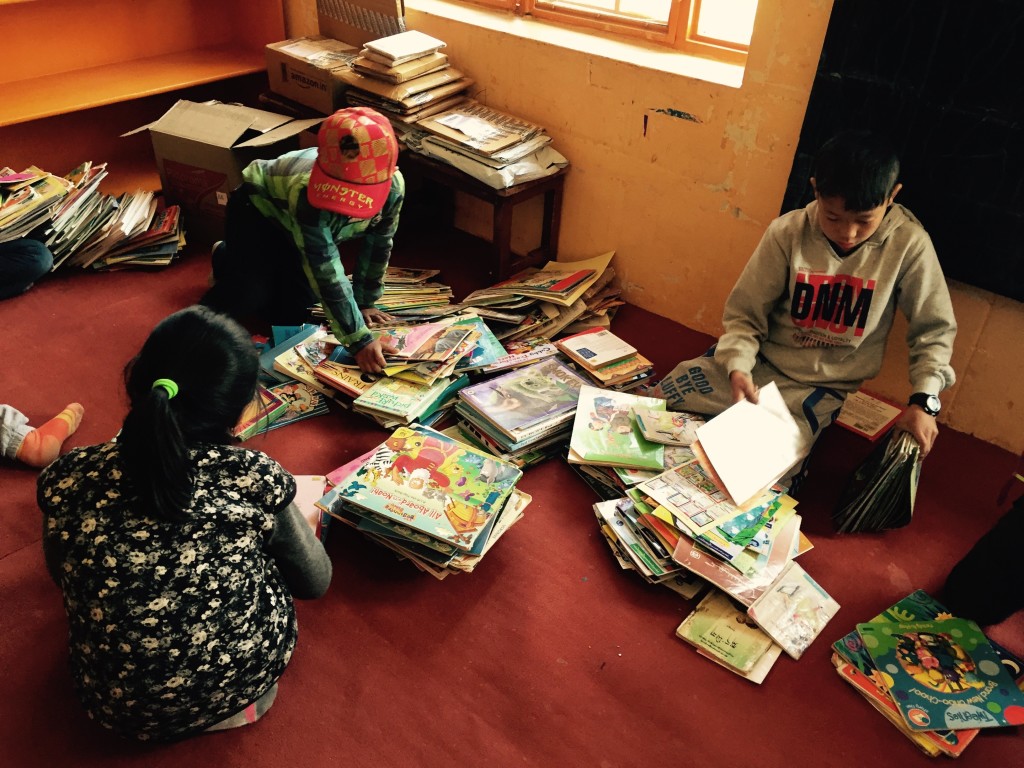
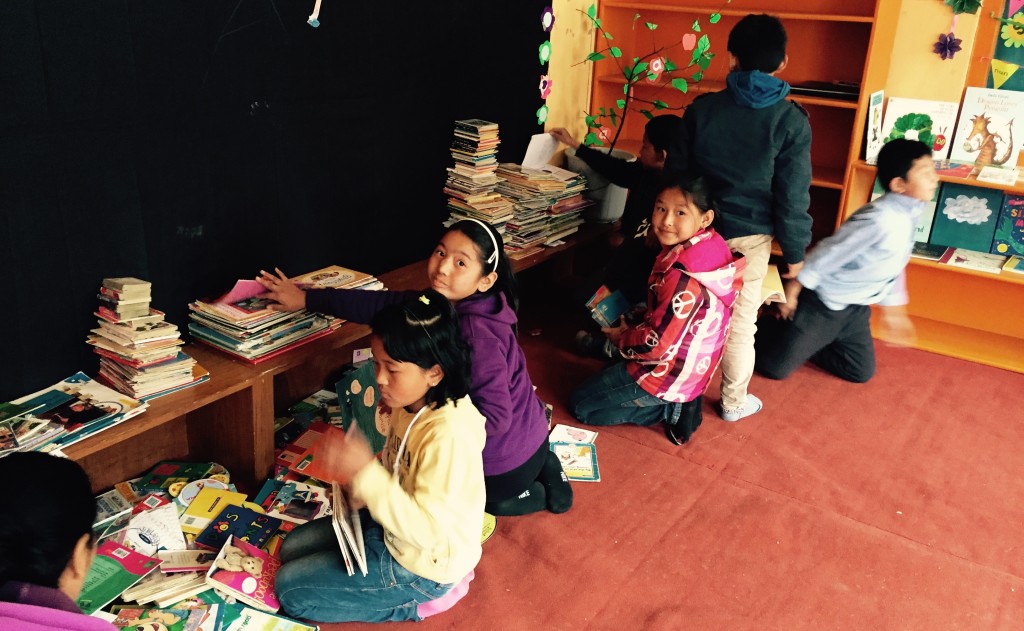
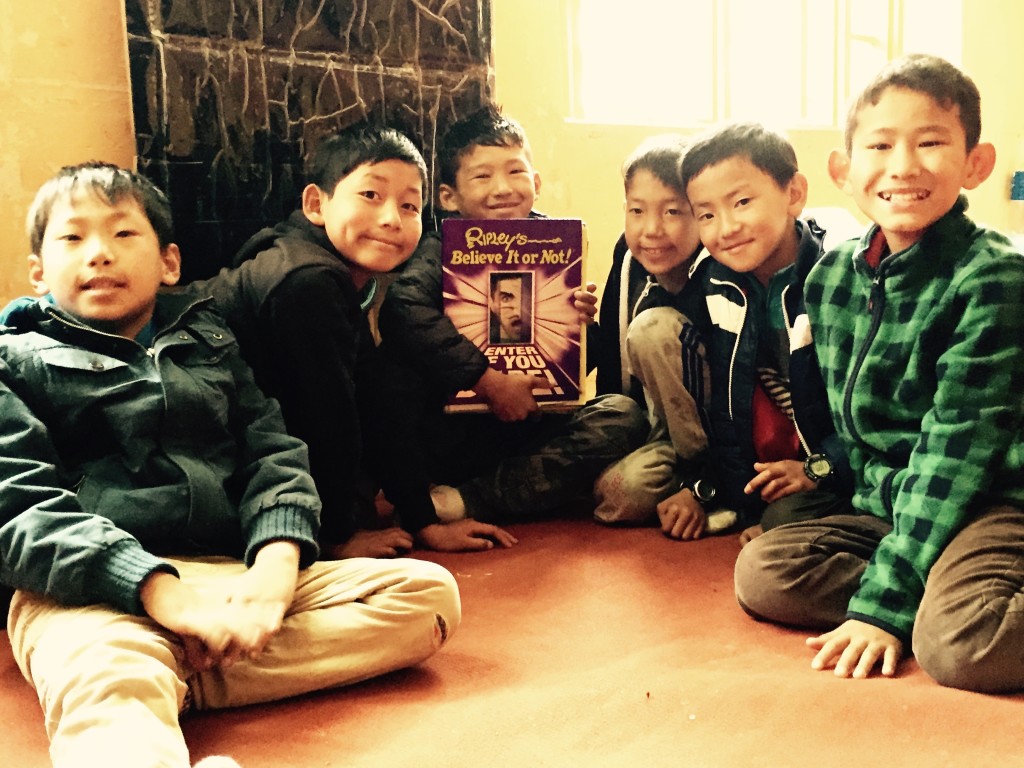
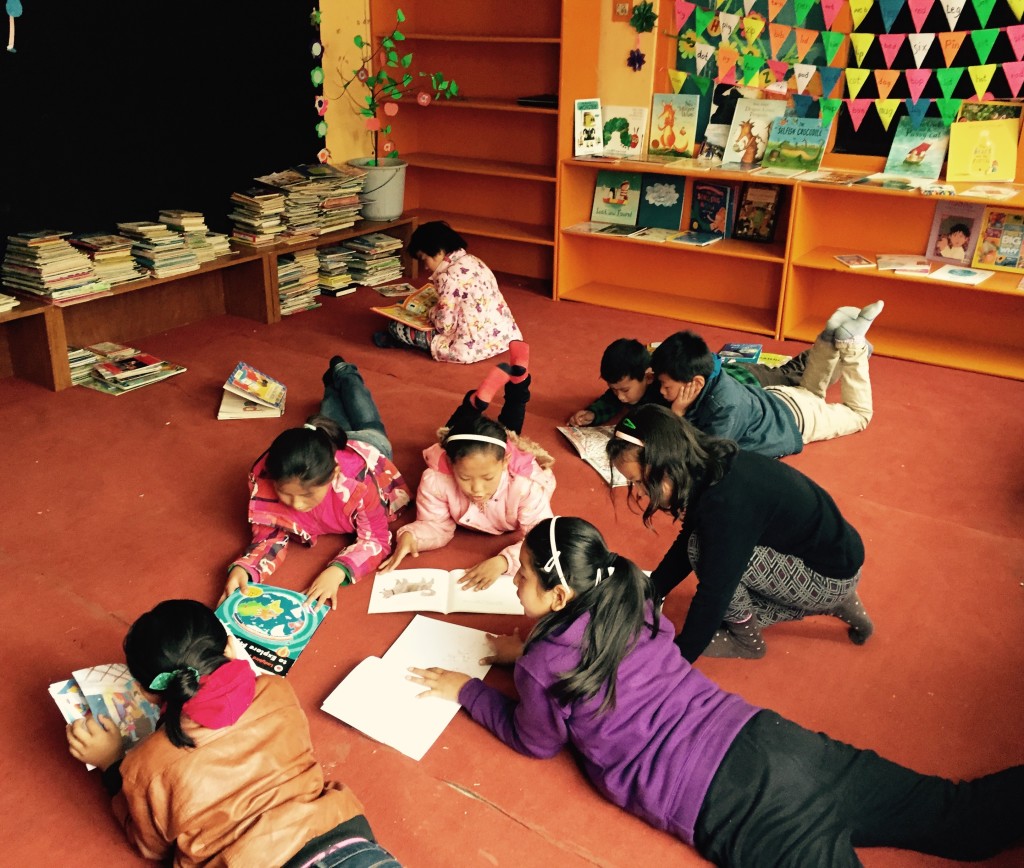
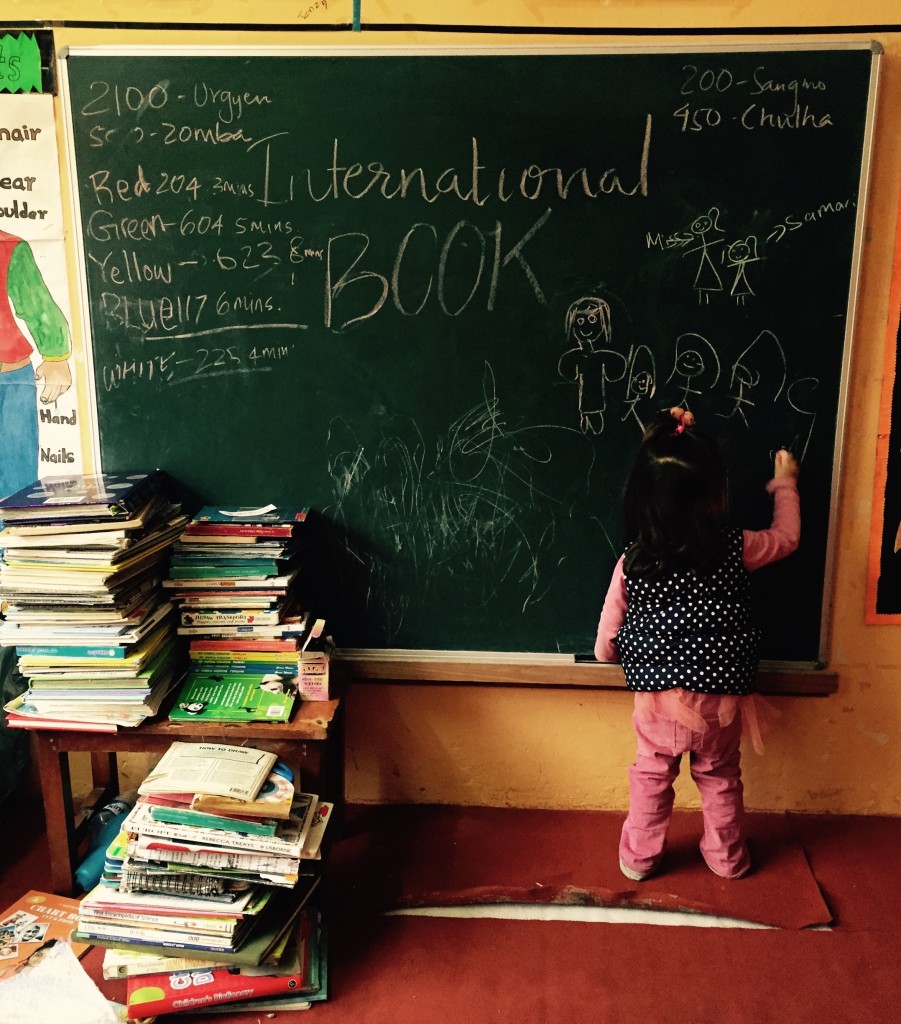
The project also gave other children a way to participate. They could identify an animal, suggest a new subject or sit nearby while he worked. A personal interest became a shared activity, creating conversation across ages and encouraging children to treat books as resources for making and exploring.
Why Reading Rooms Matter In Remote Communities
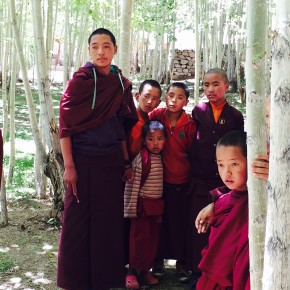
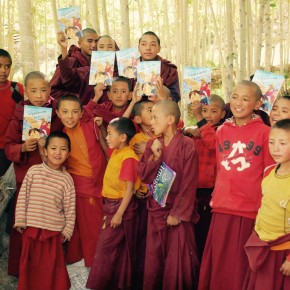
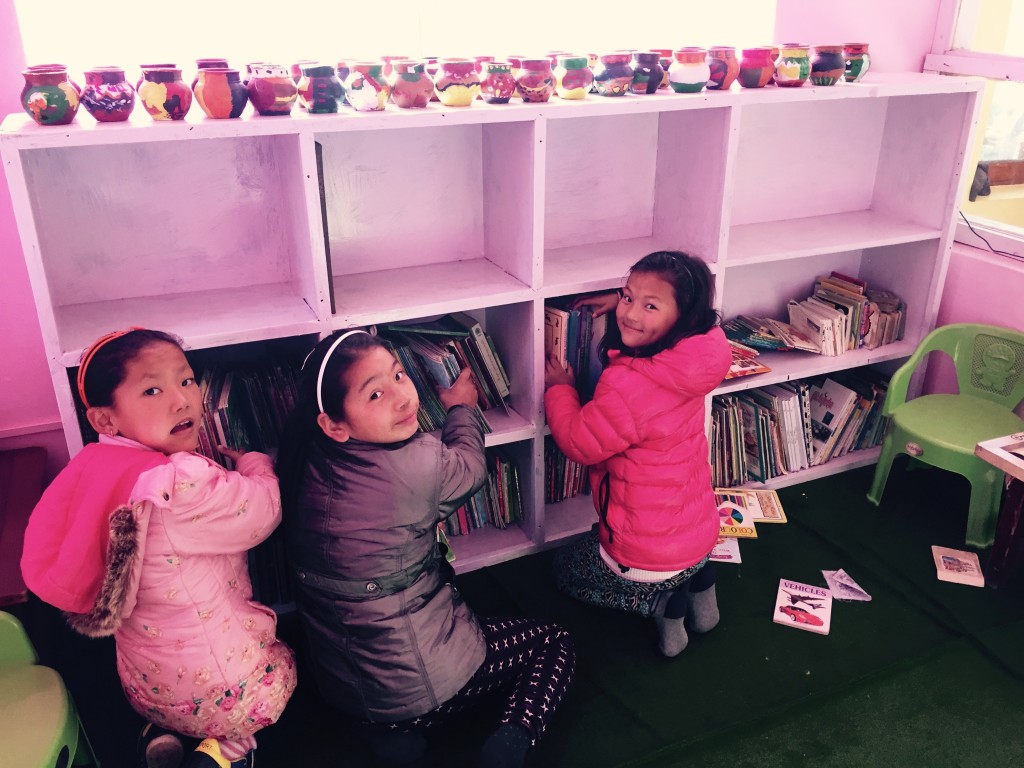
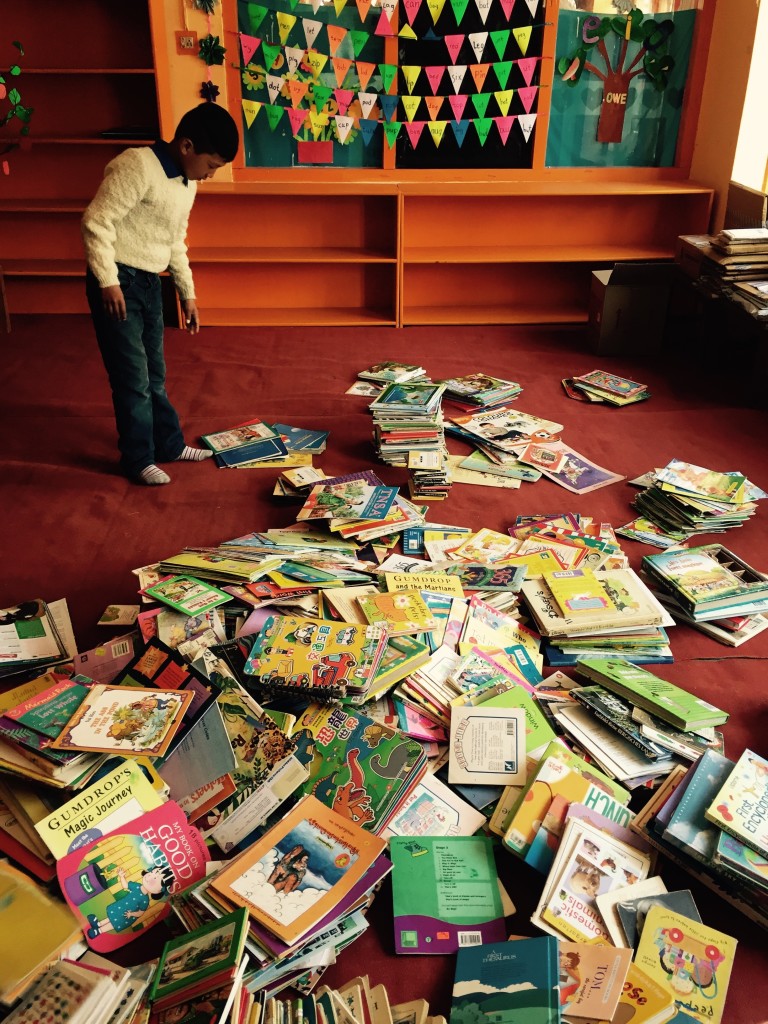
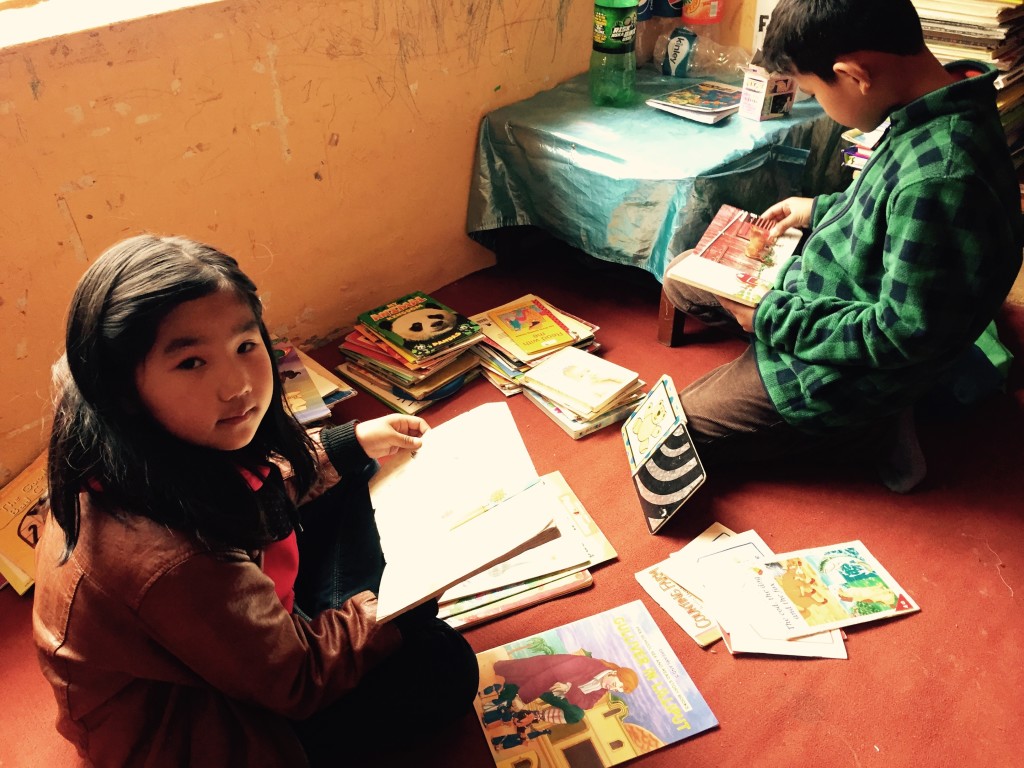
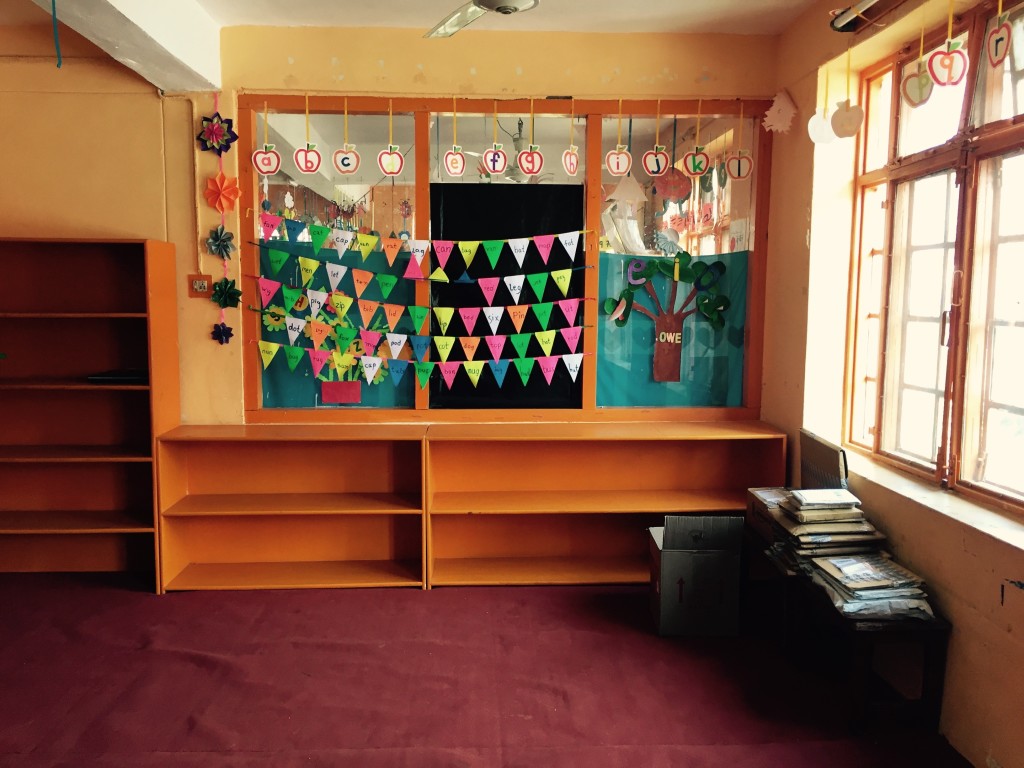
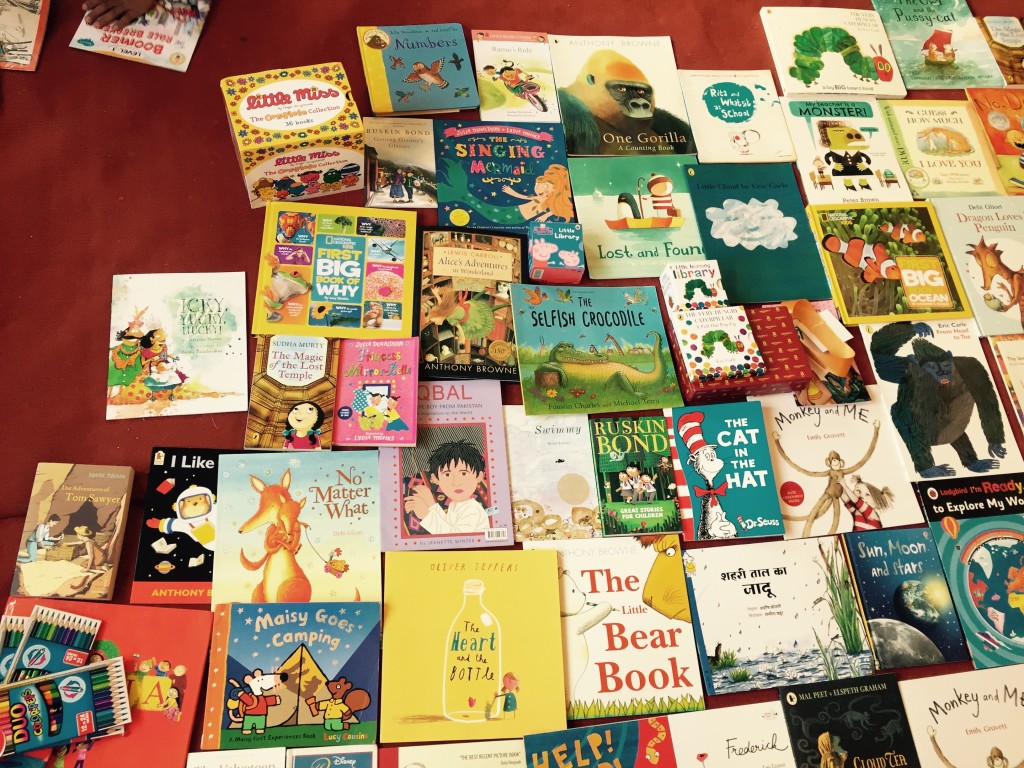
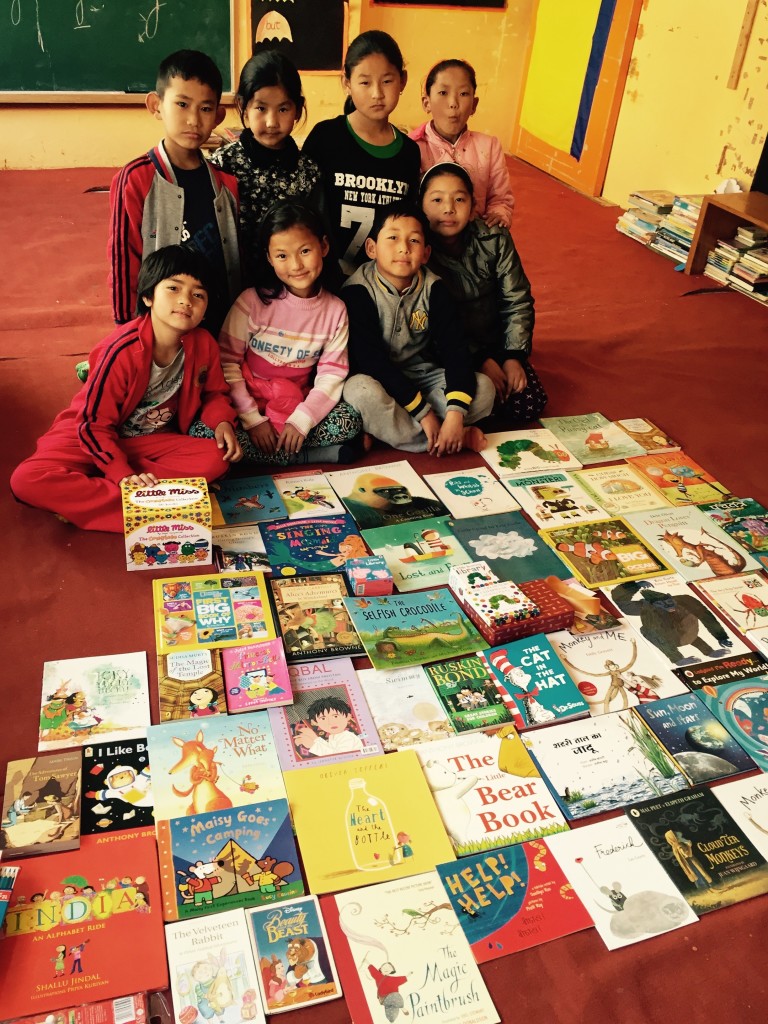
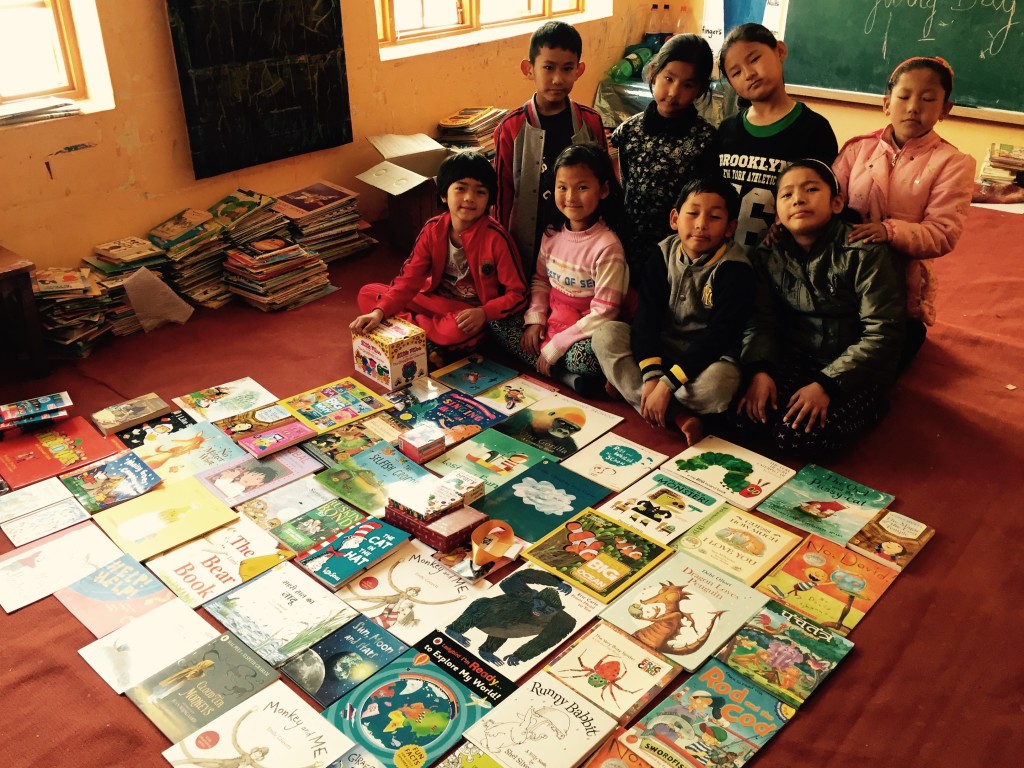
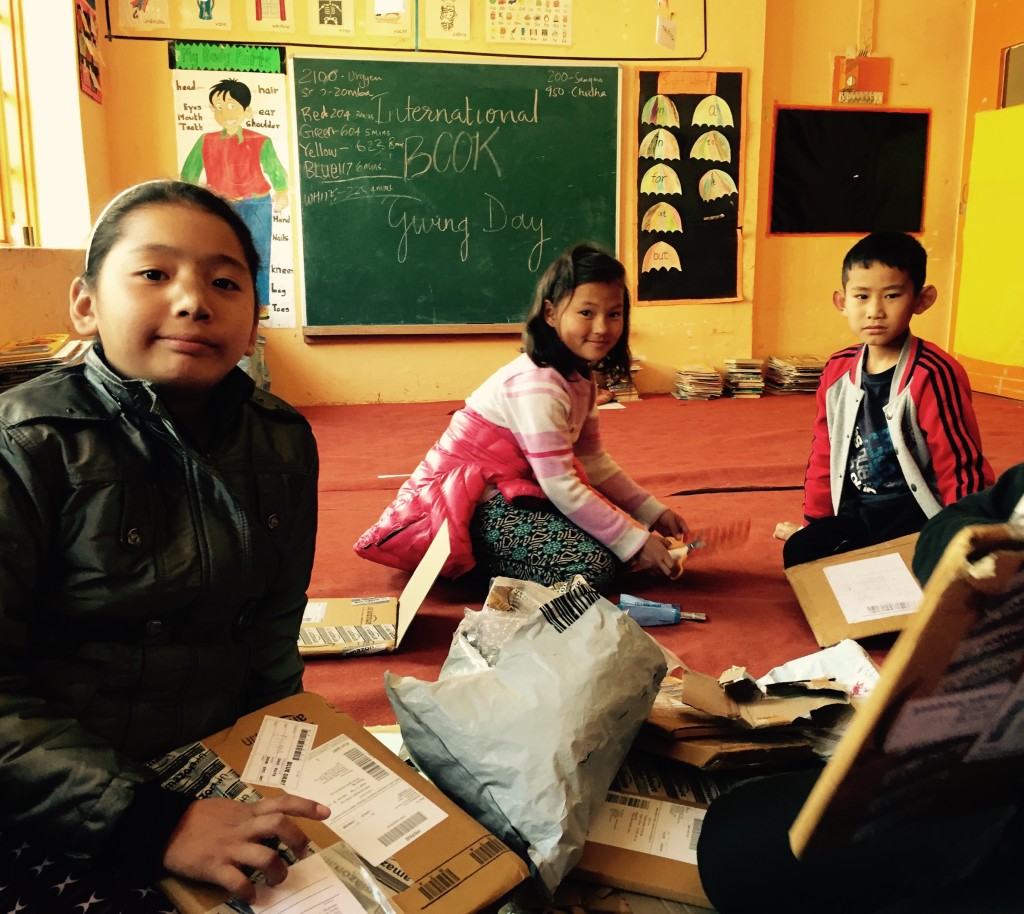
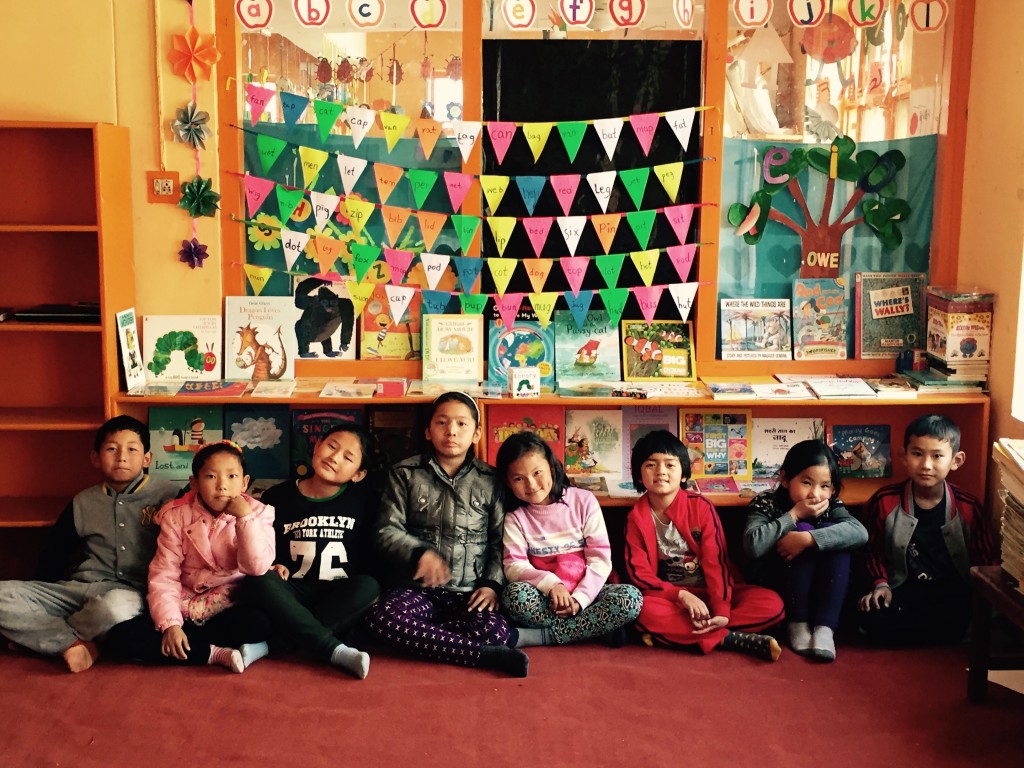
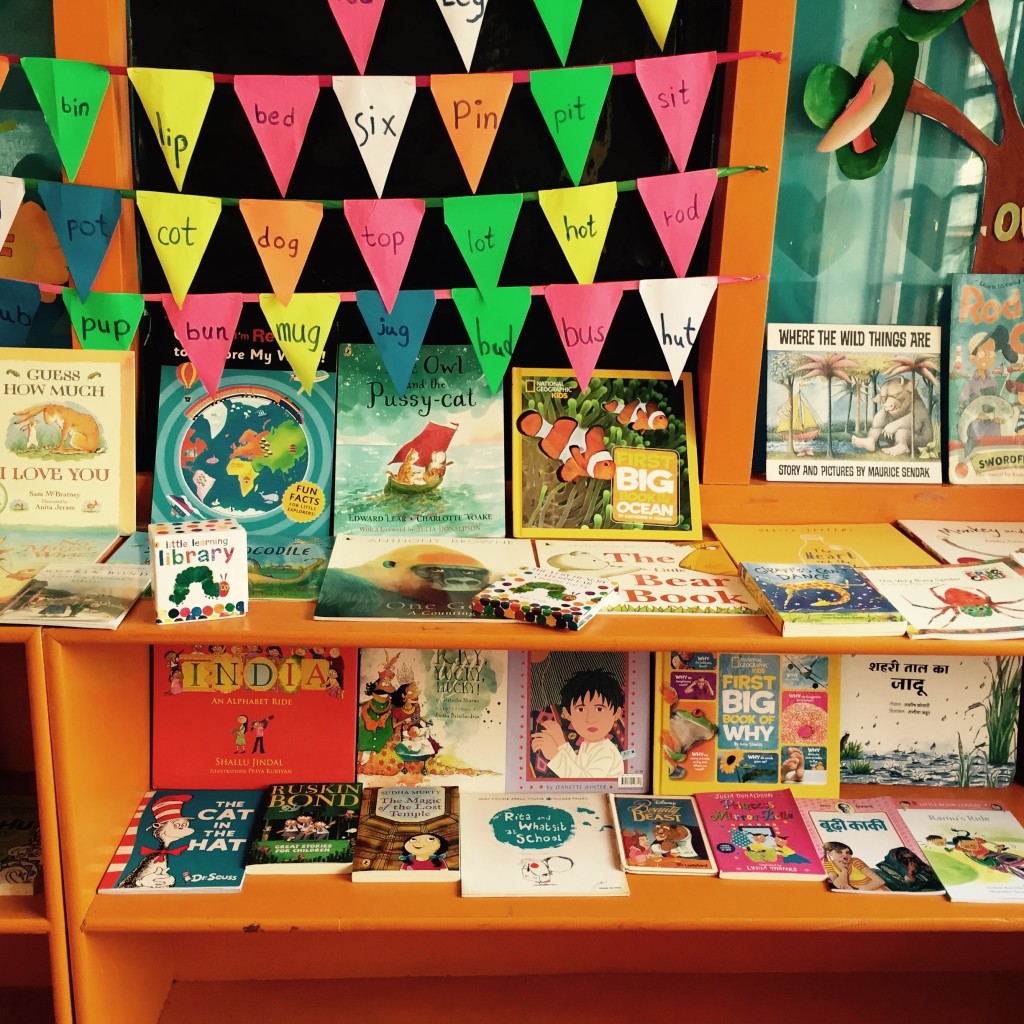
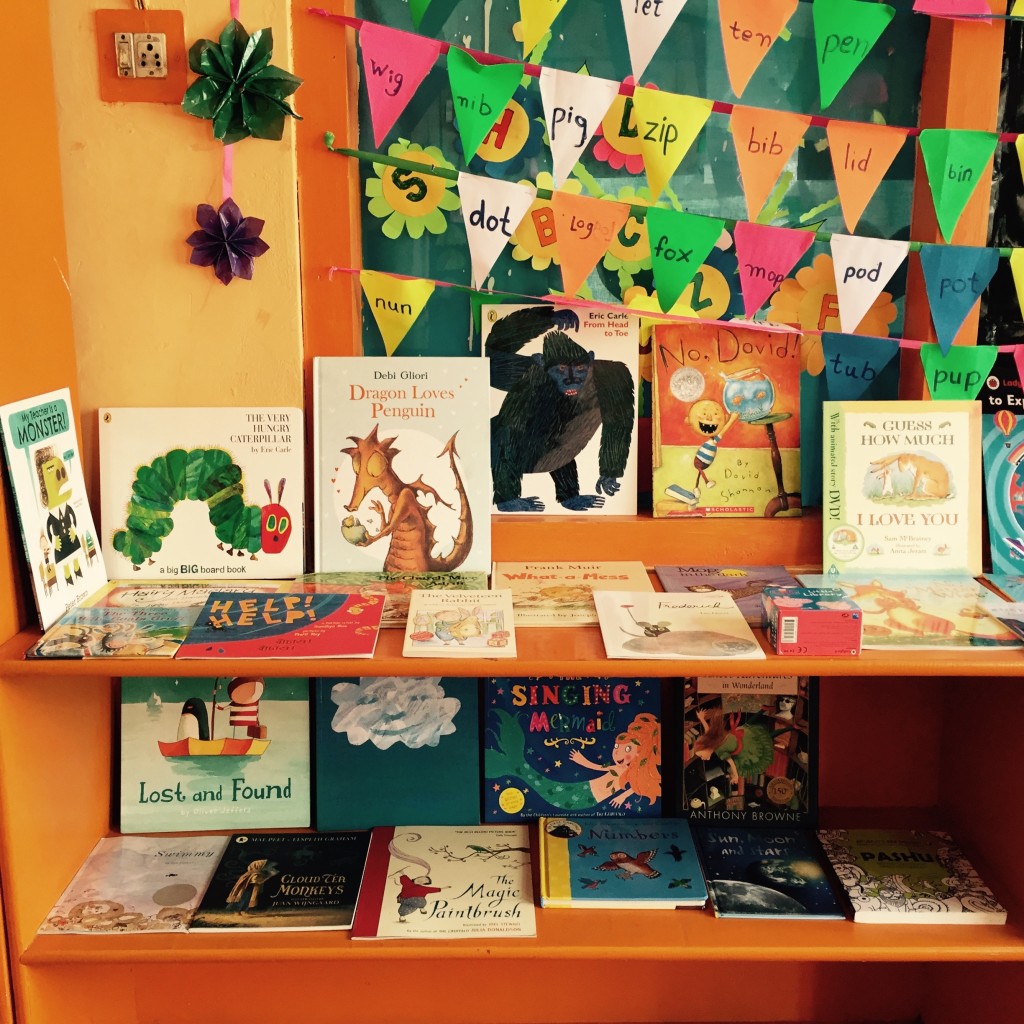
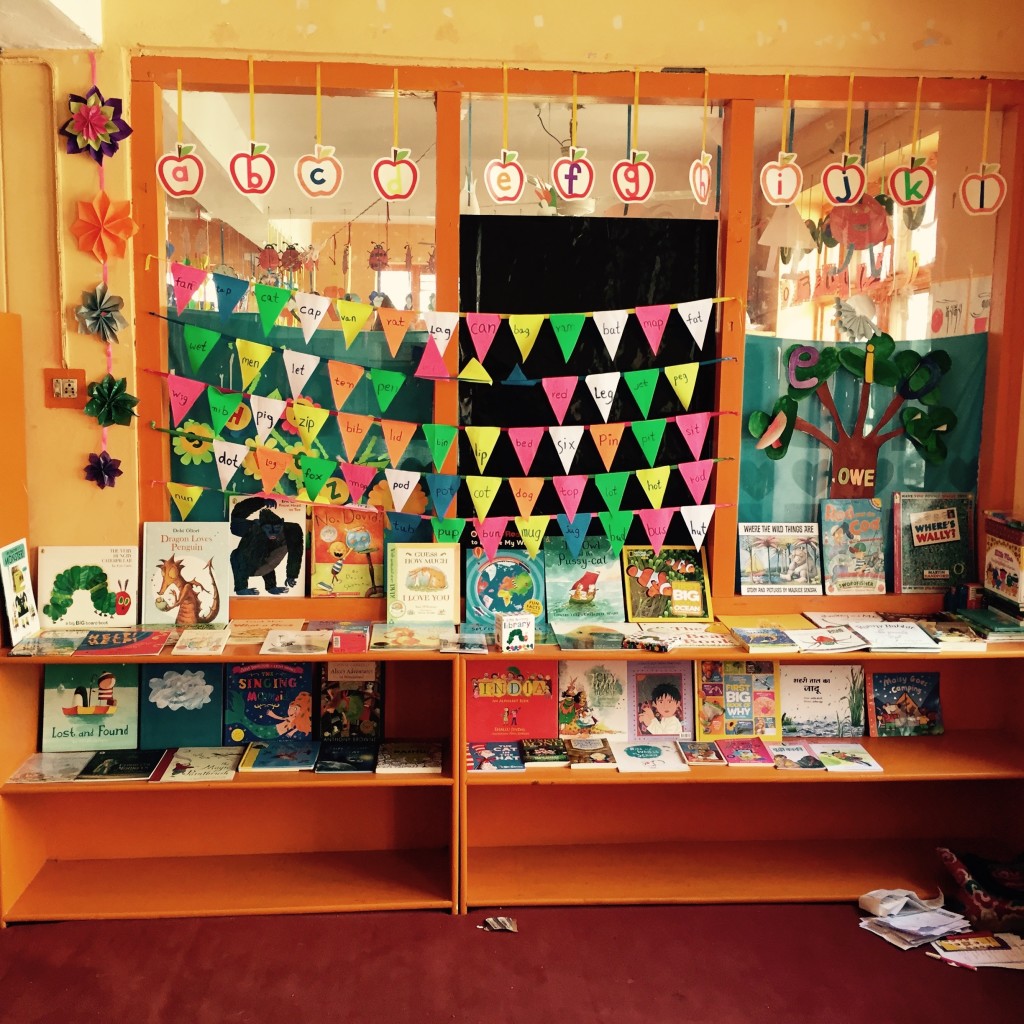
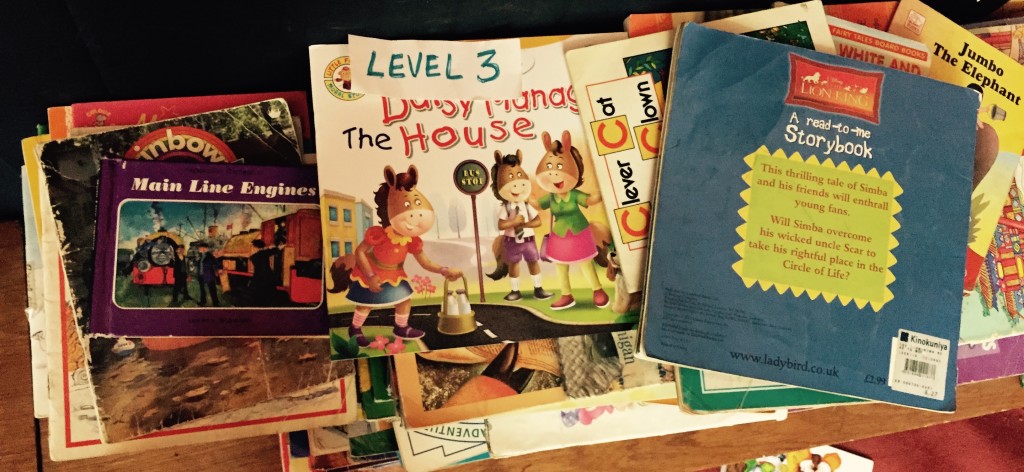
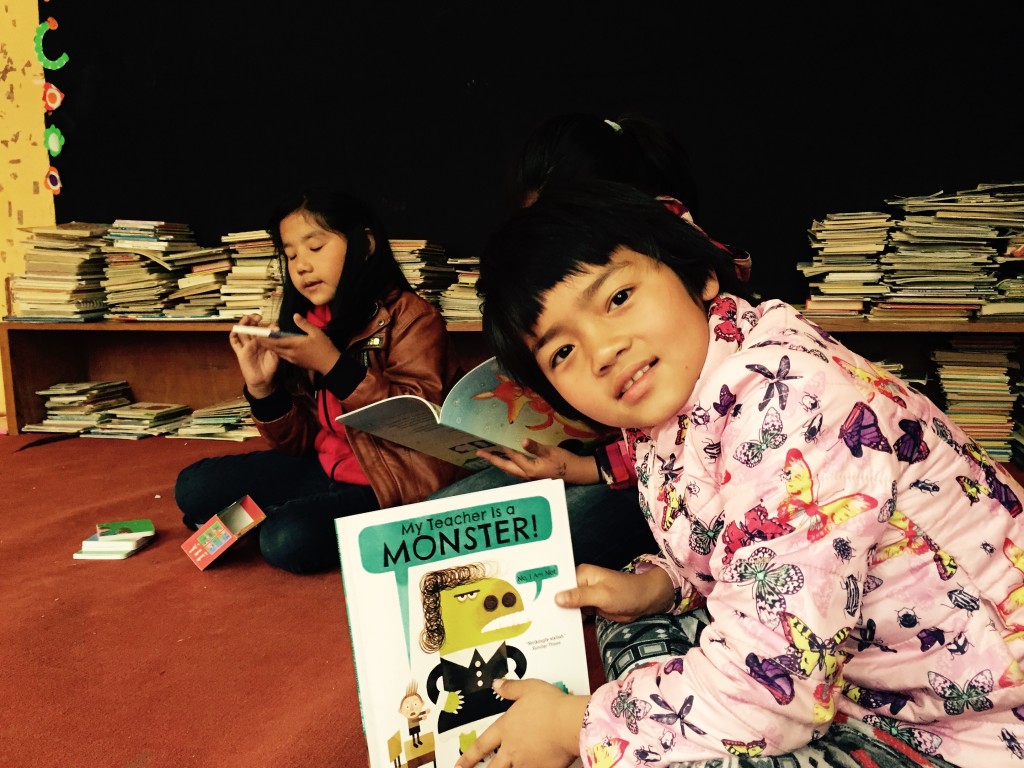
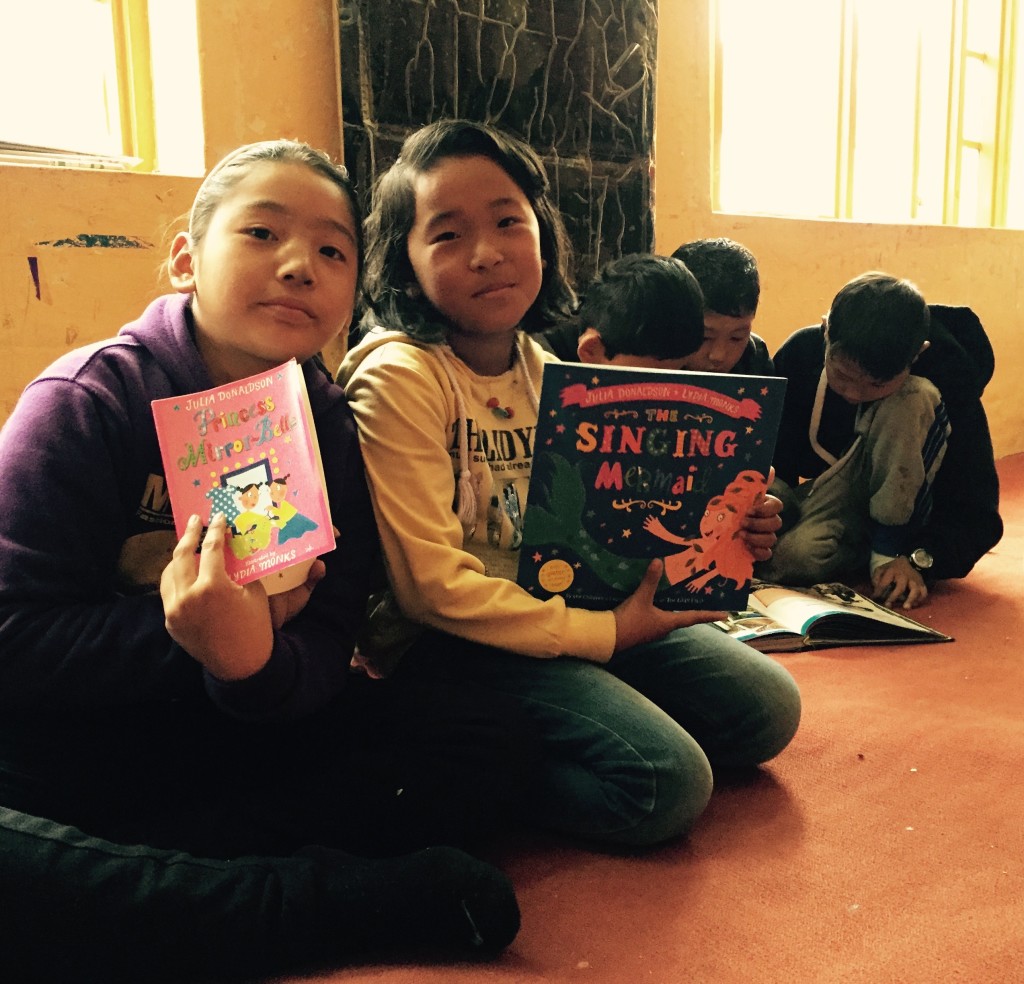
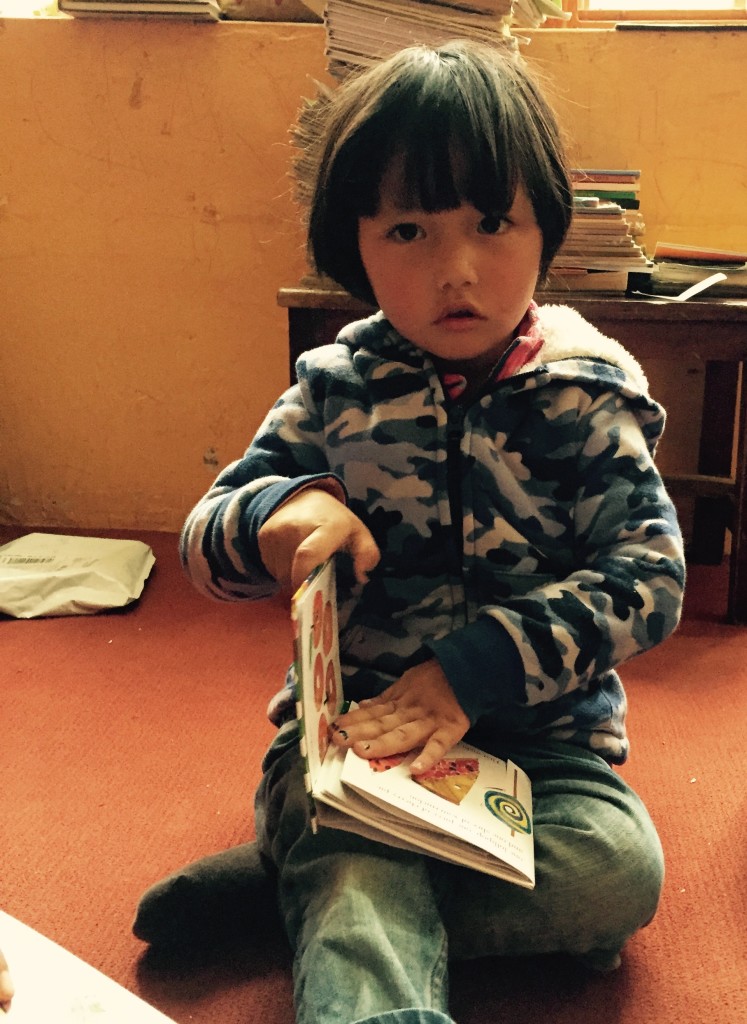
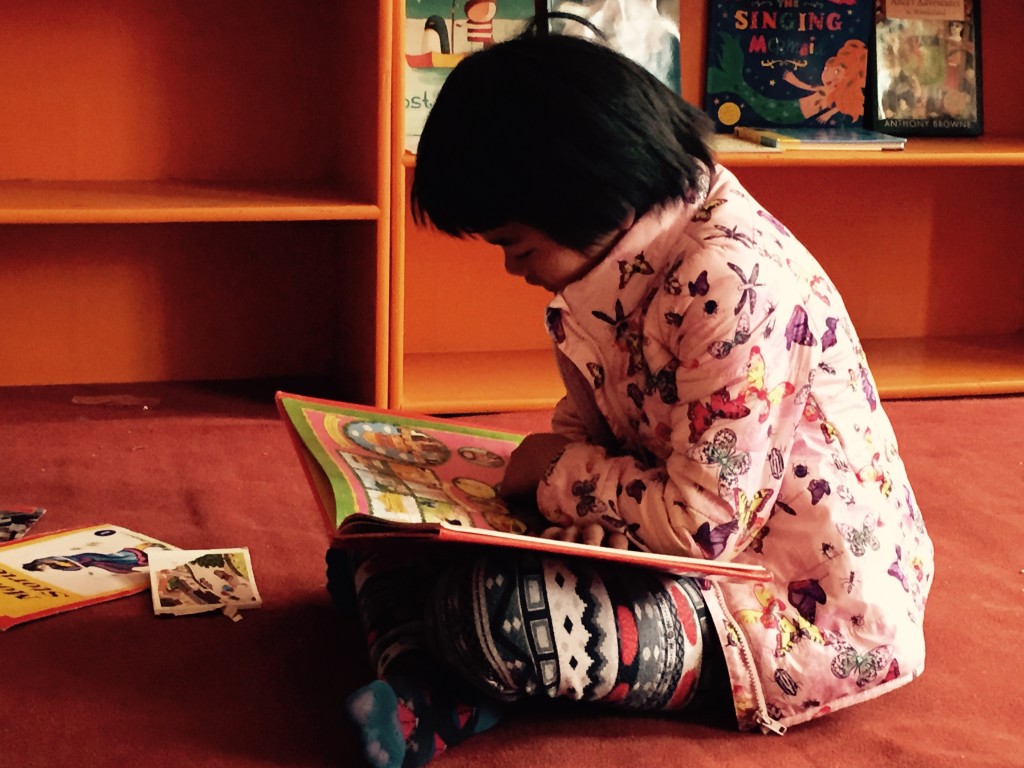
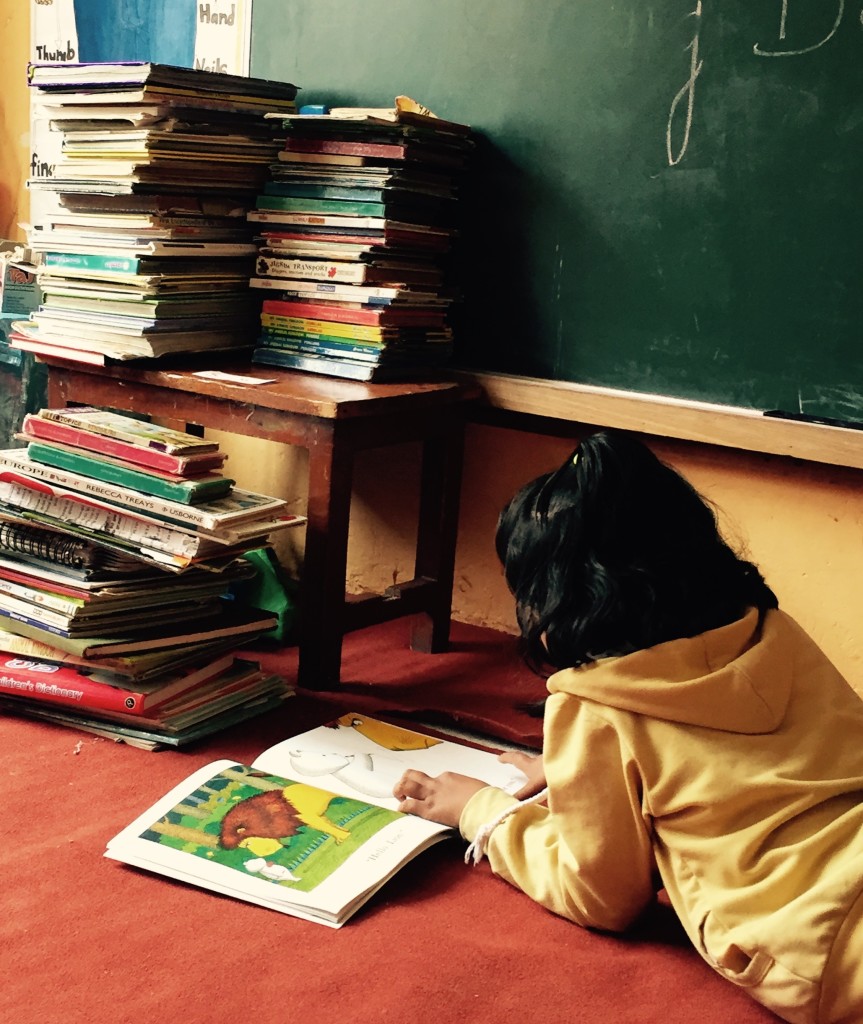
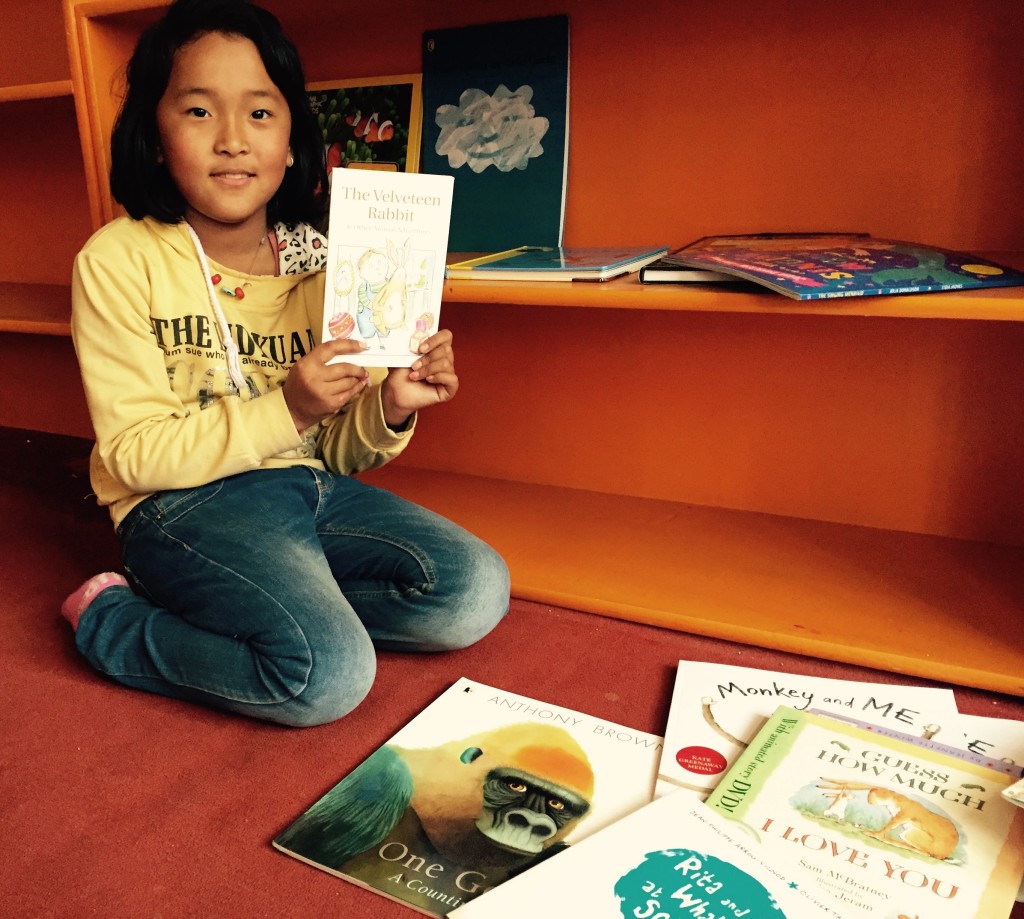
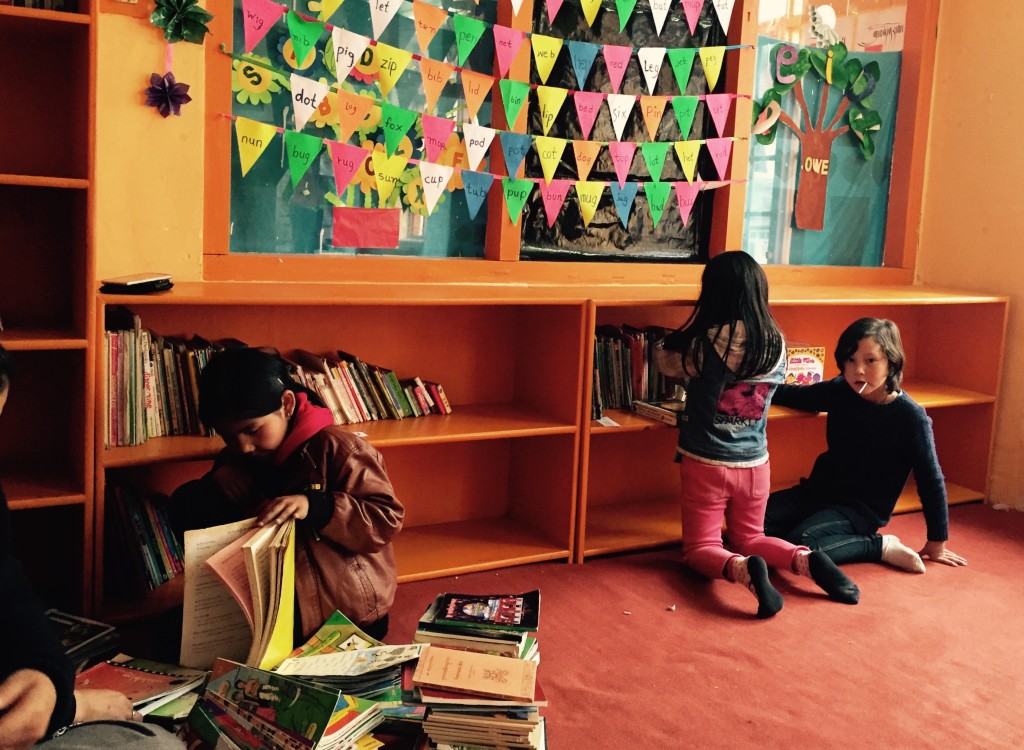
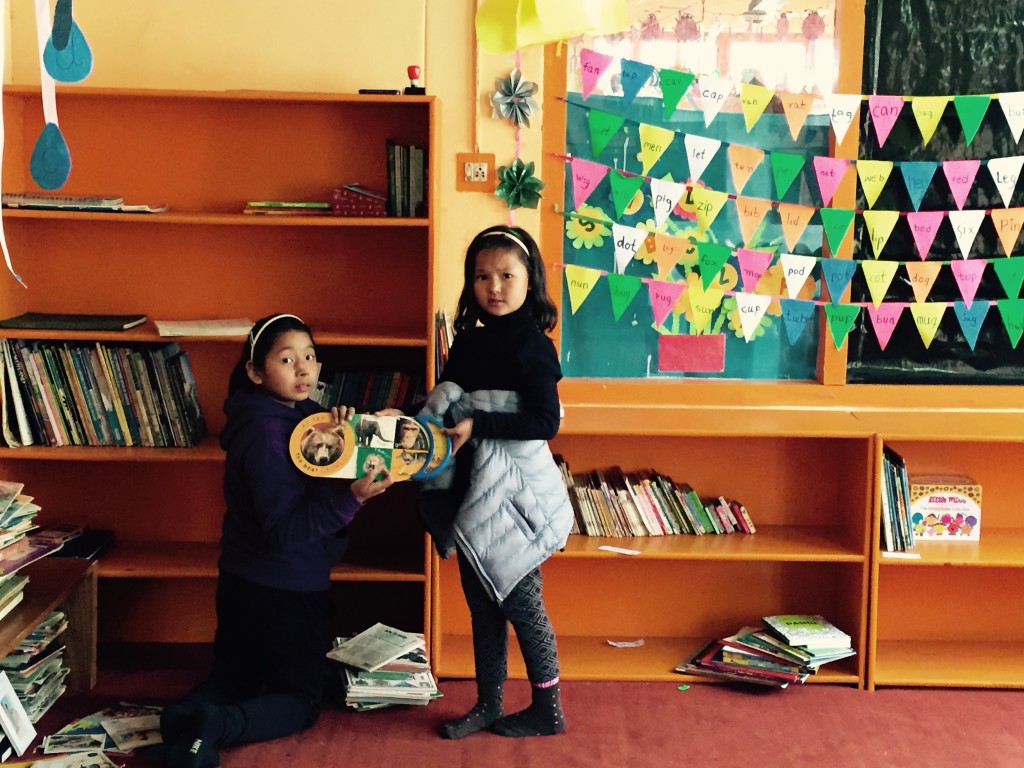
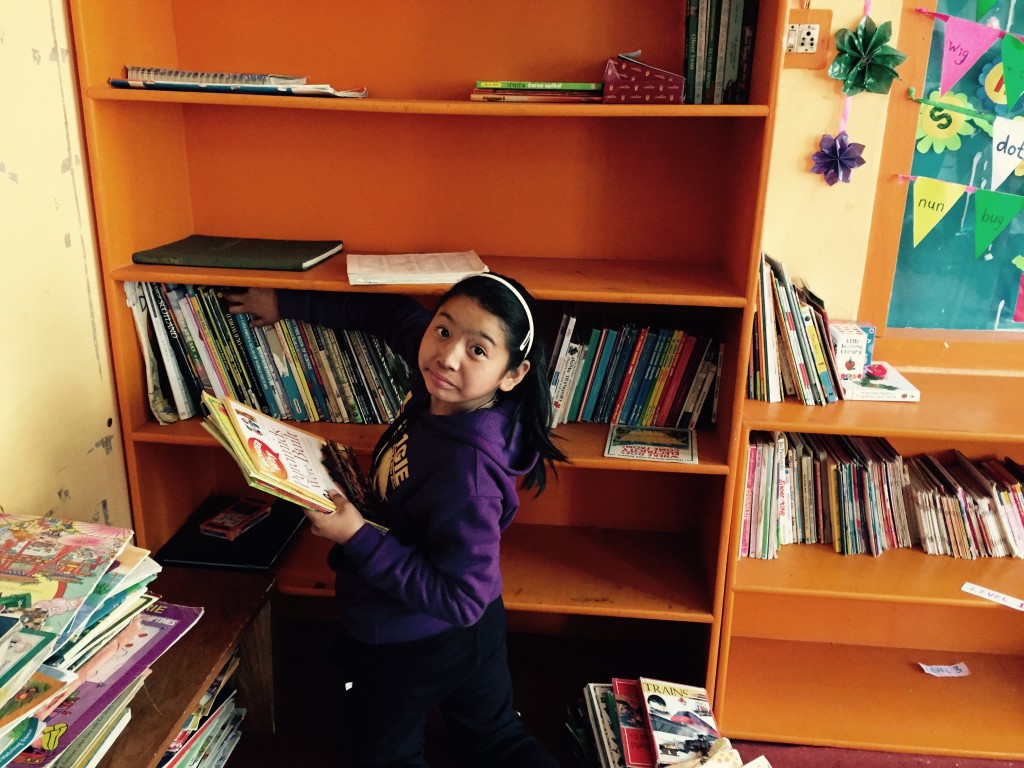
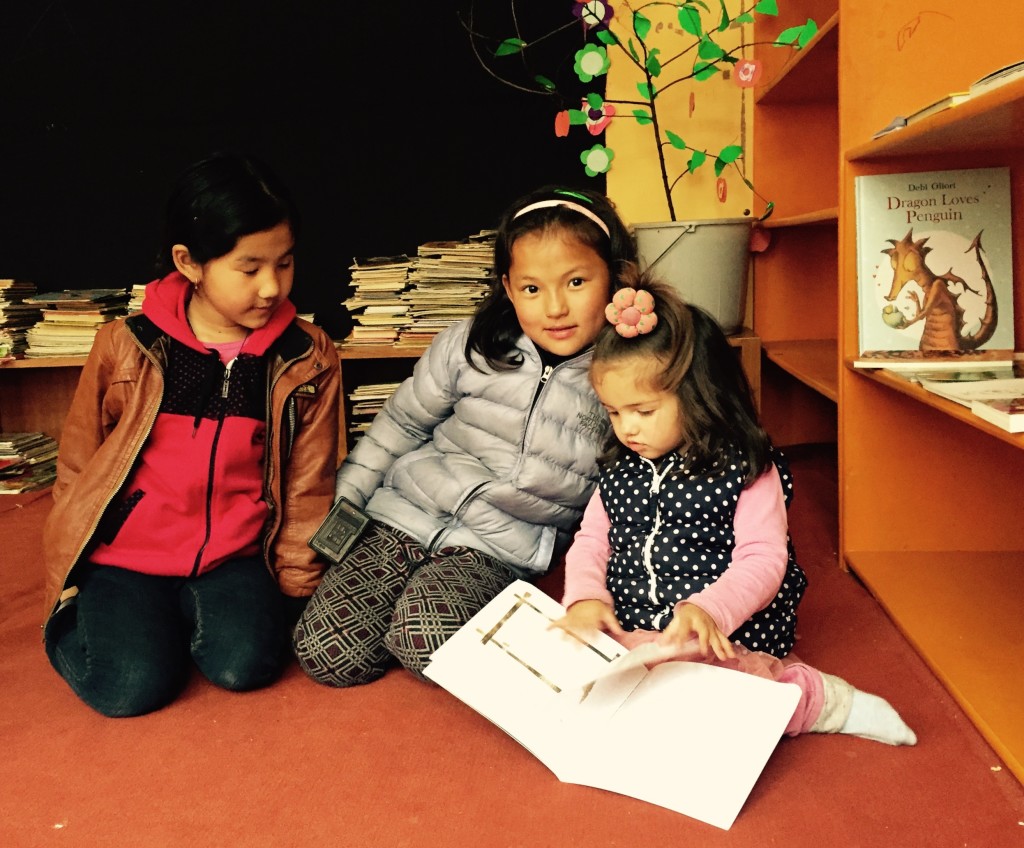
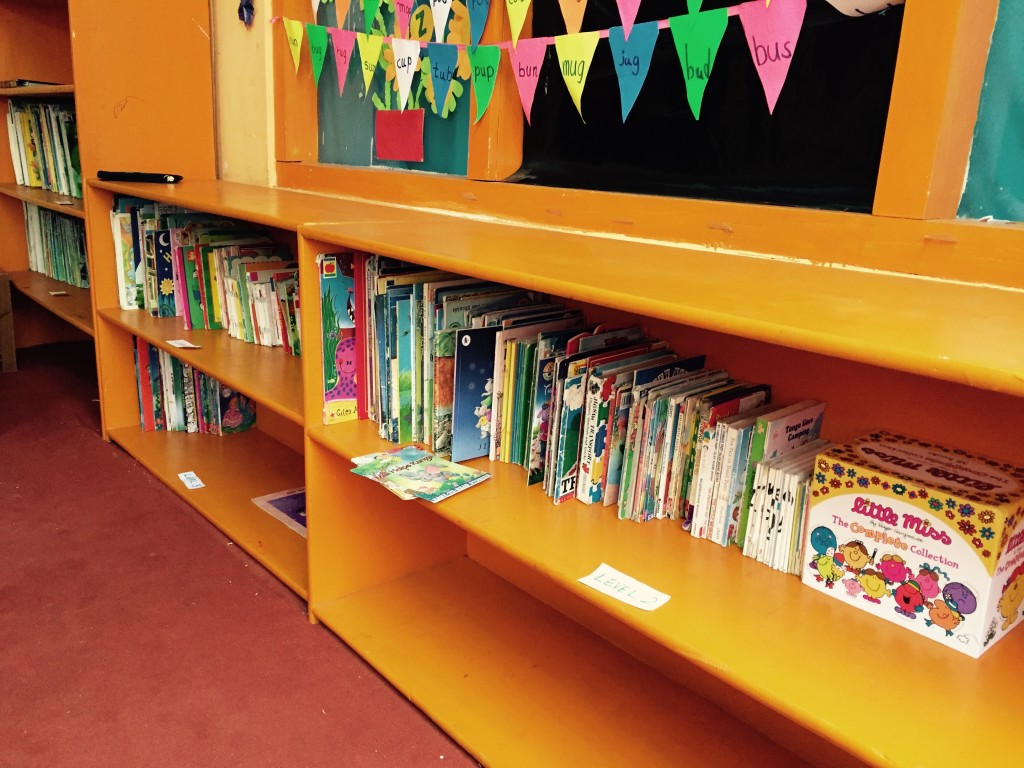
A reading room is more than a shelf of donated titles. It is a place where children can browse without needing to own a book, where young monks can study away from distractions, and where a volunteer can introduce a new activity. In Ladakh and other Himalayan communities, that dependable access can be especially valuable when families have limited educational materials at home.
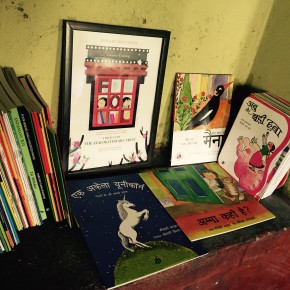
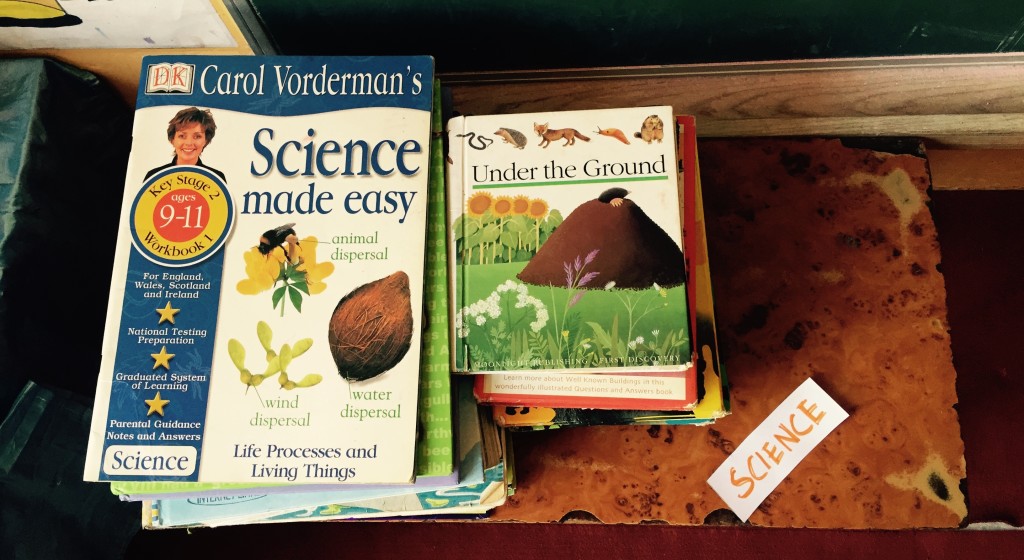
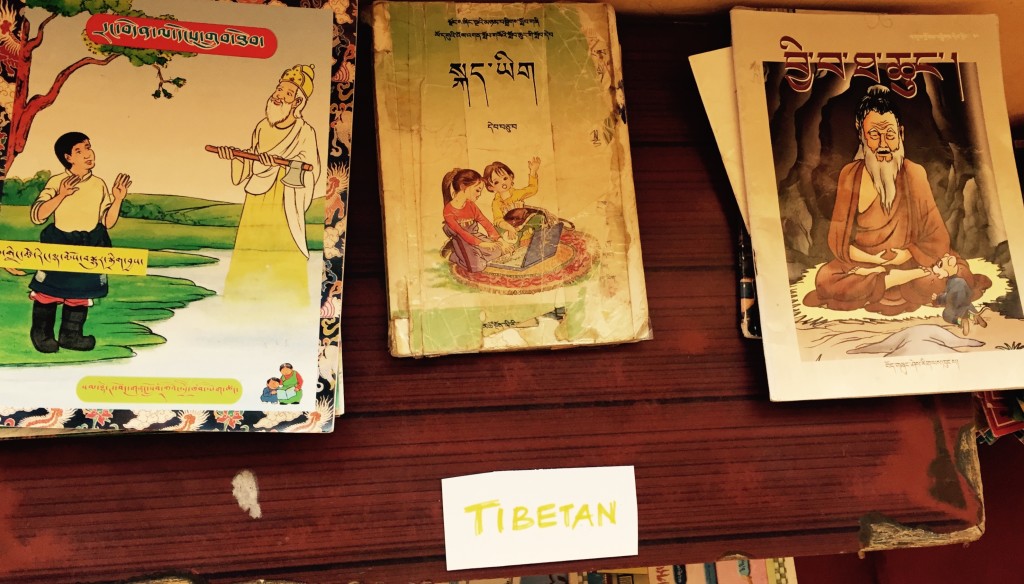
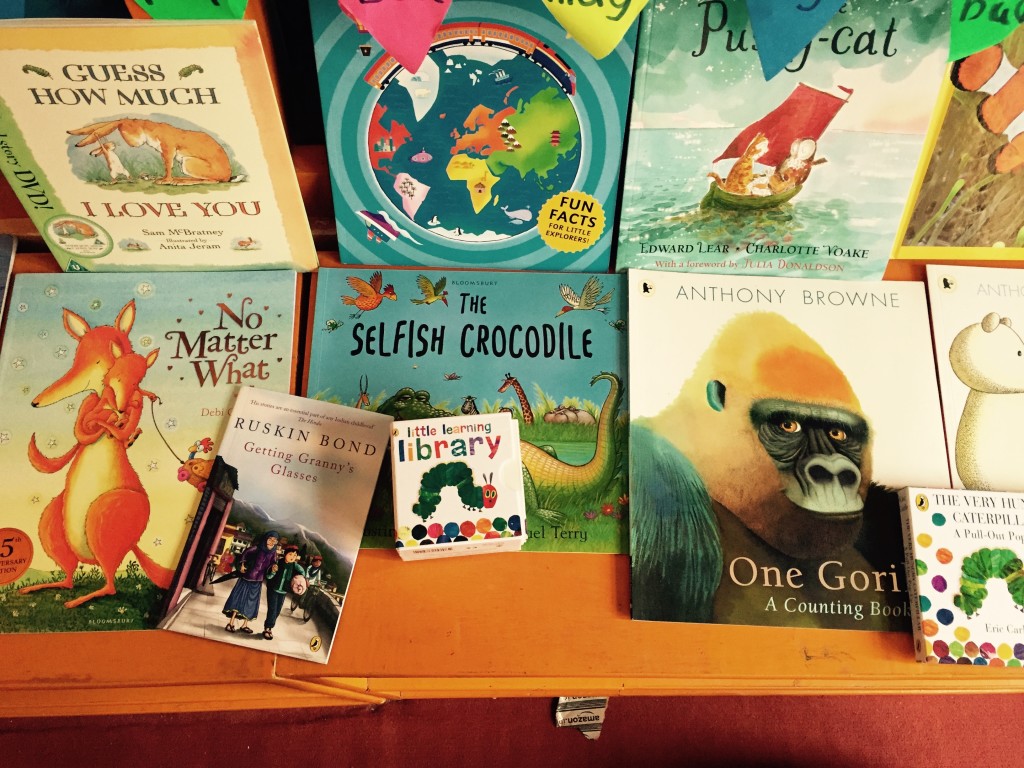
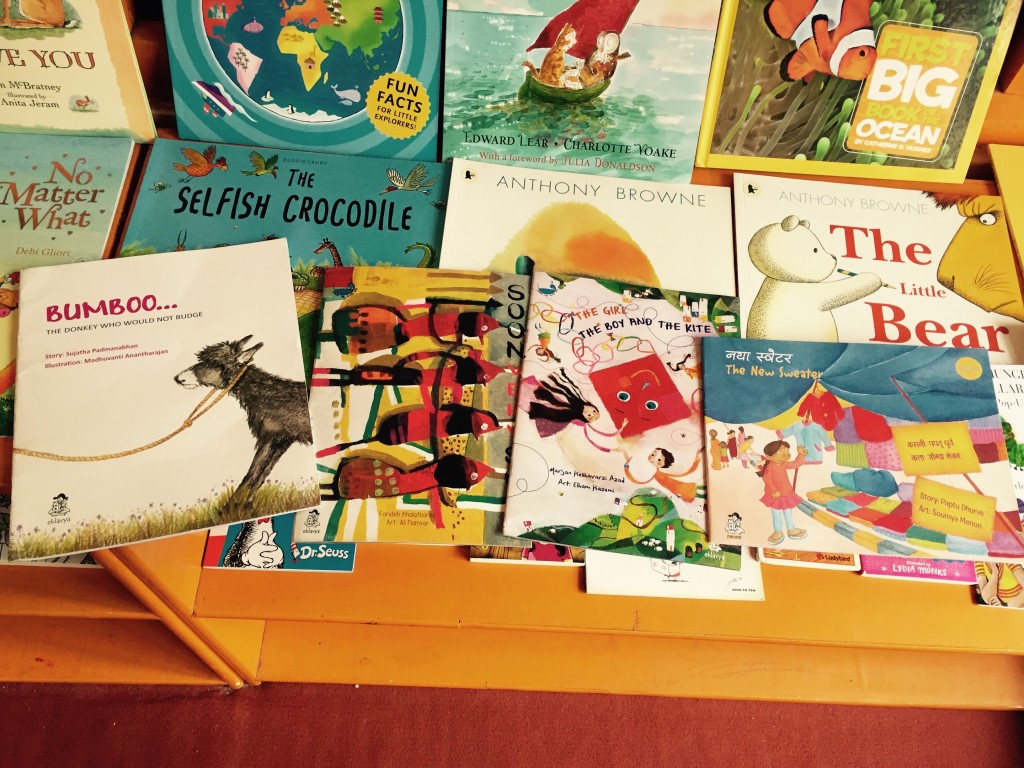
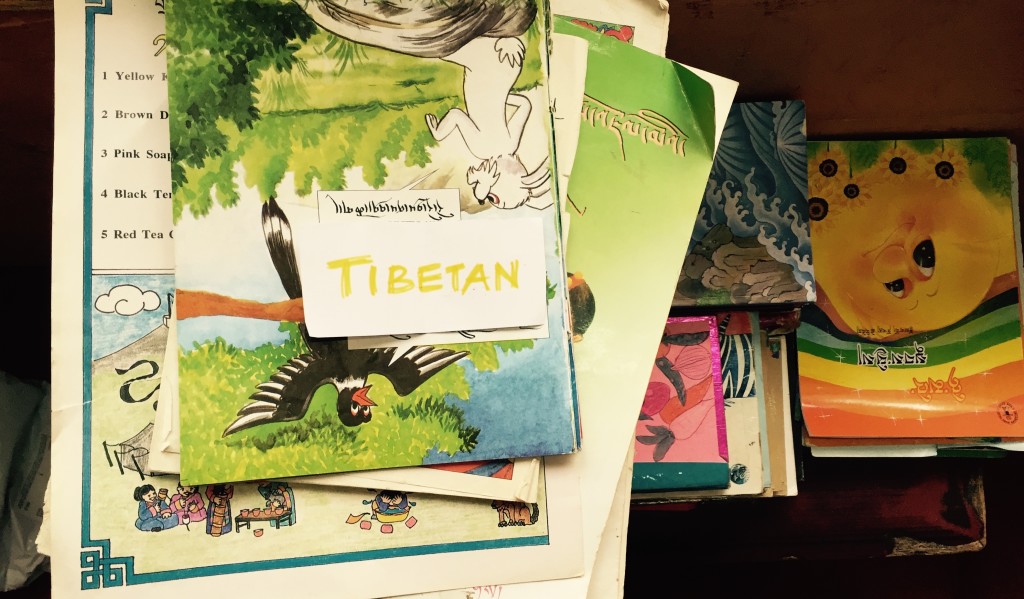
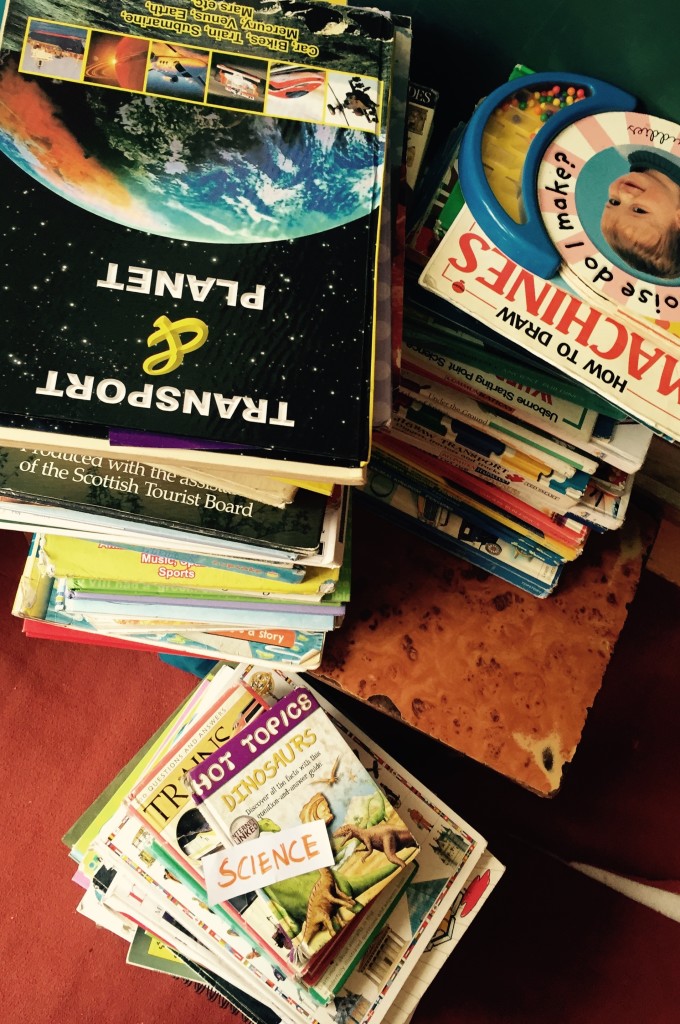
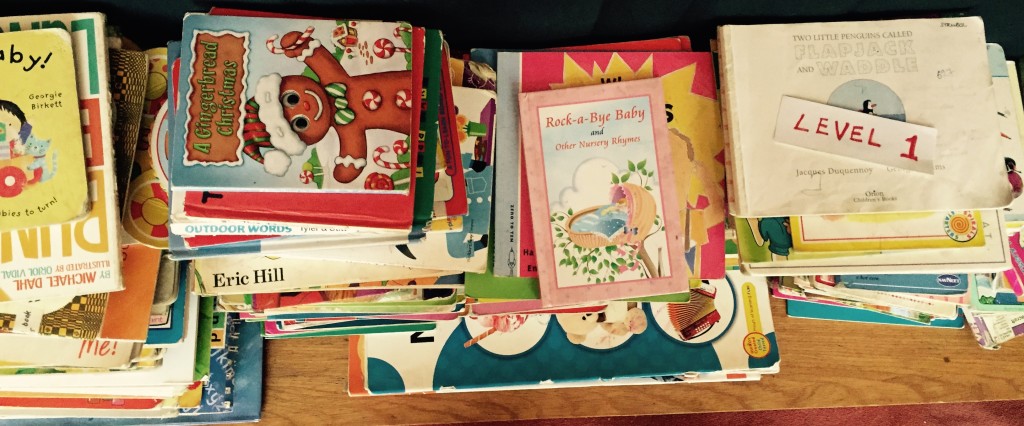
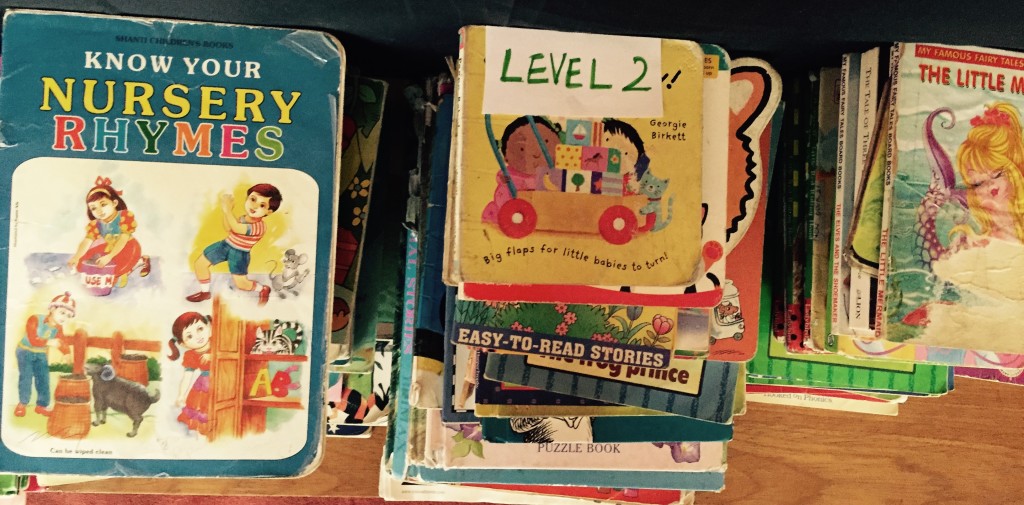
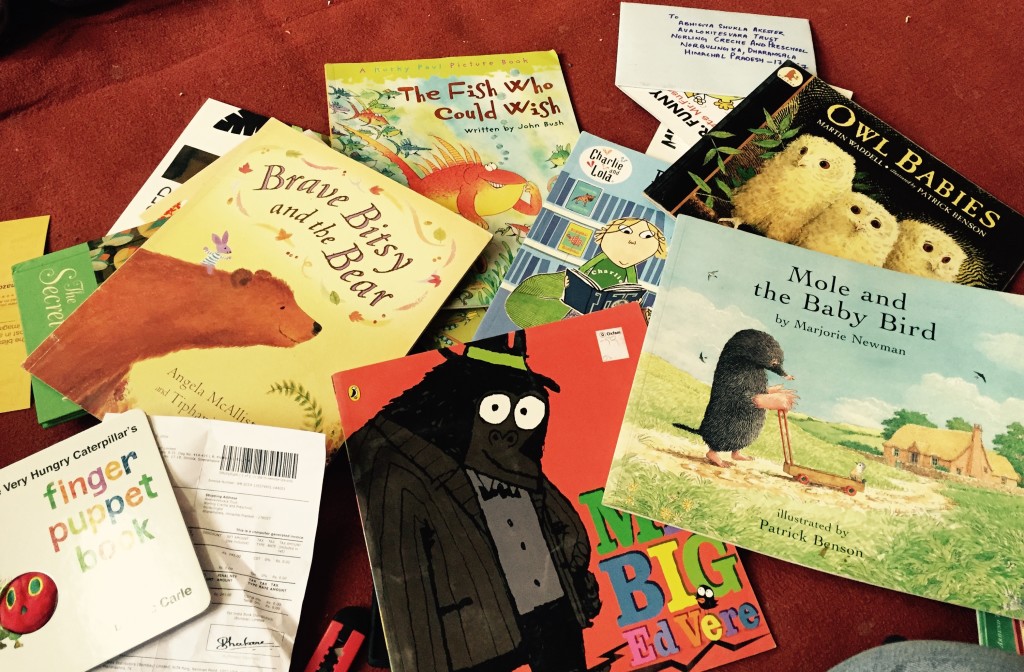
The quality and relevance of books matter. Wildlife titles with strong illustrations can support early readers, while simple science books, story collections and visual encyclopaedias can keep older children engaged. Bilingual resources may help children move between local languages and English, building confidence without treating one language as more important than another.
Australian supporters will recognise the same principle in local school libraries, council libraries and neighbourhood reading groups. A child in western Sydney or regional Victoria may borrow freely from a large collection; a child in a Himalayan village may depend on a much smaller shared library. The scale differs, but the effect of a well-chosen book can be remarkably similar.
How Australian Communities Can Connect With The Story
In Australia, support for educational projects often grows through practical community networks. A primary school in Melbourne might run a book week collection, a community group in Brisbane might host a reading afternoon, or a school in Wagga Wagga might connect a class art project with children overseas. These activities make giving tangible for students rather than turning it into an abstract overseas appeal.
The Australian way of saying “give it a go” also suits creative learning. Children can draw local birds, compare Australian habitats with Himalayan landscapes, or create a shared wildlife mural. A class might research wombats, echidnas and wedge-tailed eagles before looking at animals found in Ladakh. The activity builds knowledge in both directions.
Supporters should also understand how the local charity market works. Australian donors often look for clear reporting, specific outcomes and responsible use of funds, while schools and community groups prefer straightforward projects they can explain to families. A book drive is effective when it responds to an identified need, follows practical shipping advice and supports suitable reading levels rather than sending unwanted surplus stock.
Ways To Turn Reading Into Shared Learning
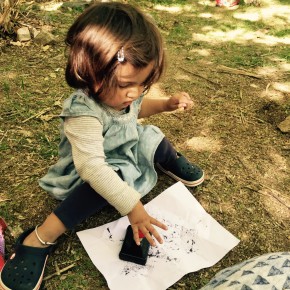
- Pair a wildlife book with a drawing session about local animals
- Invite children to label sketches with habitat and behaviour facts
- Compare Australian deserts, ranges and wetlands with Himalayan environments
- Display finished artwork in a school library or community centre
- Use story time to introduce conservation and respect for living things
Useful Materials For A Children’s Wildlife Project
- Illustrated field guides suited to different reading ages
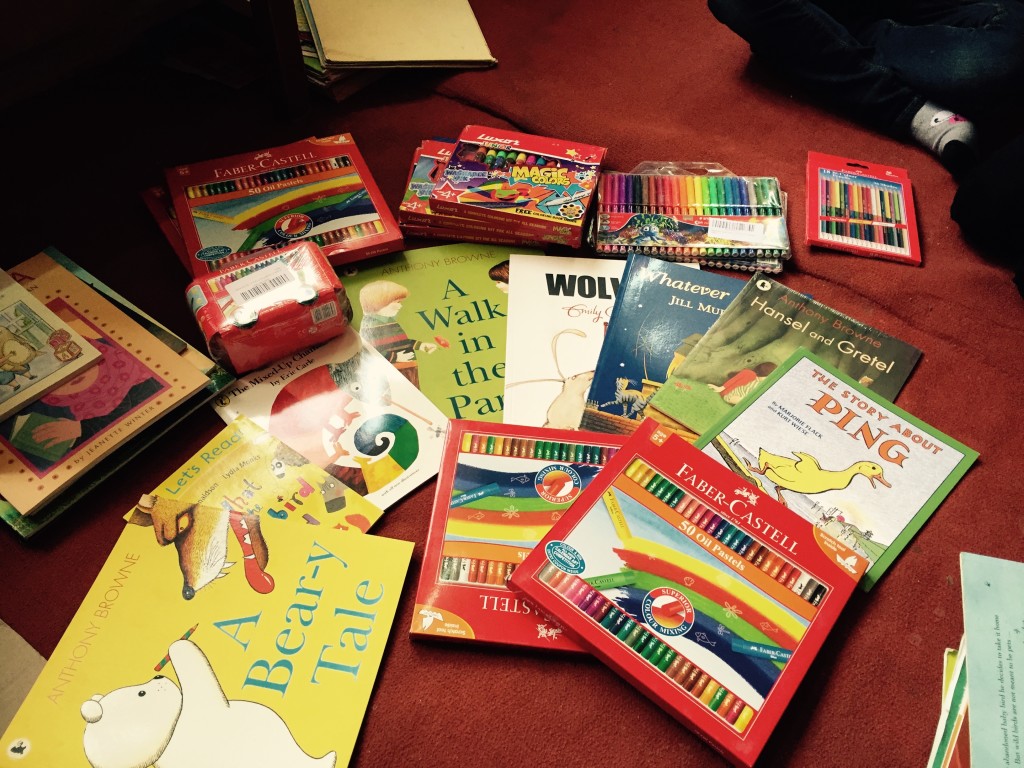
- Sketchbooks, pencils, coloured pencils and washable markers
- Maps showing Australia, Ladakh and other wildlife regions
- Simple notebooks for recording animal sightings and questions
- Short stories that connect science with imagination
The Drawing Became A Shared Memory
Over time, the boy’s collection attracted attention from teachers, visitors and other children. People began asking about particular animals, and he could explain which ones lived nearby and which he had learned about in books. His confidence grew because his interest was taken seriously.
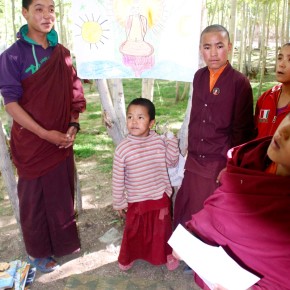
The drawings also preserved a moment in the village. They recorded what a child noticed, what he wondered about and how a reading resource shaped his understanding. A photograph of the artwork can travel far beyond the reading room, allowing supporters in Australia and elsewhere to see a specific result of educational access.
Stories like this should not be reduced to a simple claim that one book changes everything. The boy’s progress depended on time, encouragement, materials and a welcoming place to read. Yet the book was the spark. It gave him a subject, and the freedom to pursue it turned information into knowledge he could share.
His animal drawings remind us that literacy is more than learning to decode words. It is the ability to follow an interest, ask better questions and make meaning from new information. When children have books, creative materials and patient support, a familiar village can become the beginning of a much larger world.