The Story of a Book That Traveled 10,000 Miles to Reach a Child
A book can begin its life on a quiet shelf in a busy city and end up in a mountain reading room thousands of miles away. Between those places, it may pass through a donor’s hands, a cardboard box, a sorting table, a transport depot, and a volunteer’s backpack. Its journey is measured in distance, yet its real meaning is found in the child who finally opens it.
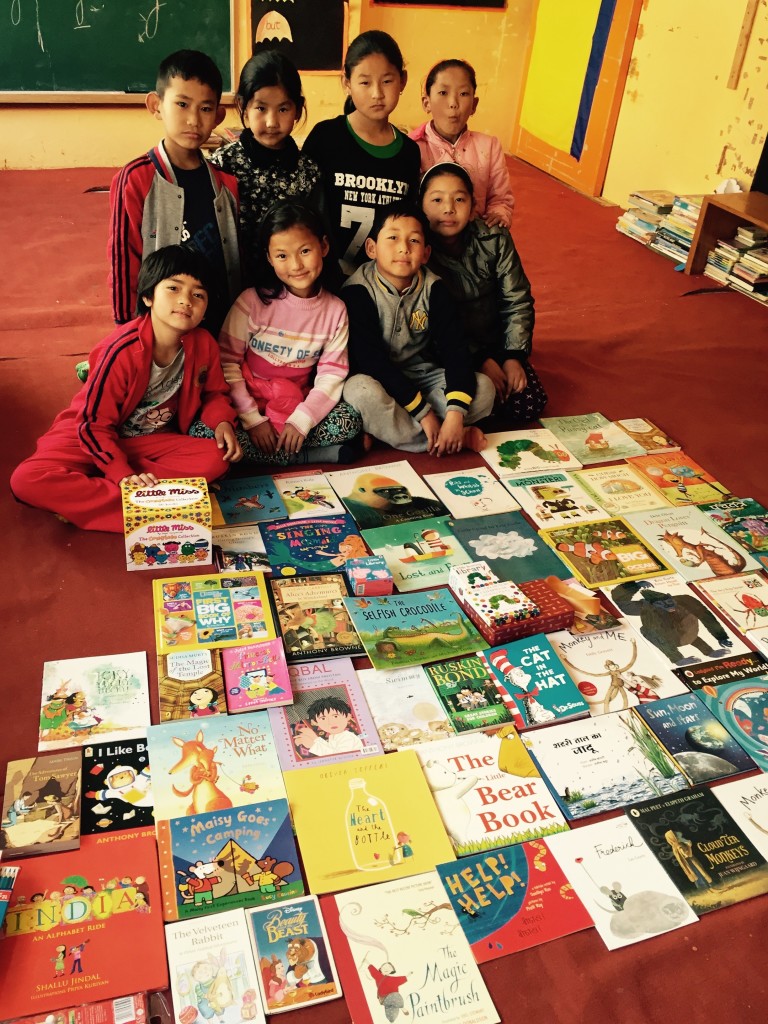
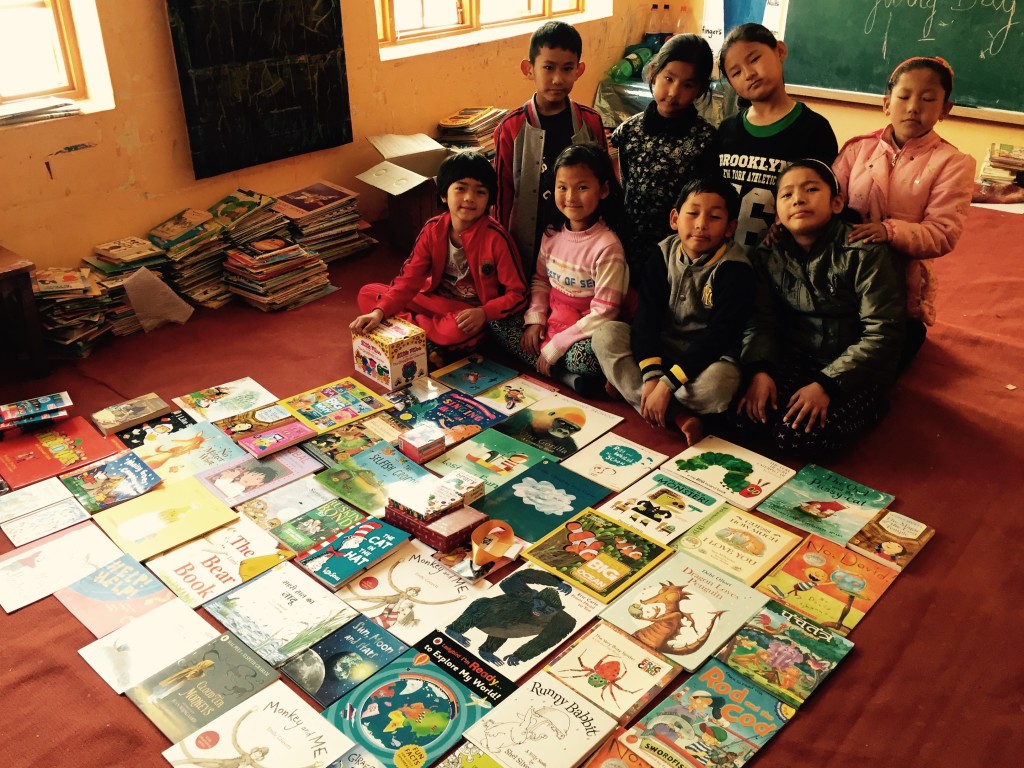
For a young reader in Ladakh or another Himalayan community, a new book can offer a rare doorway into unfamiliar places. It can bring animals, inventions, poems, and distant landscapes into a room where books may otherwise be scarce. The story of one traveling volume reflects the purpose behind book drives, reading rooms, and educational programs supported by Avalokiteśvara Trust.
This is the story of a fictional child named Pema and an ordinary illustrated book about the natural world. The details could belong to many children and many donated books. What makes the journey remarkable is the care carried along with it.
A Book Begins With Someone Letting Go
The book started in a family home nearly 10,000 miles from Ladakh. It had belonged to a child who had outgrown it, yet its pages were clean, colorful, and still full of questions. Instead of being placed in a recycling bin or forgotten in a cupboard, it was added to a community collection for children in Himalayan schools and reading rooms.
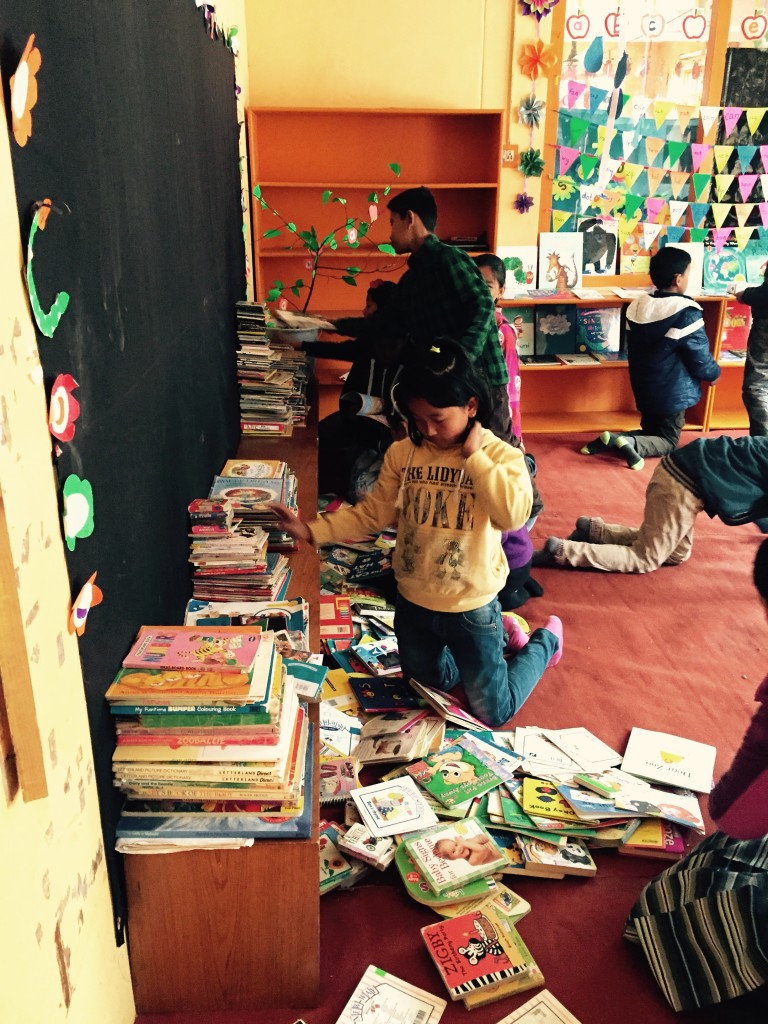
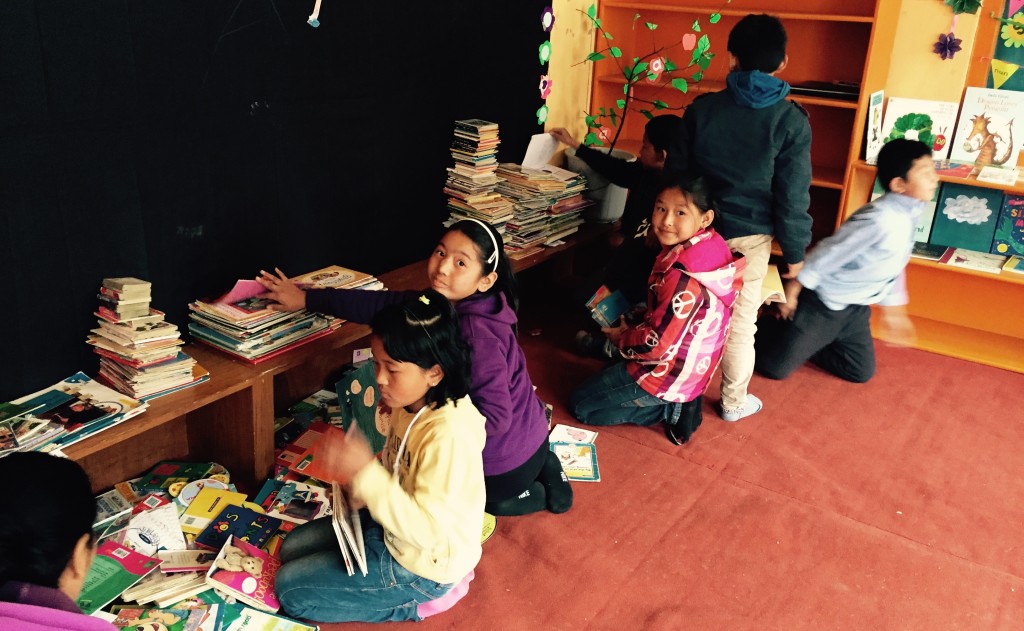
A donation can look small when it is placed beside hundreds of other books. Volunteers may see a paperback, a picture book, or a thin volume of stories. Children eventually see something else: a chance to choose, a reason to linger, and a source of language that does not depend on a classroom lesson.
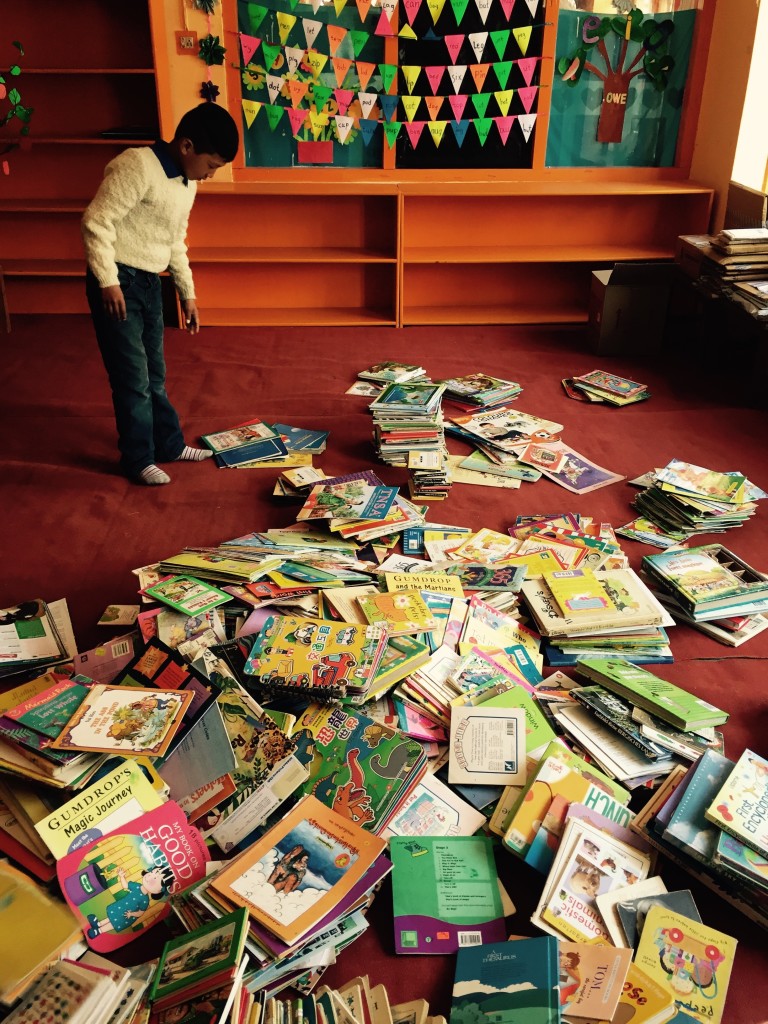
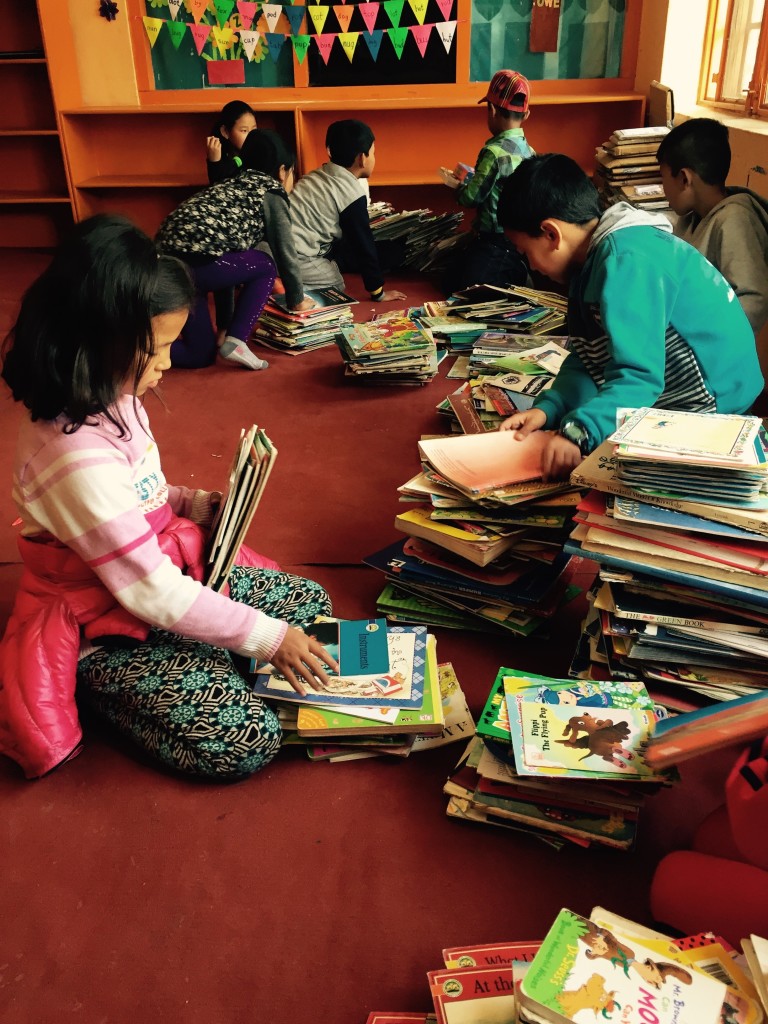
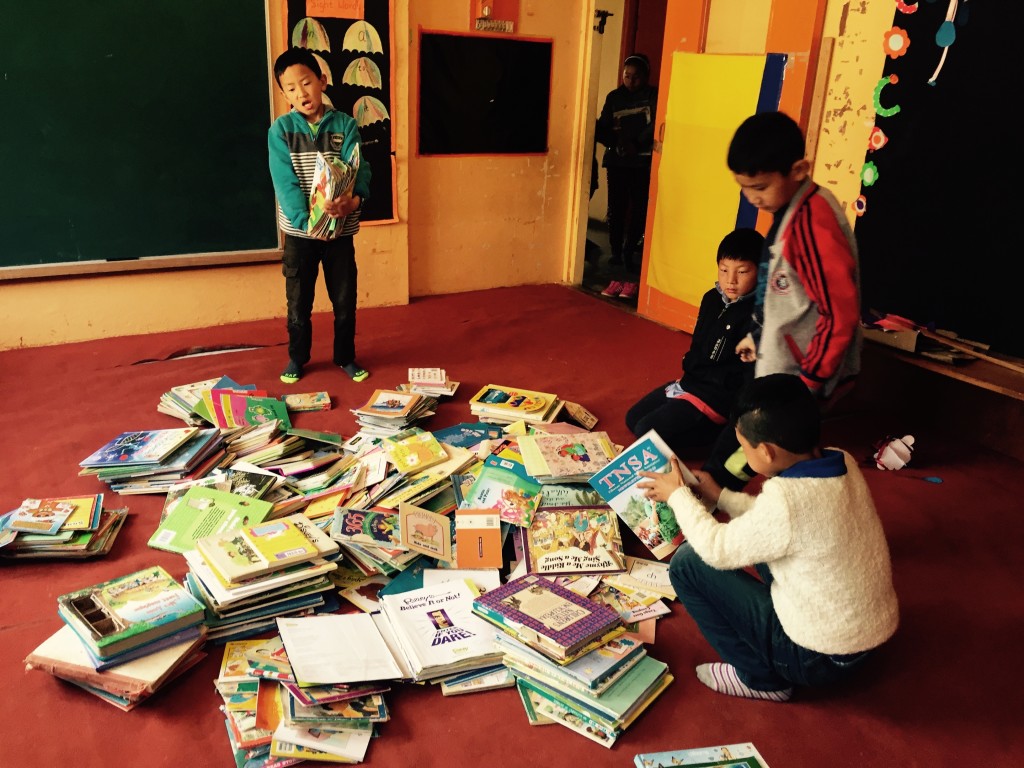
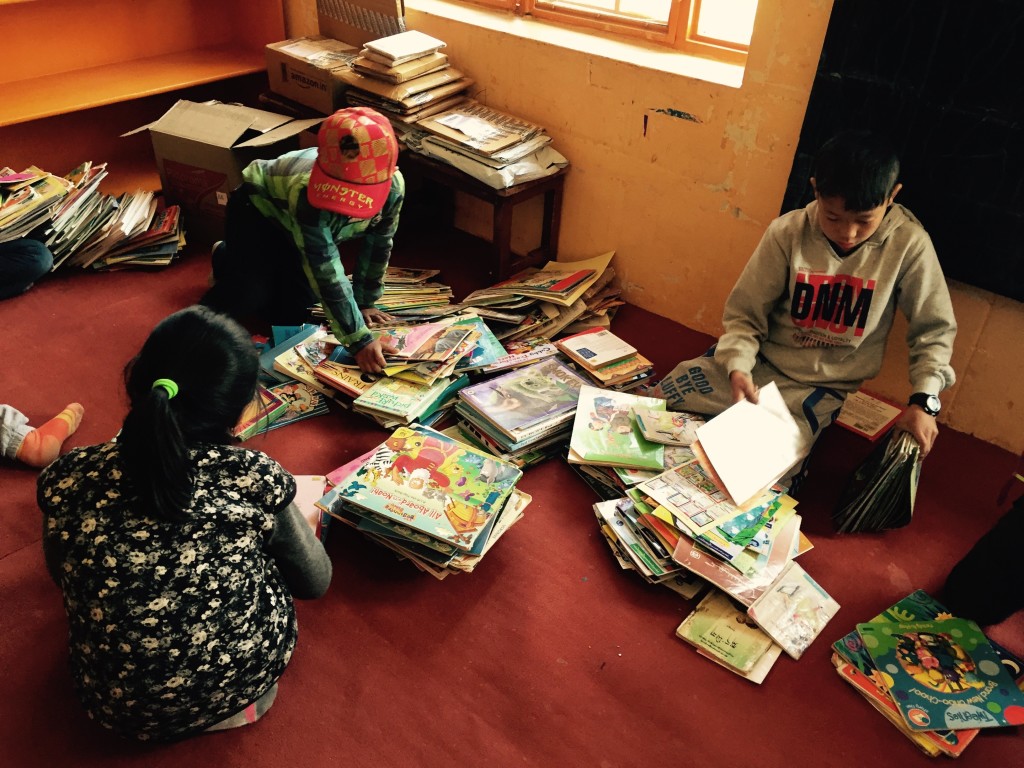
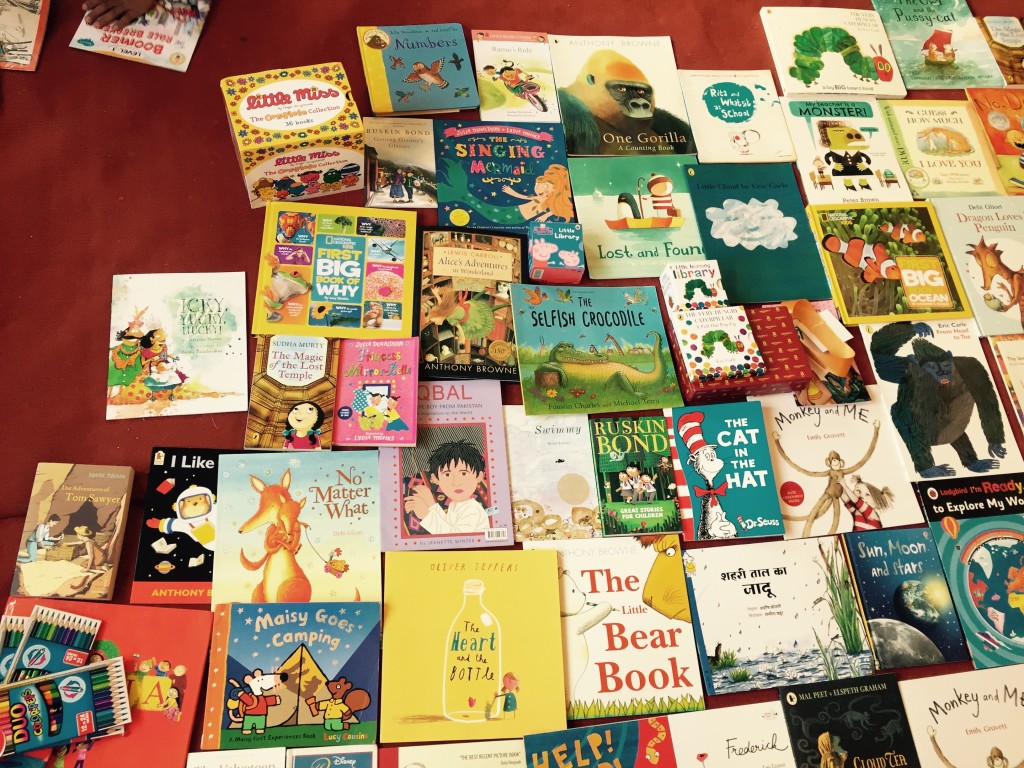
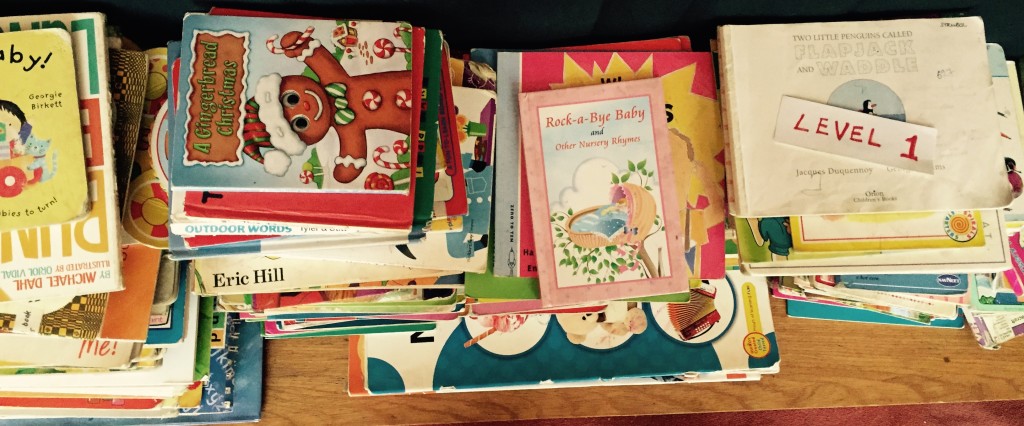
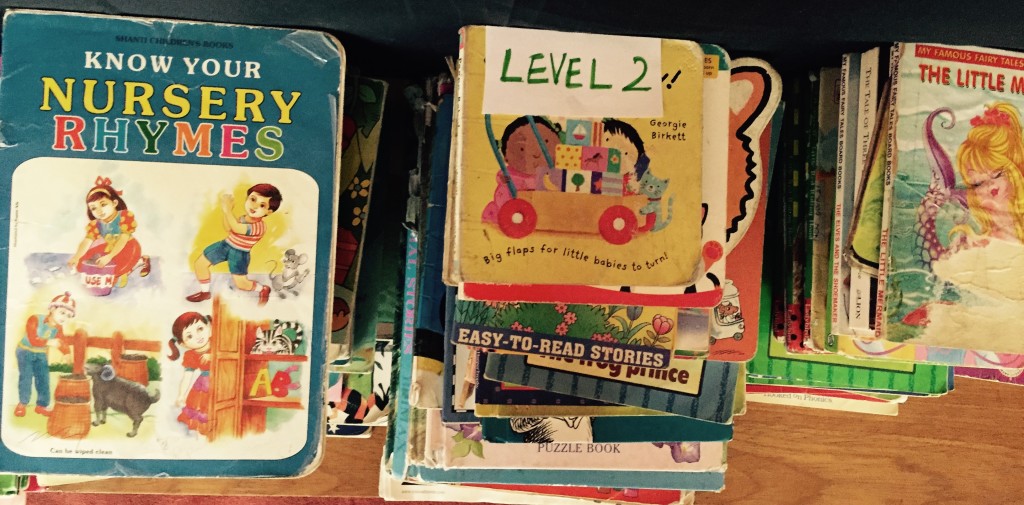
Before the book could travel, it had to be checked for condition, sorted by age and subject, and packed carefully. Organizers often work with limited funds, so practical decisions matter. A well-planned budget book drive can turn donated materials into a useful, carefully selected collection rather than a pile of unsuitable titles.
Across Roads, Warehouses, And Borders
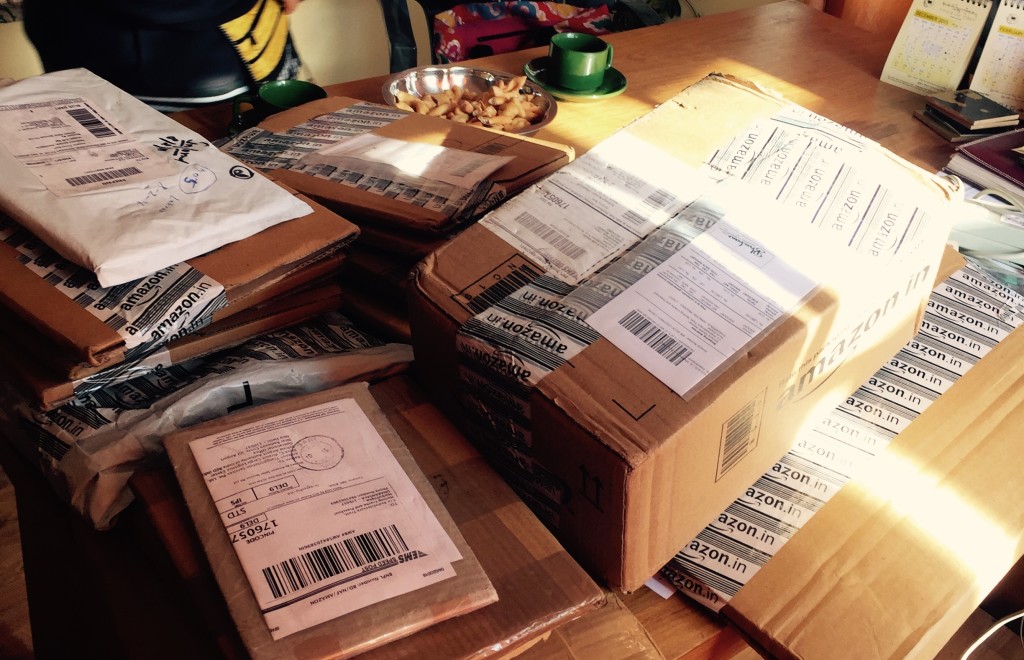
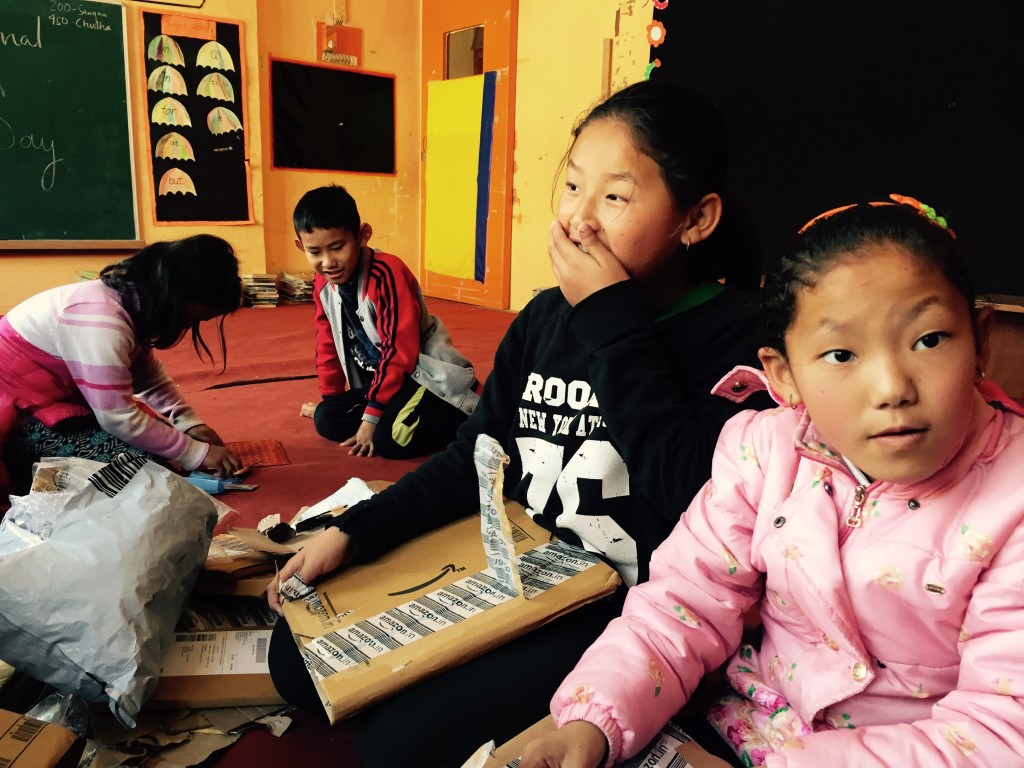
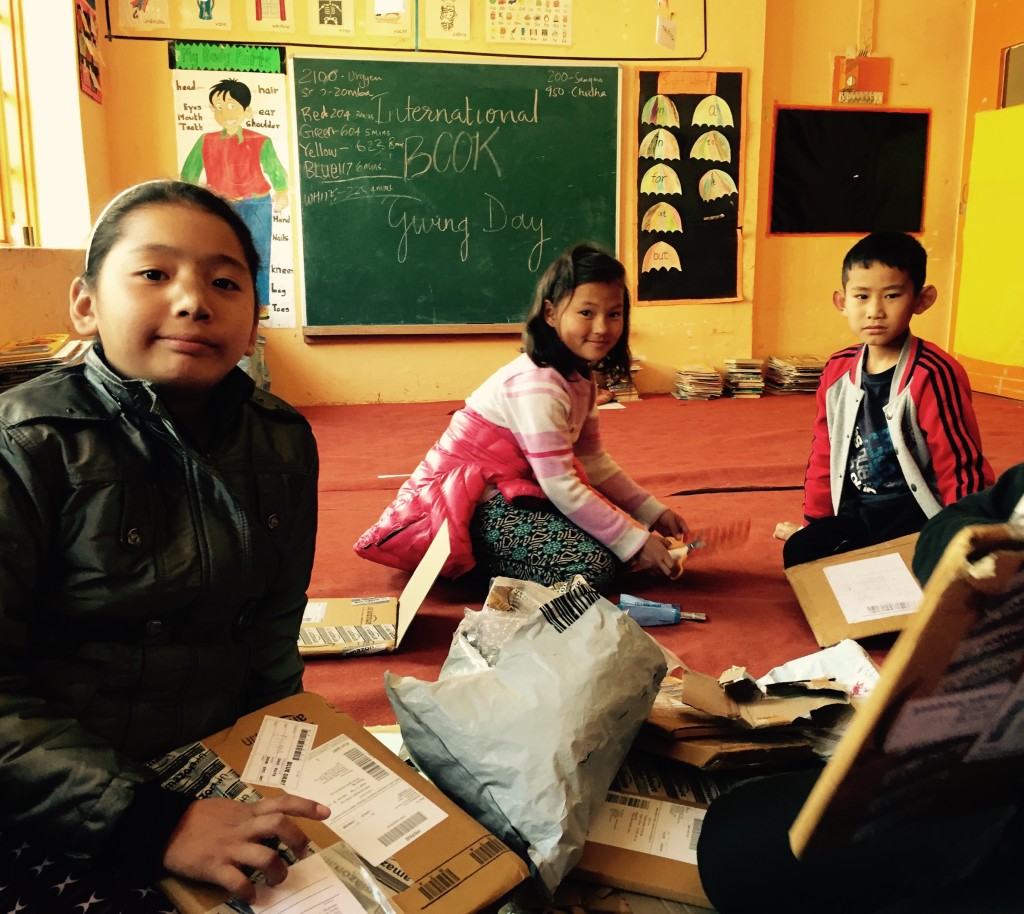
The book’s route was made of many ordinary stages. It moved from the original donor to a local collection point, then into a larger shipment. Labels were checked, boxes were reinforced, and stacks were arranged so that lighter books would not be crushed. No single step looked dramatic, but each one protected the possibility of a child reading the book later.
A journey of 10,000 miles also requires patience. Shipments may travel by road, air, and mountain transport before they reach their destination. Weather, customs procedures, distance, and changing schedules can all affect delivery. Volunteers and partner organizations help keep track of the books, making sure that a donated story does not disappear between departure and arrival.
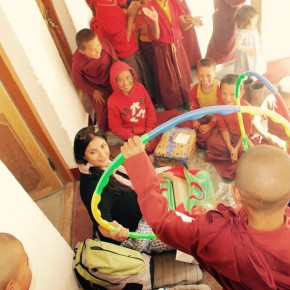
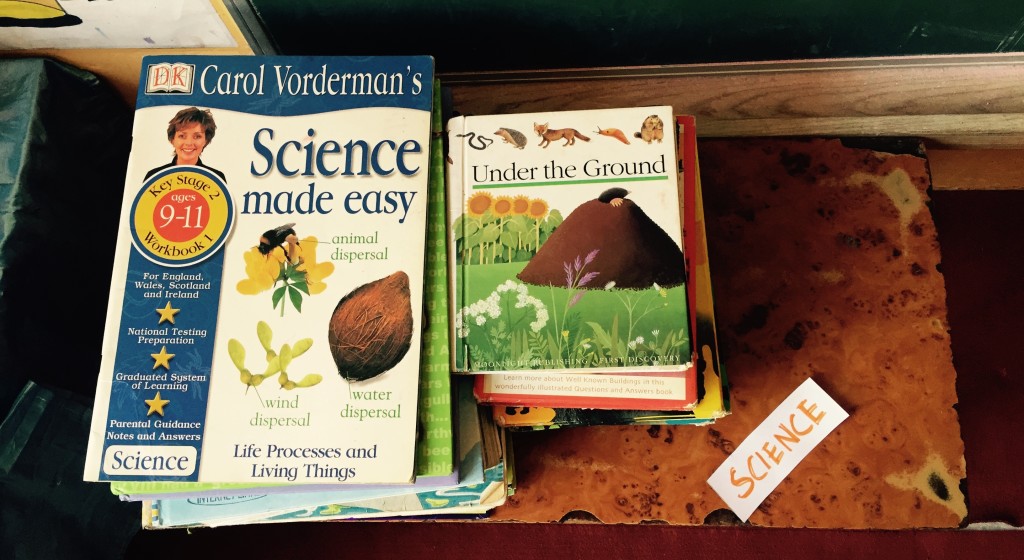
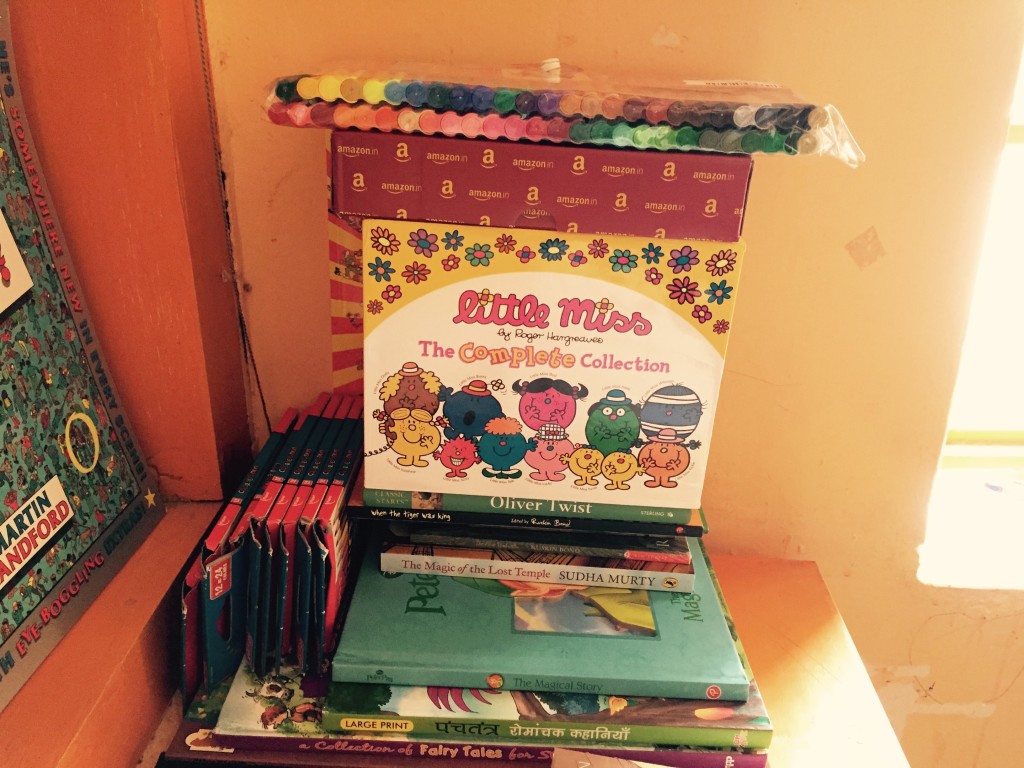
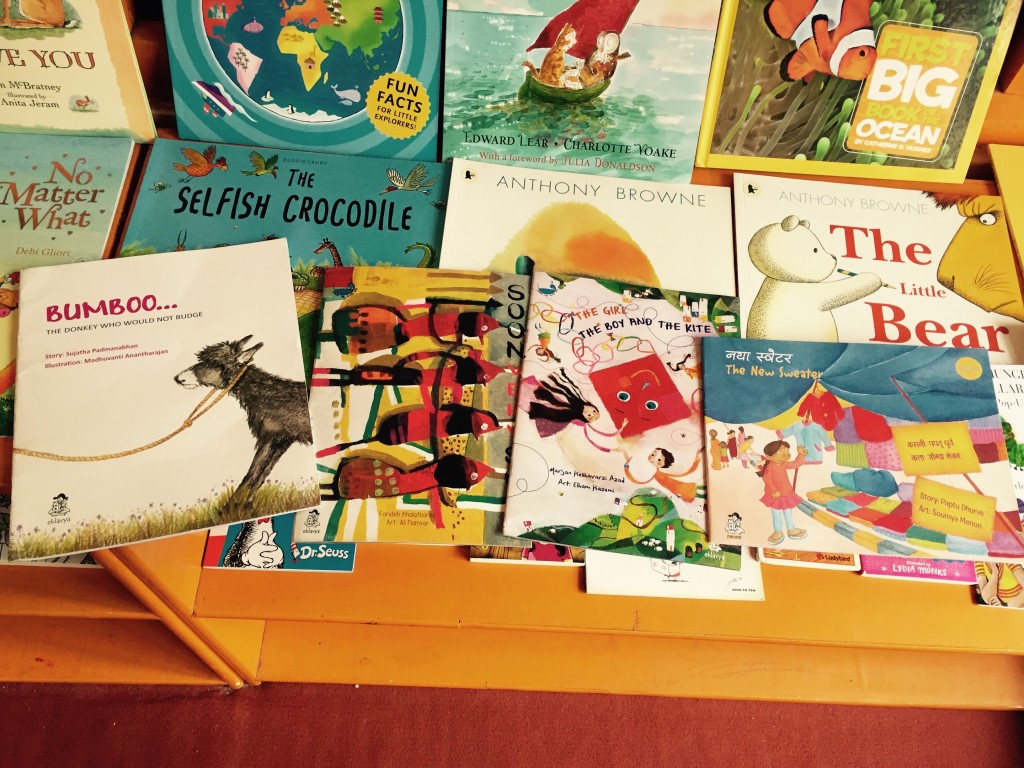
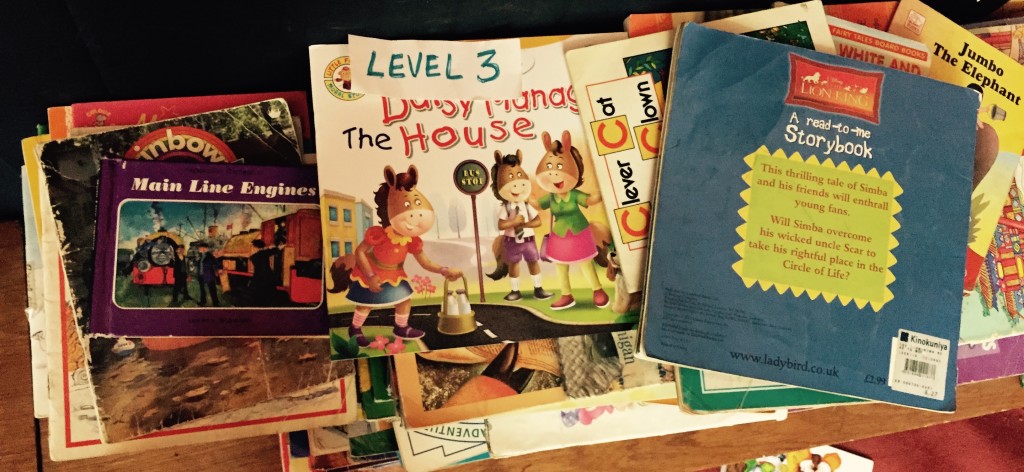
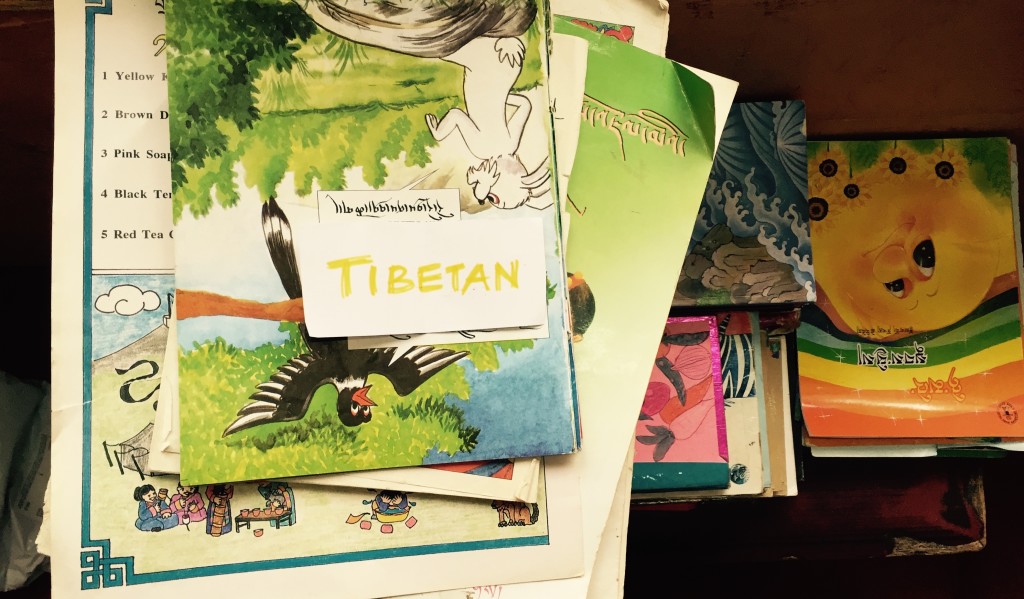
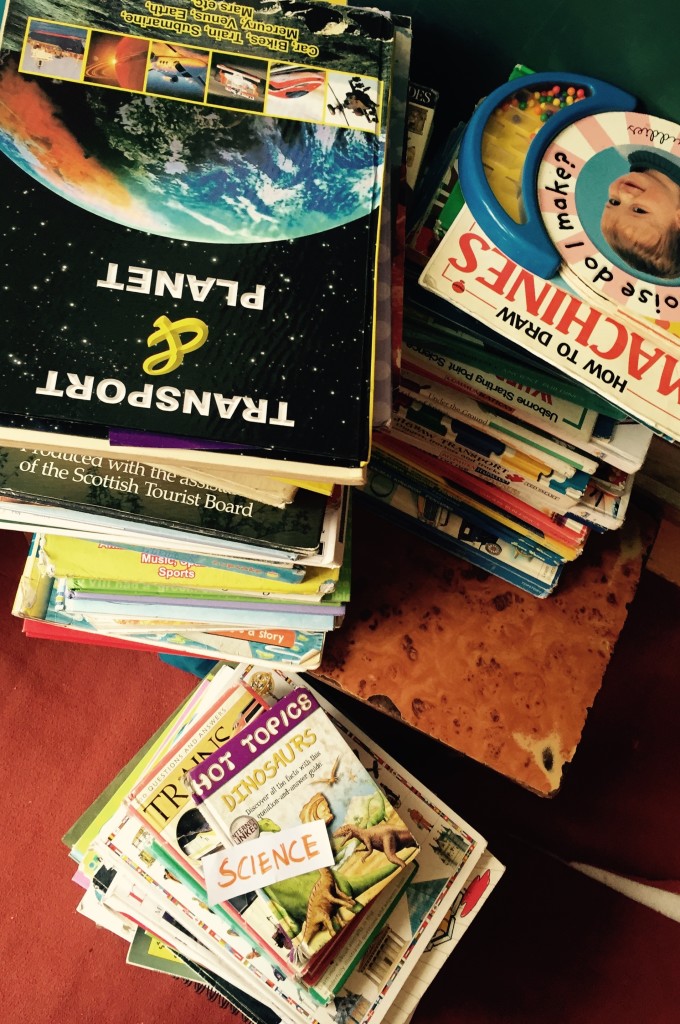
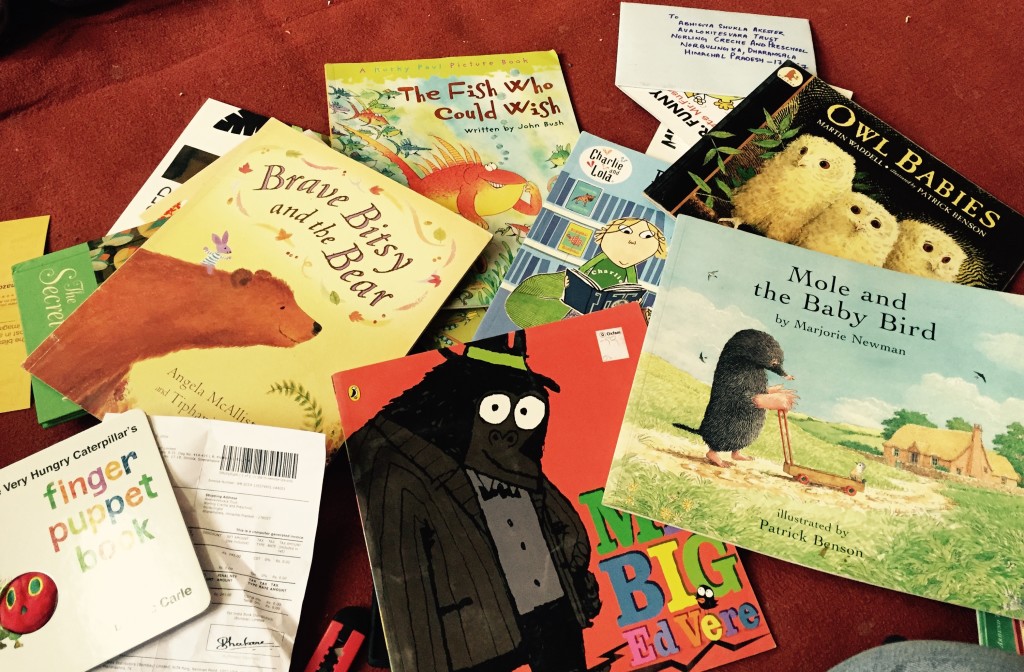
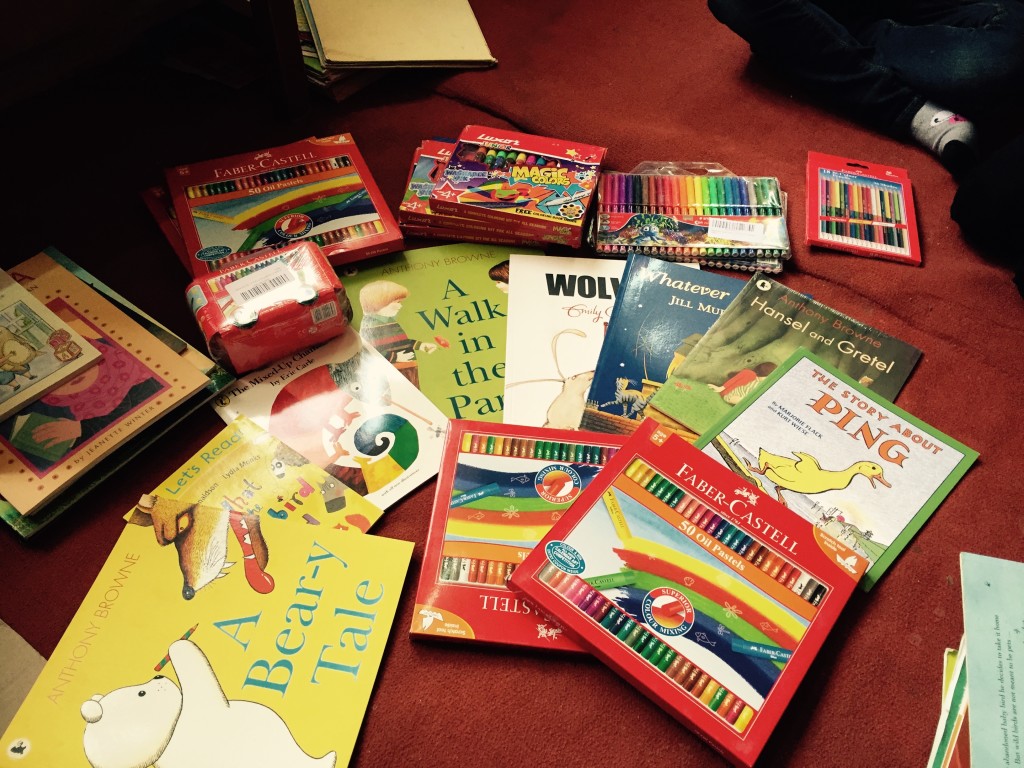
The book traveled with other resources too: early readers, novels, art materials, reference books, and musical learning tools. Together, these materials formed a broader educational offering. Literacy grows more strongly when children can move between reading, drawing, singing, discussion, and independent discovery.
The Moment It Reaches A Reading Room
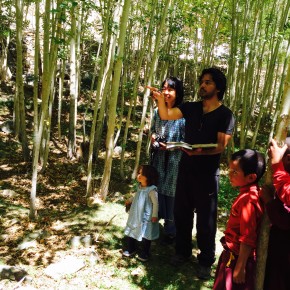
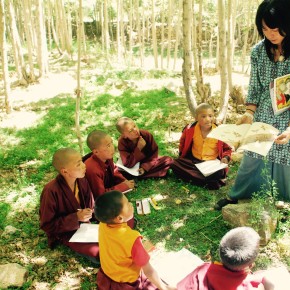
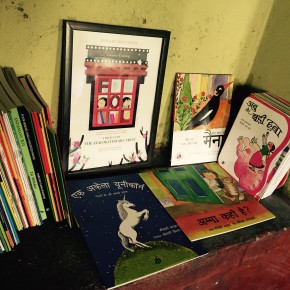
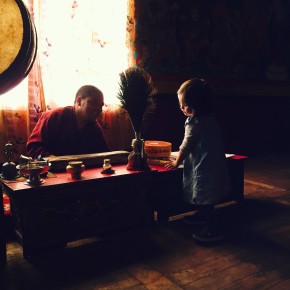
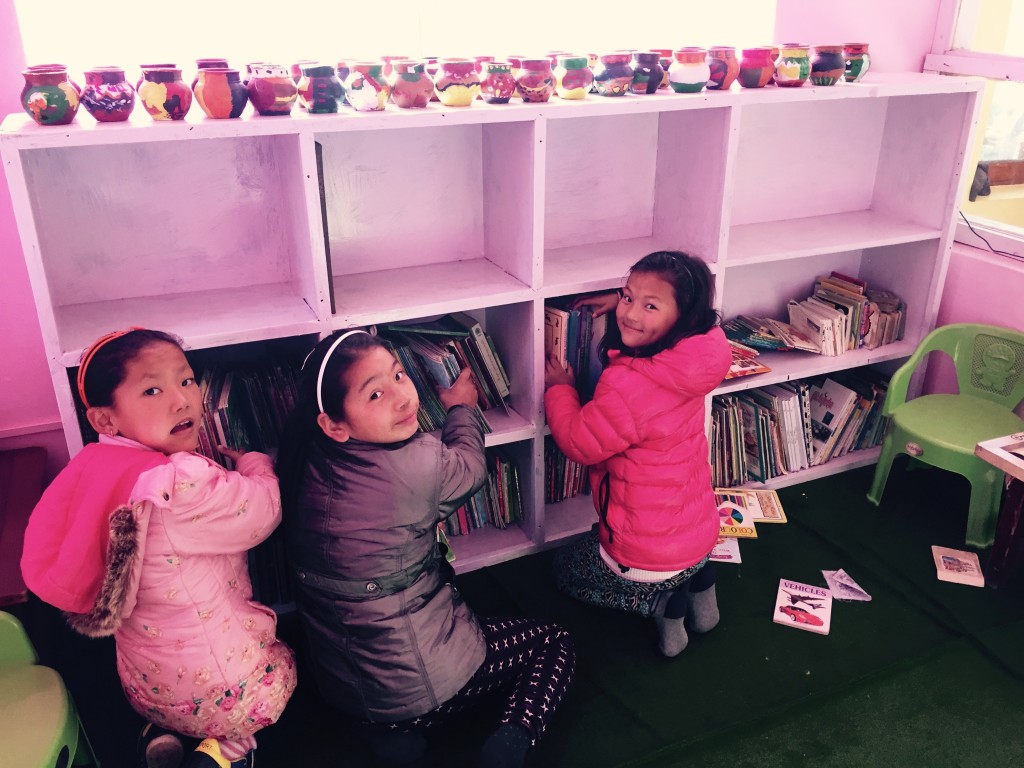
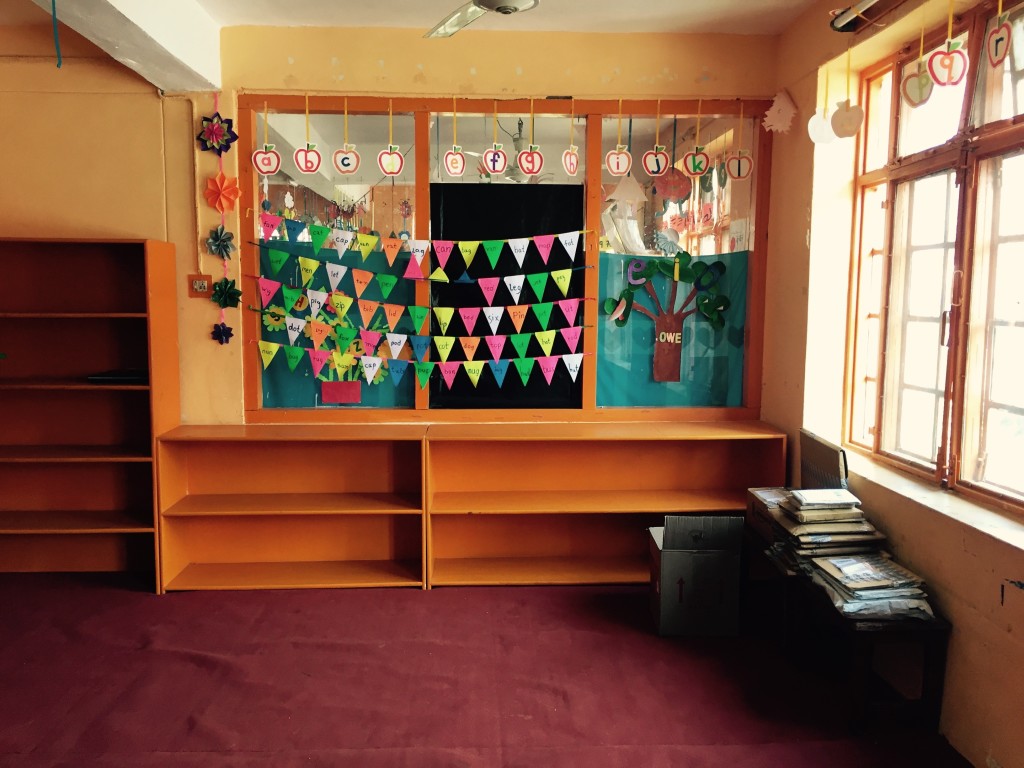
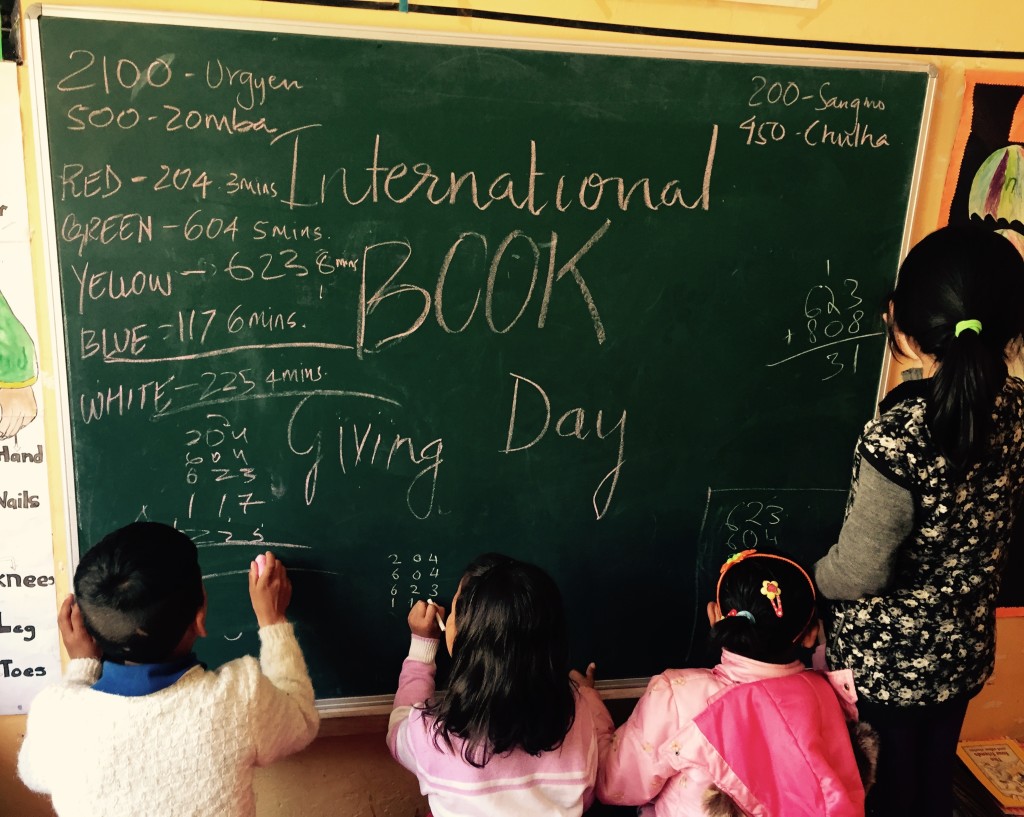
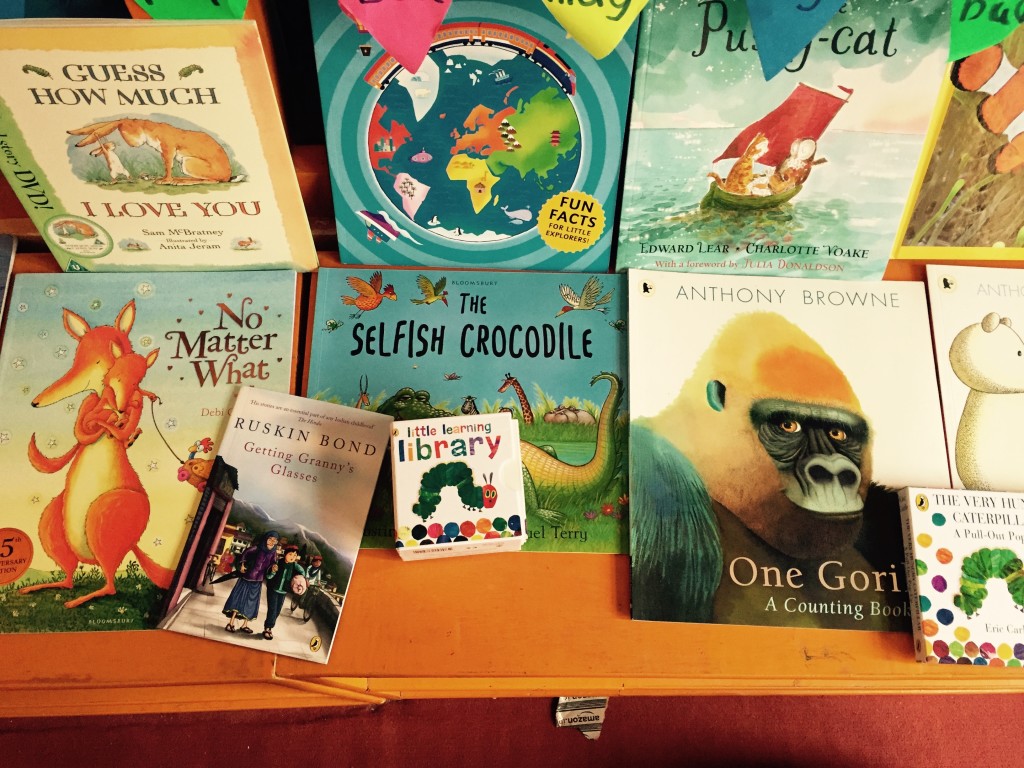
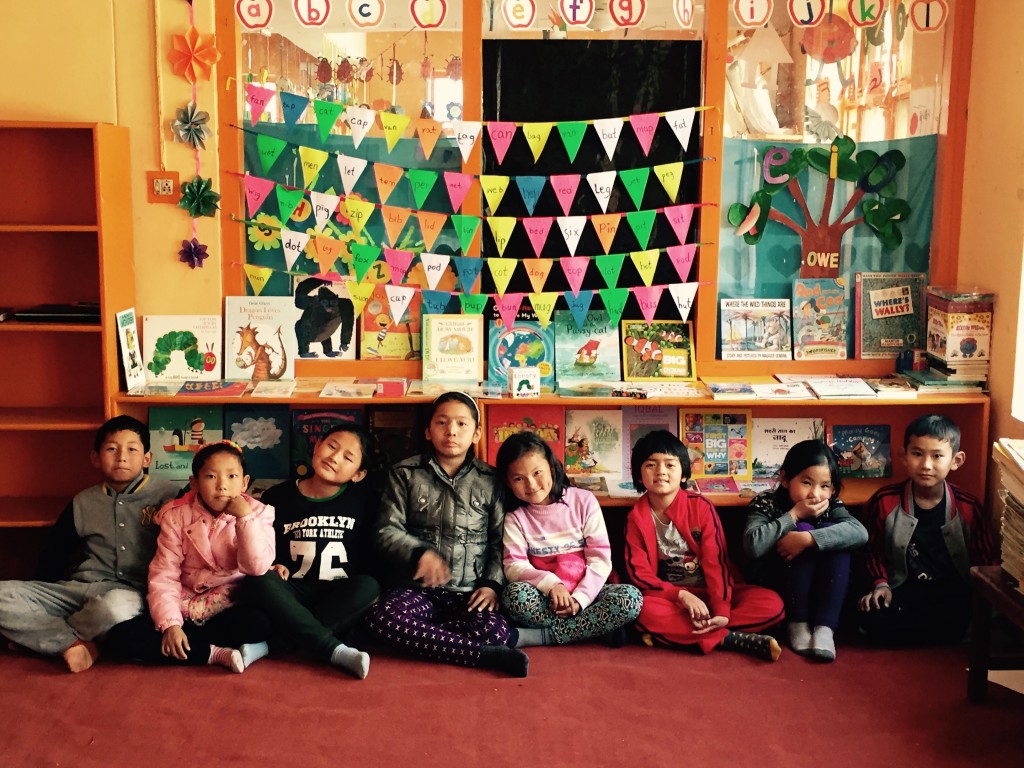
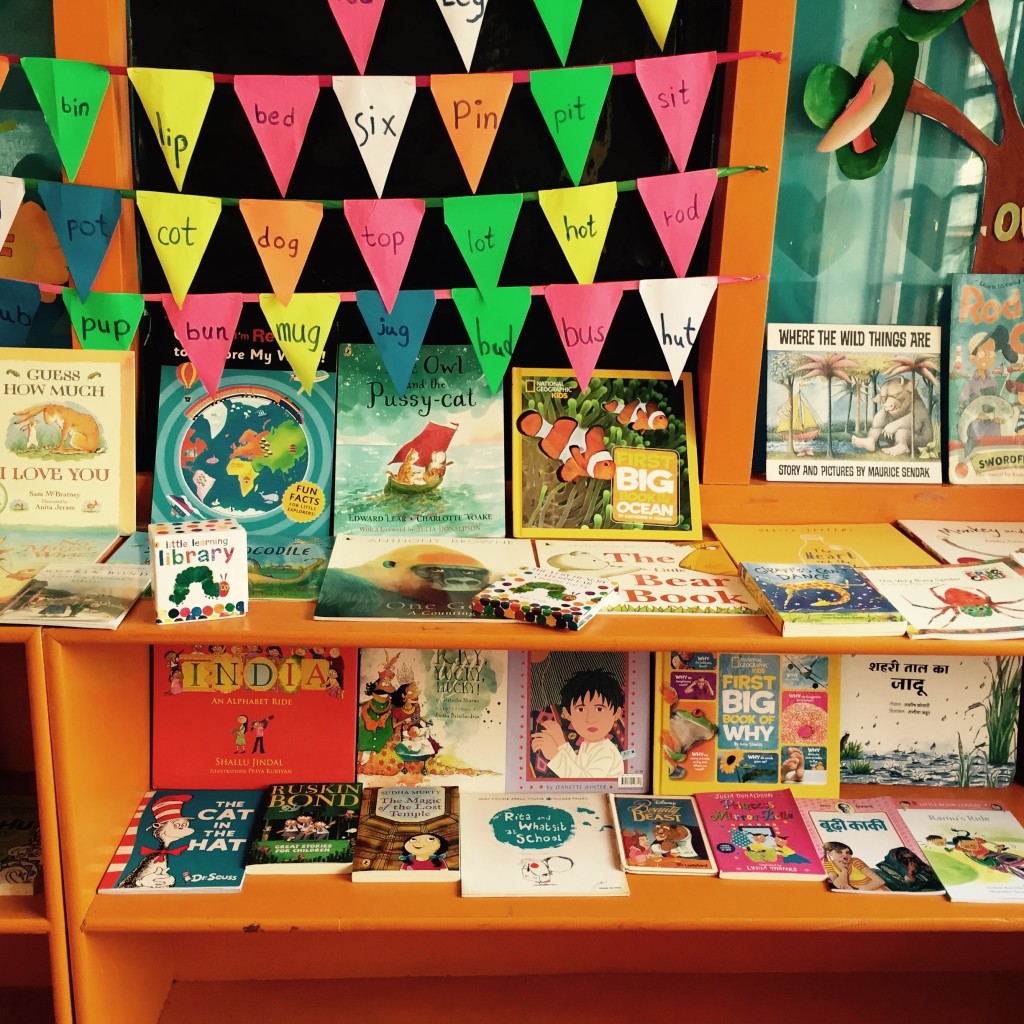
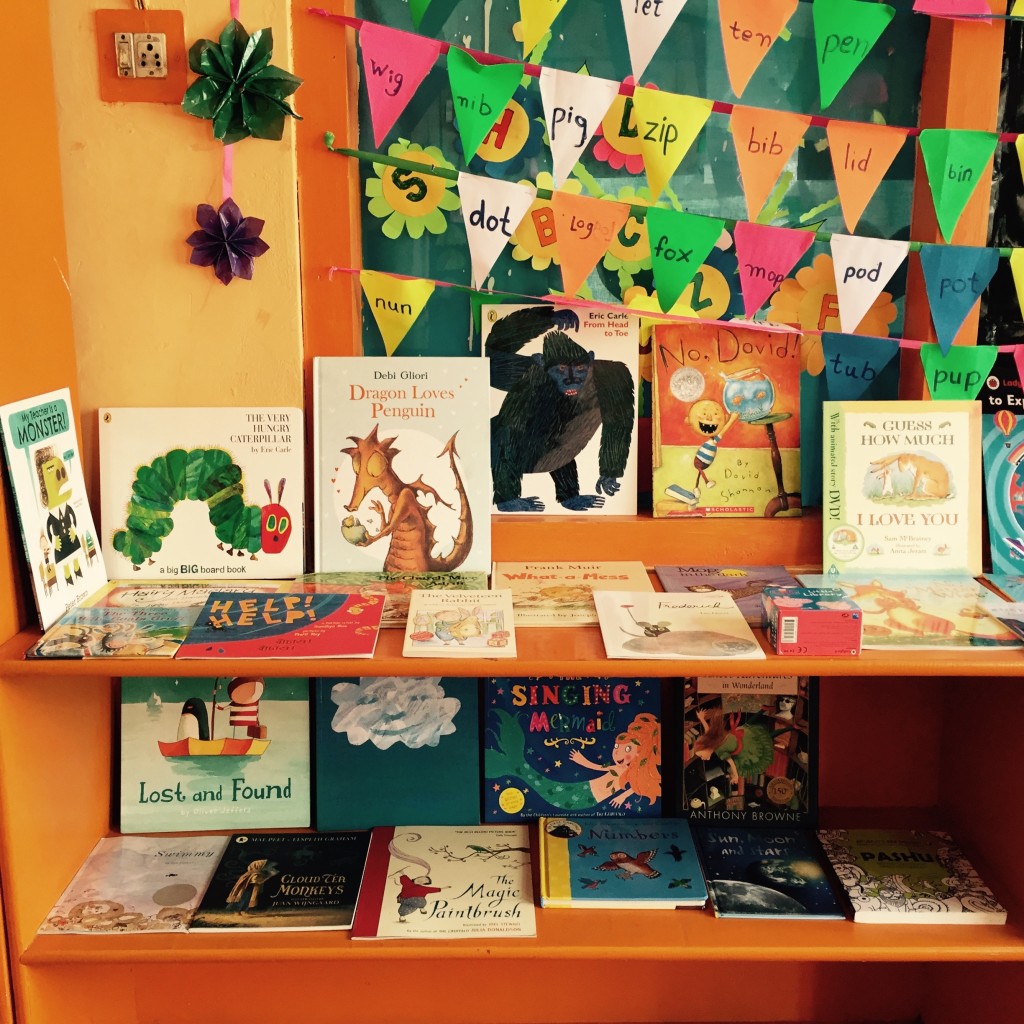
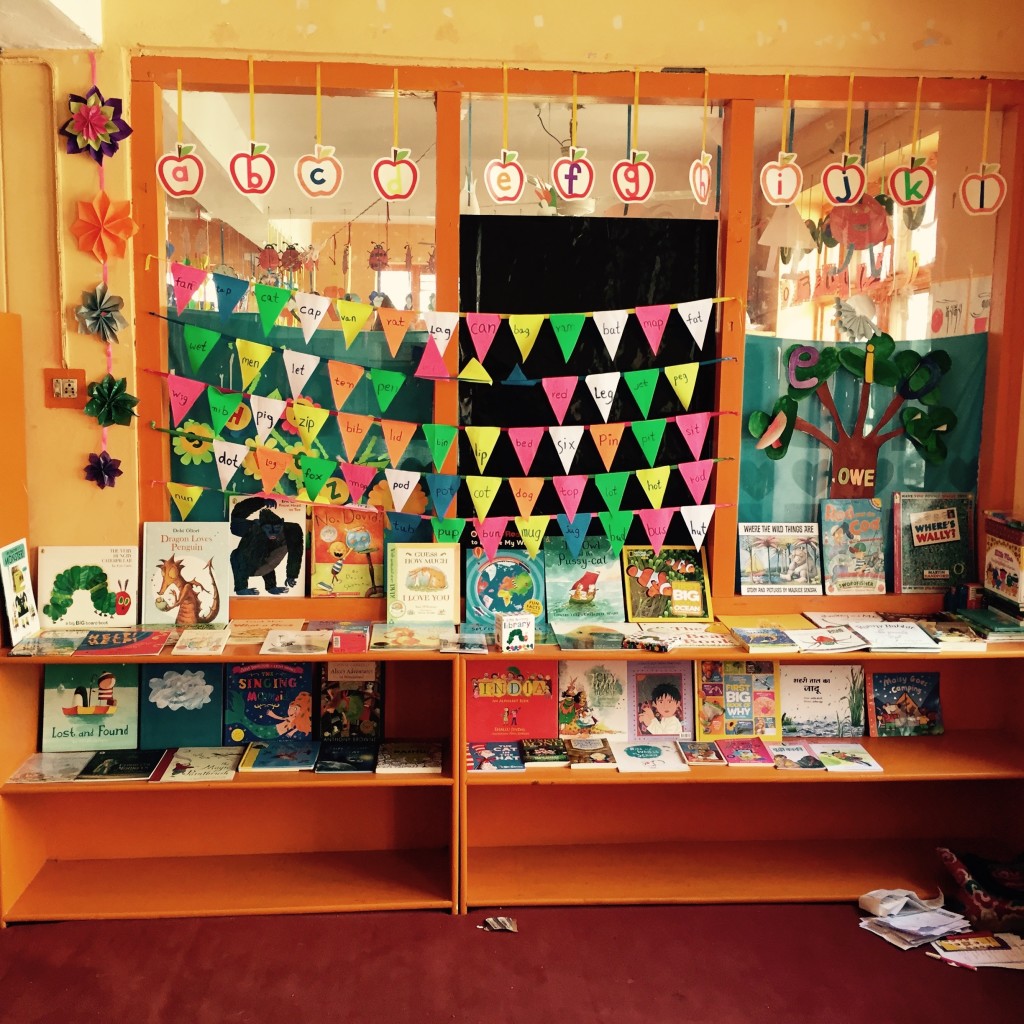
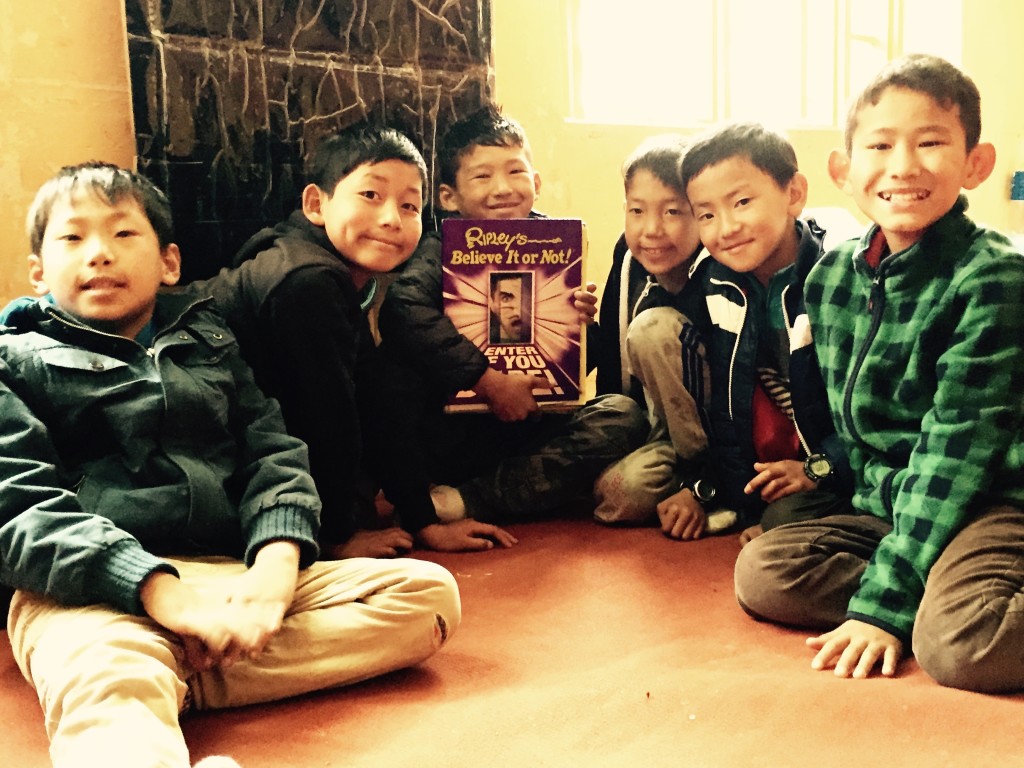
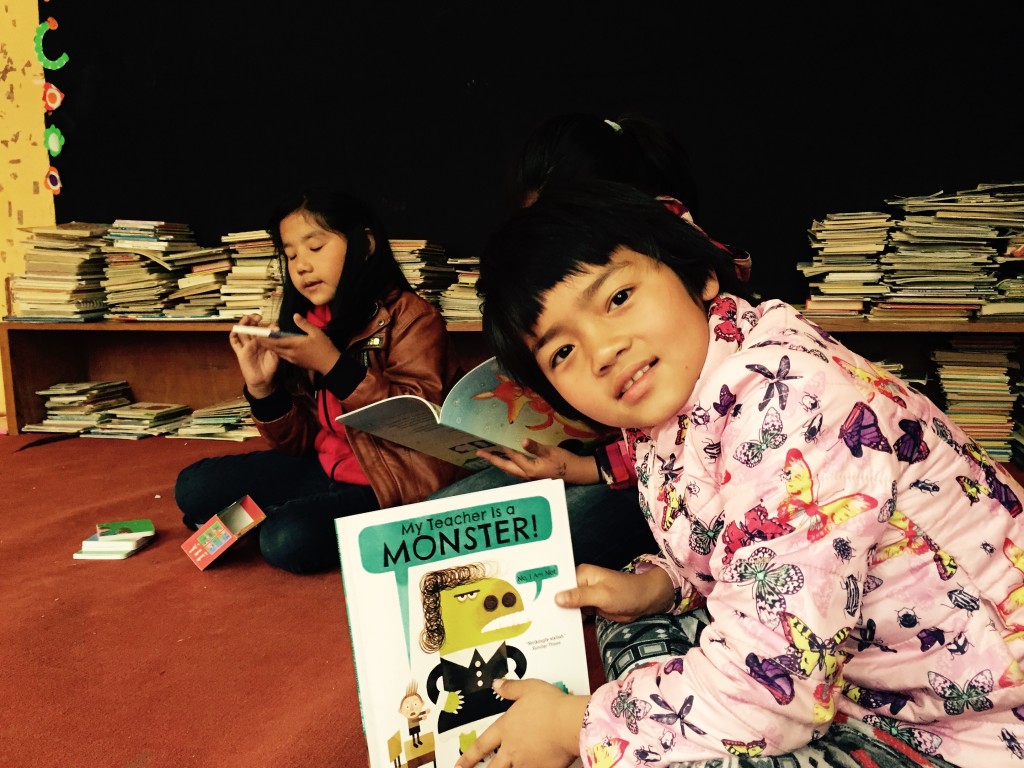
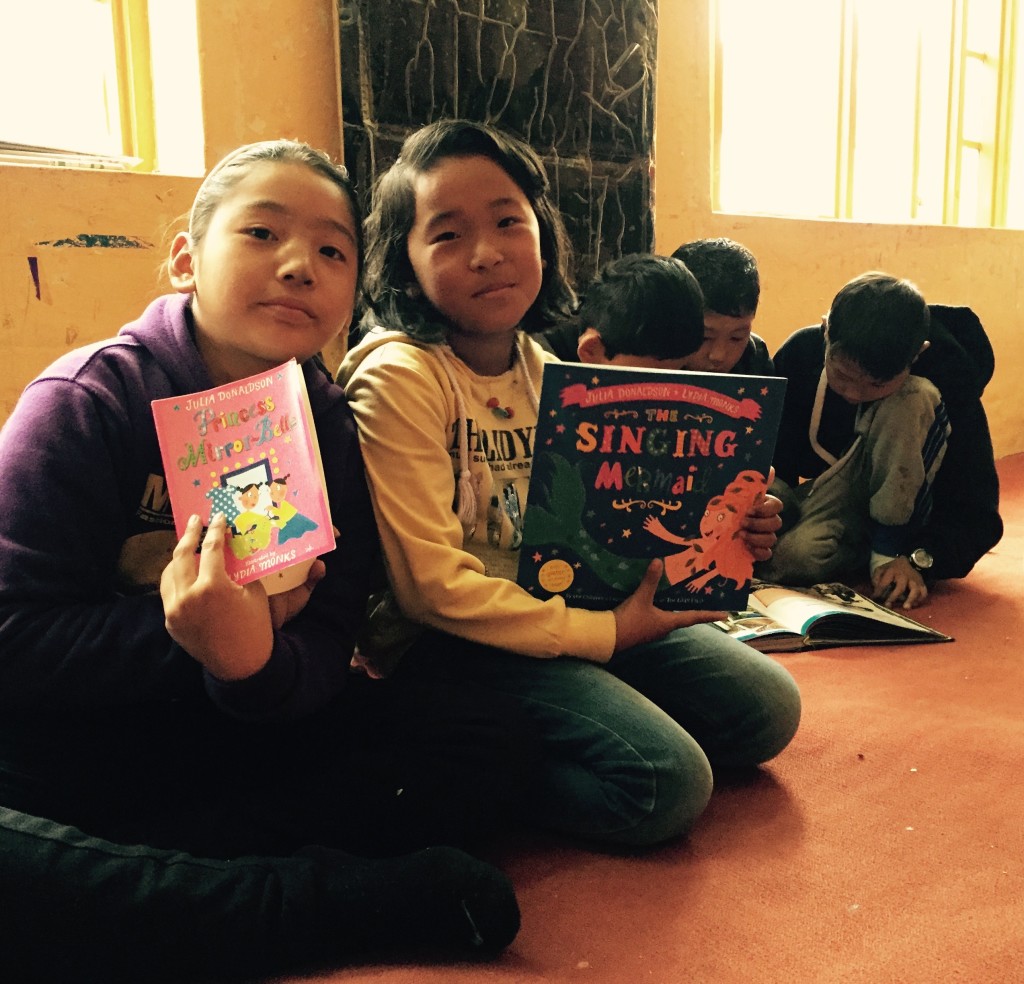
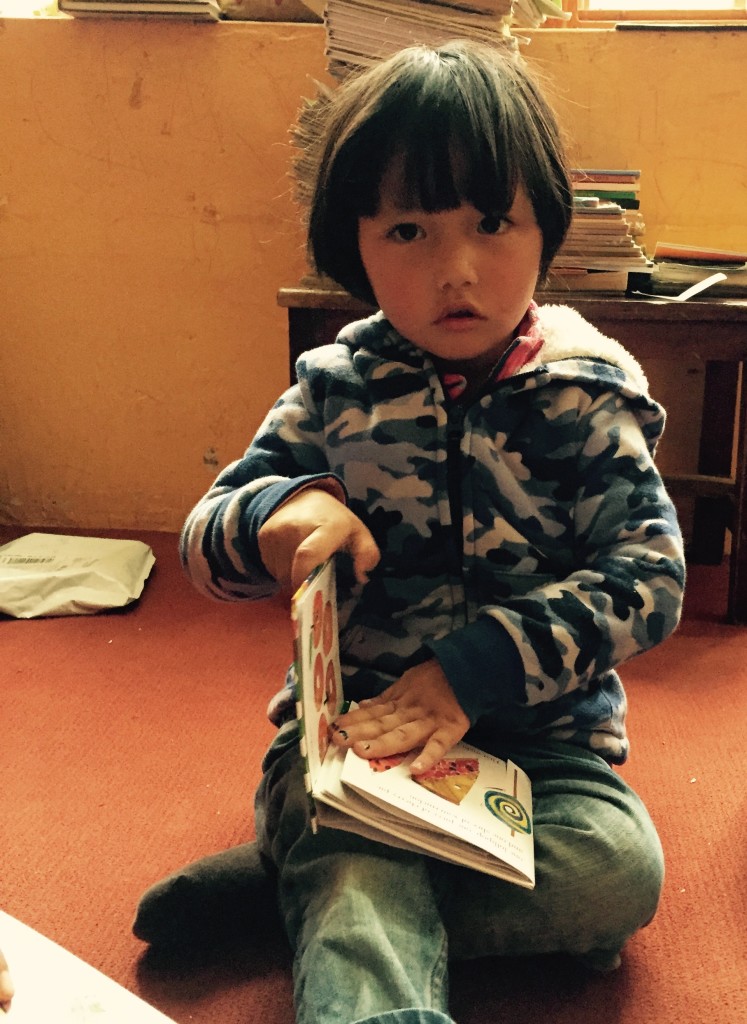
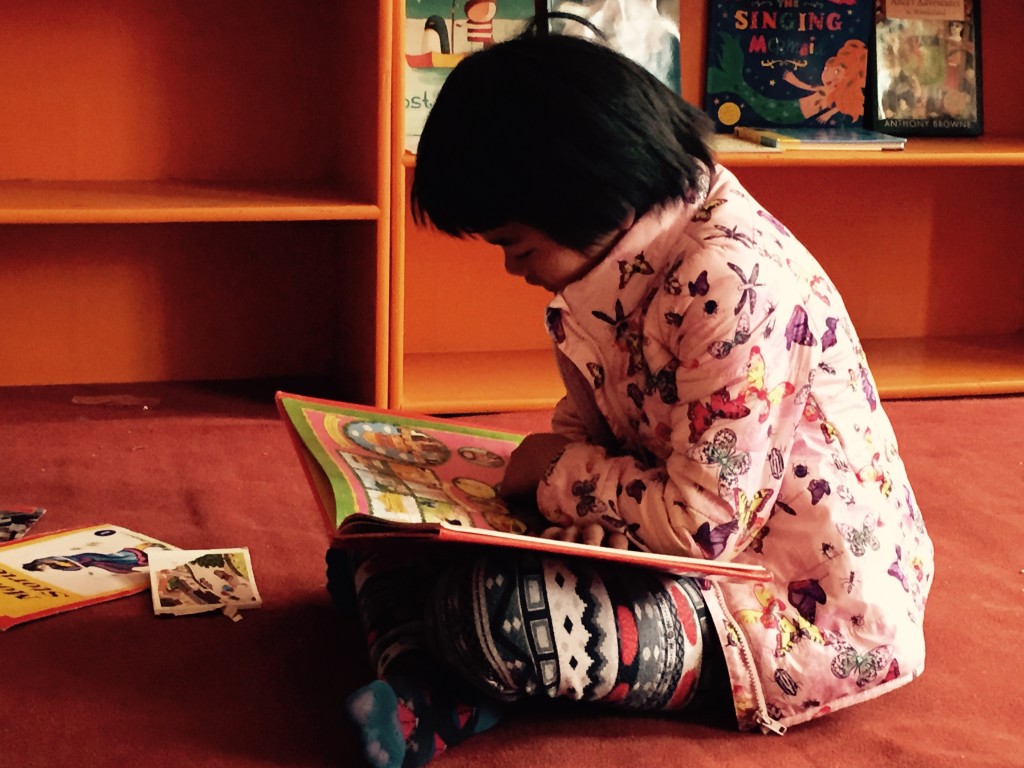
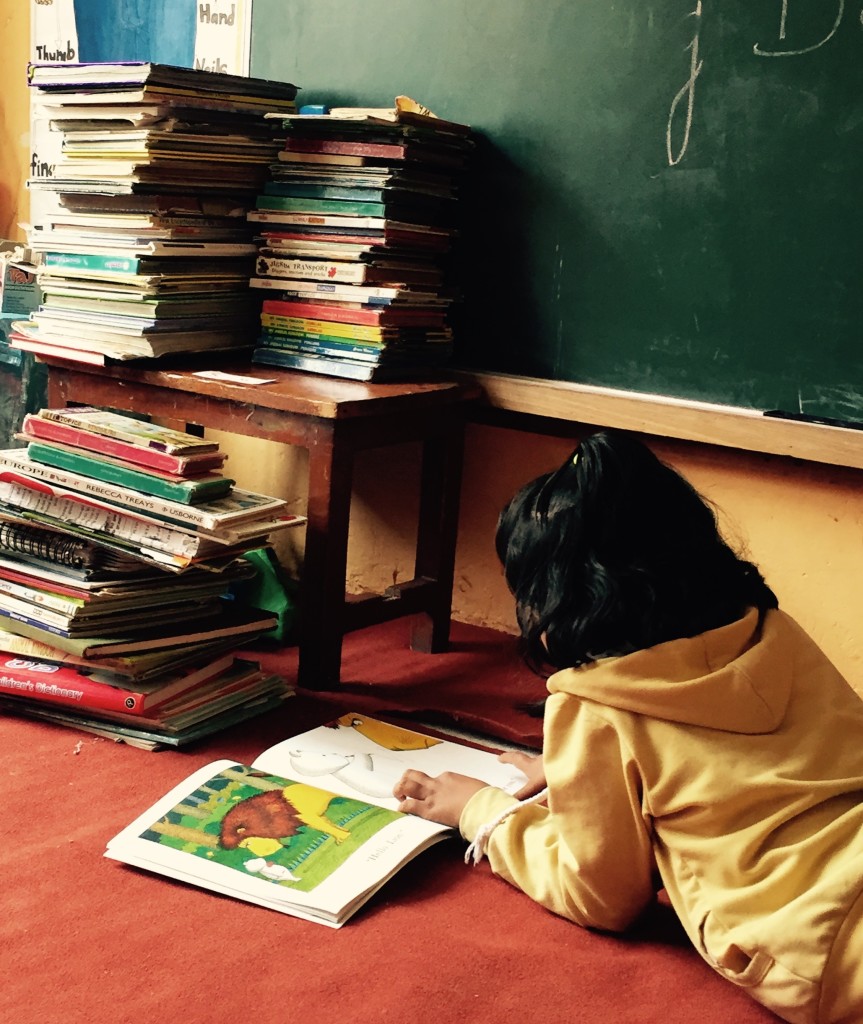
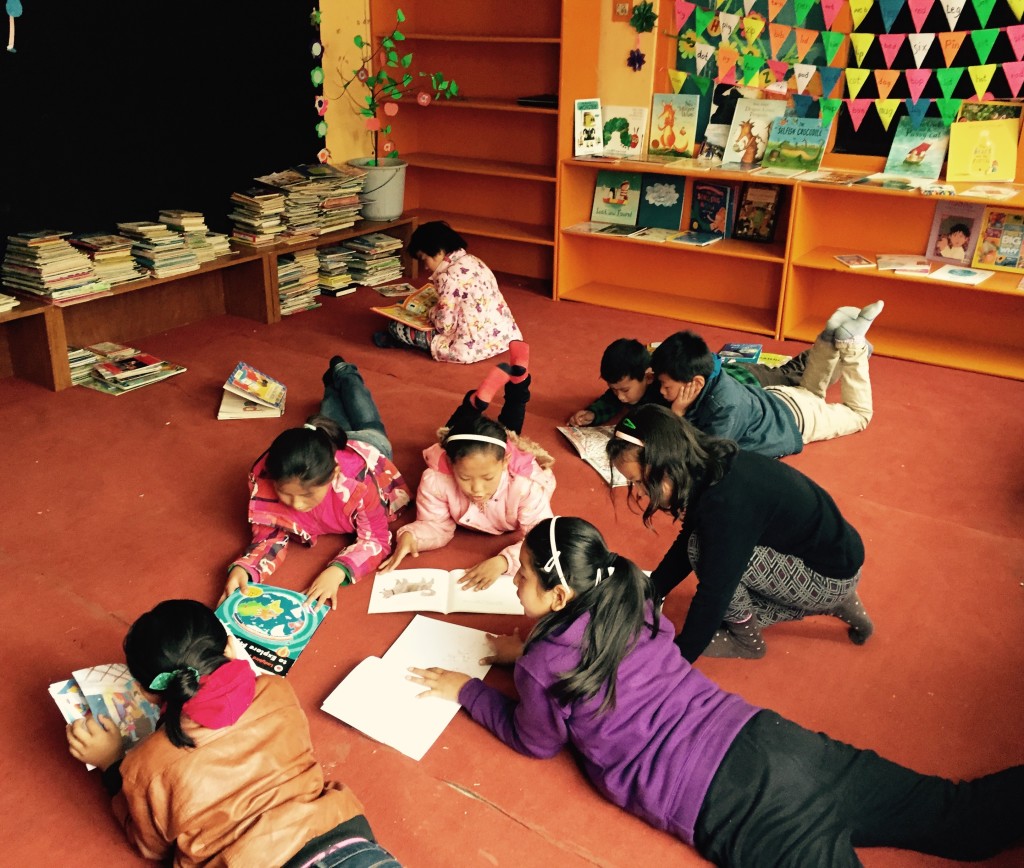
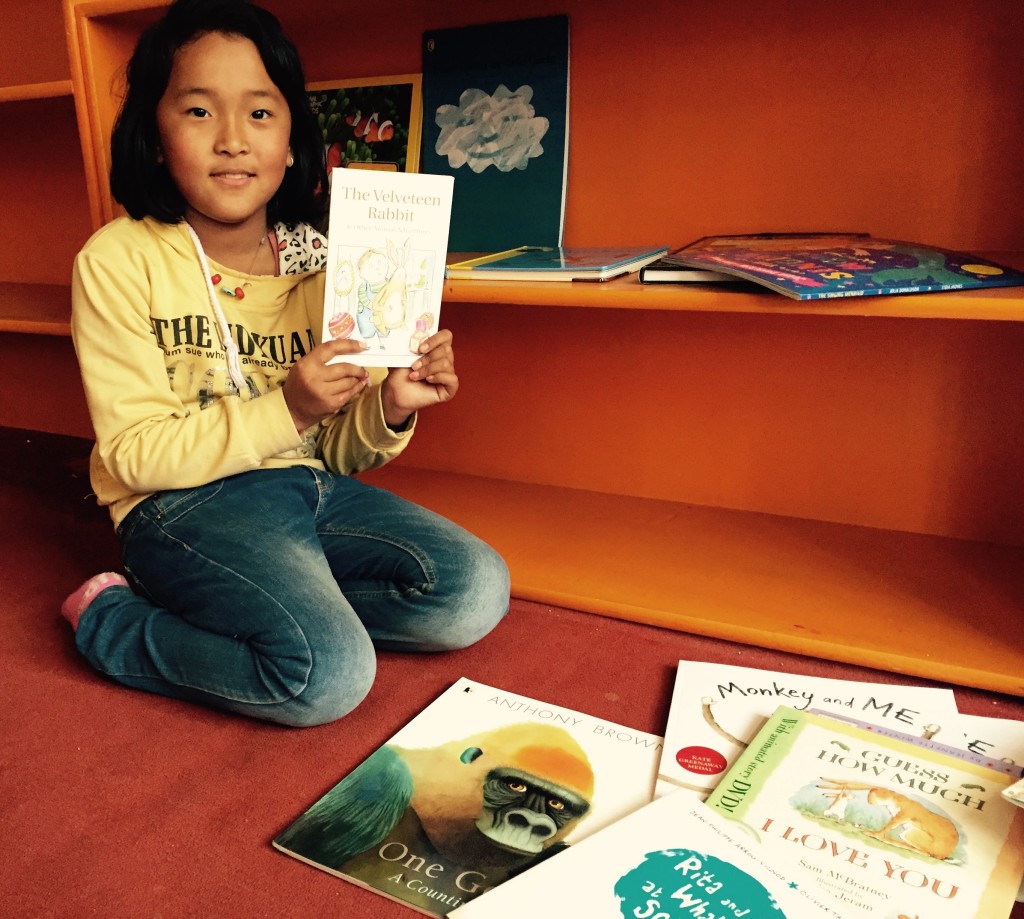
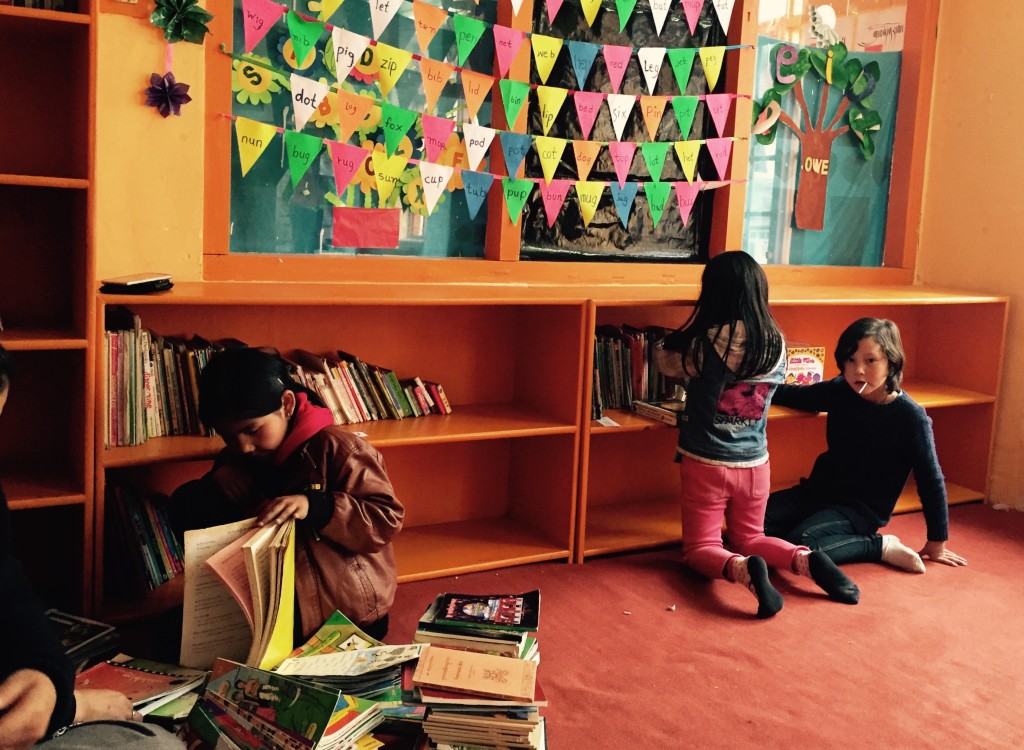
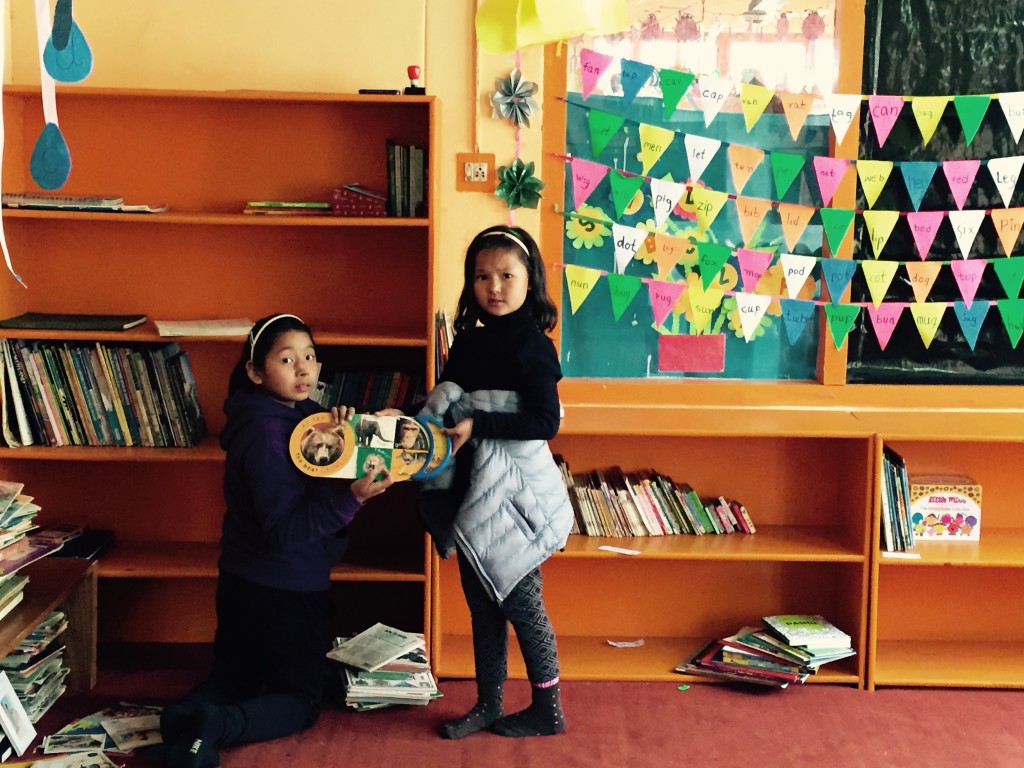
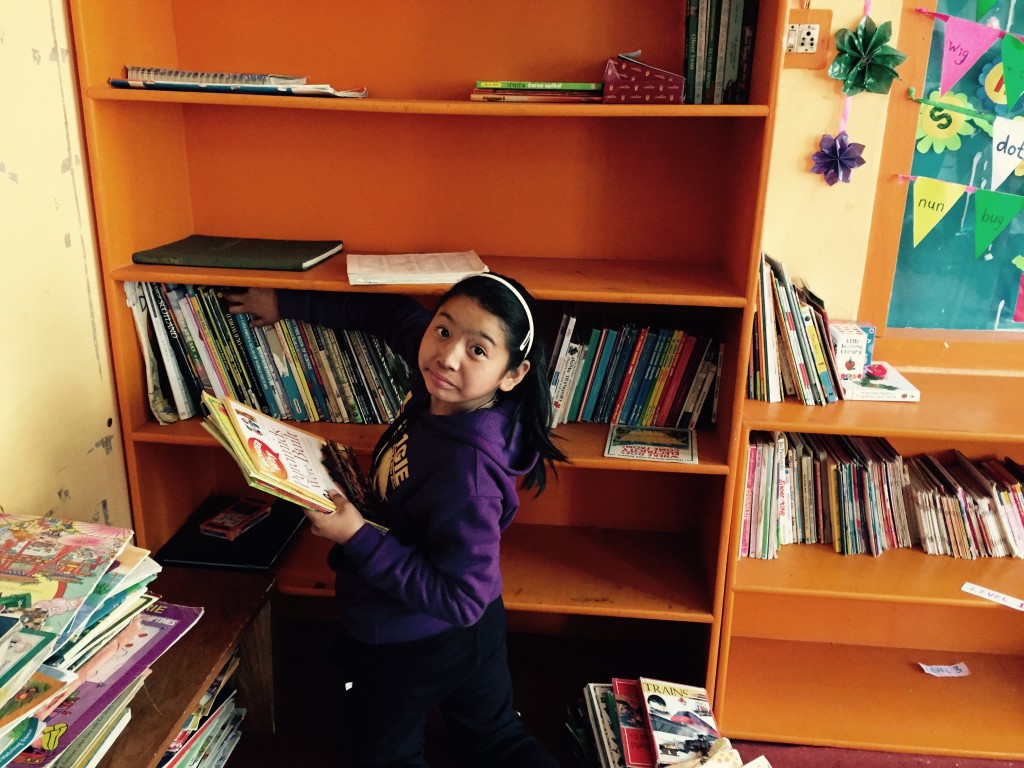
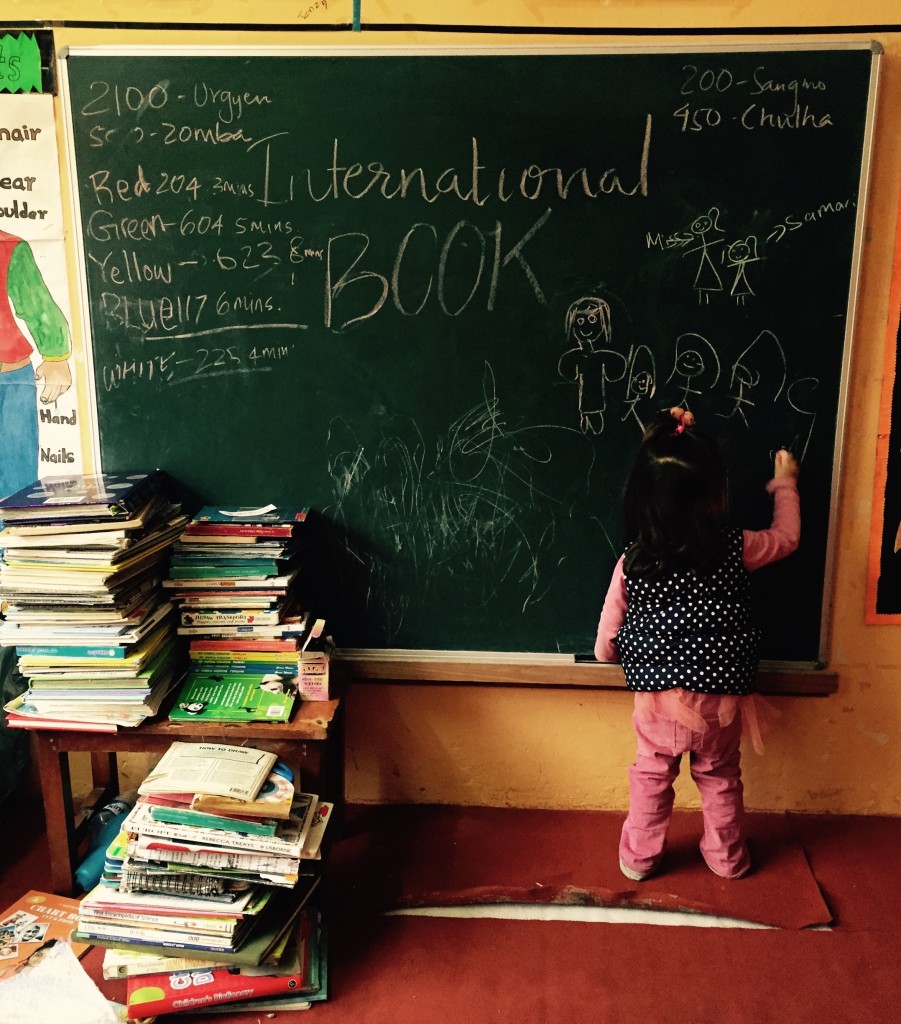
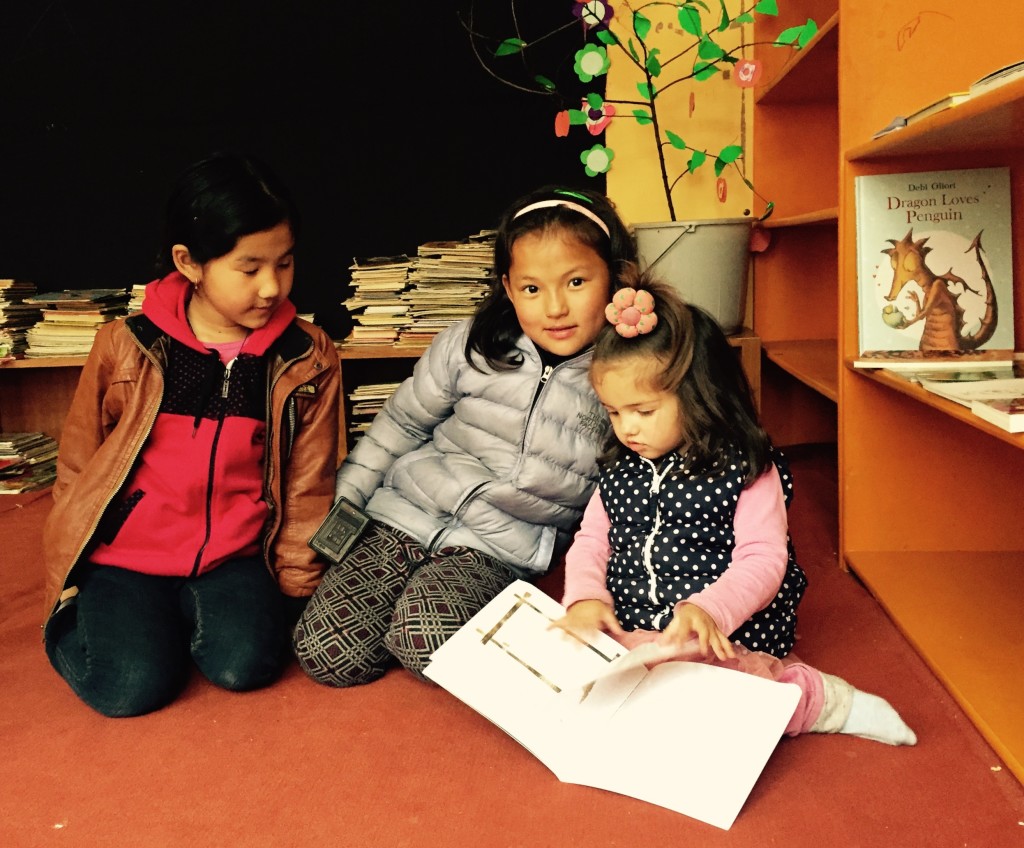
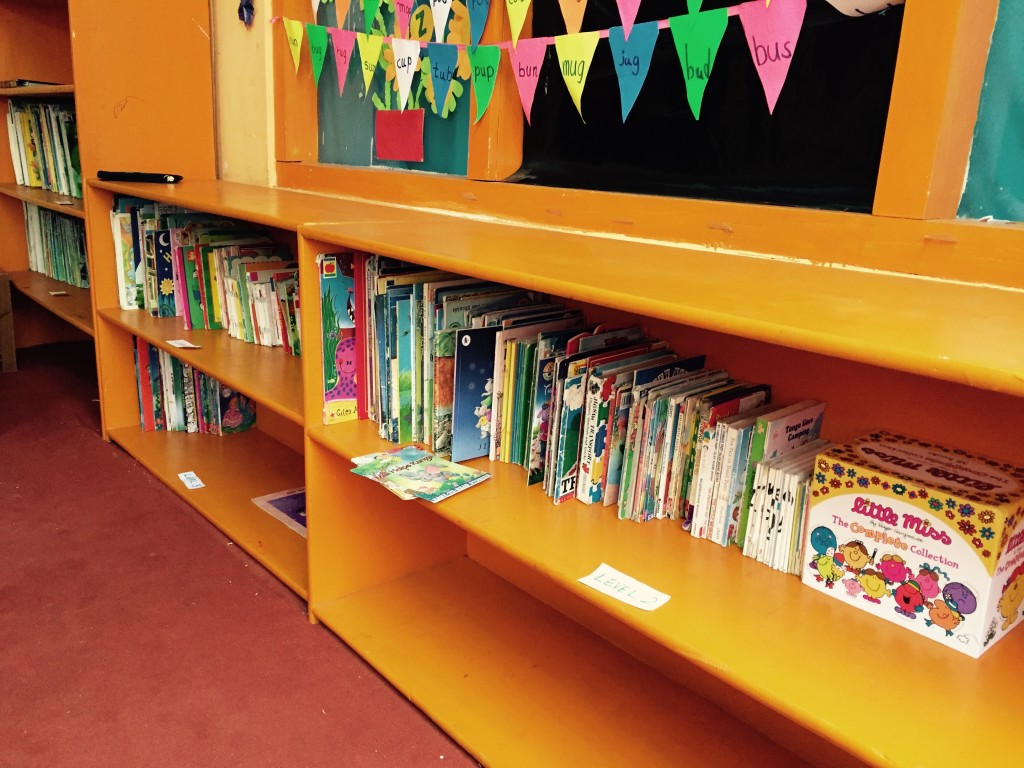
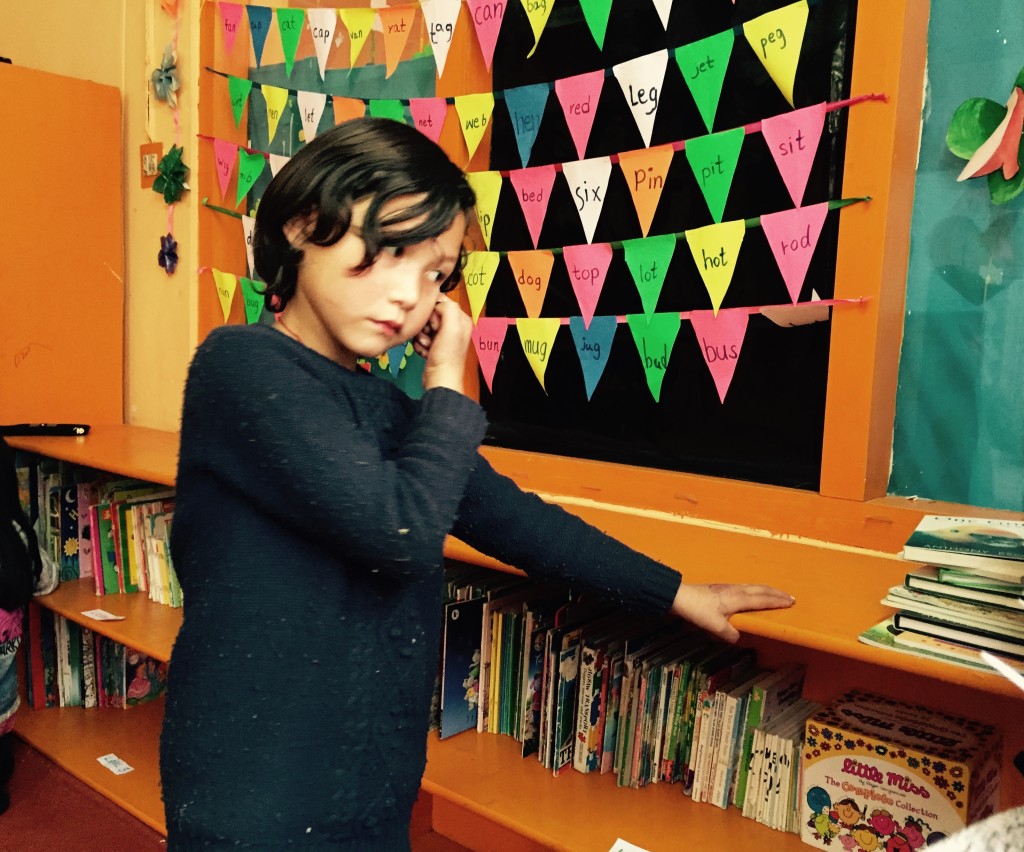
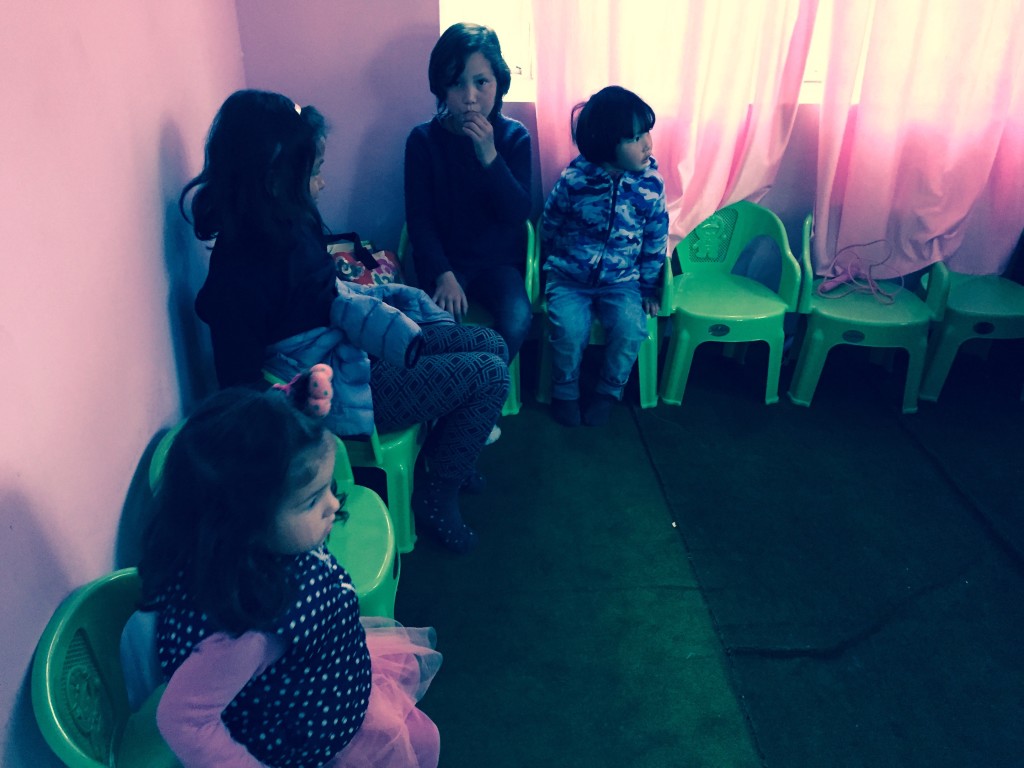
When the box arrived, Pema was visiting a reading room after school. The room was modest, with shelves along one wall, floor cushions near a window, and a table where children could draw or complete homework. The newest books were placed in a visible area so that students could browse them freely.
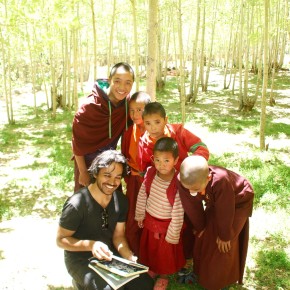
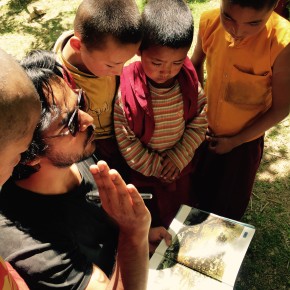
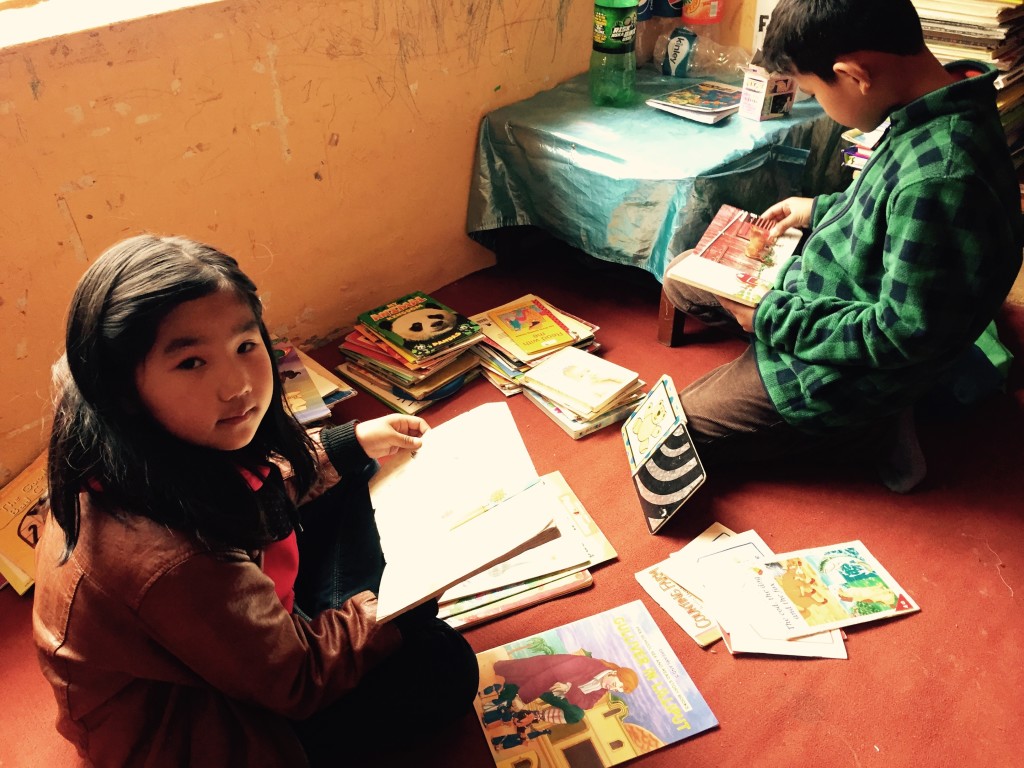
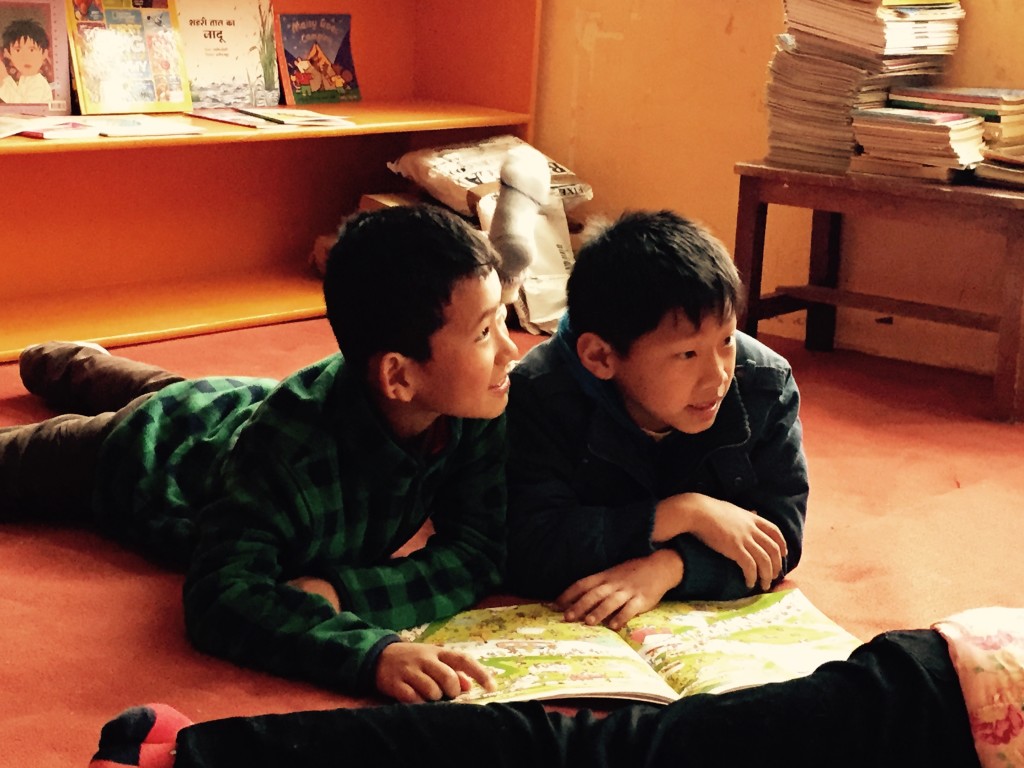
Pema chose the illustrated nature book because of its bright cover. At first, some of the vocabulary was unfamiliar. A volunteer read a passage aloud, explained a few words, and encouraged Pema to study the pictures. The child returned to the book over several afternoons, gradually reading more independently.
The physical distance between donor and reader had vanished in a simple moment: a child sitting with a book. Yet the distance had not been erased by technology or by a quick transaction. It had been crossed through generosity, planning, transport, and the belief that children everywhere deserve access to engaging reading material.
| Stage of the Journey |
What Happens |
Why It Matters |
| Donation |
A family or community member gives a gently used book |
A resource gains a second life |
| Selection |
Volunteers review age level, condition, language, and subject |
Children receive books they can use |
| Packing |
Books are grouped, protected, and prepared for transport |
Materials remain safe during a long journey |
| Distribution |
Books reach schools, monasteries, reading rooms, or local programs |
Access expands beyond a single household |
| Reading |
A child explores the book with support or independently |
Literacy, imagination, and confidence develop |
Why One Book Can Carry So Much
A single volume cannot solve every educational need, but it can change the rhythm of a child’s day. Reading may become a quiet personal activity after lessons, a shared experience with siblings, or the starting point for a conversation with a teacher. The book gives children a way to follow their own curiosity.
Books also help young readers see their home communities as part of a wider world. A story about forests may lead to questions about local landscapes. A biography may inspire interest in science or music. A picture book can encourage a child to create drawings, invent stories, or describe places that matter to them.
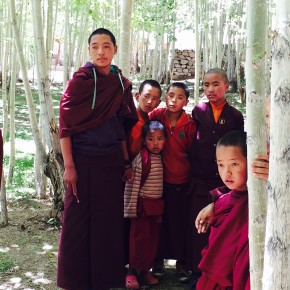
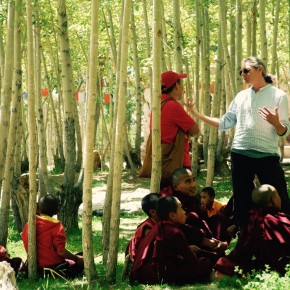
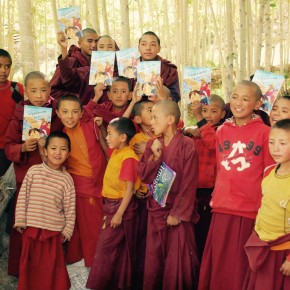
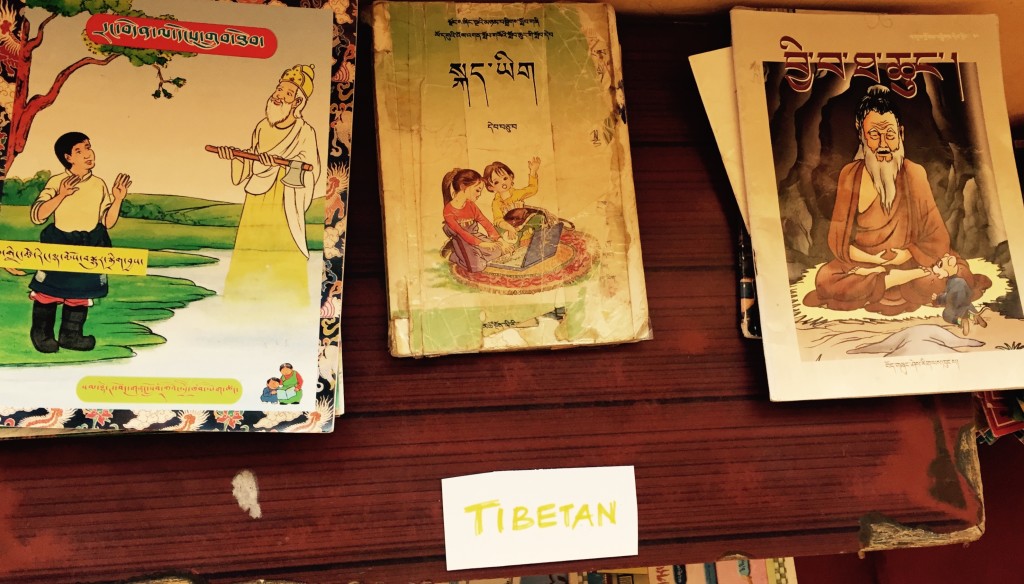
For young monks, access to suitable books can complement religious study and formal education. For other children, it can support schoolwork while expanding their creative horizons. Reading materials do more than deliver information; they help children practice concentration, empathy, vocabulary, and independent thought.
From A Donated Volume To A Shared Culture
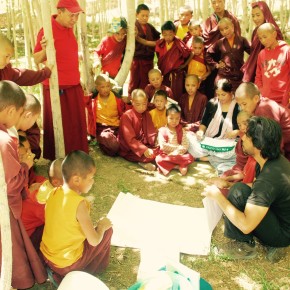
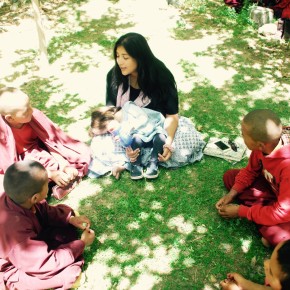
Pema did not keep the book hidden away. After reading it several times, the child began showing favorite pages to younger readers. A volunteer used the book during a group activity, inviting children to identify animals, compare habitats, and draw their own imagined creatures. One donated volume became a shared learning tool.
This is how a reading culture develops. It does not require a grand library at the beginning. It can start with a few appealing books, a welcoming room, and adults who give children time to browse. As the collection grows, children learn that books are available for pleasure as well as for assignments.
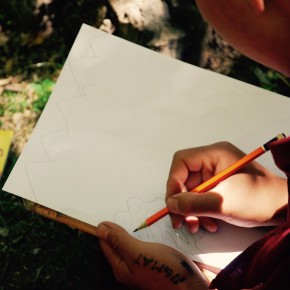
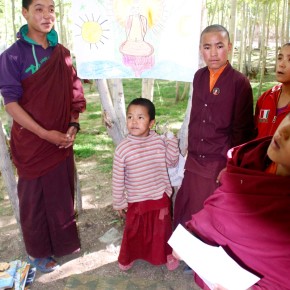
The strongest programs also connect reading with artistic and musical activities. Children might illustrate a folktale, perform a short scene, write a poem, or create a song inspired by a story. These experiences make literacy active and memorable, especially for readers who are still building confidence in a second language.
Ways To Extend A Book’s Journey
Readers, schools, community groups, and families can help more books make a meaningful journey to children in the Himalayas. Useful support includes:
- Donate gently used children’s books that are complete, clean, age-appropriate, and engaging.
- Organize a small collection through a school, workplace, neighborhood, or local library.
- Contribute funds for sorting, packing, shipping, and maintaining reading spaces.
- Volunteer time for book selection, literacy activities, creative workshops, or community events.
- Share stories about reading programs so more people understand the value of consistent access to books.
Thoughtful giving matters more than sheer volume. A carefully chosen collection is easier for children and volunteers to use than boxes filled with damaged, outdated, or unsuitable titles. Contributions can also support shelves, cushions, lighting, art supplies, and other details that make a reading room comfortable and inviting.
The Distance Ends In A Child’s Hands
Months after the book arrived, Pema could describe several animals from its pages and had begun writing short observations in a notebook. The book remained on the shelf for other children, its edges showing signs of use. That wear was evidence of success: the volume had become part of the life of a community.
A book that travels 10,000 miles does not make the journey alone. It carries the effort of donors, organizers, drivers, volunteers, educators, and local partners. Most importantly, it carries an invitation to a child: open this page, take your time, and discover what comes next.
Support Avalokiteśvara Trust by donating books, contributing to educational programs, or volunteering your skills. With sustained care, more stories can cross great distances and arrive where they are needed most—on the lap, desk, or shelf of a child ready to read.