From Cardboard Boxes to Bookshelves: A Budget Book Drive
A well-organized book drive can bring stories, reference materials, and creative opportunities to children and young monks without requiring a large budget. The difference between a pile of donated books and a useful community library often comes down to planning, careful sorting, and thoughtful distribution.
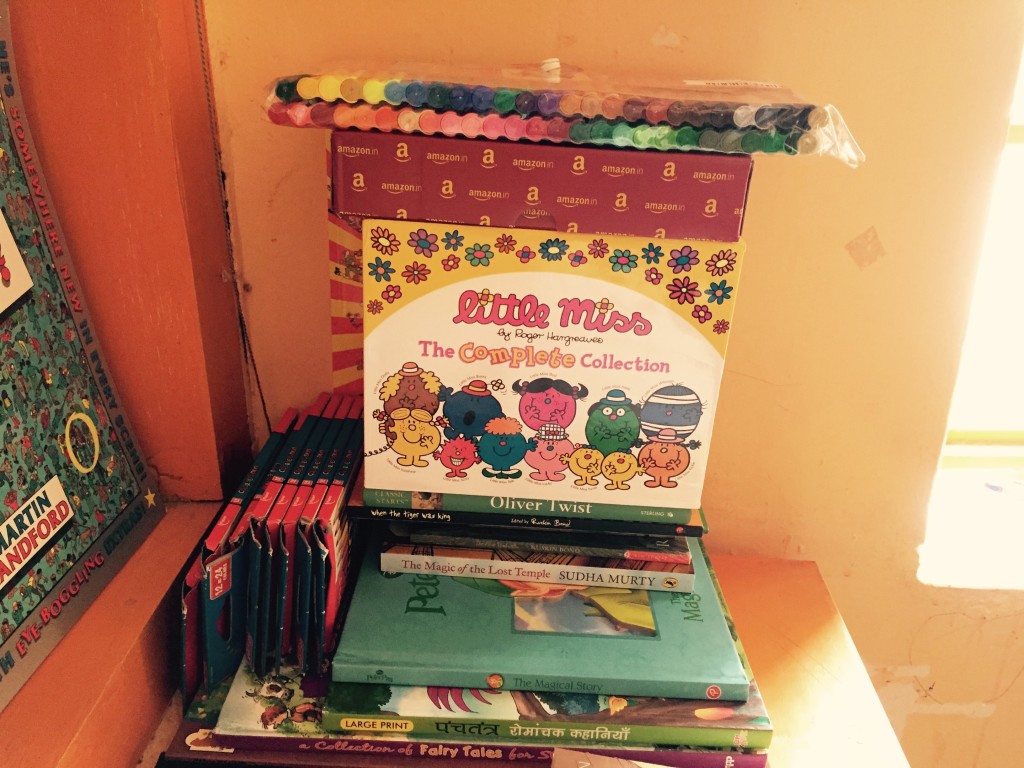
For communities in the Himalayan region, access to quality books may be limited by distance, cost, and transport conditions. A modest collection can become a valuable reading room when it reflects local interests, supports learning, and arrives in good condition. Cardboard boxes, borrowed vehicles, and volunteer time can carry a project a long way.
The most effective donation campaigns begin with a clear purpose. Instead of collecting every available book, organizers can identify the ages, languages, subjects, and reading levels that will serve a particular school, monastery, village, or community center. This approach reduces waste and makes every contribution count.
Start With A Clear Reading Goal
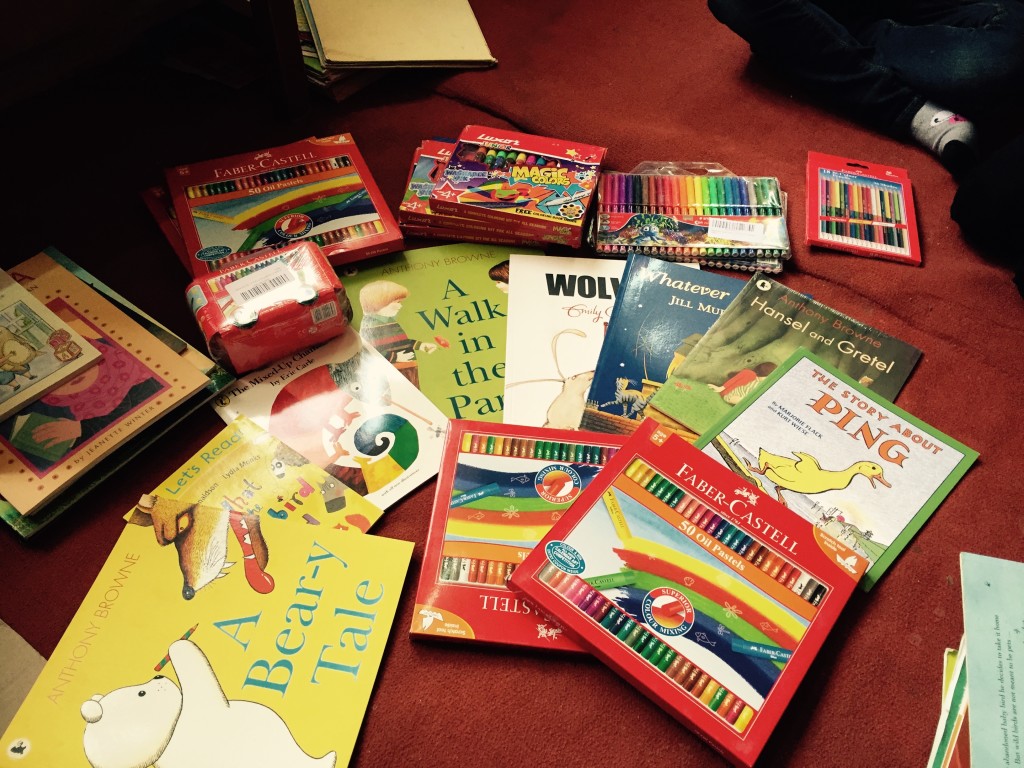
Begin by speaking with teachers, caregivers, librarians, or local coordinators. Ask what children already enjoy reading, which subjects need support, and what materials are difficult to obtain. A community may need early readers, illustrated stories, English-language practice, science books, art guides, or age-appropriate books about local culture.
Create a short wish list before announcing the drive. Divide it into essential categories such as picture books, fiction, educational resources, dictionaries, activity books, and young adult reading. This gives donors direction while leaving room for suitable surprises. A clear purpose also helps prevent the campaign from becoming a disposal route for damaged or irrelevant books.
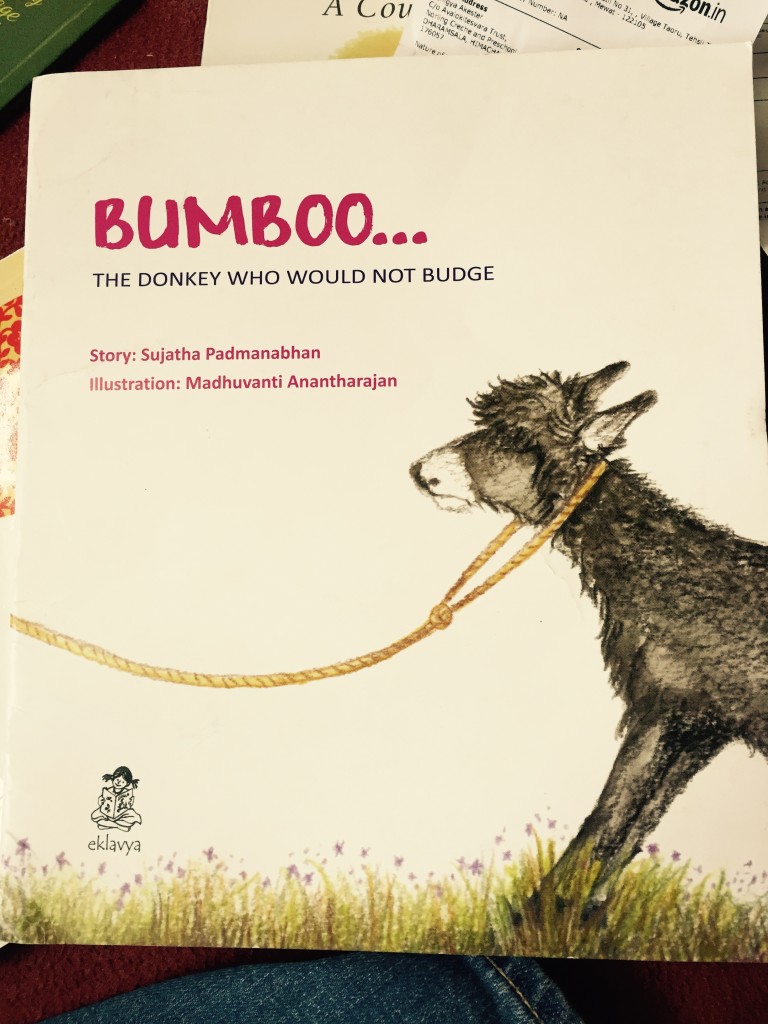
Consider the practical realities of the destination. Books should be durable, easy to carry, and appropriate for the available shelves and storage space. In remote areas, lightweight paperbacks may be easier to transport, while sturdy board books can serve younger readers for longer. Language and cultural relevance deserve equal attention, particularly when materials are intended for multilingual communities.
Build A Collection Without Overspending
A low-cost book drive depends on many small sources rather than one expensive purchase. Ask families, schools, bookstores, libraries, publishers, and community groups for clean, gently used books. Independent bookshops may have excess stock, remaindered titles, or damaged packaging that can be donated. Local libraries sometimes replace collections and welcome responsible recipients for older but useful editions.
Digital outreach can keep expenses low. A simple announcement should explain the destination, preferred subjects, acceptable condition, collection deadline, and drop-off arrangements. Include examples of suitable donations and state politely that moldy, torn, incomplete, heavily marked, or outdated materials cannot be accepted. Clear guidelines protect volunteers from sorting hundreds of unusable items.
Fundraising can fill specific gaps without changing the character of the campaign. A small donation may cover a dictionary, a set of readers, waterproof storage, labels, or transport costs. A “sponsor a shelf” activity allows supporters to fund a subject area, while a local business might contribute cartons, tape, or fuel instead of cash.
Make Every Contribution Count
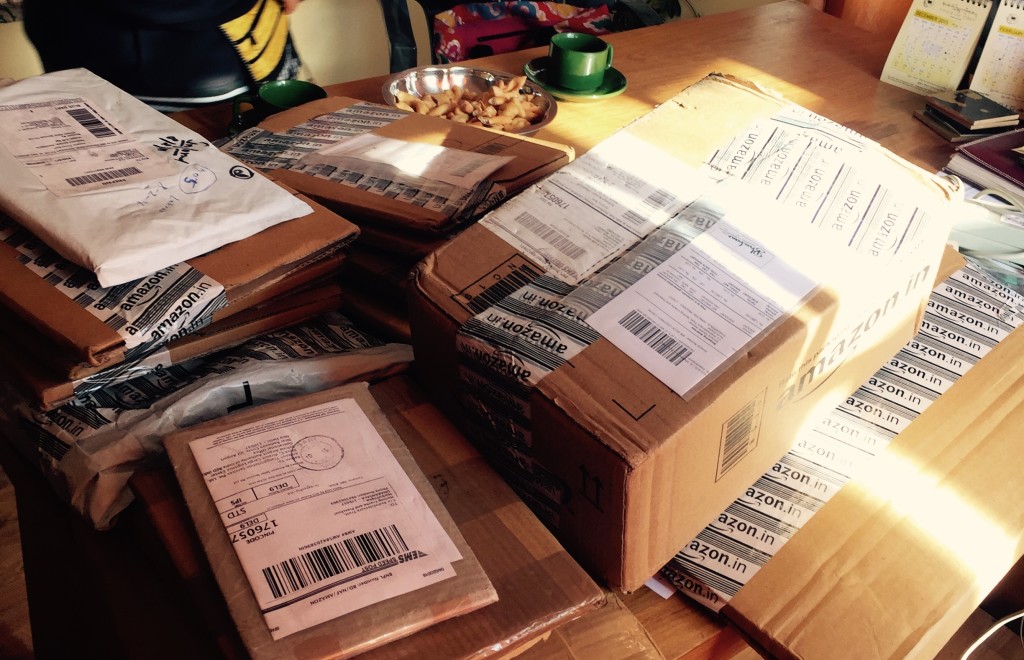
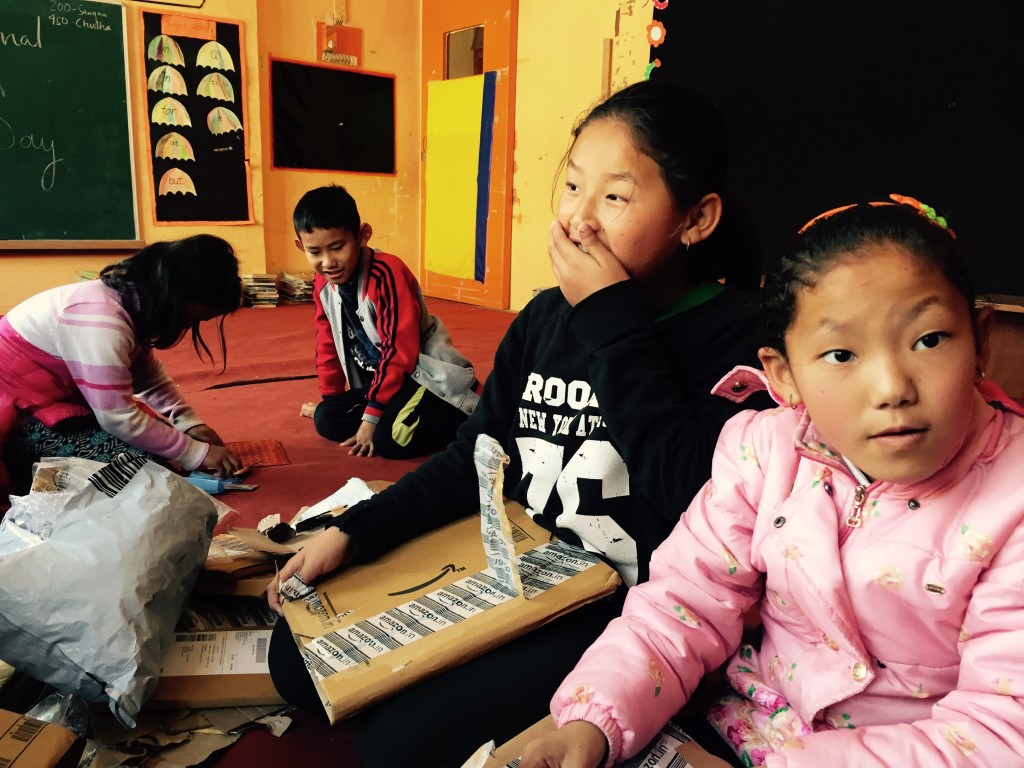
Budget planning is easier when costs are separated into collection, preparation, and delivery. Many drives focus on acquiring books and overlook packing supplies or transportation. Reused cartons, paper grocery bags, old calendars for wrapping, and donated storage bins can lower expenses while keeping materials out of landfills.
| Need |
Low-Cost Approach |
Why It Helps |
| Book collection |
Partner with schools, libraries, and neighborhood groups |
Creates several reliable donation points |
| Sorting |
Use volunteer shifts and simple category labels |
Reduces paid labor and speeds up preparation |
| Packaging |
Reuse strong cartons and paper materials |
Limits spending on boxes and wrapping |
| Inventory |
Keep a shared spreadsheet or notebook |
Prevents duplicate purchases and lost records |
| Transport |
Coordinate with existing community journeys |
Avoids paying for a separate delivery route |
| Reading room supplies |
Request mats, cushions, shelves, and lamps locally |
Makes the space useful beyond the books |
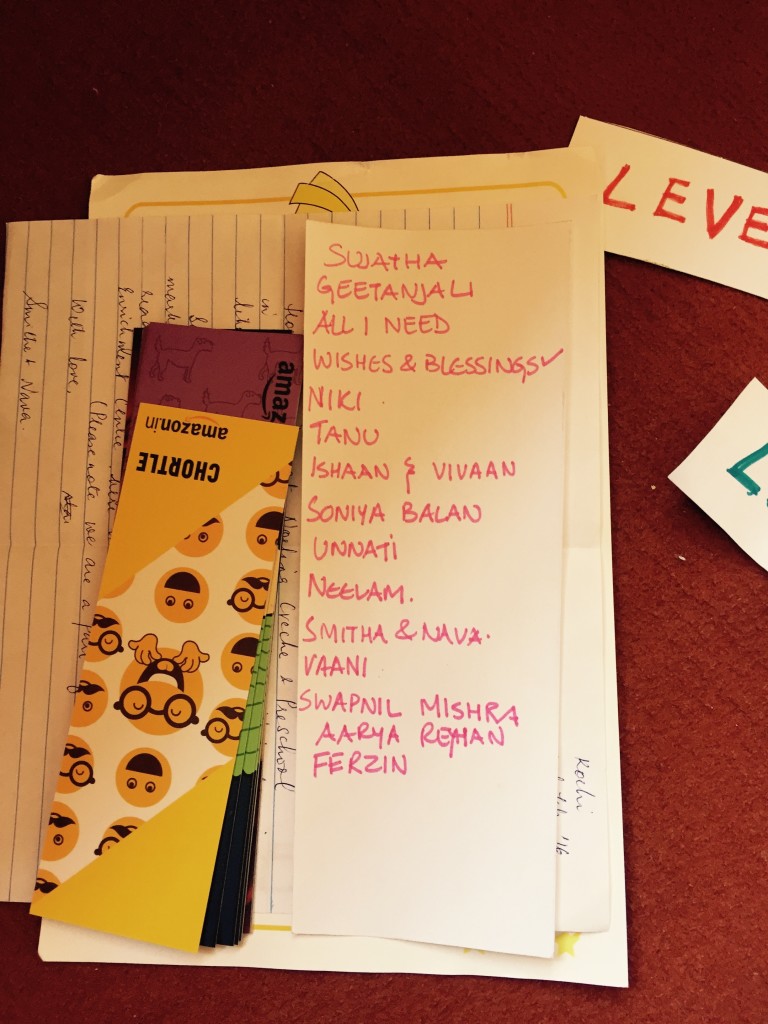
Keep a basic record of what comes in and where it goes. An inventory does not need to be complicated: title, subject, language, reading level, condition, and destination are often enough. When donors can see how contributions are used, they are more likely to support future literacy projects.
Reserve a small portion of the budget for unexpected needs. Remote delivery may involve extra handling, seasonal delays, or replacement packaging. A modest contingency fund is more useful than spending every available dollar on additional books that may not match the community’s needs.
Sort And Pack With Care
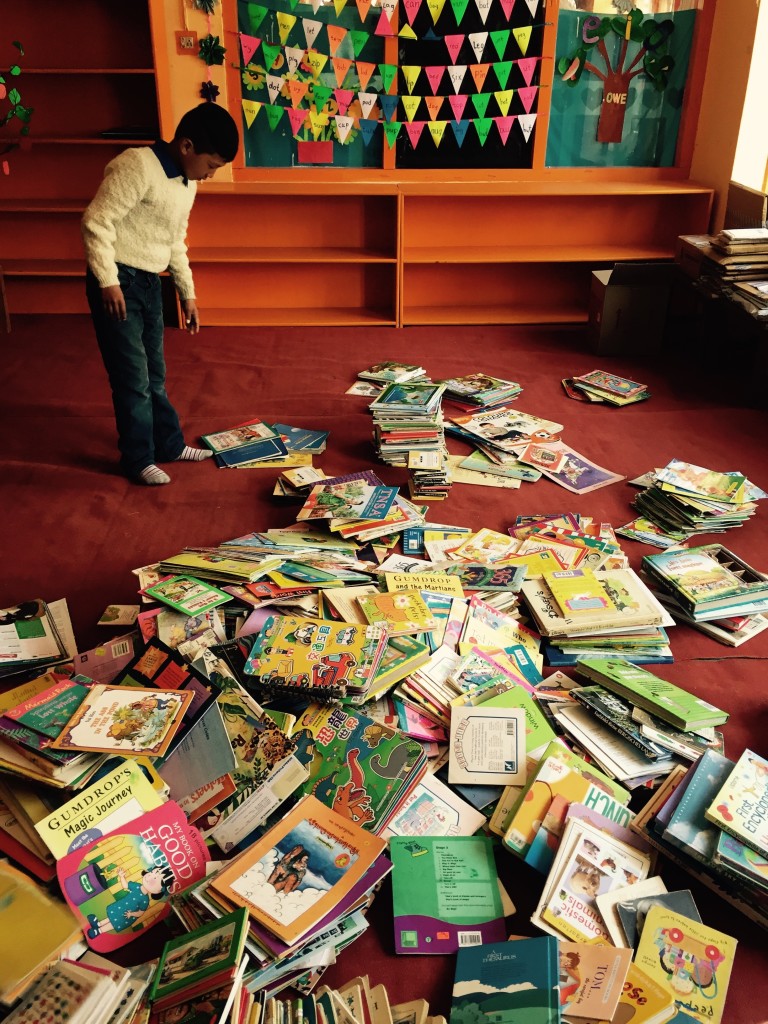
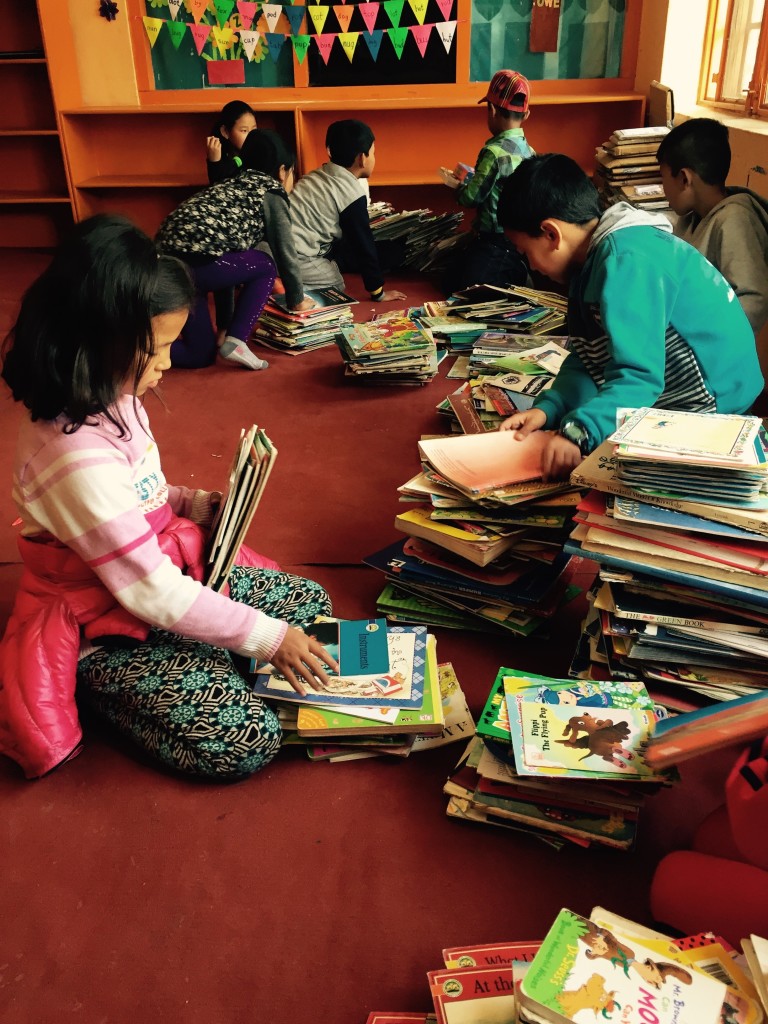
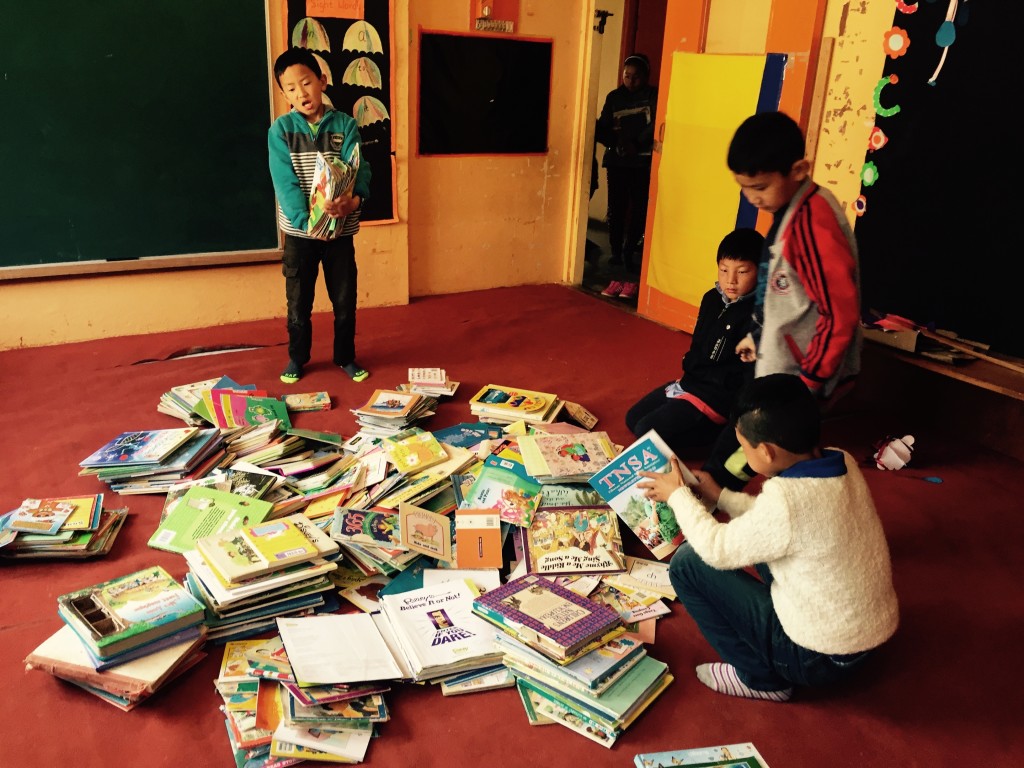
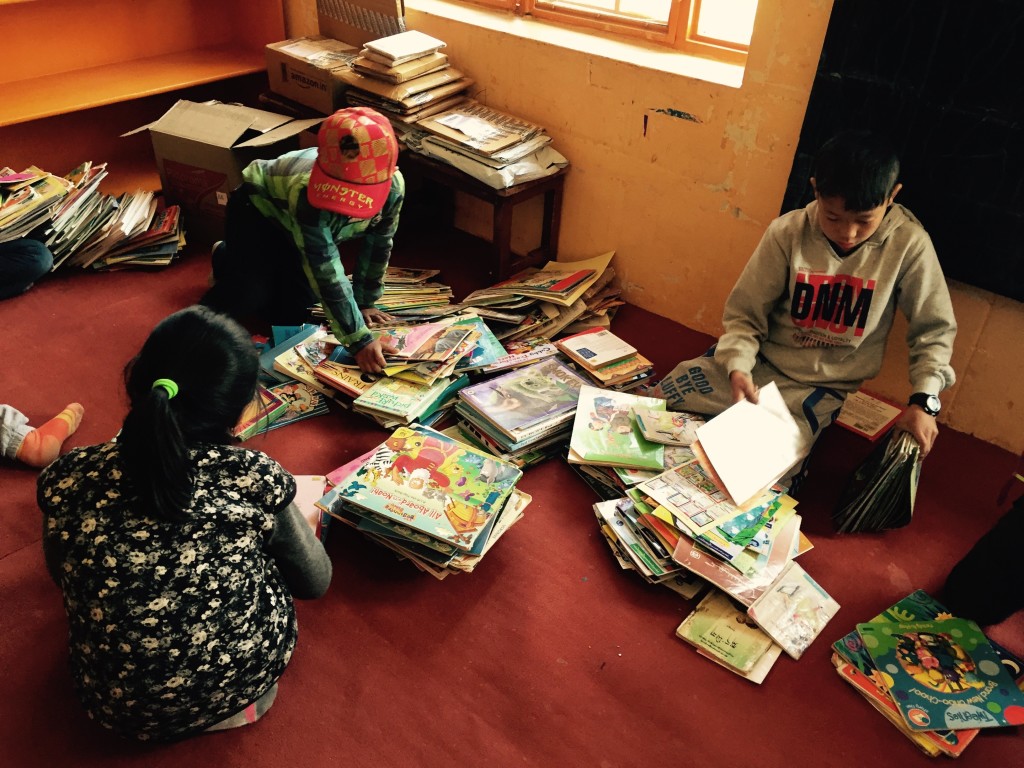
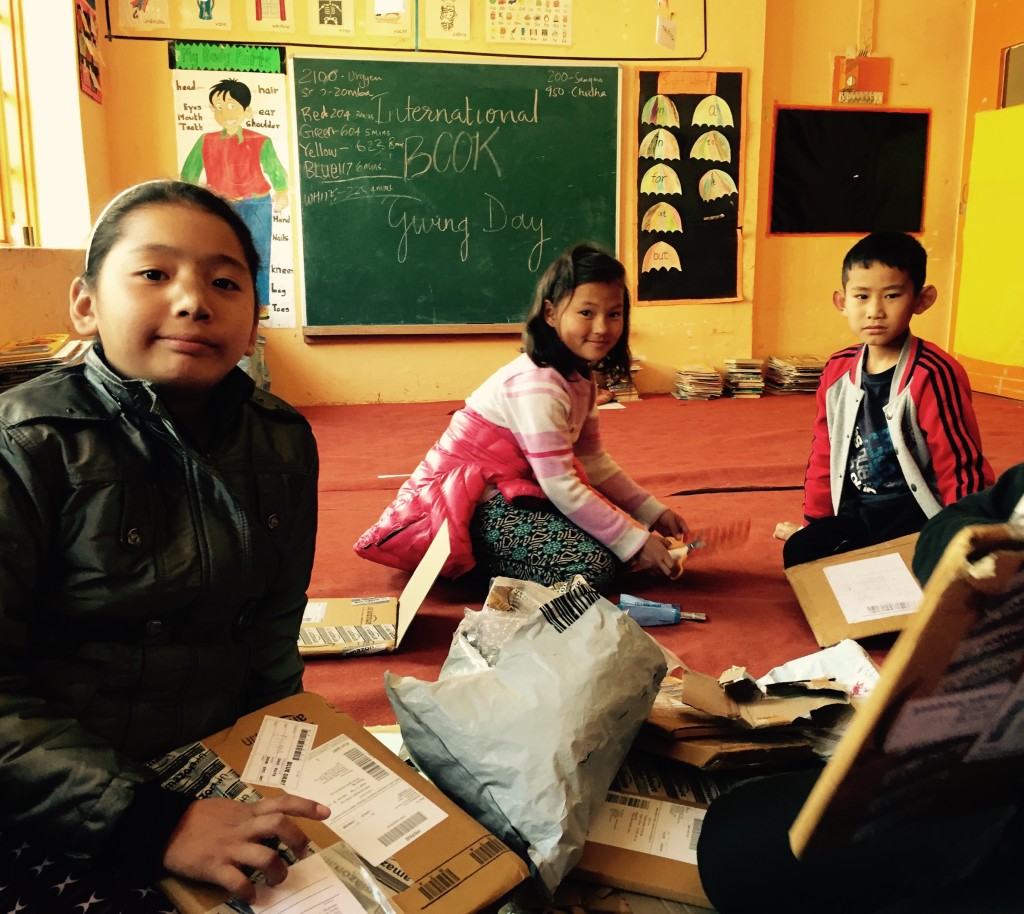
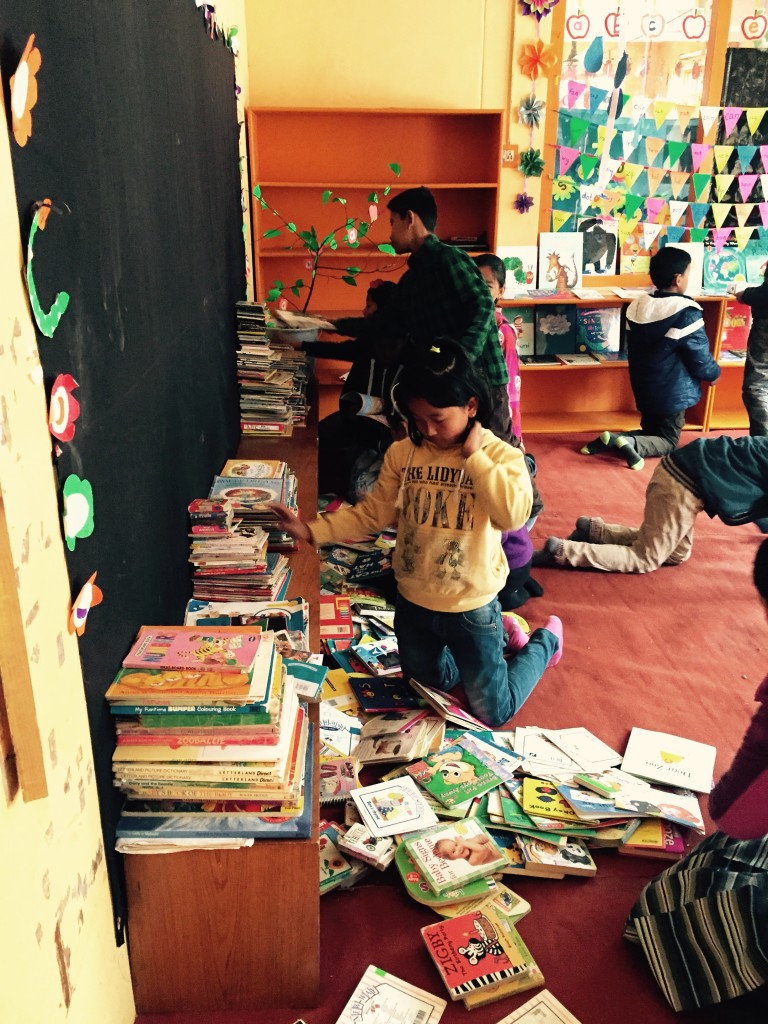
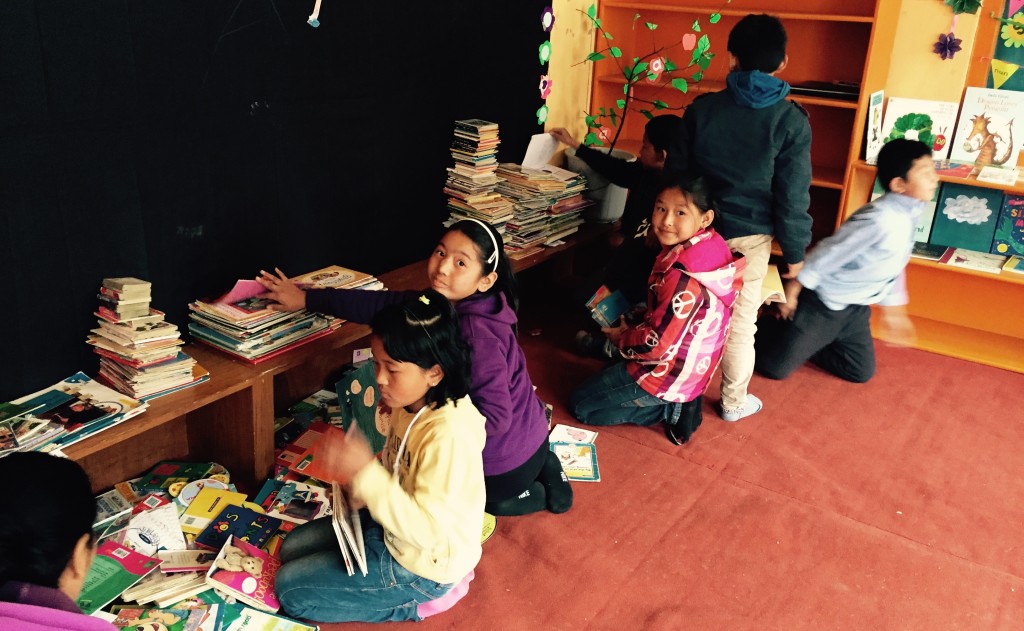
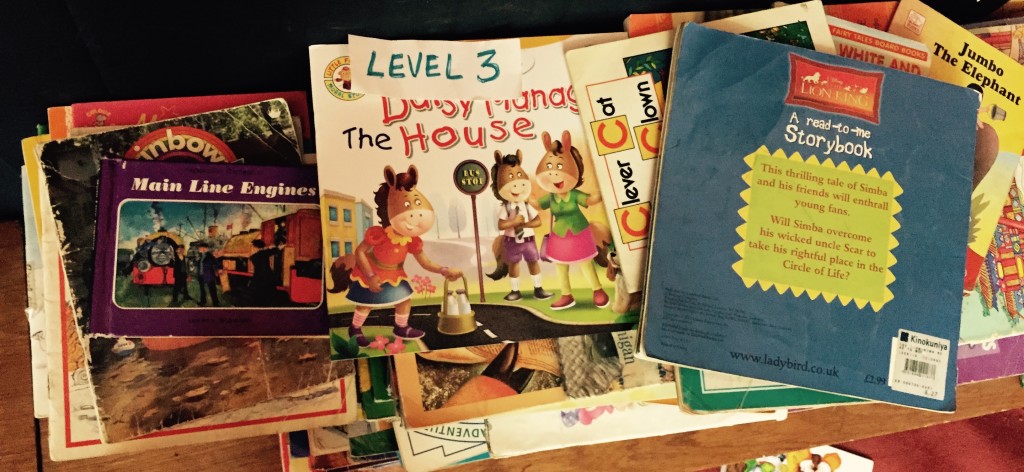
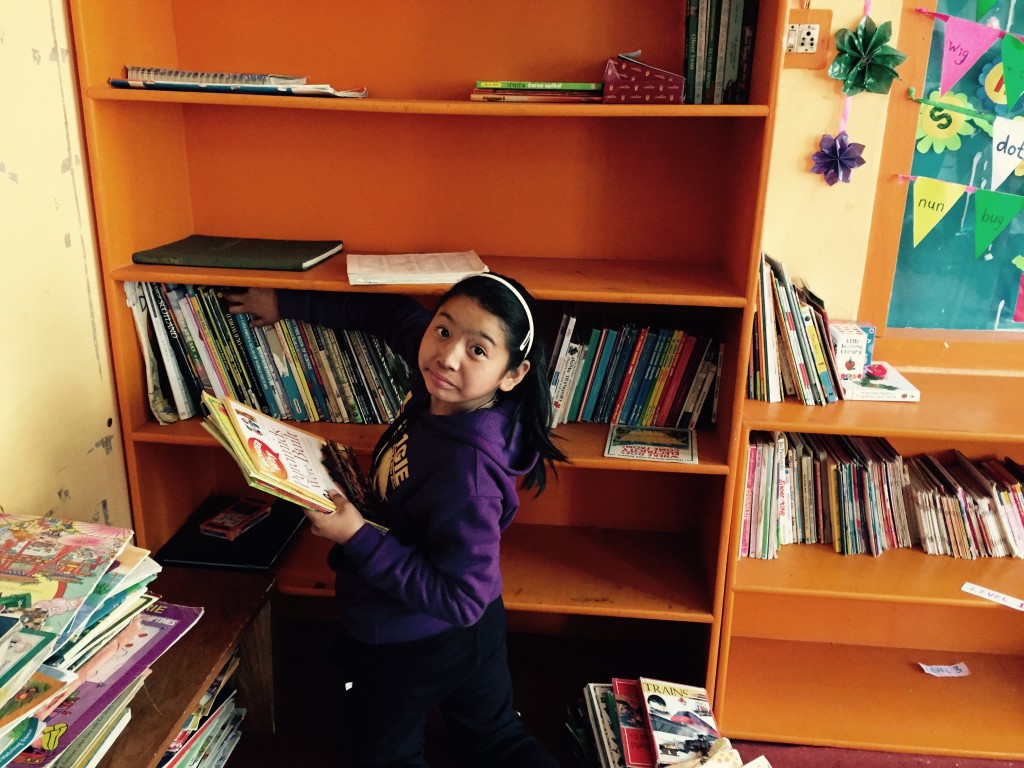
Set up a sorting station with separate areas for acceptance, review, repair, labeling, and packing. Volunteers should check every item for missing pages, writing that affects readability, water damage, insects, and strong odors. Light wear is usually acceptable; structural damage is not. Books that fail the review can be recycled or redirected to craft activities if they are safe to handle.
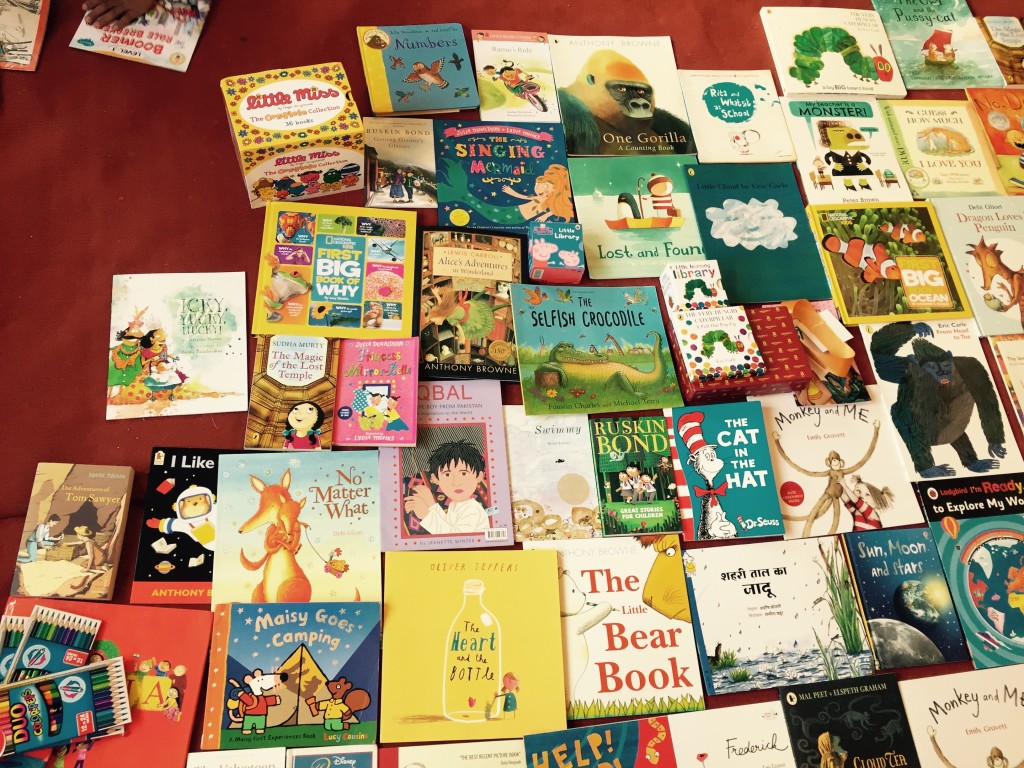
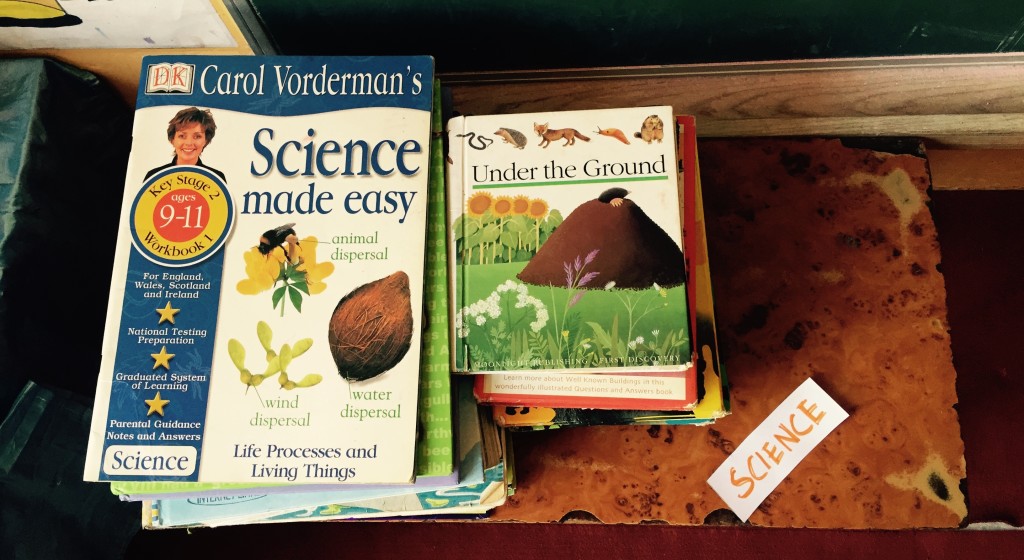
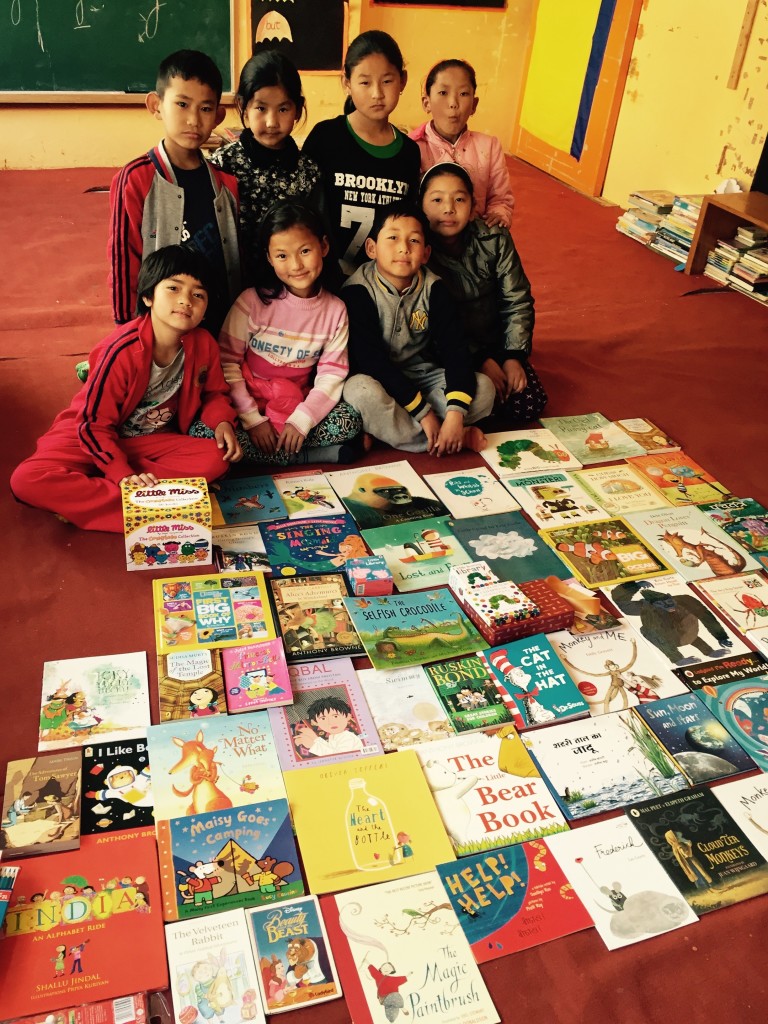
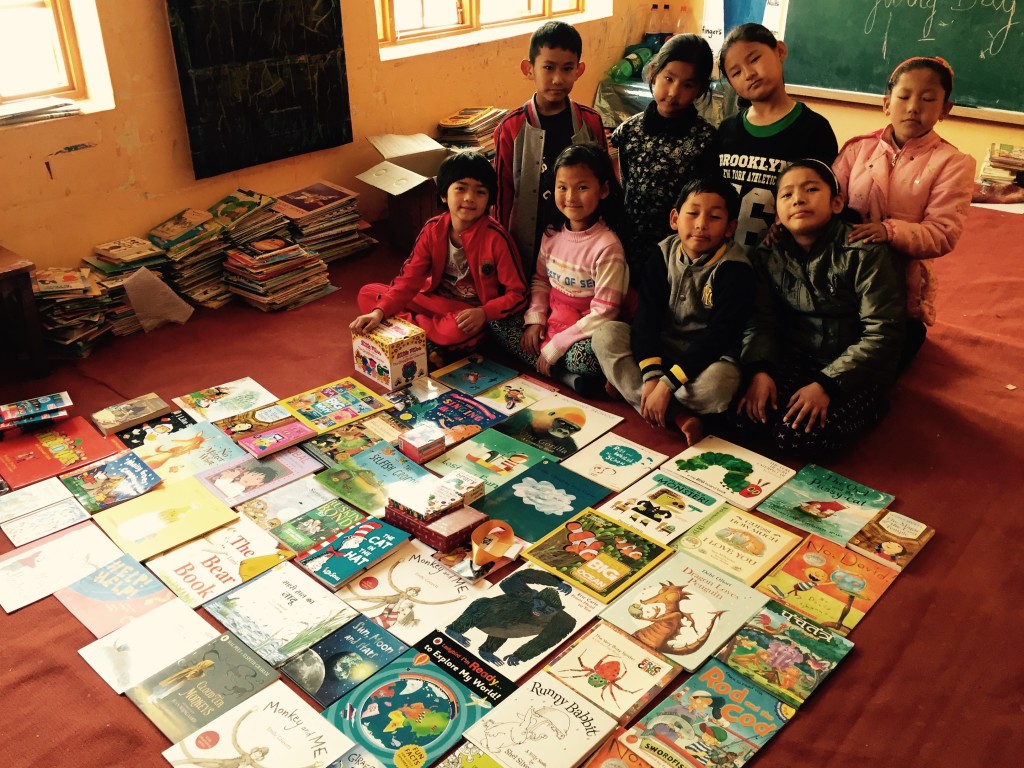
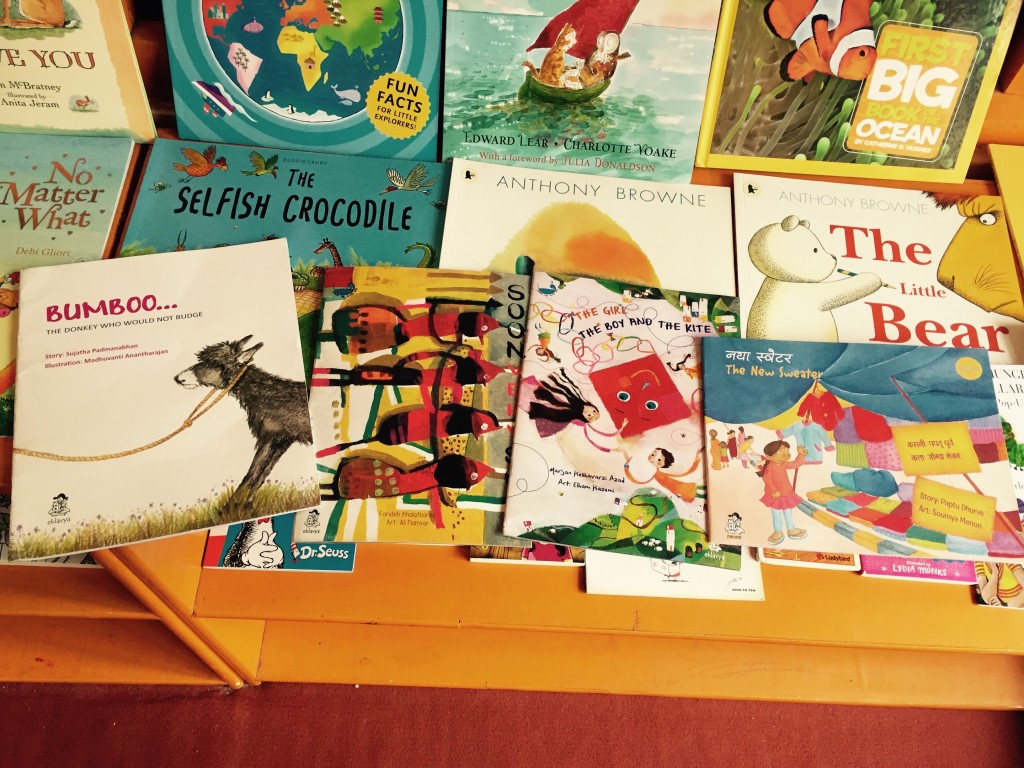
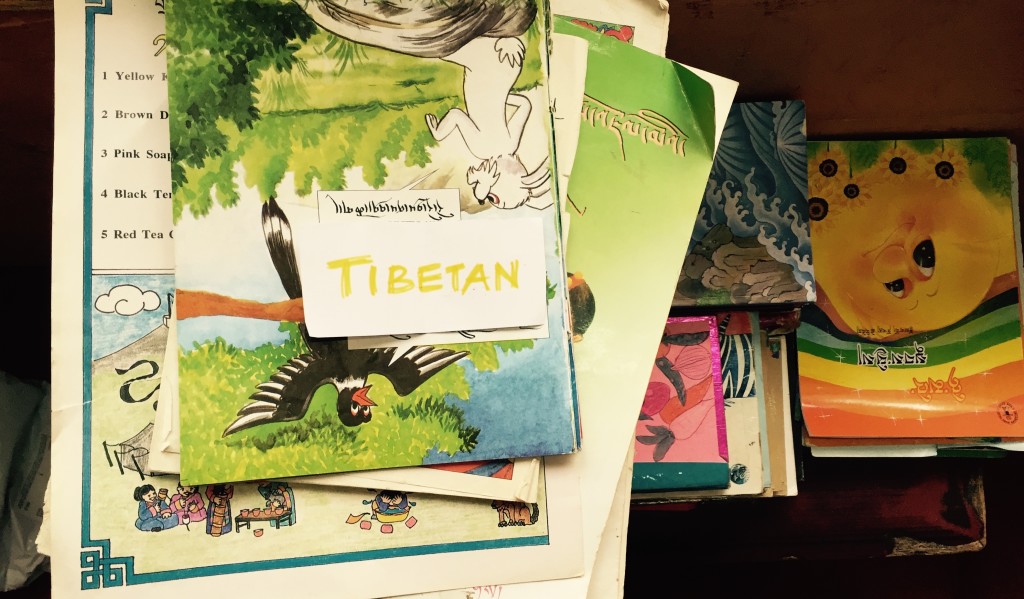
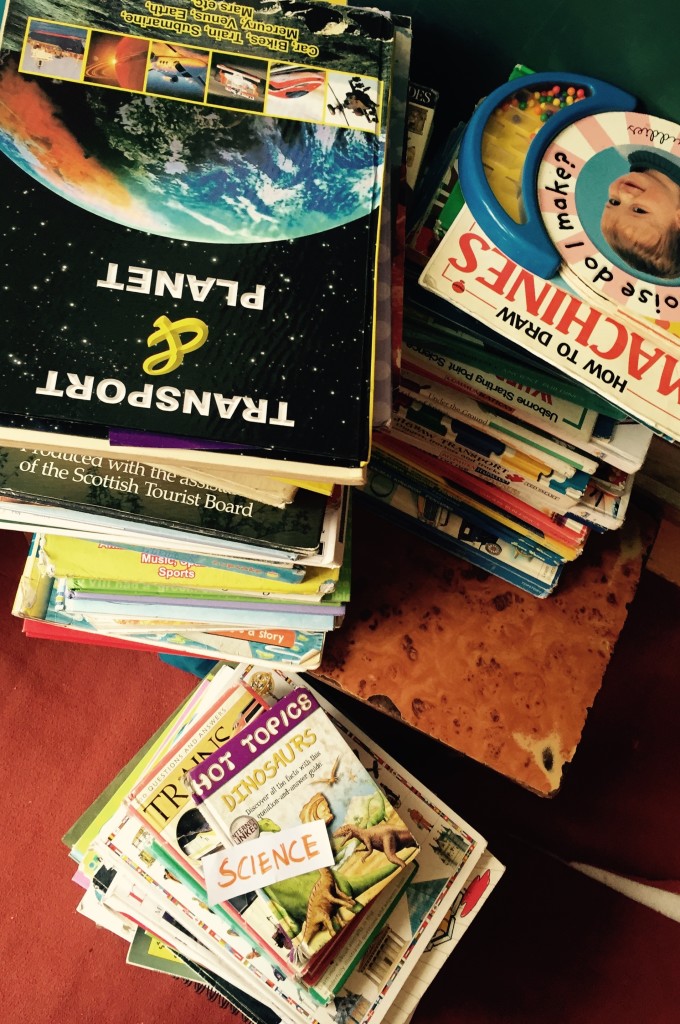
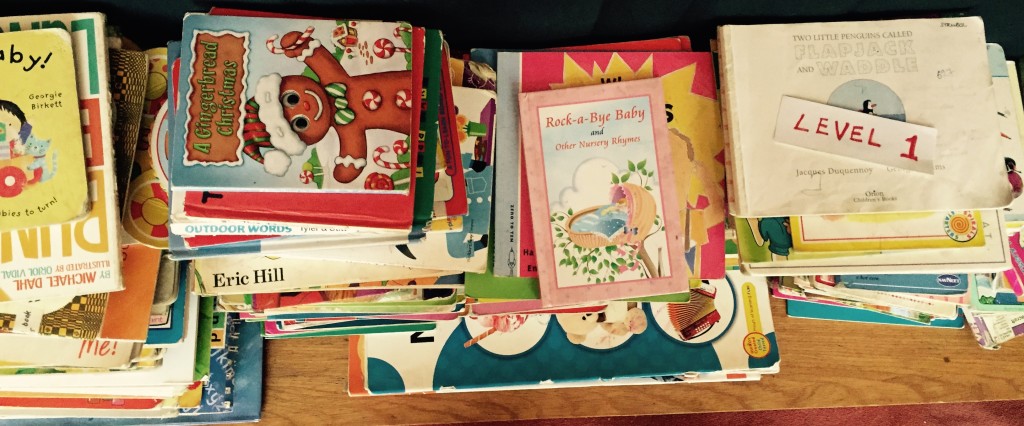
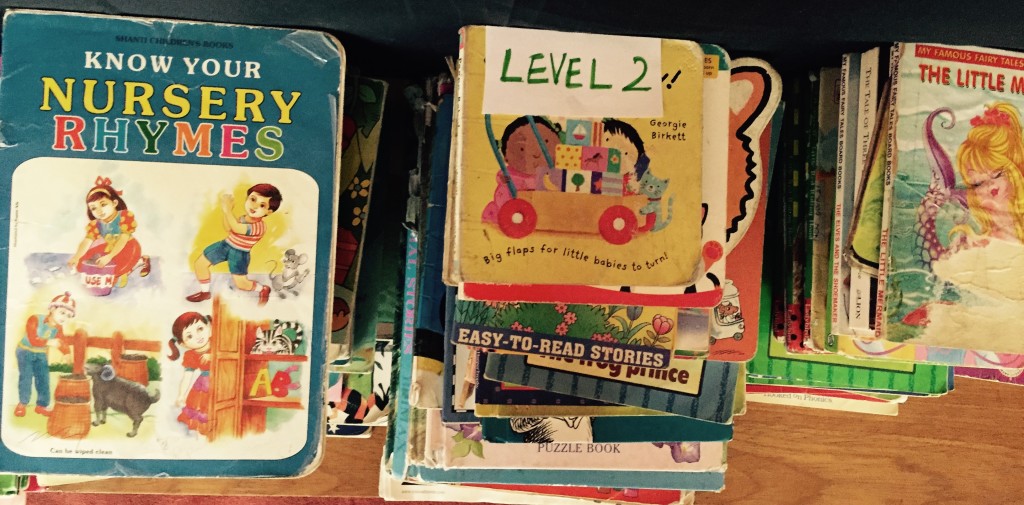
Group approved books by age, subject, language, and format. Use broad categories that volunteers and recipients will understand quickly. A color sticker or large handwritten code can identify picture books, early readers, reference materials, fiction, and creative activity books without requiring costly library equipment.
Pack books tightly enough to prevent movement, but keep cartons light enough for safe lifting. Place heavier books at the bottom and protect corners with reused paper or cardboard. Add a packing note inside each box with its category and destination. If the shipment may encounter rain, snow, or rough roads, use inner plastic protection or sturdy waterproof bags.
Create A Welcoming Reading Space
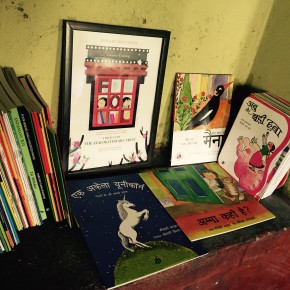
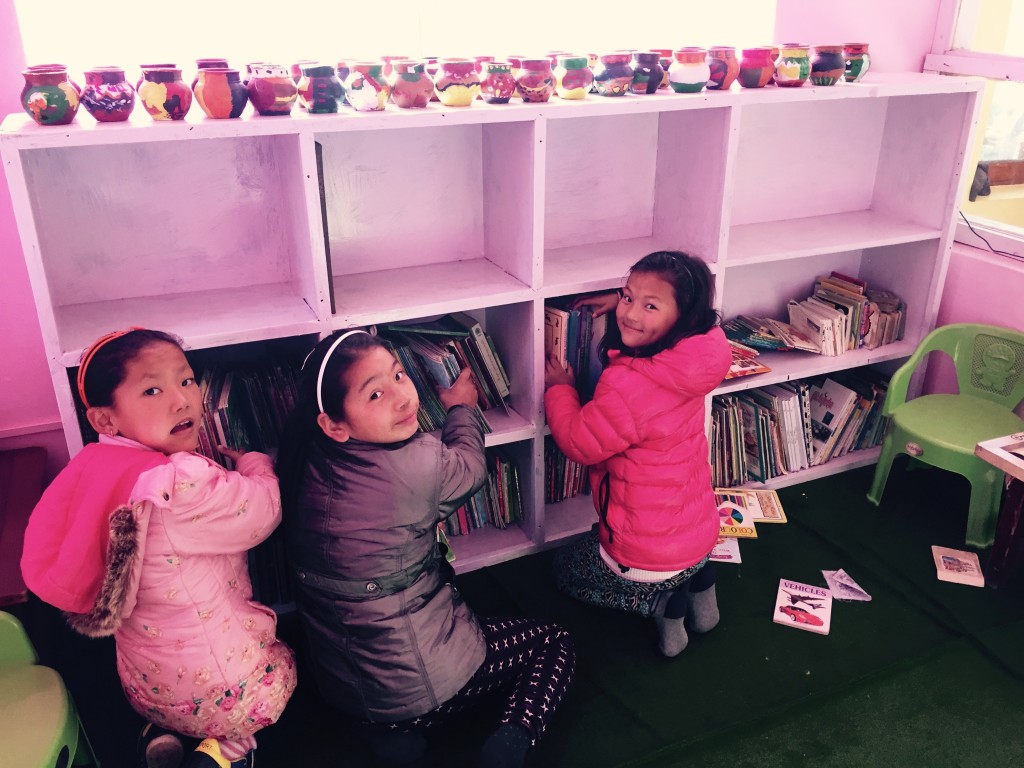
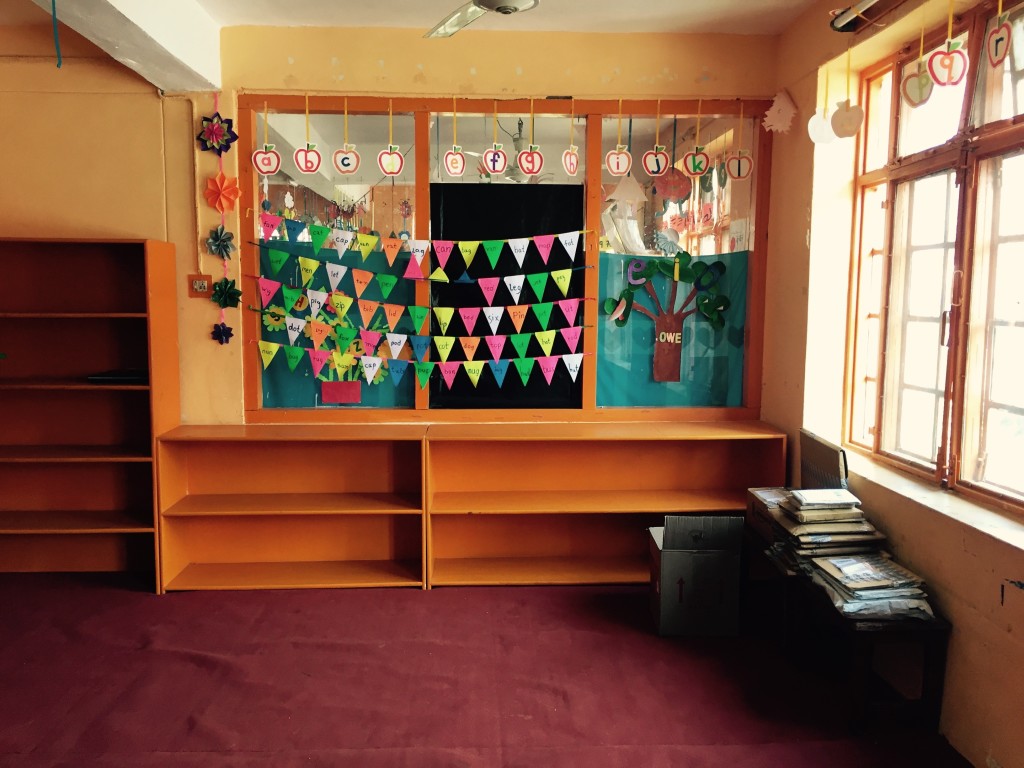
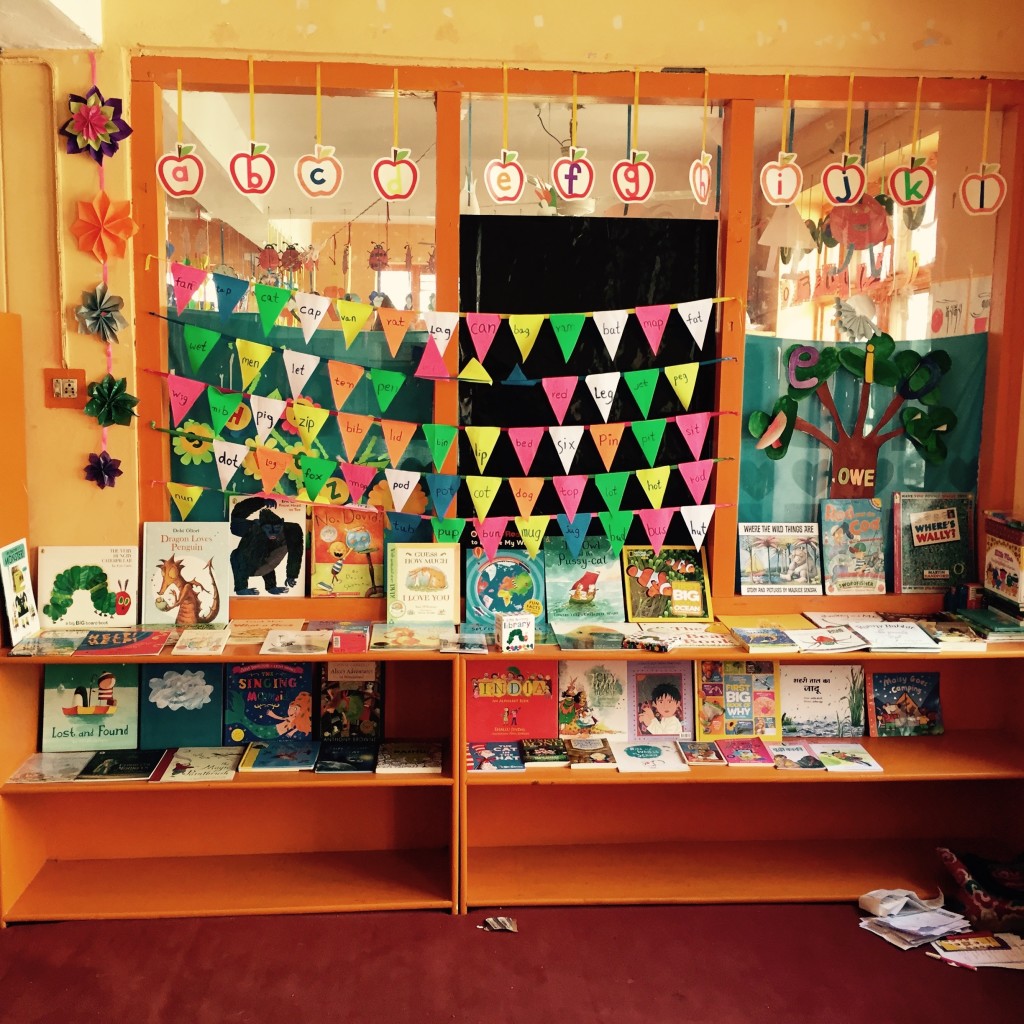
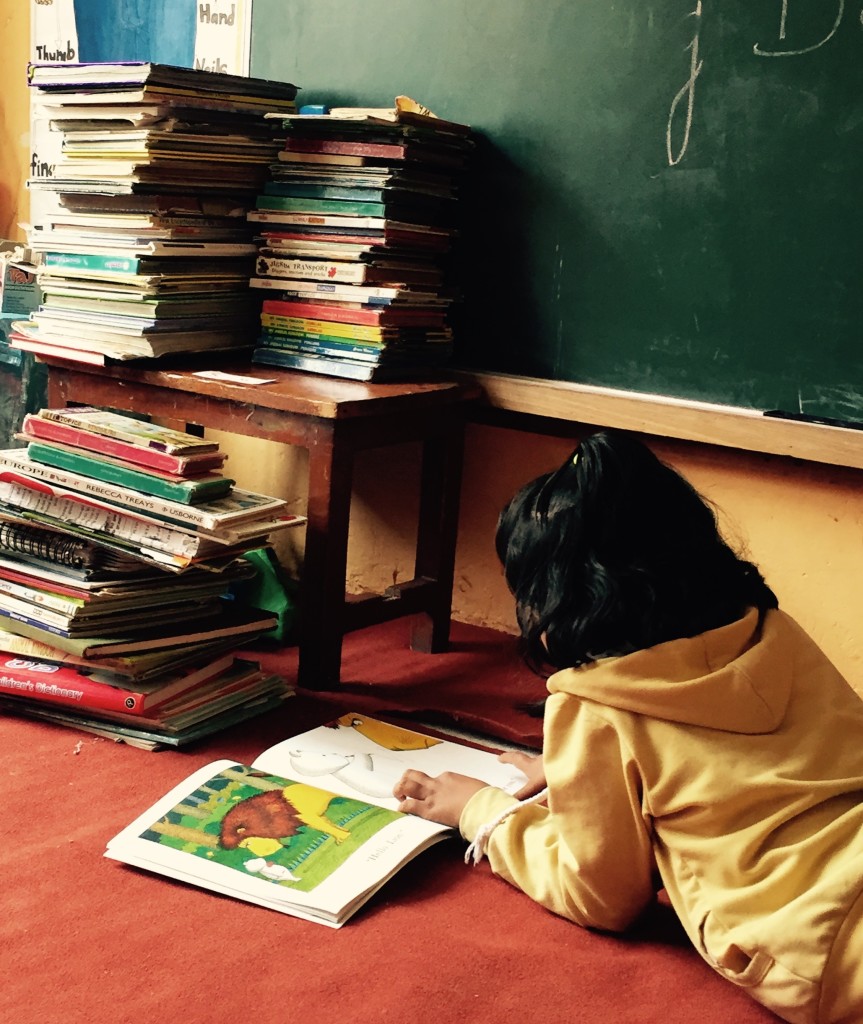
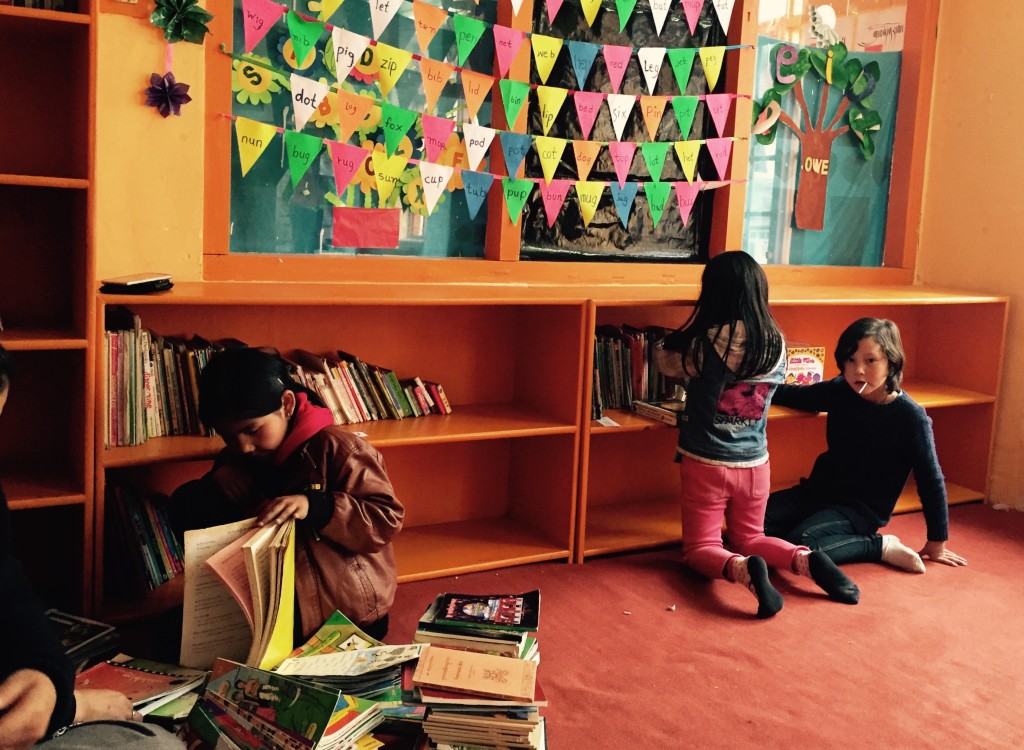
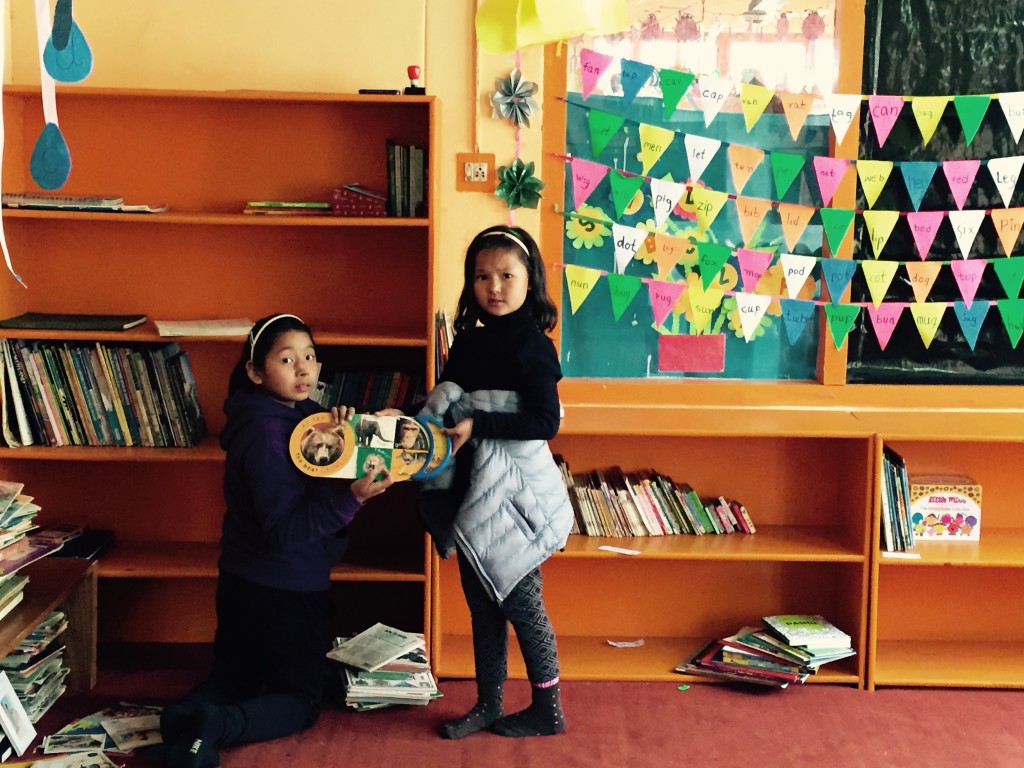
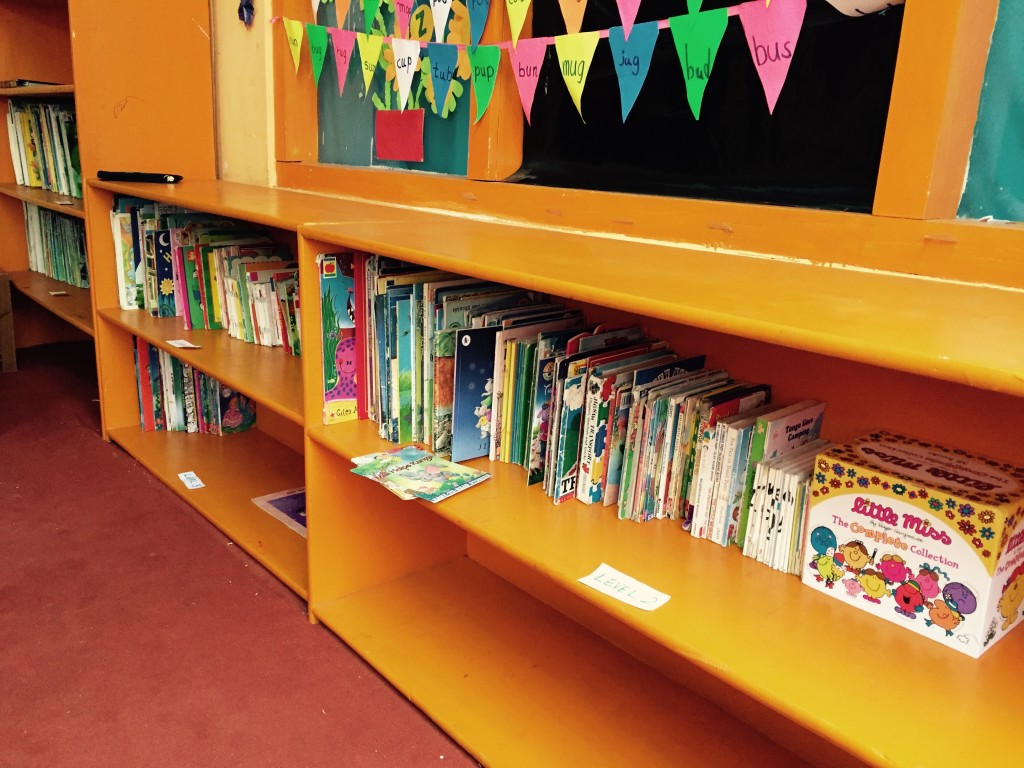
A book donation becomes more valuable when children can find and enjoy the materials easily. Shelves do not have to be new. Repainted wooden crates, strong fruit boxes, locally made shelving, or repaired cabinets can provide practical storage. Sand rough edges, secure unstable units, and keep the lowest shelves accessible to younger children.
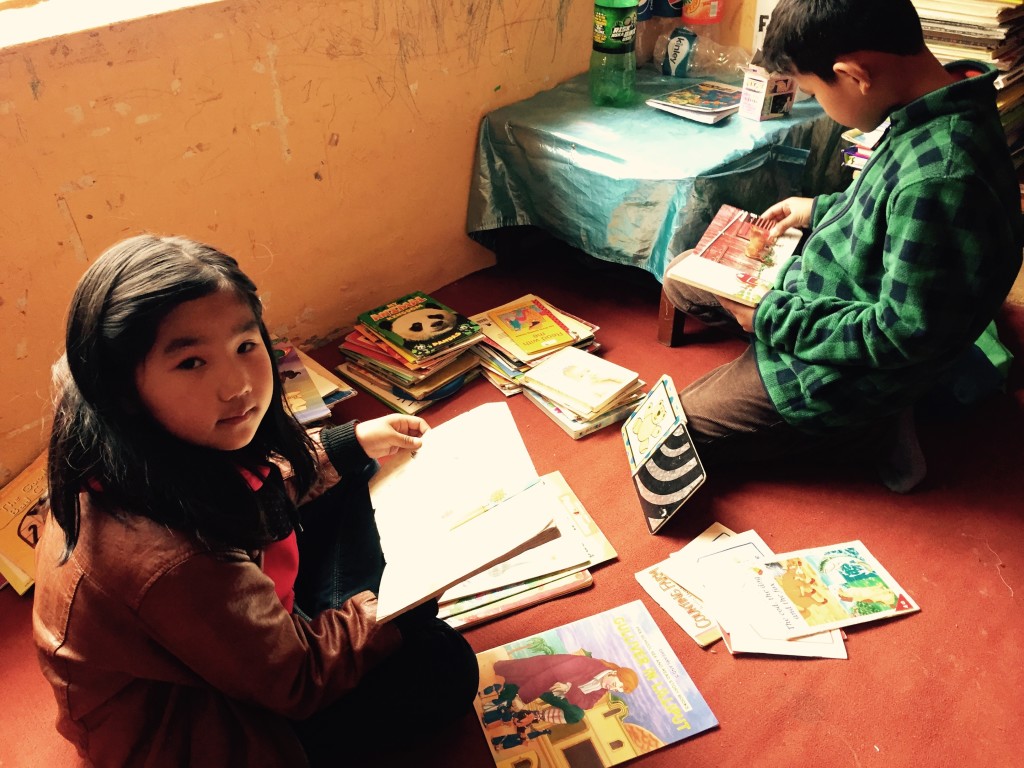
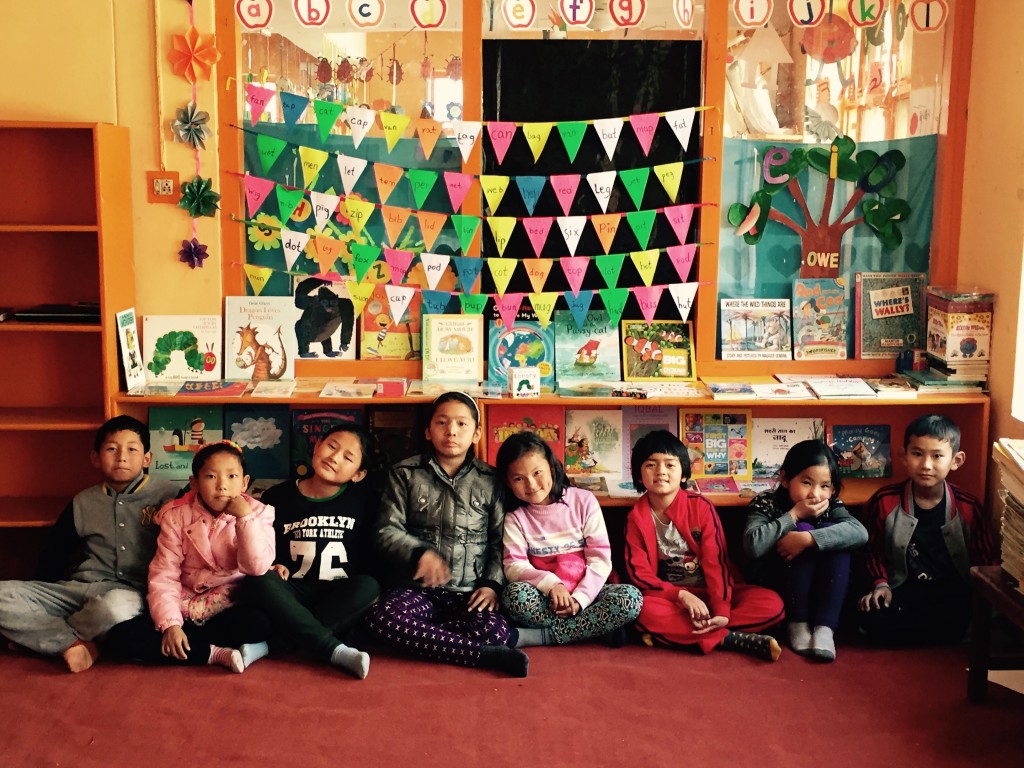
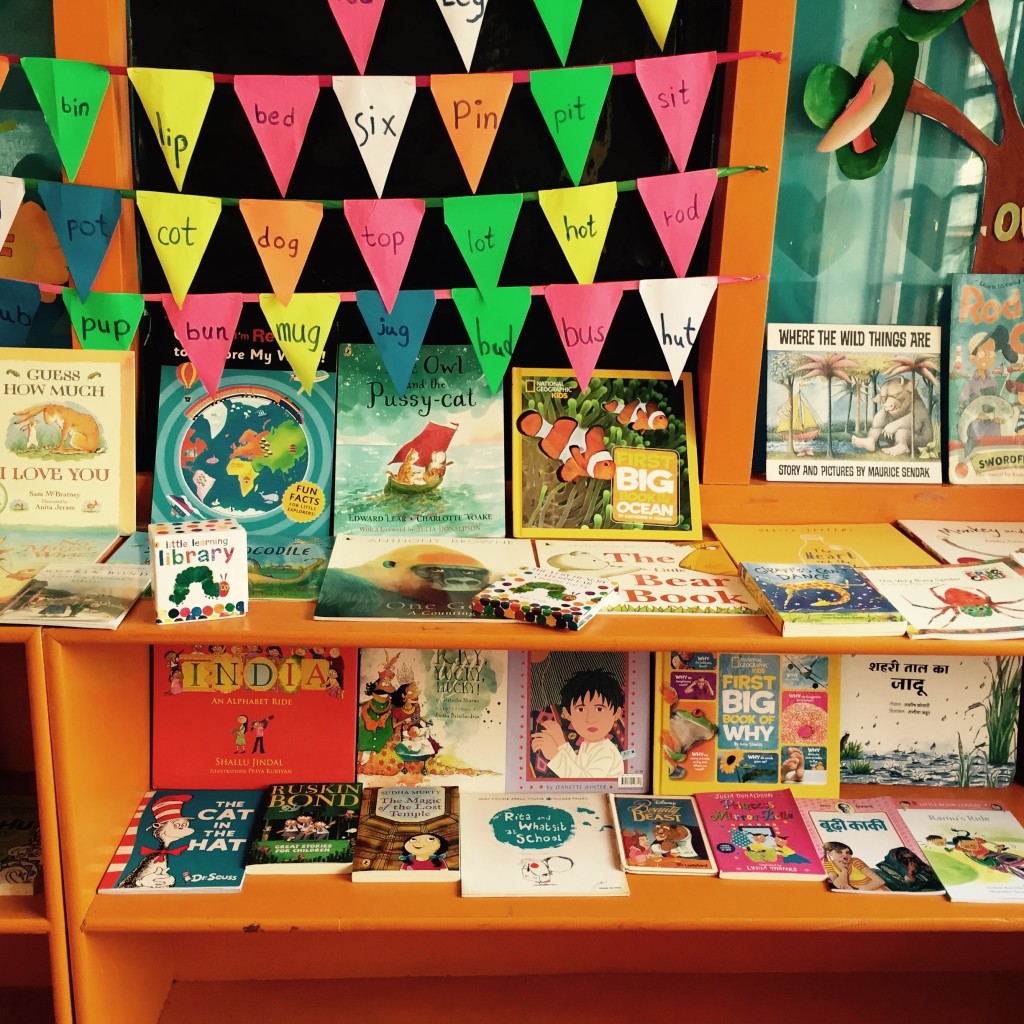
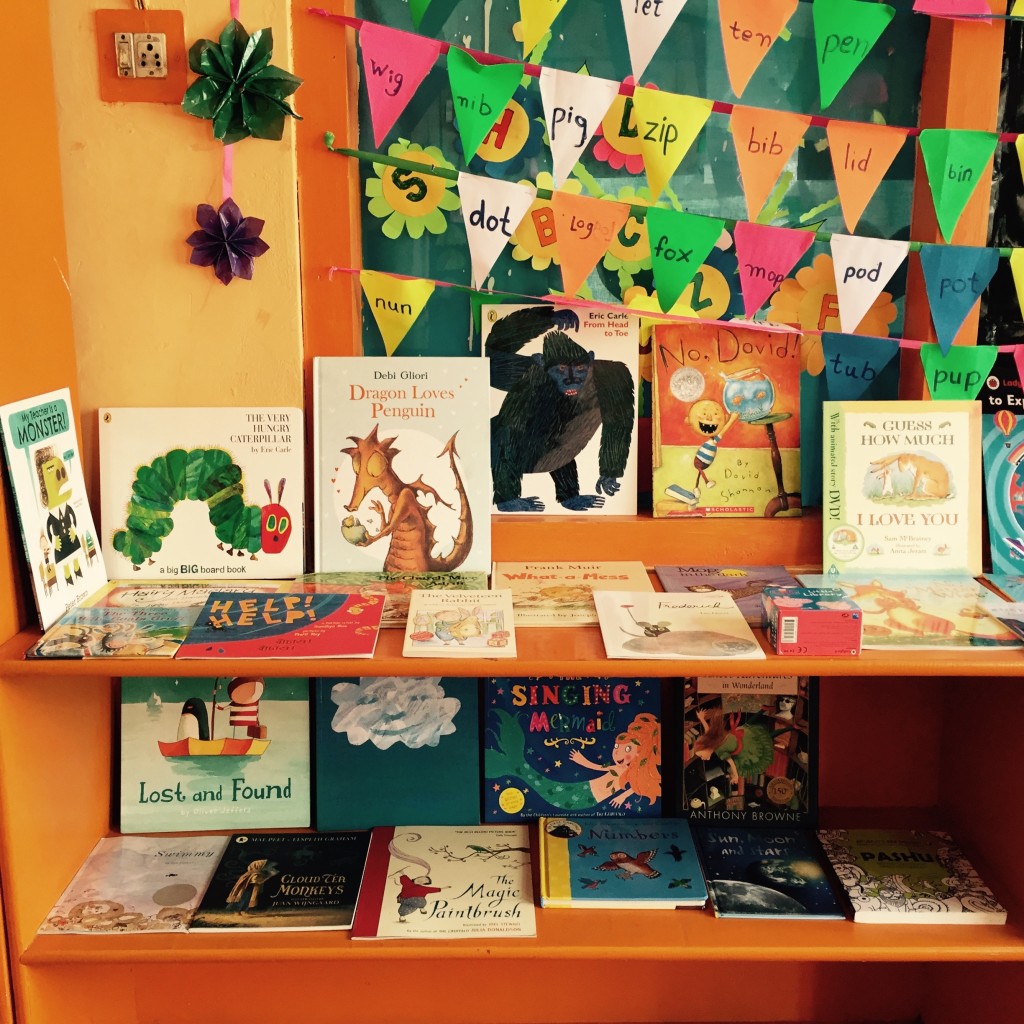
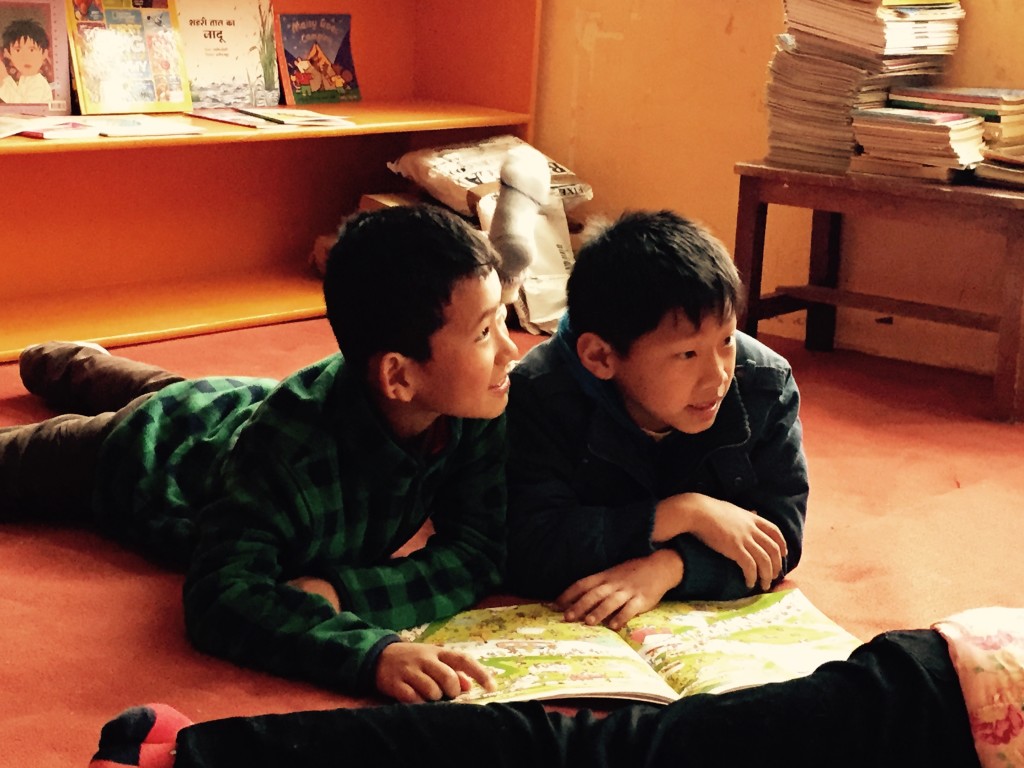
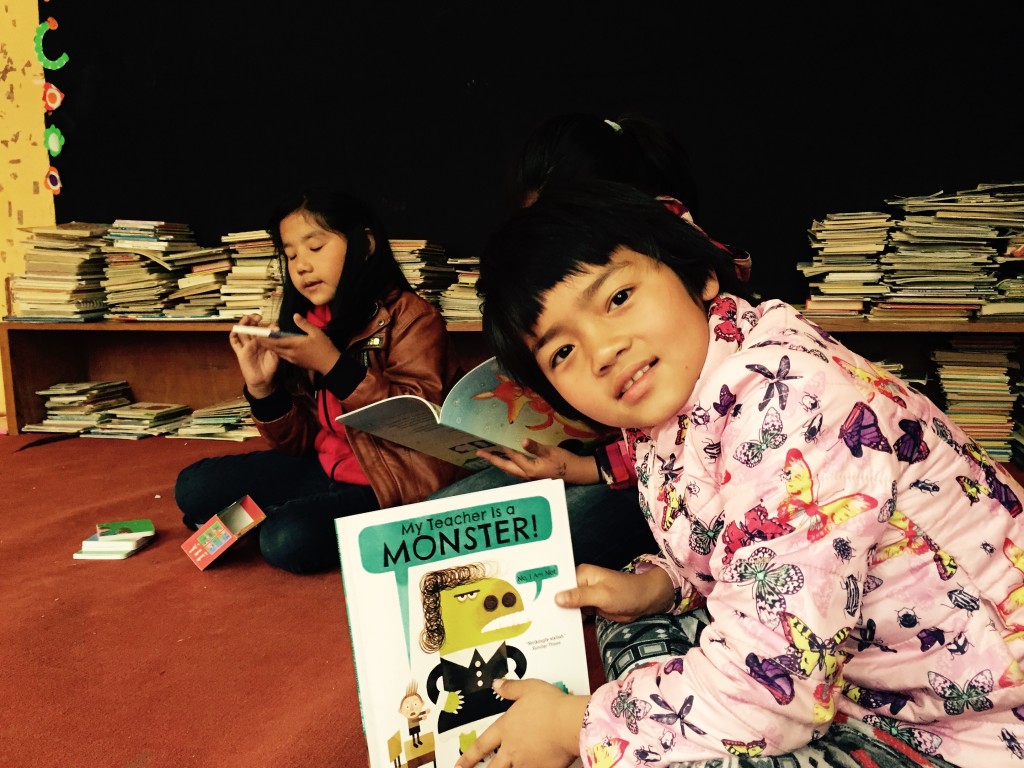
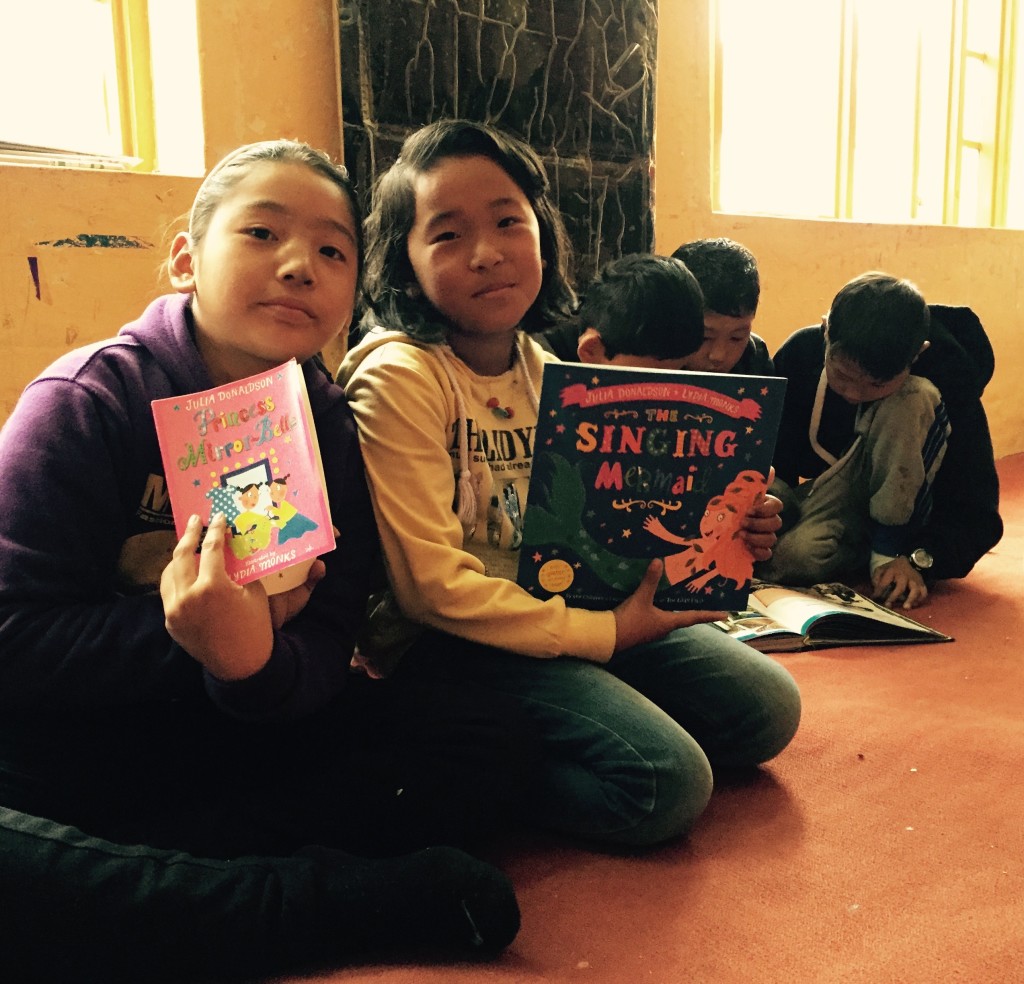
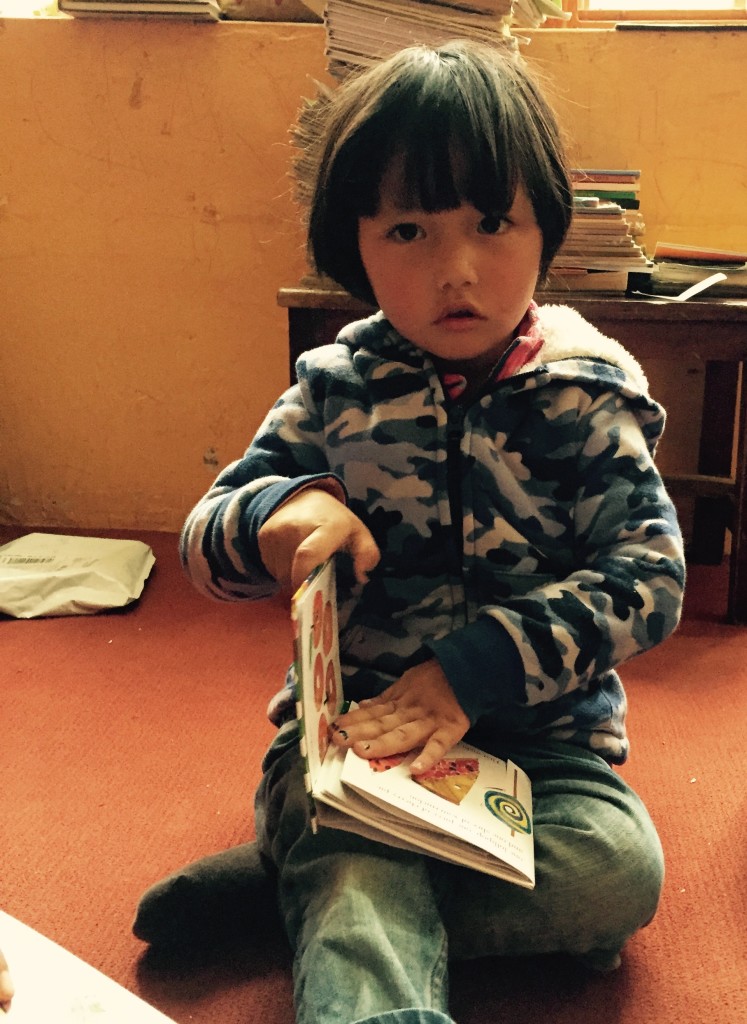
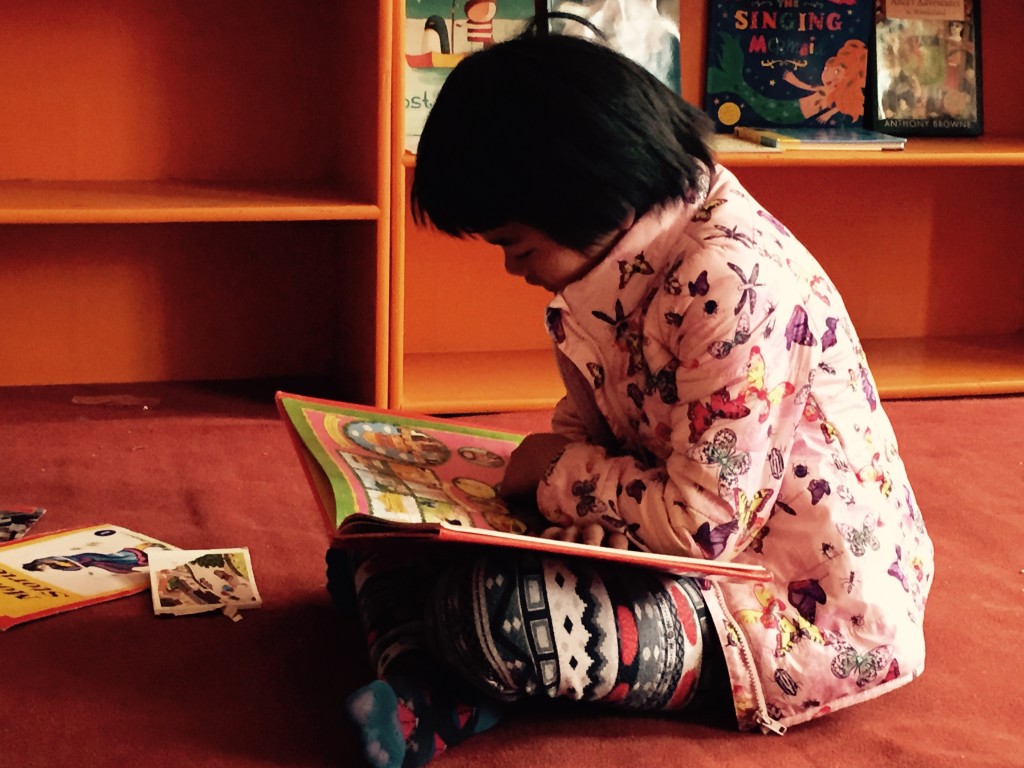
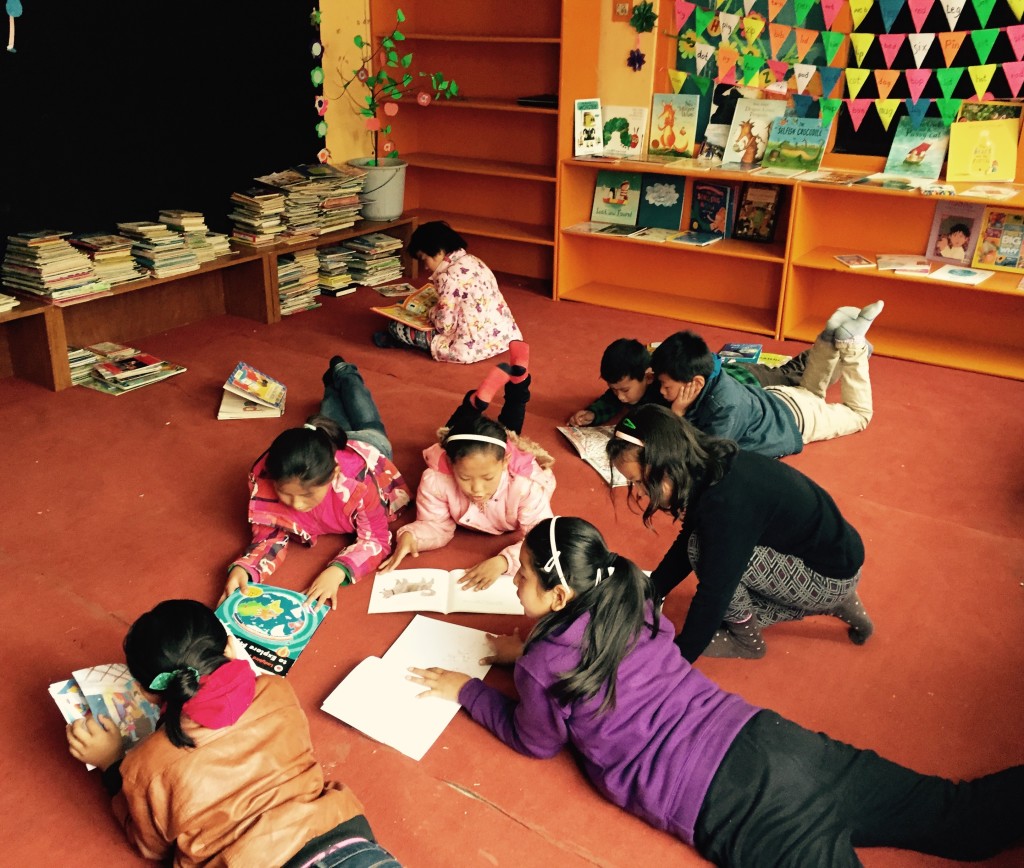
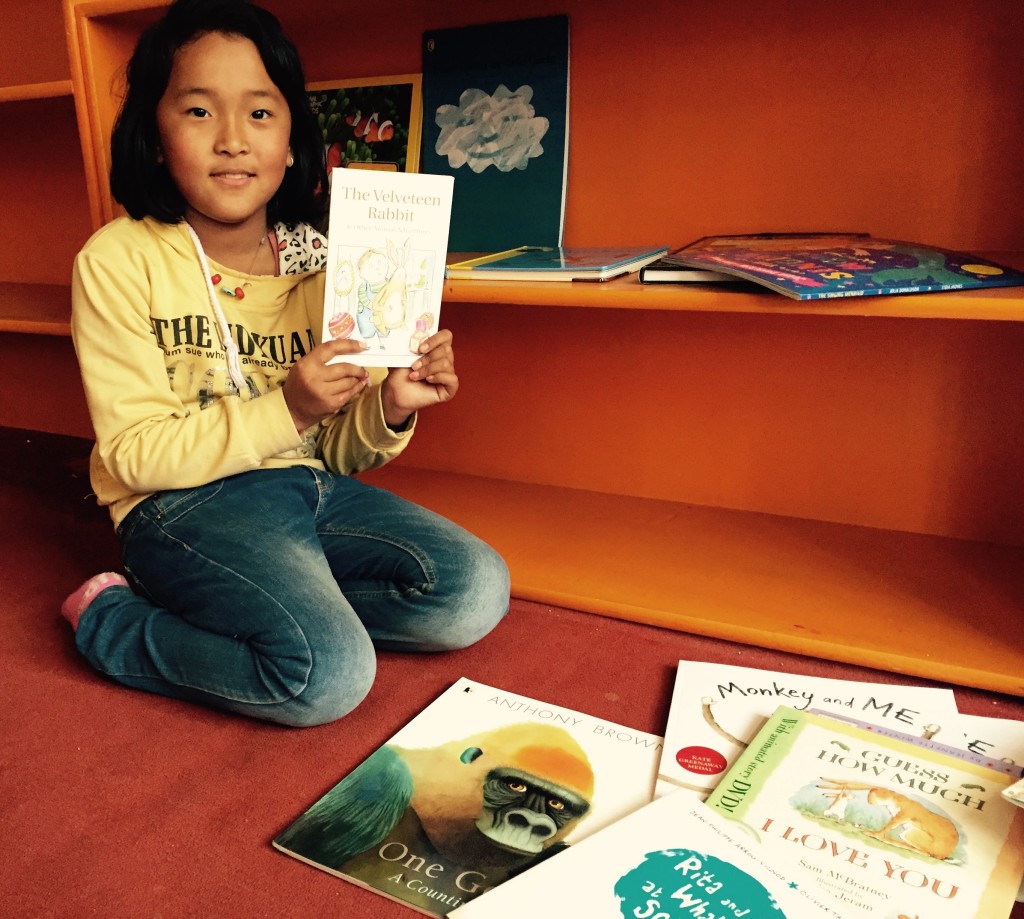
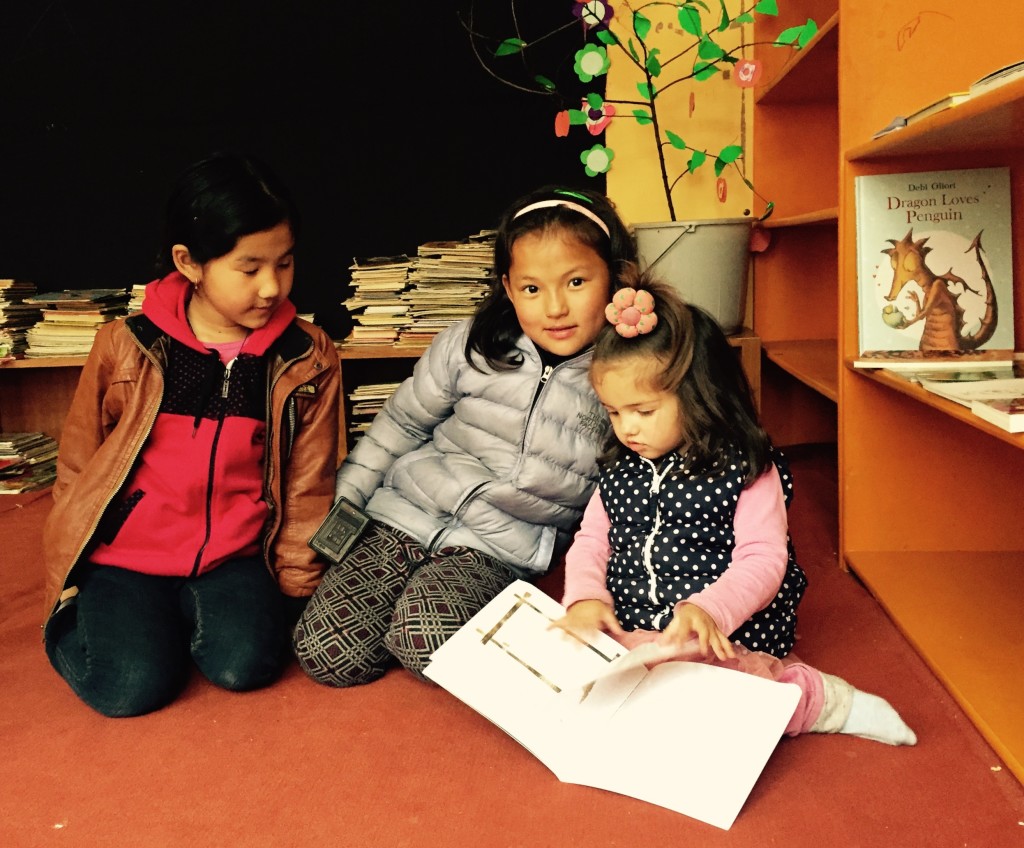
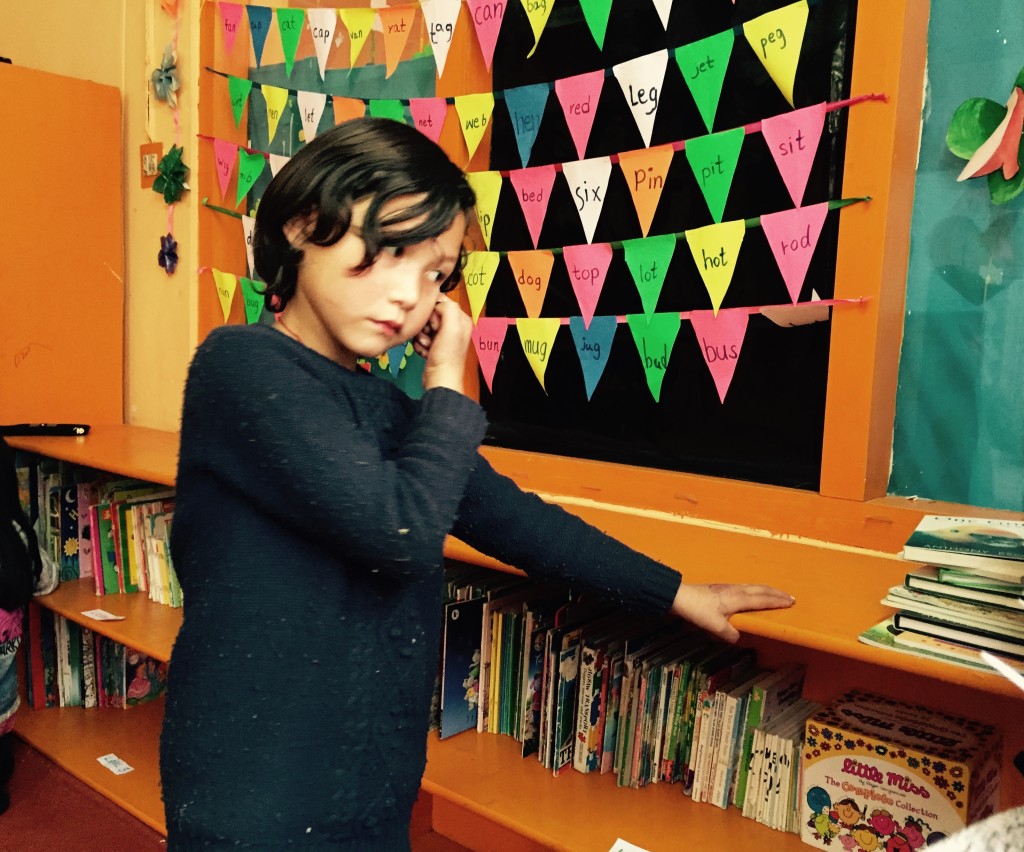
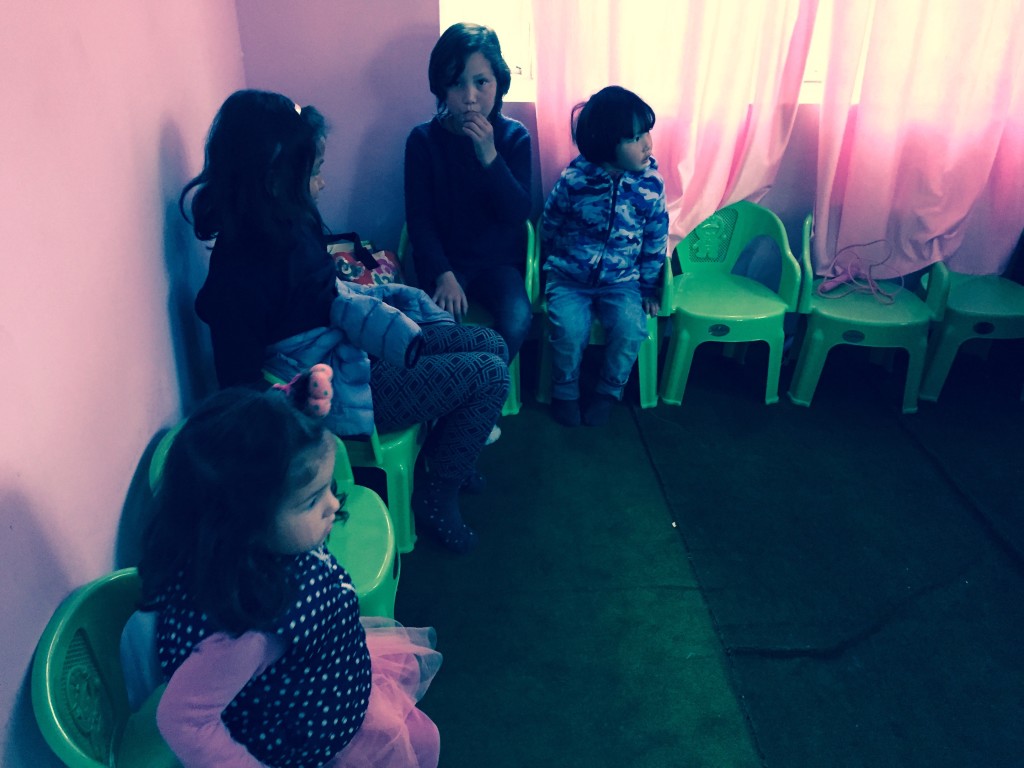
Arrange books so browsing feels inviting rather than intimidating. Picture books can face outward, while older readers may prefer spine labels or simple subject sections. A small floor mat, cushions, natural light, and a quiet corner can transform a plain room into a place where children want to spend time.
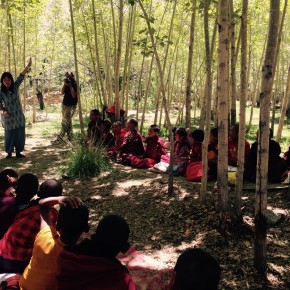
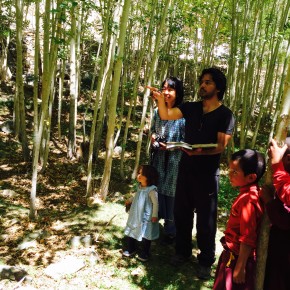
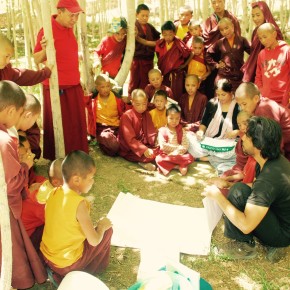
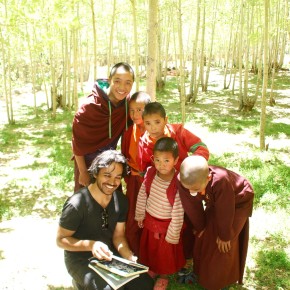
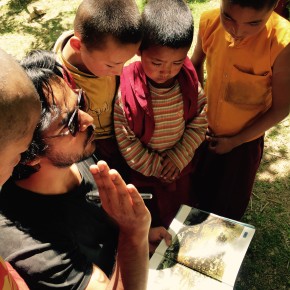
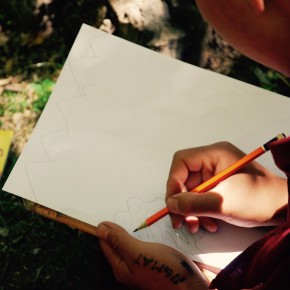
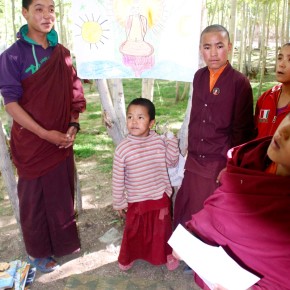
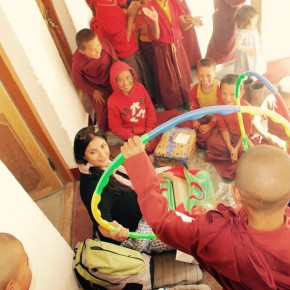
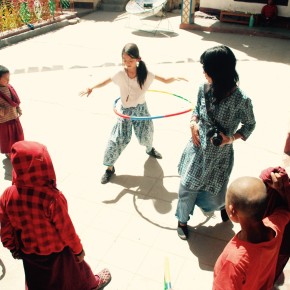
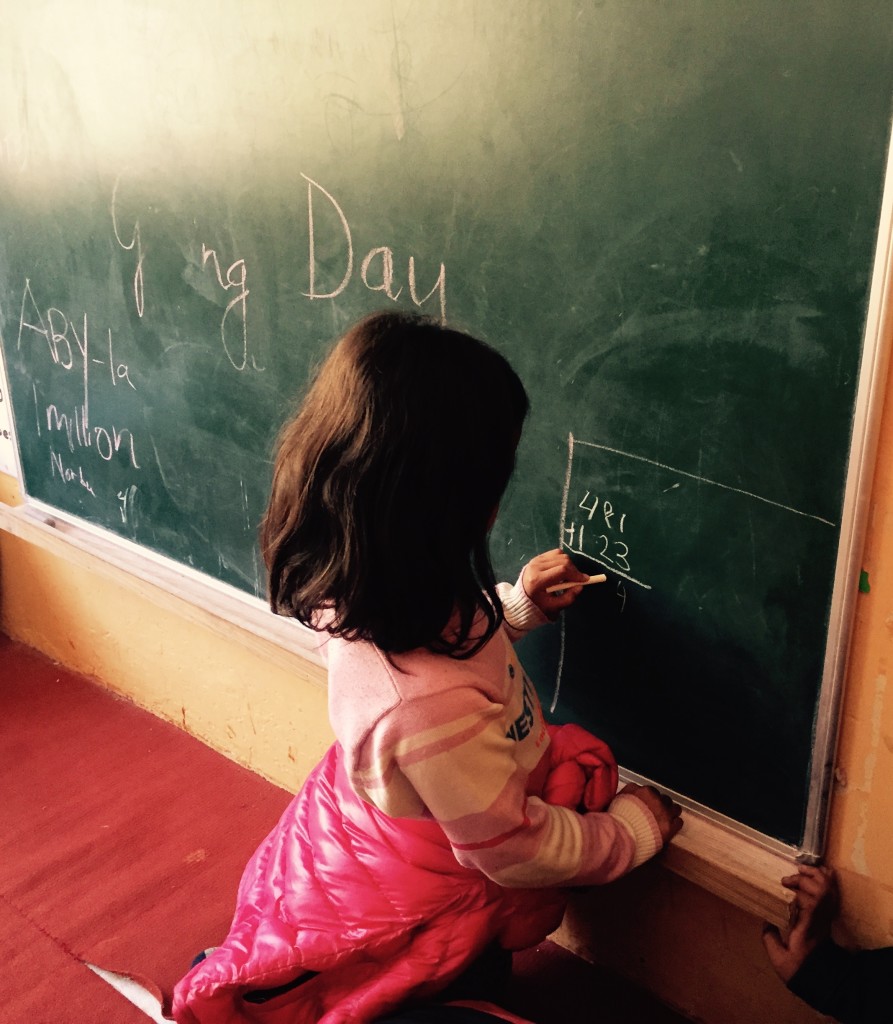
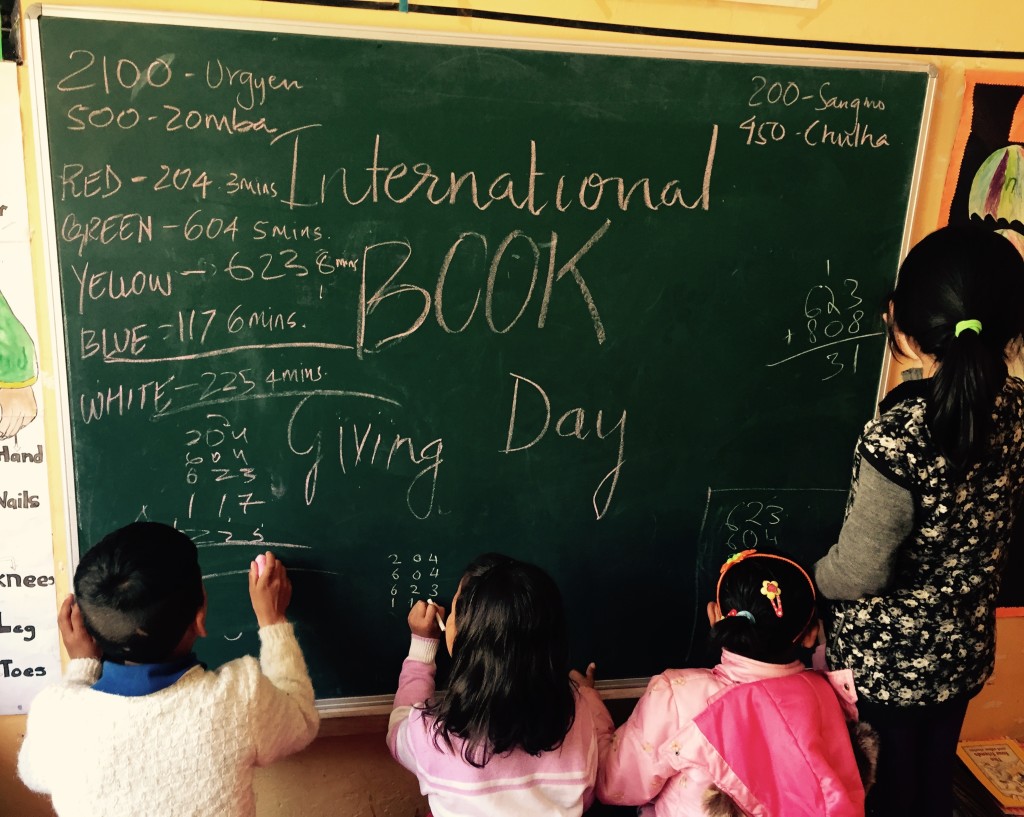
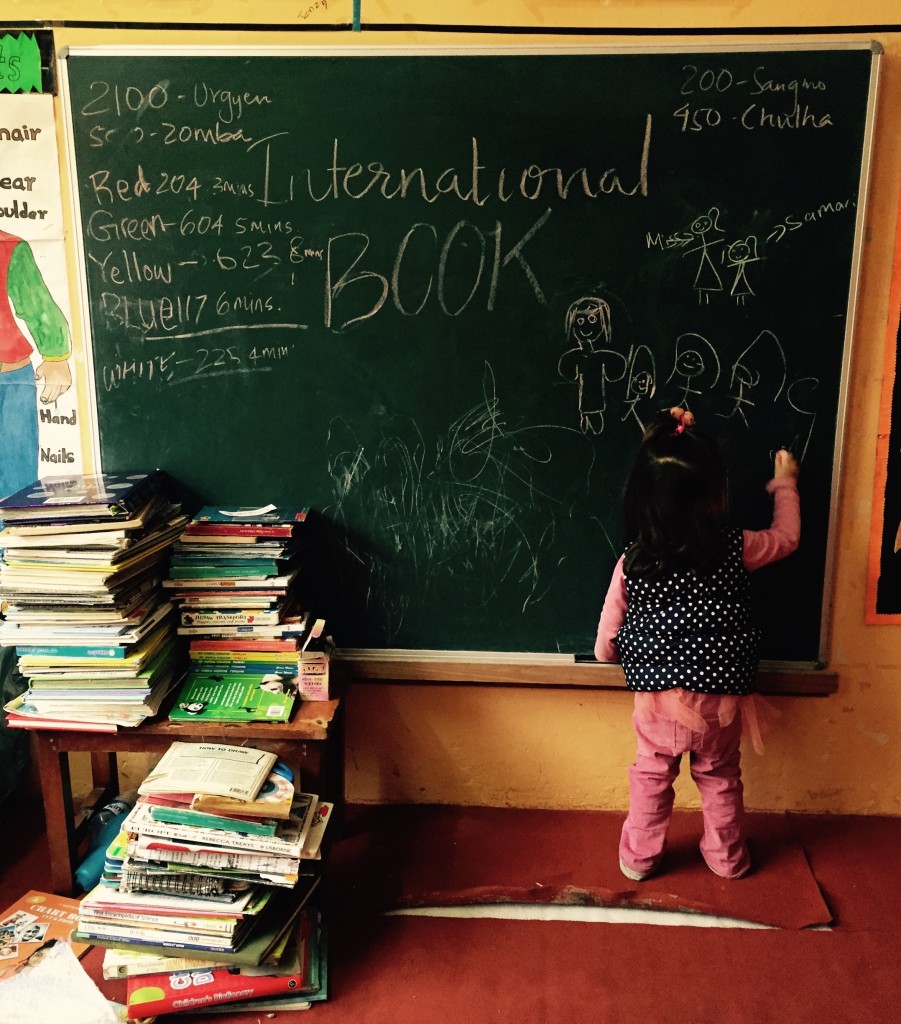
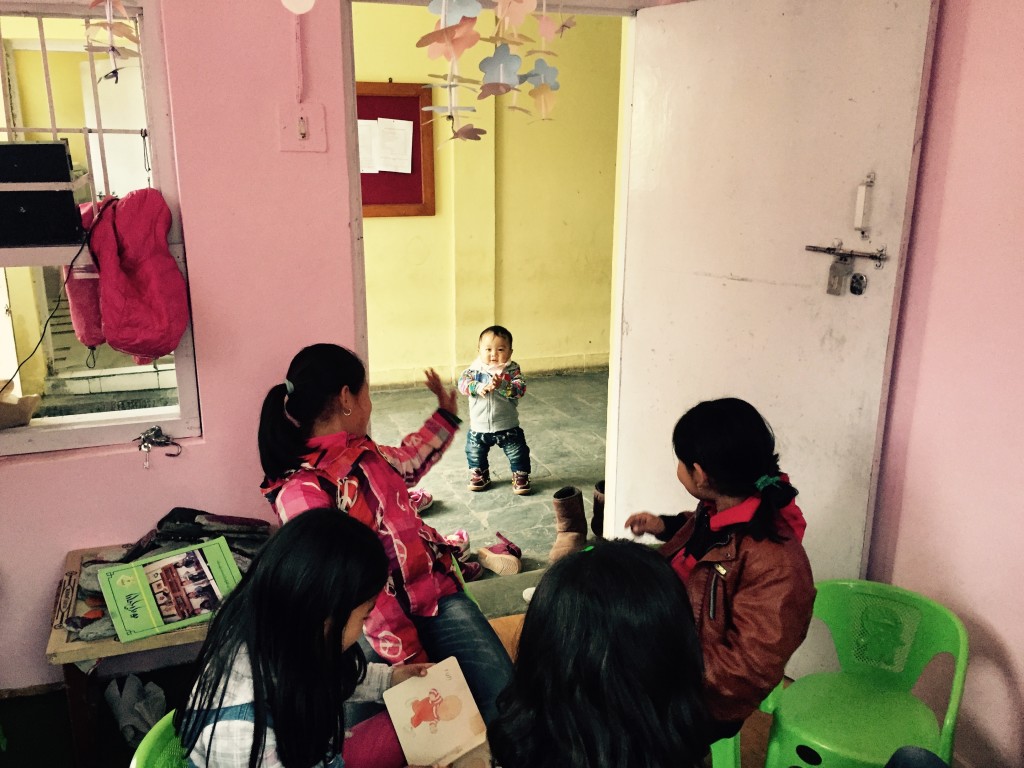
Reading rooms also benefit from activities connected to the collection. Storytelling, drawing, book discussions, music, and writing sessions help children use books actively. A single title can inspire a performance, an art project, or a conversation about the landscapes and traditions represented in the community.
Keep The Books Moving
A book drive should include a plan for maintenance after delivery. Assign a local person or small team to check shelves, repair minor damage, record popular titles, and identify gaps. This creates a feedback loop for future donations and helps prevent shelves from becoming disorganized.
Circulation can extend the reach of a small collection. Children may borrow books for home use, while teachers or young monks can carry selected materials between nearby classrooms or study spaces. Simple lending cards, notebooks, or stamped labels are sufficient. The system should be easy enough to continue without specialized training or expensive software.
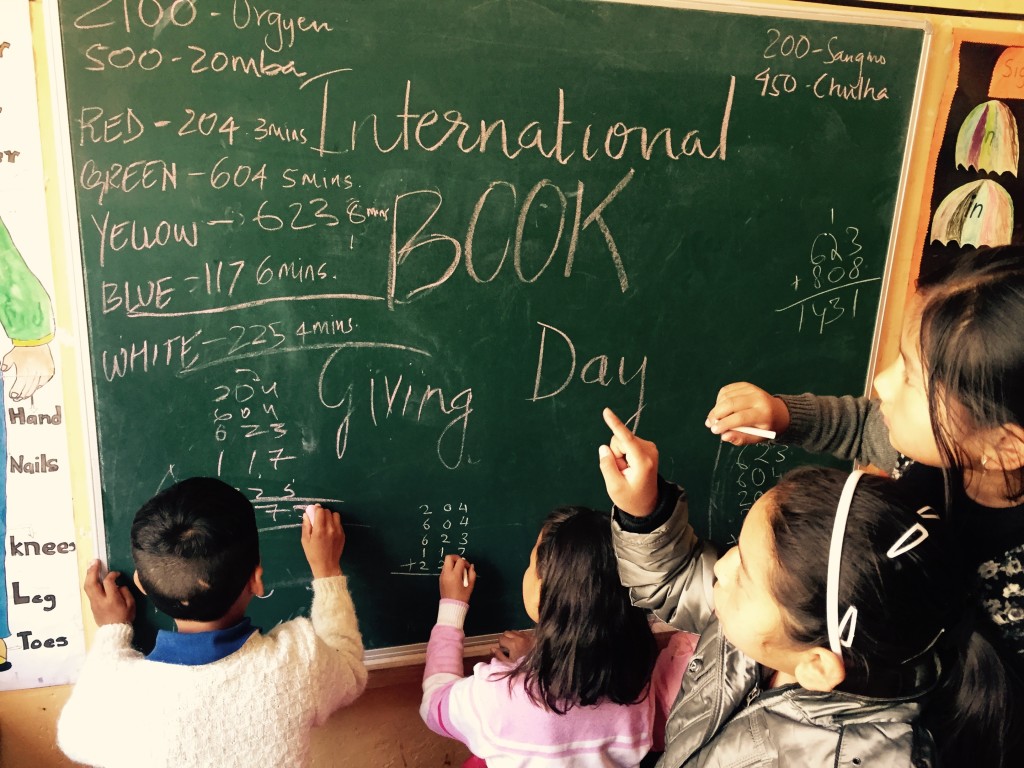
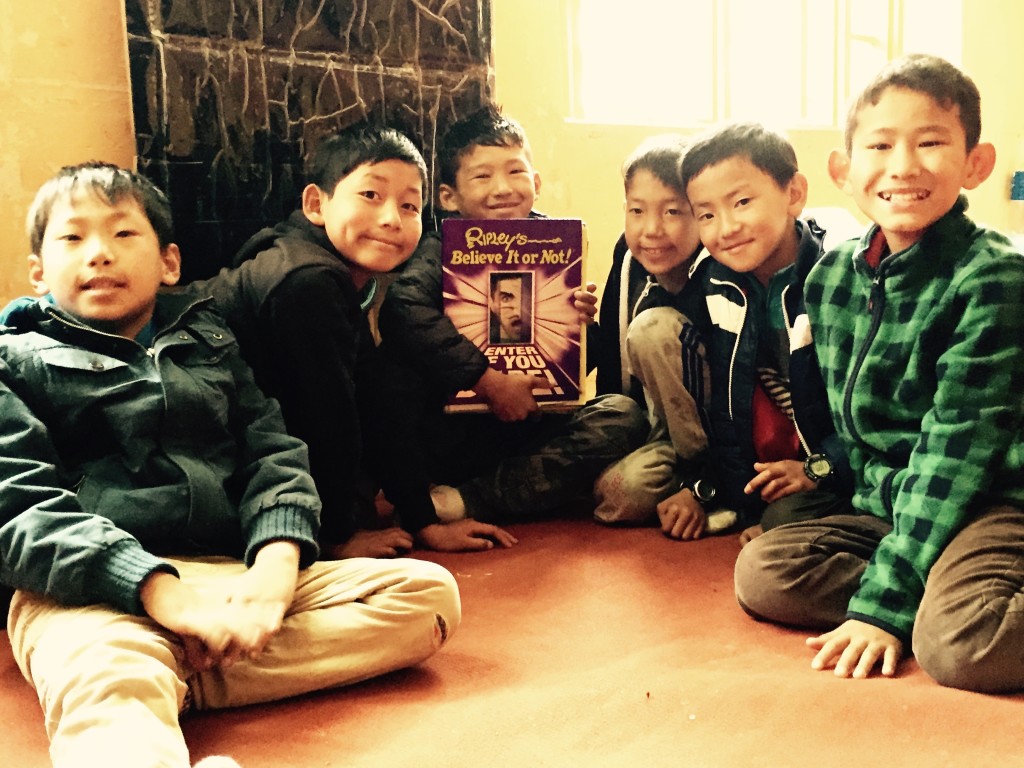
Share respectful updates with supporters through photographs, short stories, and clear descriptions of the project’s use. Images should protect children’s privacy and reflect their dignity. Reports might mention the number of books delivered, reading activities held, shelves created, or communities reached rather than focusing only on the volume of donations.
Practical Choices For A Stronger Drive
A thoughtful campaign stays affordable when every step serves the people who will use the books. These recommendations can guide planning:
- Set a collection target based on shelf space, storage capacity, and local requests.
- Ask for specific languages, subjects, and age ranges instead of accepting unlimited donations.
- Recruit volunteers for short, scheduled shifts covering sorting, repairs, inventory, and packing.
- Reuse cartons and request in-kind support for labels, transport, shelves, and protective materials.
- Keep a simple record of costs, donated supplies, delivered books, and community feedback.
A book drive can begin with a single classroom, a few trusted partners, and one carefully packed box. As the project grows, relationships become as important as materials: local coordinators understand community needs, volunteers provide continuity, and donors learn how practical support creates lasting access to reading.
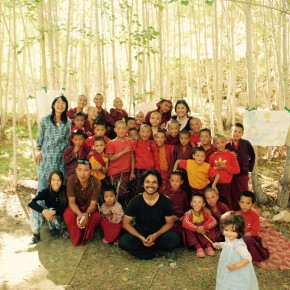
Avalokiteśvara Trust welcomes people who want to help expand literacy, creativity, and learning opportunities for children and young monks in Ladakh and other Himalayan communities. Support can take the form of suitable books, transport assistance, volunteer time, fundraising, or resources for a welcoming reading room. Share the project with your community and help turn carefully chosen donations into shelves that invite children to read, imagine, and learn.