The Story Of A Book That Inspired A Child To Become A Doctor
In a high-altitude settlement in Ladakh, a child opens a book with a cracked blue cover. Its pages describe the human body, the work of a rural doctor and the small decisions that can save a life. The reader has never visited a hospital larger than a few rooms, yet the illustrations make medicine feel close, practical and possible.
This is a composite story, shaped by the experiences that reading rooms, book drives and learning activities can create for children and young monks across the Himalayan region. A single book cannot solve every educational barrier, but it can give a child language for a dream and the confidence to keep pursuing it.
For Australian supporters, the story offers a useful reminder about the quiet power of access. A book donated in Melbourne, selected at a community drive in Sydney or purchased through a local bookseller may eventually become a lesson in anatomy, a reason to practise English or the first step towards a profession that serves an entire village.
| Feature |
A Book In A City Library |
A Book In A Himalayan Reading Room |
| Access |
Many titles and digital catalogues |
A carefully chosen, shared collection |
| Reading pattern |
Often individual and regular |
Frequently communal and guided |
| Educational value |
Extends school learning |
May introduce subjects unavailable locally |
| Long-term effect |
Builds knowledge and curiosity |
Can influence study choices and community aspirations |
A Blue-Covered Beginning
The child in this story, whom we can call Tsering, lives with family members whose work follows seasonal conditions. School is important, yet home life includes chores, travel and responsibilities that leave little time for browsing a large library. Books are valued, but the nearest dependable collection may be far away.
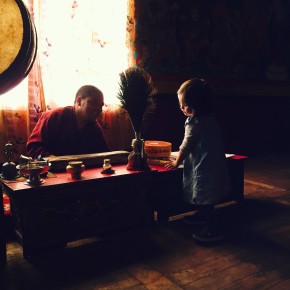
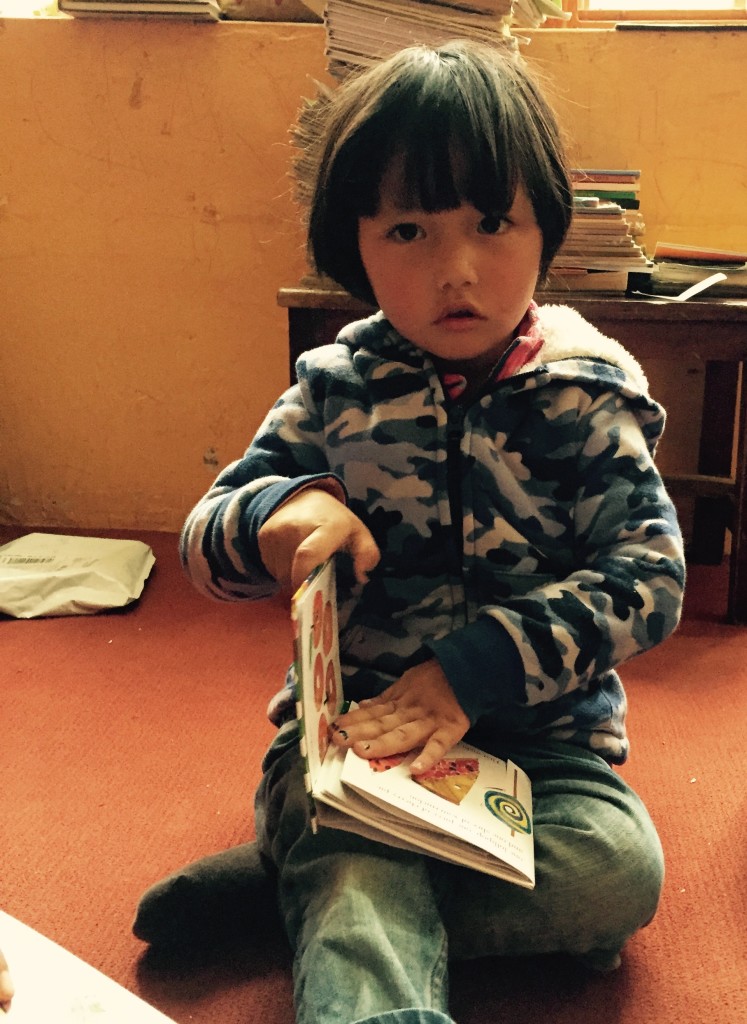
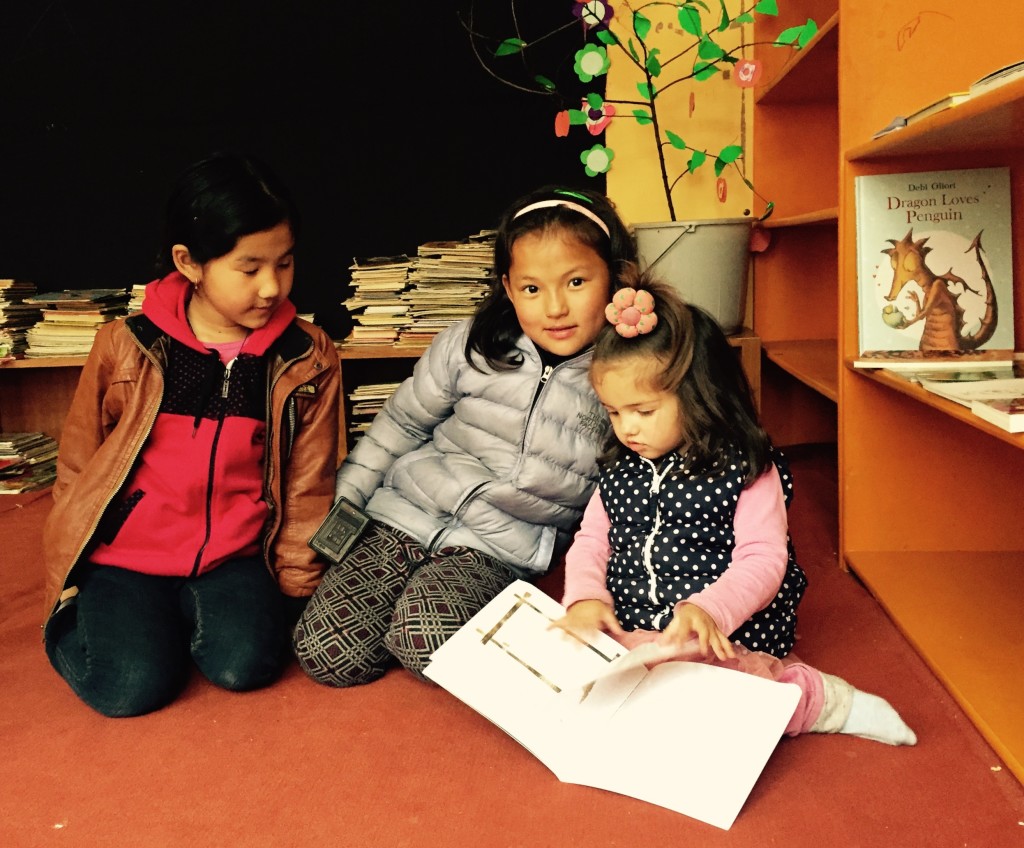
One afternoon, Tsering finds a health sciences book in a new reading room. The drawings are simple: a beating heart, clean hands, a pair of lungs and a doctor listening to a patient. The text explains that medical care depends on observation, patience and learning. Those qualities seem familiar. Tsering has watched adults care for younger children and help neighbours through difficult days.
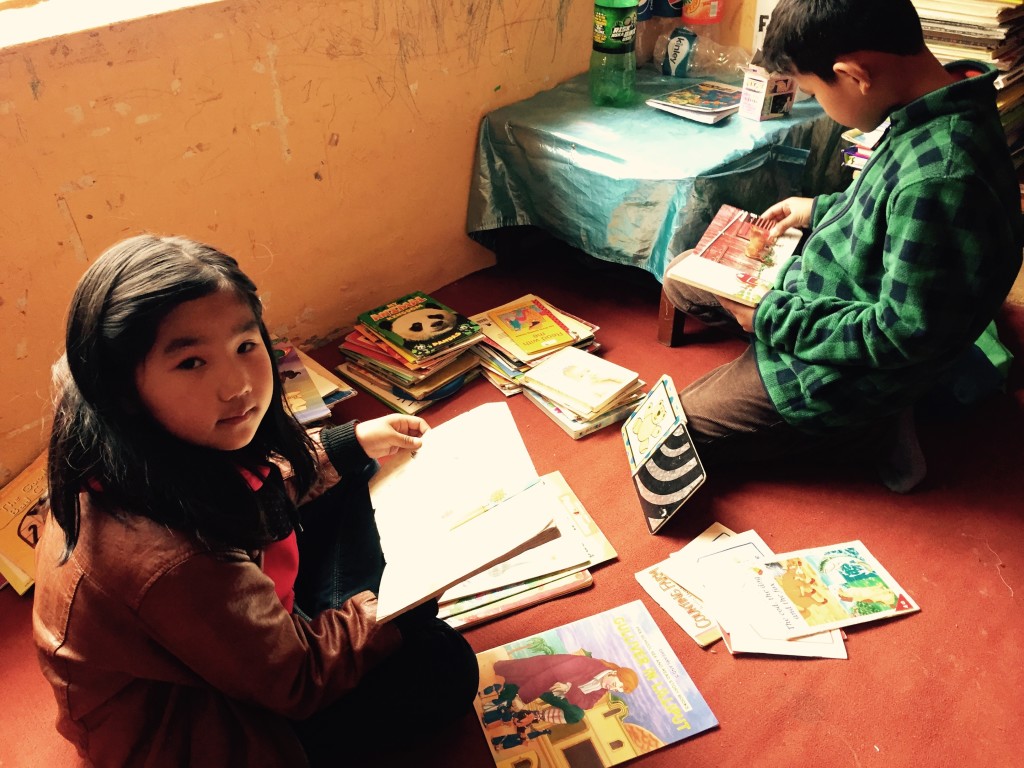
The book becomes a regular companion. Tsering reads the same chapters repeatedly, then explains them to a younger child. Reading changes from a school task into a way to understand the surrounding world. The dream of becoming a doctor begins as a sentence copied into an exercise book.
When A Book Drive Reaches A Remote Community
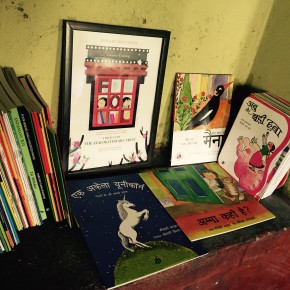
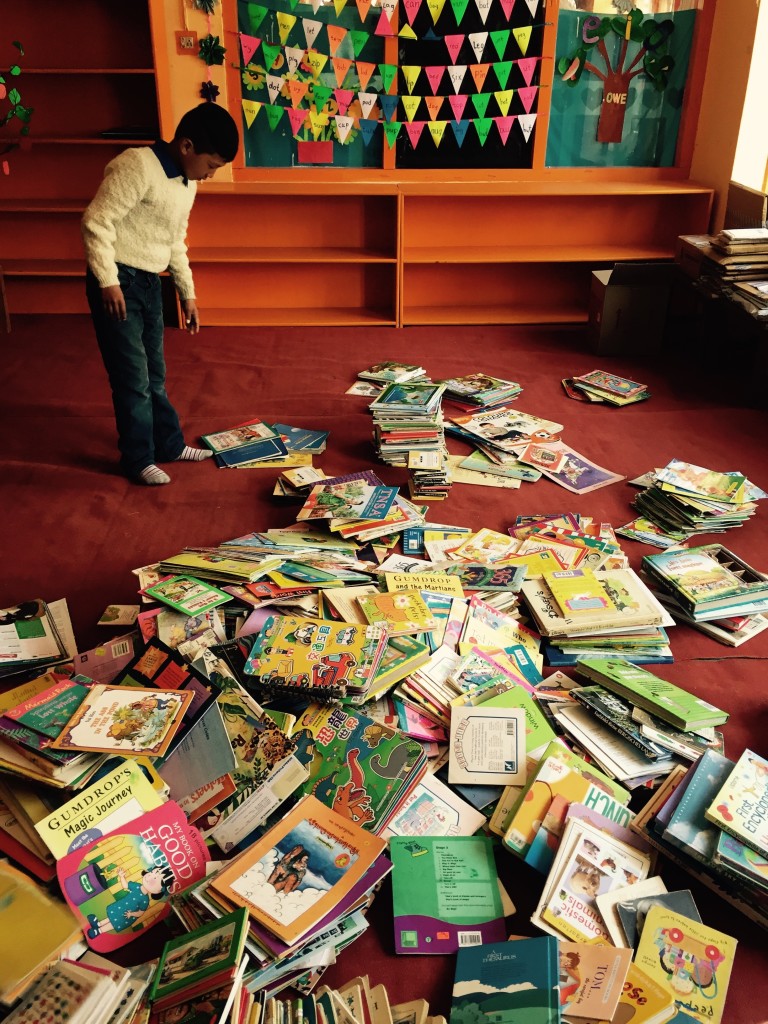
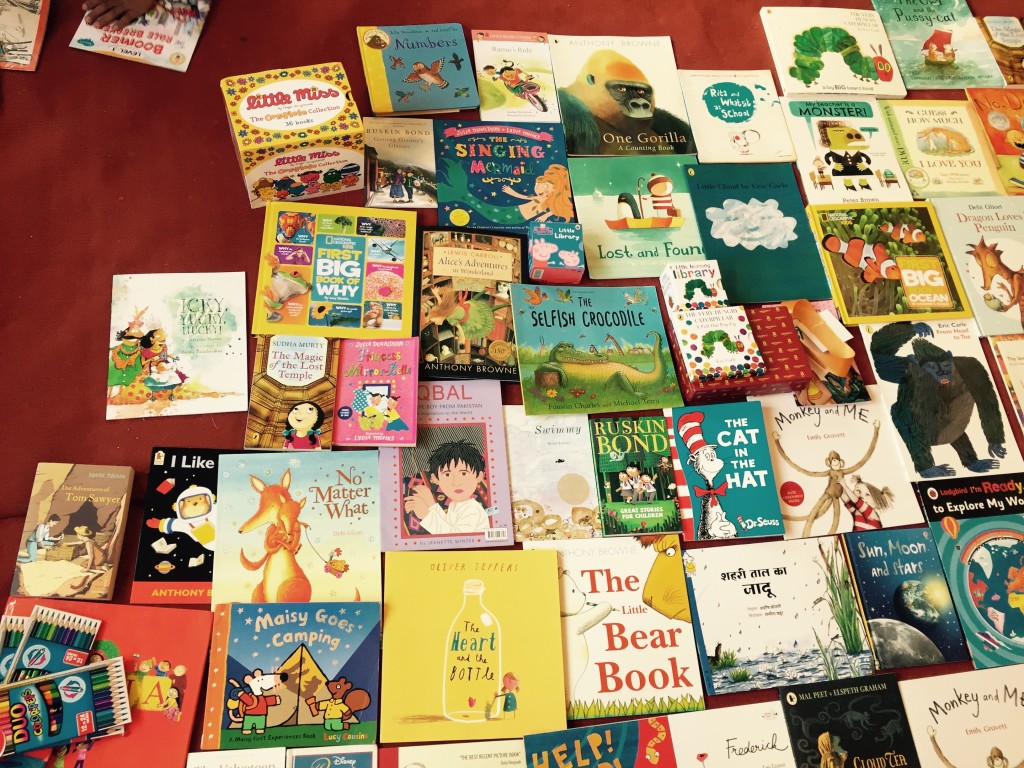
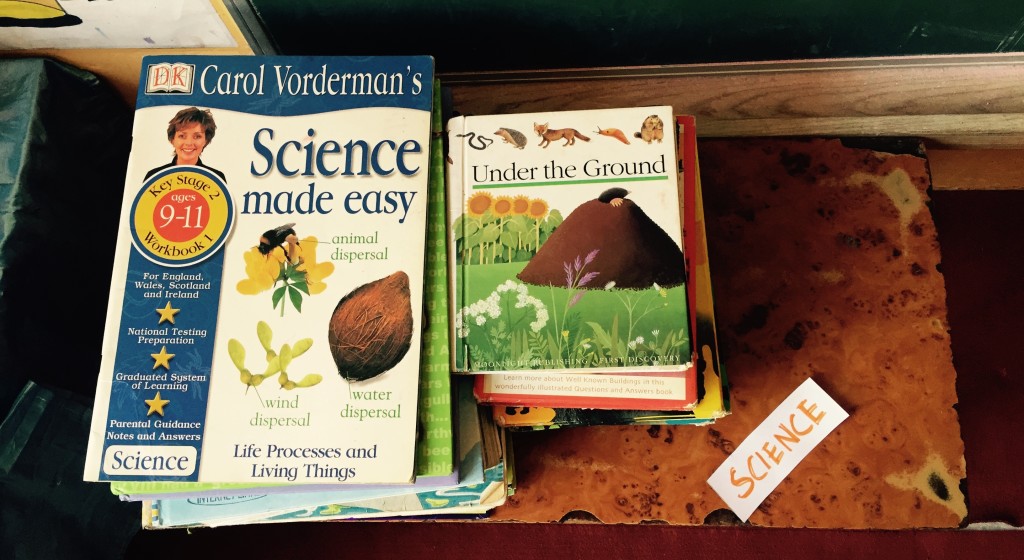
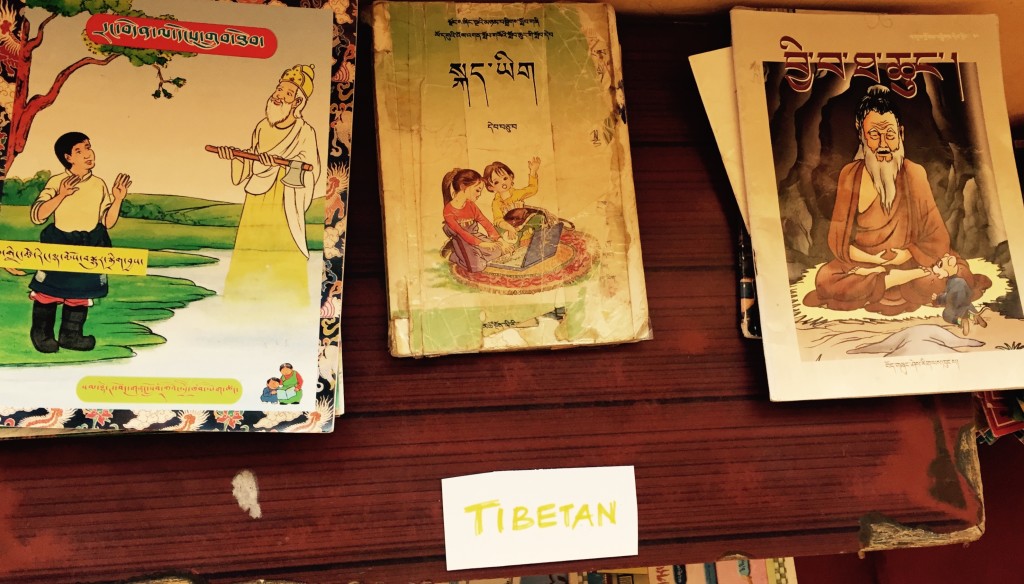
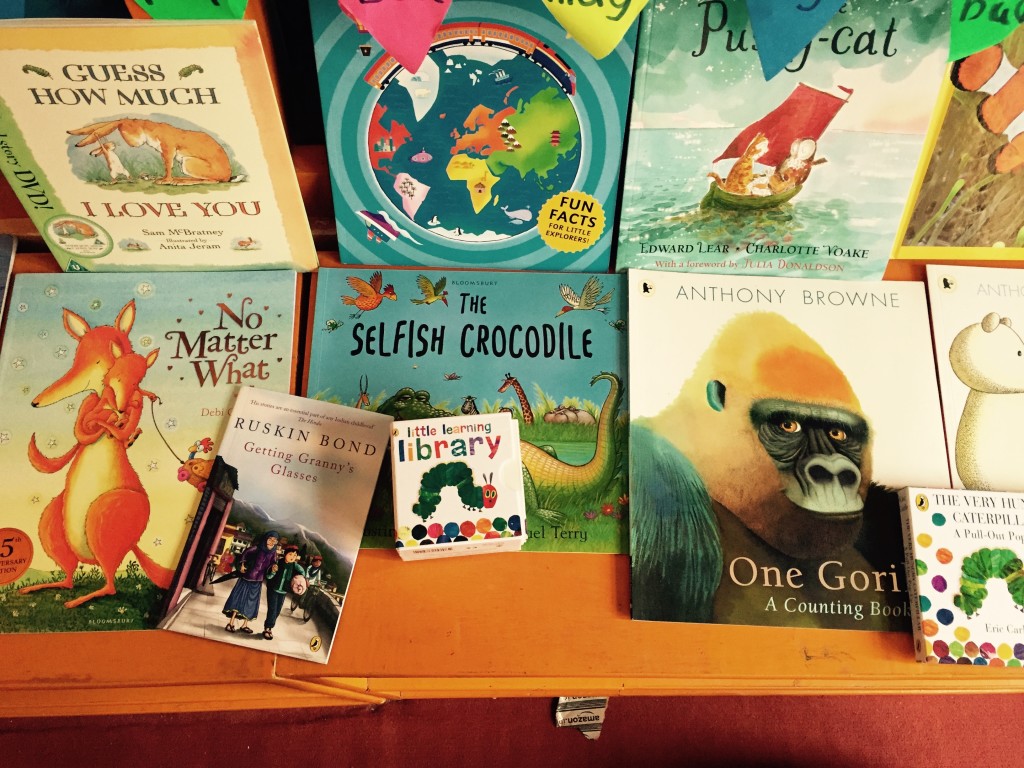
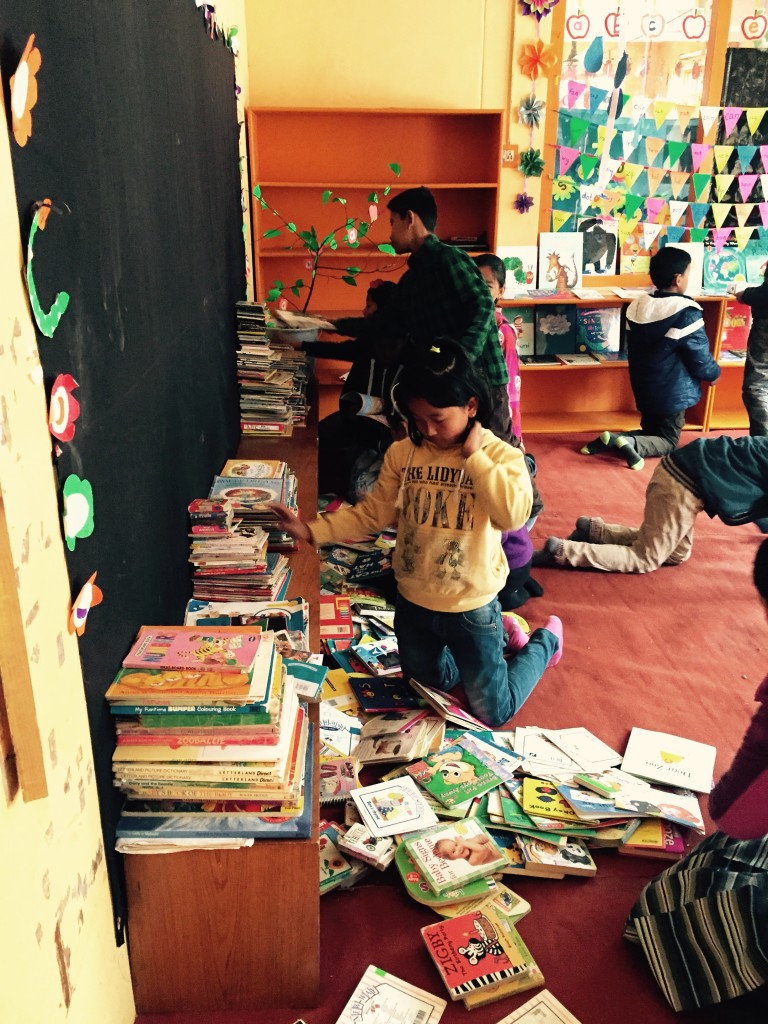
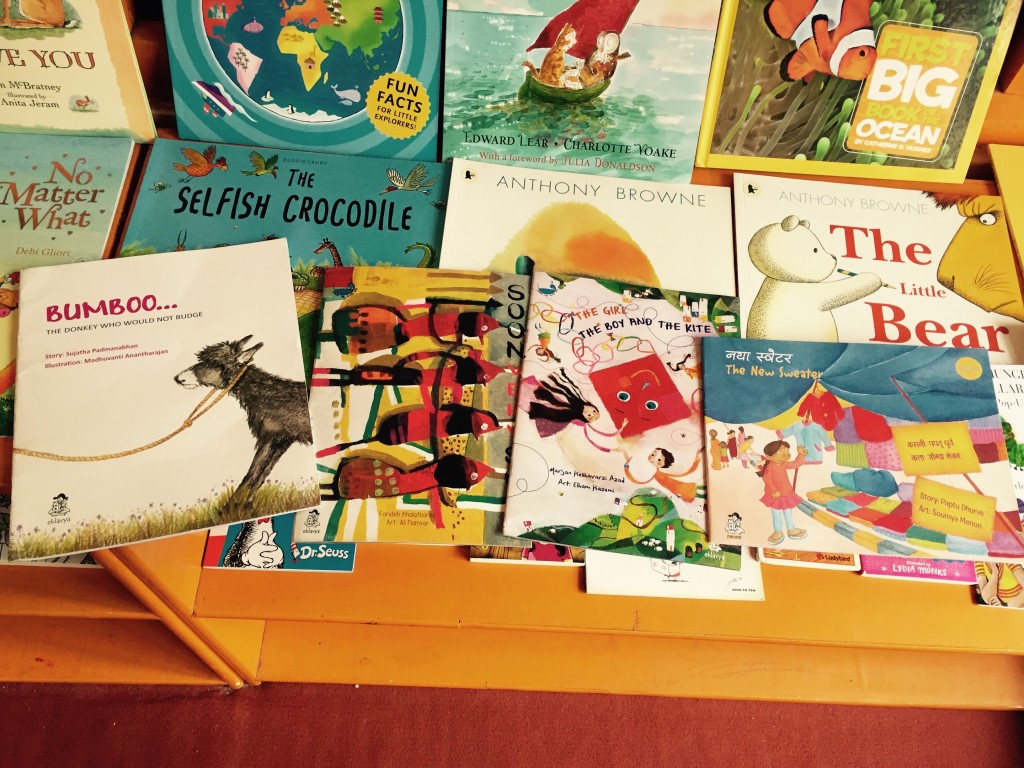
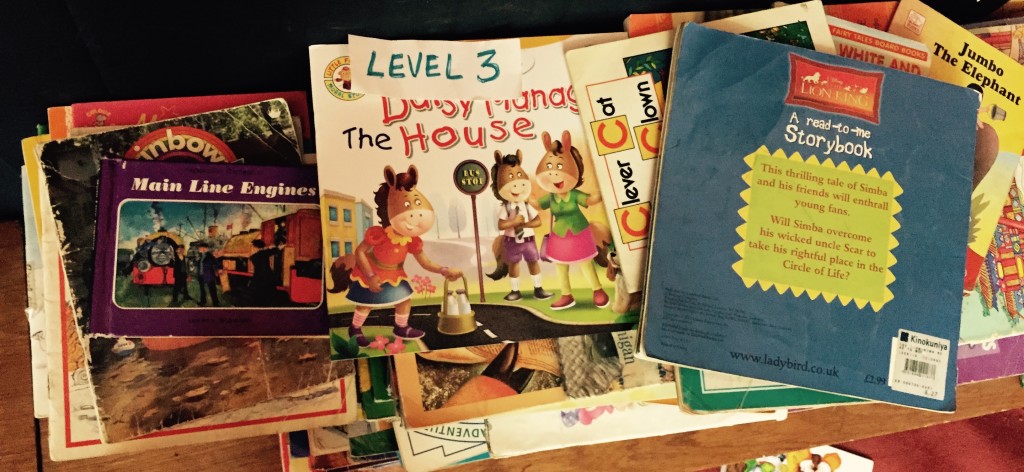
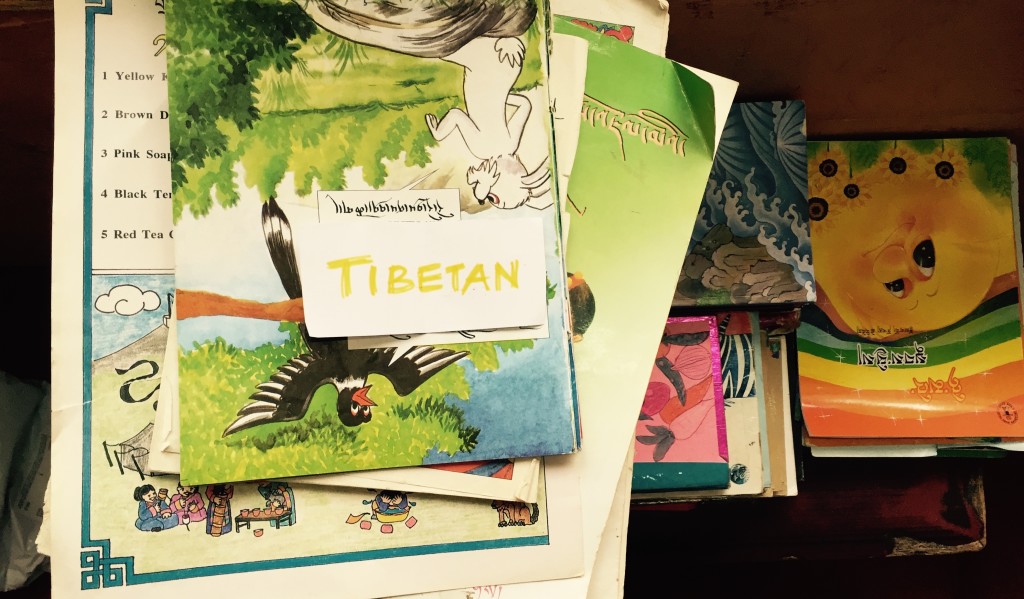
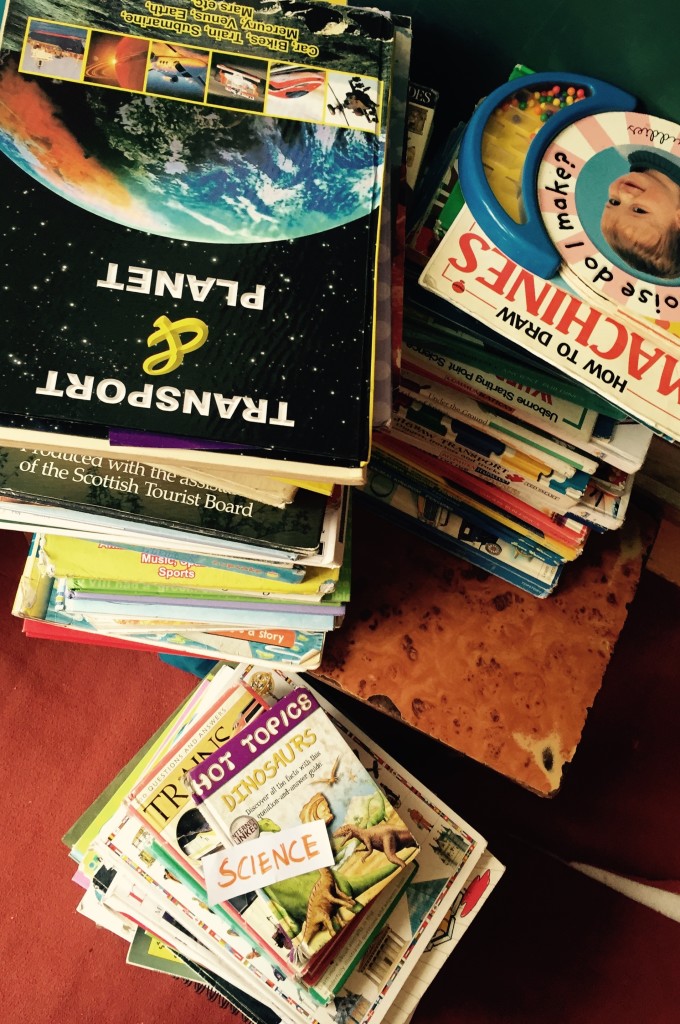
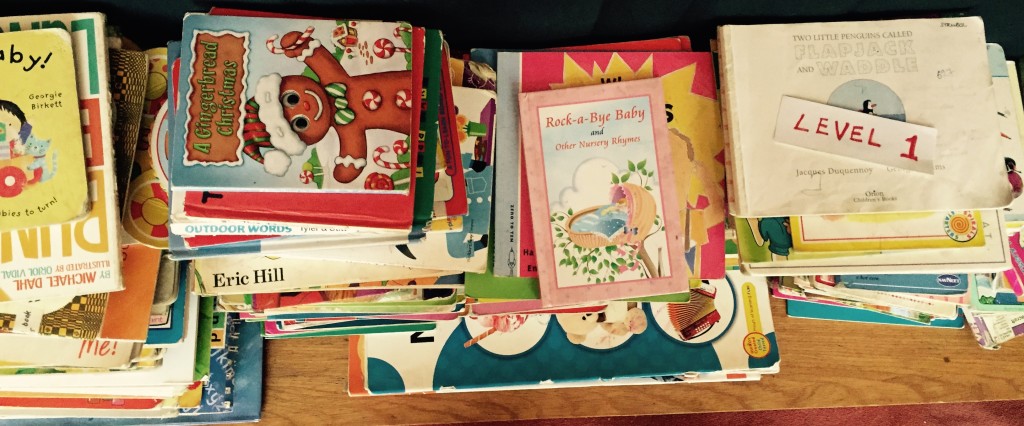
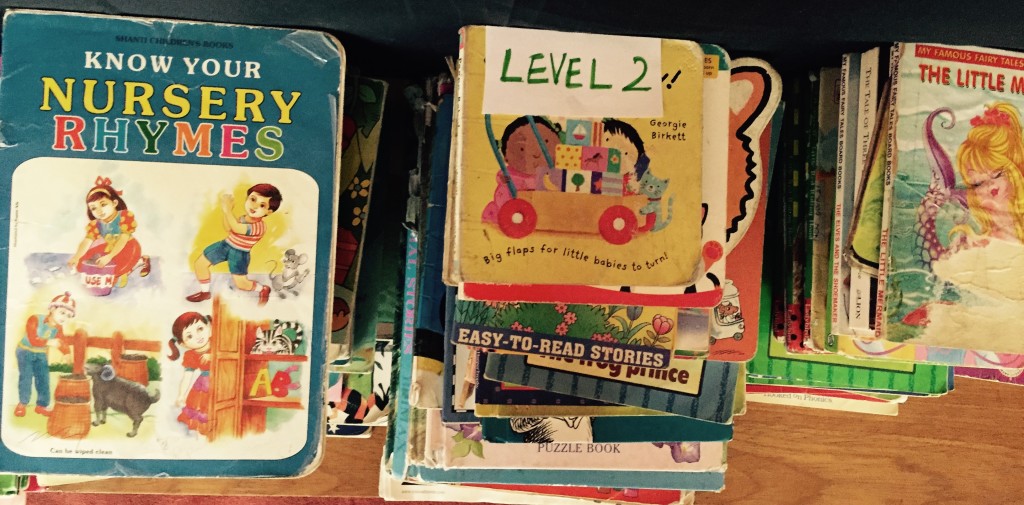
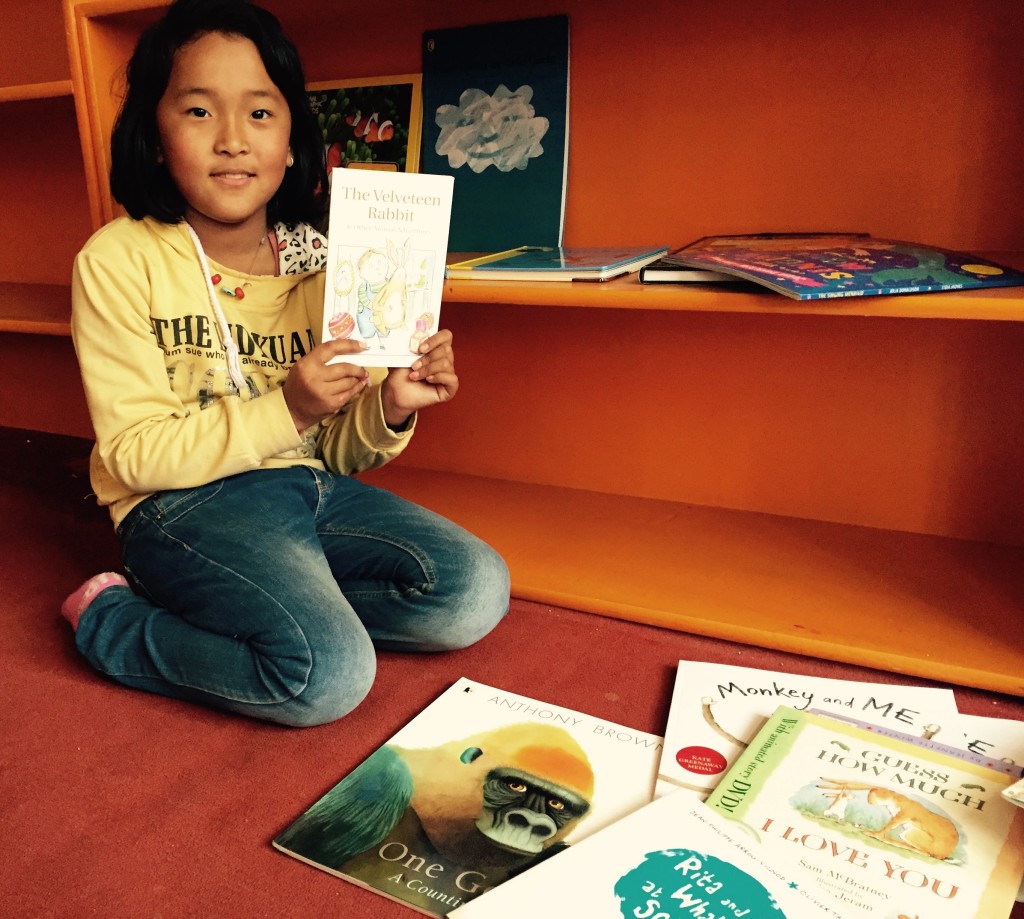
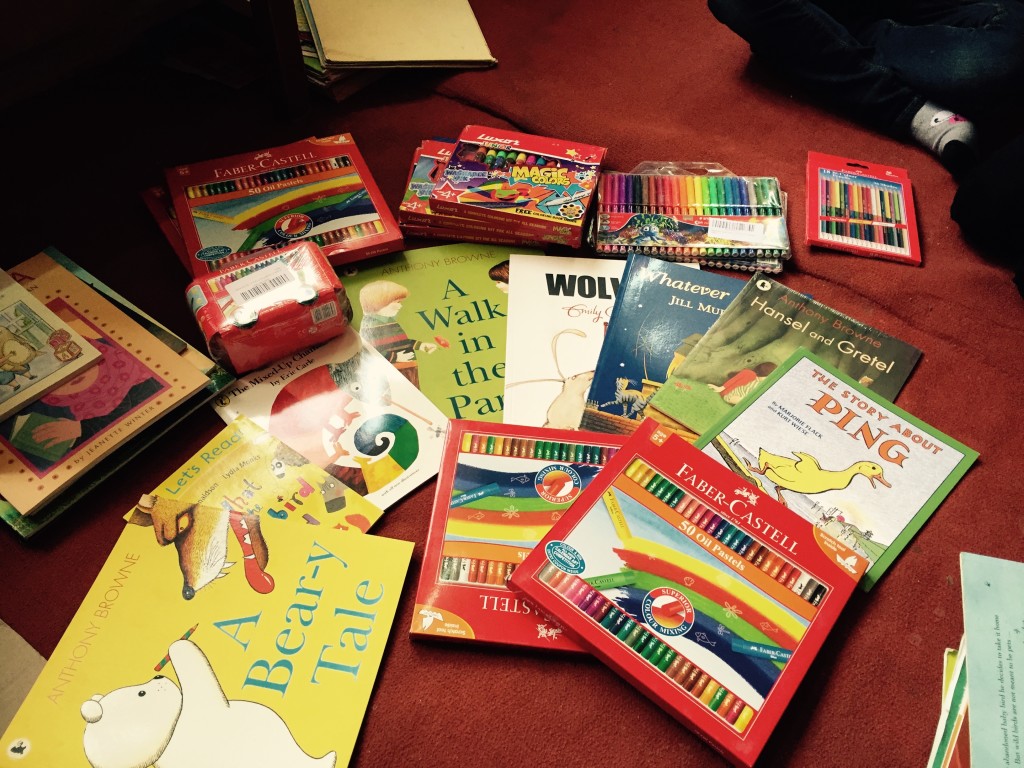
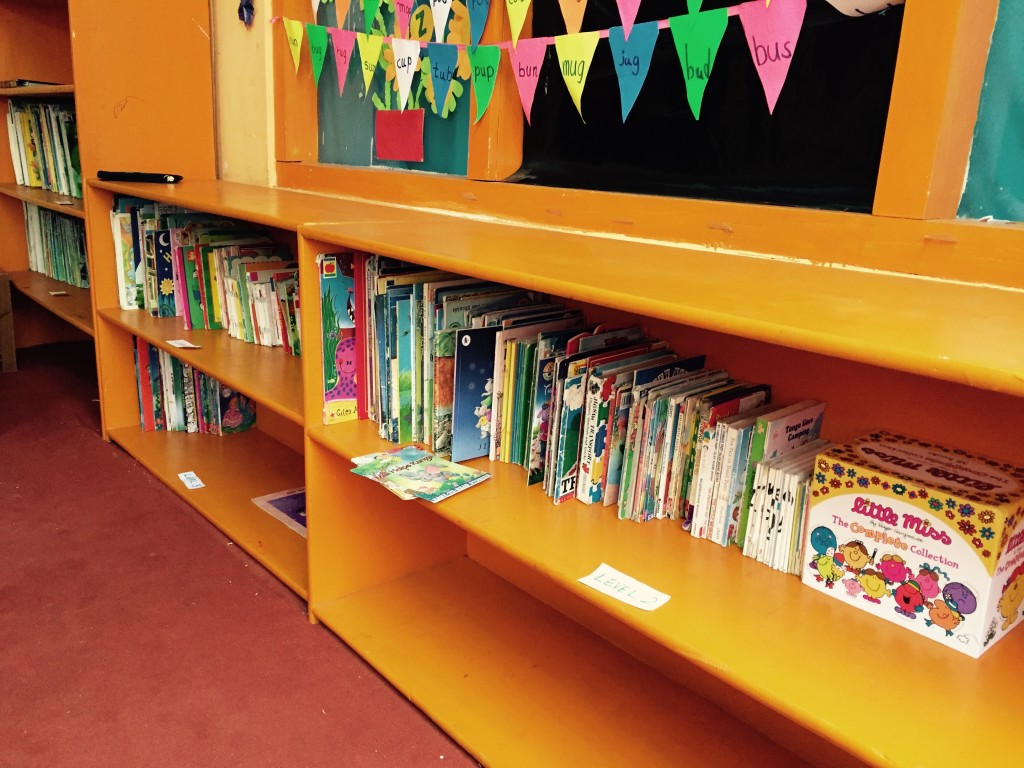
A strong collection begins with thoughtful selection rather than volume alone. Children need storybooks, science texts, atlases, biographies and art materials that match their reading levels and interests. Books must also be durable, culturally respectful and suitable for shared use.
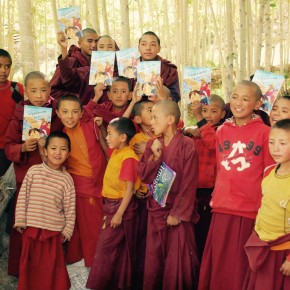
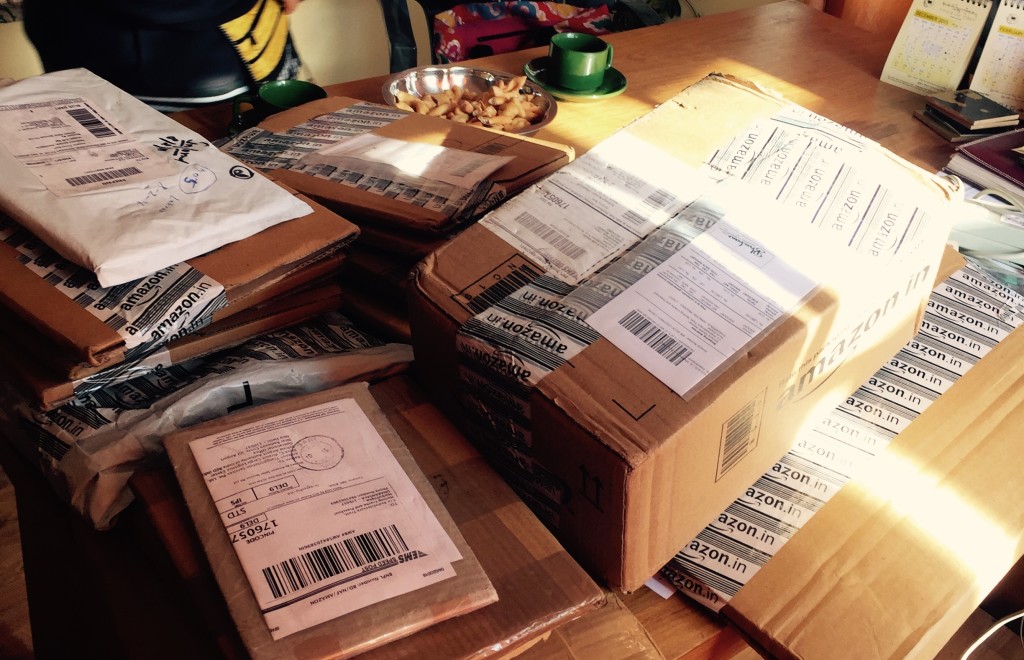
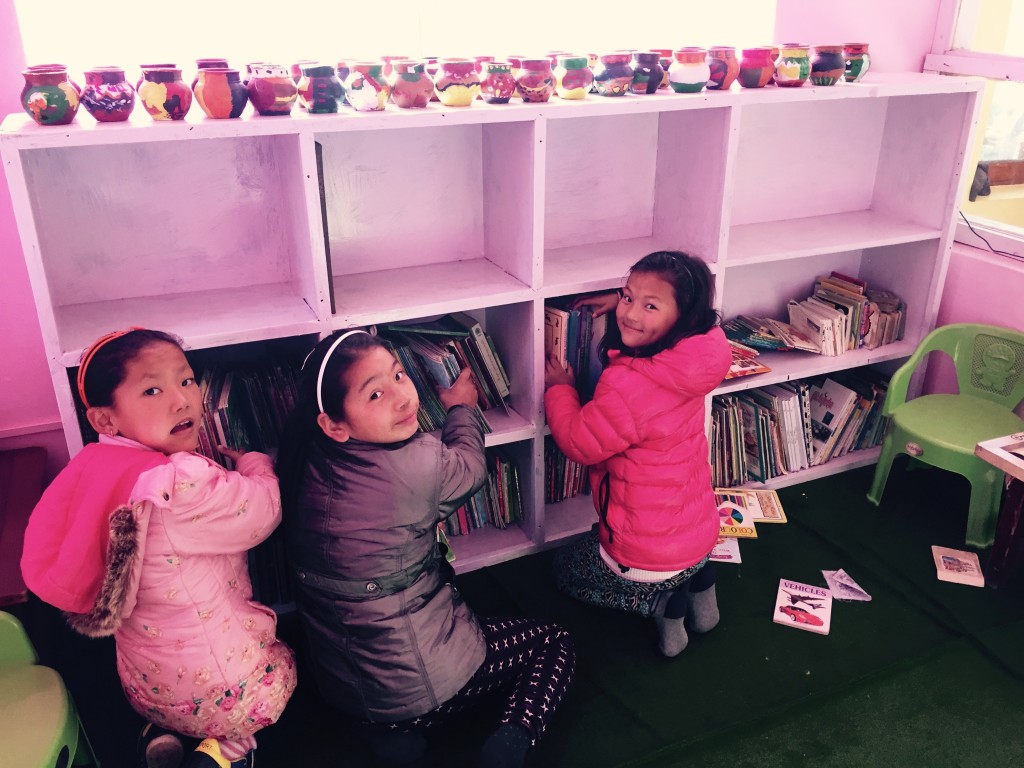
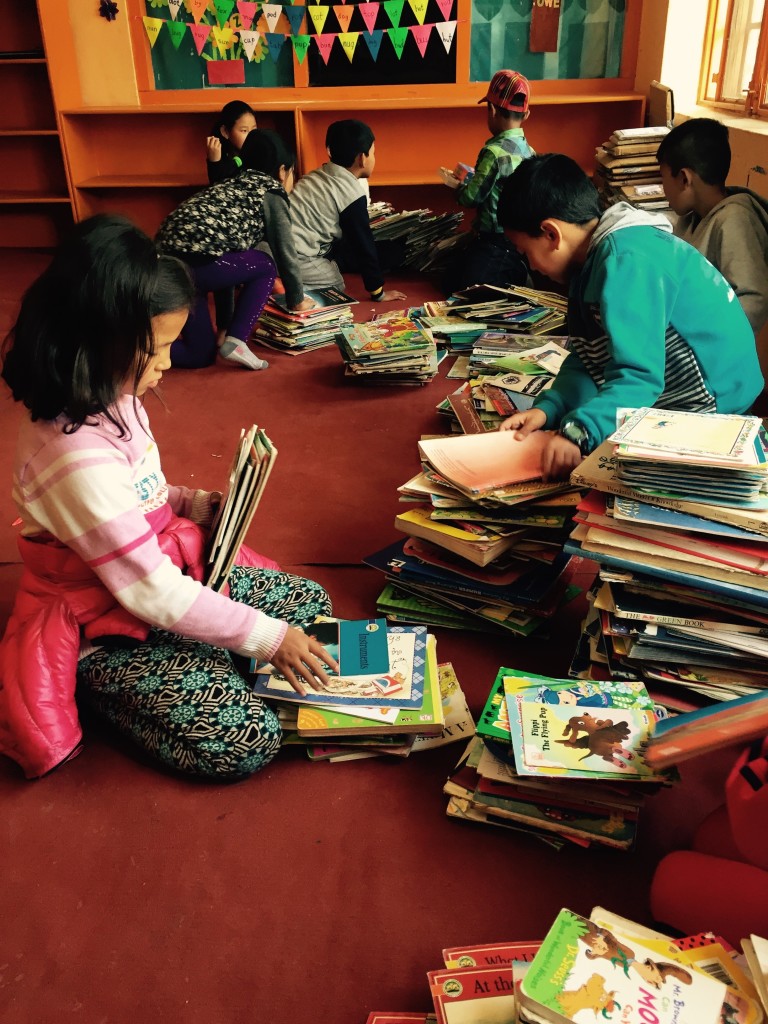
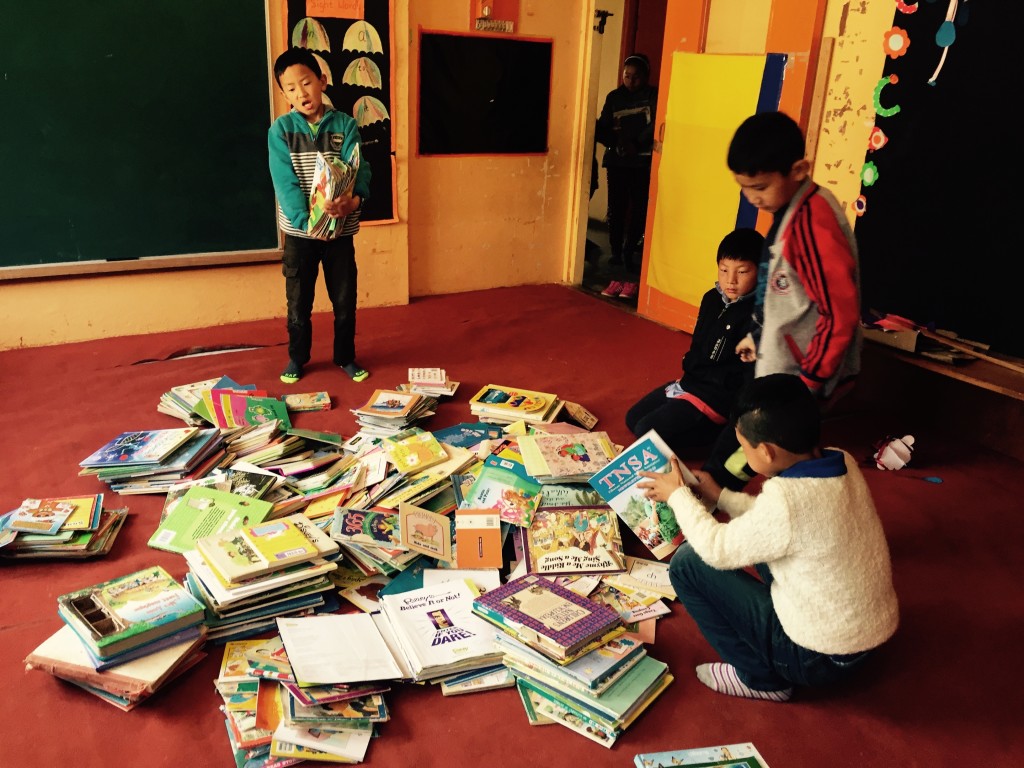
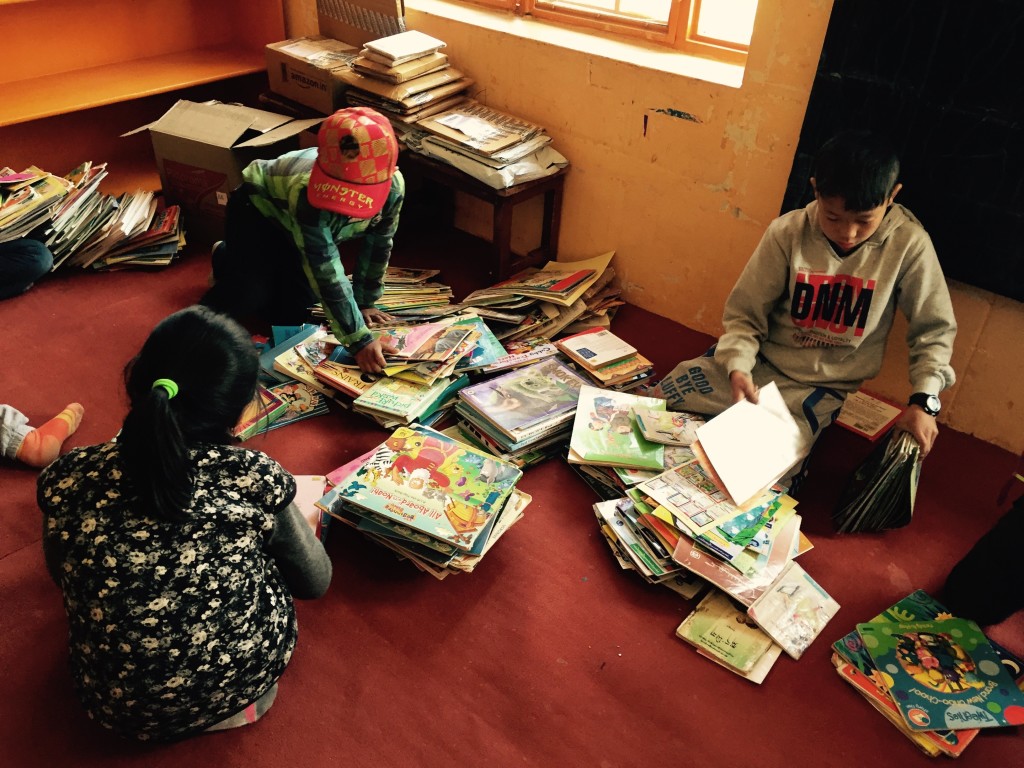
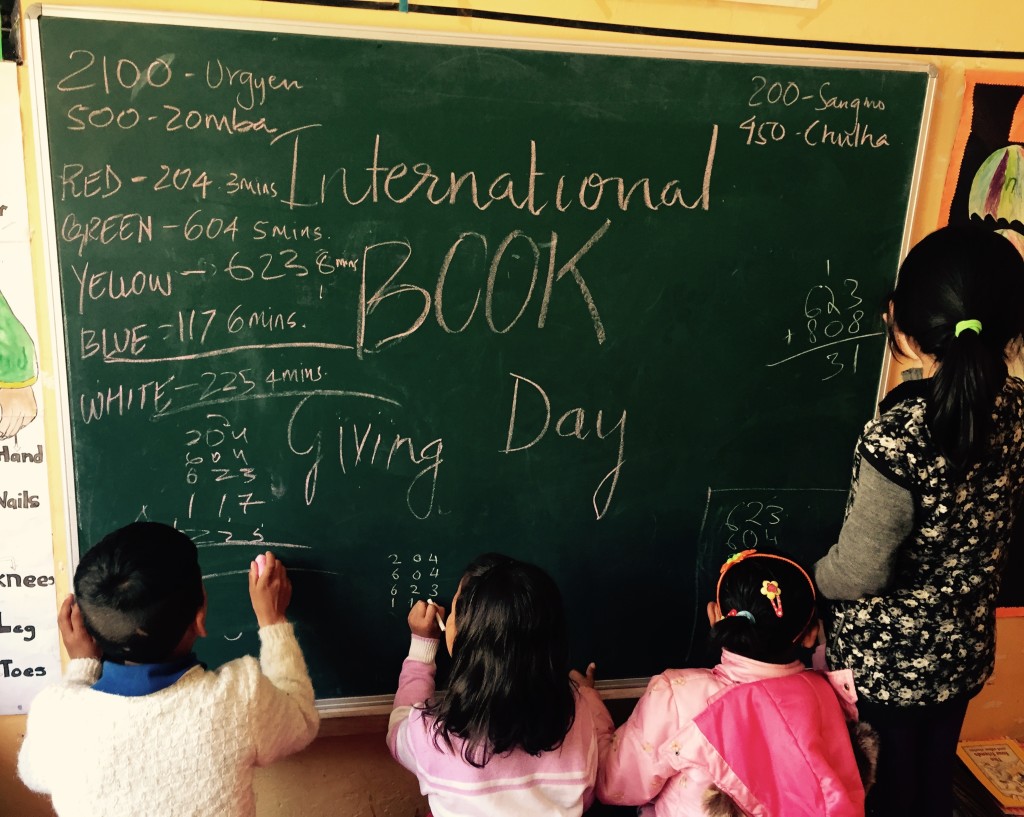
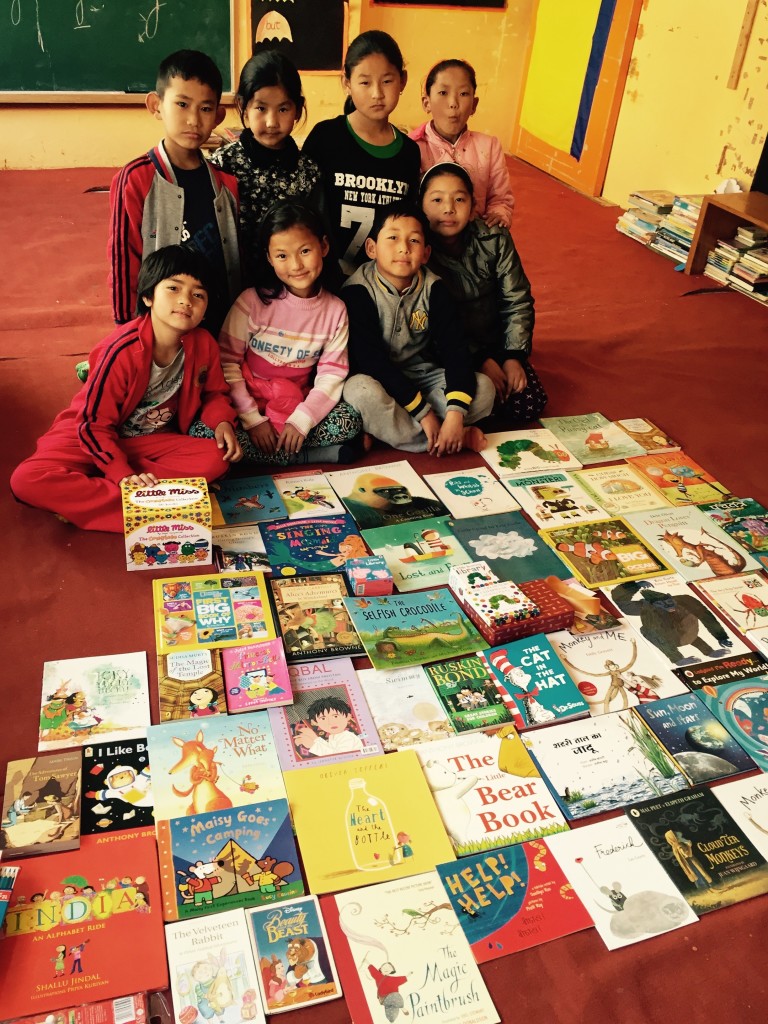
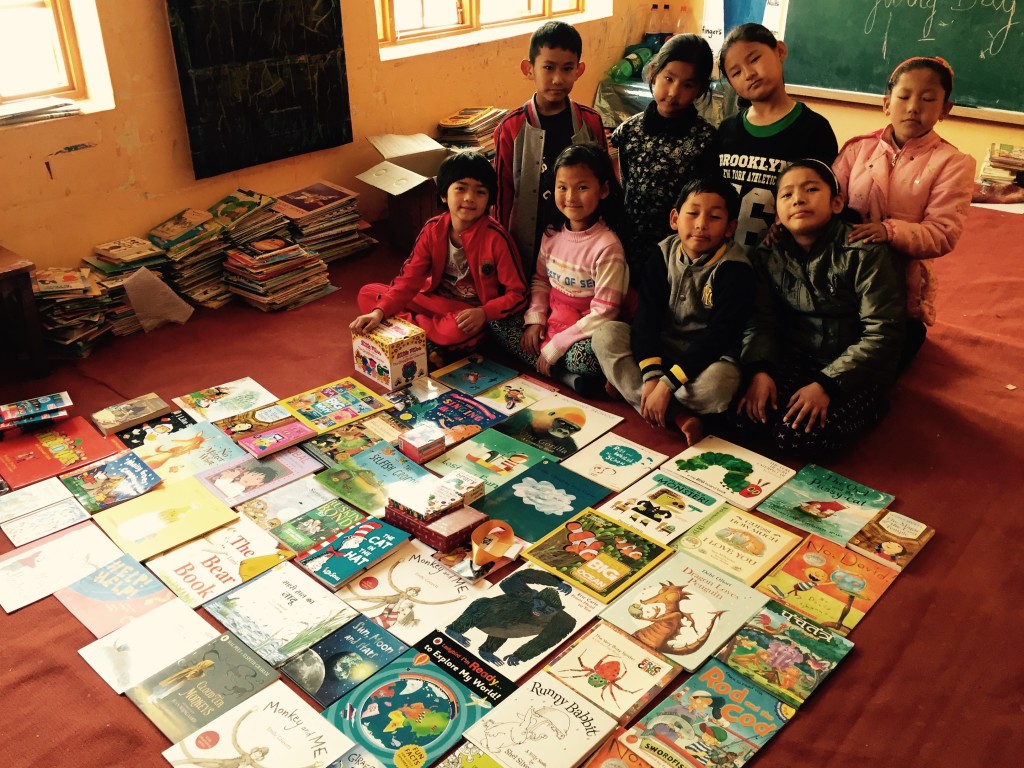
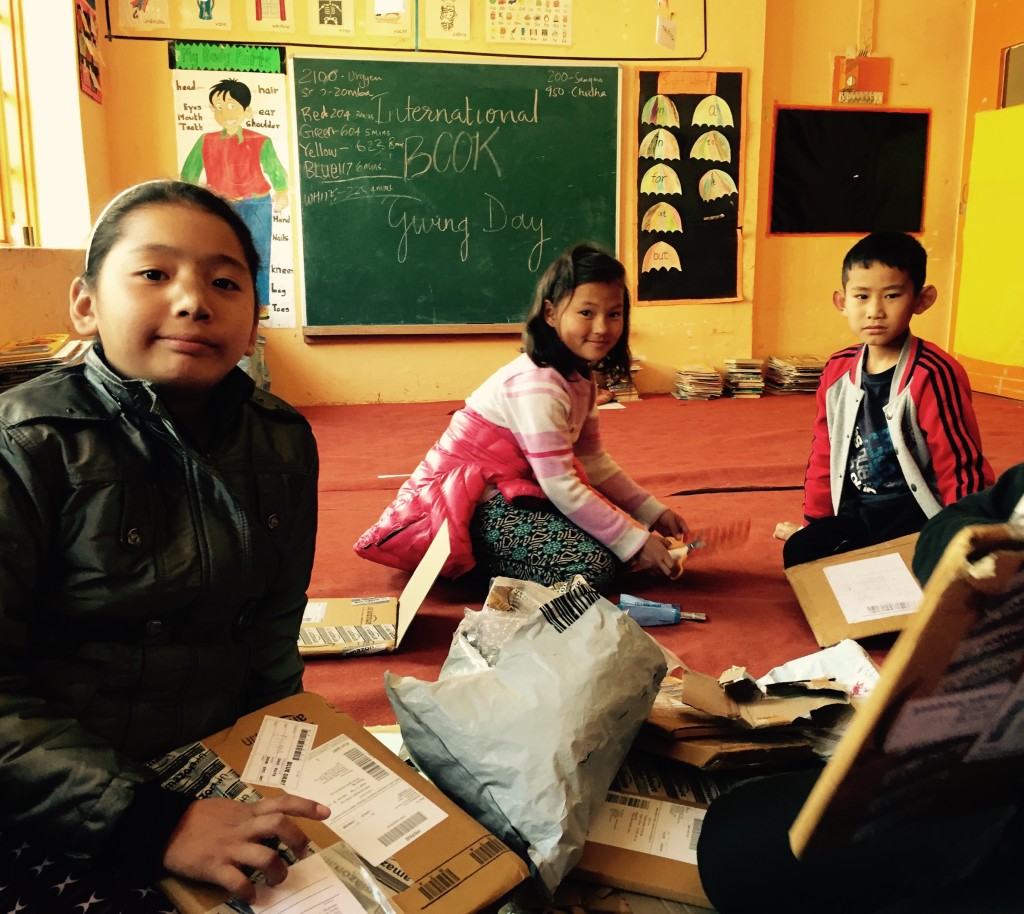
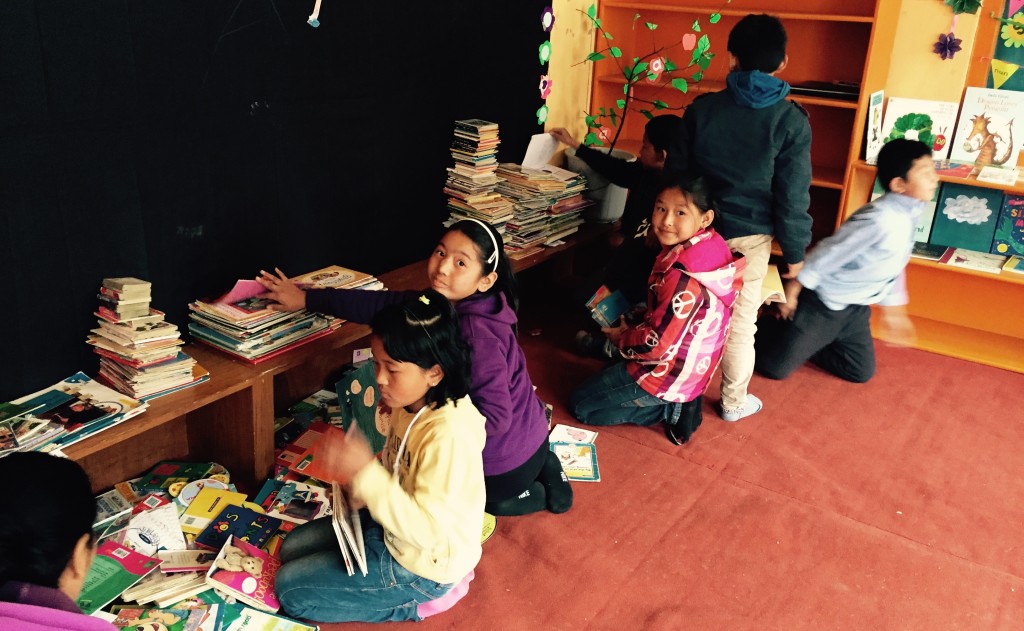
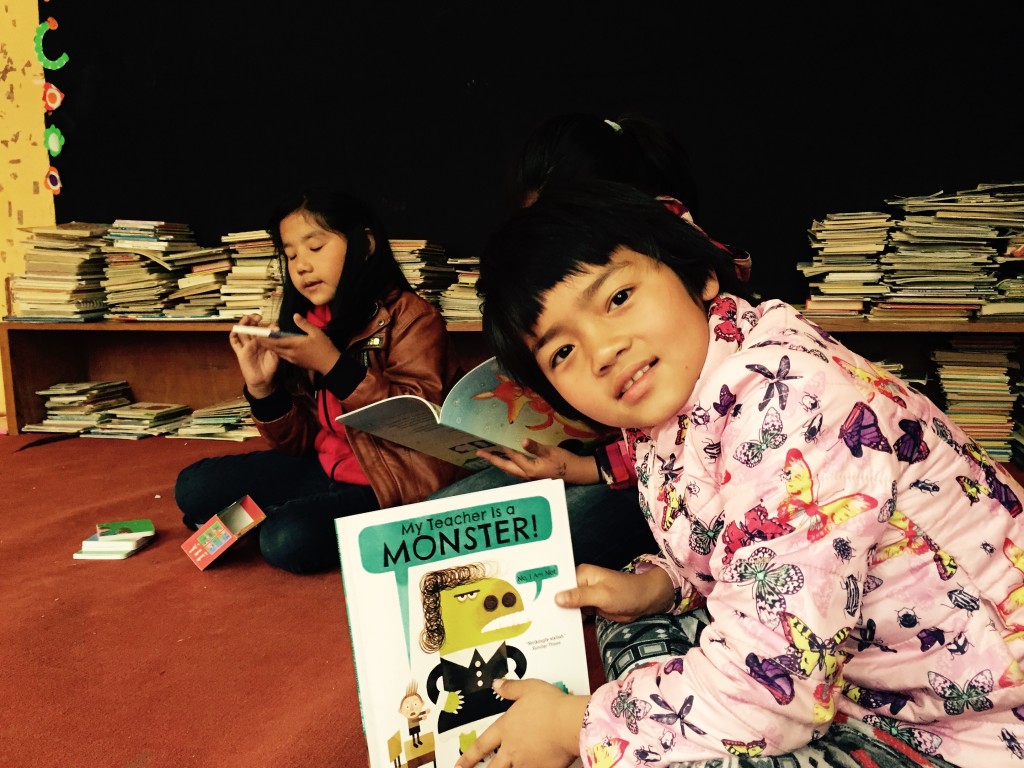
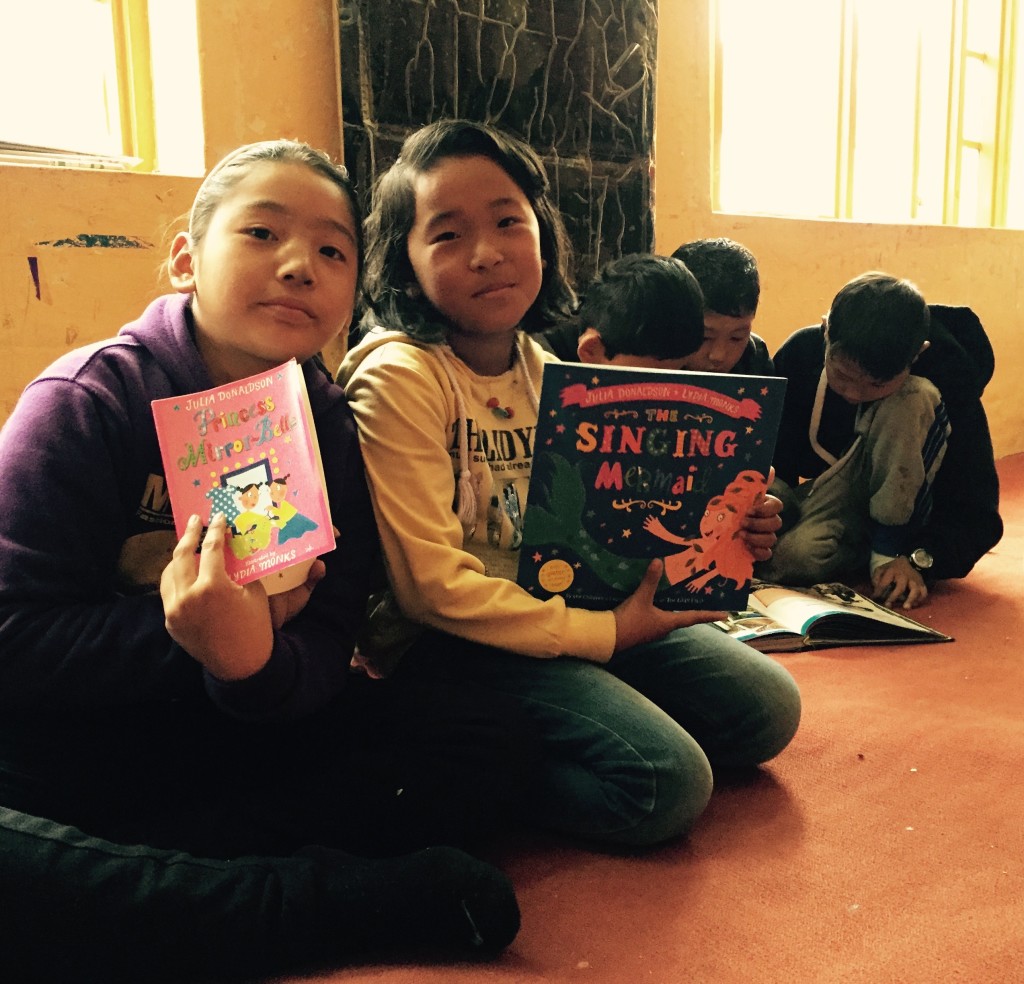
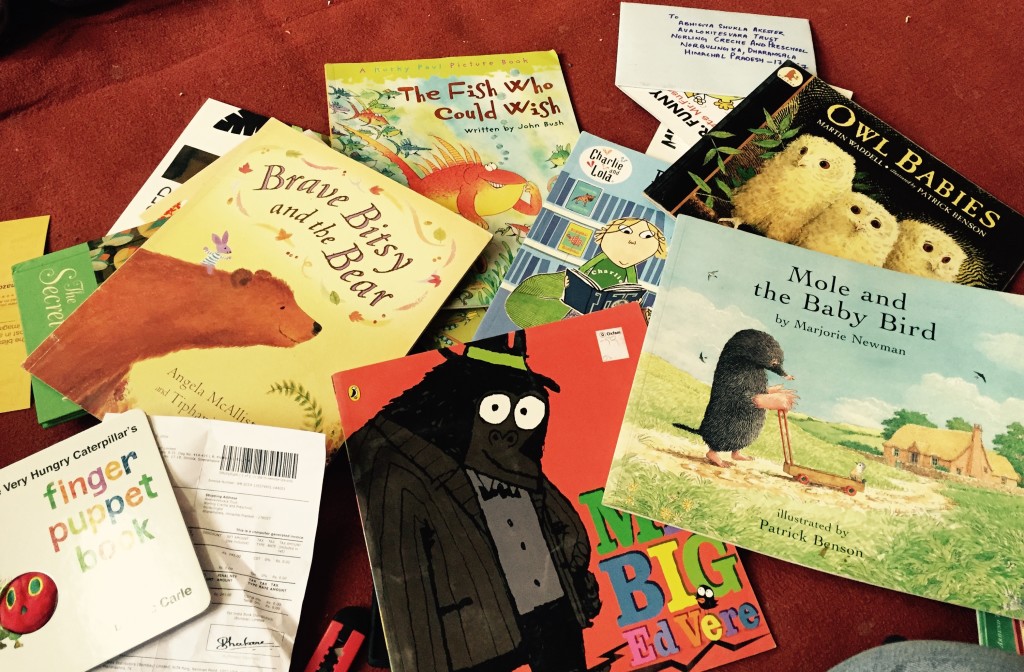
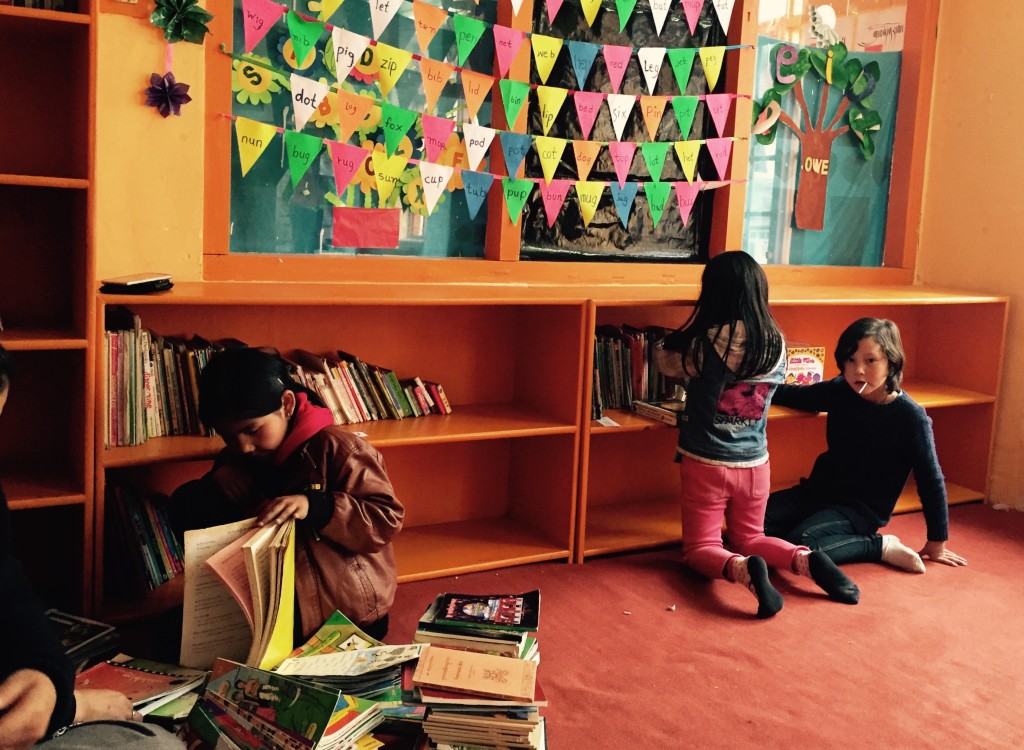
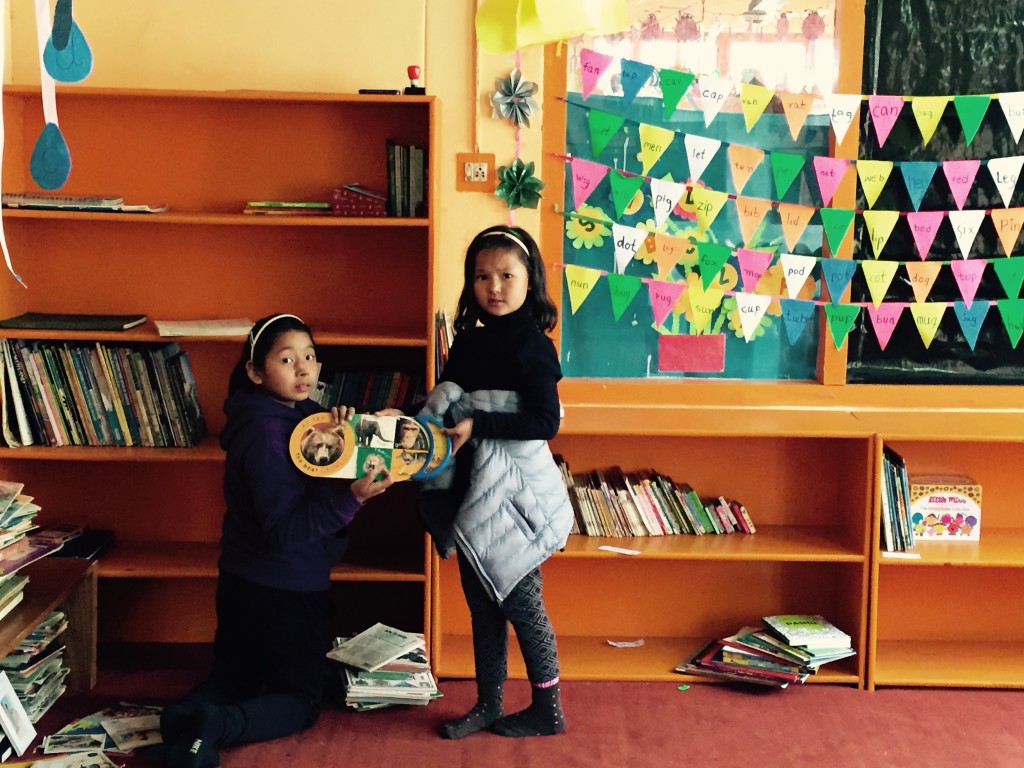
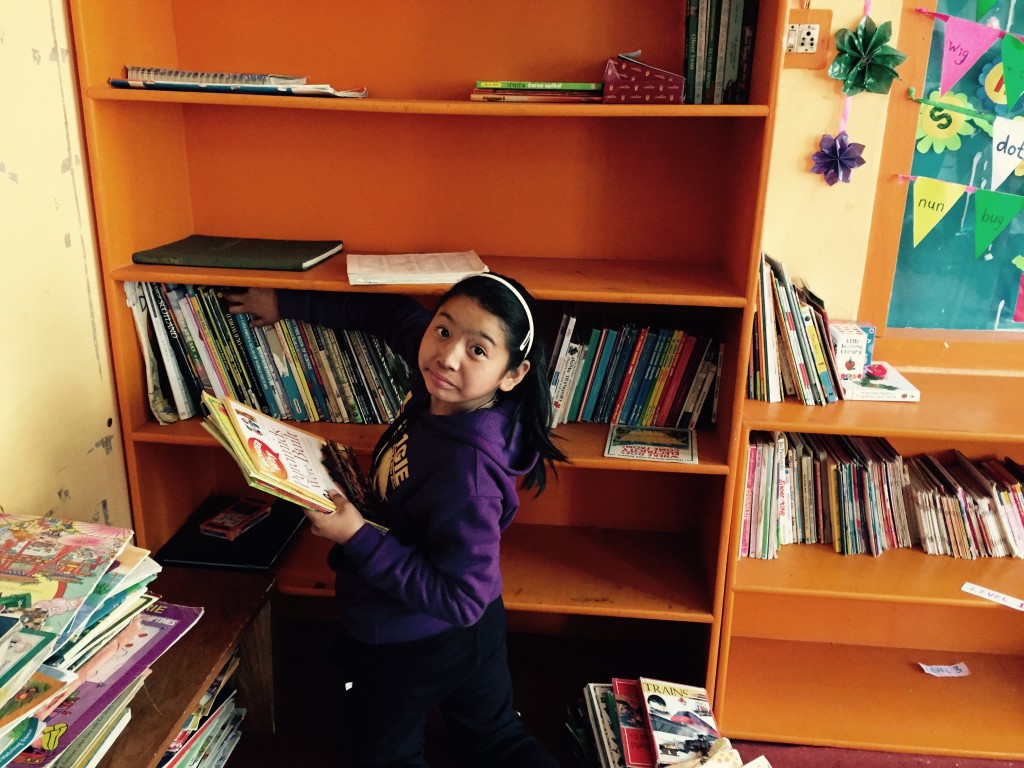
Avalokiteśvara Trust’s account of its first book drive shows how donated resources can reach the Changthang nomadic community. The significance lies in the journey from gathering books to placing them where children can open them, discuss them and return to them over time.
For an Australian donor, this model may feel familiar. A school in Brisbane might hold a collection week, a neighbourhood group in Adelaide might gather funds for freight, and a public library in Perth might help identify high-quality children’s titles. The key is coordination: useful books should arrive in a form that supports local teachers, families and reading-room volunteers.
The Moment Curiosity Turns Into Direction
Tsering’s ambition does not appear as a dramatic announcement. It grows through small actions. The child starts keeping a glossary of unfamiliar words, draws body systems in the margins of a notebook and asks a teacher why some illnesses require a clinic while others can be prevented through clean water or vaccination.
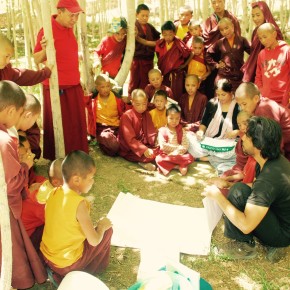
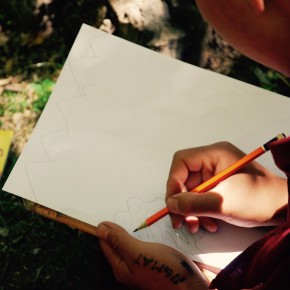
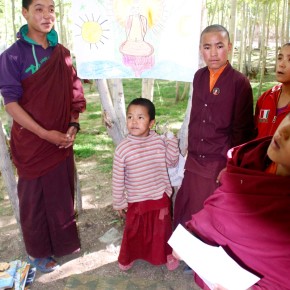
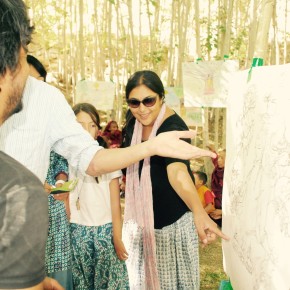
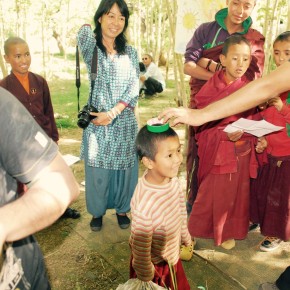
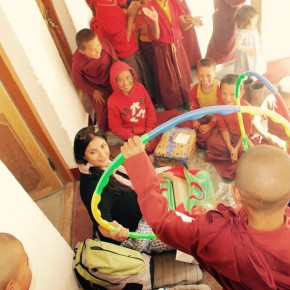
A visiting volunteer introduces a simple activity using paper, string and coloured pencils. Children build a model of the circulatory system and take turns explaining it. Tsering is nervous at first, then speaks clearly. The activity reveals that medicine involves communication as much as memorising facts.
That distinction matters. A future doctor needs curiosity, discipline, empathy and the ability to listen. A book can plant the initial interest, while teachers, families and learning spaces help turn interest into sustained study. The reading room becomes a place where Tsering’s questions are welcomed rather than dismissed as unrealistic.
Why Shared Reading Spaces Matter
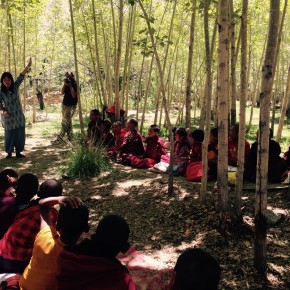
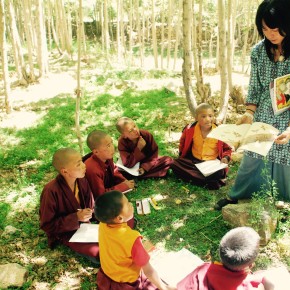
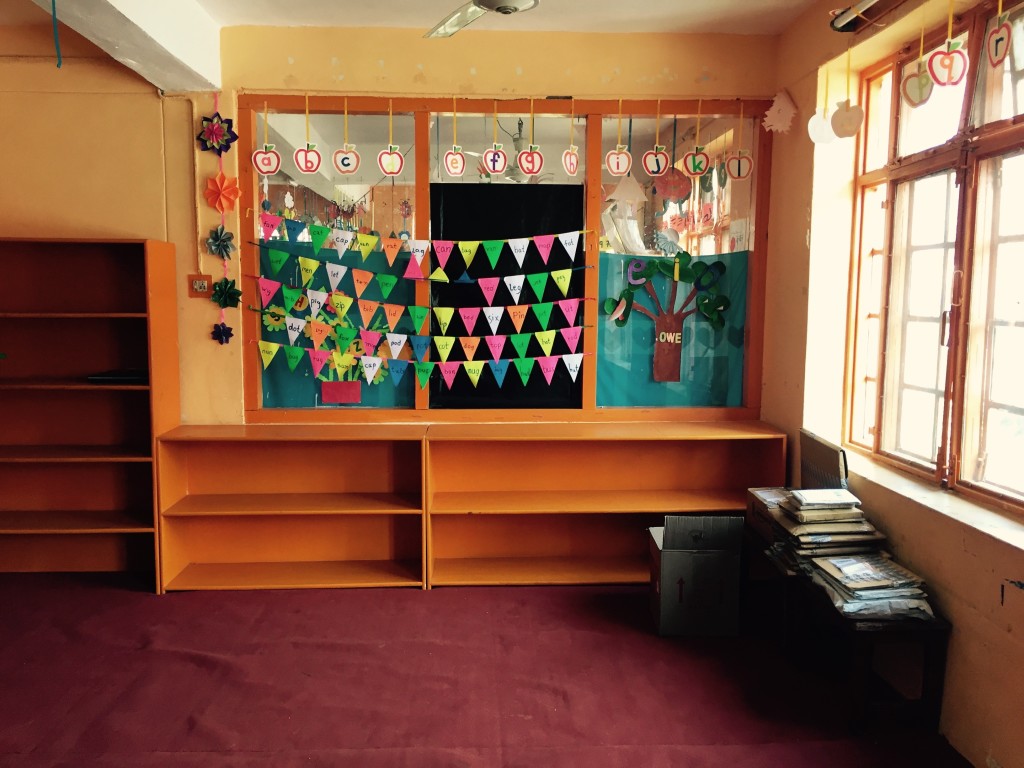
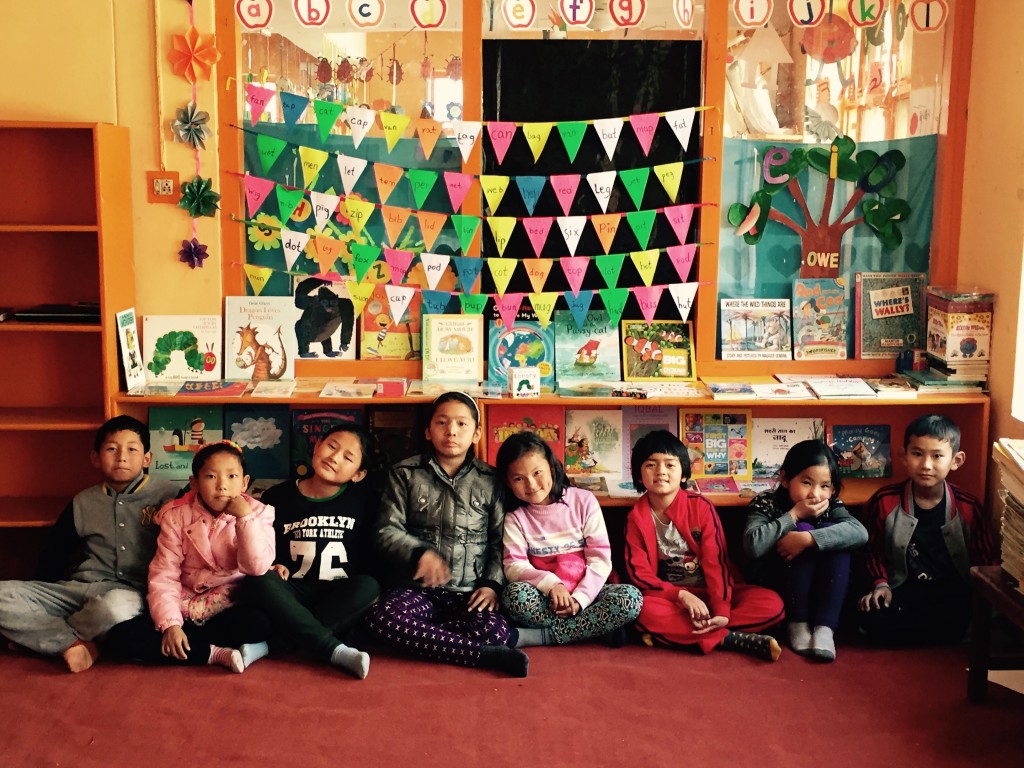
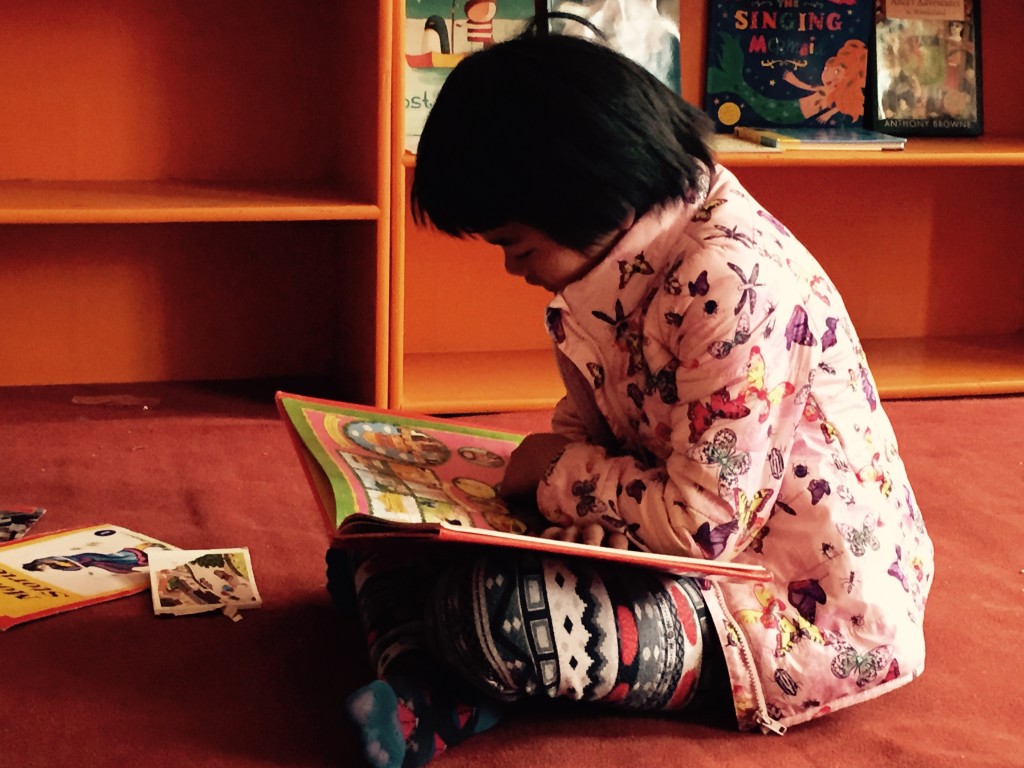
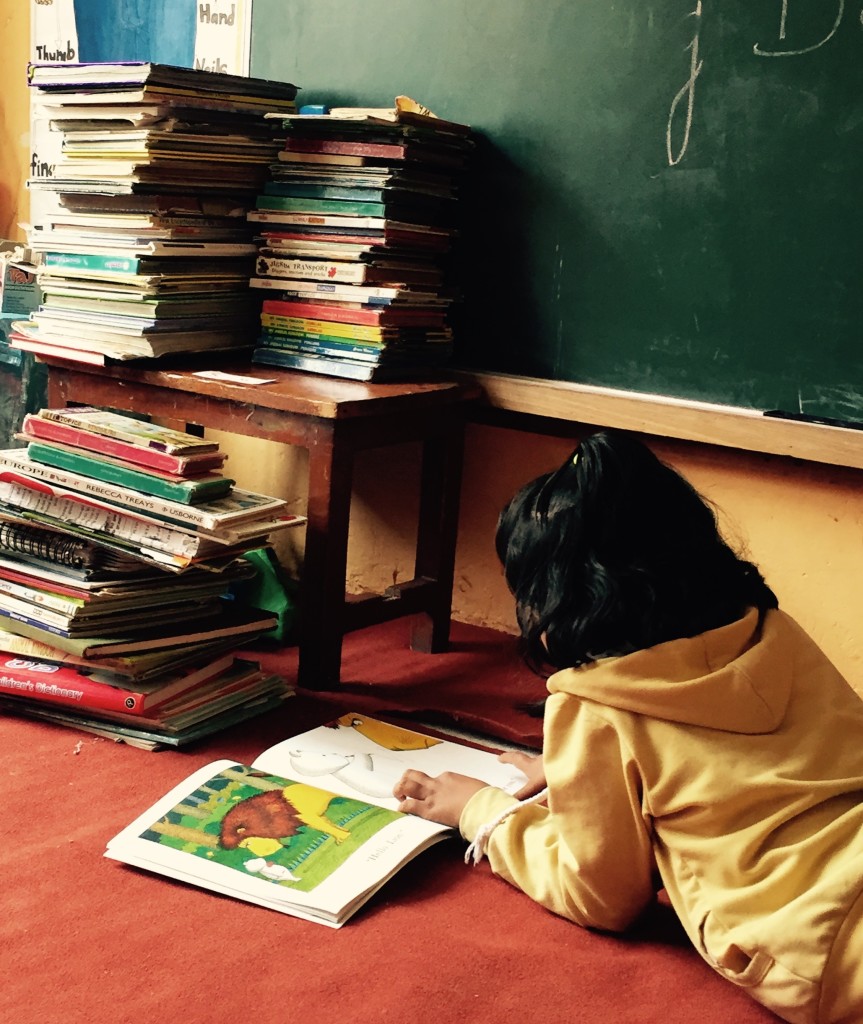
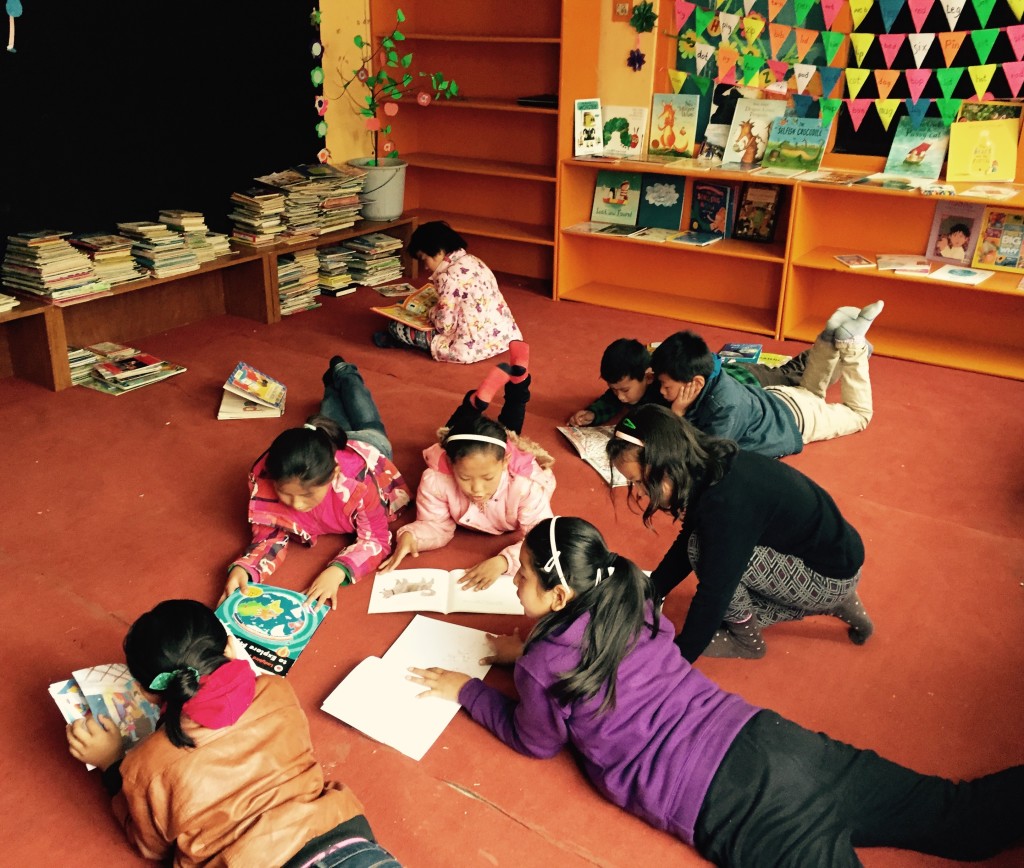
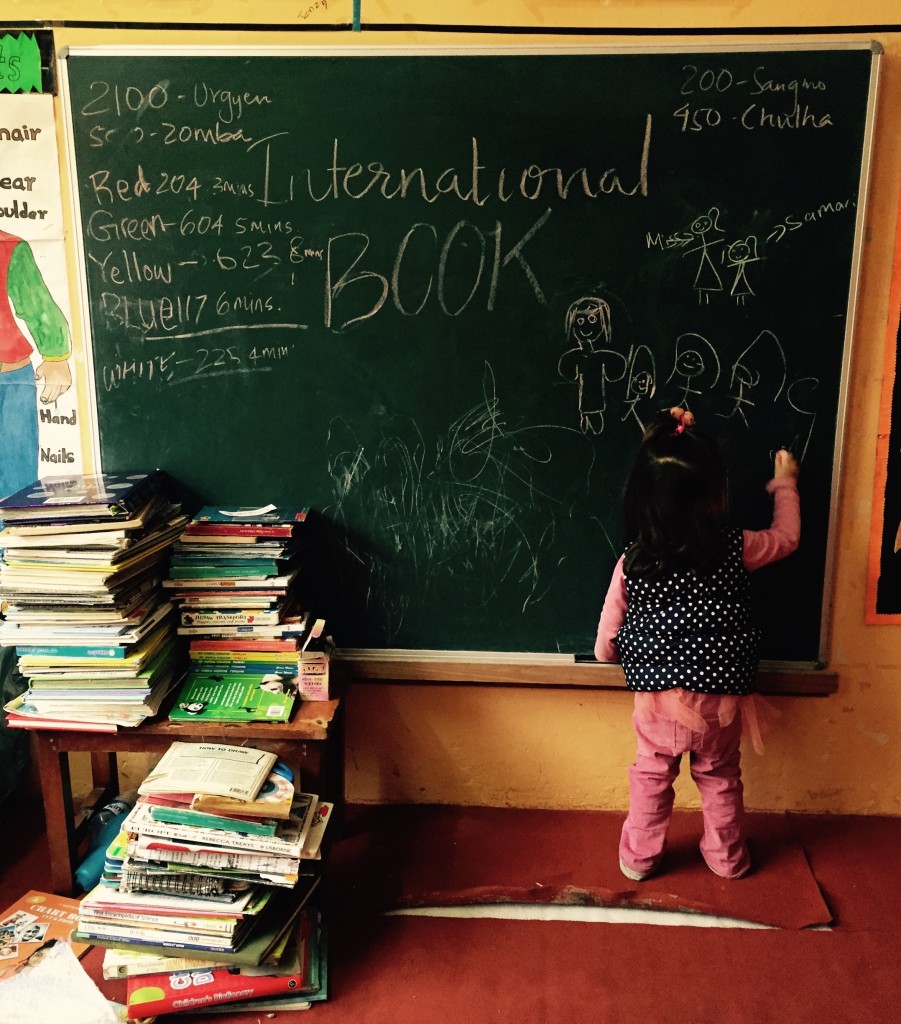
A reading room offers more than shelves. It creates a predictable place for concentration, conversation and creative work. In communities where children may share crowded homes or travel with family members, that dependable environment can make regular study easier.
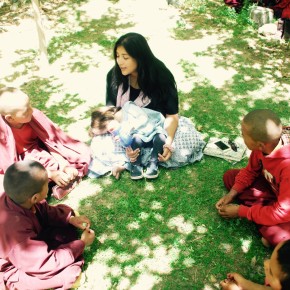
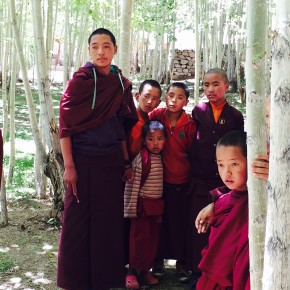
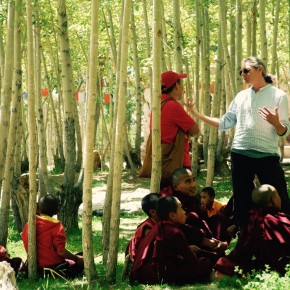
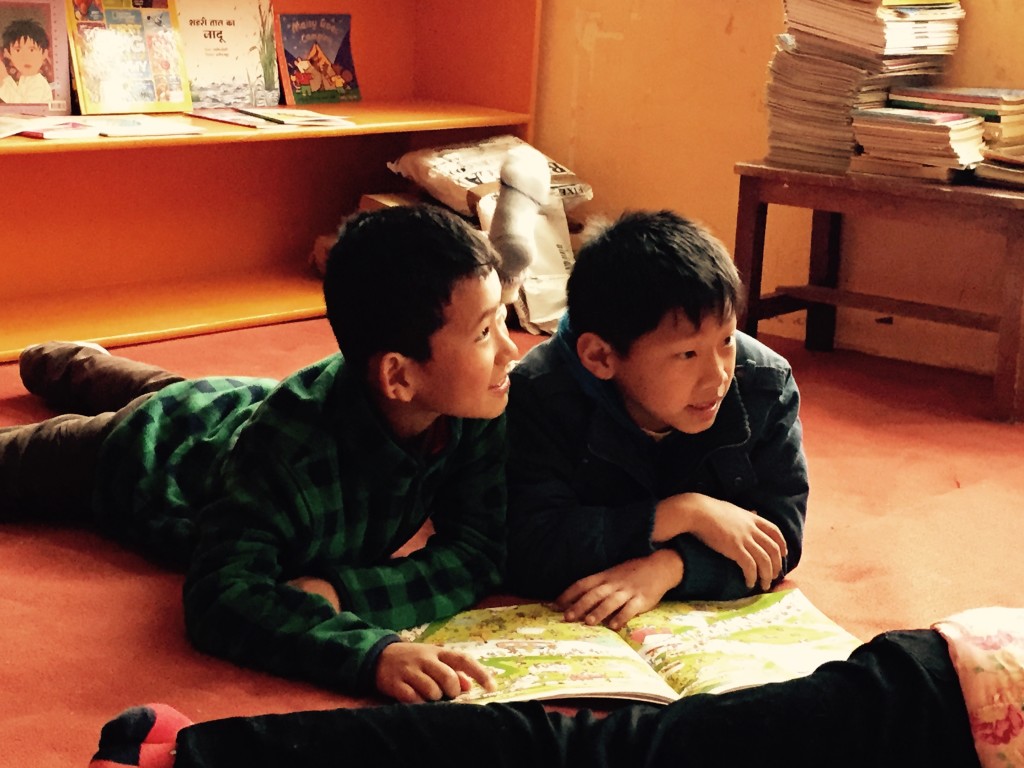
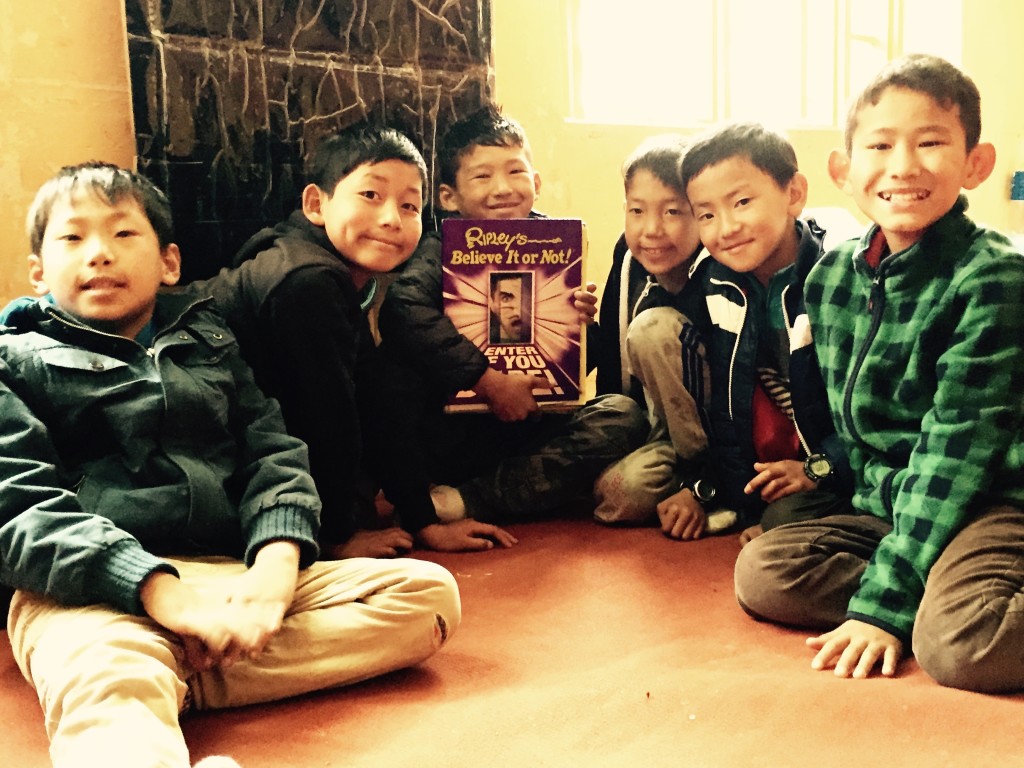
The benefits can extend across generations. Older students may read aloud to younger children, monks may explore subjects beyond religious study, and parents may discover new ways to support homework. A book about medicine can therefore influence a whole group, even when only one child eventually chooses a health profession.
In Australia, many families take access to libraries for granted, whether they use a council branch in Canberra, a school library in Hobart or an online catalogue after work. In remote Himalayan communities, a modest collection can carry a different weight. It may be the only nearby place where a child can explore geography, literature, science and art without needing to travel.
The Wider Australian Connection
Australian supporters often build giving into everyday habits: rounding up a purchase, joining a workplace fundraiser, attending a school fete or buying second-hand books. The country’s healthy market for pre-loved books can make educational giving affordable, although quality and shipping suitability should be checked before collecting large quantities.
People in Sydney, Melbourne and other cities can also connect international giving with local literacy efforts. A children’s book club might discuss stories from different regions, while a community centre could host a reading event linked to education in Ladakh. These activities help donors understand that literacy is both a local concern and a global bridge.
Australian charities operate within a regulated environment. The Australian Charities and Not-for-profits Commission provides public information about registered organisations, while tax-deductible donations depend on an organisation’s relevant status and the type of gift. Supporters should check official records and retain receipts rather than assuming every donation is tax deductible.
What Sustains A Child’s Medical Dream
The most valuable support is consistent and connected to local priorities. Books matter, yet they work best alongside mentors, safe spaces, school materials and opportunities to practise new skills. A child who dreams of becoming a doctor may need years of encouragement before that ambition becomes a study plan.
Practical support can help in several ways:
- Provide age-appropriate science and health books
- Pair reading with drawing, music and hands-on activities
- Train volunteers to read aloud and lead discussions
- Keep collections organised, repaired and easy to borrow
- Celebrate children’s questions without demanding immediate achievement
For Tsering, the blue-covered book remains important, but it is no longer the whole story. A teacher helps identify secondary study options. A volunteer brings a basic first-aid guide. Another child lends a dictionary. Slowly, the dream gains a pathway: stronger reading, better science knowledge, continued schooling and eventually professional training.
Turning Inspiration Into Lasting Learning
A book can inspire a child because it makes an unfamiliar future visible. The doctor in the illustration is no longer an abstract figure; she is someone who studies carefully, treats patients respectfully and serves a community. That image gives Tsering a standard to work towards.
The pathway will include obstacles. Mountain conditions can interrupt travel, educational resources can be limited and higher medical training may require leaving home. Inspiration must therefore be supported by reliable systems. Reading rooms, book drives and educational programmes help children build the foundations needed for choices that may take many years to mature.
Supporters can make their contribution more useful by focusing on purpose and continuity:
- Ask whether books match the community’s language and age groups
- Prefer durable resources with clear educational value
- Support regular activities rather than one-off distribution alone
- Learn how donations are collected, transported and reported
- Share children’s achievements with dignity and proper consent
Years later, Tsering may become a doctor, a health worker, a teacher or an informed advocate for community wellbeing. The exact job is less important than the transformation: a child once waiting for access to knowledge has become someone able to create access for others. The next concrete step is to choose one suitable children’s science book, check its condition and place it in a local collection for an education-focused drive.