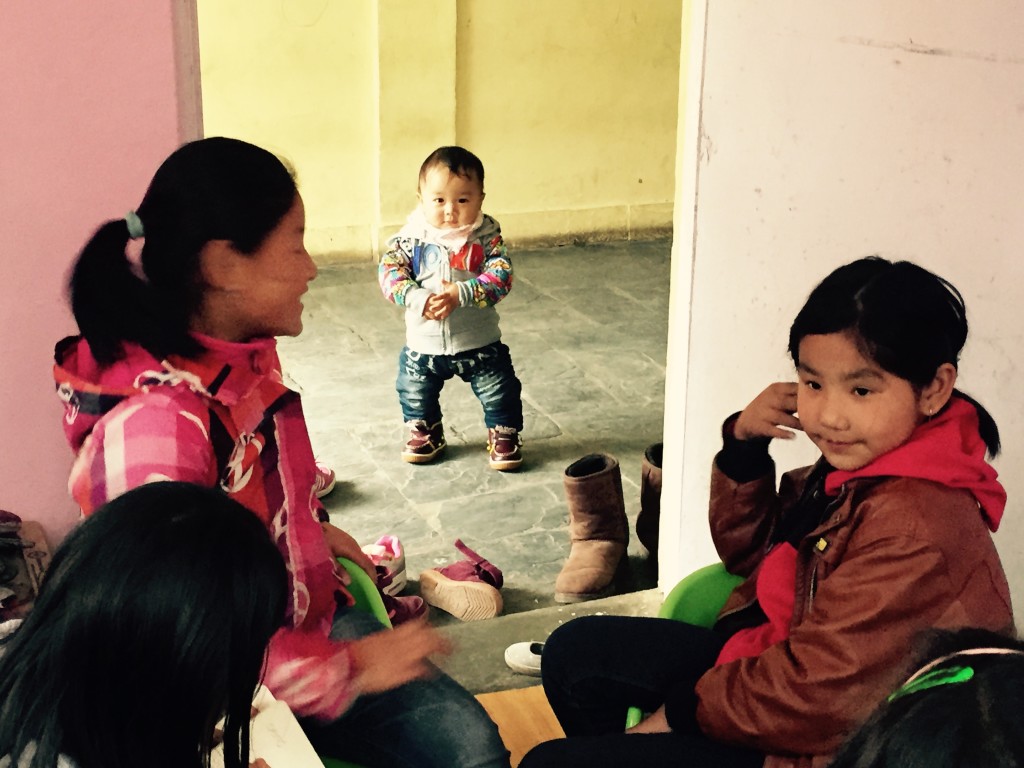
Bringing Books Across the Changthang Plateau
In the high-altitude plains of Changthang, Ladakh, distance shapes everyday life. Families move with their herds, following seasonal routes across a landscape of wide valleys, salt lakes, and powerful winds. For children in these nomadic communities, access to books can be limited by geography, weather, and the demands of family life.
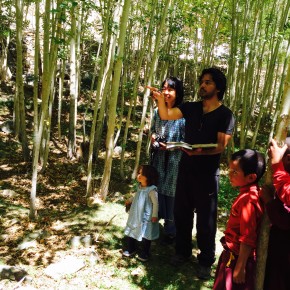
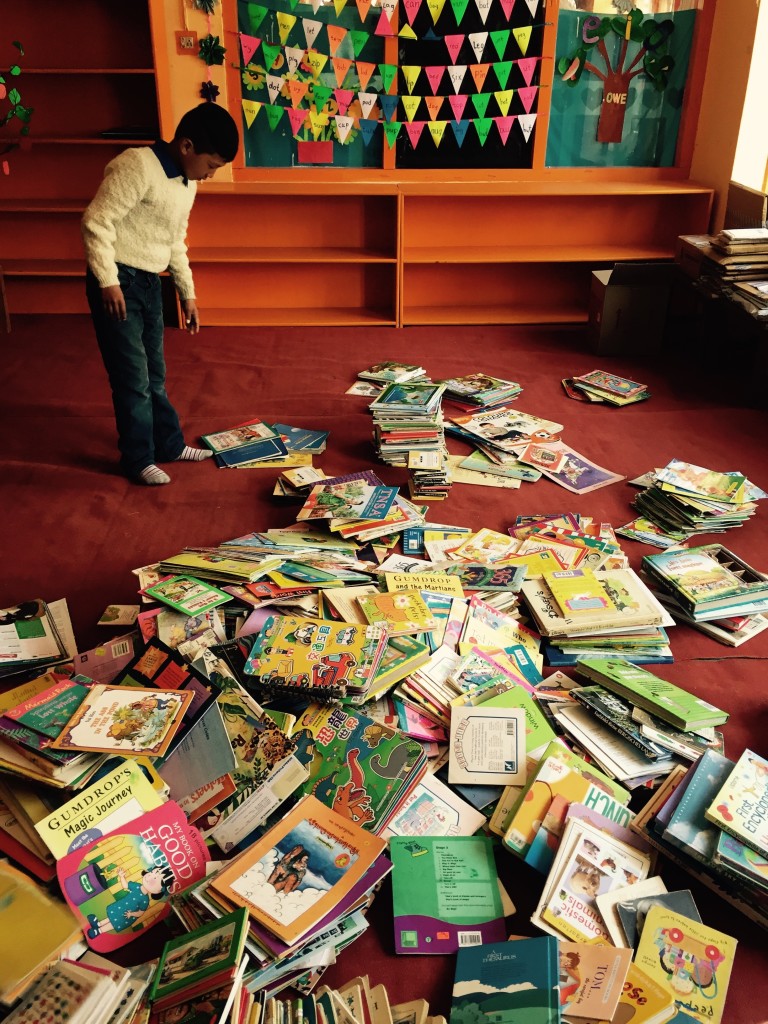
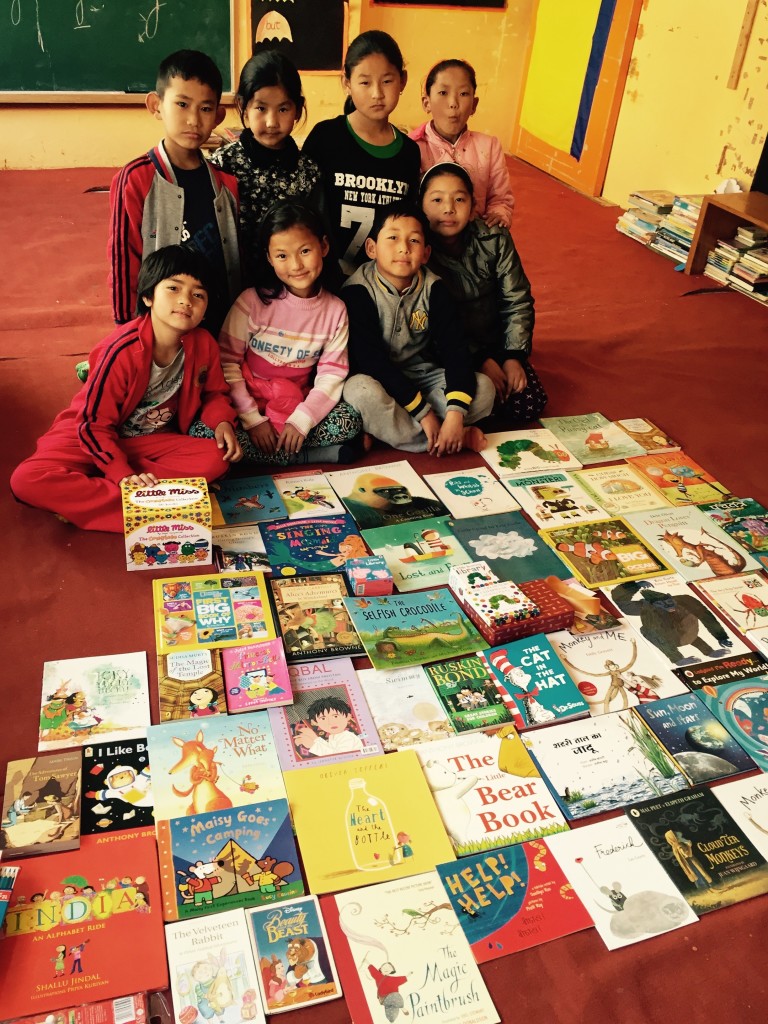
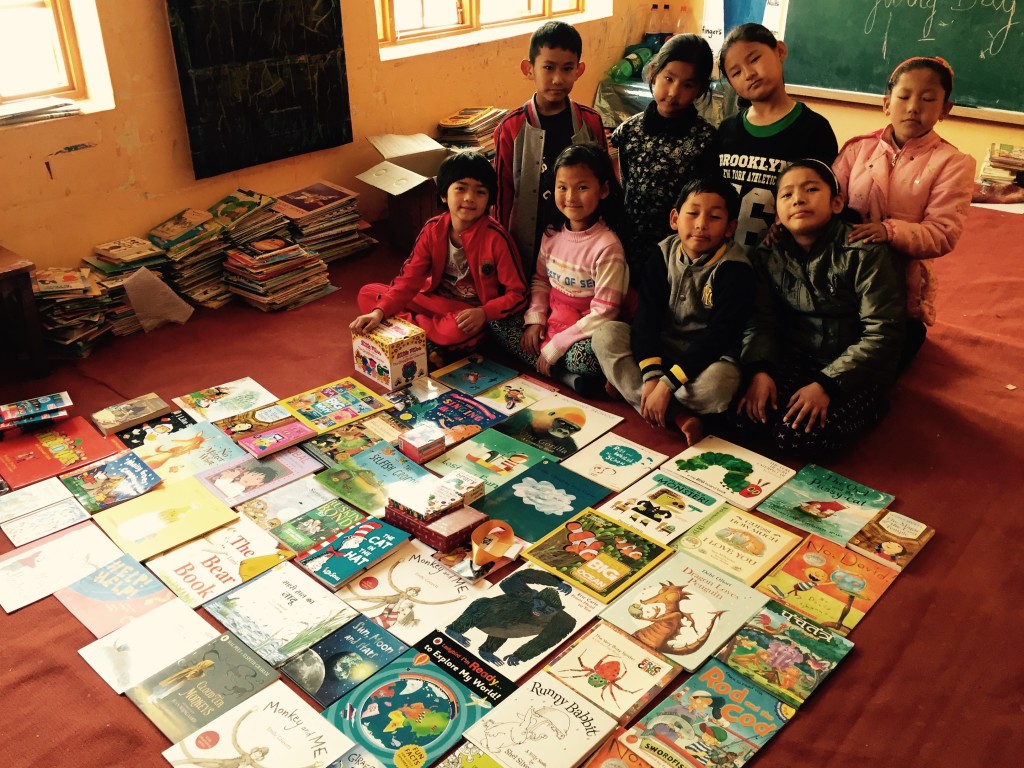
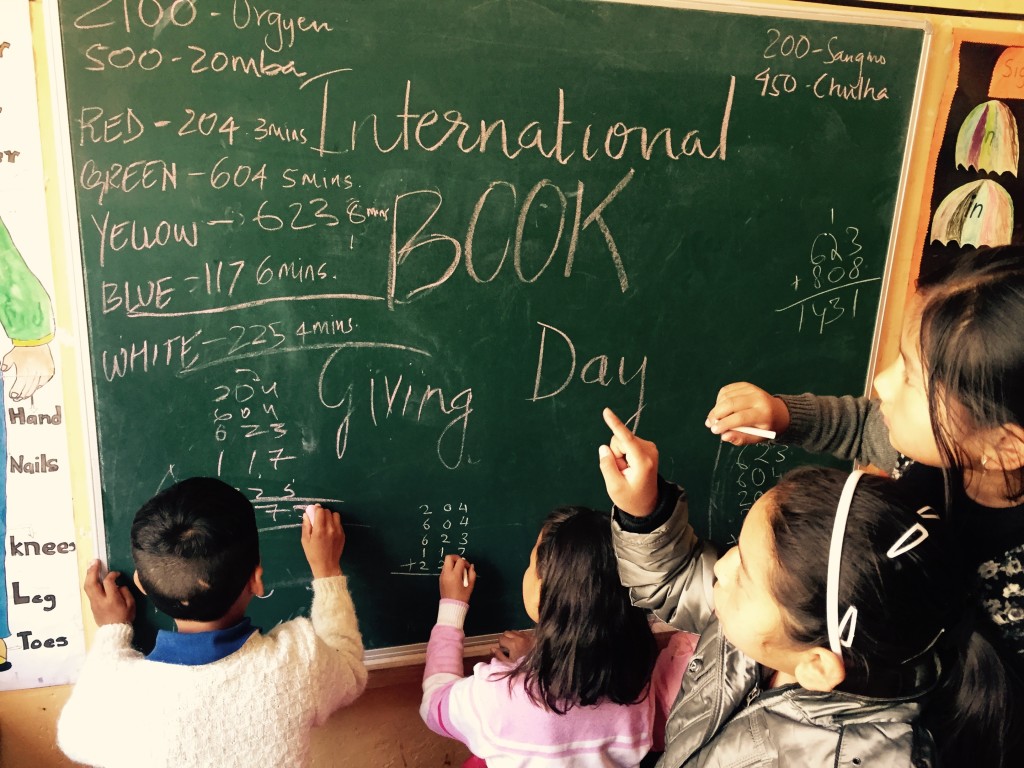
The first book drive organized for the Changthang nomadic community created a practical bridge between children and stories, knowledge, and creative discovery. It gathered carefully selected reading materials and carried them toward settlements where a small library or reading room could make a lasting difference.
For Avalokiteśvara Trust, the project reflected a central belief: quality books should reach children wherever they live. A book drive is more than the collection of donations. It is an opportunity to support literacy, encourage imagination, and give young learners resources they can return to again and again.
Why Books Matter In Changthang
Children growing up in Changthang learn from many sources. They observe pastoral work, listen to family stories, help care for animals, and develop a close understanding of the natural environment. Books add another dimension to that education by opening paths into science, art, history, language, and distant cultures.
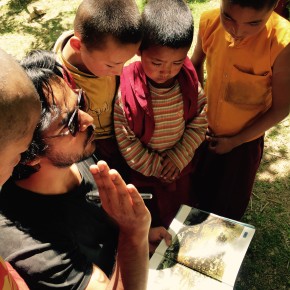
Regular access to reading material also supports classroom learning. A child who can browse an illustrated science book, read a simple story, or practice unfamiliar words gains confidence through independent discovery. This kind of learning is especially valuable in communities where educational resources may be scarce or difficult to replace.
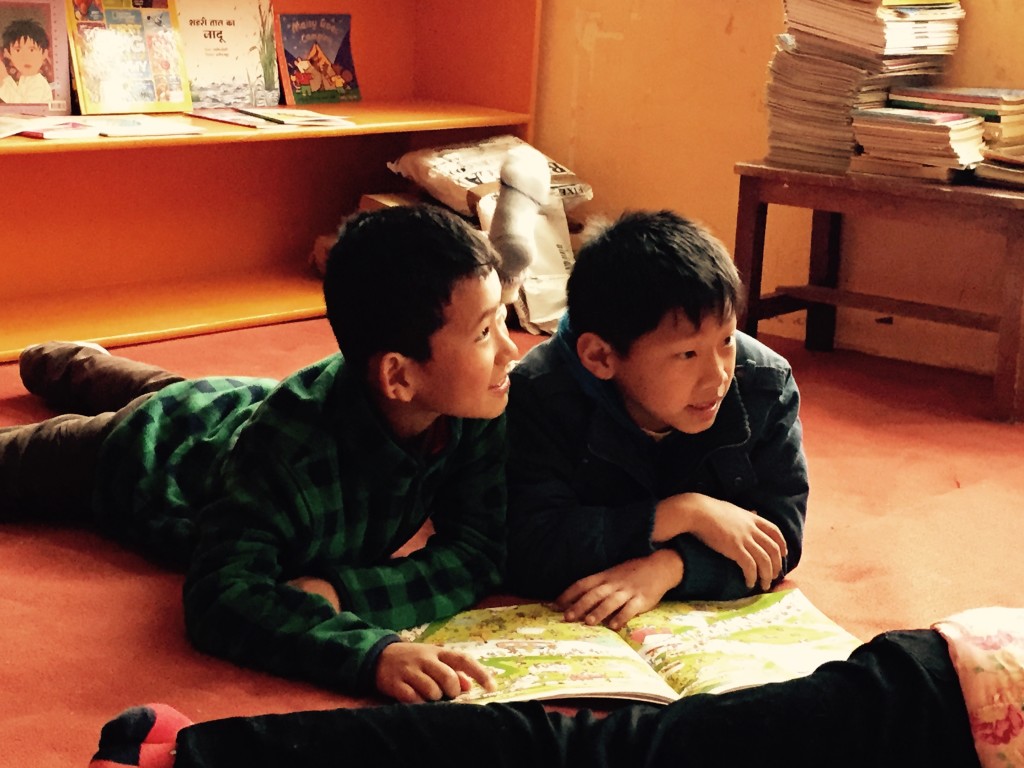
Books can also offer comfort and companionship. During long winter periods or quiet hours between daily responsibilities, a well-chosen story gives children a meaningful way to spend time. It can inspire questions, stimulate conversation, and make reading feel like a joyful activity rather than a school assignment.
Preparing The First Collection
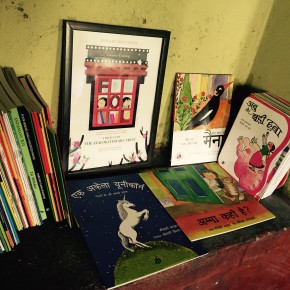
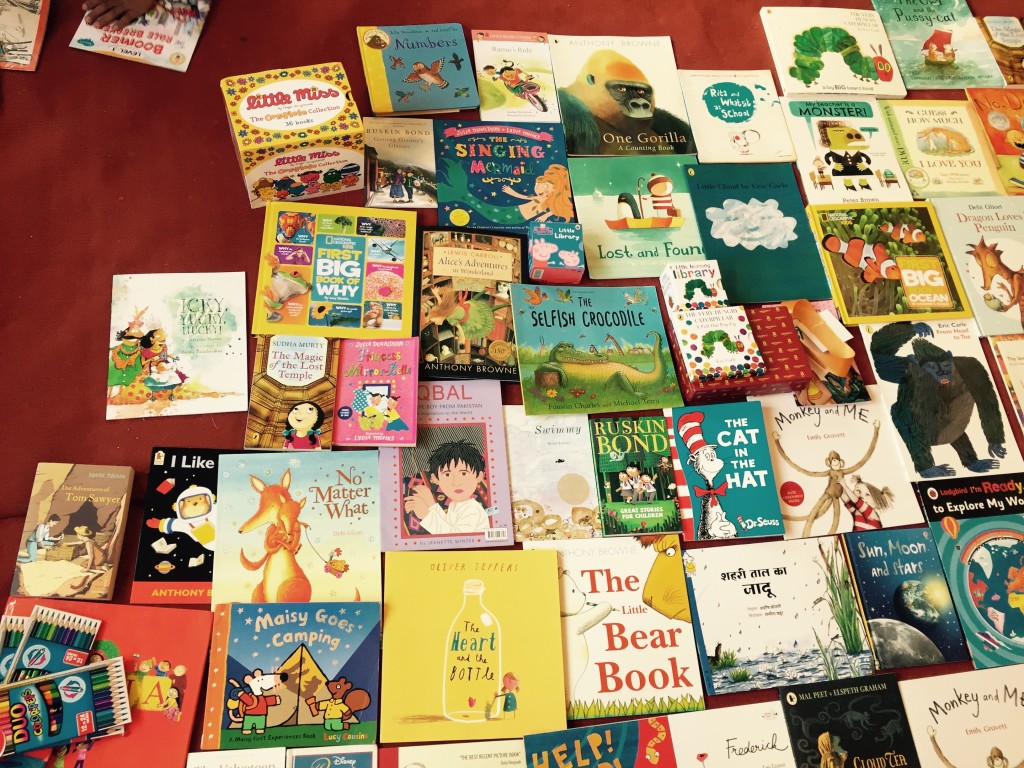
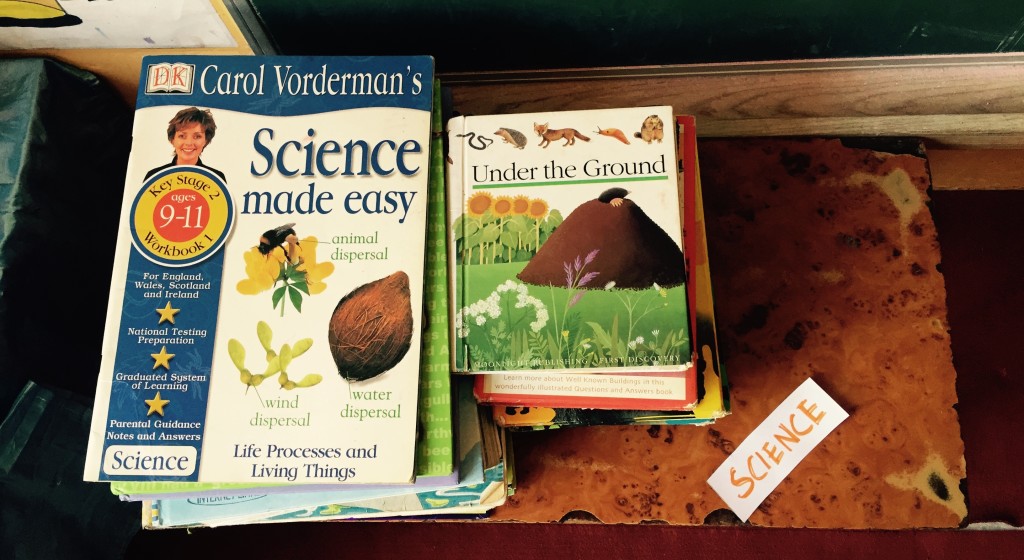
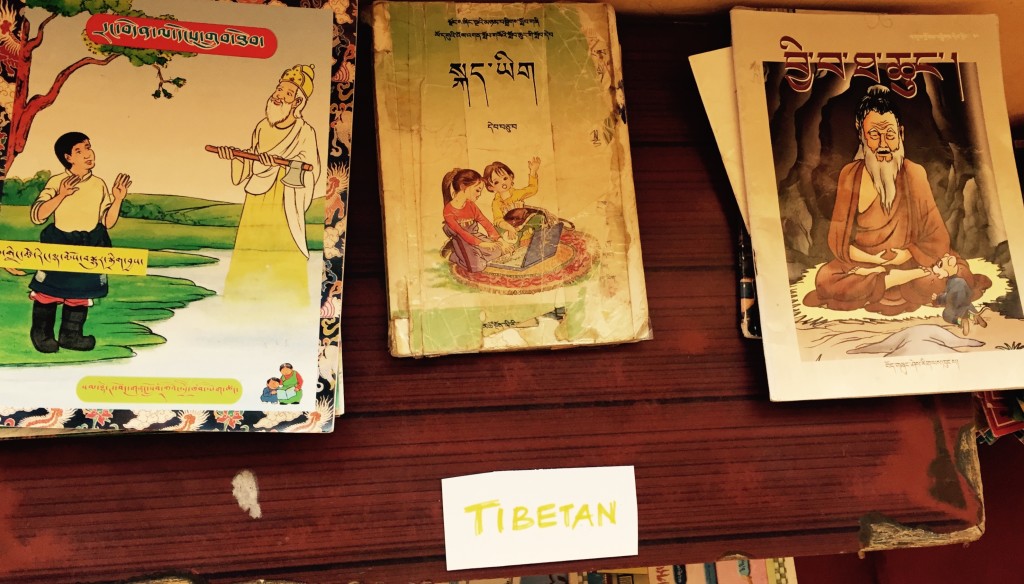
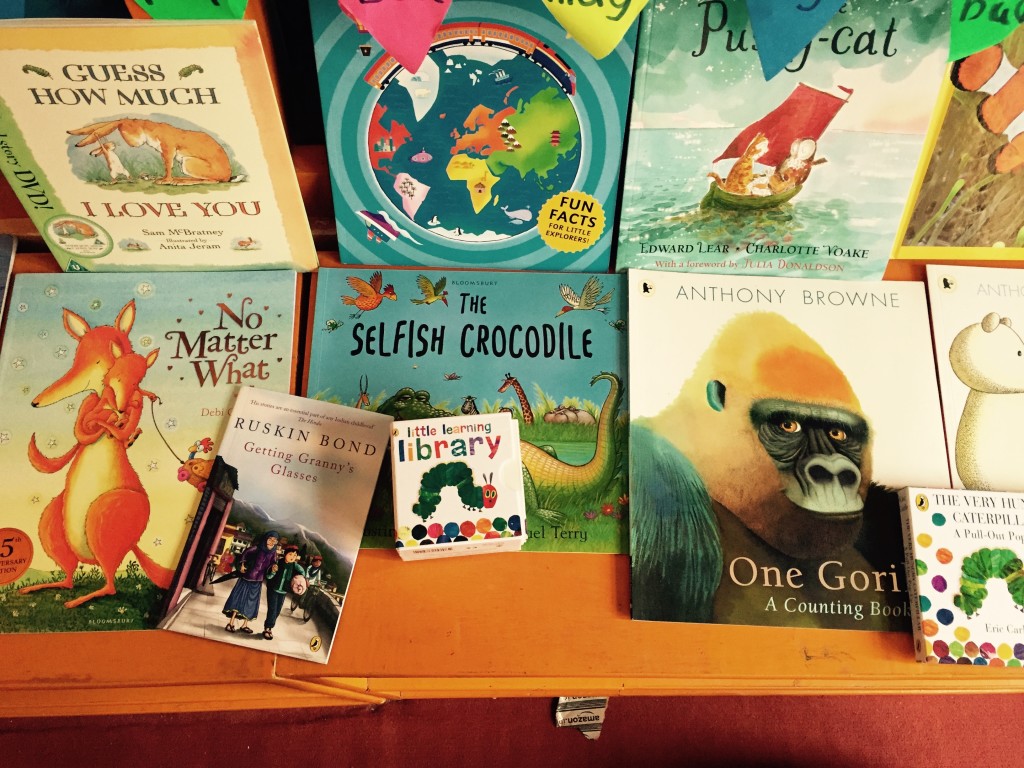
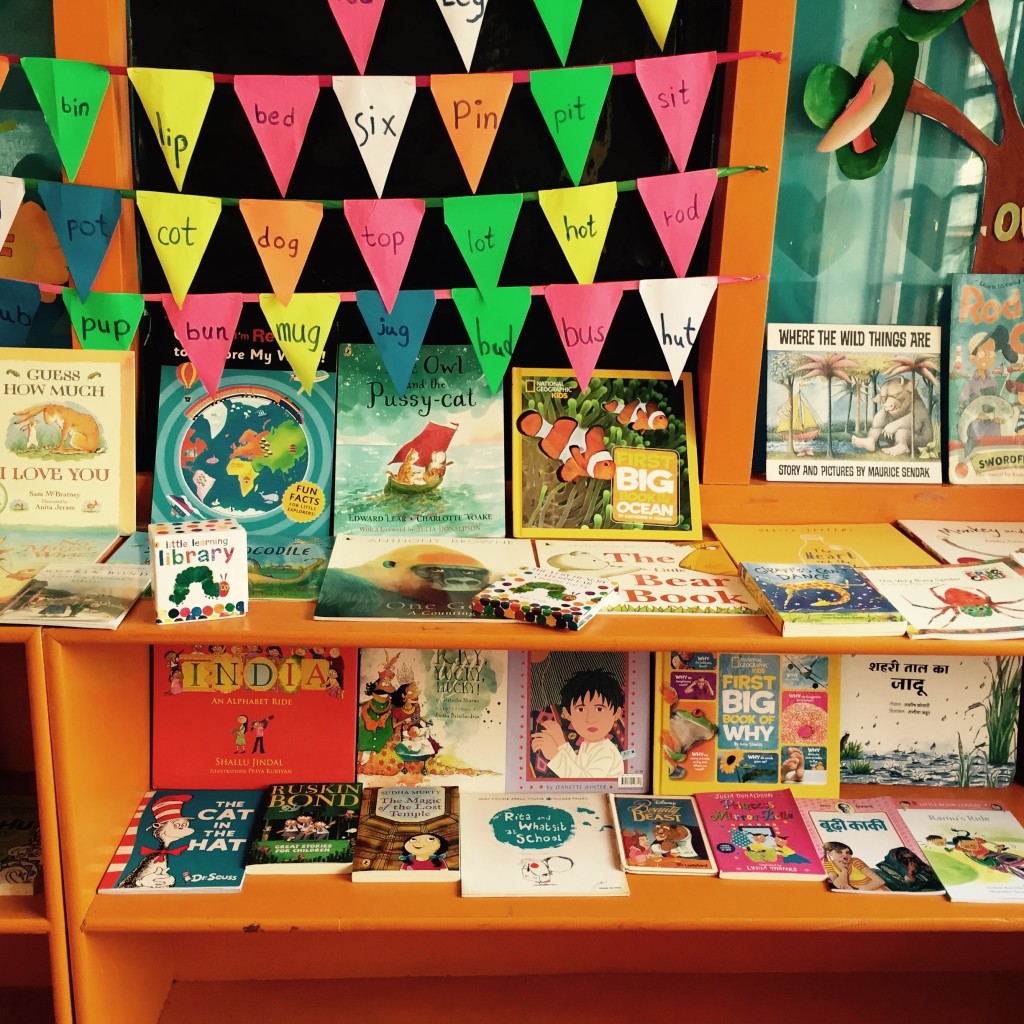
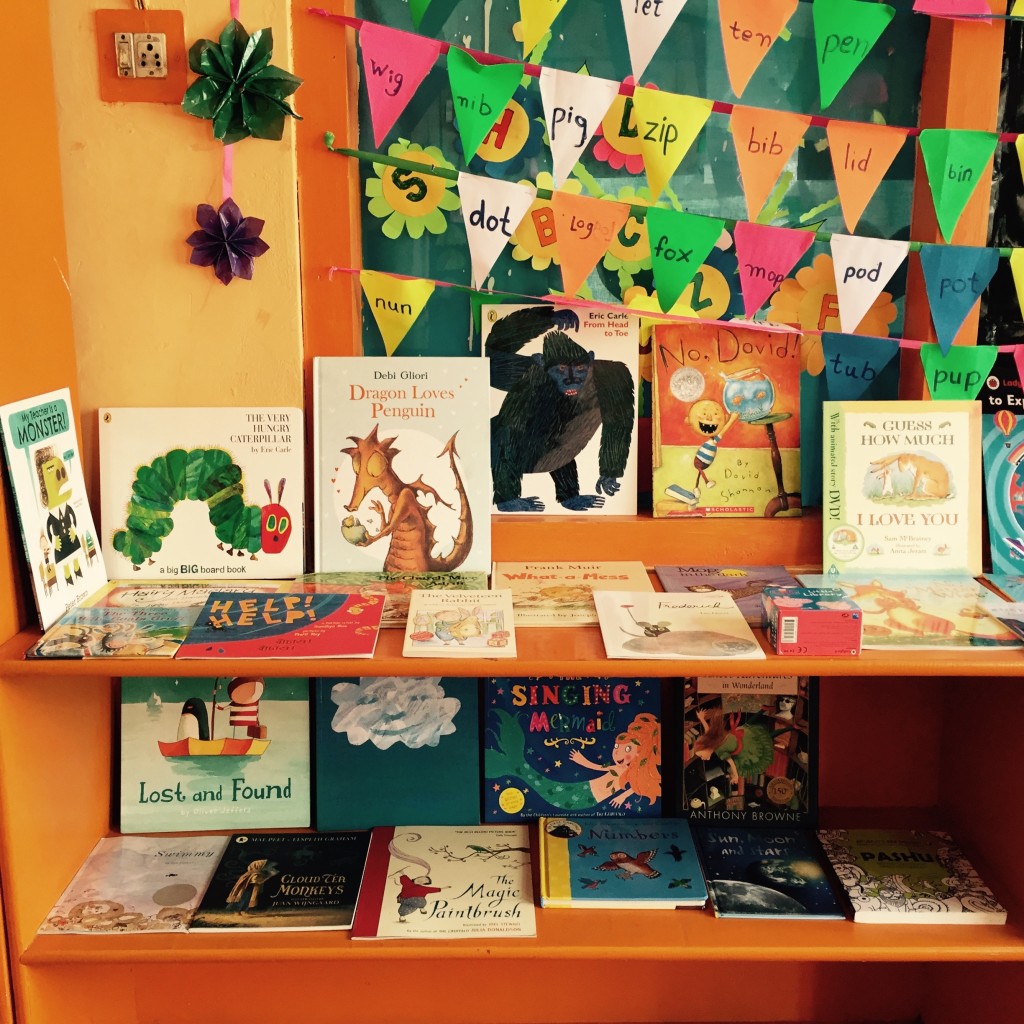
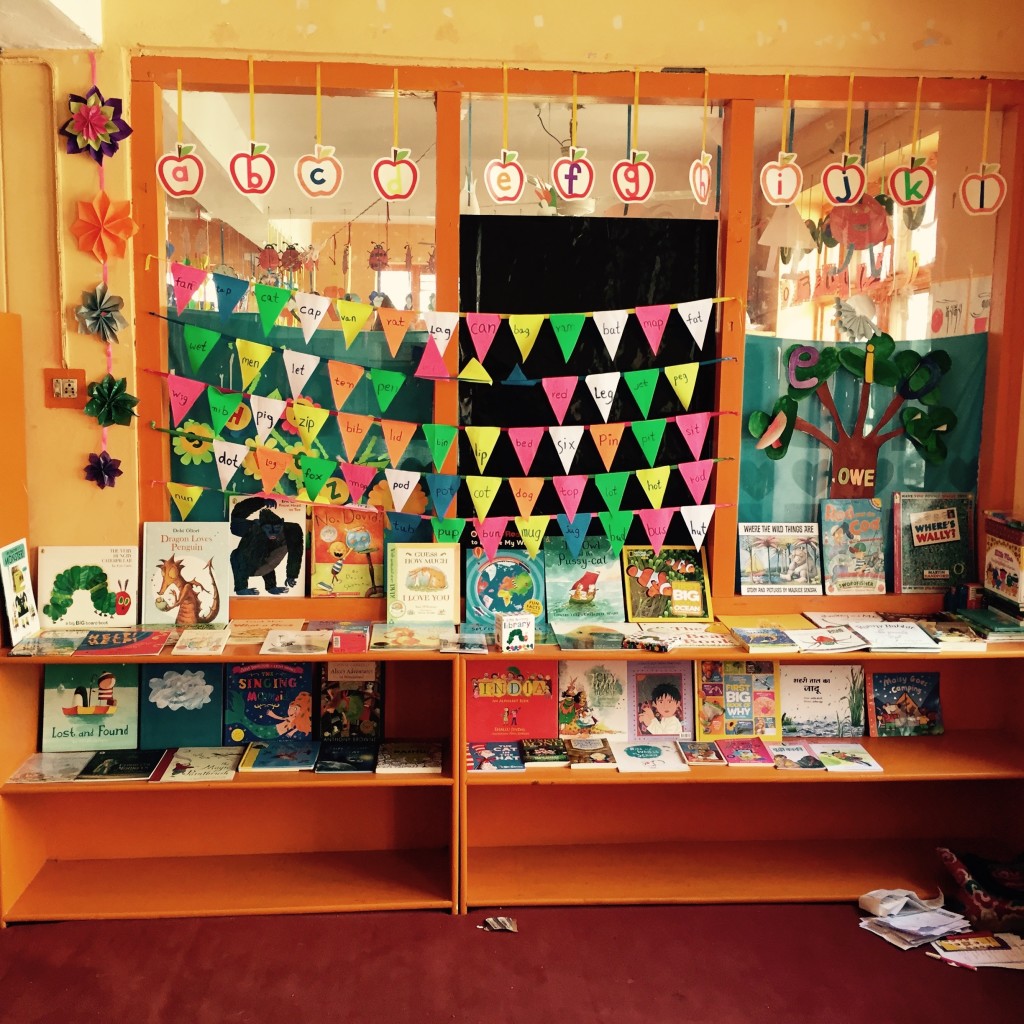
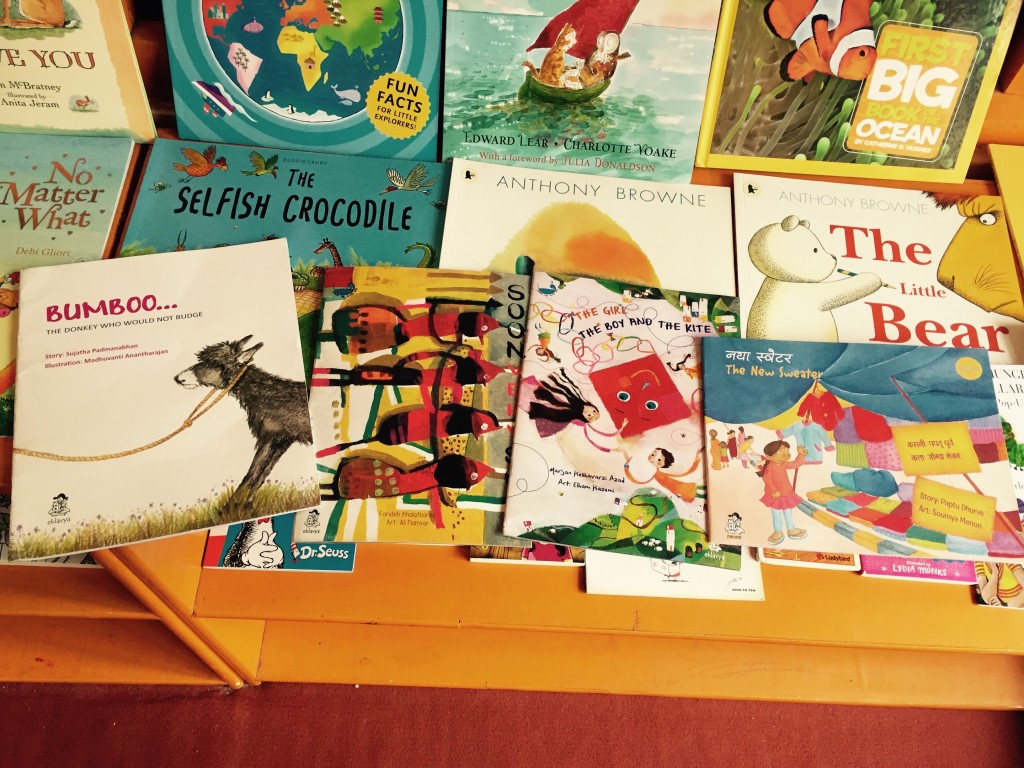
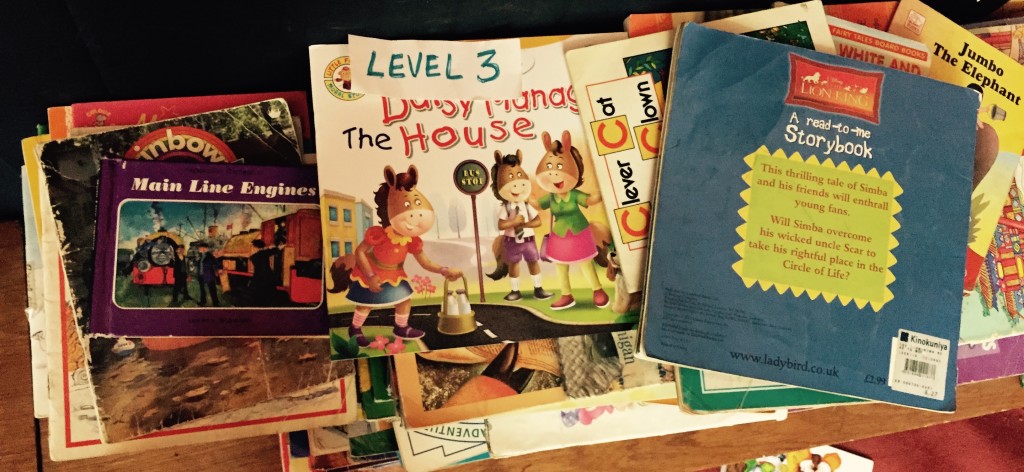
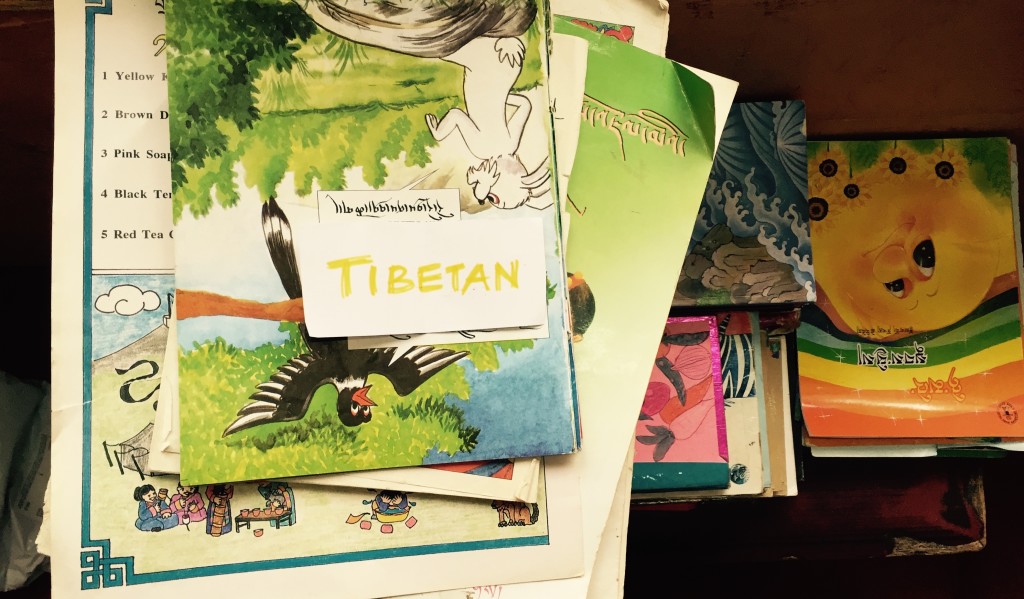
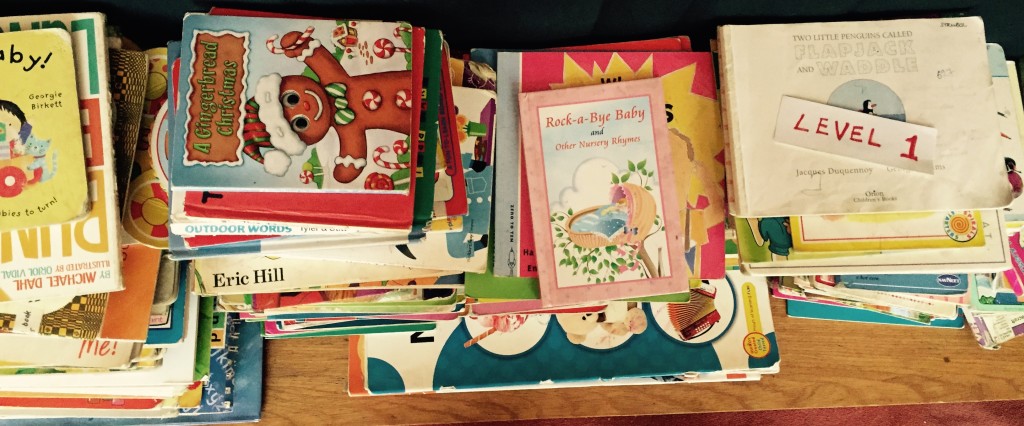
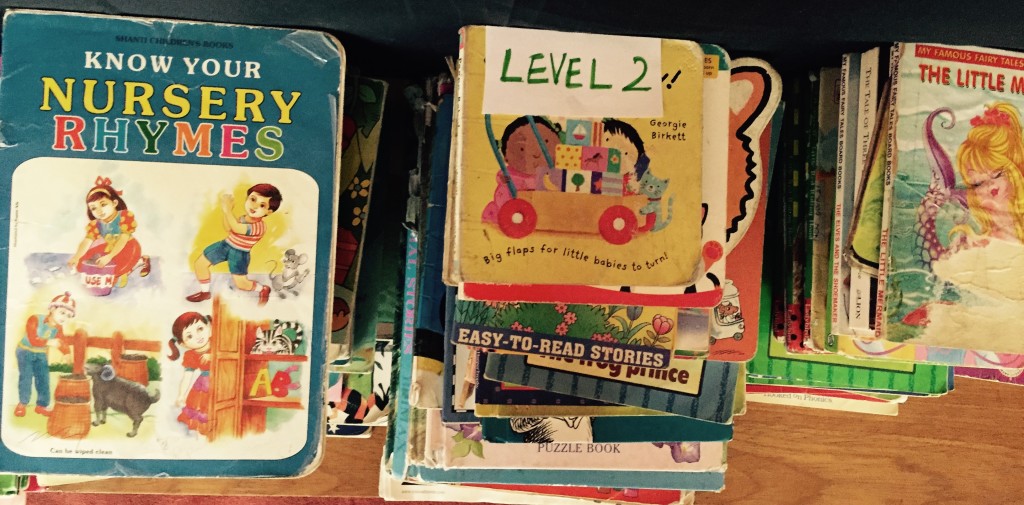
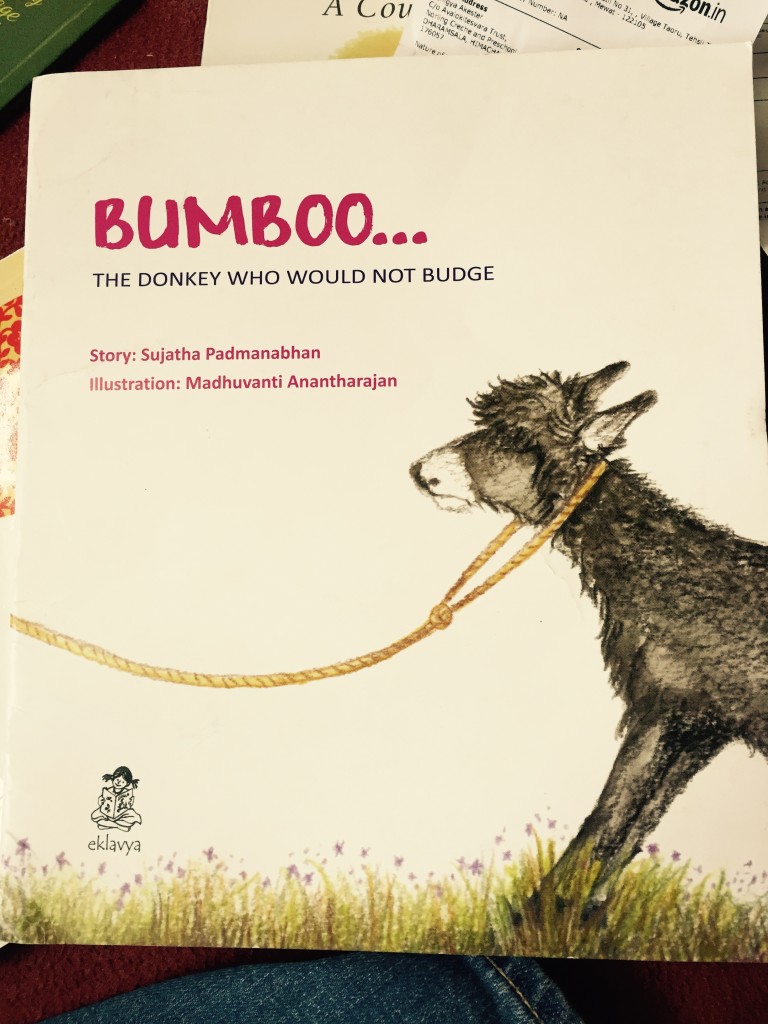
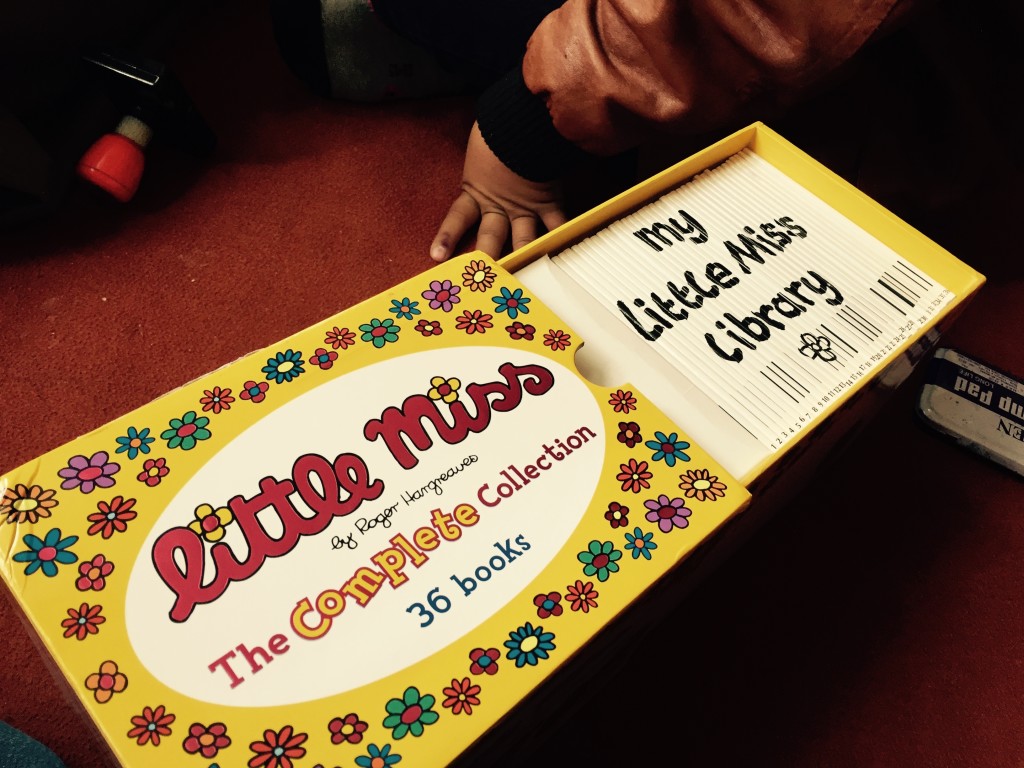
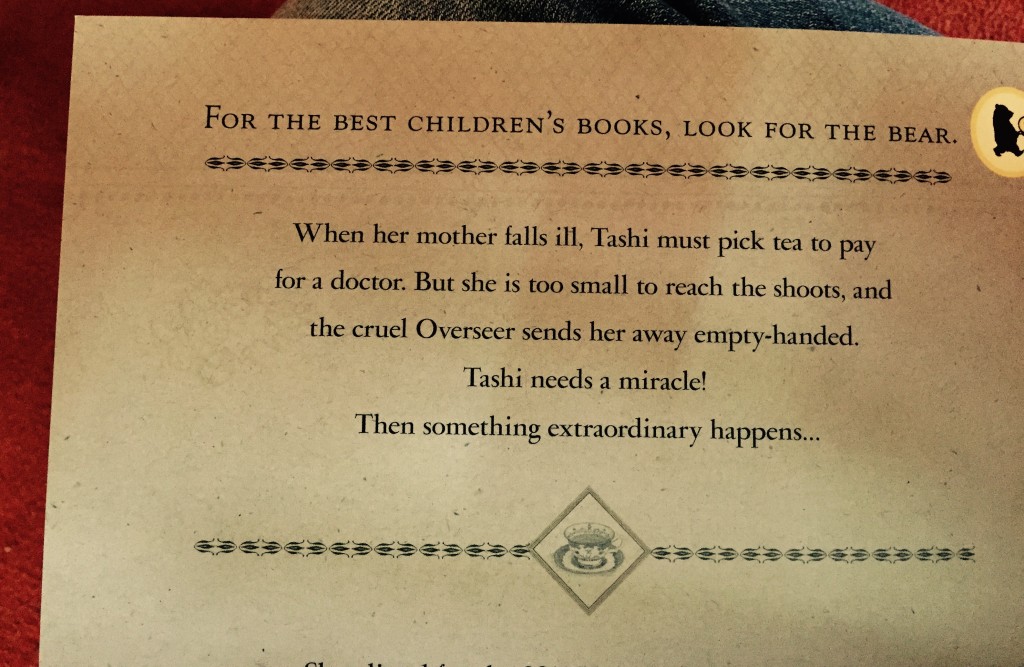
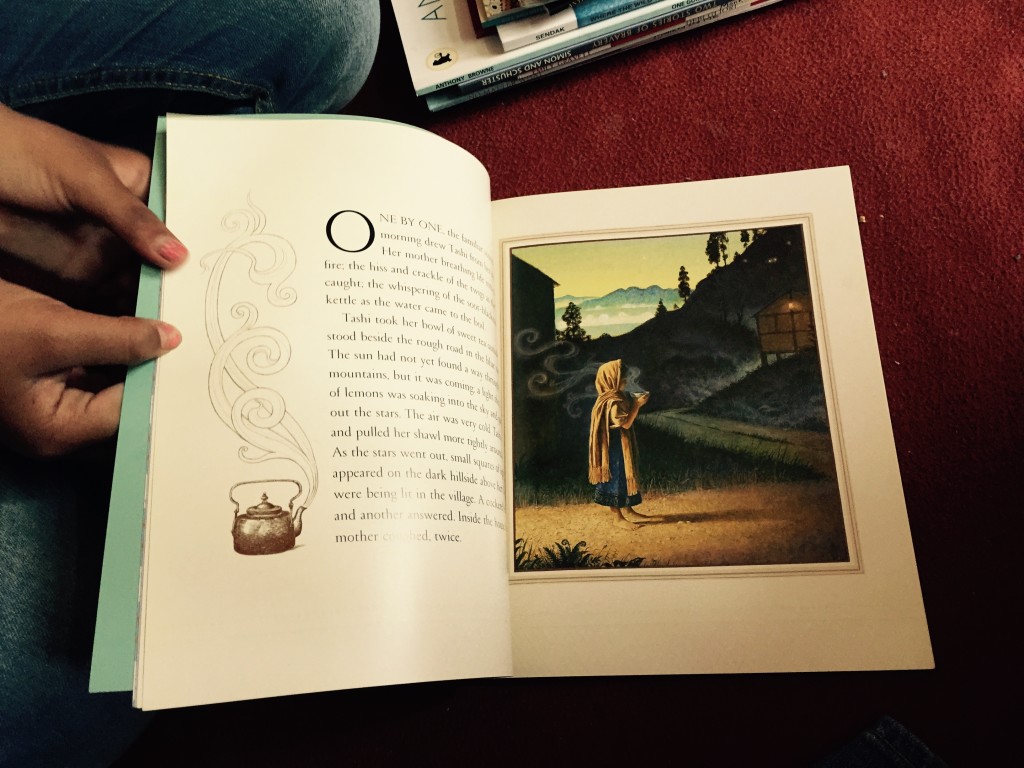
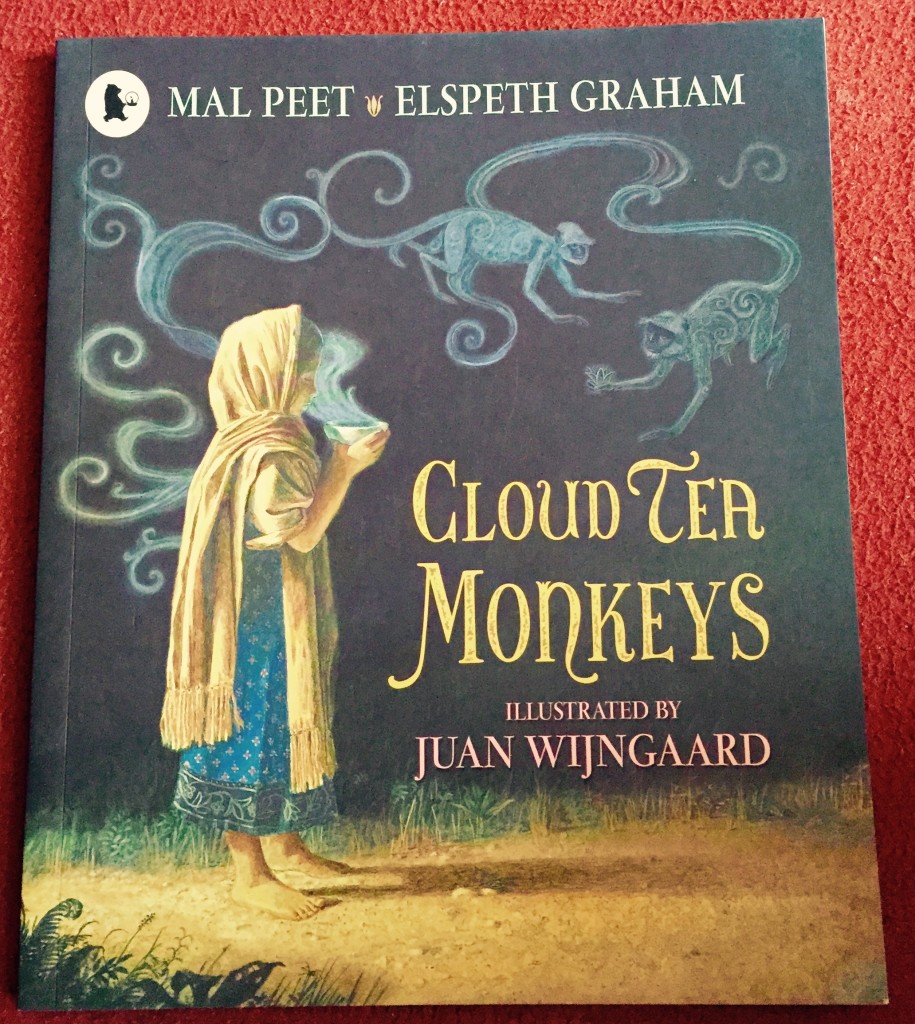
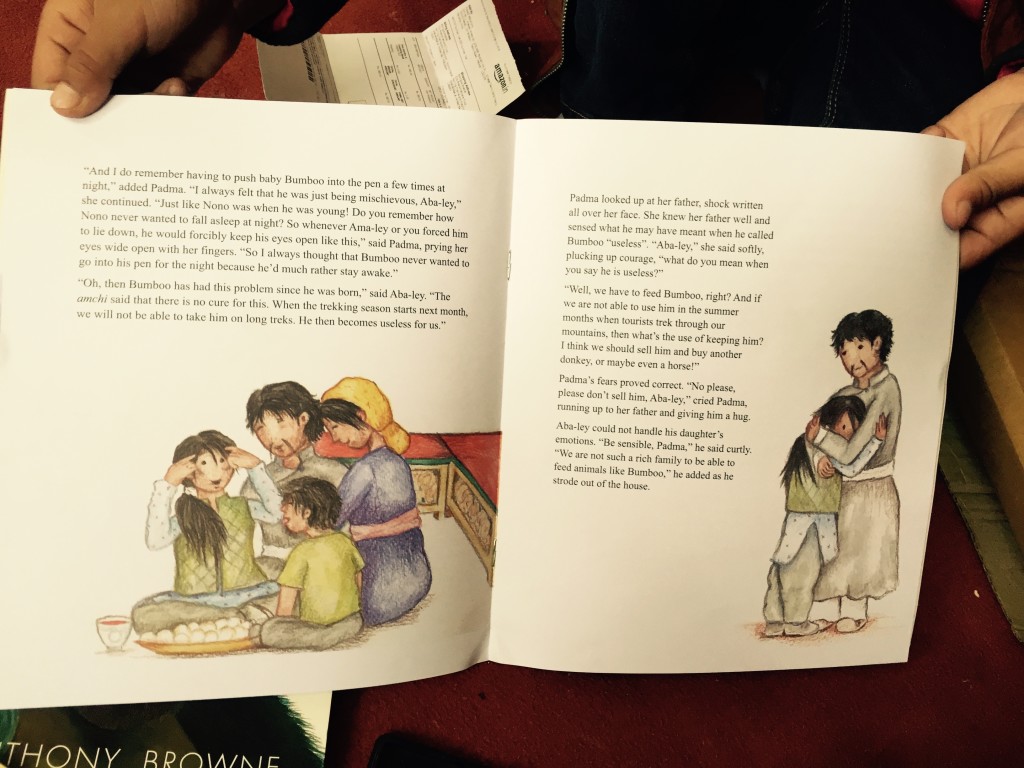
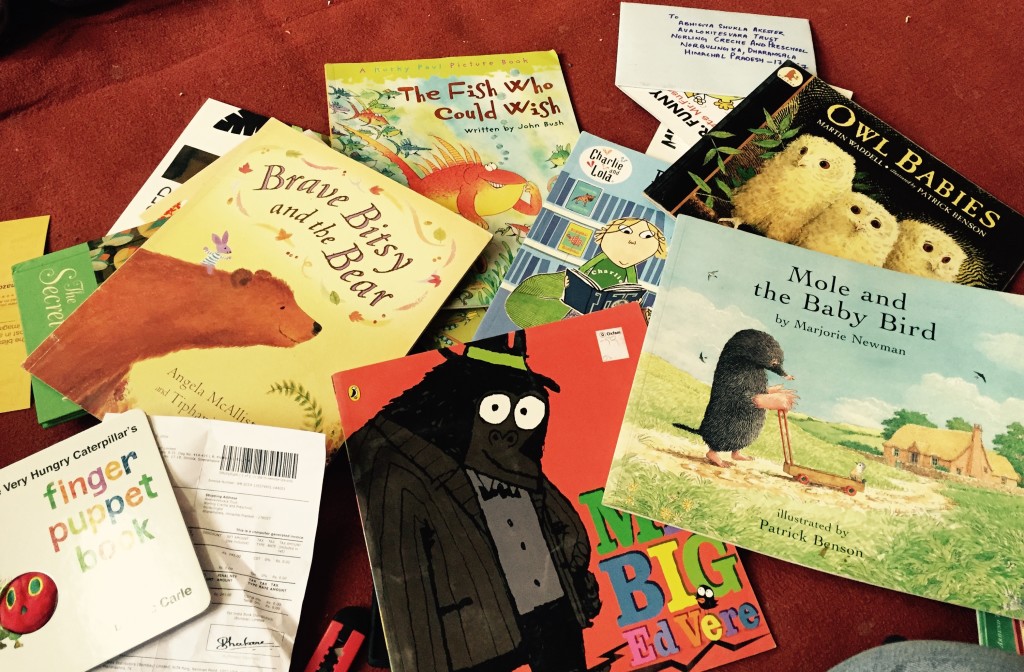
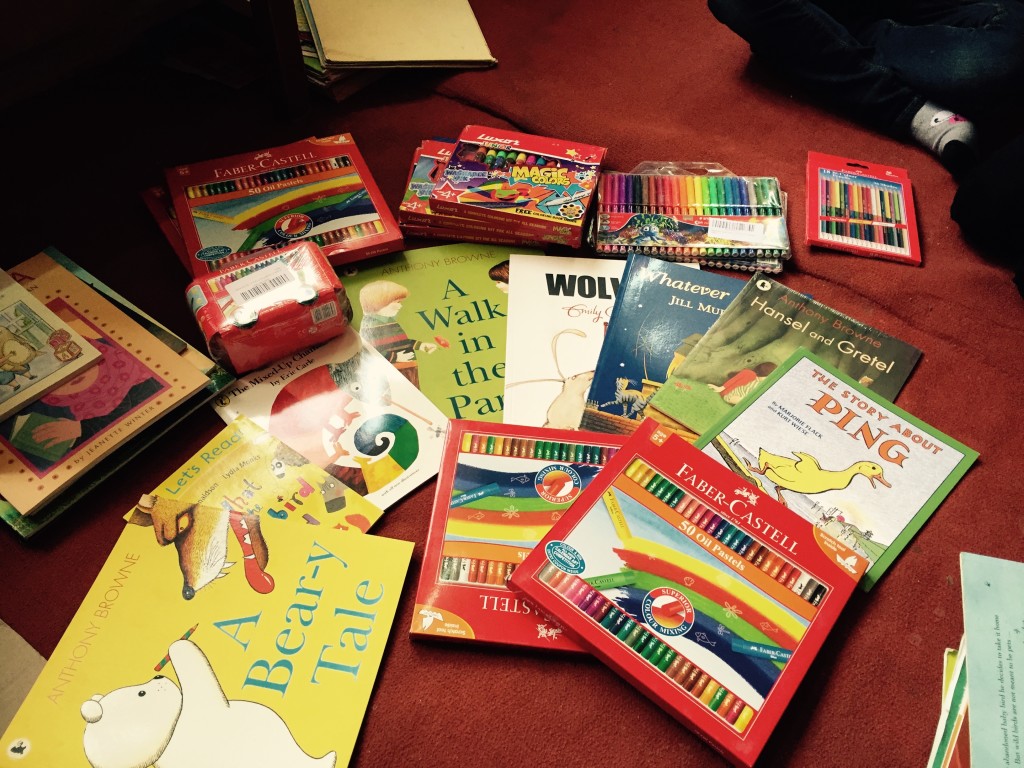
The success of a remote book drive depends on thoughtful preparation. Books must be suitable for different ages, useful in local learning environments, and strong enough to withstand frequent handling. Picture books, early readers, folk tales, bilingual materials, reference books, and creative activity guides all have a place in a community collection.
The selection process also considers the interests of the children who will use the books. A balanced collection includes stories with memorable characters, books about animals and nature, works that encourage drawing and music, and accessible texts that help develop English or other school languages. Local culture and Himalayan traditions deserve space alongside global stories.
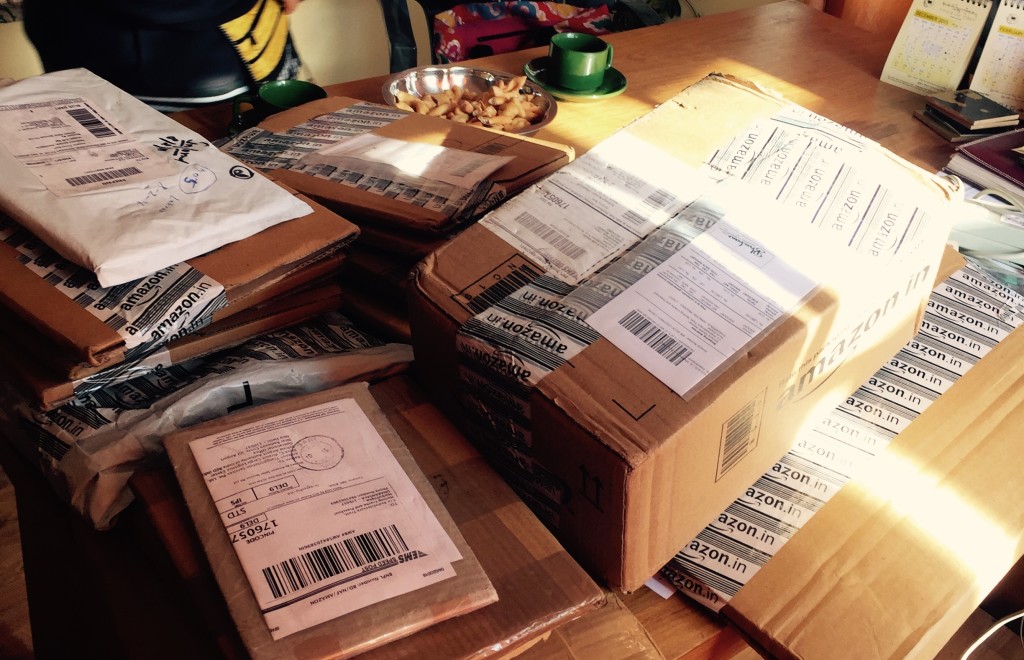
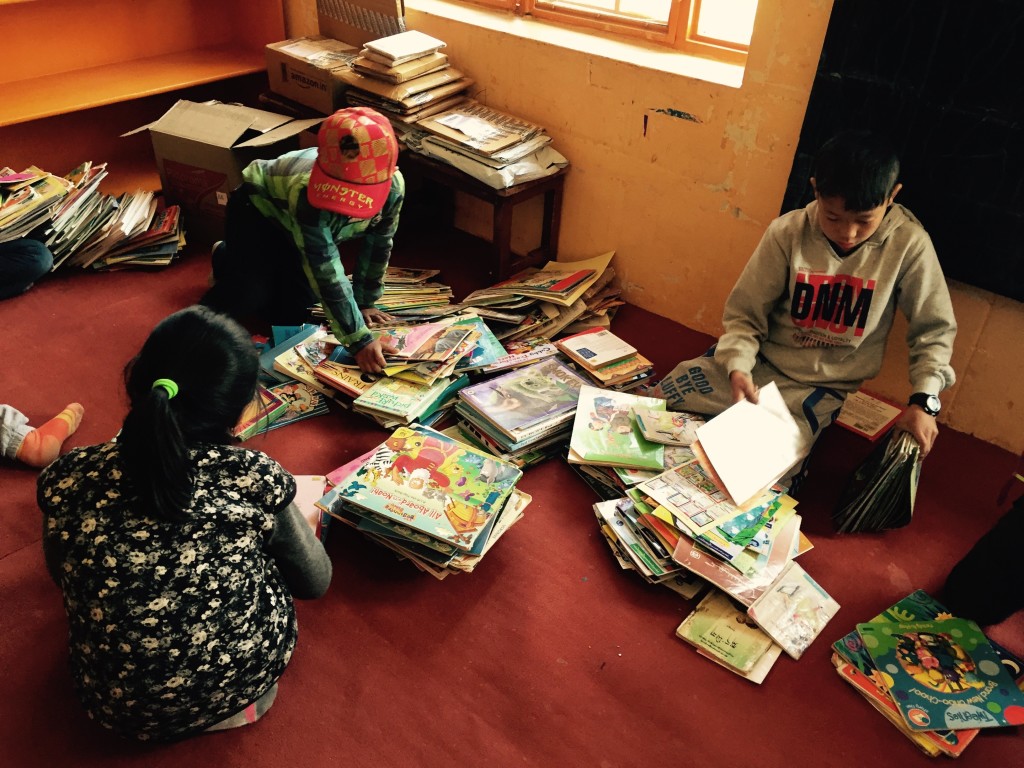
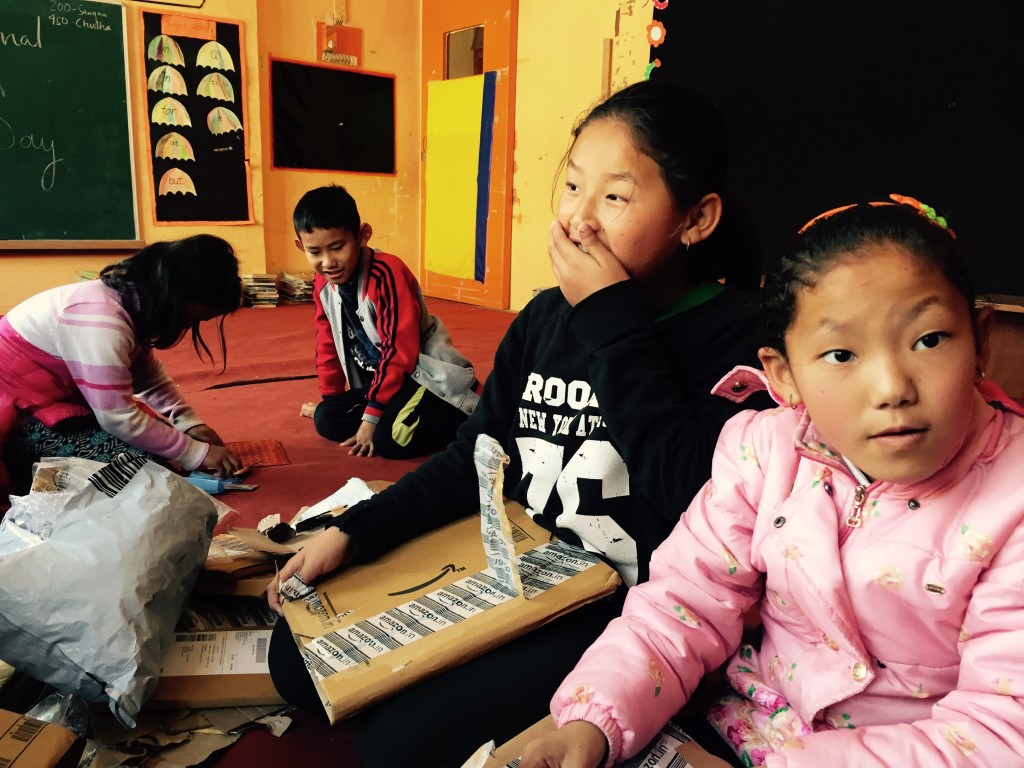
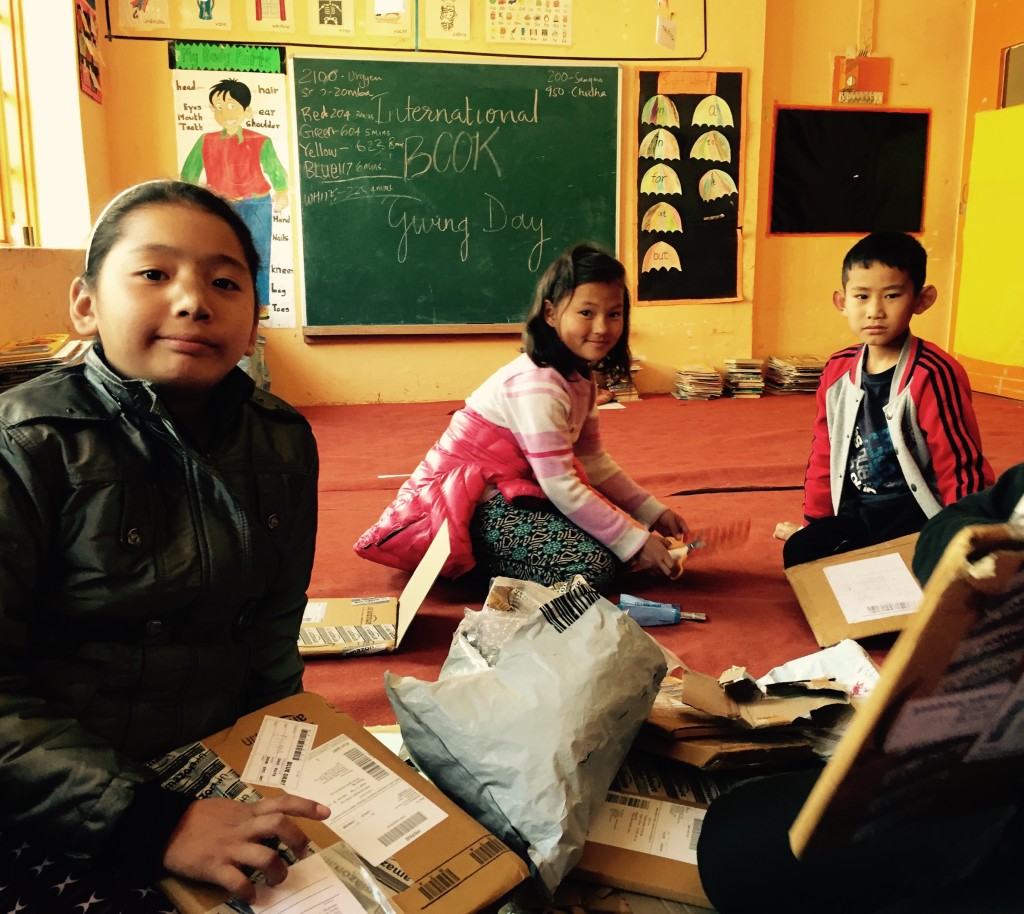
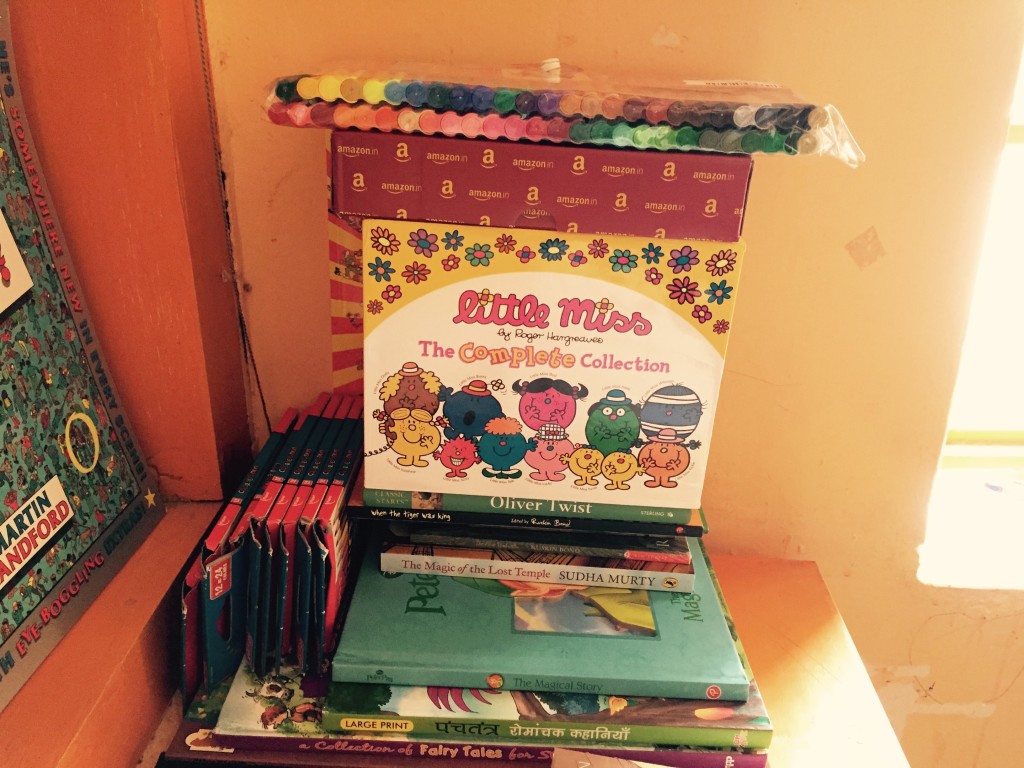
Transport is another important part of the work. Reaching Changthang requires coordination, careful packing, and attention to changing conditions on mountain roads. Each box represents time contributed by donors, volunteers, organizers, and drivers. Protecting the books during the journey ensures that the collection arrives ready to serve its purpose.
From Donated Books To Shared Learning
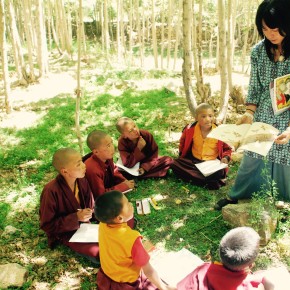
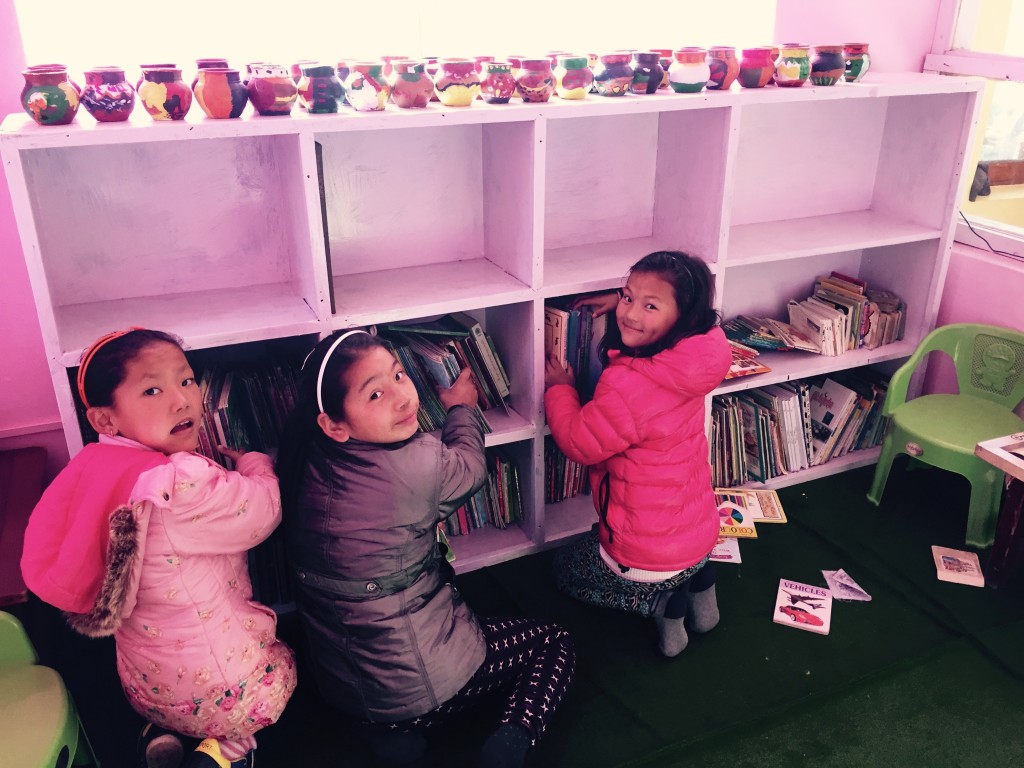
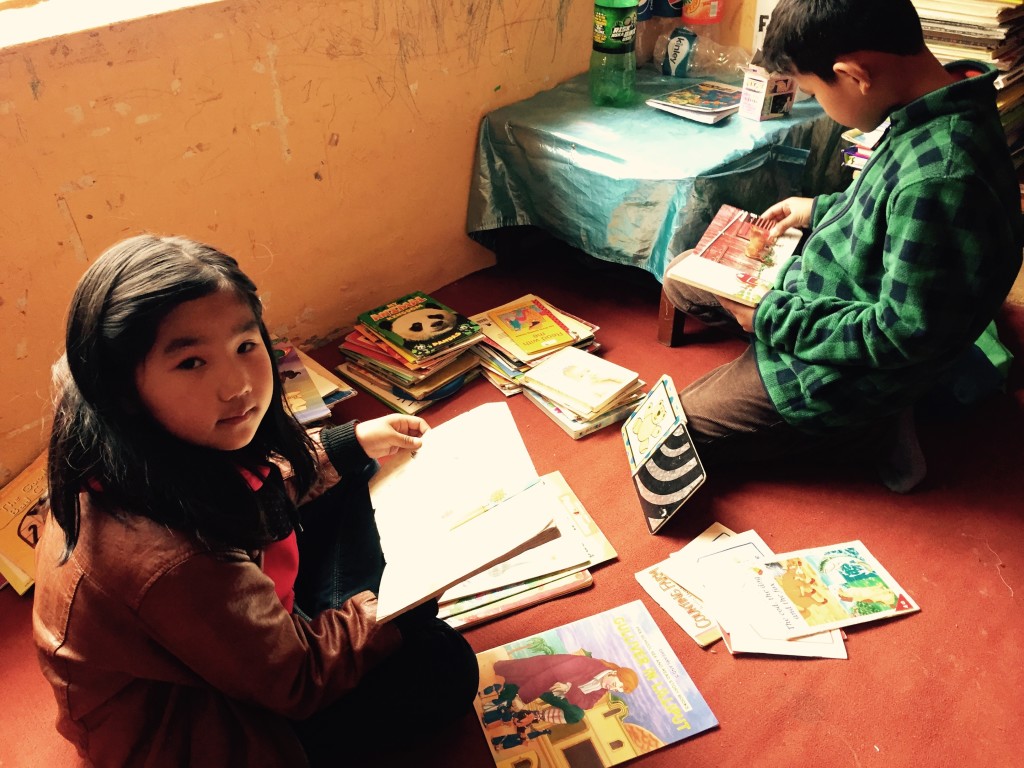
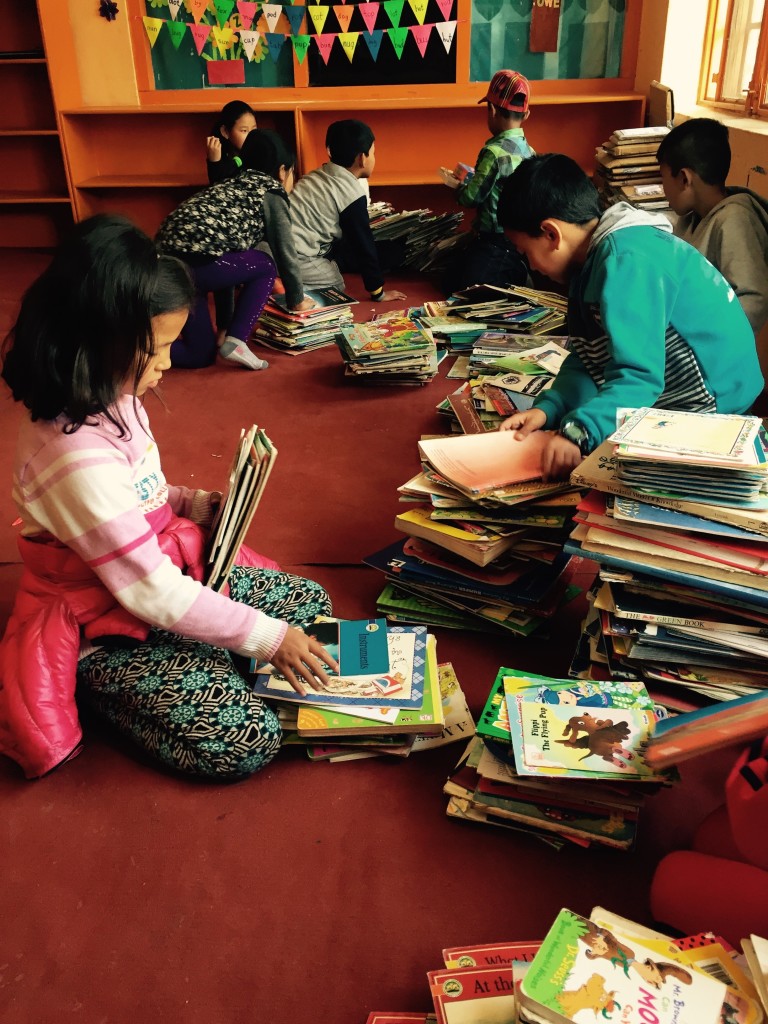
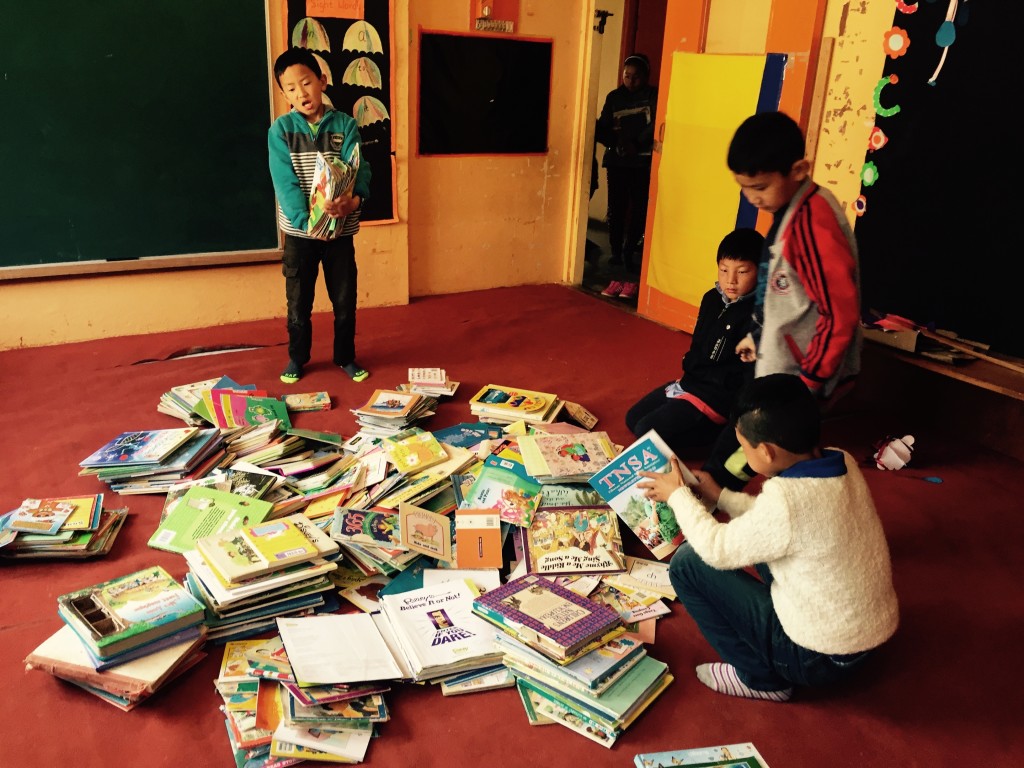
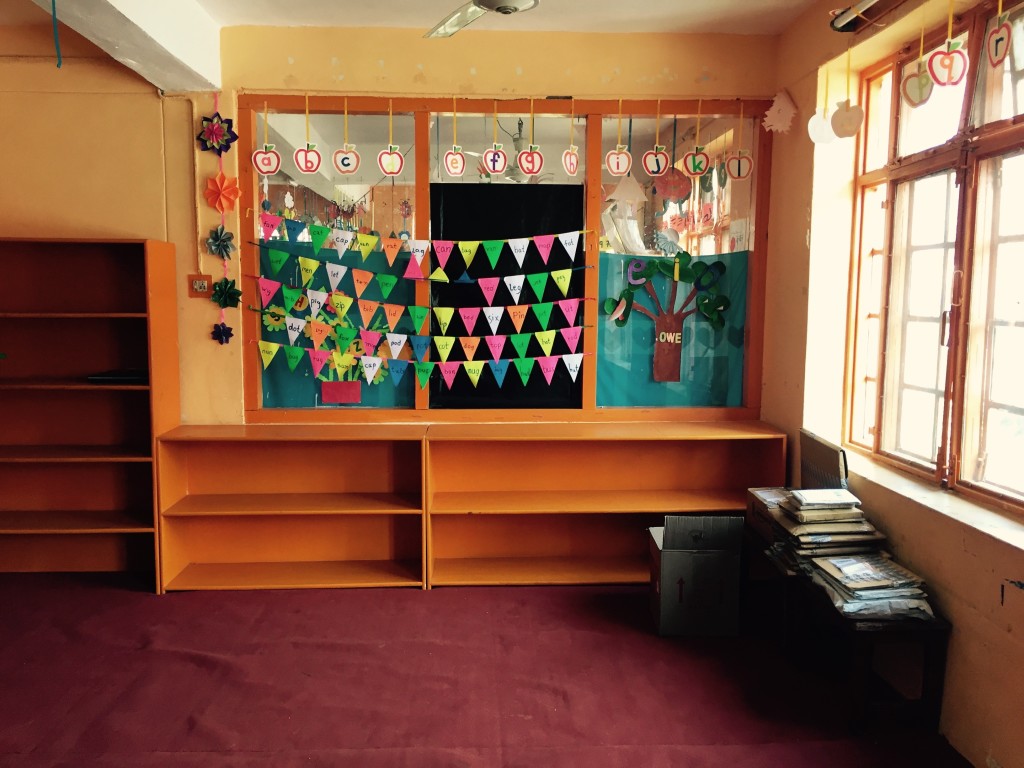
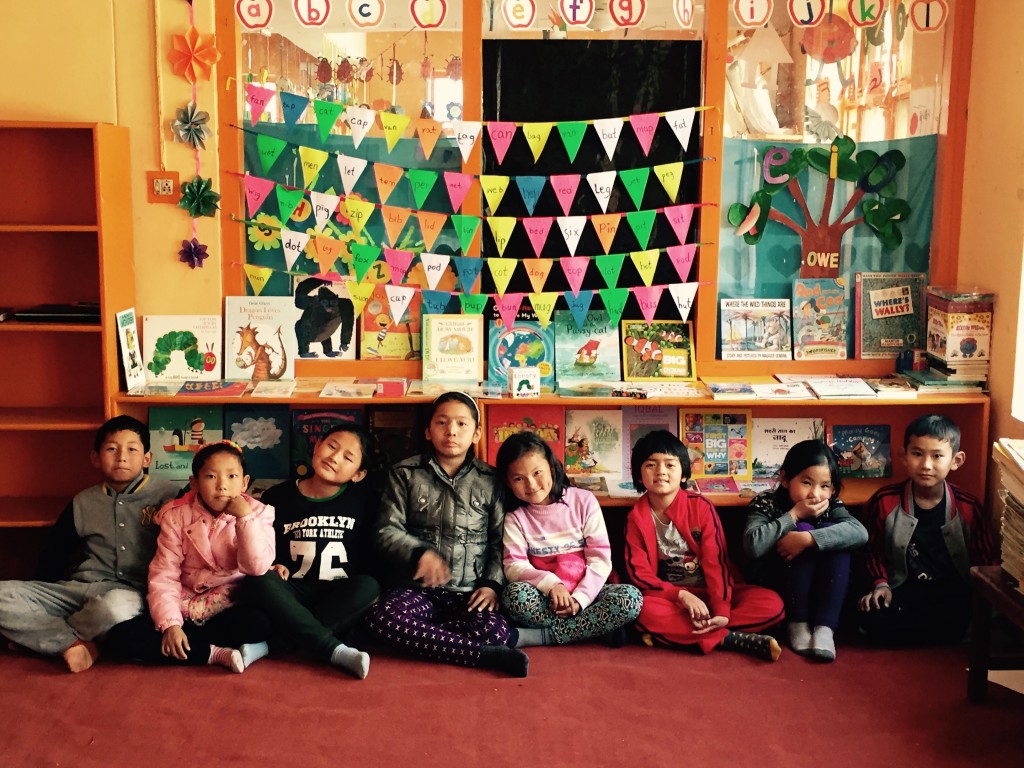
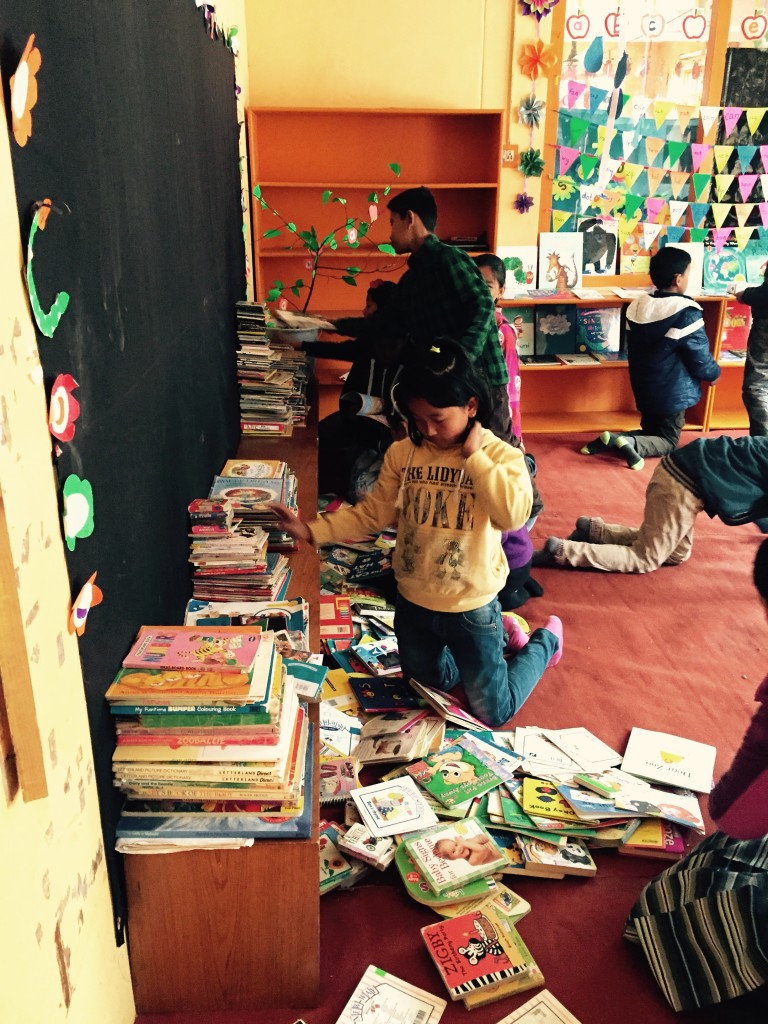
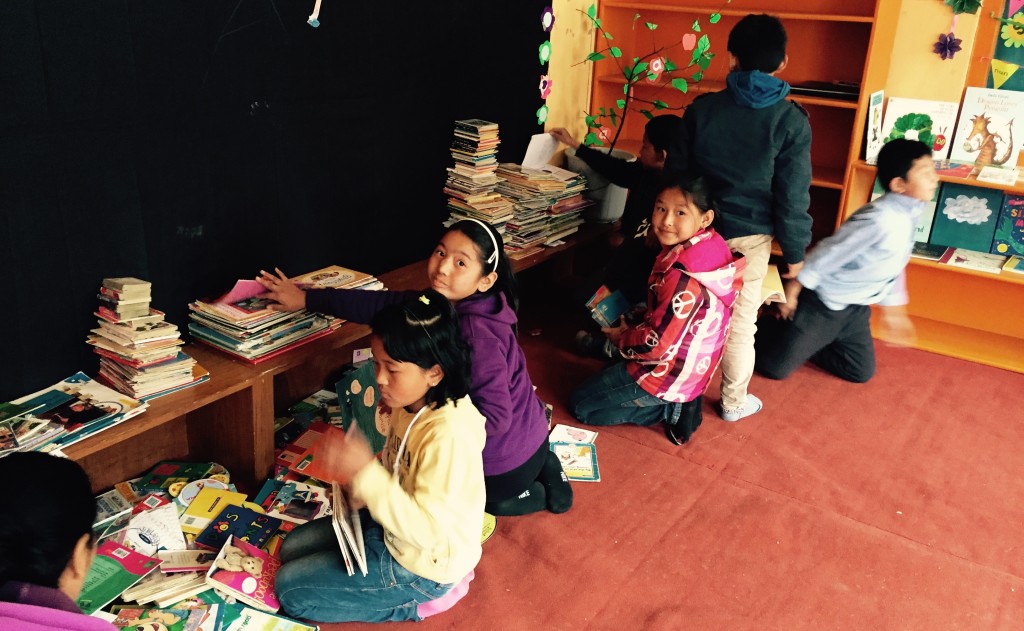
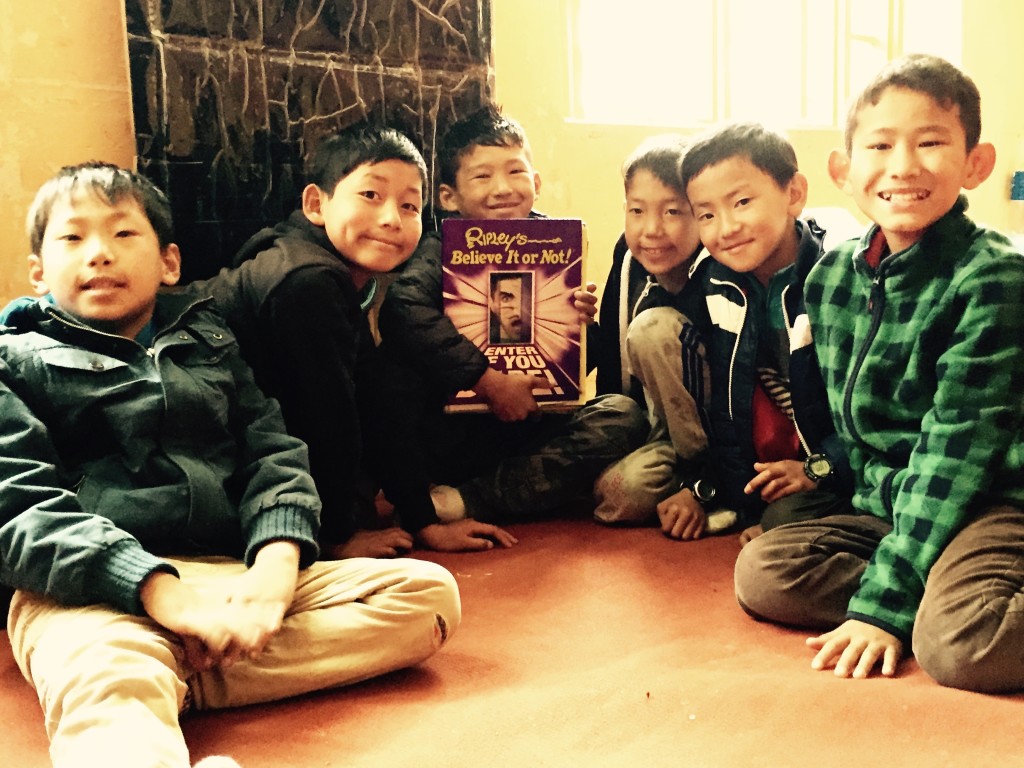
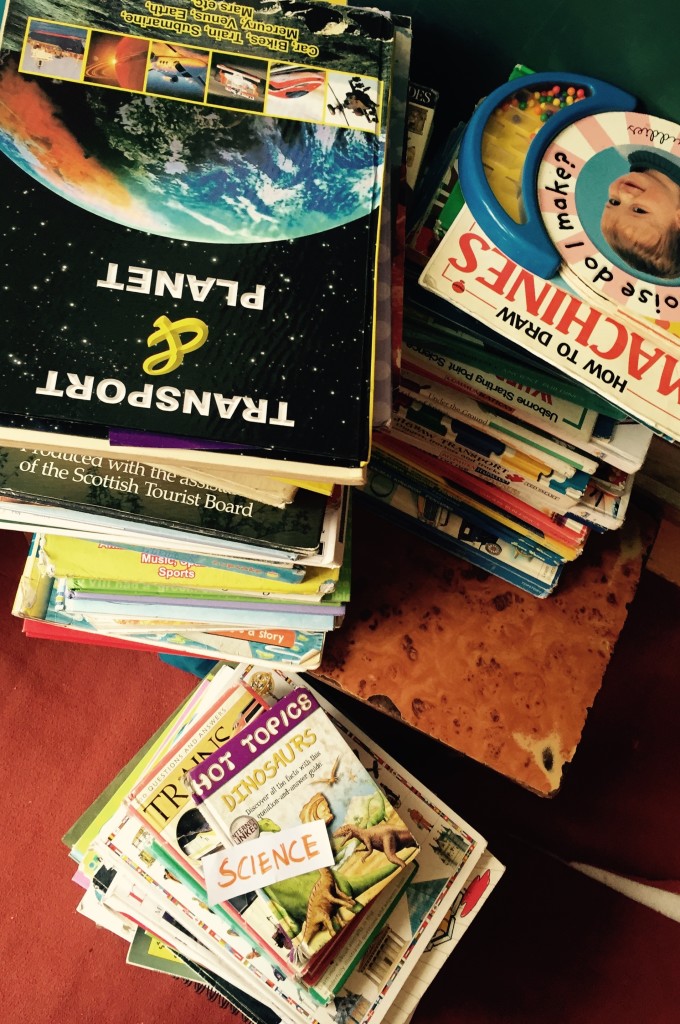
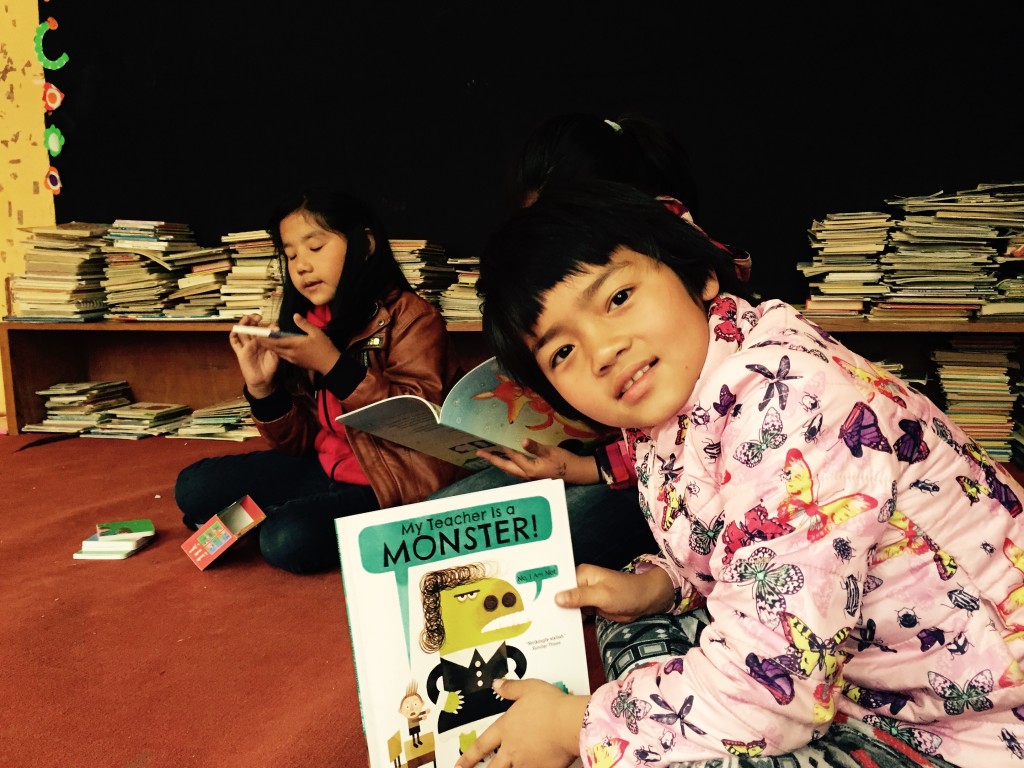
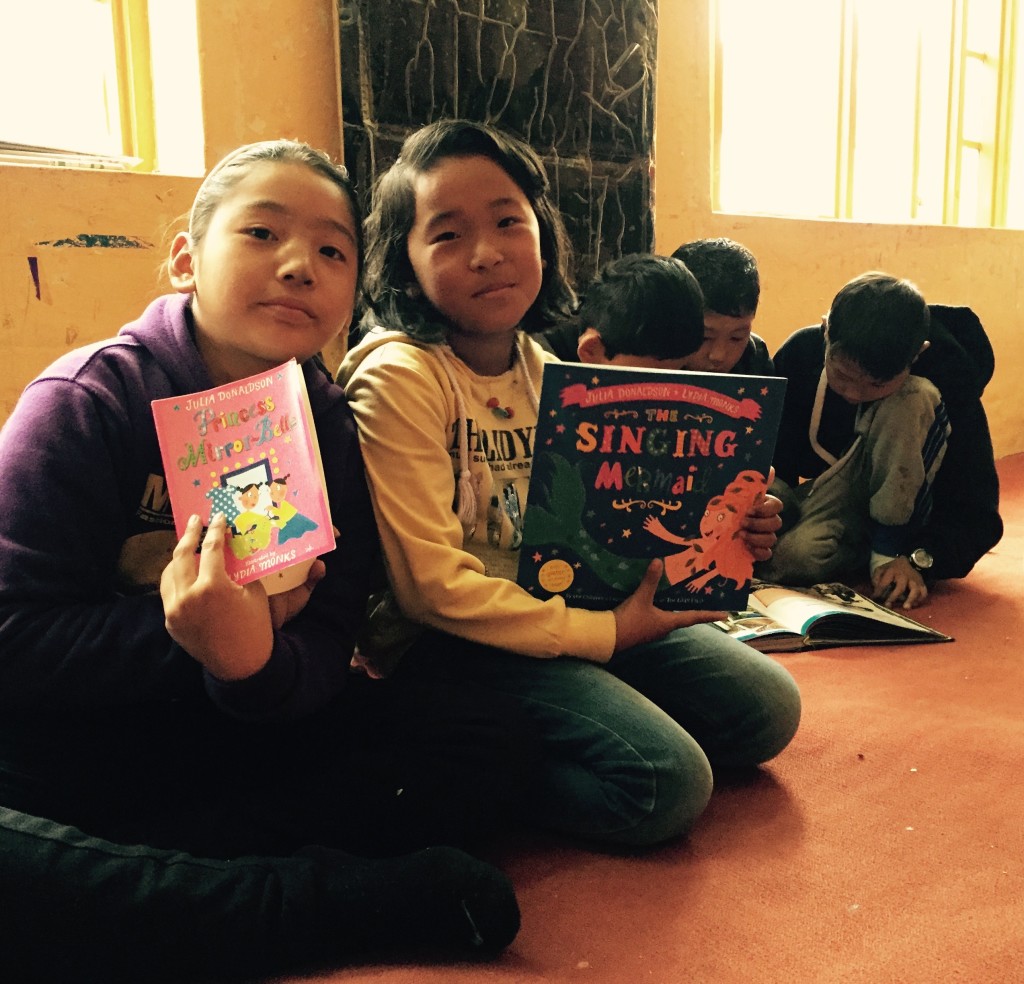
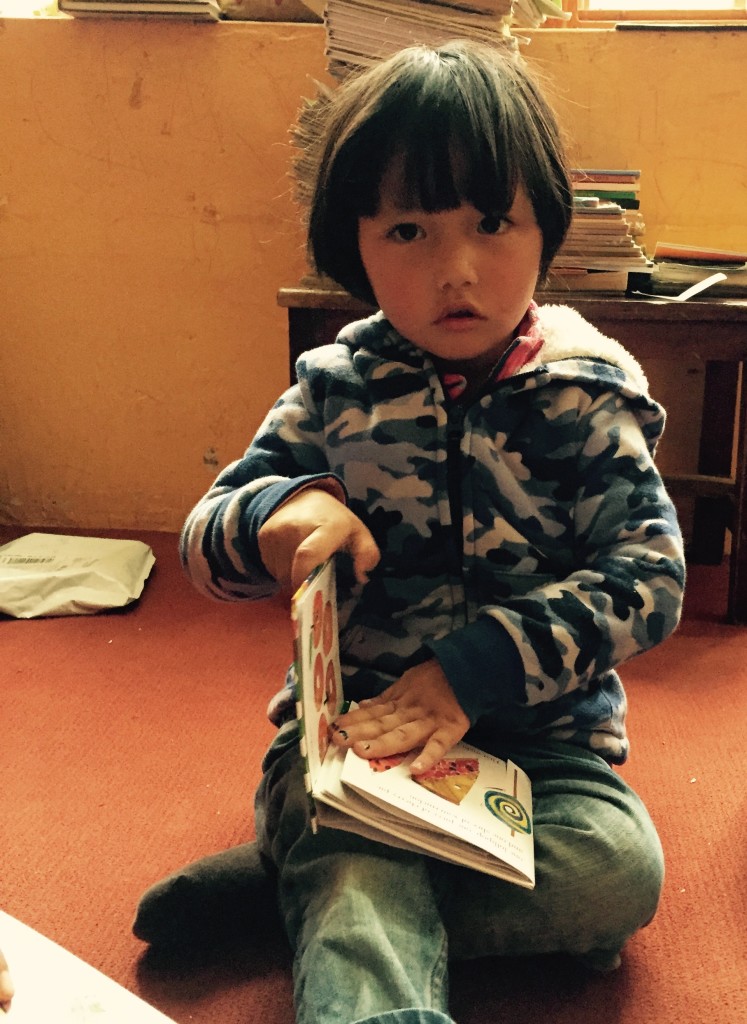
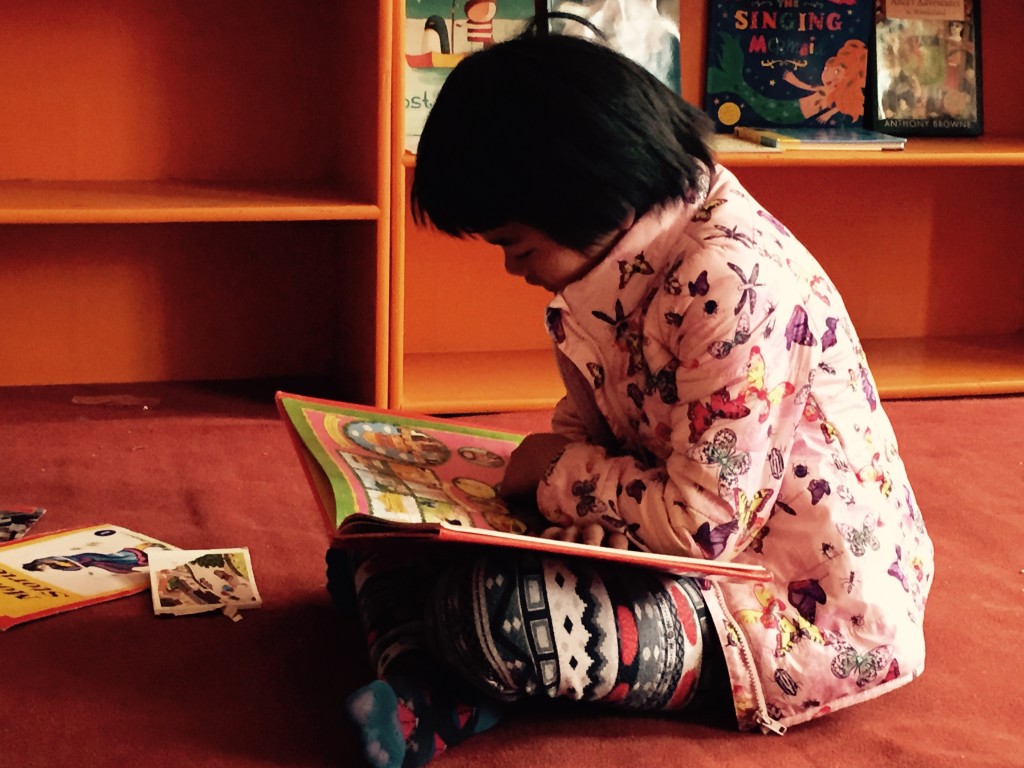
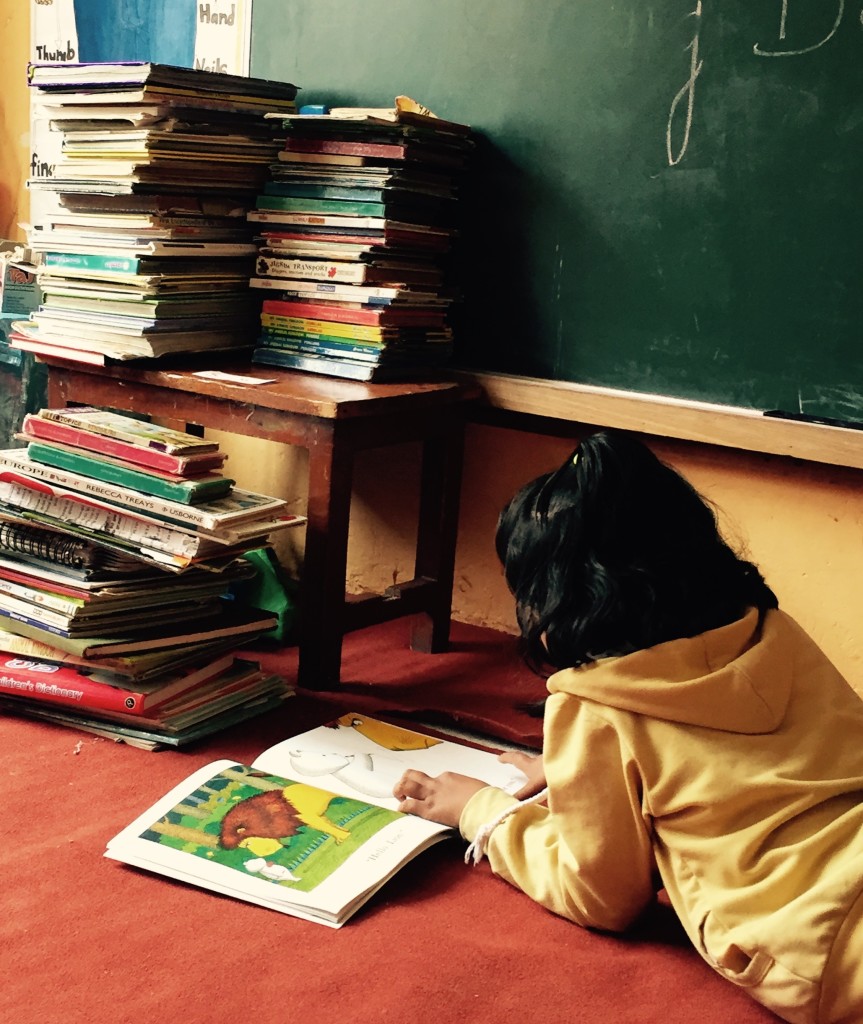
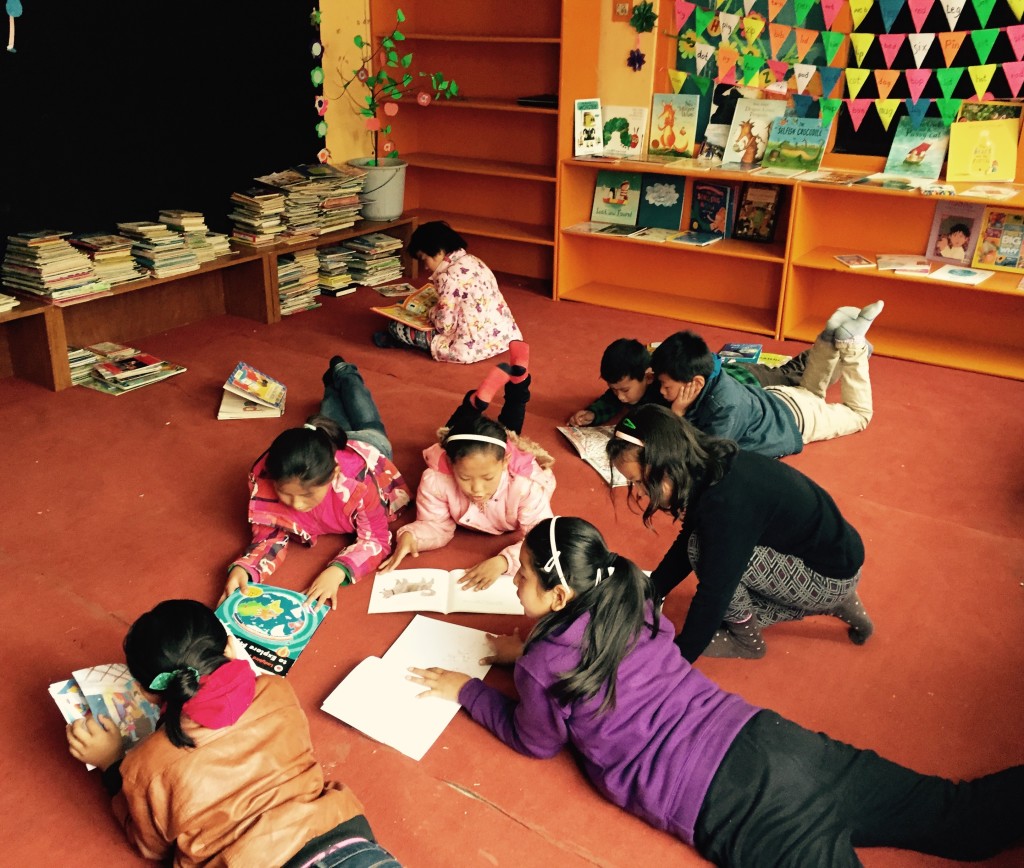
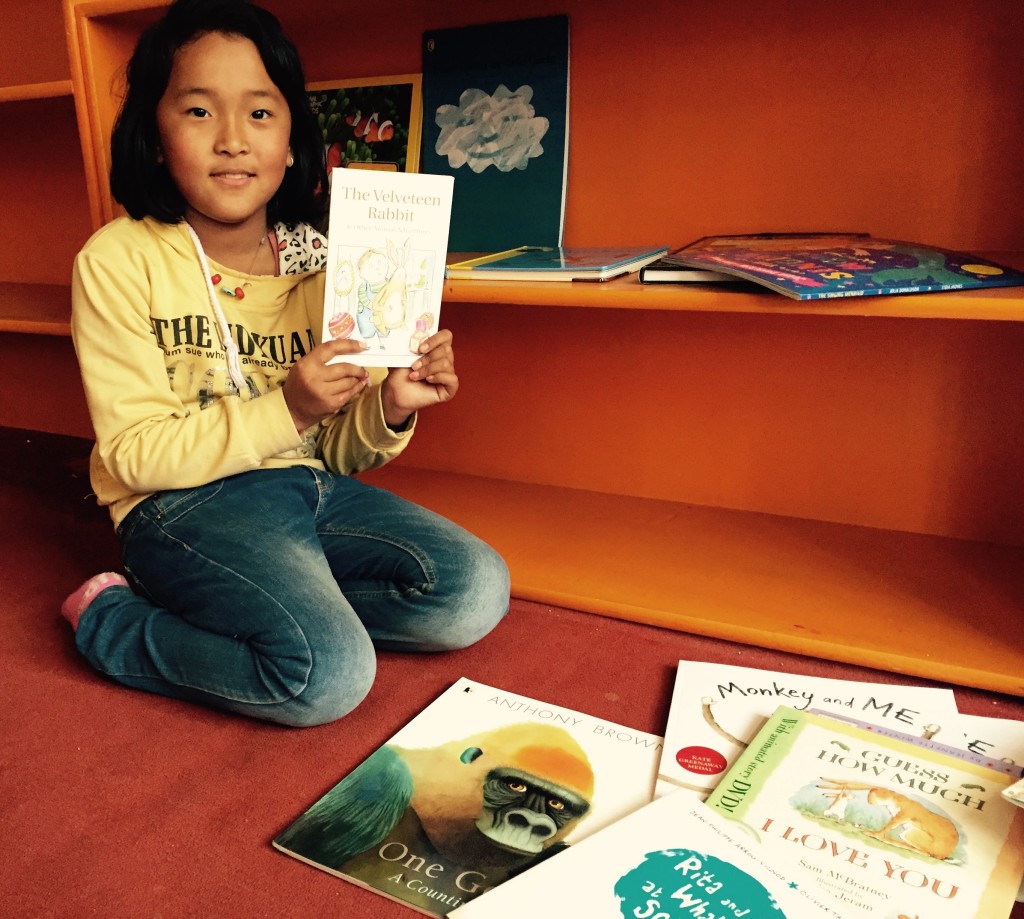
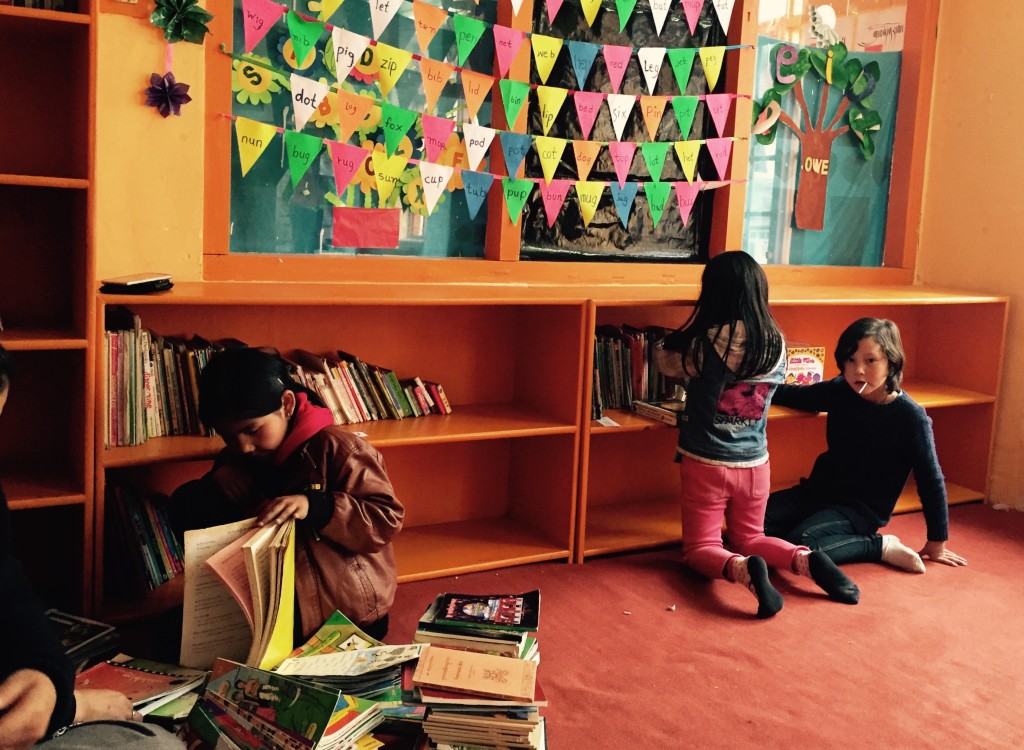
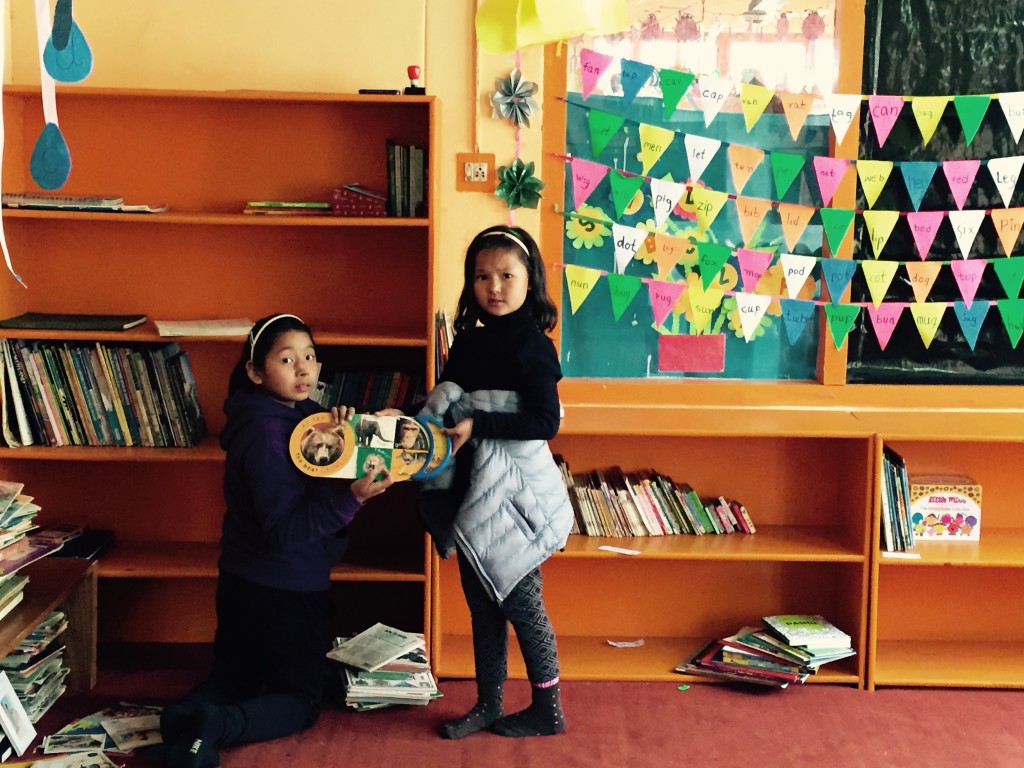
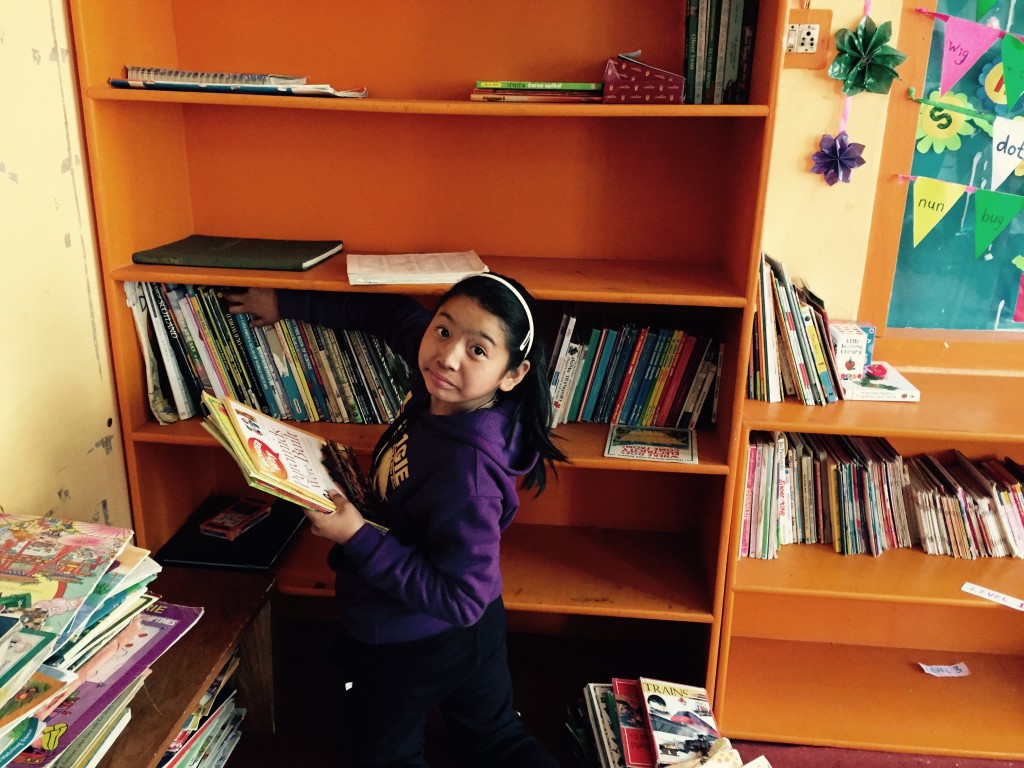
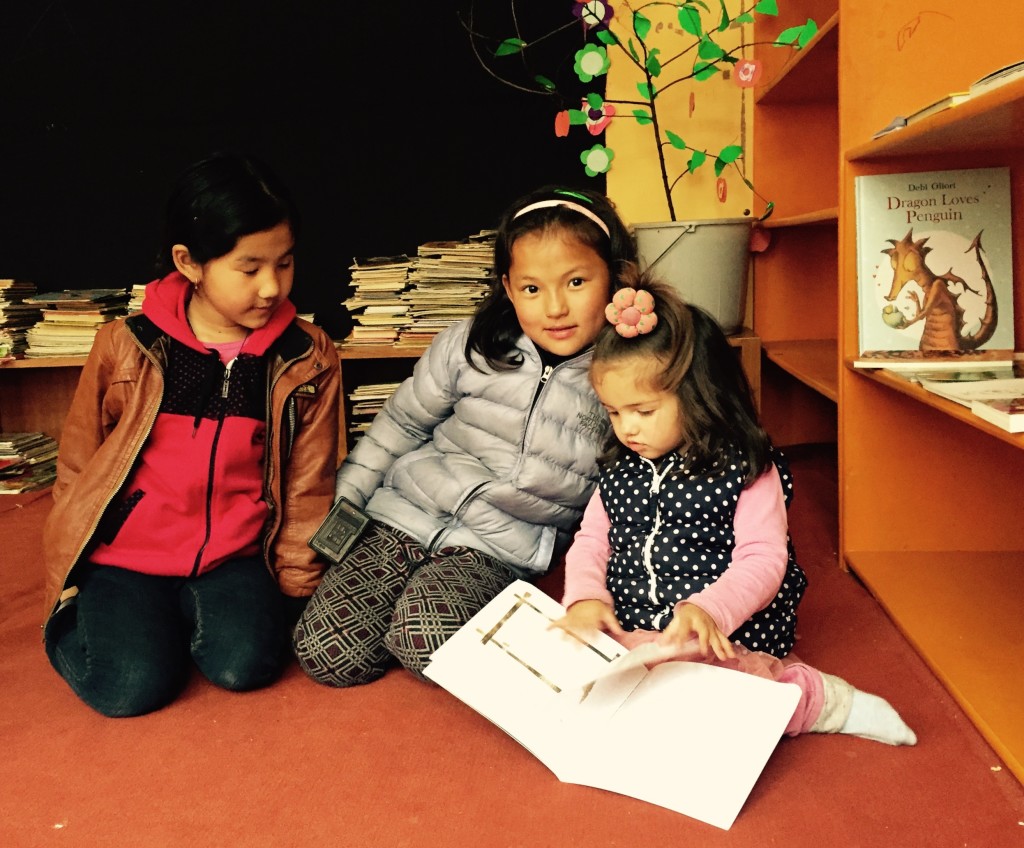
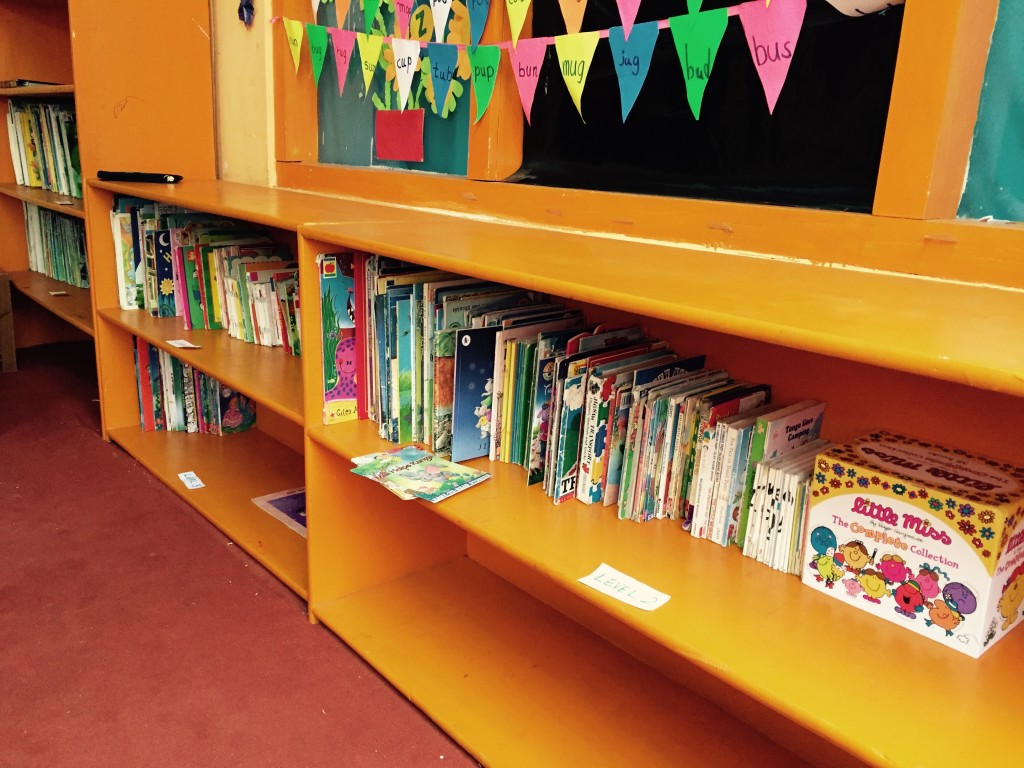
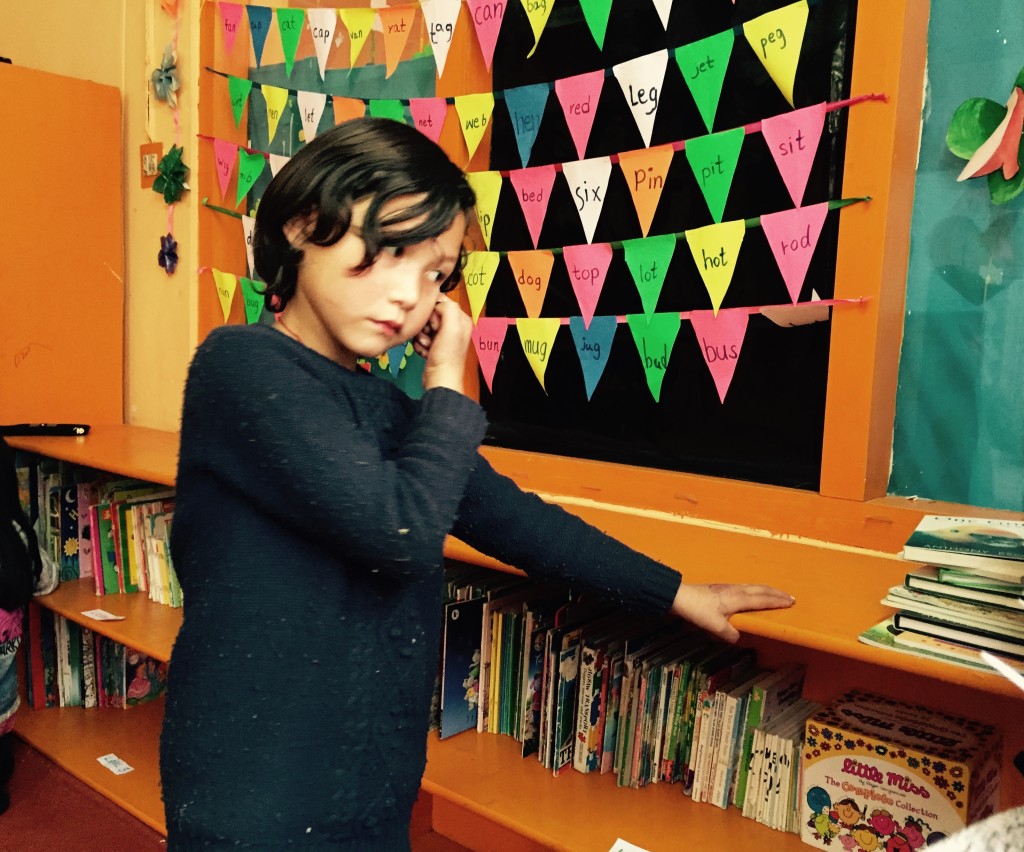
A book donation becomes more valuable when it is organized for easy use. Rather than placing books in storage, the drive supports a reading environment where children can browse, select titles, and return to favorite stories. Simple shelving, labels, floor seating, and regular reading time can transform a collection into an active community resource.
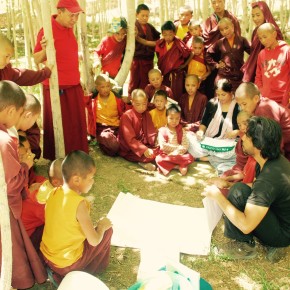
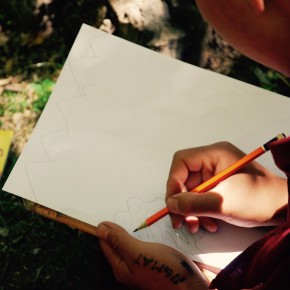
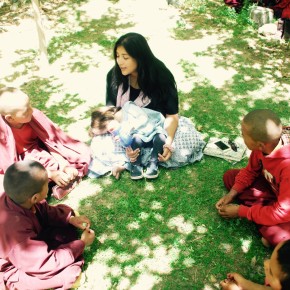
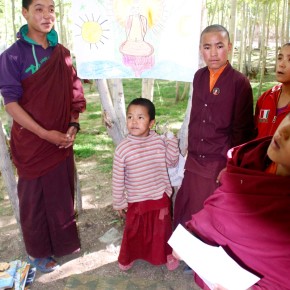
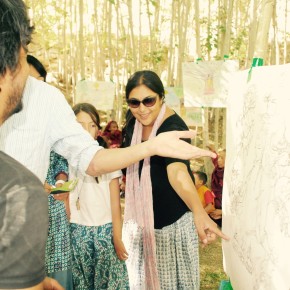
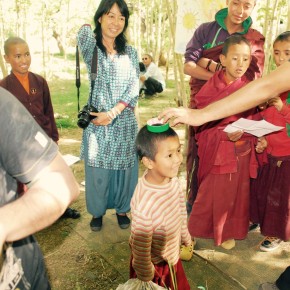
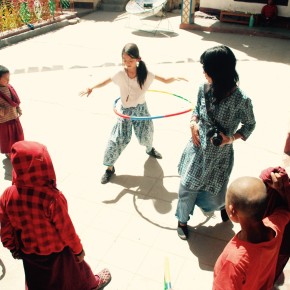
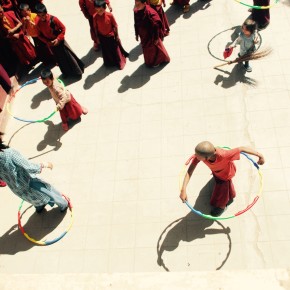
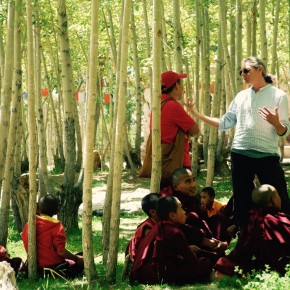
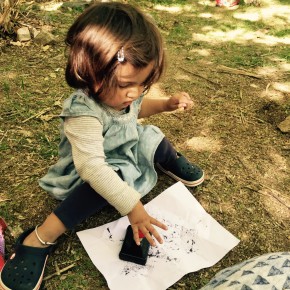
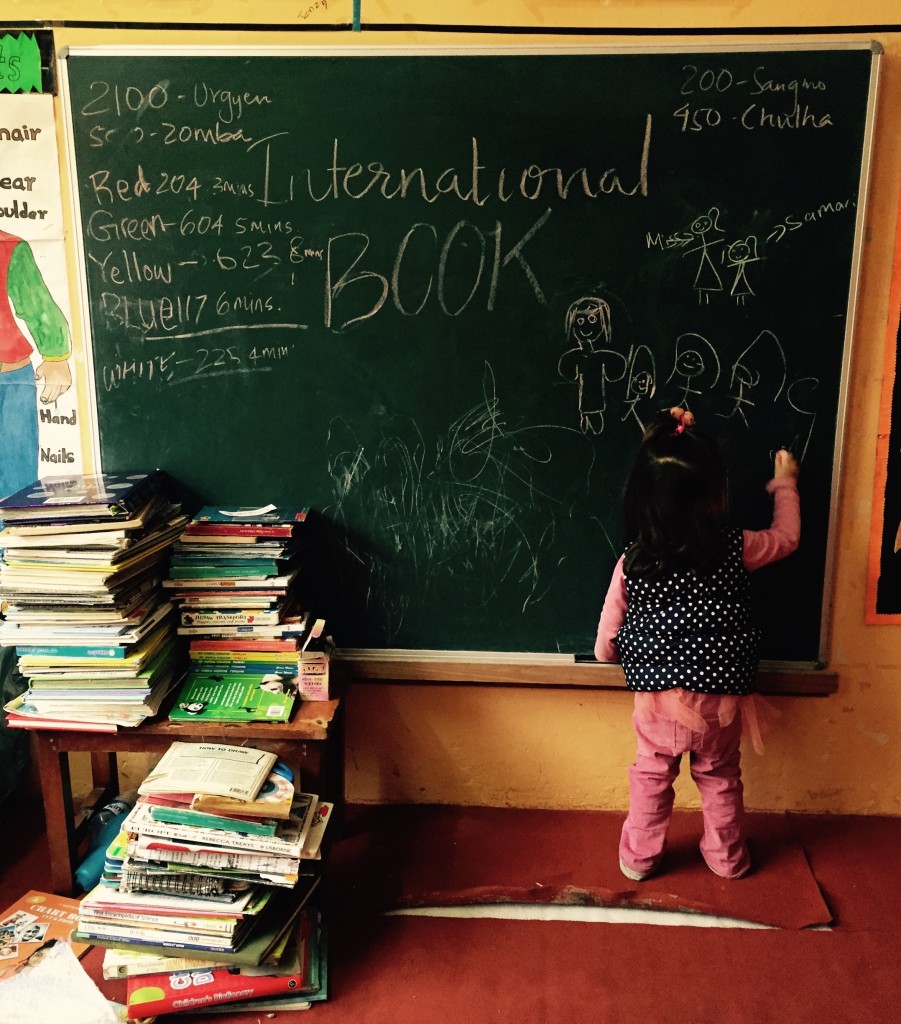
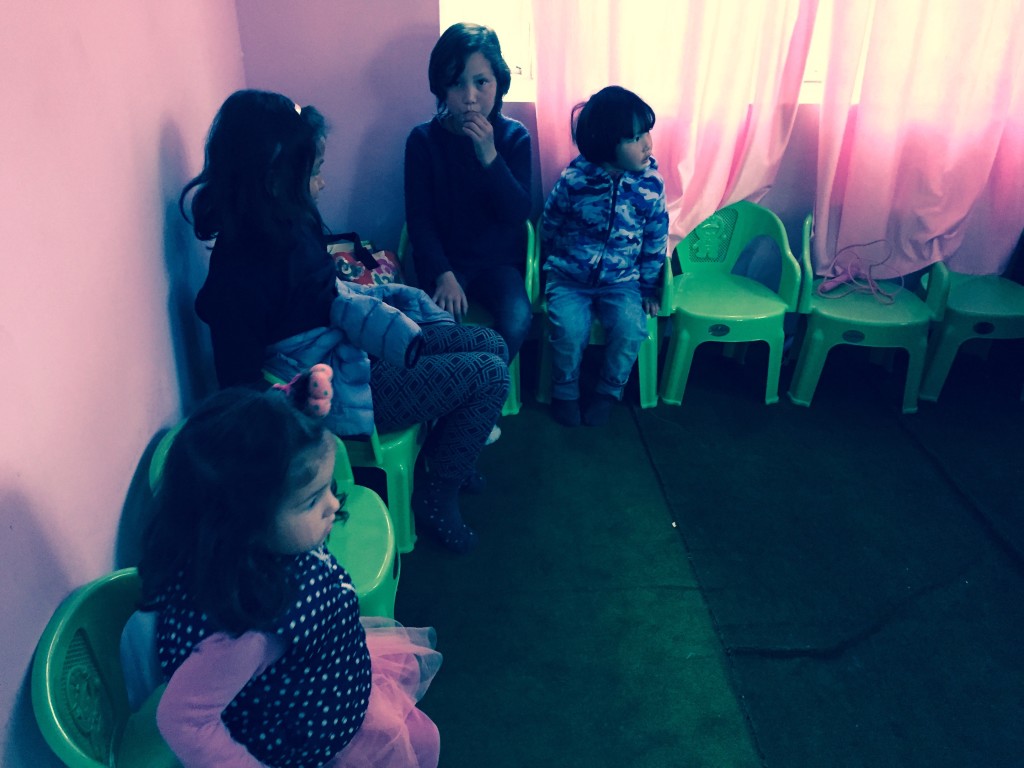
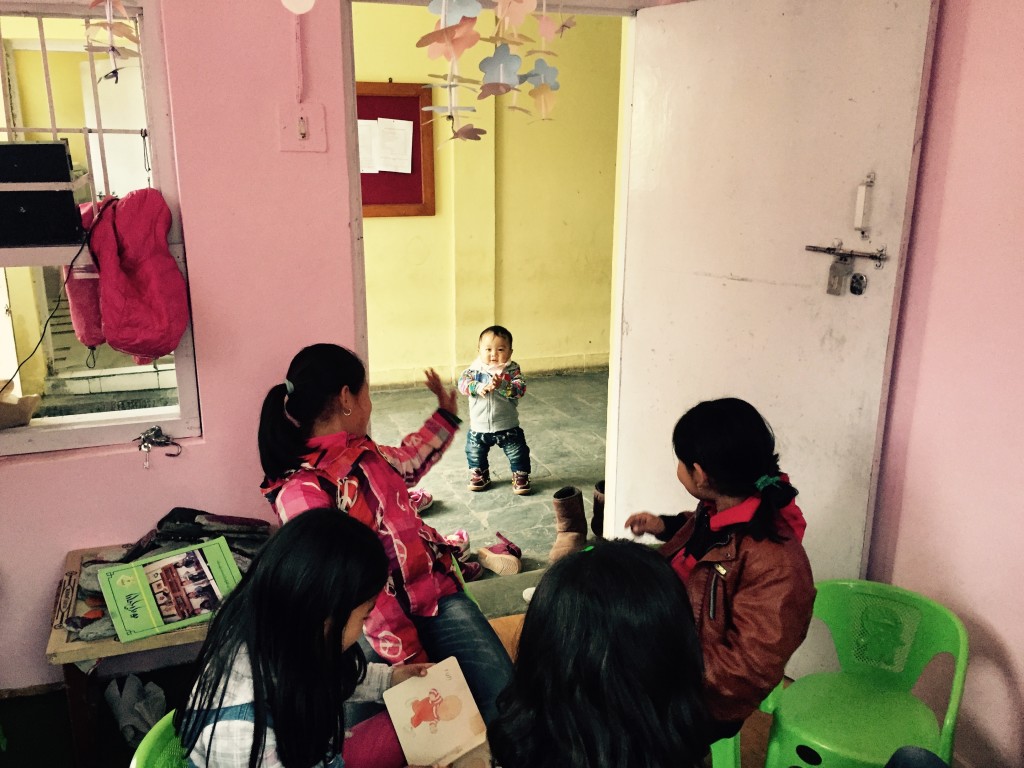
Teachers, local coordinators, and volunteers can help children discover books that match their interests and reading levels. Shared storytelling sessions make reading social, while quiet reading periods give children room to develop at their own pace. Art and music activities connected to stories can help young learners express what they have understood.
| Resource |
Immediate Value |
Community Use |
Lasting Benefit |
| Picture books |
Builds curiosity and visual literacy |
Shared storytelling for younger children |
Encourages early reading habits |
| Fiction and folk tales |
Develops language and imagination |
Independent reading and group discussion |
Strengthens empathy and communication |
| Science and nature books |
Connects learning with the local landscape |
Classroom reference and exploration |
Supports questions, observation, and study |
| Art and activity books |
Inspires hands-on creativity |
Drawing, crafts, and cultural workshops |
Builds confidence through self-expression |
| Bilingual and language books |
Supports vocabulary and comprehension |
Practice for school and home reading |
Expands access to further education |
The first collection can become the foundation for a continuing library service. As children grow, new books can be added at different reading levels. A reading room that begins with one book drive may gradually become a place for tutoring, storytelling, creative workshops, and community gatherings.
Children Discover New Worlds
A book can take a child beyond the boundaries of familiar surroundings without diminishing the importance of home. A story about another mountain community may invite comparisons with local life. A book about stars may deepen interest in the clear night skies of the plateau. A tale of friendship may lead to conversations about cooperation within a family or village.
These connections make reading relevant. Children are more likely to engage with books when they can relate new ideas to their own experiences. Stories about animals, weather, journeys, courage, and family can provide natural starting points for discussion and reflection.
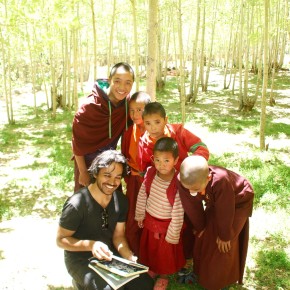
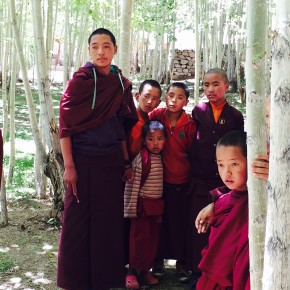
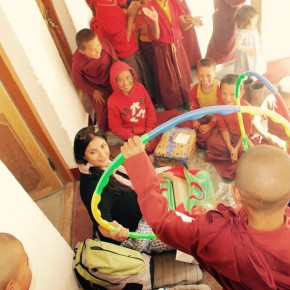
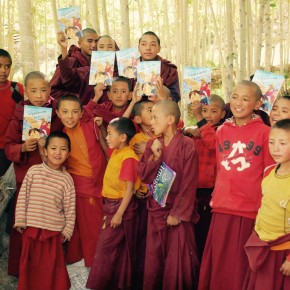
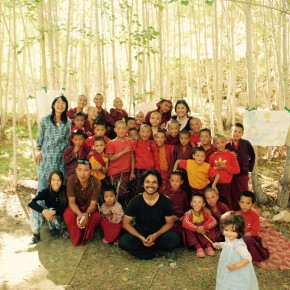
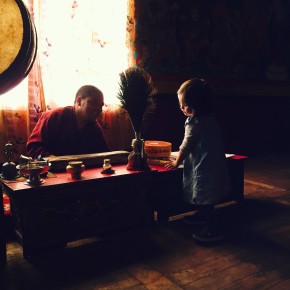
The benefits also extend to young monks and other learners who need access to engaging educational materials. Reading supports concentration, vocabulary, and independent study. It can complement spiritual education and traditional learning while making room for science, literature, geography, and creative thought.
Supporting A Sustainable Reading Culture
A single donation can open a door, but a reading culture grows through repeated encouragement. Children need opportunities to see books used regularly and to feel that their choices matter. Inviting them to recommend titles, create drawings based on stories, or read aloud to younger children helps them become active participants.
Local involvement is essential. Community members understand the seasonal rhythm of nomadic life and can help shape realistic reading programs. Flexible access may be more effective than a fixed schedule, particularly when families move between grazing areas or when weather affects travel.
The role of an organization such as Avalokiteśvara Trust is to connect resources with local priorities. Book drives, reading rooms, educational activities, and volunteer support work best when they are part of a sustained relationship. The aim is not simply to deliver books once, but to help create dependable access to learning.
Ways To Make A Book Donation Count
- Choose durable, age-appropriate books with clear language and engaging illustrations.
- Include fiction, reference materials, art resources, nature books, and bilingual or language-learning titles.
- Donate books in good condition so children receive materials that are safe, attractive, and ready to use.
- Support shelving, transport, reading-room supplies, and educational activities alongside the books themselves.
- Share the project with schools, libraries, book clubs, and community groups that can organize thoughtful collections.
Carrying The Story Forward
The first book drive for Changthang showed how a carefully gathered collection can travel beyond ordinary access points and reach children living across a remote Himalayan landscape. Each book offers a lesson, a new perspective, or a moment of imagination. Together, the books create something larger: a welcoming space where learning can continue beyond the classroom.
Avalokiteśvara Trust continues to connect children and young monks with books, creative activities, and supportive learning environments in Ladakh and other Himalayan communities. Donations, book contributions, volunteer time, and help sharing these initiatives all strengthen that work.
Support the Trust’s education and literacy initiatives today, and help carry more stories, ideas, and opportunities to children in the high mountain communities of the Himalayas.