The Story of a Book That Helped a Young Monk Overcome Homesickness
In a monastery high in the Himalayan region, homesickness can arrive quietly. It may appear after evening prayers, when the cold settles over the valley and a young monk remembers his family, familiar meals and the sound of voices from home. For children living far from their villages, a book can offer a gentle bridge between memory and the new life they are learning to understand.
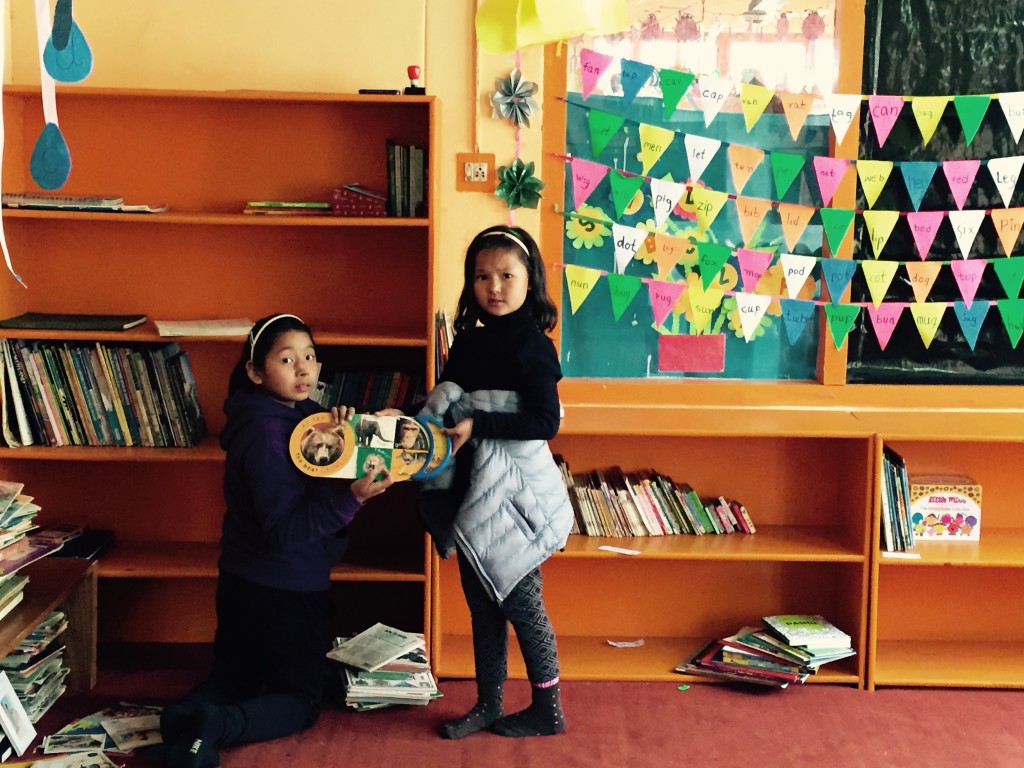
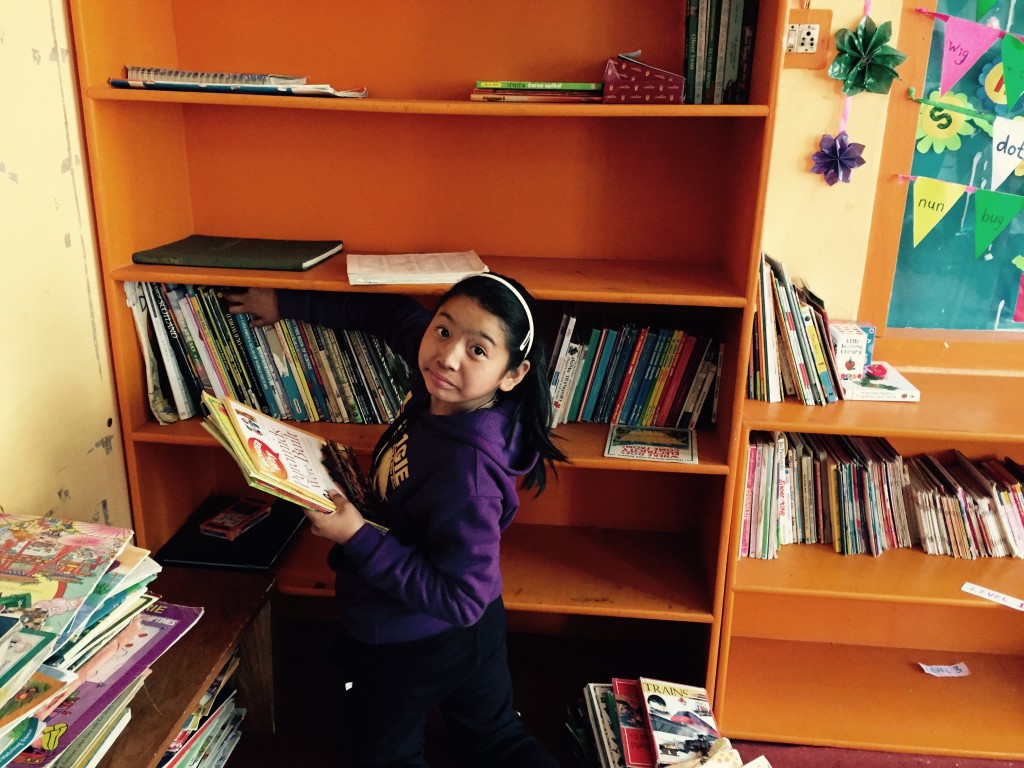
This story is a fictionalised reflection of the experiences that reading rooms and book drives can support in Ladakh and nearby communities. It follows a young monk, a donated storybook and the small changes that happen when a child finds a place for his feelings in the pages of a book.
The First Quiet Evening
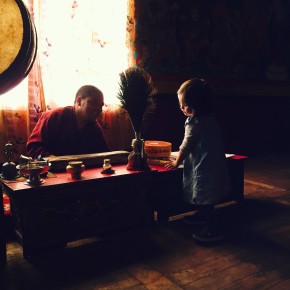
Dorje was eleven when he began living at a monastery several hours from his village. He had expected the lessons, the early mornings and the long robes. He had not expected the silence after sunset, when the other boys settled into their bedding and the mountains seemed to hold every sound at a distance.
His family had sent him with a woollen shawl, a small cloth bag and a photograph of his younger sister. The photograph was already soft at the corners from being handled. Dorje missed the ordinary details of home: his mother calling him in from outside, his father repairing tools and his sister singing while she helped prepare tea.
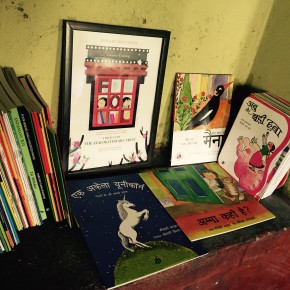
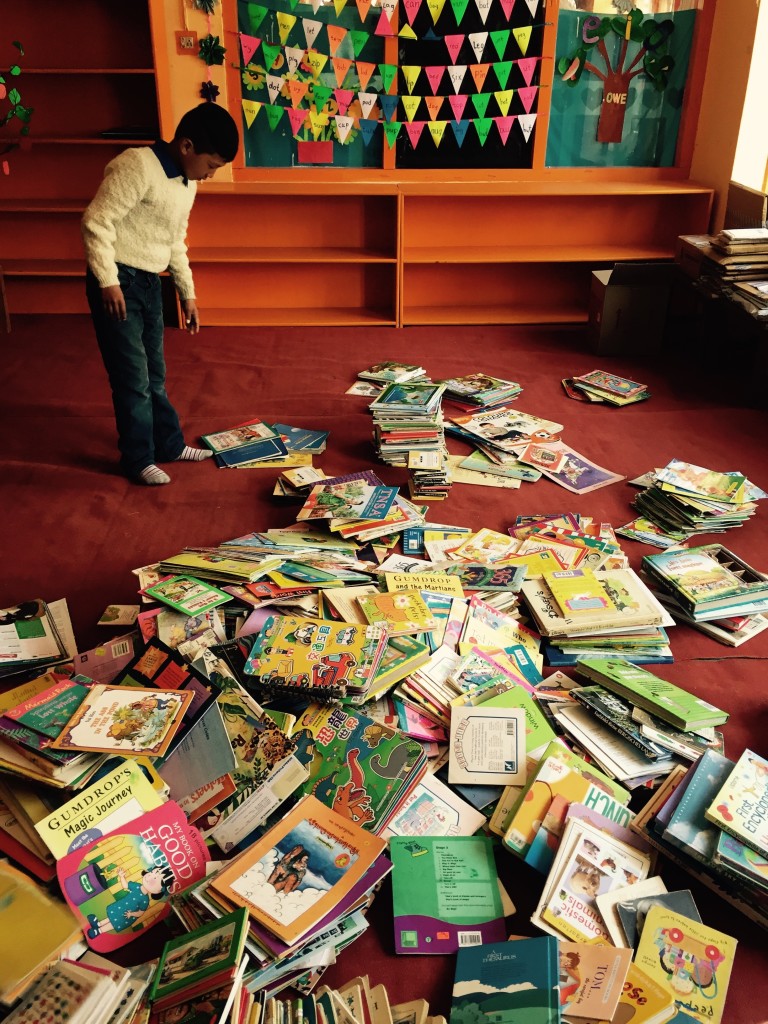
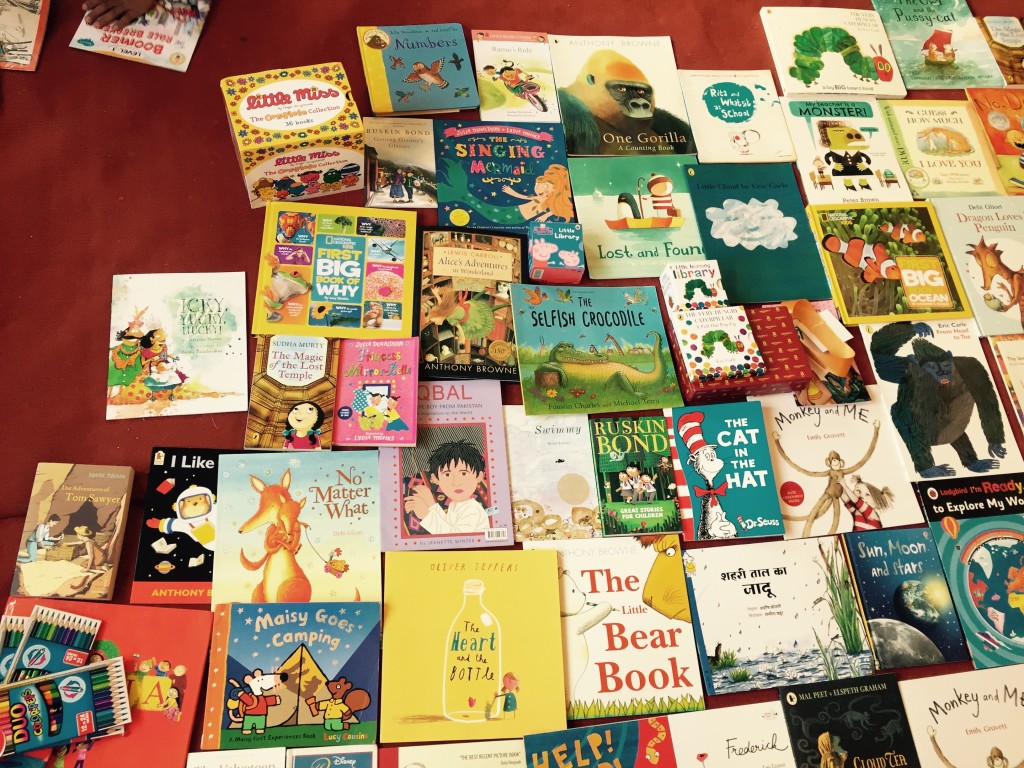
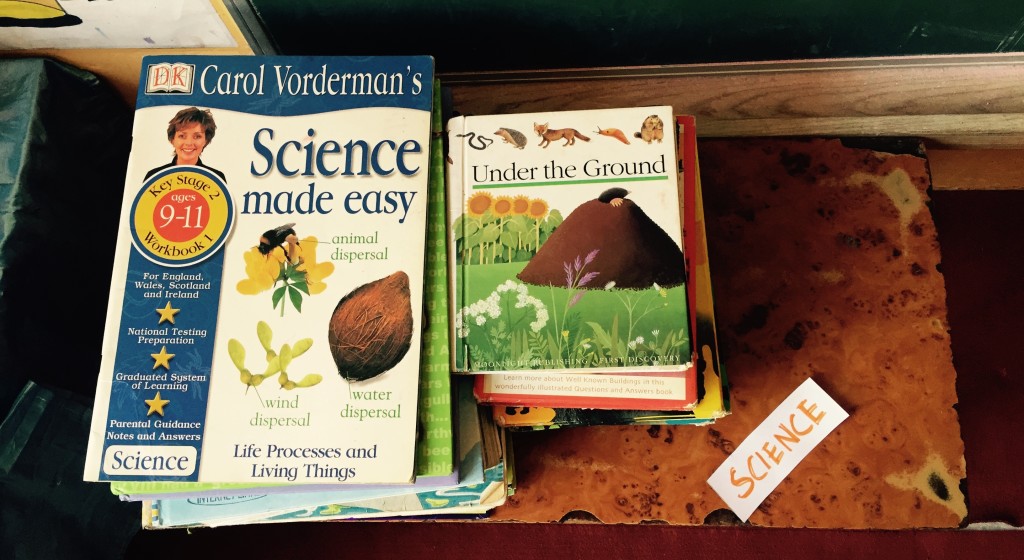
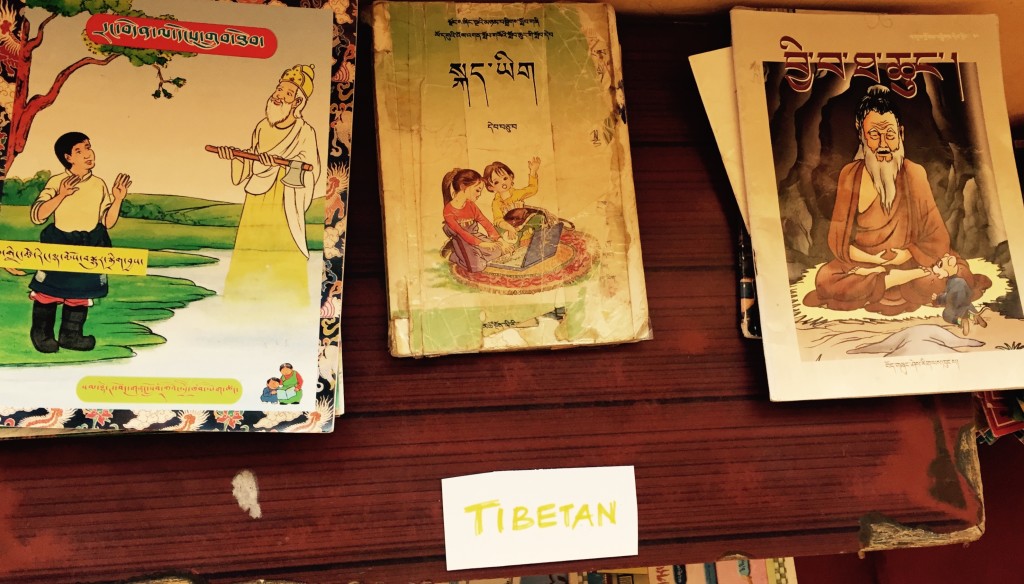
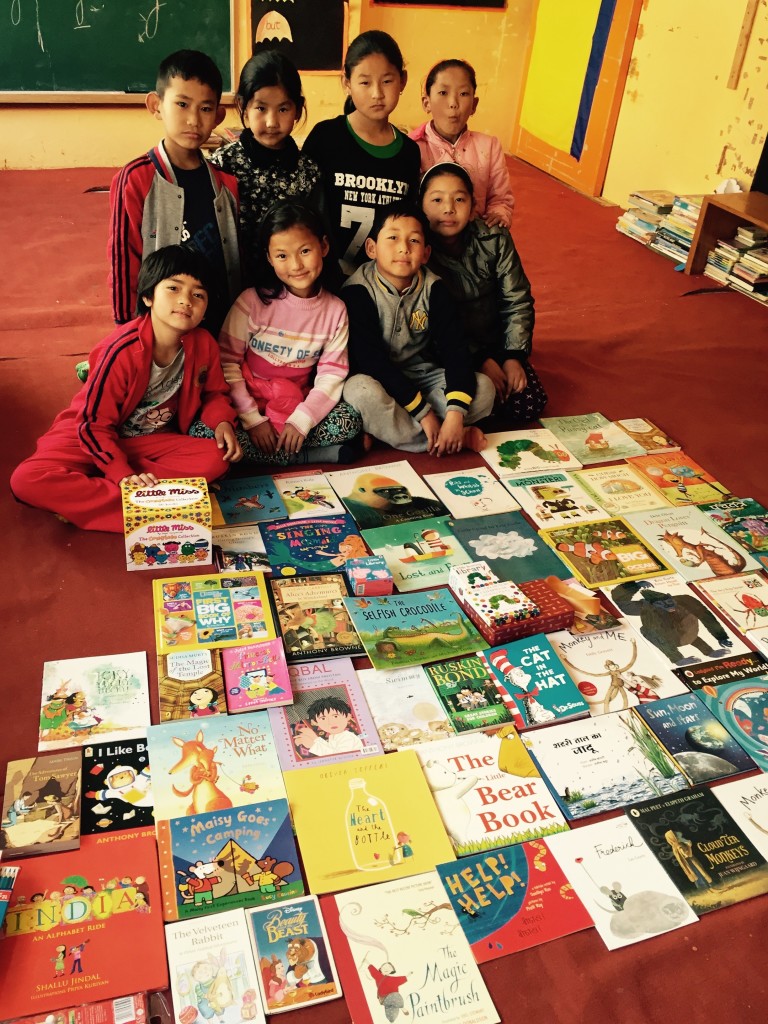
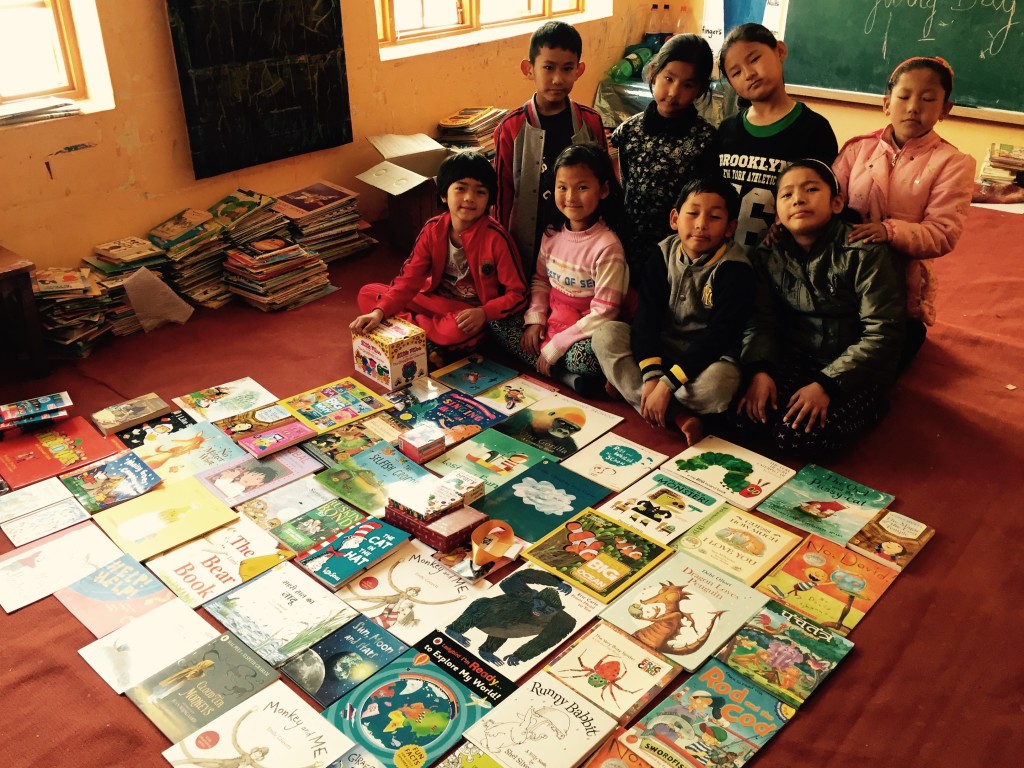
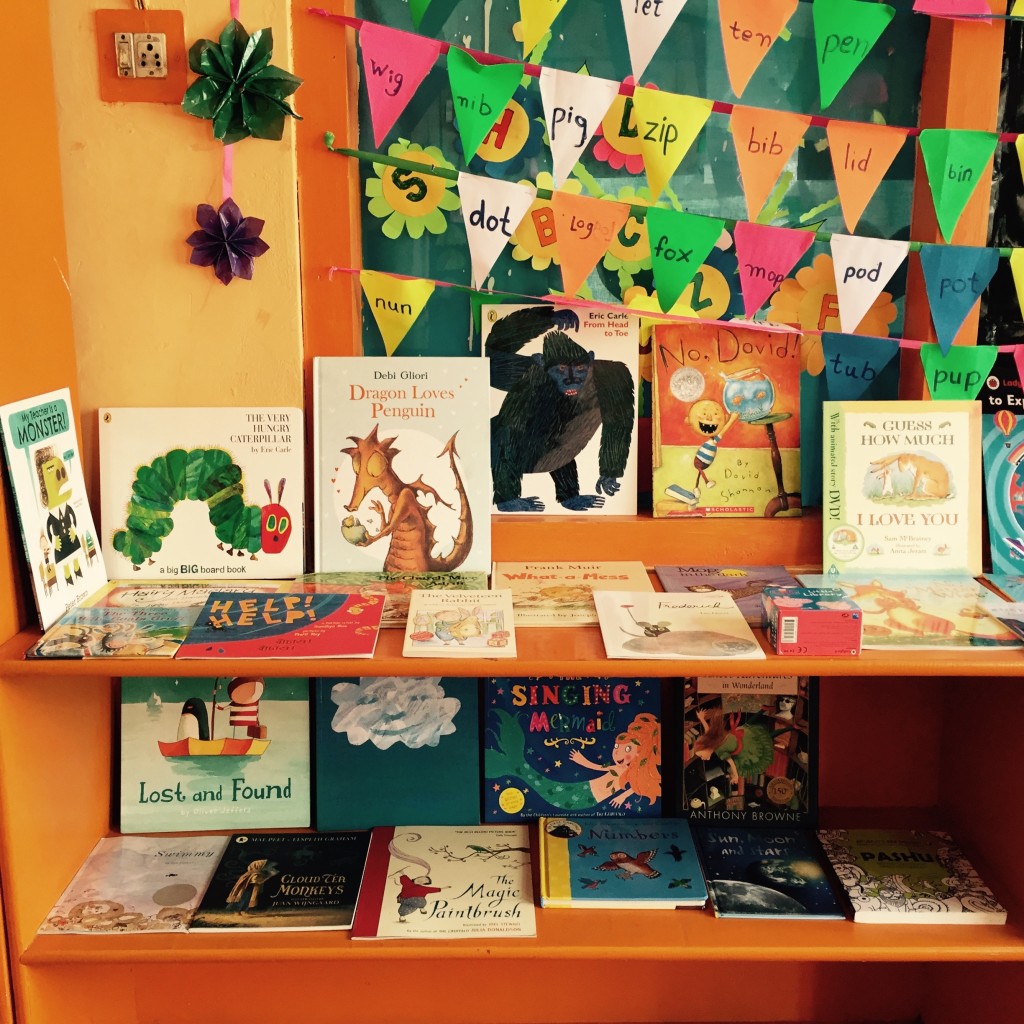
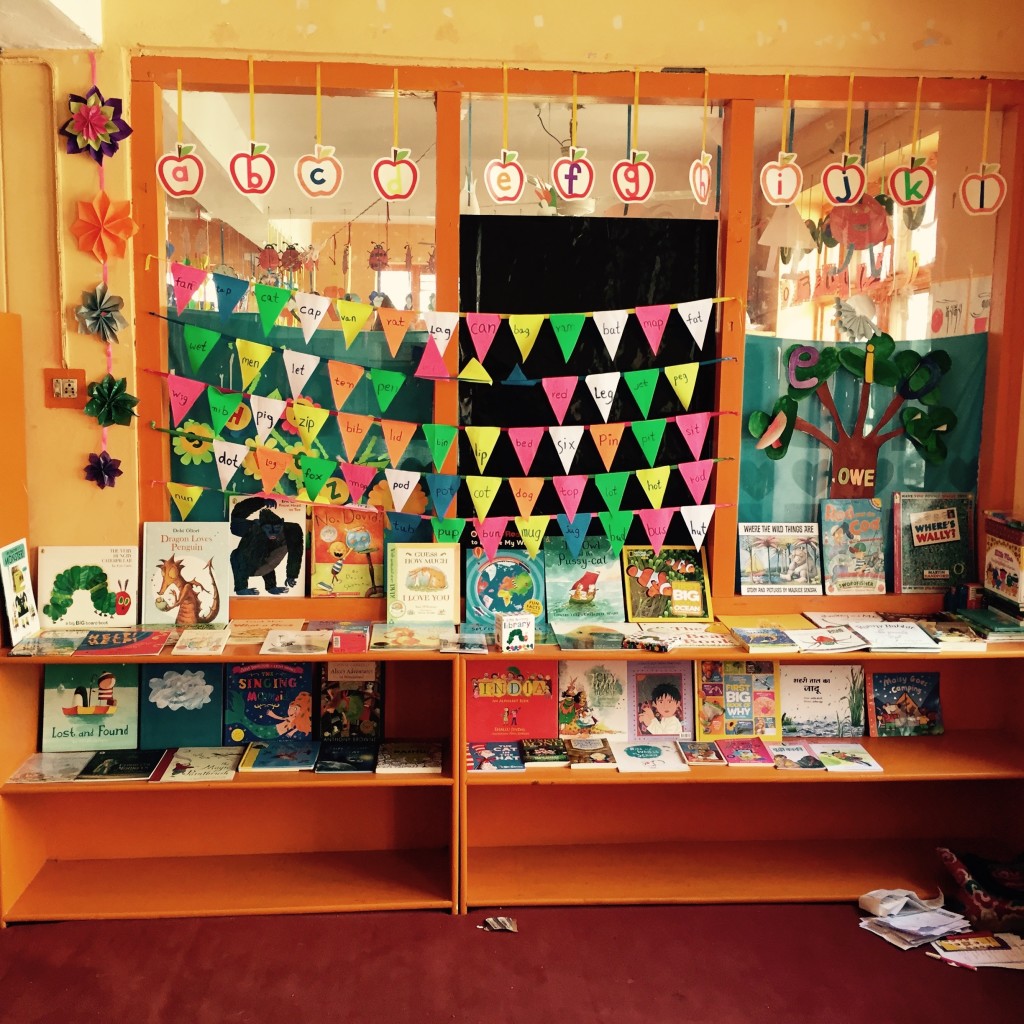
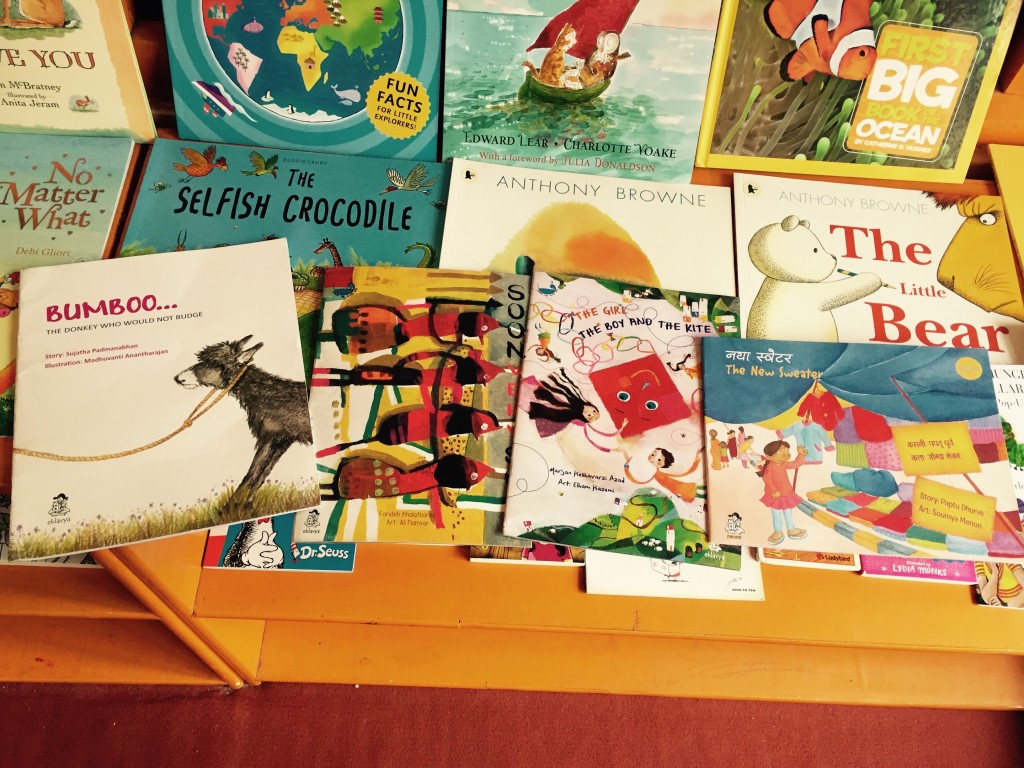
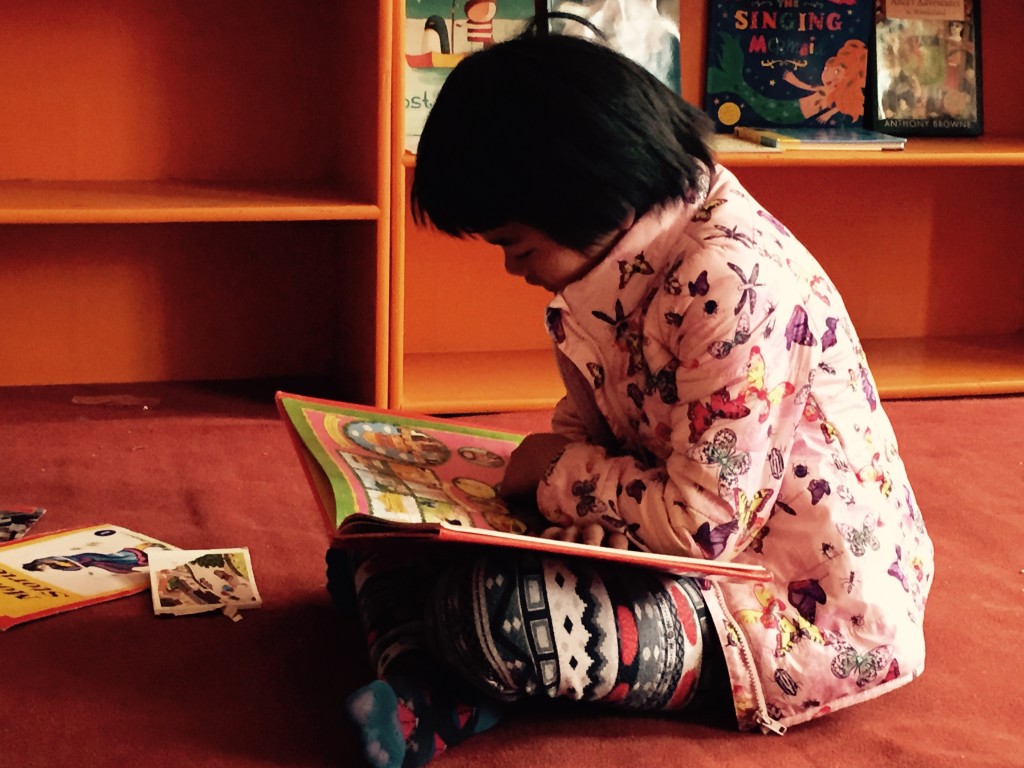
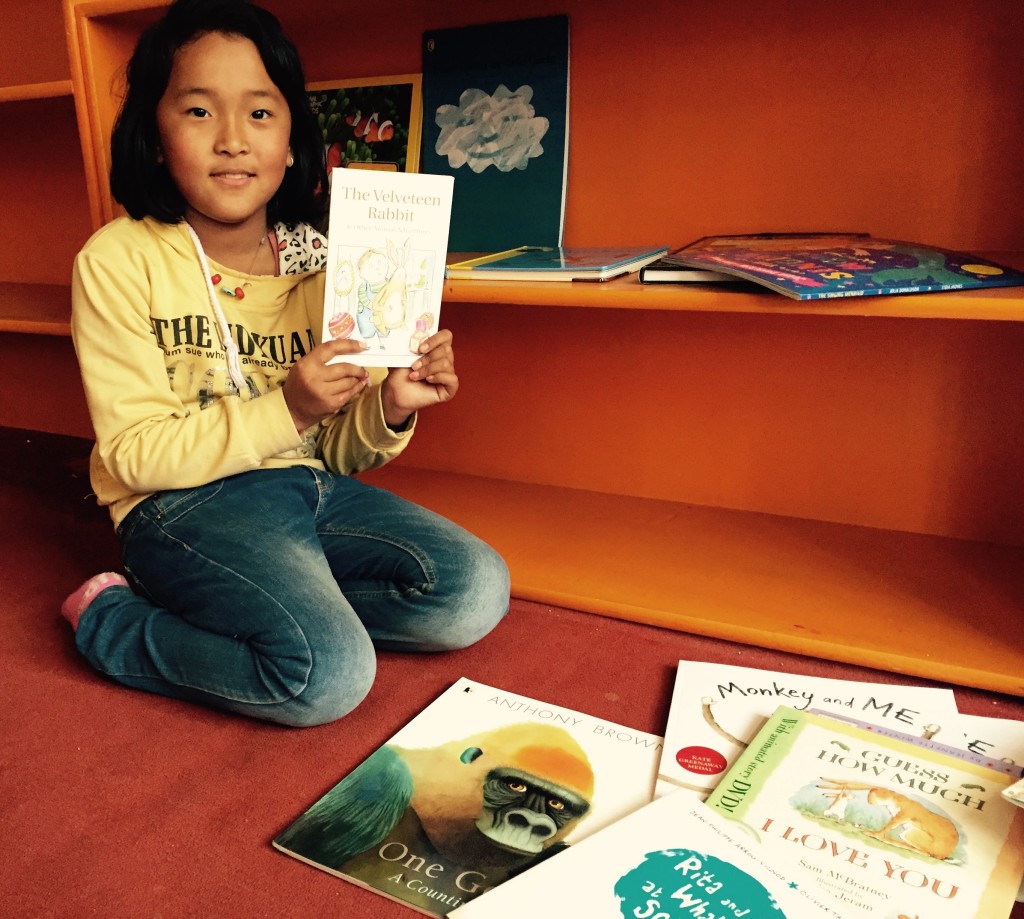
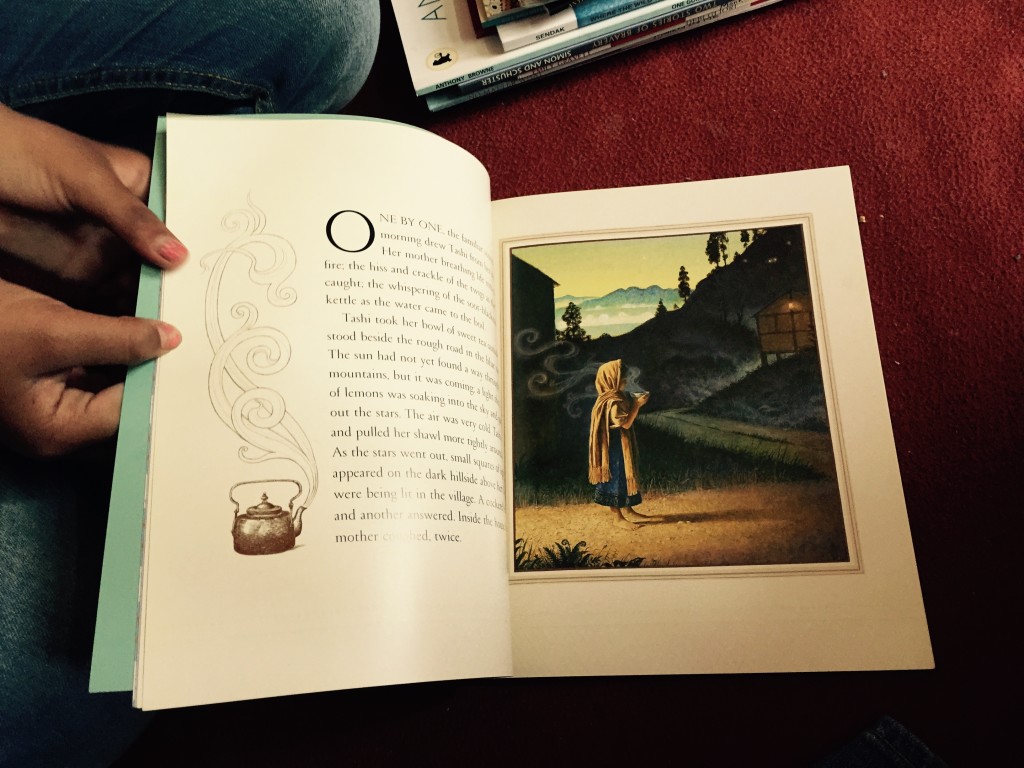
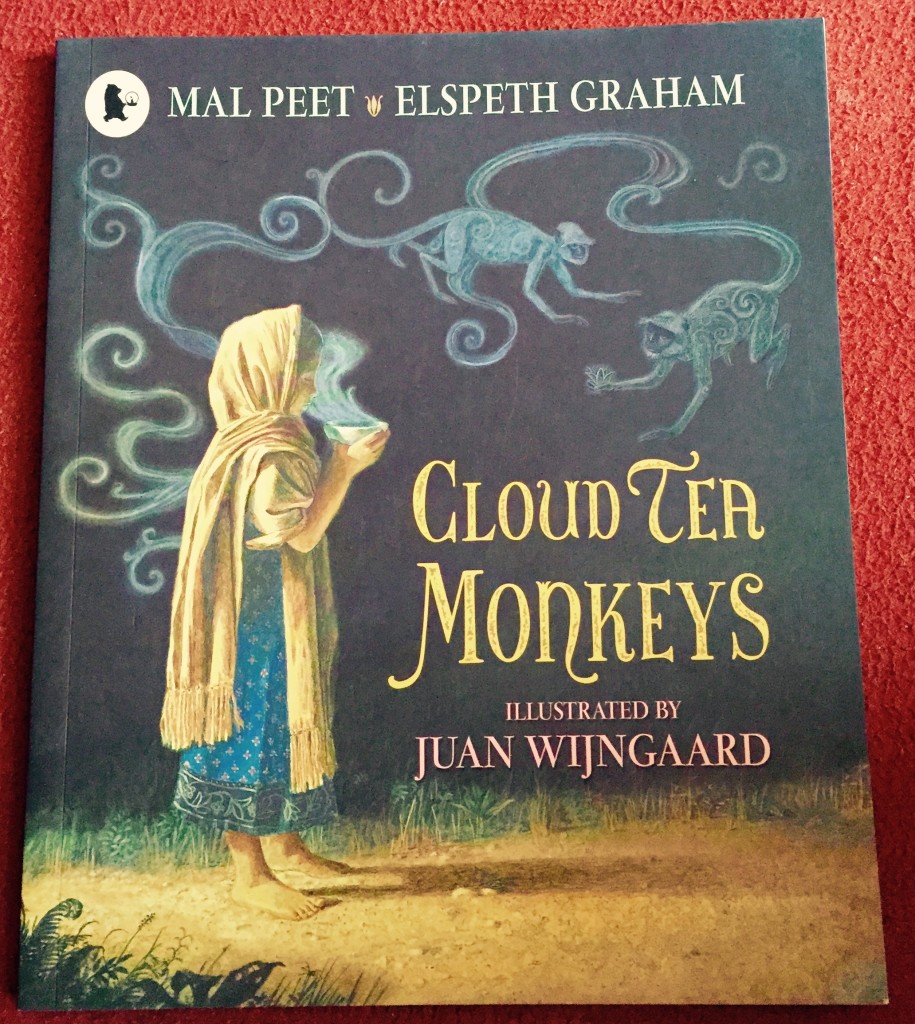
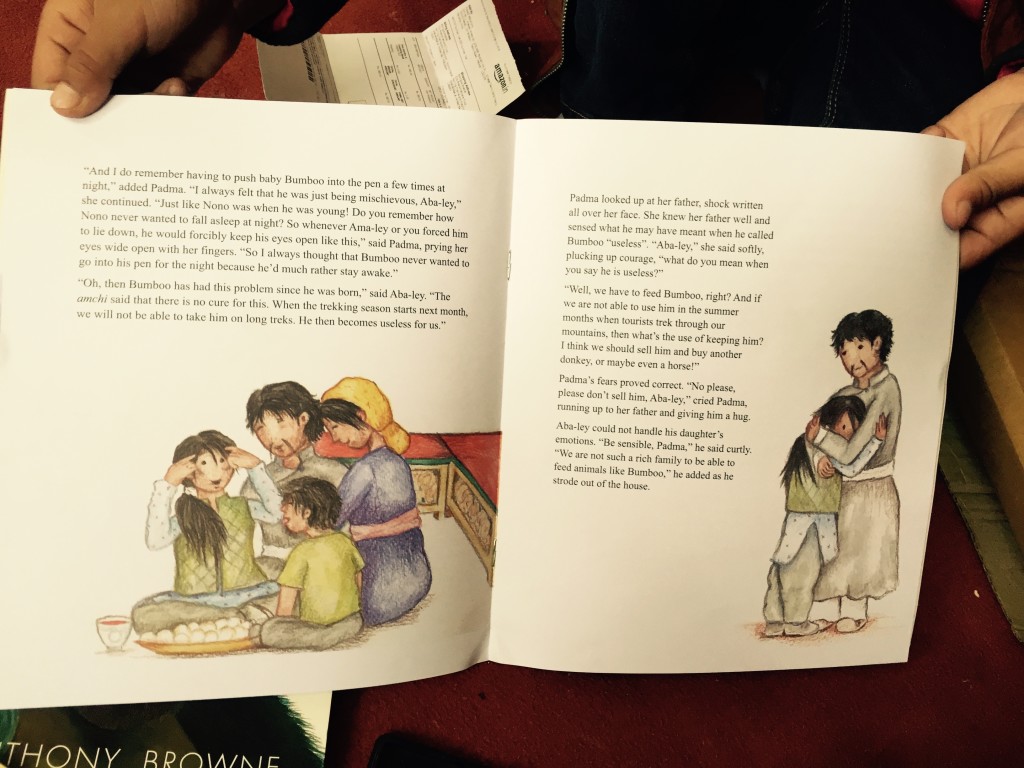
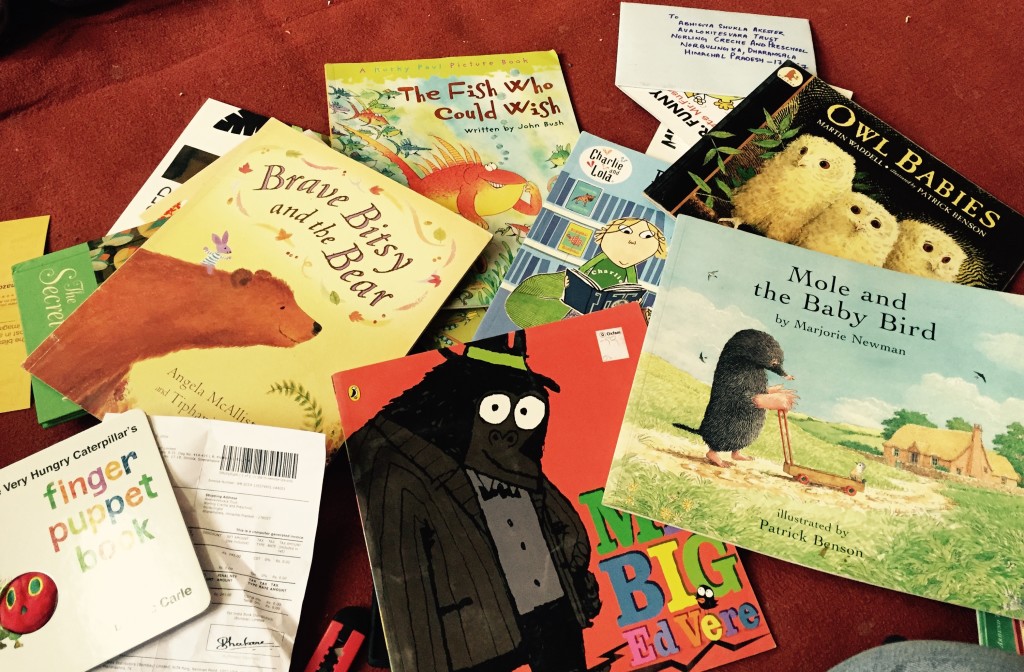
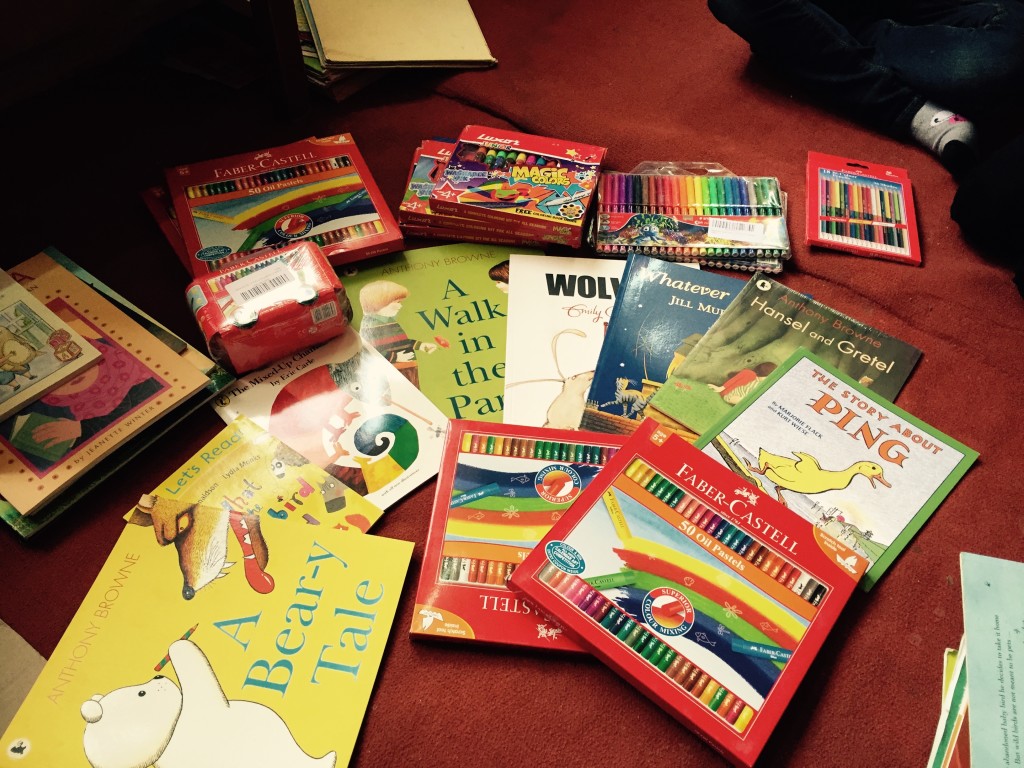
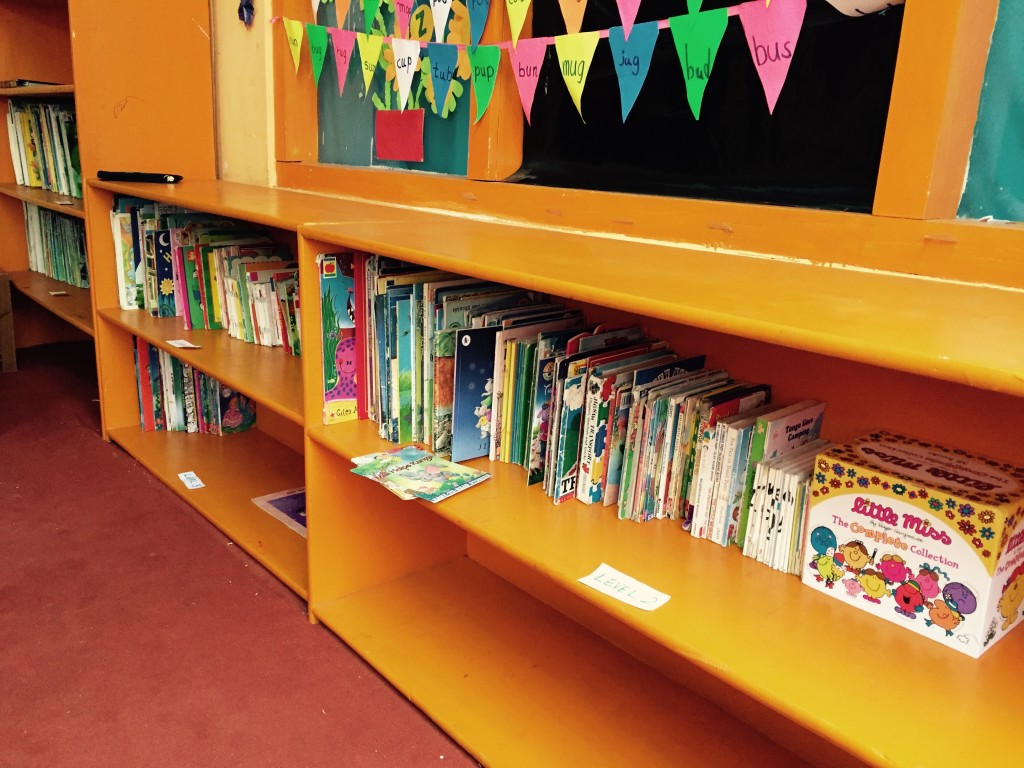
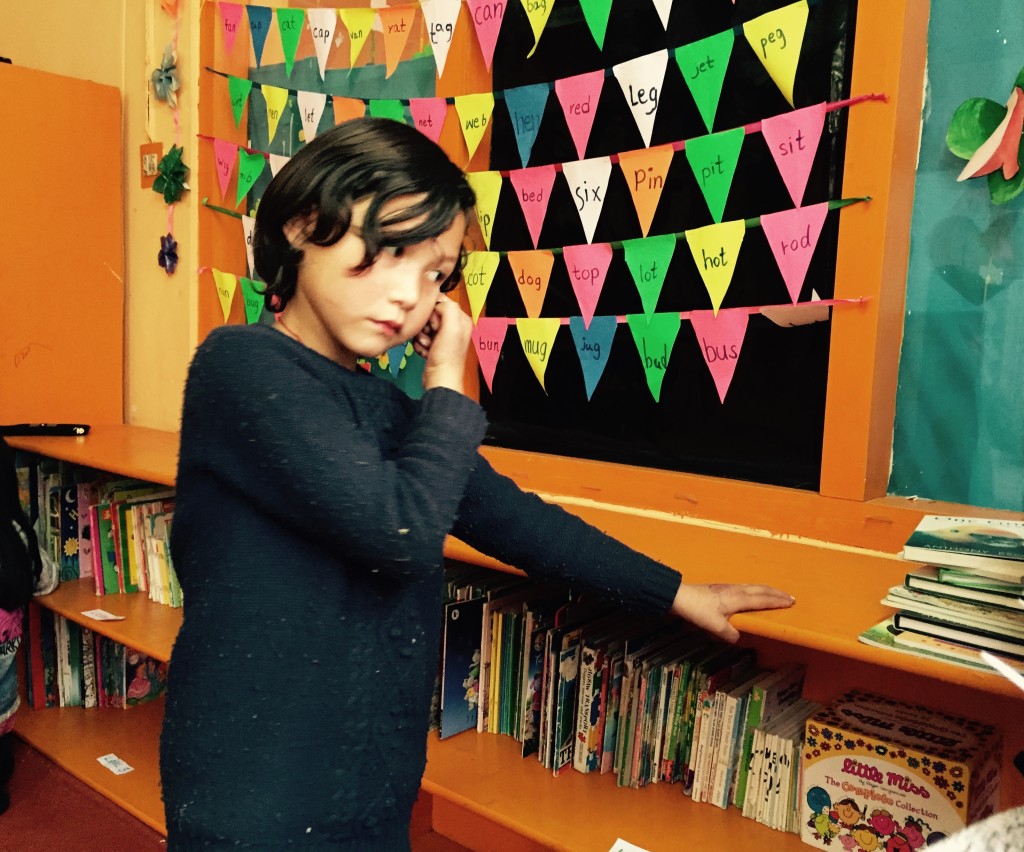
A few weeks into the term, a box arrived at a small reading room connected with the monastery. It contained picture books, folktales, atlases and novels in several languages. One slim book, illustrated with blue hills and a travelling fox, caught Dorje’s attention. He could read much of it himself, and where the words were difficult, an older student helped him.
The story followed the fox as it left its familiar valley and crossed unfamiliar landscapes. The fox felt lonely, made mistakes and wondered whether it would ever belong in a new place. Dorje recognised the feeling immediately. He borrowed the book for one night, then returned the next morning to read it again.
When A Story Makes Room For Feelings
The book did not remove Dorje’s homesickness. That was not its purpose. Instead, it gave him a way to recognise what was happening inside him. The fox was brave and frightened at the same time, curious and uncertain. Dorje began to see that missing home did not mean he had made the wrong choice or failed to be strong.
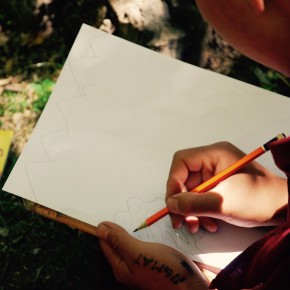
He started drawing the fox in the margins of his exercise paper. Then he drew his own journey: the monastery, the mountain path, his family’s kitchen and the stream near his village. A teacher noticed the drawings and asked Dorje to tell the story in his own words. For the first time, he spoke openly about missing his sister.
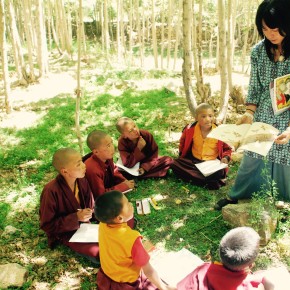
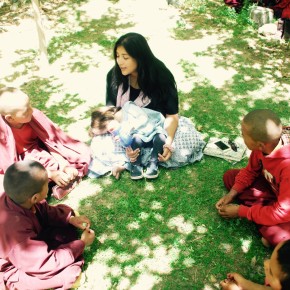
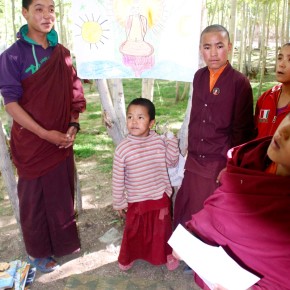
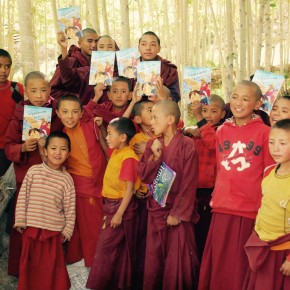
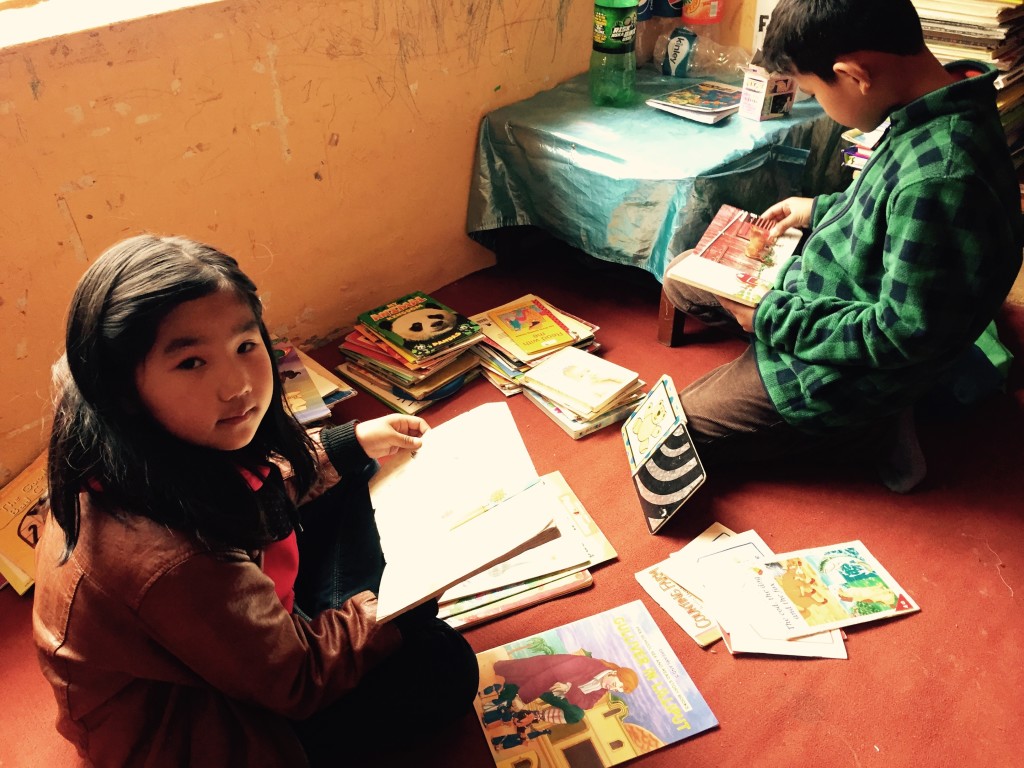
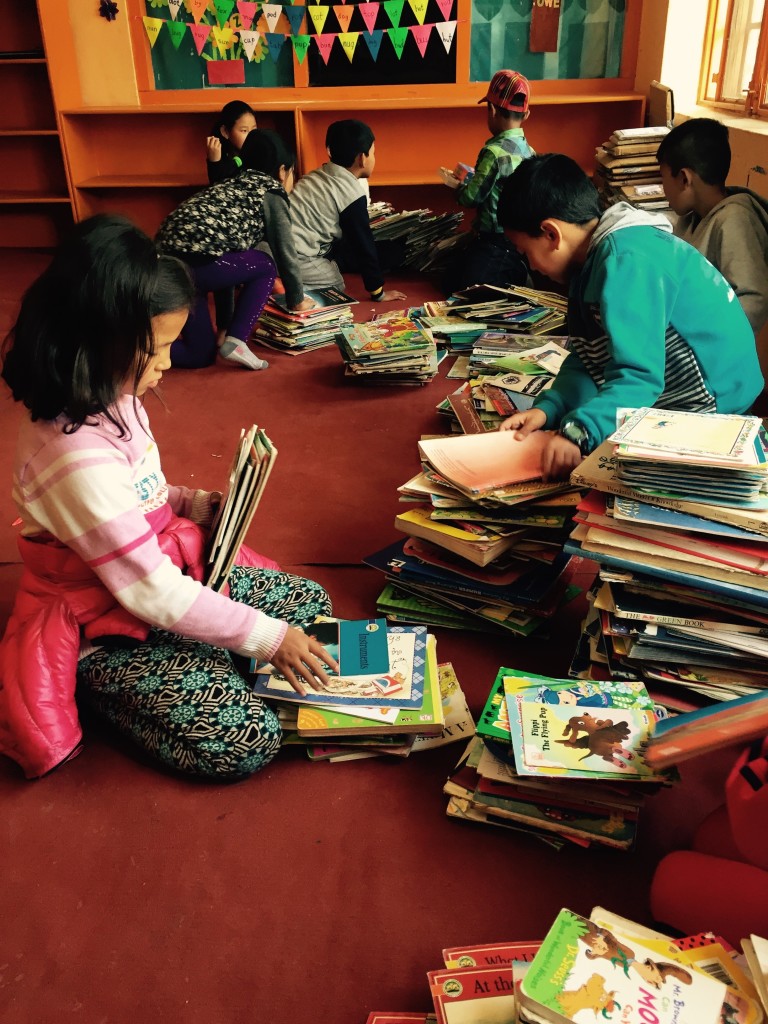
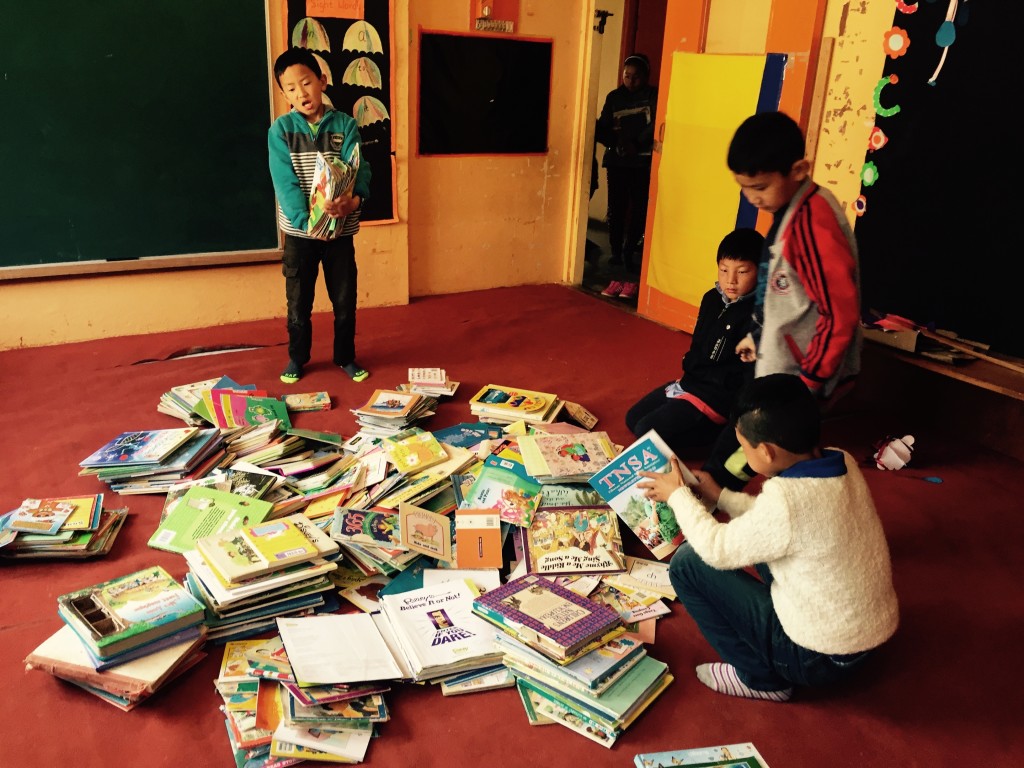
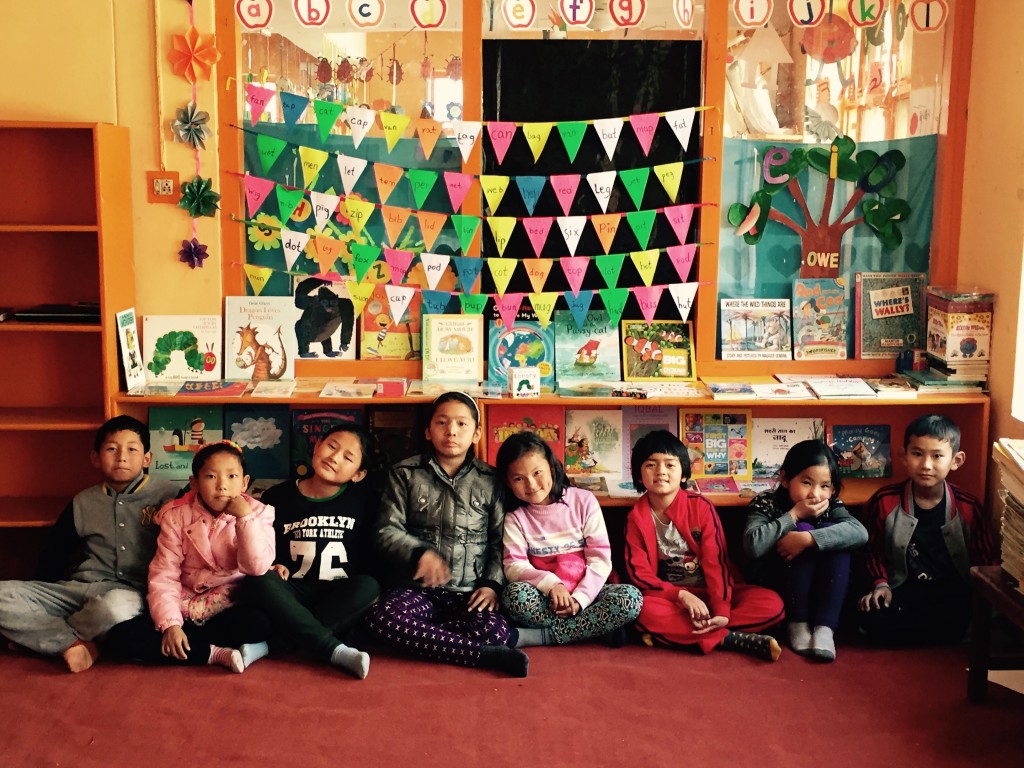
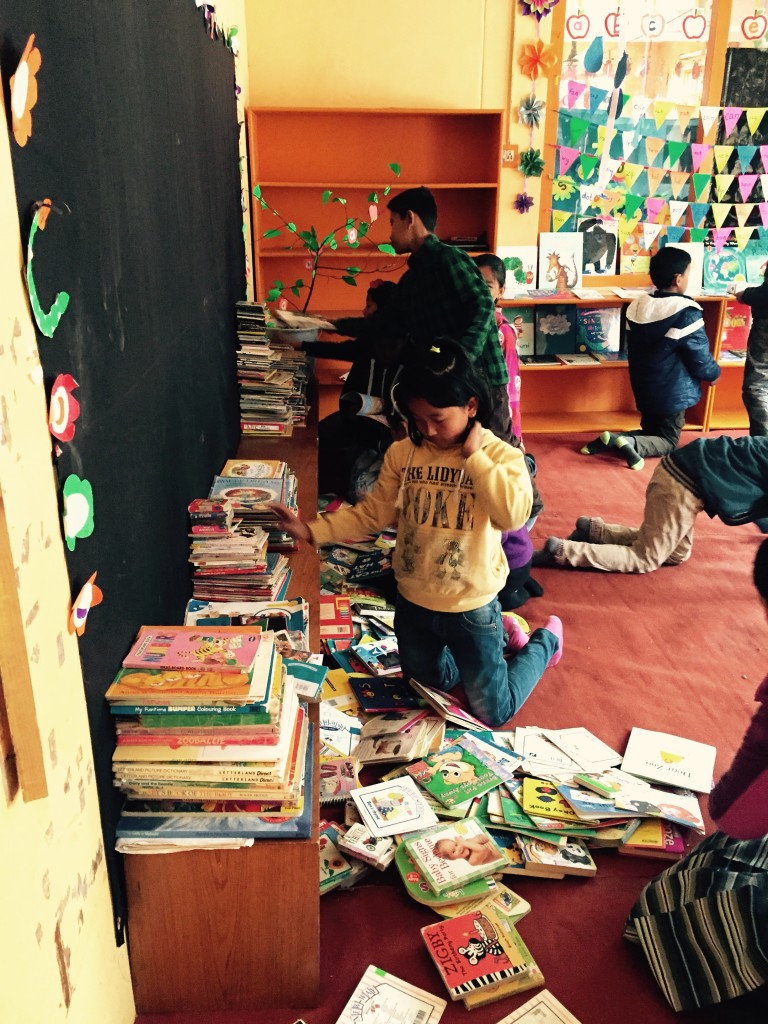
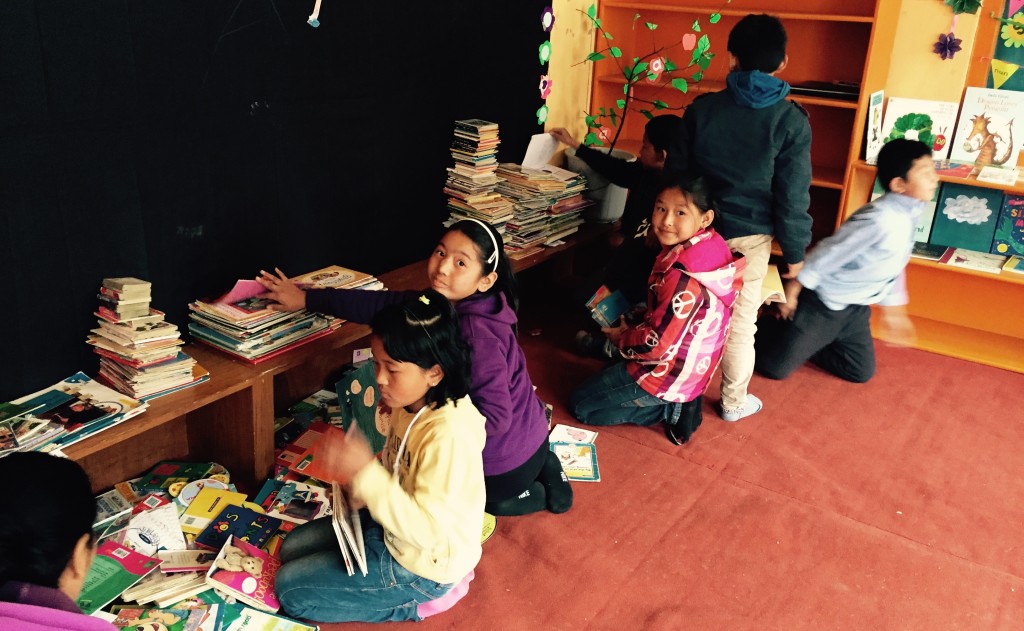
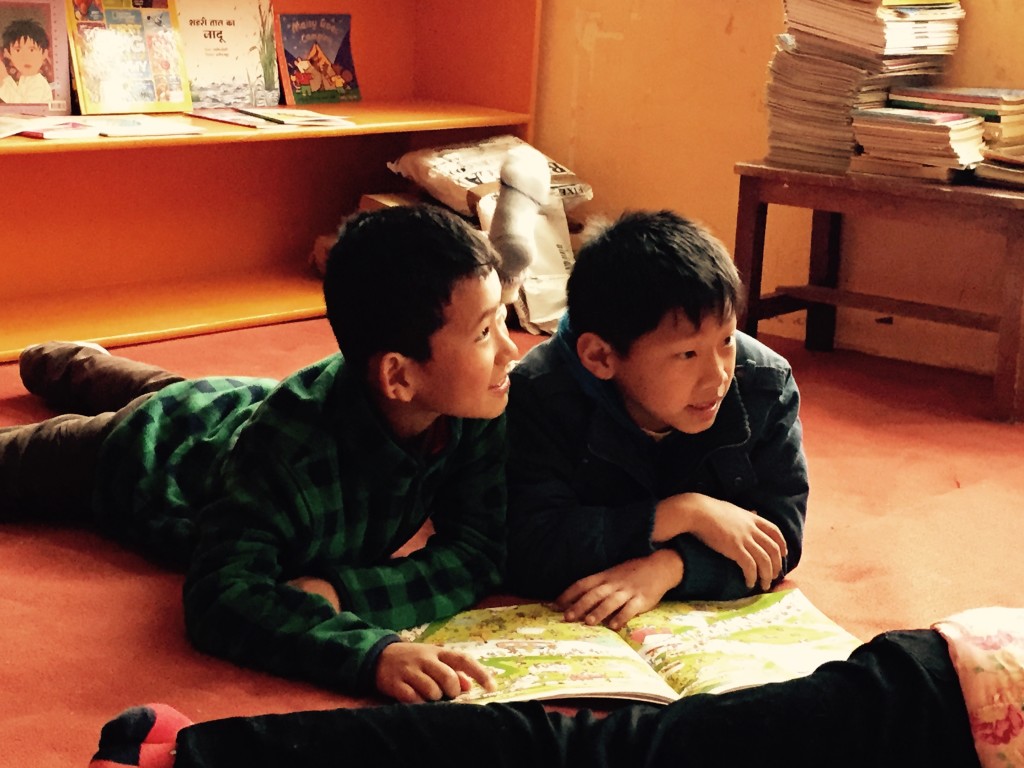
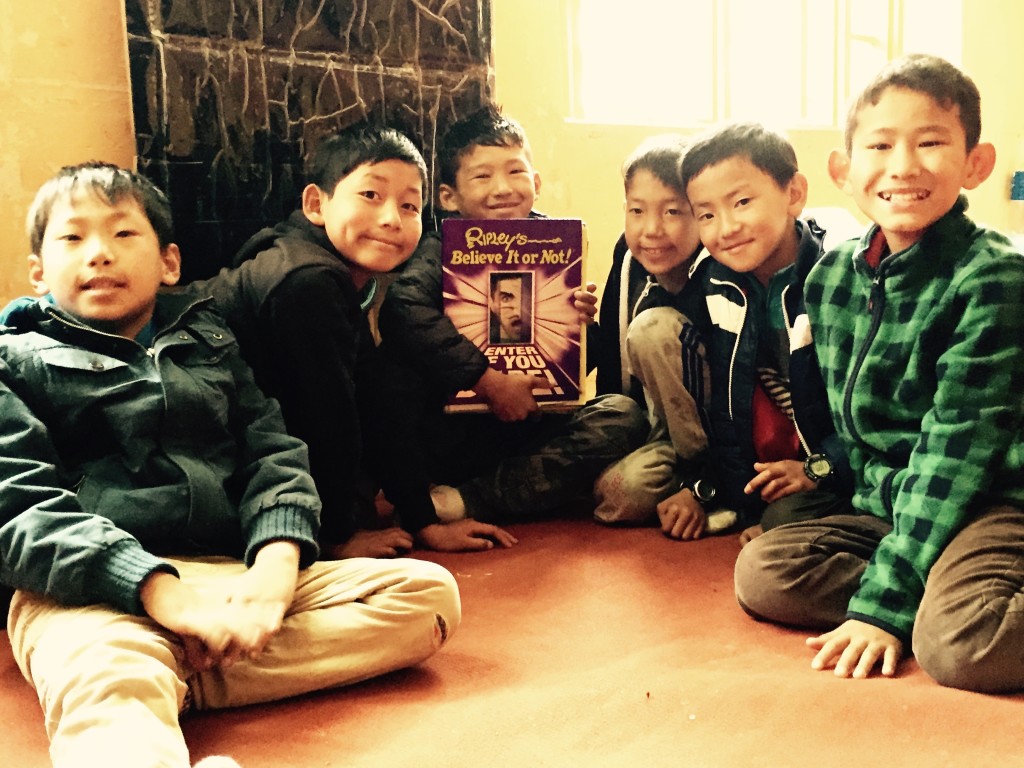
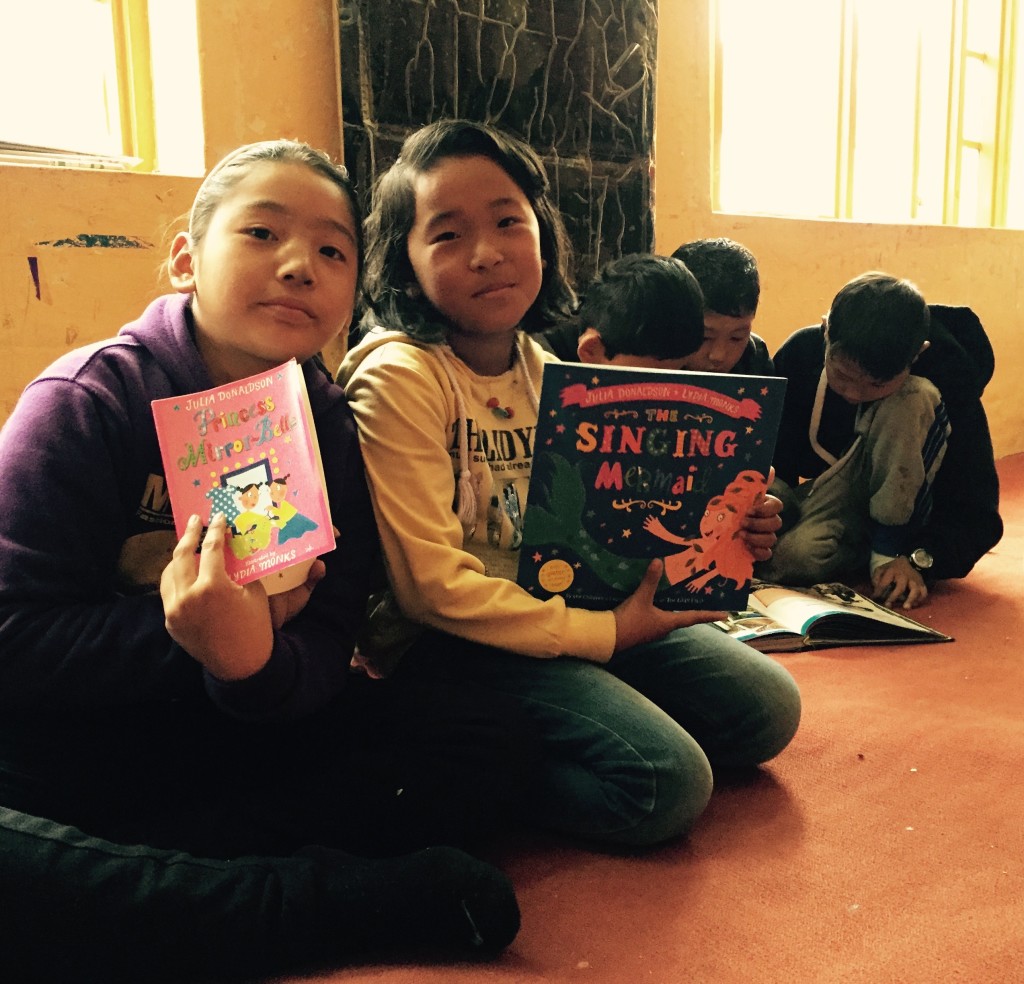
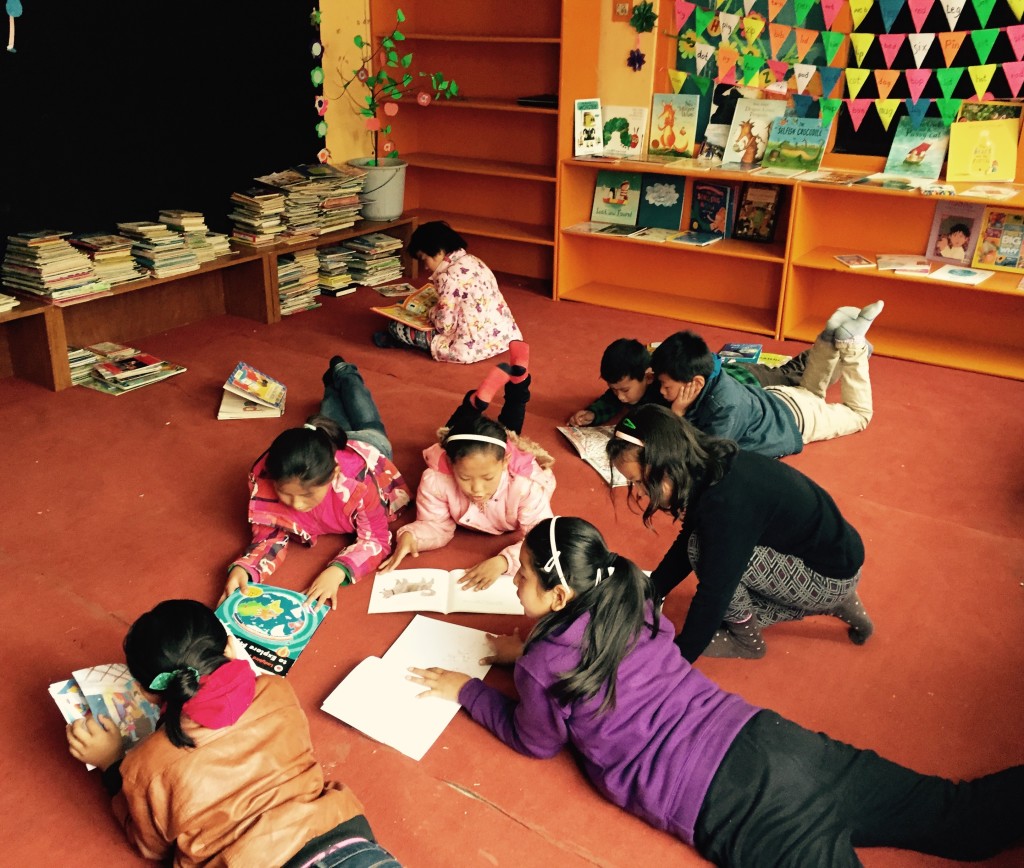
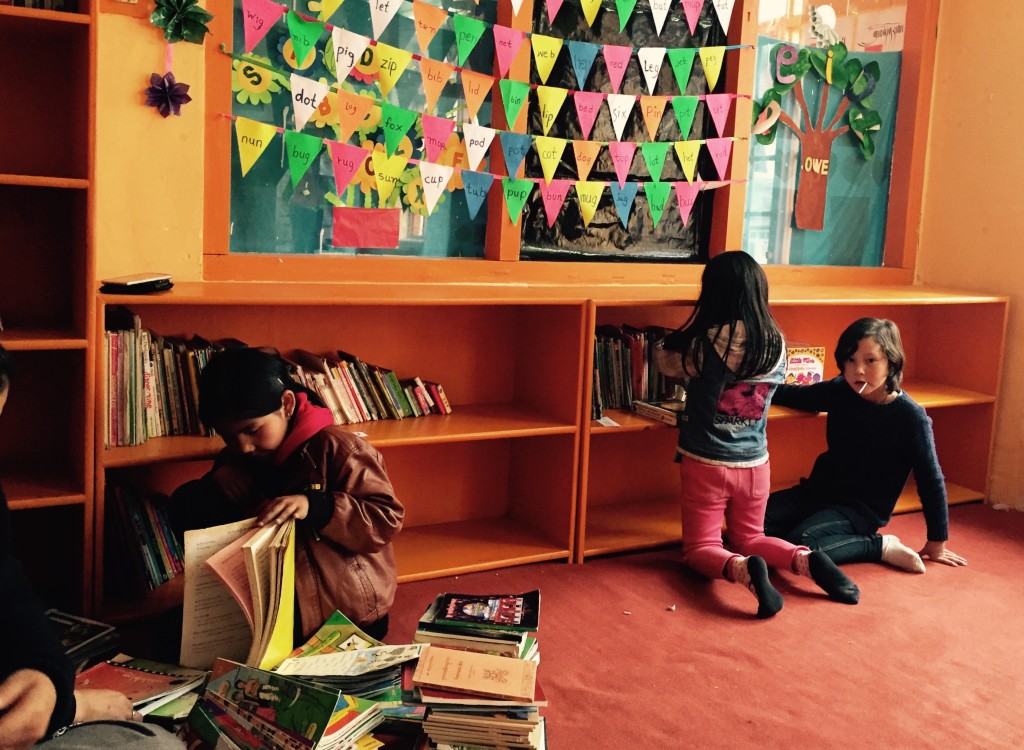
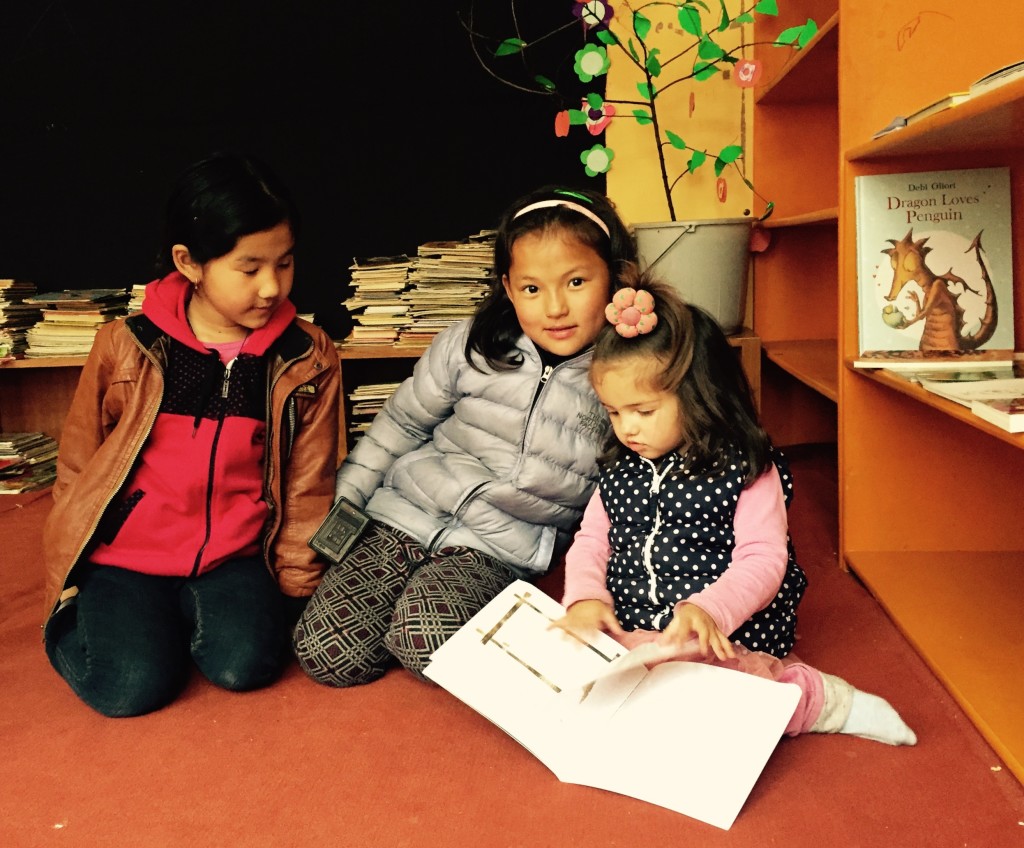
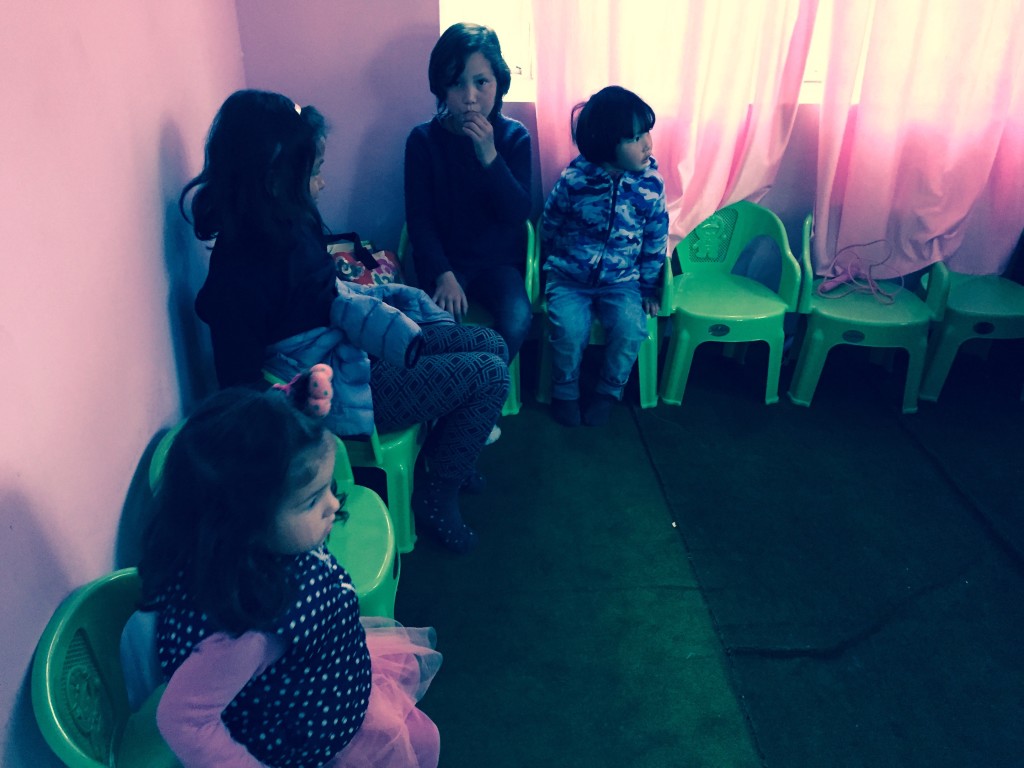
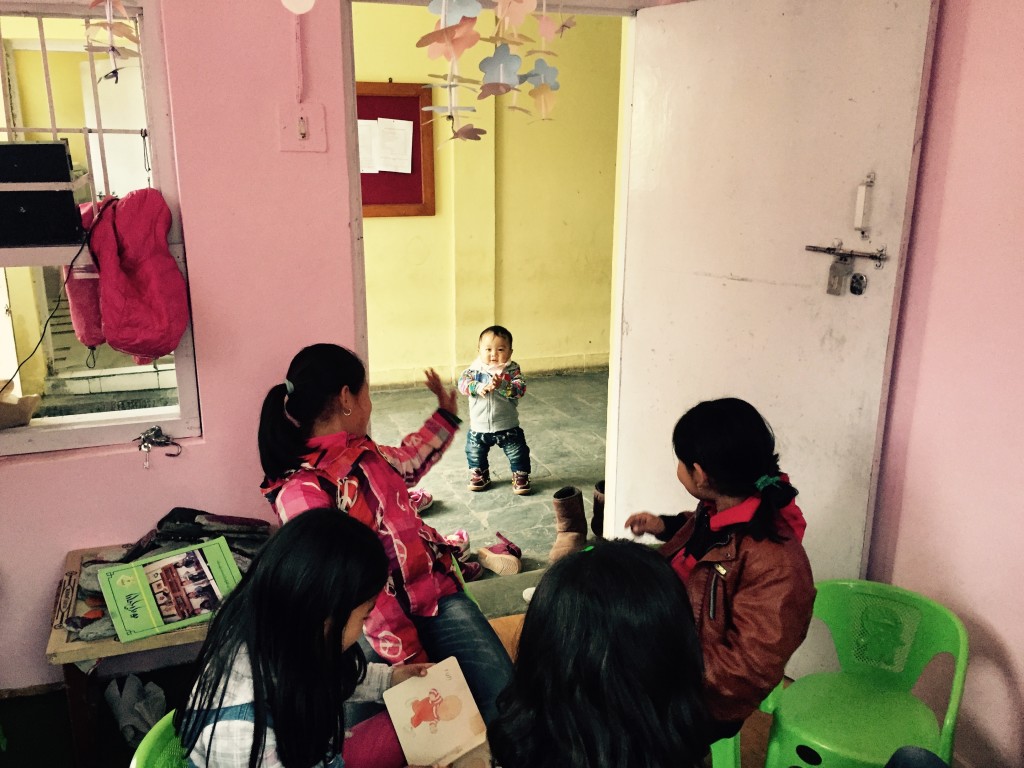
Other young monks joined him in the reading room. They compared favourite illustrations, invented new endings and made a map showing the fox’s route. The book became a shared object rather than a private comfort. It helped the boys talk to one another, and it gave the adults a better understanding of what the children were carrying emotionally.
For an Australian reader, this may sound familiar in a different setting. A child at a Melbourne community library might choose a story about moving house, while a student at a Sydney school could find reassurance in a novel about friendship. The landscape changes, but the need to see one’s own feelings reflected in a book remains remarkably constant.
What A Meaningful Book Can Offer
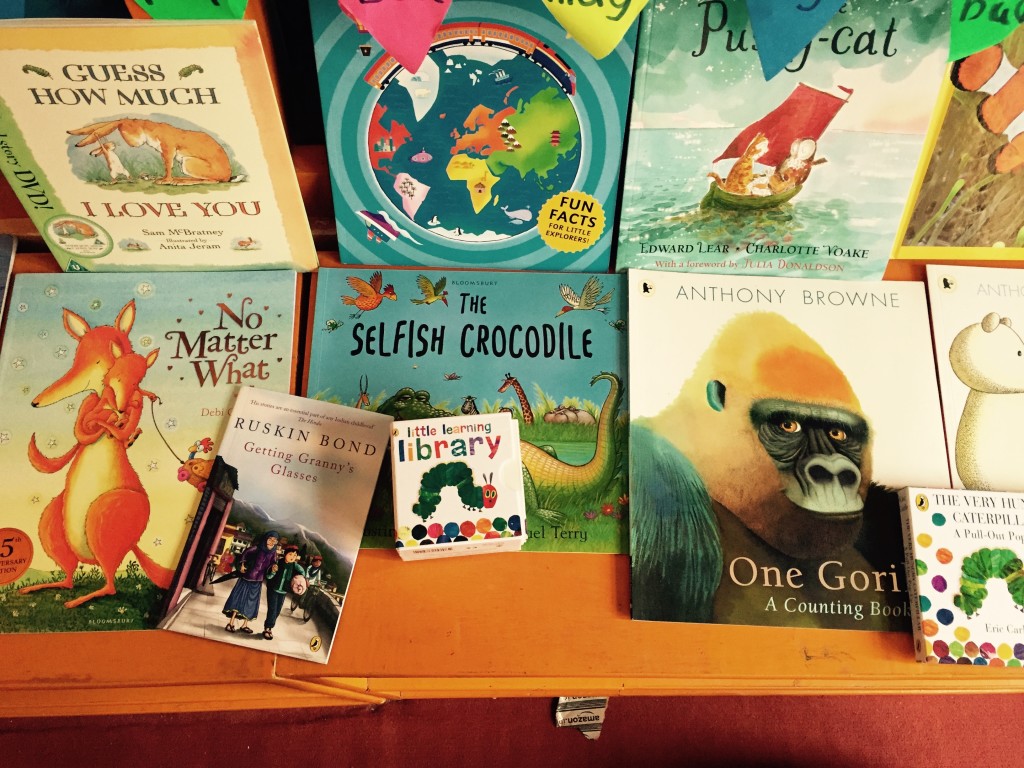
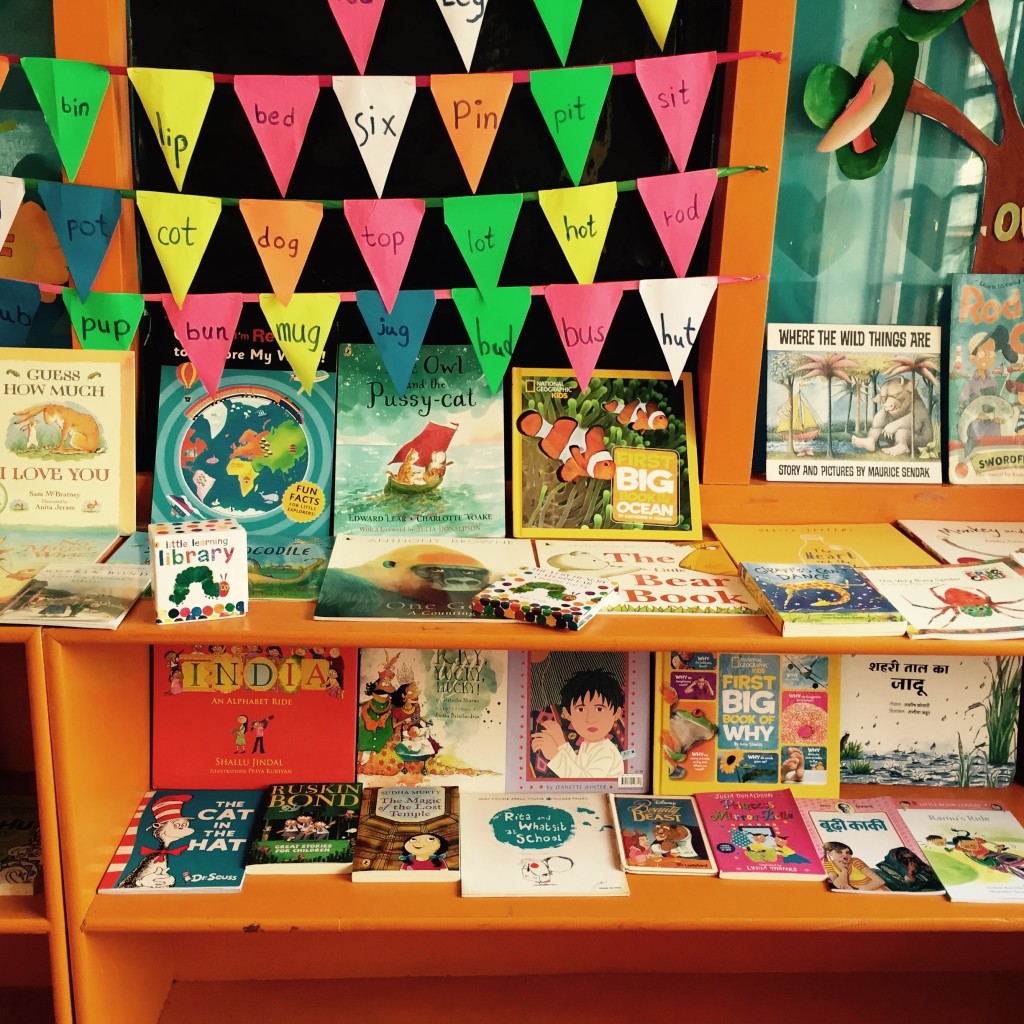
A useful donation is more than an item placed on a shelf. It should be suitable for the age of the children, visually inviting and sturdy enough for repeated reading. A story with an emotional centre can be especially valuable because it supports conversation, imagination and confidence alongside literacy.
The books that mattered most to Dorje had several qualities:
- Clear language that allowed him to read independently
- Illustrations that helped him follow unfamiliar scenes
- Characters facing change, separation or uncertainty
- Enough depth to reward repeated reading
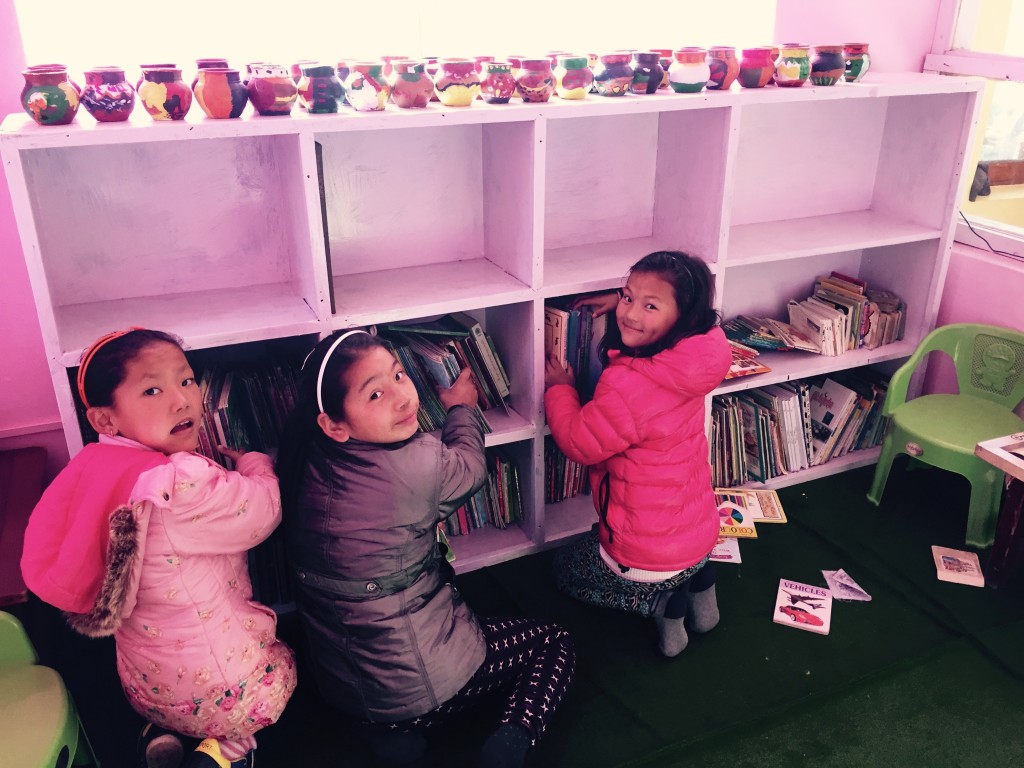
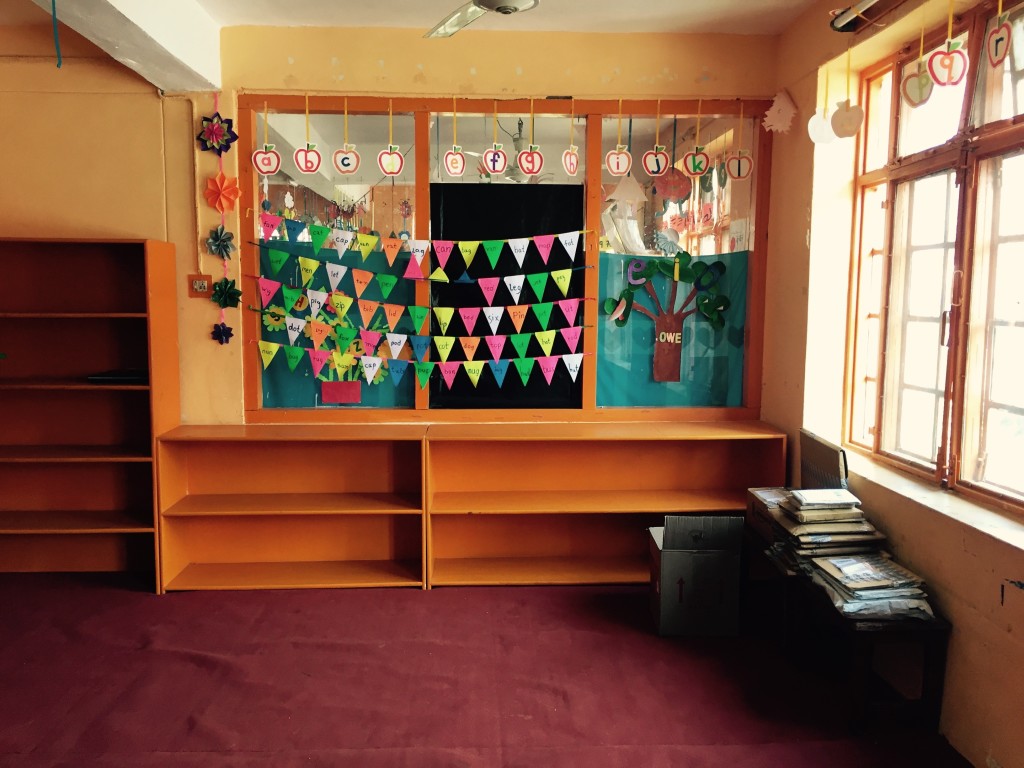
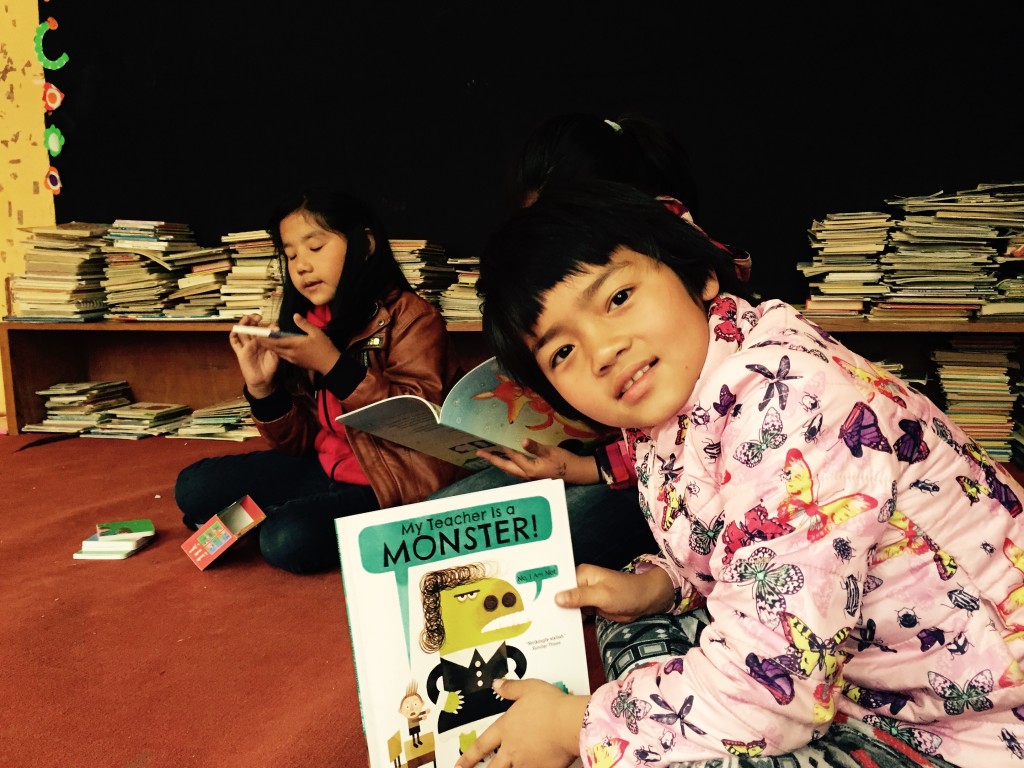
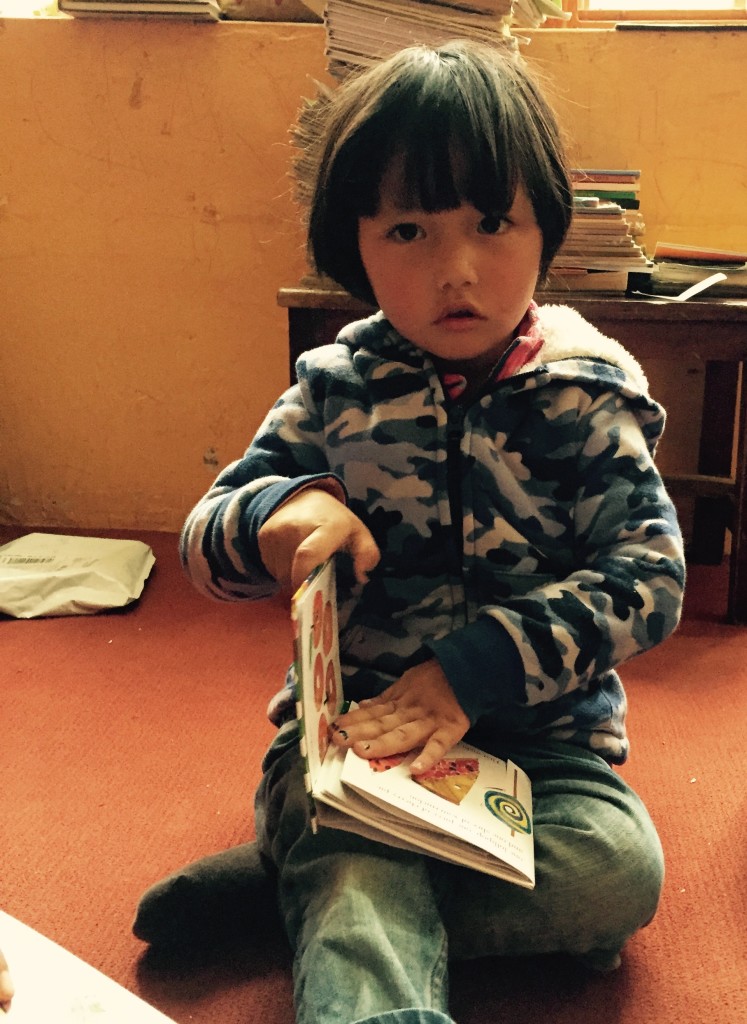
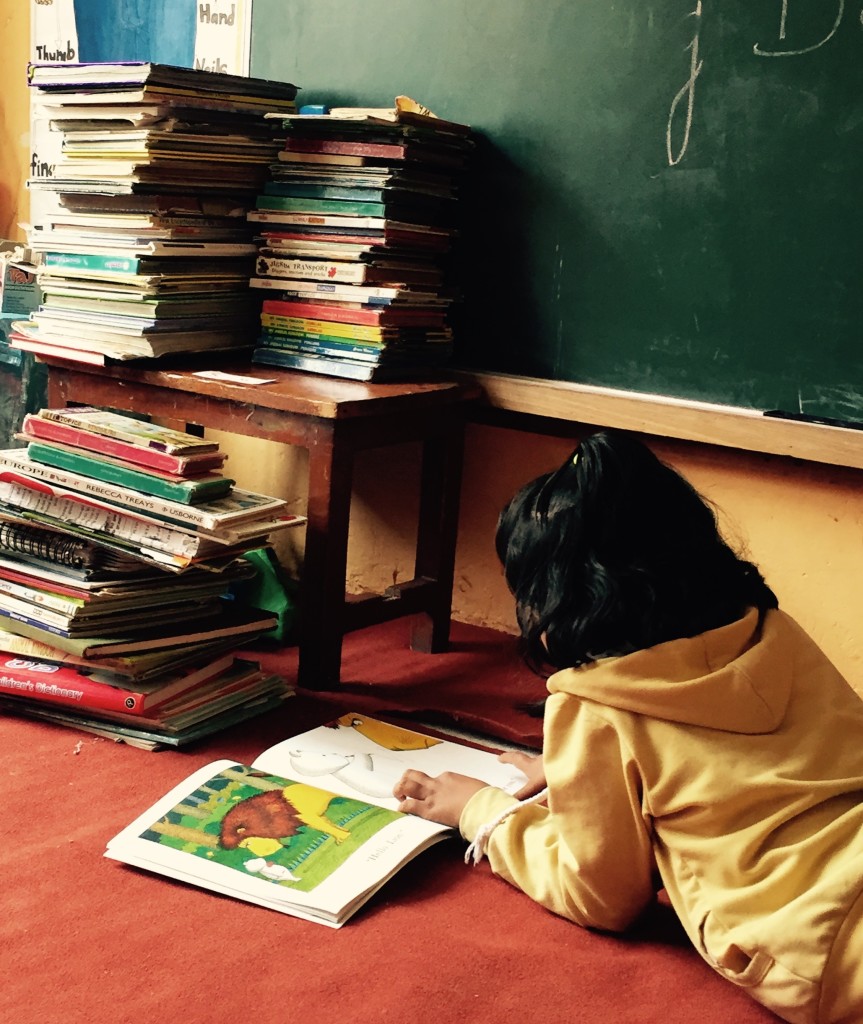
The reading room also gave him choices. He could read quietly, listen to another child, draw a response or put the book aside and return to it later. That freedom made the space feel safe. It also showed that reading is not a test to pass; it can be a way to rest, explore and connect.
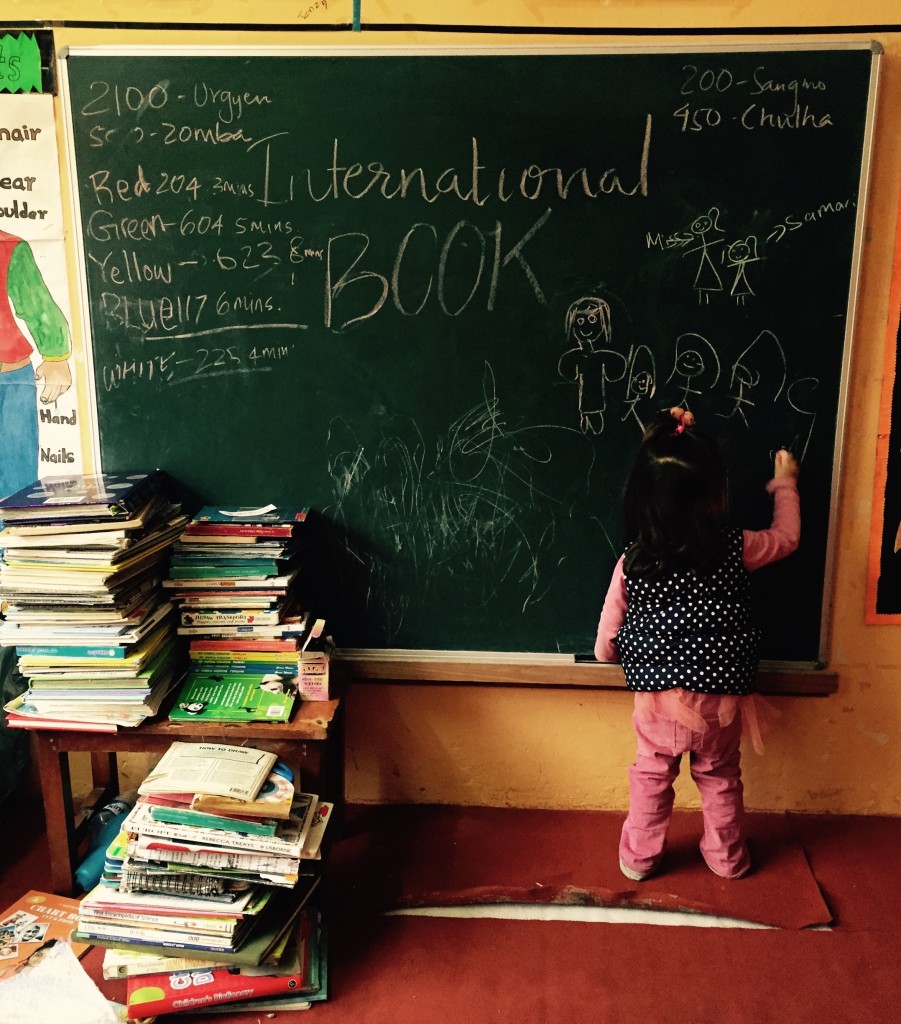
This is where educational, artistic and musical activities complement a book collection. A child who struggles to explain homesickness in conversation may express it through colour, rhythm or a picture. In Dorje’s case, drawing the fox became the first step towards telling his own story.
From Australian Shelves To Himalayan Reading Rooms
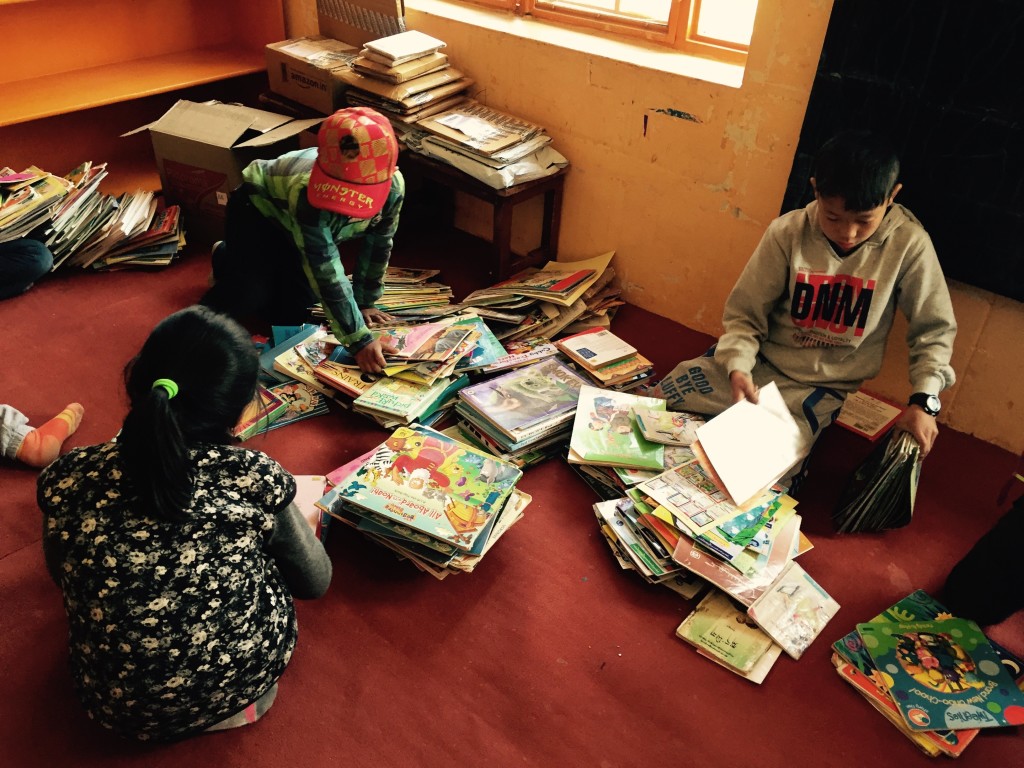
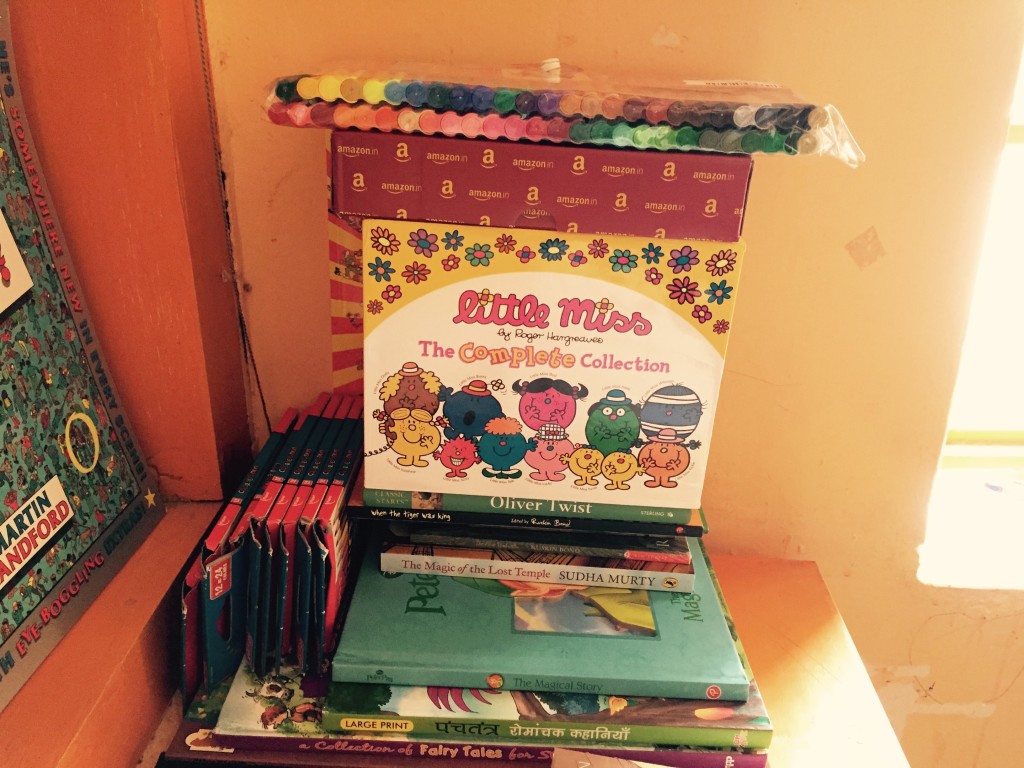
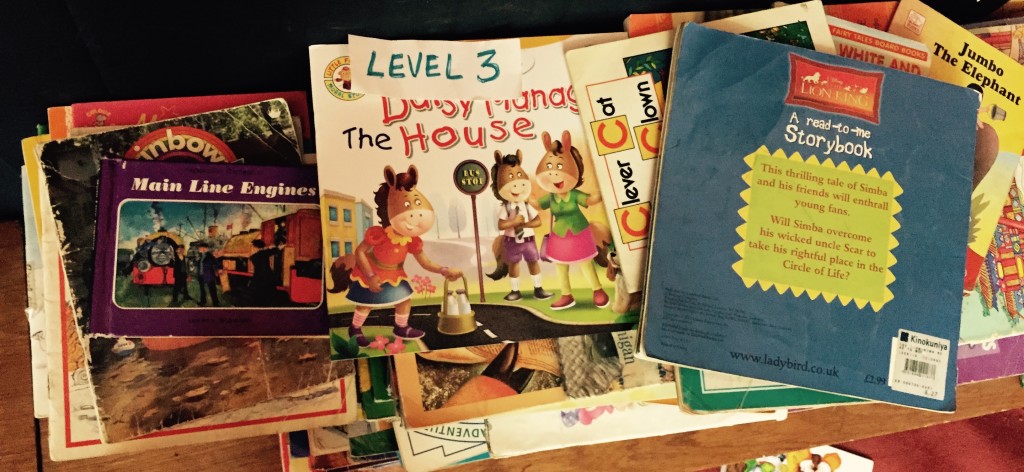
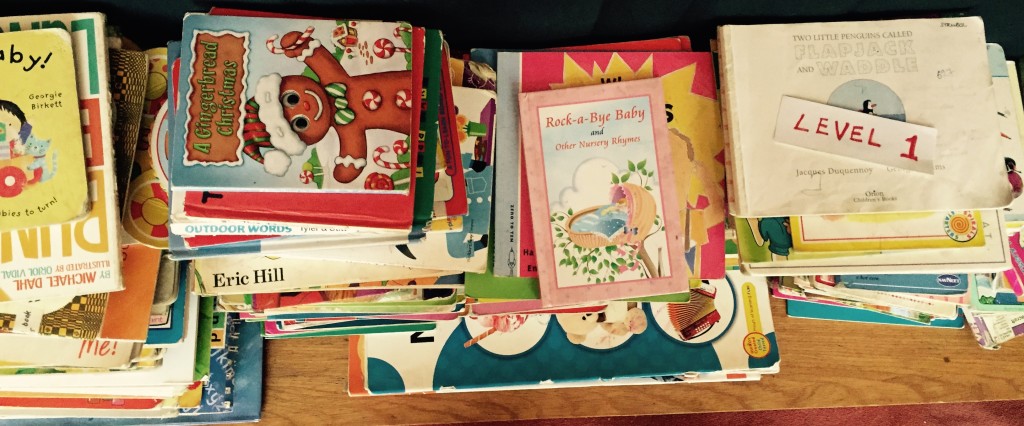
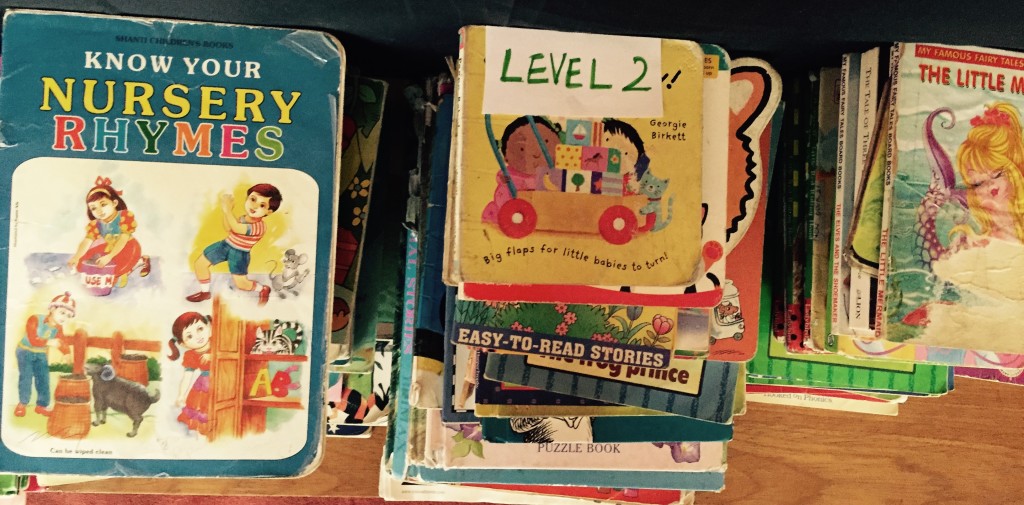
Books travelling from Australia to remote Himalayan communities require careful planning. Families may donate during a school fete, a neighbourhood collection or an end-of-term clear-out, but useful books must then be sorted, packed and matched with the needs of the receiving community. A book that is excellent for one age group may be unsuitable for another, while damaged or outdated material can add weight without adding value.
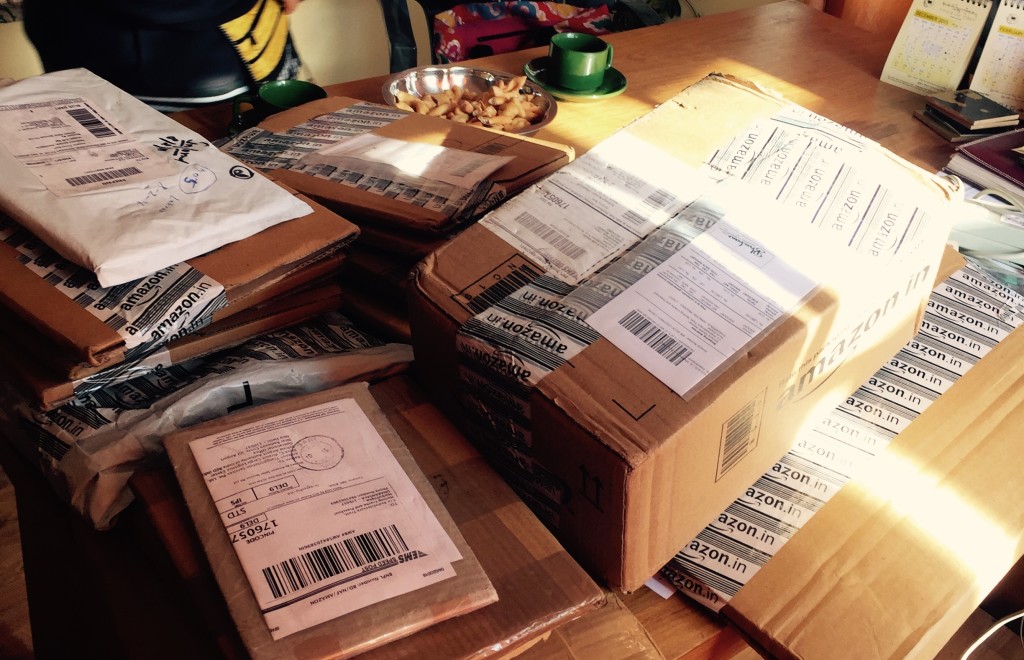
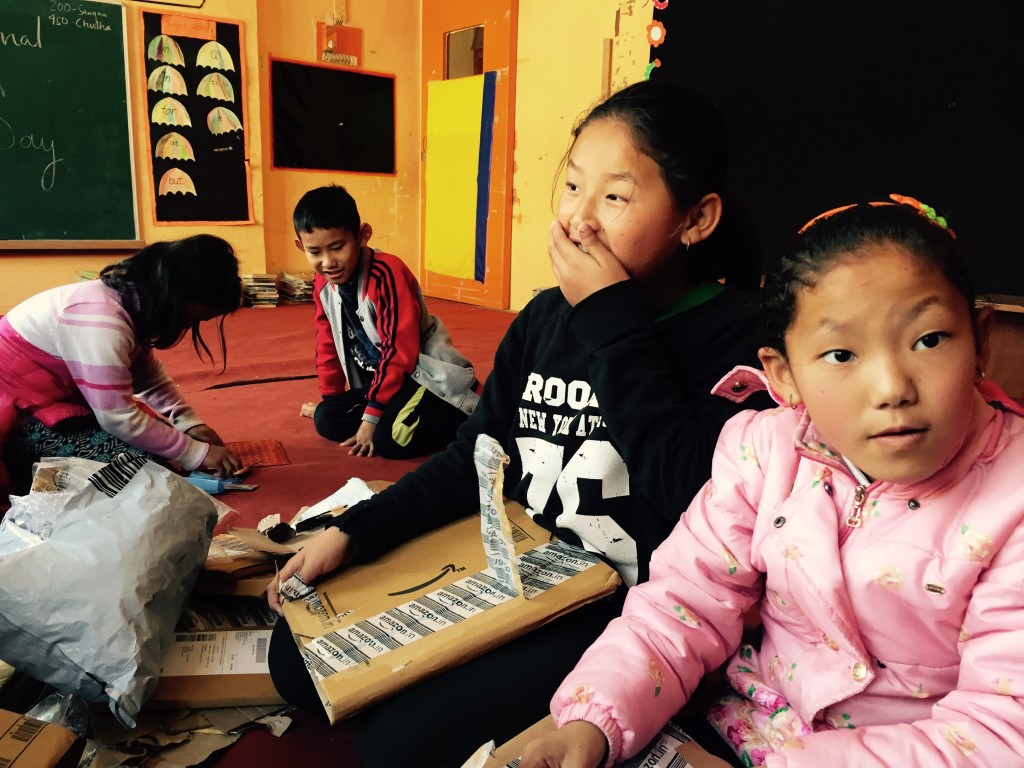
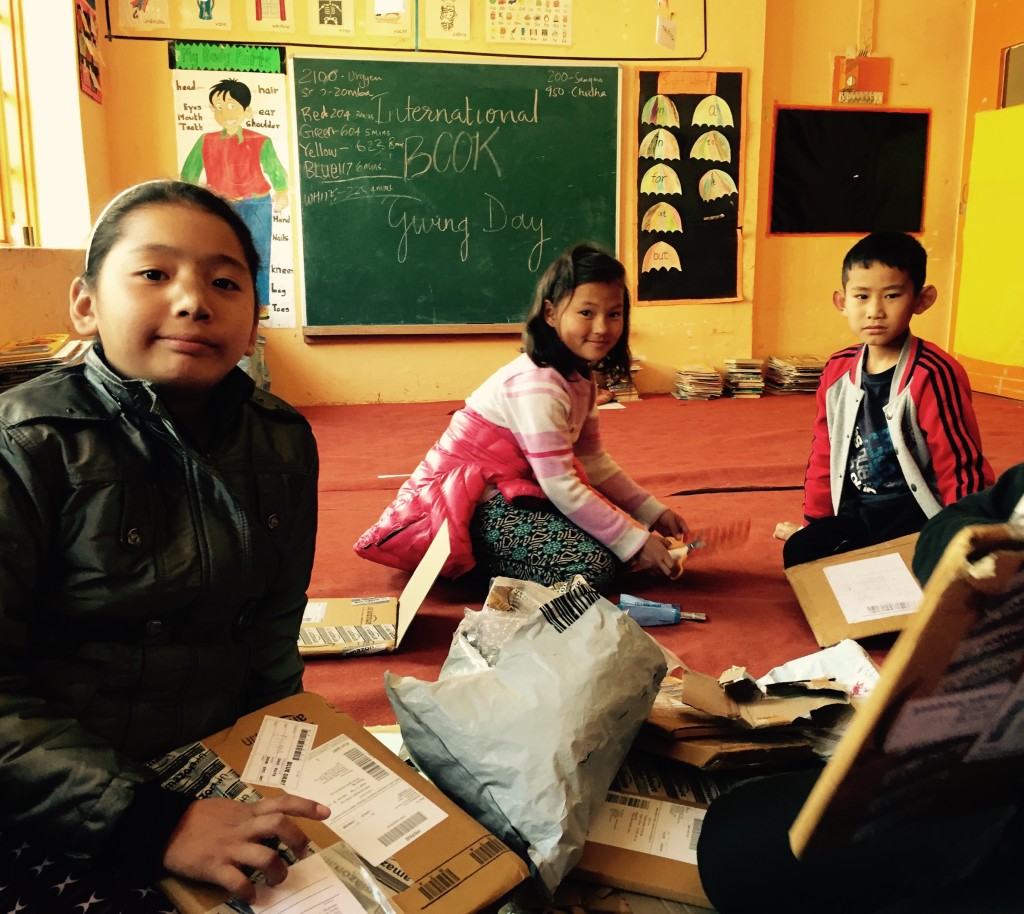
The physical journey is part of the story. Cartons may move from a local collection point to a central warehouse, then through international freight networks and difficult mountain routes. The practical detail behind this work is explained in shipping books to Ladakh, where distance, weather, customs and transport capacity all influence the final delivery.
Australian supporters often understand logistics through familiar experiences: waiting for an Australia Post parcel, organising a school book drive or carrying boxes into a community hall on a Saturday morning. A Melbourne bookshop might set aside a shelf for donations, while a family in regional New South Wales could contribute during a local fundraiser. Even the casual promise to meet “this arvo” and sort a few cartons can become part of a much larger educational effort.
Good book drives also respect the economics of charity work. Transport costs, storage space and staff time matter. Sending fewer well-chosen books can be more useful than sending large quantities of unsuitable ones. The aim is to create a lasting collection that children and teachers can use repeatedly.
What Support Makes Possible
Dorje’s relationship with the book changed gradually. He still missed his family, particularly during festivals and on days when other children received news from home. Yet he began writing short letters to his sister and adding small drawings. He also volunteered to read aloud to younger boys in the reading room.
The effects of a thoughtful book can spread through a community in simple ways:
- A hesitant reader gains confidence by choosing a book independently
- A teacher finds material for language and creative lessons
- Children practise sharing, listening and taking turns
- Young monks discover stories beyond their immediate surroundings
- Families receive a new reason to talk about feelings and change
Months later, Dorje made a paper book about the fox’s return to its valley. In his version, the fox came home with stories, sketches and new friendships. It had not forgotten its first home. It had learned that belonging could grow in more than one place.
The reading room became part of that growth. Its shelves held donated books, but its deeper value was the atmosphere around them: a quiet corner, a patient adult, a friend who could read a difficult paragraph and enough time for a child to discover what interested him.
| Resource |
Immediate Value |
Longer-Term Benefit |
| Illustrated storybook |
Comfort and independent reading |
Emotional vocabulary and imagination |
| Reading room |
Quiet access to books |
A regular habit of learning |
| Art materials |
A way to express difficult feelings |
Creativity and confidence |
| Shared reading session |
Support with unfamiliar words |
Friendship and communication |
| Carefully organised book drive |
Relevant books in good condition |
A dependable community collection |
For Australian donors and volunteers, the distance can feel daunting. Ladakh’s high-altitude settlements are far from Brisbane, Perth or Hobart, and the daily realities of a Himalayan monastery differ greatly from those of an Australian school. Still, the connection begins with a universal act: placing a good book in a child’s hands and allowing time for its meaning to unfold.
Dorje remembered the fox because it made room for both homesickness and hope. The book did not tell him to forget home. It helped him carry home with him while he made a place for learning, friendship and belonging. That is what readers should remember: a carefully chosen book can travel far beyond its pages, reaching a child’s imagination, emotions and sense of possibility.