How Thousands of Books Reach Himalayan Reading Rooms
A book collected in Melbourne or Sydney can travel through several very different systems before it reaches a child in Ladakh. It may begin in a school library, an Australian household or an op shop, then move through a sorting centre, an international freight depot, customs clearance and mountain roads. The final destination may be a reading room serving children and young monks far from the nearest large bookshop.
Shipping thousands of books to the roof of the world is therefore less about placing cartons on a truck than designing a reliable chain of decisions. Every title must be suitable, every box must survive handling, and every transport stage must match the realities of altitude, weather and limited road access.
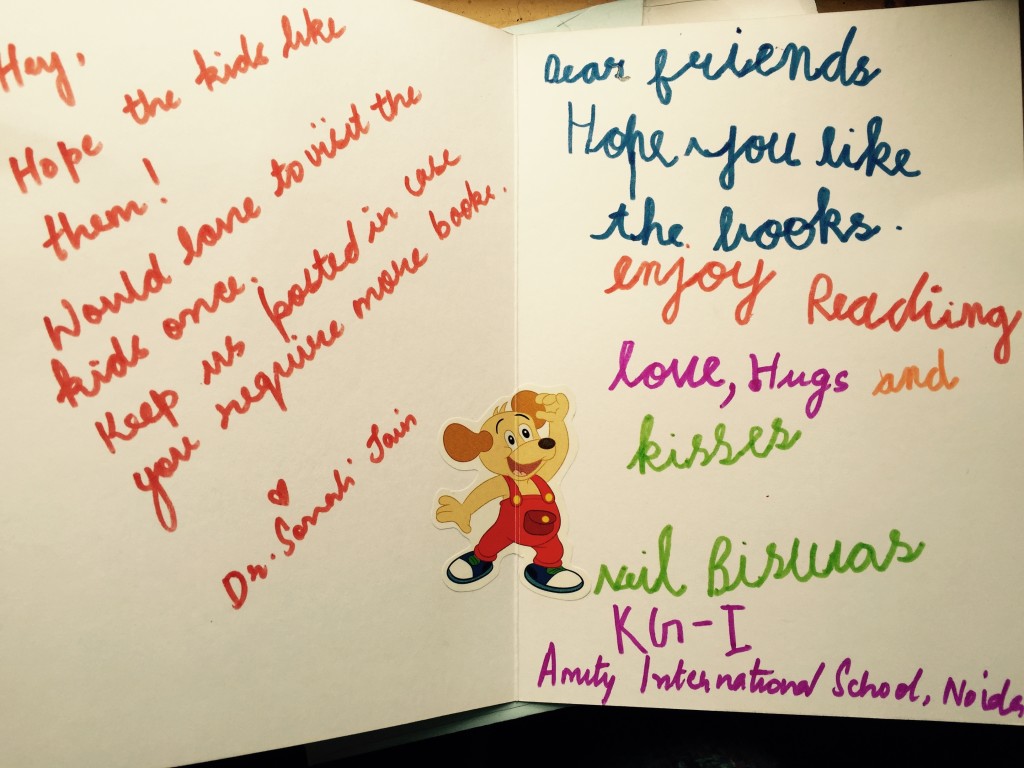
For a charitable organisation such as Avalokiteśvara Trust, the work begins long before a shipment leaves Australia. Book drives, donor communications, stock assessment, packing, paperwork and local coordination all determine whether educational resources arrive in a useful condition. A successful consignment is measured by the learning opportunities it creates, not simply by its weight.
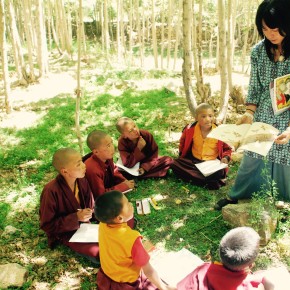
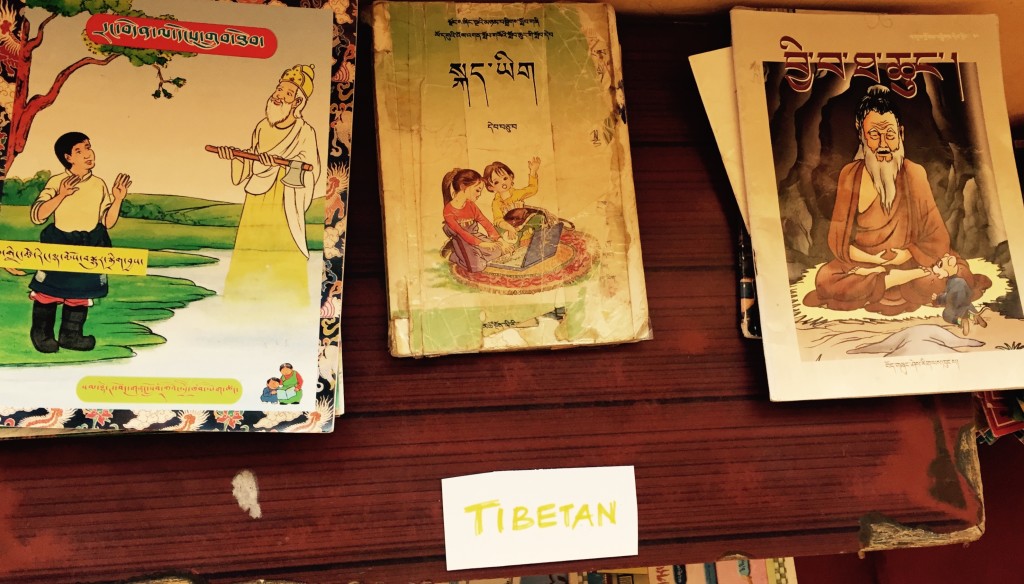
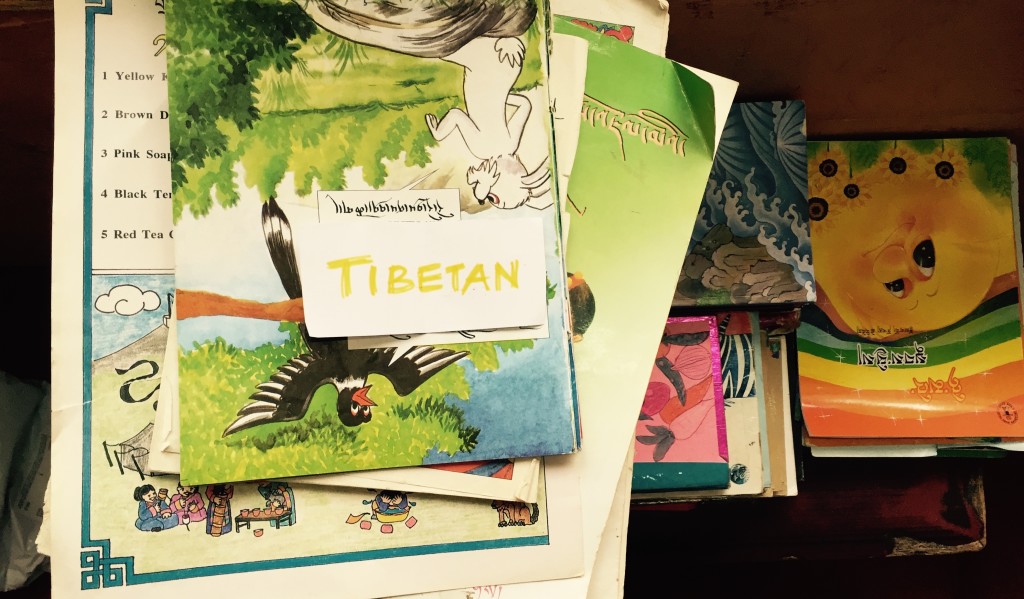
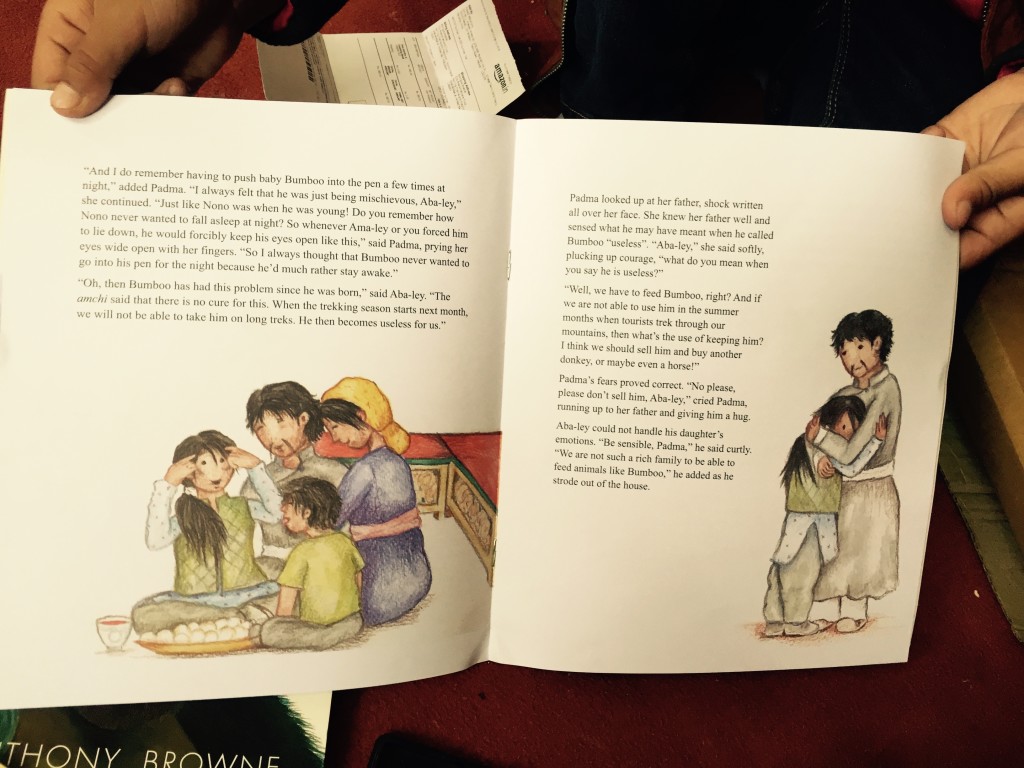
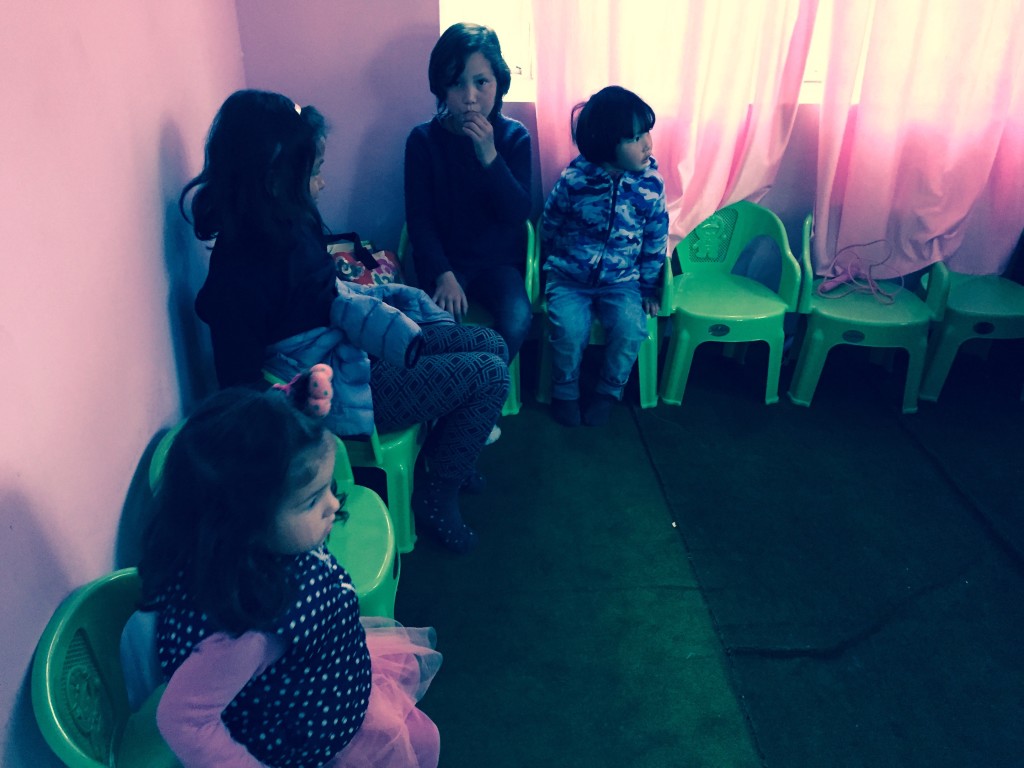
The most valuable logistics plan also respects the communities receiving the books. Children need engaging stories, picture books and reference materials. Young monks may benefit from language learning, history, science, art and music resources. Books must be relevant, age-appropriate and durable enough for repeated use in a shared reading room.
Choosing books that earn their place
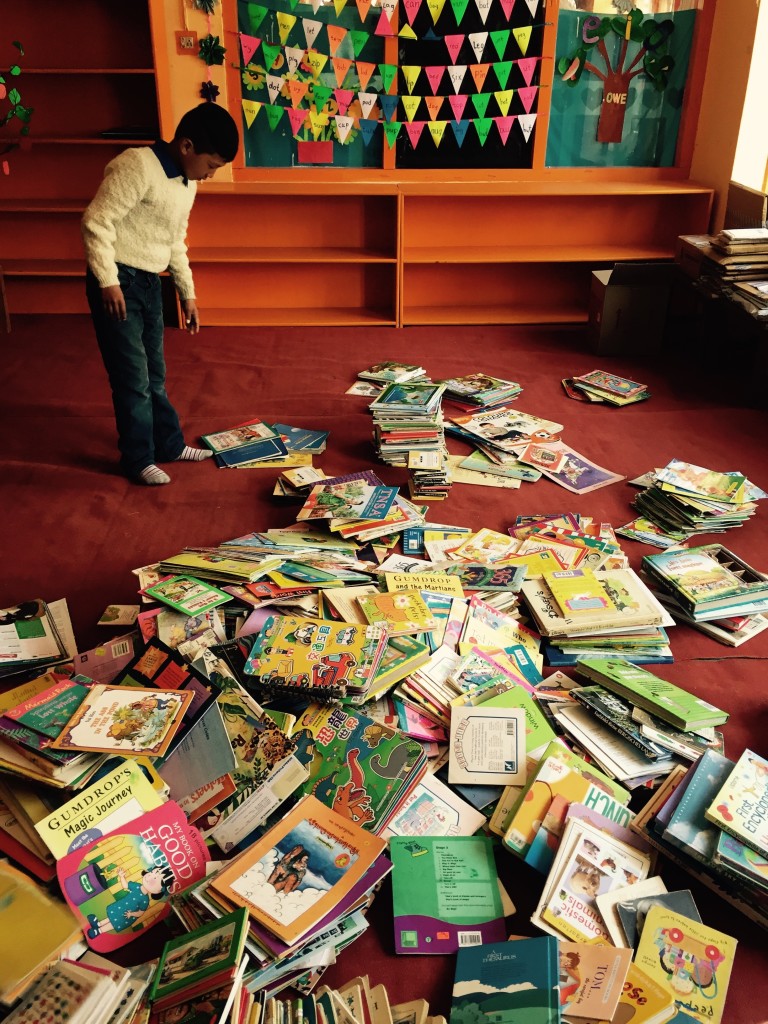
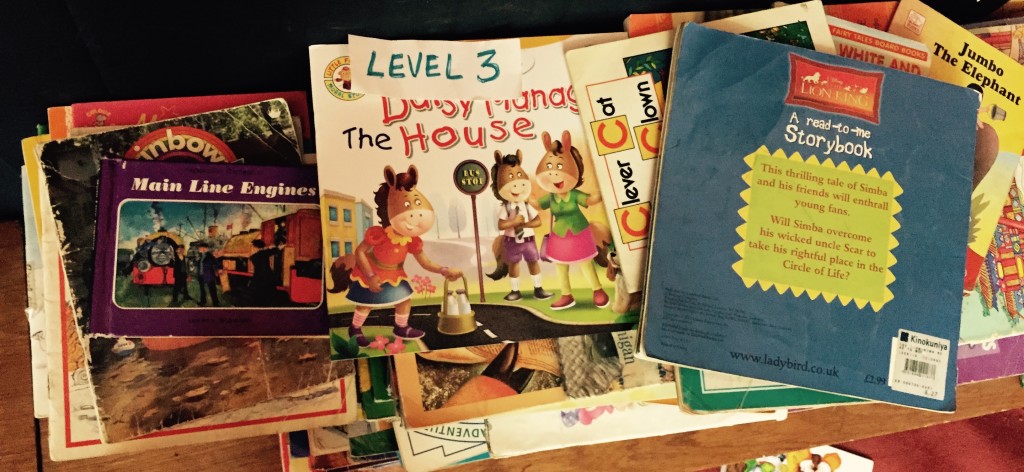
The first challenge is quality control. Large donations often contain duplicates, outdated textbooks, damaged books or material that does not match the language level of the intended readers. Sorting at the Australian end costs time, yet it prevents valuable freight space from being used for books that will remain unopened.
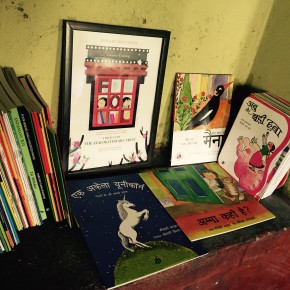
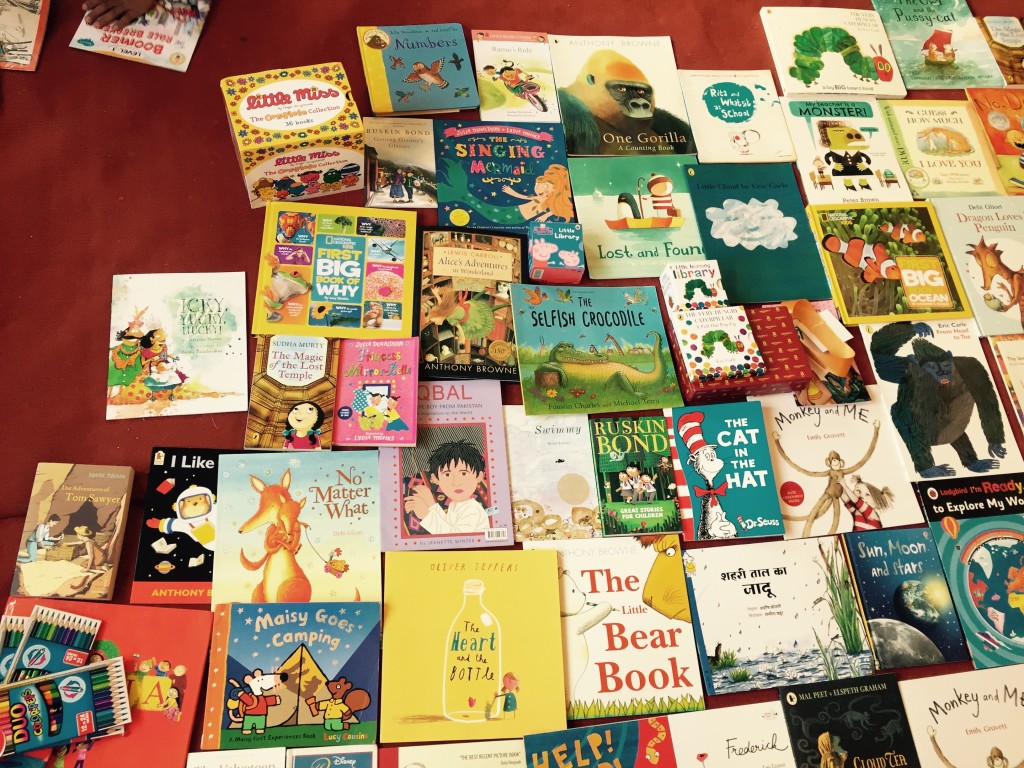
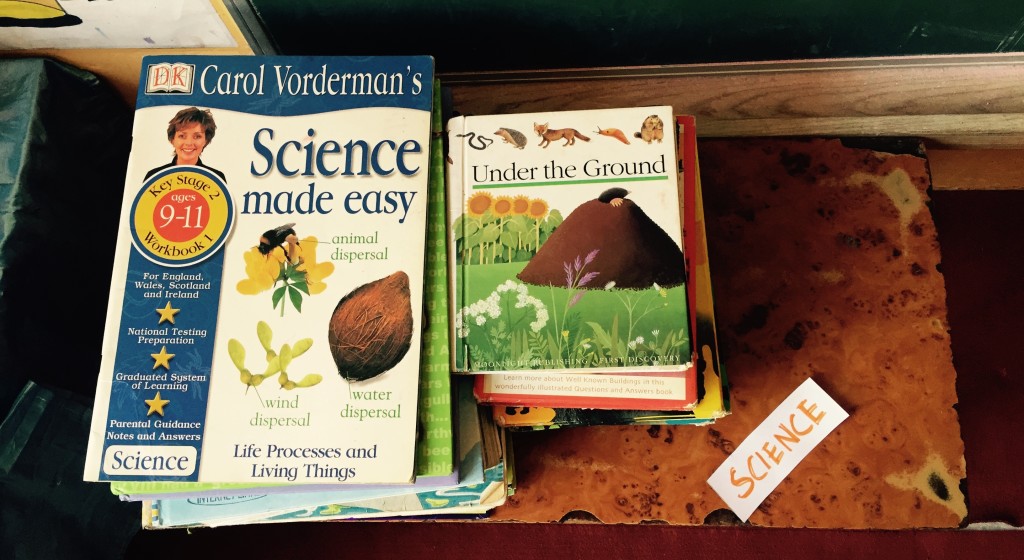
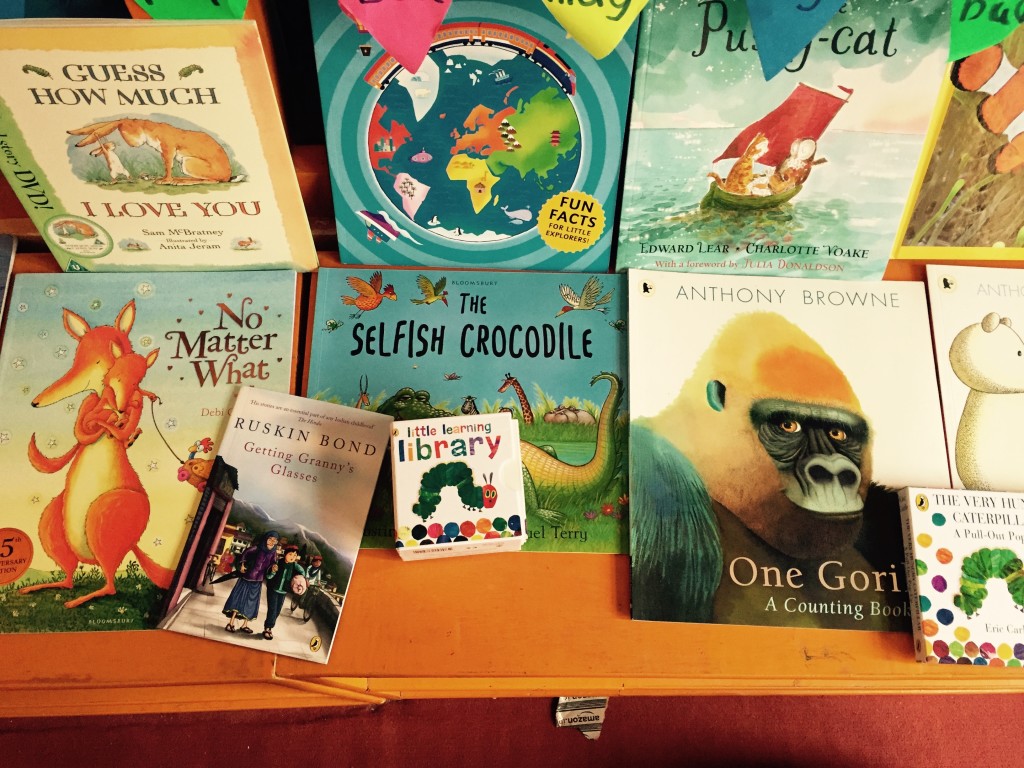
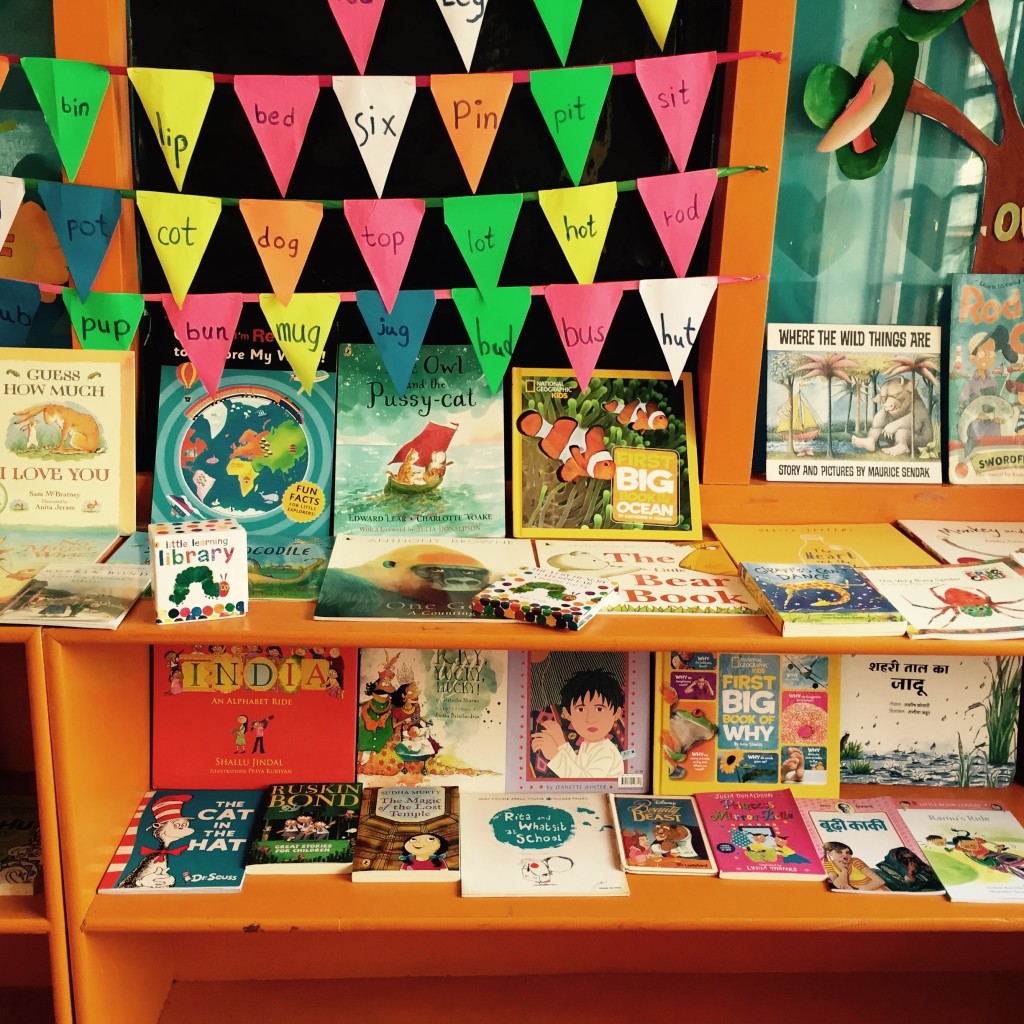
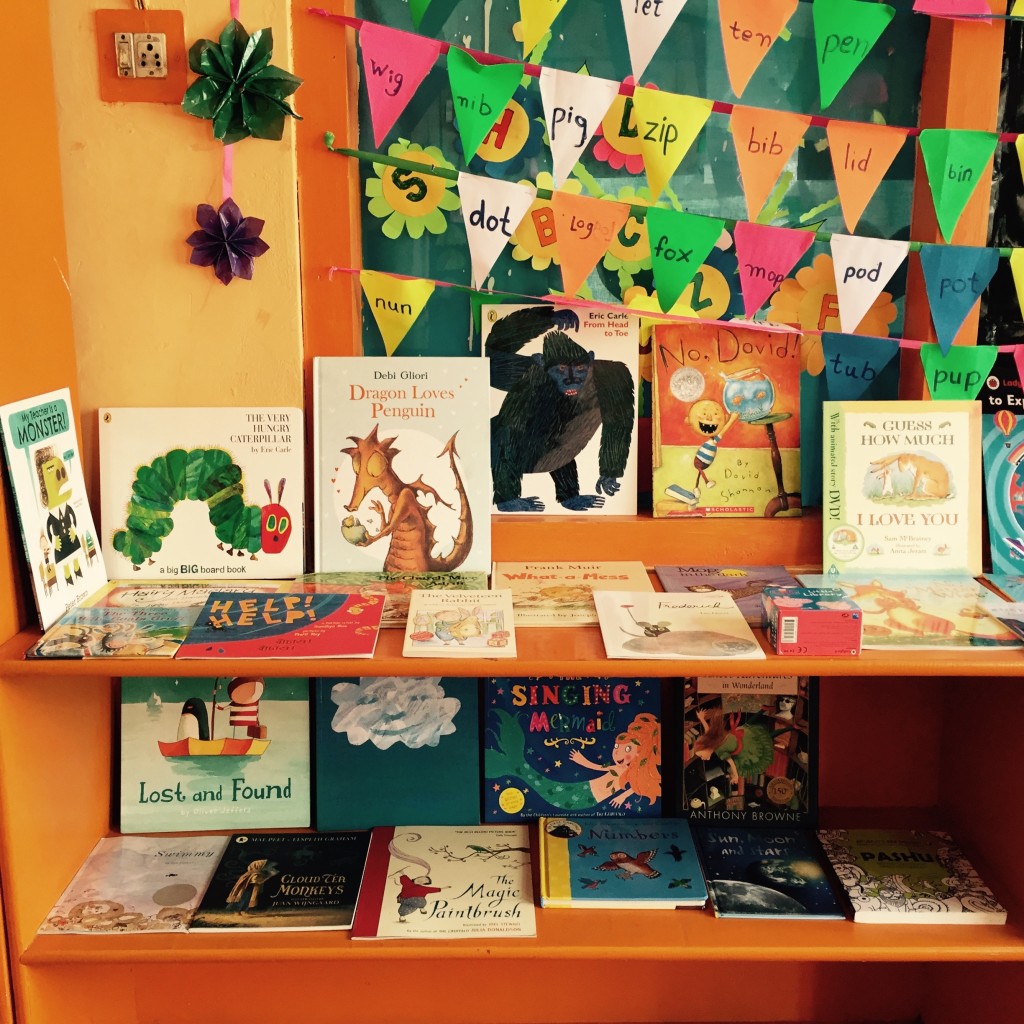
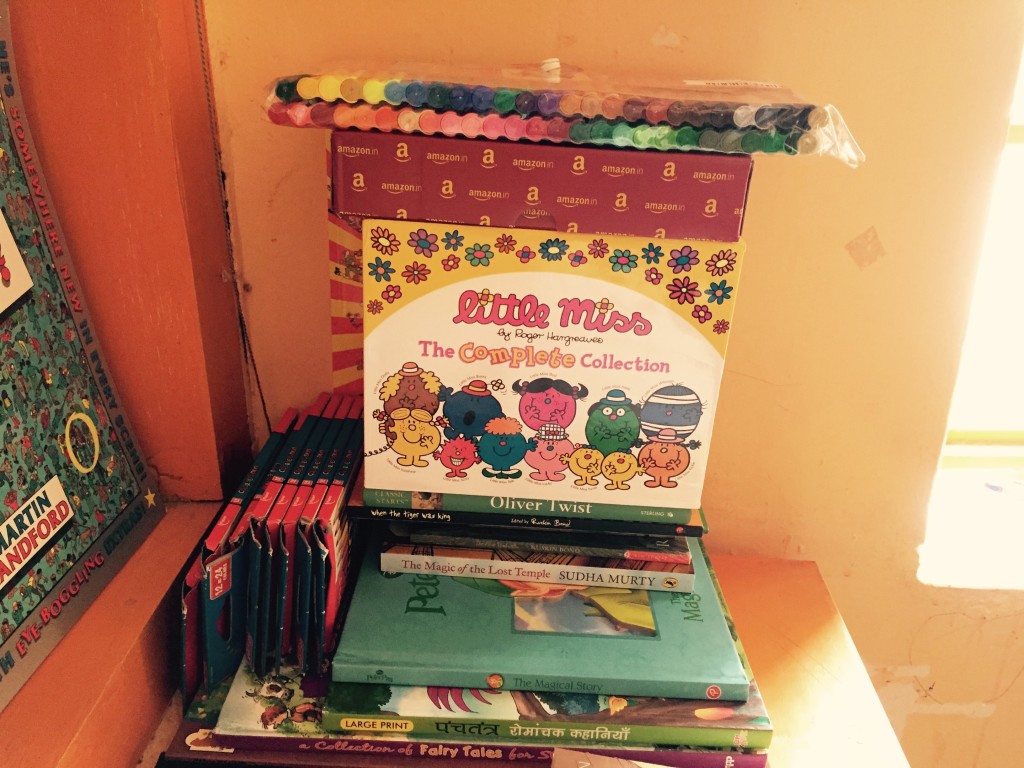
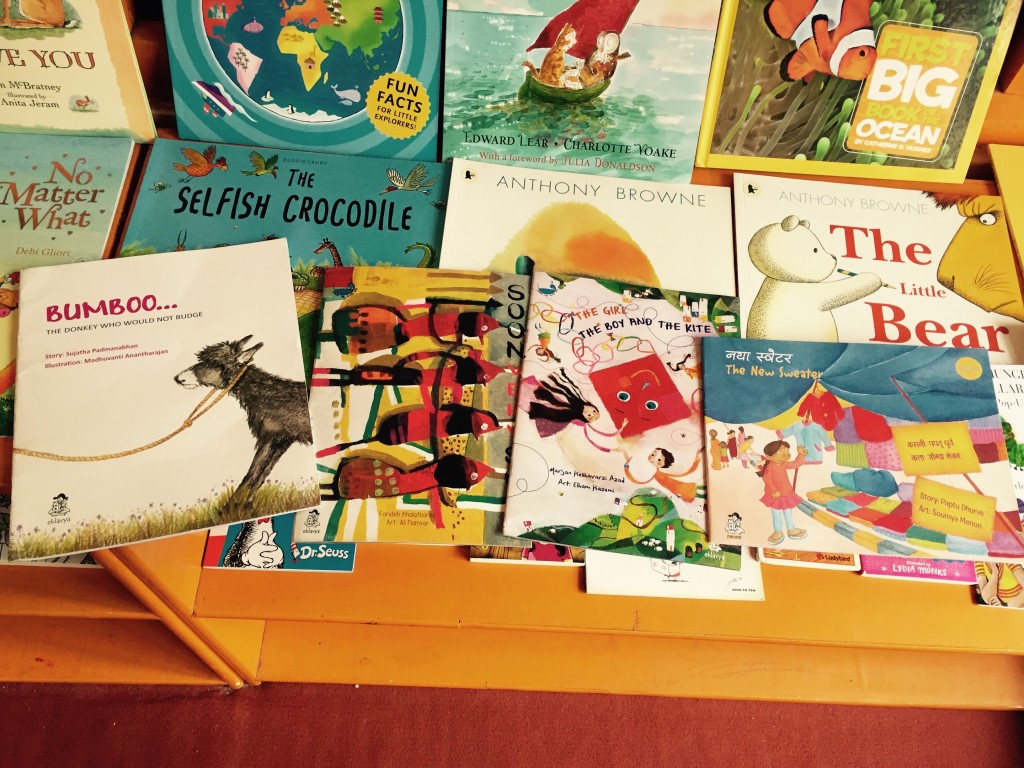
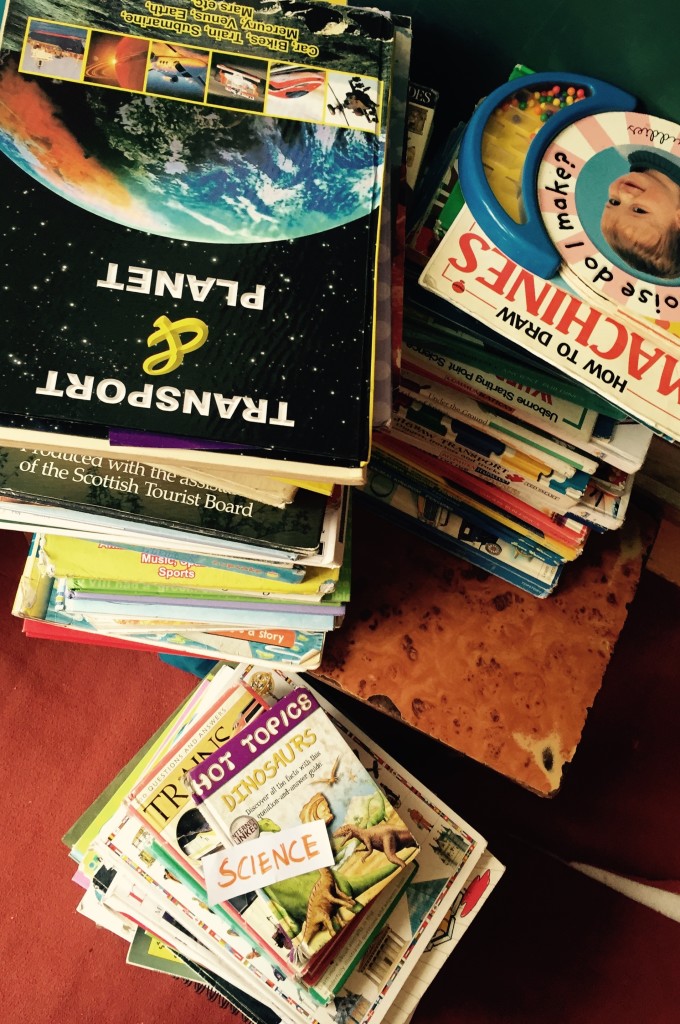
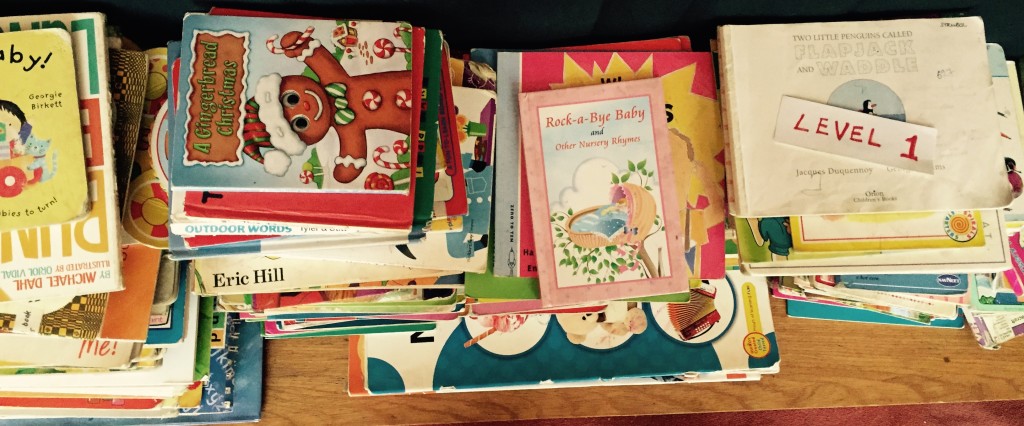
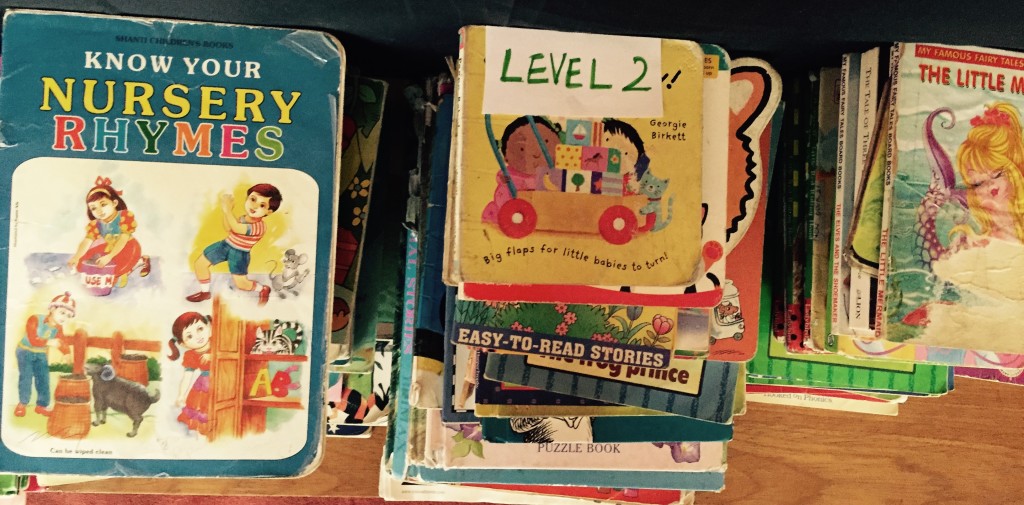
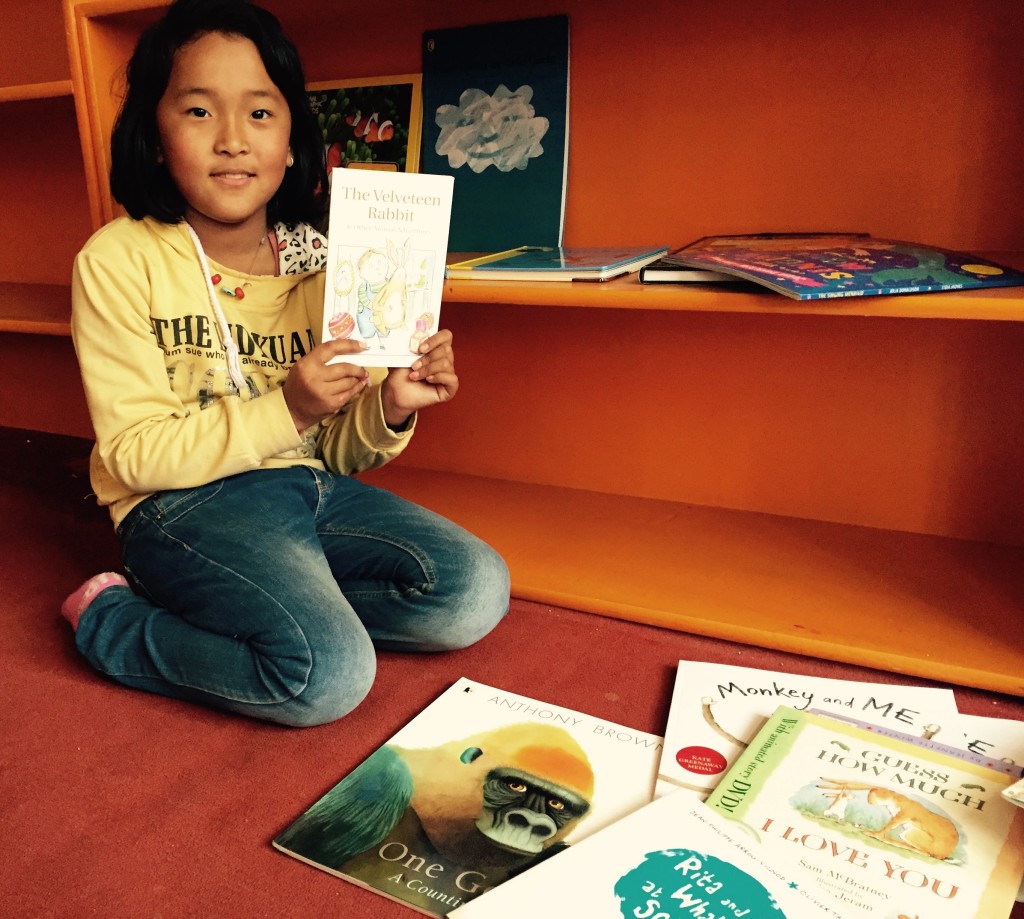
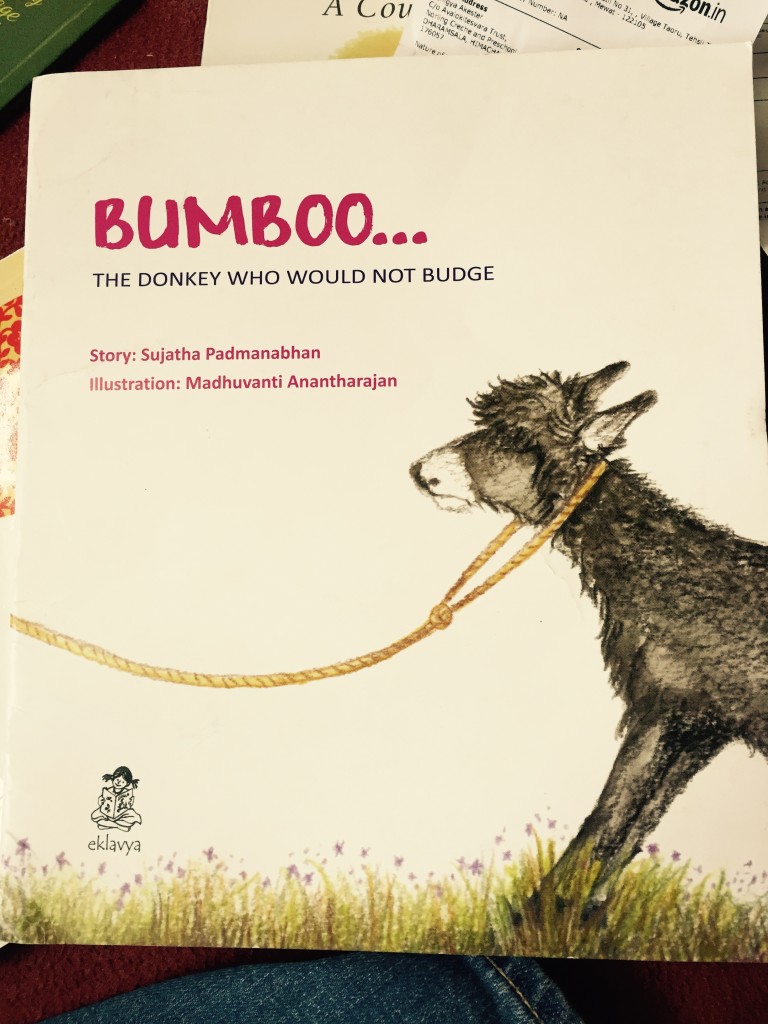
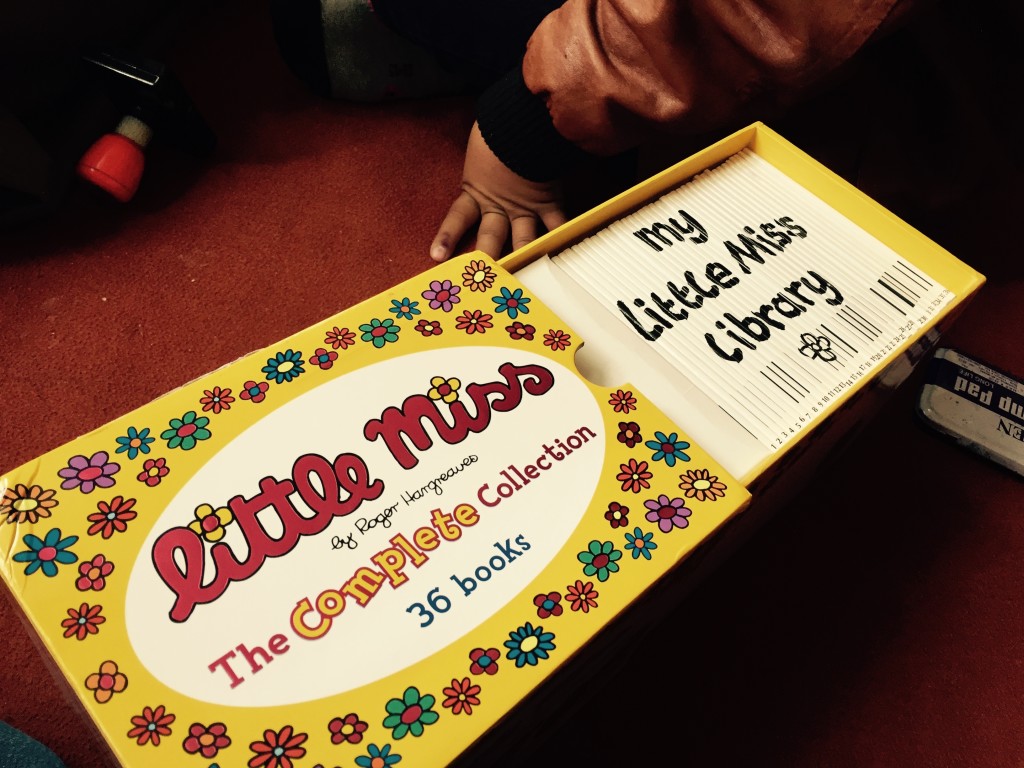
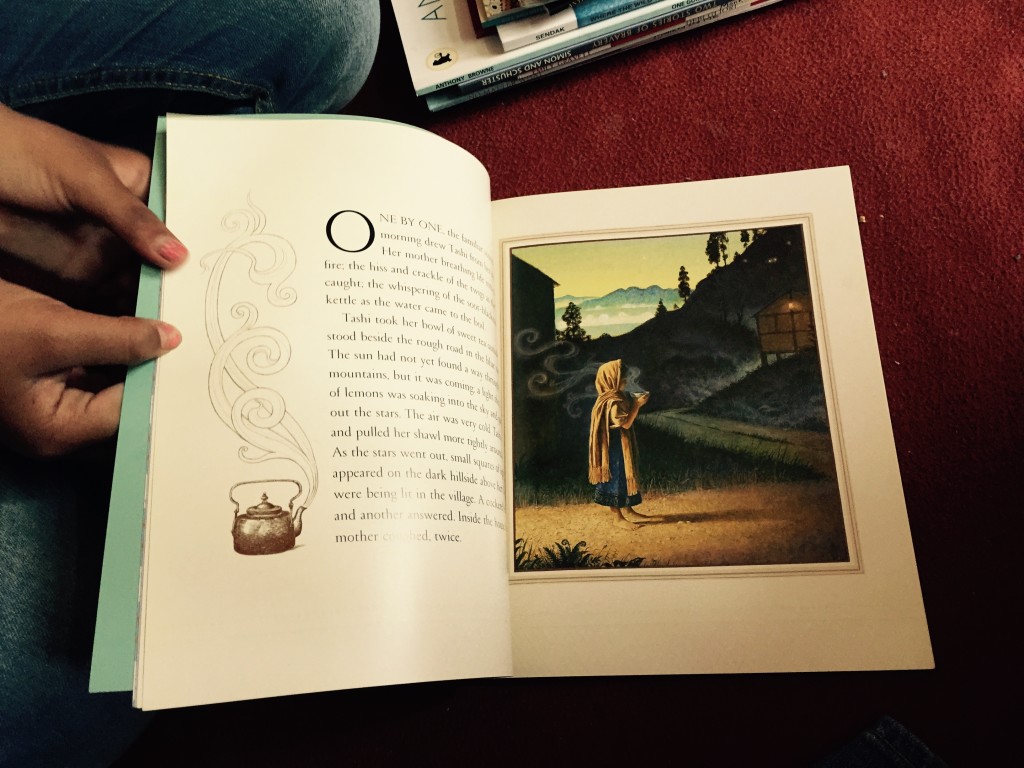
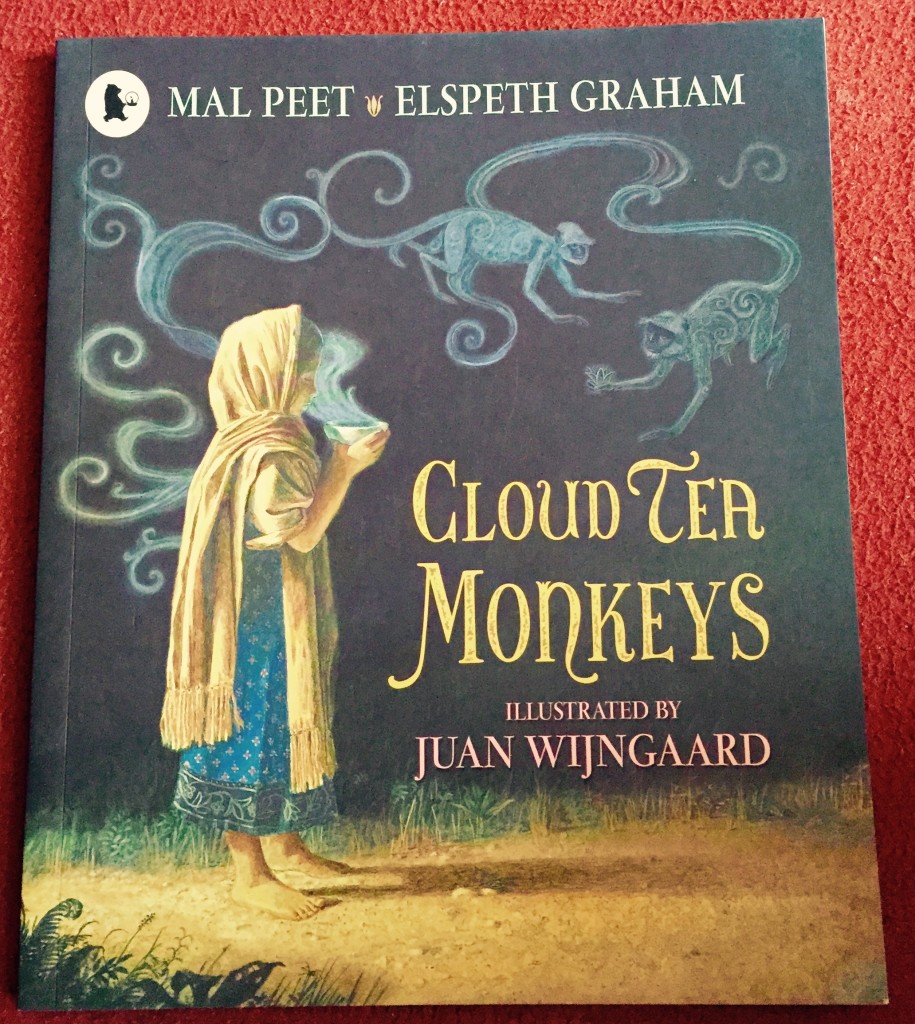
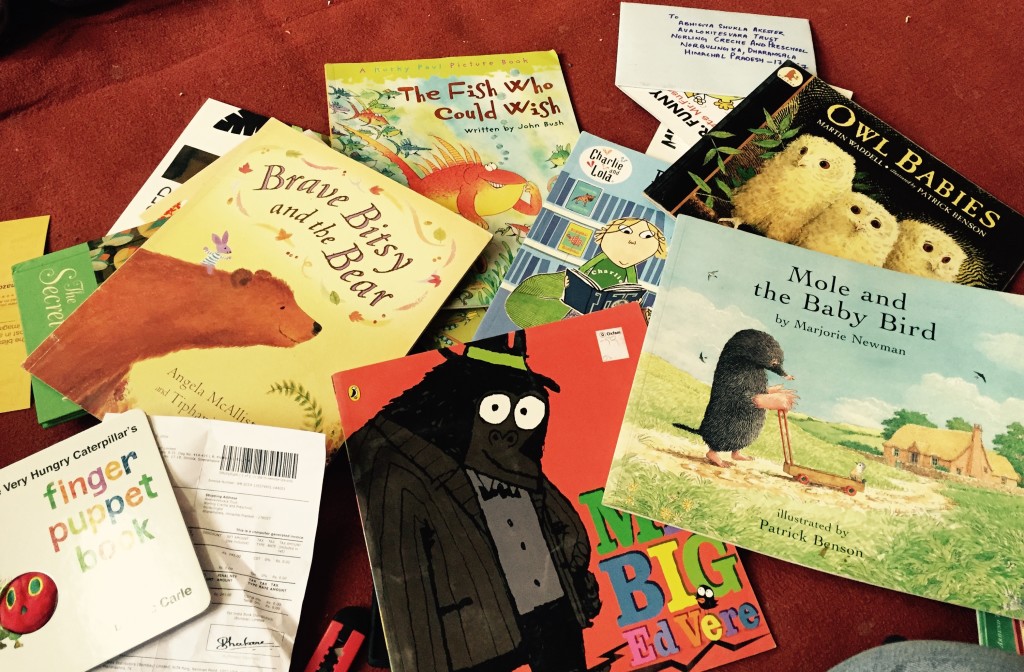
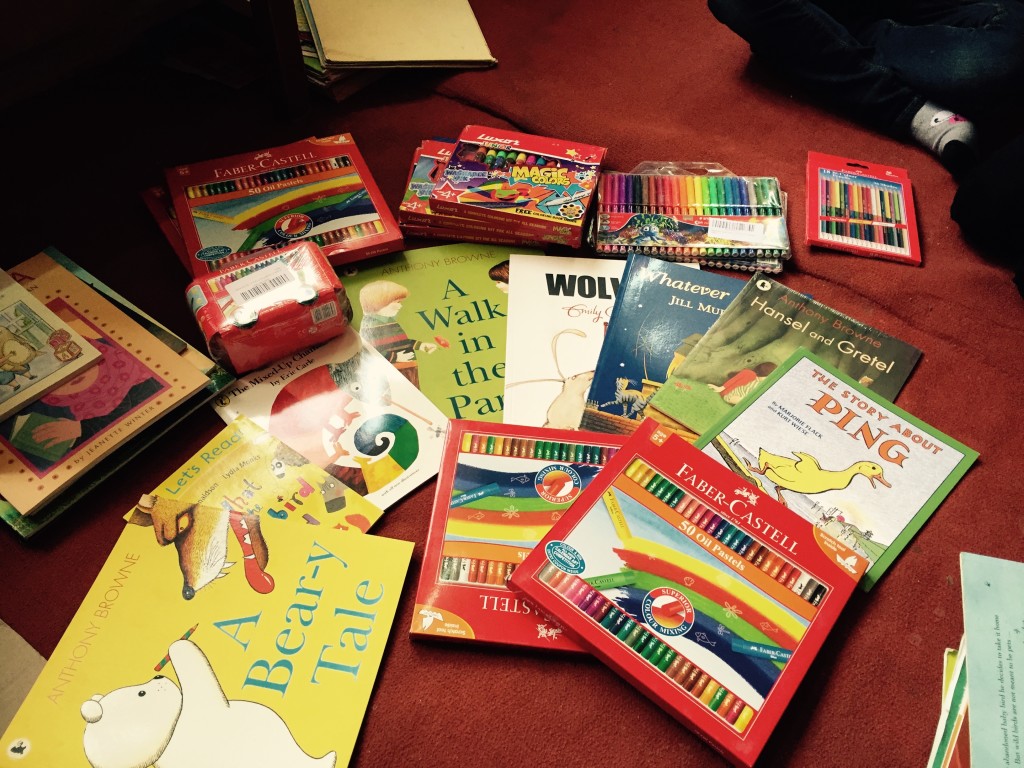
A practical collection may include early readers, illustrated fiction, novels for older students, dictionaries, atlases, biographies, science books, craft guides and music resources. Books with clear illustrations can support children who are still developing English proficiency. Durable hardbacks are useful in shared spaces, while lightweight paperbacks can reduce freight costs for older readers.
Australian donation habits shape the supply. Families often clear shelves during a move, schools refresh their libraries between terms, and op shops receive large quantities after house clean-outs. Library sales and community book fairs can also provide affordable stock. These sources are helpful, but they need a consistent screening process so that enthusiasm does not overwhelm practical needs.
Building a shipment in Australia
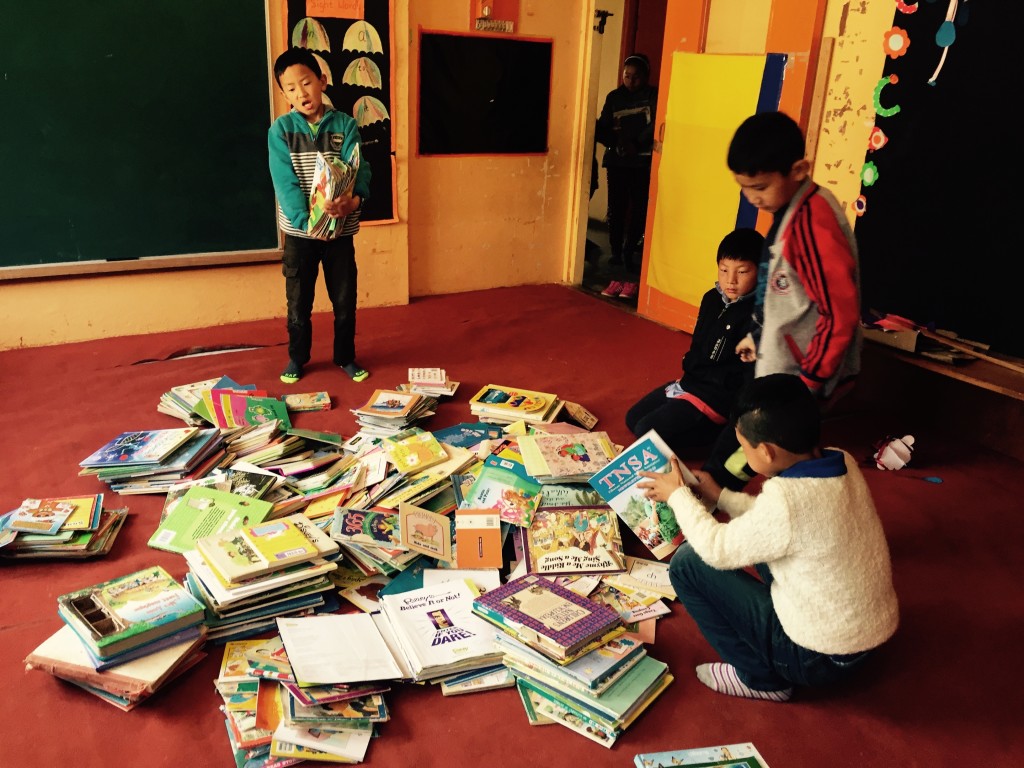
Once books have been selected, they need to be counted, categorised and packed for a long journey. A simple inventory can record the title, subject, language, reading level and number of copies. This helps the receiving team distribute books fairly and gives donors a clearer picture of what their support has made possible.
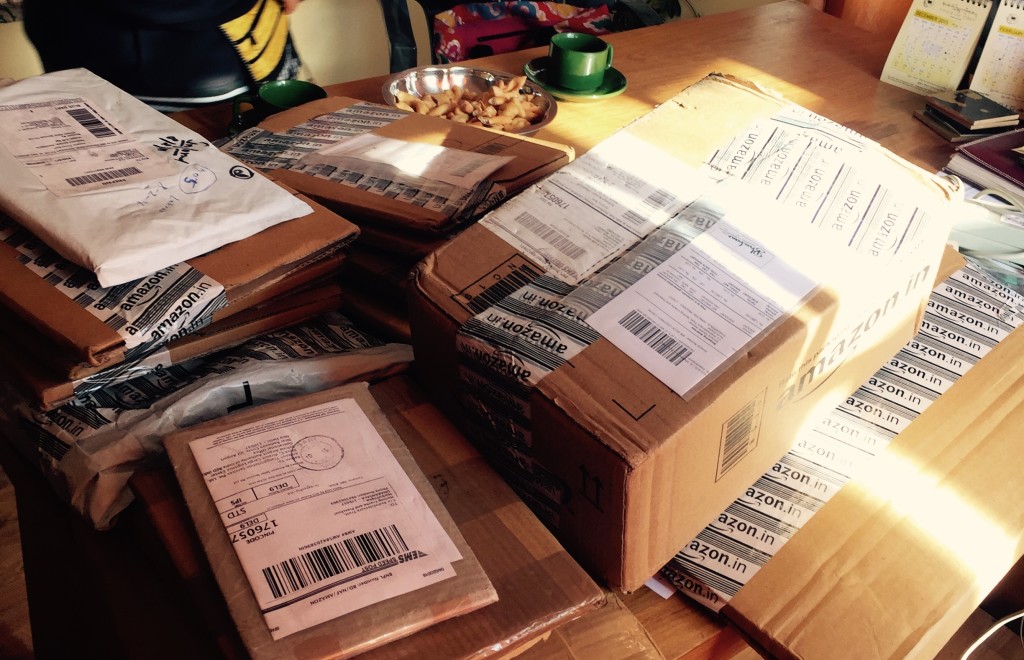
Cartons should be strong, uniform and small enough for two people to lift safely. Books are heavy, so overfilled boxes can split at the base or become unsafe for volunteers. Moisture-resistant liners, packing tape applied across seams and internal protection against shifting can make a significant difference. A label showing the carton number, broad contents and destination supports tracking without exposing unnecessary personal information.
Consolidation is often more efficient than sending many individual parcels. Donations from different Australian cities can be gathered in a warehouse or freight depot near a major international gateway, such as Sydney or Melbourne. Freight forwarders can then combine cartons onto pallets or into a larger consignment, reducing handling and making customs documentation more consistent.
Timing matters as well. Australian school holidays may create a surge in donated books, while winter collection campaigns can coincide with harsh Himalayan weather. Planning several months ahead gives the organisation time to sort stock, book freight and avoid sending a shipment towards a mountain route that is about to close.
Crossing borders and meeting regulations
International book freight requires accurate paperwork. The shipment may need a packing list, a commercial or pro forma invoice, the destination organisation’s details, a description of the goods and an honest declared value. “Educational books” is more useful than an unexplained description, but the wording must reflect the contents accurately.
Australian charities should also keep their governance and fundraising records in order. Registration with the Australian Charities and Not-for-profits Commission can support public confidence, while tax-deductible gift arrangements depend on the organisation’s specific status and should never be assumed. Donors may ask for receipts, but a receipt for a charitable contribution is different from a valuation of second-hand books.
Export and import requirements vary by route and destination. Australian Border Force rules, freight-company policies and the receiving country’s customs procedures may all apply. Books can attract questions about language, subject matter, origin or value, and consignments may be delayed if the documentation does not match the physical cargo. A freight forwarder or customs broker with experience in educational aid can reduce avoidable errors.
Packing materials should be clean and free from soil, seeds and plant matter. Australia has strict biosecurity controls, and used cartons or wooden pallets may create complications if they are contaminated or do not meet treatment requirements. Checking current requirements before collection is safer than discovering a problem at the export terminal.
Moving from the plains to high altitude
The journey becomes more complex after international arrival. A shipment may pass through a major Indian transport hub before travelling north by road. Ladakh is connected to the rest of India through high mountain routes, including roads that can be affected by snow, landslides, flooding and maintenance closures. A freight plan must allow for delays rather than treating them as unusual events.
Road access can also vary between communities. A consignment delivered to a regional centre may still need to travel along narrow roads or be transferred to smaller vehicles. Some destinations require manual carrying over short distances, especially where vehicles cannot reach a building entrance. Carton weight, handles and clear markings become practical safety features at this stage.
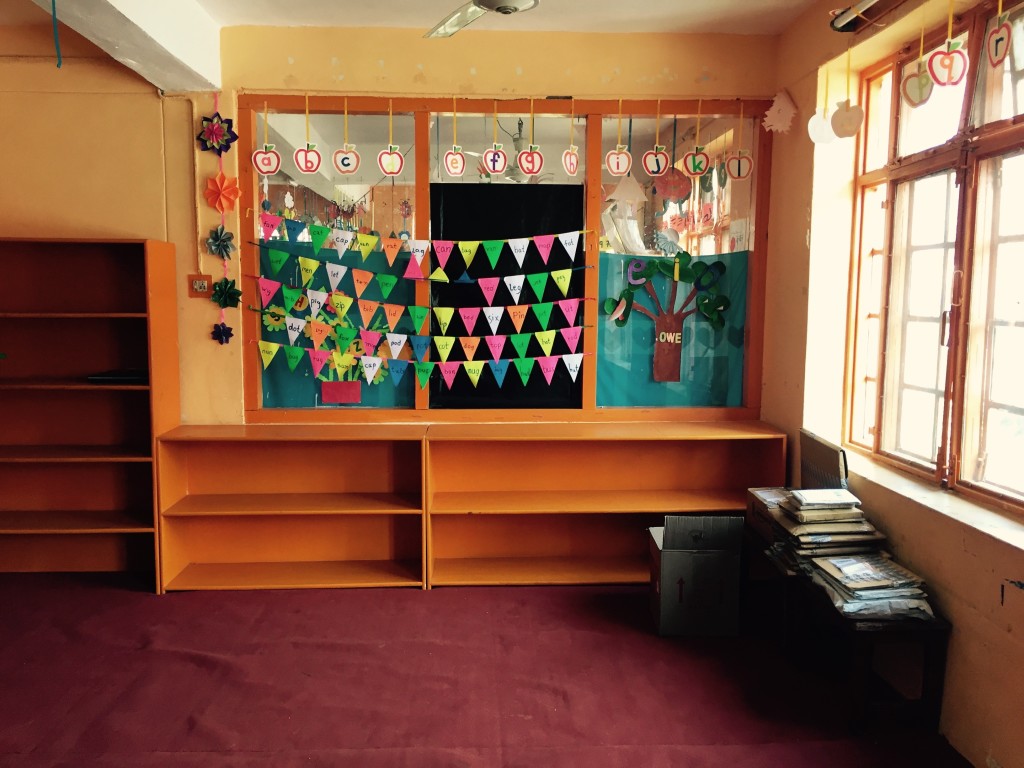
Altitude changes the working environment for drivers, porters and volunteers. Loading and unloading can take longer, and cold or dry conditions may affect paper, adhesives and cardboard. Storage rooms need to be dry, protected from dust and arranged so that books are easy to find. A shipment that arrives safely still needs suitable local storage before it can become a functioning library.
Seasonal planning is central to mountain logistics. Summer road access may offer the best opportunity for larger deliveries, while winter can increase isolation in some communities. Local partners understand these patterns better than a distant logistics provider, so their advice should guide the final delivery schedule.
Turning freight into learning
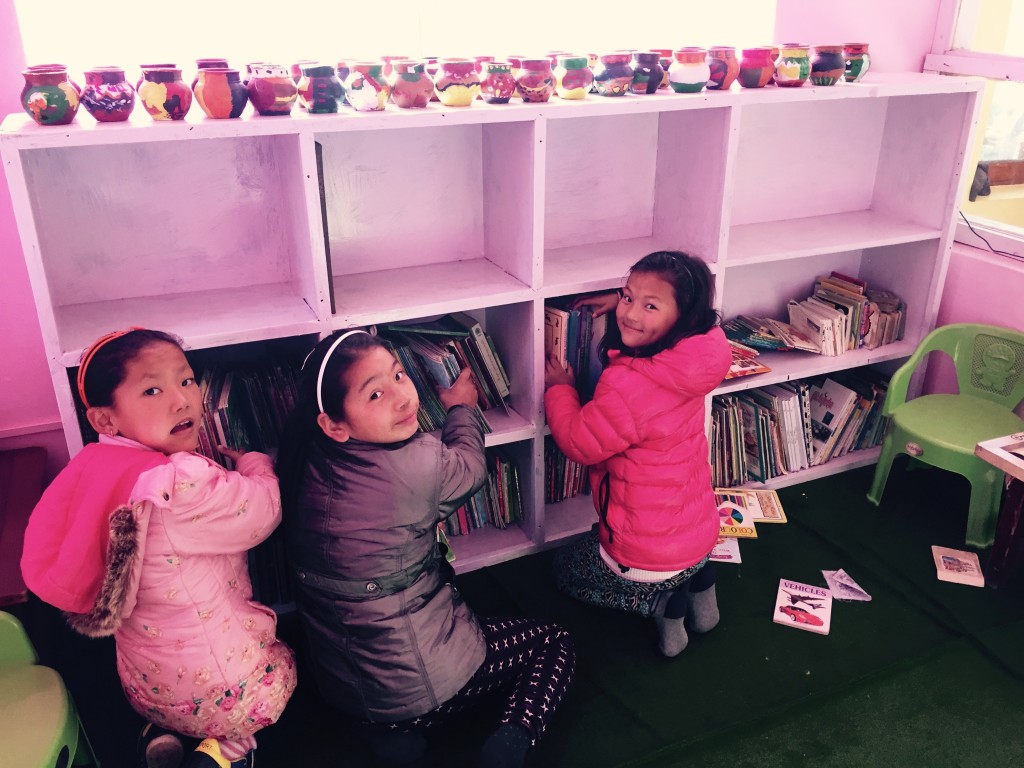
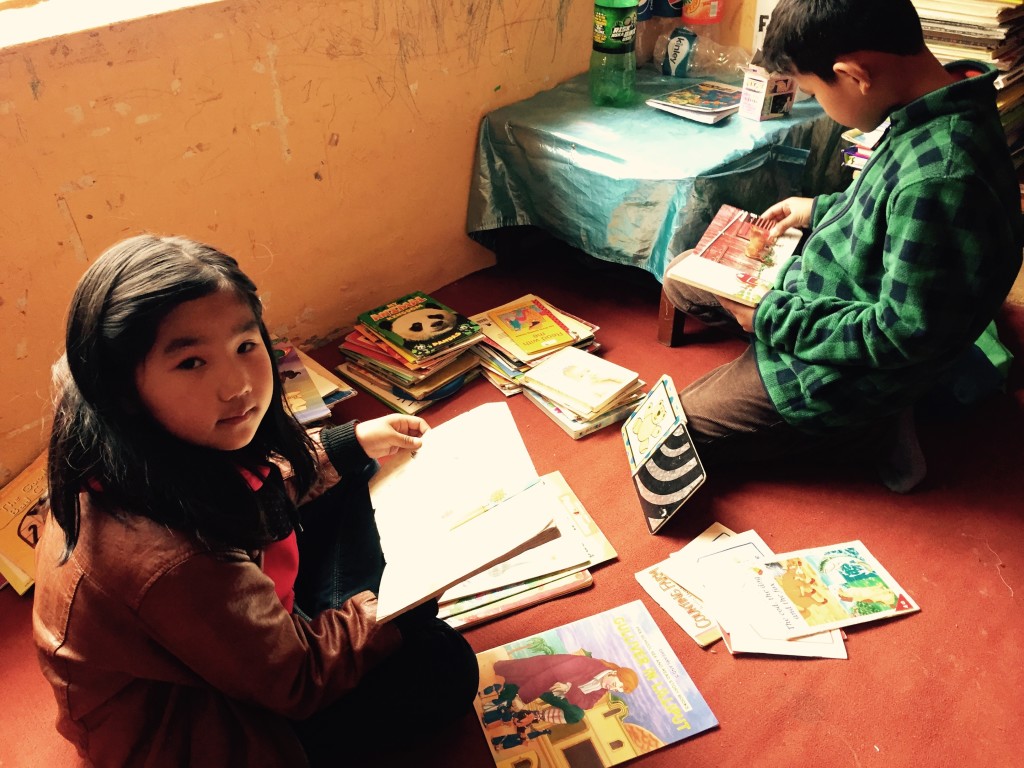
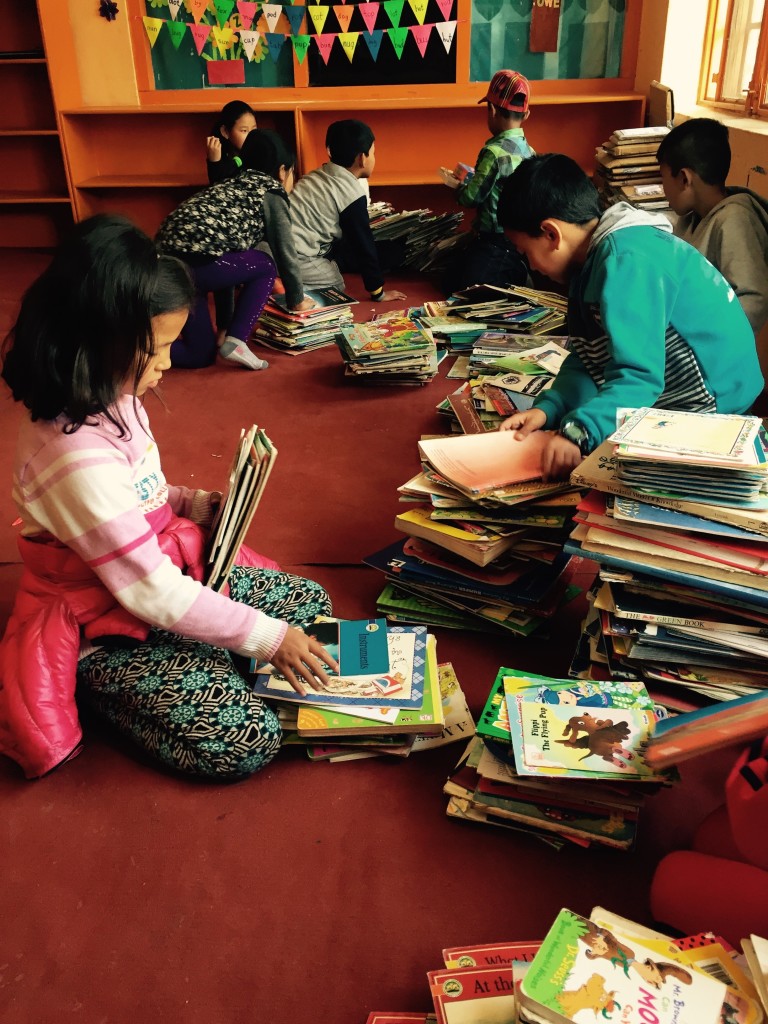
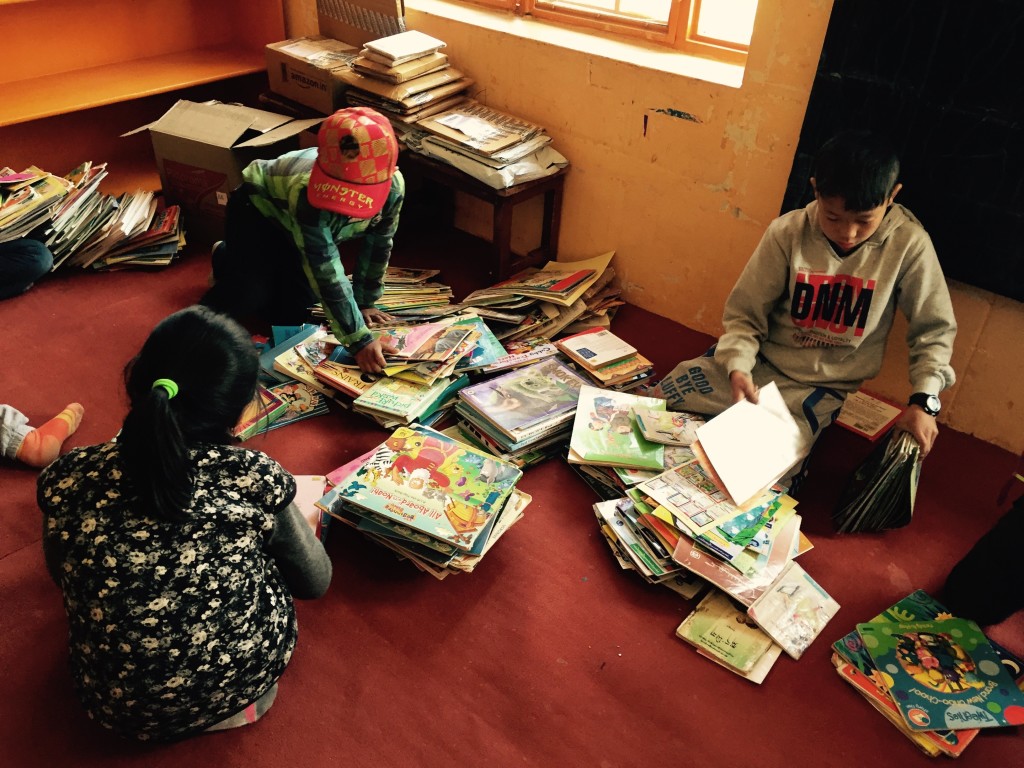
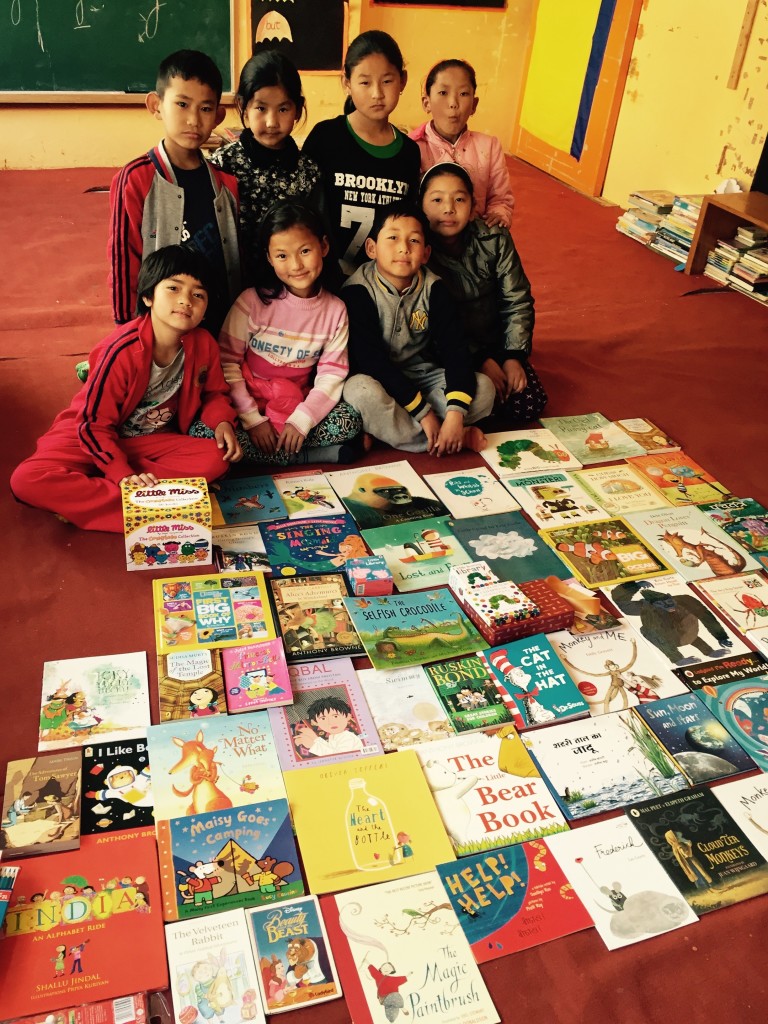
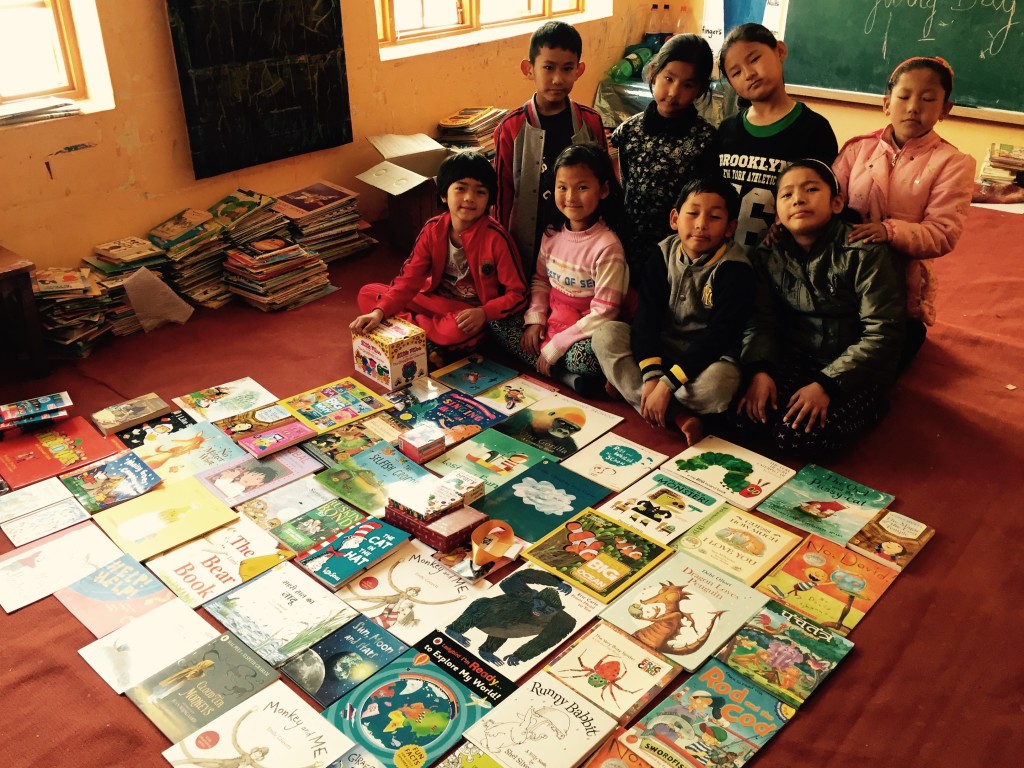
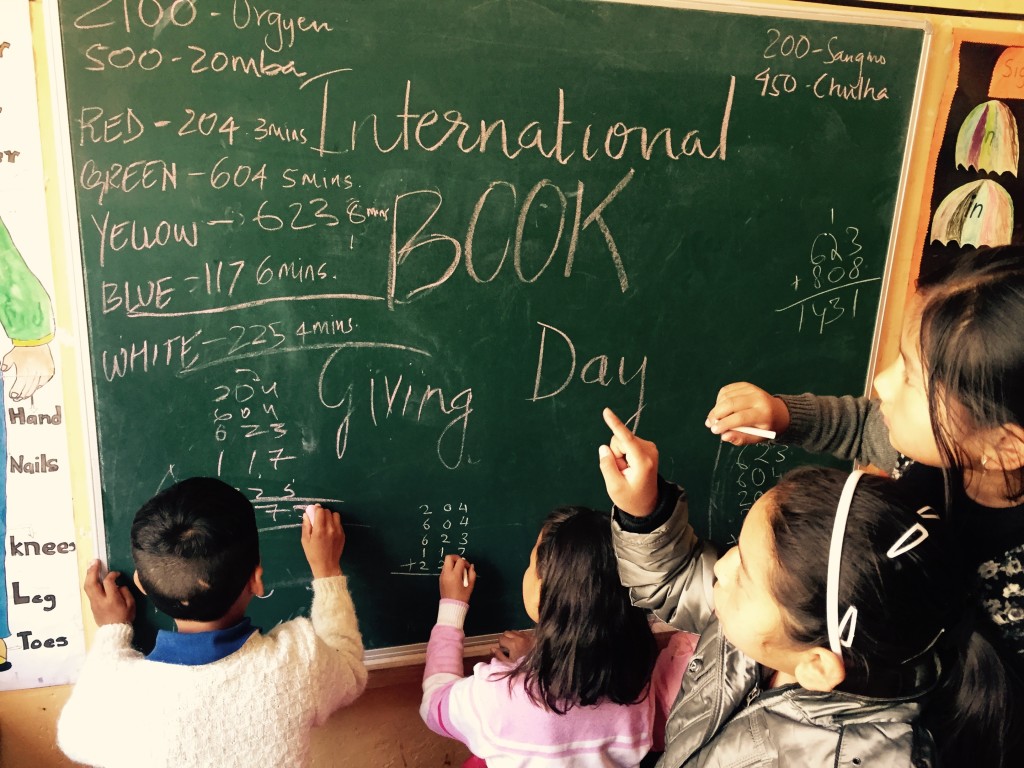
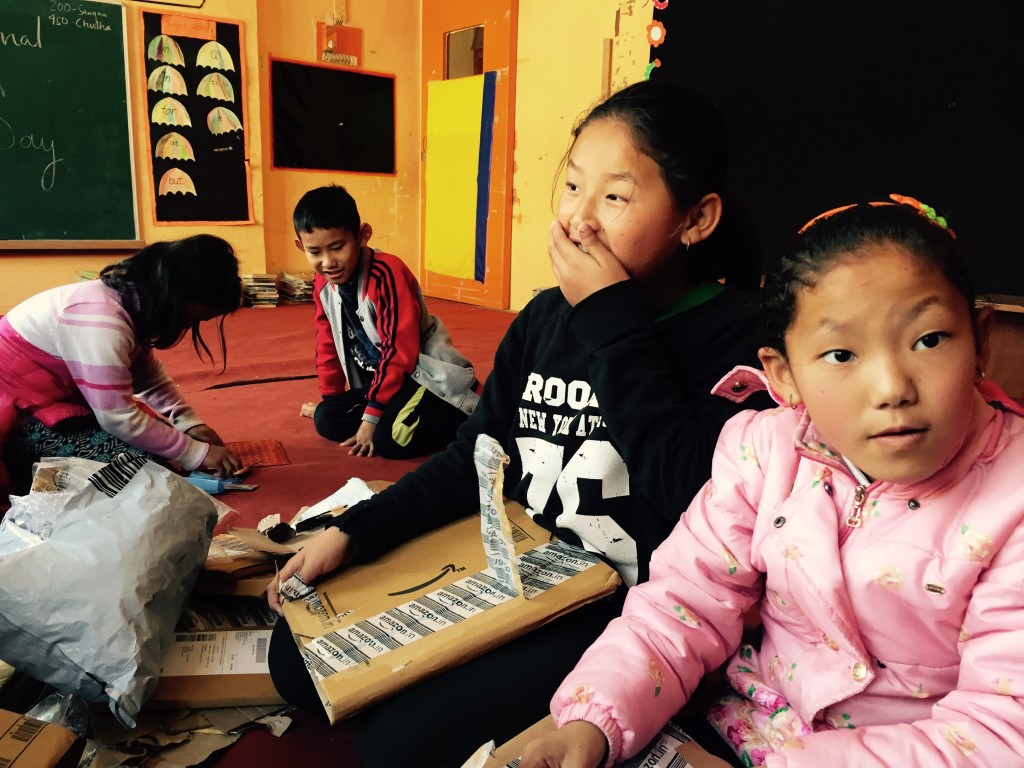
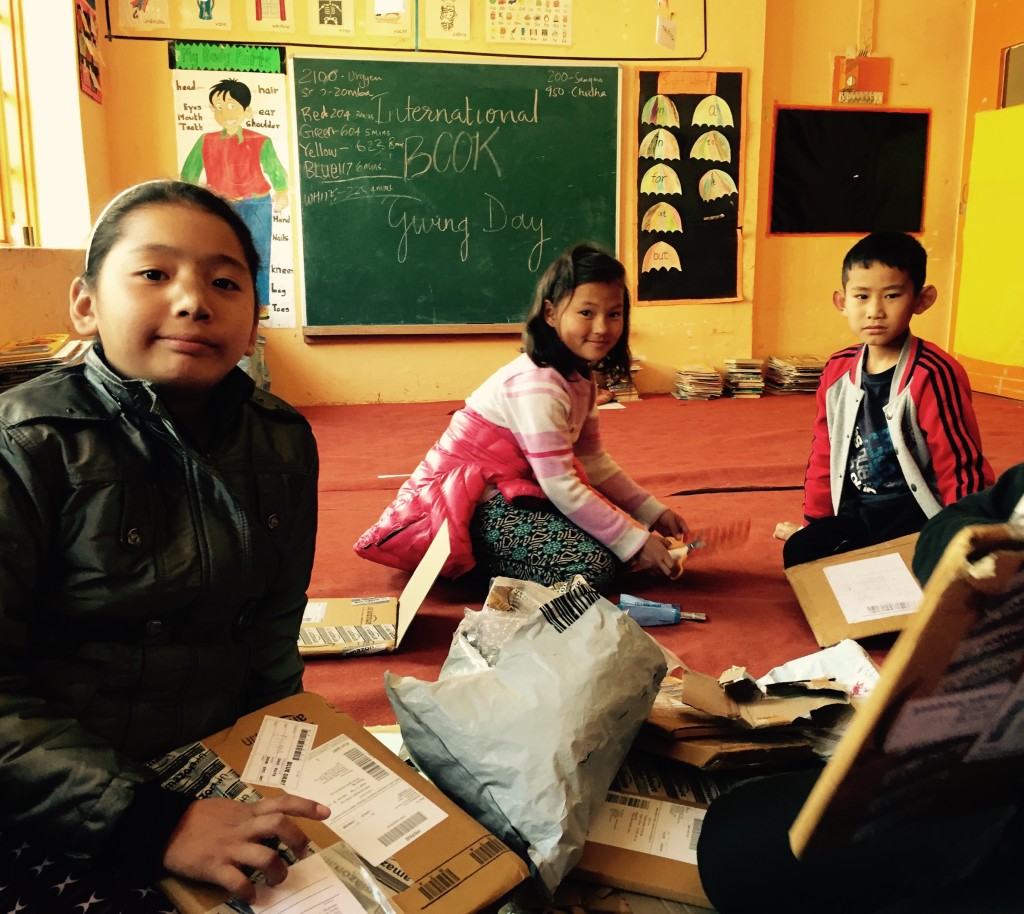
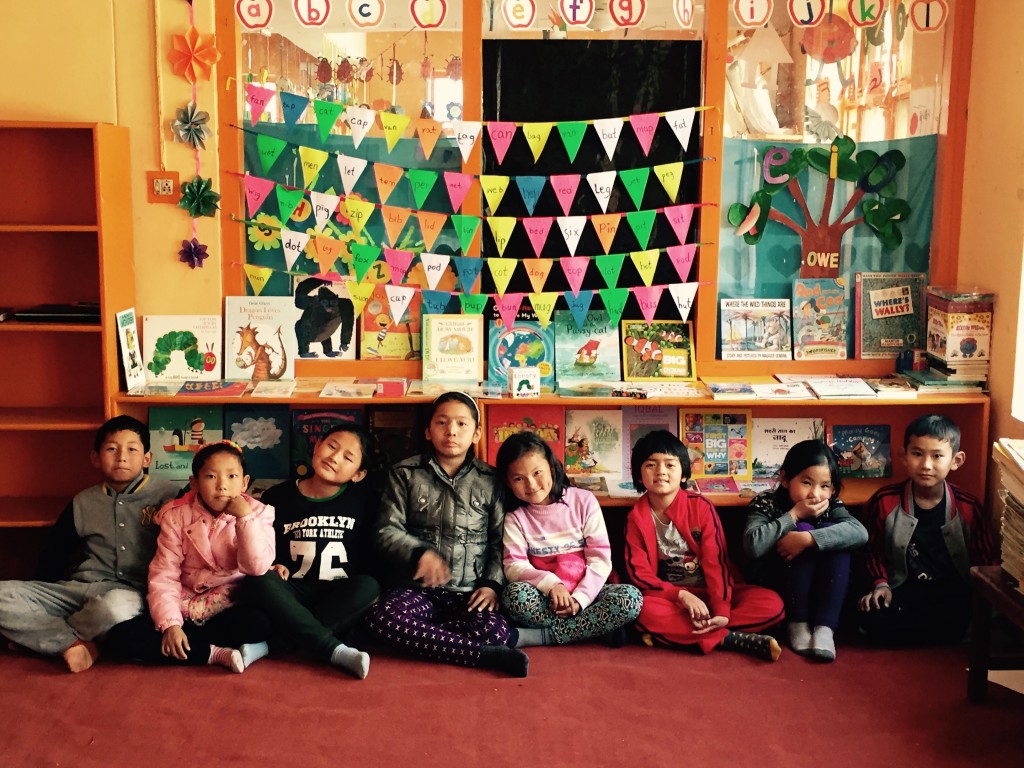
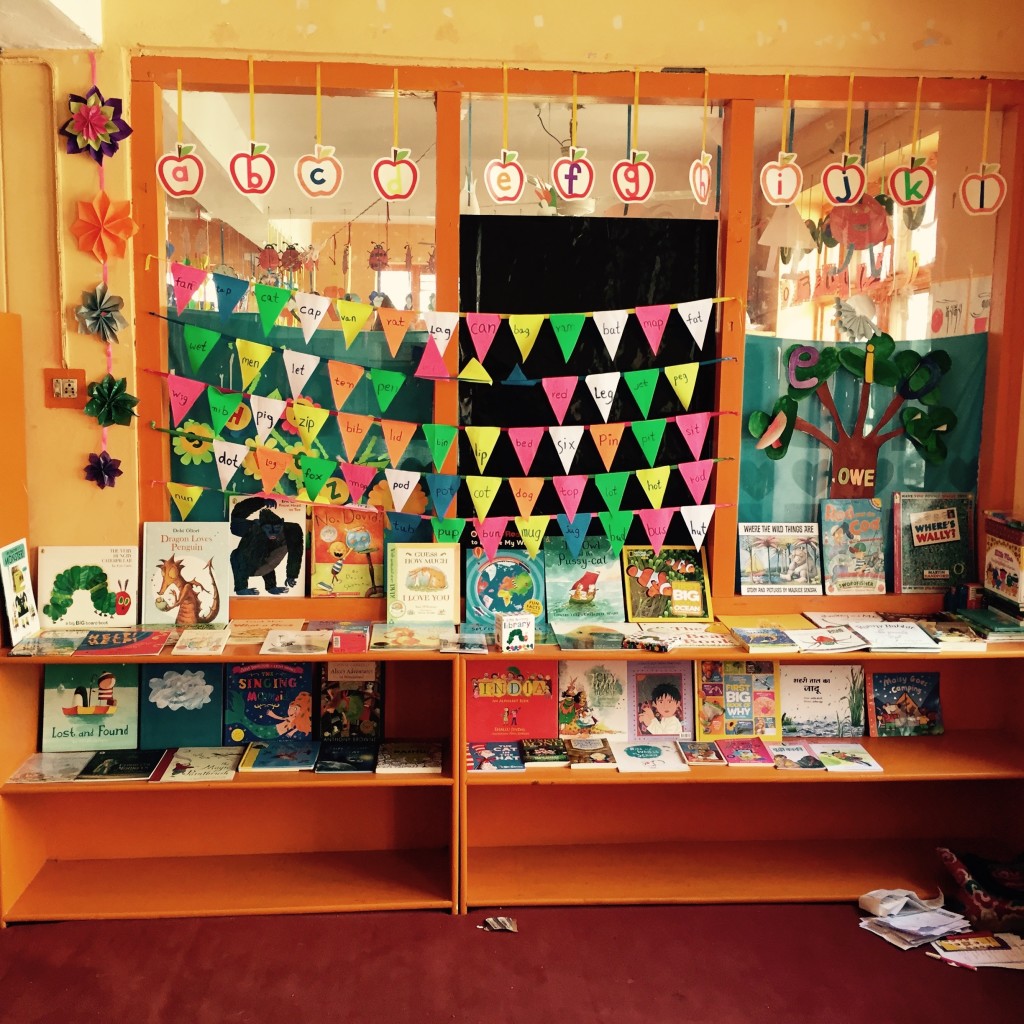
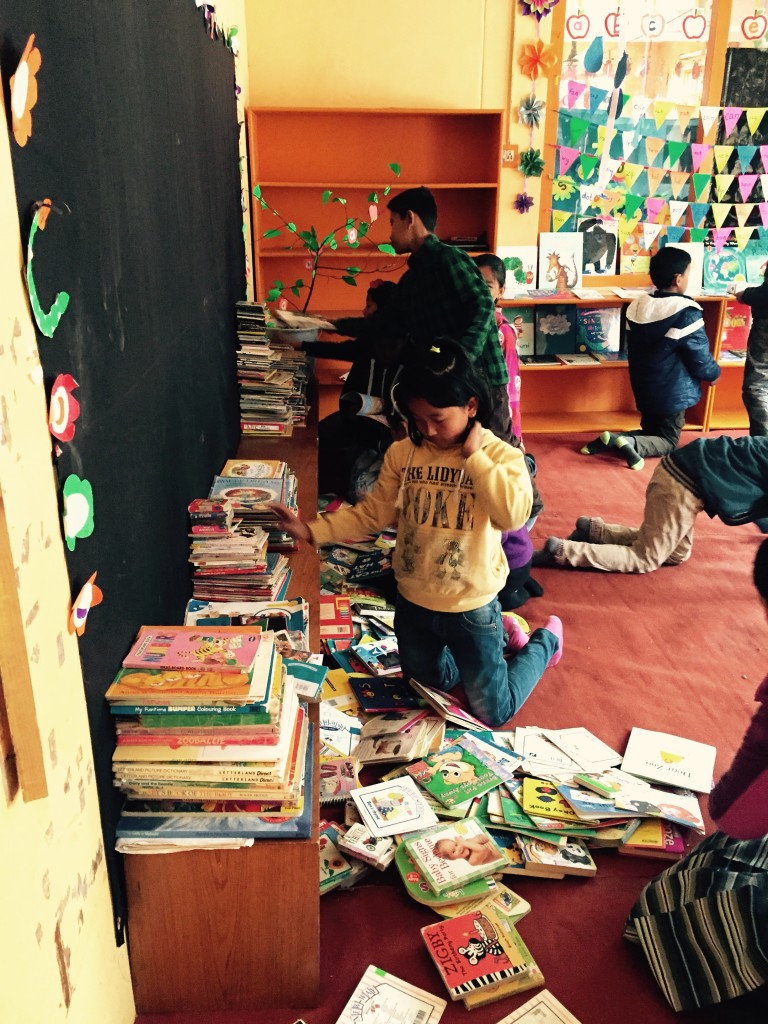
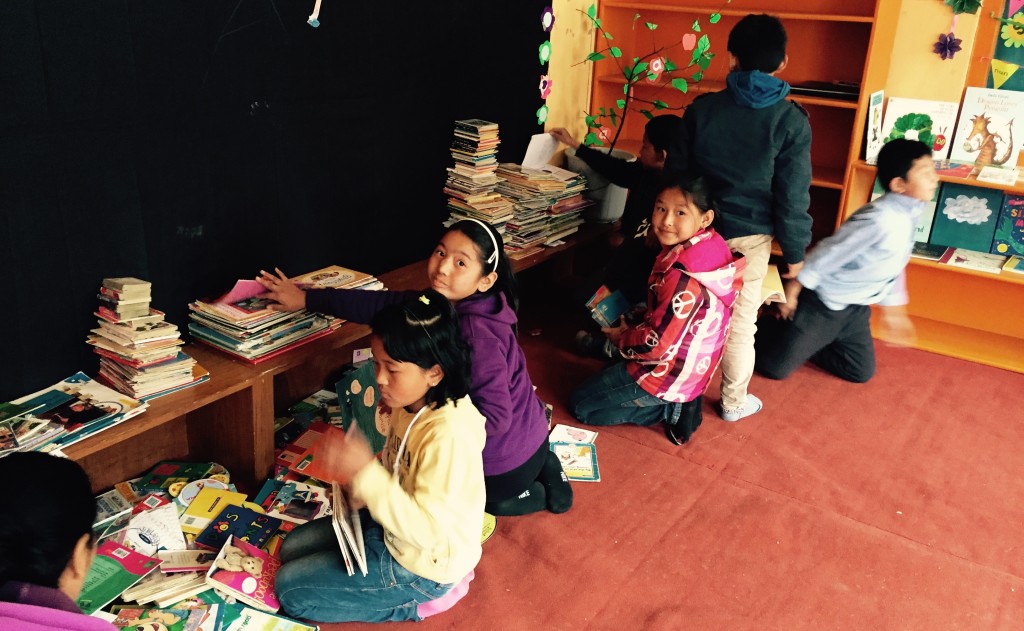
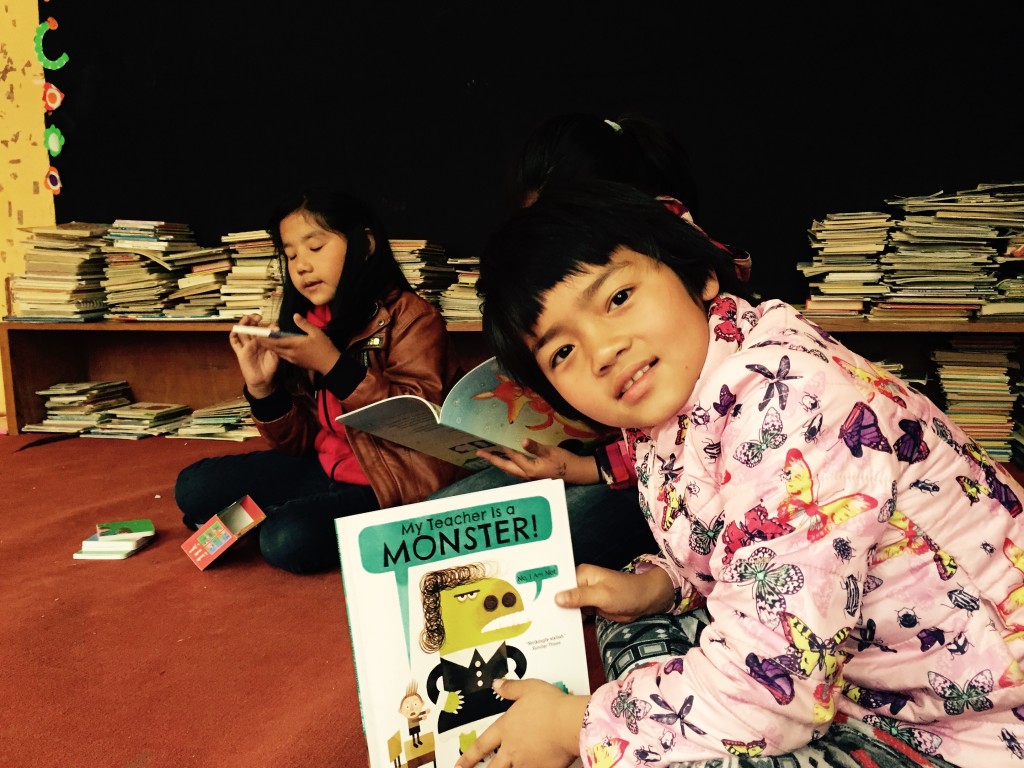
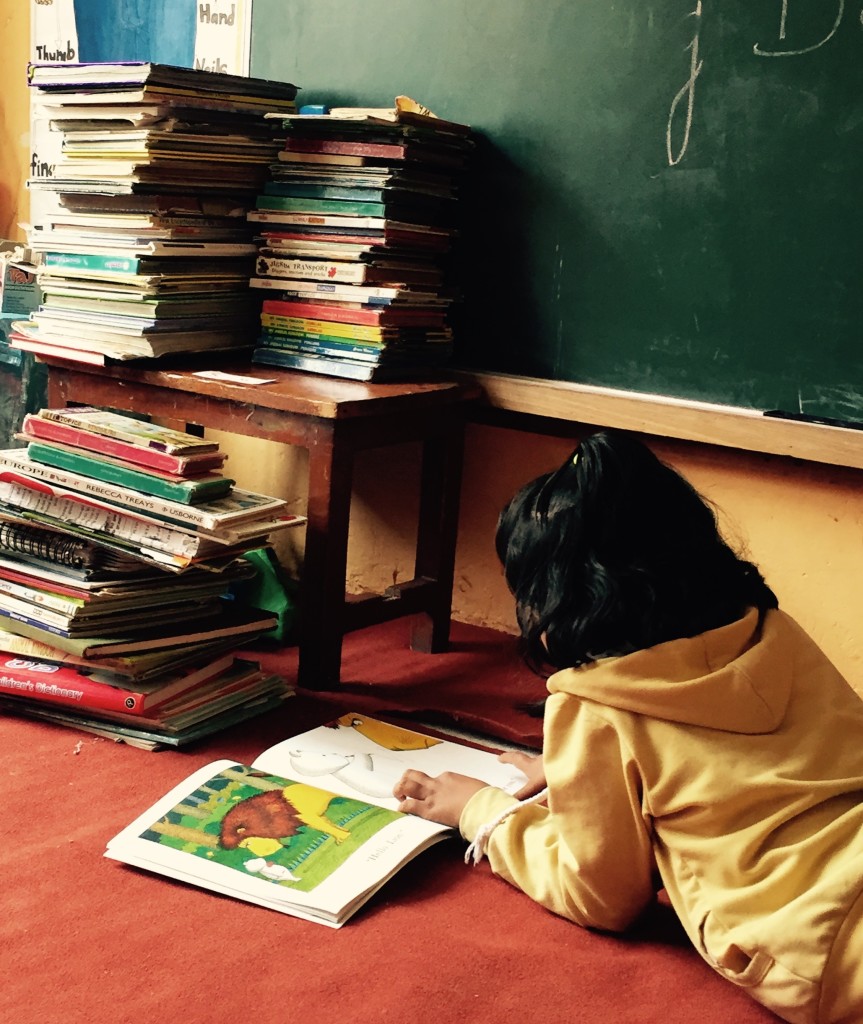
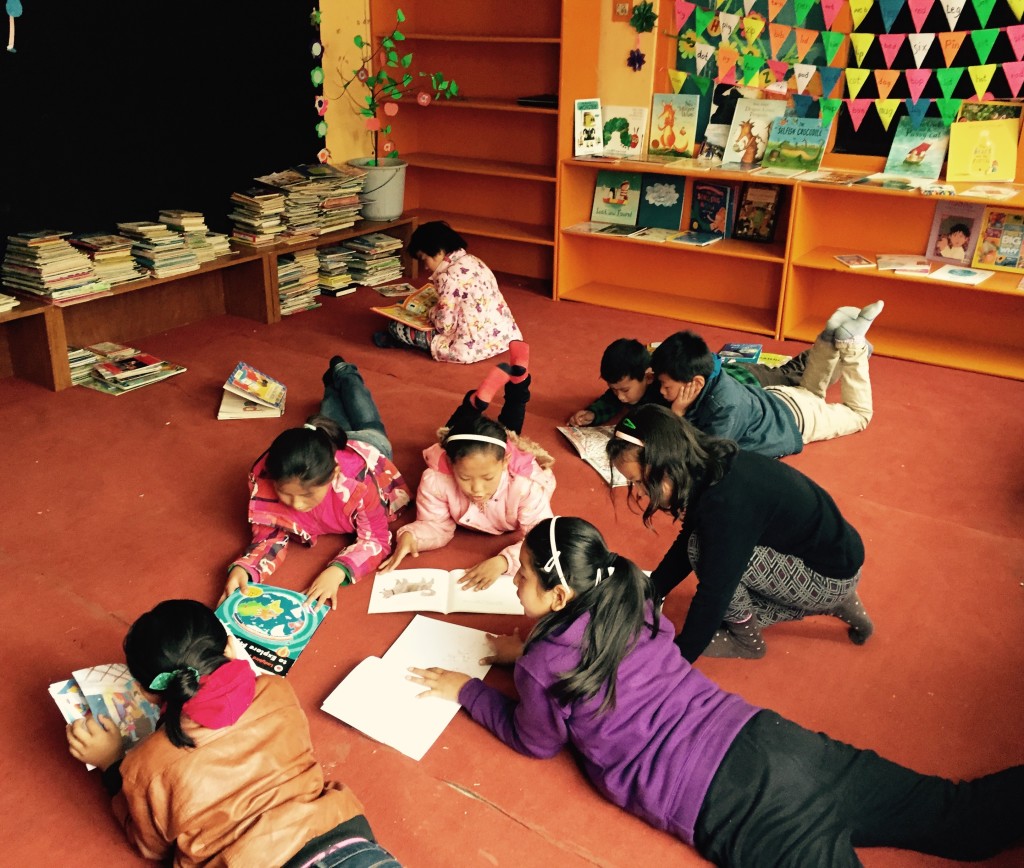
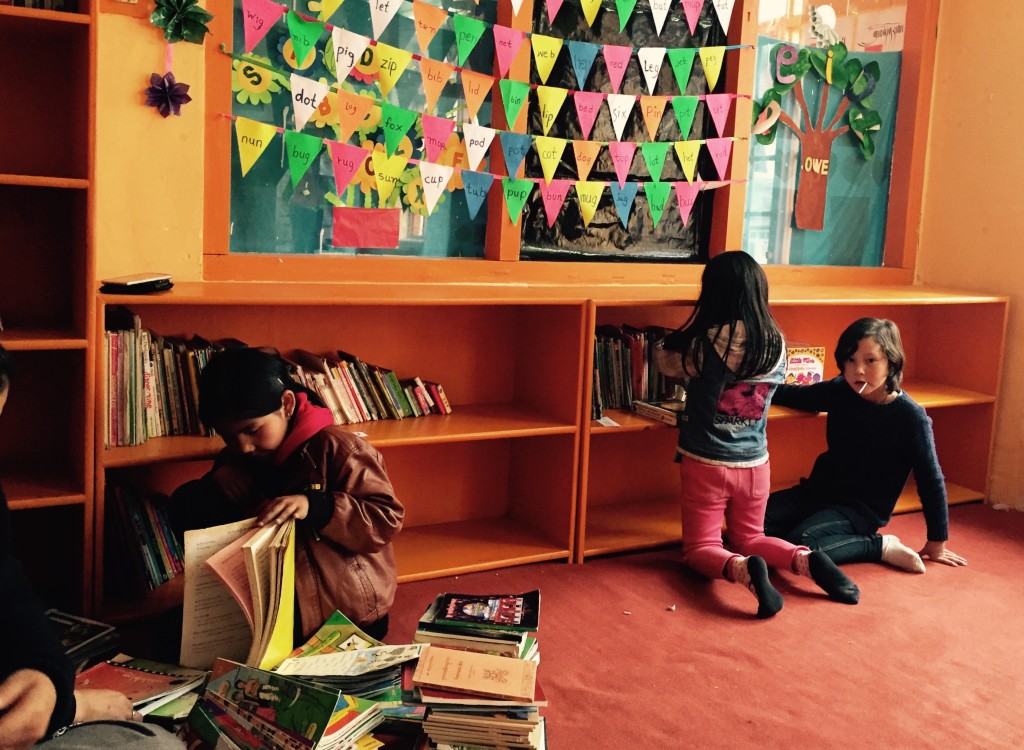
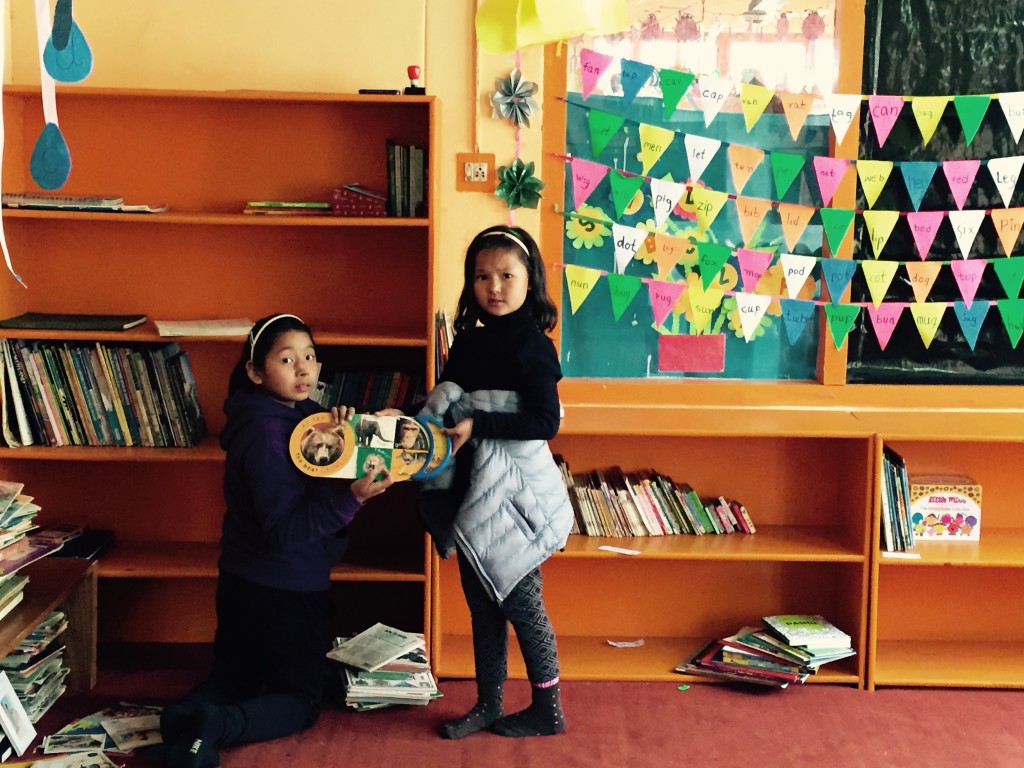
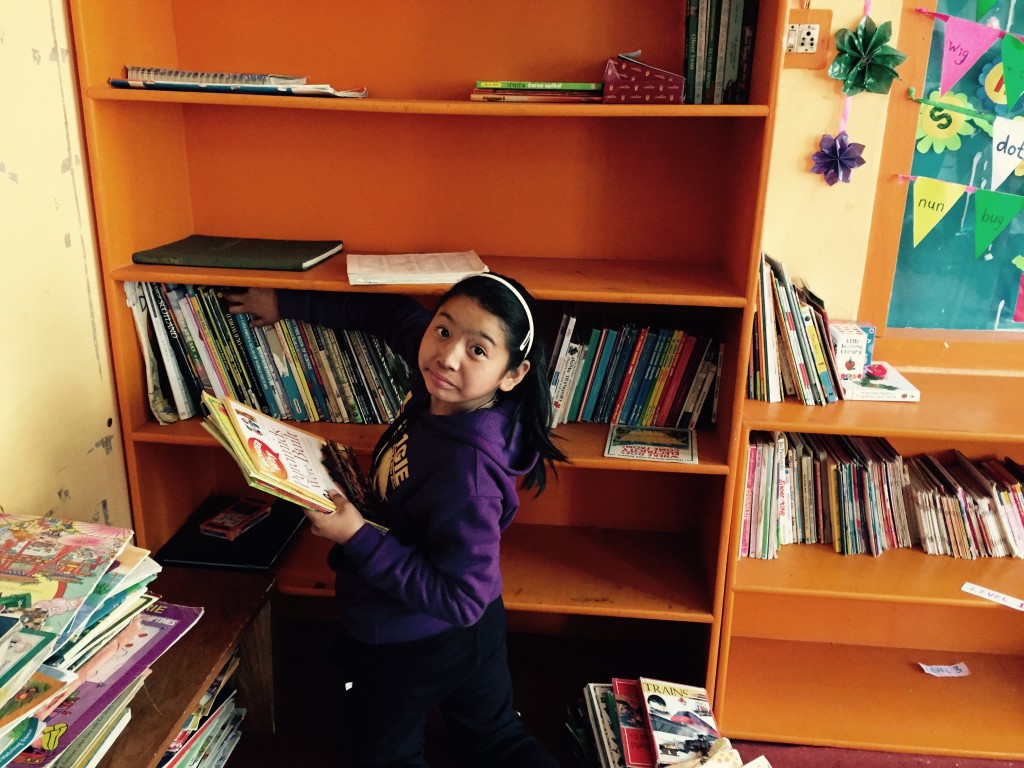
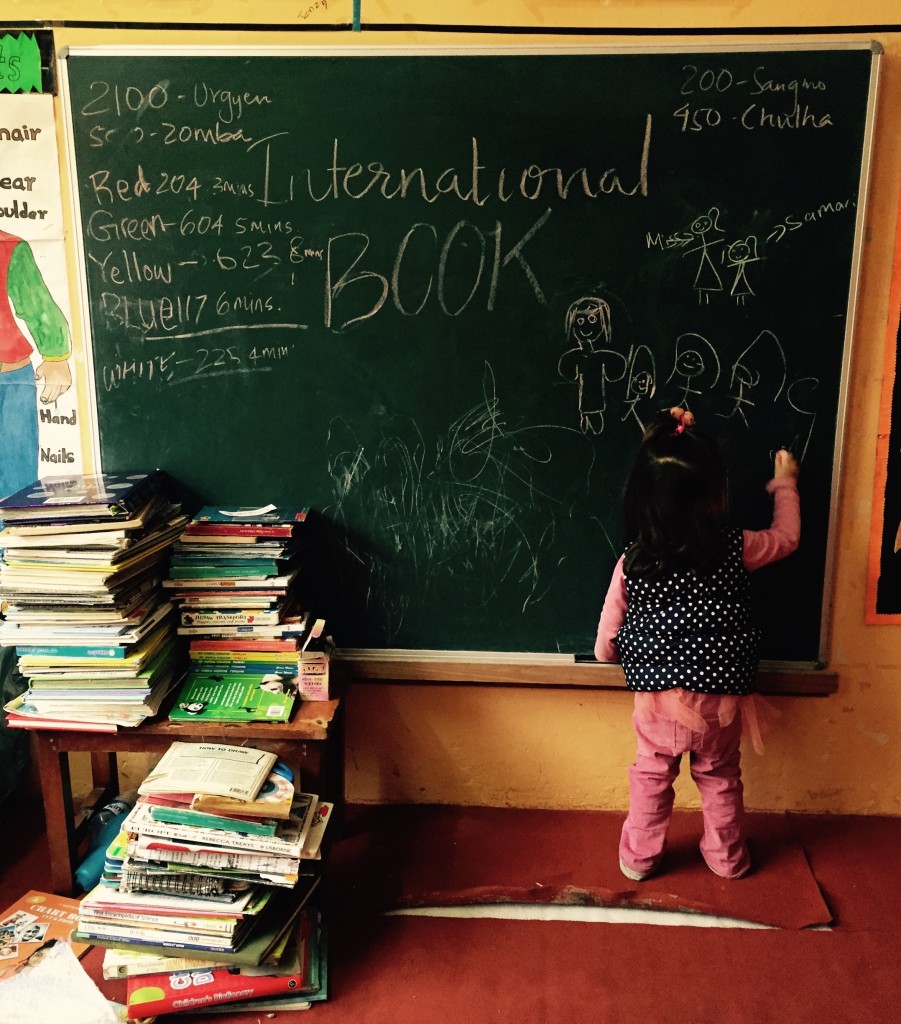
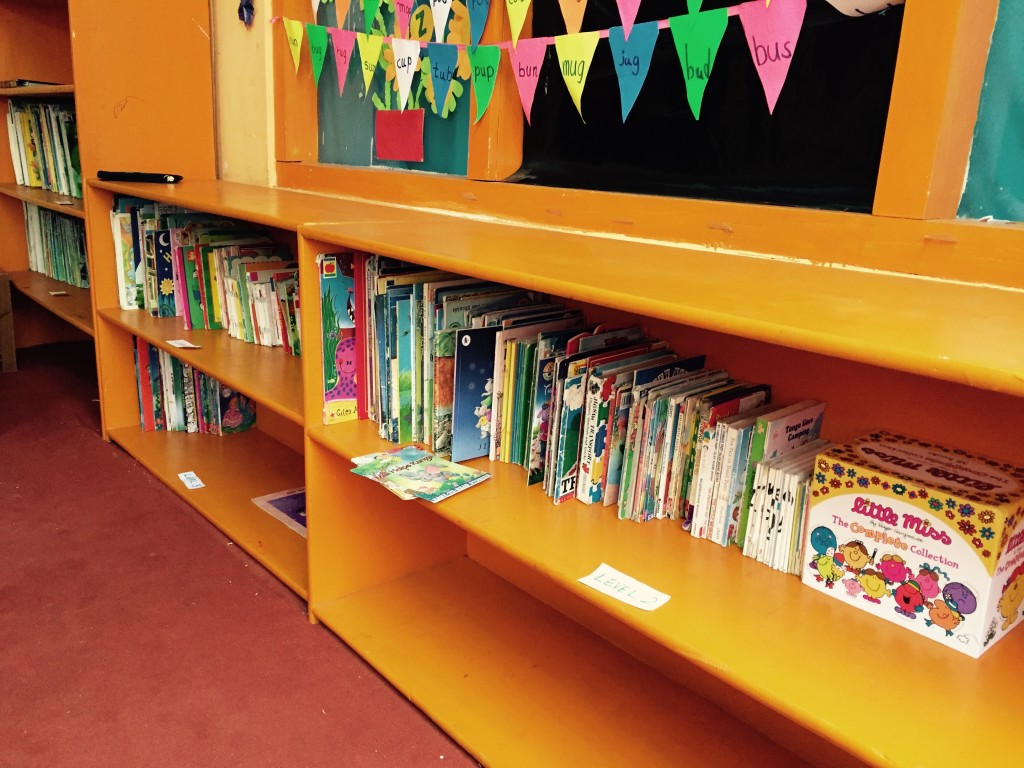
The last stage is distribution. Books should move from cartons into organised shelves, reading corners and activity spaces rather than becoming an inaccessible stockpile. A basic classification system can group books by age, subject or language without requiring a complex library software platform.
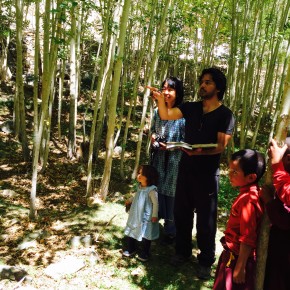
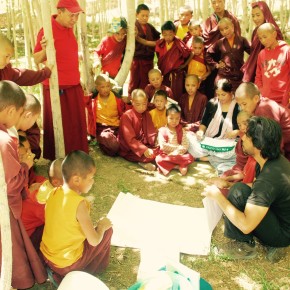
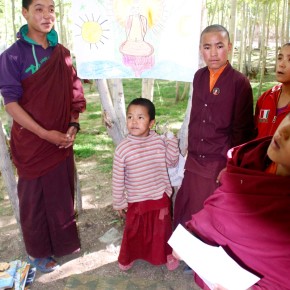
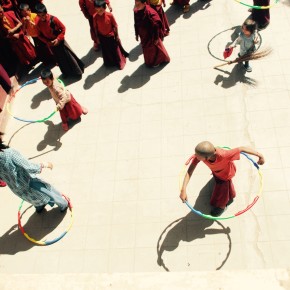
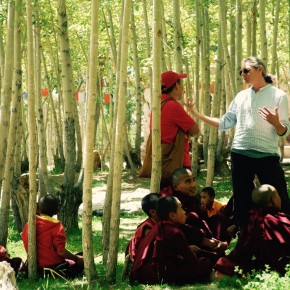
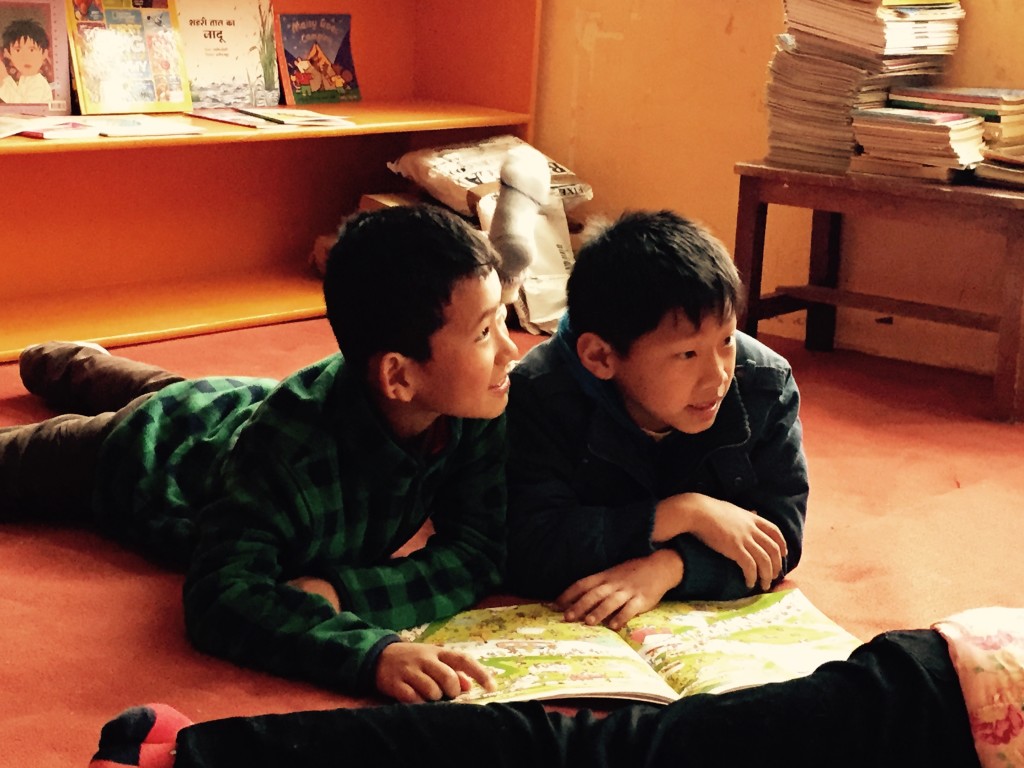
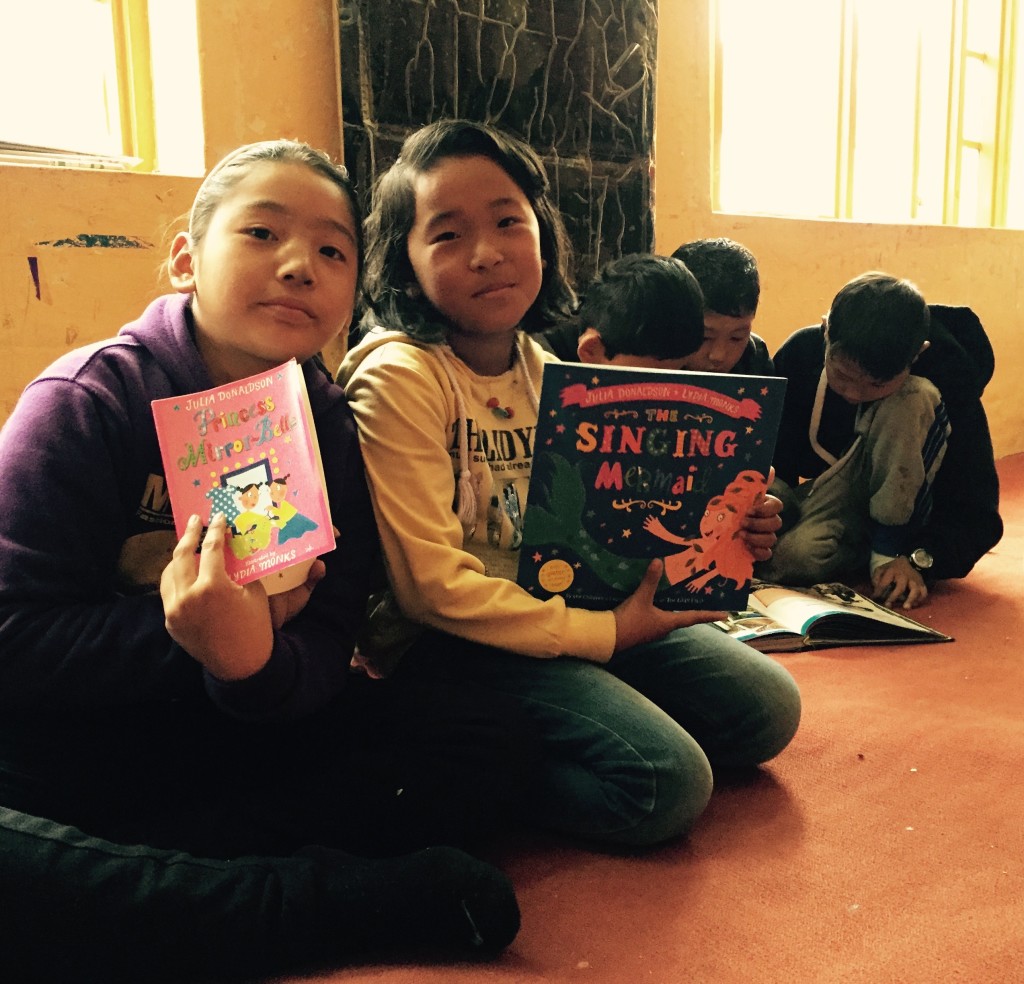
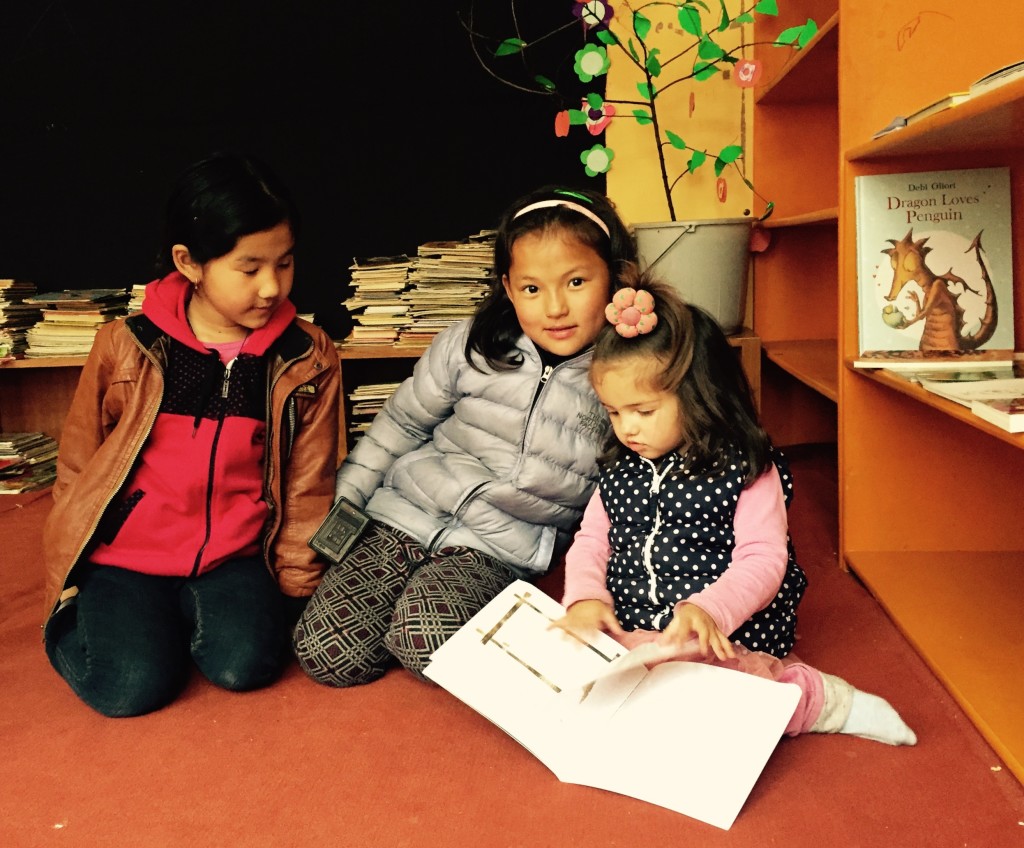
Teachers, caregivers and young monks can help identify which titles should be placed in the most visible areas. Picture books may be ideal for shared reading sessions, while reference books can support schoolwork. Art, music and craft materials can extend the value of a book collection by encouraging children to draw, perform, discuss and create.
Local involvement also protects the collection. Volunteers can record borrowing patterns, repair damaged covers and identify subjects that are missing. Their observations help future book drives become more precise. If a community already has many beginner English readers but lacks books for teenagers, the next shipment can respond to that gap.
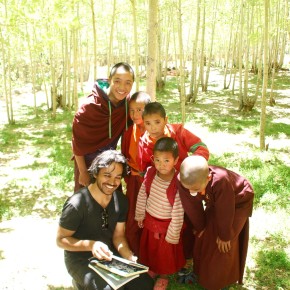
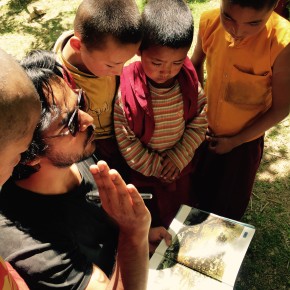
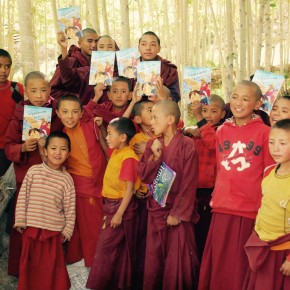
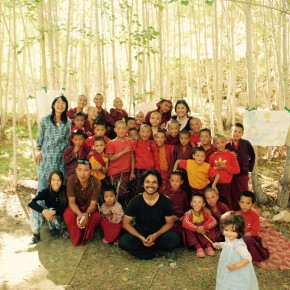
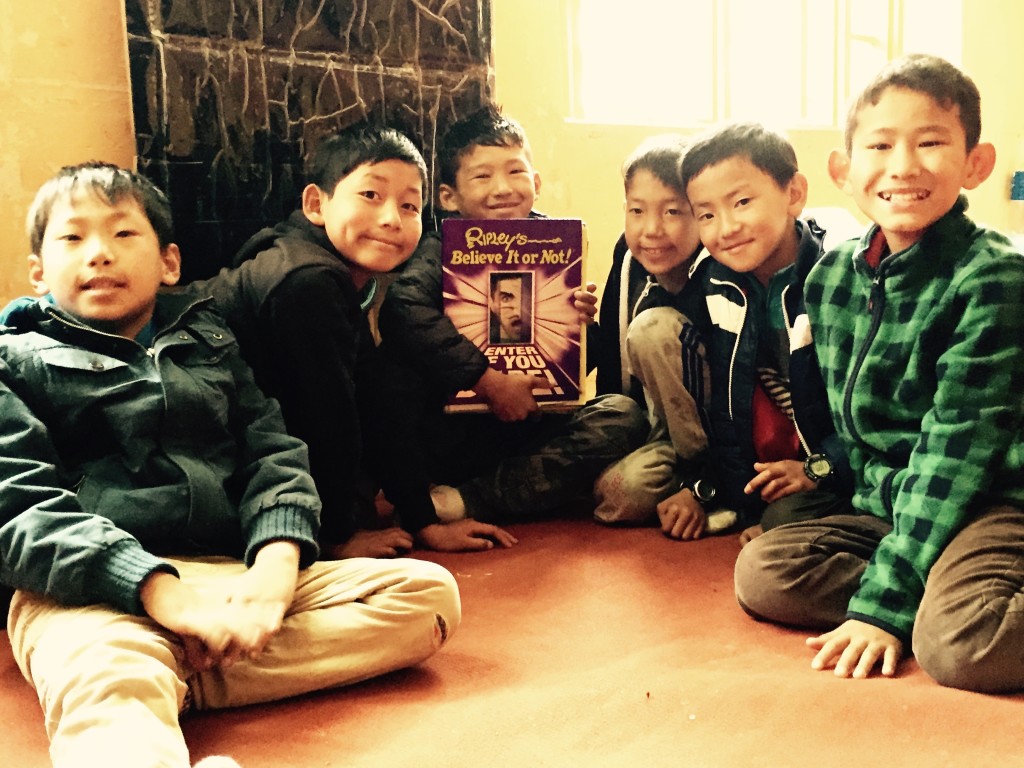
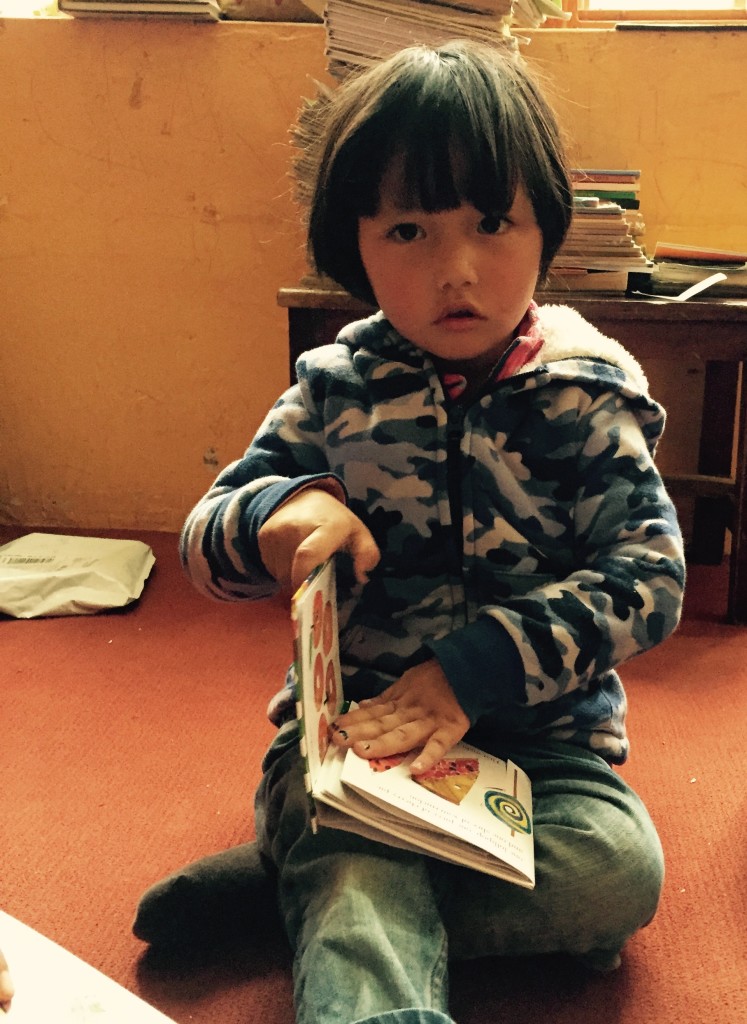
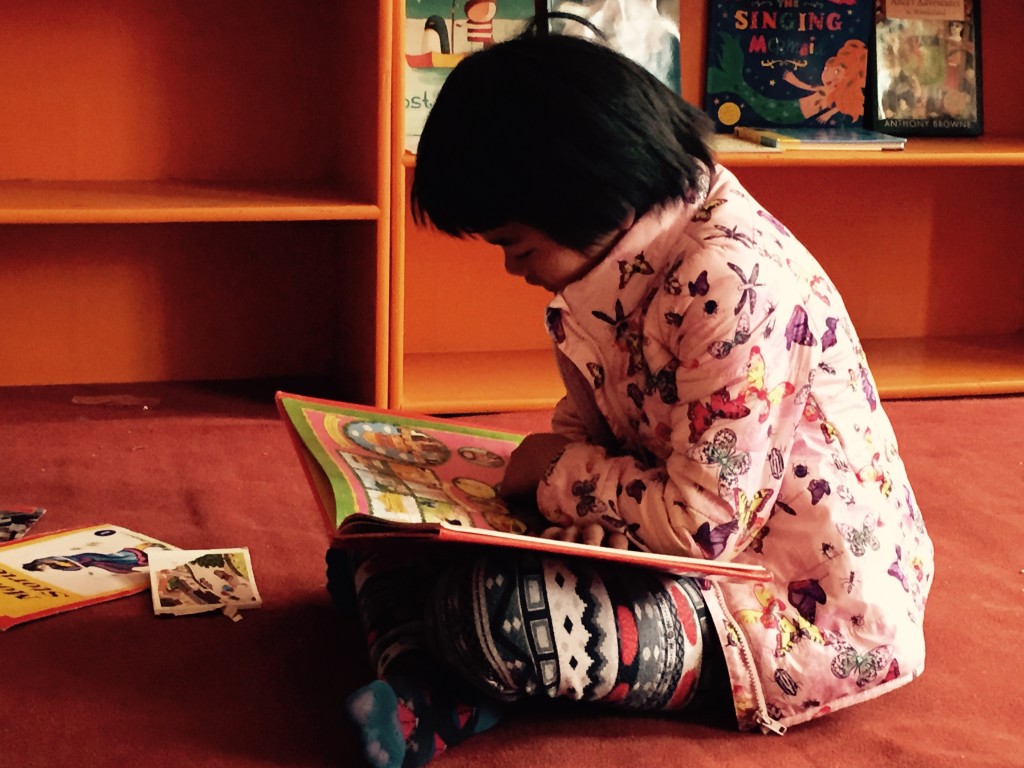
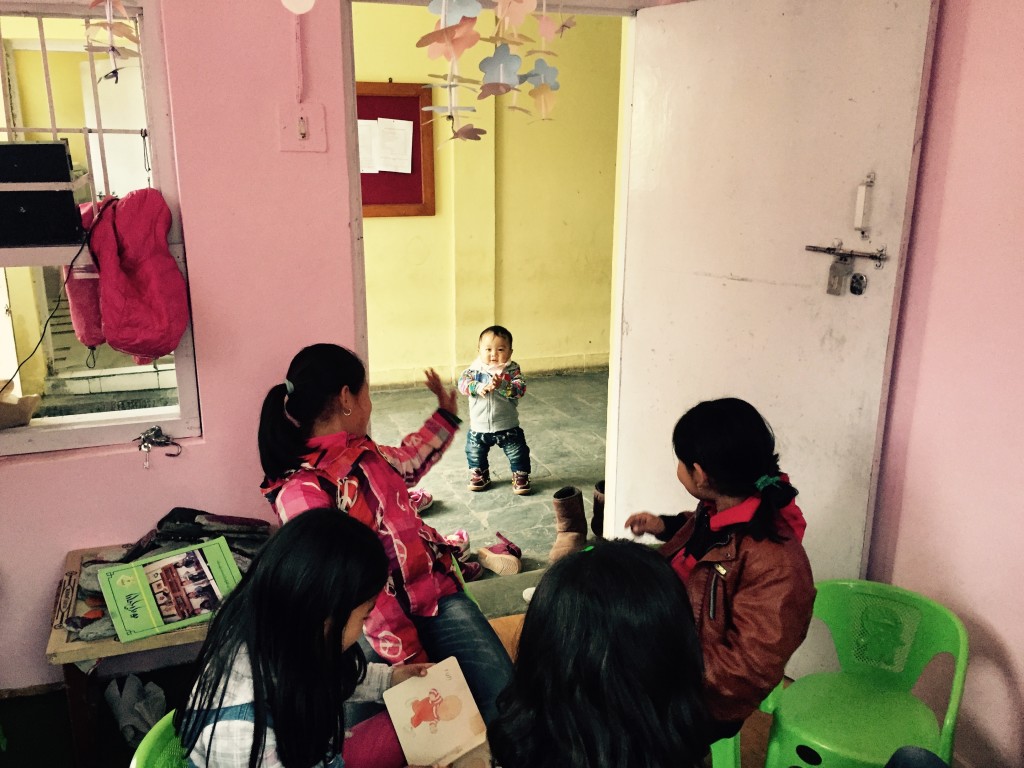
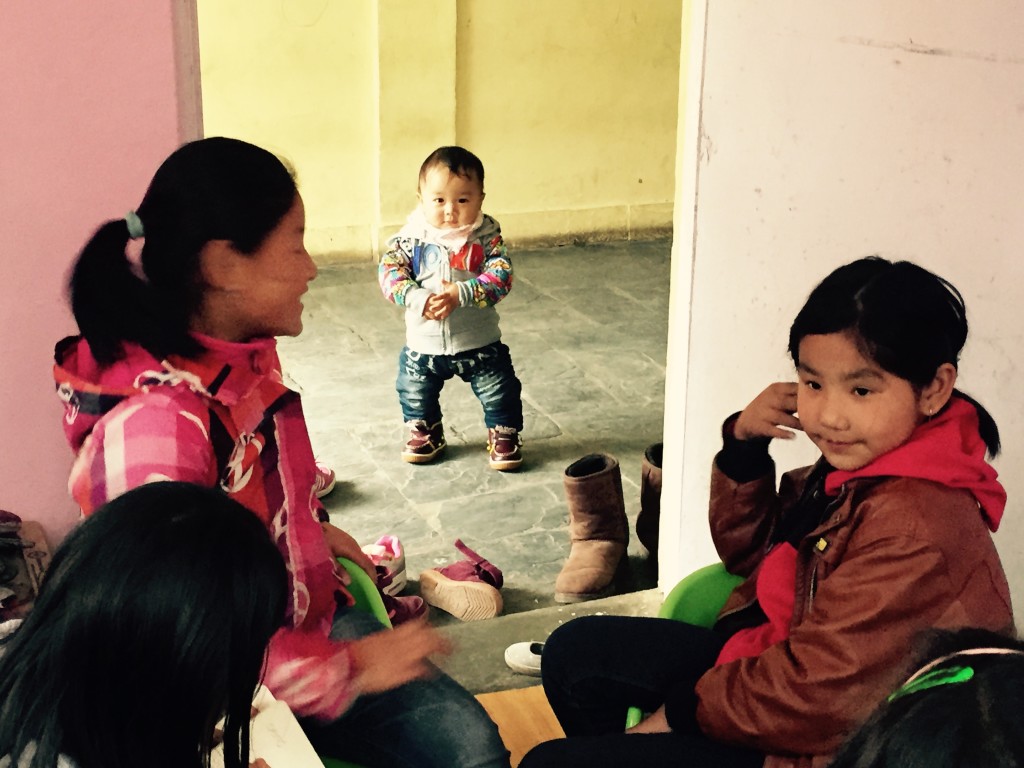
The human result is larger than the freight operation suggests. A well-planned consignment can give children access to stories they have never encountered, help young monks practise languages, and provide teachers with resources that may be difficult to obtain locally. It can also create a shared space where reading becomes part of everyday community life.
Shipping thousands of books to the roof of the world depends on many modest actions carried out carefully: selecting useful titles, packing manageable cartons, preparing truthful documents, choosing the right season and listening to local knowledge. For Australian donors, the journey may begin with a box sorted during a weekend clean-out, but its success is decided across thousands of kilometres and several different communities.
The detail worth remembering is simple: books reach Himalayan children most effectively when generosity is matched by planning. Every suitable title, secure carton and accurate form helps turn donated material into a living resource for literacy, creativity and learning.