The Science Of Reading At High Altitude
Reading in the Himalayan region is shaped by more than access to books. A child’s progress depends on language, teaching, confidence, physical comfort, sleep, and the quality of the space where reading takes place. At high altitude, these factors can interact in ways that are easy to overlook when educational work is measured only by test scores or the number of books distributed.
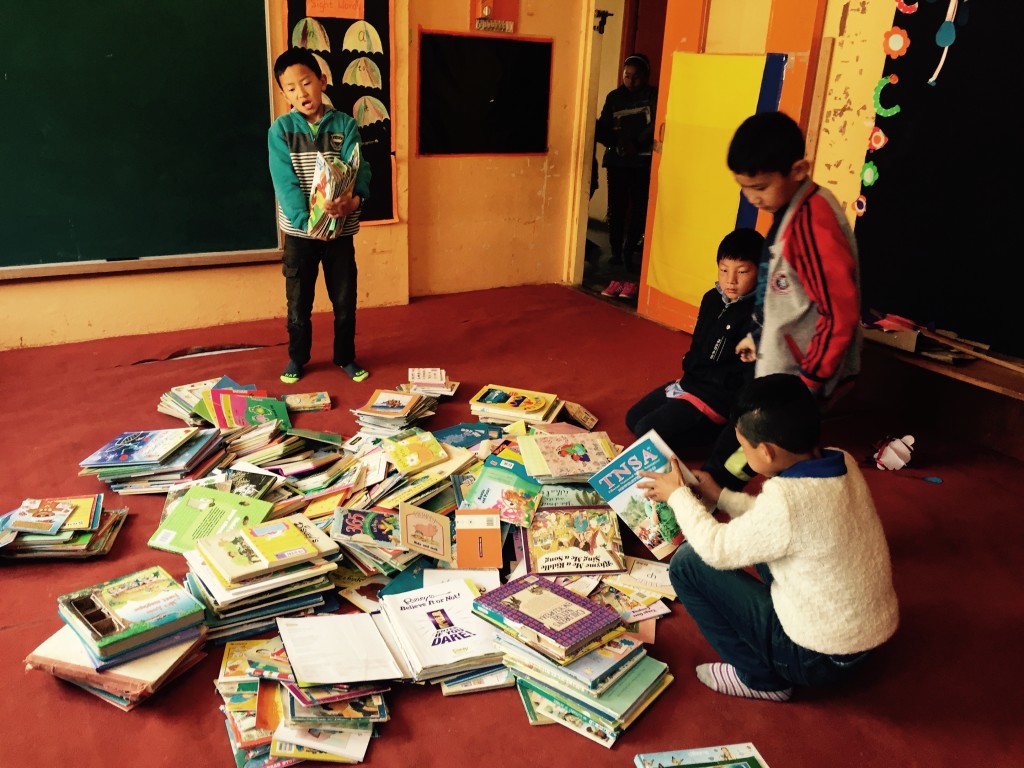
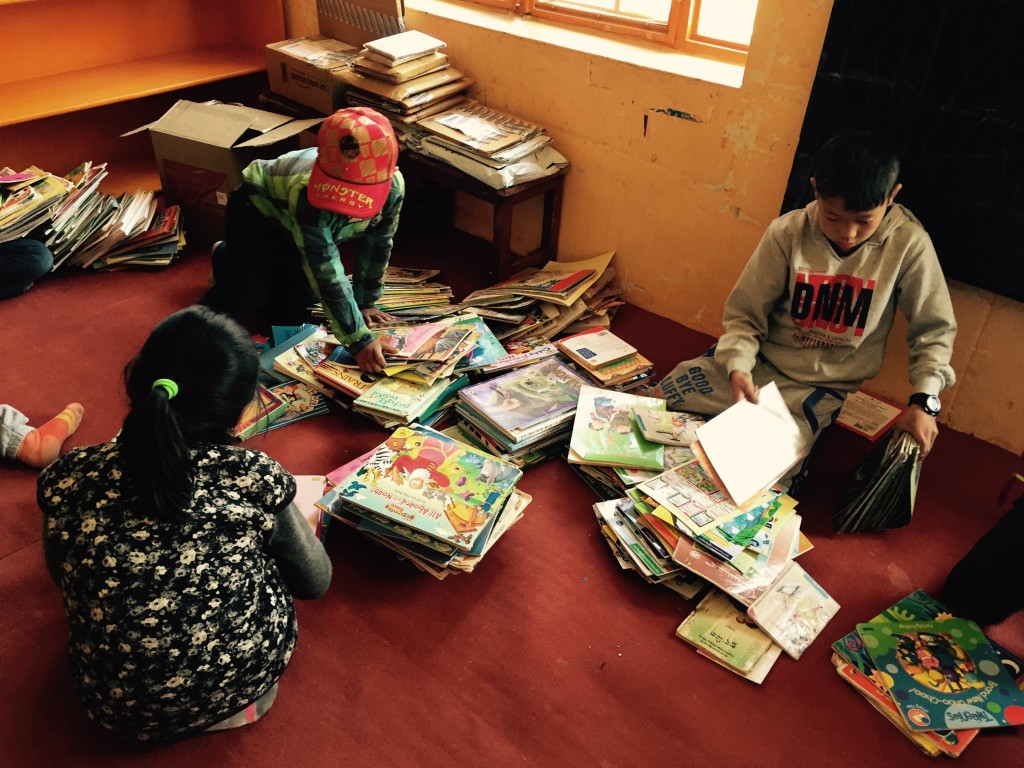
Through reading rooms, book drives, creative activities, and regular contact with children and young monks, Avalokiteśvara Trust has observed patterns that connect educational science with everyday experience. These observations are not a clinical study, and they do not establish that altitude alone causes a particular reading outcome. They offer a grounded way to understand what helps children read with greater attention, fluency, and enjoyment.
The science of reading describes how learners develop from spoken language and phonological awareness to decoding, vocabulary, fluency, and comprehension. In mountain communities, this sequence remains important, while the setting adds practical questions: Is the room warm and well lit? Has the child slept well? Are books available in familiar languages? Can reading become a social and creative experience rather than another demanding school task?
The Reading Environment Shapes Attention
High-altitude communities often experience cold temperatures, dry air, strong sunlight, and significant changes in weather. These conditions affect the body’s comfort and energy. A child who is cold, tired, dehydrated, or distracted by glare may have less attention available for sounding out unfamiliar words or following a longer paragraph.
Altitude can also influence sleep and physical stamina, particularly during periods of adjustment or illness. It would be too simple to attribute every difficulty with concentration to reduced oxygen availability. Nutrition, travel, household responsibilities, classroom size, and previous schooling may be equally important. Still, a calm indoor reading room can remove several barriers at once.
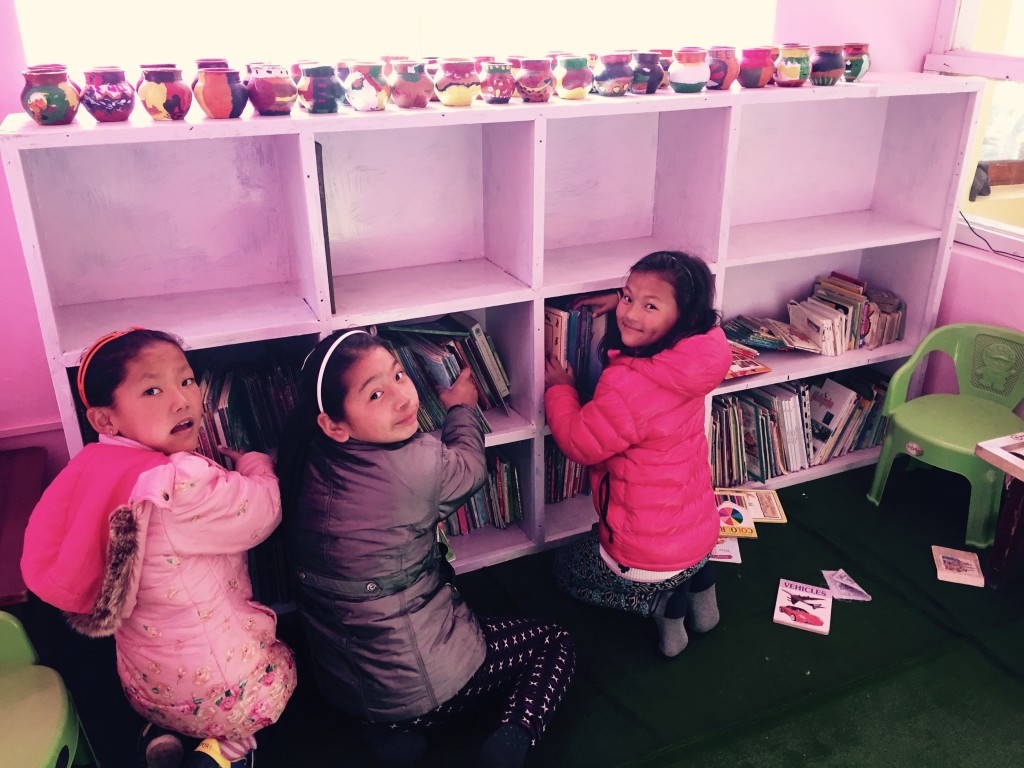
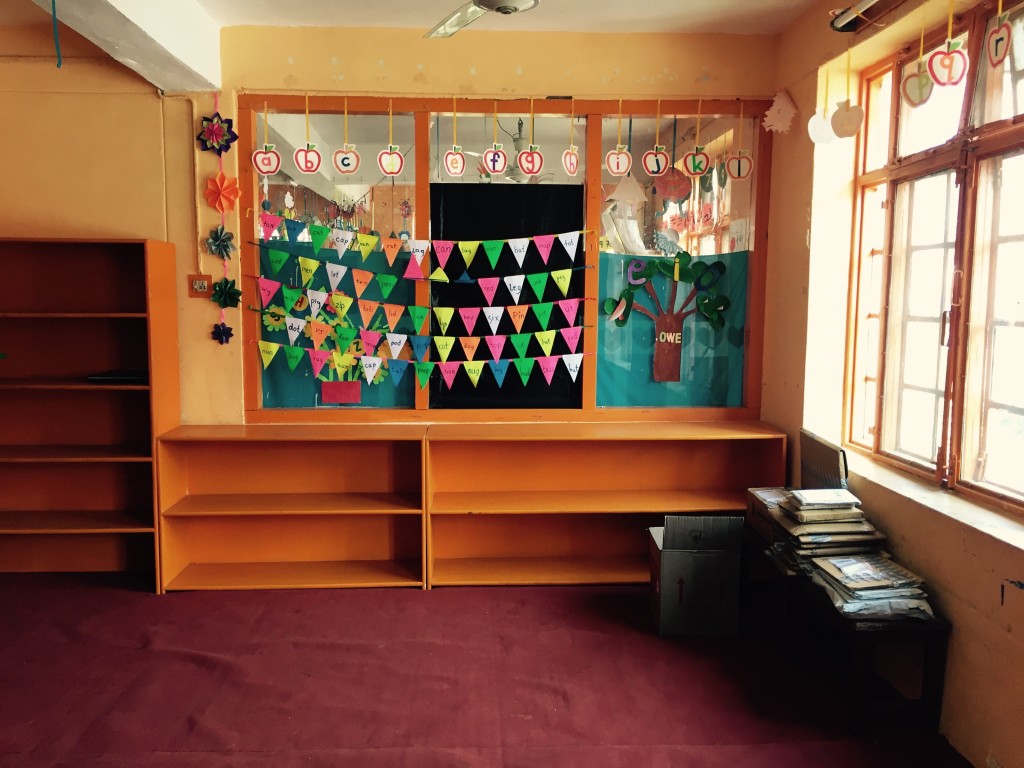
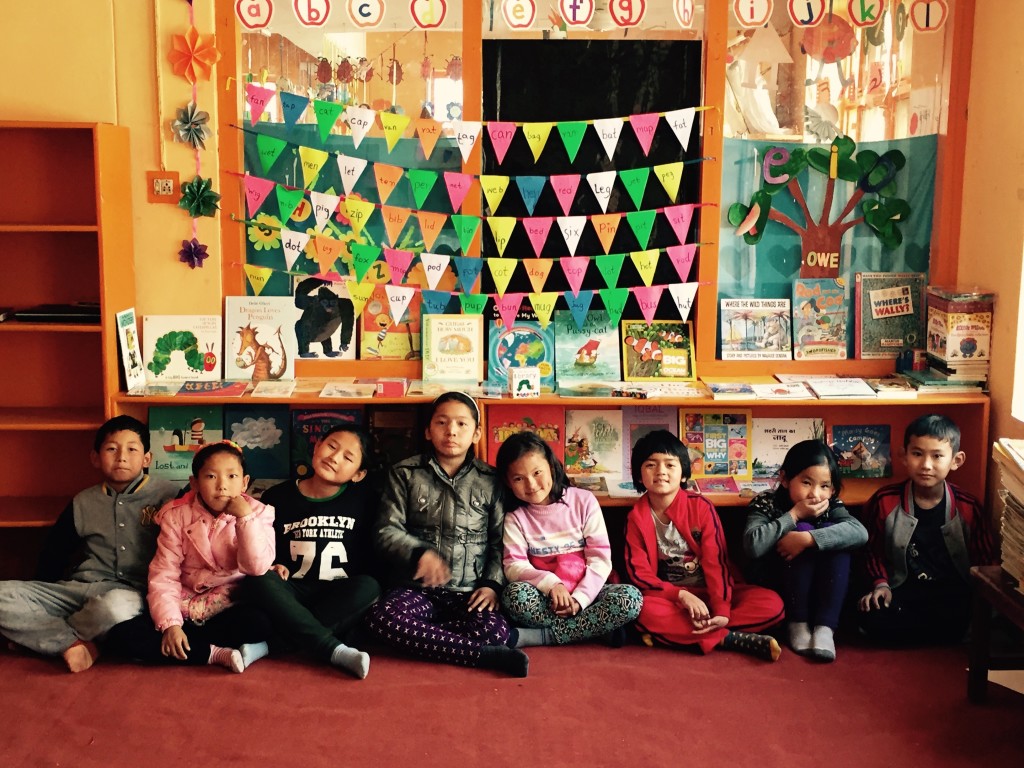
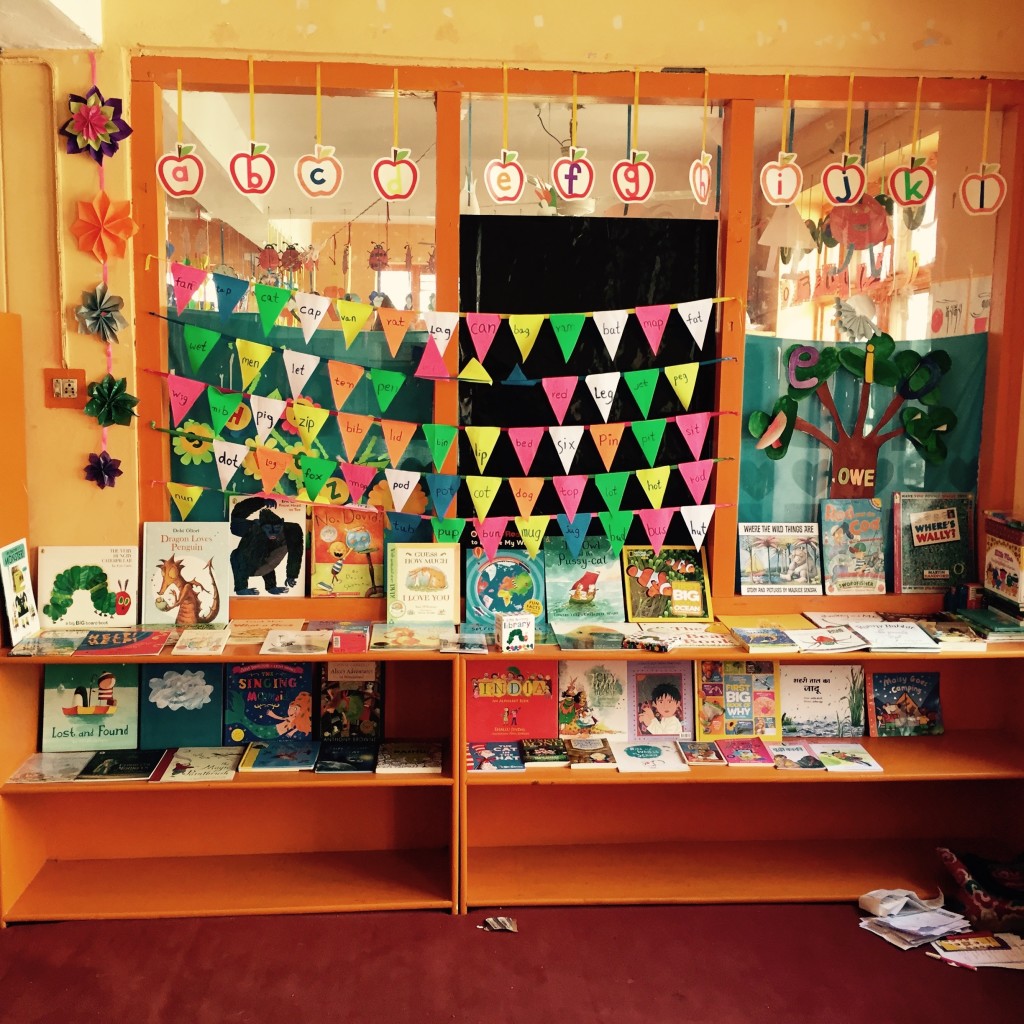
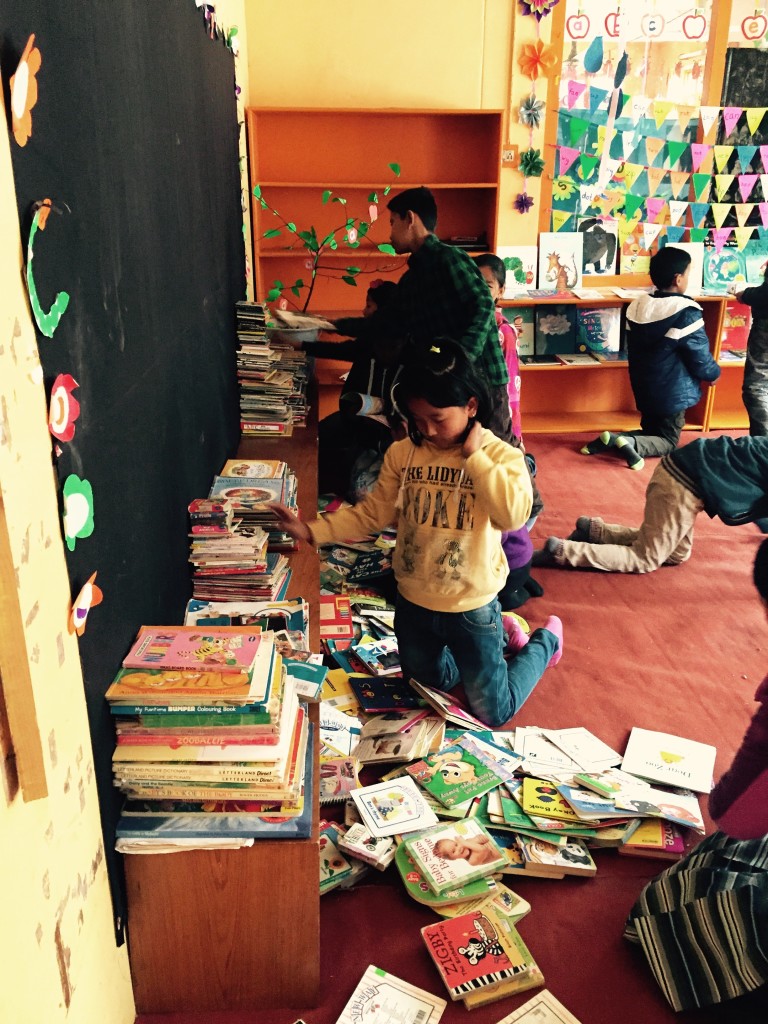
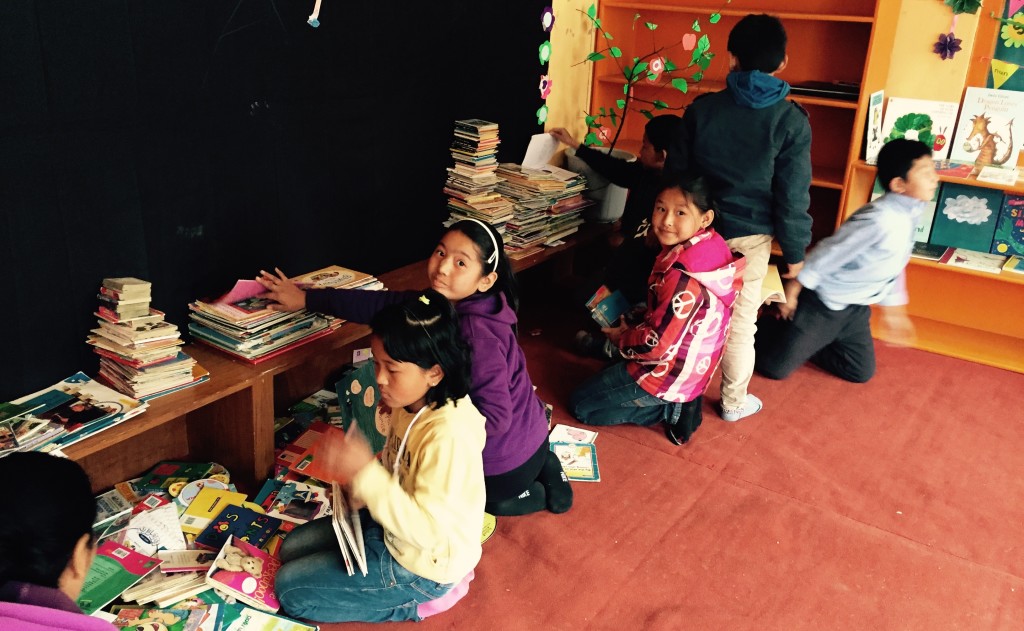
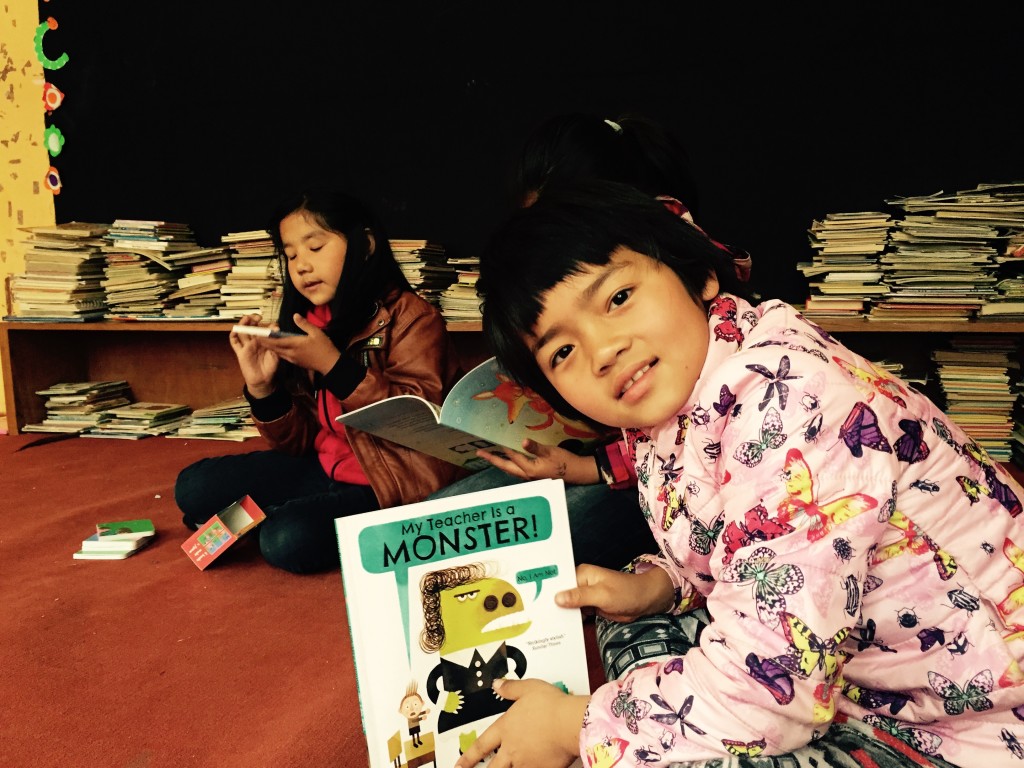
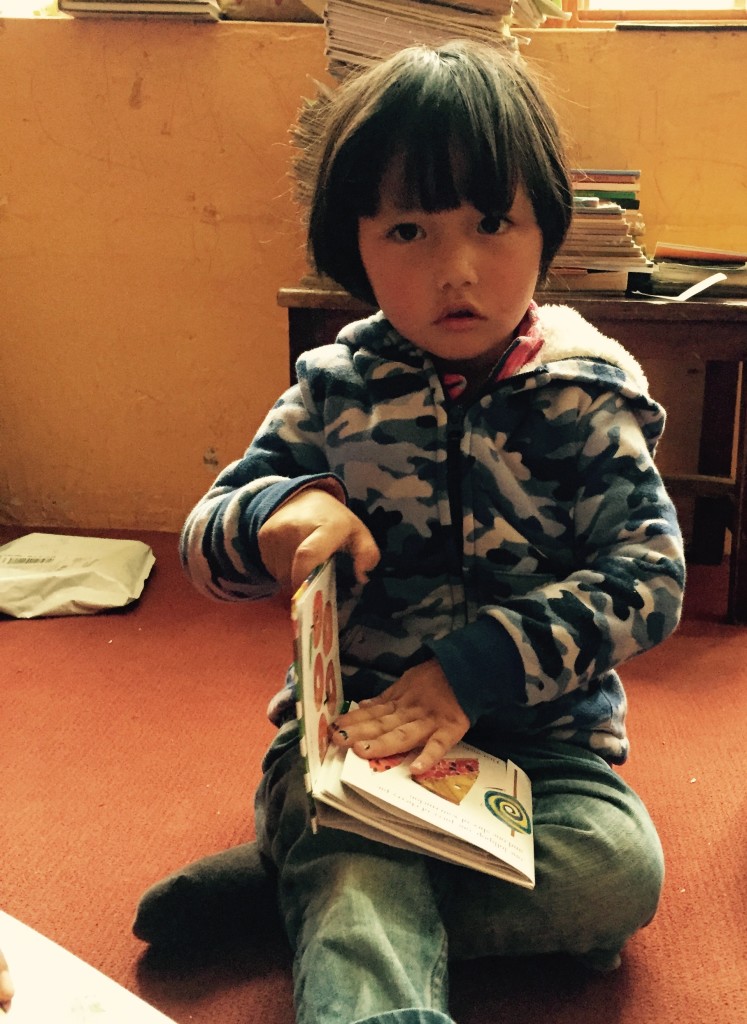
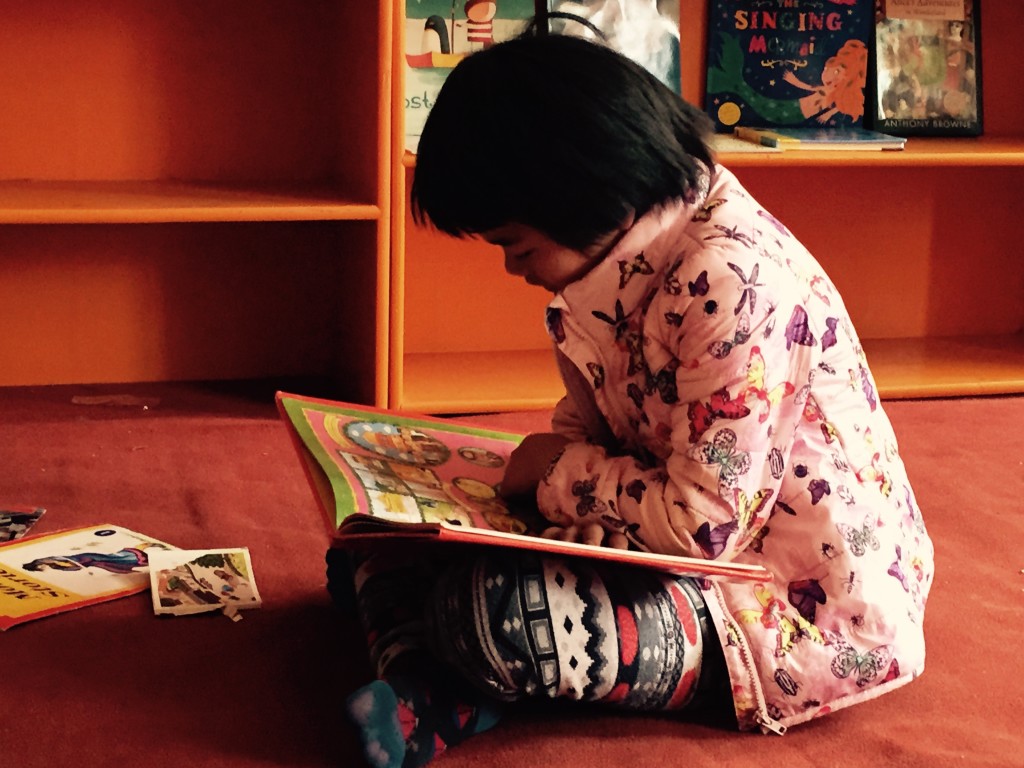
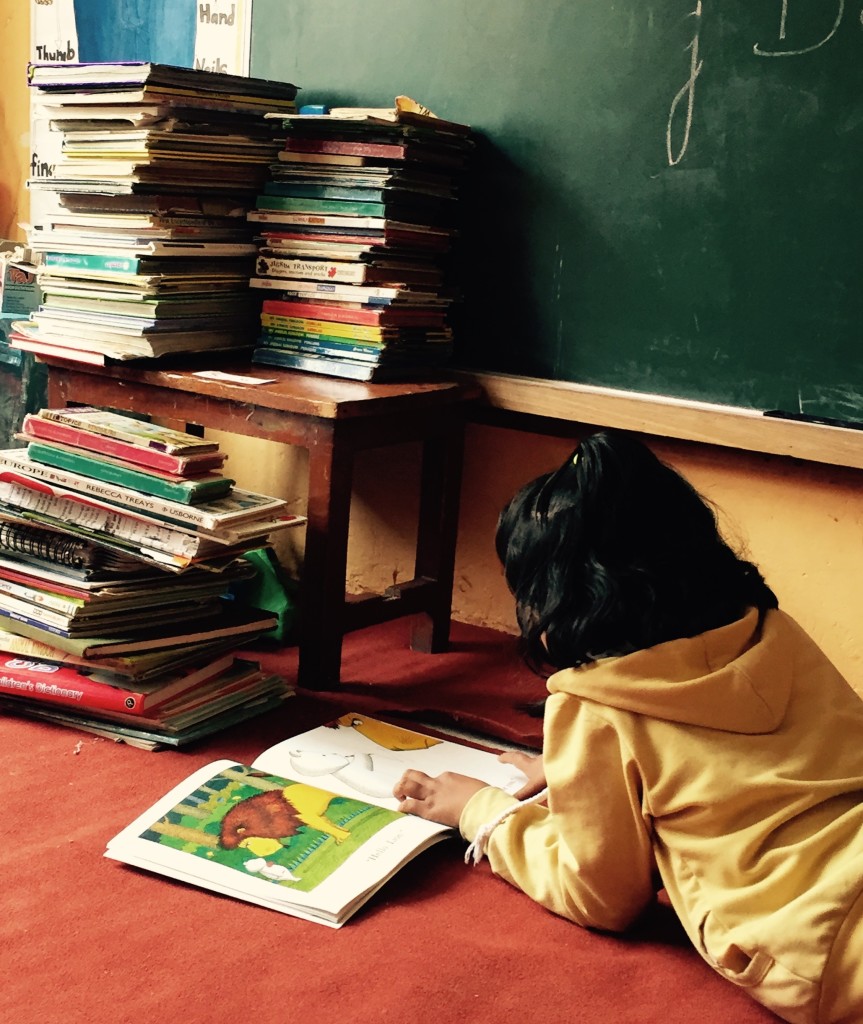
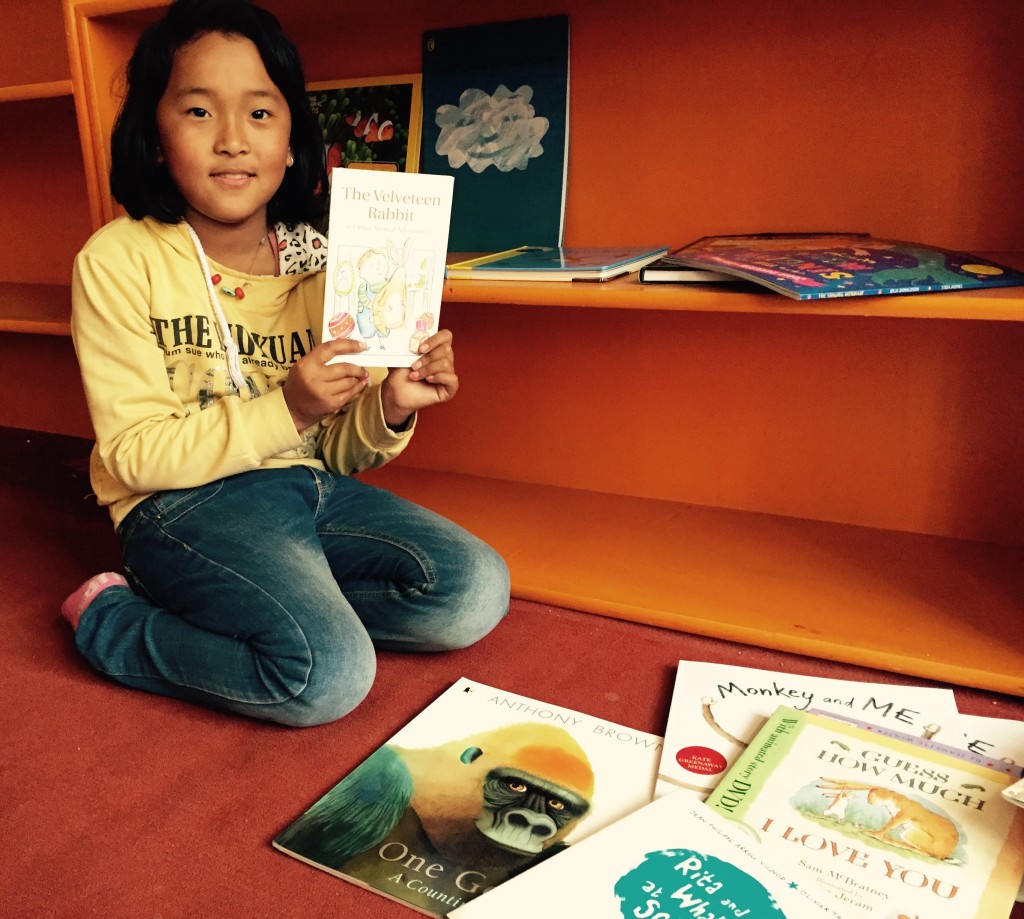
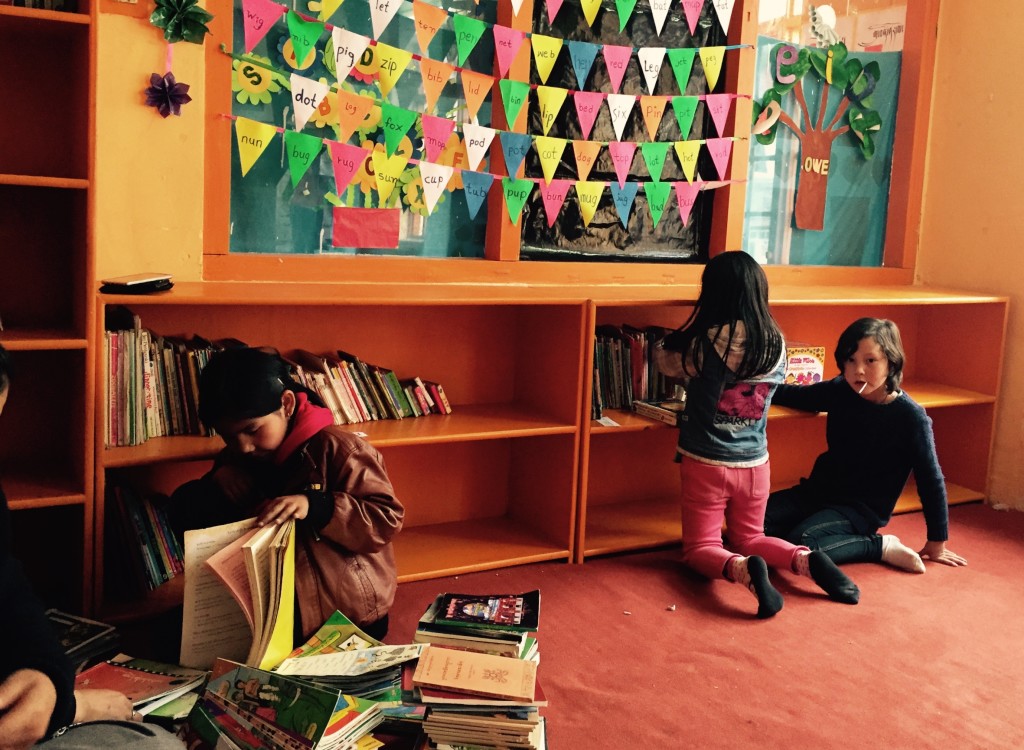
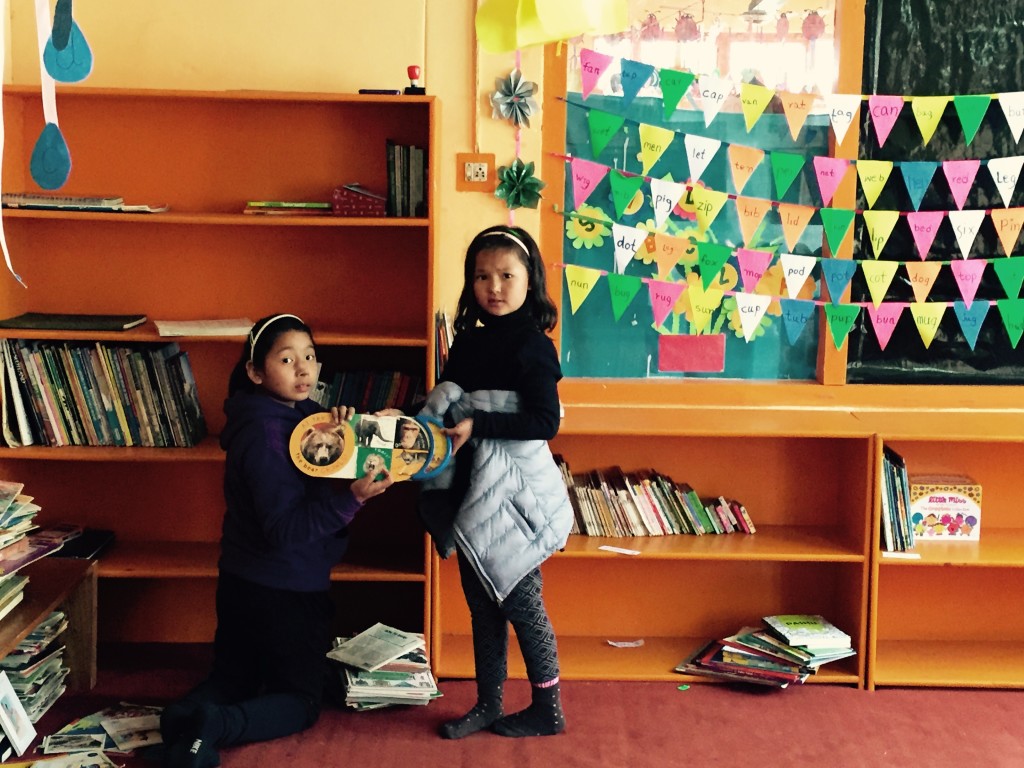
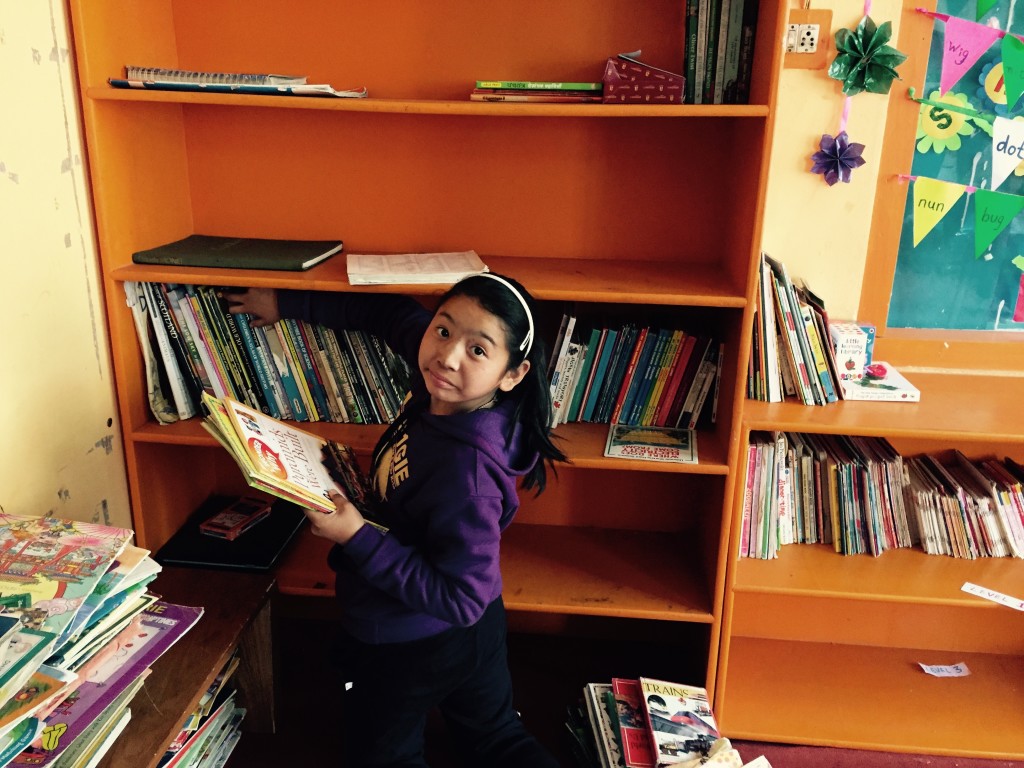
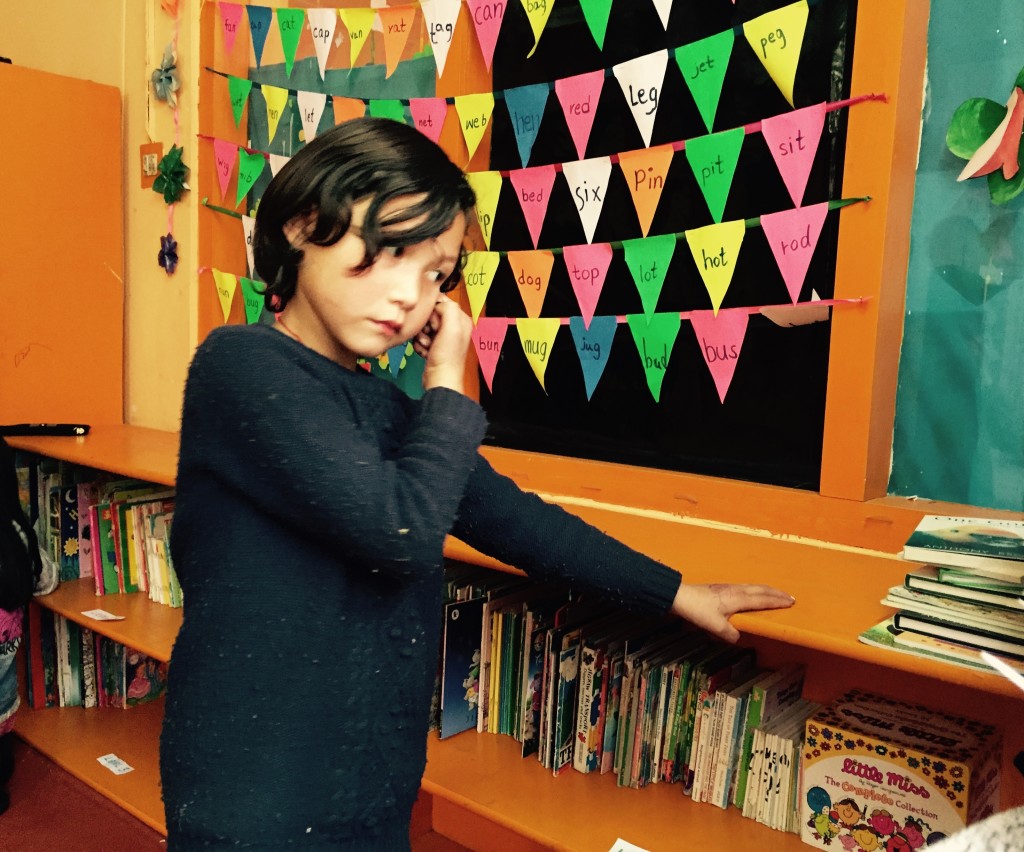
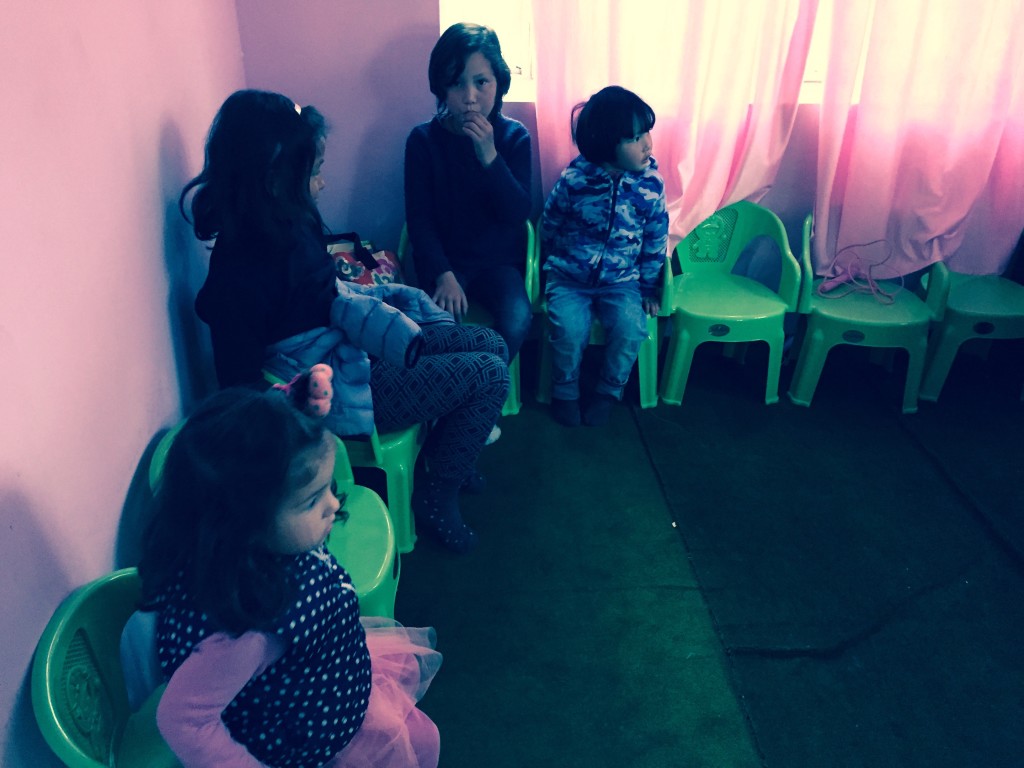
In practice, comfortable seating, useful lighting, quiet corners, and predictable routines make a measurable difference to participation. Children tend to stay with books longer when they can choose a suitable place, read at their own pace, and return to a story over several sessions.
Fluency Depends On Repeated, Low-Pressure Practice
Reading fluency is the ability to identify words accurately and smoothly while preserving meaning. When decoding requires intense effort, a child may lose track of a sentence before reaching its final words. Short, regular reading sessions can help build automatic word recognition without turning practice into a source of embarrassment.
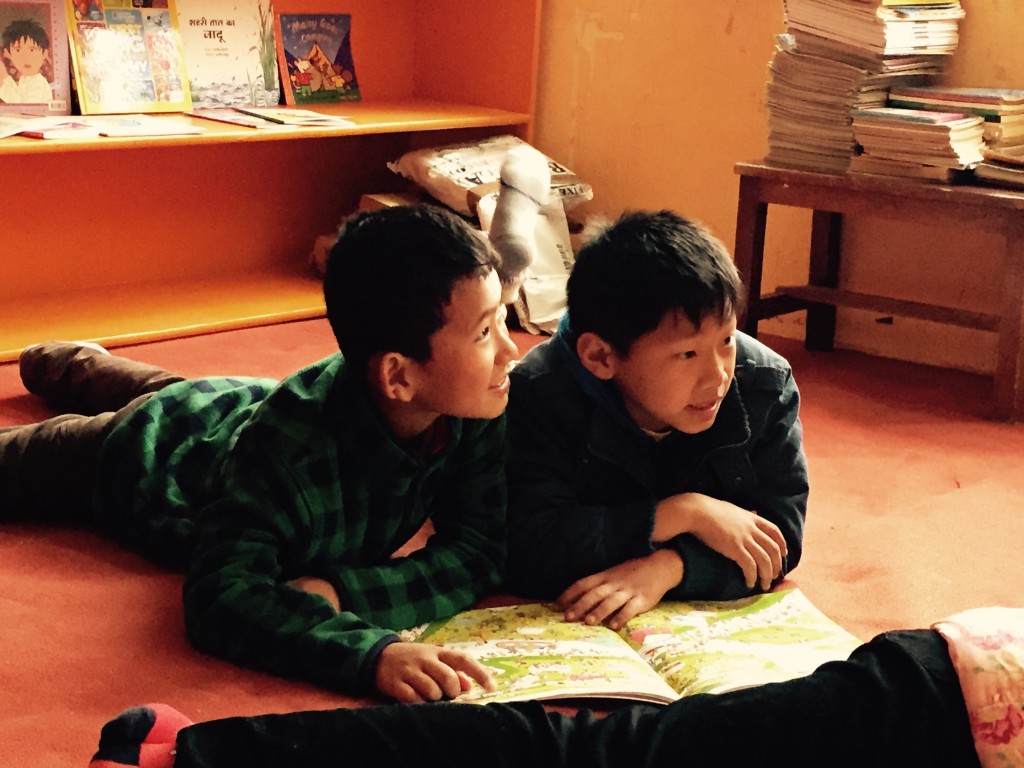
We have observed that children often become more willing to read aloud when mistakes are treated as part of learning. A volunteer can model a sentence, read alongside the child, or invite a small group to perform a poem. This approach supports accuracy while protecting confidence, which is especially important for learners working across more than one language.
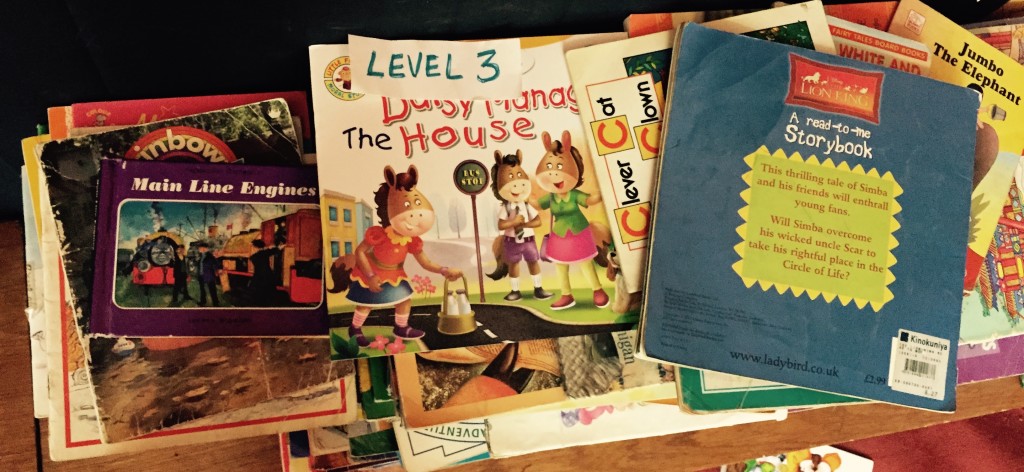
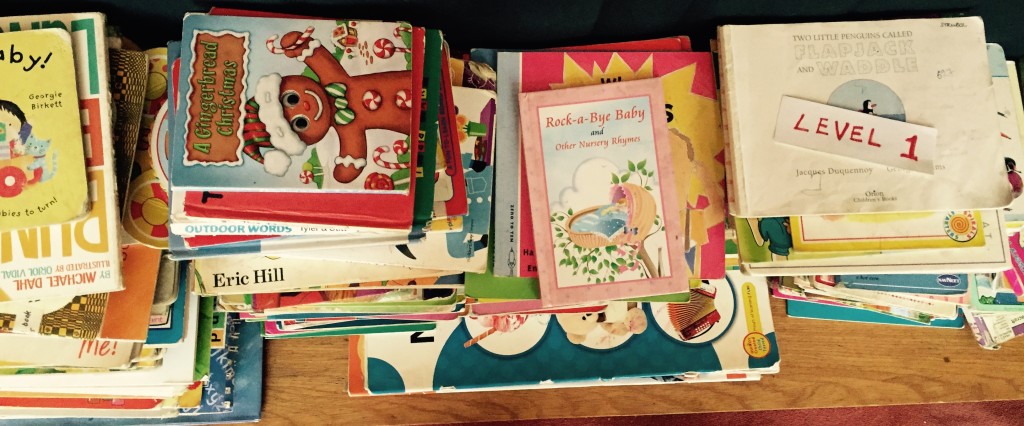
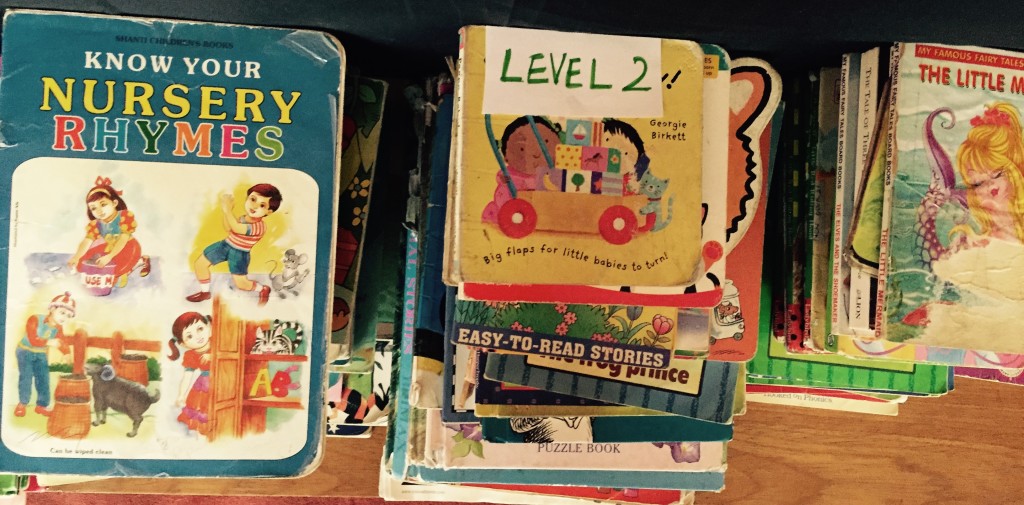
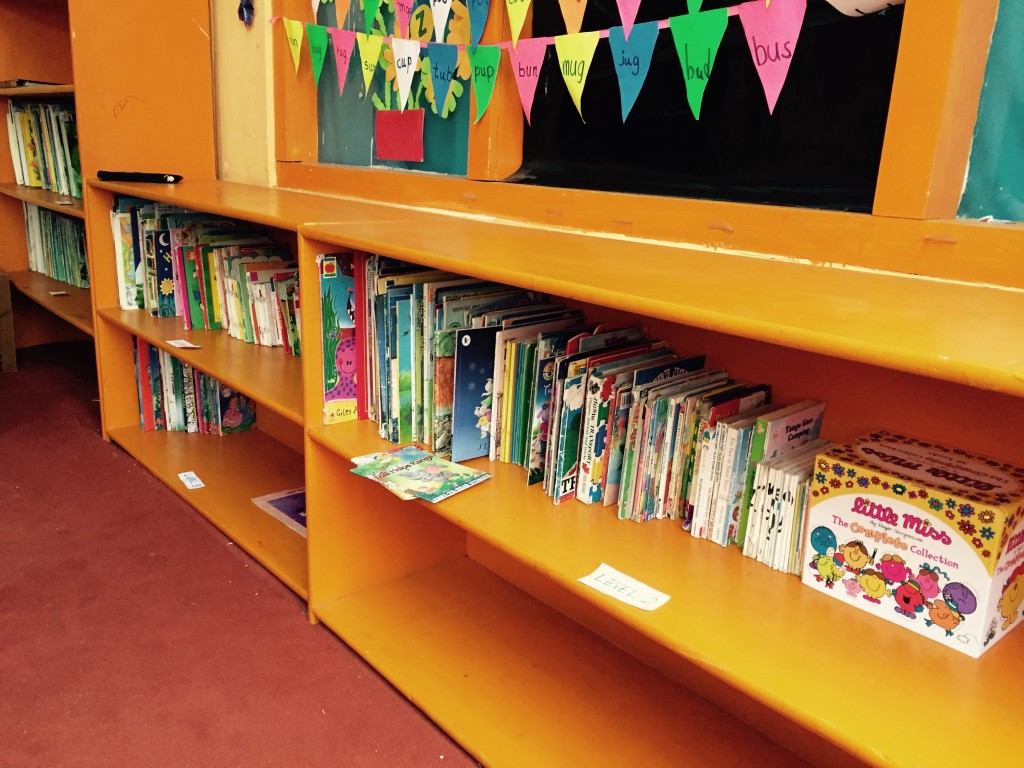
Books at several levels are essential. A child needs access to texts that are easy enough to read independently, as well as stories that introduce new vocabulary with adult support. Repeated reading of a familiar story is not a sign of limited ambition; it strengthens pace, expression, memory, and comprehension.
Language Knowledge Carries Meaning
Decoding is only one part of literacy. A child may pronounce every word in a passage and still miss its meaning if the vocabulary, sentence structure, or cultural references are unfamiliar. Conversations before and after reading help connect printed language with lived experience.
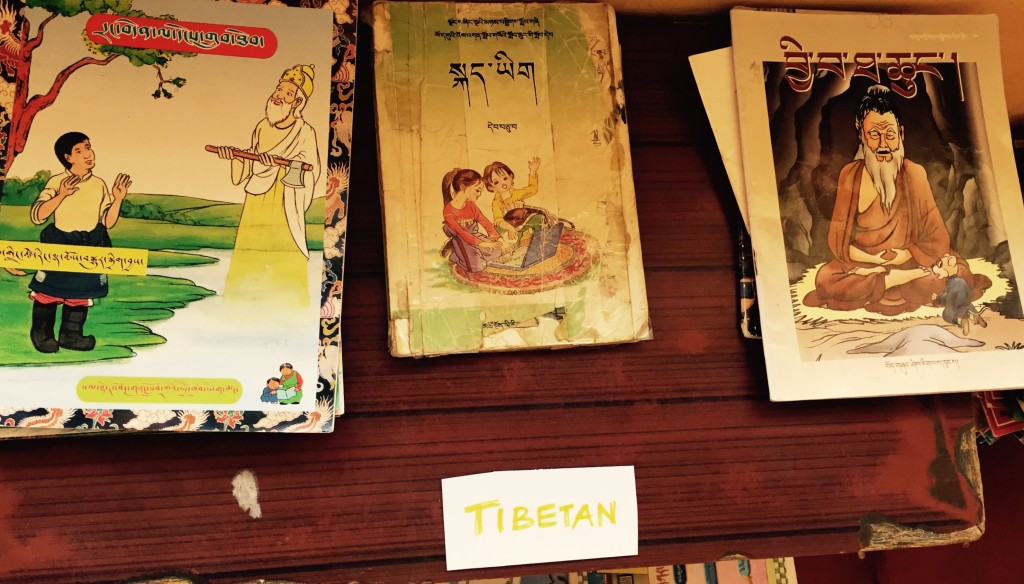
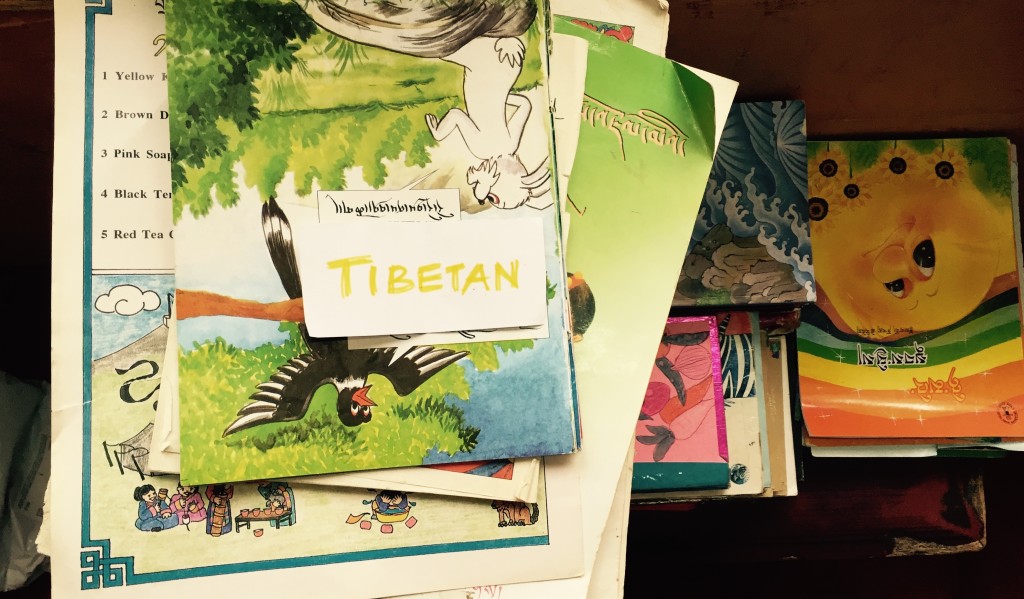
In Ladakh and other Himalayan communities, children may encounter several languages in daily life, including a home language, a regional language, and English used in school or books. Multilingualism is a resource, yet shifting between languages can make vocabulary development uneven. Reading aloud, storytelling, drawing, and discussion give children more opportunities to build meaning across languages.
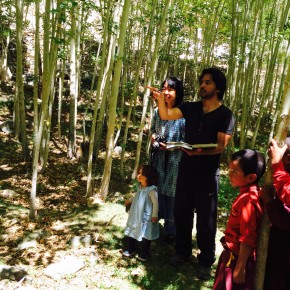
A story about snow, animals, music, friendship, or travel can open a useful conversation even when some words are new. Volunteers and educators can pause to explain a term, invite children to describe a similar experience, or ask them to predict what may happen next. These simple exchanges develop oral language, background knowledge, inference, and comprehension together.
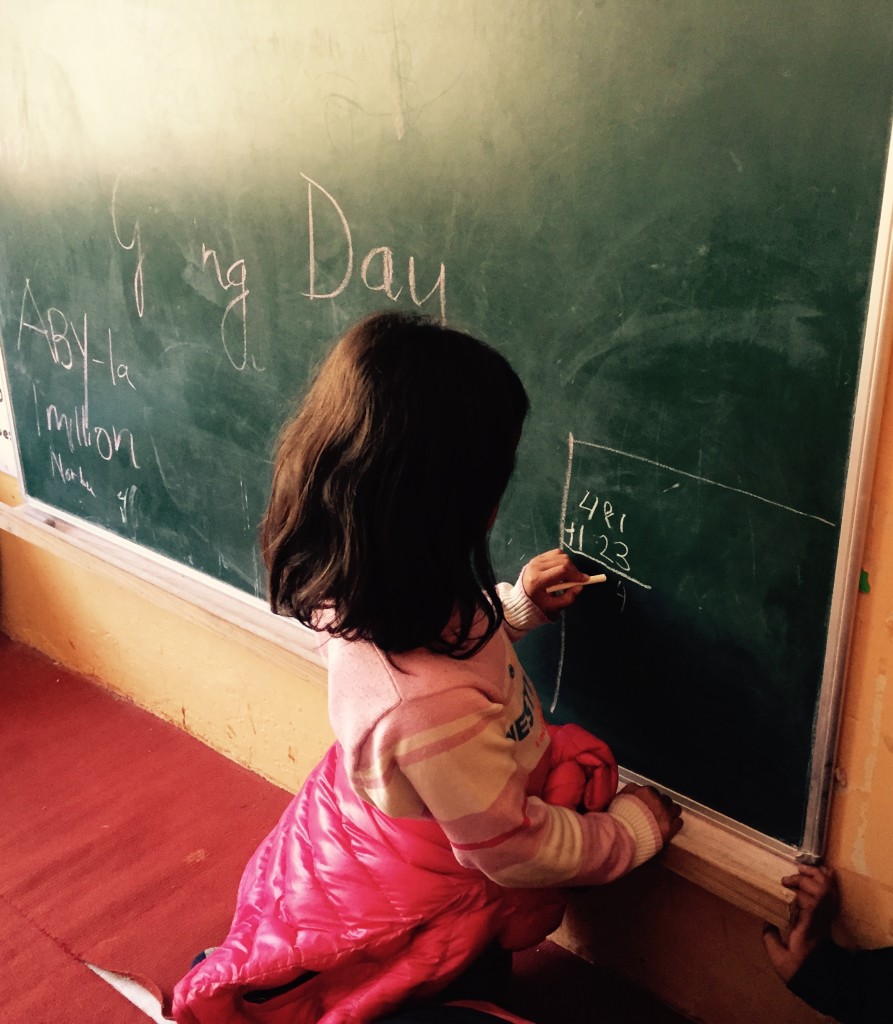
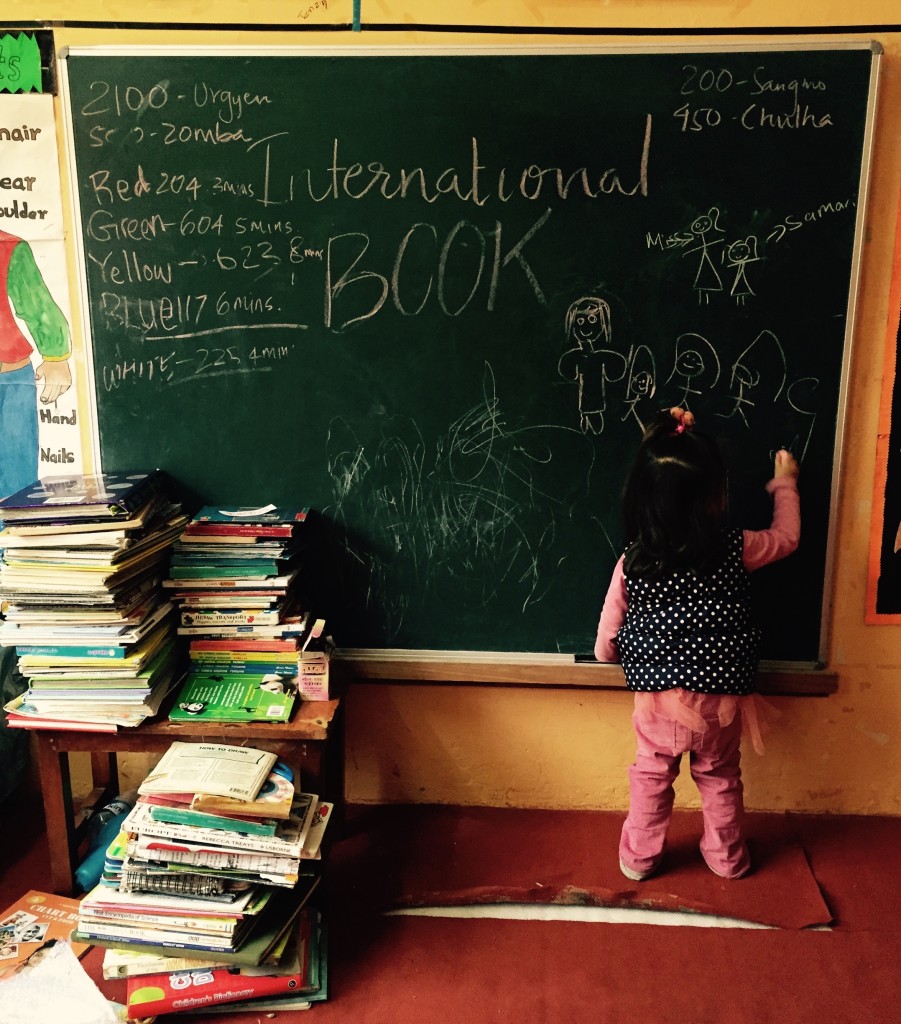
The wider learning environment matters too. Artistic and musical activities can strengthen listening, sequencing, memory, and self-expression. Experiences such as music lessons may support the confidence children bring to reading aloud, group discussion, and creative writing.
| Factor |
What We May Observe |
Helpful Educational Response |
| Cold, glare, or discomfort |
Shorter attention and frequent movement |
Warm, well-lit spaces with comfortable seating |
| Limited reading stamina |
Children stop before completing a passage |
Brief sessions, gradual increases, and breaks |
| Unfamiliar vocabulary |
Accurate reading with weak understanding |
Pre-reading conversation and picture support |
| Multiple languages |
Uneven confidence across texts |
Bilingual discussion and varied language resources |
| Fear of mistakes |
Reluctance to read aloud |
Paired reading and supportive correction |
| Limited book choice |
Repetition without growing interest |
Fiction, nonfiction, poetry, and local stories |
What Field Observations Can And Cannot Tell Us
Observing children in reading rooms provides valuable information about behavior: which books they choose, how long they remain engaged, whether they ask for help, and how their reading changes over time. It can reveal practical barriers that a formal assessment may not capture, such as poor lighting, a lack of age-appropriate books, or uncertainty about how to begin.
These observations should be interpreted carefully. A child may read less on a particular day because of travel, family duties, fatigue, illness, or a change in school schedule. Altitude is one variable among many, and responsible educational work avoids presenting a small group’s experience as universal scientific proof.
A stronger picture comes from combining observation with simple, consistent records. Volunteers can note attendance, book choice, approximate reading time, participation in discussion, and the type of support needed. Over several months, these notes can show whether a new reading routine is becoming more sustainable without reducing children to a single score.
Books Become Tools For Belonging
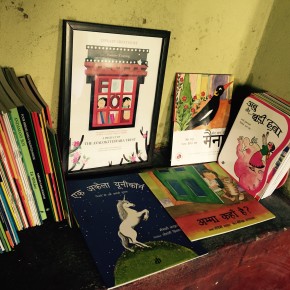
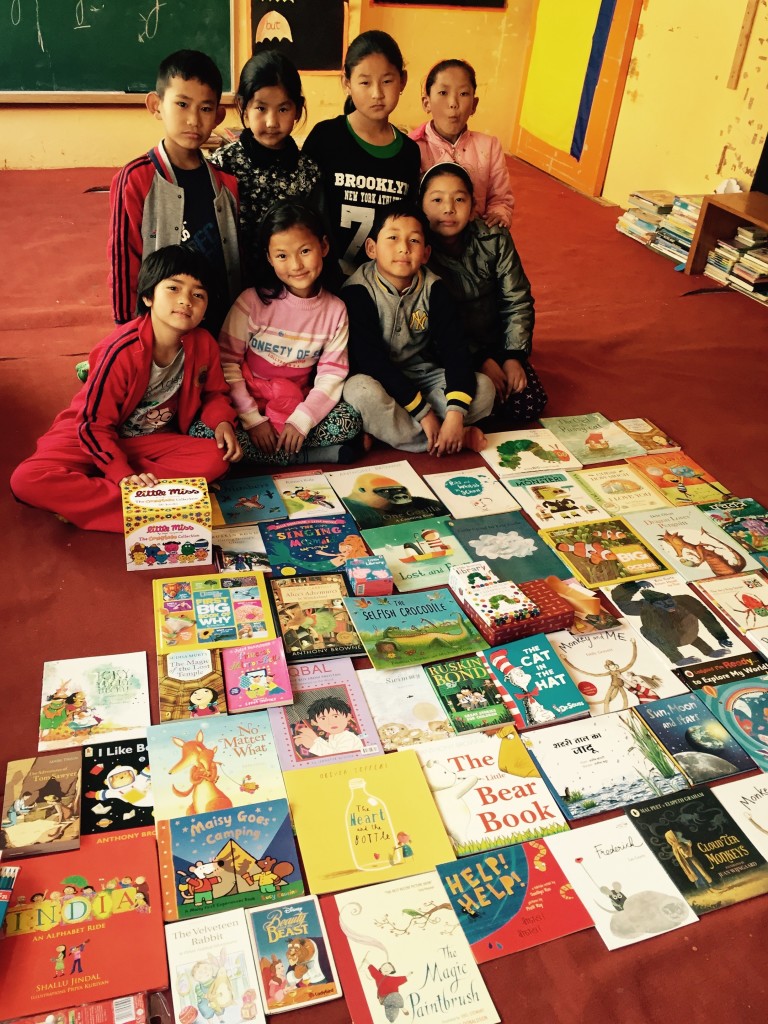
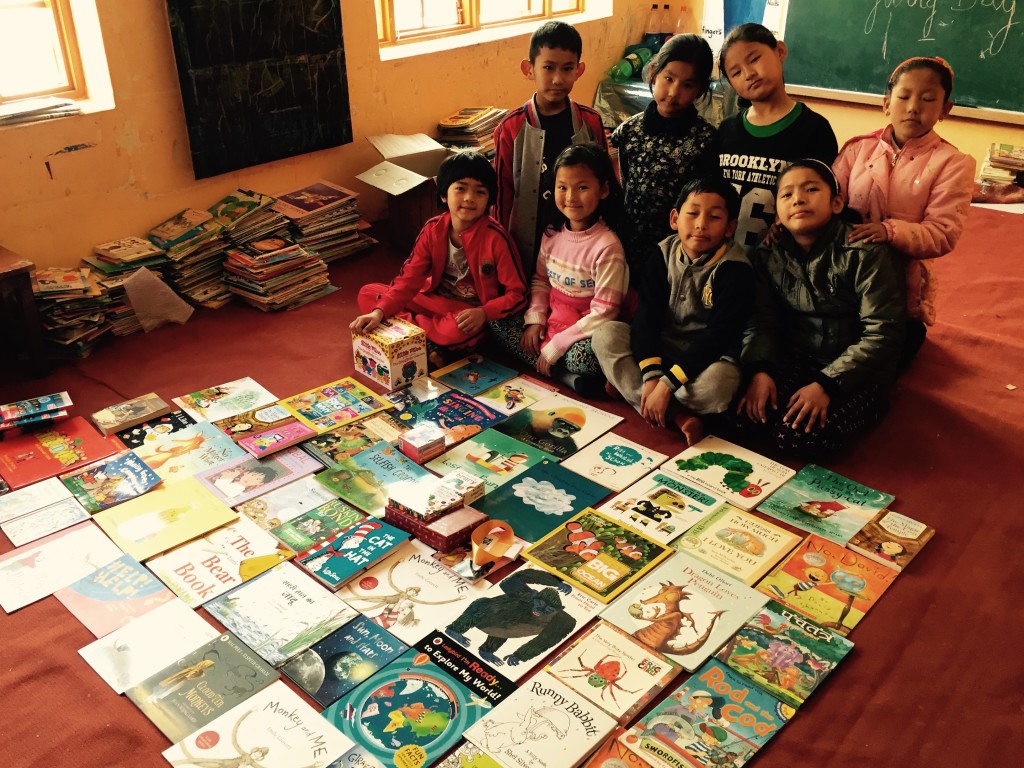
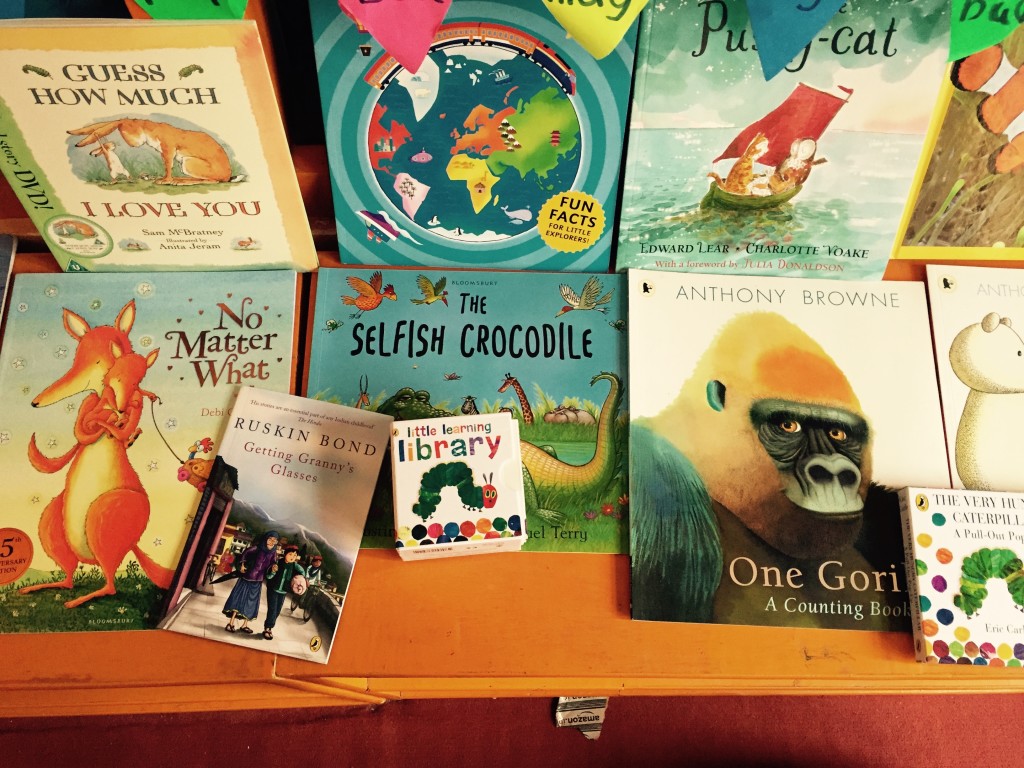
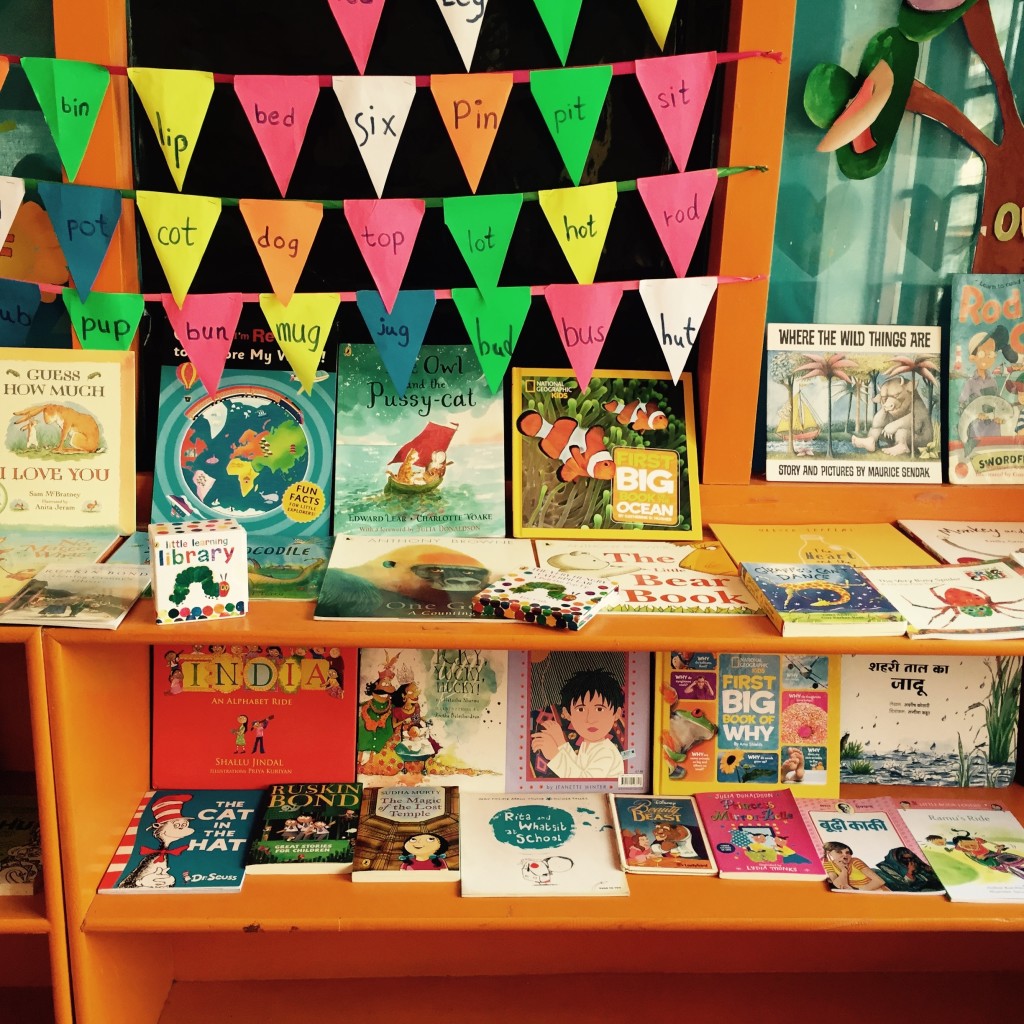
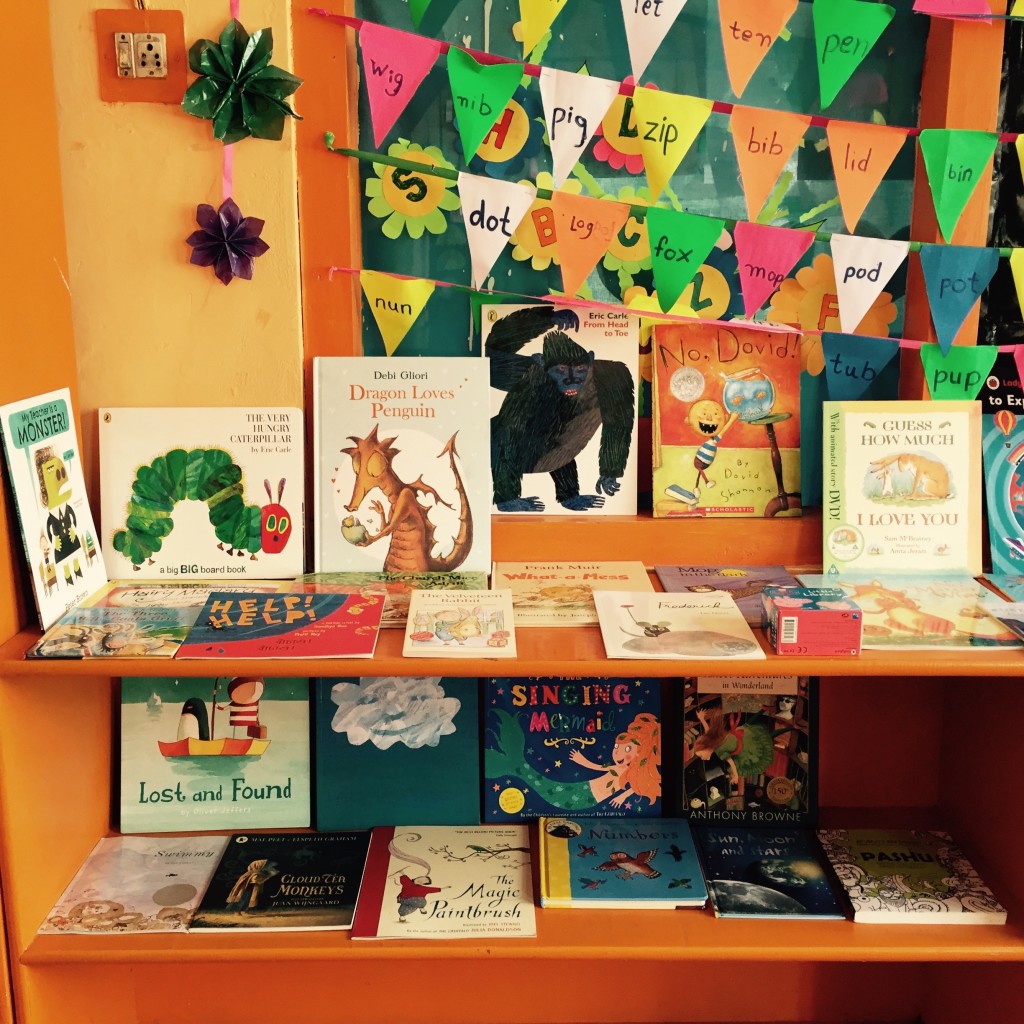
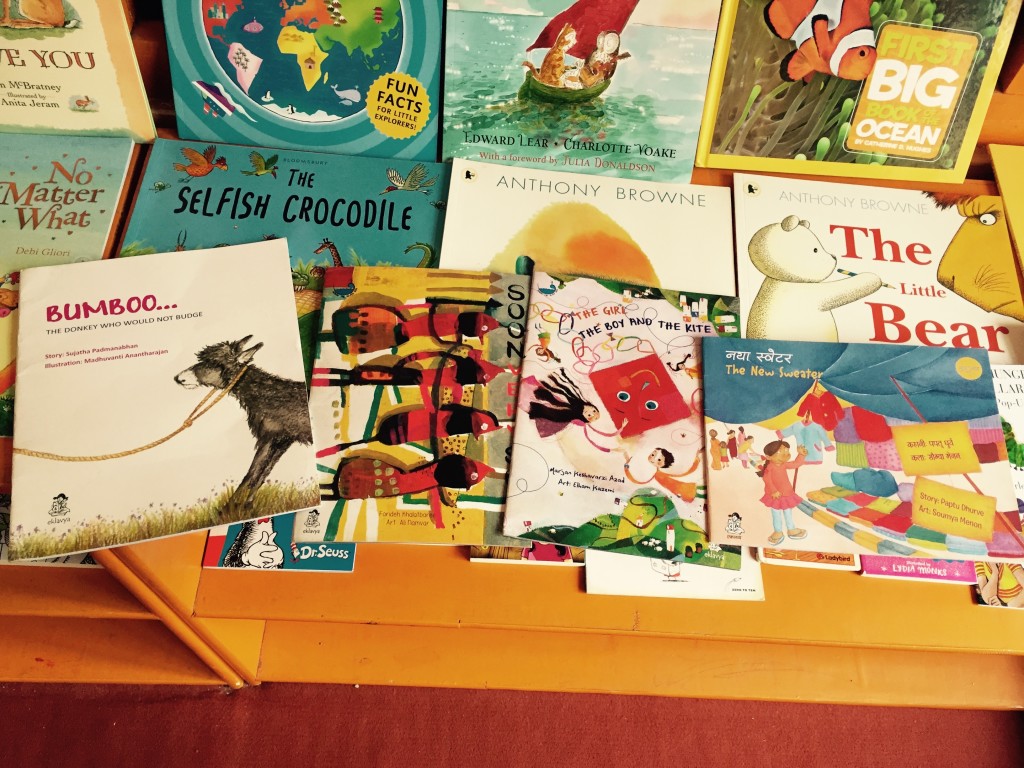
A well-stocked library is valuable because it provides practice, but books also communicate that children’s interests and imagination matter. Stories with local settings, familiar landscapes, diverse characters, and accessible language can make reading feel relevant. International stories broaden horizons when they are presented alongside materials that reflect children’s own lives.
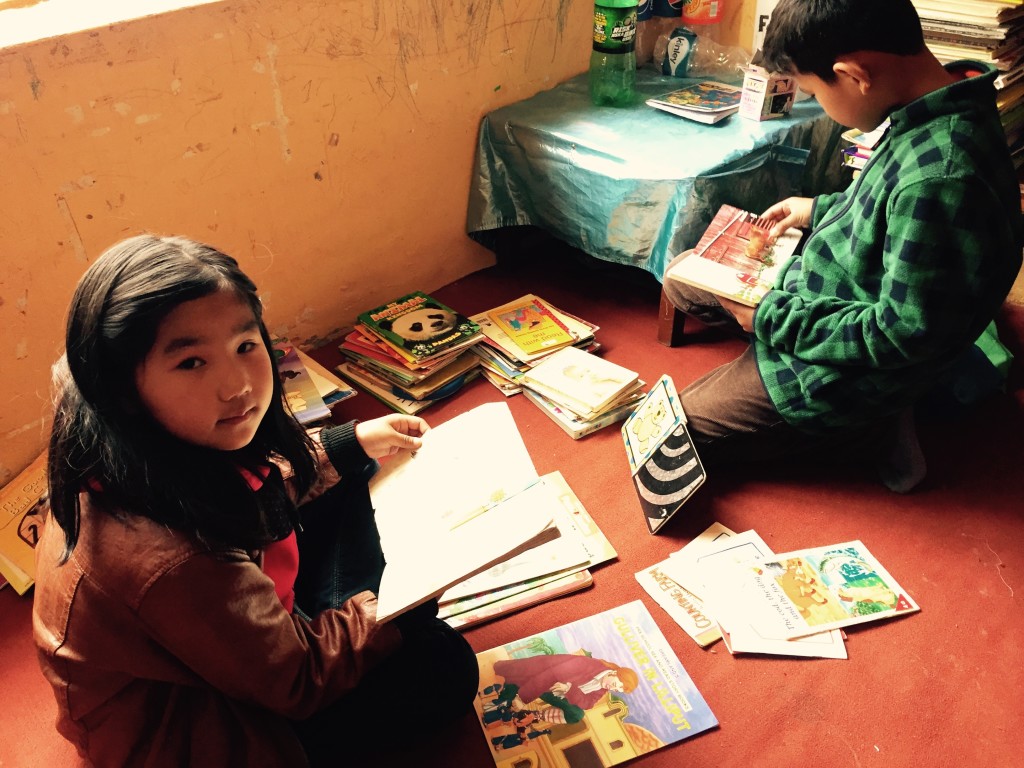
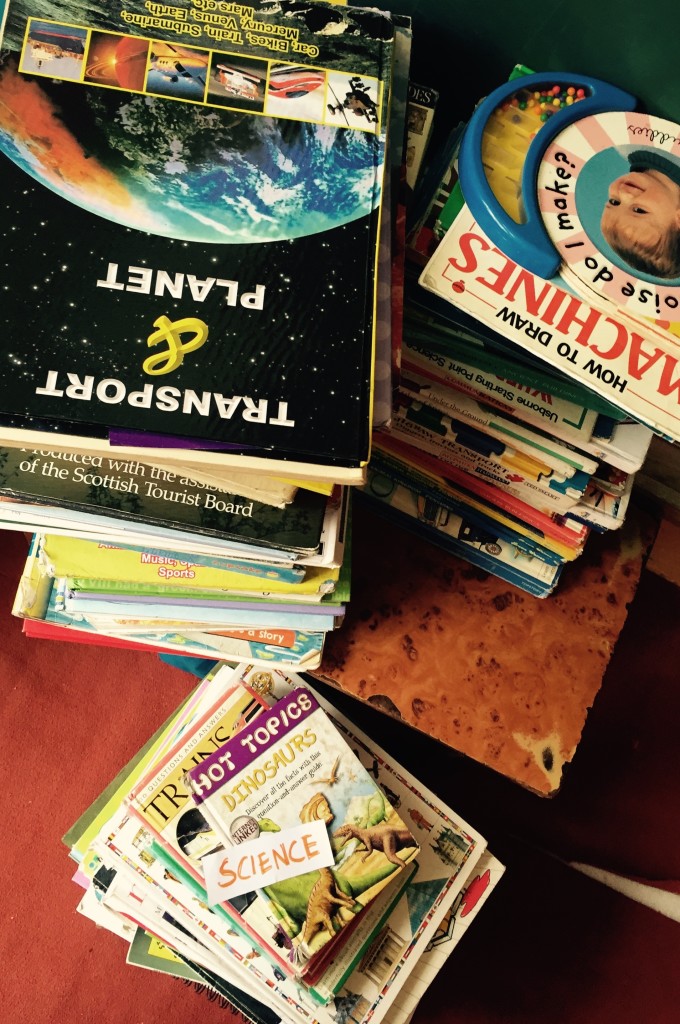
Choice is a powerful part of motivation. Some children begin with illustrated books, factual guides, comics, or poetry rather than conventional school readers. When adults respect those choices, children often develop the stamina to explore more demanding texts later. Interest can be the bridge to structured literacy practice.
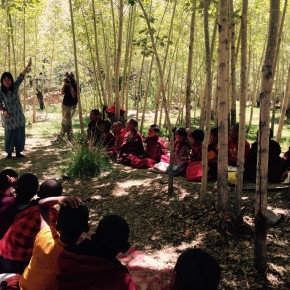
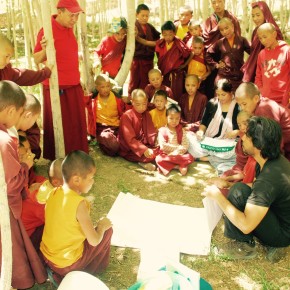
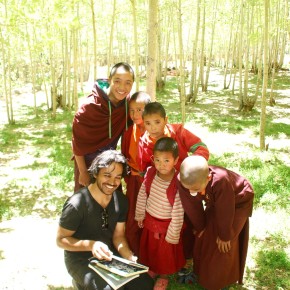
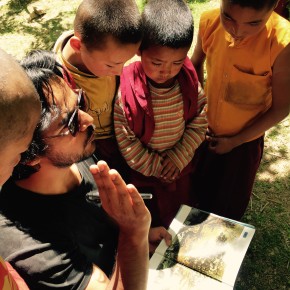
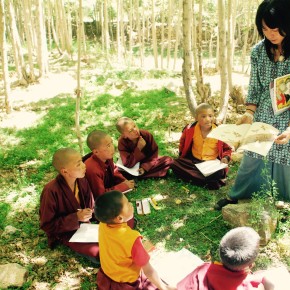
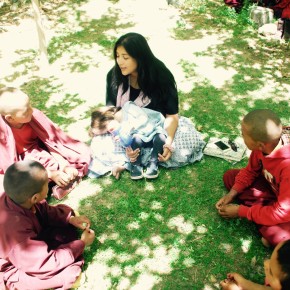
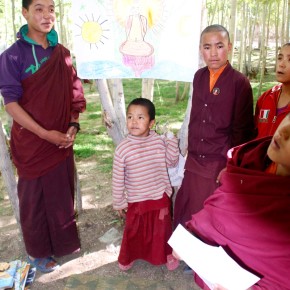
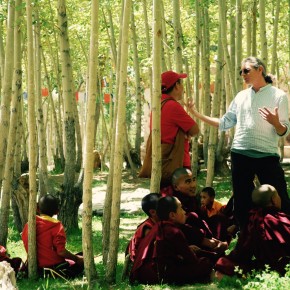
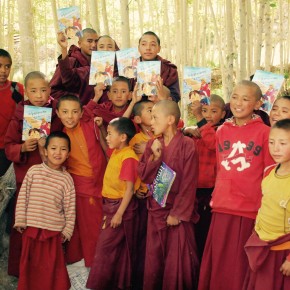
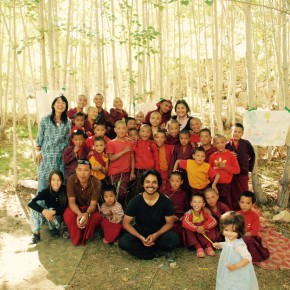
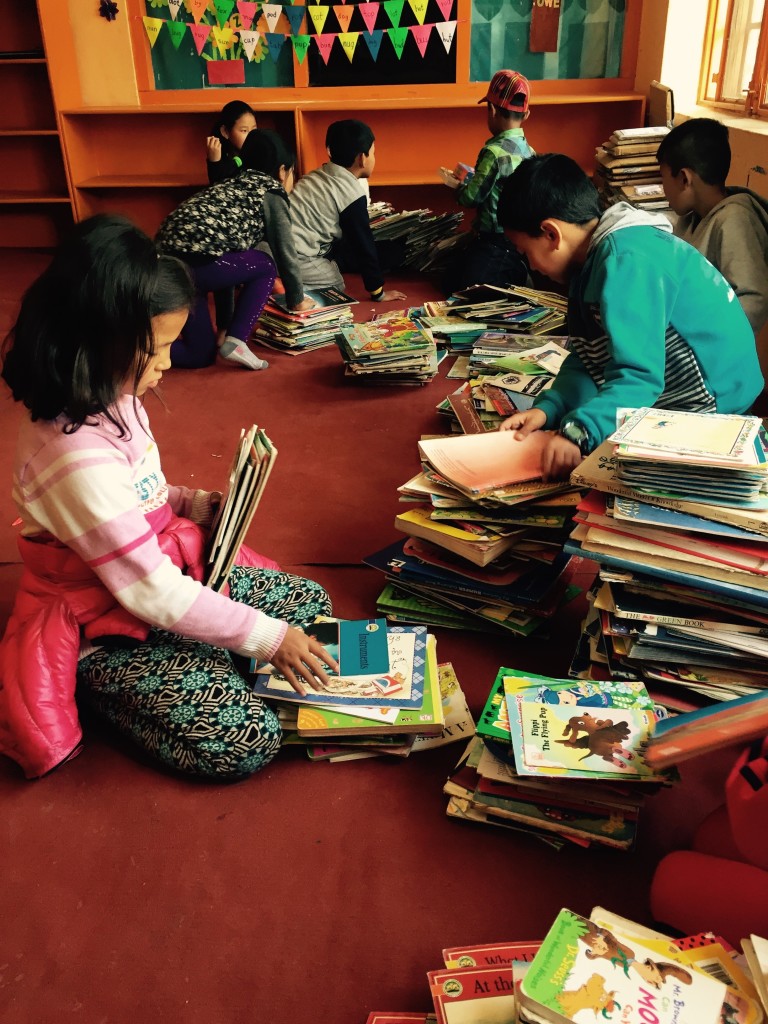
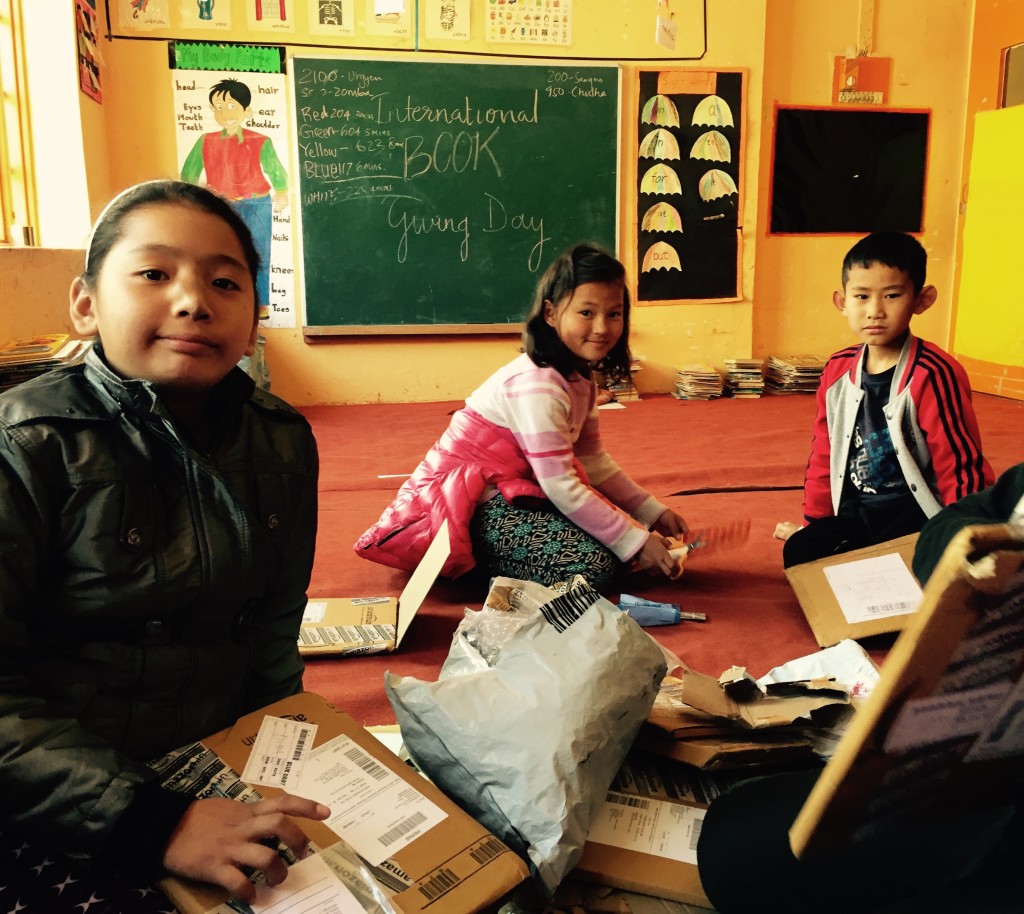
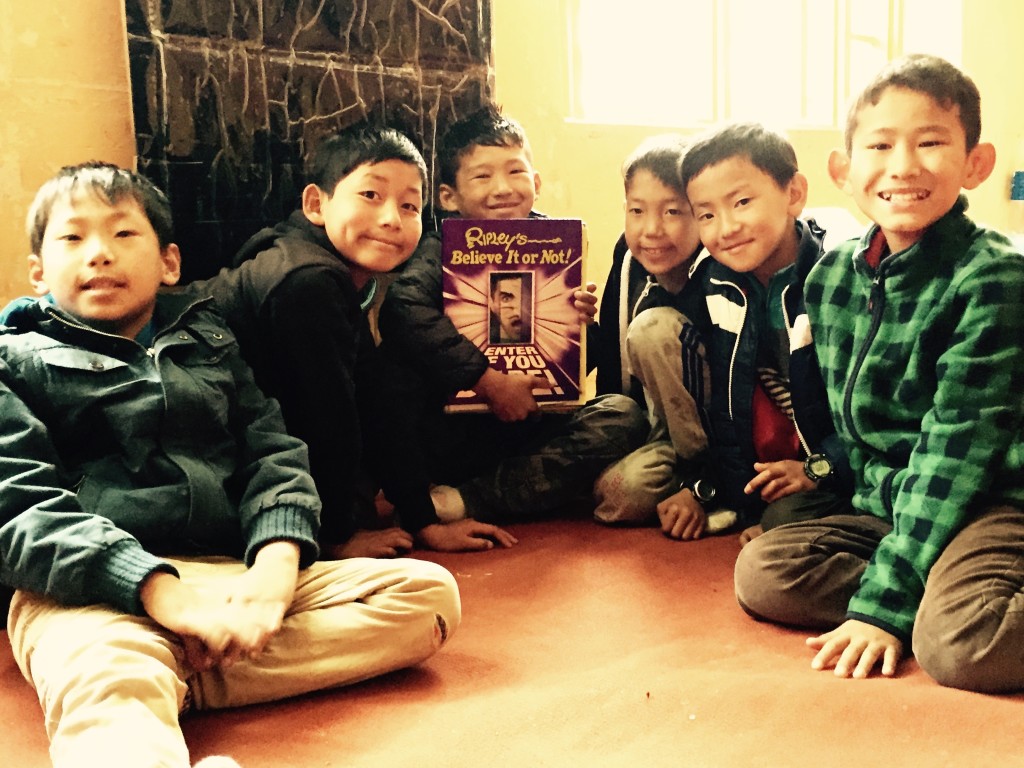
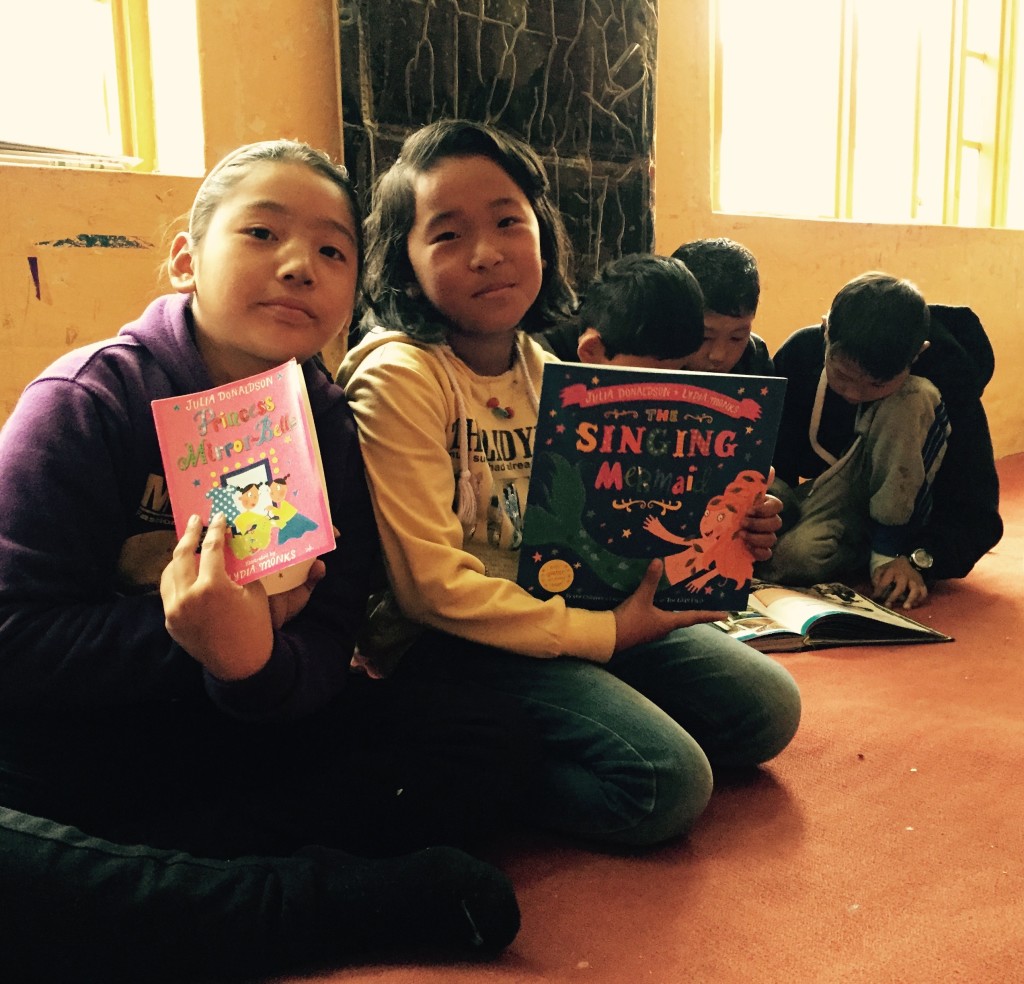
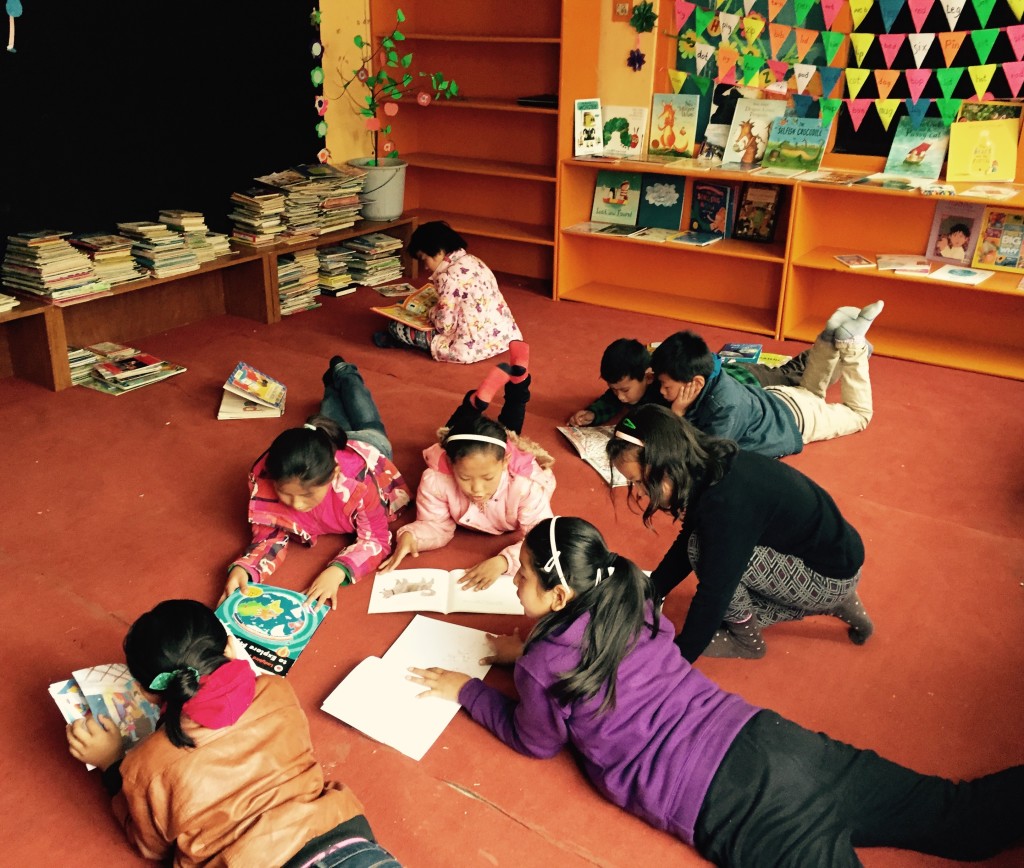
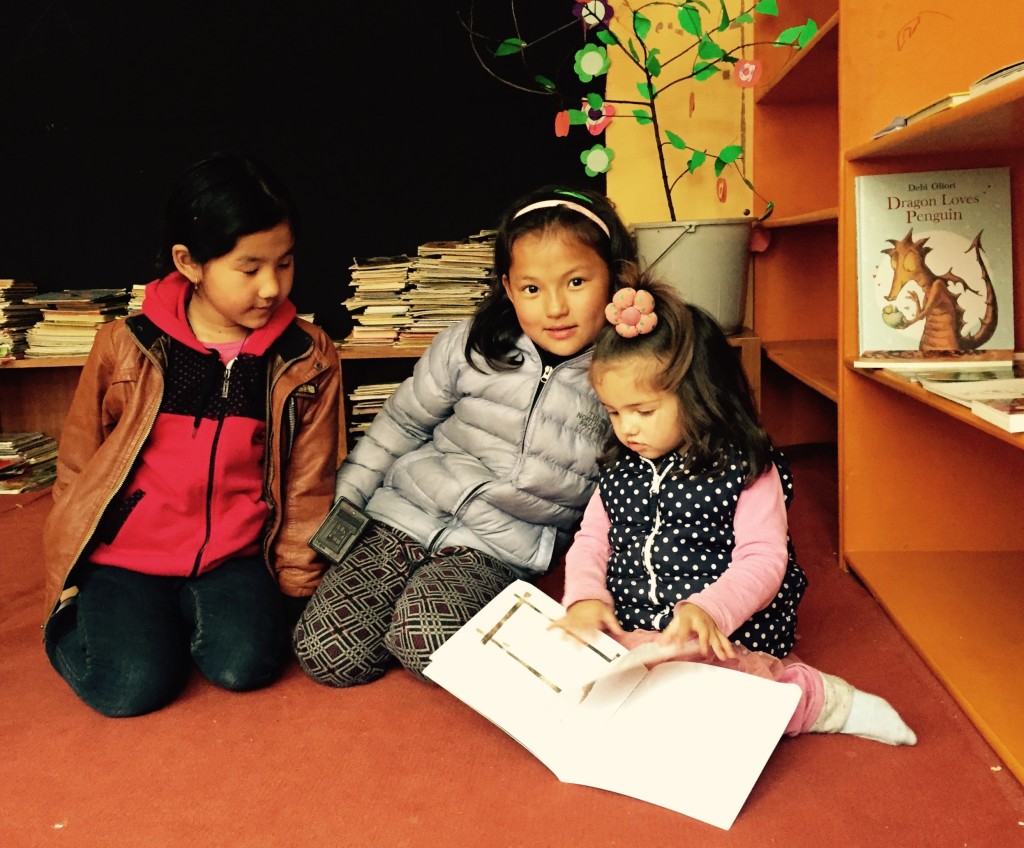
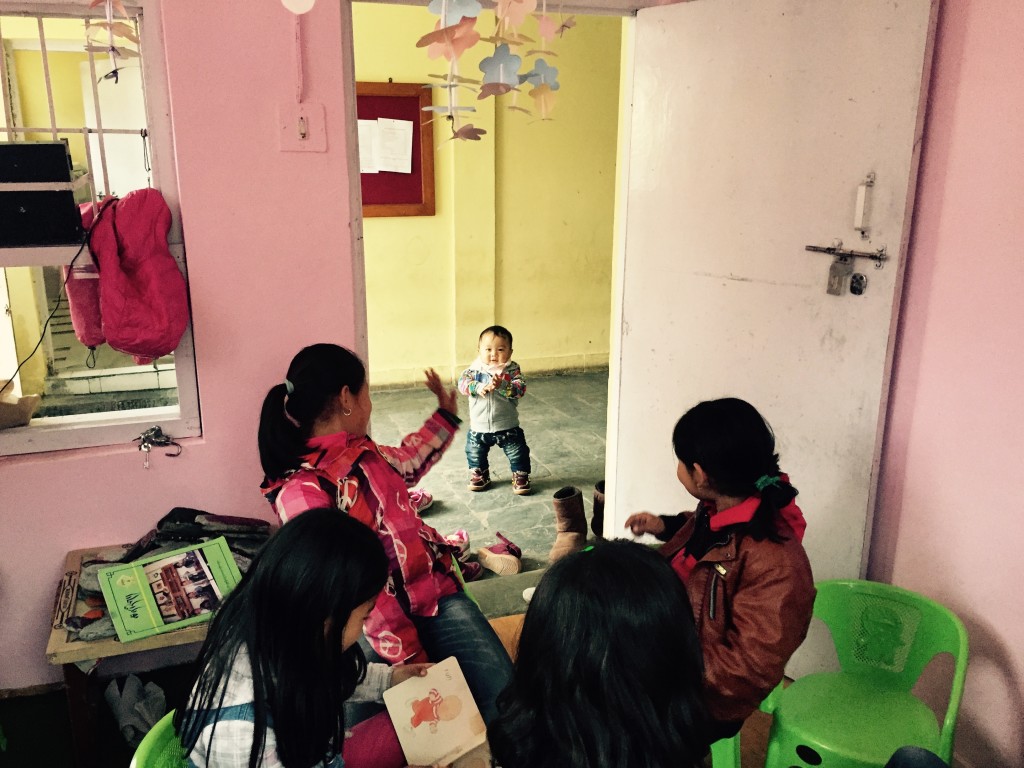
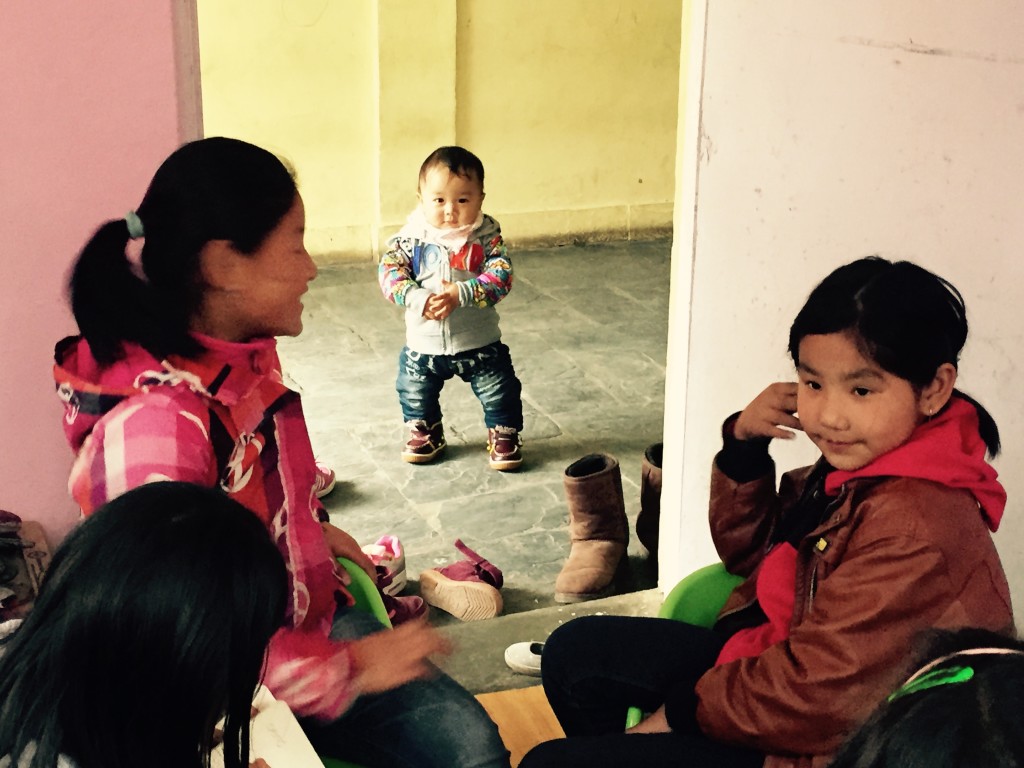
Reading rooms also create a social setting. Children recommend books to one another, listen to older readers, and learn that asking for help is normal. Young monks and other older learners can contribute as reading partners or storytellers, creating a community in which literacy is shared rather than limited to formal lessons.
Practical Priorities For Mountain Reading Programs
The most useful responses are usually consistent and modest rather than elaborate. A program does not need expensive technology to support reading development. It needs suitable books, prepared adults, time for conversation, and a setting that respects children’s physical and emotional needs.
Volunteers can help by observing before intervening. A child who appears disengaged may need an easier text, a warmer seat, a drink of water, a translation, or a chance to move. Matching the response to the barrier makes reading support more effective than simply asking the child to try harder.
- Maintain warm, quiet, well-lit reading spaces during the seasons when fatigue and discomfort are greatest.
- Offer books across reading levels, genres, languages, and cultural perspectives.
- Use paired reading, read-aloud sessions, storytelling, and discussion to build fluency and vocabulary.
- Record simple patterns in participation while avoiding labels based on isolated observations.
- Link literacy with art, music, drawing, and local knowledge to strengthen confidence and motivation.
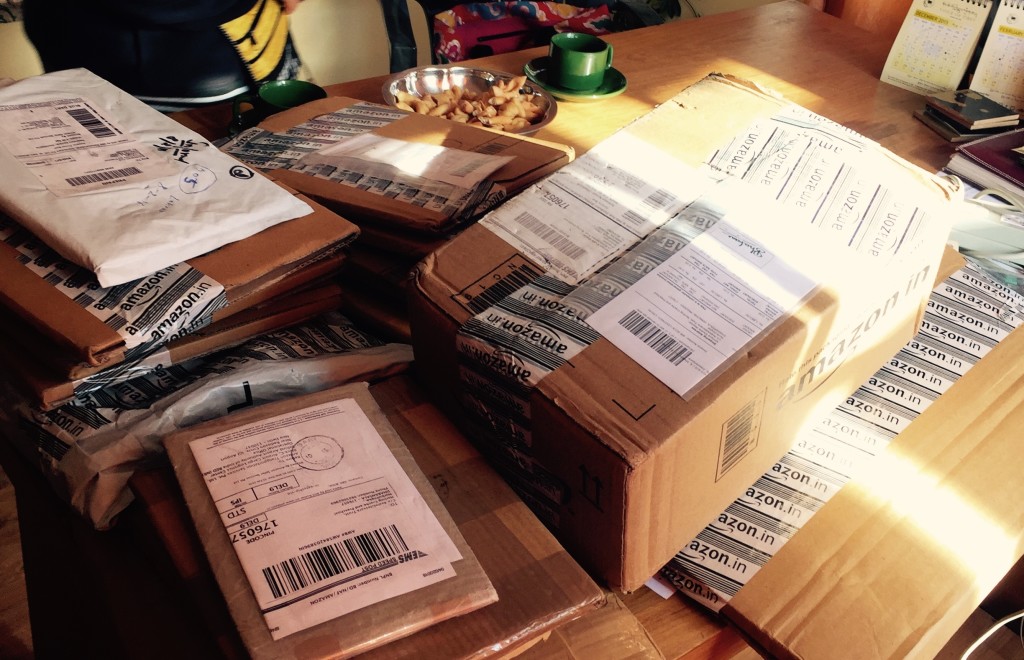
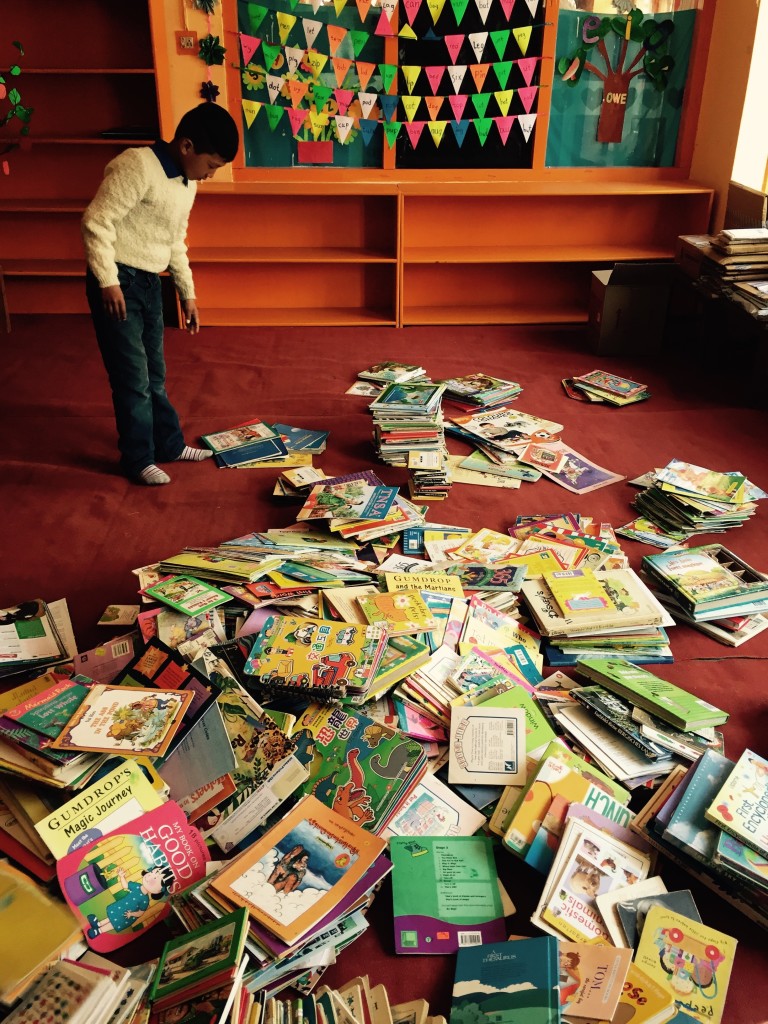
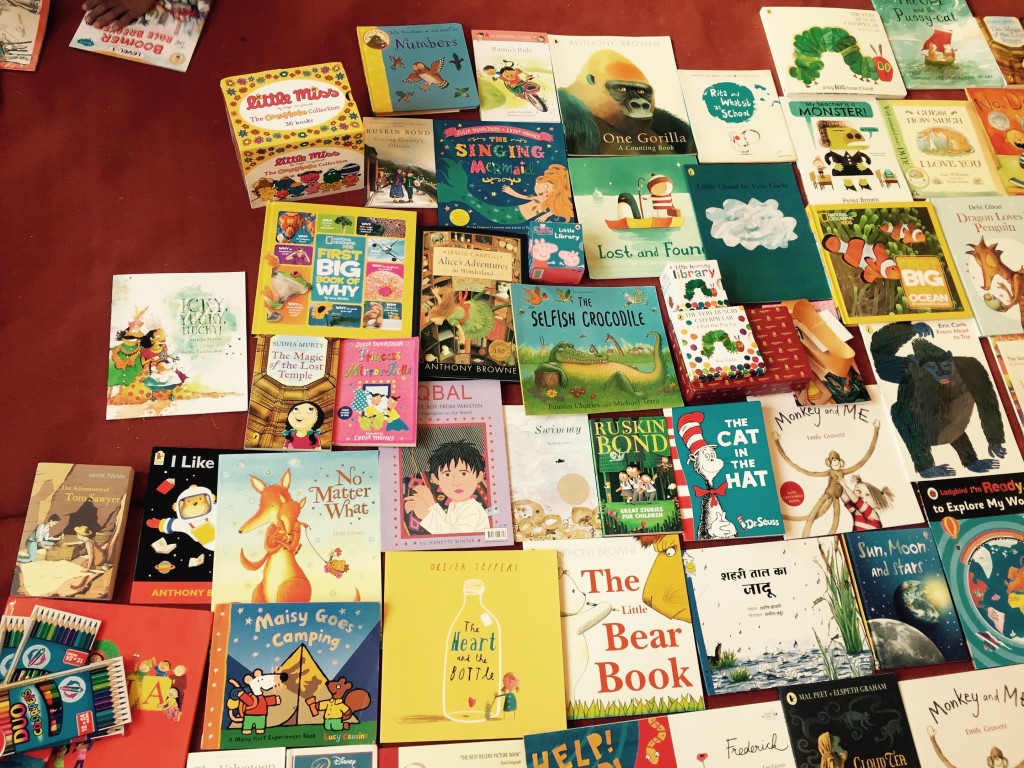
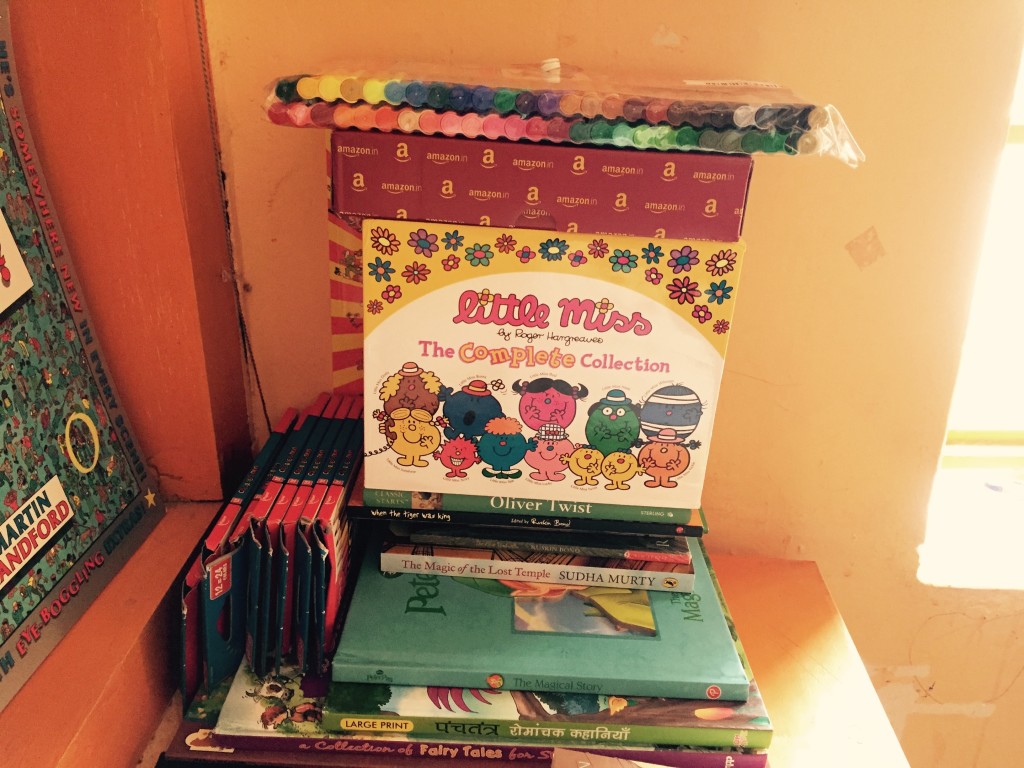
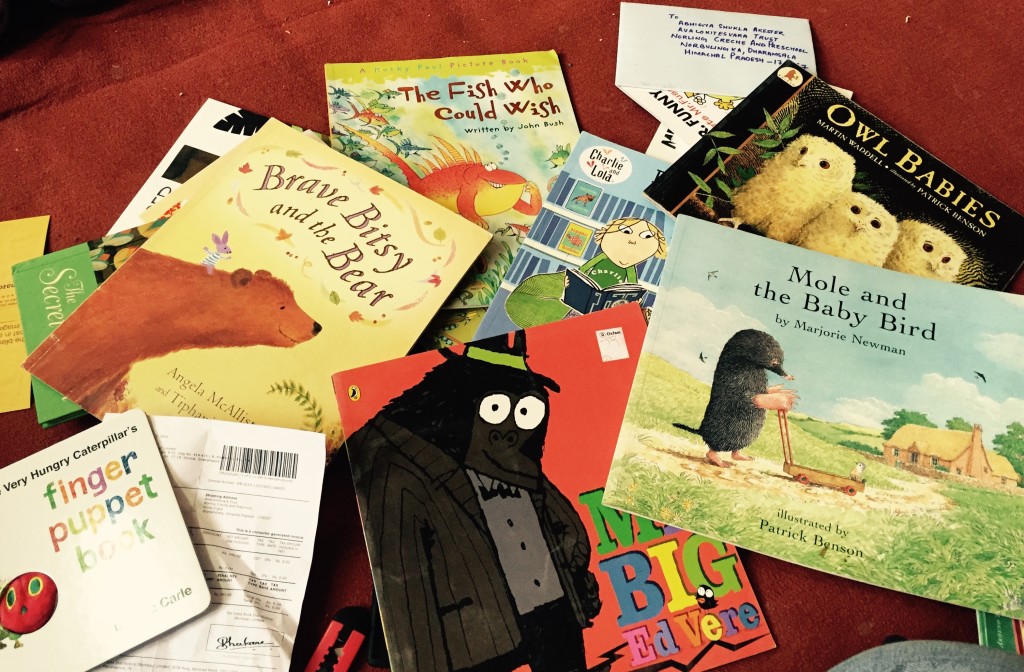
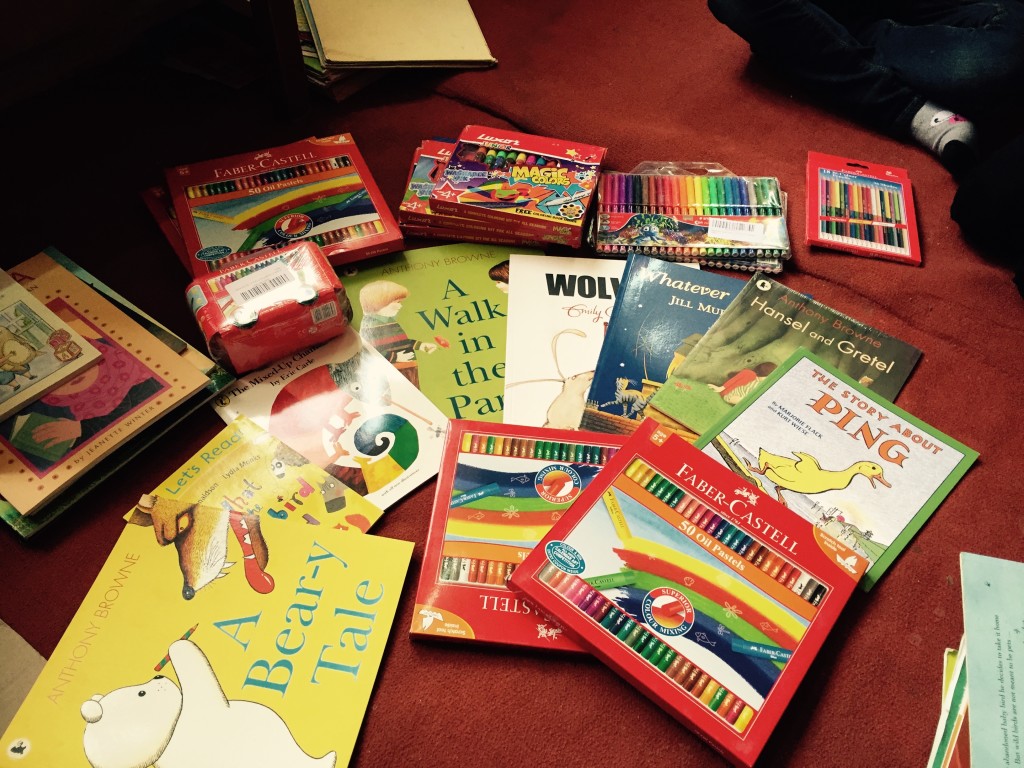
The same principles can guide book drives and volunteer visits. Donations are most useful when they match children’s ages, reading abilities, languages, and interests. A smaller collection that children can understand and enjoy may have greater educational value than a large shipment of unsuitable books.
High altitude does not define a child’s capacity to learn. It reminds us that cognition is embodied: attention depends partly on rest, comfort, health, and emotional safety. When those conditions are supported, children can devote more energy to the complex work of decoding, understanding, remembering, and responding to text.
Avalokiteśvara Trust’s reading rooms and educational activities offer practical ways to turn these principles into daily experience. By supporting book drives, volunteering time, sharing appropriate resources, or contributing to learning spaces, you can help children and young monks build the literacy, confidence, and curiosity that carry far beyond the page.