How Music Lessons Grow Confidence in Himalayan Children
In Himalayan communities, a song can travel from a classroom into a courtyard, monastery, family kitchen, or village celebration. Music gives children a practical way to express feelings, remember language, and share something they have created with others. For young learners growing up in remote mountain regions, that experience can have an influence far beyond the lesson itself.
Learning an instrument or singing in a group asks children to listen closely, practise patiently, and take small risks. A child may begin by quietly observing, then play one rhythm, sing one line, or perform with a friend. Each step offers evidence that effort can lead to progress.
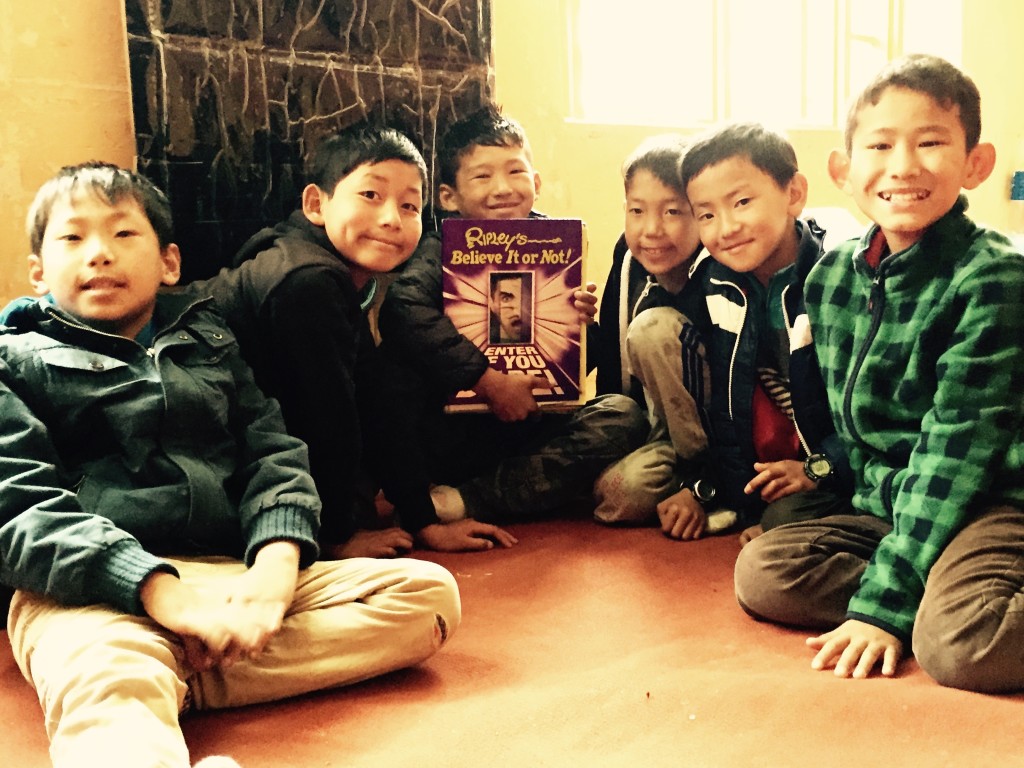
Confidence develops through these repeated experiences. With suitable teaching, encouragement, and access to instruments, music education can support communication, cooperation, creativity, and a stronger sense of belonging among children and young monks in Ladakh and neighboring Himalayan communities.
A Safe Space For Self-Expression
Children do not always have the vocabulary to describe worry, excitement, homesickness, or pride. Melody, rhythm, and movement provide another language. During a music activity, a child can communicate through a drumbeat, a repeated phrase, or a carefully chosen song without needing to explain every emotion aloud.
This freedom matters in communities where children may be shy around unfamiliar adults or hesitant to speak in a formal classroom. A welcoming music session allows different personalities to participate in different ways. One child may sing, another may keep time, and a third may help organize instruments. Every role has value.
Music can also connect modern learning with local identity. Traditional Himalayan songs, monastery chants, folk instruments, and familiar melodies help children see their culture as a source of creativity. When lessons include local musical heritage alongside new sounds, confidence grows from both curiosity and recognition.
Progress Children Can Hear
Reading a musical score, remembering lyrics, or coordinating a rhythm requires concentration. These tasks may seem small, yet they create visible milestones. A child who could play only two notes last week may perform a complete phrase today. The sound of that improvement makes learning feel tangible.
Teachers can strengthen this process by dividing activities into achievable stages. Short rehearsals, paired practice, and simple performances reduce pressure while keeping children engaged. Praise works best when it identifies a specific action: steady rhythm, careful listening, brave participation, or persistence after a mistake.
Such feedback helps children connect success with practice rather than talent alone. That mindset supports confidence in other areas, including reading, public speaking, drawing, and collaborative schoolwork. A music lesson becomes a place where mistakes are treated as information and improvement is something a child can actively build.
From Quiet Practice To Shared Performance
Performing for classmates can feel intimidating, particularly for children who have had few opportunities to speak before a group. A supportive music program makes performance gradual. Children might begin by playing together, move to small groups, and eventually choose whether they want a solo role.
Group performance teaches children that preparation affects the whole ensemble. They must listen for timing, watch a conductor or teacher, and recover when someone misses a note. These are practical lessons in responsibility and cooperation. The experience of completing a piece together can create a strong sense of shared achievement.
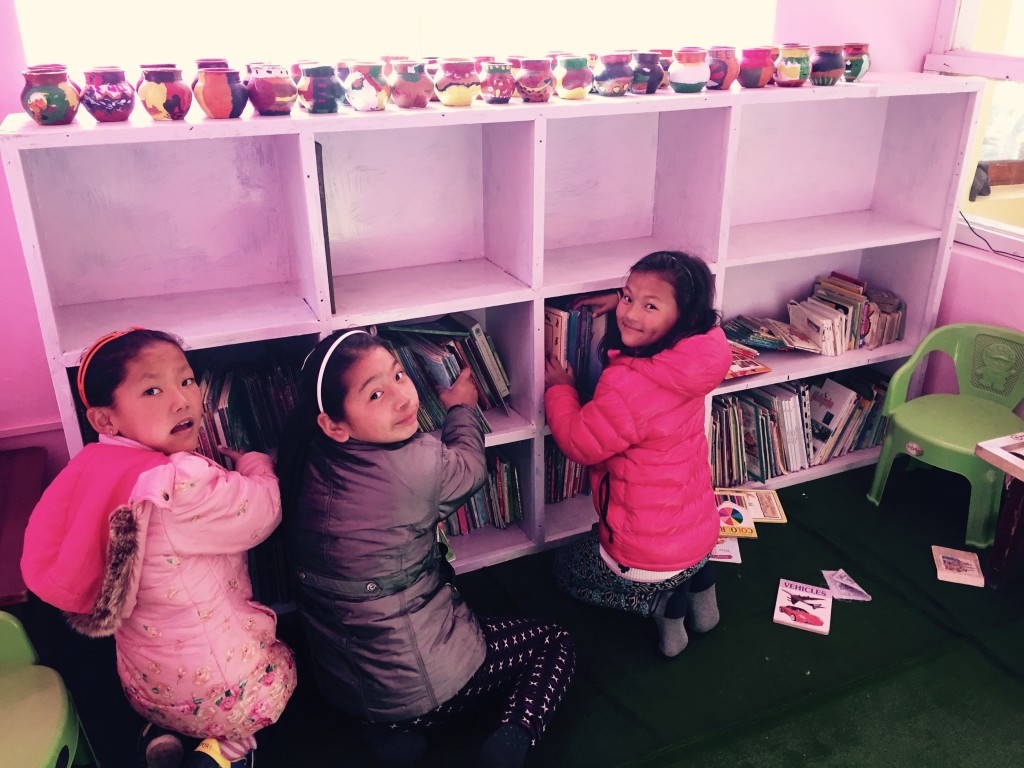
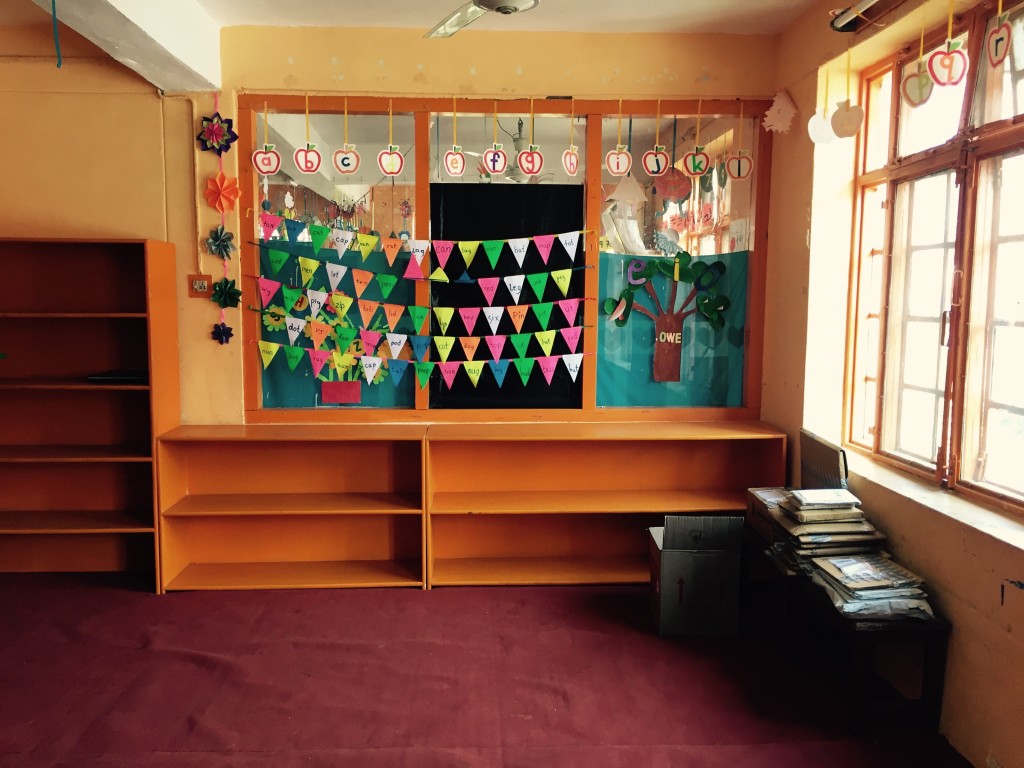
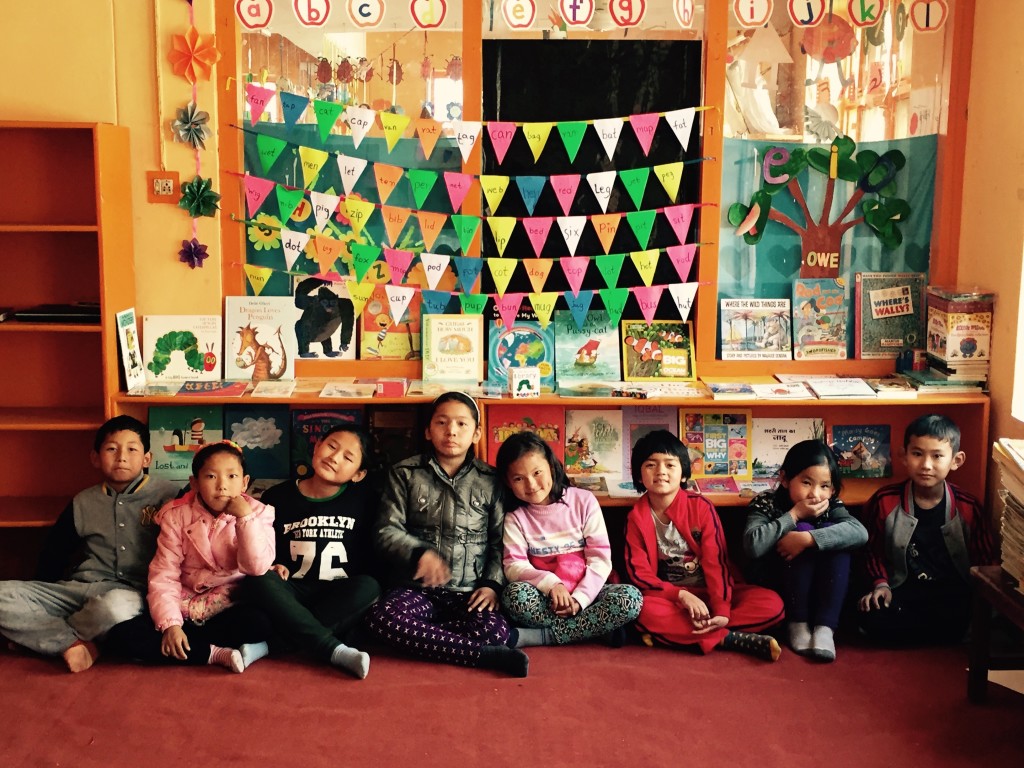
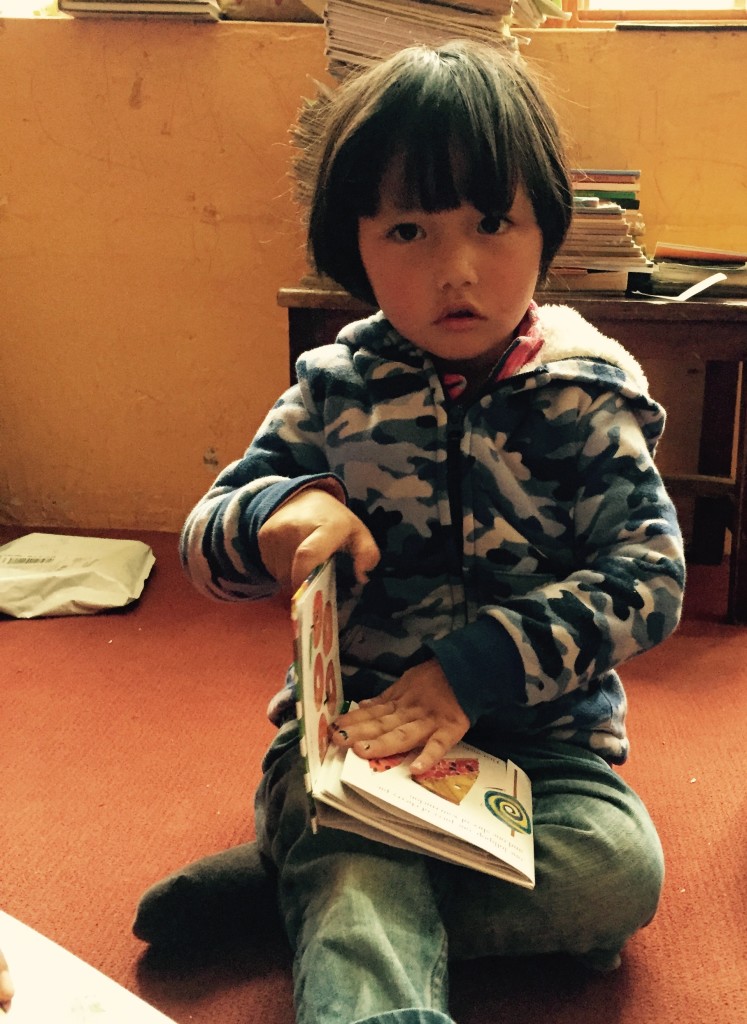
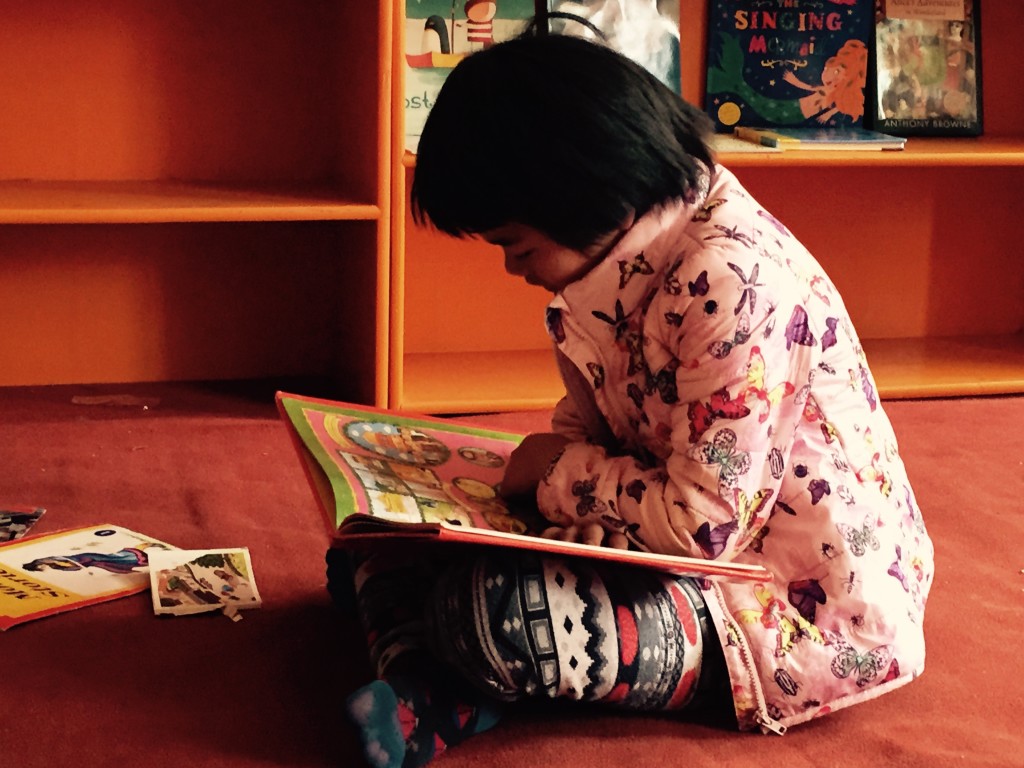
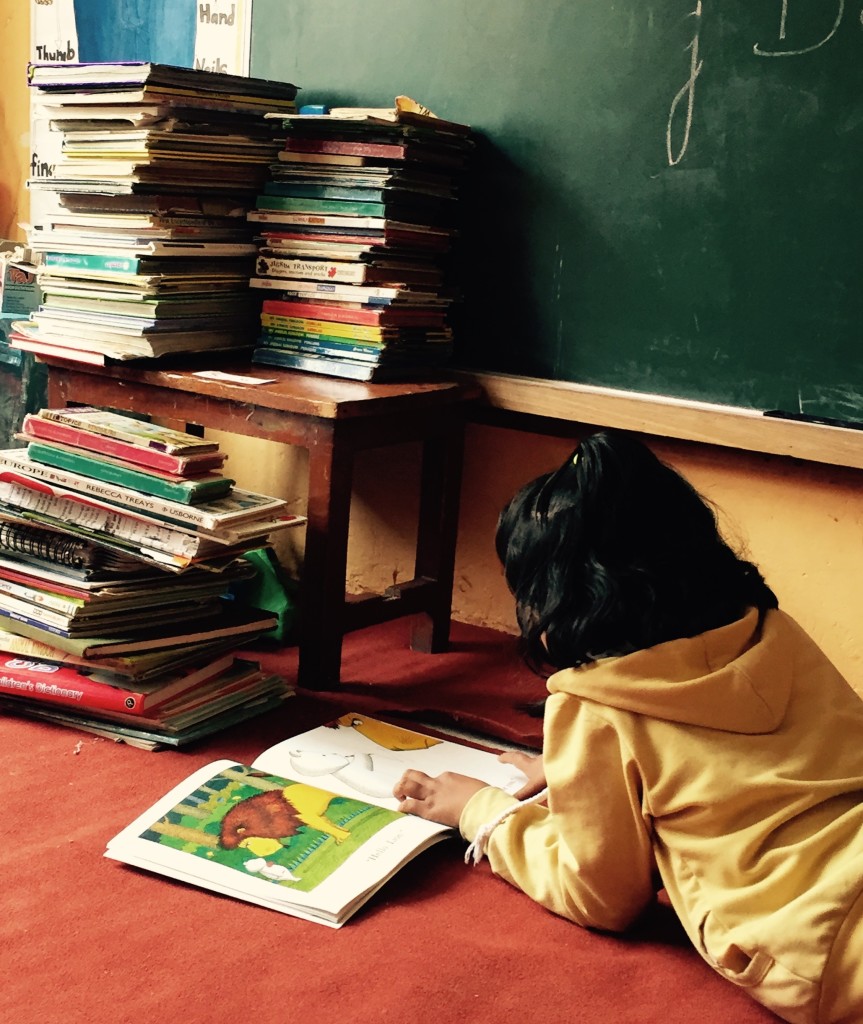
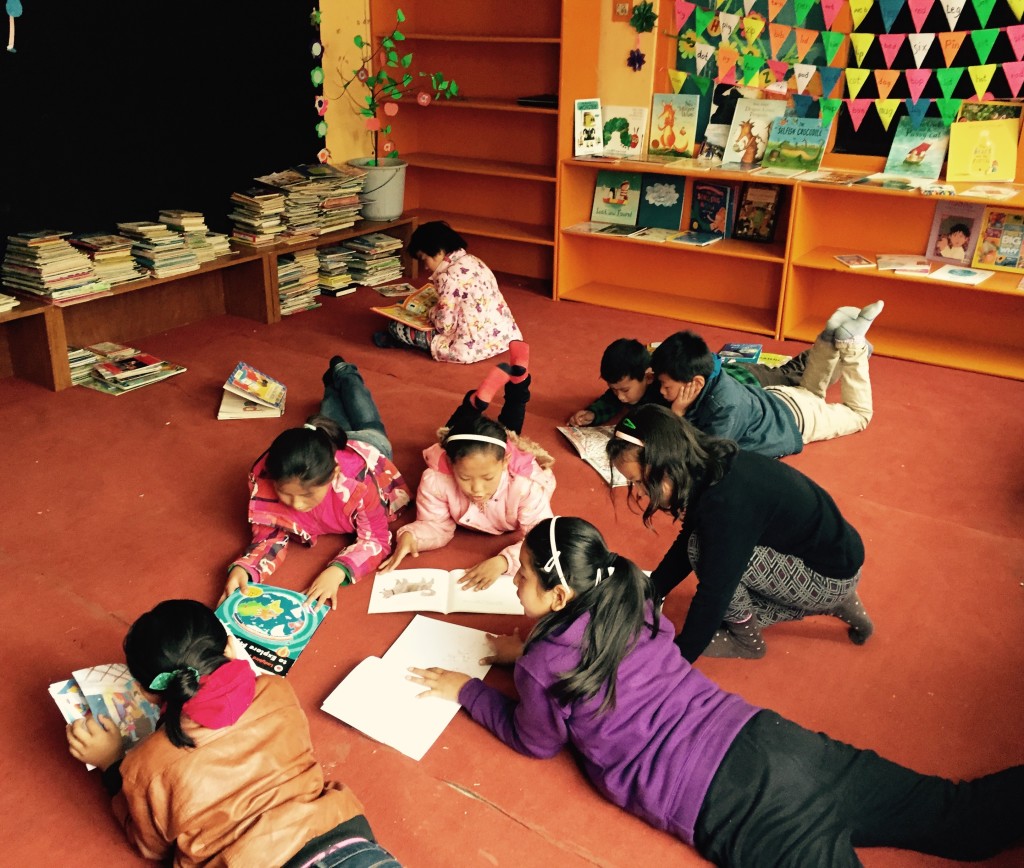
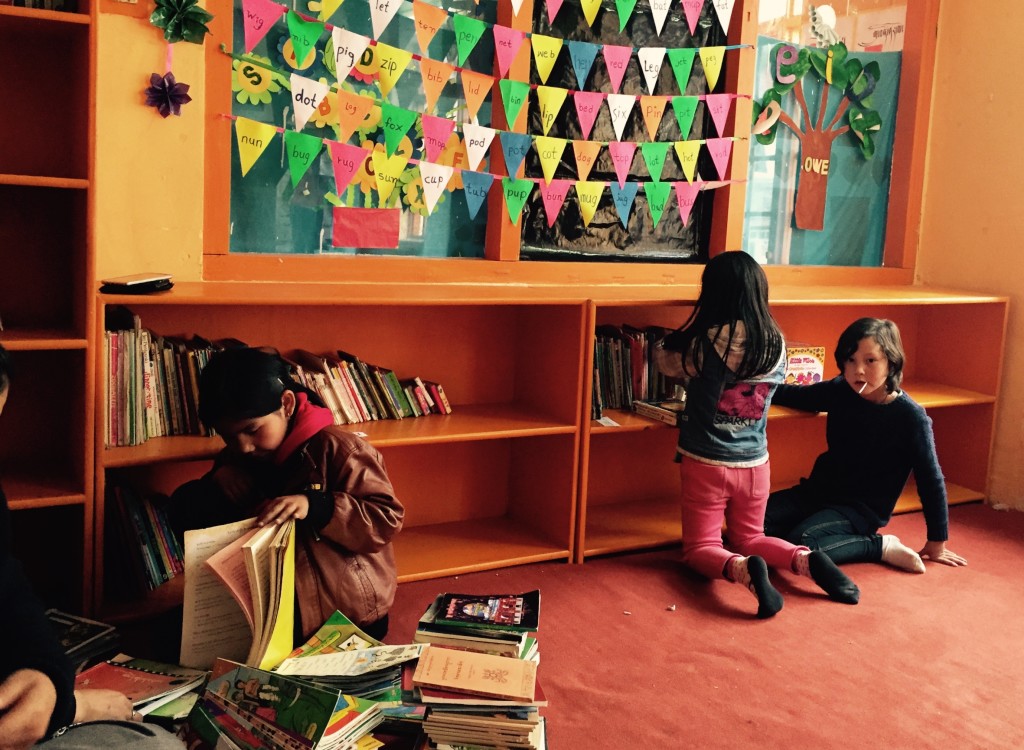
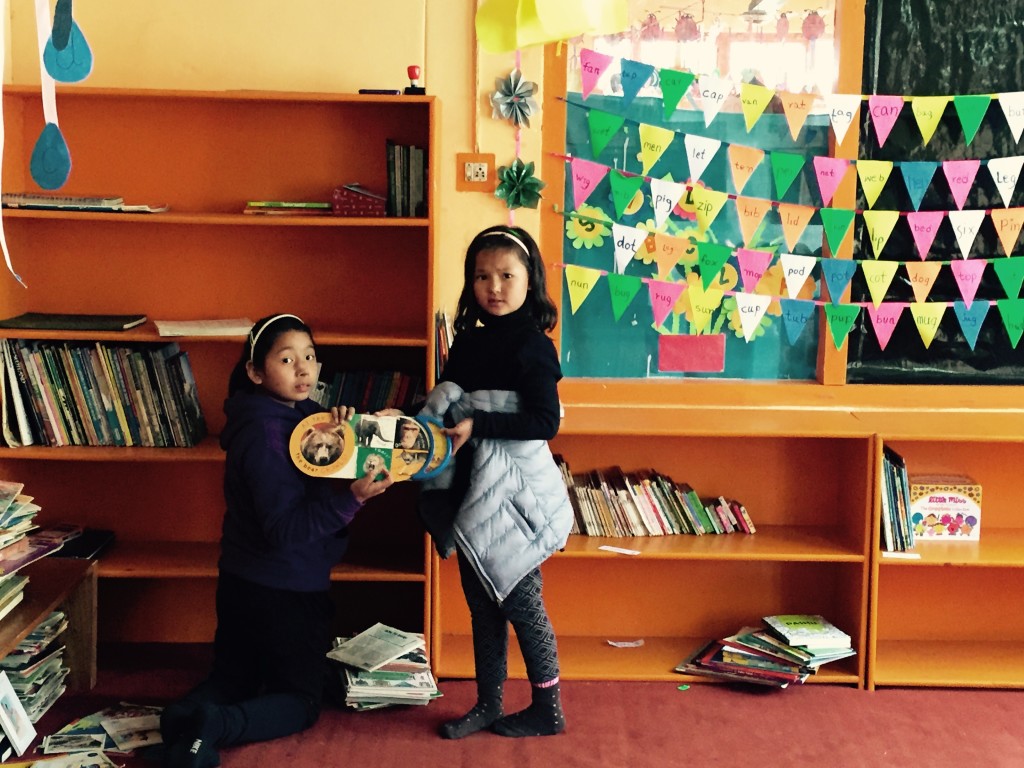
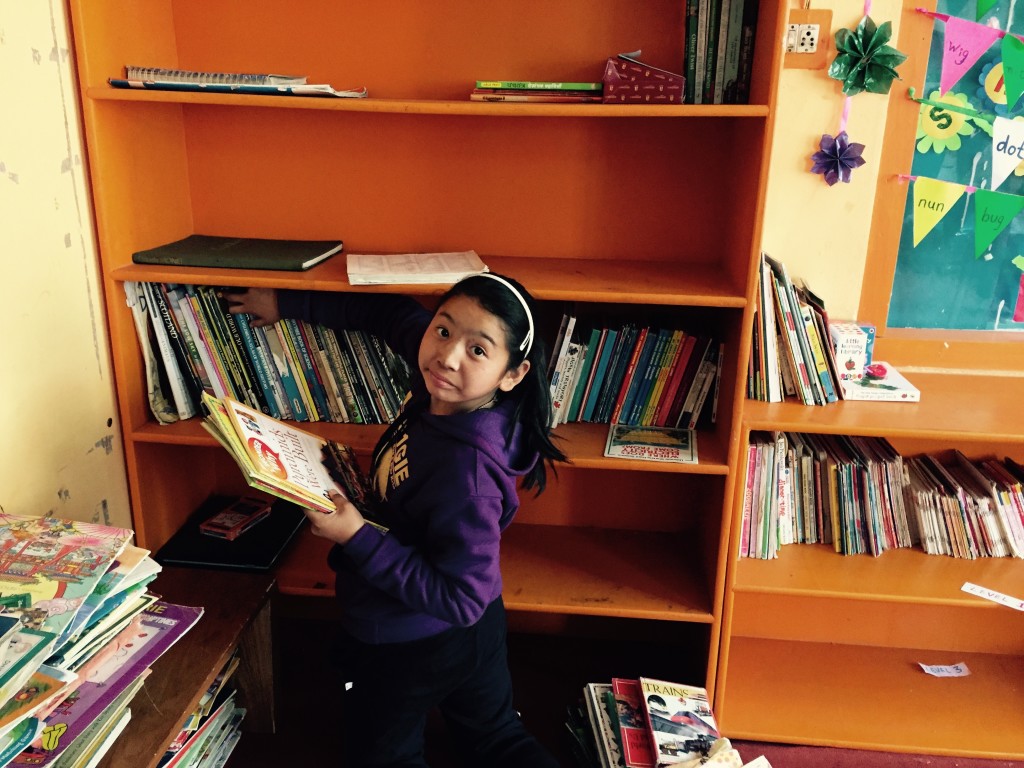
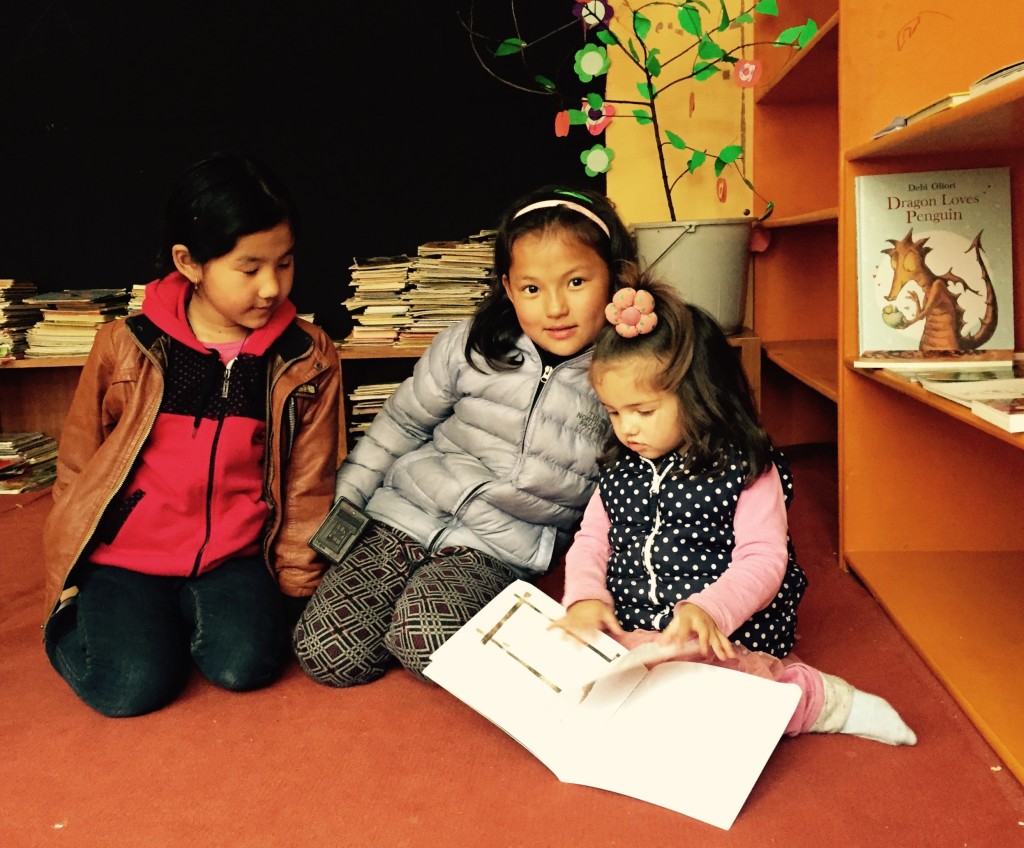
A small concert in a reading room or community center can be meaningful for families as well. It gives caregivers a chance to celebrate children’s progress and shows the wider community that young people’s ideas deserve attention. Organizations such as the Trust’s work help create environments where educational, artistic, and musical activities can become part of everyday community life.
| Music experience |
Confidence it can support |
Wider learning connection |
| Singing in a group |
Comfort using the voice |
Communication and language practice |
| Learning an instrument |
Patience and self-belief |
Concentration and fine motor skills |
| Keeping a shared rhythm |
Cooperation and attentive listening |
Teamwork and classroom participation |
| Preparing for a performance |
Responsibility and courage |
Planning and public speaking |
| Creating a song or melody |
Imagination and personal expression |
Creative problem-solving |
Skills That Travel Beyond The Classroom
Music lessons strengthen listening, memory, coordination, and self-regulation. A child has to notice changes in tempo, remember a sequence, and control movement at the right moment. These abilities can support literacy and other academic subjects, especially when instruction combines sound, movement, words, and visual learning.
The social benefits are equally important. Children who practise together learn to wait for their turn, encourage peers, and respond constructively when a group needs to start again. In mixed-age settings, older students can guide younger learners, while beginners contribute enthusiasm and fresh ideas. These relationships help create a culture of mutual support.
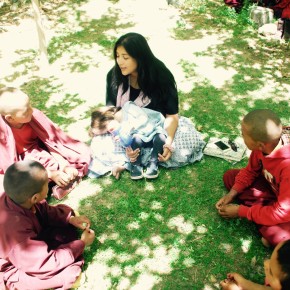
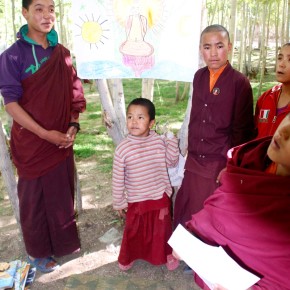
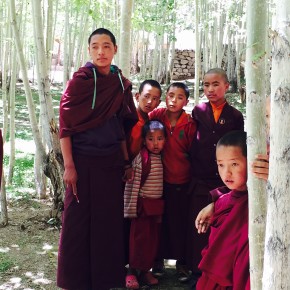
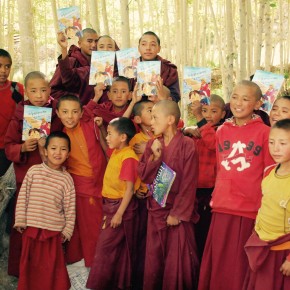
For young monks, music may also complement routines built around recitation, ceremony, and community service. For children in village schools or reading rooms, creative activities can make educational spaces feel welcoming. When students associate learning with curiosity and friendship, they are more likely to participate with confidence.
Making Music Accessible In Remote Communities
Access is often the first barrier. Instruments can be expensive, specialist teachers may be difficult to find, and mountain travel can limit regular attendance. A useful program therefore needs flexible planning. Simple percussion, recorders, keyboards, locally available materials, and the human voice can all provide strong foundations.
Consistency matters more than elaborate equipment. Regular short sessions can be more effective than occasional large events because children have time to build habits and relationships. Teachers and volunteers can use familiar songs, call-and-response exercises, rhythm games, and creative storytelling to keep lessons active without requiring extensive resources.
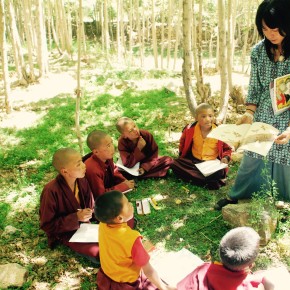
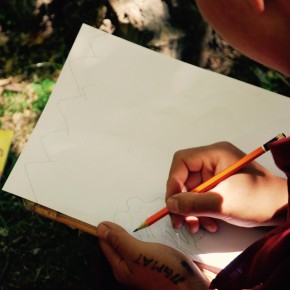
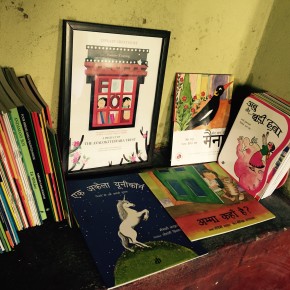
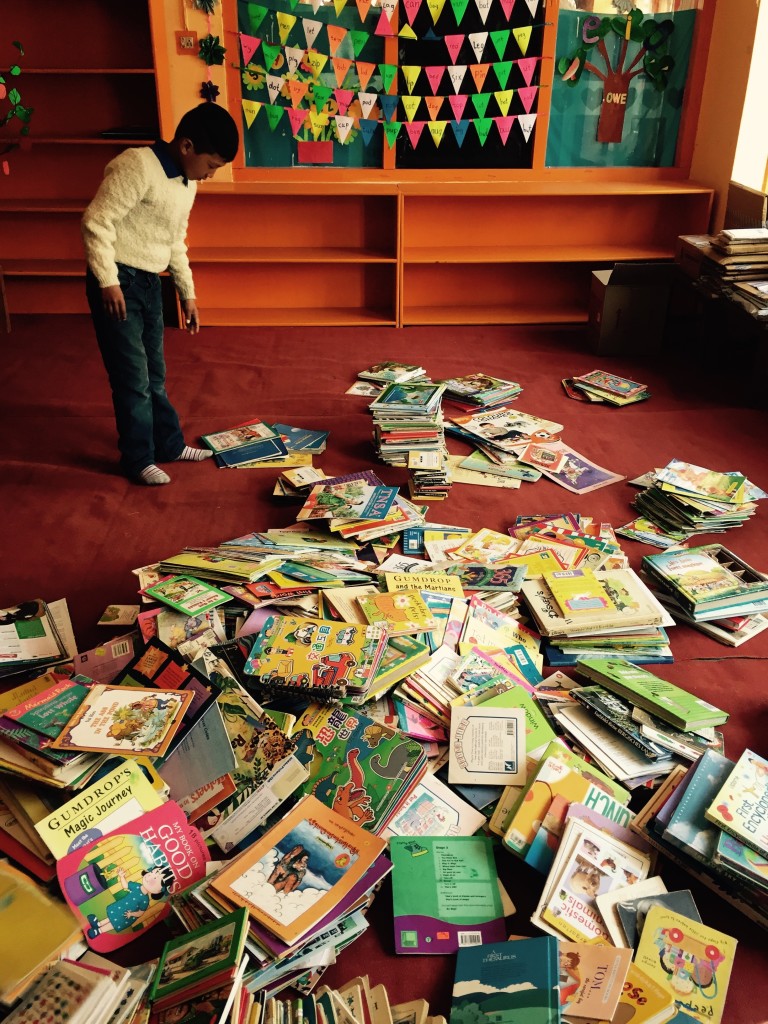
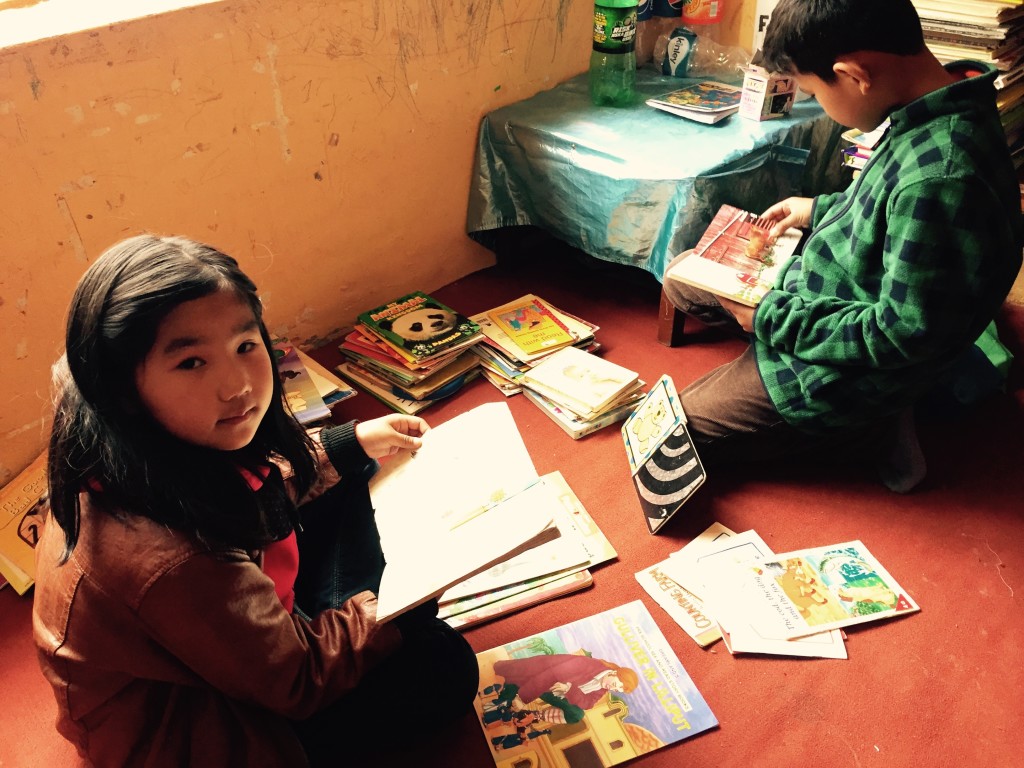
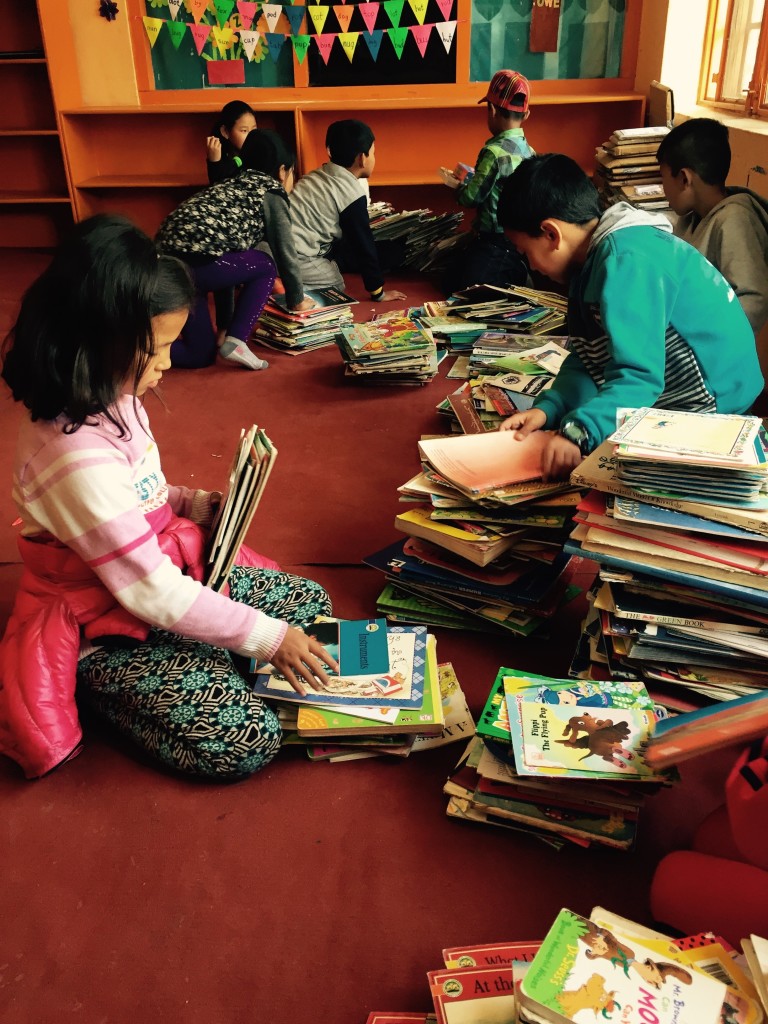
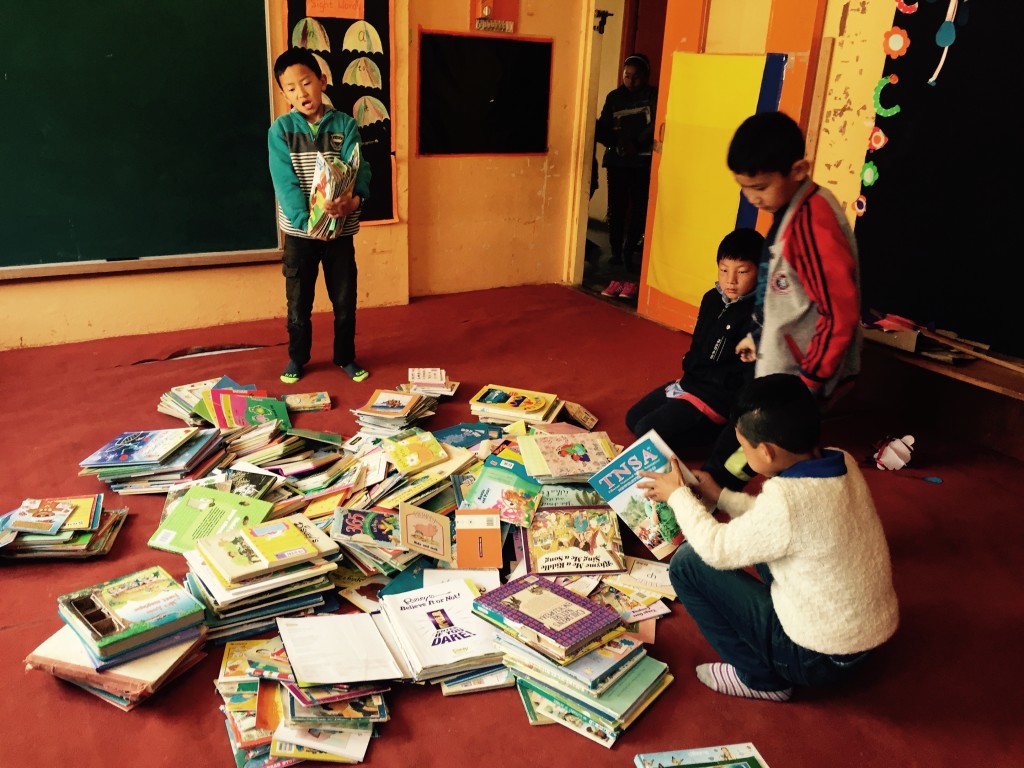
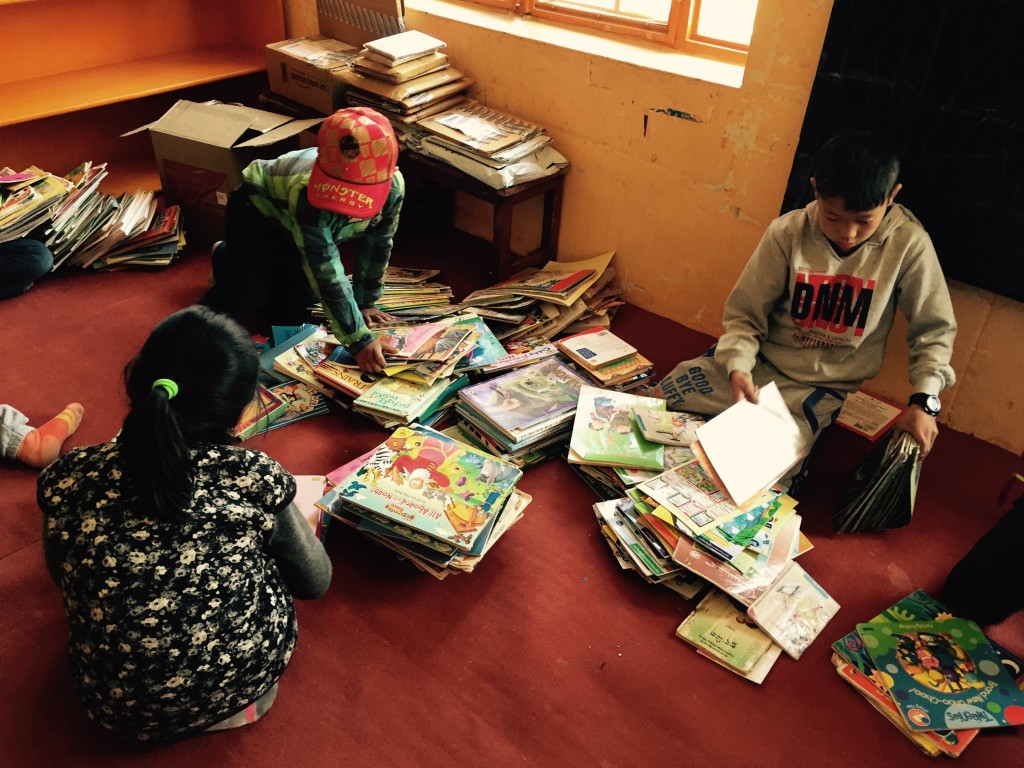
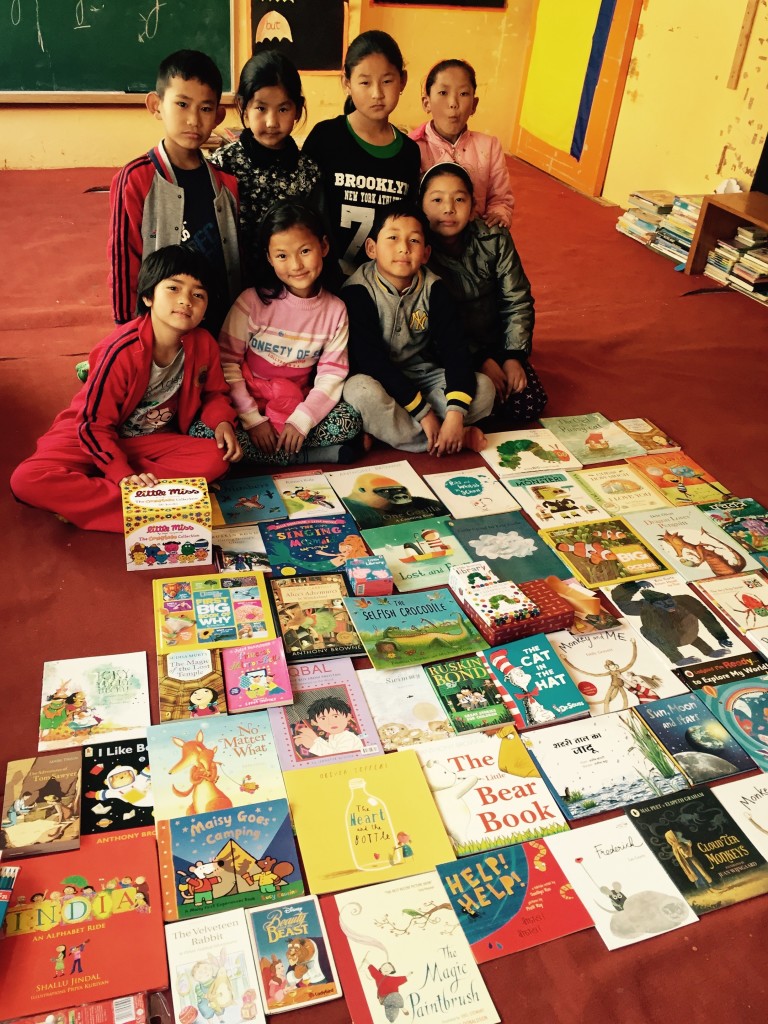
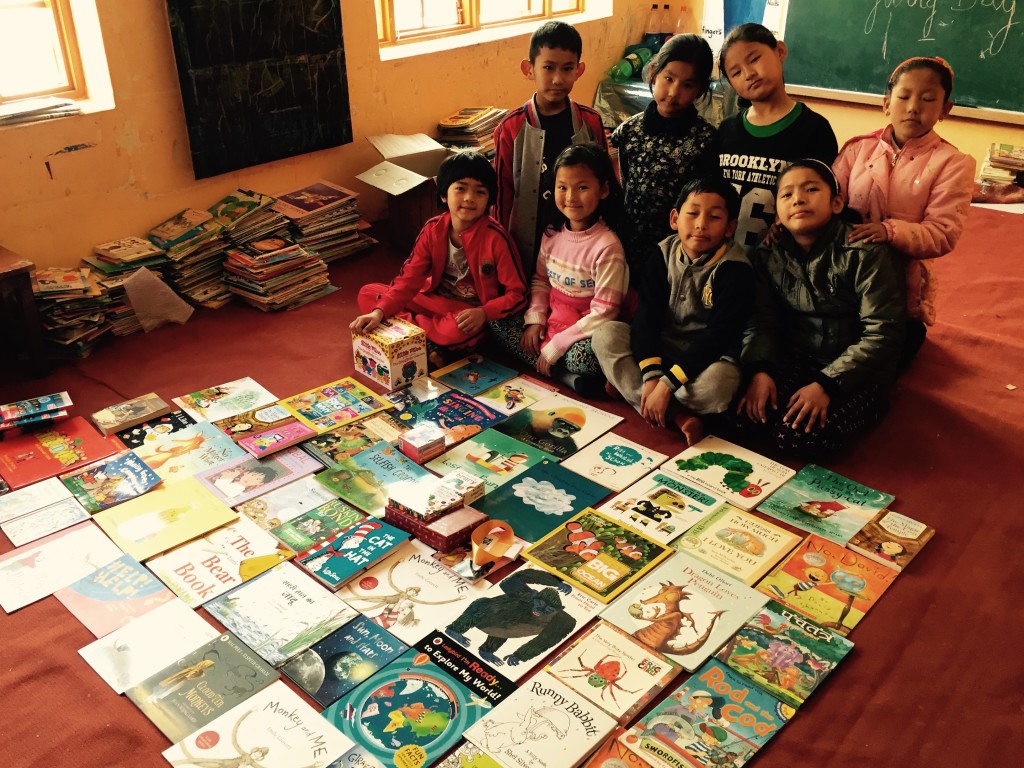
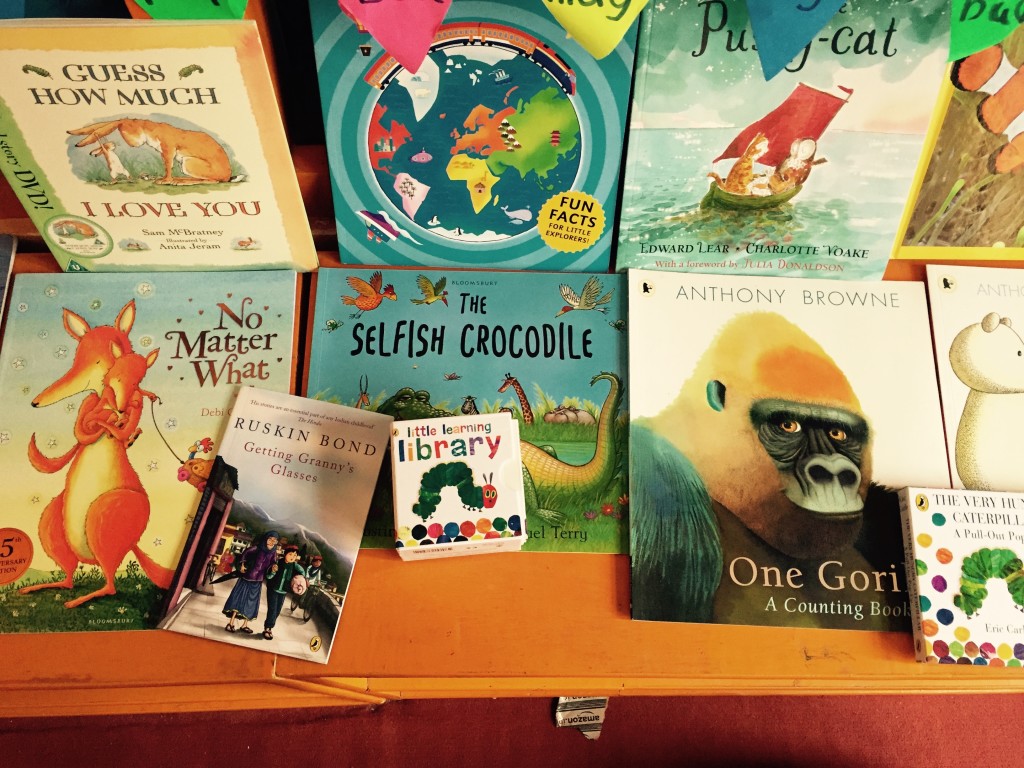
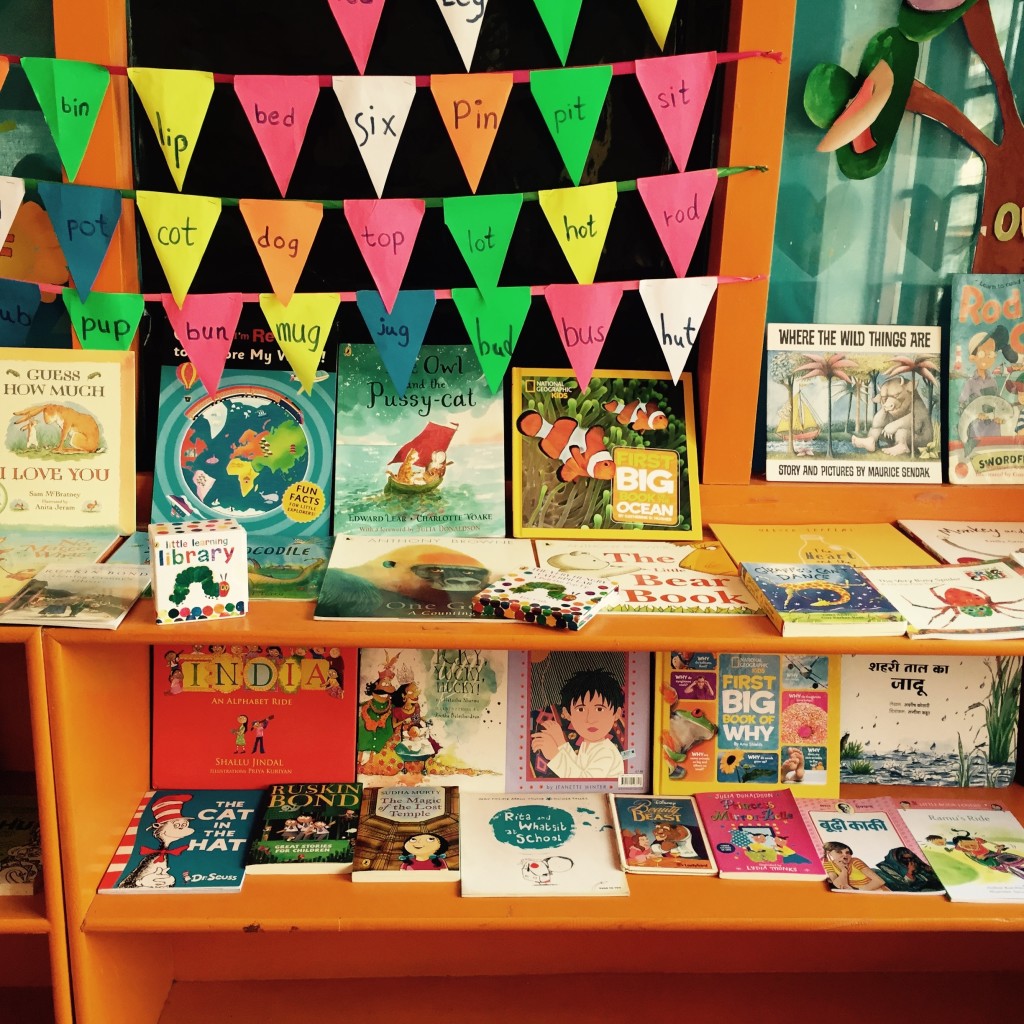
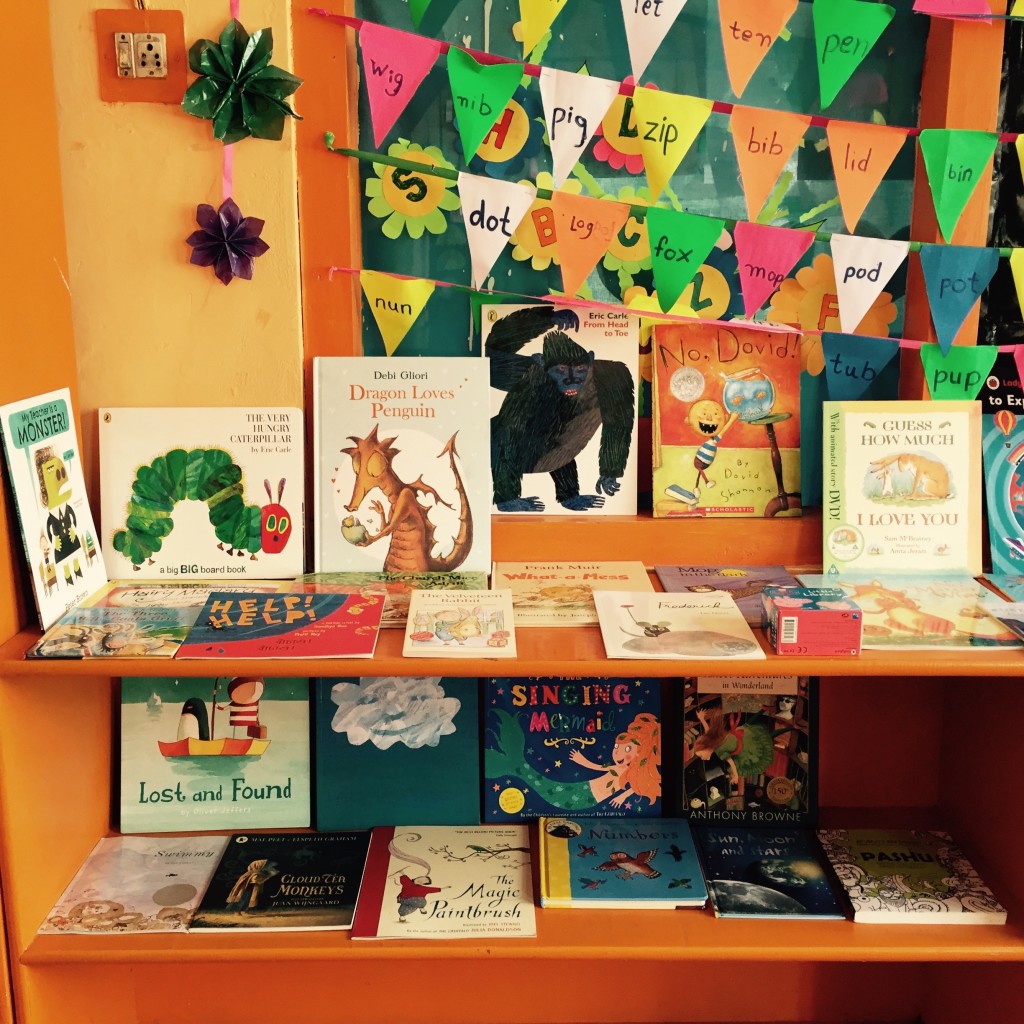
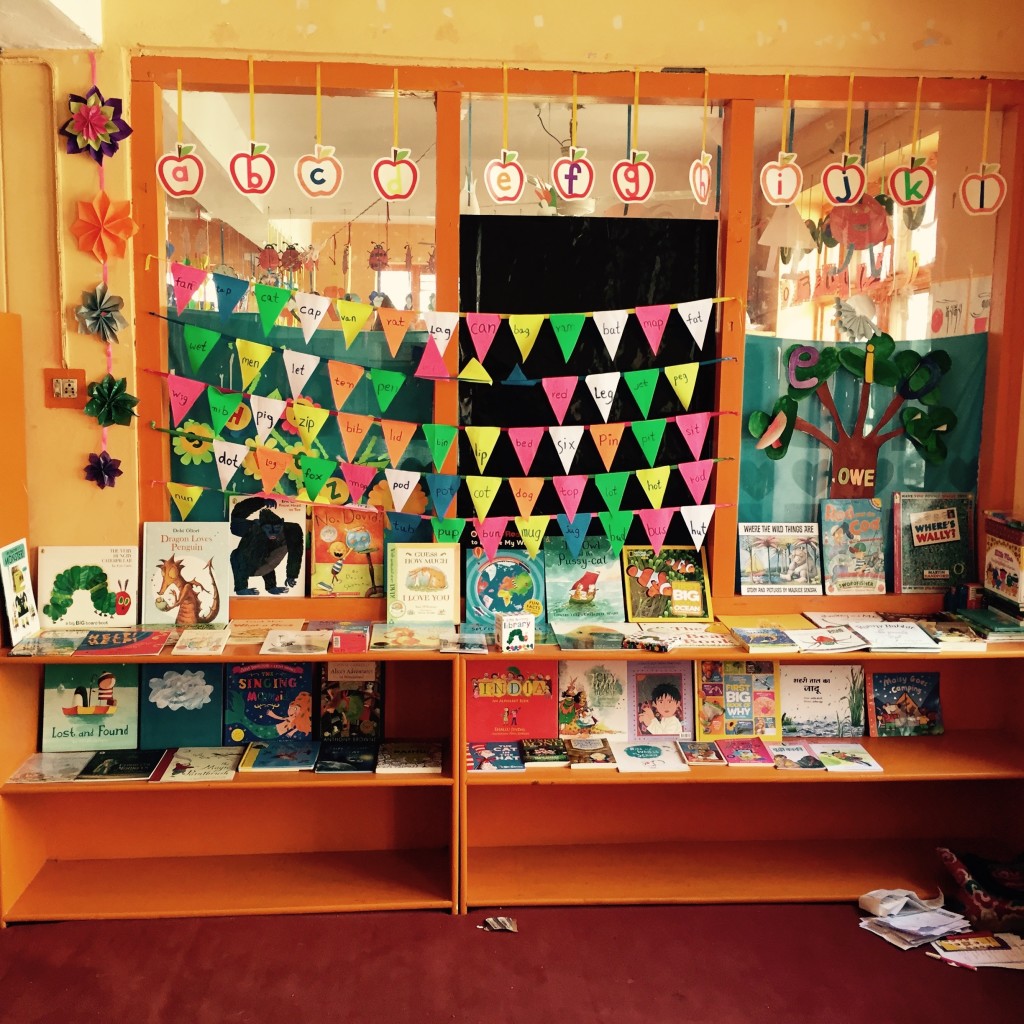
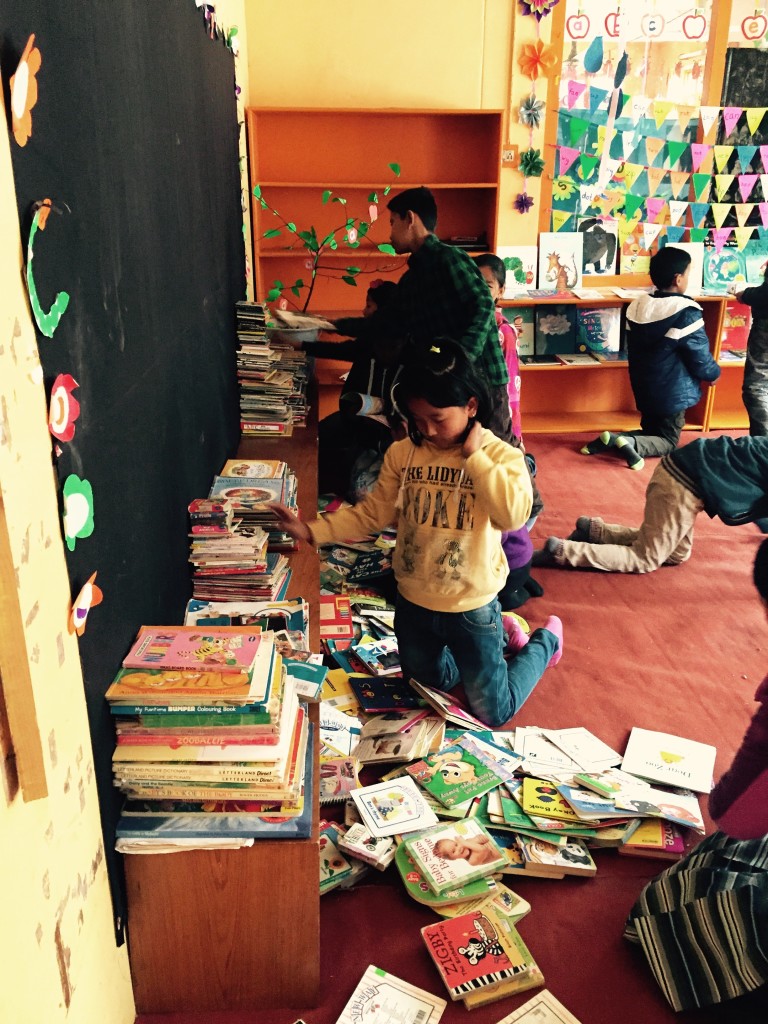
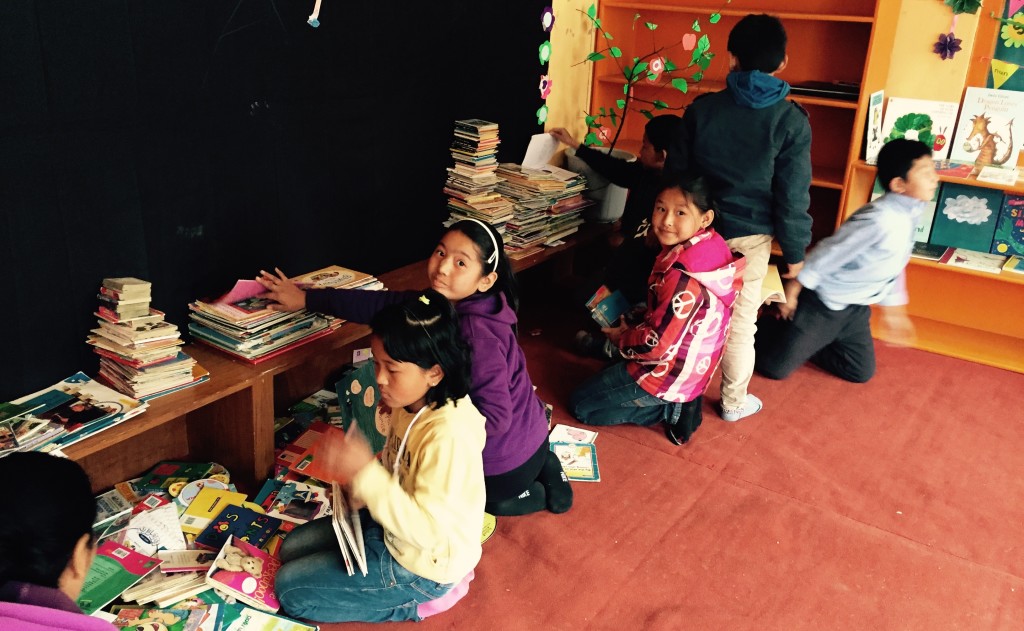
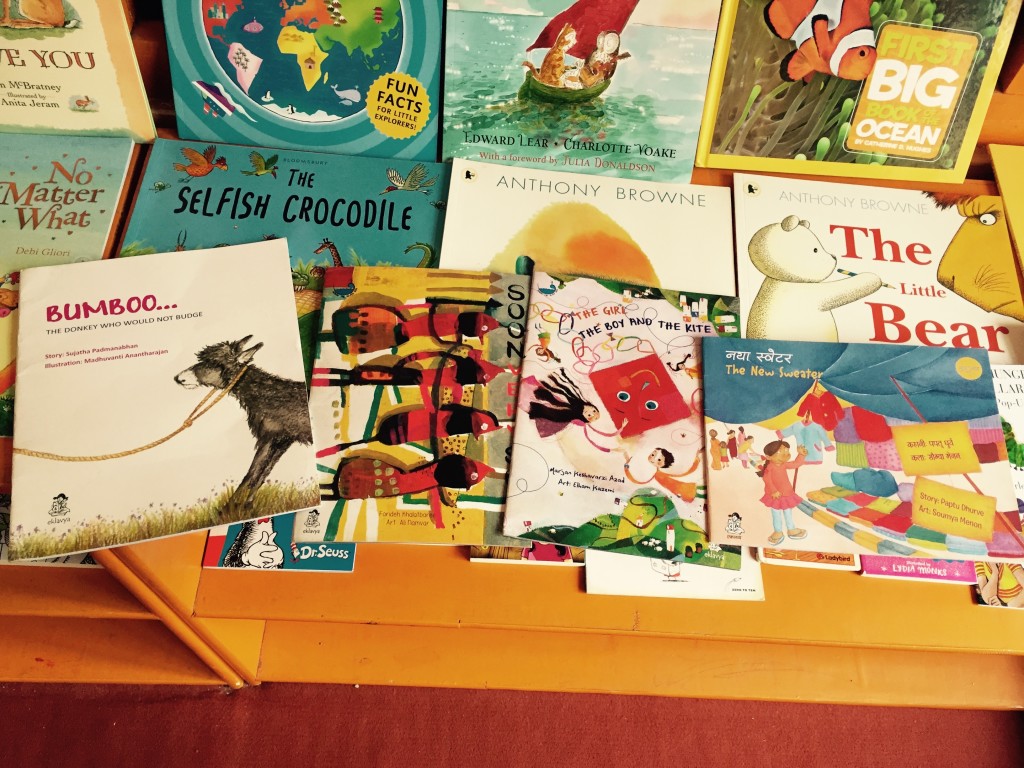
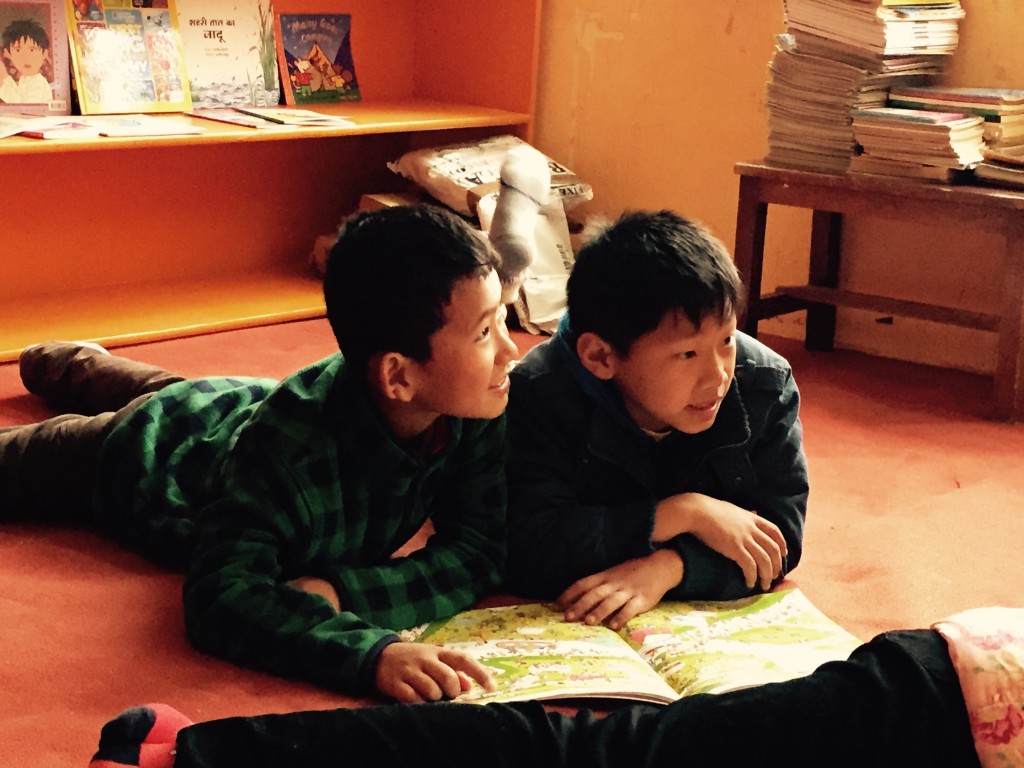
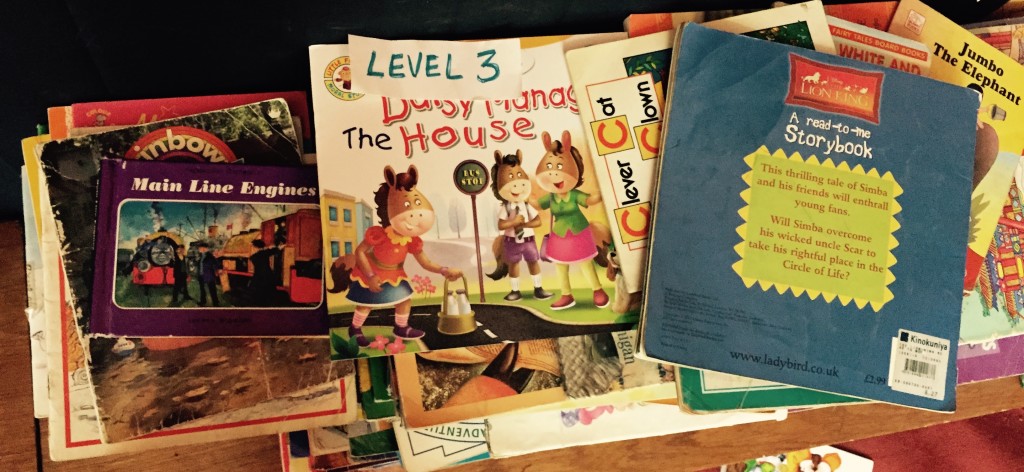
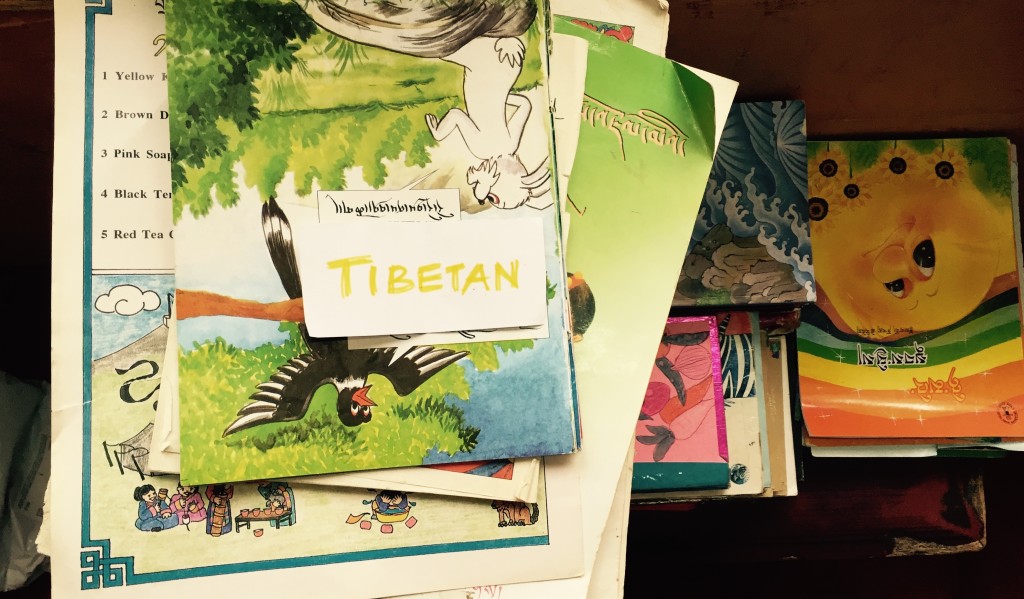
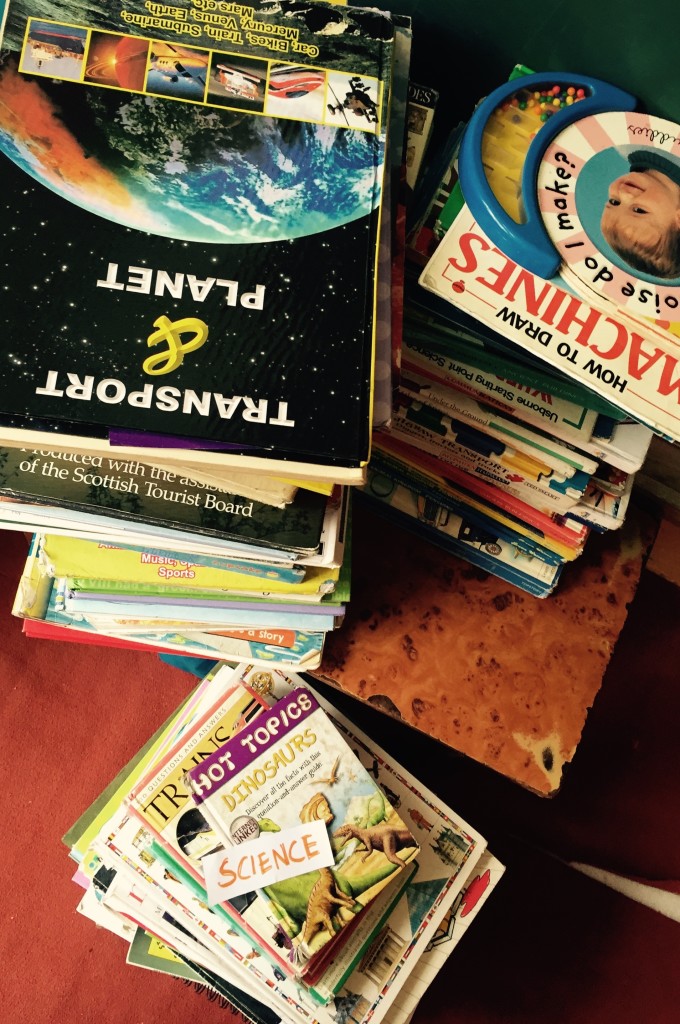
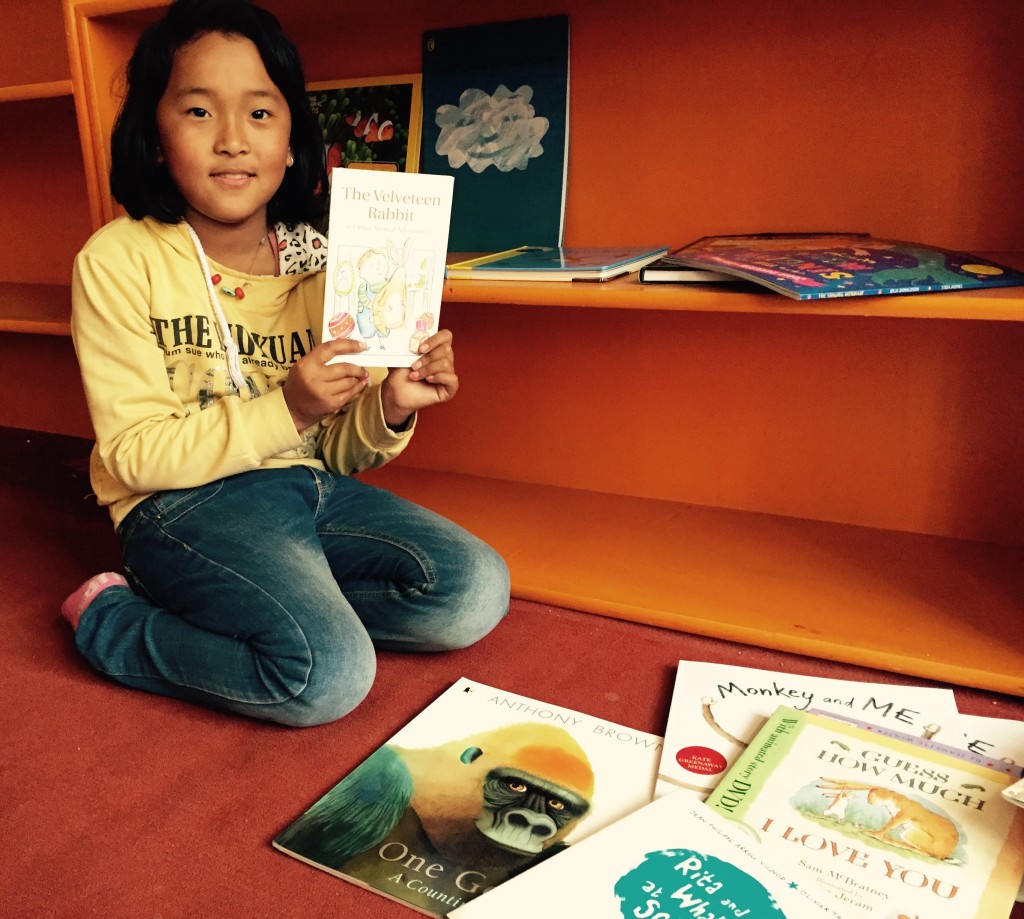
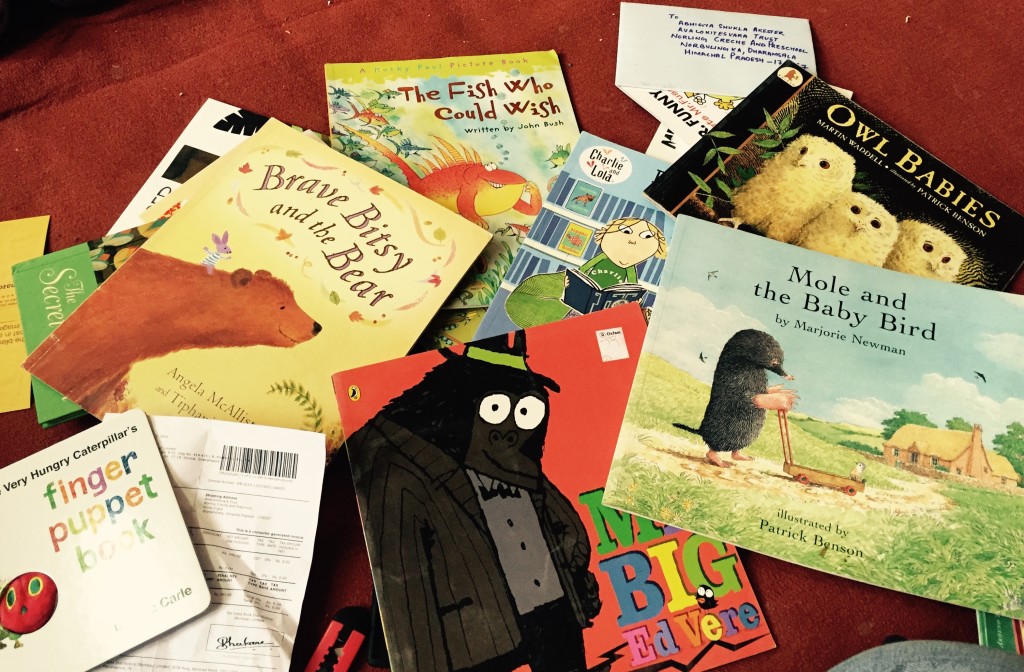
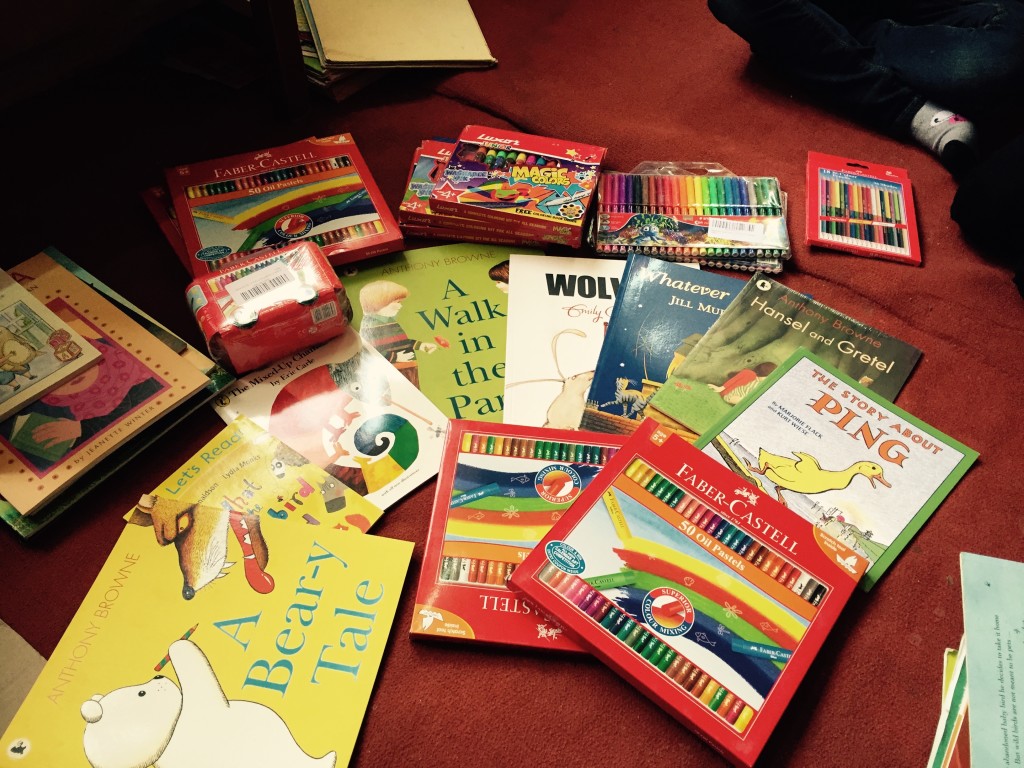
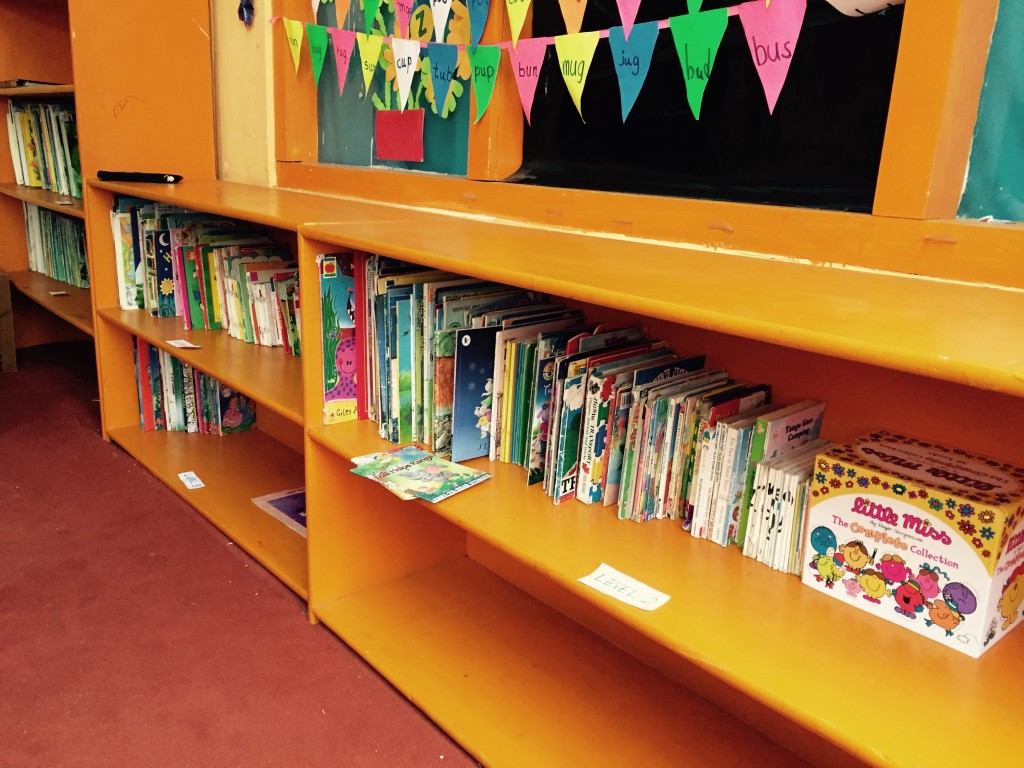
Book drives, reading rooms, and arts programs can reinforce one another. A child might read a story about a festival, learn a song connected with it, draw an instrument, and perform with friends. This integrated approach makes learning richer while ensuring that music remains connected to language, culture, and imagination.
Encouragement That Builds Lasting Confidence
Adults shape the emotional atmosphere of every lesson. Children gain confidence when teachers welcome questions, allow mistakes, and avoid comparing beginners with advanced performers. Clear routines help students know what to expect, while choices give them ownership over the learning process.
Families and community members can encourage progress by valuing practice rather than demanding perfection. Applause after a performance is meaningful, yet quiet recognition can be just as powerful: asking a child to teach a rhythm to a younger sibling or inviting them to help care for the instruments.
Supporters, donors, and volunteers can contribute to this work in practical ways. Useful assistance may include funding instruments, transporting materials, helping with arts sessions, documenting performances, or providing age-appropriate music resources. The goal is to give children repeated opportunities to participate, improve, and be heard.
Ways To Strengthen A Child-Centered Music Program
- Provide simple, durable instruments that children can use regularly and safely.
- Schedule short weekly lessons so progress develops through steady practice.
- Include local songs and cultural traditions alongside broader musical styles.
- Offer group performances with optional roles for children who are still gaining confidence.
- Train teachers and volunteers to give specific, encouraging feedback.
When music education is thoughtfully supported, the results can be seen in many forms: a child raising a hand, joining a rehearsal, helping a classmate, or standing before an audience with a steady voice. These moments may begin with a single note, yet they can influence how children view their abilities for years to come.
Supporting music activities in Himalayan communities helps place creativity, dignity, and opportunity within reach. Visit the organization’s website to learn about its reading rooms, educational programs, volunteer opportunities, and ways to help children and young monks discover their voices through music and learning.