The role of folk tales in building identity for Himalayan children
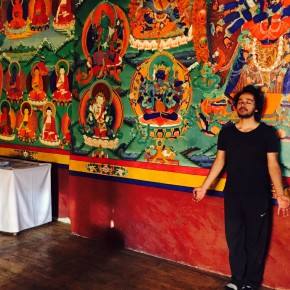
Across the Himalayan region, stories travel through many forms: a grandparent’s evening narration, a song shared during a festival, a painted image in a monastery, or a book read aloud in a village reading room. Folk tales carry memories of landscapes, values, fears, humor, and hopes. For children growing up among high valleys and culturally diverse communities, these stories can become an important bridge between everyday life and a deeper sense of belonging.
A tale about a clever hare, a compassionate ruler, a mountain spirit, or a wandering monk does more than entertain. It gives children language for understanding relationships, responsibility, courage, and place. When young readers encounter stories rooted in their own region, they see their homes, families, and traditions treated as worthy of attention.
This matters in communities where access to quality books may be limited and where rapid social change can distance children from local customs. Literacy initiatives, book drives, creative workshops, and shared reading spaces can help preserve oral heritage while giving children the confidence to interpret it in their own voices.
Stories as maps of belonging
Folk tales often begin with recognizable settings: a high mountain pass, a grazing field, a remote village, or a monastery courtyard. Such details help children connect narrative landscapes with their own surroundings. A snow-covered peak is no longer simply part of the view; it can become a place associated with memory, wisdom, danger, or protection.
This connection strengthens cultural identity without suggesting that identity is fixed. Children may belong to several worlds at once, including a local Himalayan community, a religious tradition, a national culture, and a wider global society. Traditional stories offer one foundation from which they can explore these layers with curiosity rather than uncertainty.
Values carried through narrative
Moral lessons are especially powerful when they are embodied in characters and choices. A story can show the consequences of greed more vividly than a direct instruction, while a generous character can make compassion feel practical and attainable. Children examine motives, discuss fairness, and consider how decisions affect a whole community.
Many Himalayan narratives also emphasize cooperation with nature, respect for elders, hospitality, patience, and care for vulnerable people. These themes can support social and emotional learning in a way that feels familiar. Teachers, parents, and volunteers can use storytelling to open conversations about kindness, conflict, stewardship, and ethical behavior.
The goal is not to present every traditional tale as flawless. Some stories contain hierarchies, stereotypes, or supernatural explanations that children may question. Guided discussion allows young people to value their heritage while developing critical thinking. They learn that respecting a tradition can include interpreting it thoughtfully and imagining how it might be retold today.
Oral heritage and reading culture
In many Himalayan communities, oral storytelling remains a living practice. A skilled narrator uses pauses, gestures, repetition, and changes in voice to hold attention. Children learn by listening, but they also learn by watching how stories are remembered and shared. This experience can encourage them to become storytellers themselves.
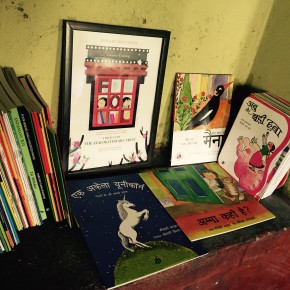
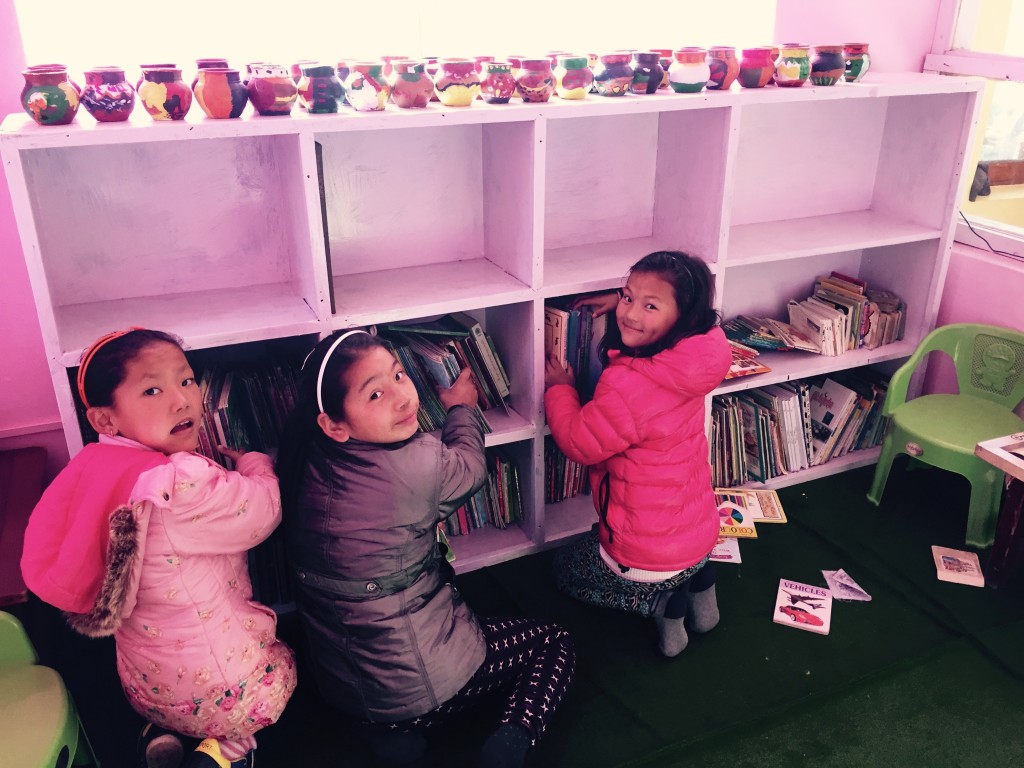
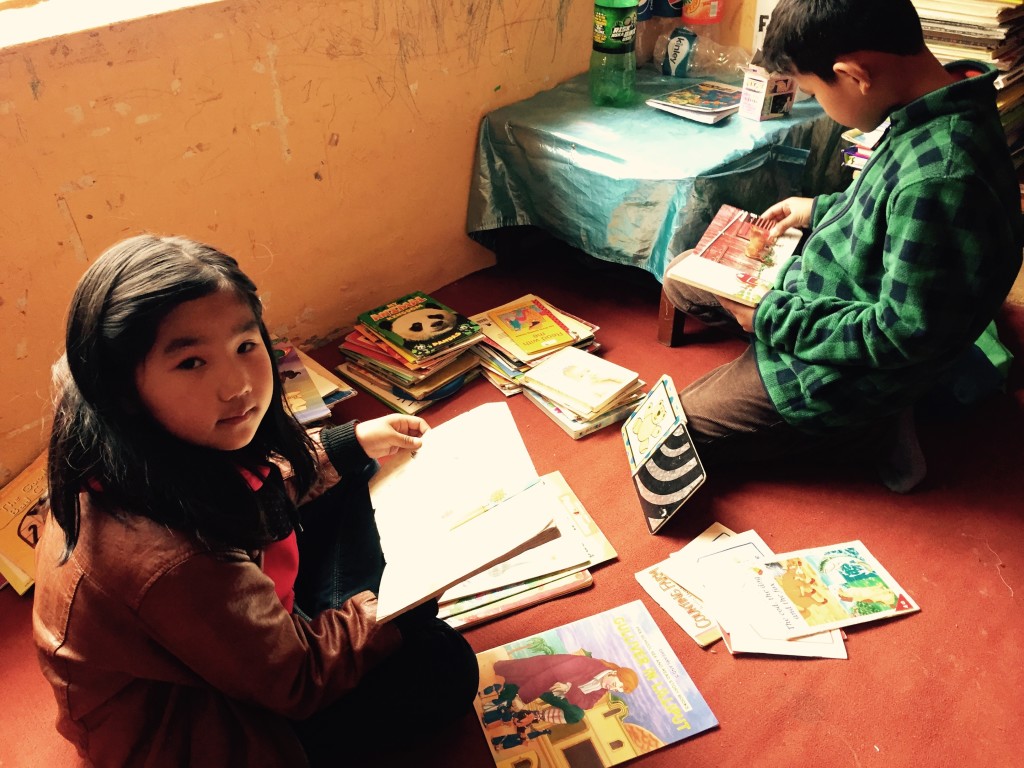
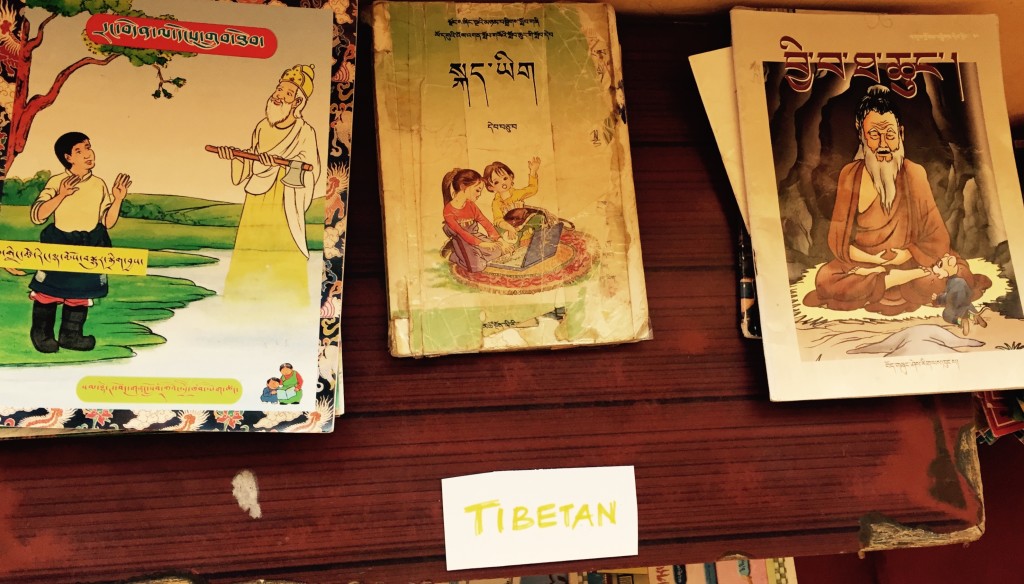
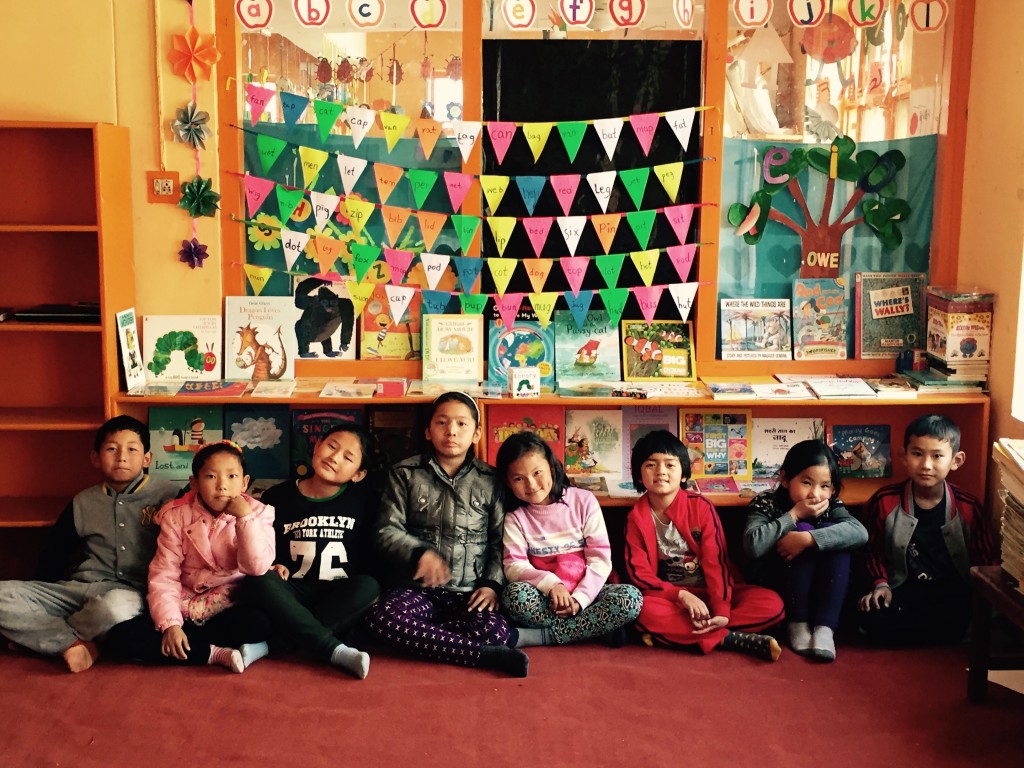
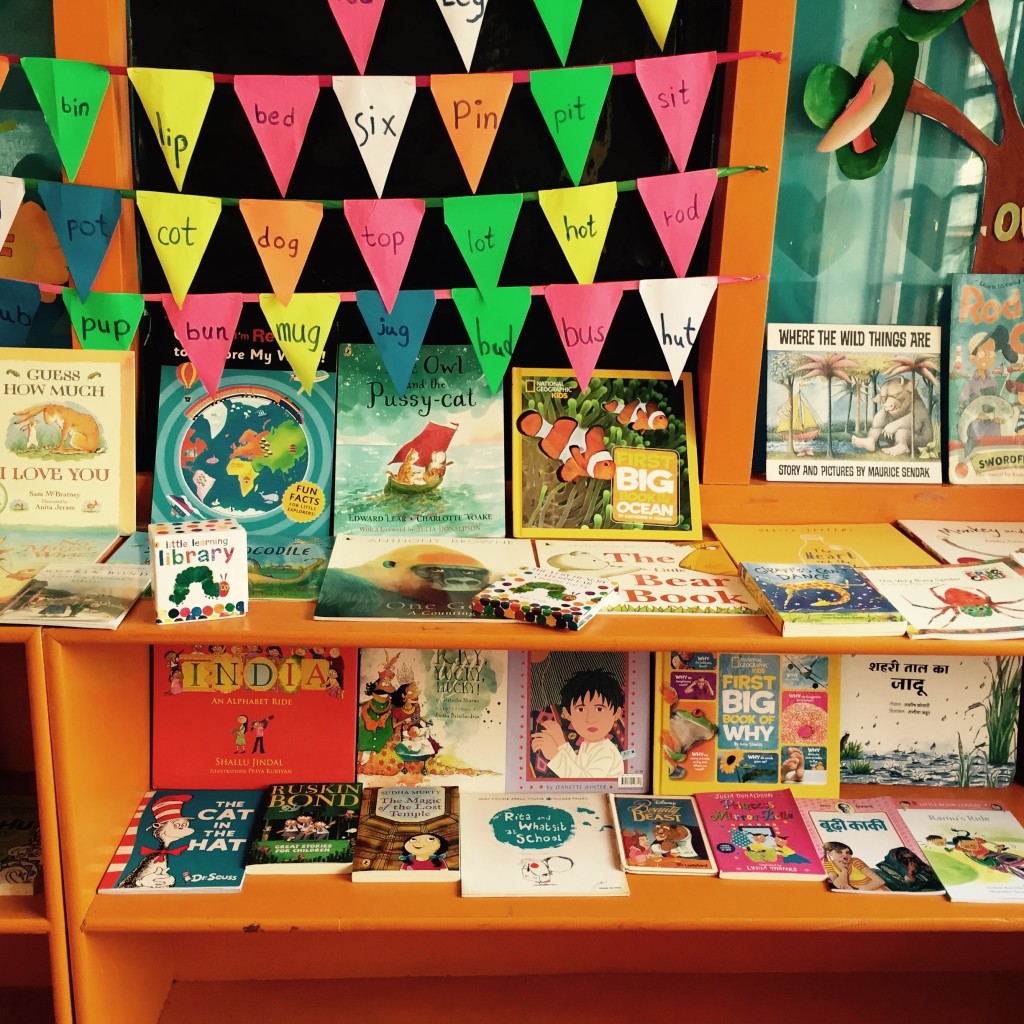
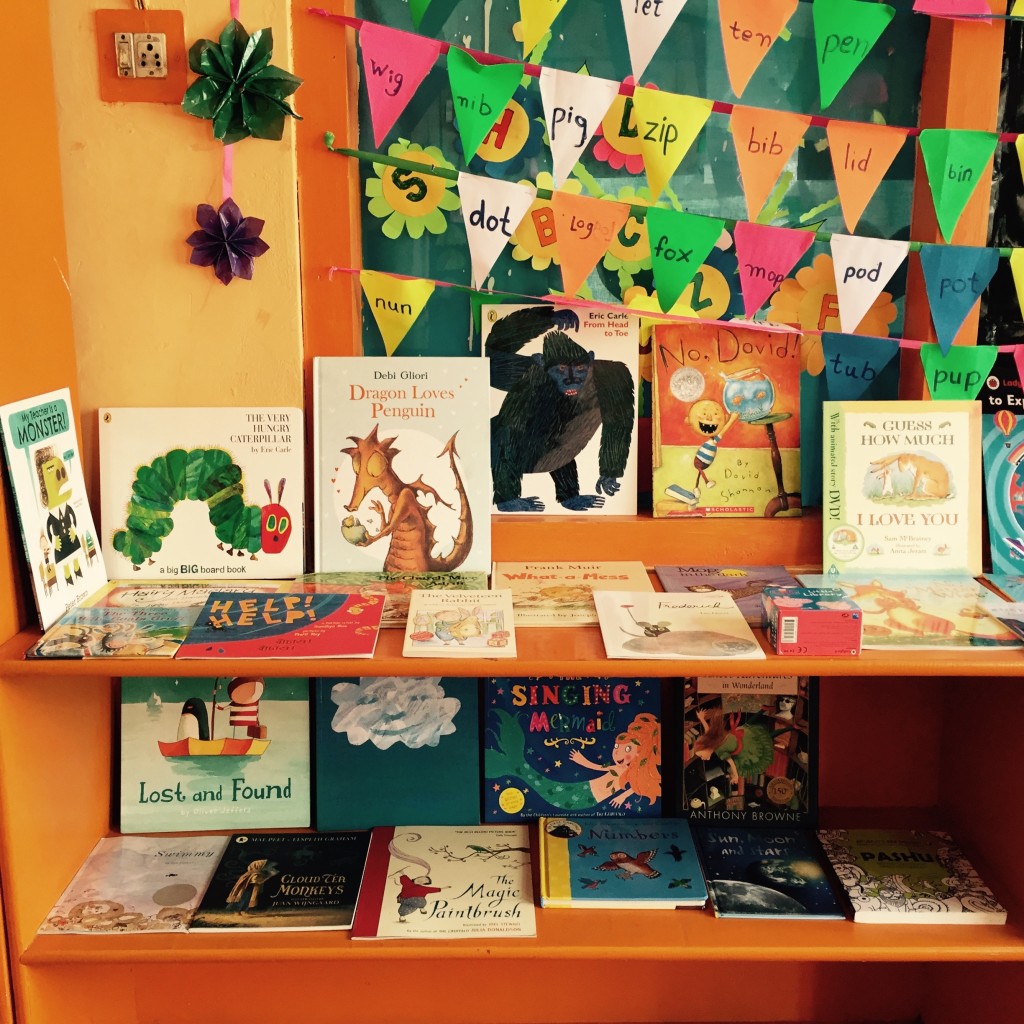
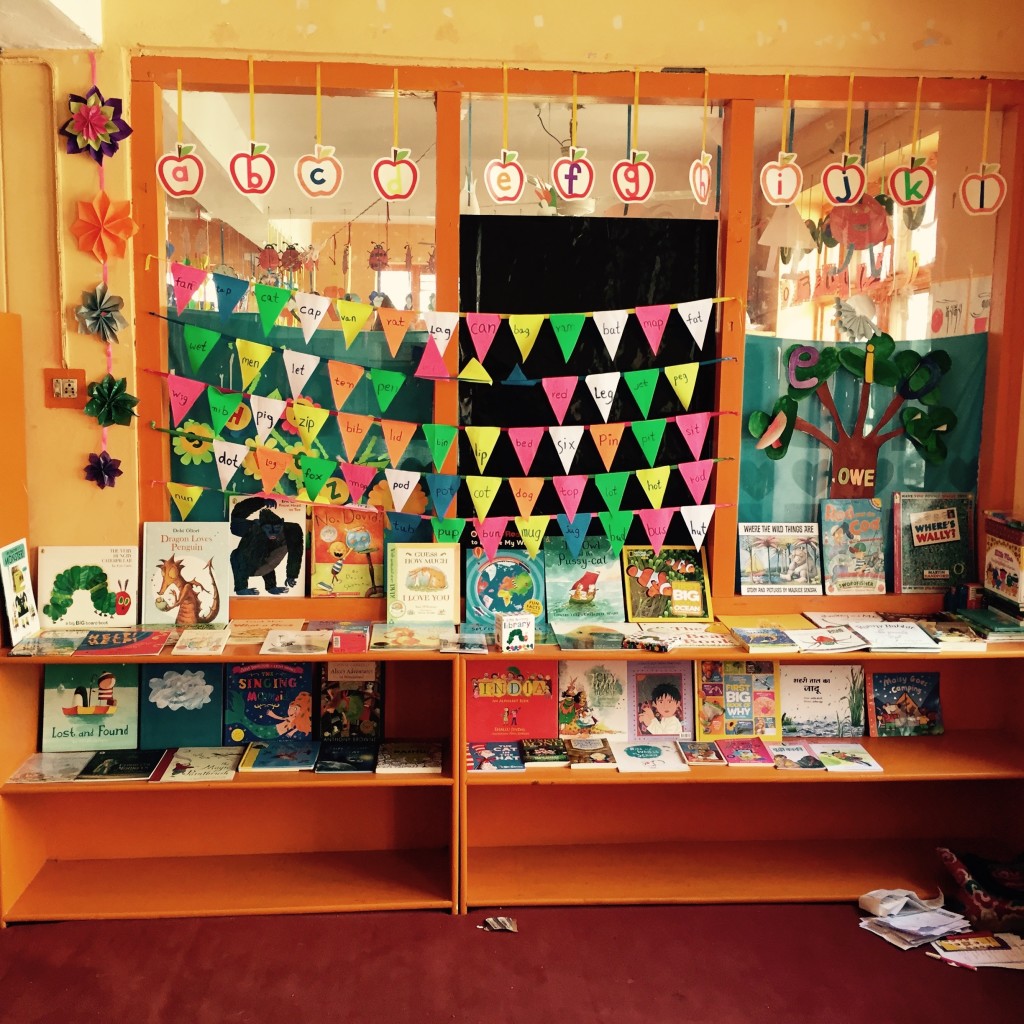
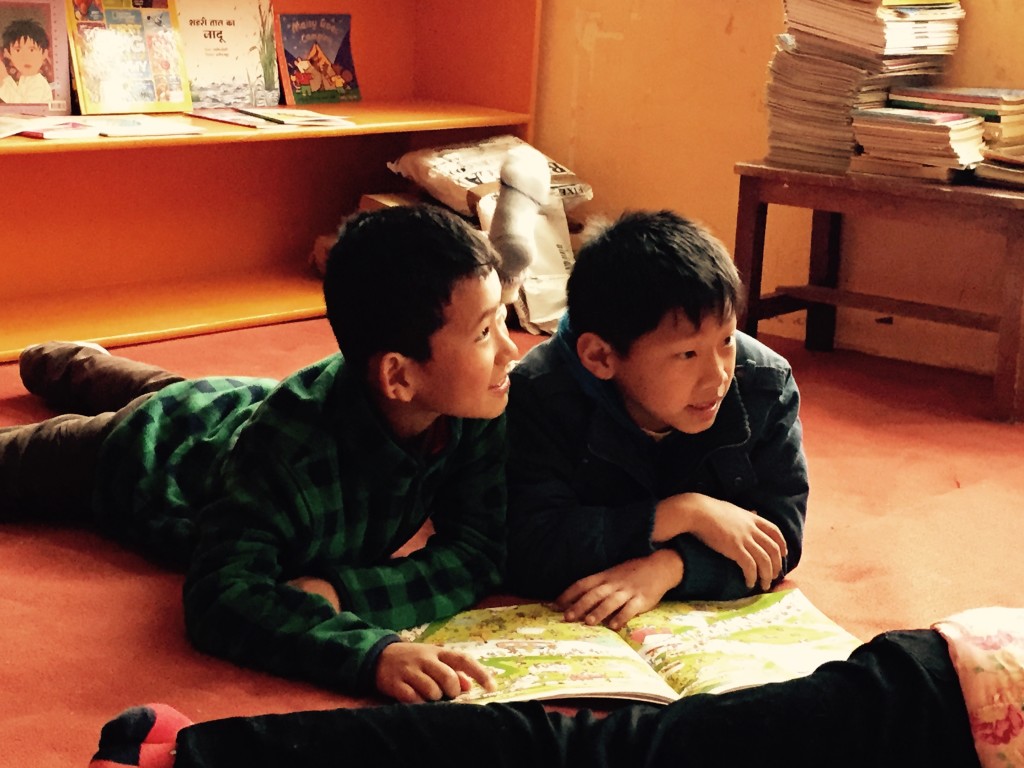
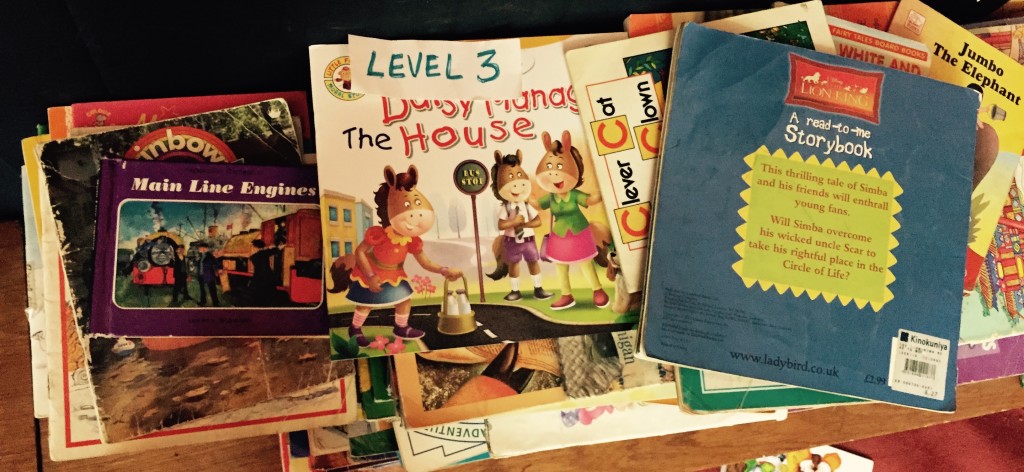
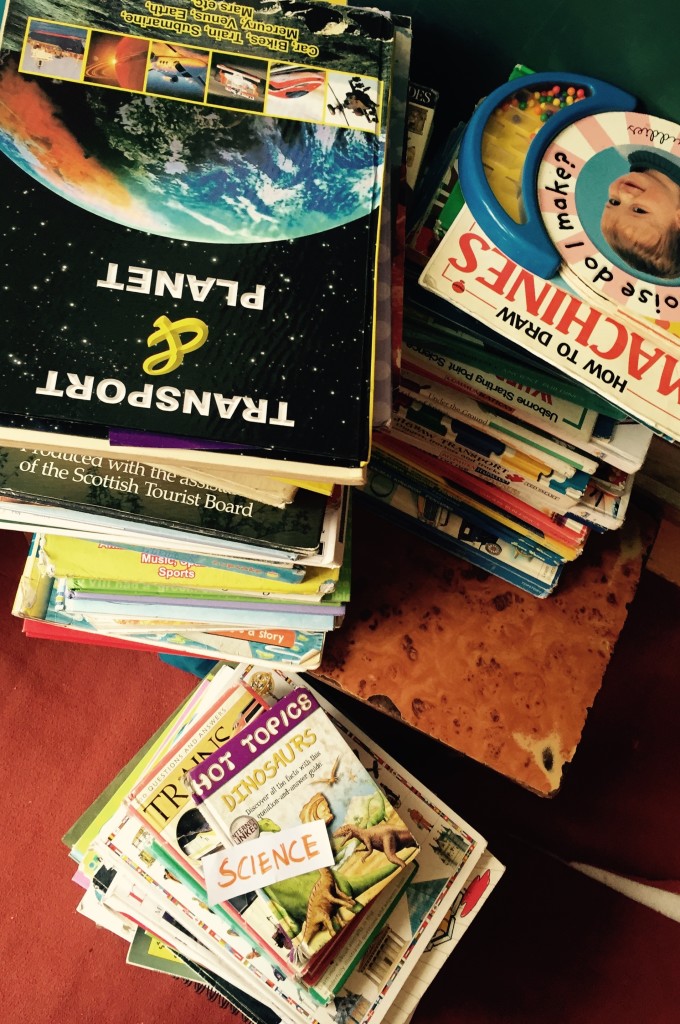
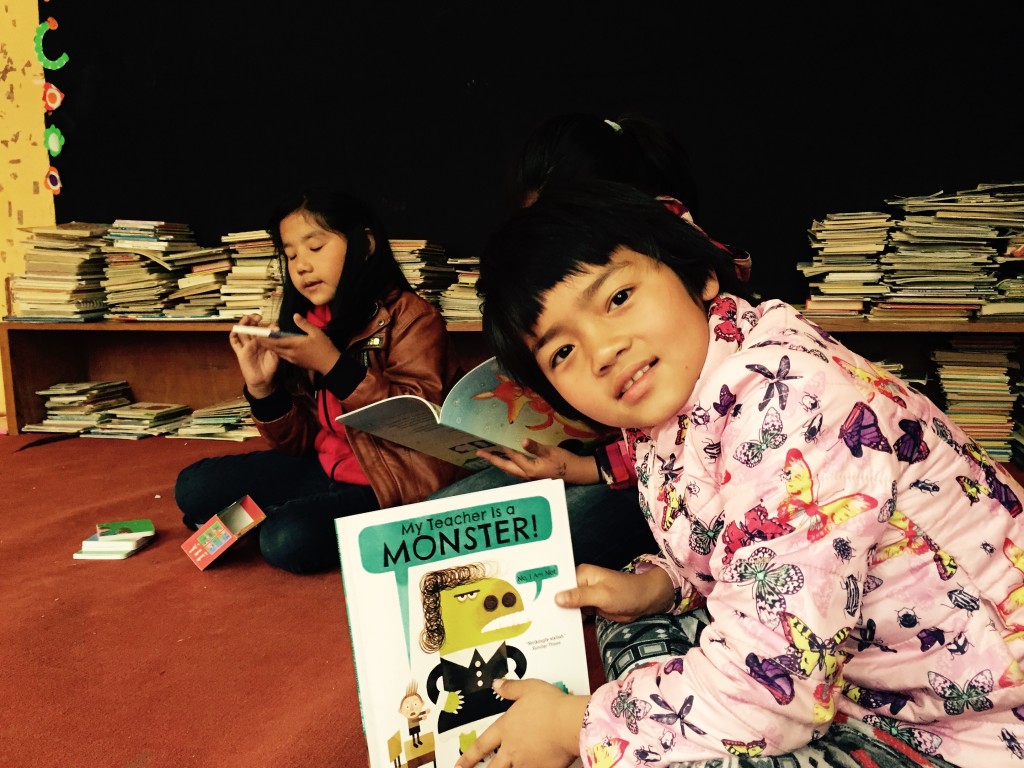
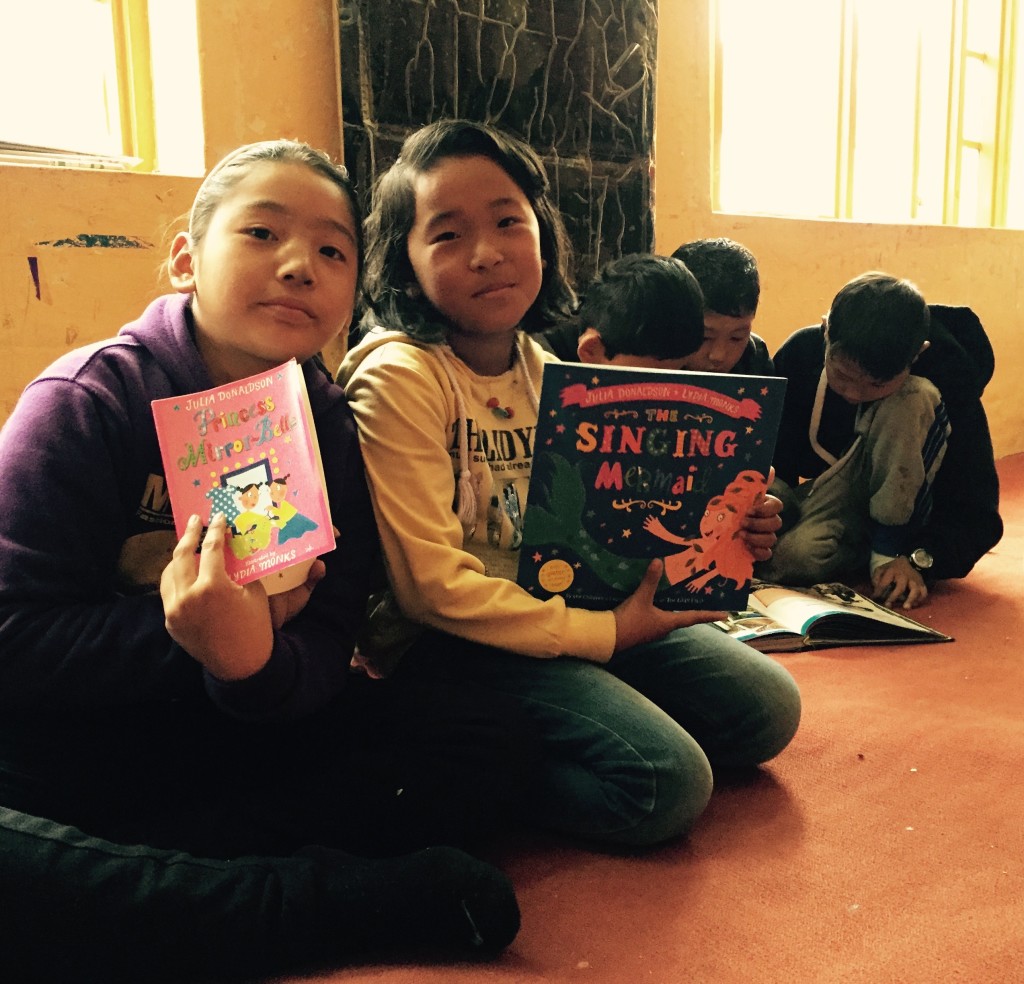
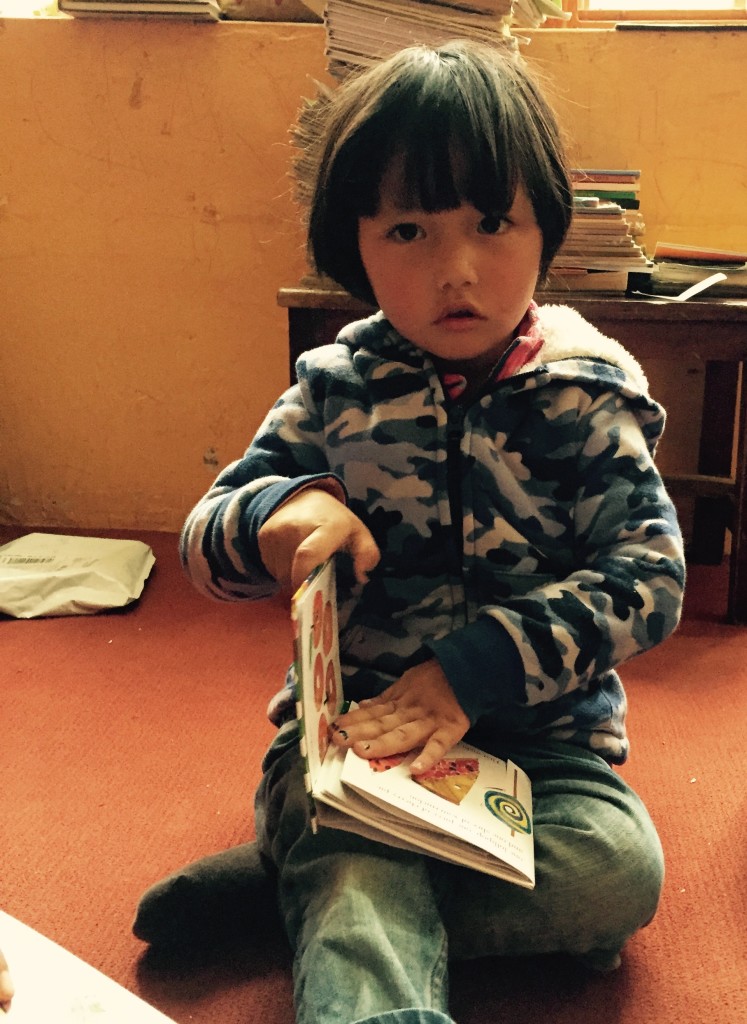
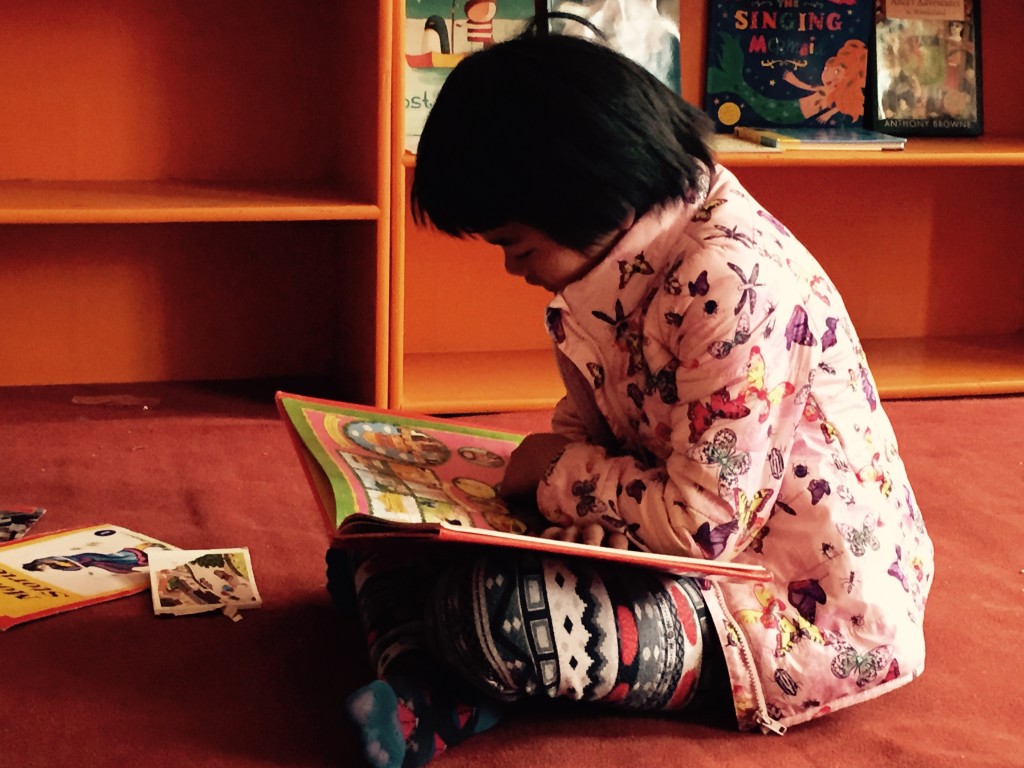
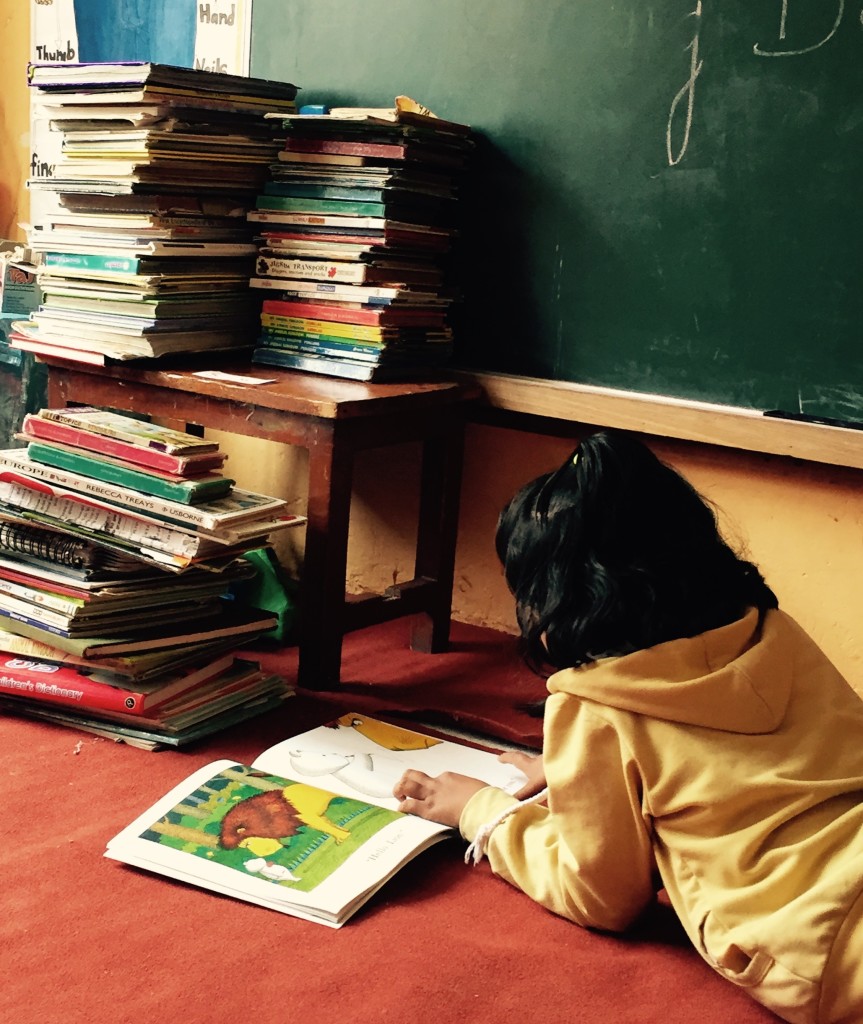
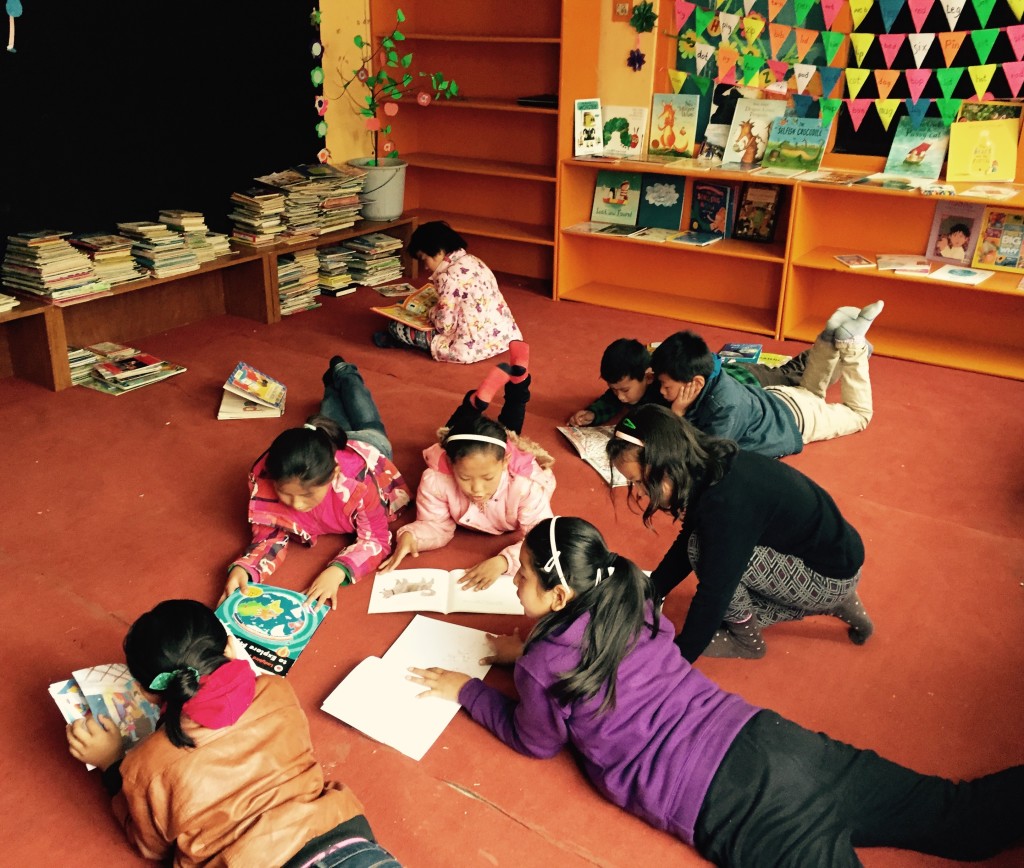
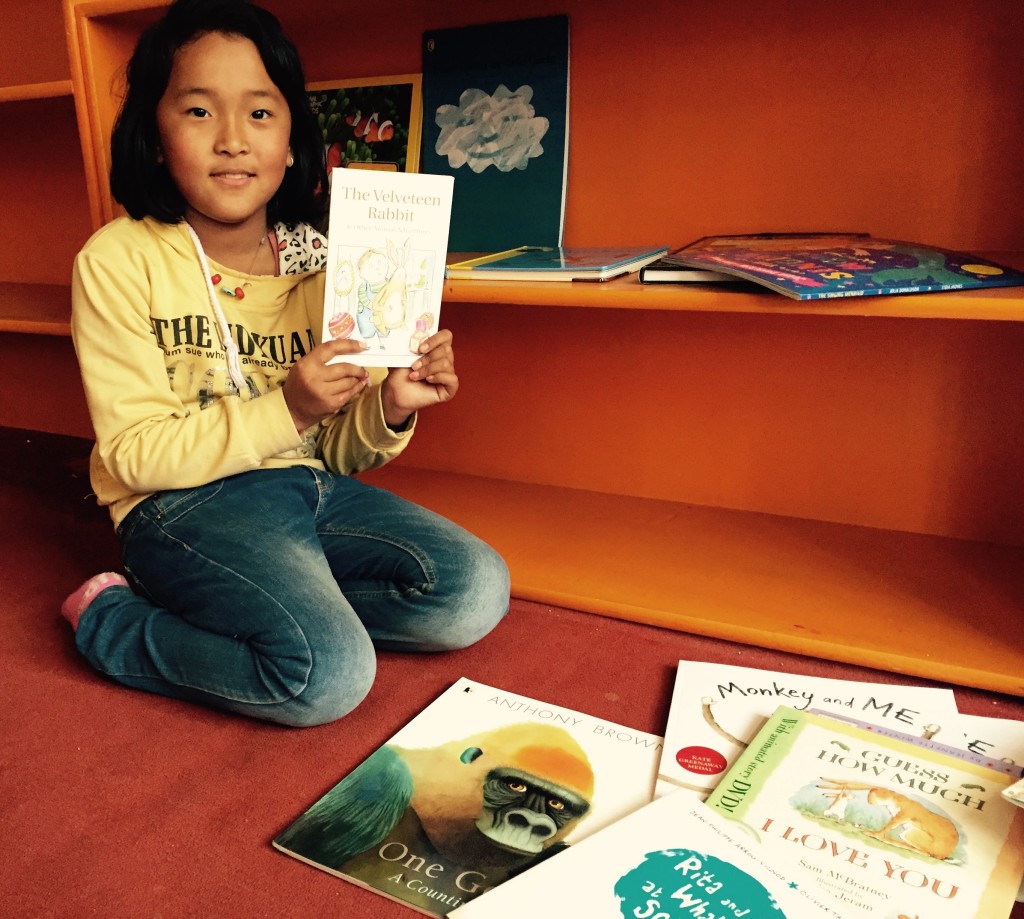
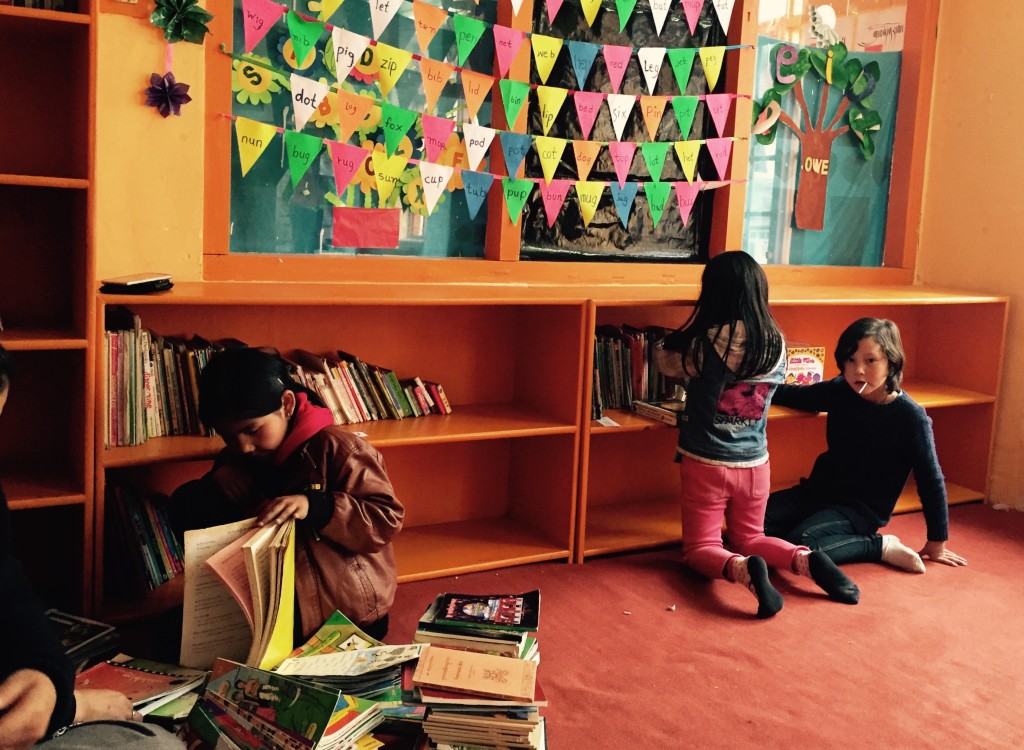
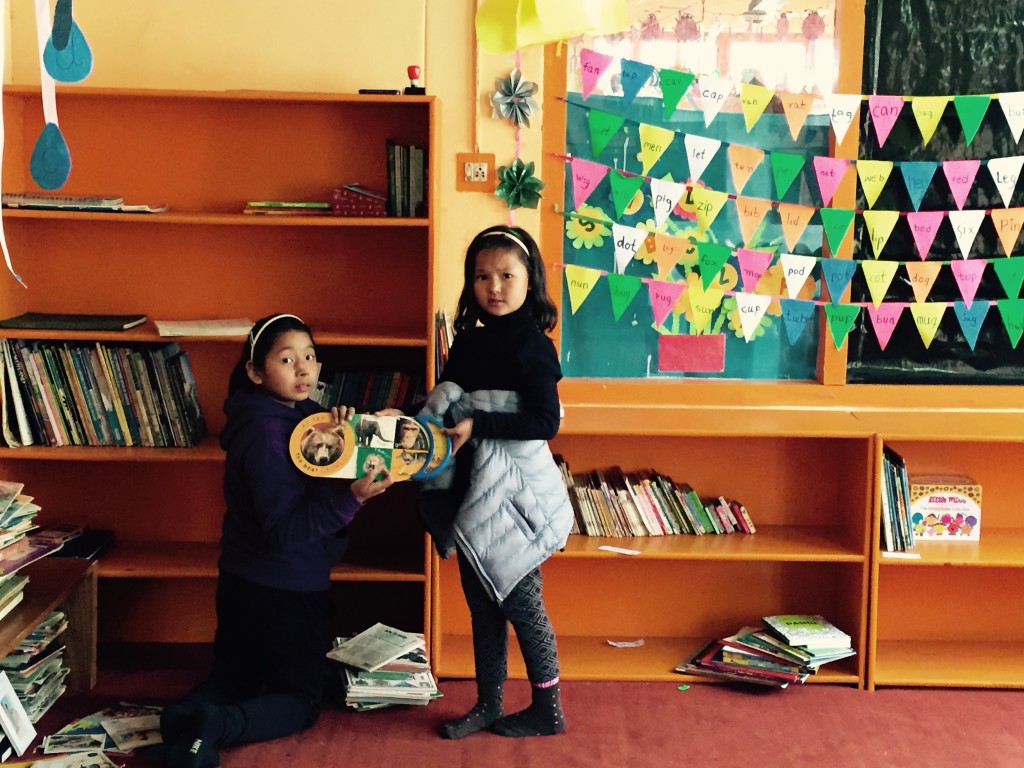
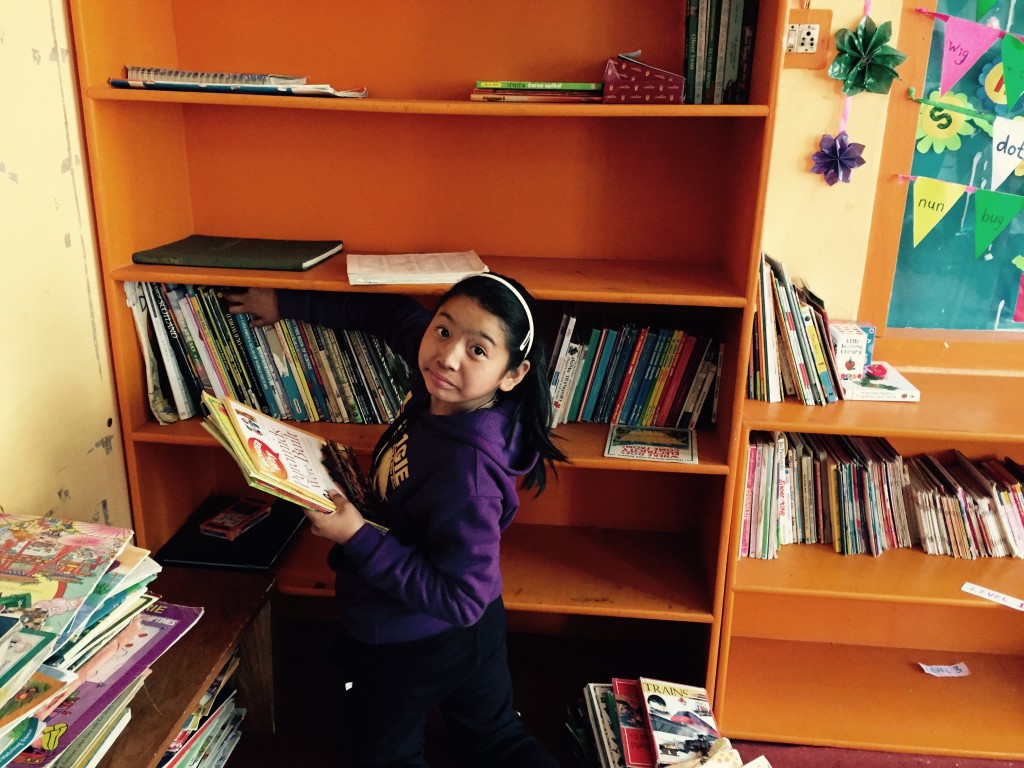
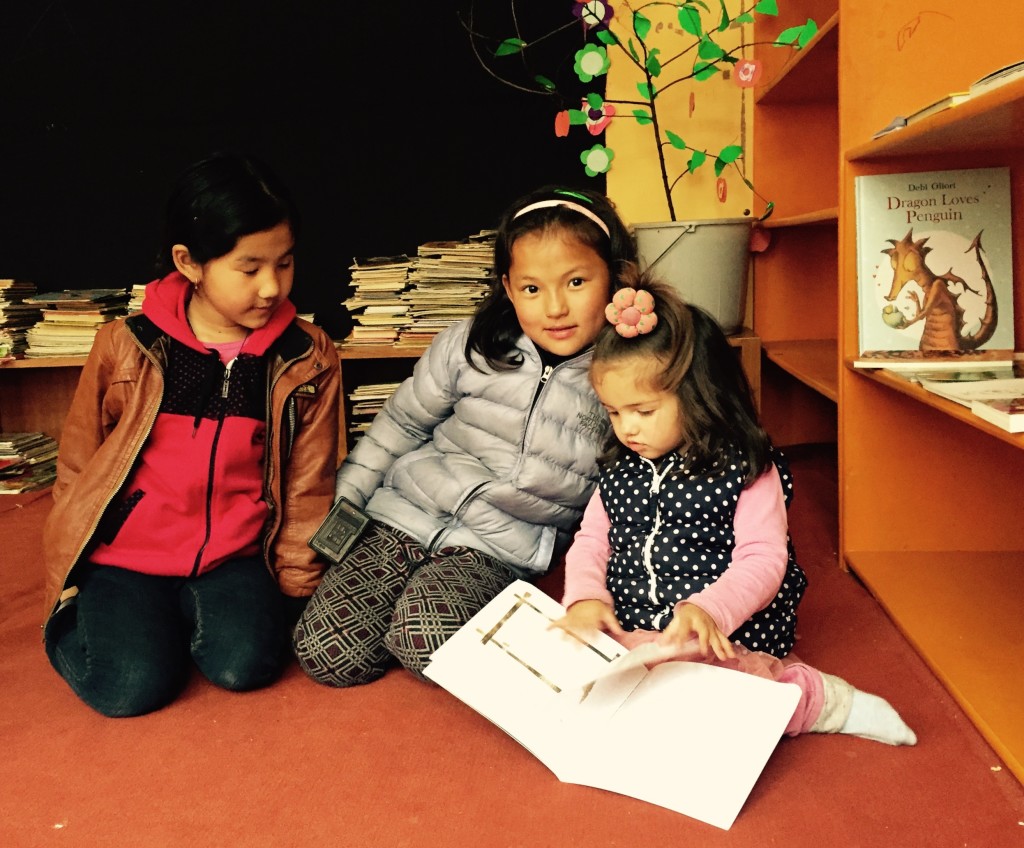
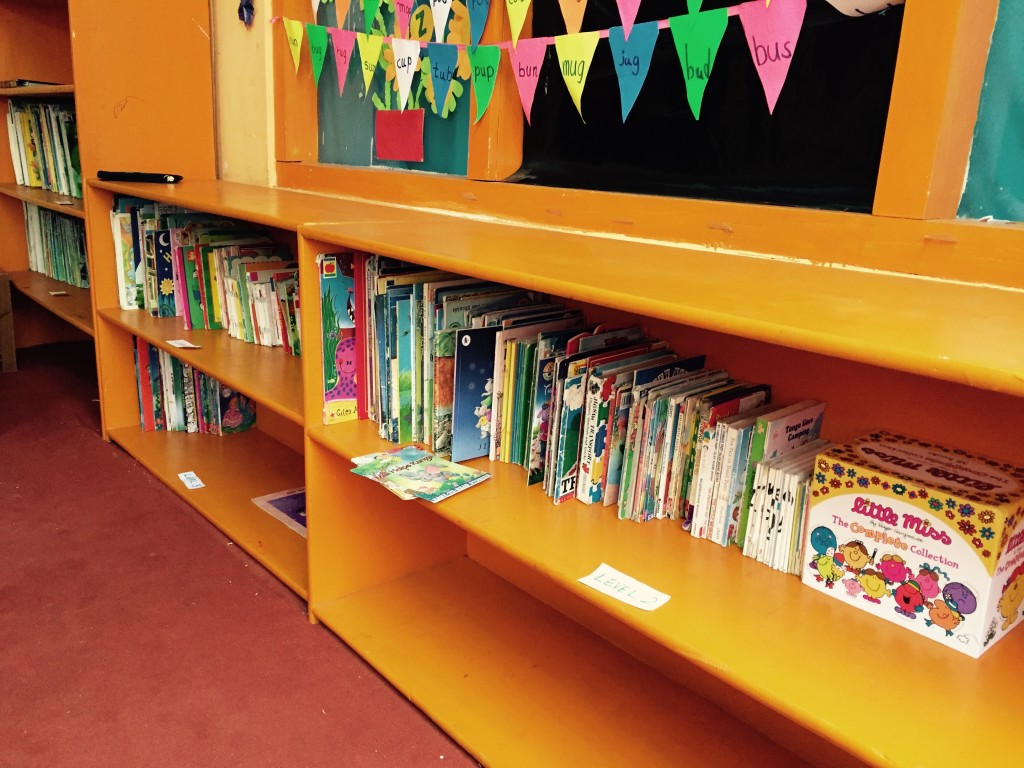
Books add another dimension. Printed collections make narratives available to children who may not have a regular storyteller at home, and illustrated editions can support readers who are still developing confidence in a second or third language. Reading rooms provide a welcoming place where children can encounter folk tales alongside science, poetry, history, and fiction.
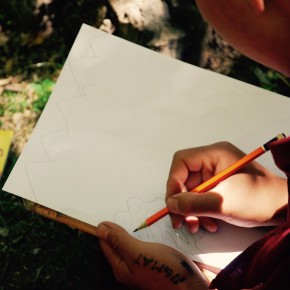
A strong literacy program does not replace oral tradition with books. It brings the two forms together. Children might hear a local tale from an elder, read a related version, compare differences, and then create their own illustrated retelling. Such activities protect cultural memory while building vocabulary, comprehension, imagination, and artistic expression.
Language, translation, and self-expression
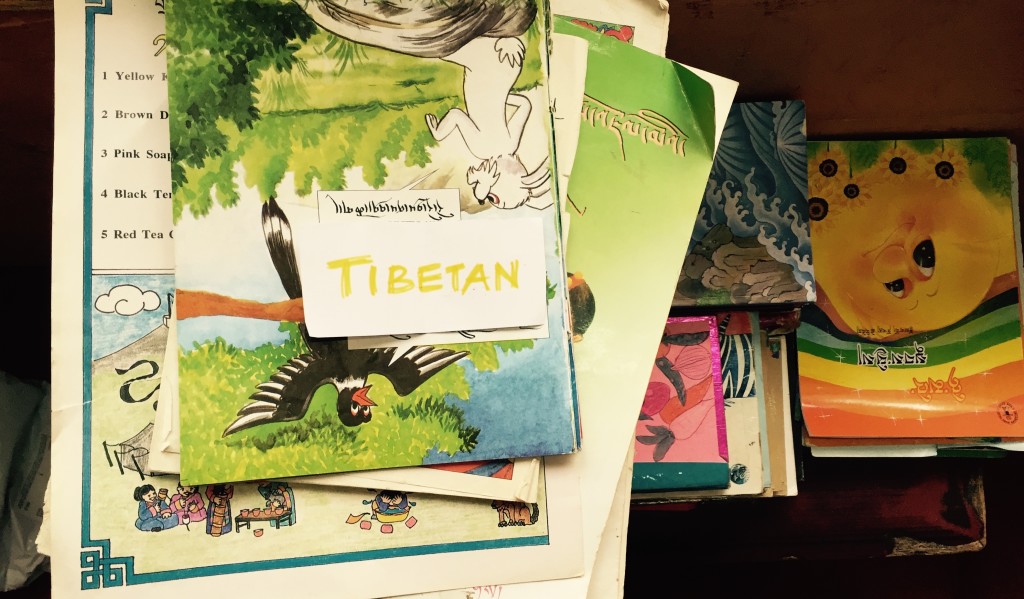
Language is closely tied to identity. A folk tale told in a child’s home language can affirm that the language belongs in books, classrooms, performances, and public life. This affirmation is significant for children who may otherwise encounter educational materials primarily in dominant regional or international languages.
Translation can widen access, though it should be approached with care. Translators must preserve the emotional tone and cultural meaning of a story rather than reducing it to a simple moral. Parallel texts can help children move between languages, compare expressions, and understand how a single idea changes across cultural contexts.
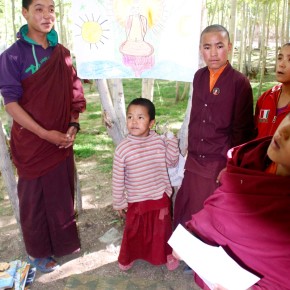
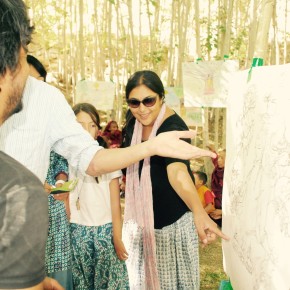
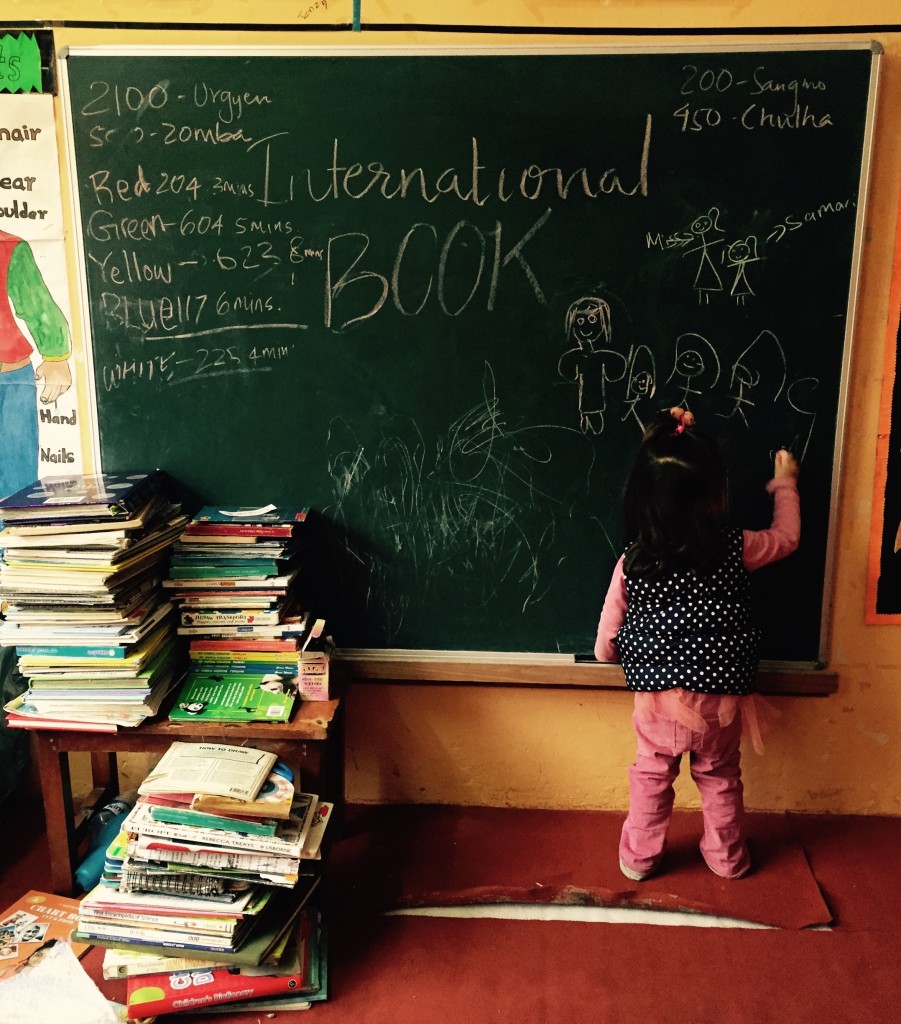
Creative responses make this process even richer. Children can write new endings, produce shadow plays, compose songs, paint scenes, or record elders telling a favorite story. These activities give young people ownership of their heritage. Their work becomes a contemporary part of the tradition rather than a museum piece.
What folk tales can develop
| Area of development |
How folk tales contribute |
Practical activity |
| Cultural identity |
Connect children with local places, customs, and shared memories |
Map the setting of a traditional story |
| Language growth |
Build vocabulary, listening skills, and confidence across languages |
Create a bilingual word list |
| Ethical reasoning |
Encourage discussion of choices, consequences, and fairness |
Debate a character’s decision |
| Imagination |
Inspire visual, dramatic, and musical interpretation |
Make puppets or illustrate a scene |
| Community connection |
Bring children, elders, teachers, and volunteers together |
Host an intergenerational story circle |
| Reading confidence |
Offer engaging material linked to familiar experiences |
Read several versions of one tale |
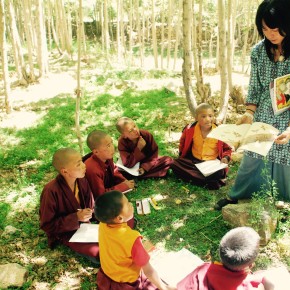
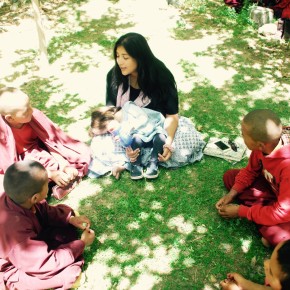
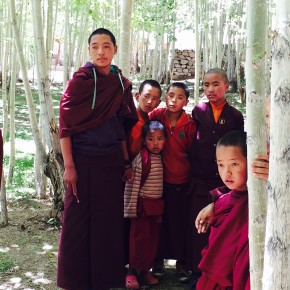
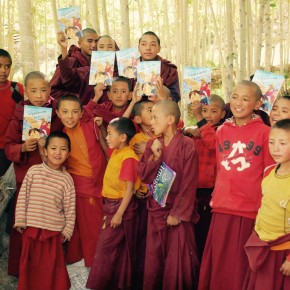
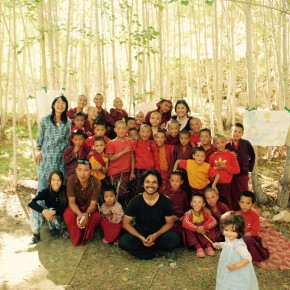
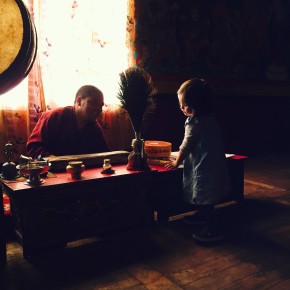
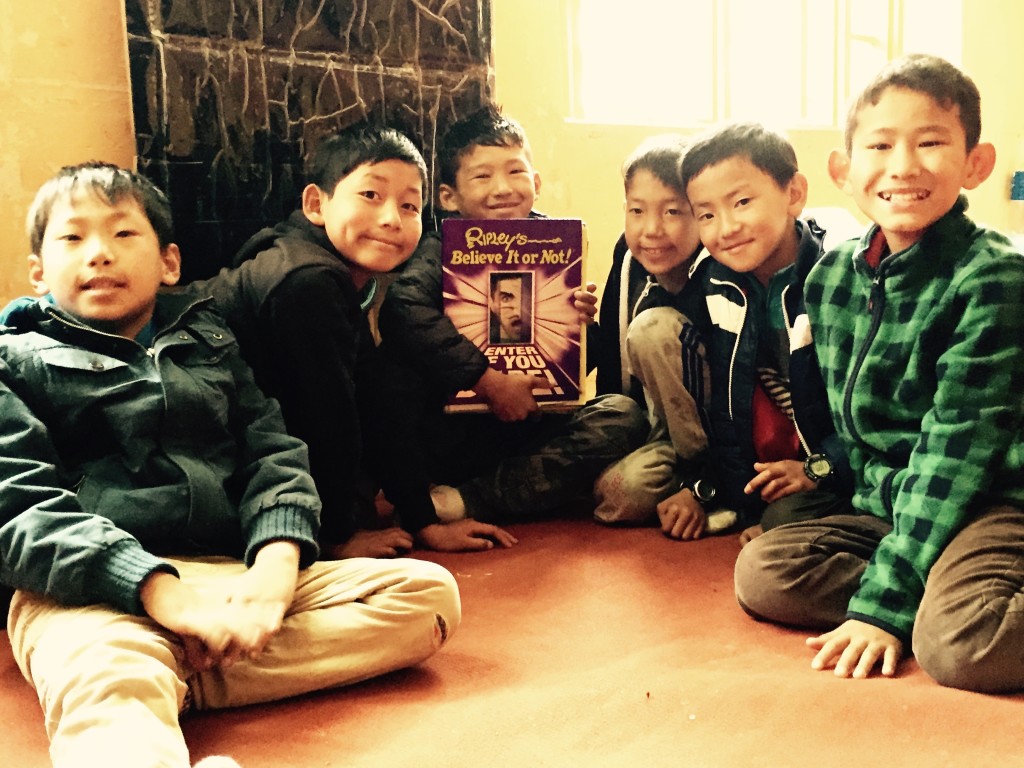
These outcomes are especially valuable for young monks and children in remote communities. A story can support classroom learning while also creating a shared cultural space. When children discuss a tale together, they practice listening to different perspectives and discover that their own experiences have a place in collective learning.
The emotional effect should not be overlooked. Seeing a familiar landscape or cultural practice represented in a book can communicate recognition: lives like mine matter. That message may encourage children to read more widely, speak more confidently, and imagine themselves as authors, artists, educators, or community leaders.
Making storytelling part of community life
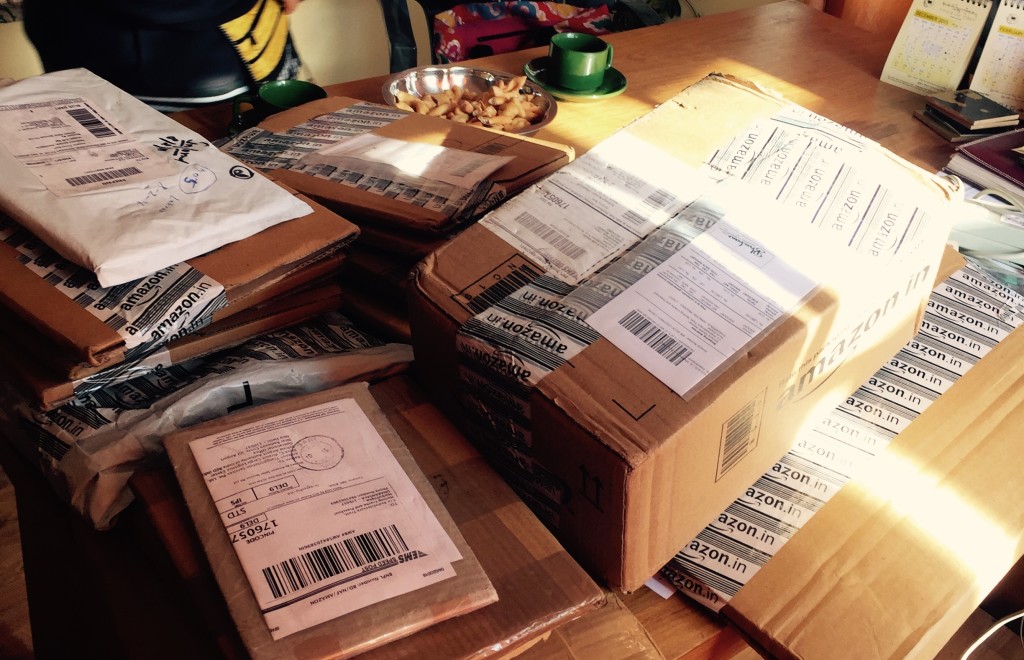
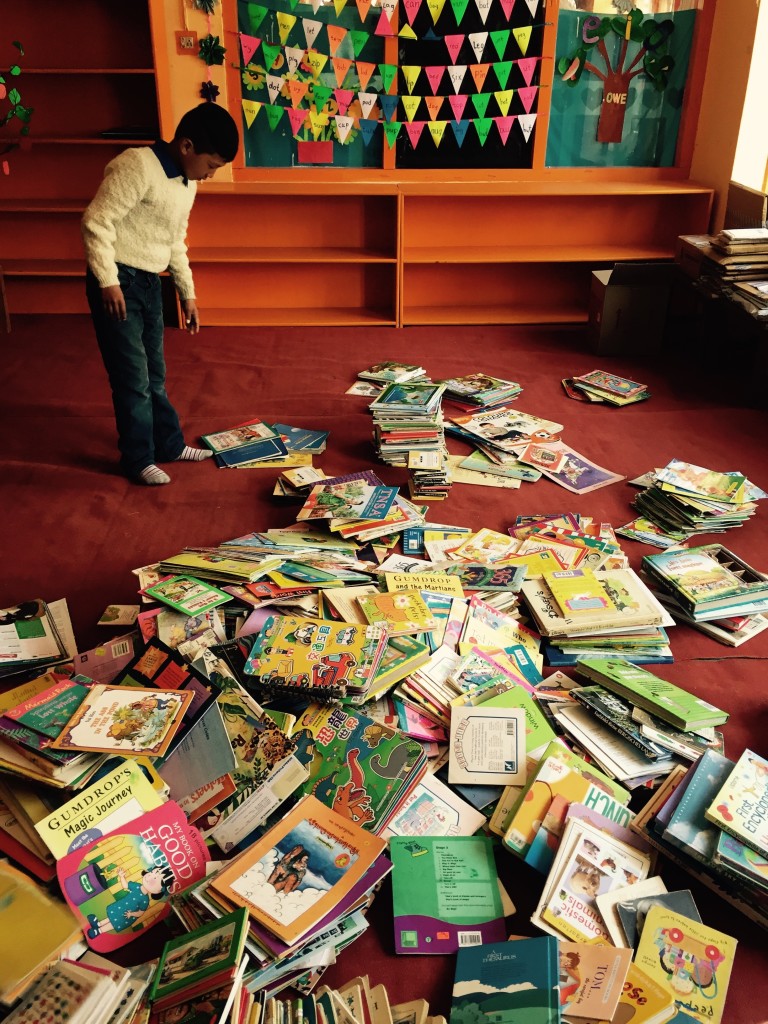
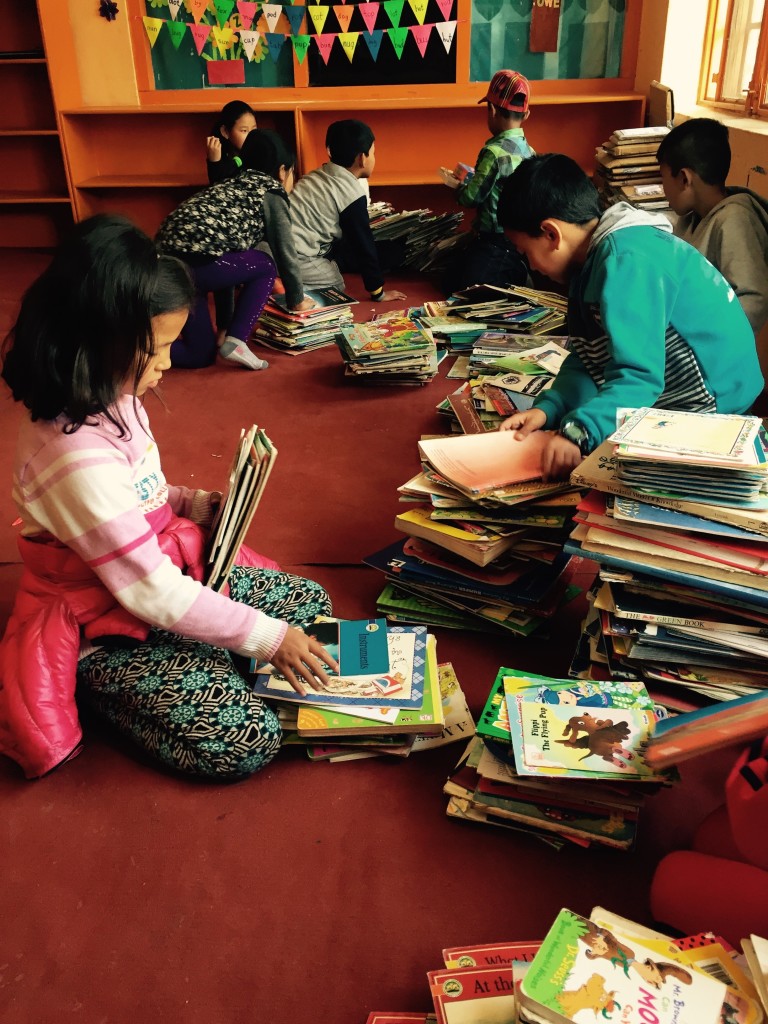
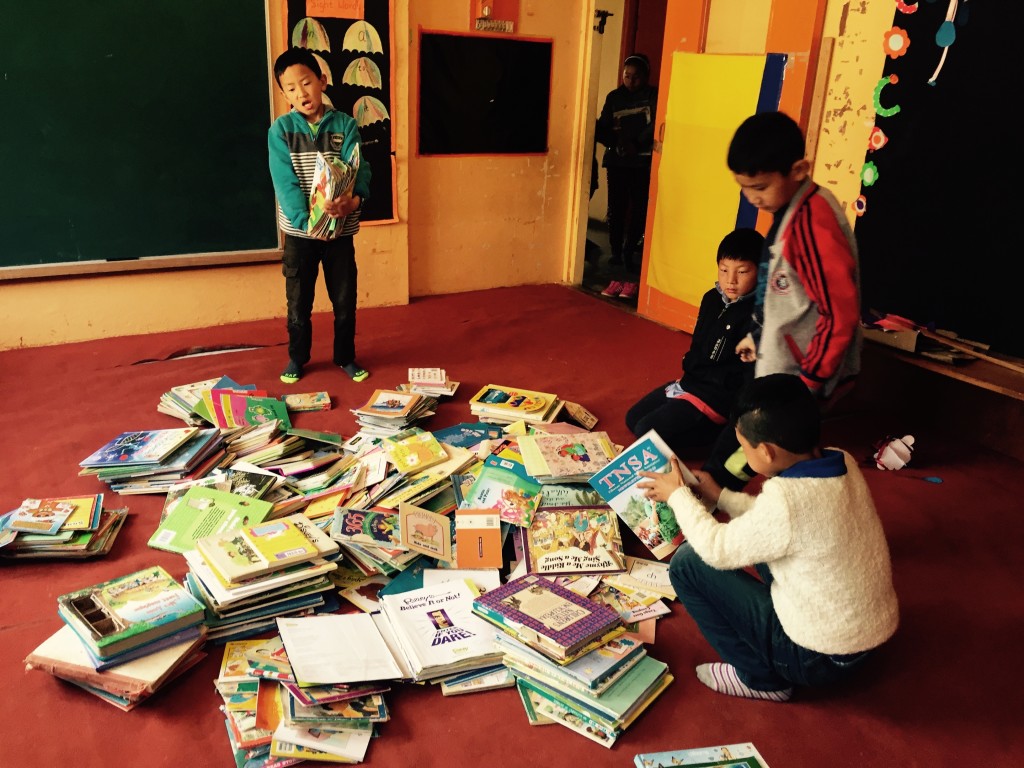
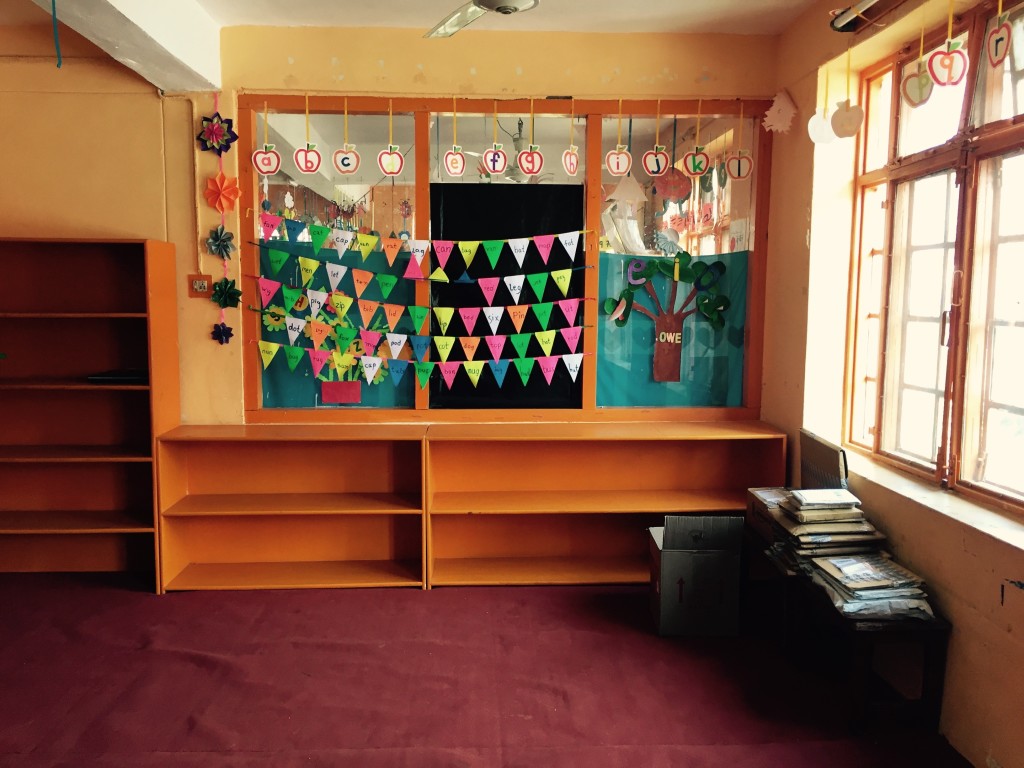
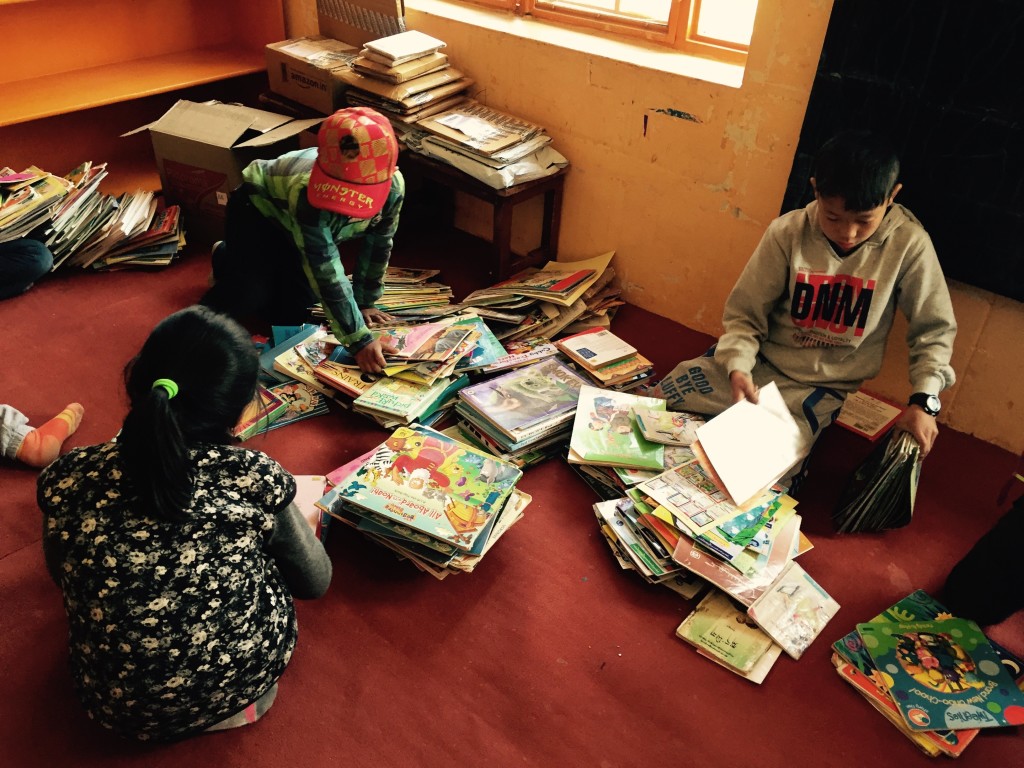
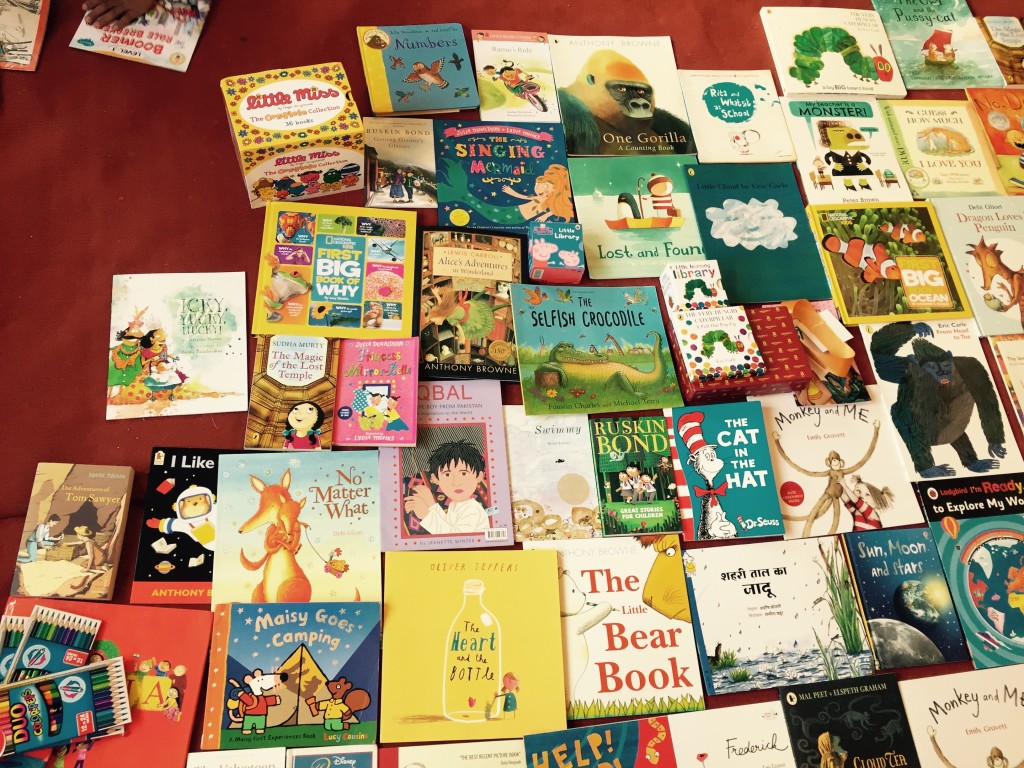
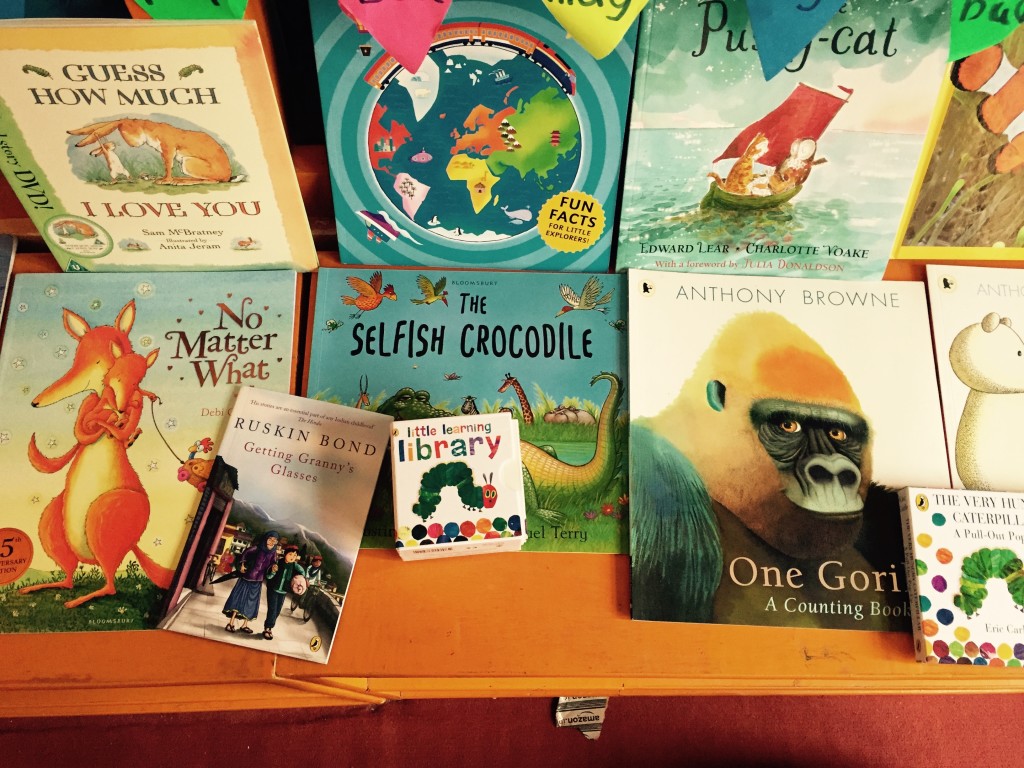
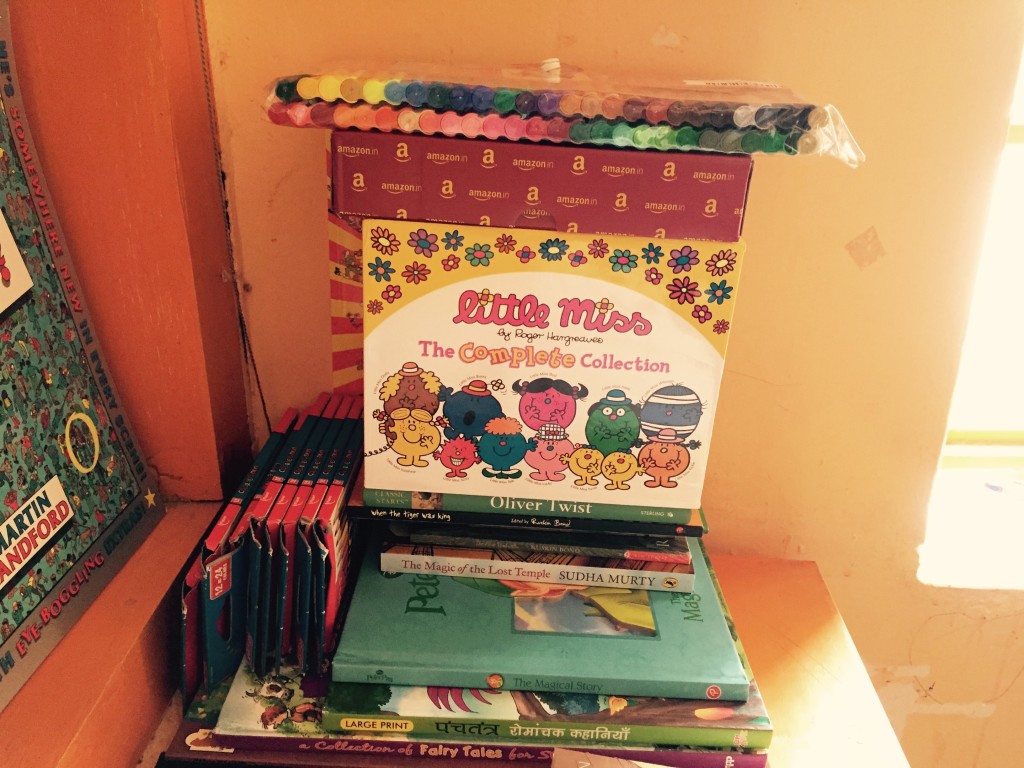
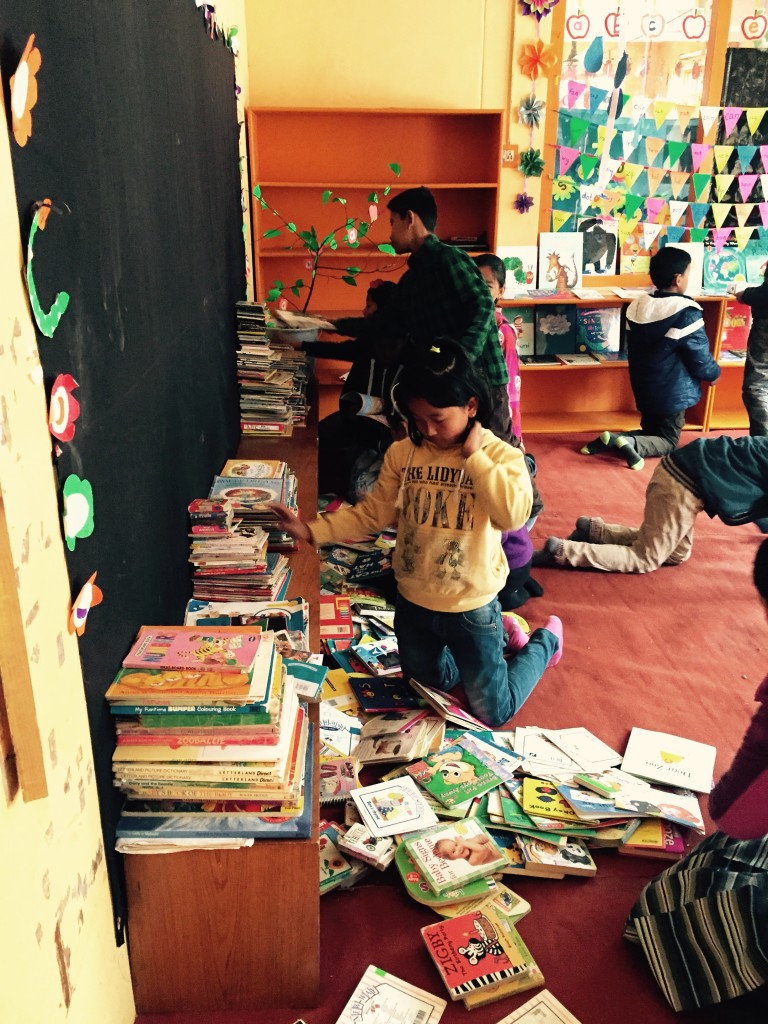
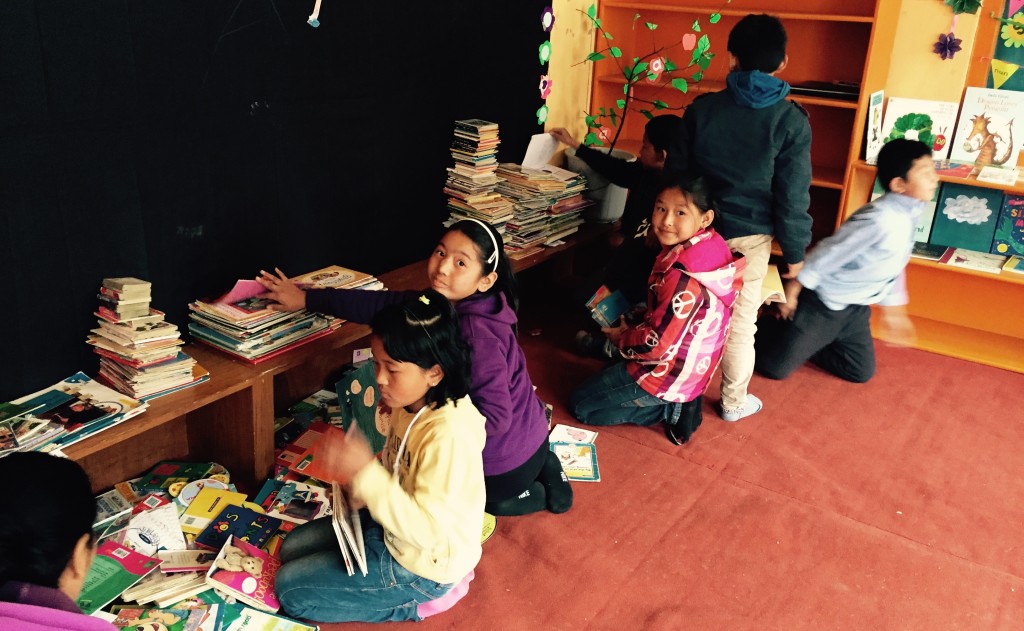
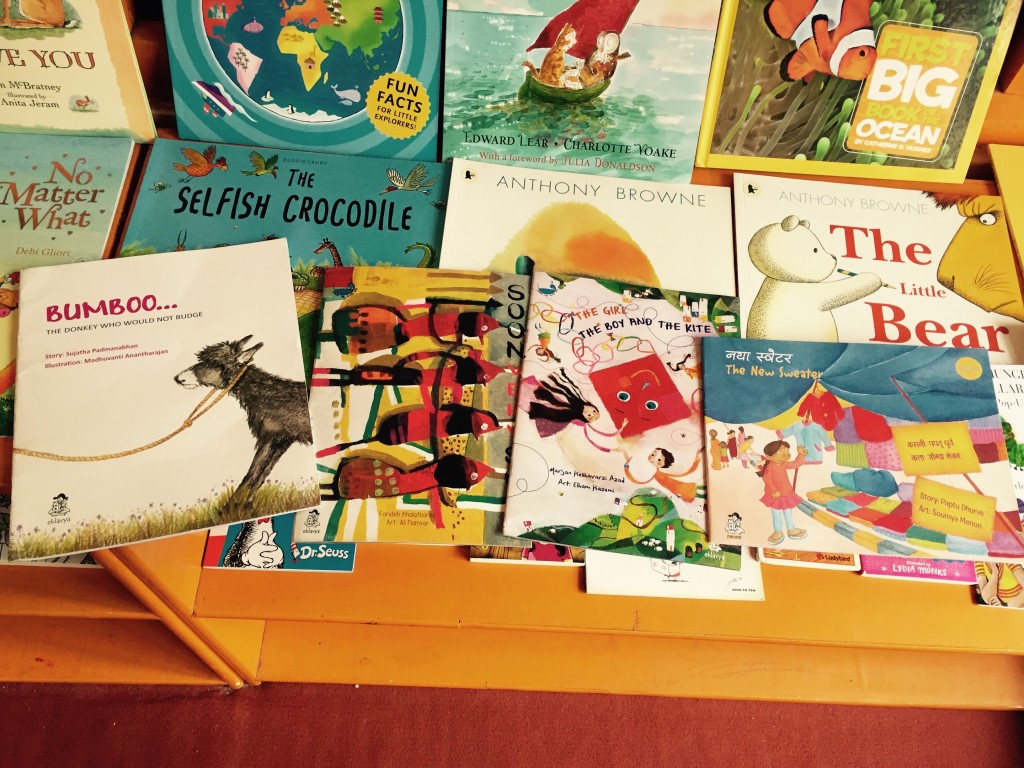
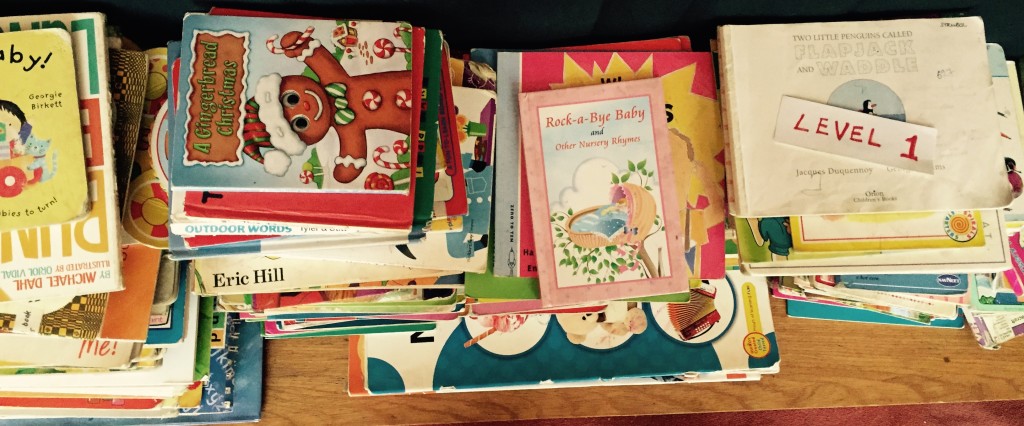
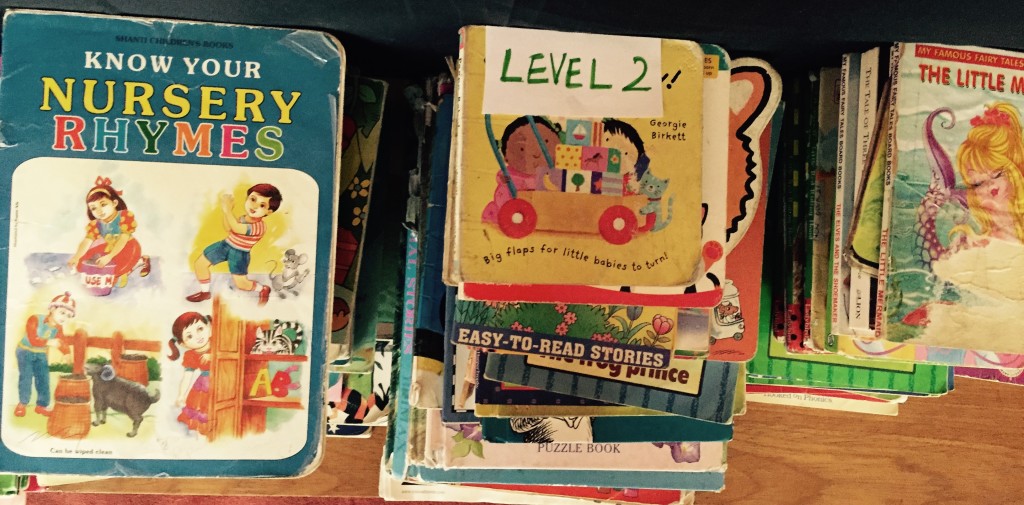
Organizations supporting Himalayan children can build folk tales into regular educational activities rather than treating them as occasional entertainment. A reading room might dedicate one afternoon each week to local stories, followed by drawing or discussion. Book drives can seek collections that include regional authors, folktale adaptations, bilingual materials, and picture books that reflect mountain life respectfully.
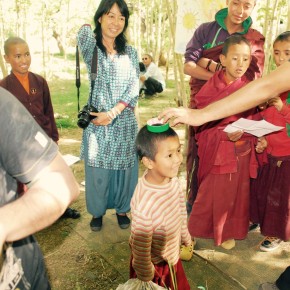
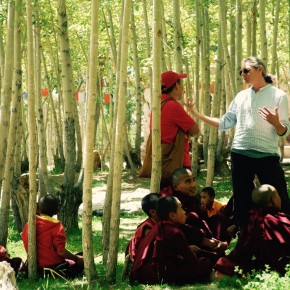
Volunteers also have an important role. They can invite children to share stories they know, help record oral histories with permission, and introduce books without presenting outside perspectives as superior. The most effective approach is collaborative: local families, educators, monastic communities, and children should influence which stories are collected and how they are presented.
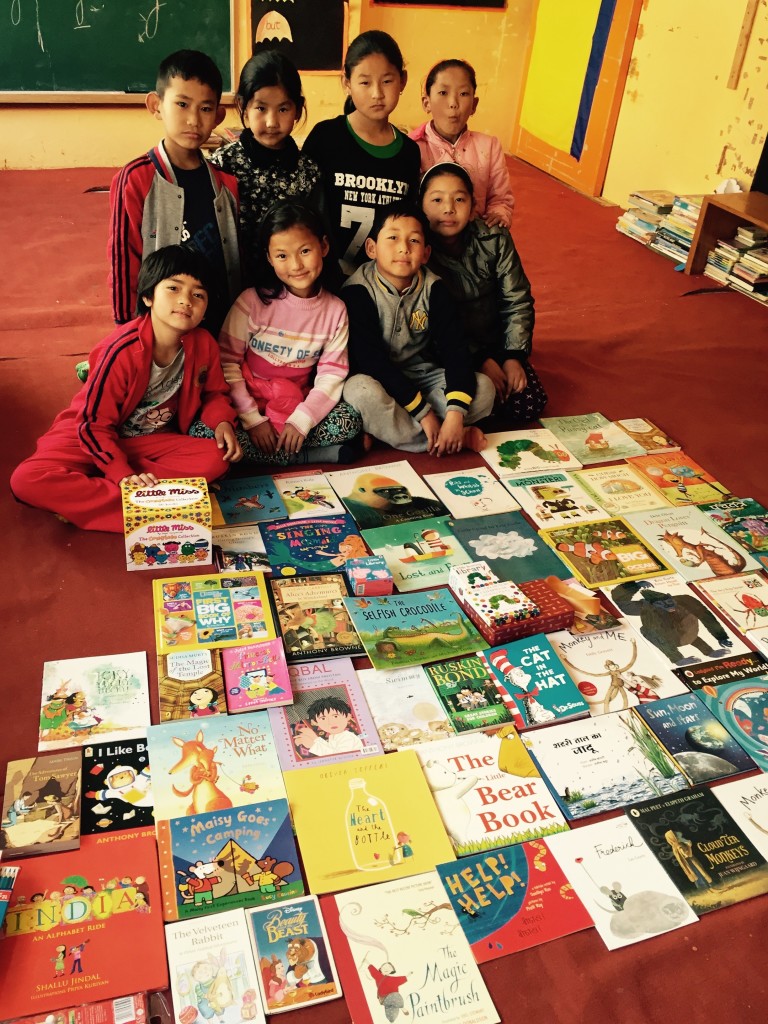
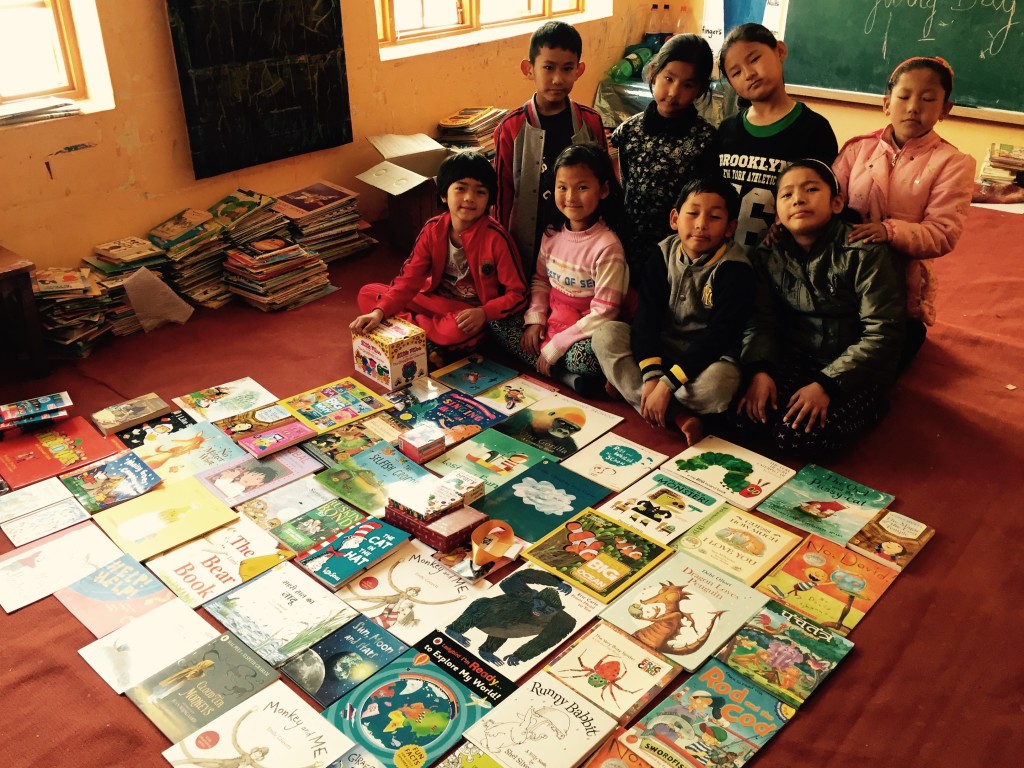
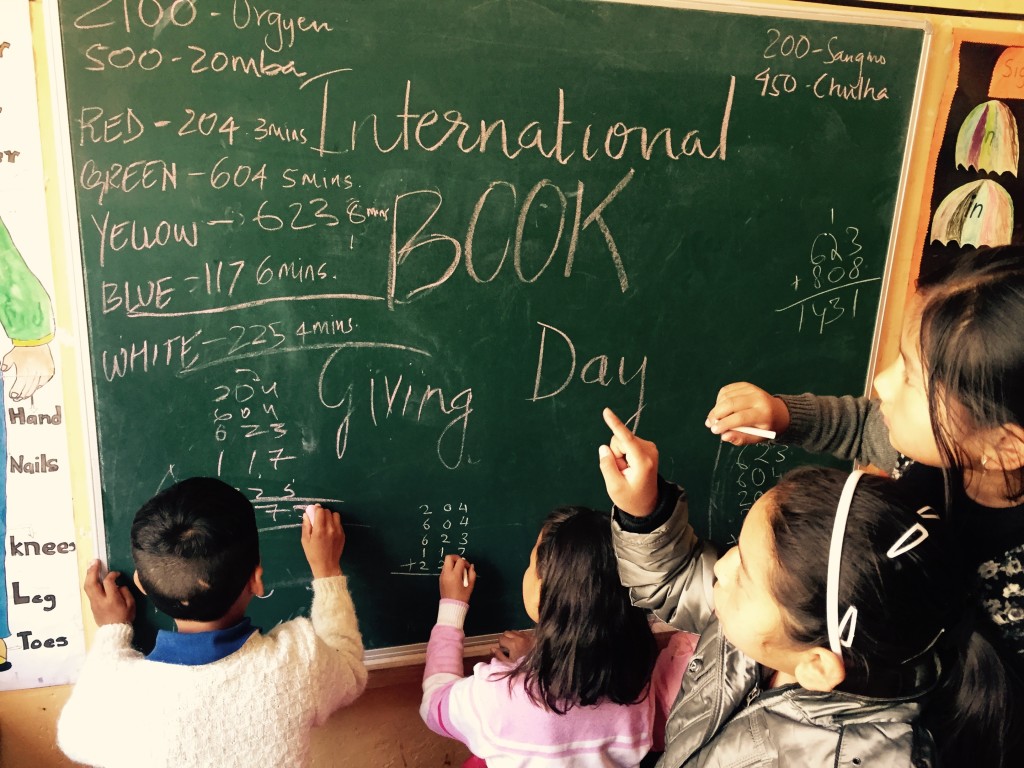
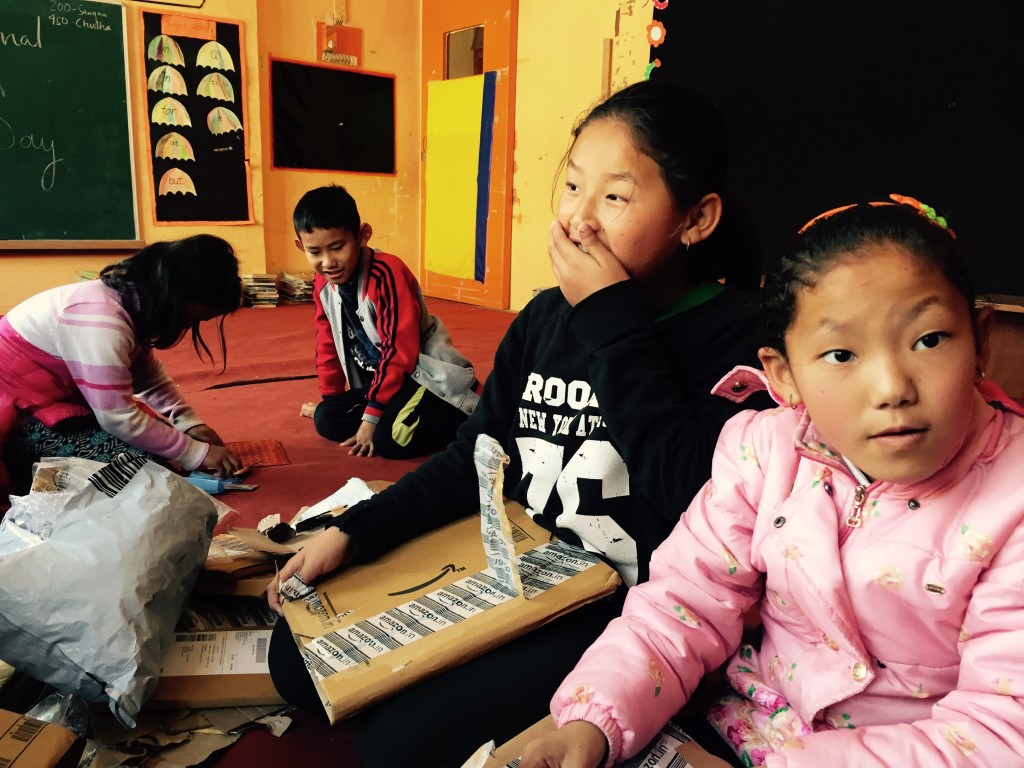
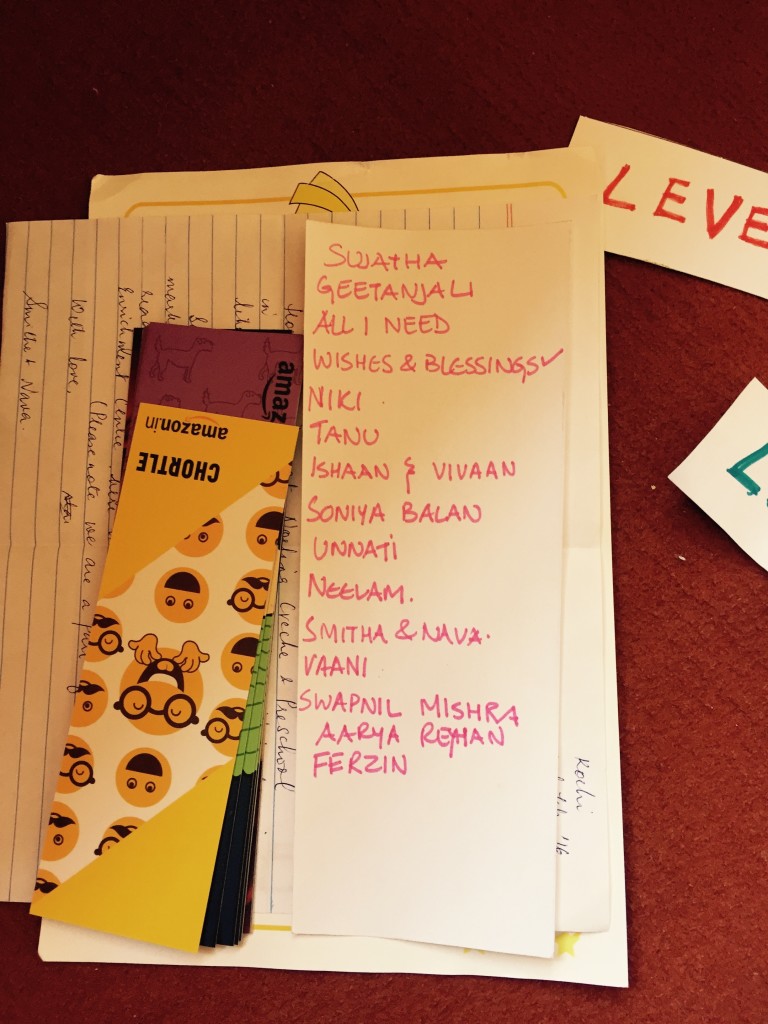
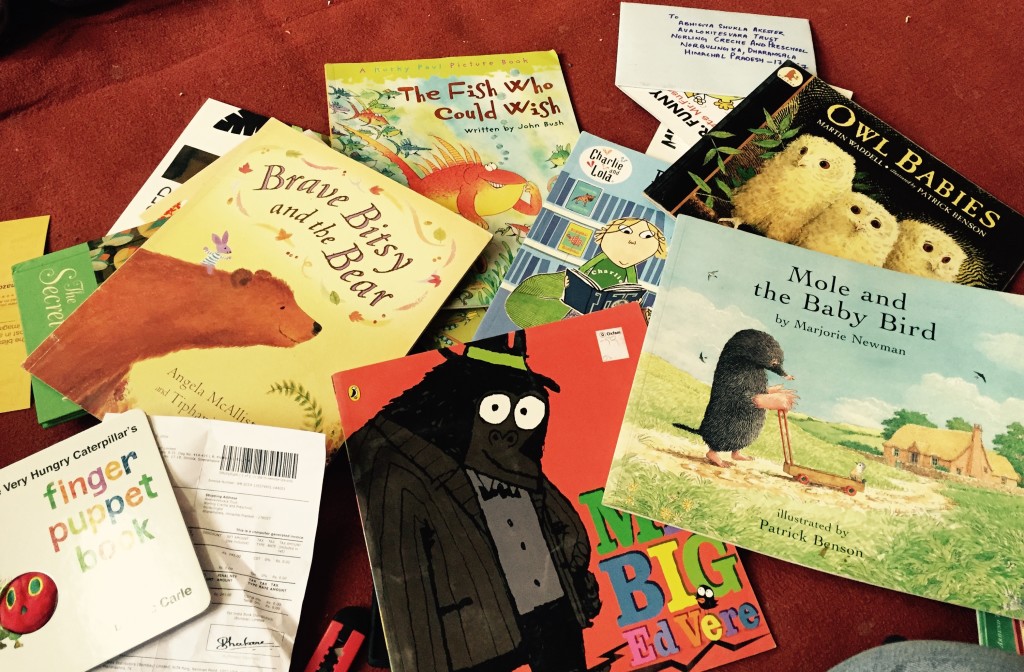
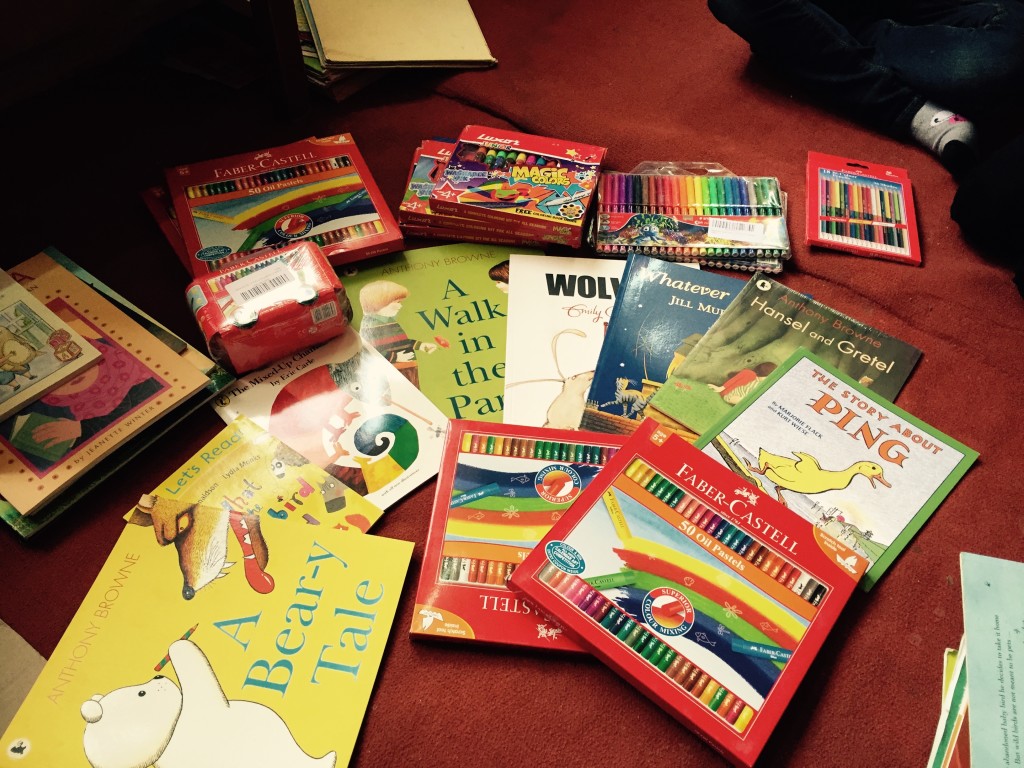
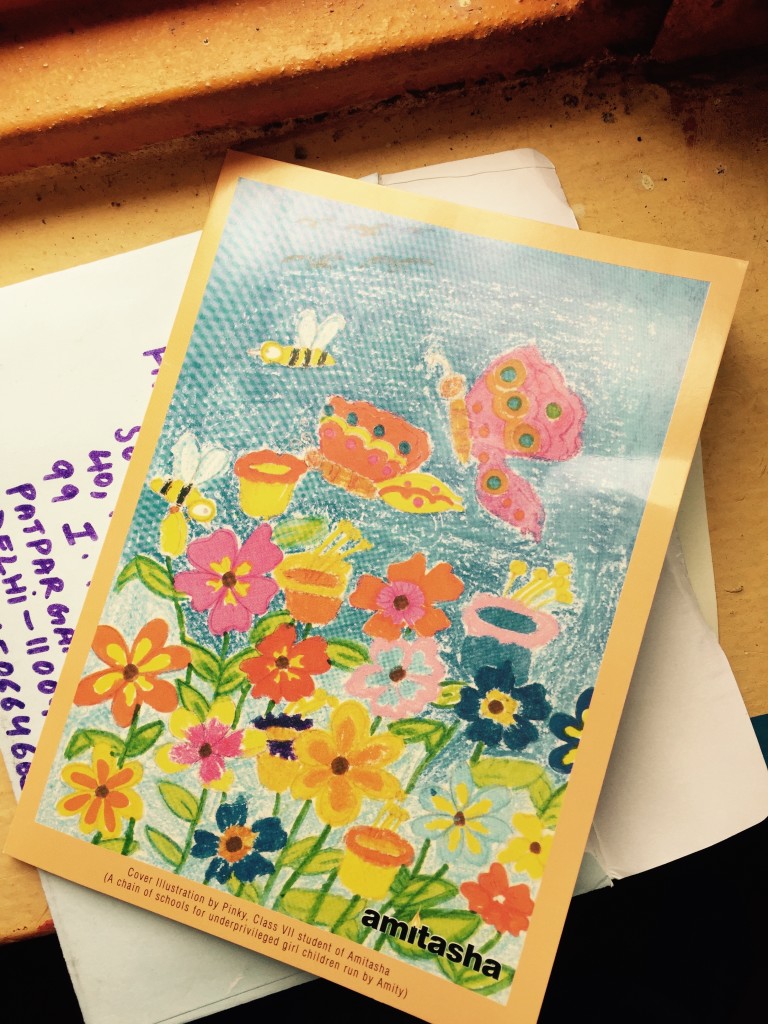
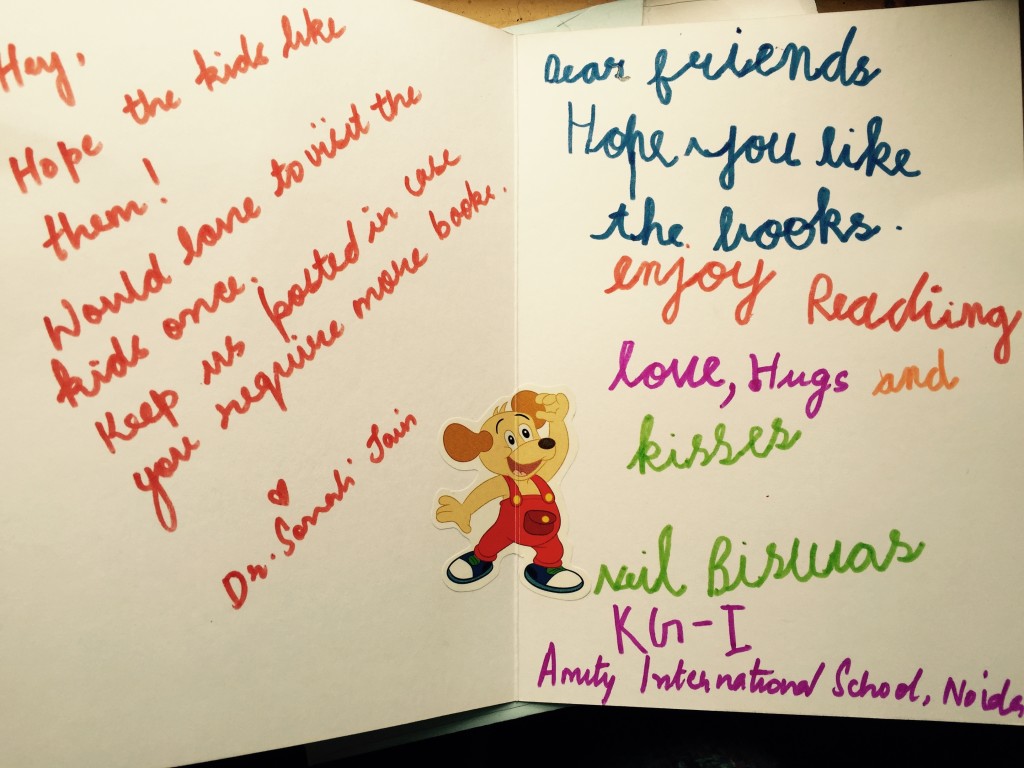
Small rituals can make storytelling memorable. A group may begin with a song, display a map of the Himalayas, or keep a shared notebook of new tales. Children can write thank-you notes to supporters who provide books; examples of this meaningful exchange can be seen in these children's thank-you letters. Such moments connect reading with gratitude and remind children that learning communities extend beyond their immediate surroundings.
Practices that honor children’s voices
Folk tales should be shared in ways that protect dignity and encourage participation. Adults can avoid presenting Himalayan culture as exotic or frozen in the past. Children should be free to laugh at a character, challenge a lesson, combine traditions, or create a story about present-day concerns such as climate change, migration, friendship, and education.
Useful practices include:
- Invite local elders, teachers, and families to guide the selection and interpretation of stories.
- Pair oral storytelling with books, drawings, drama, music, and bilingual writing.
- Ask children what a story means to them before explaining an adult interpretation.
- Include contemporary adaptations created by Himalayan children alongside traditional versions.
- Build accessible reading collections that reflect different languages, communities, abilities, and experiences.
When children become active participants, identity grows through practice. They are not simply receiving a heritage chosen by adults; they are adding their own observations, humor, questions, and dreams to it. This process helps tradition remain flexible enough to live in the present.
Folk tales can therefore support much more than cultural preservation. They help children locate themselves in a landscape, understand the responsibilities of community, develop language, and express imagination. With thoughtful books, welcoming reading rooms, and opportunities to listen and create, every story can become an invitation to belong and to contribute.
Support literacy and cultural learning by helping bring quality books, storytelling activities, and creative resources to children and young monks in Himalayan communities. A donated book, shared skill, or contribution to a reading room can help keep local stories in circulation while opening doors to many new ones.