The Art of Thank You: Letters from Children Who Received Books
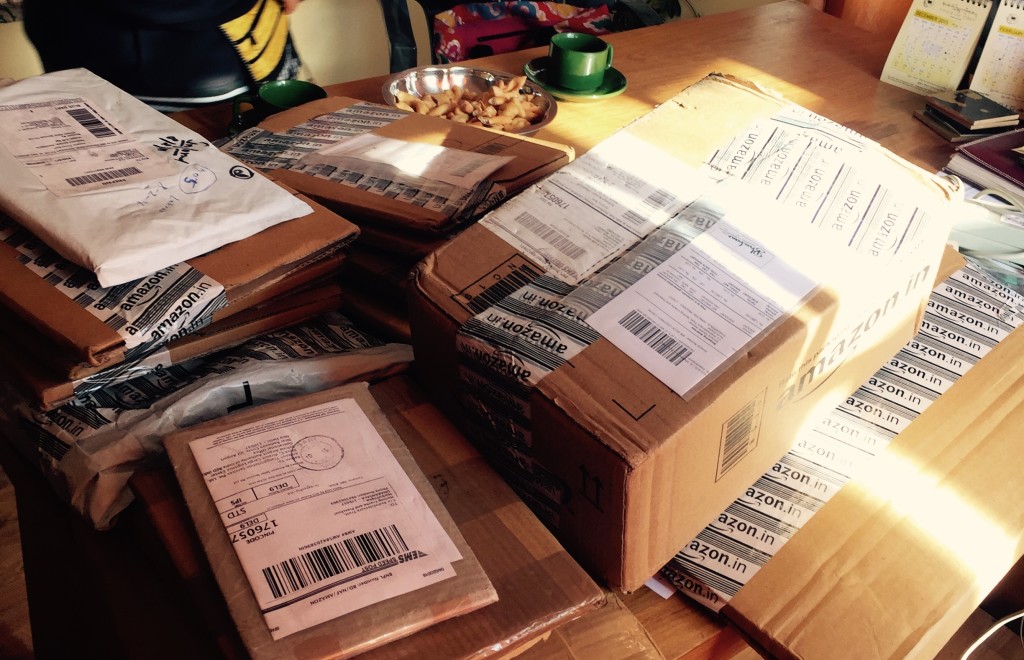
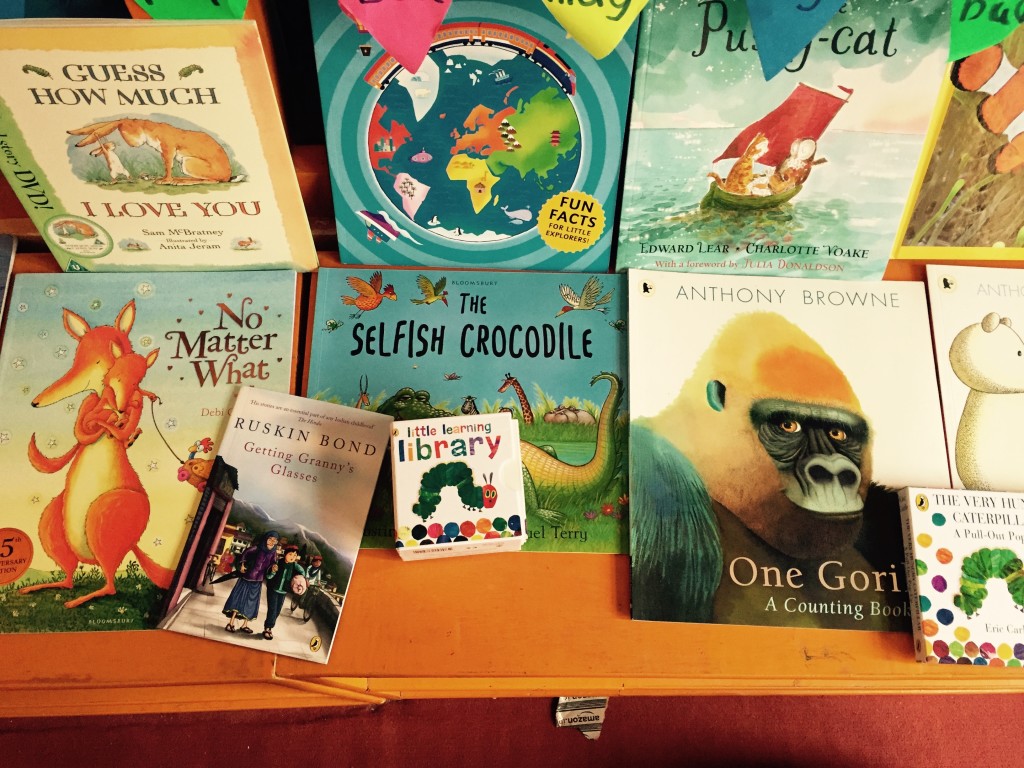
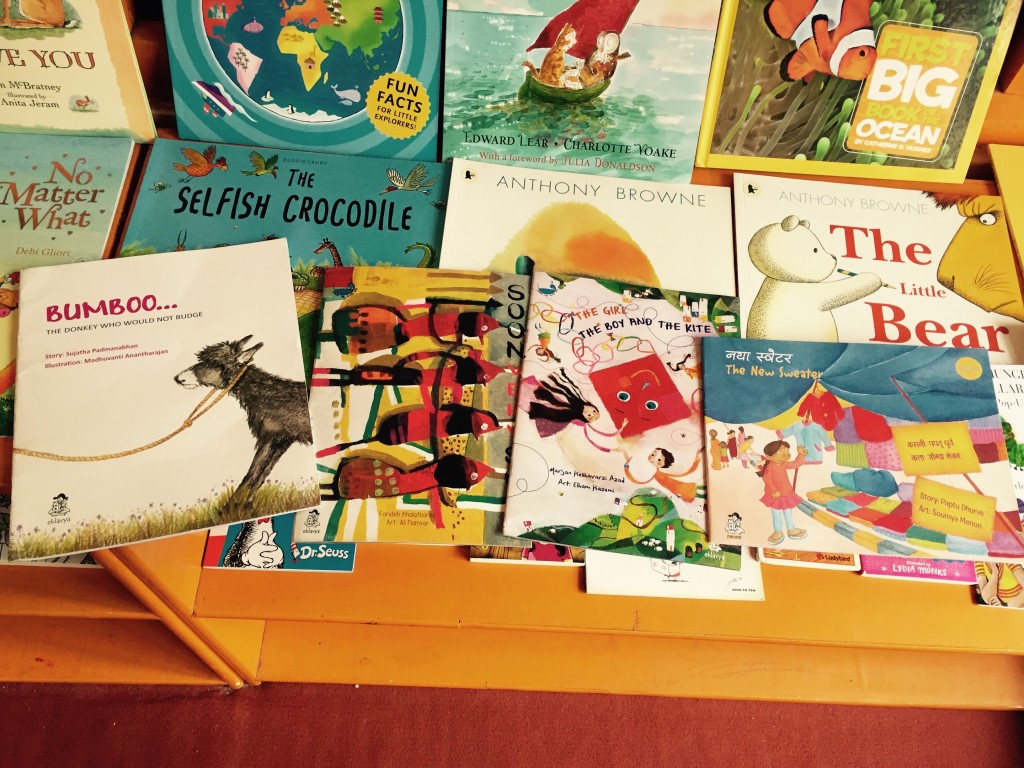
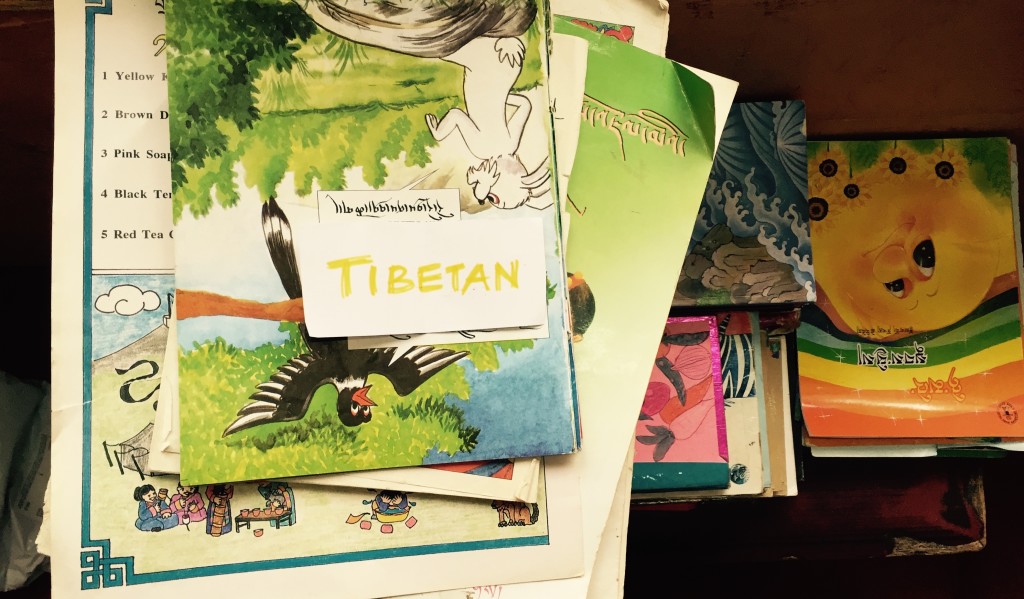
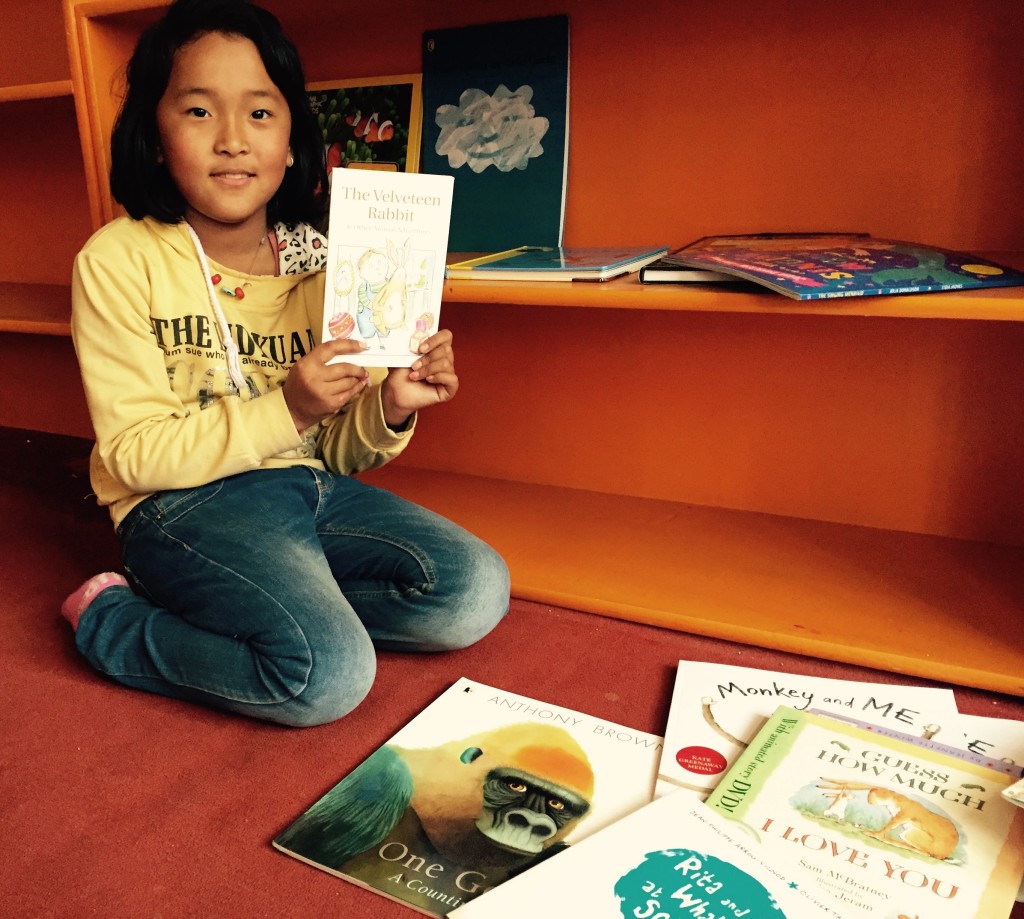
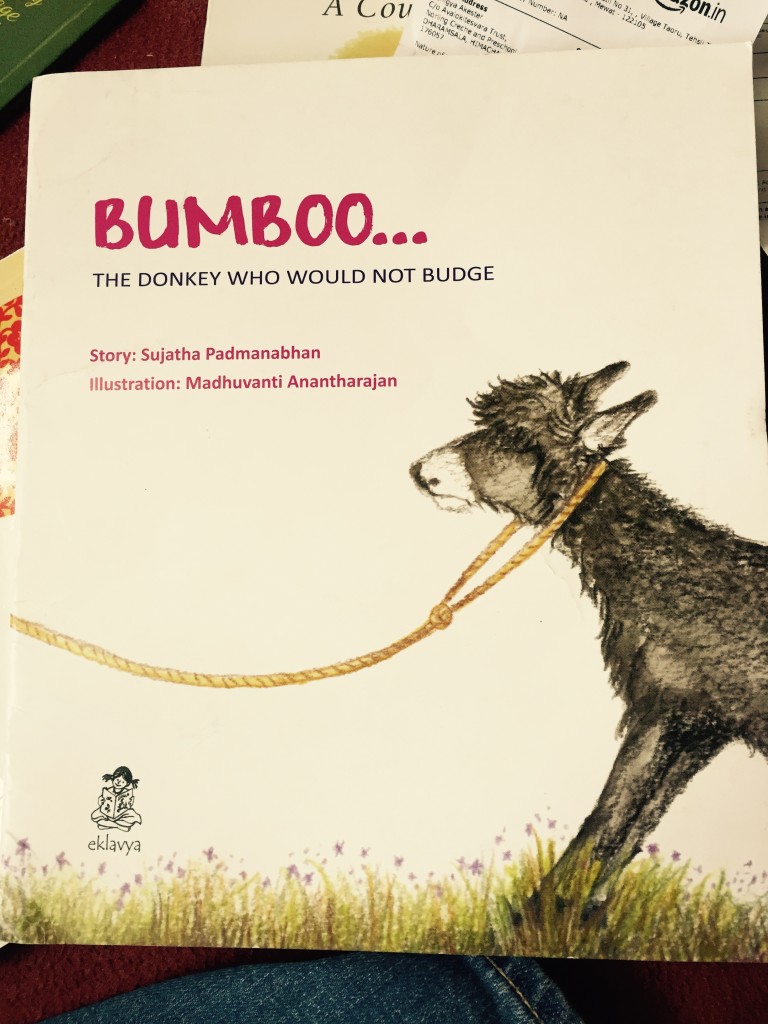
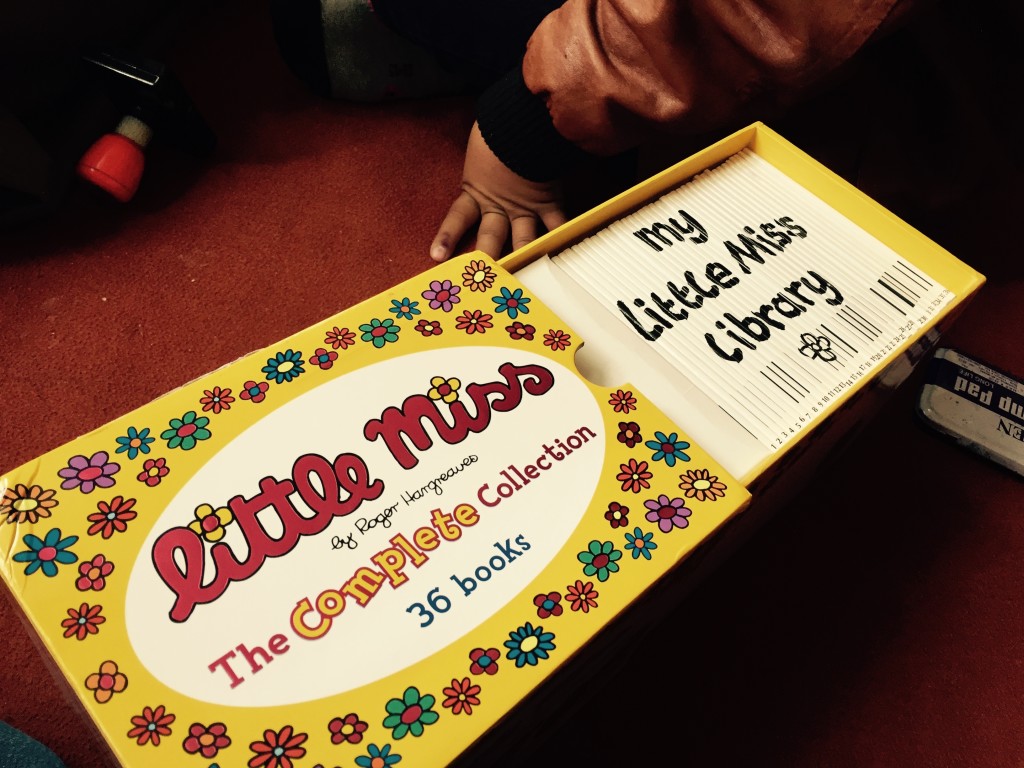
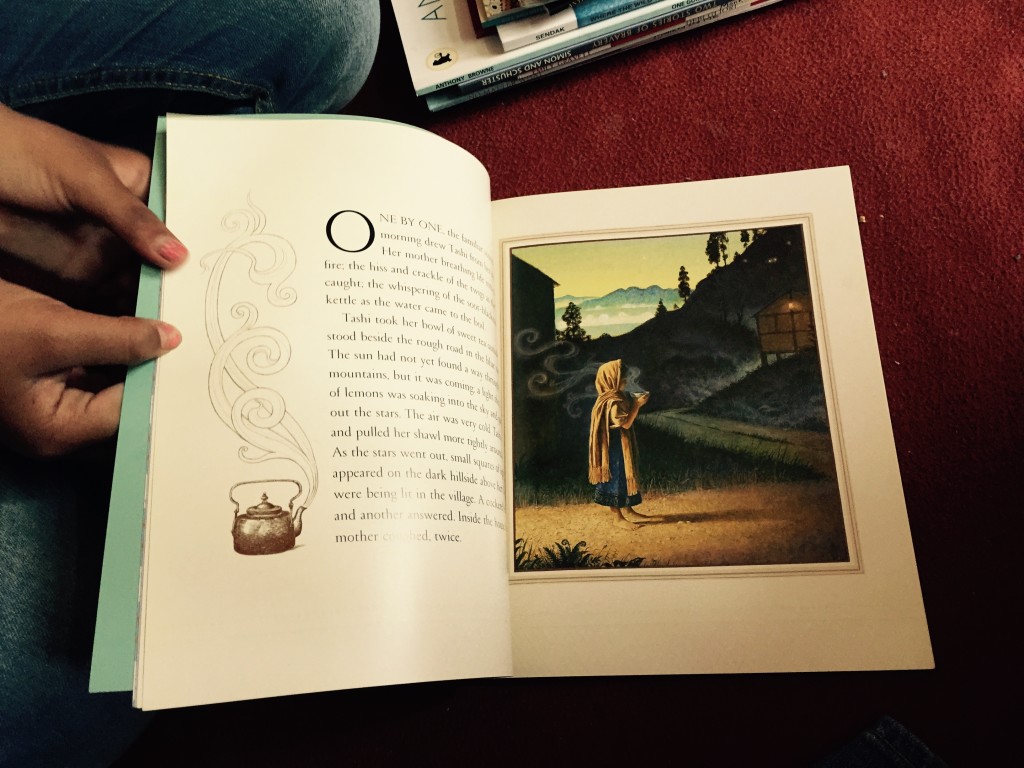
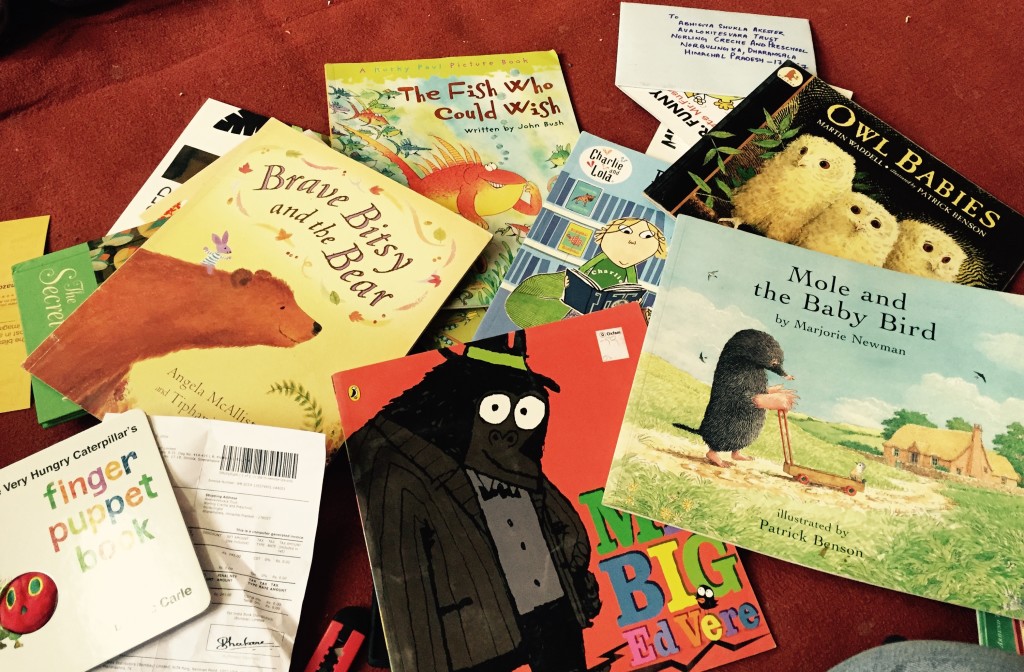
A book can arrive quietly in a mountain village, wrapped in paper and carried across long roads, yet its presence may be felt for years. For a child, receiving a story, an illustrated encyclopedia, or a notebook filled with blank pages can open a door to places, ideas, and possibilities beyond the immediate landscape.
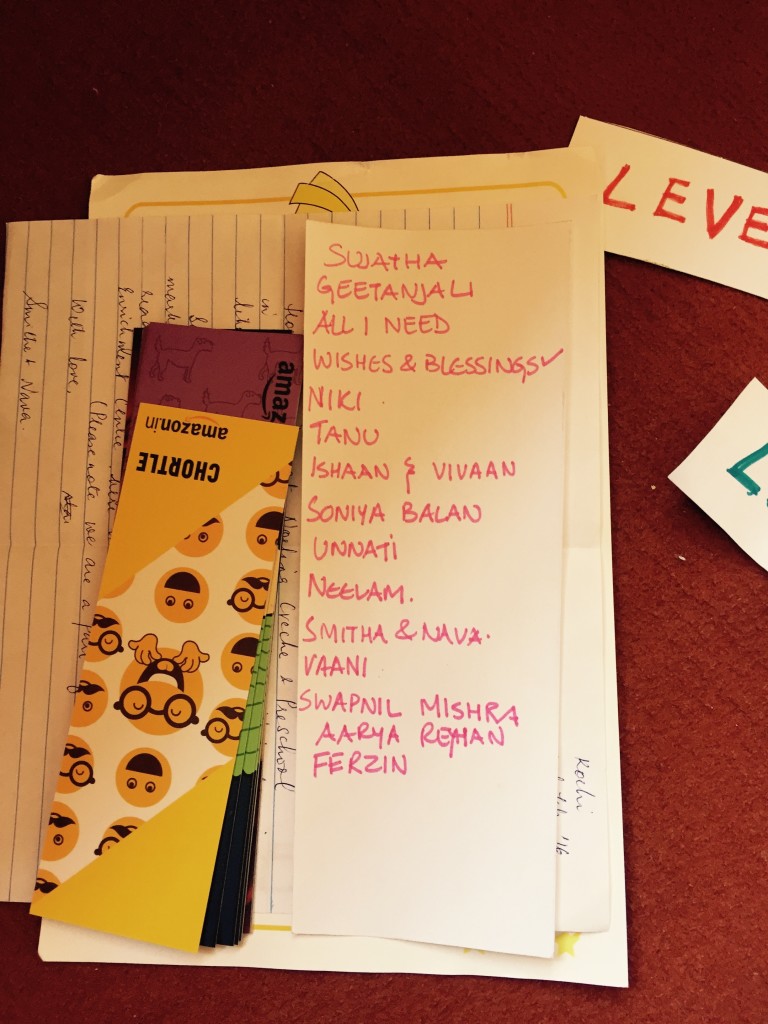
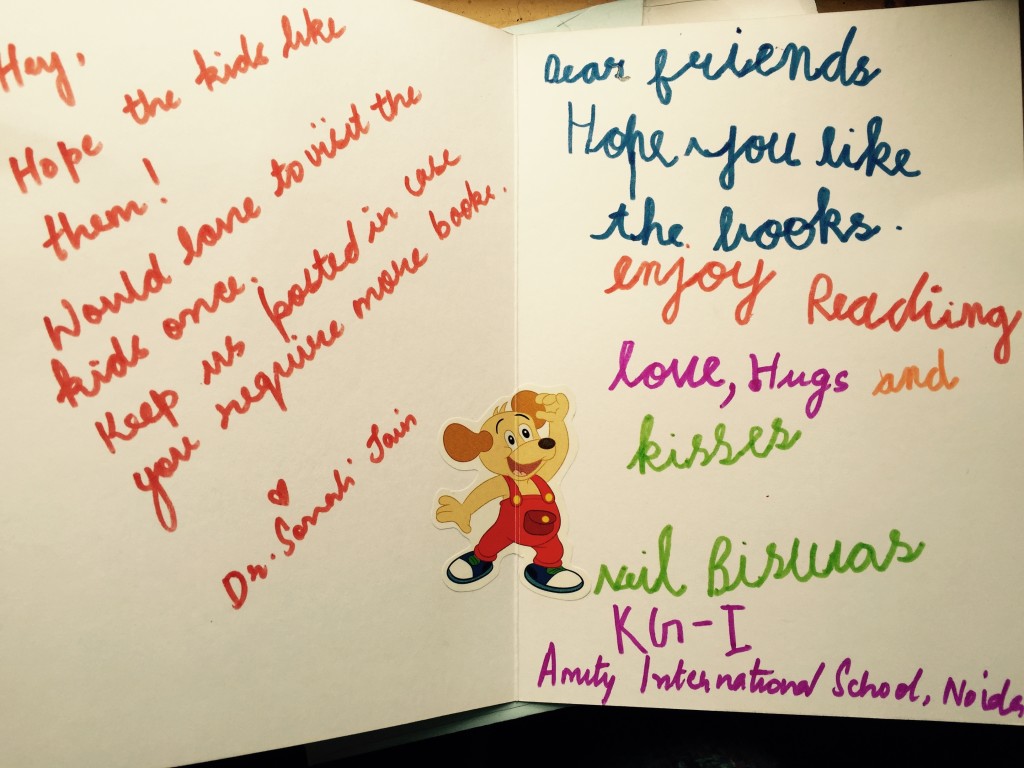
The letters children write afterward often reveal this transformation more clearly than statistics ever could. Their messages may be brief, carefully copied, decorated with flowers, or written in a mixture of languages. Each one carries a personal response to generosity: excitement over a favorite character, gratitude for a new subject to explore, or a promise to share the book with a friend.
In Ladakh and other Himalayan communities, these handwritten notes connect donors, volunteers, educators, and young readers. They show that a book drive is not simply a transfer of materials. It is a relationship built through trust, curiosity, and the belief that every child deserves access to quality reading.
Why A Child’s Letter Matters
A thank-you letter gives children a meaningful role in the exchange. Rather than being viewed only as recipients, they become communicators who can express what learning means to them. Choosing words, forming sentences, and deciding what to draw on the page are all acts of confidence.
For children developing literacy skills, the letter itself becomes a small writing exercise with a real audience. The purpose is immediate and sincere: to tell someone far away that a gift has been received and valued. This practical reason to write can make spelling, handwriting, vocabulary, and sentence structure feel connected to everyday life.
The messages also preserve details that might otherwise disappear. A child may mention reading beside a window, sharing a comic with a younger sibling, or discovering the name of an animal in a picture book. These observations help supporters understand how educational resources become part of family and community life.
From Bookshelves To Shared Imagination
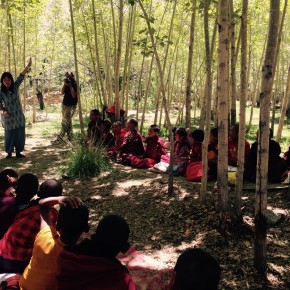
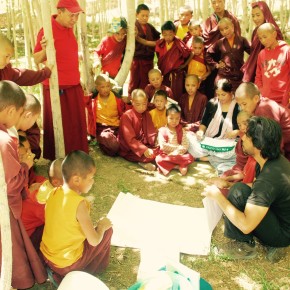
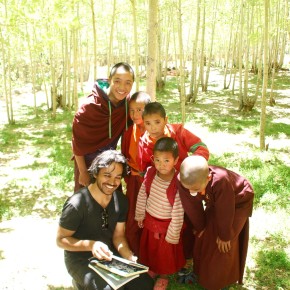
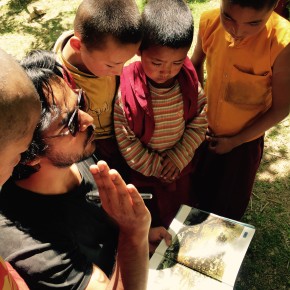
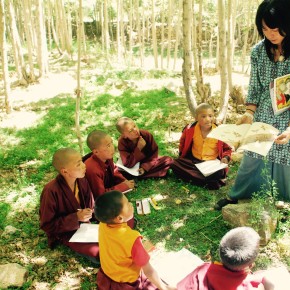
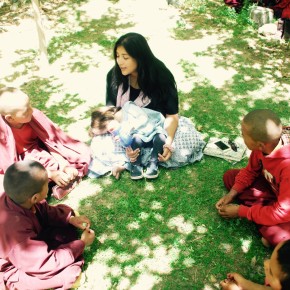
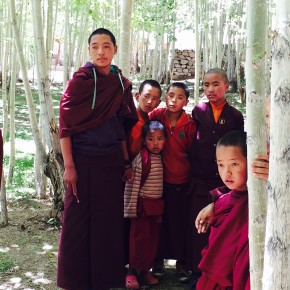
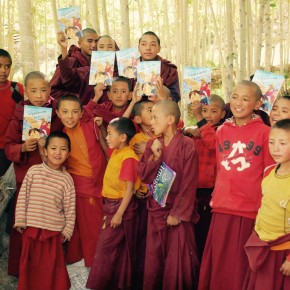
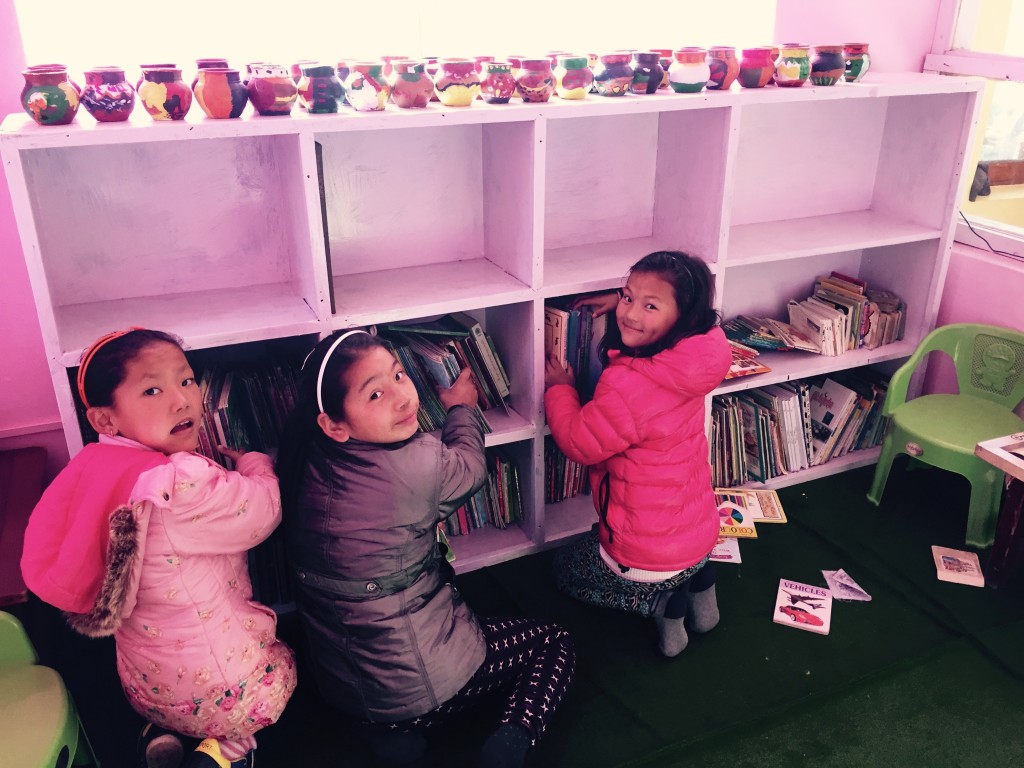
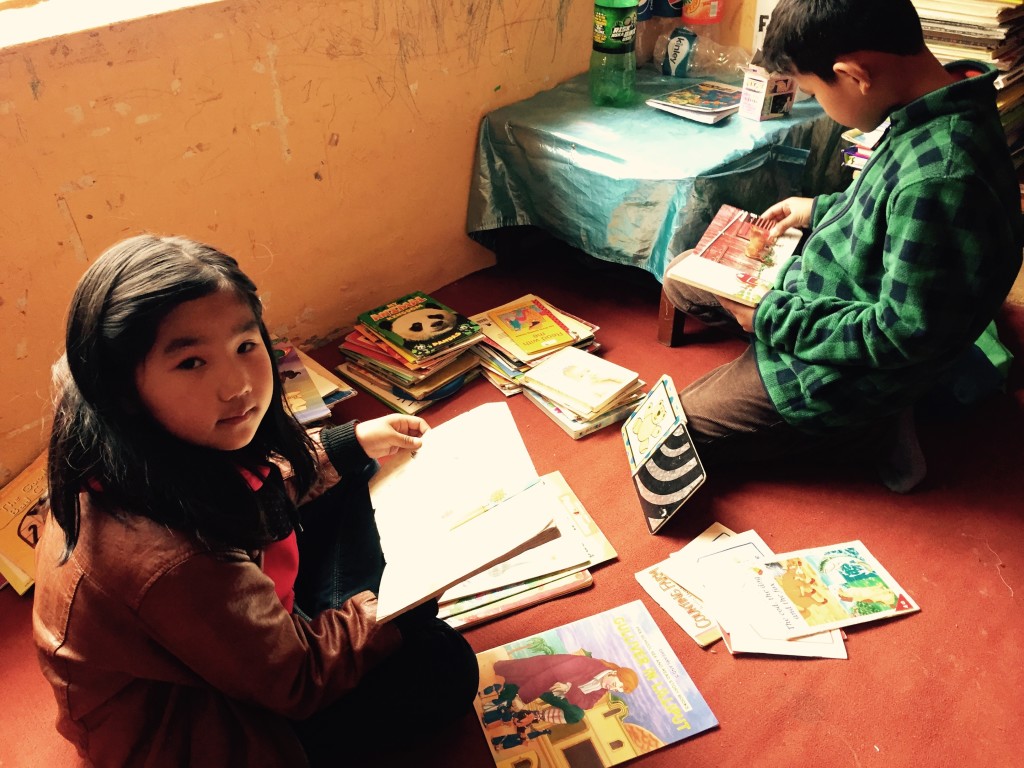
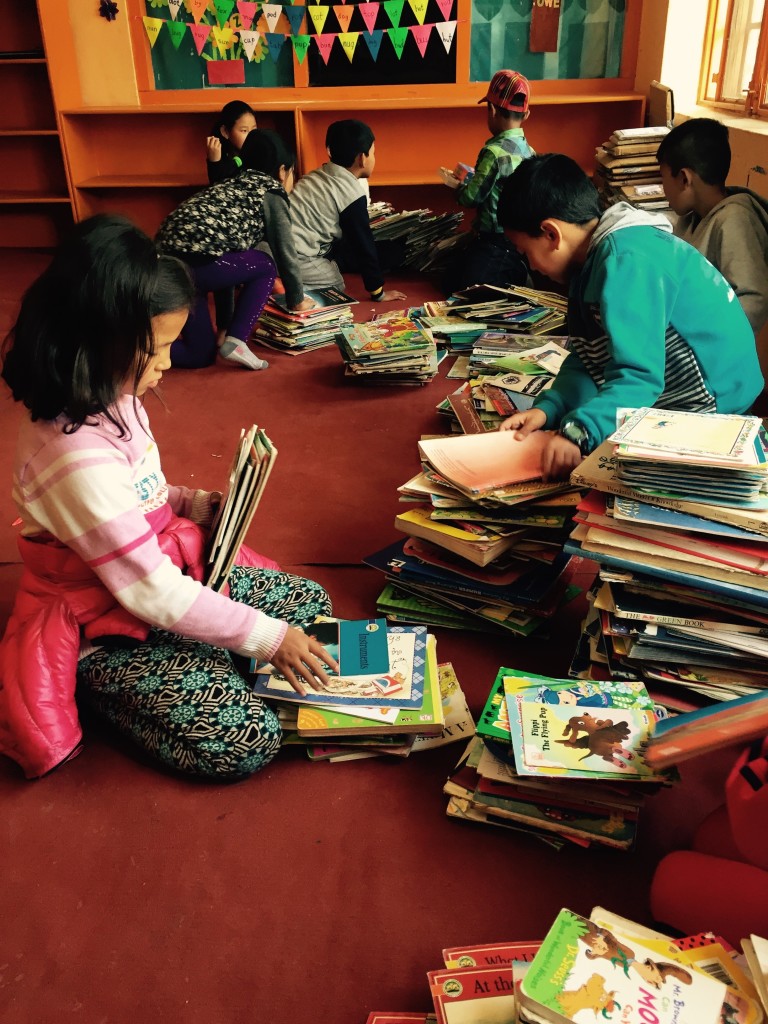
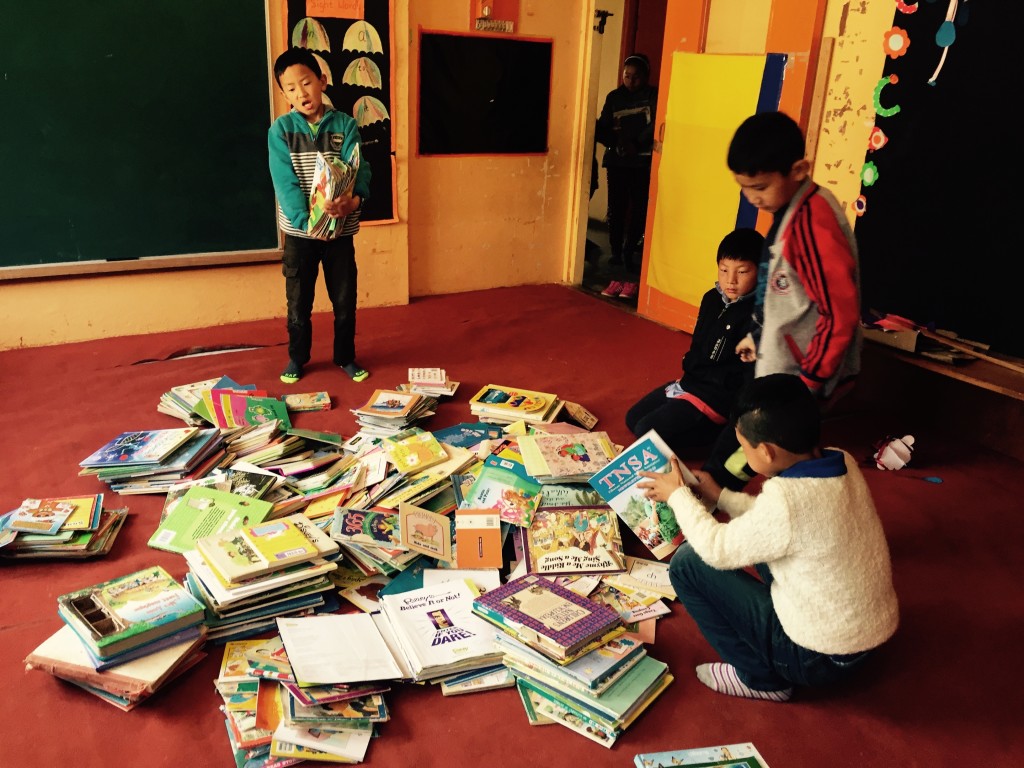
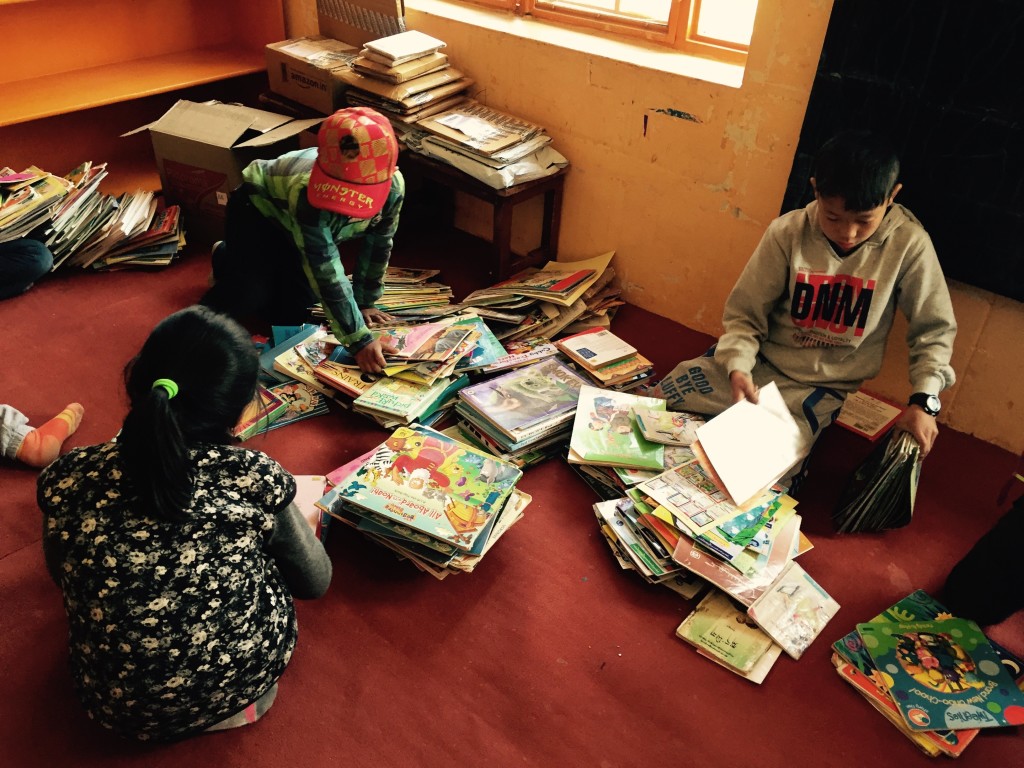
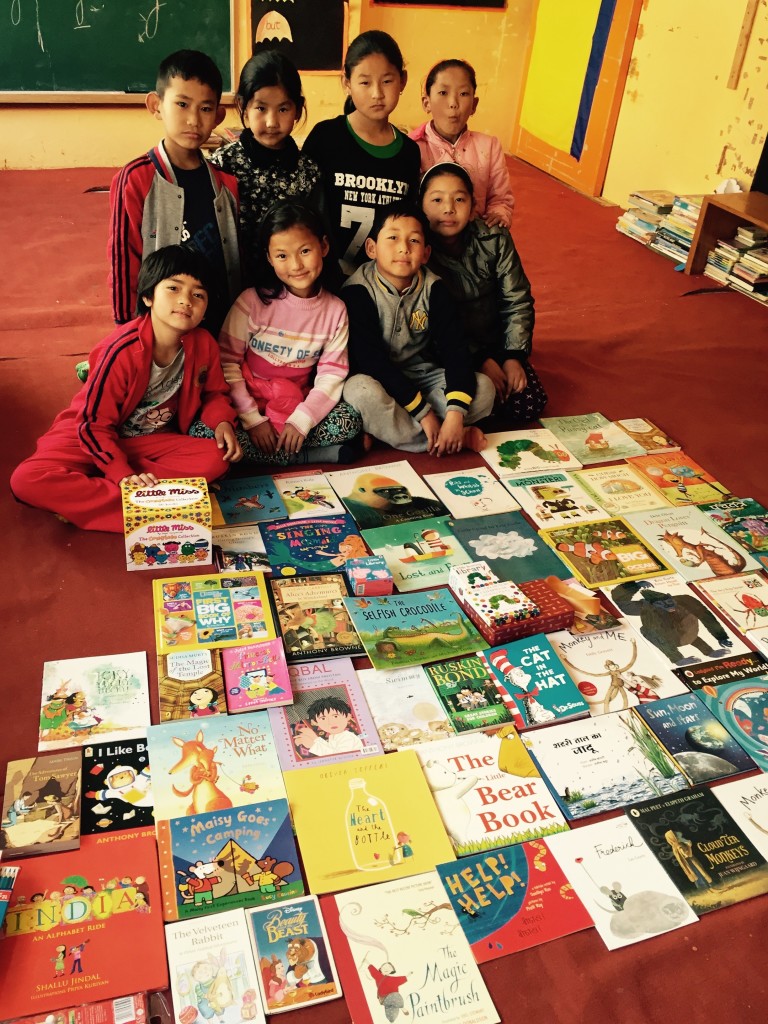
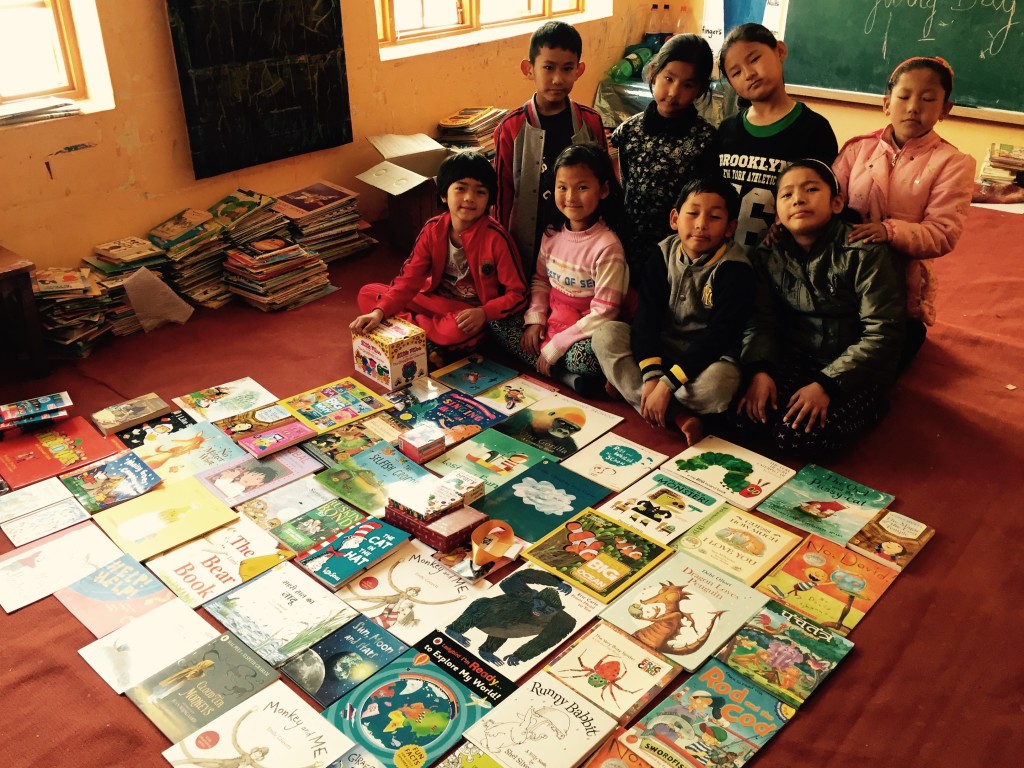
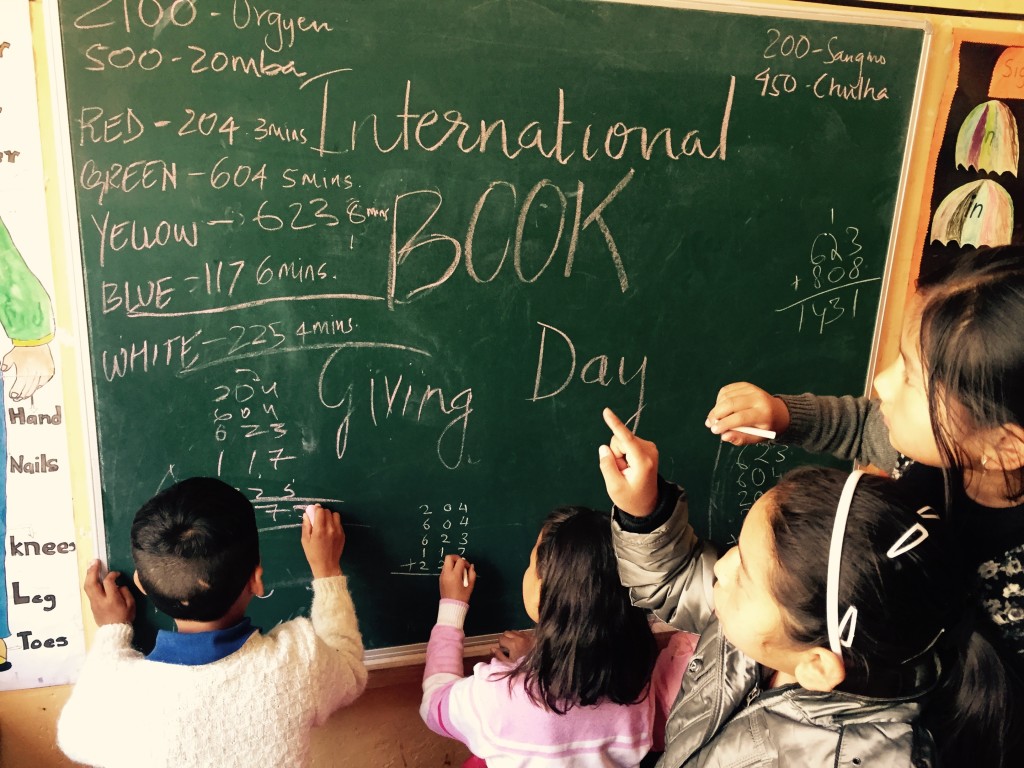
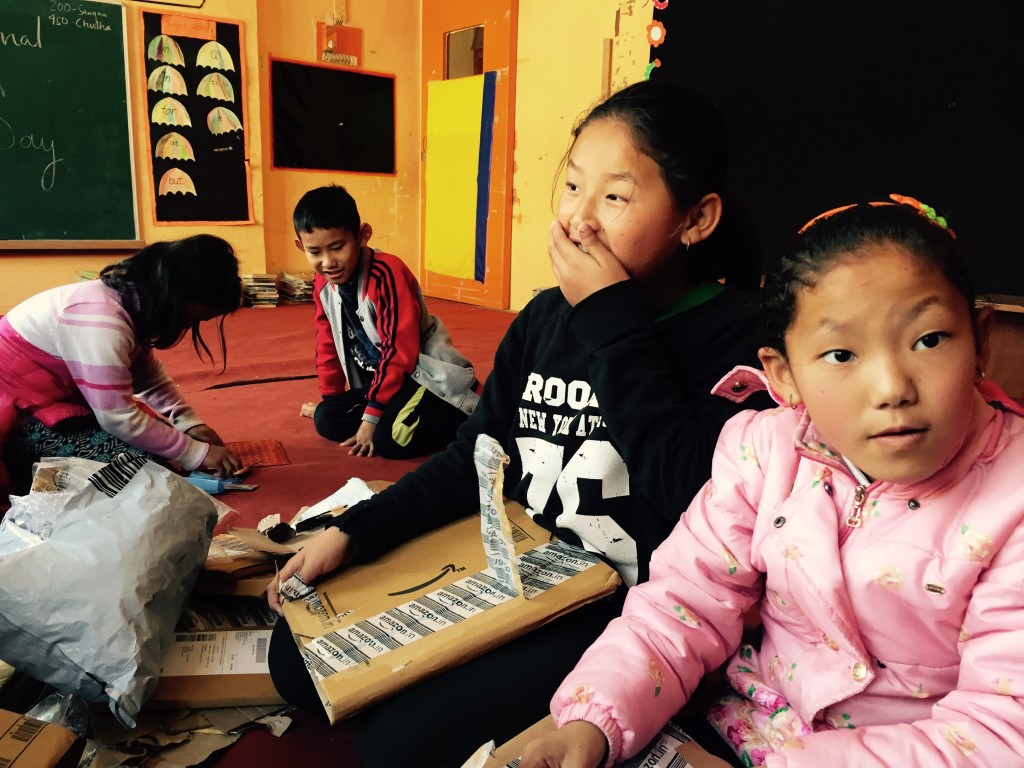
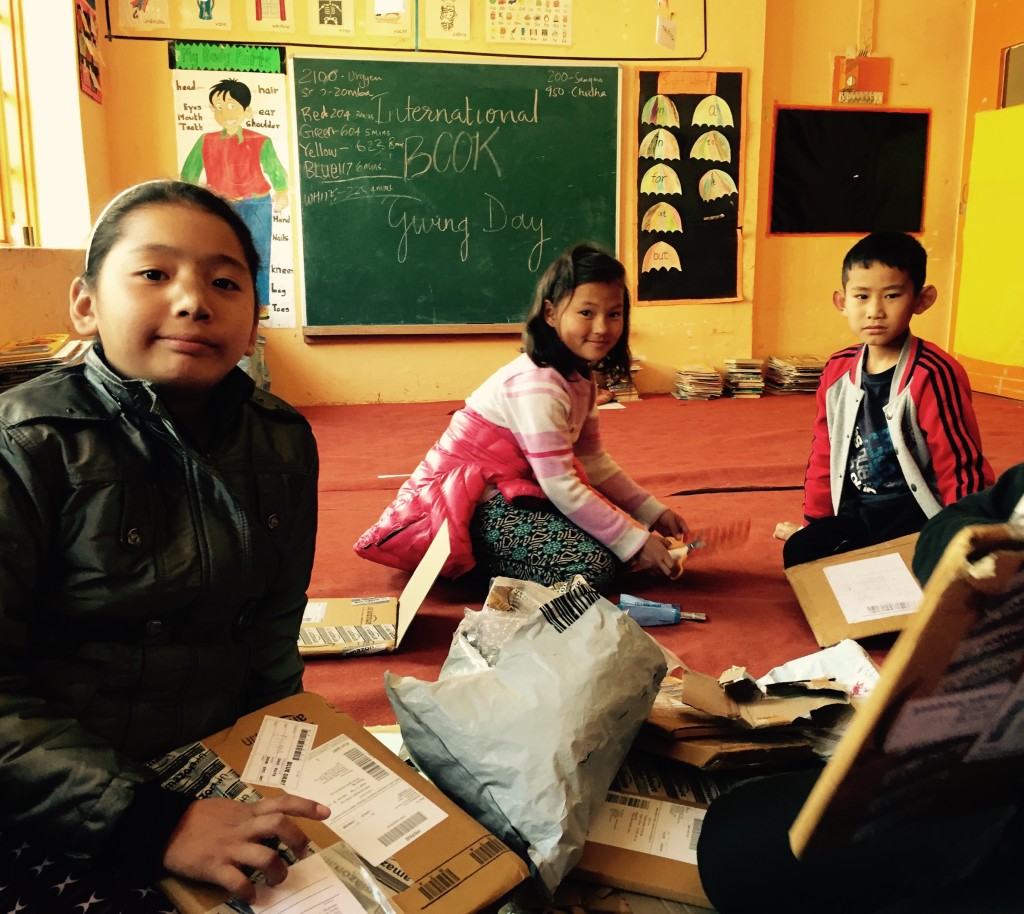
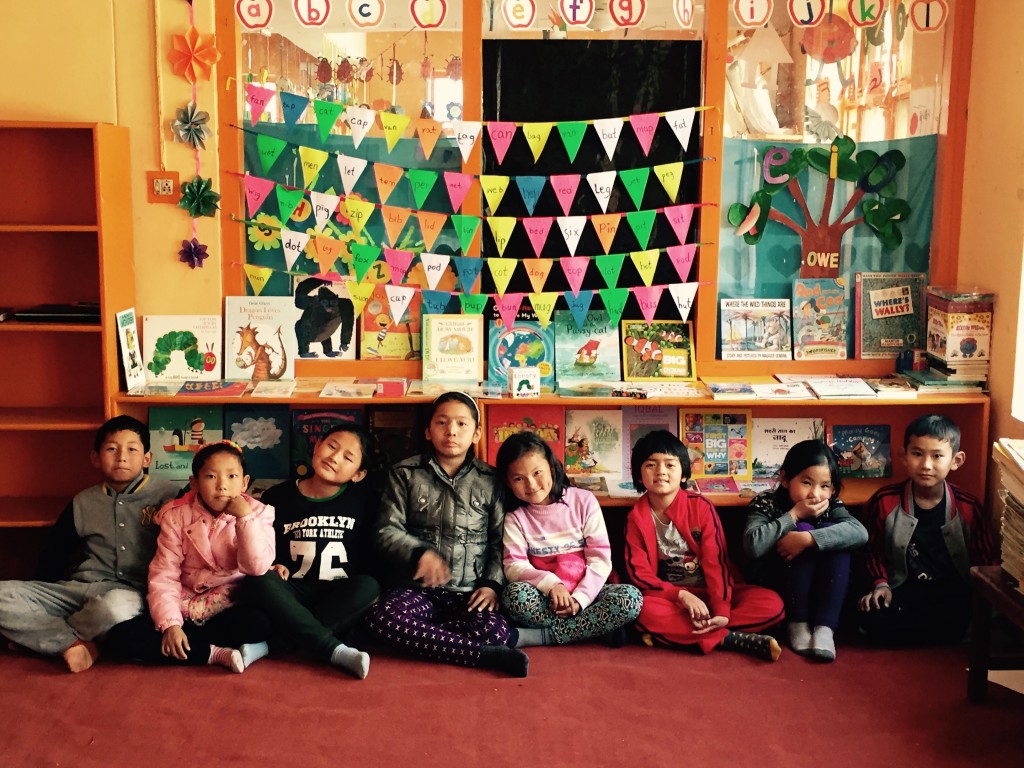
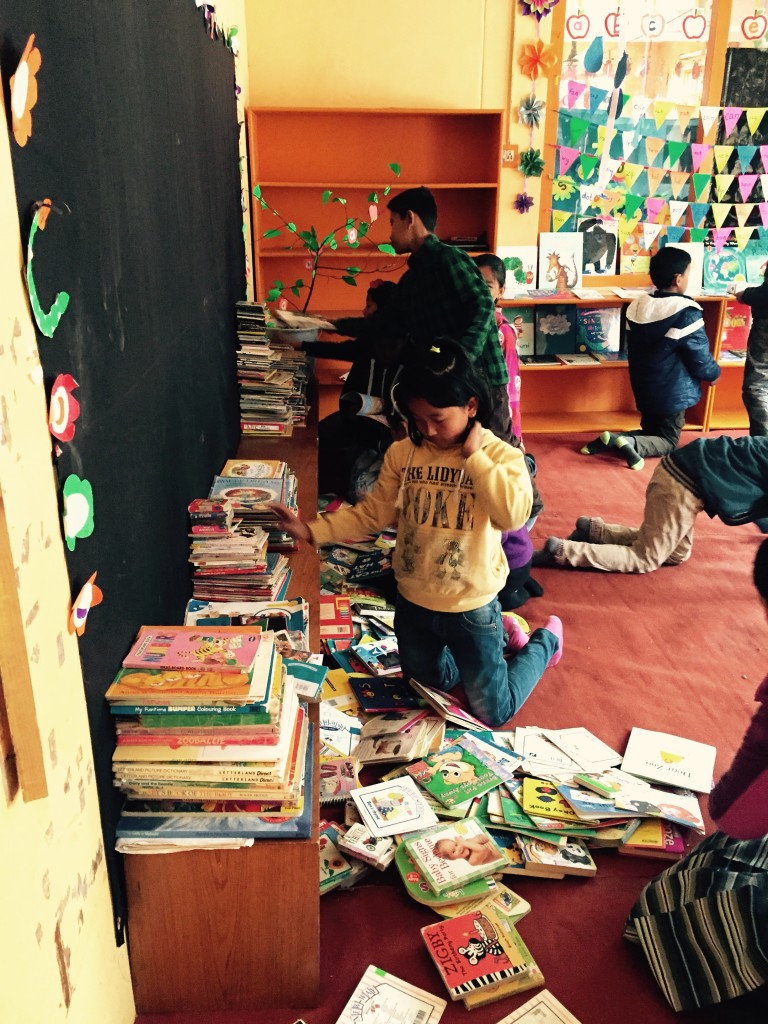
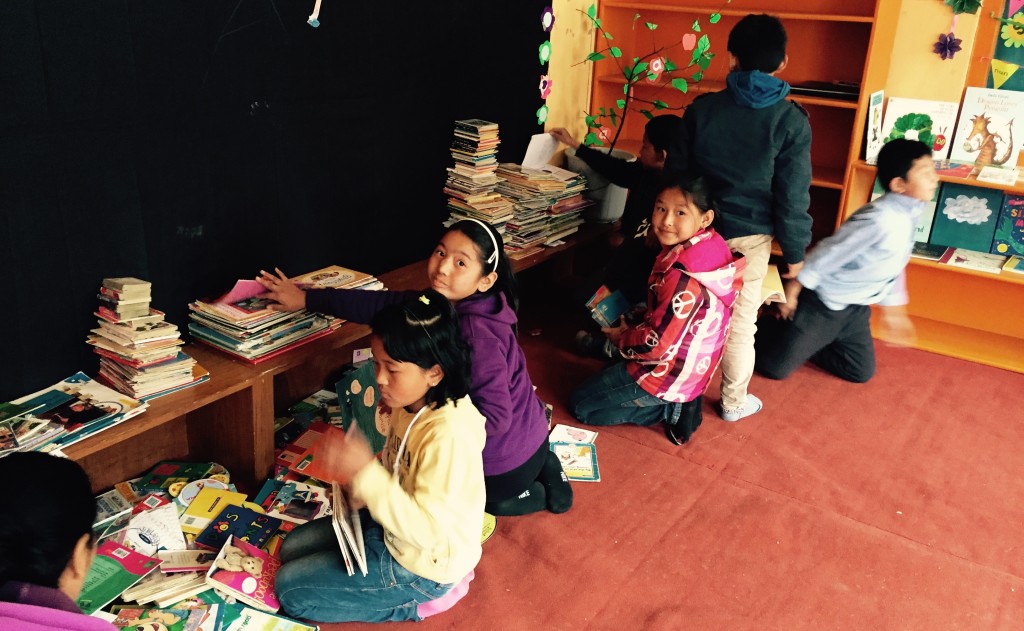
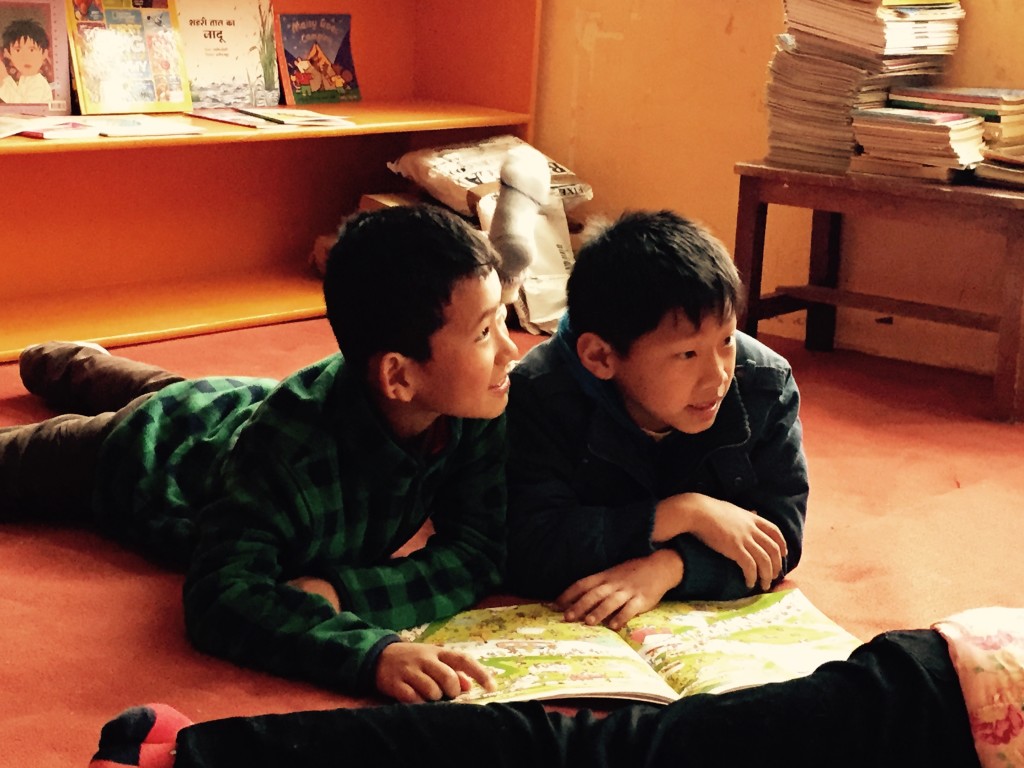
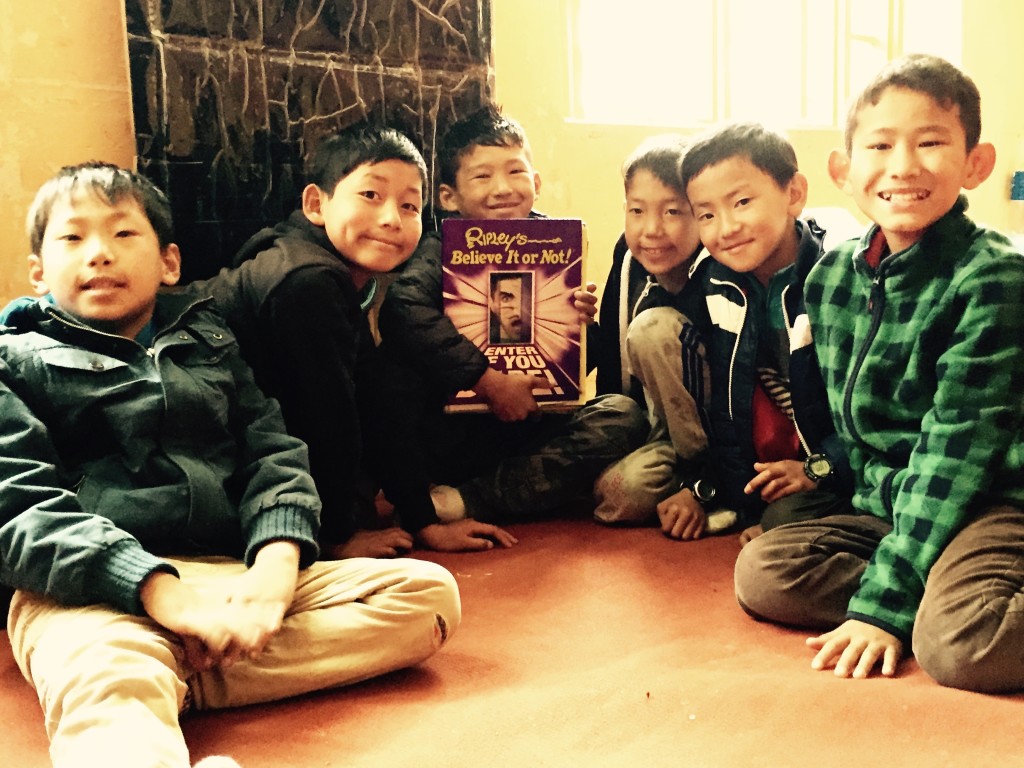
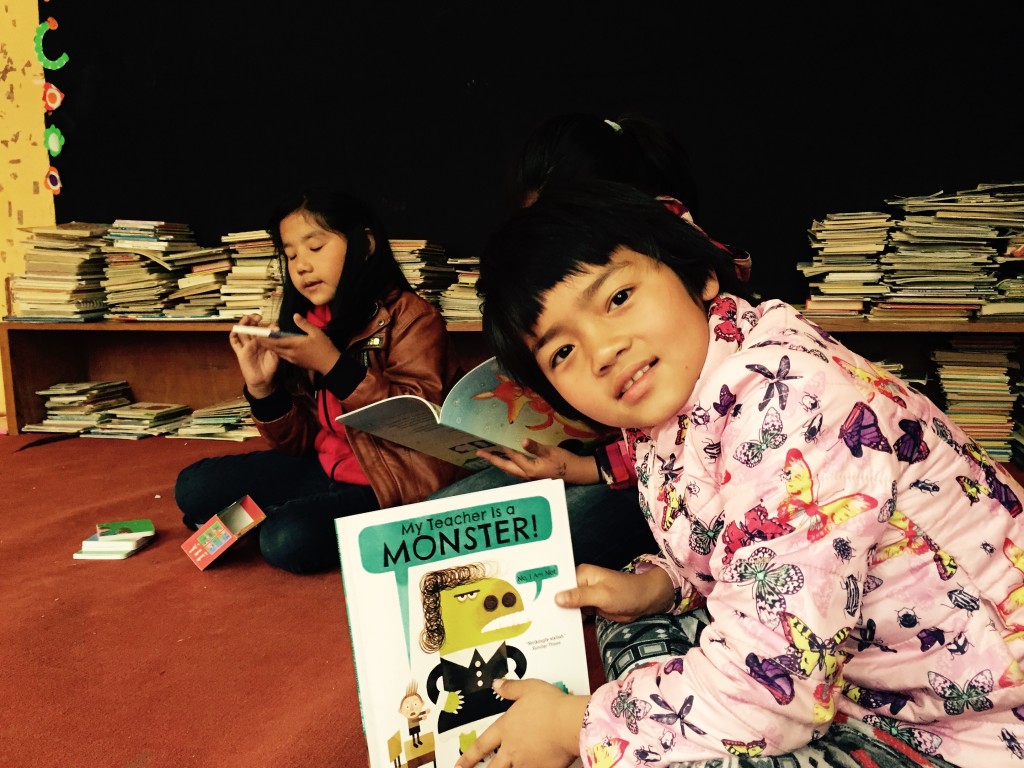
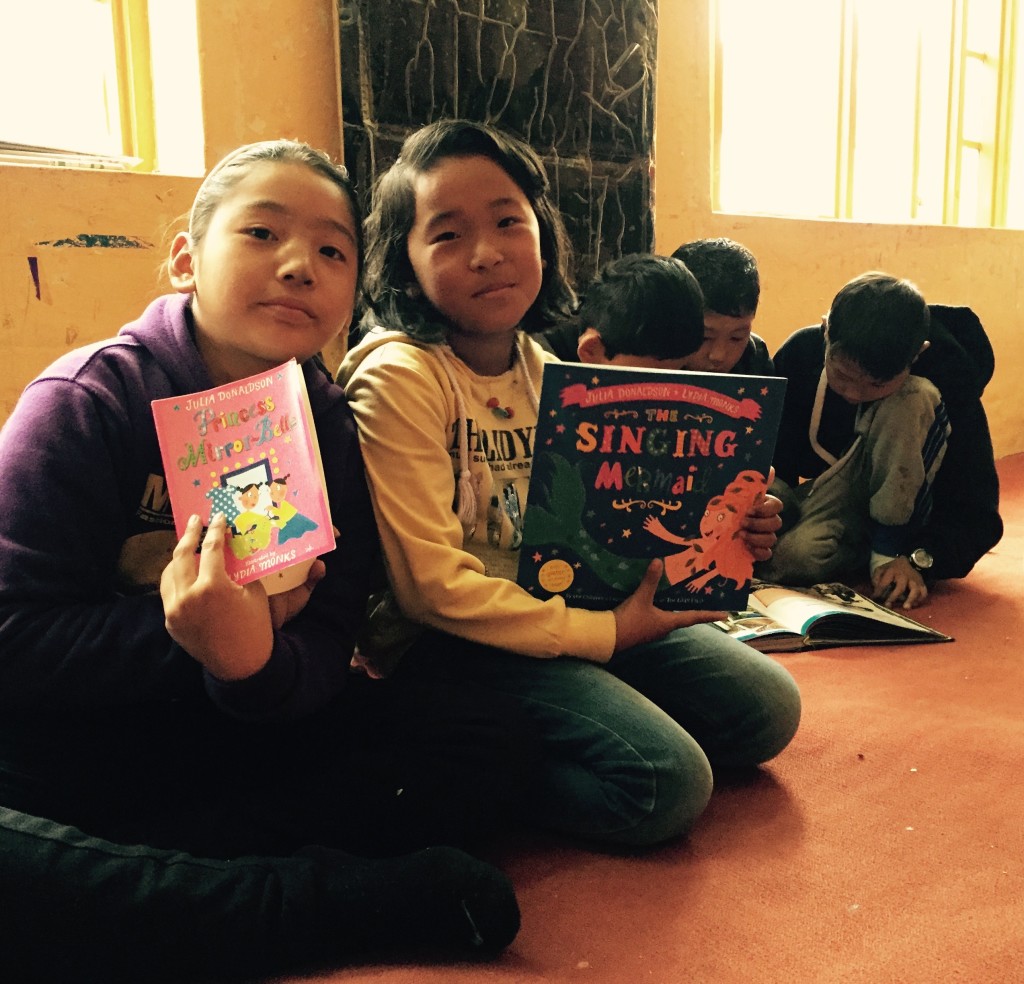
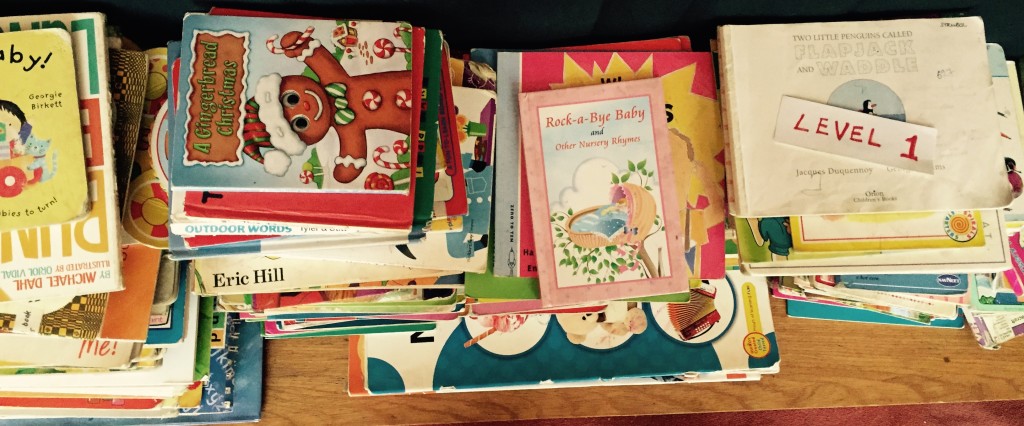
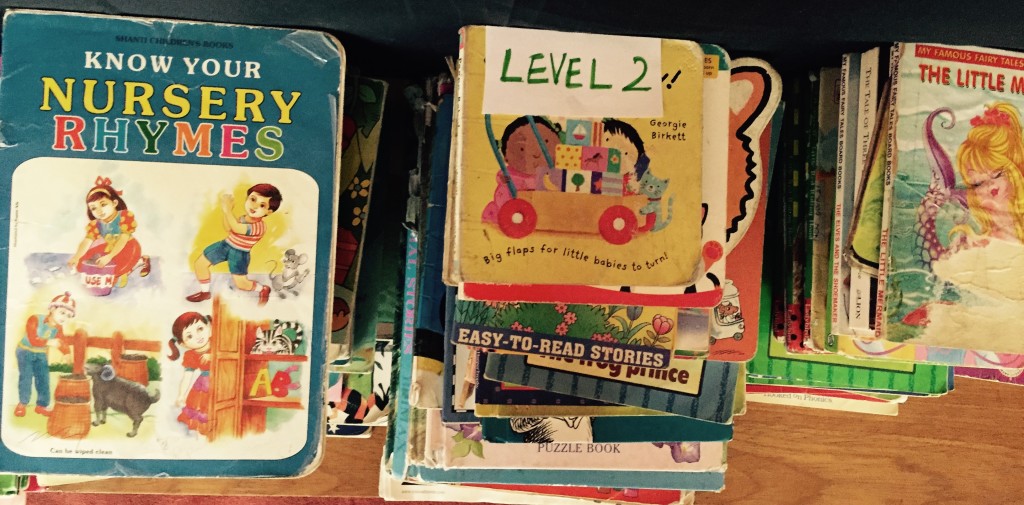
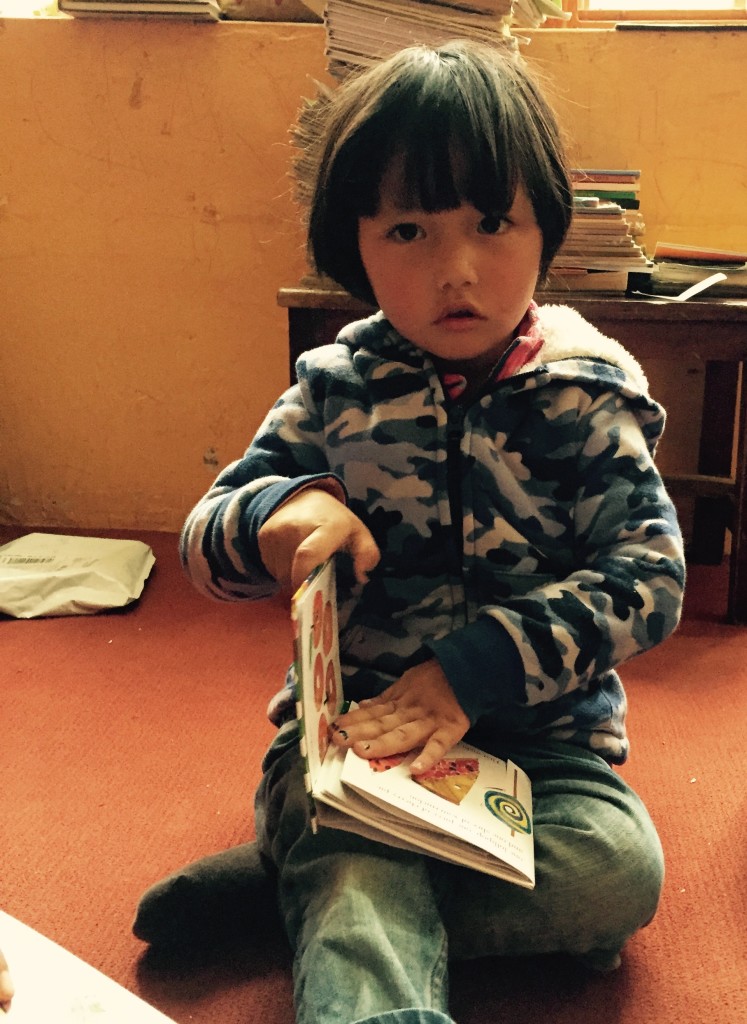
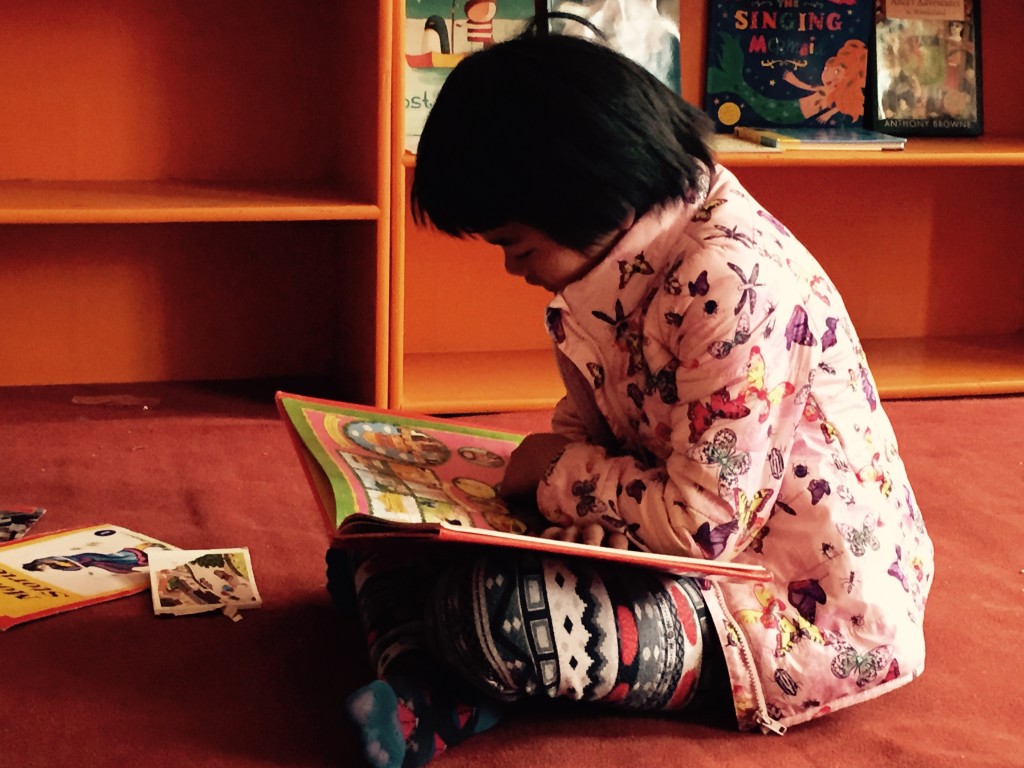
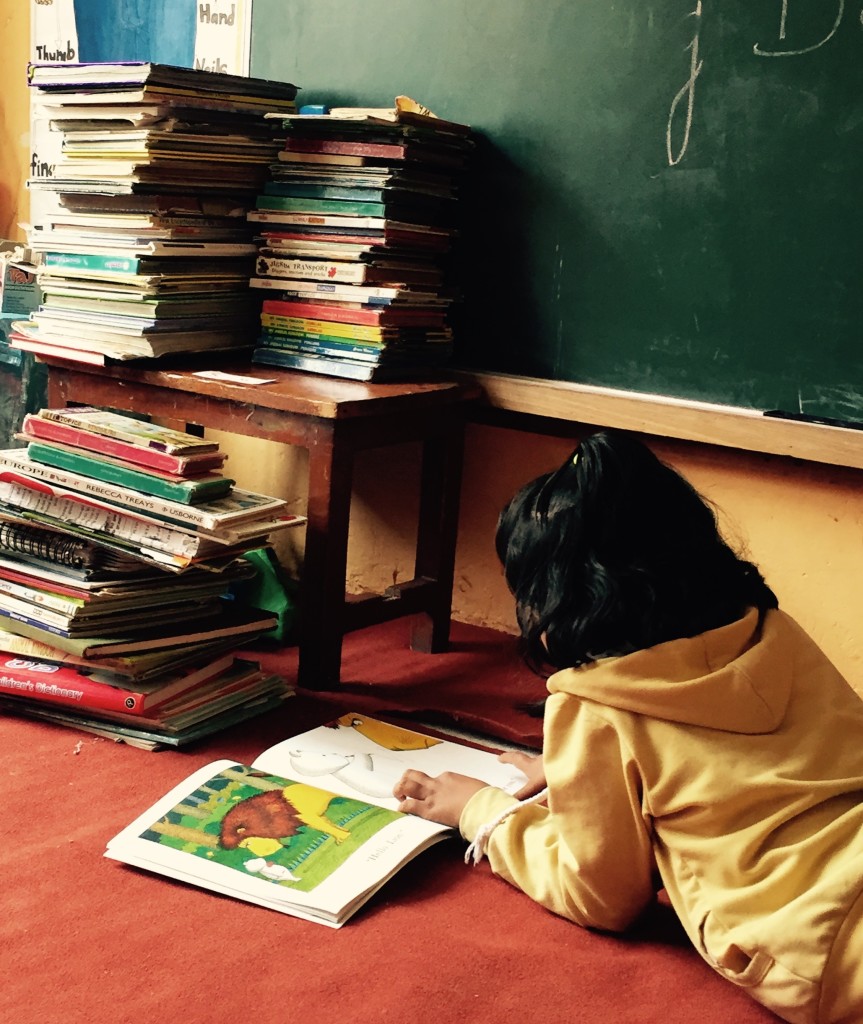
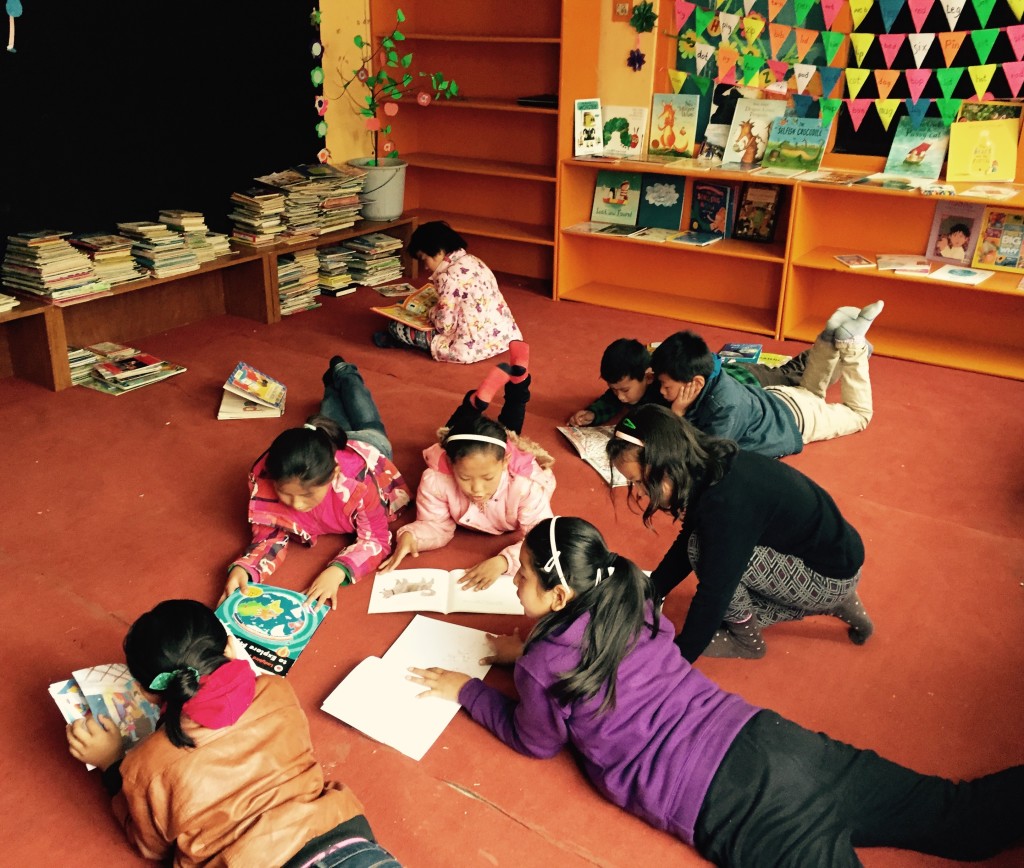
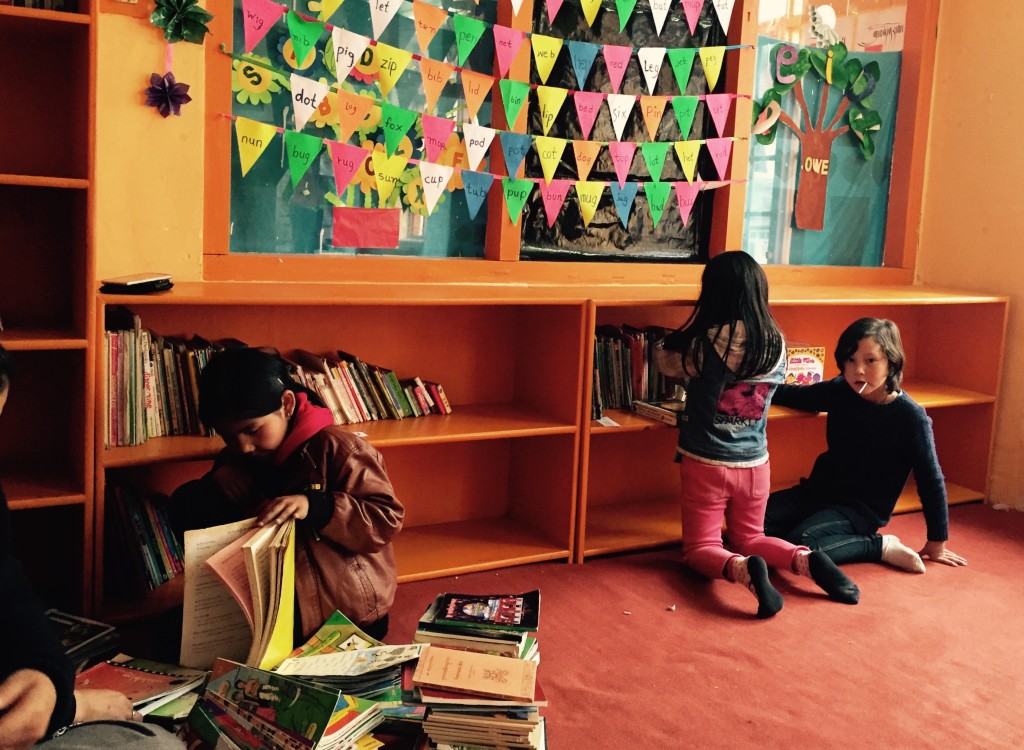
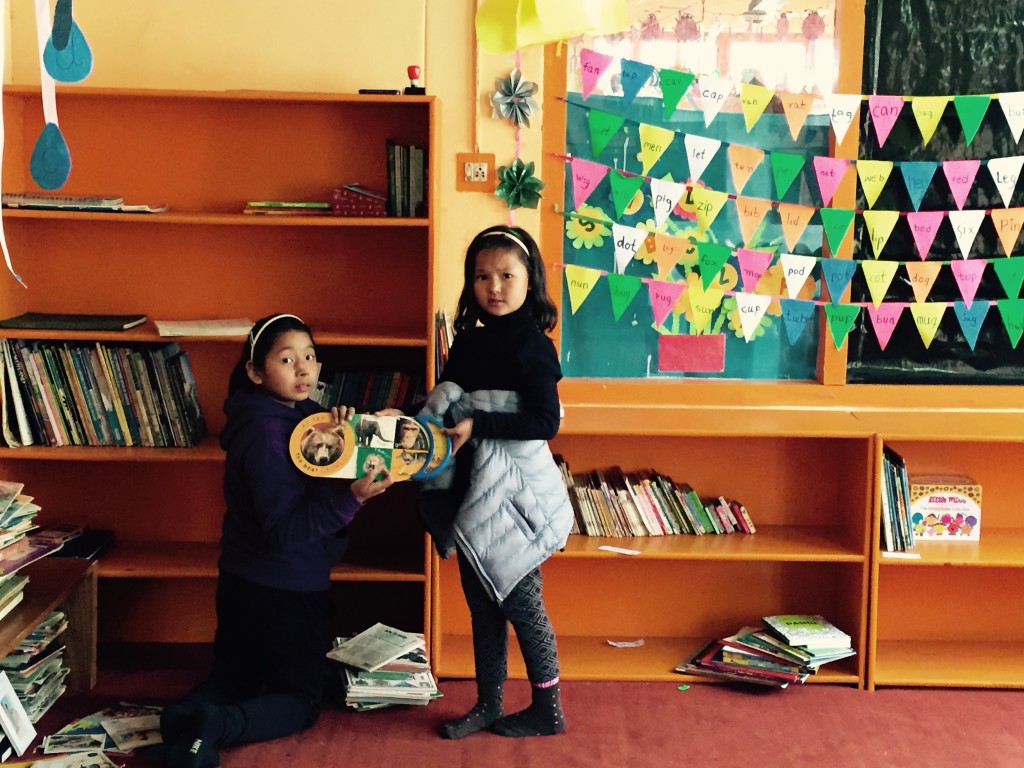
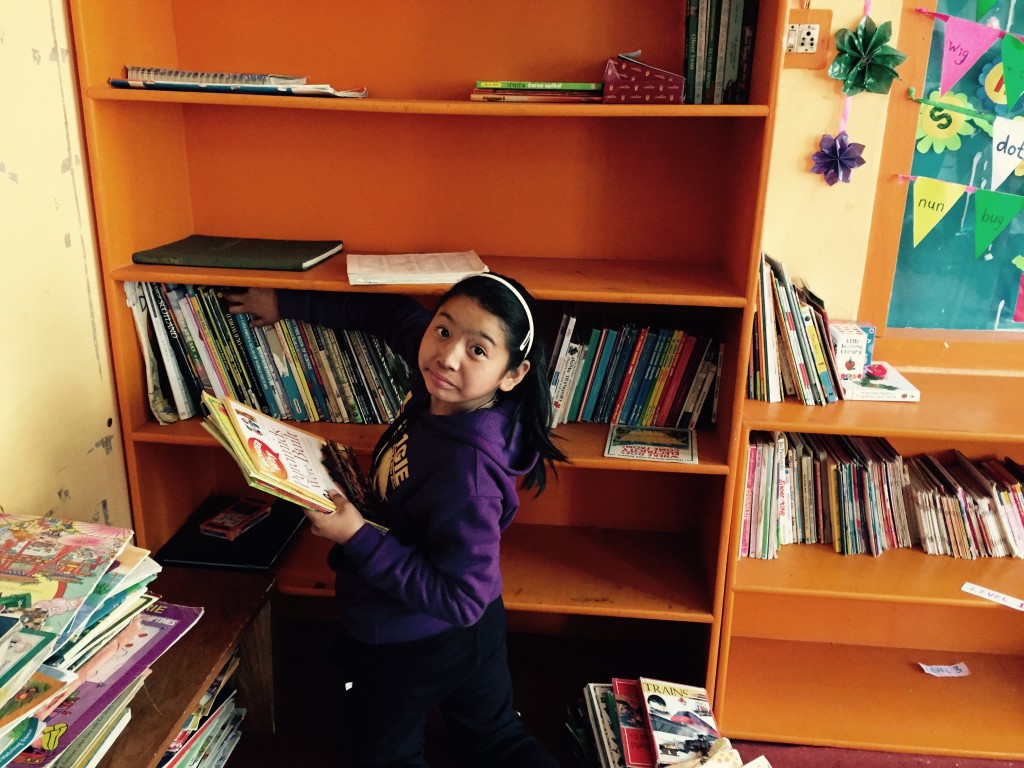
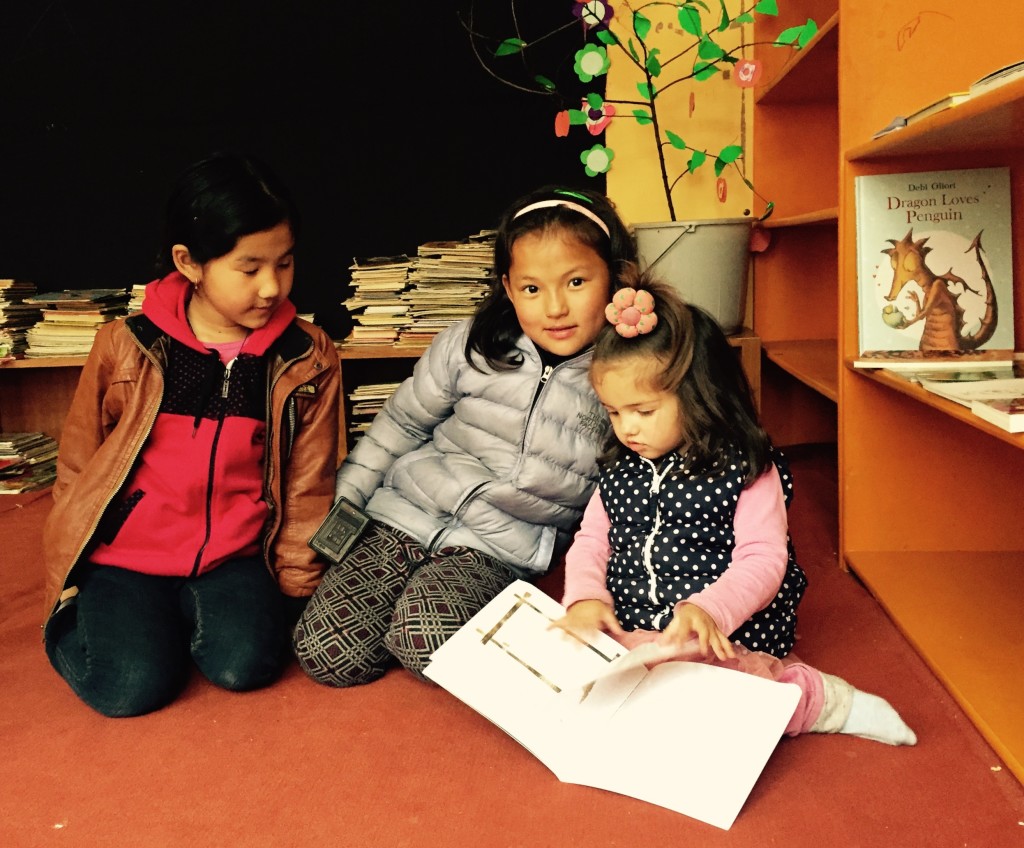
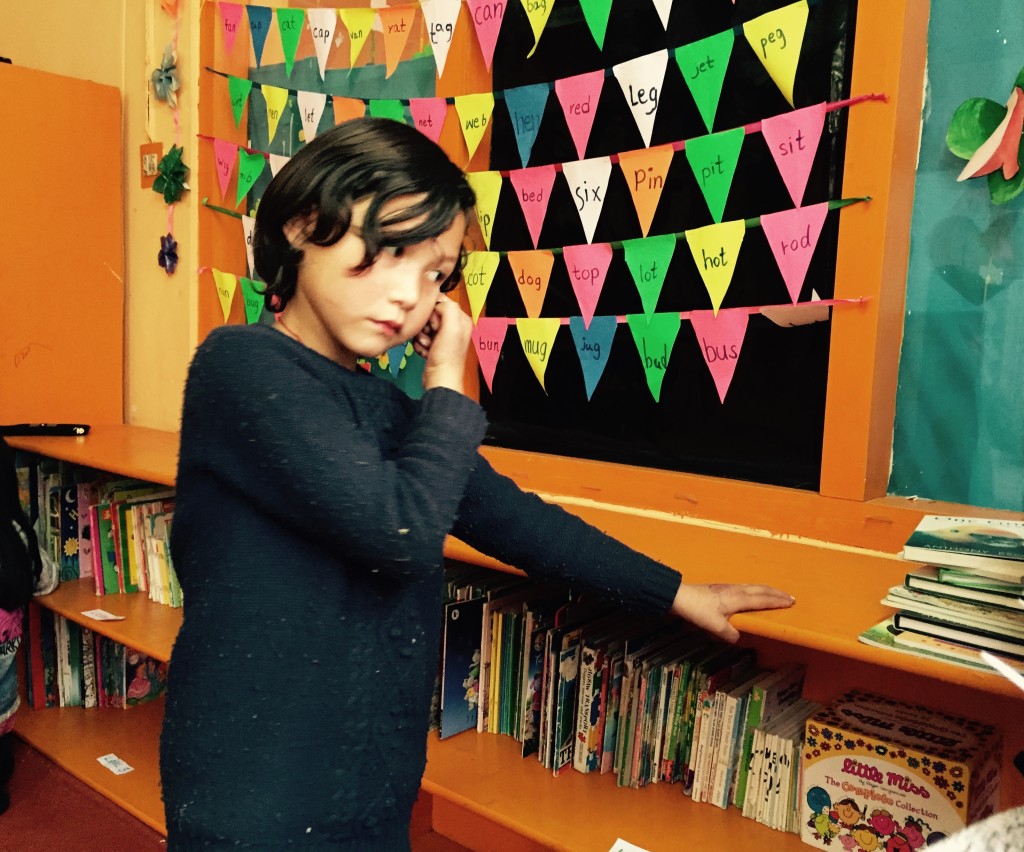
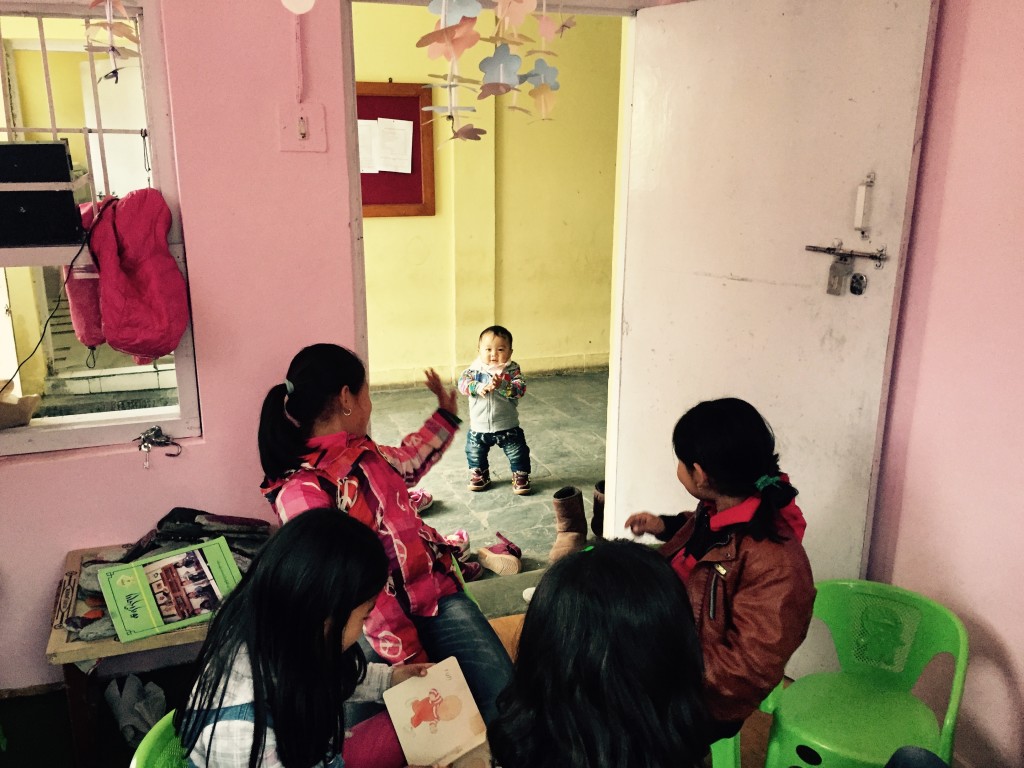
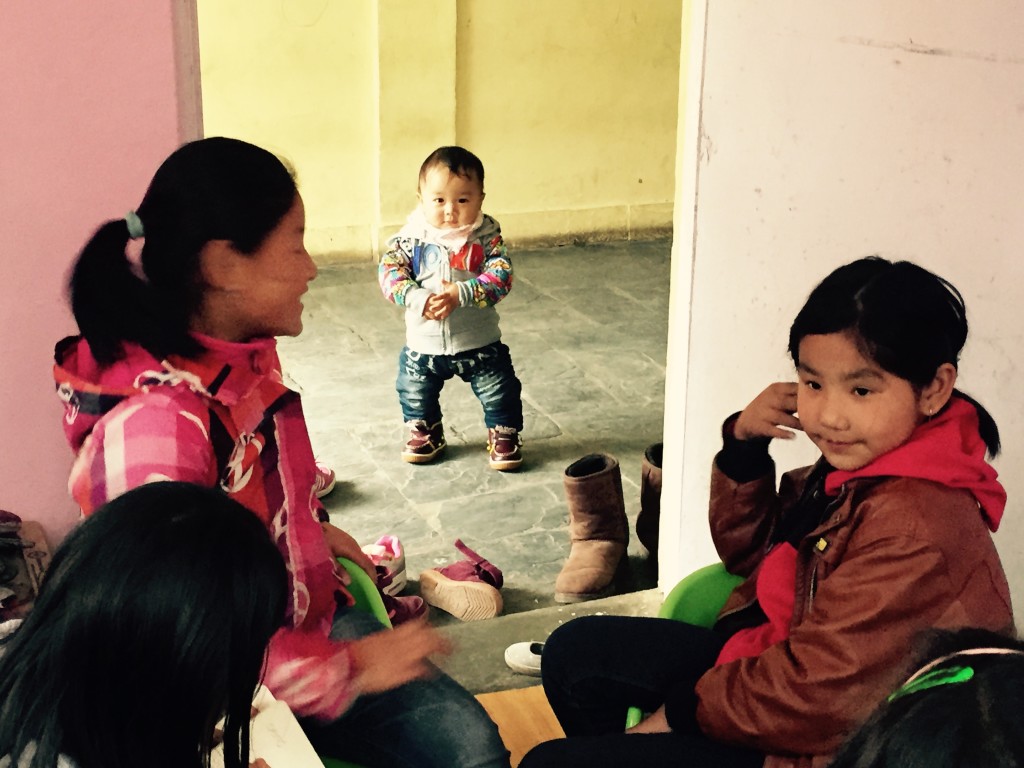
A new book rarely remains with one reader for long. In a reading room, a single volume may pass among classmates, young monks, siblings, and visitors. Children’s letters frequently celebrate this communal experience, describing a story read aloud or an illustration that caused a group to laugh.
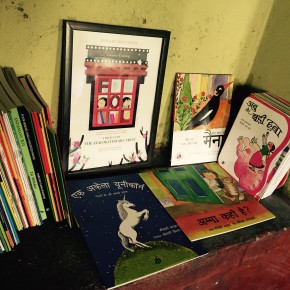
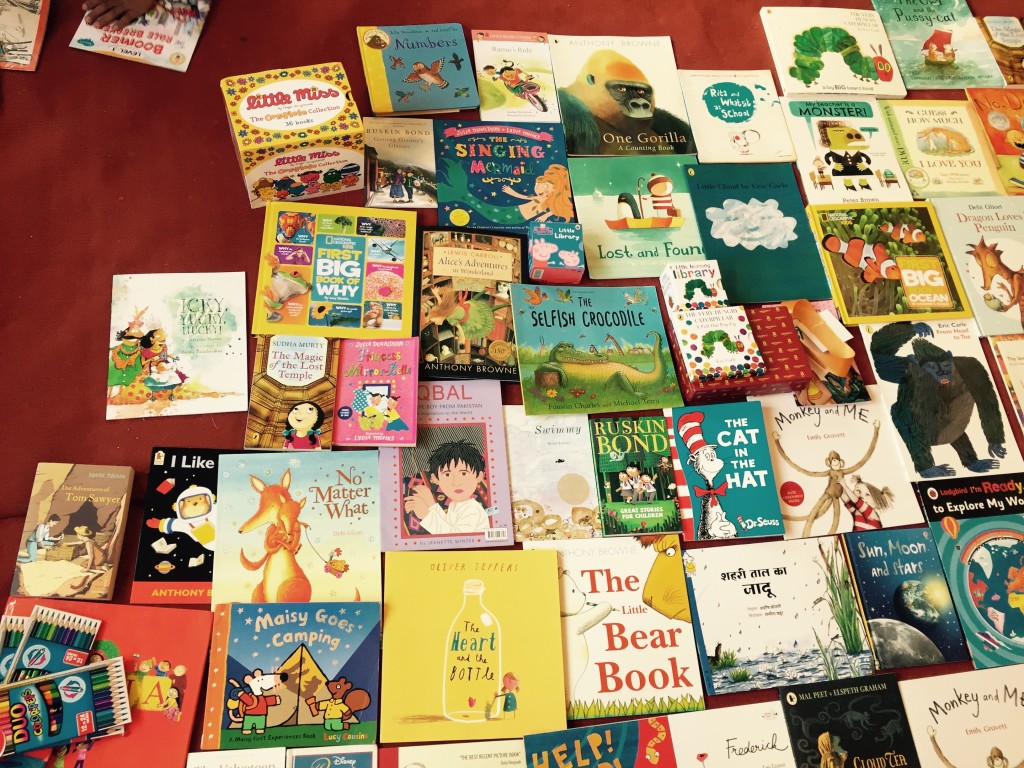
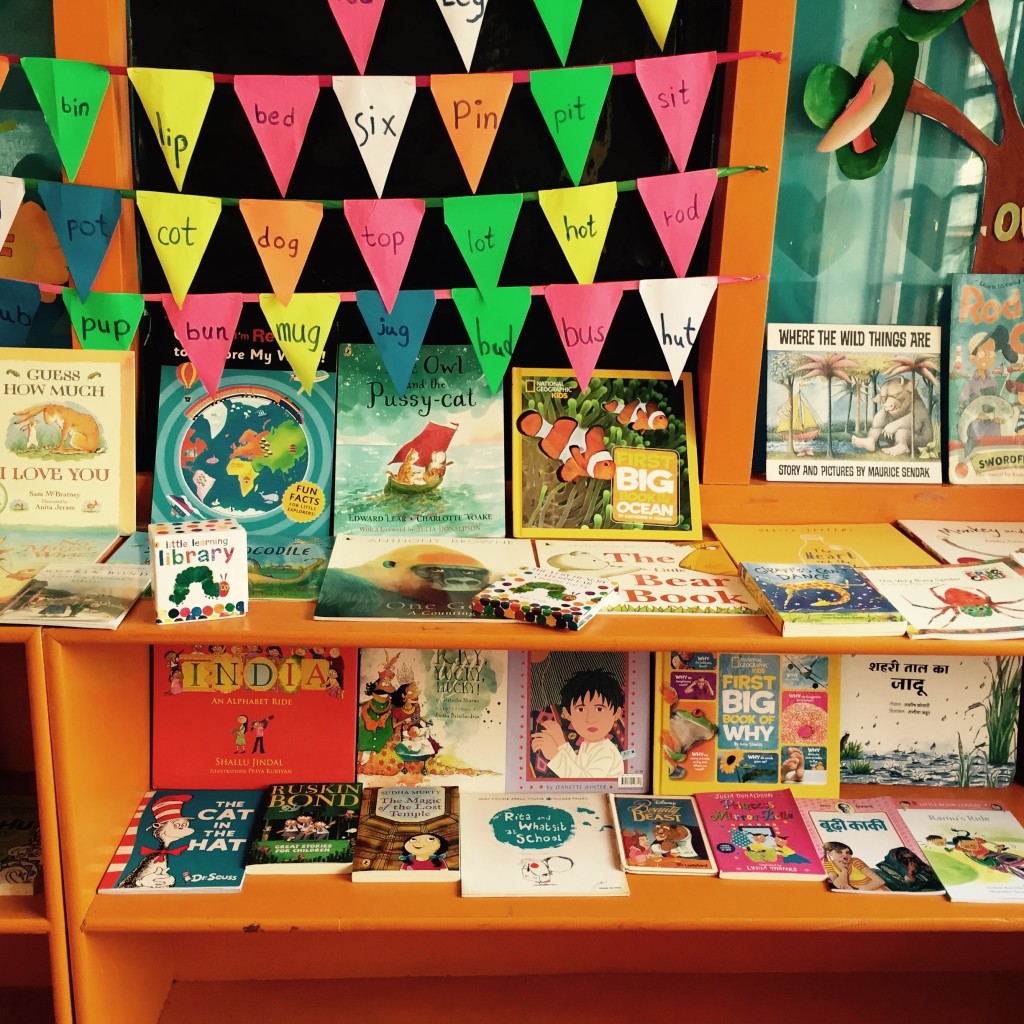
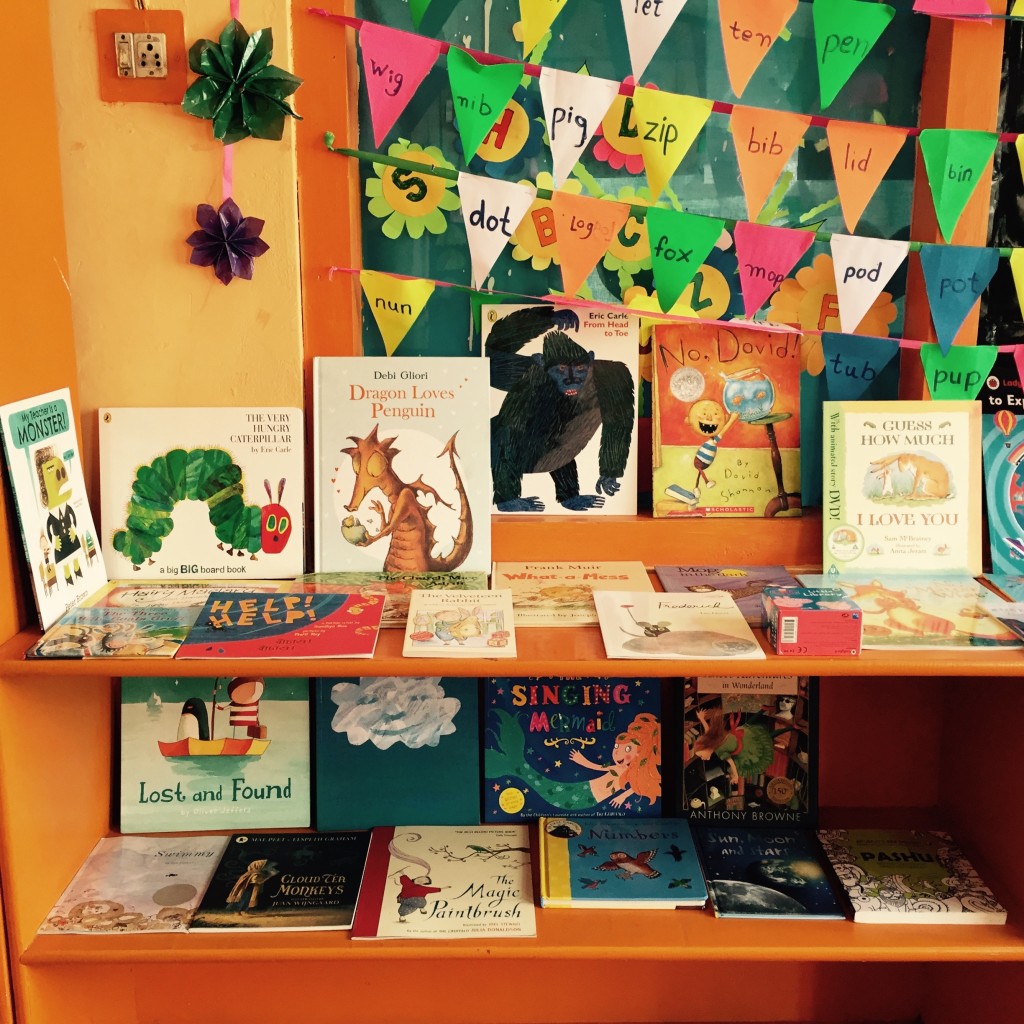
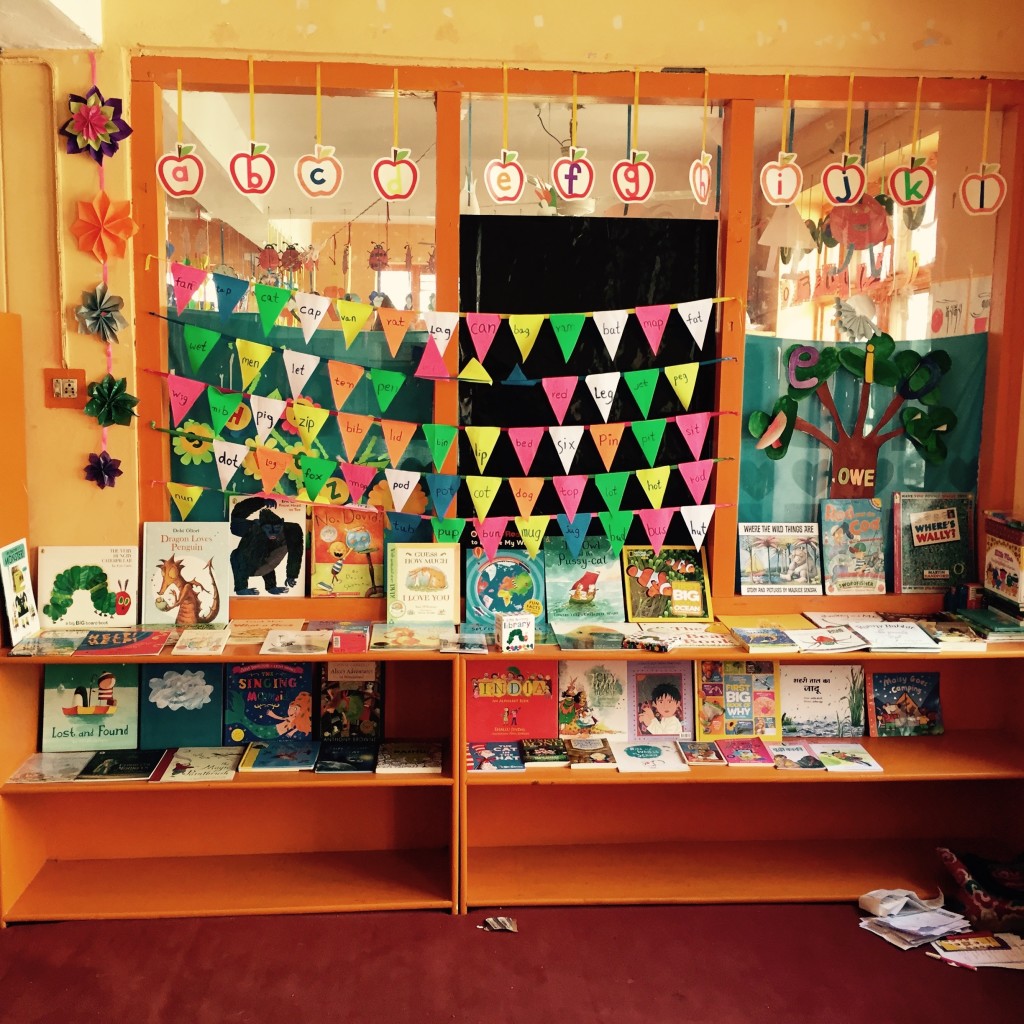
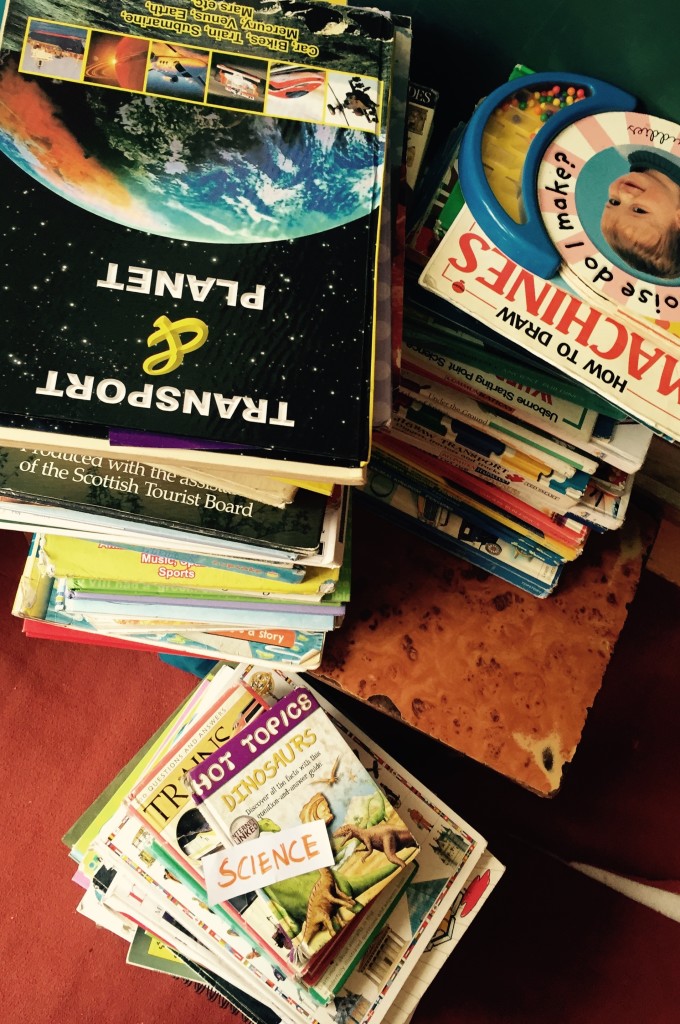
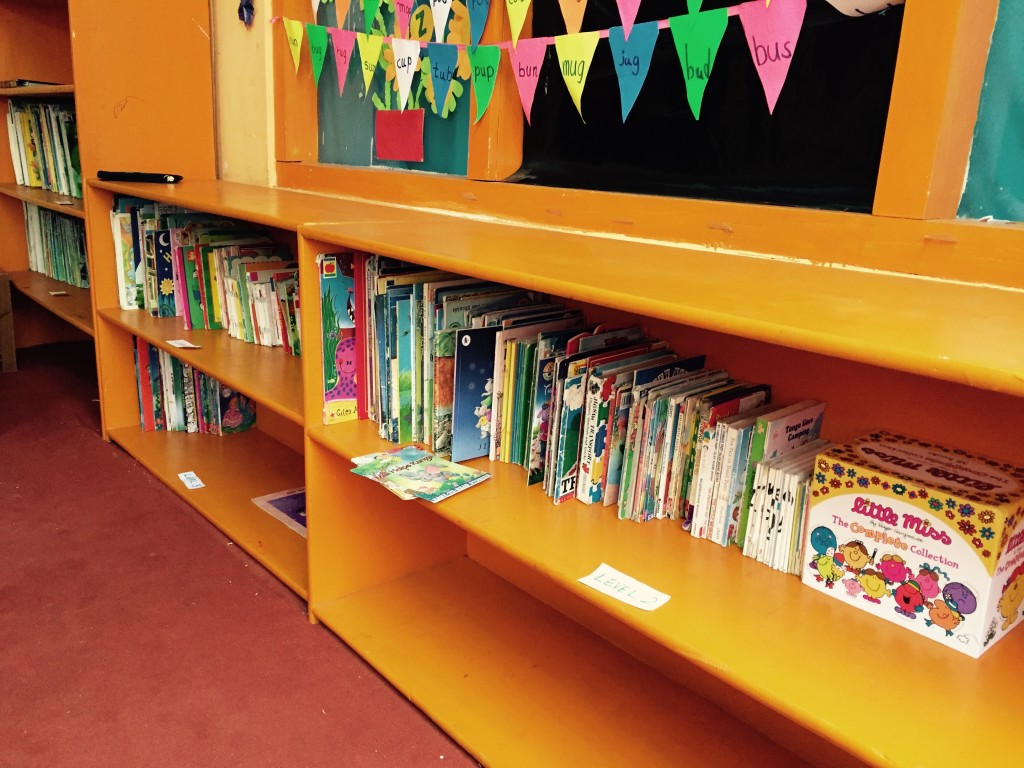
This shared use is especially valuable where home libraries are small or educational materials are limited. A carefully selected collection can offer fiction, science, art, history, poetry, and reference books in one welcoming space. It allows children to follow their interests rather than limiting reading to required schoolwork.
The emotional language of a thank-you note often reflects this freedom. A child may write about a dream of becoming an artist, teacher, doctor, musician, or explorer. The book has provided information, yet it has also helped the child imagine a future with greater range.
What Letters Reveal About Impact
Children’s correspondence offers a human measure of educational impact. Attendance figures and donation totals explain the scale of a project, while a handwritten message shows what that support feels like to an individual reader. Both forms of evidence matter, but the letter gives the work a distinctive voice.
| What the child mentions |
What it may show |
How supporters can respond |
| A favorite story or character |
Reading has become emotionally engaging |
Include varied fiction and illustrated books |
| A new subject or fact |
Curiosity is extending beyond lessons |
Build science, geography, and reference collections |
| Sharing books with friends |
Resources are strengthening community learning |
Support welcoming reading rooms and group activities |
| Drawing, decoration, or careful handwriting |
Creative confidence is growing |
Pair books with art supplies and creative sessions |
| A personal dream for the future |
Learning is influencing aspiration |
Sustain long-term access to books and mentors |
Letters should be read with care rather than treated as promotional material. A child’s spelling or grammar does not determine the value of the message. The important elements are the effort, the feeling, and the perspective expressed. When organizations protect children’s privacy and seek appropriate permission before sharing photographs or quotations, gratitude can be honored without turning it into spectacle.
The Craft Behind A Thank-You Note
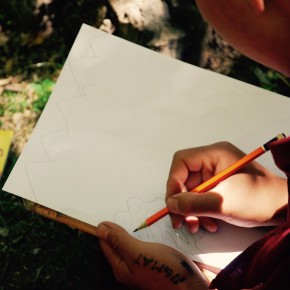
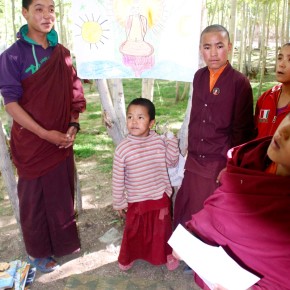
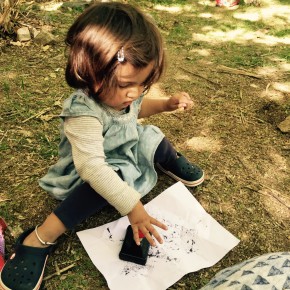
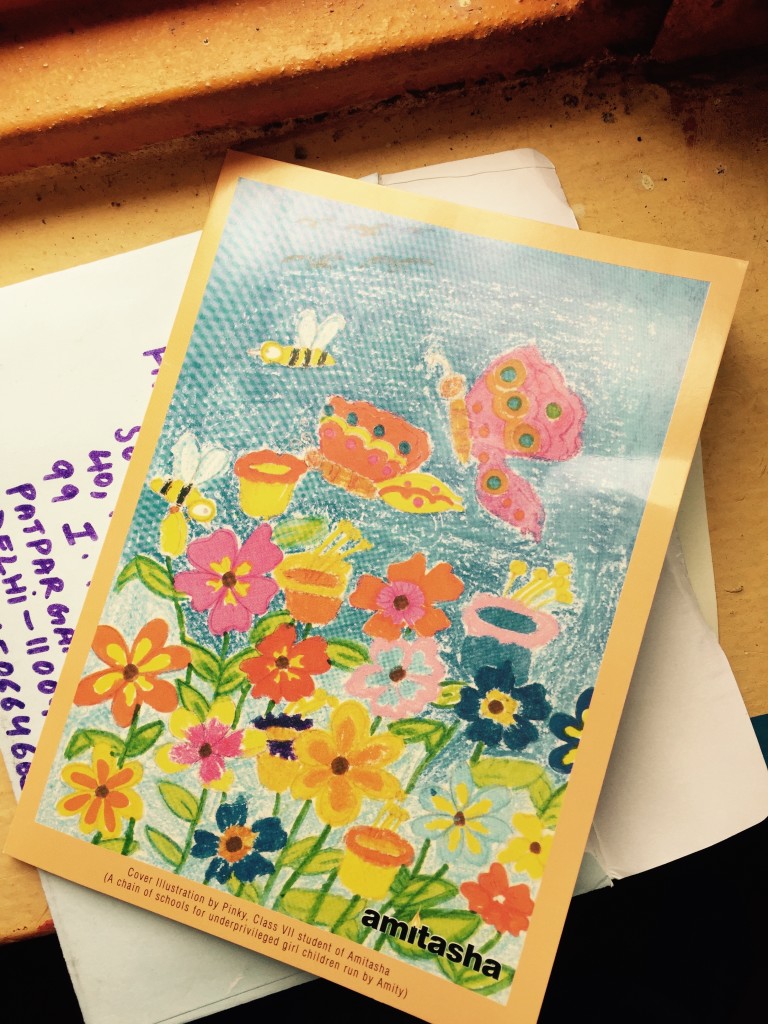
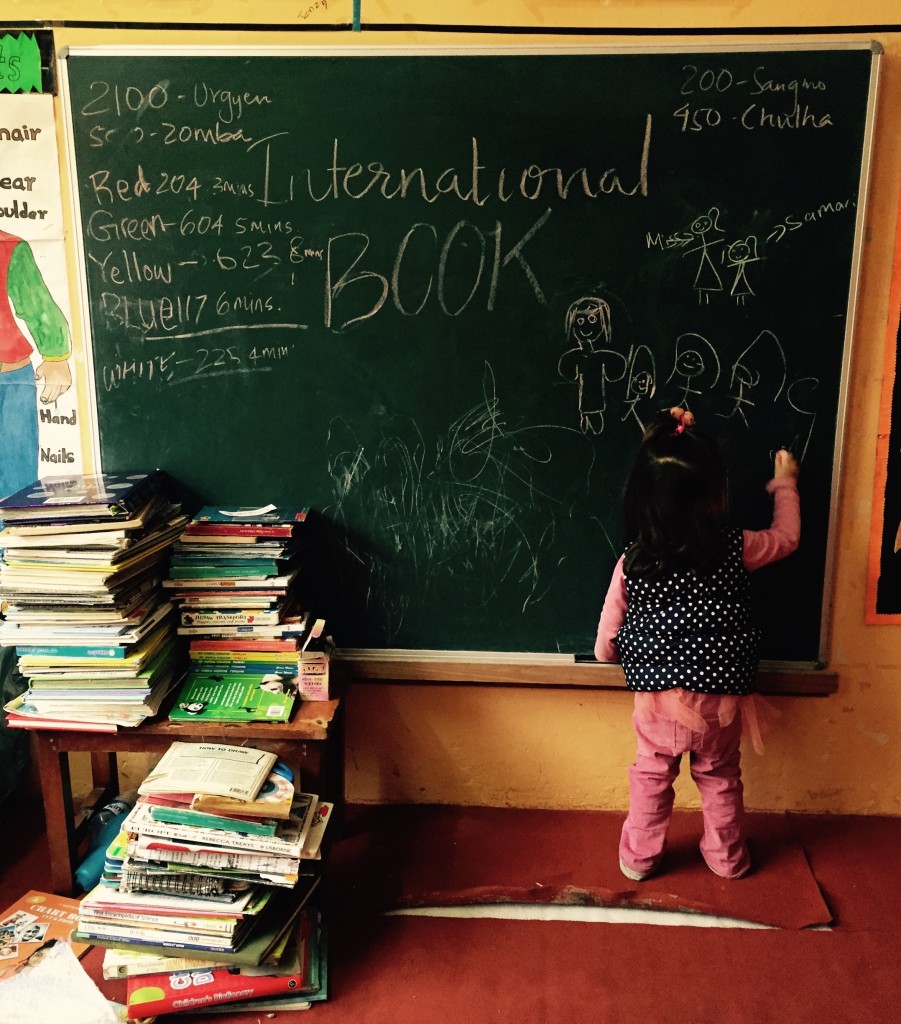
Many children approach letter writing as an artistic activity. Borders may be filled with mountains, flowers, stars, animals, or traditional patterns. Some notes include carefully colored titles, while others feature a drawing of the child reading the new book. These visual choices make the message personal before the first sentence is read.
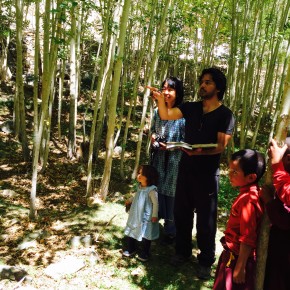
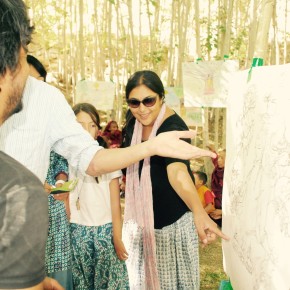
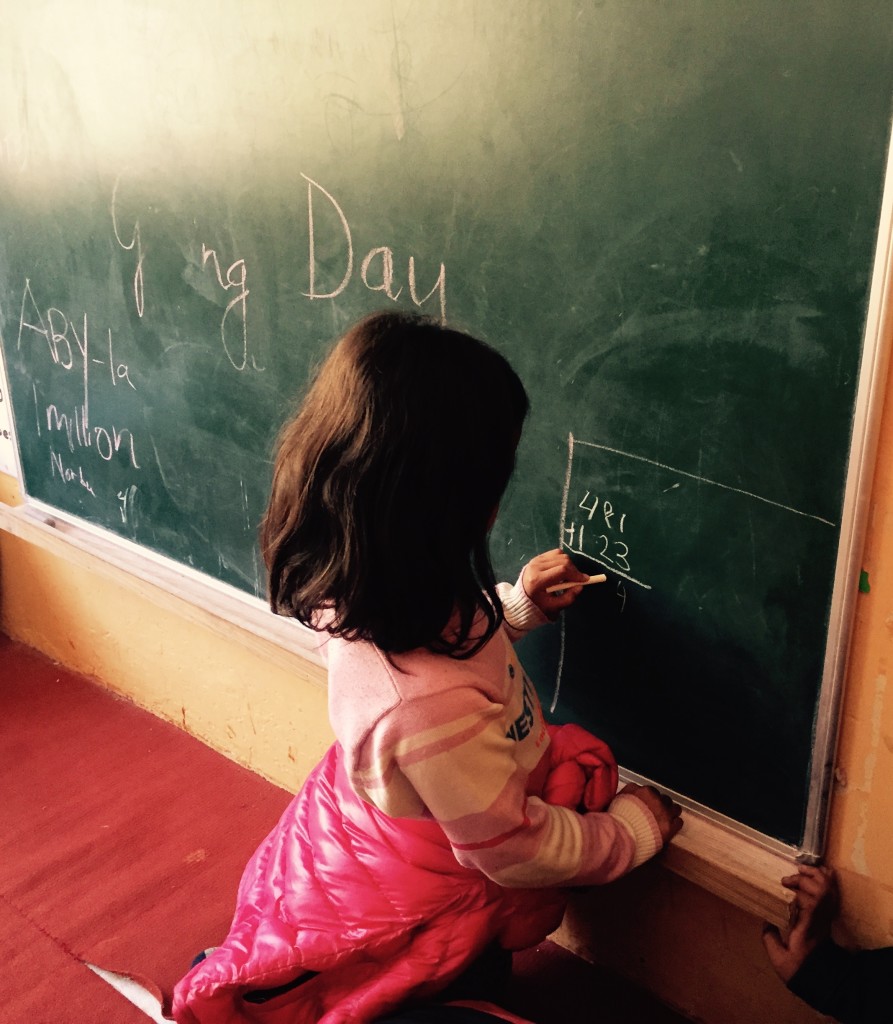
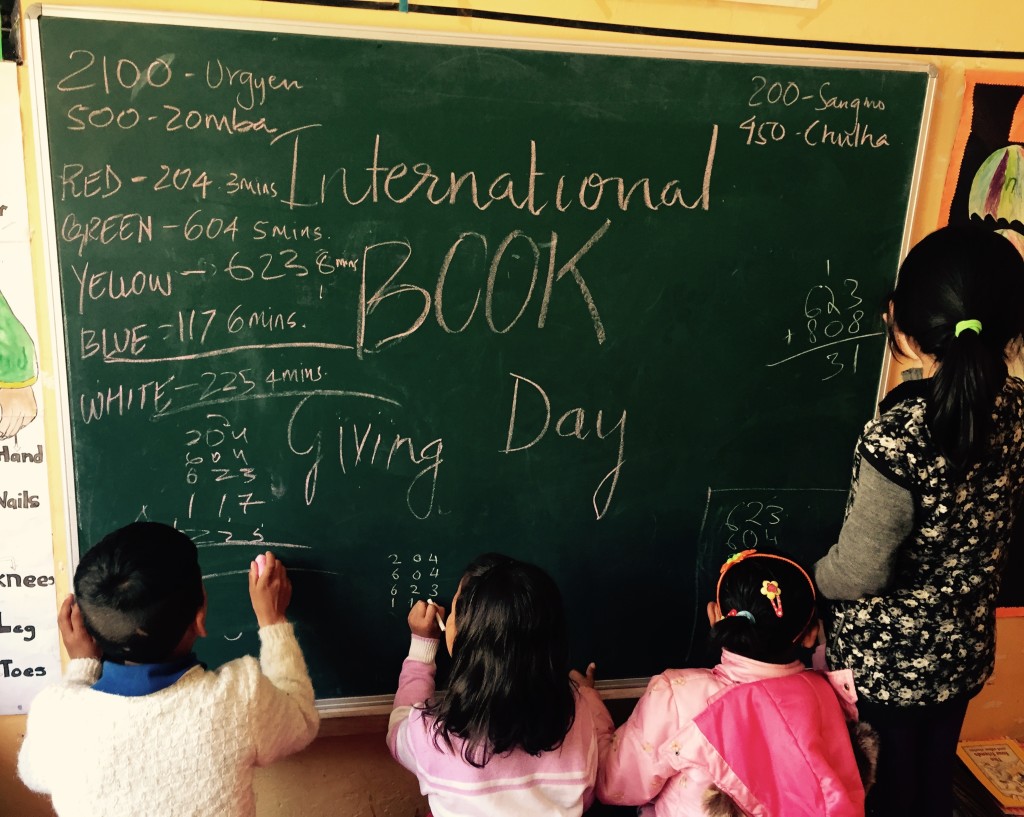
The process can involve several stages. An educator or volunteer may explain the purpose of the letter, help children organize their thoughts, and provide paper or writing materials. Older students may support younger readers with spelling, while each child retains ownership of the final message.
This collaborative setting reinforces the idea that literacy is social. Writing is not an isolated classroom task; it is a way to communicate affection, appreciation, and discovery. The finished letter becomes a record of a child’s developing voice, preserved alongside the memory of a particular book.
Building A Culture Of Reading
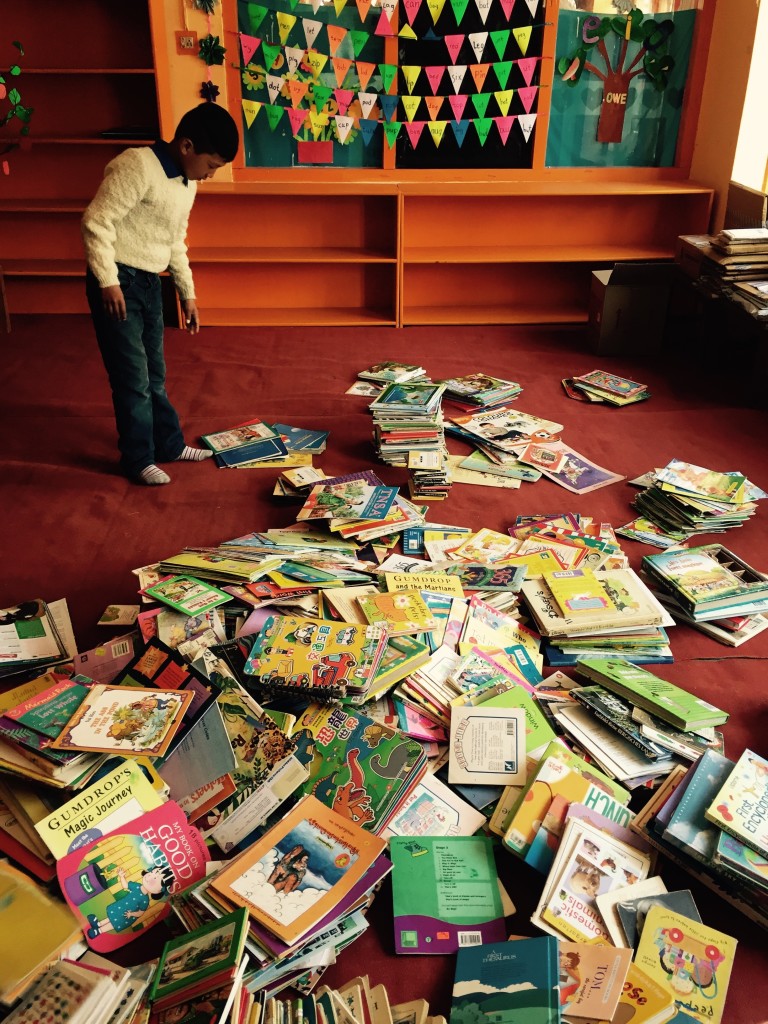
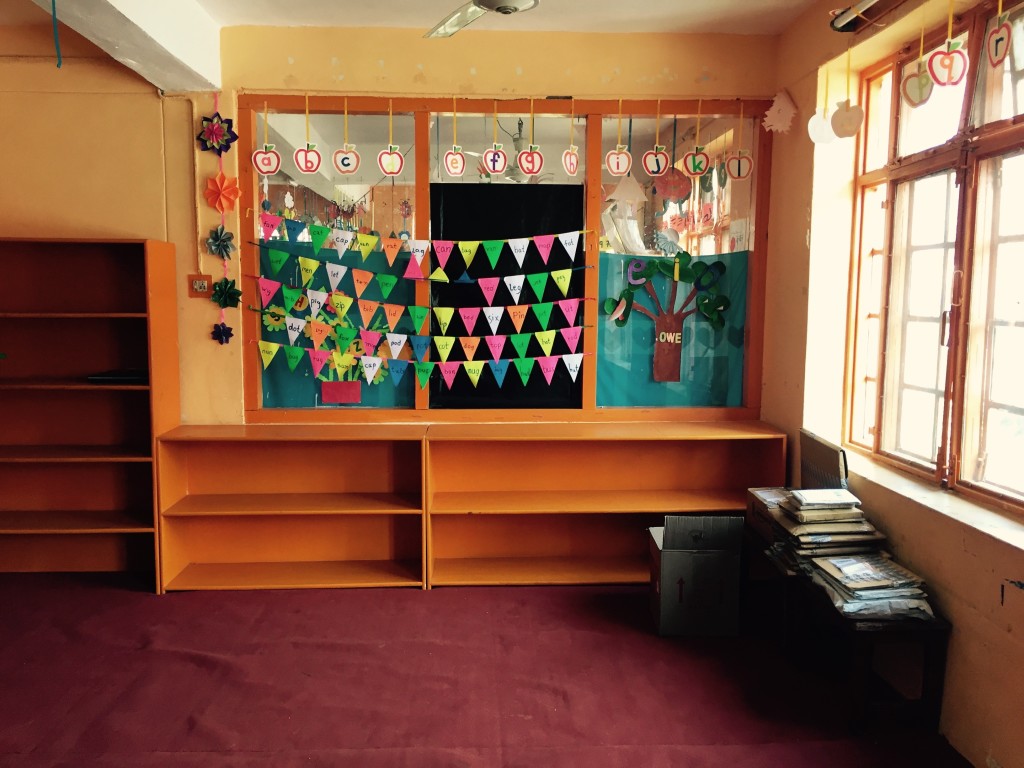
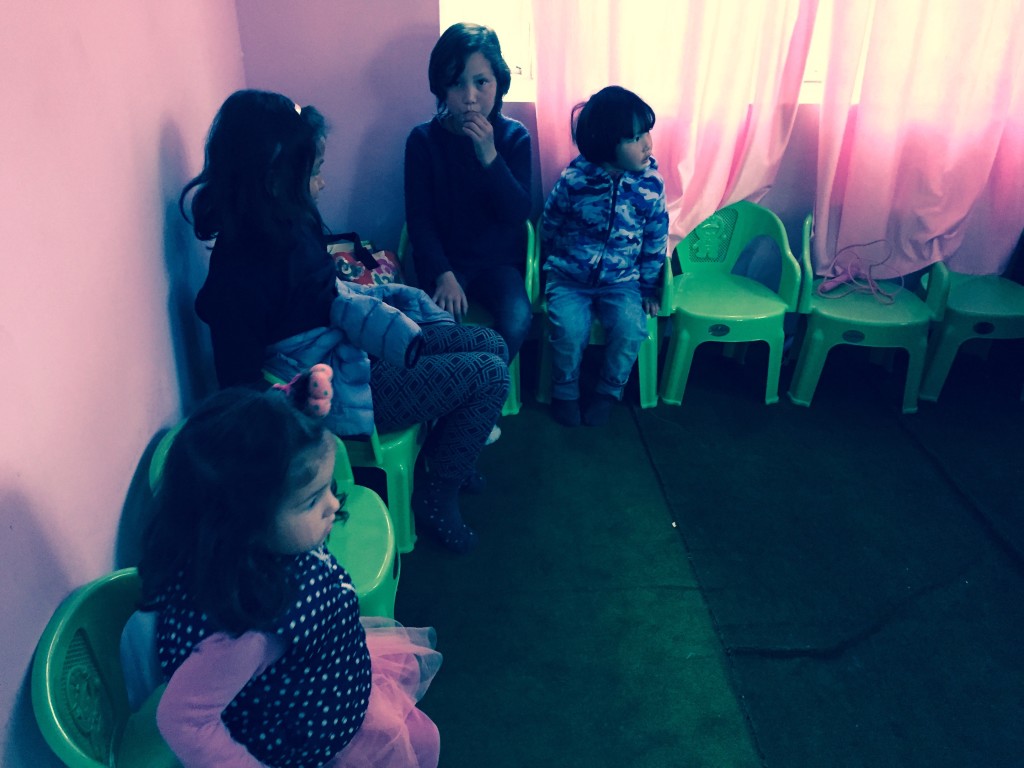
Book donations have the greatest effect when they are supported by regular opportunities to read. A shelf filled with books is a beginning, while a lively reading room gives children reasons to return. Story sessions, drawing workshops, music activities, and quiet reading time can make literacy part of a broader creative environment.
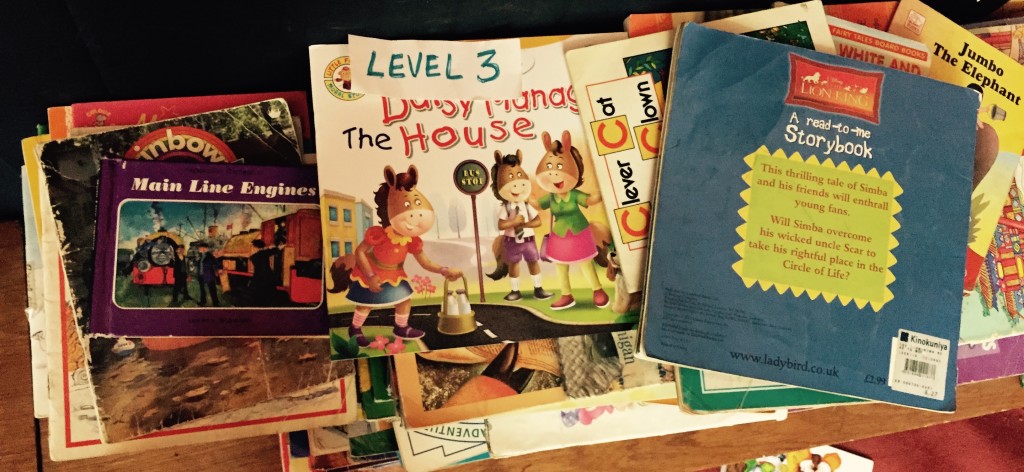
Organizations working in Himalayan communities must also consider language, age, reading level, cultural relevance, and physical durability when selecting books. A collection succeeds when children can find material that is understandable, interesting, and respectful of their experiences. Variety matters because readers grow quickly and need fresh challenges.
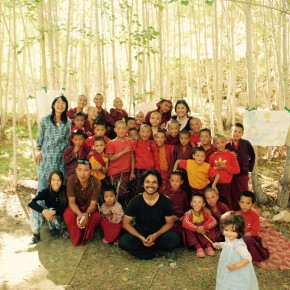
Through reading rooms, book drives, and educational activities, the Avalokiteśvara Trust connects access to books with a sense of belonging. A child who feels welcome is more likely to browse, ask questions, recommend a story, and eventually write a letter describing what reading has made possible.
Ways To Honor Children’s Gratitude
The most thoughtful response to a child’s letter is to treat it as the beginning of continued care. Donors and volunteers can help create conditions in which children have dependable access to books, patient guidance, and creative ways to share what they learn.
Practical support can be organized around a few lasting priorities:
- Choose age-appropriate books across fiction, nonfiction, poetry, art, science, and local history.
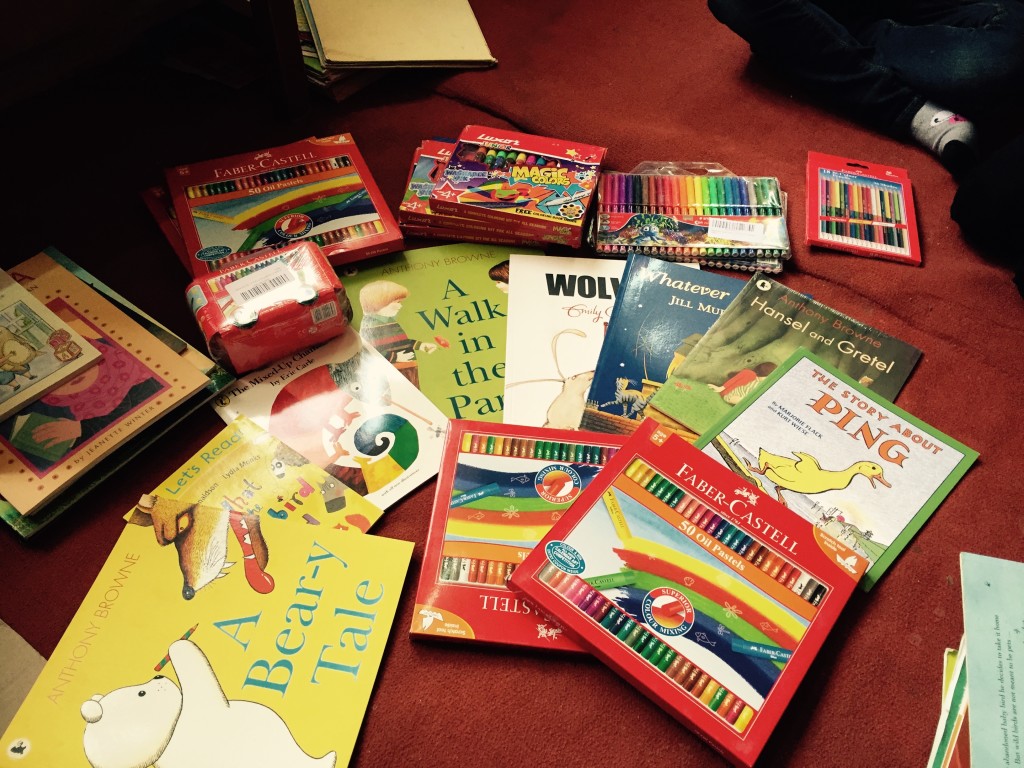
- Provide notebooks, pencils, colored materials, and other supplies that make writing and illustration inviting.
- Fund welcoming reading spaces where children can read independently or listen to stories together.
- Support trained educators and volunteers who can guide discussion without taking over children’s voices.
- Protect children’s dignity by obtaining consent and sharing letters or images responsibly.
These actions ensure that thank-you letters are valued as more than pleasant replies. They become reminders of an ongoing relationship between resources and opportunity. Every carefully read book, shared story, and newly written sentence contributes to a stronger culture of learning.
A child’s note may contain only a few lines, yet those lines can travel far. They may reach a donor in another country, encourage a volunteer, or help someone understand why libraries and reading rooms matter in remote communities. The message moves outward, while the benefit continues locally through curiosity, conversation, and imagination.
Supporting book access in the Himalayas gives children more than pages to turn. It gives them language with which to describe their world and the confidence to envision another. To help make that exchange possible, explore the Trust’s work, support its educational initiatives, and help place more meaningful books into the hands of young readers.