How Art Contests Help Shy Children Find Their Voice
For a shy child, speaking in front of a group can feel much harder than drawing, painting, shaping clay or making a collage. Art gives children a language that does not depend on quick answers or confident eye contact. Through colour, pattern and imagination, they can communicate ideas while remaining within a manageable level of privacy.
A thoughtfully organised art contest can turn that private expression into a positive shared experience. The focus is not simply on finding the “best” artwork. It is on creating a welcoming reason for children to practise decision-making, share their work and experience recognition from teachers, family members and peers.
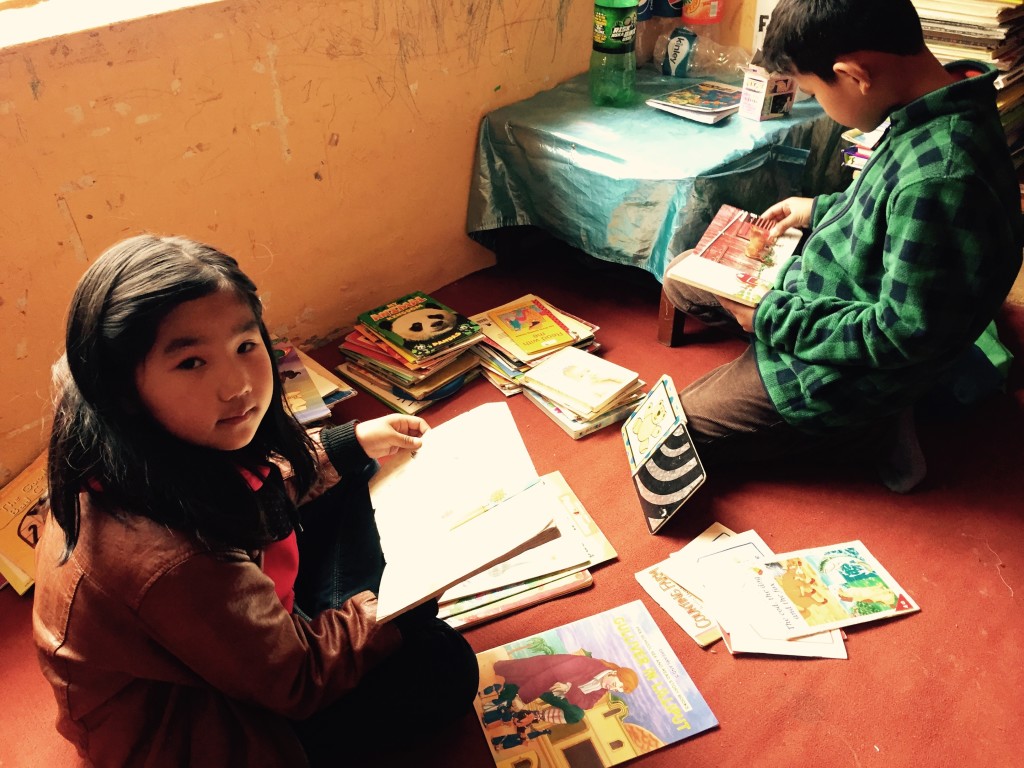
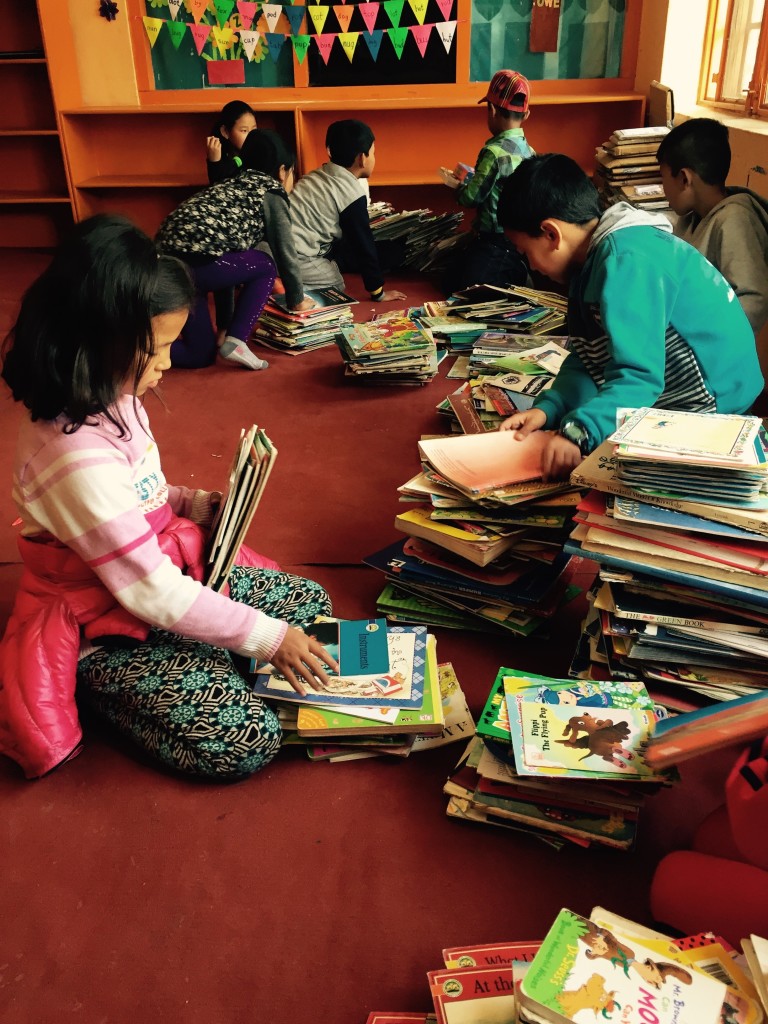
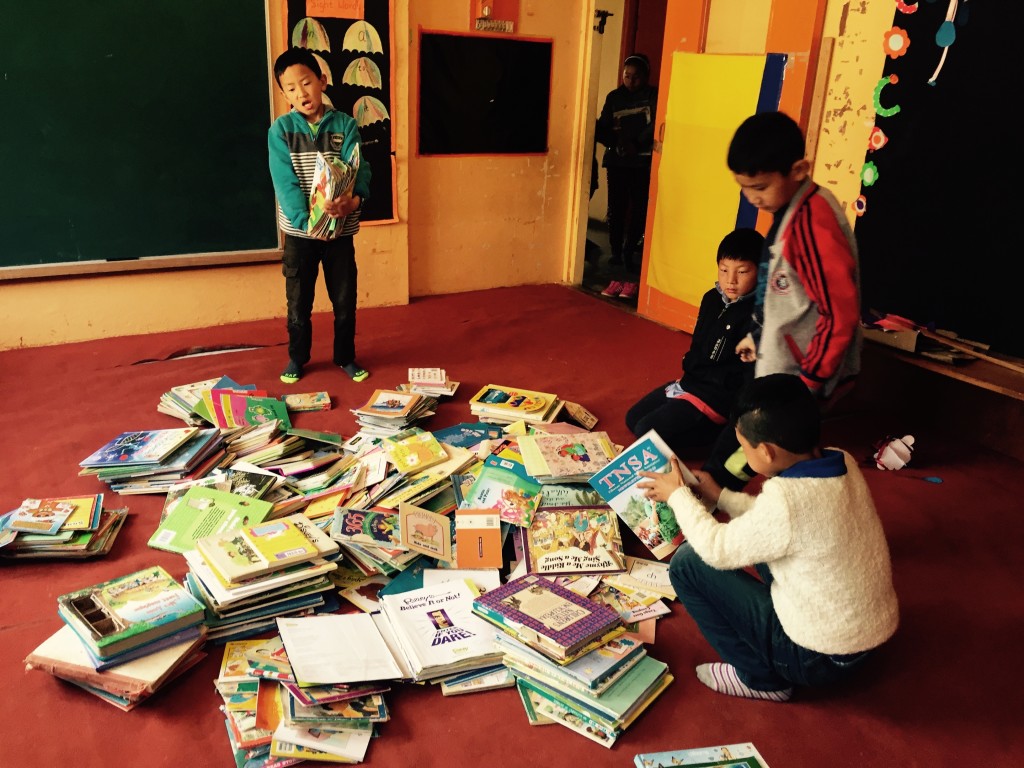
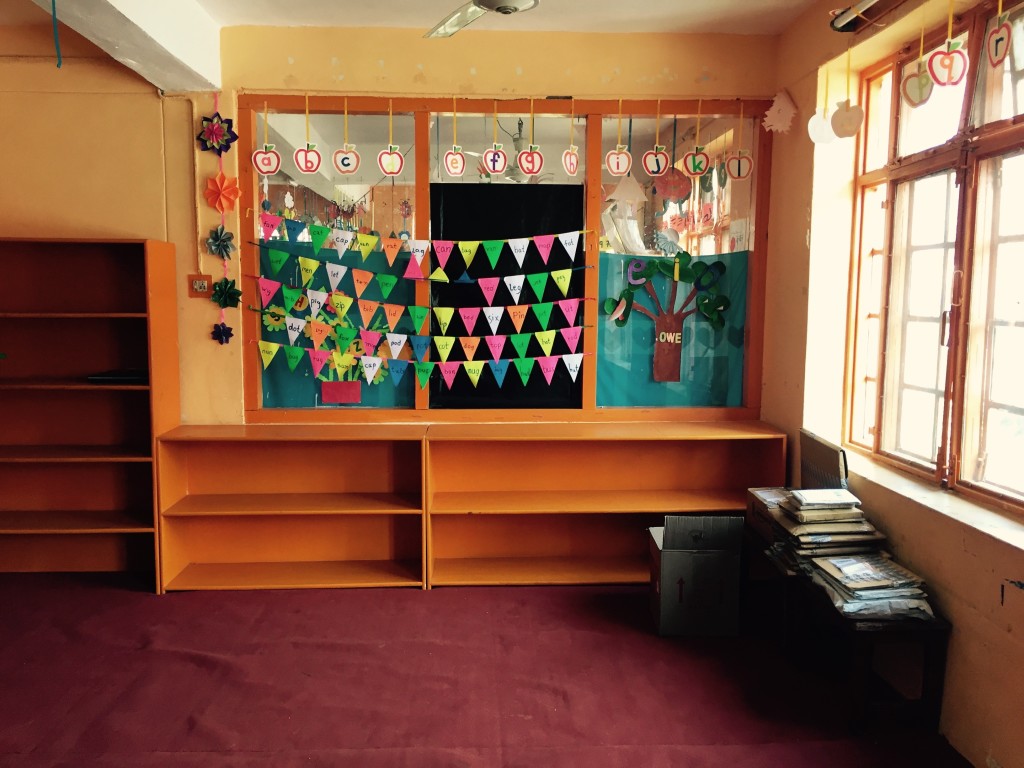
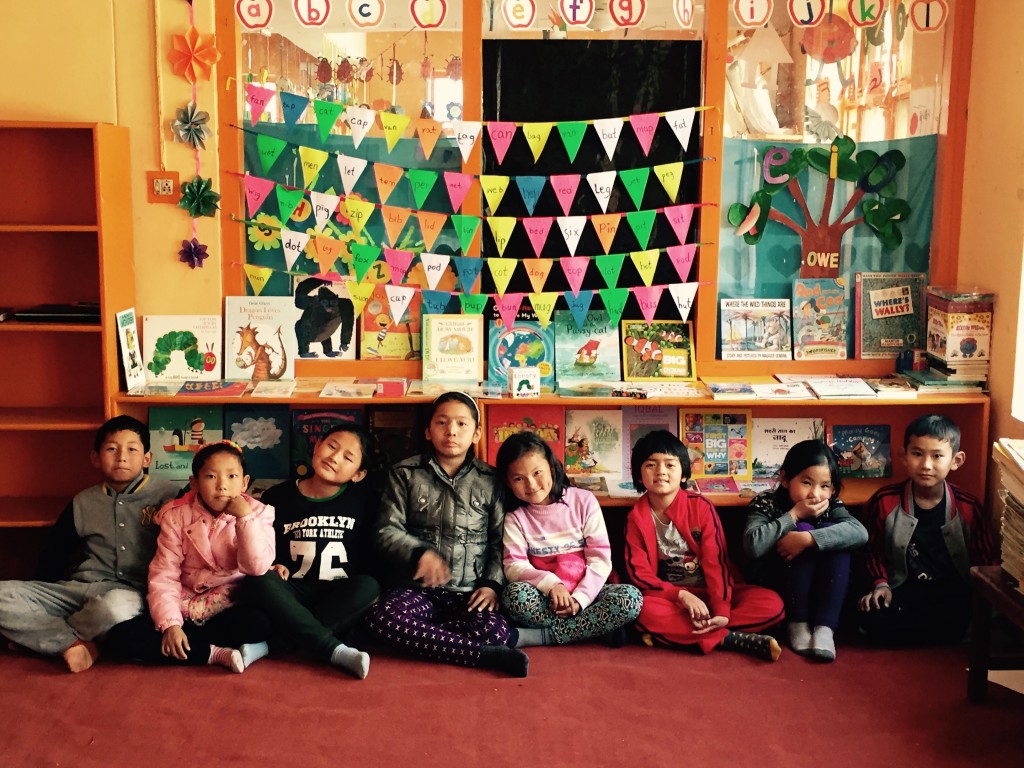
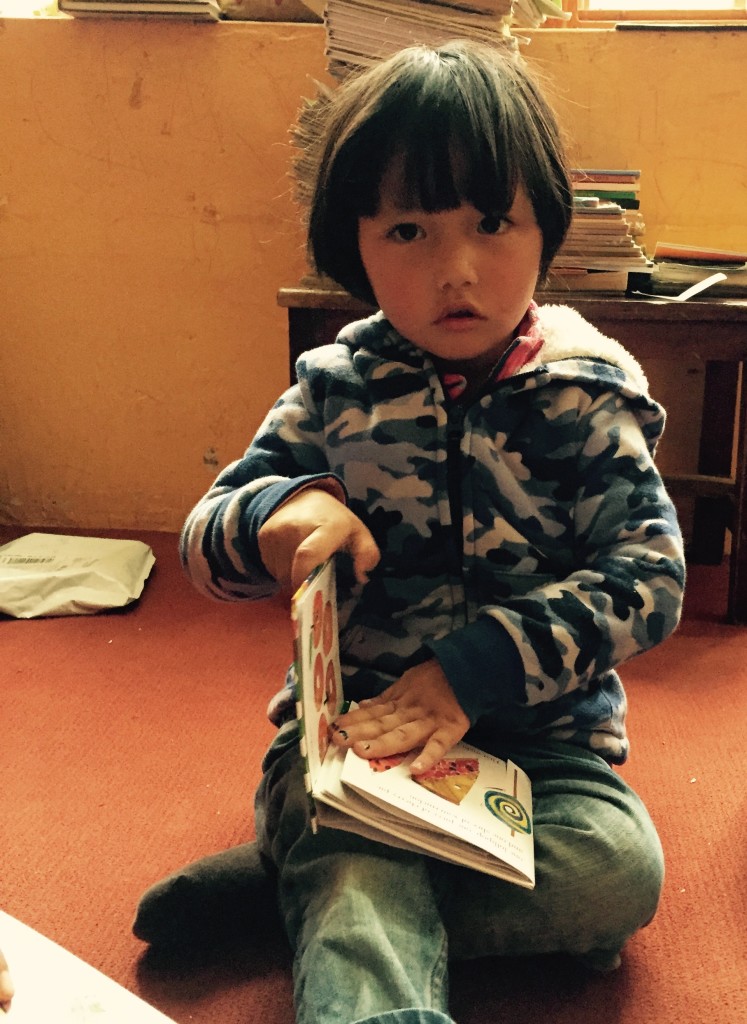
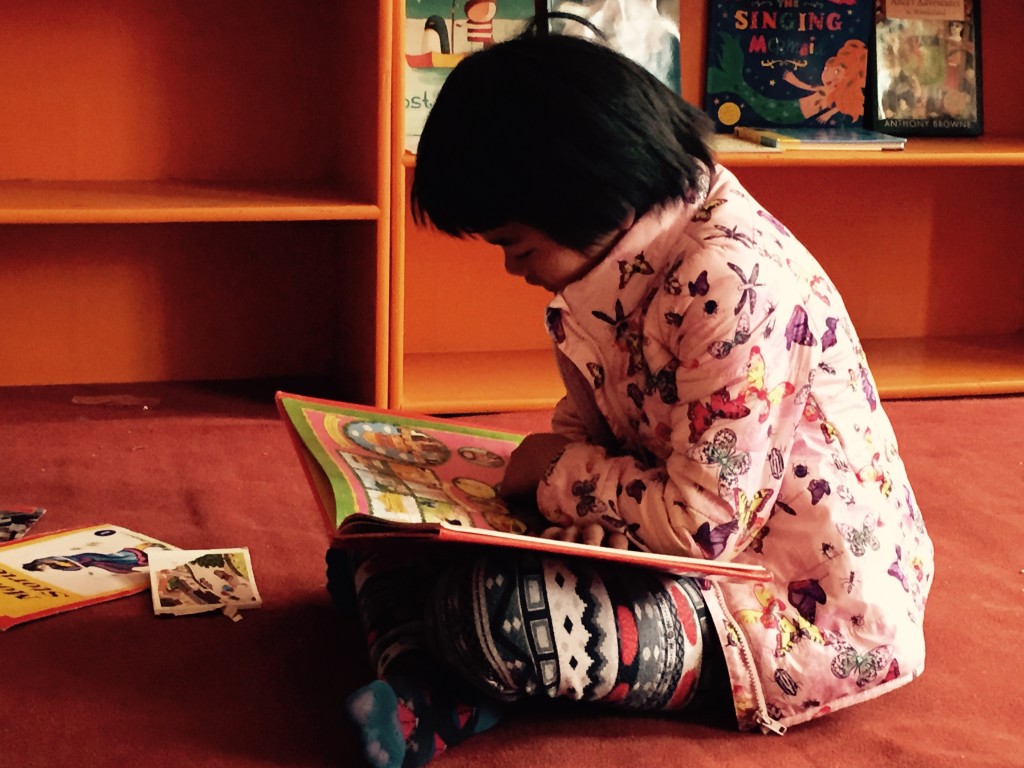
This matters in classrooms, reading rooms and community centres across the Himalayan region, where children may have different levels of access to materials, creative instruction and quiet places to learn. It also applies in Australia, where school libraries, local councils and community organisations often use creative programs to support wellbeing and inclusion.
In Melbourne, Brisbane and regional towns alike, children may encounter art displays through libraries, school fetes, Harmony Week activities or community festivals. A carefully designed competition can connect those familiar Australian settings with broader cultural learning, including stories, motifs and artistic traditions from Ladakh and other Himalayan communities.
| Contest approach |
Likely confidence benefit |
Potential concern |
Helpful adjustment |
| Ranked competition |
Gives a clear goal and public recognition |
Some children may fear losing |
Add awards for effort, originality and kindness |
| Open exhibition |
Encourages ownership and conversation |
Quiet children may avoid explaining their work |
Allow written captions or recorded comments |
| Collaborative mural |
Reduces pressure on one child |
Strong personalities may dominate |
Assign shared roles and rotate responsibilities |
| Themed challenge |
Supports imagination and focus |
A narrow theme can limit expression |
Offer several interpretations and media |
| Digital gallery |
Reaches families beyond the venue |
Access to devices may vary |
Provide an offline display and paper entry option |
Why Creative Expression Helps Quiet Children
Shyness is not a lack of ability. A child may have strong ideas, careful observation skills and a rich inner life while needing extra time before speaking in a group. Art contests can respect that slower pace. A child can plan privately, revise a design and decide how much of the creative process to reveal.
Completing an artwork also creates a visible record of effort. When a teacher notices the detail in a landscape or a child explains the meaning of a colour choice, the praise is connected to something concrete. This helps build self-efficacy: the belief that a child can attempt a task, persist through uncertainty and produce something worthwhile.
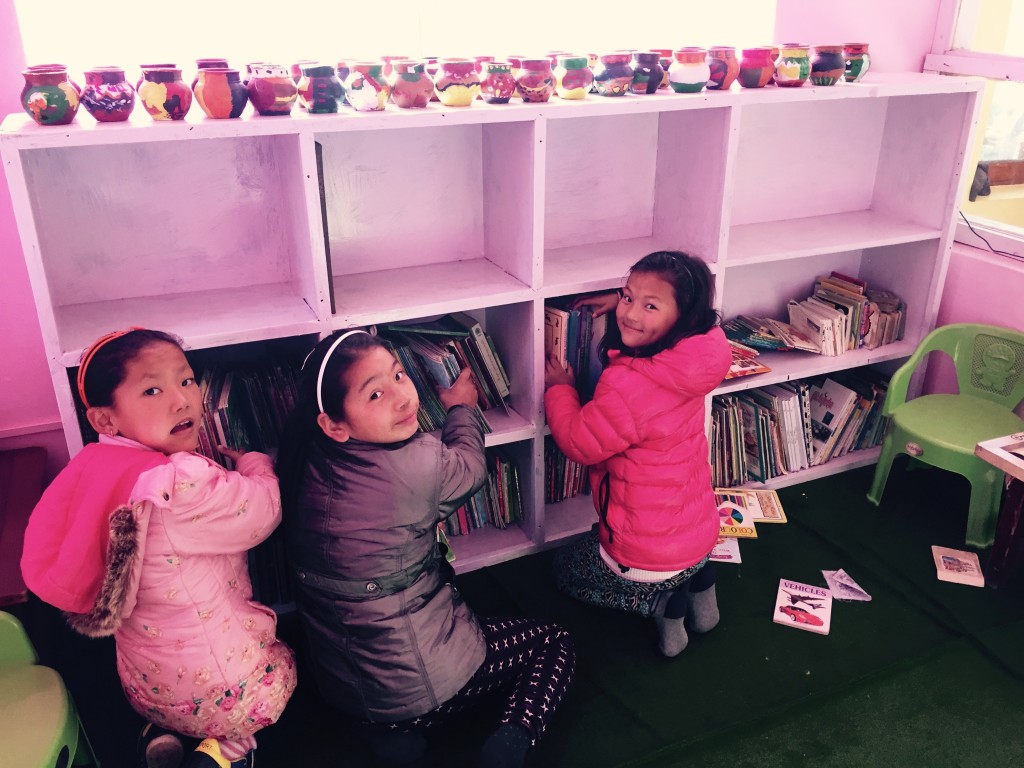
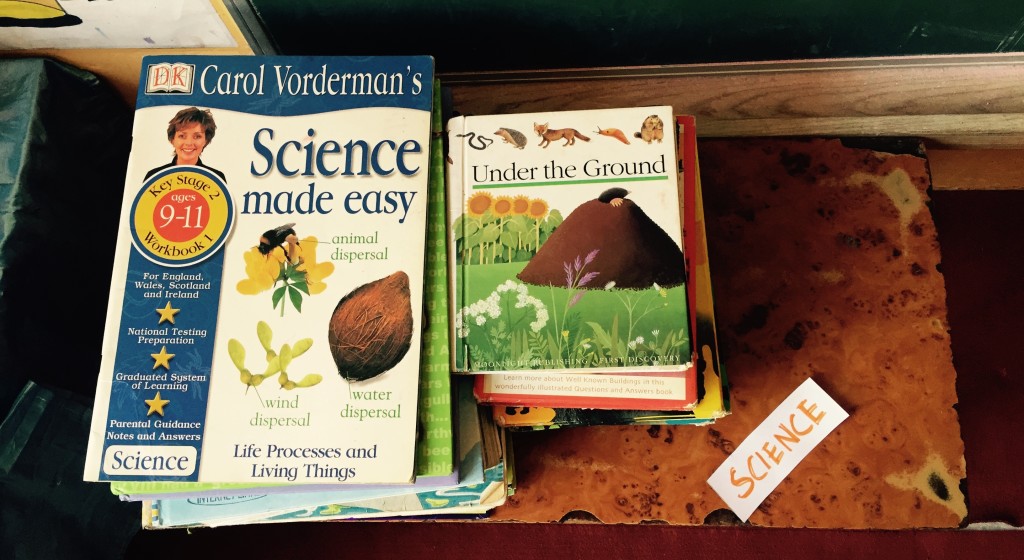
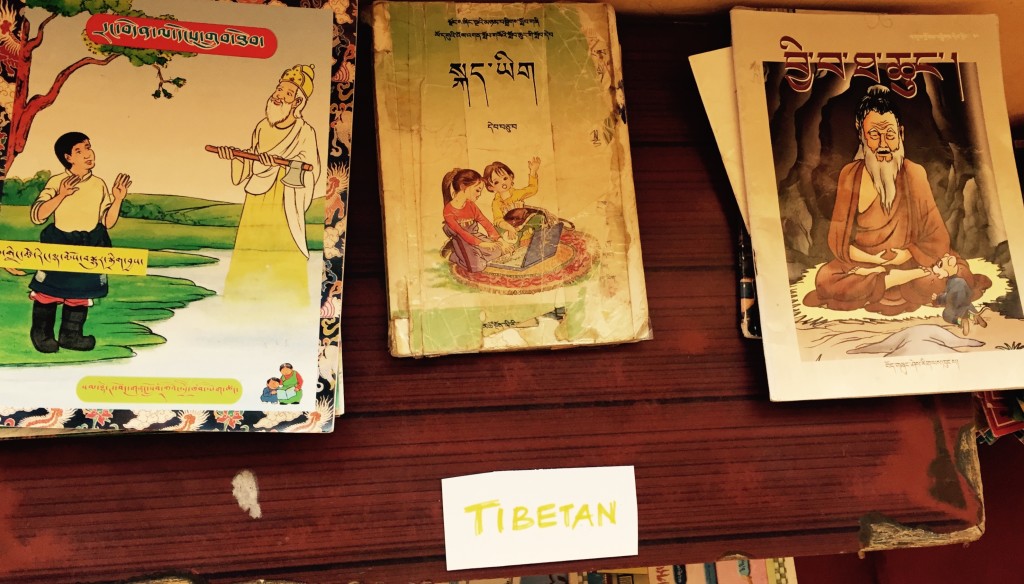
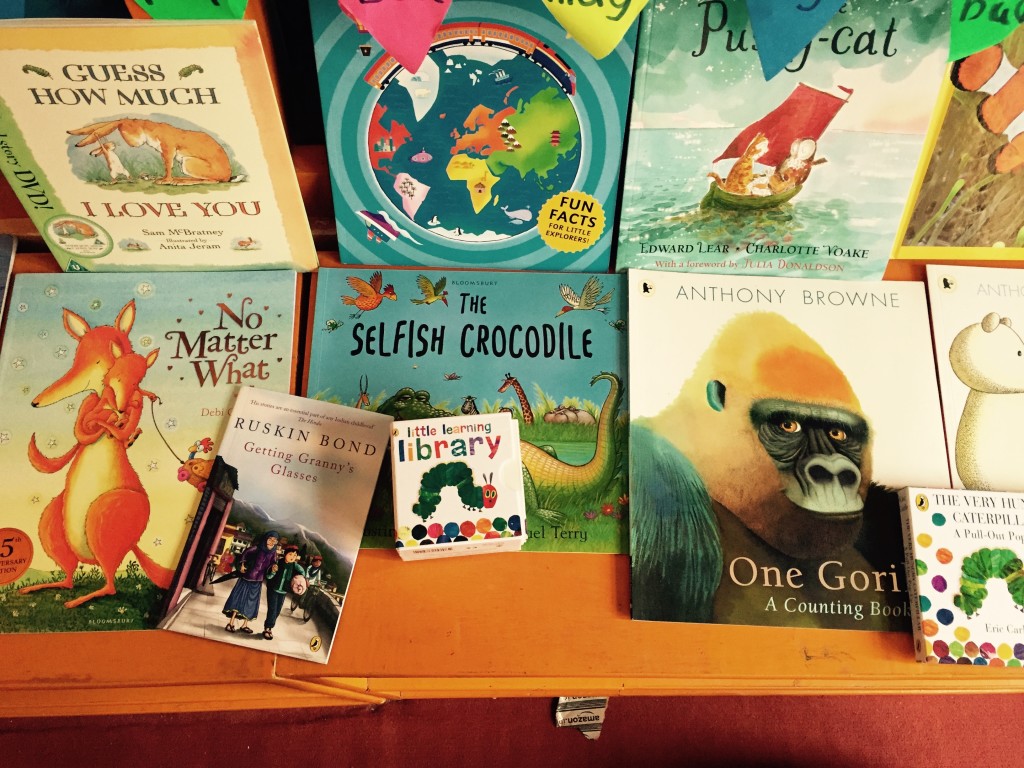
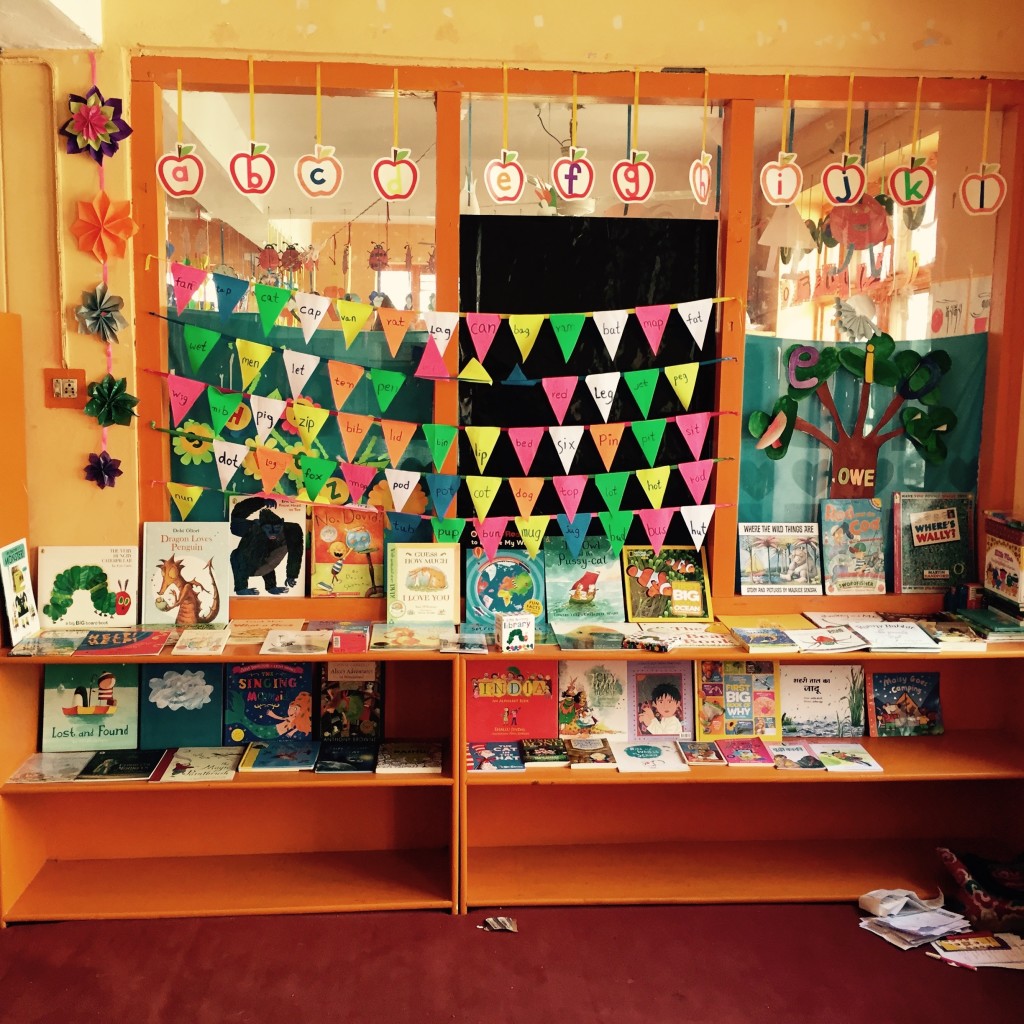
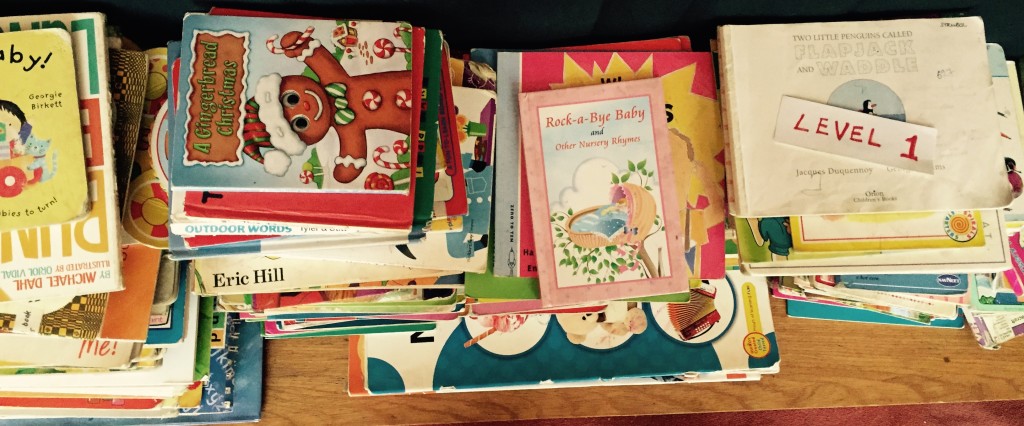
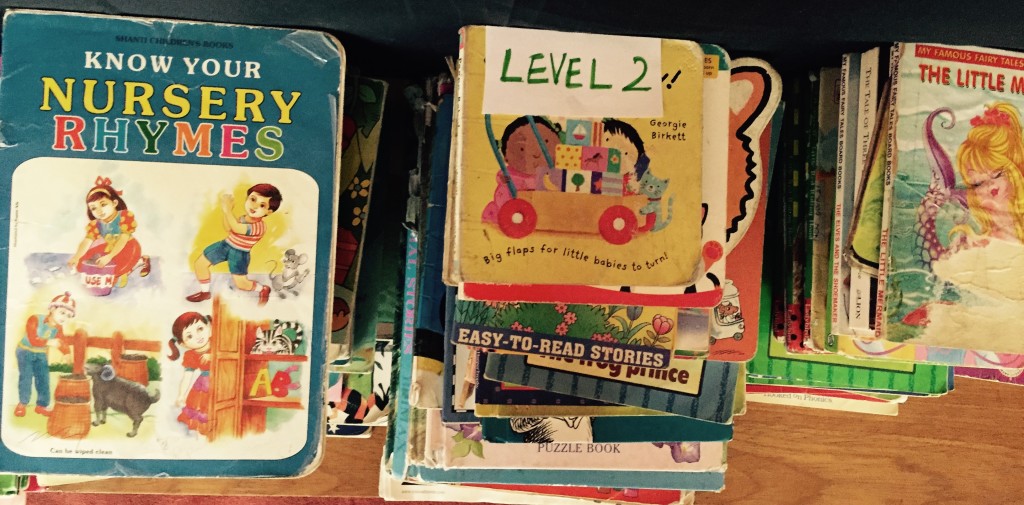
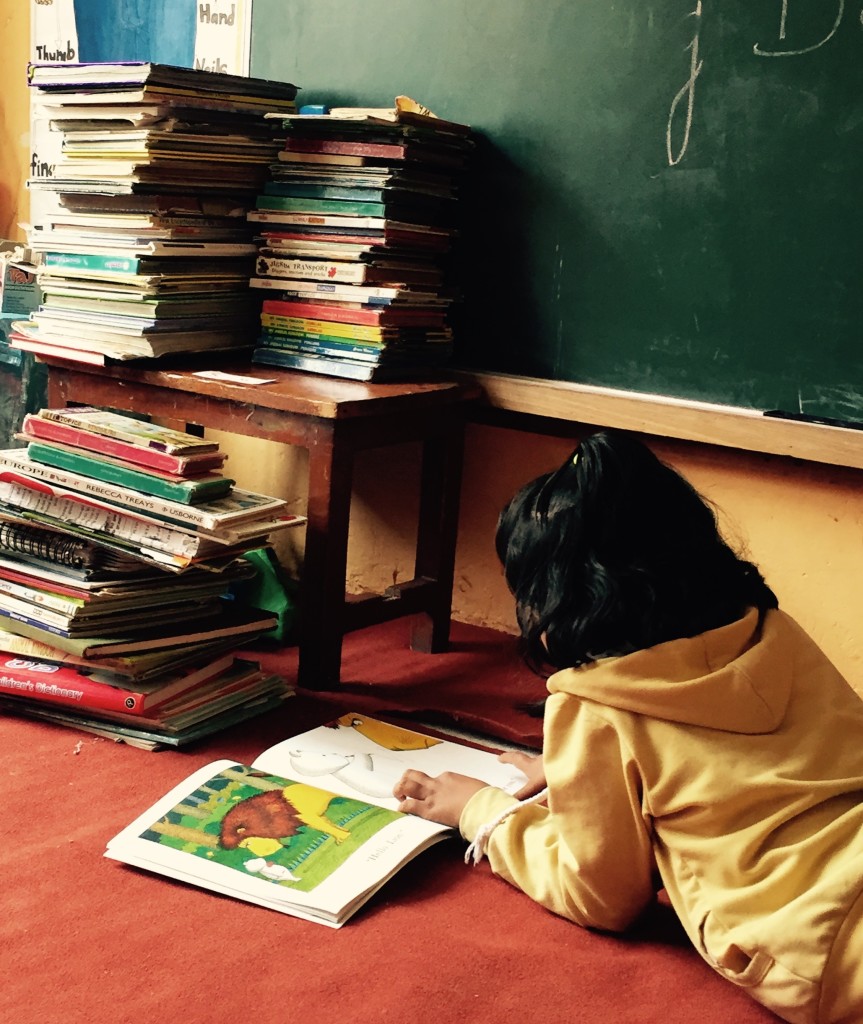
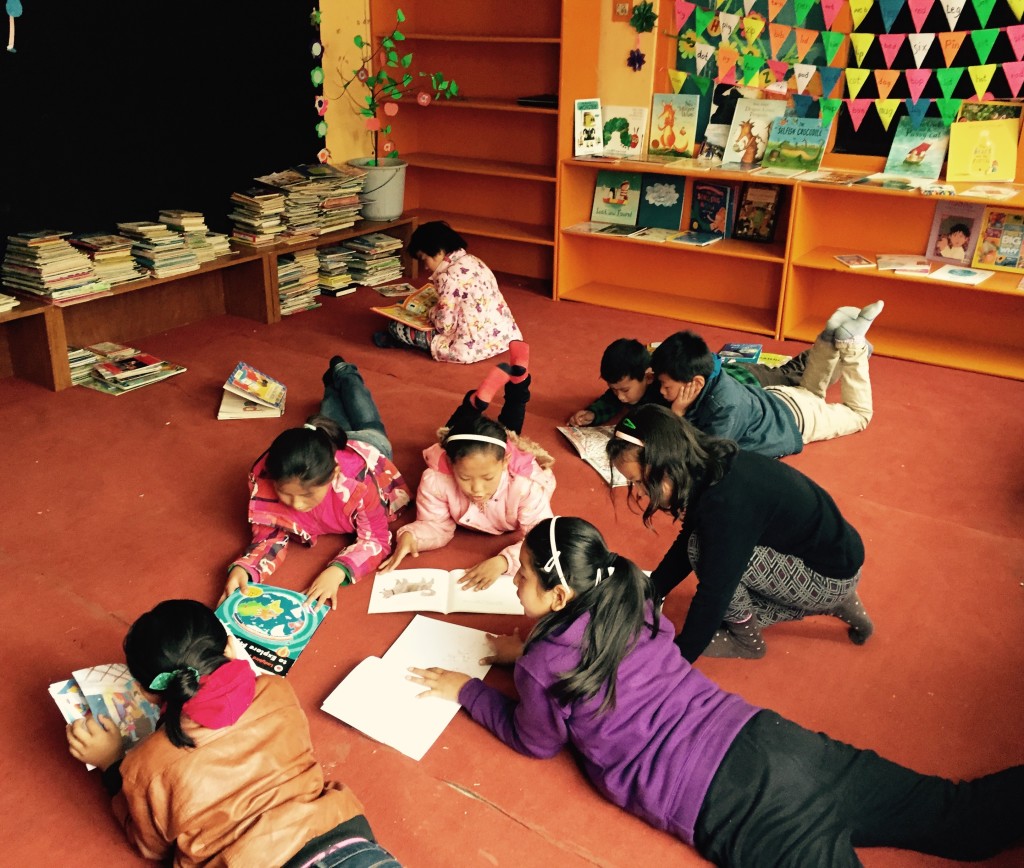
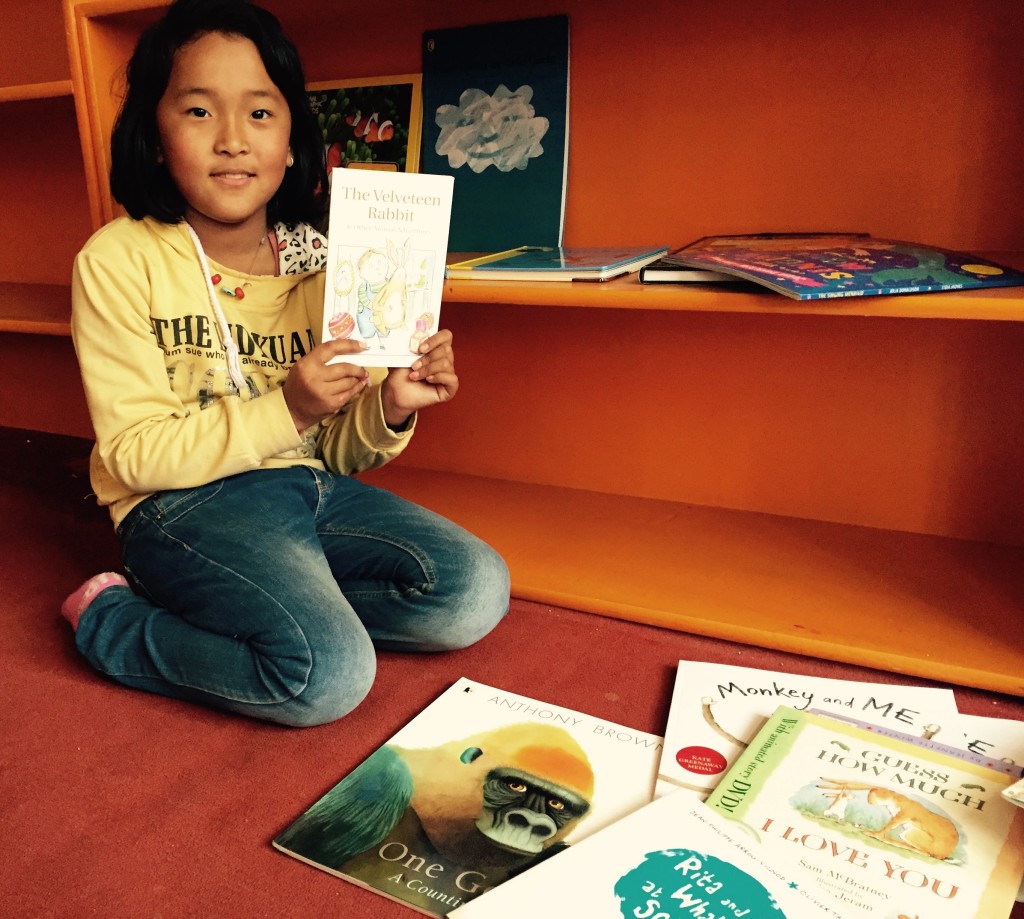
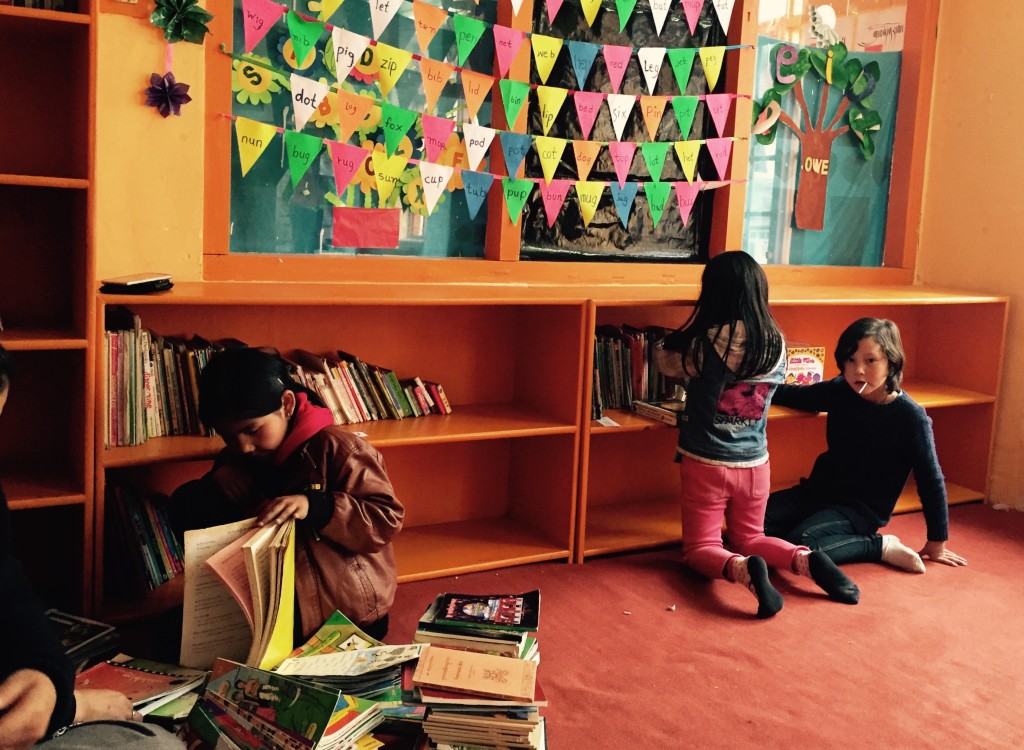
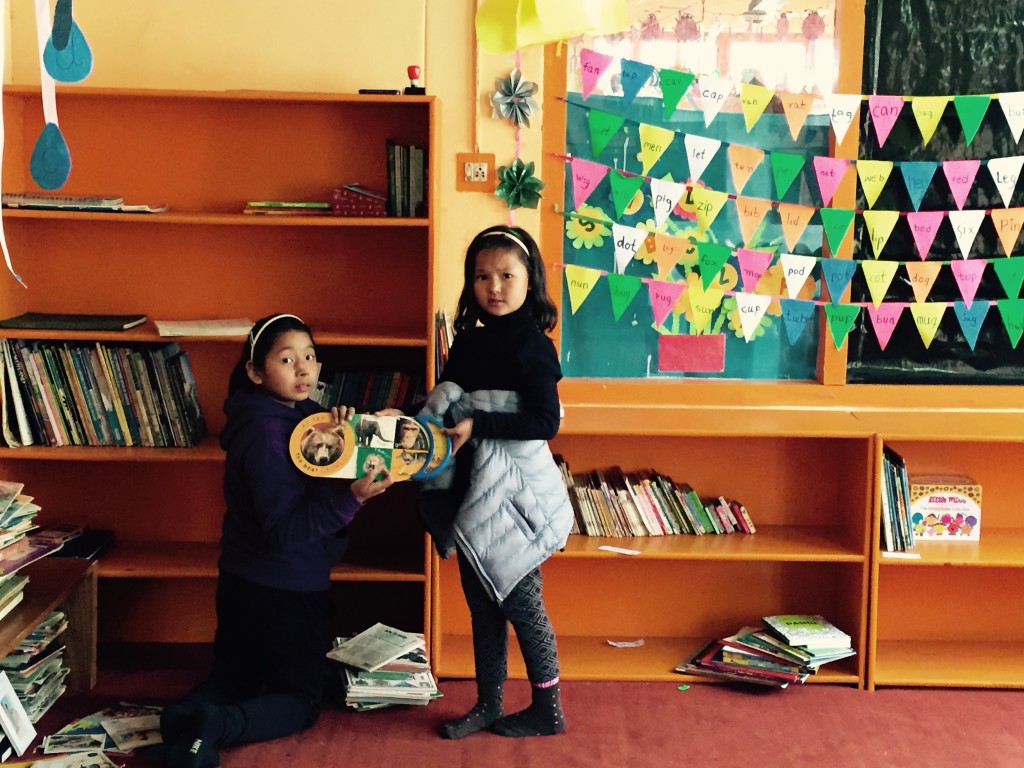
For children in a reading room, creative work can extend the value of books. A story about mountains may inspire a painted landscape, while a folktale can lead to a character design or illustrated sequence. The traditional Himalayan art workshop offers a useful example of how cultural inspiration can guide hands-on learning without turning creativity into a test of technical skill.
What A Well-Designed Contest Can Build
An art contest gives shy children several small opportunities to participate. They may select a subject, collect materials, ask for help, submit a piece, attend an exhibition or listen while others respond to their work. Each step is manageable on its own, yet together they create a gradual pathway towards confidence.
Recognition is most effective when it is varied and specific. A ribbon for “careful use of texture” or “thoughtful storytelling” tells a child exactly what others valued. Public praise should avoid comparing children’s personalities or treating quietness as a problem to overcome. The aim is to make contribution visible, not to reward the loudest presentation.
Adults can strengthen the experience with simple practices:
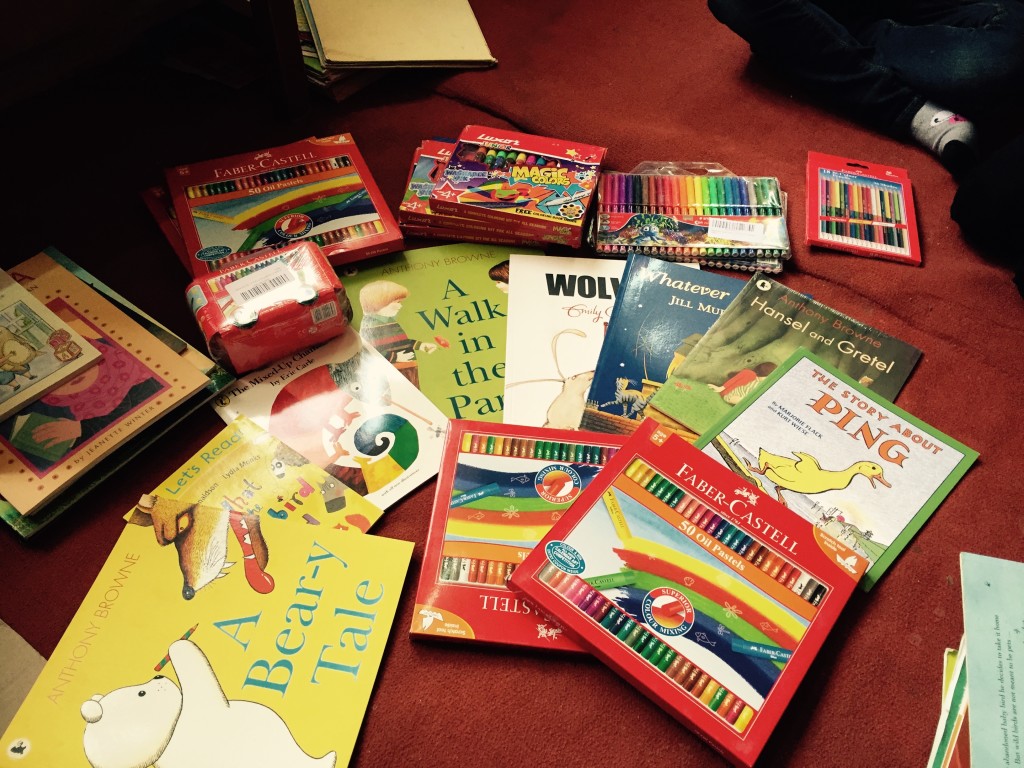
- Offer several media, such as pencils, watercolours, collage materials and recycled cardboard.
- Let children submit anonymously, use first names or display work with a short written explanation.
- Include awards for persistence, cultural curiosity, originality and generous teamwork.
- Give every participant a respectful response, such as a handwritten note or exhibition label.
- Provide a quiet viewing time before inviting children into a larger celebration.
These choices make room for different temperaments and abilities. They also reduce the risk that a contest becomes a narrow judgement of drawing skill, which can discourage children who are still developing fine motor control or who have had limited access to art materials.
Creating A Safe And Inclusive Experience
The language used in the invitation shapes how children understand the activity. “Create a picture of a place that matters to you” offers more freedom than “Draw a perfect mountain scene.” A broad prompt can include a family home, a favourite animal, a dream library, a local park or an imagined journey between Australia and the Himalayas.
The entry process should be predictable. Children need to know the deadline, size requirements, available materials and judging criteria before they begin. In communities where families speak several languages, a translated notice or a visual guide can make participation easier. At an Australian school, this might mean sharing information through the newsletter, classroom app and library noticeboard rather than relying on one announcement.
Cultural respect is equally important. Himalayan patterns, Buddhist imagery and local symbols should be introduced with context rather than used as decorative themes without explanation. Children can learn that artistic traditions carry meaning, while still developing their own responses. Community members, artists or educators can help explain symbols and avoid stereotypes.
A contest can also connect with local volunteering traditions. Friends of libraries and community reading groups often support book collections, displays and children’s events; library friends groups show how organised community backing can keep literacy activities visible and sustainable. Similar partnerships in Australia may involve a public library, a school, a neighbourhood house or a local arts centre.
Helping Confidence Grow Beyond The Display
The strongest benefit may appear after judging day. A child who has contributed to a group exhibition may be more willing to recommend a book, help arrange a reading corner or join a music and drama activity. The creative task becomes a bridge to wider participation rather than an isolated event.
Facilitators can invite children to create captions, curate a small display or choose which artworks should travel to another classroom. These responsibilities offer leadership without demanding a speech. A shy child might first write two sentences about an artwork, later welcome visitors with a partner and eventually introduce a whole exhibition.
Families can reinforce this progress through ordinary conversations. Instead of asking whether a child won, adults can ask what they enjoyed making, what they changed and which artwork they remember. In Australia, a family might visit the local library exhibition after school, attend a weekend community market or look at a council arts display together. These relaxed settings show that creative work belongs in everyday community life.
Useful follow-up activities include:
- Holding a short artist’s statement session where children may write, draw or record their ideas.
- Pairing older and younger participants for a shared illustration or storytelling project.
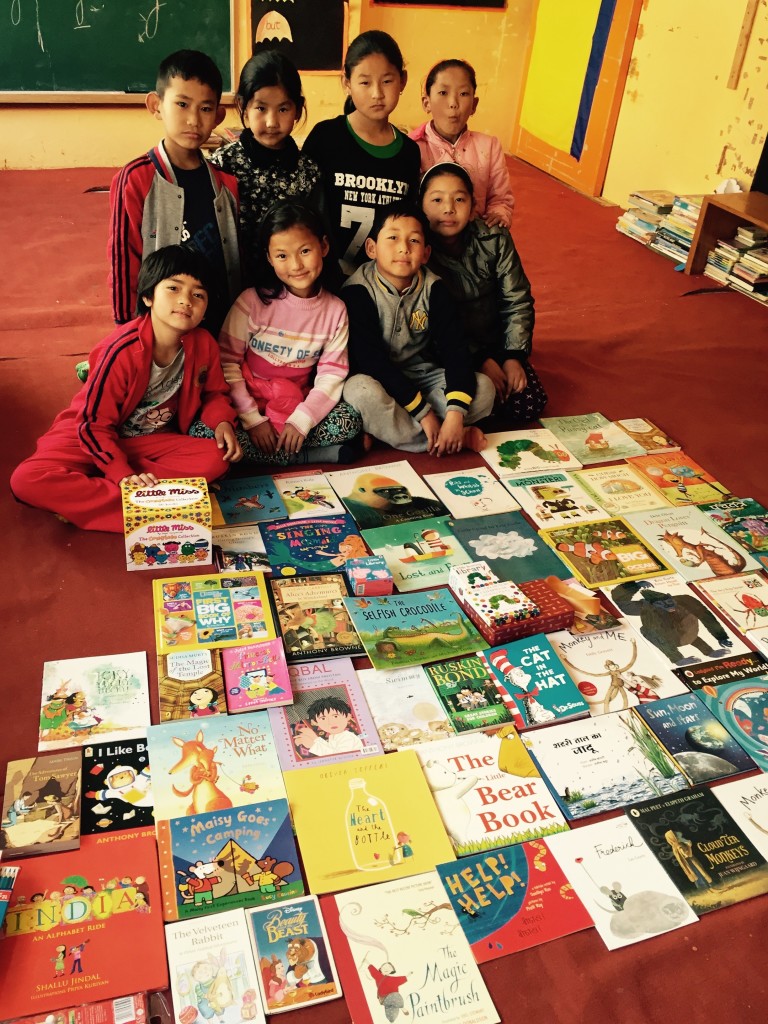
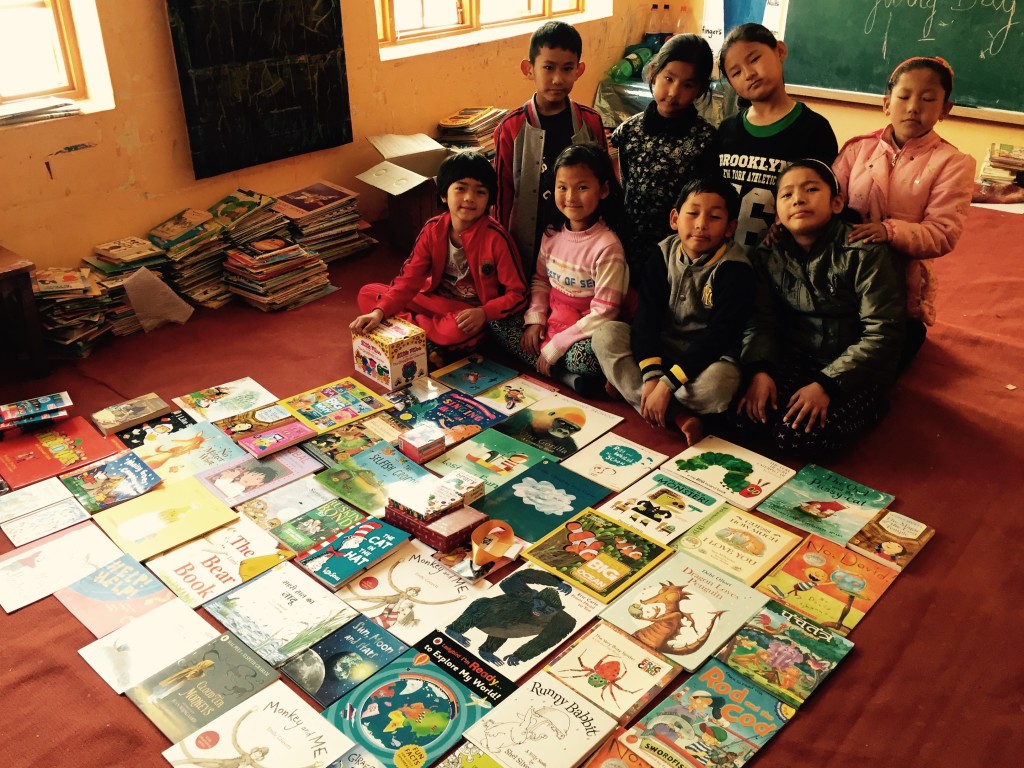
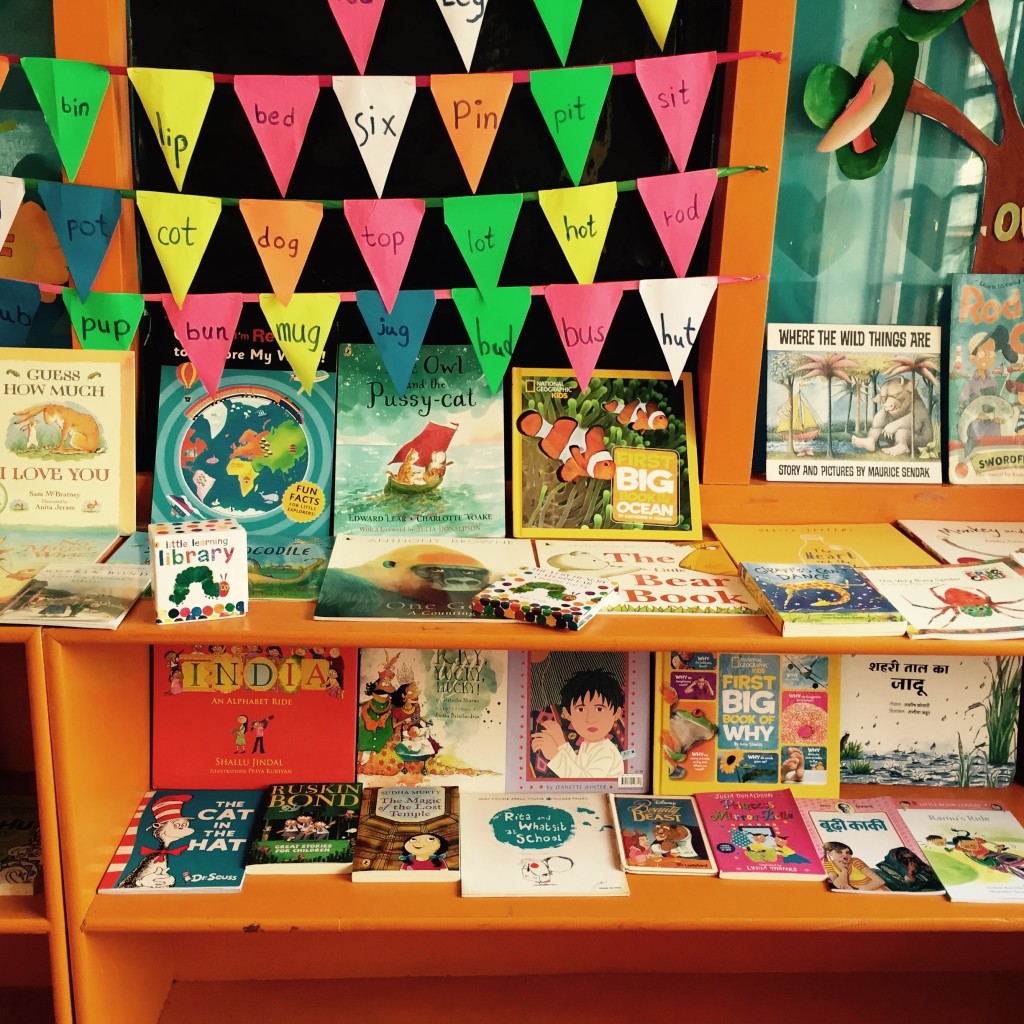
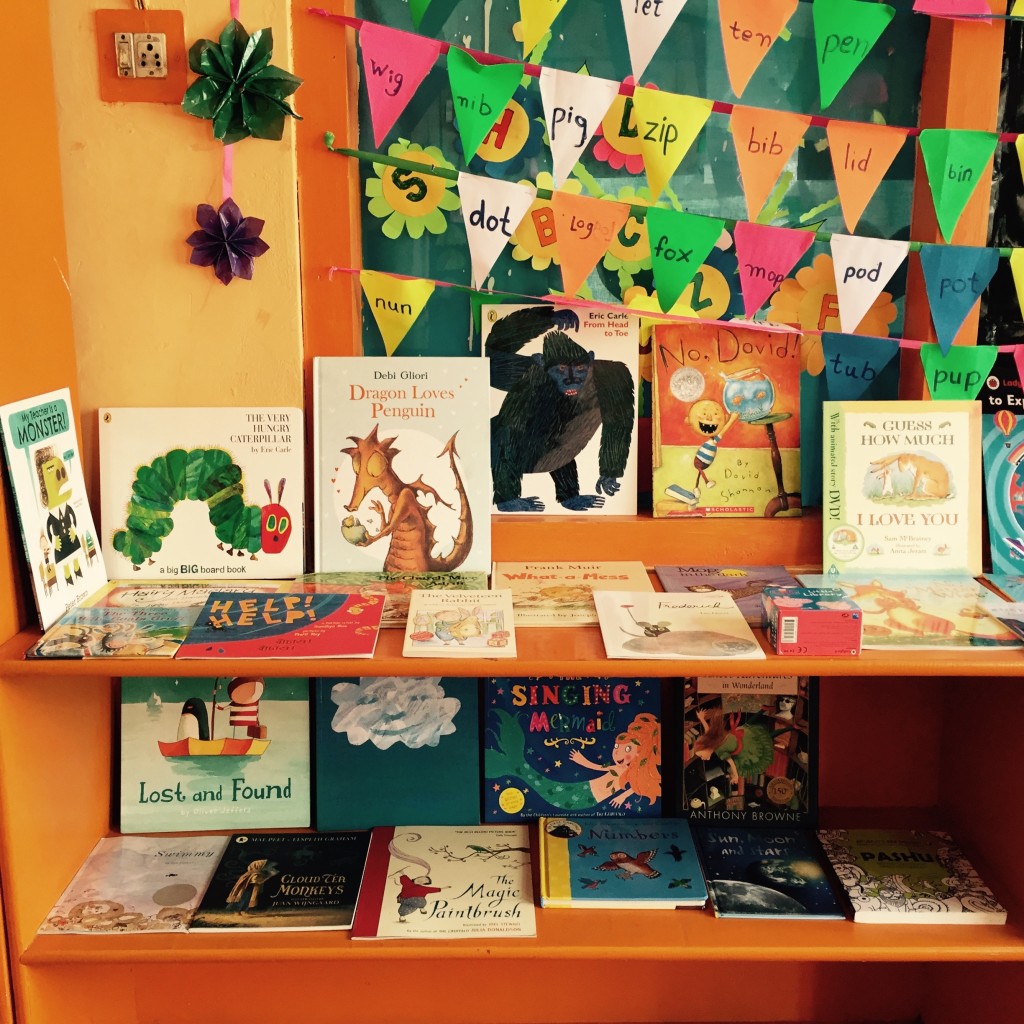
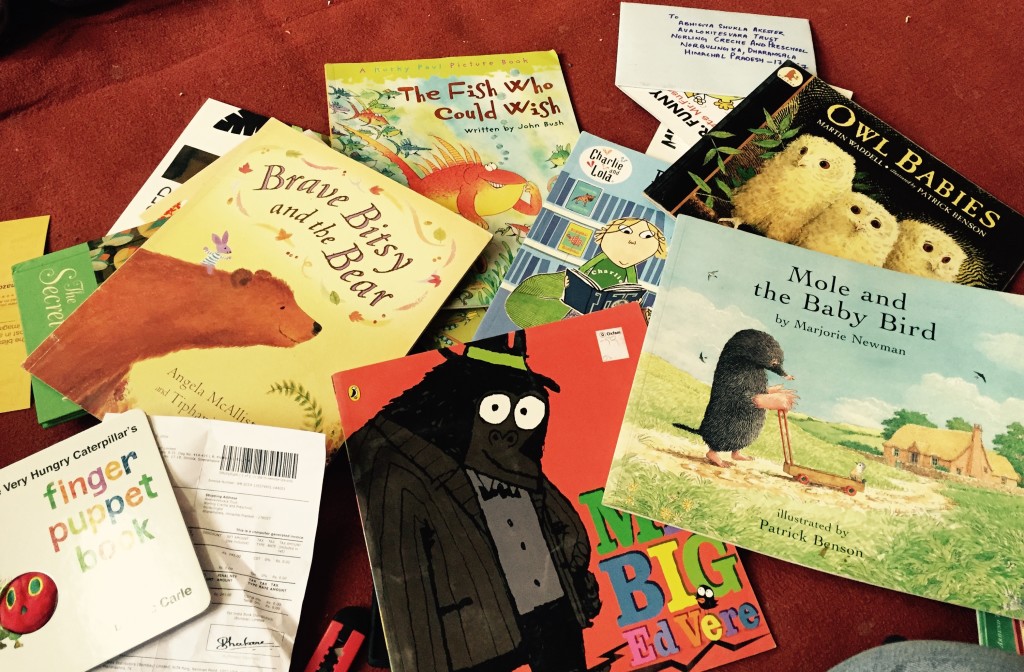
- Adding books about art, culture and creativity to the reading room display.
- Inviting a local artist to demonstrate a technique and discuss creative mistakes.
- Photographing the exhibition for families who cannot attend in person.
Follow-up matters because confidence develops through repetition. A single prize may feel exciting, but regular chances to make choices, receive thoughtful feedback and contribute to a group create a deeper sense of capability.
Turning A Contest Into A Lasting Learning Habit
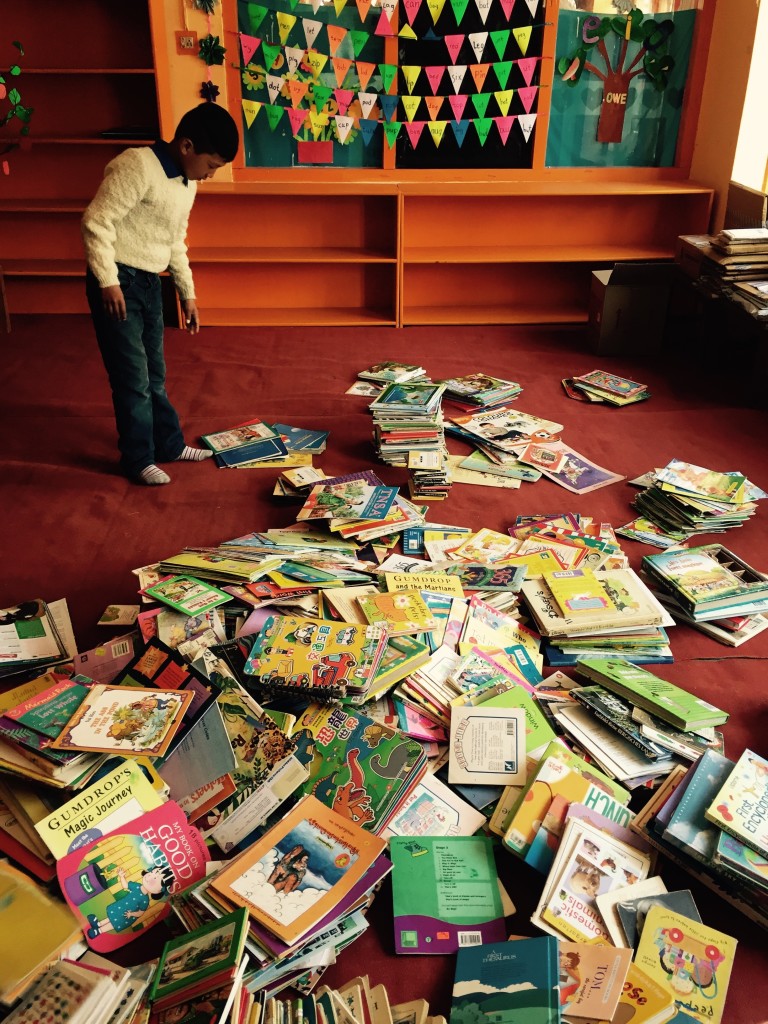
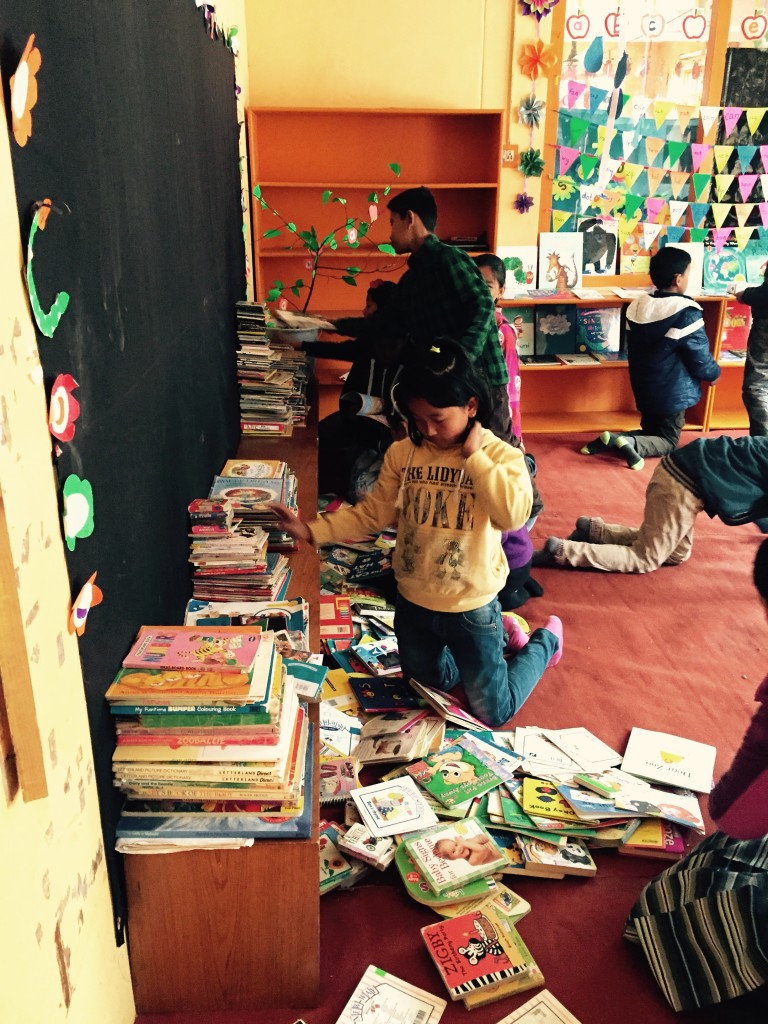
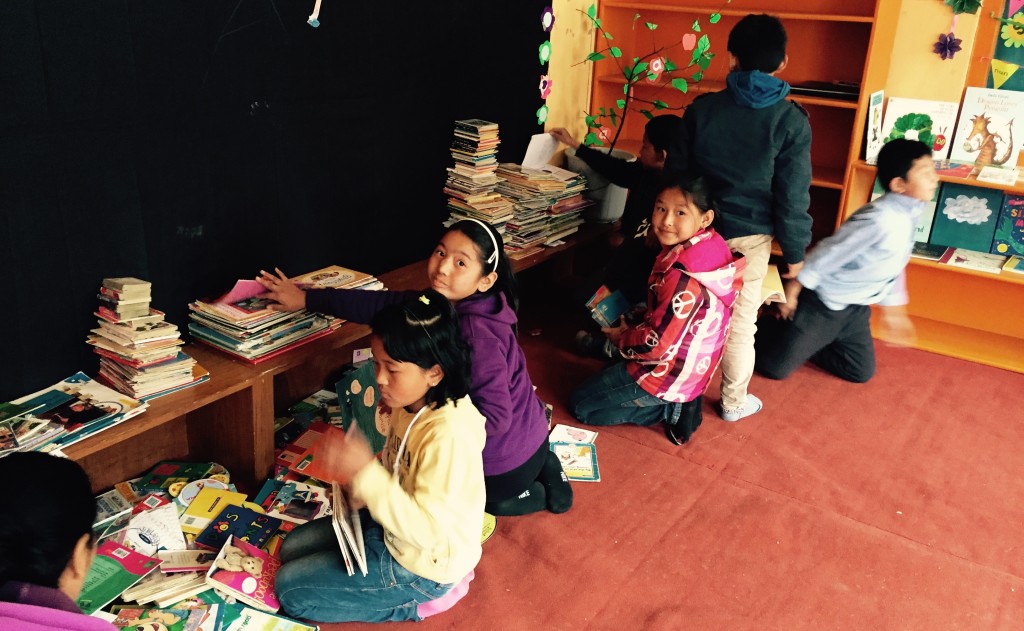
An art contest should be affordable and accessible, especially when families are managing the cost of school supplies, transport and books. Organisers can use donated paper, washable paints, fabric scraps and packaging. Book drives and reading-room programs can place art materials beside stories, making creative activity part of a broader learning environment rather than an expensive extra.
Judging can also be shared. A small panel might include a teacher, librarian, artist, volunteer, parent and older student. Clear criteria should value ideas, effort, care and communication. Children should understand that an artwork can be successful without being realistic, polished or commercially appealing.
For organisations working in Ladakh and other Himalayan communities, an exhibition can celebrate local identity while encouraging exchange with supporters elsewhere. For Australian partners, a virtual gallery or printed display can help families see how literacy, art and cultural understanding connect. The local market also matters: an independent bookshop, gallery, school supplier or council arts office may contribute materials, display space or small prizes that keep spending within the community.
The practical test is simple: after the contest, do children have another welcoming way to participate? If the answer is yes, the event has done more than produce attractive artwork. It has helped children practise agency, tolerate attention, recognise their own strengths and see that a quiet voice can still shape a shared space.
This week, choose one child-friendly theme, gather donated materials and schedule a small exhibition where every participant receives specific recognition.