How Traditional Himalayan Art Inspires Creative Workshops
In Ladakh and across the Himalayan region, art is closely connected to place, memory, spirituality, and daily life. A painted wall, woven textile, carved doorway, or carefully designed manuscript may carry stories that have travelled across generations. These creative traditions offer children more than attractive patterns to imitate. They provide ways to observe their surroundings, value local knowledge, and express their own experiences.
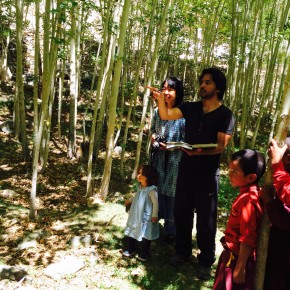
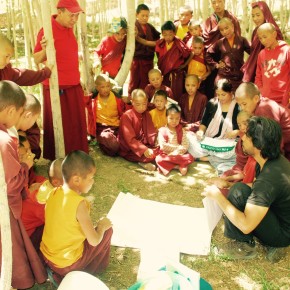
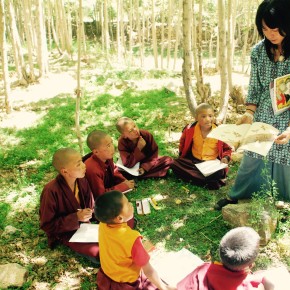
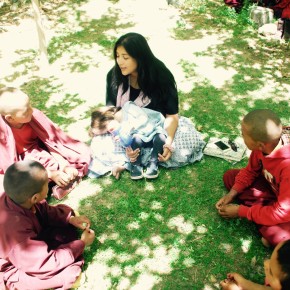
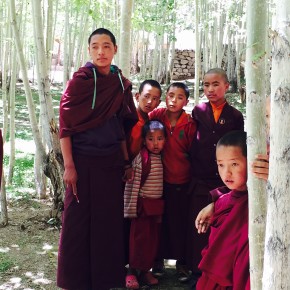
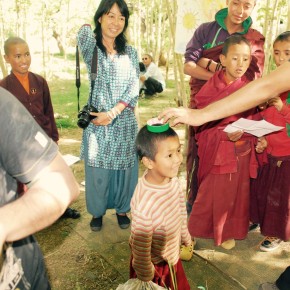
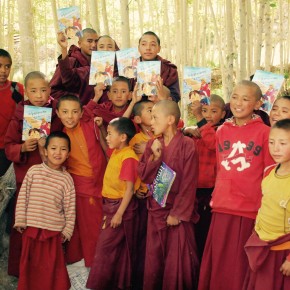
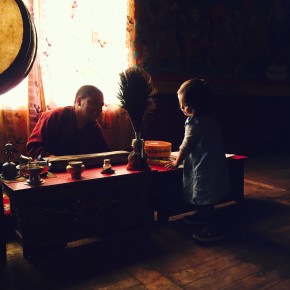
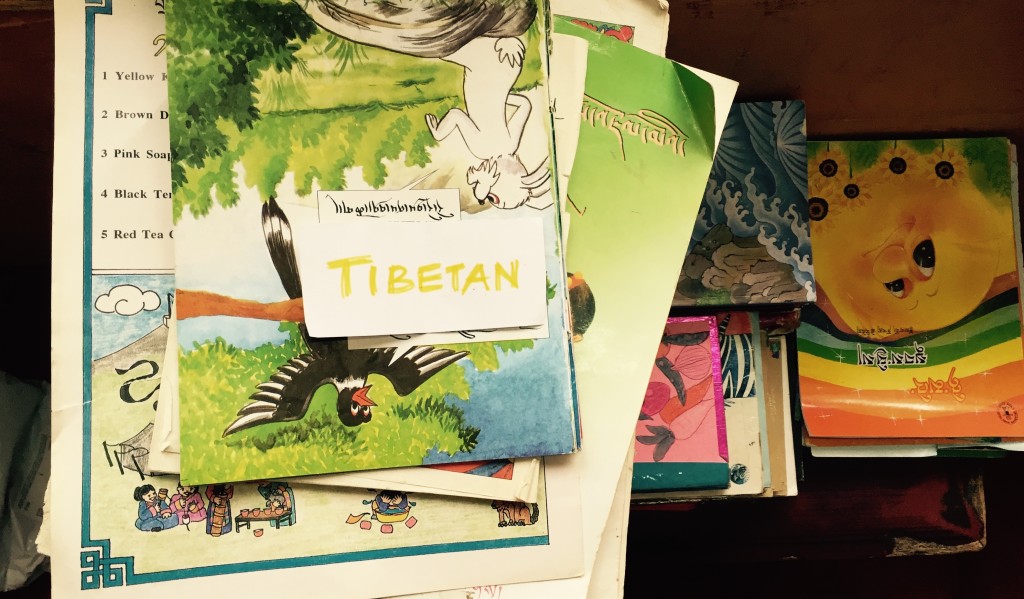
At Avalokiteśvara Trust, traditional Himalayan art inspires workshops that connect imagination with learning. Children and young monks can explore colour, line, texture, rhythm, and storytelling through activities adapted to their age and circumstances. The purpose is not to reproduce sacred or historic works exactly, but to encourage curiosity and respect while making space for individual creativity.
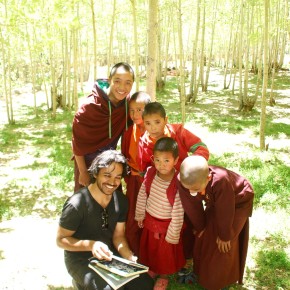
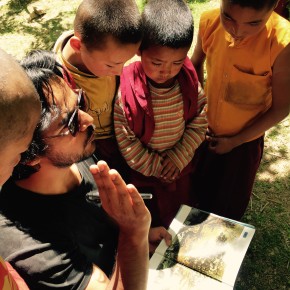
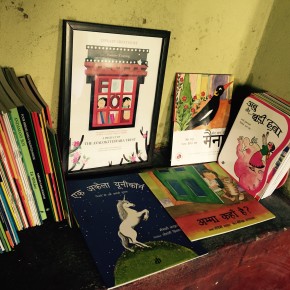
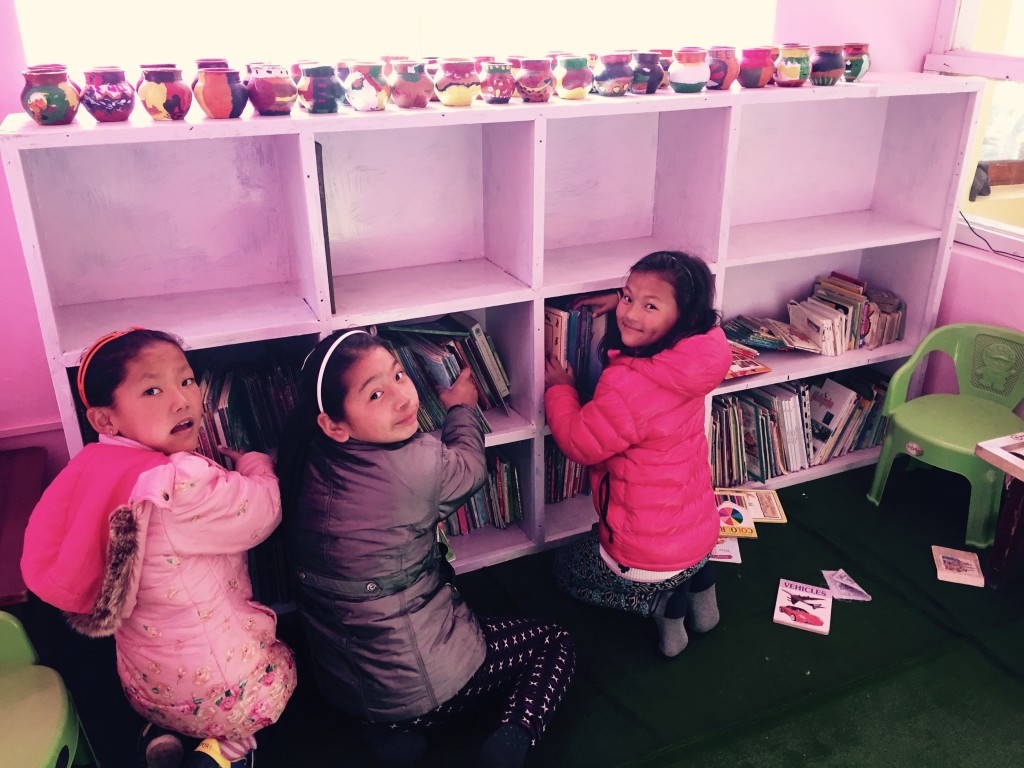
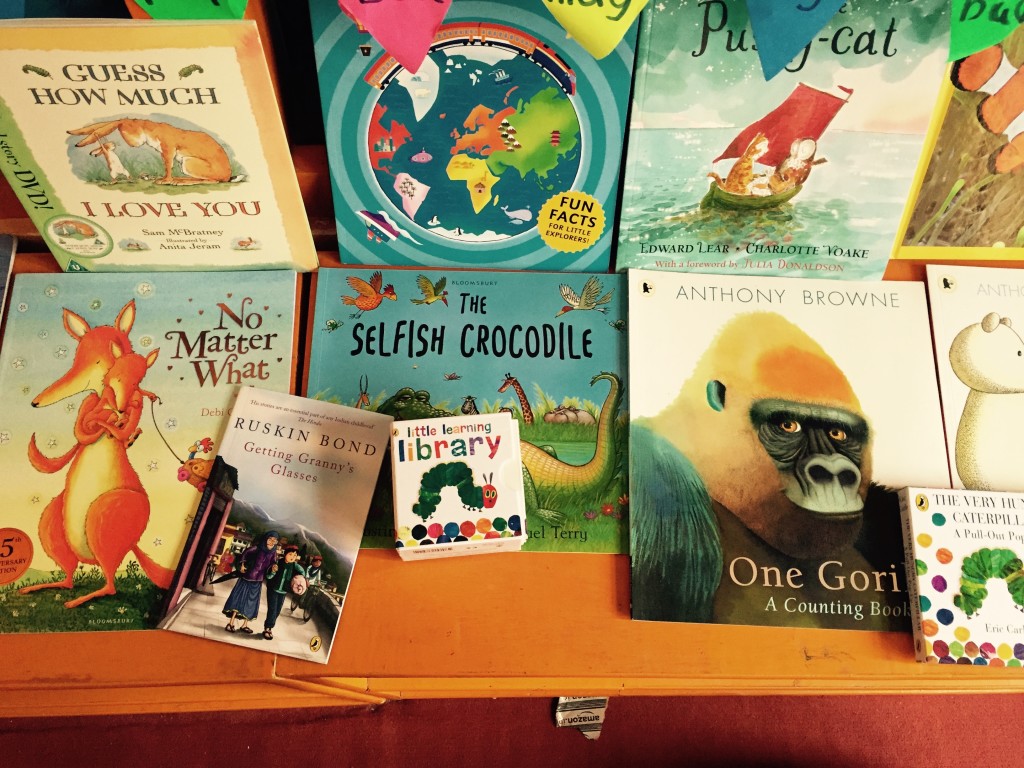
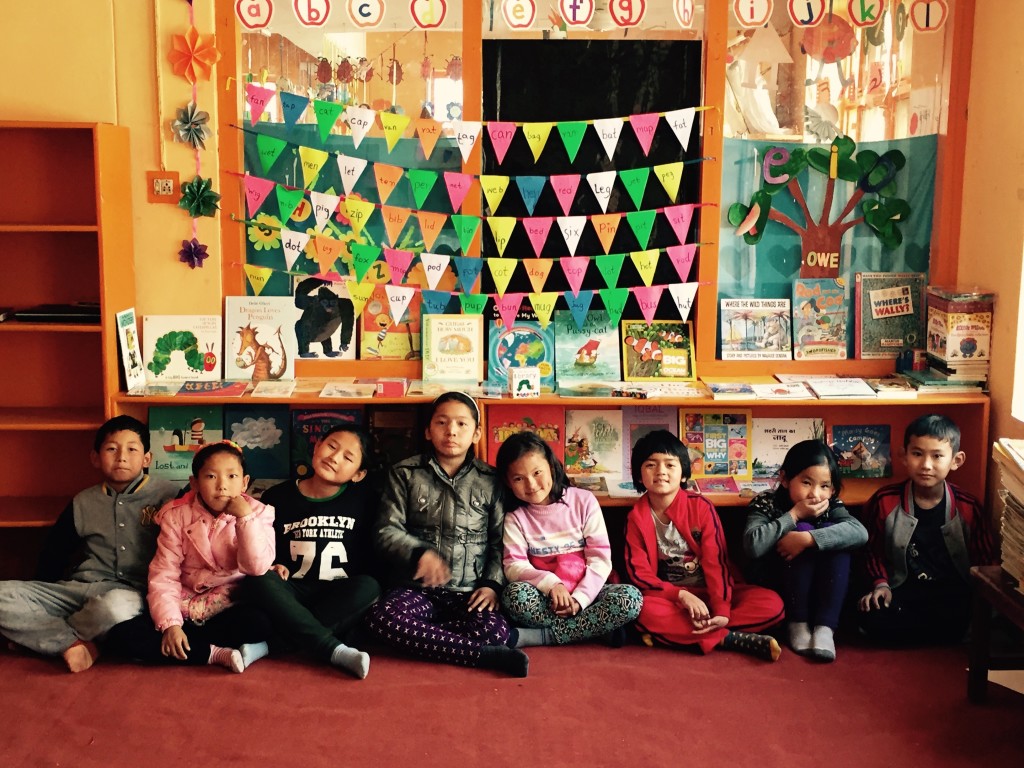
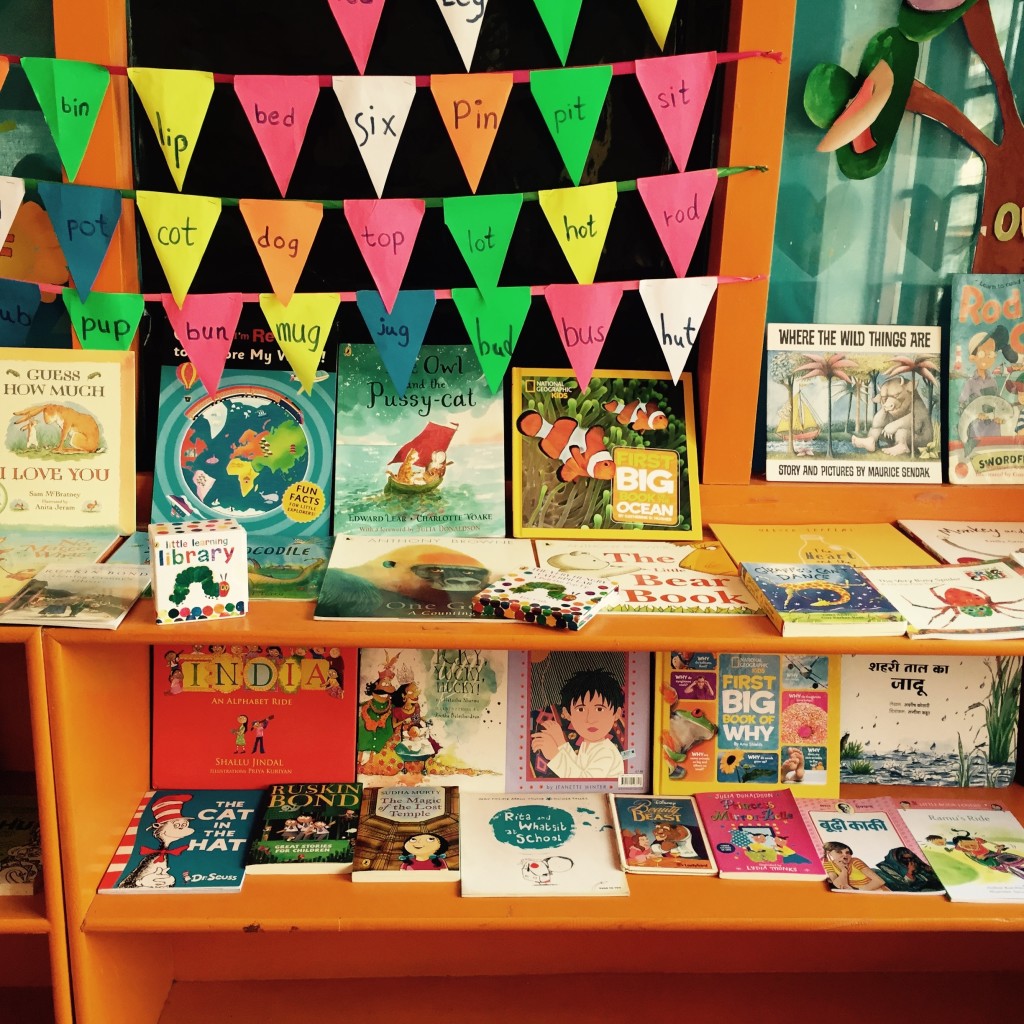
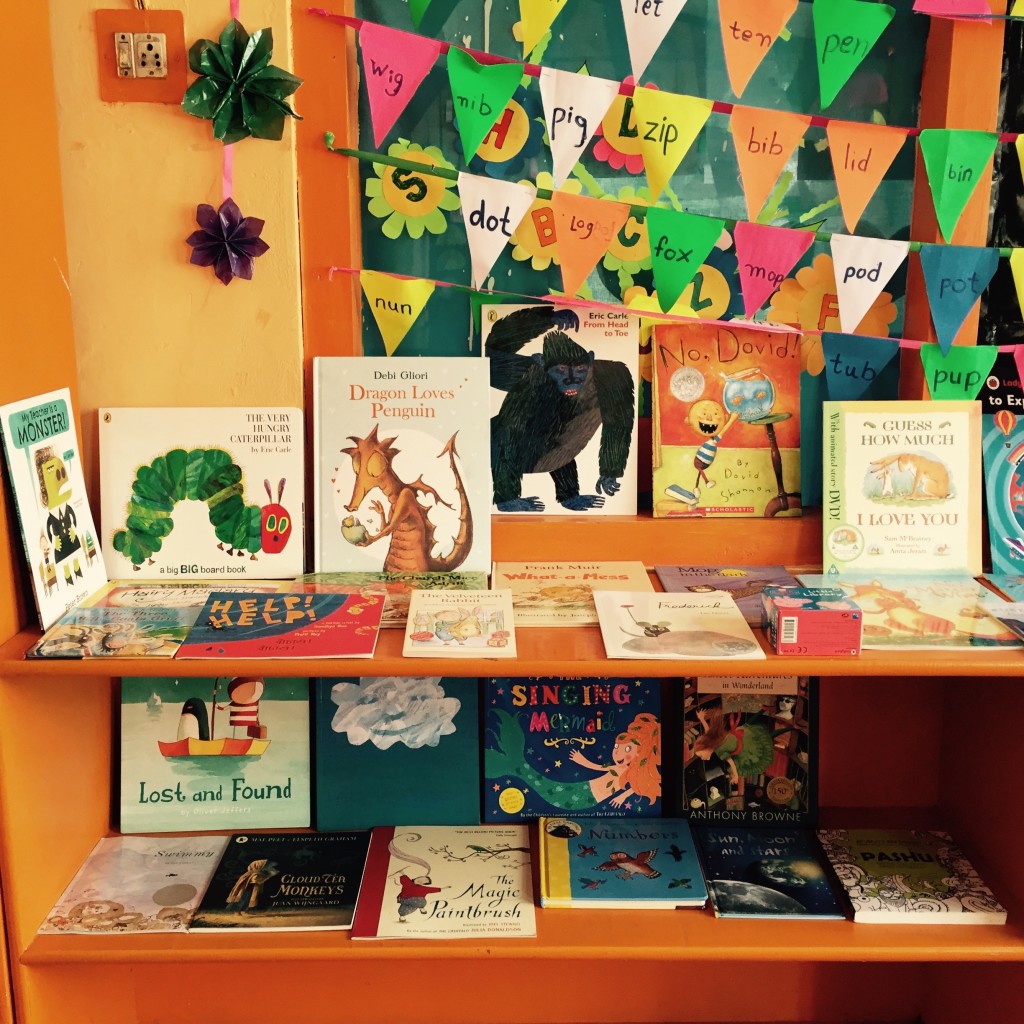
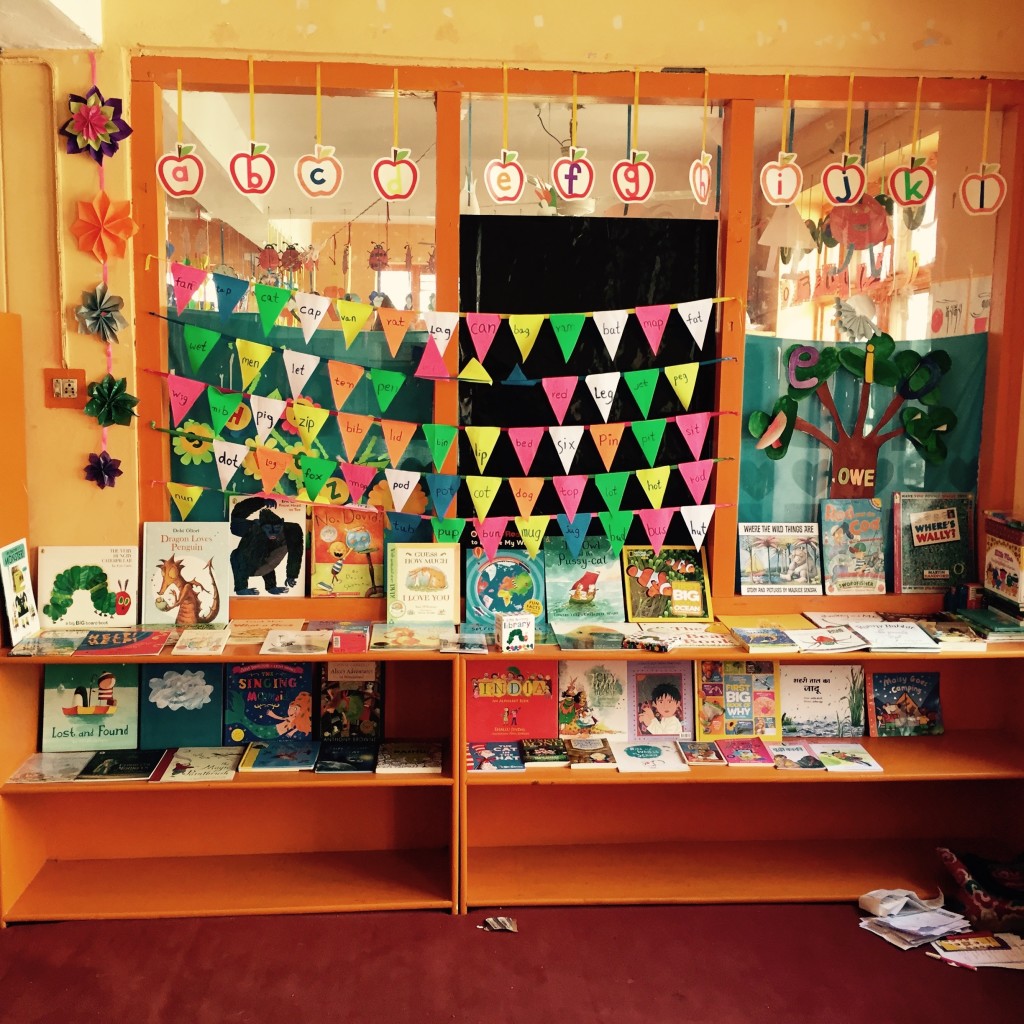
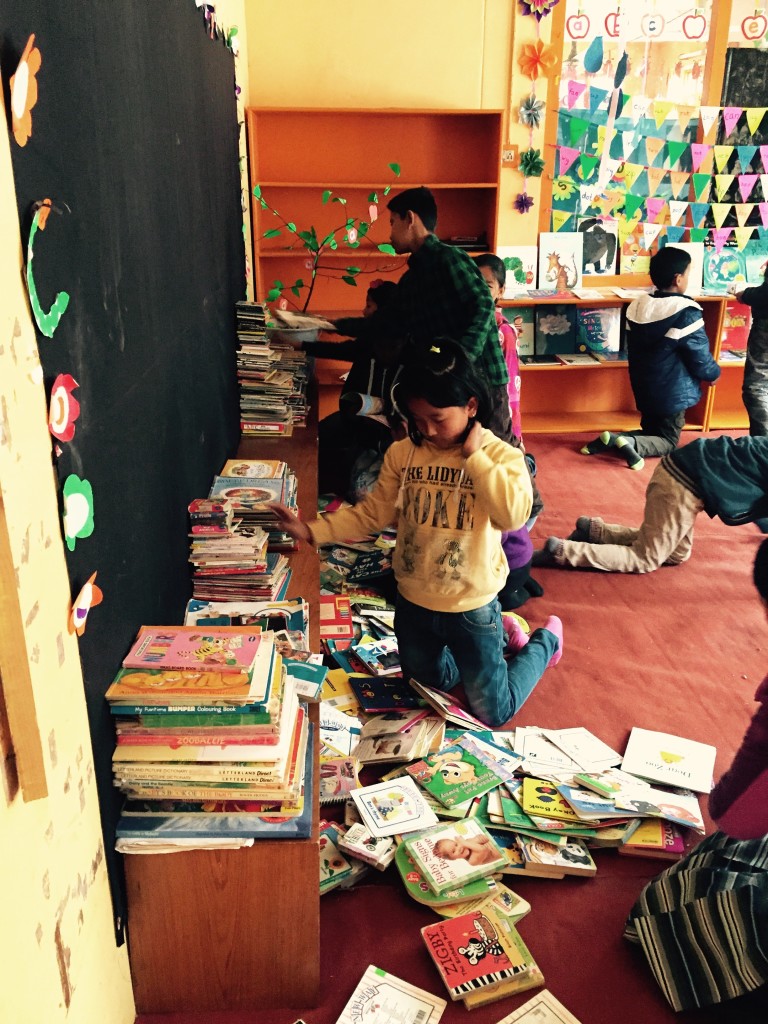
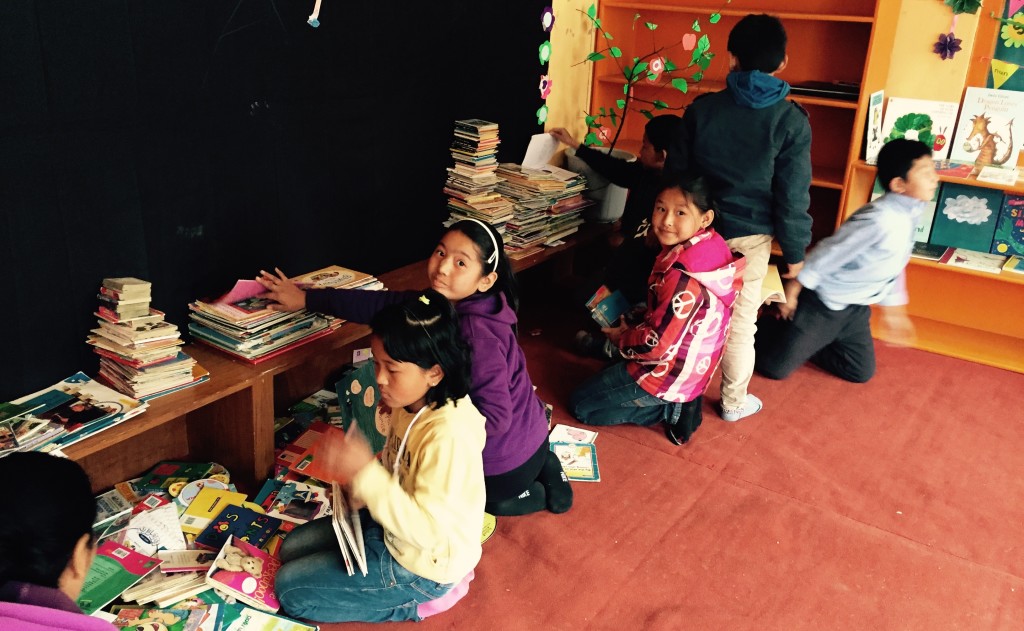
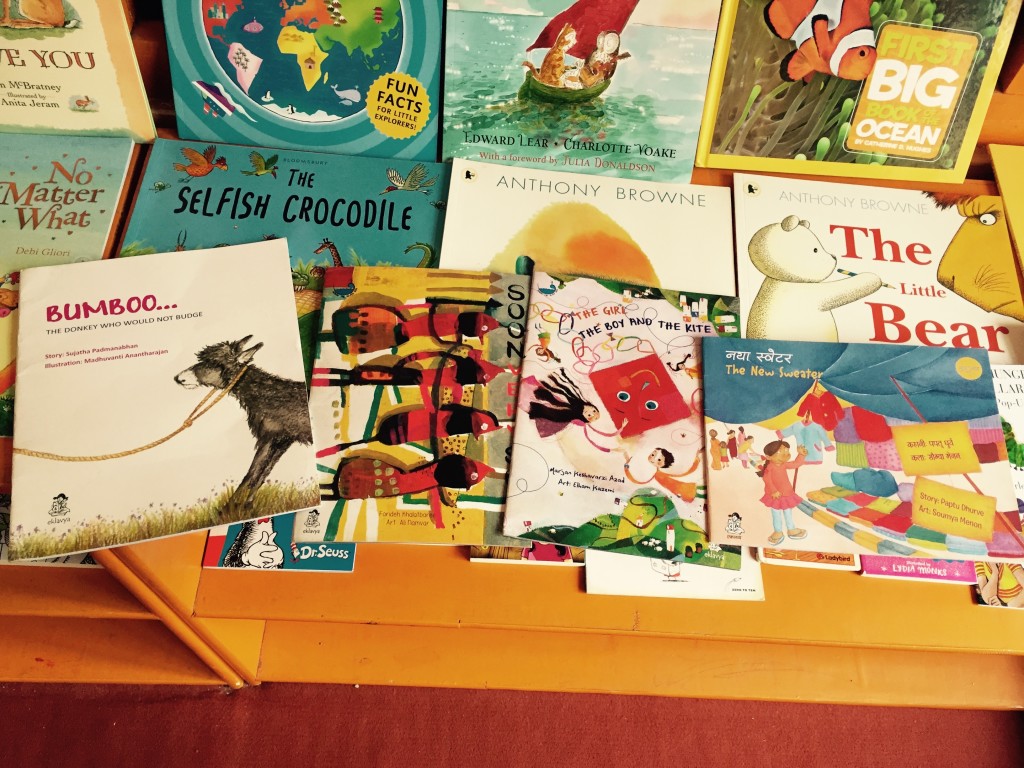
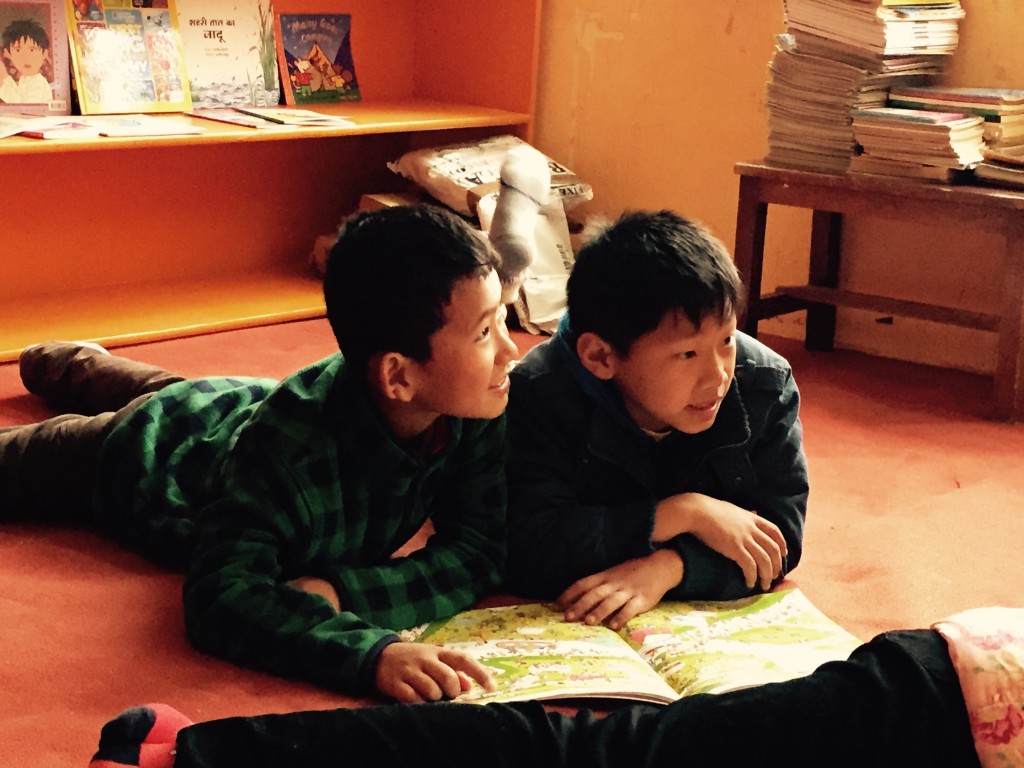
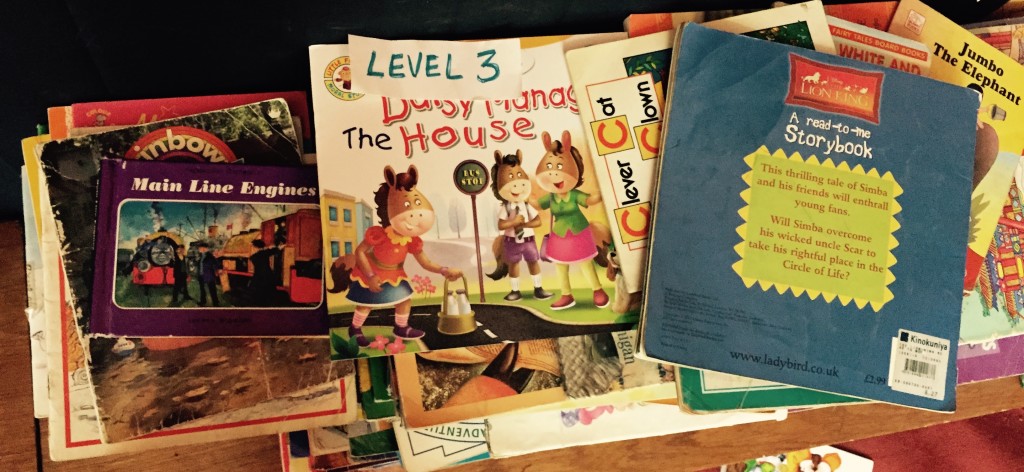
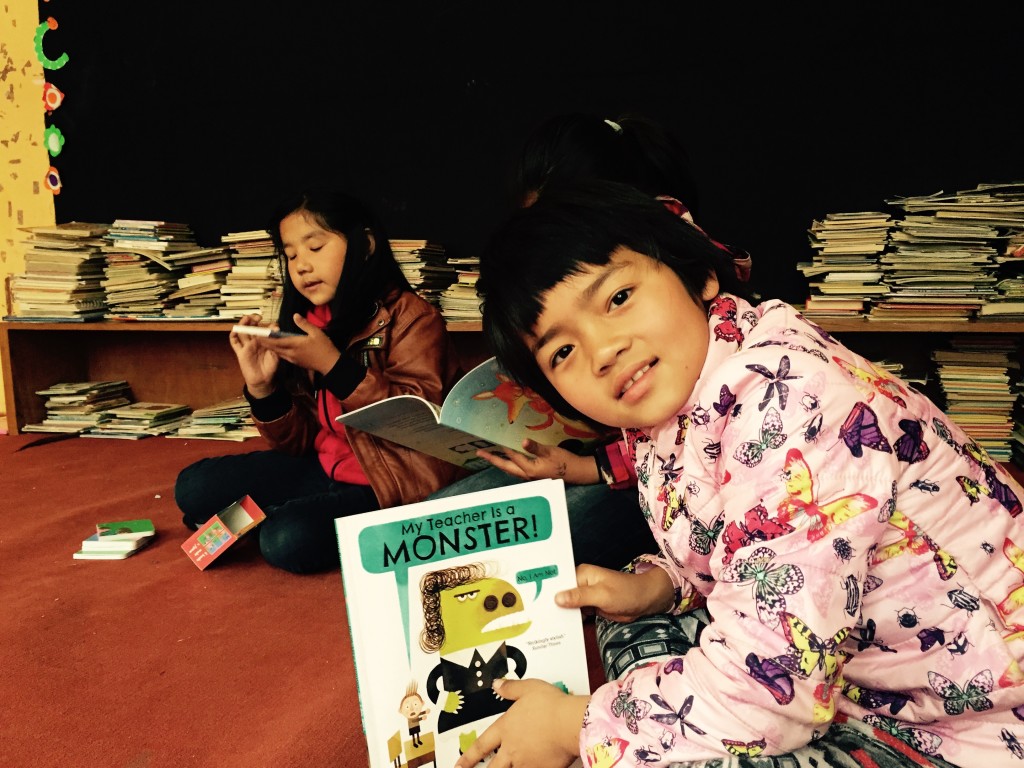
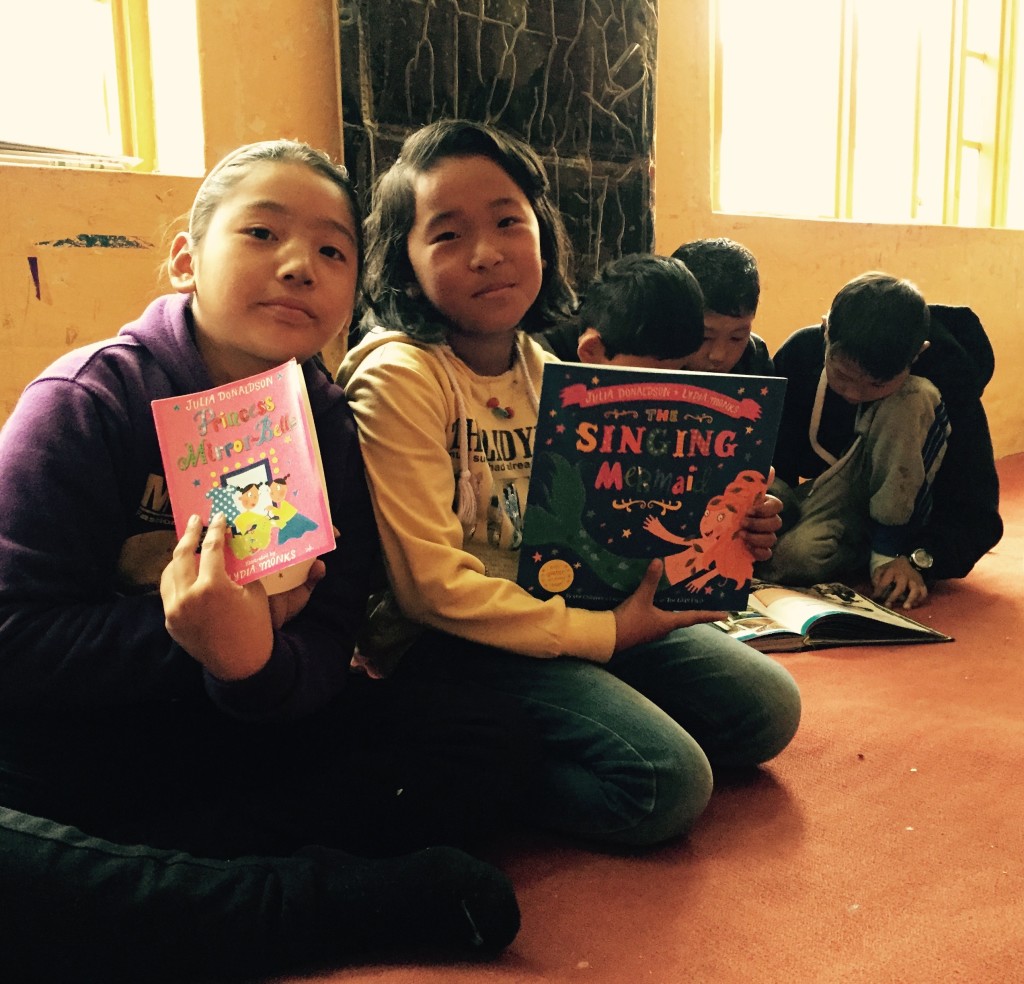
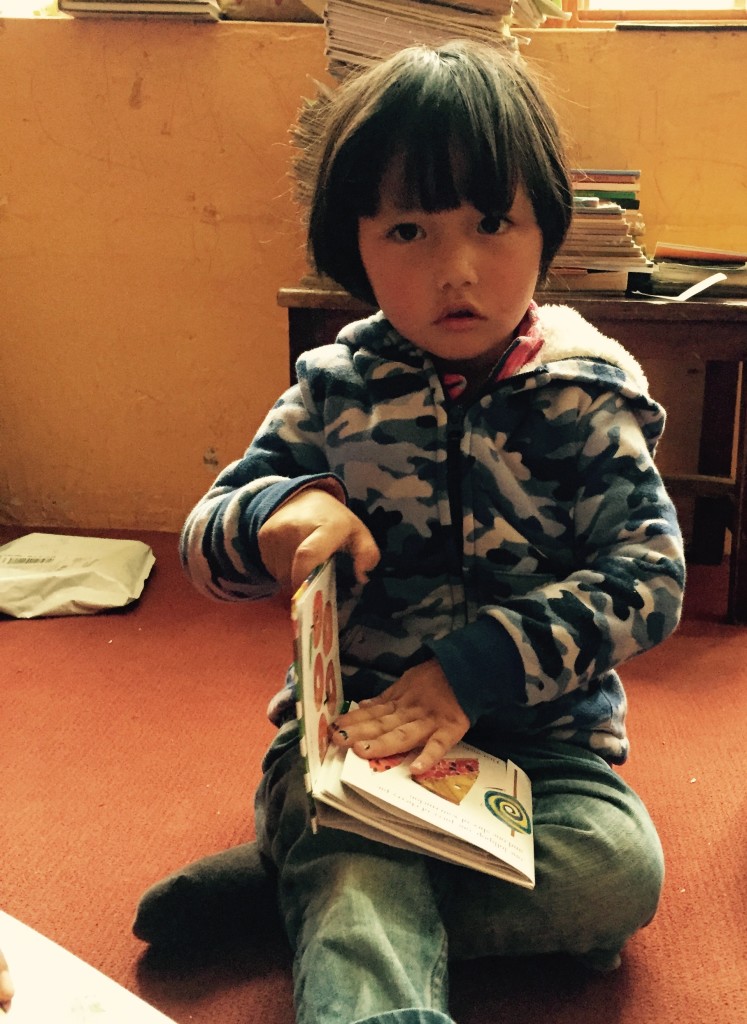
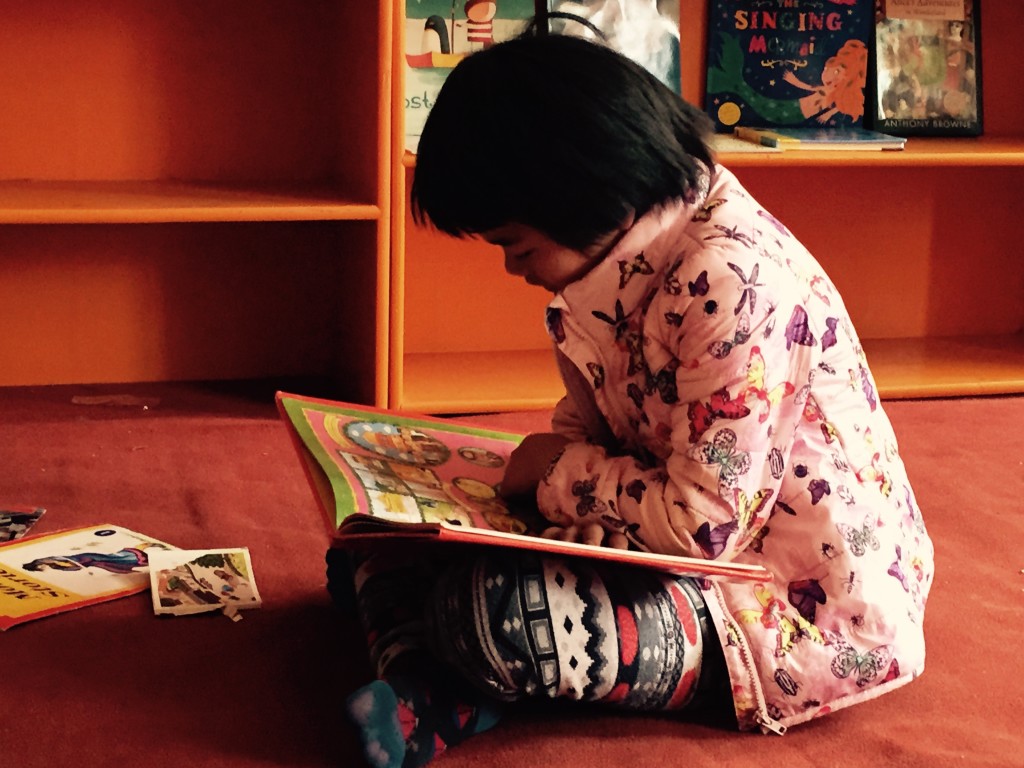
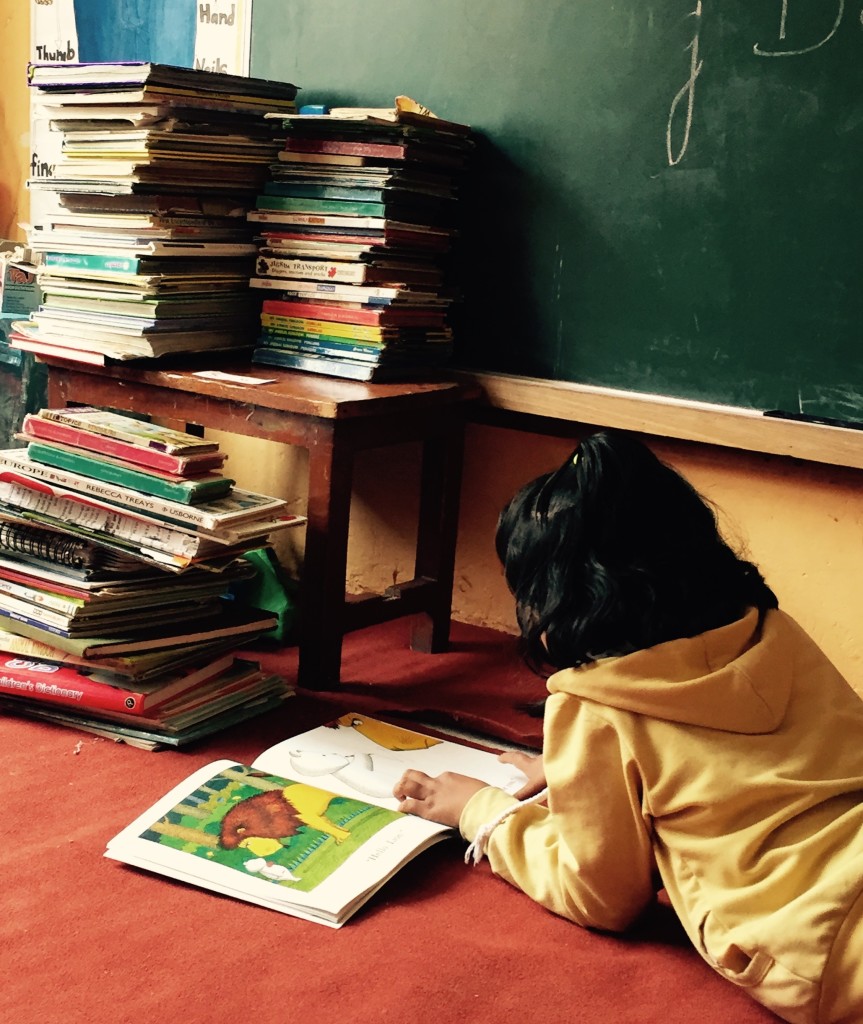
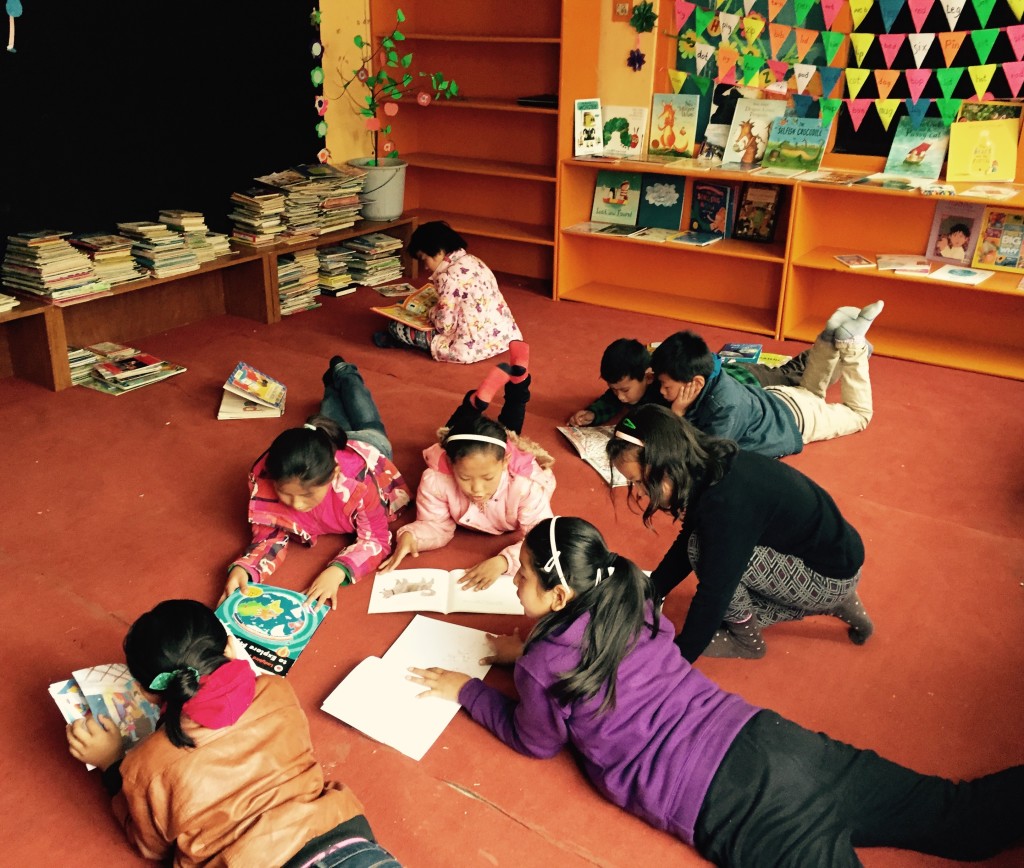
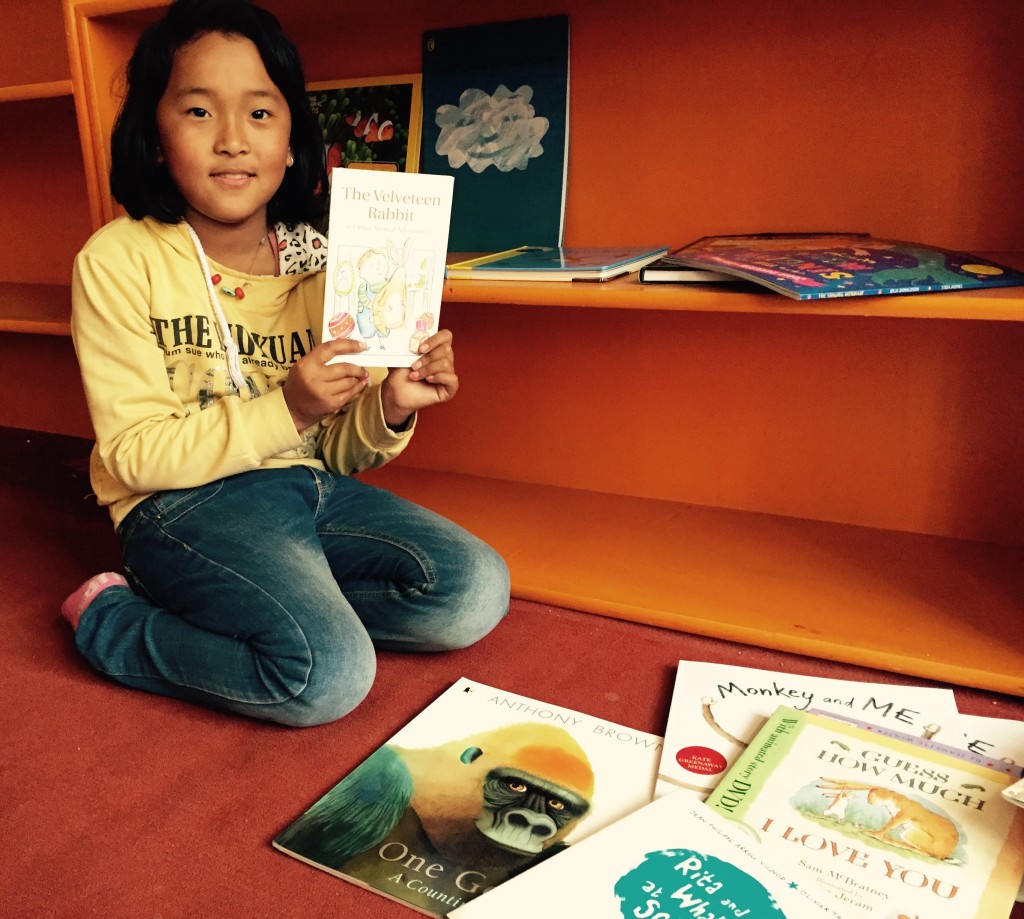
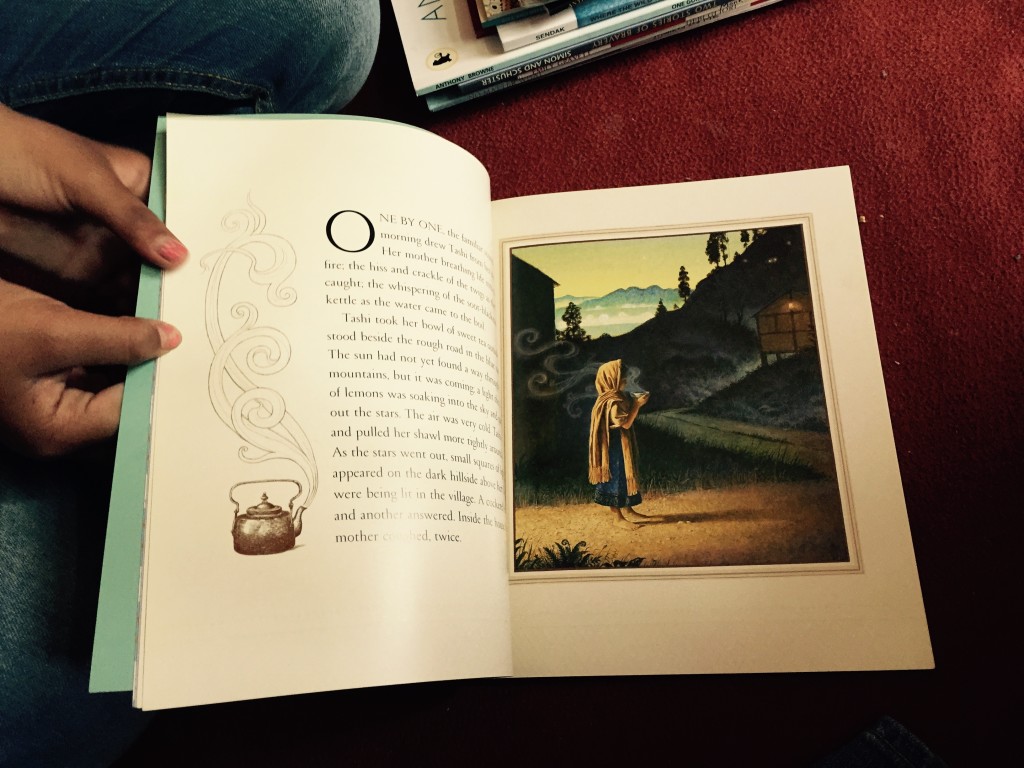
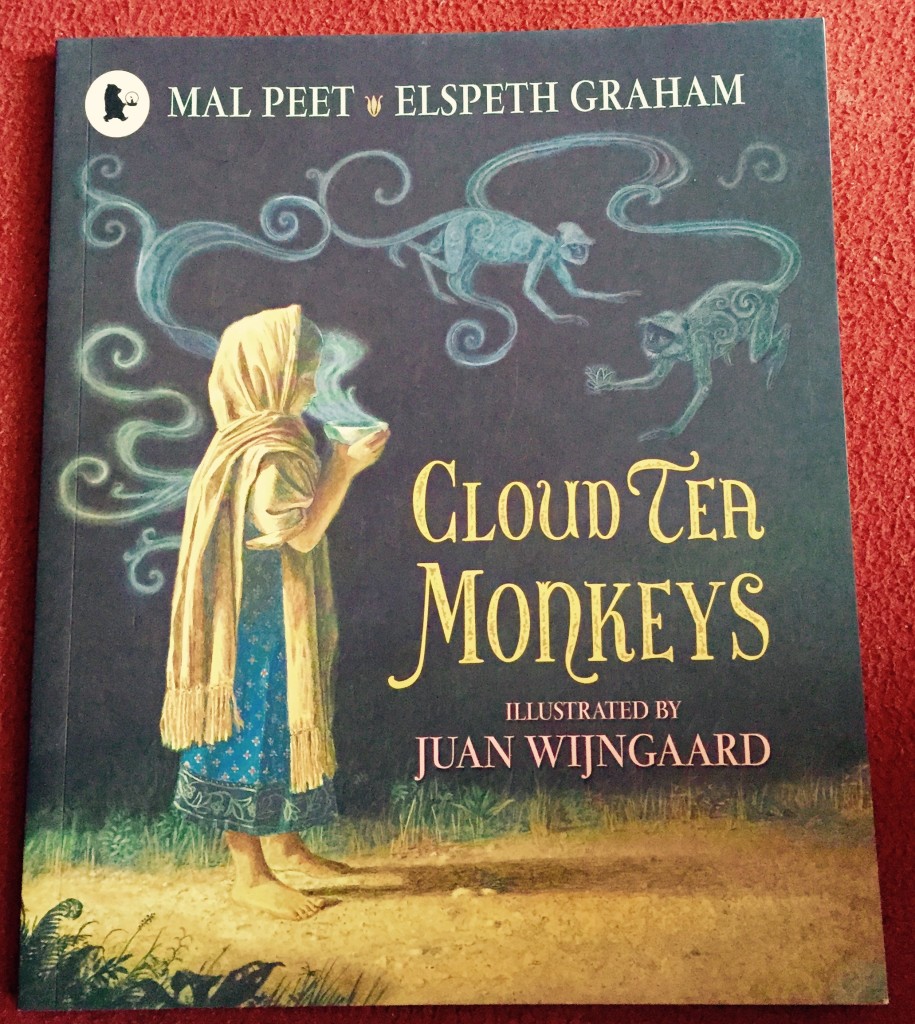
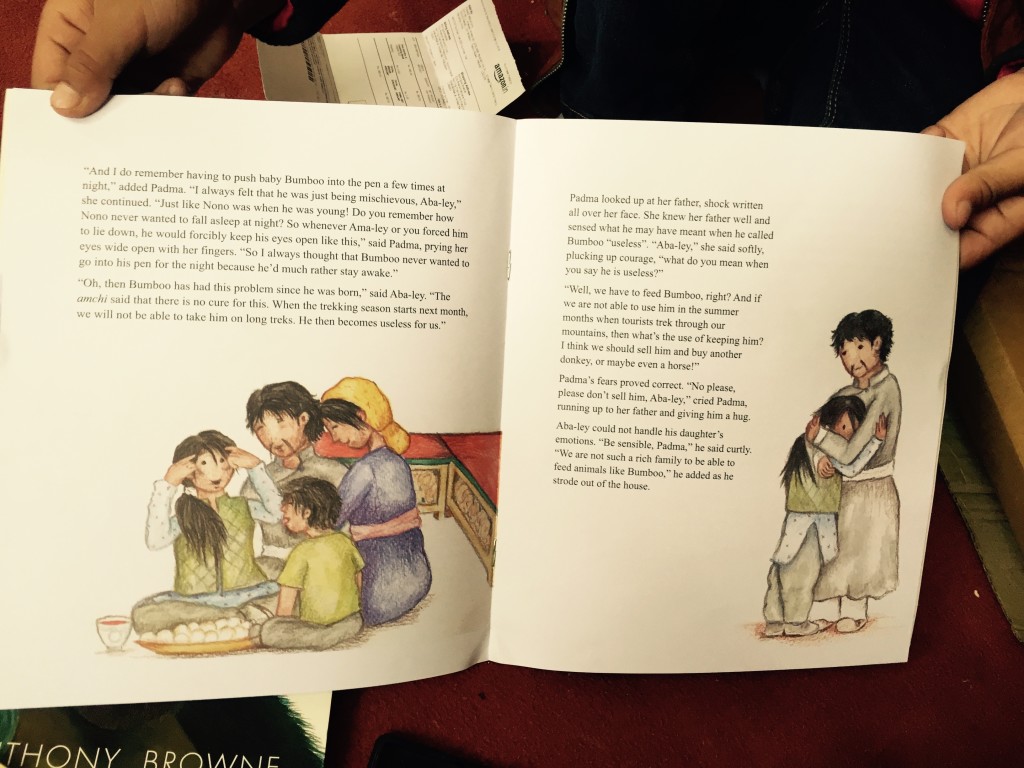
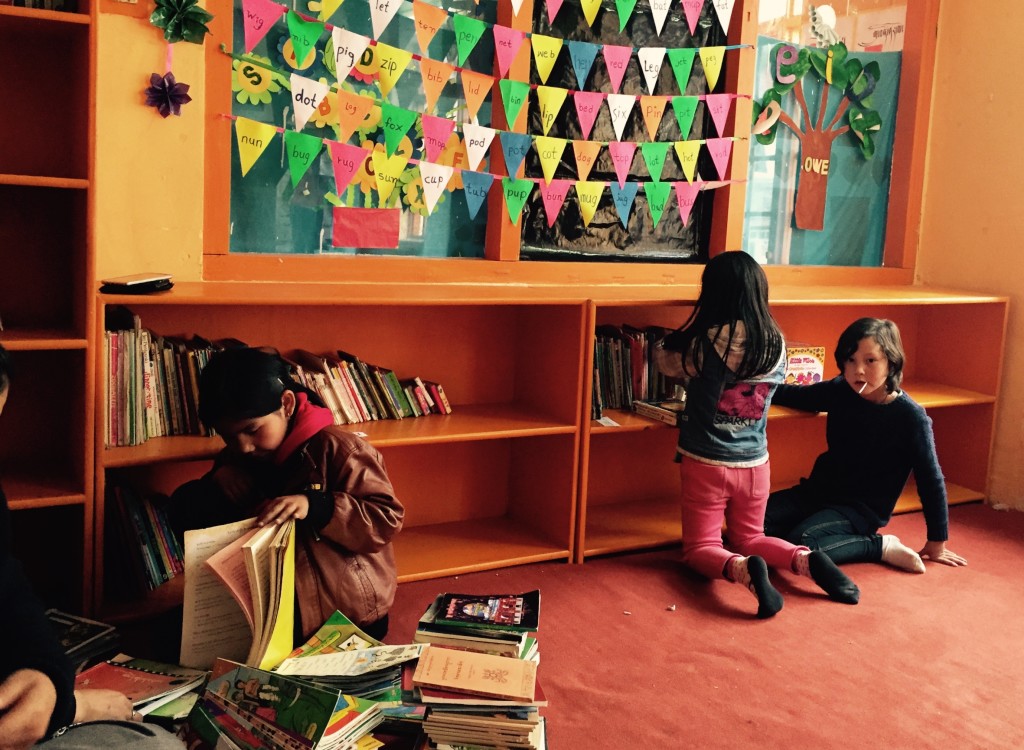
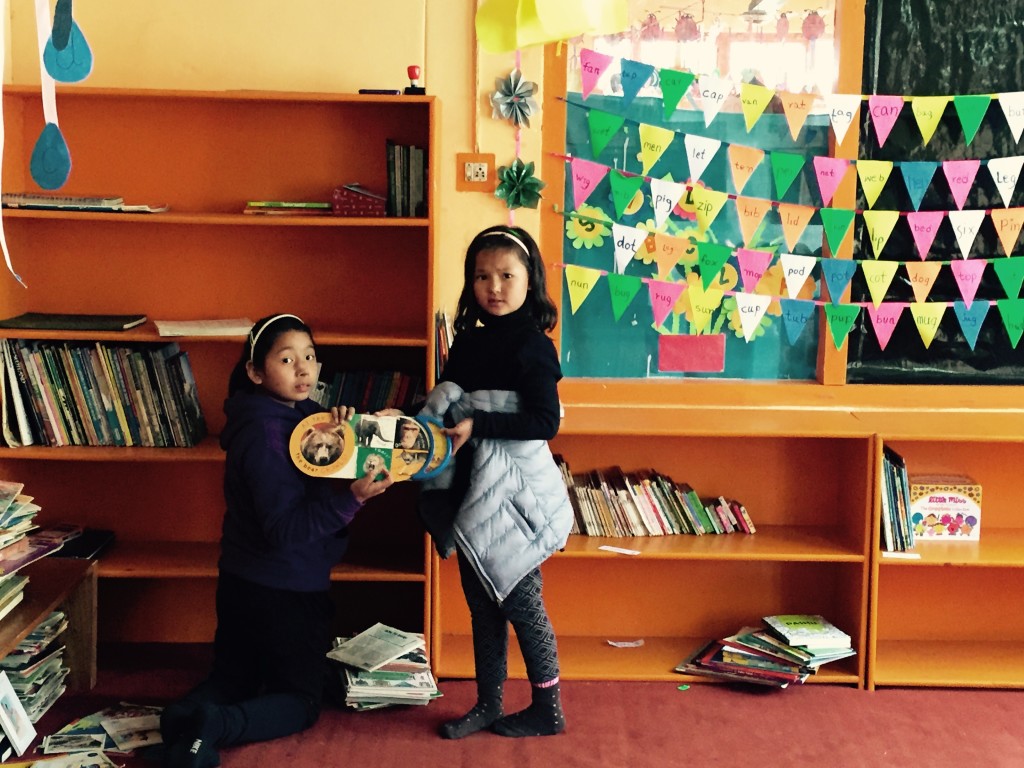
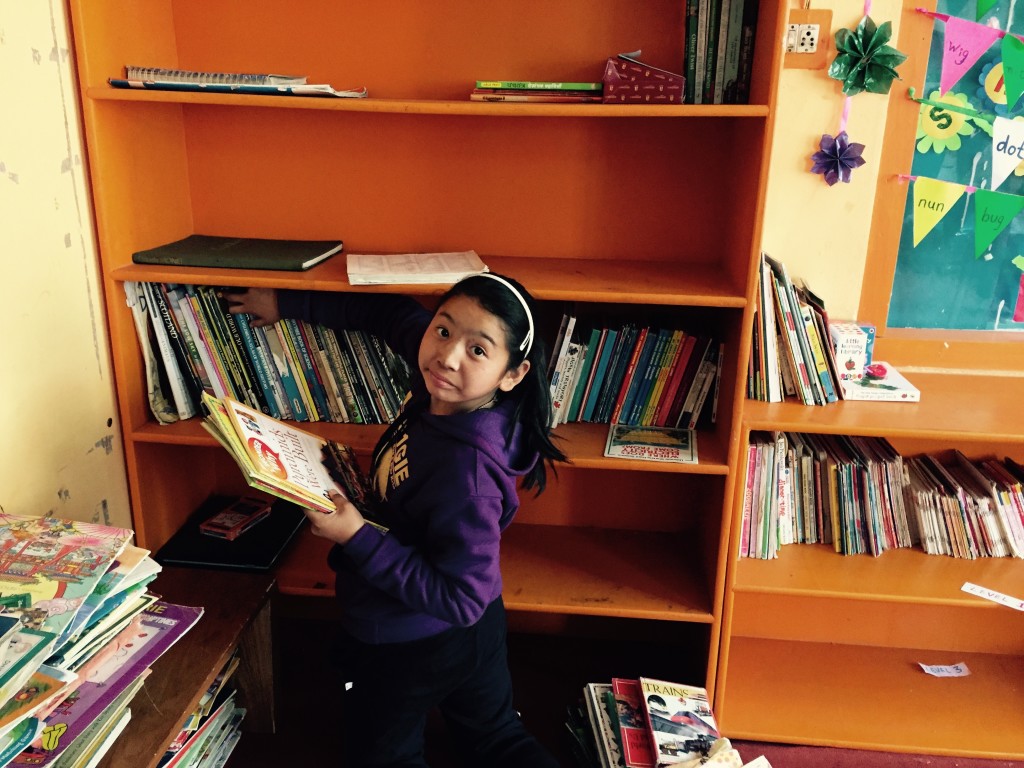
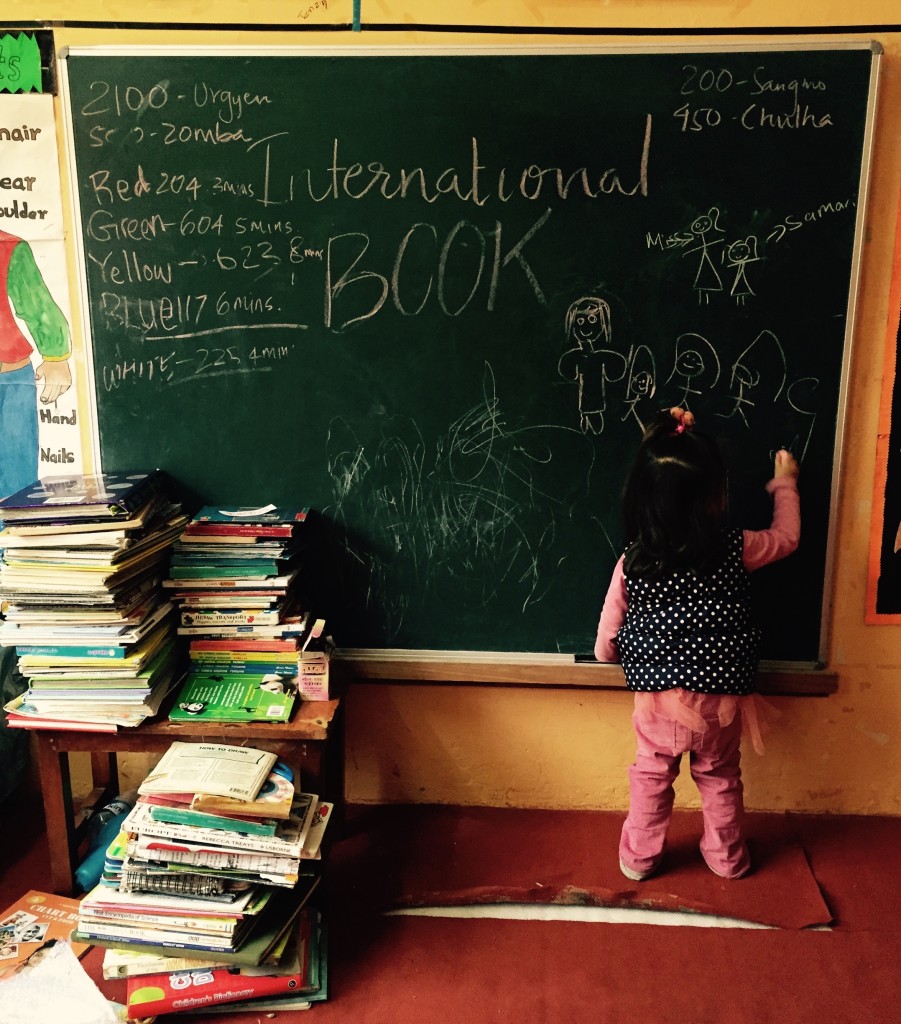
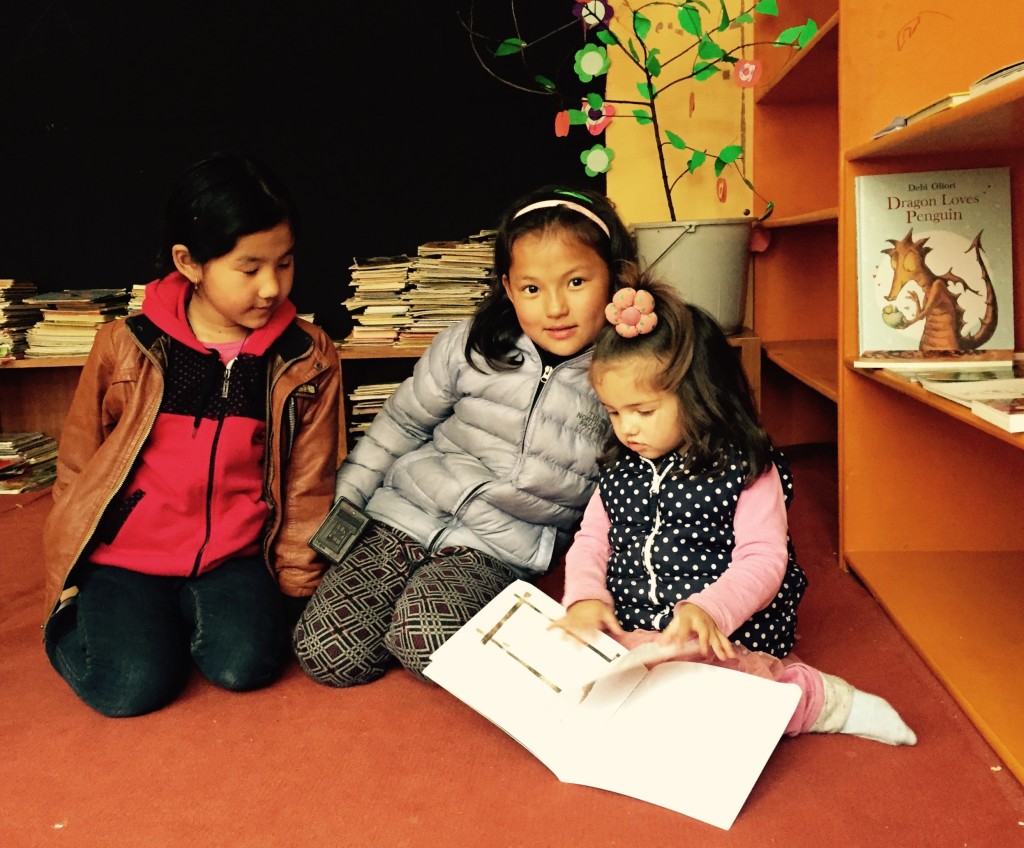
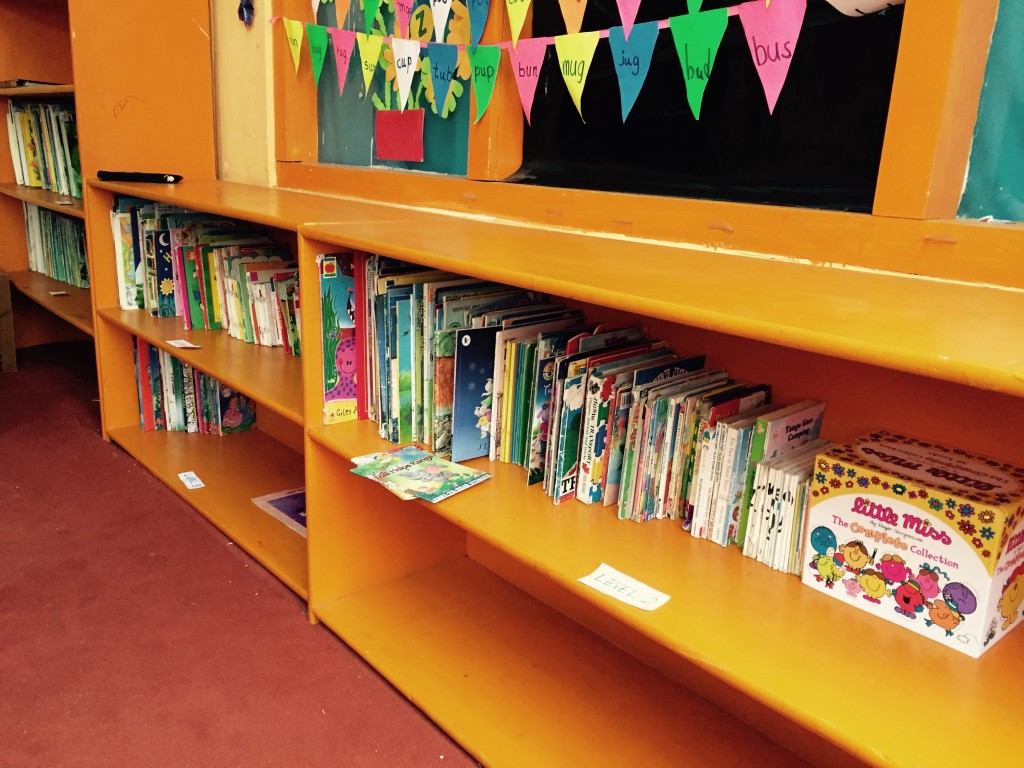
In communities where access to art supplies and cultural resources may be limited, a workshop can become a lively extension of a reading room. A picture book, a local story, and a simple drawing exercise can work together to develop confidence, concentration, and communication. Art becomes a bridge between heritage and possibility.
Learning from colour, line, and landscape
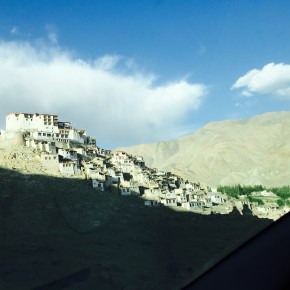
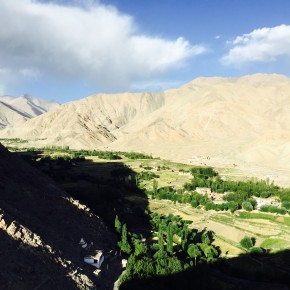
Himalayan art often reflects the dramatic environments in which it developed. High mountains, broad skies, river valleys, monasteries, cultivated fields, and changing light all offer visual references. Children can begin by looking closely at the colours around them, from the muted tones of stone walls to the vivid reds, blues, yellows, and greens used in decorative work.
A colour workshop may invite participants to build palettes from memory or observation. They might compare the blue of a winter shadow with the blue of a painted border, then use both in an image of their village. This activity develops visual awareness while helping children see that art does not need to be distant or mysterious. Their own homes and landscapes are worthy subjects.
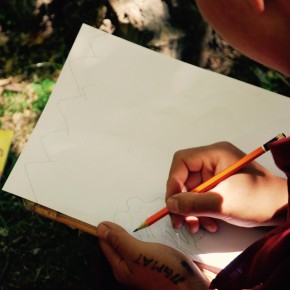
Line is equally expressive. Repeated borders, flowing forms, geometric shapes, and detailed contours can become exercises in patience and control. Young artists may create their own patterns based on leaves, clouds, mountain paths, or architectural details. The result is personal rather than copied, yet it remains connected to the visual language of the region.
Stories carried through images
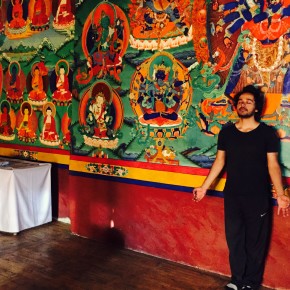
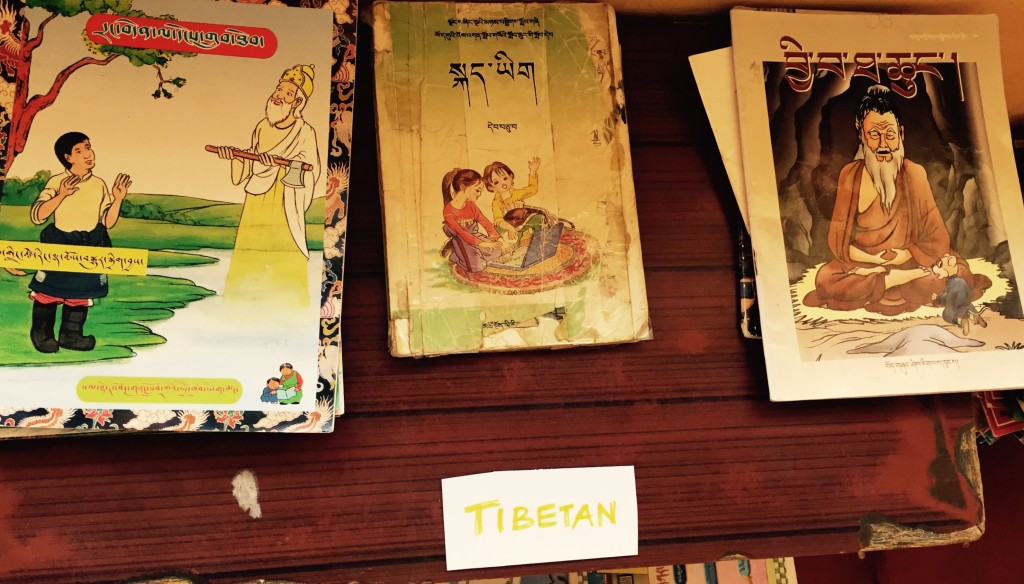
Many Himalayan art forms are connected to narrative. A mural, illustrated text, or symbolic motif can communicate a moral lesson, describe a spiritual idea, or preserve a community memory. This relationship between image and story is especially valuable in educational settings because it brings reading, discussion, and creative expression into one activity.
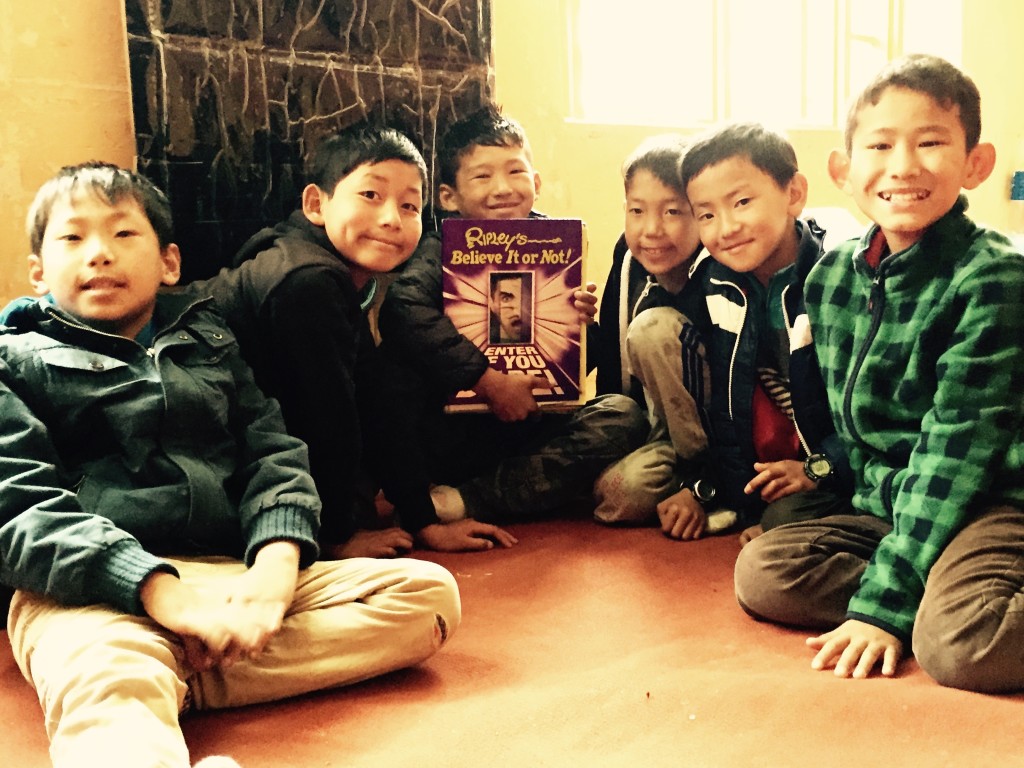
A facilitator might read a folktale aloud and ask children to identify its setting, characters, turning points, and emotions. Each participant can then design one scene, a character card, or a sequence of images. Young monks may choose to illustrate a lesson from a text they are studying, while other children may draw a family story or an imagined journey through the mountains.
These projects support literacy without making art feel like another examination. Children practise listening, sequencing, describing, and interpreting. They also learn that there can be several meaningful ways to represent the same story. One child may focus on a face, another on the landscape, and another on a symbolic object. Those differences are part of the creative process.
Respectful connections to sacred traditions
Traditional Himalayan painting and sculpture include forms with deep religious significance. Thangka painting, monastery murals, ritual objects, and symbolic designs should be approached with care. A children’s workshop should explain the difference between learning about a tradition and reproducing sacred imagery without context.
For that reason, activities can focus on transferable ideas such as balanced composition, fine brushwork, natural forms, symmetry, or the use of visual symbols in storytelling. Facilitators can work with local artists, teachers, and monastic communities to decide which subjects are appropriate. When cultural knowledge is shared by people who practise and protect it, children receive a richer and more accurate lesson.
Respect also means giving credit. A workshop can name the source of a pattern, explain its place in local culture, and encourage participants to develop an original design. This approach avoids treating Himalayan art as a decorative style detached from its meaning. It shows children that creativity includes responsibility, listening, and acknowledgement.
| Artistic influence |
Workshop activity |
Skills supported |
Respectful approach |
| Himalayan colour palettes |
Mix colours inspired by local landscapes |
Observation, experimentation, vocabulary |
Connect colours to place rather than copying sacred works |
| Repeated textile patterns |
Design a border using natural or geometric forms |
Focus, sequencing, fine motor skills |
Create original motifs from everyday surroundings |
| Narrative murals |
Illustrate scenes from a folktale or book |
Reading, memory, visual storytelling |
Discuss the story’s context before drawing |
| Wood and stone carving |
Press, sketch, or model simple textures in clay |
Tactile awareness, patience, design |
Use safe, age-appropriate materials |
| Monastic architecture |
Draw doors, windows, courtyards, or roof lines |
Proportion, perspective, local observation |
Learn from buildings without imitating restricted imagery |
Materials that invite experimentation
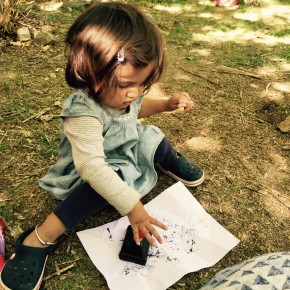
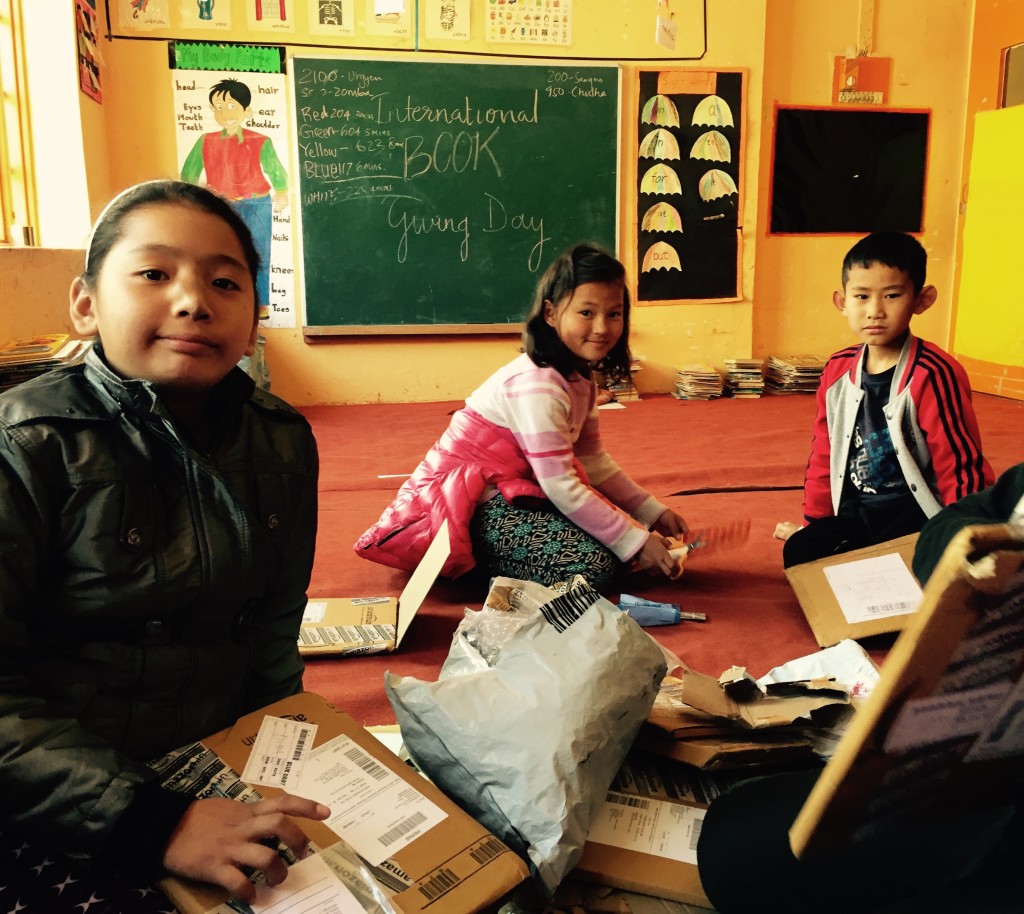
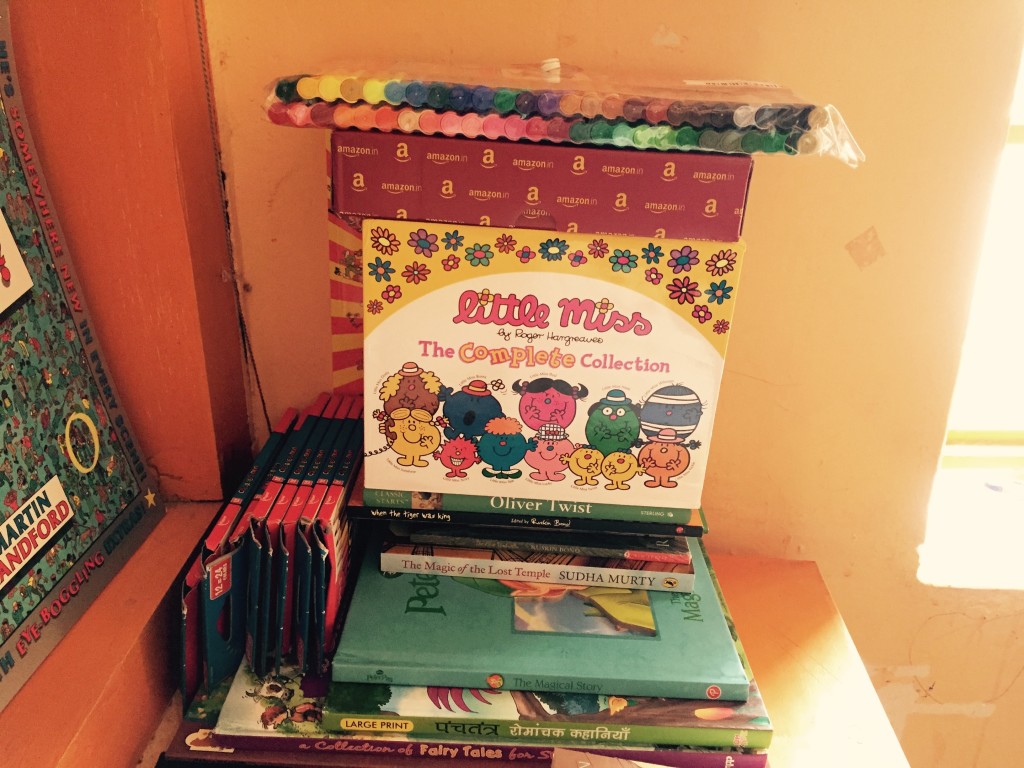
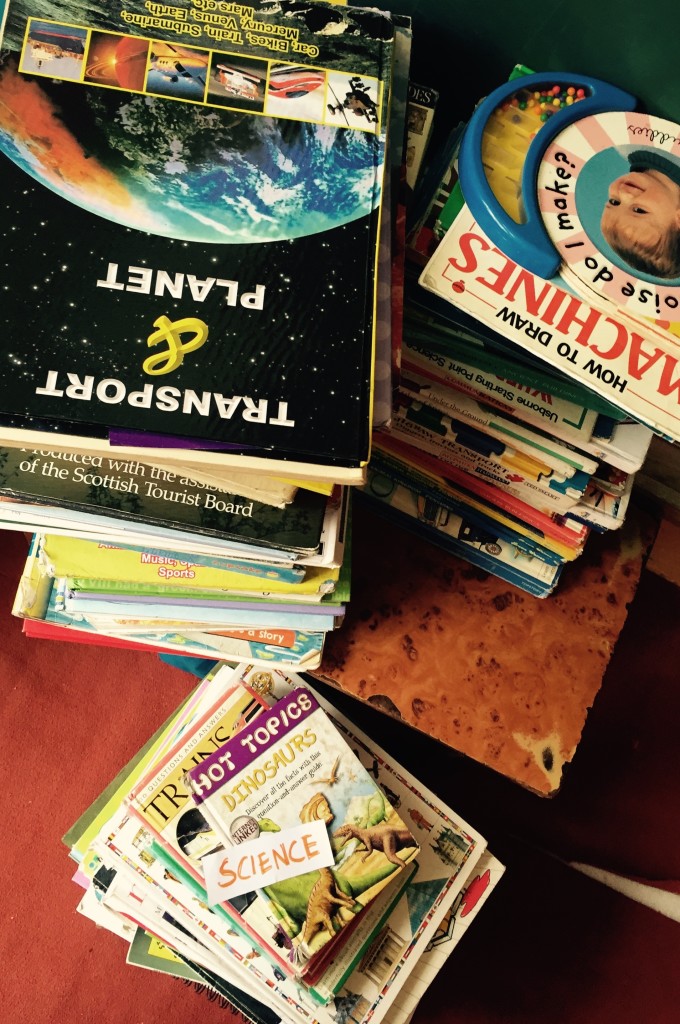
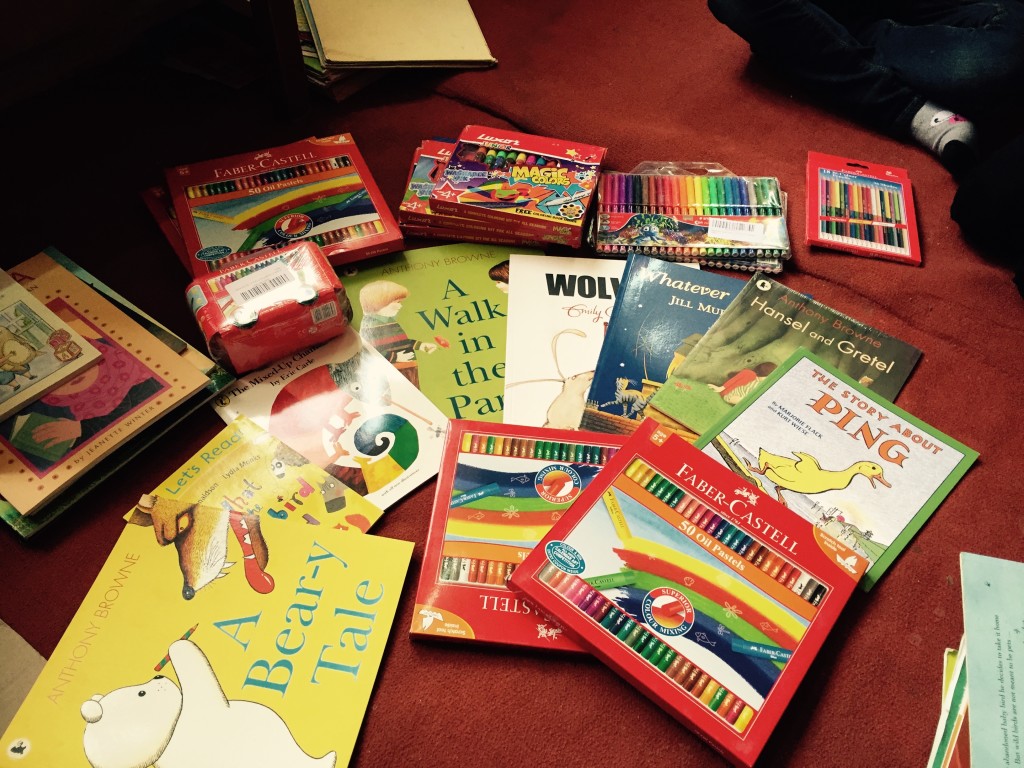
Creative workshops do not need expensive equipment. Paper collected for reuse, cardboard from book deliveries, cloth scraps, pencils, charcoal, clay, natural fibres, and locally available earth pigments can all support meaningful projects. Working with accessible materials also helps children understand that creativity depends on attention and resourcefulness rather than a large supply budget.
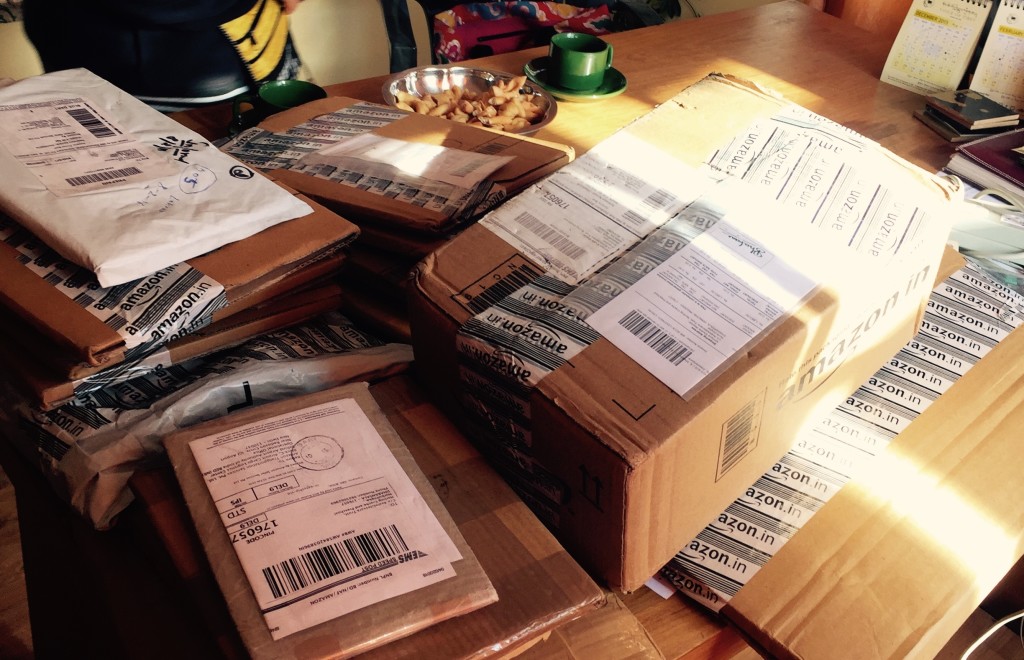
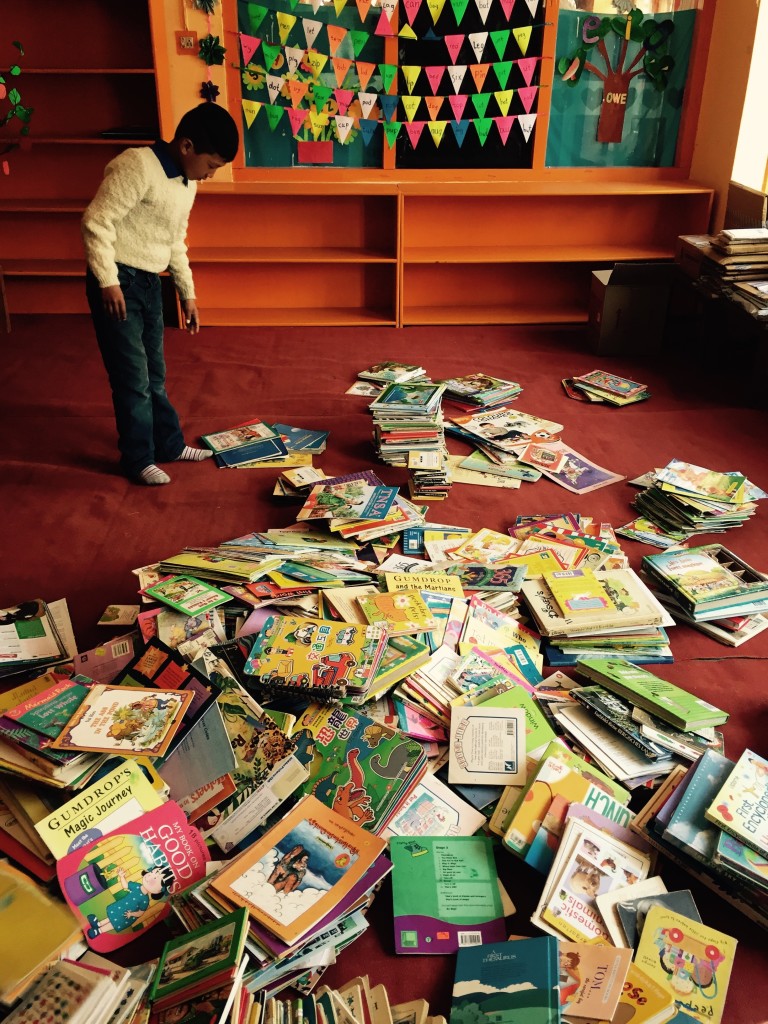
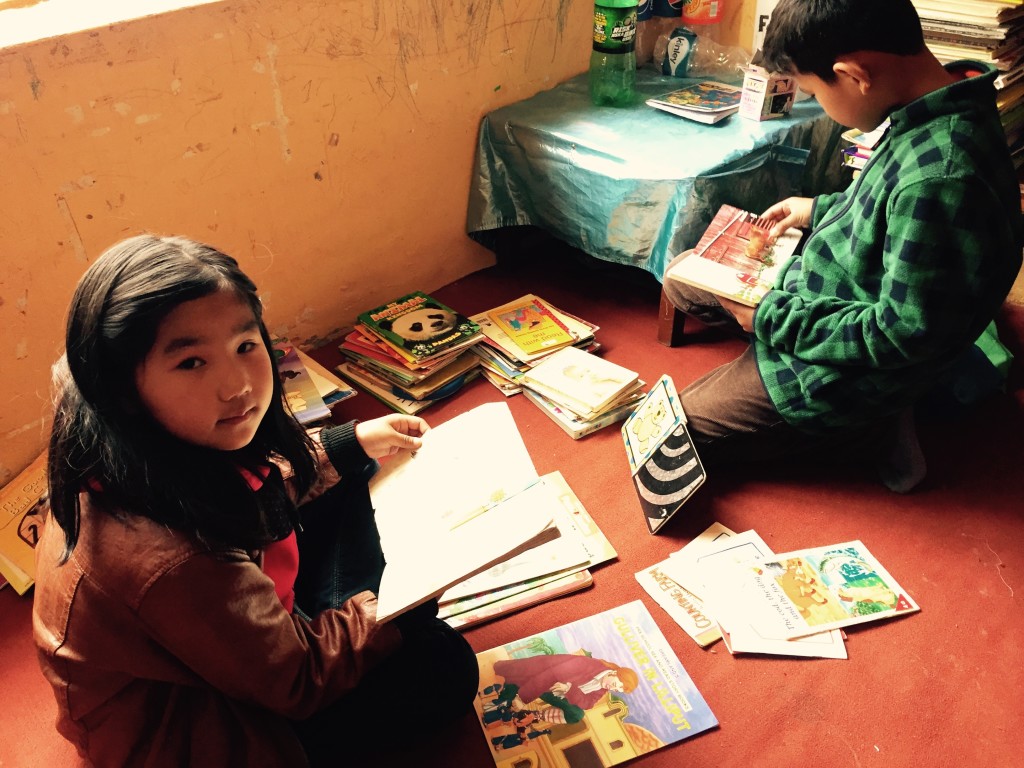
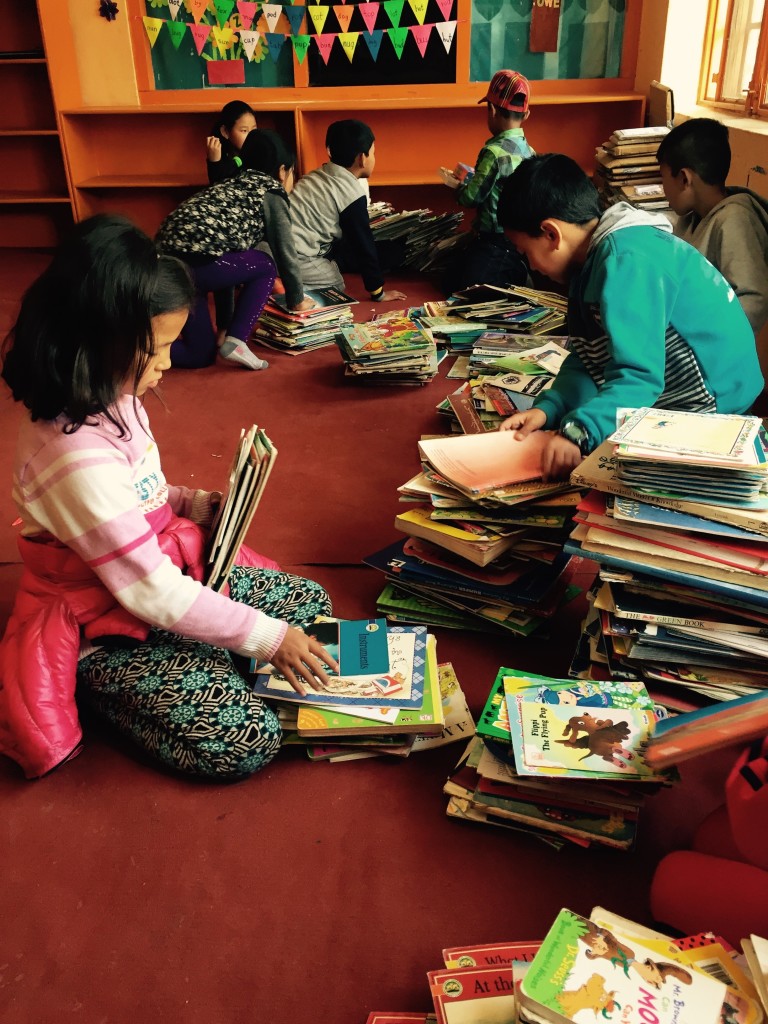
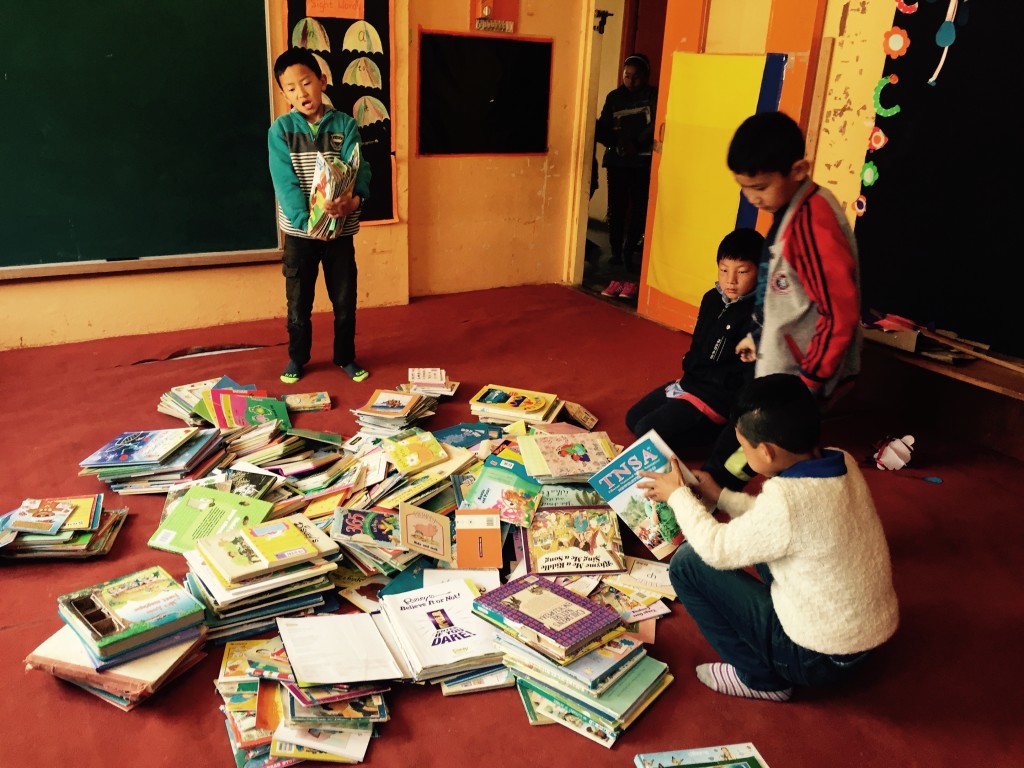
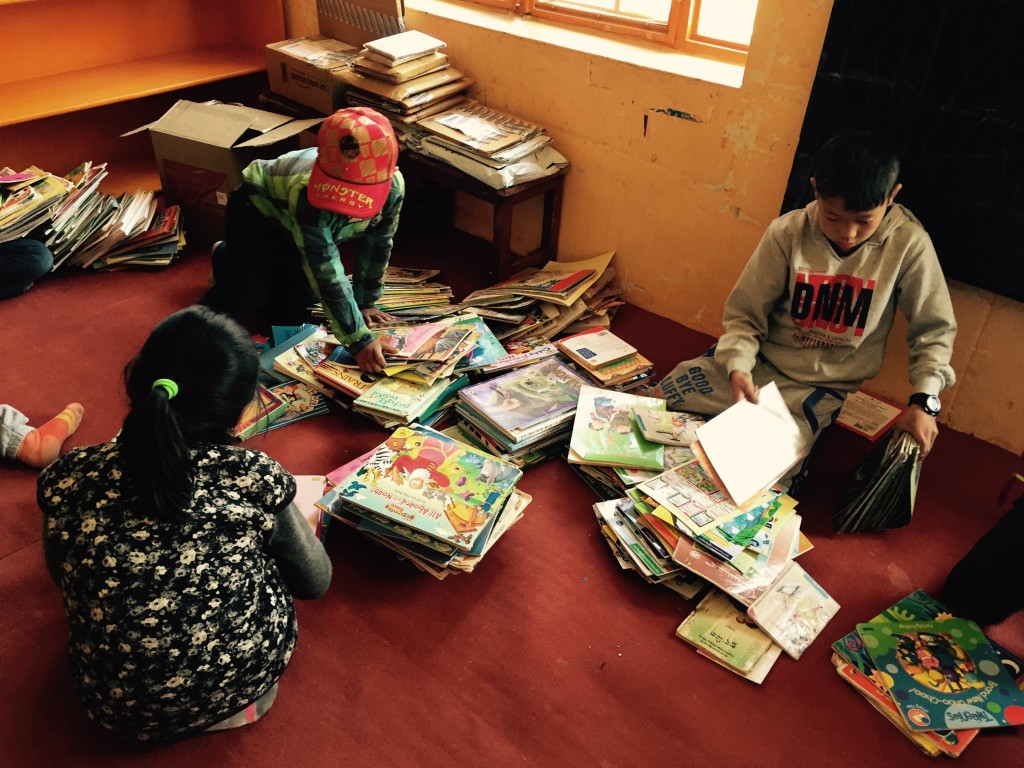
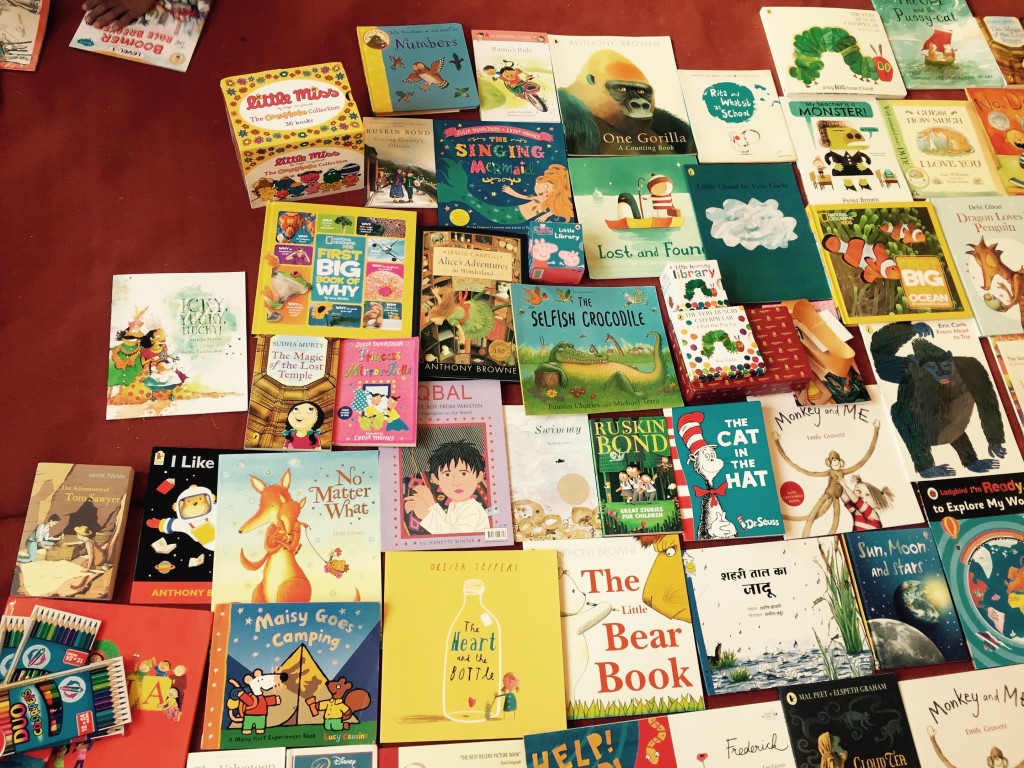
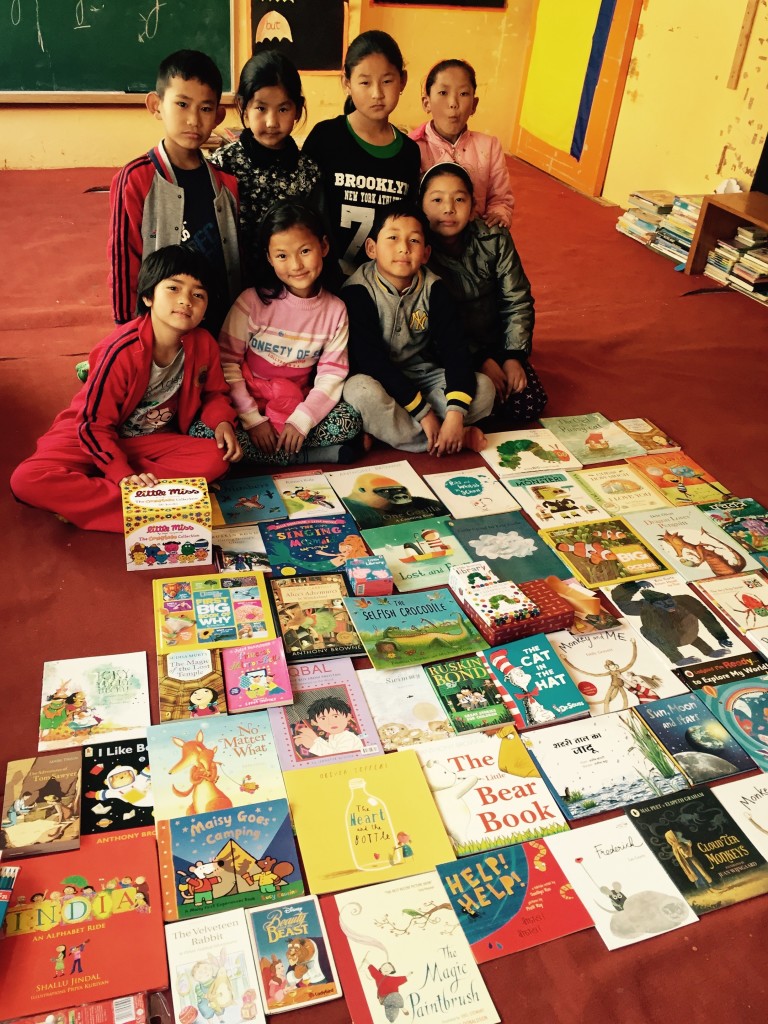
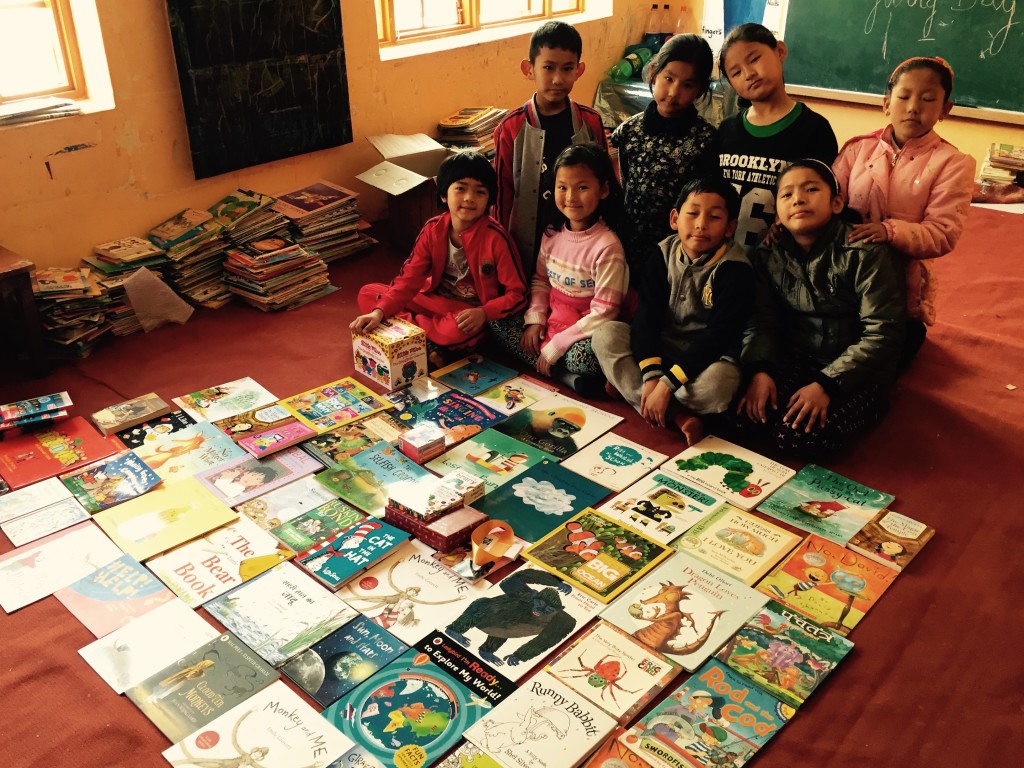
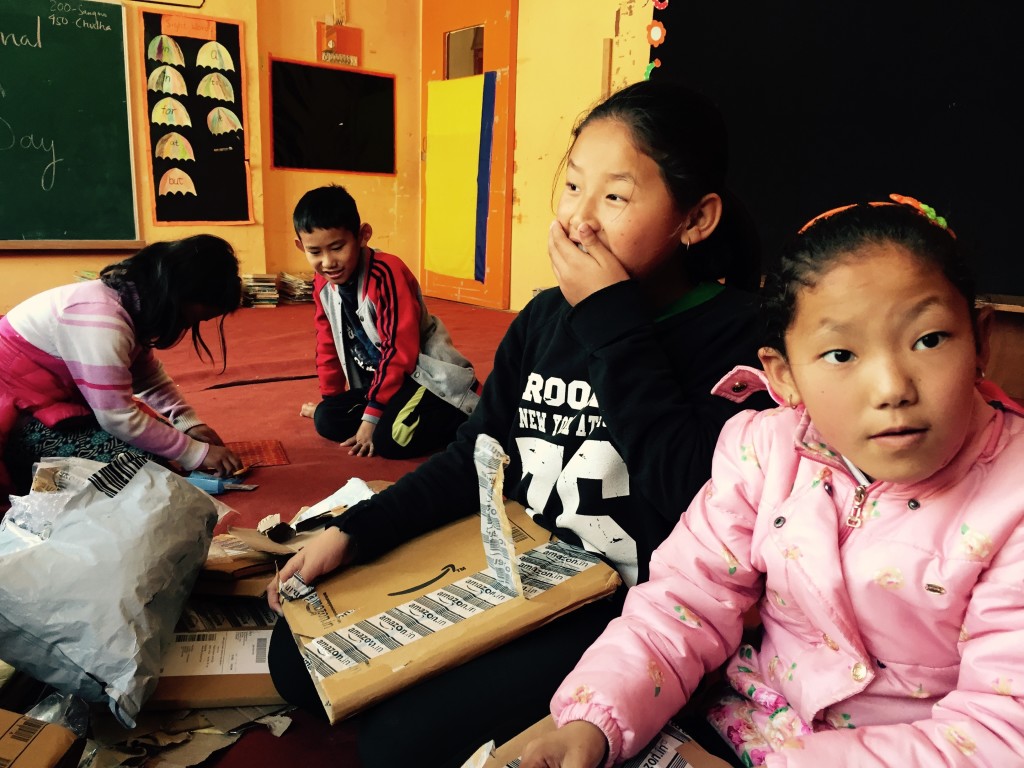
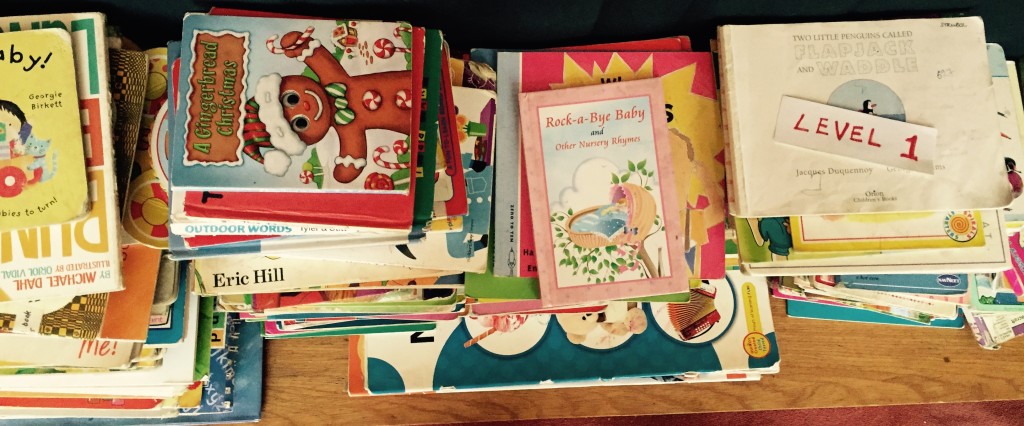
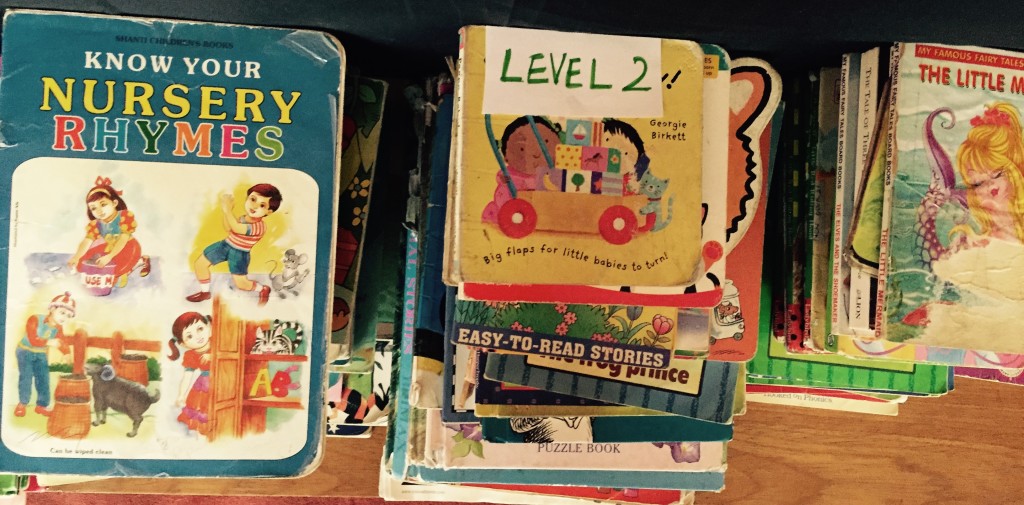
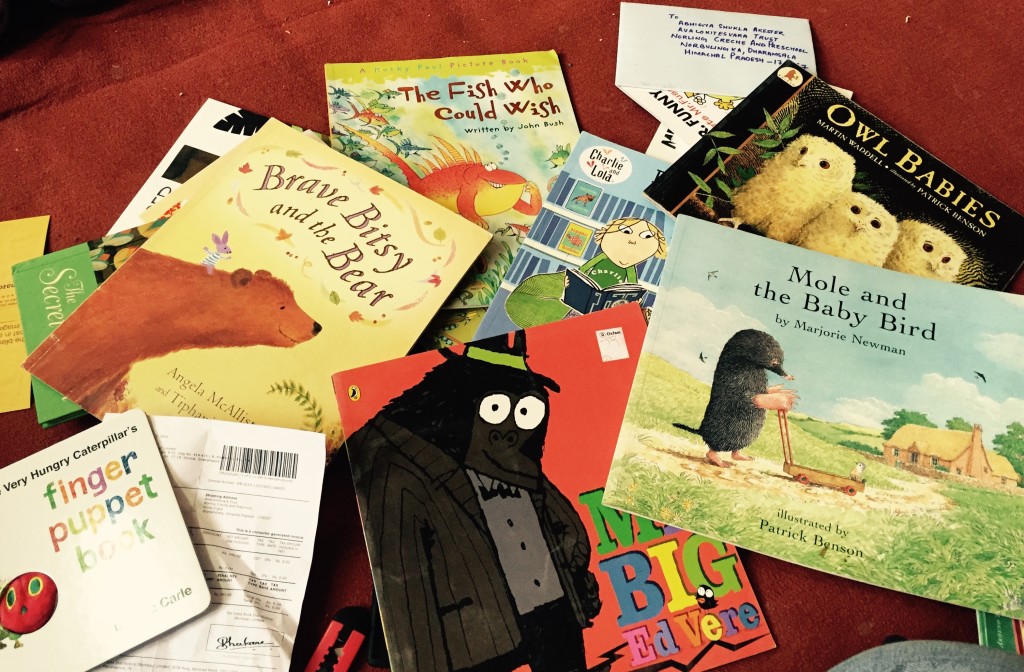
A book drive can therefore support an art programme in several ways. Boxes used to transport books may become model buildings or story theatres. Damaged pages can be transformed into collage, while reading-room tables can host shared sketchbooks. A child who first visits to browse picture books may discover an interest in illustration, printmaking, or design through a simple hands-on activity.
Safety and durability remain important. Water-based materials, washable tools, and sturdy paper are useful for younger participants. Older students can explore layered textures, relief printing, fabric work, or collaborative murals with proper guidance. When materials are chosen thoughtfully, the workshop can serve mixed ages without reducing the activity to a single level of ability.
From individual marks to shared murals
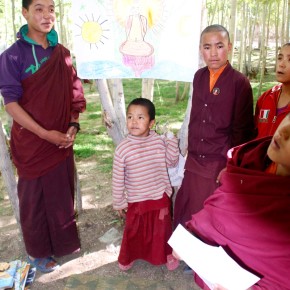
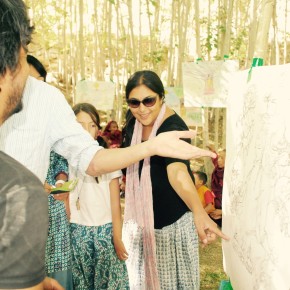
Himalayan communities have long valued art that belongs to a place and serves a shared purpose. A collaborative mural can reflect this principle while giving every child a visible role. One participant may plan the border, another may paint mountains, and others may add plants, animals, homes, books, or musical instruments.
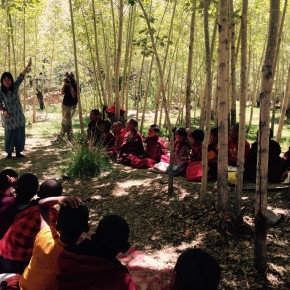
The process encourages cooperation as much as the finished image. Children must discuss scale, colour, order, and how separate contributions can fit together. Young monks and local children can work side by side, learning from different experiences and discovering common interests. A shared artwork can also brighten a reading room, school space, or community gathering area.
Facilitators should make room for revision. Traditional decorative arts often require patience, repeated marks, and careful attention, and a mural can teach the same lesson. Mistakes may become new shapes, backgrounds, or story elements. This helps children move beyond the fear of producing a perfect picture and focus on steady participation.
Creativity that continues beyond the workshop
The strongest art activities leave children with questions and ideas they can carry into daily life. A workshop on pattern may lead to a search for designs on doorways or clothing. A storytelling exercise may encourage a child to borrow another book. A lesson about pigments may inspire an investigation into local plants, rocks, or soil.
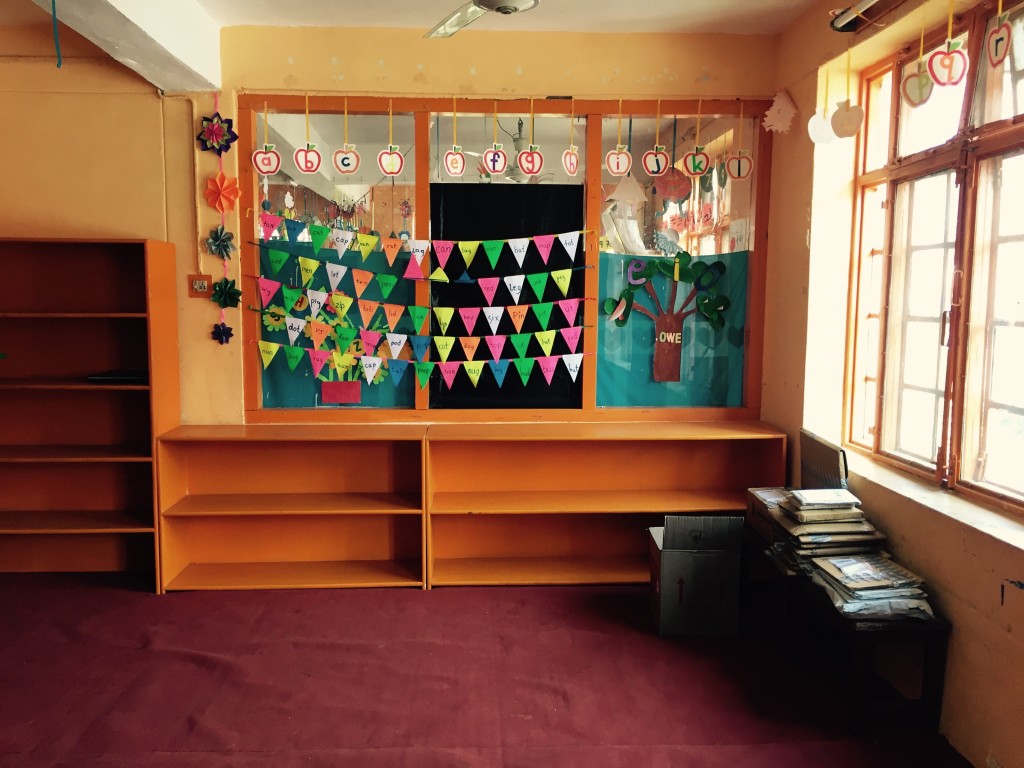
This continuity is especially important in remote Himalayan communities, where regular access to arts education may be uncertain. Reading rooms can keep creative materials available between organised sessions. Displays of children’s work can encourage families to visit, while simple activity cards can help volunteers and teachers repeat projects with different groups.
Support from donors and volunteers makes this ongoing learning possible. Contributions can provide books, paper, art tools, storage, transport, and training for local partners. Volunteers may assist with preparation, documentation, storytelling, or music, while respecting the leadership of community educators. The goal is a sustainable programme shaped by local needs, not a short-lived event imposed from outside.
Ways to support culturally rooted creative learning
- Donate quality children’s books, art materials, musical instruments, or funds for reading-room resources.
- Share age-appropriate stories and creative activities that connect literacy with local landscapes and traditions.
- Support workshops led with guidance from local teachers, artists, families, and monastic communities.
- Help document children’s artwork with permission so their ideas can be celebrated and shared responsibly.
- Volunteer time for sorting books, preparing materials, facilitating activities, or supporting community events.
Traditional Himalayan art gives creative workshops a strong foundation because it joins beauty with meaning. Its patterns encourage careful looking, its stories open conversations, and its materials invite experimentation. When children are guided to learn respectfully rather than imitate superficially, heritage becomes a source of confidence and fresh ideas.
Avalokiteśvara Trust helps create the conditions for that exchange through books, reading rooms, artistic activities, and partnerships in Ladakh and other Himalayan communities. Your support can place a story in a child’s hands, add materials to a shared workspace, or help a young artist find the confidence to make something new. Visit the Trust’s work, share its mission, and contribute to creative learning that honours culture while opening paths toward the future.