Why Children Benefit from Writing Letters to Their Future Selves
When a child sits down with a sheet of paper and writes a message to the person they will be in five, ten, or twenty years, something quietly powerful takes place. The act pulls together their present hopes, their reading, their friendships, and their small daily worries into a single vessel that travels forward in time. Across community libraries in Melbourne and school programs in Sydney, educators are rediscovering this simple ritual as a way to deepen literacy while nurturing emotional resilience. A pen, a page, and a date in the future become a bridge between the child who is and the child who is yet to come. Learn more about A Volunteer S Experience Camping With Kids And Telling Stories Under The Stars D376b.
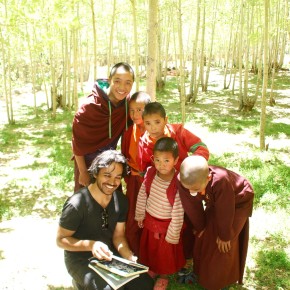
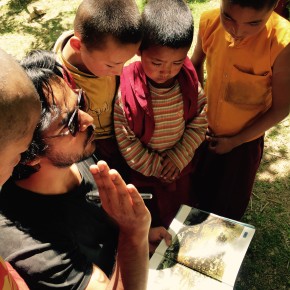
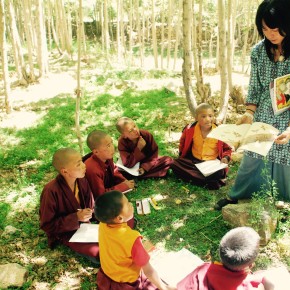
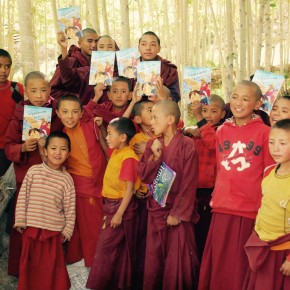
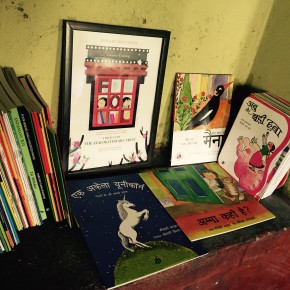
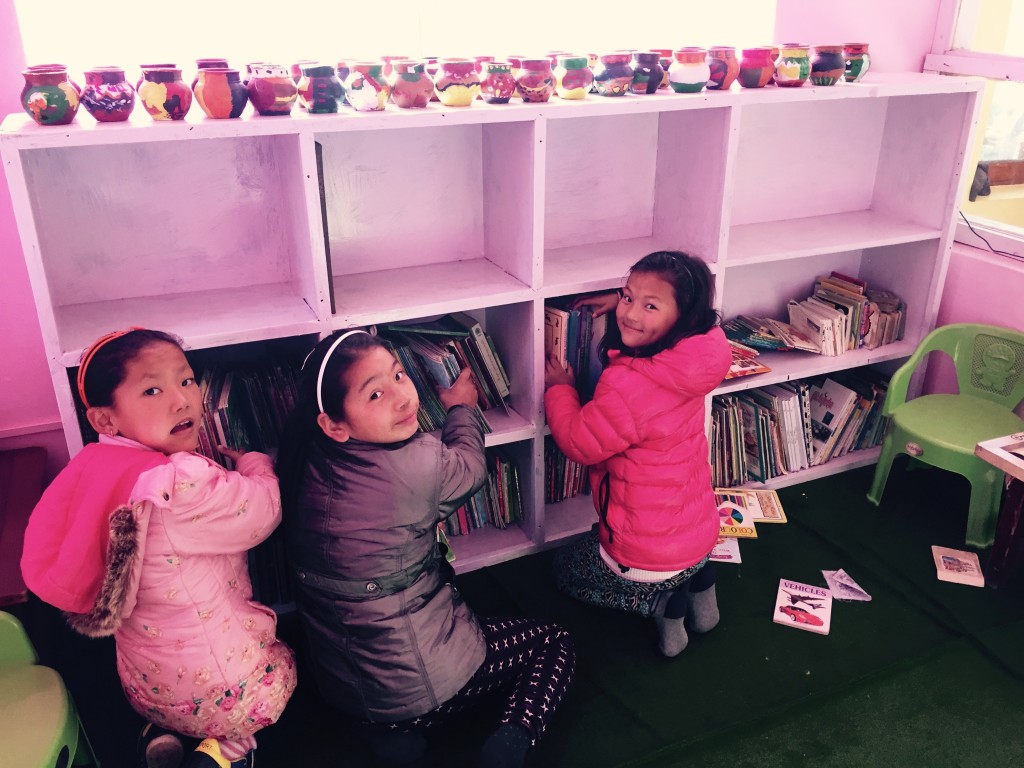
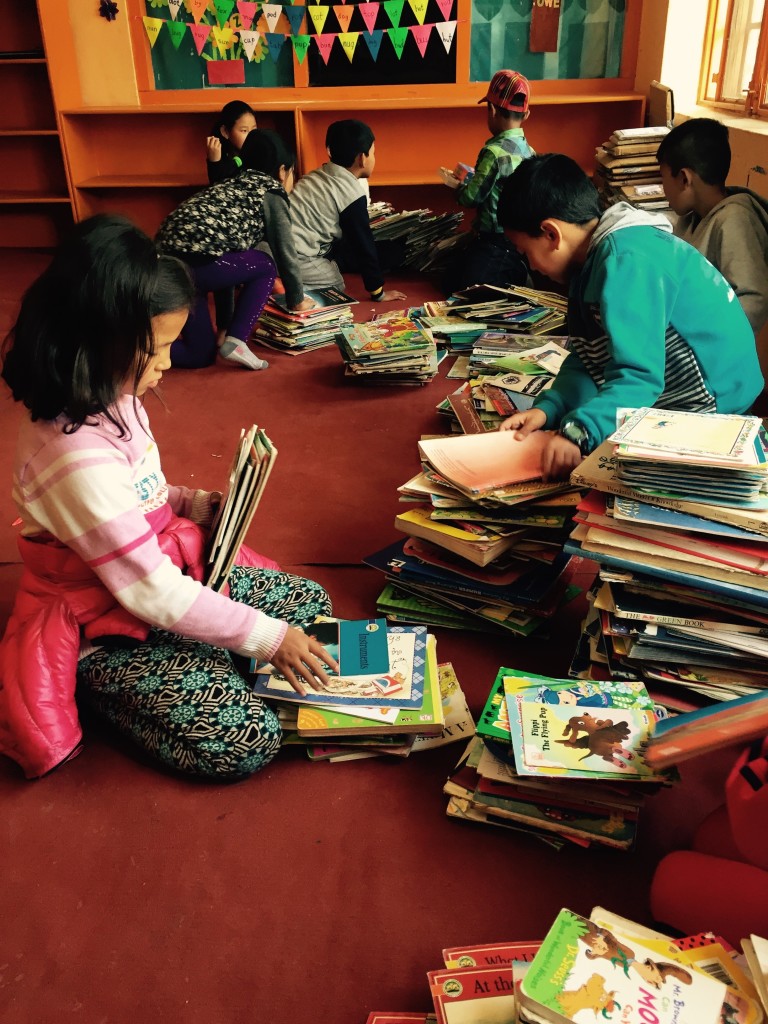
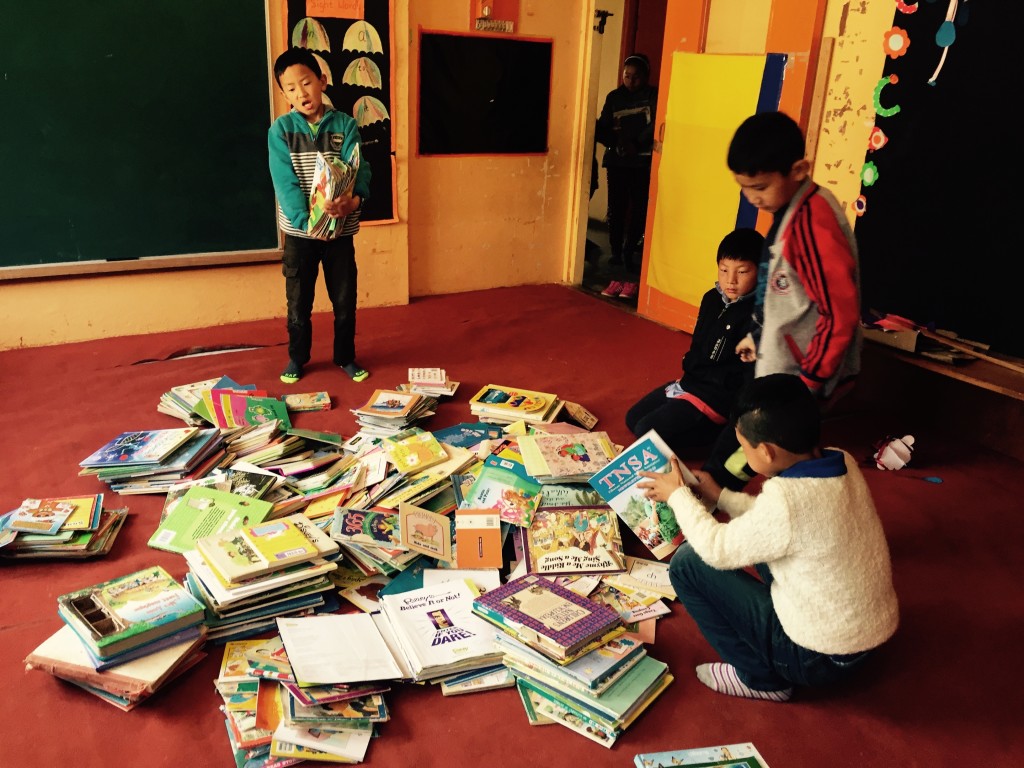
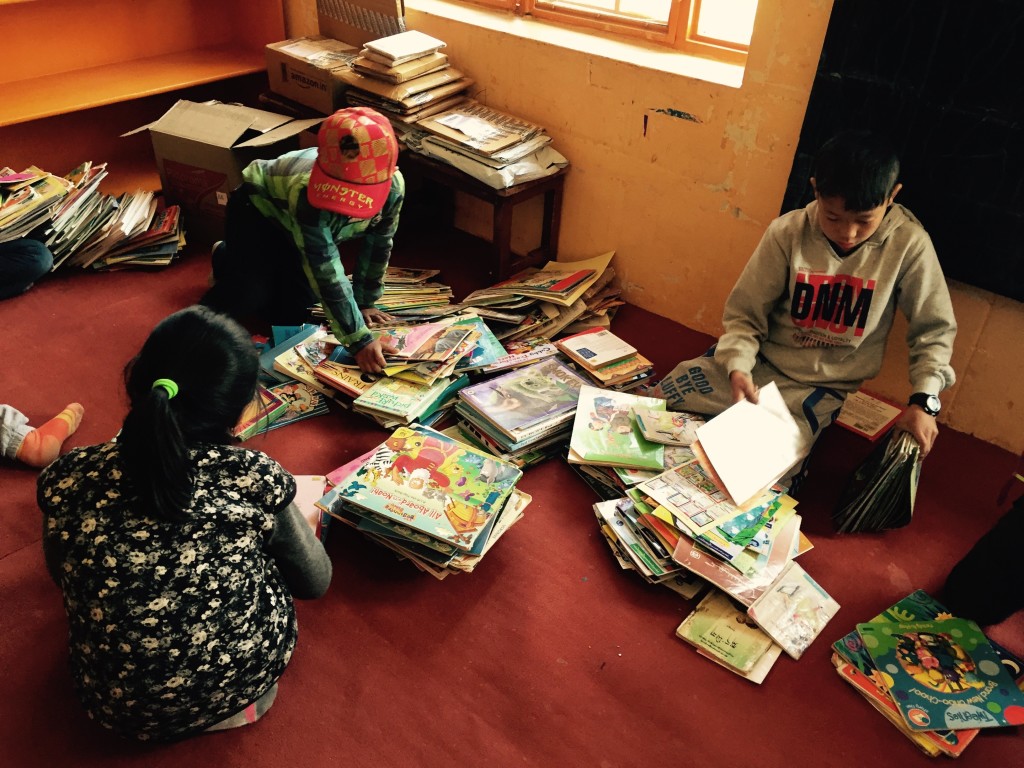
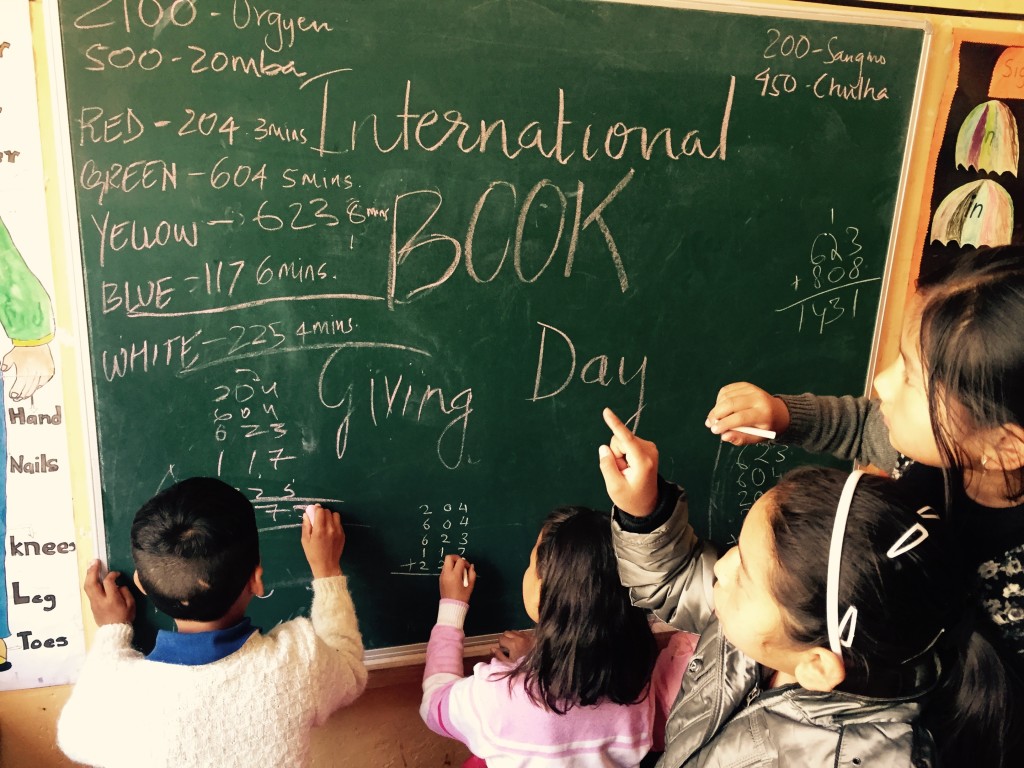
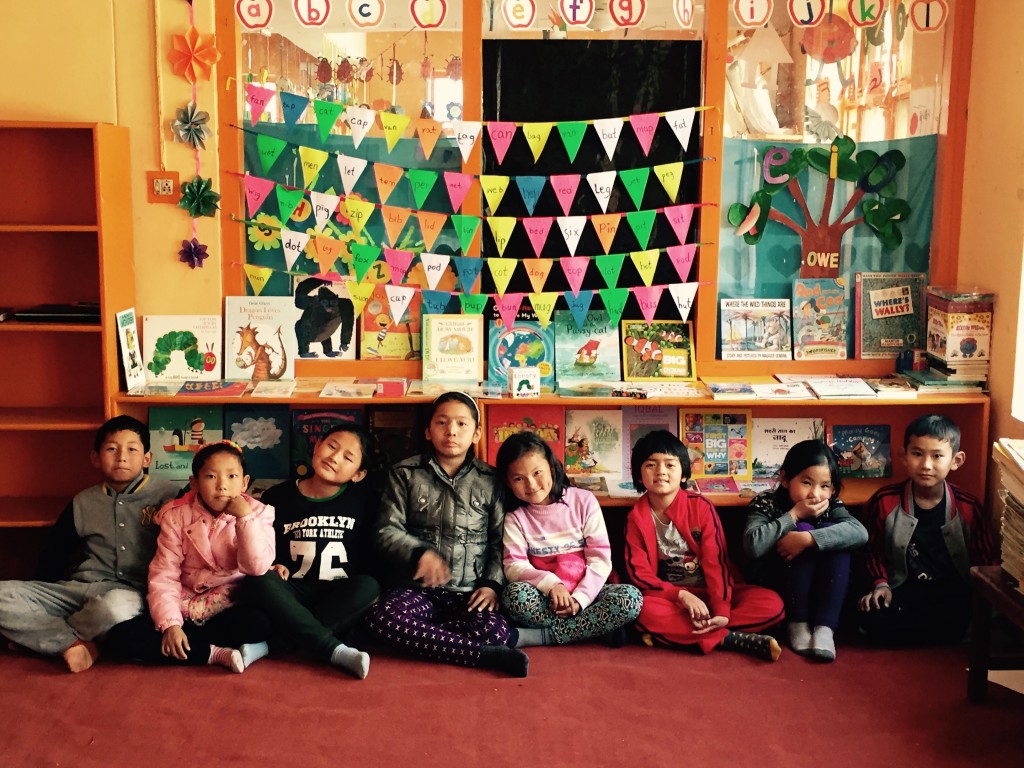
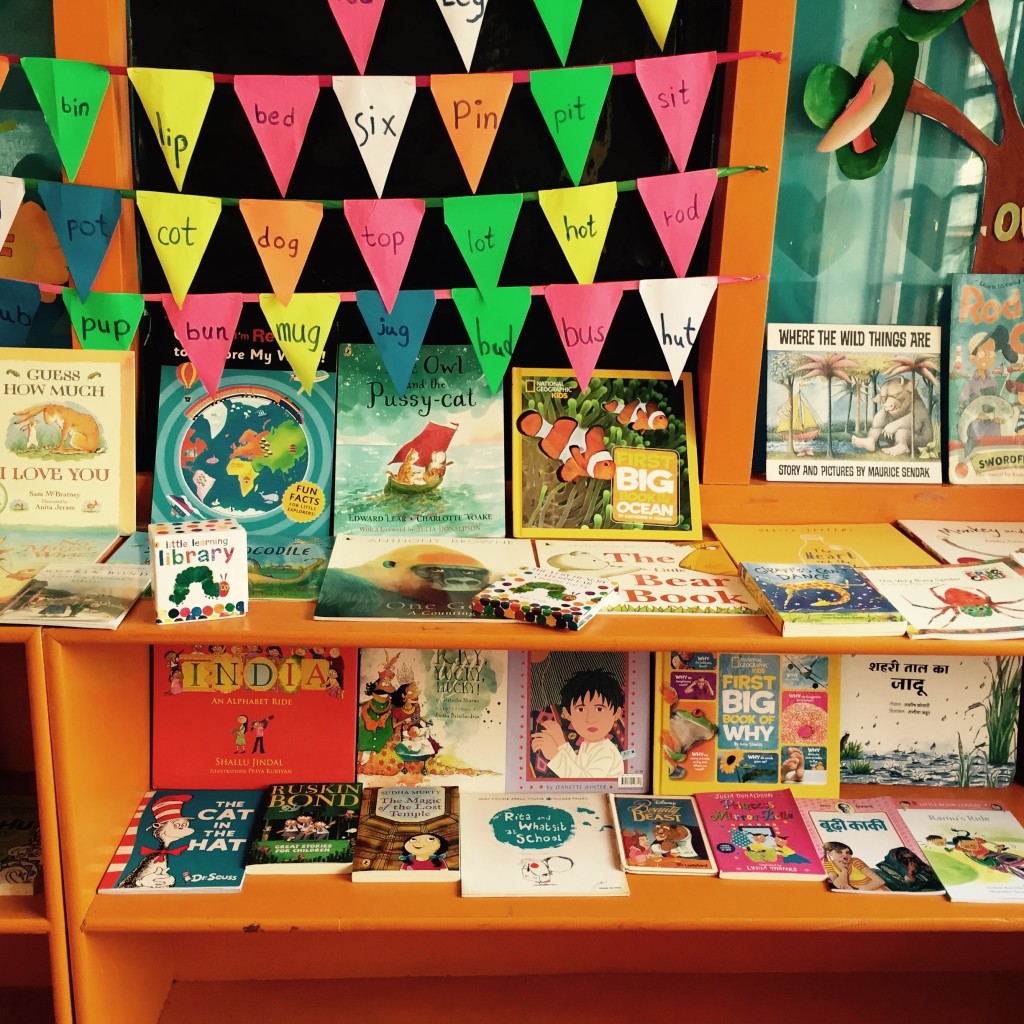
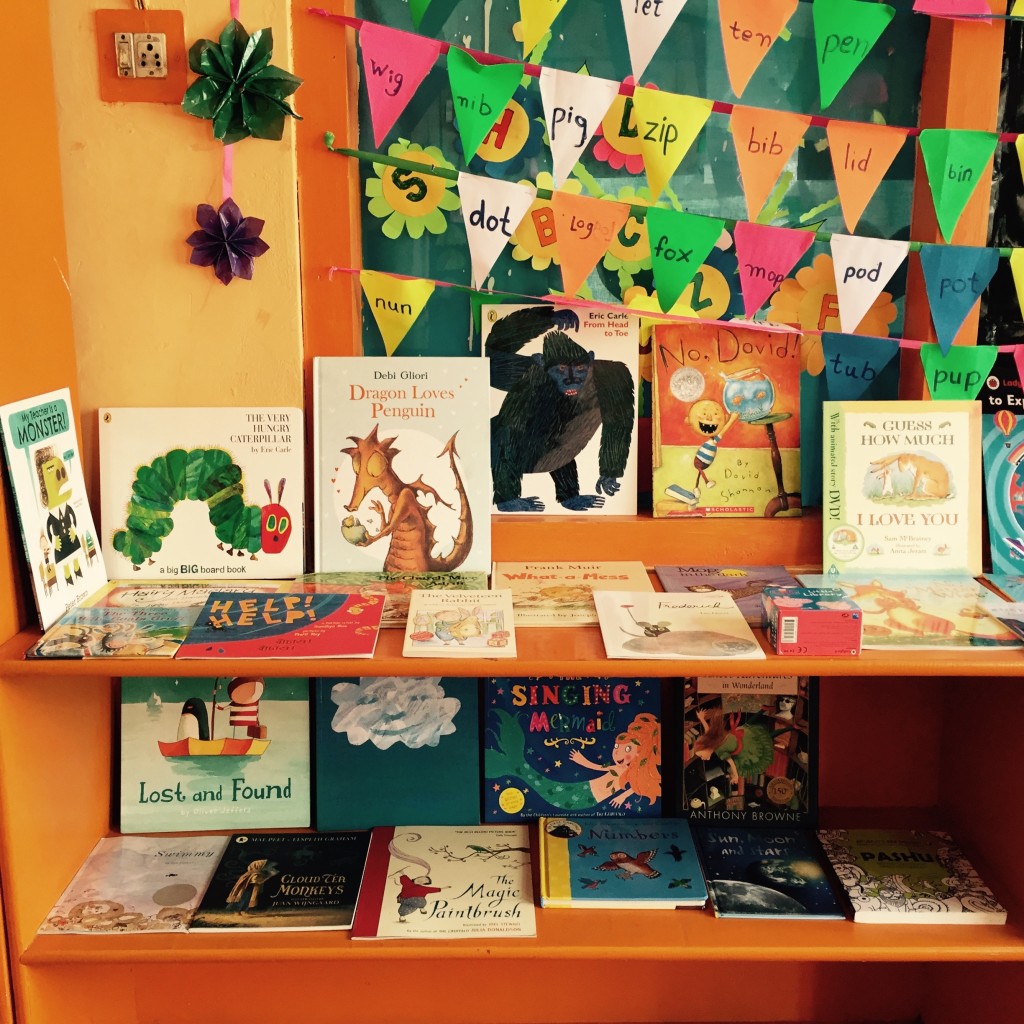
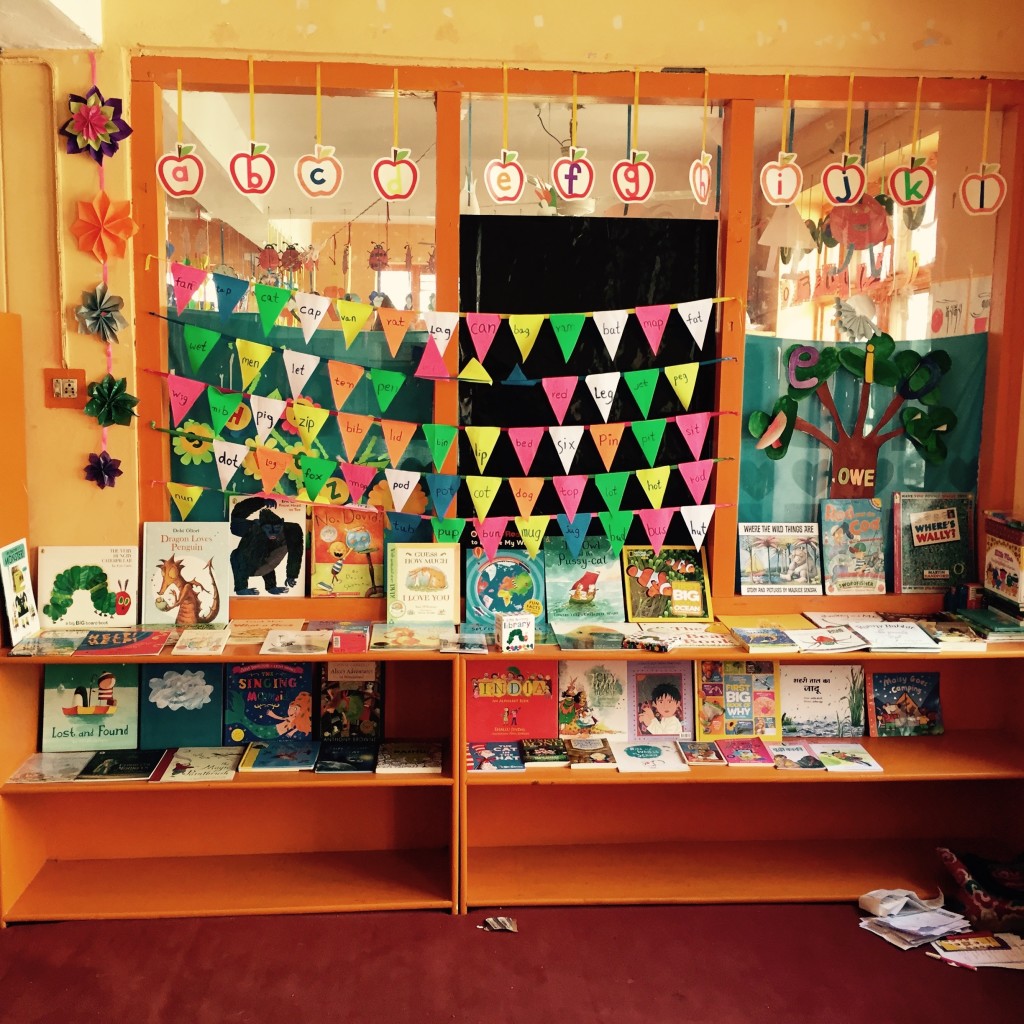
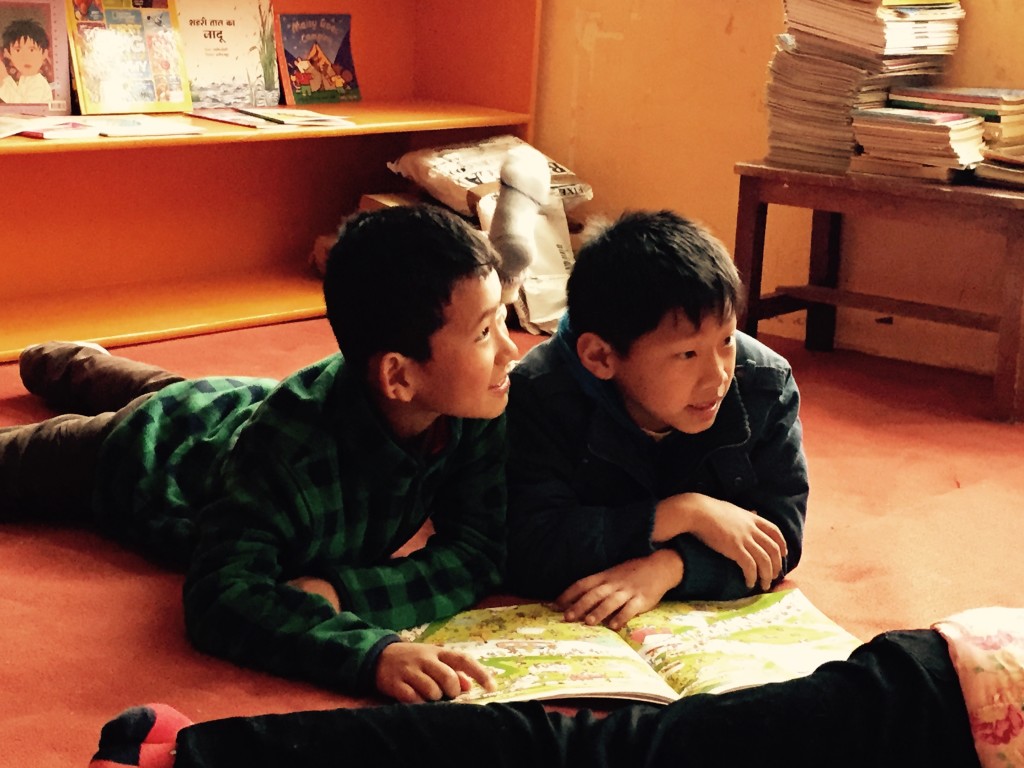
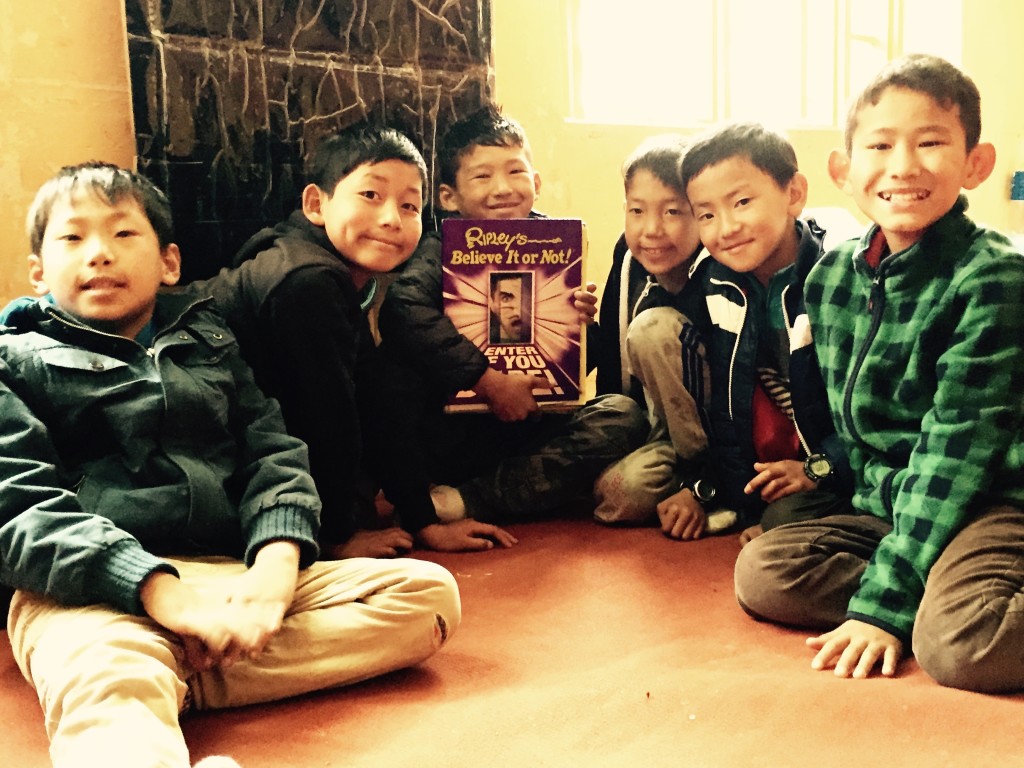
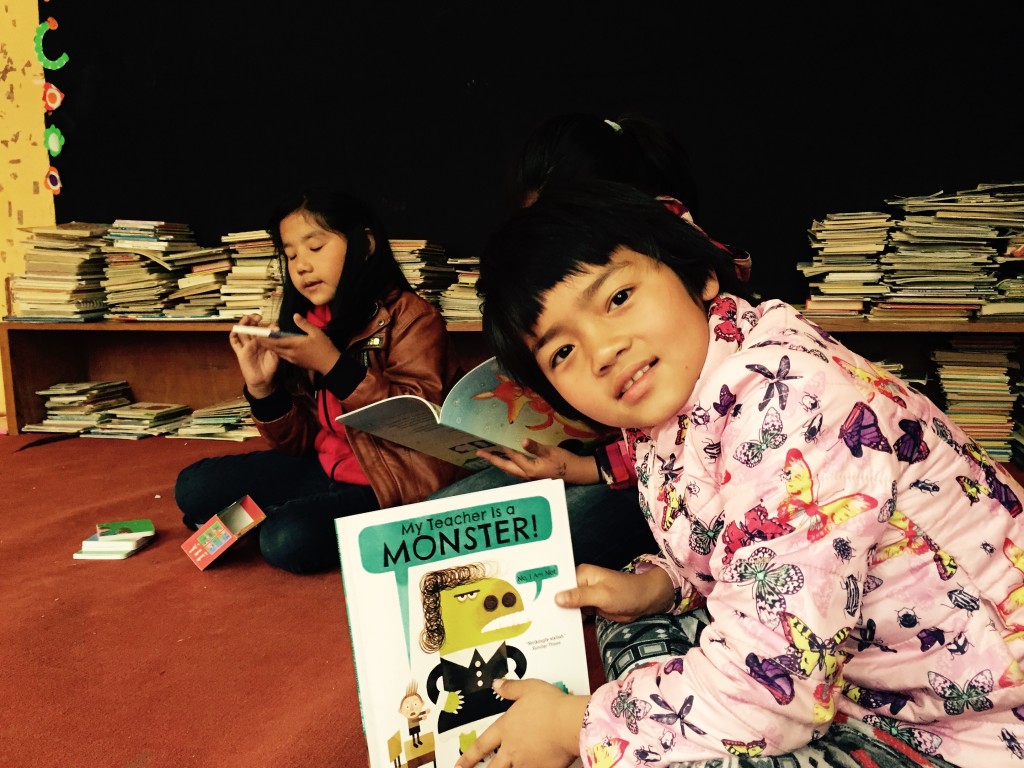
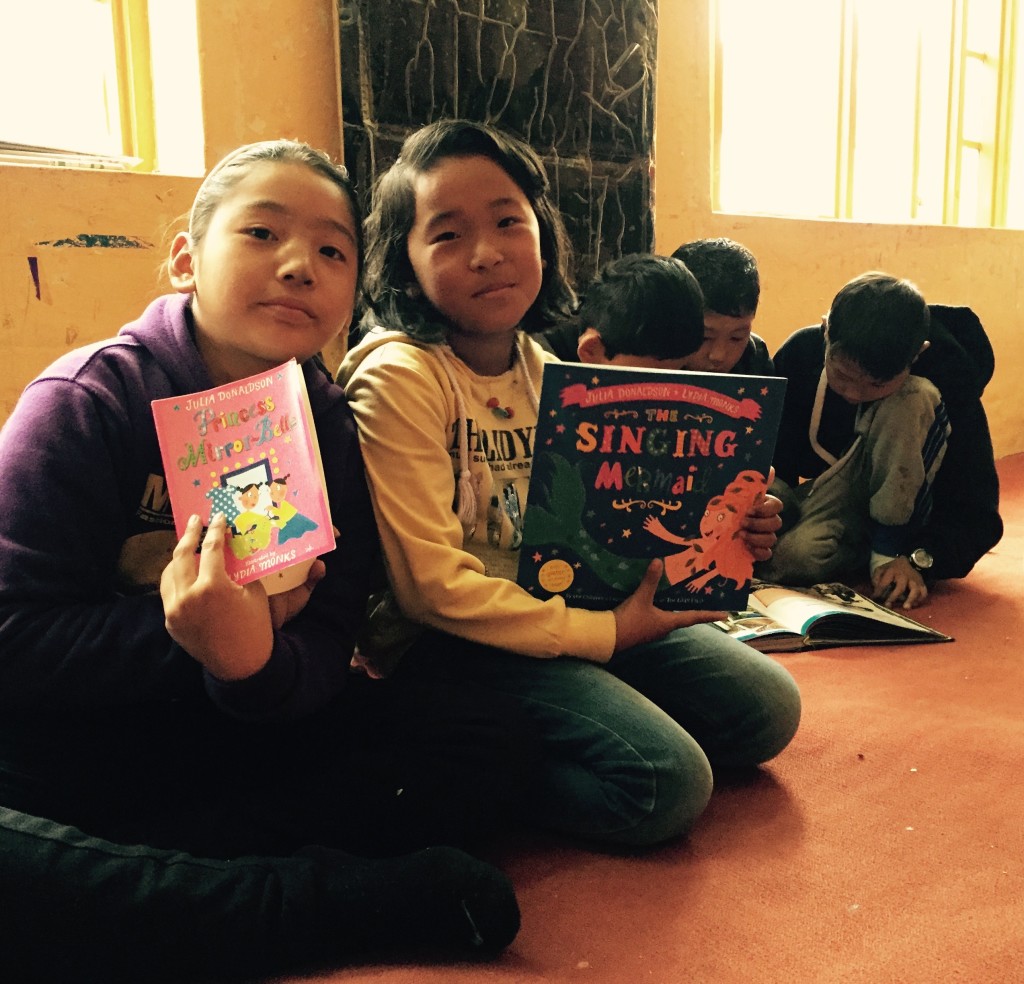
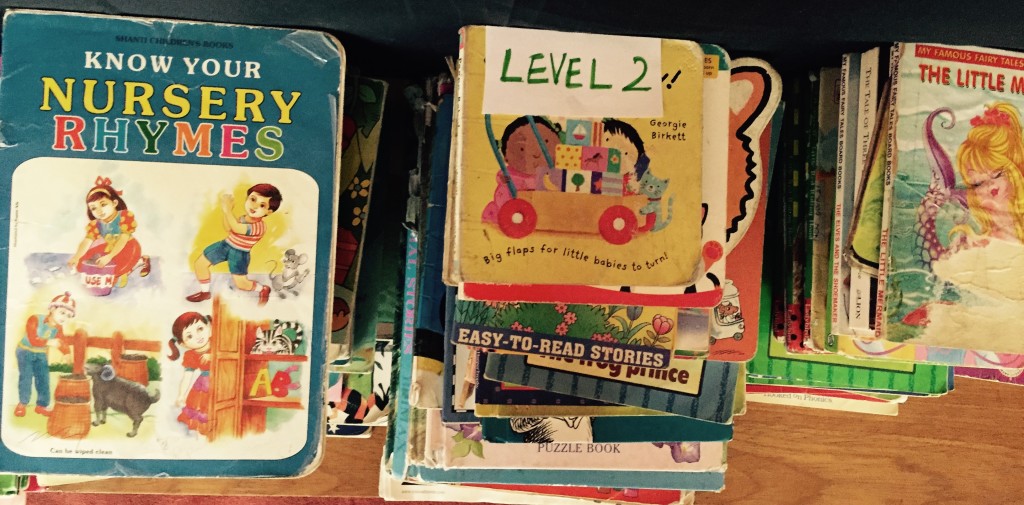
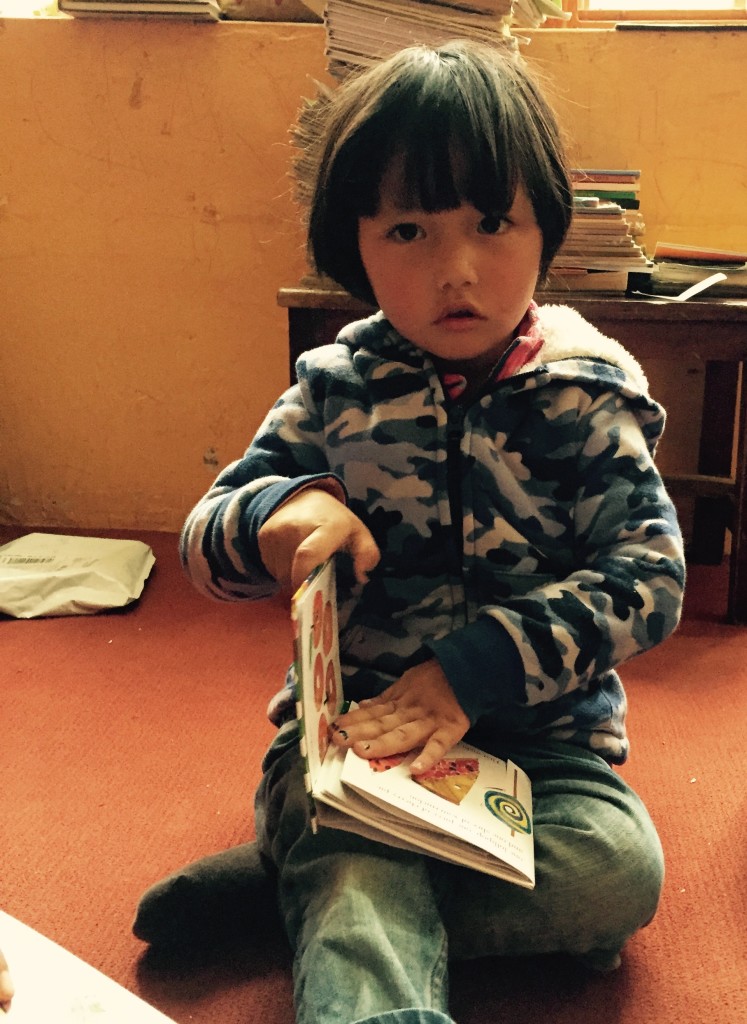
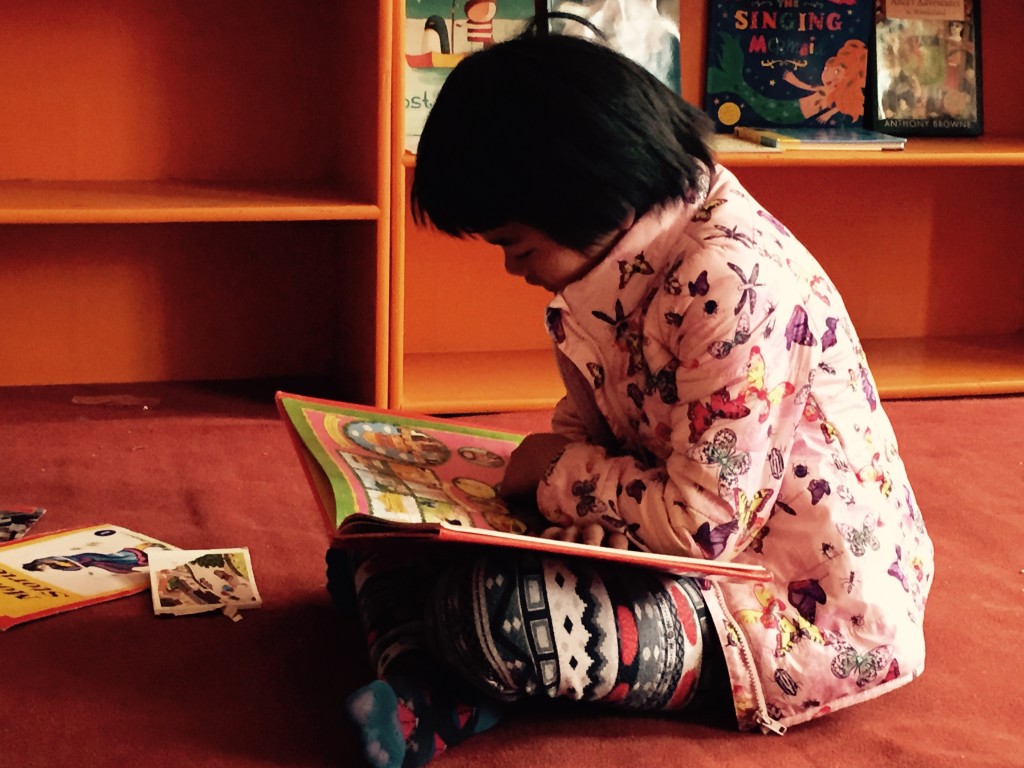
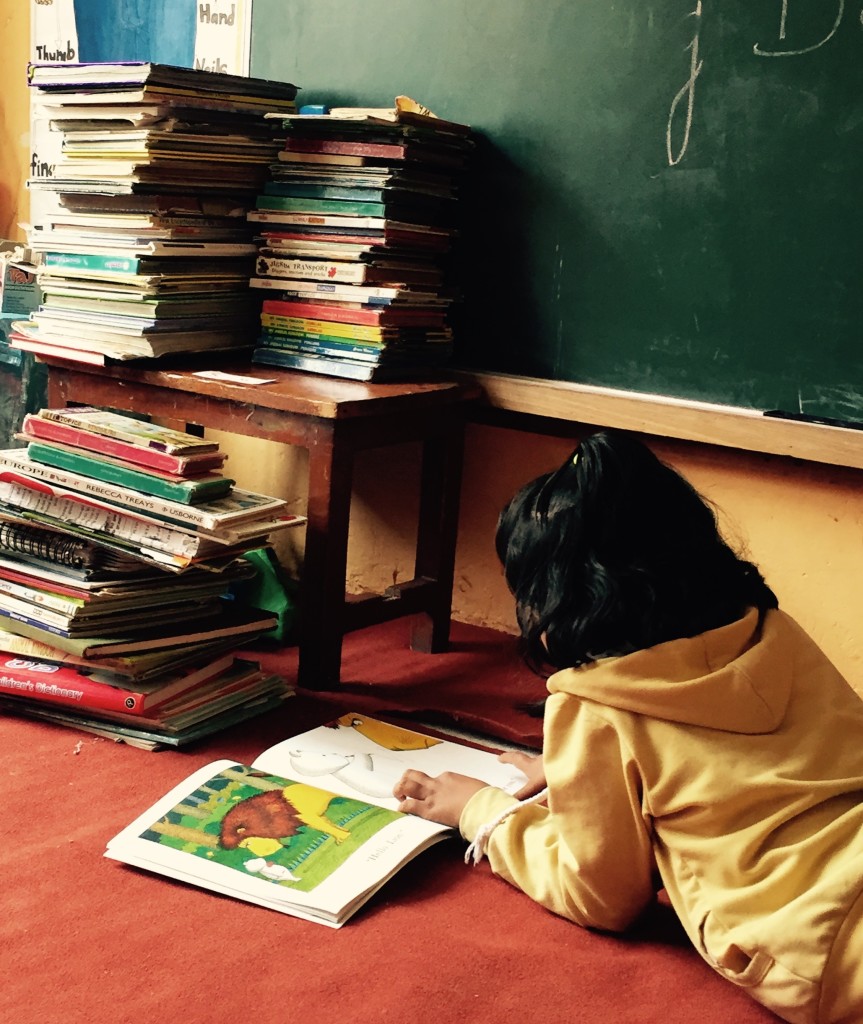
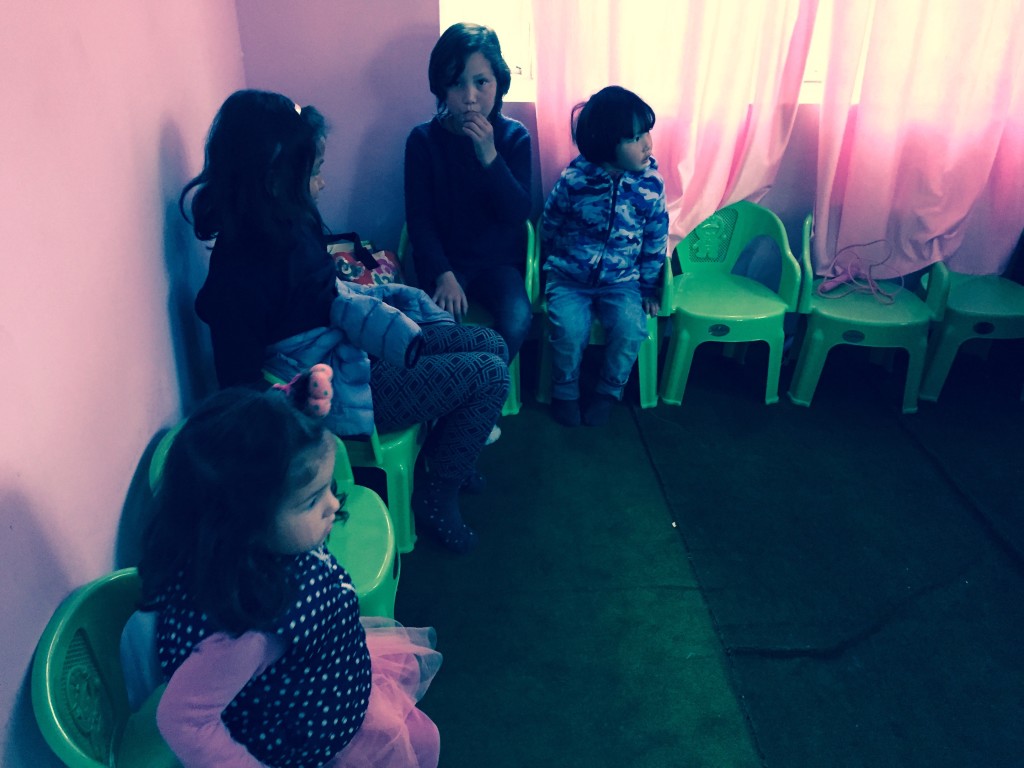
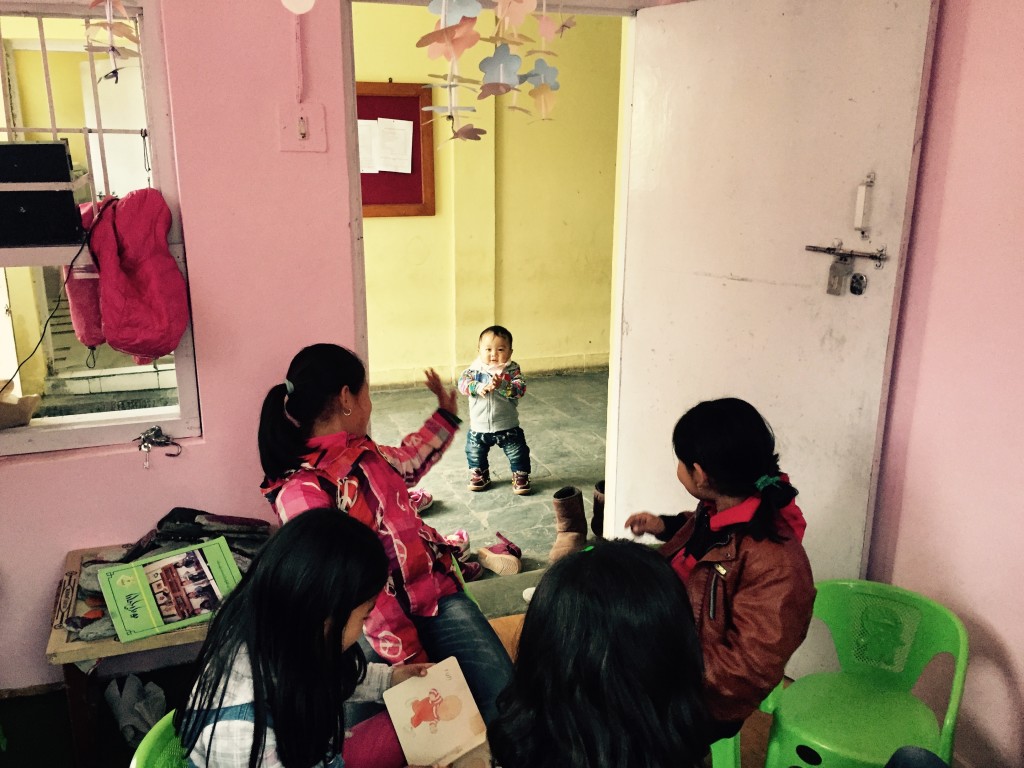
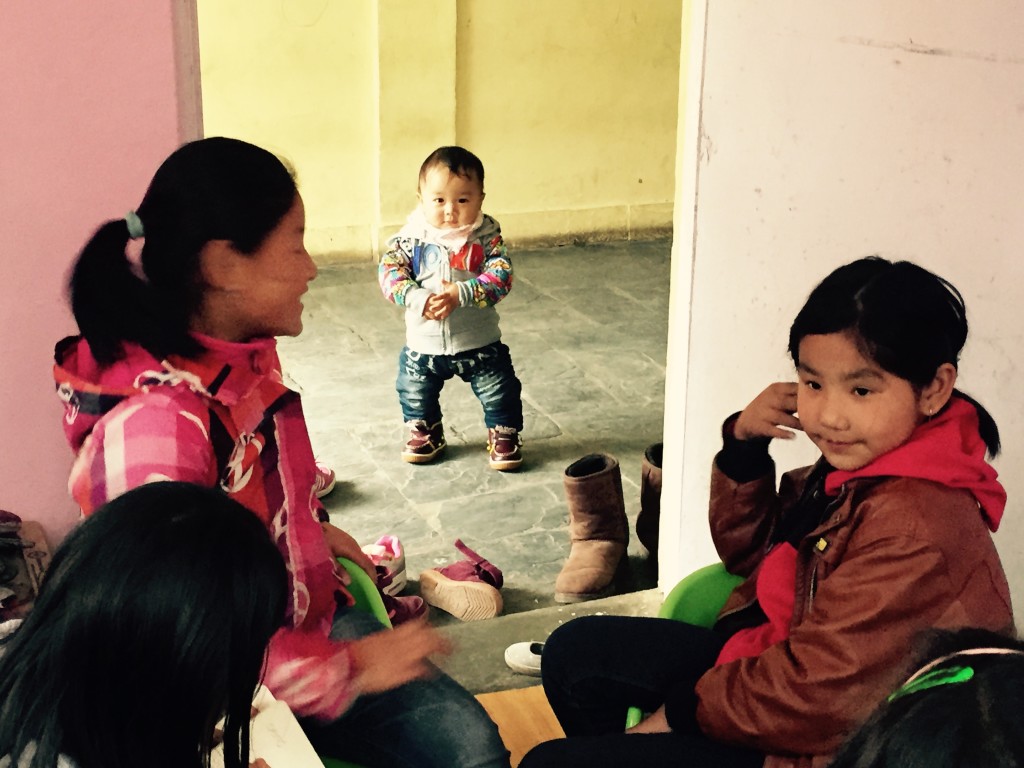
The same instinct lives inside reading rooms in the Himalayan foothills, where children in Ladakh and surrounding villages already know the weight of a book and the patience of waiting for a story. Pairing that love of reading with the reflective practice of letter writing turns a literacy hour into something more personal. It asks the child not only to read about other lives, but to claim their own narrative on the page. Below is a look at why this exercise has travelled so widely, what makes it distinct from other reflective tools, and how families, teachers, and volunteers can bring it to life.
The Inner World of a Child at a Writing Desk
A letter addressed to a future self asks a child to perform three small acts of imagination at once. They must picture themselves later, recall who they are now, and choose what is worth preserving between those two points. Developmental researchers often describe this as future self-continuity, and studies have linked it to stronger academic motivation, better delay of gratification, and a more grounded sense of identity. Children who regularly imagine their older self tend to make choices, from homework to friendships, that feel coherent rather than reactive.
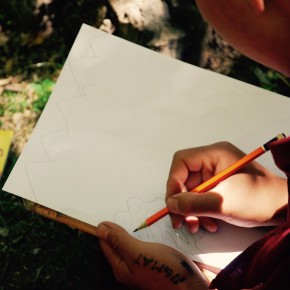
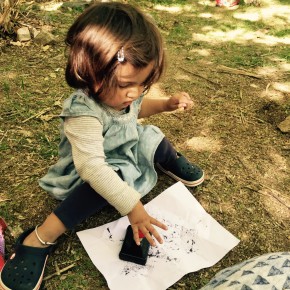
For a young reader, the exercise also doubles as a quiet form of self-authorship. The page becomes a private stage where worries about a new school in Brisbane, the loss of a grandparent, or excitement about a cricket season can be honoured without needing an immediate answer. Unlike a school essay, the letter is not graded. Unlike a spoken wish, it is fixed in ink and waiting. The child learns that feelings can be held, dated, and revisited, which is a foundational skill for emotional regulation long before adolescence arrives.
Comparing Letter Writing to Other Reflective Practices
Not every reflective practice suits every child or every setting. The table below places the future-self letter alongside four other popular activities used in literacy programs, including one supported by a long-running American library support network that has helped shape community reading rooms.
| Practice |
Core skill |
Time investment |
Best age to begin |
Keepsake value |
| Letter to future self |
Perspective taking, written expression |
20 to 40 minutes per letter |
7 to 9 |
Very high, especially if sealed and dated |
| Private daily journal |
Routine, self-monitoring |
5 to 15 minutes per day |
9 to 11 |
Medium, depends on consistency |
| Family time capsule |
Collaboration, curation |
Several sessions over weeks |
6 to 12 |
High, opened collectively |
| Video message to future self |
Speaking, performance |
15 to 30 minutes per recording |
8 to 12 |
Very high, but requires devices |
| Vision board |
Visual thinking, goal setting |
30 to 60 minutes |
10 to 14 |
Medium, often refreshed |
What separates the future-self letter is the combination of low material cost, no screen time, and a built-in reopening moment years later. A child in regional Western Australia with only a notebook and a pencil can create an artefact that may be read at graduation, on a first day of paid work, or in a moment of adult reflection, with all the wonder of finding a small time capsule written by a younger hand.
Reading Rooms in the Mountains and Classrooms in Australia
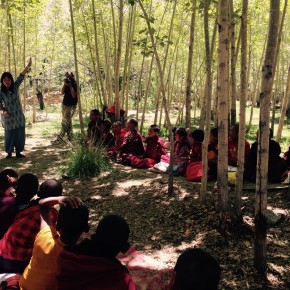
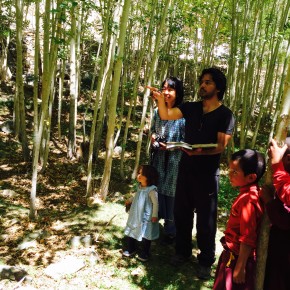
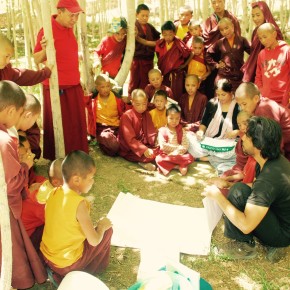
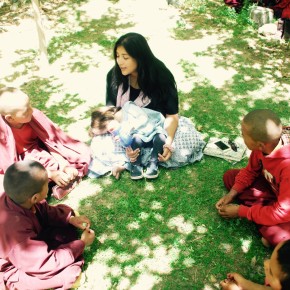
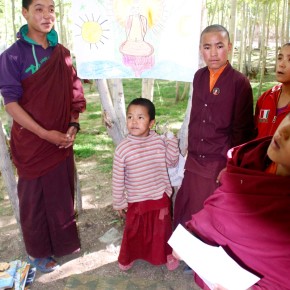
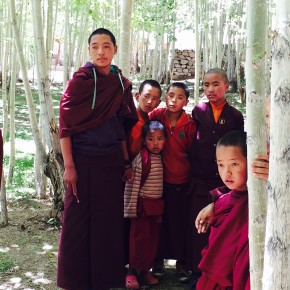
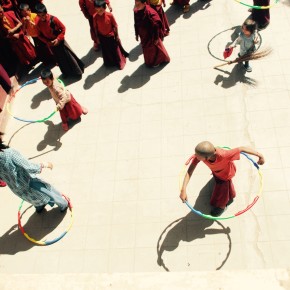
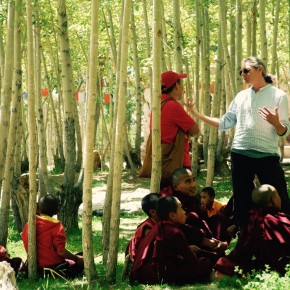
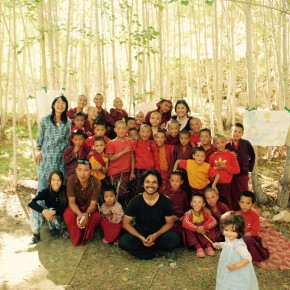
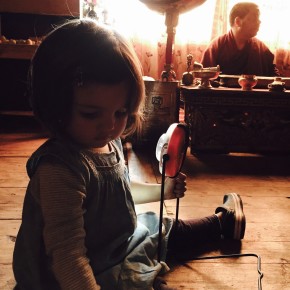
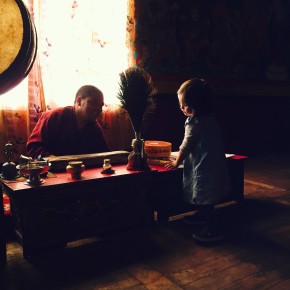
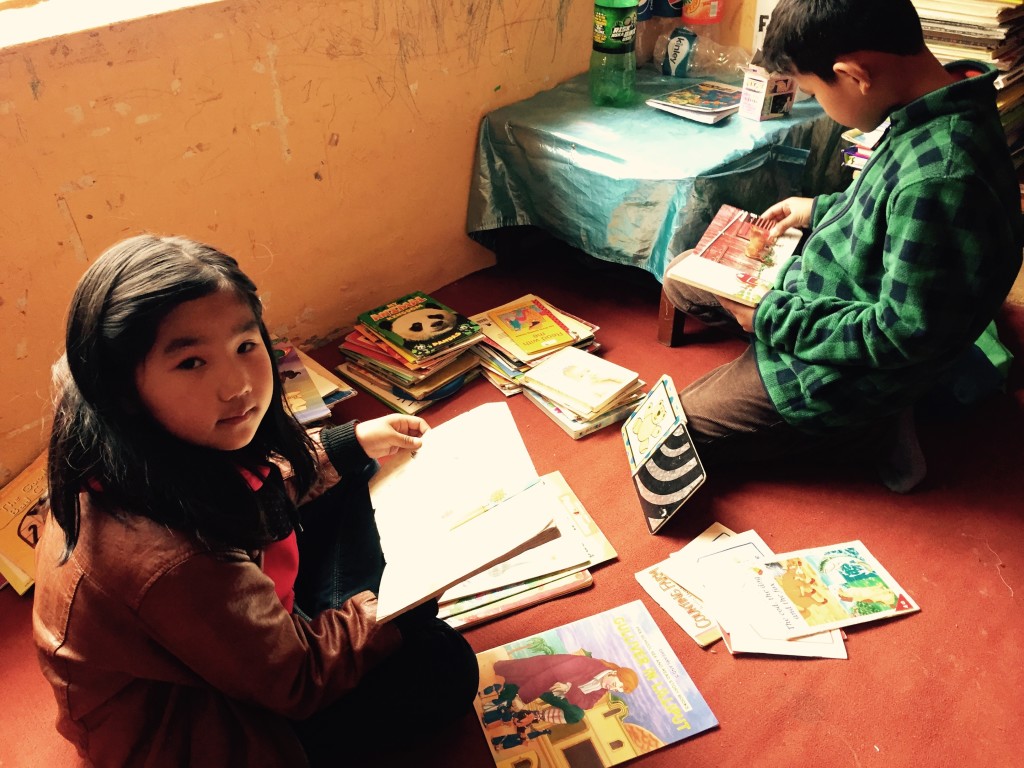
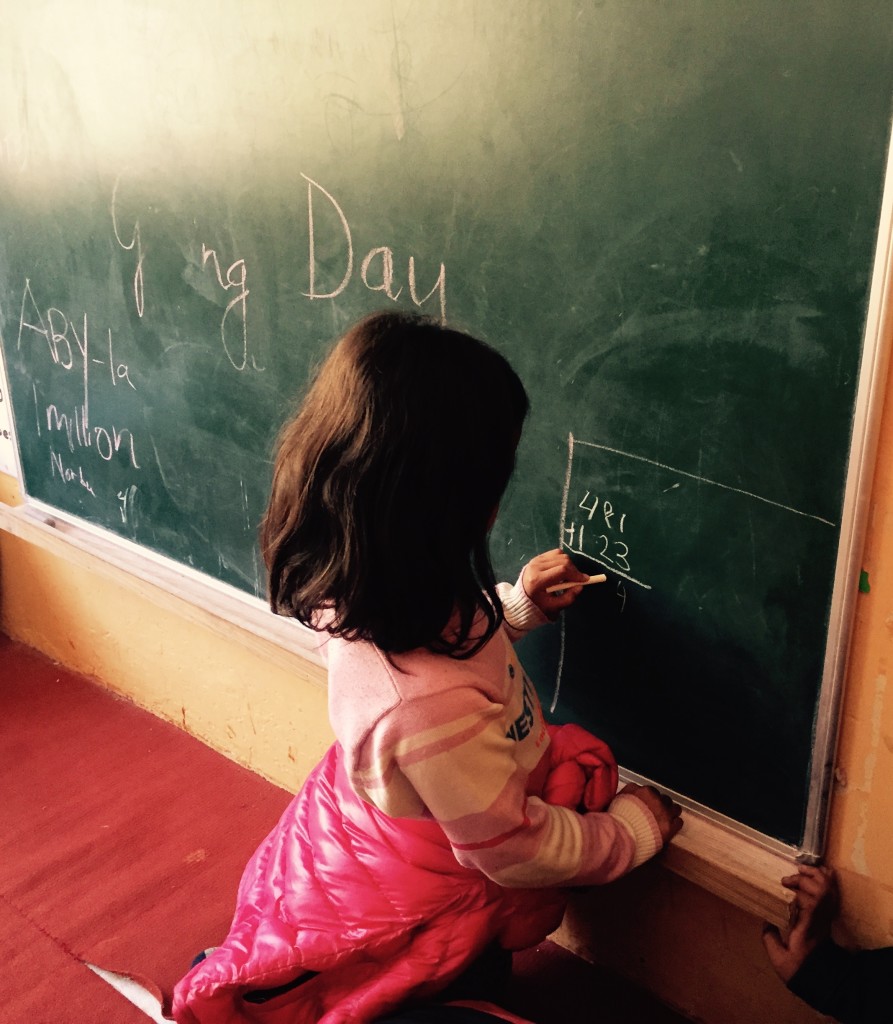
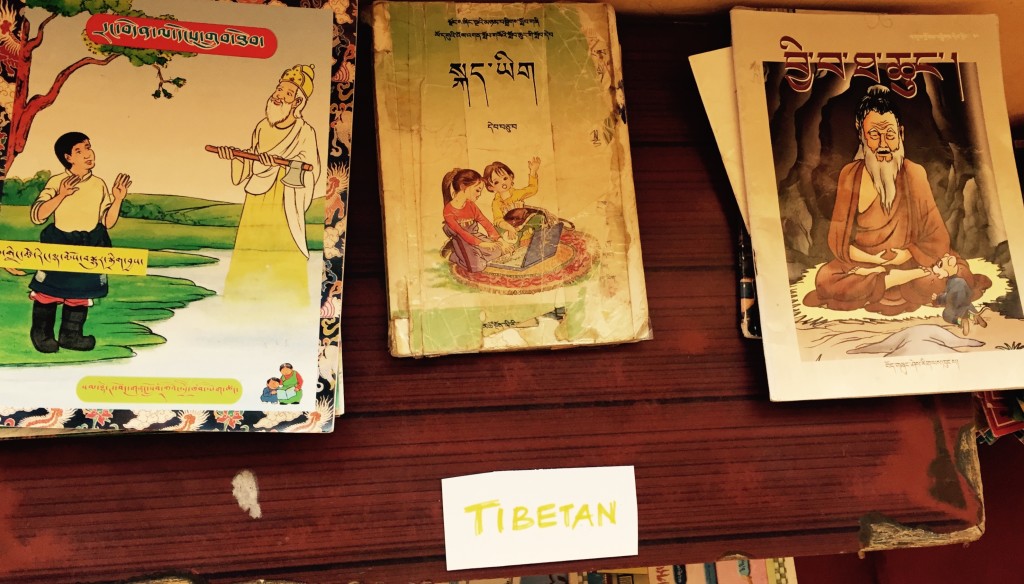
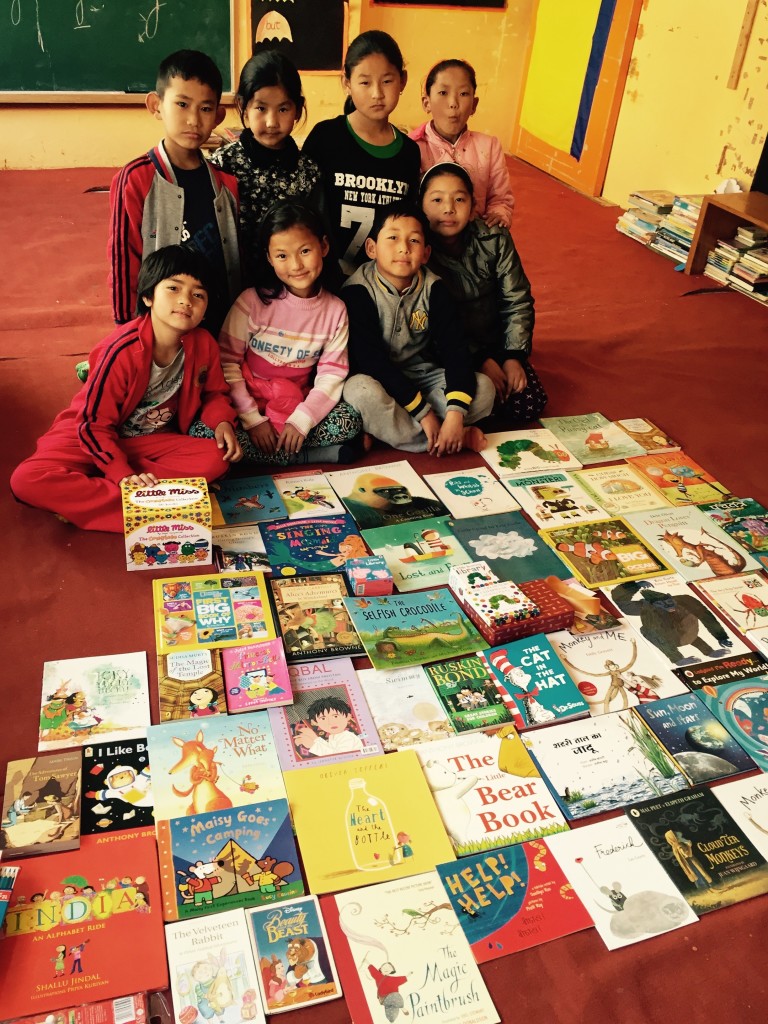
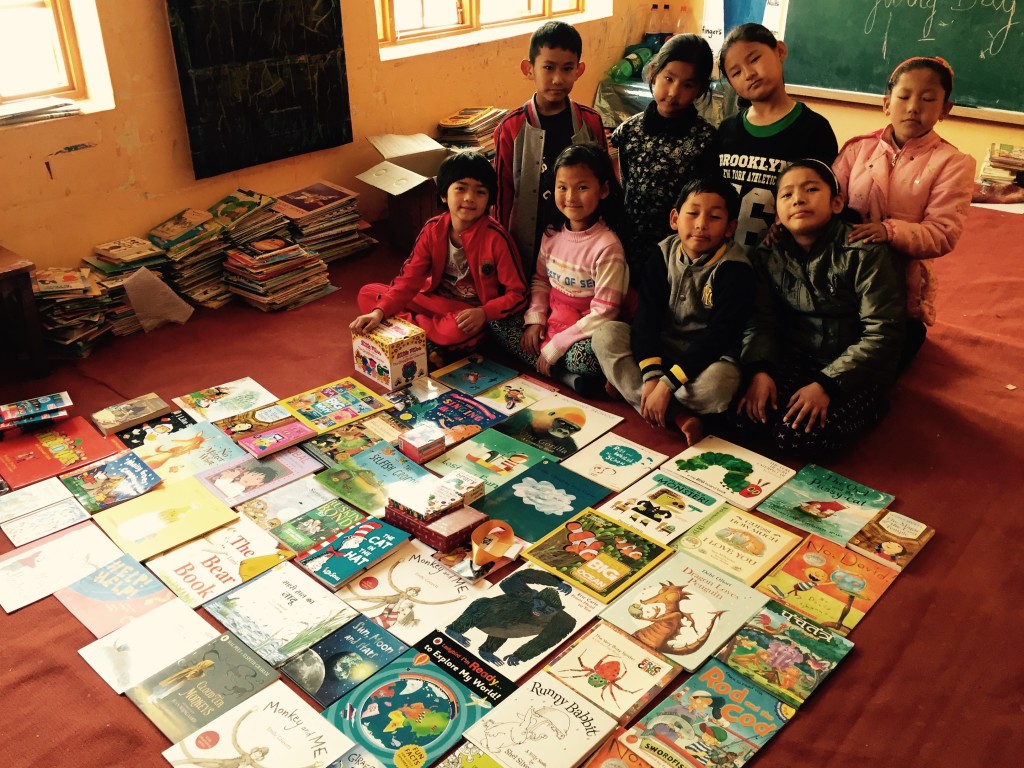
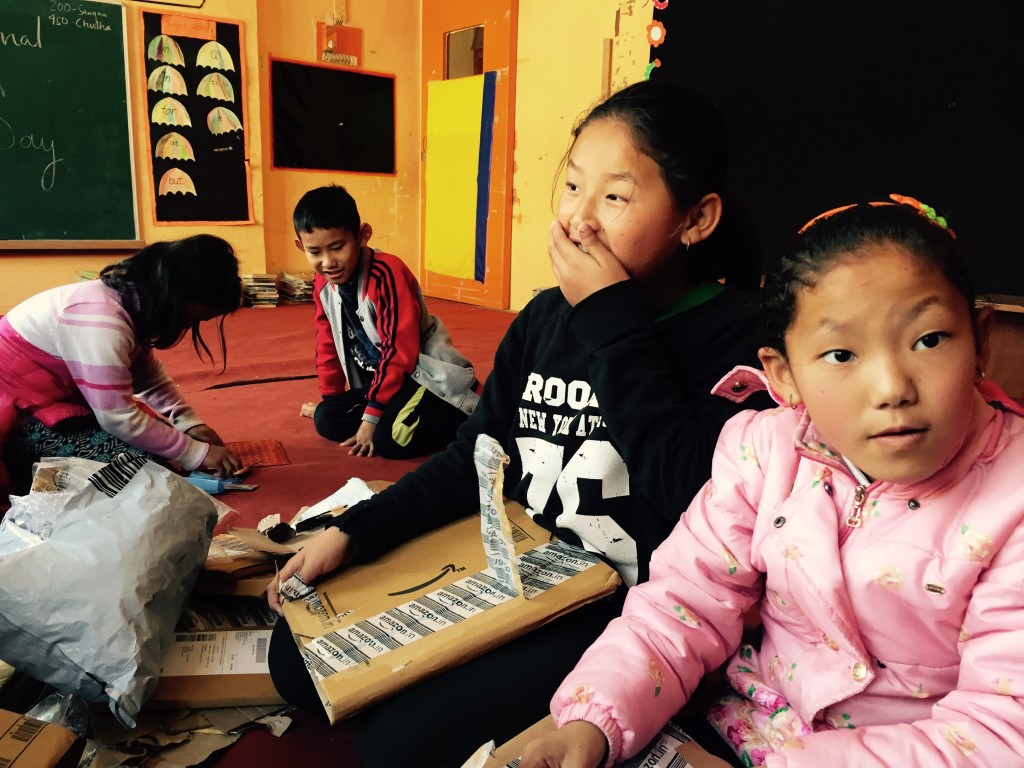
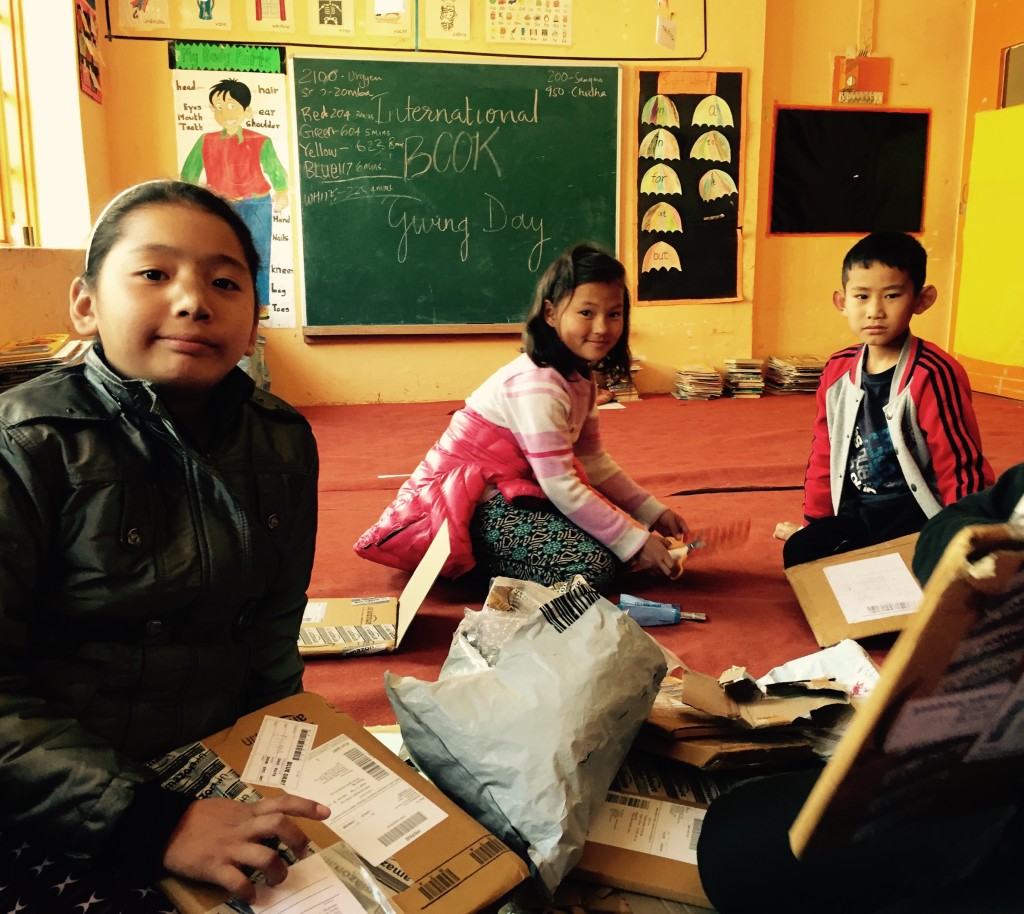
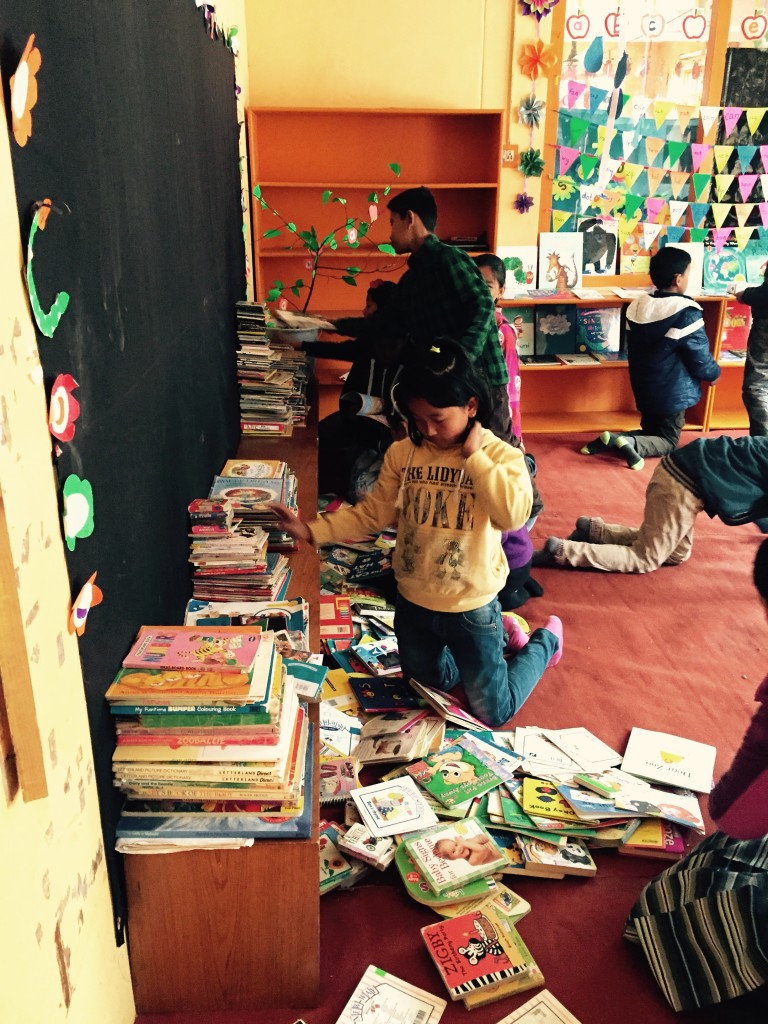
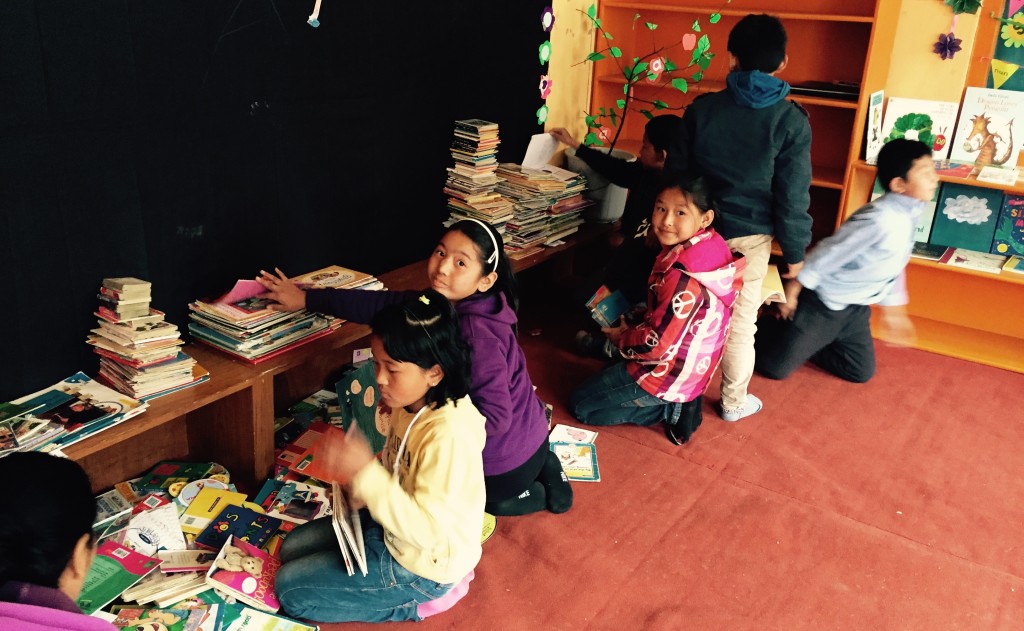
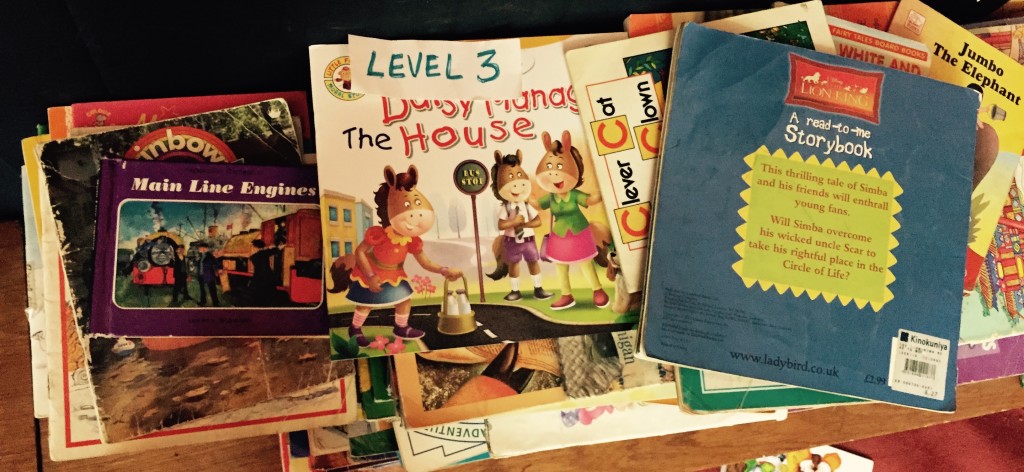
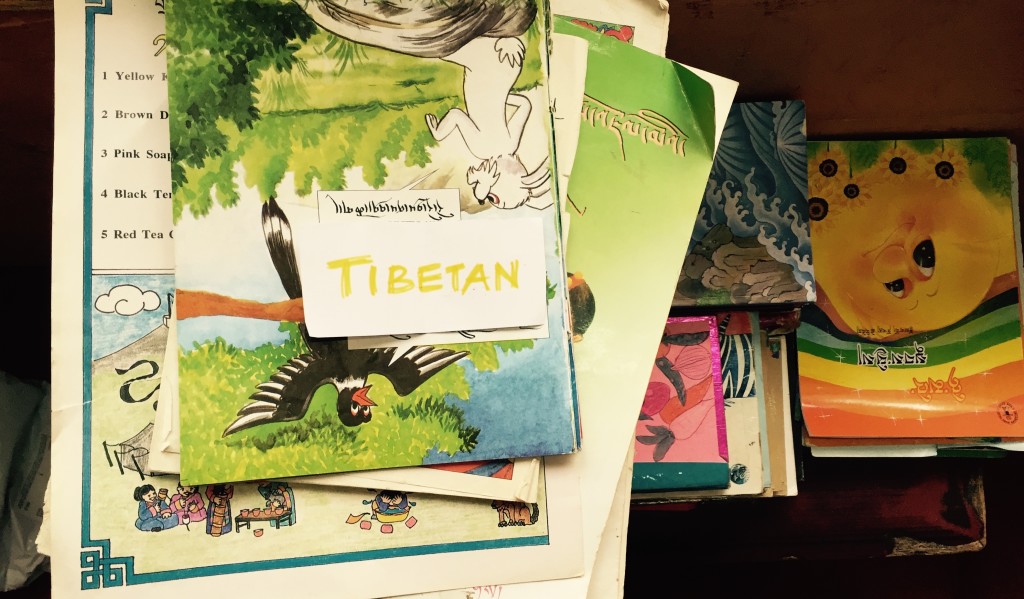
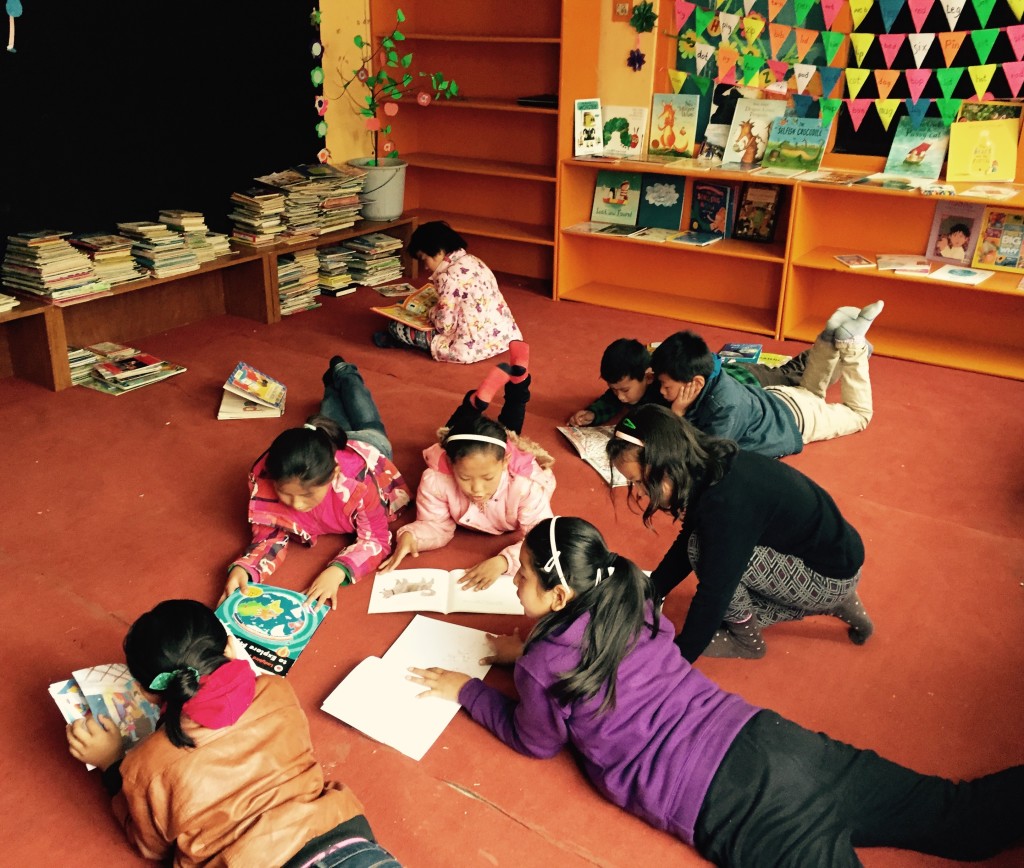
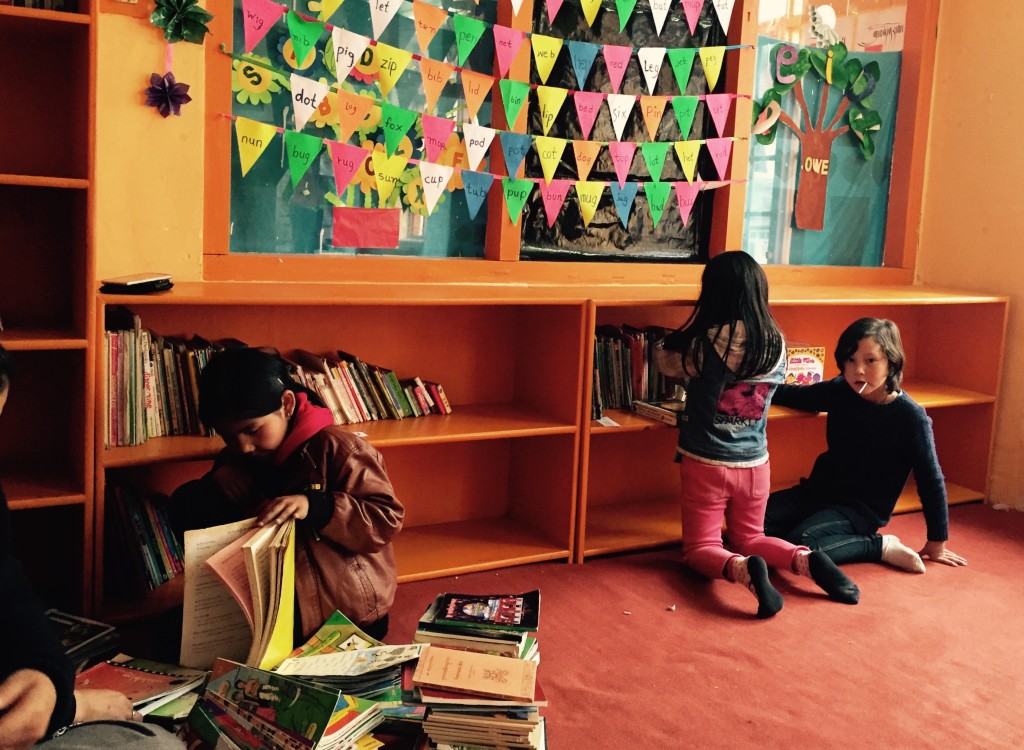
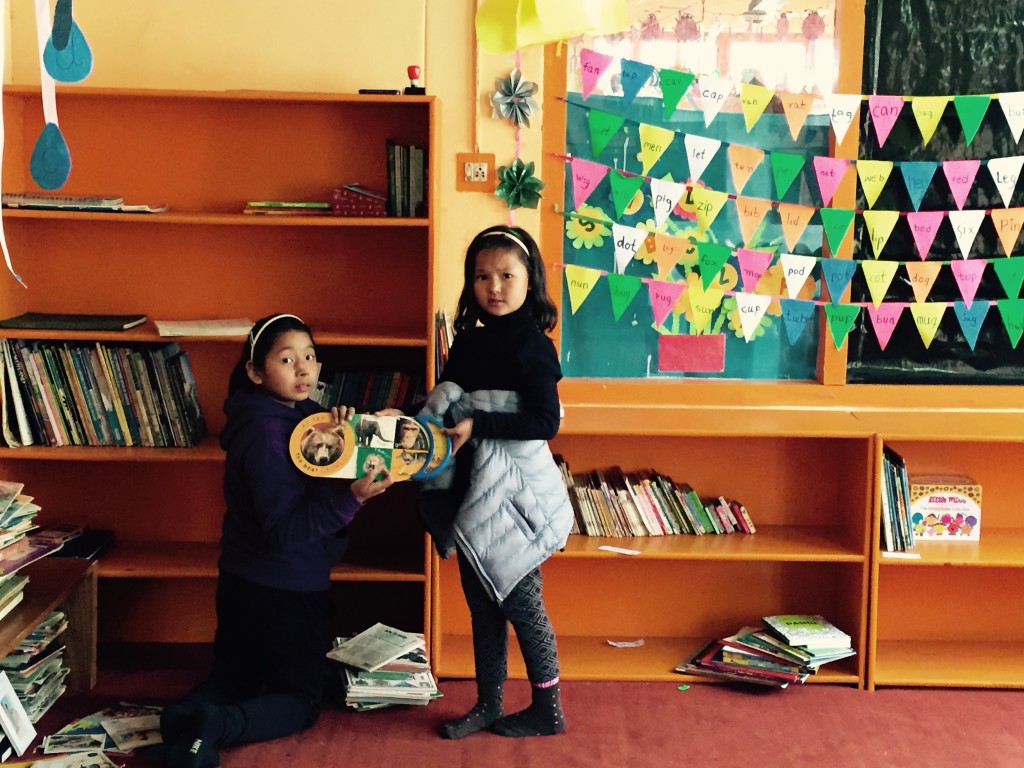
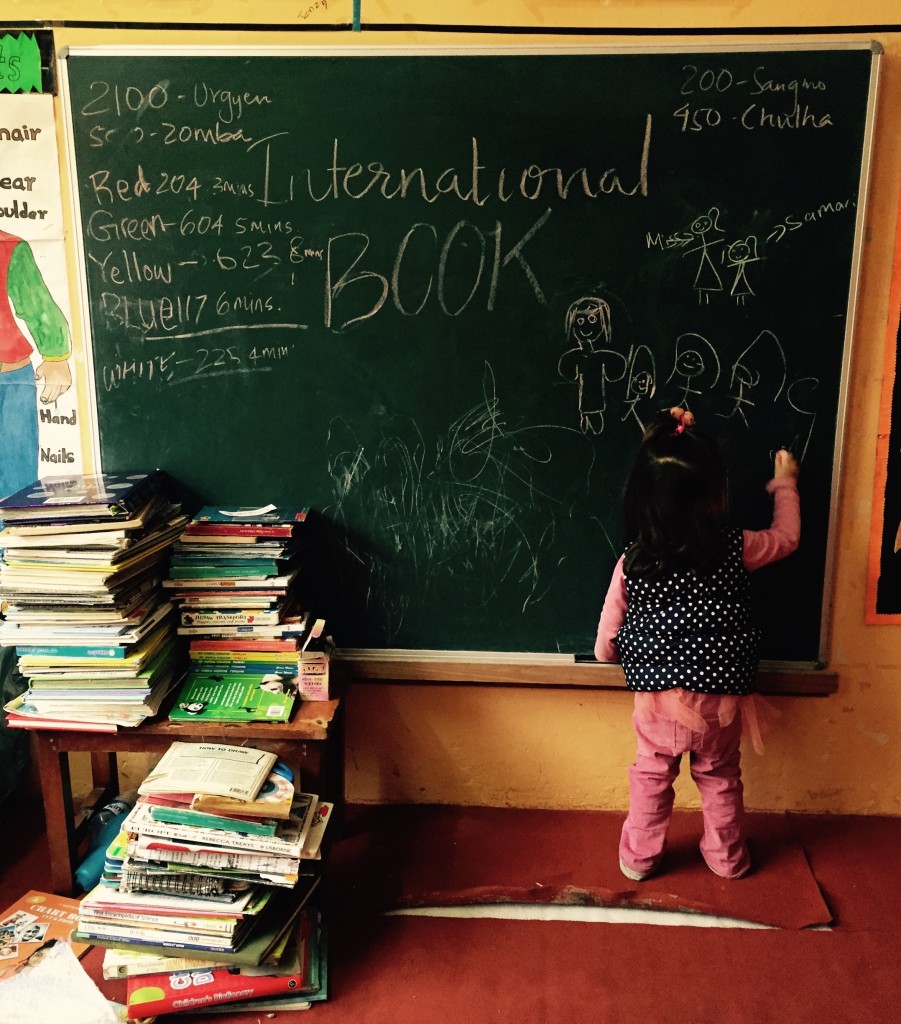
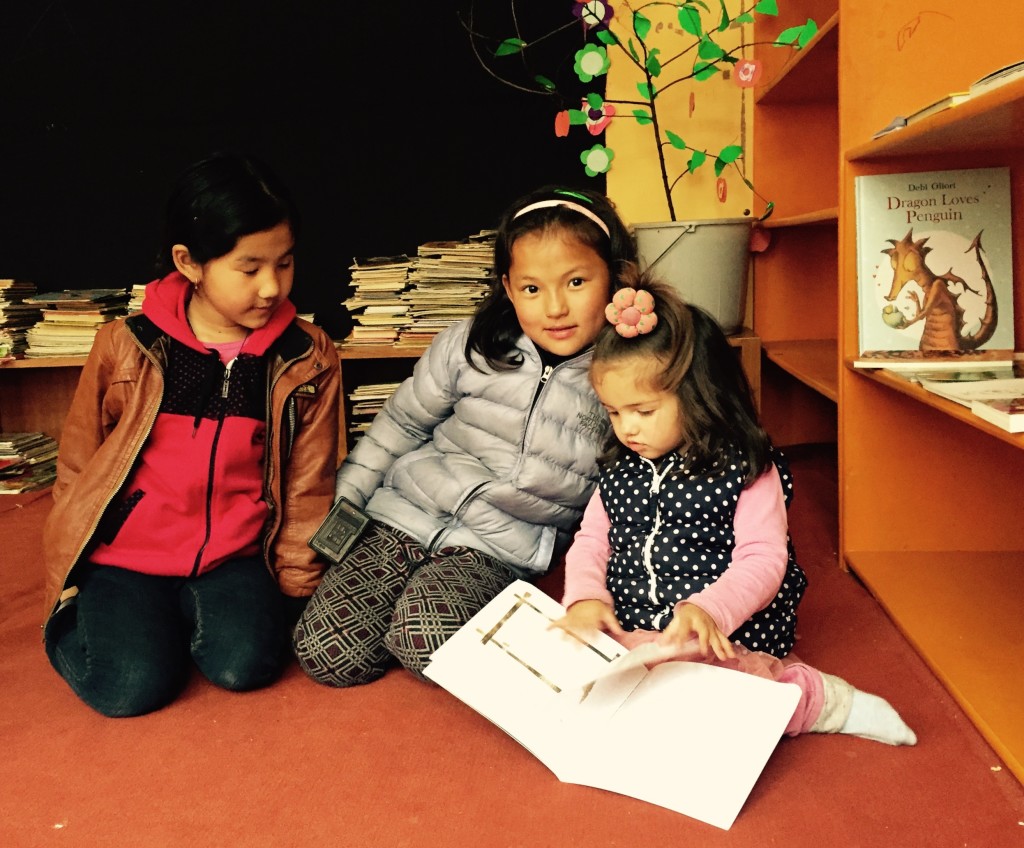
In a reading room high above the Indus, a child may sit on a woven mat surrounded by books in English, Tibetan, and Hindi, choosing a story to read aloud before the room settles into quiet writing. Volunteers often describe the moment when a child folds a letter, writes a date five years ahead, and places it into a tin for safekeeping. One such story, captured in a volunteer experience camping with kids and telling stories under the stars, shows how letter writing flows naturally from shared storytelling around a fire. The story becomes the prompt, and the letter becomes the child's response across time.
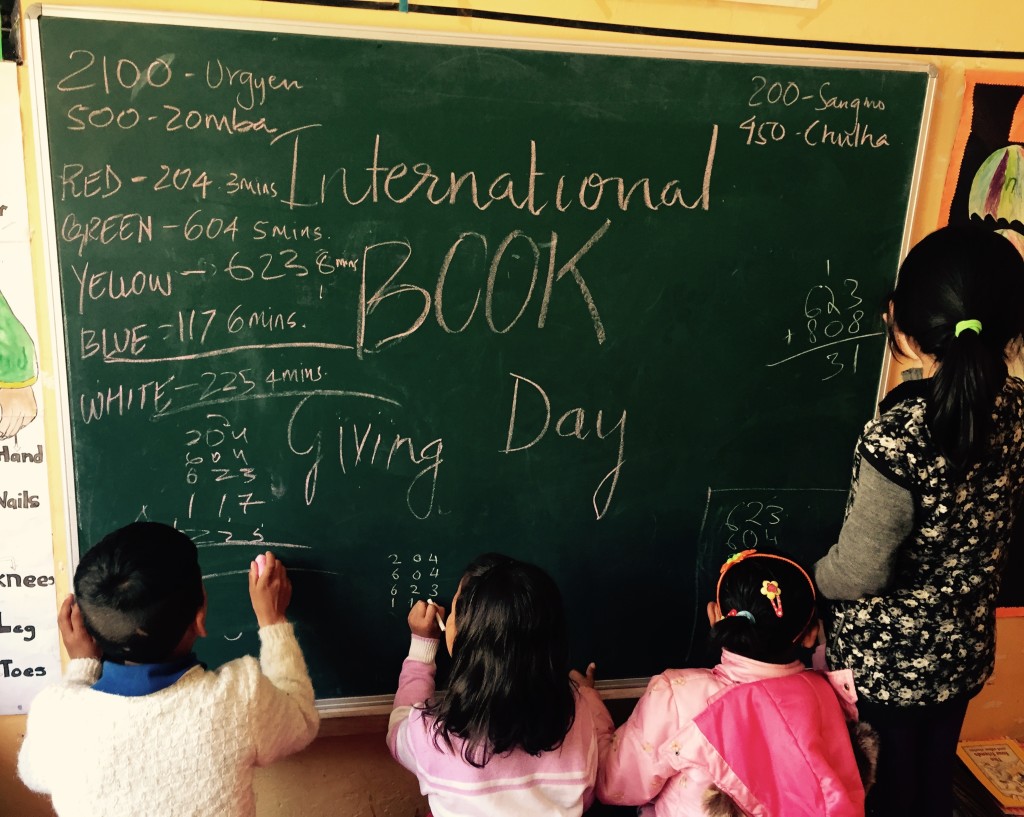
Australian schools have been quietly building similar rituals. During Book Week, teachers in Adelaide have asked Year 4 students to draft letters to their Year 12 selves, then store them in a sealed envelope held by the school library. Some public libraries in Perth run seasonal Future Self stations where a child can write beside a parent and tuck the letter into a take-home envelope. The practice weaves easily into the literacy block, but it also reaches parts of the curriculum that feel harder to touch, such as resilience, identity, and the gentle art of waiting.
Prompts to Set a Young Writer in Motion
A child often hesitates at the first blank line. A few well-chosen questions can turn hesitation into momentum, and they can be adapted to the reading level of any group, from a small reading room in Ladakh to a primary classroom in Hobart.
- What is your favourite sound right now, and what do you hope still sounds the same to you in ten years?
- Describe a book that changed how you saw the world this year.
- Write down one question you would like your future self to answer.
- Tell the older you about a person, place, or animal that matters to you today.
- List three small things you would like to remember, even if you forget everything else.
These prompts work because they are specific without being heavy. A child does not need to know what they want to be when they grow up, only what they want to remember or wonder about. A volunteer or teacher can model their own letter first, sharing something ordinary and slightly vulnerable, which gives the children permission to do the same.
Books and Read-Aloud Sessions as the Spark
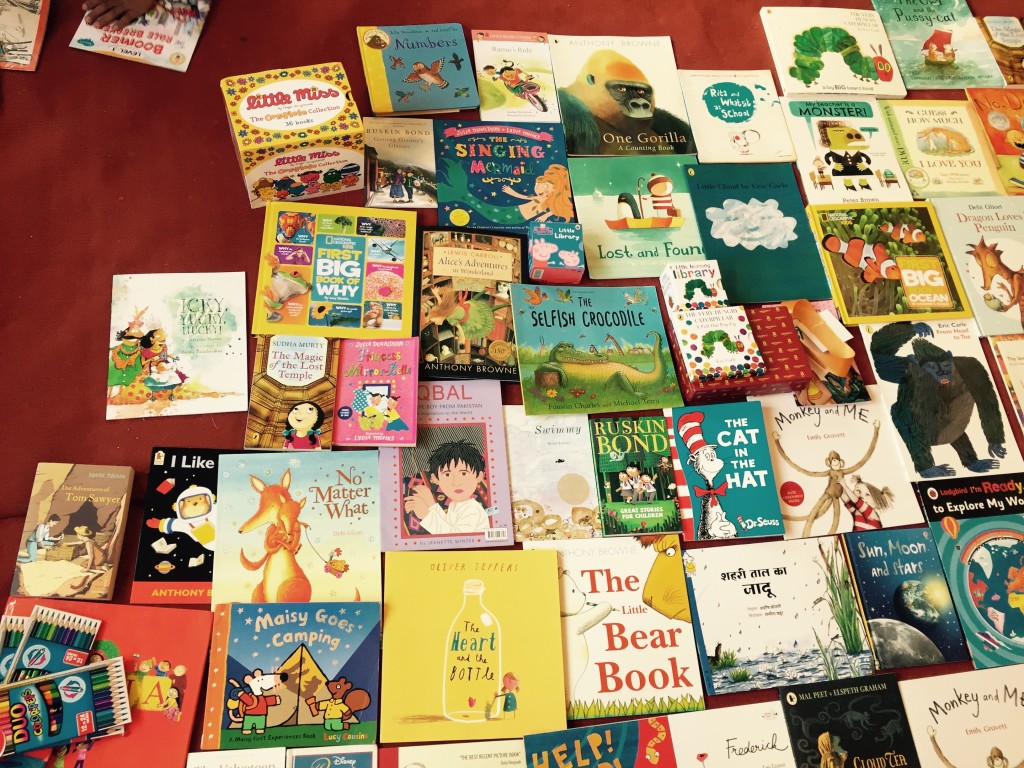
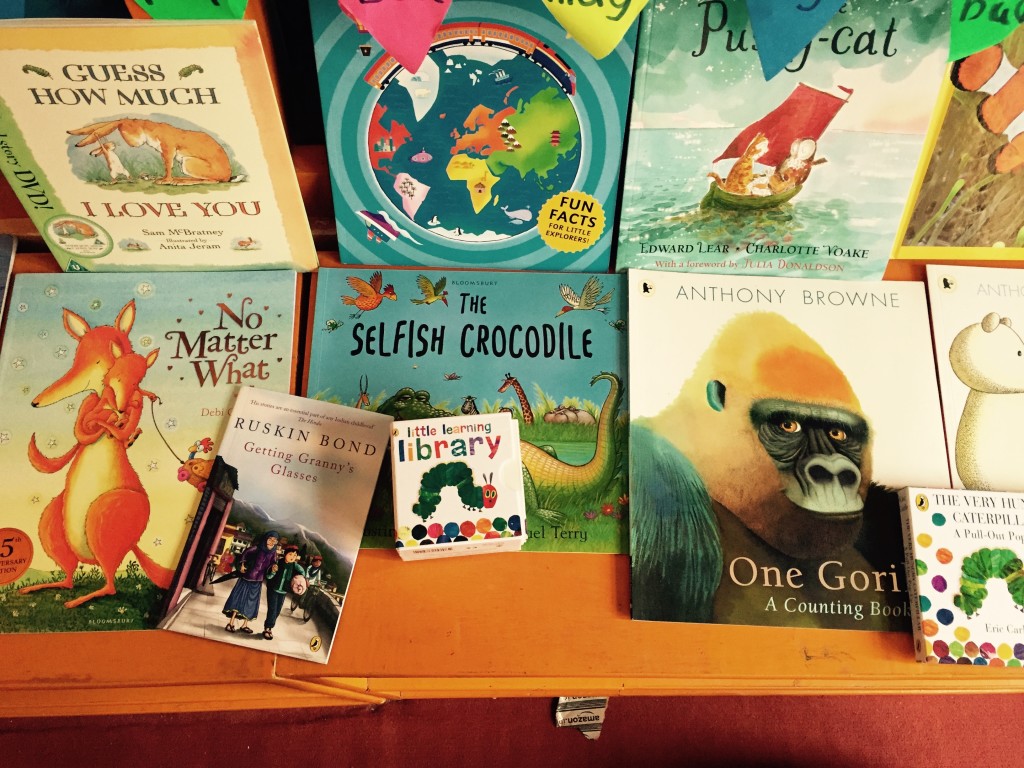
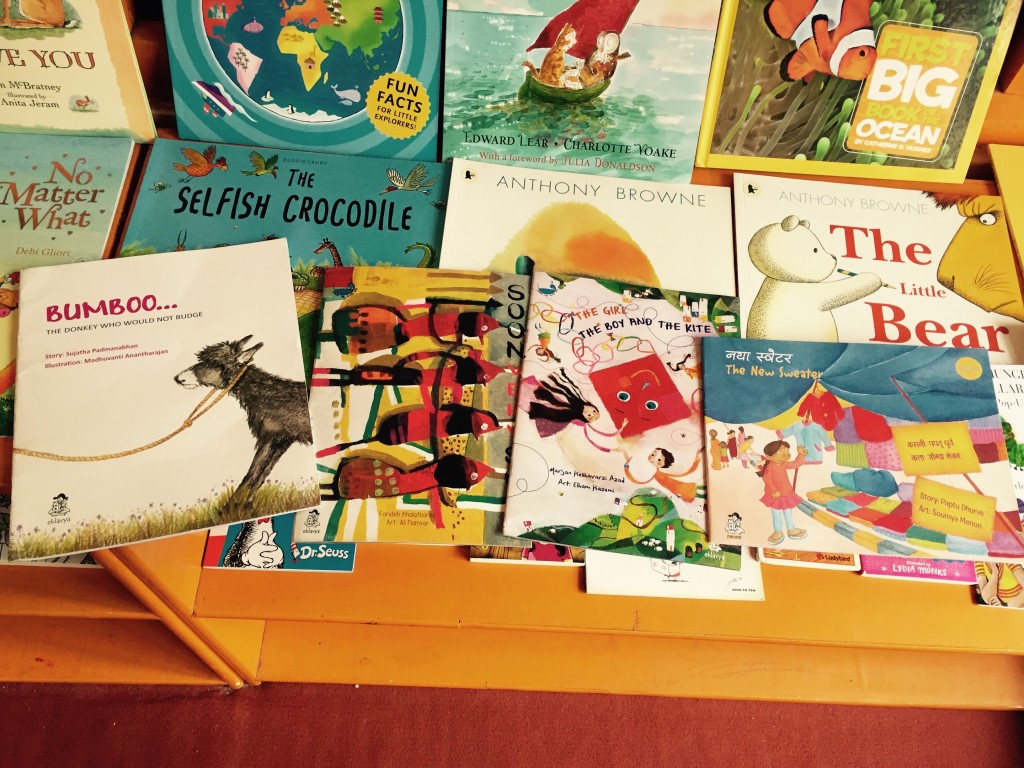
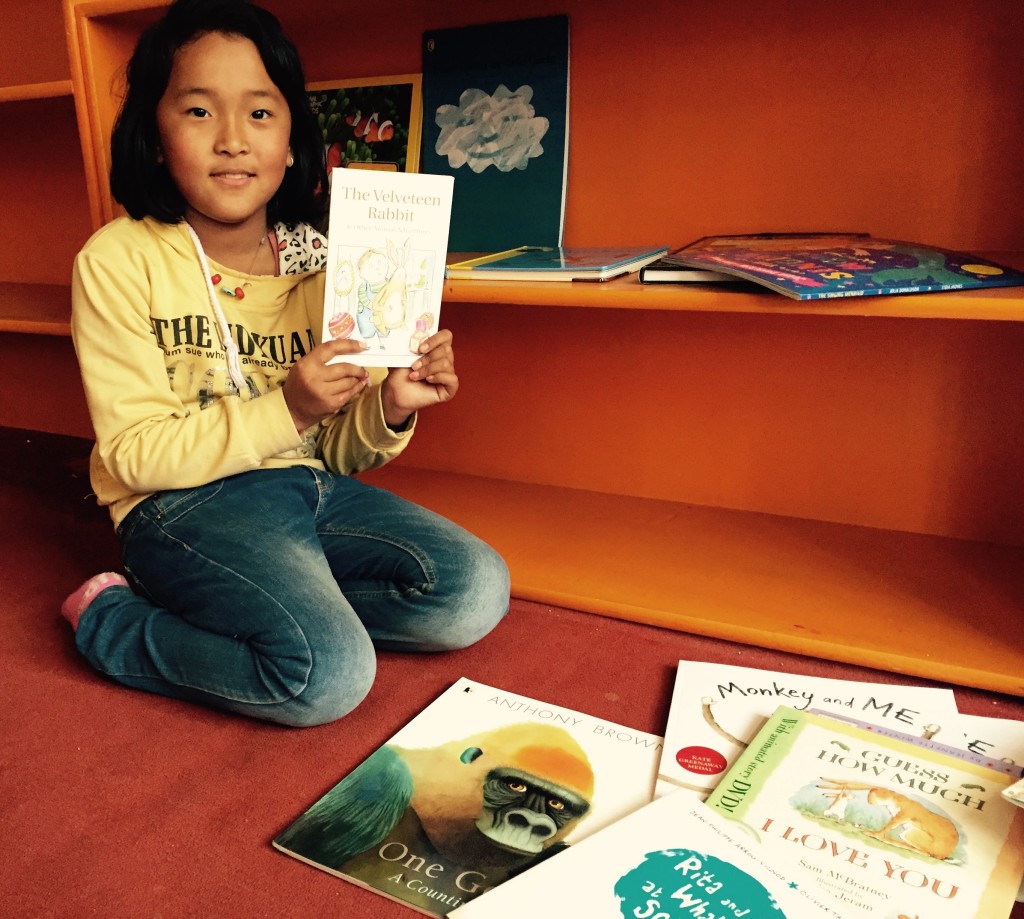
A letter rarely arrives out of nowhere. Most children write more honestly after they have listened to a story that has stirred something. A reading room can be stocked with picture books about change, such as stories of migration, growing seasons, and family traditions, that give children a vocabulary for their own experiences. In Australia, pairing letters with titles from the Indigenous literary canon, or with works by the current Australian Children's Laureate, gives children mirrors of their own communities as well as windows onto others.
Tying the writing moment to a shared reading experience also solves a practical problem. Many young writers stare at a blank page because they are not sure their life is interesting enough to record. A story read aloud, especially one that ends with an open question, hands them a ready-made springboard. The letter becomes a continuation of the story, and the child becomes a co-author rather than a confessor, which is a far more inviting role for a first attempt at personal writing.
A Small Ritual That Travels Anywhere
What makes the future-self letter such a portable practice is its modesty. It needs paper, a pencil, a future date, and a trusted hand to hold the envelope. It does not require a screen, a budget, or a trained therapist, which is why it has found its way into reading rooms in remote villages, school libraries in regional Queensland, and the corner of a kitchen table in suburban Melbourne. A child anywhere can write one. A trusted adult anywhere can promise to mail it back in a decade, or to hand it over on a chosen birthday.
If you would like to bring this practice into a reading room, a classroom, or your own home this week, start with one child, one prompt, and a clearly labelled envelope. Write the opening date and the date five years from now on the front, then ask the child to choose a small, specific detail to include, such as the name of a friend, a favourite meal, or the title of a book they are reading today. Seal it together, decide together who will hold it, and let the future do the rest.