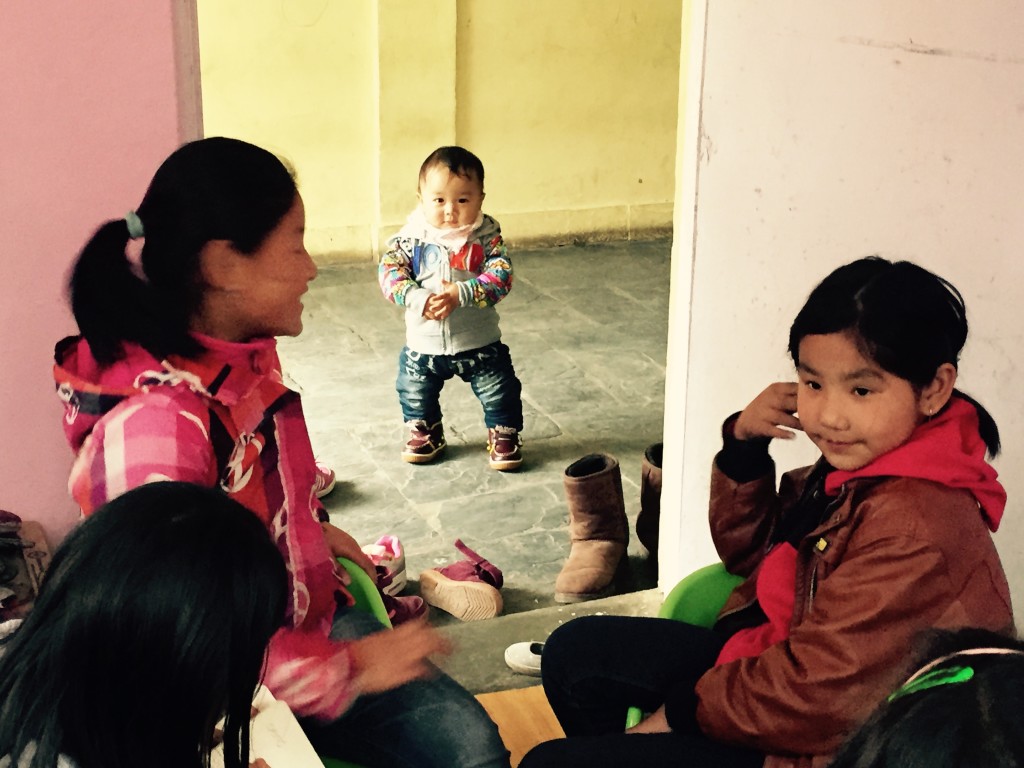
Camping With Children in Ladakh and Telling Stories Under the Stars
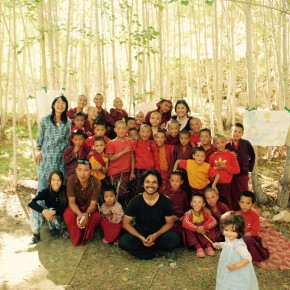
The crunch of boots on a frozen Ladakhi riverbed at dawn is not the sound most people from Sydney or Melbourne associate with volunteering. Yet every winter a small group of trekkers and helpers from across Australia pack sleeping bags, head torches and dog-eared picture books onto flights to Delhi, then minibuses bound for Leh. They go to spend ten days in the care of the Avalokiteśvara Trust, running winter reading camps for children and young monks in villages like Choglamsar, Phey and the Nubra Valley. The work is simple, the rewards are not.
Australian readers may already sense the kinship. A country that grew up around the campfire, that gave the world the bush ballad and the lanky poetry of Henry Lawson, knows something about evenings spent on dusty ground, telling tall tales to children with wide eyes. The trust's volunteer trips tap into that lineage, then twist it gently outward. Instead of wattles and scrub, the backdrop becomes apricot orchards and snow-fed streams. Instead of a didgeridoo, the soundtrack is a single harmonium.
What follows is a journal-style reflection, drawn from notes kept during one such trip, together with practical observations for anyone considering similar travel. It is not a brochure. The dust gets into the throat, the wash water freezes by sunrise, and the children fall asleep mid-sentence. None of that is a complaint.
Arriving in Leh and Settling Into Camp
The first thing to understand is that the volunteers do not stay in hotels. The trust arranges shared homestays and domed tents pitched on flat stony ground a short walk from a school or monastery. Beds are foam mattresses, layered with thick blankets that smell faintly of juniper smoke. Toilets are composting, and the trust insists on grey-water care in line with principles familiar to Australian bushwalkers.
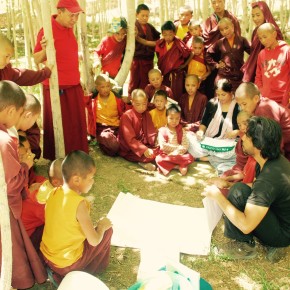
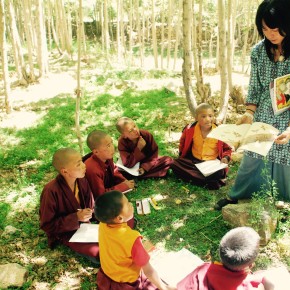
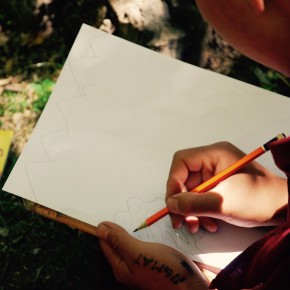
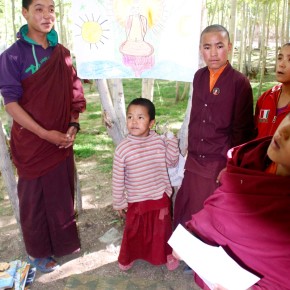
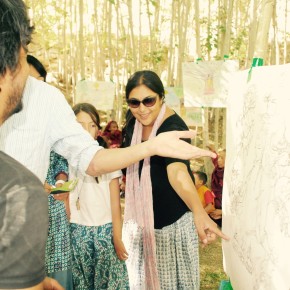
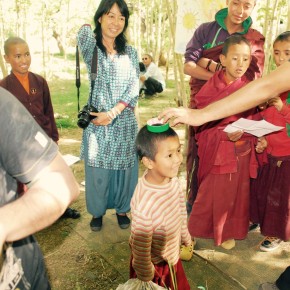
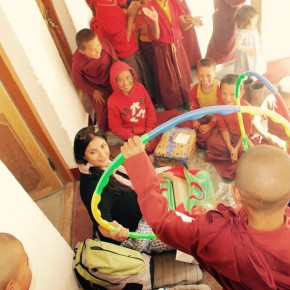
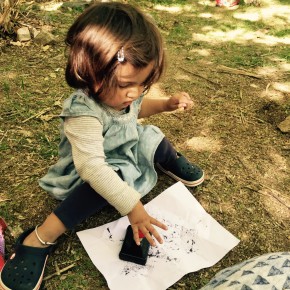
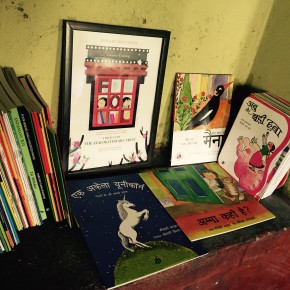
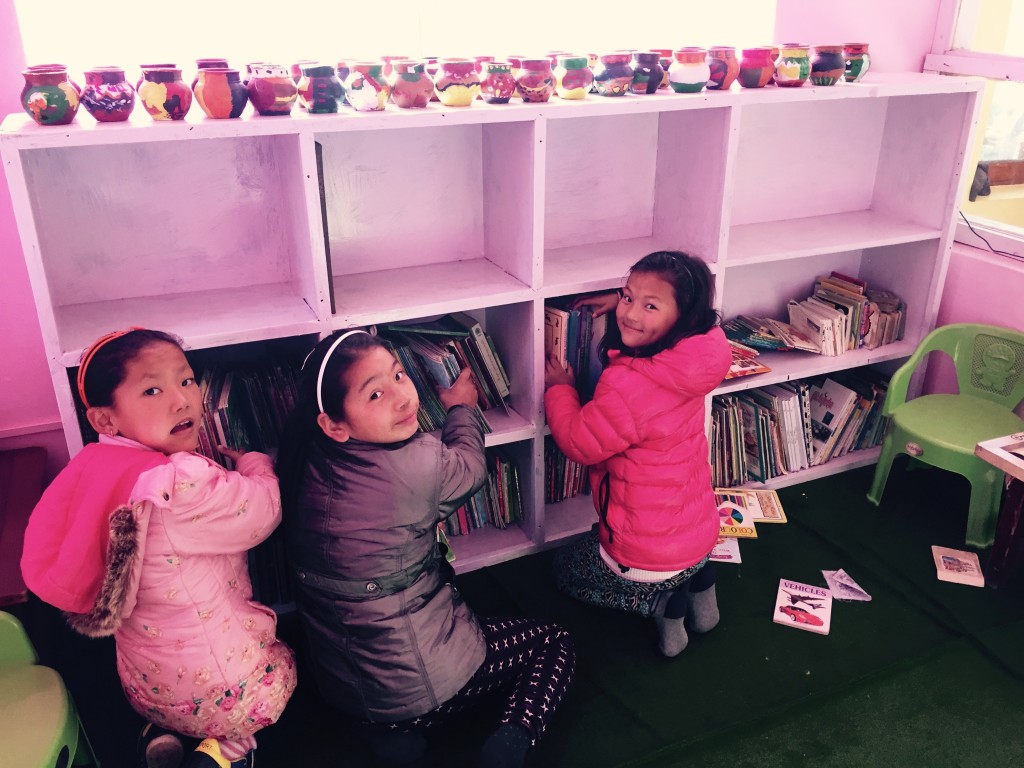
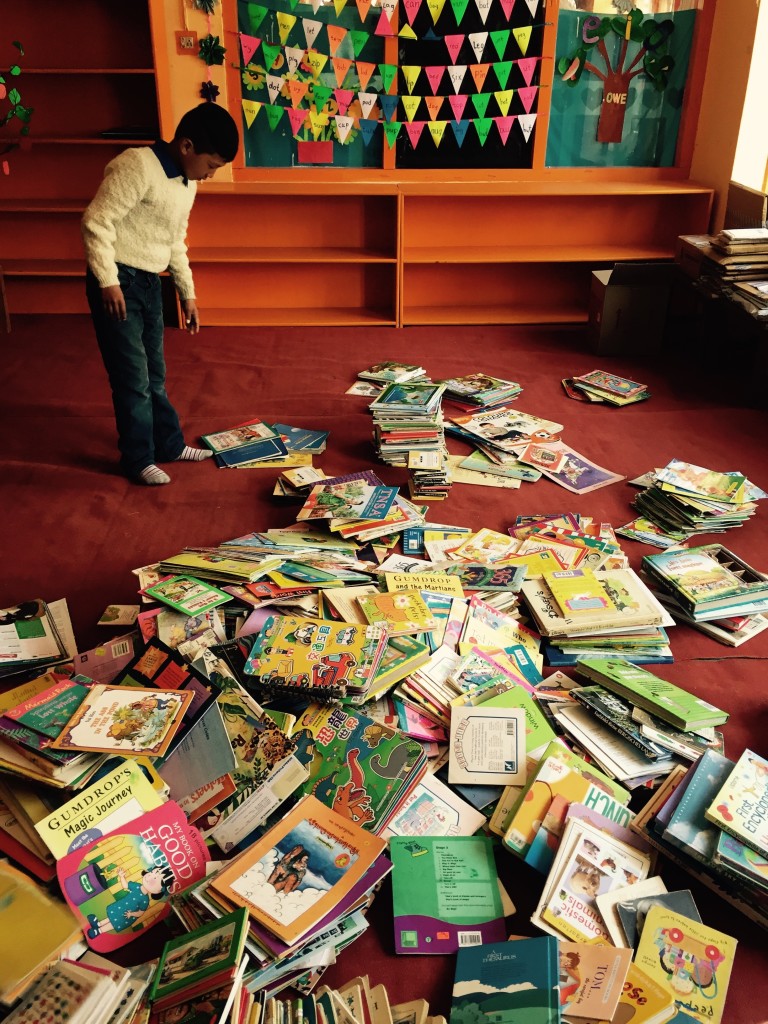
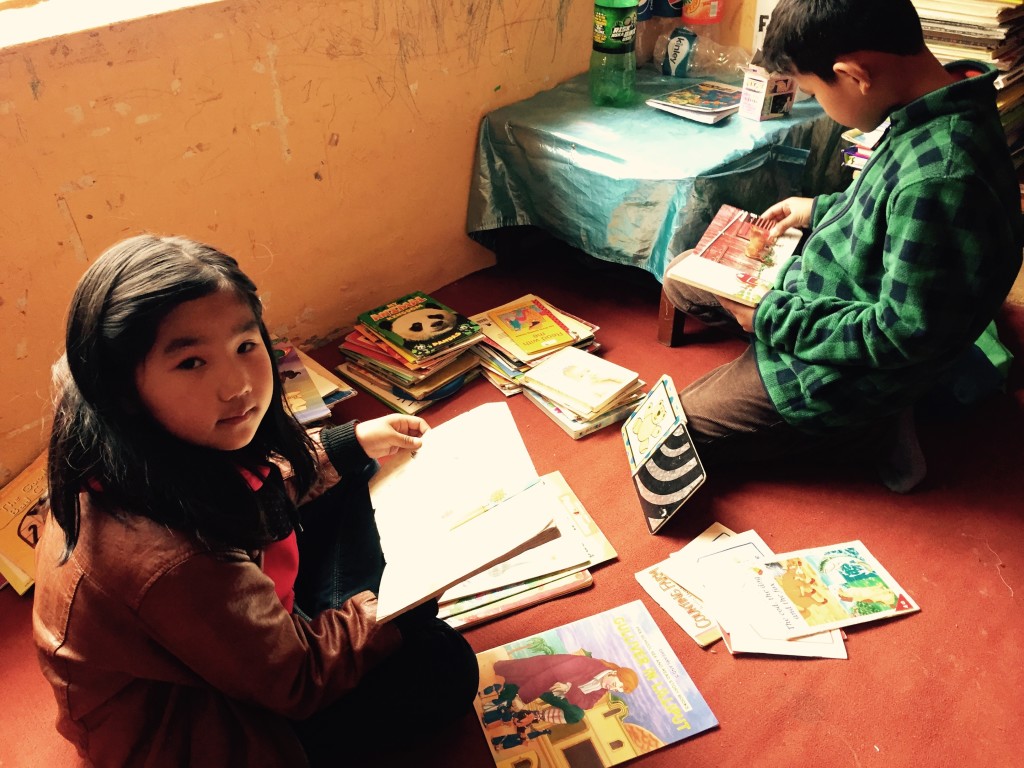
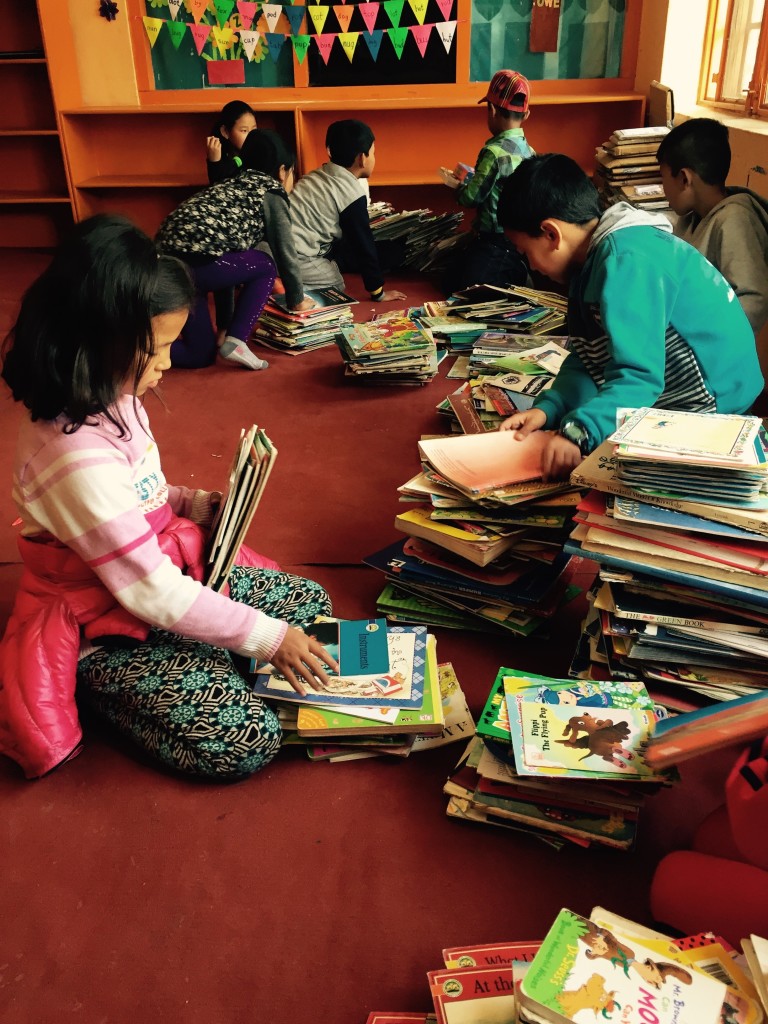
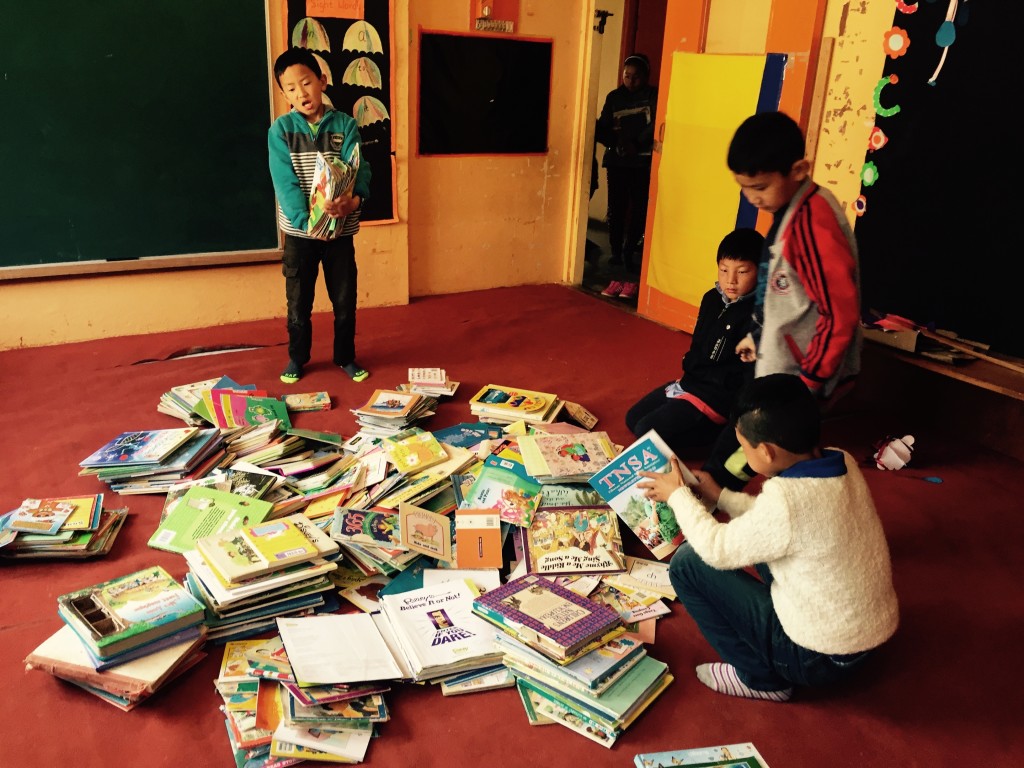
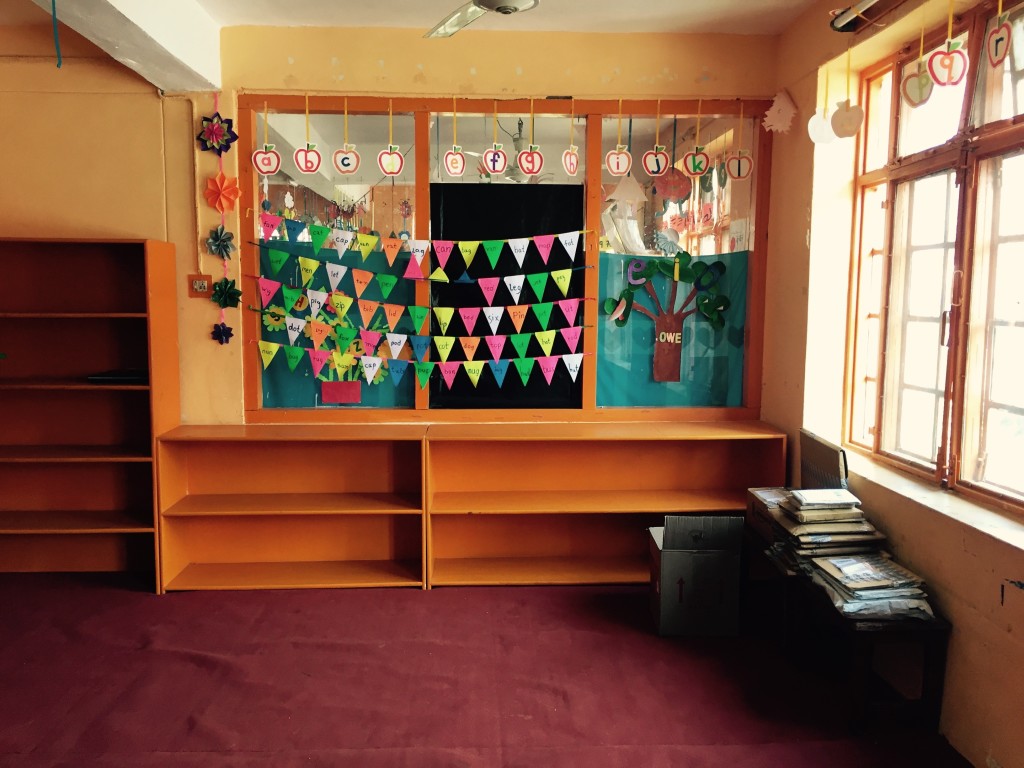
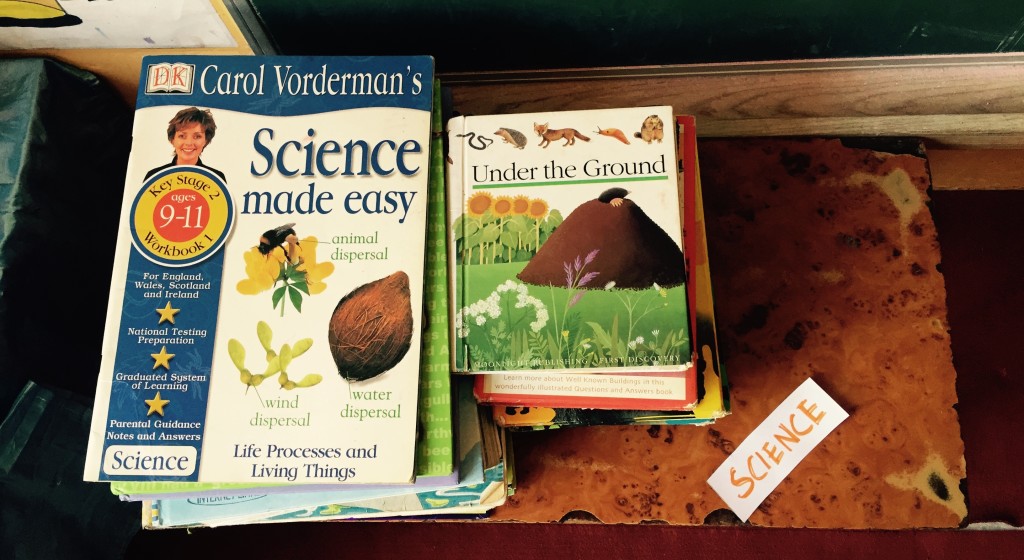
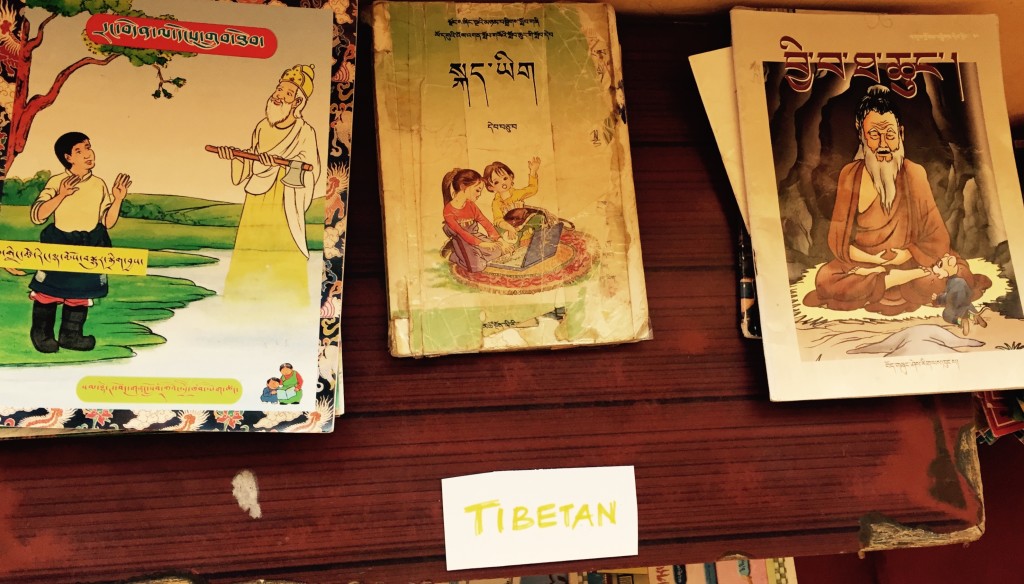
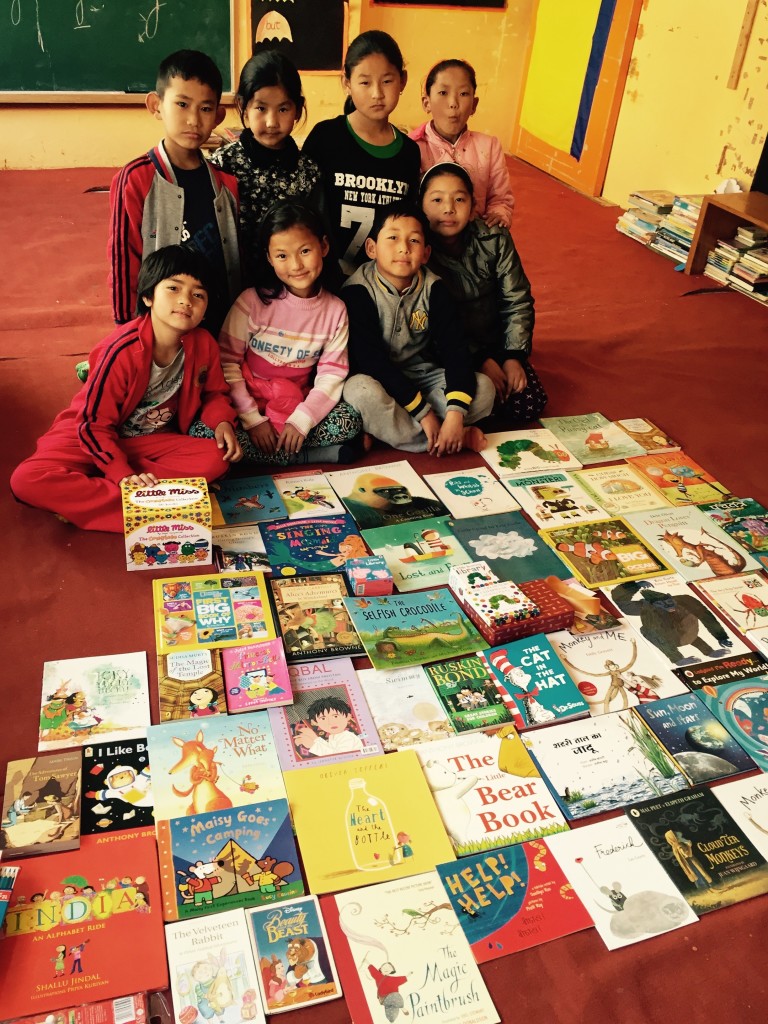
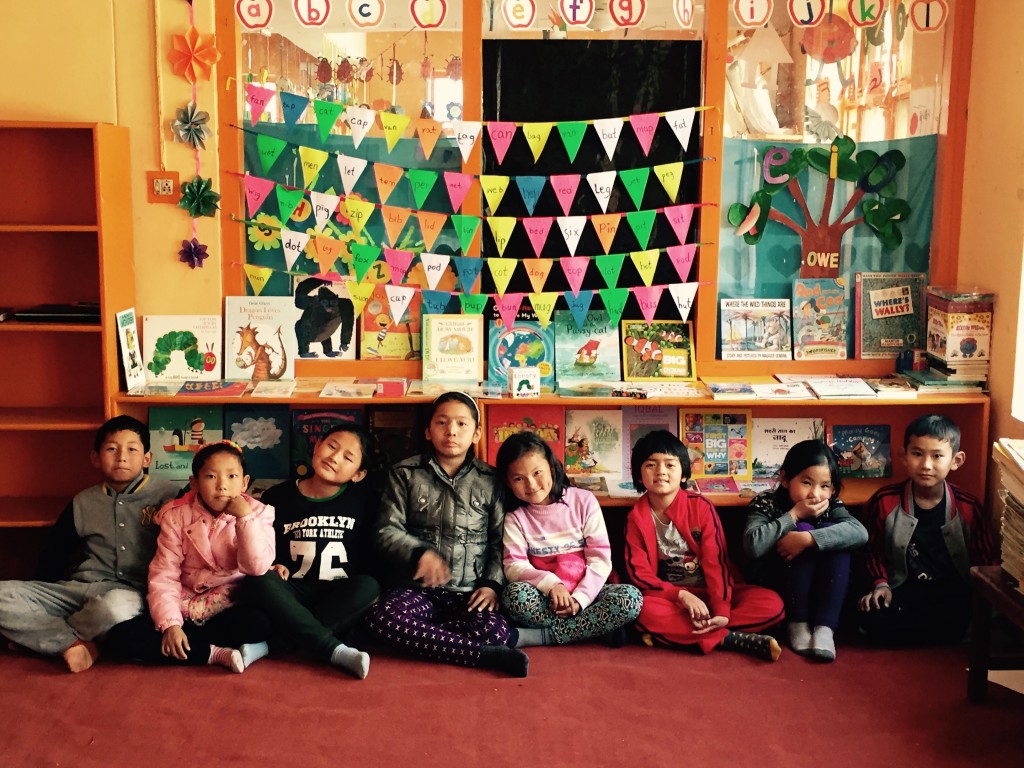
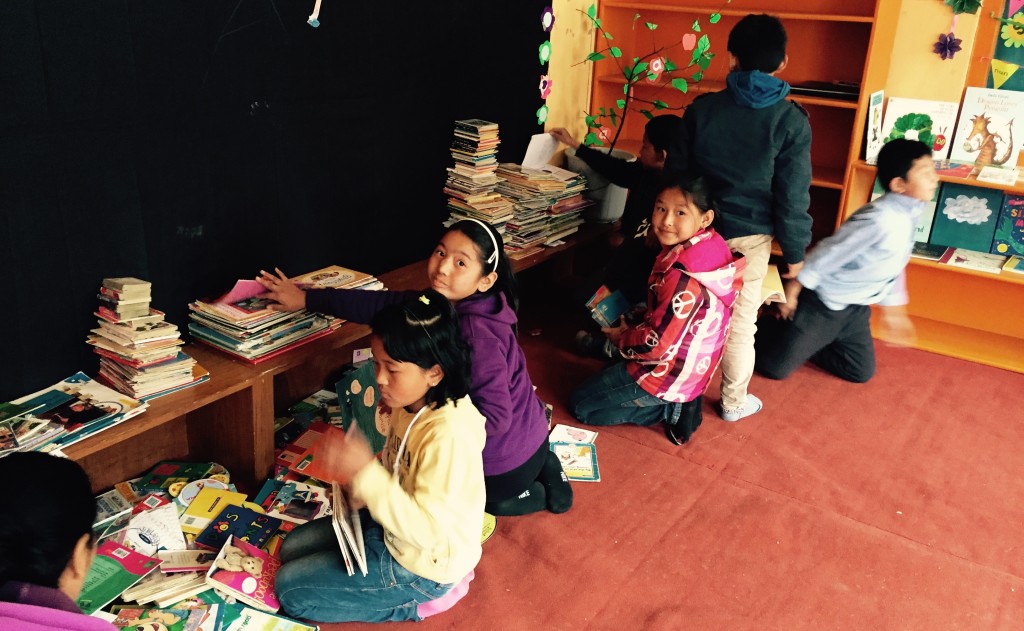
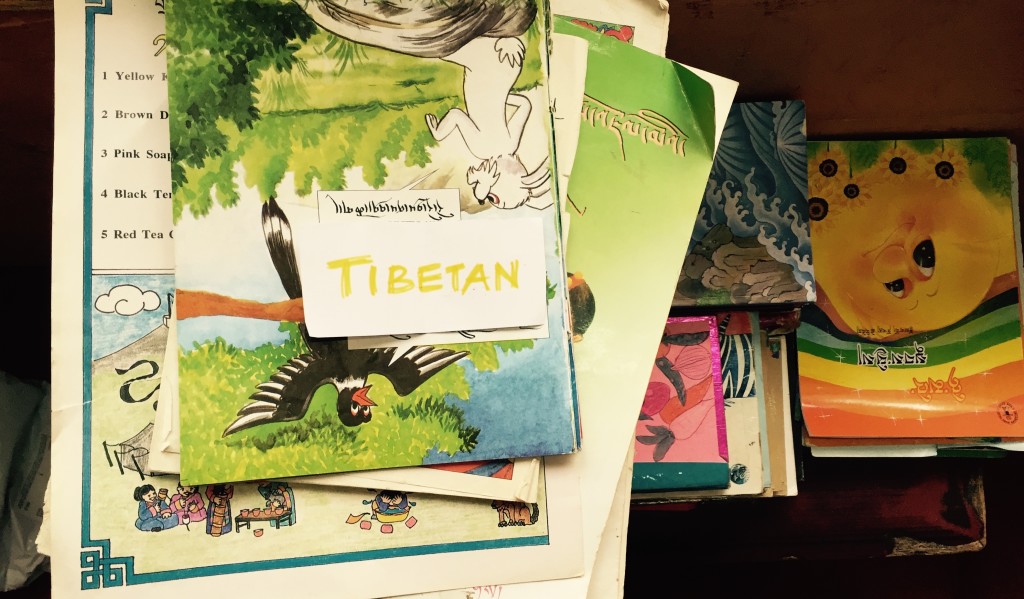
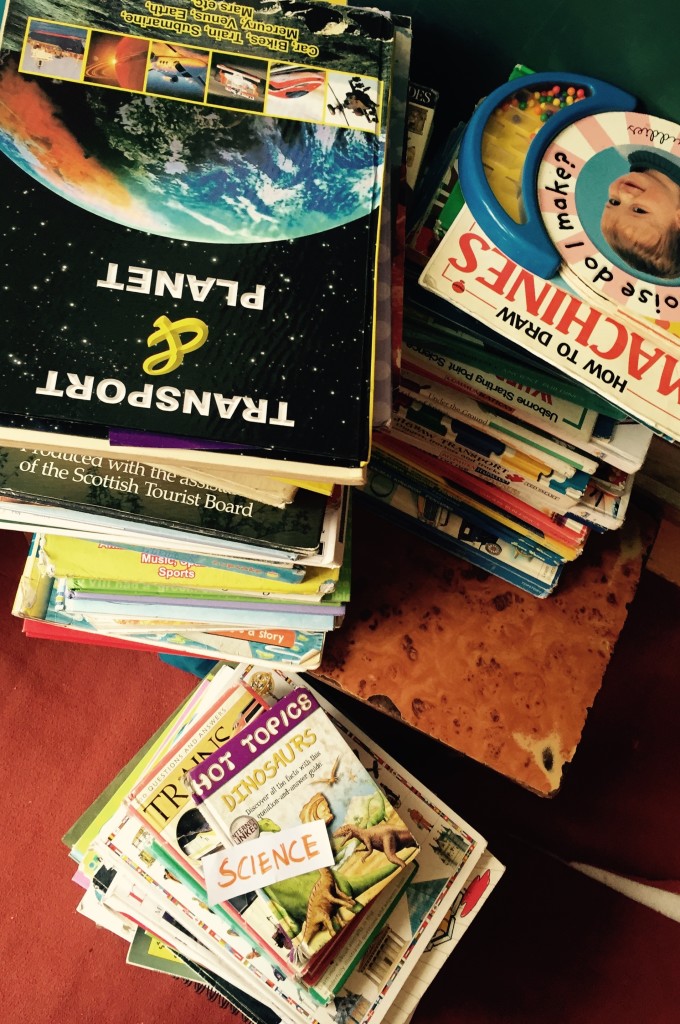
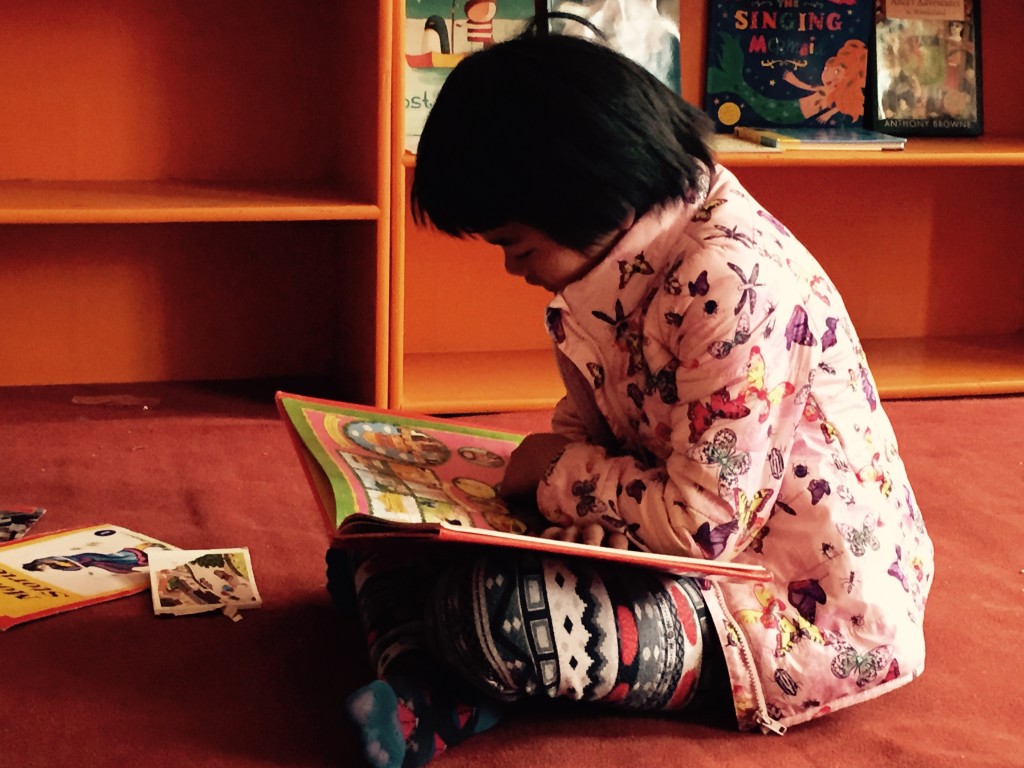
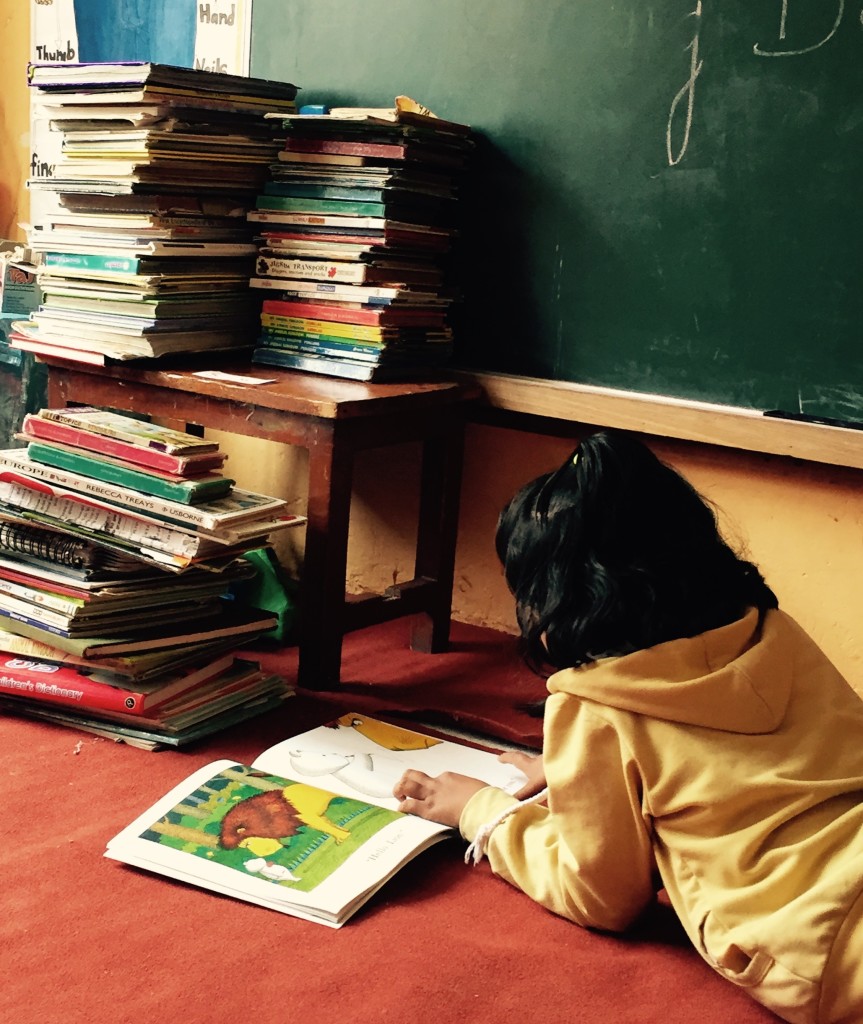
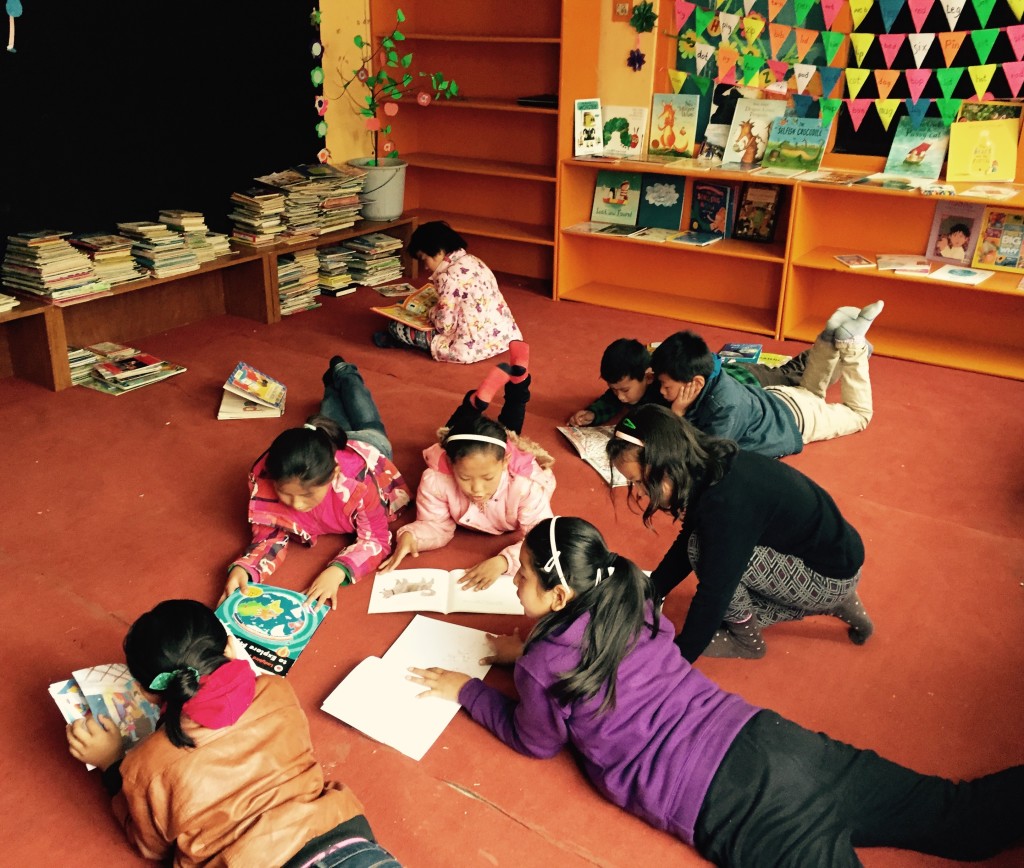
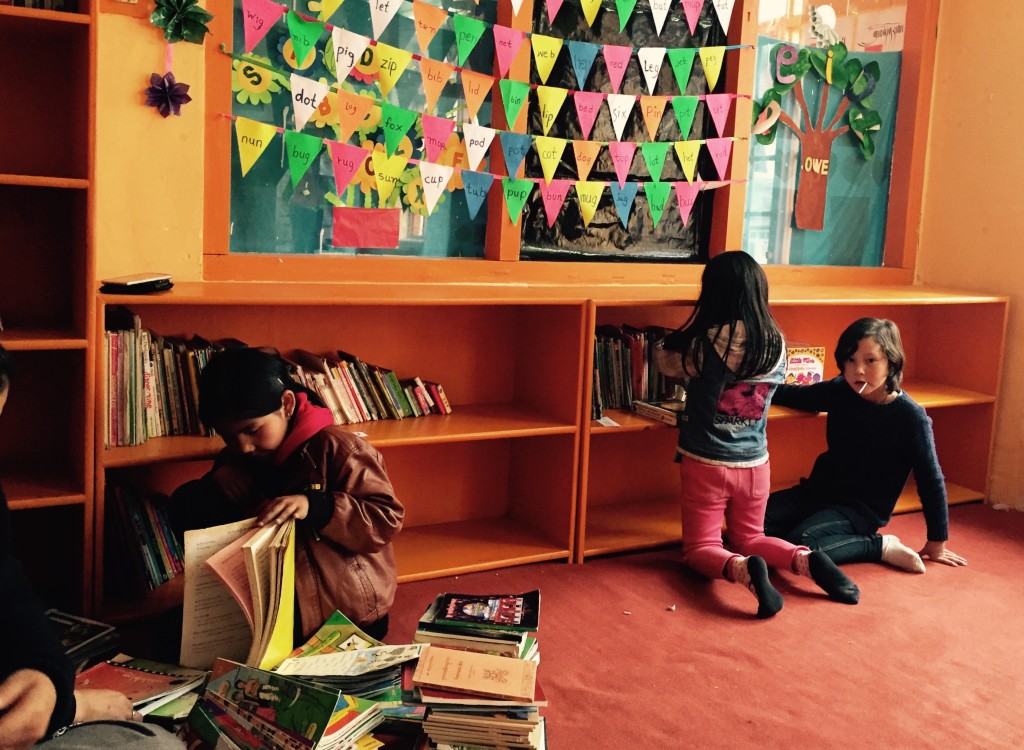
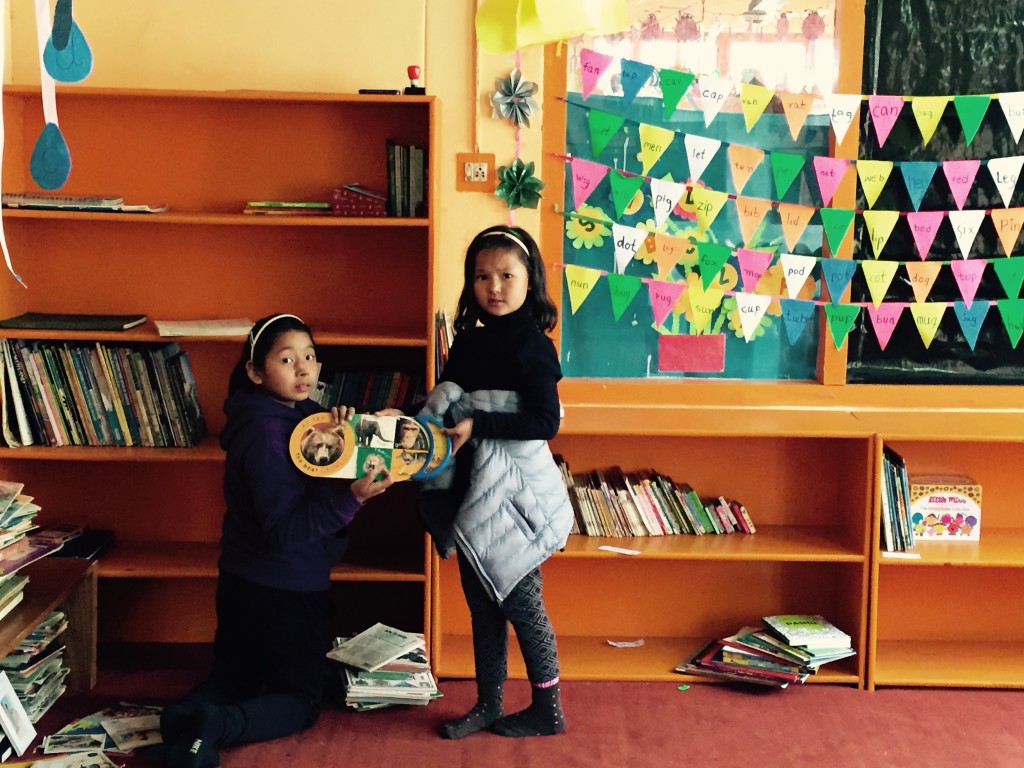
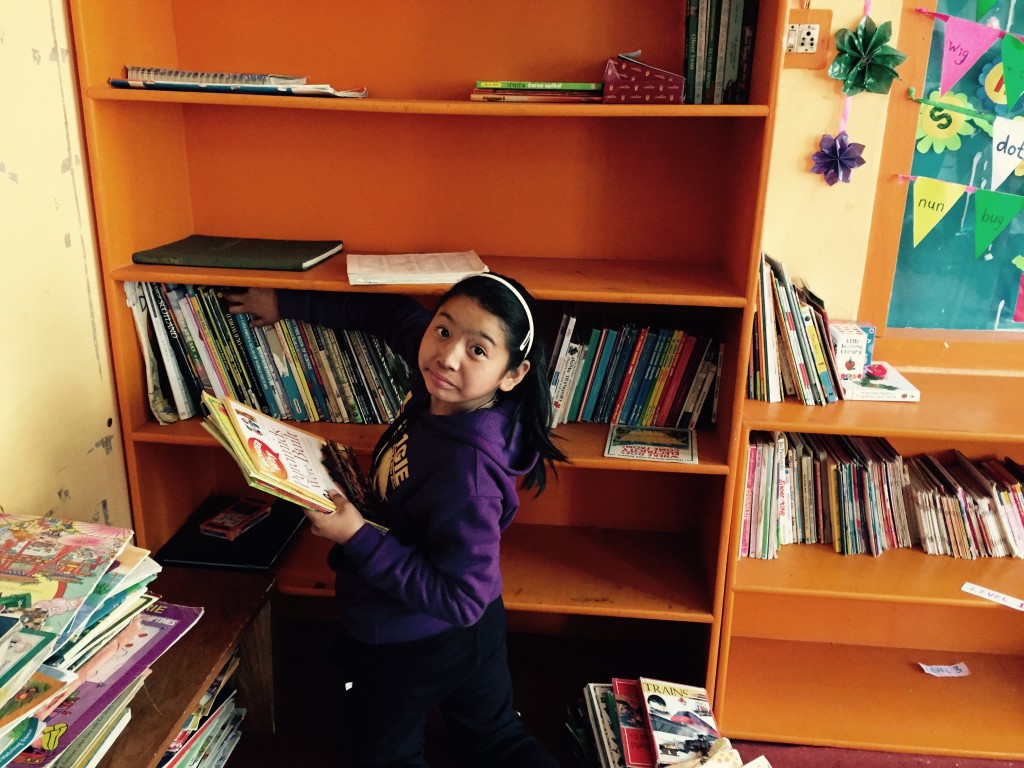
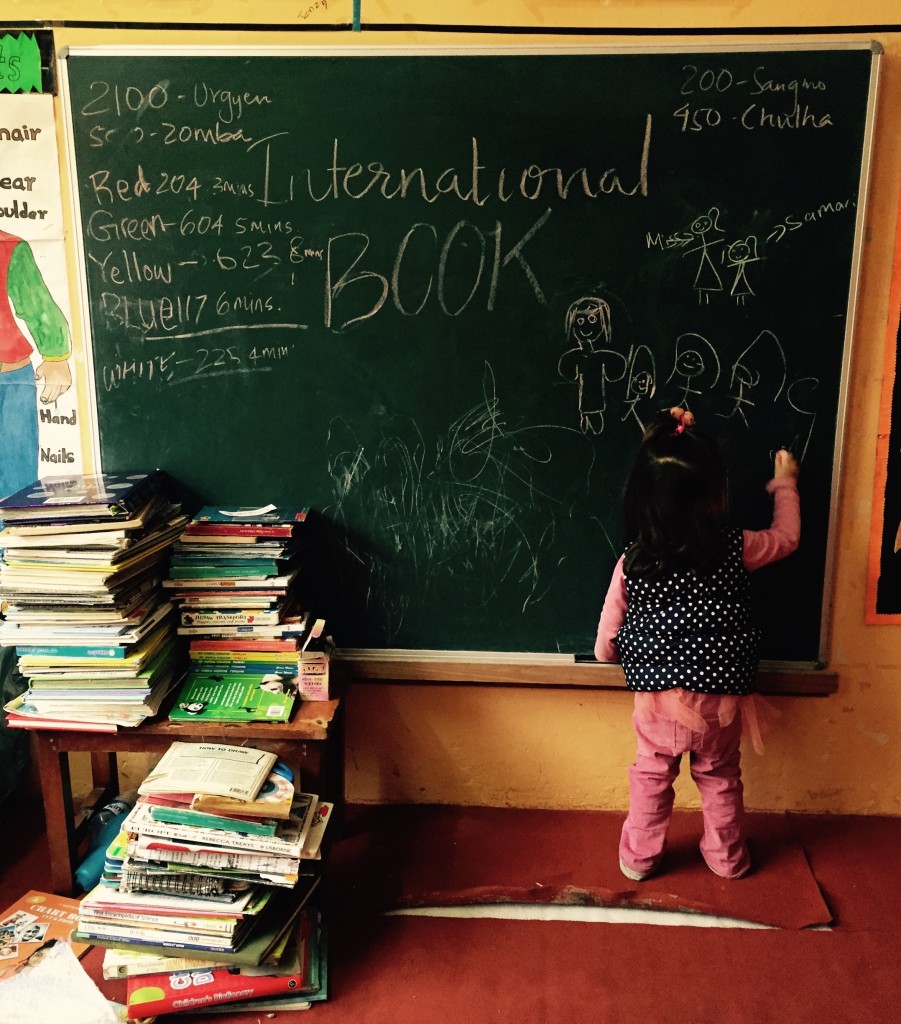
Days begin after sunrise, which in winter comes slowly, around seven. Volunteers help serve tsampa and butter tea, then walk with the children to a warm reading room the trust has stocked with Hindi, English and Tibetan titles. Afternoons are spent on art activities, gentle music lessons, or simply supervising homework under a solar lamp. Evenings belong to the fire.
The First Nights Around the Fire
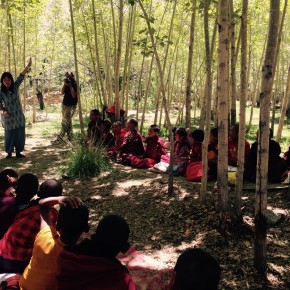
The night ritual is what many volunteers remember longest. After a meal of dal, rice and the occasional carrot grown in the kitchen garden, the children crowd around a metal drum that has been converted into a fire pit. The air is thin and dry, so the flames throw light further than they would in the humid hills outside Brisbane or Cairns. The temperature drops to minus fifteen or lower.
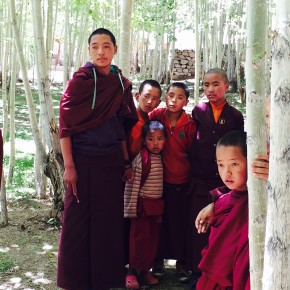
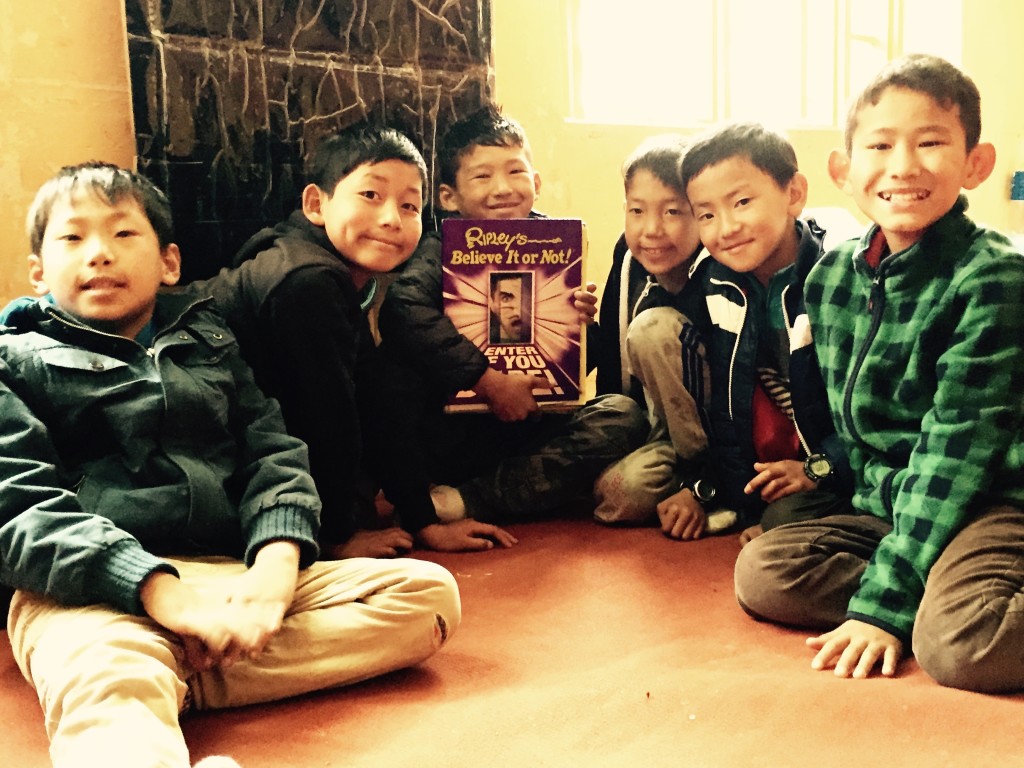
On the first night, conversation is shy. By the second, the older boys begin to challenge each other to riddles. By the third, a young monk named Tenzin produces a flashlight and asks the volunteers to tell stories from "the country down under." That is the cue. The volunteers describe bushrangers, the smell of eucalyptus after rain, the strange sky over the Nullarbor, and the way a quoll hides in a hollow log.
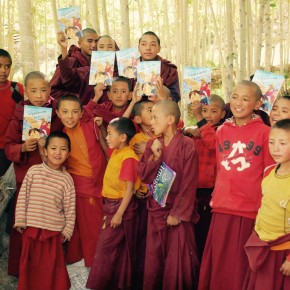
The exchanges are not one way. Children who have walked to school across a frozen river listen politely, then offer their own stories of mountain spirits and the moon rabbit. The trust's reading room programme, explained in this overview of recent literacy drives, treats this exchange as the heart of the work.
Stories That Travel Across Cultures
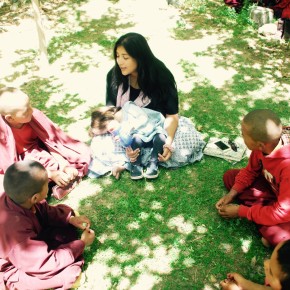
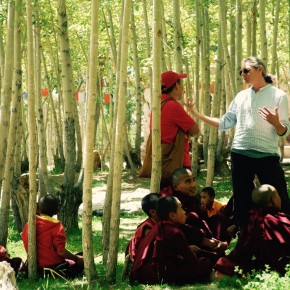
Storytelling under a Ladakhi sky looks very different from a session in a Melbourne primary school, yet the bones are the same. A circle of listeners, a single voice, a tale that allows a child to feel brave or clever for a few minutes. Volunteers quickly learn that the most useful stories are not the longest, but the most rhythmical. Repetition, rhyme, and a clear hero win the night.
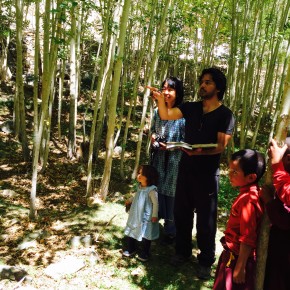
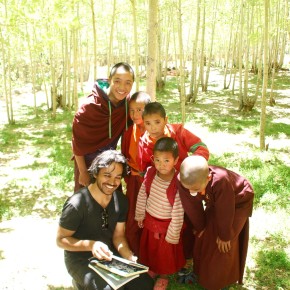
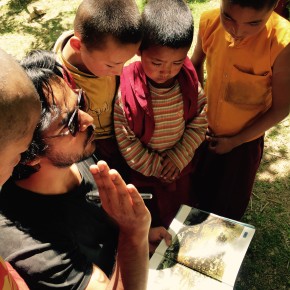
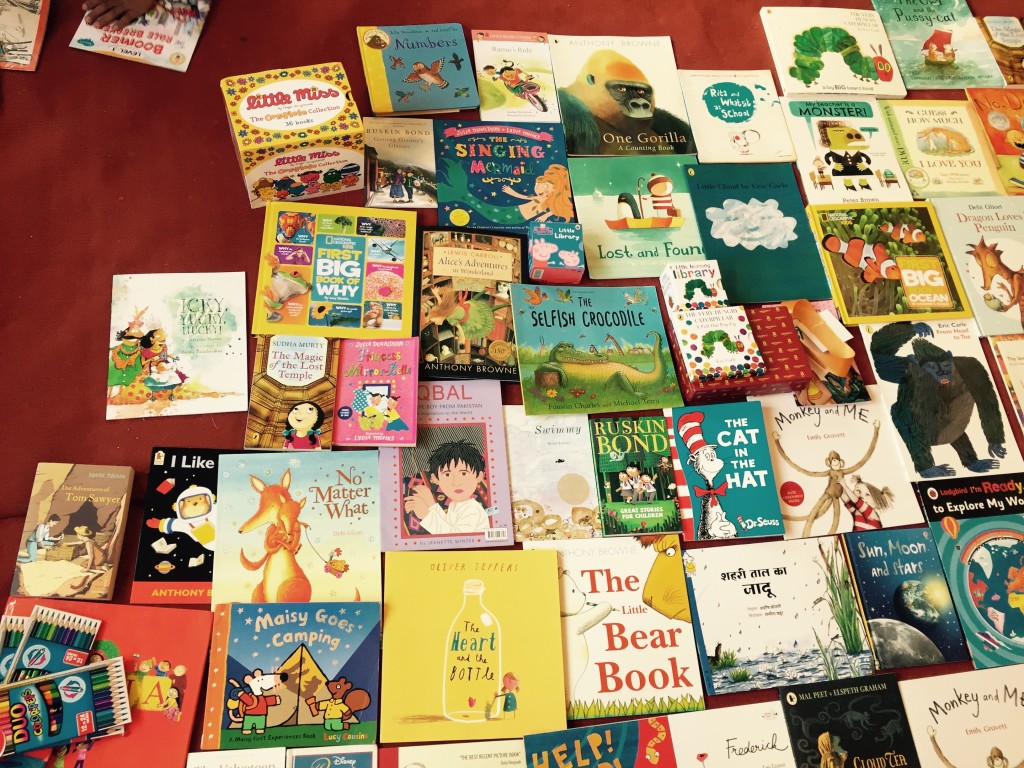
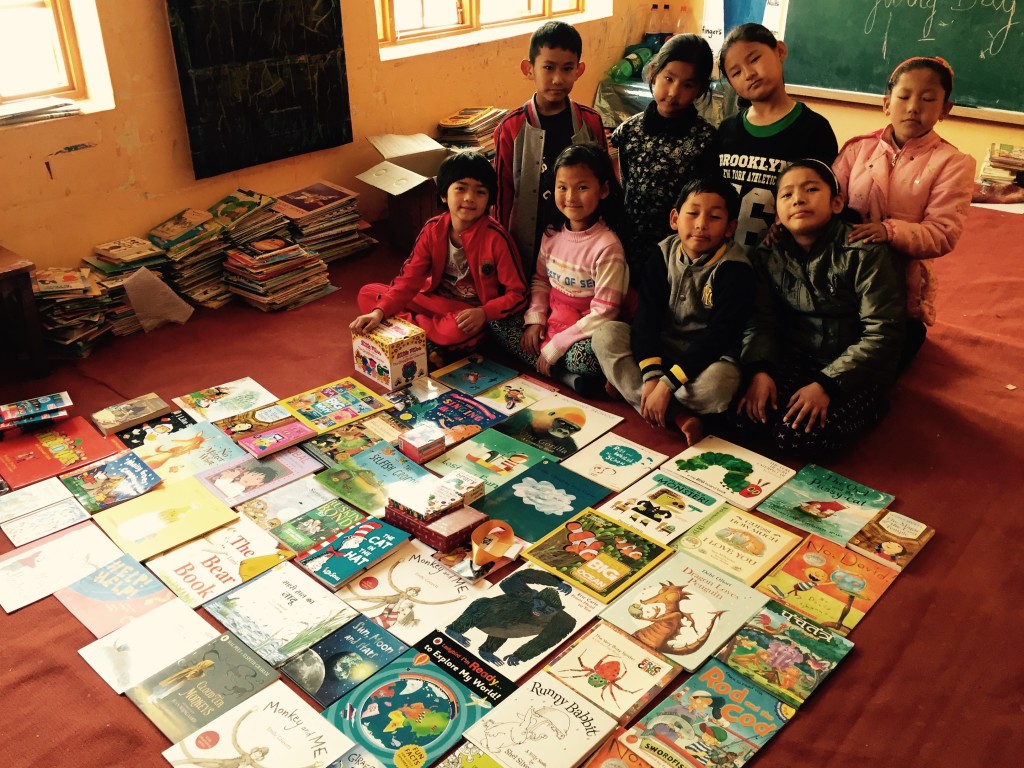
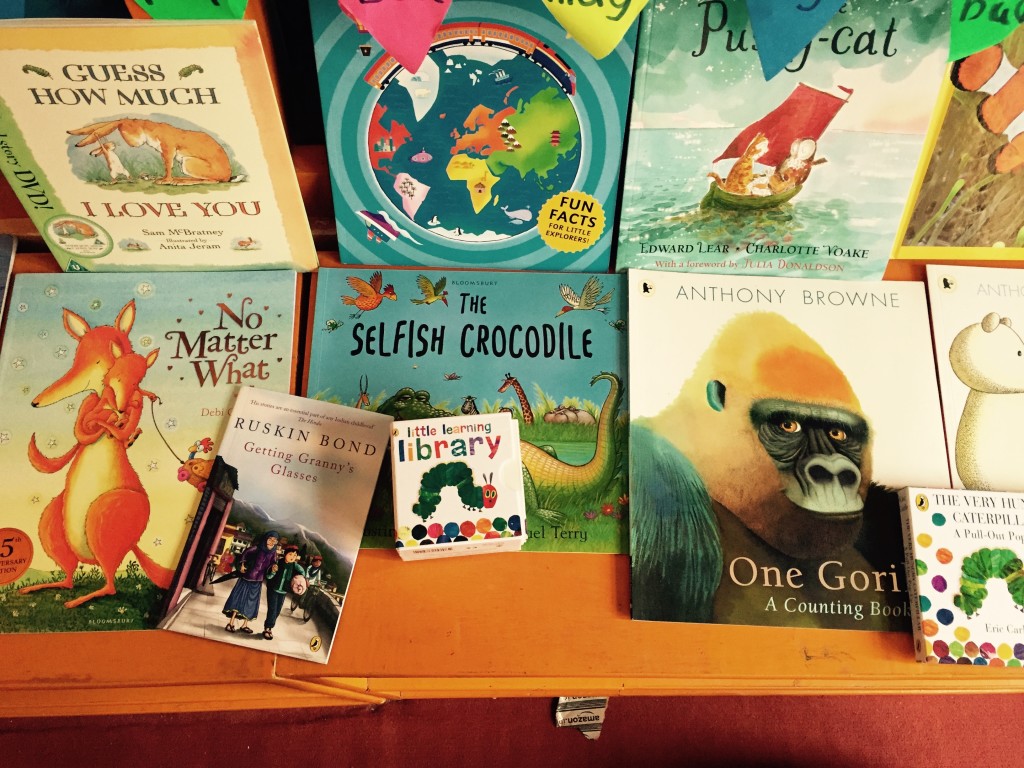
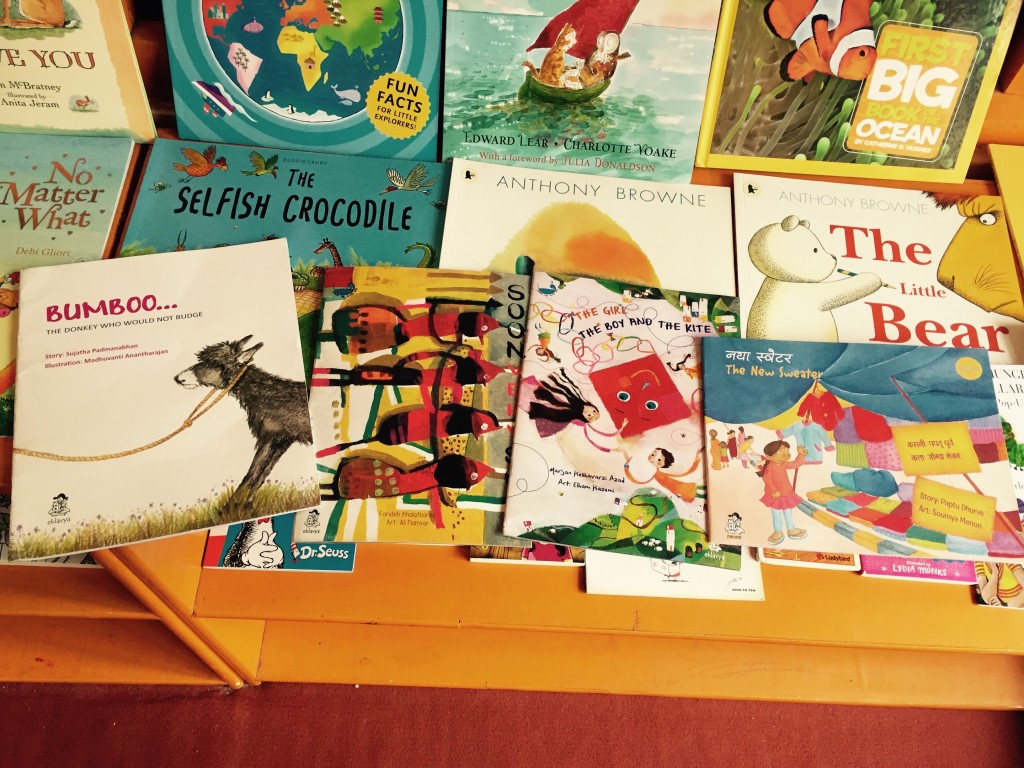
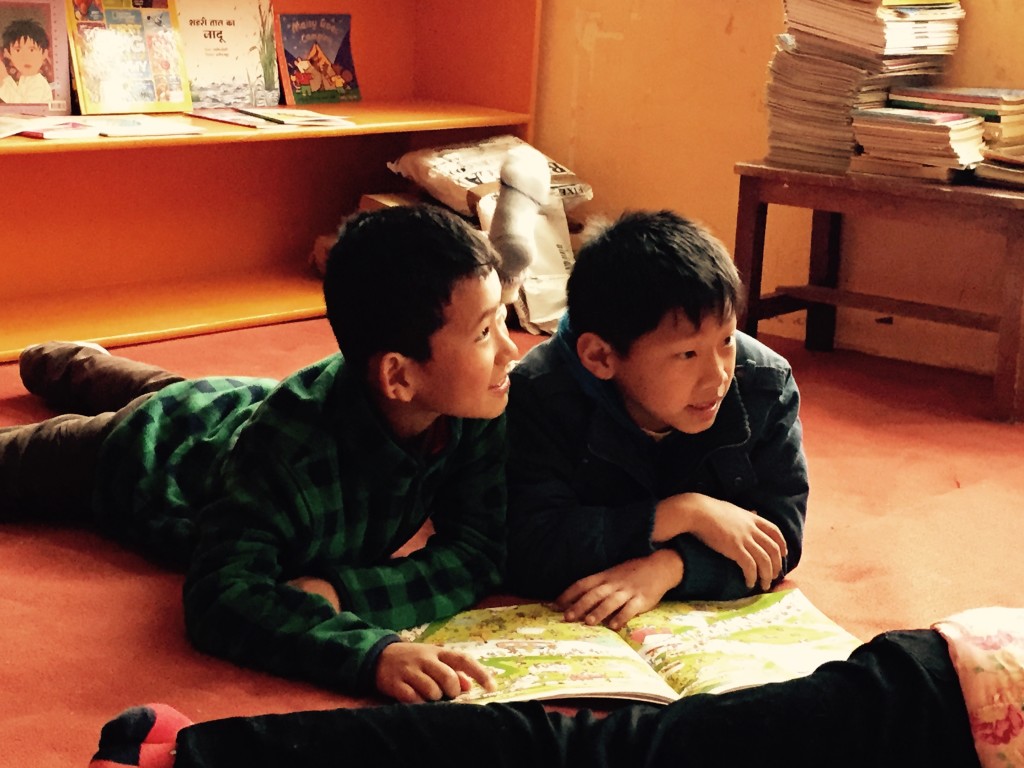
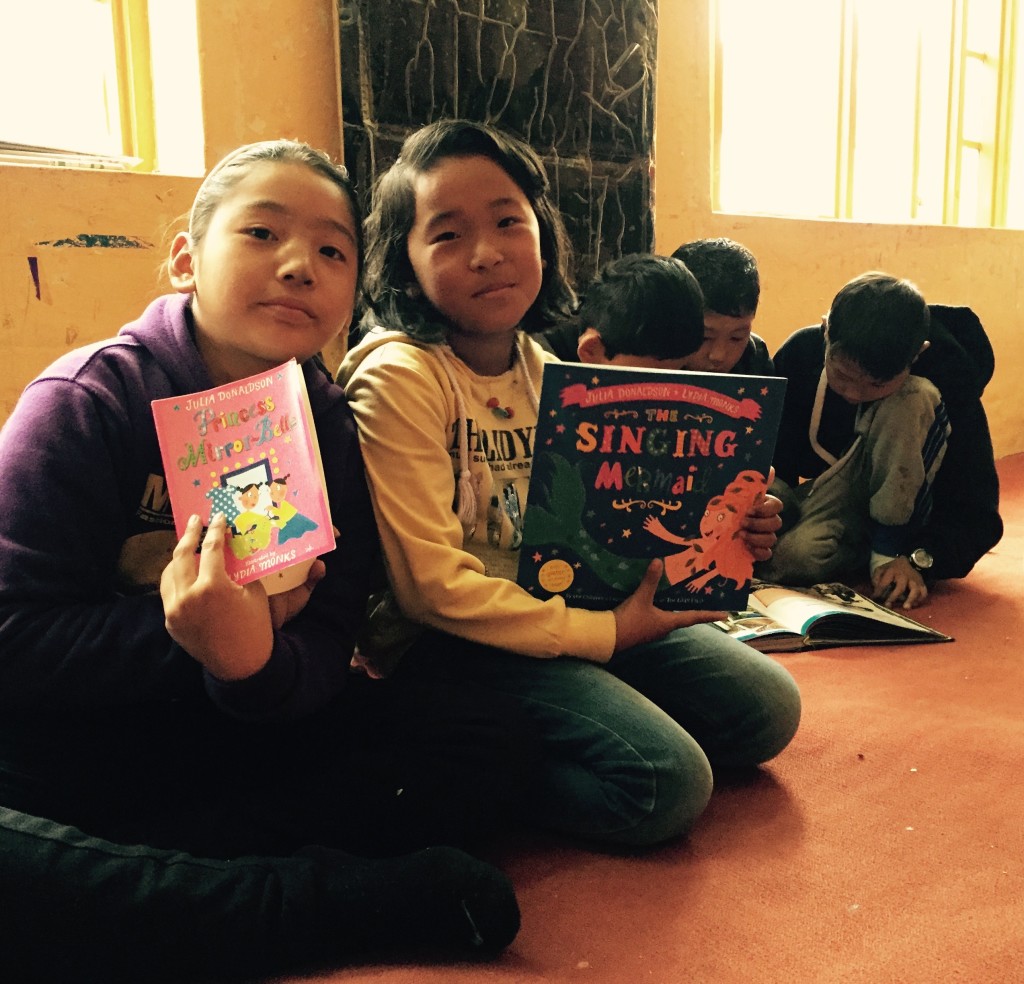
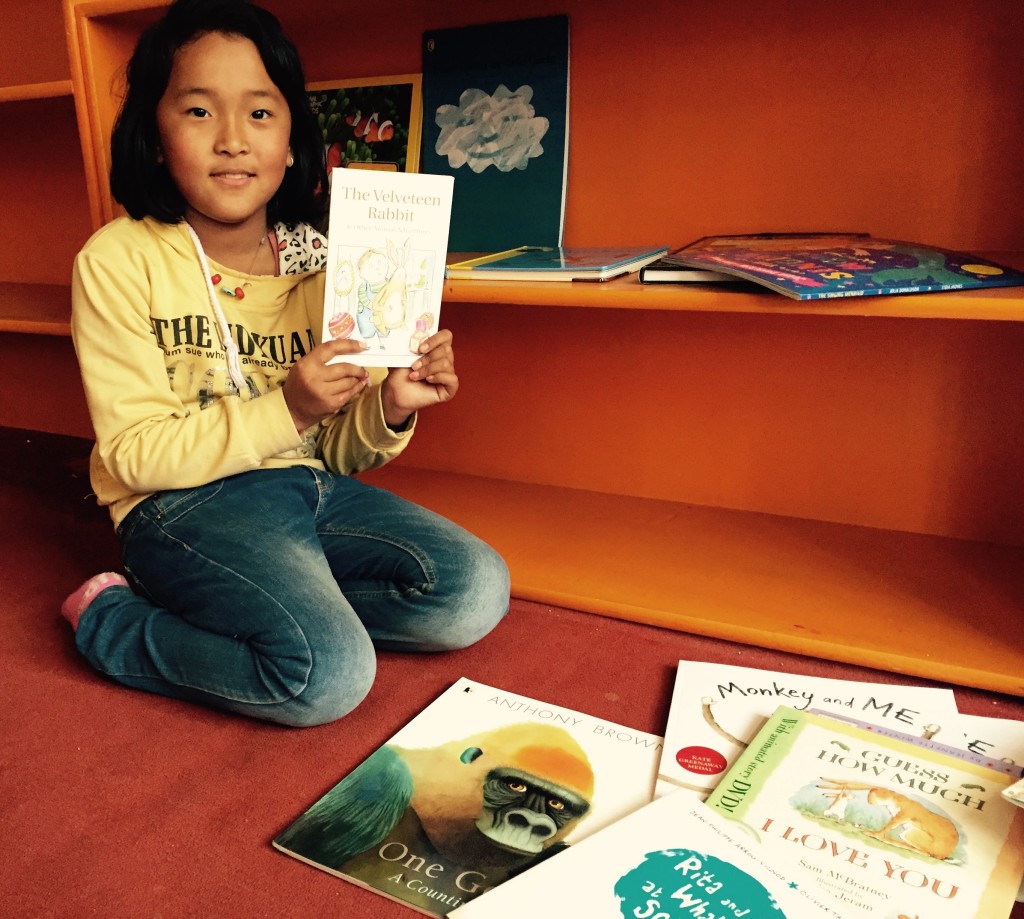
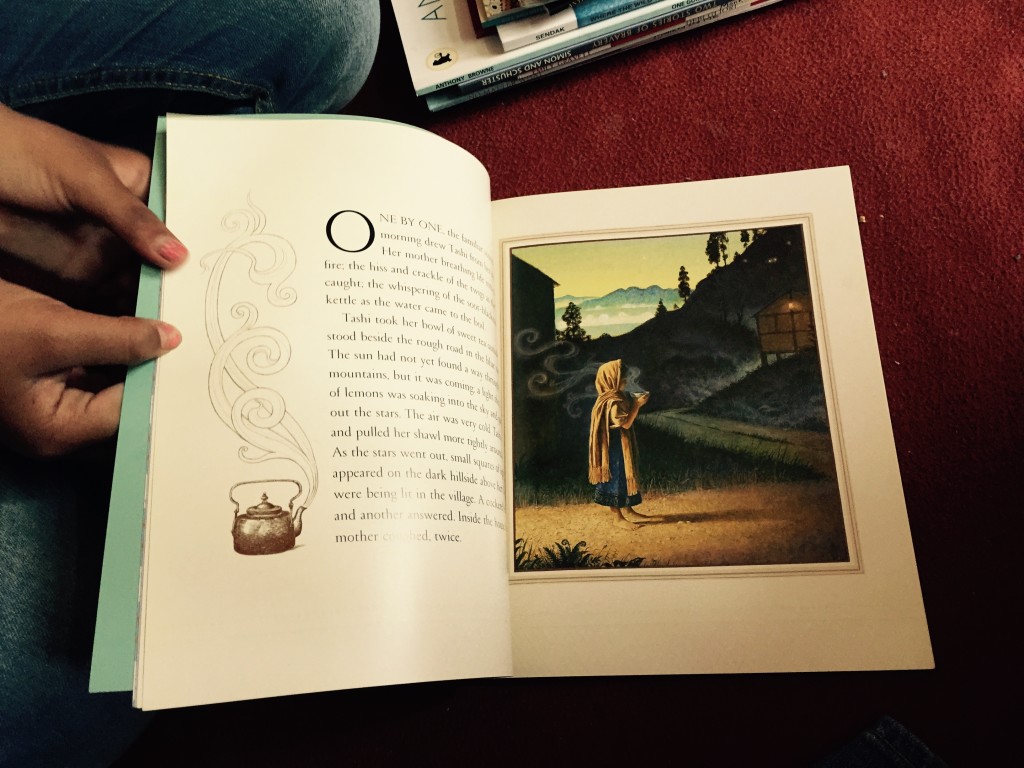
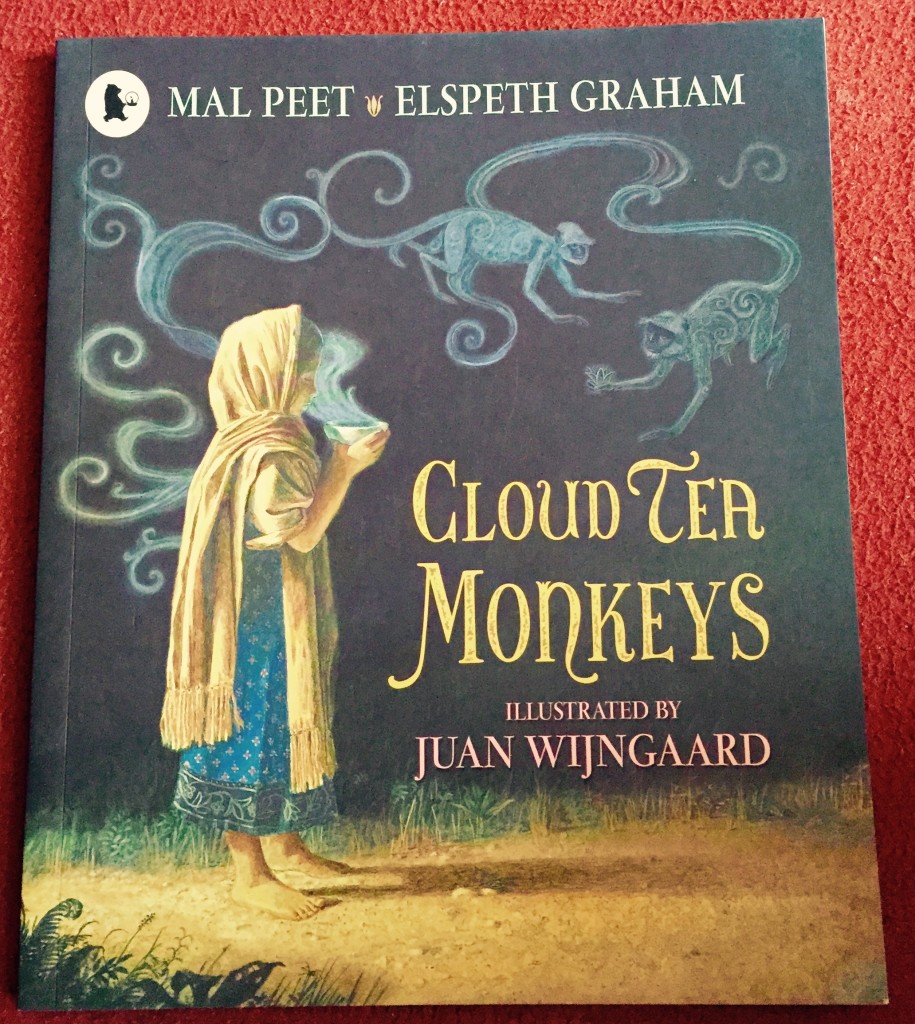
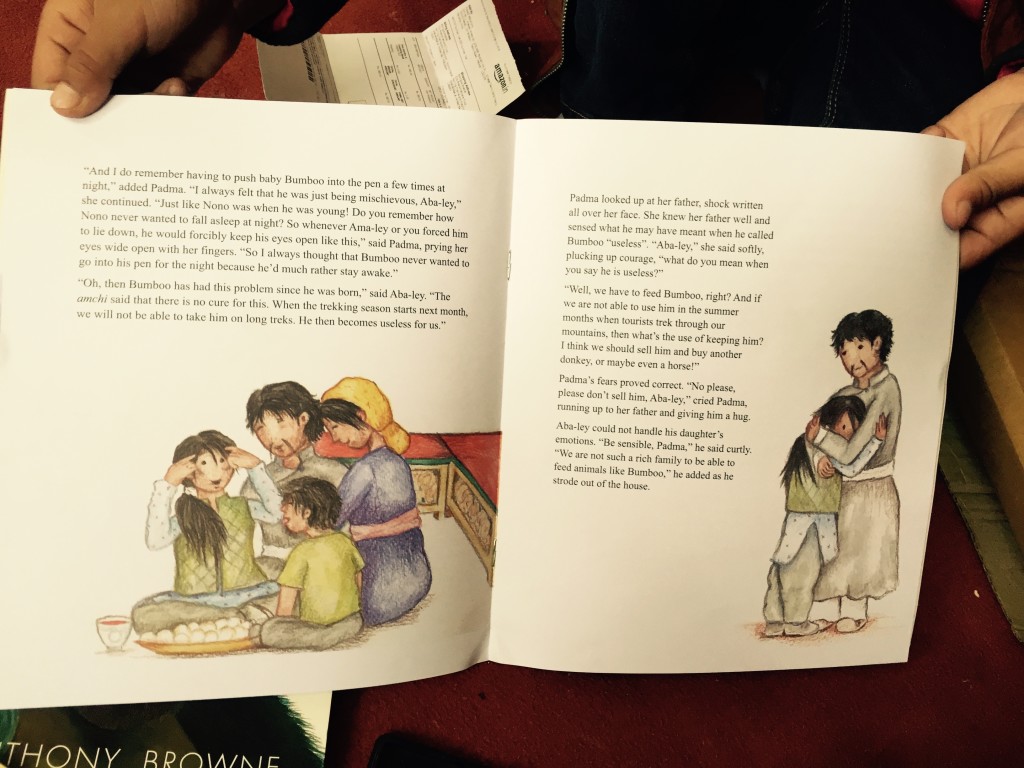
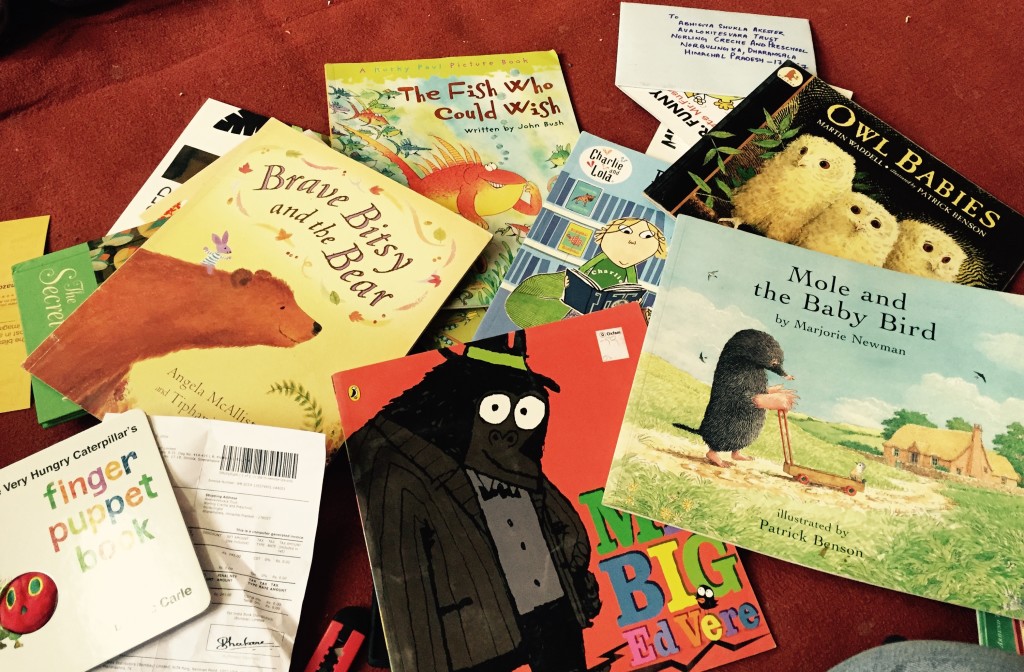
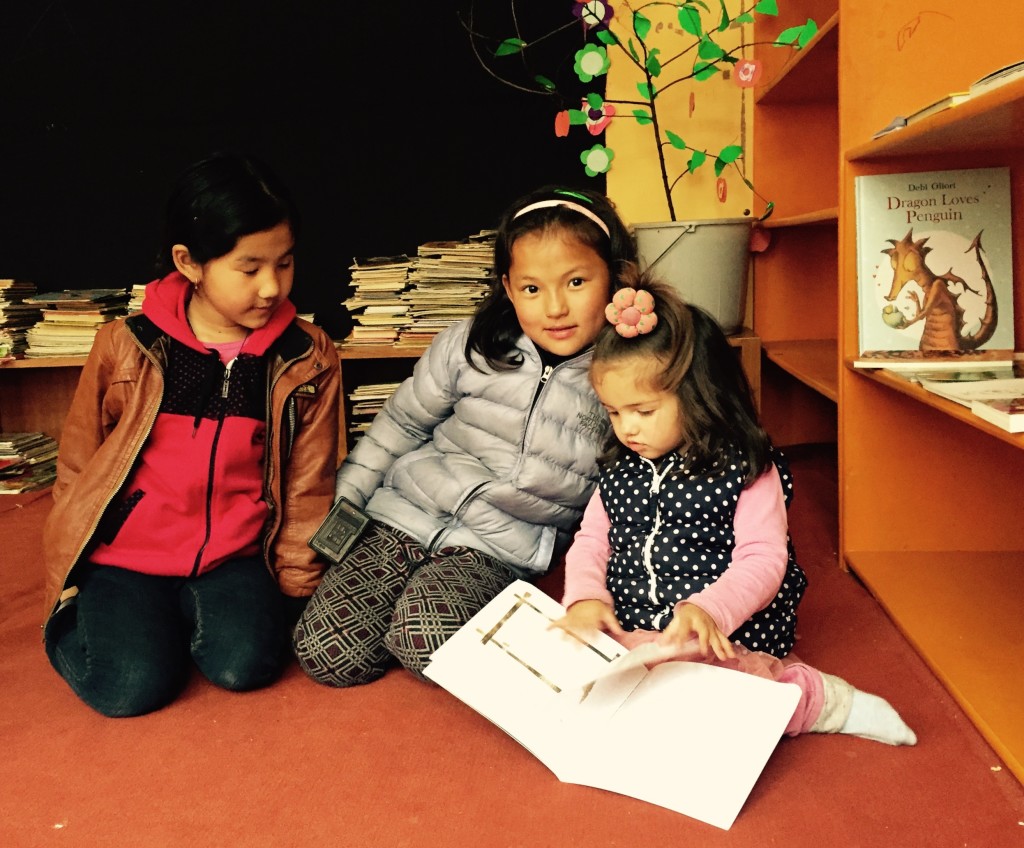
Some volunteers bring folktales from the Noongar or Wurundjeri traditions, with permission and context. Others read aloud from books that have survived two trips in a checked suitcase. Picture books work best, because the freezing air means children keep their hands tucked into sleeves and rely on the visual. A well-timed page turn earns an audible gasp.
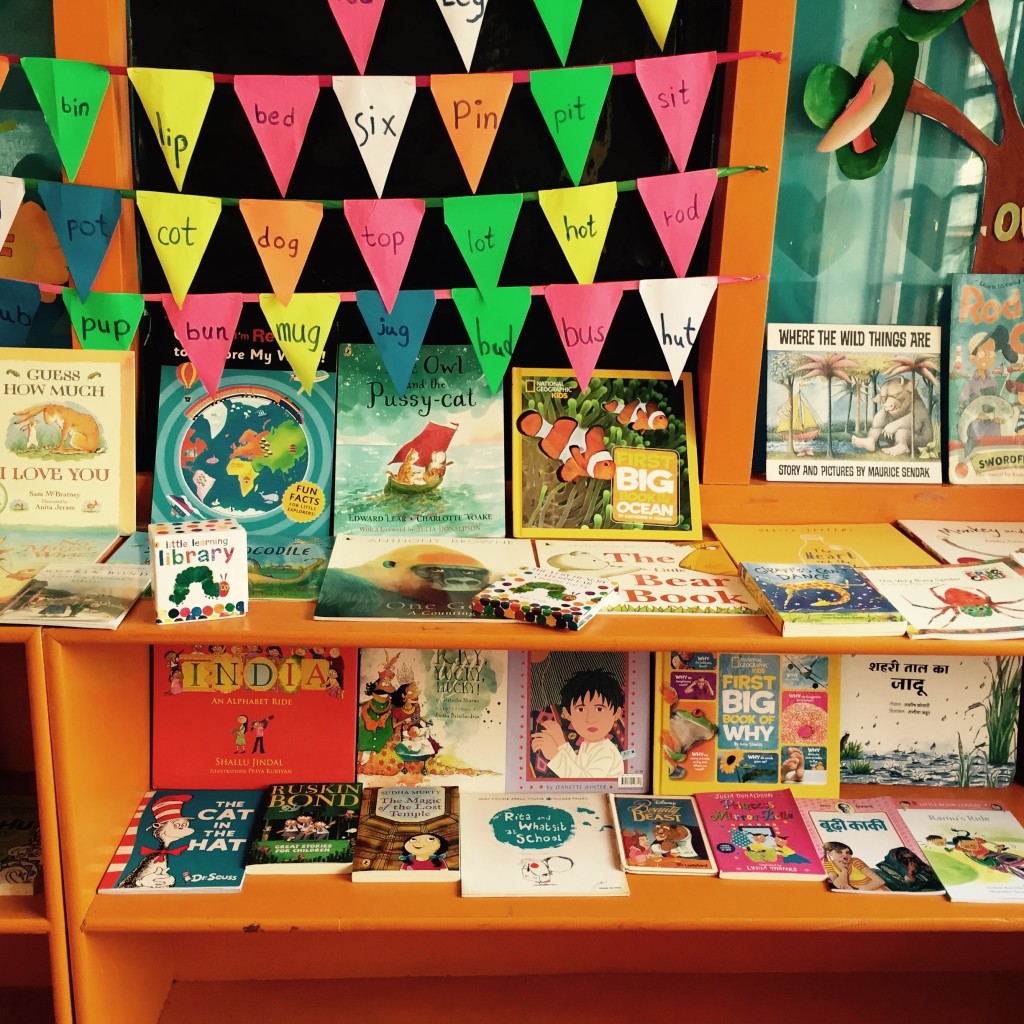
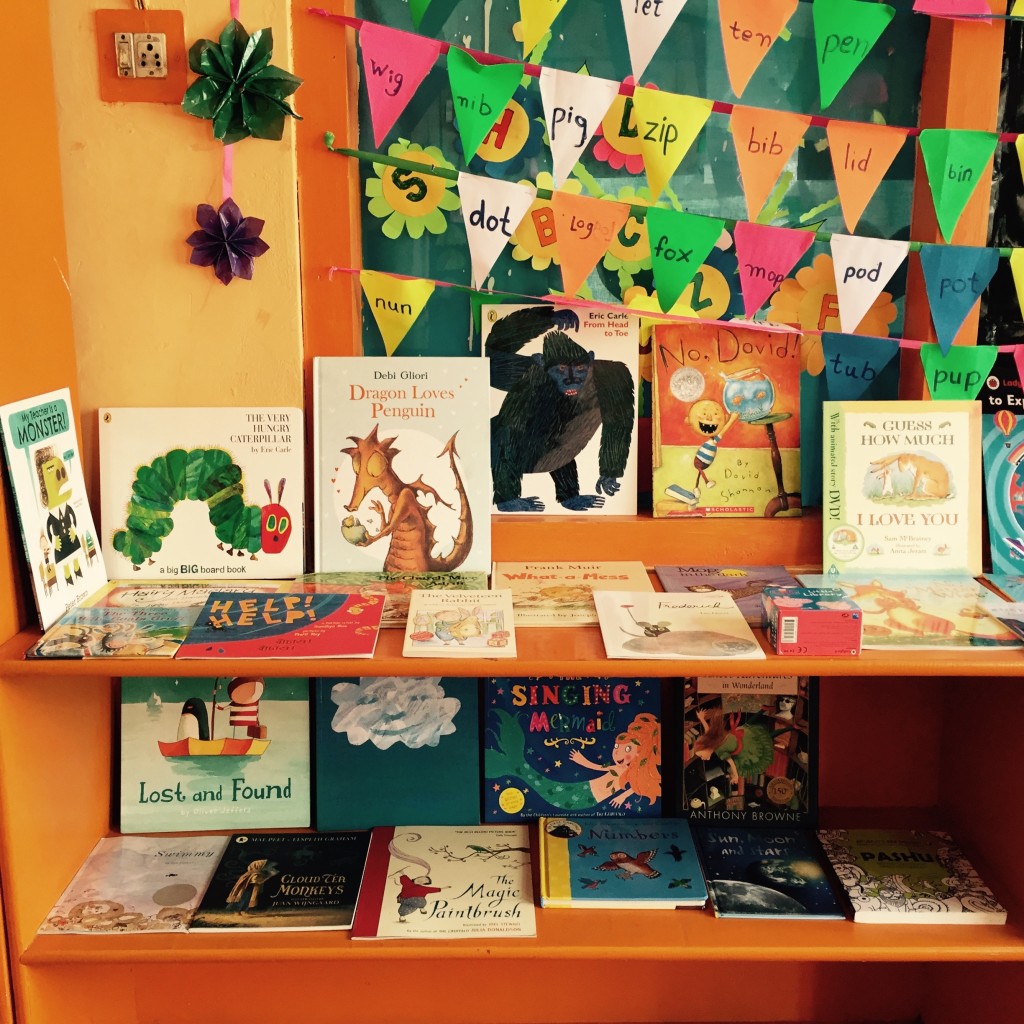
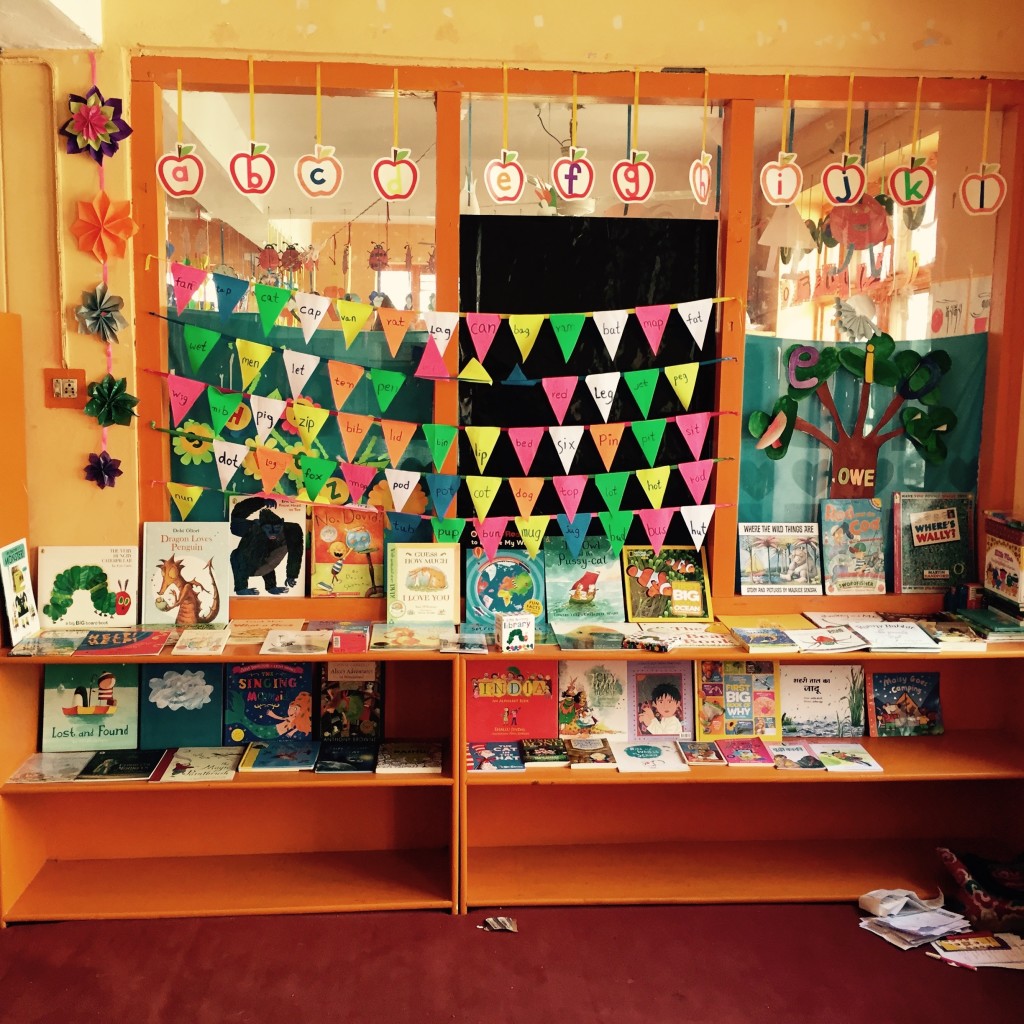
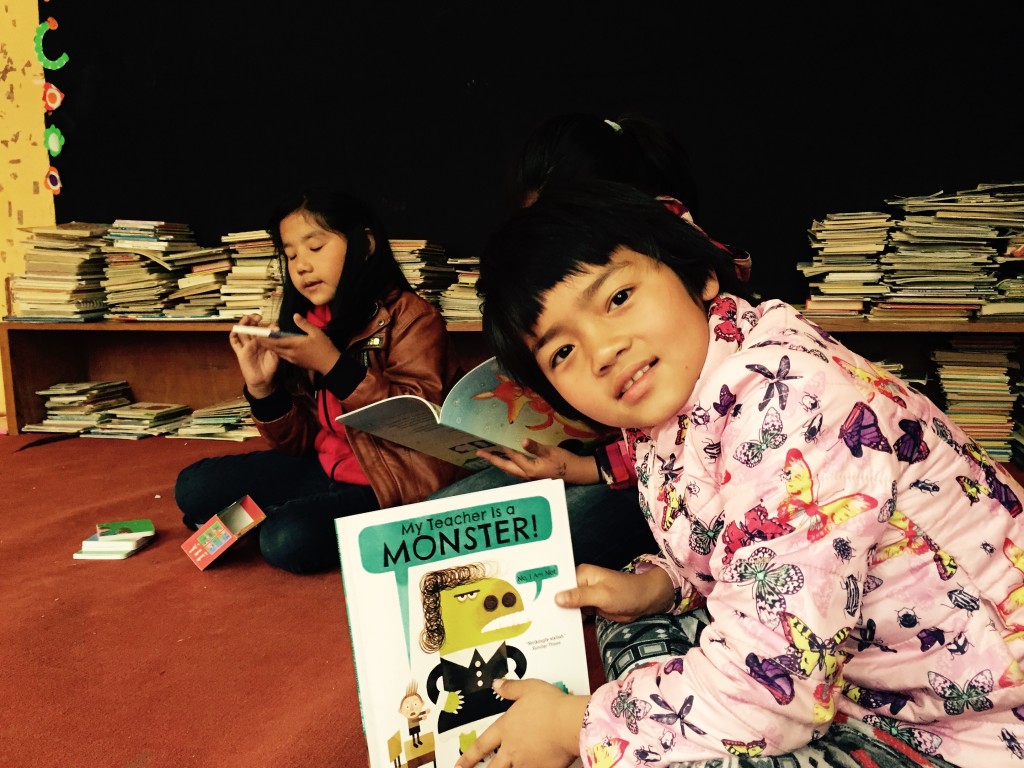
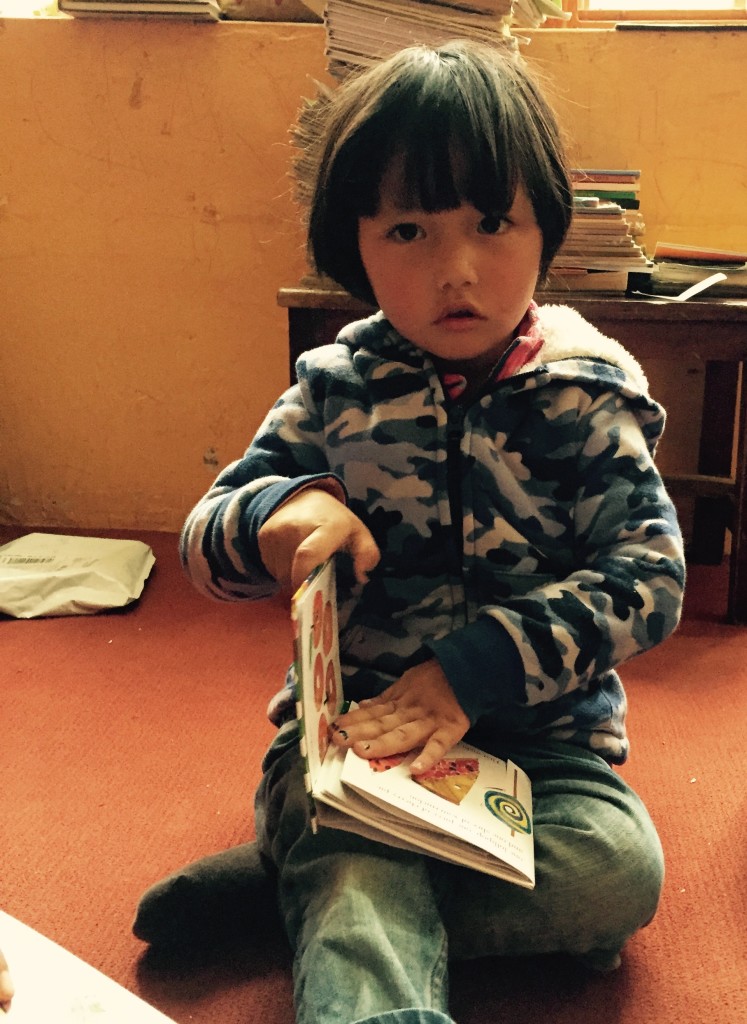
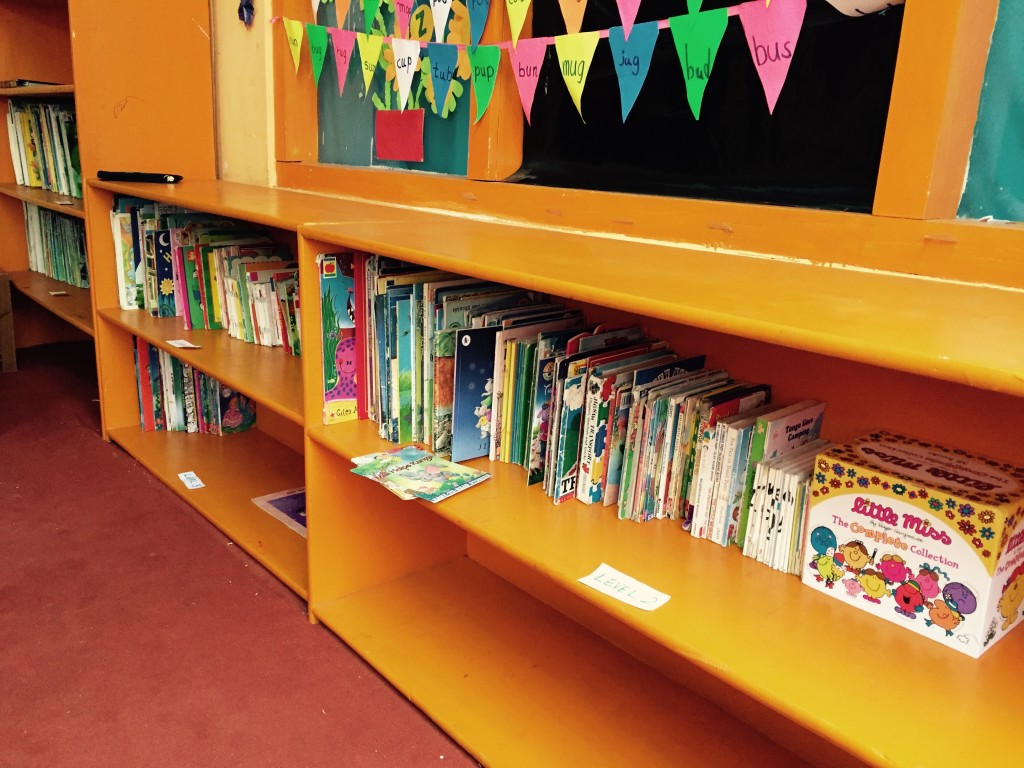
The reading rooms that the trust maintains throughout the year do much of this work by daylight, with proper seating and curated shelves. The campfire sessions add something quieter. They teach a child that a book can be opened in the dark, that a voice can replace a lamp, and that the same story told twice can feel brand new.
Challenges, Mistakes, and Small Miracles
No honest account skips the hard parts. Volunteers frequently arrive expecting a kind of noble poverty and find instead a community that is organised, dignified and slightly amused by outsiders who cannot breathe at 3,500 metres. Altitude sickness fells at least one person per trip, and the local clinic in Leh is small. Travelers from Australia should arrange travel insurance that covers high-altitude trekking, as recommended by the Smartraveller advice line.
Cultural mistakes happen. A casual shoulder pat, the wrong shoe in a monastery courtyard, a clumsy comparison between a young monk's robes and a Halloween costume. The trust briefs volunteers carefully, and the briefing reflects Australian standards too. Every participant must hold a current Working with Vulnerable People registration, the equivalent of a Working with Children Check issued by the relevant state authority. The trust also follows child-safeguarding protocols aligned with the ACNC governance standards that govern charities back home.
The small miracles are quieter. A six-year-old who refuses to speak to anyone on day one, then whispers the punchline of a story on day four. A volunteer from Adelaide who came planning a gap-year break, now co-ordinating book shipments for three years running. A father who walks two hours across the valley to hear what his son has been reading.
Bringing It Home
Returning to Australia feels louder and flatter. Volunteers often describe a strange ache for the cold silence of a Ladakhi night. Several channel the feeling into practical action: hosting a book drive at a local school, screening a short film, or simply committing to read aloud more often to their own children or nieces and nephews.
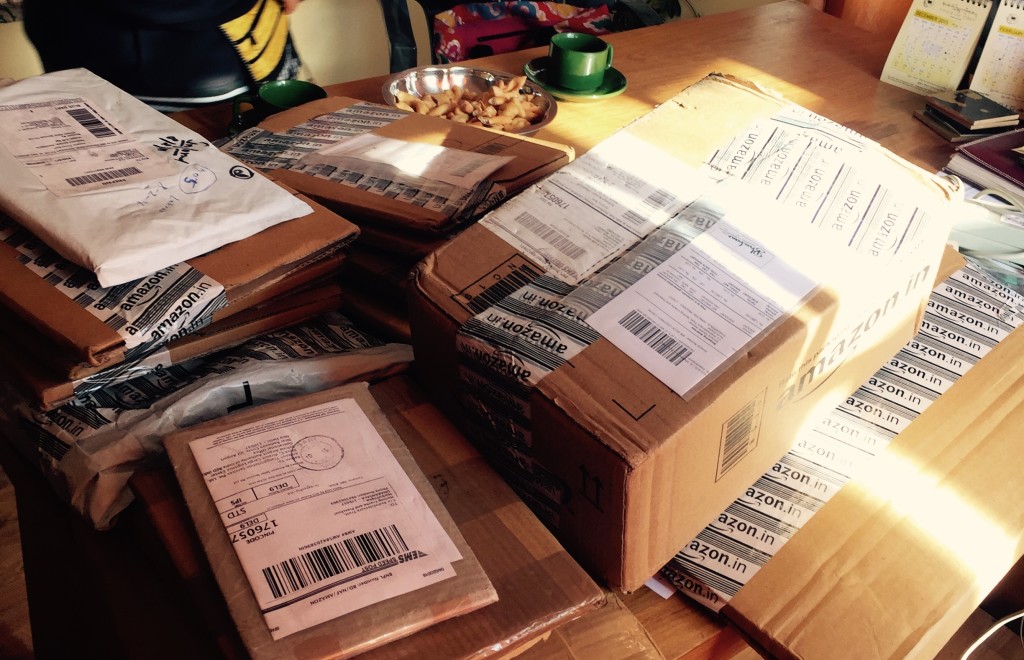
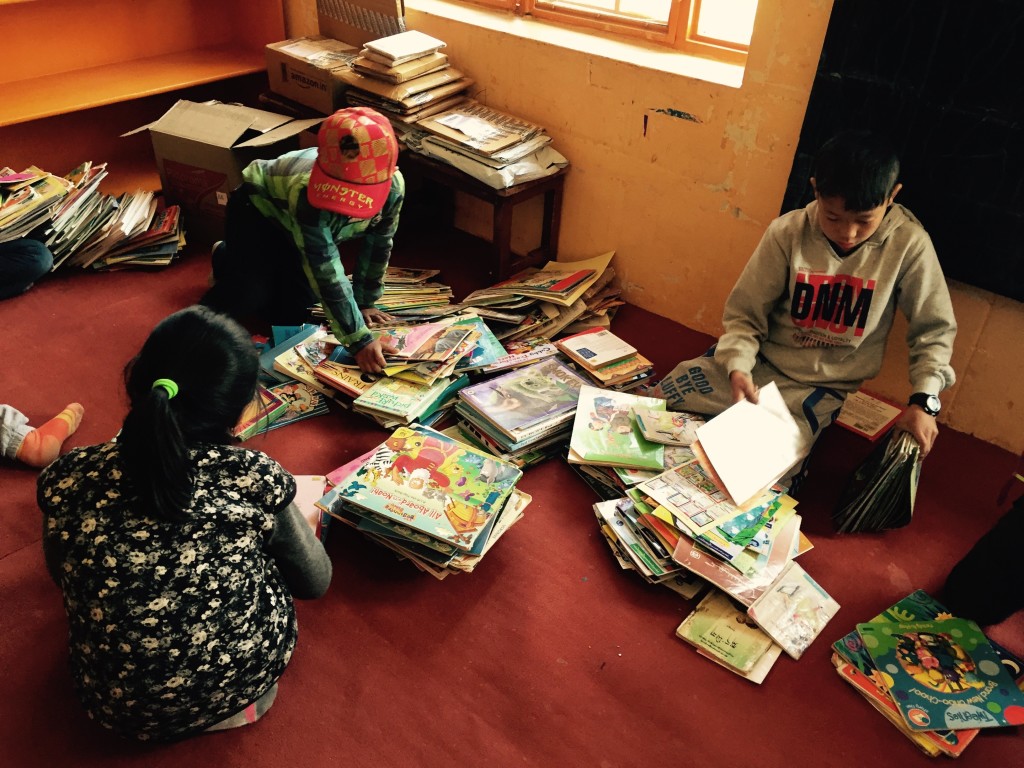
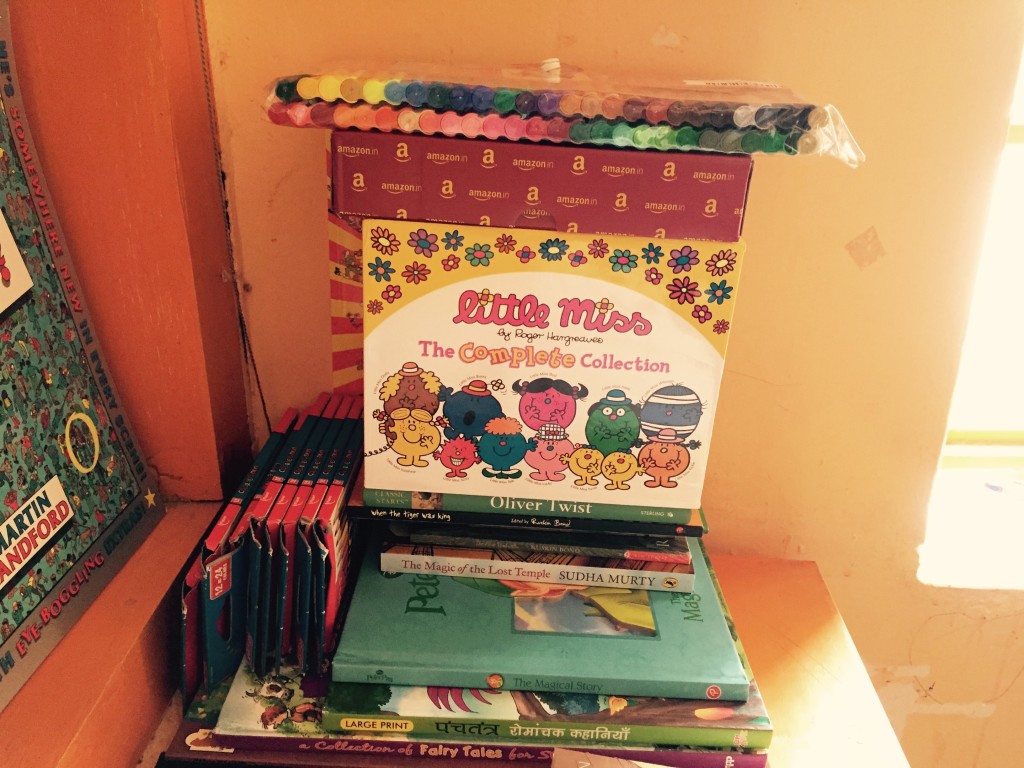
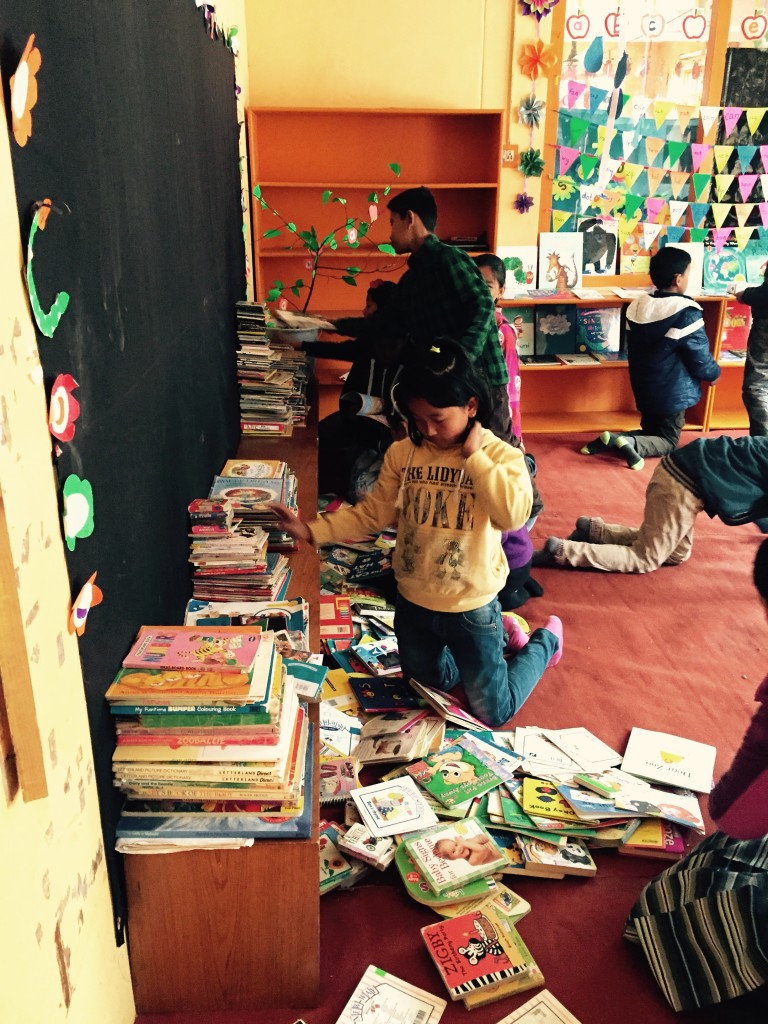
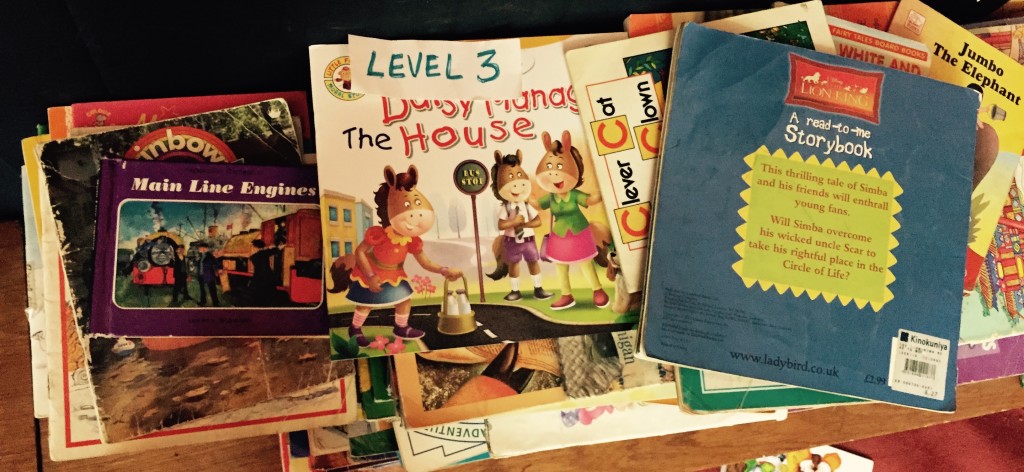
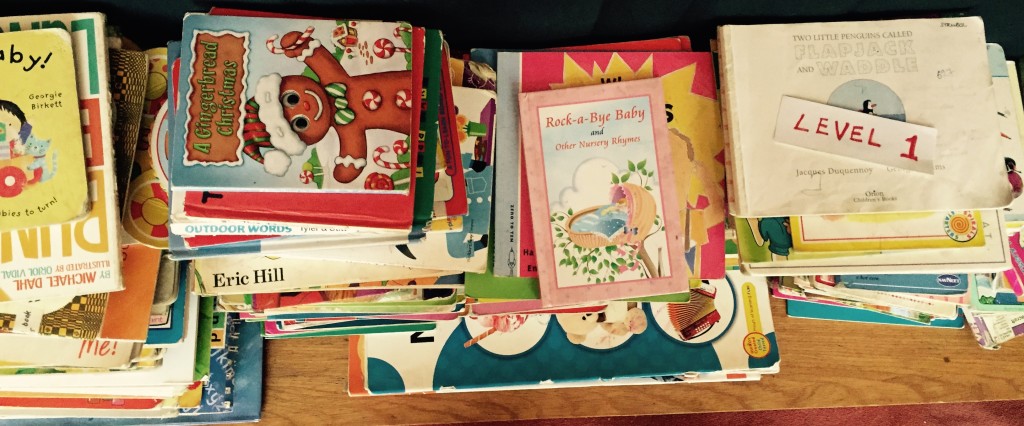
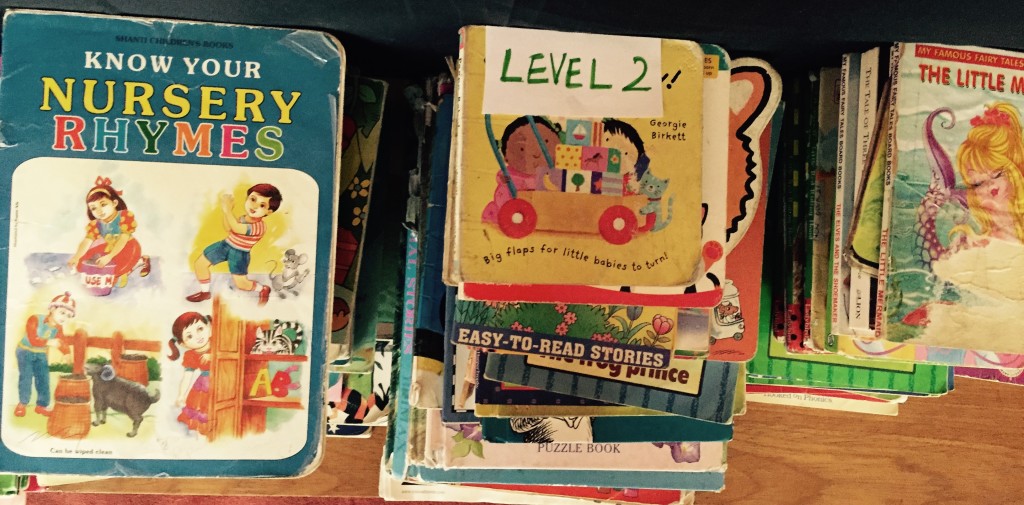
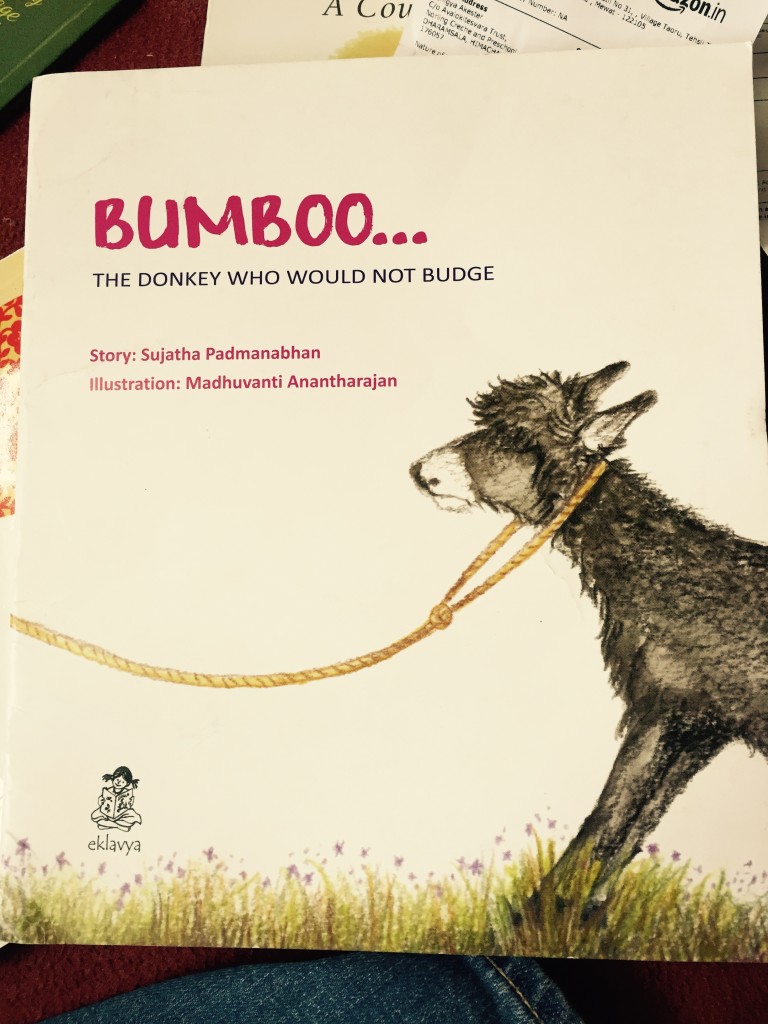
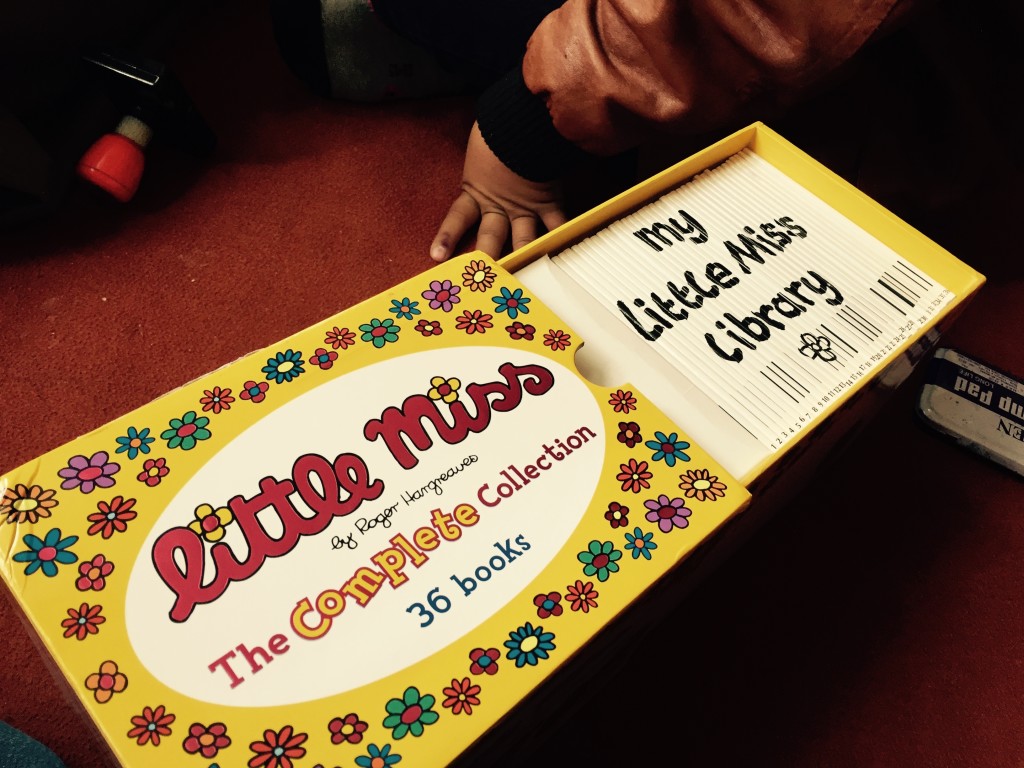
The trust makes it easy to keep the thread alive from home. Donations are tax-deductible under Australian law when processed through a registered Deductible Gift Recipient, and every parcel that arrives in Leh is logged in a public newsletter. Volunteers also help the trust source specific titles, particularly bilingual English-Hindi and English-Tibetan books, which are scarce in the regional market and expensive to import.
For anyone weighing the trip, the honest summary is this. It is cold, simple and often inconvenient. It also asks nothing of a volunteer except attention, patience and a willingness to be a small part of someone else's evening for ten nights in a row.
| Camp element |
Ladakhi reading camp |
Typical Australian school holiday camp |
| Sleeping setup |
Foam mattress in homestay or dome tent |
Bunk in shared cabin or dormitory |
| Evening activity |
Storytelling and songs around a fire drum |
Trivia night or movie under canvas |
| Altitude |
3,000 to 4,200 metres |
Sea level to around 1,500 metres |
| Reading materials |
Hindi, English and Tibetan picture books |
Mostly English with some bilingual options |
| Required checks |
Working with Vulnerable People, high-altitude insurance |
Working with Children Check, basic first aid |
Practical pointers for a thoughtful first trip:
- Allow a full week in Leh before joining the camp to acclimatise properly, and add two rest days on either side of the trek portion.
- Pack one extra layer than seems sensible, plus a four-season sleeping bag rated to at least minus fifteen.
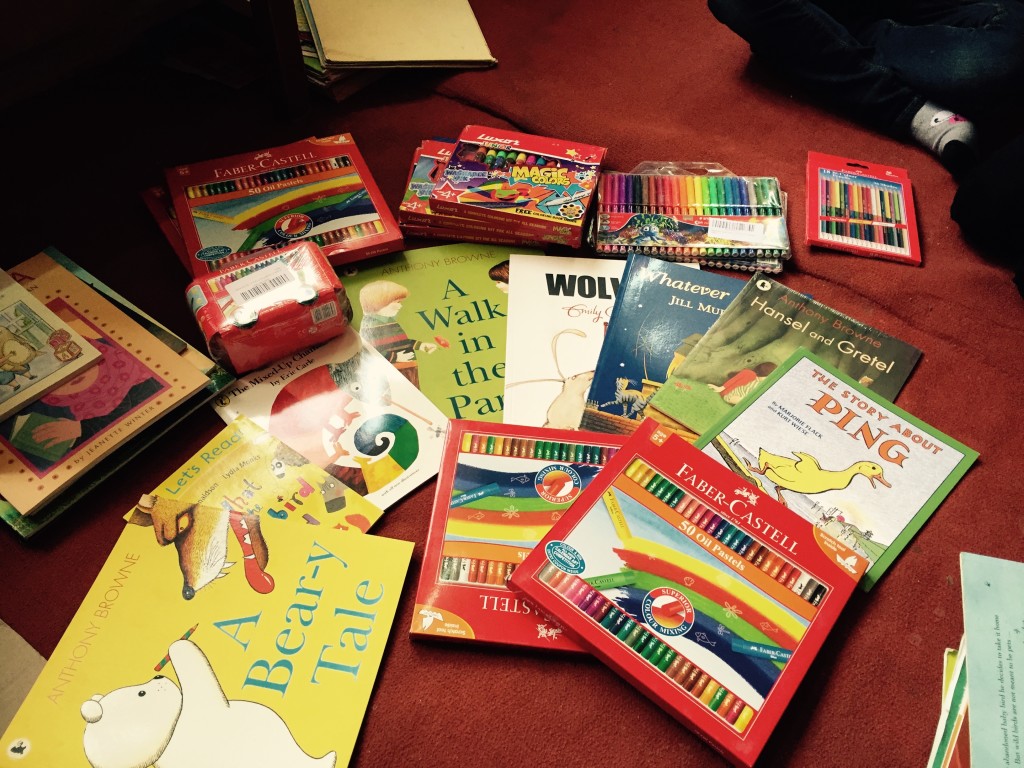
- Bring six to eight picture books in good condition, with strong visual storytelling that does not rely on local idiom.
- Brush up on basic Tibetan greetings, including tashi delek, and learn the names of the monks you will meet by asking ahead.
- Carry small, high-value gifts from home such as coloured pencils or erasers, but check the trust's gift policy so nothing crosses the line into inducement.
- Photograph respectfully, never include a child's face in social posts without written guardian consent, and follow the ACNC-aligned safeguarding briefing.
- Plan a debrief with family or a counsellor on return, because the altitude and the emotional intensity can take a fortnight to settle.
The night sky over the Himalayas does not belong to any one country or tradition. Watching it with a circle of children who point out Orion with mittened hands is its own kind of education. For an Australian volunteer, the most useful thing carried home is not a photograph, but a quieter voice and a longer pause before turning the next page.