The Making of a Community Mural That Tells the History of the Valley
A mural can turn a blank wall into a shared memory. In a Himalayan valley, the painted surface may hold mountain paths, monastic courtyards, barley fields, rivers, festivals and the faces of people whose knowledge has shaped community life. For children and young monks, the process is as valuable as the finished artwork: they learn to research, listen, collaborate and communicate through colour.
The making of a community mural that tells the history of the valley begins long before a brush touches plaster. It starts with conversations, old photographs, family stories and careful observation of the landscape. Each image needs to be meaningful to the people who live among the peaks, while remaining accessible to visitors and younger generations.
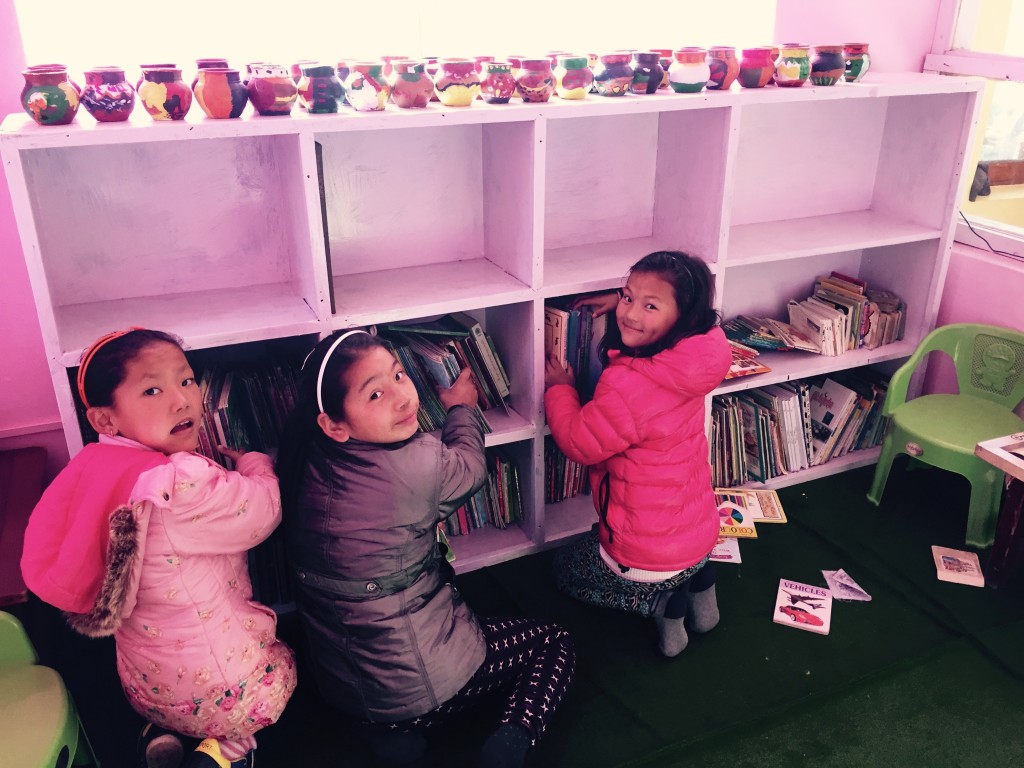
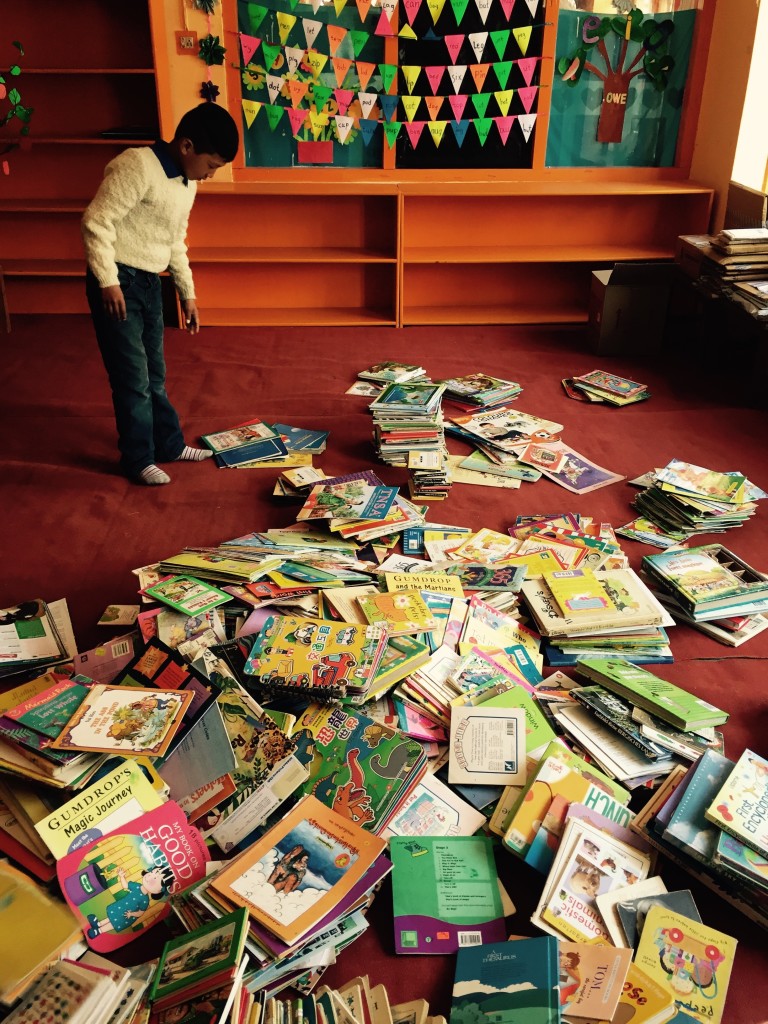
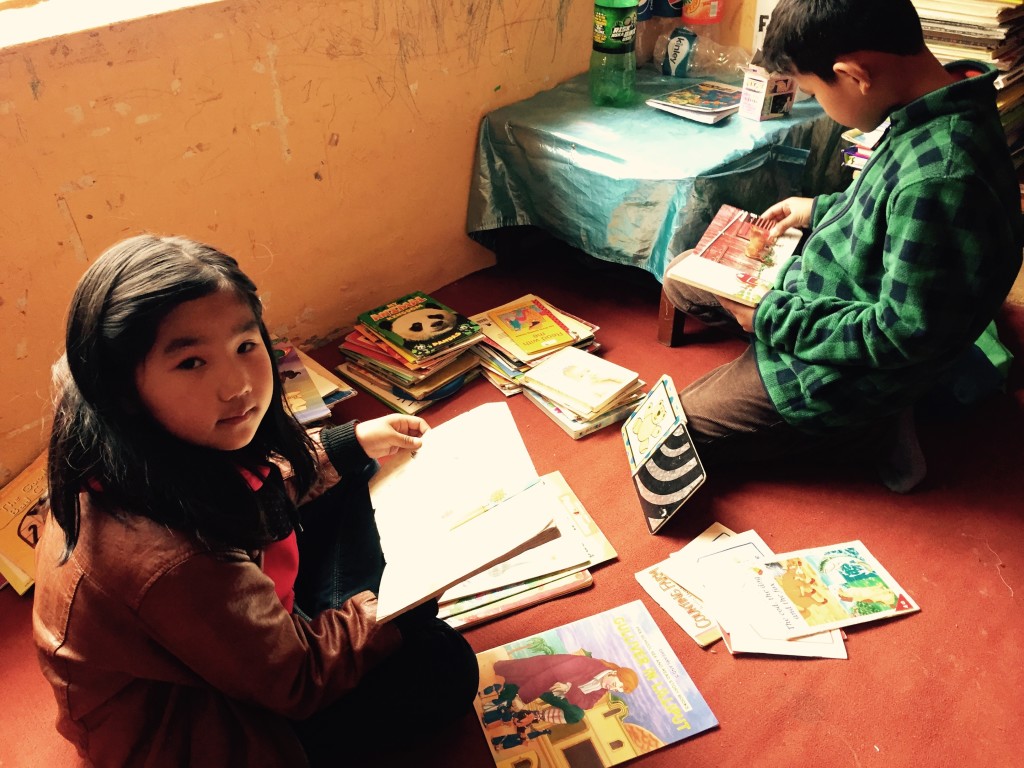
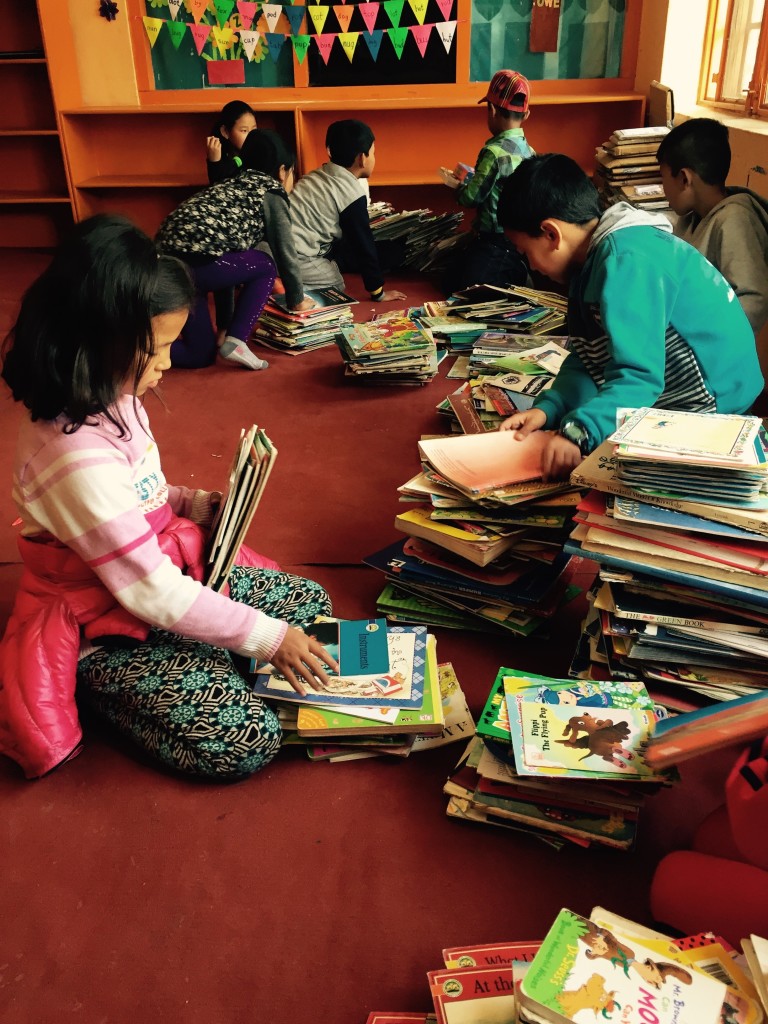
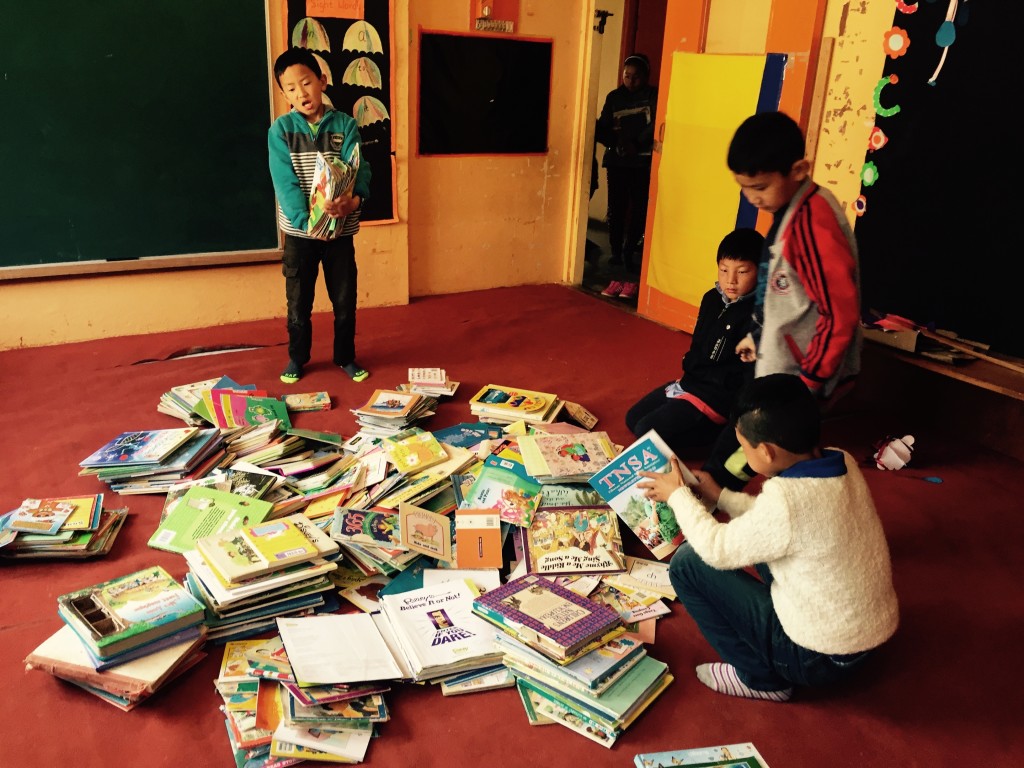
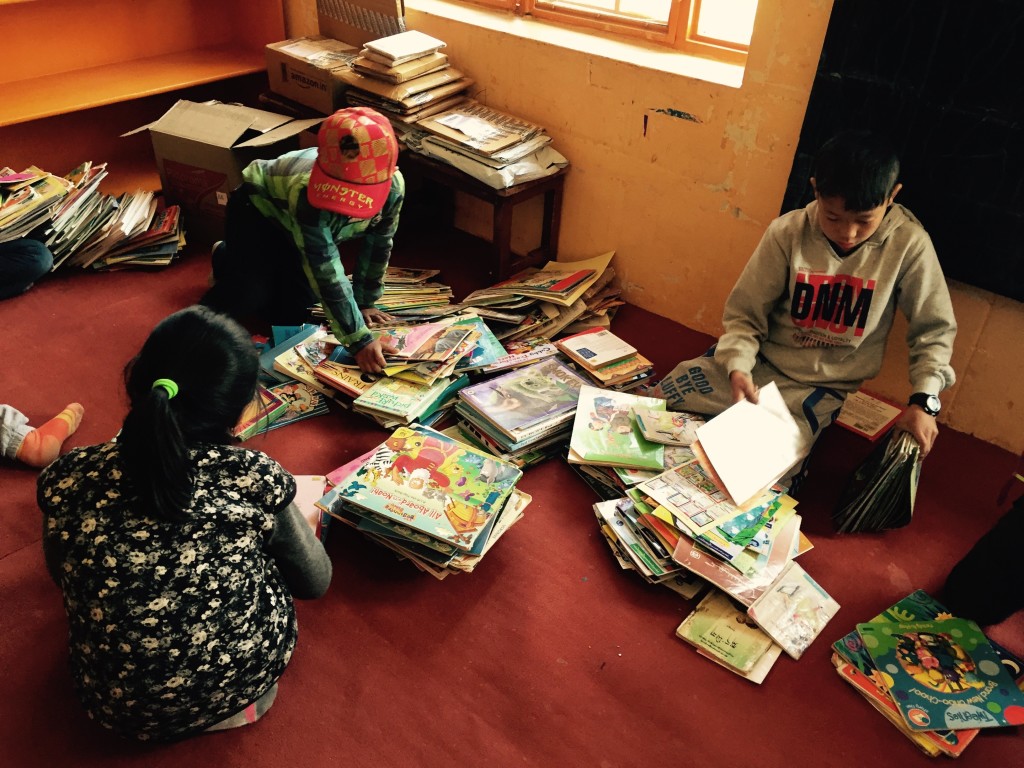
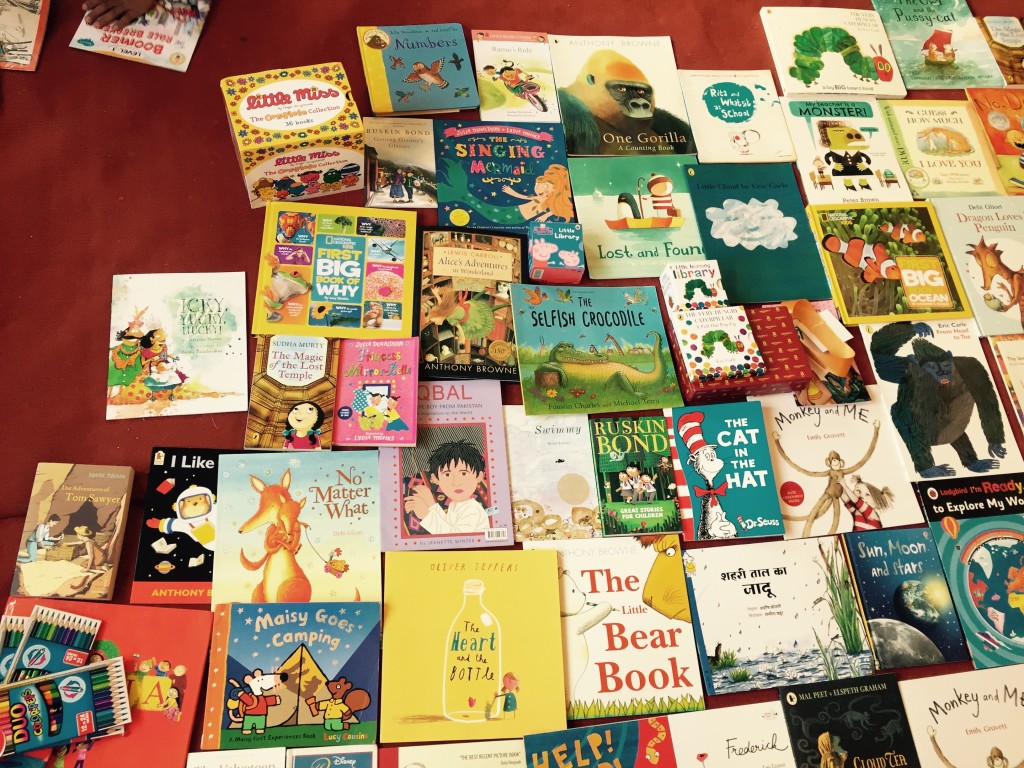
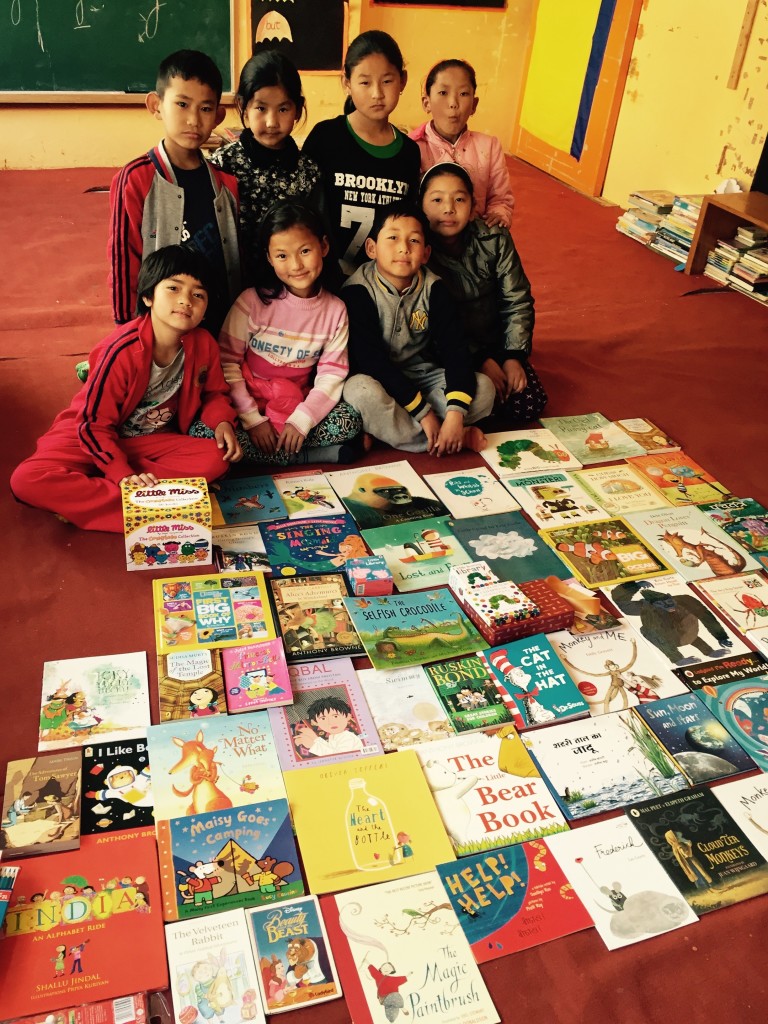
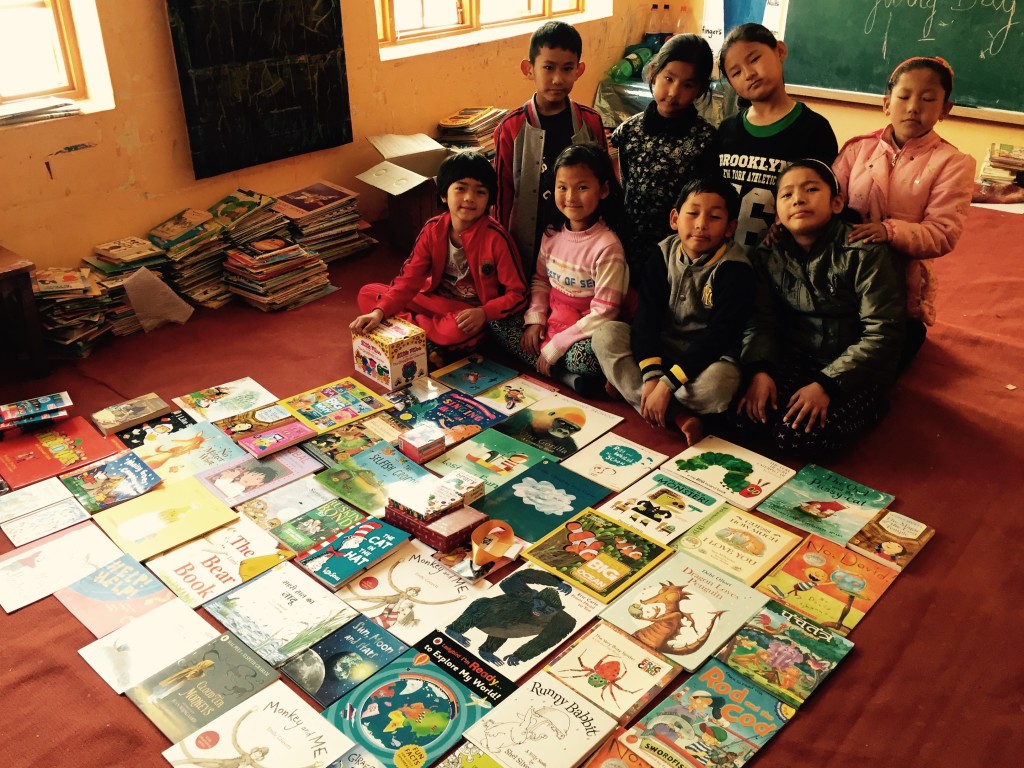
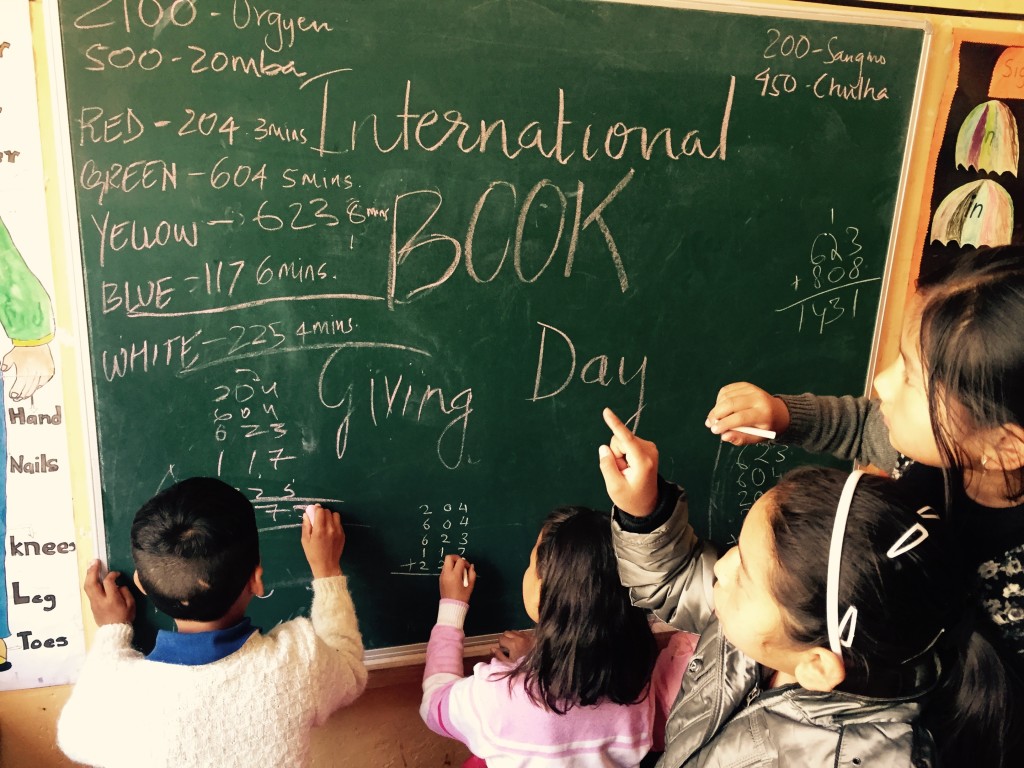
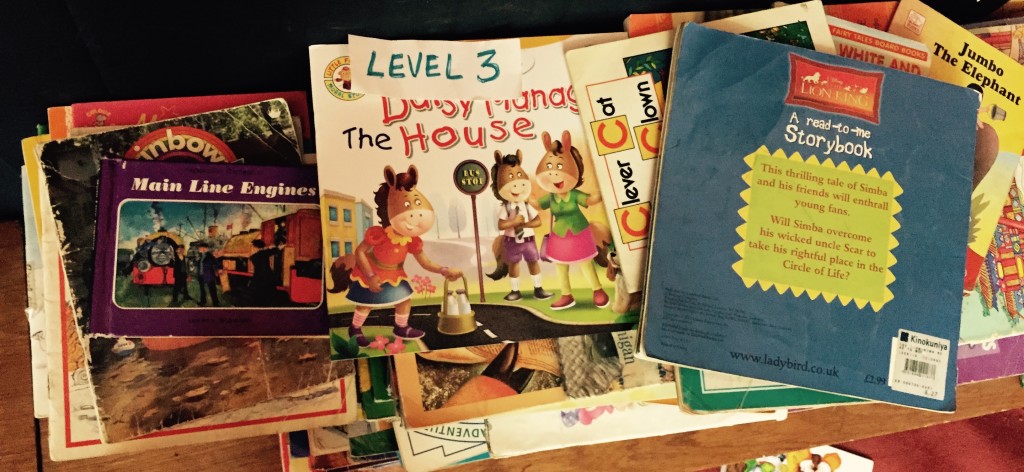
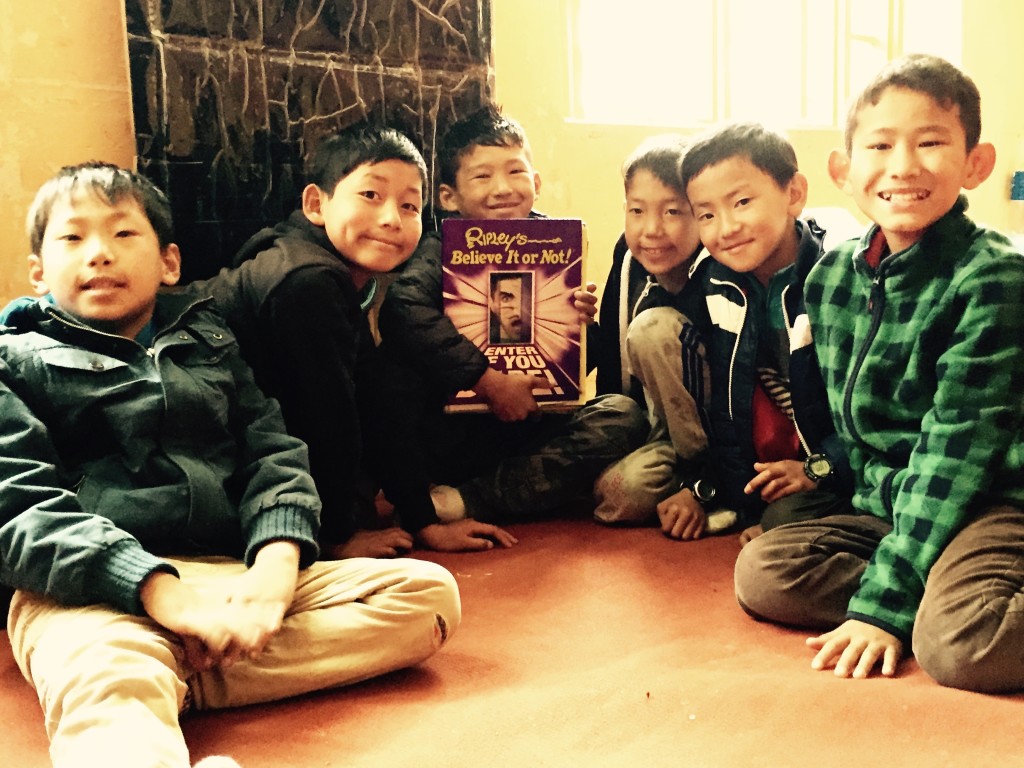
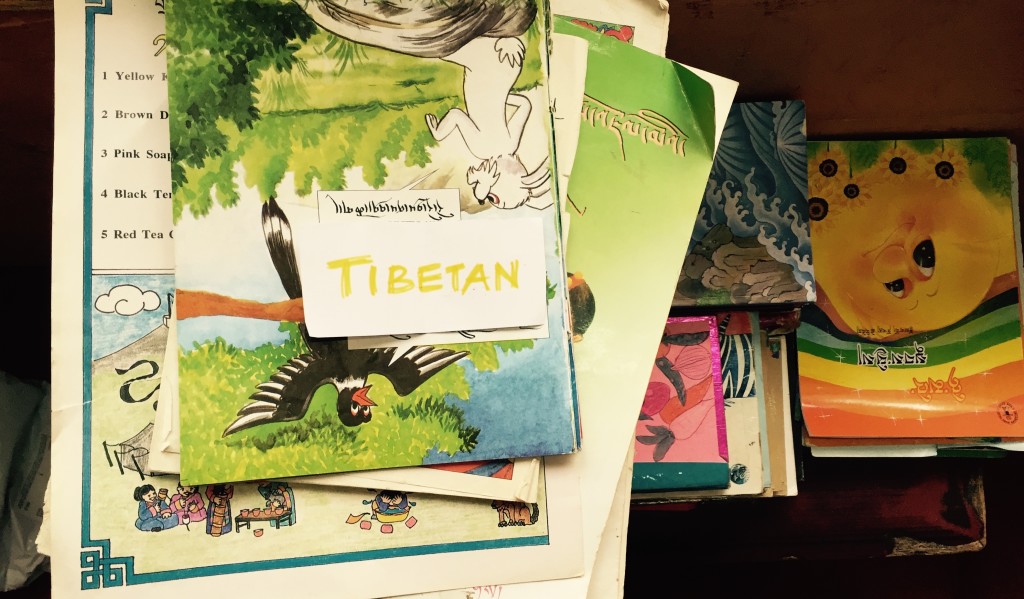
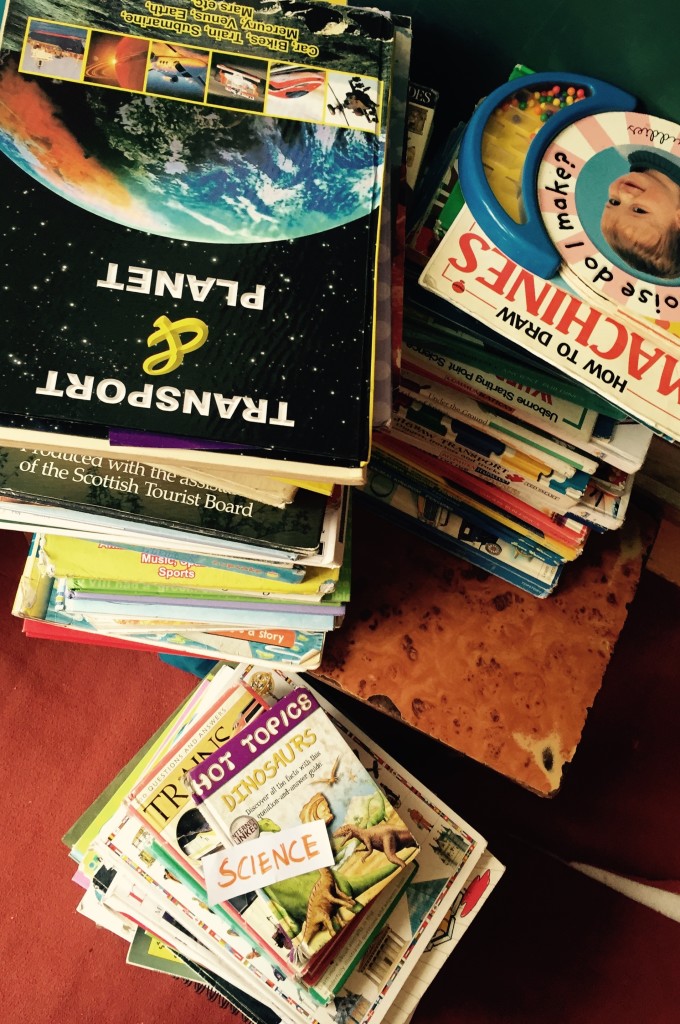
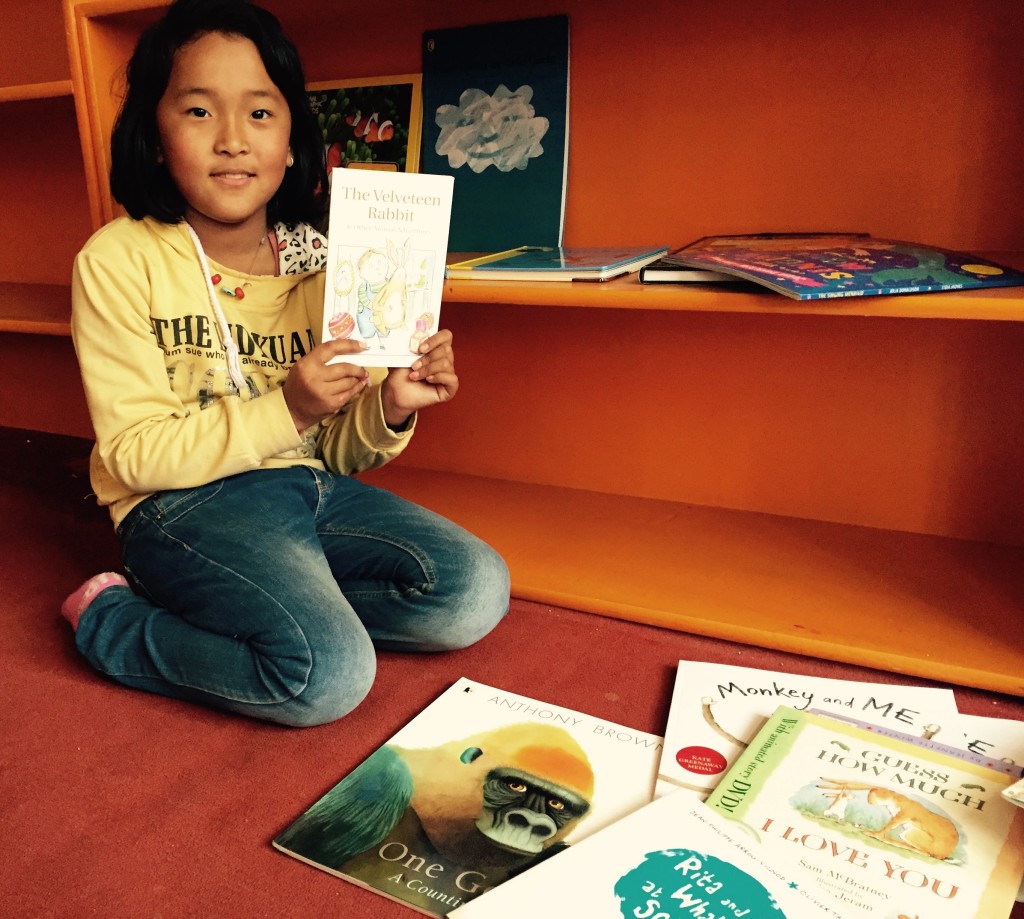
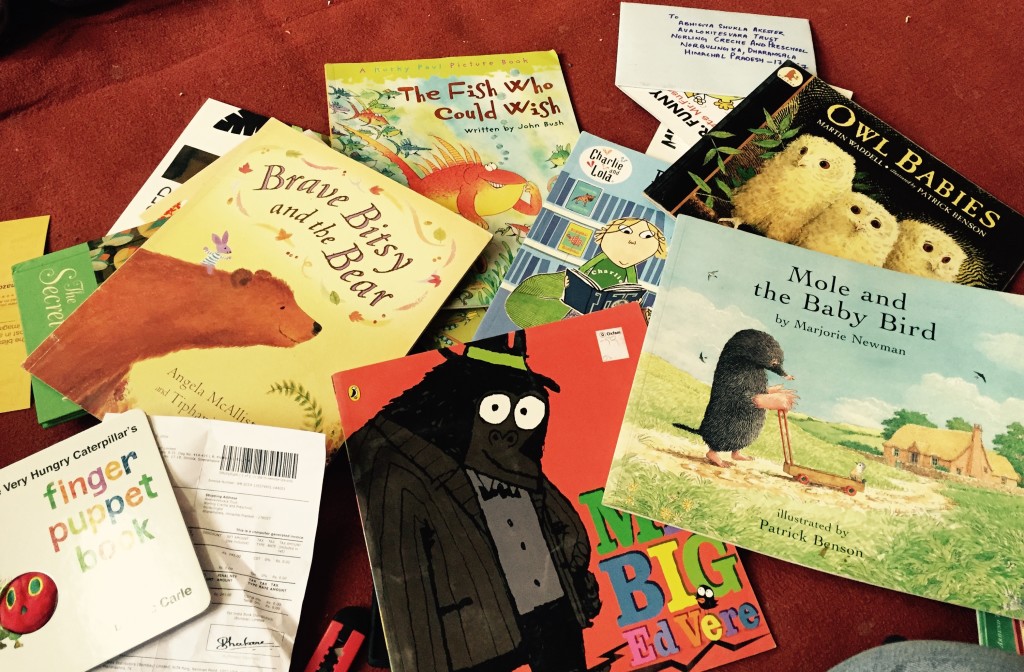
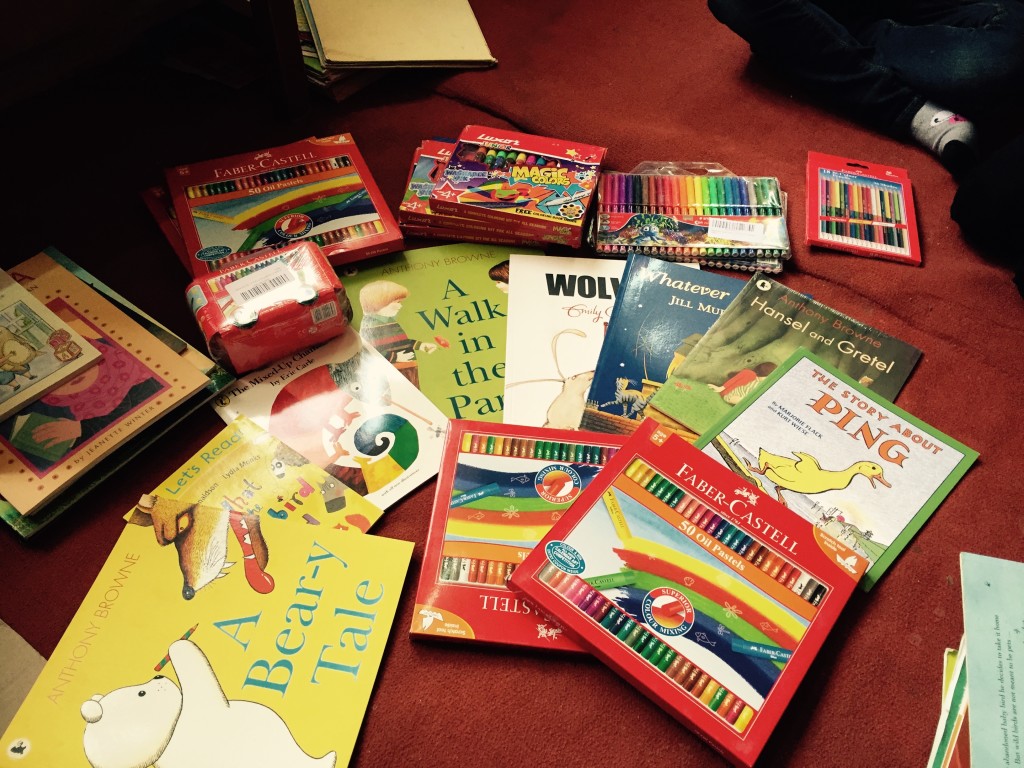
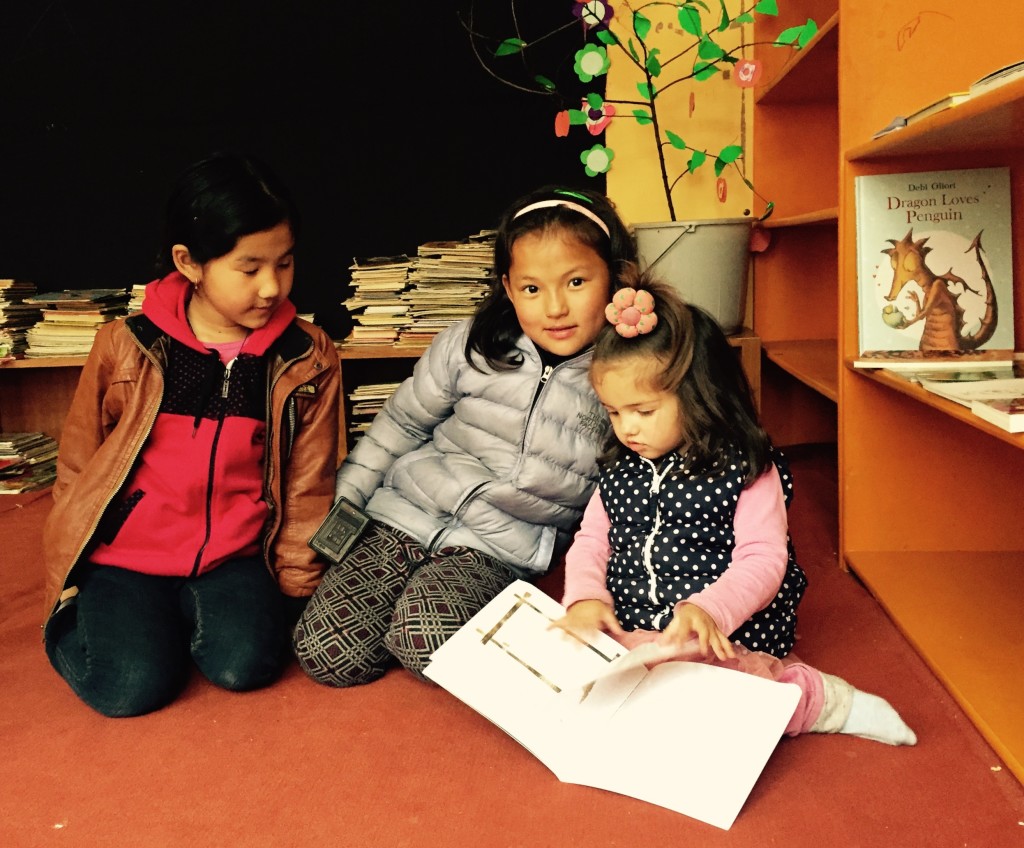
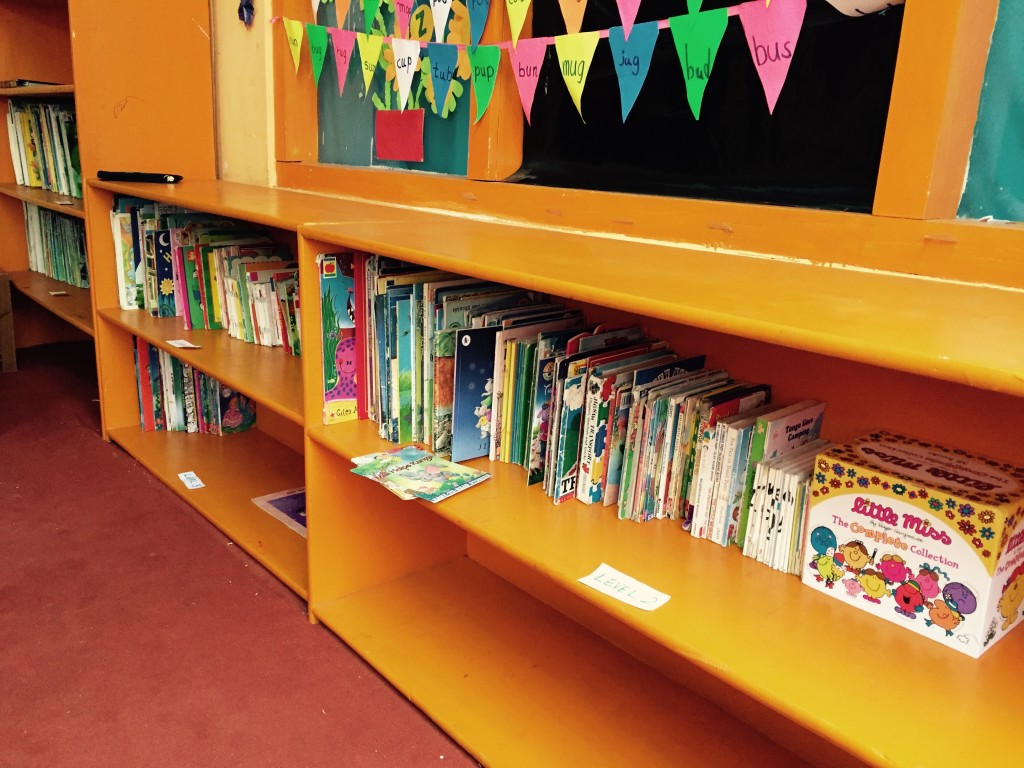
This approach also connects naturally with the work of Avalokiteśvara Trust, where reading rooms, book drives and creative activities give children access to stories and ideas. Art becomes a bridge between literacy and local identity, particularly in communities where roads, weather and limited supplies can affect access to educational resources.
Finding the Valley’s Shared Story
The first task is deciding whose history will appear on the wall. A valley is never represented by a single landmark or famous figure. Its story may include farmers, traders, craftspeople, teachers, nomadic families, monks, artists and children who are building the next chapter.
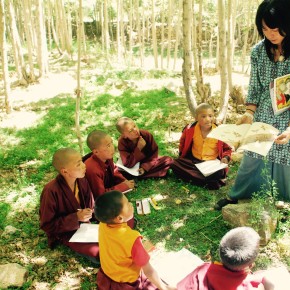
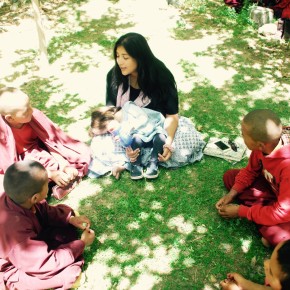
Facilitators can invite participants to bring family photographs, sketch a familiar place or describe a local tradition. A grandmother might recall an annual procession, while a young monk may choose the library where he discovered his first adventure story. These contributions help the group avoid creating a decorative image that looks attractive but says little about everyday life.
Historical accuracy matters, especially when a mural includes religious buildings, traditional clothing or important events. Older residents can explain details that are absent from books, while teachers can help children compare oral accounts with written sources. The goal is not to settle every difference, but to create a respectful visual record that acknowledges many perspectives.
Listening Before Painting
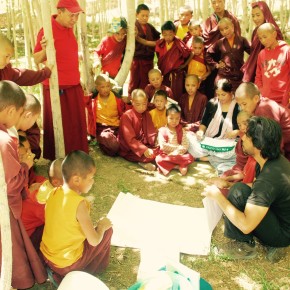
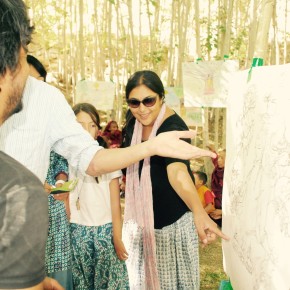
A planning workshop gives the community space to agree on the mural’s themes. Large sheets of paper can be divided into sections for landscape, livelihoods, culture, education and hopes for the future. Children might add drawings or key words, while adults contribute dates, place names and memories.
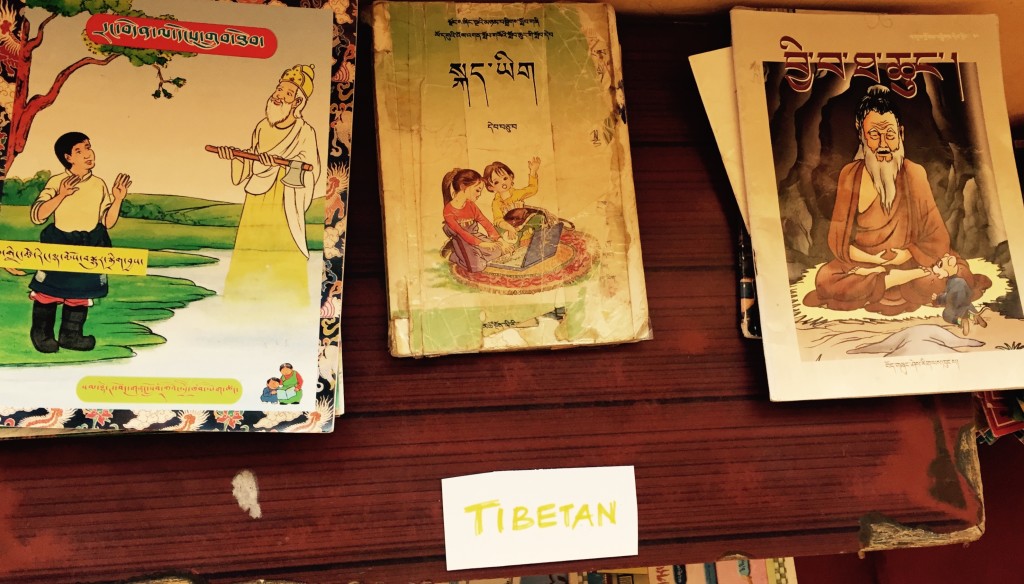
This stage is particularly important in a multilingual setting. Names can be checked in the languages used locally, and symbols should be discussed rather than assumed. A river may represent livelihood to one family, spiritual significance to another and a dangerous winter crossing to someone else.
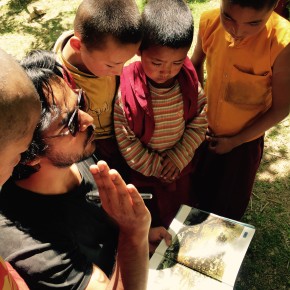
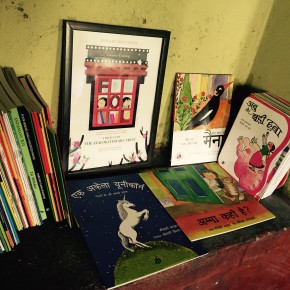
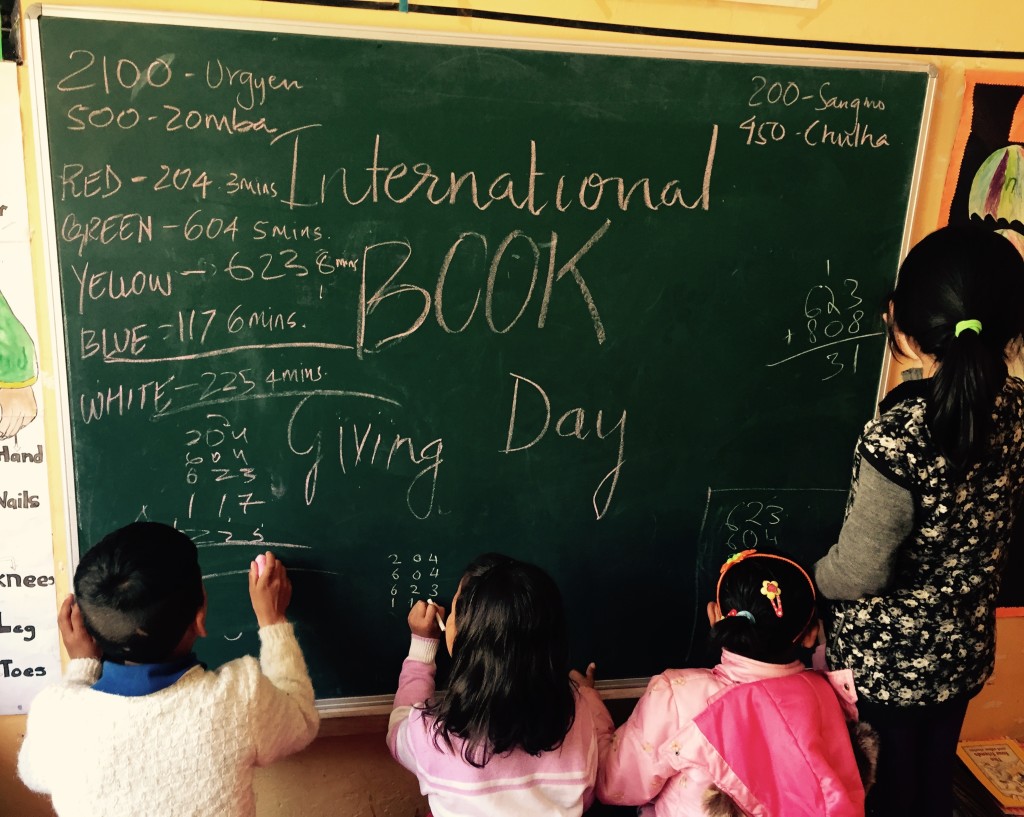
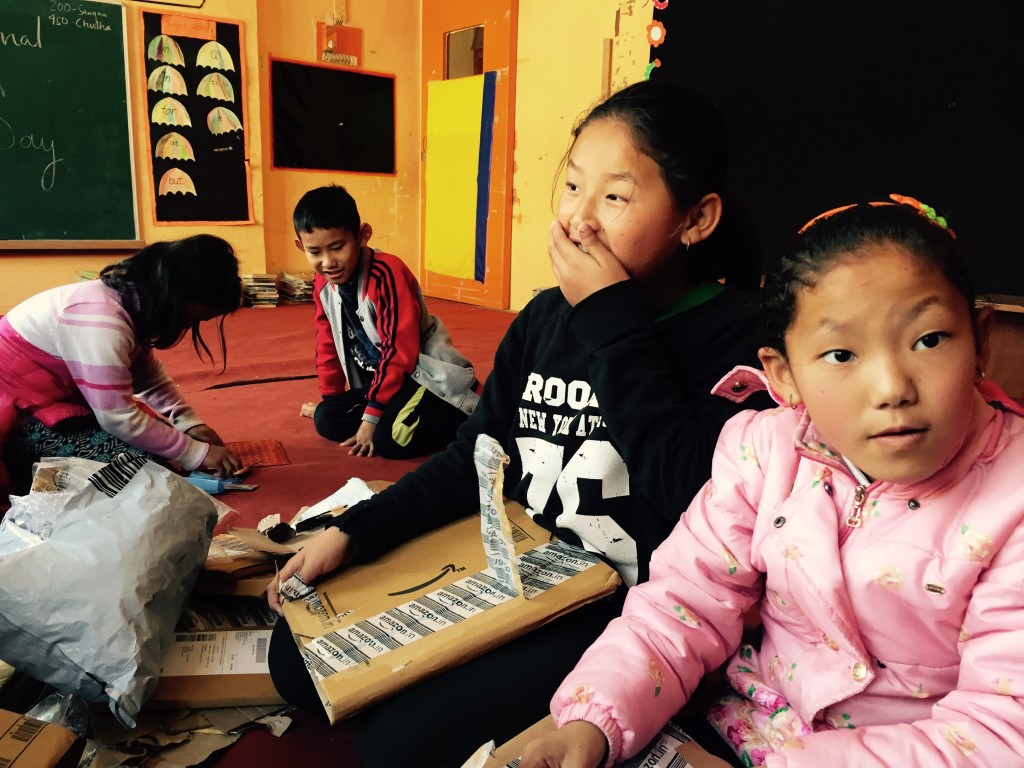
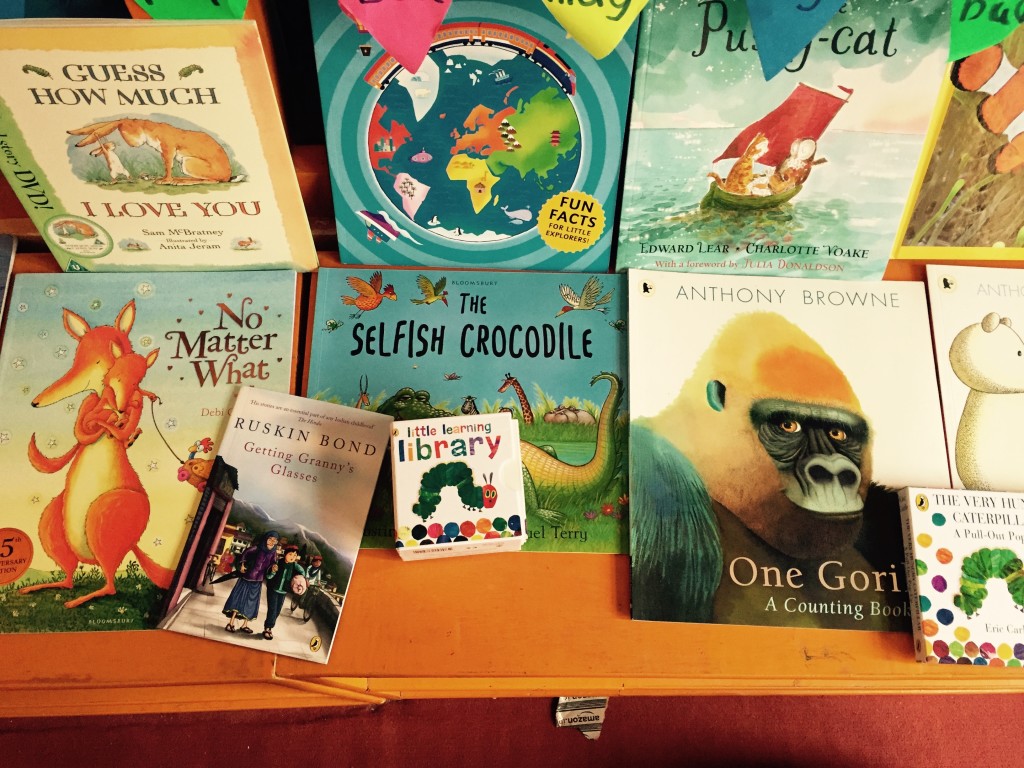
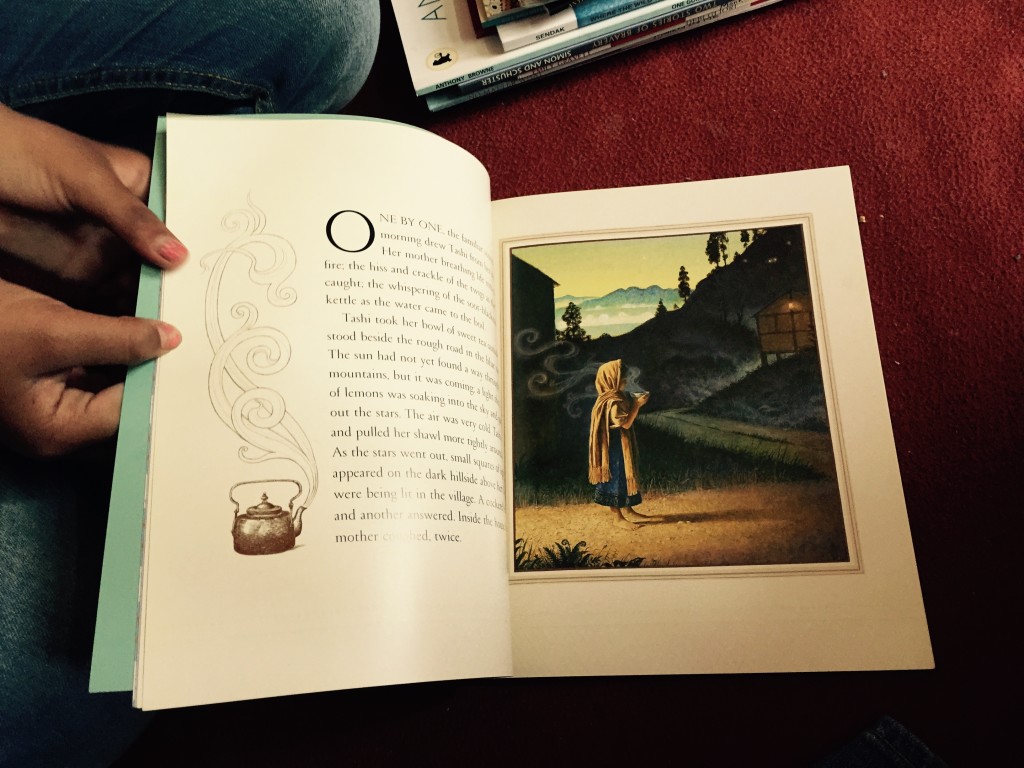
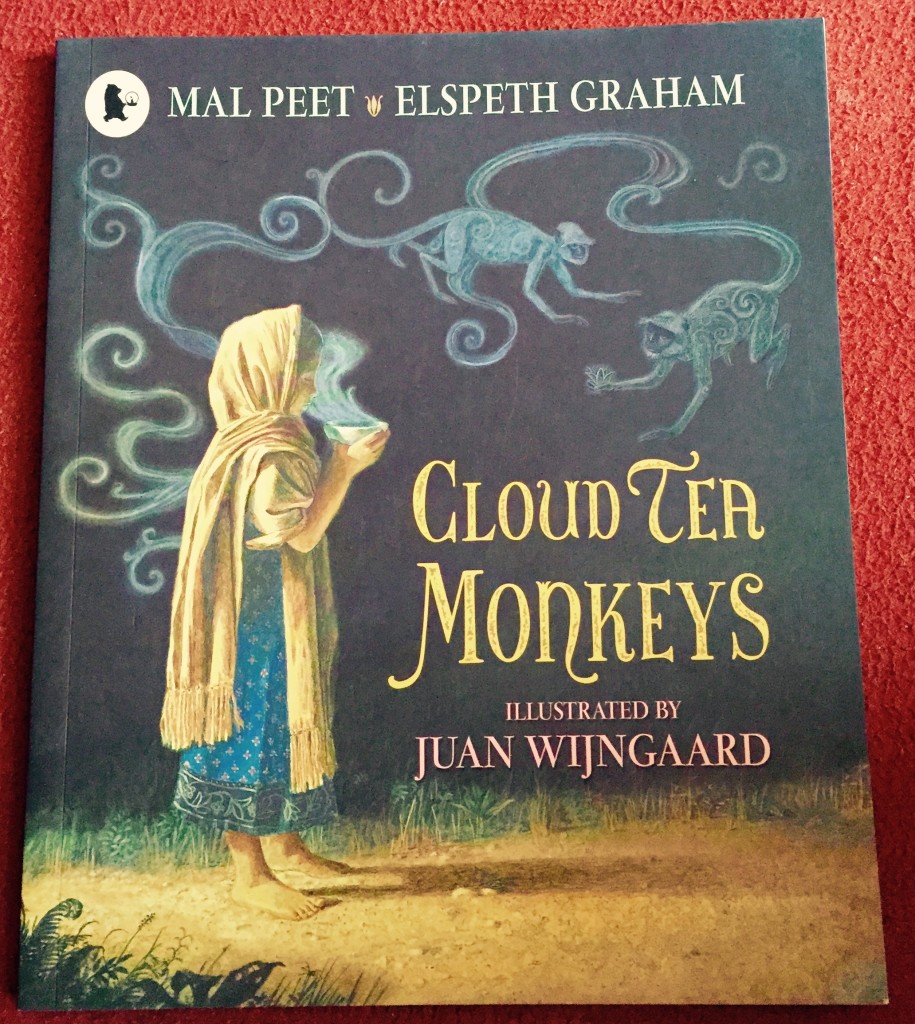
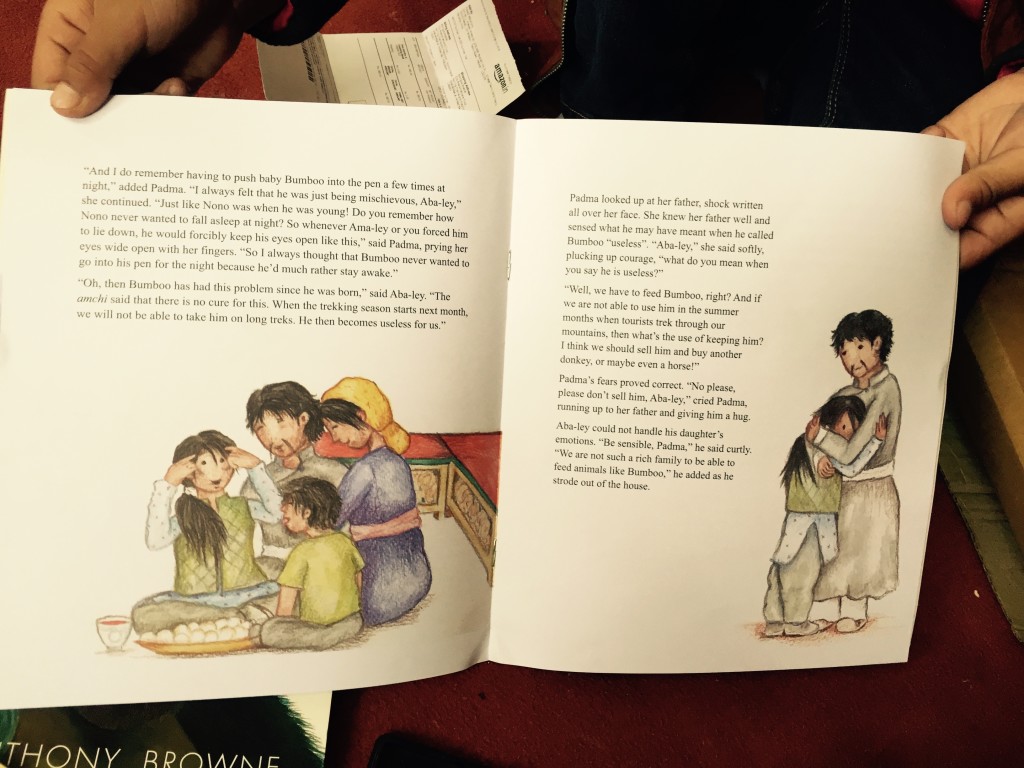
The project can also become a reading activity. Picture books, local histories and illustrated maps provide references for younger participants. When new books are difficult to bring into remote communities, the experience of the winter book challenge shows why creative programmes often depend on careful seasonal planning and shared resources.
From Sketches to a Wall
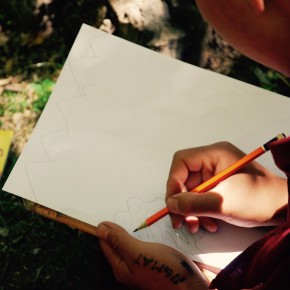
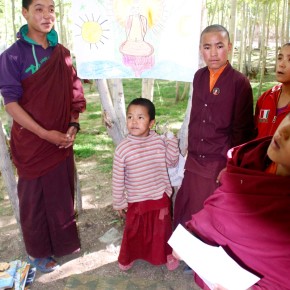
Once the themes are agreed, the group develops a design in stages. Children can make small drawings, which are then arranged into a large composition by an artist or art educator. This preserves the children’s ideas while ensuring that the mural has a clear flow from one scene to the next.
A winding river or mountain path can connect different moments in the valley’s history. Near the beginning, the image might show older forms of travel and agriculture. The centre could feature a monastery, market or village gathering, while the final section shows books, music, technology and young people imagining the future.
Scale is a practical consideration. A child’s drawing may contain wonderful detail, but it needs to be simplified before it is transferred to a large wall. Grids, chalk outlines and paper templates make the process manageable. Participants can learn how a small sketch becomes a public artwork without losing its original character.
Preparing Materials and People
The wall must be checked for cracks, moisture and loose paint before preparation begins. In a high-altitude environment, strong sunlight, dust and sharp temperature changes can affect pigments and surfaces. A small test patch helps the team decide which primer and paints will last.
Safety procedures should be simple and visible. Children need supervised work areas, suitable clothing and clear rules for ladders, tools and paint storage. Adults can handle higher sections and technical preparation, while younger participants work at accessible levels. This division allows everyone to contribute without turning the project into a performance for a few skilled painters.
Australian supporters will recognise similar principles from community art projects in Melbourne, Sydney and regional towns, where public murals often require permission from property owners and councils. A project involving children also needs careful consent and child-safe practices. In Australia, organisations commonly align their procedures with state or territory child protection requirements and the National Principles for Child Safe Organisations, even though the local legal framework in the Himalayan region may differ.
Learning Through Colour and Collaboration
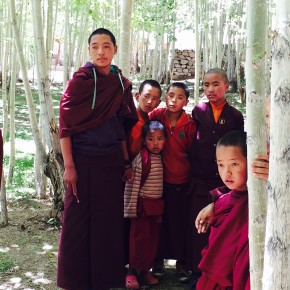
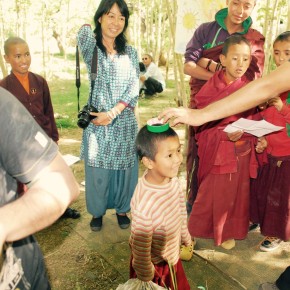
The mural can become an informal classroom. Children practise measuring, mixing colours and following a visual plan, while also learning about geography, oral history and design. Young monks may contribute patterns inspired by architecture or manuscripts, and other children may paint plants, animals, tools and household scenes.
Music and storytelling can extend the activity beyond the wall. Participants might record a short account of a local festival, perform a song or write captions for the different scenes. These materials can be kept in a reading room or shared with families, creating a small archive that supports future educational work.
The social experience matters as much as the artistic outcome. Painting requires patience because a finished section may need to be covered, corrected or repainted. Children learn to negotiate space, accept different abilities and recognise that a strong public artwork is built through shared decisions rather than individual ownership.
Measuring Meaning Beyond the Finished Image
A successful mural is more than a colourful backdrop. It should encourage people to stop, identify familiar places and ask about stories they do not know. Teachers can use it as a prompt for writing exercises, local history lessons or map-reading activities. Visitors may see an invitation to understand the valley through the experiences of its residents.
The project can be documented without making the documentation more important than the people involved. Photographs of the design stages, short interviews and copies of children’s sketches create a record for families and supporters. Captions should identify the community’s contribution and protect children’s privacy through appropriate consent.
| Project stage |
Community contribution |
Educational value |
Practical outcome |
| Story gathering |
Memories, photographs and place names |
Listening and local history |
Shared themes |
| Design development |
Children’s sketches and group discussion |
Visual planning and literacy |
Agreed composition |
| Wall preparation |
Surface testing and safety planning |
Responsibility and problem-solving |
Durable foundation |
| Painting |
Collaborative work across ages |
Creativity and teamwork |
Public mural |
| Documentation |
Captions, interviews and images |
Reflection and archiving |
Resource for future learning |
For supporters in Australia, a mural can also make a distant project feel tangible. A school in Brisbane might display copies of the children’s sketches during a reading week, while a community group in Adelaide could discuss how local migration, waterways or public art shape its own identity. At a Saturday market, where Australians often browse handmade goods and fresh produce, a small exhibition could share the valley’s story without reducing it to a souvenir.
Keeping the Mural Alive
The artwork needs a simple maintenance plan. A local team can inspect the wall before and after the wet season, record fading or damage and keep small amounts of matching paint for repairs. A date on the back of the project file, rather than on the visible mural, can help future volunteers understand when it was created.
The surrounding learning programme can continue through seasonal activities. Children might create a new panel about farming, climate or education every few years, or write stories inspired by one painted scene. This keeps the mural connected to living community experience rather than treating history as something finished.
Useful principles for future mural projects include:
- Begin with community stories instead of a predetermined image.
- Include children in research, design and painting at age-appropriate levels.
- Check names, symbols and historical details with local knowledge holders.
- Use materials suited to sunlight, dust, moisture and temperature changes.
- Record the process with consent so families can revisit it.
- Connect the mural to reading, music, storytelling and classroom activities.
A community mural lasts longest when people continue to use it as a place for learning and recognition. The next practical step is to gather a small group of children, elders, teachers and artists around a table with paper, pencils and a simple map of the valley, then record the first stories that deserve a place on the wall.